
World
Defense News ,Iran :- Iran announced on Monday the commencement of the construction of a nuclear research reactor in Isfahan, shortly after revealing plans for a nuclear power plant complex in the southern region.Mohammad Eslami, the head of the Atomic Energy Organisation of Iran, confirmed the initiation of the reactor's foundation work at the Isfahan site. The Isfahan nuclear research center, already hosting three reactors, is set to welcome a new 10-megawatt research reactor aimed at establishing a robust neutron source, as reported by the state media IRNA.The multifaceted applications of the new reactor include conducting fuel and nuclear material tests, as well as producing industrial radioisotopes and radiopharmaceuticals, according to IRNA.Despite facing stringent US sanctions since 2018, Iran remains steadfast in its pursuit of nuclear advancements. Following the withdrawal from the nuclear deal by former US President Donald Trump, Iran has consistently maintained that its nuclear activities are exclusively peaceful, denying any intention to develop nuclear weapons.Rafael Grossi, the director general of the UN's International Atomic Energy Agency (IAEA), expressed frustration in January over Iran's perceived limitations in cooperating with the agency. However, Iran continues to assert its commitment to peaceful nuclear pursuits.In a strategic move, Mohammad Eslami declared the construction of a nuclear power plant complex in Sirik, situated on the Strait of Hormuz, featuring four individual plants with a combined production capacity of 5,000 megawatts. Eslami outlined an ambitious goal, aiming for a national nuclear power production capacity of 20,000 megawatts by 2041 during a regional trip with Iranian President Ebrahim Raisi.The Sirik nuclear plants are anticipated to be fully operational by 2031, according to IRNA. Presently, Iran's only operational nuclear power plant, located in Bushehr, has a capacity of 3,000 megawatts. Achieving the 20,000 megawatt goal would place Iran among a select group of countries, including the United States, France, China, Russia, and South Korea, with such substantial nuclear capacity installations.
Read More → Posted on 2024-02-06 07:08:29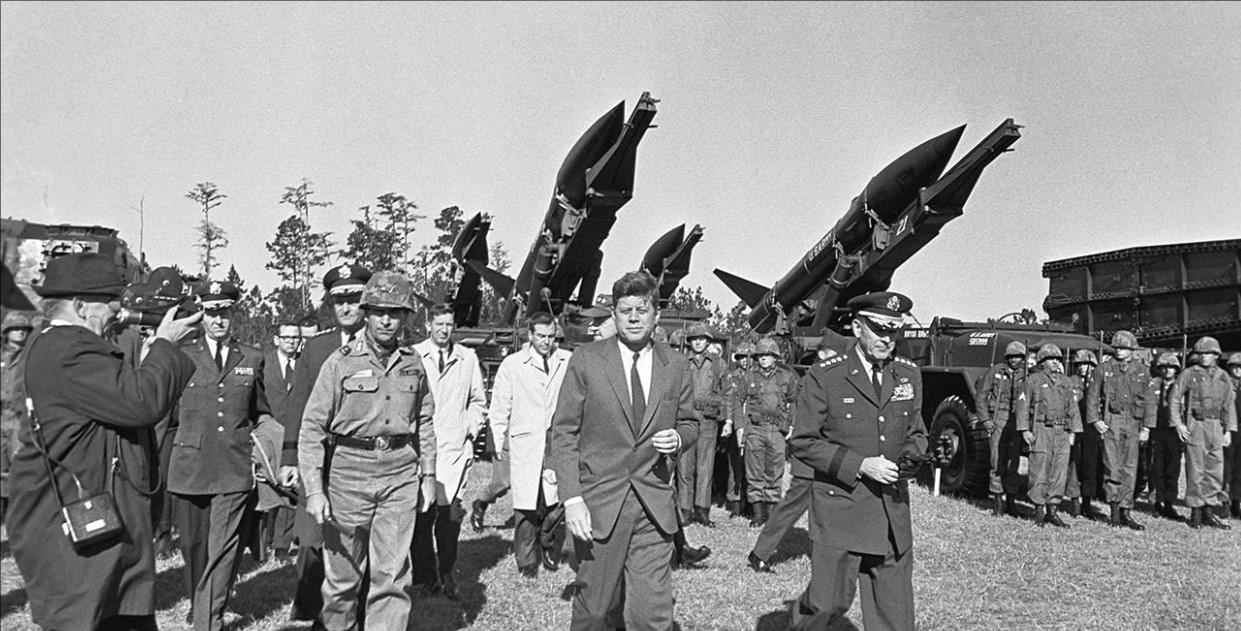
World
Cuban Missile CrisisThe Cuban Missile Crisis of October 1962 stands as one of the most perilous moments in Cold War history, bringing the United States and the Soviet Union to the brink of nuclear war. The crisis, triggered by the Soviet deployment of ballistic missiles in Cuba, unfolded over two intense weeks of negotiations between US President John F. Kennedy and Soviet Premier Nikita Khrushchev. This overview explores the origins, events, and consequences of the Cuban Missile Crisis, shedding light on the geopolitical landscape of the time and its lasting impact on global relations.The Cuban Revolution and Deteriorating RelationsThe roots of the crisis trace back to the Cuban Revolution, led by Fidel Castro, who came to power on January 1, 1959, after a successful guerrilla war against dictator Fulgencio Batista. Initially cautious, US policymakers grew concerned as Castro's regime adopted anti-US rhetoric and radical policies, including an alliance with the Soviet Union. President Dwight Eisenhower severed diplomatic ties with Cuba, anticipating contingency plans to overthrow Castro. As US-Cuban relations soured, Castro turned to the Soviet Union for support, signing trade agreements and receiving military aid.Origins of the Crisis: Bay of Pigs and Nuclear Weapon DeploymentThe failed Bay of Pigs invasion in 1961, where US-supported Cuban exiles aimed to overthrow Castro, marked a turning point. Faced with the threat of further US aggression, Castro sought protection from the Soviets, leading to a secret agreement for the deployment of nuclear weapons in Cuba. Khrushchev justified this move as a means to safeguard the Cuban Revolution and alter the global power balance in favor of the Soviet Union.The Cuban Missile Crisis UnfoldsIn October 1962, US U-2 spy planes discovered Soviet ballistic missile installations in Cuba, setting off what became known as the Cuban Missile Crisis. The Kennedy administration responded with a naval blockade, demanding the immediate removal of missiles. This approach risked escalation, including air strikes on Cuba and potential nuclear conflict with the Soviet Union.Negotiating a Peaceful OutcomeKhrushchev, initially denying the missile presence and declaring the blockade an act of war, eventually suspended weapons deliveries in transit. Over approximately two weeks, Kennedy and Khrushchev engaged in intense negotiations. A key compromise involved Kennedy agreeing to remove Jupiter missiles from Turkey, and both leaders pledged non-aggression towards Cuba. However, Castro felt betrayed as his demands, such as closing the Guantanamo naval base, were ignored.Consequences of the CrisisDespite Soviet attempts to portray the crisis as a victory, Khrushchev faced internal criticism and was forced into retirement. His successor, Leonid Brezhnev, sought to ease tensions with the United States. Kennedy, though hailed for his statesmanship, had to grapple with the fallout from the Bay of Pigs invasion. The crisis heightened awareness of the dangers of nuclear brinksmanship, leading to the establishment of a Moscow-Washington hotline for direct communication.Post-Crisis DevelopmentsIn August 1963, the US, Soviet Union, and Great Britain signed a treaty banning atmospheric and underwater nuclear testing. However, Kennedy's authorization of a massive arms buildup diminished the impact of the test-ban treaty, intensifying the arms race and reinforcing US strategic superiority in the Cold War.The Cuban Missile Crisis, a pivotal moment in Cold War history, highlighted the perilous nature of nuclear brinksmanship and its potential for global catastrophe. The events surrounding the crisis reshaped the geopolitical landscape, influencing the ouster of Khrushchev, fostering improved US-Soviet relations, and contributing to arms control efforts. The legacy of the Cuban Missile Crisis endures as a cautionary tale, emphasizing the need for diplomatic solutions and international cooperation to avert nuclear threats.
Read More → Posted on 2024-02-05 17:00:34
World
Defense News ,Saudi :- Lockheed Martin, the U.S. defense contractor, has recently inked contracts enabling Saudi Arabian companies to manufacture components of its Terminal High Altitude Area Defense (THAAD) system. The agreements, totaling 11, were formalized during the Saudi defense exhibition in Riyadh, as announced by Lockheed Martin on Monday.According to the state news agency, Saudi Arabian Military Industries (SAMI), a state-owned entity, is set to play a significant role in this collaboration. These sub-contracts are poised to bolster manufacturing capabilities within Saudi Arabia, facilitating the transfer of expertise and technology to fortify the nation's defense industry, as highlighted in Lockheed's official statement.Amid escalating tensions in the region, with shipping companies opting to suspend transit through the Red Sea to avoid potential attacks by Yemen's Iranian-backed Houthi group, the timing of these agreements is crucial. The Houthis have been deploying exploding drones and missiles at vessels since November, reacting to Israel's military operations in Gaza.Despite the geopolitical challenges, the Biden administration has reaffirmed its support for Saudi Arabia to receive the THAAD system, initially approved in 2017 to counter ballistic missile threats. Lockheed Martin's prime partners in these sub-contracts include Middle East Propulsion Company (MEPC) and Arabian International Company (AIC) for Steel.In a parallel development, Boeing Saudi Arabia and Bahri Logistics, a subsidiary of the national shipping company, have entered into a strategic Memorandum of Understanding (MoU). This agreement aims to amplify supply chain activities in Saudi Arabia while enhancing Bahri's support for services and defense-related products. The partnerships reflect a broader effort to strengthen regional defense capabilities and foster economic collaboration.
Read More → Posted on 2024-02-05 16:47:31
World
Defense News ,Maldives :- The newly elected president of the Maldives, Mohamed Muizzu, has pledged to enhance the country's military capabilities to protect its extensive maritime territory. This comes in the wake of his directive for the withdrawal of Indian troops from the archipelago, signaling a strategic shift in alliances.During his inaugural address to parliament, Muizzu outlined his vision to transform the modest Maldivian National Defence Force (MNDF) into a modern military force capable of effectively patrolling its vital seas, strategically positioned along key global shipping lanes.The pro-China leader reaffirmed that India would commence the withdrawal of its troops, including three maritime reconnaissance aircraft, starting from March 10, with the process expected to conclude within two months. Despite New Delhi's perception of the Indian Ocean archipelago being within its sphere of influence, Muizzu's election in September marked a shift towards closer ties with China, the Maldives' largest external creditor.Expressing his commitment to bolstering the nation's defense capabilities, Muizzu stated, "I believe that the modern military capability to defend the country by road, sea, and air should be strengthened in the Maldives. We have started to do that now." He also emphasized that the MNDF would soon have the capacity to conduct round-the-clock surveillance of the Maldives' extensive Exclusive Economic Zone (EEZ) covering 900,000 square kilometers (347,000 square miles).Tensions between the Maldives and India escalated recently when the Maldives accused India's coastguard of entering the northern part of its EEZ and intimidating local fishing vessels. Muizzu conveyed his decision to not extend a 2019 agreement for joint hydrographic surveying, expressing reluctance to grant "a foreign nation the power to measure and map the Maldivian oceans and coastlines."Situated 800 kilometers (500 miles) across the equator, the Maldives has emerged as one of South Asia's most exclusive tourist destinations. However, recent diplomatic strains with India, exacerbated by social media comments from junior ministers, prompted Indian celebrities to call for a boycott of the Maldives. With tourism constituting nearly a third of the Maldives' economy, the evolving geopolitical dynamics are likely to have significant economic implications.
Read More → Posted on 2024-02-05 16:44:09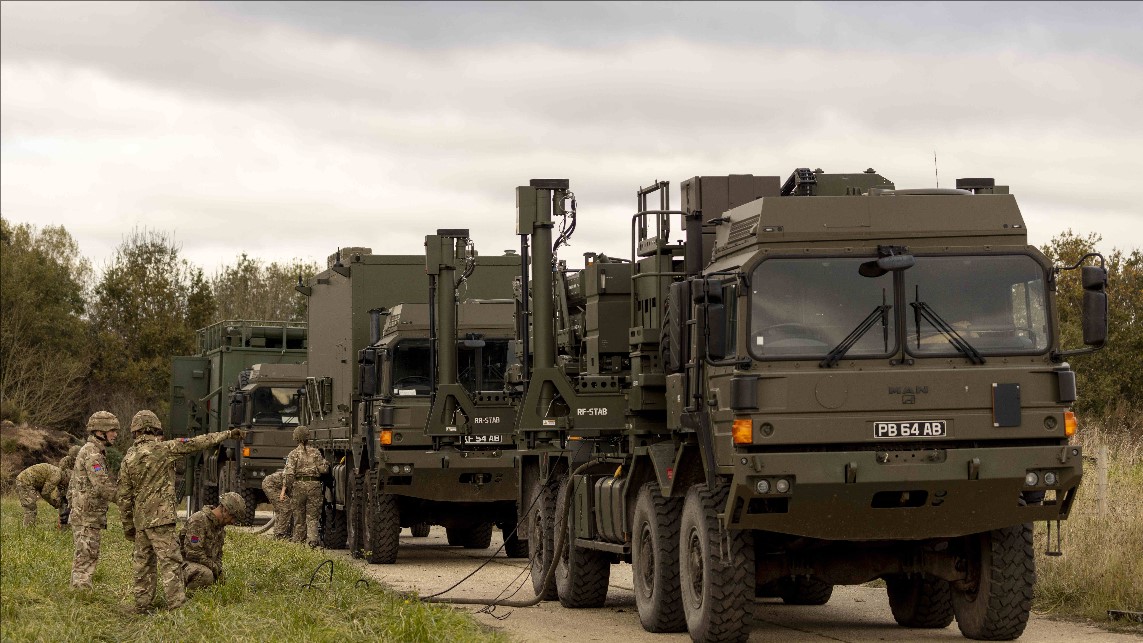
World
Defense News ,UK :- The British Army is poised to enhance its logistical capabilities with the acquisition of 500 support trucks over the next seven months, following a £282 million ($354 million) contract with Rheinmetall MAN Military Vehicles (RMMV).These trucks will be sourced from RMMV's HX line of logistics vehicles, specifically designed for heavy off-road use during cargo and troop-carrying missions. The HX trucks boast an array of advanced features, including an increased payload capacity, a sharper turning radius, underrun protection for enhanced safety, and a more efficient EURO 5 engine.Supervised by Britain’s Defence Equipment & Support, Army Headquarters, and the Field Army, the expedited turnover of equipment will be carried out under the Rapid Acquisition Project. This initiative aims to rapidly procure military capabilities, providing the army with improved agility and responsiveness.James Cartlidge, the Defence Procurement Minister, emphasized the significance of swift acquisitions for the army's logistical missions, stating, "This procurement demonstrates our commitment to equipping our Armed Forces with the best tools available, ensuring mobility, agility, and resilience in the face of evolving threats."RMMV's HX vehicles offer a cost-effective solution, featuring military off-the-shelf components, making them more affordable than other mobility trucks. The suspension system of these vehicles incorporates long and wear-free rubber-mounted springs, large shock absorbers, and stabilizers, enabling smooth transitions across various terrains.With a top speed of up to 62 miles (100 kilometers) per hour and a maximum operational range of 300 miles (483 kilometers), these HX trucks provide both speed and endurance. The incorporation of cutting-edge technology ensures that the British Army's logistical fleet will be well-equipped to handle a diverse range of operational challenges.Notably, RMMV's logistics trucks are gaining traction internationally, with Austria recently signing a €300 million ($329 million) deal to procure 300 units for its armed forces. The global adoption of these advanced vehicles underscores their effectiveness and versatility in meeting the logistical demands of modern military operations.
Read More → Posted on 2024-02-05 16:14:45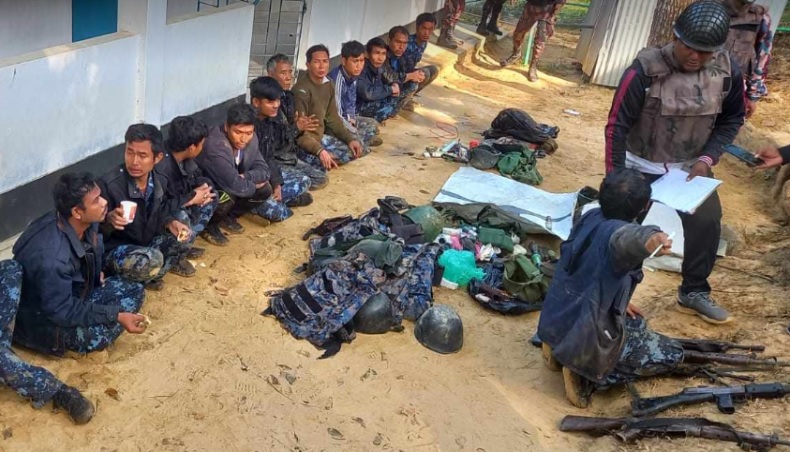
World
Defense News , Myanmar :- In a concerning development on Sunday, intense fighting erupted close to the Bangladesh-Myanmar border, leaving terrified residents caught in the crossfire. Reports emerged of bullets crossing the frontier, medical professionals treating injured individuals, and the admission by the government that guards had sought refuge as the situation escalated.Doctors Without Borders (MSF), an aid agency, revealed that its medical team in Cox’s Bazar had received a substantial influx of patients following the clashes at the Bangladesh-Myanmar border. As of Sunday evening, Kutupalong Hospital had admitted 17 patients, with no detailed information provided regarding their nationalities or injuries.According to Bangladesh's Home Minister Asaduzzaman Khan, at least 14 border officers from Myanmar's Rakhine state sought refuge in Bangladesh for self-protection as rebel forces from the Arakan Army (AA) advanced. However, local media sources suggested a higher number, with Channel 24 reporting that 66 officers, including 10 with bullet wounds, sought shelter on Bangladeshi soil.Minister Khan expressed concern about the Arakan Army's continuous advancement, stating, "The Arakan Army has captured many areas of Rakhine state one after another. According to our information, they are advancing forward." The conflict in the region has been ongoing since November, when the AA terminated a ceasefire that had held since a 2021 coup.Parts of Myanmar near the Bangladesh border and neighboring India have witnessed frequent clashes, escalating tensions in the region. An alliance, including AA insurgents and ethnic minority fighters, launched a joint offensive in October, capturing crucial trade hubs on the Chinese border. Although a China-mediated ceasefire was announced last month by the alliance, it does not apply to areas near the Bangladeshi and Indian borders, where hostilities persist.Residents in Bangladeshi villages near the border expressed fear that the fighting might spill over into their territory. Villagers reported stray bullets causing injuries, leading to sleepless nights filled with anxiety. Khairul Bashar shared that his uncle was shot in the leg by a stray bullet from Myanmar, emphasizing the pervasive fear in the community.Rahima Begum, another villager, recounted fleeing her village in Tumbru, highlighting the terrifying experience of gunfire and bombs near their homes. Primary teacher Helal Uddin noted a decline in student attendance near the border, prompting a relocation to Cox’s Bazar for safety and shelter.MSF, monitoring the situation closely, expressed concern for both sides of the border affected by the violence. Minister Khan assured that Bangladesh had reinforced security along its border and would contact Myanmar to repatriate the guards. He affirmed, "Whoever enters inside our border, we will detain and hand them over to Myanmar." Bangladesh, already home to approximately one million Rohingya refugees displaced in a 2017 military crackdown in Myanmar, faces heightened challenges as border tensions escalate.
Read More → Posted on 2024-02-05 16:06:12
World
Defense News ,Russia Ukraine War :- In the past month, Russia's energy infrastructure has faced a barrage of drone attacks and fires, contributing to the existing uncertainties in global oil and gas markets, already grappling with the Middle East conflict. The ongoing geopolitical tensions between Russia and Ukraine have escalated to the point where both nations are actively targeting each other's energy facilities, aiming to disrupt supply lines, logistics, and undermine morale in their protracted conflict.Recent Incidents at Russian Oil Facilities:Over the last month, several major incidents have unfolded at Russian oil facilities, adding to the growing concerns in the energy sector:1. Ukrainian Attack on Volgograd Refinery (Feb. 3):Two Ukrainian attack drones targeted Russia's largest oil refinery in the south, leading to a reduction in Russia's exports of naphtha, a crucial petrochemical feedstock.Lukoil, the second-largest Russian oil producer, later confirmed that the 300,000 bpd Volgograd refinery was operating normally.2. Attempted Strike on Baltic Sea Oil Terminal (Jan. 18):A Russian official reported Ukraine's unsuccessful attempt to target a Baltic Sea oil terminal with a drone.St. Petersburg Oil Terminal's co-owner, Mikhail Skigin, highlighted the successful defense against a potential catastrophe that could have resulted in human losses and ecological damage.3. Fire at Klintsy Storage Facility (Jan. 19):Four oil tanks at a storage facility in Klintsy, Russia, caught fire after the military intercepted a Ukrainian strike drone.Ukraine's military intelligence agency neither confirmed nor denied its involvement in the incident.4. Ryazan Oil Refinery Fire (Jan. 19):A fire broke out at Ryazan oil refinery, Russia's third-largest, as reported by the Komsomolskaya Pravda newspaper, citing emergency services.5. Ust-luga Terminal and Fuel Complex Incident (Jan. 21):Novatek, a Russian energy giant, suspended operations at the Baltic Sea fuel export terminal at Ust-luga and a nearby fuel-producing complex due to a fire.Ukrainian media suggested a drone attack as the cause, leading to potential disruptions in Russia's naphtha exports.6. Tuapse Oil Refinery Fire (Jan. 26):Rosneft's Tuapse oil refinery in southern Russia halted oil processing and output following a fire, allegedly caused by Ukrainian drone attacks.7. NORSI Refinery Incident (Jan. 27):Lukoil halted a unit at NORSI, Russia's fourth-largest refinery, near Nizhny Novgorod, after an unspecified incident.Repair work, according to Russian Deputy Prime Minister Alexander Novak, is expected to take at least a month or a month and a half.8. Drone Attack on Slavneft-YANOS Refinery (Jan. 29):Russian air defenses thwarted a drone attack on the Slavneft-YANOS oil refinery in Yaroslavl, northeast of Moscow.Impact on Global Markets:The cumulative effect of these incidents suggests potential disruptions in Russia's oil and gas exports, particularly in the naphtha sector. Traders and LSEG ship-tracking data estimate a significant reduction in exports, adding further strain to global oil and gas markets already grappling with uncertainties.The recent spate of drone attacks and fires on Russia's energy infrastructure underscores the intensification of geopolitical tensions between Russia and Ukraine. The strategic targeting of vital oil facilities not only poses immediate challenges for Russia's energy sector but also contributes to the broader uncertainties in the global oil and gas markets. As the situation evolves, the repercussions of these incidents on energy security and market dynamics will continue to unfold.
Read More → Posted on 2024-02-05 15:58:02
World
Defense News ,Taiwan :- Raytheon, a leading defense contractor, has been granted a $68.4-million contract to manufacture AGM-154 Joint Standoff Weapons (JSOW) for Taiwan. This significant deal involves delivering a total of 50 AGM-154s to the Taiwanese military by March 2028, as confirmed by the US Department of Defense.The AGM-154s supplied under this contract will feature the latest Block III C configuration, enabling seamless integration into a variety of aircraft, including the F/A-18 Hornet, F-35 Lightning II, and F-16 Fighting Falcon. The majority of the contract-related work is slated to take place in Arizona.With a "fire-and-forget" capability, the AGM-154 JSOW is equipped to autonomously navigate to its target at distances of up to 110 kilometers (68 miles), leveraging a GPS/inertial navigation system.This procurement aligns with the comprehensive arms package announced by the US government in 2017 for Taiwan, which included seven items. The AGM-154 JSOW is a crucial component of this package, enhancing Taiwan's military capabilities with cutting-edge precision strike capabilities.The Taiwanese Ministry of National Defense, recognizing the importance of fortifying its invasion deterrence, submitted a wishlist for weapons in October 2023 to the country's legislature. This wishlist included precision strike missiles such as the US-made AGM-88 High-Speed Anti-Radiation Missiles, AGM-84 Standoff Land Attack Missiles, and the AGM-154 JSOW, which is now under contract.The ministry emphasized that these weapons would significantly bolster the ground and sea attack capabilities of Taiwan's F-16 fleet, particularly those operating from the southern coast of the island. The inclusion of advanced glide bombs like the AGM-154 JSOW is expected to enhance Taipei's capacity for long-range strikes, a critical priority given the escalating pressure from China on the small island nation.The recent contract between Raytheon and Taiwan underscores the commitment to strengthening the island's defense capabilities with cutting-edge weaponry. The AGM-154 JSOW, with its advanced features and versatility, represents a crucial element in Taiwan's strategy to deter potential invasions and respond effectively to evolving regional security challenges.
Read More → Posted on 2024-02-05 15:48:43
World
Defense News ,Srilanka :- In a recent diplomatic dispute between India and the Maldives, the tourism industry has been shaken, leading to unexpected gains for Sri Lanka. January 2024 witnessed a remarkable influx of 208,253 tourists to Sri Lanka, surpassing the Maldives' 192,385 visitors for the first time in four years. This shift coincides with a decline in Indian tourists to the Maldives, marking a departure from their longstanding position as the top source of visitors.The catalyst for this transformation can be traced back to a diplomatic row in January, where derogatory comments against India's Prime Minister triggered widespread outrage among Indian citizens. This discontent fueled a "Boycott Maldives" campaign, prompting many to explore alternative holiday destinations.Sri Lanka, renowned for its breathtaking beaches, diverse landscapes, and cultural richness, emerged as a natural choice for numerous Indian travelers. This surge resulted in a remarkable 100% increase in Indian tourists compared to January 2023, propelling Sri Lanka to the forefront of the regional tourism scene.Conversely, the Maldives, heavily dependent on Indian tourism, bore the impact of the boycott. Indian tourists, once at the top, now occupy the fifth position, resulting in a substantial decline in overall visitor numbers. This underscores the delicate nature of the tourism industry and its vulnerability to external factors such as diplomatic tensions.The long-term consequences of this shift remain uncertain, serving as a poignant reminder of the importance of maintaining positive diplomatic relationships and cultivating a welcoming environment for international visitors. Only through transparency, understanding, and cooperation can both Sri Lanka and the Maldives ensure the sustained prosperity of their tourism industries.
Read More → Posted on 2024-02-05 06:38:07
World
Defense News ,India :- In a significant development, the Anti-Terrorist Squad (ATS) of Uttar Pradesh Police apprehended Satendra Siwal, a Ministry of External Affairs employee posted at the Indian Embassy in Moscow, on charges of engaging in anti-national activities with the Pakistani intelligence agency ISI. The arrest follows suspicions of Siwal providing crucial confidential information pertaining to the strategic operations of the Ministry of Defence, the Ministry of External Affairs, and Indian military establishments.According to an official statement released on Sunday, Siwal, the son of Jaiveer Singh from Shahmahiuddinpur village in the Hapur district, was taken into custody after an extensive investigation by the ATS. The intelligence indicated that individuals associated with the ISI were enticing Ministry of External Affairs employees, including Siwal, with financial incentives to gather strategic information concerning the Indian Army, posing a significant threat to India's internal and external security.The ATS, employing electronic and physical surveillance, identified Siwal's connection with ISI handlers and his involvement in anti-India activities. It was revealed that he was providing critical confidential information in exchange for monetary gains. Following this discovery, Siwal was summoned to the ATS field unit in Meerut for interrogation, during which he confessed to his involvement in the espionage activities.An FIR has been lodged against Siwal, who has been serving as the India Based Security Assistant (IBSA) at the Indian Embassy in Moscow since 2021. The charges include Section 121A of the IPC (waging war against the country) and violations of the Official Secrets Act of 1923. The arrest underscores the gravity of the situation and the concerted efforts to safeguard India's national security against espionage and anti-national activities.
Read More → Posted on 2024-02-04 16:13:12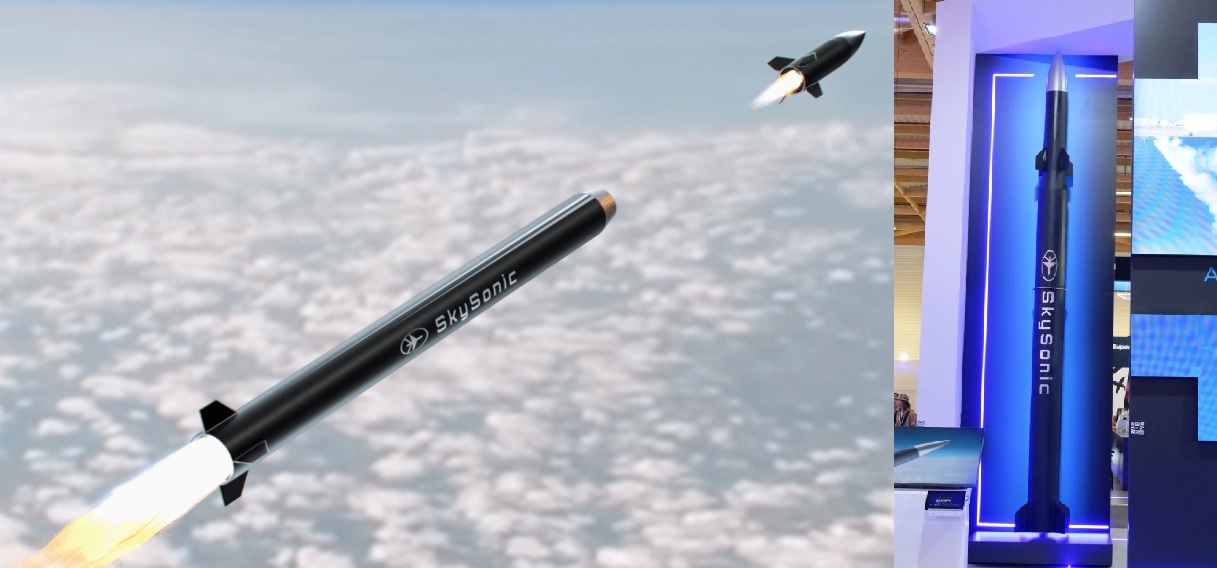
World
Defense News ,Israel :- In Paris Air Show 2023, Rafael of Israel revealed its revolutionary Sky Sonic missile, a cornerstone of its defense system designed to counter the escalating hypersonic threat. The unveiling took place six months ago, providing a glimpse into Israel's strategic response to the evolving nature of aerial threats.The Sky Sonic missile, characterized by its imposing size exceeding 6 meters, operates on a sophisticated two-stage system. The lower stage acts as the main booster, propelling the missile at high speeds. Positioned at a programmable distance/altitude, ranging from 7 to 20 km and adjustable post-launch, the booster separates from the kill vehicle, often referred to as "the brain of the system" by company representatives.Rafael emphasized the multifaceted nature of the hypersonic threat, focusing not only on speed but also on critical factors such as altitude and maneuverability. The missile is engineered to operate at speeds surpassing Mach 20 and altitudes of 70-80 km, navigating the challenging conditions of the mesosphere where thin air and reduced aerodynamic efficiency present unique challenges.The Sky Sonic's kill vehicle features a primary motor used predominantly in the final engagement phase, coupled with maneuverability facilitated by movable fins and lateral thrust in conditions of sufficient air density. The missile is still in the research and development phase, showcasing Rafael's commitment to advancing next-generation technologies and unique conceptual frameworks.Unlike conventional interception methods, the Sky Sonic does not aim to directly collide with the incoming threat. Instead, it employs an anticipatory approach, maneuvering to approach the threat head-on at speeds exceeding 5,000 m/s. While a direct hit at such speeds ensures the destruction of the incoming threat, Rafael highlights the redundancy of the system. A proximity fuse triggers the warhead within lethal range, making the intercept both unique and different from conventional methods.Rafael provides electro-optic tracking assets for the Sky Sonic, while other components, such as radars, will be sourced from third-party collaborators with whom the Haifa-based company has previously collaborated in developing lower-layer interceptors. The missile will be launched vertically using a multiple-cell system, as depicted in images released by Rafael.While the exact deployment date remains unspecified, Rafael anticipates having the Sky Sonic ready in the coming years. The system is poised to complement existing air defense infrastructure, reinforcing Israel's security against a multitude of incoming threats. The significance of this development was underscored by Mr. Galant, acknowledging the contributions of Rafael's scientists and specialists in safeguarding the country.
Read More → Posted on 2024-02-04 16:00:42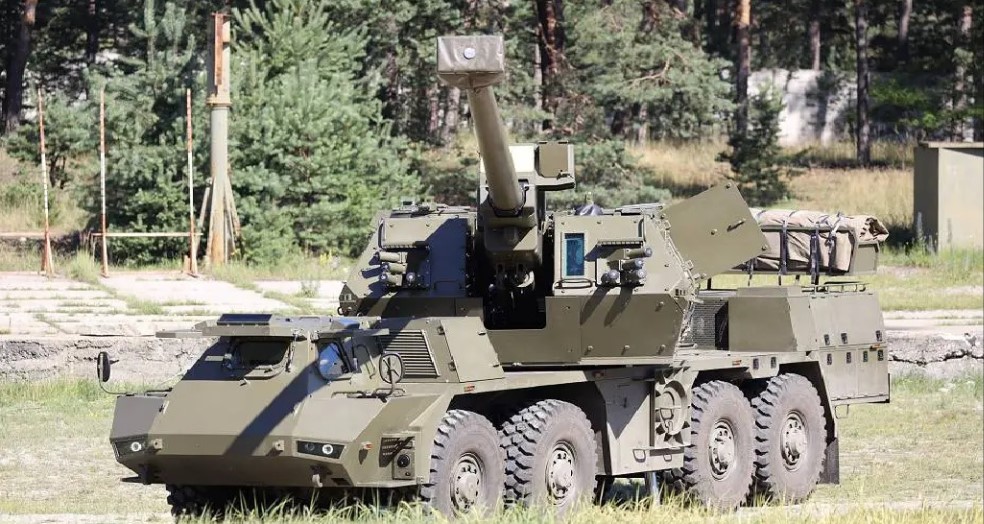
World
Defense News ,Slovak :- The Slovak Ministry of Defence has recently entered into a contract with ZVS Holding, a subsidiary of MSM Group, for the procurement of 155mm artillery ammunition designed for the Zuzana 2 self-propelled howitzers.As reported by the EU Tender Electronic Daily (TED), the contract holds a substantial value of EUR 122 million and is slated to conclude within a 48-month timeframe. The specific quantity of artillery shells to be supplied to the Slovak Armed Forces by ZVS Holding has not been disclosed as of now.The Zuzana 2 self-propelled howitzers are crafted by Konstrukta Defence, a Slovak company under the umbrella of DMD Group.Presently, Zuzana 2 artillery systems are in active service with both the Slovak Armed Forces and the Armed Forces of Ukraine. Notably, by the year 2023, Slovakia had already delivered eight Zuzana 2 howitzers to Ukraine. In a significant development, Ukraine, in July 2023, placed an order for an additional 16 artillery systems. The financing for this order is set to be a collaborative effort, with contributions from Germany, Denmark, and Norway.
Read More → Posted on 2024-02-04 15:38:59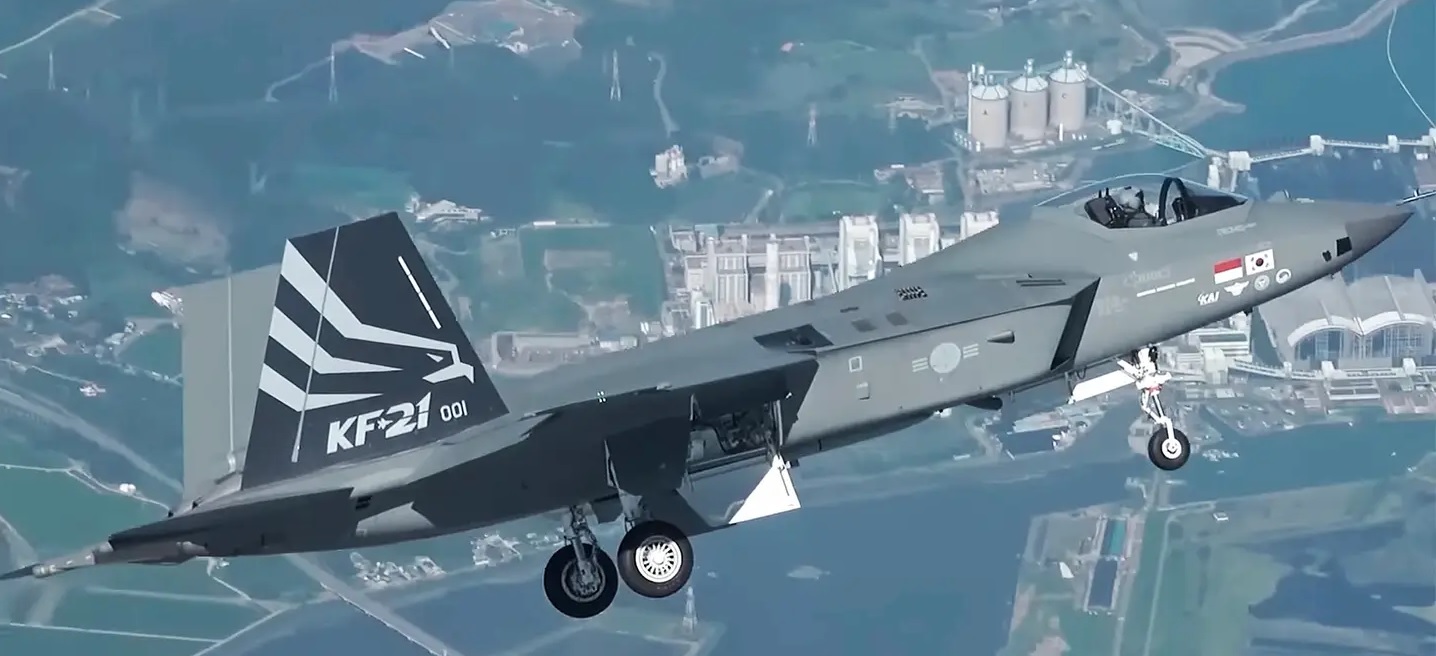
World
Defense News ,South Korea :- South Korea is on track to commence production of the KF-21 fighter jet this year as scheduled, according to an announcement from the state arms procurement agency on Wednesday. This development marks a significant milestone in the nation's quest for an advanced domestically-produced fighter aircraft.The Defense Acquisition Program Administration (DAPA) aims to finalize a contract with Korea Aerospace Industries Ltd. (KAI), the manufacturer of the KF-21, in the first half of this year, paving the way for the large-scale production of the fighter jet, as revealed by a DAPA official.In 2015, South Korea initiated a joint fighter jet development project with Indonesia, with the objective of deploying 120 KF-21s in the South Korean Air Force by 2032, replacing its aging fleet of F-4 and F-5 jets.DAPA reported that all six KF-21 prototypes have successfully undergone test flights, conducting various performance assessments, including supersonic flights and arms separation tests.Ongoing testing for the prototypes is scheduled for this year, with one undergoing extreme weather tests at the Agency for Defense Development’s test center in Seosan, located 98 kilometers southwest of Seoul, throughout February.Despite progress, the joint development project, valued at 8.1 trillion won (US$6.1 billion) through 2026, faces uncertainties related to Indonesia's overdue payments, which were estimated at nearly 1 trillion won as of October last year.Under the agreement, Seoul is set to cover about 60 percent of the project's cost, while Jakarta and KAI are expected to contribute around 20 percent each. The DAPA official stated that ongoing discussions aim to prompt Jakarta to submit an updated payment plan for the project.Specifications of the KAI KF-21 Boramae: Type: Multirole fighter jet First flight: July 19, 2022 Engine: Two Hanwha Techwin General Electric F414-KI afterburning turbofans Thrust: 50,000 pounds-force (220,000 N) Max speed: Mach 1.81 Combat range: 1,100 kilometers (684 miles) Ferry range: 2,900 kilometers (1,802 miles) Service ceiling: 16,700 meters (54,790 feet) Empty weight: 11,800 kilograms (26,015 pounds) Max takeoff weight: 25,400 kilograms (55,993 pounds) Internal fuel: 3,600 kilograms (8,000 pounds) (KF-21N), 5,400 kilograms (12,000 pounds) (KF-21D) Armament: Guns: One 20 mm internal cannon Hardpoints: 6 external hardpoints (KF-21N), 10 external hardpoints (KF-21D) Missiles: Air-to-air missiles: MBDA Meteor, AIM-120 AMRAAM, Diehl IRIS-T, AIM-9X Sidewinder; Air-to-surface missiles: AGM-65 Maverick, AGM-84 Harpoon, Taurus KEPD 350 The KAI KF-21 Boramae is a South Korean-developed 4.5-generation fighter jet that is intended to replace the country's aging fleet of F-4 and F-5 fighters. It is also expected to complement the F-15K, KF-16, FA-50, and F-35 fleets. The KF-21 is available in two variants: the KF-21N, which is a single-seat variant, and the KF-21D, which is a two-seat variant.The KF-21 is a relatively small and agile fighter jet, with a length of 15.2 meters (50 feet) and a wingspan of 9.8 meters (32 feet). It is powered by two Hanwha Techwin General Electric F414-KI afterburning turbofans, which give it a max speed of Mach 1.81 and a combat range of 1,100 kilometers (684 miles). The KF-21 has a service ceiling of 16,700 meters (54,790 feet) and can carry a maximum payload of 7,600 kilograms (16,755 pounds).The KF-21 is armed with one 20 mm internal cannon and can carry a variety of air-to-air and air-to-surface missiles on its six or ten external hardpoints. The air-to-air missiles that the KF-21 can carry include the MBDA Meteor, AIM-120 AMRAAM, Diehl IRIS-T, and AIM-9X Sidewinder. The air-to-surface missiles that the KF-21 can carry include the AGM-65 Maverick, AGM-84 Harpoon, and Taurus KEPD 350.
Read More → Posted on 2024-02-04 14:15:22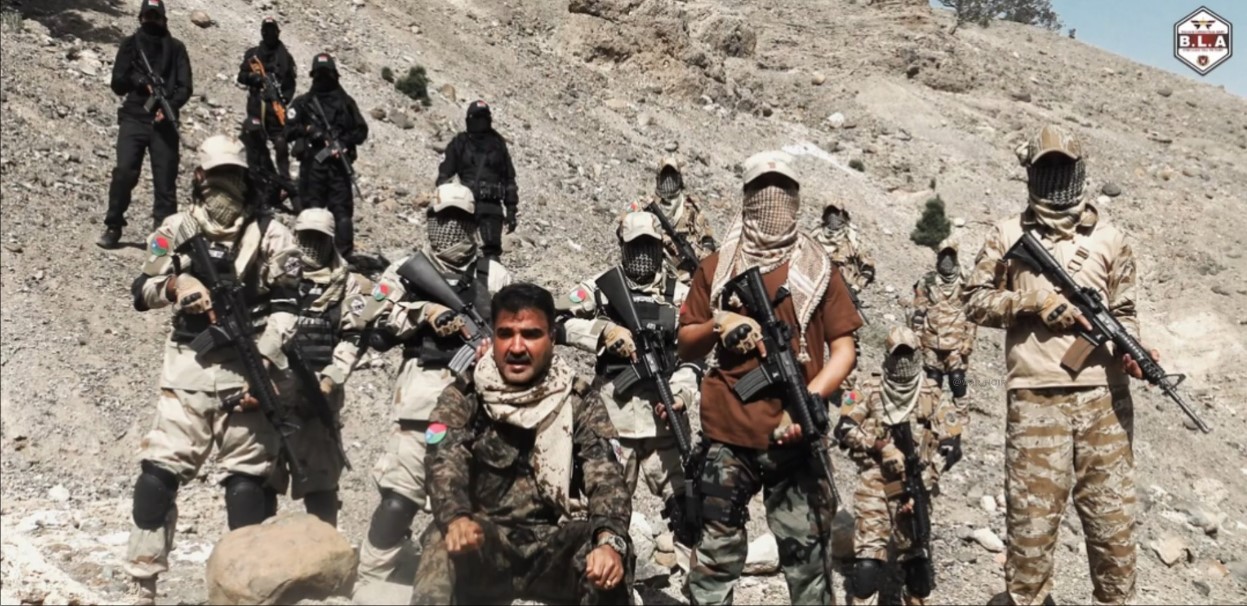
World
Defense News ,Baluchistan :- The Baloch Liberation Army (BLA) declared the triumphant conclusion of Operation Dara-e-Bolan, a two-day military campaign, during which 385 'Baloch Freedom Fighters,' including 12 Fidayeen, participated. The operation resulted in the elimination of 78 Pakistani soldiers, securing control over a 70km radius area, including the town of Mach and the strategic highway NH-65.The BLA expressed readiness to collaborate with any nation against the common enemy for mutual benefit. The operation, conducted from January 29 to 31, involved various BLA units, achieving all targeted goals, according to the BLA statement reported by Indian News Agency ANI.BLA's primary objectives for Operation Dara-e-Bolan were to showcase its capability to liberate a city in Baluchistan from Pakistani 'occupying' forces and to convey a message to the world about the alleged atrocities committed by Pakistani forces in Baluchistan. The BLA emphasized the need for international recognition as the legitimate army of the Baloch nation.The statement also highlighted the support received from organizations affiliated with Baloch Raji Aajoi Sangar, underscoring the significance of coordination and unity in Baloch history.Operation Dara-e-Bolan featured diverse military tactics, including 15 Sniper/Laser Attacks, 21 Counterattacks, 11 Grenades/Bombings, 11 Ambushes, 11 Targeted Attacks, 5 Guerrilla Attacks, and one Missile Attack. The BLA successfully targeted 78 Army personnel, 44 Police/Levies, 35 paramilitary Frontier Corps, and 10 Secret Services.Despite BLA taking control of a vast area for two days, the enemy forces reportedly managed to martyr only one BLA fighter, highlighting the professional military skills and capabilities of the Baloch Liberation Army.The BLA's message to the world, conveyed through Operation Dara-e-Bolan, emphasized its ability to crush occupying forces and urged institutions and nations with mutual interests to collaborate against the common enemy. The operation resulted in the destruction of military and police vehicles, surveillance cameras, and the seizure of weaponry by the BLA.
Read More → Posted on 2024-02-04 14:00:54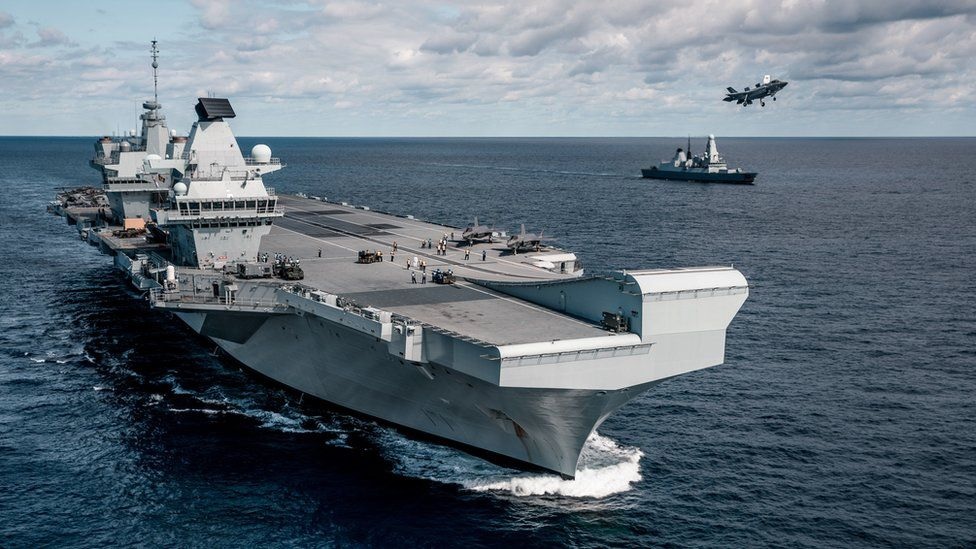
World
Defense News ,UK :- In an unexpected turn of events, the British aircraft carrier HMS Queen Elizabeth, slated to lead the largest NATO exercises since the Cold War, will not be setting sail on Sunday. The Royal Navy revealed that a propeller problem was discovered during final checks, necessitating a change of plans. The HMS Prince of Wales will take the lead in the exercises off Norway's Arctic coast as a replacement.This incident mirrors a reverse scenario from August 2022 when the HMS Prince of Wales experienced a propeller problem on its way to training exercises with the United States and Canada. Back then, the carrier had to be towed back to port, and the HMS Queen Elizabeth stepped in to fulfill its role in the exercises.The current setback poses challenges for the Royal Navy, potentially hindering their ability to deploy an aircraft to the Red Sea, especially amid escalating hostilities with Iran-backed Houthi rebels targeting cargo ships in the strategic waters connecting Asia with Europe and the US. Armed forces minister James Heappey had previously suggested such a deployment.This propeller issue marks the second setback for the Royal Navy in less than three weeks. Recently, two warships collided in a Bahrain harbor, causing damage to the vessels but fortunately resulting in no injuries. Military officials are actively investigating the collision involving the HMS Chiddingfold, which appeared to reverse into the HMS Bangor while docked. Both minehunters were stationed in the Middle East to safeguard merchant vessels.Despite these challenges, the UK joined the US in a recent strike against 36 Houthi targets in Yemen, aiming to further disable Iran-backed groups that have posed persistent threats to American and international interests.With the HMS Queen Elizabeth sidelined, the HMS Prince of Wales is set to lead Exercise Steadfast Defender, heading a carrier strike consisting of eight ships, including British, US, Spanish, and Danish vessels.
Read More → Posted on 2024-02-04 13:48:29Search
Top Trending in 24 Hours
-
 US Considers Using Frozen Iranian Assets to Rebuild Gulf Infrastructure Damaged by Attacks
-
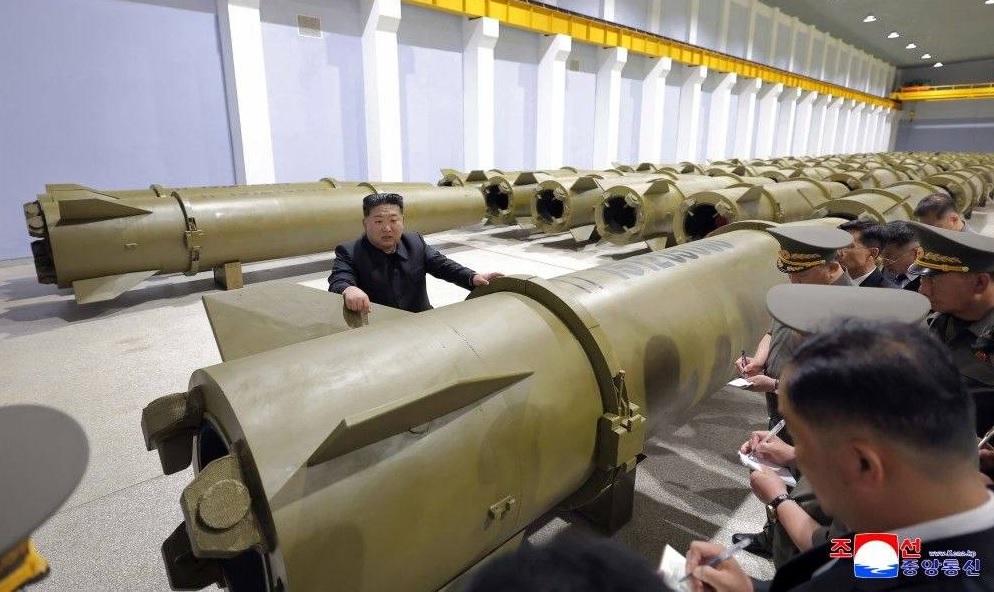 North Korea Launches Five-Year Plan to Boost Ballistic and Cruise Missile Production Production by 250%
-
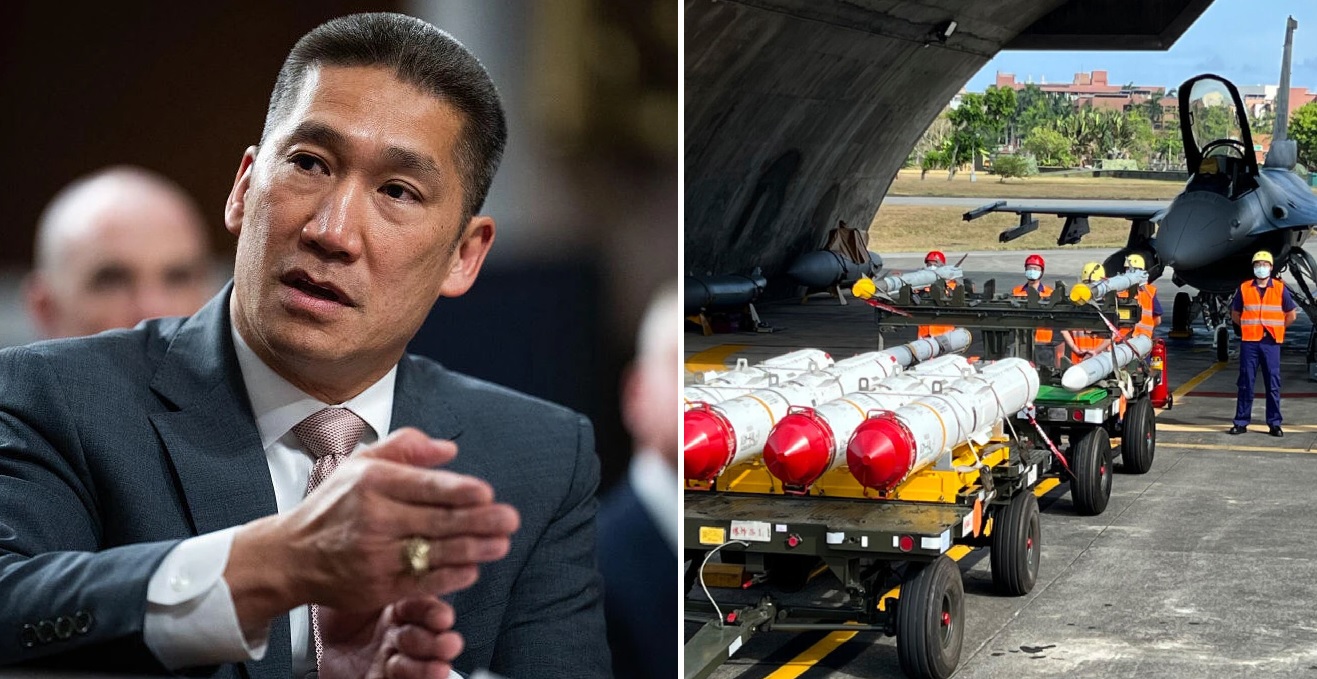 Taiwan Says It Received No Notice of Reported $14 Billion US Arms Package Freeze
-
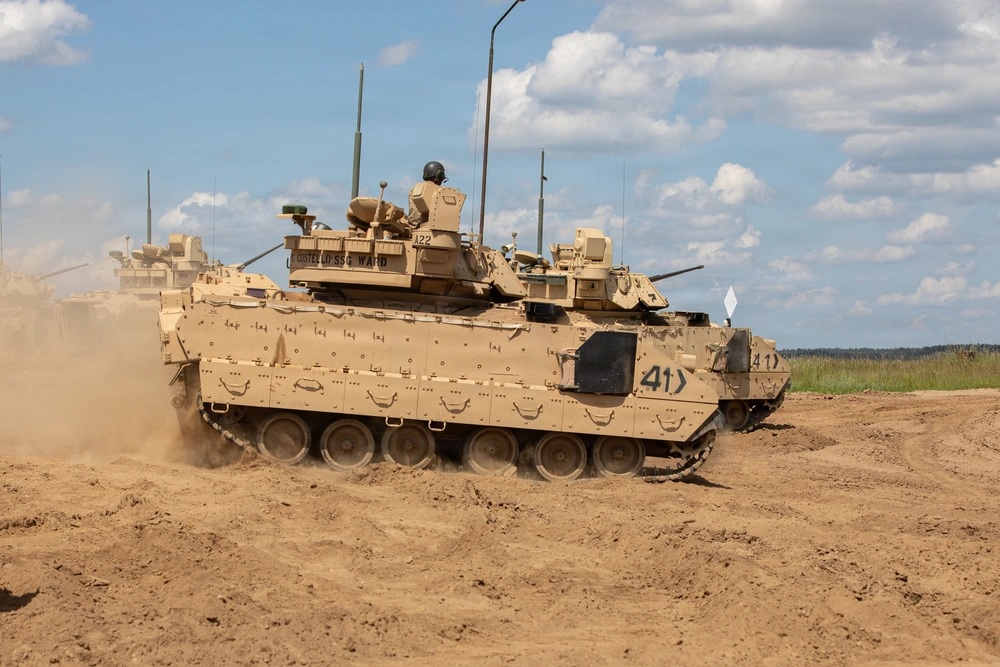 U.S. Soldiers Complete M2A3 and M3A3 Bradley Qualifications at Poland Training Center
-
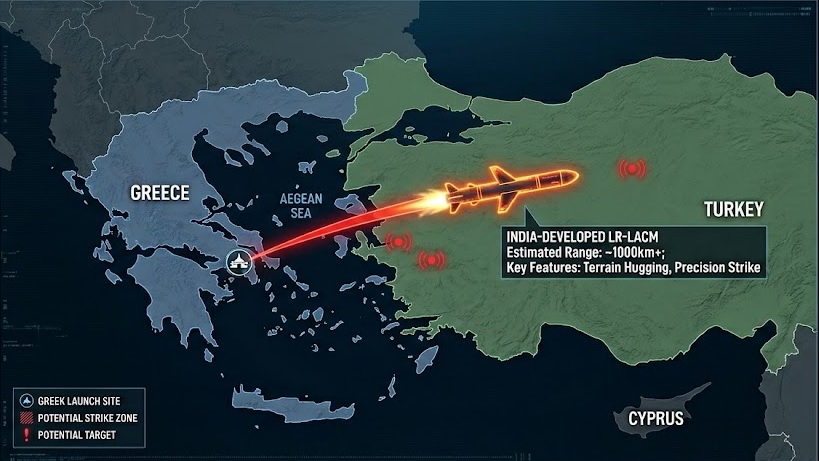 Turkish Media Raises Concerns Over Reports of Greek Interest in India’s LR-LACM Missile
-
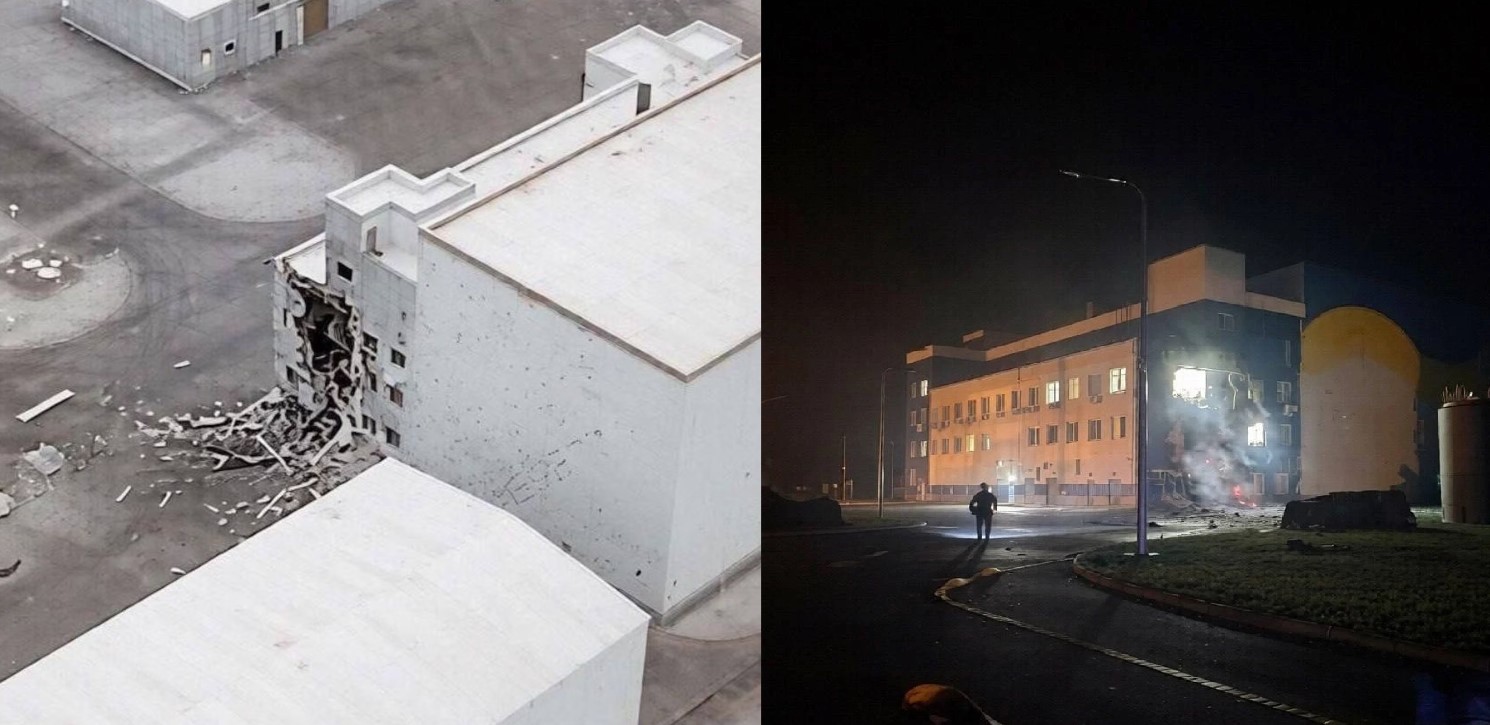 Russian Drone Strike Damages Chornobyl Nuclear Fuel Storage Facility; Radiation Levels Remain Normal
-
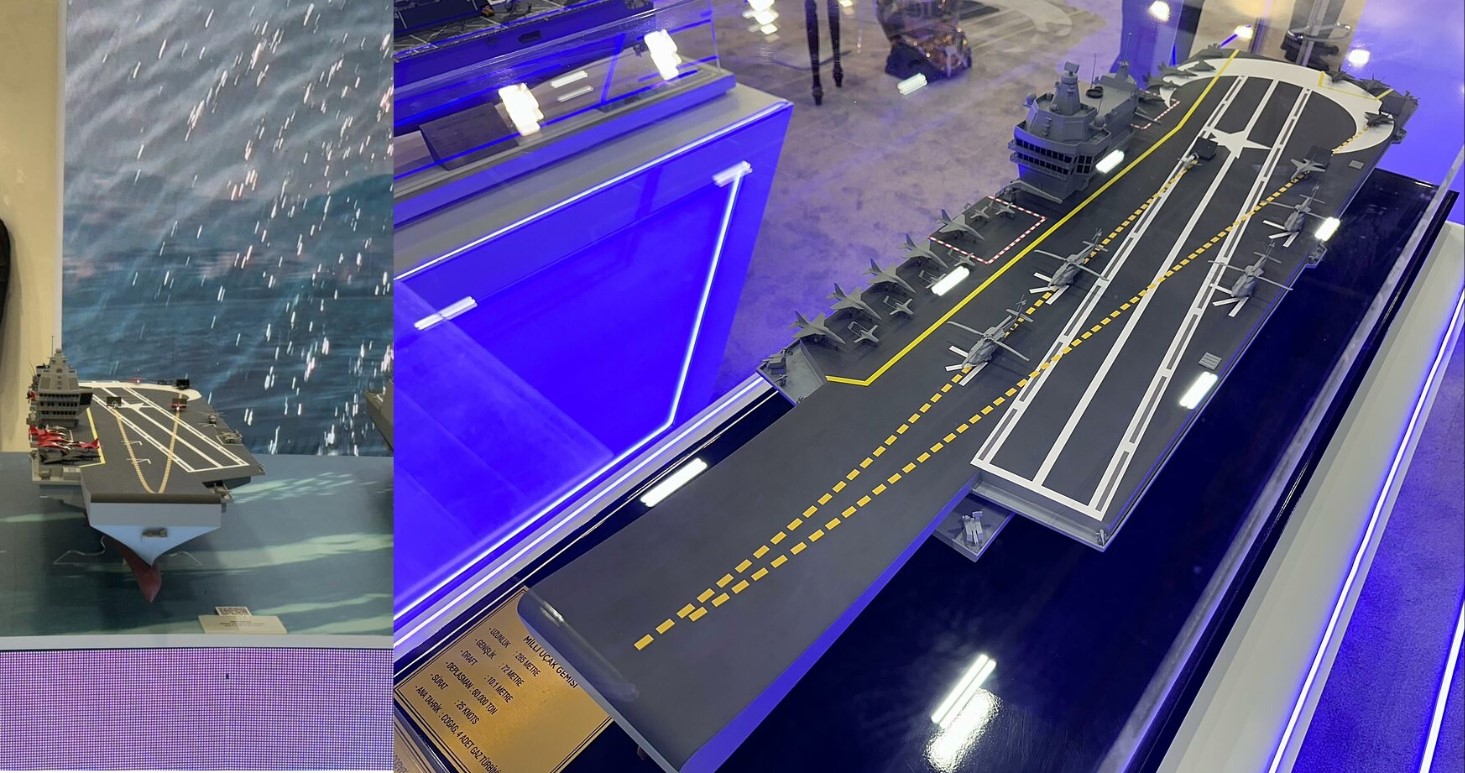 Turkish Navy Plans 2032 Delivery of Indigenous MUGEM Aircraft Carrier with Drone-Focused Air Wing
-
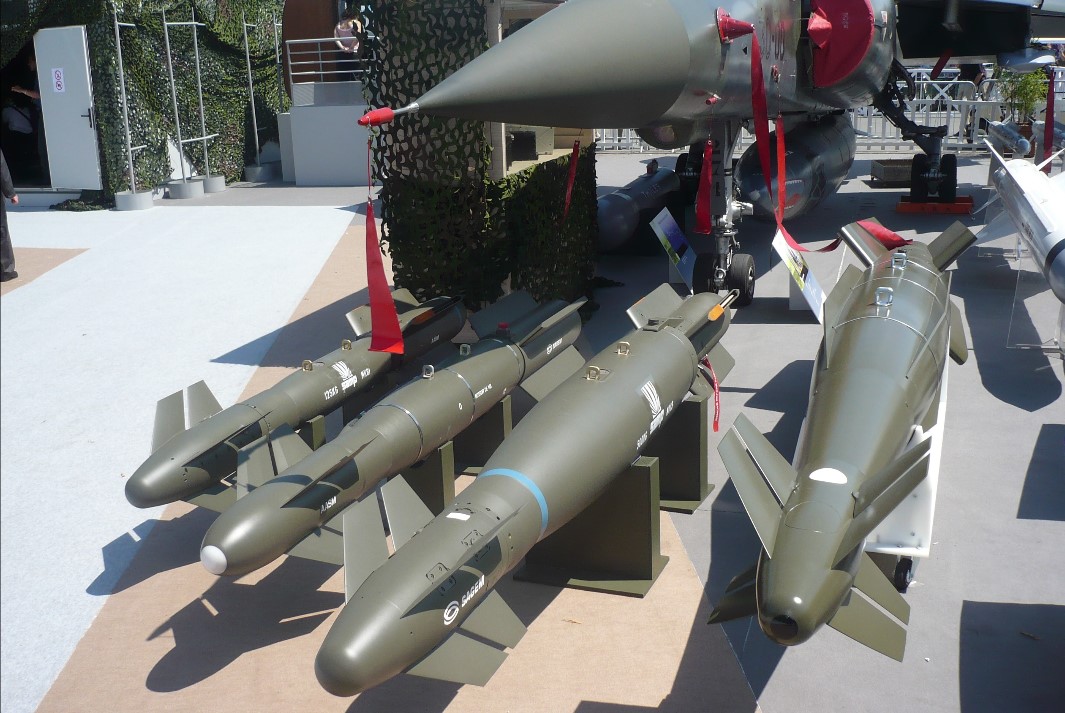 France’s Safran Plans to Produce 1,400 AASM Hammer Guided Bombs in 2026
Top Trending in 4 Days
-
 Iran Releases Footage of Qader Missile and Shahid Danaye Drone Launches Toward Two U.S. Navy Destroyers
-
 Five Eyes Issues Joint Alert on Chinese Targeting Government and Military Personnel Through LinkedIn and Job Platforms
-
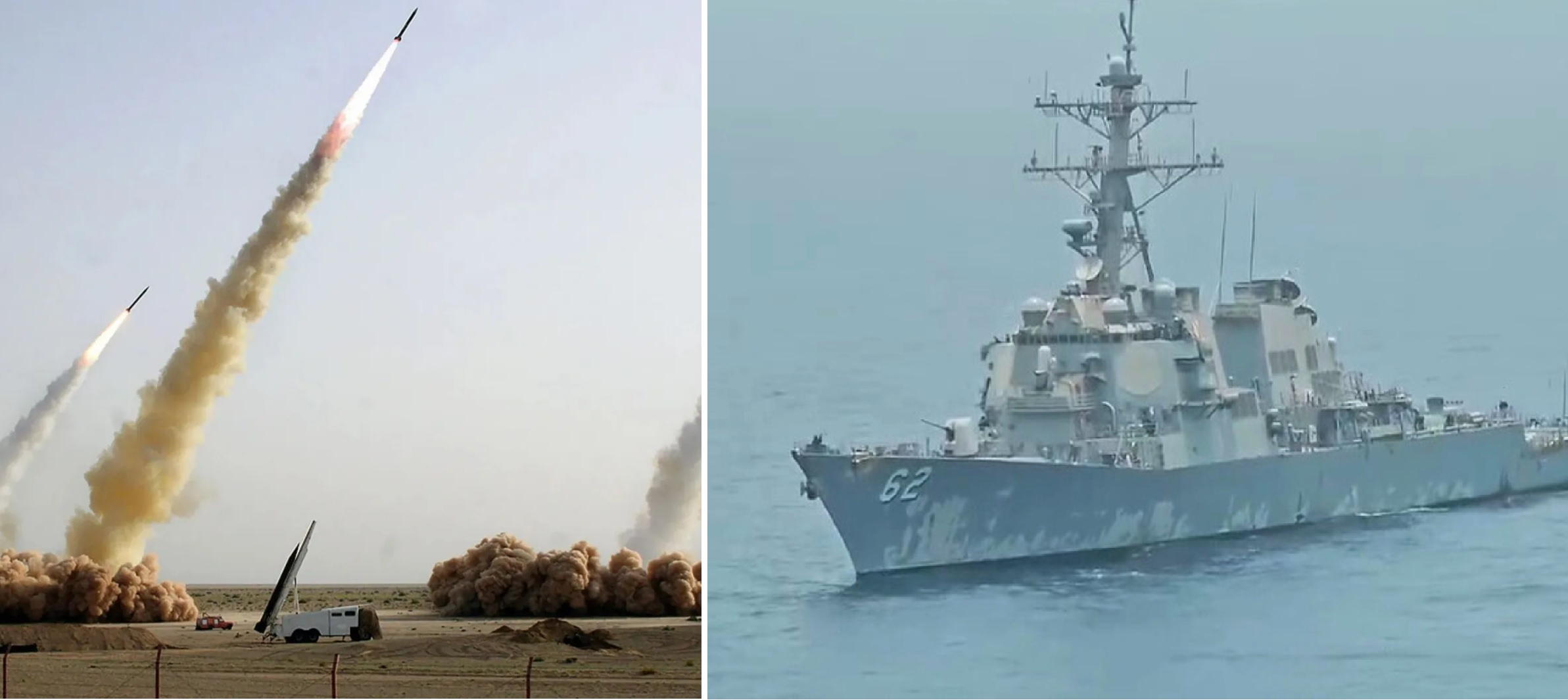 Iran Claims Attack on U.S. Destroyer in Gulf of Oman, CENTCOM Denies Attack
-
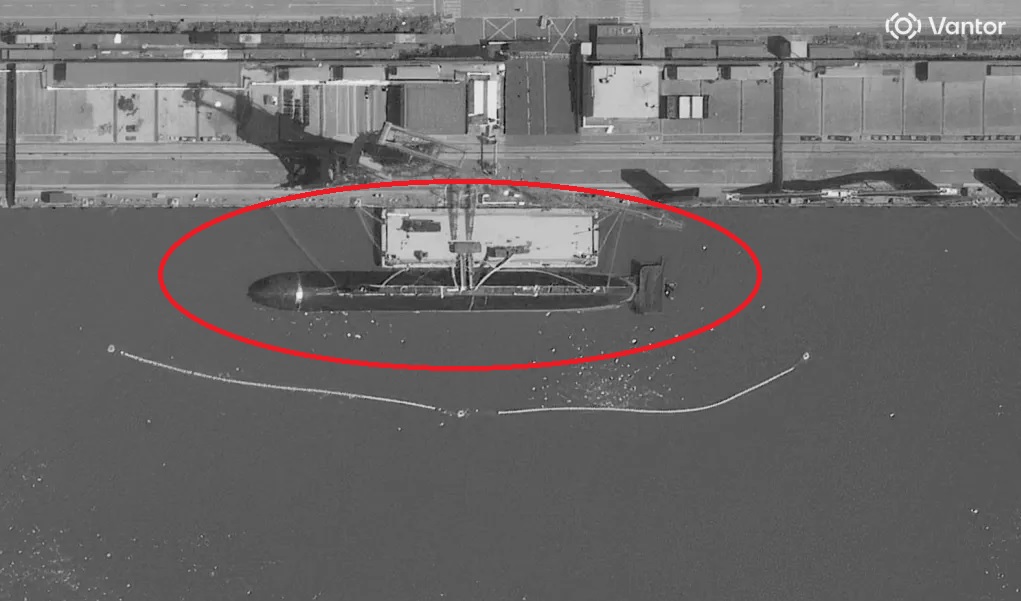 Satellite Imagery Reveals China's New-Generation Sail-Less Nuclear Submarine With Unique Design Features
-
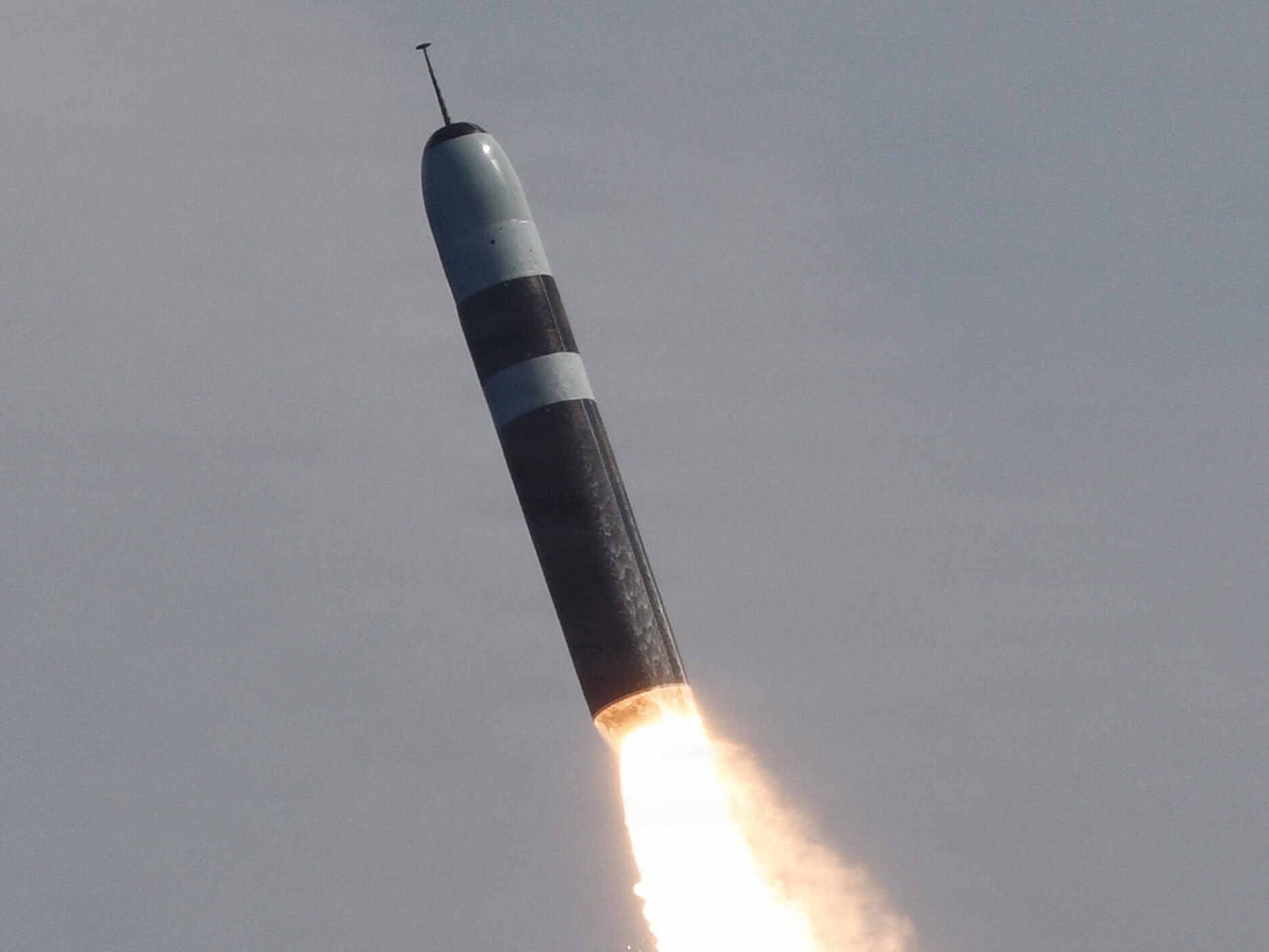 Washington Considers Shifting NATO Nuclear Deterrence Closer to Russia Through Poland
-
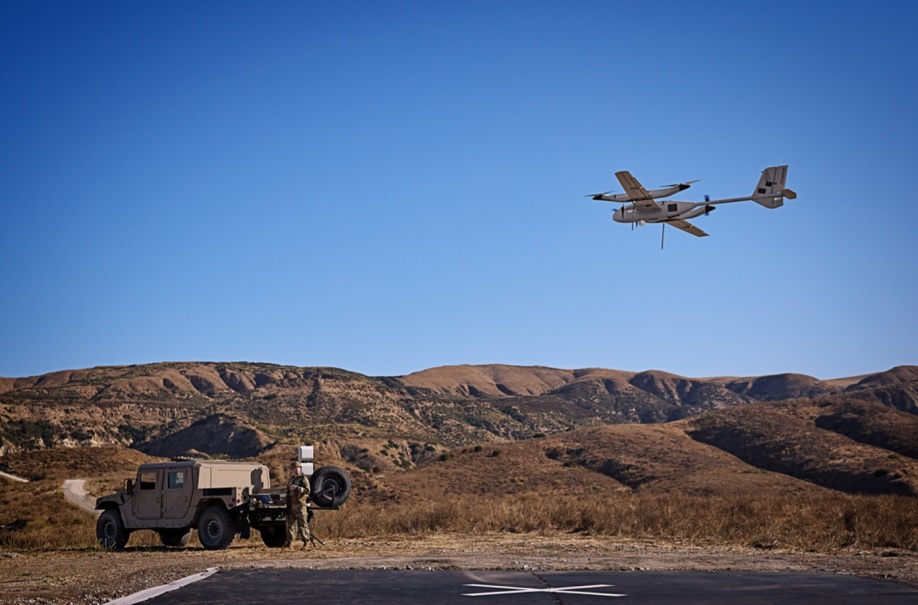 U.S. Army Awards AeroVironment $117.3 Million Contract for 82 P550 Long-Range Reconnaissance Drones
-
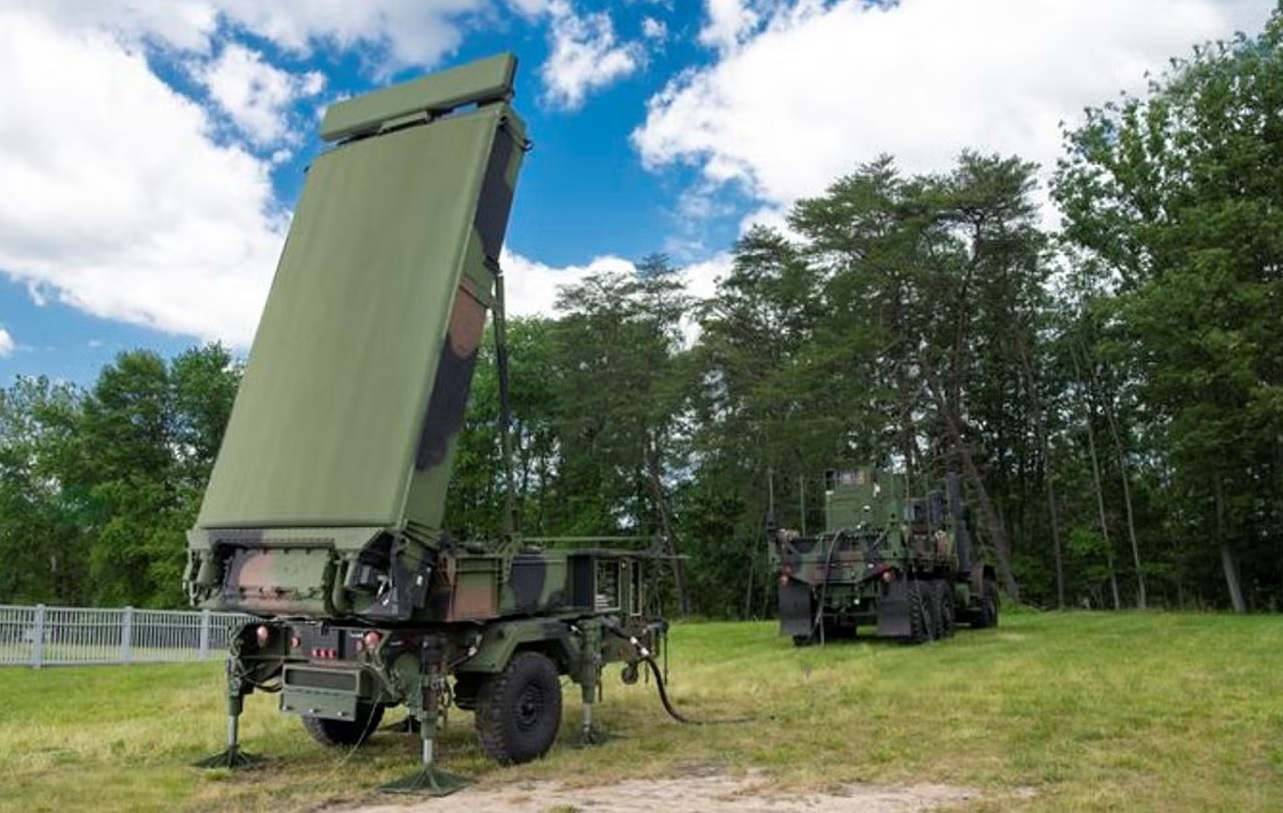 Northrop Grumman Positions G/ATOR Radar for Global Expansion with 60 Systems Planned by 2029
-
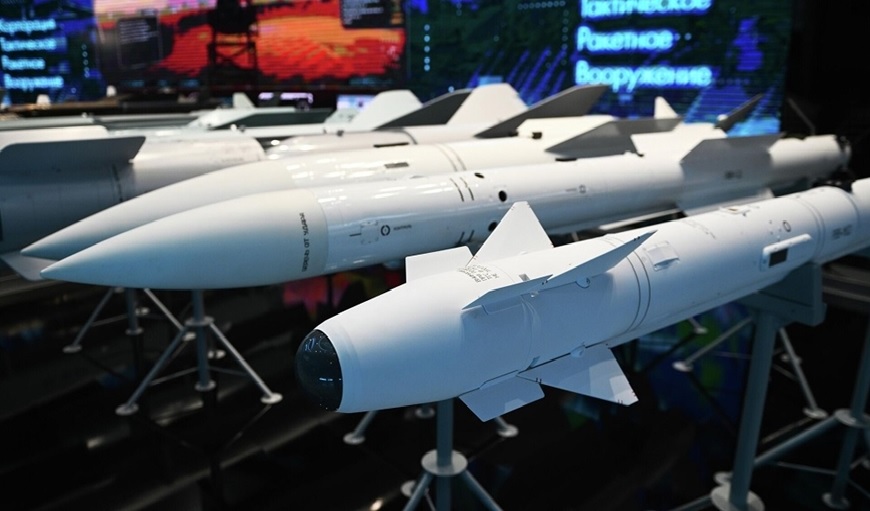 Leaked Contracts Reveal Russia Supplying Air-to-Air and Strike Missiles to Iran for Su-35 Fighter Fleet Through 2027