World
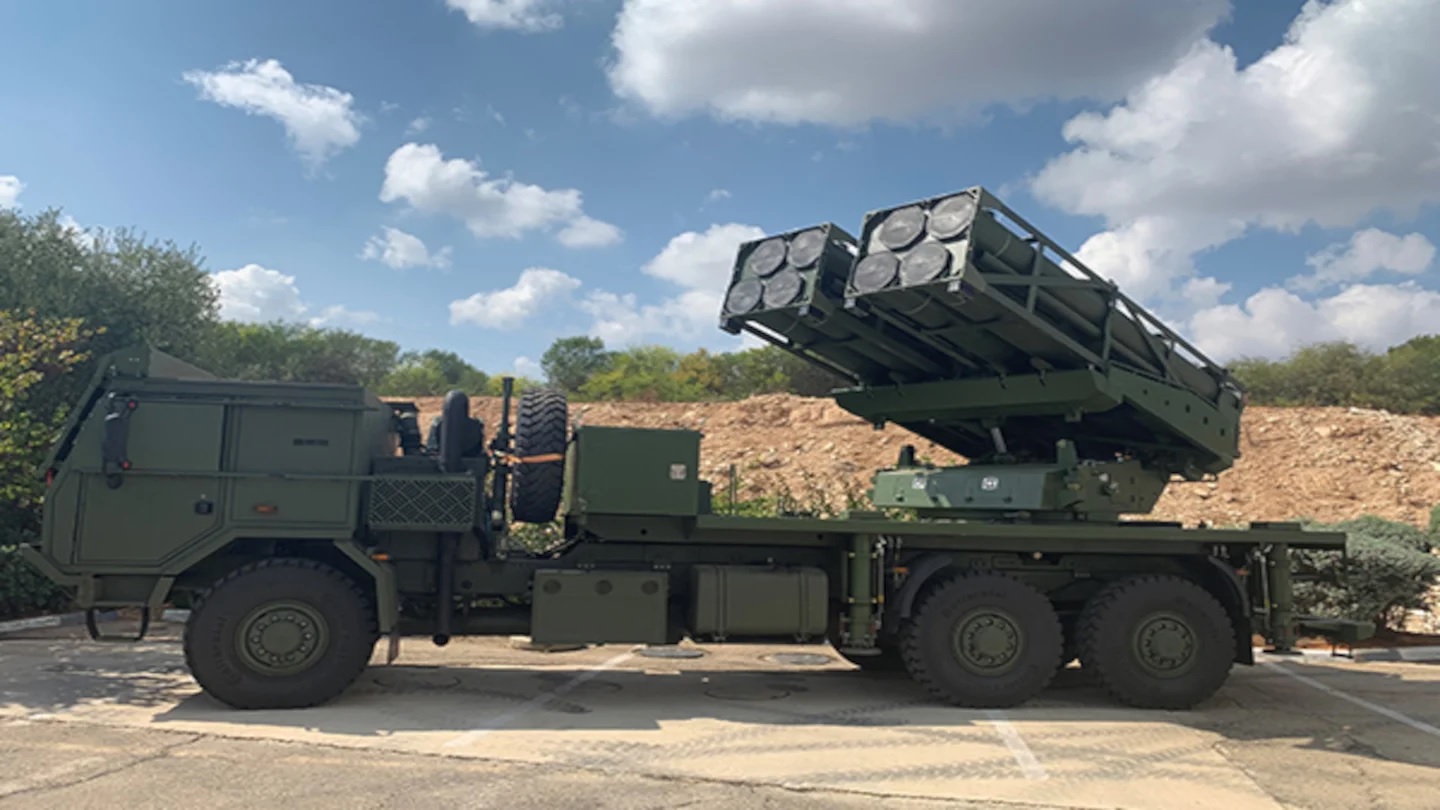
Elbit Systems Ltd., a prominent Israeli defense company, has been awarded a $57 million contract to supply its Precise and Universal Launching System (PULS) rocket artillery systems to the German Armed Forces. This initiative is part of a broader collaboration between the Dutch, Israeli, and German governments, aiming to enhance Europe's defense capabilities. Key Specifications of the PULS System The PULS is an advanced, autonomous artillery rocket system designed for precision strikes across various ranges, up to 300 kilometers. Its versatility allows it to fire multiple types of munitions from the same platform, eliminating the need to reposition based on target distance. The system features two modular pods, each tailored for specific rocket types: Accular 122mm Rockets: Each pod can house 18 rockets with a range of up to 35 kilometers. Accular 160mm Rockets: Each pod accommodates 10 rockets, capable of reaching targets up to 40 kilometers away. EXTRA Missiles: Each pod holds 4 missiles, offering a range of up to 150 kilometers. Predator Hawk Missiles: Each pod carries 2 missiles, extending the strike capability to 300 kilometers. This modular design ensures rapid adaptability to various combat scenarios, enhancing operational flexibility. Integration and Testing In collaboration with KNDS Deutschland, a leading European land defense manufacturer, Elbit Systems will integrate German Command, Control, Communications, Computers, and Intelligence (C4I) equipment into the PULS systems. This includes the incorporation of advanced command and weapons control systems to ensure seamless interoperability with existing German military infrastructure. The supplied systems will undergo rigorous testing by the German procurement agency, BAAINBw, along with associated technical test centers. These evaluations are crucial to confirm that the systems meet all necessary requirements for approval and operational deployment within the German Armed Forces. In-Service Support and Future Prospects Beyond the initial delivery, Elbit Systems and KNDS Deutschland have committed to providing comprehensive in-service support for the PULS rocket launcher systems. This support framework is designed to ensure long-term operational effectiveness and reliability, bolstering the Bundeswehr's artillery capabilities. Yehuda (Udi) Vered, General Manager of Elbit System Land, expressed pride in the partnership with KNDS Deutschland, highlighting the contract as a foundational step toward the Bundeswehr’s Future Long-Range Indirect Fire System. He emphasized the company's dedication to strengthening European defense cooperation. Ralf Ketzel, CEO of KNDS Deutschland, underscored the significance of this collaboration in developing a European Indirect Fire System for rockets. He noted that Elbit’s advanced technology, combined with KNDS’s expertise in European land systems, will contribute to the creation of the EuroPULS configuration. Design and Compatibility The EuroPULS Rocket Launcher Artillery System is designed with an open architecture, enabling integration onto various platforms. It supports third-party munitions, allowing for flexibility in operational deployments and enhancing compatibility with European defense requirements. This design philosophy ensures that the system can adapt to evolving technological advancements and diverse mission needs. The acquisition of the PULS rocket artillery systems marks a significant advancement in the German Armed Forces' artillery capabilities. Through this strategic partnership, Elbit Systems and KNDS Deutschland are poised to deliver a state-of-the-art solution that meets the modern demands of European defense, ensuring enhanced precision, flexibility, and operational readiness for the Bundeswehr.
Read More → Posted on 2025-02-06 13:51:30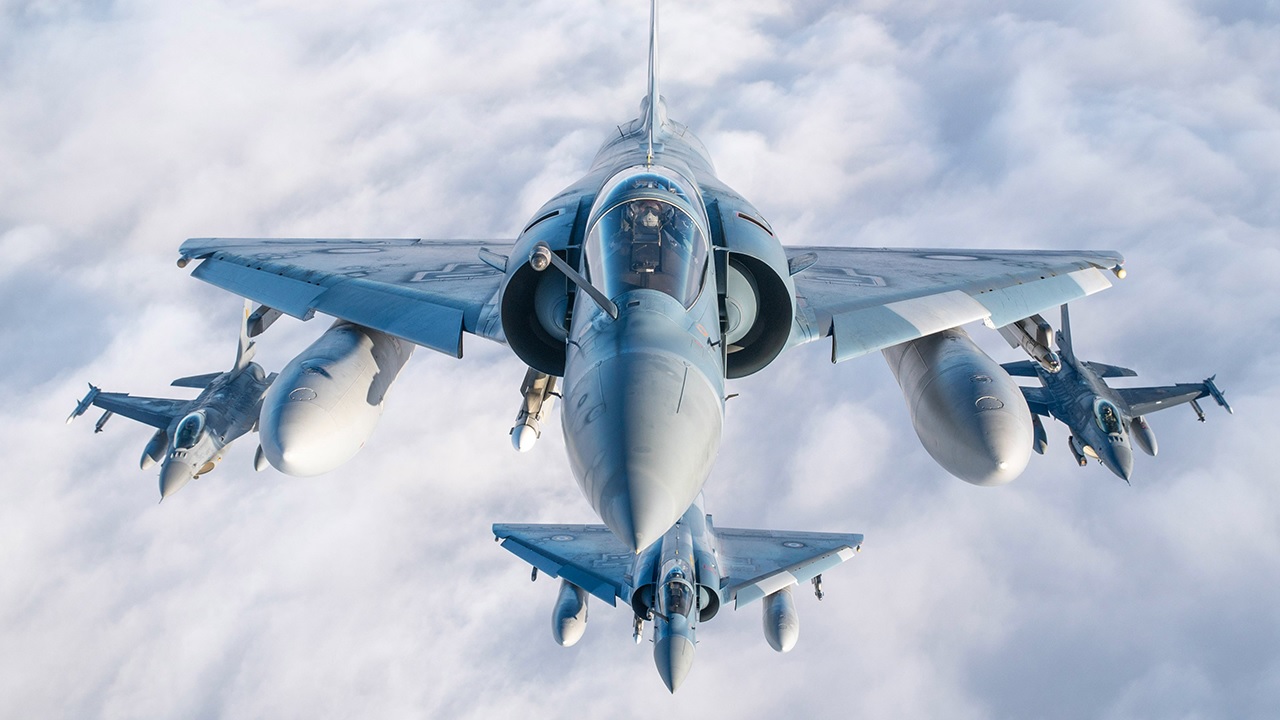
World
In a significant move to bolster Ukraine's defense capabilities, France has delivered the first batch of Mirage 2000-5 fighter jets to Kyiv. French Defense Minister Sébastien Lecornu announced the arrival of these aircraft, emphasizing their role in strengthening Ukraine's air defense against ongoing threats. Training and Preparation Over the past several months, Ukrainian pilots and mechanics underwent extensive training in France to master the operation and maintenance of the Mirage 2000-5. This comprehensive training program ensures that Ukrainian forces can effectively integrate these advanced jets into their defense strategy. About the Mirage 2000-5 The Mirage 2000-5 is a fourth-generation, multirole fighter jet developed by Dassault Aviation. Initially designed in the late 1970s to replace the Mirage III for the French Air Force, the Mirage 2000 evolved into a versatile aircraft with several variants developed, serving multiple nations. Key Specifications: Engine: Single SNECMA M53-P2 turbofan Thrust: Approximately 21,400 pounds-force Maximum Speed: Mach 2.2 (around 2,336 km/h or 1,452 mph) Combat Radius: Approximately 1,500 kilometers (932 miles) Service Ceiling: Over 59,000 feet Avionics: Equipped with advanced radar systems capable of tracking multiple targets simultaneously Armament: Compatible with a range of air-to-air and air-to-ground missiles, including MICA missiles and SCALP-EG cruise missiles Enhancements for Ukrainian Operations To address the specific challenges posed by the current conflict, the Mirage 2000-5 jets delivered to Ukraine have been modified to counteract Russian electronic warfare tactics. These enhancements ensure the aircraft remain effective in contested environments, providing Ukraine with a strategic advantage. Strategic Implications The delivery of these fighter jets underscores France's commitment to supporting Ukraine amidst ongoing tensions. By strengthening Ukraine's air defense capabilities, these aircraft not only enhance national security but also contribute to regional stability. As the geopolitical landscape continues to evolve, the collaboration between France and Ukraine in defense matters highlights the importance of international partnerships in addressing shared security challenges. The integration of the Mirage 2000-5 into Ukraine's air force marks a significant step in this ongoing cooperation.
Read More → Posted on 2025-02-06 13:49:01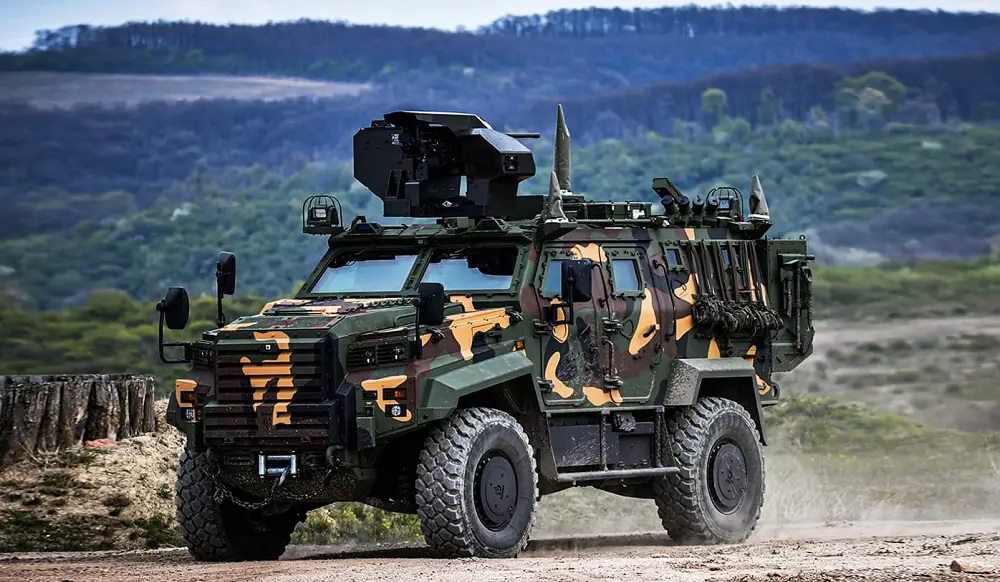
World
In a significant move to bolster its military strength, Hungary has announced the procurement of an additional 56 Gidrán 4×4 tactical vehicles, reinforcing its commitment to modernizing the Hungarian Defence Forces (HDF). This decision underscores the deepening defense collaboration between Hungary and Turkey, particularly with Turkish defense manufacturer Nurol Makina. A Strengthened Partnership The Gidrán tactical vehicle is a product of the collaboration between Hungary and Turkey, based on Nurol Makina's Ejder Yalçın 4×4 platform. The initial batch of these vehicles was delivered to Hungary in early 2021, marking the beginning of this defense partnership. The recent order of 56 additional vehicles signifies Hungary's satisfaction with the platform and its performance in enhancing the nation's defense capabilities. Gidrán Tactical Vehicle: Specifications and Capabilities The Gidrán is a versatile and robust armored combat vehicle designed to meet the diverse needs of modern military operations. Key specifications include: Dimensions and Weight: The vehicle measures 5.8 meters in length, 2.5 meters in width, and 2.5 meters in height, with a total mass of approximately 14,000 kilograms. Engine and Performance: Powered by a 6-cylinder turbocharged Cummins diesel engine producing 375 horsepower, the Gidrán can reach speeds up to 120 km/h and has an operational range of 700 kilometers. Crew Capacity: Designed to accommodate a crew of up to eight personnel (1 driver plus 7 passengers), providing ample space for troops and equipment. Armament: Equipped with Aselsan’s Stabilized Advanced Remote Weapon Platform (SARP), the Gidrán can be armed with a variety of weapons, including light or heavy machine guns and automatic grenade launchers. Armor and Protection: The vehicle offers protection up to STANAG-4569 Level 4, ensuring high survivability against ballistic threats and improvised explosive devices. Local Production and Integration To enhance self-reliance and technological advancement, Hungary has initiated local production of the Gidrán vehicles. A joint venture between Nurol Makina Hungary Ltd (NMHU) and Rába Vehicle Ltd, known as Gidrán Armored Vehicles Ltd, has been established in Győr. This facility is dedicated to manufacturing the Gidrán 4×4 vehicles and integrating advanced electronic, communication, radar, and weapon systems tailored to the specific requirements of the HDF. Future Prospects Hungary's acquisition of additional Gidrán vehicles reflects its ongoing commitment to modernizing its military forces and enhancing operational readiness. The strengthened partnership with Nurol Makina and the focus on local production not only bolster Hungary's defense capabilities but also contribute to the growth of its defense industry. As regional security dynamics evolve, such strategic initiatives are pivotal in ensuring national security and fulfilling NATO obligations. In conclusion, the procurement of additional Gidrán tactical vehicles marks a significant step in Hungary's defense modernization efforts, showcasing the nation's dedication to building a robust and self-sufficient military force.
Read More → Posted on 2025-02-06 07:19:39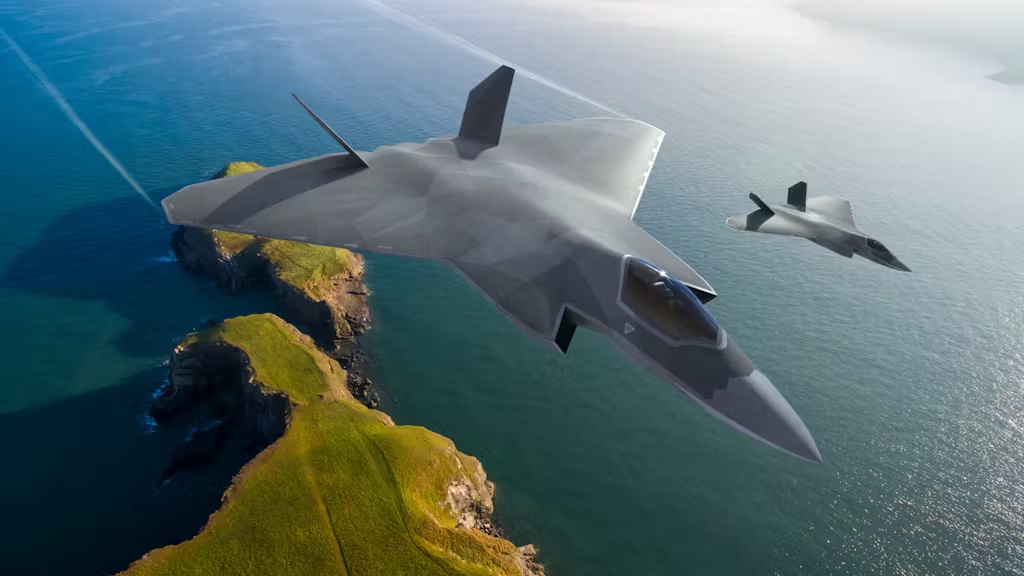
World
In a groundbreaking move towards sustainable aerospace manufacturing, Rolls-Royce has embarked on the Tornado 2 Tempest project. This initiative focuses on repurposing decommissioned Royal Air Force (RAF) Tornado components into powdered metal suitable for 3D printing, paving the way for eco-friendly production methods in the defense sector. Project Overview The Tornado 2 Tempest project is a collaborative effort involving Defence Equipment and Support’s (DE&S) Defence Recycling & Disposals Team (DRDT), the Ministry of Defence's Future Combat Air System (FCAS) team, Rolls-Royce, and Additive Manufacturing Solutions Limited (AMS). The primary goal is to assess the feasibility of transforming surplus military assets into valuable resources for future aerospace applications. Process and Achievements The project team identified retired Tornado components rich in valuable metals such as titanium, steel, and aluminum. Notably, jet engine compressor blades with high titanium content were selected for the recycling process. These components underwent thorough cleaning before being atomized into fine powders, known as feedstock, suitable for additive manufacturing. Utilizing this recycled feedstock, the team successfully 3D-printed a nose cone and compressor blades for the Orpheus small engine concept. Subsequent operational tests confirmed that the 3D-printed nose cone met safety and functionality standards, demonstrating the viability of this recycling approach for aerospace applications. Implications for Future Combat Aircraft The success of the Tornado 2 Tempest project has significant implications for the development of future combat aircraft, particularly within the FCAS program. The Orpheus engine, serving as a testbed for next-generation technologies, benefits directly from components produced through this sustainable method. This aligns seamlessly with Rolls-Royce's Grow Combat strategy, emphasizing innovation and environmental responsibility. Sustainability and Strategic Benefits By repurposing surplus military assets, the project not only reduces waste but also enhances the UK's access to strategic metals, thereby decreasing reliance on external supply chains. This approach supports the Ministry of Defence's Circular Economics for Defence Concept Note, highlighting the potential for material reuse to improve supply chain efficiency and resilience. Digital Integration and Future Prospects A notable advancement within the project is the implementation of a Digital Product Passport. This tool records material provenance and lifecycle data, enhancing transparency in material allocation and helping to prevent counterfeit components from entering the supply chain. The collaborative nature of the project, involving over 80 personnel including DRDT’s commercial graduates and Rolls-Royce apprentices, underscores a commitment to fostering innovation and developing sustainable solutions for future defense capabilities. Industry Recognition The Ministry of Defence has acknowledged the project's contributions by awarding Rolls-Royce a Chief of Defence Logistics and Support (CDLS) Commendation. This recognition underscores the initiative's role in advancing sustainability within defense logistics. The Tornado 2 Tempest project exemplifies how innovative recycling methods can be harnessed to support the development of future combat aircraft. By transforming retired military components into valuable resources through advanced manufacturing techniques, Rolls-Royce and its partners are setting new standards for sustainability and efficiency in the aerospace industry.
Read More → Posted on 2025-02-06 07:14:50
World
In a notable policy reversal, President Donald Trump has expressed a desire to negotiate a "verified nuclear peace agreement" with Iran. This marks a significant change from his earlier stance, where he withdrew the United States from the 2015 Joint Comprehensive Plan of Action (JCPOA) during his first term. The JCPOA was an agreement between Iran and major world powers aimed at limiting Iran's nuclear capabilities in exchange for sanctions relief. Background: The 2015 Nuclear Deal and Its Aftermath The JCPOA, established in 2015, required Iran to reduce its stockpile of enriched uranium and limit its nuclear activities, ensuring they remained peaceful. In return, international sanctions were lifted, providing economic relief to Iran. However, in 2018, President Trump withdrew the U.S. from the agreement, criticizing it as insufficient in preventing Iran from developing nuclear weapons and expressing concerns over its ballistic missile program and regional activities. Following the U.S. withdrawal, the Trump administration reinstated stringent economic sanctions under a "maximum pressure" campaign, aiming to curb Iran's nuclear ambitions and influence in the Middle East. These sanctions significantly impacted Iran's economy, particularly its oil exports. Iran's Nuclear Advancements Post-Withdrawal In response to the U.S. exit from the JCPOA and the reimposed sanctions, Iran began to deviate from the deal's constraints. By 2025, reports indicated that Iran had advanced its nuclear program, enriching uranium beyond the limits set by the JCPOA and installing more advanced centrifuges. These developments reduced the "breakout time"—the period required for Iran to acquire sufficient fissile material for a nuclear weapon—raising international concerns. Renewed Diplomatic Efforts Amid escalating tensions, President Trump has signaled a willingness to reengage diplomatically with Iran. He emphasized the importance of preventing Iran from obtaining nuclear weapons and proposed immediate negotiations to establish a new agreement. This approach suggests a departure from solely relying on economic sanctions and indicates an openness to dialogue. Iranian officials have responded cautiously. Foreign Minister Abbas Araghchi acknowledged the possibility of addressing U.S. concerns, reiterating Iran's opposition to weapons of mass destruction and referencing a religious decree against nuclear arms. However, he also criticized the renewed sanctions, labeling the "maximum pressure" strategy as ineffective and counterproductive. Challenges Ahead Several obstacles complicate the path to a new agreement. Iran's advancements in its nuclear program have altered the dynamics since the original JCPOA. Additionally, internal political divisions within Iran, regional tensions, and skepticism from U.S. allies and adversaries present significant challenges. European nations, who were part of the original JCPOA, have expressed concerns over Iran's nuclear progress and have warned of reinstating UN sanctions if a new deal isn't reached by September 2025. This adds urgency to the diplomatic efforts. President Trump's recent overtures toward Iran represent a significant shift from his earlier policies. While the desire to prevent nuclear proliferation remains a shared goal, achieving a new, comprehensive agreement will require navigating complex geopolitical landscapes, rebuilding trust, and making concessions from all parties involved. The coming months will be crucial in determining whether diplomacy can effectively address the challenges posed by Iran's nuclear program.
Read More → Posted on 2025-02-06 07:09:26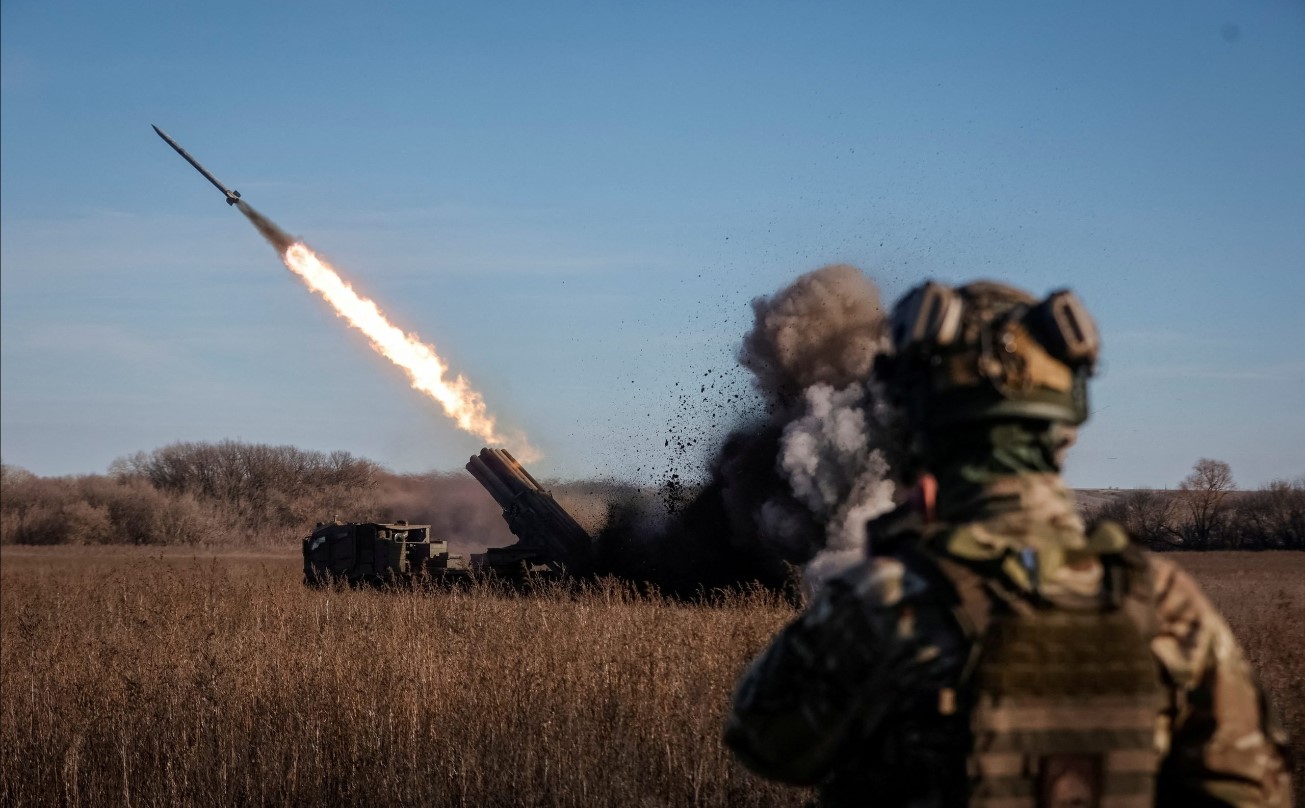
World
In recent months, Ukraine has observed a significant increase in the accuracy of North Korean ballistic missiles utilized by Russian forces. Previously, these missiles exhibited inaccuracies ranging from 1 to 3 kilometers. However, recent strikes have demonstrated precision within 50 to 100 meters of their intended targets. This notable improvement suggests that North Korea is effectively leveraging the Ukrainian battlefield to test and refine its missile technology. Factors Contributing to Improved Accuracy Several elements may have contributed to this enhanced precision: Advanced Navigation Systems: The integration of sophisticated navigation technologies could allow for more precise targeting. Steering Mechanisms: The addition of improved steering capabilities may enable better in-flight adjustments, ensuring missiles remain on course. Operational Feedback: Continuous feedback from Russian military operations provides North Korean engineers with valuable data to refine and enhance missile performance. Missile Specifications and Capabilities The North Korean missiles in question are believed to be variants of the KN-23 series, which share similarities with Russia's Iskander-M missiles. Key specifications include: Warhead Weight: Capable of carrying warheads up to 1,000 kilograms, these missiles can deliver substantial payloads to their targets. Range: With an operational range of up to 800 kilometers, they can strike deep into opposing territories. Guidance Systems: Equipped with advanced guidance systems, possibly enhanced through Russian collaboration, these missiles achieve high levels of accuracy. Strategic and Global Implications The improved accuracy of North Korean missiles has several far-reaching implications: Regional Security Concerns: Enhanced missile capabilities heighten threats to neighboring countries such as South Korea and Japan, potentially destabilizing the region. Global Non-Proliferation Challenges: The advancements underscore the challenges in curbing missile technology proliferation, especially when nations collaborate to circumvent international sanctions. Military Dynamics in Ukraine: For Ukraine, the deployment of more precise missiles by Russian forces complicates defense strategies and increases the urgency for effective countermeasures. The marked improvement in the accuracy of North Korean missiles used by Russian forces in Ukraine reflects significant advancements in missile technology. This development not only alters the tactical landscape of the Ukrainian conflict but also raises broader concerns about regional security and global non-proliferation efforts. Continuous monitoring and analysis are essential to understand the evolving capabilities and to formulate appropriate responses to these emerging threats.
Read More → Posted on 2025-02-06 07:03:56
World
In late January 2025, Rheinmetall delivered the first Boxer Skyranger 30 air defense vehicle to the Bundeswehr. This verification model is set for rigorous testing and evaluation, marking a pivotal step before the system enters full-scale production. Addressing Modern Aerial Threats The Skyranger 30 is engineered to fill critical gaps in mobile air defense, especially against emerging threats like unmanned aerial vehicles (UAVs) and low-flying projectiles. By integrating advanced weaponry and sensor systems onto a mobile platform, it offers a blend of mobility, protection, and precision. Key Specifications and Features Armament: Central to the Skyranger 30 is the 30mm x 173 Oerlikon KCE revolver cannon, renowned for its high rate of fire and precision. This cannon can achieve a nominal firing rate of 1,200 rounds per minute, with an effective range of up to 3,000 meters. The system also supports the integration of short-range air defense missiles, extending its engagement capabilities. Ammunition: The cannon utilizes airburst munitions, enhancing its effectiveness against small and agile targets. The AHEAD (Advanced Hit Efficiency And Destruction) programmable ammunition is optimized for countering UAVs and other aerial threats. Turret Design: The remote-controlled turret weighs between 1,500 to 2,000 kilograms without ammunition and has an elevation range from -10 to +85 degrees, allowing for versatile targeting across various altitudes. Mobility and Platform: Mounted on the Boxer wheeled armored vehicle, the Skyranger 30 combines the mobility of the Boxer platform with advanced air defense capabilities, ensuring rapid deployment and repositioning as battlefield conditions evolve. Integration and Future Enhancements Initially, the German variant of the Skyranger 30 will be equipped with Stinger missiles. Plans are underway to upgrade the system with specialized drone defense missiles, further bolstering its capability to neutralize UAV threats. The turret is designed for both autonomous operation and integration into networked defense systems, enhancing situational awareness and coordinated responses. Contractual Developments and Production Timeline This delivery stems from a contract signed in February 2024, wherein Rheinmetall committed to supplying 19 Skyranger 30 systems to Germany, including the verification model. The contract, valued at €595 million, includes an option for an additional 30 systems. Serial deliveries are slated to occur primarily in 2027 and early 2028. European Collaboration and Interest The Skyranger 30 is a component of the European Sky Shield initiative, a collaborative air defense program among NATO and EU nations. Countries such as Austria, Denmark, and Hungary have already placed orders for variants of the system to enhance their military platforms. Notably, in January 2025, the Netherlands announced plans to procure 22 Skyranger 30 systems, with the contract expected to be finalized before the year's end. As aerial threats continue to evolve, the Skyranger 30 represents a significant advancement in mobile air defense technology, offering nations a robust solution to protect their airspace and ground forces.
Read More → Posted on 2025-02-05 15:03:46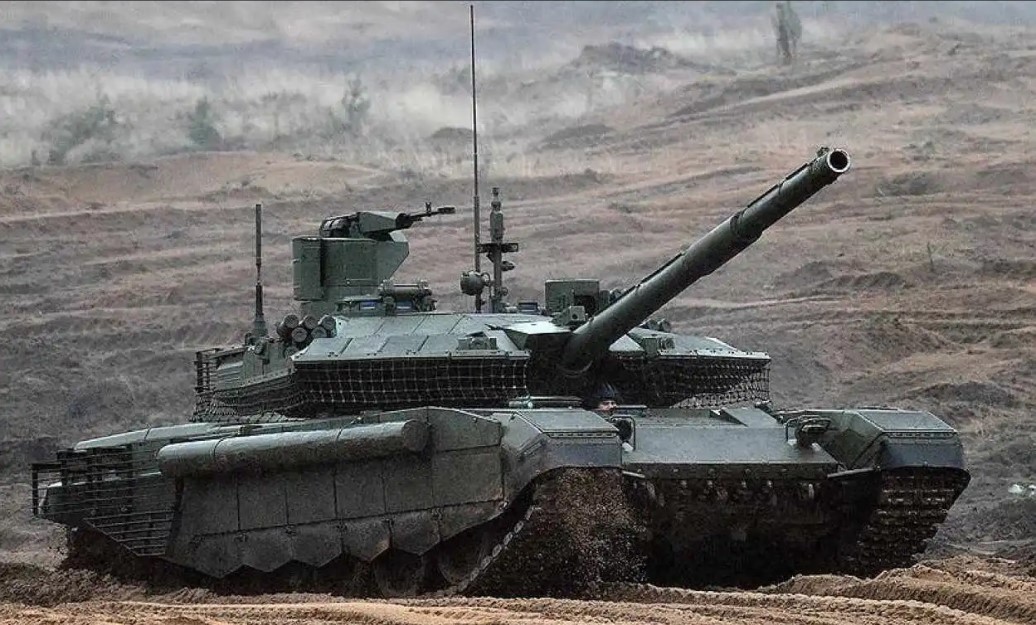
World
In a significant advancement for its armored forces, Russia's UralVagonZavod has introduced the first T-90M main battle tank equipped with the Arena-M Active Protection System (APS). This development underscores Russia's commitment to bolstering its military capabilities, especially in light of recent battlefield challenges. The T-90M: An Overview The T-90M, an evolution of the T-90 series, represents the pinnacle of Russian tank engineering. Building upon the foundation of the T-72, the T-90M boasts a 125 mm 2A46 smoothbore main gun, the 1A45T fire-control system, an upgraded engine, and a gunner's thermal sight. Its standard protective measures include a blend of steel and composite armor, smoke grenade dischargers, Kontakt-5 explosive reactive armor (ERA), and the Shtora infrared anti-tank guided missile (ATGM) jamming system. These features collectively enhance its offensive and defensive capabilities on the modern battlefield. Arena-M Active Protection System: A Defensive Leap The integration of the Arena-M APS marks a pivotal enhancement in the T-90M's defensive suite. Developed by Russia's Kolomna-based Engineering Design Bureau, the Arena system is designed to protect armored fighting vehicles from threats such as light anti-tank weapons and ATGMs. Utilizing a Doppler radar, the system detects incoming projectiles and launches a defensive rocket that detonates near the threat, neutralizing it before impact. This mechanism offers 360-degree protection, significantly increasing the tank's survivability against modern anti-tank munitions. Addressing Battlefield Vulnerabilities Despite its advanced design, the T-90M has encountered challenges in recent conflicts. Reports indicate that over 100 T-90M tanks have been lost in Ukraine, highlighting vulnerabilities to modern anti-tank weapons, drones, and precision artillery strikes. The addition of the Arena-M APS aims to mitigate these threats by intercepting incoming projectiles, thereby enhancing the tank's resilience in combat scenarios. Comparative Insights and Future Prospects While the Arena-M APS represents a significant advancement, its real-world effectiveness remains to be fully validated in combat situations. In contrast, systems like Israel's Trophy APS have been extensively battle-tested and proven effective. The true measure of the Arena-M's capabilities will emerge as it faces the complexities of modern warfare. In conclusion, the unveiling of the T-90M equipped with the Arena-M APS signifies a strategic move by Russia to enhance its armored forces' survivability. As the dynamics of warfare evolve, such advancements underscore the continuous efforts to adapt and strengthen military assets against emerging threats.
Read More → Posted on 2025-02-05 15:00:50
World
In a significant move to enhance its defense technology offerings, Saab UK has officially opened a state-of-the-art manufacturing facility in Fareham, Hampshire. This new site will focus on producing and supporting Saab’s advanced radar systems and underwater robotics, making it a key player in supporting the UK's defense and security needs. The facility, comprising three buildings, is part of Saab’s £100 million investment in the UK as part of its 2023 expansion strategy. It will be instrumental in the production of a wide range of cutting-edge defense technologies, specifically radar systems such as the Giraffe 1X 3D radar, Giraffe AMB air defense radar, and TAIPAN (Arthur) artillery locating radar. These radar systems are vital in strengthening the UK armed forces' ability to monitor air and ground threats, ensuring their preparedness and operational success. The Giraffe 1X is a highly versatile 3D radar designed for air defense, particularly in detecting low-altitude targets such as drones and helicopters. Its compact design makes it easily deployable, while its advanced radar technology ensures rapid detection and tracking, a feature critical in modern combat scenarios. The Giraffe AMB, on the other hand, is an air defense radar capable of tracking multiple targets simultaneously and can be deployed on various platforms, making it adaptable to the needs of the armed forces. The TAIPAN radar is known for its precision in locating artillery, providing highly accurate positioning of enemy fire and contributing to artillery countermeasures. This system is vital for enhancing artillery accuracy, allowing for effective targeting and neutralizing threats before they can cause significant harm. In addition to these radar technologies, Saab’s new facility will also play a pivotal role in the development and production of its Seaeye underwater robotics line. The Seaeye SR20, an all-electric subsea remotely operated vehicle (ROV), will be manufactured here. The Seaeye SR20 is used for a range of applications including underwater inspections, search-and-rescue operations, and defense tasks. Its electric power ensures long operational hours and reliability in challenging underwater environments. This ROV is already a preferred choice for both commercial and defense customers around the world, especially due to its robustness and ability to operate at significant depths. Saab’s investment in this new facility is expected to create up to 400 jobs, including highly skilled positions in engineering, manufacturing, and research. The site will also offer apprenticeship opportunities, helping to nurture the next generation of talent in the defense and technology sectors. According to the UK’s Secretary of State for Business and Trade, Jonathan Reynolds, this move is in line with the government’s upcoming Industrial Strategy, which focuses on strengthening the UK’s technological and industrial base. In a statement, Secretary of State for Defence John Healey emphasized the importance of Saab’s new facility in boosting national defense capabilities. He described the investment as a demonstration of how the defense sector contributes to economic growth, innovation, and job creation. Healey also highlighted that the apprenticeship opportunities at the site are essential for developing the expertise needed to maintain the UK’s position at the forefront of defense technology. This new facility in Hampshire aligns with Saab’s broader strategy to expand its global footprint. Earlier this year, the company also announced plans to open a new production facility in Finland to enhance the manufacturing of Sirius Compact passive electronic warfare sensors, further solidifying its commitment to advancing defense technology on a global scale. By establishing a strong presence in the UK, Saab is not only increasing its contribution to the UK defense sector but also playing a crucial role in supporting global security through the development of advanced radar systems and underwater robotics. This investment will ensure that Saab’s cutting-edge technologies continue to protect armed forces, secure national borders, and provide vital support in defense operations around the world.
Read More → Posted on 2025-02-05 14:52:32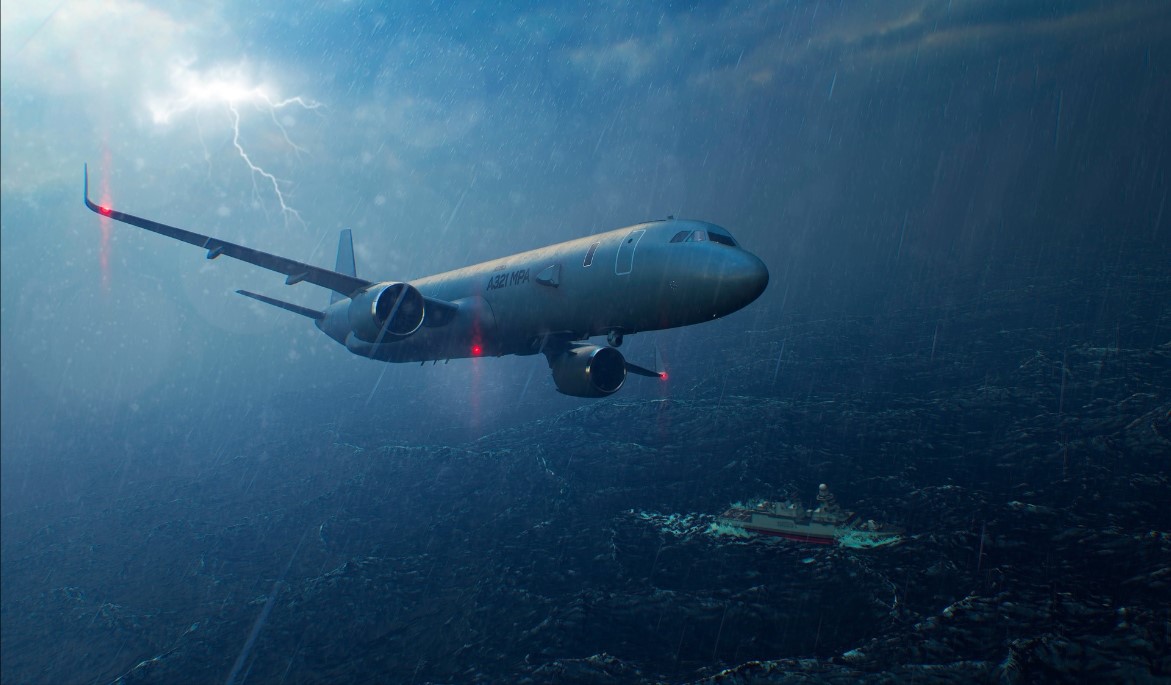
World
In a major step forward for the French Navy’s future maritime patrol capabilities, Airbus Defence and Space has been awarded a contract by the French Defence Procurement Agency (Direction Générale de l'Armement, DGA) to conduct a comprehensive risk-assessment study for France's next-generation maritime patrol aircraft. The 24-month contract, which is in partnership with Thales, follows an initial feasibility study that began in late 2022. This study will focus on refining the technical, economic, and industrial aspects of the program, ultimately guiding key system integration decisions. The key objective of this study is to ensure that the new aircraft meets the strategic needs of the French Navy. It will assess a wide range of variables, including aerodynamic performance, with wind-tunnel tests forming an important part of the process. In addition, the study will fine-tune the aircraft’s operational capacity and the future of its systems integration, making sure it aligns with France’s evolving defense requirements. Jean-Brice Dumont, Executive Vice President of Airbus Defence and Space, has underscored the significant strategic potential of the new maritime patrol aircraft, which will be based on the Airbus A321 platform. "The A321 MPA (Maritime Patrol Aircraft) has all the assets to become a true flying frigate capable of responding to the wide range of missions entrusted to the French maritime patrol," Dumont commented. A New Era for Maritime Patrol: The A321 MPA The A321 MPA will be a militarized version of the Airbus A321XLR, an extended-range aircraft known for its robust design and proven reliability in the commercial aviation sector. Adapted for military use, the A321 MPA is specifically designed for a variety of maritime defense operations, such as anti-submarine warfare, anti-ship warfare, and intelligence-gathering. It will replace the aging French Navy Atlantique 2 aircraft, which has been in service for over three decades. The A321 MPA will operate from Lann-Bihoué Naval Air Base and will be essential for ensuring the security of French maritime borders and global strategic interests. Advanced Sensor Suite and Operational Capabilities Equipped with cutting-edge technology, the A321 MPA will feature an advanced suite of sensors provided by Thales, a French defense electronics giant. These sensors will include next-generation radar and sonar systems, essential for detecting submarines and ships. Additionally, the aircraft will be outfitted with advanced electronic warfare capabilities and electro-optical systems, including magnetic anomaly detection systems to enhance its surveillance and reconnaissance capacity. One of the standout features of the A321 MPA will be its comprehensive communication system, which will include secure satellite links, ensuring real-time data sharing between the aircraft and ground-based or naval units. The aircraft will also be capable of carrying torpedoes and the future anti-ship missile (FMAN), making it a formidable asset in both defensive and offensive maritime operations. Long Range, High Maneuverability, and Adaptability The A321 MPA will offer impressive endurance, capable of flying long-range missions with great maneuverability. Its flexible design allows it to adapt to both low-intensity and high-intensity military operations, enabling it to conduct surveillance over vast maritime areas and respond to a variety of threats. The aircraft’s spacious cargo bay and open mission system architecture are also designed to accommodate future upgrades as new threats emerge, ensuring that the A321 MPA remains a valuable asset for the French Navy well into the future. Leveraging the A320 family’s reputation for high reliability and low maintenance costs, the A321 MPA benefits from Airbus’s extensive support network. The A320 family of aircraft has over 10,000 units in service worldwide, and Airbus offers a proven infrastructure for ensuring long-term operational sustainability. Experience and Expertise from Airbus Defence and Space Airbus Defence and Space has a wealth of experience in military aircraft conversions, with notable successes in platforms such as the A330 Multi Role Tanker Transport (MRTT) and the integration of mission systems on aircraft like the P-3 Orion, C295, and CN235. This expertise will be critical in the development of the A321 MPA, ensuring it meets the highest standards of operational effectiveness. The contract marks a significant milestone in defining France’s maritime patrol aircraft for the coming decades. Expected to launch in 2026, the A321 MPA is set to play a central role in safeguarding France's maritime interests, as well as contributing to global security operations. As Airbus Defence and Space continues to refine the design and technical specifications of this advanced maritime patrol aircraft, France is well-positioned to strengthen its naval defense capabilities, ensuring it remains ready to address the complexities of modern warfare on the high seas.
Read More → Posted on 2025-02-05 14:36:59
Russia Claims Capture of Two More Villages in Eastern and Northeastern Ukraine Amid Ongoing Conflict
World
As the Russia-Ukraine conflict nears its third year, both sides continue their struggle for territorial control, with Russia making steady advances. On Wednesday, Russian officials reported that their forces had captured two additional villages in eastern and northeastern Ukraine, further intensifying the ongoing military clash. This move comes as both Moscow and Kyiv attempt to press a ground advantage, potentially setting the stage for peace talks. In the northeastern Kharkiv region, Russia's defense ministry stated that its troops successfully took the village of Novomlynsk. This area had previously marked a significant divide between the two armies, separated by the Oskil River. Over the past few weeks, Russian forces have steadily gained ground here, having already established a bridgehead across the river, allowing them to make further territorial inroads. Novomlynsk, now under Russian control, is strategically positioned along the Oskil River, which had previously been a frontline barrier in the region. Further south, Russia claimed the capture of Baranivka, a village north of Ocheretyne in the Donetsk region. Russian forces have been pushing to secure this area for months, facing strong Ukrainian resistance. The fall of Baranivka marks another small but significant gain for Russia in its bid to consolidate its control over eastern Ukraine. Over the past three years, Russia has made incremental territorial gains, especially in the eastern regions of Ukraine, which have been at the heart of the conflict. While Moscow continues to make these claims, Kyiv has struggled to hold back larger Russian forces, despite receiving significant military aid and training from international allies. The ongoing battle in eastern Ukraine, particularly in Kharkiv and Donetsk regions, has resulted in significant casualties on both sides, and the humanitarian impact has been devastating. The conflict, which began in 2022, has seen various phases of intense fighting, with both sides preparing for potential peace talks that could bring an end to the violence. However, as of now, both nations appear to be far from reaching a comprehensive agreement, with territorial disputes remaining a key sticking point. Moscow's offensive, which has dragged on for months and now into its third year, shows no signs of slowing down. Ukrainian forces, though stretched thin, have managed to put up fierce resistance, but the larger Russian military has continued to press forward. As both sides seek control of more villages and key strategic positions, the situation remains fluid, with the possibility of further escalations or shifts in momentum. This continued territorial struggle underscores the uncertainty of the conflict’s resolution, with many observers noting that, despite ongoing peace talks and international pressure, the ground battle remains crucial to determining the outcome of the war. The next few months will likely be decisive in shaping the future of Ukraine's territorial integrity and the broader geopolitical landscape.
Read More → Posted on 2025-02-05 14:32:16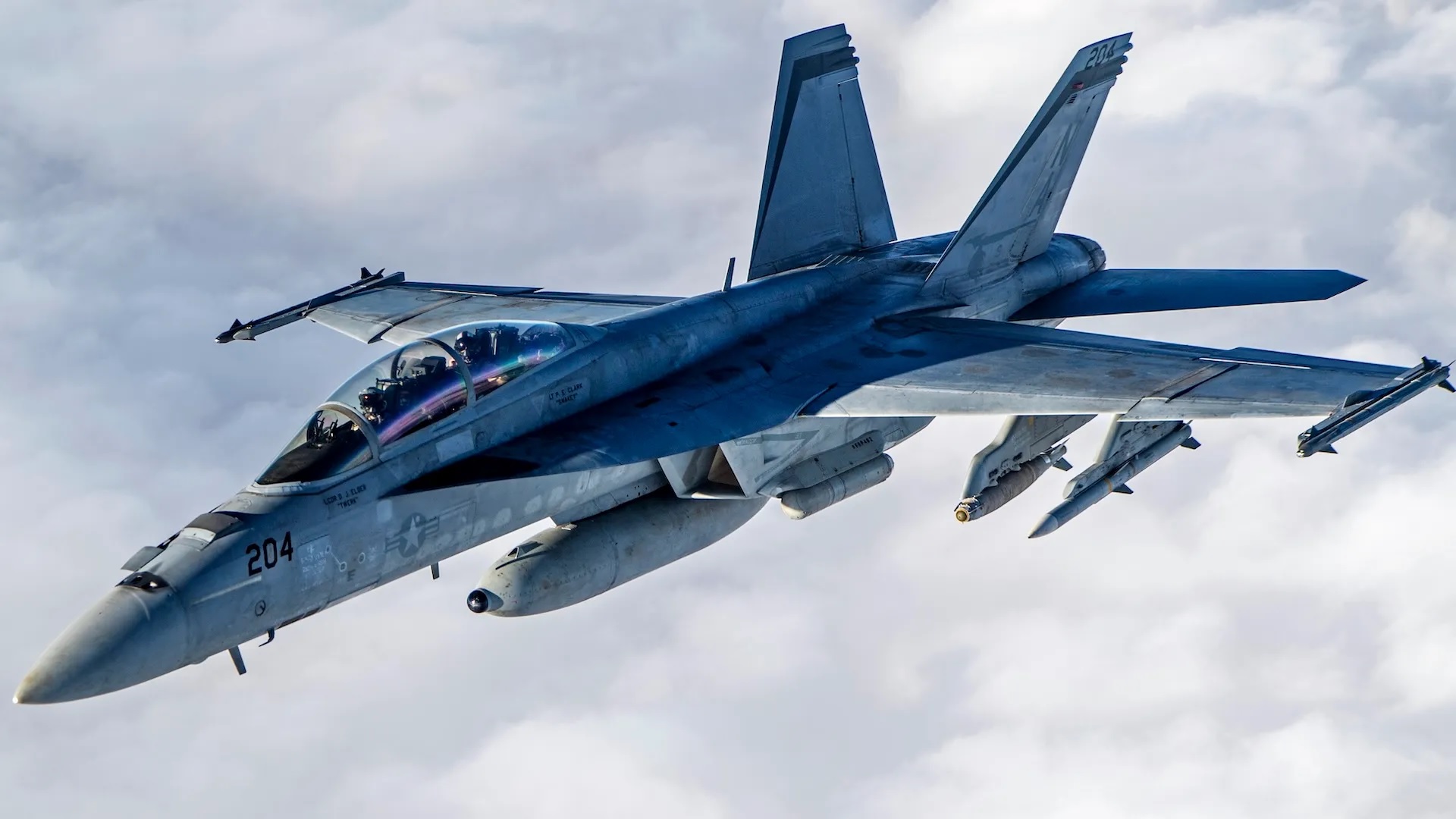
World
In November 2024, the U.S. Navy declared Initial Operational Capability (IOC) for the Infrared Search and Track (IRST) Block II system, marking a significant advancement for the F/A-18E/F Super Hornet fleet. Developed by Lockheed Martin, the IRST21 sensor is a passive, long-range infrared system designed to detect and track airborne threats without emitting radar signals, thereby enhancing the aircraft's effectiveness in contested environments. Key Features of the IRST21 Sensor: Passive Detection: The IRST21 operates without emitting signals, reducing the aircraft's likelihood of detection by adversaries. Long-Range Tracking: Capable of identifying and monitoring targets at extended distances, providing pilots with increased reaction time. Enhanced Survivability: By avoiding radar emissions, the system minimizes exposure to enemy electronic warfare tactics. The journey to IOC involved rigorous testing phases. The Air Test and Evaluation Squadron (VX) 9 conducted Initial Operational Test and Evaluation (IOT&E), collaborating with teams from VX-31 and VX-23. This comprehensive approach ensured the IRST21's performance met operational standards in realistic scenarios. Rear Admiral John Lemmon, Program Executive Officer for Tactical Aircraft Programs, emphasized the system's significance, stating that the passive infrared capability is crucial for aircrew survivability, especially in environments where radar may be compromised. Captain Michael Burks, PMA-265 Program Manager, highlighted the collaborative efforts that brought the IRST21 to operational status. He noted that the sensor complements the AN/APG-79 fire control radar, enhancing air-to-air detection and guiding beyond-visual-range missiles. The IRST21 Block II is part of an evolutionary upgrade strategy. The initial Block I, introduced in 2011, integrated an existing IRST system onto the F/A-18's fuel tank. Block II offers an improved sensor, upgraded processor, and enhanced software, with the first operational deployment scheduled for 2025. A decision on full-rate production is anticipated in spring 2025, aiming to equip carrier-based F/A-18E/F Super Hornet squadrons with the advanced IRST Block II system. Hank Tucker, Vice President of Mission Systems at Lockheed Martin, remarked that passive sensing technologies like IRST21 are transforming air combat operations, keeping pilots ahead of evolving threats. The integration of the IRST21 sensor into the Super Hornet fleet represents a significant leap in the U.S. Navy's tactical capabilities, ensuring that pilots are better equipped to handle modern aerial threats.
Read More → Posted on 2025-02-05 14:29:21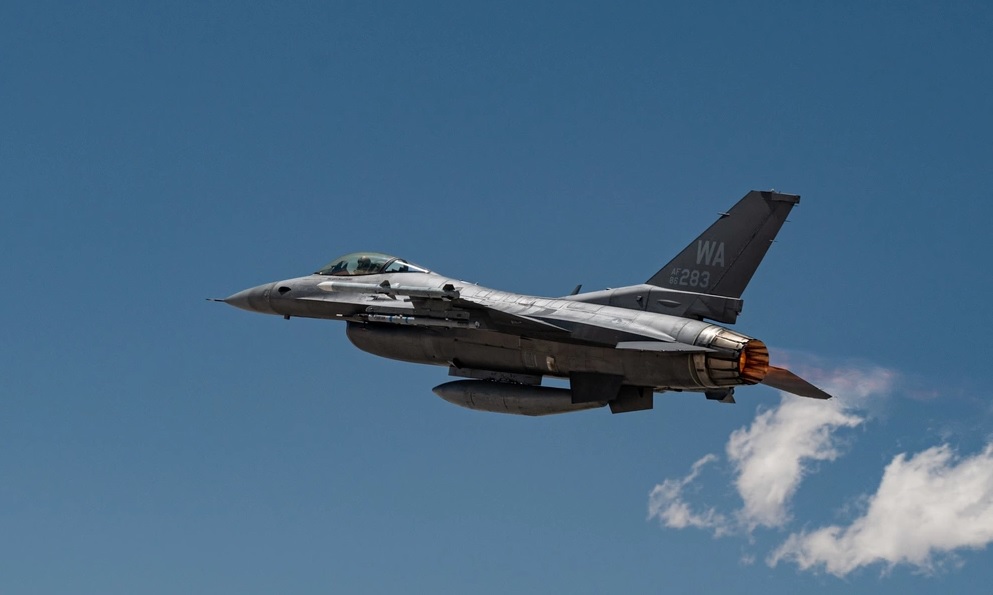
World
L3Harris Technologies has achieved a significant milestone with the inaugural flight of its Viper Shield AN/ALQ-254(V)1 all-digital electronic warfare (EW) suite aboard an F-16 Fighting Falcon. This event took place at Edwards Air Force Base in California, marking a pivotal advancement in modernizing the F-16's defensive and offensive capabilities. Key Highlights of the Viper Shield EW Suite: Advanced Threat Detection and Countermeasures: Viper Shield employs a software-defined architecture that enables rapid identification and jamming of enemy radar systems. This capability creates a virtual electronic shield around the aircraft, enhancing pilot survivability in contested environments. Seamless Integration with F-16 Systems: Designed to be fully compatible with the F-16's existing avionics, Viper Shield integrates with the aircraft's mission computer and the APG-83 Active Electronically Scanned Array (AESA) radar. This integration ensures cohesive operation without necessitating extensive modifications to the airframe. Compact and Lightweight Design: Utilizing commercial-off-the-shelf (COTS) technology, Viper Shield boasts a modern, all-digital architecture that results in a smaller form factor and reduced weight. This design approach not only enhances system performance but also simplifies future upgrades. Global Adoption and Production: The Viper Shield system is currently in production, with 168 units on order for deployment across F-16 fleets in six countries. This widespread adoption underscores the system's advanced capabilities and the trust placed in it by international partners. The successful maiden flight involved comprehensive risk reduction assessments, including evaluations of the mission computer's performance and the suite's compatibility with the F-16's avionics subsystems. Additionally, the interoperability between Viper Shield and the APG-83 AESA radar was thoroughly tested, confirming the system's readiness for operational deployment. Ed Zoiss, President of Space and Airborne Systems at L3Harris, highlighted the significance of this achievement, stating, "This flight launches the latest capability enhancement for the F-16 and our warfighters. The Viper Shield system combined with a Block 70 airframe creates a leap in capability compared to the traditional Block 50 Viper I grew up flying. The EW advancements this system brings will ensure pilots flying these aircraft continue to make it home." As modern warfare evolves, the integration of advanced electronic warfare systems like Viper Shield is crucial for maintaining air superiority and ensuring the safety of pilots in increasingly complex threat environments. The successful first flight of Viper Shield marks a significant step forward in equipping the F-16 Fighting Falcon with cutting-edge defensive and offensive electronic capabilities.
Read More → Posted on 2025-02-05 14:17:49
World
In a recent development, U.S. President Donald Trump announced a controversial plan for the United States to assume control over the Gaza Strip. This proposal includes relocating the Palestinian residents of Gaza to neighboring countries such as Egypt and Jordan, with the aim of transforming the area into a prosperous region, potentially dubbed the "Riviera of the Middle East." The plan envisions clearing existing infrastructure and developing new economic opportunities to create jobs and housing. Hamas, the Palestinian militant organization governing Gaza, has vehemently opposed this proposal. In an official statement, Hamas denounced the plan as "aggressive to our people and cause," asserting that it would not contribute to regional stability but instead "put oil on the fire." The group emphasized that the Palestinian people would resist any attempt by foreign nations to occupy their land or impose external governance, highlighting the significant sacrifices made in their struggle for liberation and statehood with Jerusalem as the capital. Hamas spokesman Abdel Latif al-Qanou further criticized Trump's plan, labeling it a "racist stance" that aligns with the positions of the Israeli extreme right. He underscored that such proposals disregard the rights and aspirations of the Palestinian people, potentially exacerbating tensions in the already volatile region. The international response to President Trump's proposal has been largely negative. Key U.S. allies and adversaries alike have rejected the plan, expressing concerns over its implications for Palestinian rights and regional stability. Countries such as Egypt and Jordan, which were suggested as potential destinations for relocated Palestinians, have firmly opposed the idea, reaffirming their support for a two-state solution and the rights of Palestinians to remain in their homeland. Critics of the proposal have labeled it as a form of ethnic cleansing, arguing that forcibly displacing an entire population under the guise of humanitarian assistance violates international law and moral principles. The plan has also been criticized for its lack of feasibility and disregard for the complex historical and political context of the Israeli-Palestinian conflict. In summary, Hamas's strong condemnation of the U.S. proposal to take over the Gaza Strip reflects deep-seated concerns about foreign intervention and the potential for increased violence. The widespread international rejection of the plan underscores the complexities involved in addressing the Israeli-Palestinian conflict and the importance of solutions that respect the rights and aspirations of all parties involved.
Read More → Posted on 2025-02-05 14:00:55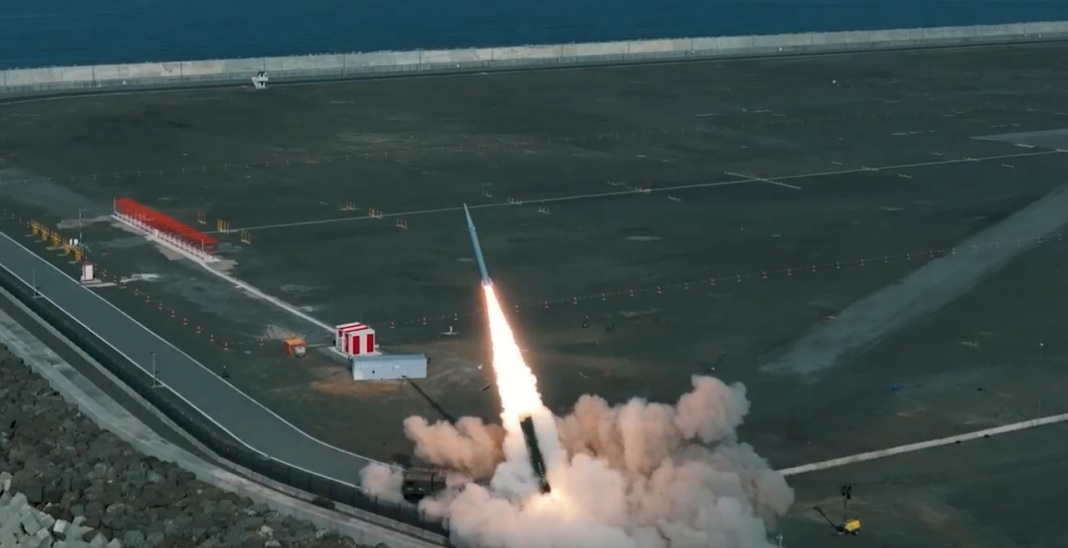
World
Turkey has recently achieved a significant advancement in its defense capabilities with the successful test of the Tayfun ballistic missile, developed by the country's leading defense contractor, Roketsan. This latest test saw the missile striking a maritime target 561 kilometers (350 miles) away, marking a new milestone in Turkey's missile technology. Development and Testing Timeline The Tayfun missile program has been progressing through a series of rigorous tests: October 2022: The inaugural test launch was conducted, where the missile successfully hit a target at a distance of 560 kilometers (348 miles). May 2023: A subsequent test reaffirmed the missile's capabilities, leading to its entry into mass production later that month. February 2025: The most recent test further extended the missile's range, achieving a strike at 561 kilometers (350 miles). Technical Specifications The Tayfun missile boasts impressive technical features: Length: 6.5 meters (21 feet) Diameter: 610 millimeters Weight: 2,300 kilograms (5,070 pounds) Guidance System: Equipped with a Go-onto-Location-in-Space (GOLIS) guidance system, the missile ensures high-precision strikes with an accuracy of less than or equal to 10 meters Circular Error Probable (CEP). Warhead: Features a pre-shaped fragmentation warhead designed to effectively neutralize a variety of targets. Range: Initially designed for a range exceeding 280 kilometers (174 miles), the missile has demonstrated capabilities beyond 500 kilometers (310 miles) in recent tests. Speed: The Tayfun can reach hypersonic speeds, enhancing its ability to evade advanced enemy air defenses. Strategic Implications The development of the Tayfun missile signifies a substantial leap in Turkey's defense technology, providing the capability to engage high-value targets at extended ranges. Its advanced guidance system and hypersonic speed make it a formidable asset in modern warfare, capable of operating effectively even in environments with electronic warfare interference or GPS disruption. As Turkey continues to enhance its missile technology, the Tayfun stands as a testament to the nation's growing self-reliance in defense capabilities, positioning it as a significant player in the global defense arena.
Read More → Posted on 2025-02-05 13:57:54Search
Top Trending in 24 Hours
-
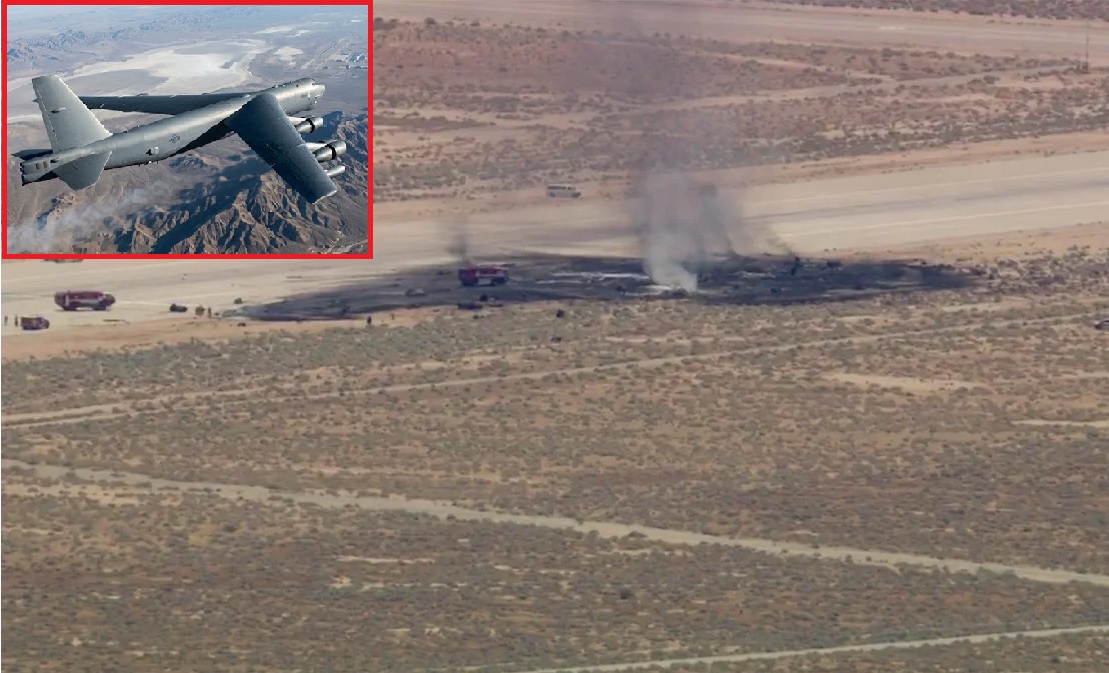 8 U.S. Air Force Crew Members Killed in B-52 Bomber Crash During Test Flight at Edwards Air Force Base
-
 Ukraine Introduces Balloon-Launched DART Missile Designed to Defeat Electronic Warfare
-
 Lockheed Martin Wins $514 Million U.S. Space Force Contract for Two New GPS IIIF Satellites
-
 UK Announces £210 Million Deal to Supply Enriched Uranium to Ukraine for Two Years
-
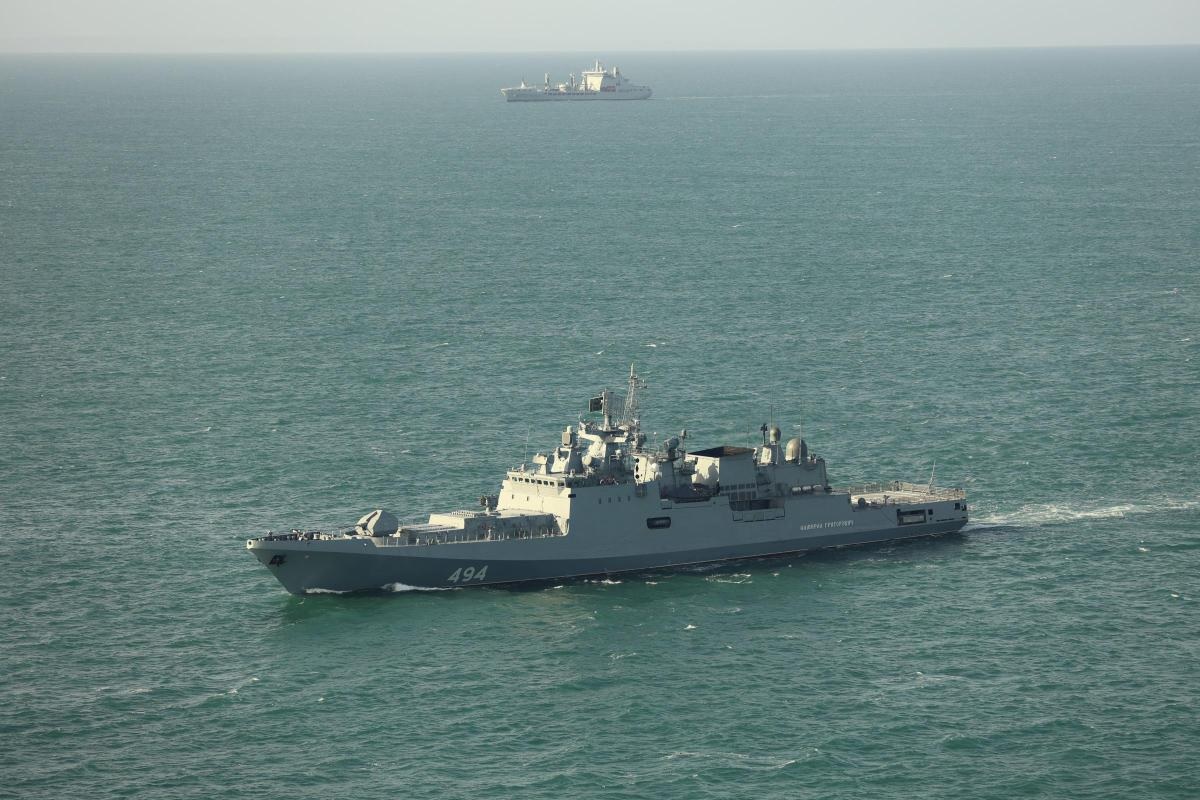 Russian Frigate Admiral Grigorovich Challenges UK Yacht in English Channel With Warning Shots
-
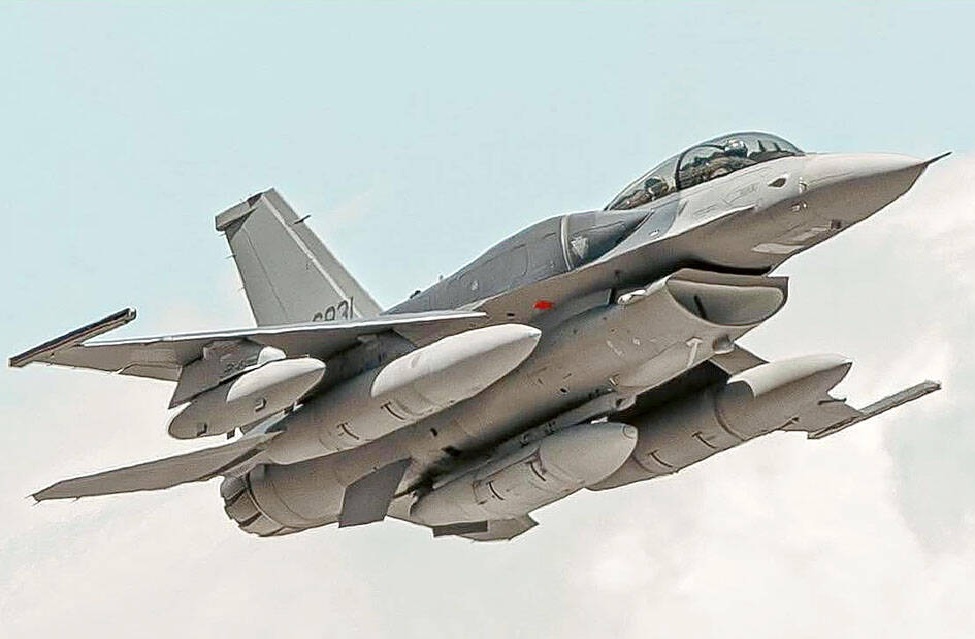 First Taiwanese F-16 Block 70 Flies with Five-Tank Fuel Configuration During Texas Tests
-
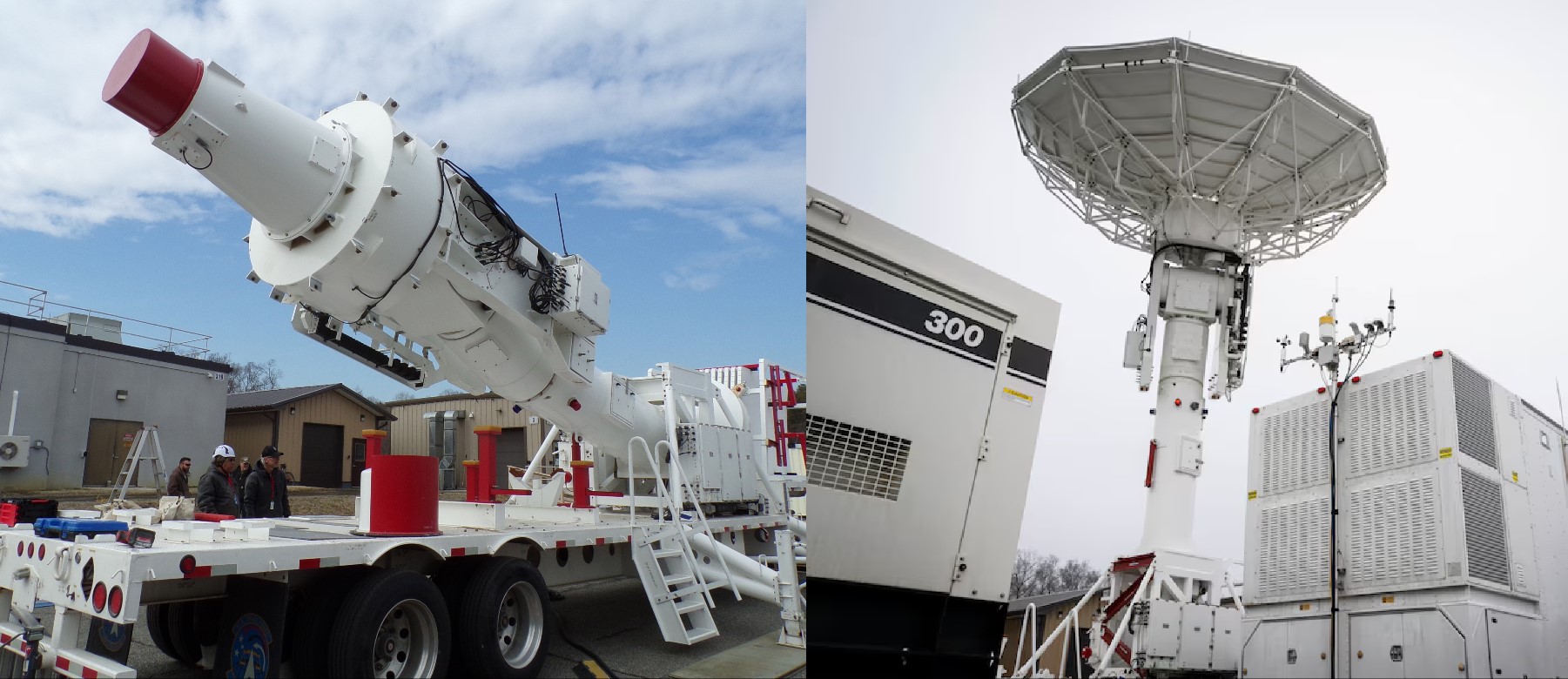 Space Force Transfers Transportable Satellite Tracking Antenna to Naval Research Laboratory
-
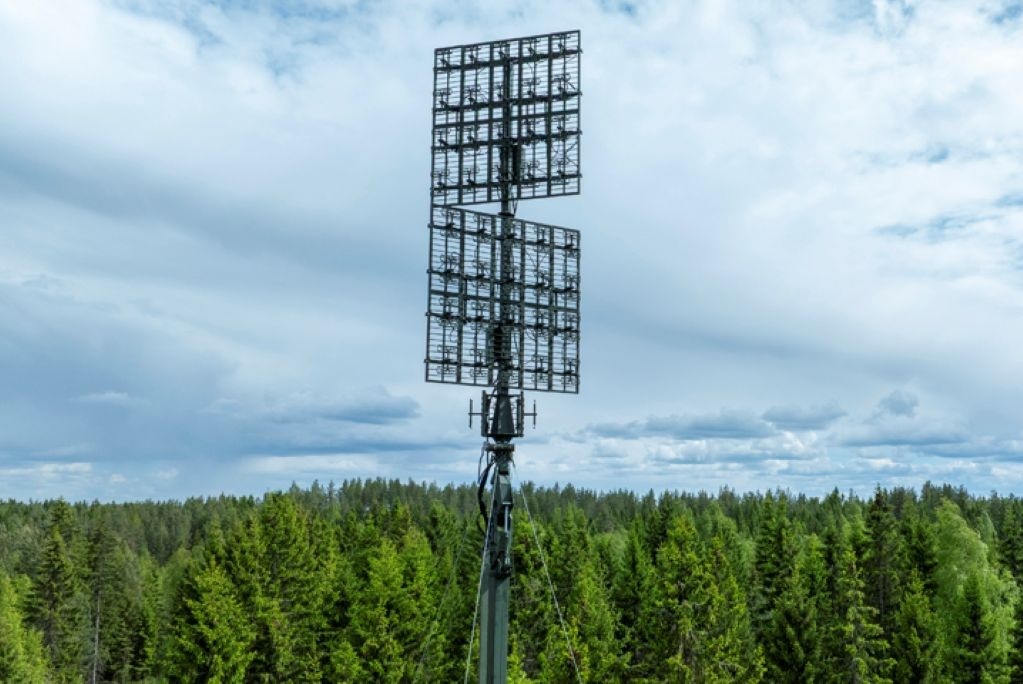 Patria Launches WISPR Passive Counter-Battery Radar with Silent Detection Capability at Eurosatory 2026
Top Trending in 4 Days
-
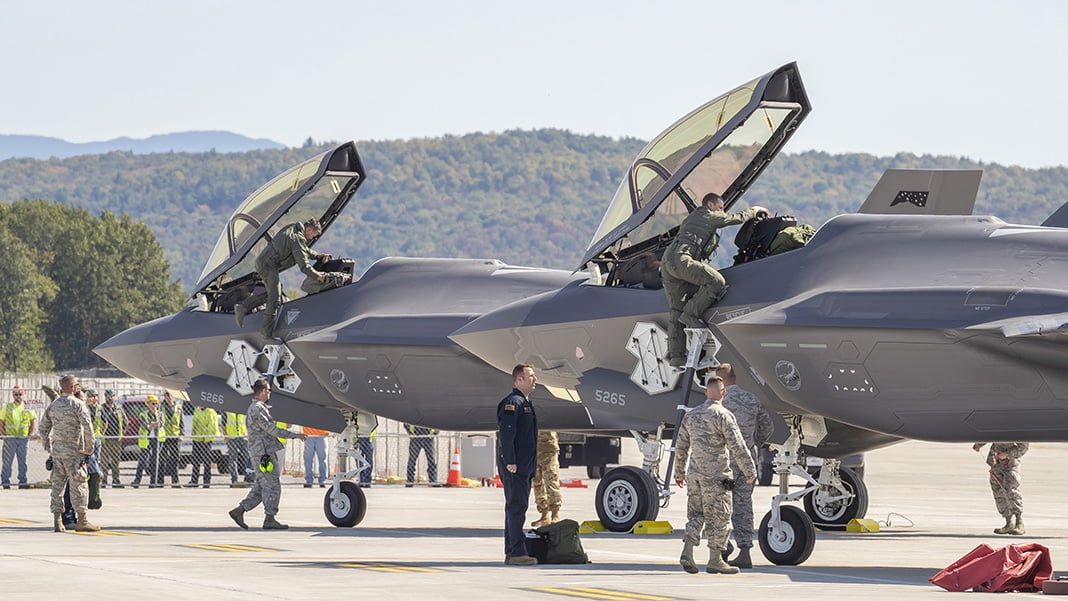 F-35 Fleet Readiness Falls to 25% Amid Parts Shortages and Software Delays: GAO Report
-
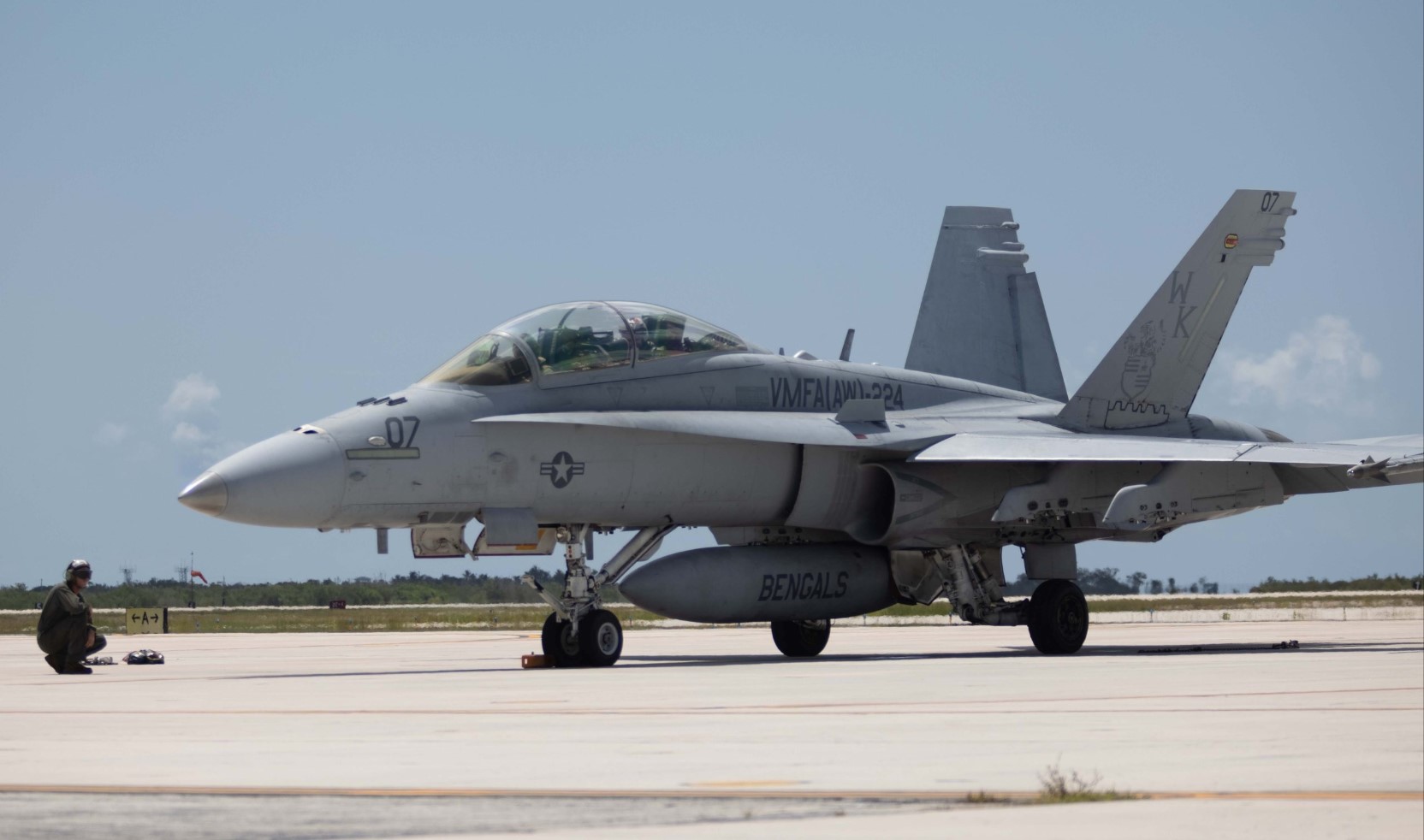 US Marine Corps F/A-18D Hornet Crashes During Training Flight in Washington Mountains; Pilot Ejects Safely
-
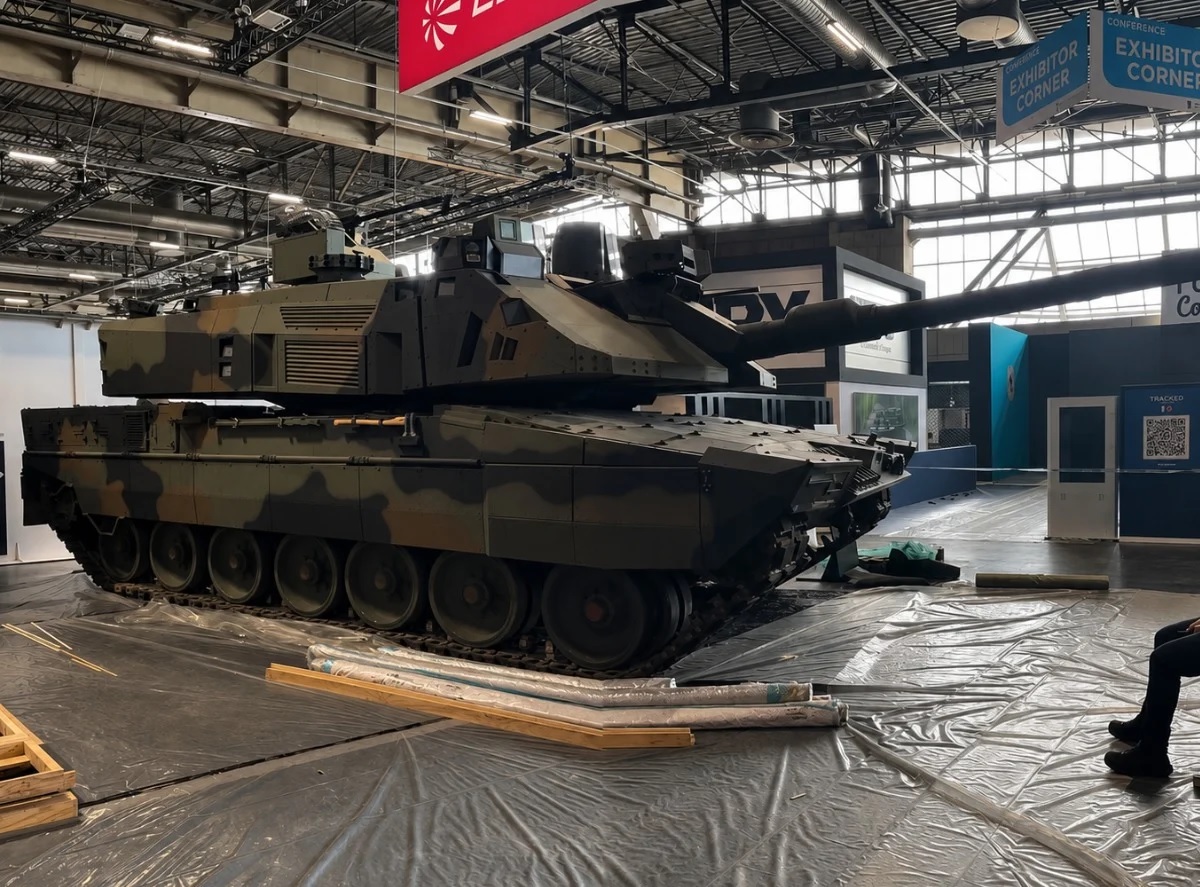 Leonardo Rheinmetall to Unveil Italy’s New IMBT Main Battle Tank at Eurosatory 2026
-
 Tulsi Gabbard Releases Declassified Files Detailing U.S.-Backed Network of 120 Biolaboratories Across 30+ Countries
-
8 U.S. Air Force Crew Members Killed in B-52 Bomber Crash During Test Flight at Edwards Air Force Base
-
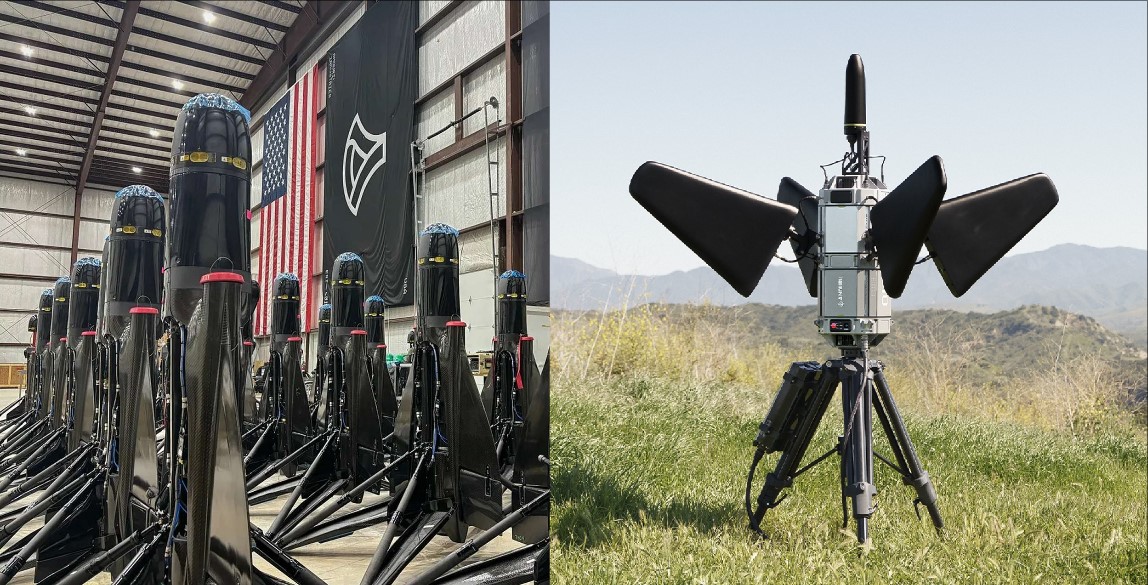 U.S. Approves $1.98 Billion Sale of Anduril AI-Powered Counter-Drone Systems to Kuwait
-
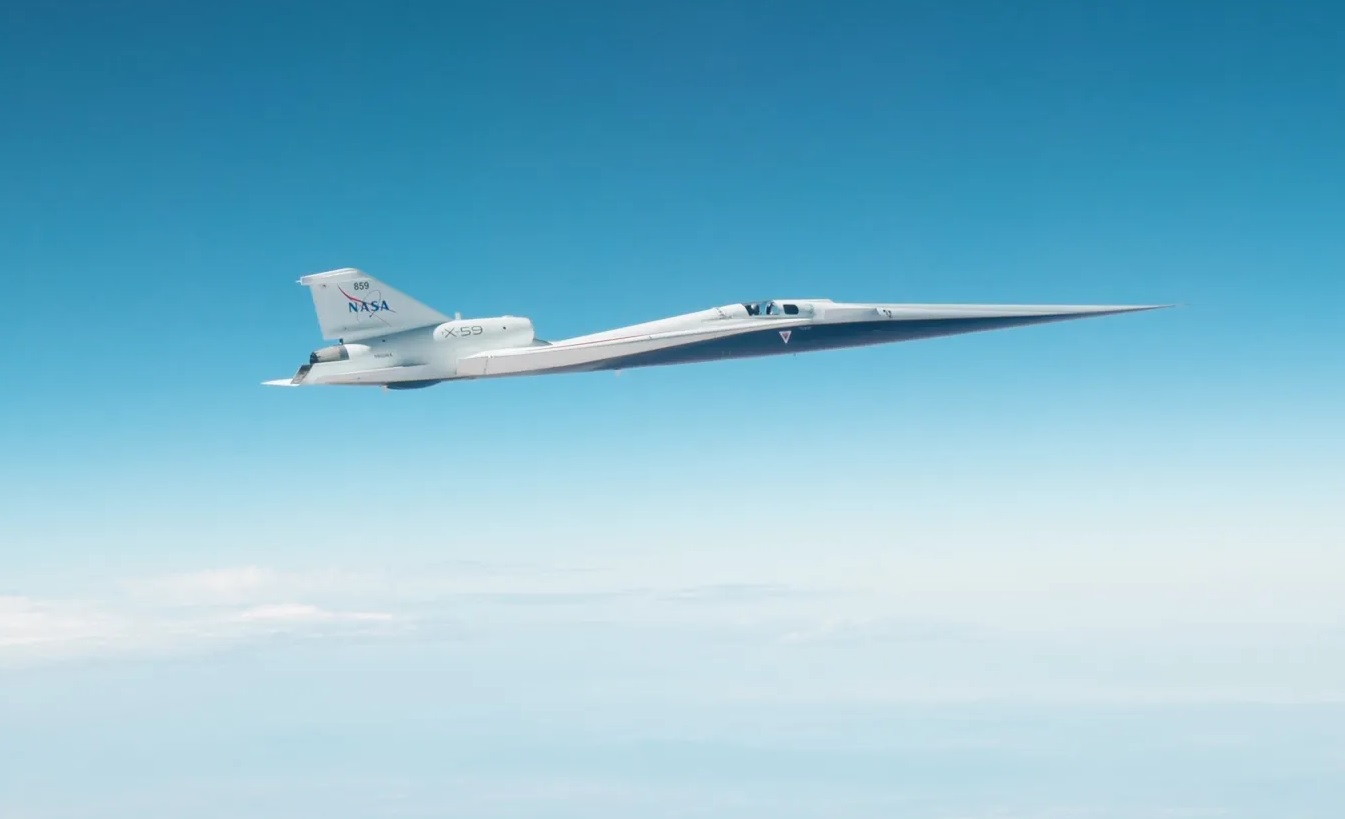 NASA X-59 Achieves Planned Mission Conditions with Mach 1.4 Flight at 55,000 Feet
-
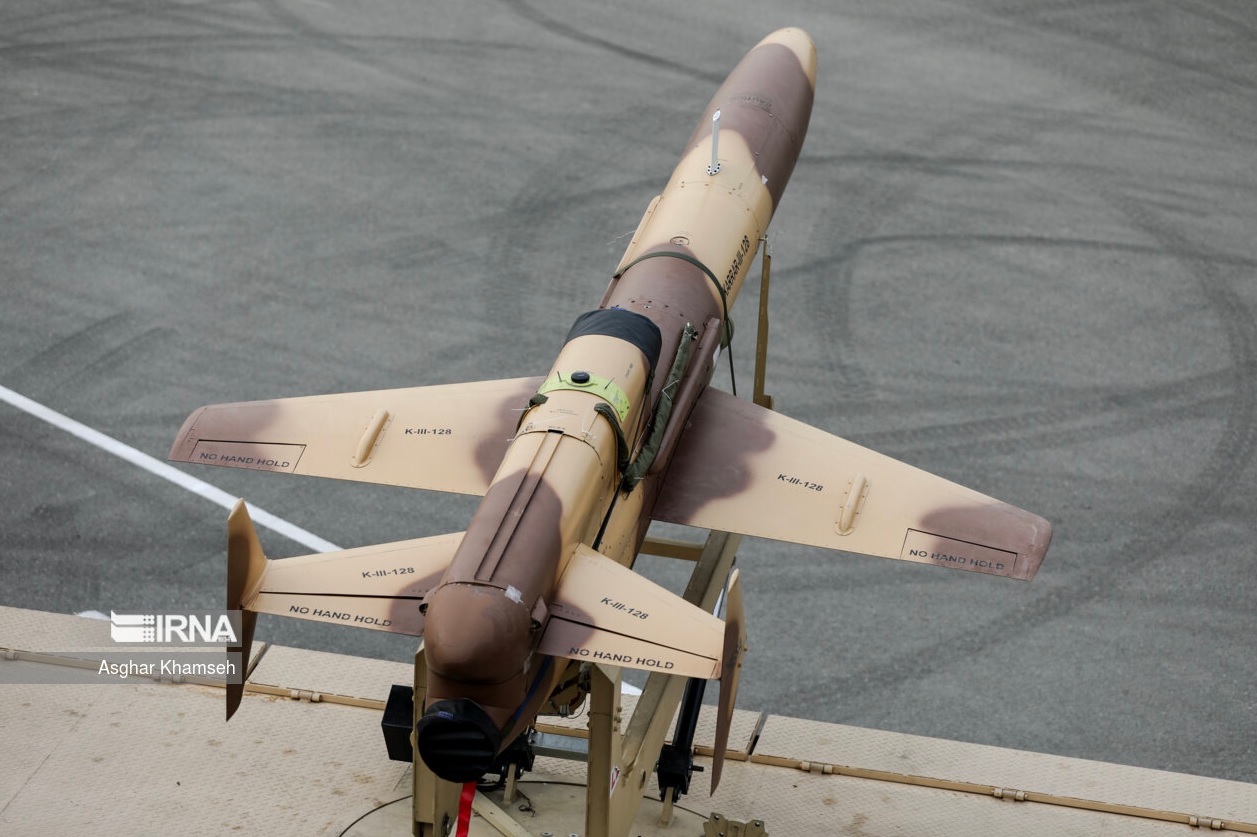 Russia Launches 1,400 Jet-Powered Drones in 2026 as Strike Tactics Evolve to Challenge Ukraine's Air Defenses