World
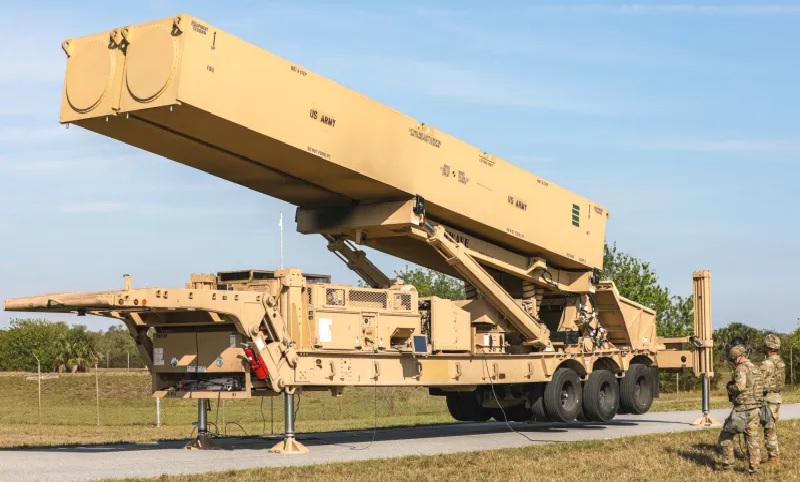
The U.S. Navy and Army are intensifying their efforts to develop and deploy hypersonic missile systems, focusing on the Conventional Prompt Strike (CPS) program. This initiative aims to provide the U.S. military with the capability to strike high-value, time-sensitive targets with unprecedented speed and precision. Recent Developments In December 2024, the Army's Rapid Capabilities and Critical Technologies Office, in collaboration with the Navy's Strategic Systems Programs, successfully conducted an end-to-end flight test of a conventional hypersonic missile at Cape Canaveral Space Force Station, Florida. This test validated the missile's performance across its entire flight trajectory, marking a significant milestone in the CPS program. System Overview The CPS is a boost-glide hypersonic weapon system designed for rapid response. It comprises a two-stage solid rocket booster that propels the Common Hypersonic Glide Body (CHGB) to high altitudes. Once released, the CHGB glides at hypersonic speeds exceeding Mach 5, maneuvering to evade defenses and deliver a kinetic energy projectile warhead to its target. Deployment Platforms The Navy plans to integrate the CPS system into Zumwalt-class destroyers and Virginia-class submarines, utilizing a cold-gas ejection system for missile launch. Concurrently, the Army's Long-Range Hypersonic Weapon (LRHW), dubbed "Dark Eagle," will deploy the CPS All-Up Round (AUR) from ground-based transporter-erector-launchers (TEL) using a hot launch ignition system. Testing Phases The CPS program is structured into three phases: Rapid Prototyping (Phase 1): This phase includes a series of flight tests to validate the system's design and performance, culminating in fiscal year 2025 (FY25). Rapid Fielding (Phase 2): Focused on integrating the CPS onto Zumwalt-class destroyers, with initial deployment targeted for fiscal year 2027 (FY27). Full Integration (Phase 3): Aimed at comprehensive deployment across both Zumwalt-class destroyers and Virginia-class submarines. Challenges and Future Plans In FY24, the program experienced delays due to adjustments in development objectives and delivery schedules. A planned flight test from the Army's TEL was canceled due to a system issue, which has since been addressed. Upcoming tests in early FY25 will include demonstrations from both the Army's TEL and the Navy's ship/submarine-launch canisters to ensure seamless integration across platforms. Additional Evaluations The program also encompasses: Lethality Testing: Assessing the warhead's effectiveness against representative targets through various tests, including sled trials. Cyber Survivability Assessments: Evaluating the system's resilience against cyber threats, with multiple assessments completed and more planned for subsequent phases. Performance in Contested Environments: Utilizing modeling, simulation, and hardware-in-the-loop evaluations to ensure effectiveness under combat conditions. Industry Collaboration The CPS system is being developed in partnership with leading defense contractors, including Lockheed Martin Space and Dynetics, a subsidiary of Leidos, which is responsible for the Common Hypersonic Glide Body. Conclusion The CPS program signifies a substantial advancement in U.S. hypersonic strike capabilities, offering strategic deterrence and rapid precision engagement. As testing progresses, the Navy and Army are committed to refining the system's performance and integration to ensure operational readiness for future deployments.
Read More → Posted on 2025-02-01 14:12:51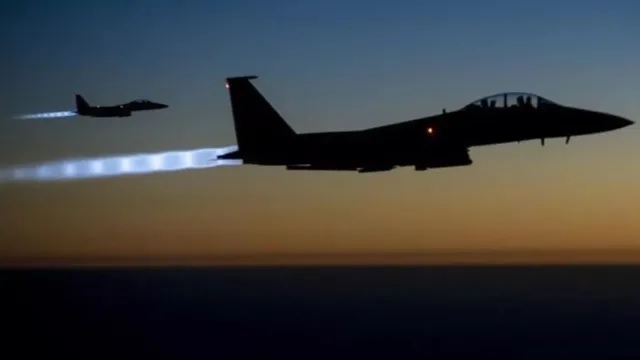
World
On January 30, 2025, U.S. Central Command (CENTCOM) conducted a precision airstrike in northwest Syria, resulting in the death of Muhammad Salah al-Za'bir, a senior operative within Hurras al-Din, an Al-Qaeda-affiliated terrorist organization. This operation underscores the U.S. military's ongoing commitment to disrupting terrorist activities that threaten civilians and military personnel globally. Background on Hurras al-Din Hurras al-Din, translating to "Guardians of Religion," emerged in 2018 as a splinter group from Hayat Tahrir al-Sham (HTS). The group has maintained allegiance to Al-Qaeda and has been implicated in various regional and international terrorist activities. Operating primarily in Syria's Idlib province, Hurras al-Din has been a focal point of U.S. counterterrorism efforts in the region. CENTCOM's Counterterrorism Strategy The recent airstrike aligns with CENTCOM's broader strategy to target and neutralize high-ranking members of terrorist organizations. By eliminating key figures like al-Za'bir, the U.S. aims to disrupt the leadership and operational capabilities of groups such as Hurras al-Din. This approach is part of a sustained effort to prevent these organizations from orchestrating attacks against the U.S., its allies, and partner nations. Statements from U.S. Military Leadership General Michael Erik Kurilla, commander of CENTCOM, reiterated the U.S. commitment to combating terrorism, stating that operations targeting individuals who pose a threat to national and allied security will persist. He emphasized the importance of proactive measures in safeguarding both American and global interests. Implications of the Airstrike The elimination of al-Za'bir is anticipated to have a significant impact on Hurras al-Din's operational effectiveness. Targeted strikes against senior leaders can lead to organizational disruption, challenges in communication, and potential power struggles within the group. Such outcomes contribute to the broader objective of diminishing the threat posed by terrorist organizations in the Middle East and beyond. The January 30 airstrike represents a critical development in the ongoing fight against terrorism. By removing a senior leader from the battlefield, the U.S. reinforces its dedication to counterterrorism efforts and the protection of its interests and those of its allies. Continued vigilance and strategic operations remain essential components of the global initiative to combat extremist threats.
Read More → Posted on 2025-02-01 14:09:12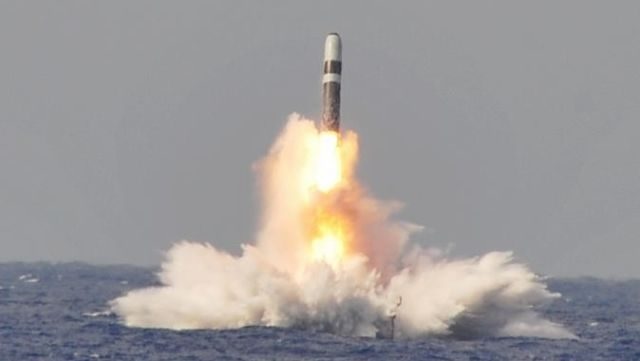
World
The U.S. Navy has awarded Lockheed Martin a $383 million contract modification to advance the Trident II Strategic Weapons System (SWS) D5 missile. This initiative focuses on the Trident II D5 Life Extension 2 (D5LE2) program, aiming to modernize the missile system and ensure its operational effectiveness through 2084. Enhancing Sea-Based Strategic Deterrence The Trident II D5 missile is a cornerstone of the U.S. Navy's sea-based strategic deterrence, deployed on Ohio-class submarines. The D5LE2 program seeks to update critical components, addressing obsolescence and integrating modern technologies to maintain the missile's reliability and performance in the evolving defense landscape. Lockheed Martin's Commitment to the Fleet Ballistic Missile Program Lockheed Martin has a longstanding partnership with the U.S. Navy, spanning over seven decades in the Fleet Ballistic Missile (FBM) program. The company is dedicated to advancing technological capabilities to support national security objectives. The D5LE2 program exemplifies this commitment, ensuring that the Trident II D5 missile remains a credible deterrent against emerging threats. Investment in Advanced Manufacturing Facilities To support the D5LE2 program, Lockheed Martin is investing in infrastructure to enhance production capabilities. The company has established a new facility in Titusville, Florida, dedicated to the development and manufacturing of components for the upgraded missile system. This facility underscores Lockheed Martin's focus on innovation and its role in strengthening the nation's defense industrial base. Economic Impact and Job Creation The new Titusville facility is expected to generate approximately 300 highly skilled jobs, contributing to the local economy and reinforcing Florida's position in the aerospace and defense sectors. State officials have lauded this investment, highlighting its significance in driving economic growth and providing high-quality employment opportunities. The U.S. Navy's $383 million contract with Lockheed Martin for the Trident II D5LE2 program represents a strategic effort to modernize the nation's sea-based nuclear deterrent. Through technological advancements and infrastructure investments, this initiative aims to maintain the effectiveness and reliability of the Trident II D5 missile system well into the future.
Read More → Posted on 2025-02-01 08:18:48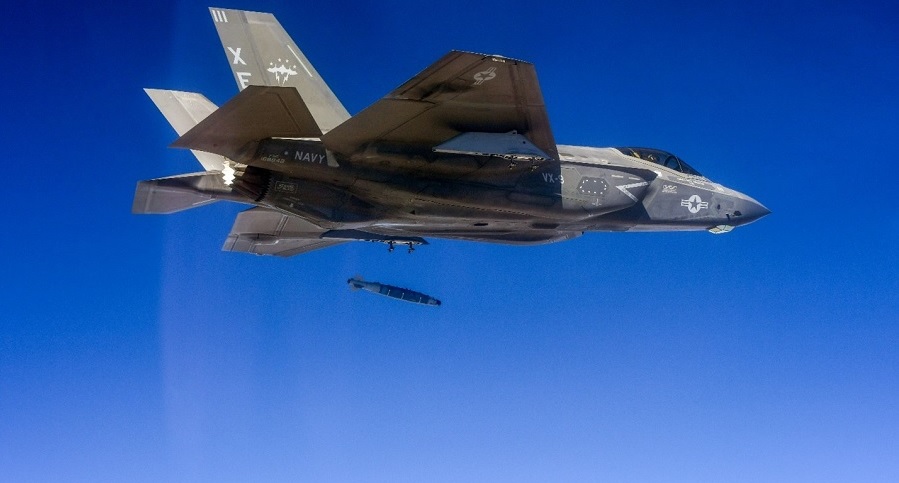
World
The United Operational Test Team has successfully conducted the first dual external release of GBU-54 Laser Joint Direct Attack Munitions (LJDAMs) from a Lockheed Martin F-35 aircraft at Edwards Air Force Base, California. This achievement marks a significant advancement in the F-35's air-to-surface strike capabilities. GBU-54 LJDAM: Precision and Versatility The GBU-54 LJDAM is a 500-pound precision-guided bomb that integrates a laser guidance kit with the GPS/INS-based navigation of the existing GBU-38 JDAM. This dual-mode guidance system allows the munition to accurately engage both stationary and moving targets, providing flexibility in various combat scenarios. The LJDAM has been extensively combat-proven by the U.S. Air Force, Navy, and Marine Corps since its introduction in 2008. Test Execution and Objectives The test was carried out using an F-35C from the U.S. Navy’s Air Test and Evaluation Squadron 9 Detachment. Pilot Cmdr. Michael “Squintz” Procelli emphasized that the ability to carry LJDAMs externally enhances the Joint Strike Fighter’s versatility, allowing it to respond effectively to asymmetrical threats in modern combat scenarios. A key objective of the test was to evaluate the aircraft’s Stores Management System, which controls the deployment of onboard munitions. By releasing multiple bombs in rapid succession, the test provided crucial data on how the system manages and guides precision weapons under real-world conditions. Advanced Targeting Capabilities During the test, two GBU-54 bombs were deployed against a remote-controlled High-Speed Moving Target (HSMT). The F-35’s Electro-Optical Targeting System (EOTS), an advanced sensor suite integrating forward-looking infrared, infrared search and track, and a combat laser, successfully guided the bombs to their target. This cutting-edge system provides superior situational awareness compared to legacy targeting pods. Operational Implications The test was designed to reflect real-world battlefield scenarios, incorporating input from a Joint Tactical Air Controller (JTAC) to simulate combat operations. This ensures the F-35’s weapons integration meets operational demands in dynamic and unpredictable environments. By demonstrating the safe separation and precise targeting of the LJDAM, this test underscores the F-35’s advanced strike capabilities. The success of this milestone further cements the F-35’s role as a next-generation multi-role fighter, capable of delivering GPS and laser-guided munitions with high accuracy in complex combat scenarios. Conclusion The successful dual external release of GBU-54 LJDAMs from the F-35 represents a significant advancement in the aircraft's operational capabilities. This achievement enhances the F-35's versatility and effectiveness in modern combat, solidifying its position as a cornerstone of next-generation air warfare.
Read More → Posted on 2025-02-01 07:47:46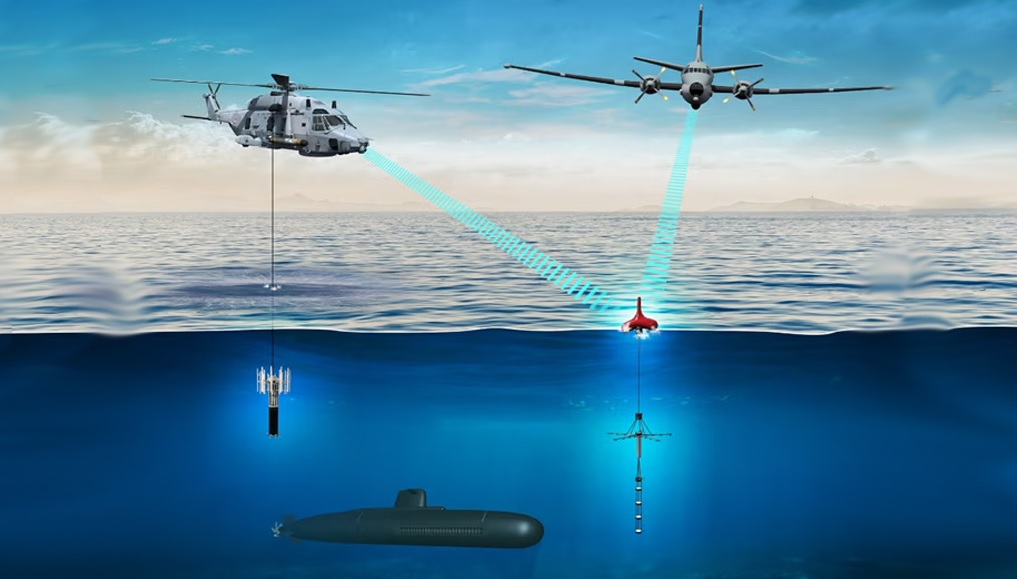
World
Thales has entered into a contract with the French Defence Procurement Agency (DGA) to supply the French Navy with several hundred SonoFlash sonobuoys, significantly bolstering France's anti-submarine warfare (ASW) capabilities. Innovative Dual-Mode Functionality The SonoFlash sonobuoy stands out as the only model offering both active and passive modes. It is equipped with a powerful low-frequency emitter and a high-directivity receiver, enabling it to detect submarines over extended ranges. This dual functionality allows for comprehensive monitoring of underwater environments, enhancing the effectiveness of ASW operations. Integration with Existing Systems When combined with the FLASH dipping sonar, the SonoFlash sonobuoys enable airborne platforms to search for submarines over greater distances and respond more effectively to evasive maneuvers. This integration enhances the overall ASW strategy, providing a more responsive and adaptable approach to submarine detection. Advanced Communication Capabilities The high-performance communication systems of the SonoFlash allow data collected by the buoy to be transmitted to all surface ships and aircraft, as well as acoustic support centers equipped with a sonobuoy processing system. This ensures that critical information is shared across platforms, facilitating coordinated and informed decision-making during ASW missions. Domestic Production and Strategic Sovereignty Manufactured in France in collaboration with local small and medium-sized enterprises (SMEs), the SonoFlash sonobuoy strengthens France's strategic and capability ambitions in the field of anti-submarine warfare. This domestic production not only supports the national economy but also ensures that France maintains sovereign control over this critical defense technology. Commitment to Excellence Sébastien Guérémy, Vice President of Underwater Systems activities at Thales, stated, "Through its SonoFlash sonobuoy and the CAPTAS and FLASH sonars, Thales is proud to contribute to the development of the French anti-submarine warfare sector. The excellence of Thales's solutions in this field is recognized worldwide and is being put to the service of the French Navy in a context of renewed tensions at sea." Development Timeline In March 2021, the DGA awarded Thales a contract to develop, qualify, and manufacture the SonoFlash air-droppable sonobuoy. This initiative underscores France's commitment to advancing its ASW capabilities and maintaining a strategic edge in underwater defense technology. The deployment of SonoFlash sonobuoys represents a significant advancement in the French Navy's ASW operations, providing enhanced detection capabilities, improved integration with existing systems, and reinforcing France's strategic autonomy in defense technology.
Read More → Posted on 2025-01-31 15:19:50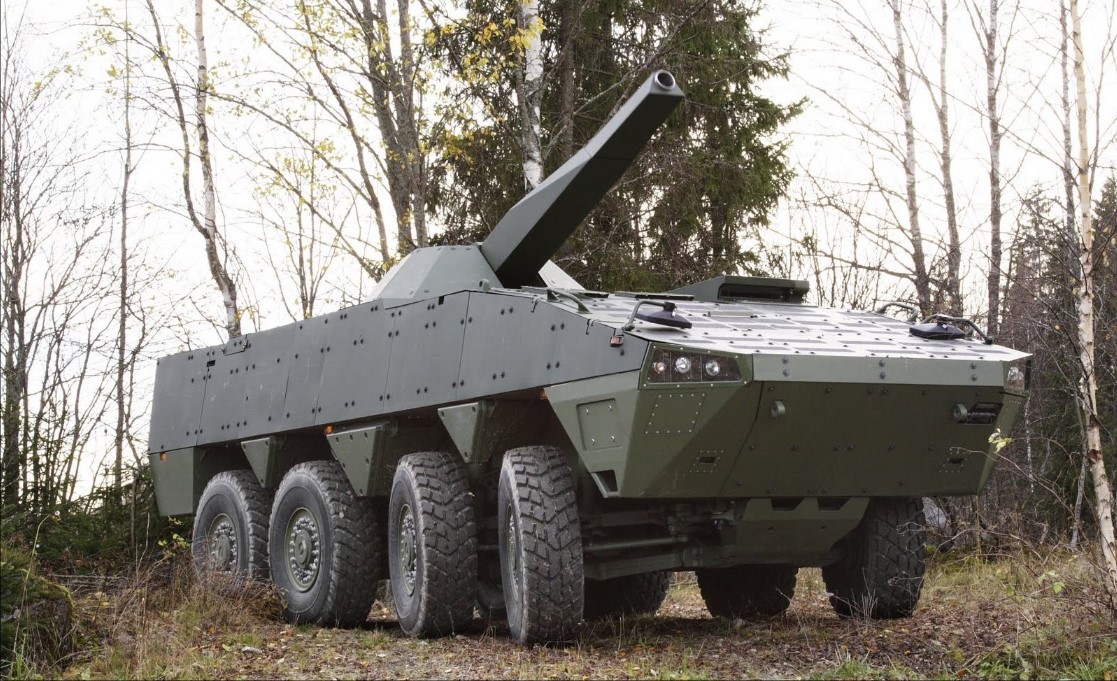
World
Germany has entered into a €50 million agreement with Finnish defense company Patria to develop and qualify mortar variants under the Common Armoured Vehicle System (CAVS) program. This collaboration aims to integrate Patria's advanced NEMO 120mm turreted mortar system into Germany's armored vehicle fleet, enhancing the Bundeswehr's indirect fire support capabilities. Key Aspects of the Agreement: Integration and Qualification: The project focuses on incorporating the CAVS NEMO and mortar command & control variants with German mission systems, ensuring they meet the specific requirements of the Bundeswehr. Strategic Development: Following Germany's accession to the CAVS research and development agreement in 2024, this marks the nation's first dedicated development phase within the multinational program. About the Patria NEMO System: The NEMO (New Mortar) system is a remote-controlled, turreted 120mm mortar designed to provide modern mechanized forces with enhanced mobility, precision, and firepower. Key features include: Versatility: Capable of both direct and indirect fire, NEMO can engage targets at various ranges and elevations, making it suitable for diverse combat scenarios. Mobility: The system can be integrated onto various platforms, including 6×6 and 8×8 armored vehicles, as well as naval vessels, allowing for rapid deployment and repositioning on the battlefield. Firepower: With a high rate of fire, NEMO can deliver multiple rounds in quick succession, providing effective suppression and target neutralization. Statements from Patria: Jukka Holkeri, Executive Vice President of Global at Patria, highlighted the significance of the agreement: "Patria is very pleased to see Germany signing the first national CAVS variants development and qualification agreement. The 120mm turreted mortar variant adds totally new performance to the international CAVS program, and we trust that other participants of the program will be very interested in this advanced capability. The development and qualification of these new CAVS variants will be done in close cooperation with the German industry, and the future serial production will be realized with our earlier published industrial partners KNDS, FFG, and JWT." About the CAVS Program: The Common Armoured Vehicle System (CAVS) program is a multinational initiative led by Patria, focusing on the development and integration of 6×6 armored vehicles across participating nations. The program aims to enhance interoperability, security of supply, and local industrial cooperation among European defense partners. To date, over 800 Patria 6×6 vehicles have been ordered, with more than 200 delivered. Implications for the Bundeswehr: By integrating the NEMO mortar system into its armored vehicle fleet, the Bundeswehr stands to gain: Enhanced Fire Support: Improved indirect fire capabilities provide ground forces with responsive and accurate support during operations. Increased Operational Flexibility: The mobility and versatility of the NEMO system allow for rapid adaptation to changing battlefield conditions. Strengthened Defense Collaboration: Participation in the CAVS program fosters deeper ties with European defense partners, promoting shared development and standardization. Future Prospects: Germany's investment in NEMO-equipped CAVS variants sets a precedent for other member states, offering a potential model for future mortar-equipped armored vehicles within the program. As the agreement progresses, the CAVS initiative remains open to additional European nations with aligned defense requirements, fostering deeper multinational cooperation in armored mobility and indirect fire support capabilities. Conclusion: Germany's €50 million deal with Patria to develop and qualify NEMO mortar variants under the CAVS program represents a significant step in modernizing the Bundeswehr's capabilities. The integration of the advanced NEMO system is poised to enhance the effectiveness and flexibility of Germany's armored forces, contributing to a more robust and responsive defense posture within Europe.
Read More → Posted on 2025-01-31 15:15:05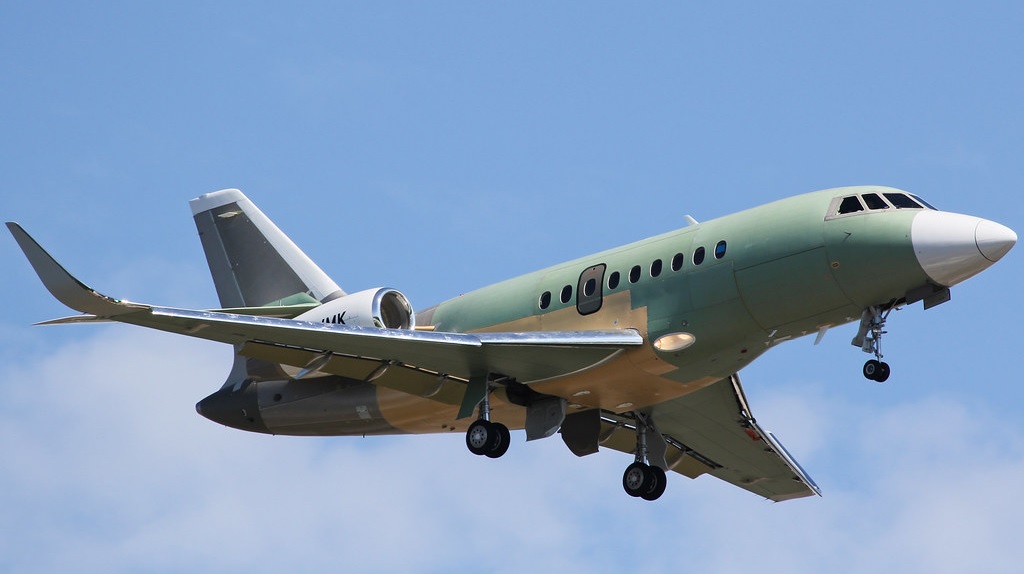
World
On January 24, 2025, the French Navy's latest maritime surveillance aircraft, the Falcon 2000LXS "Albatros," successfully completed its inaugural flight at Bordeaux-Mérignac Airport. Captured by aviation enthusiast Raphaël Savry, the aircraft, bearing the tail number "F-WATM" and the "Albatros" insignia, showcased its readiness to enhance France's maritime patrol capabilities. AVSIMAR Program and the Albatros Initiative The "Albatros" project is a key component of the French Ministry of Defense's AVSIMAR (Avions de Surveillance et d’Intervention Maritime) program, initiated in November 2020. This program aims to modernize the nation's maritime surveillance fleet by introducing advanced aircraft designed for both monitoring and intervention roles. The initial order comprises seven aircraft, with deliveries commencing in 2025, and a total of 12 units planned. Design and Performance Enhancements Derived from the Falcon 2000LXS business jet, the Albatros offers significant performance improvements over its predecessors. It boasts an impressive range of 4,000 nautical miles (approximately 7,410 kilometers), surpassing the legacy Falcon 2000's 3,240 nautical miles. In its maritime surveillance configuration, the Albatros can conduct seven-hour patrols up to 200 nautical miles from the coastline. This extended range is particularly beneficial for operations in French overseas territories, enabling direct connectivity between command zones in regions like the South Pacific. Advanced Surveillance Capabilities The Albatros is equipped with state-of-the-art technology to enhance its surveillance and intervention missions. It features the Thales Searchmaster radar, similar to the system used in the upgraded ATL2 maritime patrol aircraft, housed within a dedicated radar fairing. Complementing this is the Safran Euroflir 410 electro-optical/infrared (EO/IR) system, which significantly boosts the aircraft's reconnaissance capabilities. The mission system is provided by Naval Group, ensuring seamless integration of these advanced sensors. Operational Flexibility and Rescue Capabilities One of the standout features of the Albatros is its versatility. Based on the Falcon 2000LXS platform, the aircraft excels in low-speed, low-altitude handling, crucial for search and rescue operations. Simultaneously, it can maintain prolonged high-altitude loitering for extensive search tasks. The reliable PW308C engines facilitate rapid transitions between low-altitude visual inspections and high-altitude wide-area scans. Additionally, the Albatros is equipped to deploy rescue equipment directly from its cabin, enhancing its utility in emergency situations. Production and Assembly Plans The initial three Albatros aircraft are being constructed at Dassault Aviation's primary facility in Bordeaux-Mérignac, France. Subsequent units will see assembly operations transition to Dassault Reliance Aerospace Limited's new factory in Nagpur, India. Despite this shift, all airframes produced in Nagpur will return to Mérignac for conversion to military specifications, ensuring consistency and quality across the fleet. The successful maiden flight of the Falcon 2000LXS "Albatros" marks a significant milestone in the French Navy's efforts to modernize its maritime surveillance and intervention capabilities. With its advanced technology, enhanced performance, and operational flexibility, the Albatros is poised to play a pivotal role in safeguarding France's maritime interests both domestically and in overseas territories.
Read More → Posted on 2025-01-31 15:08:27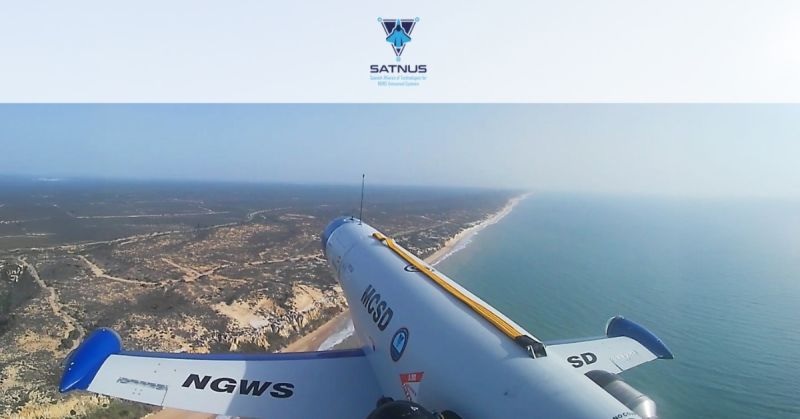
World
In a significant advancement for European defense collaboration, SATNUS Technologies S.L., a consortium comprising GMV, Sener Aeroespacial, and Tecnobit-Grupo Oesía, has successfully completed its inaugural flight test campaign for the Next Generation Weapon System (NGWS) under the Future Combat Air System (FCAS) program. These tests were conducted at the El Arenosillo Experimentation Centre (CEDEA) in Huelva, Spain, marking a pivotal step in the trilateral defense partnership between Spain, France, and Germany. Advancing Manned-Unmanned Teaming (MUT) The primary focus of this campaign was to advance Manned-Unmanned Teaming (MUT) technologies, a core component of Pillar 3 within the NGWS/FCAS program. This involves the development of Remote Carriers—remotely controlled aircraft systems—that can operate in conjunction with both manned and unmanned platforms, thereby enhancing the versatility and effectiveness of air combat operations. Comprehensive Flight Test Campaign Over a two-week period, multiple validation flights were executed using the Manned-Unmanned Teaming & Common Systems Demonstrator (MCSD), a modified target drone system. Supported by Spain’s National Institute for Aerospace Technology (INTA), the campaign successfully achieved its objectives, laying a solid foundation for future developments. Key Areas of Validation The tests concentrated on several critical areas: Structural Enhancements: Assessing modifications to the drone's airframe to ensure durability and performance. Advanced Remote Control Capabilities: Evaluating improved control mechanisms for more precise operations. Upgraded Communication Systems: Testing enhanced communication links between the drone and ground control stations. Flight Termination System (FTS): Integrating and validating a system to safely terminate flights if necessary. Development of Support Systems In addition to the flight tests, SATNUS evaluated initial versions of two critical ground-based systems: Demo Information Management (DIM) System: Designed to handle data management during test operations. Command and Control (C2) System: A prototype system to oversee and direct Remote Carrier operations. Both systems performed effectively, contributing valuable insights for future operational deployments. Simulation Tool for Collaborative Operations A notable achievement of the campaign was the successful testing of a multi-platform simulation tool. This tool integrates real and simulated aircraft into a unified test environment, which is essential for preparing future collaborative missions involving multiple MCSD platforms. Looking Ahead Building on the success of these initial tests, SATNUS is progressing into Phase 1B of the NGWS program. The ultimate objective is to demonstrate comprehensive Manned-Unmanned Teaming capabilities, with multiple Remote Carriers operating cohesively in real-world flight scenarios. This accomplishment underscores SATNUS's commitment to advancing Europe's future air combat capabilities through innovative technology and international collaboration.
Read More → Posted on 2025-01-31 14:16:54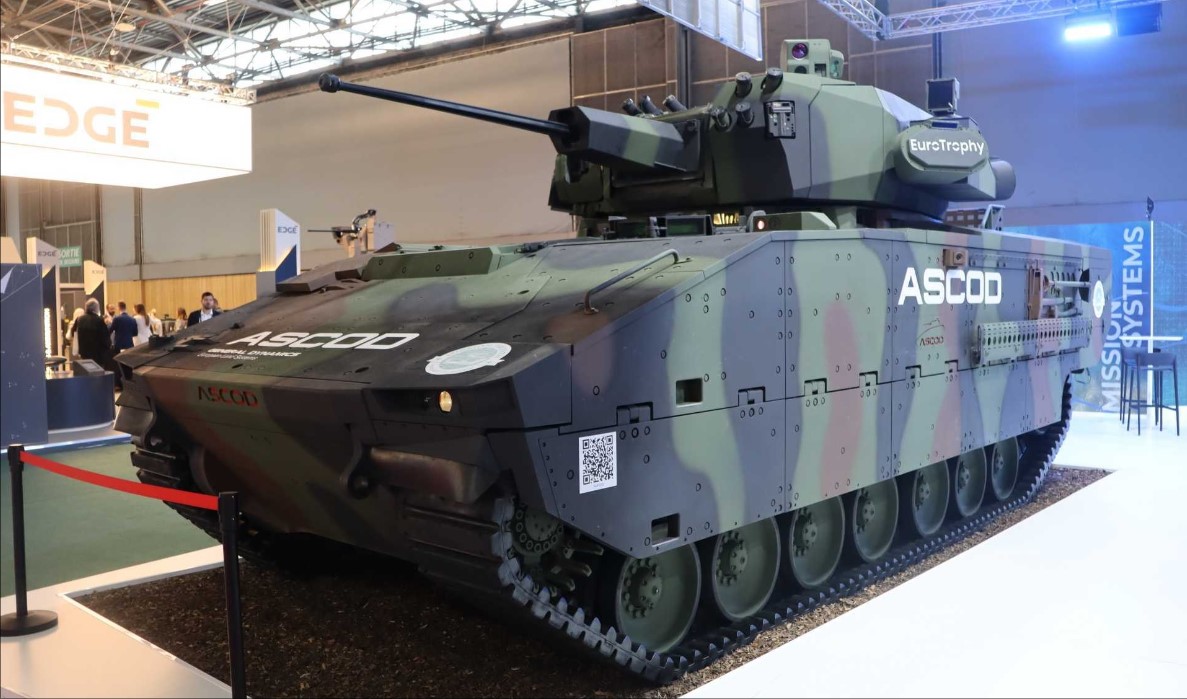
World
In a significant move to bolster its military capabilities, Latvia has entered into a €370 million ($385 million) agreement with GDELS-Santa Bárbara Sistemas for the procurement of 42 ASCOD infantry fighting vehicles (IFVs). This acquisition marks a pivotal advancement in the mechanization of the Latvian Army's Land Forces. Comprehensive Procurement Process Initiated in early 2023, the procurement process involved a meticulous evaluation of potential suppliers. By autumn 2023, functional tests were conducted, followed by an in-depth analysis by military experts. The assessment criteria encompassed platform costs, equipment availability, local industry engagement, and delivery timelines. This thorough approach ensured the selection of a platform that aligns with Latvia's defense objectives. ASCOD Infantry Fighting Vehicle: A Closer Look The ASCOD IFV is a versatile tracked vehicle designed to meet modern battlefield demands. It features NATO STANAG 4569 level four armor, providing robust protection against kinetic and mine blast threats, including 14.5×114 mm machine gun and 20 mm autocannon rounds. The vehicle accommodates a crew of three and can transport six fully equipped soldiers. Armament configurations for the ASCOD include an autocannon, anti-tank weapons, and machine guns. Advanced technologies are integrated to enhance battlefield situational awareness, ensuring that soldiers have a comprehensive understanding of their operational environment. Strategic Implications and Future Outlook This procurement signifies a new chapter in the mechanization of Latvia's Land Forces. Defense Minister Andris Spruds emphasized the importance of this acquisition, stating that it not only enhances military capabilities but also fosters collaboration with the national military industry. The involvement of local industry in the provision and maintenance of these vehicles is expected to stimulate economic growth and technological advancement within the country. While the exact delivery schedule has not been disclosed, the integration of the ASCOD IFVs is anticipated to significantly enhance the operational readiness and effectiveness of Latvia's armed forces. This move aligns with broader NATO capability development objectives, underscoring Latvia's commitment to strengthening its defense posture in a dynamic security environment. In summary, Latvia's acquisition of the ASCOD infantry fighting vehicles represents a strategic investment in national defense, promising to enhance both military capabilities and industrial collaboration.
Read More → Posted on 2025-01-31 14:09:55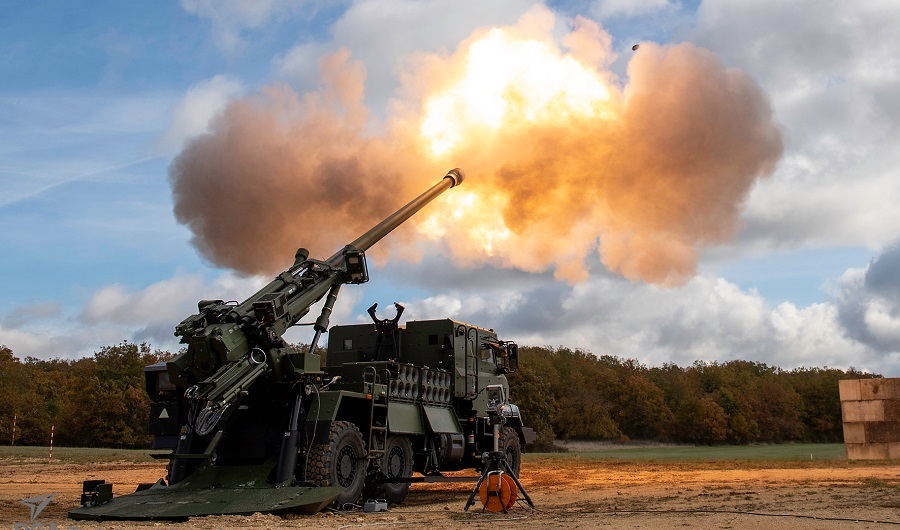
World
The Estonian Defence Forces (EDF) have recently received their first shipment of CAESAR Mk1 155 mm self-propelled howitzers, marking a significant enhancement in the nation's artillery capabilities. These advanced systems are set to equip the newly established 3rd Self-Propelled Artillery Battalion within the Estonian division. Swift Procurement and Delivery The procurement process for these howitzers was notably rapid. The contract was signed in June 2024, and within just six months, the initial batch arrived in Estonia. This swift turnaround underscores the efficiency and commitment of all parties involved in strengthening Estonia's defense posture. Advanced Features of the CAESAR Howitzer The CAESAR self-propelled howitzer is renowned for its effectiveness and reliability, having proven its capabilities in various conflicts. Key features include: Mobility: Mounted on a 6×6 chassis, the CAESAR can cover up to 600 kilometers on a single refuel, allowing for rapid deployment across diverse terrains. Firepower: Equipped with a 155 mm/52-caliber cannon, it can accurately engage targets over 40 kilometers away, providing substantial reach on the battlefield. Compatibility: The system is designed to use NATO-standard munitions, ensuring interoperability with allied forces. Automation: Its user-friendly design and automated systems enable crews to be trained within weeks, enhancing operational readiness. Strategic Impact on Estonia's Defense Lieutenant Colonel Rauno Viitmann, the project officer overseeing the procurement, emphasized the transformative impact of the new artillery systems. The CAESARs significantly enhance the firepower and reaction speed of the Estonian division, enabling support for units across the country in various situations when needed. Training for conscripts is scheduled to commence in the coming weeks, with reservist exercises planned for the summer. Future Prospects The initial agreement includes the acquisition of 12 CAESAR howitzers, with an option to purchase additional units in the future. This strategic move not only reinforces Estonia's artillery capabilities but also demonstrates the nation's commitment to maintaining a robust and modern defense force. Conclusion The arrival of the CAESAR self-propelled howitzers marks a pivotal moment for the Estonian Defence Forces. With their advanced features and proven reliability, these systems are set to play a crucial role in bolstering Estonia's defense and ensuring the nation's readiness to respond to various security challenges.
Read More → Posted on 2025-01-31 08:21:56
World
In a dramatic shift on the battlefield, North Korean soldiers deployed to support Russian forces in the war against Ukraine have been pulled from the front lines after suffering severe casualties. Their sudden absence has raised questions about their effectiveness and the future of their involvement in the conflict. North Korea’s Entry into the War When approximately 11,000 North Korean troops arrived in Russia last November, it sent shockwaves through Ukraine and its Western allies. Many feared their deployment signaled a major escalation in the war, potentially giving Russia a new advantage. However, reality on the ground has played out differently. Despite being among North Korea’s best-trained forces, these troops quickly found themselves struggling in unfamiliar terrain. Poor coordination with Russian units, a lack of armored support, and relentless Ukrainian resistance led to heavy casualties. According to Ukrainian military officials, nearly half of the North Korean contingent has either been killed or wounded within just three months of their arrival. A Costly Battlefield Experience Eyewitness accounts from Ukrainian soldiers suggest that North Korean troops fought with extreme aggression but often lacked strategic organization. They were reportedly sent into battle with minimal support, advancing across minefields and open terrain, making them easy targets for Ukrainian forces. This reckless deployment style resulted in devastating losses, forcing Russian commanders to reconsider their strategy. For the past two weeks, North Korean soldiers have been absent from direct combat, raising speculation that they have either been withdrawn for retraining or that Russian military leadership is rethinking how to use them in future engagements. Some experts believe they may be redeployed later with improved tactics to prevent similar losses. Strategic Implications The partnership between Moscow and Pyongyang in this conflict is not just about military reinforcements. North Korea has also supplied Russia with large quantities of artillery shells, rockets, and missiles, accounting for a significant portion of Russia’s daily firepower. In return, Russia is believed to be providing North Korea with oil, food supplies, and possibly military technology. North Korean leader Kim Jong Un’s decision to send troops is seen as an effort to strengthen ties with Russian President Vladimir Putin, possibly with hopes of securing long-term military cooperation. The two leaders had already renewed a Cold War-era mutual defense pact during a high-profile meeting last year, signaling deeper military and strategic collaboration. What’s Next? While the North Korean troops may be off the front lines for now, their role in the war is far from over. It remains unclear whether they will return with better training or if their withdrawal marks the end of Pyongyang’s direct military involvement. Meanwhile, Ukraine continues to hold its ground in the Kursk region, using its unexpected territorial gains as leverage in potential future negotiations. As the war drags on, Russia’s reliance on external allies like North Korea signals its increasing desperation to maintain momentum. However, the high losses suffered by North Korean troops highlight the immense challenges any foreign force faces when stepping onto the brutal battlefields of Ukraine.
Read More → Posted on 2025-01-31 08:12:41
World
In a significant move to bolster its national security, France has committed approximately 600 million euros (around $624 million) to procure advanced air defense and counter-drone systems. This initiative is part of the broader Military Programming Law for 2024-2030, which allocates a total of 5 billion euros ($5.2 billion) to modernize and strengthen the country's air defense infrastructure. Comprehensive Defense Strategy The investment underscores France's dedication to enhancing its defense mechanisms against evolving aerial threats, including unmanned aerial vehicles (UAVs) and advanced missile systems. By equipping all branches of its armed forces with state-of-the-art technology, France aims to establish a robust and adaptable defense posture capable of addressing both current and future challenges. Contracts with Leading Defense Firms To implement this strategy, the French defense procurement agency has awarded contracts to prominent domestic defense companies: MBDA France: Tasked with supplying eight Vertical Launch (VL) MICA systems along with the necessary ammunition for the French Air and Space Force. These vehicle-mounted, short-range systems are designed to effectively counter mass attacks from low-signature targets, such as guided bombs and cruise missiles. KNDS France: Commissioned to develop and produce two new variants of the SERVAL multi-role armored vehicle: SERVAL DSA (Ground-to-Air Defense): Equipped with the ATLAS RC turret from MBDA France, capable of launching MISTRAL surface-to-air missiles. SERVAL LAD (Counter-Drone): Features a remotely operated turret armed with a 30 mm cannon and autonomous detection systems to neutralize UAV threats. MBDA France: Also contracted to provide the SIMBAD-RC anti-air self-defense system, which utilizes MISTRAL missiles, for integration into the French Navy’s offshore patrol and supply vessels. KNDS France and Thales Land & Air Systems: Collaborating on the development of a 40 mm anti-aircraft artillery munition to enhance the self-defense capabilities of French naval ships. Enhancing Defense Capabilities These acquisitions are designed to provide the French military with a comprehensive and modern array of surface-to-air and anti-drone defense systems. The integration of these systems aims to ensure a coordinated and effective response to a wide spectrum of aerial threats, thereby significantly strengthening France's national defense posture. Through this substantial investment, France is taking proactive steps to safeguard its airspace and maintain the operational readiness of its armed forces in an increasingly complex global security environment.
Read More → Posted on 2025-01-31 07:46:51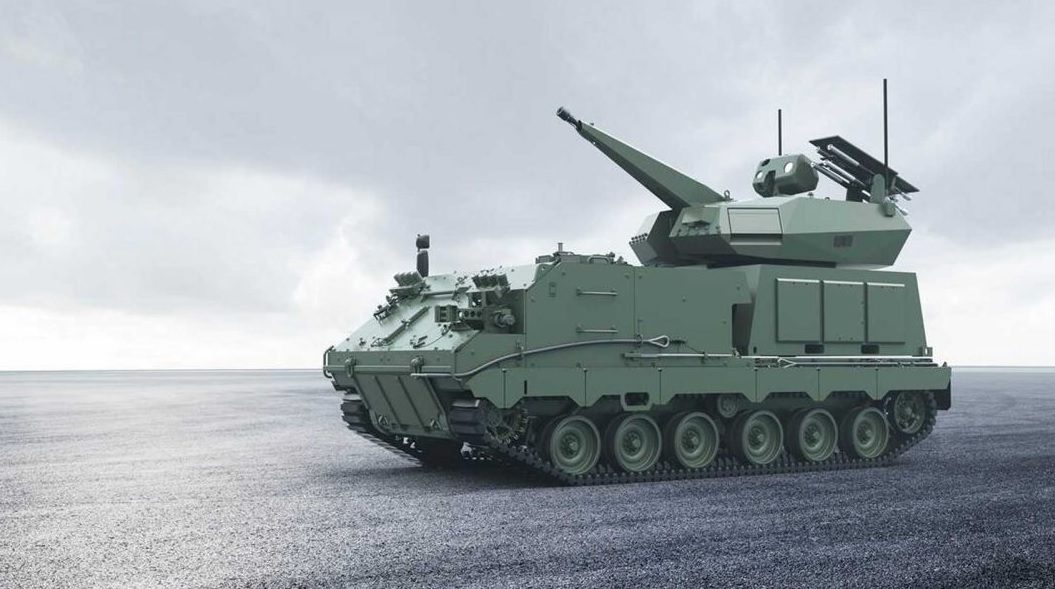
World
The Dutch Ministry of Defense is making a decisive move to enhance its air defense capabilities by acquiring 22 state-of-the-art Skyranger 30 mobile anti-drone systems. These Combat Counter-Unmanned Aircraft Systems (C-UAS) are specifically designed to protect the Royal Netherlands Army’s medium and heavy brigades from evolving aerial threats. If the contracts proceed as scheduled, the first units could be operational by 2028, as announced by State Secretary Gijs Tuinman. A Cutting-Edge Shield Against Aerial Threats At the heart of this new defense system is Rheinmetall’s Skyranger 30, a highly advanced, multi-layered air defense platform. Equipped with sophisticated sensors, including radars, high-resolution cameras, and laser-based tracking systems, it can detect, track, and neutralize hostile drones, aircraft, and helicopters with exceptional precision. The system’s primary weapon is a 30mm rapid-fire cannon, capable of firing up to 1,250 rounds per minute, delivering lethal accuracy against fast-moving aerial targets. Additionally, the Skyranger 30 is integrated with surface-to-air missiles, allowing it to engage threats at greater distances, ensuring a robust and multi-tiered defense capability. Mounted on Advanced Armored Platforms To ensure mobility and protection, the Skyranger 30 will be mounted on German-made Armoured Combat Support Vehicles (ACSV) from Flensburger Fahrzeugbau. The Netherlands is already acquiring these armored platforms as part of a broader air defense modernization initiative aimed at replacing outdated medium- and short-range air defense (MRAD and SHORAD) systems. This acquisition is part of a larger effort to develop a layered air defense network, ensuring seamless coordination between different defense systems. By integrating various countermeasures, the Dutch military can create a dynamic and adaptable air defense structure, capable of responding to a wide range of aerial threats. Addressing the Growing Drone Warfare Challenge The increasing use of drones in modern conflicts, particularly in Ukraine and the Middle East, has reinforced the need for advanced counter-drone technologies. With adversaries deploying drones for surveillance, precision strikes, and swarm attacks, the ability to detect and destroy aerial threats in real time has become a critical requirement for modern armies. "The evolving battlefield demands stronger defenses against enemy drones and aerial threats. With the Skyranger 30, we are ensuring our troops remain protected while maintaining superior combat effectiveness. This also aligns with NATO’s operational strategies," stated State Secretary Gijs Tuinman. Strengthening Dutch and NATO Defense Capabilities The newly acquired Skyranger 30 systems will be stationed at the Defense Ground-Based Air Defense Command (DGLC) at Lieutenant General Best Barracks in Vredepeel. To support this expansion, the Dutch military will recruit approximately 125 additional personnel, ensuring the unit has the necessary expertise to operate and maintain these high-tech systems. The Netherlands is not alone in integrating this cutting-edge technology. Denmark, Germany, and Austria have also procured the Skyranger 30, while other European nations are deploying similar air defense platforms. This shared investment strengthens interoperability among NATO allies, ensuring that European forces can operate in coordination during joint operations and crisis situations. A Future-Proof Defense Investment By acquiring the Skyranger 30, the Netherlands is taking a proactive step in adapting to modern battlefield challenges. This system will not only safeguard Dutch forces from drone warfare but also enhance national and NATO-wide air defense capabilities. As threats in the airspace continue to evolve, investments like these ensure that the Dutch military remains ready, responsive, and resilient in the face of emerging security challenges.
Read More → Posted on 2025-01-30 14:14:13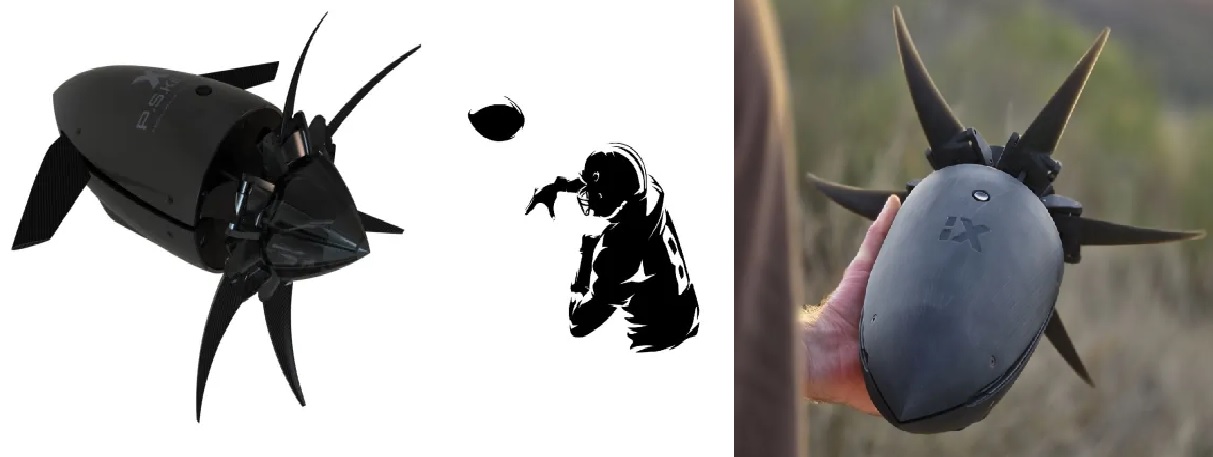
World
American defense startup XDOWN has unveiled the P.S. Killer (PSK), a groundbreaking unmanned aerial system (UAS) designed to transform modern combat scenarios. Resembling the size of a football, this lightweight, throwable drone offers rapid deployment capabilities, making it an invaluable asset for special operations forces and counterterrorism units. Simplicity in Deployment The PSK's operation is straightforward: personnel simply grab the device, switch it on, and throw it into the air. Within two seconds, the drone activates and embarks on its mission, akin to a quarterback launching a football downfield. This "throw-and-forget" approach ensures swift action in high-pressure situations, eliminating the need for complex launch equipment. Impressive Performance Specifications Despite its compact form, the PSK boasts remarkable performance metrics: Top Speed: 135 knots Operational Range: Over 40 miles Payload Capacity: 2.2 pounds These features enable the drone to swiftly reach and neutralize high-value targets with precision. Strategic Advantages in Combat The PSK is engineered to enhance the effectiveness of special operations forces by providing: Speed: Rapid deployment and high-speed travel to targets. Stealth: A compact design that minimizes detection risk. Precision Targeting: Advanced guidance systems for accurate strikes. These attributes make it particularly suitable for high-value target missions, where timing and accuracy are critical. Minimizing Collateral Damage in Counterterrorism In urban counterterrorism operations, the PSK's precision strike capability is invaluable. Its ability to neutralize threats swiftly while minimizing risks to civilians and infrastructure offers a strategic advantage over traditional methods, reducing potential collateral damage. A New Era in Tactical Drone Technology The P.S. Killer represents a significant leap in small-scale, high-impact drone technology. Its combination of rapid deployment, advanced capabilities, and user-friendly operation positions it as a transformative tool for military and counterterrorism applications. Innovations like the PSK are set to redefine tactical operations for specialized units worldwide.
Read More → Posted on 2025-01-30 14:03:59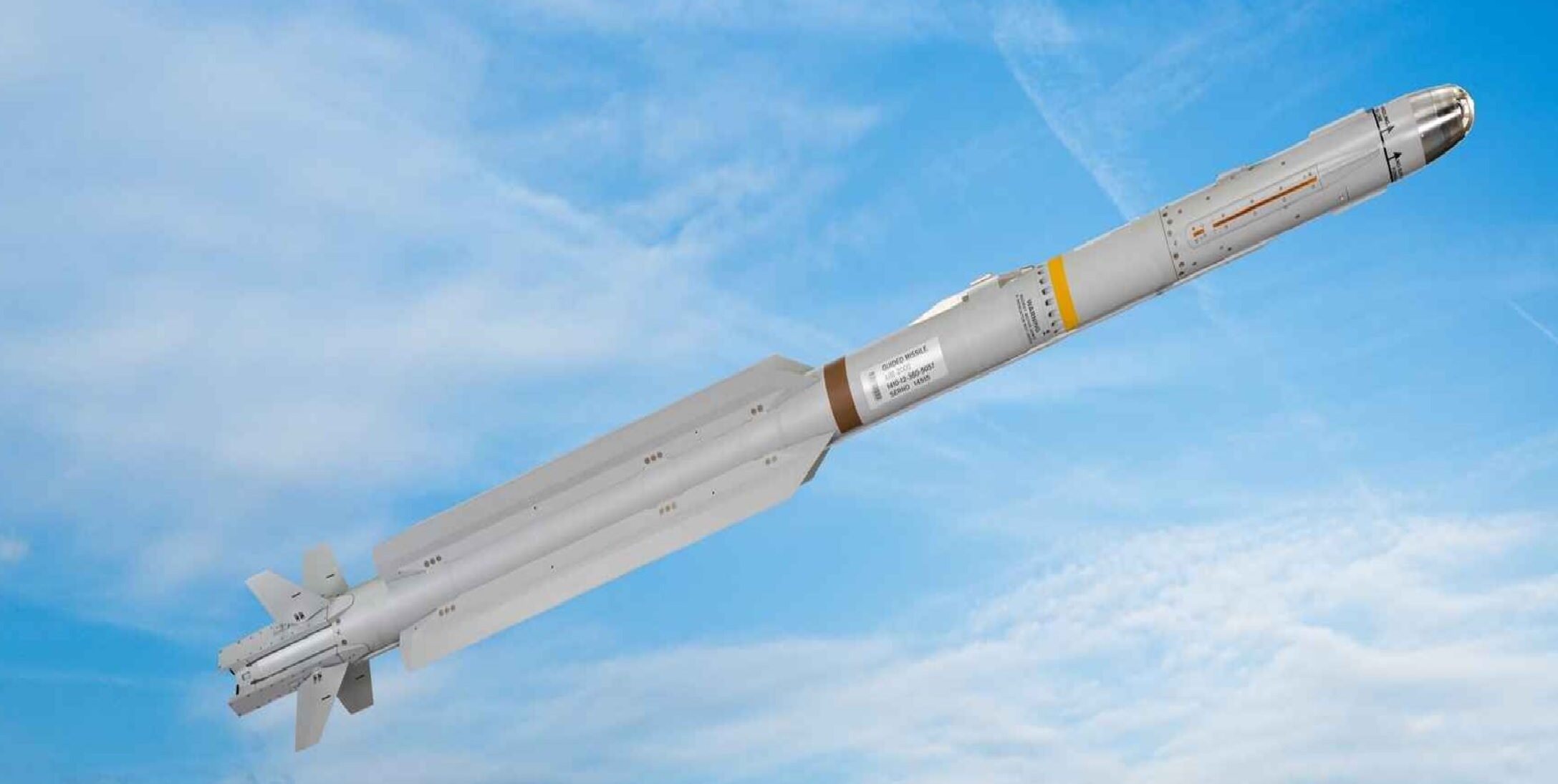
World
Diehl Defence is moving forward with the development of the IRIS-T Block II missile after securing a contract with the Federal Office of Bundeswehr Equipment, Information Technology and In-Service Support (BAAINBw) in December. The agreement marks a significant milestone in modernizing this European-developed short-range air-to-air missile, ensuring it remains a cutting-edge weapon for future conflicts. A Multinational Effort in Missile Technology Germany is leading the IRIS-T Block II program, with Sweden, Spain, and Italy also participating as key partner nations. This multinational collaboration highlights Europe's strategic push for defense self-reliance and the continuous advancement of its military technology. The new contract, signed by BAAINBw on behalf of all partner nations, sets the stage for both the development and future series production of the upgraded missile system. The IRIS-T, originally developed by Diehl Defence in cooperation with European partners, has been in service since 2005. More than 5,000 units have been delivered, and the missile is currently operational with 13 air forces worldwide. It has been integrated into multiple fighter platforms, including the Eurofighter Typhoon, Gripen, F-16, Tornado, EF-18, KF-21, and F-5E. What Makes the IRIS-T Block II an Upgrade? The IRIS-T Block II will feature enhanced range, improved target engagement capabilities, and better resistance against electronic countermeasures. The missile is designed to intercept enemy aircraft as well as incoming missiles, making it a formidable tool in both air-to-air combat and defensive scenarios. With a focus on precision, agility, and adaptability, the IRIS-T Block II is expected to set new benchmarks for European missile technology. The development of this next-generation system reinforces Europe's commitment to strengthening its air defense capabilities while offering a modern solution for allied nations seeking advanced missile technology.
Read More → Posted on 2025-01-30 13:59:55Search
Top Trending in 24 Hours
-
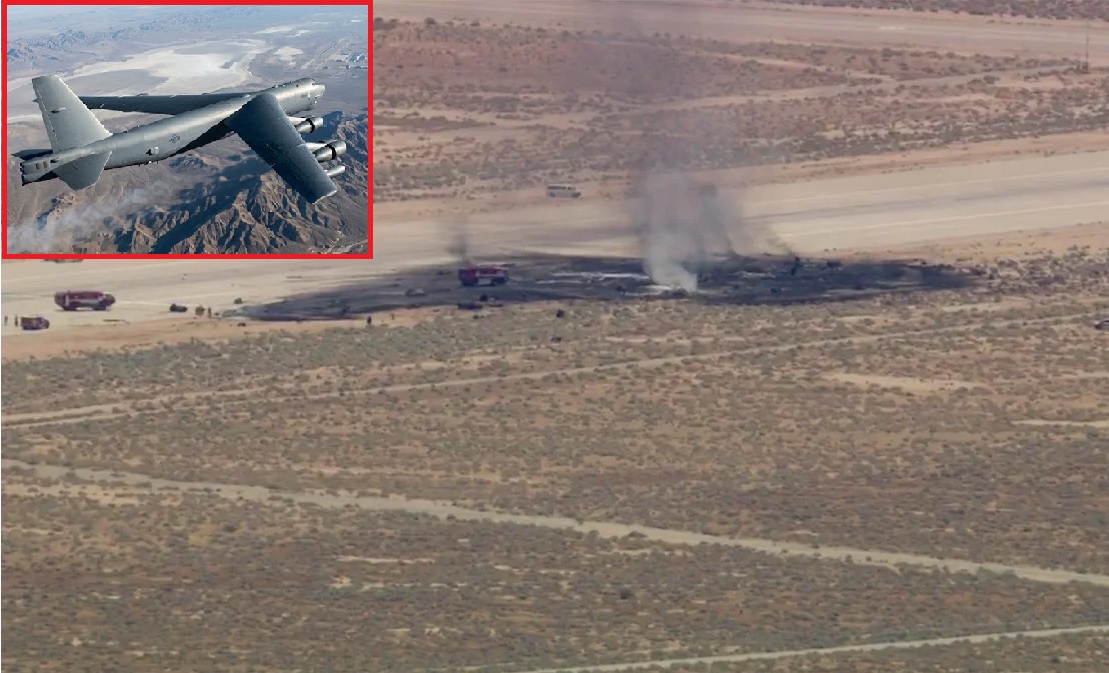 8 U.S. Air Force Crew Members Killed in B-52 Bomber Crash During Test Flight at Edwards Air Force Base
-
 Ukraine Introduces Balloon-Launched DART Missile Designed to Defeat Electronic Warfare
-
 Lockheed Martin Wins $514 Million U.S. Space Force Contract for Two New GPS IIIF Satellites
-
 UK Announces £210 Million Deal to Supply Enriched Uranium to Ukraine for Two Years
-
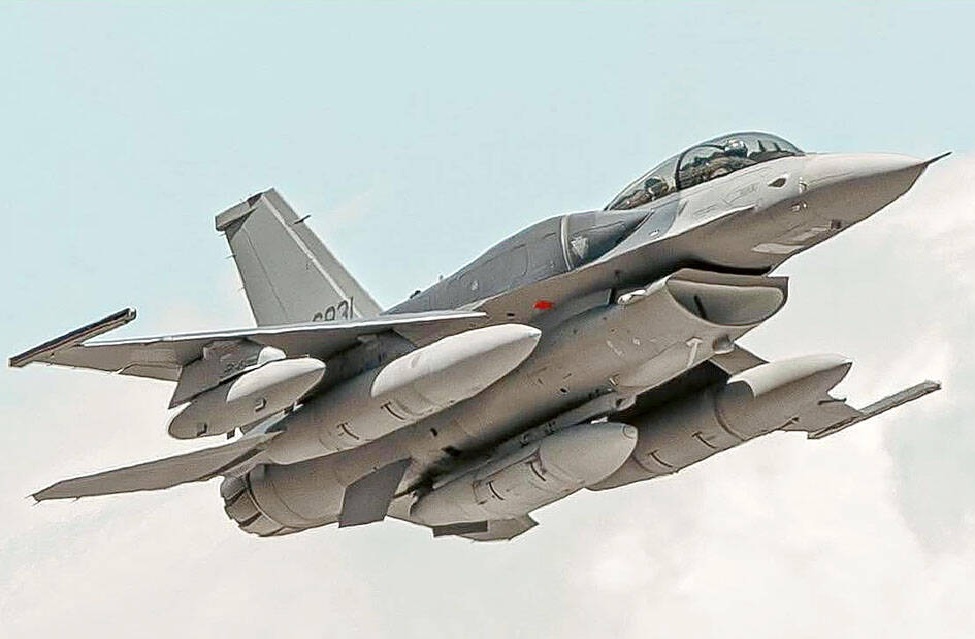 First Taiwanese F-16 Block 70 Flies with Five-Tank Fuel Configuration During Texas Tests
-
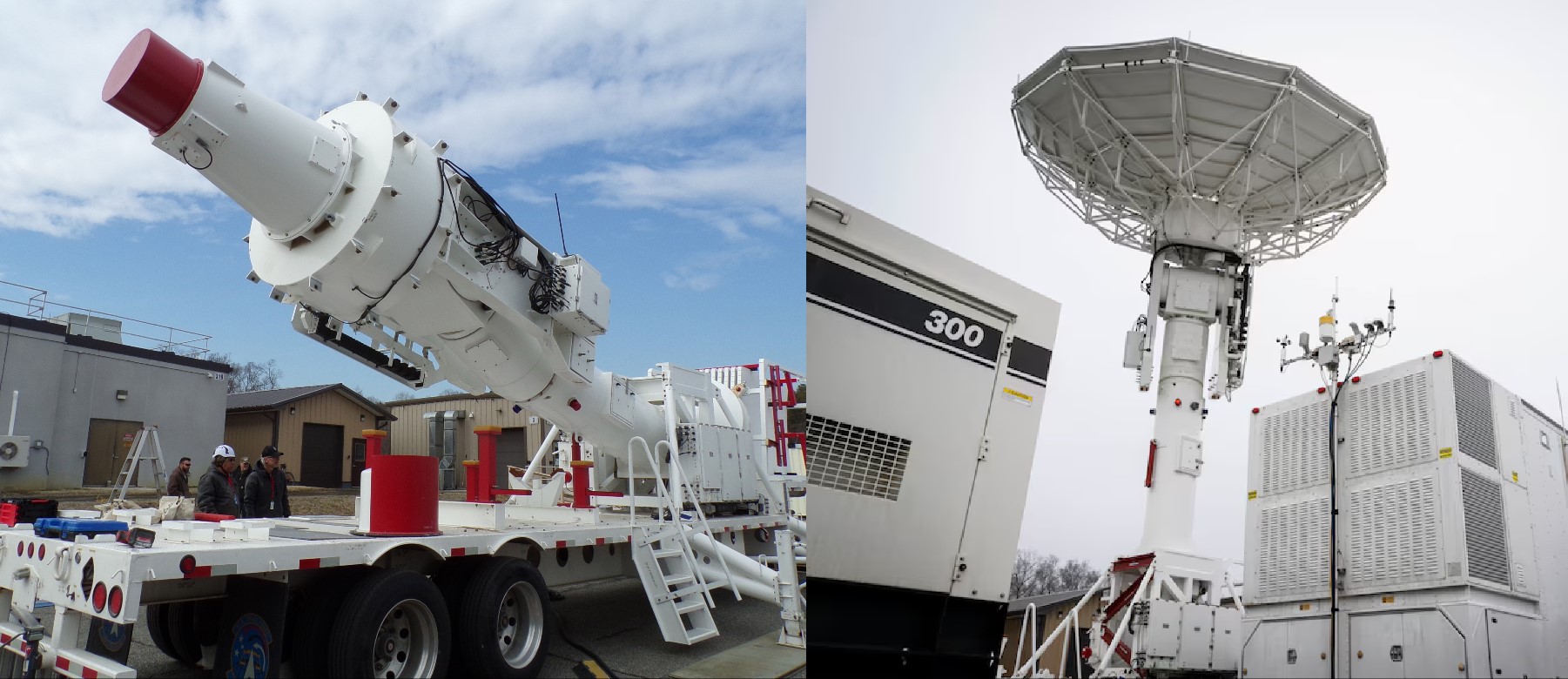 Space Force Transfers Transportable Satellite Tracking Antenna to Naval Research Laboratory
-
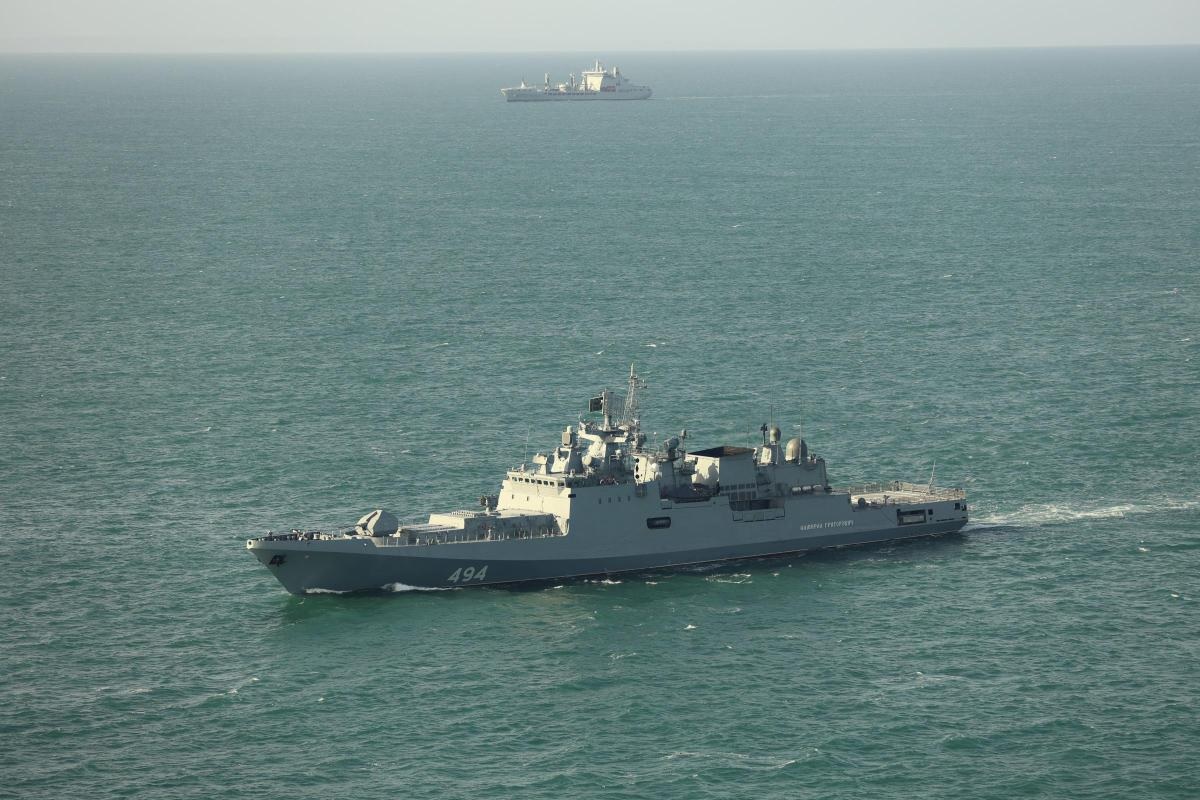 Russian Frigate Admiral Grigorovich Challenges UK Yacht in English Channel With Warning Shots
-
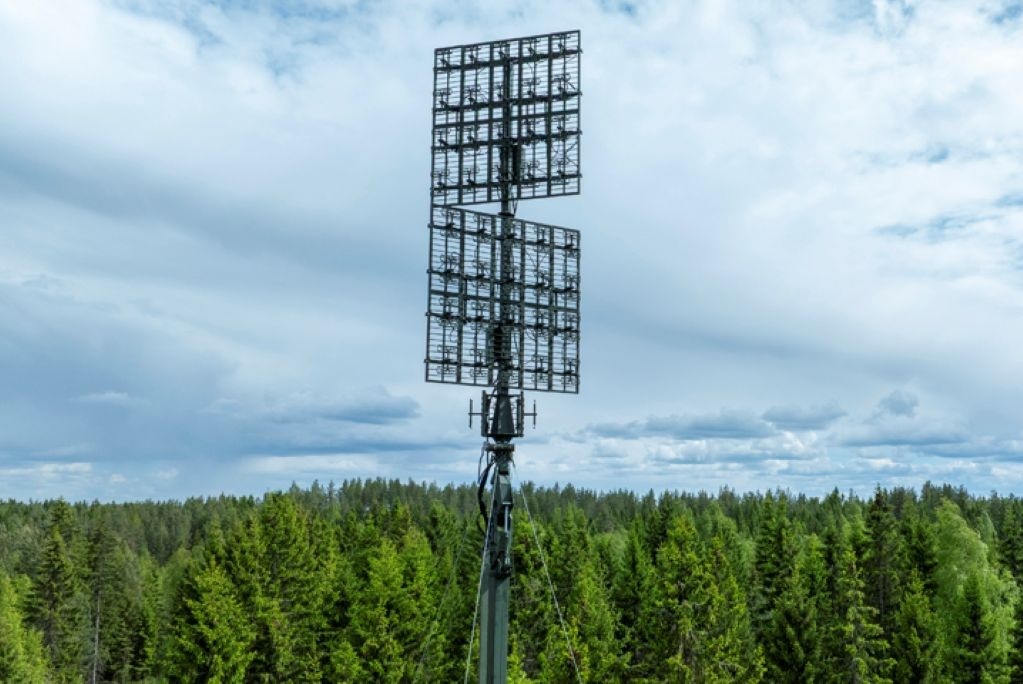 Patria Launches WISPR Passive Counter-Battery Radar with Silent Detection Capability at Eurosatory 2026
Top Trending in 4 Days
-
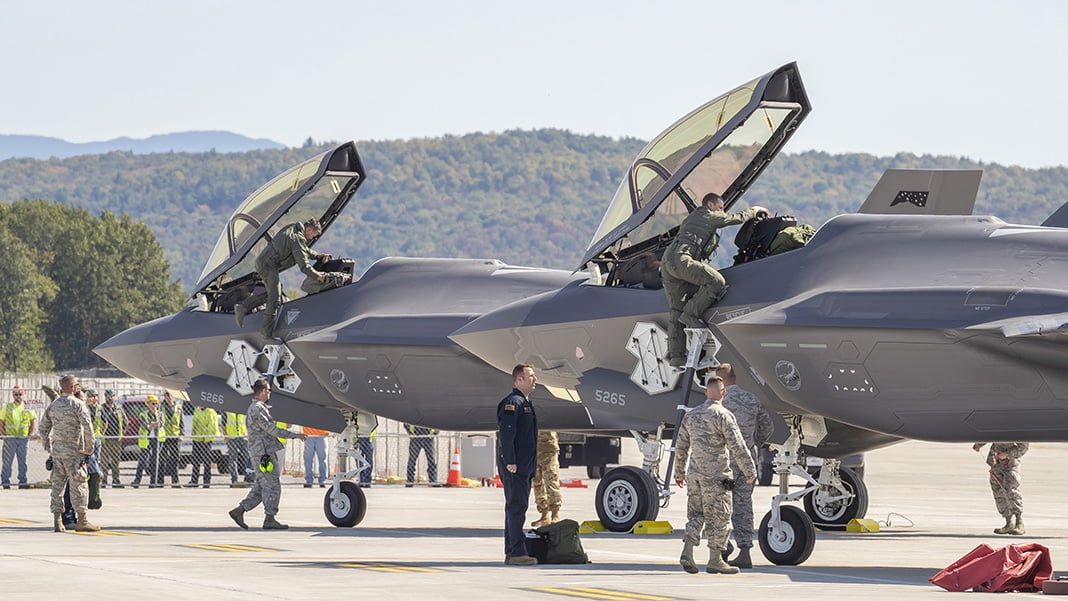 F-35 Fleet Readiness Falls to 25% Amid Parts Shortages and Software Delays: GAO Report
-
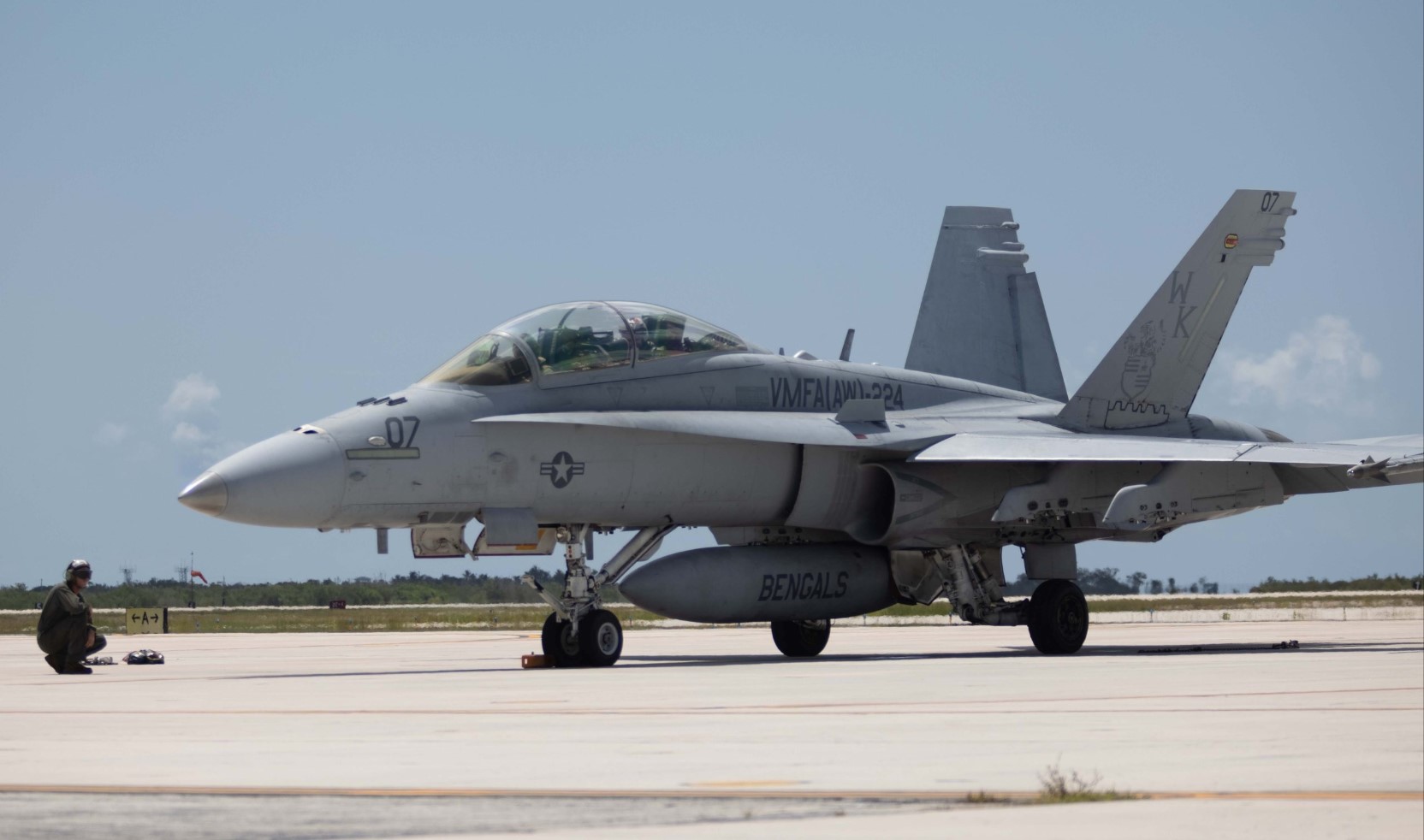 US Marine Corps F/A-18D Hornet Crashes During Training Flight in Washington Mountains; Pilot Ejects Safely
-
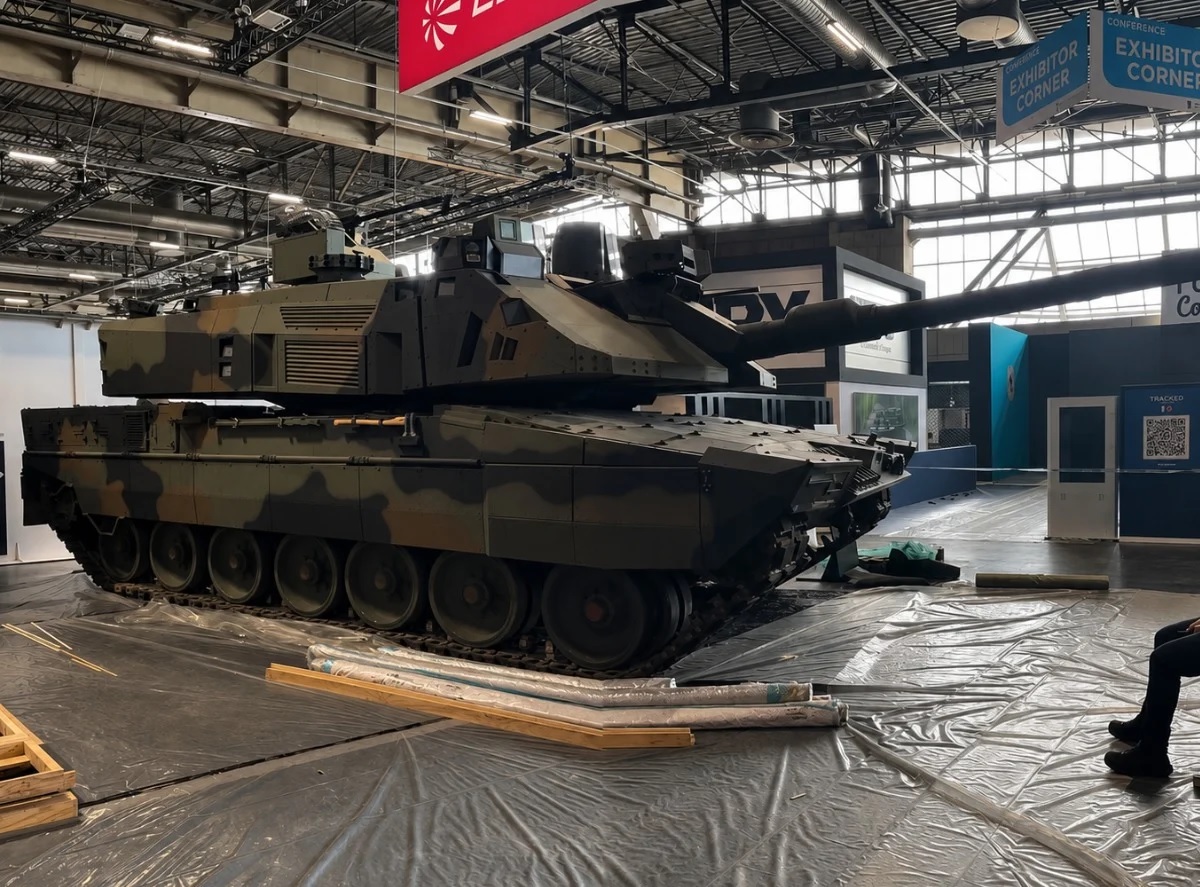 Leonardo Rheinmetall to Unveil Italy’s New IMBT Main Battle Tank at Eurosatory 2026
-
 Tulsi Gabbard Releases Declassified Files Detailing U.S.-Backed Network of 120 Biolaboratories Across 30+ Countries
-
8 U.S. Air Force Crew Members Killed in B-52 Bomber Crash During Test Flight at Edwards Air Force Base
-
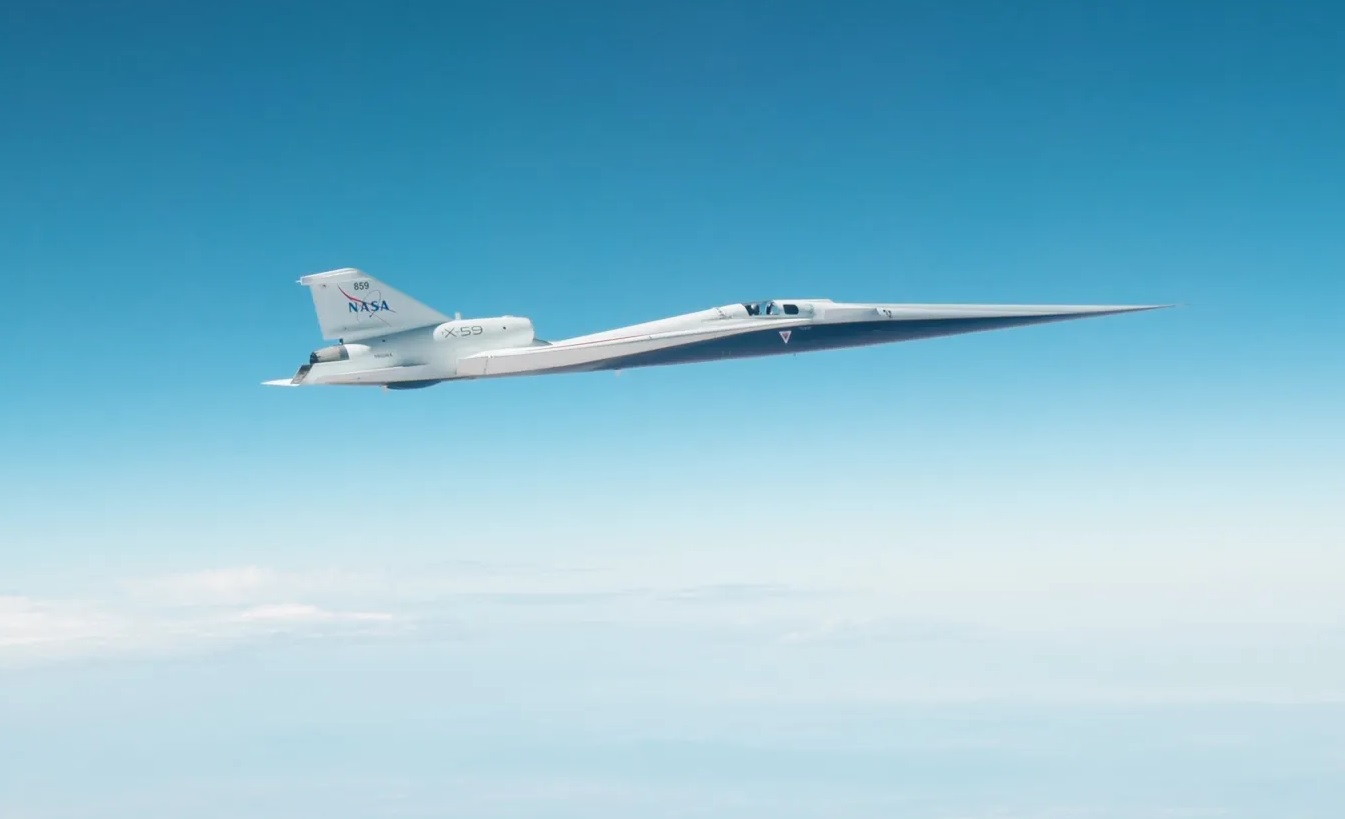 NASA X-59 Achieves Planned Mission Conditions with Mach 1.4 Flight at 55,000 Feet
-
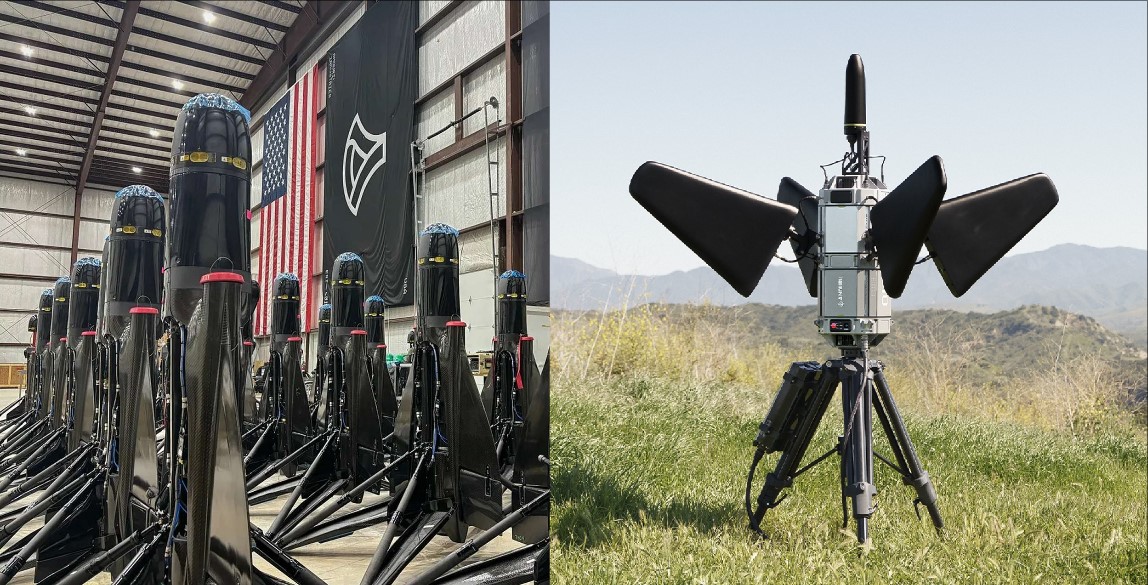 U.S. Approves $1.98 Billion Sale of Anduril AI-Powered Counter-Drone Systems to Kuwait
-
 Russia Launches 1,400 Jet-Powered Drones in 2026 as Strike Tactics Evolve to Challenge Ukraine's Air Defenses