World
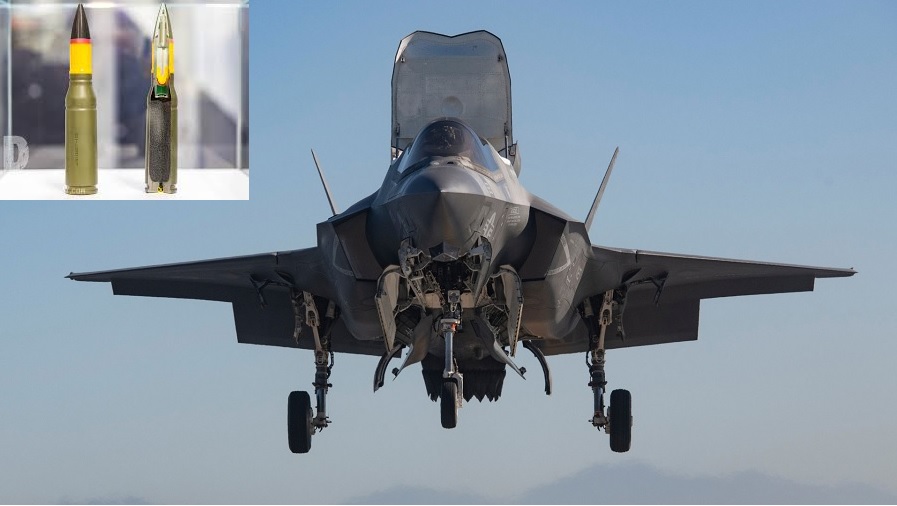
In the ever-evolving landscape of aerial warfare, the need for versatile and effective munitions is paramount. Nammo's 25mm x 137 APEX PGU-47/U ammunition emerges as a groundbreaking solution, specifically designed to enhance the combat capabilities of the F-35A Lightning II's GAU-22/A cannon. Multi-Role Versatility The APEX PGU-47/U stands out for its unique combination of armor-piercing and explosive effects within a single round. This dual capability allows it to effectively engage a broad spectrum of targets, from heavily armored vehicles to lighter, more agile threats. The integration of a tungsten carbide penetrator ensures superior armor-piercing performance, while the explosive-filled warhead, equipped with a delayed initiation mechanism, delivers devastating blast, fragmentation, and incendiary effects deep within the target. Enhanced Range and Accuracy Designed with advanced aerodynamics, the APEX maintains its velocity over extended distances, providing pilots with an increased effective range. This design not only extends the reach of engagements but also enhances accuracy, thereby improving the likelihood of successful target neutralization in dynamic combat scenarios. Innovative Impact Functionality A notable feature of the APEX ammunition is its graze impact function. Unlike traditional munitions that require direct hits to be effective, the APEX is engineered to cause significant damage even when impacting at oblique angles. This ensures that near-miss scenarios still result in substantial target impairment, providing a tactical advantage in high-speed engagements. Safety and Performance Features Safety in handling and operation is a critical consideration in ammunition design. The APEX is equipped with the FMU-171/U dual-safety fuze, which ensures that the round arms only after reaching a safe distance from the aircraft, mitigating the risk of premature detonation. Additionally, the built-in detonation delay allows the round to penetrate targets before exploding, maximizing internal damage. The inclusion of a tracer function further aids pilots in tracking munition trajectories, an essential feature during air policing missions where visual confirmation of warning shots is necessary. Specifications at a Glance Projectile Weight: 222 grams Muzzle Velocity: 970 meters per second Dispersion: Maximum of 0.5 mils from a single barrel Penetration Capability: 14 mm steel at a 45° angle, NATO standard, at an altitude of 9,000 feet Tracer Burn Time: Exceeds 3 seconds Operational Temperature Range: -62°C to +80°C Global Adoption and Production The APEX PGU-47/U has garnered international attention, with countries like Australia signing contracts for its integration into their F-35A fleets. Production is slated to commence in 2025, with deliveries planned over the subsequent two years, marking a significant advancement in modern aerial munitions. Nammo's APEX PGU-47/U ammunition represents a significant leap forward in aircraft armament technology, offering unparalleled versatility, enhanced performance, and robust safety features. As air combat scenarios become increasingly complex, such innovations are crucial in maintaining tactical superiority and ensuring mission success.
Read More → Posted on 2025-02-10 15:35:14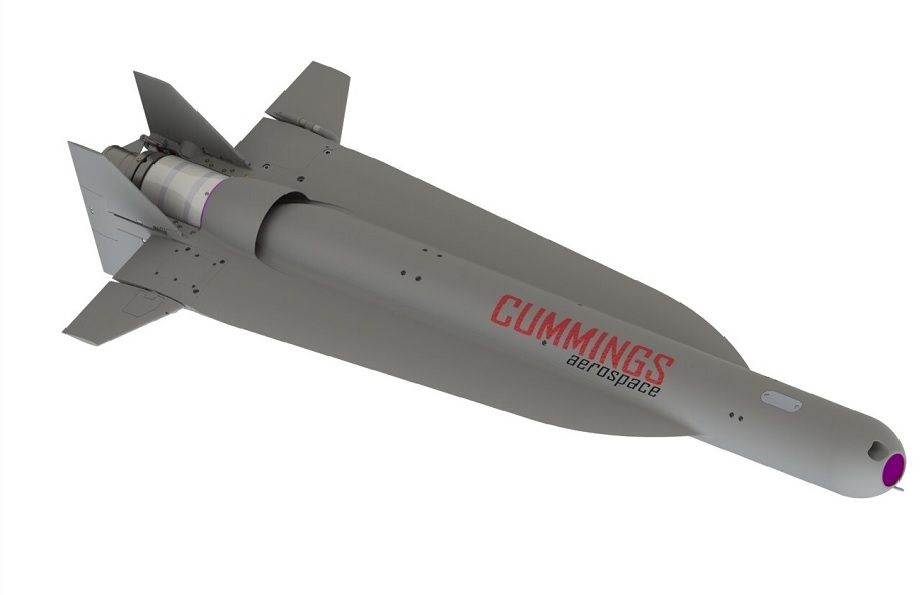
World
Cummings Aerospace has recently achieved a significant milestone with the successful completion of flight tests for their innovative Hellhound drone. This turbojet-powered, 3D-printed kamikaze unmanned aerial system (UAS) is engineered to provide rapid, precise, and cost-effective strike capabilities for modern military operations. Flight Test Achievements Between January 22 and 25, 2025, at the Pendleton Unmanned Aircraft Systems Range in Oregon, Hellhound underwent a series of rigorous flight tests. The drone demonstrated exceptional performance, achieving speeds exceeding 350 miles per hour at half throttle and covering distances over 20 kilometers while utilizing only 50% of its fuel capacity. These tests validated Hellhound's speed, range, and operational efficiency in challenging weather conditions, including low temperatures, high winds, and snow. Design and Specifications Hellhound is designed to enhance the combat effectiveness of Infantry Brigade Combat Teams (IBCTs), offering them precision-strike capabilities traditionally associated with Armored Brigades. Key features include: Turbojet Propulsion: The drone's turbojet engine allows for rapid response to time-sensitive threats, providing a "sprint to loiter" capability. Operators can adjust the throttle to either quickly reach a target area or slow down to loiter and gather intelligence before engagement. 3D-Printed Construction: Utilizing advanced 3D printing techniques, Hellhound combines lightweight materials with Department of Defense-approved commercial components. This approach reduces production costs and simplifies logistics, making the system both affordable and sustainable. Man-Portable Design: The complete system, including the vehicle, launch canister, and ground control unit, weighs less than 25 pounds. This lightweight design enables single-soldier deployment, enhancing mobility and flexibility on the battlefield. Modular Payload System: Hellhound's design supports various payloads, including warheads, electronic warfare modules, and intelligence, surveillance, and reconnaissance (ISR) equipment. Soldiers can interchange these payloads in under five minutes without the need for specialized tools, allowing for rapid adaptation to evolving mission requirements. Operational Capabilities During the flight tests, Hellhound successfully transmitted live video, confirming its ISR capabilities. It also conducted simulated strikes using an inert warhead, verifying the functionality of its critical systems. The drone's performance in adverse weather conditions further demonstrated its reliability and readiness for deployment in diverse operational environments. Future Prospects With the successful completion of these tests, Hellhound has achieved Technology Readiness Level 7 (TRL-7), indicating its maturity and suitability for operational deployment. Cummings Aerospace plans to conduct additional tests to refine the system's capabilities further and intends to submit a proposal for the U.S. Army's Low Altitude Stalking and Strike Ordnance (LASSO) program. The company also aims to demonstrate Hellhound's versatility to other potential defense customers, highlighting its scalable and modular architecture designed to meet evolving battlefield requirements. In summary, Hellhound represents a significant advancement in unmanned aerial systems, offering a high-speed, adaptable, and cost-effective solution for precision strikes. Its innovative design and proven performance position it as a valuable asset for modern military forces seeking to enhance their operational capabilities.
Read More → Posted on 2025-02-10 15:02:16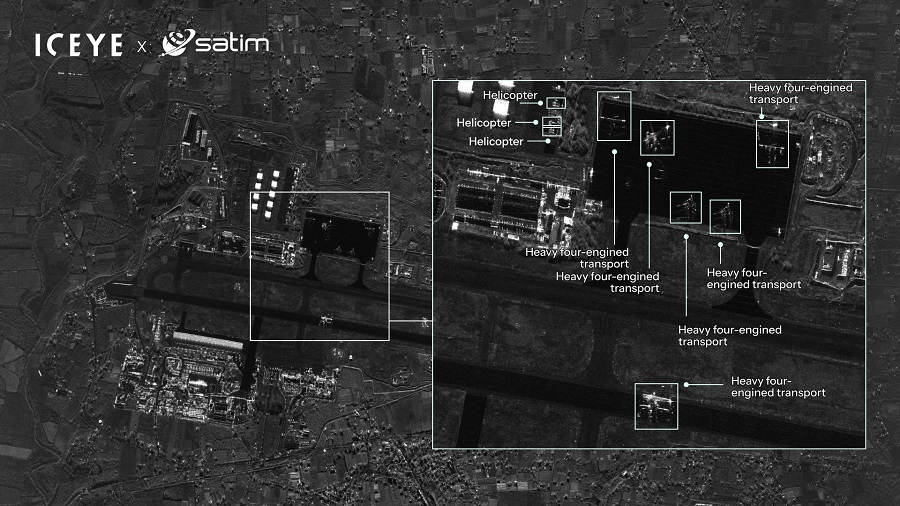
World
In a groundbreaking collaboration, ICEYE, a global leader in Synthetic Aperture Radar (SAR) satellite operations, has partnered with SATIM, a specialist in AI-driven Automatic Target Recognition (ATR) for SAR imagery. This alliance aims to develop innovative AI-powered products designed to detect and classify vessels, aircraft, and land vehicles with unprecedented accuracy. Enhancing Real-Time Intelligence By integrating ICEYE's high-resolution satellite imagery with SATIM's advanced AI analytics, the partnership seeks to elevate real-time intelligence capabilities for customers worldwide. Following an initial pilot phase, the companies plan to introduce a range of commercially available products in 2025, offering enhanced situational awareness across various sectors. ICEYE's SAR Satellite Constellation ICEYE operates the world's largest SAR satellite constellation, providing 25 cm resolution imagery regardless of weather conditions or time of day. Since 2018, the company has launched 44 satellites and plans to expand its network by deploying over 20 new satellites annually from 2025 onwards. Each satellite is equipped with a unique electronically steered phased array antenna, enabling a range of imaging modes for demanding operational needs. The satellites have a mass of approximately 120 kg and are powered by five solar panels, generating peak power of 345 W. SATIM's AI-Powered SAR Analytics SATIM specializes in AI-powered SAR analytics, offering near real-time solutions for fast and precise object detection, classification, and identification. Its technology is data-agnostic, allowing for a broad range of applications across different operational environments. This flexibility ensures that the analytics can be tailored to meet the specific needs of various industries and governmental agencies. Leadership Perspectives ICEYE CEO and Co-founder Rafal Modrzewski stated that the partnership will improve global situational awareness by delivering satellite-based intelligence to decision-makers. SATIM CEO and Co-founder Jacek Strzelczyk highlighted the collaboration as a significant step in advancing space-based AI solutions for critical insights on Earth. Future Implications The joint development effort is expected to enhance SAR imagery analysis, providing more accessible and actionable intelligence for industries and governments worldwide. With AI-driven capabilities, the new products will enable users to make faster and more informed decisions in complex operational environments. This partnership marks a significant advancement in the integration of space-based technology and artificial intelligence, promising to deliver critical insights that can drive strategic decisions across various sectors.
Read More → Posted on 2025-02-10 14:54:19
World
In a significant development, Taiwan's Ministry of National Defense has announced plans to procure six E-2D Advanced Hawkeye airborne early warning and control (AEW&C) aircraft from the United States. This decision underscores Taiwan's commitment to bolstering its defense capabilities amid escalating regional tensions. Enhancing Aerial Surveillance The E-2D Advanced Hawkeye represents the latest evolution in AEW&C technology. Equipped with the state-of-the-art AN/APY-9 radar system, this aircraft offers unparalleled surveillance capabilities. It provides continuous, all-weather, 360-degree coverage, enabling the detection and tracking of multiple airborne and maritime targets over vast distances. This advanced radar system significantly enhances situational awareness, allowing for early threat detection and improved response times. Technical Specifications The E-2D boasts impressive technical specifications: Dimensions: The aircraft measures approximately 57 feet 8.75 inches in length, with a wingspan of 80 feet 7 inches. Performance: Powered by two Rolls-Royce T56-A-427A turboprop engines, each delivering 5,100 shaft horsepower, the E-2D achieves speeds exceeding 300 knots and operates at altitudes up to 37,000 feet. Crew Composition: The aircraft is operated by a crew of five, comprising two pilots and three mission systems operators. Notably, the co-pilot can function as a fourth mission systems operator if required. Strategic Rationale Taiwan's decision to upgrade to the E-2D comes in response to increasing military activities in the region. The advanced capabilities of the E-2D are expected to provide a significant boost to Taiwan's aerial surveillance and defense operations. Historical Context Taiwan's relationship with the E-2 platform dates back to 1995, when it first acquired four E-2T aircraft. These units were subsequently upgraded to the E-2K variant in 2013. An additional two E-2Ks were commissioned in 2005, bringing the fleet to six. However, following an accident in 2022 that rendered one aircraft irreparable due to high costs, the operational fleet was reduced to five. Overcoming Previous Hurdles This is not Taiwan's first attempt to acquire the E-2D. Previous requests were declined, with concerns about redundancy with existing ground-based radar systems. However, current geopolitical dynamics and advancements in military technology have created a "window of opportunity" for Taiwan to successfully procure these advanced aircraft. While specific details regarding the budget and acquisition timeline remain undisclosed, the planned purchase of the E-2D Advanced Hawkeye signifies a strategic enhancement of Taiwan's defense posture. This move is anticipated to significantly improve the nation's early warning capabilities, ensuring a more robust and responsive defense infrastructure in the face of evolving regional challenges.
Read More → Posted on 2025-02-10 14:48:49
World
In a groundbreaking collaboration, Helsing, a prominent European defense technology firm, has joined forces with satellite infrastructure specialist Loft Orbital to develop and deploy Europe's inaugural AI-powered multi-sensor satellite constellation. This ambitious project aims to revolutionize real-time intelligence and situational awareness for European defense and security operations. Advanced Multi-Sensor Payloads The planned satellite constellation is designed to carry sophisticated multi-sensor payloads, including high-resolution cameras and advanced radio frequency (RF) sensors. These instruments will enable precise tracking and identification of military assets from Low Earth Orbit (LEO). By leveraging Helsing's on-orbit AI processing capabilities, the system will facilitate near-instantaneous detection and classification of objects, thereby supporting critical missions such as border surveillance, monitoring troop movements, and protecting vital infrastructure. Onboard AI Processing for Immediate Insights Traditional satellite intelligence systems often rely on post-mission data analysis, leading to delays in actionable insights. In contrast, this new constellation will process data directly onboard the satellites, delivering immediate intelligence to military decision-makers. High revisit rates and real-time alerts will ensure continuous monitoring of key areas, providing a strategic advantage in various operational environments. Successful Deployment of AI Capabilities In a significant milestone, Helsing has successfully deployed advanced AI capabilities on YAM-6, a satellite node that is part of Loft Orbital's space infrastructure. These extended tests focused on real-time onboard RF signal detection and characterization, paving the way for upcoming military-grade signal intelligence and cognitive anti-jamming applications. This achievement underscores the effectiveness of integrating AI with space-based reconnaissance systems. Strategic Imperative for Technological Sovereignty This initiative reflects Europe's commitment to achieving greater technological sovereignty in defense. Both Helsing and Loft Orbital are investing their own capital to expedite the deployment of this critical capability. Dr. Gundbert Scherf, co-founder of Helsing, emphasized the urgency by stating, "Ukraine has shown that the battlefield is becoming increasingly transparent, and the fusion of AI and satellite reconnaissance is crucial." This sentiment highlights the pressing need for Europe to secure access to advanced reconnaissance technologies. A Convergence of New Space and New Defense Pierre-Damien Vaujour, CEO of Loft Orbital, highlighted the significance of the collaboration, stating that the partnership will provide European defense actors with faster and more reliable intelligence. Marc Fontaine, President of Helsing France, added that the project merges "New Space with New Defense," delivering cutting-edge capabilities in a flexible and service-based model. This convergence signifies a transformative approach to defense technology, leveraging innovations from the rapidly evolving space industry. Looking Ahead: Deployment Timeline With satellite production already underway and launch slots secured, the first satellites of this constellation are slated to enter orbit in 2026. This timeline marks a significant step forward in Europe's ability to conduct real-time, AI-driven space-based reconnaissance for defense and security applications. The successful deployment of these satellites will represent a major advancement in the integration of artificial intelligence with space technology, setting a new standard for future defense initiatives. In summary, the partnership between Helsing and Loft Orbital to launch Europe's first AI-powered multi-sensor satellite constellation represents a pivotal development in defense technology. By combining advanced multi-sensor payloads with real-time onboard AI processing, this initiative promises to enhance situational awareness and provide immediate, actionable intelligence for European defense operations.
Read More → Posted on 2025-02-10 13:43:12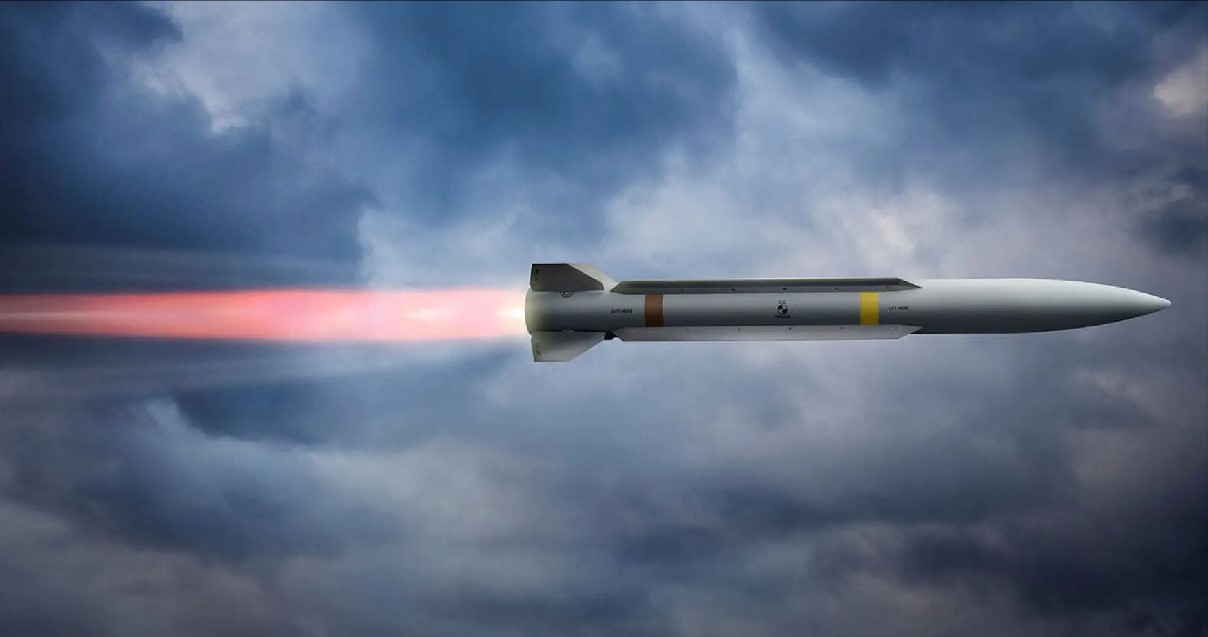
World
At the Aero India 2025 exhibition, Russia extended an offer to India to purchase its advanced R-37M long-range air-to-air guided missile, known in export markets as the RVV-BD. This proposal includes the possibility of local production, aiming to significantly bolster the Indian Air Force's (IAF) aerial combat capabilities. Currently, the IAF's Su-30MKI fleet is equipped with R-77 missiles; integrating the R-37M would notably extend their operational reach. R-37M Missile Overview The R-37M, designated as AA-13 "Axehead" by NATO, is a Russian-developed long-range air-to-air missile (LRAAM) designed to engage enemy aircraft and drones beyond visual range. It is particularly effective against high-value targets such as AWACS, tanker aircraft, and C4ISTAR platforms. An evolution of the older R-33 missile, the R-37M features significant enhancements in range, speed, and guidance systems. The missile was inducted into service in 2019. Key Specifications Range: The R-37M boasts a maximum range exceeding 200 kilometers, with some reports indicating it can reach up to 398 kilometers depending on the flight profile. Speed: Capable of hypersonic speeds, the missile can travel at approximately Mach 5. Altitude Engagement: It can engage targets at altitudes ranging from 15 meters to 25 kilometers. Dimensions and Weight: The missile measures 4.06 meters in length, has a diameter of 0.38 meters, and weighs around 510 kilograms, including a 60-kilogram warhead. Guidance System: The R-37M utilizes a combined guidance system incorporating inertial navigation with mid-course updates and active radar homing, enabling it to autonomously lock onto and pursue its target after launch. Compatibility and Deployment The R-37M is compatible with various Russian aircraft, including the MiG-31BM interceptor, Su-35S, and the fifth-generation Su-57 fighter. Its integration into these platforms enhances their capability to engage targets at extended ranges, thereby increasing their operational effectiveness. Operational Impact The R-37M's combination of speed and range makes it a formidable weapon, challenging for adversaries to evade. However, reports from conflict zones suggest that while the missile may not always achieve direct hits, it forces enemy pilots to take evasive actions, thereby disrupting their missions and providing a tactical advantage. Indian Context and Alternatives For India, acquiring the R-37M would significantly enhance the engagement envelope of its Su-30MKI fleet. Currently, India's indigenous Astra Beyond Visual Range Air-to-Air Missile (BVRAAM) offers a range of approximately 100 kilometers. The Rudram-I, originally an anti-radiation missile, shares aerodynamic characteristics with the Astra and offers an extended range of over 200 kilometers, making it a viable candidate for adaptation into a very long-range air-to-air missile (VLRAAM). Integrating the R-37M into the IAF's arsenal would represent a significant leap in its air combat capabilities, allowing for engagement of high-value targets at extended ranges and enhancing overall mission effectiveness. The potential for local production further aligns with India's strategic objectives of self-reliance and technological advancement in defense.
Read More → Posted on 2025-02-10 13:35:51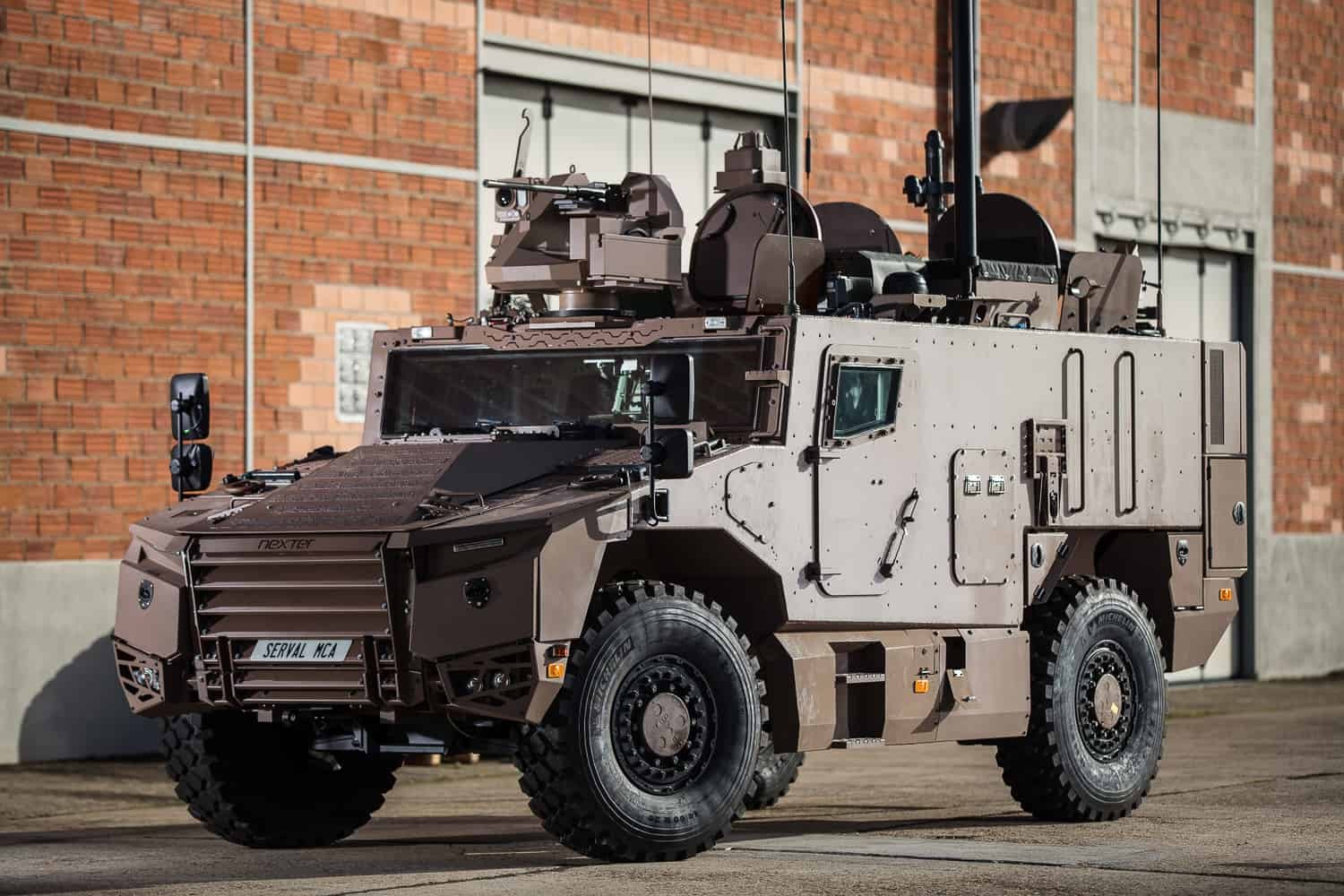
World
In a significant move to bolster its military capabilities, the French defense procurement agency (DGA) has ordered 530 Serval Appui SCORPION armored vehicles for the French Army. The contract, signed on December 31, 2024, is a pivotal component of France's SCORPION modernization program, with deliveries planned between late 2025 and 2031. The Serval Appui SCORPION: A Leap in Military Technology The Serval Appui SCORPION is an advanced iteration of the existing Serval armored vehicle, tailored for high-intensity combat scenarios. This 4x4 armored vehicle weighs between 15 to 17 tonnes, depending on its configuration, and is designed to replace the aging Véhicule de l'Avant Blindé (VAB) in the French Army's fleet. Its modular design allows for various configurations, including armored patrol, intelligence and reconnaissance, communications relay, and electronic warfare. Key Specifications: Weight: 15 to 17 tonnes, based on configuration. Dimensions: Approximately 6.7 meters in length, 2.5 meters in width, and 3.5 meters in height. Crew Capacity: Accommodates two crew members (driver and gunner) and up to eight fully equipped soldiers. Armament: Equipped with a remotely operated turret, such as the T2 Hornet Lite or T1 Hornet, armed with either a 7.62mm or 12.7mm machine gun. Some variants may also feature missile systems like the Mistral 3 for ground-to-air defense. Protection: Built to STANAG 4569 Level 4 standards, offering protection against 14.5mm armor-piercing rounds and artillery shell splinters. Mobility: Powered by a militarized Cummins 6-cylinder in-line diesel engine, producing 375 horsepower, paired with an Allison 3000 Series automatic transmission. The vehicle boasts a top speed of 100 km/h and a range of approximately 600 kilometers. Advanced Systems: Integrates the SCORPION Combat Information System (SICS), enhancing battlefield communication and situational awareness. It also features threat detection systems and can be equipped with additional modular armor kits as needed. Specialized Variants for Enhanced Capabilities The Serval Appui SCORPION will be produced in several specialized variants to meet diverse operational needs: Ground-to-Air Defense Variant: Outfitted with Mistral 3 missile-firing turrets to provide short-range air defense against aerial threats. Anti-Drone Warfare Variant: Equipped with radar systems, radio frequency detectors, a fire control system, and a 30×113 mm cannon to detect and neutralize unmanned aerial vehicles (UAVs). Tactical Communication Node Variant: Integrates the SYRACUSE IV satellite system and advanced radio communication equipment to enhance connectivity and operational coordination within joint brigades and divisions. Economic and Industrial Impact This €1 billion investment supports key defense companies, including KNDS France, TEXELIS, MBDA, and CS GROUP. Production will be distributed across multiple locations, ensuring robust domestic industrial support and fostering technological advancements within France's defense sector. Alignment with Strategic Defense Initiatives The procurement aligns with the Multipurpose Light Tactical Vehicle (VLTP) program and the 2024-2030 military programming law (LPM). It underscores France's commitment to strengthening its land forces with modern, adaptable equipment capable of addressing contemporary threats, including advancements in surface-to-air low-layer defense and anti-drone warfare. A Continuation of the VLTP Program This order represents the third stage of the VLTP program. The first stage involved the delivery of 4,380 VT4 vehicles, and the second stage focused on procuring 103 unprotected medical vehicles. The current initiative emphasizes enhancing mobility, protection, and operational autonomy for ground forces through the introduction of the Serval Appui SCORPION. The acquisition of the Serval Appui SCORPION armored vehicles marks a significant advancement in France's military modernization efforts. By integrating cutting-edge technology and specialized capabilities, these vehicles are set to play a crucial role in enhancing the operational effectiveness and readiness of the French Army in the years to come.
Read More → Posted on 2025-02-09 16:45:35
World
In a recent development, U.S. President Donald Trump revealed that he has engaged in telephone conversations with Russian President Vladimir Putin to discuss strategies for ending the ongoing war in Ukraine. When inquired about the frequency of these discussions, Trump responded, "I better not say," indicating a level of confidentiality surrounding their communications. He emphasized Putin's desire to halt the bloodshed, stating, "He wants to see people stop dying." The conflict, which began with Russia's full-scale invasion of Ukraine in February 2022, is approaching its third anniversary on February 24. The war has resulted in thousands of fatalities, predominantly among Ukrainians, and has caused widespread devastation across the nation. In addition to his dialogues with Putin, President Trump announced plans to meet with Ukrainian President Volodymyr Zelenskyy next week to further discuss avenues to end the conflict. This meeting is anticipated to coincide with the Munich Security Conference in Germany, where Vice President JD Vance and U.S. Special Envoy for Ukraine and Russia, Keith Kellogg, will represent the United States. Trump has consistently highlighted his positive rapport with Putin and has expressed confidence in his ability to mediate a resolution to the conflict. He remarked, "I hope it's fast. Every day people are dying. This war is so bad in Ukraine. I want to end this damn thing." The international community continues to monitor these developments closely, as diplomatic efforts intensify to bring an end to a conflict that has had profound humanitarian and geopolitical implications.
Read More → Posted on 2025-02-09 16:40:27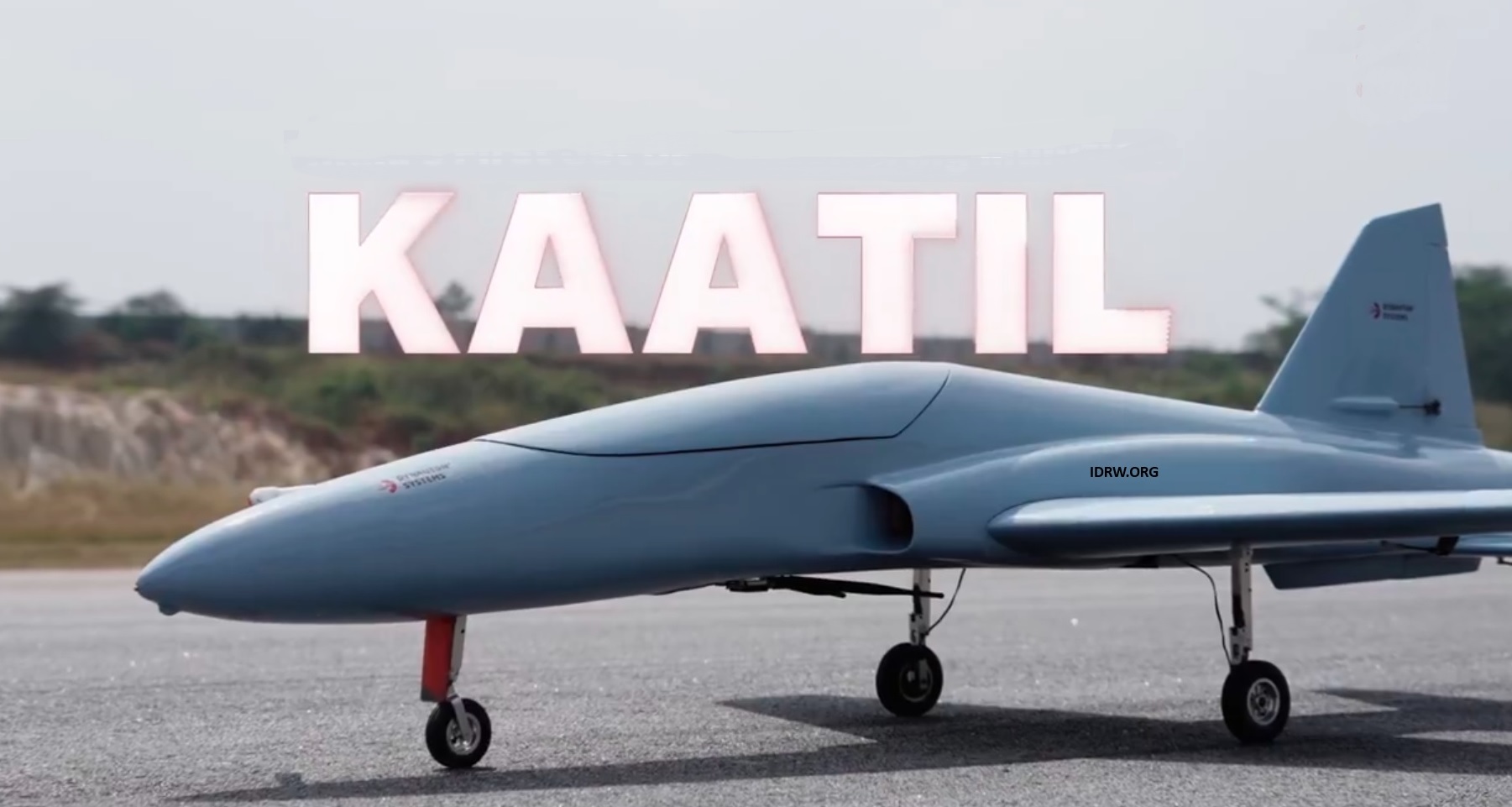
World
Dynauton Systems, a division of Dynamatic Technologies Limited, is poised to unveil "Kaatil," India's first jet-powered loitering munition, at Aero India 2025. The name "Kaatil," translating to "killer" in Hindi, underscores its intended role in precision strike operations. This domestically designed and developed system signifies a significant leap in India's indigenous defense technology capabilities. Key Features and Specifications: Design and Reusability: Unlike conventional loitering munitions, Kaatil is equipped with landing gear, allowing it to take off and land like a traditional unmanned aerial vehicle (UAV). This feature enables potential reuse under specific conditions, enhancing operational flexibility and cost-effectiveness. Dimensions and Weight: Kaatil boasts a wingspan of 2 meters and a take-off weight of 12 kilograms. It can carry a payload of up to 1 kilogram, making it suitable for various mission profiles. Propulsion and Speed: Powered by a jet engine, Kaatil can achieve speeds of up to 600 kilometers per hour. This rapid velocity ensures swift engagement and reduces the window for enemy countermeasures. Autonomous Operation: Designed as a "fire and forget" system, Kaatil can autonomously navigate to and engage targets without human intervention. This autonomy is particularly advantageous in environments where Global Navigation Satellite Systems (GNSS) are denied or jammed. Endurance: At its Maximum Take-Off Weight (MTOW), Kaatil has an endurance of approximately 16 minutes, balancing speed and operational duration to effectively reach and neutralize targets within its range. Precision Strike Capability: With a Circular Error Probable (CEP) of 2 meters, Kaatil is engineered for high-precision strikes, minimizing collateral damage and making it ideal for engaging high-value targets. Strategic Implications: The introduction of Kaatil represents a strategic enhancement for India's defense forces. Its rapid deployment capability, combined with precision targeting, offers a formidable tool for neutralizing threats swiftly and effectively. The ability to operate autonomously in GNSS-denied environments ensures mission success even under challenging conditions. Furthermore, Kaatil's design emphasizes operational flexibility. The inclusion of landing gear not only facilitates traditional take-off and landing but also opens avenues for reuse, potentially reducing long-term operational costs. Conclusion: As Aero India 2025 approaches, the defense community keenly anticipates the unveiling of Kaatil. This jet-powered loitering munition exemplifies India's commitment to advancing indigenous defense technologies and enhancing its strategic capabilities. Kaatil is poised to play a pivotal role in modern warfare scenarios, offering a blend of speed, precision, and autonomy that aligns with contemporary military needs.
Read More → Posted on 2025-02-09 14:07:00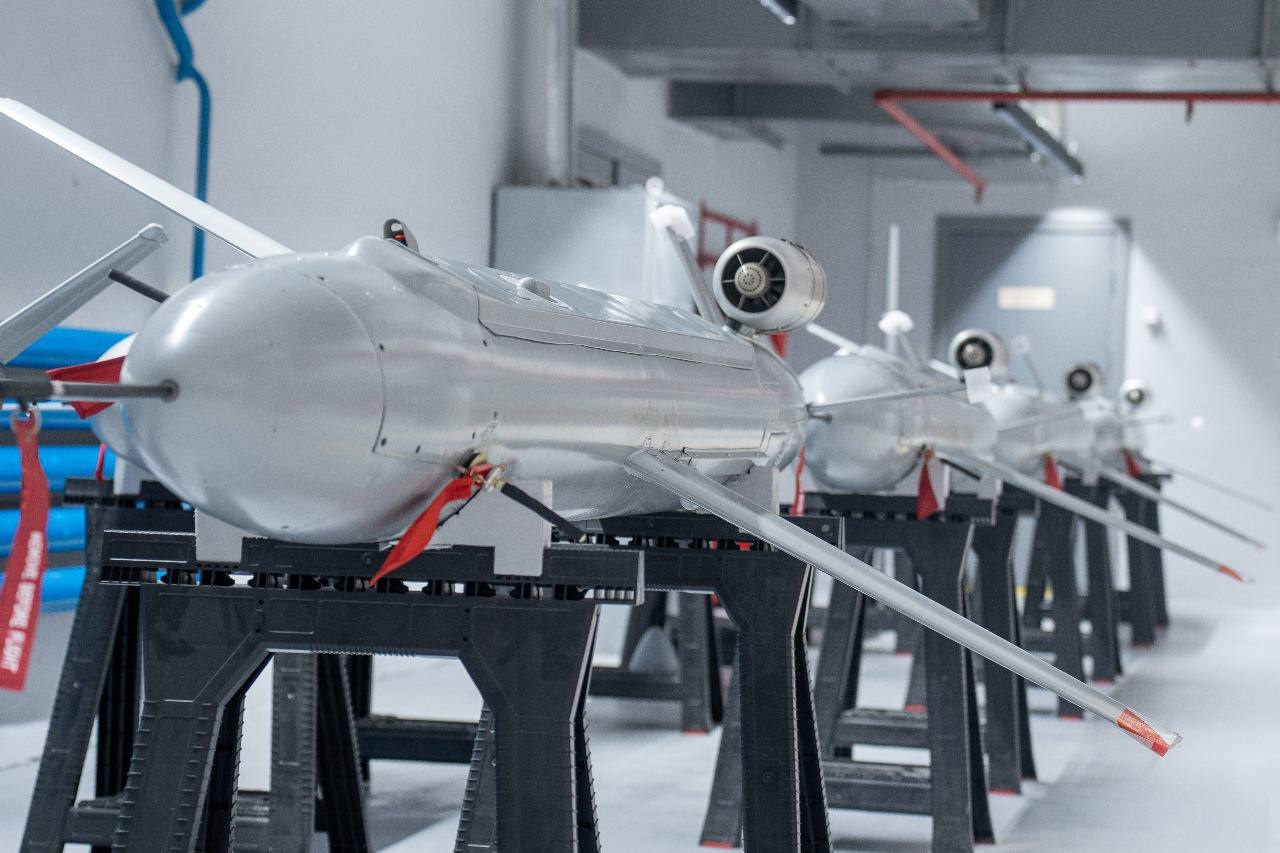
World
In a significant demonstration of solidarity and support, Ukrainian President Volodymyr Zelenskyy recently hosted Admiral Giuseppe Cavo Dragone, the Chair of NATO's Military Committee, during his inaugural visit to Ukraine in this capacity. This meeting underscored NATO's unwavering commitment to Ukraine amidst its ongoing conflict with Russia. A Showcase of Domestic Defense Capabilities A highlight of Admiral Cavo Dragone's visit was a tour of one of Ukraine's defense industry facilities. Here, President Zelenskyy showcased the nation's advancements in long-range weaponry, emphasizing the critical role of domestically produced arms in bolstering Ukraine's defense. He stated, "It is crucial to see the real results of our efforts—not theoretical developments, but tangible outcomes that contribute to our security and are recognized by our NATO partners." Advancements in Long-Range Weaponry Ukraine has been making significant strides in developing and producing long-range weapons. Notably: Palianytsia Missile Drone: This hybrid system combines the capabilities of a missile and a drone, offering flexibility in various combat scenarios. It has entered serial production, with trials of the new Ruta missile ongoing. Peklo Cruise Missile: Recently entering mass production, approximately 100 units have been produced in just three months. The Peklo is composed of 70% locally sourced components, enhancing its operational deployment. Neptune Cruise Missile: A long-range version of Ukraine’s domestically produced Neptune cruise missile is expected to become operational in the near future, further strengthening Ukraine's strike capabilities. These developments signify Ukraine's commitment to enhancing its long-range strike capabilities, enabling deeper penetration into adversary territories when necessary. Strategic Production Goals for 2025 Looking ahead, Ukraine has set ambitious production targets to further strengthen its defense posture. The government plans to manufacture: 30,000 Long-Range Drones: These unmanned aerial vehicles will enhance reconnaissance and strike capabilities, providing a significant advantage in modern warfare. 3,000 Cruise Missiles: Increasing the stockpile of these missiles will bolster Ukraine's ability to conduct precision strikes over extended distances. These goals reflect a strategic emphasis on self-reliance and the development of advanced military technologies. International Collaboration and Support Ukraine's efforts have garnered international support, notably through the "Danish Model." This initiative involves European nations providing funds for Ukraine to produce its own weapons, including long-range missiles and drones. Countries such as Denmark, Germany, Norway, Sweden, and Lithuania have secured significant funding for this model, enabling quicker and more cost-effective production tailored to Ukraine's specific needs. NATO's Enduring Commitment Admiral Cavo Dragone reaffirmed NATO's dedication to Ukraine, stating, "Our message remains clear—NATO stands by Ukraine. We are determined to uphold our commitments and defend the values we share." This visit and ongoing collaboration highlight the deepening ties between Ukraine and NATO, as well as a shared commitment to regional security and stability. The inspection of Ukraine's long-range weapons production by President Zelenskyy and Admiral Cavo Dragone underscores the nation's significant progress in defense capabilities. Through domestic innovation and international collaboration, Ukraine is enhancing its military strength, contributing to a more secure and stable region.
Read More → Posted on 2025-02-09 13:49:41
World
Maxar Intelligence has successfully launched its fifth and sixth WorldView Legion satellites, marking a significant milestone in the field of geospatial imaging. These satellites were deployed aboard a SpaceX Falcon 9 rocket from Florida's Kennedy Space Center and are currently operating optimally in mid-inclination orbit. Enhanced Imaging Capabilities With this latest launch, Maxar's high-resolution satellite fleet now comprises seven satellites. The WorldView Legion satellites are equipped to capture imagery with a remarkable 30 cm-class resolution, offering unprecedented clarity and detail. This advancement significantly boosts Maxar's capacity for very-high-resolution Earth observation. Impressive Collection Capacity Once fully operational, the WorldView Legion constellation will be capable of collecting over six million square kilometers of Earth imagery daily. Notably, up to 3.6 million square kilometers of this data will be at the superior 30 cm resolution. This extensive coverage ensures that users have access to precise and detailed geospatial information. Diverse Applications The expanded capabilities of the WorldView Legion satellites are set to benefit a wide range of sectors: Mission Planning: Providing detailed terrain data to assist in strategic operations. Emergency Response: Offering real-time imagery to aid in disaster assessment and resource deployment. Maritime Surveillance: Enhancing monitoring of coastal regions and maritime activities. Civil Government: Supporting urban planning, infrastructure development, and environmental monitoring. Additionally, these satellites will play a crucial role in creating up-to-date basemaps, developing 3D models, and supporting telecommunications infrastructure planning. Leadership Perspective Dan Smoot, CEO of Maxar Intelligence, emphasized the significance of this achievement for the geospatial industry. He highlighted that the increased capacity will enable more timely data collection and enhance Maxar’s advanced 2D and 3D geospatial products. Integration of AI and Real-Time Insights Maxar is integrating AI-powered technologies with the new satellite capacity to provide near real-time geospatial insights. This integration will allow both government and commercial users to make informed, time-sensitive decisions with greater confidence. Extended Imaging Windows The WorldView Legion satellites are designed to enhance imaging capabilities by enabling dawn-to-dusk image collection. Their strategic placement in both mid-inclination and sun-synchronous orbits allows for up to 15 daily revisits to key locations, ensuring comprehensive coverage throughout the day. Previous Launches and Progress The first two WorldView Legion satellites were launched in May 2024 and have been supporting customer operations since then. A second pair was launched in August 2024, with the first images from those satellites delivered late last year. Advanced Satellite Design Built by Maxar Space Systems, the WorldView Legion satellites are part of the Maxar 500™ series. Chris Johnson, CEO of Maxar Space Systems, reaffirmed the company’s commitment to quality and reliability, describing the WorldView Legion spacecraft as the most advanced commercial Earth observation systems to date. Technical Specifications The WorldView Legion satellites operate at an altitude of approximately 450 km and are equipped with advanced imaging technology. They offer 8-band multispectral imagery, providing a wide variety of applications. The satellites are designed for a 10-year mission life, consistent with previous WorldView satellites. In summary, the successful deployment of the fifth and sixth WorldView Legion satellites marks a significant advancement in Earth observation technology. With enhanced imaging capabilities, increased collection capacity, and a wide range of applications, Maxar is poised to provide unparalleled geospatial insights to its users.
Read More → Posted on 2025-02-08 15:29:41
World
At the Paris Naval Conference 2025, held on February 4 and co-hosted by the French Navy and the French Institute of International Relations (IFRI), senior naval leaders from around the world convened to address the escalating challenges in maritime security. The consensus was clear: the nature of threats at sea has transformed, necessitating a unified and collaborative response from global naval forces. Emerging Maritime Threats Admiral Nicolas Vaujour, Chief of Staff of the French Navy, highlighted the increasing audacity of various actors at sea, including the rise in violent activities. He pointed to the Red Sea, where since October 2023, Yemen-based Ansar Allah (Houthi) rebels have been targeting both commercial and naval vessels in the Red Sea, Bab al-Mandeb Strait, and the Gulf of Aden. These attacks have posed significant threats to international shipping lanes, prompting oil executives to call for a cautious return to navigation through the Red Sea following a halt in attacks by the Houthis. In the Baltic region, there have been numerous incidents since October 2023 where seabed cables and pipelines have been ruptured, possibly due to 'ghost fleet' ships dragging their anchors at speed across the seabed. These 'ghost fleet' vessels are believed to be involved in circumventing international maritime sanctions on oil exports targeted at certain countries. Such activities not only disrupt the maritime economy but also challenge international regulations and the integrity of critical underwater infrastructure. The Imperative of Collective Action Rear Admiral Oliver Berdal, Chief of the Royal Norwegian Navy, emphasized the intertwined nature of military and civilian challenges in maritime security. He noted that the majority of global goods are transported by sea, with 99% of all global communications relying on fiber-optic cables laid on the seabed. Given this dependency, any disruption poses a significant threat to the modern global economy. The Royal Norwegian Navy is strengthening its collaboration with the nation's civil maritime sector to address threats to shipping and critical underwater infrastructure. However, legal complexities arise when incidents occur in international waters. If a 'shadow fleet' vessel damages infrastructure in such areas, nearby countries or naval vessels must approach the ship's flag state, leading to potentially lengthy and complex legal and political processes. Rear Admiral Berdal highlighted the difficulty of changing international law and the limited means available for decisive action in these scenarios. He stressed the need for countries, allies, and partners to demonstrate a willingness to address these challenges, even in the absence of comprehensive legal frameworks. Securing the Global Maritime Commons Admiral Sir Ben Key, the UK Royal Navy’s First Sea Lord and Chief of the Naval Staff, discussed the fundamental role of navies in securing the global maritime trading system. He pointed out that current threats include sea denial tactics employed by organizations without traditional naval capabilities or maritime understanding. This shift necessitates a reevaluation of naval strategies to ensure the continued security of trade and economic activities. Rear Admiral Soren Kjeldsen of the Royal Danish Navy echoed the sentiment, noting that modern sea denial is often executed by civilian actors and through hybrid warfare tactics. To manage these challenges, he advocated for establishing a recognized maritime picture through collaboration with civilian actors, owners of critical underwater infrastructure, and merchant vessel operators. This approach also involves cooperation with various government agencies, reflecting the shared responsibilities in maritime security. The Path Forward Vice Admiral Jeffrey Anderson, Commander of the U.S. 6th Fleet, acknowledged the exacerbation of threats by hybrid tactics employed by both state and non-state actors, particularly from the Eastern Mediterranean to the North Atlantic. He emphasized the importance of leveraging both formal structures, such as NATO, and informal multilateral frameworks to address these challenges. The overarching message was clear: effective maritime security in the face of evolving threats requires unified and collaborative action among nations and their naval forces. In conclusion, the Paris Naval Conference 2025 underscored the necessity for enhanced cooperation, information sharing, and collective action among global navies to address the complex and evolving threats in the maritime domain. As the nature of these threats continues to change, so too must the strategies and collaborations designed to counter them, ensuring the security and stability of the global maritime commons.
Read More → Posted on 2025-02-08 15:21:07
World
Recent developments indicate that Japan is making significant strides in enhancing its defense capabilities, particularly with the testing of an upgraded Type 12 Surface-to-Ship Missile (SSM). This advancement reflects Japan's commitment to bolstering its maritime security amid evolving regional dynamics. Unveiling the Upgraded Type 12 SSM The Type 12 SSM, originally developed by Mitsubishi Heavy Industries and introduced in 2012, has been a cornerstone of Japan's coastal defense. The latest iteration of this missile system showcases several notable enhancements: Extended Range: The original Type 12 had a range of approximately 200 kilometers. The upgraded version aims to extend this range to at least 900 kilometers, with future developments targeting up to 1,500 kilometers. This substantial increase enables Japan to engage threats from greater distances, enhancing its strategic deterrence. Stealth Design: The missile's design has been refined to reduce its radar cross-section, making it more challenging for adversaries to detect and track. This stealthier profile enhances the missile's survivability and effectiveness in contested environments. Multi-Platform Deployment: Beyond its traditional ground-based launcher, the improved Type 12 SSM is being adapted for deployment from naval vessels and aircraft. This flexibility allows for a more dynamic response to various threat scenarios. Recent Testing Activities Between early October and early November 2024, Japan's Acquisition, Technology & Logistics Agency (ATLA) conducted five launch tests of the improved Type 12 SSM on Niijima Island. These tests are part of ongoing efforts to develop standoff defense capabilities that can intercept and neutralize threats at an early stage and from significant distances. Strategic Implications The development of the upgraded Type 12 SSM aligns with Japan's broader defense strategy to enhance its standoff capabilities. By extending the missile's range and incorporating stealth features, Japan aims to maintain a credible deterrent against potential adversaries, ensuring the safety of its forces and the security of its maritime territories. In summary, the upgraded Type 12 Surface-to-Ship Missile represents a significant advancement in Japan's defense technology, reflecting a proactive approach to evolving security challenges in the Indo-Pacific region.
Read More → Posted on 2025-02-08 15:14:30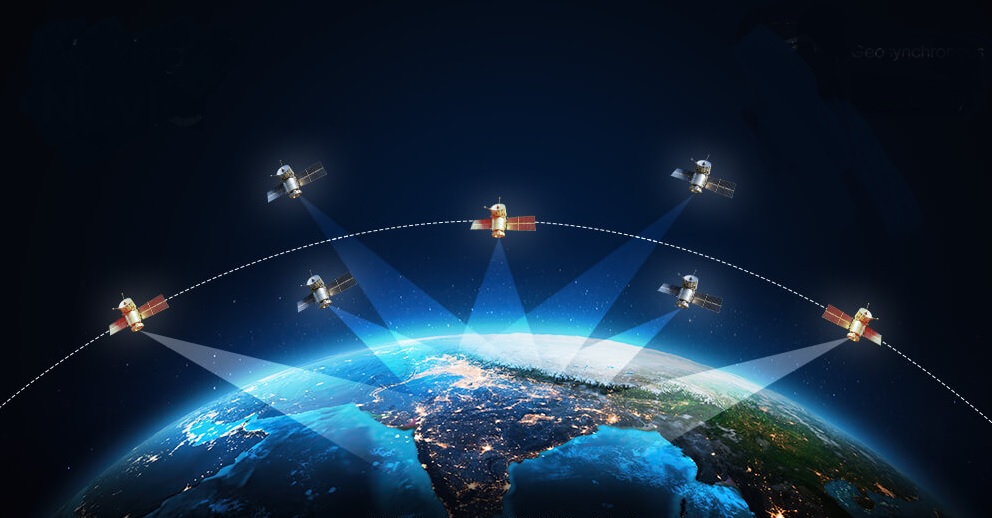
World
India's Navigation with Indian Constellation (NavIC), an ambitious project aimed at establishing an indigenous satellite navigation system, has encountered numerous obstacles since its inception. These challenges not only highlight technical and operational issues but also underscore a broader hesitation within the government to adequately fund and support innovation. Technical Setbacks and Operational Hurdles Initiated in 1999 following the Kargil War—where India faced limitations accessing the American Global Positioning System (GPS)—NavIC was envisioned as a seven-satellite constellation to be fully operational by 2016. However, as of 2025, only five of the eleven satellites launched since 2013 remain fully functional. The system has been plagued by various technical issues: Satellite Malfunctions: Critical components, such as rubidium atomic clocks imported from Europe, have failed. Notably, in 2016, all three atomic clocks on the IRNSS-1A satellite ceased functioning, compromising its utility. Launch Failures: The IRNSS-1H satellite, intended to replace the faulty IRNSS-1A, failed to separate from its launch vehicle in 2017, rendering the mission unsuccessful. Recent Setbacks: In 2025, the NVS-02 satellite suffered an engine failure, further hindering the constellation's completion and operational efficiency. Government's Reluctance to Invest in Innovation These technical challenges are symptomatic of a broader issue: the government's cautious approach to funding innovation. Despite the clear need for a robust indigenous navigation system, investment in critical areas has been lacking: Dependence on Foreign Components: The reliance on imported atomic clocks, which have proven unreliable, indicates a missed opportunity to develop indigenous alternatives. While the Indian Space Research Organisation (ISRO) is now prioritizing the development of homegrown atomic clocks, earlier investment could have preempted these failures. Limited Support for Private Sector Involvement: The government's recent initiative to involve private companies in rocket and satellite manufacturing is a positive step. However, this shift comes after years of limited private sector engagement, which could have spurred innovation and distributed the risks associated with such complex projects. Initiatives to Foster Innovation Recognizing these challenges, the government has launched initiatives like the NavIC Grand Challenge to encourage startups to develop applications leveraging NavIC services. This program aims to promote domestic mapping and navigation capabilities, opening opportunities for Indian startups to explore potential markets both within and outside the country. Future Prospects To overcome these hurdles, a multifaceted approach is essential: Enhanced Investment: Allocating more resources towards research and development can lead to the creation of reliable indigenous components, reducing dependence on foreign technology. Private Sector Collaboration: Encouraging partnerships with private enterprises can infuse fresh ideas and technological advancements into the project. Policy Reforms: Implementing policies that support innovation and provide financial incentives can attract talent and investment into the space sector. By addressing these areas, India can strengthen NavIC and demonstrate a commitment to fostering innovation, ensuring the country remains at the forefront of space technology.
Read More → Posted on 2025-02-08 15:03:47
World
Germany is poised to significantly enhance its maritime surveillance and anti-submarine warfare capabilities with the introduction of the Boeing P-8A Poseidon aircraft. The first of these advanced patrol aircraft is scheduled for delivery in August 2025, marking a pivotal upgrade from the aging P-3C Orion fleet. Rapid Procurement and Fleet Expansion In a move to modernize its naval aviation, Germany has ordered a total of eight P-8A Poseidons. The procurement process has been notably swift: June 2021: Contract signed for the initial five aircraft. November 2023: German Parliament approved the acquisition of an additional three units, with the Federal Office of Bundeswehr Equipment, Information Technology, and In-Service Support (BAAINBw) promptly issuing the purchase order. These acquisitions are facilitated through the U.S. Foreign Military Sales (FMS) program, enabling Germany to procure advanced U.S. defense equipment efficiently. The timeline from contract signing to the brink of delivery—just four years—is exceptionally short for defense procurements of this magnitude. Advanced Features and Capabilities The P-8A Poseidon, derived from Boeing's 737 platform, is a state-of-the-art maritime patrol aircraft equipped with cutting-edge sensors and communication systems. Key specifications include: Dimensions: Length of 129.5 feet (39.47 meters), wingspan of 123.6 feet (37.64 meters), and height of 42.1 feet (12.83 meters). Performance: Powered by two CFM56-7B engines, each providing 27,300 pounds of thrust, allowing a maximum speed of 490 knots (902 km/h) and a service ceiling of 41,000 feet (12,496 meters). Range: Capable of a range of 1,200 nautical miles with four hours on station, extendable through aerial refueling. Crew: Accommodates a crew of nine. Armament: Equipped with torpedoes and cruise missiles for anti-submarine and anti-surface warfare. A notable feature of the Bundeswehr’s Poseidon fleet is the advanced self-protection system designed to counter incoming infrared-guided missiles, similar to those used on German government aircraft operated by the Ministry of Defence. Interoperability and Networked Warfare The P-8A's ability to transmit intelligence data in near real-time to command centers within the Bundeswehr enhances its role in joint force operations and networked warfare. Frigate Captain Björn M., project leader at BAAINBw, emphasized that the P-8A will bolster interoperability across the German Armed Forces, ushering in a new era of connected combat operations. Global Adoption and Future Outlook Globally, over 160 P-8A Poseidons are in operation, serving nations such as the United States, Australia, India, South Korea, New Zealand, Norway, and the United Kingdom. Germany's adoption of the P-8A aligns it with these advanced maritime operators, significantly enhancing its maritime patrol and reconnaissance capabilities. As Germany prepares to integrate the P-8A Poseidon into its naval operations, this acquisition represents a significant leap in maritime defense, ensuring the nation's readiness to address contemporary security challenges.
Read More → Posted on 2025-02-08 14:59:50Search
Top Trending in 24 Hours
-
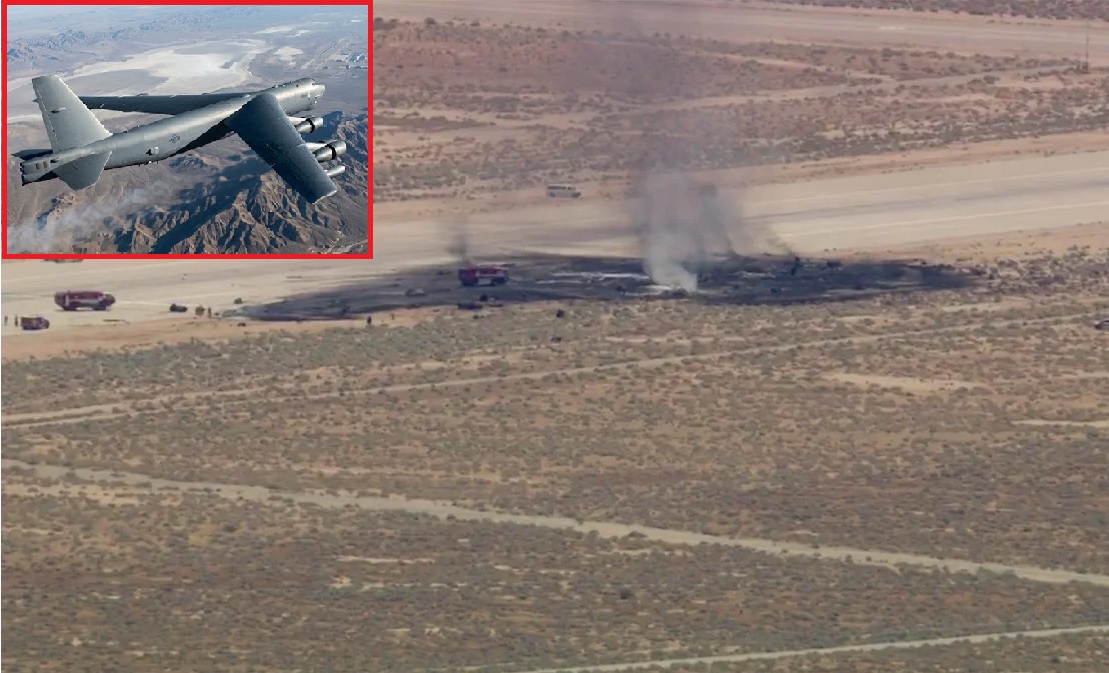 8 U.S. Air Force Crew Members Killed in B-52 Bomber Crash During Test Flight at Edwards Air Force Base
-
 Ukraine Introduces Balloon-Launched DART Missile Designed to Defeat Electronic Warfare
-
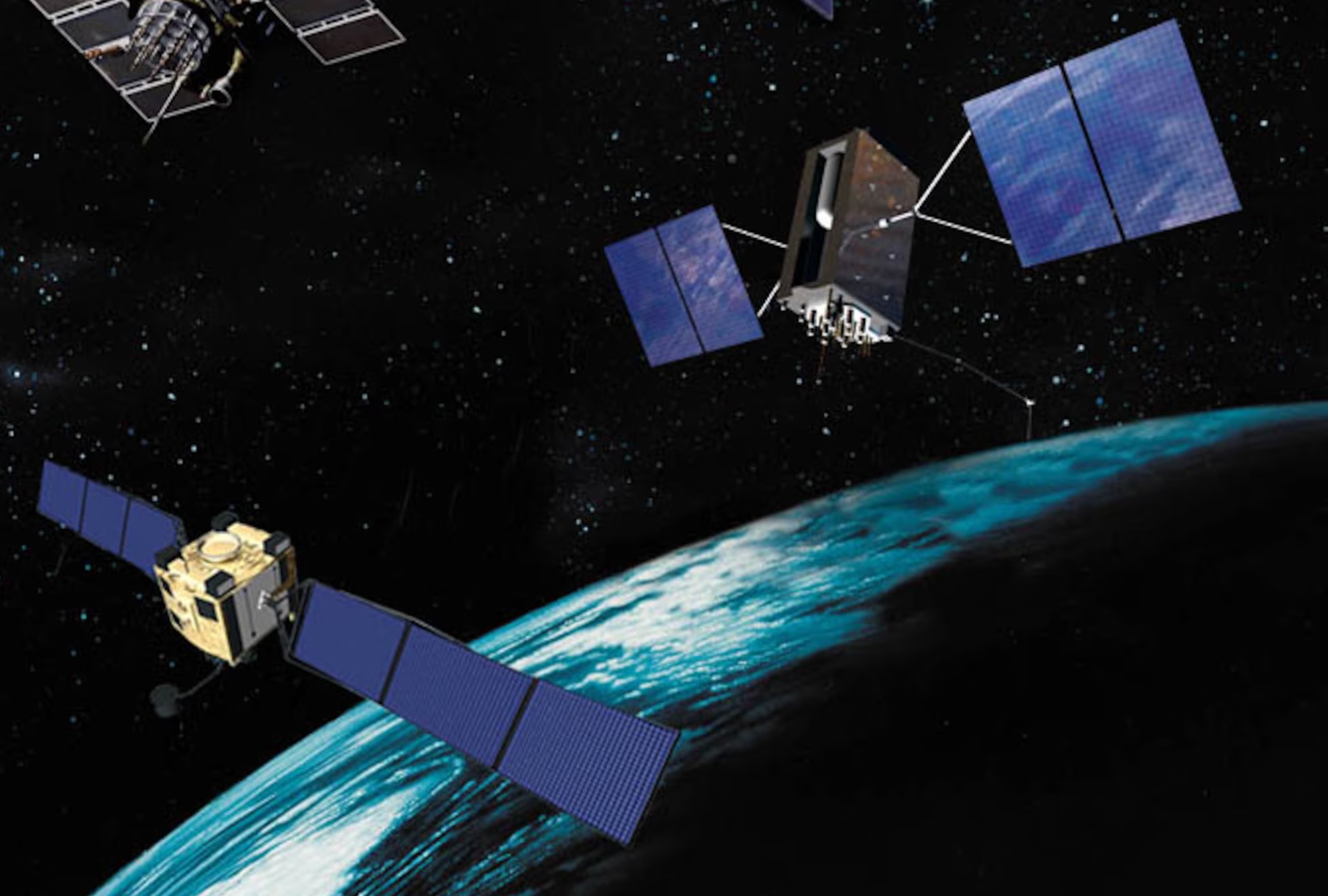 Lockheed Martin Wins $514 Million U.S. Space Force Contract for Two New GPS IIIF Satellites
-
 UK Announces £210 Million Deal to Supply Enriched Uranium to Ukraine for Two Years
-
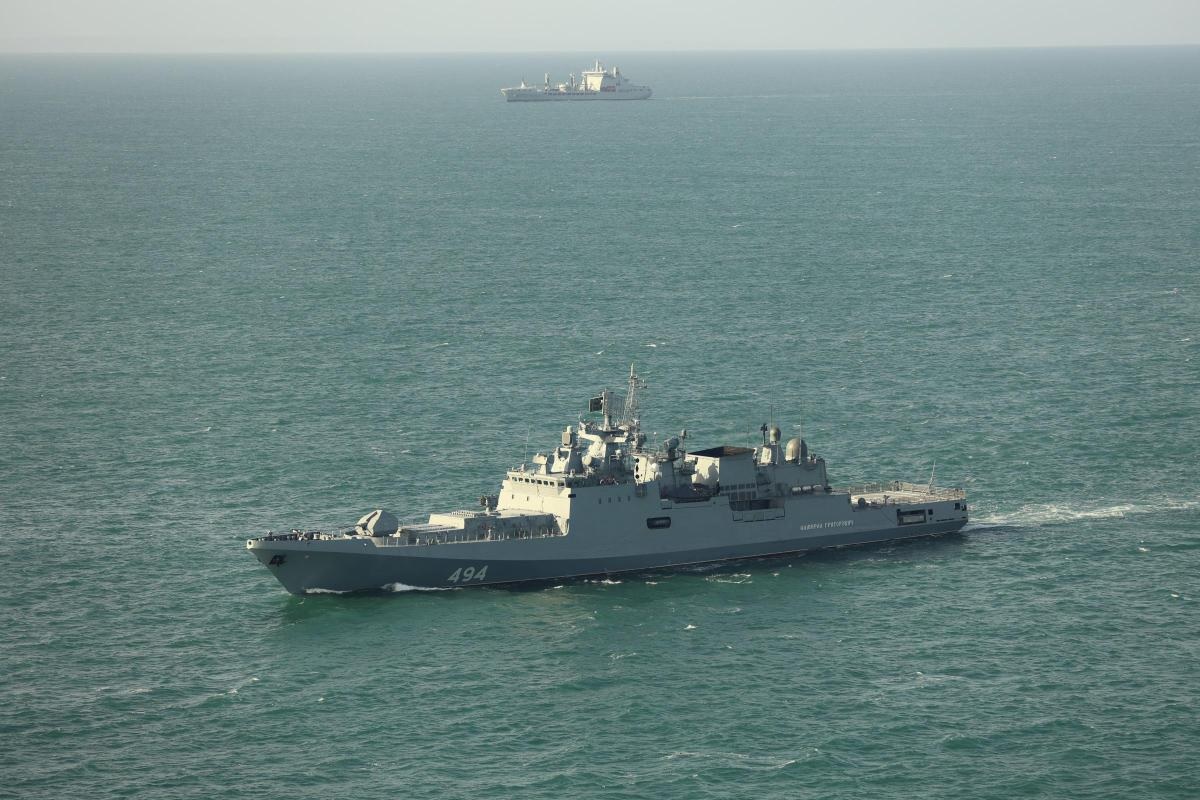 Russian Frigate Admiral Grigorovich Challenges UK Yacht in English Channel With Warning Shots
-
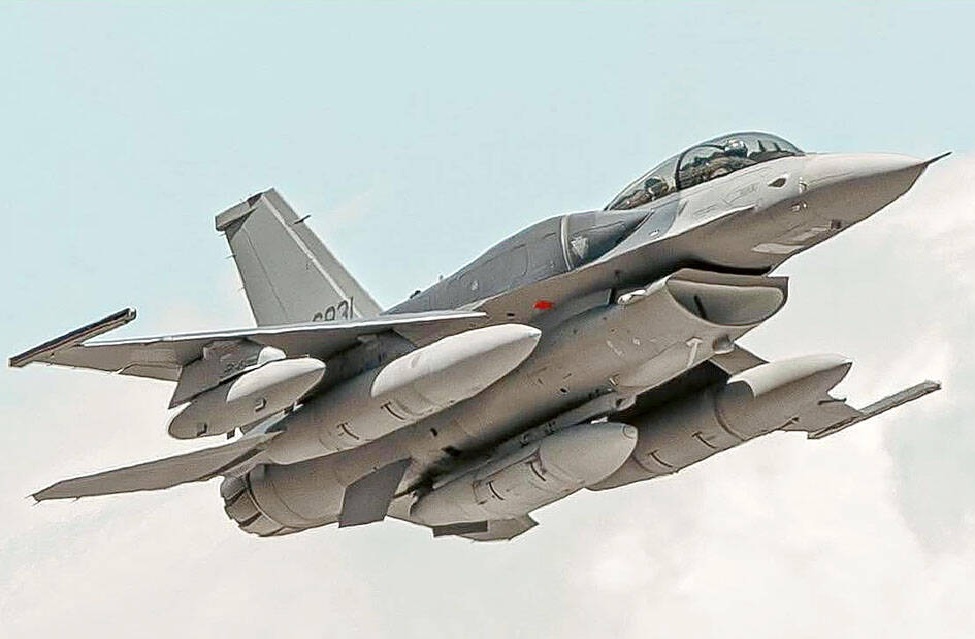 First Taiwanese F-16 Block 70 Flies with Five-Tank Fuel Configuration During Texas Tests
-
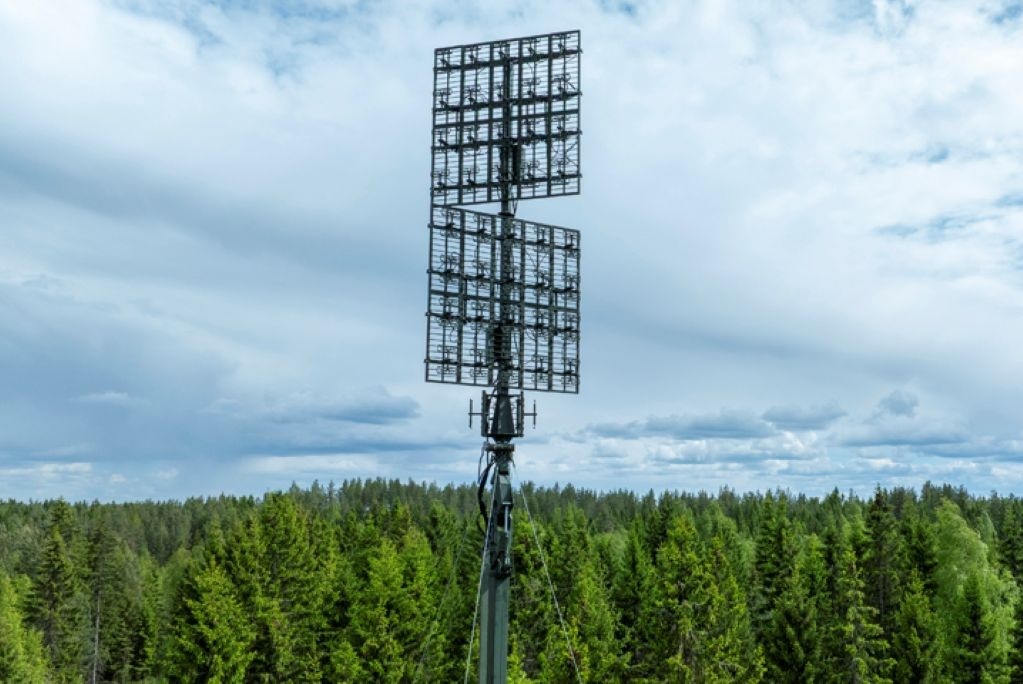 Patria Launches WISPR Passive Counter-Battery Radar with Silent Detection Capability at Eurosatory 2026
-
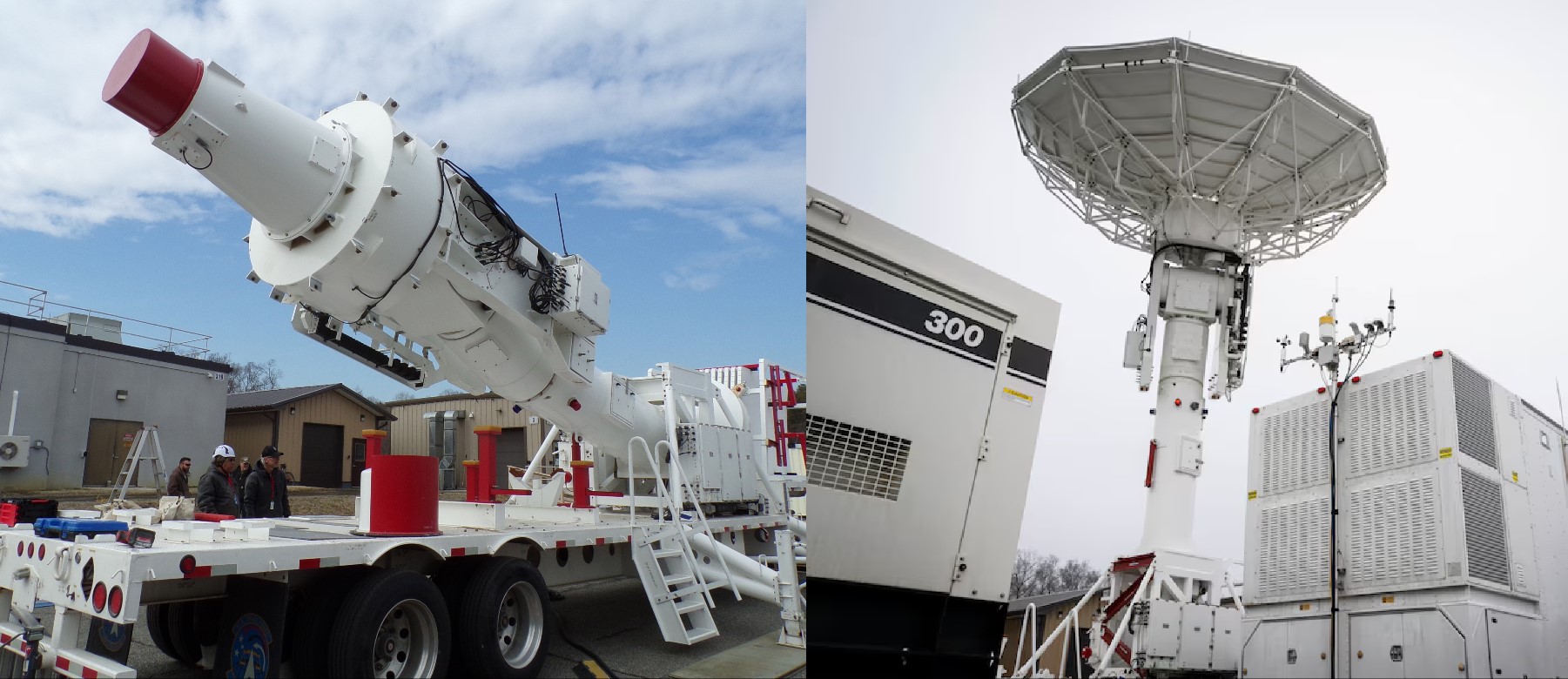 Space Force Transfers Transportable Satellite Tracking Antenna to Naval Research Laboratory
Top Trending in 4 Days
-
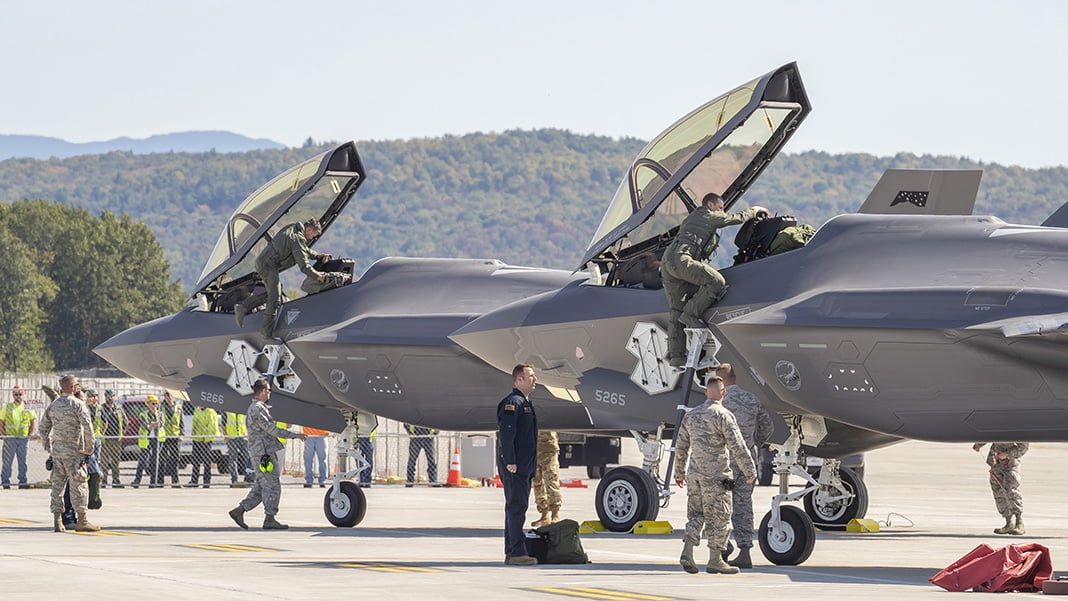 F-35 Fleet Readiness Falls to 25% Amid Parts Shortages and Software Delays: GAO Report
-
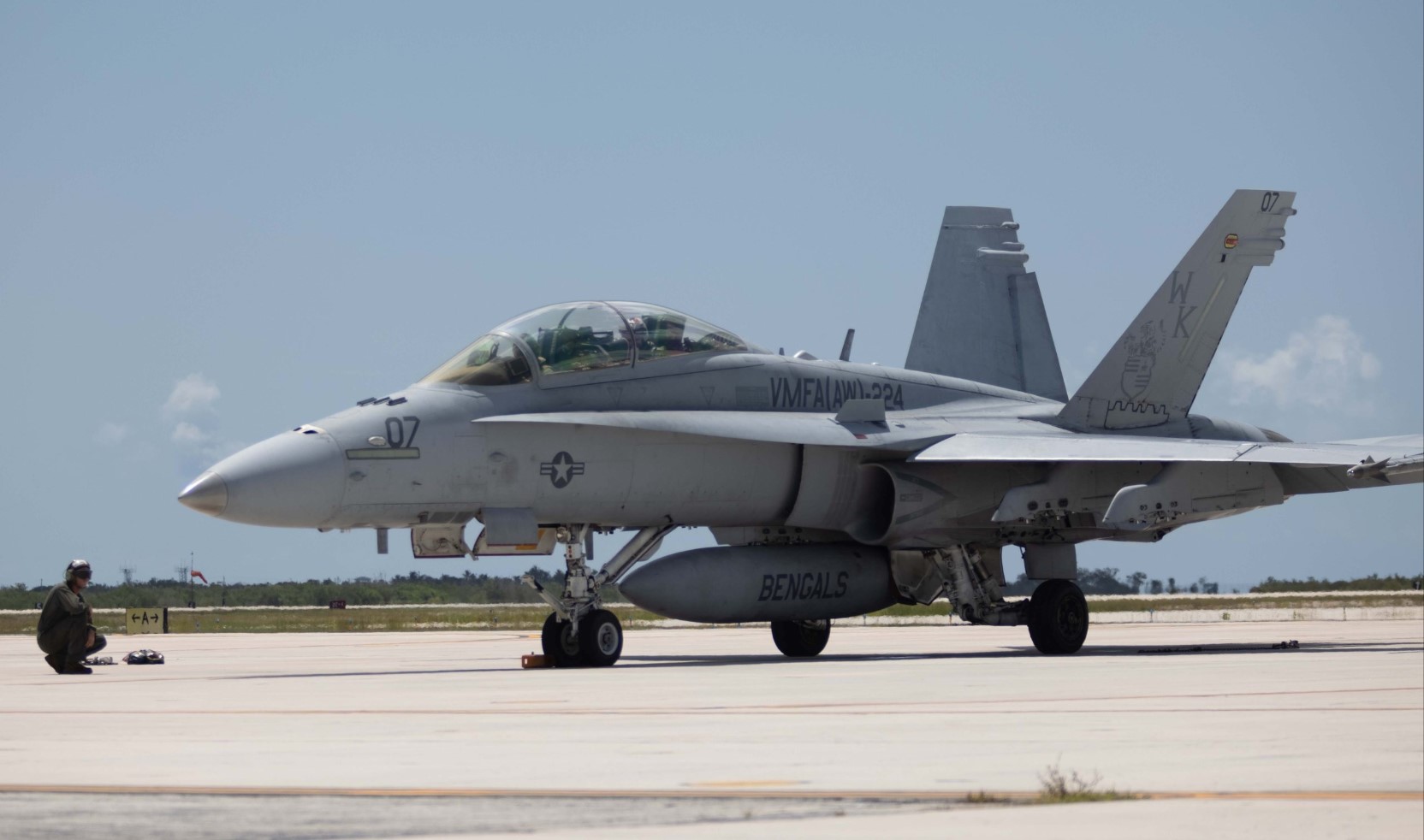 US Marine Corps F/A-18D Hornet Crashes During Training Flight in Washington Mountains; Pilot Ejects Safely
-
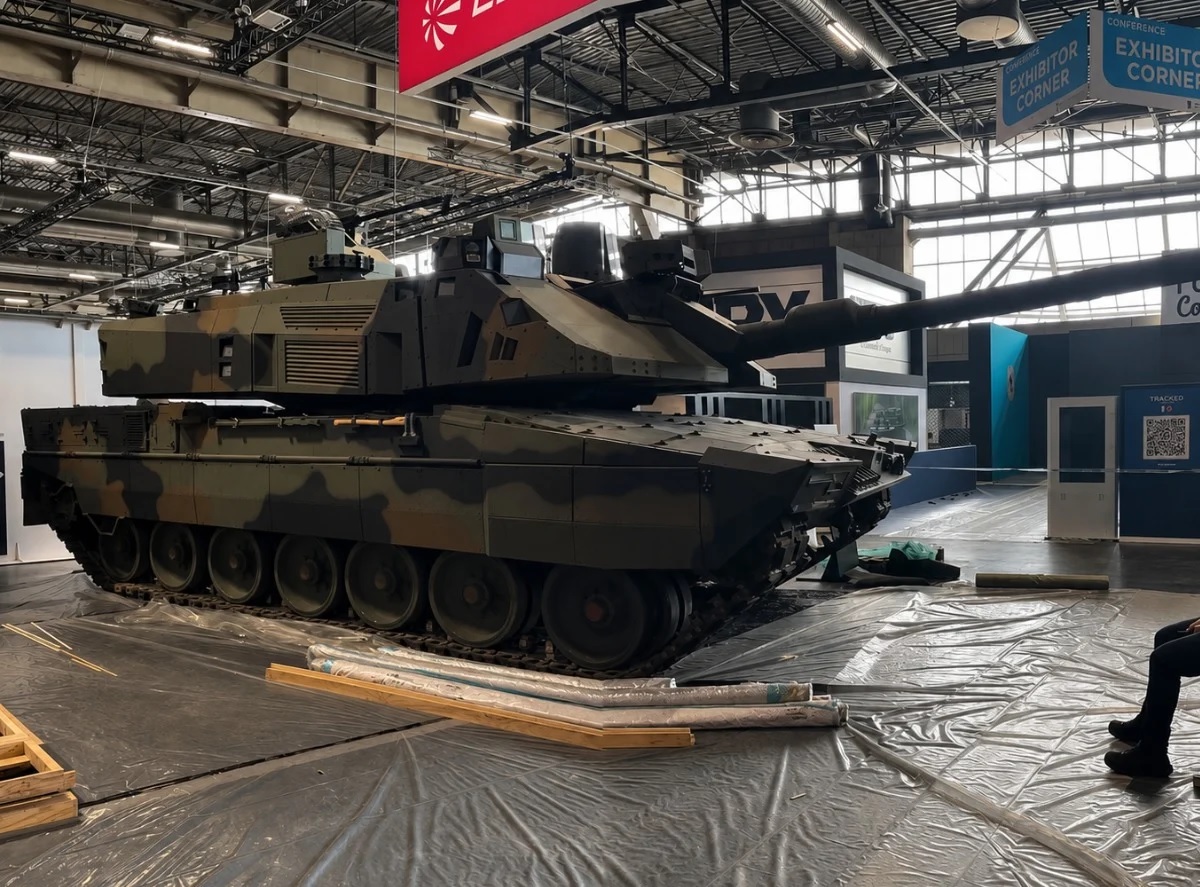 Leonardo Rheinmetall to Unveil Italy’s New IMBT Main Battle Tank at Eurosatory 2026
-
 Tulsi Gabbard Releases Declassified Files Detailing U.S.-Backed Network of 120 Biolaboratories Across 30+ Countries
-
8 U.S. Air Force Crew Members Killed in B-52 Bomber Crash During Test Flight at Edwards Air Force Base
-
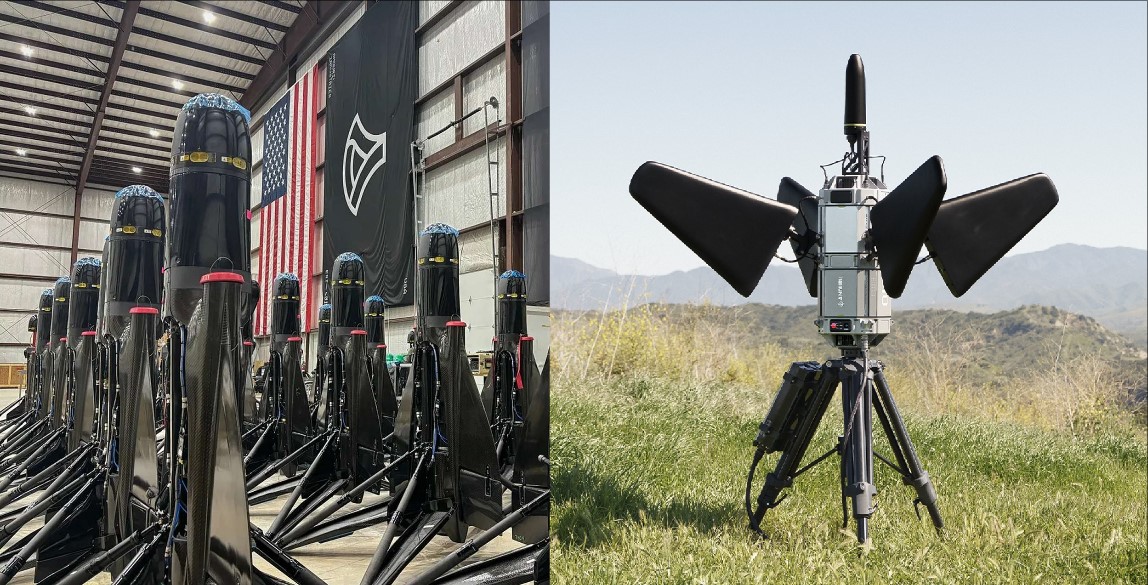 U.S. Approves $1.98 Billion Sale of Anduril AI-Powered Counter-Drone Systems to Kuwait
-
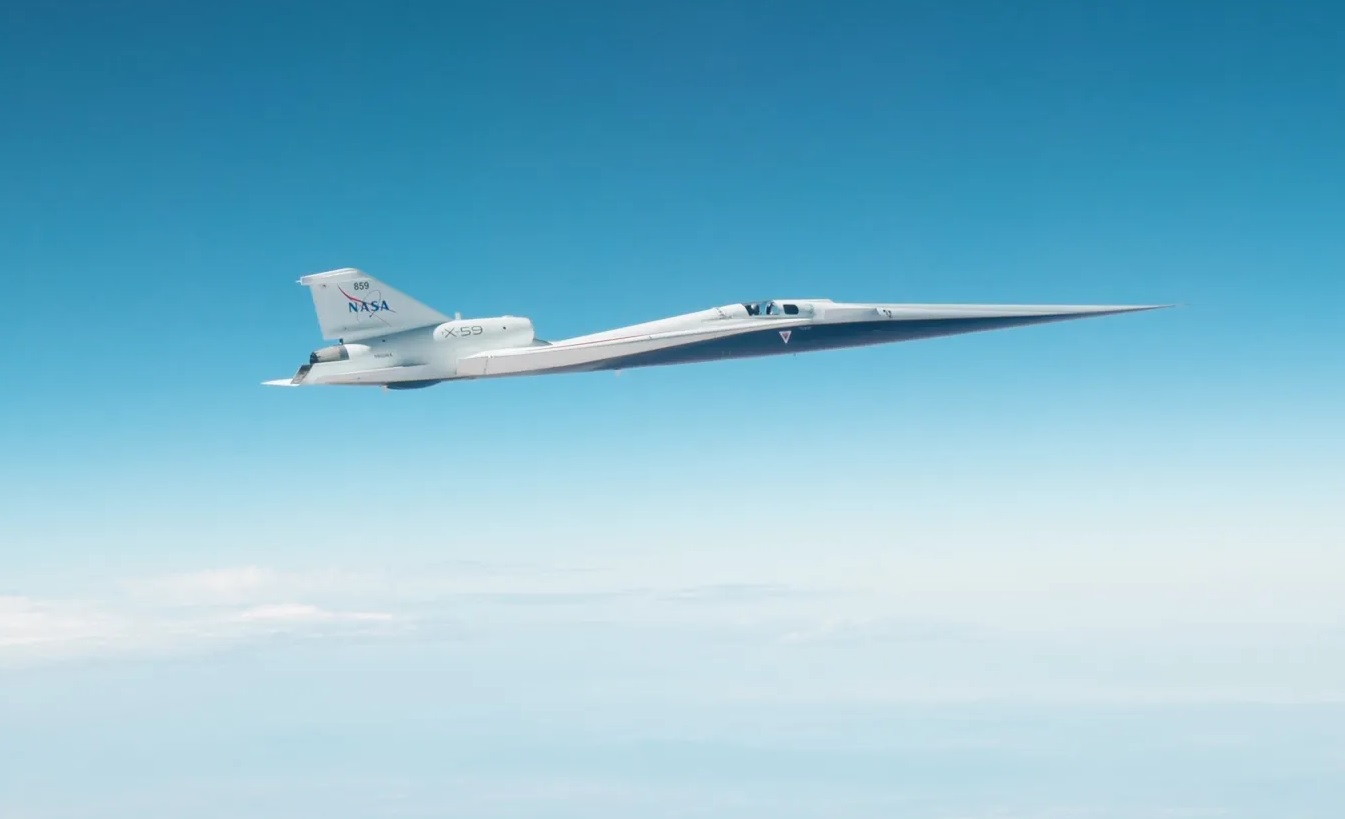 NASA X-59 Achieves Planned Mission Conditions with Mach 1.4 Flight at 55,000 Feet
-
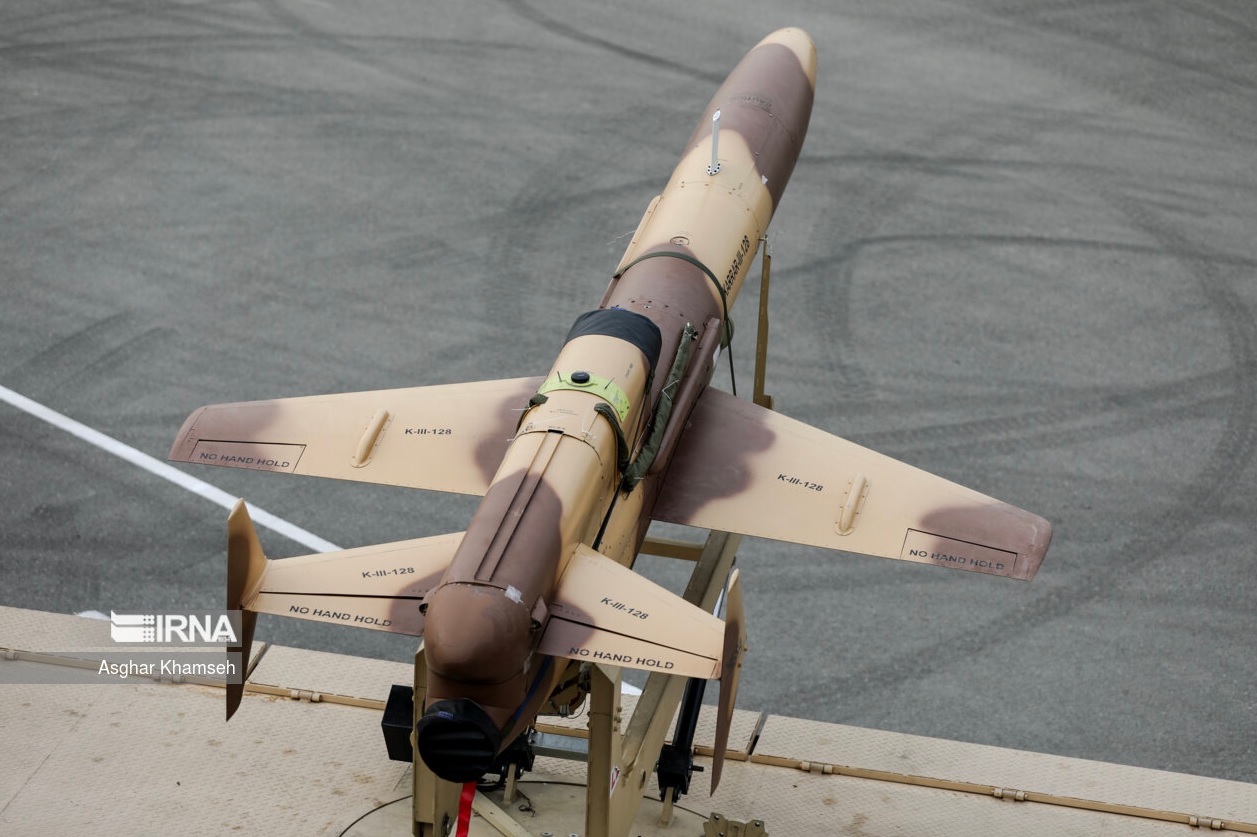 Russia Launches 1,400 Jet-Powered Drones in 2026 as Strike Tactics Evolve to Challenge Ukraine's Air Defenses