
World
In a significant development, the United States has approved a substantial arms sale to Israel, totaling over $7.4 billion. This package includes a diverse array of bombs, missiles, and related military equipment, aiming to bolster Israel's defense capabilities amid ongoing regional tensions. Breakdown of the Arms Package The approved sale is divided into two primary components: Munitions and Equipment ($6.75 billion): This segment comprises various munitions, guidance kits, and fuses. Boeing Co. is among the principal contractors for this portion of the deal. Hellfire Missiles ($660 million): The package includes a significant number of AGM-114 Hellfire missiles, known for their precision and effectiveness in targeting. Strategic Objectives The U.S. Defense Security Cooperation Agency (DSCA) has emphasized that this sale is designed to: Enhance Israel's Defensive Capabilities: By upgrading its arsenal, Israel can better address current and emerging threats, ensuring the protection of its homeland and acting as a deterrent to regional adversaries. Strengthen Homeland Defense: The advanced weaponry will bolster Israel's ability to safeguard its borders, vital infrastructure, and population centers. Contextual Background This approval comes in the wake of Israel's extensive military operations in Gaza, initiated in October 2023, following unprecedented attacks by Hamas. The conflict led to significant devastation in Gaza and widespread displacement. A ceasefire has been in effect since last month, facilitating the release of hostages and a temporary halt to hostilities. Political Dynamics The decision to proceed with this arms sale has not been without controversy. During President Joe Biden's tenure, concerns over civilian casualties led to the suspension of a shipment of 2,000-pound bombs to Israel. However, upon assuming office, President Donald Trump reversed this decision, greenlighting the shipment. While the State Department has approved the current sale, it still requires Congressional consent. Given the strong bilateral ties between the U.S. and Israel, it is anticipated that Congress will endorse the transaction. Technical Specifications of Key Weaponry AGM-114 Hellfire Missiles: These air-to-surface missiles are renowned for their precision targeting capabilities. They are primarily deployed from helicopters and unmanned aerial vehicles (UAVs) to engage armored vehicles, bunkers, and other fortified targets. Guided Bomb Units (GBUs): The package includes various GBUs equipped with advanced guidance systems, enhancing accuracy and reducing collateral damage. These munitions can be deployed in various operational scenarios, providing flexibility to the Israeli Air Force. The U.S.'s approval of this substantial arms sale underscores its unwavering commitment to Israel's security. As the geopolitical landscape of the Middle East continues to evolve, such collaborations are pivotal in maintaining stability and addressing emerging threats.
Read More → Posted on 2025-02-08 14:54:58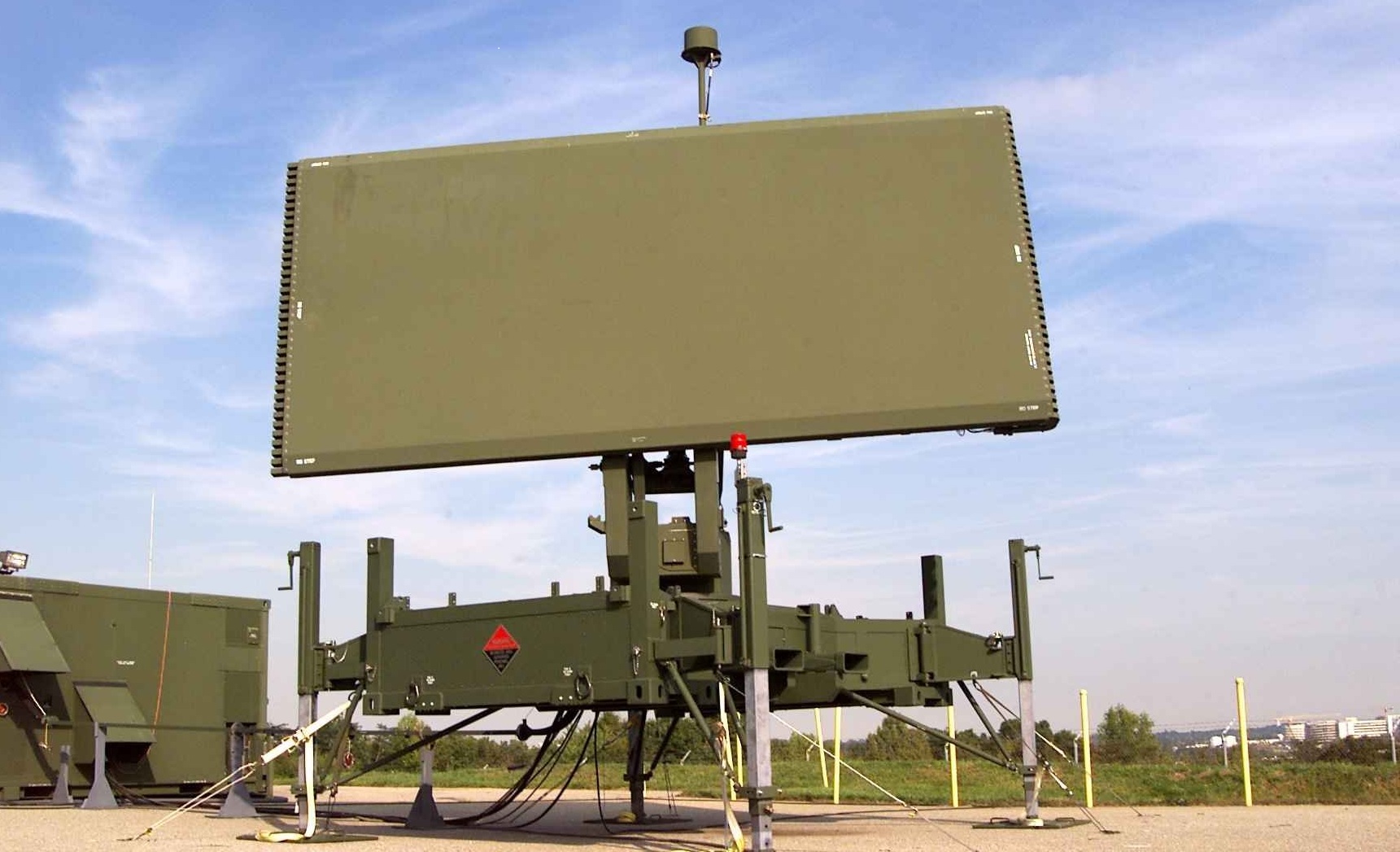
World
In a significant move to bolster Egypt's air defense capabilities, the U.S. State Department has approved a $304 million sale of Northrop Grumman's AN/TPS-78 long-range radar systems to Cairo. This decision underscores the ongoing military cooperation between the United States and Egypt, aiming to enhance regional security and address evolving aerial threats. Key Components of the Sale Egypt's request encompasses: AN/TPS-78 Radars: While the exact number remains unspecified, these advanced radar systems are central to the deal. Associated Equipment: This includes KIV-78 cryptographic devices, GPS units equipped with selective availability anti-spoofing modules, and a range of spare and repair parts to ensure sustained operational readiness. Strategic Advantages for Egypt The integration of the AN/TPS-78 radar systems is set to significantly enhance Egypt's defensive and strategic capabilities: Advanced Detection: The radar's sophisticated technology will improve Egypt's ability to identify and monitor various aerial threats, including high-speed and high-altitude targets. Seamless Integration: Given Egypt's existing array of radar systems, the AN/TPS-78 can be smoothly incorporated into the current defense infrastructure, ensuring a cohesive and fortified air surveillance network. About the AN/TPS-78 Radar System The AN/TPS-78 is a state-of-the-art S-band, 3D air surveillance radar renowned for its performance and reliability: Detection Range: Capable of tracking air and maritime targets up to 240 nautical miles (approximately 444 kilometers or 276 miles), it provides comprehensive situational awareness. Scan Rates: With both 10-second and 5-second scan options, the radar is adept at ground control intercept missions and long-range air surveillance, including the tracking of tactical ballistic missiles. Mobility: Designed for rapid deployment, the AN/TPS-78 can be transported via C-130 cargo planes, helicopters, trucks, and trains, ensuring flexibility in various operational scenarios. Antenna Specifications: The phased array antenna measures 2.5 meters in height and 5.5 meters in width, utilizing a stacked beam architecture and digital beamforming for precise target detection. Broader Context of U.S.-Egypt Defense Relations This radar sale approval follows a series of significant U.S. military equipment sales to Egypt: December 2024: The U.S. approved a substantial sale exceeding $5 billion, which included equipment for 555 U.S.-made M1A1 Abrams tanks and over 2,000 Hellfire air-to-surface missiles. February 2025: In addition to the radar systems, the State Department approved the potential sale of Lockheed Martin's fast missile craft modernization, estimated at $625 million, further strengthening Egypt's naval capabilities. These developments highlight the deepening defense ties between the U.S. and Egypt, reflecting a shared commitment to regional stability and the enhancement of Egypt's military readiness.
Read More → Posted on 2025-02-08 14:51:14
Aero A2Z to Showcase Advanced Battle-Proven Radar Systems for Indian Armed Forces at Aero India 2025
World
Aero A2Z Services Private Limited, a prominent Indian aerospace and defense company, is set to unveil a range of innovative, battle-proven radar systems tailored for the Indian Armed Forces at Aero India 2025. These software-based radars are designed to be flexible and adaptable, addressing both current and emerging threats to enhance India's defense capabilities. Diverse Radar Applications The radar systems introduced by Aero A2Z encompass a variety of applications, including: Very Short to Medium Range Detection and Tracking Systems: These systems are engineered to identify and monitor targets within short to medium distances, ensuring timely threat assessment. Counter-Unmanned Aerial Systems (C-UAS): With the increasing prevalence of unmanned aerial vehicles, these radars are crucial for detecting and neutralizing potential drone threats. Fire Control (FC) Systems: These systems provide precise targeting information to enhance the accuracy and effectiveness of weaponry. Counter Rocket, Artillery & Mortar (C-RAM): Designed to detect and intercept incoming projectiles, these radars offer automatic sense and warn (AS&W) capabilities to protect personnel and assets. Active Protection Systems (APS) and Force Protection: These radars contribute to safeguarding military forces by detecting and responding to various threats in real-time. Strategic Collaboration with DRS RADA Technologies Aero A2Z has entered into a strategic collaboration with DRS RADA Technologies, a global leader in radar technologies. This partnership focuses on technology transfer and knowledge sharing, aiming to integrate advanced radar solutions into India's defense infrastructure. DRS RADA's radar systems are currently deployed by the armed forces of over 30 countries, including the United States Army, Air Force, Marine Corps, Special Operations Forces, and the Israeli Defense Forces. Key Radar Systems and Specifications Among the radar systems expected to be showcased are: Improved and Enhanced Multi-Mission Hemispheric Radar (ieMHR): This radar features an Active Electronically Scanned Array (AESA) antenna, providing a 90° azimuth and 90° elevation coverage per unit. When four units are combined, they offer full 360° hemispheric coverage. The ieMHR is capable of detecting nano UAVs at ranges up to 10 km, medium-sized UAVs up to 45 km, and fighter aircraft up to 65 km. It operates on a 28 V power supply with an average power consumption of 790 W and weighs approximately 58 kg. Enhanced & Extended Multi-Mission Hemispheric Radar (exMHR): This system also utilizes an AESA antenna with similar spatial coverage capabilities. It is designed for extended range detection and enhanced performance in cluttered environments. The exMHR operates passively, eliminating the need for active cooling systems. Next-Gen Multi-Mission Hemispheric Radar (nMHR): Incorporating innovative GaN switching technology, the nMHR offers superior performance against low-signature targets and provides fire control accuracies. It features a planar T/R architecture with direct RF sampling and digital beamforming. The radar can detect nano UAVs up to 8 km away, medium-sized UAVs up to 36 km, and fighter aircraft up to 52 km. It consumes approximately 700 W of power and weighs around 40 kg. Commitment to India's Defense Ecosystem This collaboration aligns seamlessly with India's existing defense ecosystem, encompassing both Defense Public Sector Undertakings (DPSUs) and private defense industries. Aero A2Z is poised to support various system integrators and technology aggregators with its state-of-the-art technological expertise. The partnership with DRS RADA is already contributing to achieving self-reliance and enabling subsystem-level exports. Leadership Perspectives Vikas Batra, Director of Aero A2Z, expressed pride in introducing world-class technologies to bolster India's defense preparedness. He emphasized the goal of providing India-specific solutions, combined with international expertise, to meet the operational requirements of Indian security forces. Batra also highlighted the establishment of a state-of-the-art facility near Gurugram, set to become operational within the next few months, to meet the growing demand for their services. Alon Amitay, Vice President of Business Development at DRS RADA Technologies, underscored India's central role in their global strategy, emphasizing compliance with the Make-in-India initiative. He expressed confidence that their products and local industrial presence will support India's vision for operational superiority, technological sovereignty, and export ambitions. The battle-proven radar solutions, successfully deployed across 30 countries, including the U.S. Armed Forces, align perfectly with India's defense modernization trends. Through the partnership with Aero A2Z, an enduring local industrial presence is being established to support current and future programs, fostering positive relationships with local users and industrial partners. As artillery systems and drones play increasingly critical roles in shaping battlefield outcomes globally, the solutions offered by Aero A2Z are vital for the safety and security of India's military and economic assets. They provide the technological edge needed to address the growing sophistication and proliferation of threats.
Read More → Posted on 2025-02-08 14:38:49
World
In a significant move to enhance the operational capabilities of its military, the Hellenic Armed Forces have introduced a state-of-the-art combat uniform tailored to meet the demands of contemporary warfare. Defense Minister Nikos Dendias presented the "Fighter's Uniform" during a ceremony at the Hellenic Army Academy, emphasizing its role in the nation's broader military modernization strategy. Key Features of the Fighter's Uniform The new uniform is designed around five core principles: survival, firepower, communications, awareness, and versatility. These principles ensure that soldiers are better equipped to handle the multifaceted challenges of modern battlefields. Advanced Components: Helmet: The uniform includes a next-generation helmet designed for enhanced protection and comfort. Body Armor: Upgraded body armor offers improved ballistic protection while maintaining mobility. First-Aid Kit: An integrated first-aid kit ensures immediate access to medical supplies in critical situations. Footwear and Clothing: Specially designed shoes and garments are equipped with biometric sensors to monitor soldiers' vital signs, providing real-time health data. Enhanced Capabilities: Lightweight Materials: Constructed from modern, lightweight materials, the uniform reduces the physical burden on soldiers, allowing for greater agility and endurance. Blue Force Tracking System: A built-in tracking system enhances situational awareness by providing real-time locations of friendly forces, thereby minimizing the risk of friendly fire incidents. Advanced Communication Gear: The uniform is equipped with cutting-edge communication devices, facilitating seamless coordination among units and enabling rapid decision-making during operations. Investment in Modernization This comprehensive combat gear program represents a significant investment in Greece's defense capabilities, with a total expenditure of 204 million euros (approximately $212 million). The initiative is a cornerstone of Greece's "Agenda 2030," a strategic plan aimed at modernizing and strengthening the country's military forces. Agenda 2030: A Vision for the Future "Agenda 2030" is a transformative initiative that seeks to align Greece's military capabilities with the evolving landscape of global security threats. The program focuses on fostering innovation, sustainability, and technological advancement within the armed forces. Key objectives include upgrading military healthcare facilities, launching new housing programs for service members, and acquiring advanced defense systems such as FDI frigates and Rafale fighter jets. Defense Minister Dendias highlighted the significance of these upgrades, stating that they not only enhance the operational effectiveness of the military but also renew the deep connection between the armed forces and Greek society. He emphasized that the reforms are designed to create a more robust and technologically advanced military, capable of responding to emerging security challenges. A Commitment to Excellence The unveiling of the Fighter's Uniform marks a pivotal step in Greece's ongoing efforts to modernize its military infrastructure and capabilities. By investing in advanced technology and comprehensive training, the Hellenic Armed Forces are positioning themselves to effectively address the complexities of modern warfare and uphold national security. As Greece continues to implement its "Agenda 2030" reforms, the nation reaffirms its commitment to maintaining a strong and capable military, ready to protect its interests and contribute to regional stability.
Read More → Posted on 2025-02-07 15:47:30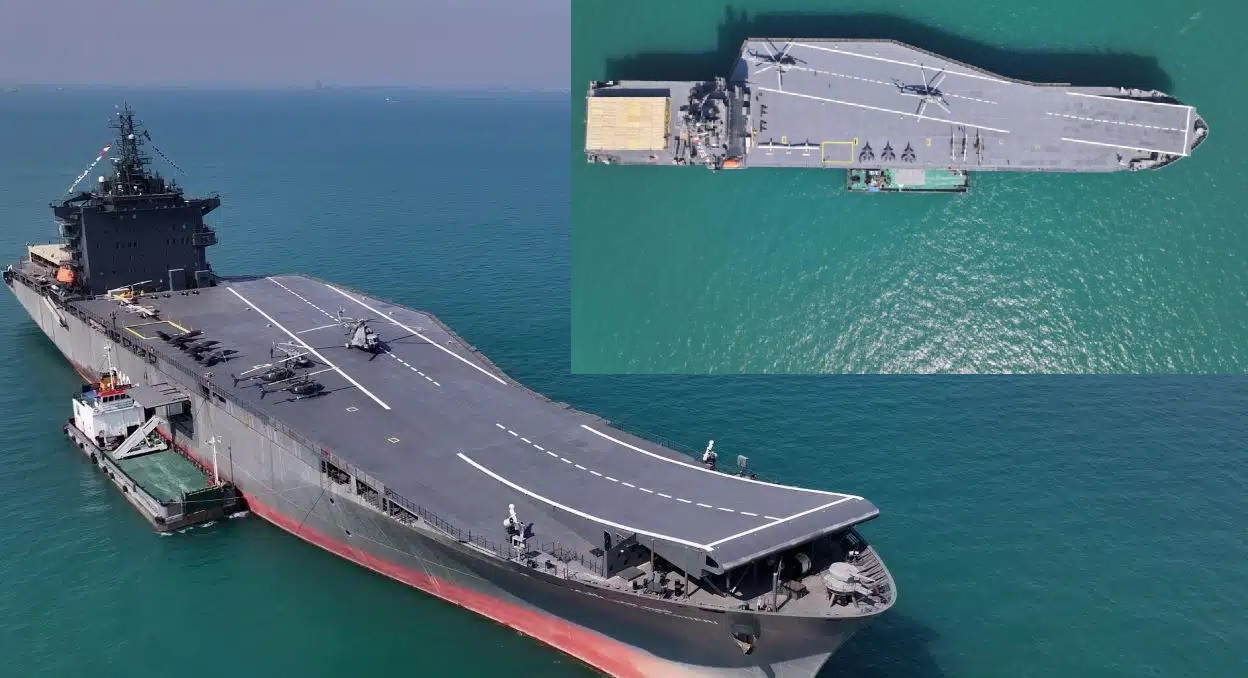
World
Iran has taken a significant step in expanding its naval capabilities with the introduction of the Shahid Bahman Bagheri, a homegrown drone carrier that now forms part of the Islamic Revolutionary Guard Corps (IRGC) naval fleet. The vessel was officially delivered during a high-profile ceremony in Bandar Abbas, attended by Rear Admiral Alireza Tangsiri, Commander of the IRGC Navy. This development is being hailed as a major advancement in Iran’s maritime strategy, enabling long-range operations and boosting the country’s power projection in distant waters. From Cargo Ship to Drone Carrier The Shahid Bahman Bagheri is a striking example of military innovation, transformed from a commercial container ship—originally named Perarin—into a formidable drone carrier over a two-year period (2022–2024). This 240-meter-long vessel, with a displacement exceeding 40,000 tons, is designed to serve as a mobile airbase for Iran’s growing fleet of unmanned aerial vehicles (UAVs). It features a 180-meter flight deck equipped with a ski-jump ramp, optimized for drone takeoff and recovery. Powered by a MAN B&W Type 8 S70 MC-C diesel engine, the carrier boasts a top speed exceeding 20 knots, giving it the agility required for extended naval operations. One of its most impressive features is its extraordinary operational endurance. According to Rear Admiral Tangsiri, the Shahid Bahman Bagheri has a range of 22,000 nautical miles, allowing it to remain at sea for a full year without refueling—a capability that dramatically extends Iran’s naval reach. Unmanned Firepower: Qaher-313 UAVs Take Flight The Shahid Bahman Bagheri is designed to accommodate a variety of UAVs, with recent footage confirming the deployment of Qaher-313 drones on its flight deck. These drones, believed to be powered by Jahesh-700 turbofan engines, are compact yet capable of executing short-runway landings without the need for visible arresting gear. This suggests that Iran has refined the control and maneuverability of its drone fleet, potentially enabling precise strike missions and surveillance operations from sea-based platforms. In addition to UAVs, the carrier can also deploy two helicopters, significantly enhancing its reconnaissance and rapid-response capabilities. While the exact number of UAVs stationed on board remains undisclosed, the vessel’s large deck space suggests a capacity for multiple drones, enabling sustained aerial operations. Advanced Defense and Intelligence Capabilities Beyond its drone-launching abilities, the Shahid Bahman Bagheri is equipped with a suite of advanced defense and surveillance systems. Reports indicate the presence of short- and medium-range air defense systems, electronic warfare (EW) suites, and Signals Intelligence (SIGINT) and Electronic Support Measures (ESM) capabilities, making it a highly versatile naval asset. Perhaps most notably, Rear Admiral Tangsiri revealed that the carrier is also capable of deploying and operating guided unmanned underwater vehicles (UUVs)—a feature that could significantly bolster Iran’s maritime surveillance and submarine warfare tactics. This multi-domain capability suggests that the IRGC Navy is expanding its focus beyond traditional naval engagements, integrating aerial, surface, and sub-surface warfare strategies into a single platform. Strategic Implications: A New Era for Iran’s Navy The addition of the Shahid Bahman Bagheri to Iran’s naval arsenal marks a crucial shift in the country’s maritime strategy. Unlike traditional aircraft carriers, which rely on manned fighter jets, Iran’s approach centers around unmanned systems, reducing logistical challenges while increasing operational flexibility. By fielding a drone carrier with such extensive endurance, Iran is effectively signaling its intent to operate in strategic waterways far beyond the Persian Gulf—including the Red Sea, Indian Ocean, and potentially even the Mediterranean. This could have significant implications for regional security, particularly as tensions persist between Iran and Western naval forces operating in the region. Rear Admiral Tangsiri emphasized that the deployment of the Shahid Bahman Bagheri strengthens Iran’s defense and deterrence in international waters, allowing the country to better safeguard its national interests. Given the increasing role of drones in modern warfare, this move aligns with Iran’s broader military doctrine, which places heavy emphasis on asymmetric and unmanned warfare capabilities. With its impressive endurance, advanced drone capabilities, and multi-domain warfare potential, the Shahid Bahman Bagheri represents a major leap forward in Iran’s naval ambitions. The IRGC’s strategy of repurposing commercial vessels into drone carriers suggests a cost-effective yet highly capable approach to expanding its maritime reach. As the vessel begins operations, global defense analysts will be closely monitoring its deployment patterns and testing capabilities. Whether this carrier proves to be a genuine game-changer or simply a symbolic show of strength, one thing is clear: Iran has entered the era of naval drone warfare, and the Shahid Bahman Bagheri is its first step into uncharted waters.
Read More → Posted on 2025-02-07 15:41:03
World
In a significant development, Iran's Supreme Leader, Ayatollah Ali Khamenei, has firmly dismissed the prospect of engaging in nuclear negotiations with the United States. He described such discussions as neither "intelligent, wise, nor honorable," thereby casting doubt on the potential for diplomatic resolutions concerning Iran's advancing nuclear program. A History of Distrust Khamenei's skepticism is deeply rooted in past interactions with the U.S., particularly the 2018 withdrawal of the United States from the Joint Comprehensive Plan of Action (JCPOA). This agreement, established in 2015, required Iran to significantly limit its uranium enrichment activities in return for the lifting of economic sanctions. The unilateral exit by the U.S. and the subsequent reinstatement of stringent sanctions have been cited by Khamenei as evidence of American unreliability in honoring agreements. Internal Divergence on Diplomacy The Supreme Leader's recent statements have introduced ambiguity into Iran's internal discourse on foreign policy. Just a day prior, President Masoud Pezeshkian, known for his reformist stance, expressed a willingness to engage in dialogue with Western nations. He emphasized Iran's openness to extensive inspections by the International Atomic Energy Agency (IAEA), asserting that verifying Iran's non-pursuit of nuclear weapons is a straightforward task. This openness aligns with Iran's longstanding position that its nuclear ambitions are solely for peaceful purposes. Escalating Nuclear Activities Despite these assurances, Iran has notably increased its uranium enrichment levels, reaching 60% purity—a short technical step from weapons-grade levels of 90%. This escalation has heightened international concerns, especially given that U.S. intelligence agencies acknowledge Iran's capacity to produce nuclear weapons, though they assess that Tehran has not yet decided to do so. U.S. Mixed Signals Concurrently, the U.S. administration under President Donald Trump has exhibited a blend of conciliatory and confrontational approaches. While Trump has indicated a preference for a "Verified Nuclear Peace Agreement" that would allow Iran to "peacefully grow and prosper," his administration has simultaneously intensified sanctions, particularly targeting firms involved in the shipment of Iranian crude oil to China. These actions have been perceived by Iran as unjustified and contrary to international norms. Regional Implications The Supreme Leader's remarks also touched upon broader geopolitical issues, including recent U.S. proposals concerning the resettlement of displaced Palestinians from Gaza. Khamenei criticized such initiatives, asserting that American attempts to redraw regional maps are baseless and warning of reciprocal actions if Iran's security is threatened. Future Prospects The divergence between Iran's highest authority and its elected president creates uncertainty about the nation's future diplomatic direction. While the Supreme Leader's pronouncements carry significant weight, the openness expressed by President Pezeshkian suggests potential avenues for negotiation remain, albeit fraught with internal and external challenges. As the situation evolves, the international community remains watchful, recognizing that Iran's nuclear trajectory and its relations with the U.S. hold profound implications for regional and global stability.
Read More → Posted on 2025-02-07 15:23:59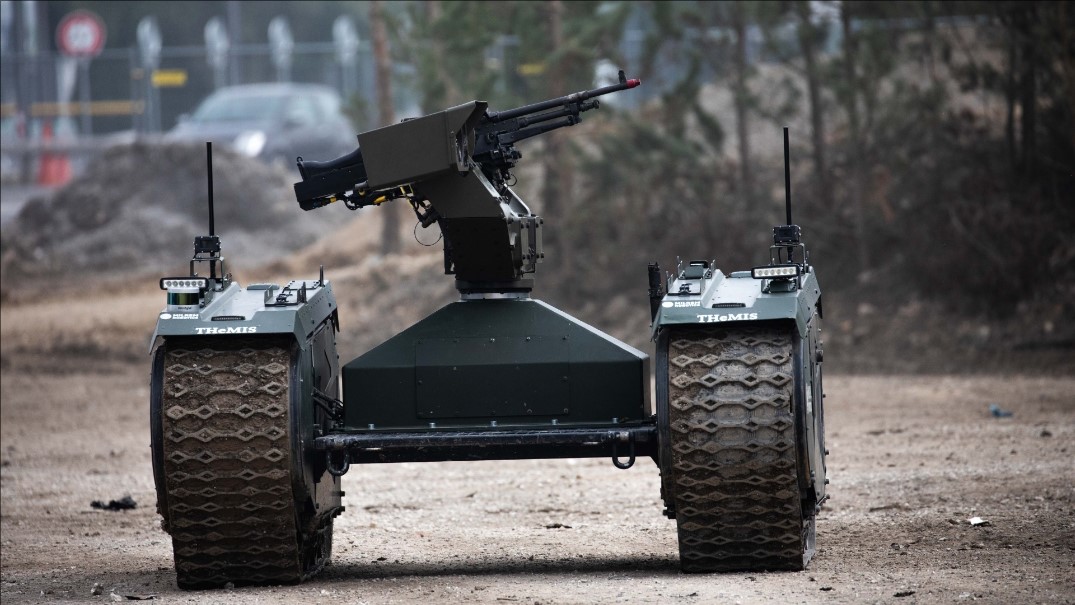
World
In a groundbreaking move to enhance its military capabilities, Ukraine has initiated the integration of full-fledged robotic units into its frontline brigades. This strategic advancement aims to bolster operational efficiency and safeguard soldiers in the ongoing conflict with Russia. A Leap in Military Innovation Defense Minister Rustem Umerov recently unveiled this development, highlighting the deployment of unmanned ground vehicles (UGVs) equipped with mounted weaponry. He emphasized that Ukraine is ramping up the production of these systems and embedding them within combat brigades at the frontline. This initiative follows a series of rigorous trials conducted since the summer of 2024, ensuring the systems' readiness for active deployment. Diverse Roles of Robotic Units The newly integrated robotic units are designed to undertake a variety of critical missions: Offensive and Defensive Operations: UGVs can engage in direct combat, providing support during attacks and bolstering defenses against enemy forces. Logistical Support: These robots are capable of transporting essential supplies, such as ammunition and equipment, across challenging terrains, ensuring timely delivery to troops. Medical Evacuation: One notable example is the FoxTac unmanned evacuation and logistics vehicle. This four-wheeled transporter can discreetly navigate the battlefield to retrieve injured personnel, operating up to 700 meters from the operator. Its low-profile design and minimal noise output make it ideal for such sensitive missions. Mine Clearance: Robotic units can safely conduct demining operations, clearing paths for advancing troops and reducing the risk of casualties from hidden explosives. Preserving Soldier Lives A primary motivation behind this technological integration is the preservation of human life. By assigning hazardous tasks to unmanned systems, Ukraine aims to minimize soldier exposure to danger, thereby reducing casualties in critical combat zones. Defense Minister Umerov stated, "We continue to transform the Armed Forces of Ukraine into a modern army that has a technological advantage over the enemy." Building an 'Army of Robots' In 2023, Ukraine announced an ambitious plan to develop an "Army of Robots," intending to deploy tens of thousands of robotic vehicles to counter Russian forces. This strategy leverages the nation's defense industry's expertise in creating sophisticated unmanned platforms. To support this initiative, approximately 100 domestically-built UGVs have been tested in various environments, leading to the military authorization of several robotic platforms, including the logistics robot "Zmiy" and the robotic mini-tank "Lyut." A Technological Edge in Modern Warfare The integration of robotic units signifies a transformative shift in Ukraine's military strategy, aiming to achieve a technological edge over adversaries. By embracing innovation and modernizing its armed forces, Ukraine is not only enhancing its combat effectiveness but also setting a precedent for the future of warfare. As these robotic systems become more prevalent on the battlefield, they are expected to play a pivotal role in shaping the dynamics of the ongoing conflict and beyond.
Read More → Posted on 2025-02-07 15:06:59
World
In November, L3Harris Technologies showcased its latest advancement in robotic technology to the UK Ministry of Defence (MOD) operators during an event at the Defence Science and Technology Laboratory (Dstl). The demonstration, held at MOD Kineton, featured a dual-arm robotic payload specifically designed for explosive ordnance disposal (EOD) and other intricate missions. Since 2011, L3Harris has been collaborating with Dstl on robotics research, culminating in the integration of a dual-arm system onto existing robotic platforms. This innovative payload was successfully mounted on the T7 robot, incorporating HDT Global’s Adroit dual-arm manipulator, all controlled via L3Harris’ advanced haptic controller. Key Features of the Dual-Arm Robotic System: Enhanced Dexterity and Strength: The dual-arm system offers operators a blend of high-strength lifting capabilities and precise movements, enabling tasks such as unzipping bags or dismantling pipe bomb casings. This combination of flexibility and range of motion allows for faster and more efficient threat neutralization compared to traditional single-arm systems. Advanced Haptic Feedback: L3Harris’ haptic control system provides operators with tactile feedback, enhancing precision and reducing workload by 20%. Research with the U.S. Army Research Lab confirms that this system also shortens task completion times by the same margin. Versatile Application: Beyond EOD tasks, experts from various defense fields are exploring the dual-arm system's potential applications in chemical, biological, radiological, nuclear (CBRN), and explosives detection missions. Specifications of the T7 Robotic System: Weight: 710 lbs (322 kg) with arm and batteries installed. Dimensions: 47.3 x 27.6 x 45.7 inches (120.1 x 70.1 x 116.1 cm). Power: Operates for over 8 hours, depending on the task, powered by 12 BB-2590 batteries. Speed: Exceeds 5 mph (8 kph). Mobility: Equipped with a skid steer track system, it can climb stairs and slopes over 45° and traverse lateral slopes over 30°. Manipulator Reach: Offers a horizontal reach of 87 inches (2.2 m) and a vertical reach of 122 inches (3.1 m). Lift Capacity: Can lift over 250 lbs (113 kg) near the chassis and 60 lbs (27 kg) at full extension. Gripper: Features a force-sensing gripper with a non-conductive wire cutter. Disruptor Support: Capable of supporting up to four disruptors, including two large disruptors such as PAN, PIGSTICK, HOTROD, and RE70. The demonstration also highlighted another T7 robot equipped with deployable sensor applications for realistic mission scenarios. L3Harris’ T7 and T4 robotic platforms are already in service with military forces in the UK, U.S., and Australia, underscoring their proven reliability and effectiveness in real-world operations. Dr. Paul Bosscher, Advanced Concept Engineer at L3Harris, emphasized the significance of gathering feedback from MOD personnel who may deploy the system in real-world scenarios. He noted that discussions at the event indicated broader applications beyond EOD, opening new possibilities for defense and security operations. This demonstration marks a significant milestone in robotic technology, showcasing L3Harris' commitment to enhancing operational capabilities and ensuring the safety of defense personnel through innovative solutions.
Read More → Posted on 2025-02-07 15:03:50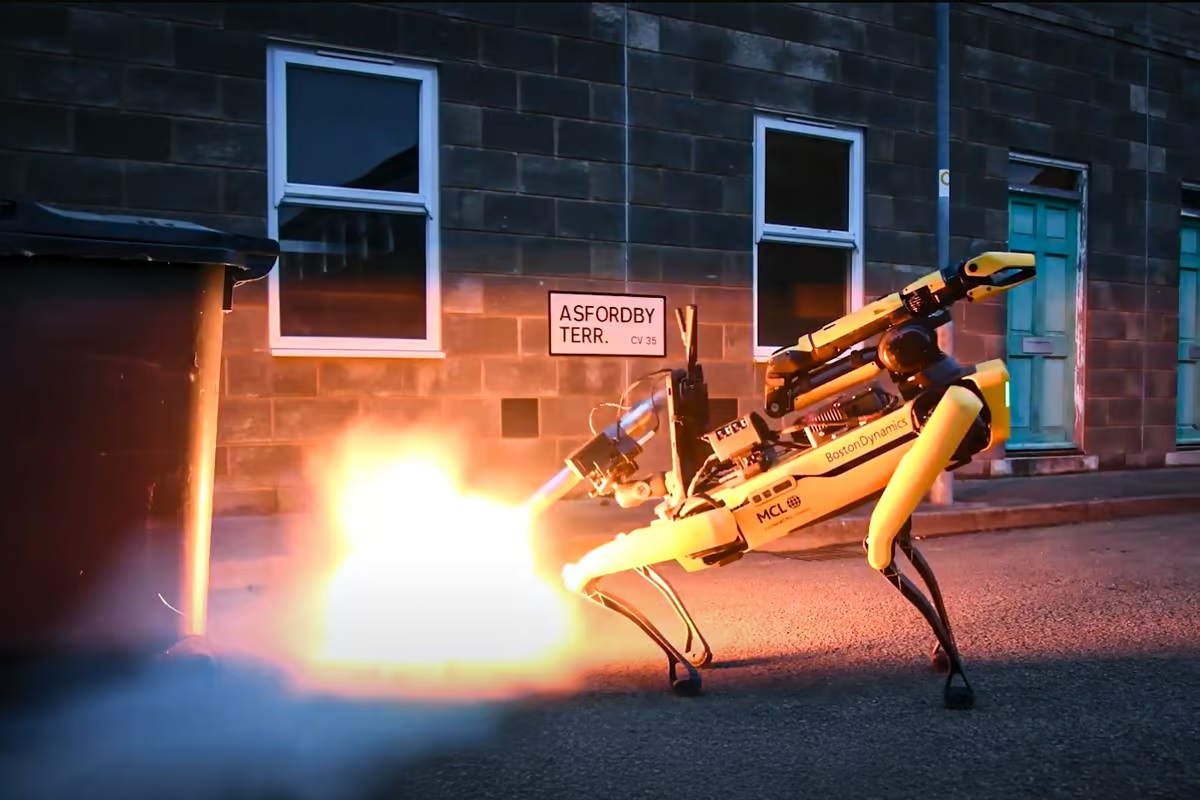
World
In a groundbreaking move to enhance safety and efficiency in bomb disposal operations, the UK's Ministry of Defence (MoD) has been actively integrating advanced robotic technologies into its explosive ordnance disposal (EOD) units. A significant development in this endeavor is the deployment of quadruped unmanned ground vehicles (Q-UGVs), commonly referred to as "robot dogs," designed to detect and neutralize explosive threats. Advanced Capabilities of Robotic Dogs These robotic dogs are equipped with state-of-the-art artificial intelligence (AI) and a suite of sensors that enable them to autonomously navigate complex environments. Their capabilities include: Autonomous Navigation: The robots can traverse challenging terrains, climb stairs, and maneuver through narrow spaces, making them ideal for urban settings where explosive devices may be concealed. Obstacle Interaction: They possess the ability to open and close doors, allowing access to areas that might be inaccessible to traditional wheeled robots. Threat Detection and Neutralization: Upon identifying an improvised explosive device (IED), the robotic dog can deploy disruptors to safely neutralize the threat, thereby minimizing the risk to human operators. Recent Trials and Developments In a recent four-day trial led by the Defence Science and Technology Laboratory (Dstl), various robotic systems were tested for their proficiency in handling EOD tasks. The trials demonstrated the robots' ability to autonomously perform intricate tasks, such as navigating complex environments and neutralizing IEDs, underscoring their potential to transform bomb disposal operations. The T4 Bomb Disposal Robot Complementing the robotic dogs, the MoD has also invested in the T4 bomb disposal robot, developed by L3Harris Technologies. The T4 is a medium-sized EOD robot designed to operate in confined urban spaces. Key features of the T4 include: High-Definition Cameras: Provide operators with clear visuals of the operational environment. Adjustable Manipulation Arm: Allows for precise handling of hazardous materials and devices. All-Terrain Mobility: Equipped with robust treads, the T4 can navigate various terrains and even climb stairs. Haptic Feedback: The T4's control system offers haptic feedback, giving operators a tactile sense of the robot's interactions, enhancing precision during delicate operations. The UK has secured a £21 million contract with L3Harris Technologies to deliver 50 T4 units, with the first deliveries expected before the end of 2024. This investment reflects the MoD's commitment to leveraging advanced technology to safeguard both military personnel and the public. A Commitment to Safety and Innovation The integration of robotic dogs and advanced EOD robots like the T4 signifies a pivotal shift in how the UK approaches bomb disposal. By embracing these technologies, the MoD aims to reduce human exposure to danger, enhance operational efficiency, and stay ahead of evolving threats. As these systems continue to be refined and deployed, they represent a promising future for military operations where technology and human ingenuity work hand in hand to ensure safety and effectiveness.
Read More → Posted on 2025-02-07 14:19:32
World
In a significant development, Ukraine announced on Thursday that its forces have captured 909 Russian soldiers over six months of intense combat in Russia's western Kursk region. This operation, initiated in August 2024, aimed not only at territorial gains but also at bolstering Ukraine's leverage in prisoner exchanges. Strategic Objectives and Achievements A primary goal of the Kursk offensive was to amass Russian prisoners of war to facilitate the return of Ukrainian soldiers held captive by Russia. The Ukrainian military emphasized that capturing these 909 servicemen has "significantly replenished the exchange fund," enabling the repatriation of hundreds of Ukrainian defenders previously imprisoned in Russia. Operational Overview Launched in August 2024, the Kursk offensive marked a bold move by Ukrainian forces into Russian territory. This incursion was notable for its scale, being the largest by a foreign army in Russia since World War II. The operation demonstrated Ukraine's strategic initiative and challenged the perceived invulnerability of Russian defenses. Casualty Figures and Military Impact Beyond the captured personnel, the Ukrainian military reported substantial Russian losses in the Kursk region. Over the six-month period, Russia suffered significant casualties, including thousands of troops killed and wounded. These losses have had a considerable impact on Russian military capabilities in the area. Geopolitical Significance The ground secured in Kursk is viewed by Kyiv as a critical bargaining chip in potential future peace negotiations. Holding territory within Russia not only provides strategic depth but also serves as a tangible asset in diplomatic discussions. This leverage is particularly pertinent as Russian forces continue to make advances along the eastern Ukrainian front. Historical Context and Symbolism The choice of Kursk for this offensive carries historical resonance. The region was the site of a pivotal World War II battle, and Ukraine's successful incursion into this area holds symbolic significance, challenging long-standing narratives of Russian military dominance. Ukraine's Kursk offensive has yielded substantial military and strategic outcomes, including the capture of 909 Russian soldiers and the acquisition of valuable territory. These achievements enhance Ukraine's position in ongoing military engagements and future diplomatic negotiations, underscoring the operation's multifaceted significance.
Read More → Posted on 2025-02-06 14:41:28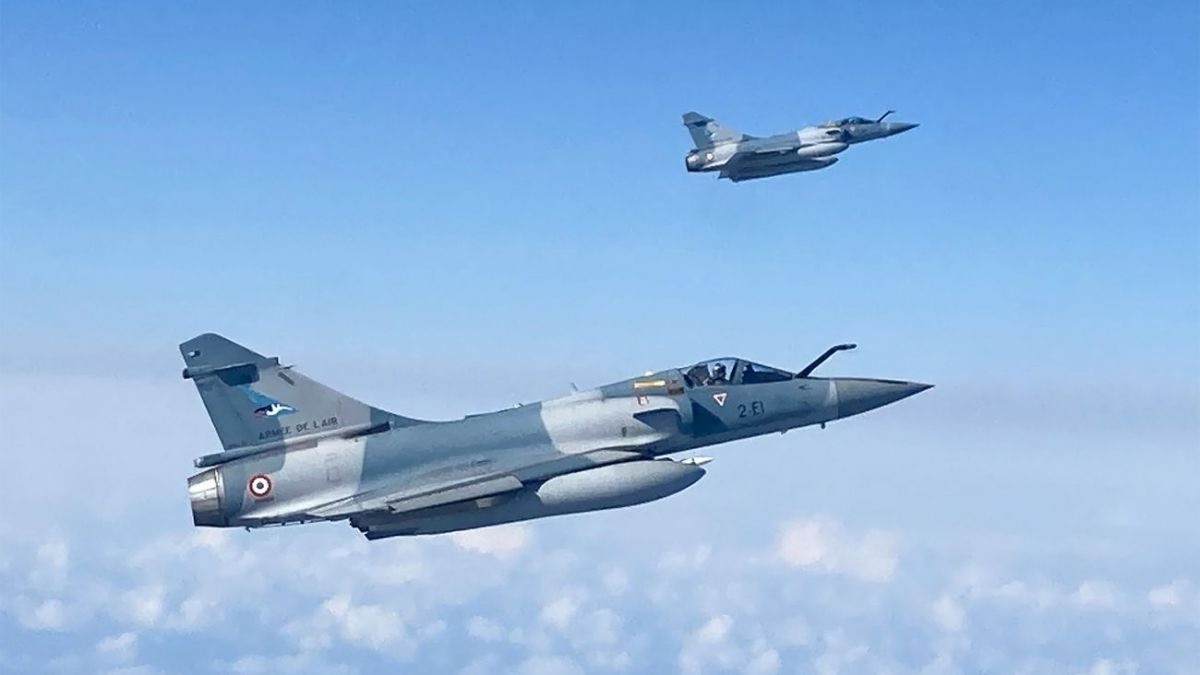
World
In a significant escalation of its military operations, Ukraine has launched a strategic offensive targeting Russian assets and bolstering its own aerial capabilities. Drone Strike on Russian Airfield On the night of February 5, 2025, Ukrainian forces executed a precision drone strike on the Primorsko-Akhtarsk airfield in Russia's Krasnodar region. This facility is known for housing and launching Iran-designed Shahed drones, which have been used in attacks against Ukraine's Kherson and Zaporizhzhia regions. The Ukrainian General Staff reported that the strike ignited a fire at the airfield, potentially disrupting Russian drone operations. The airfield, located approximately 230 kilometers from the front lines, serves as a storage, training, and maintenance hub for aircraft operating in these contested areas. Independent verification of the attack remains pending, and the Russian Defense Ministry has acknowledged downing Ukrainian drones over Krasnodar without specifying the exact locations affected. France's Delivery of Mirage 2000-5 Fighter Jets In a parallel development, France has delivered the first batch of Mirage 2000-5 fighter jets to Ukraine. French Defense Minister Sébastien Lecornu announced the arrival of these aircraft, stating, "The first of these aircraft have arrived in Ukraine today." Ukrainian pilots, having undergone several months of training in France, are now prepared to deploy these jets in defense of Ukraine's airspace. The Mirage 2000-5 is a fourth-generation multirole fighter jet developed by Dassault Aviation. It features advanced avionics, including a multi-target radar system capable of tracking up to 24 targets simultaneously. The aircraft can reach speeds exceeding Mach 2 and is equipped with a diverse arsenal, such as MICA air-to-air missiles and SCALP-EG cruise missiles. Notably, the Mirage 2000-5 has been upgraded to enhance its air-to-ground combat capabilities and defenses against electronic warfare, making it a versatile asset in modern combat scenarios. Enhancing Ukraine's Air Defense The integration of the Mirage 2000-5 into Ukraine's Air Force is expected to significantly enhance its air defense and ground attack capabilities. These aircraft will complement the existing fleet, which includes U.S.-made F-16s recently received from the Netherlands. The combination of these platforms provides Ukraine with a more robust and flexible aerial combat capability, essential for countering ongoing threats. Continued Hostilities and Defense Efforts The conflict persists with high intensity. On the same night as the drone strike, Russian forces launched 77 drones, including Shahed models, and two Iskander-M ballistic missiles toward Ukraine. Ukraine's air defense systems successfully neutralized 56 drones and jammed 18 others, preventing significant damage. While some buildings sustained damage, no casualties were reported. These developments underscore the dynamic and evolving nature of the conflict, highlighting Ukraine's efforts to strengthen its military capabilities through strategic strikes and international partnerships.
Read More → Posted on 2025-02-06 14:19:15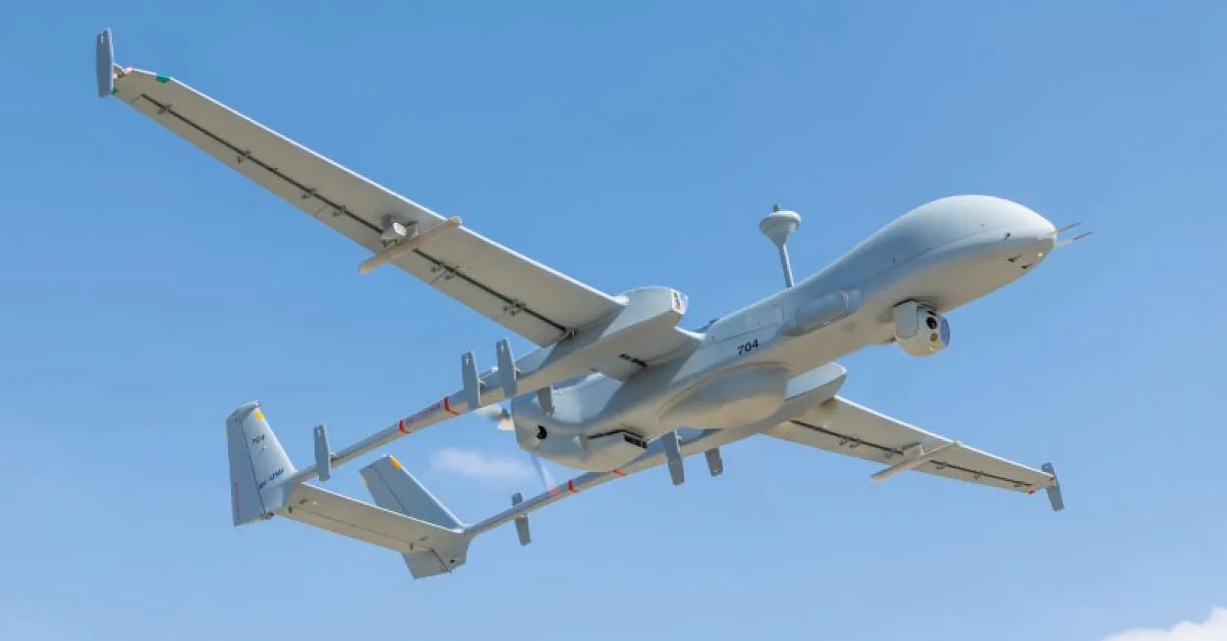
World
On February 3, 2025, a German Heron TP drone achieved a significant milestone by successfully completing a cross-border flight between Germany and the Netherlands. This event marks a pivotal step toward the seamless integration of Remotely Piloted Aircraft Systems (RPAS) into general European air traffic, demonstrating the feasibility of unmanned aircraft operating safely alongside manned commercial and military aircraft in controlled airspace. Flight Details and Objectives The test flight commenced from Schleswig Air Base in northern Germany, initially navigating through military-controlled airspace. It then transitioned into civilian-controlled airspace, operating under the supervision of German air traffic control and EUROCONTROL Maastricht. Notably, this mission reached an altitude exceeding 8,500 meters (approximately 28,000 feet), marking the first instance of an RPAS operating in upper airspace during a cross-border flight in Europe. The primary objective of this mission was to validate the capability of RPAS to operate safely and efficiently within shared airspace, without necessitating special mitigation measures. This aligns with the European Defence Agency's (EDA) ongoing efforts, in collaboration with the European Union Aviation Safety Agency (EASA), to fully integrate unmanned systems into Europe's air traffic management framework. Development and Collaboration This project was initiated through an EDA-led call for tender and was awarded to a consortium spearheaded by the German Aerospace Center (DLR), in partnership with the Netherlands Aerospace Centre (Royal NLR) and the German armed forces. The German Air Force provided the Heron TP drone for this mission, with additional support from the German military aviation authority. Heron TP Specifications Developed by Israel Aerospace Industries (IAI), the Heron TP is a Medium-Altitude Long-Endurance (MALE) unmanned aerial vehicle designed for intelligence, surveillance, and reconnaissance (ISR) missions. Key specifications of the Heron TP include: Wingspan: 26 meters Length: 14 meters Maximum Takeoff Weight: 5,400 kilograms Payload Capacity: Up to 2,700 kilograms Maximum Speed: Approximately 407 kilometers per hour Service Ceiling: Up to 14,000 meters (45,000 feet) Endurance: Capable of continuous flight for over 30 hours Engine: Powered by a Pratt & Whitney Canada PT6-67A turboprop engine These capabilities enable the Heron TP to perform a variety of strategic missions, including intelligence gathering, surveillance, target acquisition, and reconnaissance, using various payloads, with a high level of reliability. Significance and Future Implications The successful completion of this cross-border flight provides crucial insights for the future of unmanned aviation in Europe. It confirms that the developed procedures and mitigation measures are effective across different RPAS platforms, paving the way for more routine operations of unmanned systems within shared airspace. Two additional test flights are scheduled in the coming weeks to further validate the system's adaptability and robustness. These efforts are instrumental in refining air traffic procedures and ensuring that drones can operate seamlessly alongside conventional aircraft, thereby enhancing the safety and efficiency of European airspace. The integration of RPAS like the Heron TP into general air traffic represents a significant advancement in aviation technology, promising to expand the operational capabilities of military and civilian entities across Europe.
Read More → Posted on 2025-02-06 14:14:45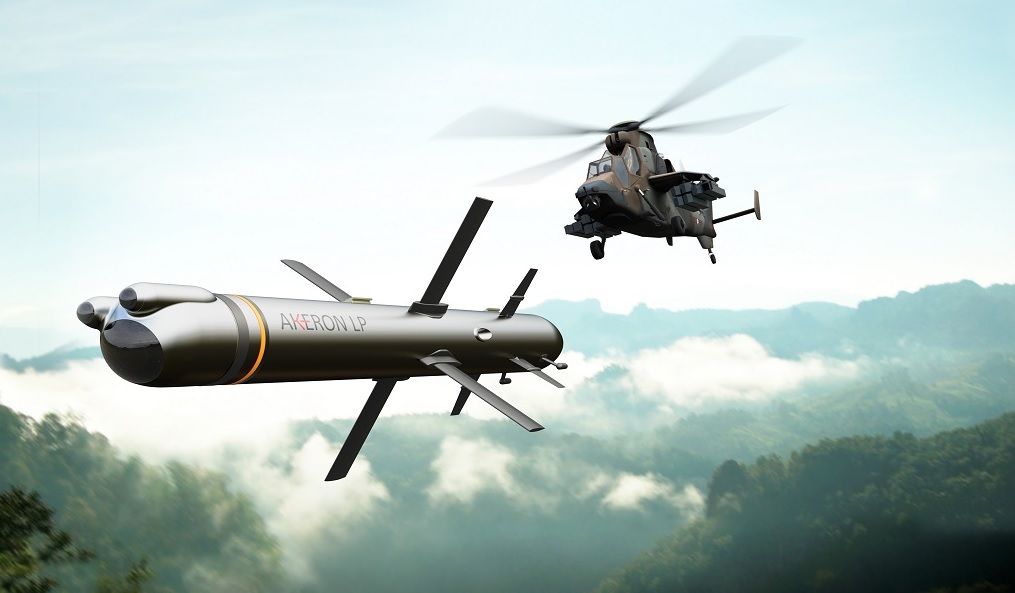
World
In a significant advancement for France's military capabilities, the first successful test firing of the AKERON LP missile, developed under the MAST-F (Future Tactical Air-to-Surface Missile) programme, was conducted at the Direction Générale de l'Armement (DGA) Missile Test Centre. This event marks a pivotal step in enhancing the French armed forces' precision strike potential. Test Details and Objectives The trial involved launching a prototype missile equipped with a telemetry system from a crane-based launcher over the sea. This setup enabled engineers to gather comprehensive data on the missile's performance, focusing on several critical aspects: Trajectory Validation: Ensuring the missile follows the expected flight path. Launch Tube Design Assessment: Confirming safe separation from future platforms. Aerodynamic Stability and Guidance: Evaluating the missile's behavior and control mechanisms in real-world conditions. Propulsion System Performance: Testing both the booster’s thrust for initial acceleration and the main propulsion system to achieve an operational range of up to eight kilometers when launched from the ground. Wing and Fin Deployment Mechanisms: Validating the proper functioning of these components to ensure stability and control during flight. The successful completion of these objectives indicates that all safety measures functioned as intended, paving the way for further development and testing. About the AKERON LP Missile The AKERON LP is a fifth-generation, long-range, multi-role guided missile developed by MBDA. It is designed to provide maximum flexibility to demanding forces, capable of neutralizing various targets, including main battle tanks, infrastructures, combat groups, and small boats, with high precision and limited collateral damage. Key Specifications: Weight: Approximately 35 kg. Length: 1.8 meters in the tactical canister. Range: Over 8 km from helicopters and nearly 20 km from Remotely Piloted Aircraft Systems (RPAS). Warhead: Multipurpose with selectable modes, including anti-armor, anti-infrastructure, anti-ship, anti-helicopter, and anti-personnel effects. Guidance System: Features a multi-mode seeker with Semi-Active Laser (SAL), Television (TV), and uncooled Infrared (IR) capabilities. Operational Modes: Offers Lock-On-Before-Launch (LOBL) and Lock-On-After-Launch (LOAL) options, providing flexibility in various combat scenarios. Data Link: Equipped with a bidirectional Radio Frequency (RF) data link, allowing for total platform freedom of maneuver before and during the missile mission. MAST-F Programme and Future Prospects The MAST-F programme aims to develop a new generation of air-to-ground missiles for platforms like the Tiger helicopter and MALE RPAS UAVs. This initiative addresses the challenges of future warfare by offering high-precision striking capabilities with increased range. The successful test of the AKERON LP missile signifies a major achievement for the programme, highlighting the effective collaboration between key stakeholders, including MBDA, its subcontractors, the DGA, and OCCAR. As development progresses, the AKERON LP missile is poised to become a cornerstone of France's advanced military arsenal, enhancing the operational capabilities of its armed forces in various combat scenarios.
Read More → Posted on 2025-02-06 14:05:40
World
In an era where cyber threats are becoming increasingly sophisticated, the U.S. Army is actively enhancing its cybersecurity measures by adopting the "zero trust" security model. This approach is pivotal in safeguarding the Army's tactical network systems against a wide array of cyber adversaries. Understanding Zero Trust The zero trust model operates on a fundamental principle: never trust, always verify. Unlike traditional security frameworks that often assume entities within a network are trustworthy, zero trust mandates continuous verification of every user, device, and application attempting to access network resources. This ensures that no implicit trust is granted based solely on physical or network location, thereby minimizing potential vulnerabilities. Application in Military Context For the Army, implementing zero trust means that all interactions within its networks are subject to stringent authentication and authorization processes. This continuous validation is crucial in preventing unauthorized access and ensuring that even if one segment of the network is compromised, the breach does not extend further. The goal is to maintain robust security across all operational levels, providing users with secure access to necessary resources from any device and location. Recent Initiatives and Requirements In a recent move to bolster its cybersecurity posture, the Army issued a request for information (RFI) seeking zero trust solutions tailored for challenging environments. These solutions must be capable of operating in conditions that are denied, degraded, intermittent, or limited, and must integrate seamlessly with the Army's existing infrastructure. Interested vendors have been invited to respond by March 5. Strategic Objectives and Challenges The Army acknowledges that traditional security models are increasingly inadequate against modern cyber threats. The dynamic and adversarial nature of today's tactical environments presents significant challenges in implementing zero trust solutions that align with mission requirements. However, the Army is committed to overcoming these hurdles. By 2027, the aim is to achieve target levels of zero trust across its unified network, ensuring secure information flow and resilient operations. Broader Department of Defense (DoD) Alignment This initiative aligns with the DoD's overarching zero trust strategy, which emphasizes a shift from static, network-based perimeters to a focus on users, assets, and resources. The strategy outlines several objectives, including automating cybersecurity measures, creating dynamic access controls, and building interoperability with secured data. The DoD has set an ambitious goal to implement zero trust architecture across the entire department by the fiscal year 2027. The U.S. Army's proactive adoption of zero trust principles underscores its dedication to strengthening cybersecurity in an increasingly complex digital landscape. By continuously authenticating and validating access to its systems, the Army aims to stay ahead of evolving cyber threats, ensuring mission success and the security of its operations.
Read More → Posted on 2025-02-06 14:01:59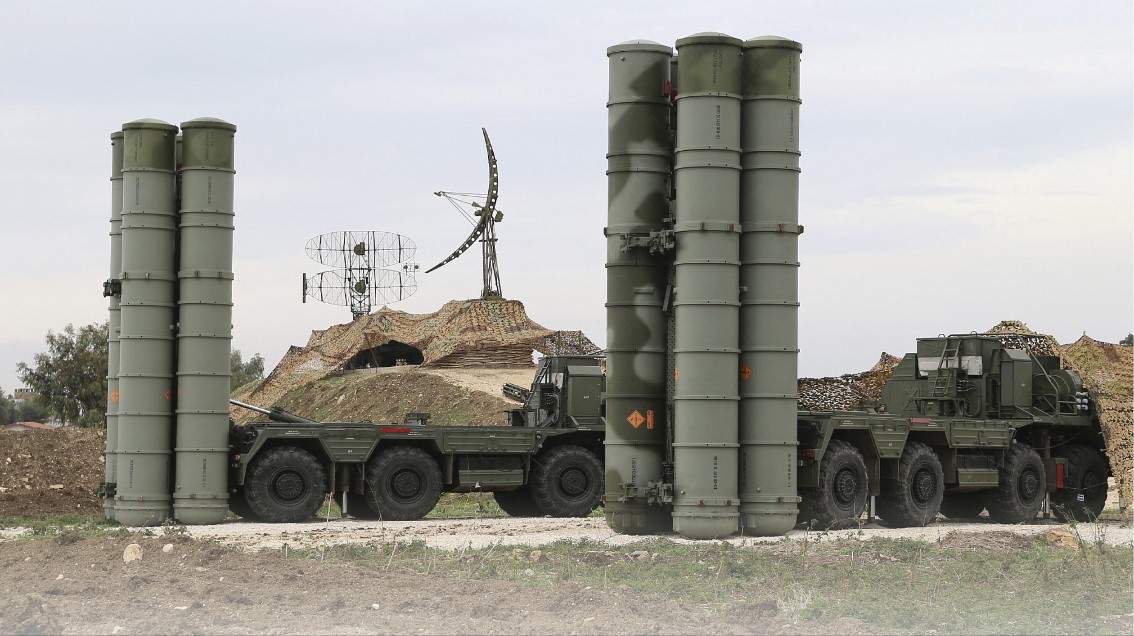
World
In the evolving landscape of global defense, Russia has extended an offer to India to collaborate on developing a comprehensive aerospace defense system. This initiative aims to enhance India's capabilities beyond the existing S-400 Triumf air defense system, addressing the growing military advancements of neighboring countries, particularly China and Pakistan. The S-400 Triumf: A Cornerstone of India's Air Defense In October 2018, India entered into a $5.4 billion agreement with Russia to procure five units of the S-400 Triumf air defense system. As of now, three units have been delivered, with the remaining two expected by 2025. The S-400 is renowned for its versatility, capable of engaging a variety of aerial threats, including aircraft, drones, and ballistic and cruise missiles, at ranges up to 400 kilometers. Its deployment has significantly bolstered India's air defense posture along its borders with China and Pakistan. The Need for a Multi-Layered Aerospace Defense System Russian military expert Igor Korotchenko emphasizes that a robust aerospace defense system is a hallmark of a leading military power. He points out that even non-state actors have demonstrated advanced capabilities in drones and missiles, underscoring the necessity for India to prioritize its defenses. A key component of such a system is the Missile Attack Early Warning System, which provides crucial time for response by detecting threats early on. China and Pakistan's Advancements China has been rapidly modernizing its military, showcasing advancements like the J-35A stealth fighter and the HQ-19 anti-ballistic missile system. Similarly, Pakistan has been enhancing its air defense capabilities with acquisitions such as the J-10C medium fighter jets, JF-17 light fighter jets, and HQ-9BE long-range surface-to-air missile systems. These developments highlight the importance for India to continually upgrade its defense systems to maintain a strategic edge. Russia's Proposal for Collaboration In response to these evolving threats, Russia has proposed collaborating with India to develop a multi-layered aerospace defense system. This system would integrate various defense mechanisms, including early warning systems, advanced missile defense, and anti-aircraft capabilities, providing a comprehensive shield against a spectrum of aerial threats. The proposed collaboration between Russia and India represents a significant step toward strengthening India's defense infrastructure. By developing a multi-layered aerospace defense system, India aims to enhance its ability to detect, deter, and neutralize emerging threats, ensuring the security of its airspace against the backdrop of regional military advancements.
Read More → Posted on 2025-02-06 13:58:38Search
Top Trending in 24 Hours
-
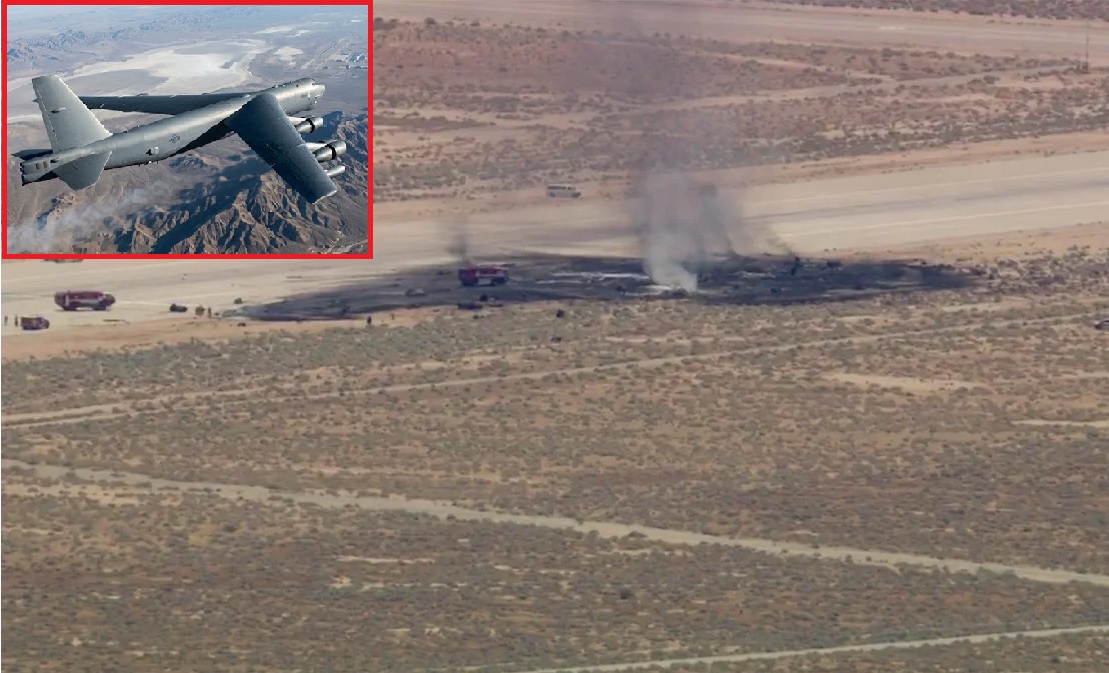 8 U.S. Air Force Crew Members Killed in B-52 Bomber Crash During Test Flight at Edwards Air Force Base
-
 Ukraine Introduces Balloon-Launched DART Missile Designed to Defeat Electronic Warfare
-
 Lockheed Martin Wins $514 Million U.S. Space Force Contract for Two New GPS IIIF Satellites
-
 UK Announces £210 Million Deal to Supply Enriched Uranium to Ukraine for Two Years
-
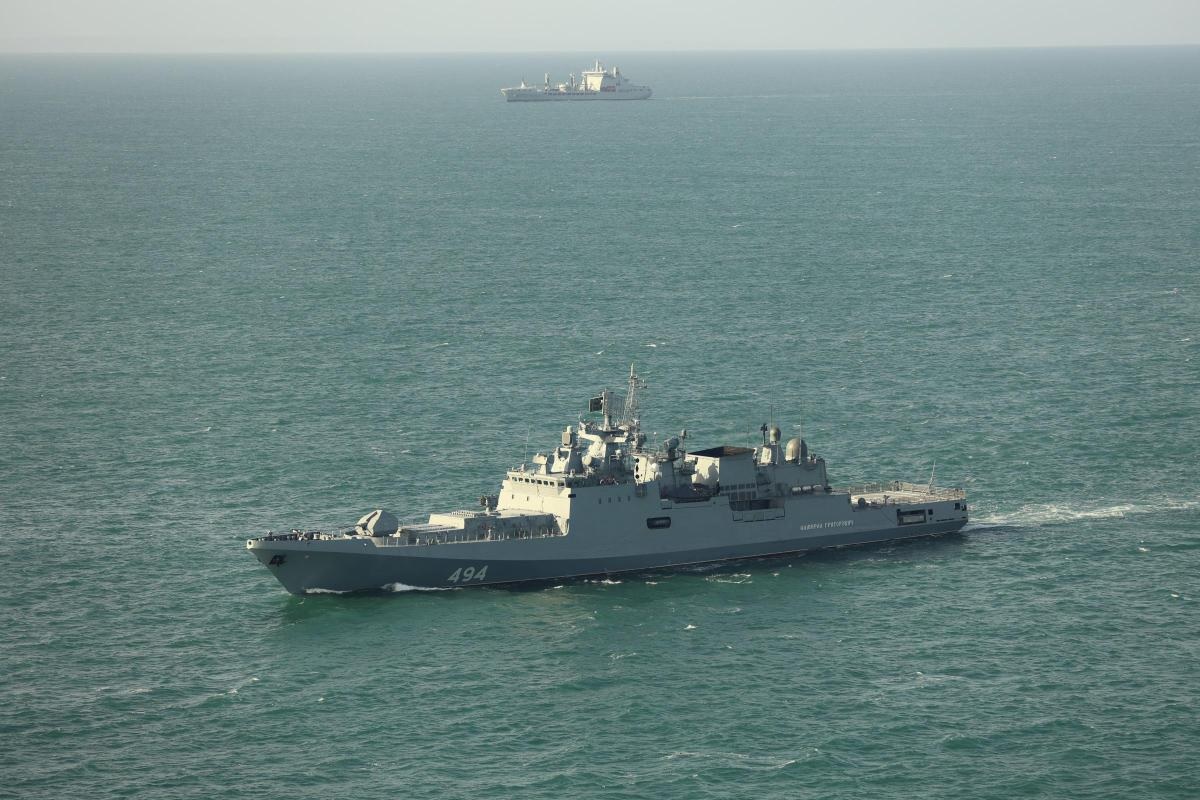 Russian Frigate Admiral Grigorovich Challenges UK Yacht in English Channel With Warning Shots
-
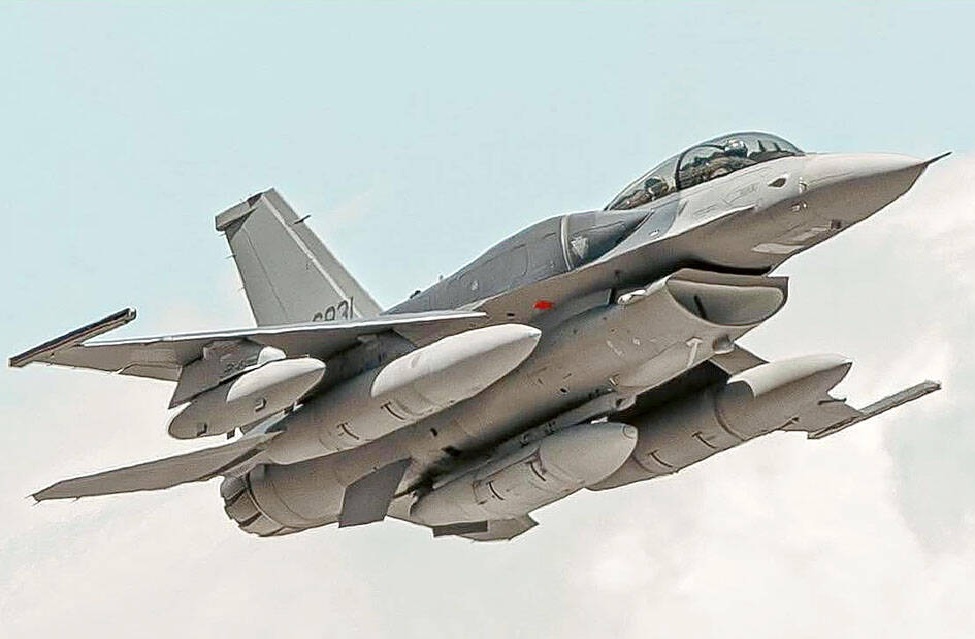 First Taiwanese F-16 Block 70 Flies with Five-Tank Fuel Configuration During Texas Tests
-
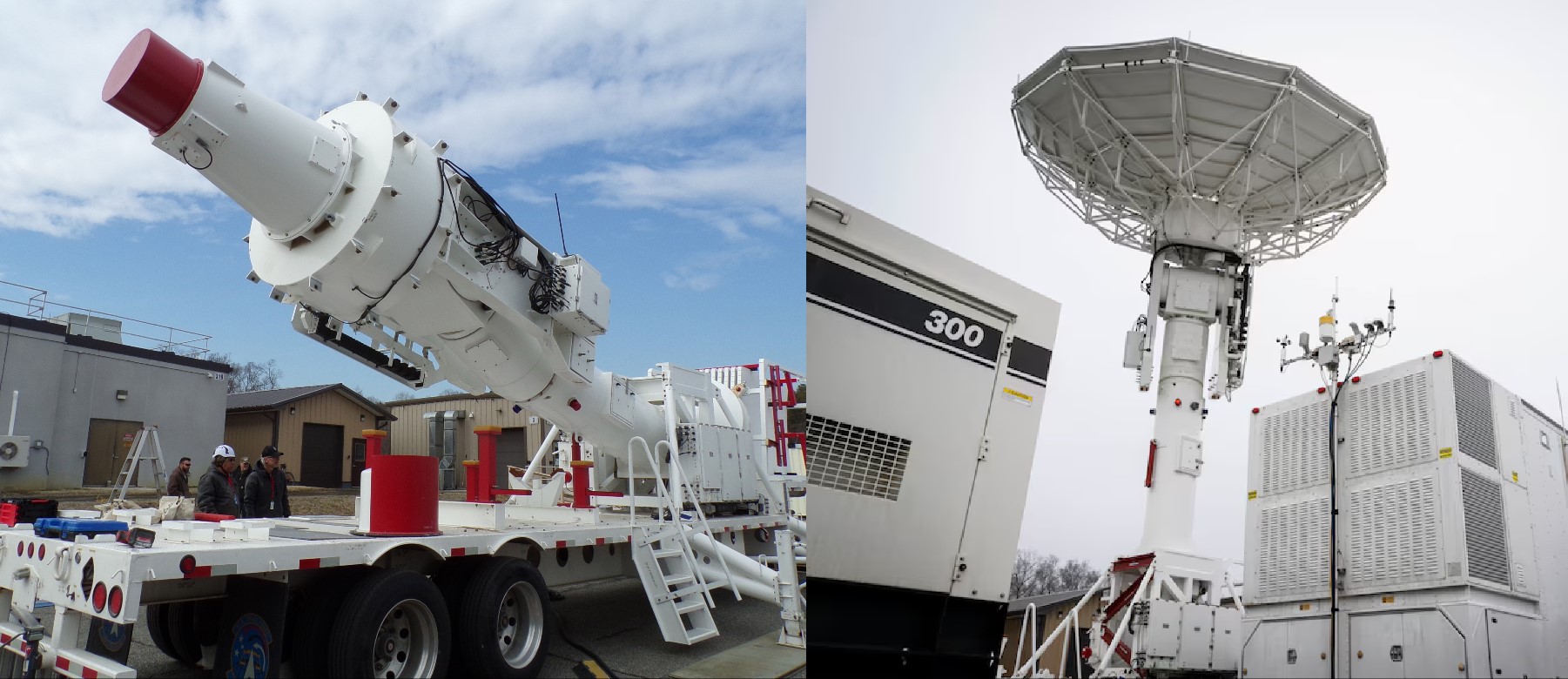 Space Force Transfers Transportable Satellite Tracking Antenna to Naval Research Laboratory
-
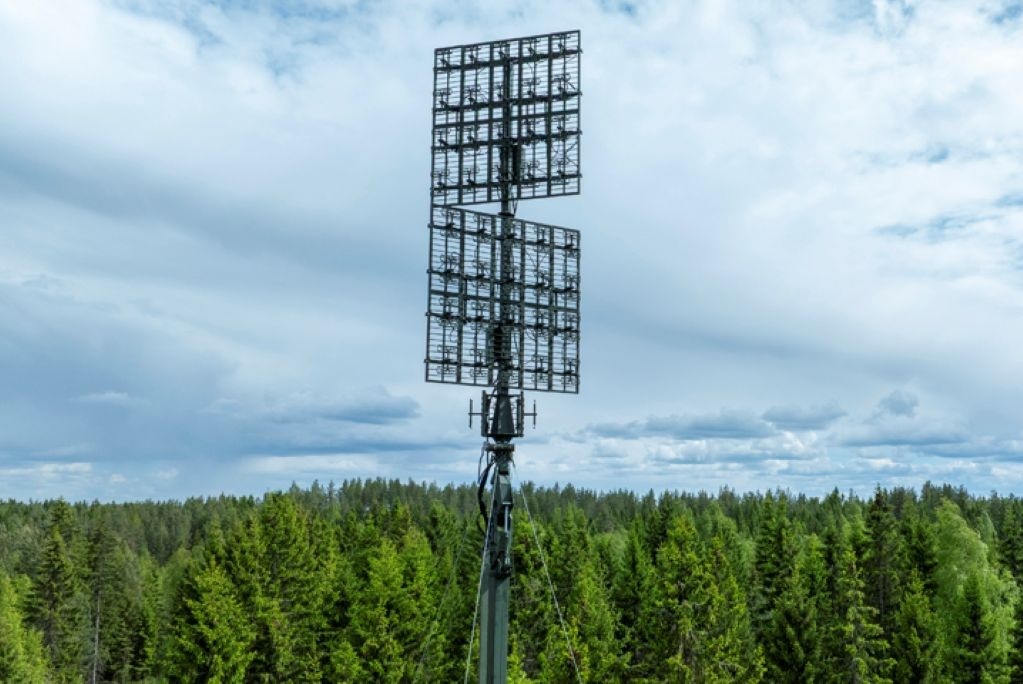 Patria Launches WISPR Passive Counter-Battery Radar with Silent Detection Capability at Eurosatory 2026
Top Trending in 4 Days
-
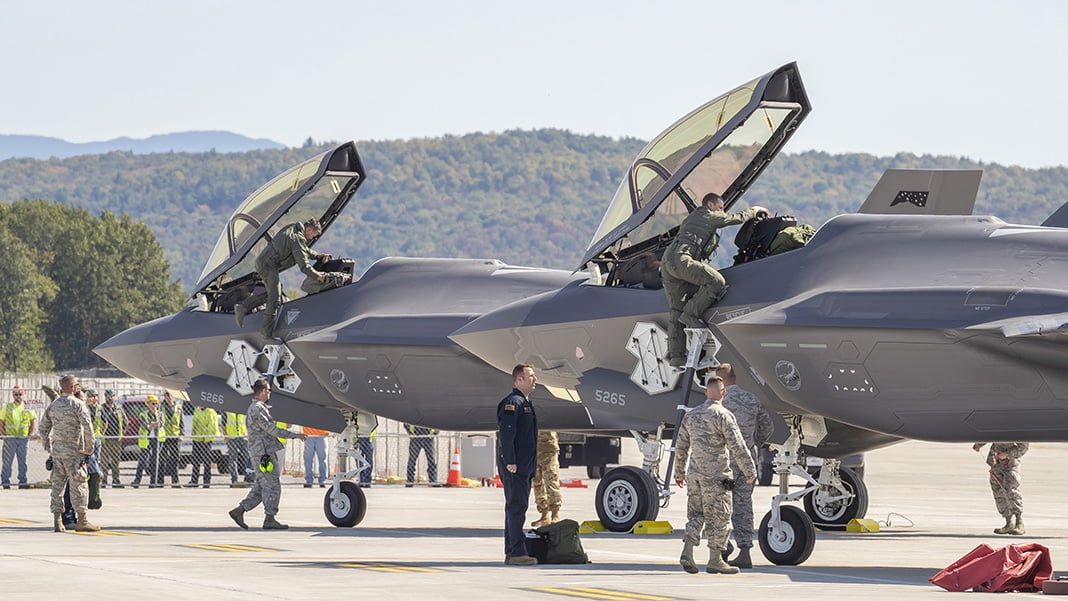 F-35 Fleet Readiness Falls to 25% Amid Parts Shortages and Software Delays: GAO Report
-
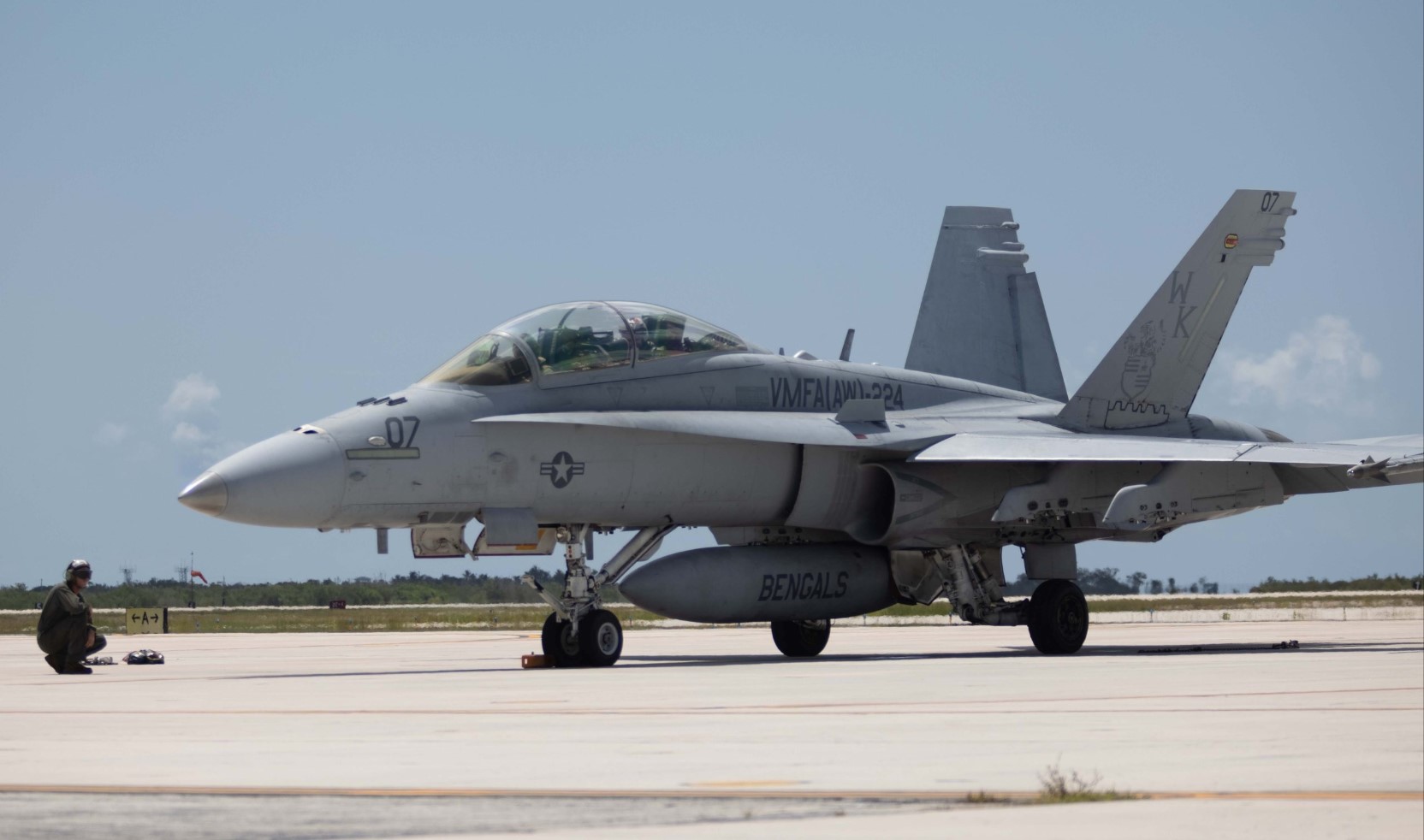 US Marine Corps F/A-18D Hornet Crashes During Training Flight in Washington Mountains; Pilot Ejects Safely
-
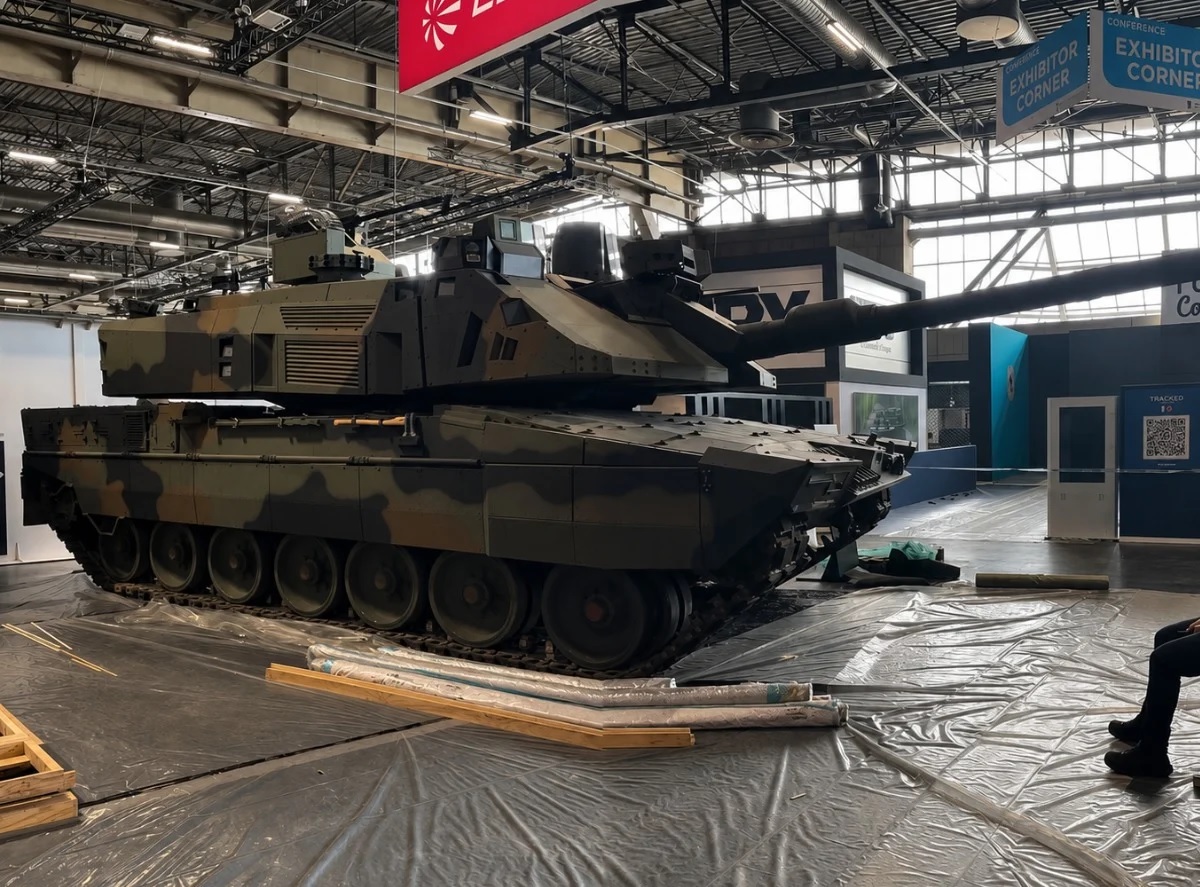 Leonardo Rheinmetall to Unveil Italy’s New IMBT Main Battle Tank at Eurosatory 2026
-
 Tulsi Gabbard Releases Declassified Files Detailing U.S.-Backed Network of 120 Biolaboratories Across 30+ Countries
-
8 U.S. Air Force Crew Members Killed in B-52 Bomber Crash During Test Flight at Edwards Air Force Base
-
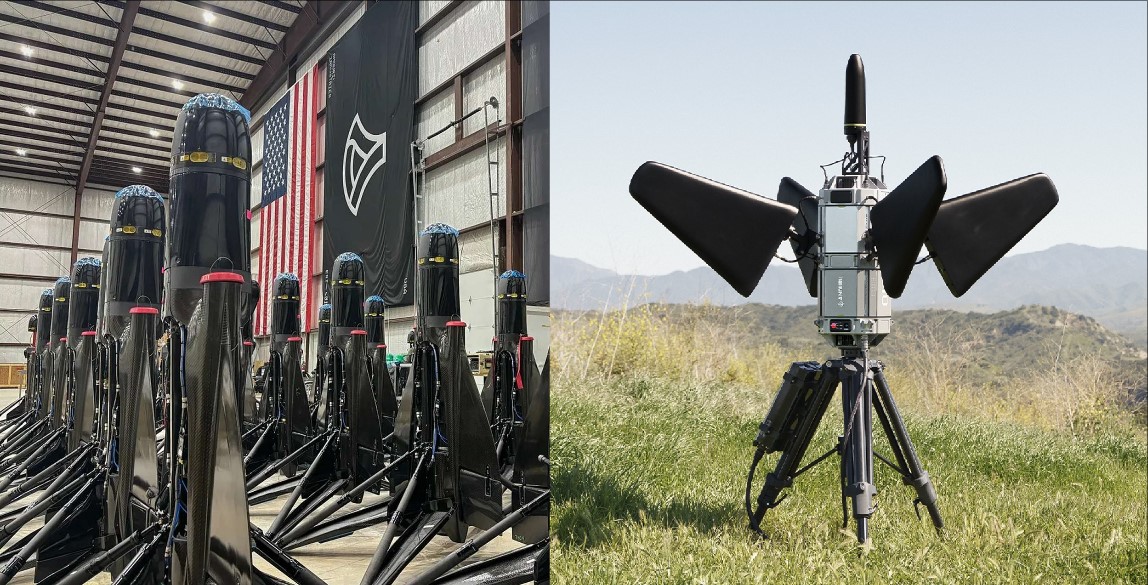 U.S. Approves $1.98 Billion Sale of Anduril AI-Powered Counter-Drone Systems to Kuwait
-
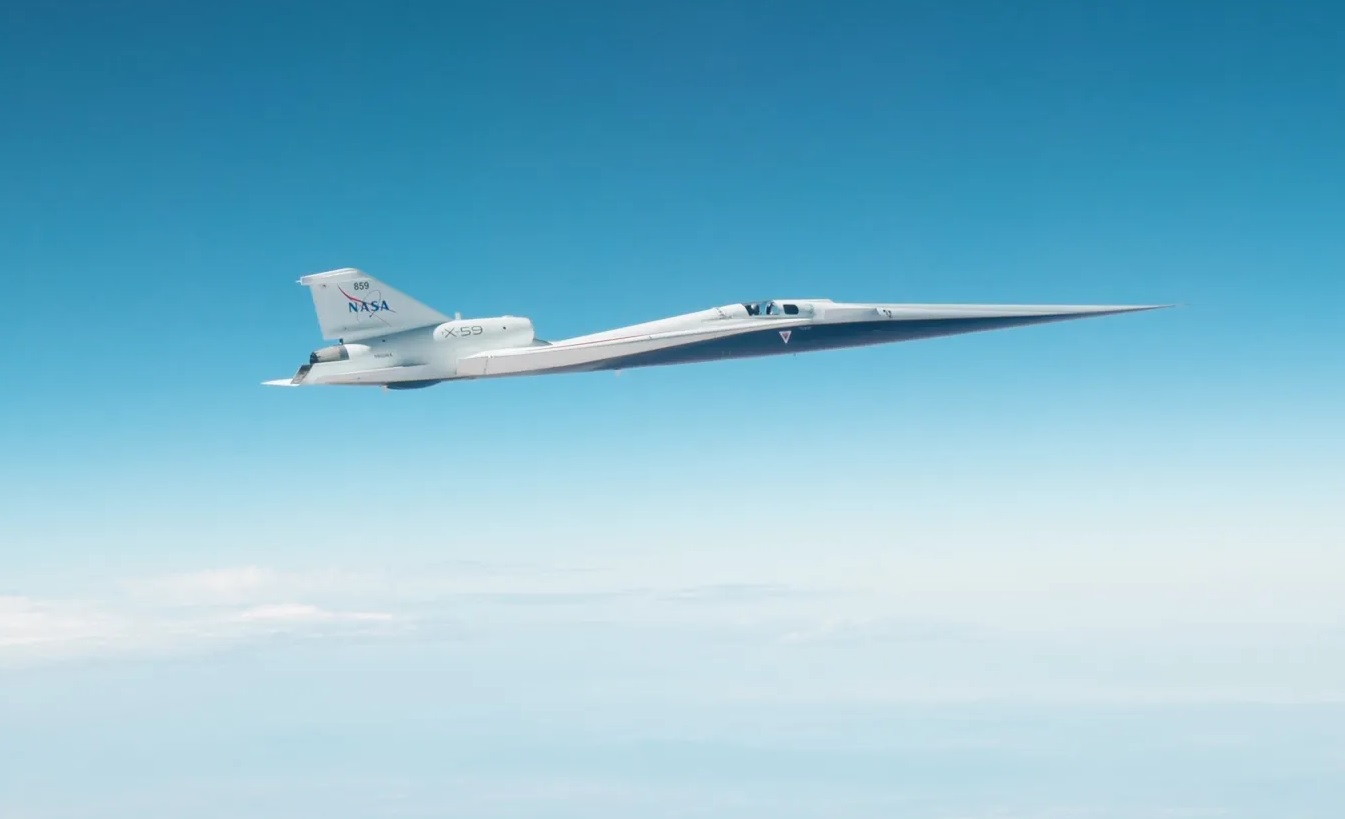 NASA X-59 Achieves Planned Mission Conditions with Mach 1.4 Flight at 55,000 Feet
-
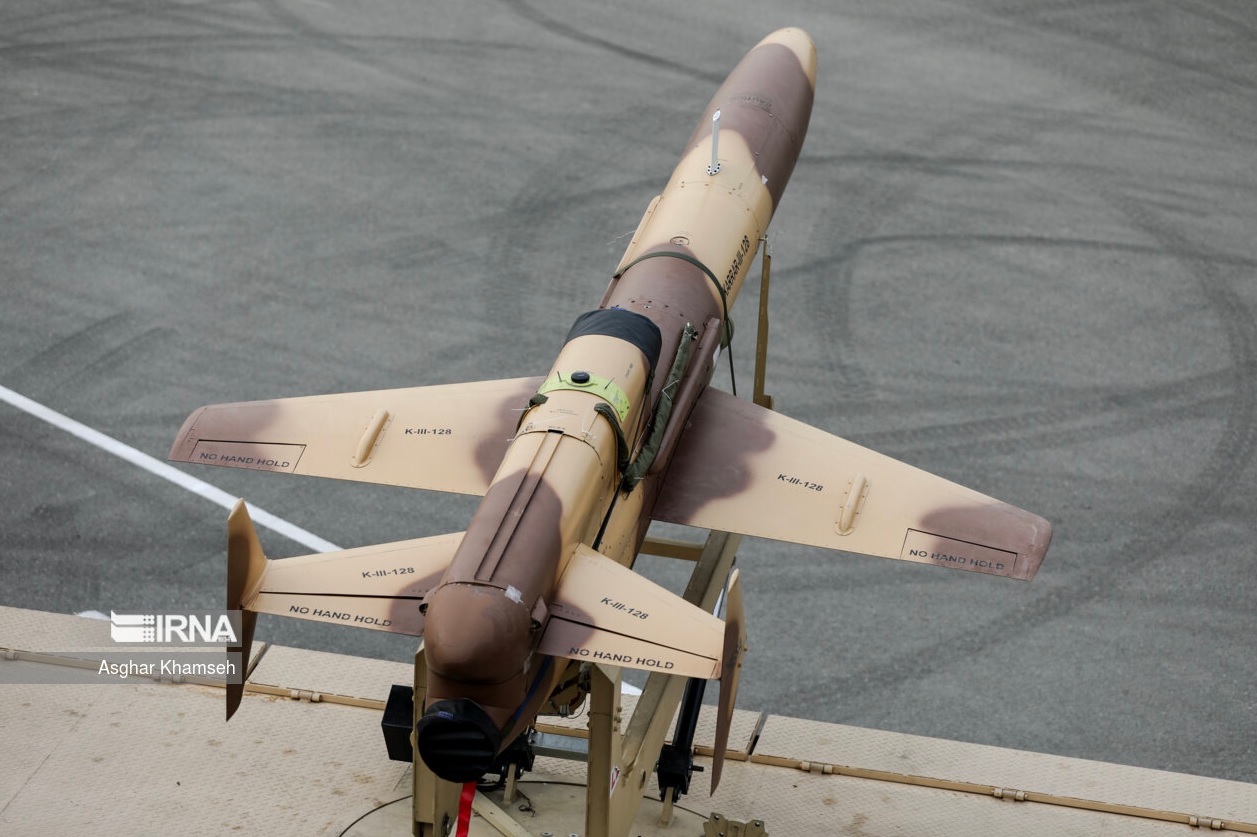 Russia Launches 1,400 Jet-Powered Drones in 2026 as Strike Tactics Evolve to Challenge Ukraine's Air Defenses