
World
Lockheed Martin is experiencing robust demand for its F-16 Block 70/72 fighter jets, with a current backlog of 117 aircraft. Production is ongoing at their Greenville, South Carolina facility, where 23 jets have already been delivered to international customers. The F-16 program supports over 46,000 jobs across the United States, bolstering the nation's defense industrial base. Advanced Radar and Avionics The F-16 Block 70/72 is equipped with Northrop Grumman's APG-83 Active Electronically Scanned Array (AESA) radar. This state-of-the-art radar provides pilots with high-resolution digital maps and enhanced targeting capabilities, drawing from technologies used in fifth-generation fighters like the F-22 and F-35. The aircraft also features an upgraded Modular Mission Computer and advanced avionics architecture, ensuring superior situational awareness and mission effectiveness. Enhanced Cockpit and Pilot Interface Pilots benefit from a high-resolution Center Pedestal Display (CPD), offering critical tactical imagery, color moving maps, improved air-to-air situational displays, and digital flight instrument data. The cockpit is designed for night vision compatibility and integrates systems such as the Sniper Advanced Targeting Pod and the Legion-ES Infrared Search and Track (IRST) system, further enhancing situational awareness. Extended Durability and Operational Range The F-16 Block 70/72 boasts an extended structural life of 12,000 flight hours, which is 50% longer than earlier F-16 variants. This design ensures at least 40 years of service without major structural repairs. Conformal fuel tanks increase fuel capacity and operational range while maintaining aerodynamic performance. The aircraft is powered by an upgraded engine, providing improved endurance and capability. Comprehensive Weapons Integration With over 36 years of experience, Lockheed Martin has certified more than 180 weapon and store configurations in collaboration with the U.S. Air Force and foreign military customers. This extensive integration capability allows the F-16 Block 70/72 to support a wide array of advanced weaponry, ensuring mission readiness across diverse combat scenarios. Global Collaboration and Supply Chain The F-16 program involves over 600 suppliers worldwide. Notably, Martin-Baker provides the US18E Ejection Seat, featuring modern safety technologies such as an electronic sequencer and neck protection devices. This global collaboration ensures that the F-16 Block 70/72 remains at the forefront of technological advancements and operational reliability. In summary, Lockheed Martin's F-16 Block 70/72 stands as the most advanced fourth-generation fighter jet, combining cutting-edge technology with proven performance to meet the evolving demands of air forces worldwide.
Read More → Posted on 2025-02-04 14:34:36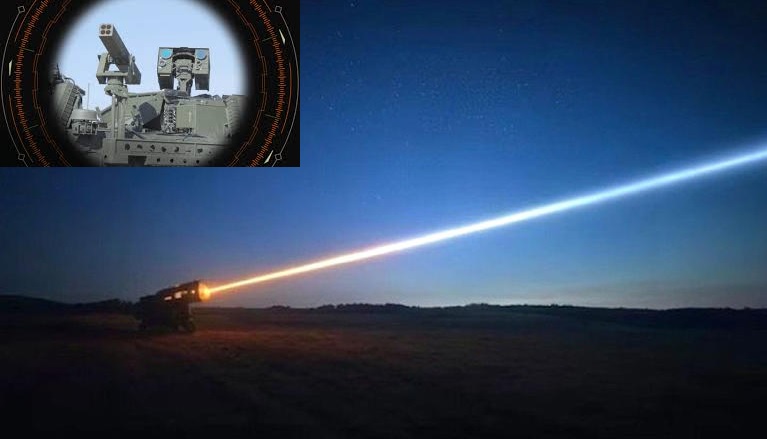
World
In a significant advancement in military technology, Ukraine has confirmed the operational use of its domestically developed laser weapon system, named 'Tryzub'—a term translating to 'Trident' and symbolizing national heritage. This development positions Ukraine among a select group of nations equipped with such advanced defense capabilities. Capabilities of the Tryzub Laser System The Tryzub system is engineered to neutralize aerial threats, including aircraft and unmanned aerial vehicles (UAVs), at altitudes exceeding two kilometers. This capability is particularly crucial given the increasing deployment of drones in contemporary combat scenarios. The system's precision and rapid response offer a strategic advantage in countering low-flying threats. Comparative Analysis with Global Counterparts The Tryzub's specifications align it with some of the most advanced laser weapons globally. For instance, the American AN/SEQ-3 Laser Weapon System (LaWS) has an effective range of approximately 1.6 kilometers and a power output of up to 50 kilowatts. Similarly, the British DragonFire system boasts a power output of 55 kilowatts. The Tryzub's reported effective range of over two kilometers places it favorably among these systems, underscoring Ukraine's significant progress in directed-energy weaponry. Strategic Implications and Future Prospects The integration of the Tryzub laser weapon into Ukraine's defense arsenal marks a pivotal shift in modern combat tactics. Laser weapons offer a cost-effective and precise means of neutralizing airborne threats, reducing reliance on traditional munitions. As Ukraine continues to innovate, the successful deployment of the Tryzub system could set a precedent for future military applications of directed-energy technologies, potentially influencing global defense strategies. In summary, Ukraine's development and deployment of the Tryzub laser weapon system represent a significant milestone in military technology, enhancing its defense capabilities and contributing to the evolving landscape of modern warfare.
Read More → Posted on 2025-02-04 14:30:02
World
China’s renowned deep-sea research submersible, Jiaolong, is set to re-enter the waters for sea trials following a series of significant technological upgrades. Named after a mythical sea dragon, Jiaolong is one of the most advanced manned deep-sea submersibles, capable of reaching depths beyond 7,000 meters (23,000 feet). These latest enhancements, aimed at boosting its efficiency, safety, and autonomy, reaffirm China’s commitment to deep-sea exploration and scientific research. Cutting-Edge Upgrades for Deeper and Smarter Exploration Jiaolong’s latest modifications include a high-energy-density lithium battery system, which will extend its operational endurance, allowing for longer and more intensive deep-sea missions. Additionally, the new low-noise propulsion system minimizes sound emissions, making the submersible ideal for studying marine ecosystems without disturbing aquatic life. Other major improvements include: Enhanced Hydraulic Systems – Greater precision in underwater maneuverability, crucial for collecting delicate biological and geological samples. Upgraded Video Transmission Technology – Real-time high-definition visuals for clearer observation and analysis of deep-sea environments. Advanced Fault Diagnosis Systems – Smart monitoring capabilities to detect and address technical issues in real-time, ensuring safer dives. Following extensive tank tests, Jiaolong will undergo sea trials in the South China Sea, where engineers will evaluate the effectiveness of these upgrades in real-world conditions. A Proven Record of Deep-Sea Exploration Since its development, Jiaolong has undertaken over 300 successful deep-sea dives, exploring some of the world's most mysterious underwater regions. In 2012, it made history by descending 7,062 meters into the Mariana Trench, setting a national record. While this was later surpassed by China's Fendouzhe submersible, which reached over 10,000 meters in 2020, Jiaolong remains a cornerstone of China’s deep-sea research efforts. Some of its most notable missions include: 2010 – Planted a Chinese flag at the bottom of the South China Sea, sparking geopolitical debates. 2015 – Collected samples from a hydrothermal vent in the Indian Ocean, aiding deep-sea mineral research. 2023 – Completed its first crewed deep-sea scientific expedition in the Atlantic Ocean, conducting 46 dives to collect biological, chemical, and geological samples. Additionally, in August 2023, Jiaolong embarked on a mission to explore seamounts—massive underwater mountains, some of the least-studied formations on Earth. During this expedition, a team of 60 international scientists collected over 600 biological samples, identifying a dozen potential new species. China’s Expanding Oceanic Ambitions Jiaolong’s modernization aligns with China's broader strategy to dominate deep-sea exploration and resource development. As part of this effort, China has also upgraded the Dayang Yihao (Ocean No.1) research vessel, equipping it with remotely operated underwater vehicles (ROVs) to enhance deep-sea resource surveys. With cutting-edge technology and an ever-growing fleet of research vessels, China is positioning itself as a global leader in oceanic exploration. From deep-sea mining and marine biodiversity studies to mapping the uncharted depths of the world's oceans, Jiaolong remains at the forefront of this ambitious vision. As it prepares for its upcoming trials, this legendary sea dragon is once again ready to dive into the unknown, unraveling the secrets of the ocean’s abyss.
Read More → Posted on 2025-02-04 14:26:51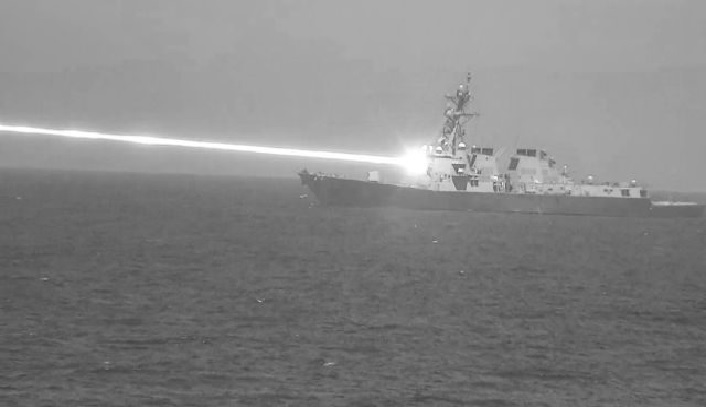
World
In 2024, the U.S. Navy achieved a significant milestone by successfully testing the High Energy Laser and Integrated Optical Dazzler with Surveillance (HELIOS) system against an airborne target. This event marked the first time HELIOS engaged an aerial threat, providing valuable insights for the Navy's Directed Energy and Electric Weapon System initiatives. HELIOS: A Multifaceted Defense System Developed by Lockheed Martin, HELIOS is a 60+ kilowatt-class laser weapon designed to enhance the Navy's defensive capabilities. Beyond its high-energy laser, HELIOS integrates long-range Intelligence, Surveillance, and Reconnaissance (ISR) functions and a Counter-Unmanned Aerial System (C-UAS) dazzler. This combination allows HELIOS to detect, track, and neutralize threats such as drones, fast attack crafts, and short-range missiles. Its integration with the Aegis combat system ensures seamless operation within existing naval frameworks. Technical Specifications and Capabilities Laser Power: HELIOS operates at a power level exceeding 60 kilowatts, with future plans to scale up to 120 kilowatts. Integration: The system is fully integrated with the Aegis combat system, enabling efficient tracking and engagement of multiple threats. Multi-Mission Functionality: HELIOS offers long-range ISR capabilities and a dazzler to temporarily blind or disable surveillance sensors of incoming threats. Broader Directed Energy Initiatives The HELIOS test is part of a larger effort by the U.S. Navy to develop and deploy directed energy weapons. Other programs include the Optical Dazzling Interdictor, Navy (ODIN), and the High Energy Laser Counter Anti-Ship Cruise Missile Project (HELCAP), which aims to deliver a 300+ kilowatt laser platform. These initiatives focus on maturing laser technology for maritime applications, improving power efficiency, and enhancing beam quality. Challenges and Future Outlook Despite these advancements, the Navy acknowledges challenges in rapidly deploying directed energy systems across the fleet. Factors such as atmospheric conditions, power requirements, and integration complexities need to be addressed. However, the successful HELIOS test represents a significant step forward, demonstrating the potential of laser weapons to provide cost-effective, precise, and scalable defensive solutions. As the Navy continues to refine these technologies, the integration of directed energy weapons like HELIOS is expected to play a crucial role in future maritime defense strategies, offering a low-cost per engagement and a virtually unlimited magazine, as long as power is available.
Read More → Posted on 2025-02-04 14:22:46
World
General Dynamics Land Systems (GDLS) has achieved a significant milestone by successfully completing testing of its Advanced Reconnaissance Vehicle (ARV) prototype, designed to enhance the capabilities of the U.S. Marine Corps' future Mobile Reconnaissance Battalions. The testing phase, conducted from January to November 2023, encompassed various locations, including the Nevada Automotive Test Center, the U.S. Army Aberdeen Proving Ground in Maryland, and Marine Corps Base Camp Pendleton in California. Key Features and Capabilities of the ARV: Command and Control Integration: The ARV is engineered to serve as a central command hub on the battlefield, seamlessly connecting with onboard sensors, unmanned aerial systems (UAS), and robotic platforms. This integration facilitates real-time data collection, processing, and dissemination across Marine forces, enhancing situational awareness and decision-making. Modular and Scalable Architecture: GDLS has designed the ARV with a modular architecture and growth margins, allowing for the incorporation of emerging technologies such as artificial intelligence and advanced robotic control systems. This design ensures the vehicle remains adaptable to future technological advancements. Advanced Mobility and Amphibious Capabilities: The ARV boasts next-generation swim propulsion, vectored thrust, and water safety systems, enabling effective operations in littoral and amphibious environments. These features ensure the vehicle can navigate challenging terrains and transition seamlessly between land and water operations. Digital Training System (DTS): To enhance operational readiness, GDLS has introduced a next-generation Digital Training System. This system provides comprehensive training modules for individual operators, crews, and units, covering tactical operations and vehicle maintenance, thereby improving overall mission effectiveness. Testing and Collaboration: Throughout the testing phase, the ARV underwent rigorous assessments focusing on land mobility, logistics, and maintenance. The collaboration with Marines from the Light Armored Reconnaissance and maintenance communities was instrumental in gathering valuable feedback, leading to refinements in the vehicle's design and functionality. Future Developments: Looking ahead, GDLS plans to complete the manufacturing and delivery of an ARV equipped with a 30mm autocannon for evaluation in 2025. Additionally, the company will provide a second Systems Integration Lab, designed to simulate the vehicle's interior, allowing for the validation of command systems and offering immersive training experiences for ARV operators. Marc Shepard, ARV Program Manager at GDLS, emphasized the importance of this partnership, stating, "The collaboration with the Marine Corps has been pivotal in developing a transformative solution that meets the demands of modern warfare." The successful demonstration of the ARV prototype marks a significant advancement in military reconnaissance technology, promising enhanced capabilities for the U.S. Marine Corps in future operations.
Read More → Posted on 2025-02-04 14:13:03
World
Recent reports have highlighted Google's provision of advanced artificial intelligence (AI) tools to Israel's military, particularly during the conflict in Gaza. This collaboration has raised questions about the role of technology companies in military operations and the ethical implications of such partnerships. Google’s AI Support to Israel’s Military In the early stages of the Israel-Hamas conflict, Google employees facilitated access for Israel's Defense Ministry to the company's advanced AI technologies. Internal documents indicate that Google responded to requests from the Israeli military for increased access to its AI tools, aiming to compete with Amazon in the tech industry. These tools include the Gemini AI platform, capable of generating AI assistants to process documents and audio, and Vertex AI, which applies AI algorithms to user data. Project Nimbus: A Controversial Partnership Central to this collaboration is Project Nimbus, a $1.2 billion cloud computing contract signed in 2021 between Google, Amazon, and the Israeli government. The project aims to provide cloud services to various branches of the Israeli government, including its military. While Google has stated that the Nimbus contract is for workloads running on its commercial cloud by Israeli government ministries, who agree to comply with its Terms of Service and Acceptable Use Policy, internal documents reveal concerns about potential human rights violations. Google lawyers, policy team members, and external consultants worried that Google Cloud services could be used to facilitate human rights violations, particularly in the West Bank, which could damage Google's reputation. Employee Protests and Ethical Concerns The partnership has sparked significant internal dissent within Google. In April 2024, dozens of employees participated in sit-ins at Google's New York and Sunnyvale headquarters to protest against Google supplying cloud computing software to the Israeli government. Employees occupied the office of Google Cloud chief executive Thomas Kurian, while livestreaming the peaceful protest. Nine employees were charged with trespassing and 28 were fired, with firings reaching over 50 individuals in the days after the protests. The activist group No Tech for Apartheid has urged Google and Amazon employees to oppose Nimbus, warning that it could enable the genocide of Palestinians in Gaza. Israel’s Use of AI in Military Operations Israel's military has been expanding its AI capabilities to analyze surveillance imagery and identify targets. Since the start of the Israel-Hamas war, the Israel Defense Forces (IDF) has used an AI tool known as "Habsora" to generate thousands of human and infrastructure targets in Gaza. Habsora analyzes intercepted communications and satellite imagery to locate potential military targets, including rockets and tunnels. A senior IDF official confirmed that Israel has invested heavily in cloud technologies and computing systems, often in collaboration with U.S. companies. Google's collaboration with Israel's military through Project Nimbus and the provision of advanced AI tools have ignited debates about the ethical responsibilities of technology companies in military contexts. While these partnerships aim to modernize government operations, they also raise concerns about potential human rights implications and the role of corporate entities in global conflicts.
Read More → Posted on 2025-02-04 14:00:35
World
In a recent and deeply concerning development, the United Nations Human Rights Monitoring Mission in Ukraine has reported a significant increase in the execution of Ukrainian soldiers captured by Russian forces. Since late August 2024, the mission has documented 79 executions across 24 separate incidents. These actions are in direct violation of international humanitarian law, which strictly prohibits the execution of prisoners of war and the wounded, categorizing such acts as war crimes. Eyewitness accounts have revealed harrowing details: Many Ukrainian soldiers who surrendered or were in Russian custody were shot dead on the spot. There are descriptions of unarmed and injured Ukrainian soldiers being killed. The mission's head, Danielle Bell, highlighted that certain Russian officials have openly advocated for the inhumane treatment and even execution of captured Ukrainian soldiers. This alarming trend has prompted Ukraine's Foreign Minister, Andrii Sybiha, to denounce these atrocities and call for international action to hold the perpetrators accountable. In addition to these findings, the mission has also documented the execution of a wounded and incapacitated Russian soldier by Ukrainian forces in 2024, underscoring the pervasive brutality of the conflict. The Ukrainian prosecutor's office is actively investigating numerous cases of executions of Ukrainian military personnel by Russian forces. Despite requests for comments, the Russian defense ministry has not responded to these allegations. This surge in reported executions is part of a broader pattern of abuse. Earlier reports have detailed widespread and systematic torture and ill-treatment of Ukrainian prisoners of war by Russian authorities. Methods of torture have included beatings, electrocution, and sexual violence. The United Nations has emphasized that such actions may amount to war crimes and has called for immediate cessation of these practices. The international community continues to monitor the situation closely, urging all parties to adhere to international humanitarian law and ensure the humane treatment of prisoners of war. The documented increase in executions and other forms of mistreatment highlights the urgent need for accountability and justice for the victims of these violations.
Read More → Posted on 2025-02-04 13:57:17
World
The United States Army is embarking on a significant modernization effort by launching a competition to develop a next-generation self-propelled howitzer. This initiative aims to enhance the Army's long-range artillery capabilities, ensuring that its forces remain effective and adaptable in diverse combat scenarios. Competition Timeline and Structure The competition is set to commence in mid-February 2025. In the initial phase, the Army plans to award contracts to multiple companies by September 2025. These selected vendors will participate in rigorous evaluation testing through the fiscal year 2026. Insights gained from this phase will guide the selection process for Phase II, with contracts anticipated to be awarded in early 2027. The overarching goal is to field the new self-propelled howitzer by 2030. Key Evaluation Criteria The Army has outlined several critical criteria for the new artillery system: Range: The system must deliver extended reach to engage targets at greater distances. Precision: High accuracy is essential to minimize collateral damage and ensure mission success. Volume of Fire: The ability to deliver sustained and rapid firepower is crucial for overwhelming adversaries. Mobility: The howitzer should be capable of swift movement across various terrains to support dynamic combat operations. Supportability: Ease of maintenance and logistical support are vital for prolonged deployments. Additional considerations include the rate of fire, reloading efficiency, and the capability to relocate quickly between firing positions to evade counter-battery fire. Background and Rationale This new competition follows the cancellation of the Extended-Range Cannon Artillery (ERCA) program, which aimed to extend the range of the M109 Paladin howitzer to 70 kilometers. Performance issues during testing led to the program's termination. Subsequent international evaluations have provided the Army with insights into potential solutions to address existing capability gaps. Potential Competitors While specific participants have not been officially confirmed, the Army has previously evaluated self-propelled howitzers from several defense contractors: BAE Systems: Known for the M109A7 Paladin, which features a 155 mm cannon and shares common chassis components with the Bradley Fighting Vehicle, enhancing mobility and supportability. Hanwha Defense: Offers the K9 Thunder, a 155 mm self-propelled howitzer renowned for its advanced fire control system and rapid rate of fire. Rheinmetall: Developer of the PzH 2000, a 155 mm howitzer recognized for its long-range capabilities and high rate of fire. Elbit Systems: Provides the ATMOS, a 155 mm/52 caliber self-propelled gun system noted for its mobility and modularity. General Dynamics: Known for various armored vehicle platforms and potential innovations in artillery systems. Historical Context The Army's current self-propelled artillery system, the M109 Paladin, first entered service in the 1960s and has undergone numerous upgrades. Previous attempts to develop advanced self-propelled howitzers, such as the Crusader in the 1990s and the Non-Line-of-Sight Cannon (NLOS-C) in the 2000s, were canceled due to shifting defense priorities and technological challenges. The current initiative reflects the Army's renewed commitment to modernizing its artillery capabilities in response to evolving global threats. The U.S. Army's forthcoming competition for a next-generation self-propelled howitzer represents a pivotal step in strengthening its artillery forces. By focusing on enhanced range, precision, and mobility, the Army aims to equip its units with a cutting-edge system capable of meeting the demands of future battlefields.
Read More → Posted on 2025-02-04 13:54:39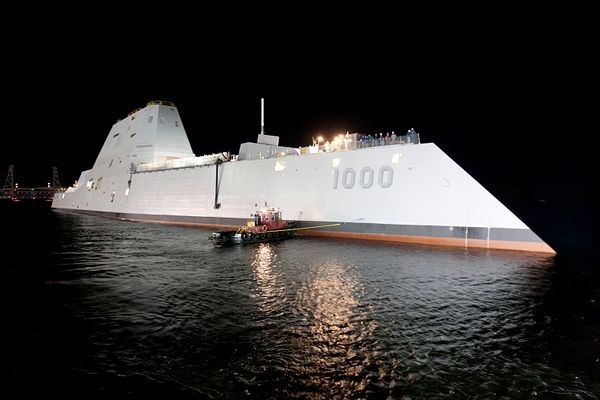
World
The U.S. Navy is actively evaluating the combat readiness of its Zumwalt-class destroyers, focusing on their capabilities in offensive surface strikes and anti-air warfare. This assessment involves rigorous testing and integration of advanced weaponry to ensure these vessels meet modern naval warfare demands. Evolution of the Zumwalt-Class Mission Initially conceived for land-attack operations, the Zumwalt-class destroyers underwent a mission shift in 2019 to prioritize open-ocean surface strikes. In June 2021, the Navy further updated their operational requirements to incorporate Conventional Prompt Strike (CPS) capabilities. This enhancement aims to equip each ship with advanced hypersonic weapons between fiscal years 2024 and 2028, significantly boosting their long-range strike potential. Ongoing Operational Testing In fiscal year 2024, the Navy's Operational Test and Evaluation Force (OPTEVFOR) conducted a series of evaluations to assess the Zumwalt-class's defensive and offensive systems: Live-Fire Missile Exercises: Four exercises tested the ships' abilities to counter anti-ship cruise missiles (ASCMs) and aircraft threats in simulated combat scenarios. Modeling and Simulation (M&S) Testbed Runs: These simulations provided insights into the destroyers' performance against various missile and aerial threats. While these tests demonstrated promising capabilities, comprehensive survivability assessments are still pending. Notably, Full Ship Shock Trials (FSST), essential for evaluating the ships' resilience to underwater explosions, have yet to be funded or scheduled. Integration of Hypersonic Weapons A significant advancement for the Zumwalt-class is the planned integration of CPS hypersonic weapons. These weapons are designed to travel at speeds exceeding Mach 5, allowing for rapid and precise strikes over long distances. The USS Zumwalt (DDG 1000), currently undergoing retrofitting at a shipyard in Mississippi, is set to become the first U.S. warship equipped with such capabilities. This retrofit involves replacing the original gun turrets with advanced missile tubes, transforming the vessel into a formidable platform for hypersonic weaponry. Program Overview and Future Outlook The Zumwalt-class program, initially envisioned to include more vessels, was scaled down to three ships: USS Zumwalt (DDG 1000): Commissioned in 2016, this lead ship is currently being upgraded to house CPS capabilities. USS Michael Monsoor (DDG 1001): Commissioned in 2019, it is slated for similar enhancements to bolster its combat effectiveness. USS Lyndon B. Johnson (DDG 1002): Expected to be delivered in fiscal year 2027 after completing its CPS installation. Despite these advancements, the program has faced challenges, including delays in Initial Operational Test and Evaluation (IOT&E), now anticipated to conclude in fiscal year 2025. Follow-on Testing and Evaluation (FOT&E) is planned through fiscal year 2027 to further refine systems and fully integrate CPS capabilities. Conclusion The U.S. Navy's Zumwalt-class destroyers represent a significant leap in naval warfare technology, combining stealth features with advanced weaponry. As the Navy continues to assess and enhance these vessels, the integration of hypersonic weapons positions them to play a crucial role in future maritime operations. However, until comprehensive testing is completed, questions regarding their full combat effectiveness and survivability in high-threat environments remain.
Read More → Posted on 2025-02-03 15:22:42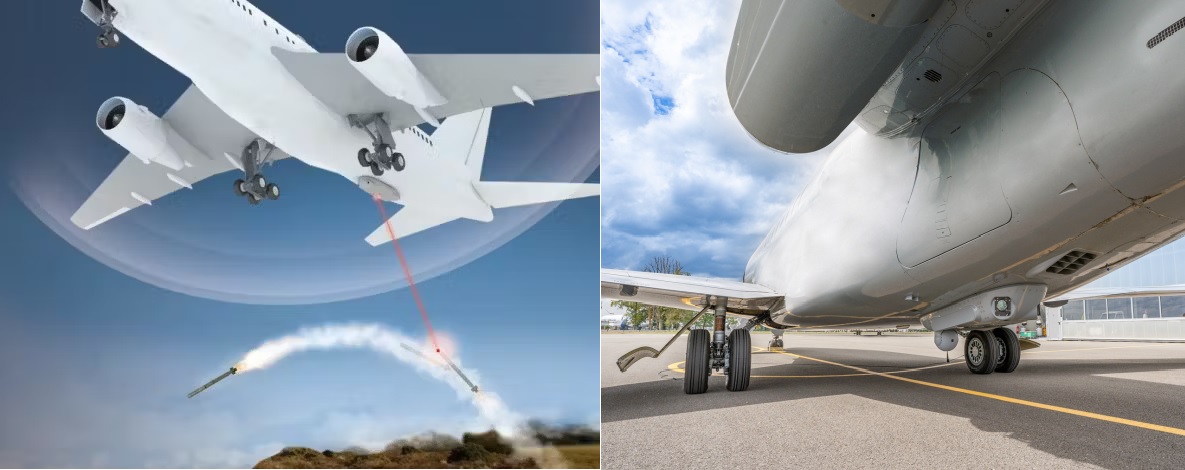
World
In a significant advancement for aviation security, Israeli company BIRD Aerosystems has secured a follow-on order from a long-standing NATO client to supply its AeroShield missile protection system. This state-of-the-art system is set to be installed on VIP Dassault Falcon 7X and Airbus A319 aircraft, with deliveries scheduled for 2025. The contract also encompasses comprehensive system maintenance services, ensuring sustained operational readiness. Understanding the AeroShield System At the heart of the AeroShield system is BIRD Aerosystems' patented SPREOS (Self Protection Radar Electro-Optic System) DIRCM. This innovative technology offers a multi-layered defense mechanism against missile threats, particularly those posed by man-portable air-defense systems (MANPADS). SPREOS integrates several critical functions into a single, compact unit: Threat Detection: Upon receiving an alert from the aircraft's Missile Warning System (MWS), SPREOS rapidly orients towards the potential threat. Threat Confirmation: It employs a dual-band radar to verify the presence of an actual missile threat, effectively eliminating false alarms. Threat Tracking: The system continuously monitors the missile's trajectory, gathering essential data such as velocity, distance, and position. Countermeasure Deployment: Utilizing a dual-band solid-state Quantum Cascade Laser (QCL), SPREOS directs a precise jamming signal at the missile's seeker, disrupting its guidance system and diverting it away from the aircraft. Kill Assessment: Post-engagement, SPREOS assesses the effectiveness of the countermeasure, ensuring the threat has been neutralized. This comprehensive approach ensures that only genuine threats are addressed, enhancing the safety of both the aircraft and its occupants. Advantages of the AeroShield POD The AeroShield system is housed within the AeroShield POD, a compact and lightweight enclosure designed for minimal impact on the aircraft's aerodynamics and structure. Key benefits of this design include: Ease of Installation: The POD requires minimal modifications to the host aircraft, facilitating quick and straightforward integration. Fleet Flexibility: Its design allows for easy transfer between different aircraft, optimizing fleet management and resource allocation. Regulatory Compliance: The system is fully certified for use on platforms like the Falcon 7X and Airbus A319, adhering to stringent aviation standards. BIRD Aerosystems' Commitment to Excellence Matan Perry, Chief of Marketing and VP Sales at BIRD Aerosystems, emphasized the significance of this order, stating, "This follow-on order highlights the trust our clients place in BIRD Aerosystems and our proven self-protection solutions. As we witness a growing need for advanced AMPS defense systems and increasing demand globally, we remain committed to delivering high-end, comprehensive solutions that meet the stringent demands of modern airborne defense." Looking ahead, the company anticipates completing Supplemental Type Certificate (STC) certification for the G-700 and Global-7500 aircraft by 2025, further expanding the applicability of their advanced protection systems. About BIRD Aerosystems Specializing in Airborne Missile Protection Systems (AMPS), BIRD Aerosystems has developed solutions that safeguard aircraft from a variety of threats, including MANPADS, laser beam riders, and radar-guided missiles. Their AMPS family of solutions is designed to provide total protection in dense and diverse threat environments. Integrated with BIRD’s patented Confirmation and Tracking Sensors, AMPS ensures an unprecedented Zero False Alarm Rate (FAR) along with enhanced protection based on each real threat’s unique characteristics, enabling users to detect threats in a way that has never been possible before. With hundreds of installations worldwide, BIRD Aerosystems' solutions are trusted by leading clients, including the U.S. government, UN Air Operations, NATO forces, and other defense organizations. Their systems have been successfully deployed in high-risk theaters such as Libya, Iraq, Afghanistan, Mali, and Somalia, underscoring their reliability and effectiveness in challenging environments. In summary, BIRD Aerosystems' AeroShield system, featuring the SPREOS DIRCM, represents a significant advancement in aircraft protection technology. Its comprehensive threat detection, confirmation, tracking, and neutralization capabilities offer unparalleled security for VIP aircraft, reinforcing the company's position as a leader in airborne defense solutions.
Read More → Posted on 2025-02-03 15:20:03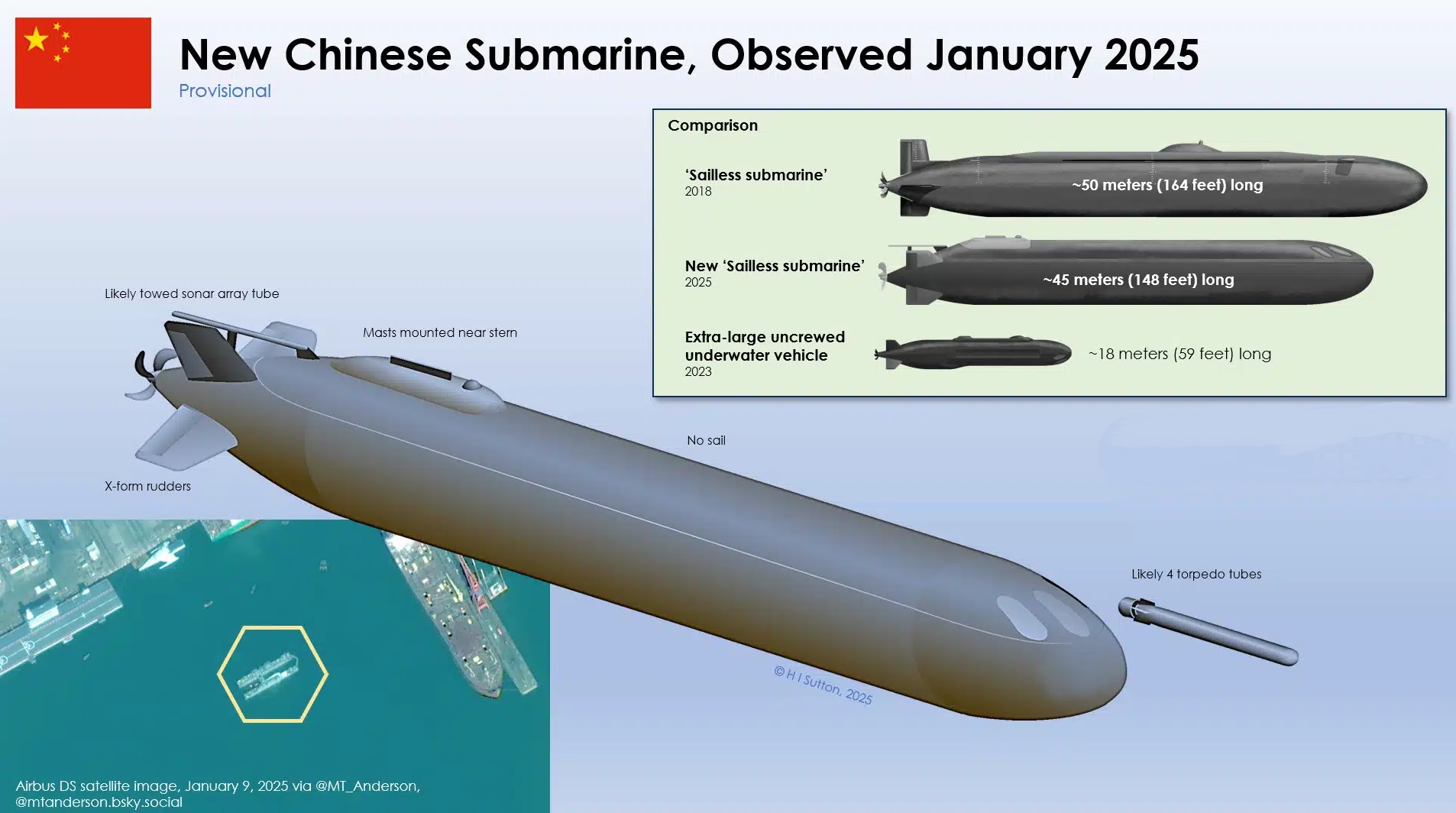
World
In a move that has left Western analysts in a state of speculation, China has unveiled a new submarine at the Wuchang Shipyard in Wuhan. This development is particularly intriguing as the shipyard is traditionally associated with the construction of Type 039A conventionally powered submarines. The emergence of this new vessel has prompted a flurry of analysis and debate regarding its design, capabilities, and intended role within the People's Liberation Army Navy (PLAN). Distinctive Design Features One of the most striking aspects of this new submarine is its adoption of X-form rudders—a first for crewed Chinese submarines. This rudder configuration is known to enhance maneuverability, efficiency, and safety while reducing the vessel's acoustic signature, making it more challenging to detect. Previously, such a design was only observed in China's extra-large uncrewed underwater vehicles (XLUUVs), marking a significant evolution in their submarine design philosophy. Additionally, the submarine's hull appears to be longer than that of the existing Type 039A Yuan class, which measures approximately 253 feet. Estimates suggest that the new vessel spans between 272 to 279 feet. This extended length has led experts to speculate about potential internal modifications, such as the inclusion of a vertical launch system (VLS) for cruise missiles or advancements in propulsion technology. Potential Capabilities and Speculations The elongated hull could indicate the integration of VLS cells, a feature uncommon in conventionally powered submarines. Such an addition would enable the submarine to launch larger cruise missiles, thereby enhancing its strike capabilities. Alternatively, the increased length might accommodate advanced propulsion systems, possibly involving lithium battery technology akin to that used in Japan's latest Soryu class submarines. This would provide the submarine with greater endurance, faster charging times, and reduced maintenance requirements. Another theory posits that the additional space could house specialized equipment for surveillance or covert operations, suggesting a role in intelligence gathering or special forces deployment. The absence of a sail—a vertical structure typically found on submarines—further fuels speculation about the vessel's intended use and design innovations aimed at reducing drag and acoustic signatures. Implications for Naval Warfare The unveiling of this new submarine underscores China's rapid advancements in naval technology and its commitment to expanding and modernizing its submarine fleet. The incorporation of X-form rudders and potential VLS capabilities signifies a strategic shift towards more versatile and stealthy underwater platforms. This development could have significant implications for regional security dynamics, particularly in the South China Sea and surrounding areas. As China continues to innovate and expand its naval capabilities, neighboring countries and global powers will undoubtedly monitor these developments closely. The introduction of such advanced submarines not only enhances China's maritime power but also adds a new layer of complexity to the strategic calculations of other nations. In conclusion, while many details about China's new submarine remain shrouded in mystery, its distinctive design and potential capabilities represent a noteworthy leap in naval technology. As more information becomes available, the global community will gain a clearer understanding of how this vessel fits into China's broader maritime strategy and its implications for future naval engagements.
Read More → Posted on 2025-02-03 15:10:34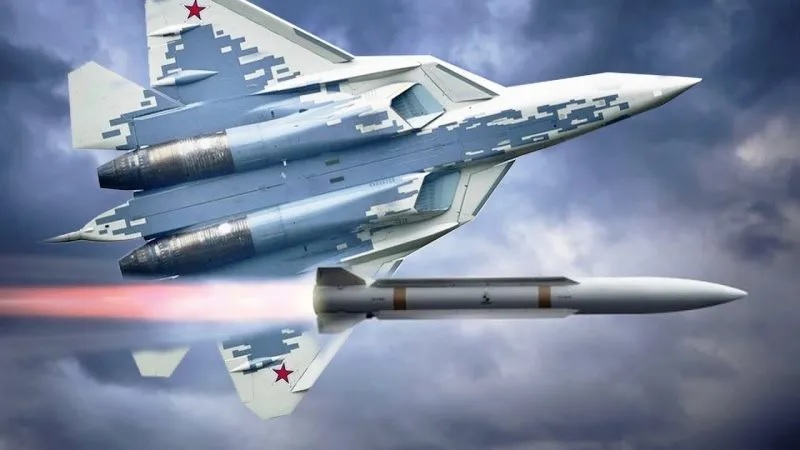
World
Russian media recently made bold claims, asserting that its Su-57 fighter jet outperforms the U.S. F-35 in multiple key areas. According to these reports, the Su-57 is equipped with advanced technologies that provide significant advantages in air combat, making it a superior fighter in terms of engagement distance, stealth capabilities, and weaponry. Engagement Distance: A Key Advantage One of the standout claims is the Su-57’s ability to engage targets at double the distance of the F-35. The Su-57 is equipped with a powerful radar system, which allows it to detect and engage enemy aircraft at a much greater range than its competitors. Russian sources suggest that this increased engagement distance gives the Su-57 a significant advantage in air-to-air combat, allowing it to strike first before the enemy even has the chance to respond. The Su-57 uses the Sh121 radar system, which is said to be highly advanced, operating in multiple frequency bands and capable of tracking multiple targets simultaneously. This radar system, coupled with the jet's advanced sensors and weapons systems, enhances its effectiveness in both offensive and defensive operations. Hypersonic Missiles: The Next-Generation Weapon Another significant advantage that the Su-57 has over the F-35, according to Russian media, is its ability to carry hypersonic missiles. Hypersonic weapons, capable of traveling at speeds greater than Mach 5 (five times the speed of sound), are seen as the future of military aviation due to their speed and maneuverability, making them difficult to intercept by traditional defense systems. Russia has invested heavily in developing hypersonic missiles, and the Su-57 is reportedly capable of carrying and launching these next-generation weapons. The presence of hypersonic missiles gives the Su-57 a significant edge in any conflict, as it can deliver devastating strikes with little warning, bypassing existing missile defense systems. Stealth Technology: “Nearly Invisible” to Radar The Su-57 is also reported to have superior stealth capabilities, being described as “nearly invisible” to enemy radar systems. Russian sources claim that the aircraft’s design, coupled with its advanced stealth coatings, makes it difficult for radar systems to detect or track the jet. This stealth technology is critical in modern air combat, where being seen by the enemy can mean certain defeat. The Su-57's stealth capabilities are enhanced by its unique shape and materials. Its advanced airframe is designed to scatter radar waves, reducing the radar cross-section (RCS) and making it less detectable. Additionally, the aircraft is equipped with a special coating that absorbs radar signals, further increasing its stealth characteristics. Su-57: The Specifications The Su-57, also known as the PAK FA (Prospective Airborne Complex of Frontline Aviation), is a fifth-generation multirole stealth fighter developed by Sukhoi for the Russian military. Below are some of its key specifications: Length: 20.1 meters (66 feet) Wingspan: 14 meters (46 feet) Maximum Speed: Mach 2 (about 2,470 km/h or 1,535 mph) Range: Over 3,500 kilometers (2,175 miles) Service Ceiling: 20,000 meters (65,600 feet) Engines: Two Saturn izdeliye 30 turbofan engines, capable of supercruise (sustained supersonic flight without afterburners) Weapons: The Su-57 can carry a wide range of weapons, including air-to-air missiles, air-to-ground missiles, precision-guided bombs, and hypersonic weapons. It is equipped with an internal weapons bay for better stealth performance. F-35 Comparison: The U.S. Response The F-35, often touted as one of the most advanced stealth fighters in the world, is similarly packed with state-of-the-art technology, including the AN/APG-81 radar, advanced sensors, and stealth features. However, compared to the Su-57, the F-35’s radar and weaponry are said to be less effective at long-range engagements. While the F-35 excels in networked warfare, electronic warfare, and intelligence gathering, the Su-57’s longer engagement range and hypersonic missile capabilities are seen as its key strengths. The F-35 is designed for multirole operations and excels in providing close support and interdiction missions. However, it may face challenges in dogfights and longer-range missile engagements against fifth-generation fighters like the Su-57. The F-35 is also known for its ability to operate from aircraft carriers, which gives it a distinct advantage in naval operations, unlike the Su-57, which is designed primarily for land-based operations. The Future of Air Combat As Russia continues to develop the Su-57 and refine its capabilities, the competition between the Su-57 and F-35 is set to intensify. While the Su-57’s claimed advantages in stealth, engagement range, and hypersonic missile capabilities are impressive, it’s important to note that the F-35 continues to be a formidable opponent with its versatile design and advanced sensor fusion capabilities. Both aircraft represent the pinnacle of modern military aviation technology, with each offering unique advantages for their respective air forces. As more Su-57s enter service with the Russian military, it will be interesting to see how these claims stack up against the real-world performance of both jets in future combat scenarios. In conclusion, while Russian media’s claims about the Su-57’s capabilities may be speculative and should be taken with caution, they highlight the growing competition in fifth-generation fighter technology. Both the Su-57 and the F-35 represent the future of air combat, and the coming years will likely see further advancements that could shift the balance of power in aerial warfare.
Read More → Posted on 2025-02-03 14:18:34
World
AALTO HAPS Ltd., a subsidiary of Airbus, has achieved a significant milestone with its Zephyr High Altitude Platform Station (HAPS). The Zephyr recently completed a 13-day stratospheric flight, marking its inaugural mission from AALTO's newly established facility, AALTOPORT, in Laikipia County, Kenya. Flight Overview The Zephyr operated at an altitude exceeding 60,000 feet, a region above conventional air traffic and weather disturbances. This solar-powered, unmanned aerial system is designed for extended missions, with previous flights demonstrating capabilities of up to 64 continuous days in the stratosphere. Advanced Connectivity Payload Equipped with a payload developed at AALTO's Farnborough headquarters, the Zephyr was designed to provide direct-to-device (D2D) 4G and 5G connectivity. This system is compatible with standard smartphones, enabling video and data services without the need for ground-based infrastructure. During the flight, AALTO conducted tests to assess the performance of this connectivity system, aiming to bridge communication gaps in remote or underserved regions. Technical Specifications Wingspan: The Zephyr boasts a wingspan of 25 meters (82 feet), allowing for optimal solar panel placement and aerodynamic efficiency. Weight: With a lightweight design, the aircraft weighs approximately 60 kilograms (130 pounds), facilitating prolonged flight durations. Altitude Capability: The Zephyr can reach altitudes up to 23,200 meters (76,100 feet), operating well above commercial air traffic. Payload Capacity: It can carry payloads up to 5 kilograms (11 pounds), suitable for various applications including communications and Earth observation. Operational Enhancements Throughout the mission, AALTO validated improvements to the Zephyr's flight envelope, enhancing its stability and performance. These advancements are crucial for maintaining consistent operations in the stratosphere, where environmental conditions can be challenging. Strategic Support and Future Prospects The establishment of AALTOPORT in Kenya was made possible through an 18-month regulatory process, with significant support from the Kenya Space Agency and the Kenya Civil Aviation Authority. This collaboration underscores Kenya's commitment to pioneering aerospace technologies and positions the country as a key player in the advancement of HAPS technology. Hughes Boulnois, CEO of AALTO, emphasized the importance of this flight in the company's commercial roadmap, highlighting Zephyr's potential to complement traditional space and defense ecosystems. Brigadier Hillary B. Kipkosgey, Acting Director General of the Kenya Space Agency, reiterated the agency's dedication to supporting innovative and secure aerospace technologies, positioning Kenya as a global leader in near-space technology development. The successful 13-day stratospheric flight of the Zephyr marks a significant advancement in high-altitude connectivity and Earth observation capabilities. As AALTO continues to refine and expand the Zephyr's applications, the potential for providing persistent, high-quality data and communication services from the stratosphere becomes increasingly attainable.
Read More → Posted on 2025-02-03 14:15:04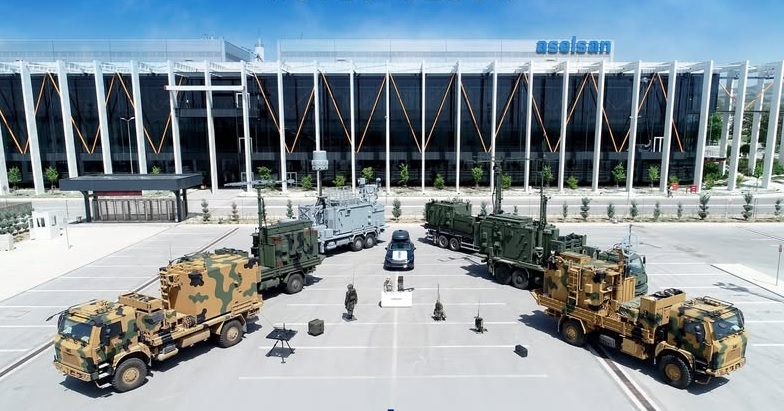
World
ASELSAN, Türkiye’s leading defense technology giant, has set a new benchmark in 2024 by securing over $1 billion in export contracts, marking the highest overseas sales in its history. The company’s rapid expansion, innovative product lineup, and increasing international demand have strengthened its status as a key global defense player. With new deals across land, naval, and air defense domains, ASELSAN has reinforced its leadership in high-tech military solutions while expanding its presence to new markets. Unprecedented Export Growth and Key Deals This year, ASELSAN’s direct export revenues surged to $217 million, double the previous year, while indirect exports through military platforms—such as armored vehicles, naval ships, and aerial systems—amounted to $291 million. In total, ASELSAN’s export volume reached $508 million, a clear sign of its steady global expansion. At SAHA EXPO 2024, the company finalized major contracts worth $95.1 million with Türkiye’s drone manufacturer Baykar, covering friend-or-foe recognition systems, satellite communication units, airborne radios, guided munition kits, and electro-optical payloads. These deals are intended for various customers across Asia and Africa, highlighting ASELSAN’s increasing foothold in emerging markets. New Markets and Cutting-Edge Military Technologies In a bold expansion move, ASELSAN signed contracts with seven new countries, bringing the total number of nations using its technology to 92. This year also saw the export of 31 cutting-edge products for the first time, including: ASELFLIR-500: A next-gen electro-optical surveillance system widely integrated into UAVs, exported to 16 countries in its debut year. GÖZDE & KGK Guidance Kits: Advanced precision-guided munition kits enhancing air-to-ground strike capabilities. CENK Naval Radars: High-performance maritime surveillance systems. FERSAH Anti-Submarine Sonar: Designed for underwater threat detection and engagement. To address evolving battlefield threats, ASELSAN also introduced a new wave of anti-drone and jamming systems, such as: KORKUT 25 mm Remote-Controlled Weapon System for short-range air defense. BUKALEMUN GNSS Spoofing System to disrupt enemy navigation. KANGAL-FPV Jamming System to neutralize swarming drone attacks. SEDA 100-cUAV Acoustic Detection System for enhanced battlefield awareness. Strengthening Global Presence & Space Technology Contributions With a growing global demand for advanced defense systems, ASELSAN expanded its physical footprint by opening new offices in six additional countries, bringing its international network to 20 locations. This strategic move aims to enhance after-sales support and strengthen defense collaborations. Beyond military applications, ASELSAN also contributed to Türkiye’s first indigenous communication satellite, TÜRKSAT-6A, by supplying Ku-Band and X-Band LOCUS payloads. This milestone positions ASELSAN as a major player in satellite and space-based communication technologies, a field crucial for both defense and commercial use. CEO’s Vision and Future Strategy ASELSAN President & CEO Ahmet Akyol called 2024 a transformational year for the company, citing record-breaking orders and deliveries. He noted ASELSAN’s rise in the Defense News Top 100 rankings, where it climbed five positions, making it one of the world’s fastest-growing defense firms. As ASELSAN approaches its 50th anniversary in 2025, it remains committed to advancing next-generation military technology under its aselsaneXt2030 strategy. The company aims to maintain technological leadership by investing in AI-driven defense systems, smart munitions, and advanced electronic warfare solutions. ASELSAN’s $1 billion export success in 2024 underscores its growing dominance in the global defense market. By expanding into new regions, delivering state-of-the-art weaponry, and playing a critical role in Türkiye’s defense and space sectors, the company is well-positioned for continued international success in the years ahead.
Read More → Posted on 2025-02-03 14:04:26
World
Spain has achieved a significant milestone in its space and defense capabilities with the successful launch of the SpainSat NG I, hailed as Europe's most advanced communications satellite. This state-of-the-art satellite is set to revolutionize secure communications for the Spanish Armed Forces and allied nations. Launch Details On January 29, 2025, the SpainSat NG I was launched aboard a SpaceX Falcon 9 rocket from Cape Canaveral, Florida. The satellite, developed by Airbus Defence and Space in collaboration with Thales Alenia Space, represents a major leap in Spain's space industry. Satellite Specifications The SpainSat NG I boasts impressive dimensions, standing at 6.7 meters tall and weighing over six tons. It operates across three frequency bands: X-band: Primarily used for military communications. Military Ka-band: Offers high-capacity data transmission. UHF (Ultra High Frequency): Ideal for secure, long-range communications. These capabilities ensure robust and secure communication channels for various military operations. Advanced Features Equipped with cutting-edge technology, the SpainSat NG I features: Active Antenna System: Allows for real-time reconfiguration, enhancing flexibility in operations. Interference Detection and Mitigation: Capable of detecting, geolocating, and neutralizing potential signal interferences with high precision. Radiation Hardening: Designed to withstand high levels of radiation, ensuring functionality even in the event of a nuclear incident. Operational Scope Once operational by mid-2025, the SpainSat NG I will provide coverage to approximately two-thirds of the Earth's surface. Its primary mission is to ensure effective command and control for the Spanish Armed Forces, especially in regions lacking secure communication infrastructure. The satellite will also support NATO and other international allies, reinforcing Spain's commitment to global security. Future Endeavors Building on this success, Spain is preparing to launch the SpainSat NG II, a twin satellite designed to further enhance coverage and capabilities. The SpainSat NG II is scheduled for launch in late 2025, complementing its predecessor and ensuring comprehensive secure communication services well into the future. Strategic Significance The deployment of the SpainSat NG I marks a pivotal moment for Spain's defense and space sectors. It not only elevates the nation's technological prowess but also solidifies its position as a key player in secure military communications on the global stage.
Read More → Posted on 2025-02-03 13:53:38Search
Top Trending in 24 Hours
-
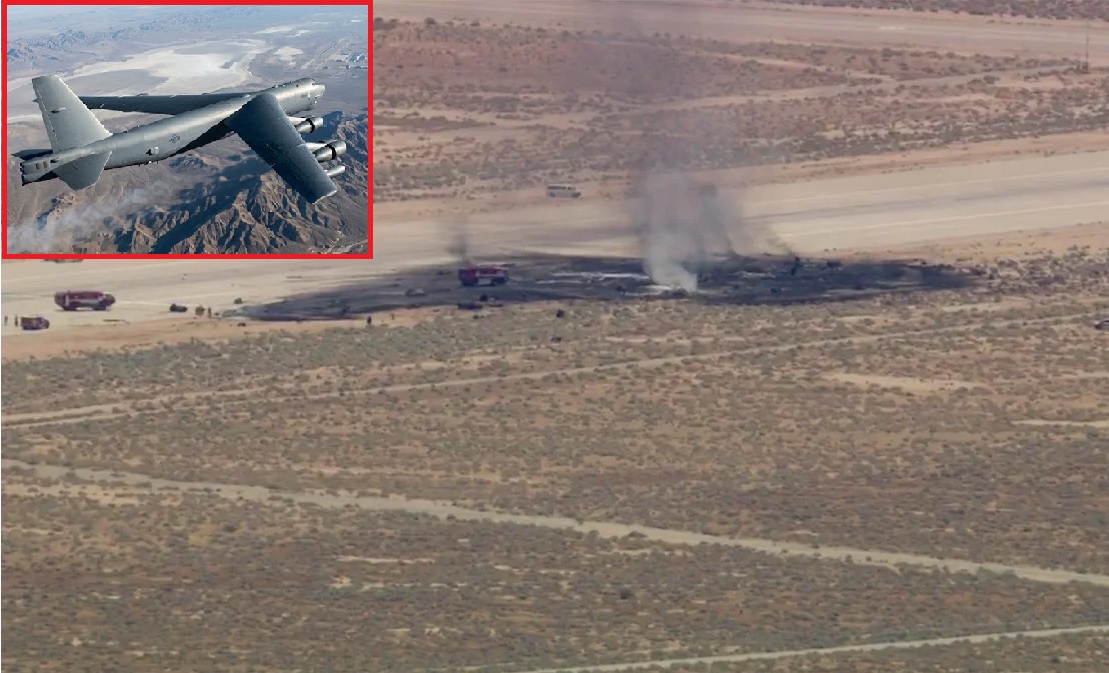 8 U.S. Air Force Crew Members Killed in B-52 Bomber Crash During Test Flight at Edwards Air Force Base
-
 Ukraine Introduces Balloon-Launched DART Missile Designed to Defeat Electronic Warfare
-
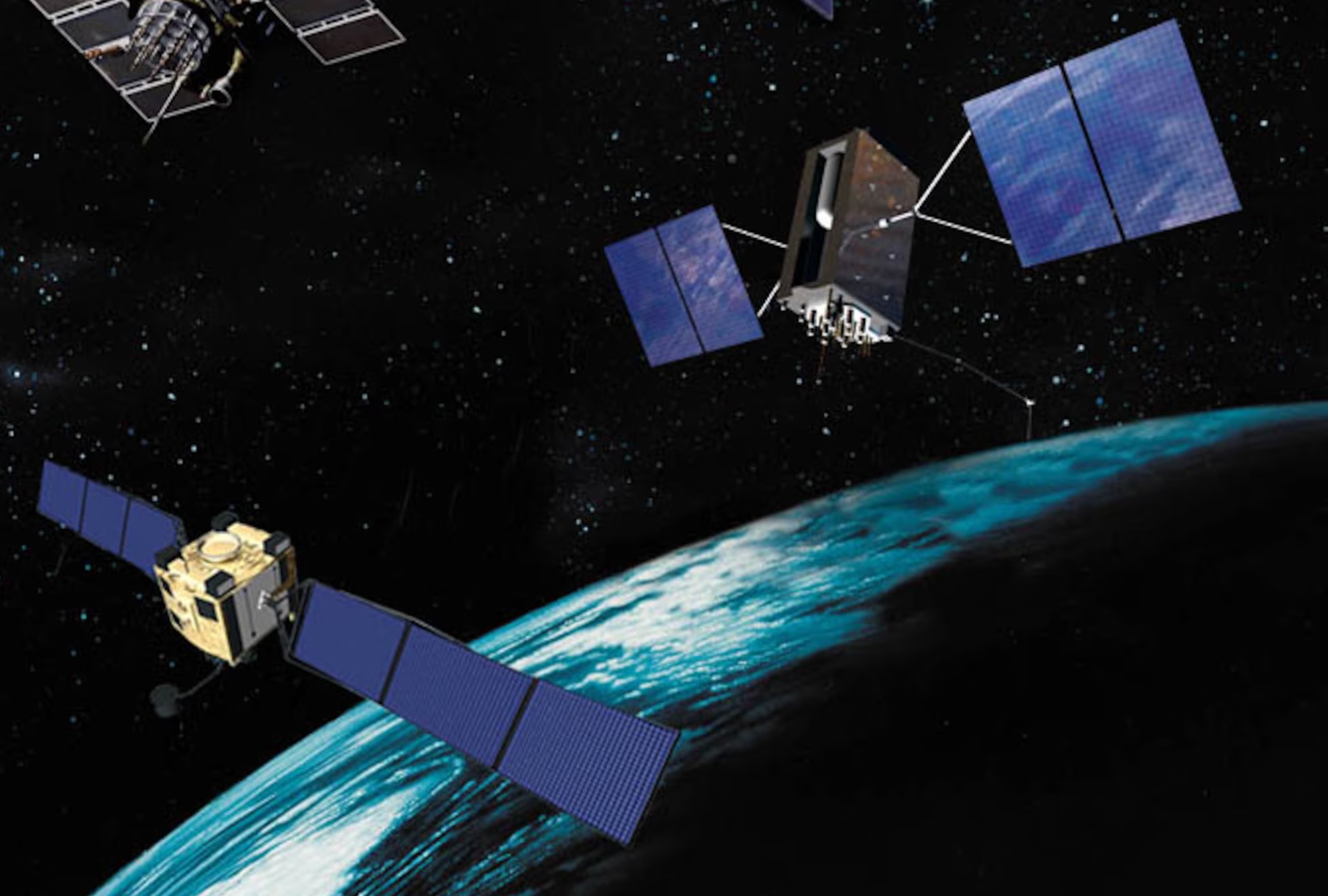 Lockheed Martin Wins $514 Million U.S. Space Force Contract for Two New GPS IIIF Satellites
-
 UK Announces £210 Million Deal to Supply Enriched Uranium to Ukraine for Two Years
-
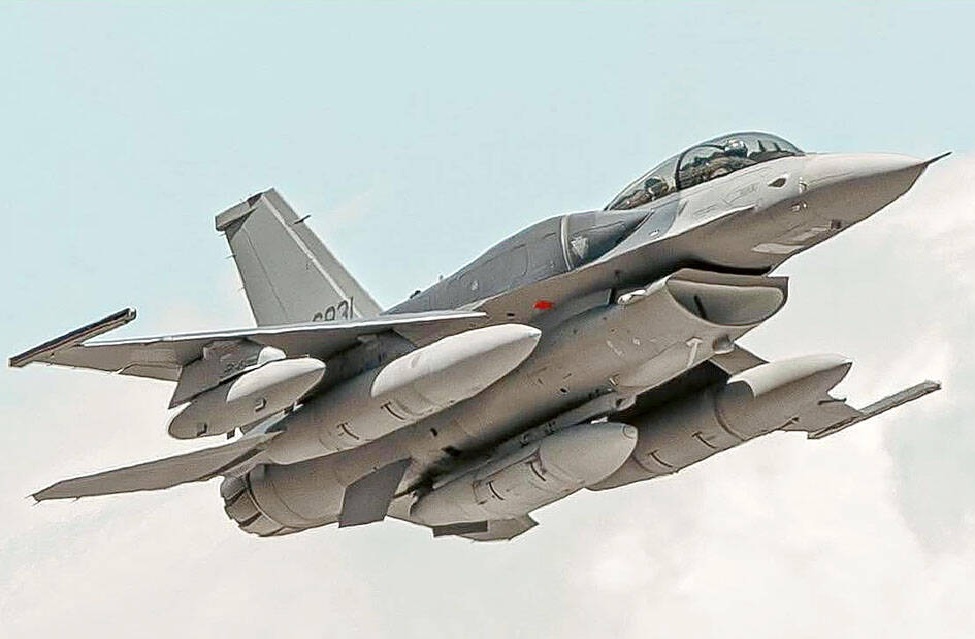 First Taiwanese F-16 Block 70 Flies with Five-Tank Fuel Configuration During Texas Tests
-
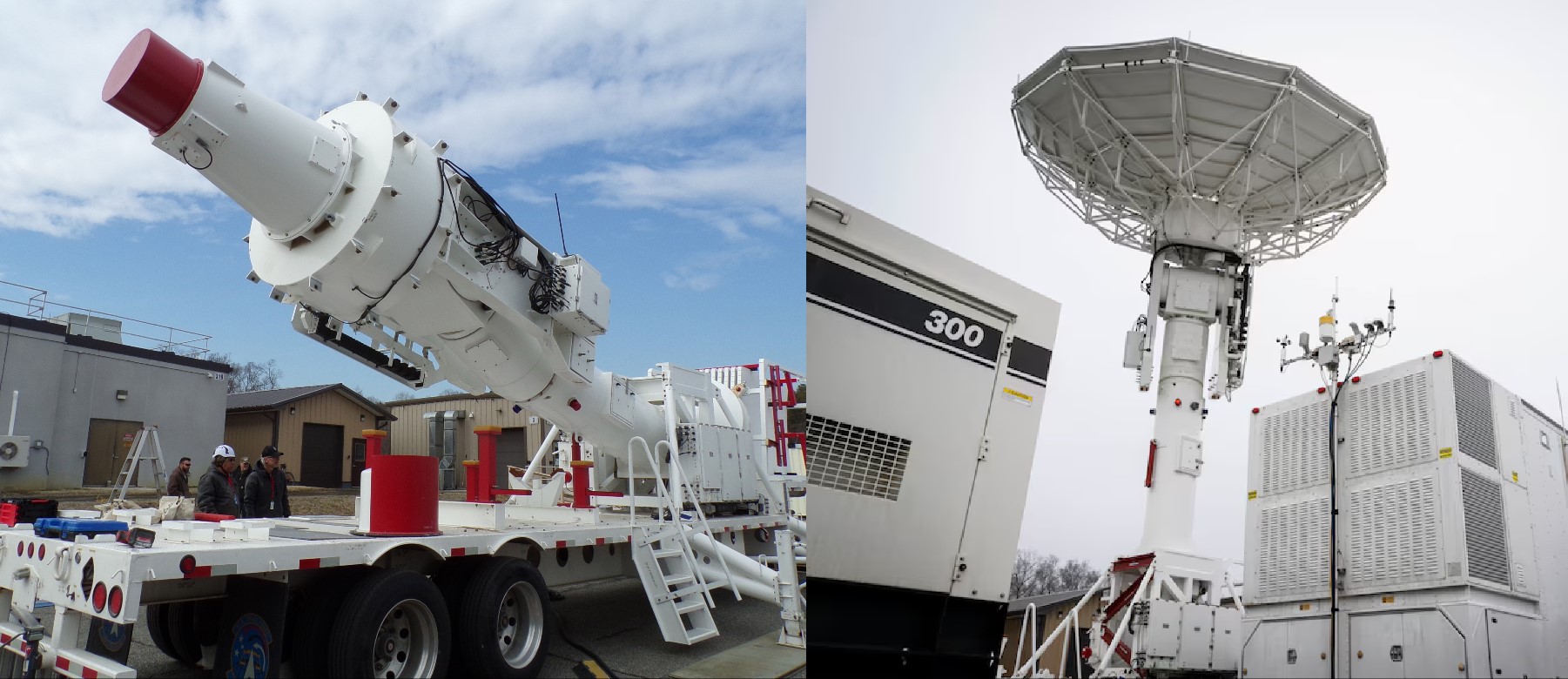 Space Force Transfers Transportable Satellite Tracking Antenna to Naval Research Laboratory
-
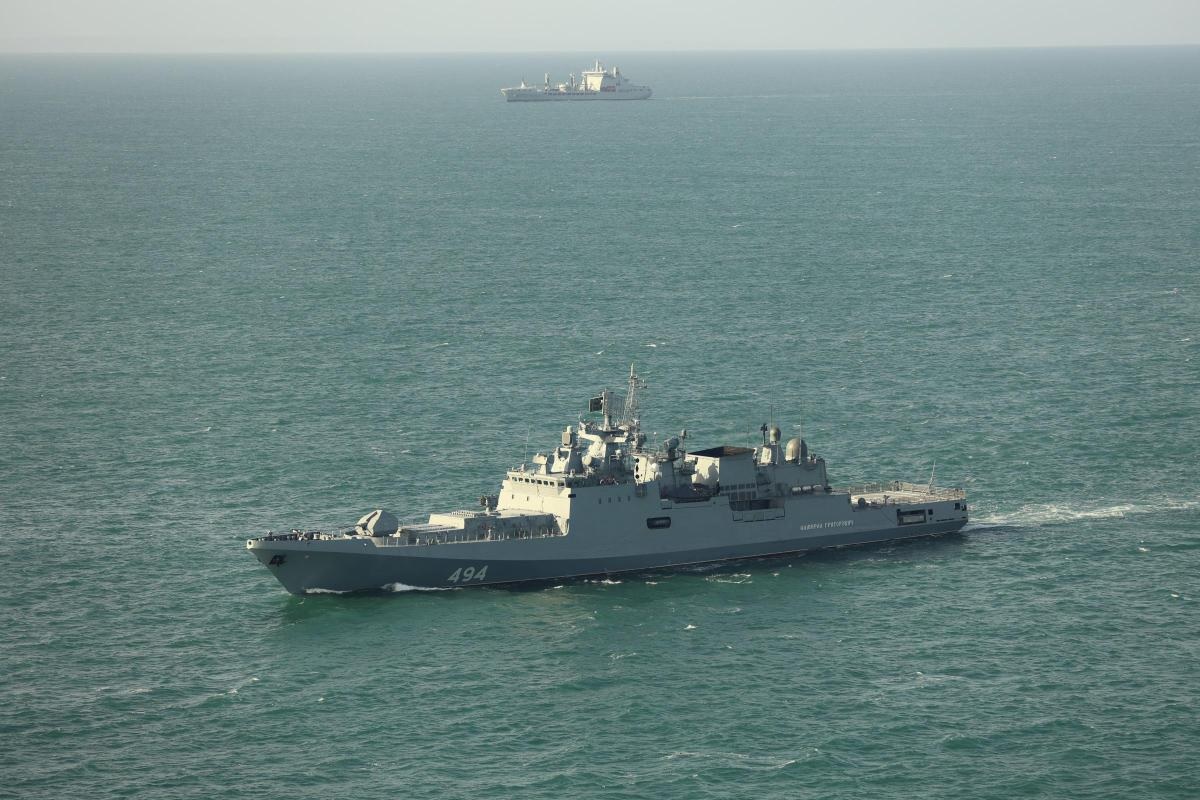 Russian Frigate Admiral Grigorovich Challenges UK Yacht in English Channel With Warning Shots
-
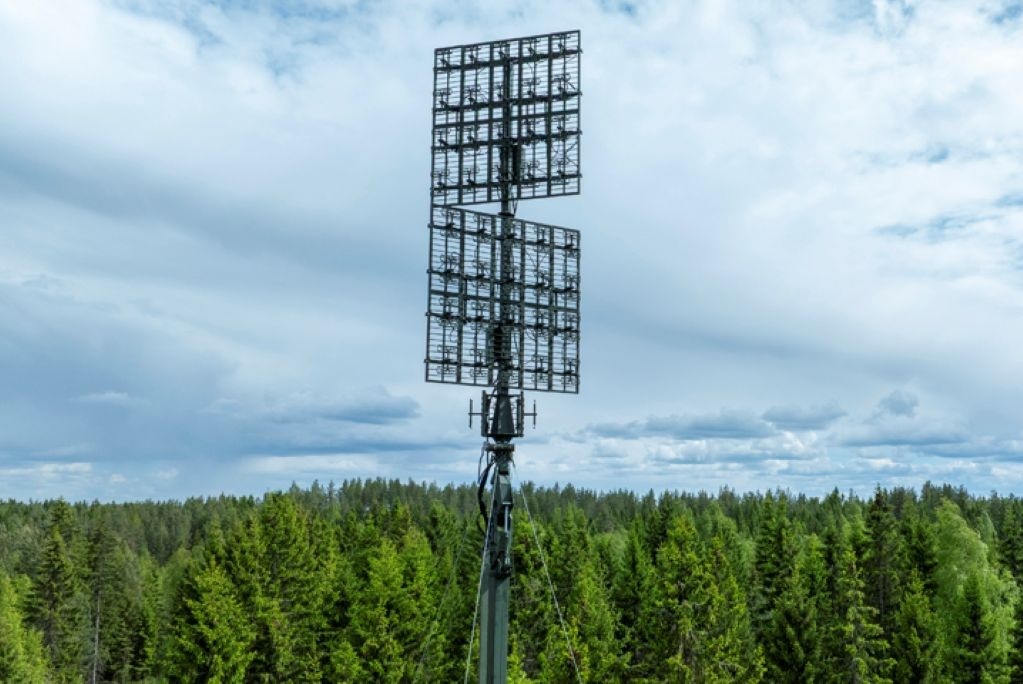 Patria Launches WISPR Passive Counter-Battery Radar with Silent Detection Capability at Eurosatory 2026
Top Trending in 4 Days
-
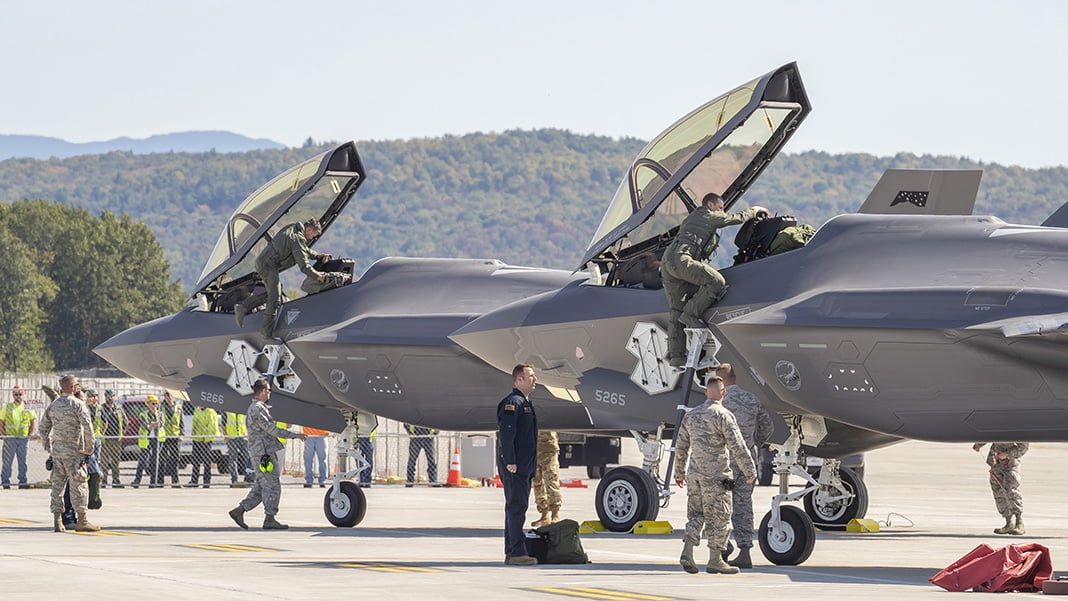 F-35 Fleet Readiness Falls to 25% Amid Parts Shortages and Software Delays: GAO Report
-
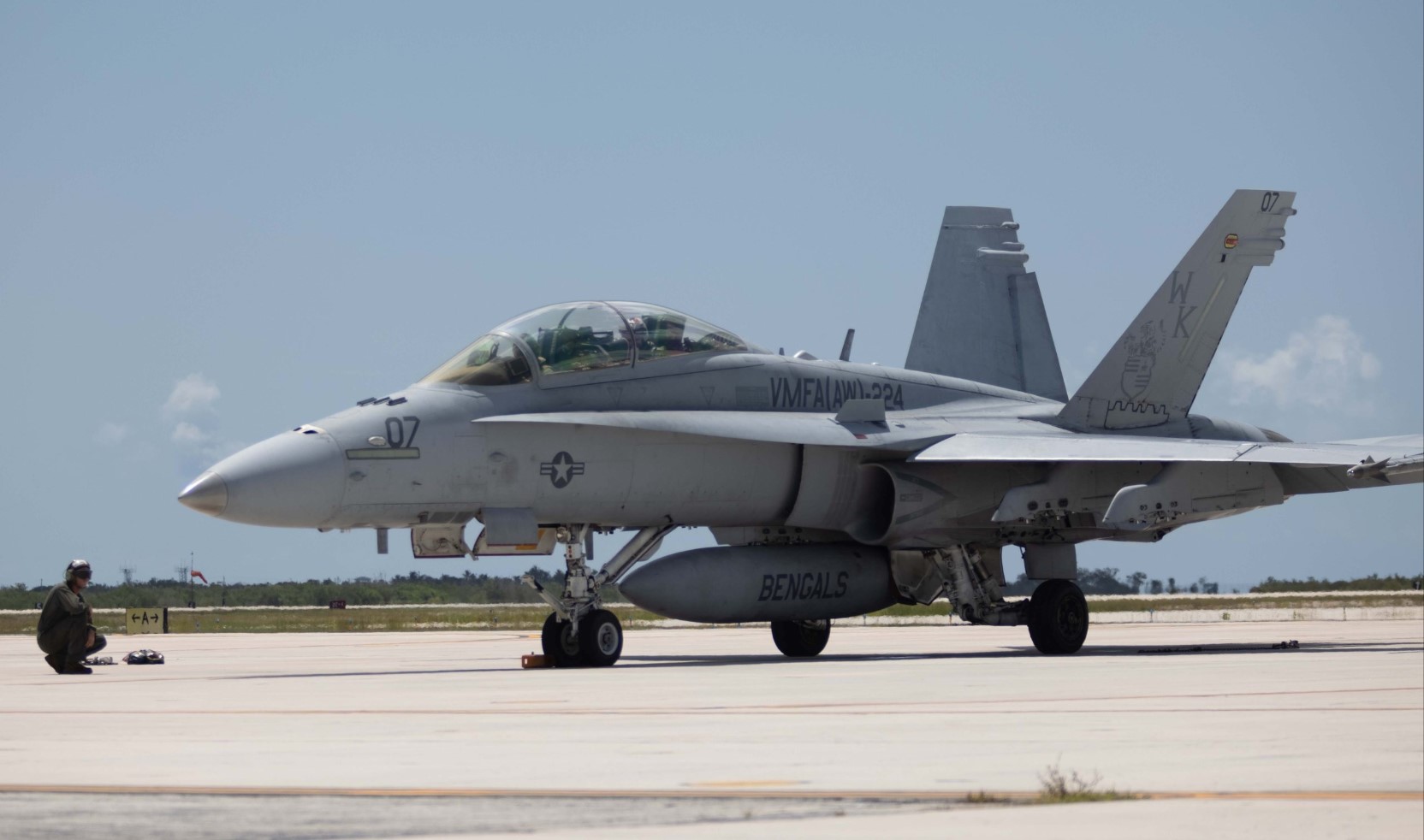 US Marine Corps F/A-18D Hornet Crashes During Training Flight in Washington Mountains; Pilot Ejects Safely
-
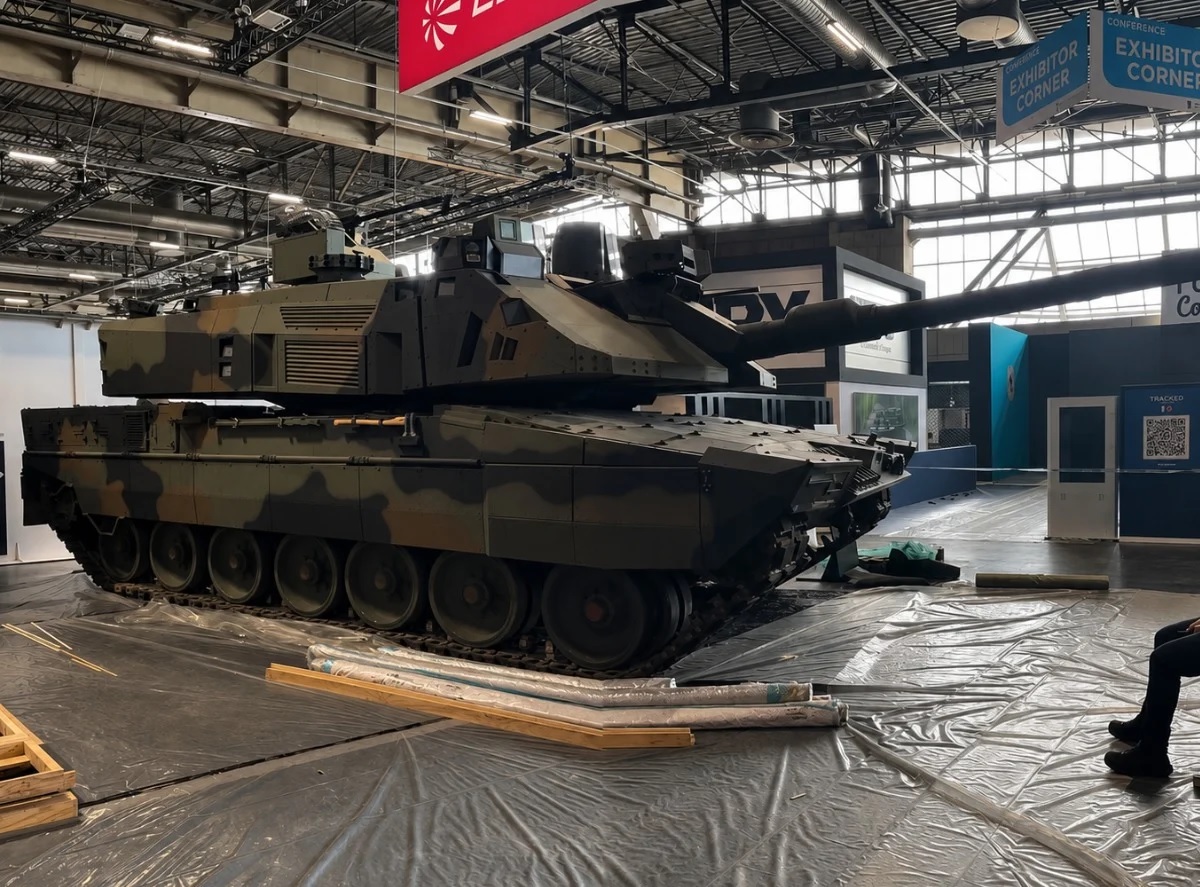 Leonardo Rheinmetall to Unveil Italy’s New IMBT Main Battle Tank at Eurosatory 2026
-
 Tulsi Gabbard Releases Declassified Files Detailing U.S.-Backed Network of 120 Biolaboratories Across 30+ Countries
-
8 U.S. Air Force Crew Members Killed in B-52 Bomber Crash During Test Flight at Edwards Air Force Base
-
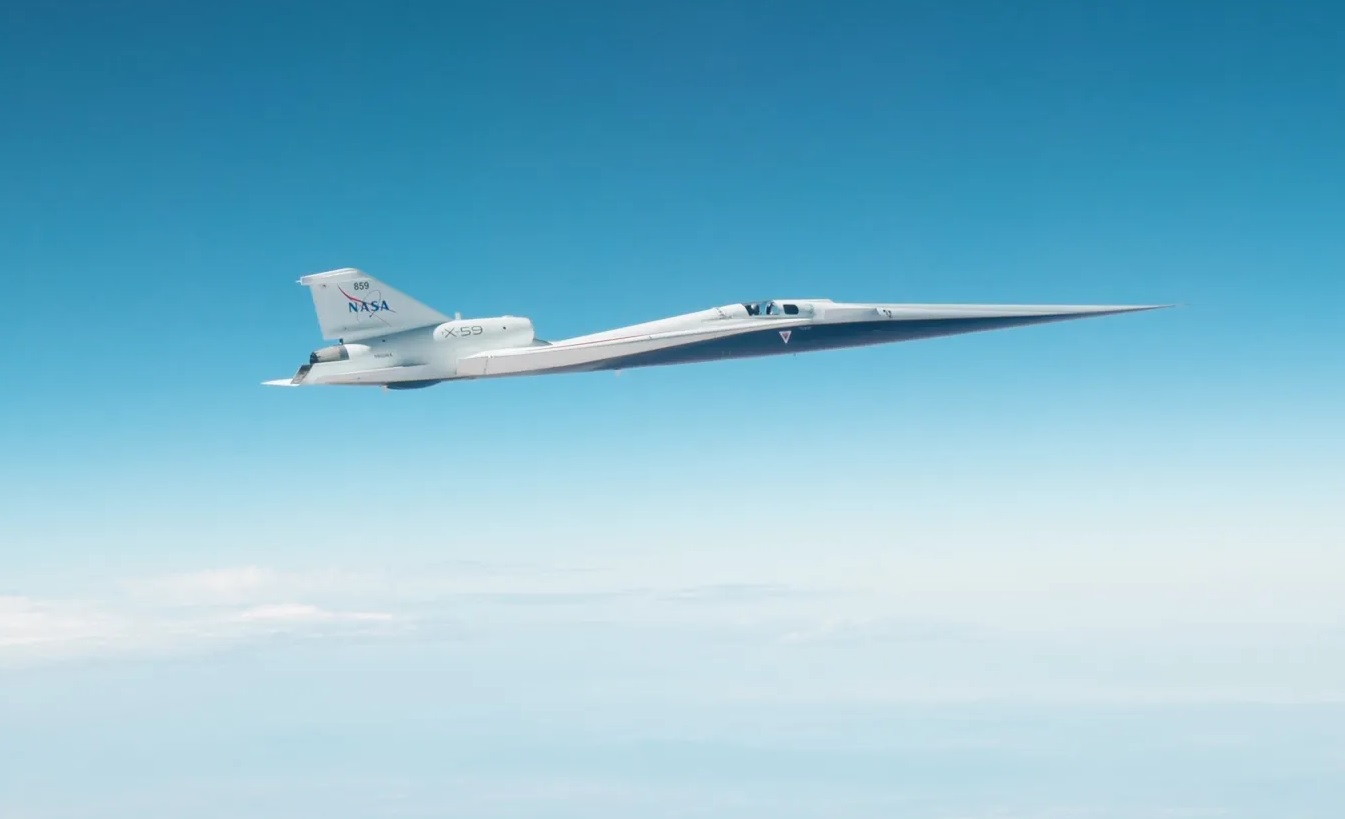 NASA X-59 Achieves Planned Mission Conditions with Mach 1.4 Flight at 55,000 Feet
-
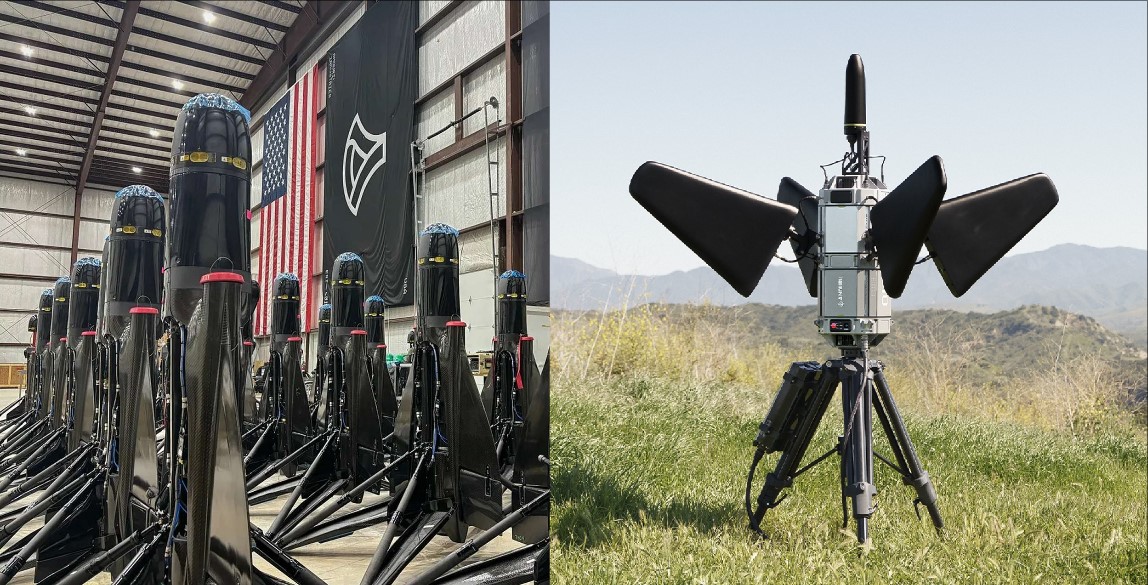 U.S. Approves $1.98 Billion Sale of Anduril AI-Powered Counter-Drone Systems to Kuwait
-
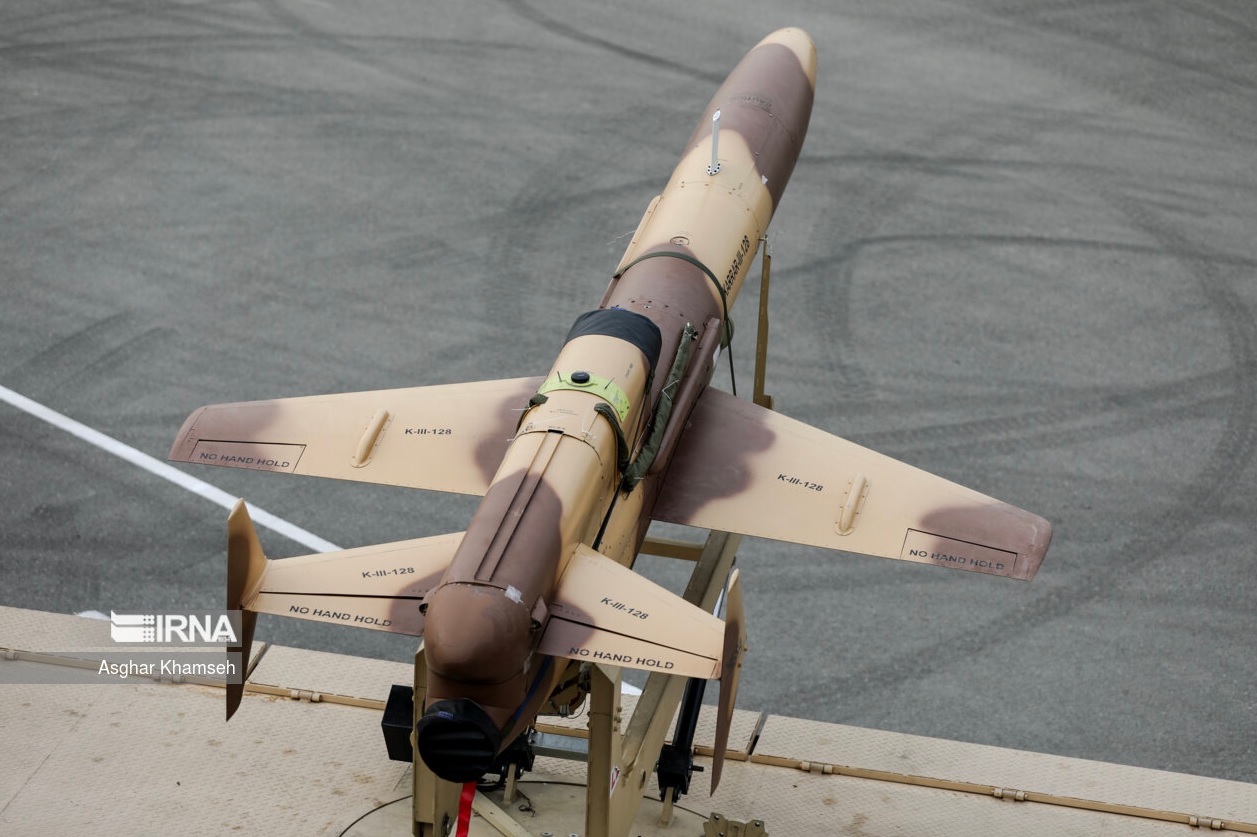 Russia Launches 1,400 Jet-Powered Drones in 2026 as Strike Tactics Evolve to Challenge Ukraine's Air Defenses