
Elbit Systems Wins $1.63 Billion European Defense Deal to Deliver Multi-Domain Military Technologies
World
Israel’s defense giant Elbit Systems Ltd. has secured a landmark $1.635 billion contract to supply a comprehensive suite of advanced military technologies to an undisclosed European nation, in one of the company’s largest-ever European deals. The five-year agreement will significantly bolster the recipient country’s defense capabilities across land, air, and electronic warfare domains. The deal spans two major categories. The first involves long-range precision strike artillery-rocket systems and a diverse range of unmanned aerial systems (UAS). These include tactical reconnaissance drones, operational-level surveillance platforms, and loitering munitions designed for precision engagement, as well as portable, soldier-operated drones for frontline intelligence gathering. The second category focuses on cutting-edge ISTAR (Intelligence, Surveillance, Target Acquisition, and Reconnaissance) capabilities. This includes advanced signals intelligence (SIGINT), communications intelligence (COMINT), and electronic warfare systems. Elbit will also supply modern electro-optical sensors, night-vision devices, combat vehicle upgrades, and active protection systems to shield against anti-tank threats. A key component of the package is a C4ISR (Command, Control, Communications, Computers, Intelligence, Surveillance, and Reconnaissance) solution that digitally links every layer of the battlefield—from strategic headquarters to individual combat vehicles—through next-generation software and secure communication hardware. According to the company, the technologies will provide the customer with greater situational awareness, faster decision-making cycles, and higher precision in strike missions, essential for modern multi-domain warfare. The contract also features industrial cooperation measures, ensuring that a portion of the work and technology transfer will take place within the buyer’s own defense industry. This move is expected to boost domestic manufacturing capacity, create skilled jobs, and enhance the European nation’s long-term defense independence. Defense analysts note that the deal comes at a time of heightened European security concerns following increased geopolitical tensions and conflict on the continent. Many NATO and EU member states are accelerating military modernization, with a strong focus on integrated, network-centric warfare systems capable of countering both conventional and hybrid threats. Bezhalel (Butzi) Machlis, Elbit Systems’ President and CEO, said the agreement underscores Europe’s growing reliance on combat-proven Israeli technologies. “Our integrated, multi-domain solutions have demonstrated operational success and adaptability in some of the most challenging environments. We are proud to support this European partner in strengthening its national security,” he said. The five-year rollout will be implemented in phases, aligning with the customer’s military modernization strategy. Once completed, the program is expected to transform the nation’s defense posture, providing a strategic deterrent while also enhancing battlefield support capabilities in any future conflict scenario.
Read More → Posted on 2025-08-13 15:52:17
World
Pakistan has introduced its latest missile, the Fatah-4, a ground-launched cruise missile designed to overcome the shortcomings of its earlier systems that were neutralized by India’s Akash air defense system during Operation Sindoor. The Fatah-1 and Fatah-2 missiles, both short-range artillery rockets, had been intercepted with high success rates by India’s air defense network in recent engagements. In response, Pakistan developed the Fatah-4 to fly at low altitudes, making it harder for radar systems to detect, and to strike targets at distances of over 750 kilometers. Specifications of the Fatah-4 Type: Ground-launched cruise missile Range: 750+ kilometers Warhead: 330 kg high-explosive fragmentation Guidance: Advanced AI-based navigation with satellite and terrain-following capabilities Accuracy: Less than 5 meters CEP (Circular Error Probable) Speed: Approximately 0.7 Mach (~860 km/h) Flight Profile: Low-altitude, terrain-hugging Launch Platform: Mobile transporter-erector-launcher (TEL) The missile’s AI guidance system is designed to track moving and stationary targets with exceptional precision, even in environments with electronic warfare interference. Its terrain-hugging flight path is meant to minimize detection time for defensive radars. However, the Fatah-4 has a critical vulnerability—its subsonic speed of 0.7 Mach. While this makes it efficient for long-range, low-level flight, it also allows India’s air defense systems and fighter jets to detect, track, and intercept it with relative ease. Systems like Akash, Spyder, and Barak-8, combined with Su-30MKI and Rafale fighter jets due to it's low speed, can engage such slow-moving cruise missiles before they reach critical targets. Analysts say this speed limitation reduces the missile’s ability to penetrate India’s layered defense network, which integrates long-range surveillance radars, quick-reaction interceptors, and advanced fighter aircraft. While the Fatah-4 represents a technical leap in Pakistan’s missile development with its AI-based precision and extended range, its low speed means it is more suited for surprise attacks on lightly defended or static targets, rather than heavily guarded strategic installations in India.
Read More → Posted on 2025-08-13 15:47:03
World
The U.S. Department of Defense has officially revealed the design of its ambitious Golden Dome missile defense system, a massive multi-layer shield intended to protect the continental United States, Alaska, and Hawaii from ballistic, cruise, and hypersonic missile threats. The announcement was made before nearly 3,000 defense industry representatives in Huntsville, Alabama, underscoring both the scale and urgency of the program. With an estimated cost of $175 billion, the Golden Dome is expected to achieve initial operational capability by 2028. It represents one of the most comprehensive homeland missile defense efforts in U.S. history, combining space-based early warning with multiple tiers of ground-based interceptors in an architecture far larger and more complex than Israel’s Iron Dome. Four Layers of Protection The Golden Dome is built around four interlocking layers of interception, each targeting different phases of a missile’s flight: Boost-Phase Space Interception – Orbital kill vehicles will attempt to destroy missiles in their powered ascent above 100 kilometers, when they are most vulnerable. Midcourse Interception – Using Next Generation Interceptors (NGI) and SM-3 Block IIA missiles, threats will be engaged in space between 80 and 1,200 kilometers from Earth. High-Altitude Terminal Defense – THAAD batteries and Aegis SM-6 missiles will neutralize warheads and hypersonic glide vehicles between 40 and 150 kilometers. Low-Altitude Point Defense – Patriot PAC-3 MSE interceptors, short-range missile batteries, and future high-energy laser systems will guard critical locations against any surviving threats. A new NGI missile field in the Midwest is planned to reinforce existing Ground-Based Midcourse Defense (GMD) sites in Alaska and California, improving coverage against attacks from multiple directions. Strategic and Industrial Impact The Pentagon has already secured over $70 billion in funding for early development. While details about the number of interceptors, radar stations, and support facilities remain classified, industry heavyweights such as Lockheed Martin, Northrop Grumman, Boeing, and Raytheon are expected to compete for major contracts. The project will also draw in dozens of subcontractors, boosting U.S. defense manufacturing and creating thousands of jobs across multiple states. The system is designed in response to growing missile capabilities from China, Russia, North Korea, and Iran—including hypersonic glide vehicles that can evade traditional defense systems. Pentagon officials say the Golden Dome will serve not only as a physical shield but as a strategic deterrent, making it riskier for adversaries to launch an attack in the first place. Challenges Ahead Despite its advanced design, defense experts caution that no missile shield is invincible. The vast geography of the United States, coupled with potential saturation attacks and sophisticated decoys, could strain even the most capable systems. Hypersonic weapons, with their unpredictable flight paths, remain one of the most difficult threats to counter. The Golden Dome is expected to be integrated with existing U.S. missile defense networks, allied radar systems, and space-based tracking assets to maximize coverage. By blending traditional interceptors with emerging technologies like directed-energy weapons, the Pentagon hopes to create a defense infrastructure that can adapt to evolving threats over the next several decades. If successful, the Golden Dome will mark a historic leap in U.S. homeland defense, giving Washington a layered, resilient network capable of countering a wide range of missile threats—though officials admit it will never be an impenetrable shield.
Read More → Posted on 2025-08-13 15:41:53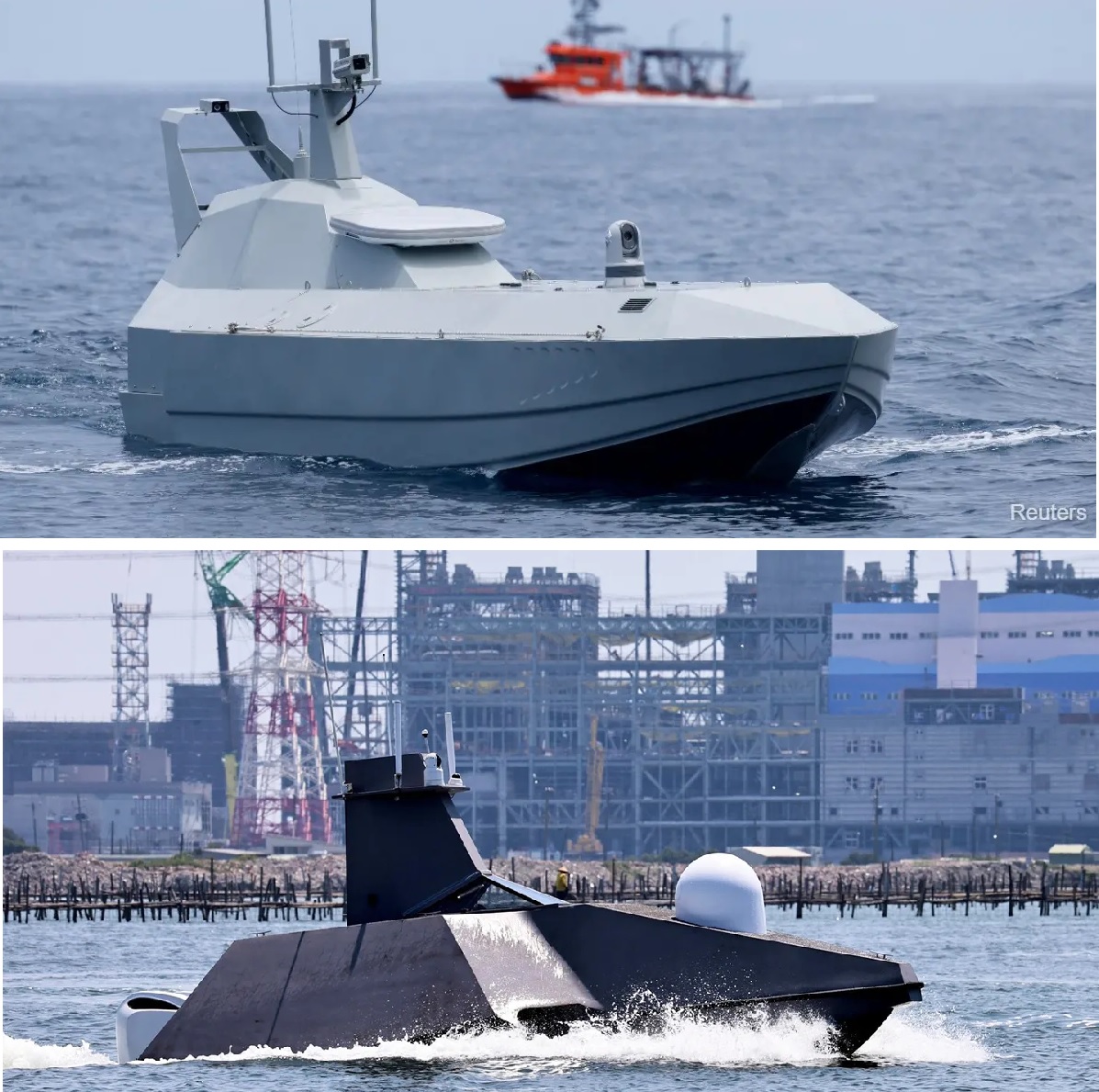
World
Taiwan is racing to transform its coastal defenses with a fleet of advanced armed uncrewed surface vessels (USVs), a technology that has already proven its value in modern warfare. Drawing heavily on the lessons of the Ukraine–Russia conflict in the Black Sea, these high-speed naval drones are designed to hunt, disrupt, and destroy an invading force long before it reaches Taiwan’s shores. The urgency is clear: with the People’s Republic of China (PRC) maintaining the world’s largest navy and rehearsing large-scale amphibious operations, Taiwan needs cost-effective tools to counter a numerically superior fleet. USVs offer exactly that — fast, hard-hitting platforms that can operate autonomously or remotely, deliver precision strikes, and force enemy ships into predictable patterns that make them easier targets for Taiwan’s missiles, aircraft, and coastal defenses. Why These Designs Stand Out Taiwan’s new USVs are not simple motorboats with explosives; they are purpose-built combat drones packed with stealth features, advanced communications, and multi-role payloads. Key designs include: Kuaiqi – Modeled after Ukraine’s most successful drones, this low-profile vessel uses twin diesel outboards to reach speeds of 43 knots. It can carry a bow-mounted explosive ram for direct strikes, a hangar for quadcopter drones to provide aerial reconnaissance, and six launch tubes for loitering munitions, such as Taiwan’s indigenous Jing Feng type. Endeavour Manta – A sleek trimaran built from stealthy fiber-reinforced plastic. At 8.6 meters long, it has a sail-like mast housing communications systems and can operate with or without a crew. Its design reduces radar detection, allowing it to get close to enemy ships before being spotted. Sea Shark 800 – A larger evolution of Taiwan’s first-generation USV, with fully enclosed twin outboard motors that may provide light armor protection. Its size allows for heavier payloads and potentially longer-range missions. Piranha 9 – A 9-meter stealth attack drone coated in radar-absorbent material. It houses a large central hangar for loitering munitions and is powered by twin water jet systems for rapid maneuverability. These designs combine speed, stealth, and modular weapons capability — a rare combination for small surface craft. They can swarm enemy formations, strike high-value targets like landing barges or supply ships, and then retreat or self-destruct before interception. A Strategic Shift in Taiwan’s Defense The development program, led by the National Chung-Shan Institute of Science & Technology in partnership with multiple private firms, has accelerated dramatically in the past year. Field trials of several prototypes are already underway, and Taiwan is reportedly moving toward mass production to ensure these drones can be deployed in large swarms. In a real-world scenario, a fleet of these USVs could soften up an invasion force before it reaches the beaches, target vulnerable resupply ships, and force Chinese warships into narrow defensive formations. This would make them easier prey for Taiwan’s shore-based anti-ship missiles like the Hsiung Feng III or U.S.-made Harpoons. Raising the Stakes for Beijing Military analysts say these USVs won’t guarantee victory in the event of war, but they could make any attempted invasion far costlier for the PRC. They add an extra layer of uncertainty for Chinese commanders, who would have to plan for hidden, fast-moving threats in addition to Taiwan’s air, missile, and submarine defenses. In modern warfare, small, smart, and expendable systems can sometimes have a bigger impact than large, expensive platforms. For Taiwan, these naval drones may become the wild card that forces Beijing to think twice before launching a full-scale assault.
Read More → Posted on 2025-08-13 14:55:51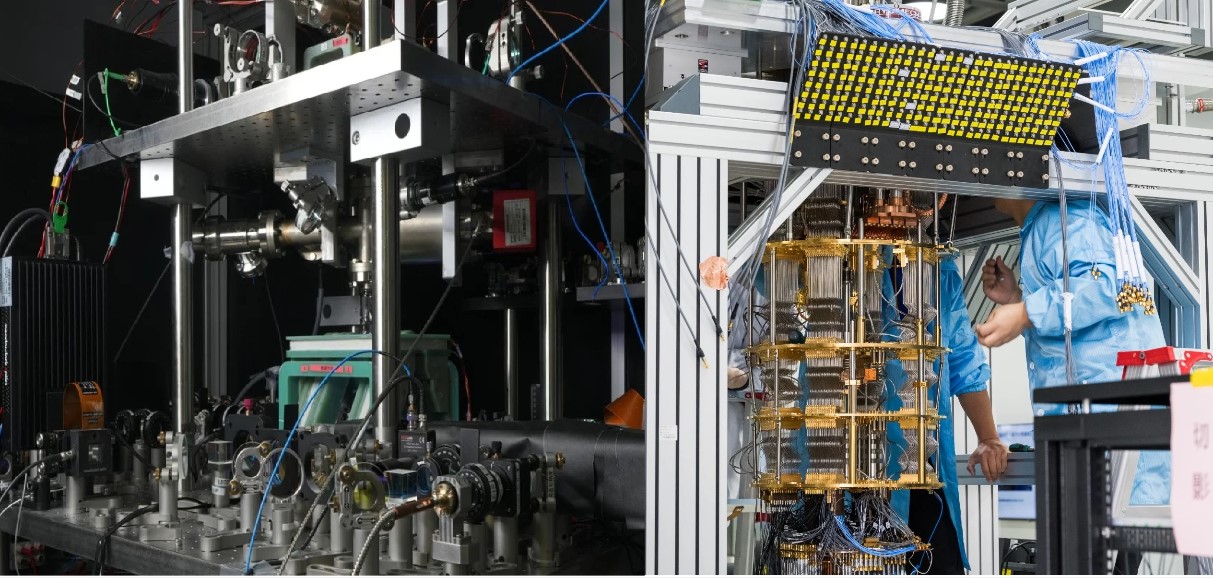
World
A research team led by renowned Chinese physicist Pan Jianwei has achieved a major milestone in quantum computing by developing an atom-arranging system capable of creating arrays 10 times larger than any previous atom-based quantum setup. The innovation, which can arrange more than 2,000 rubidium atoms into perfect patterns in just 60 milliseconds, could pave the way toward quantum computers with tens of thousands of qubits. Pan’s team, from the University of Science and Technology of China (USTC), collaborated with the Shanghai Artificial Intelligence Laboratory to solve one of the biggest bottlenecks in neutral-atom quantum computing: the slow process of positioning each atom individually. Instead, they designed an artificial intelligence system that shifts all atoms simultaneously using advanced laser shaping technology. The system employs a high-speed spatial light modulator to direct focused laser beams—known as optical tweezers—which trap and rearrange the atoms into two- or three-dimensional arrays. This approach maintained the same speed of arrangement regardless of the array’s size, a key indicator that it could be scaled to much larger systems without slowing down. The team’s experiments reached world-class precision in quantum operations, performing single-qubit tasks with 99.97% accuracy and two-qubit operations with 99.5% accuracy, while detecting qubit states with 99.92% accuracy. These figures match the performance of top global research centers such as Harvard and MIT, but with a significantly larger atom array than most current systems. Atom-based quantum computers are considered one of the most promising approaches in the field, thanks to their stability and scalability. Unlike superconducting circuits or trapped ions, neutral atoms can be controlled in large numbers with minimal interference, making them ideal for building large quantum processors. Until now, however, working systems were typically limited to a few hundred atoms due to technical constraints. In a striking demonstration of their system’s capabilities, Pan’s group arranged about 550 rubidium atoms to recreate a physical version of the famous Schrödinger’s cat quantum thought experiment—something previously impossible at this scale with such speed and accuracy. Despite the breakthrough, the researchers acknowledge current limitations. In three-dimensional configurations, atoms can only be moved within the same layer; moving them vertically risks losing them. The size of the array is also restricted by the available laser power and the precision of beam-shaping devices. The next goal is to develop more powerful lasers and faster, more precise modulators, which could enable perfect arrangement of tens of thousands of atoms. If achieved, such a system could become the foundation for a truly practical quantum computer, capable of solving problems far beyond the reach of today’s most powerful supercomputers. Experts believe that progress in this field could accelerate breakthroughs in cryptography, advanced material design, AI training, and large-scale simulations of physical systems. For China, which has invested heavily in quantum technologies, Pan’s achievement represents a significant step toward global leadership in next-generation computing.
Read More → Posted on 2025-08-13 14:46:10
World
California-based Radiant has signed a landmark agreement to provide a mass-produced nuclear microreactor for a U.S. military installation under the Advanced Nuclear Power for Installations (ANPI) program. The ANPI initiative, a joint effort by the Defense Innovation Unit and the U.S. Air Force, aims to deploy portable, resilient nuclear energy systems for both domestic and overseas bases. The project is part of the Pentagon’s broader strategy to adopt dual-use technologies that meet both military and civilian needs, with a focus on safety, scalability, and rapid deployment. Officials say such systems could give U.S. forces a decisive edge over near-peer adversaries by ensuring continuous, cyber-secure power even in contested environments. Kaleidos: A Reactor in a Box Under the agreement, Radiant plans to deliver its Kaleidos reactor to the ANPI program within three years, following its planned testing in 2026 at the Idaho National Laboratory’s Demonstration of Microreactor Experiments facility. This marks the first time in nearly 50 years that a new U.S. reactor design will be tested at the site. The Kaleidos is a high-temperature gas-cooled microreactor capable of generating 1 megawatt of electricity—enough to power a small military base—or about 3 megawatts of thermal energy for heating or industrial processes. Its most striking feature is mobility: the entire system fits into a standard shipping container, can be transported by truck, rail, or aircraft, and can be fully operational within 48 hours of arrival. Once running, it can provide years of uninterrupted energy without refueling. How the Technology Works The Kaleidos runs on TRISO fuel, which consists of ceramic-coated uranium particles engineered to be meltdown-proof. Cooling is provided by helium gas instead of water, eliminating the need for large cooling towers and reducing contamination risks. Inside the reactor, graphite blocks and a zinc-hydride moderator stabilize reactions, while a supercritical carbon dioxide Brayton cycle efficiently converts heat into electricity. For safety, Kaleidos uses passive air-jacket cooling, meaning it can shed heat naturally without pumps or external power. In the event of an emergency, the reactor can shut down and cool itself in just 300 milliseconds. A single sealed unit runs for five years before being shipped back for refueling. Over its 20-year life, it can be refueled four times, leaving no permanent waste or infrastructure behind. Strategic Impact and Future Deployment Military analysts note that portable nuclear reactors could be a game-changer for U.S. forward bases, which often rely on vulnerable fuel supply chains. The ability to generate secure, stable power on-site reduces dependence on fuel convoys, which are high-risk in conflict zones. Radiant envisions deploying hundreds of Kaleidos units worldwide, each monitored remotely around the clock from a centralized control center. In addition to military use, the company believes such reactors could support disaster relief operations, remote industrial sites, and isolated communities where traditional energy infrastructure is impractical. The Pentagon is expected to use the ANPI program to evaluate Kaleidos and other microreactor designs for scalability, battlefield survivability, and rapid deployment capability, with the goal of building a resilient and adaptable military energy network for the decades ahead.
Read More → Posted on 2025-08-13 14:36:51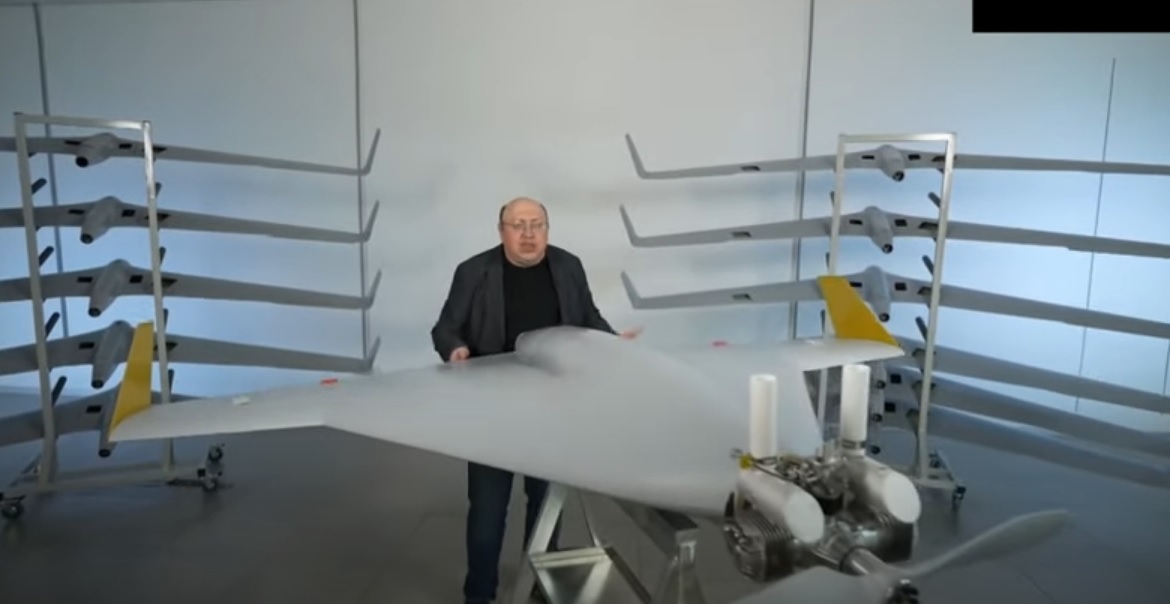
World
Russia has rapidly transformed its drone capabilities into one of the most significant military developments of the ongoing war in Ukraine, building an extensive and increasingly sophisticated unmanned systems industry despite heavy Western sanctions and sustained political pressure. Over just a few years, Moscow has shifted focus toward low-cost, proven, and mass-produced designs that can be deployed in large numbers without straining resources. This strategy has led to the serial production of a wide spectrum of systems — from loitering munitions and fiber-optic-controlled first-person-view (FPV) drones to interceptor drones, unmanned maritime vessels, and ground-based robotic platforms. At the tactical level, Russia’s success is most visible in strike drones with ranges of 20 to 50 kilometers, such as the Lancet, Molniya, and Knyaz Vandal Novgorodsky, which have been used extensively against Ukrainian artillery, air defense systems, and logistics hubs. On the strategic side, platforms like the Geran and Harpiya — modeled after Iran’s Shahed-series drones — have demonstrated ranges of 500 kilometers or more, giving Moscow the ability to strike deep inside Ukraine. Russian forces have been receiving hundreds of thousands of drones annually, with estimates suggesting over 120,000 units were delivered to the front in 2024 alone. That figure is expected to climb sharply this year as the Kremlin blends lessons from Ukraine’s own battlefield innovations into its tactics. This includes the integration of artificial intelligence for target recognition, real-time video analysis, and automated target locking to increase precision and reduce operator workload. A notable part of Russia’s approach is the push to professionalize tactical drone operations through specialized units like the Rubicon Centers. These units focus on fiber-optic drones capable of attacking Ukrainian supply lines, tactical interceptors designed to disable larger ISR platforms, and coordinated swarm operations that overwhelm defenses. Still, the Russian drone program is not without weaknesses. Reliance on Chinese-made components and commercially available drones, such as the DJI Mavic series, remains significant. Quality control is inconsistent across the many small manufacturers producing FPV systems, and pilot training standards vary between units. Ukraine, while under constant aerial pressure, has taken notice. Its defense industry is studying and reverse-engineering several Russian designs, including the Lancet and Molniya, to create cost-effective counterparts. Ukrainian strategists warn, however, that Russia’s pace of production could soon shift the balance in the skies. Security experts in Kyiv have raised concerns about a near-future scenario in which thousands of armed Russian drones could patrol Ukrainian skies continuously, not just targeting fixed coordinates like missiles do, but actively hunting individual targets in real time. Such a development could threaten not only front-line cities like Sumy, Kharkiv, and Dnipro but also urban centers in Ukraine’s west, such as Lviv and Chernivtsi. Both nations are now locked in an escalating drone arms race, with rapid adaptation on each side. For Russia, the priority remains overwhelming Ukraine with sheer numbers and persistent strikes, while Ukraine races to deploy its own mass-produced, affordable strike and reconnaissance systems. The outcome of this drone war could redefine the battlefield dynamic, with the side that masters low-cost, high-volume, and adaptive drone warfare likely to gain a decisive advantage in the months and years ahead.
Read More → Posted on 2025-08-12 16:00:30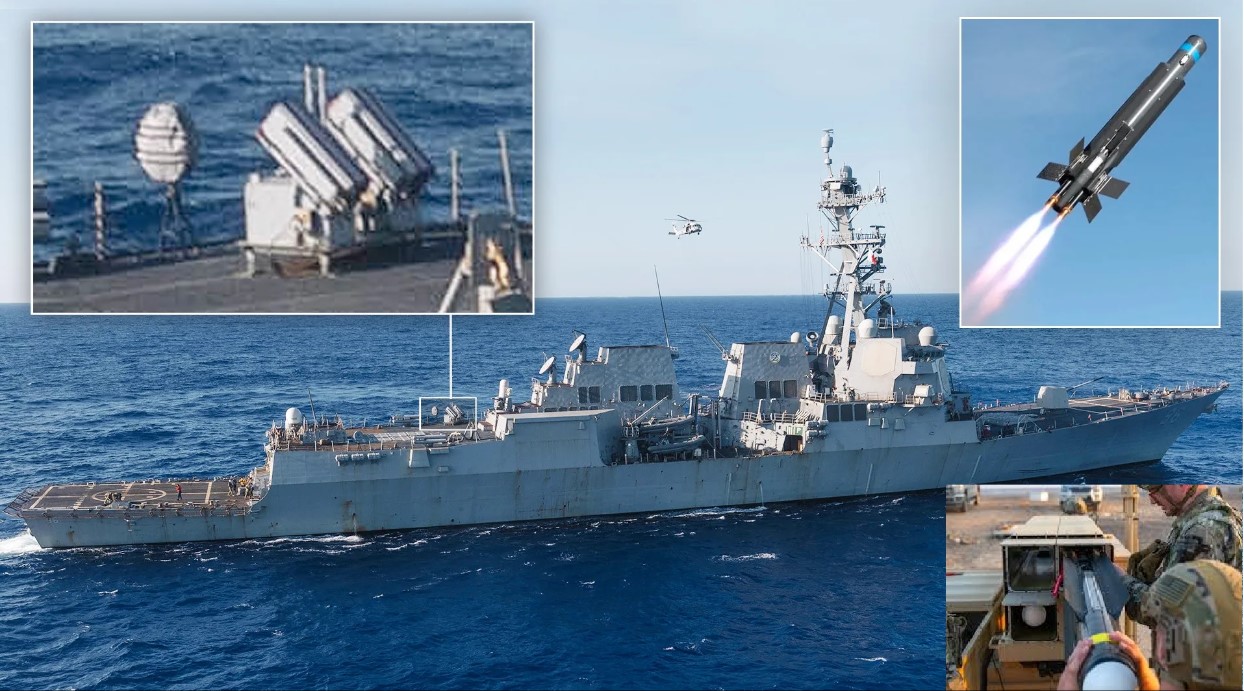
World
The US Navy has given the world its first clear look at the Coyote Block 2 counter-drone system installed aboard an operational destroyer, after releasing a photograph of the USS Bainbridge (DDG 96) during NATO’s Neptune Strike exercise. The image, taken amid a helicopter, board, search, and seizure drill in the Ionian Sea, marks a significant milestone in the Navy’s push to strengthen shipboard defenses against the fast-evolving threat of unmanned aerial systems (UAS). The USS Bainbridge, an Arleigh Burke-class Flight IIA guided-missile destroyer assigned to the Gerald R. Ford Carrier Strike Group, now carries multiple Coyote launchers mounted near its aft Mk 41 Vertical Launch System (VLS) cells. This location allows the interceptors to work seamlessly alongside the ship’s primary air-defense weapons, providing a layered defense that conserves high-value missiles like the SM-2 and ESSM for larger, more dangerous targets. A New Layer in Ship Defense The Coyote Block 2 interceptor, developed by Raytheon, is a small, tube-launched, turbine-powered unmanned aircraft designed to loiter in the air while actively hunting for aerial targets. Unlike expensive long-range ship missiles such as the SM-2 Block IIIC (($2 million) or an ESSM ($1.65 million), the Coyote’s estimated cost of $100,000 makes it a cost-effective choice for defending against swarms of cheap drones. Once launched, the Block 2 can remain airborne for several minutes, maneuver aggressively, and home in on its target using onboard sensors. It is capable of engaging fixed-wing drones, rotary drones, and even loitering munitions, making it a flexible asset in fleet defense. Its compact size means more interceptors can be carried onboard, enabling sustained counter-drone operations without quickly depleting a ship’s missile inventory. Specifications of the Coyote Block 2 System Length: Approximately 1.5 meters (5 feet) Weight: Around 13–15 kg (30–33 lbs) Propulsion: Turbine engine with high maneuverability Speed: Estimated up to 200 knots (370 km/h) Range/Endurance: Several kilometers with loitering capability of up to 15–20 minutes Guidance: GPS navigation, inertial systems, and onboard electro-optical/infrared sensors Warhead: Small high-explosive charge designed for aerial target destruction Launch Method: Tube-launched from deck-mounted canisters Primary Role: Interception of small unmanned aerial systems (UAS) and loitering munitions Strategic Significance The adoption of the Coyote Block 2 on a front-line destroyer marks a shift in the Navy’s layered air defense doctrine. Large, high-value missiles will still be used against fighter aircraft, bombers, or advanced cruise missiles, but the Coyote provides a persistent, lower-cost option for continuous drone defense. This approach is crucial as potential adversaries increasingly deploy large numbers of small, inexpensive unmanned aircraft to overwhelm traditional defenses. The system is not new to combat—its Block 2 variant has already been used by the US Army under the Low, Slow, Unmanned Aircraft Integrated Disposal System (LIDS) program in the Middle East, Africa, and Europe. However, its integration into an Arleigh Burke-class destroyer suggests the Navy is ready to adapt lessons from land-based operations to the maritime environment. Although the Navy has not officially confirmed whether the entire destroyer fleet will receive the upgrade, similar launcher installations have been observed on other vessels such as the USS Winston S. Churchill. Analysts believe a broader rollout is likely as the service seeks to enhance protection for carrier strike groups without incurring unsustainable costs. The appearance of the Coyote launchers on the USS Bainbridge is more than just a hardware upgrade—it signals the Navy’s recognition that future sea battles may be decided as much by defeating swarms of drones as by intercepting supersonic missiles. By embracing loitering interceptor technology, the US Navy is positioning itself to counter one of the fastest-growing threats in modern naval warfare.
Read More → Posted on 2025-08-12 15:41:50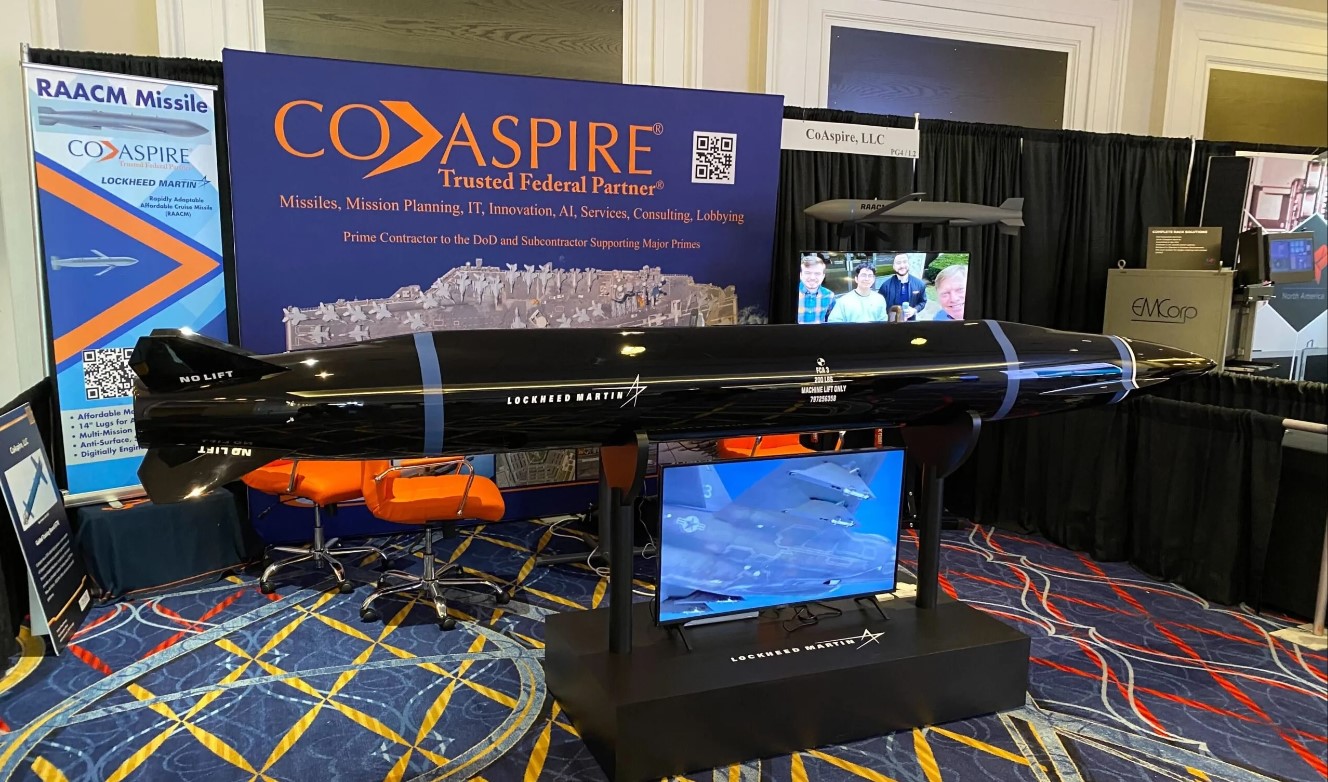
World
Lockheed is advancing the Mako hypersonic missile, a next-generation weapon designed to deliver rapid, precision strikes in the most heavily defended airspaces on the planet. Physical and virtual compatibility tests have confirmed that the Mako can be carried internally by stealth fighters like the F-22 Raptor and F-35A/C Lightning II, while also being deployable externally on a wide range of U.S. aircraft including the F-15E Strike Eagle, F-16C Fighting Falcon, F/A-18 Super Hornet, EA-18G Growler, and P-8A Poseidon. Development of the Mako began in 2017 under the U.S. Air Force’s Stand In Attack Weapon (SiAW) program, which has received around $35 million in funding. The program’s main objective is to give the Air Force a weapon capable of swiftly neutralizing critical targets in anti-access/area denial (A2/AD) zones — a key focus as the U.S. faces rapidly evolving missile threats from China in the Asia-Pacific. Measuring between 3.6 and 4 meters in length, with a diameter of 33 centimeters and a weight of roughly 590 kilograms, the Mako can carry interchangeable 60-kilogram warheads and integrate multiple guidance systems. Its open digital architecture is a standout feature, allowing for quick upgrades and reduced reliance on proprietary technology, which could help cut costs and speed up modernization. The missile’s versatility extends beyond fighter jets. Virtual integration tests have confirmed that it can be carried internally by B-1B Lancer, B-52H Stratofortress, and the future B-21 Raider bombers. Thanks to its standard 30-inch lugs, it could be adapted for nearly the entire U.S. aerial fleet. In addition, Lockheed Martin has proposed fitting it with an auxiliary booster for launch from naval vertical launch systems—similar to the AGM-158C LRASM—which would expand its operational use to U.S. Navy warships. This adaptability allows for innovative tactics. One proposed concept involves fifth-generation stealth fighters acting as forward scouts to detect and designate high-value targets. These would then pass targeting data to fourth-generation aircraft loaded with Mako missiles, which would carry out the strikes. This combined approach would maximize firepower while leveraging each platform’s strengths in contested airspace. Powered by a solid-fuel rocket motor, the Mako can reach speeds of Mach 5 at high altitude while remaining maneuverable, dramatically cutting the reaction time for enemy defenses. Its modular design and additive manufacturing techniques for components like the seeker fairing and control surfaces accelerate production and allow rapid adaptation to emerging threats. Advanced digital engineering also enables extensive virtual testing before physical production, streamlining the development cycle. The urgency for such capabilities is clear. China’s recent tests of the YJ-21 hypersonic missile in both naval and air-launched configurations have intensified the strategic race in the region. The Mako would provide the U.S. with a flexible, high-speed strike option to counter these advances. At the same time, defensive programs like the Glide Phase Interceptor (GPI) are being developed in parallel, underscoring the U.S. strategy to advance both offensive and defensive missile systems. Lockheed Martin is also looking beyond U.S. borders. Plans are being discussed to establish an initial production facility in the United Kingdom, with eventual industrial activity shifting to the U.S. under the AUKUS security partnership. The UK Ministry of Defence is evaluating the Mako as part of its ambition to field a sovereign hypersonic capability by 2030, with potential collaboration involving British and Australian partners to share technology, reduce costs, and build industrial capacity. While the Mako has yet to receive full-scale production funding from the U.S. Department of Defense, its inclusion in the U.S. Navy’s Other Transaction Authority (OTA) program allows for rapid funding approval if deemed urgent. Should it enter production, the Mako could become one of the most versatile and strategically important weapons in the U.S. and allied arsenals, offering speed, adaptability, and multi-platform compatibility for future conflicts.
Read More → Posted on 2025-08-12 15:33:47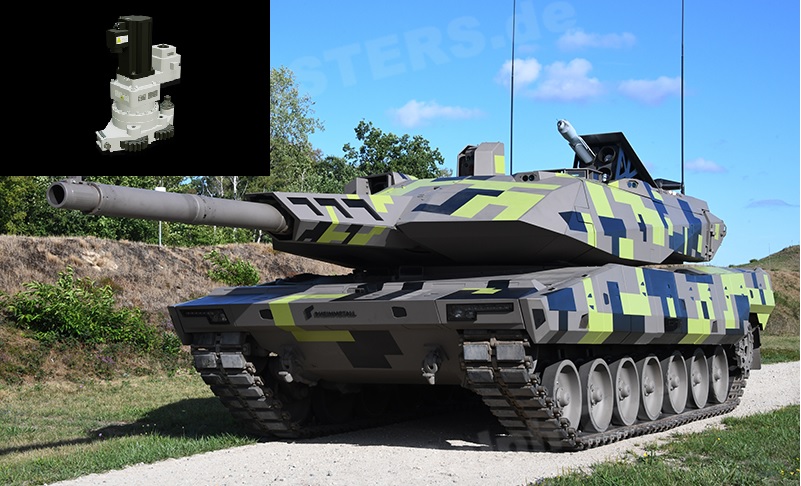
World
Curtiss-Wright has been chosen by Rheinmetall Landsysteme of Germany to supply its state-of-the-art Modular Turret Drive Stabilization System (TDSS) for the KF51 Panther Main Battle Tank, a next-generation armored platform designed to meet the demands of modern, high-intensity warfare. The KF51 Panther, unveiled as Rheinmetall’s answer to future battlefield challenges, incorporates cutting-edge firepower, protection, and situational awareness capabilities. Curtiss-Wright’s TDSS will play a central role in ensuring precise turret movement, stable gun control, and highly accurate target engagement—even while the tank is in motion across rough terrain. Brian Perry, Senior Vice President and General Manager of Curtiss-Wright Defense Solutions, said the selection underscores the company’s reputation for delivering high-precision, reliable, and adaptable defense technologies. “This contract builds on our long track record of supplying cost-effective and high-performance stabilization systems to the global defense market,” he said. Under the agreement, Curtiss-Wright’s facility in Neuhausen am Rheinfall, Switzerland, will produce the TDSS and associated ergonomic hand controllers. The system is designed to integrate seamlessly with the Panther’s “future-proof” modular architecture, which uses multiple drives for a single axis. This innovative layout optimizes space usage and weight distribution, offering significant flexibility for future upgrades. Work on the project began in December 2024, and the TDSS will be configured to allow quick adaptation to evolving mission profiles. Curtiss-Wright’s patented modular approach employs standardized components, enabling faster development cycles, reducing the time needed for requirements definition, and accelerating the shift from prototype to production. The KF51 Panther, which is positioned to potentially replace or complement Leopard 2 tanks in several NATO armies, features a 130mm smoothbore gun, advanced digital fire control, active protection systems, and networked combat management capabilities. With the TDSS integrated, the Panther will be able to engage targets with extreme precision, whether operating independently or as part of a connected armored formation. Defense analysts note that this partnership could strengthen both companies’ positions in the European and global armored vehicle markets, especially as several countries are seeking modern, upgradeable tank platforms in response to evolving threats and the lessons learned from recent conflicts.
Read More → Posted on 2025-08-12 15:27:46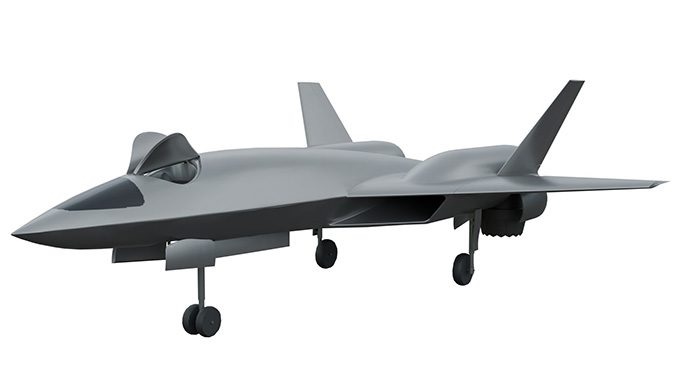
World
In a major leap for counter-drone technology, British defense firm SkyDefense LLC has unveiled the CobraJet, an AI-powered electric VTOL (Vertical Take-Off and Landing) interceptor drone designed to hunt down and destroy hostile unmanned aircraft with unmatched speed and precision. The CobraJet can reach speeds of over 200 mph, using its agility to engage enemy drones before they reach their targets. Designed for rapid deployment, it can launch from rooftops, forward operating bases, border posts, or even small naval vessels, making it a flexible defense asset for both military and homeland security forces. Stealth, Power, and Precision The drone’s propulsion is powered by high-density solid-state lithium batteries from Amprius, giving it extended endurance while keeping noise and heat signatures extremely low—ideal for operating close to hostile airspace without detection. Onboard Auterion AI autopilot combines Teledyne FLIR electro-optical and infrared sensors with NVIDIA processors to track, identify, and engage airborne threats in real time. Its internal weapons bay and external hardpoints allow for a wide range of armaments, including short-range air-to-air missiles, micro-missiles, fragmentation projectiles, and even precision-guided munitions for use against surface or maritime drone threats. Optional mission packages enable it to neutralize not just aerial UAVs, but also unmanned boats or ground-based systems. Intelligent Swarm Operations One of CobraJet’s most advanced features is its ability to operate as part of an autonomous drone swarm. Multiple units can share sensor data, coordinate interceptions, and carry out complex maneuvers to overwhelm incoming drone attacks. Its SmartVision navigation system—enhanced with anti-jamming and visual geolocation—ensures operational capability even in GPS-denied environments. Control is handled via SkyDefense’s VRAM (Visual Realtime Area Monitoring) system, which supports both fully autonomous missions and human-in-the-loop engagement for critical targeting decisions. The system’s secure, low-latency communications mean operators can issue commands and receive live video feeds with minimal delay. Operational Advantages CobraJet addresses one of the biggest problems in modern air defense: the cost imbalance between high-value missile interceptors and low-cost hostile drones. Traditional ground-based systems are often too slow, expensive, or ill-suited to counter small UAV swarms. CobraJet, by contrast, offers fast reaction times, reusability, and a low cost-per-intercept, making it ideal for protecting: Airports, power plants, and government buildings from drone incursions Border regions against smuggling or surveillance UAVs Forward operating bases and mobile military units from reconnaissance Naval vessels in littoral or contested waters It can be deployed in urban environments, along sensitive borders, or on the battlefield to deny enemy reconnaissance and strike capabilities. Global Context and Market Impact The unveiling comes as military analysts warn of a drone warfare revolution, with lessons drawn from conflicts like Ukraine showing how small, inexpensive UAVs can cause outsized damage. This has fueled a surge in demand for scalable, AI-driven counter-drone solutions capable of engaging multiple threats in quick succession. SkyDefense says CobraJet squadrons could be scaled up for national air defense grids or configured for mobile expeditionary missions, with VRAM control units integrated into tactical or armored vehicles for rapid redeployment. Full operational testing at the Pendleton UAS Test Site is scheduled later this year, with live-fire scenarios planned to validate performance against fast-moving and evasive aerial targets. SkyDefense President Nick Verini emphasized that the system is designed to counter both lone UAV incursions and coordinated swarm attacks, giving armed forces and security agencies a versatile, future-ready tool for an evolving threat landscape. With the CobraJet, SkyDefense is positioning itself at the forefront of a growing defense market where speed, AI autonomy, and adaptability will define the next generation of aerial security systems.
Read More → Posted on 2025-08-12 15:21:20
World
A former Pentagon analyst has issued a blunt warning about Pakistan’s recent nuclear rhetoric, accusing the country of acting like a “rogue state” after its army chief allegedly made alarming threats during a visit to the United States. The controversy stems from remarks reportedly made by General Asim Munir, Pakistan’s army chief, during a meeting with US military officials in Tampa, Florida. According to accounts, Munir allegedly warned that if Pakistan were to “go down,” it would “take half the world down” with it — a statement interpreted as a thinly veiled nuclear threat. Michael Rubin, a former US defense official and senior policy expert, condemned the comments as “completely unacceptable,” comparing them to rhetoric once used by terrorist leaders such as Osama bin Laden and extremist groups like ISIS. He argued that such statements raise serious doubts about Pakistan’s reliability as a responsible nuclear power. Rubin urged Washington to respond decisively, suggesting that Pakistan should be stripped of its status as a major non-NATO ally and even considered for designation as a state sponsor of terrorism. He went further, calling for General Munir to be declared persona non grata, banned from receiving US visas, and immediately expelled from the country following such remarks. He criticized the lack of immediate pushback from US officials present during the meeting, saying Munir should have been escorted to the airport “within 30 minutes” of making the alleged threat. Beyond the immediate controversy, Rubin warned that Pakistan’s unstable political climate, combined with its nuclear arsenal, creates a dangerous environment where terrorist groups could gain access to nuclear weapons. He said this is not a typical diplomatic dispute, but a fundamental threat to global security. Rubin also floated controversial long-term solutions, including allowing Pakistan to face a “managed decline” — which could involve recognizing independence movements in regions like Balochistan — and even future military operations by US special forces to secure Pakistani nuclear weapons if the situation deteriorates. The analyst linked the episode to shifting US foreign policy, noting that former President Donald Trump’s engagement with Pakistan marks a departure from decades of bipartisan support for deepening US-India ties. He argued that ongoing friction between Washington and New Delhi — partly over India’s oil trade with Russia — would likely ease under future administrations, strengthening the strategic partnership. Rubin’s stark comments highlight growing unease in Washington over Pakistan’s political trajectory and the risks posed by its nuclear arsenal. For US policymakers, the challenge lies in balancing diplomatic engagement with the need to address potential threats from a nuclear-armed nation in one of the world’s most volatile regions.
Read More → Posted on 2025-08-12 14:53:56
World
Pakistan has launched its first satellite-based English-language international news channel, named Asia One, with the stated goal of presenting the country’s perspective to a global audience. However, security analysts warn that the platform could also be used as part of a coordinated disinformation campaign overseas, raising concerns among neighboring countries and international observers. According to officials, Asia One is designed to broadcast Pakistan’s views on regional politics, culture, and economic developments directly to audiences abroad. While the government describes it as a “soft power” tool to counter what it sees as “biased international coverage,” experts believe it could be used to influence public opinion and spread narratives aligned with Pakistan’s political and strategic objectives. The move comes at a time of growing information warfare across South Asia. Disinformation campaigns — often involving state-backed media — have become a common tool in geopolitical rivalries, with television, social media, and satellite broadcasting being used to shape perceptions far beyond national borders. By launching an English-language channel, Pakistan aims to reach policymakers, business leaders, diaspora communities, and younger global audiences. English, being the primary language of international diplomacy and media, gives Asia One the ability to bypass regional language barriers and tap into influential markets in Europe, North America, Africa, and Southeast Asia. Critics, however, point to past incidents where state-run media in the region have been accused of spreading false or misleading information to discredit rival governments or promote favorable political narratives. They warn that if Asia One follows a similar path, it could deepen mistrust, fuel diplomatic tensions, and complicate already sensitive regional relations. This development also reflects Pakistan’s attempt to expand its media influence infrastructure in the face of competing narratives from countries like India, which operates its own international English news outlets. As global audiences become more polarized and news consumption increasingly shifts to satellite and digital platforms, such media initiatives can serve as both a diplomatic tool and a strategic weapon. In the coming months, observers will be watching Asia One closely to see whether it functions as a genuine news platform — or becomes another instrument in the complex and escalating battle over information and influence in South Asia and beyond.
Read More → Posted on 2025-08-11 16:48:22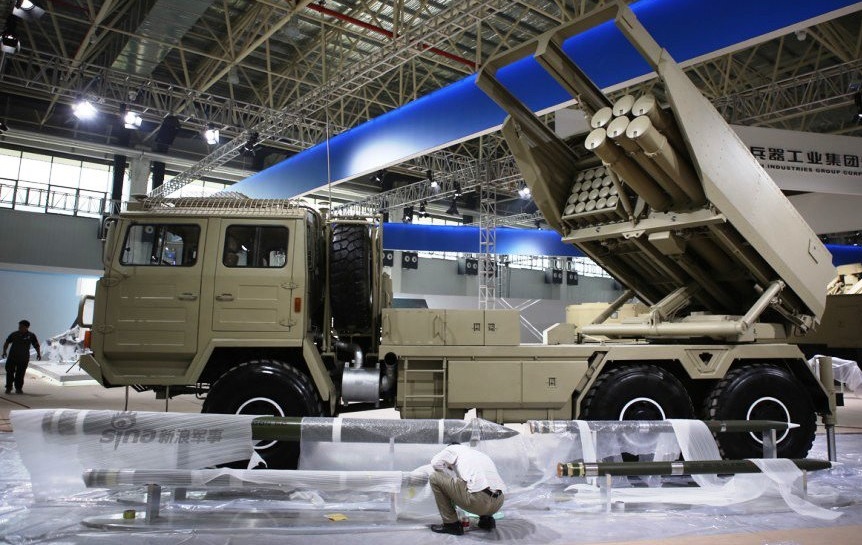
World
Burkina Faso has taken delivery of a substantial shipment of Chinese-manufactured military hardware, marking one of the country’s most significant defense acquisitions in recent years. The new equipment includes VN22B fire support vehicles, PLL-05 120 mm self-propelled gun-mortars, and the SR5 modular multiple rocket launch system, all of which are expected to give the nation’s armed forces a decisive boost in mobility, firepower, and operational flexibility. The delivery comes amid escalating security challenges in the Sahel, where Burkina Faso faces a grinding insurgency involving groups linked to Al-Qaeda and the Islamic State in the Greater Sahara. These factions have entrenched themselves in remote areas, frequently launching cross-border raids and ambushes. The instability in neighboring Mali and Niger, combined with porous borders, has turned the region into a volatile battlefield. New Hardware, New Capabilities The VN22B fire support vehicle, developed by China’s NORINCO, is a highly mobile 6×6 wheeled platform armed with a stabilized 30 mm autocannon and advanced fire control systems. Capable of engaging both light armored vehicles and fortified positions on the move, it can reach speeds of over 100 km/h and has a range exceeding 800 km. Its modular armor offers protection against heavy machine gun fire and artillery fragments, making it ideal for fast-moving operations in Burkina Faso’s mix of desert, savanna, and urban terrain. The PLL-05 120 mm self-propelled gun-mortar offers dual functionality, capable of firing both high-angle indirect artillery fire and direct anti-armor or high-explosive rounds. With a maximum range of around 13 km for extended-range shells and a sustained fire rate of up to 10 rounds per minute, it is well-suited for counter-insurgency operations and rapid-response missions. Its mobility and “shoot-and-scoot” capability make it harder for enemy forces to target. The SR5 multiple rocket launch system is one of the most versatile in its class, capable of launching both 122 mm and 220 mm rockets, with guided variants reaching up to 70 km. It can switch between precision strikes and saturation bombardment depending on mission needs, making it a flexible tool for disrupting insurgent supply lines, striking assembly areas, or halting advancing forces. Geopolitical Shift Toward Beijing Burkina Faso’s pivot toward Chinese defense suppliers reflects a wider realignment in Sahel geopolitics. Since the 2022 coup, relations with several Western partners have cooled, with the government instead strengthening ties with the Alliance of Sahel States and non-Western suppliers, notably China and Russia. Beijing’s role in Africa’s defense sector has been expanding rapidly, offering competitive pricing, fast delivery, and long-term support packages that include training and maintenance. For China, the deal with Burkina Faso is part of a broader strategic push to expand influence across the continent, especially in regions where Western military support has diminished. Supplying advanced weapons systems helps cement long-term partnerships and provides Beijing with a foothold in strategically important areas like the Sahel, which has become a focal point of great-power competition. Defense Modernization Under Traoré The acquisition aligns with President Captain Ibrahim Traoré’s defense modernization strategy, launched in late 2023, which aims to transform Burkina Faso’s military into a high-mobility, well-networked, and better-protected force. The emphasis is on platforms that can operate independently, deliver rapid and concentrated firepower, and adapt to the demands of asymmetric warfare. Once the VN22B, PLL-05, and SR5 systems are fully integrated into service, supported by trained crews and maintenance infrastructure, the armed forces will have a greatly enhanced ability to: Provide direct fire support to infantry and mechanized units. Conduct long-range interdiction of insurgent movements. Rapidly shift forces and deliver concentrated strikes in remote or contested areas. In the face of persistent insurgent threats, these acquisitions signal Burkina Faso’s intent to not only hold its ground but to project a stronger military presence across its borders, reshaping the balance of power in one of the world’s most unstable regions.
Read More → Posted on 2025-08-11 16:38:05
World
Japan is conducting tests of the Israeli-made Heron-2 unmanned aerial system (UAS), a move that could signal a significant shift in Tokyo’s defense procurement policy. The drone, built by Israel Aerospace Industries (IAI), was recently spotted at a Japanese airport carrying Israeli registration numbers and markings from Kawasaki Heavy Industries, suggesting close industrial collaboration. The particular Heron-2 seen in Japan was configured for electronic warfare, though its primary capabilities lie in long-range reconnaissance and precision strike missions. If the Japanese government decides to proceed with acquisition, Kawasaki could potentially manufacture the platform domestically, boosting Japan’s self-reliance while integrating advanced foreign technology. This marks the first recorded test of an Israeli defense system on Japanese soil, a noteworthy milestone given Tokyo’s past caution in importing complete Israeli weapon systems. For decades, Japan refrained from such purchases partly due to the Arab boycott, instead limiting imports to components and subsystems. That stance began to shift after a 2020 defense cooperation agreement between Japan and Israel, which opened the door to sharing classified technologies and conducting joint projects. The Heron-2, also known as Shoval in Israeli service, belongs to the medium-altitude, long-endurance (MALE) class of drones. It is designed for intelligence, surveillance, reconnaissance (ISR), and electronic warfare missions, with a proven operational record in the Middle East. The platform is used by several militaries, including Germany, India, and the Czech Republic, and has been deployed in complex environments such as operations over Iran. Measuring 9 meters in length with a 17-meter wingspan, the Heron-2 can carry up to 250 kilograms of sensors and weaponry. Powered by a Rotax 916 engine, it can cruise at 207 kilometers per hour, operate at altitudes of up to 10,058 meters, and remain airborne for an impressive 52 hours, providing persistent coverage across vast areas. Japan’s interest in the Heron-2 is part of a broader military modernization program aimed at countering growing security challenges in the Indo-Pacific. Alongside the Heron-2, Tokyo is also evaluating Turkey’s Bayraktar drone, expanding its naval capabilities with new surface combatants, pursuing a next-generation stealth fighter program with the UK and Italy, and investing heavily in autonomous and unmanned technologies. Domestically, Japan has a strong aerospace industry that already produces transport aircraft, patrol planes, and even a locally manufactured variant of the U.S. F-16 fighter jet. A potential Heron-2 production partnership with Kawasaki could deepen technological know-how, reduce dependence on imports, and create a new pillar in Japan’s defense export ambitions. Defense analysts note that with rising tensions in the East China Sea, growing North Korean missile threats, and increased Chinese maritime activity, unmanned aerial platforms like the Heron-2 could give Japan critical surveillance and rapid-response capabilities without risking pilots’ lives. If the Heron-2 trials prove successful, it would not only enhance Japan’s military reach but also represent a strategic realignment in Tokyo’s procurement policy, reflecting a willingness to source complete high-tech weapon systems from new partners beyond its traditional U.S. alliance framework.
Read More → Posted on 2025-08-11 15:34:25Search
Top Trending in 24 Hours
-
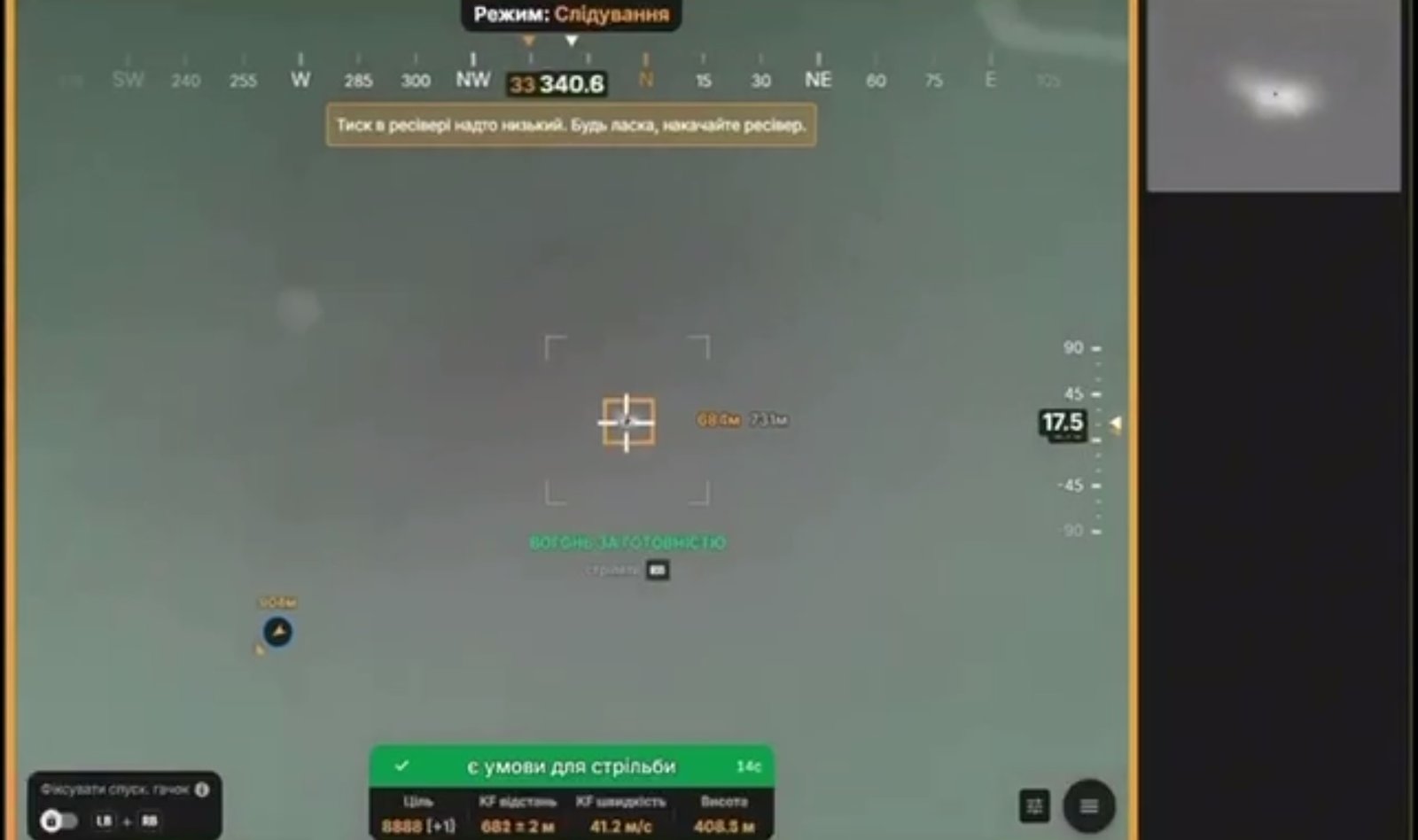 Ukraine’s Blysk Laser Air Defence System Shoots Down Russian Jet-Powered Geran Drone
-
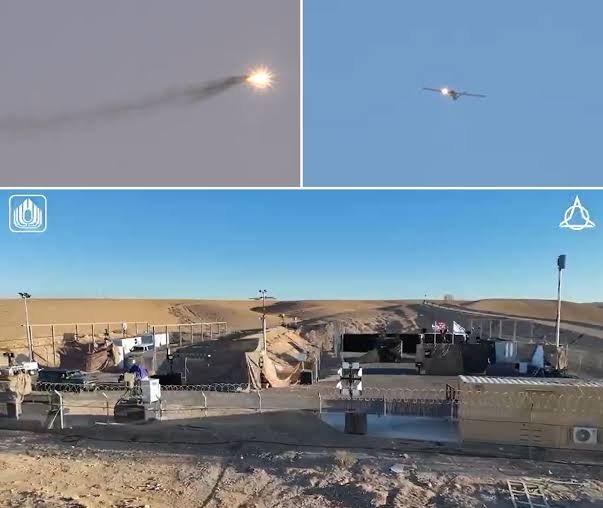 Israel and US Test 20 Counter-Drone Systems in First Joint Trials on Israeli Soil
-
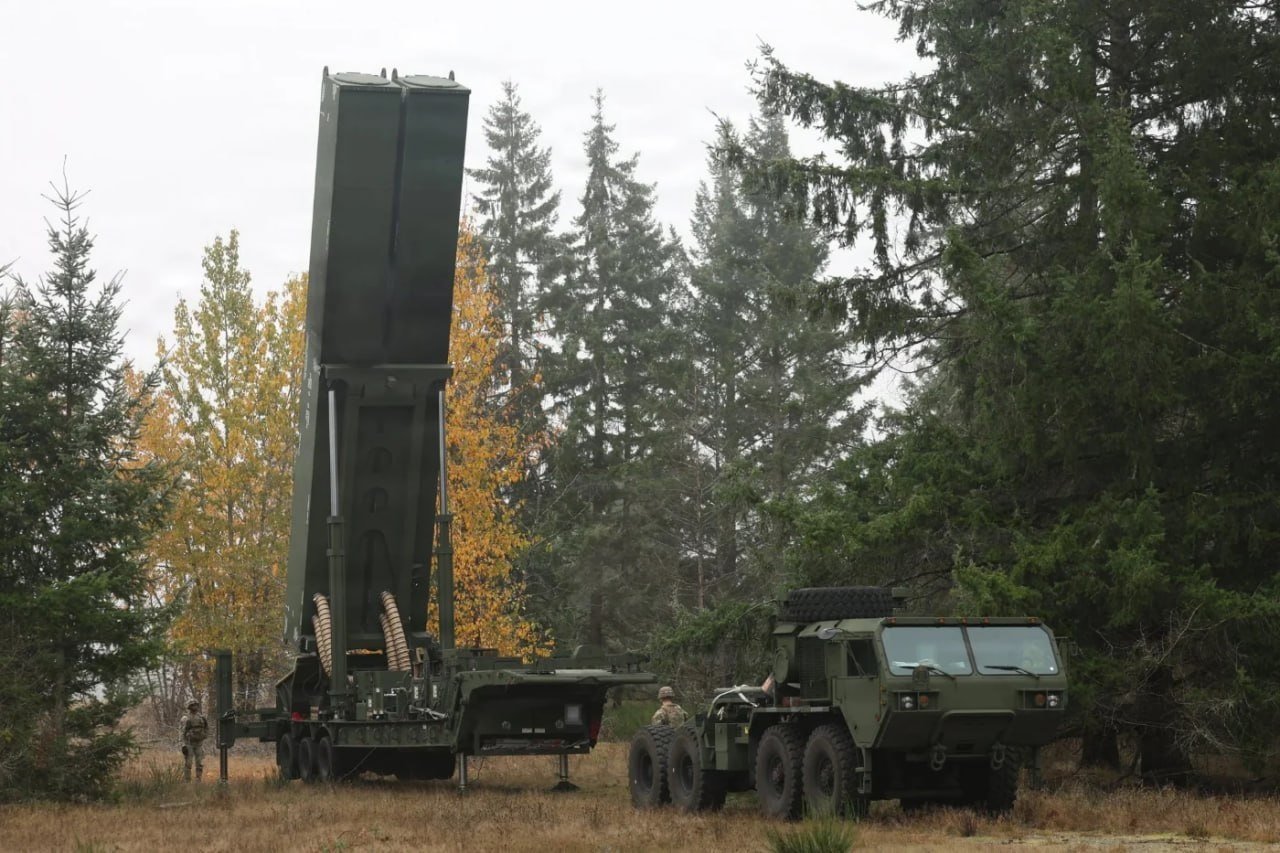 U.S. Army Declares First Dark Eagle Hypersonic Missile Battery Ready for Combat Deployment
-
 India's SiGaN Validates First 20-Watt GaN RF Power Amplifier, Opens Commercial Orders
-
 Europe Opens Largest Satellite Factory in Belgium to Build Starlink Alternative
-
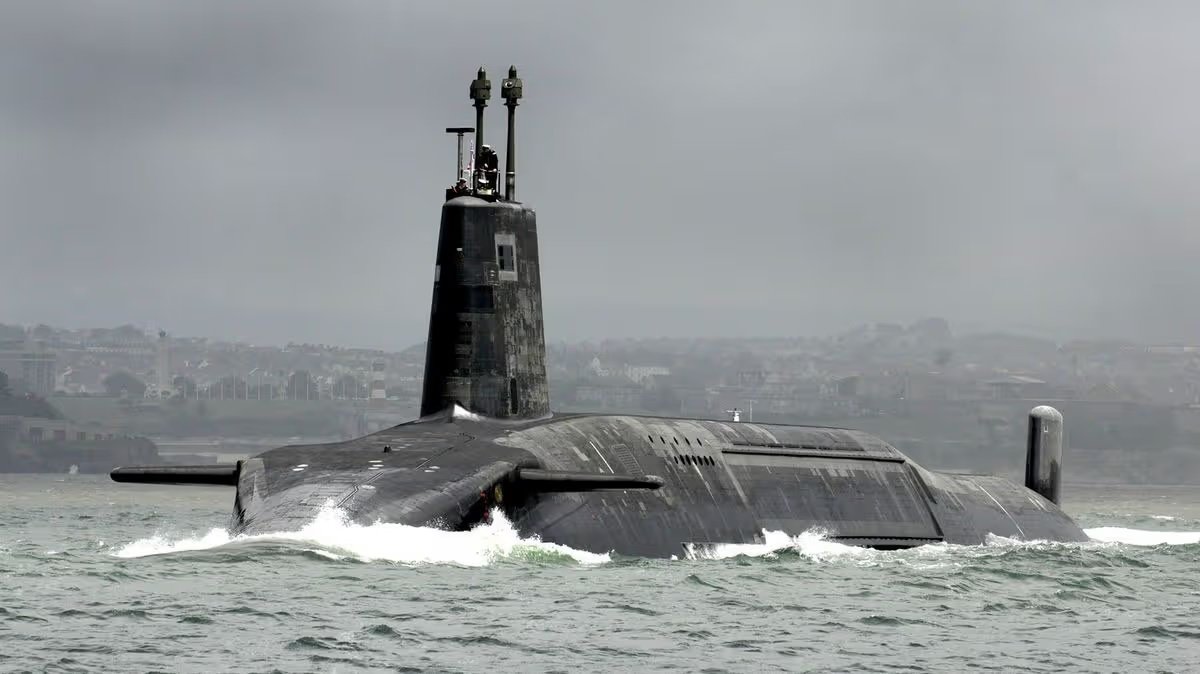 Babcock Signs Record £8.7 Billion Deal to Support UK Nuclear Submarine Fleet
-
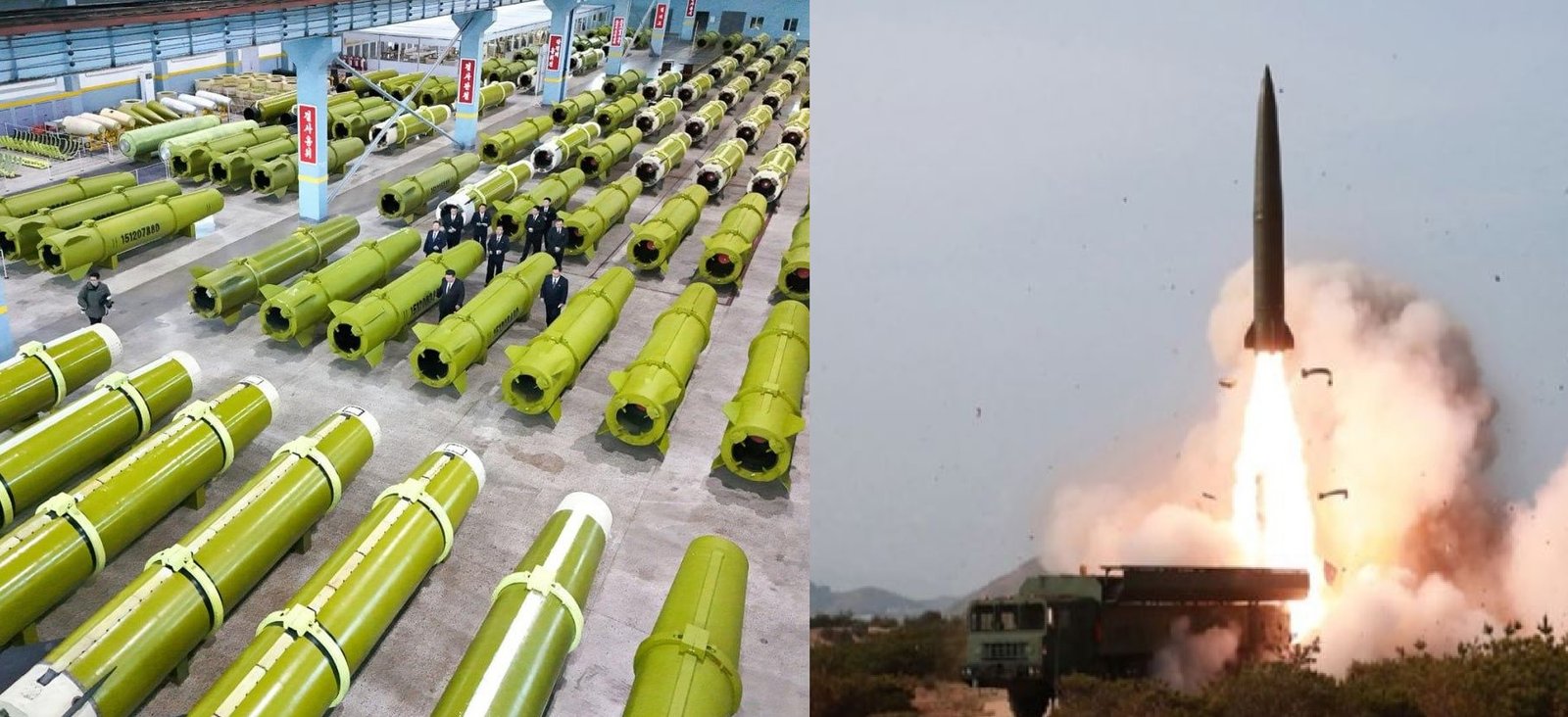 North Korea Suspends KN-23 Missile and Artillery Deliveries to Russia Amid Diplomatic Tensions
-
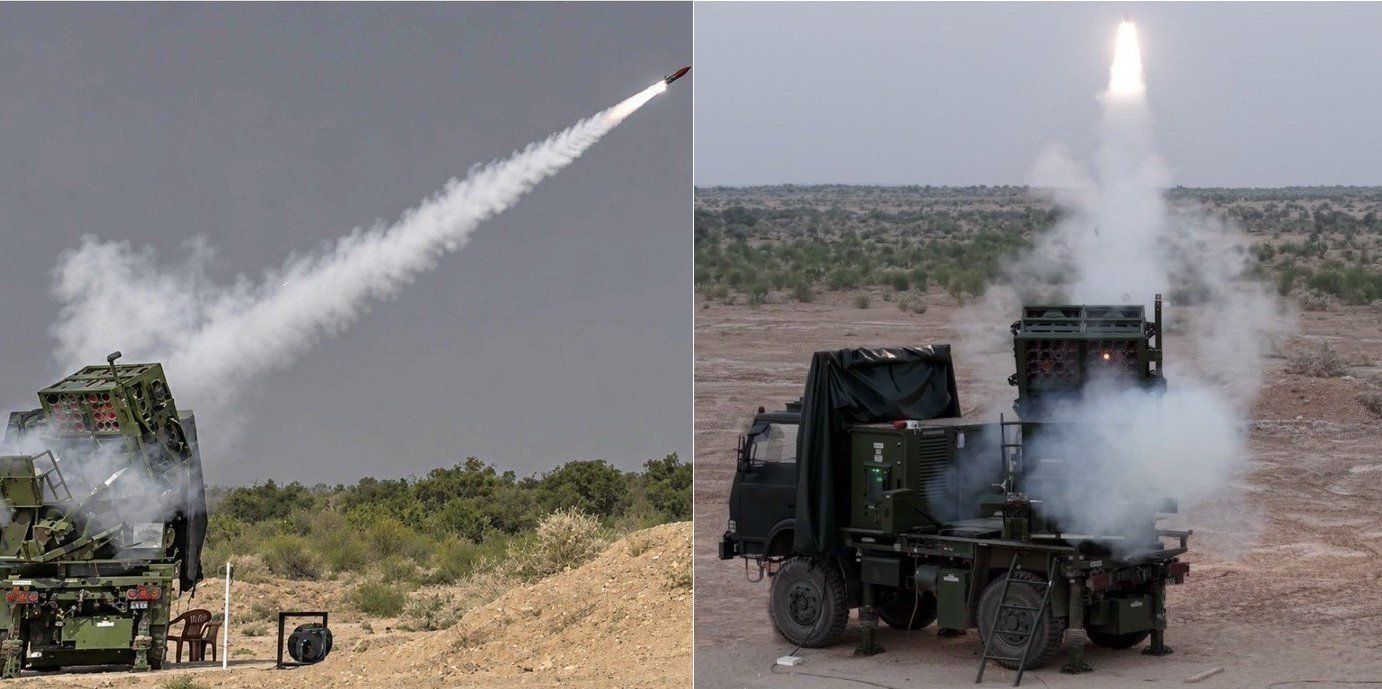 India’s Bhargavastra Counter-Swarm Drone System Completes Pokhran Trials Ahead of Army Demonstration
Top Trending in 4 Days
-
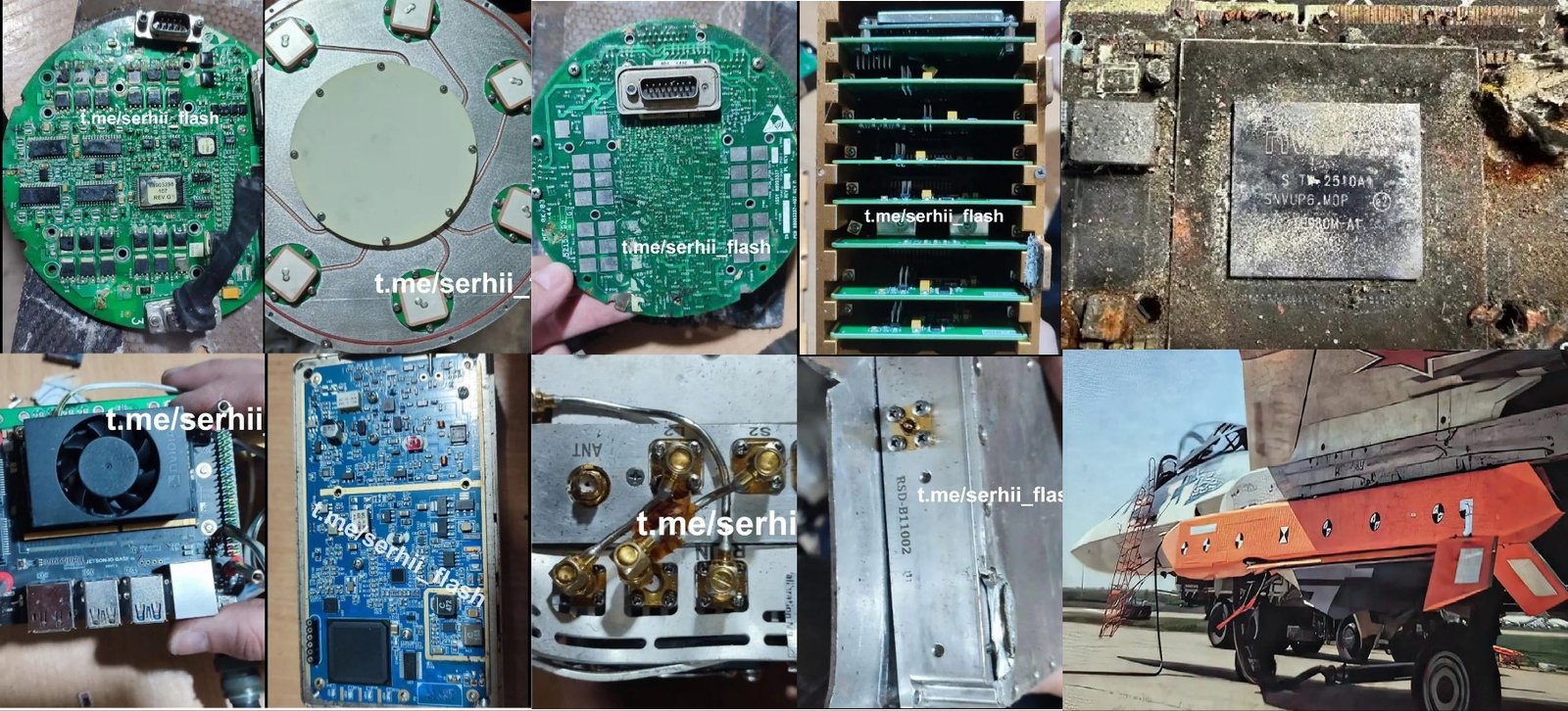 Russian Drones and Cruise Missiles Found Using Civilian NVIDIA AI Chips in Ukraine
-
 Western Intelligence Warns Russia Could Launch Nuclear-Armed Satellite as Early as December
-
 NASA Suspends Science Operations on Perseverance Rover and Mars Odyssey After Hardware Failures
-
 U.S. Awards Lockheed Martin $330.6 Million Contract for Long-Lead Materials Supporting 75 F-35 Lot 22 Aircraft
-
Ukraine’s Blysk Laser Air Defence System Shoots Down Russian Jet-Powered Geran Drone
-
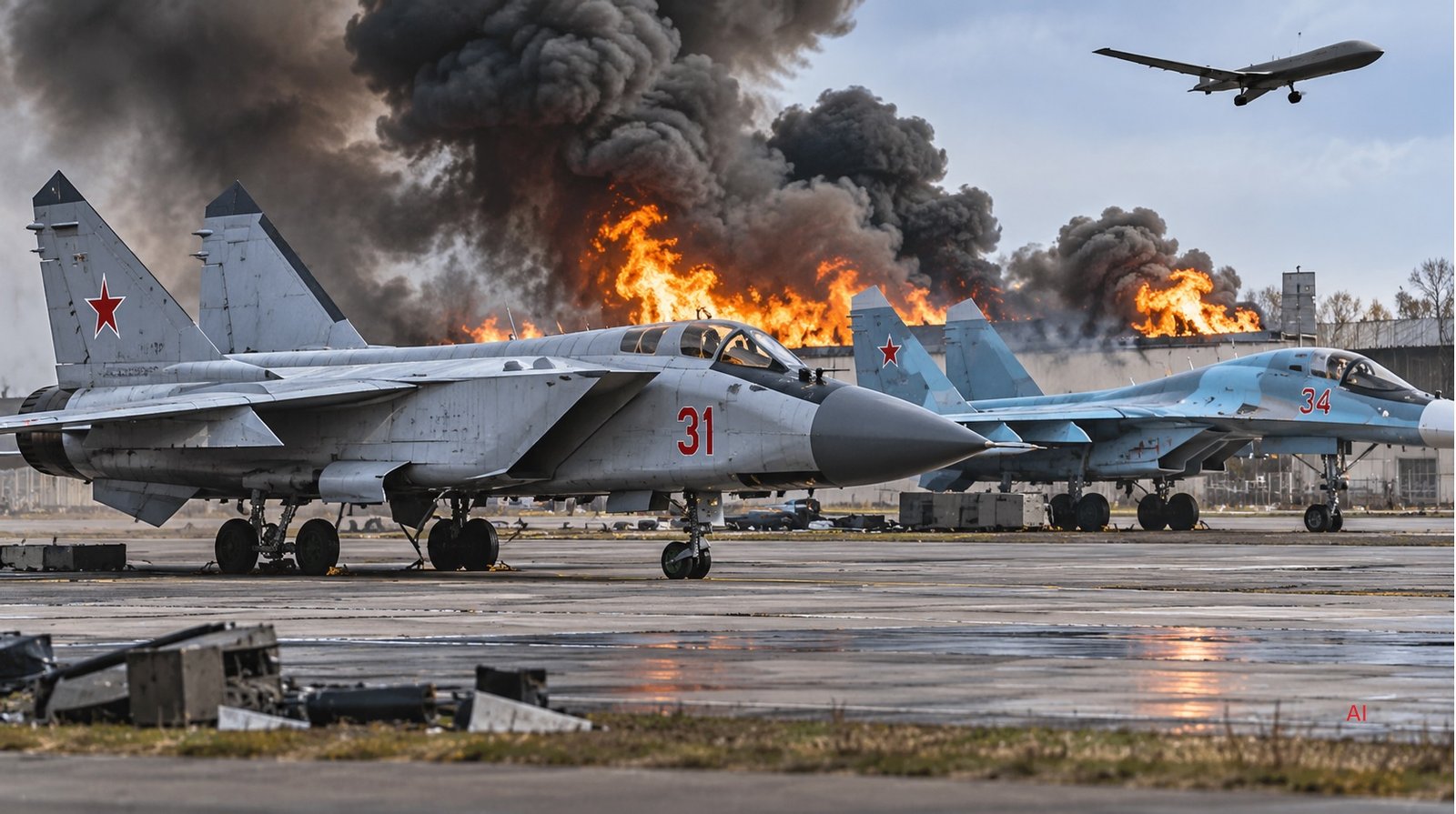 Ukraine Strikes Five Russian Warplanes, Including Three Kinzhal-Capable MiG-31s at Savasleyka Airbase
-
 Chinese Military Warns U.S. AI Could Threaten China’s Nuclear Missile Survivability
-
Israel and US Test 20 Counter-Drone Systems in First Joint Trials on Israeli Soil