Pakistan has introduced its latest missile, the Fatah-4, a ground-launched cruise missile designed to overcome the shortcomings of its earlier systems that were neutralized by India’s Akash air defense system during Operation Sindoor.
The Fatah-1 and Fatah-2 missiles, both short-range artillery rockets, had been intercepted with high success rates by India’s air defense network in recent engagements. In response, Pakistan developed the Fatah-4 to fly at low altitudes, making it harder for radar systems to detect, and to strike targets at distances of over 750 kilometers.
Specifications of the Fatah-4
-
Type: Ground-launched cruise missile
-
Range: 750+ kilometers
-
Warhead: 330 kg high-explosive fragmentation
-
Guidance: Advanced AI-based navigation with satellite and terrain-following capabilities
-
Accuracy: Less than 5 meters CEP (Circular Error Probable)
-
Speed: Approximately 0.7 Mach (~860 km/h)
-
Flight Profile: Low-altitude, terrain-hugging
-
Launch Platform: Mobile transporter-erector-launcher (TEL)
The missile’s AI guidance system is designed to track moving and stationary targets with exceptional precision, even in environments with electronic warfare interference. Its terrain-hugging flight path is meant to minimize detection time for defensive radars.
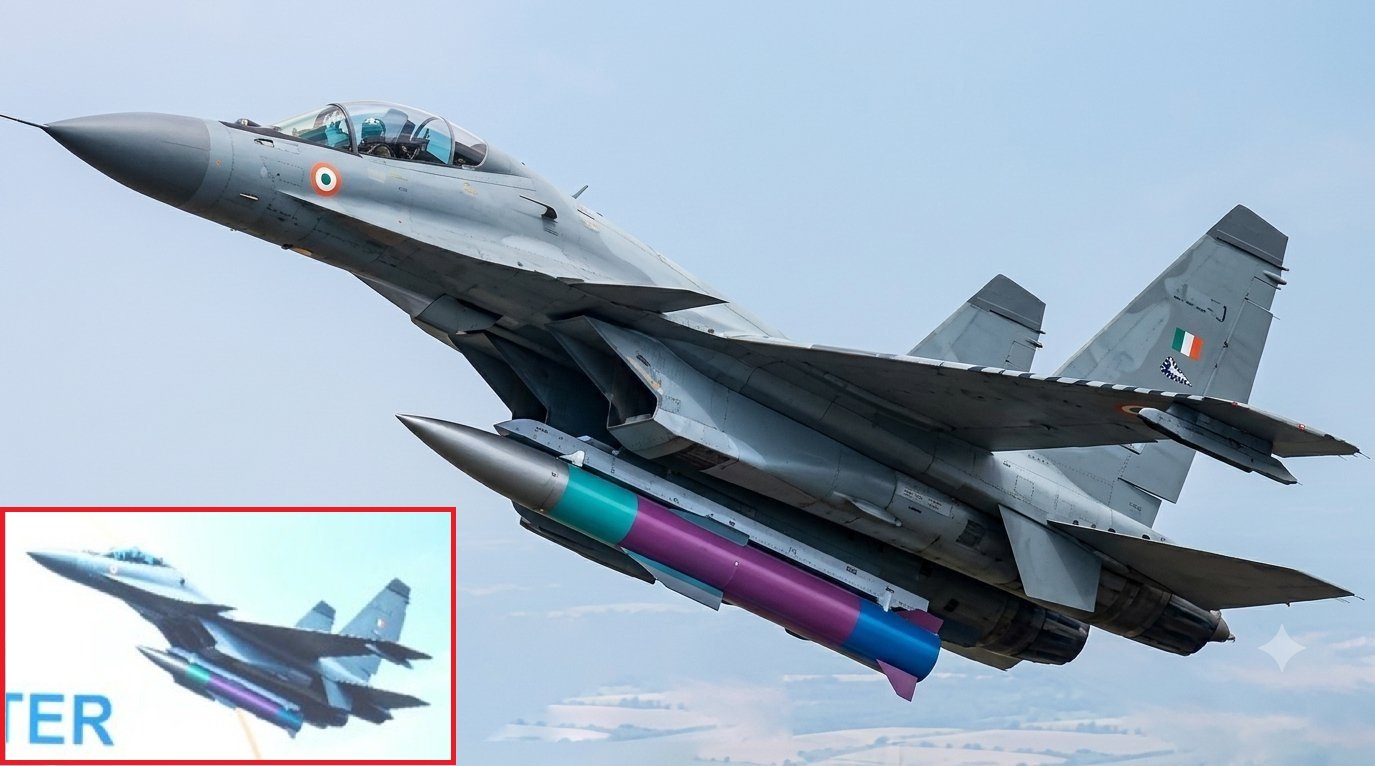
However, the Fatah-4 has a critical vulnerability—its subsonic speed of 0.7 Mach. While this makes it efficient for long-range, low-level flight, it also allows India’s air defense systems and fighter jets to detect, track, and intercept it with relative ease. Systems like Akash, Spyder, and Barak-8, combined with Su-30MKI and Rafale fighter jets due to it's low speed, can engage such slow-moving cruise missiles before they reach critical targets.
Analysts say this speed limitation reduces the missile’s ability to penetrate India’s layered defense network, which integrates long-range surveillance radars, quick-reaction interceptors, and advanced fighter aircraft.
While the Fatah-4 represents a technical leap in Pakistan’s missile development with its AI-based precision and extended range, its low speed means it is more suited for surprise attacks on lightly defended or static targets, rather than heavily guarded strategic installations in India.
——— End of Article ———