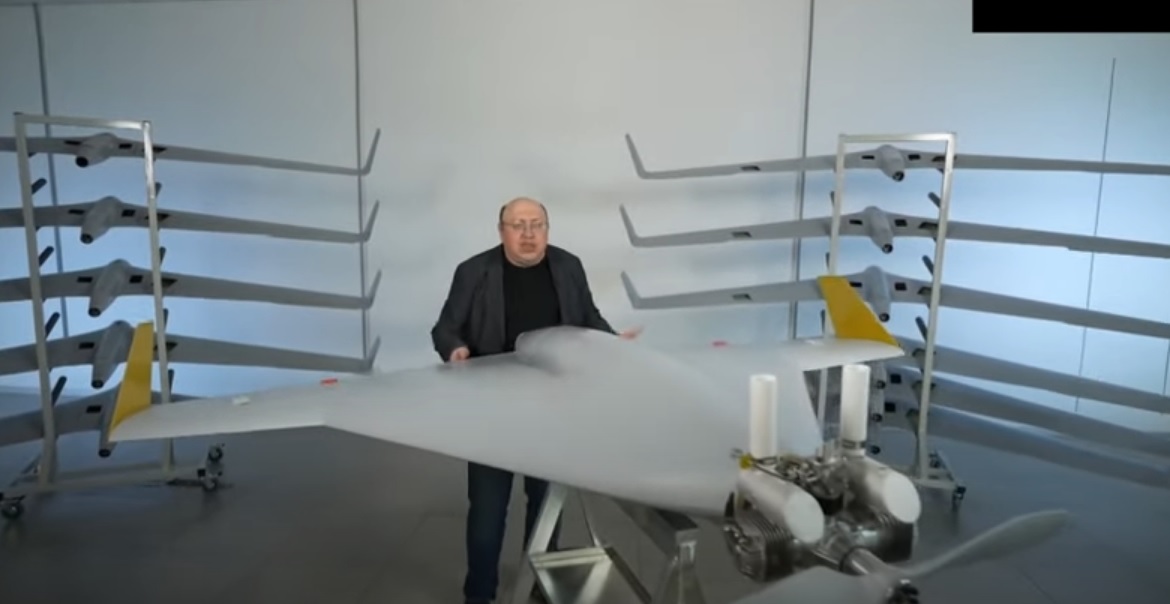
Russia has rapidly transformed its drone capabilities into one of the most significant military developments of the ongoing war in Ukraine, building an extensive and increasingly sophisticated unmanned systems industry despite heavy Western sanctions and sustained political pressure.
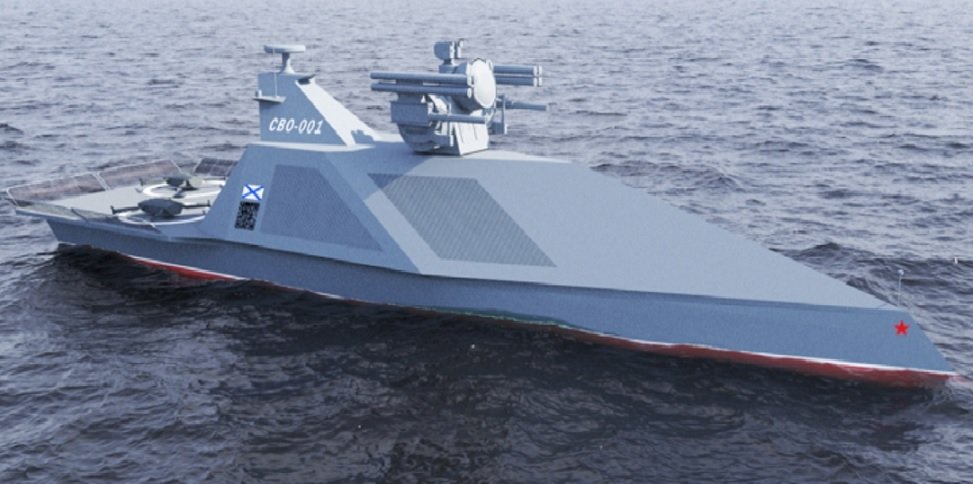
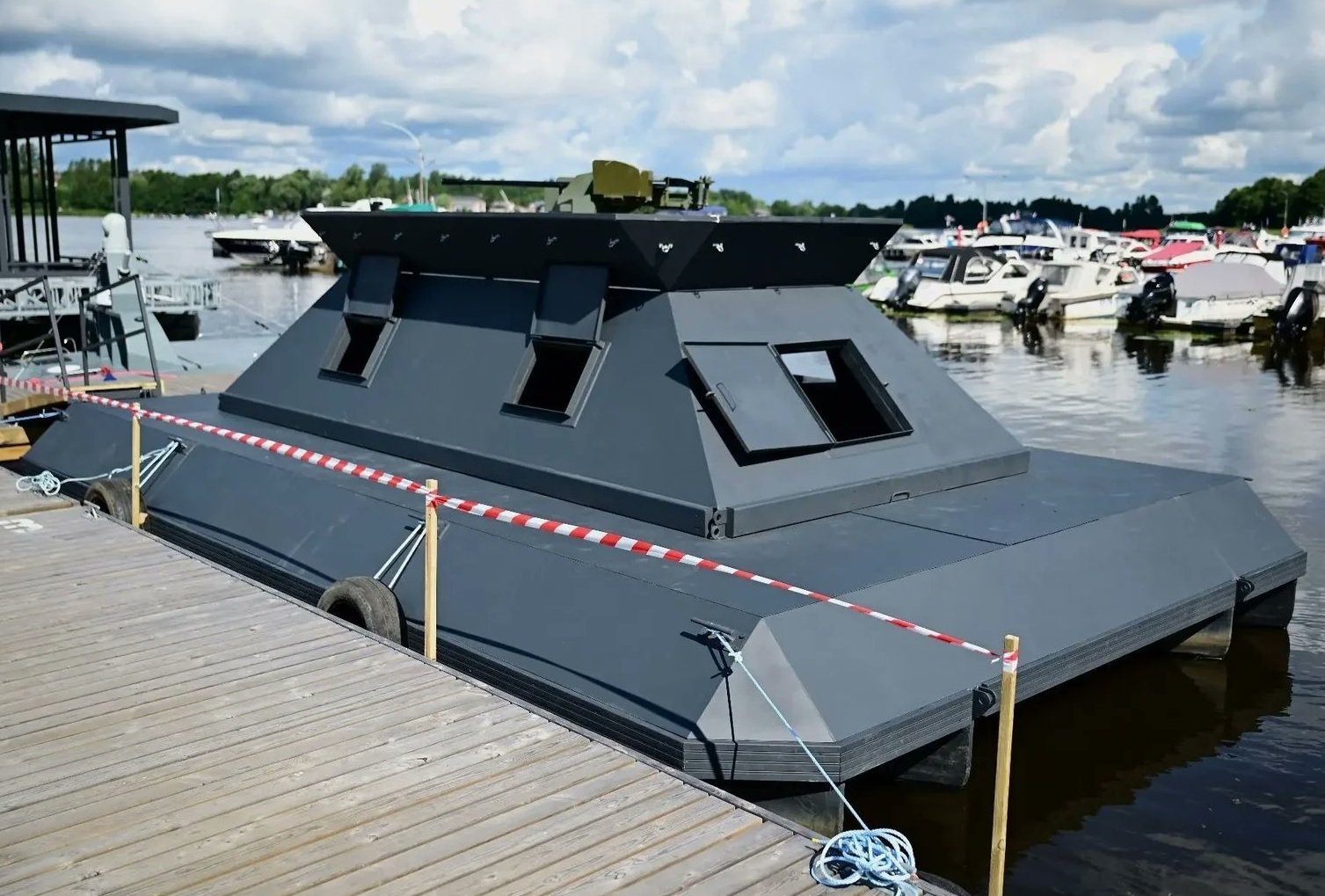
Over just a few years, Moscow has shifted focus toward low-cost, proven, and mass-produced designs that can be deployed in large numbers without straining resources. This strategy has led to the serial production of a wide spectrum of systems — from loitering munitions and fiber-optic-controlled first-person-view (FPV) drones to interceptor drones, unmanned maritime vessels, and ground-based robotic platforms.
At the tactical level, Russia’s success is most visible in strike drones with ranges of 20 to 50 kilometers, such as the Lancet, Molniya, and Knyaz Vandal Novgorodsky, which have been used extensively against Ukrainian artillery, air defense systems, and logistics hubs. On the strategic side, platforms like the Geran and Harpiya — modeled after Iran’s Shahed-series drones — have demonstrated ranges of 500 kilometers or more, giving Moscow the ability to strike deep inside Ukraine.
Russian forces have been receiving hundreds of thousands of drones annually, with estimates suggesting over 120,000 units were delivered to the front in 2024 alone. That figure is expected to climb sharply this year as the Kremlin blends lessons from Ukraine’s own battlefield innovations into its tactics. This includes the integration of artificial intelligence for target recognition, real-time video analysis, and automated target locking to increase precision and reduce operator workload.
A notable part of Russia’s approach is the push to professionalize tactical drone operations through specialized units like the Rubicon Centers. These units focus on fiber-optic drones capable of attacking Ukrainian supply lines, tactical interceptors designed to disable larger ISR platforms, and coordinated swarm operations that overwhelm defenses.
Still, the Russian drone program is not without weaknesses. Reliance on Chinese-made components and commercially available drones, such as the DJI Mavic series, remains significant. Quality control is inconsistent across the many small manufacturers producing FPV systems, and pilot training standards vary between units.
Ukraine, while under constant aerial pressure, has taken notice. Its defense industry is studying and reverse-engineering several Russian designs, including the Lancet and Molniya, to create cost-effective counterparts. Ukrainian strategists warn, however, that Russia’s pace of production could soon shift the balance in the skies.
Security experts in Kyiv have raised concerns about a near-future scenario in which thousands of armed Russian drones could patrol Ukrainian skies continuously, not just targeting fixed coordinates like missiles do, but actively hunting individual targets in real time. Such a development could threaten not only front-line cities like Sumy, Kharkiv, and Dnipro but also urban centers in Ukraine’s west, such as Lviv and Chernivtsi.
Both nations are now locked in an escalating drone arms race, with rapid adaptation on each side. For Russia, the priority remains overwhelming Ukraine with sheer numbers and persistent strikes, while Ukraine races to deploy its own mass-produced, affordable strike and reconnaissance systems.
The outcome of this drone war could redefine the battlefield dynamic, with the side that masters low-cost, high-volume, and adaptive drone warfare likely to gain a decisive advantage in the months and years ahead.
——— End of Article ———