World
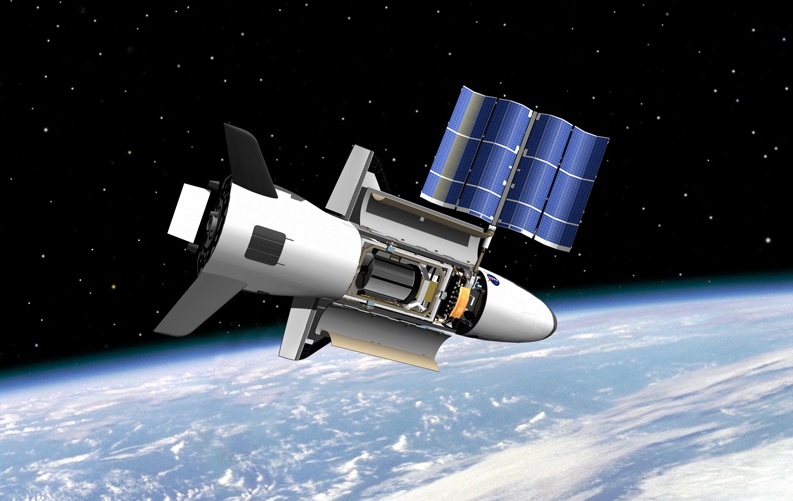
The U.S. Space Force, working with the Air Force Rapid Capabilities Office and SpaceX, is preparing to launch the eighth mission of its secretive X-37B Orbital Test Vehicle on 21 August from Kennedy Space Center, Florida. Designated USSF-36, the mission will lift off atop a SpaceX Falcon 9 rocket and carry an array of advanced experiments aimed at pushing the limits of space technology. This latest mission will focus on high-bandwidth inter-satellite laser communications — a step toward faster, more secure data transfer between satellites — and advanced space navigation using what is described as the highest-performing quantum inertial sensor ever flown in space. Such navigation technology could eventually allow spacecraft to operate with high precision even when GPS signals are unavailable, which is critical for deep-space missions or in contested environments. According to officials, the X-37B has become the Space Force’s premier platform for testing the “space technologies of tomorrow.” Its design — part spacecraft, part reusable mini-shuttle — allows it to spend years in orbit before returning to Earth for analysis and refurbishment. This reusability drastically reduces the cost and time needed to test new systems compared to one-time-use satellites. Since its first flight in April 2010, the X-37B has logged more than 4,200 days in space. Past missions have demonstrated orbital trajectory changes using aerobraking, tested space domain awareness sensors, trialled solar power beaming technology for delivering energy from orbit to Earth, and exposed biological materials — such as plant seeds — to long-term radiation, aiding preparations for future crewed missions to the Moon, Mars, and beyond. Military analysts note that the X-37B’s versatility makes it valuable for both scientific research and national security. In addition to civilian applications like space-based energy and crop resilience, the spacecraft’s ability to maneuver, change orbit, and stay aloft for extended periods also has potential strategic uses — from inspecting satellites to deploying experimental payloads in secret. With the USSF-36 mission, the Space Force is not only refining its technological edge but also signaling the increasing role of reusable spacecraft in sustaining U.S. leadership in space. As competition in orbit intensifies, platforms like the X-37B could prove decisive in enabling rapid deployment and testing of innovations that keep pace with both commercial developments and potential adversaries’ capabilities.
Read More → Posted on 2025-08-15 15:52:55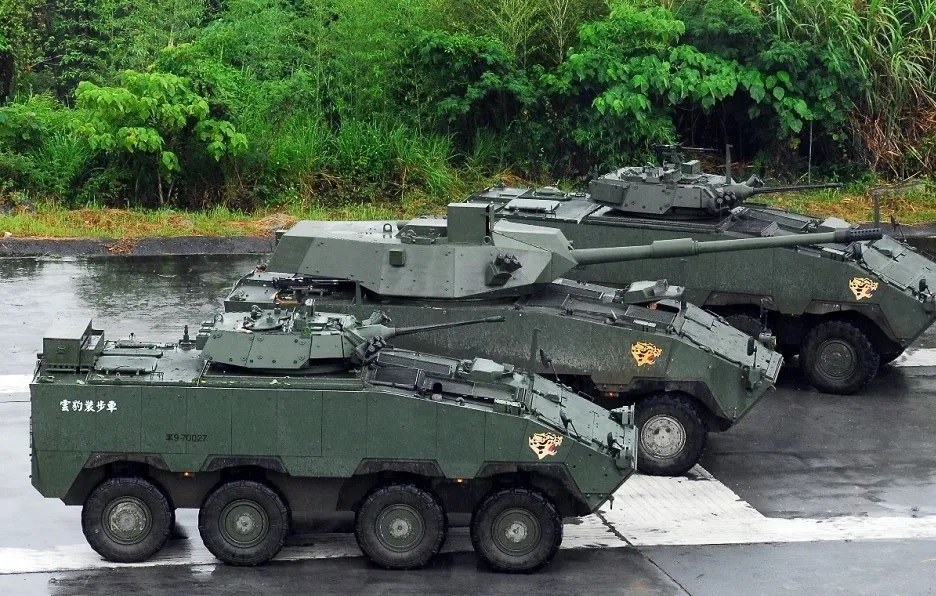
World
Taiwan has revealed the D3 prototype of its 105mm wheeled combat vehicle, a major upgrade under the country’s Project Cheetah aimed at strengthening its ability to respond quickly to military threats, particularly from the sea. The latest D3 version, showcased during the Ministry of National Defense’s online program Defense Online, is 40 centimeters shorter than the previous model, with a lower profile, stronger blast protection, and increased ammunition capacity. Its compact design makes it harder to detect and easier to deploy in urban streets and coastal defense zones, where space and reaction time are critical during an attack. From D1 to D3 – A Rapid Evolution Project Cheetah began in 2019 to give Taiwan a homegrown, high-mobility armored platform. The first two prototypes, D1 and D2, were developed almost entirely with local expertise, achieving 89% domestic component manufacturing. The D2, introduced in mid-2024, used an advanced 8×8 chassis from the Clouded Leopard family and carried a 105mm rifled gun compatible with Taiwan’s M60A3 and CM-11 tanks. It also featured a remote-controlled 12.7mm weapon station for the commander and a “hunter-killer” targeting system, allowing simultaneous tracking and engagement of multiple threats. The D3 builds on this foundation but introduces key structural and balance improvements. The vehicle’s height is now under 3 meters, down from 3.3 meters, improving stability and concealment. The turret has been repositioned further back to enhance weight distribution, and the chassis has been upgraded to the second-generation Clouded Leopard M2, which resolves previous handling issues. New side mirrors and an optimized armor layout improve crew visibility and survivability. Performance Built for Rapid Response Despite its smaller size, the D3 retains a low-recoil 105mm gun with electric servo drives for precise aiming. It can exceed 100 km/h on roads and travel up to 500 kilometers without refueling, allowing it to redeploy quickly anywhere on the island. This mobility is vital for Taiwan’s interregional reinforcement missions, where speed can determine the success of defending against sudden amphibious landings. The vehicle’s design suits Taiwan’s asymmetric defense strategy, where lighter, faster, and more dispersed units can outmaneuver heavier enemy forces. Instead of relying solely on main battle tanks, which are difficult to hide or transport in Taiwan’s mountainous terrain, the Cheetah D3 can execute hit-and-run ambushes, “shoot-and-scoot” tactics, and direct fire support for infantry. Preparing for the Worst Taiwan plans to publicly display the D3 at next month’s Taipei Aerospace & Defense Technology Exhibition, offering a closer look at the platform’s capabilities. Military analysts note that vehicles like the D3 could be deployed in small, highly mobile fire brigades, reinforcing vulnerable coastal zones during the early stages of an amphibious assault. However, some in Taiwan’s army have expressed concerns about the lethality of the 105mm gun, suggesting that a shift to a 120mm cannon might be necessary to match modern armor threats in the region. A Response to Rising Tensions The unveiling comes during escalating tensions in the Taiwan Strait. China has increased military flights across the median line, conducted large-scale amphibious drills, and maintained a constant naval presence near Taiwan’s waters. Taipei has responded by accelerating defense modernization, prioritizing indigenous production to ensure strategic autonomy. The Cheetah D3, with its mix of mobility, local production, and tactical adaptability, embodies Taiwan’s determination to stay agile, self-reliant, and ready in the face of growing regional threats. Defense officials say the platform is not just a vehicle—it is a symbol of Taiwan’s shift toward a more flexible and resilient fighting force.
Read More → Posted on 2025-08-15 15:28:40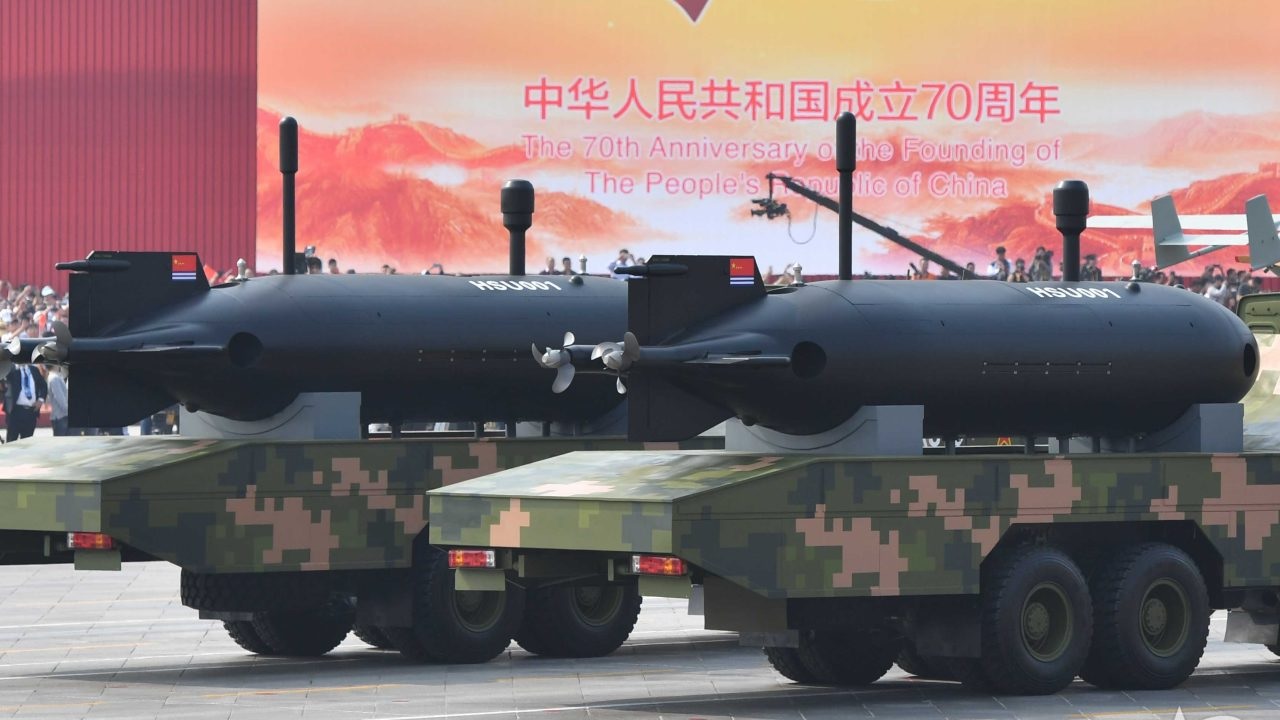
World
Military analysts say Chinese naval strategists are increasingly focused on finding ways to weaken the United States’ undersea surveillance network, a key element in tracking submarines across the vast waters of the Western Pacific. According to recent assessments by defense experts, China’s People’s Liberation Army Navy (PLAN) views the U.S. network as both a critical advantage for Washington and a potentially “fragile” system vulnerable to disruption. The concern for Beijing stems from the fact that the network enables the U.S. to keep a near-constant watch on Chinese submarine movements, particularly through strategic chokepoints in the South and East China Seas. The U.S. surveillance grid, formally known as the Integrated Undersea Surveillance System (IUSS), evolved from the Cold War-era SOSUS program. It uses fixed seabed arrays, undersea cables, mobile Surveillance Towed Array Sensor System (SURTASS) ships, and advanced sonar-equipped warships and submarines. Aircraft such as the P-8A Poseidon and MH-60R Seahawk add another layer by deploying sonobuoys and torpedoes during patrols. Chinese military commentators argue that this network’s vast coverage makes it difficult to protect every sensor and cable. They suggest that disabling even a small percentage of these nodes could have an outsized impact, reducing detection ranges and response times. Tactics under discussion include kinetic strikes on surveillance ships, deploying unmanned undersea vehicles (UUVs) for sabotage, or cyberattacks to disrupt the network’s command and control systems. Beijing has invested heavily in such capabilities. The PLAN operates advanced UUVs like the HSU-001 and Sea Wing (Haiyi) drones, capable of long-range reconnaissance and undersea interference. Other deep-diving platforms such as the Qianlong series, Haishen-6000, and research submersibles like Jiaolong could be adapted to locate and neutralize U.S. installations, sever communication cables, or plant counter-surveillance devices. Some Chinese strategists have floated the idea of pre-conflict saturation tactics, in which multiple submarines or unmanned craft would flood surveillance zones to overwhelm detection systems. The goal, they argue, would be to mask the movements of high-value nuclear and conventional submarines before any major operation. Former U.S. Navy officers acknowledge the potential risk but emphasize that finding small, hidden sensors across thousands of square miles of ocean remains a significant challenge. Moreover, mounting such a campaign would carry high political and economic risks for Beijing, potentially triggering immediate escalation. If China were to degrade this surveillance network, the U.S. Navy’s ability to monitor Chinese submarines would suffer, forcing Washington to rethink its anti-submarine warfare (ASW) posture. Allies like Japan, Australia, and South Korea could be called upon to take a larger role in regional monitoring, possibly using distributed, autonomous sensor networks to maintain coverage even if fixed sites were disabled. The stakes are high: a loss of U.S. undersea dominance could open new operational opportunities for China in contested waters, altering the balance of naval power in the Indo-Pacific and increasing the strategic uncertainty in one of the world’s most heavily militarized maritime regions.
Read More → Posted on 2025-08-15 15:25:58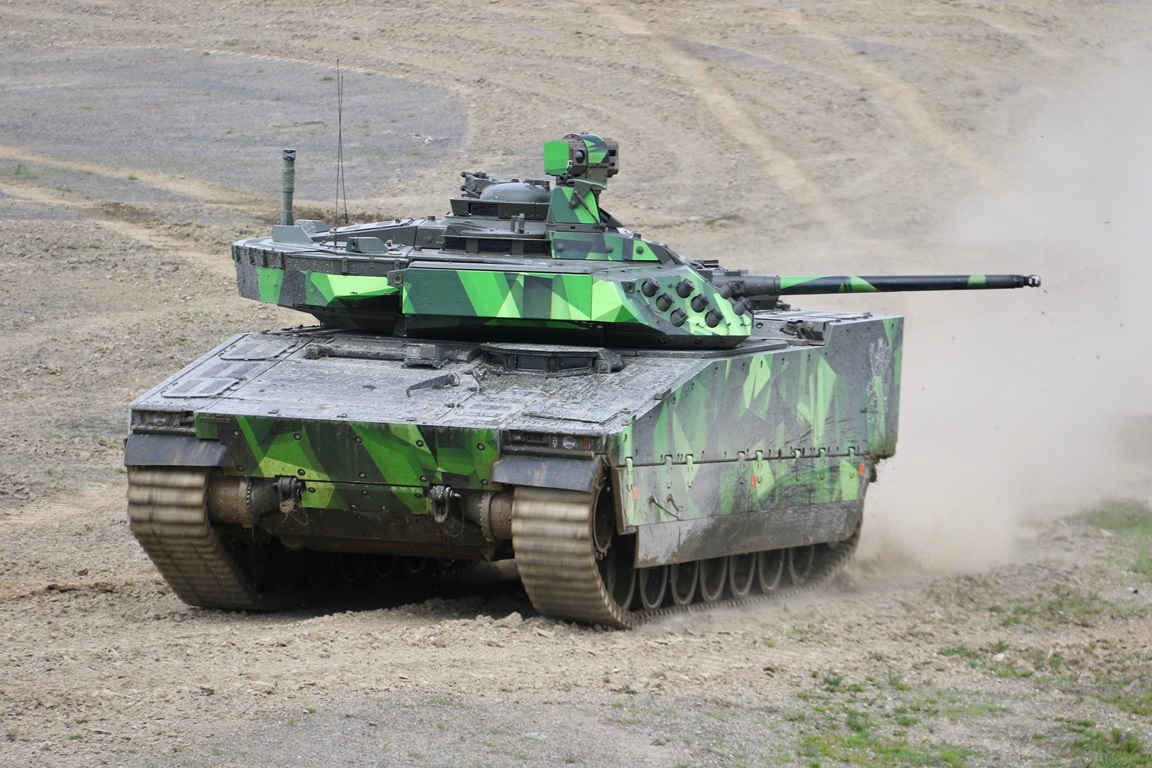
World
The Czech Ministry of Defence has signed a major seven-year, €250 million contract with German defence group Rheinmetall to provide long-term service, maintenance, and logistical support for its fleet of Leopard 2A4 main battle tanks and Bergepanzer 3 “Büffel” armoured recovery vehicles. The agreement, concluded in Prague between the Ministry and Rheinmetall Landsysteme GmbH, covers 42 Leopard 2A4 tanks and two Büffel recovery vehicles. The scope includes spare parts supply, on-site customer service, factory-level repairs, crew and technician training, logistical and technical assistance, temporary infrastructure, and overall project management. Rheinmetall confirmed it will work closely with Czech defence industry partners to fulfil the deal, with subcontracts expected to go to local companies. A letter of intent was signed the same day with the state-owned VOP CZ s.p., outlining cooperation in maintenance and repair operations, along with the transfer of specialised technical know-how. This partnership comes after the Czech Armed Forces recently received the Leopard 2A4 tanks and Büffel vehicles, refurbished and supplied by Rheinmetall under separate agreements. The deliveries were part of a defence cooperation framework between the Czech Republic and Germany, in which Berlin has supported Prague’s modernisation efforts as a gesture of solidarity following Czech military aid to Ukraine. The Leopard 2A4, originally developed in the late 1970s but upgraded extensively over time, is renowned for its firepower, armour protection, and battlefield survivability. The Büffel armoured recovery vehicle, based on the Leopard chassis, provides critical battlefield support by towing, repairing, or recovering disabled tanks in combat zones. By securing long-term maintenance, the Czech Ministry aims to ensure these platforms remain combat-ready for decades, while also building domestic technical capabilities through industrial cooperation. Defence analysts note that such agreements are not just about hardware upkeep — they strengthen NATO interoperability, improve logistics resilience, and ensure that frontline assets remain fully operational during periods of heightened security tensions in Europe. With this deal, the Czech Republic continues its steady modernisation drive, replacing older Soviet-era equipment with Western-standard platforms, a move widely seen as bolstering the country’s role within NATO’s collective defence posture.
Read More → Posted on 2025-08-15 15:22:26
World
Hezbollah’s deputy leader Naim Qassem has issued a stark warning to Lebanon’s government, accusing it of “handing the country to Israel” by pressing ahead with plans to disarm the group. Speaking in a televised address on Friday, Qassem vowed that Hezbollah would not give up its weapons and was ready to fight to preserve its arsenal if necessary. The remarks came after Qassem met Ali Larijani, Iran’s top security chief, whose country has long been a major backer of Hezbollah and a central player in the so-called “axis of resistance” — a coalition of Iran-aligned groups across the Middle East. The Lebanese government, under strong US pressure, has tasked the army with drafting a plan to disarm Hezbollah by the end of the year. This follows last year’s devastating war with Israel, which left the group significantly weakened both militarily and politically. Qassem accused the authorities in Beirut of following “an American-Israeli order to end the resistance”, warning that such a move could plunge the country into civil war and internal strife. “The resistance will not surrender its weapons while aggression continues, occupation persists, and we will fight… if necessary to confront this American-Israeli project no matter the cost,” Qassem declared. He further urged the government “not to hand over the country to an insatiable Israeli aggressor or an American tyrant with limitless greed”, framing Hezbollah’s weapons as essential to defending Lebanon’s sovereignty. The latest tensions come at a time when Iran itself has been weakened by a series of setbacks, most notably during its recent confrontation with Israel, which saw US forces strike Iranian nuclear sites. Hezbollah’s position within Lebanon has also been under growing strain, with critics blaming the group for dragging the country into wars and crippling its economy. Despite the pressure, Qassem’s speech made clear that Hezbollah sees its arsenal as non-negotiable — not only as a means of deterring Israel, but as a symbol of its political power within Lebanon.
Read More → Posted on 2025-08-15 15:17:16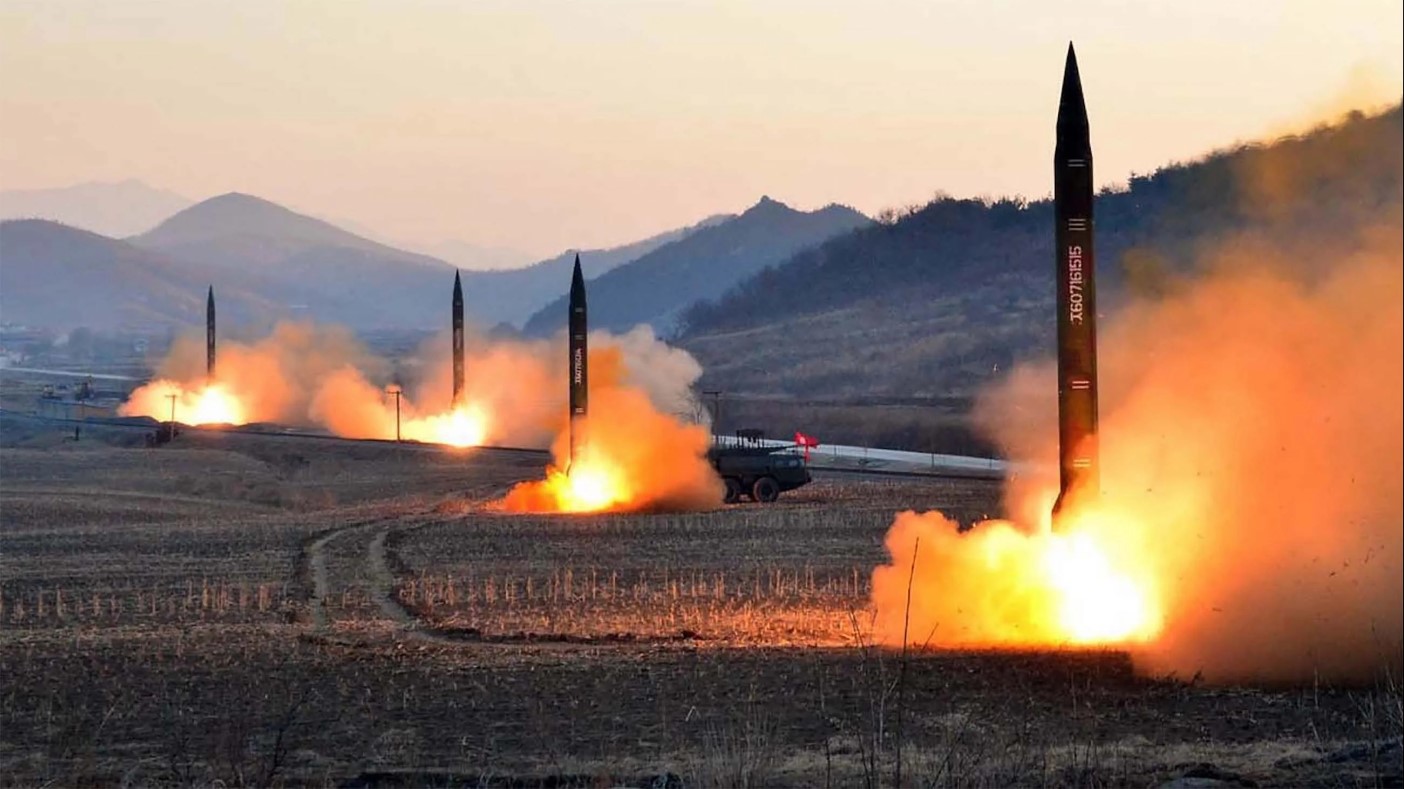
World
Russia and Belarus are set to conduct Zapad-2025 military exercises from September 12 to 16 in Belarus, with scenarios simulating nuclear weapon use and the deployment of the hypersonic Oreshnik missile, according to Belarusian Defense Minister Viktor Khrenin. The announcement comes just days before a planned U.S.-Russia meeting in Alaska aimed at discussing ways to end the war in Ukraine, a timing that has drawn heightened concern from NATO allies. The Oreshnik, an intermediate-range ballistic missile capable of reaching Mach 11 and striking targets over 3,000 kilometers away, can carry both conventional and nuclear warheads. Its extreme speed and in-flight maneuverability make it highly resistant to interception, posing a significant challenge to existing missile defense systems. First launched against Ukraine in November 2024, the missile has since entered serial production, with its presence in the drills seen as a signal of Moscow’s expanding strike capabilities. Zapad exercises, held every four years, have historically served as large-scale readiness checks and strategic messaging tools. In 2021, similar drills were followed within months by Russia’s full-scale invasion of Ukraine, raising fears that Zapad-2025 could also mask preparations for new offensives. Reports suggest that up to 150,000 troops could participate this year, making it one of the largest joint operations between Moscow and Minsk since the war began. While the Kremlin and Minsk insist the exercises are purely defensive, the inclusion of nuclear strike scenarios and advanced hypersonic missile operations significantly raises the stakes. Western defense analysts warn that the combination of nuclear simulations, large troop movements, and missile drills near NATO’s borders creates a volatile environment with a high risk of miscalculation. The timing, scale, and content of Zapad-2025 appear to be as much about deterrence and strategic signaling as they are about military training. For NATO, the drills not only test the alliance’s eastern flank readiness but also underscore the evolving missile threat landscape—one where hypersonic systems like the Oreshnik may soon become central to Russian warfighting doctrine.
Read More → Posted on 2025-08-14 16:10:38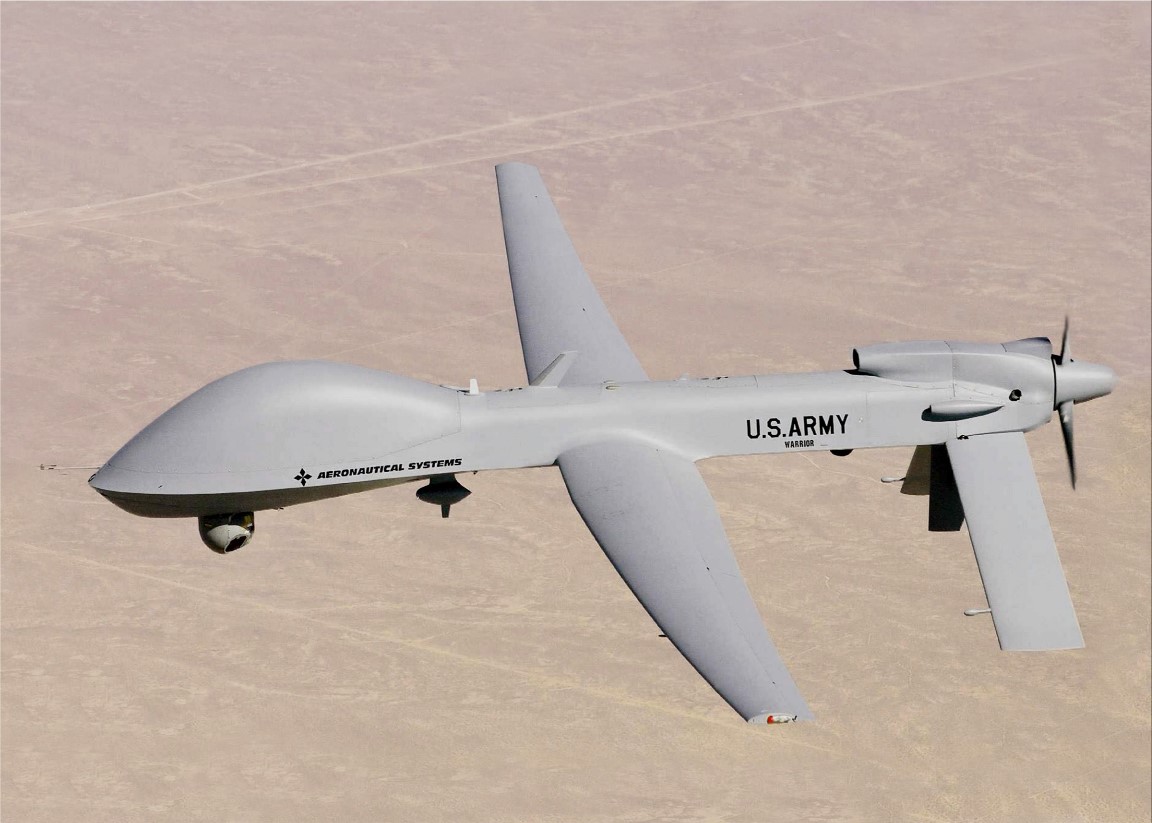
World
The US Army is preparing a major shift in its unmanned aerial systems (UAS) strategy, moving to retire its long-serving MQ-1C Gray Eagle and RQ-7B Shadow drones in favor of advanced, more autonomous platforms under the Army Transformation Initiative. The decision follows earlier moves to halt further Gray Eagle procurement and cancel the Future Tactical Uncrewed Aircraft System (FTUAS) program, which had been intended to replace the retired Shadow. This pivot reflects the Army’s growing focus on shorter deployment timelines, flexible launch capabilities, and integration with modern battlefield technologies. Divisions to Get Larger, More Capable UAS Under current plans, newer Gray Eagle variants will continue to serve with upgrades until around fiscal year 2028, while older models will be phased out. The Gray Eagle, built by General Atomics, has been a core asset for intelligence, surveillance, and reconnaissance (ISR) missions, with the ability to carry guided munitions. Its eventual replacement will be a Group 4 or Group 5 UAS capable of short or vertical takeoff and landing (STOL/VTOL), eliminating the need for traditional runways and allowing deployment from smaller, dispersed bases. Group 4 drones: Weigh over 1,320 pounds, operate below 18,000 feet, and offer medium- to long-endurance missions. Group 5 drones: The largest category, flying above 18,000 feet with extended endurance and greater payloads, suited for high-altitude ISR or strike missions. The Army issued a request for information in mid-2024 and received over 10 proposals from industry, with a final requirements decision expected within the next few months. Fielding of the new system is aimed for 2028, and major players such as General Atomics are expected to compete, promoting their Gray Eagle 25M and STOL variants as candidates. Brigades to Get New Group 3 Drones Faster At the brigade level, the Army plans to skip lengthy procurement processes and instead purchase ready-made commercial drones. This approach is intended to quickly restore operational capability after the Shadow’s retirement in 2024 left brigades without a dedicated reconnaissance aircraft. The initial buy will focus on Group 3 platforms — drones weighing between 55 and 1,320 pounds — with procurement potentially starting in fiscal 2026. Candidates will include former FTUAS competitors such as Griffon and Textron, alongside new entrants. Over time, more advanced systems could be added in phases, pending leadership approval and budget allocation. Why This Shift Matters The Gray Eagle and Shadow have been workhorses for the US Army for decades, but the future battlefield demands faster, more survivable, and more adaptable aerial assets. In modern conflict scenarios, where anti-drone defenses are increasingly sophisticated, the ability to launch and recover drones from austere locations without large runways is becoming critical. By moving toward VTOL-capable Group 4 and 5 systems for divisions and commercially sourced Group 3 drones for brigades, the Army aims to create a more distributed and resilient ISR and strike network. This modernization effort is also part of a broader push to integrate AI-driven mission planning, autonomous navigation, and modular payload systems into future UAS fleets. If successful, the transition could mark one of the biggest overhauls of Army aviation in two decades, reshaping how US forces gather intelligence, track targets, and strike in contested environments.
Read More → Posted on 2025-08-14 16:06:29
World
Russian President Vladimir Putin has signaled that Moscow and Washington could negotiate a new nuclear arms control agreement as part of broader efforts to end the ongoing war in Ukraine. Speaking to senior ministers and security officials, Putin praised the United States for making what he described as “energetic and sincere efforts” to bring the conflict to a close, ahead of his much-anticipated meeting with U.S. President Donald Trump in Anchorage, Alaska. Putin said the talks could go beyond Ukraine’s battlefield to address strategic stability, including the future of the New START treaty, the last remaining nuclear arms control pact between the two nations. The treaty, which caps deployed strategic warheads at 1,550 per side, is set to expire on February 5 next year. Without renewal or replacement, both countries would be free to expand their nuclear arsenals for the first time in decades. The Anchorage summit will be the first direct meeting between the Russian and U.S. presidents since June 2021 and comes at a time of high tension. Earlier this month, Trump ordered two U.S. nuclear submarines to move closer to Russia following remarks by former Russian president Dmitry Medvedev suggesting that war between the two nations was possible. The Kremlin downplayed the move but cautioned against escalating nuclear rhetoric. Putin’s foreign policy adviser Yuri Ushakov said the meeting will begin at 11:30 a.m. local time and will feature a one-on-one discussion between the leaders, followed by a working lunch with their delegations. The Russian side will include Foreign Minister Sergei Lavrov, Defence Minister Andrei Belousov, Finance Minister Anton Siluanov, and Kirill Dmitriev, Putin’s special envoy for investment and economic cooperation. While Ukraine is expected to dominate the agenda, Ushakov stressed that the summit would also cover broader security, trade, and economic issues, pointing to “huge untapped potential” in U.S.-Russia economic relations. Moscow is likely to propose easing certain sanctions in exchange for security concessions, though the U.S. position on such trade-offs remains unclear. The backdrop to these talks is complex: Russia and the U.S. hold over 90% of the world’s nuclear weapons, and any breakdown in arms control could spark a new global arms race. At the same time, Washington is balancing support for Ukraine with a growing domestic push—led by Trump—to end the war quickly through direct diplomacy with Moscow. Analysts say the Alaska summit could be a turning point. If both sides find common ground on nuclear arms limits and a Ukraine ceasefire, it could mark the first significant U.S.-Russia détente in more than a decade. But if talks falter, the world could face a renewed period of strategic rivalry and heightened nuclear risk.
Read More → Posted on 2025-08-14 15:44:09
World
Germany’s armed forces are preparing for one of the most significant technological transformations in their modern history, unveiling an ambitious plan to expand the Bundeswehr’s unmanned aerial systems (UAS) inventory from just over 600 today to more than 8,000 by 2029. The move signals a decisive shift toward making drones a core element of future combat, reconnaissance, and support operations, reflecting lessons learned from recent conflicts where unmanned systems have become indispensable. The planned expansion will span a wide range of platforms, from tiny nano-drones for close-quarter reconnaissance to loitering munitions capable of precision strikes. By 2029, Germany aims to not only have Europe’s most extensive and technologically advanced military drone fleet but also ensure these systems are upgraded continuously to keep pace with rapid advances in drone technology. A Diverse Fleet for Modern Warfare According to the internal planning framework, the Bundeswehr intends to acquire around 1,200 nano-drones designed for stealthy observation in urban areas, dense forests, or other complex terrains where traditional surveillance assets are less effective. These will be supported by more than 3,000 mini-UAS for short-range surveillance—likely successors to proven systems such as the ALADIN and FALKE, which have been key tools in past reconnaissance missions. In addition, 800 communications relay drones will enhance battlefield connectivity, enabling secure and extended command-and-control links for dispersed units in fast-moving or contested environments. The program also includes loitering munitions, which combine surveillance and strike functions, allowing German forces to detect, track, and destroy targets with high precision—mirroring tactics seen in Ukraine and the Middle East. A New Procurement Model Defence Minister Boris Pistorius has confirmed that the program is anchored in a formalized drone strategy emphasizing flexible contracting, continuous procurement cycles, and the rapid integration of new technologies. Unlike traditional acquisition processes that can take years, this approach is designed to keep the Bundeswehr’s drone capabilities constantly modernized. The plan also calls for an operational reserve equal to 20–40% of the fleet, ensuring that Germany can replace combat losses quickly, sustain high-tempo operations, and surge capacity during crises. While the budget for the program has not been disclosed, its scale suggests multi-year funding commitments and close cooperation with domestic and allied defense industries. Strategic Implications By 2029, the Bundeswehr’s drone force will be a game-changer for Germany’s military posture. Thousands of unmanned systems, integrated across multiple branches, will provide persistent surveillance coverage, faster target acquisition, and enhanced operational flexibility in both defensive and offensive missions. The integration of loitering munitions also represents a shift toward autonomous precision strike capability, allowing Germany to respond quickly to emerging threats without relying solely on manned aircraft or artillery. This aligns with NATO’s evolving doctrine for distributed, network-enabled warfare, where drones serve as force multipliers for reconnaissance, logistics, and direct engagement. Strengthening NATO’s Eastern Flank Germany’s enhanced unmanned capabilities will have direct implications for NATO’s deterrence posture, especially along its eastern flank near Russia and Belarus. By combining a large-scale operational fleet with rapid replacement reserves, Berlin positions itself to respond effectively in high-intensity conflict scenarios while maintaining readiness for prolonged deployments. Military analysts note that this program is not just about numbers—it’s about operational independence, technological adaptability, and resilience. By embedding drones deeply into its force structure, Germany is preparing for a battlefield environment where speed, situational awareness, and precision strikes define success.
Read More → Posted on 2025-08-14 15:41:45
World
Taiwan’s Ministry of National Defense has unveiled a new generation of multi-role unmanned aerial systems designed to enhance the country’s ability to respond to potential threats from a stronger adversary. Developed at the state-run Plant 202 in partnership with private-sector manufacturers, the program focuses on mass production, affordability, and versatility — all key elements in the island’s asymmetric warfare strategy. The new lineup includes a fixed-wing strike drone capable of carrying explosives to ram into long-range targets, functioning as a precision-guided loitering munition. One of the standout designs is a lightweight plywood-built attack drone, featuring a rectangular airframe made from durable wooden panels. This simple but effective construction allows for rapid manufacturing at low cost, following a trend seen in the Ukraine-Russia war, where both sides have used wooden drones to evade radar detection and keep expenses low. Alongside these, Taiwan’s arsenal now includes bomber-style multirotor drones capable of carrying and releasing mines or small munitions on enemy positions with pinpoint accuracy. Officials say these systems can be deployed for both reconnaissance and strike missions, allowing seamless cooperation between ground, naval, and air units. The emphasis on combining intelligence gathering and firepower into a single platform means fewer drones can accomplish more tasks, reducing logistical burden in wartime. Every model in the new fleet has undergone complete field testing with Taiwan’s armed forces, ensuring readiness for immediate deployment. The drones are designed to be highly mobile and easily concealable, allowing units to relocate quickly, operate from improvised launch sites, and survive in a contested battlespace where traditional aircraft may be too vulnerable. Military experts note that Taiwan’s focus on small, expendable, and domestically produced drones is a direct response to China’s growing military pressure. Large, high-value systems can be easily targeted in a conflict, but fleets of inexpensive drones offer the ability to overwhelm defenses, conduct surprise attacks, and provide persistent surveillance without risking expensive manned aircraft. The Ministry of National Defense described the project as a critical step toward strengthening Taiwan’s indigenous defense capabilities. By ensuring local manufacturing and supply chains, the program aims to keep production resilient during a crisis, allowing the military to quickly replenish losses and adapt designs to emerging threats. With tensions across the Taiwan Strait remaining high, these new drones are expected to play a central role in deterrence and rapid-response operations, giving Taiwan’s forces a cost-effective edge in the face of a much larger opponent.
Read More → Posted on 2025-08-14 15:05:11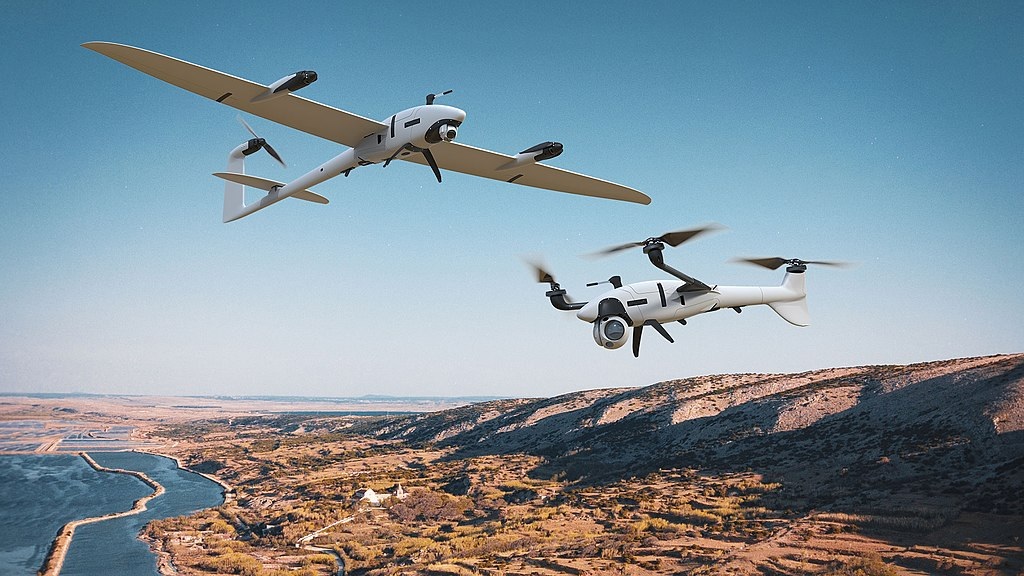
World
German drone maker Quantum Systems is in the final stages of developing a new unmanned aerial system in Ukraine, code-named Sparta, designed to act as a “drone mothership” capable of carrying and deploying multiple drones during missions. Serial production is expected to begin before the end of this year, marking a significant step in Europe’s growing push to enhance battlefield drone capabilities. Sparta’s primary advantage lies in its ability to transport and launch smaller drones directly over operational zones, extending their effective range and reducing the time needed to reach targets. The system can be pre-positioned in strategic areas, allowing rapid deployment without the delay of flying from distant bases. This approach is increasingly important in modern warfare, where quick reaction and precision strikes can determine mission success. The platform’s design includes a long, slender fuselage, extended wings, a V-shaped tail, and a rear-mounted electric pusher propeller. Unlike the company’s vertical takeoff and landing drones, Sparta uses a catapult launch system to increase lift capacity and is recovered through a controlled belly landing. During production, certain design elements—such as the landing system—may still be refined to improve durability and efficiency. Sparta is built to be highly versatile, featuring modular attachment points on each wing for carrying a variety of payloads, including surveillance sensors, communication relays, or additional drone units. With a maximum takeoff weight of 23 kilograms and an empty weight of 8 kilograms, the system offers a flight radius of 200 kilometers and endurance of six to eight hours—giving it the ability to loiter over target areas for extended periods. The development comes at a time when Ukraine is actively integrating advanced drone technologies into its defense strategy, both to counter long-range threats and to enhance reconnaissance capabilities in contested zones. Platforms like Sparta could enable Ukrainian forces to launch coordinated drone swarms, conduct deep reconnaissance, or deliver precision strikes far behind enemy lines. Analysts note that the “drone mothership” concept mirrors emerging trends in military technology, where a single larger UAV acts as a carrier and controller for multiple smaller drones, creating a networked aerial force. This not only expands the reach of operations but also makes it harder for adversaries to predict attack patterns. With final testing underway, Sparta’s introduction into active service later this year could mark one of the most notable advancements in Ukraine’s drone warfare capabilities—providing a blend of long endurance, modular versatility, and multi-drone deployment in a single platform.
Read More → Posted on 2025-08-14 14:55:30
World
Piasecki Aircraft Corporation has introduced the KARGO II, a powerful new vertical take-off and landing (VTOL) unmanned aerial vehicle designed to redefine the future of aerial logistics. As the successor to the company’s earlier KARGO UAV, this upgraded platform delivers significant performance improvements and a remarkable leap in payload capacity, making it one of the most capable medium-lift drones in its class. The KARGO II can now carry over 1,500 pounds (680 kilograms) of cargo—nearly triple the top payload of its predecessor, which ranged from 500 to 800 pounds. This expanded capacity opens the door to missions involving larger and heavier loads, from critical military resupply in remote battle zones to emergency humanitarian deliveries in disaster-struck areas. Beyond raw lifting power, the drone features a greater operational range, faster cruise speeds, and enhanced mission flexibility. Its upgraded shaft-driven transmission is engineered to handle heavier loads without compromising flight stability, while newly designed larger rotors provide greater lift efficiency and improved performance in high-altitude or adverse weather conditions. Piasecki’s engineers have also refined the aircraft’s modular design, allowing for rapid reconfiguration between different payload types—whether transporting supplies, specialized equipment, or autonomous cargo pods. The system is expected to integrate seamlessly with both military logistics networks and commercial supply chains, reducing the need for traditional ground convoys or manned aircraft in high-risk areas. Industry analysts note that the KARGO II arrives at a time when global demand for unmanned logistics solutions is surging, driven by defense modernization, e-commerce expansion, and climate-related humanitarian missions. By removing the limitations of runways and conventional infrastructure, the drone could prove invaluable in environments ranging from remote islands to urban centers with restricted access. Piasecki Aircraft has hinted at future developments for the KARGO platform, including autonomous mission planning, AI-based route optimization, and potential hybrid-electric propulsion to improve efficiency and reduce operational costs. These advancements could further cement the KARGO II’s role as a next-generation workhorse for both civilian and defense operations. With the launch of the KARGO II, Piasecki is not just delivering a bigger and stronger VTOL drone—it is signaling a shift toward more autonomous, heavy-lift aerial logistics that can operate where traditional delivery systems fall short.
Read More → Posted on 2025-08-14 14:51:58
World
The US State Department has declined to confirm or deny reports of Pakistan Air Force F-16 fighter jet losses during Operation Sindoor, an intense 88-hour conflict between India and Pakistan from May 7 to May 10, 2025. When queried by NDTV, the State Department responded with a curt, “We refer you to the Government of Pakistan to discuss its F-16s,” sidestepping direct answers about the status of Pakistan’s US-supplied aircraft. This refusal to comment contrasts with the US’s continuous oversight of Pakistan’s F-16 fleet, maintained through Technical Support Teams (TSTs), US contractors stationed in Pakistan 24/7 to monitor the jets under strict end-use agreements. US Oversight of Pakistan’s F-16 Fleet The United States maintains detailed knowledge of Pakistan’s F-16s through TSTs, which operate under agreements that define how these jets can be used in combat. These teams ensure compliance with conditions that allow Pakistan to receive ongoing US support for maintaining its fleet of approximately 75 F-16s, out of a total air force of around 410 aircraft. The agreements restrict the jets’ use primarily to counterterrorism and counterinsurgency operations, raising questions about whether their deployment during Operation Sindoor adhered to these terms. The presence of TSTs at key bases, including Shahbaz Jacobabad airfield, suggests the US would be aware of any losses or damage to the aircraft, making their silence notable. Indian Claims and Pakistani Denials India’s military leadership has claimed significant damage to Pakistan’s air capabilities during Operation Sindoor. Indian Air Force Chief Air Marshal AP Singh stated that the IAF targeted three key hangars, including one at Jacobabad, which housed F-16s under maintenance. “One half of the hangar is gone. And I’m sure there were some aircraft inside which have got damaged there,” Singh said. The IAF further claims to have shot down six Pakistani aircraft, including five fighters and one large aircraft, possibly an Airborne Early Warning and Control (AEW&C) or Electronic Intelligence (ELINT) platform. Pakistan, however, has rejected these claims. Defence Minister Khawaja Muhammad Asif challenged India to allow independent verification of aircraft inventories, suggesting that India’s assertions may be exaggerated. “If the truth is in question, let both sides open their aircraft inventories to independent verification,” Asif stated, implying that such an exercise would reveal the true extent of losses. Pakistan has also made counterclaims about downing Indian jets, though these remain unverified. Speculation on US Technical Support Teams The heavy strikes on Jacobabad airfield, a key F-16 base, have raised unconfirmed speculation about the safety of US Technical Support Teams stationed there. Given their round-the-clock presence to monitor the jets, the possibility that US contractors were caught in the attacks cannot be dismissed, though no official reports have confirmed casualties. The US State Department’s refusal to comment on the F-16s’ status may reflect sensitivity around the potential involvement of American personnel in a conflict zone, especially given the delicate nature of US-Pakistan military cooperation. Contrast with 2019 Balakot Response The US’s current stance differs from its response in 2019, following India’s airstrikes on the Balakot terror facility. At that time, US officials told Foreign Policy Magazine that a physical count of Pakistan’s F-16s found none missing, directly countering India’s claim of downing one. The Biden administration’s decision to avoid similar clarity now, despite having real-time data from TSTs, suggests a cautious approach, possibly to avoid escalating tensions or revealing sensitive operational details. Broader Context and Implications Operation Sindoor, marked by intense aerial and ground engagements, has reignited debates about the use of US-supplied military equipment in India-Pakistan conflicts. The US’s $450 million deal in 2022 to enhance Pakistan’s F-16 capabilities, reversing earlier restrictions under the Trump administration, underscores the strategic importance of this fleet. However, posts on X have highlighted Pakistan’s ongoing maintenance challenges with its F-16s, suggesting that losses in Operation Sindoor could exacerbate an existing crisis and potentially force Pakistan to phase out the jets. The US’s refusal to engage with questions about F-16 losses, combined with the presence of TSTs and the possibility of American personnel being affected, adds layers of complexity to an already tense regional situation. As both India and Pakistan trade claims and counterclaims, the lack of transparency from Washington leaves open questions about the true toll of Operation Sindoor and its implications for US-Pakistan relations.
Read More → Posted on 2025-08-13 16:59:30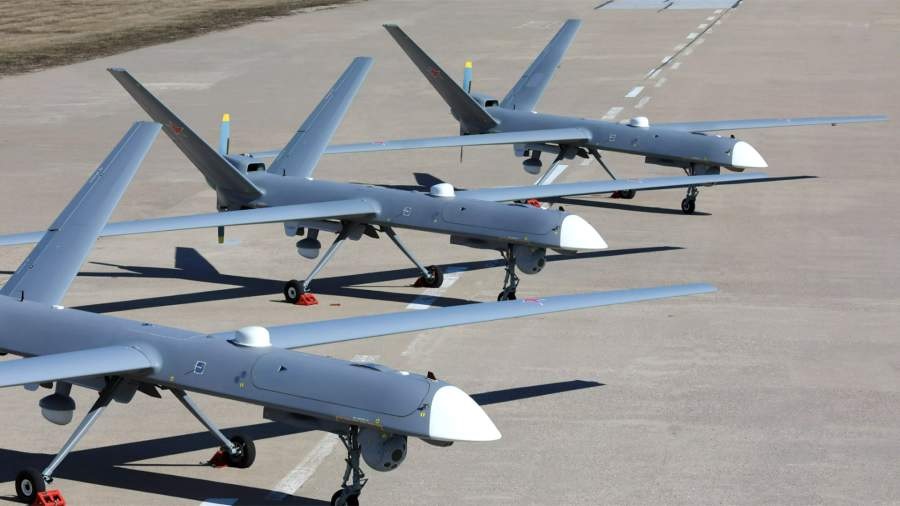
World
Russia has opened a new Unmanned Aviation Control Center in the far eastern Kamchatka Peninsula, marking a major expansion of its Pacific Fleet’s surveillance and strike capabilities. The facility is designed to oversee the full-scale deployment of long-endurance reconnaissance and combat drones, a move aimed at tightening control over strategic Arctic and Pacific waters. The center will initially manage operations of Forpost-RU and Inokhodets (Orion) heavy-class UAVs, with plans to integrate other drone models in the future. These aircraft will be stationed at multiple regional airfields, enabling coverage of vast maritime zones and critical Arctic shipping routes, including the Northern Sea Route and the Bering Strait. The Forpost-RU, derived from the Israeli Searcher II but extensively redesigned in Russia, can stay airborne for over 15 hours, carry precision-guided weapons, and perform advanced reconnaissance using radar and optical-electronic sensors. The Inokhodets, with its 16-meter wingspan and 24-hour endurance, offers a heavier payload capacity, including guided missiles and light bombs. Both systems have seen combat use in Ukraine, where they were employed for precision strikes and real-time target acquisition. Positioning the control hub in Kamchatka offers several strategic advantages. It allows Moscow to monitor U.S. and NATO naval movements in the Pacific and Arctic, safeguard the Pacific Fleet’s nuclear submarine base at Vilyuchinsk, and maintain constant surveillance over resource-rich northern waters. This comes amid intensified competition in the Arctic, where American nuclear submarines and NATO patrols have increased their presence. Unlike lighter tactical drones, the heavy-class UAVs managed here will be part of an integrated command network, allowing Russia to combine aerial intelligence with naval and aerospace force operations. This shift toward networked unmanned warfare reduces reliance on manned patrol aircraft, which are costlier to operate and more vulnerable in contested areas. Defense analysts see this development as part of Russia’s long-term strategy to counter Western presence near its borders. The combination of persistent drone surveillance, strike capabilities, and centralized control provides Moscow with the ability to react quickly to threats, track foreign vessels, and project power far from its shores. It also compensates for the challenges of defending the country’s massive eastern and northern coastlines, where infrastructure is sparse and logistics are difficult. By operationalizing this UAV hub, Russia is effectively creating a permanent aerial shield over two of its most sensitive frontiers. This capability is expected to expand, with future plans likely to include advanced electronic warfare drones, Arctic-weather UAVs, and possibly unmanned naval systems linked to the same control architecture.
Read More → Posted on 2025-08-13 16:16:22
World
Poland has signed a $3.8 billion contract to modernise its fleet of F-16 fighter jets, marking one of the country’s most significant air force upgrade programs in recent years. The move comes as Warsaw intensifies military investments in response to the ongoing war in neighbouring Ukraine. Poland currently operates 48 F-16C/D Block 52+ aircraft, delivered between 2006 and 2008. While these jets have served as the backbone of the Polish Air Force for nearly two decades, officials say the technology now requires major enhancements to match modern combat demands. Defence Minister Władysław Kosiniak-Kamysz announced that the upgrade work will be carried out domestically at the Wojskowe Zakłady Lotnicze Nr 2 aviation plant in Bydgoszcz, a key facility for maintaining Poland’s military aircraft. The project will focus on improving reconnaissance systems, upgrading communication networks, and integrating the aircraft with newer platforms such as Poland’s F-35 stealth fighters, M1A2 Abrams main battle tanks, and AH-64 Apache attack helicopters. “The current capabilities of the F-16s are good, but after 20 years they are no longer enough to deal with modern threats,” Kosiniak-Kamysz said, emphasising the need for Poland’s air fleet to be fully interoperable with allied forces and capable of operating across air, land, sea, and cyber domains. The upgrades are expected to include new radars, advanced targeting pods, enhanced electronic warfare systems, and improved weapons integration—transforming the jets into multirole combat platforms capable of countering both traditional and hybrid threats. This investment is part of Poland’s broader defence expansion, which will see the country allocate 5% of its GDP to the armed forces by 2026—one of the highest defence spending levels among NATO members. The government has also been pursuing rapid acquisitions, including a recent multi-billion-dollar agreement with Hyundai Rotem for new battle tanks and earlier contracts for K2 tanks, K9 self-propelled howitzers, HIMARS rocket systems, and Patriot air defence batteries. Analysts say the F-16 upgrade program will ensure that Poland’s air force remains a powerful deterrent and a crucial NATO frontline asset for decades, especially given the heightened tensions with Russia and Belarus. With the modernisation work carried out domestically, it will also boost Poland’s defence industry and create skilled jobs in the aviation sector.
Read More → Posted on 2025-08-13 15:54:39Search
Top Trending in 24 Hours
-
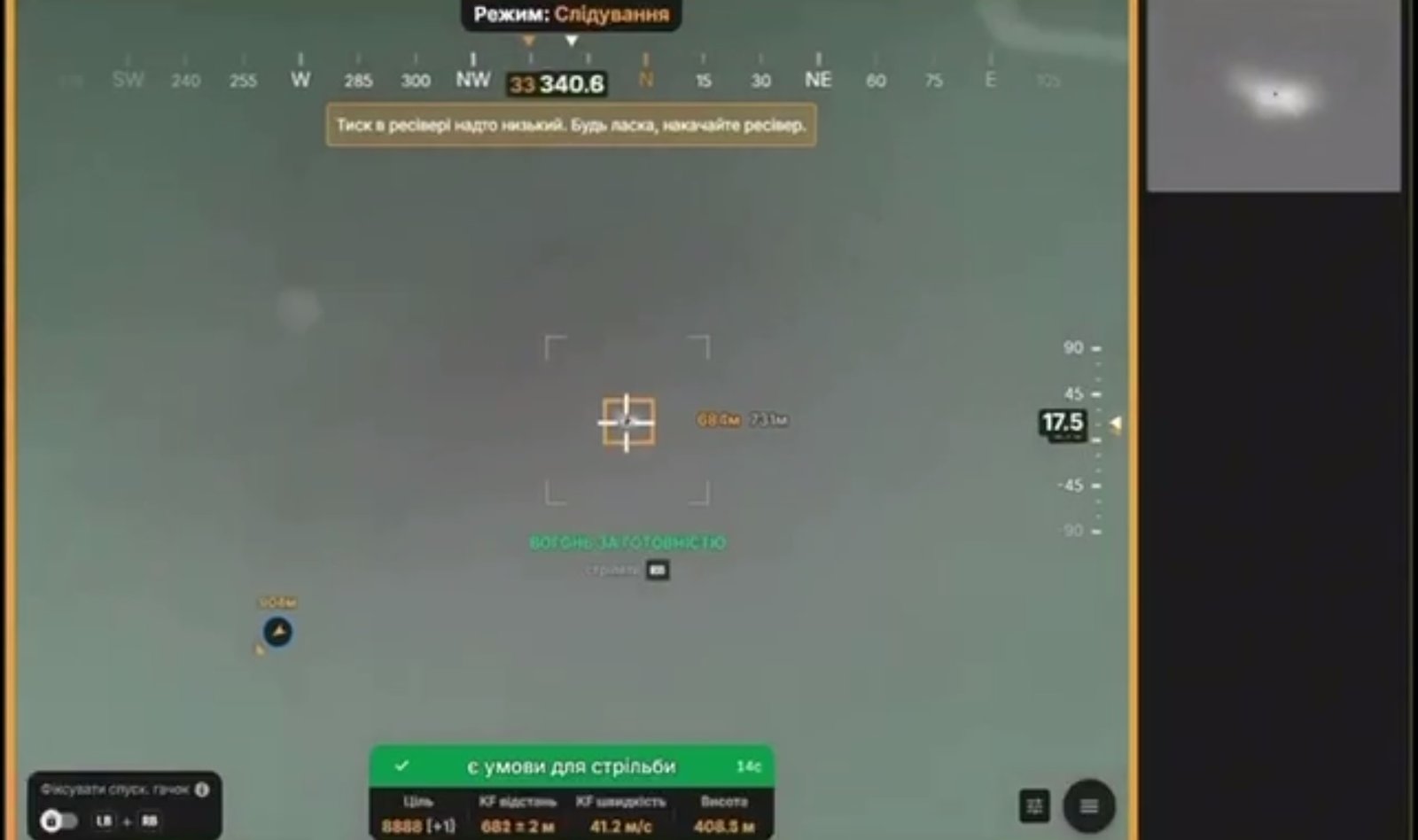 Ukraine’s Blysk Laser Air Defence System Shoots Down Russian Jet-Powered Geran Drone
-
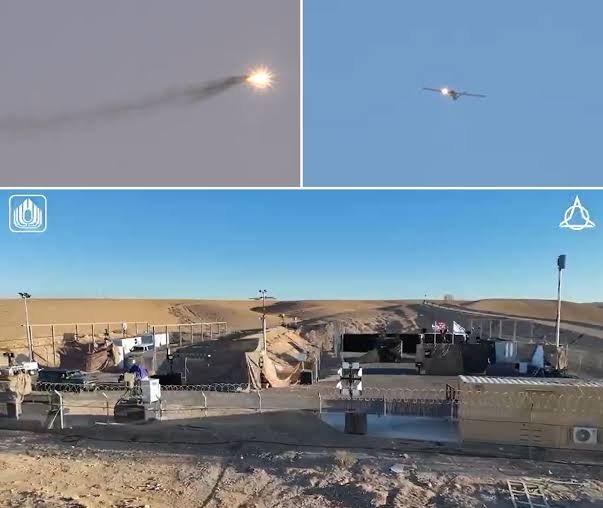 Israel and US Test 20 Counter-Drone Systems in First Joint Trials on Israeli Soil
-
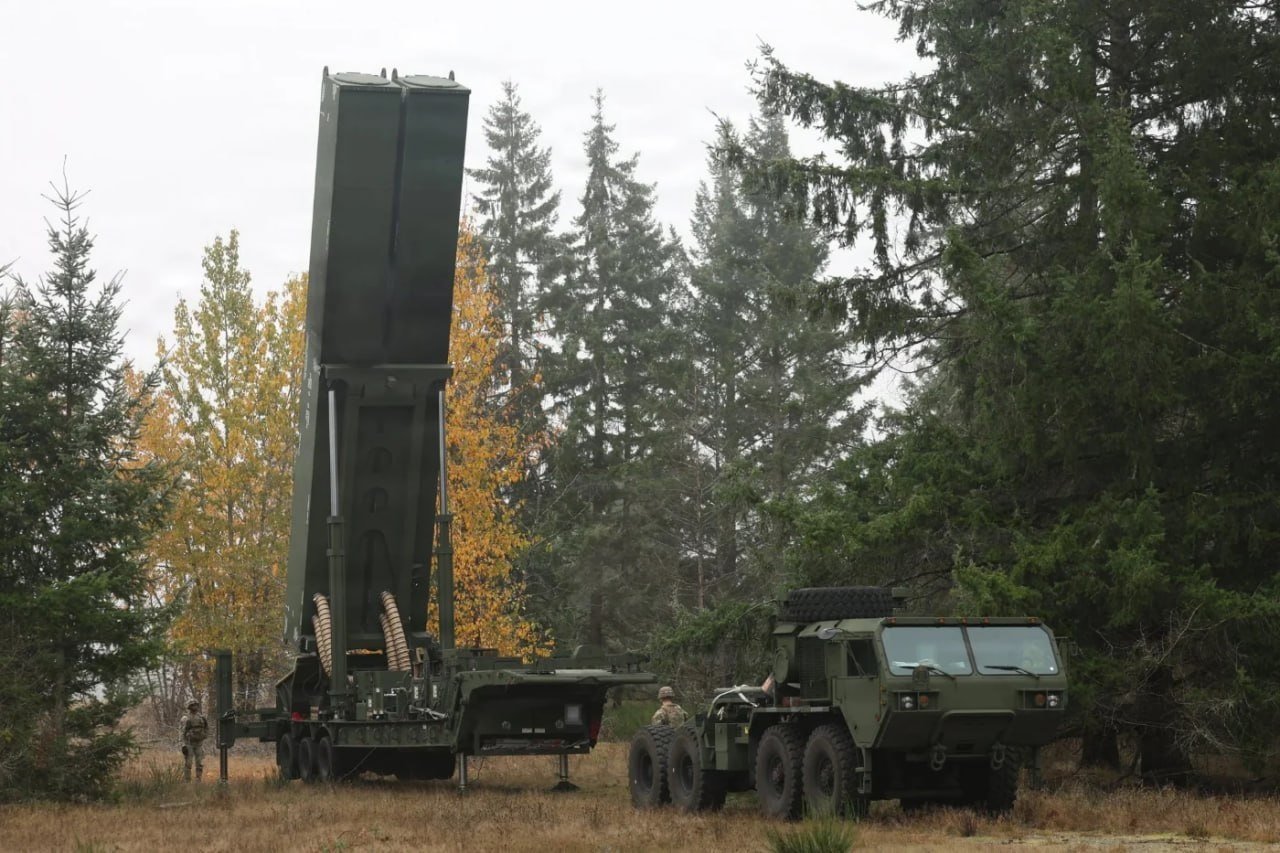 U.S. Army Declares First Dark Eagle Hypersonic Missile Battery Ready for Combat Deployment
-
 India's SiGaN Validates First 20-Watt GaN RF Power Amplifier, Opens Commercial Orders
-
 Europe Opens Largest Satellite Factory in Belgium to Build Starlink Alternative
-
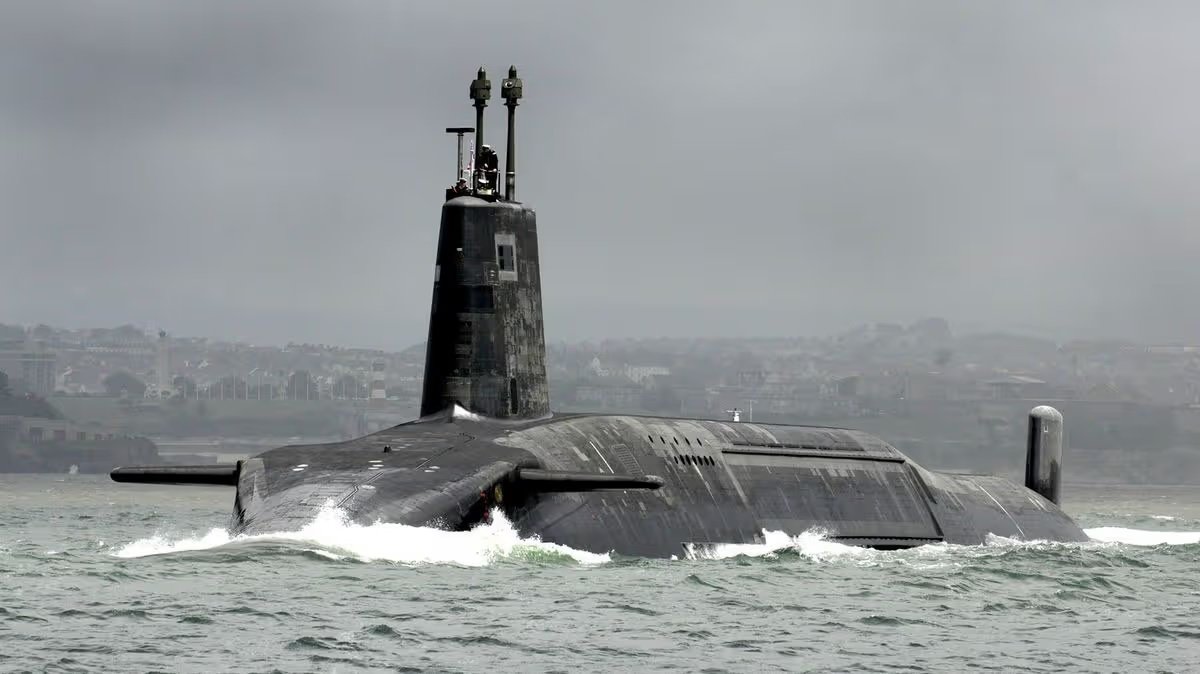 Babcock Signs Record £8.7 Billion Deal to Support UK Nuclear Submarine Fleet
-
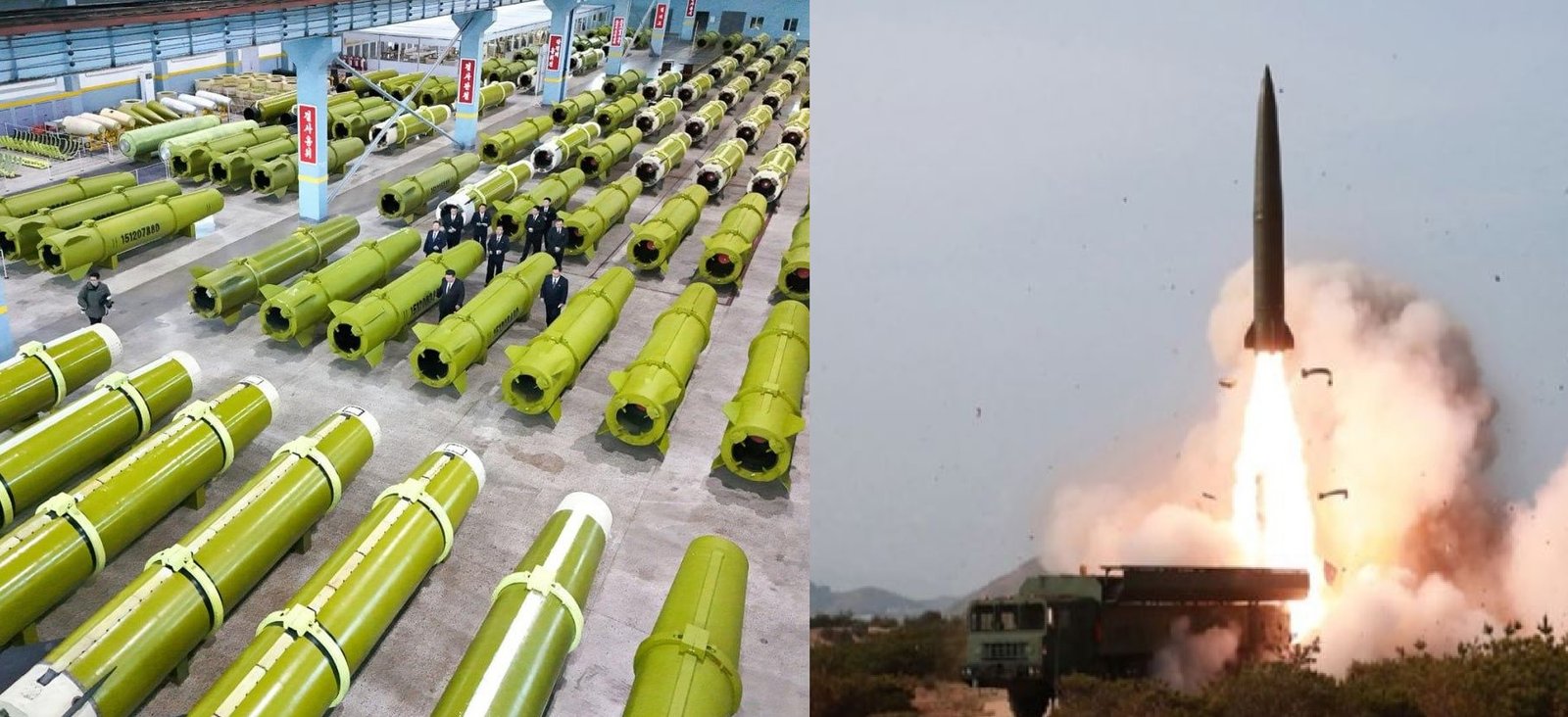 North Korea Suspends KN-23 Missile and Artillery Deliveries to Russia Amid Diplomatic Tensions
-
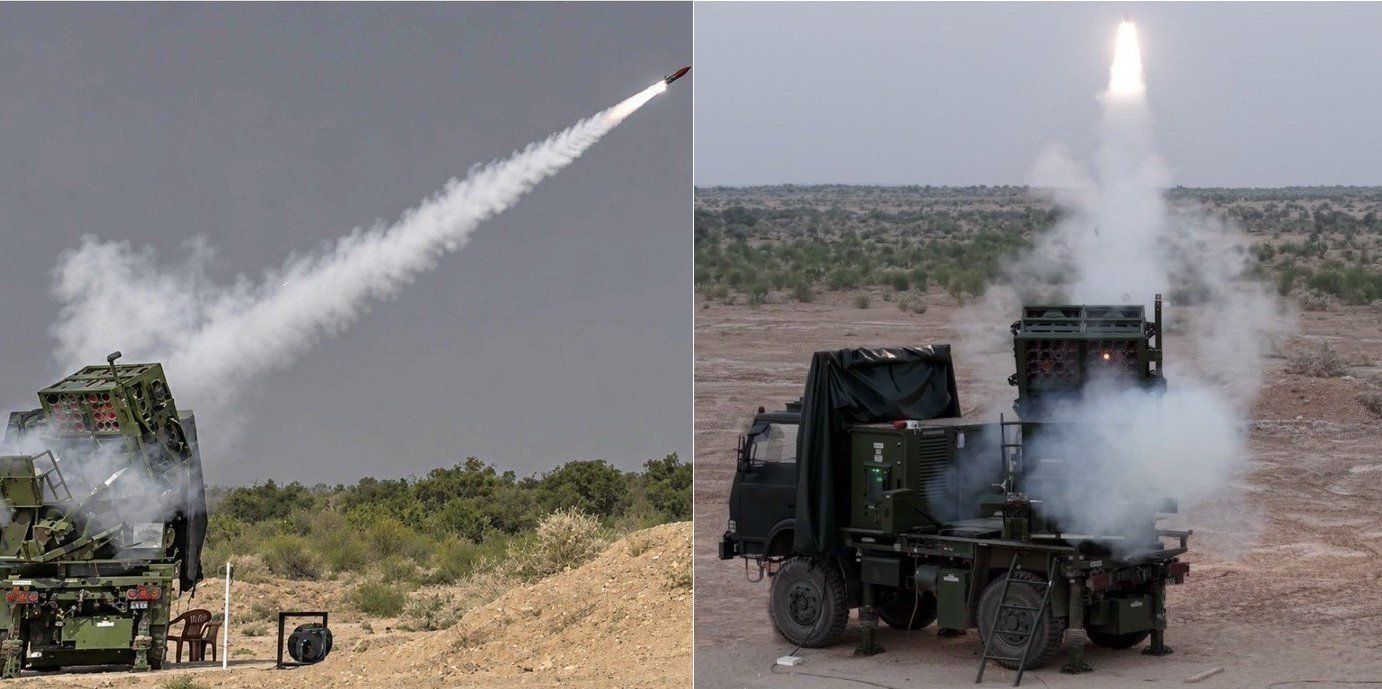 India’s Bhargavastra Counter-Swarm Drone System Completes Pokhran Trials Ahead of Army Demonstration
Top Trending in 4 Days
-
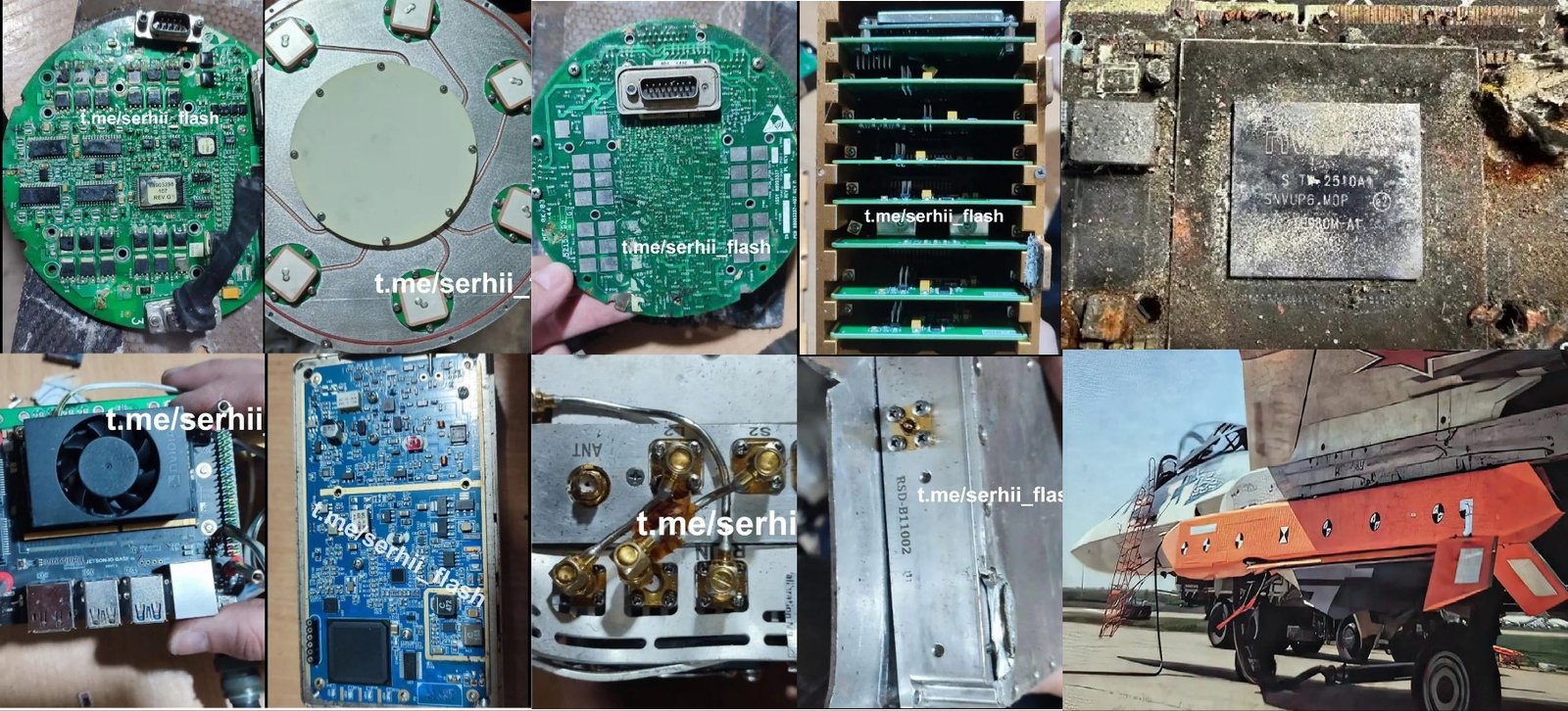 Russian Drones and Cruise Missiles Found Using Civilian NVIDIA AI Chips in Ukraine
-
 Western Intelligence Warns Russia Could Launch Nuclear-Armed Satellite as Early as December
-
 NASA Suspends Science Operations on Perseverance Rover and Mars Odyssey After Hardware Failures
-
 U.S. Awards Lockheed Martin $330.6 Million Contract for Long-Lead Materials Supporting 75 F-35 Lot 22 Aircraft
-
 IG Defence Successfully Test-Fires JWALA MK-1 Counter-Drone Missile at Pokhran
-
Ukraine’s Blysk Laser Air Defence System Shoots Down Russian Jet-Powered Geran Drone
-
 Ukraine Strikes Five Russian Warplanes, Including Three Kinzhal-Capable MiG-31s at Savasleyka Airbase
-
 Chinese Military Warns U.S. AI Could Threaten China’s Nuclear Missile Survivability