
World
Ukraine's hold on the Kursk region has weakened significantly as Russian forces have made critical territorial gains, pushing back Kyiv's troops in an area they had controlled since last August. The situation has intensified in recent days, with reports indicating that Moscow has breached Ukrainian defenses and forced a retreat from key strategic positions. According to battlefield trackers, Russian forces broke through Ukrainian lines south of the town of Sudzha on March 6. The latest maps suggest that Ukraine has lost at least partial control of a major road leading towards Sudzha, while its forces have pulled back from positions west of the village of Sverdlikovo. Ukrainian sources acknowledge that Russia is actively working to sever supply routes, making it increasingly difficult for Kyiv to sustain its defensive positions. Analysts warn that the situation is deteriorating rapidly. Military expert Yan Matveyev noted that Ukrainian troops are now squeezed from both the east and west, leaving only a narrow escape corridor of approximately 12-13 kilometers. He emphasized that Kyiv faces a tough choice—either withdraw and preserve its forces or risk a complete loss of troops and resources in the region. Sergiy Sternenko, a well-known Ukrainian activist, described the logistics situation in the Kursk region as "rapidly deteriorating and already critical." Reports suggest that Russian artillery has placed key supply routes under heavy fire, making resupply efforts nearly impossible. Some Russian military observers believe that Ukraine has already lost the ability to withdraw its troops without suffering heavy casualties, as Moscow tightens its grip on the battlefield. With Ukraine facing mounting pressure in multiple frontline areas, this latest setback could have significant strategic implications. The battle for control in the Kursk region is far from over, but for now, Russia appears to have the upper hand.
Read More → Posted on 2025-03-08 16:39:48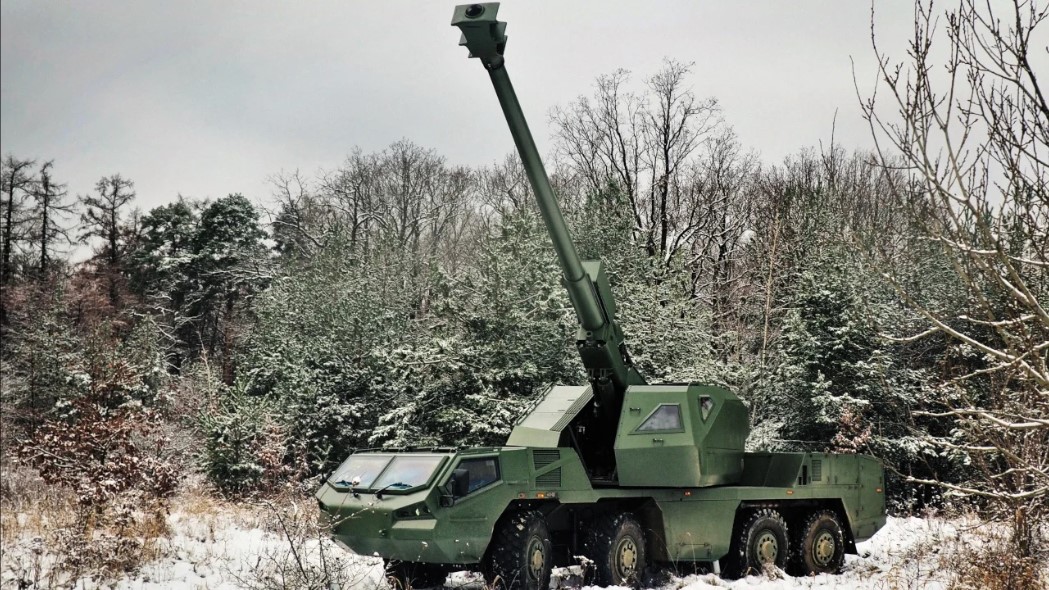
World
The Canadian government has initiated a major artillery modernisation programme, aiming to enhance the firepower and mobility of its land forces. As part of the Indirect Fires Modernisation (IFM) initiative, the country plans to acquire between 80 and 98 new self-propelled 155mm howitzers, marking a significant shift from its current reliance on towed artillery. This move will see the gradual replacement of the 33 towed M777 howitzers currently in service. However, Canada's 121 towed 105mm howitzers—comprising the C3 and LG1 Mk II models—will remain operational in reserve units. The transition to self-propelled howitzers is expected to provide the Canadian Armed Forces with greater mobility, faster deployment, and improved survivability on the battlefield. In addition to the new artillery pieces, the programme also includes plans to enhance Canada's mortar capabilities. The government is considering the procurement of up to 99 120mm mortars, which would be integrated with LAV 6.0 ACSV wheeled armoured vehicles. Additionally, up to 85 81mm mortars may be mounted on an unspecified light tactical vehicle. An alternative strategy under review is to focus solely on 81mm mortars, potentially leading to the acquisition of up to 133 units. This approach would contrast with the current inventory of 218 L16 81mm mortars, streamlining and modernising the force structure. Beyond the artillery and mortar acquisitions, the modernisation effort encompasses a wide range of support equipment. The procurement plan includes fire control systems, communication systems, training simulators, and logistics support. Additionally, Canada may opt to purchase new support vehicles, such as ammunition carriers, command vehicles, and reconnaissance platforms, under separate future contracts. To accommodate the new systems, infrastructure upgrades are also being planned. These improvements will ensure that the Canadian Army can effectively integrate and operate its modernised artillery, reinforcing its ability to respond to evolving security challenges. The IFM programme signals Canada’s commitment to strengthening its land forces, ensuring they remain well-equipped for future operations.
Read More → Posted on 2025-03-08 16:26:15
World
IDEX 2025 marked a significant milestone for AeroVironment as the company publicly showcased its Jump 20-X UAV for the first time. Designed to meet the stringent requirements of the U.S. Navy and Marine Corps, this marinized variant of the Jump 20 UAV is tailored for operations in harsh maritime conditions. Meanwhile, the P550, a compact Group 2 UAV, made its first international debut, bringing with it a new level of modularity and adaptability for tactical missions. Jump 20-X: A Naval-Ready Evolution When it comes to deploying UAVs on naval platforms, a simple adaptation of existing airframes is not enough. The Jump 20-X is a result of meticulous reengineering to ensure it can withstand the demanding conditions of sea operations. The most crucial change is its propulsion system—shifting from a gasoline engine to a 230 cc multi-fuel engine compatible with JP-8, J-5, and Jet A fuels commonly available on ships. This modification enhances safety and operational efficiency while extending endurance. In addition to corrosion-resistant materials and structural enhancements for maritime use, the Jump 20-X is equipped with improved electronic warfare protection. With better resistance to jamming and spoofing, the UAV ensures reliable navigation even in contested environments. Structurally, the Jump 20-X retains the core design of the original Jump 20. The high straight-wing configuration, with a 5.7-meter wingspan, integrates winglets for stability. Vertical take-off and landing (VTOL) functionality is powered by electric motors housed in wing-mounted pods, enabling automatic take-off and precision landing. It boasts an endurance of over 13 hours and a maximum payload capacity of 13.6 kg, allowing for a variety of mission-specific configurations. Its modular payload bay supports a range of sensor packages, including electro-optical/infrared (EO/IR) gimbals, radar systems, and signals intelligence (SIGINT) suites. Notably, it can also be armed with Northrop Grumman’s Hatchet miniature precision strike munitions or Corvid Technologies/L3Harris Shryke loitering munitions, making it a versatile asset for both reconnaissance and strike missions. Communications are supported by a standard line-of-sight data link, with optional satellite communication (SATCOM) for beyond-line-of-sight operations. AeroVironment is currently awaiting contracts from the U.S. Navy and Marine Corps, but its presence at IDEX 2025 signals an aggressive push into the international market for naval UAVs. P550: A Compact and Agile Tactical UAV Making its international debut at IDEX 2025, the P550 is a smaller, all-electric Group 2 UAV designed for quick deployment and multi-role adaptability. Weighing just 24.9 kg with a 6.8 kg payload capacity, the P550 is a lightweight but powerful asset for reconnaissance, surveillance, and electronic warfare. One of the standout features of the P550 is its modular payload system, which allows operators to swap payloads in under three minutes, ensuring mission flexibility. The UAV features a central fuselage with a rear boom supporting the tail assembly, while its slightly tapered mid-wing houses the front and rear rotors for VTOL operations. Horizontal flight is powered by two electric motors, each driving a two-blade pulling propeller. With a maximum endurance of five hours and a communication range of up to 60 km (depending on the data link configuration), the P550 is built for extended missions. Its advanced Visual Navigation System (VNS), comprising an infrared sensor, an optical camera, LiDAR, and an onboard computing module, allows it to operate in GPS-denied environments, a crucial capability in modern electronic warfare scenarios. Performance-wise, the P550 has a flight speed range of 30-52 knots and a service ceiling of 14,000 feet. It can be launched from altitudes up to 3,000 meters, offering excellent versatility across various operational theaters. Both the Jump 20-X and P550 are integrated with AeroVironment’s SPOTR-Edge automatic target recognition system and Avacore AI-powered edge computing suite. These enhancements reduce operator workload by autonomously detecting and classifying targets in land and maritime environments. The UAVs also feature AeroVironment’s precision launch and landing system, capable of automatically landing on a moving ship at speeds of 27 knots with an accuracy margin of just ±10 cm. With these two UAVs, AeroVironment is positioning itself as a leader in naval and tactical drone solutions. IDEX 2025 served as the perfect platform to showcase the technological advancements and operational capabilities of these next-generation unmanned systems, drawing interest from international defense forces seeking cutting-edge solutions for modern warfare.
Read More → Posted on 2025-03-07 14:16:40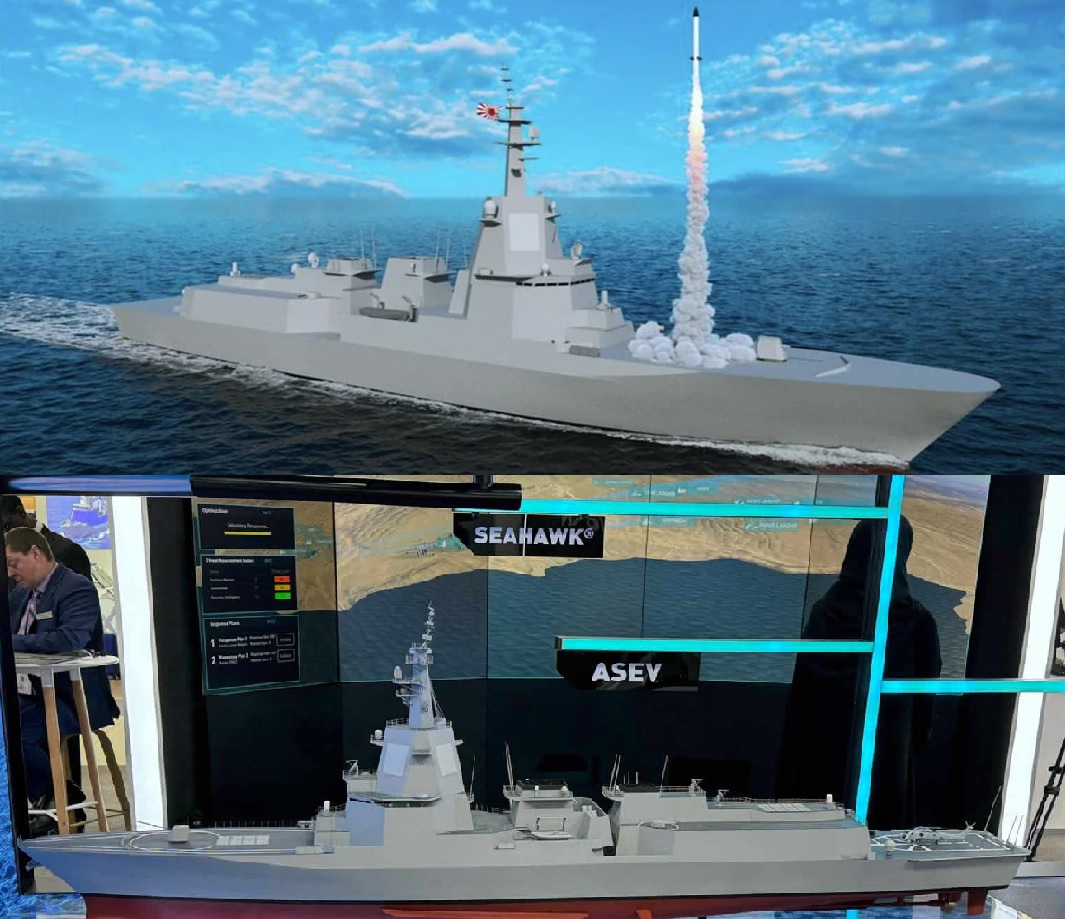
World
At the International Defence Exhibition (IDEX) 2025 in Abu Dhabi, Lockheed Martin showcased a scale model of Japan's forthcoming Aegis System Equipped Vessel (ASEV), providing fresh insights into its design and capabilities. This advanced, large, stealth guided-missile destroyer is poised to become a cornerstone of the Japan Maritime Self-Defense Force's (JMSDF) ballistic missile defense strategy. Design and Dimensions The ASEV measures approximately 190 meters in length and 25 meters in width, with a standard displacement of around 14,000 tons. This makes it one of the largest destroyers globally, surpassing China's Type 055 cruiser and only slightly smaller than the U.S. Navy's Zumwalt-class destroyers. The design emphasizes stealth, featuring radar panels mounted above the bridge—a first for Japanese Aegis-equipped warships—and a sleek superstructure to minimize radar cross-section. Advanced Radar and Electronic Systems Equipped with the AN/SPY-7 Active Electronically Scanned Array (AESA) multi-function radar, the ASEV offers enhanced tracking and targeting capabilities. This radar system is also slated for use in Canadian and Spanish naval vessels, underscoring its advanced technology. Additional systems include the AN/SPQ-9B radar for detecting low-flying threats and the AN/SLQ-32(V)6 modules for electronic warfare, enhancing the ship's defensive and situational awareness capabilities. Robust Armament The ASEV boasts a formidable array of weaponry: Vertical Launch System (VLS): A total of 128 cells, split equally between the fore and aft sections, capable of housing SM-3 and SM-6 surface-to-air missiles, as well as future Glide Phase Interceptors (GPI) to counter hypersonic threats. Naval Gun: A Mk45 Mod 4 127mm (5-inch) gun positioned at the bow for surface engagements. Close-In Weapon Systems (CIWS): Two Phalanx Block 1B systems located forward of the bridge and above the helicopter hangar to defend against incoming missiles and aircraft. Anti-Ship Missiles: Two quad-launchers for Type 12 surface-to-ship missiles, strategically enclosed to reduce radar signature. Secondary Armament: Two small gun turrets amidships, likely Mk46 30mm Gun Weapon Systems, providing additional close-range defense. Aviation and Anti-Submarine Warfare (ASW) Capabilities The ship features a twin helicopter hangar capable of accommodating two SH-60 helicopters, enhancing its anti-submarine and reconnaissance operations. A hull-mounted sonar system further bolsters its ASW capabilities, ensuring comprehensive maritime security. Program Background and Future Outlook The ASEV program emerged as an alternative to the canceled Aegis Ashore land-based missile defense system, aiming to protect Japan from ballistic missile threats, particularly from North Korea. The first ship is expected to be commissioned in fiscal year 2027, followed by the second in 2028. Despite rising costs, attributed to factors like currency fluctuations and global inflation, the Ministry of Defense remains committed to this program, emphasizing the ASEV's critical role in national defense. In summary, the ASEV represents a significant advancement in Japan's naval capabilities, blending cutting-edge technology with robust armaments to address evolving security challenges.
Read More → Posted on 2025-03-07 14:08:58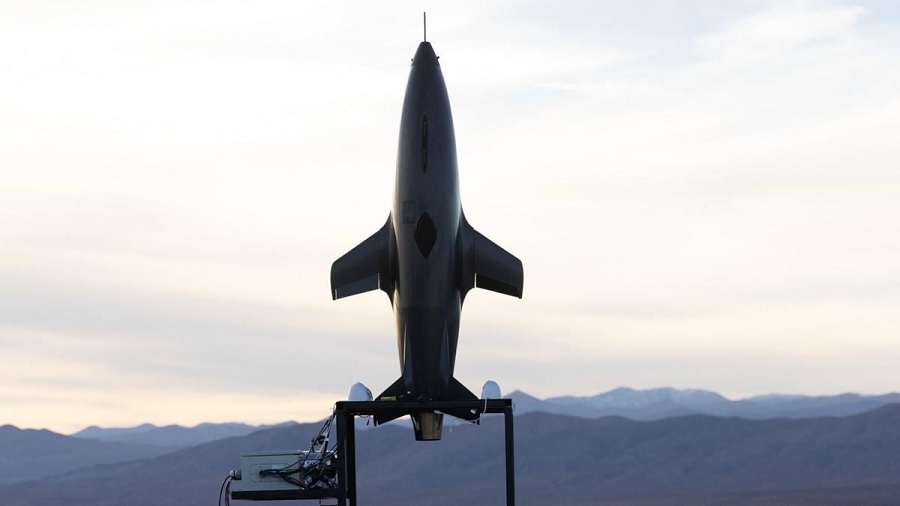
World
Mach Industries, a cutting-edge defense manufacturer specializing in advanced aircraft, has secured a major contract from the U.S. Army Applications Laboratory. Awarded in the third quarter of 2024, this contract focuses on the development of Strategic Strike, a revolutionary vertical takeoff (VTO) cruise missile designed to bolster precision strike capabilities for Company through Brigade-level maneuver units. Since receiving the contract, Mach Industries has made rapid advancements in the program. By the end of September 2024, the company had finalized the missile’s design, and within just a few months, by mid-January 2025, it successfully conducted vertical takeoff tests, achieving full-performance wingborne flight. These milestones mark a significant leap in precision strike technology, offering the U.S. Army an agile and highly effective combat solution. One of the defining features of Strategic Strike is its ability to function in challenging battlefield conditions. The missile is being equipped with advanced artificial intelligence (AI) visual and radio frequency (RF) sensing capabilities, allowing it to navigate and strike targets even in GPS- and communication-denied environments. This feature significantly enhances its reliability in modern electronic warfare scenarios, where adversaries often attempt to disrupt navigation and communication systems. With a range of 290 kilometers and a warhead exceeding 10 kilograms, Strategic Strike introduces a game-changing combination of long-range precision, speed, and vertical takeoff capability. In today’s battlefield, intelligence, surveillance, and reconnaissance (ISR) systems have outpaced traditional strike assets, making high-value target engagements increasingly complex. The current approach often requires coordination between multiple military branches, which can slow down decision-making and execution. Strategic Strike seeks to bridge this gap by giving maneuver forces a direct and autonomous ability to engage high-value targets beyond the front lines. This capability reduces dependence on joint-service coordination and ensures greater operational flexibility in dynamic combat situations. One of the core objectives of the program is stealthy engagement from beyond enemy radar detection range. By enabling long-range launches, Strategic Strike reduces the risk of exposure for launch teams and enhances mission success rates. Its role in neutralizing key enemy assets—such as radar installations and artillery systems—will provide tactical units with an unmatched advantage in high-threat environments. Ethan Thornton, CEO and Founder of Mach Industries, expressed confidence in the project’s potential to transform modern warfare. “I’m deeply grateful for this opportunity to deliver a war-changing capability to our military,” he stated. “The speed at which we’ve taken Strategic Strike from concept to flight in just 14 weeks is a testament to our engineering and manufacturing teams. We are eager to see this program move from prototyping to full-scale production.” Headquartered in Huntington Beach, California, Mach Industries is backed by leading venture firms such as Sequoia Capital and Bedrock Capital. With a commitment to developing innovative and lethal systems that deter conflict and strengthen global security, the company is at the forefront of modernizing U.S. defense capabilities. As Strategic Strike progresses toward full-scale production, its impact on future military operations will be closely watched. The ability to deploy precision strikes from beyond enemy detection ranges marks a significant step forward in the evolution of next-generation warfare.
Read More → Posted on 2025-03-07 14:04:33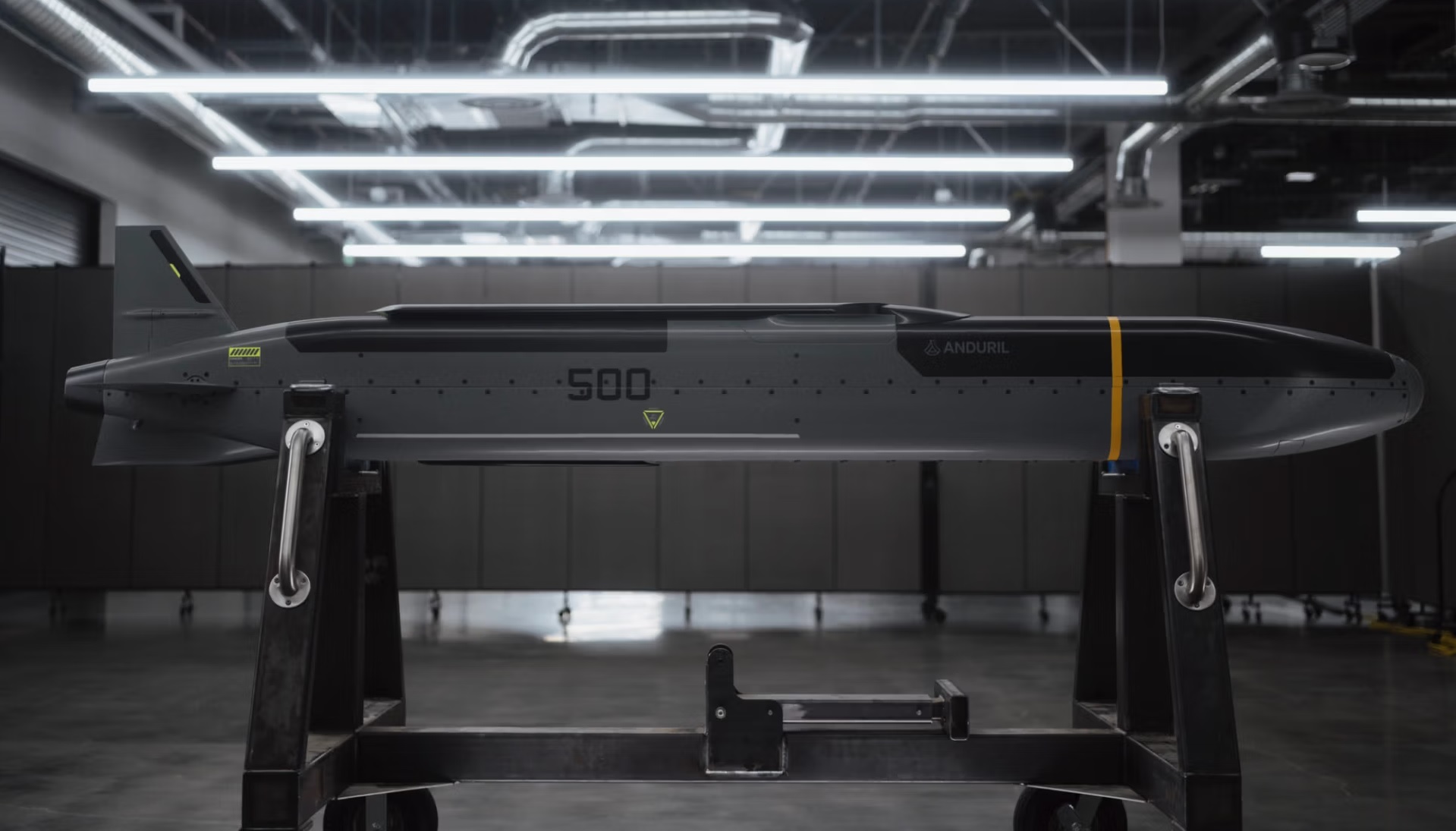
World
The U.S. Air Force, in collaboration with the Defense Innovation Unit (DIU), has embarked on the Enterprise Test Vehicle (ETV) program, aiming to develop modular and cost-effective unmanned aerial vehicles (UAVs). This initiative seeks to establish a baseline architecture for next-generation airborne platforms, emphasizing rapid production and deployment capabilities. Anduril's Barracuda-500 Autonomous Air Vehicle Anduril Industries has introduced the Barracuda-500, a member of its Barracuda family of autonomous air vehicles (AAVs). Designed for affordability and mass production, the Barracuda-500 offers: Extended Range: Capable of covering over 500 nautical miles (approximately 575 miles or 926 kilometers). Payload Capacity: Supports payloads exceeding 100 pounds (45 kilograms). Launch Flexibility: Compatible with various platforms, including fighter jets like the F-16 and transport aircraft such as the C-17 and C-130. In September 2024, the Barracuda-500 successfully completed an end-to-end flight test under the ETV program. Future demonstrations are planned to showcase its collaborative autonomous capabilities, including simultaneous vertical launches, in-flight communications between systems, and the use of Anduril's Lattice for Mission Autonomy to enhance effectiveness in contested environments. The company is committed to producing multiple ETV units, aiming for a production-ready variant by 2026. Zone 5 Technologies' Rusty Dagger Open Weapon Platform Zone 5 Technologies has developed the Rusty Dagger Open Weapon Platform as its contender in the ETV program. This platform has demonstrated versatility through: Launch Capabilities: Executed both palletized and pylon launches. Mission Endurance: Completed long-duration missions, highlighting its endurance. Precision: Achieved high-accuracy terminal engagements. The Rusty Dagger platform emphasizes rapid system maturity and is poised for scaled production and mission readiness. Its development aligns with Zone 5's commitment to advancing air-launched effects within the ETV framework. The ETV program represents a significant step forward in developing flexible, cost-effective UAVs for the U.S. military. Both Anduril's Barracuda-500 and Zone 5 Technologies' Rusty Dagger platforms exemplify innovative approaches to modern aerial warfare, focusing on scalability, autonomy, and operational effectiveness.
Read More → Posted on 2025-03-07 14:00:38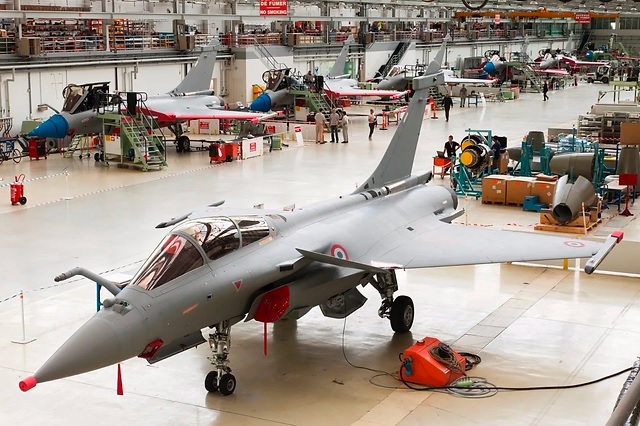
World
France is considering setting up a new assembly line for the Rafale fighter jet in India, driven by India's expected large-scale procurement of the aircraft. Dassault Aviation, the manufacturer of Rafale, is actively exploring this option as part of its strategy to boost production capacity. Dassault CEO Éric Trappier has indicated that India is preparing significant orders, making an Indian final assembly line a viable solution to absorb the increasing workload. This potential move aligns with India's "Make in India" initiative, which seeks to expand domestic defence manufacturing. The Indian Navy is in the process of acquiring additional Rafale-M carrier-based fighters, while follow-up orders from the Indian Air Force remain a strong possibility. Dassault, currently producing two to three Rafales per month, is working to ramp up production to four or even five, depending on future demand. A key aspect of this collaboration is the expected production of the Rafale F5 variant, which will feature more powerful engines, enhanced survivability, advanced data links, and the capability to deploy a large unmanned combat aerial vehicle (UCAV). If a Rafale assembly line is established in India, it would bring multiple benefits to both Dassault and India. Economic and Strategic Benefits Cost Reduction: Lower labour costs in India compared to Europe could help reduce overall production expenses. Additionally, local manufacturing would lead to long-term savings in maintenance and upgrades. Defence Sector Growth: The move would strengthen India's indigenous defence manufacturing capabilities, helping the country reduce dependency on foreign suppliers. Operational Efficiency: With local production and maintenance, the Indian Air Force and Navy would benefit from quicker turnaround times for repairs and upgrades. Technological and Industrial Impact Technology Transfer: Dassault’s collaboration with Indian firms would lead to skill development and industrial partnerships, enhancing India's aerospace industry. Job Creation: A new assembly line would generate employment and boost economic activity in the chosen region. Supply Chain Optimisation and Increased Production Easing European Supply Bottlenecks: An Indian assembly line could provide relief from potential supply chain disruptions in Europe, ensuring smoother deliveries. Higher Production Capacity: With India as an additional hub, Dassault could meet rising global demand more efficiently. As contract negotiations progress for the Rafale Marine fighters for the Indian Navy, Dassault's potential decision to set up an assembly line in India signals deeper defence cooperation between both nations. If realised, this initiative would not only bolster India's airpower but also position the country as a key player in global defence manufacturing.
Read More → Posted on 2025-03-07 13:56:01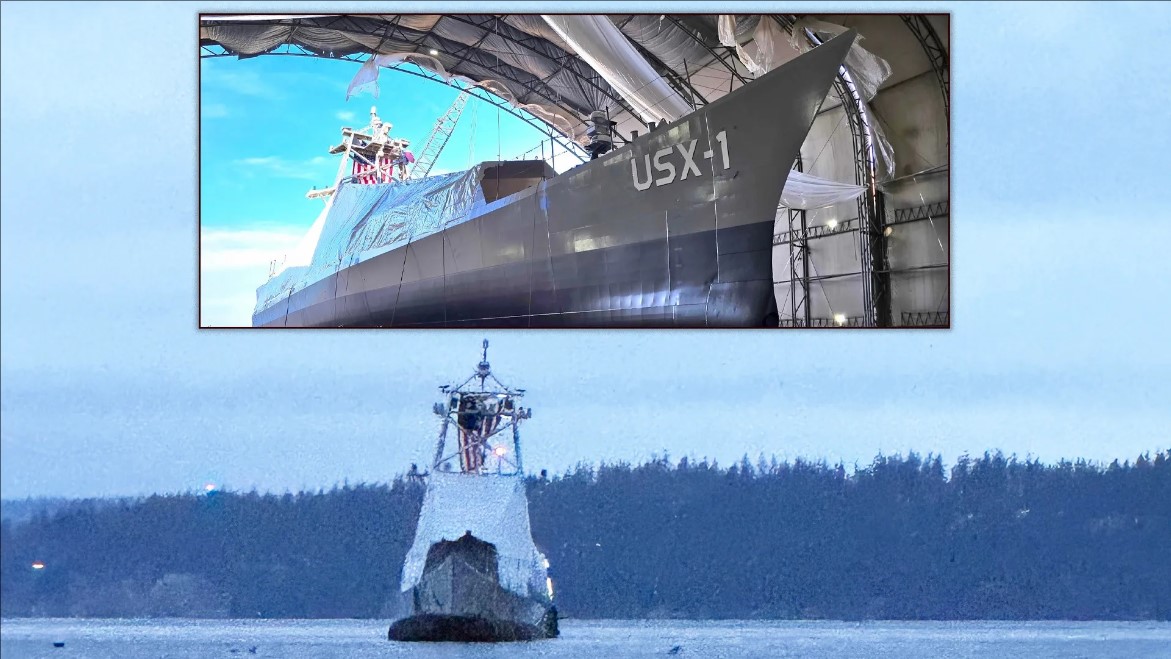
World
The future of naval warfare is taking shape as the Defense Advanced Research Projects Agency (DARPA) and Serco have completed the construction of the first No Manning Required Ship (NOMARS) prototype. This groundbreaking vessel, named USX Defiant, represents a major leap in autonomous naval technology, redefining how the US Navy envisions its fleet operations. Designed as a medium-sized unmanned surface vessel, USX Defiant is built for transporting payloads without any crew, mission systems, or human intervention. Unlike traditional naval ships that require extensive onboard personnel, this vessel is engineered from the ground up for full autonomy, reducing operational costs, increasing efficiency, and enhancing survivability in contested environments. With construction completed, USX Defiant is now set to undergo a rigorous series of dockside and open-water trials, testing its endurance, navigational capabilities, and adaptability in real-world maritime conditions. These tests will pave the way for future deployment scenarios, where autonomous vessels could operate independently in logistics, reconnaissance, or other mission-critical roles. The journey toward an unmanned naval fleet has been years in the making. DARPA and Serco initiated the NOMARS program to challenge conventional shipbuilding norms. Their goal was to create a vessel optimized for autonomy—prioritizing factors such as increased hydrodynamic efficiency, stealth, and resilience against external threats. A key milestone in this program was achieved in December 2024, when DARPA successfully conducted its first at-sea refueling test using drone ships Ranger and Mariner. These autonomous ships executed complex maneuvers, including probe connections and fuel transfer operations, demonstrating the feasibility of self-sustaining unmanned vessels. The design process of USX Defiant was equally revolutionary. Serco utilized advanced software modeling to generate multiple hull configurations, ranging from 170 to 270 metric tonnes. The final build settled at 210 metric tonnes, incorporating hybrid power systems capable of achieving speeds of 15 knots (28 km/h). According to DARPA, the NOMARS program aims to push the boundaries of naval architecture by eliminating crew-dependent design constraints. This approach not only reduces costs but also enhances the ship’s operational reliability and stealth characteristics, making it harder to detect or compromise in hostile environments. As USX Defiant embarks on its testing phase, its success could mark the beginning of a new era in naval warfare—one where autonomous ships patrol the seas, execute missions with precision, and redefine the role of human sailors in modern maritime defense.
Read More → Posted on 2025-03-07 13:15:29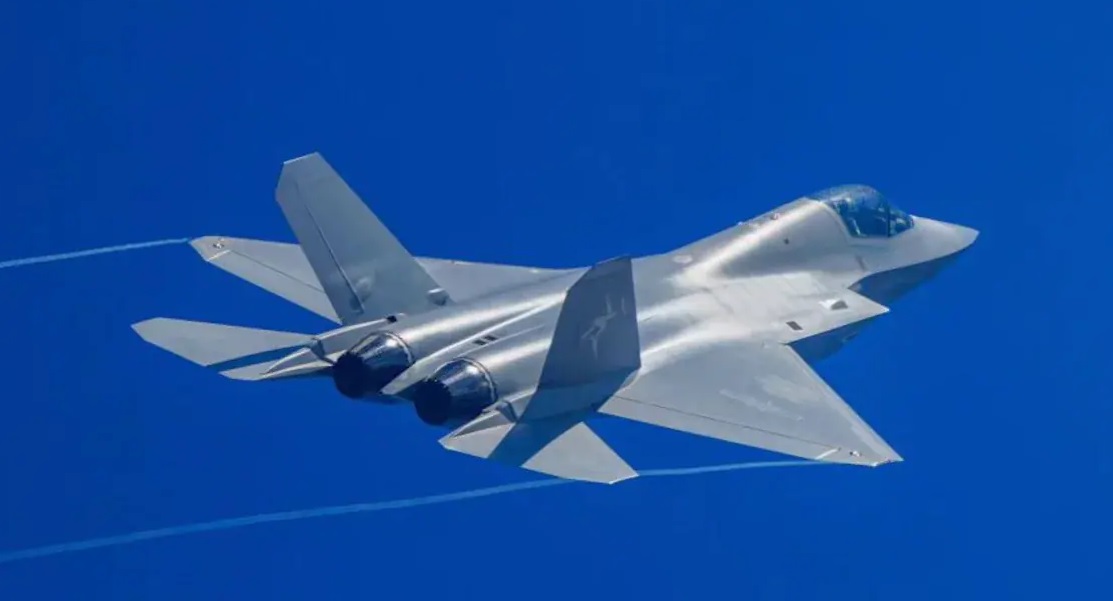
World
The Pakistan Air Force (PAF) is undertaking a major transformation, aiming to transition entirely to a fleet of fifth-generation fighter jets by 2047. This ambitious plan is driven by the need to maintain air superiority and technological edge in the region. To achieve this, Pakistan is pursuing a three-pronged strategy involving indigenous development, collaboration with allies, and potential procurement of advanced fighter jets. Project Azm: Pakistan’s Indigenous Fifth-Generation Fighter At the heart of this modernization effort is Project Azm, Pakistan’s first domestically developed fifth-generation fighter jet program. Spearheaded by the Pakistan Aeronautical Complex (PAC) and the National Aerospace Science and Technology Park (NASTP), Project Azm was launched in 2017 with the goal of creating a state-of-the-art stealth aircraft. While details remain classified, the fighter is expected to feature: Stealth technology to evade enemy radars. Advanced avionics with next-generation sensor fusion. Locally developed weapons systems for air superiority and precision strikes. Pakistan is believed to be leveraging its strong defence ties with China and Turkey to acquire expertise in stealth design, avionics, and engine technology. If successful, Project Azm could place Pakistan among the select few nations capable of developing fifth-generation fighters. Chinese FC-31 (J-31): A Ready-Made Fifth-Generation Solution Another key element in Pakistan’s modernization roadmap is the potential acquisition of the Shenyang FC-31 (J-31) from China. Designed as a stealth multirole fighter, the FC-31 is often compared to the American F-35 due to its advanced design and versatile combat capabilities. Key features of the J-31 include: Stealthy airframe for reduced radar detection. Highly advanced avionics and sensor fusion for enhanced situational awareness. Multirole capability for both air-to-air and air-to-ground missions. Pakistan and China have a long history of collaboration, most notably seen in the co-development of the JF-17 Thunder. If Pakistan proceeds with acquiring the J-31, it would provide the PAF with an immediate fifth-generation capability, significantly boosting its aerial combat strength. Turkish KAAN (TF-X): A Future Partnership? Pakistan is also exploring potential collaboration with Turkey on its TF-X (KAAN) fifth-generation fighter program, led by Turkish Aerospace Industries (TAI). The KAAN made its first flight in February 2024 and is expected to become Turkey’s next-generation frontline fighter. Turkey, having faced restrictions in acquiring Western fighter jets, has focused on self-reliance in aviation technology. Given the strong defence ties between Pakistan and Turkey, joint development or technology sharing on the KAAN program could provide Pakistan with another pathway to acquiring advanced fifth-generation aircraft. Key advantages of a Pakistan-Turkey collaboration on KAAN include: Access to stealth technology and advanced avionics. Joint development opportunities to reduce costs and development time. Potential customization to meet PAF’s operational needs. If Pakistan formally joins the KAAN program, it would gain early access to cutting-edge fighter technology while further strengthening its strategic defence ties with Turkey. Challenges in Achieving an All-Fifth-Generation Fleet While the PAF’s vision of a fully fifth-generation fighter fleet by 2047 is ambitious, it comes with several challenges: Financial Constraints – Developing and acquiring fifth-generation jets requires substantial investment, which may strain Pakistan’s defence budget. Technological Hurdles – Mastering stealth technology, avionics, and locally producing jet engines requires significant research and foreign collaboration. Operational Transition – Moving from a mixed fleet to an all-fifth-generation force will require extensive pilot training, infrastructure upgrades, and new logistical support systems. Despite these challenges, the PAF’s multi-track strategy—focusing on indigenous development (Project Azm), procurement (J-31), and strategic partnerships (KAAN)—demonstrates a well-planned approach to achieving its 2047 goal. If successfully implemented, this transformation would significantly enhance Pakistan’s air defence capabilities, making the PAF one of the most technologically advanced air forces in the region.
Read More → Posted on 2025-03-07 13:07:33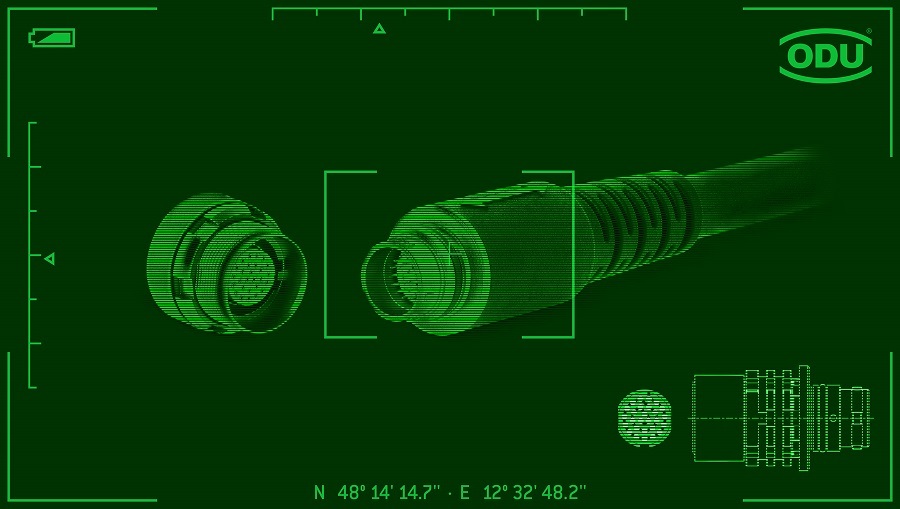
World
The evolution of military technology demands solutions that are not only efficient but also rugged enough to withstand extreme conditions. Engineers face a complex challenge—designing military optronics with seamless interconnect and power supply solutions while ensuring ease of use, compliance with environmental directives, and adherence to RoHS regulations. The need for reliable and user-centric designs is paramount, especially in high-stress combat scenarios where even the smallest inefficiencies can have significant consequences. Reliable Connectivity for Military Electronics Electronic military devices—whether worn by soldiers or installed in vehicles and combat stations—require robust connectivity for power and data transmission. While portable systems rely on integrated batteries, external battery connections offer notable advantages, including extended operational time, better weight distribution, and simplified battery replacement. These features enhance soldier efficiency and reduce downtime. In military optronics, imaging relies on infrared, UV, and X-ray sensors alongside conventional video systems. Coaxial cables have emerged as a preferred alternative to fiber optics, providing high bandwidth and superior electromagnetic shielding while maintaining lower maintenance costs. Their durability and reliability make them well-suited for mission-critical operations where interference could compromise data integrity. The Advantages of Hybrid Interfaces A major breakthrough in military-grade connectivity is the adoption of hybrid cables that combine power and data transmission into a single, compact solution. This integration presents multiple advantages for military operators: Enhanced Mobility: Fewer cables mean a streamlined setup, reducing clutter and improving soldier maneuverability. Increased Reliability: A reduced number of connection points lowers the risk of cable damage and failure. Rapid Deployment: Simplified equipment setup accelerates operational readiness. Lower Maintenance Costs: Fewer potential failure points make troubleshooting and repairs more efficient. Improved Safety: Less cabling reduces the risk of entanglement, enhancing soldier security in the field. A prime example of such innovation is the ODU AMC® High-Density (HD) connector, which combines power and data transmission in a compact 12.8 mm outer diameter. When paired with polyurethane (PUR) sheathed hybrid cables, these connectors offer superior tear resistance, durability, and resistance to liquids like oils, gasoline, and solvents—critical features for military environments. Hybrid Solutions for Larger Systems For vehicle-mounted or command post optronics, where multiple sensors work together to create a comprehensive situational picture, standard miniaturized connectors may not be sufficient. Larger systems demand more powerful interconnect solutions capable of handling both high power and large data volumes. The ODU AMC® Classic series addresses this need with 50-ohm coaxial contacts for stable data transmission, while 75-ohm coax contacts facilitate secure, uncompressed HD video signal transfer. These ruggedized solutions ensure continuous high-performance operation in challenging battlefield conditions. Hybrid interconnect solutions are revolutionizing military optronics by offering compact, reliable, and high-performance connectivity options. By integrating power and data transmission into a single cable, military systems benefit from increased durability, reduced maintenance, and enhanced efficiency. Whether for soldier-worn devices or vehicle-based surveillance units, optimized hybrid solutions are shaping the future of modern warfare technology.
Read More → Posted on 2025-03-07 13:02:26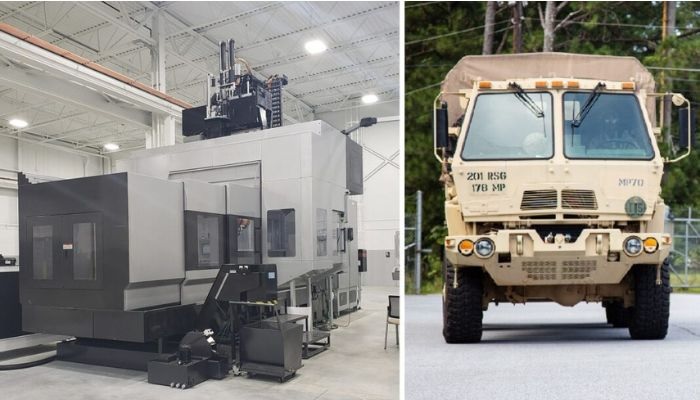
World
The US Army is taking a major leap in battlefield logistics with an advanced 3D printing process designed to quickly restore battle-worn ground vehicles. This cutting-edge technology, known as Battle Damage Repair and Fabrication (BDRF), aims to reduce repair times, ease logistical challenges, and enhance the operational readiness of military fleets. At the heart of this innovation is additive manufacturing, which utilizes 3D computer-aided design (CAD) models to fabricate replacement parts on demand. This eliminates the need for long waits on hard-to-source or obsolete components, ensuring that vehicles remain mission-capable for longer. With military supply chains often stretched thin, the ability to manufacture critical parts in the field could be a game-changer for warfighting efficiency. However, while the process has shown remarkable results, Michael Hansen of the US Army Tank-automotive Armaments Command (TACOM) clarifies that these parts are intended for temporary use. Interestingly, some of these 3D-printed components have actually outperformed their original counterparts, raising discussions about the potential for BDRF to evolve into a permanent supply solution. Bringing the Factory to the Front Lines This ambitious initiative is being driven by TACOM, in collaboration with the US Army DEVCOM Ground Vehicle Systems Center, Integrated Logistics Support Center, and Rock Island Arsenal – Joint Manufacturing and Technology Center. Their goal is simple but crucial—fill production gaps and keep battle-worn vehicles in action. The process begins by scanning damaged or missing parts, uploading the data to a secure digital library, and then 3D-printing replacements. By leveraging this technology, soldiers in the field can fabricate components without waiting for supply chain deliveries, making battlefield repairs faster and more efficient. Since its launch in 2024, BDRF has already produced and approved nearly four dozen product lines for temporary military use. These parts are now being installed in operational vehicles, bringing them back into service without extended downtime. Hansen emphasized the long-term vision behind this initiative: “In collaboration with our partners, we hope to use 3D printing and other advanced manufacturing techniques to generate readiness as far forward on the field as possible.” With this new approach, the US Army is pushing the boundaries of battlefield logistics, ensuring that troops can repair and redeploy their vehicles faster than ever before. As technology advances, this frontline factory concept could redefine military maintenance and supply chains for years to come.
Read More → Posted on 2025-03-07 12:46:09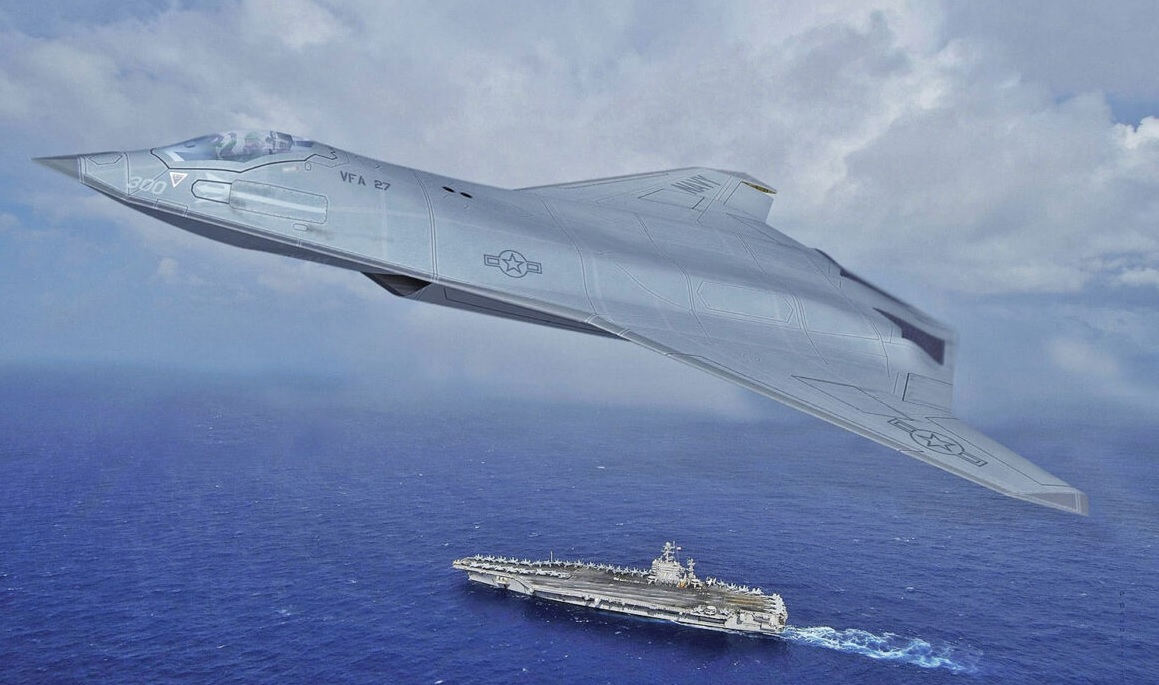
World
In a significant development within the U.S. defense sector, Lockheed Martin has been excluded from the U.S. Navy's competition to develop its next-generation carrier-based stealth fighter, known as the F/A-XX. This decision narrows the contest to two major aerospace companies: Boeing and Northrop Grumman. The F/A-XX Program: A Brief Overview The F/A-XX program is the Navy's initiative to create a sixth-generation air superiority fighter intended to replace the aging F/A-18E/F Super Hornet fleet and complement the F-35C in carrier air wings. This program is a component of the Navy's broader Next Generation Air Dominance (NGAD) family of systems, distinct from the U.S. Air Force's NGAD program. The envisioned aircraft aims to incorporate advanced stealth capabilities, extended range and endurance, and the ability to integrate seamlessly with both crewed and uncrewed platforms. Lockheed Martin's Elimination According to sources familiar with the matter, Lockheed Martin's proposal did not meet the necessary criteria to advance in the competition. This outcome is notable, considering Lockheed Martin's prominent role in producing advanced jets for the U.S. military, including the fifth-generation F-35 Lightning II. The exclusion underscores the Navy's stringent requirements and commitment to selecting a design that aligns with its future operational needs. Remaining Contenders: Boeing and Northrop Grumman With Lockheed Martin out of the running, Boeing and Northrop Grumman remain as the primary competitors. Both companies have a history of delivering cutting-edge military aircraft and are now tasked with refining their proposals to secure the contract for the F/A-XX program. The Navy plans to award a contract for Engineering and Manufacturing Development after evaluating the designs from these two firms. Implications for Naval Air Superiority The development of the F/A-XX is crucial for maintaining the Navy's air superiority, especially in the face of evolving global threats. The new fighter is expected to feature advanced stealth, improved range, and endurance, and the capability to operate in conjunction with uncrewed combat aircraft and carrier-based air defense systems. These enhancements are vital for countering regional threats and ensuring the effectiveness of carrier strike groups in future combat scenarios. While the exact timelines and contract values for the F/A-XX program remain classified, the Navy's decision to proceed without Lockheed Martin signifies a pivotal step toward fielding a next-generation fighter. As Boeing and Northrop Grumman continue to compete, the defense community will closely monitor developments, anticipating an aircraft that will define the future of naval aviation.
Read More → Posted on 2025-03-06 15:36:00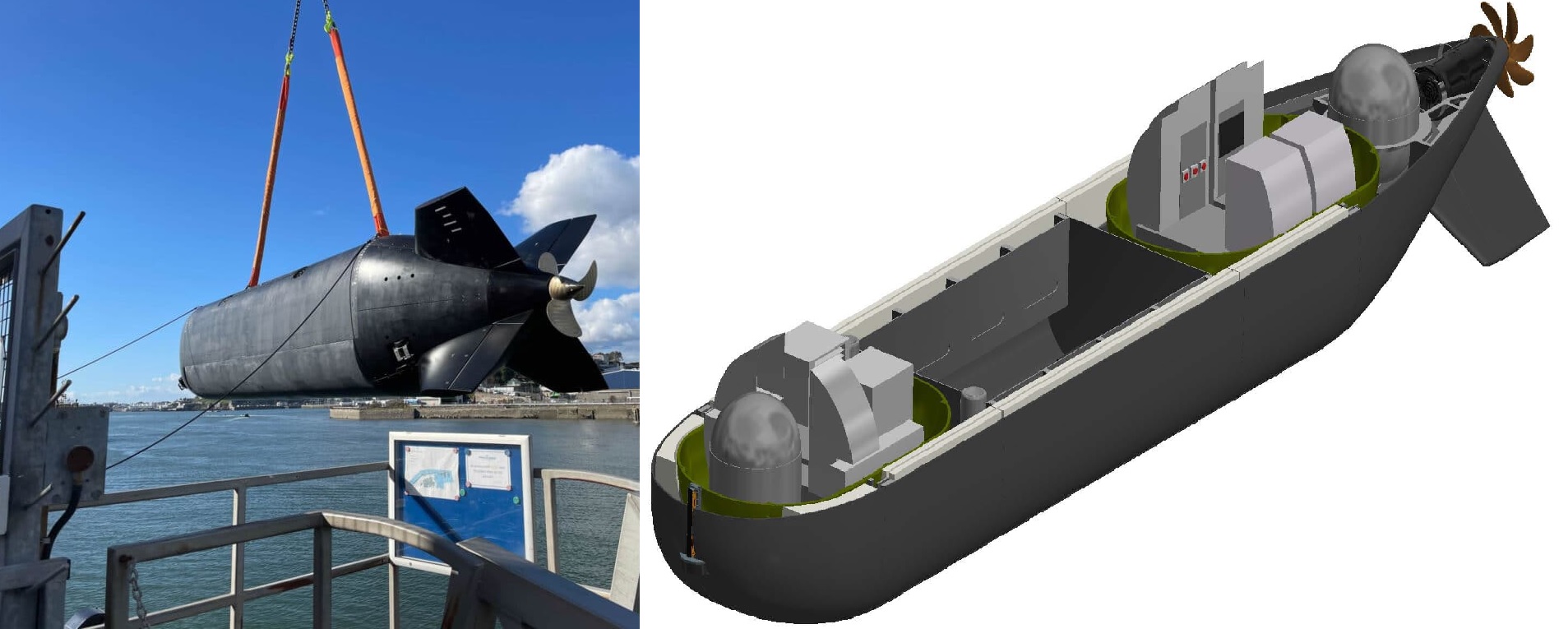
World
The UK Royal Navy has taken a major step forward in underwater warfare with the launch of the CETUS XLUUV, a cutting-edge extra-large uncrewed underwater vehicle developed by MSubs. The state-of-the-art autonomous submarine was spotted entering the water at Turnchapel Wharf in Plymouth on February 28, marking the beginning of its rigorous testing phase scheduled to commence next month. Funded under the UK’s Anti-Submarine Warfare (ASW) Spearhead programme, Project CETUS is designed to de-risk the future acquisition of large autonomous underwater vehicles (AUVs) while shaping the Royal Navy’s future underwater warfare strategy. The CETUS XLUUV is expected to play a key role in intelligence gathering, seabed warfare, and anti-submarine operations, allowing the Royal Navy to explore how uncrewed submarines can enhance its maritime dominance. MSubs secured a £15.4 million contract in November 2022 to design and construct this next-generation submersible, which stands as the largest and most sophisticated autonomous submarine ever built for a European navy. Measuring 12 meters long, 2.2 meters in diameter, and weighing up to 25 tonnes with a full test payload, CETUS is engineered to be a highly versatile test platform. Beyond its immediate testing role, the vehicle will serve as a foundation for future Royal Navy autonomous underwater projects, including Project CABOT, which aims to establish a deployable and persistent wide-area ASW search capability in the North Atlantic. Under the CABOT initiative, the Royal Navy envisions the use of XLUUVs in combination with other advanced sensors and uncrewed platforms to strengthen its underwater presence. Designed to operate autonomously for up to five days, the CETUS XLUUV is built with the flexibility to integrate additional battery modules to extend its endurance further. The Royal Navy’s broader ambitions include developing even more advanced XLUUVs under the Bastion Atlantic initiative, which could see these uncrewed submarines working alongside other high-tech naval assets to ensure the UK’s continued maritime superiority. With the CETUS XLUUV now in the water, the Royal Navy is entering a new era of autonomous underwater operations, setting the stage for a future where uncrewed submarines play a crucial role in securing the world’s oceans.
Read More → Posted on 2025-03-06 15:31:42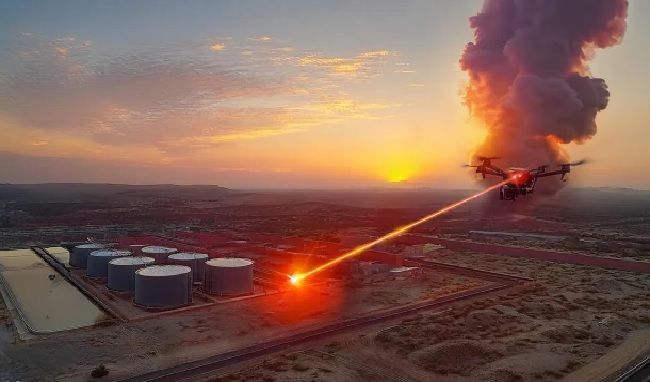
World
Lithuanian photonics company Altechna has been selected to participate in the Tactical Advanced Laser Optical Systems-TWO (TALOS-TWO) project, an ambitious European initiative aiming to develop the continent's first fully sovereign 100-kilowatt (kW) laser weapon by 2030. Project Overview TALOS-TWO seeks to enhance Europe's defense capabilities by integrating high-power laser weapons into air, ground, and maritime platforms. These directed-energy weapons are expected to improve precision and effectiveness in neutralizing emerging threats, such as rockets, artillery, mortars, and unmanned aerial vehicles. The project is funded by the European Defence Fund, with a budget of approximately 25 million euros. It builds upon the foundation laid by the original TALOS project, which focused on concept validation and preliminary research in laser-directed energy weapons. Altechna's Role Altechna's involvement in TALOS-TWO centers on providing essential optics expertise. The company will contribute to the development of dynamic 3D visualization of danger zones, a critical component in ensuring the laser weapon's accuracy and safety. This technology will allow operators to assess and engage targets effectively while minimizing collateral damage. Collaborative Effort The TALOS-TWO project brings together a consortium of 21 companies from eight European countries, including notable defense contractors such as France's CILAS, Italy's Leonardo, and Germany's Rheinmetall. Additionally, seven research organizations are involved, ensuring continuous innovation and advancement throughout the project's duration. Strategic Significance The development of a sovereign 100kW laser weapon represents a significant step toward strengthening Europe's defense autonomy. By investing in cutting-edge military technology, European nations aim to deter external threats collectively, moving away from fragmented national efforts. This initiative underscores the importance of collaboration in addressing the continent's evolving security challenges. As the project progresses, TALOS-TWO is expected to deliver two high-power 1-micron combined laser source demonstrators and simulate combining methods using 2-micron laser sources. These advancements will establish a European supply chain for laser components and pave the way for future developments in laser-directed energy weapons. In summary, Altechna's participation in the TALOS-TWO project highlights Europe's commitment to advancing its defense capabilities through collaborative innovation, aiming to achieve a fully sovereign 100kW-class laser weapon by 2030.
Read More → Posted on 2025-03-06 15:28:55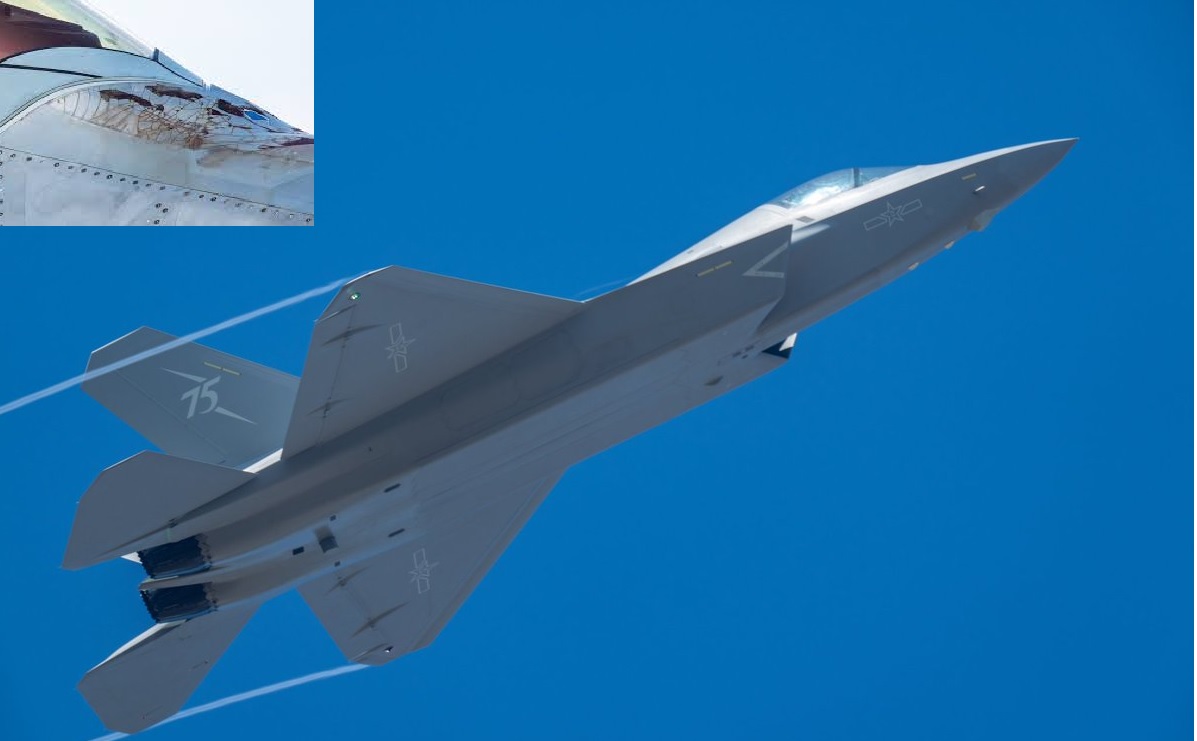
World
For years, the US military has struggled with a critical flaw in its stealth aircraft—fragile radar-absorbent coatings that crack, peel, and degrade under stress. The F-22 Raptor, one of the most advanced fighter jets in the world, requires constant maintenance to restore its stealth capabilities, costing millions of dollars annually. Now, China claims to have found a solution—one rooted not in modern chemistry, but in an ancient textile craft perfected over 3,000 years ago. Chinese aerospace researchers have developed a revolutionary stealth material inspired by the silk-weaving techniques of the Han dynasty (206 BC–AD 220). Instead of relying on delicate coatings that need frequent reapplication, China’s approach integrates radar-absorbing properties directly into a woven composite fabric, making it far more durable and resistant to environmental damage. According to a study by Chinese defence scientists, the new material is a “double-sided jacquard” structure embedded with conductive yarns. Similar to how ancient weavers used punch-card-like patterns to create intricate designs, Chinese engineers have strategically arranged radar-defeating geometries within the textile itself. The fabric combines quartz fibres as a dielectric base with stainless steel yarns that act as resonant circuits, absorbing and dissipating radar waves as heat. Lab tests have demonstrated that this innovative material absorbs over 90% of radar signals across a wide frequency spectrum, outperforming conventional coatings. Additionally, it is over ten times stronger than traditional stealth layers, withstanding immense stress without degrading. Its anisotropic structure ensures that load-bearing fibres align with an aircraft’s natural stress points, mimicking the axial strength of ancient silk brocades. This breakthrough could give China’s stealth jets a significant edge over their US counterparts. While the F-22 requires costly and frequent maintenance to maintain its stealth, China’s woven composite offers a long-lasting, low-maintenance alternative. By reviving the wisdom of ancient silk weaving and merging it with modern electromagnetism, China may have created the next evolution in stealth technology—one that could redefine air combat for decades to come.
Read More → Posted on 2025-03-06 15:18:43Search
Top Trending in 24 Hours
-
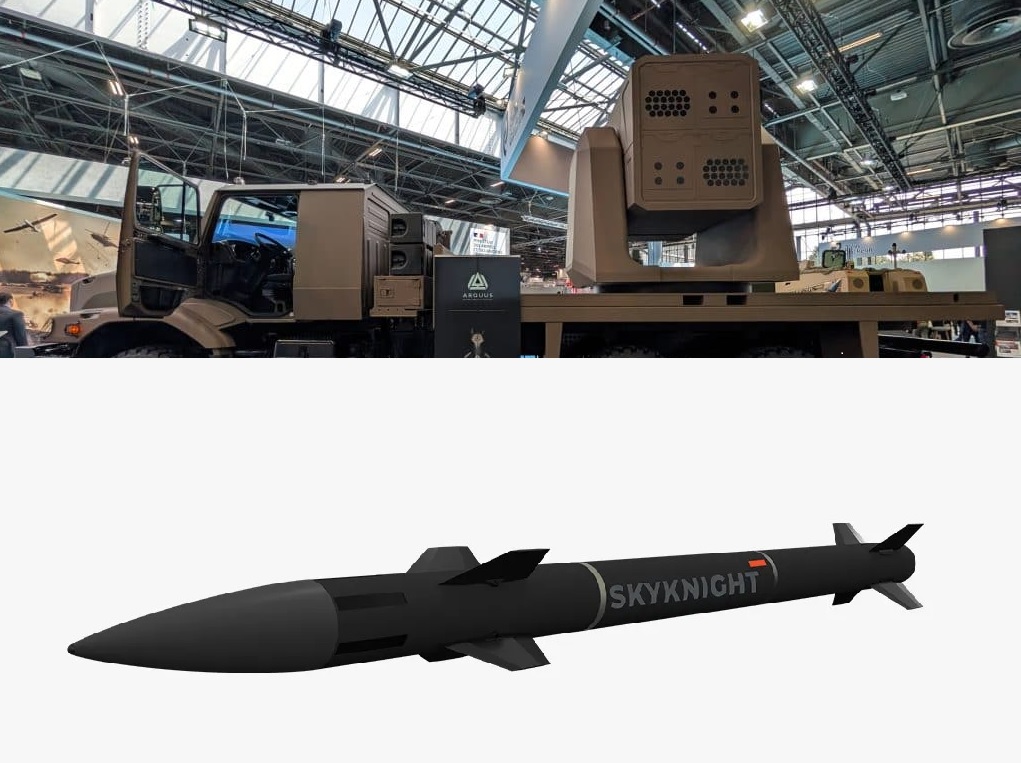 Naval Group Unveils Rampart Modular CIWS Multi-Purpose Weapon System for Naval and Ground Forces at Eurosatory 2026
-
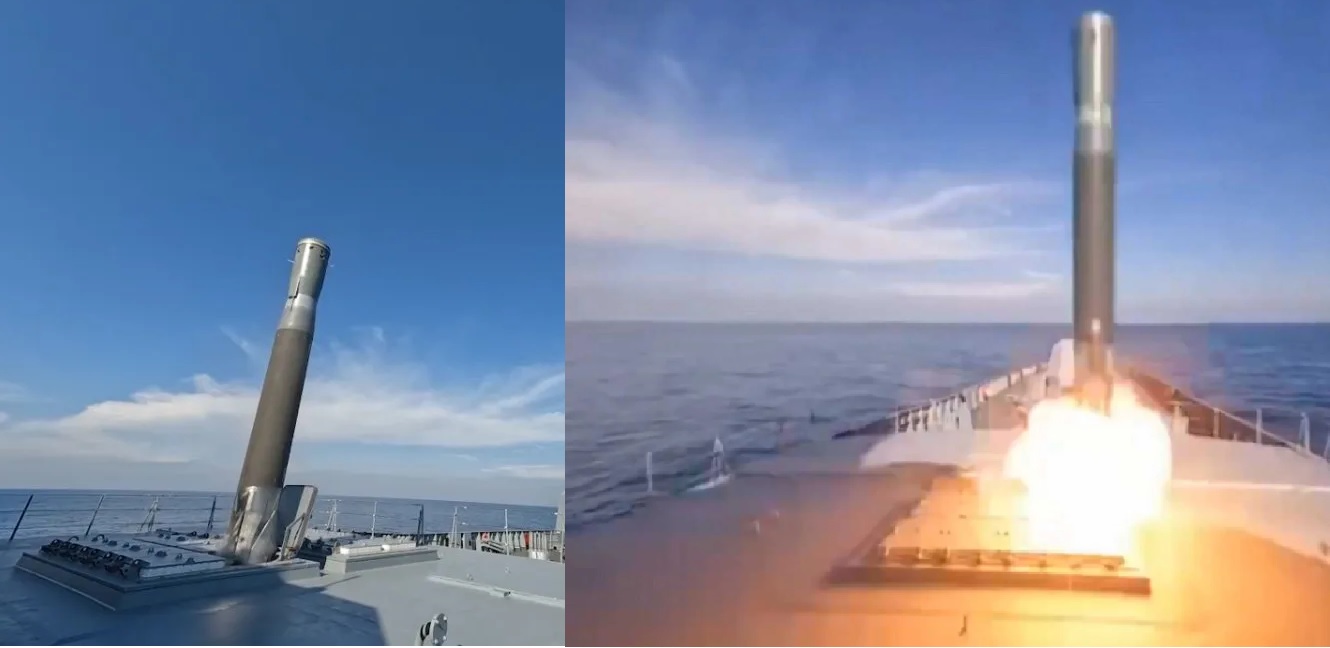 Open-Source Evidence Suggests Russia's Zircon Is a Quasi-Ballistic Missile, Not a True Hypersonic Cruise Weapon
-
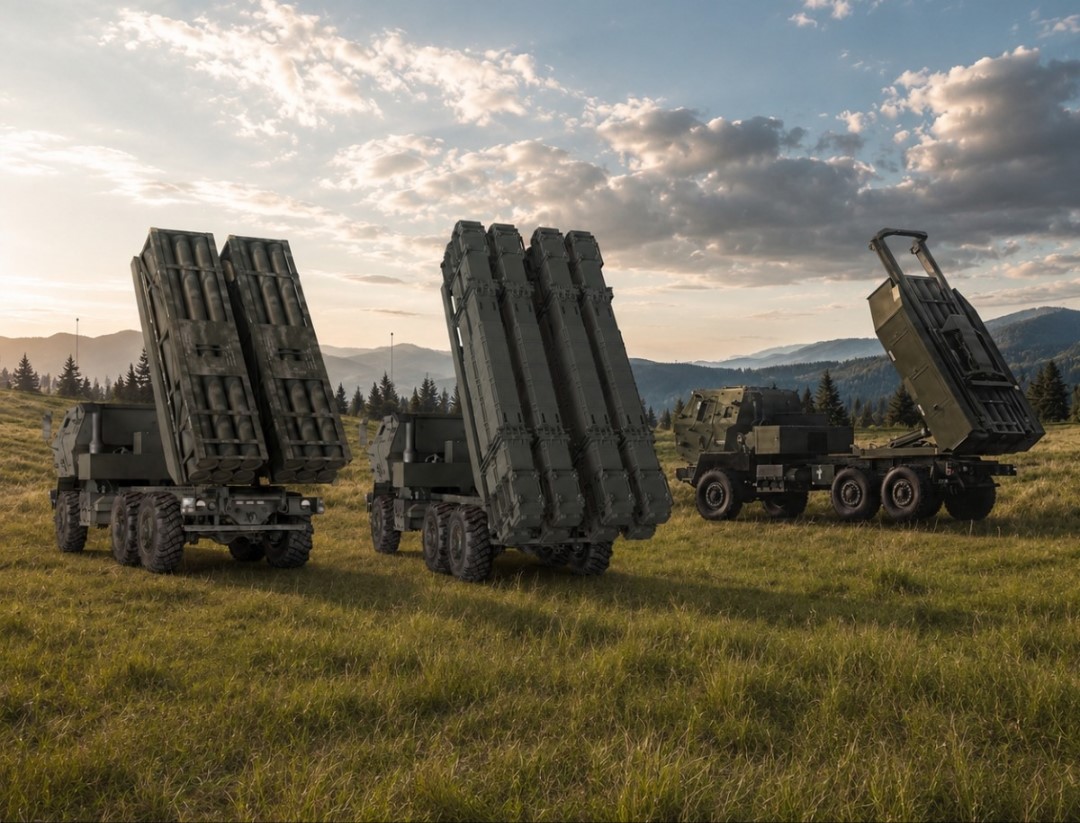 Lockheed Martin Unveils HIMARS FLEX with Dual-Pod Launcher and NATO-Compatible Air Defense Integration
-
 Iran Signs Deal with Russia for 20 Mi-8 and Mi-17 Helicopters to Boost Rescue and Medical Missions
-
 Portugal Doubles Sovereign SAR Satellite Fleet with Order for Two Additional ICEYE Satellites
-
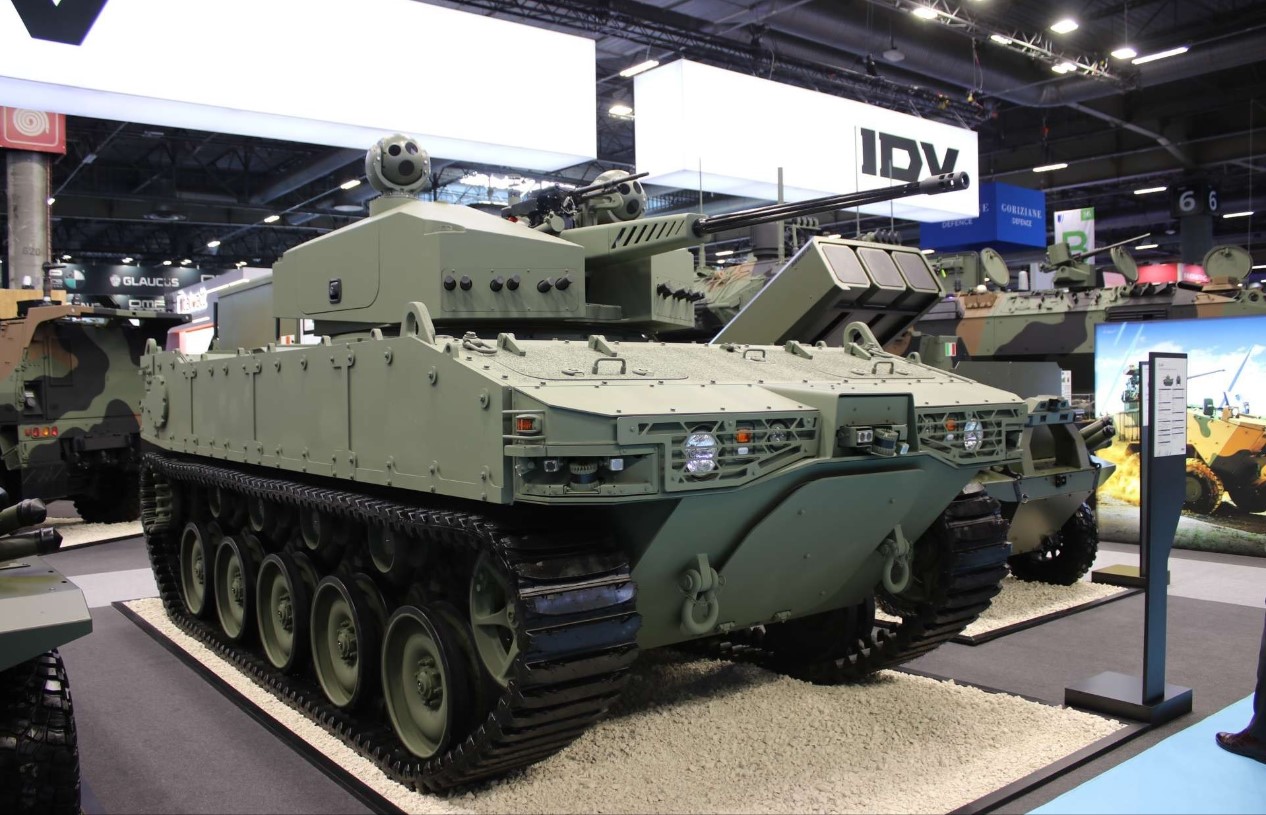 IDV Unveils CL2X Hybrid Uncrewed Light Tank at Eurosatory 2026
-
 Pentagon Expands Alloy Surfaces Contract to $328.8 Million for Advanced Aircraft Decoy Flares Amid Evolving Drone Threats
-
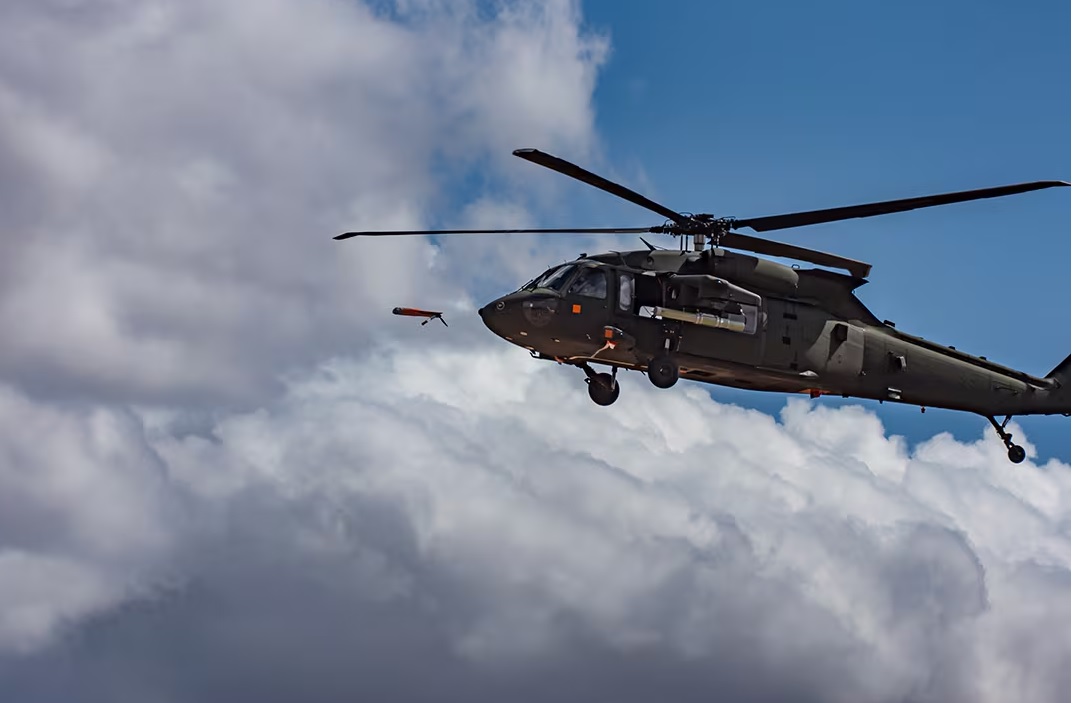 U.S. Army Completes First Flight Test of Medium-Range Air-Launched Effects from Black Hawk Helicopter
Top Trending in 4 Days
-
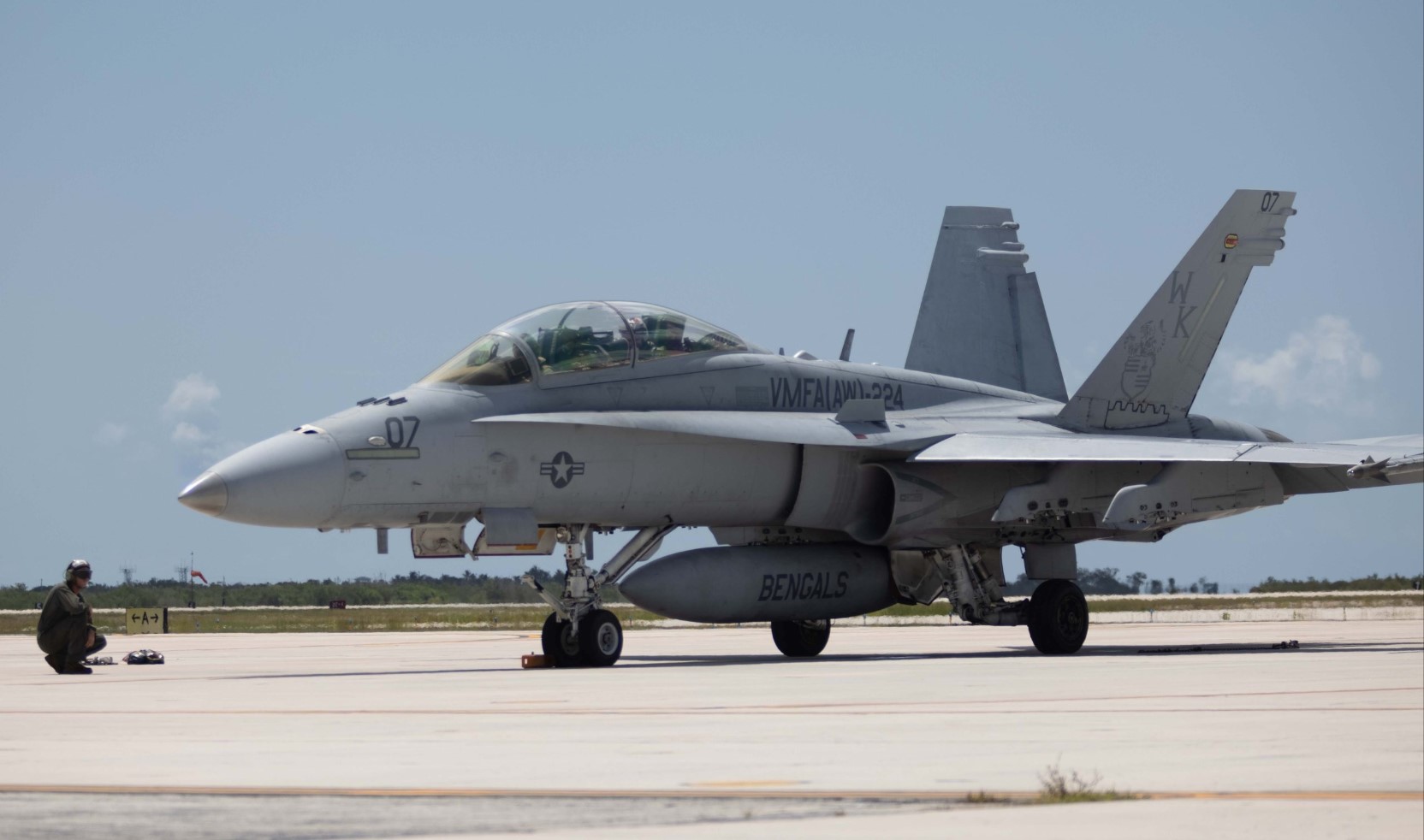 US Marine Corps F/A-18D Hornet Crashes During Training Flight in Washington Mountains; Pilot Ejects Safely
-
 Tulsi Gabbard Releases Declassified Files Detailing U.S.-Backed Network of 120 Biolaboratories Across 30+ Countries
-
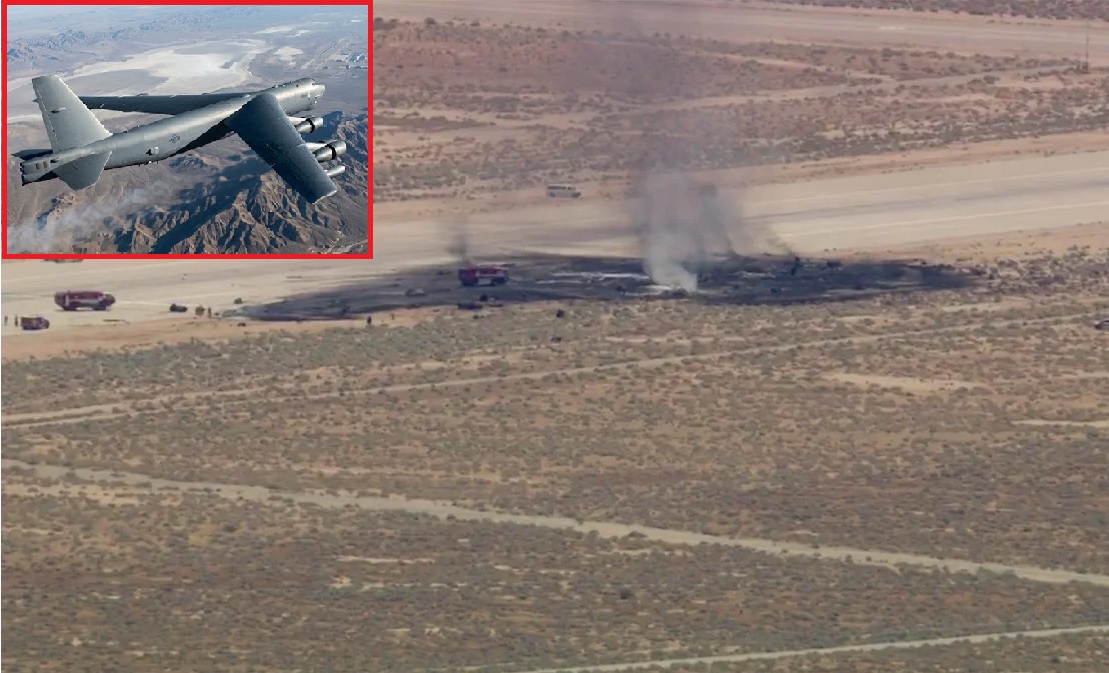 8 U.S. Air Force Crew Members Killed in B-52 Bomber Crash During Test Flight at Edwards Air Force Base
-
 Ukraine Introduces Balloon-Launched DART Missile Designed to Defeat Electronic Warfare
-
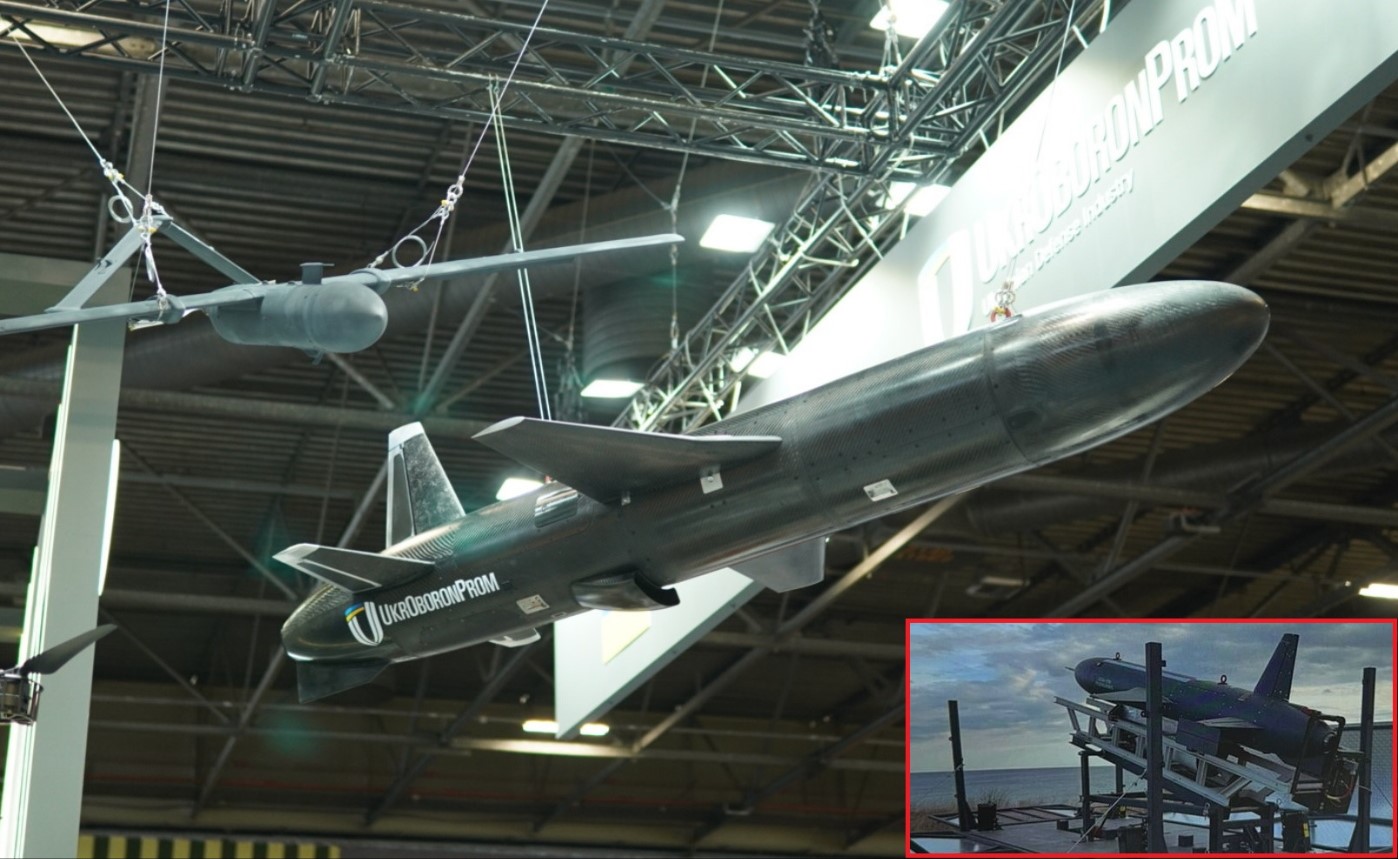 Ukraine Unveils UAV-290 Jet-Powered Strike Drone with 650 km Range at Eurosatory 2026
-
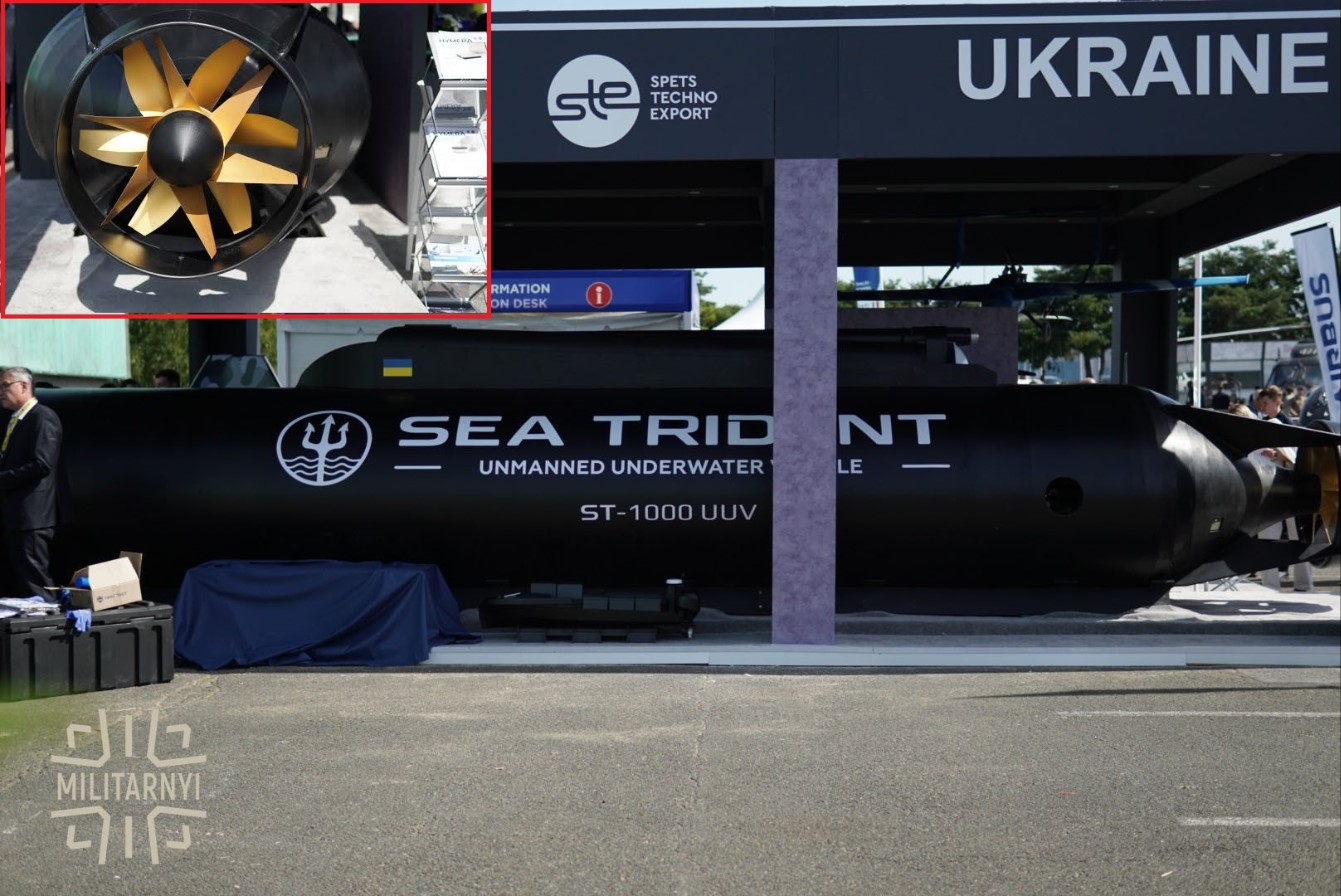 Ukraine Unveils 'Sea Trident' 10-Ton Autonomous Underwater Drone at Eurosatory 2026
-
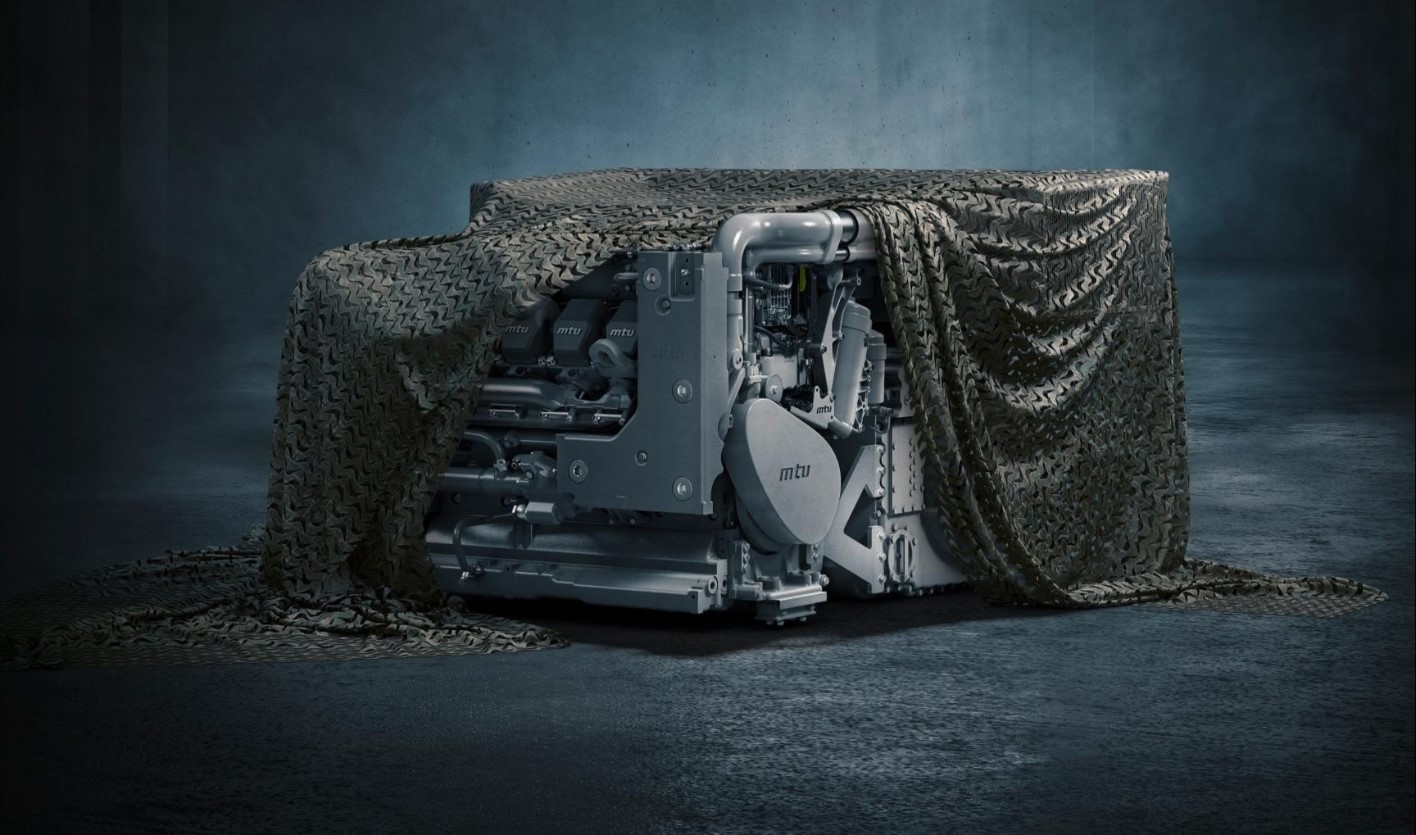 Rolls-Royce Unveils New Hybrid Powertrain for Heavy Military Vehicles at Eurosatory 2026
-
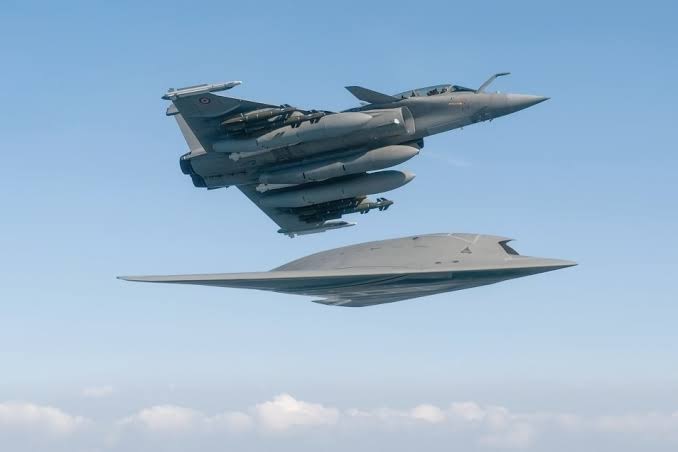 France Agrees to Equip Future Indian Rafales with AI, MUM-T and Secure Satellite Links Under F5 Standard