
World
On March 11, 2025, Russia's military announced the recapture of 12 settlements in the western Kursk region, marking a significant advancement in its counteroffensive against Ukrainian forces. This operation reclaimed over 100 square kilometers of territory, underscoring Moscow's efforts to regain areas seized by Kyiv in August 2024. The retaken villages—Agronom, Bogdanovka, Bondarevka, Dmitryukov, Zazulevka, Ivashkovsky, Kolmakov, Kubatkin, Martynovka, Mikhaylovka, Pravda, and Yuzhny—are strategically located around Sudzha, a key town previously under Ukrainian control. This advancement poses a potential encirclement threat to Ukrainian troops in the area. In response, Ukraine has bolstered its military presence in the region, asserting that its forces are repositioning strategically to maintain control and that there is no immediate threat of encirclement. Concurrently, high-level peace negotiations are underway in Saudi Arabia between Ukrainian and U.S. officials, focusing on potential ceasefire agreements and strategies to de-escalate the conflict. These talks are critical, especially in light of the U.S. reducing intelligence sharing and satellite data access to Ukraine, aiming to encourage diplomatic resolutions. The situation in the Kursk region remains dynamic, with both military maneuvers and diplomatic efforts unfolding simultaneously. The outcomes of these developments will significantly influence the trajectory of the ongoing conflict between Russia and Ukraine.
Read More → Posted on 2025-03-11 15:25:38
World
Collins Aerospace, a division of Raytheon Technologies (RTX), has received authorization to commence full-rate production of the Mounted Assured Positioning, Navigation, and Timing (PNT) Generation II system, commonly known as MAPS Gen II. This milestone follows the fifth delivery order of this advanced navigation solution, signaling a significant enhancement in the U.S. Army and Marine Corps' navigational capabilities. Key Features of MAPS Gen II NavHub™-100 Navigation System: At the core of MAPS Gen II is the NavHub™-100, which generates and distributes assured PNT information to all onboard systems. This integration ensures that military vehicles maintain accurate positioning and timing, even in environments where GPS signals are compromised. Multi-Sensor Antenna System (MSAS-100): Complementing the navigation system, the MSAS-100 is a ground-based, anti-jam antenna designed to provide superior immunity in GPS-challenged environments. It incorporates a seven-element Controlled Reception Pattern Antenna (CRPA) and supports both Y-Code and M-Code anti-jamming capabilities. Enhanced Signal Protection: MAPS Gen II introduces Military Code (M-Code) capability and utilizes Modernized Signal Tracking (MST) technology. These advancements enhance GPS integrity and offer improved resistance to jamming and spoofing threats, ensuring that warfighters have access to reliable navigation data. Modular Open-System Architecture: The system's design allows for scalability and future upgrades. This architecture supports the integration of additional sensors and capabilities, such as external Inertial Measurement Units (IMUs), alternative radio frequency inputs, and video feeds, thereby reducing lifecycle costs and enhancing adaptability to evolving threats. Operational Applications MAPS Gen II is engineered to support a wide range of mission sets, including: Combat Operations: Ensures accurate navigation and timing for crewed and uncrewed ground vehicles in contested environments. Artillery Fires: Provides precise positioning data essential for targeting and firing accuracy. Air and Missile Defense: Enhances coordination and effectiveness of defense systems by maintaining synchronized operations. Ship-to-Shore Movements: Supports amphibious operations by delivering reliable navigation data during transitions between sea and land. Contested Logistics: Assists in the secure and efficient movement of supplies and personnel in areas with compromised GPS signals. Strategic Importance The approval for full-rate production of MAPS Gen II aligns with the Department of Defense's modernization objectives. By providing warfighters with trusted access to assured PNT, even in GPS-denied or degraded environments, MAPS Gen II enhances operational effectiveness and situational awareness. This advancement underscores Collins Aerospace's commitment to delivering resilient navigation solutions that meet the evolving demands of modern warfare. In summary, the deployment of MAPS Gen II represents a significant leap forward in military navigation technology, offering robust protection against electronic threats and ensuring mission success across diverse operational scenarios.
Read More → Posted on 2025-03-11 15:18:48
World
ASELSAN, Türkiye's leading defense company, has developed the GÖKBERK Mobile Laser Weapon System to address the escalating threat of first-person view (FPV) drones in modern warfare. Recent tests have confirmed GÖKBERK's capability to detect, autonomously track, and neutralize FPV drones under diverse conditions. Key Features of GÖKBERK: Detection and Tracking: Utilizes radar and electro-optical sensors to effectively search, detect, and track unmanned aerial vehicles (UAVs). Laser Neutralization: Equipped with a high-powered laser weapon, GÖKBERK can physically destroy threats with a laser power of at least 5kW. Electronic Jamming: Incorporates the Kangal jammer subsystem to disrupt and neutralize UAVs without physical destruction. Mobile Deployment: Mounted on a 6×6 wheeled vehicle platform, ensuring high mobility and rapid deployment across various terrains. Operational Advantages: GÖKBERK's rapid response time and precision targeting make it a pivotal component of Türkiye's national air defense initiative, the Steel Dome. As a near-field air defense weapon, it is designed to neutralize mini and micro UAVs, as well as improvised explosive devices (IEDs), using both hard-kill (physical destruction) and soft-kill (jamming) capabilities. Indigenous Development: Developed in collaboration with key industry partners, including TÜBİTAK BİLGEM, GÖKBERK's core components are entirely domestically produced. This reduces reliance on foreign technology and enhances national security autonomy. Advanced Capabilities: The system employs an indigenous high-quality laser source for precise target destruction while incorporating an electronic jammer for non-destructive neutralization. Advanced electro-optical tracking and artificial intelligence-supported algorithms enable swift and accurate engagement of airborne threats. Sustainable Defense Solution: Designed for continuous operation, GÖKBERK features a cooling system that allows uninterrupted use, ensuring maximum impact with minimal energy consumption. Its cost-effective design offers a sustainable solution for defending critical infrastructure, including military bases, airports, power plants, and oil refineries. In summary, ASELSAN's GÖKBERK Mobile Laser Weapon System represents a significant advancement in counter-drone technology, providing a versatile and effective solution to emerging aerial threats.
Read More → Posted on 2025-03-10 15:48:26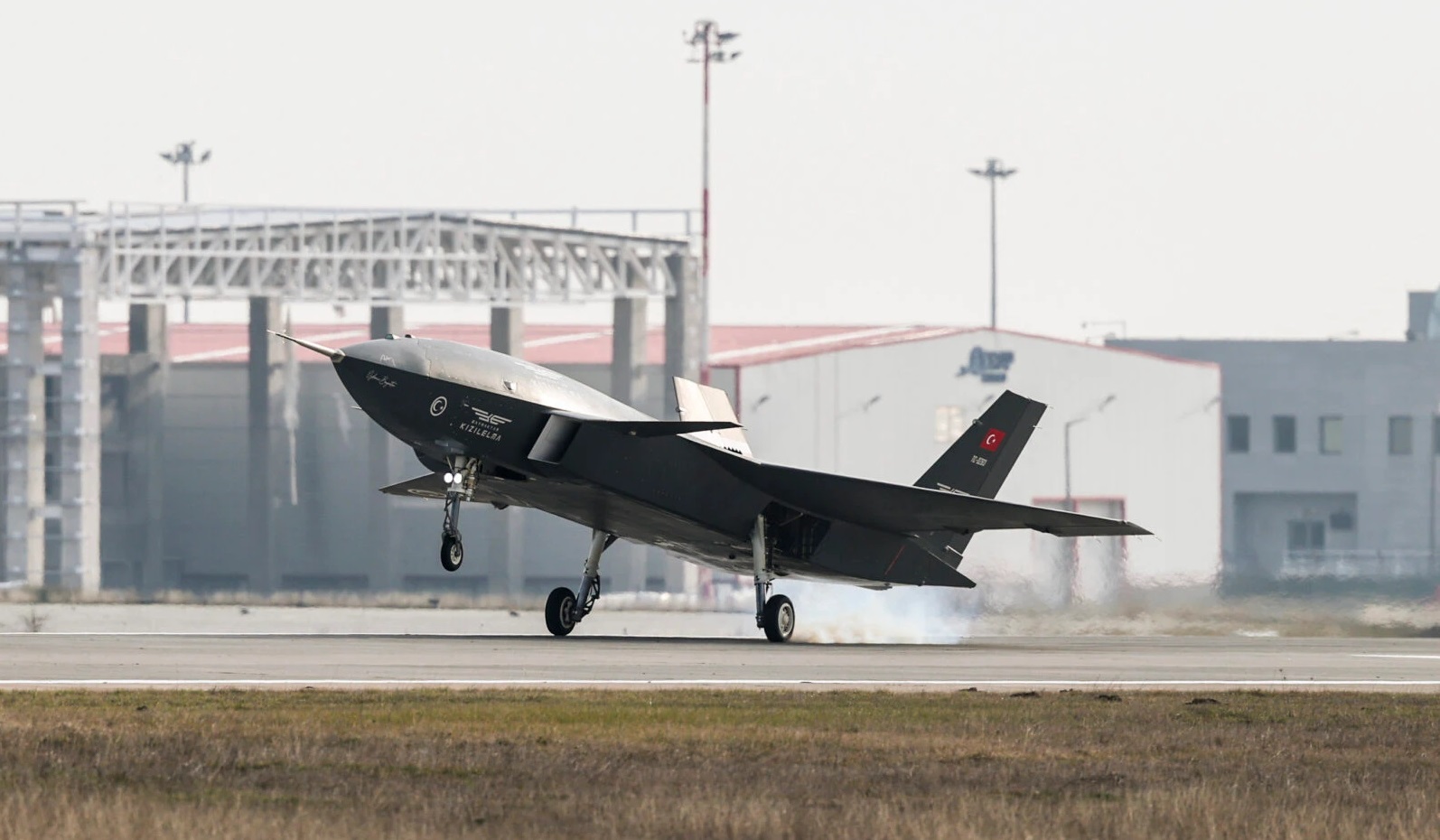
World
Bayraktar KIZILELMA, Türkiye’s first indigenous unmanned fighter jet, has reached another milestone in its rigorous testing campaign. Developed by Baykar Technologies, the cutting-edge UAV successfully conducted an Aerodynamics System Identification Test on 6 March at the AKINCI Flight Training and Test Center in Çorlu, Tekirdağ. The test, carried out using the production prototype PT3 (tail number TC-OZB3), marks a crucial step in refining the aircraft’s performance as it moves toward operational deployment. The recent test flight focused on evaluating the aerodynamic behavior of the aircraft, a critical aspect for ensuring stability and maneuverability in real combat scenarios. One of the most notable advancements was the integration of an alternative engine featuring an afterburner, enabling KIZILELMA to reach transonic speeds and perform advanced flight maneuvers. This capability brings it closer to the performance levels expected from manned fighter jets, setting a new standard in the realm of unmanned combat aviation. Bayraktar KIZILELMA has undergone continuous design enhancements, incorporating structural reinforcements and upgraded avionics systems to optimize its combat effectiveness. Equipped with an Active Electronically Scanned Array (AESA) radar, it boasts high situational awareness, allowing it to engage in complex missions such as air-to-air combat, ground strikes, and electronic warfare. The aircraft’s stealth-oriented design, coupled with its ability to operate from short runways, including aircraft carriers like the TCG Anadolu, enhances its operational versatility. The development of Bayraktar KIZILELMA has been a remarkable feat, with Baykar launching the project in 2021 as a fully self-financed endeavor. In just a year, the aircraft took its maiden flight on 14 December 2022, showcasing the company’s efficiency in defense technology innovation. Since then, it has achieved several groundbreaking milestones, including flying in formation with manned fighter jets at TEKNOFEST 2023—an achievement that highlights the future of integrated manned-unmanned combat operations. Baykar Technologies has established itself as a dominant player in the global UAV market, with exports accounting for 90% of its revenue. The company recorded $1.8 billion in exports in 2023 and 2024, securing its status as the world’s largest UAV exporter. With the continued success of Bayraktar KIZILELMA, Türkiye is solidifying its position as a leader in next-generation aerial warfare technology. Bayraktar KIZILELMA Specifications: Length: 14.7 meters Wingspan: 10 meters Maximum Takeoff Weight: 6,000 kg Payload Capacity: 1,500 kg Engine: AI-322F (afterburning turbofan) or AI-25TLT (non-afterburning turbofan) Speed: Near-supersonic (with AI-322F engine) Operational Ceiling: 35,000 ft Endurance: 5 hours Radar: AESA radar for advanced target acquisition Armament: Air-to-air and air-to-ground missiles, guided munitions Stealth Features: Low radar cross-section design Carrier Compatibility: Capable of operating from short-runway aircraft carriers With its rapid advancements and technological breakthroughs, Bayraktar KIZILELMA is on track to redefine unmanned air combat, ushering in a new era of autonomous aerial warfare.
Read More → Posted on 2025-03-10 15:39:09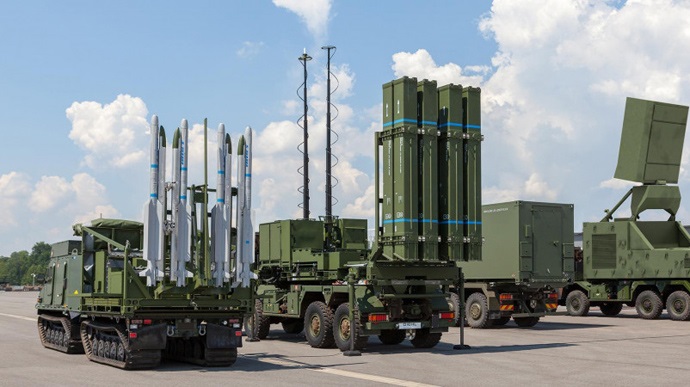
World
The Ukrainian government has entered into a memorandum of understanding with German defense contractor Diehl Defence to bolster Ukraine's air defense capabilities. This agreement aims to establish significant industrial projects to increase the production of air defense systems, envisioning a three-fold supply increase in both air defense systems and missiles. Diehl Defence is renowned for manufacturing the IRIS-T air defense system, which has been operational in Ukraine. To date, Germany has delivered six IRIS-T systems to Ukraine, with an additional 17 systems on order, all expected to be delivered by 2026. These deliveries include both medium-range and short-range variants. In response to rising global demand, Diehl Defence has announced plans to double IRIS-T production starting in 2025. Overview of the IRIS-T Air Defense System The IRIS-T (InfraRed Imaging System Tail/Thrust Vector-Controlled) is a family of missiles developed to counter a variety of aerial threats. Originally designed as an air-to-air missile, it has been adapted into surface-launched versions to serve as effective ground-based air defense systems. Variants and Specifications IRIS-T SLM (Surface-Launched Medium-range): Range: Capable of intercepting targets at distances up to 40 kilometers (approximately 25 miles). Altitude: Effective up to 20 kilometers (approximately 12.5 miles). Radar Detection Range: Equipped with radar systems that can detect targets within a 250-kilometer (approximately 155 miles) radius. Coverage: Provides 360-degree protection against various threats, including fixed-wing aircraft, helicopters, cruise missiles, and unmanned aerial vehicles (drones). IRIS-T SLS (Surface-Launched Short-range): Range: Effective at intercepting targets up to 12 kilometers (approximately 7.45 miles) away. Altitude: Operational up to 8 kilometers (approximately 5 miles). Coverage: Offers 360-degree defense against similar aerial threats as the SLM variant. Key Features: Advanced Guidance System: Both variants utilize infrared imaging for precise target acquisition and engagement, enhancing their effectiveness against modern aerial threats. High Agility: Designed for exceptional maneuverability, allowing them to effectively engage highly agile targets. Compatibility: The IRIS-T systems are designed to integrate seamlessly with existing air defense networks, providing flexible deployment options. Ukrainian Defense Minister Rustem Umerov expressed gratitude towards Diehl Defence for their trust and willingness to cooperate, emphasizing the importance of global defense companies taking steps toward Ukraine. He highlighted that the free world stands with Ukraine, and together, they are creating new opportunities to strengthen their defense capabilities. This collaboration signifies a strategic effort to enhance Ukraine's air defense infrastructure, ensuring better protection against a wide array of aerial threats in the region.
Read More → Posted on 2025-03-10 14:57:12
World
The United States Marine Corps has marked a significant milestone by deploying its first F-35B Lightning II squadron from the continental U.S. to Japan, signaling a strategic enhancement of aviation capabilities in the Indo-Pacific region. On March 8, 2025, Marine Fighter Attack Squadron 214 (VMFA-214), known as the "Black Sheep," arrived at Marine Corps Air Station Iwakuni, Japan, as part of the Marine Corps' Unit Deployment Program (UDP). VMFA-214, based at Marine Corps Air Station Yuma, Arizona, is under Marine Aircraft Group 13 of the 3rd Marine Aircraft Wing. This deployment temporarily supports Marine Aircraft Group 12 (MAG-12) of the 1st Marine Aircraft Wing, thereby reinforcing operations in the Indo-Pacific. The squadron transitioned to the F-35B platform in March 2022, becoming the first to integrate this advanced aircraft into the rotational deployment program. Lieutenant Colonel Robert F. Guyette, VMFA-214's commanding officer, outlined the deployment's objectives: seamless integration with Marine and joint forces, enhancing combined warfighting readiness, refining operations from austere locations, and aligning with key Marine Corps concepts like Expeditionary Advanced Base Operations to maximize survivability and airpower projection. Colonel Kyle B. Shoop, commander of MAG-12, emphasized the strategic importance of the deployment, noting that the addition of a U.S.-based F-35B squadron enhances Marine aviation's contribution to joint and allied operations. He stated that this deployment increases Marine aviation's ability to operate from both established and minimally developed locations, supporting distributed operations in the Indo-Pacific. This deployment is part of the Marine Corps' broader transition from legacy aircraft like the F/A-18 Hornet and AV-8B Harrier to the fifth-generation F-35 platform. The 2025 Marine Aviation Plan highlighted this shift's importance, aiming to strengthen the service's operational capabilities in the region's challenging environments. Major General Marcus B. Annibale, commanding general of the 1st Marine Aircraft Wing, highlighted the long-term implications of the deployment. He noted that as the Marine Corps advances its aviation plan, more F-35 squadrons will be established, munitions with greater capabilities will become available, support systems will strengthen, and the F-35's technology suite will continue to evolve. F-35B Lightning II Specifications: Role: Multirole strike fighter Manufacturer: Lockheed Martin Variants: F-35A (CTOL), F-35B (STOVL), F-35C (CV) Powerplant: Single Pratt & Whitney F135-PW-600 turbofan engine Maximum Speed: Approximately Mach 1.6 (1,200 mph or 1,930 km/h) Combat Radius: Over 450 nautical miles (833 km) Armament Capacity: Up to 5,700 pounds (2,590 kg) of internal payload; additional external capacity available when stealth is not a priority Stealth Features: Reduced radar cross-section for enhanced survivability Avionics: Advanced sensor fusion, electronic warfare capabilities, and network-centric warfare systems The F-35B's short takeoff and vertical landing capabilities allow it to operate from various platforms and austere environments, making it a versatile asset for expeditionary operations. This deployment underscores the Marine Corps' commitment to modernizing its aviation assets and enhancing operational readiness in strategically vital regions.
Read More → Posted on 2025-03-09 15:58:27
World
In a significant development, Ukraine has lost access to satellite imagery provided by Maxar Technologies, a leading American aerospace company specializing in geospatial intelligence and satellite products. This suspension aligns with the U.S. government's recent decision to temporarily halt intelligence sharing with Ukraine, aiming to encourage diplomatic negotiations with Russia. Maxar Technologies and Its Role Maxar Technologies, headquartered in Westminster, Colorado, is renowned for its high-resolution Earth observation satellites and geospatial data services. The company has been instrumental in supplying critical satellite imagery to various U.S. government agencies, allied nations, and partners, supporting operational planning, emergency response, and situational awareness. Global Enhanced GEOINT Delivery (G-EGD) Program Central to this situation is the Global Enhanced GEOINT Delivery (G-EGD) program, an initiative by the U.S. National Geospatial-Intelligence Agency (NGA). The G-EGD program provides authorized U.S. government users with on-demand, unclassified, high-resolution satellite imagery, facilitating informed decision-making across various missions. This imagery is sourced from Maxar and other commercial providers, ensuring comprehensive geospatial intelligence support. Implications of the Suspension The suspension of Ukraine's access to Maxar's satellite imagery has significant implications: Military Operations: Ukrainian forces heavily relied on Maxar's imagery to monitor Russian troop movements, plan strategic operations, and assess battlefield conditions. The loss of this resource hampers their situational awareness and operational effectiveness. Defense Capabilities: The absence of real-time satellite data diminishes Ukraine's ability to anticipate and respond to missile attacks, potentially compromising air defense systems and overall military preparedness. Diplomatic Dynamics: The U.S. administration's decision to suspend intelligence sharing, including satellite imagery, is intended to pressure Ukraine into peace negotiations with Russia. This move reflects a strategic shift in U.S. foreign policy and affects Ukraine's leverage in ongoing diplomatic efforts. The cessation of Maxar's satellite imagery services to Ukraine underscores the intricate relationship between commercial satellite providers and governmental directives. As geopolitical landscapes evolve, access to geospatial intelligence remains a pivotal factor influencing military strategies and diplomatic negotiations. The current suspension not only affects Ukraine's defense capabilities but also highlights the broader implications of intelligence sharing in international relations.
Read More → Posted on 2025-03-09 15:55:44
World
The United States Marine Corps (USMC) has taken a significant step in enhancing its maritime combat capabilities by establishing the 12th Littoral Combat Team (12th LCT) at Camp Hansen, Okinawa, Japan. This activation marks the completion of the 12th Marine Littoral Regiment's (12th MLR) subordinate units, aligning with the USMC's Force Design 2030 vision to bolster naval expeditionary warfare. Formation and Leadership On March 3, 2025, the 12th LCT was officially activated, with Lt. Col. Jacob Godby assuming command. This unit is the final component of the 12th MLR, which also includes the 12th Littoral Anti-Air Battalion and the 12th Littoral Logistics Battalion. The establishment of the 12th LCT signifies a strategic shift towards littoral (coastal) operations, enhancing the USMC's ability to conduct missions in maritime environments. Integration of NMESIS A pivotal aspect of the 12th LCT's capabilities is the planned integration of the Navy/Marine Corps Expeditionary Ship Interdiction System (NMESIS). This advanced system features unmanned ground vehicles equipped with RGM-184A Naval Strike Missiles, designed to target and neutralize enemy ships from land-based positions. Each NMESIS unit is built on the Remotely Operated Ground Unit for Expeditionary (ROGUE) Fires chassis, capable of launching two Naval Strike Missiles per vehicle. The 12th LCT is slated to receive 18 such unmanned vehicles, organized into two platoons, thereby significantly enhancing the USMC's sea-denial capabilities within the First Island Chain. Strategic Importance The activation of the 12th LCT and its forthcoming NMESIS integration underscore the USMC's commitment to adapting to modern maritime threats. By positioning these advanced capabilities in Okinawa, the USMC enhances its readiness to respond to potential conflicts in the Indo-Pacific region. This move also strengthens the alliance with Japan's Self-Defense Forces, promoting regional stability and a free and open Indo-Pacific. Future Outlook While the 12th LCT awaits the delivery of its NMESIS launchers, its structure mirrors that of the 3rd Littoral Combat Team based in Hawaii, which received its launchers in late 2024. The anticipated deployment of NMESIS within the 12th LCT will mark a significant milestone in the USMC's modernization efforts, providing a robust deterrent against maritime threats and enhancing the United States' strategic posture in the region. In summary, the establishment of the 12th Littoral Combat Team in Okinawa represents a critical advancement in the USMC's operational capabilities, aligning with contemporary defense strategies and reinforcing commitments to allies in the Asia-Pacific theater.
Read More → Posted on 2025-03-09 15:52:36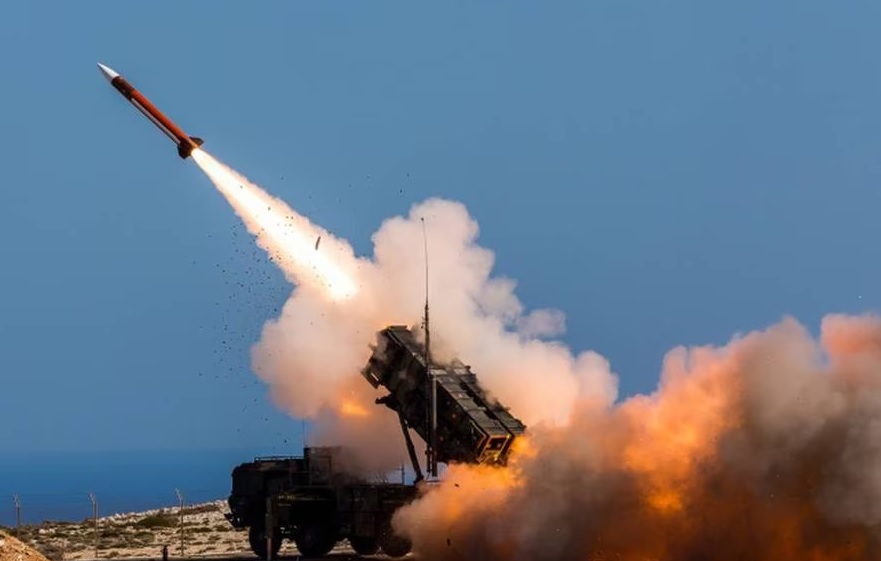
World
In an era of evolving security challenges, military leaders and air defence experts from over 15 NATO countries and partner nations convened in southern Germany from February 19-21 for the European Integrated Air and Missile Defence (EIAMD) Symposium. Hosted by the 10th Army Air and Missile Defence Command (10th AAMDC), the event focused on bolstering Europe’s defence against modern aerial threats, including drones, cruise missiles, and hypersonic weapons. Brig. Gen. Curtis W. King, commanding general of the 10th AAMDC, stressed the urgency of strengthening multinational cooperation. “As we face increasingly complex security challenges, the need for collaboration and innovation in our defence strategies has never been more critical,” he said. The symposium was more than just a series of discussions—it was a platform for military experts to refine strategies for integrated air and missile defence (IAMD). Representatives from U.S. Air Forces in Europe-Air Forces Africa (USAFE), U.S. Army Europe and Africa (USAREUR-AF), Allied Land Command (LANDCOM), and Allied Air Command (AIRCOM) participated, sharing insights on data integration, command structures, and real-time response mechanisms. Enhancing NATO’s Air Defence Capabilities Over the three-day event, leaders addressed operational challenges, capability gaps, and future initiatives to improve NATO’s air defence framework. A key focus was the need for real-time data sharing among allies to create a seamless, layered defence network. As hypersonic weapons and drone swarms become more prevalent, experts emphasized the necessity of fast decision-making and automated response systems. Sgt. Maj. John O’Connor of the 10th AAMDC highlighted NATO’s need for enhanced synchronization, stating, “We cannot afford to operate in silos. Our adversaries are adapting and changing, and so should we.” A significant portion of the discussions revolved around lessons learned from the Ukraine war, where adversaries are using mass drone attacks and new missile tactics to challenge air defence systems. Solutions such as acoustic sensors, artificial intelligence-driven threat detection, and mobile fire teams were explored as potential countermeasures. Stronger Collaboration for a Unified Defence Beyond technical improvements, the symposium reinforced the importance of coordinated NATO partnerships. “We need to know each other before we need each other,” said U.S. Army Col. Ro Clemente, stressing the importance of personal and professional relationships in strengthening defence cooperation. The 10th AAMDC remains at the forefront of Europe’s air and missile defence, working with NATO allies to refine both technical interoperability and strategic readiness. With a rising spectrum of threats in the region, continuous collaboration, innovation, and investment in IAMD remain vital to ensuring Europe’s security. As NATO enhances its deterrence posture, the U.S. Army and its allies are committed to building a resilient air and missile defence network, ready to counter any emerging threats.
Read More → Posted on 2025-03-09 15:49:24
World
At the 2025 Air & Space Force Association (AFA) conference, Lockheed Martin introduced the Common Multi-Mission Truck (CMMT), a new cruise missile concept designed for affordability and mass production. Developed over two years by Lockheed's Skunk Works division, the CMMT aims to meet the U.S. Air Force's Franklin program requirements, targeting long-range cruise missiles priced under $150,000 per unit. Key Specifications: Cost: Approximately $150,000 per unit. Range: Exceeds 500 miles (800 kilometers). Design: Subsonic and modular, allowing for various configurations to suit different missions, including longer-range and maritime strike variants. Deployment: Compatible with palletized systems for transport aircraft, enabling a single pallet to carry up to 25 CMMTs. Additionally, it can be integrated into the internal weapons bay of the F-35 stealth fighter. The CMMT is designed to bridge the gap between lower-cost standoff glide weapons and more expensive cruise missiles, offering a cost-effective solution for various mission requirements. If approved by the Pentagon, Lockheed Martin plans to produce up to 2,500 units annually, aligning with the U.S. strategy of "affordable mass" to deter potential adversaries. This development reflects a shift towards building extensive and easily manufacturable arsenals, enhancing military readiness and operational flexibility.
Read More → Posted on 2025-03-09 15:44:44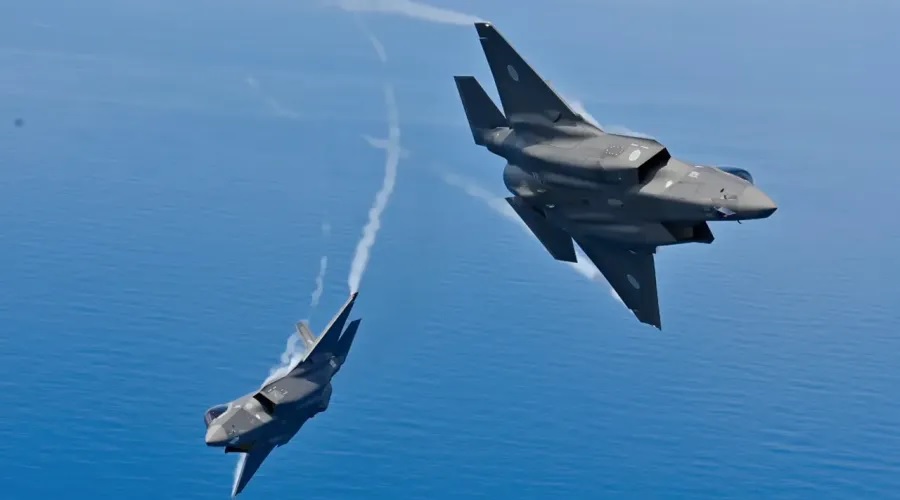
World
A recent assertion by retired Pakistani Brigadier Masood Ahmed Khan regarding the J-35A fighter jet has sparked widespread debate, with defense experts and analysts quickly dismissing his claim. Khan had stated that Pakistan’s acquisition of China’s J-35A would make it the world’s fourth nation to operate fifth-generation fighter jets, placing it alongside the United States, Russia, and China. However, this statement is factually incorrect, as multiple countries already possess and operate the American-built F-35 Lightning II. F-35’s Global Presence Disproves the Claim Khan’s claim ignores the widespread deployment of the F-35, a fifth-generation stealth fighter that is currently in service with several countries. Besides the U.S., nations such as Australia, the United Kingdom, Italy, Japan, Norway, Israel, and South Korea actively operate the F-35. Additionally, Belgium, Denmark, Finland, Poland, and Singapore have also joined the list, making it clear that Pakistan is far from being the "fourth" nation with such advanced aircraft. Pakistan’s J-35A Acquisition and Its Capabilities Pakistan has reportedly approved the purchase of 40 J-35A fighter jets from China, with deliveries expected within the next two years. The J-35A, developed by Shenyang Aircraft Corporation, is a twin-engine stealth fighter that features advanced avionics, stealth coating, and a reported operational range of approximately 1,200 km, which can be extended with aerial refueling. While the J-35A boasts modern stealth capabilities, experts remain skeptical about its real-world effectiveness, as the aircraft remains untested in combat. Unlike the F-35, which has undergone extensive testing and deployment, the J-35A’s performance remains theoretical at best. Doubts Over Pakistan’s Technological Edge Khan claimed that the J-35A would give Pakistan a significant advantage over the Indian Air Force (IAF), even stating that it would "force the IAF to sit out of any possible conflict on Kashmir." However, such statements have been met with strong criticism, given India’s ongoing air force modernization. The IAF currently operates 36 Rafale jets—considered 4.5-generation fighters—and is in the process of upgrading its Su-30MKI fleet with advanced Virupaksha AESA radars and Astra MkIII beyond-visual-range missiles, with an estimated range of 300-350 km. Additionally, India is actively developing its own fifth-generation fighter, the Advanced Medium Combat Aircraft (AMCA), with prototypes expected in the coming decade. Moreover, Pakistan’s reliance on Chinese military exports raises concerns regarding technology restrictions. China has historically downgraded the capabilities of exported systems, as seen in the J-10CE’s AESA radar and the export version of the PL-15 missile, which has a reduced range (145 km) compared to the domestic version’s 200 km+. Similar limitations could apply to the J-35A, making it less competitive than its Chinese counterpart or other global fifth-generation fighters. Pakistan’s Position in the Fifth-Gen Race Khan’s assertion that Pakistan would become the "fourth nation" with fifth-generation jets does not hold up against facts. With over a dozen countries already operating or acquiring the F-35, Pakistan’s entry into the fifth-generation fighter club—while a notable development—places it much further down the list. Additionally, the J-35A remains an unproven platform, whereas competitors like the F-35 and even Russia’s Su-57 have seen real-world deployments. Ultimately, while Pakistan’s acquisition of the J-35A signals its ambitions, it does not revolutionize the regional air power balance as Khan suggests. With India strengthening its air force and developing its own stealth capabilities, Pakistan’s reliance on an untested Chinese aircraft may not provide the overwhelming advantage that Khan claims.
Read More → Posted on 2025-03-09 15:40:45
World
In a recent tactical maneuver, Russian special forces exploited a gas pipeline to launch a surprise attack on Ukrainian units in the Kursk region. This strategy underscores the evolving and unconventional methods employed in the ongoing conflict between Russia and Ukraine. In August 2024, Ukraine initiated a bold cross-border operation into Russia's Kursk Oblast, marking the most significant incursion into Russian territory since World War II. Ukrainian forces rapidly advanced, seizing approximately 1,000 square kilometers of territory, including the strategic border town of Sudzha, and capturing numerous Russian soldiers. The primary objectives of this offensive were to secure leverage in potential peace negotiations and to compel Russia to reallocate its military resources from eastern Ukraine to defend its own borders. Current Situation: Months into the operation, Ukrainian troops in the Kursk region are facing sustained assaults from a formidable Russian force estimated at over 50,000 soldiers, which reportedly includes contingents from North Korea. The intensity of these attacks has placed Ukrainian units at risk of encirclement, as indicated by open-source battlefield maps. Pipeline Infiltration Tactic: In a bid to outflank Ukrainian defenses, Russian special forces reportedly traversed approximately 15 kilometers within a gas pipeline previously used to transport gas to Europe. This infiltration allowed them to emerge behind Ukrainian lines near Sudzha, aiming to catch the defenders off-guard. Some operatives allegedly spent several days inside the pipeline before executing the assault. Visual evidence circulating on Russian Telegram channels depicts special forces personnel equipped with gas masks navigating the interior of a large pipeline, purportedly during this operation. Ukrainian Response: The Ukrainian General Staff acknowledged the infiltration attempt, stating that Russian "sabotage and assault groups" utilized the pipeline to gain a foothold near Sudzha. However, Ukrainian forces detected the incursion promptly and responded with coordinated rocket and artillery strikes. The General Staff reported that Russian special forces are currently being "detected, blocked, and destroyed," and emphasized that enemy losses in Sudzha are substantial. International Developments: In a related development, French Defense Minister Sébastien Lecornu announced that France will allocate an additional €195 million (approximately $211 million) in military aid to Ukraine. This package, funded through profits from frozen Russian assets, includes 155-mm artillery shells and glide bombs compatible with Mirage 2000 fighter jets previously supplied to Ukraine. The situation in the Kursk region remains dynamic, with both sides adapting their strategies amidst ongoing hostilities. The use of unconventional tactics, such as pipeline infiltrations, highlights the evolving nature of warfare in this conflict.
Read More → Posted on 2025-03-09 15:31:12
World
In a decisive move reflecting deepening concerns over European security, Norway has announced a substantial increase in its aid to Ukraine. Prime Minister Jonas Gahr Støre declared that the annual assistance will more than double, reaching 85 billion Norwegian kroner ($7.8 billion) in 2025. This decision underscores Norway's commitment to supporting Ukraine amidst escalating tensions with Russia. Details of the Aid Package The augmented aid package includes an additional 50 billion kroner ($4.5 billion), elevating Norway's total contribution to Ukraine to 85 billion kroner for the year 2025. This increase has been agreed upon by political parties in the Norwegian parliament, reflecting a unified stance on the issue. Furthermore, the government has outlined plans to extend aid up to 2030, bringing the cumulative support to approximately 205 billion kroner ($18 billion). Norway's Strategic Position and Economic Considerations As a major oil and gas producer, Norway has experienced increased revenues due to heightened energy demands in Europe, partly resulting from the geopolitical situation. This economic upturn has enabled the country to allocate more resources toward international aid, particularly in support of Ukraine. The decision to bolster aid also aligns with domestic and international calls for Norway to leverage its financial strength, including its $1.8 trillion sovereign wealth fund, to support global stability and humanitarian efforts. European Union's Defense Initiatives Norway's announcement coincides with broader European efforts to enhance defense capabilities. European Union leaders have agreed on a significant increase in defense spending, aiming to mobilize approximately €800 billion for military enhancements. This collective move underscores a shared recognition of the need to bolster defense mechanisms in response to evolving security challenges in the region. Norway's Military Contributions Beyond financial aid, Norway has actively contributed to strengthening Ukraine's defense capabilities. In collaboration with the United States, Norway has donated National Advanced Surface-to-Air Missile Systems (NASAMS) to Ukraine, enhancing its air defense against missile threats. This military support is part of Norway's broader strategy to assist Ukraine in safeguarding its sovereignty and territorial integrity. Implications for Regional Security Prime Minister Støre emphasized that Russia's ongoing military actions and significant armament efforts pose serious security concerns for Europe. By increasing aid to Ukraine, Norway aims to support not only the country's defense but also broader peace initiatives being developed by European nations. This substantial contribution is viewed as a critical element in promoting peace and stability in both Ukraine and the wider European region. In summary, Norway's decision to significantly boost aid to Ukraine reflects a proactive approach to addressing escalating security challenges in Europe. Through financial assistance and military support, Norway demonstrates its commitment to upholding regional stability and supporting nations facing external aggression.
Read More → Posted on 2025-03-09 15:21:37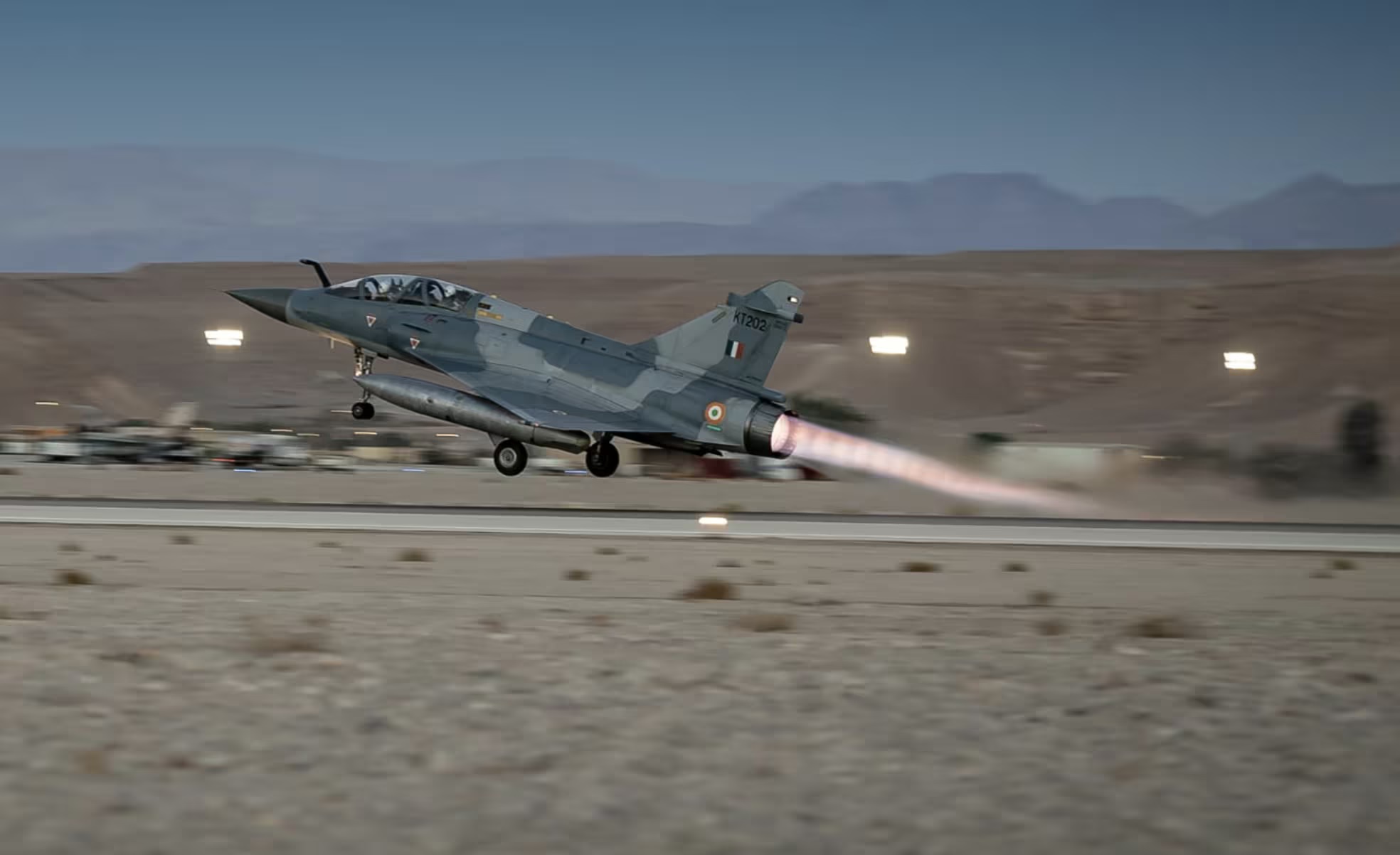
World
Ukraine has officially deployed its newly acquired French Mirage 2000-5 fighter jets in combat for the first time, marking a significant enhancement in its air defense capabilities. The aircraft played a crucial role in intercepting Russian cruise missiles during a large-scale overnight assault, President Volodymyr Zelenskyy confirmed on March 7, 2025. During the attack, Russia launched nearly 70 missiles, including cruise and ballistic variants, along with approximately 200 attack drones. The strikes targeted critical energy infrastructure in multiple regions, including Odesa, Poltava, Chernihiv, and Ternopil, while also causing casualties in Kharkiv. Ukrainian air defenses, reinforced by Mirage 2000-5 and F-16 fighters, successfully intercepted several incoming threats, preventing further destruction. The Mirage 2000-5 jets were part of a military aid package announced by French President Emmanuel Macron in June 2024. France’s Ministry of Armed Forces confirmed that the first batch of aircraft arrived in early 2025, with Ukrainian pilots, trained for months in France, now actively operating them. Although the exact number of jets delivered remains undisclosed, reports suggest an initial batch of three was expected by the end of the first quarter of 2025. French Defense Minister Sébastien Lecornu stated that the aircraft had been customized to meet Ukraine’s specific operational needs. Originally designed as a multi-role fighter for air superiority missions, the Mirage 2000-5 underwent extensive upgrades before delivery. The aircraft were modified at France’s Cazaux Air Base, equipping them with air-to-ground capabilities, advanced electronic warfare systems to counter Russian jamming, and compatibility with SCALP-EG/Storm Shadow cruise missiles. Additionally, the Mirages were outfitted with MICA air-to-air missiles and AASM Hammer precision-guided bombs, enhancing their versatility for both defensive and offensive operations. The deployment of the Mirage 2000-5 marks a significant boost to Ukraine’s air defense network. As the war intensifies, these French-built jets, alongside Western-supplied F-16s, provide Ukraine with an improved capability to intercept aerial threats and conduct precision strikes, further strengthening its resilience against Russian aggression.
Read More → Posted on 2025-03-08 16:51:46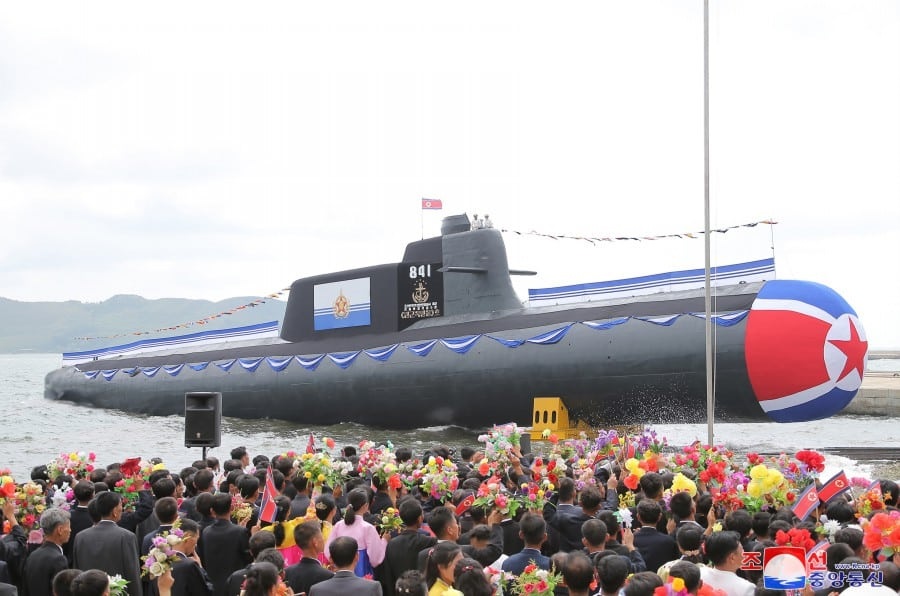
World
North Korea has recently revealed the construction of its first nuclear-powered submarine, marking a significant advancement in its naval capabilities and raising security concerns for both South Korea and the United States. State media released images showcasing what is described as "a nuclear-powered strategic guided missile submarine," coinciding with leader Kim Jong Un's inspections of prominent shipyards responsible for warship production. Submarine Specifications and Capabilities While specific details remain undisclosed by North Korean authorities, analyses suggest that the submarine is a modification of the existing Romeo-class vessels, originally designed for diesel-electric propulsion. The modified submarine, named Hero Kim Kun Ok, measures approximately 86 meters in length and has been adapted to enhance its missile-carrying capacity. Notably, the submarine features ten vertical launch tubes arranged in two rows of five. The forward four tubes are larger, potentially accommodating submarine-launched ballistic missiles (SLBMs) such as the Pukguksong-3, which are capable of striking regional targets including Japan and South Korea. The remaining six smaller tubes are designed for submarine-launched cruise missiles, like the Hwasal-2. This configuration suggests a versatile arsenal, enhancing North Korea's strategic deterrence. Strategic Implications The development of a nuclear-powered submarine equipped with nuclear-capable missiles represents a substantial escalation in North Korea's military posture. Such a platform offers extended operational range and stealth, making it more challenging for adversaries to detect and counter potential missile launches. This advancement aligns with North Korea's broader strategy to modernize its military forces and bolster its nuclear deterrent against perceived external threats. International Concerns The unveiling of this submarine has elicited apprehension from the international community. Experts question how North Korea, under stringent international sanctions and facing economic challenges, has acquired the necessary technology and resources for such an ambitious project. Speculations include potential foreign assistance, although concrete evidence remains limited. Furthermore, the deployment of a nuclear-powered submarine with ballistic missile capabilities could destabilize regional security dynamics, prompting neighboring countries to reassess their defense strategies and potentially leading to an arms race in the region. North Korea's introduction of a nuclear-powered submarine signifies a pivotal enhancement of its naval and strategic capabilities. This development not only underscores the nation's commitment to advancing its military technology but also poses new challenges for regional and global security. Continuous monitoring and diplomatic engagement will be crucial in addressing the implications of this emerging threat.
Read More → Posted on 2025-03-08 16:44:04Search
Top Trending in 24 Hours
-
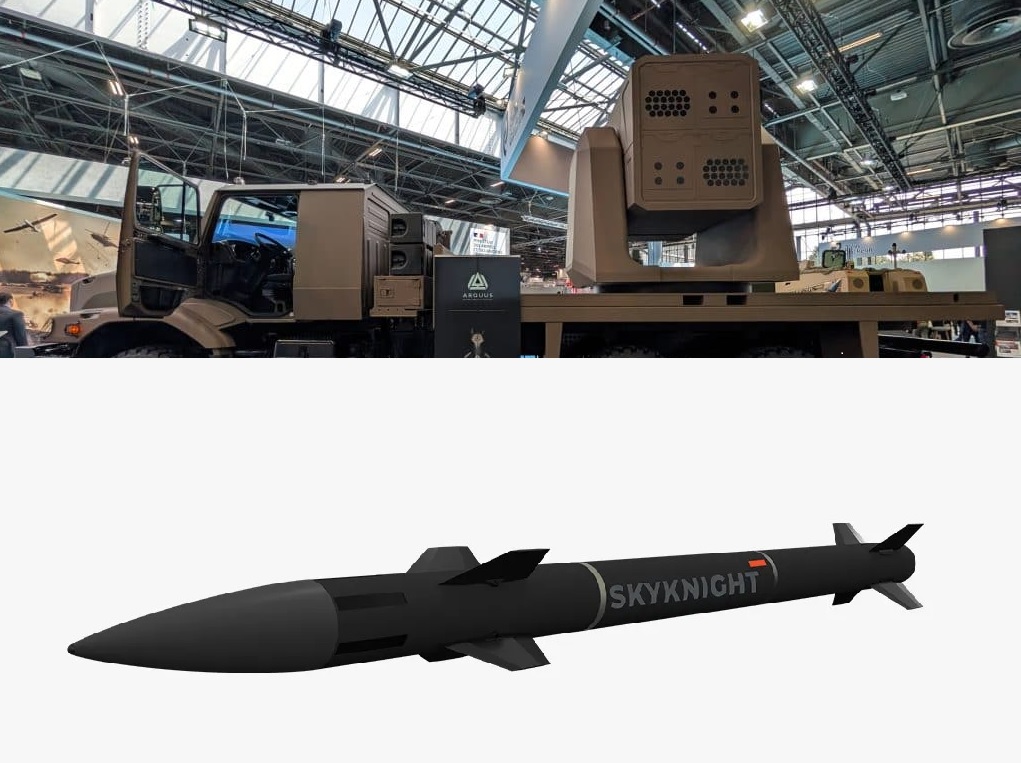 Naval Group Unveils Rampart Modular CIWS Multi-Purpose Weapon System for Naval and Ground Forces at Eurosatory 2026
-
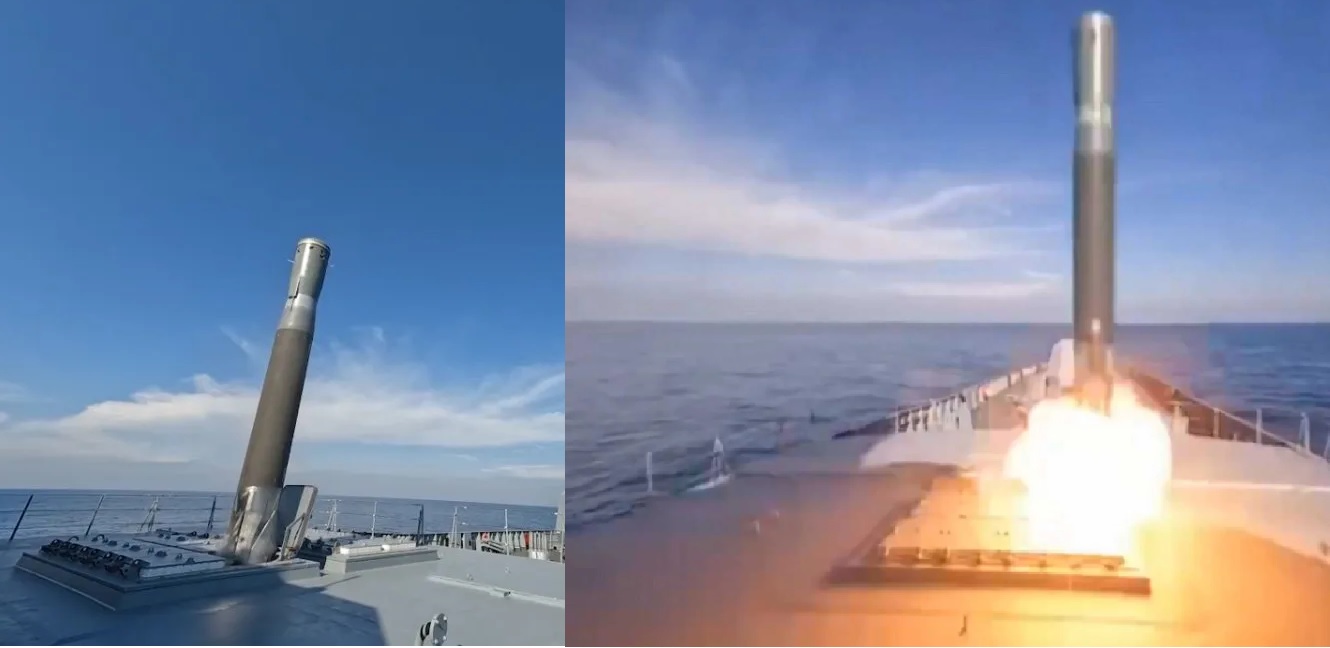 Open-Source Evidence Suggests Russia's Zircon Is a Quasi-Ballistic Missile, Not a True Hypersonic Cruise Weapon
-
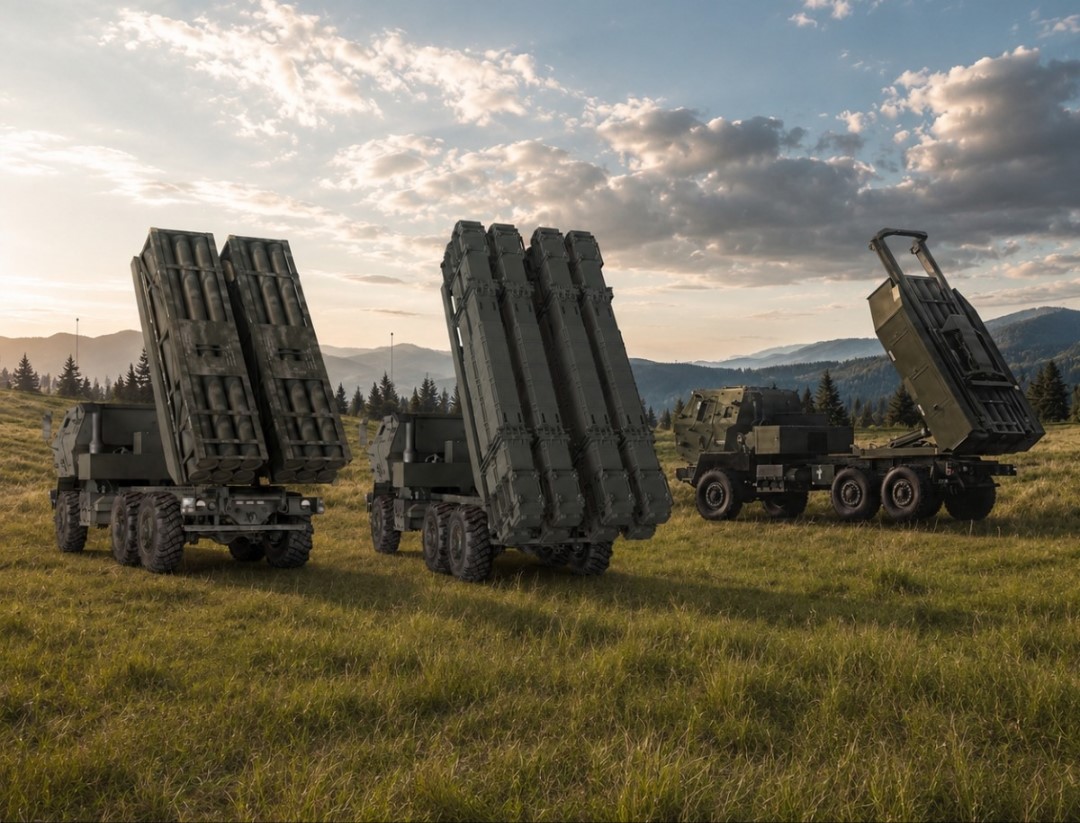 Lockheed Martin Unveils HIMARS FLEX with Dual-Pod Launcher and NATO-Compatible Air Defense Integration
-
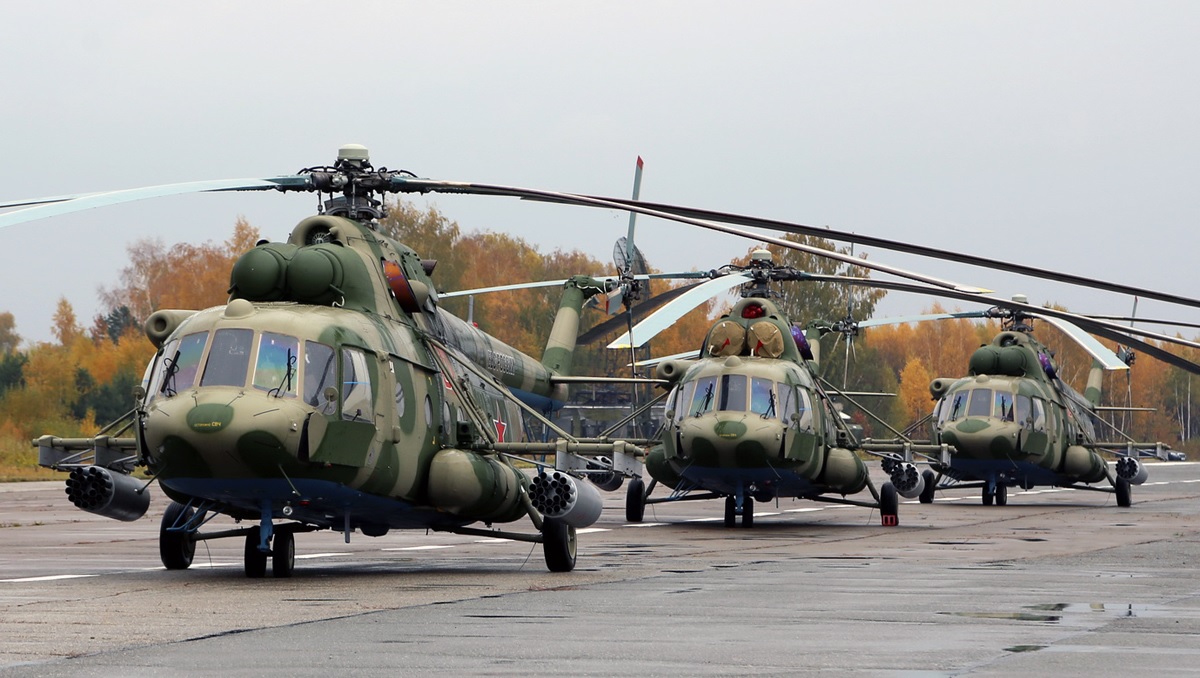 Iran Signs Deal with Russia for 20 Mi-8 and Mi-17 Helicopters to Boost Rescue and Medical Missions
-
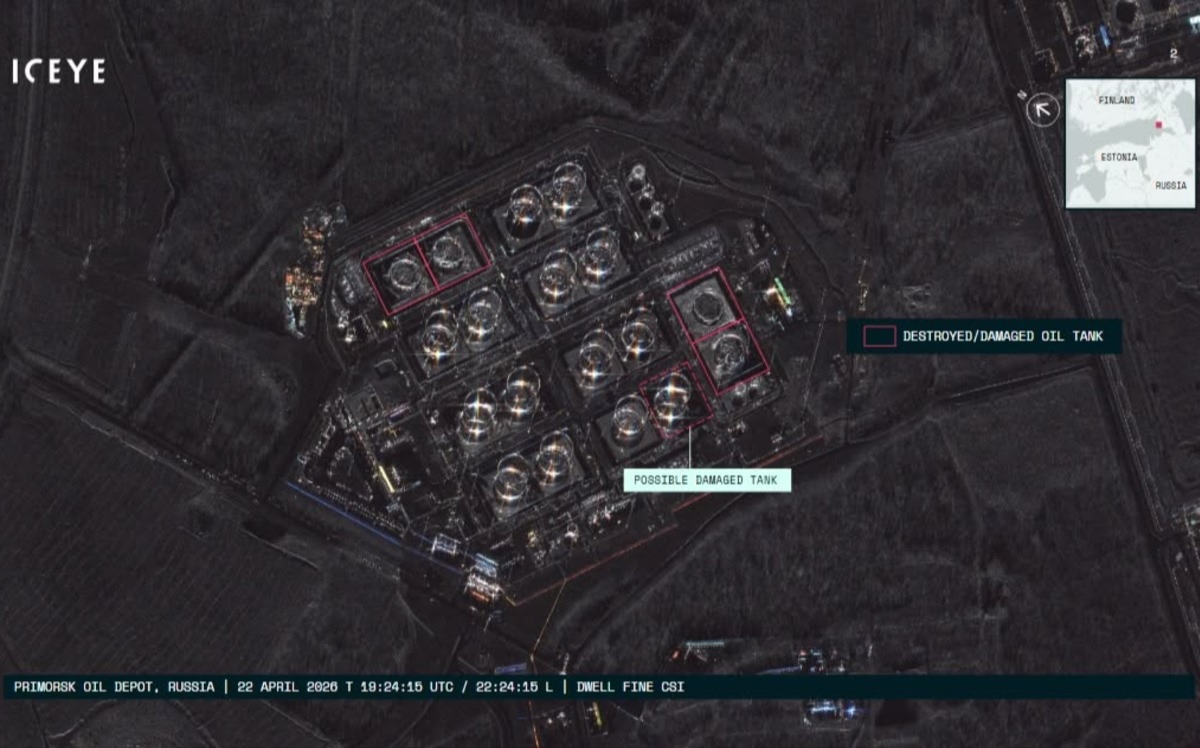 Portugal Doubles Sovereign SAR Satellite Fleet with Order for Two Additional ICEYE Satellites
-
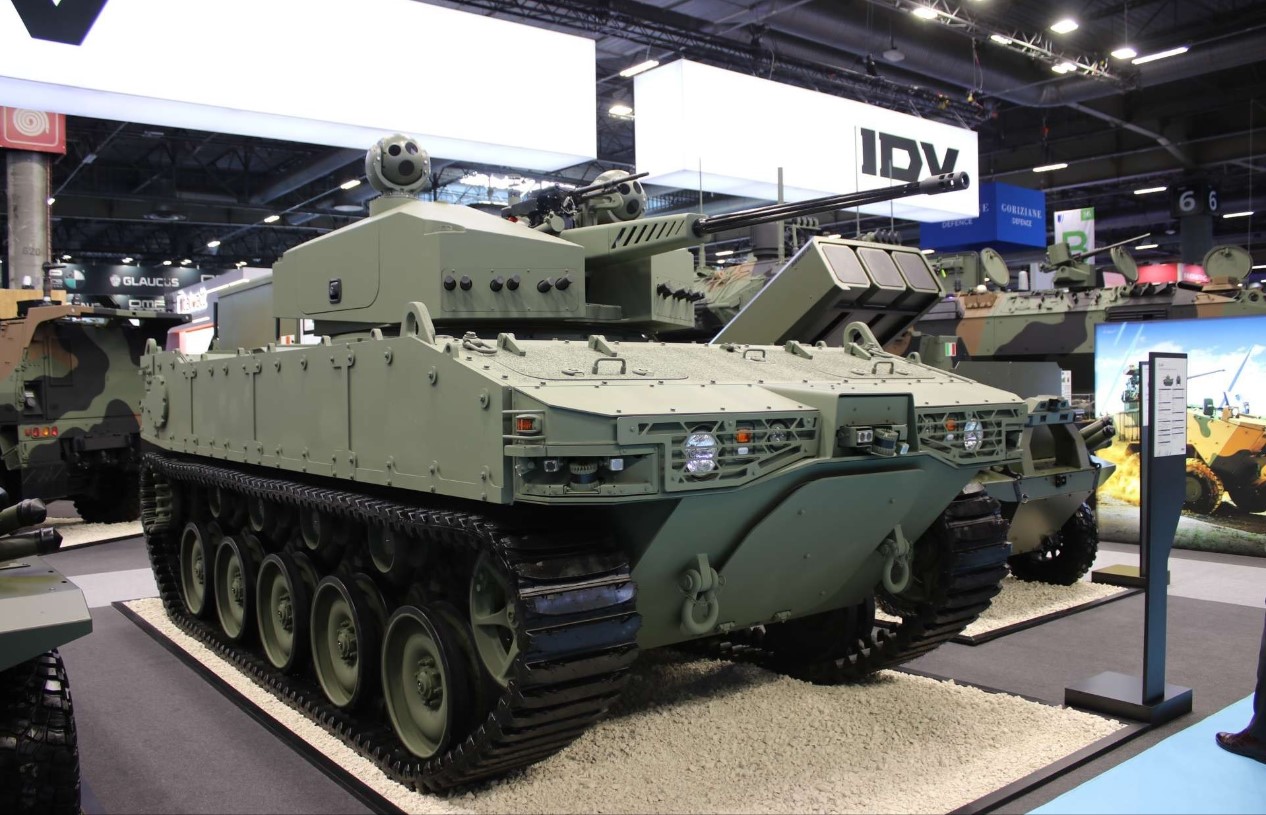 IDV Unveils CL2X Hybrid Uncrewed Light Tank at Eurosatory 2026
-
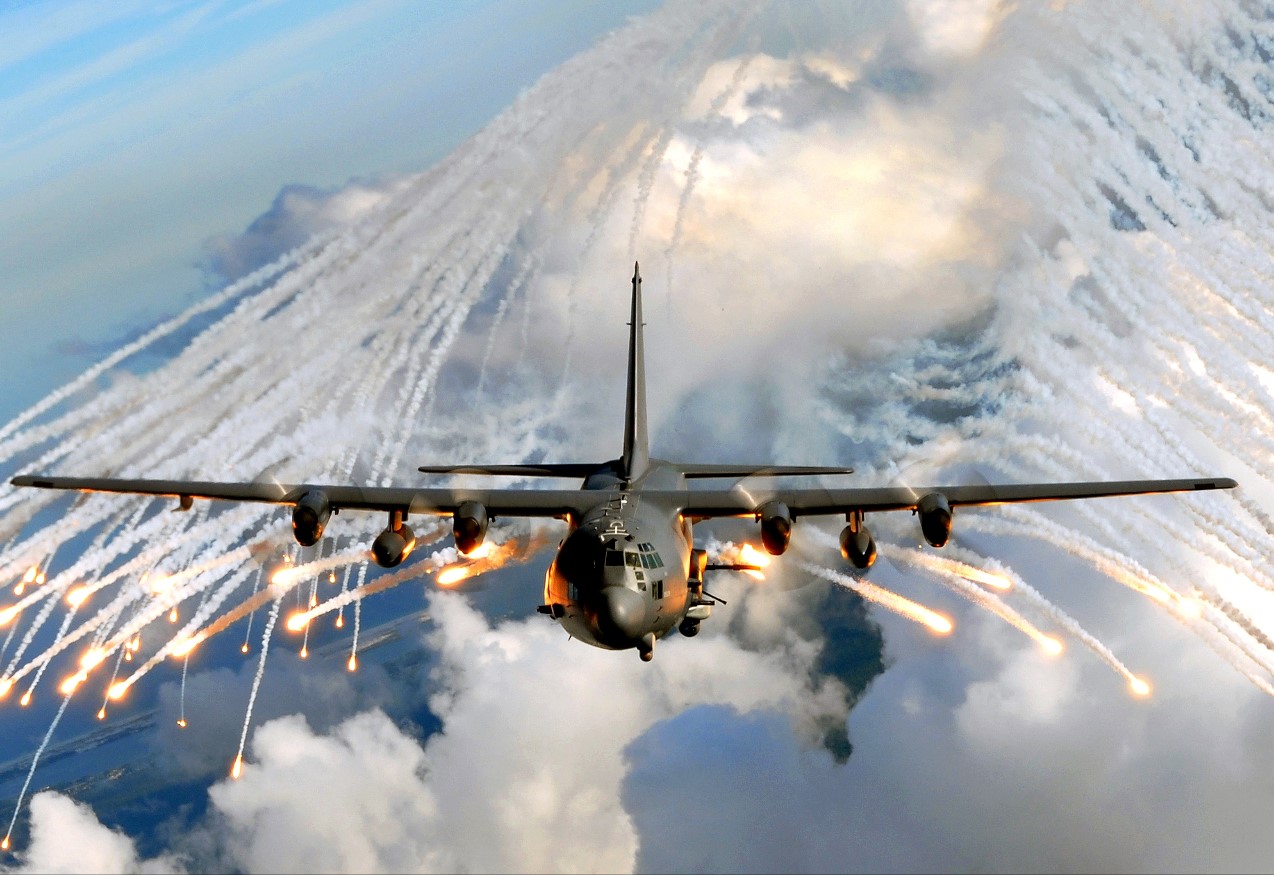 Pentagon Expands Alloy Surfaces Contract to $328.8 Million for Advanced Aircraft Decoy Flares Amid Evolving Drone Threats
-
 Why the U.S. Restored Pacific Command Name, Ending the Indo-Pacific Designation After Eight Years
Top Trending in 4 Days
-
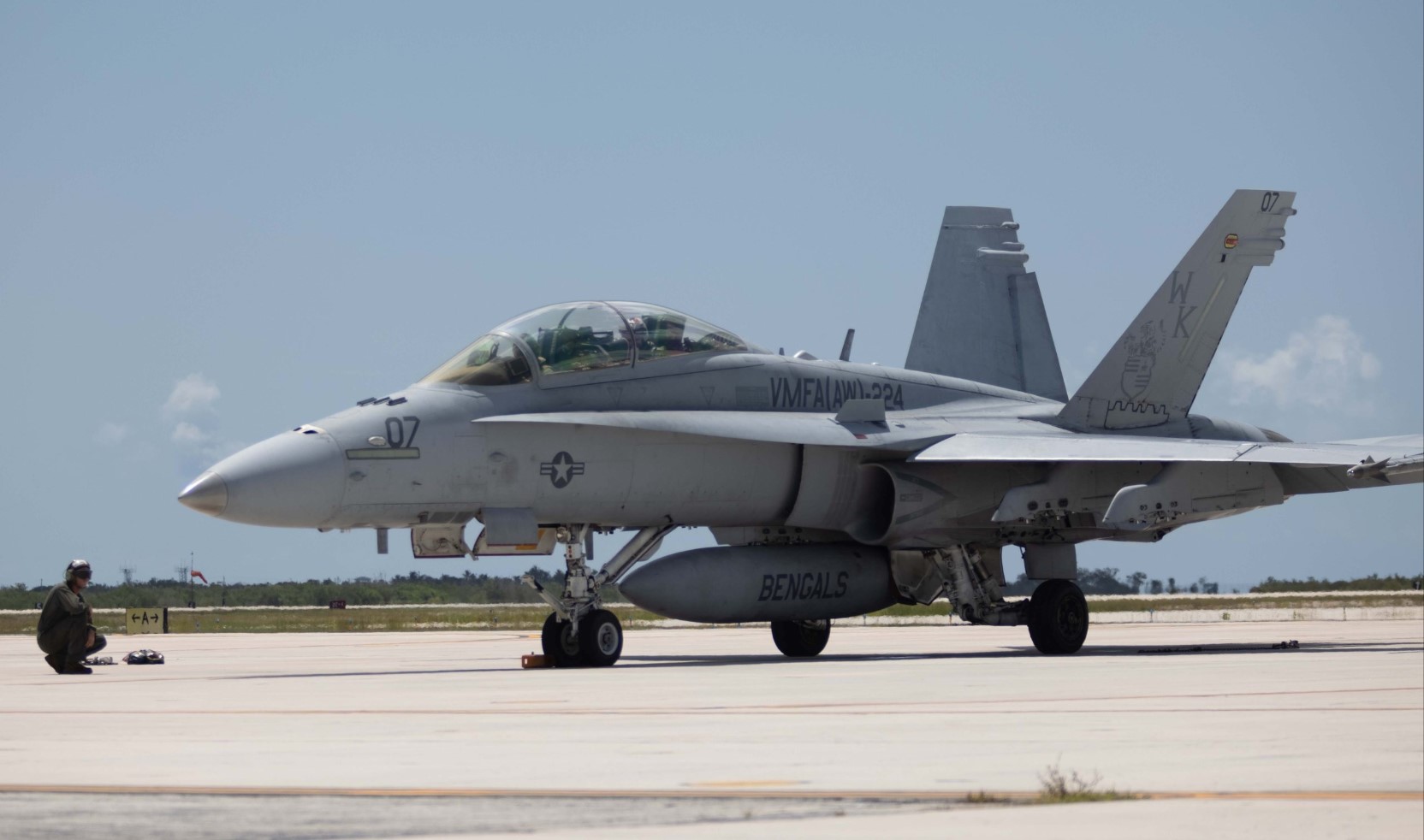 US Marine Corps F/A-18D Hornet Crashes During Training Flight in Washington Mountains; Pilot Ejects Safely
-
 Tulsi Gabbard Releases Declassified Files Detailing U.S.-Backed Network of 120 Biolaboratories Across 30+ Countries
-
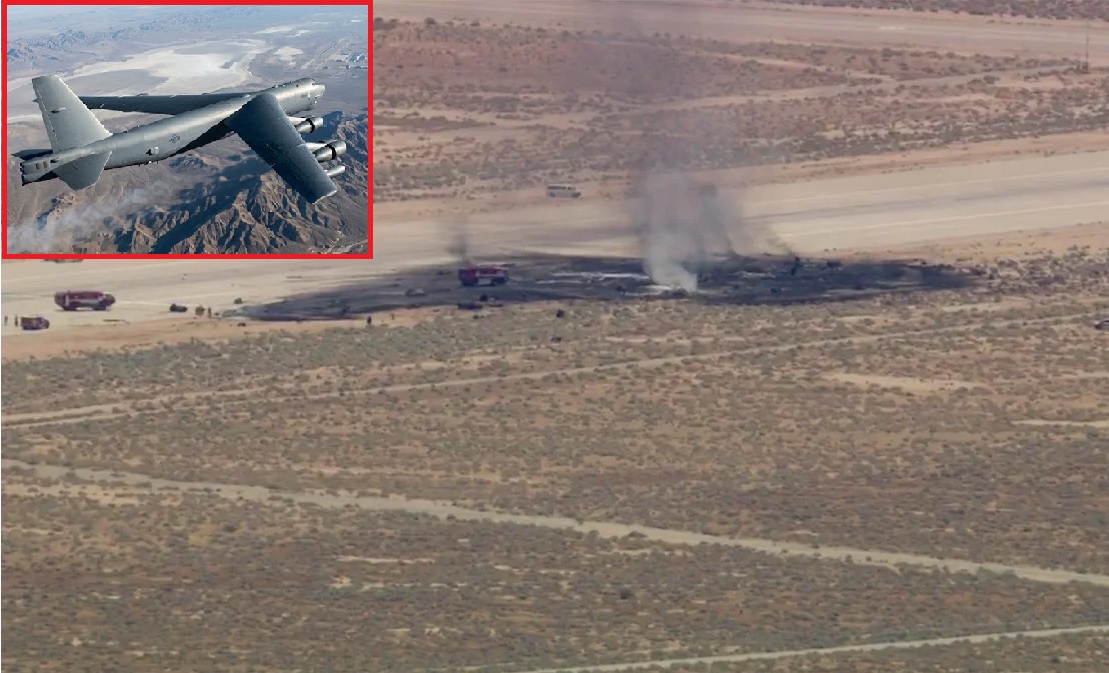 8 U.S. Air Force Crew Members Killed in B-52 Bomber Crash During Test Flight at Edwards Air Force Base
-
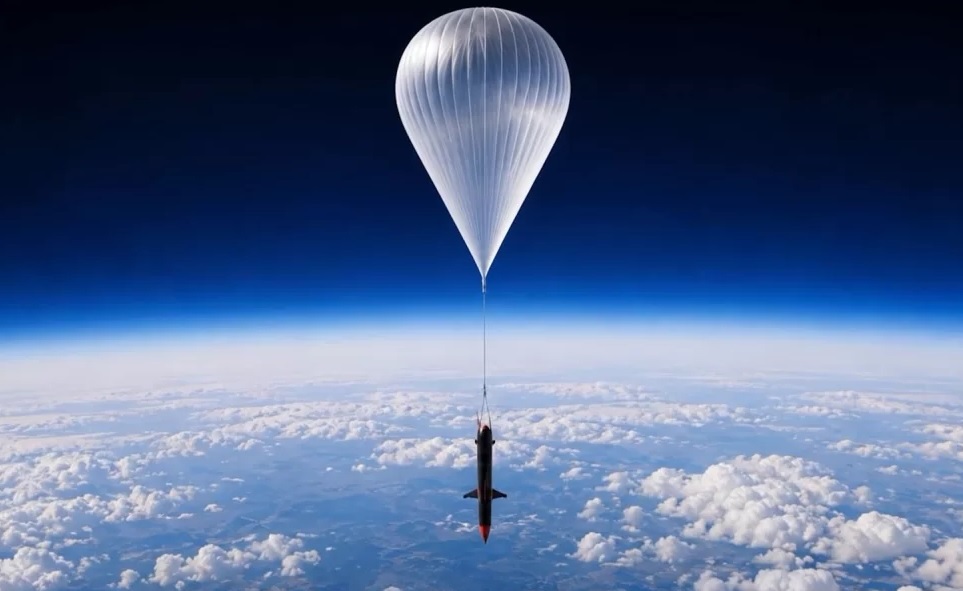 Ukraine Introduces Balloon-Launched DART Missile Designed to Defeat Electronic Warfare
-
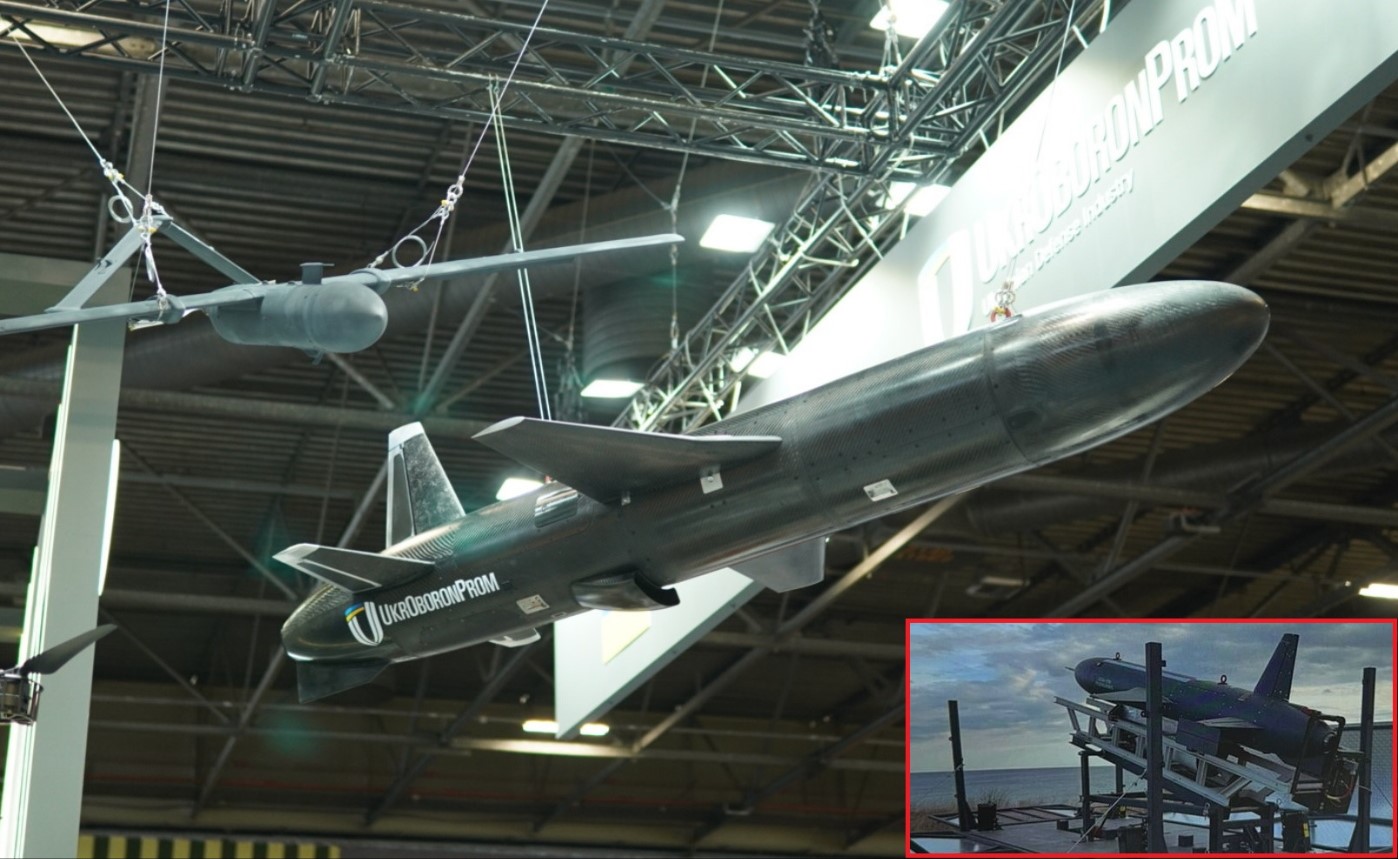 Ukraine Unveils UAV-290 Jet-Powered Strike Drone with 650 km Range at Eurosatory 2026
-
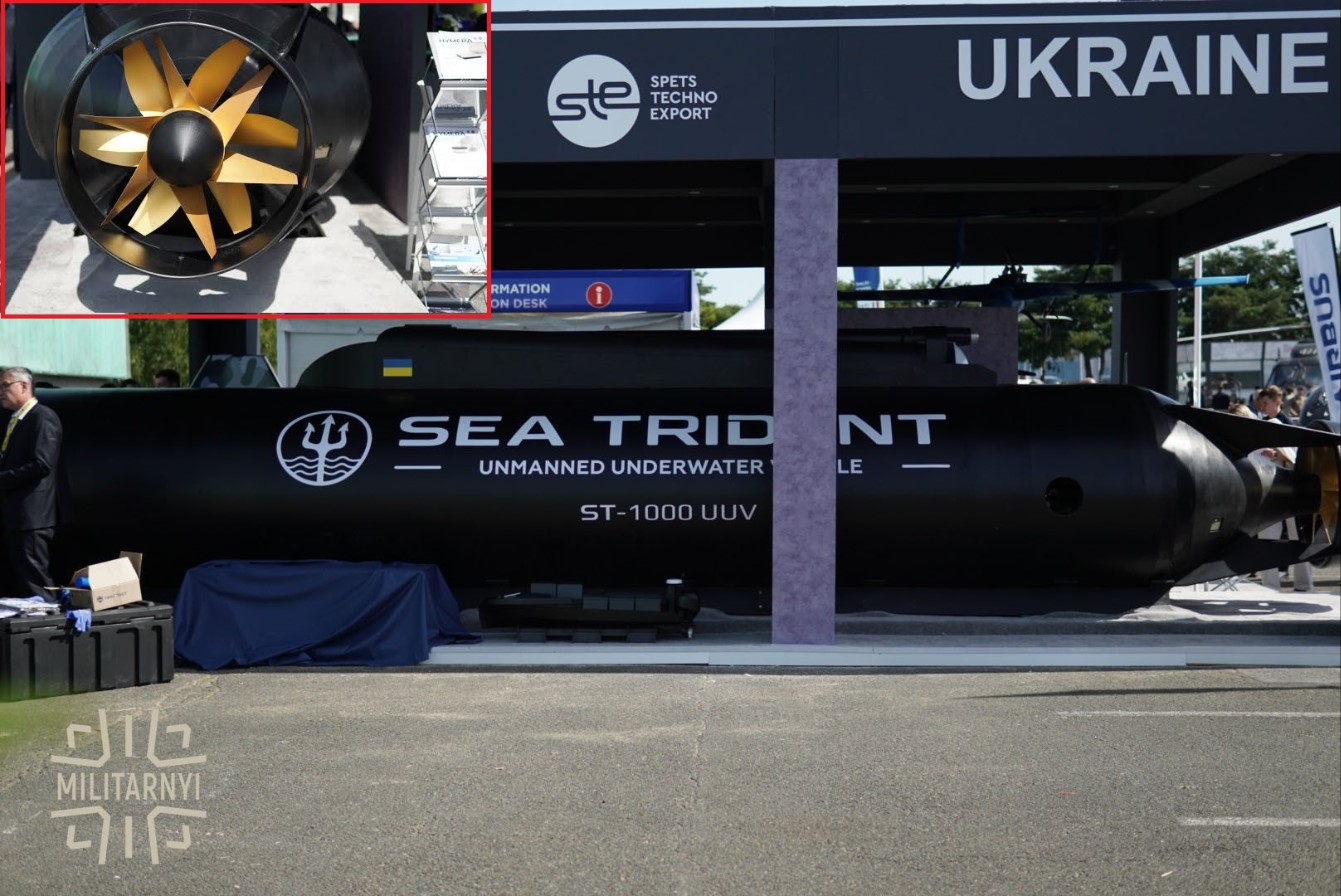 Ukraine Unveils 'Sea Trident' 10-Ton Autonomous Underwater Drone at Eurosatory 2026
-
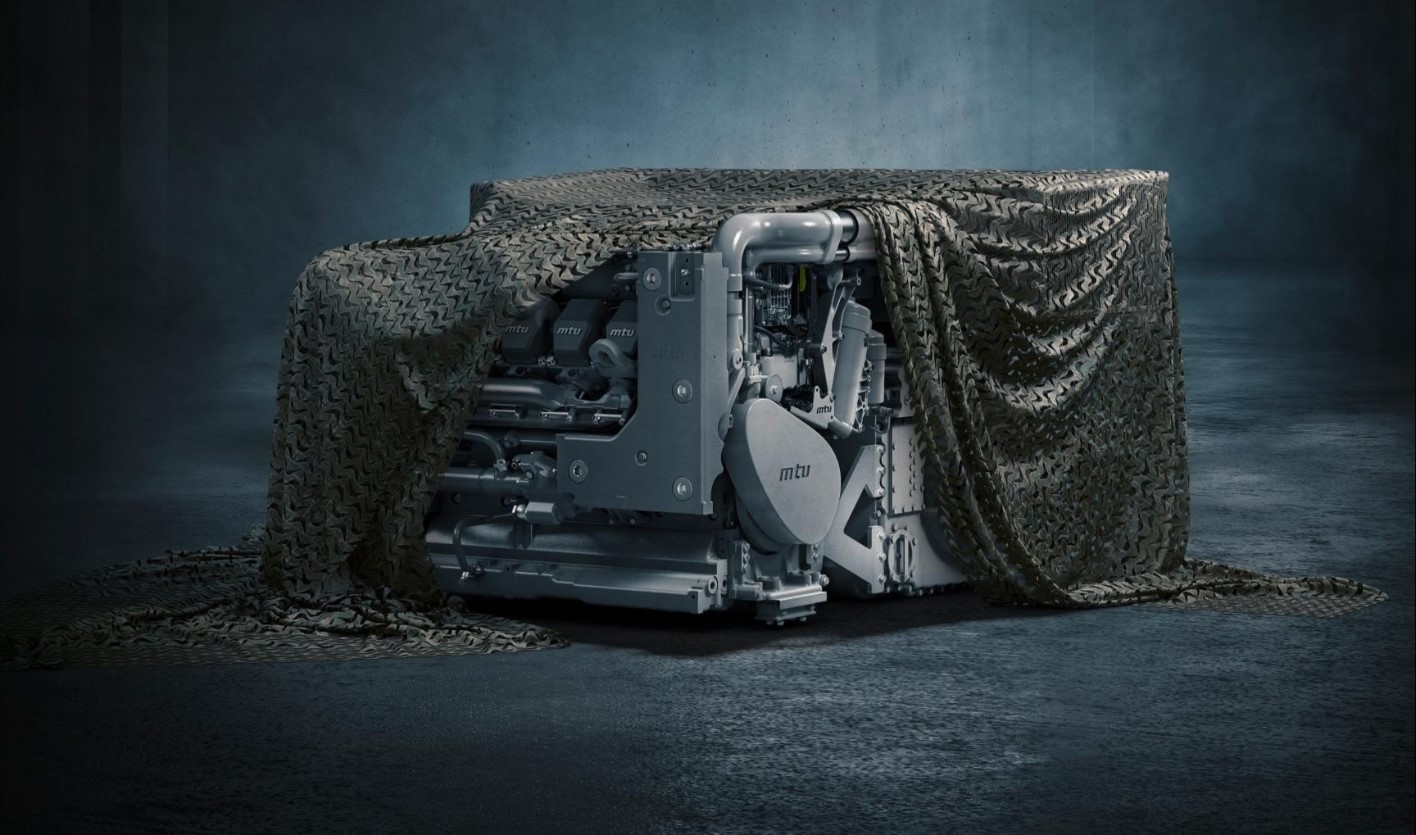 Rolls-Royce Unveils New Hybrid Powertrain for Heavy Military Vehicles at Eurosatory 2026
-
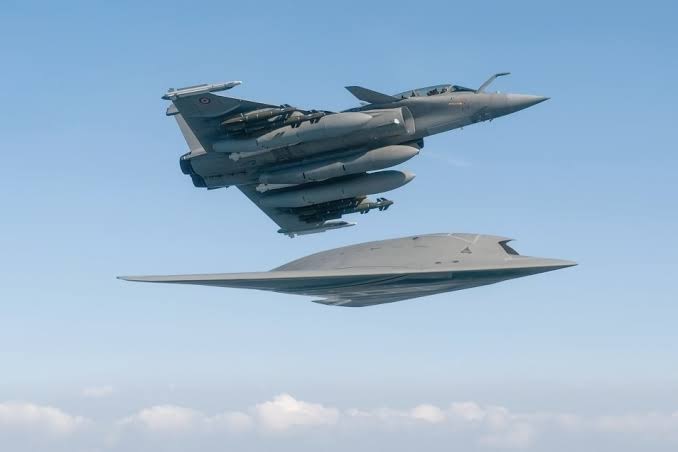 France Agrees to Equip Future Indian Rafales with AI, MUM-T and Secure Satellite Links Under F5 Standard