
World
Turkish defence technology firm HAVELSAN has officially begun mass production of its medium-class autonomous unmanned ground vehicle (UGV), BARKAN. This milestone comes after BARKAN entered the Turkish military inventory in 2023 and received the green light for full-scale production from the Presidency of Defense Industries. Since its initial deployment, BARKAN has seen considerable upgrades. Field experience and operational feedback over the past year have been key in shaping these improvements. The vehicle has been fitted with multiple advanced payloads, enabling it to perform effectively in real combat zones, meeting and exceeding performance expectations. To meet the increased demand, HAVELSAN has expanded its development team and brought in new, highly qualified subcontractors. This move is aimed at boosting production speed and maintaining high-quality standards. While the physical development of the platform benefits from the expertise of subcontractors, HAVELSAN’s in-house software engineering team is taking the lead on the vehicle’s brain—its advanced software systems. BARKAN's software is constantly evolving, which is central to its success on the battlefield. One of the unique aspects of BARKAN’s development process is the dual use of simulation technologies and field testing. Virtual simulations allow the team to test and improve BARKAN’s capabilities in a safe, controlled environment before applying them in real-world situations. This combination ensures that BARKAN remains a cutting-edge and dependable system in its class. HAVELSAN General Manager Dr. Mehmet Akif Nacar expressed pride in BARKAN’s progress, crediting the Turkish Land Forces Command and the Defense Industries Presidency for their strong backing. He also acknowledged the teamwork among partner firms, calling it essential to the project’s success. One of BARKAN’s standout features is its ability to function as part of a swarm—a networked group of unmanned ground and air vehicles that operate in coordination. According to HAVELSAN’s Deputy General Manager for Simulation, Autonomous, and Platform Management Technologies, Muhittin Solmaz, this capability was planned from the outset. While BARKAN performs strongly as a standalone unit, its integration potential with other systems sets it apart as a future-ready platform. Veysel Ataoğlu, Director of Product Development and Electronic Systems, emphasized the importance of working closely with Turkish security forces throughout the development phase. He noted that the decision to start mass production is a major vote of confidence in the project, calling it a strong motivator for the entire team. With its intelligent systems, modular payload options, and potential for coordinated swarm missions, BARKAN is poised to become a key element in Turkey’s future military operations.
Read More → Posted on 2025-05-25 14:56:37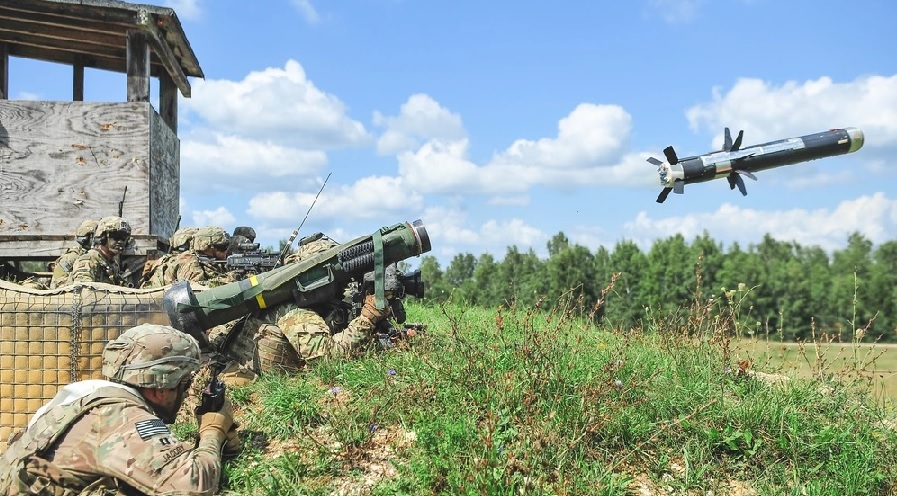
World
Estonia is set to significantly strengthen its defense capabilities with the planned purchase of hundreds of advanced anti-tank Javelin missiles. The United States has officially approved a deal that will allow Estonia to acquire up to 800 FGM-148F Javelin missiles along with 72 Lightweight Command Launch Units (LWCLUs). The proposed agreement, valued at up to $296 million, marks a substantial step in Estonia’s efforts to modernize its defense systems amid growing regional security concerns. The Javelin missile is a portable, shoulder-fired weapon designed to destroy armored vehicles such as tanks. The latest version, the FGM-148F, comes equipped with a Multi-Purpose Warhead capable of penetrating between 600 to 800 millimeters of rolled homogeneous armor. It has an effective range from just 65 meters to nearly 5 kilometers, making it highly versatile in battlefield conditions. Estonia already has experience operating older versions of the Javelin system. In 2014, the country bought 80 launcher units and 350 FGM-148E missiles, which it began using in 2015. In a show of solidarity and support, Estonia sent 100 of these missiles to Ukraine in March 2022 following the Russian invasion, with more shipments following later. The new deal is not only meant to replace those donated weapons but also to boost the overall strength of Estonia’s defense forces. With these updated FGM-148F variants, Estonia aims to ensure its infantry has the best available tools to counter modern armored threats. Globally, the FGM-148F variant is being adopted by a growing number of countries. Apart from the U.S. Army, nations like Poland, Lithuania, and Australia have also integrated the system. Countries such as Thailand and Norway have placed recent orders, while others like Romania, Kosovo, Morocco, Bulgaria, Tunisia, and Ireland have had recent sales approved. Further interest has been expressed by Albania, Brazil, Latvia, and Estonia itself. In total, the Javelin system is currently in use in 24 countries. Ukraine, in particular, has been a major recipient through military aid. Meanwhile, U.S. defense manufacturer Lockheed Martin has confirmed ongoing discussions with India about the potential local production of the system. This new arms purchase is a strategic move by Estonia to ensure readiness and self-reliance. According to the U.S. Defense Security Cooperation Agency, the approved sale will “improve Estonia’s capability to meet current and future threats by maintaining a strong and ready self-defense capability.” As the geopolitical landscape continues to shift, Estonia's investment in modern missile systems highlights the importance of staying prepared, especially for smaller NATO countries positioned near Russia.
Read More → Posted on 2025-05-24 04:52:26
World
In a landmark development for India’s naval modernization efforts, Garden Reach Shipbuilders & Engineers Ltd. (GRSE) has been awarded a major contract by the Indian Ministry of Defence to construct five state-of-the-art Next-Generation Corvettes (NGCs) for the Indian Navy. Valued at approximately $2.9 billion (INR 24,500 crore), this deal represents one of the largest orders ever placed on an Indian shipyard and marks a significant leap in India's journey toward achieving maritime self-reliance under the "Aatmanirbhar Bharat" initiative. Strengthening the Indian Navy’s Surface Fleet The Next-Generation Corvettes are being acquired under Project 17B, part of the Indian Navy’s broader strategy to enhance its surface combatant strength. Designed to perform a wide spectrum of missions — from coastal surveillance and anti-surface warfare to anti-submarine and limited area air defense roles — these versatile platforms are expected to operate as formidable force multipliers in littoral and open-sea scenarios alike. The NGCs will be equipped with cutting-edge technologies and stealth features including low radar cross-sections, infrared signatures, and acoustic suppression systems. Their design will incorporate modern hull forms optimized for stealth and survivability in contested environments. The ships will also house the latest indigenous weapon systems, including surface-to-surface and surface-to-air missiles, close-in weapon systems (CIWS), advanced sensors, and an integrated combat management system (CMS). GRSE: A Pillar of Indigenous Shipbuilding The Kolkata-based GRSE, a premier public sector shipyard under the Ministry of Defence, has a proven track record in delivering complex naval platforms. It was one of the key contributors to the earlier Kamorta-class (Project 28) ASW corvettes and has successfully constructed over 100 warships to date — the highest by any Indian shipyard. With this contract, GRSE cements its position as a core strategic partner in India's naval indigenization efforts. According to the company, the construction of these five corvettes will also generate substantial employment opportunities, involving over 2,000 direct and 10,000 indirect jobs across ancillary industries, including MSMEs and local vendors. Indigenous Content and Technological Leap The Next-Generation Corvettes are expected to have an indigenous content of over 80%, underscoring India’s commitment to reducing foreign dependence in critical defense technologies. This includes the integration of Indian-made engines, sensors, weapons, and electronic warfare systems. Key expected features include: Length: Approximately 110–120 meters Displacement: Between 2,500 and 3,000 tons Speed: In excess of 25 knots Range: Over 4,000 nautical miles Crew Capacity: Around 120 personnel Armament: BrahMos or similar supersonic missiles, Barak-8 or VL-SRSAM systems, torpedoes, and CIWS Aviation Facility: Flight deck and hangar for one multi-role helicopter These advanced platforms will bring enhanced situational awareness, rapid threat neutralization, and increased operational readiness to the Indian Navy's Eastern and Western fleets. Strategic and Geopolitical Implications The acquisition of these Next-Generation Corvettes comes at a time of heightened security concerns in the Indo-Pacific, particularly with increased Chinese naval activity in the Indian Ocean Region (IOR). These ships are expected to play a crucial role in enhancing India’s presence and influence in strategic chokepoints and Exclusive Economic Zones (EEZs), bolstering maritime domain awareness and freedom of navigation. Moreover, the emphasis on indigenous design and production underlines India’s aspirations to not only cater to its defense needs domestically but also emerge as a global supplier of naval platforms under the "Make in India for the World" initiative. The delivery of the first Next-Generation Corvette is expected within 5–6 years, with the remaining ships being delivered sequentially thereafter. The successful execution of this contract will further pave the way for similar indigenous projects such as the Next-Generation Destroyers (NGDs), Multi-Purpose Vessels, and Unmanned Surface Vehicles (USVs), which are currently on the drawing board. As India continues to invest in modernizing its naval fleet to secure its maritime frontiers and interests, the GRSE contract for five Next-Generation Corvettes stands as a defining milestone — one that combines strategic foresight, indigenous innovation, and industrial capability to shape the future of Indian naval warfare.
Read More → Posted on 2025-05-23 15:55:01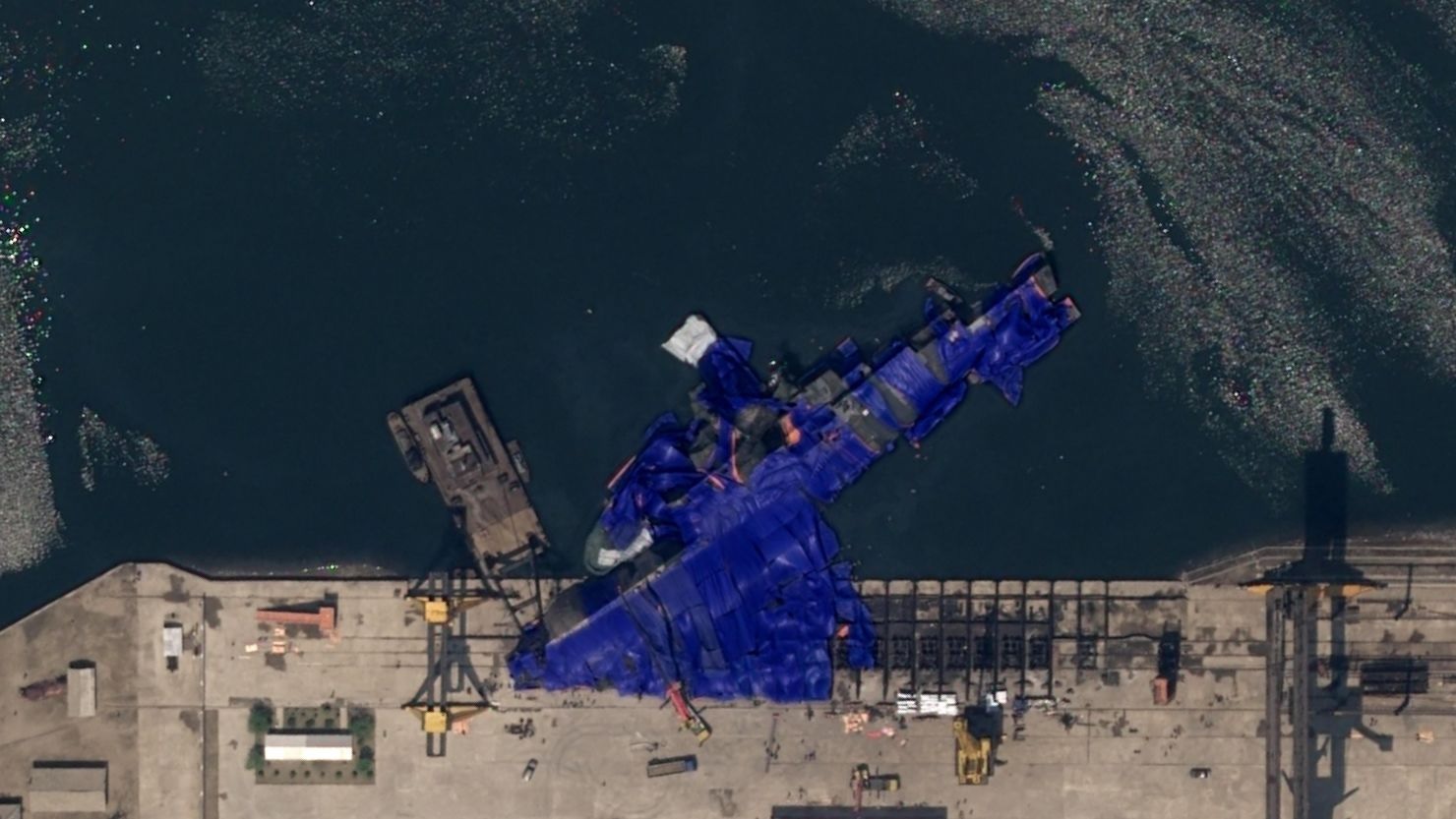
World
North Korea's ambitious naval modernization plans have suffered a major blow after the failed launch of its newly built 5,000-ton destroyer at the eastern coastal shipyard in Chongjin. Satellite images shared by a British defense think tank have revealed serious damage to the warship, confirming widespread speculation that the launch did not go as planned. The images, taken on May 22, show the massive warship stranded in a precarious position. Its bow is firmly grounded on land while the stern hangs awkwardly in the water, partially submerged. A large blue tarp covers parts of the hull, likely in an attempt to either conceal the damage or protect it from further deterioration. North Korean state media, through the Rodong Sinmun, openly acknowledged the disaster, labeling it a “serious, intolerable accident.” Leader Kim Jong Un was present during the launch attempt and was reported to have described the event as both a “grave incident” and a “criminal act,” highlighting the scale of the disappointment at the highest level of leadership. The cause of the failure appears to be a malfunction in the launch sled system, according to the Korean Central News Agency (KCNA). The stern of the ship reportedly slid into the water too early, breaching the hull and upsetting the ship’s balance, leaving the bow stuck on the launch platform. Experts reviewing the situation believe that the warship has likely taken on water and suffered internal damage. A naval construction analyst noted that the tilt of the vessel suggests flooding of compartments, which may have ruined vital systems such as propulsion and electronics—making the ship effectively unusable in its current state. Despite the scale of the accident, North Korea has not released any official photos of the incident but has confirmed that Kim Jong Un has ordered urgent repairs. He has reportedly instructed that the warship be restored before a major political meeting in June, underlining its symbolic importance to the regime. However, recovery efforts may not be easy. Analysts suggest that North Korea lacks the heavy-duty maritime equipment needed for such an operation. Lifting the warship would require powerful cranes, barges, and technical expertise that North Korea likely does not possess domestically. The country may need to seek outside help, though sanctions and isolation complicate such options. This failed launch marks a significant setback in Pyongyang’s efforts to showcase a more modern and capable navy. The destroyer, believed to be one of North Korea’s largest surface ships, has drawn attention from military analysts and neighboring countries. Its failure to launch not only delays the country’s naval ambitions but also undermines the image of strength that Kim Jong Un’s regime often tries to project during periods of heightened regional tension.
Read More → Posted on 2025-05-23 15:49:20
World
In a bold leap towards redefining modern warfare defense, the United States has unveiled its most ambitious and technologically advanced air defense project to date—the "Golden Dome", a comprehensive, multi-layered defense shield that promises near-total protection against missiles, drones, and even hypersonic threats. With an estimated total program cost surpassing $500 billion, it is now the most expensive weapon system ever conceived, eclipsing even the F-35 Joint Strike Fighter program. What is the Golden Dome? The Golden Dome is not just a missile shield—it is a fusion of next-generation radar systems, artificial intelligence-driven threat analysis, advanced directed-energy weapons, and a constellation of low-orbit defense satellites, all designed to create an impenetrable airspace over the continental United States and key overseas assets. The system draws its name from the Israeli Iron Dome, but in scale and capability, the Golden Dome is exponentially more complex and powerful. It has been described by military analysts as “a space-integrated version of NORAD fused with Star Wars-era missile defenses”. Technical Specifications and Capabilities 1. Multi-Layer Defense Architecture The Golden Dome incorporates a three-tiered defense system: Exoatmospheric Layer: Utilizes kinetic-kill vehicles launched from orbital satellites and space-based interceptors to target ICBMs and hypersonic glide vehicles during midcourse flight. Endoatmospheric Layer: Employs THAAD-Next, Patriot NG, and Lasers mounted on mobile Stryker vehicles to intercept threats in the terminal phase, including maneuverable hypersonic vehicles and cruise missiles. Point Defense Layer: Short-range, ultra-fast electromagnetic railguns, microwave weapons, and directed-energy lasers positioned around high-value infrastructure and military bases to neutralize drones, loitering munitions, and fast incoming projectiles. 2. Satellite Constellation: "Sentinel Net" The Golden Dome is powered by a dedicated constellation of 326 low-Earth orbit (LEO) satellites named Sentinel Net. These satellites serve three primary functions: Early Threat Detection: Using infrared sensors and AI-enhanced imaging to detect launches and hypersonic flight profiles within seconds. Midcourse Tracking: Providing real-time telemetry and course prediction data to interceptors. Kill Confirmation and Damage Assessment: Verifying successful interceptions and tracking debris trajectories. Each Sentinel satellite is equipped with quantum encrypted laser communication systems, ensuring instant data relay across the globe without latency or interception. 3. Ground Infrastructure 42 Ground Control Stations across the U.S. and allied territories, functioning as coordination and launch hubs. 7 Centralized AI Command Nodes, powered by supercomputers that process over 12 petabytes of threat data per second, determining optimal interception strategies. Over 150 mobile ground interceptor units, equipped with vertical-launch missile silos and electromagnetic counter-drone modules. Cost Breakdown: Why So Expensive? The mind-boggling $500 billion price tag is driven by several unprecedented expenditures: Component Estimated Cost (USD) Satellite Constellation $120 Billion Directed Energy Development $90 Billion AI Command Network $75 Billion Mobile Defense Units $60 Billion Launch Infrastructure $45 Billion R&D and Software Integration $60 Billion Ground Stations and Bases $50 Billion Unlike traditional weapons systems, the Golden Dome merges multiple military and civilian technological domains: space, AI, quantum computing, and advanced weaponry, leading to a program that not only defends but also revolutionizes warfare infrastructure itself. Can It Truly Provide 100% Protection? While military spokespeople cautiously avoid using the phrase "100% protection," internal Pentagon whitepapers suggest the Golden Dome is designed to offer "complete engagement capability against all known aerial threats", including: ICBMs and SLBMs Hypersonic glide vehicles (Mach 5+) High-speed cruise missiles Autonomous and swarming drones Ballistic and maneuverable reentry vehicles The system is built around zero-failure AI protocols, meaning redundancy is factored at every level. Each missile launch is typically targeted by two to three interceptors from different layers of the system, including space-based hits, ground-launched interceptors, and energy weapons—resulting in an interception probability greater than 99.7%, the highest ever achieved in live military tests. Global Implications and Strategic Advantage The unveiling of the Golden Dome shifts the strategic balance. While Russia and China have made rapid advances in hypersonic weapons, the U.S. now possesses a multi-layered defense that could neutralize those advantages. However, some critics argue that such a high-cost system could spur a new arms race in space, particularly in anti-satellite weaponry aimed at blinding or disabling Sentinel Net. Conclusion The Golden Dome represents a quantum leap in air defense—an integrated, AI-driven, space-supported warfighting umbrella that can neutralize virtually any aerial threat. But it comes at a price—both financially and geopolitically. As nations react to America’s ultimate shield, the world enters a new era of defense, where space, cyberspace, and traditional military power converge. Whether it guarantees peace or provokes escalation will depend on how wisely it is wielded.
Read More → Posted on 2025-05-23 15:46:04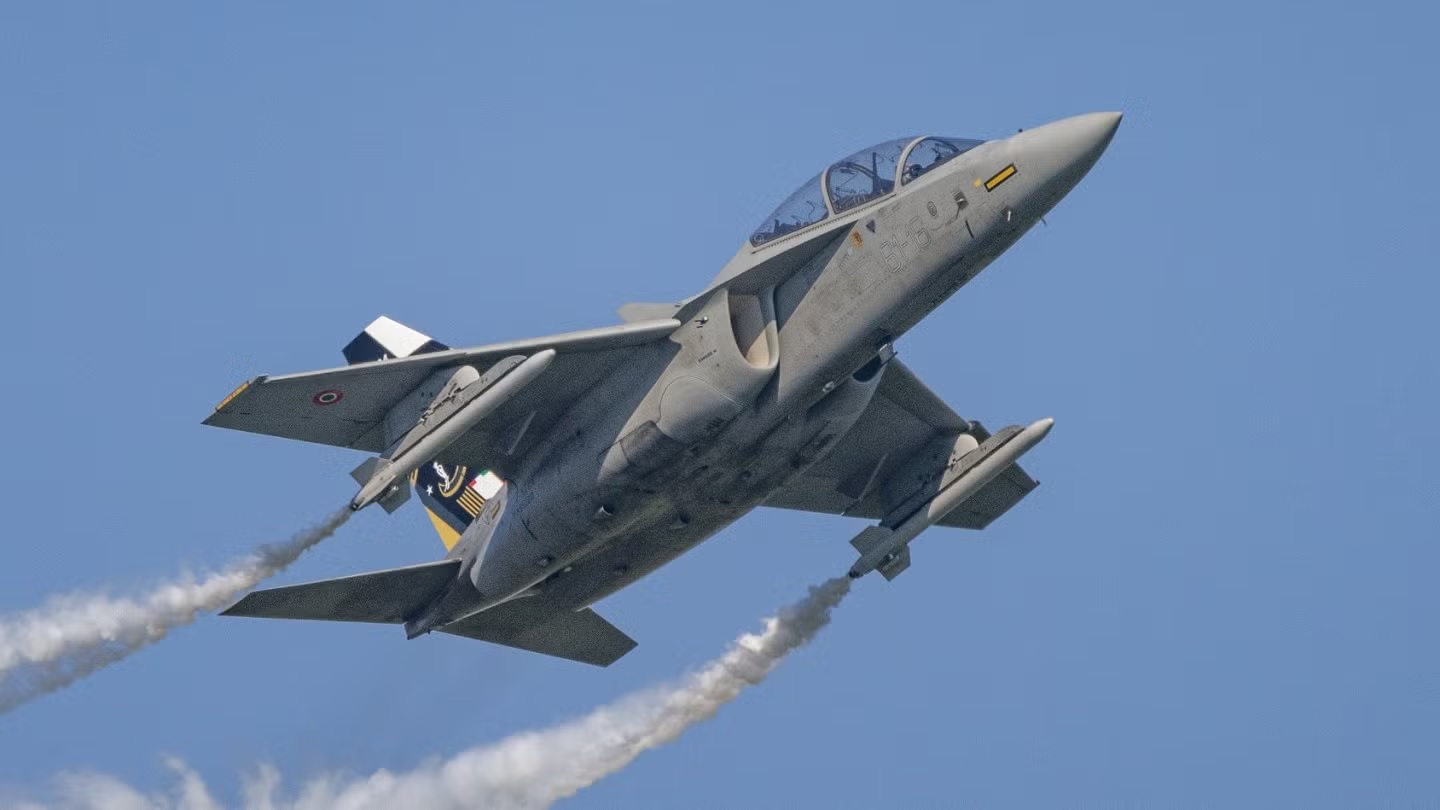
World
Austria is taking a major step to modernise its air force by ordering 12 state-of-the-art M-346 FA (Block 20) light combat aircraft from Italy’s Leonardo company. The deal was announced on 21 May by the Italian Ministry of Defence as part of an intergovernmental agreement between the two countries. This marks a significant move for Austria as it replaces its ageing fleet of Saab-105OE jet trainers, which were retired in 2020. The M-346 FA, a light fighter version of the well-known training aircraft, was chosen for its versatility and cost-effectiveness. Austria has long been interested in this jet, and after signing a Letter of Intent in December 2024, the process to acquire them has now officially begun. The contract includes not just the aircraft but also a package of modern equipment and weapons: IRIS-T short-range missiles, 20mm gun pods, rocket launchers, electronic warfare pods, and a full mission simulator to train pilots. These new jets are not just for training. Austria plans to use them for multiple roles—training future pilots with real weapon systems, conducting close air support missions to help ground forces, carrying out reconnaissance missions using modern sensors, and assisting in forward air control training (especially to reduce training costs at home). They will also act as a support wing to the Austrian Eurofighter Typhoon fleet, particularly for tasks like intercepting slow-flying aircraft, helicopters, or drones—an increasing concern given the rise of drone-related threats. A key feature of the M-346 FA is its ability to stay in the air longer thanks to in-flight refuelling. Each aircraft will be equipped with a refuelling probe compatible with Austria's recently ordered KC-390 tanker-transport planes, ensuring longer missions without returning to base. Austria becomes the first customer of the next-generation Block 20 version of the M-346 FA. This new version is still in development and is expected to offer several upgrades. It will include a modern cockpit with large touchscreens, advanced head-up and helmet-mounted displays, and an improved AESA radar with better target tracking capabilities than the older Grifo-346 radar. The prototype of the Block 20 is expected to be ready by mid-2027, with full production aircraft set to arrive in Austria by late 2028. The agreement also leaves the door open for Austria to purchase up to 12 more jets in the future, possibly in two more batches of six. In simple terms, this move helps Austria fill a critical gap in its air force, giving it a modern, flexible, and affordable aircraft fleet that can handle both training and combat duties—making the country better prepared for future air defence needs.
Read More → Posted on 2025-05-23 15:10:45
World
In a powerful display of naval strength and coordination, the U.S. Navy demonstrated its advanced missile defense capabilities during the NATO-led Exercise At Sea Demonstration/Formidable Shield (ASD/FS) 2025. This major international exercise, held in May across the European theater, included multiple successful missile interceptions by two U.S. Navy destroyers—USS Thomas Hudner (DDG 116) and USS Bulkeley (DDG 84). The highlight of the event came on May 15, when the USS Thomas Hudner successfully intercepted a short-range ballistic missile using an SM-6 missile. This marked a significant achievement under the exercise's Integrated Air and Missile Defense Testing (IAMD-T) scenario, showcasing the ship’s ability to respond quickly and effectively to incoming threats. Just five days later, on May 20, both the Thomas Hudner and the Bulkeley collaborated in a more complex operation. Together, they intercepted a medium-range ballistic missile and a simulated missile target using SM-3 missiles. These actions were coordinated through the advanced Aegis Weapons System, which is specifically developed to detect, track, and destroy enemy ballistic missiles. The success of these live-fire missions reinforced the combat readiness and operational strength of the U.S. Navy’s missile defense systems. According to Navy officials, these intercepts demonstrate that U.S. forces are not only capable of defending against high-tech threats but also capable of working seamlessly with allied nations. A Navy spokesperson emphasized that these exercises send a clear signal of combat credibility to any potential adversaries. Exercise Formidable Shield 2025 is considered the largest live-fire naval exercise in the European region. Hosted by the U.S. 6th Fleet and executed by Naval Striking and Support Forces NATO, the event began on May 3 and involves about 6,900 personnel from multiple NATO countries. The exercise spans across land, sea, and air domains and integrates a wide range of assets—from allied warships and ground-based air defense systems to fighter jets and unmanned platforms. Its purpose is to prepare NATO forces to respond to real-world threats by sharpening their interoperability and coordination under simulated combat conditions. Ultimately, the achievements of the USS Thomas Hudner and USS Bulkeley underscore the importance of joint training and modern weaponry in preserving international security and maintaining deterrence in an increasingly complex global environment.
Read More → Posted on 2025-05-23 15:01:12
World
In a significant shift in its naval strategy, the Netherlands has officially decided not to equip its submarines with American-made Tomahawk cruise missiles. The decision, revealed in the latest annual Defence Project Overview report, comes after the Ministry of Defence found that restarting production of the submarine-launched variant of the Tomahawk would involve excessive financial and time-related burdens. Why the Plan Was Abandoned The Royal Netherlands Navy had originally intended to purchase the UGM-109E Tomahawk — a torpedo tube-launched (TTL) variant of the famous cruise missile — for both its existing Walrus-class submarines and its upcoming Orka-class boats, expected to enter service in the mid-2030s. However, the submarine-launched version of the Tomahawk, specifically the Block IV variant, has not been produced for several years. Raytheon, the missile’s manufacturer, would need to restart its production line, which was found to be both time-consuming and extremely costly. Dutch officials tried to gather interest from other countries to share the cost of restarting production through a bulk purchase, but no international partners committed to the plan. Faced with high financial risks and extended delivery times, the Dutch Ministry of Defence ultimately chose to withdraw from integrating the Tomahawk into its submarines. What Happens to the Surface Fleet? While submarine plans have been dropped, the Netherlands will continue its program to arm its surface warships with the RGM-109E vertical-launch version of the Tomahawk. This includes fitting the missile to the Royal Netherlands Navy’s De Zeven Provinciën-class air defence frigates and future new-generation air defence ships. In fact, a successful test launch of a Tomahawk Block IV missile was already carried out by the frigate HNLMS De Ruyter in March 2025. Tomahawk Missile Specifications (Block V / Block IV) To understand what the Netherlands was considering, here’s a look at the specifications of the Tomahawk cruise missile: Type: Long-range, subsonic, land-attack cruise missile Manufacturer: Raytheon Missiles & Defense Range: Approximately 1,600 km (Block IV), with Block V offering similar range but with upgraded navigation and communication systems Speed: 885 km/h (Mach 0.74) Warhead: 450 kg high-explosive or submunition payload Guidance: GPS, INS (Inertial Navigation), TERCOM (Terrain Contour Matching), DSMAC (Digital Scene Matching Area Correlation) Launch Platforms: RGM-109E: Vertical launch from ships UGM-109E: Torpedo tube launch from submarines (now out of production) What Could Replace It? A strong alternative being considered is the MBDA Naval Cruise Missile (MdCN). This French-built missile is already in service aboard France’s Suffren-class nuclear attack submarines (Barracuda-class) — a relevant connection since the Dutch Orka-class submarines are being developed based on the Suffren design by Naval Group of France. The MdCN (Missile de Croisière Naval) offers similar land-attack capabilities, designed specifically for integration into submarines via torpedo tubes and vertical launch systems. It provides the deep-strike capability that the Dutch Navy requires for modern naval operations, without the prohibitive costs associated with restarting Tomahawk TTL production. MdCN Specifications: Range: Estimated over 1,000 km Speed: Subsonic Warhead: 300 kg high-explosive Launch Platforms: Torpedo tubes (submarines), vertical launchers (surface ships) Guidance: GPS/INS with terminal guidance for high accuracy Final Word The Netherlands’ decision reflects the practical challenges of reviving outdated weapons systems and highlights the importance of strategic partnerships in defense procurement. While the Tomahawk remains a proven and powerful missile, the high costs and lengthy timelines of restarting its submarine-launched variant made it an impractical option for the Dutch Navy. Now, with eyes likely set on the MdCN and possibly other European-made cruise missiles, the Netherlands is adjusting its defense strategy while continuing to modernize both its surface fleet and its future submarines for deep-strike capabilities in a rapidly changing global security environment.
Read More → Posted on 2025-05-23 14:52:20
World
In a major leap for secure air combat training, Cubic Defense has successfully delivered the first encrypted Air Combat Maneuvering Instrumentation (ACMI) system upgrade for 4th generation fighter aircraft to the United States Air Force. This important milestone follows a recent production contract awarded by the USAF and represents a significant improvement in how modern air forces train for high-intensity aerial warfare while safeguarding sensitive operational data. The new upgrade enhances the widely-used P5 Combat Training System (CTS), which is an essential tool for realistic air combat training exercises. This system tracks the real-time movements of multiple aircraft during training missions, allowing pilots and commanders to analyze tactics, maneuvers, and mission outcomes with great accuracy. What’s New in the Upgrade? The key highlight of this latest development is the introduction of encrypted Time Space Position Information (TSPI). This capability ensures that sensitive location and maneuvering data remain secure during training, even when shared across different platforms. It also enables interoperability between 4th generation aircraft like the F-16 and F-15, and 5th generation stealth fighters like the F-22 Raptor and F-35 Lightning II, allowing them to train together effectively in a fully integrated environment. Cubic Defense’s new System Security Upgrade (SSU) kits are being installed across a large portion of the U.S. Air Force's existing P5 pod fleet. These kits protect mission-critical information from potential threats while improving the overall operational readiness of pilots and aircraft. Specifications and Features: Encrypted TSPI Data Transmission: Safeguards sensitive maneuvering and positioning data during training missions. Interoperable Combat Training Environment: Seamlessly connects 4th and 5th generation aircraft in the same exercise scenario. Secure ACMI Pods: Upgraded P5 pods equipped with advanced encryption to resist cyber threats and data breaches. Advanced Debriefing Capabilities: Enables post-mission reviews with encrypted, high-accuracy flight data for comprehensive tactical analysis. Backward Compatibility: Designed to work with existing P5 and future P6 Combat Training Systems, ensuring cost-effectiveness for military forces. Improved Operational Readiness: Enhances pilot preparation for modern, multi-domain warfare environments. Leadership Insight Paul Averna, Vice President and General Manager of Advanced Training Solutions at Cubic Defense, expressed pride in his team’s achievement. He highlighted that the ACMI upgrade sets a new standard for the P5 and upcoming P6 programs, laying a solid groundwork for advanced air combat training. Remarkably, Cubic delivered the first SSU kits ahead of schedule, reflecting their commitment to strengthening the U.S. Air Force’s training capabilities. Why It Matters In today’s complex global defense environment, protecting proprietary military data and ensuring secure, realistic combat training are more vital than ever. As threats evolve and adversaries develop advanced electronic warfare and cyber capabilities, upgrades like these ensure that U.S. and allied air forces stay ahead, fully prepared for any operational challenge. This landmark delivery from Cubic marks a pivotal advancement in air combat training, blending cutting-edge encryption technology with practical, scalable solutions for legacy and modern fighter aircraft alike.
Read More → Posted on 2025-05-23 14:49:48
Mitsubishi T-X Trainer Concept: Shaping Japan’s Next-Gen Fighter Pilots for the Future of Air Combat
World
Mitsubishi Heavy Industries (MHI) has taken a bold step toward shaping the future of Japan’s air force by unveiling its latest T-X trainer jet concept. Introduced at the 2025 DSEI defense expo in Chiba, Japan, this next-generation trainer aircraft is designed to prepare pilots for the fast-approaching era of fifth- and sixth-generation air combat. The T-X is expected to replace the country’s long-serving Kawasaki T-4 trainer jets, which have been in service since the late 1980s. With Japan modernizing its air fleet and developing advanced fighter programs, a state-of-the-art trainer like the T-X has become essential. A Modern Trainer for a New Era The Mitsubishi T-X is a twin-engine, two-seat jet trainer featuring a highly advanced digital cockpit. Pilots will benefit from large touchscreen displays, smart digital controls, and a flight environment designed to closely mirror those found in modern combat aircraft like the F-35 Lightning II and Japan’s upcoming sixth-generation stealth fighter under the Global Combat Air Programme (GCAP). One of the standout features of the T-X is its built-in simulation technology. This system allows trainee pilots to practice air combat maneuvers, radar evasion tactics, and missile engagement scenarios in real-time — all without the need for live weapons or actual threats in the air. This makes training safer, more flexible, and cost-effective, while also sharpening combat readiness in realistic conditions. T-X Trainer: Expected Specifications While MHI has yet to release a complete specification sheet for the T-X, early concept details suggest the following possibilities based on current trainer aircraft standards and the requirements of fifth- and sixth-generation fighters: Crew: 2 (student pilot + instructor) Engines: 2 turbofan engines (model not yet disclosed) Max Speed: Estimated Mach 1.4 (supersonic capability expected) Service Ceiling: Approximately 45,000 feet Range: Estimated 2,000 km (with drop tanks) Cockpit: Full glass cockpit with touchscreen Multi-Function Displays (MFDs) and a wide-area Head-Up Display (HUD) Avionics: Advanced radar simulation, electronic warfare emulation, and datalink training systems Weapons Training Capability: Simulated missile and gun engagements with built-in virtual systems Landing Gear: Retractable tricycle-type The twin-engine configuration suggests added reliability and the ability to mimic the handling characteristics of modern fighter jets, ensuring seamless transition for pilots moving on to aircraft like the F-35 or the future GCAP fighter. Japan’s Expanding Air Power Vision The unveiling of the T-X trainer comes at a time when Japan is making major moves to overhaul its air defense capabilities. This year, Japan accepted delivery of three new F-35 Lightning IIs at Komatsu Air Base, part of a massive $23 billion agreement for 63 F-35A and 42 F-35B variants. These stealth fighters will gradually replace older aircraft like the F-4EJ Phantom and Mitsubishi F-2. In addition, Japan has partnered with the United Kingdom and Italy to co-develop a sixth-generation stealth fighter under the Global Combat Air Programme. The new aircraft, expected to enter service by 2035, will integrate advanced stealth technologies, artificial intelligence-assisted operations, and a networked sensor suite for superior situational awareness. Emerging Competitors and Alternatives MHI isn’t the only company aiming to supply Japan’s future trainers. The T-7A Red Hawk, developed jointly by Boeing and Saab, is also being considered. Already operational with the US Air Force, the T-7A offers advantages in cost and interoperability due to its established production and training ecosystem. Another possible option is Korea Aerospace Industries’ T-50 Golden Eagle, a supersonic trainer already in use by several air forces worldwide. Although no official procurement steps have been taken, it remains a platform of interest. A New Era of Air Training Begins The Mitsubishi T-X concept represents more than just a new trainer aircraft — it’s a symbol of Japan’s commitment to maintaining a cutting-edge air force capable of meeting the demands of modern and future aerial warfare. By developing an advanced trainer domestically, Japan ensures that its next generation of pilots will be fully prepared to operate in an environment increasingly shaped by stealth technology, unmanned systems, and network-centric warfare.
Read More → Posted on 2025-05-23 14:40:33
World
The United States has approved a potential $180 million deal to supply Poland with 1,400 GBU-39/B Small Diameter Bombs (SDB-I), marking another step in Warsaw’s rapid military modernization. The sale, cleared by the U.S. State Department, also includes four inert practice bombs (GBU-39 T-1/B), training rounds, fuzes, and logistical support components. These precision-guided munitions are produced by American defense giant Boeing and will significantly enhance Poland’s air strike capabilities. They are intended for integration with the Polish Air Force's F-16V and F-35A fighter jets, both of which are key to NATO's air defense posture in Eastern Europe. The GBU-39/B is a lightweight, highly accurate 250-pound bomb equipped with GPS/INS guidance. Despite its small size, it can hit targets up to 46 miles (74 kilometers) away. Thanks to its compact design, each aircraft can carry four bombs per pylon using a special smart launcher (BRU-61/A), allowing pilots to strike multiple targets in a single mission with greater precision and reduced risk of collateral damage. This latest purchase aligns with Poland’s aggressive defense spending strategy. The country has declared its intention to increase its military budget from 4.7% to around 5% of its GDP by 2026 — one of the highest among NATO members. Driven by security concerns due to the ongoing war in Ukraine and the need to fortify NATO’s eastern borders, Poland has embarked on one of Europe’s most ambitious military modernization programs. In the past year alone, Poland has committed to several major U.S. defense deals, including nearly $2 billion for the Patriot air defense system, $1.33 billion for AIM-120C-8 AMRAAM air-to-air missiles, and $745 million for AGM-88G AARGM-ER anti-radiation missiles. Beyond these, Poland has also acquired tens of thousands of Warmate kamikaze drones, Tarantula unmanned ground vehicles, and Borsuk infantry fighting vehicles to further strengthen its land forces. By reinforcing its air, land, and missile strike capabilities, Poland is positioning itself not only as a frontline NATO state but as a regional military power with enhanced interoperability with the United States and other Western allies.
Read More → Posted on 2025-05-22 16:19:41
World
Former US National Security Advisor John Bolton has reignited international concerns about Pakistan’s ability to safeguard its nuclear weapons, calling it a persistent issue for global security. His statement closely follows recent comments by Indian Defence Minister Rajnath Singh, who openly questioned the safety of Pakistan’s nuclear arsenal. Bolton reflected on his past interactions with Pakistani leadership, especially during a visit shortly after the 9/11 attacks, when the issue of nuclear safety was raised with then-President Pervez Musharraf. Even now, he believes that Pakistan’s nuclear capability remains a potential threat, especially given its troubled internal environment and history of conflict with India. He expressed deep worry about the possibility of these weapons falling into the hands of terrorists or being misused by irresponsible elements within Pakistan’s military structure. According to Bolton, the world cannot afford to be complacent, as the danger of nuclear misuse or accidental escalation continues to linger in the region. These fears are not unfounded. Rajnath Singh, in his recent statement, urged for international supervision of Pakistan’s nuclear weapons by the International Atomic Energy Agency (IAEA). He questioned whether a country that, in his words, behaves like an “irresponsible and rogue nation” can be trusted with such dangerous capabilities. However, any form of international oversight remains a distant possibility. Pakistan has never signed the Nuclear Non-Proliferation Treaty (NPT), and it does not allow full IAEA access to its military nuclear sites. Without Pakistan’s agreement or a United Nations Security Council mandate — which is unlikely given the backing Islamabad receives from powerful allies like China — international inspection is nearly impossible. Adding to this complex scenario, Bolton highlighted Turkey’s increasing military cooperation with Pakistan, especially in the drone sector. He pointed out that while Turkish drones may not match Western standards in sophistication, the geopolitical motives of Turkish President Recep Tayyip Erdogan cannot be ignored. Bolton described Erdogan’s foreign policy as driven by “expansive ambitions” and a push for a more independent global role, making Turkey’s military aid to Pakistan a development that must be closely watched. Pakistan has already used Turkish drones, such as the Asisguard Songar, in operations across its border with India. This technological collaboration adds another layer to the region’s fragile balance and raises more questions about stability. John Bolton’s recent remarks bring renewed focus to the long-standing global worry over the safety of Pakistan’s nuclear weapons. They also underline the growing complexity of South Asian security, where historical rivalries, nuclear risks, and new military alliances all intertwine to shape a tense and unpredictable future.
Read More → Posted on 2025-05-22 16:04:28
World
In a significant milestone for Japan’s naval defense, the Japan Maritime Self-Defense Force (JMSDF) has officially commissioned its seventh Mogami-class frigate, named JS Niyodo (FFM-7). Built by Mitsubishi Heavy Industries (MHI) at their Nagasaki shipyard, the frigate was handed over in a formal ceremony, including a self-defense ship flag-raising, marking its official entry into service. First Mogami-class Frigate with Vertical Launch System What makes JS Niyodo particularly special is that it’s the first vessel in the Mogami-class to be equipped with the Mk 41 Vertical Launch System (VLS). This system provides the ship with enhanced missile launching capability, giving it a modern, multi-layered defense against air, surface, and underwater threats. The first six ships of the class are planned to receive VLS installations later. The Ministry of Defense (MoD) in Japan allocated around 8.4 billion yen (roughly $58 million) for the first two VLS systems intended for JS Niyodo and JS Yubetsu, the eighth ship of this class. The remaining ten ships will be fitted with VLS systems in phases, with deliveries scheduled between 2025 and 2028. Deployed at Kure Naval Base JS Niyodo has been assigned to Escort Division 12 at Kure Naval Base in Hiroshima Prefecture. Interestingly, this is the first Mogami-class ship to be deployed at this historic naval facility, further strengthening Japan’s maritime defense capabilities in the region. The ship gets its name from the Niyodo River (仁淀川), a famous river in Japan’s Shikoku region known for its crystal-clear waters. Advanced Capabilities and Specifications Designed as a next-generation multi-mission frigate, the Mogami-class—also called 30FFM—is meant to perform a wide range of missions including anti-submarine warfare, mine countermeasures, and surface combat. Here’s a look at JS Niyodo’s key specifications and features: Displacement: 3,900 tonnes Length: Approx. 132.5 meters Beam: 16.3 meters Draught: 9 meters Top Speed: Over 30 knots Crew: Around 90 personnel Construction Cost: Approx. 47.4 billion yen (about $327 million) It’s also the first JMSDF vessel to feature a CODAG (Combined Diesel and Gas) propulsion system, combining two MAN 12V28/33D STC diesel engines with one Rolls-Royce MT30 gas turbine, offering both efficiency and high-speed performance. Weapons and Combat Systems The JS Niyodo is heavily armed for a variety of missions: BAE Systems 5-inch (127mm) Mk 45 Mod 4 naval gun Japan Steel Works 12.7mm remote weapon systems (2 units) 16-cell Mk 41 Vertical Launch System (VLS) Raytheon SeaRAM missile defense system MHI Type 17 Surface-to-Ship Guided Missile (SSM-2) launchers (2 x 4-tube) Mitsubishi Electric OPY-2 multifunction radar Mitsubishi Electric OAX-3 EO/IR sensors Hitachi OQQ-11 anti-mine sonar NEC OQQ-25 anti-submarine sonar with VDS/TASS Unmanned underwater vehicles (UUVs) and unmanned surface vehicles (USVs) for mine countermeasures Sea mines for offensive mine warfare The Future of the Mogami-class and Beyond Japan plans to procure a total of 12 Mogami-class frigates, with deliveries expected to continue through fiscal year 2028. Following these, a New FFM (Future Frigate Multi-role) class is already being designed as an upgraded version of the Mogami-class. These improved frigates are scheduled to enter service starting fiscal year 2028, with all expected to be operational by 2032. Interestingly, Japan’s advanced frigate designs have also caught international attention. The Australian government has shortlisted Japan’s MHI alongside Germany’s Thyssenkrupp Marine Systems (TKMS) to compete for building the Royal Australian Navy’s future general-purpose frigates. Additionally, in a notable defense collaboration, Japan and India have signed an agreement for the export of advanced integrated stealth antenna systems, technology that’s currently operational on the Mogami-class ships, including JS Niyodo. Conclusion The commissioning of JS Niyodo marks another proud step in Japan’s effort to modernize its maritime forces. With enhanced multi-role capabilities, modern weapons, and advanced systems like the Mk 41 VLS, it strengthens the JMSDF’s ability to safeguard Japan’s vast maritime interests and contribute to regional security. As Japan continues to expand its Mogami-class fleet and prepares for its New FFM program, the nation is solidifying its position as a leading naval power in the Indo-Pacific region.
Read More → Posted on 2025-05-22 16:00:55
World
At the LIMA 2025 exhibition in Langkawi, Diehl Defence is turning heads with the display of its Coastal Defence Launcher—a modern, land-based system built to counter today’s naval threats with precision, mobility, and firepower. This innovative launcher showcases the company’s commitment to delivering flexible coastal protection solutions tailored to the operational needs of armed forces worldwide. At the heart of this system is a modular and highly mobile design. It can be deployed quickly to strategic coastal locations, offering both sea denial and control capabilities. The system is not just one truck or missile—it’s a network of specialized units working together to detect, track, and neutralize hostile naval targets. A standard Diehl Coastal Defence setup includes several key components. A Mobile Sensor Unit (MSU) carries advanced surface search radars and electro-optical/infrared (EO/IR) sensors mounted on telescopic masts. This enables long-range surveillance and target detection. Then comes the Mobile Control Unit (MCU), which houses the command consoles and provides operators with real-time control over the system. Supporting these are Firing Units (FU)—each mounted on a truck and capable of launching up to four missiles—and additional mobile maintenance and reloading vehicles. What truly powers this defence capability, however, is the integration of the Saab RBS15 Mk3 anti-ship missile, co-developed with Diehl Defence. This long-range missile brings lethal precision to the launcher platform. It can reach targets over 200 kilometers away, cruises at speeds close to Mach 0.9, and delivers a 200 kg warhead with devastating impact. One of the missile’s most impressive features is its adaptive sea-skimming flight profile, flying as low as 3 metres above the water to avoid radar detection. This, combined with advanced guidance systems—including GPS, inertial navigation, active radar homing, and infrared target identification—ensures the RBS15 Mk3 can accurately strike targets even in electronically jammed or cluttered environments. The missile is also equipped with electronic counter-countermeasures (ECCM), allowing it to remain locked onto its target even if the enemy deploys jamming techniques. In addition, the missile supports in-flight trajectory changes—an essential feature when dealing with moving ships, evading defences, or prioritizing secondary targets in a multi-threat scenario. This technology isn’t theoretical. The RBS15 Mk3 is already being used by the Swedish and German armed forces in their coastal defence networks, and its performance has been validated through NATO-led evaluations. Its truck-mounted launcher format, combined with the mobility and survivability of the Diehl system, offers a strong deterrent against hostile naval forces. Ultimately, Diehl’s Coastal Defence Launcher stands out for its modular build, multi-missile compatibility, networked operation, and resilience in complex combat environments. It allows militaries to protect their coastlines without needing permanent installations, and to deploy or relocate units based on evolving threats. As naval forces across the world modernize, the system showcased at LIMA 2025 reflects a growing shift toward mobile, adaptable coastal defence—a vital tool in the arsenal of any nation seeking to safeguard its maritime boundaries against evolving naval threats.
Read More → Posted on 2025-05-22 15:57:15
World
In an important move for Japan’s space and defense ambitions, Finnish space technology company ICEYE and Japan’s leading industrial group IHI Corporation have signed a memorandum of understanding (MoU) to jointly develop a powerful Synthetic Aperture Radar (SAR) satellite constellation. This new satellite network will be designed to serve military, civilian, and commercial needs in Japan and across the Asia-Pacific region. The agreement was signed during the DSEI Japan 2025 defense exhibition, held at Makuhari Messe near Tokyo. Under this collaboration, both companies aim to establish a dedicated satellite manufacturing facility in Japan, with operations to be managed domestically. This step is seen as crucial in enhancing Japan's space capabilities and national security resilience, especially amid rising geopolitical tensions in the Indo-Pacific region. What is a SAR Satellite? A Synthetic Aperture Radar (SAR) satellite uses radar waves instead of traditional optical cameras to capture images of the Earth. Unlike normal imaging satellites, SAR satellites can observe the planet day or night and through clouds, rain, or smoke — making them highly reliable for military surveillance, disaster response, infrastructure monitoring, and maritime tracking. About the Planned Satellite Constellation According to the MoU, the companies plan to build a constellation of up to 24 SAR satellites. Once operational, this network will allow for rapid revisit rates over Japan and surrounding regions, enabling the collection of fresh imagery and data multiple times a day. This is particularly useful for monitoring natural disasters, security threats, and maritime activity in real-time. Expected Specifications (based on ICEYE’s current SAR technology): Radar Type: X-band Synthetic Aperture Radar (SAR) Ground Resolution: As fine as 25 centimeters in spotlight mode Revisit Time: Multiple times per day with a full constellation Weight per Satellite: Approximately 100 kilograms Operational Altitude: Around 500-600 kilometers (Low Earth Orbit) All-weather, Day-Night Imaging: Able to capture images through cloud, fog, and darkness Strengthening Japan’s Space and Defense Infrastructure The collaboration comes at a time when Japan is actively expanding its domestic space industry while also seeking partnerships with friendly nations. Japan’s National Defense Strategy emphasizes the importance of building sovereign capabilities in space and leveraging international cooperation to secure the country’s interests. Rafal Modrzewski, Co-founder and CEO of ICEYE, expressed his confidence in the partnership, saying that ICEYE has enjoyed a strong relationship with Japan since 2018. He highlighted that this agreement will not only boost Japan’s defense capabilities but also strengthen the strategic ties between Finland and Japan. Atsushi Sato, President of IHI’s Aero Engine, Space & Defense division, added that with today’s uncertain global security environment, it’s vital for Japan to enhance its sovereign capabilities in space technology. This MoU, he noted, marks the first step toward building the next generation of satellite-based security infrastructure for Japan. Future Outlook While the agreement is currently a memorandum of understanding and still subject to final approvals, it sets the stage for significant developments in Japan’s space sector. Once the satellite manufacturing facility is built and the first satellites are launched, Japan will have one of the most advanced, high-frequency Earth observation constellations in the region. Such a capability will serve not only defense needs but also support disaster management, infrastructure planning, environmental monitoring, and maritime security — areas in which Japan has long been a regional leader. This partnership is another example of how countries are rapidly modernizing their space assets to meet both national and international security demands in a changing world.
Read More → Posted on 2025-05-22 14:16:52Search
Top Trending in 24 Hours
-
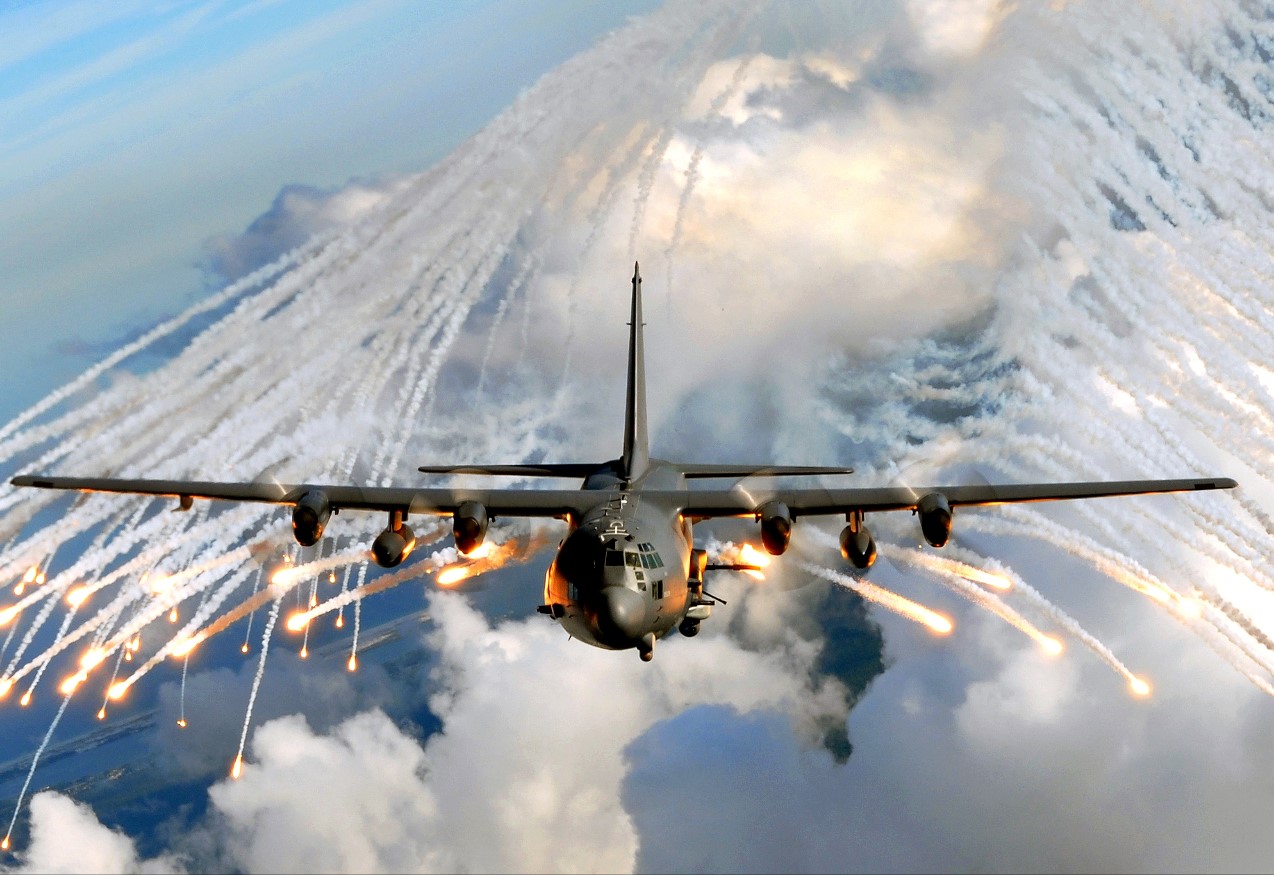 Pentagon Expands Alloy Surfaces Contract to $328.8 Million for Advanced Aircraft Decoy Flares Amid Evolving Drone Threats
-
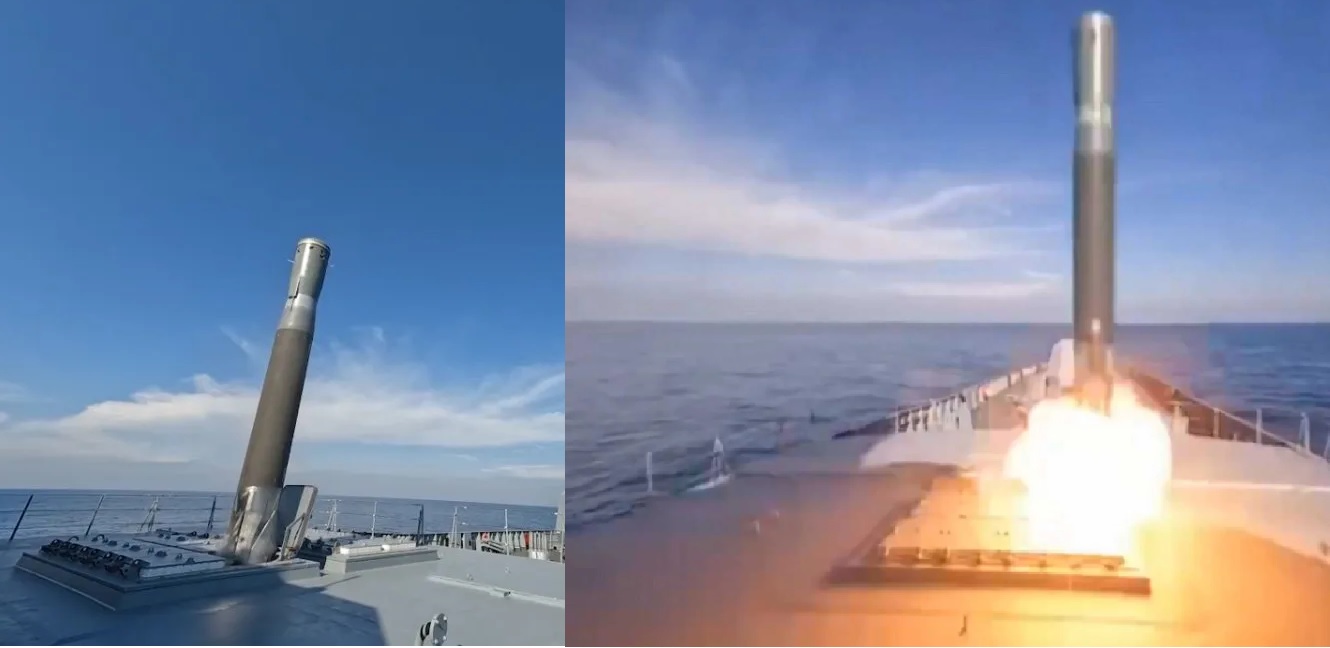 Open-Source Evidence Suggests Russia's Zircon Is a Quasi-Ballistic Missile, Not a True Hypersonic Cruise Weapon
-
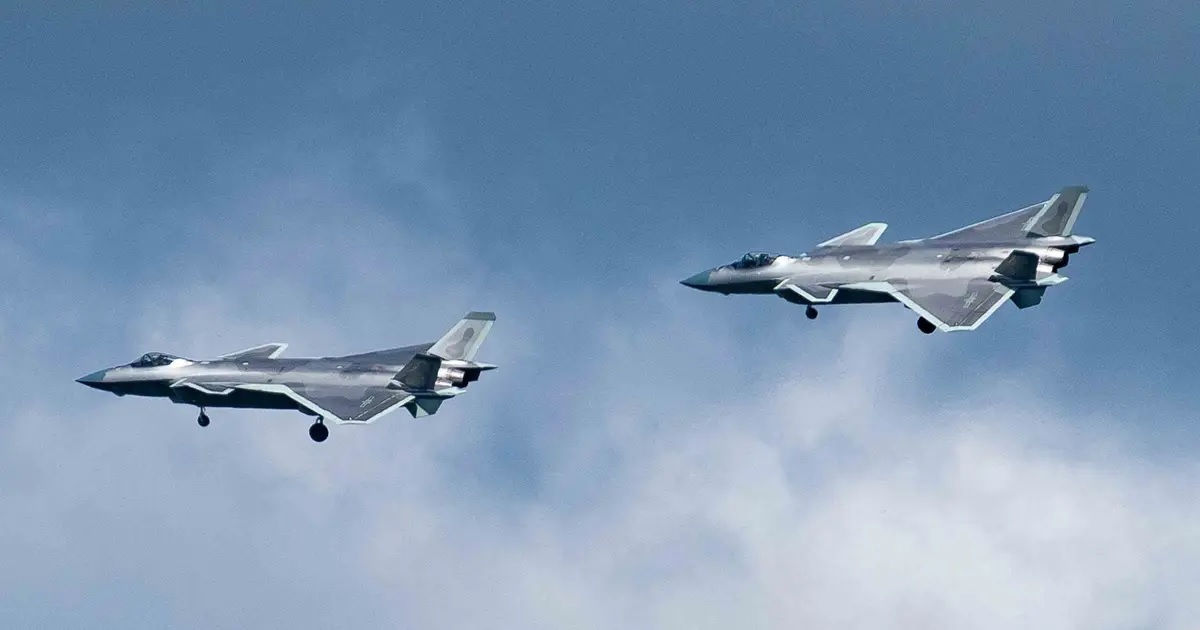 China Surpasses Russia as World’s Second-Most Powerful Air Force Amid Rapid J-20 and J-35 Expansion
-
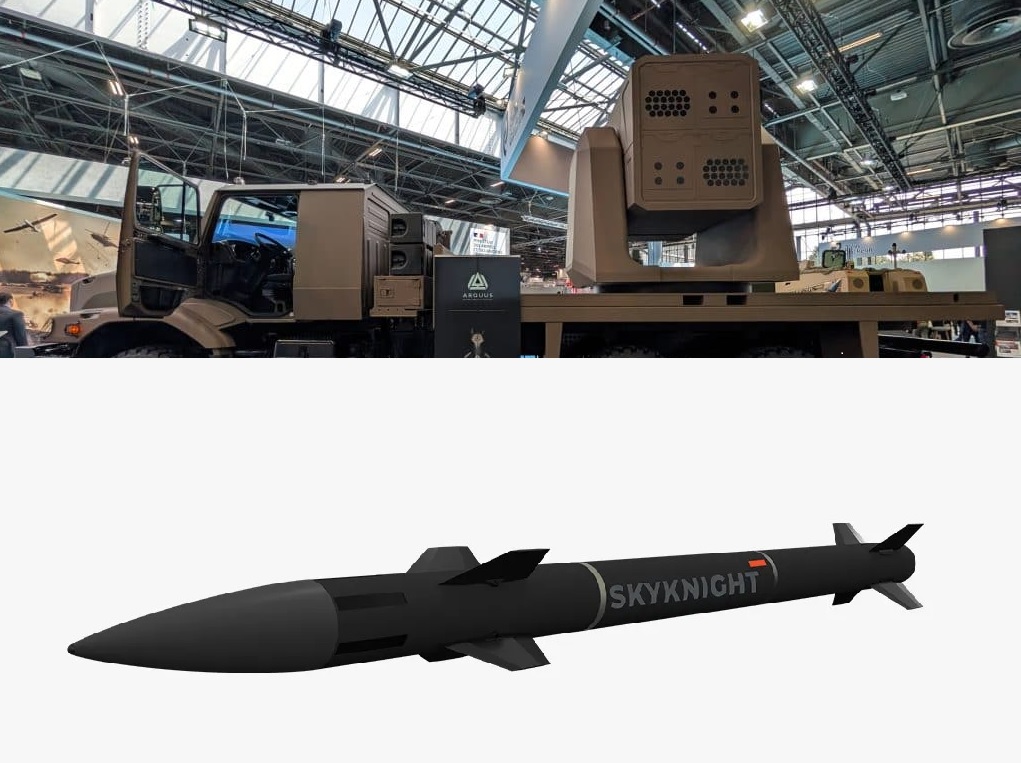 Naval Group Unveils Rampart Modular CIWS Multi-Purpose Weapon System for Naval and Ground Forces at Eurosatory 2026
-
 Why the U.S. Restored Pacific Command Name, Ending the Indo-Pacific Designation After Eight Years
-
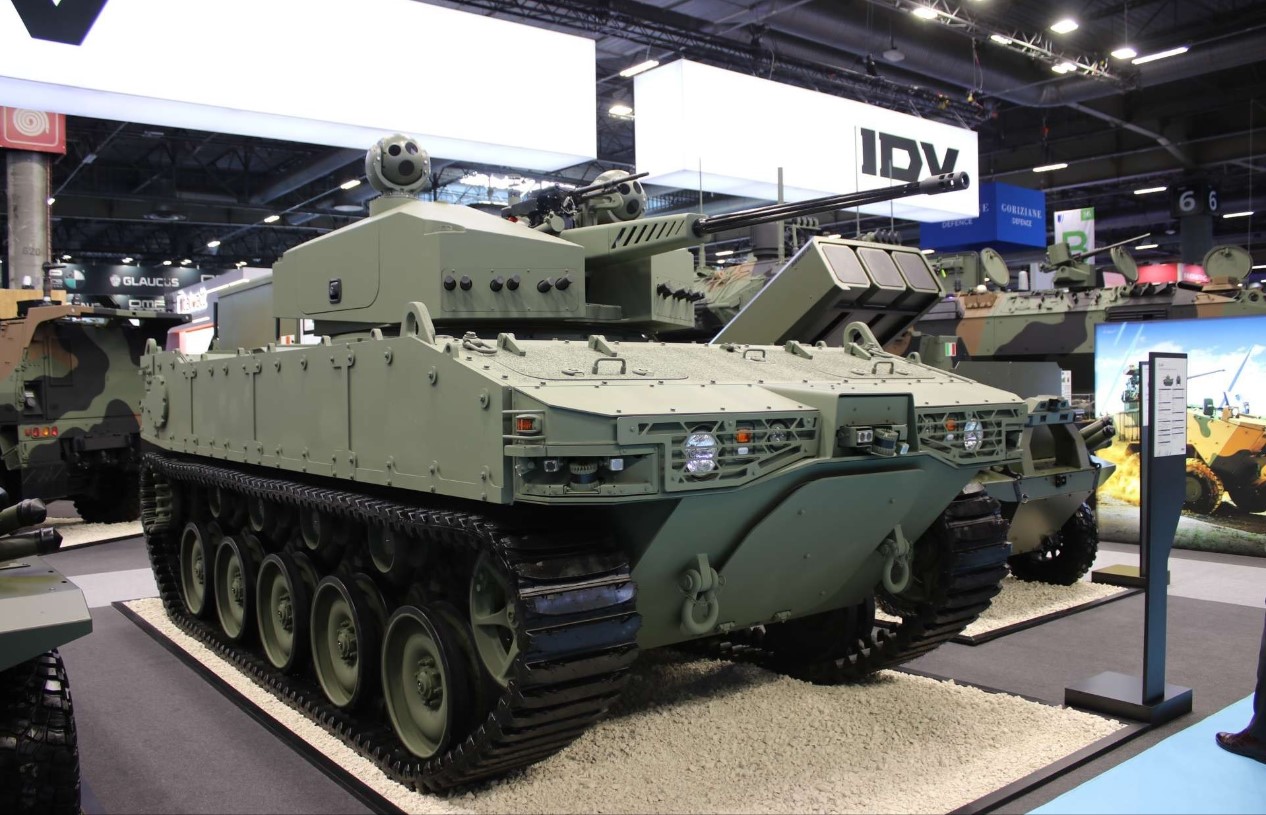 IDV Unveils CL2X Hybrid Uncrewed Light Tank at Eurosatory 2026
-
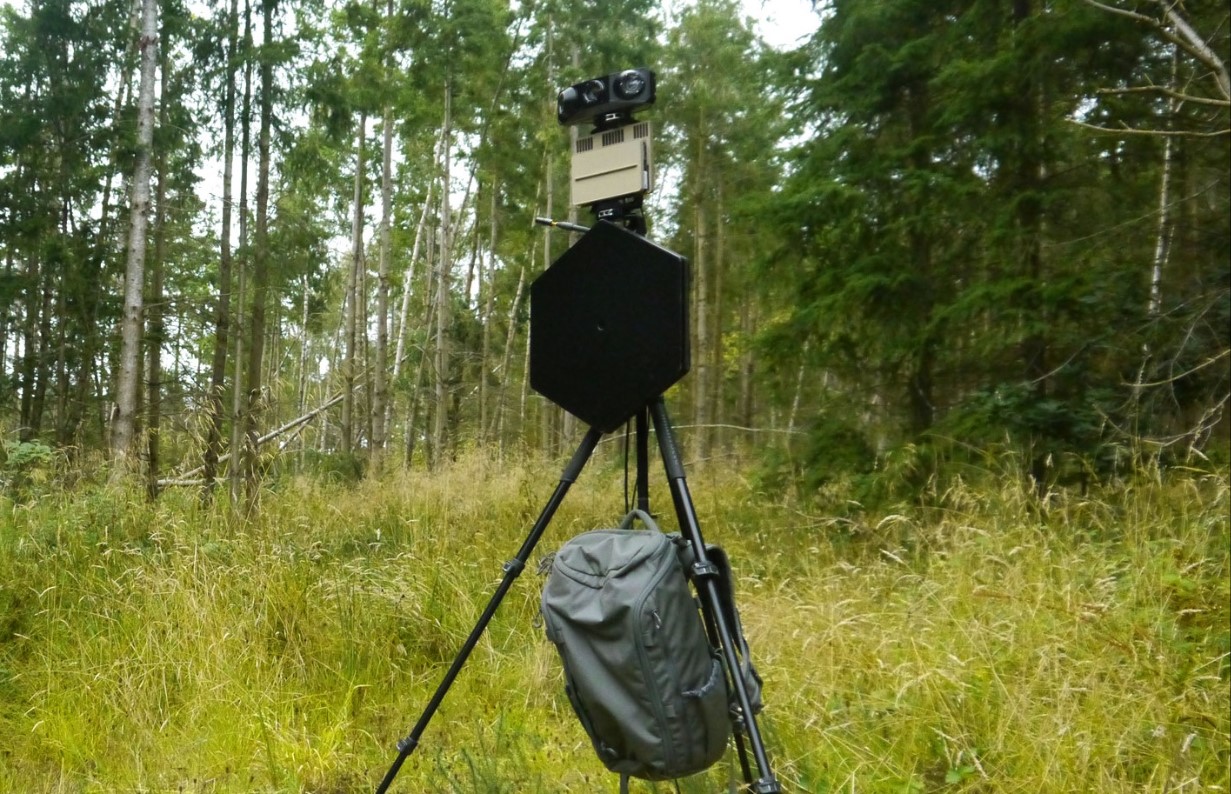 Australia Tests OpenWorks’ AI-Powered Vision Guard Surveillance System Under Land 156 Counter-Drone Program
-
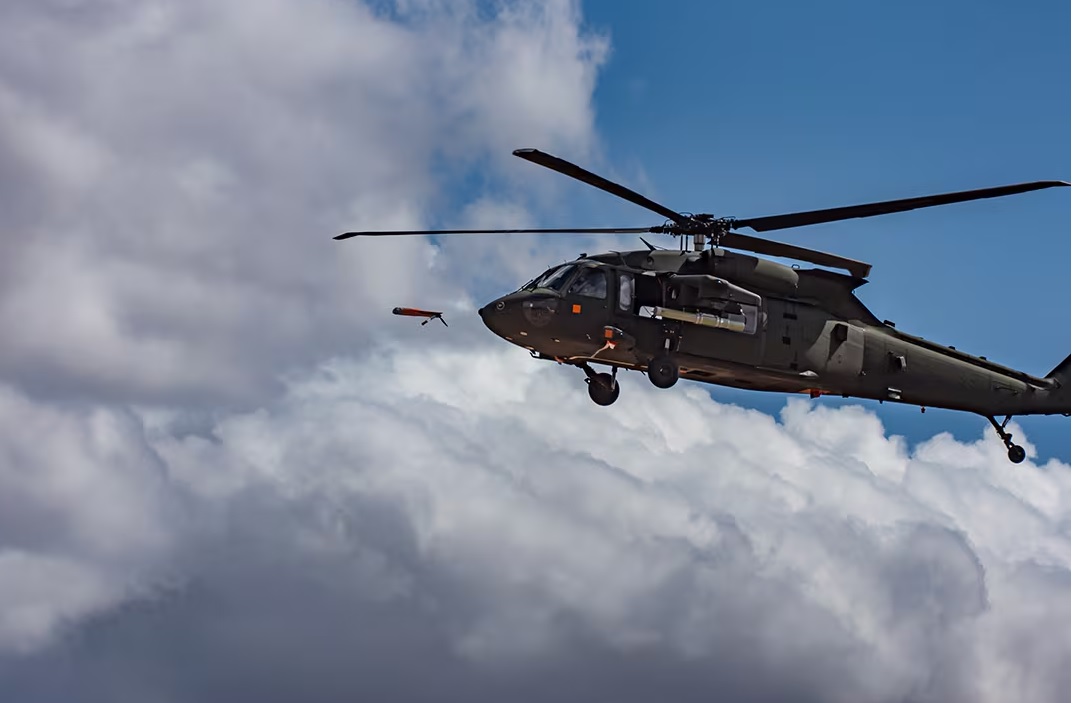 U.S. Army Completes First Flight Test of Medium-Range Air-Launched Effects from Black Hawk Helicopter
Top Trending in 4 Days
-
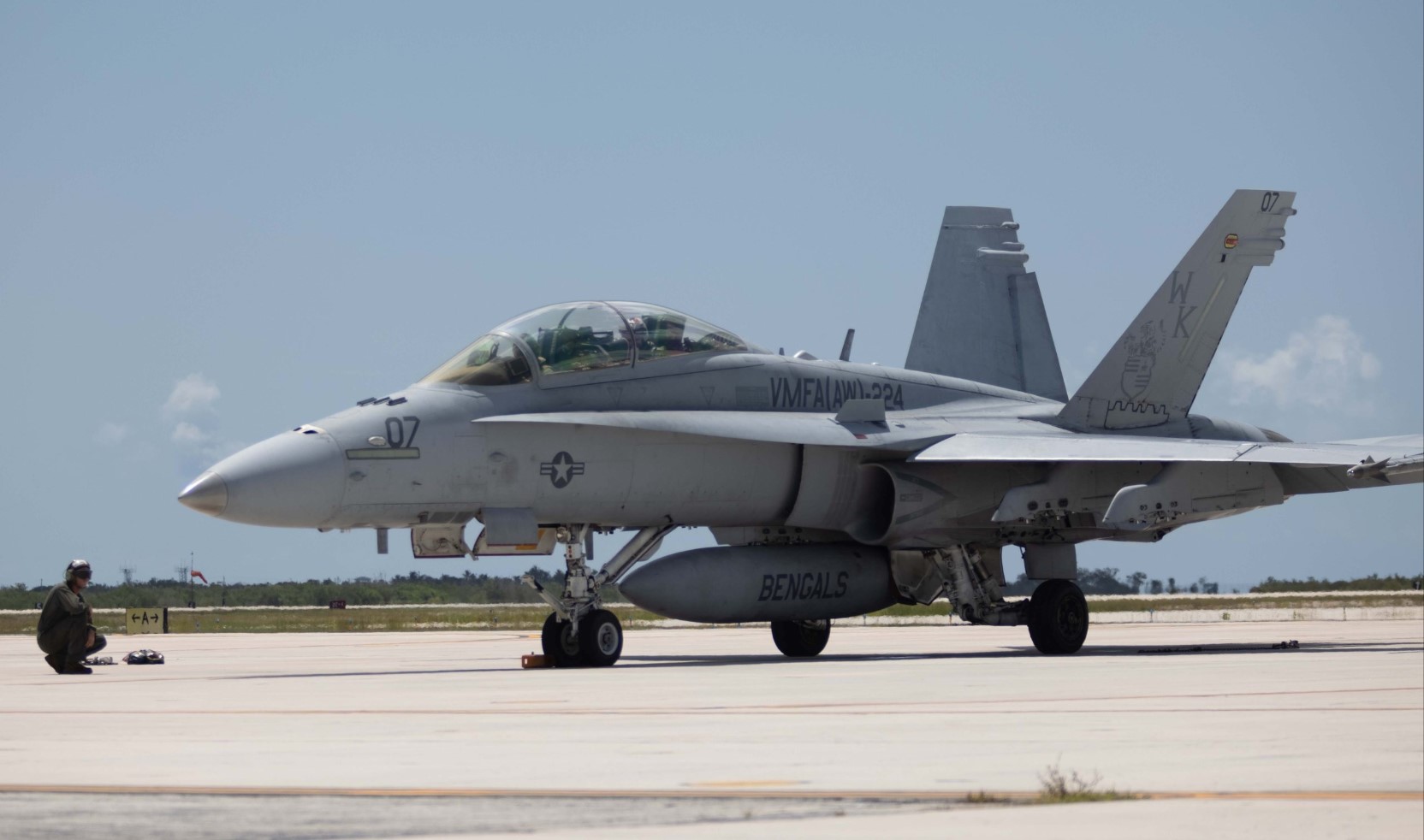 US Marine Corps F/A-18D Hornet Crashes During Training Flight in Washington Mountains; Pilot Ejects Safely
-
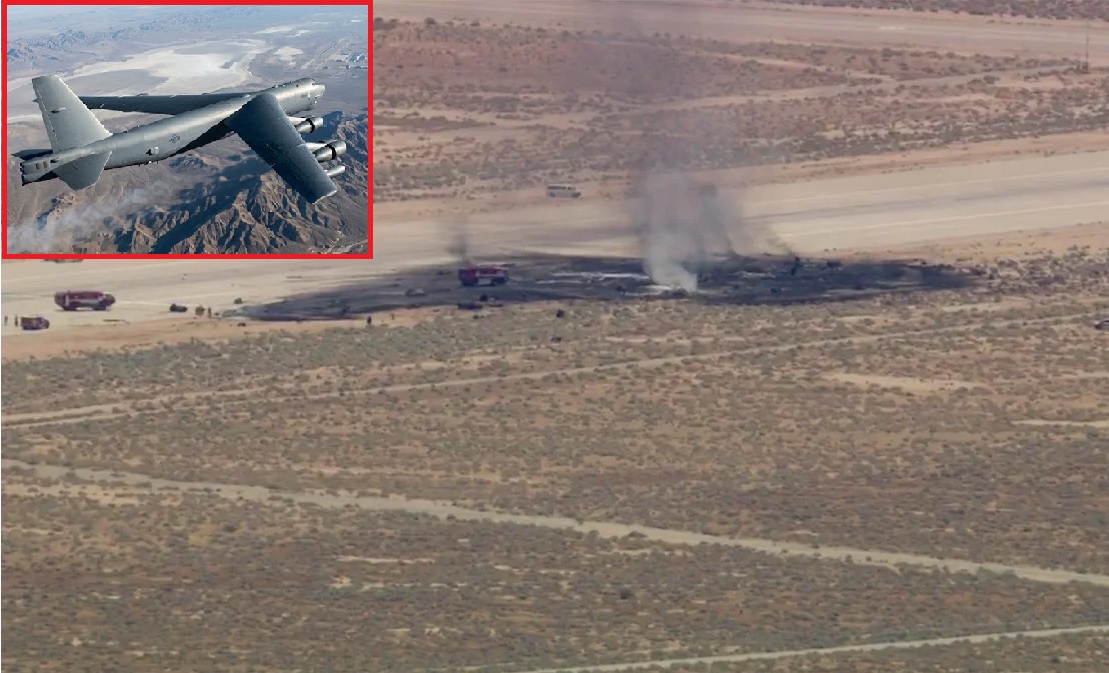 8 U.S. Air Force Crew Members Killed in B-52 Bomber Crash During Test Flight at Edwards Air Force Base
-
 Tulsi Gabbard Releases Declassified Files Detailing U.S.-Backed Network of 120 Biolaboratories Across 30+ Countries
-
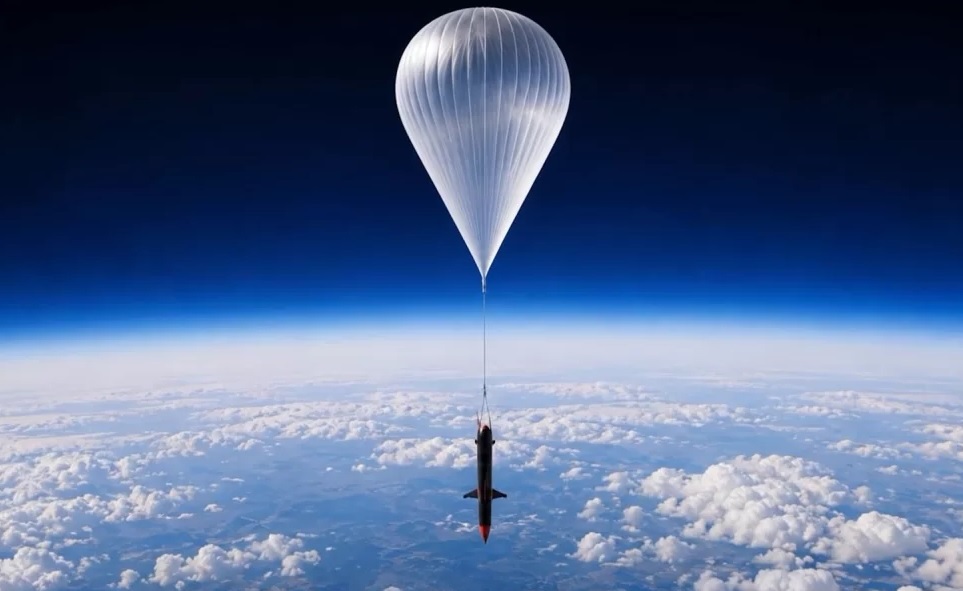 Ukraine Introduces Balloon-Launched DART Missile Designed to Defeat Electronic Warfare
-
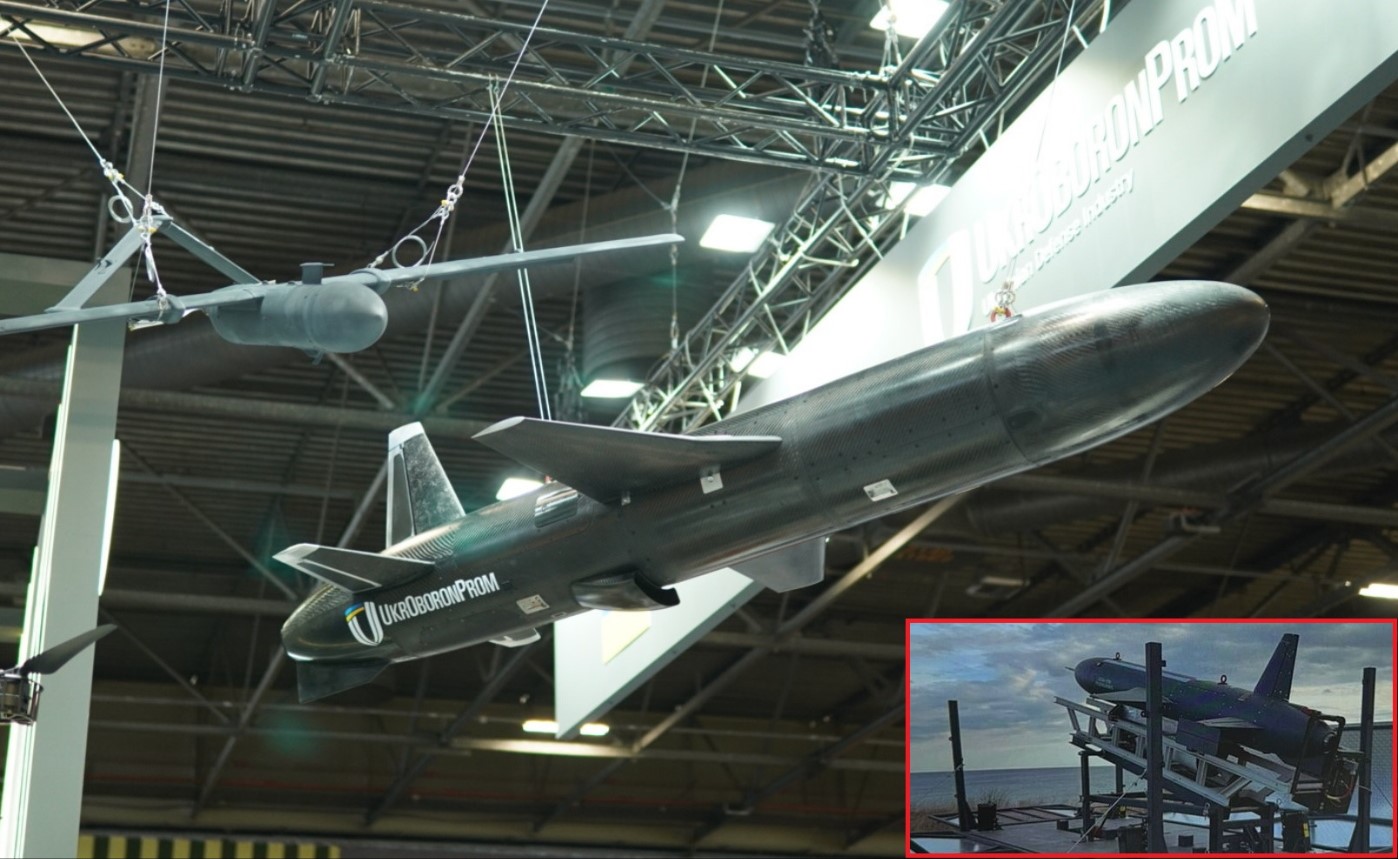 Ukraine Unveils UAV-290 Jet-Powered Strike Drone with 650 km Range at Eurosatory 2026
-
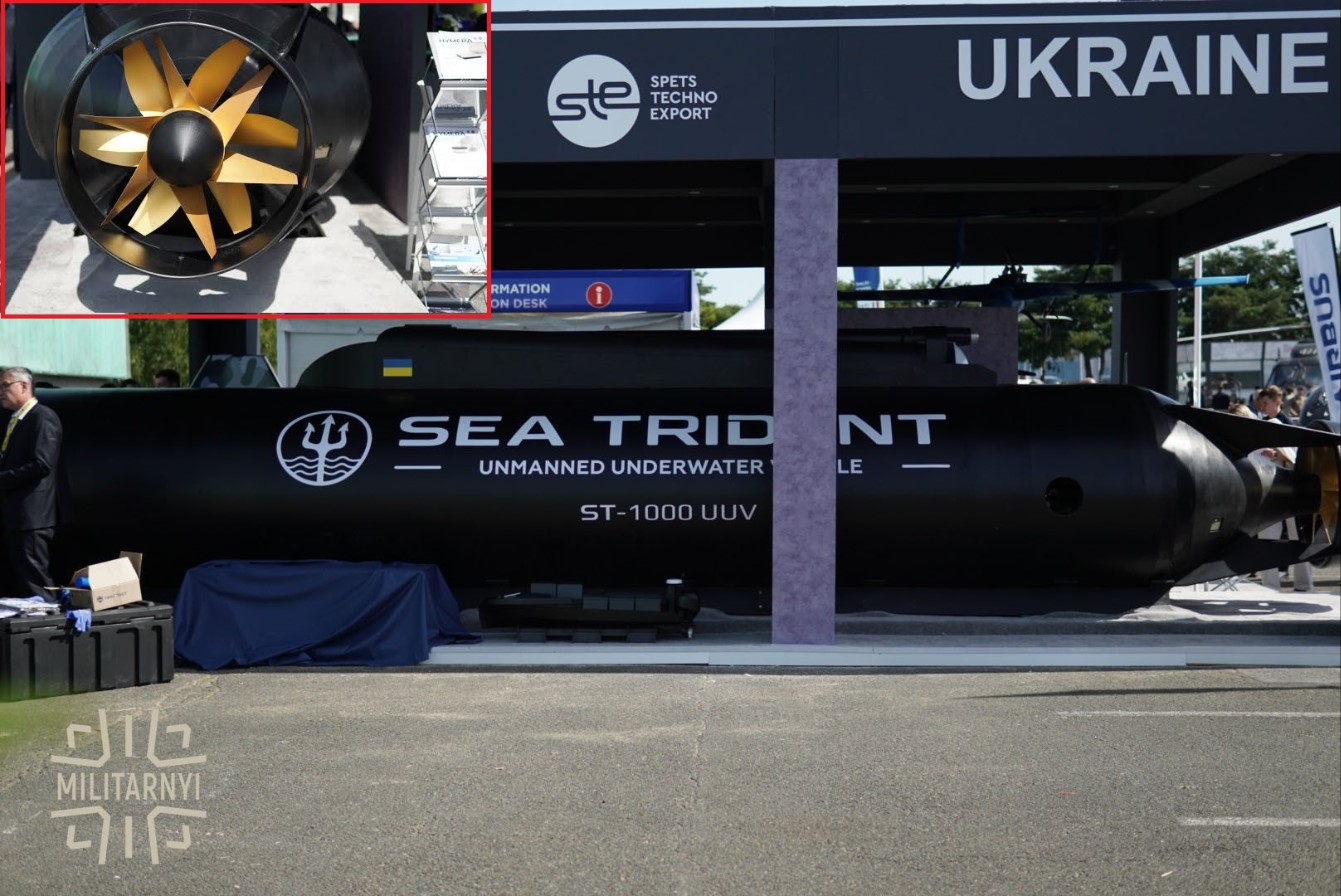 Ukraine Unveils 'Sea Trident' 10-Ton Autonomous Underwater Drone at Eurosatory 2026
-
 Rolls-Royce Unveils New Hybrid Powertrain for Heavy Military Vehicles at Eurosatory 2026
-
 KNDS Unveils CAPINT Main Battle Tank at Eurosatory 2026 as Leclerc Stopgap