
World
Taiwan’s military is preparing to form its first dedicated army drone units by the end of this year, a strategic move aimed at strengthening the island’s defenses as tensions with China continue to rise. This decision is part of a wider effort by Taipei to modernize its armed forces and adopt advanced technology, especially in the face of an increasingly assertive Chinese military presence in the Taiwan Strait. Taiwan’s Defense Minister, Wellington Koo, recently highlighted the importance of this new development. He explained that the initiative follows the country’s marine corps, which has already converted some of its traditional tank and artillery battalions into drone units. The core idea behind this shift is to emphasize asymmetric warfare, where smaller, agile, and innovative systems can effectively counter the sheer numbers and firepower of China’s armed forces. Wellington Koo summarized the strategy by stating, “It would be best if China wakes up every day feeling like today’s just not the day to invade.” The message is clear — Taiwan aims to make any military adventure by Beijing too risky and uncertain to pursue. Growing Demand for Long-Range Drones In recent months, international defense experts have urged Taiwan to focus more on long-range unmanned aerial vehicles (UAVs). In June 2024, the US-based Center for a New American Security (CNAS) stressed that Taiwan and its allies need to close the gap with China’s rapidly expanding drone fleet. Without adequate investment, Beijing could gain a significant advantage in the early stages of any conflict. To address this, Taiwan has accelerated its drone development programs, primarily led by the state-run National Chung-Shan Institute of Science and Technology (NCSIST). The institute has unveiled several indigenous drone systems, each designed with Taiwan’s specific defensive needs in mind. Taiwan’s Key Drone Systems Among the most notable drones in Taiwan’s arsenal is the Chien Hsiang, an advanced anti-radiation loitering munition. This kamikaze-style drone can hunt down and destroy enemy radar systems, a critical capability in modern warfare. Chien Hsiang Specifications: Type: Loitering munition (kamikaze drone) Range: Up to 1,000 kilometers (621 miles) Speed: 500 to 600 kilometers (310 to 372 miles) per hour during terminal dive Purpose: Seeks and destroys enemy radar and air defense systems Additionally, NCSIST is developing two more types of kamikaze drones: A lightweight tactical drone similar in role to the US-made Switchblade, suitable for quick, small-scale attacks on enemy personnel and vehicles. A swarm attack drone, designed to overwhelm enemy defenses by operating in large groups, making it difficult for traditional anti-air systems to respond effectively. Expanding Unmanned Naval Capabilities Taiwan isn’t limiting its unmanned systems to the air. Taipei is also planning to integrate unmanned surface vessels (USVs) into its navy. These robotic boats would complement manned ships by performing reconnaissance, surveillance, and even offensive missions without risking the lives of sailors. In a conflict scenario, these vessels could patrol coastal waters, intercept invading forces, or launch coordinated attacks alongside aerial drones. With China’s military pressure showing no signs of easing, Taiwan’s decision to form army drone units marks a crucial step in modernizing its defensive strategy. By focusing on unmanned and asymmetric warfare systems like long-range drones, loitering munitions, and unmanned naval craft, Taiwan aims to complicate any invasion plan and strengthen its ability to defend itself. The message to Beijing is unmistakable — Taiwan is preparing for every possibility and investing in smart, modern, and adaptable technologies to secure its future.
Read More → Posted on 2025-05-28 15:23:37
World
Canadian military vehicle manufacturer Roshel has introduced an impressive new addition to its lineup — the Senator Counter-UAS (Unmanned Aerial System) Vehicle. This high-tech counter-drone platform was officially revealed at CANSEC 2025, Canada’s largest defence and security trade show, held from 28 to 29 May in Ottawa. The Senator Counter-UAS Vehicle is an entirely Canadian-made solution built to detect, track, and neutralise hostile drones, offering protection for military bases, convoys, and critical infrastructure against growing drone threats. Battle-Proven Platform with Modern Upgrades The vehicle is based on Roshel’s combat-proven Senator Pickup MRAP (Mine-Resistant Ambush Protected) platform. With over 1,800 Senator vehicles already operating in Ukraine’s conflict zones, Roshel has established itself as a trusted name for delivering tough, reliable, and adaptable military vehicles. For this Counter-UAS variant, Roshel partnered with Leonardo, integrating their Falcon Shield Counter-UAS (CUAS) system, a battle-tested and advanced drone defence suite already operational with the Royal Air Force and Canadian Armed Forces. Key Features and Specifications Senator Counter-UAS Vehicle Highlights: Chassis: Based on the Senator Pickup MRAP platform Protection Level: STANAG 4569 Level 2 Ballistic Protection (against 7.62×39mm API BZ rounds) Level 3 Blast Protection (against 8 kg mine under any wheel) Crew Capacity: 4 to 6 personnel Seating: Mine-protected, energy-absorbing seats Armor: Bolted capsule design for quick field maintenance and modular upgrades C2 Compatibility: Fully interoperable with NATO Command and Control systems Counter-UAS System (Falcon Shield Mobile) Capabilities: Detection: Multi-spectrum 3D radar and RF sensors Tracking: Electro-optical (EO) and infrared (IR) cameras with AI-supported auto-tracking Classification: AI-based threat analysis and identification Neutralisation: Electronic attack (jamming, protocol manipulation) Hard-kill options (optional integration) Command and Control: Highly automated, with sensor fusion and mission management tools Network Integration: Can operate as a mobile node within a distributed CUAS network Flexible, Mobile, and Future-Ready The Senator Counter-UAS Vehicle is designed for both mobile operations — protecting convoys, patrols, or remote installations — and static missions like defending airports, military bases, or sensitive national infrastructure. Its open architecture design means new sensors, effectors, or AI upgrades can be added easily in the future, ensuring the platform remains ahead of evolving drone threats. The vehicle can work seamlessly alongside fixed CUAS systems, manned patrols, or autonomous platforms, forming a complete, layered air defence shield. Strengthening Canada’s Defence Industry Roshel’s CEO Roman Shimonov expressed pride in delivering a fully Canadian-engineered platform with a global edge. The collaboration with Leonardo reflects not just operational excellence but also a growing UK-Canadian defence partnership, combining Canadian manufacturing strength with European CUAS technology leadership. A Response to Growing Drone Threats As modern battlefields and urban areas increasingly face drone-based reconnaissance and attack missions, the need for mobile, adaptable counter-drone systems is urgent. The Senator Counter-UAS Vehicle is a timely solution, providing high survivability, rapid deployment, and integrated electronic and kinetic defences against both single drones and coordinated swarm attacks. With its debut at CANSEC 2025, Roshel’s latest innovation is poised to enhance Canada’s national security and contribute to international allied operations against today’s fast-changing aerial threats.
Read More → Posted on 2025-05-28 14:21:17
World
South Korea is taking a major step in strengthening its missile defence system. On 26 May, Hanwha Systems, one of the country’s leading defence companies, signed a contract with the Agency for Defense Development (ADD) to develop a new Multi-Function Radar (MFR) for the L-SAM-II missile defence system. This contract is worth about USD 40 million (KRW 54.7 billion) and marks an important milestone for South Korea’s national security. What Is the L-SAM-II? The L-SAM-II, often called South Korea’s K-THAAD, is the advanced version of the original Long-Range Surface-to-Air Missile (L-SAM) system. The original L-SAM was completed in 2024, designed to intercept incoming ballistic missiles in mid-air before they could reach their target. The L-SAM-II is being developed as a next-generation defence shield that will offer three to four times greater coverage than its predecessor. It’s part of South Korea’s multi-layered missile defence strategy, designed to protect the country from growing missile threats in the region. The Role of the New Multi-Function Radar (MFR) At the heart of this upgraded system is the new Multi-Function Radar, which will act as the “eyes” of the L-SAM-II. This advanced radar will: Detect and track multiple long-range targets in real time Identify whether targets are friend or foe Guide interceptor missiles to their targets Distinguish between missiles, friendly aircraft, and debris Using high-precision algorithms, the radar is specially optimised for upper-tier interceptions, meaning it can track and intercept missiles at higher altitudes and longer ranges than older systems. Key Specifications (Expected) While full technical specifications have not yet been officially disclosed, based on the nature of this next-gen system and Hanwha Systems' radar expertise, we can expect: Extended detection and tracking range: Capable of identifying targets at very long distances, beyond what the current L-SAM system can cover. High target discrimination: Able to tell the difference between real threats, friendly units, and non-threatening objects like debris. Real-time multi-target tracking: Tracking and engaging multiple ballistic missile threats at once. Upper-tier interception capability: Estimated interception altitudes could range around 100-150 km, surpassing the original L-SAM’s performance. Advanced friend-or-foe identification technology This makes it a crucial component in defending against long-range ballistic missiles and high-altitude threats, particularly as tensions in the region continue to grow. Hanwha Systems’ Experience and Future Plans Hanwha Systems isn’t new to radar technology. The company has a solid track record, having developed Active Electronically Scanned Array (AESA) radars for the KF-21 fighter jet and Multi-Function Radars for Korean Destroyers (KDDX) and FFX Batch-III frigates. Looking ahead, Hanwha Systems also plans to enter the global Early Warning Radar (EWR) market, with a future radar system expected to detect missile threats from as far as 2,000 to 3,000 kilometres away. This system will be a key part of future strategic air defence networks, providing early alerts and improved response times to potential missile attacks. Conclusion The development of this advanced Multi-Function Radar for the L-SAM-II system represents a major leap in South Korea’s missile defence capabilities. With enhanced tracking, better interception abilities, and expanded coverage, the L-SAM-II will play a vital role in protecting the nation against modern missile threats. Hanwha Systems’ involvement ensures that the radar technology will be state-of-the-art, positioning South Korea as a serious player in global missile defence.
Read More → Posted on 2025-05-28 14:14:10
World
In a major milestone for France’s naval capabilities, the fourth Barracuda-class nuclear attack submarine, De Grasse, has officially been rolled out from its construction hall to a floating platform in preparation for final outfitting and sea trials. The event, which took place on May 27, marks a critical step forward in the long-term effort to modernize the French Navy’s underwater fleet. The De Grasse is part of the Suffren-class series of six new-generation nuclear attack submarines that are gradually replacing the ageing Rubis-class submarines. These advanced vessels are being developed under the Barracuda programme—a collaborative initiative led by the French defence procurement agency (DGA), the French Alternative Energies and Atomic Energy Commission (CEA), and Naval Group, one of Europe’s top naval defense companies. Naval Group is responsible for the overall design, construction, and ongoing maintenance of these submarines. It is also building critical elements of the onboard nuclear steam supply system, working alongside its key partner TechnicAtome. Once completed, all six submarines will be based in Toulon, where Naval Group will continue to provide maintenance and logistical support. The CEO of Naval Group, Pierre Éric Pommellet, hailed the rollout as a significant achievement, praising the dedication and technical excellence of the teams involved. He emphasized that this progress reflects the strength and skill of the French naval industry, which plays a vital role in supporting the country's armed forces. Each Barracuda-class submarine is packed with cutting-edge technologies and advanced weaponry. They are armed with MBDA naval cruise missiles capable of striking land targets with precision, F21 heavyweight torpedoes developed by Naval Group, and SM39 anti-ship missiles. These submarines are also designed to support covert operations, featuring a special divers hatch and the optional ability to carry a dry deck shelter for deploying Special Forces or underwater vehicles. The De Grasse submarine stands as an engineering feat, measuring 99 meters in length and 8.8 meters in diameter. It has a surface displacement of 4,700 tonnes and a submerged displacement of 5,200 tonnes. Its propulsion system is a hybrid design built around a pressurised water nuclear reactor, derived from those used on the Charles de Gaulle aircraft carrier and the Triomphant-class ballistic missile submarines. These submarines are built for high operational availability, capable of spending over 270 days at sea annually. They typically carry a crew of 63 personnel, with the capacity to embark additional commandos for special missions. Work on the De Grasse will continue with quayside testing and final integration of onboard systems. The submarine is expected to begin sea trials in 2026, marking another step toward the full operational deployment of the Suffren-class fleet by 2030. With over 2,500 individuals—including around 800 subcontractors—involved in the Barracuda programme, the rollout of De Grasse represents not just technological progress but also a powerful example of French industrial and defense collaboration in action.
Read More → Posted on 2025-05-28 14:09:04
World
In the fast-paced world of artificial intelligence, most attention has been focused on cloud-based systems — the huge data centers powering services we use every day. But one man, Krishna Rangasayee, saw a critical gap that others missed. In 2018, he left his high-ranking role at a successful semiconductor firm to chase a mission many ignored: bringing AI to the edge — the real world around us. “The cloud was getting all the attention,” Rangasayee recalls. “But the edge — where machines like drones, industrial robots, and defense systems operate — was dramatically underserved.” He understood that the future of AI wasn’t only in distant, connected servers, but also in devices that work independently, often in remote, disconnected, and even hostile environments. These are places where AI needs to work in real-time and securely, without relying on internet connections or cloud services. From autonomous military drones to battlefield systems, medical equipment to industrial automation — these edge environments demanded a new kind of solution. Building AI for the Real World Krishna Rangasayee founded SiMa.ai with a bold idea: build a system that wasn’t just another AI chip, but an entire system-on-chip (SoC) designed from scratch for edge AI. Unlike traditional companies that sold accelerators — chips made for speeding up AI calculations — SiMa.ai developed a complete edge AI system that could independently run AI applications. This meant one small chip could replace what previously took multiple chips and processors. Key Specifications of SiMa.ai’s Platform: System-on-Chip (SoC) Design: Combines AI processing, machine learning, image processing, and other functions on a single chip. 10x Performance per Watt: Delivers much higher efficiency than conventional solutions, crucial for battery-powered and compact defense equipment. Zero-Connectivity Operation: Works entirely offline, ensuring sensitive data never leaves the device — vital for national security. Software-Defined AI Stack: AI tools and libraries built for simplicity so that even users without deep AI expertise can operate and deploy systems. Modalix Gen-2 Platform: Recently launched, it supports emerging AI applications like Large Language Models (LLMs) on the edge, an area still rare in defense tech. Software First, Even in Defense While the company is known for its advanced silicon, Rangasayee insists SiMa.ai is a software-first company. The problem, he says, is that AI scaling at the edge isn’t limited by hardware power — it’s held back by complex, difficult-to-use software. In defense especially, where AI expertise isn’t always available, it’s vital to make AI deployment as simple as possible. That’s why SiMa.ai designed its tools to be intuitive, efficient, and accessible. AI systems on battlefields or inside military vehicles can’t rely on internet connections or cloud-based processing. Everything must work on-device — securely, privately, and instantly. Their AI chips are built from the ground up with security-first designs. No cloud connections. No Wi-Fi needed. Sensitive data is processed and stored entirely within the chip. A New Era of Defense AI Geopolitical tensions, especially after the war in Ukraine, have driven nations to rethink defense strategies. AI, semiconductors, and secure systems are now seen as essential for national security. SiMa.ai is part of this transformation, offering small, energy-efficient, AI-powered edge devices for national defense — from portable surveillance systems to AI-assisted targeting solutions. And their latest Modalix platform is one of the first to bring the power of advanced AI models like LLMs into the edge environment, something once thought impossible. Beating the Giants Despite being a startup in a market dominated by global tech giants with billion-dollar budgets, SiMa.ai keeps moving fast. According to Rangasayee, success in this market isn’t about size — it’s about speed. “You launch a product,” he says, “and five seconds later, you’re onto the next.” The company’s agile approach and relentless innovation help it stay ahead in a competitive and high-stakes industry. The Founder’s Journey For Krishna Rangasayee, this journey was personal as well as professional. Leaving behind a stable executive role wasn’t easy, but his vision for AI at the edge was clear. The global market for edge semiconductors, worth over $40 billion annually, was ignored by most. It was considered too fragmented, too difficult — but Rangasayee saw it as both a challenge and a duty, especially in the service of national security. Starting a chip company is notoriously tough, and Rangasayee admits the road was often lonely and filled with setbacks. Yet for him, the mission to secure defense systems and critical infrastructure made every sacrifice worthwhile. Words of Advice For others looking to tackle difficult problems in demanding industries, Rangasayee offers a simple message: Resilience is everything. Good ideas and great teams will get you to the starting line, but it’s relationships, grit, and a refusal to quit that build lasting companies. His mother’s advice still guides him: “Being humble and paranoid never killed anyone.” And in a world where AI and national security are becoming inseparable, staying alert and driven isn’t just smart — it’s survival. Conclusion SiMa.ai isn’t just another AI chip maker — it’s a defense disruptor. By focusing on secure, efficient, and easy-to-use AI systems for the edge, they’re helping redefine how technology supports national security in a rapidly changing world. From AI-powered surveillance to autonomous battlefield systems, and now even edge-based large language models, SiMa.ai is quietly but decisively building the future of defense.
Read More → Posted on 2025-05-28 13:59:02
World
Türkiye’s leading naval defense company, STM, has officially revealed its brand-new Multi-Role Support Ship (MRSS) design for the first time at the Langkawi International Maritime and Aerospace Exhibition (LIMA) 2025 in Malaysia. This modern amphibious assault and support vessel marks a significant step forward in naval engineering, blending combat capabilities with humanitarian and logistical functions. A New Era of Naval Support Ships The MRSS has been specially designed to meet the growing operational demands of today’s navies. It can conduct amphibious operations, transport troops and heavy armored vehicles, and function as a floating hospital during emergencies. With this vessel, STM continues to strengthen its position as a trusted partner in naval solutions for countries like Malaysia, Pakistan, Ukraine, and Portugal. Speaking at the unveiling, STM’s General Manager Özgür Güleryüz highlighted Türkiye’s role in building advanced warships globally and shared that STM is already constructing three corvettes for the Royal Malaysian Navy under the LMS Batch-2 program. He further emphasized how the MRSS will provide versatile operational solutions both in military engagements and humanitarian relief missions. Versatile Capabilities for Modern Naval Operations The STM MRSS has been engineered to handle a variety of critical missions. It can deploy troops and armored vehicles to coastal battlefields, deliver logistical supplies to naval fleets at sea, and respond to crises such as natural disasters and evacuation operations. Its amphibious assault features allow it to carry: 14 Main Battle Tanks 9 Armored Amphibious Vehicles 500 Amphibious Troops 2 Medium-Sized (15-ton) Helicopters Additionally, it serves as a platform for command and control, search and rescue (SAR), medical operations, and military missions other than war (MOOTW). Full Specifications of STM’s Multi-Role Support Ship Main Dimensions: Length: 153 meters Breadth: 24 meters Displacement: 9,700 tons Endurance: 30 days at sea Maximum Speed: 18+ knots Range: Over 8,000 nautical miles at 14 knots Carrying Capacity: Crew: 150 personnel Troops: 500 amphibious soldiers Vehicles: 14 Main Battle Tanks 9 Armored Amphibious Vehicles Helicopters: 2 x 15-ton capacity (with hangar space) Landing Craft Utility (LCU): 2 Rigid-Hulled Inflatable Boats (RHIBs): 2 x 10-meter with A-Type Davits Tank Deck Area: 800 square meters Fuel Storage: 630 tons Freshwater Storage: 215 tons Weapon Systems: 1 x 76 mm Main Gun 4 x 12.7 mm Remote Controlled Stabilized Weapon Systems 2 x Chaff/IR Decoy Launchers Designed for Both Combat and Humanitarian Missions The MRSS is not limited to wartime roles. It is equally capable of providing vital support in peacetime operations such as disaster relief, medical evacuations, and maritime patrols. Its onboard medical facilities, ability to accommodate large numbers of personnel, and aviation support capabilities make it an indispensable asset for any modern navy. Whether transporting troops and armored units for amphibious landings or conducting humanitarian operations in disaster-struck regions, the MRSS offers unmatched versatility on the high seas. Conclusion STM’s Multi-Role Support Ship represents a perfect balance between military might and humanitarian support capability. Its unveiling at LIMA 2025 signals Türkiye’s growing expertise in naval engineering and its commitment to offering advanced maritime solutions to allied navies. With powerful operational flexibility, long-range endurance, and multi-mission capabilities, this ship is poised to play a crucial role in future maritime operations around the world.
Read More → Posted on 2025-05-26 17:56:41
World
The United States Missile Defense Agency (MDA) has officially revealed new details about its ambitious defense initiative, the Scalable Homeland Innovative Enterprise Layered Defense, better known as SHIELD. This futuristic program comes with a projected price tag of $151 billion over the next 10 years and is designed to guard the U.S. against an expanding array of sophisticated airborne threats. SHIELD isn’t just another missile defense system — it represents a next-generation, multi-layered shield that will protect the homeland from missiles launched from land, sea, air, and even space, while also addressing potential cyber threats. According to newly released information, SHIELD will be developed as an indefinite-delivery/indefinite-quantity (IDIQ) contract, allowing flexible and ongoing adjustments as new technologies and threats emerge. What Will SHIELD Defend Against? The SHIELD program is engineered to counter a wide spectrum of missile threats, including: Ballistic Missiles — Traditional long-range missiles that travel outside the Earth’s atmosphere before re-entering to strike their targets. Hypersonic Missiles — Ultra-fast weapons that travel at speeds above Mach 5 (five times the speed of sound) and are capable of maneuvering mid-flight, making them extremely hard to intercept. Cruise Missiles — Low-flying, precision-guided missiles that can hug the terrain and strike critical targets with high accuracy. Advanced Unmanned and Airborne Threats — Including drones and other aerial systems developed by hostile states. Key Features and Capabilities The planned SHIELD system is designed to be persistent, scalable, and layered, offering multiple chances to detect, track, and neutralize incoming threats across different stages of their flight. Some of the standout features include: Persistent Defense Coverage: Round-the-clock protection against emerging threats from anywhere — land, air, sea, space, or cyberspace. Multi-Layered Interception: A combination of sensors, interceptors, and command systems working together to track and neutralize threats in different phases of their trajectory. Artificial Intelligence (AI) and Machine Learning (ML): Advanced algorithms will help detect threats faster and recommend interception solutions within fractions of a second. Open Systems Architecture: The ability to easily integrate new sensors, weapons, and systems as technology evolves. Model-Based and Digital Engineering: Modern design and simulation tools to speed up development and reduce the time between concept and deployment. What Happens Next? The Missile Defense Agency is preparing to release a draft solicitation for industry partners in the coming weeks. This document will detail the program’s specific requirements and invite private defense companies to submit proposals and technology concepts that could be part of SHIELD’s layered defense network. Once finalized, this contract will not only boost America’s missile defense capabilities but also create new opportunities for advanced AI-powered systems, space-based sensors, hypersonic missile interceptors, and innovative cybersecurity defenses. In short, SHIELD marks a monumental leap in U.S. homeland security — a futuristic defensive wall designed to stay ahead of the world’s most dangerous and rapidly evolving threats.
Read More → Posted on 2025-05-26 17:38:11
World
In a major leap for modern infantry firepower, the U.S. Army has named the team of Barrett Firearms Manufacturing and MARS Inc. as the winner of its prestigious xTech Soldier Lethality competition. The victory comes after the successful development and demonstration of a cutting-edge 30mm Precision Grenadier System (PGS), a next-generation shoulder-fired weapon designed to boost battlefield effectiveness against enemy threats and unmanned aerial systems (UAS). What makes this achievement remarkable is the rapid pace at which it was accomplished. Within just six months, the Barrett and MARS Inc. team managed to design, build, test, and demonstrate the new 30mm grenade rifle system, proving its reliability and combat potential. What is the Precision Grenadier System (PGS)? The Precision Grenadier System is a highly advanced, semi-automatic, shoulder-fired weapon designed to deliver rapid and accurate grenade fire. It integrates a powerful weapon, specialized 30mm ammunition, and a sophisticated fire control system, making it capable of precision strikes against enemy troops hidden behind cover (defilade) and even small drones operating at close range. Its primary mission is to enhance soldier lethality by combining modern targeting systems with air-bursting and proximity-fuzed munitions, allowing troops to neutralize enemies that are difficult to reach with conventional firearms. Specifications of the 30mm Precision Grenadier System: Caliber: 30×29mm grenades Operation: Semi-automatic, magazine-fed Ammunition Types: Programmable Air Bursting High Explosive (HE): Grenade can be programmed to detonate in the air at a precise point for maximum effect on concealed enemies. Proximity Fuzed HE: Designed to explode when near its target, especially effective against drones and aerial threats. Point Detonating HE: Explodes on impact, suitable for direct fire against enemy positions. Close Quarter Battle (CQB) Round: Specially designed for use in tight urban or trench warfare scenarios. Fire Control System: Integrated advanced targeting module for calculating precise range, wind conditions, and detonation timing for air-burst munitions. Effective Range: Expected to exceed 600 meters for precision air-burst engagements. Additional Capabilities: Counter-UAS operations and precision strikes against entrenched enemy positions. A New Chapter for Barrett and MARS Inc. Barrett Firearms, known globally for its revolutionary semi-automatic .50 caliber Model 82 and the MRAD MK 22 sniper rifle, has once again demonstrated its ability to redefine battlefield weaponry. CEO Bryan James emphasized the company’s history of innovation and its ongoing commitment to supporting U.S. and allied troops worldwide. Alongside MARS Inc., AMTEC Corporation played a crucial role by developing the specialized 30mm munitions, while Precision Targeting provided expertise in advanced targeting systems. This collaboration under the xTech program showcased how rapidly companies can unite and deliver transformative solutions under tight deadlines. Ryan Krantz, Vice President of Business Development & Sales at Barrett, highlighted the importance of partnership and agility in modern defense projects. “This award highlights not only our technical capabilities but the power of partnership, agility, and a shared mission,” he said. Why It Matters The introduction of the 30mm PGS represents a significant advancement in infantry weapon systems. It gives soldiers the ability to engage enemies hiding behind cover, neutralize drones, and strike with high precision in complex battlefield environments — capabilities previously limited to larger, vehicle-mounted systems. For the U.S. Army, this new system means enhanced troop safety, improved mission success rates, and greater battlefield versatility. The program also underscores the importance of public-private collaboration in rapidly developing defense technologies suited for the modern battlefield. As the Precision Grenadier System moves closer to wider adoption, it is poised to become a vital tool in future combat operations, reaffirming the U.S. military’s technological edge and its commitment to soldier lethality. In short, this new weapon isn’t just another rifle — it’s a game-changer.
Read More → Posted on 2025-05-26 17:06:25
World
Ukraine is taking significant steps to modernize its aging fleet of Soviet-era fighter jets by engaging in talks with Swedish officials about potential upgrades. These discussions, which reflect Ukraine's broader push to strengthen its air capabilities amid ongoing conflict, focused on enhancing the avionics and defensive systems of its current aircraft. Representing Ukraine in the dialogue was Deputy Minister of Defense for Aviation Development, Oleksandr Kozenko, while the Swedish delegation was led by Thomas Lindén, Director for Ukraine Affairs at Saab, the well-known Swedish aerospace and defense company. The planned upgrades could involve integrating advanced radars, modern defensive gear, and electronic warfare countermeasure systems into Ukrainian aircraft. Such enhancements would not only improve the survivability of Ukraine’s jets in combat zones but also align them more closely with NATO standards and capabilities. Beyond just technical improvements, the talks also considered deeper collaboration between the Ukrainian and Swedish defense industries. This could include technology sharing, joint research, and potential co-production opportunities in the long run, providing both countries with strategic and industrial benefits. A particularly noteworthy point of discussion was the possible future transfer of Swedish-made Saab aircraft to Ukraine. While Ukraine had previously hesitated to accept Swedish Gripen jets due to logistical challenges—especially with the simultaneous integration of U.S.-supplied F-16s—officials have kept the door open for future possibilities. Defense Minister Rustem Umerov recently confirmed that Gripen fighters, along with French Mirage and Eurofighter aircraft, remain under consideration as Ukraine evaluates the best way to diversify and modernize its air fleet. Kozenko emphasized the mutual advantages of this cooperation, stating that while Ukraine would enhance its air capabilities, Sweden could benefit from the real-time combat feedback and operational experience Ukraine has gained during its defense efforts. As Ukraine continues to seek support from Western allies to upgrade its military infrastructure, this budding partnership with Sweden signals a strategic shift toward blending older Soviet platforms with modern Western technology—an approach that could help Ukraine bridge the gap until it fully transitions to next-generation fighter jets.
Read More → Posted on 2025-05-26 16:56:22
World
In a significant milestone for South Korea's defense industry, Samyang Comtech has signed its first direct overseas export contract to supply advanced ballistic armor for Turkey’s next-generation Altay main battle tank. The deal marks a new chapter for the Korean firm, which has previously only exported such systems indirectly through domestic tank manufacturers. Samyang Comtech’s armor will serve as a key protective element of the Altay tank, which is slated to enter serial production later this year. Turkey has ambitious plans for the Altay, intending to induct an initial batch of 250 tanks into its armed forces, with the longer-term goal of deploying up to 1,000 units. The decision to source armor from Samyang Comtech is rooted in the company’s well-established expertise in materials research and its capacity for large-scale ceramic armor production. Since 2009, Samyang has been the exclusive armor supplier for South Korea’s K2 Black Panther tank, developed by Hyundai Rotem. Interestingly, the Altay’s design has benefited from South Korean technological input, including elements from the K2 program. While Samyang previously contributed armor for Poland’s K2 tanks in 2022, those exports were managed through Hyundai Rotem. This contract with Turkey represents Samyang’s first direct engagement with a foreign-developed tank program—a notable achievement for the company and for South Korea’s expanding defense export portfolio. Samyang Comtech’s CEO, Kim Jong-il, emphasized the firm’s comprehensive capabilities. “We operate independent materials and technology research centers, and maintain the world’s largest mass-production system for ballistic ceramic components,” he said. He added that the firm has developed a “one-stop armor solution system” that includes everything from design and production to ballistic testing within its own facilities. The ceramic armor developed by Samyang is composed of silicon carbide and other proprietary materials. This advanced armor is reportedly comparable to that used on high-end Western tanks such as the American M1 Abrams and the German Leopard 2, giving Turkey a considerable edge in modern battlefield survivability. This breakthrough deal follows a growing trend of South Korean defense firms securing direct contracts on the global stage. Just recently, another Korean company, RFHIC, signed a $2.2 million agreement with Italy’s Leonardo for radar amplifier components, highlighting the broader international appetite for Korean defense technologies. For Samyang Comtech, the Turkish Altay tank project not only opens the door to more international opportunities but also underscores South Korea’s rising stature in the global defense manufacturing sector.
Read More → Posted on 2025-05-25 15:45:29
World
DZYNE Technologies has successfully completed the test flight of its Long-Range Grasshopper, marking a major breakthrough in autonomous logistics. This latest version of the Grasshopper platform pushes the boundaries of how cargo can be delivered in dangerous or hard-to-reach areas, offering a powerful mix of extended range, a 500-pound payload capacity, and cost-effective performance. The original Grasshopper was a glider-based delivery system. Now, DZYNE has added a turbine engine and advanced systems to its upgraded Long-Range version, allowing it to fly longer and reach further distances with high accuracy. These improvements make it ideal for “contested logistics” – situations where traditional supply chains are too risky or expensive to operate. According to DZYNE CEO Matthew McCue, the new Grasshopper offers a “game-changing capability” in delivering payloads accurately and safely in complex environments, all while keeping costs lower than traditional defense platforms. The company emphasizes that its approach not only enhances performance but also challenges the usual high costs associated with defense technology. Testing for the Long-Range Grasshopper took place at Dugway Proving Ground in Utah and the Pendleton UAS Range in Oregon during late 2024. In a smooth sequence of actions, the vehicle was dropped from a host aircraft, transitioned into fixed-wing flight, activated its onboard jet engine, and flew to its target under its own power. It completed the mission with a precise landing at the planned location. Ed Smetak, Executive Vice President of Programs at DZYNE, praised the aircraft’s use of affordable manufacturing techniques that allow for high-impact results. He also pointed to the valuable partnership with the U.S. Air Force Research Laboratory (AFRL/RSC), which helped speed up development and provided fast feedback. The Grasshopper is designed with flexibility and reliability in mind, especially for missions where human involvement could be dangerous. It can carry critical supplies for military units or emergency operations while keeping the launch teams at a safe distance. Whether for resupply, tactical missions, or disaster relief, the Grasshopper is built to deliver. To prepare for growing demand, DZYNE expanded its manufacturing capacity by opening a new 125,000-square-foot facility in Irvine, California, in November 2023. This facility brings together engineering, research, and production to increase the output of Grasshopper systems. Alongside the Grasshopper family, DZYNE Technologies also develops other advanced defense technologies such as the LEAP and ULTRA intelligence platforms and several counter-drone systems, including Dronebuster, Sawtooth, and Shield. These offerings underscore the company’s commitment to cost-efficient, autonomous solutions that meet modern defense challenges.
Read More → Posted on 2025-05-25 15:39:38
World
At the international military exhibition MILEX-2025, Belarus introduced a unique addition to the growing world of unmanned aerial systems — the Sky-Truck unmanned helicopter. Developed by the Belarusian company KB Unmanned Helicopters, this new machine has been designed primarily for heavy-lift transport missions without a crew on board. Its standout feature is its impressive lifting capacity of 500 kg, making it a promising solution for both military and civil logistical operations in difficult or remote terrains. Modern Design for Practical Operations The Sky-Truck has been designed with a coaxial rotor configuration, meaning it uses two sets of three-blade counter-rotating rotors placed one above the other. This design eliminates the need for a tail rotor, reducing the helicopter's footprint and making it suitable for operations in unprepared landing zones as small as 30 x 30 metres. The rotor diameter measures 12.8 metres, and the helicopter itself has a length of 7.7 metres without the blades, a height of 4 metres, and a landing gear track of 2.6 metres. A downward-angled vertical tail stabilizer ensures the vehicle maintains good longitudinal stability during flight. To optimize balance and prevent issues with the centre of gravity, the rotor system is placed above the payload bay. This clever positioning allows it to safely carry cargo without affecting flight performance. Powerful Engine and Performance The Sky-Truck is powered by a Rolls-Royce 250-C30 turboshaft gas turbine engine, running on aviation kerosene. This engine model is well-regarded for its durability, with a designated service life of 3,000 hours. The helicopter has a maximum take-off weight of 2,000 kg, with a typical operating weight of 1,700 kg. Its own empty weight is 1,100 kg, and it can carry up to 500 litres of fuel, adding another 375 kg. This leaves space for a 500 kg payload, typically housed within two Airbox transport containers mounted under the fuselage. Flight Capabilities In terms of speed and range, the Sky-Truck offers reliable and efficient performance: Maximum speed: 140 km/h Cruising speed: 120 km/h Economic speed for maximum endurance: 80 km/h Maximum flight endurance: 5 hours Operational range: 360 km This makes it particularly useful for supply missions, border patrolling, and rapid cargo drops in remote or hard-to-reach areas. The designated airframe service life of the helicopter is 6,000 hours, ensuring longevity in service and cost-effectiveness over time. A Result of International Collaboration Interestingly, the Sky-Truck closely resembles the Air Truck unmanned helicopter previously showcased by ADASI, part of the UAE’s EDGE Group, at major defense exhibitions like IDEX 2023 and UMEX 2024. Both platforms share similar specifications, payload capacities, and design philosophies. This is no coincidence, as KB Unmanned Helicopters cooperates with the UAE EDGE holding, highlighting the growing trend of international collaboration in unmanned aviation technology. Future Prospects The Sky-Truck has already caught market attention. According to a company representative at MILEX-2025, a preliminary order has been placed for 20 units by an undisclosed customer. This signals the rising demand for unmanned logistics helicopters capable of lifting significant payloads while operating in challenging environments. With its strong specifications, reliable engine, and practical design, the Sky-Truck unmanned helicopter positions itself as a competitive option in the global market for unmanned aerial transport systems.
Read More → Posted on 2025-05-25 15:25:40
Russia Launches War’s Biggest Air Attack on Ukraine, Killing 13 in Massive Drone and Missile Barrage
World
In the deadliest aerial assault of the war so far, Russia launched a staggering 367 drones and missiles across Ukraine overnight, killing at least 13 people and wounding many more. The attack, which struck multiple cities including the capital Kyiv, has been described by Ukrainian officials as the largest air offensive in terms of sheer volume since the conflict began. Among the victims were three children in the northern Zhytomyr region, where homes and buildings were reduced to rubble. Across the country, destruction was widespread, with cities like Kharkiv, Mykolaiv, and Ternopil also hit hard. Khmelnytskyi, a region far from the frontlines, reported four deaths and five injuries. Ukraine's air force managed to intercept much of the barrage, downing 266 out of 298 drones and 45 out of 69 missiles. Still, the impact on civilian areas was severe. In Kyiv alone, 11 people were injured from falling debris caused by intercepted drones. Four more were killed in surrounding areas. The scale and coordination of the assault left emergency responders scrambling and thousands of civilians rattled. This marked the second large-scale air raid in as many days. Just the night before, Russian drones and missiles pounded Kyiv through the night. In Kharkiv, drone strikes damaged three districts and left three people injured. Mykolaiv’s governor confirmed that a 77-year-old man died in the attacks and five others were wounded. Pictures from the city showed an apartment building with a gaping hole, surrounded by shattered glass and debris. Ukrainian President Volodymyr Zelenskyy condemned the attack and called on the United States and other global powers to break their silence and impose new sanctions on Moscow. He warned that continued quiet from the West would only embolden Russian President Vladimir Putin. "The silence of America, the silence of others in the world only encourages Putin," Zelenskyy said. "Every such terrorist Russian strike is reason enough for new sanctions against Russia." The air assault came as Ukraine and Russia were preparing for the final phase of a significant prisoner exchange, with each side set to release 1,000 detainees. At the same time, Ukraine and European allies had been pressing for a 30-day ceasefire to pave the way for peace talks. That hope suffered a setback when U.S. President Donald Trump declined to impose new sanctions on Russia for refusing to pause hostilities. Meanwhile, Moscow reported that its own forces intercepted 95 Ukrainian drones in a four-hour window. The mayor of Moscow claimed that 12 Ukrainian drones were shot down as they approached the Russian capital. Ukrainian officials emphasized that unless there is consistent international pressure, Russia will continue to escalate its campaign. President Zelenskyy's chief of staff, Andriy Yermak, warned that Moscow will keep building up its military capabilities as long as it can produce weapons. "Without pressure, nothing will change and Russia and its allies will only build up forces for such murders in Western countries," Yermak said. The latest attack underlines how, even three years into the war, the conflict shows no signs of winding down. Instead, both sides appear locked in a cycle of violence that continues to devastate lives and cities across Ukraine.
Read More → Posted on 2025-05-25 15:17:12
World
South Korea has expressed growing concern after China unilaterally declared a “no-sail zone” in a sensitive area of the Yellow Sea where the two countries’ maritime borders overlap. The move has triggered diplomatic exchanges, as Seoul questions the legality and intent behind China’s actions in the contested waters. The area in question lies within what is known as the Provisional Measures Zone (PMZ), a maritime space where the exclusive economic zones (EEZs) of both China and South Korea overlap. Although both countries are technically allowed to carry out military drills in this shared zone, China’s recent decision to restrict access has raised serious questions in Seoul. According to South Korea’s foreign ministry, China’s declaration of a no-sail zone appeared to be made without adequate consultation and could potentially violate the principle of freedom of navigation. The restrictions, which were reportedly in effect until May 27, prompted South Korea to lodge a formal diplomatic protest with Beijing. While China’s Maritime Safety Administration did not provide an official reason for the no-sail order, South Korean maritime authorities suggested it may have been linked to Chinese military exercises. If confirmed, this would not be unprecedented — both nations occasionally conduct drills in the PMZ. However, what sets this incident apart is the scope and lack of transparency surrounding the Chinese move. Adding to the tensions, there have been reports of China constructing three unidentified structures in the same disputed zone. Chinese authorities have labeled them as “aquaculture facilities,” but South Korean experts suspect they could be part of a broader strategy known as “grey zone” tactics — ambiguous actions that stop short of open conflict but serve to assert control and shift the status quo in China’s favor. South Korea has voiced concerns that these developments could be part of a deliberate effort by China to expand its maritime claims under the radar of international scrutiny. The foreign ministry in Seoul emphasized that it is closely coordinating with its defense and maritime agencies to evaluate whether the Chinese actions align with international maritime law. The incident has reignited broader worries in the region over China’s assertive behavior in contested waters, not only in the Yellow Sea but also in the South and East China Seas, where similar disputes have unfolded in recent years. While no direct confrontation has occurred, South Korea’s latest move to challenge China diplomatically signals a readiness to defend its maritime interests more firmly. As the situation continues to evolve, both countries are expected to engage in further dialogue. However, the underlying tension in the Yellow Sea underscores the fragile nature of maritime cooperation in the region — and the growing strategic importance of even the most seemingly routine moves at sea.
Read More → Posted on 2025-05-25 15:14:28
World
Japan is making significant strides in the field of directed energy weapons (DEWs), as its prototype laser system continues to show promise in live demonstrations. The country’s military is actively developing advanced laser technologies to address modern aerial threats, particularly small, fast, and disruptive drones that are increasingly being used in conflicts worldwide. The latest updates on this program came during the DSEI Japan 2025 defense exhibition, where a military official involved in the project confirmed that the prototype successfully shot down a small drone in tests conducted earlier this year, in February and March. This marks an important milestone for Japan’s DEW program, as it moves from basic testing to more integrated operations. About the Prototype Laser DEW The prototype is officially known as the ‘Vehicle-Mounted High-Power Laser Demonstration System’. It is specifically designed as a counter-drone weapon system and can emit a continuous 10kW laser beam in a 360-degree radius, allowing it to engage aerial threats from any direction without needing to physically reposition the vehicle. The system has been developed by Japan’s Acquisition, Technology and Logistics Agency (ATLA) in collaboration with Mitsubishi Heavy Industries, a major name in Japanese defense manufacturing. According to details shared at the event, the laser system's cooling unit is currently "over spec," meaning it’s larger than necessary for the current power level. This gives developers room to reduce the system’s size in the future, potentially enabling it to be mounted on smaller, more mobile vehicles. Next Steps in Development Following the successful drone interception trials, the next phase for this DEW project involves integrating the laser system with other Japan Self-Defense Force (JSDF) platforms. This includes pairing it with high-power microwave systems and other counter-drone technologies, creating a layered and multi-platform defense network capable of neutralizing a variety of airborne threats. While no specific timeline has been set for when the laser weapon might officially enter service, military officials noted that the decision would rest with the JSDF leadership. The prototype is currently in an advanced testing phase, and whether it proceeds to active deployment or remains a research tool will depend on the outcome of these integration and operational trials. Future Plans: Missile Defense Lasers Beyond drone defense, Japan is also working on a larger, vehicle-mounted laser weapon intended for missile interception. Although details about the power rating and size of this future system have not been publicly disclosed, officials confirmed its development is underway, with similar operational concepts as the current drone-targeting laser but designed to engage faster and more dangerous aerial threats like ballistic and cruise missiles. Global Context Japan’s DEW efforts reflect a broader global trend, with several nations racing to develop operational laser weapons. The UK’s DragonFire laser DEW recently demonstrated its own capability by successfully destroying an airborne target. Despite this progress, most military laser systems worldwide remain in prototype stages, as developers continue to refine power output, targeting accuracy, cooling systems, and battlefield integration. Conclusion Japan’s laser weapon prototype represents a significant advancement in the nation’s defense technology capabilities. Its successful drone interceptions, plans for system integration, and ambitions for future missile defense applications position Japan as an emerging leader in directed energy weapon systems. As the technology matures, these systems could play a crucial role in protecting military assets and critical infrastructure from the growing threat of drones and precision-guided missiles.
Read More → Posted on 2025-05-25 15:11:39Search
Top Trending in 24 Hours
-
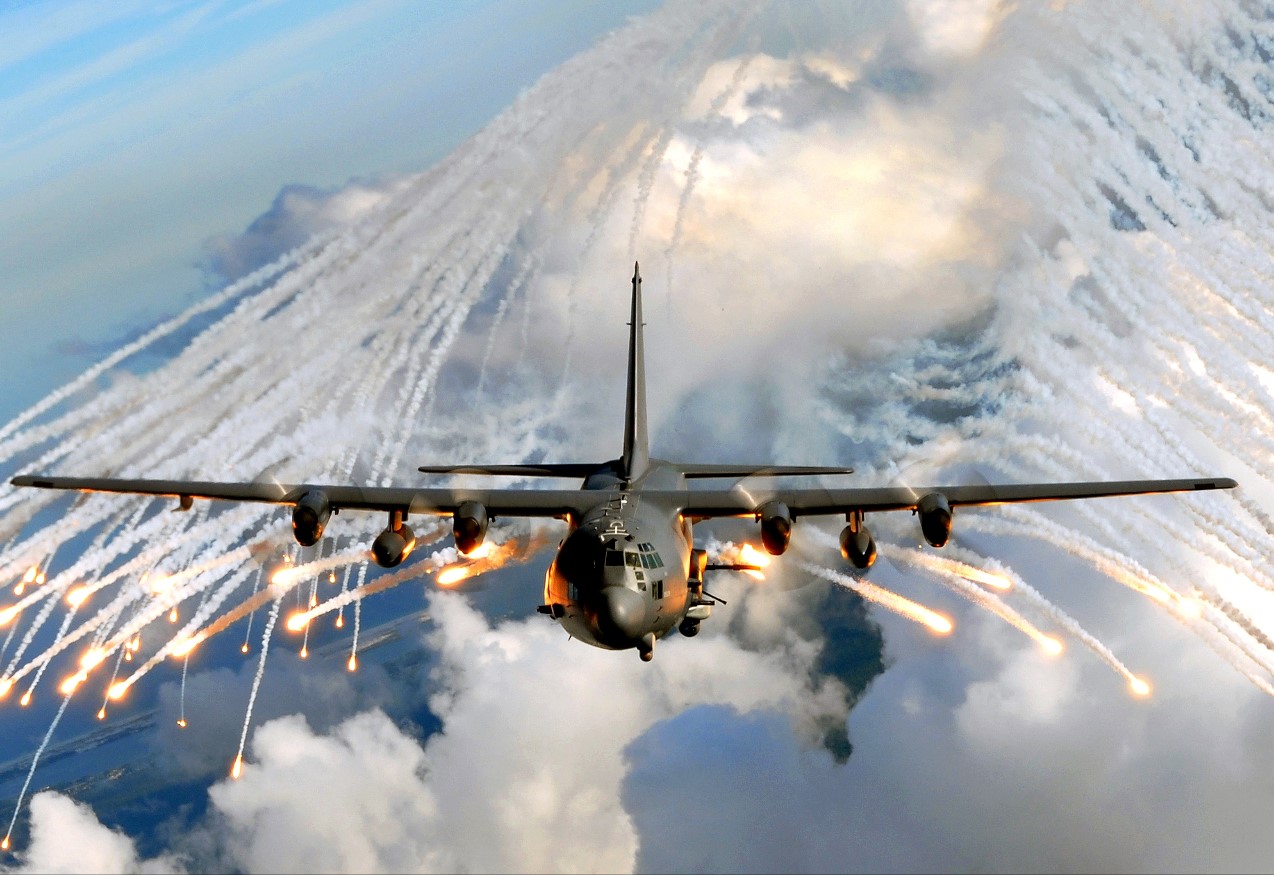 Pentagon Expands Alloy Surfaces Contract to $328.8 Million for Advanced Aircraft Decoy Flares Amid Evolving Drone Threats
-
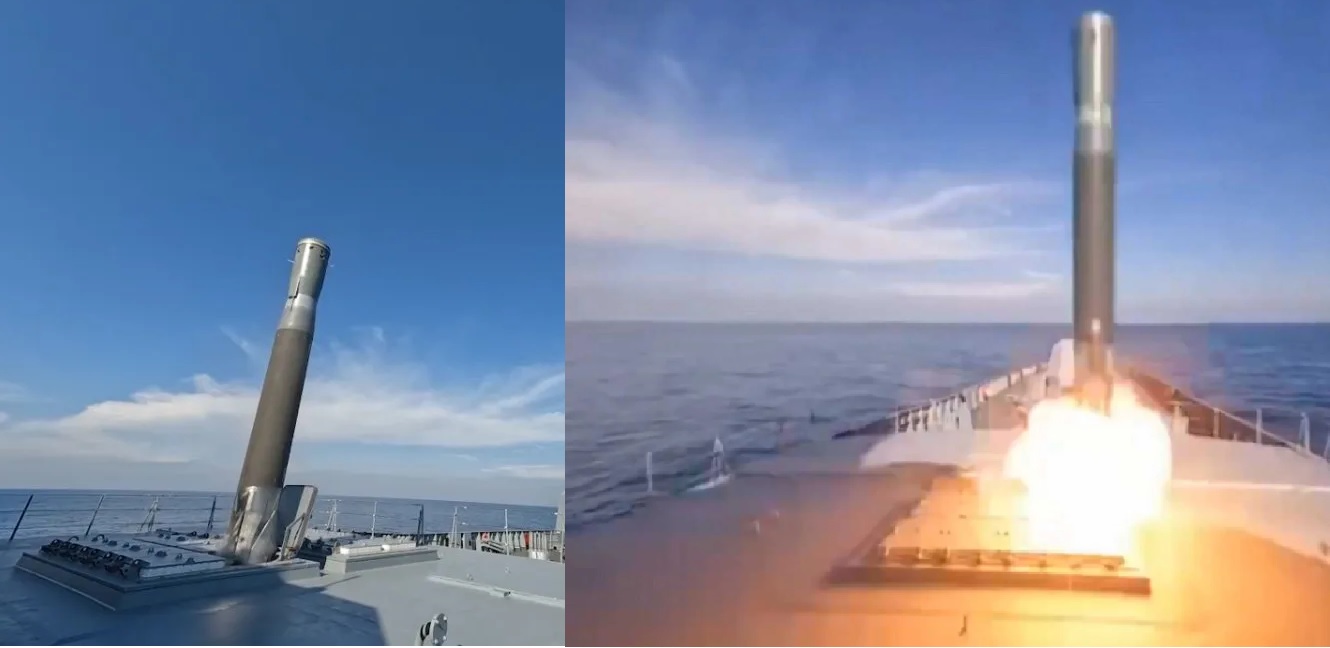 Open-Source Evidence Suggests Russia's Zircon Is a Quasi-Ballistic Missile, Not a True Hypersonic Cruise Weapon
-
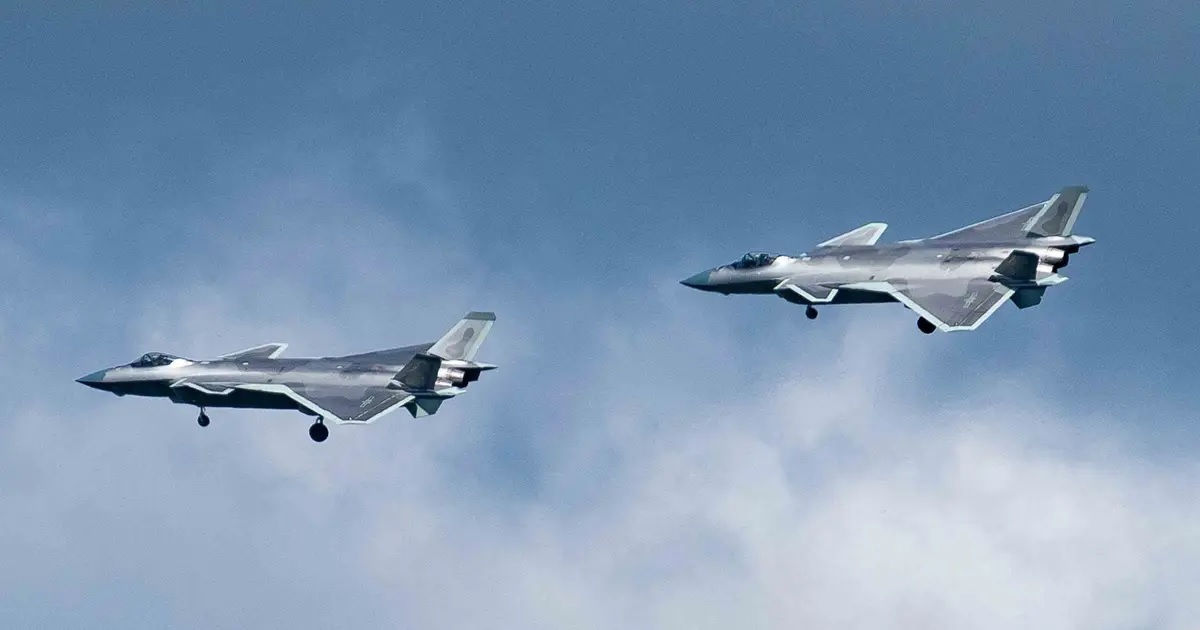 China Surpasses Russia as World’s Second-Most Powerful Air Force Amid Rapid J-20 and J-35 Expansion
-
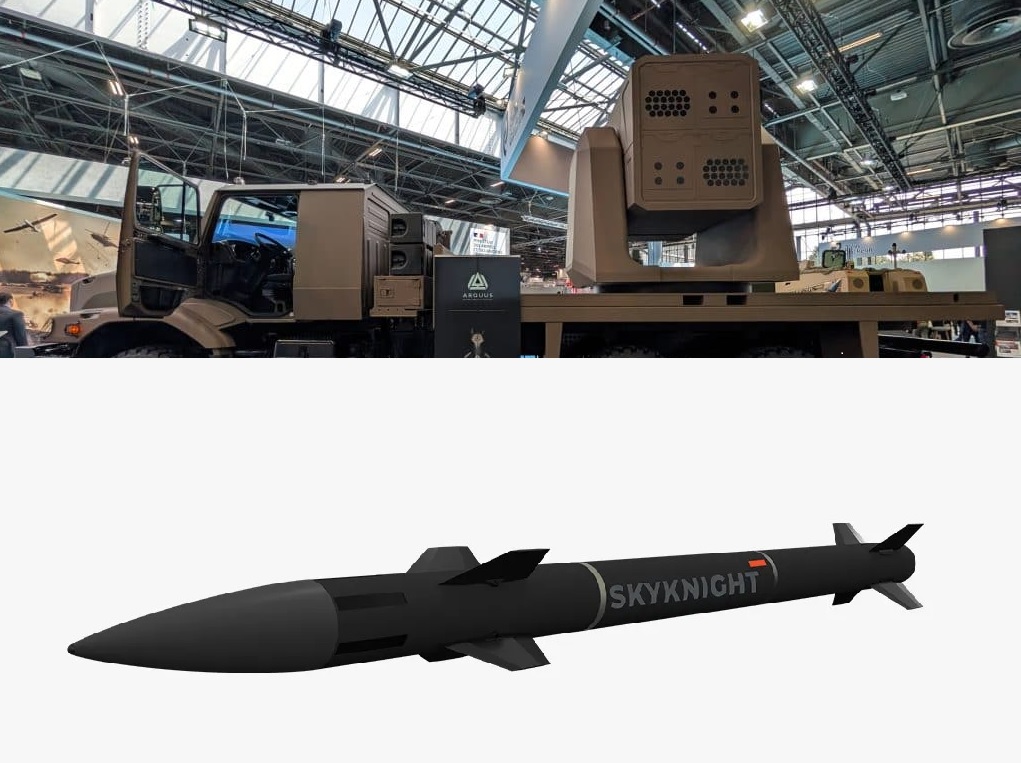 Naval Group Unveils Rampart Modular CIWS Multi-Purpose Weapon System for Naval and Ground Forces at Eurosatory 2026
-
 Why the U.S. Restored Pacific Command Name, Ending the Indo-Pacific Designation After Eight Years
-
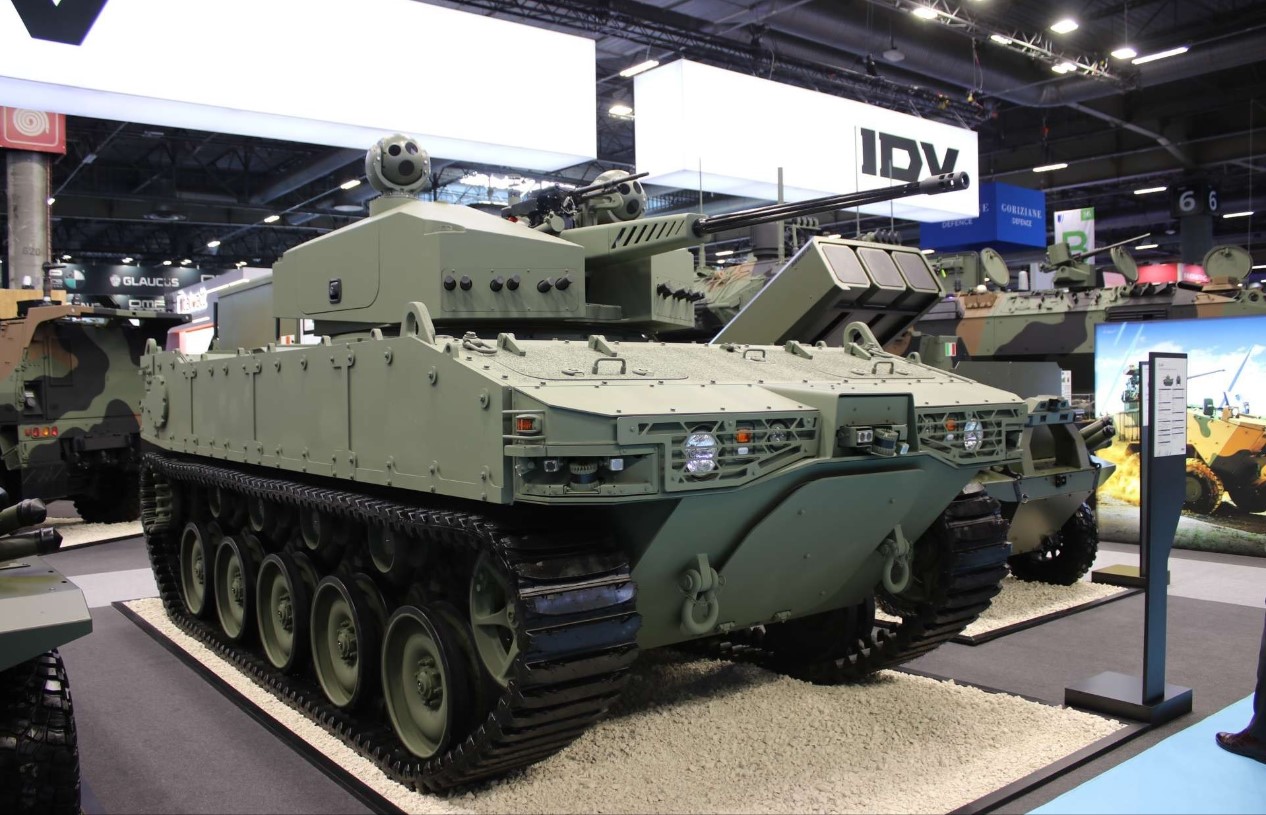 IDV Unveils CL2X Hybrid Uncrewed Light Tank at Eurosatory 2026
-
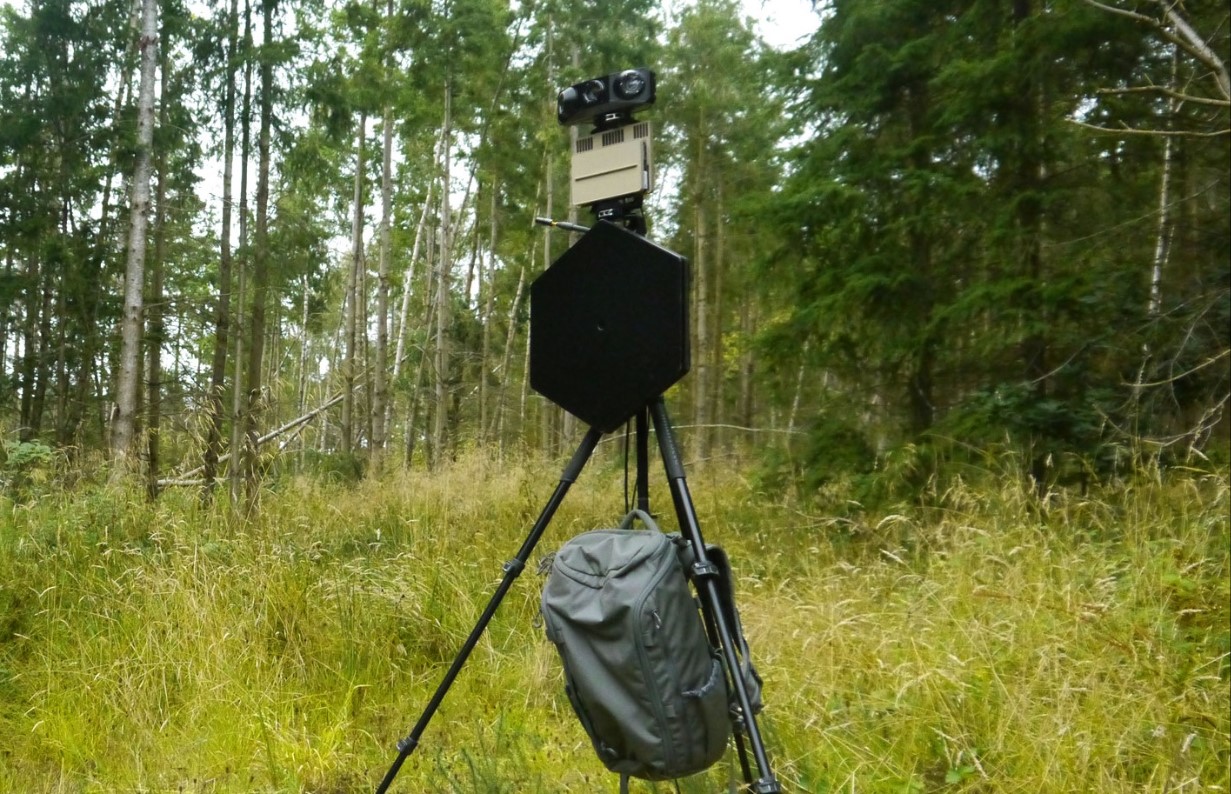 Australia Tests OpenWorks’ AI-Powered Vision Guard Surveillance System Under Land 156 Counter-Drone Program
-
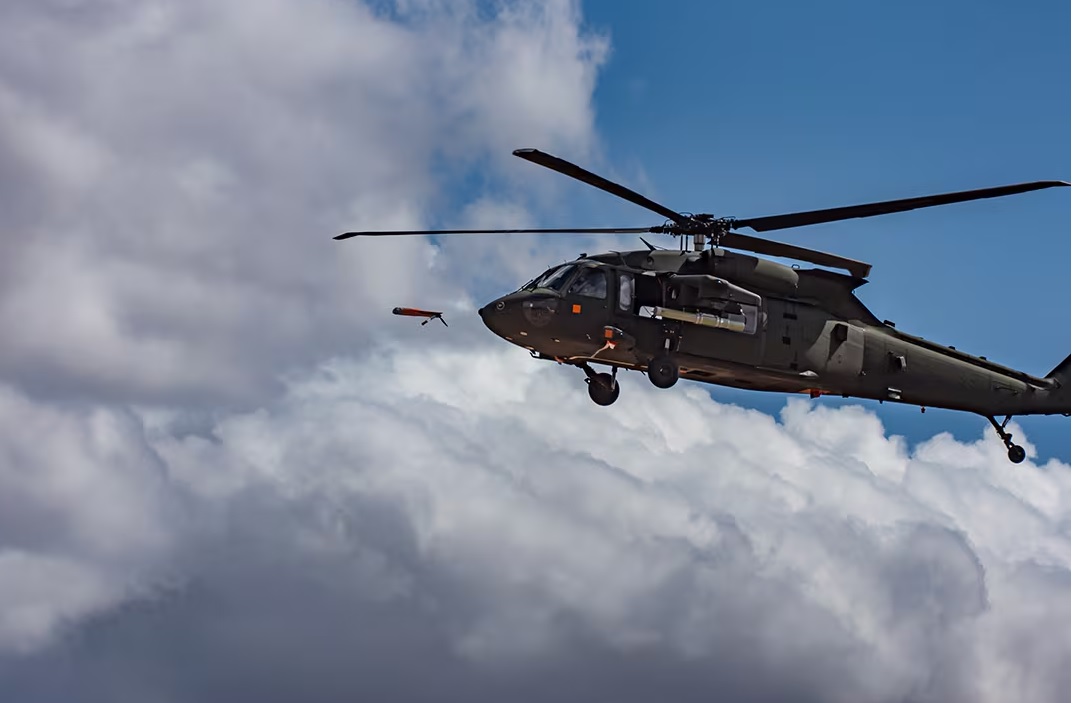 U.S. Army Completes First Flight Test of Medium-Range Air-Launched Effects from Black Hawk Helicopter
Top Trending in 4 Days
-
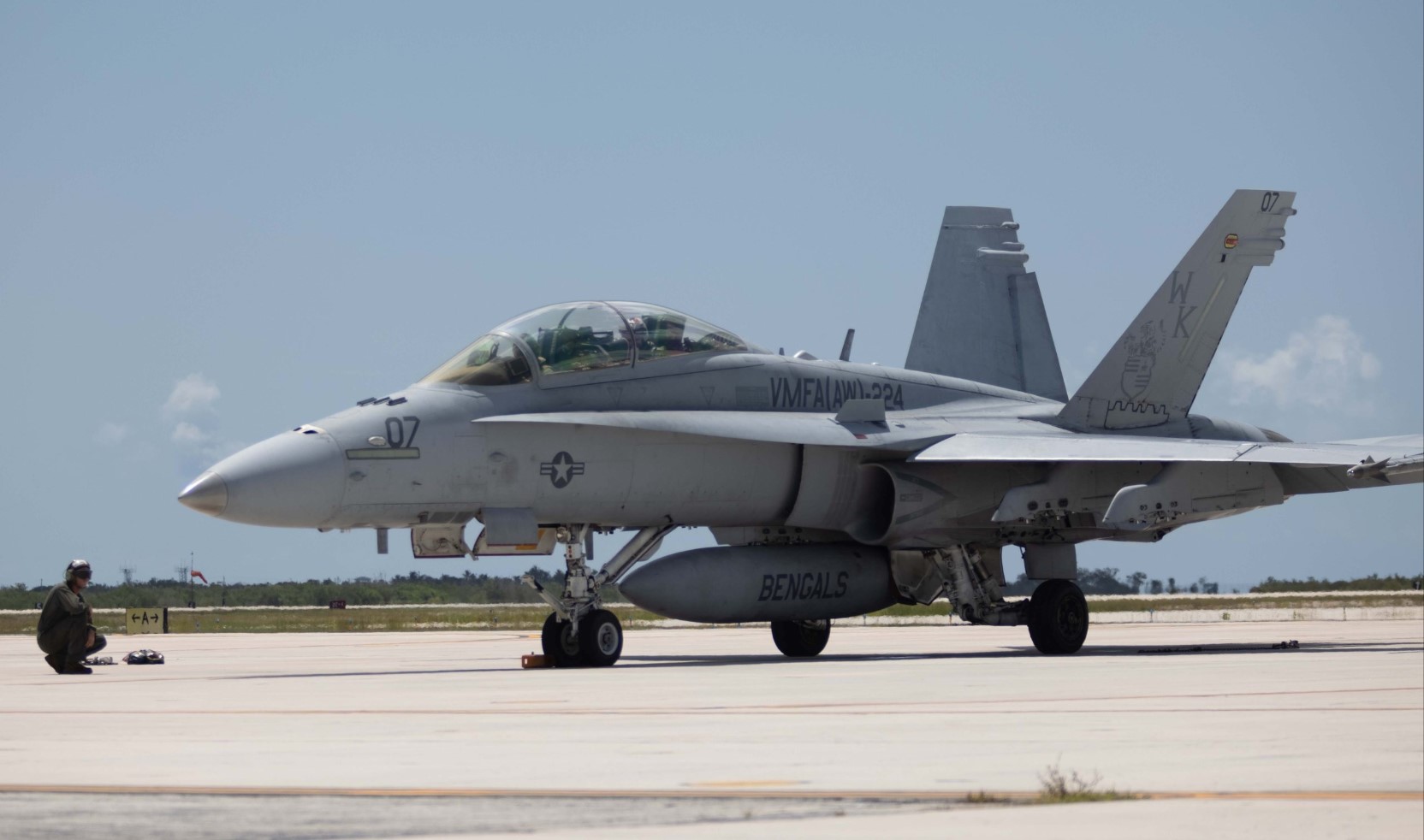 US Marine Corps F/A-18D Hornet Crashes During Training Flight in Washington Mountains; Pilot Ejects Safely
-
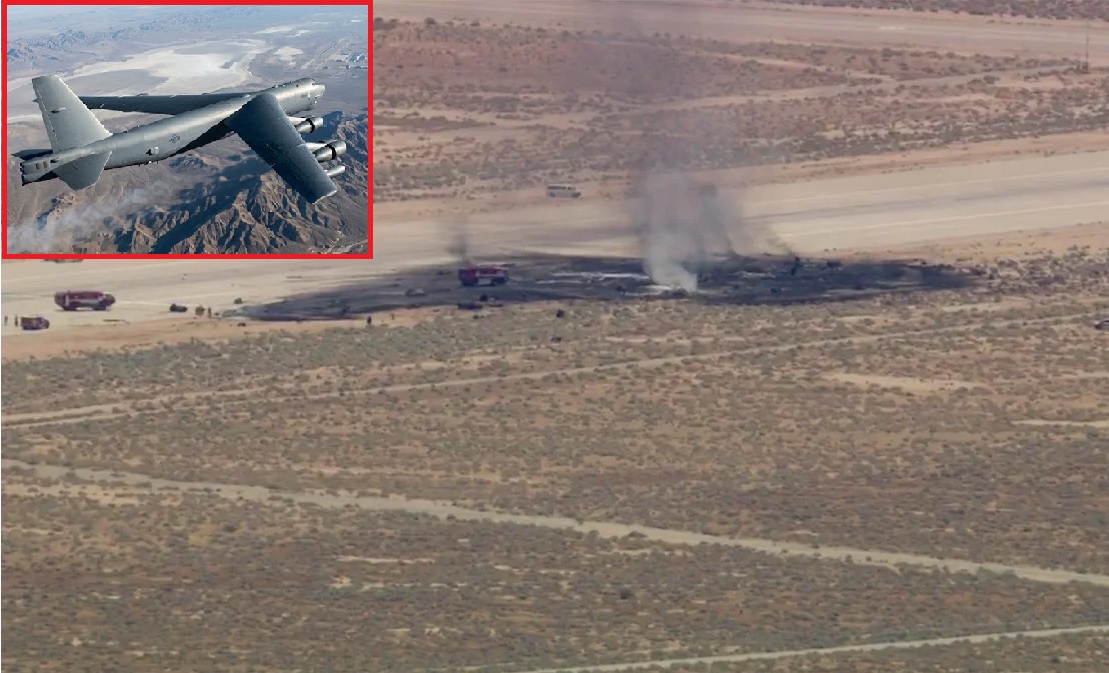 8 U.S. Air Force Crew Members Killed in B-52 Bomber Crash During Test Flight at Edwards Air Force Base
-
 Tulsi Gabbard Releases Declassified Files Detailing U.S.-Backed Network of 120 Biolaboratories Across 30+ Countries
-
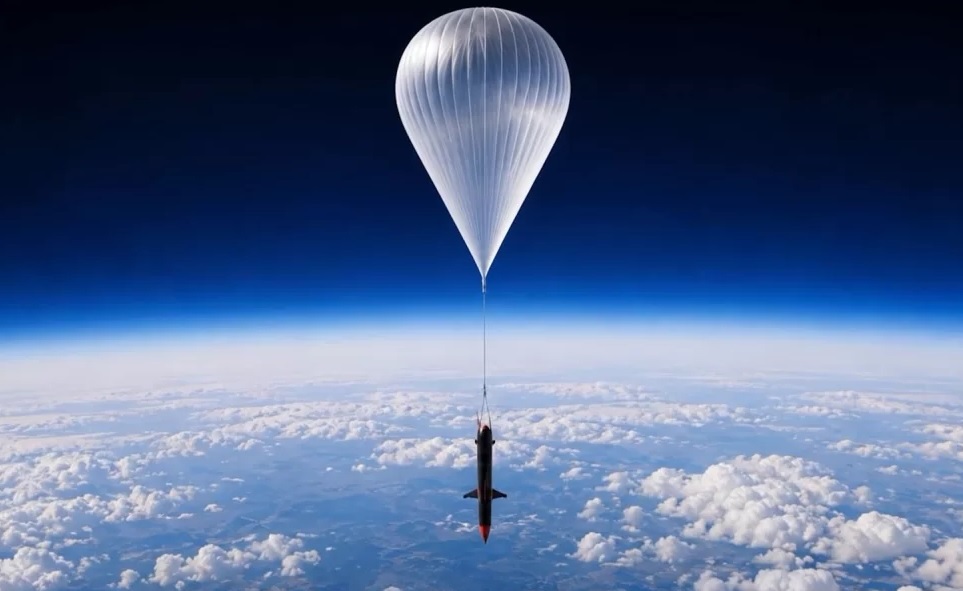 Ukraine Introduces Balloon-Launched DART Missile Designed to Defeat Electronic Warfare
-
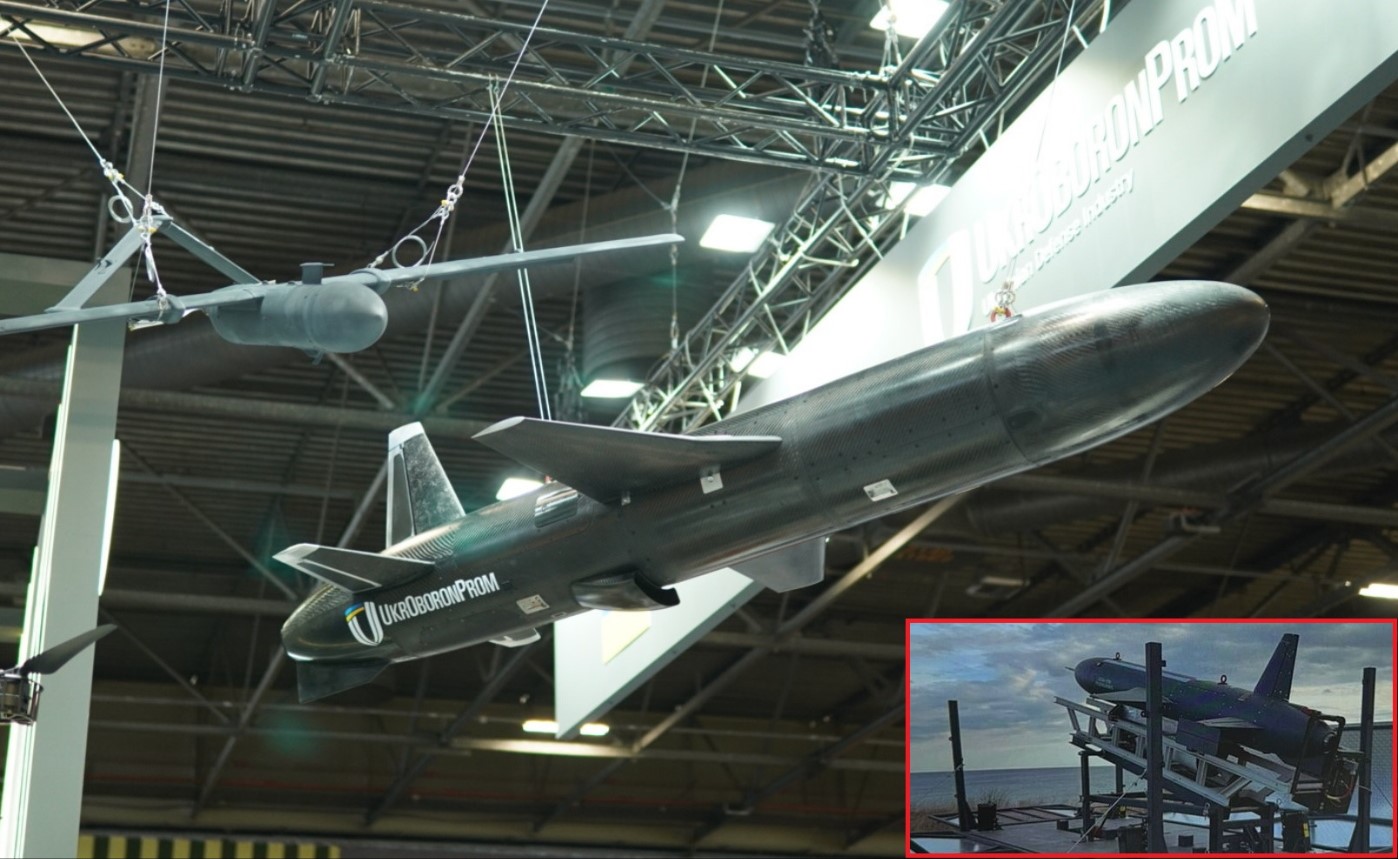 Ukraine Unveils UAV-290 Jet-Powered Strike Drone with 650 km Range at Eurosatory 2026
-
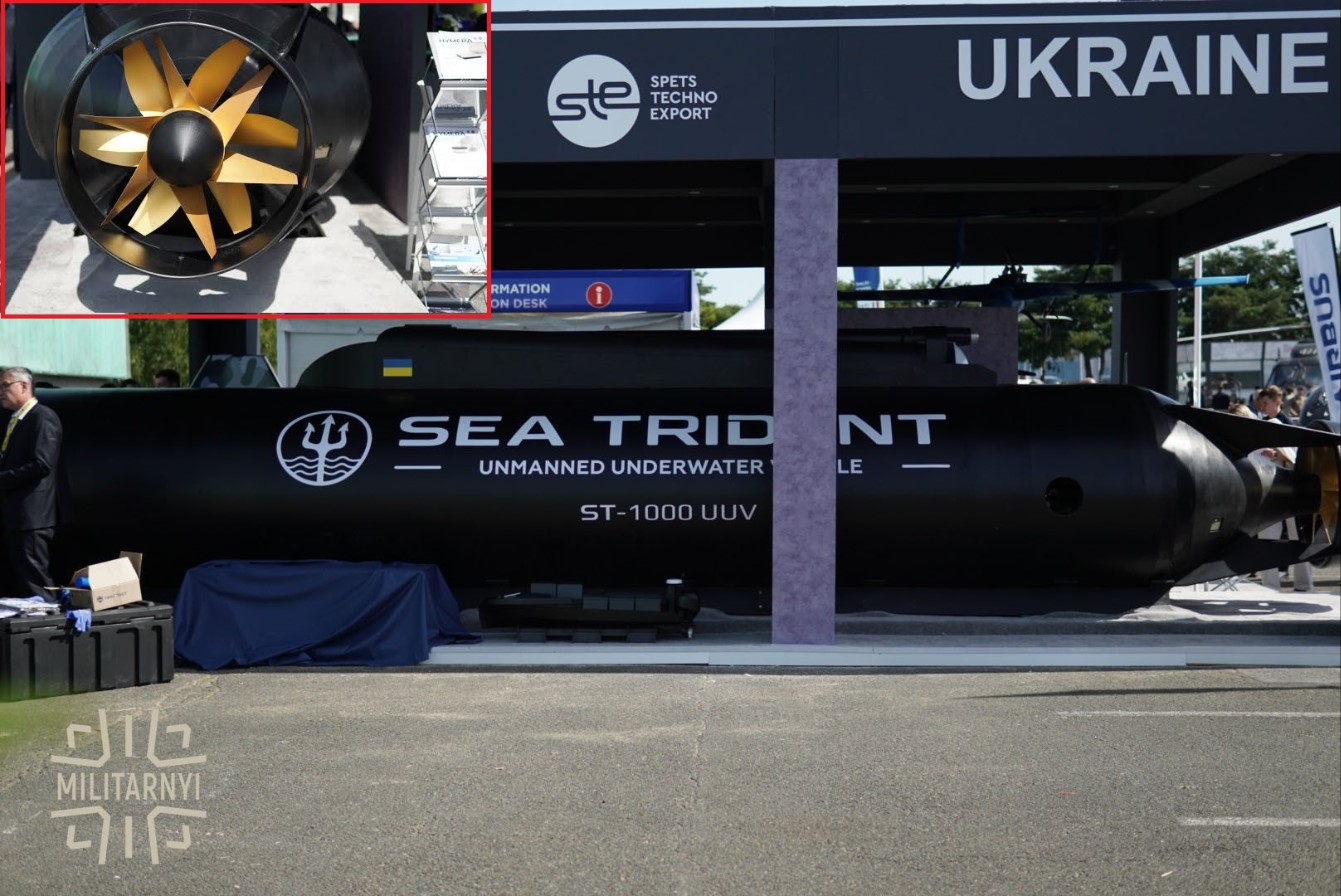 Ukraine Unveils 'Sea Trident' 10-Ton Autonomous Underwater Drone at Eurosatory 2026
-
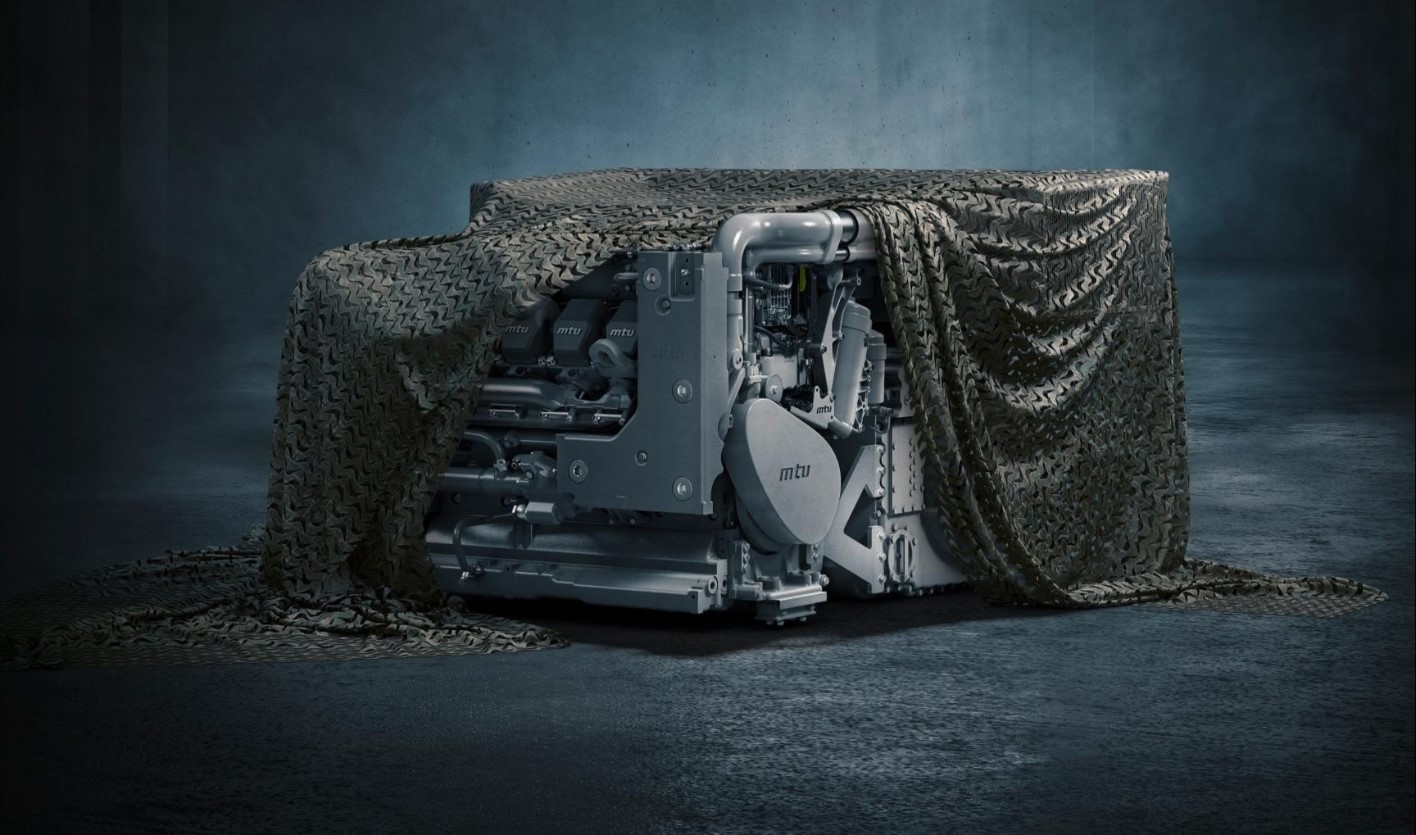 Rolls-Royce Unveils New Hybrid Powertrain for Heavy Military Vehicles at Eurosatory 2026
-
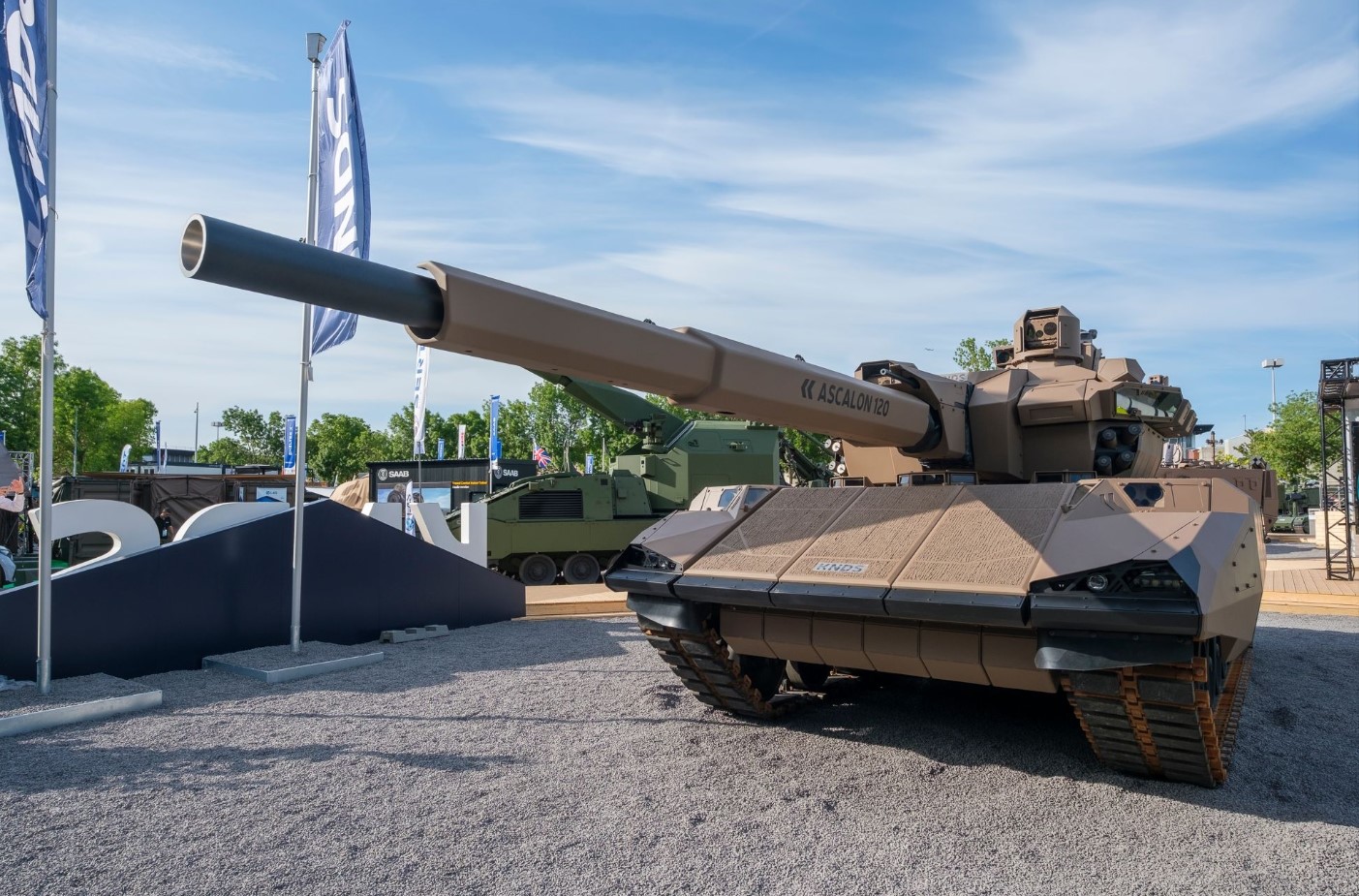 KNDS Unveils CAPINT Main Battle Tank at Eurosatory 2026 as Leclerc Stopgap