
World
Poland has officially unveiled its cutting-edge K2 Black Panther main battle tanks during an international military exercise in Slovakia, marking a significant step forward in the country’s efforts to modernize its armed forces. This public debut was led by the 9th Braniewo Armored Cavalry Brigade, one of the main operators of the newly acquired tanks. These advanced tanks are part of a larger modernization initiative that began in July 2022 when Poland signed a deal with South Korean defense manufacturer Hyundai Rotem. The agreement aimed to strengthen the country’s heavy ground combat capabilities, and as of now, Poland has already received around 110 K2 tanks. The initial batch of 10 units arrived just three months after the deal, alongside 29 K9 Thunder howitzers, also from South Korea. Poland expects to receive the remaining 70 tanks out of the total 180 units later this year. These tanks are being distributed across multiple military brigades, including the 9th Braniewska Armored Cavalry Brigade, the 15th Gieżycka Mechanized Brigade, and the 20th Bartoszycka Mechanized Brigade—all part of the 16th Pomeranian Infantry Division. A few of the K2 tanks were also assigned to the Army Training Center in Poznań to support crew training and future operations. The K2 Black Panther is one of the most advanced tanks in the world. Developed in South Korea during the early 2010s, it features a powerful 120-millimeter smoothbore cannon, a 12.7-millimeter heavy machine gun, and a 7.62-millimeter support gun. The tank is built using a combination of strong steel and high-tech ceramic armor for added protection. Measuring 11 meters long and weighing 55 tons, the K2 is manned by a crew of three. It is powered by a 1,500-horsepower engine and a six-speed transmission, allowing it to reach speeds of up to 70 kilometers per hour and cover distances of up to 450 kilometers on a single refuel. In March, Poland’s Ministry of Defence announced plans to double its order of K2 tanks from South Korea. This move could extend deliveries over the next four years. However, there is also a possibility that future K2 tanks might be produced locally if Poland successfully establishes a domestic manufacturing hub for the vehicles. By showcasing these tanks in Slovakia, Poland has sent a clear signal about its growing defense capabilities and commitment to NATO’s collective strength. The integration of the K2 Black Panther into its armed forces highlights Poland's ambition to become one of the most technologically advanced military powers in Central and Eastern Europe.
Read More → Posted on 2025-05-22 14:15:05
World
In a significant boost to the United Arab Emirates’ defence manufacturing sector, Thales, a global leader in defence and aerospace technologies, has announced plans to establish a state-of-the-art production facility in the UAE for its renowned Ground Master series of air surveillance radars. This strategic agreement was formalised between Tawazun Council and Thales during the prestigious “Make it in the Emirates 2025” event. This initiative is part of the Tawazun Economic Program, which aims to strengthen the UAE’s defence industrial base, support technological self-sufficiency, and enhance local manufacturing capabilities. The upcoming facility will be managed by Thales Emarat Technologies and is scheduled to become fully operational by 2027. Once established, the new production centre will assemble, test, and qualify cutting-edge radar systems not just for the UAE’s defence needs but also for potential export markets. This marks a major step in reinforcing the country’s technological sovereignty and fostering a competitive local defence ecosystem. The Ground Master radar series is globally recognised for its high performance, reliability, and versatility. These radars are designed for a variety of missions, including air defence surveillance, early warning, and tactical airspace control. Key Specifications of Ground Master Radars: High Detection Range: Capable of detecting aerial threats such as fighter jets, helicopters, UAVs, and cruise missiles at ranges exceeding 470 kilometres depending on the variant. 3D AESA (Active Electronically Scanned Array) Technology: Ensures rapid detection, simultaneous tracking, and precise target location data in three dimensions. Mobility: Most Ground Master variants are vehicle-mounted and easily transportable by road, rail, or air, making them ideal for both fixed and mobile operations. Rapid Deployment: Can be operational within 15 minutes, providing quick airspace coverage in crisis scenarios. All-Weather Performance: Designed to operate effectively in extreme temperatures, sandstorms, and challenging desert environments, tailored for regions like the Middle East. Advanced Threat Detection: Capable of identifying low, medium, and high-altitude threats, including stealthy or low-RCS (Radar Cross-Section) targets. Commenting on the development, Matar Ali Al Romaithi, Sector Chief of Defence and Security Industry Affairs at Tawazun Council, highlighted that this expansion underlines the UAE’s leadership in advanced defence technologies and reflects the country’s strategic focus on developing sovereign capabilities in air surveillance systems. Hervé Dammann, Executive Vice-President, Land and Air Systems at Thales, expressed pride in the company’s ongoing contribution to the UAE’s defence industrial growth. He emphasised that the new Radar Centre of Excellence would not only handle production but also cover integration, testing, manufacturing, and lifecycle support services for these sophisticated radar systems. A key component of this initiative is the commitment to promoting long-term self-reliance. Thales plans to invest in training programmes aimed at cultivating Emirati talent and qualifying local suppliers, ensuring that domestic companies have the skills and infrastructure needed to support and eventually lead in advanced radar technology development. This upcoming production facility is expected to become a strategic asset in both strengthening the UAE’s national security infrastructure and enhancing the nation’s position as a hub for advanced defence manufacturing in the region.
Read More → Posted on 2025-05-22 14:06:58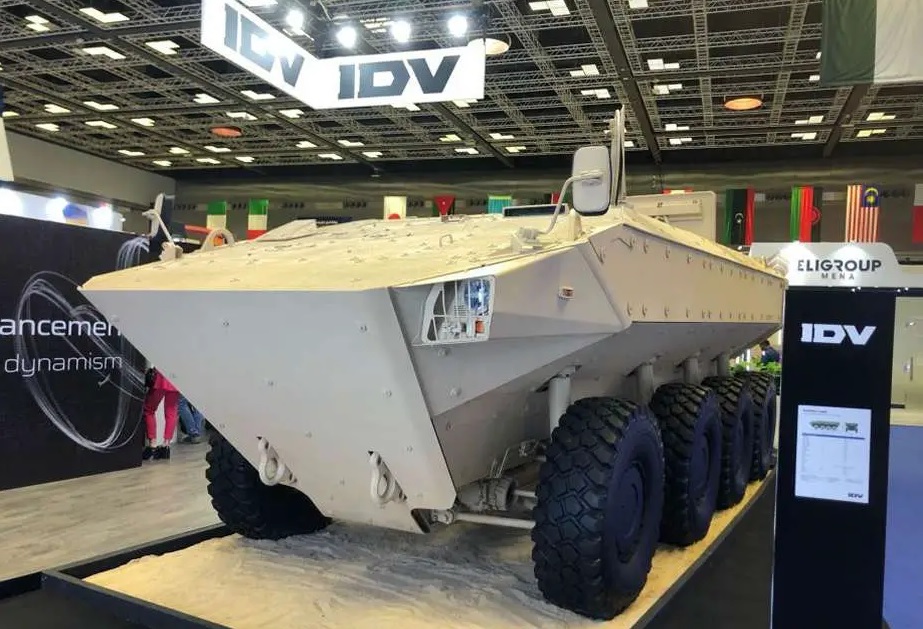
World
IVECO Defence Vehicles (IDV) has introduced a new armored vehicle built specifically for land warfare — the SUPERAV Land. This latest addition to IDV’s tactical vehicle lineup is based on the widely respected SUPERAV amphibious platform, but tailored exclusively for ground operations, offering improved mobility, survivability, and mission flexibility. After achieving success with the amphibious SUPERAV, which was adopted by the U.S. Marine Corps and the Italian Navy, IDV has developed the SUPERAV Land to meet the demands of terrestrial battlefields. Though it shares around 85% of its components with its amphibious counterpart, several key changes have been made to suit land-focused missions. A More Compact, Agile Design The SUPERAV Land is 450mm shorter and 190mm lower than the amphibious version. This not only reduces the vehicle’s visual and physical profile but also enhances its ability to maneuver through difficult and rugged terrain. By removing amphibious features like propellers and bilge pumps, IDV has been able to repurpose that weight to strengthen the vehicle’s armor. This shift prioritizes troop protection and improves the vehicle’s resilience against battlefield threats. Powerful Performance and Advanced Features At the heart of the SUPERAV Land is the same 700-horsepower Iveco Cursor 16 turbocharged diesel engine found in the amphibious model. This engine produces a remarkable 3,000Nm of torque, ensuring powerful off-road performance. The engine is coupled with an Allison 4800 SP automatic transmission, delivering smooth and reliable operation under challenging conditions. The vehicle is equipped with a McPherson hydro-pneumatic suspension system, designed to improve handling over various types of terrain. For enhanced maneuverability, it features second-axle steering as standard, and customers can opt for a fourth-axle low-speed counter-steering system, making it easier to navigate confined or urban environments. Modern Electronics and Mission Adaptability The SUPERAV Land comes with an advanced digital vetronic suite, providing 900Ah of onboard power to support modern electronics and mission systems. It also includes options for third-party system integration, diagnostics tools, and a central tire inflation system. These features give military forces the flexibility to tailor the vehicle for different combat and support roles. Optimized for Troop Transport While the original SUPERAV could carry 13 personnel, the SUPERAV Land adjusts its capacity to 8 troops. This reflects the different requirements of land-based missions, where mobility, armor, and vehicle profile often take precedence over higher troop numbers. A New Standard for Land Combat Vehicles With its modular design, improved protection, and powerful performance, the SUPERAV Land is well-positioned to serve armed forces seeking a dependable, modern armored vehicle for land warfare. It blends the benefits of a proven amphibious platform with ground-centric upgrades, offering a practical and versatile solution for today’s complex battlefields.
Read More → Posted on 2025-05-20 16:20:07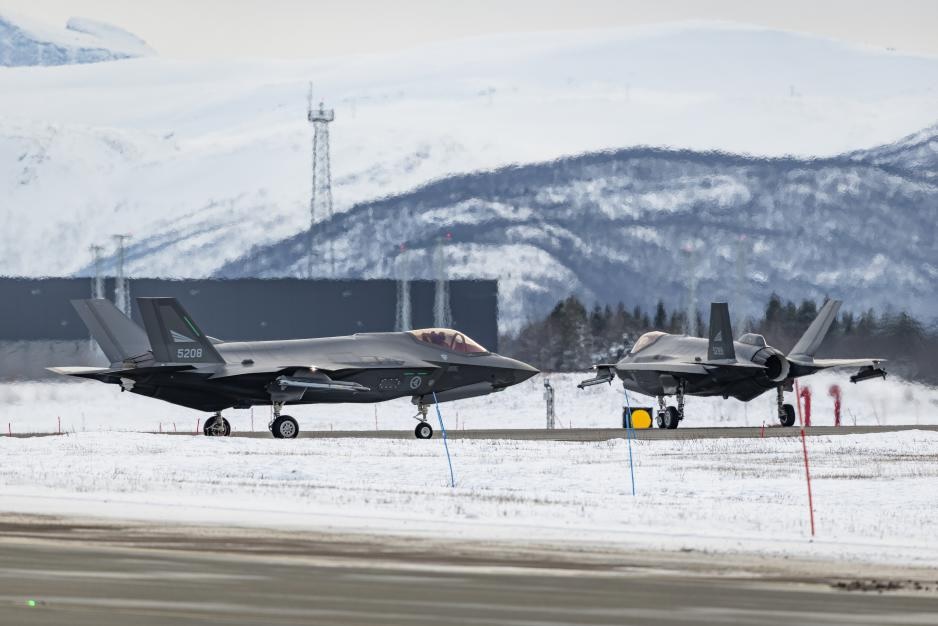
World
In a move that underscores NATO’s growing focus on the Arctic, Norway has officially announced that the alliance’s new air operations command center will be located in the small northern town of Bodo, situated above the Arctic Circle. This new facility will play a key role in managing and coordinating NATO’s air activities across the northern regions of Europe. The decision to host this air command center in Bodo reflects Norway's strategic intent to ensure a stronger NATO presence in the far north, especially as tensions continue to rise with neighboring Russia. In recent years, Moscow has been investing heavily in modernizing Soviet-era military bases and constructing new installations in the Arctic — an area rich in resources and increasingly accessible due to melting ice. Bodo was chosen over Rygge, another contender in the southeast of Norway. One of the main reasons behind selecting Bodo is its existing military infrastructure. The town already hosts the Norwegian Joint Headquarters, which will complement the new NATO facility and allow for better coordination and faster response times in case of security threats. This center will become NATO’s third Combined Air Operations Centre (CAOC) in Europe, joining existing command hubs in Germany and Spain. While an exact date has not yet been announced for when the center will become operational, its responsibilities are clearly defined. It will oversee air surveillance, manage military air traffic, and ensure NATO is ready to conduct air missions in the region when needed. Norwegian Prime Minister Jonas Gahr Store emphasized the importance of strengthening NATO’s northern presence, stating, “We want NATO to have a foothold in the North.” This reflects a broader shift in alliance strategy, with increasing attention being paid to the Arctic as it becomes a new frontier for global military competition and climate-driven geopolitical shifts. As security dynamics continue to evolve, the establishment of the air command in Bodo marks a significant step in NATO’s efforts to ensure readiness and deterrence in the High North.
Read More → Posted on 2025-05-20 15:48:31
World
The Armed Forces of Ukraine are taking another big step in modern warfare by officially deploying robotic systems equipped with thermobaric launchers. The Ministry of Defence of Ukraine has authorised the use of the KRAMPUS mobile strike system, a homegrown robotic platform designed to support both attack and defence missions on the battlefield. What is the KRAMPUS Mobile Strike System? The KRAMPUS system is a compact, mobile ground robot built on a tracked chassis and powered by two silent electric motors. Its small size allows it to be easily transported in the back of a pickup truck, minibus, or trailer. This flexibility means it can be quickly deployed to frontline positions or difficult terrains, including off-road areas, dense forests, swamps, sandy zones, and steep slopes. One of KRAMPUS's key strengths is its ability to withstand electronic warfare interference, which is a serious threat on modern battlefields. It’s also built to operate in tough weather conditions — whether it’s freezing cold, scorching heat, heavy snow, or rain. The system is fitted with video cameras for real-time surveillance and remote control, as well as a weapon station equipped with RPV-16 reactive thermobaric launchers. What is a Thermobaric Launcher? A thermobaric launcher is a type of weapon system that fires specially designed warheads, known as thermobaric or fuel-air explosive (FAE) warheads. Unlike conventional explosives, which use only a single-stage blast, thermobaric warheads release a cloud of fuel particles into the air upon detonation. This fuel cloud mixes with atmospheric oxygen, and then a secondary ignition triggers a massive explosion. The result is an intense, high-temperature blast wave followed by a vacuum effect. This can cause devastating damage to enemy personnel in trenches, bunkers, tunnels, and confined spaces, as well as to light armoured vehicles. The powerful overpressure and heat from a thermobaric explosion can also knock down walls and structures. KRAMPUS System Features and Specifications Chassis: Tracked electric platform Power Source: Two silent electric motors Mobility: Capable of navigating off-road, forests, swamps, sand, and slopes Electronic Warfare Protection: Resistant to jamming and interference Weather Tolerance: Operates in cold, heat, snow, and rain Weapon System: RPV-16 reactive thermobaric launchers Operational Use: Both offensive and defensive missions Deployment: Easily transported in pickup trucks, minibuses, or trailers Additional Features: Real-time video cameras for reconnaissance and targeting Ukraine’s Growing Robotic Force Since Russia’s full-scale invasion, Ukraine has been rapidly modernising its military by introducing robotic systems to the battlefield. Over 80 ground robotic systems have been approved for military service so far — including nearly 10 systems in 2023, more than 50 in 2024, and over 20 in 2025. These systems are not limited to combat roles. Some are designed for reconnaissance, mine-laying, demining, logistics support, evacuation, and patrolling duties. Ukraine has also developed weaponised ground drones for attack and defensive operations, along with kamikaze variants that carry explosive payloads to destroy enemy targets. Final Thoughts The addition of systems like KRAMPUS marks a new chapter in Ukraine’s military tactics, combining advanced robotics with powerful thermobaric weaponry. These compact, mobile strike platforms provide Ukrainian forces with a modern, flexible, and lethal edge on the battlefield — especially in urban and difficult terrains where traditional vehicles might struggle.
Read More → Posted on 2025-05-20 15:43:06
World
The Spanish Navy recently conducted successful trials of the Exail R7 remotely operated vehicle (ROV) during a mine countermeasures exercise in the Balearic Sea. This exercise was an important step in enhancing Spain’s underwater defense and mine detection capabilities. This trial took place after Spain received a new Exail R7 system in April, boosting the navy’s fleet of anti-mine systems. Alongside its existing Remus unmanned underwater vehicles, the addition of the R7 strengthens Spain’s ability to detect and neutralize underwater threats, especially naval mines. During the exercise, the Exail R7 was tasked with locating and inspecting underwater mines such as the Manta and Rockan. These are types of cylindrical explosives typically hidden in shallow waters, near the seabed, or around sunken wrecks. The R7 effectively detected and scanned these threats, transmitting clear, real-time images to operators on the surface via a 300-meter fiber optic cable. The Spanish Navy confirmed that the R7’s trials successfully proved its efficiency and reliability in underwater mine inspections. Its ability to deliver direct image analysis allows naval mine warfare teams to quickly respond to potential threats while keeping divers out of harm’s way. A spokesperson from the Spanish Navy’s Very Shallow Water Team highlighted the importance of staying updated with new technology. They pointed out that while the REMUS system has its uses, the Exail R7 brings new capabilities, such as a gripper arm that can cut cables or retrieve objects if necessary. Exail R7 ROV: Features and Specifications The Exail R7 ROV is built with a compact and lightweight design, making it easy to deploy in various underwater operations. It serves not only for mine detection but also for search and rescue missions, maritime recovery, underwater infrastructure inspections, and diver support tasks. Some of its key features include: Weight: Less than 35 kilograms (77 pounds) Length: 78 centimeters (31 inches) Depth Range: Can dive up to 300 meters (984 feet) Speed: Capable of moving at 3 knots (around 6 kilometers or 3 miles per hour) Thrusters: Equipped with seven multi-directional thrusters for enhanced maneuverability in any direction, both horizontally and vertically The R7’s fiber optic cable ensures stable communication and image transmission, even in challenging underwater environments. Its design includes optional tools such as a gripper arm, offering operational flexibility in mine neutralization and underwater object retrieval. Today, the Exail R7 is in use with more than 50 naval services around the world, underlining its growing reputation as a dependable tool for underwater defense and safety missions. With successful trials like these, the Spanish Navy continues to strengthen its capabilities in underwater operations, ensuring better safety for its personnel and securing maritime environments against hidden threats.
Read More → Posted on 2025-05-20 15:18:21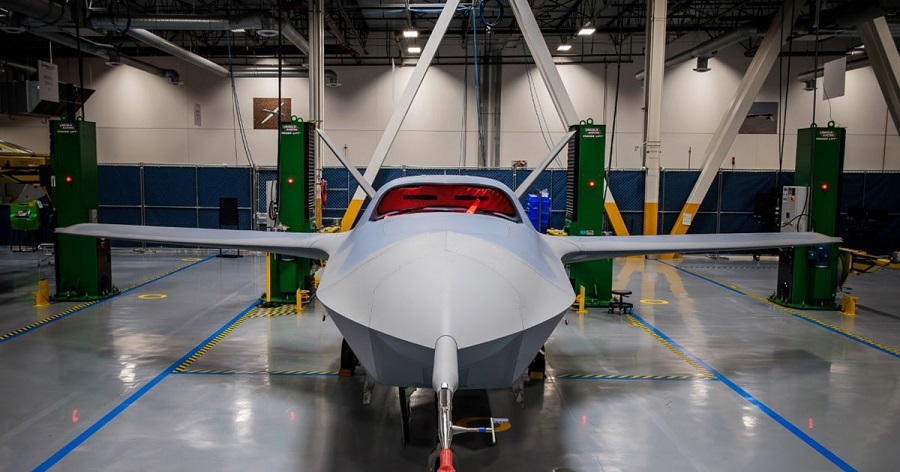
World
General Atomics Aeronautical Systems, Inc. (GA-ASI) has officially started ground testing of its latest uncrewed combat aircraft, the YFQ-42A, as part of the U.S. Air Force’s Collaborative Combat Aircraft (CCA) program. The ground testing began on 7 May 2025, marking a major step towards the aircraft’s first flight, which is scheduled for later this summer. The YFQ-42A is a production-representative test vehicle designed to support the future of unmanned combat aviation. It represents General Atomics’ third jet-powered uncrewed aircraft and highlights the company’s ongoing partnership with the U.S. Air Force to develop next-generation autonomous systems for modern warfare. According to David R. Alexander, President of GA-ASI, the YFQ-42A project is a result of many years of close collaboration with the U.S. military. It aims to enhance the capabilities of unmanned systems and strengthen air combat operations by integrating advanced artificial intelligence (AI) and machine learning (ML) technologies. A Legacy of Innovation General Atomics is well-known for its experience in unmanned systems. The company previously developed the MQ-20 Avenger, which made its first flight in 2009 and has since accumulated over 40,000 flight hours. The Avenger remains active as a testing platform for CCA autonomy and AI integration projects. Another recent achievement is the XQ-67A Off-Board Sensing Station (OBSS), which took its maiden flight in early 2024. This jet is designed for flexible mission roles and uses a shared platform, or “genus”, allowing quick modifications for different tasks, such as surveillance, jamming, or strike missions. This modular approach reduces production costs and accelerates delivery timelines, a strategy borrowed from the automotive industry to improve military aviation development. YFQ-42A Specifications and Features While full technical details of the YFQ-42A remain classified, some expected specifications and features include: Type: Unmanned Combat Air Vehicle (UCAV) Role: Collaborative Combat Aircraft (CCA), designed to work alongside manned fighters like the F-35 and F-22 Propulsion: Jet-powered, likely using a high-performance, efficient turbofan engine Speed: Estimated to reach near-supersonic speeds Stealth: Shaped with radar-reducing features for low observability Payload Capacity: Configurable internal and external weapon bays for precision-guided munitions, air-to-air missiles, and sensors Autonomy: Equipped with advanced AI and ML systems for autonomous mission execution and teaming with piloted aircraft Endurance: Designed for long-range missions, exact range undisclosed but expected to be over 1,000 nautical miles GA-ASI’s Growing Influence With the addition of the YFQ-42A to its fleet, General Atomics continues to expand its presence in the defense aviation industry. The company operates a 5 million-square-foot manufacturing facility in Poway, California, producing over 100 aircraft annually. Its global fleet has recorded nearly 9 million flight hours, with more than 50 aircraft in the sky at any given time. The YFQ-42A marks a bold step into the future of aerial combat, where unmanned aircraft will fly alongside traditional fighters, share data in real time, and engage in complex missions — all while reducing risks to human pilots. As ground testing progresses, the YFQ-42A is set to play a pivotal role in shaping the future of air warfare and unmanned systems.
Read More → Posted on 2025-05-20 14:50:54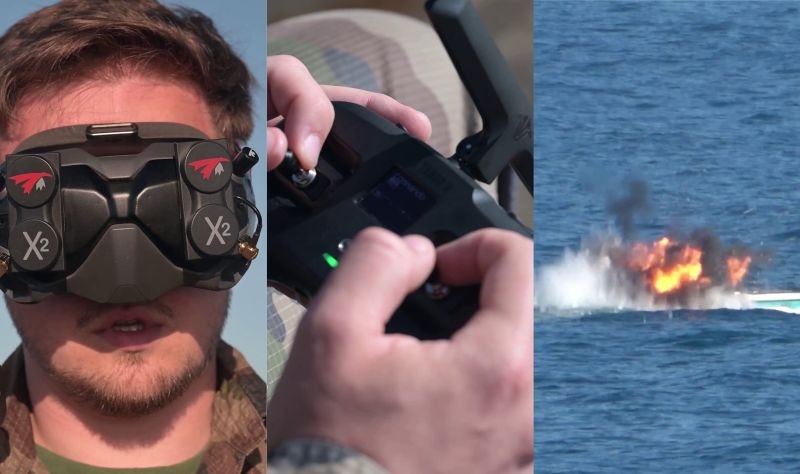
World
In a significant stride towards modernizing naval defense, the French Navy has been actively experimenting with First Person View (FPV) Unmanned Aerial Vehicles (UAVs) to bolster the self-defense capabilities of its surface ships. This initiative is part of a broader effort to integrate unmanned systems into naval operations, reflecting the evolving nature of maritime warfare. Understanding FPV Drones in Naval Context FPV drones are remotely piloted aircraft that provide real-time video feedback to the operator, offering an immersive first-person perspective. This technology enables operators to navigate and control drones with heightened precision, making them valuable assets for surveillance, reconnaissance, and defensive operations at sea. Recent Trials and Exercises The French Navy conducted trials off the coast of Toulon, Southern France, as part of the DRAGOON FURY exercise. During these exercises, sailors aboard Mistral-class amphibious assault ships operated FPV drones to simulate defense scenarios against potential threats, such as unmanned surface vehicles (USVs). These simulations involved targeting and neutralizing mock threats, demonstrating the potential of FPV drones in enhancing shipboard defense mechanisms. Integration into Broader Defense Strategy The adoption of FPV drones aligns with the French Navy's comprehensive strategy to incorporate unmanned systems across various platforms. Beyond aerial drones, the Navy has been exploring the use of unmanned surface vessels (USVs) and unmanned underwater vehicles (UUVs) to expand its operational capabilities. This holistic approach aims to create a versatile and adaptive naval force capable of responding to diverse maritime challenges. Benefits and Future Prospects Integrating FPV drones into naval operations offers several advantages: Enhanced Situational Awareness: Real-time video feeds provide crews with immediate insights into potential threats, enabling quicker decision-making. Cost-Effective Training: FPV drones serve as practical tools for simulating various scenarios, allowing crews to train effectively without the need for expensive equipment or live exercises. Force Multiplication: By extending the surveillance and response capabilities of ships, FPV drones act as force multipliers, enhancing overall mission effectiveness. Looking ahead, the French Navy plans to continue refining the integration of FPV drones into its operations. Ongoing exercises and technological advancements will further define the role of these drones in future naval engagements, ensuring that the Navy remains at the forefront of maritime defense innovation. The French Navy's proactive approach to incorporating FPV drones into its defense strategy underscores a commitment to embracing emerging technologies. By leveraging the capabilities of unmanned systems, the Navy is enhancing its readiness and adaptability in an increasingly complex maritime security environment.
Read More → Posted on 2025-05-19 16:18:23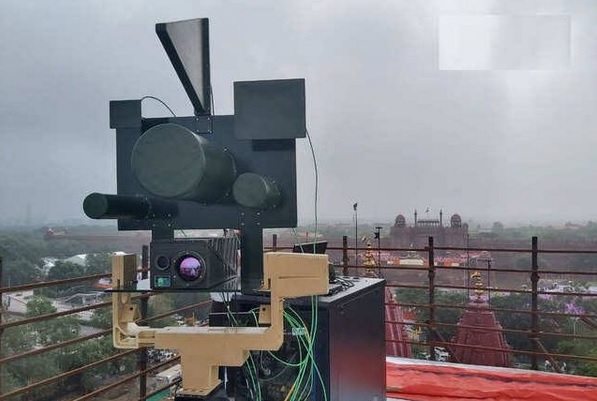
World
In the evolving landscape of modern warfare, unmanned aerial vehicles (UAVs) have emerged as significant threats. Recognizing this, India has developed the D4 (Detect, Deter, Destroy) anti-drone system, a testament to its commitment to indigenous defense solutions. Development and Features The D4 system is a collaborative effort between the Defence Research and Development Organisation (DRDO) and Bharat Electronics Limited (BEL). Designed to counter a range of drone threats, from micro-UAVs to small armed drones, the system employs a dual-layered defense mechanism: Soft Kill: Utilizes electronic warfare techniques such as radio frequency (RF) jamming, Global Navigation Satellite System (GNSS) jamming, and GPS spoofing to disrupt drone communications and navigation. Hard Kill: Employs laser-based directed energy weapons and interceptor drones to physically neutralize hostile UAVs. Advanced sensors, including RF detectors, X-band radar, and electro-optical/thermal imaging, enable the D4 system to detect, identify, and engage threats in real-time, providing comprehensive 360-degree coverage. Operational Success The D4 system demonstrated its efficacy during Operation Sindoor, where India faced a coordinated drone swarm attack involving over 600 drones, many supplied by Turkey and deployed by Pakistan. The system was instrumental in detecting, intercepting, and neutralizing the majority of these drones, preventing significant damage and casualties. Strategic Impact and Global Recognition The success of the D4 system has garnered international attention. John Spencer, a leading US warfare expert and chair of urban warfare studies at the Modern War Institute, lauded the system as "an impressive counter drones system." He emphasized its cost-effectiveness and suggested that similar systems could benefit the US for border security. Spencer also highlighted India's broader military response during Operation Sindoor, describing it as "the inflection point in the war on terror." He praised India's actions for delivering a clear message: "We don't want war but will punish terror without escalation." India's D4 anti-drone system represents a significant advancement in counter-drone technology. Its successful deployment during Operation Sindoor underscores its effectiveness and positions India as a leader in indigenous defense solutions. As drone threats continue to evolve, systems like the D4 will play a crucial role in ensuring national security.
Read More → Posted on 2025-05-19 16:10:27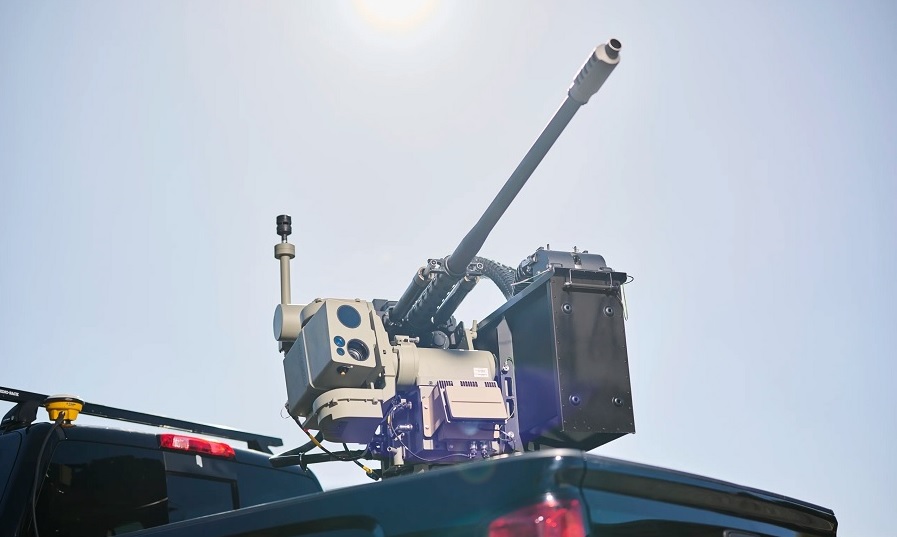
World
Electro Optic Systems (EOS), a leading Australian defence technology company, has announced a significant contract valued at €31 million for its advanced Slinger Counter-Drone Remote Weapon Systems (RWS). This order, the largest to date for the Slinger system, has been placed by a European naval systems integrator, funded by a Western European government. Advanced Features of the Slinger System The Slinger system is designed to effectively counter modern drone threats. It integrates a radar system, a 30mm cannon equipped with specialised ammunition, and EOS's proprietary stabilisation and pointing technology. This combination allows the Slinger to track and engage moving drones at distances beyond 800 meters, making it suitable for operations in various environments, including urban settings. Scope of the Contract The contract encompasses the delivery of multiple Slinger systems configured for naval deployment, with some units equipped with cannons. In addition to the weapon systems, the package includes spare parts, training, and other support items to ensure operational readiness. Deliveries are scheduled throughout 2025 and 2026, addressing urgent operational requirements within Europe. Strategic Implications This substantial order underscores the growing global demand for advanced counter-drone capabilities, particularly in the naval sector. It also highlights EOS's strategic focus on expanding its presence in high-growth defence markets. While the specific client has not been disclosed, the contract signifies a significant milestone for EOS, reinforcing its position as a key player in the defence technology sector. The Slinger system, developed with insights from recent conflict zones, represents a significant advancement in counter-drone technology. Its deployment in European naval operations will enhance the region's defence capabilities against emerging aerial threats.
Read More → Posted on 2025-05-19 16:05:10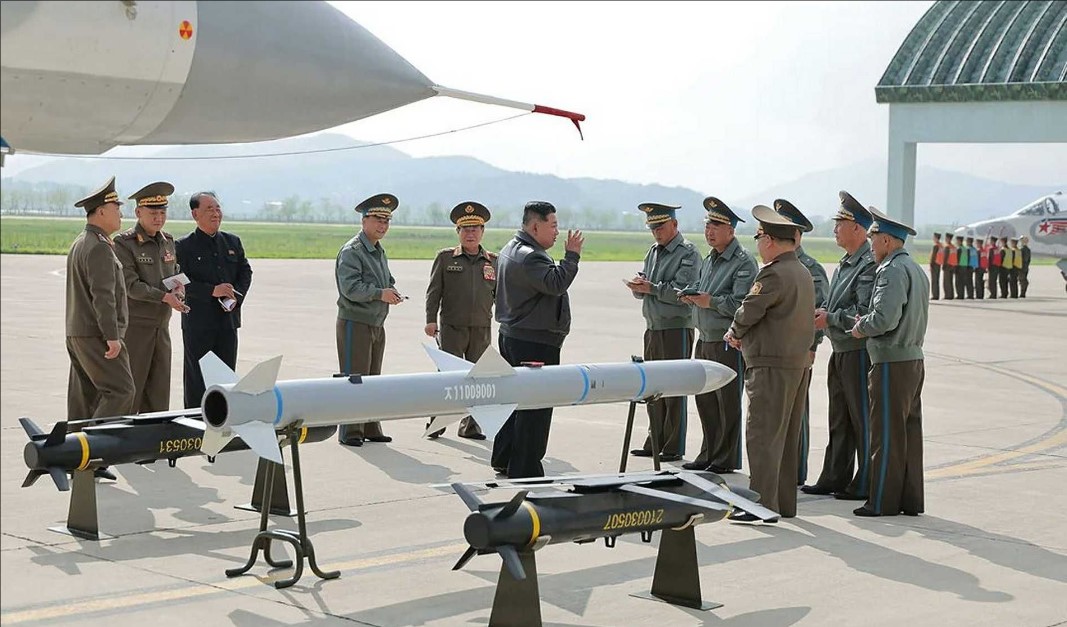
World
In a bold display of military readiness, North Korea has publicly unveiled a new guided air-to-air missile during a large-scale air defense and airstrike training exercise. The event, personally overseen by North Korean leader Kim Jong-un, highlights Pyongyang's continued push to modernize its military capabilities and improve its aerial combat readiness. According to reports from North Korean state media, Kim Jong-un visited a flight regiment under the country’s 1st Air Division on May 15 to supervise the comprehensive training exercise. Speaking to military commanders and personnel, Kim emphasized the importance of maintaining a constant state of alert and operational readiness, urging the armed forces to bring about a "fundamental transformation" in war preparedness. The exercise was designed to strengthen North Korea’s ability to detect, track, and neutralize threats such as cruise missiles and unmanned aerial vehicles (UAVs). It involved a coordinated effort by fighter jet squadrons, surface-to-air missile units, radar teams, and electronic warfare specialists. These elements worked together to blind, jam, and destroy simulated enemy drones and missiles in a realistic combat environment. The standout moment of the exercise was the public appearance of a new guided air-to-air missile. While official details about the missile’s name and specifications remain undisclosed, defense analysts noted that its sleek, modern design indicates a possible engagement range of up to 100 kilometers. If confirmed, this would mark a significant improvement over North Korea’s existing air-to-air missile inventory, potentially giving its air force a longer reach against hostile aircraft. Sources familiar with the exercise suggest that this new missile is specifically designed to counter advanced fighter jets operated by South Korea, such as the F-35A stealth fighters and F-15K Slam Eagles. By extending interception range and enhancing engagement capability, North Korea aims to improve its chances of defending its airspace against technologically superior adversaries. Interestingly, military observers also pointed out subtle design similarities between this new missile and foreign systems like Russia's R-77 and China’s PL-12, hinting that North Korea may have drawn inspiration or technical insights from these weapons while developing its indigenous version. Though such comparisons remain speculative, the emergence of this missile signals North Korea’s ongoing efforts to modernize its air combat equipment despite international sanctions and limited resources. This latest development comes at a time of heightened military tensions on the Korean Peninsula, with both North and South Korea conducting frequent military drills and showcasing new weapon systems. For Pyongyang, unveiling this advanced missile serves both strategic and symbolic purposes — sending a clear message to its rivals that it remains determined to enhance its defense capabilities and maintain full combat readiness. As tensions continue to simmer in the region, further details about the missile’s operational status, guidance systems, and actual performance might emerge in future state media reports or test demonstrations. For now, its appearance alone adds a new dimension to the growing military standoff in Northeast Asia.
Read More → Posted on 2025-05-19 16:02:03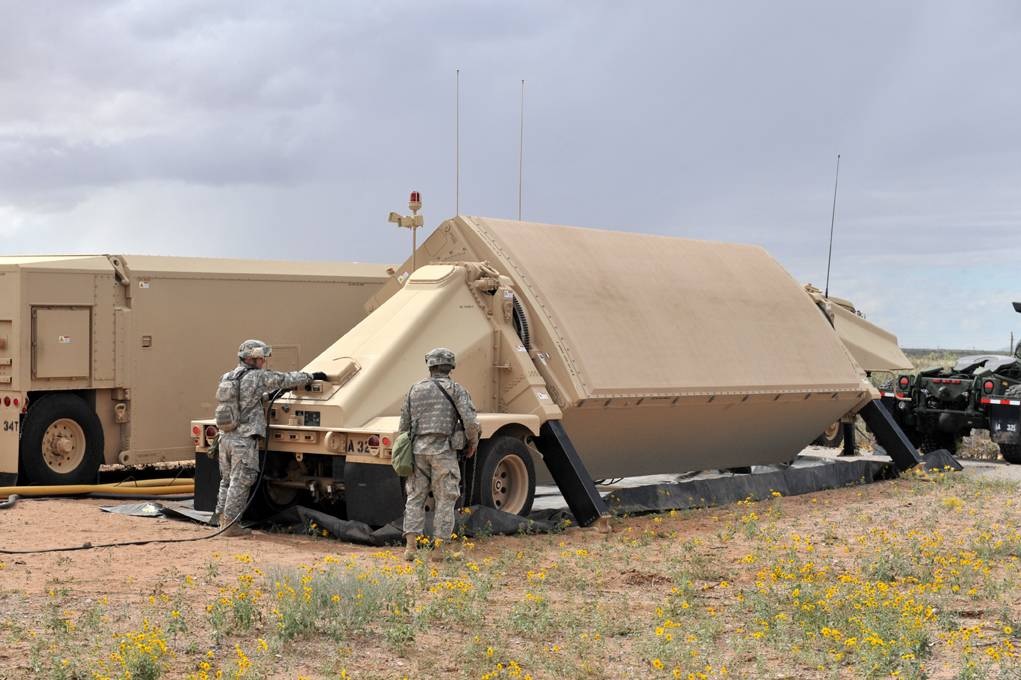
World
The U.S. Missile Defense Agency (MDA) has officially received its first upgraded AN/TPY-2 radar system from Raytheon, a part of RTX, marking a significant step forward in the nation's missile defense capabilities. This new variant of the AN/TPY-2 radar is the first to feature a fully populated Gallium Nitride (GaN) array, making it the most powerful and sensitive version ever delivered. The AN/TPY-2 radar plays a crucial role in protecting the U.S. homeland and allied nations by detecting, tracking, and identifying ballistic missile threats throughout their flight — from boost phase to terminal phase. The newly integrated GaN technology gives the radar system a powerful edge by significantly increasing its sensitivity and range. This improvement enables it to detect faster, smaller, and more distant threats — including modern hypersonic weapons that are harder to track with older systems. Beyond hardware improvements, the radar also incorporates Raytheon's latest CX6 high-performance computing software. This software enhances the system’s ability to accurately identify true threats among clutter, such as missile fragments or decoys. It also boosts resistance against electronic attacks, ensuring reliable performance even in highly contested environments. Operating in the X-band frequency range, the AN/TPY-2 radar delivers exceptionally sharp resolution, allowing it to distinguish between real warheads and harmless objects like debris or spent rocket stages. This ability is critical for effective missile defense, ensuring the right targets are intercepted without wasting valuable interceptor missiles. Raytheon’s Air and Space Defense Systems president, Sam Deneke, described this radar as the most advanced version they have built. He stated that it reflects years of investment in innovation, offering superior capability at a lower long-term cost. “As demand increases for missile defense of the homeland, the AN/TPY-2 radar is ready to meet the mission,” Deneke affirmed. The delivery also reflects a growing focus on defending against new types of missile threats, such as hypersonic glide vehicles, which fly at extremely high speeds and maneuver unpredictably. With this new radar system, the U.S. Missile Defense Agency strengthens its shield against modern and future threats. This is just the first of several upgraded radars expected to be delivered in the coming years as part of a broader push to modernize America's missile defense network and maintain a strategic edge in a rapidly changing global security environment.
Read More → Posted on 2025-05-19 15:54:13
World
In a significant leap for U.S. military drone capabilities, Skydio has delivered the first batch of its advanced X10D small unmanned aircraft systems (sUAS) to the U.S. Army under the Short Range Reconnaissance (SRR) Tranche 2 program. This delivery marks a major milestone, making the Skydio X10D the only drone system delivered under Tranche 2 so far, underscoring its technological edge and rapid readiness. The Army needed these drones urgently—and Skydio delivered. “When the Army contracted Skydio to fill this urgent need, we shipped systems within 5 days, ensuring soldiers had this critical equipment before their deployment,” said Adam Bry, cofounder and CEO of Skydio. This swift response highlights how crucial real-time drone support is becoming in today’s fast-moving combat environments. Designed for the Frontline The Skydio X10D is not just another drone—it’s a next-generation military tool built to operate in some of the world’s toughest conditions. It features: A 48-megapixel telephoto camera for capturing high-resolution images from a distance. An advanced Teledyne FLIR Boson+ thermal sensor, offering accurate heat detection—vital for locating humans, machinery, or hidden threats. Autonomous navigation and obstacle avoidance, enabling it to fly safely even in complex environments like forests or urban areas. Built-in resistance to electronic warfare, ensuring the drone stays functional even in GPS-denied or jammed situations. Modular design for attaching third-party sensors or mission-specific payloads. IP55 weather resistance, allowing operations in rain, dust, and extreme conditions. Made in America, Built for Scale What sets Skydio apart is its entirely domestic production. The company’s manufacturing facility in Hayward, California is one of the largest drone plants outside China. Skydio recently celebrated the production of its 55,000th drone, with the X10 and X10D models now assembled in just nine minutes, showcasing a highly efficient manufacturing pipeline. With a current capacity of producing over 1,000 drones per month, Skydio is not only meeting current demands but is also ready to rapidly scale for future operations. “Increasing our production readiness acts as a deterrent by delivering vital capabilities quickly,” Bry said, stressing the importance of being combat-ready at all times. Why This Matters The X10D’s early delivery and advanced capabilities directly enhance the Army's ability to perform short-range reconnaissance missions—like scouting terrain, locating enemy positions, or planning safe routes—in real time without risking soldiers’ lives. In modern warfare, having such autonomous eyes in the sky can be a game-changer. This delivery is more than a supply milestone—it’s a clear sign that U.S.-made drone technology is maturing fast and is ready to meet the ever-evolving challenges on the battlefield.
Read More → Posted on 2025-05-19 15:45:12
World
In a major sign of India’s growing role in the global defence market, Greece is showing strong interest in acquiring India’s Rudram series of anti-radiation missiles for its fleet of Rafale fighter jets. This development not only highlights the increasing international appeal of India’s homegrown defence technology but also positions India as a serious supplier of specialized air warfare weapons in the global market. What Are Rudram Missiles? The Rudram family of missiles, developed by India’s Defence Research and Development Organisation (DRDO), are advanced anti-radiation weapons designed to detect and destroy enemy radar systems, communication hubs, and other air defence infrastructure. In modern warfare, such capabilities are essential for what militaries call Suppression of Enemy Air Defences (SEAD) and Destruction of Enemy Air Defences (DEAD) missions. Currently, two versions — Rudram-1 and Rudram-2 — are operational. Rudram-1 has an operational range of 100 to 250 kilometres, while Rudram-2 can strike targets as far as 300 kilometres. Both are air-launched missiles and can be fired from various combat aircraft. Why Is Greece Interested? Greece, a key NATO member and one of the frontline states in the Eastern Mediterranean, has acquired 24 Rafale fighter jets as part of its efforts to modernise its air force. For SEAD operations, the Hellenic Air Force (HAF) currently relies on the American AGM-88 HARM missile, which, while capable, is costly and heavily dependent on U.S. suppliers. Greece’s interest in the Indian Rudram missiles comes at a time when many European countries, including France and Germany, are experiencing a gap in their anti-radiation missile inventory. France, for example, retired its last dedicated anti-radar missile — the AS.37 Martel — in the late 1990s. A replacement, the MBDA RJ10 missile, is still under development and isn’t expected to be ready for Rafale F5 aircraft until 2035. This leaves countries like Greece with limited options for nearly a decade. India’s Rudram missiles, already being integrated onto the Indian Air Force’s Rafale and Tejas Mk1A fighters, have emerged as a timely and cost-effective alternative. A Big Boost for India’s Defence Exports Adding to the momentum is a recently signed technology transfer agreement between India and Dassault Aviation, the French manufacturer of the Rafale jet. This agreement, finalized in April 2025, allows for the integration of Indian-designed weapons onto French-built fighter jets. It also clears a path for other Rafale-operating nations, like Greece, to consider Indian missiles without complicated technical hurdles. India’s defence manufacturing sector — with companies like Bharat Dynamics Limited (BDL), Bharat Electronics Limited (BEL), and Adani Defence & Aerospace — is now positioned to offer a reliable and economically attractive supply chain for these advanced weapons. The estimated cost of a Rudram missile is around ₹10 to ₹15 crore (about $1.2 to $1.8 million), making it competitively priced against the American HARM missile, which costs between $1 to $2 million per unit. A Growing Market for SEAD Weapons Europe’s air forces have been increasingly vocal about the urgent need to bolster their SEAD capabilities. French Air Force officers have publicly emphasized that suppressing enemy air defences should be a top priority for NATO nations, especially given rising geopolitical tensions in Eastern Europe and the Mediterranean. With many NATO members relying on the aging and expensive AGM-88 HARM, the availability of a modern, versatile, and competitively priced alternative like the Rudram series presents an attractive option. What’s Next? Greece’s defence officials have reportedly begun formal talks with Indian representatives to explore the feasibility of integrating Rudram missiles onto their Rafale fleet. If successful, this could lead to a procurement proposal by 2026. Meanwhile, India is not stopping with Rudram-2. The DRDO is actively working on Rudram-3, expected to have a range of 550 kilometres, and a ground-launched variant of the missile. These developments are likely to further expand the missile’s appeal to other NATO countries, particularly those seeking affordable, advanced, and non-American SEAD solutions. Conclusion The Hellenic Air Force’s interest in India’s Rudram missile family signals a significant milestone in India’s journey as a global defence exporter. With growing regional demand for effective and affordable SEAD weapons, and India’s proven capability in integrating these systems with modern fighter jets, the Rudram series is poised to reshape the international SEAD/DEAD technology market in the coming years.
Read More → Posted on 2025-05-19 15:28:21
World
Tiberius Aerospace has unveiled its latest innovation in artillery technology—the Sceptre (TRBM 155HG), a 155mm ramjet-powered, precision-guided munition designed to transform modern battlefield dynamics. Announced during the Future Artillery conference in London (20–22 May 2025), Sceptre promises to deliver unmatched range, speed, and accuracy. A Leap in Artillery Capabilities Sceptre stands out with its remarkable performance metrics: Extended Range: Capable of striking targets up to 150 kilometers away, depending on payload configuration. High Velocity: Achieves speeds of Mach 3.5, enabling rapid engagement of distant targets. High-Altitude Flight: Reaches altitudes over 65,000 feet, placing it beyond the reach of most electronic countermeasures. Precision Accuracy: Maintains a circular error probability (CEP) of less than five meters, even in environments where GPS signals are compromised. Seamless Integration with Existing Systems Designed for compatibility with NATO-standard 155mm artillery platforms, Sceptre minimizes wear on gun barrels through its innovative ignition system and limited barrel contact points. Its multi-fuel liquid propellant system—operable with diesel, JP-4, or JP-8—enhances operational flexibility and extends shelf life beyond 20 years. Advanced Guidance and Communication Sceptre incorporates a modular, open-architecture guidance system featuring: User-Friendly Interface: Simplifies target selection and mission planning. Open API: Facilitates integration with third-party fire control platforms. AI-Driven Navigation: Combines GPS and inertial measurements to maintain accuracy in GPS-denied environments. Additionally, its advanced communication capabilities allow in-flight coordination between munitions, enhancing targeting accuracy and mission effectiveness. Cost-Effective and Scalable Solution Tiberius Aerospace emphasizes Sceptre's cost-efficiency through its modular design, enabling ongoing software and hardware updates. The company's cost-down procurement model aims to strengthen supply chain security and reduce overall expenses, making high-end artillery capabilities more accessible to allied forces. Strategic Impact The introduction of Sceptre marks a significant advancement in artillery technology, offering a combination of extended range, high speed, and precision guidance. This development enhances the strategic capabilities of the UK, US, and allied forces, providing a robust solution for modern warfare challenges.
Read More → Posted on 2025-05-19 15:22:21Search
Top Trending in 24 Hours
-
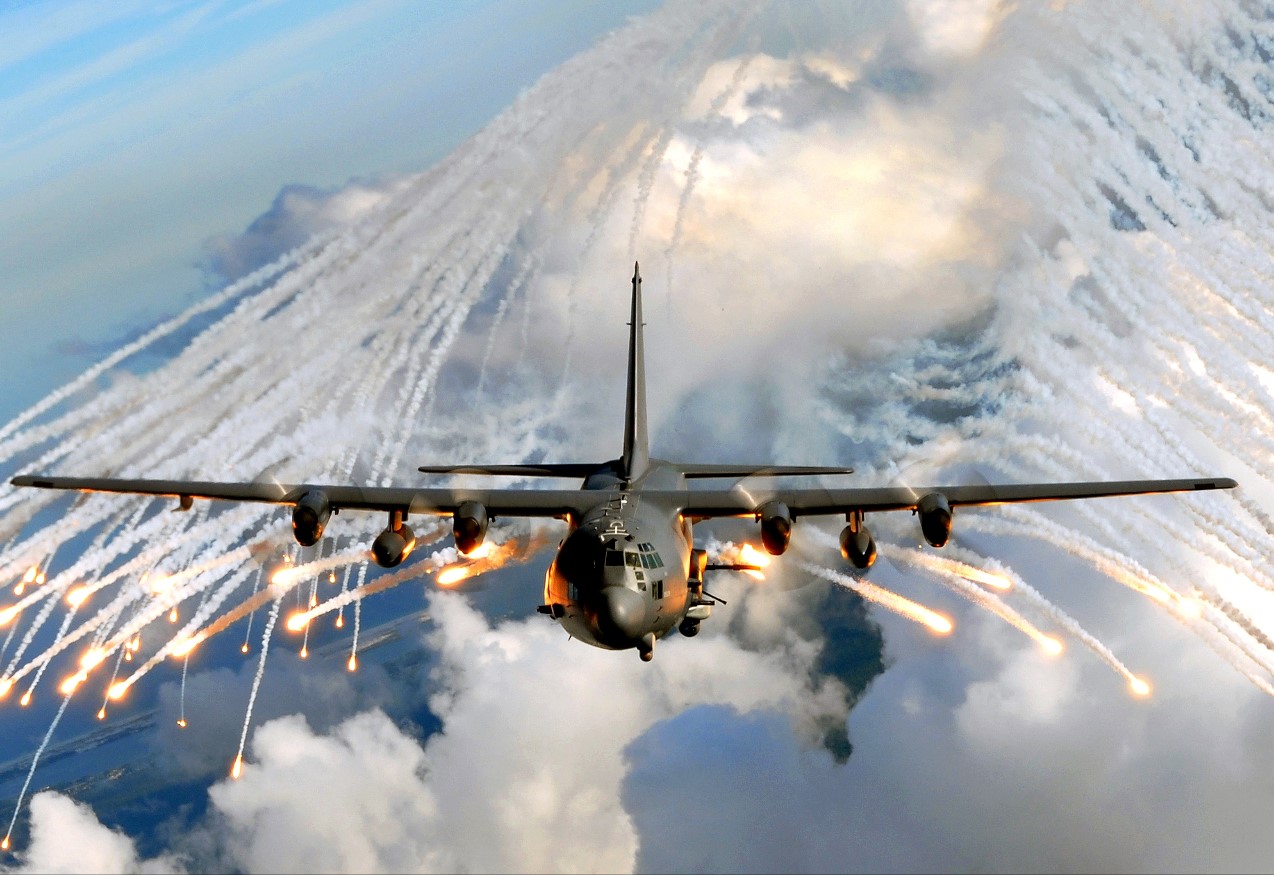 Pentagon Expands Alloy Surfaces Contract to $328.8 Million for Advanced Aircraft Decoy Flares Amid Evolving Drone Threats
-
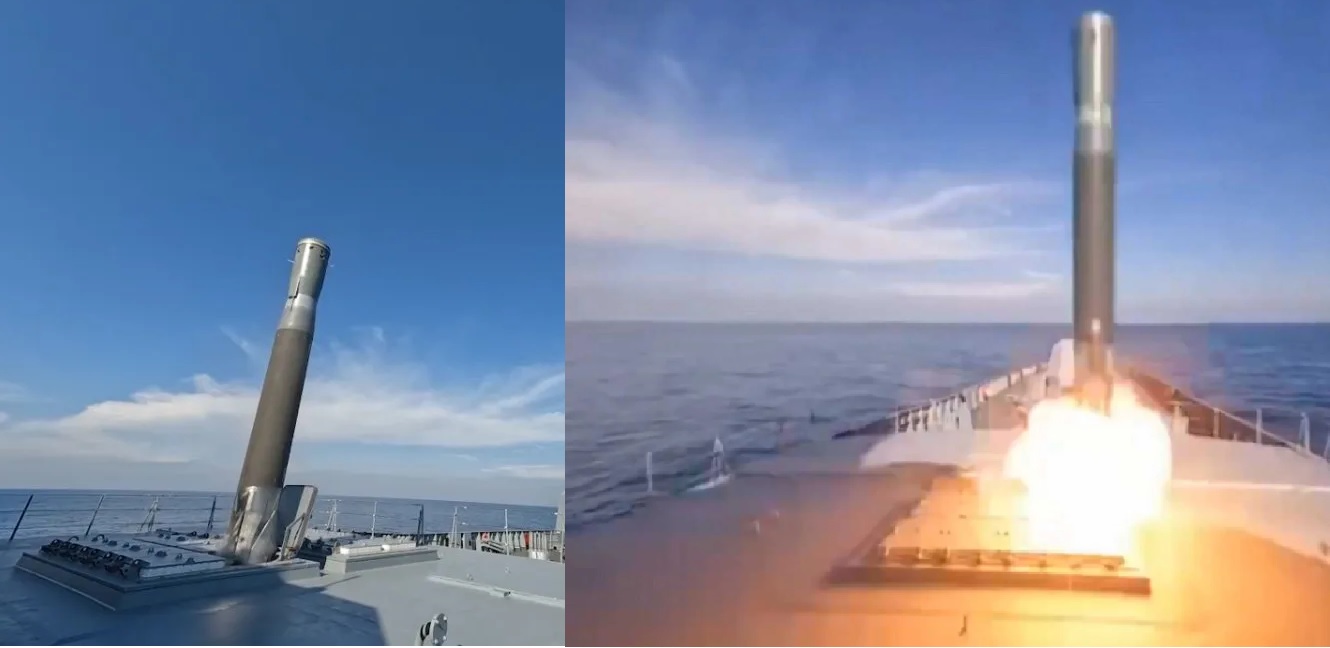 Open-Source Evidence Suggests Russia's Zircon Is a Quasi-Ballistic Missile, Not a True Hypersonic Cruise Weapon
-
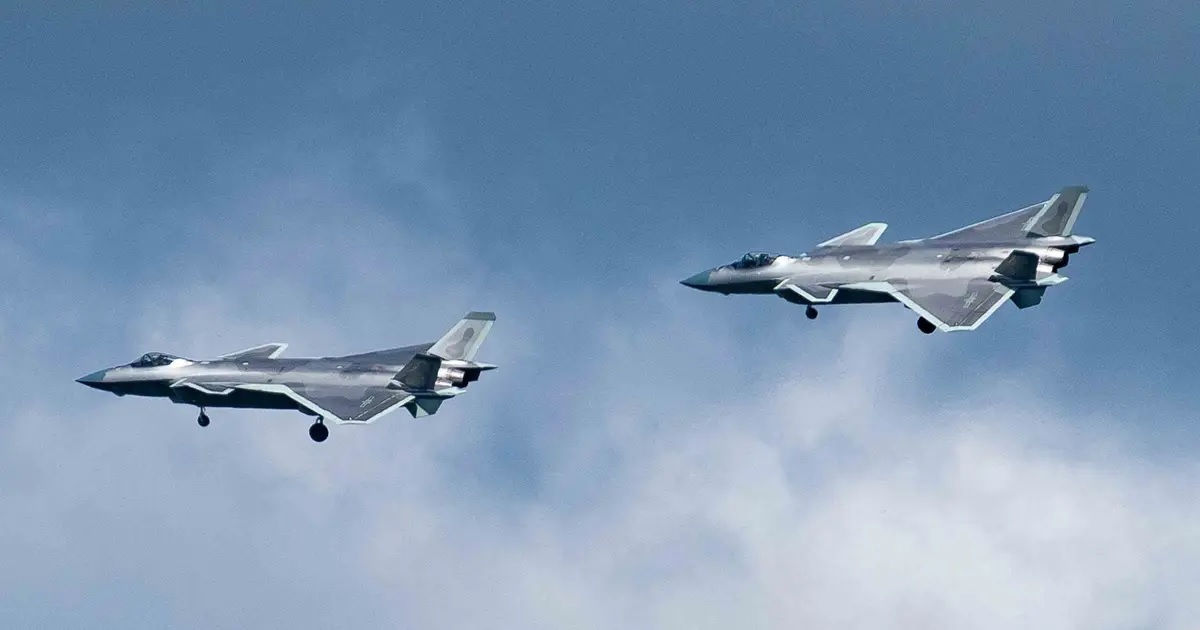 China Surpasses Russia as World’s Second-Most Powerful Air Force Amid Rapid J-20 and J-35 Expansion
-
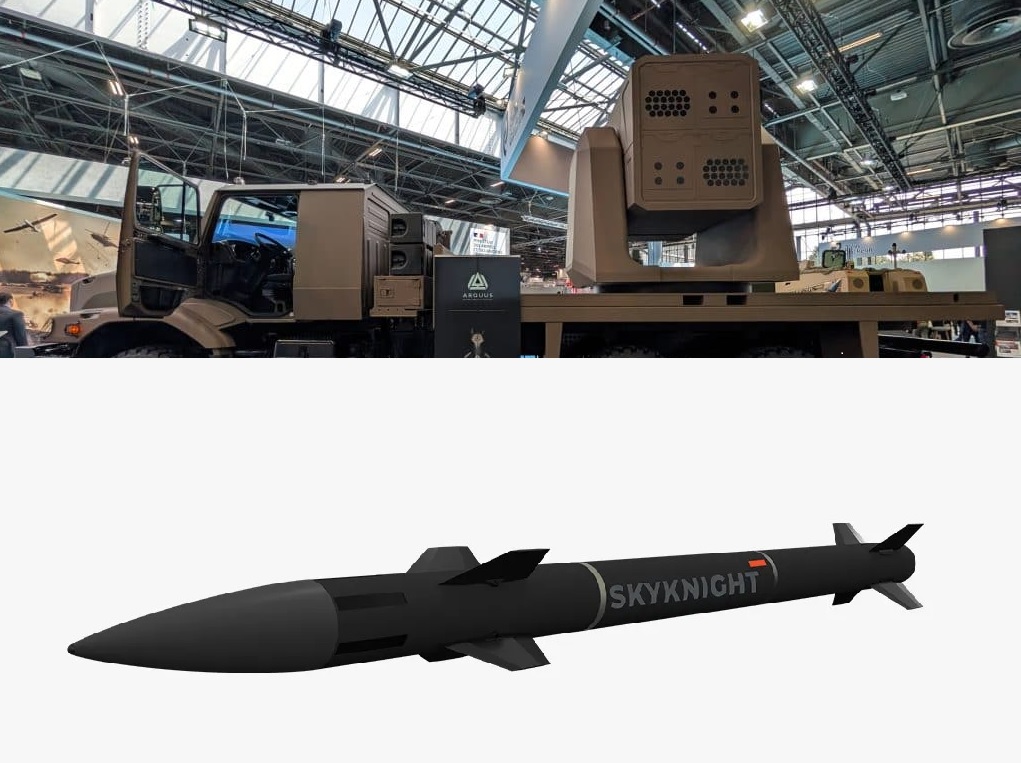 Naval Group Unveils Rampart Modular CIWS Multi-Purpose Weapon System for Naval and Ground Forces at Eurosatory 2026
-
 Why the U.S. Restored Pacific Command Name, Ending the Indo-Pacific Designation After Eight Years
-
 IDV Unveils CL2X Hybrid Uncrewed Light Tank at Eurosatory 2026
-
 Australia Tests OpenWorks’ AI-Powered Vision Guard Surveillance System Under Land 156 Counter-Drone Program
-
 U.S. Army Completes First Flight Test of Medium-Range Air-Launched Effects from Black Hawk Helicopter
Top Trending in 4 Days
-
 US Marine Corps F/A-18D Hornet Crashes During Training Flight in Washington Mountains; Pilot Ejects Safely
-
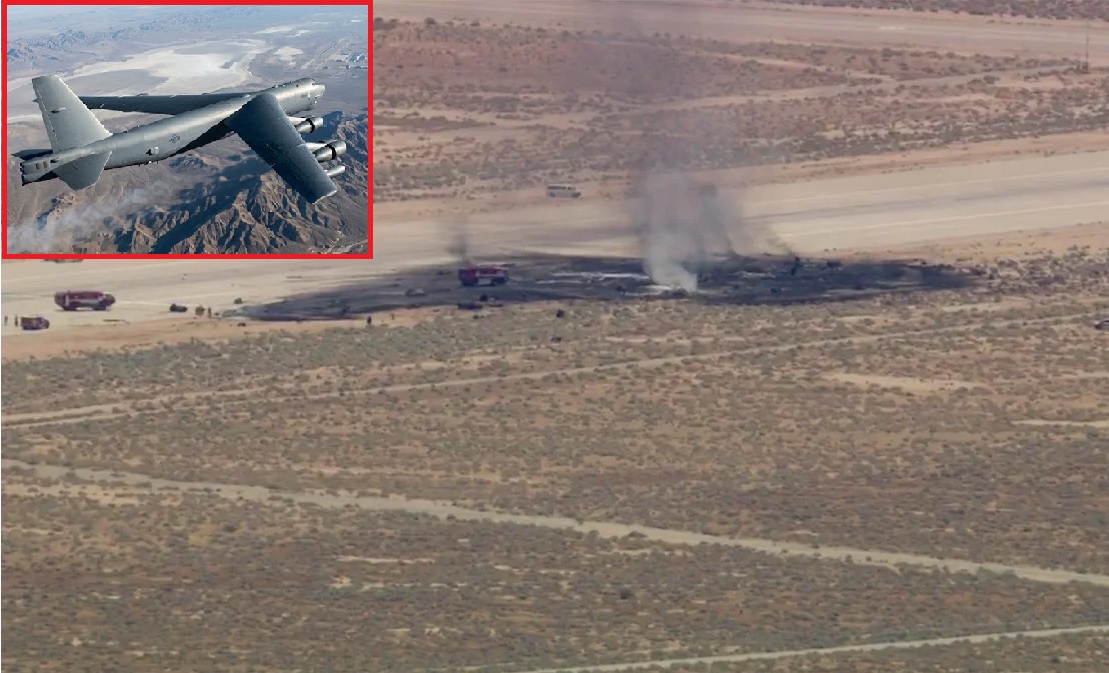 8 U.S. Air Force Crew Members Killed in B-52 Bomber Crash During Test Flight at Edwards Air Force Base
-
 Tulsi Gabbard Releases Declassified Files Detailing U.S.-Backed Network of 120 Biolaboratories Across 30+ Countries
-
 Ukraine Introduces Balloon-Launched DART Missile Designed to Defeat Electronic Warfare
-
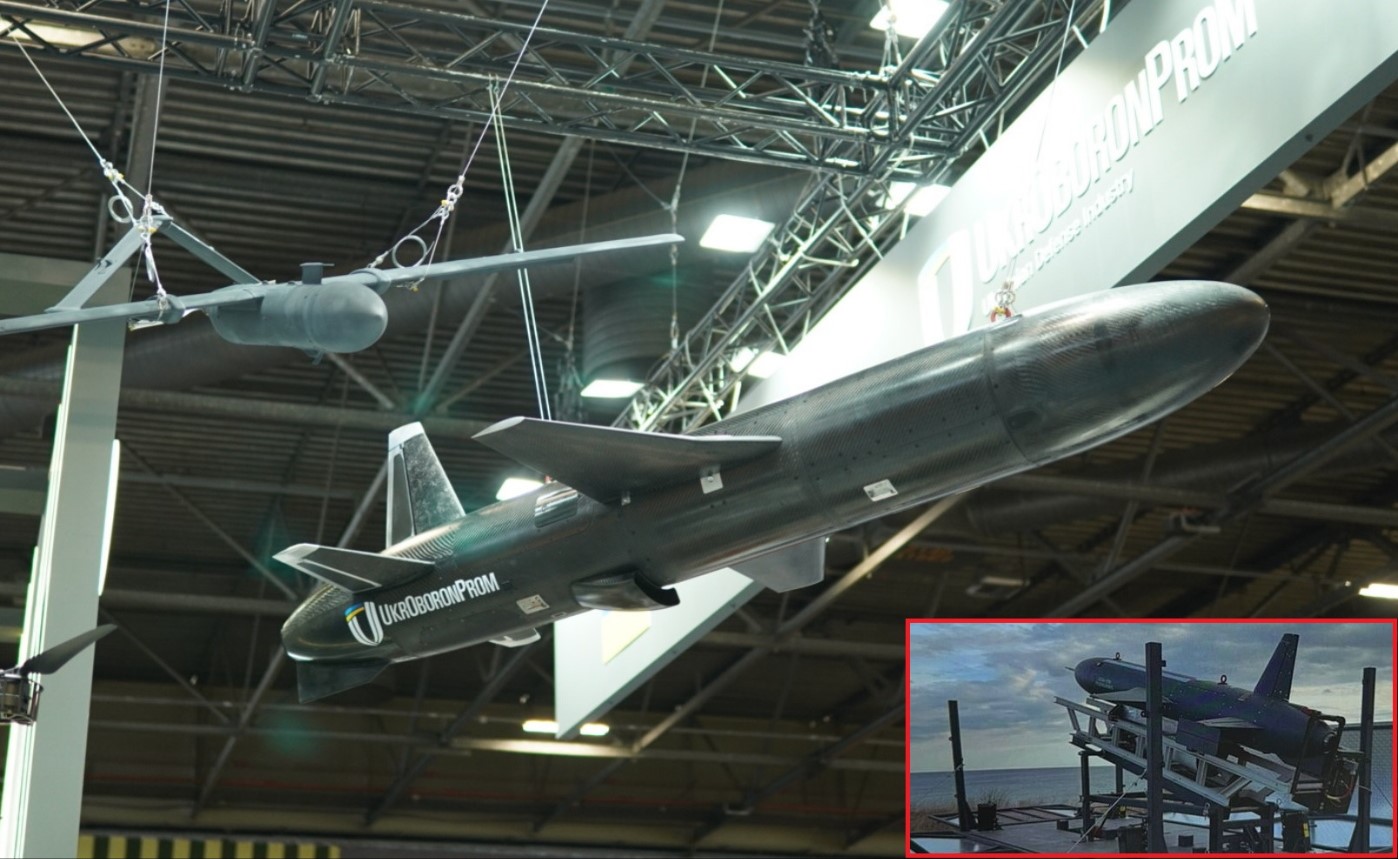 Ukraine Unveils UAV-290 Jet-Powered Strike Drone with 650 km Range at Eurosatory 2026
-
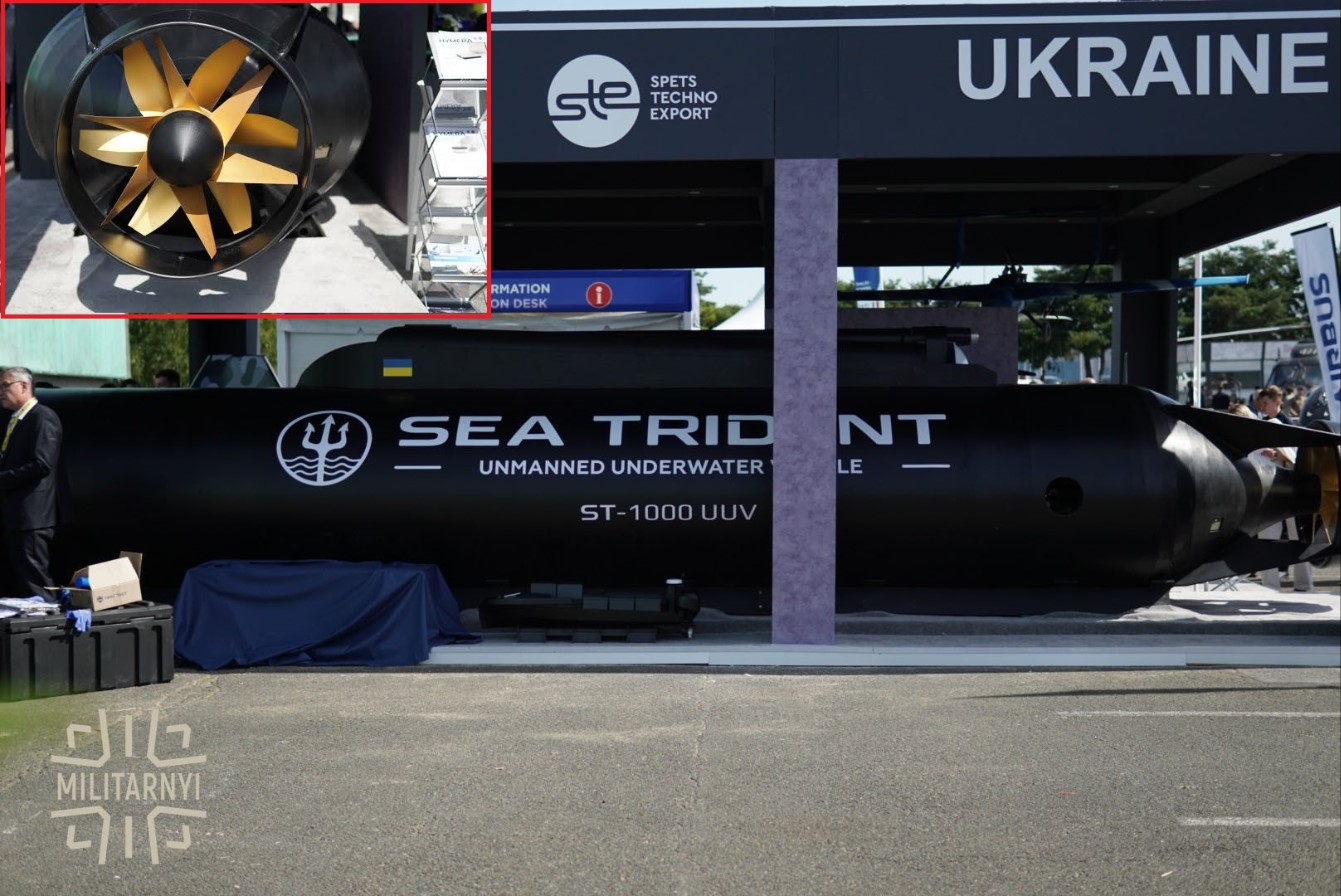 Ukraine Unveils 'Sea Trident' 10-Ton Autonomous Underwater Drone at Eurosatory 2026
-
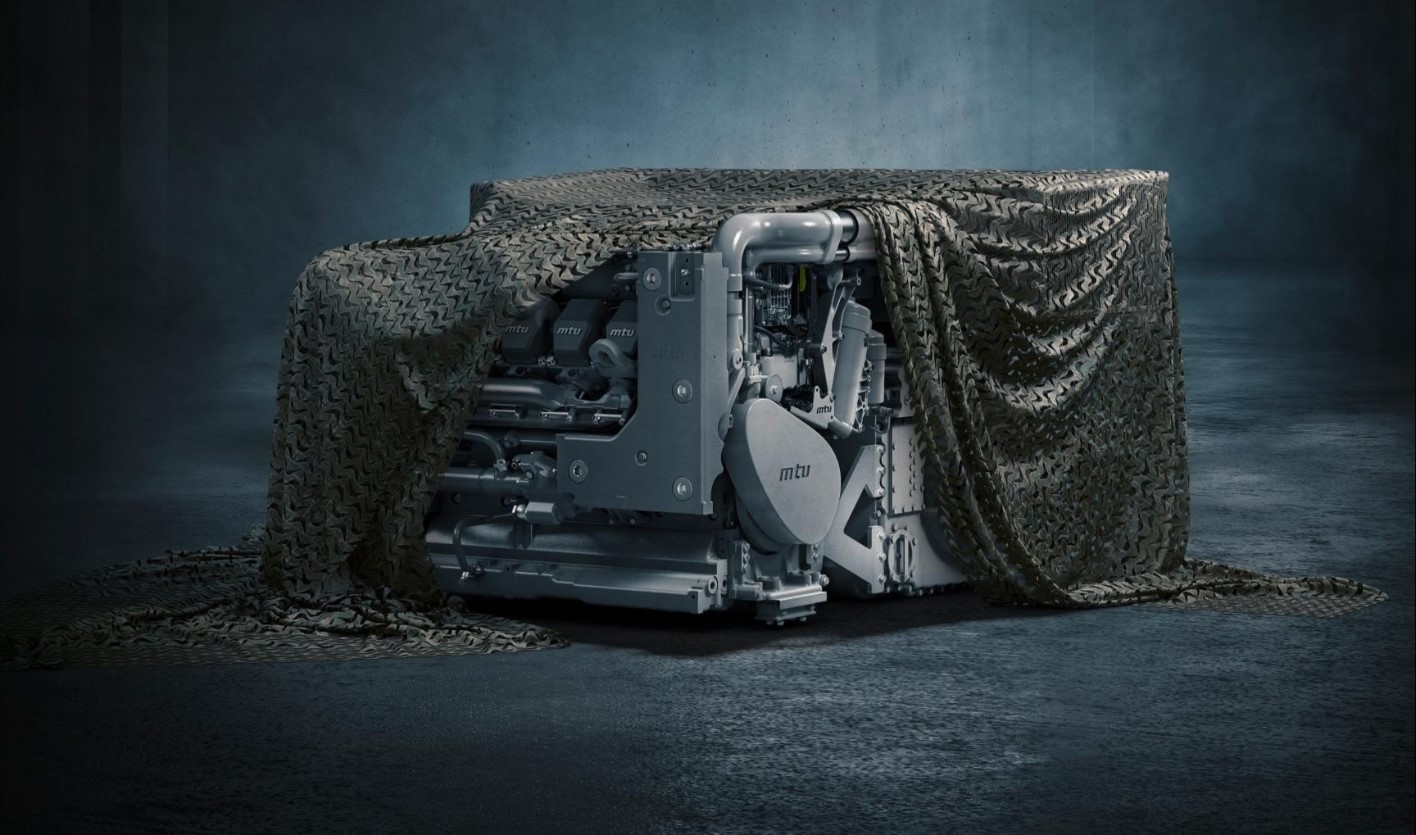 Rolls-Royce Unveils New Hybrid Powertrain for Heavy Military Vehicles at Eurosatory 2026
-
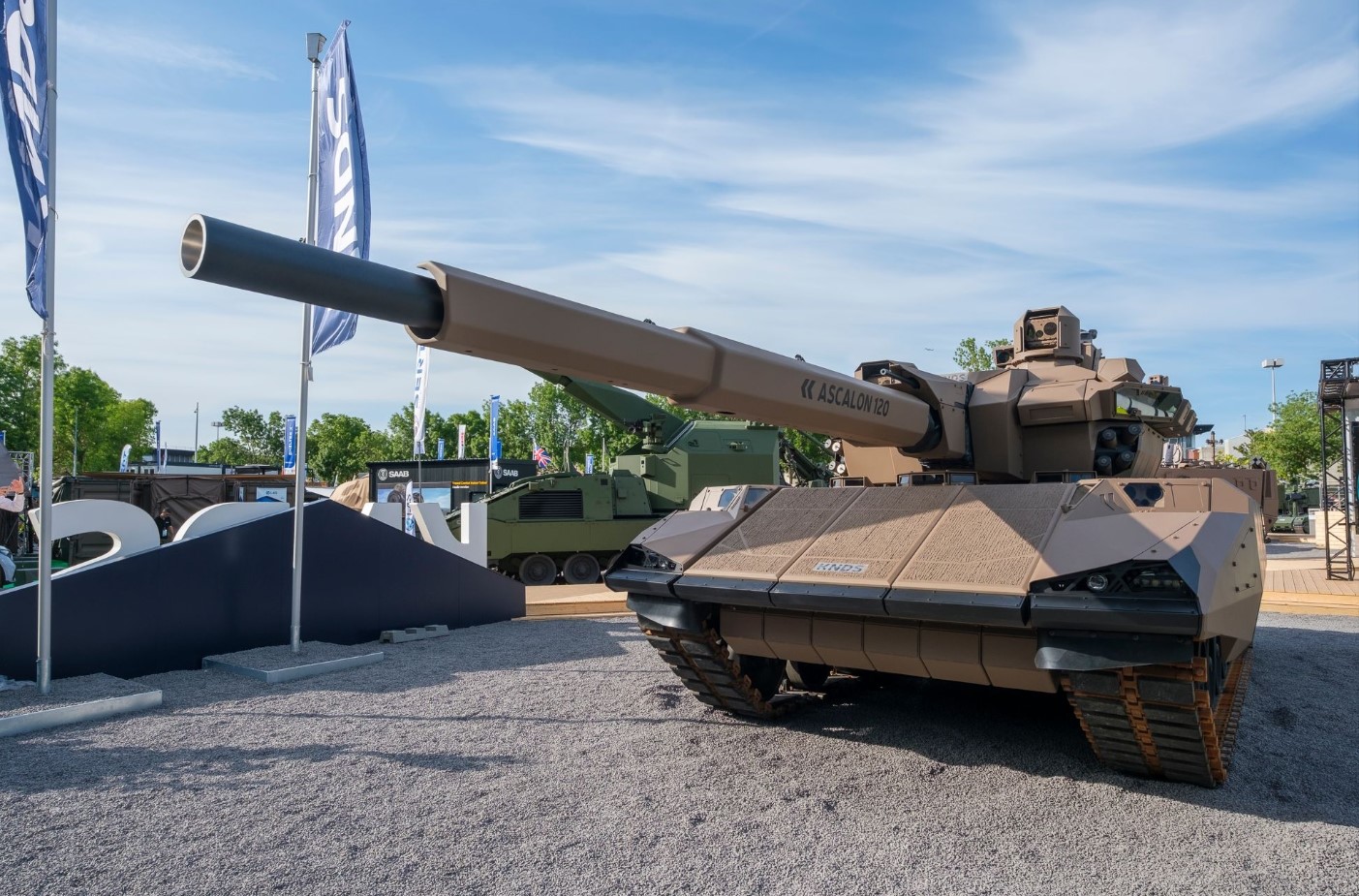 KNDS Unveils CAPINT Main Battle Tank at Eurosatory 2026 as Leclerc Stopgap