
World
In a world where nuclear weapons remain one of the greatest threats to humanity, a surprising new player has stepped into the arena — artificial intelligence (AI). Chinese scientists have developed a cutting-edge AI system designed to tell the difference between real nuclear warheads and decoys. This could mark a turning point in global nuclear arms control, reshaping how countries verify and manage these deadly weapons. What Did China Develop? A group of researchers from the China Institute of Atomic Energy (CIAE) recently unveiled the world’s first AI-powered system for nuclear warhead verification. In simple terms, this technology can identify whether a nuclear weapon is real or a fake decoy, without revealing any sensitive technical secrets about the weapon itself. For decades, countries like the US, Russia, and China have struggled to verify each other’s nuclear weapons stockpiles without risking security leaks. Existing methods often involve complex physical inspections and information barriers. Now, AI offers a new, potentially safer way to handle this problem. How Does the AI System Work? The AI system is officially called the “Verification Technical Scheme for Deep Learning Algorithm Based on Interactive Zero Knowledge Protocol.” While the name sounds complex, its basic idea is simple — verify a weapon’s capability without exposing its inner secrets. Here’s how it works: Simulated Nuclear Components: Scientists created millions of virtual models of nuclear parts. Some of these were genuine warhead designs, while others were fake, made from harmless materials like lead or low-enriched uranium. Training the AI: Using Monte Carlo simulations (a type of advanced computer modeling), the AI was trained to recognize the unique radiation patterns that real nuclear warheads produce when exposed to neutrons. Protecting Secrets: To avoid revealing weapon designs, the team placed a special wall made of polythene — with 400 holes in it — between the AI inspection tool and the warhead. This setup scrambled the neutron signals so that while the AI could still detect important radiation signatures, it couldn’t learn anything about the warhead’s shape or structure. Zero Knowledge Verification: The AI follows a method known as a zero-knowledge protocol. It means the system can confirm whether a warhead is real without ever “seeing” or learning anything about its design. This layered verification approach not only makes the system extremely accurate but also reduces the risk of any information leak. Why Is This a Big Deal? For decades, global nuclear arms control efforts have been stuck because of one major problem — how to verify each other’s nuclear stockpiles without risking national security. Countries fear that sharing too much information could give rivals a military advantage. China’s AI system offers a potential solution: It allows warheads to be inspected without revealing how they are built. It increases trust in arms control agreements, as both sides can confirm weapon counts while keeping designs secret. It modernizes the verification process, which until now relied on Cold War-era technology vulnerable to digital hacking and mistrust. If this system works as promised, it could break the deadlock in nuclear disarmament talks, especially between China and the US. The Bigger Picture: China’s Nuclear Strategy This AI breakthrough comes at a time when China’s nuclear strategy is evolving. China currently has an estimated 600 nuclear warheads, much fewer than the 3,748 in the US arsenal. For years, Beijing has resisted arms control talks, arguing that existing verification systems are biased and outdated. The China Institute of Atomic Energy (CIAE), a key player in the country’s nuclear weapons program, has a history of breakthroughs. Nuclear physicist Yu Min, known as the “Father of China’s Hydrogen Bomb,” led past efforts to miniaturize warheads, making them more advanced and efficient. Now, the same institution is working to use AI not for developing new weapons, but for securing the future through safer, smarter arms control. Challenges and Next Steps While the AI system is promising, it hasn’t yet overcome all hurdles: The AI was successfully trained with simulated nuclear data, but real-world implementation remains tricky. The system must win the trust of military officials worried about classified information leaks. International cooperation is essential. For the system to work globally, it must be jointly built, tested, and approved by both the country doing the inspection and the one being inspected. Only then can it be trusted by all sides. The Chinese researchers have proposed sealing the AI software before inspections to prevent any unauthorized tampering. This would ensure fairness and security for both parties involved. Final Thoughts China’s AI-driven nuclear verification system represents a new chapter in the story of global arms control. It mixes advanced technology, cryptography, and nuclear science in a way that could make the world a little safer. While challenges remain, this development proves that AI isn’t just about self-driving cars or chatbots — it could play a critical role in preventing nuclear conflict in the future. As AI continues to evolve, its influence on international security and diplomacy is only beginning. And in a world where mutual trust is hard to build, technology like this might be the bridge nations need.
Read More → Posted on 2025-05-30 06:41:45
World
Ukraine has taken a major step to strengthen its air defence capabilities by signing a new €2.2 billion contract with the German defence company Diehl Defence. The agreement was officially announced by Ukraine’s Defence Minister Rustem Umerov during a visit to Berlin, where he was part of a high-level delegation led by President Volodymyr Zelenskyy. Under this contract, Diehl Defence will produce and deliver four additional IRIS-T SL (Surface Launched) air defence systems to Ukraine. These systems are specially designed to defend against modern aerial threats like drones, cruise missiles, and attack helicopters — dangers Ukraine faces daily amid ongoing conflict. What is the IRIS-T Air Defence System? The IRIS-T is a modern, highly advanced air defence system originally developed by Germany. It’s based on the IRIS-T air-to-air missile used by fighter jets, but modified for ground-based use. These systems include: Launchers: For firing surface-launched missiles. Radars: To detect and track incoming threats. Command units: To coordinate the operation and targeting. Missiles: Tailored for both short and medium-range defence. The IRIS-T SL systems currently deployed in Ukraine have performed exceptionally well. Ukrainian defence forces reported an impressive 99% success rate in intercepting incoming missiles and drones. In one notable incident, the system successfully shot down 15 cruise missiles in a single engagement — proving its reliability in real combat situations. Types and Specifications of IRIS-T Variants Supplied to Ukraine ???? IRIS-T SLM (Surface Launched Medium Range) Range: Up to 40 kilometres Altitude: Up to 20 kilometres Features: Advanced sensors and long-range missiles, capable of intercepting high-speed, high-altitude targets like cruise missiles and fighter aircraft. ???? IRIS-T SLS (Surface Launched Short Range) Range: Up to 12 kilometres Altitude: 6 to 8 kilometres Features: More affordable, uses the same sensors and systems as the SLM version but carries shorter-range missiles. It’s mounted on lighter vehicles, offering flexibility in deployment and rapid relocation. Germany’s Military Support to Ukraine This €2.2 billion contract is part of a broader military assistance effort from Germany. Alongside this deal, Germany announced a new €5 billion military aid package for Ukraine. Although specific weapons and systems included in the package weren’t publicly detailed, Ukrainian officials confirmed that several hundred million euros would go towards acquiring long-range strike systems. German Chancellor Friedrich Merz reaffirmed Germany’s ongoing support for Ukraine, emphasizing the importance of standing by Kyiv during this difficult period. He noted that some military aid details remain undisclosed due to operational security reasons. Why This Deal Matters This fresh contract marks another chapter in the growing defence partnership between Ukraine and Germany as the war nears its third year. With Russia intensifying missile and drone attacks on Ukrainian cities and infrastructure, strengthening air defences remains a top priority for Kyiv. By securing both medium and short-range IRIS-T variants, Ukraine ensures a layered air defence network, capable of tackling diverse threats at different distances and altitudes. The reliability and flexibility of these systems not only improve Ukraine’s battlefield resilience but also send a clear message of international solidarity and strategic cooperation.
Read More → Posted on 2025-05-29 15:23:42
World
Tensions between China and Taiwan continue to rise as the Chinese military ramps up its presence in waters surrounding the island. In a recent update, Taiwan's Ministry of National Defense (MND) reported the detection of eight Chinese naval vessels and one official Chinese ship operating in areas near Taiwan. Notably, no Chinese military aircraft were sighted during this particular timeframe. According to Taiwan's defense authorities, the situation remains under close surveillance. The MND assured that the Taiwanese armed forces are fully prepared to respond if necessary, ensuring the safety of the nation’s airspace and territorial waters. In a separate development on the same day, China launched satellites from the Xichang Satellite Launch Center. The launch’s flight path crossed over central Taiwan toward the Western Pacific, but as it occurred at an altitude beyond the Earth’s atmosphere, it posed no immediate threat to Taiwan’s security. Even so, Taiwanese forces monitored the launch closely to guard against any unforeseen developments. This naval movement followed a much larger military operation the previous day. On Wednesday, the MND reported a significant spike in Chinese activity around Taiwan, detecting 31 military aircraft, nine naval vessels, and one official ship operating nearby. Of particular concern were 22 aircraft sorties that crossed the Taiwan Strait’s median line — an unofficial but widely respected boundary separating Chinese and Taiwanese-controlled airspace. These aircraft entered Taiwan’s northern, central, southwestern, and eastern air defense identification zones (ADIZ), prompting Taiwan’s armed forces to remain on high alert. While Taiwan faces increasing military pressure, diplomatic tensions are also simmering. Taiwan’s Mainland Affairs Council (MAC) strongly criticized China for organizing two summits inviting Taiwanese participants to Beijing. The council accused China of disguising these events as cultural and media exchanges when, in reality, they are intended to "lecture" and exert influence over Taiwanese media and cultural representatives. The MAC emphasized that such meetings do not represent genuine cross-strait dialogue or cooperation. Instead, they are seen as political maneuvers by the Chinese Communist Party (CCP) to subtly advance its agenda of influencing public opinion in Taiwan. The council reiterated that these tactics would not gain the support of Taiwanese society, which values its democratic freedoms and autonomy.
Read More → Posted on 2025-05-29 15:09:49
World
In a significant move to ease rising tensions, the military chiefs of Thailand and Cambodia are set to meet on Thursday following a deadly border clash that left one Cambodian soldier dead. The incident has stirred concern across both nations, prompting urgent calls for calm and dialogue. The clash occurred on Wednesday near the northern part of Cambodia’s Preah Vihear province, a historically sensitive area where both nations have a long-standing border dispute. According to Cambodia's Royal Army, their troops were on a routine patrol when Thai forces allegedly opened fire. Cambodian army spokesman Mao Phalla claimed the Thai soldiers initiated the attack, stating, “Our soldier died in the trenches. The Thais came to attack us.” Thailand, on the other hand, reported that their troops responded to gunfire from the Cambodian side and that the exchange lasted for about ten minutes until Cambodian forces reportedly called for a ceasefire. This fatal confrontation, though rare in recent years, highlights the fragile nature of the border demarcation between the two Southeast Asian neighbors. The 800-kilometer-long border has been a point of contention since colonial times, with disputes often flaring up around ancient temples and territory whose ownership remains a point of national pride on both sides. The most notable flashpoint has been the 900-year-old Preah Vihear temple, near where Wednesday's clash took place. In 2008, disputes over land around the temple led to a series of military confrontations that resulted in the deaths of at least 28 people over several years. That conflict only de-escalated after the International Court of Justice ruled in favor of Cambodia, awarding it sovereignty over the disputed area in 2013. This week’s violence comes shortly after both Cambodian Prime Minister Hun Manet and Thai Prime Minister Paetongtarn Shinawatra participated in a Southeast Asian summit, where regional cooperation was a major theme. The timing of the incident has therefore drawn extra attention from both governments. Thailand’s Defense Minister Phumtham Wechayachai described the incident as a “misunderstanding by both sides” and confirmed that top military leaders from both countries would hold talks Thursday afternoon. “We hope to reduce tensions through dialogue,” he said. Paetongtarn Shinawatra emphasized the need for diplomacy, saying, “Both sides should remain calm and discuss to see what we can agree.” Her comments reflect a broader attempt to defuse hostilities and prevent the incident from escalating further. Hun Manet also expressed optimism, writing on social media that he hoped the meeting “will yield positive results.” His father, former Cambodian Prime Minister Hun Sen, who retains strong influence in the country, also stepped in to call for peace. Hun Sen, a longtime ally of Paetongtarn’s father and former Thai Prime Minister Thaksin Shinawatra, urged both nations to resolve their differences peacefully. In recent months, Cambodia and Thailand had taken steps to improve bilateral ties. In April, Paetongtarn visited Cambodia to meet Hun Manet and discuss cooperation on various issues including transnational crime and environmental challenges. However, tensions have lingered. In February, Thailand lodged a formal protest with Cambodia after a video circulated online showing Cambodian women singing a nationalist song near another disputed temple, stoking public emotions. The upcoming military dialogue is being seen as a crucial test for the young leaders of both nations. With the memory of past border conflicts still fresh, and nationalist sentiments always close to the surface, the stakes for a peaceful resolution are high. As the region looks on, both sides are under pressure to ensure that diplomacy prevails over division.
Read More → Posted on 2025-05-29 15:00:25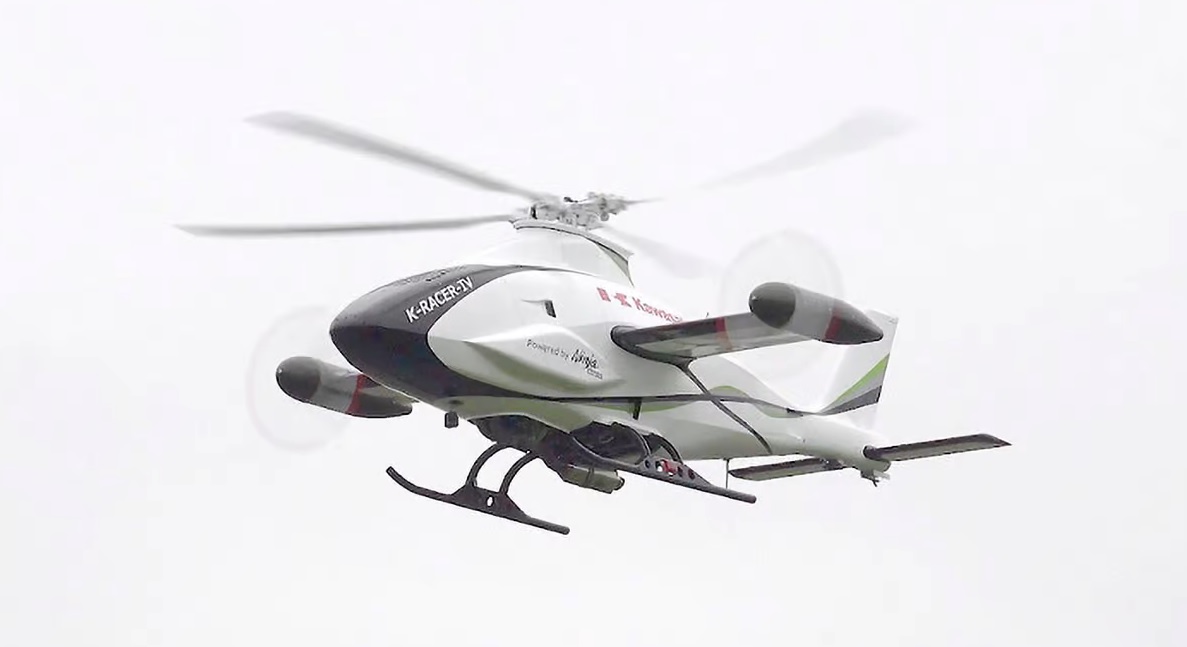
World
Japan is steadily modernizing its defense logistics capabilities, and one of the most promising tools under consideration is the Kawasaki K-RACER drone. The country’s Ministry of Defense is currently in talks with Kawasaki Heavy Industries (KHI) about acquiring this advanced rotorcraft-style drone for military logistics support. The interest in the K-RACER grew after a successful demonstration in 2024, where the drone showcased its ability to autonomously load and unload cargo without human assistance. Following this achievement, KHI has held multiple discussions with Japan's Acquisition, Technology & Logistics Agency and several divisions of the Japan Ground Self-Defense Force (JGSDF). What Is the K-RACER Drone? The K-RACER is a rotorcraft-type drone designed to carry supplies to remote and mountainous regions — a major requirement for Japan given its rugged geography. This unmanned aerial vehicle (UAV) can lift cargo weighing up to 100 kilograms (220 pounds) and operate at altitudes reaching 3,000 meters (9,842 feet). One of the most interesting aspects of the K-RACER is its powerplant: it uses a 998cc Kawasaki Ninja H2R four-cylinder engine — the same engine found in Kawasaki’s world-renowned high-performance motorcycles. This engine ensures both speed and reliability for military missions. The drone is built with a seven-meter (23-foot) airframe and a foldable tail, making it compact enough to fit inside standard 20- or 40-foot (6- and 12-meter) shipping containers. This feature greatly simplifies transportation and storage, allowing the drone to be quickly deployed where needed. Key Features and Specifications Payload Capacity: Up to 100 kg (220 pounds) Operational Altitude: Up to 3,000 meters (9,842 feet) Engine: 998cc Kawasaki Ninja H2R four-cylinder engine Airframe Size: 7 meters (23 feet) with a foldable tail Transportability: Can be packed into 20- or 40-foot shipping containers Operational Range: Over 100 kilometers (62 miles) Autonomous Functions: Automatic loading and unloading of cargo Control System: Hardware-agnostic, easy-to-learn interface Why Is Japan Interested? Japan’s military has faced increasing challenges in recruiting new personnel, and the K-RACER’s autonomous features help address this issue by reducing the number of troops needed for supply missions. Its ability to carry ammunition, weapons, medical supplies, and other essentials over long distances and difficult terrain makes it a valuable addition to Japan’s defense infrastructure. The drone’s intuitive control system ensures minimal training time for operators, further enhancing its practicality for widespread military use. A Part of a Bigger Plan This move is part of Japan’s broader efforts to modernize and strengthen the JGSDF’s logistics and transportation network. Besides the K-RACER, Japan is also exploring other unmanned logistics solutions, such as testing the US-made Chaparral drone and launching new programs for developing a domestic multi-role logistics drone. As Japan continues to adapt to modern security challenges and technological advancements, the introduction of drones like the Kawasaki K-RACER could play a vital role in ensuring quick, efficient, and reliable military logistics across the nation’s complex terrain.
Read More → Posted on 2025-05-29 14:54:33
World
In a major step toward the future of high-speed aviation, U.S.-based aerospace and defense firm Hermeus has announced the successful first flight of its hypersonic aircraft, the Quarterhorse Mk 1. This historic achievement marks a crucial advancement in the company’s mission to develop operational hypersonic aircraft for both military and commercial applications. From Blueprint to Runway in Record Time What makes this milestone even more impressive is the speed at which it was accomplished. The Quarterhorse Mk 1 went from its initial design phase to a fully flight-ready aircraft in just over a year — a remarkable pace in the aerospace industry, where new aircraft often take several years or even decades to develop. According to AJ Piplica, CEO and Co-Founder of Hermeus, this rapid progress highlights the success of the company’s iterative development strategy. By building, testing, and improving multiple prototypes quickly, Hermeus aims to reduce risks, identify problems early, and accelerate the path to operational hypersonic flight. Key Purpose of the Mk 1 Flight The primary goal of this test campaign was to validate the high-speed takeoff and landing abilities of a large uncrewed aircraft — a notoriously difficult task when dealing with hypersonic-capable vehicles. Hypersonic aircraft are specially built to perform at extremely high speeds, which makes basic functions like controlled takeoff and landing particularly challenging. This successful test confirms that the aircraft’s unique design, systems, and control mechanisms perform reliably in real-world flight conditions. What the Test Proved The data collected from the Quarterhorse Mk 1 flight provided valuable confirmation of the aircraft’s: Aerodynamics, stability, and control characteristics Subsystem performance, including: Propulsion Fuel systems Hydraulics Power supply Thermal management Avionics Telemetry Flight software Control systems These successful tests have given Hermeus critical insights to fine-tune the upcoming Quarterhorse Mk 2. Quarterhorse Mk 1: Specifications and Features While the Mk 1 is primarily a test platform, it incorporates important hypersonic-ready technologies. Here’s a closer look at some of its key specs and design features: Type: Large uncrewed hypersonic test aircraft Primary Role: Validate high-speed takeoff and landing, and subsystem performance Configuration: Sleek, delta-wing layout optimized for high-speed aerodynamics Speed Potential: Designed for testing systems intended for Mach 5+ operations (5 times the speed of sound) Size: Smaller than a fighter jet but large enough to test full-scale subsystems Propulsion: Advanced turbine-based combined cycle (TBCC) propulsion system under development for future models Advanced Avionics and Telemetry: For collecting real-time data during test flights Thermal Management Systems: Built to handle extreme heat generated at hypersonic speeds The Road Ahead: Quarterhorse Mk 2 Hermeus isn’t slowing down. Work is already underway on Quarterhorse Mk 2, currently being assembled at the company’s headquarters in Atlanta, Georgia. Roughly the size of an F-16 fighter jet, Mk 2 will focus on reducing risks linked to uncrewed supersonic flight and is expected to take to the skies later this year. This next aircraft will bring Hermeus even closer to its long-term goal — the development of operational hypersonic vehicles capable of Mach 5+ speeds for both defense and commercial use. Why This Matters This breakthrough isn’t just about breaking speed records. As Major General Scott Cain, Commander of the Air Force Test Center, noted, industry collaborations like this are vital for developing advanced and disruptive technologies for national defense. Routine hypersonic flight capability could dramatically enhance military responsiveness, reconnaissance, and future transport systems. Hermeus’ success with the Quarterhorse Mk 1 shows how fast, iterative development combined with modern aerospace technology can push the boundaries of what’s possible — restoring America’s rapid aircraft development capabilities and opening the door to a new era of high-speed flight.
Read More → Posted on 2025-05-29 14:52:01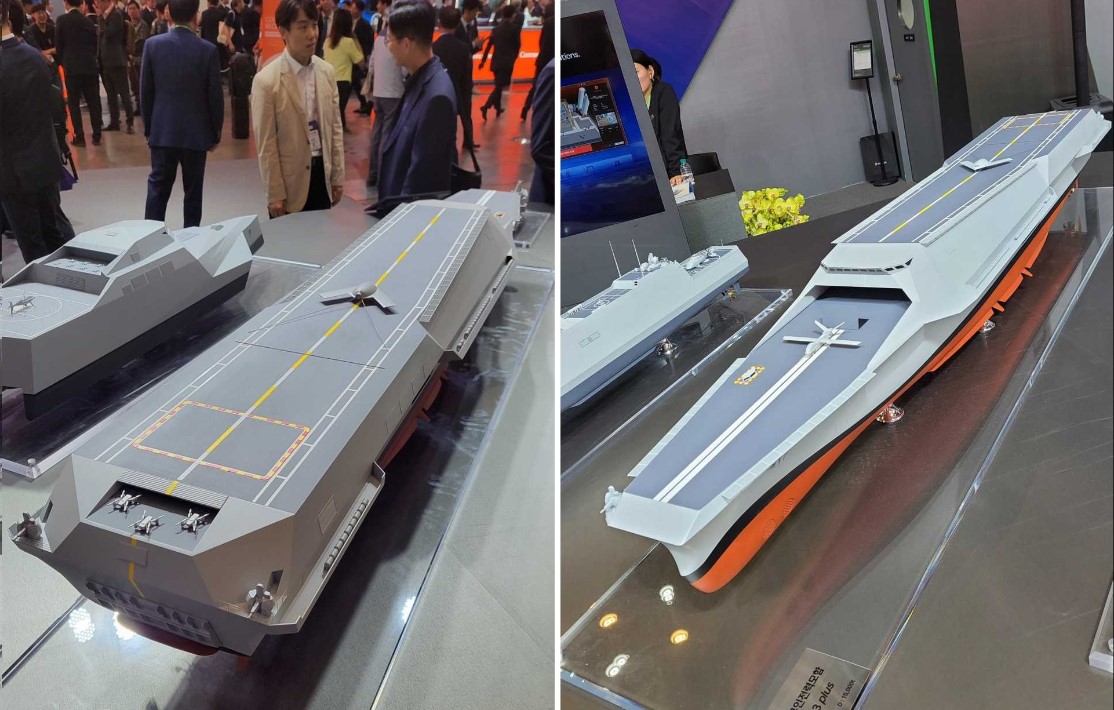
World
South Korea has revealed a bold and futuristic vision for the future of naval warfare with the debut of its HCX-23 Plus drone carrier concept at MADEX 2025 in Busan. Designed by HD Hyundai Heavy Industries (HD HHI), the HCX-23 Plus is not just a new type of ship — it's a radical rethinking of how naval operations could function in the age of drones and artificial intelligence. Unlike traditional aircraft carriers, which rely heavily on manned aircraft and large command structures, the HCX-23 Plus is designed to operate primarily with unmanned systems and AI. This ship has no island or bridge superstructure. Instead, its command systems are housed internally and powered by AI, reducing the crew needed and enhancing stealth. The entire top of the ship is a flat deck, separated into two areas: one for launching and landing fixed-wing drones at the rear, and another recessed section at the front likely used for vertical take-off and landing (VTOL) drones. The model of the ship shown at MADEX 2025 revealed its futuristic appearance. The ship’s design uses sharp, angular surfaces and a mix of grey and black paint above the waterline to minimize radar detection. Below the waterline, the hull is painted red, indicating a high-speed and hydrodynamic design. Observers noted unusual shapes along the sides of the hull, which may suggest hidden missile launchers or modular spaces for different mission payloads. The HCX-23 Plus is part of a bigger vision by HD HHI to lead in autonomous naval technologies. It is designed to work in combination with unmanned surface ships and mobile command vessels, all of which would be connected through advanced digital networks. The ship’s AI is expected to manage logistics, mission planning, and battlefield decisions with minimal human intervention — an approach that reflects a shift toward automation and faster response times in naval combat. The ship’s flat deck and lack of superstructures make it easier to manage drones, while also reducing its visibility to enemy radar. It’s built to handle surveillance, electronic warfare, defensive air operations, and rapid-strike missions. As South Korea considers whether to proceed with its expensive CVX aircraft carrier project, the HCX-23 Plus offers a potentially more flexible and cost-effective alternative. The HCX-23 Plus is more than a military project; it’s a statement about where naval warfare is heading. With its AI-focused design, stealthy profile, and dedication to unmanned operations, this drone carrier signals South Korea’s ambition to be a major force in future naval strategy. As it takes center stage at MADEX 2025, the HCX-23 Plus highlights how the lines between machines and warfighters are increasingly being redefined — and South Korea is determined to lead the way.
Read More → Posted on 2025-05-29 13:54:14
World
Swedish defence company Saab has secured a major contract from the Swedish Defence Materiel Administration (FMV) to upgrade the country’s Visby-class corvettes with the state-of-the-art Sea Ceptor air defence system. This significant step is part of Sweden’s broader naval modernization programme and is valued at approximately SEK 1.6 billion (around $166 million). The Sea Ceptor system, developed by MBDA, will be integrated into all five Visby-class stealth corvettes, boosting their air and missile defence capabilities dramatically. These enhancements are aimed at increasing the operational flexibility of the Swedish Navy and strengthening its ability to defend against modern aerial threats across longer distances and over larger operational zones. According to Mats Wicksell, Head of Saab’s Kockums business unit, “This modification strengthens both Sweden’s and NATO’s air and missile defence by increasing the Swedish Armed Forces’ operational capability and ability to operate across the entire conflict spectrum. With the air defence system on board, the Visby-class corvettes will continue to be a vital platform for many years to come.” Why This Matters The Visby-class ships are renowned for their stealth technology and are among the most advanced corvettes in the world. Outfitting them with the Sea Ceptor system will greatly enhance Sweden’s ability to defend its maritime borders and participate in joint NATO defence efforts, especially amid rising global security challenges. Sea Ceptor uses the Common Anti-air Modular Missile (CAMM) to protect naval vessels against multiple simultaneous airborne threats, including combat aircraft and precision-guided munitions. It offers a 360-degree coverage and a high rate of fire against multiple targets, making it a modern and powerful upgrade over existing systems. Timeline and Background FMV had already signed an earlier agreement with MBDA for the delivery of CAMMs. Saab’s role now is to integrate this system into the Visby-class corvettes. The installation and integration work is expected to commence in early 2026. This decision is part of a long-term plan set in motion by the Swedish government as early as 2020, when they approved the concept of adding an air defence system to the Visby fleet. The process gained momentum in 2023 when MBDA signed a deal to provide the necessary missile components. About the Visby-Class Corvettes Built between 2000 and 2009 by Saab’s Kockums shipyard in Karlskrona, the Visby-class consists of five versatile corvettes designed for multi-role naval operations such as anti-surface warfare (ASuW), anti-submarine warfare (ASW), escort duties, and mine countermeasures. Key Features of Visby-Class Corvettes: Length: 73 meters Displacement: 640 tons Top Speed: ~35 knots Crew: 43 Propulsion: Diesel engines and gas turbines powering water jets Primary Armaments: Bofors 57 mm stealth gun, RBS 15 Mk II anti-ship missiles, Torped 45 submarine torpedoes Sensors: Advanced radars (Sea GIRAFFE AMB, Ceros 200), sonar systems (hull-mounted, towed array, and variable depth) Their revolutionary stealth design minimizes radar, visual, infrared, and acoustic signatures. From concealed missile launchers to a hidden main gun turret, these ships are crafted to avoid detection while delivering a powerful punch. Although three of the five ships can accommodate helicopters for landing, takeoff, and refueling, they do not have hangars for long-term storage. The Strategic Importance Integrating the Sea Ceptor system aligns with Sweden’s increasing focus on modernizing its armed forces and contributing more actively to regional and NATO security. The enhanced corvettes will be capable of providing robust protection for Sweden’s territorial waters and critical naval missions. This development ensures that the Visby-class corvettes, already considered a symbol of Sweden’s naval innovation, will remain relevant and capable well into the future.
Read More → Posted on 2025-05-29 10:14:11
World
In a significant leap for battlefield technology, the Israeli Ministry of Defense has officially confirmed the operational use of high-powered laser weapons by the Israeli Air Force (IAF) during the ongoing Swords of Iron war. This marks the first time Israel has used such directed energy weapons in real combat, and early results indicate high effectiveness in intercepting enemy threats. These advanced laser systems were developed through a collaboration between Rafael Advanced Defense Systems and the Directorate of Defense Research and Development (DDR&D), under the umbrella of the Ministry of Defense. The weapons were used by soldiers from the IAF’s Aerial Defense Array, who operated prototype models directly on the battlefield. According to officials, the systems intercepted numerous incoming aerial threats with precision, showcasing a high interception success rate that has helped prevent casualties and damage. The development of these laser weapons is part of a broader push by Israel to strengthen its multi-layered air defense capabilities. At the center of this effort is the “Iron Beam” project—an advanced laser-based air defense system that complements existing systems like Iron Dome and David’s Sling. Though Iron Beam is still in development and expected to be officially inducted later this year, the recent use of laser prototypes on the battlefield offers a preview of what future warfare might look like. What sets these laser weapons apart is their ability to neutralize threats at the speed of light without relying on costly interceptor missiles. Instead, they focus a beam of directed energy on incoming rockets, drones, or other aerial threats, heating them until they fail mid-air. This not only lowers the cost of defense per shot but also allows for sustained, repeated use against multiple threats—especially useful in scenarios involving mass drone or rocket attacks. Rafael and DDR&D engineers have been working on laser technology for decades, gradually advancing its power, range, and precision. This war has now provided a proving ground for those efforts. The Defense Ministry praised the teams behind the technology for adapting so rapidly to real-time conditions, allowing soldiers to deploy it with operational success in a live combat setting. For Israel, this marks a major step forward in its strategic defense capabilities. The success of these directed energy systems reflects both years of scientific innovation and the urgency created by ongoing regional threats. With the Iron Beam soon to join the arsenal officially, and operational laser prototypes already proving their worth, Israel is moving toward a future where laser weapons may become a regular part of defense strategy—silent, swift, and potentially game-changing.
Read More → Posted on 2025-05-29 09:54:54
World
A major leap in European defence innovation is underway as the VANTAGE project, led by Latvia's Latvijas Mobilais Telefons (LMT), has been awarded up to €10.09 million by the European Defence Fund (EDF). This significant investment will drive the creation of a new generation of long-range tactical unmanned aerial vehicles (UAVs), designed to enhance Europe's defence capabilities and operational autonomy. The VANTAGE project, with a total estimated budget of €10.88 million, was selected under the EDF’s 2024 call for collaborative defence research and development. It brings together a consortium of eight organizations from seven European countries, united by a shared goal: to deliver a modular, future-ready UAV system capable of performing a wide range of defence missions. At the heart of this initiative lies an ambitious technological vision. The UAV developed under VANTAGE will be designed with vertical take-off and landing (VTOL) capabilities, enabling it to operate in challenging environments without relying on traditional runways. It will be equipped for both C4ISR (Command, Control, Communications, Computers, Intelligence, Surveillance, and Reconnaissance) and kinetic missions, combining intelligence-gathering functions with direct action capabilities. One of the key innovations of the system is its modular architecture. This flexibility allows the UAV to be adapted quickly for various mission profiles and integrated with a broad array of payloads, including advanced sensors and navigation technologies that can operate effectively even in GPS-denied zones. Such adaptability ensures that the system remains relevant and effective in evolving battlefield conditions. According to Kaspars Pollaks, Director of the Defence Technology Department at LMT, the VANTAGE project is not just a technological breakthrough—it’s a strategic advancement for Europe’s defence industry. He highlighted the importance of collaboration and the lessons learned from ongoing global conflicts, particularly the war in Ukraine, where UAVs have proven essential to modern combat. Pollaks described the initiative as a forward-thinking effort that reflects Europe’s determination to develop sovereign defence capabilities. “By bringing together our unique experience, expertise, and resources from across borders, we are building a future-ready capability that will strengthen Europe’s security, enhance operational flexibility, and set new standards for cooperation within the defence industry,” he said. Over the next 36 months, the VANTAGE project will move through all stages of development—starting from initial studies and design, progressing to prototyping, and finally culminating in rigorous system testing. A key goal is to ensure that the drone platform remains interoperable with existing systems and adaptable to future technological needs. The consortium behind VANTAGE includes: Latvijas Mobilais Telefons SIA (Latvia) – Project Coordinator C&V Defence (Belgium) CAVOK UAS (France) Centro de Observación y Teledetección Espacial SAU (Spain) Vegvisir (Estonia) INCAS București – National Institute for Aerospace Research “Elie Carafoli” (Romania) M3 Systems Belgium UAV Navigation – Grupo Oesía (Spain) Together, these partners represent a blend of defence technology, aerospace engineering, and operational expertise, reflecting a pan-European effort to create cutting-edge solutions for modern security challenges. As Europe continues to prioritize defence resilience and strategic autonomy, projects like VANTAGE underscore a growing emphasis on innovation, collaboration, and readiness for the complex threats of tomorrow.
Read More → Posted on 2025-05-28 15:46:27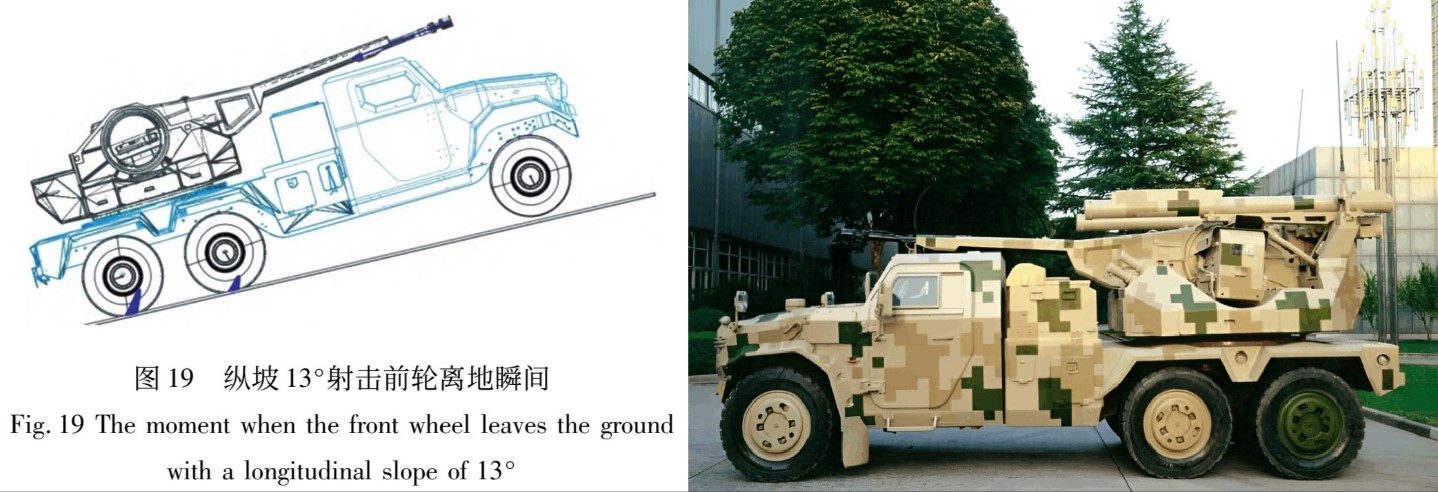
World
China has developed a new short-range air defense system known as the SWS3 35mm Gun-Missile System. This mobile weapon platform is designed to deal with a wide range of modern aerial threats such as drones, cruise missiles, low-flying aircraft, and precision-guided munitions — all of which pose significant risks to military bases, convoys, and critical infrastructure on the battlefield. What makes the SWS3 stand out is its combination of dual 35mm autocannons and surface-to-air missile pods, both mounted on versatile 6×6 and 4×4 armored vehicles. This mobility ensures that the system can move swiftly with advancing troops or be repositioned quickly to defend vital points in dynamic combat situations. The system comes equipped with advanced radar arrays and electro-optical targeting systems. These allow the SWS3 to autonomously detect, track, and engage incoming targets with high accuracy, even in complex environments where multiple threats may appear at different speeds and altitudes. One of the key features of the SWS3 is its unique “1+1 interception” capability. In this approach, both the autocannons and missiles are used in a coordinated attack on an incoming target. The idea is to increase the chances of a successful interception — if one weapon misses or is insufficient, the other follows immediately to finish the job. This layered engagement strategy is especially useful in scenarios where enemy forces might launch saturation attacks with swarms of drones or multiple missiles. Specifications of the SWS3 35mm Gun-Missile System: Primary Armament: Two 35mm autocannons with a high rate of fire suitable for short-range defense against fast-moving targets. Missile Component: Surface-to-air missiles (exact type undisclosed) capable of engaging aerial targets at longer ranges than the cannons. Mounting Platforms: Available on 6×6 and 4×4 armored vehicles for flexible deployment across different terrain types. Targeting & Detection: Modular radar arrays for all-weather detection. Electro-optical tracking systems for precise identification and targeting. Fire control system supporting integrated, automated, or networked operations. Engagement Range: The 35mm cannons have an effective range of around 3 to 4 kilometers, while the missile system is designed to engage threats at ranges reportedly beyond 6 kilometers. Operational Role: Protection of frontline troops, military convoys, command posts, airbases, and other high-value assets against low-altitude and short-range aerial threats. The development of the SWS3 reflects China’s growing focus on countering the increasing use of small unmanned aerial vehicles (UAVs) and precision-guided weapons in modern warfare. While the system takes inspiration from similar platforms like the Russian Pantsir-S1, German MANTIS, and the U.S. M-SHORAD, it has been tailored to suit the operational needs of the Chinese military and the unique security environment in which it operates. As aerial threats evolve, especially with the rise of drone swarms and stealthy cruise missiles, systems like the SWS3 will play a crucial role in protecting troops and infrastructure from surprise attacks in both peacetime and during conflict.
Read More → Posted on 2025-05-28 15:43:41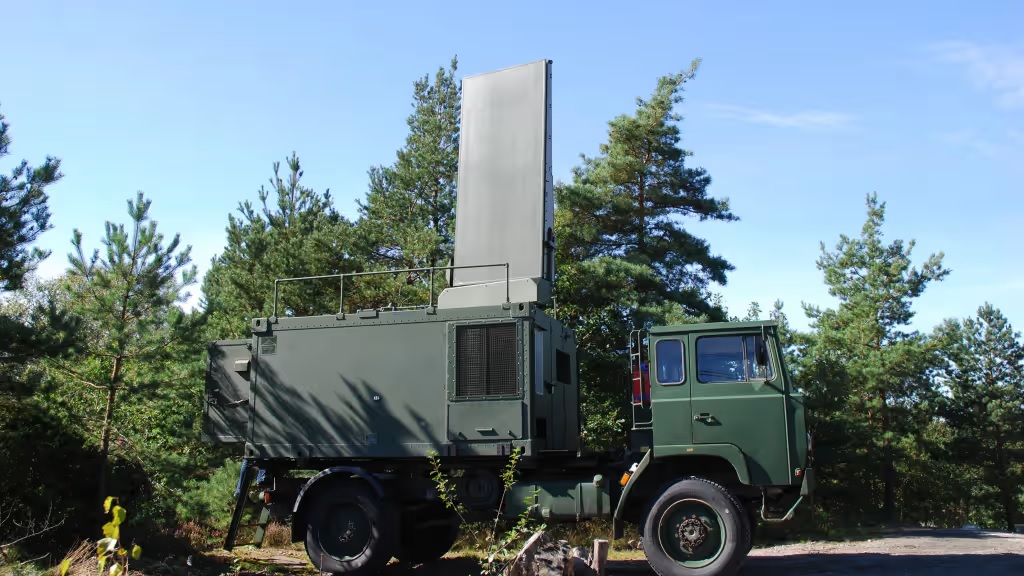
World
At FEINDEF 2025, Saab showcased the future of its renowned Arthur (Artillery Hunting Radar) system, presenting an updated development roadmap for the fully digitised Arthur Model D. As artillery warfare once again dominates modern battlefields — notably witnessed in the Russia-Ukraine conflict — counter-battery capabilities like the Arthur radar have become essential for modern militaries. Why Counter-Battery Radars Matter Today In conflicts like the ongoing war in Ukraine, artillery, mortars, and rocket systems are responsible for up to 80% of battlefield casualties. With drones now being used for target spotting and fire correction, the need to rapidly detect and locate incoming indirect fire has never been more urgent. To give context, since the start of the Ukraine war in 2022, Russia has fired between 30,000 to 50,000 artillery rounds per day, a staggering number that highlights how crucial it is to locate enemy artillery positions quickly for immediate retaliation. Without such systems, forces risk devastating losses and a weakened defensive capability. The Evolution of Arthur: From Mod C to Mod D The original Arthur system was designed by Saab in the late 1980s and delivered in the early 1990s. It was one of the first lightweight, mobile Weapon Locating Systems (WLS) of its kind. Over the decades, Saab continuously upgraded the system, resulting in the advanced Arthur Mod D. The transition from Mod C’s travelling wave tube (TWT) technology to Mod D’s active phased array radar, using Gallium Nitride (GaN) transmit/receive modules, represents a major leap. Not only does this make the radar system lighter and more compact, but it also enters the realm of software-defined radars, allowing for continuous updates and adaptability on the digital battlefield. Key Features and Specifications of Arthur Mod D Antenna Type: Active Phased Array Radar Modules: Gallium Nitride (GaN) T/R modules Mobility: Containerised configuration (10-foot and 12-foot versions), vehicle-agnostic Mass: Less than 1,400 kg (without power supply and communication systems) Detection Range: 300 mm rockets: Over 60 km 122 mm rockets & 120 mm mortars: Over 50 km 152 mm artillery shells: Over 30 km (all with 90% detection probability) Accuracy: Mortar tubes: CEP of 0.15% of range Howitzers and rocket launchers: CEP of 0.20% of range Control: Remote-operated via laptop-based consoles Deployment: Capable of rapid relocation to avoid detection and targeting The British Army’s 5th Regiment Royal Artillery is the first user of Arthur Mod D, which they have nicknamed Taipan. These radars replaced the older Arthur Mod B (Mamba) systems delivered back in 2005. Adaptability and Manoeuvre on the Battlefield Modern warfare demands not only precision but also survivability. Weapon locating radars like Arthur are prime targets for enemy forces and electronic warfare systems. The Arthur Mod D’s agility allows it to transmit briefly and relocate rapidly, following a "radar manoeuvre" doctrine similar to infantry movement tactics. For maximum effectiveness, operational doctrine recommends deploying three radars simultaneously to maintain continuous coverage while each alternates between scanning and relocating. This ensures reliable detection while reducing the risk of being targeted. Additionally, the radar’s static antenna design and compatibility with multispectral camouflage help lower its visual and thermal signatures, essential for evading detection by drones equipped with thermal imaging. Arthur’s Future: Saab’s Roadmap At FEINDEF 2025, Saab highlighted its clear roadmap for Arthur Mod D’s future. Key upgrades planned include: Over 50% increase in detection range, primarily achieved through software enhancements Power Save Mode to reduce energy consumption and minimise the radar’s acoustic and thermal signatures Continuous software-defined capability updates based on lessons from recent conflicts, particularly in Ukraine Saab’s R&D division remains focused on integrating battlefield feedback quickly, ensuring Arthur stays relevant in fast-evolving combat environments. Global Adoption of Arthur Arthur radars are currently in service with multiple NATO nations and other global militaries, including: Czech Republic Denmark Greece Italy Sweden Spain United Kingdom South Korea Several other non-disclosed nations also rely on the Arthur system for their counter-battery operations. Conclusion As artillery reclaims a dominant role in modern warfare, advanced counter-battery systems like the Arthur Mod D are indispensable. Saab’s clear commitment to digital upgrades, software flexibility, and battlefield survivability ensures that Arthur will continue to protect forces and enable effective retaliatory strikes for years to come. The Arthur Mod D is not just a radar — it’s a dynamic, modern battlefield sensor designed for a new era of warfare, where information speed and system mobility are as important as raw firepower.
Read More → Posted on 2025-05-28 15:40:57
World
The Ukrainian Air Force has openly questioned the performance of the American-made MIM-104 Patriot air defence system on the battlefield. In a recent statement, Ukrainian Air Force spokesman Igor Ignat pointed out that the Patriot system has struggled to intercept Russia’s advanced Iskander-M ballistic missiles, which have proven capable of outsmarting the defence system in actual combat situations. According to Ignat, the Iskander-M missile performs evasive manoeuvres during its final approach to its target, making it difficult for the Patriot to accurately track and intercept. On top of that, the Iskander carries decoys designed to confuse the Patriot’s guidance systems, further reducing the chances of a successful interception. Repeated Losses of Patriot Systems in Ukraine This concern isn't just theoretical. Over the past year, multiple Patriot batteries supplied by the U.S. and its NATO allies have reportedly been destroyed in Russian missile strikes. The first confirmed incident took place on February 23, 2024, when an Iskander-M missile successfully struck a Patriot system. In the following months, more such incidents occurred: March 10, 2024: Another Patriot system destroyed near Sergeevka. July 2024: Two more batteries eliminated in the Odessa region. August 11, 2024: Three Patriot missile batteries and a valuable AN/MPQ-65 radar were reportedly destroyed in coordinated Iskander-M strikes. Dnepropetrovsk Region: One of the latest attacks led to the loss of a radar station, control cabin, and missile launch vehicles belonging to a Patriot battery. These repeated setbacks have left Ukrainian ground forces exposed and have led to serious questions about the reliability of one of the West’s most heavily promoted air defence systems. A History of Disappointing Combat Performance Interestingly, concerns about the Patriot system’s real-world effectiveness are not new. Its performance was questioned during its very first major use in combat — the 1991 Gulf War. Back then, the Patriot was deployed to intercept Iraqi Scud missiles. While early media and government reports praised its success, later investigations told a different story. A U.S. Congressional subcommittee found that the Patriot's success rate was far lower than claimed. One report revealed that of the 158 Patriot missiles fired during the war, nearly half were aimed at false targets. MIT professor and missile technology expert Theodore Postol concluded at the time that the Patriot's intercept rate could have been below 10%, possibly even zero in some cases. Failures in Iraq and Saudi Arabia After the Gulf War, efforts were made to modernise the Patriot system. However, its disappointing performance continued in the 2003 U.S.-led invasion of Iraq. Then in 2017, during the conflict in Yemen, the system again failed to intercept a crude ballistic missile fired by Yemeni fighters towards Saudi Arabia, despite the Kingdom’s deployment of multiple upgraded Patriot batteries. Missile experts later analysed the incident and confirmed that the warhead had made it through Saudi air defences unscathed. Jeffrey Lewis, one of the analysts involved, remarked that either governments were deliberately misleading the public about the system’s performance, or they were simply unaware of its failures — both of which, he noted, were cause for serious concern. What It Means for Ukraine and Western Defences Ukraine’s recent experience with the Patriot system highlights a long-standing issue: the system, despite decades of upgrades and billions in investment, has consistently struggled against modern, manoeuvrable ballistic missiles. The Iskander-M, with its high speed, unpredictable trajectory, and ability to release decoys, represents exactly the kind of advanced threat that Patriot systems have difficulty countering. This has wider implications beyond Ukraine. Several NATO countries, as well as U.S. allies in Northeast Asia like Japan and South Korea, depend on Patriot systems as a key layer of their air and missile defences. If the Patriot can’t reliably intercept contemporary ballistic missiles, these countries may need to reconsider their defensive strategies. Conclusion The Ukrainian Air Force’s candid assessment of the Patriot system’s performance adds another chapter to a history of overestimated expectations and underwhelming battlefield results. As warfare evolves with faster, smarter, and more evasive missile technology, it raises serious questions about whether current Western air defence systems are up to the challenge — and whether new solutions are urgently needed to protect against modern threats.
Read More → Posted on 2025-05-28 15:31:34
World
The U.S. Army has officially designated the name MV-75 for its new Future Long Range Assault Aircraft (FLRAA), taking a major step forward in one of its most important modernization programs. This move marks the aircraft’s formal entry into the service's aviation family and sets the stage for the future of vertical lift capability in the U.S. military. The designation “MV-75” breaks down simply: “MV” stands for multi-mission vertical takeoff, highlighting the aircraft’s versatile role in combat and support operations. The number “75” honors the Army’s founding year, 1775. The first prototype of this advanced aircraft will carry the label YMV-75A—where the “Y” shows it is a prototype, and “A” refers to it being the first version. The FLRAA is designed to operate alongside the UH-60 Black Hawk, which has served as the Army’s workhorse helicopter for decades. But the MV-75 is not just a replacement—it represents a leap forward. Built for speed, range, and adaptability, the aircraft is often described using the motto “twice as far, twice as fast.” It’s made to fly greater distances at higher speeds, giving the Army a clear advantage in modern battle scenarios, especially in large, contested combat zones. This next-generation aircraft will be capable of performing multiple missions—such as troop transport, medical evacuation (MEDEVAC), and resupply—on a much broader scale than today’s helicopters. It’s being developed with both the Army and U.S. Special Operations Command in mind, ensuring it meets a wide range of operational needs. What sets the FLRAA apart from traditional aircraft is its Modular Open Systems Approach. This innovative design philosophy allows engineers to quickly and efficiently add new technology over time, whether it’s advanced sensors, communications systems, or upgraded weapons. It also helps lower costs by standardizing parts and systems across different aircraft models and simplifying maintenance and upgrades. Brigadier General David Phillips, who oversees the Army’s aviation programs, emphasized the importance of this new aircraft, saying it will provide the speed, endurance, and reach needed for future missions. His confidence was echoed by Colonel Jeffrey Poquette, the project manager for FLRAA, who praised the team’s hard work and commitment. “We’re thrilled to now have an official name for the aircraft as we move closer to bringing this revolutionary capability into service,” he said. Launched in 2019, the FLRAA program is a major part of the Army’s Future Vertical Lift strategy, which aims to replace aging helicopters with faster, smarter, and more adaptable platforms. The MV-75 will play a key role in preparing the Army for multi-domain operations, where land, air, sea, cyber, and space capabilities must work together seamlessly. With the MV-75 now officially named and the prototype phase underway, the U.S. Army has taken a solid step toward transforming how it fights and moves on the battlefield—setting the stage for a new era in military aviation.
Read More → Posted on 2025-05-28 15:29:39
World
In a significant escalation in the ongoing conflict, Russian forces launched a coordinated missile and drone strike on May 24 targeting multiple strategic assets in and around Ukraine’s capital, Kyiv. Among the critical targets hit was a radar system belonging to a U.S.-supplied MIM-104 Patriot long-range air defense battery deployed to guard the city. The same attack also reportedly struck an unnamed drone production facility in Kyiv, further underscoring Russia's persistent efforts to dismantle Ukraine's defense infrastructure. This attack came just after Ukraine carried out its largest drone offensive of the war so far, targeting military and infrastructure assets deep inside Russian territory. The Russian response was swift and deliberate. While the Kremlin did not officially confirm the radar type destroyed, it is believed to be either the AN/MPQ-65 or its older version, the AN/MPQ-53 — both of which have been delivered to Ukraine by NATO allies to bolster its air defense capabilities. The radar system is a core component of the Patriot missile defense system, which was originally developed during the Cold War era to counter aircraft threats but was later adapted for missile defense roles. The radar's unique "detection-to-kill" capability enables it to conduct surveillance, target identification, and missile guidance — all within a single unit. This makes it both a powerful asset and a high-value target. In recent months, Russia has repeatedly demonstrated its intent to dismantle these Patriot systems. Just days before the Kyiv strike, Russian Iskander-M ballistic missiles destroyed another Patriot radar component in the Dnepropetrovsk region. Video evidence confirmed the precision of the strike, which reportedly obliterated multiple critical elements of the air defense battery. The latest strike adds to a growing list of Patriot system losses in Ukraine, which is becoming a concern not just for Kyiv but also for NATO. The United States, which manufactures the Patriot systems, is reportedly struggling to keep up with the demand for replenishments amid the high-intensity warfare. The system’s limited production rate has raised alarms within Western defense circles, particularly as the war shows no signs of de-escalating. Ukraine inherited a massive defense industrial base from the Soviet era — one of the largest in the world — and has since tried to revive and adapt this infrastructure to sustain its war effort. However, Russia’s systematic targeting of weapons production sites and advanced defense systems poses a continuous threat to this strategy. Despite Western aid, ensuring a steady supply of modern weapons and maintaining operational readiness remains a formidable challenge. The destruction of another Patriot radar in Kyiv is not only a tactical setback for Ukraine but also a symbolic blow to the perception of Western technological superiority in missile defense. Although the Patriot system has successfully intercepted some threats, several failed interceptions against Russian missiles — especially those from the highly maneuverable and precise Iskander-M system — have raised questions about the system’s effectiveness in high-intensity conflict environments. As both sides continue to push the boundaries of drone warfare, missile strikes, and electronic warfare, such attacks mark a troubling trend: the increasing vulnerability of even the most advanced defense systems in modern warfare. For Ukraine, the strike is a stark reminder that no part of its air shield is invincible. For NATO, it's a wake-up call to ramp up production and rethink strategic supply lines in what is shaping up to be a long and grueling conflict.
Read More → Posted on 2025-05-28 15:26:23Search
Top Trending in 24 Hours
-
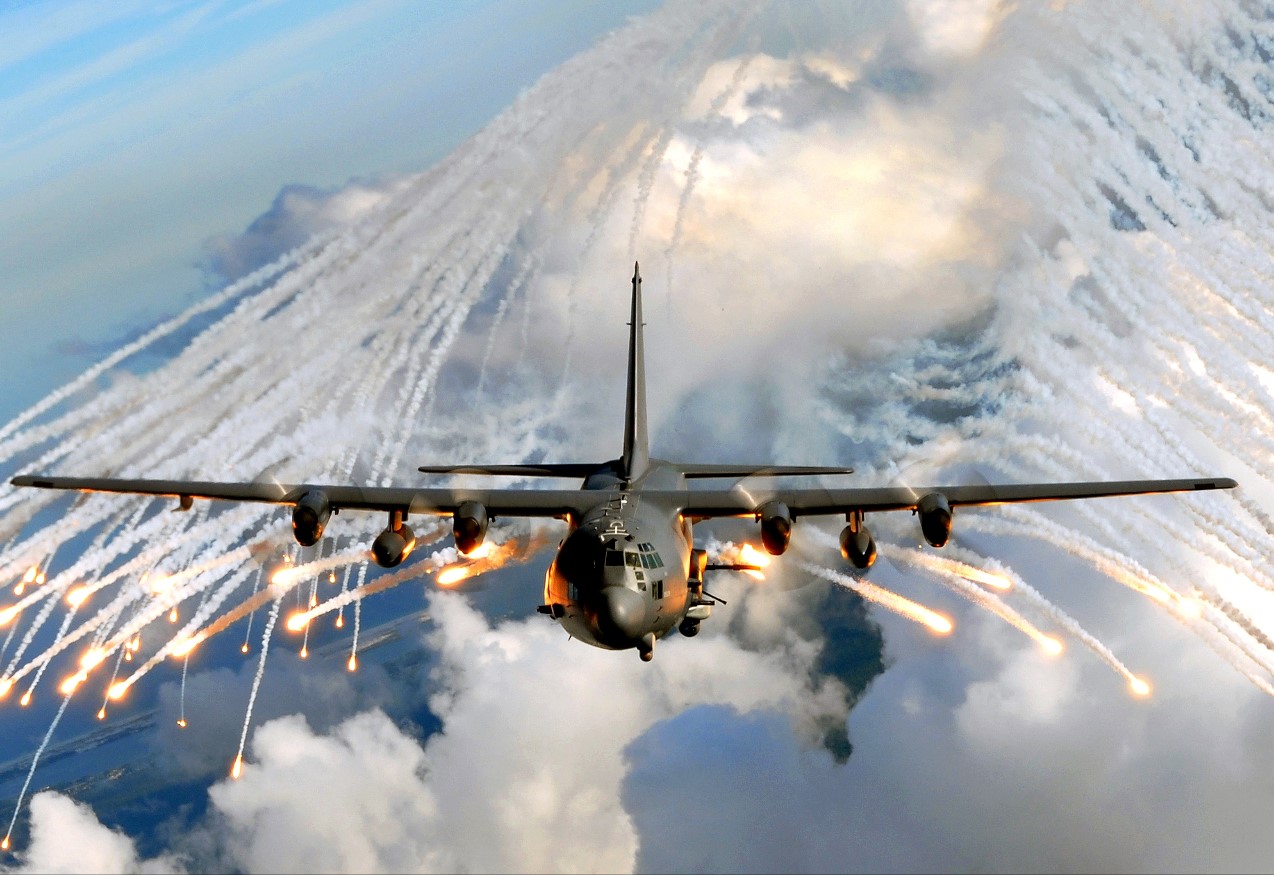 Pentagon Expands Alloy Surfaces Contract to $328.8 Million for Advanced Aircraft Decoy Flares Amid Evolving Drone Threats
-
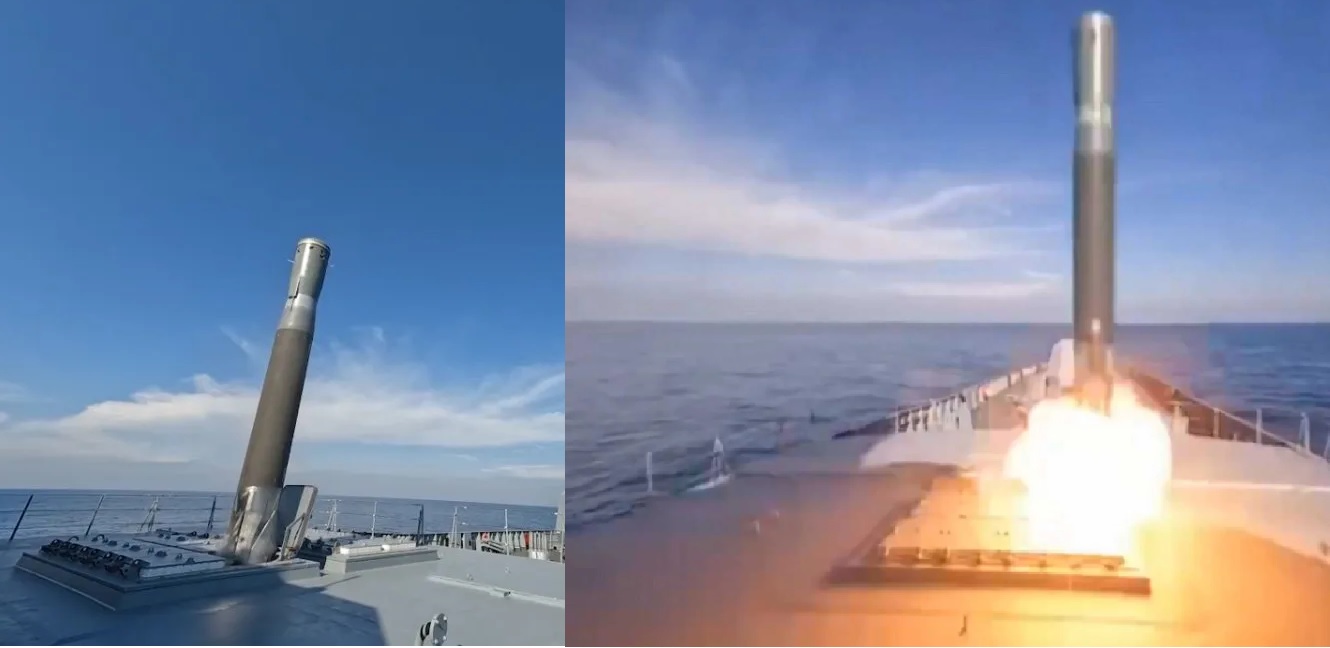 Open-Source Evidence Suggests Russia's Zircon Is a Quasi-Ballistic Missile, Not a True Hypersonic Cruise Weapon
-
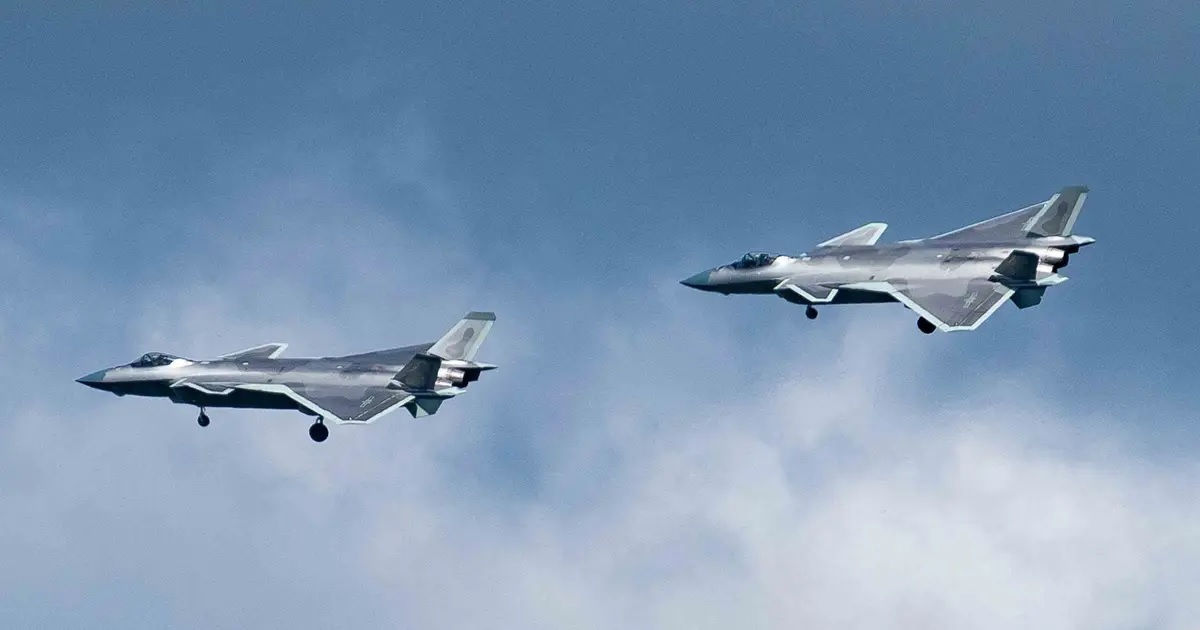 China Surpasses Russia as World’s Second-Most Powerful Air Force Amid Rapid J-20 and J-35 Expansion
-
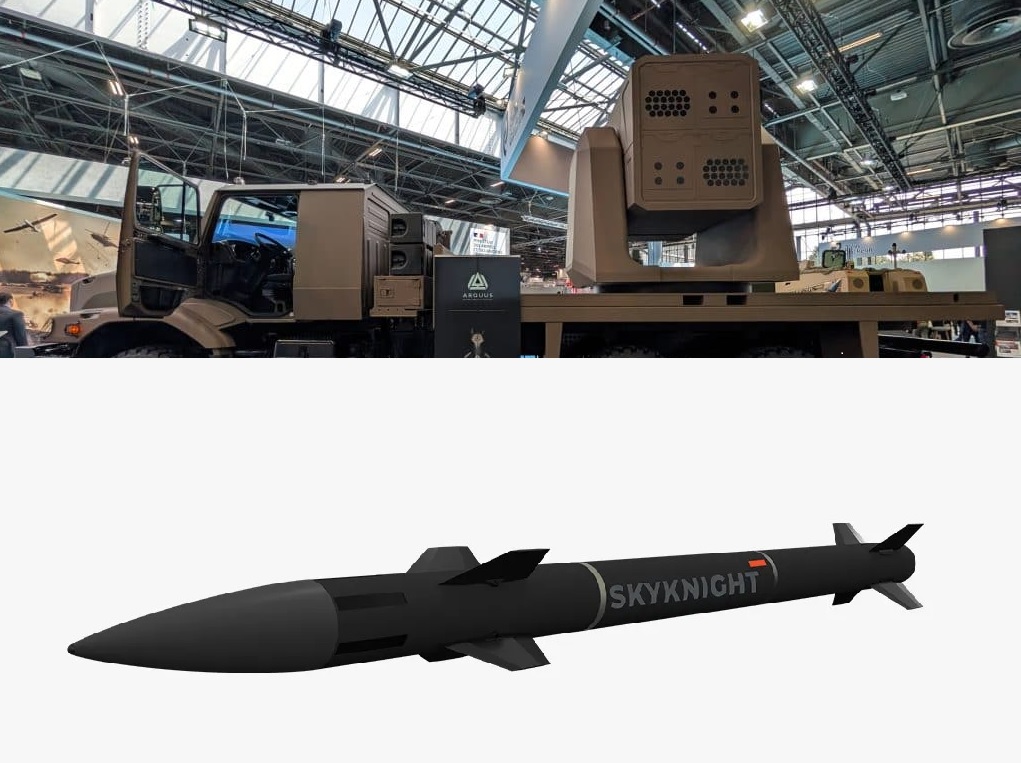 Naval Group Unveils Rampart Modular CIWS Multi-Purpose Weapon System for Naval and Ground Forces at Eurosatory 2026
-
 Why the U.S. Restored Pacific Command Name, Ending the Indo-Pacific Designation After Eight Years
-
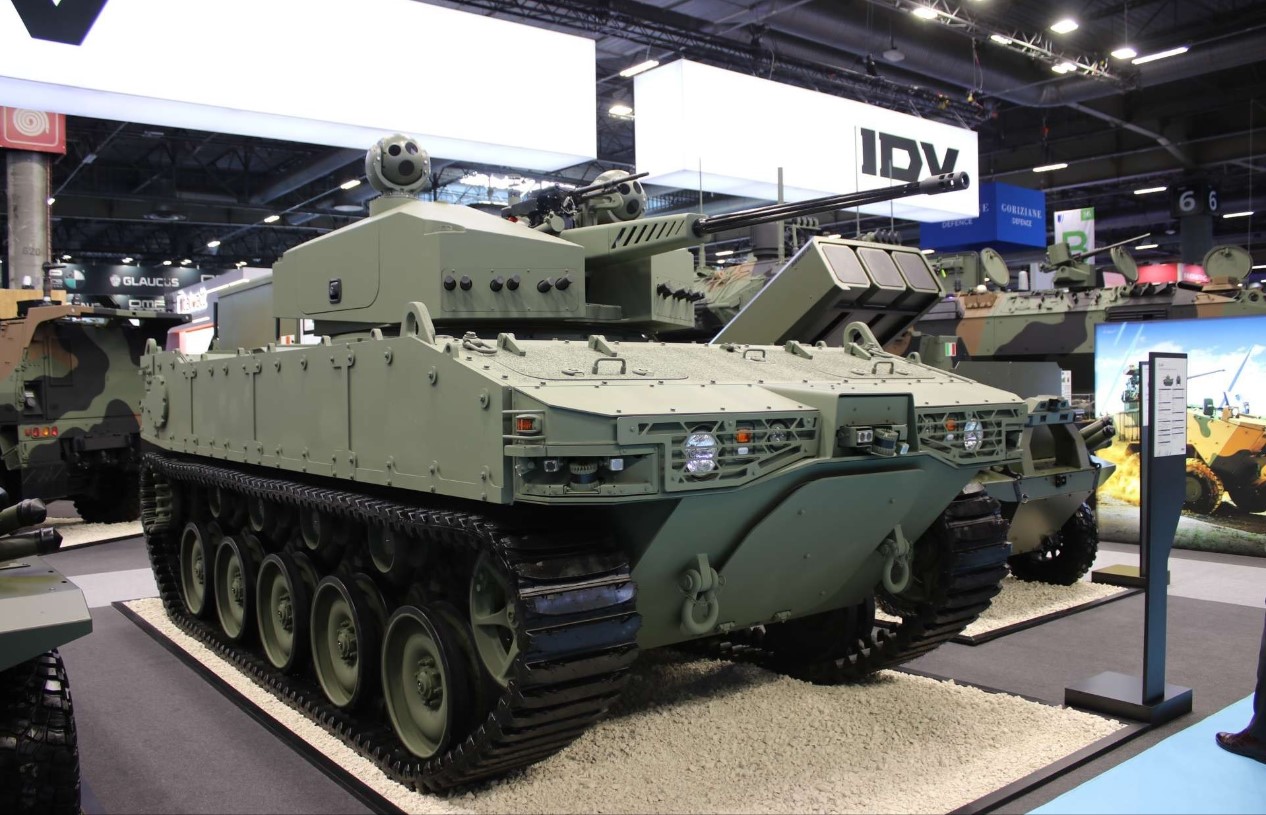 IDV Unveils CL2X Hybrid Uncrewed Light Tank at Eurosatory 2026
-
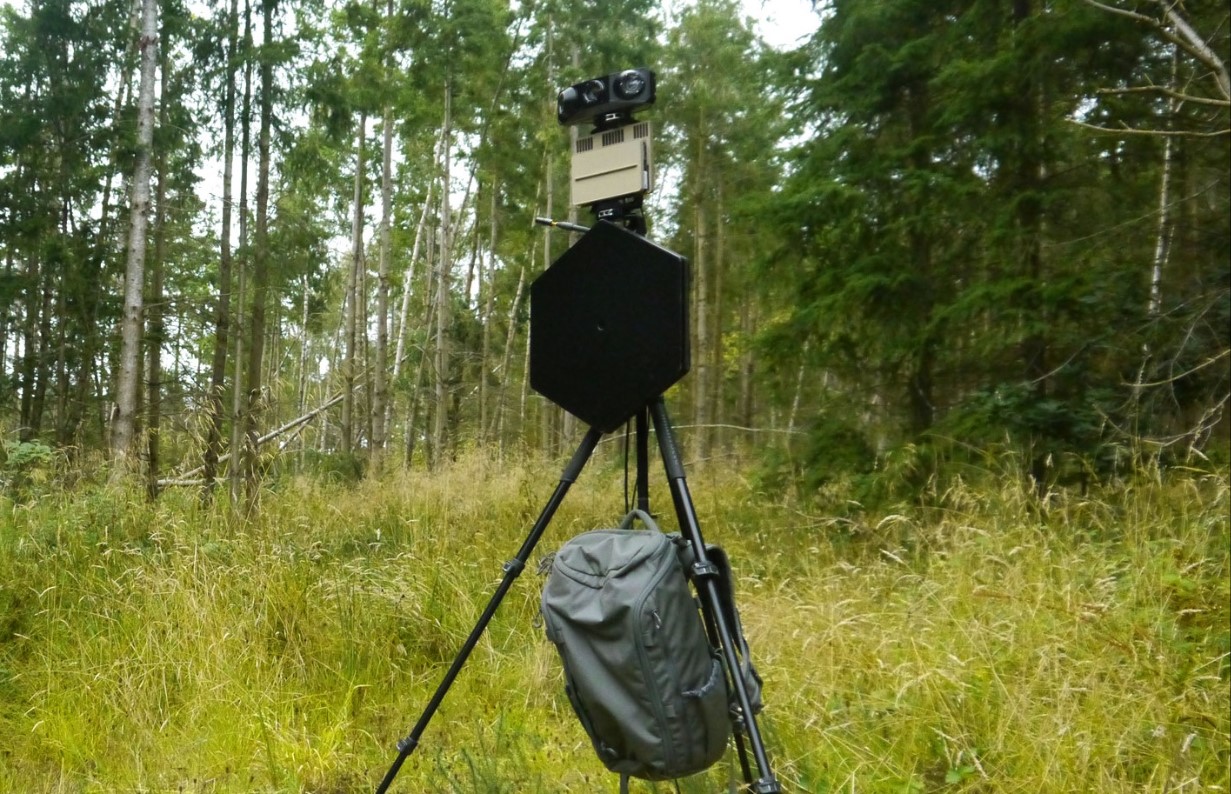 Australia Tests OpenWorks’ AI-Powered Vision Guard Surveillance System Under Land 156 Counter-Drone Program
-
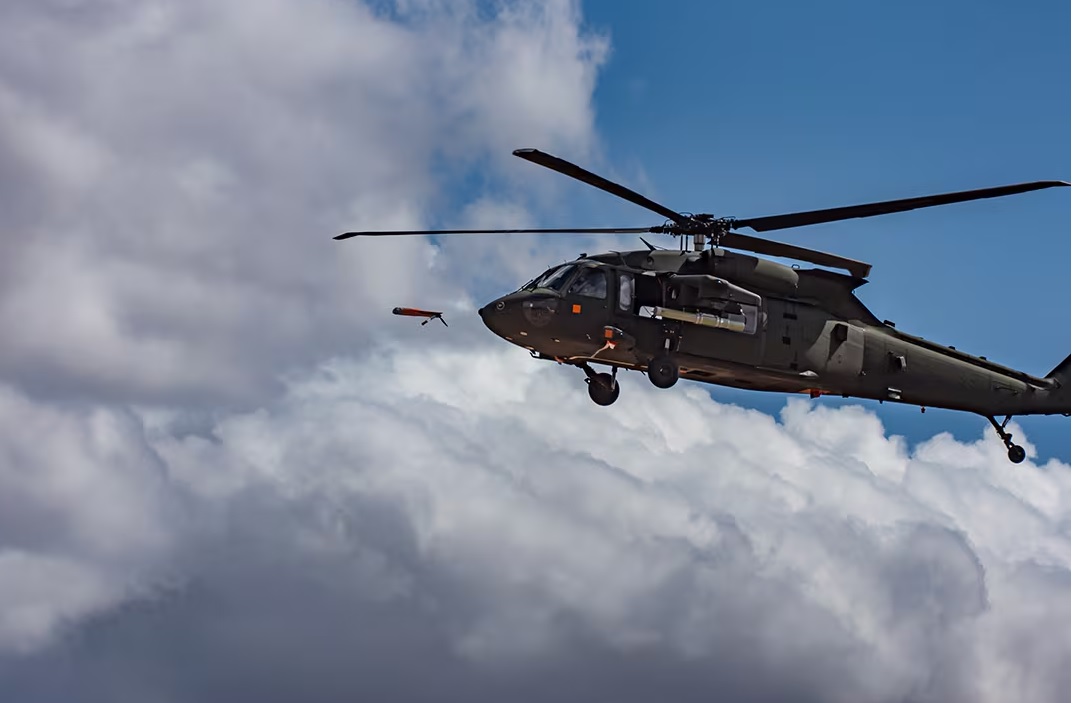 U.S. Army Completes First Flight Test of Medium-Range Air-Launched Effects from Black Hawk Helicopter
Top Trending in 4 Days
-
 US Marine Corps F/A-18D Hornet Crashes During Training Flight in Washington Mountains; Pilot Ejects Safely
-
 8 U.S. Air Force Crew Members Killed in B-52 Bomber Crash During Test Flight at Edwards Air Force Base
-
 Tulsi Gabbard Releases Declassified Files Detailing U.S.-Backed Network of 120 Biolaboratories Across 30+ Countries
-
 Ukraine Introduces Balloon-Launched DART Missile Designed to Defeat Electronic Warfare
-
 Ukraine Unveils UAV-290 Jet-Powered Strike Drone with 650 km Range at Eurosatory 2026
-
 Ukraine Unveils 'Sea Trident' 10-Ton Autonomous Underwater Drone at Eurosatory 2026
-
 Rolls-Royce Unveils New Hybrid Powertrain for Heavy Military Vehicles at Eurosatory 2026
-
 KNDS Unveils CAPINT Main Battle Tank at Eurosatory 2026 as Leclerc Stopgap