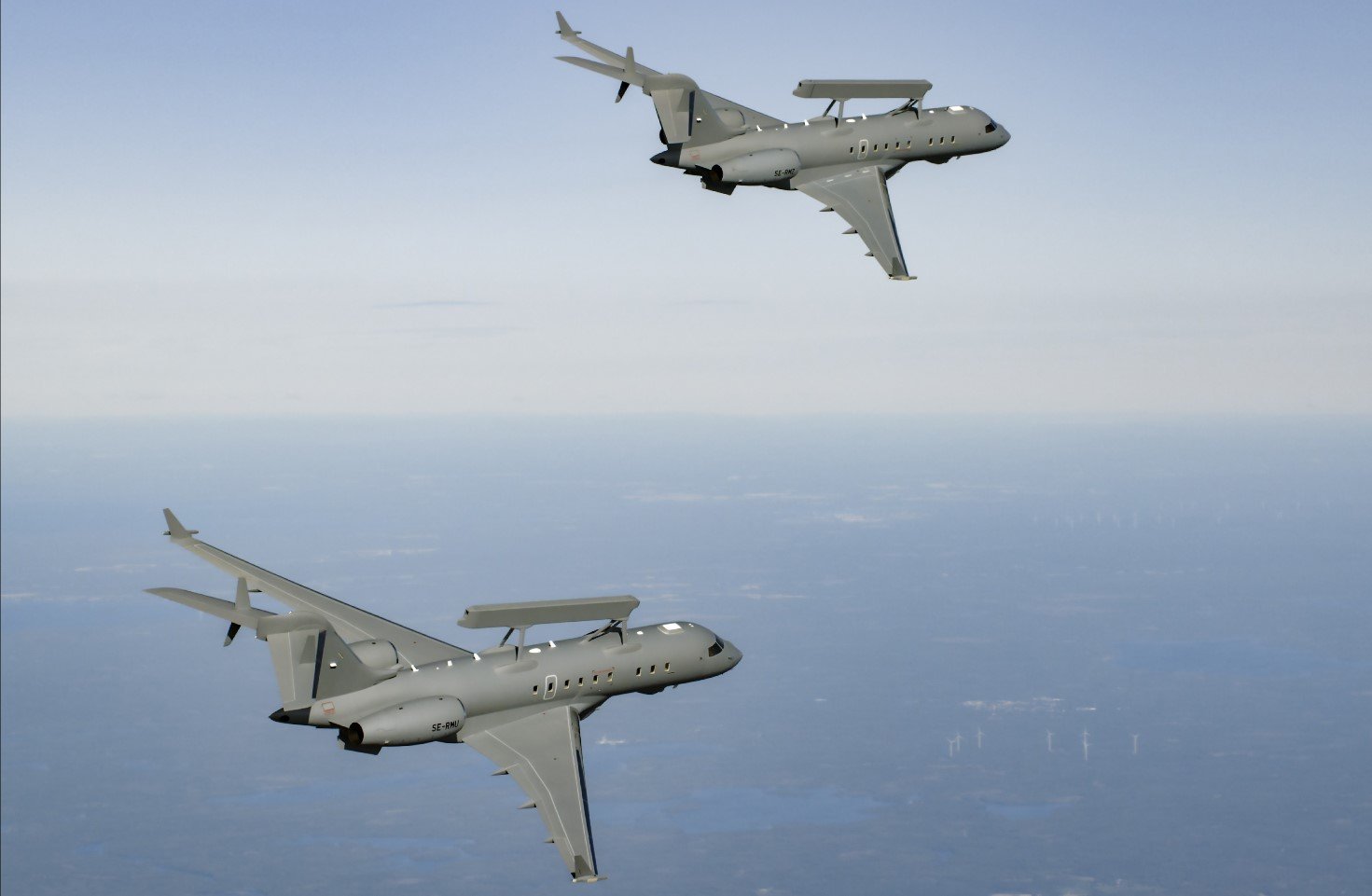
In a bold leap towards redefining modern warfare defense, the United States has unveiled its most ambitious and technologically advanced air defense project to date—the "Golden Dome", a comprehensive, multi-layered defense shield that promises near-total protection against missiles, drones, and even hypersonic threats. With an estimated total program cost surpassing $500 billion, it is now the most expensive weapon system ever conceived, eclipsing even the F-35 Joint Strike Fighter program.
What is the Golden Dome?
The Golden Dome is not just a missile shield—it is a fusion of next-generation radar systems, artificial intelligence-driven threat analysis, advanced directed-energy weapons, and a constellation of low-orbit defense satellites, all designed to create an impenetrable airspace over the continental United States and key overseas assets.
The system draws its name from the Israeli Iron Dome, but in scale and capability, the Golden Dome is exponentially more complex and powerful. It has been described by military analysts as “a space-integrated version of NORAD fused with Star Wars-era missile defenses”.
Technical Specifications and Capabilities
1. Multi-Layer Defense Architecture
The Golden Dome incorporates a three-tiered defense system:
-
Exoatmospheric Layer: Utilizes kinetic-kill vehicles launched from orbital satellites and space-based interceptors to target ICBMs and hypersonic glide vehicles during midcourse flight.
-
Endoatmospheric Layer: Employs THAAD-Next, Patriot NG, and Lasers mounted on mobile Stryker vehicles to intercept threats in the terminal phase, including maneuverable hypersonic vehicles and cruise missiles.
-
Point Defense Layer: Short-range, ultra-fast electromagnetic railguns, microwave weapons, and directed-energy lasers positioned around high-value infrastructure and military bases to neutralize drones, loitering munitions, and fast incoming projectiles.
2. Satellite Constellation: "Sentinel Net"
The Golden Dome is powered by a dedicated constellation of 326 low-Earth orbit (LEO) satellites named Sentinel Net. These satellites serve three primary functions:
-
Early Threat Detection: Using infrared sensors and AI-enhanced imaging to detect launches and hypersonic flight profiles within seconds.
-
Midcourse Tracking: Providing real-time telemetry and course prediction data to interceptors.
-
Kill Confirmation and Damage Assessment: Verifying successful interceptions and tracking debris trajectories.
Each Sentinel satellite is equipped with quantum encrypted laser communication systems, ensuring instant data relay across the globe without latency or interception.
3. Ground Infrastructure
-
42 Ground Control Stations across the U.S. and allied territories, functioning as coordination and launch hubs.
-
7 Centralized AI Command Nodes, powered by supercomputers that process over 12 petabytes of threat data per second, determining optimal interception strategies.
-
Over 150 mobile ground interceptor units, equipped with vertical-launch missile silos and electromagnetic counter-drone modules.
Cost Breakdown: Why So Expensive?
The mind-boggling $500 billion price tag is driven by several unprecedented expenditures:
| Component | Estimated Cost (USD) |
|---|---|
| Satellite Constellation | $120 Billion |
| Directed Energy Development | $90 Billion |
| AI Command Network | $75 Billion |
| Mobile Defense Units | $60 Billion |
| Launch Infrastructure | $45 Billion |
| R&D and Software Integration | $60 Billion |
| Ground Stations and Bases | $50 Billion |
Unlike traditional weapons systems, the Golden Dome merges multiple military and civilian technological domains: space, AI, quantum computing, and advanced weaponry, leading to a program that not only defends but also revolutionizes warfare infrastructure itself.
Can It Truly Provide 100% Protection?
While military spokespeople cautiously avoid using the phrase "100% protection," internal Pentagon whitepapers suggest the Golden Dome is designed to offer "complete engagement capability against all known aerial threats", including:
-
ICBMs and SLBMs
-
Hypersonic glide vehicles (Mach 5+)
-
High-speed cruise missiles
-
Autonomous and swarming drones
-
Ballistic and maneuverable reentry vehicles
The system is built around zero-failure AI protocols, meaning redundancy is factored at every level. Each missile launch is typically targeted by two to three interceptors from different layers of the system, including space-based hits, ground-launched interceptors, and energy weapons—resulting in an interception probability greater than 99.7%, the highest ever achieved in live military tests.
Global Implications and Strategic Advantage
The unveiling of the Golden Dome shifts the strategic balance. While Russia and China have made rapid advances in hypersonic weapons, the U.S. now possesses a multi-layered defense that could neutralize those advantages.
However, some critics argue that such a high-cost system could spur a new arms race in space, particularly in anti-satellite weaponry aimed at blinding or disabling Sentinel Net.
Conclusion
The Golden Dome represents a quantum leap in air defense—an integrated, AI-driven, space-supported warfighting umbrella that can neutralize virtually any aerial threat. But it comes at a price—both financially and geopolitically.
As nations react to America’s ultimate shield, the world enters a new era of defense, where space, cyberspace, and traditional military power converge. Whether it guarantees peace or provokes escalation will depend on how wisely it is wielded.
——— End of Article ———