
World
In a major leap for the future of high-speed travel, Houston-based startup Venus Aerospace has announced the successful flight test of its Rotating Detonation Rocket Engine (RDRE) — marking a historic first for the United States and possibly the world. The test was carried out at Spaceport America in New Mexico, known for hosting advanced aerospace experiments. This breakthrough moment represents the first time an American-built RDRE has taken flight. While scientists and engineers have long theorized about the potential of this technology, no one had yet succeeded in flying it until now. Venus Aerospace has not only proven the RDRE works in controlled environments but also in real-world flight conditions — a critical step towards the future of hypersonic travel. What is an RDRE, and Why Does It Matter? A Rotating Detonation Rocket Engine works differently from traditional rocket engines. Instead of a continuous, steady burn of fuel, the RDRE uses rotating detonations — extremely fast explosions that travel around a circular chamber. This method promises higher efficiency, reduced engine size, and more powerful thrust compared to conventional engines. It could potentially revolutionize not just space travel, but also long-distance passenger flights here on Earth. Venus Aerospace’s RDRE is designed to be compact, efficient, and scalable. It holds promise for both defense systems and commercial applications — with the company’s ultimate goal being the development of hypersonic passenger aircraft capable of flying from Los Angeles to Tokyo in under two hours. Five Years of Work, One Historic Flight After five years of development, Venus Aerospace’s RDRE finally took to the skies. Despite difficult weather conditions, including heavy winds the night before the test, the engine launched successfully and performed exactly as intended. The flight validated the engine’s real-world capability, confirming it can operate effectively beyond the lab. Sassie Duggleby, CEO and Co-founder of Venus Aerospace, called it a proud milestone for the company. “This is the moment we’ve been working toward. We’ve proven this technology works not just in theory, but in the air,” she said. Towards a New Age of High-Speed Flight Venus Aerospace isn’t stopping here. The company’s next step is integrating the RDRE with its proprietary air-breathing detonation ramjet system, called VDR2. This innovative system would allow aircraft to cruise at hypersonic speeds without the need for rocket boosters, making high-speed passenger and cargo transport much more practical and affordable. The long-term plan includes developing the Stargazer M4, a Mach 4 (around 4,900 km/h) reusable hypersonic passenger aircraft. This aircraft would dramatically cut long-distance travel times, opening up possibilities that until now existed only in science fiction. A New Era for Hypersonics The global hypersonics market is expected to surpass $12 billion by 2030, with applications ranging from defense systems to commercial aviation. Venus Aerospace’s recent achievement positions the startup as a key player in this rapidly growing industry. The company plans further flight tests and aims to collaborate with government and defense partners to advance the technology. Notably, Venus Aerospace has managed to achieve this breakthrough on a startup timeline — something many in the aerospace community thought unlikely. Their work is proving that small, agile engineering teams can still lead major technological shifts in aerospace. With this successful test flight, Venus Aerospace has turned a decades-old scientific concept into practical, operational technology. It not only showcases the potential of RDREs but also signals a new chapter for American leadership in high-speed and hypersonic flight. As Venus continues to refine its engines and aircraft designs, the dream of hypersonic passenger flights and next-generation propulsion systems moves closer to becoming an everyday reality.
Read More → Posted on 2025-05-18 17:19:21
World
In a remarkable display of modern naval power, the Royal Navy’s destroyer HMS Dragon has made history by successfully intercepting and destroying a supersonic missile during a live-firing exercise. This marks the first time the Royal Navy has neutralised such a fast and advanced missile threat, reinforcing the UK’s frontline defence capability at sea. The event took place during Exercise Formidable Shield 25, the largest live missile-firing exercise in Europe this year. Held off the coast of Scotland, this exercise brings together warships, aircraft, and personnel from several NATO countries to test and improve their joint air and missile defence systems. How the Test Unfolded During the test, a specially-designed supersonic missile, built to simulate the type of high-speed threats navies might face in the future, was launched over the sea. These missiles are known for their incredible speed and unpredictable movements, often twisting and weaving in the air to avoid interception. In response, HMS Dragon launched a modified version of its highly advanced Sea Viper missile. In just 2.5 seconds, the missile blasted from its launcher, reaching speeds of over four times the speed of sound (Mach 4). It climbed rapidly into the sky, tracked the incoming missile, and destroyed it mid-air with pinpoint accuracy — a feat likened to hitting a bullet with another bullet. This was no ordinary Sea Viper; it was a special telemetry version equipped to gather valuable data during its flight. This data will now be used to improve the Royal Navy’s air defence systems even further for future missions. Why This Matters Supersonic missiles pose one of the most difficult challenges for modern warships. Their high speed and sudden changes in direction make them extremely hard to track and intercept. The successful destruction of such a target proves that HMS Dragon, one of the Royal Navy’s Type 45 destroyers, is more than capable of defending itself and its allies against the latest threats. The Sea Viper missile system combines the Sampson radar, a distinctive spherical radar dome mounted on the ship’s mast, with the Aster missile system placed on the ship’s deck. Together, they can monitor and engage targets hundreds of kilometres away, protecting both the ship and nearby vessels from airborne attacks. Voices from the Ship Commander Iain Giffin, HMS Dragon’s Commanding Officer, praised his crew and the ship’s performance, saying, “This is a huge moment for HMS Dragon. It proves our world-class air defence capability works as it should and shows how well we can operate alongside our NATO allies.” Lieutenant Commander Sarah Kaese, the ship’s Senior Warfare Officer, also shared her pride: “Formidable Shield has been both a challenge and an opportunity for our team. It’s incredible to see how far HMS Dragon has progressed as a warfighting unit.” About Exercise Formidable Shield 25 Exercise Formidable Shield 25 involved around 7,000 military personnel from 11 nations, including the US, UK, and several European allies. The exercise tested naval forces against a range of modern threats, from uncrewed drones to ballistic and supersonic missiles. It began at Norway’s Andøya firing range and continued at the Hebrides Range in Scotland, concluding on 31 May 2025. For the Royal Navy, this exercise wasn’t just about firing missiles — it was about proving readiness, strengthening alliances, and preparing for the future of naval warfare, where threats are becoming faster, smarter, and harder to stop. A Glimpse into the Future This successful test confirms that British warships like HMS Dragon remain at the cutting edge of global naval defence. As threats evolve, exercises like Formidable Shield ensure that sailors and their ships are ready for whatever challenges the future may bring.
Read More → Posted on 2025-05-18 17:06:40
World
In a shocking development, Abu Saifullah Nizamani, a senior operative of the terror outfit Lashkar-e-Taiba (LeT) and a known figure within Jamaat-ud-Dawa (JuD) circles, was gunned down by unidentified assailants near Matli Phalkara Chowk in Sindh, Pakistan, on Saturday. The assailants, riding motorcycles according to eyewitnesses, opened fire at close range, killing him on the spot before fleeing the area. A Resident of Malan and a Kashmir Veteran Abu Saifullah, originally named Razullah Nizamani, hailed from the village of Malan in Sindh. He had earned the nickname “Ghazi Abu Saifullah” within jihadist circles—a title reportedly conferred by the Lashkar-e-Taiba high command following his active participation in terrorist operations in India-administered Kashmir. His militant credentials and influence within jihadist ranks made him a valuable asset and a marked figure. Security Warnings Ignored? Sources close to LeT and intelligence officials in the region suggest that Nizamani had been under tight security protocols. The organization had issued strict instructions to limit his movement due to potential threats from rival groups and possibly internal factional disputes. He was reportedly provided with personal security, and his movements were closely monitored. However, on Saturday morning, he ventured out without a full security detail and was ambushed near Phalkara Chowk, a busy intersection in Matli city. The attack was swift and precise, raising suspicions that the gunmen had prior knowledge of his schedule and movements. Some insiders speculate the possibility of a targeted killing orchestrated by rival militant factions, while others do not rule out a deeper conspiracy involving state intelligence retribution or inter-group purging. Local and Organizational Reactions The news of his killing quickly spread across the region, prompting a tense atmosphere in Matli and among LeT and JuD sympathizers. While there has been no immediate claim of responsibility, LeT-linked online handles have referred to the incident as a “shahadat (martyrdom)” and have vowed to “avenge the killing of a mujahid.” Officials have yet to make a formal statement on the motive behind the attack, but counterterrorism units are reportedly investigating possible leads involving rival Sunni extremist outfits, internal betrayals, or intelligence-led action. Security agencies are also examining whether Abu Saifullah was still operational or if he had been under surveillance by regional and international counterterrorism forces. A Familiar Pattern in Pakistan The assassination highlights a recurring pattern in Pakistan, where jihadi leaders returning from foreign theatres like Kashmir or Afghanistan often face fatal attacks—either due to rivalries within militant factions, settling of old scores, or pressure from international agencies on Pakistan to curb terrorism infrastructure. Abu Saifullah’s killing raises critical questions about the dynamics within Pakistan’s jihadist ecosystem, and whether the state is recalibrating its tolerance of figures who were once considered strategic assets. As investigations continue, the killing of Abu Saifullah Nizamani—once hailed as a “Ghazi” for his role in Kashmir—may turn out to be another chapter in the murky, dangerous world of Pakistan's proxy militant networks, where ideology, ambition, and betrayal frequently intersect with lethal consequences.
Read More → Posted on 2025-05-18 17:01:14
World
Taiwan has successfully completed the initial operational evaluation and limited field testing of its latest Tien Kung IV missile system, marking a major step forward in the island’s air defence capabilities. The testing of these advanced missiles comes at a time of growing regional tension and rising military pressure from China. The Tien Kung IV, also known as Sky Bow IV, has been developed under Taiwan’s Strong Bow program by the Chungshan Institute of Science and Technology. According to defence officials, this state-of-the-art missile can intercept high-flying cruise missiles and even ballistic missiles at a maximum altitude of 70 kilometers. This represents a significant improvement over its predecessors — the Tien Kung III with a ceiling of 45 kilometers and the American PAC-3 Missile Segment Enhancement system, capable of reaching 60 kilometers. Officials familiar with the program have indicated that mass production of the Tien Kung IV is expected to begin from next year. At the same time, production of the older Tien Kung III systems is planned to wind down by early next year as its allocated budget nears exhaustion. Interestingly, Taiwan isn’t stopping there. The Ministry of National Defence also has plans to develop two more advanced weapon systems under the Strong Bow program — an air defence missile with a maximum altitude of 100 kilometers and a surface-to-surface missile capable of striking targets 1,000 kilometers away. These efforts reflect Taiwan’s strategy to improve its long-range deterrence and defensive reach amid increasing threats from across the Taiwan Strait. To support these ambitions, Taiwan’s defence spending is set to rise to 3% of its GDP, in line with US recommendations. The government has already secured large special budgets — NT USD 247.2 billion for the purchase of 66 advanced F-16C/D Block 70 fighter jets and another NT USD 388.3 billion earmarked for developing various domestically produced missile systems. The military is also investing heavily in strengthening its infrastructure and resilience. By 2026, over NT USD 116.4 billion will be allocated to reinforce telecommunications hubs, upgrade command centres, and improve military training facilities. In addition, Taiwan plans to spend around NT USD 500 billion on procuring US-made arms, with further details of these purchases expected later this year. Apart from missile systems, Taiwan’s armed forces are advancing several other domestic defense projects. These include the production of Albatross uncrewed aerial vehicles (UAVs), the second-generation Kestrel anti-armor rocket launchers, and setting up new assembly lines for 155mm artillery shells, ensuring the military remains well-equipped in various combat scenarios. This recent development follows Taiwan’s earlier successful test firings of Land Sword II missiles, which are designed to counter a wide range of airborne threats. Additionally, American-supplied High Mobility Artillery Rocket Systems (HIMARS) have been tested at a military base in Pingtung County in recent months, showcasing Taiwan’s growing capability to respond to different types of aerial and missile threats. A Tense Regional Backdrop Taiwan’s military advancements are happening against the backdrop of the long-running Taiwan-China conflict. Although Taiwan operates as an independent government with its own military, economy, and democratic institutions, China views the island as a breakaway province. Under the "One China" policy, Beijing insists there is only one sovereign China and has never ruled out the use of force to reunify Taiwan with the mainland. This geopolitical dispute dates back to the Chinese Civil War (1945-1949), when the defeated Republic of China (ROC) government retreated to Taiwan after the Communist Party led by Mao Zedong took control of mainland China. Since then, China has applied constant diplomatic, economic, and military pressure on Taiwan, striving to isolate it internationally and discourage countries from establishing formal ties with the island. Given this tense and complicated situation, Taiwan’s rapid defence modernization — especially the successful testing of the Tien Kung IV missiles — represents both a crucial deterrent and a message to Beijing and the wider international community that Taiwan is actively strengthening its ability to defend itself. As the security situation in the Indo-Pacific continues to evolve, all eyes will be on Taiwan’s next moves, especially as it prepares to mass-produce its most advanced missile systems and unveils further upgrades to its military infrastructure.
Read More → Posted on 2025-05-18 16:34:17
World
Honeywell has announced a significant development in military aviation connectivity, as its JetWave X satellite communication system has been chosen by L3Harris Technologies to enhance the U.S. Army’s Airborne Reconnaissance and Electronic Warfare System (ARES). This selection marks a major step forward in providing soldiers with improved global connectivity, faster data transmission, and seamless communication through JetWave X’s multi-network architecture. The ARES aircraft, operated by L3Harris, is based on the Bombardier Global 6000/6500-class business jet. Serving as a demonstrator, it showcases the next generation of airborne intelligence, surveillance, and reconnaissance (ISR) capabilities. Upgrading the ARES with Honeywell’s JetWave X system will significantly boost the Army’s ability to transmit mission-critical information more efficiently compared to existing communication systems. The core advantage of the JetWave X lies in its resilient, multi-network architecture, which ensures uninterrupted connectivity by integrating with various satellite networks. Unlike conventional systems, it seamlessly connects to the Inmarsat Global Xpress, ViaSat-3, and other Ka-band constellations. This versatile connectivity guarantees real-time data access for pilots, helping them make mission-critical decisions even in the most challenging environments. Matt Milas, President of Defense and Space at Honeywell Aerospace Technologies, emphasized the importance of continuous communication for military missions, stating, “Today’s pilots need access to real-time data with uninterrupted connectivity to make mission-critical decisions.” He expressed pride in providing the ARES with JetWave X, highlighting its unique position as the only multi-network satellite communications system tailored specifically for government aviation. The collaboration between Honeywell and L3Harris on the ARES project underscores Honeywell’s commitment to advancing U.S. Army mission capabilities. The JetWave X is an evolved version of Honeywell’s successful JetWave SATCOM system, boasting improved installation processes and enhanced network flexibility. Its open architecture allows it to connect with any Viasat Ka-band satellite, making it compatible with both current and future Ka-band networks. By integrating JetWave X, the U.S. Army stands to benefit from continuous, reliable communication, boosting mission readiness and operational efficiency on a global scale. The system’s ability to adapt to multiple satellite networks makes it particularly valuable for government aviation, ensuring that critical data remains accessible no matter where the mission takes place. Honeywell’s strategic partnership with L3Harris not only highlights the importance of cutting-edge communication systems for modern military operations but also showcases the future of aviation connectivity. As the U.S. Army continues to modernize its airborne platforms, JetWave X will play a pivotal role in maintaining secure and reliable data transmission in dynamic operational settings.
Read More → Posted on 2025-05-18 16:30:38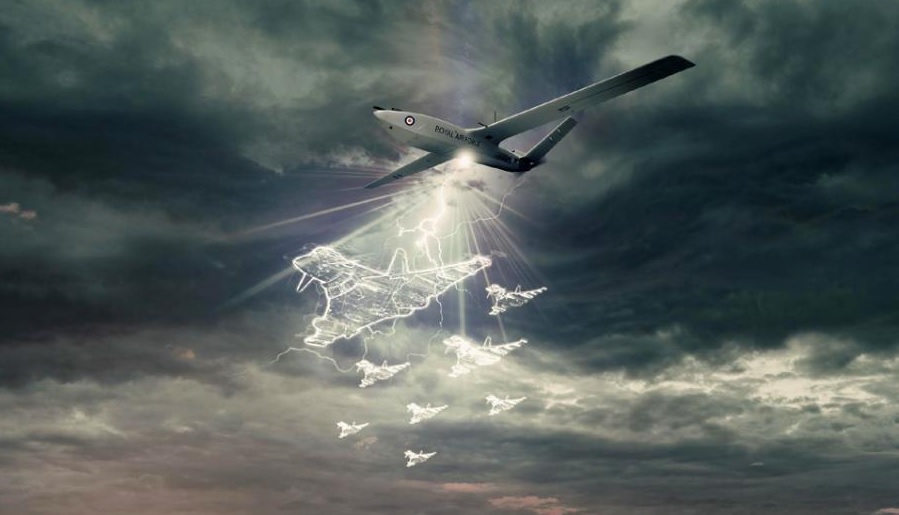
World
The Royal Air Force (RAF) has taken a significant leap in air combat capabilities with the introduction of its new autonomous collaborative platforms (ACPs) known as "StormShroud." These cutting-edge platforms are equipped with Leonardo’s latest innovation in electronic warfare, the BriteStorm payload. This advanced system is designed to disrupt enemy radar systems during air combat missions, giving the RAF a strategic edge over advanced air defence networks. BriteStorm: A Technological Marvel in Electronic Warfare BriteStorm, branded as a "stand-in jammer," is specifically engineered to operate ahead of high-value crewed combat aircraft. Its primary function is to create confusion and suppress enemy Integrated Air Defence Systems (IADS). By deploying small, uncrewed aircraft or even missiles, BriteStorm leverages high-powered digital jamming and deceptive techniques to disrupt hostile radar operations. This capability allows friendly aircraft to manoeuvre freely, unimpeded by the threat of enemy detection. A spokesperson from Leonardo emphasised that BriteStorm is designed to address both current and future threats. The system's open software architecture allows for rapid reconfiguration, making it highly adaptable against a wide array of evolving challenges. Intelligence gathered during missions is seamlessly integrated, enhancing the system’s effectiveness and reliability. Lightweight, Flexible, and Adaptable One of the most remarkable aspects of BriteStorm is its compact and efficient design. The system comprises a Miniature Techniques Generator (MTG) and Transmit Receive Modules (TRMs), both of which are lightweight and energy-efficient. This design flexibility makes BriteStorm compatible with various uncrewed aerial systems (UAS). Notably, the Tekever AR3 small UAS, set to enter RAF service under the StormShroud name, will be among the first to utilise this innovative payload. The development of BriteStorm reflects the RAF’s commitment to integrating lessons learned from recent combat operations. Its "attritable" nature ensures that while it is designed for reuse and rapid reprogramming, its loss during critical missions is considered acceptable, especially when protecting more valuable crewed aircraft. Built on Years of Research and Innovation The journey of BriteStorm began in 2017 at Leonardo’s Luton facility, a European hub for electronic warfare technology. The site, which employs over 1,200 experts, has made substantial investments in local British suppliers, including nearly £175 million in 2024 alone. This commitment underpins the UK’s broader defence industrial strategy, fostering innovation and domestic manufacturing capabilities. Operational Integration and Future Prospects The StormShroud program itself is a product of collaboration between the Royal Air Force Rapid Capabilities Office (RCO) and the Catalyst team within Defence Equipment & Support (DE&S). It is designed to be operated by both regular and reserve personnel from 216 Squadron, with continued support from Leonardo and other key industry partners. By incorporating BriteStorm into its StormShroud platforms, the RAF is significantly boosting its electronic warfare potential. This strategic enhancement not only increases operational freedom for allied forces but also reinforces the UK's position at the forefront of modern air combat technology.
Read More → Posted on 2025-05-18 16:11:39
World
The Lithuanian Armed Forces have achieved a significant milestone in their defense modernization efforts by successfully conducting the first live firings of the advanced SPIKE LR2 anti-tank guided missiles. These tests were carried out at the General Silvestras Žukauskas Training Area in Pabradė by soldiers from the Grand Duke Algirdas Mechanised Infantry Battalion. Enhancing National Defense Capabilities This successful testing marks a pivotal step in strengthening Lithuania's anti-tank warfare capabilities. By integrating the SPIKE LR2 missiles into their arsenal, the Lithuanian Armed Forces aim to bolster their deterrence and defense posture, aligning with NATO's collective security objectives. Overview of the SPIKE LR2 Missile System Developed by Israeli defense company Rafael Advanced Defense Systems, the SPIKE LR2 is a fifth-generation, long-range, multi-platform missile system. It is designed to engage and destroy a variety of targets, including main battle tanks, armored vehicles, and fortified structures. Key Features: Extended Range: The missile can engage targets up to 5.5 kilometers away when launched from the ground, and up to 10 kilometers when launched from a helicopter. Advanced Guidance System: Equipped with a dual-mode seeker that includes an uncooled infrared sensor and a high-definition day camera, the SPIKE LR2 ensures high accuracy in various combat scenarios. Warhead Options: The missile offers two types of warheads: a tandem high-explosive anti-tank (HEAT) warhead capable of penetrating reactive armor, and a multipurpose blast warhead designed for breaching fortified structures. Operational Flexibility: The system supports multiple firing modes, including "fire-and-forget," "fire, observe and update," and "fire to target coordinates," allowing operators to adapt to dynamic battlefield conditions. Integration with Lithuanian Military Assets In Lithuania, the SPIKE LR2 missiles are integrated into the "Vilkas" infantry fighting vehicles, enhancing their firepower and allowing for effective engagement of targets at extended ranges. This integration provides troops with greater tactical flexibility and the ability to respond swiftly to evolving threats. The successful testing of the SPIKE LR2 missile system signifies a major advancement in Lithuania's defense capabilities. By adopting this state-of-the-art technology, the Lithuanian Armed Forces are better equipped to protect national sovereignty and contribute effectively to NATO's collective defense initiatives.
Read More → Posted on 2025-05-18 16:08:37
World
In response to the ongoing conflict, Ukraine has introduced an automated DNA collection system to identify missing and deceased soldiers. This initiative aims to collect and store biological samples from 225,000 military personnel by the end of the year. How the System Works The process involves collecting buccal swab samples (from the inside of the cheek) from soldiers at their military units. These samples are then sent to the Genomic Information Accounting Center, where they are cataloged and stored. If a soldier goes missing or is found deceased, authorized personnel can request the sample from the Central Biological and Biological Investigation Center to aid in identification. Supporting Military Personnel In addition to the DNA identification system, Ukraine has launched several programs to support its armed forces: Contract 18-24 Program: This voluntary recruitment scheme targets civilians aged 18 to 24, offering NATO-standard training, competitive salaries, and social benefits not available through civilian jobs. Incentive Leave Program: Soldiers are granted additional leave for destroying enemy equipment—five days for a warplane, four for air defense systems, and three for armored vehicles. Assisting Families of Missing Soldiers Ukraine has also established the "I Want to Find" hotline, managed by the Coordination Centre for the Treatment of Prisoners of War. This service assists Russian families in searching for missing relatives, supporting efforts to organize prisoner exchanges. These initiatives reflect Ukraine's commitment to supporting its military personnel and addressing the challenges posed by the ongoing conflict.
Read More → Posted on 2025-05-17 16:48:13
World
In a recent address at the Bhuj Air Force Station in Gujarat, Defence Minister Rajnath Singh delivered a resolute message concerning India's military stance towards Pakistan. Referencing the recent Operation Sindoor, Singh emphasized that the action was merely a "trailer," cautioning that if provoked further, "the world will see the entire picture." Operation Sindoor: A Decisive Response Operation Sindoor was initiated by India in retaliation to a significant terror attack in Pahalgam, Jammu & Kashmir, which resulted in the tragic loss of 26 tourists. In response, the Indian Air Force (IAF) executed precision strikes targeting terror infrastructure in Pakistan and Pakistan-Occupied Kashmir (PoK). Singh highlighted the efficiency of the IAF, noting that within just 23 minutes, nine terror camps were dismantled, and several Pakistani air bases were rendered inoperative. This swift action underscored India's capability to respond decisively to threats emanating from across the border. Advanced Military Tactics and Technology The operation showcased India's advanced military tactics and technology. The IAF employed dummy pilotless aircraft to mislead Pakistani air defenses, allowing real fighter jets to carry out their missions with minimal risk. Additionally, India's air defense units successfully intercepted and destroyed over 600 drones launched by Pakistan, demonstrating the robustness of India's defensive capabilities. A Conditional Ceasefire and Ongoing Vigilance While both nations have agreed to a ceasefire, Singh made it clear that this truce is conditional. He stated that Pakistan is effectively "on probation," and any further provocations would be met with swift and punitive retaliation. Singh also accused Pakistan of attempting to rebuild the terror infrastructure destroyed during Operation Sindoor, specifically naming groups like Jaish-e-Mohammed and Lashkar-e-Taiba. He expressed concern over the International Monetary Fund's (IMF) recent approval of a $1 billion loan to Pakistan, arguing that such financial assistance could indirectly support terror activities. India's Firm Stance Against Terrorism Singh reiterated that combating terrorism has become a central pillar of India's national defense doctrine. He praised the IAF's actions for not only neutralizing immediate threats but also reshaping global perceptions of India's military capabilities and resolve. The Defence Minister's statements at Bhuj Airbase signal a robust and uncompromising stance against cross-border terrorism, with a clear warning to Pakistan and the international community that India's response, if provoked further, will be decisive and comprehensive. Operation Sindoor serves as a testament to India's commitment to safeguarding its sovereignty and citizens. The operation's success reflects the nation's readiness to confront and neutralize threats, sending a clear message to adversaries and allies alike about India's strategic capabilities and resolve.
Read More → Posted on 2025-05-17 16:11:52
World
In May 2025, the Dutch Ministry of Defence announced a significant upgrade to its infantry capabilities by signing a contract with Saab, the Swedish defense company, to acquire the Carl-Gustaf M4 multi-role shoulder-launched weapon system. This new system is set to replace the German-made Panzerfaust 3 anti-tank weapons currently in use. Why the Carl-Gustaf M4? The Carl-Gustaf M4 is renowned for its versatility and modern design. Weighing less than 7 kilograms and measuring under one meter in length, it offers enhanced mobility for soldiers in various combat scenarios. The weapon's lightweight construction is achieved through the use of titanium components and improved carbon fiber wrapping, making it easier for troops to carry and handle during operations. One of the standout features of the M4 is its compatibility with a wide range of 84mm ammunition types, including anti-armor, anti-structure, and anti-personnel rounds. This flexibility allows soldiers to engage different targets effectively without the need for multiple weapon systems. Additionally, the M4 supports programmable ammunition, enabling more precise targeting and adaptability on the battlefield. Enhanced Capabilities Compared to the Panzerfaust 3, the Carl-Gustaf M4 offers several improvements: Extended Range: The M4 can engage targets up to 800 meters away, surpassing the Panzerfaust 3's maximum range of 600 meters. Advanced Sighting Systems: Equipped with a Picatinny rail, the M4 can accommodate various sighting options, including thermal imaging and night vision systems, enhancing accuracy in diverse conditions. Improved Ergonomics: Features like an adjustable shoulder rest and front grip provide better handling and comfort for the operator. Safety and Readiness: The M4 includes a two-stage safety system, allowing it to be carried safely while loaded, ensuring quick response times when needed. Deployment Timeline While specific details about the number of units ordered and the contract's value remain undisclosed, the Dutch Ministry of Defence has indicated that the first batch of Carl-Gustaf M4 systems is expected to be delivered within the year. The complete delivery is planned over a span of more than two years, with all units scheduled to be in service by 2028. A Strategic Upgrade The adoption of the Carl-Gustaf M4 aligns with the Dutch Armed Forces' commitment to modernizing their equipment and enhancing operational effectiveness. By replacing the older Panzerfaust 3 systems with the more versatile and advanced M4, the Netherlands aims to provide its infantry units with improved firepower, flexibility, and adaptability to meet the challenges of contemporary warfare.
Read More → Posted on 2025-05-17 16:07:48
World
Boeing has announced a significant increase in the production of its F-15EX fighter jets, with a total of 90 aircraft currently in the pipeline. The company is targeting a consistent production rate of two aircraft per month by the end of 2026, marking a substantial boost in manufacturing efficiency. The production surge follows recent improvements in factory operations, which have significantly reduced the need for rework. This has enabled more streamlined manufacturing processes and the timely delivery of aircraft to the U.S. Air Force. Boeing has already commenced delivery from the second production lot of F-15EX aircraft to the Air National Guard. Meanwhile, the third and fourth production lots are currently in various stages of assembly at the St. Louis manufacturing facility. A key part of Boeing’s strategy to optimize production is the “Cut the CoRRS” initiative. This approach aims to minimize rework and maximize quality, supported by daily “Quality Power Hour” meetings where team members proactively address emerging issues. The F-15EX is a modernized version of the legacy fighter jet, designed to enhance the U.S. Air Force’s combat capabilities. Equipped with advanced technology, it is built to handle diverse combat scenarios while maintaining air superiority. Among its advanced features, the F-15EX can carry up to 12 AIM-120 Advanced Medium-Range Air-to-Air Missiles. It also has the potential to carry hypersonic weapons, ensuring the aircraft’s ability to adapt to evolving threats. By increasing production and enhancing efficiency, Boeing aims to meet the Air Force’s demand for this advanced fighter jet. The production improvements mark a crucial step toward sustaining the aircraft’s operational relevance in modern combat environments.
Read More → Posted on 2025-05-16 15:34:24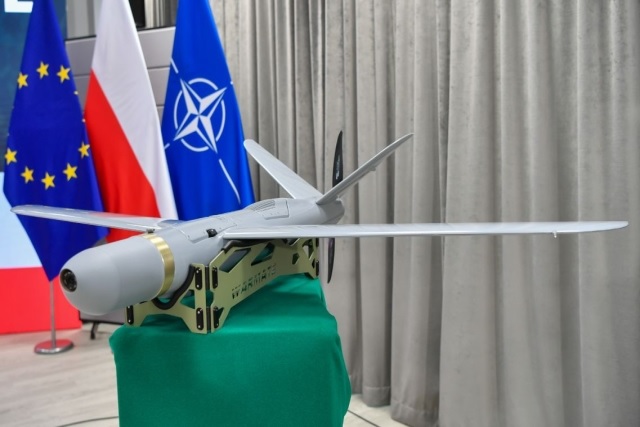
World
In a major step to enhance its battlefield capabilities, Poland has announced the purchase of 10,000 Warmate kamikaze drones from local defense manufacturer WB Group. This large-scale acquisition is one of the biggest drone deals in Europe and reflects Poland’s growing emphasis on modern, unmanned warfare systems amid rising regional tensions. The Warmate drones, also known as loitering munitions, are a type of suicide drone designed to hover over a battlefield, locate a target, and then destroy it in a precision strike. Under the contract, WB Group will deliver these drones in batches of 1,000 units at a time, with the final delivery expected by 2035. The order covers the latest configuration of the Warmate system, equipped with upgraded technology and versatile warhead options. Once delivered, the drones will serve two main roles within the Polish Army. Some will be assigned as portable, standalone systems carried by unmounted troops, giving small units the ability to conduct reconnaissance and strike missions independently. Others will be integrated with military vehicles, providing a mobile launch capability for rapid-response attacks during armored operations. Polish defense officials stated that these drones are intended to identify and eliminate a range of battlefield threats, including light armored vehicles, enemy personnel positions, and fortified posts. Their ability to be quickly deployed and accurately guided makes them a valuable asset for both defensive and offensive missions. About the Warmate Loitering Munition The Warmate is a compact and efficient loitering munition. It measures 1.1 meters in length with a wingspan of 1.6 meters, and has a takeoff weight of just 6 kilograms. Despite its small size, it can carry various types of warheads, including standard high-explosive and thermobaric payloads capable of dealing with different targets. Powered by an electric motor, the drone operates at an altitude of up to 300 meters and can reach speeds of 150 kilometers per hour. Its operational range allows it to strike targets as far as 30 kilometers from its launch point, providing frontline troops with extended reach against enemy positions without putting soldiers at risk. Poland’s Focus on Drone Warfare This ambitious procurement aligns with Poland's broader strategy to modernize its military, especially in the area of unmanned aerial systems. With growing concerns over security in Eastern Europe, the Polish armed forces have prioritized acquiring advanced technologies that can enhance their surveillance and precision-strike capabilities. Interestingly, the Warmate drone has already proven its effectiveness in various conflict zones, where loitering munitions have emerged as game-changers on the modern battlefield. Their ability to loiter in the sky, silently monitor the battlefield, and strike high-value targets when opportunities arise makes them especially valuable in asymmetric and high-intensity conflicts. Conclusion Poland’s decision to purchase 10,000 Warmate kamikaze drones marks a significant milestone in the country's defense modernization program. It not only boosts the Polish Army’s combat effectiveness but also highlights the growing importance of drone warfare in Europe’s future military landscape. As deliveries continue over the next decade, these loitering munitions will play a key role in strengthening Poland’s defensive and offensive operations.
Read More → Posted on 2025-05-16 15:32:21
World
In May 2025, a significant escalation unfolded between India and Pakistan, marked by a large-scale drone offensive that brought Turkey's covert involvement into sharp focus. The operation, known as Operation Sindoor, revealed the depth of military collaboration between Turkey and Pakistan, raising serious concerns about regional stability and international norms. A Coordinated Drone Assault On the nights of May 7 and 8, Pakistan launched an unprecedented aerial offensive against India, deploying approximately 300 to 400 drones across 36 locations along the western border, from Leh in Ladakh to Sir Creek in Gujarat. These drones targeted both military installations and civilian areas, aiming to infiltrate Indian airspace, test air defense systems, and gather intelligence. Forensic analyses of the downed drones identified them as Turkish-made Asisguard Songar models, designed for surveillance and precision strikes. Additionally, advanced Turkish drones like the Bayraktar TB2 and Akinci were reportedly utilized, enhancing the offensive's reach and effectiveness. Turkey’s Strategic Involvement Turkey's role extended beyond supplying drones. Reports indicate that Turkish military advisors and operatives were actively involved in planning and executing the drone strikes alongside Pakistani forces. This collaboration included real-time coordination and guidance of drone operations, marking a significant escalation in Turkey's military engagement in the region. In the days leading up to the conflict, six Turkish C-130 transport aircraft landed in Pakistan, raising suspicions of arms deliveries, although officially described as refueling missions. Moreover, the Turkish naval corvette TCG Buyukada docked at Karachi Port just before the conflict, an act perceived by Indian officials as aggressive posturing. India’s Robust Response India responded decisively to the drone incursions. The Indian Armed Forces employed both kinetic and non-kinetic methods to neutralize the aerial threats, successfully intercepting and destroying many of the drones. In retaliation, India launched targeted strikes on Pakistani air defense sites, including the destruction of a radar installation. The Indian Air Force also conducted precision strikes using BrahMos missiles, targeting key Pakistani military infrastructure. These actions underscored India's capability and readiness to counter aerial threats and protect its sovereignty. Diplomatic Fallout and Domestic Repercussions Turkey's involvement in the conflict led to significant diplomatic and domestic repercussions in India. The Indian government revoked the security clearance of Celebi Airport Services India, a Turkish firm operating at major Indian airports, citing national security concerns. Academic institutions also took action; Chhatrapati Shahu Ji Maharaj University in Kanpur terminated its Memorandum of Understanding with Istanbul University, emphasizing the importance of aligning international partnerships with national interests. Public sentiment mirrored these official actions, with widespread calls to boycott Turkish goods and services. Travel bookings to Turkey plummeted, and trade associations initiated campaigns against Turkish products, reflecting a nationwide stance against Turkey's perceived aggression. The events of May 2025 highlighted a complex web of international alliances and the evolving nature of modern warfare. Turkey's covert support for Pakistan's drone offensive against India not only intensified regional tensions but also reshaped diplomatic and economic relations. As nations navigate these challenges, the importance of transparency, adherence to international norms, and the pursuit of peaceful resolutions remains paramount.
Read More → Posted on 2025-05-16 15:23:37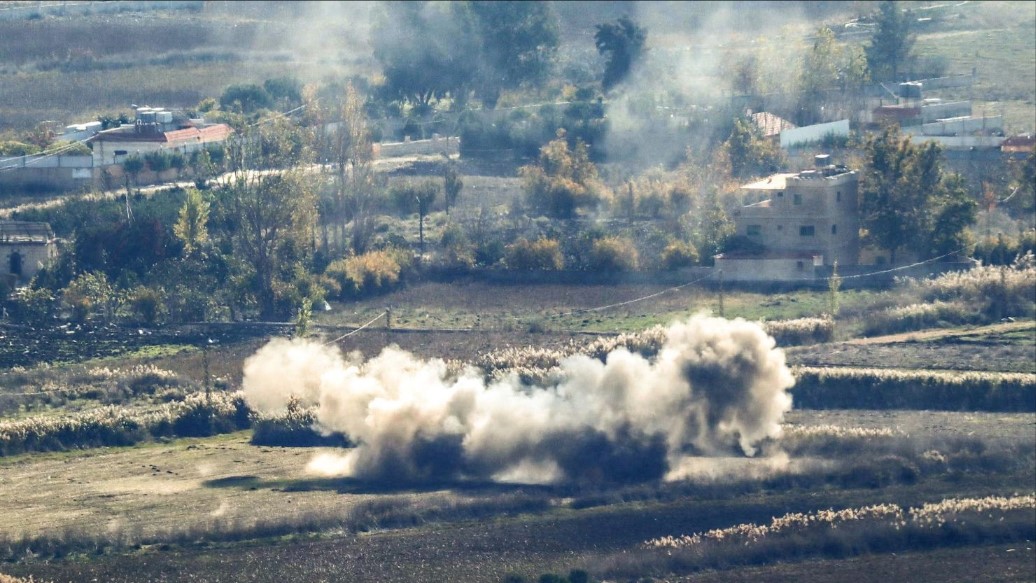
World
In a recent development, the Israeli military announced the elimination of a Hezbollah militant in southern Lebanon, marking the second such incident in as many days. The strike occurred in the Arnoun area, where the individual was reportedly attempting to re-establish Hezbollah's infrastructure. Lebanon's health ministry confirmed one fatality resulting from the drone strike targeting a vehicle on the Arnoun–Yahmor road. This action follows a similar operation the previous day, where Israel claimed to have neutralized a Hezbollah commander in the Qabrikha region. These events transpire despite a ceasefire agreement established on November 27, 2024, aimed at halting over a year of hostilities between Israel and Hezbollah. Ceasefire Terms and Ongoing Tensions The ceasefire, brokered with international support, stipulated that Hezbollah would withdraw its forces north of the Litani River, approximately 30 kilometers from the Israeli border, and dismantle military infrastructure in southern Lebanon. In return, Israel agreed to withdraw its troops from Lebanese territory. However, both parties have accused each other of violating the agreement. Israel contends that Hezbollah has not fully retreated beyond the Litani River and continues to maintain a presence in prohibited areas. Conversely, Hezbollah and the Lebanese government allege that Israel has not completed its troop withdrawal and has conducted operations within Lebanese territory. International Concerns and the Path Forward The United Nations Interim Force in Lebanon (UNIFIL) has expressed concern over the situation, urging both sides to adhere strictly to the ceasefire terms. UNIFIL has also called for the deployment of the Lebanese Armed Forces in the south to ensure stability and prevent further escalations. As tensions persist, the international community watches closely, emphasizing the importance of upholding the ceasefire to prevent a resurgence of conflict in the region. The situation remains delicate, with the potential for further incidents if the terms of the agreement are not fully implemented by all parties involved.
Read More → Posted on 2025-05-16 14:54:53
World
In a significant development, Russia and Ukraine have agreed to exchange 1,000 prisoners of war (POWs) each, marking the largest such swap since the onset of their conflict in 2022. This agreement emerged from the first direct peace talks between the two nations in over three years, held in Istanbul on May 16, 2025. The Russian delegation was led by Vladimir Medinsky, while Ukraine's team was headed by Defense Minister Rustem Umerov. The Istanbul meeting, facilitated by Turkish Foreign Minister Hakan Fidan, concluded without a formal ceasefire agreement. However, both sides committed to submitting detailed proposals for a potential ceasefire in the near future. Ukraine has advocated for a 30-day unconditional ceasefire and proposed a high-level meeting between Presidents Volodymyr Zelenskyy and Vladimir Putin. Russia has acknowledged the proposal but has not yet agreed to such a summit. Despite the absence of a comprehensive peace agreement, the prisoner exchange is viewed as a positive step toward de-escalation. Previous exchanges have been facilitated by international mediators, including the United Arab Emirates, and have involved smaller numbers of detainees. This latest agreement underscores a mutual willingness to engage in dialogue, even as significant differences remain. The ongoing conflict has resulted in substantial casualties and displacement. While the prisoner swap offers a glimmer of hope, both nations face challenges in reaching a lasting resolution. Continued international support and diplomatic efforts are essential to advancing peace and stability in the region.
Read More → Posted on 2025-05-16 14:43:09Search
Top Trending in 24 Hours
-
 Open-Source Evidence Suggests Russia's Zircon Is a Quasi-Ballistic Missile, Not a True Hypersonic Cruise Weapon
-
 Pentagon Expands Alloy Surfaces Contract to $328.8 Million for Advanced Aircraft Decoy Flares Amid Evolving Drone Threats
-
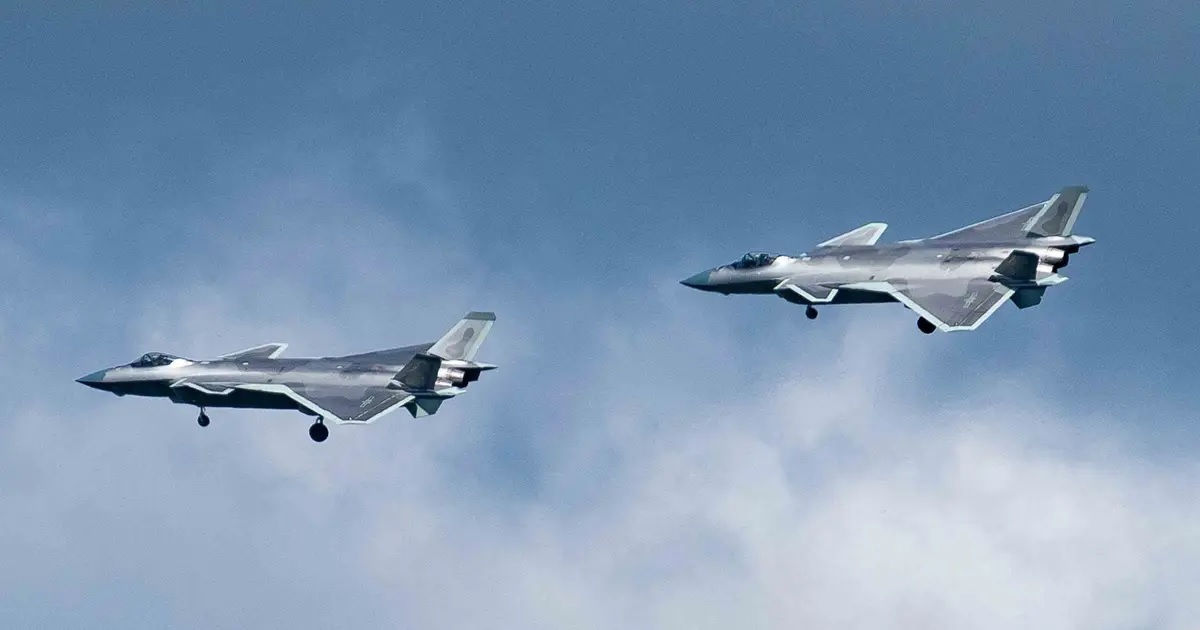 China Surpasses Russia as World’s Second-Most Powerful Air Force Amid Rapid J-20 and J-35 Expansion
-
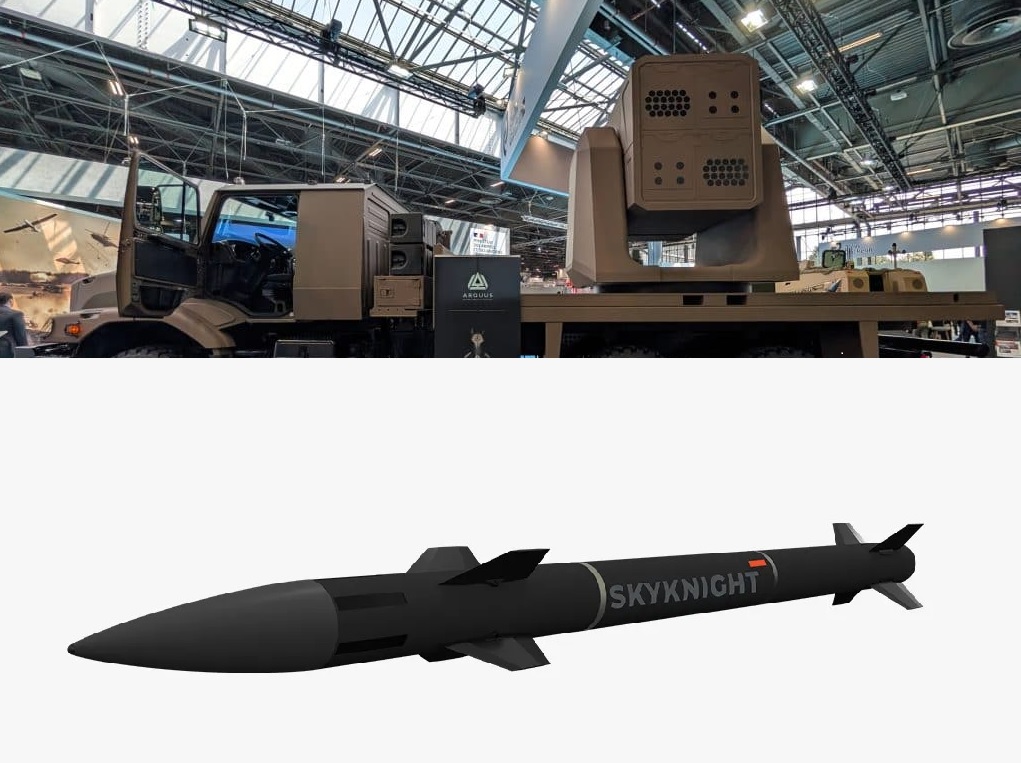 Naval Group Unveils Rampart Modular CIWS Multi-Purpose Weapon System for Naval and Ground Forces at Eurosatory 2026
-
 Why the U.S. Restored Pacific Command Name, Ending the Indo-Pacific Designation After Eight Years
-
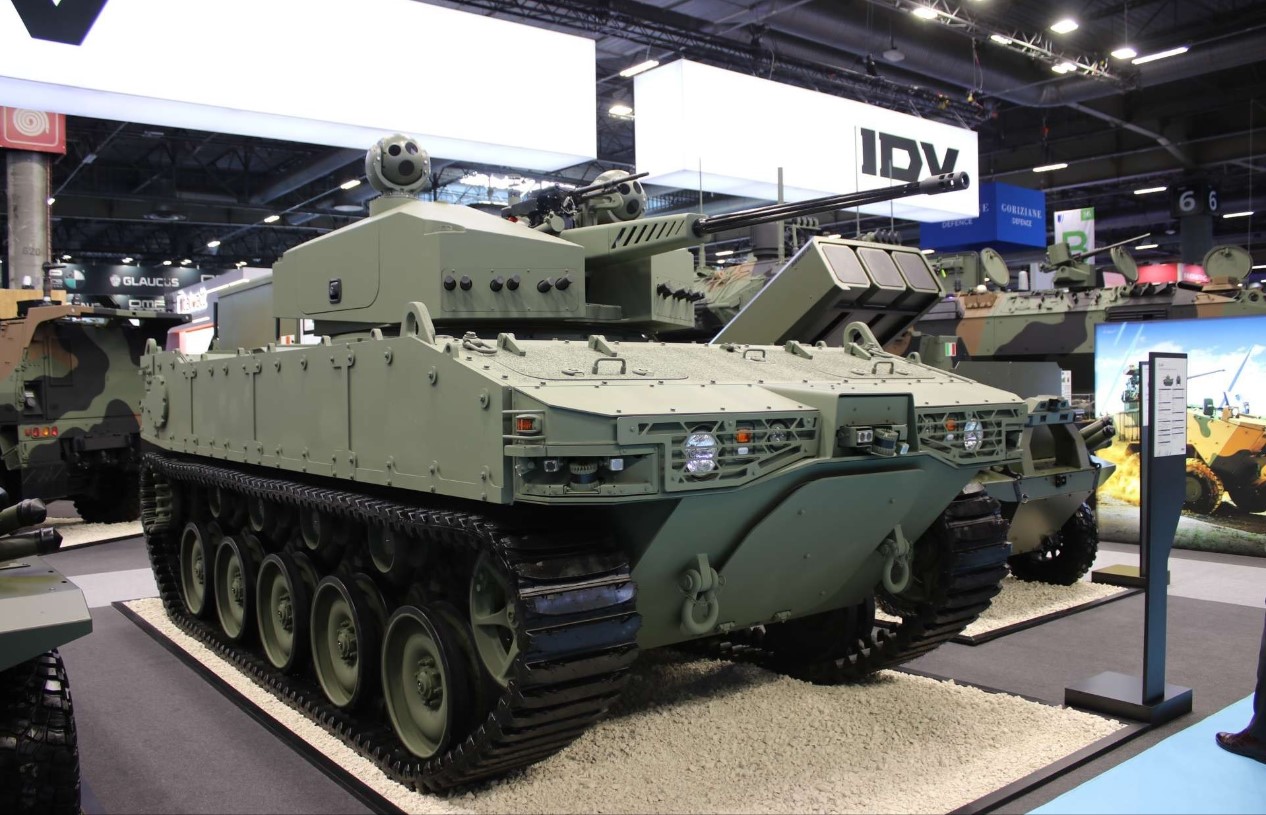 IDV Unveils CL2X Hybrid Uncrewed Light Tank at Eurosatory 2026
-
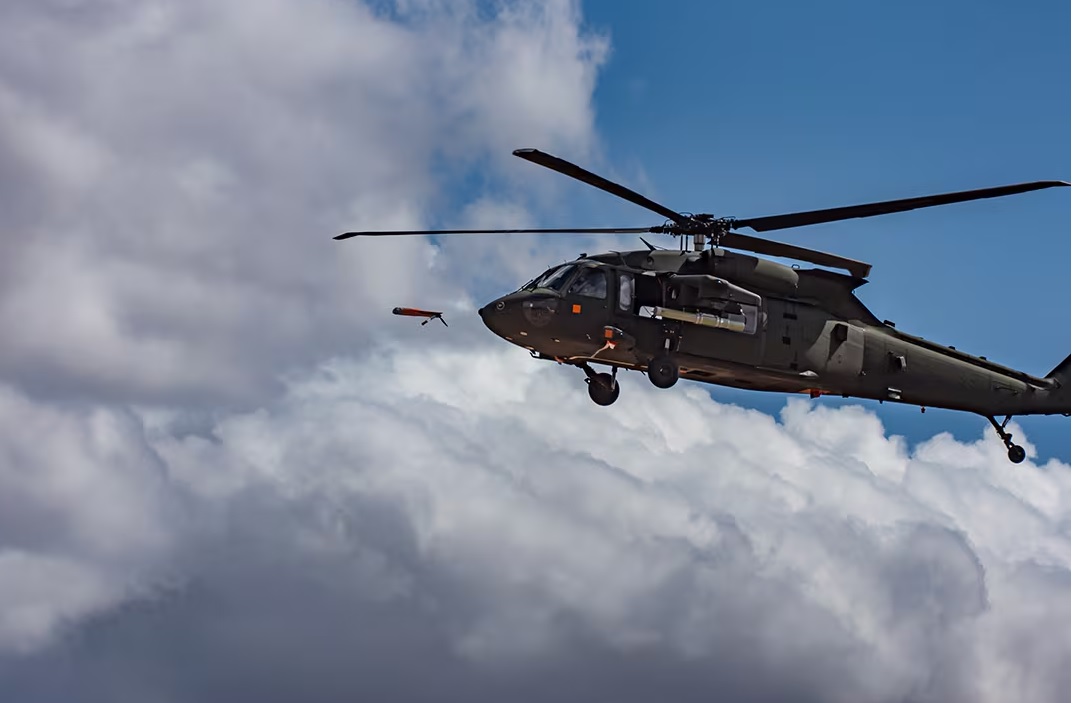 U.S. Army Completes First Flight Test of Medium-Range Air-Launched Effects from Black Hawk Helicopter
-
 Australia Tests OpenWorks’ AI-Powered Vision Guard Surveillance System Under Land 156 Counter-Drone Program
Top Trending in 4 Days
-
 US Marine Corps F/A-18D Hornet Crashes During Training Flight in Washington Mountains; Pilot Ejects Safely
-
 8 U.S. Air Force Crew Members Killed in B-52 Bomber Crash During Test Flight at Edwards Air Force Base
-
 Tulsi Gabbard Releases Declassified Files Detailing U.S.-Backed Network of 120 Biolaboratories Across 30+ Countries
-
 Ukraine Introduces Balloon-Launched DART Missile Designed to Defeat Electronic Warfare
-
 Ukraine Unveils UAV-290 Jet-Powered Strike Drone with 650 km Range at Eurosatory 2026
-
 Ukraine Unveils 'Sea Trident' 10-Ton Autonomous Underwater Drone at Eurosatory 2026
-
 Rolls-Royce Unveils New Hybrid Powertrain for Heavy Military Vehicles at Eurosatory 2026
-
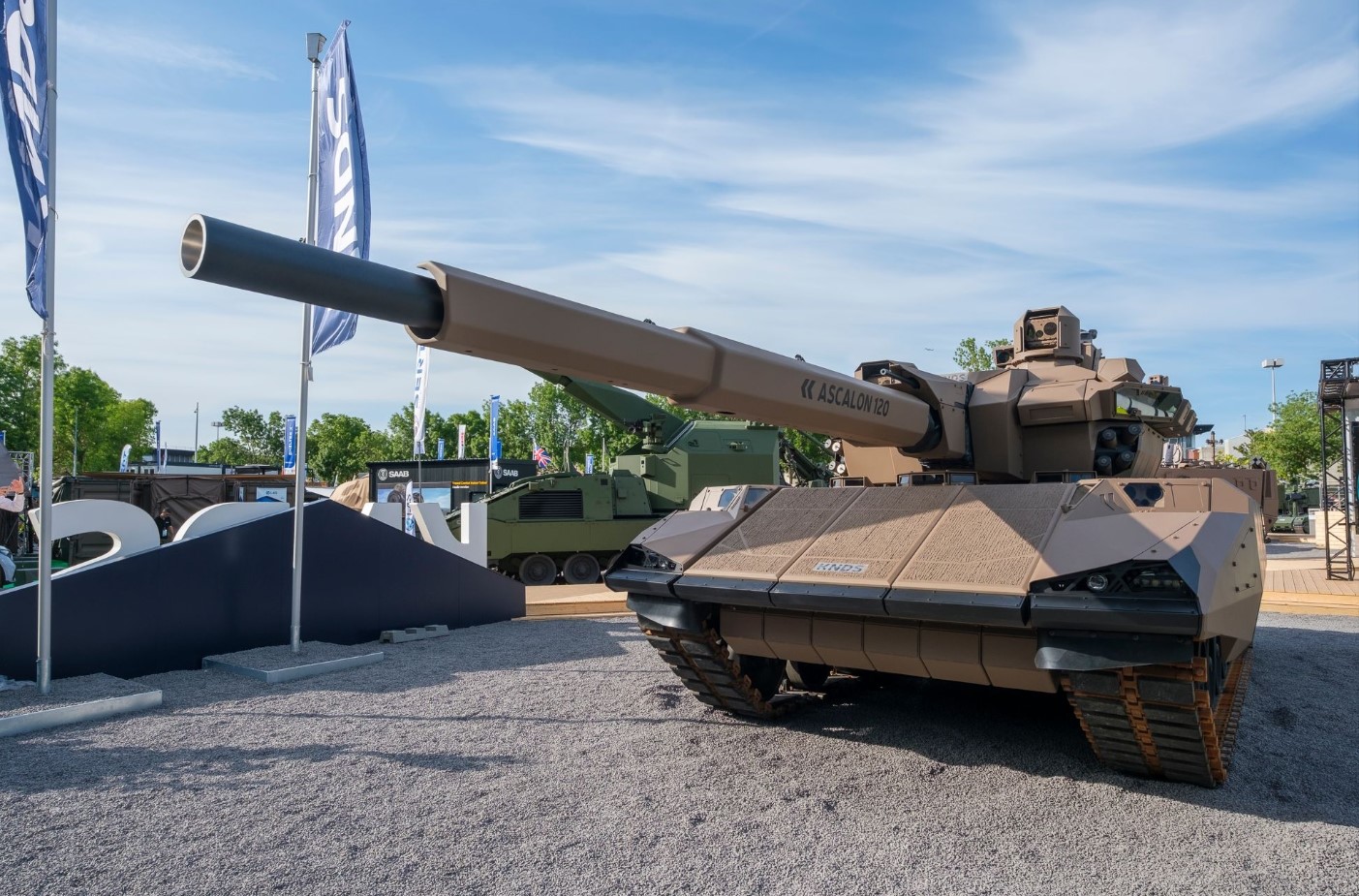 KNDS Unveils CAPINT Main Battle Tank at Eurosatory 2026 as Leclerc Stopgap