
World
In a dramatic and potentially game-changing escalation of the insurgency in Balochistan, the Baloch Liberation Army (BLA) has claimed full control over Soorab, a strategically located town with a population of around 40,000. The group’s announcement sent shockwaves through Pakistan’s security establishment, with many analysts warning that this could represent the most serious challenge to Islamabad’s authority in the province in years. Located along the crucial Quetta-Karachi highway, Soorab serves as a vital logistical and administrative hub in central Balochistan. Its capture by the BLA, if verified, would not only demonstrate a significant territorial gain by the insurgents but also deal a severe psychological and symbolic blow to Pakistan’s control in the region. Flames of Rebellion: Police Stations, Banks and Government Offices Torched According to multiple reports circulating on Baloch separatist social media channels, the BLA has set fire to key police stations and government buildings in Soorab. Eyewitnesses have reported plumes of smoke rising over the town as armed fighters ransacked administrative centers. Local government offices, district coordination facilities, and the homes of state-affiliated officials were reportedly targeted in a wave of coordinated attacks. The group has also announced the capture of several major banks, including branches of the National Bank of Pakistan and other state-linked financial institutions. While Pakistani authorities have yet to issue a detailed response, unconfirmed reports suggest local law enforcement and government personnel have either fled or gone into hiding. Guerrilla Patrols on Pakistan's Artery: Quetta-Karachi Highway Under Threat In what may be the most alarming development for Pakistan’s central government, the BLA is now reportedly conducting armed patrols and raids along stretches of the Quetta-Karachi highway—Pakistan’s main lifeline to the southwest. This vital corridor connects Balochistan’s provincial capital to the country’s economic hub and is crucial for military, commercial, and energy transport. The BLA’s control over key segments of this route would severely disrupt trade and military logistics, especially given the road's significance in the context of the China-Pakistan Economic Corridor (CPEC), which passes through this volatile region. The move could also impact planned and ongoing mineral extraction operations in Balochistan, many of which rely on this route for safe transit. A Turning Point or a Tactical Bluff? While the BLA’s claims remain difficult to independently verify due to restricted media access in the region, the scale and boldness of their reported actions in Soorab mark a stark escalation in the group’s operational capability. If confirmed, this would be the first time in recent years that Baloch insurgents have not just attacked, but claimed administrative control over a significant urban center. Some analysts caution that the BLA may be exaggerating its success for propaganda value, aiming to rally support and demoralize state forces. However, even if partially true, the symbolic value of "capturing" a town like Soorab—if only temporarily—sends a clear message that the insurgency is far from contained. The State's Dilemma Pakistan now faces a critical test. Deploying heavy military forces to retake Soorab could inflame tensions further and invite international scrutiny, especially given the ongoing human rights concerns in the region. At the same time, failure to respond decisively risks emboldening separatist groups and weakening the state’s authority across Balochistan. There has been no official confirmation or denial from the Pakistani government as of yet. Media blackouts and internet restrictions in the region make real-time assessments difficult. However, given the seriousness of the claims, a major military response is widely expected in the coming days. The Bigger Picture The BLA’s operation in Soorab is more than just a local skirmish—it signals a possible shift in the nature of Baloch resistance. Moving from hit-and-run guerrilla tactics to territorial control and infrastructure disruption suggests an emboldened insurgency with broader strategic goals. For Islamabad, this development poses one of the biggest internal security threats in years. And for Balochistan, it could mark the beginning of a new and more volatile chapter in its decades-long struggle for autonomy.
Read More → Posted on 2025-06-01 10:43:46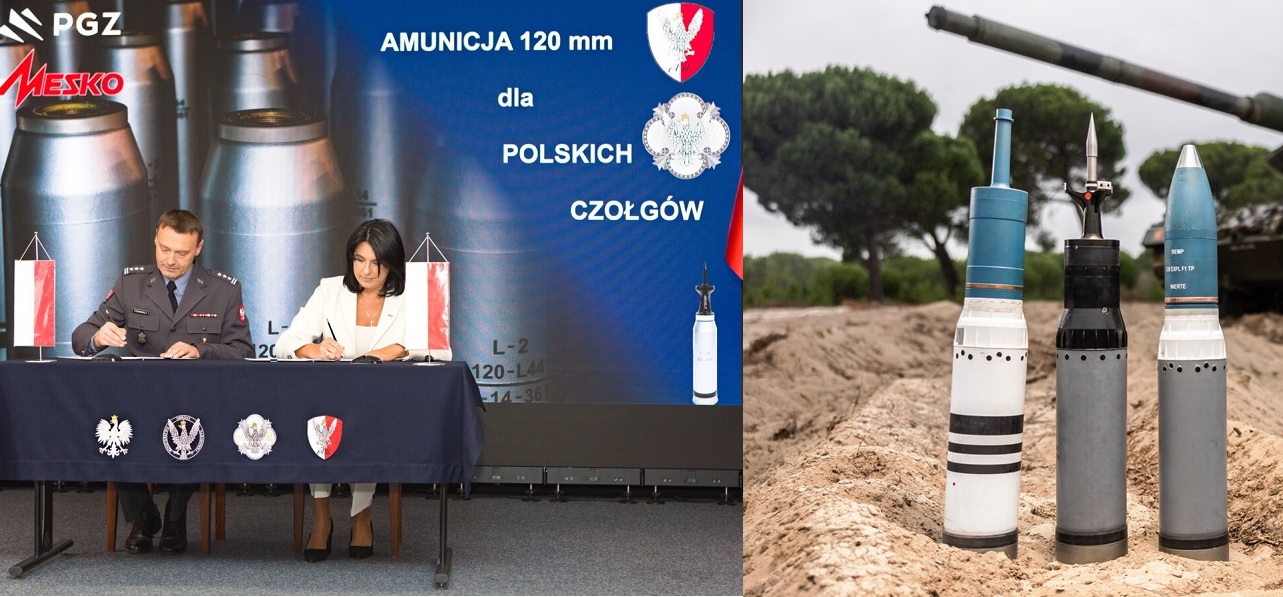
World
Polish defence manufacturer Mesko, a key part of the state-run armaments group PGZ, has landed a significant contract to supply advanced 120mm tank ammunition to the Polish Armed Forces. The agreement, signed on May 30 with Poland’s defence procurement agency, covers the production and delivery of thousands of APFSDS-T rounds – short for Armour-Piercing, Fin-Stabilised, Discarding Sabot – Tracer. These rounds are designed to equip the Leopard 2 main battle tanks currently serving as the backbone of Poland’s armoured forces. While the exact number of rounds has not been publicly disclosed, the contract is estimated to be worth around 150 million Polish złoty (approximately €35.2 million), with deliveries scheduled between 2026 and 2027. The APFSDS-T ammunition is built specifically for anti-armour engagements and is capable of striking targets at effective ranges of up to 2,500 metres. Mesko highlighted that these rounds will enhance the Polish Army’s ability to counter heavily armoured threats over several kilometres. The ammunition is fully compatible with the Leopard 2 tanks used by Poland, which are among the most modern Western tanks in Eastern Europe. There is also potential for this type of ammunition to be certified for use with the American-made M1A2 SEPv3 Abrams tanks that Poland has started to induct, although no official announcement on such certification has been made. This deal not only boosts Poland’s self-sufficiency in defence production but also strengthens the position of Mesko as a critical supplier to the Polish military. The company is already well-known for its Piorun man-portable anti-aircraft missile system, which has gained attention globally for its performance in recent conflicts. The contract forms part of Poland’s broader push to modernize and expand its armed forces in response to growing regional security concerns. By investing in domestically-produced ammunition, the country is ensuring a reliable supply of critical munitions for its front-line tank units while also supporting its national defence industry.
Read More → Posted on 2025-06-01 10:33:26
World
In a surprising turn of events, new footage has surfaced from Russia showing what appears to be a Chinese-made laser weapon system now in use by Russian forces. The video, released by pro-Kremlin media outlets on 30 May, offers the first clear visual confirmation of a Chinese Silent Hunter 3000 laser system being deployed by Russia’s air defense units. The footage reportedly comes from a field operation involving the OSpN “Kochevnik” special operations group. In the video, the laser system is initially hidden beneath camouflage netting before being activated during an engagement with an enemy reconnaissance drone. While earlier reports hinted at Russia experimenting with directed-energy weapons, this is the first time a system resembling the Chinese-manufactured Silent Hunter has been seen on Russian soil. What is the Silent Hunter? The Silent Hunter — officially known as the Low-Altitude Laser Defending System (LASS) — is a vehicle-mounted, turret-based directed-energy weapon developed by the Chinese Academy of Engineering Physics. This modern laser defense system is designed to neutralize low-flying aerial threats, such as drones and small aircraft. Key Features and Specifications: Laser Power: The Silent Hunter is equipped with a powerful 30-kilowatt laser, capable of burning through lightweight aerial targets. Targeting System: It features an advanced optical tracking and targeting suite, enabling operators to lock onto fast-moving targets with high accuracy. Effective Range: Can neutralize drones and small aerial vehicles at distances of up to 1.5 kilometers. Capable of disabling optical sensors and surveillance equipment at ranges of up to 3 kilometers. Detection Capability: Its radar system reportedly detects aerial targets within a 5-kilometer radius. Operational Duration: The laser can operate continuously for up to 200 seconds before requiring a cooldown period. Deployment Speed: The system can be fully deployed or shut down in under five minutes, making it highly mobile and suitable for rapid-response scenarios. Significance of This Deployment: While the Silent Hunter has previously been observed in service with Chinese, Iranian, and Saudi Arabian forces, this marks its first appearance within Russian military ranks. The footage is particularly notable for showing clear visuals of the laser system’s optical tracking suite and vehicle-mounted platform — something that has not been featured in earlier reports. The use of such a system by Russia highlights a growing trend in modern warfare where nations are turning to directed-energy weapons for counter-drone operations and precision defense. With small, unmanned drones playing an increasingly important role on the modern battlefield, systems like the Silent Hunter offer a cost-effective and efficient way to eliminate these threats without expending expensive missiles or ammunition. Final Thoughts: The appearance of a Chinese-made laser weapon in Russia’s arsenal adds a new dimension to the ongoing conflicts and military collaborations between nations. It demonstrates how modern battlefields are rapidly evolving with the introduction of advanced, high-energy laser systems that can silently and efficiently neutralize aerial threats. As drone warfare continues to escalate, the demand for reliable and mobile laser defense platforms like the Silent Hunter is expected to grow.
Read More → Posted on 2025-05-31 16:19:44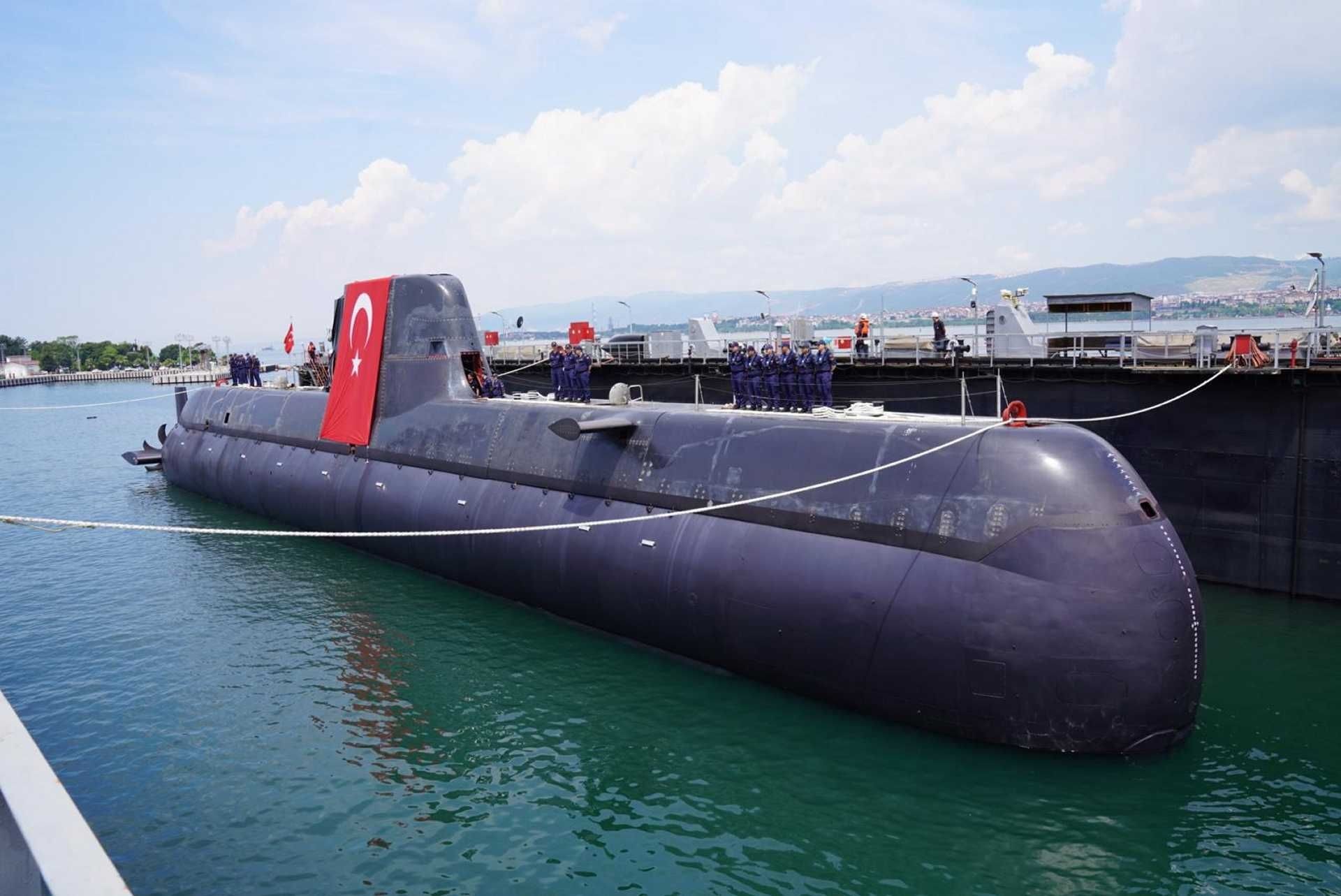
World
On May 29, 2025, the Turkish Navy marked an important milestone by launching its third Reis-class submarine, the future TCG Muratreis, at the Gölcük Naval Shipyard. The announcement was made by the Turkish Ministry of Defence, coinciding with the 572nd anniversary of the Conquest of Istanbul, giving the event a touch of historical significance. The TCG Muratreis is the third submarine in a six-boat program that aims to strengthen Turkey’s underwater defense capability with modern, air-independent propulsion (AIP) submarines. The project began with the commissioning of the lead submarine, TCG Pirireis, in August 2024. The second, TCG Hizirreis, is currently undergoing sea trials, and one submarine is expected to be commissioned each year until 2028. Importance of the Project The Reis-class submarine project is a vital step for the Turkish Navy, which currently operates 13 diesel-electric attack submarines, including Ay-class, Preveze-class, Gür-class, and now one Reis-class boat. These modern submarines will enhance Turkey’s naval strength in the surrounding seas by providing longer underwater endurance, thanks to their advanced AIP technology. But the project is about more than just new vessels. It’s also a crucial platform for developing Turkey’s own defense industry. Several Turkish defense companies — including ASELSAN, HAVELSAN, STM, MilSOFT, and TÜBİTAK — are contributing to various onboard systems like navigation, combat management, and countermeasure systems. The experience gained through this project will be invaluable for Turkey’s future National Submarine (MİLDEN) program, which is currently in its design phase and expected to deliver fully indigenous submarines in the 2030s. Specifications of the Reis-Class Submarines The Reis-class submarines are based on Germany’s proven Type-214 TN design but built in Turkey under license. They are equipped with an advanced air-independent propulsion system that uses proton-exchange membrane (PEM) fuel cells and high-capacity batteries, allowing them to operate submerged for extended periods without needing to surface for air. Here’s a look at their main specifications: Length: 68.35 meters Outer Diameter: 6.3 meters Displacement: 1,850 tons Crew Capacity: 40 personnel AIP System: 2 x 120 kW PEM fuel cells Batteries: 2 × 324-unit banks These submarines can deploy a versatile range of weapons, including: Heavyweight torpedoes: MK48 Mod 6AT and DM2A4 Anti-ship missiles: Sub-Harpoon Naval mines Indigenous weapons: Akya heavyweight torpedo and Atmaca anti-ship missile With their increased diving depths and modular weapons and sensors, the Reis-class submarines can perform a wide range of missions — from anti-surface and anti-submarine warfare to intelligence-gathering, reconnaissance, and special operations. They’re designed for operations in both shallow coastal waters and deeper ocean patrols. Looking Ahead By 2028, the Turkish Navy is set to have six modern AIP submarines in service, significantly enhancing its strategic position in regional waters. More importantly, this program is laying the foundation for Turkey’s long-term goal of building fully indigenous submarines under the MİLDEN program, securing technological independence in undersea warfare. The launch of TCG Muratreis is not just the addition of a new warship but a clear sign of Turkey’s growing capabilities in naval shipbuilding and defense technology.
Read More → Posted on 2025-05-31 16:16:07
World
At the MILEX-2025 arms exhibition, Belarus made a significant leap in modern warfare technology by unveiling the Phoenix, a new mobile laser weapon designed to take down unmanned aerial vehicles (UAVs). Developed by the Belarusian “Scientific and Technical Centre” (LEMT), the Phoenix is a counter-unmanned aerial system (C-UAS) that reflects the growing global focus on advanced drone defense solutions. The increasing use of drones in the ongoing Russia-Ukraine conflict has highlighted the urgent need for effective UAV countermeasures. Traditional air defense tools such as missile systems and anti-aircraft guns are still relevant, but new approaches like laser-based systems are being prioritized for their speed, precision, and cost-efficiency. Belarus is among the countries investing in this direction, and the Phoenix is its latest response to that need. The Phoenix laser system is built on a commercial trailer, making it mobile and easy to deploy. The trailer houses all the vital equipment, including an independent power generator, a laser control system, and a two-person crew cabin. This compact and self-contained setup allows for flexible operation in various terrains and tactical scenarios. The heart of the system is its high-precision laser emitter, which is mounted on an extendable, rotating platform. This emitter works alongside a sophisticated detection suite that can autonomously locate, track, and engage aerial targets. One of the key components of this suite is the ZORKI-R 3D radar, operating in the X-band frequency (9.2–9.6 GHz). It can track up to 50 targets at the same time, offering strong situational awareness. Supporting the radar is the ZORKI-O optoelectronic system, which includes a high-resolution thermal imaging camera and a Full HD daylight camera. These sensors not only help detect and track UAVs but also identify their type—whether they are reconnaissance, kamikaze, or combat drones. A built-in laser rangefinder enables the Phoenix to engage targets at distances between 150 meters and 18 kilometers, depending on conditions and visibility. In its current configuration, the Phoenix is equipped with laser power options of 3 kW and 10 kW. This allows it to effectively destroy small UAVs at ranges up to 1.5 kilometers. During a live demonstration shown to media representatives, the Phoenix successfully intercepted a quadcopter. The laser beam ignited the drone in just 2.5 to 3 seconds, showcasing the system’s speed and destructive precision. LEMT is also working on a more powerful stationary version of the system with a planned output of 100 kW, which will significantly increase its ability to neutralize larger UAVs from longer distances. Interestingly, the Phoenix prototype displayed at MILEX-2025 was originally developed for a customer from the Middle East. This suggests potential international interest in Belarusian laser-based defense technology, especially as drone warfare continues to reshape modern combat. The Phoenix represents not just a technological achievement but also Belarus’s entry into the rapidly evolving world of high-energy laser defense. As drone threats continue to rise globally, systems like the Phoenix could become a key part of future battlefield protection strategies.
Read More → Posted on 2025-05-31 15:42:52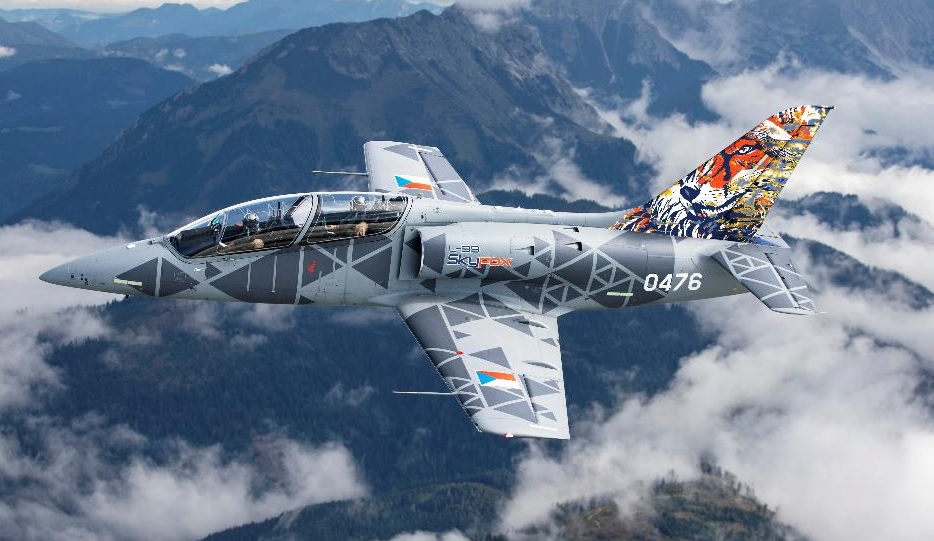
World
The Hungarian Air Force has officially received its first batch of L-39 Skyfox advanced trainer aircraft from the Czech aerospace manufacturer, Aero Vodochody. In a ceremony held at Kecskemét Air Base, the first three aircraft were formally handed over, marking an important step forward in Hungary’s military aviation modernization efforts. This event was hailed as a significant milestone by Dr Zsolt Kutnyánszky, State Secretary for Force Development and Defence Policy, who highlighted its importance for Hungary’s defence strategy and regional security. He stated that the arrival of these new aircraft not only enhances the nation’s combat flying capabilities but also demonstrates the success and consistency of Hungary’s ongoing military development programme. Part of a Larger Modernization Plan Hungary is not only upgrading its aircraft fleet but also investing in modern pilot training infrastructure. A new state-of-the-art simulation centre has been established, which is set to be one of the most advanced facilities in Hungary and the surrounding region. This will allow Hungarian pilots to train more effectively and safely, preparing them for a wide range of modern air combat scenarios. The new training system, along with the L-39 Skyfox aircraft, will be integrated into the NATO Flight Training Europe programme. This initiative aims to standardize pilot training across NATO member countries and improve joint operational readiness. Strengthening Defence Partnerships Viktor Sotona, President and Chairman of the Board of Aero Vodochody, expressed pride in the delivery and the strong partnership with Hungary. He noted Hungary’s high standards as a NATO member and praised its commitment to strengthening its armed forces and pilot training systems. Hungary’s decision to select the L-39 Skyfox as its new training platform underlines its strategic focus on ensuring its next generation of fighter pilots are trained on modern, reliable, and advanced systems. About the L-39 Skyfox Aircraft The L-39 Skyfox is an upgraded, modern version of the legendary L-39 Albatros, known worldwide for its role in military pilot training. The new Skyfox version offers state-of-the-art avionics, improved safety features, and enhanced performance, making it suitable for both basic and advanced jet pilot training. Key Specifications of the L-39 Skyfox: Crew: 2 (pilot and instructor) Length: 12.03 metres Wingspan: 9.56 metres Maximum Speed: 775 km/h Range: 2,590 km with drop tanks Service Ceiling: 11,500 metres Avionics: Digital glass cockpit with multi-function displays, modern navigation, and communication systems Engine: Williams FJ44-4M turbofan engine Capabilities: Advanced pilot training, light combat roles, reconnaissance, and close air support The aircraft can also carry training munitions and light armament for tactical support missions, offering flexibility in both training and operational scenarios. Long-Term Collaboration This delivery is just the beginning of a broader agreement between Hungary and Aero Vodochody. The contract, signed in April 2022, covers a total of 12 L-39 Skyfox aircraft—eight designated for training and four configured for reconnaissance missions. In addition to the aircraft, the package includes ground support equipment, simulators, and comprehensive operational support services. Three Hungarian instructor pilots and sixteen technicians have already completed their training in the Czech Republic, with nearly 100 training flights successfully conducted so far. To support the seamless integration of the aircraft into active service, a team of Aero engineers and specialists will remain stationed at Kecskemét Air Base. A New Chapter for Hungarian Military Aviation With the induction of the L-39 Skyfox aircraft, the Hungarian Air Force is entering a new phase in its aviation history. This modern fleet will not only improve Hungary’s defence readiness but also enhance its role within NATO’s integrated training and operational framework. The partnership between Hungary and Aero Vodochody represents a significant investment in the future of regional security and military aviation excellence.
Read More → Posted on 2025-05-31 15:20:49
World
Iran has once again increased its stockpile of highly enriched uranium, pushing it closer to weapons-grade levels, according to a recent report by the International Atomic Energy Agency (IAEA). Despite this alarming development, Tehran insists it has no intention of building nuclear weapons and maintains that such weapons are "unacceptable." The confidential IAEA report, released to member states, confirms that Iran now holds approximately 408.6 kilograms of uranium enriched up to 60%. This level is just short of the 90% enrichment typically required to produce a nuclear bomb. Since February, the amount of this highly enriched uranium has grown by more than 133 kilograms. In total, Iran’s enriched uranium stockpile now exceeds 9,200 kilograms—about 45 times the limit allowed under the 2015 nuclear agreement signed with world powers. The IAEA voiced serious concerns about this buildup, noting that Iran remains the only country without nuclear weapons to produce such material. Furthermore, the agency criticized Iran’s lack of cooperation in addressing questions about nuclear material found at undeclared sites, calling its response "less than satisfactory." The report comes amid sensitive negotiations between Iran and the United States aimed at reviving a nuclear agreement to replace the one abandoned by former U.S. President Donald Trump in 2018. While both sides have engaged in several rounds of indirect talks, no concrete breakthrough has yet been reached. Iranian Foreign Minister Abbas Araghchi emphasized in a televised speech that Iran still considers nuclear weapons unacceptable, aligning—at least rhetorically—with the global consensus on non-proliferation. Araghchi also dismissed speculation about an imminent agreement, saying that while there had been progress, significant issues remained unresolved. However, he added that Oman, which is playing a mediating role, might announce the next steps in the negotiations soon. Meanwhile, tensions with Israel are flaring again. Israeli officials accuse Iran of being fully committed to developing a nuclear weapon, with Prime Minister Benjamin Netanyahu's office warning that enrichment at this level “has no civilian justification.” Israel has not ruled out military options and has threatened strikes on Iranian nuclear sites in the past. However, U.S. President Trump, while keeping the option of force on the table, has advised against any immediate Israeli action, preferring to give diplomacy another chance. Trump confirmed that talks with Iran are ongoing and “very good,” but reiterated that Iran must not obtain a nuclear weapon. His administration’s past approach relied heavily on “maximum pressure,” including reimposing harsh sanctions on Tehran after leaving the 2015 deal. Though Iran initially stayed within the agreement’s limits, it gradually rolled back its commitments in response to the renewed sanctions. Today, Iran has amassed the world’s largest stockpile of highly enriched uranium among non-nuclear weapon states. The 2015 deal had capped enrichment at just 3.67%, a threshold that Iran has long since exceeded. Despite the increase in enrichment, Iranian officials have suggested they might be open to allowing U.S. inspectors to monitor their nuclear facilities through the IAEA—if a new agreement meets their conditions. Iran’s nuclear chief, Mohammad Eslami, recently indicated that American inspectors could be accepted under the IAEA framework if Iran’s demands are met in any future deal. As the world watches closely, the dual signals from Iran—escalating uranium production on one hand, and diplomatic overtures on the other—create a tense and uncertain atmosphere. Whether these parallel tracks will converge into a peaceful agreement or spiral into confrontation remains to be seen.
Read More → Posted on 2025-05-31 14:55:09
World
Gweru, Zimbabwe – Friday, 30 May 2025 | 11:30 AM Local Time:A Zimbabwe Air Force fighter jet, identified as a Chengdu J-7/F-7 Airguard with tail code 703, crashed tragically late Friday morning near Chirambahuyo village in the Wazheri area, just outside Gweru in Zimbabwe’s Midlands Province. The incident resulted in the death of the aircraft’s lone pilot, marking a somber day for the nation’s armed forces. The jet, operated by the No. 5 Squadron of the Zimbabwe Air Force (ZAF), reportedly took off on a routine training sortie from Thornhill Air Base, the primary air force base in the country. According to early eyewitness accounts from local villagers, the aircraft was seen flying at a relatively low altitude before it began emitting smoke and spiraling downwards uncontrollably. Sudden Loss of Control Residents of Chirambahuyo reported hearing a loud roaring noise followed by an explosion shortly after 11:30 a.m. The aircraft impacted open fields on the outskirts of the village, narrowly avoiding populated structures. Emergency response units and military personnel were dispatched to the crash site within minutes, where they secured the wreckage and began recovery operations. The Zimbabwe Defence Forces (ZDF) confirmed the pilot did not survive the crash. His identity is being withheld pending notification of next of kin. Local sources suggest he was a well-regarded officer with several years of flight experience, adding to the deep sense of loss in the military aviation community. Possible Mechanical Failure Although the exact cause of the crash is yet to be determined, preliminary speculation points to mechanical failure as a likely contributor. The Chengdu J-7 (Chinese-built variant of the Soviet MiG-21) has been in service with Zimbabwe’s air force since the 1980s and remains in use despite its aging airframe and growing maintenance demands. An official Board of Inquiry has been constituted to investigate the incident. Investigators are expected to examine flight logs, maintenance records, and recoverable aircraft systems to piece together the sequence of events leading up to the crash. Civilian Safety and Local Response No civilian injuries or property damage have been reported, though the psychological impact on the nearby community is considerable. The villagers of Chirambahuyo described scenes of panic as the jet hurtled toward the ground, with many residents fleeing into nearby fields before the aircraft impacted and exploded. Security personnel have since cordoned off the area to prevent tampering with debris while investigators work on-site. Authorities have advised locals to avoid the area and report any stray parts or materials. National Reaction The Zimbabwean government expressed its condolences to the family of the fallen pilot and acknowledged the risks faced daily by the country’s military personnel. A statement from the Ministry of Defence is expected later in the day. This crash adds to a list of military aviation accidents in recent years involving older-generation aircraft still in frontline service. Defence analysts have long noted the need for modernization in Zimbabwe’s air fleet, which includes legacy platforms acquired decades ago. About the Chengdu J-7/F-7 Airguard The Chengdu J-7, locally known as the F-7 Airguard, is a Chinese-built derivative of the Soviet MiG-21. While relatively fast and agile, the aircraft lacks many modern avionics and safety systems found in contemporary fighter jets. Zimbabwe has operated the F-7 since the late Cold War era, using it primarily for air patrol and pilot training missions. This latest crash raises critical questions about airworthiness, training regimes, and long-term investment in Zimbabwe’s air capabilities — a conversation now unavoidable as the nation mourns the loss of another brave aviator in the line of duty. Further updates will follow as the investigation progresses.
Read More → Posted on 2025-05-31 07:43:36
World
In a major move to improve the safety and well-being of its sailors, the United States Navy has started equipping 1,600 personnel aboard the aircraft carrier USS Gerald R. Ford and its strike group with advanced wearable smart rings. These devices are part of a new program aimed at reducing fatigue-related risks during long and demanding deployments. This initiative is the largest fatigue-monitoring study ever conducted by the Navy and falls under its Command Readiness, Endurance, and Watchstanding (CREW) program. The program is managed by the Naval Health Research Center and focuses on gathering real-time health and fatigue data from sailors to improve operational decision-making. What Are These Smart Rings? The Navy has chosen the Oura Ring, a small, lightweight wearable made from durable titanium. Despite its simple appearance, this ring is packed with sensors and advanced technology that continuously track a range of important health signals. Some key specifications of the Oura Ring include: Tracks over 20 biometric indicators Monitors heart rate, heart rate variability (HRV), and body temperature Measures blood oxygen levels (SpO2) Detects sleep stages: light, deep, and REM sleep Records physical activity levels and stress patterns Made from strong titanium with water resistance up to 100 meters Battery lasts up to 7 days on a single charge Lightweight design (4-6 grams) to ensure comfort during operations No built-in GPS to prevent accidental location data leaks Why Is the Navy Using Them? Fatigue has long been a serious issue in naval operations, especially during intense deployments where sailors often work irregular and extended shifts. Past accidents, like the tragic 2017 collisions involving the USS Fitzgerald and USS John S. McCain, highlighted how sleep deprivation can contribute to deadly mistakes at sea. While the Navy has made efforts over the years to adjust duty schedules and increase rest periods, experts say real-time, personal fatigue data is still missing from most operations. That’s where these smart rings come in. Using a secure Starlink satellite internet system aboard the ships, data from the rings is uploaded to a protected platform, allowing commanders and medical teams to monitor overall crew fatigue trends without invading individual privacy. How Will It Help? The data collected will give ship commanders insights into when their crew members are most at risk of fatigue-related errors — especially during late-night and early-morning hours, when incidents are most likely to happen. The program is voluntary, and sailors who wear the ring consistently for over 75% of their deployment will get to keep the device as a personal wellness tool after the mission ends. This encourages participation and lets sailors gain better awareness of their own health. Human factors experts like Dr. John Cordle, who works with the Navy, emphasized that the Oura Ring was selected because it passively collects health data without transmitting location information — a vital security consideration after a 2018 incident where fitness app data accidentally revealed sensitive military base locations. Recent Incidents Highlight the Need Even in recent years, fatigue has played a role in several naval mishaps. For example, in early 2024, the USS Harry S. Truman was involved in a minor collision near the Suez Canal, and in May 2024, two amphibious landing craft (LCACs) collided off the coast of Jacksonville. Both incidents occurred during periods typically associated with high fatigue risk. By proactively addressing fatigue with tools like the Oura Ring, the Navy hopes to prevent similar events in the future, while also setting a new standard for operational health management in military deployments. Looking Ahead While questions remain about privacy management, data storage, and the long-term funding of the program, early feedback from sailors and researchers has been positive. The Navy views this as an important step toward smarter, safer, and more efficient naval operations. If successful, this effort could expand beyond the USS Gerald R. Ford strike group and eventually become standard practice across the US Navy fleet.
Read More → Posted on 2025-05-30 16:09:27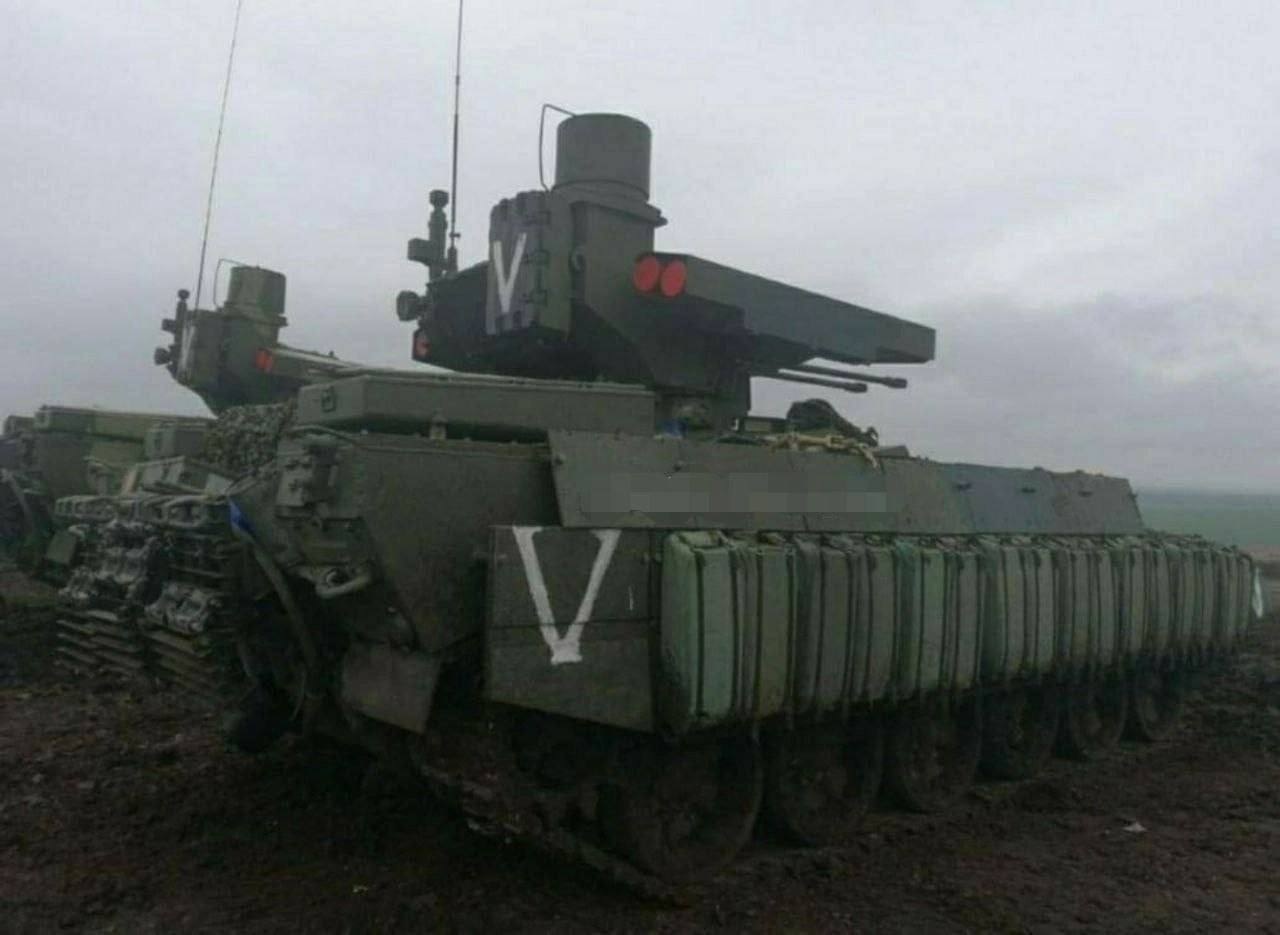
World
In a dramatic story from the ongoing war in Ukraine, Russian state-run media has claimed that one of its heavily armored BMPT “Terminator” vehicles survived a powerful attack involving anti-tank missiles, kamikaze drones, and cluster munitions. The incident reportedly took place near Kurakhove, a hotspot in eastern Ukraine where heavy fighting has continued for months. According to a report published by Krasnaya Zvezda, the official newspaper of Russia’s Defense Ministry, a crew member described a terrifying sequence of attacks. The soldier claimed their BMPT vehicle was first hit by two anti-tank guided missiles on its left side. Following this, a kamikaze drone struck the vehicle’s transmission area, and then seven more drones reportedly targeted it. On top of that, the area around the vehicle was bombarded with cluster munitions — explosives designed to scatter multiple smaller bombs over a wide area. Despite the damage, the crew insisted that the armored vehicle remained operational. They claimed it was able to withdraw from the battlefield under its own power without needing towing or external support. What is the BMPT ‘Terminator’? The BMPT, nicknamed the "Terminator," is an armored support vehicle specially built to assist tanks during combat. Its main job is to protect tanks from enemy infantry, light armored vehicles, and drones. It was developed by Russia’s Uralvagonzavod company. Key specifications of the BMPT Terminator include: Armament: Two 30mm 2A42 autocannons Four Ataka-T anti-tank guided missiles Two AG-17D automatic grenade launchers One 7.62mm PKTM machine gun Armor:The Terminator has thick, multi-layered armor designed to withstand anti-tank weapons, shrapnel, and small arms fire. Mobility:It is built on the chassis of a T-72 main battle tank, giving it good mobility and the ability to move with tank units on the battlefield. Crew:5 personnel (commander, driver, gunner, and two grenade launcher operators) The BMPT “Terminator” is a unique combat vehicle developed by Russia’s Uralvagonzavod factory. It was designed to support main battle tanks by attacking enemy infantry, light vehicles, and low-flying aircraft like drones and helicopters. The vehicle is equipped with twin 30mm autocannons, anti-tank guided missiles, automatic grenade launchers, and machine guns, making it a heavily armed support unit for frontline operations. During this particular combat mission, Russian forces reportedly used the Terminator alongside a T-80 main battle tank and a BMP-3 infantry fighting vehicle — both of which are staples of the Russian armored forces. The report praised the BMPT’s survivability and toughness, suggesting it proved its value in high-risk combat situations. However, international military experts and independent observers have raised doubts about the accuracy of the claim. Russia’s state-run media has a history of exaggerating the performance of its military equipment. In the past, similar bold claims were made about the BMP-3 infantry fighting vehicle and the modernized T-90M tank, which were later contradicted by reports of technical issues and battlefield losses. Western intelligence agencies and defense analysts have repeatedly advised caution when interpreting Russian battlefield reports, especially those emerging from official military newspapers or state-controlled outlets. Misinformation and carefully crafted narratives are often used to boost morale at home and showcase the strength of Russian-made military vehicles and weapon systems to international buyers. This latest story comes at a time when Moscow continues to rely on strict media control to maintain public support for its military campaign in Ukraine and promote the resilience of its defense industry. While the claim about the Terminator’s survival adds to the list of dramatic battlefield tales from the conflict, independent confirmation of the incident has not been provided, leaving many questions about what truly happened on the ground.
Read More → Posted on 2025-05-30 16:04:59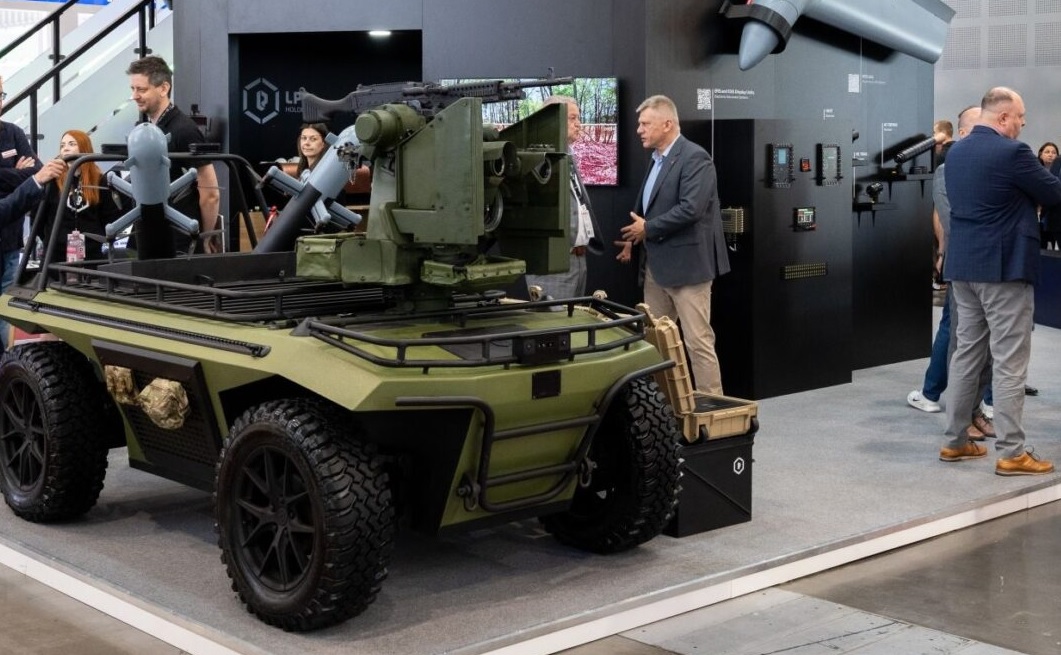
World
At the IDET 2025 defense expo held in Brno, Czech Republic, local defense company LPP Holding took center stage with the introduction of a game-changing innovation in military robotics: the “Hornet.” This fully autonomous unmanned ground vehicle (UGV) is designed to revolutionize battlefield logistics by delivering supplies, evacuating casualties, and performing a host of other critical front-line missions—all without human intervention. The Hornet is a compact yet robust machine, stretching just over nine feet in length and capable of carrying a payload of up to 771 pounds. It operates using an electro-hybrid propulsion system, which allows it to move quietly and efficiently across rough and unpredictable terrain. But it’s not just its mechanical design that sets the Hornet apart—it's the intelligence within. Unlike many robotic platforms that rely heavily on GPS, the Hornet is engineered to function independently of satellite navigation. This makes it particularly suited for operations in contested or jammed electromagnetic environments, where traditional GPS signals may be unavailable or deliberately disrupted. Its advanced visual navigation system, adapted from LPP’s earlier MTS aerial platform, allows the vehicle to "see" and understand its surroundings, navigate complex terrains, and make decisions in real time. LPP's engineers first tested this navigation technology on their TAROS UGV before tailoring it specifically for the Hornet's logistics role. The result is a vehicle that can intelligently avoid obstacles, choose the best routes, and complete missions even in completely unfamiliar environments. Among its various operational modes are “Follow-me,” where it can trail soldiers automatically, and “Return to base,” allowing it to withdraw without manual control. Versatility is another hallmark of the Hornet. It is built with modularity in mind, meaning it can be quickly reconfigured for a variety of tasks beyond logistics. These include intelligence, surveillance, and reconnaissance (ISR) missions, chemical, biological, radiological, and nuclear (CBRN) threat response, and emergency medical evacuation. To ensure survivability and security on the battlefield, the Hornet also comes equipped with a remote-controlled weapon station and an impressive suite of sensors. Notably, it integrates LPP’s INTERCEPTOR system—a cutting-edge defensive counter-drone technology that uses onboard quadcopters to detect, intercept, and neutralize aerial threats before they can pose a danger to troops or equipment. With the Hornet, LPP Holding has taken a bold step forward in redefining how autonomous systems can support and protect soldiers in combat zones. By combining powerful AI navigation, modular functionality, and integrated defense systems, this UGV offers a glimpse into the future of autonomous warfare—one where machines can enhance human capability while reducing the risks faced on the front lines.
Read More → Posted on 2025-05-30 15:58:50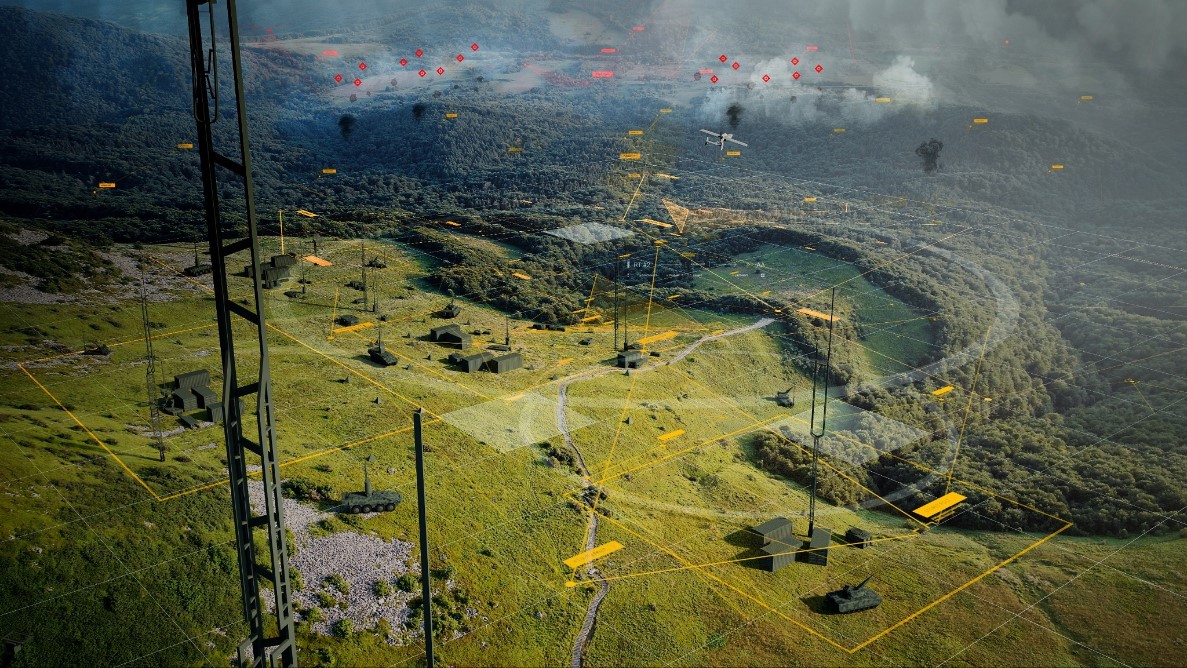
World
German defense giant Rheinmetall has officially introduced Battlesuite, a next-generation digital platform designed to modernize and streamline military operations in the digital age. This advanced system promises to connect soldiers, weapons, drones, vehicles, and command centers in real-time, ensuring better coordination, faster decision-making, and increased operational safety on the battlefield. What Is Battlesuite? Battlesuite is essentially a high-tech control and communication platform. It acts as the digital brain of military operations, bringing together data from both manned and unmanned systems, weapons, sensors, and drones, then processing this information to support faster, clearer, and more accurate battlefield decisions. Its main purpose is to improve situational awareness, shorten reaction times, and help commanders and soldiers make better, data-driven choices even in fast-moving and hostile environments. Key Features and Capabilities Real-Time Data Synchronization:Battlesuite continuously collects, processes, and distributes data from various sources across the battlefield. Every connected unit — whether it’s a soldier on foot, a combat drone in the air, or a vehicle on patrol — can access the same updated operational picture in real time. Artificial Intelligence (AI) Support:The platform uses AI tools to analyze vast amounts of battlefield data quickly. This enables predictive decision-making, identifying threats, opportunities, and patterns before they’re visible to the human eye. Resilient and Secure Networks:Built with strong cyber protection and redundancy, Battlesuite ensures that communication and data sharing continue even under electronic warfare or jamming conditions. Integration with Old and New Systems:One of its standout features is the ability to link legacy military hardware with modern technologies. That means existing weapon systems, tactical radios, and equipment can be connected with new unmanned vehicles, drones, and advanced sensors without needing full system replacements. Flexible Communication Support:The system supports both traditional tactical radios and modern IP-based networks. It also handles narrowband systems for secure communications over long distances in challenging electronic environments. Multi-Domain Security Management:Battlesuite can manage data exchanges between classified and unclassified networks, even in mobile or field conditions. This allows for safe sharing of vital information without risking sensitive data leaks. Built on Blackned’s Tactical Core At its core, Battlesuite uses Blackned’s Tactical Core, a specialized military operating system designed to work like a smartphone with multiple applications. This makes it user-friendly and modular, allowing militaries to install, remove, or update capabilities as needed, depending on mission requirements. Synchronizing the Modern Battlefield The ability to connect manned and unmanned systems into one coordinated network is one of Battlesuite’s most powerful features. Drones can scout ahead, relay information back to soldiers and vehicles, and instantly update command centers. Ground units can see real-time drone feeds, enemy positions, and movement patterns, ensuring faster, more coordinated actions. This creates a synergistic effect where each system complements the strengths of the others, reducing the burden on human operators while maximizing mission effectiveness. Where It’s Headed Battlesuite is set to make its public debut at the AFCEA 2025 trade show in Bonn, Germany, where military leaders and defense experts will get a closer look at this ambitious platform. With the increasing importance of data-driven warfare and integrated operations, systems like Battlesuite could soon become essential tools for modern armed forces worldwide. Specifications Overview Core System: Blackned Tactical Core military operating system Data Handling: Real-time data collection, processing, and distribution AI Integration: Predictive analytics and decision support tools Communications: Supports tactical radios, IP-based networks, narrowband systems Cyber Protection: Robust anti-jamming and encryption features System Compatibility: Connects legacy hardware with next-gen unmanned and AI systems Security Domains: Controlled classified and unclassified network data management
Read More → Posted on 2025-05-30 15:08:02
World
Russia has delivered a new batch of advanced Su-30 fighter jets to Belarus, reinforcing the close military ties between the two allied nations. The latest shipment, which includes upgraded Su-30SM2 variants, marks another step in Belarus’s effort to modernize its air force amid ongoing regional security concerns. These fighter jets were manufactured at the Irkutsk Aviation Plant in Russia, a well-known state-owned facility specializing in military aircraft production. Although neither the Russian government nor the Belarusian Ministry of Defence has publicly confirmed the exact number of jets delivered, the inclusion of the SM2 models highlights a significant technological upgrade. These aircraft are equipped with modernized engines, more powerful radar systems, and advanced weapon capabilities, making them highly effective in both air superiority and multirole combat missions. Belarusian military officials have already begun integrating the jets into their operations. According to Air Force and Air Defense Forces Commander Andrey Lukyanovich, the new Su-30s will begin active air defense combat patrols as early as next week. Prior to delivery, several Belarusian pilots underwent extensive flight training in Russia to become proficient in handling the upgraded platform. This delivery is part of a broader plan between Russia and Belarus to enhance the Belarusian military’s air capabilities. In addition to the Su-30 jets, Belarus is also scheduled to receive other aerial assets, including Mi-35M attack helicopters, later this year. These moves are aligned with Minsk’s stated goals of military modernization and renewed equipment programs in light of the current geopolitical climate in Eastern Europe. The Su-30, known by its NATO reporting name “Flanker,” is a powerful twin-engine, multi-role fighter jet developed by Russia’s Sukhoi Design Bureau. It has a length of 22 meters and a wingspan of 15 meters, and it can carry a combination of air-to-air and air-to-ground weapons. The aircraft is fitted with a 30mm automatic cannon and can deploy a variety of guided and unguided munitions, making it versatile in combat scenarios. The Su-30 boasts an internal fuel capacity of 9,400 kilograms and a maximum takeoff weight of nearly 25,000 kilograms. It can reach top speeds of over 2,100 kilometers per hour, climb to altitudes of 17,000 meters, and has an operational range exceeding 2,900 kilometers. This recent delivery to Belarus follows a series of similar export deals by Russia. Earlier this year, Russia completed its delivery of Su-30s to Myanmar under a previous contract. Additionally, India continues to produce the Su-30 domestically in collaboration with Hindustan Aeronautics Limited, and Ethiopia has also procured the jet, though details remain undisclosed. Russia’s expanding military exports of the Su-30 reflect both the country’s influence among allied nations and the aircraft's reputation as a reliable and capable fighter platform. For Belarus, the new jets not only enhance national defense but also underscore the strategic depth of its partnership with Moscow.
Read More → Posted on 2025-05-30 14:56:19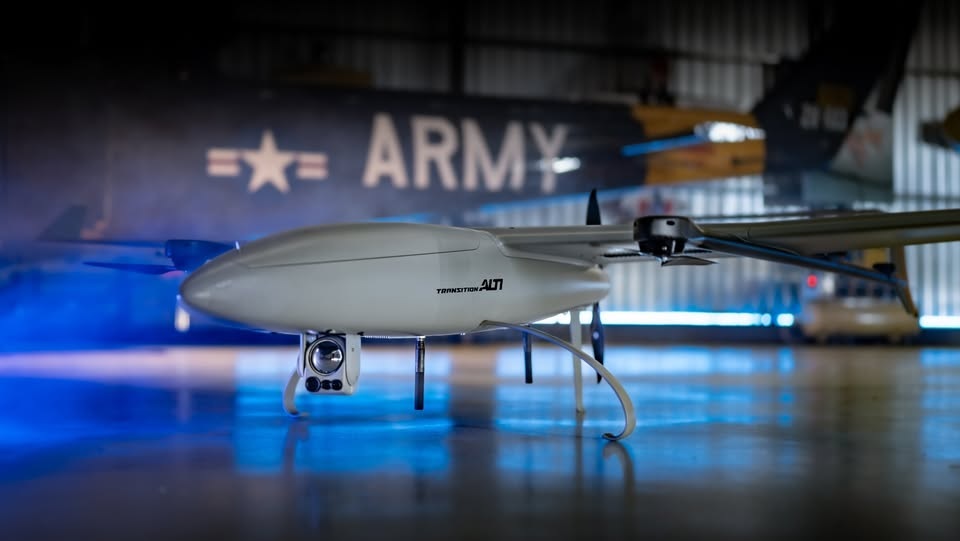
World
ALTI, a South African drone manufacturer, has spent over a decade reshaping how unmanned aerial vehicles (UAVs) operate in the world’s harshest environments. Founded in 2012 as SteadiDrone, the company initially focused on multirotor drones before a strategic pivot in 2016 redefined its future. That shift led to the launch of Transition, a hybrid VTOL (Vertical Take-Off and Landing) drone that brought together the agility of multirotors and the long-range efficiency of fixed-wing aircraft. Unlike companies chasing commercial drone trends, ALTI was born from a genuine market need: rugged, customizable UAVs capable of long-duration missions in remote terrains. “We started before DJI took over,” says Ian Share, ALTI’s CEO, underlining their early entry into a field that has since become globally competitive. The Hybrid Advantage: A Technical Balancing Act ALTI’s Transition drone was a clever engineering solution to the limitations of both multirotor and fixed-wing designs. With electric motors used for vertical lift and a combustion engine powering horizontal flight, the aircraft blended the best of both propulsion systems. This hybrid configuration allowed for vertical take-off without the need for a runway, followed by fuel-powered endurance during cruise, effectively delivering up to six hours of flight time depending on payload and conditions. Technically, this setup relied on: Multirotor Electric Motors: For takeoff, hovering, and landing. Internal Combustion Engine with Propeller Drive: For sustained forward flight at high speeds. Dual Power System Integration: Coordinated via onboard flight controllers to switch between electric and fuel modes seamlessly. Modular Payload Bays: Allowing mission-specific sensors or equipment to be swapped out quickly. The Transition platform saw success globally, with over 100 units deployed by 2024. The hybrid model, however, was only a stepping stone in ALTI’s roadmap. The Push Toward Fully Electric Flight In 2024, ALTI began testing a fully electric version of its hybrid aircraft, marking a significant evolution in design philosophy. While electric propulsion systems naturally sacrifice some endurance due to current battery limitations, the benefits—lower maintenance, reduced fuel dependency, and simpler logistics—made a compelling case. From a technical standpoint, the electric version features: High-Energy Lithium-Ion Battery Packs: With advanced battery management systems (BMS) for safe operation. Brushless Electric Motors: Designed for efficiency and minimal maintenance. Redundant Power Systems: To ensure safety and mission continuity even in case of partial failures. Lightweight Airframe Materials: Composite materials optimized for lower drag and improved energy efficiency. Real-world UAV missions often don’t require the six-to-eight-hour endurance advertised in brochures. “Two to three hours is more than enough for most users,” Share explained, highlighting the natural fit of electric propulsion for short- to medium-range tasks. Built for the Battlefield, Ready for the Jungle ALTI’s drones are built to be rugged and versatile. They serve both civilian and military users, operating in environments ranging from African savannas to Southeast Asian jungles. Despite the defense utility, these UAVs are classified as dual-use technology—equally suitable for civilian applications like mapping, surveillance, agriculture, and wildlife conservation. Some of ALTI’s specialized use cases include: Border Surveillance: Utilizing optical and infrared payloads. Anti-Poaching Patrols: With live streaming and geo-tagged data. Conservation Studies: Custom drones equipped to net bats or count endangered species from above. Disaster Response & Mapping: Through photogrammetry and LiDAR integration. Because they build most components in-house—including composite airframes and electronics—ALTI can offer high levels of customization. Clients can request specific sensor integrations, payload capacities, or operational software tweaks to match mission needs. Solving Real-World Power Problems Operating drones in remote or undeveloped regions comes with its own set of challenges—chief among them being access to fuel and reliable electricity. For its electric drones, ALTI is addressing these hurdles by designing self-sufficient deployment kits. These may include: Portable Solar Charging Arrays Fuel-Powered Backup Generators Battery Swap Systems for Rapid Redeployment Field-Charging Kits Packaged with the UAV By reducing the need for high-quality aviation fuel—often hard to source in places like Zimbabwe or the Congo—electric UAVs simplify operations and reduce the risk of supply-chain failures. What Comes Next: AI, Simpler Aircraft, and Manned Electric Systems Looking ahead, ALTI is investing heavily in autonomy. Future aircraft will likely feature AI-assisted navigation, automatic obstacle avoidance, and machine-learning-driven mission planning. ALTI is also designing smaller fixed-wing electric aircraft for entry-level users and experimenting with larger, even manned, electric flight platforms as battery technology improves. While many UAV manufacturers rely on outside funding, ALTI has grown organically—reinvesting its earnings into R&D and production. This independence has allowed the company to move quickly, react to client needs, and maintain complete control over quality. “What keeps us ahead,” Share said, “is solving real-world problems—not just building flashy tech, but systems that actually work where others fail.”.
Read More → Posted on 2025-05-30 14:42:23
World
The U.S. Air Force Research Laboratory (AFRL) has officially awarded a major contract to General Atomics for the development of a next-generation unmanned aerial system (UAS) called GHOST. Valued at $99.29 million, this cutting-edge project aims to introduce a highly advanced drone platform equipped with a hybrid-electric propulsion system and ducted fan design, enhancing its operational range, stealth, and versatility. This contract is structured as a cost-plus-fixed-fee agreement and was awarded through a sole source acquisition, reflecting the U.S. military’s confidence in General Atomics’ experience and expertise in drone technologies. The development work will take place at General Atomics’ facility in Poway, California, with an expected completion date of August 26, 2028. An initial amount of $26.86 million from the 2024 defense budget has already been committed to kickstart the program. What is GHOST? The GHOST (General Atomics Hybrid-electric Operational Surveillance and Strike Technology) drone is designed to deliver a powerful mix of intelligence, surveillance, reconnaissance (ISR), and precision strike capabilities. It is being tailored to perform effectively in a wide range of contested and complex environments, where traditional drones may struggle due to detection risks or operational limitations. At the heart of the GHOST system is a hybrid-electric propulsion mechanism, combined with a ducted fan configuration. This unique design offers several strategic advantages: High fuel efficiency, enabling extended mission durations. Significantly quieter operations, crucial for surveillance and covert missions. Enhanced operational flexibility for both ISR and strike roles in sensitive or hostile territories. Expected Specifications and Features While detailed specifications remain classified, based on available information and previous General Atomics projects like the Gambit modular drone family, the GHOST is likely to offer: Endurance of up to 60 hours in the air Hybrid-electric powertrain, reducing the need for traditional fuel and improving sustainability. Low acoustic signature, making it harder for enemy forces to detect. Versatile payload capacity, adaptable for different mission types including surveillance sensors, communication relays, and precision munitions. Advanced autonomous capabilities, allowing for semi-autonomous or fully autonomous operations. Future Potential The introduction of hybrid-electric propulsion is seen as a significant step in modern drone technology, providing a balance of endurance, speed, and stealth. This could pave the way for a new generation of unmanned systems capable of long-duration missions with minimal environmental impact and reduced operational costs. Moreover, the modular nature of the drone’s design hints at the possibility of future upgrades, enabling it to adapt to emerging threats and mission profiles. Conclusion The GHOST program marks another bold move by the U.S. military to strengthen its unmanned aerial capabilities with innovative technologies. By investing in hybrid-electric propulsion and ducted fan designs, the Air Force aims to enhance the performance, efficiency, and survivability of its drone fleet in increasingly contested global airspaces. As development progresses towards its 2028 target, GHOST is poised to become a key asset in the U.S. Air Force's evolving operational strategy for intelligence, surveillance, reconnaissance, and precision strike missions.
Read More → Posted on 2025-05-30 14:33:07Search
Top Trending in 24 Hours
-
 Open-Source Evidence Suggests Russia's Zircon Is a Quasi-Ballistic Missile, Not a True Hypersonic Cruise Weapon
-
 Pentagon Expands Alloy Surfaces Contract to $328.8 Million for Advanced Aircraft Decoy Flares Amid Evolving Drone Threats
-
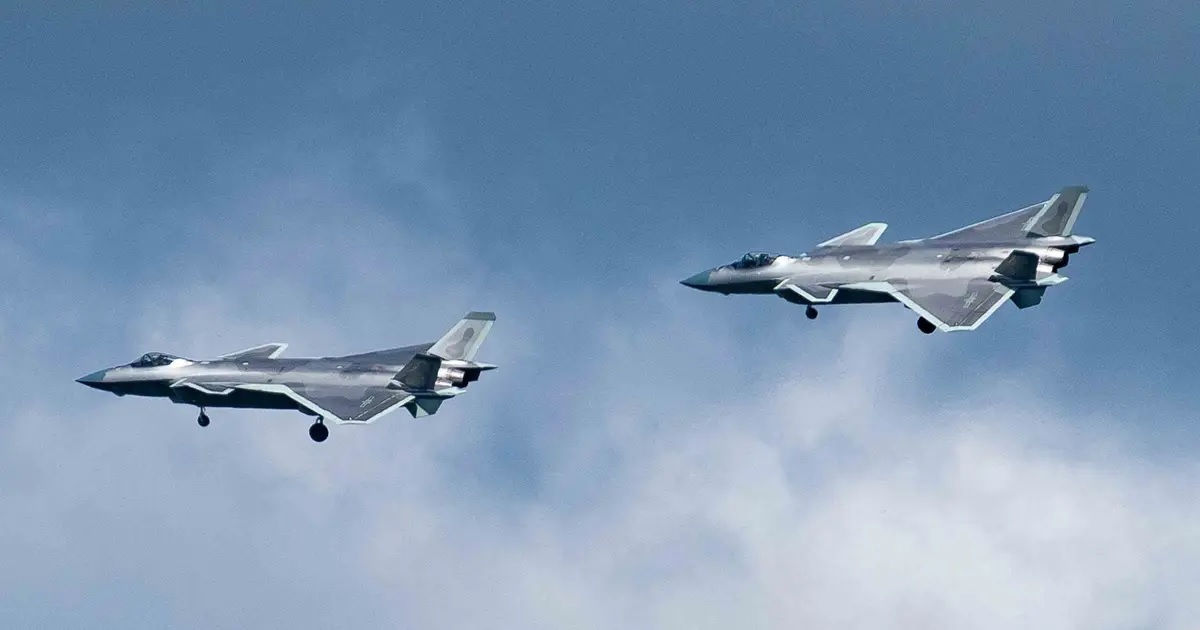 China Surpasses Russia as World’s Second-Most Powerful Air Force Amid Rapid J-20 and J-35 Expansion
-
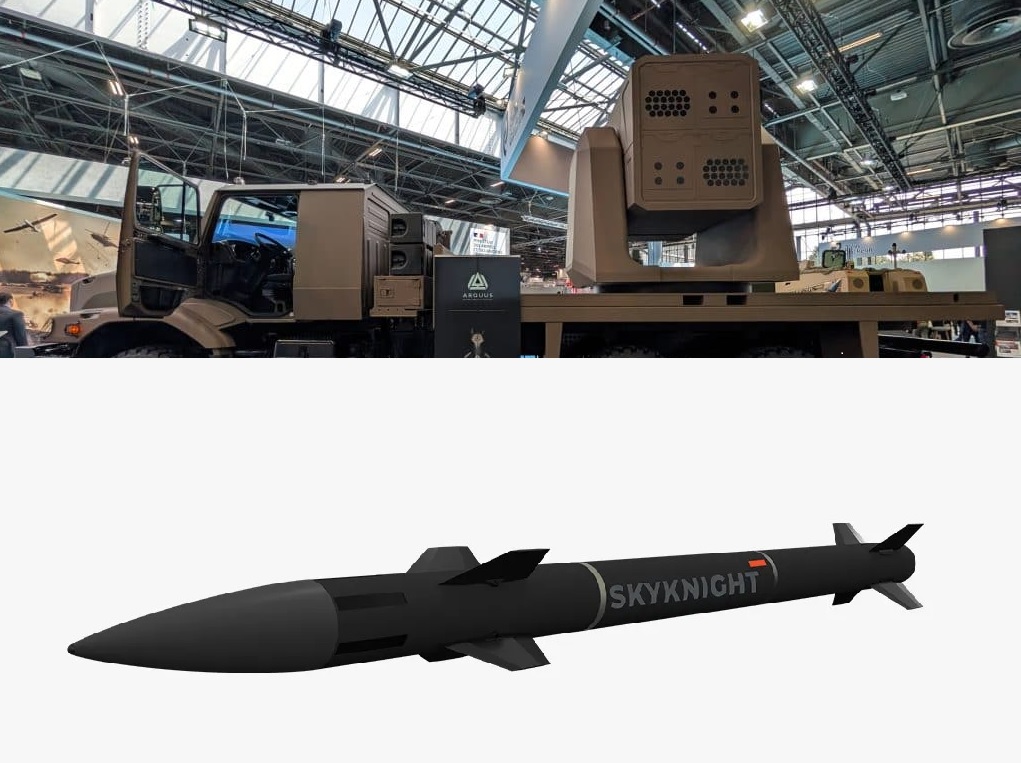 Naval Group Unveils Rampart Modular CIWS Multi-Purpose Weapon System for Naval and Ground Forces at Eurosatory 2026
-
 Why the U.S. Restored Pacific Command Name, Ending the Indo-Pacific Designation After Eight Years
-
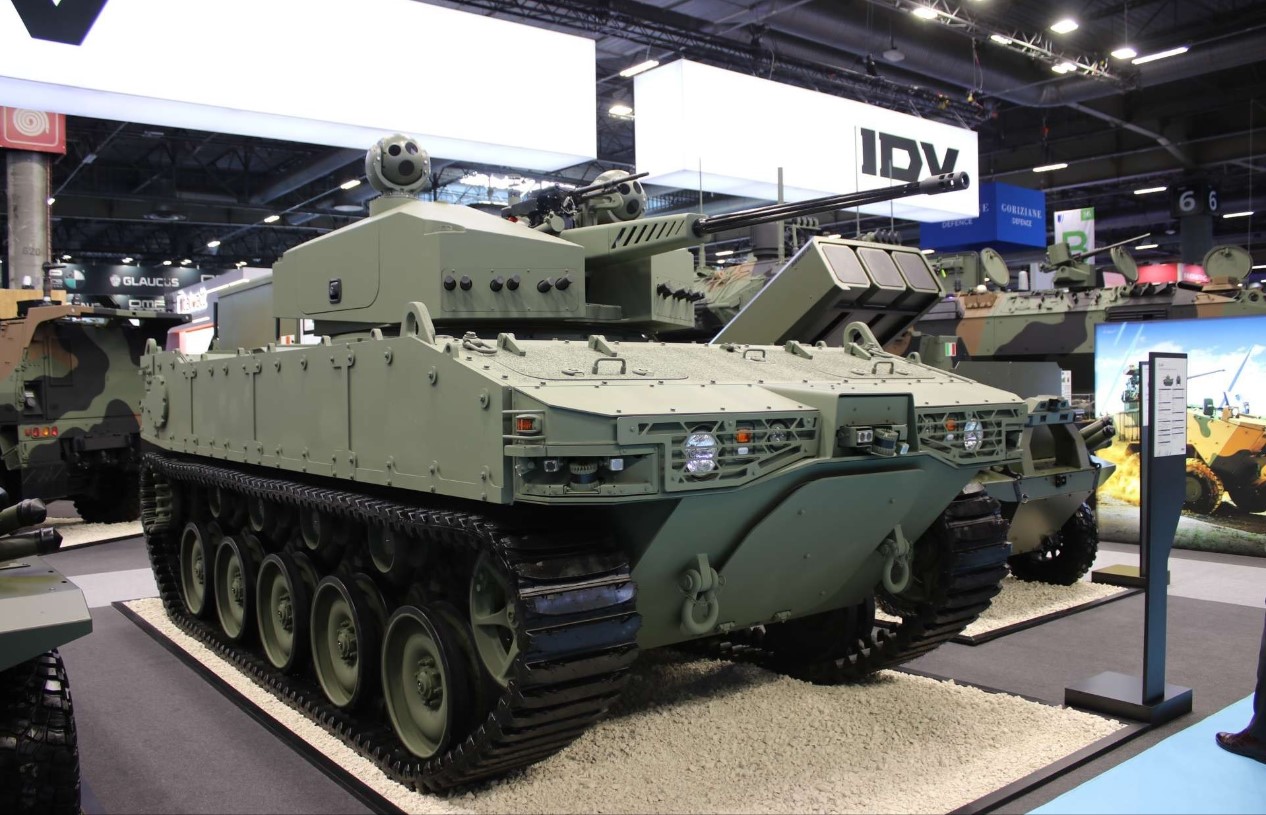 IDV Unveils CL2X Hybrid Uncrewed Light Tank at Eurosatory 2026
-
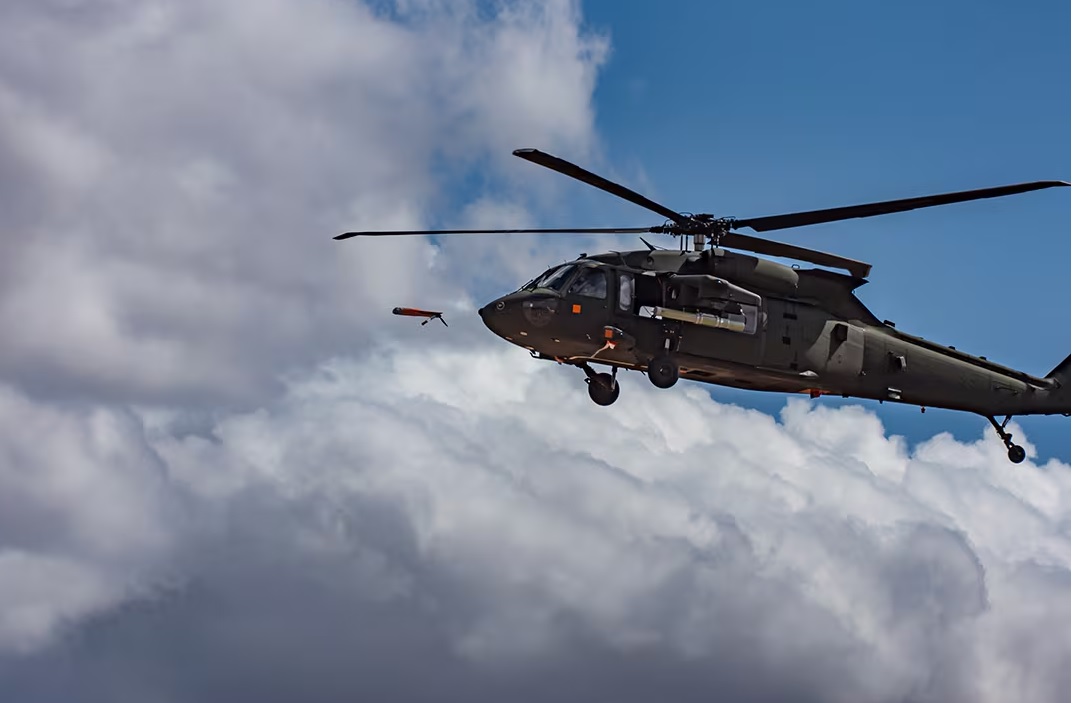 U.S. Army Completes First Flight Test of Medium-Range Air-Launched Effects from Black Hawk Helicopter
-
 Australia Tests OpenWorks’ AI-Powered Vision Guard Surveillance System Under Land 156 Counter-Drone Program
Top Trending in 4 Days
-
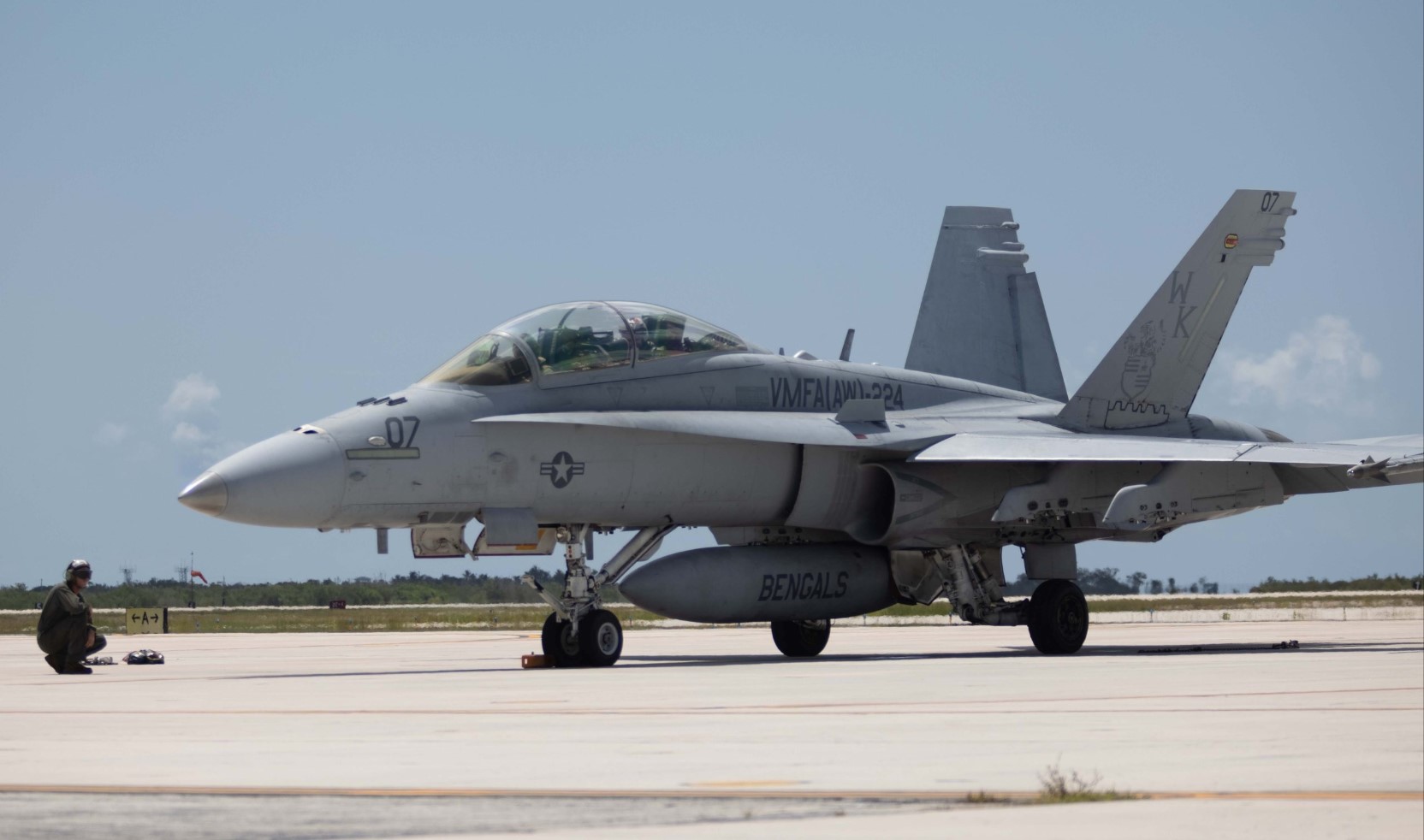 US Marine Corps F/A-18D Hornet Crashes During Training Flight in Washington Mountains; Pilot Ejects Safely
-
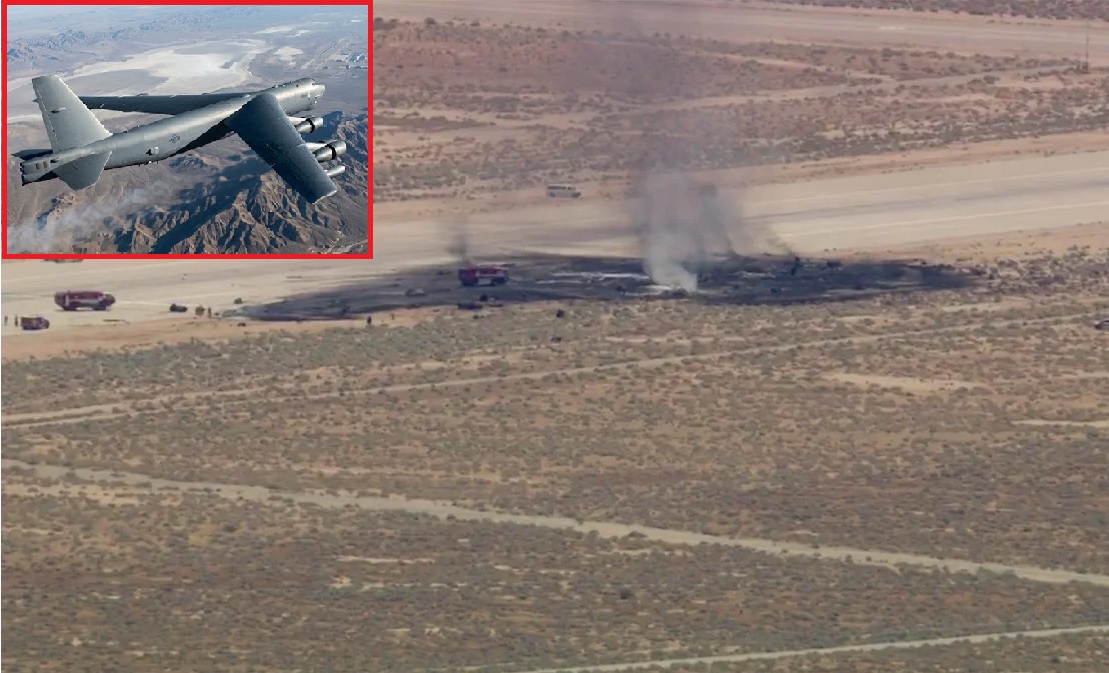 8 U.S. Air Force Crew Members Killed in B-52 Bomber Crash During Test Flight at Edwards Air Force Base
-
 Tulsi Gabbard Releases Declassified Files Detailing U.S.-Backed Network of 120 Biolaboratories Across 30+ Countries
-
 Ukraine Introduces Balloon-Launched DART Missile Designed to Defeat Electronic Warfare
-
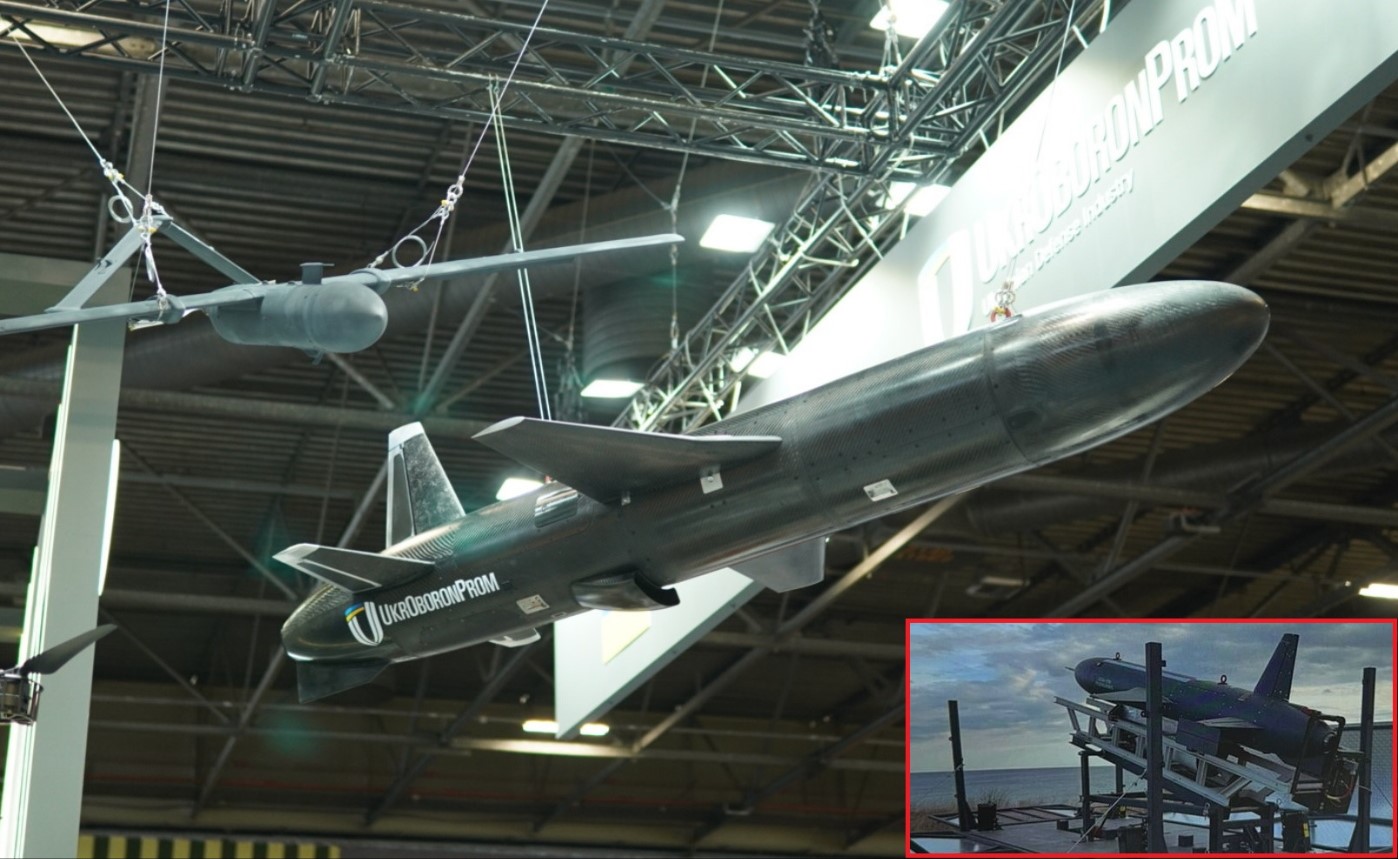 Ukraine Unveils UAV-290 Jet-Powered Strike Drone with 650 km Range at Eurosatory 2026
-
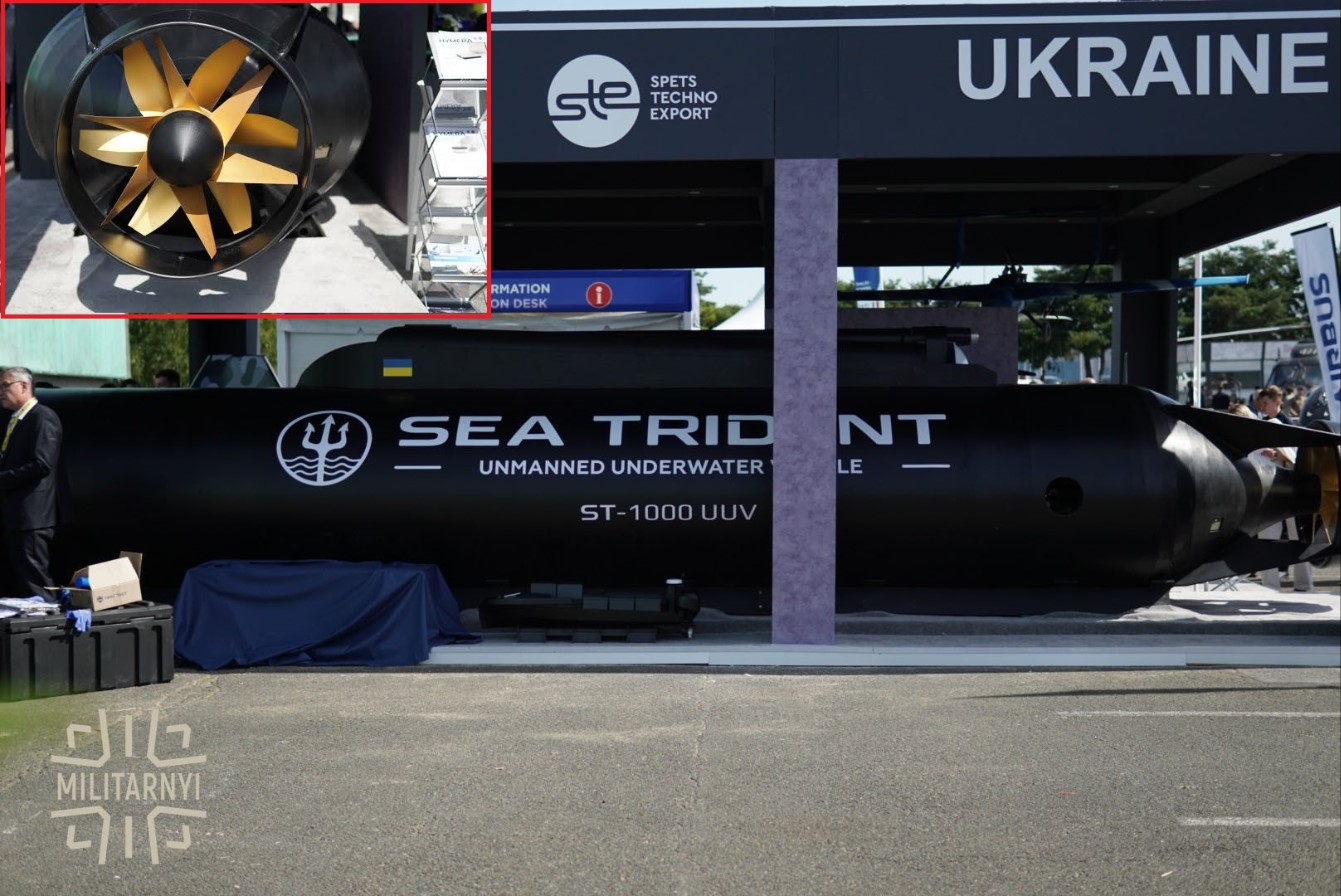 Ukraine Unveils 'Sea Trident' 10-Ton Autonomous Underwater Drone at Eurosatory 2026
-
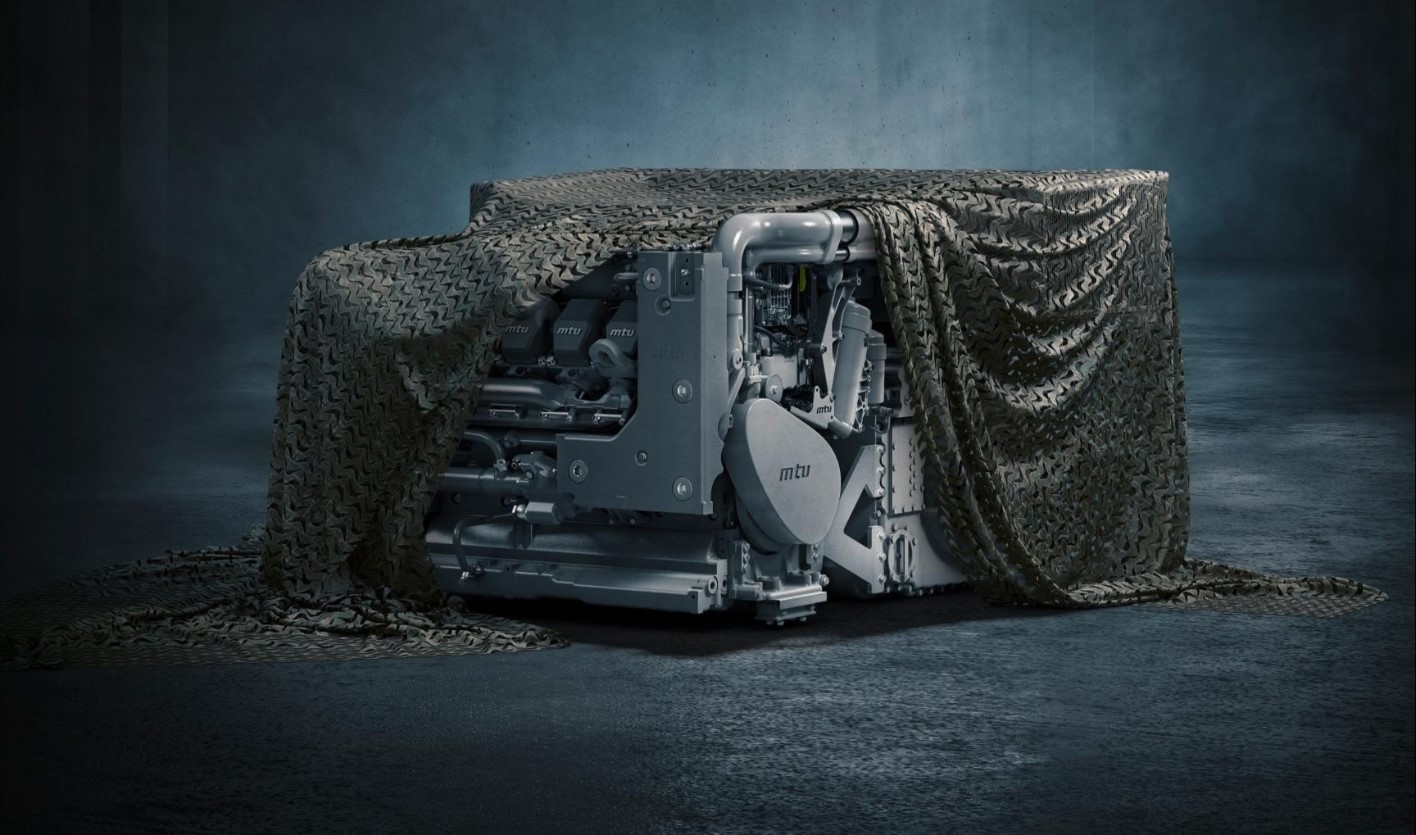 Rolls-Royce Unveils New Hybrid Powertrain for Heavy Military Vehicles at Eurosatory 2026
-
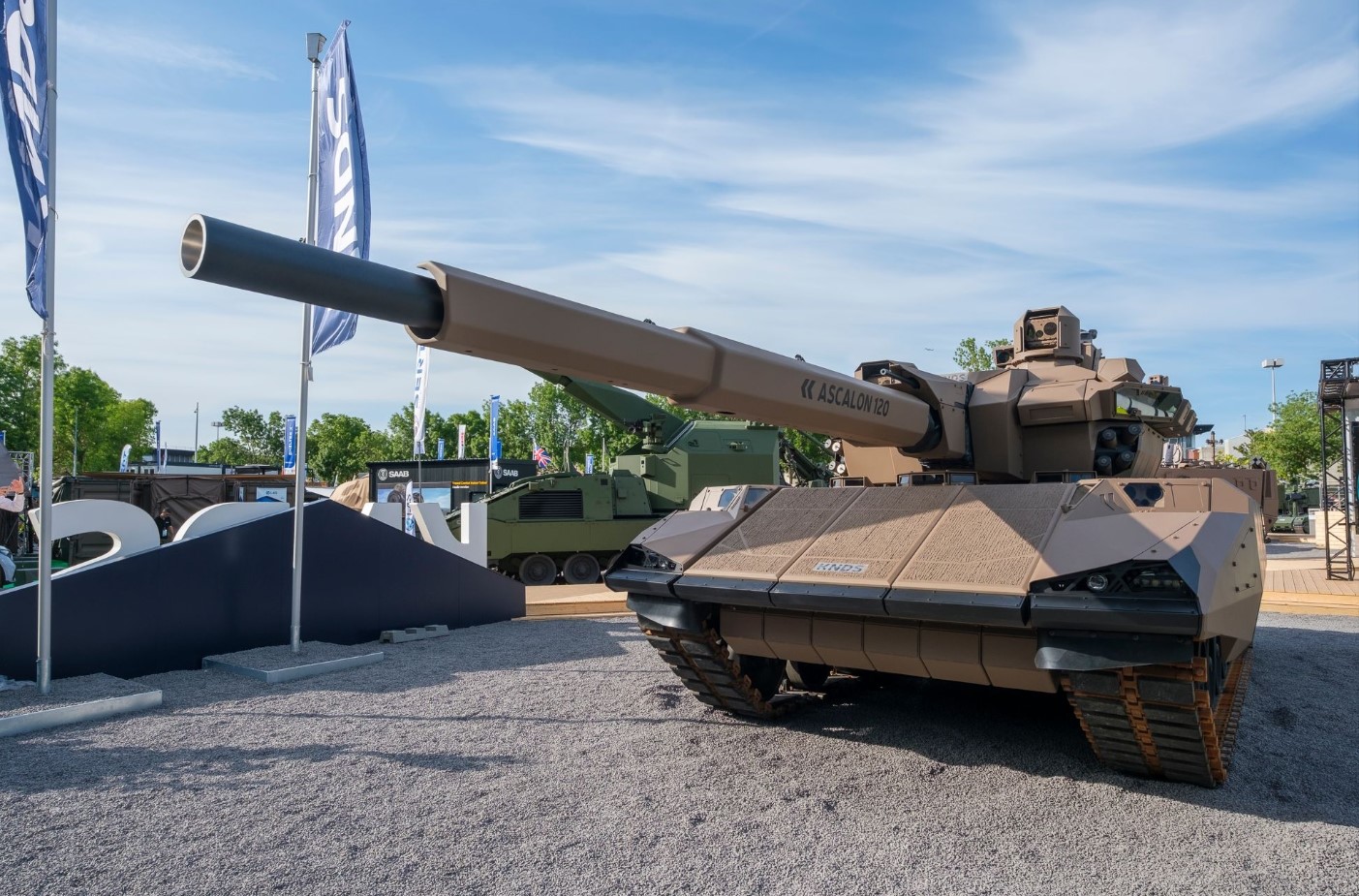 KNDS Unveils CAPINT Main Battle Tank at Eurosatory 2026 as Leclerc Stopgap