
World
HENSOLDT, a prominent German defense technology company, has been commissioned by the Federal Office of Bundeswehr Equipment, Information Technology and In-Service Support (BAAINBw) to upgrade the ASUL drone defense system. This initiative aims to bolster the German Armed Forces' capabilities in detecting, classifying, and neutralizing unmanned aerial systems (UAS) in real-time. Understanding the ASUL System ASUL, an acronym for "Abwehrsystem gegen unbemannte Luftfahrzeuge," is a modular counter-UAS (C-UAS) platform developed by ESG Elektroniksystem- und Logistik-GmbH, a subsidiary of HENSOLDT. Introduced in 2022, the system integrates various technologies to provide comprehensive protection against small drones, particularly those weighing up to 25 kilograms. Key components of the ASUL system include: Spexer2000 3D Radars: These high-resolution radars offer precise detection capabilities, especially against asymmetric threats. Z:NightOwl M Cameras: These cameras provide day and night vision, enhancing the system's ability to identify and track drones under various lighting conditions. ARDRONIS Radio Frequency Direction Finders: Developed by Rohde & Schwarz, these devices detect and locate the control signals of UAS, aiding in identifying the drone's operator. Remote-Controlled Jammers: These are capable of neutralizing drones by disrupting their control signals, effectively rendering them inoperative. The system is container-based, comprising two transportable units: a 10-foot container housing the detection equipment and a 20-foot container equipped with the jamming systems. The Upgrade Initiative Building upon operational experiences and technological advancements, HENSOLDT's upgrade of the ASUL system focuses on enhancing its performance to meet evolving threats. A significant aspect of this upgrade is the integration of the Elysion Mission Core, an AI-supported platform that merges data from multiple sensors in near real-time, providing operators with improved situational awareness and decision-making support. Daniela Hildenbrand, Head of Counter-UAS Solutions at HENSOLDT, emphasized the importance of scalable multi-sensor, multi-effector solutions that offer command and control superiority through the Elysion Mission Core. Operational Deployment and Future Outlook The ASUL system has been effectively deployed in various scenarios, including the 2015 G7 summit in Elmau, demonstrating its capability in real-world operations. The ongoing upgrades aim to ensure that the German Armed Forces remain equipped to counter the growing threat of uncooperative drones, thereby maintaining effective airspace security. HENSOLDT's commitment to innovation and its role as a pioneer in counter-UAS technology underscore its dedication to enhancing national defense capabilities through advanced sensor integration and software improvements.
Read More → Posted on 2025-05-15 17:36:45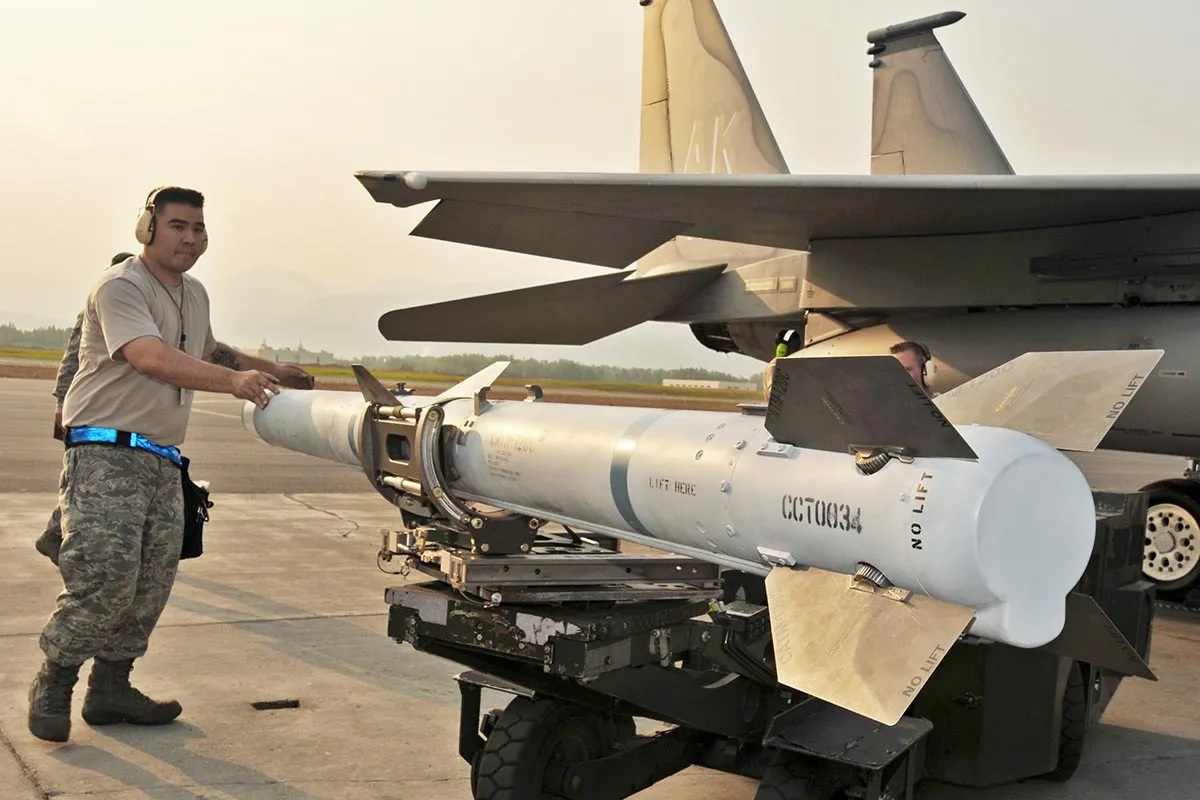
World
The U.S. State Department has approved a potential Foreign Military Sale to Türkiye, involving the latest AIM-120C-8 Advanced Medium-Range Air-to-Air Missiles (AMRAAM). The deal, valued at approximately $225 million, includes 53 AIM-120C-8 missiles, six guidance sections, and various support equipment. What Are AIM-120C-8 AMRAAM Missiles? The AIM-120C-8 is a modern air-to-air missile designed for beyond-visual-range engagements. It features active radar homing, allowing it to track and engage targets independently after launch. This "fire-and-forget" capability enables pilots to engage multiple threats simultaneously without continuous guidance. Details of the Sale In addition to the missiles and guidance sections, the package includes: AMRAAM containers and support equipment Common Munitions Built-in-Test Reprogramming Equipment (CMBRE) Spare parts, consumables, and accessories Repair and return support Weapons system support and software Classified software delivery Technical documentation Various logistical and technical services The principal contractor for this sale will be RTX Corporation, formerly known as Raytheon Technologies. Strategic Importance The U.S. State Department states that this sale aims to bolster the foreign policy and national security objectives of the United States. Enhancing Türkiye's air defense capabilities supports the security of a NATO ally that plays a significant role in maintaining political and economic stability in Europe. The integration of these missiles into Türkiye's armed forces is expected to be seamless, as they are compatible with existing platforms like the F-16 aircraft. The sale is not anticipated to alter the fundamental military balance within the region. This approved sale underscores the ongoing defense cooperation between the United States and Türkiye. By providing advanced missile technology, the U.S. supports its ally in enhancing its air defense capabilities, contributing to regional stability and mutual security interests.
Read More → Posted on 2025-05-15 16:19:36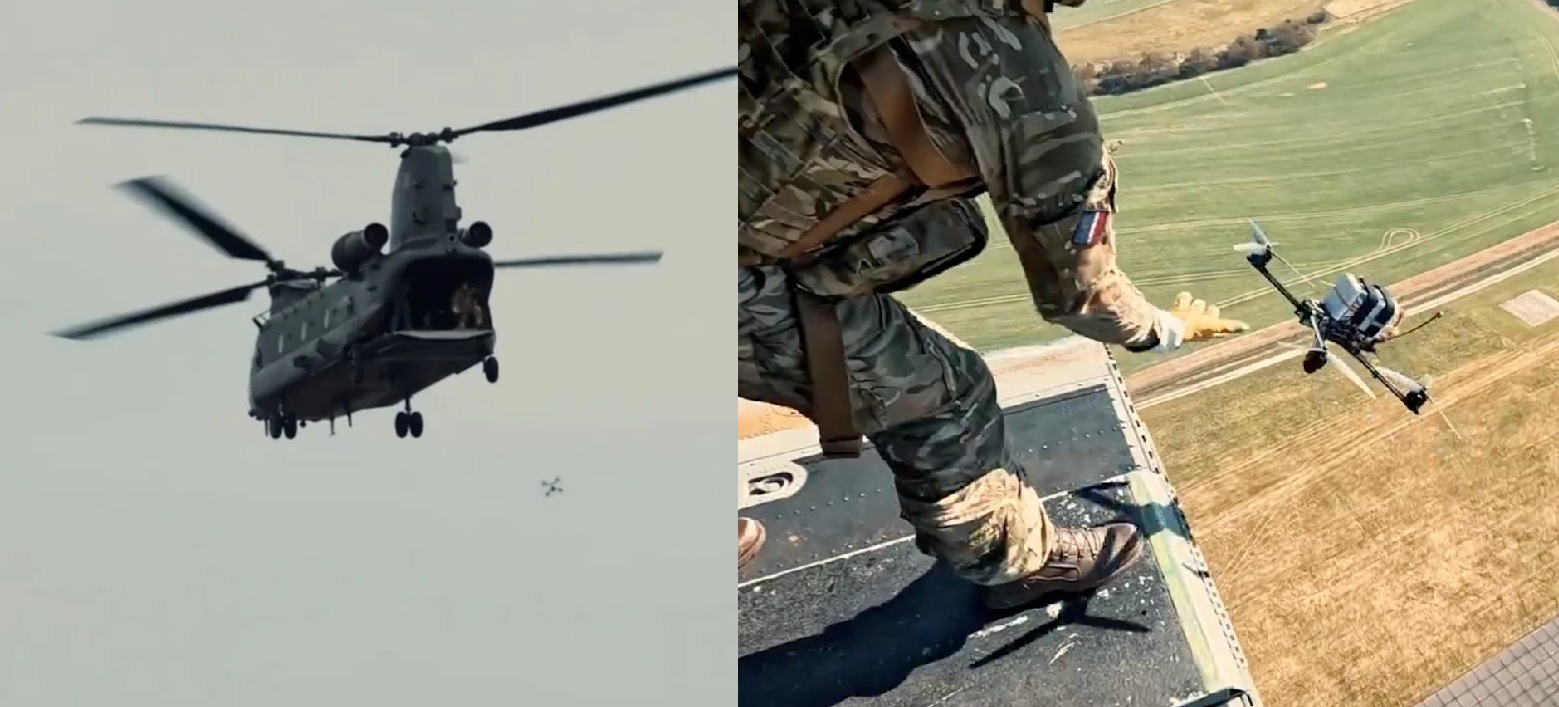
World
In a bold and innovative experiment, the UK military has successfully launched first-person view (FPV) drones from a CH-47 Chinook helicopter. This tactical experiment is seen as a major leap in drone deployment, offering the Royal Air Force (RAF) a dynamic new capability for rapid and efficient missions in contested environments. A New Tactical Approach FPV drones are typically launched from static ground positions, requiring secure sites and time-consuming preparations. This conventional method not only limits flexibility but also exposes personnel to potential enemy fire. However, the latest UK military experiment has turned this approach on its head by deploying FPV drones mid-air from a moving helicopter. By launching drones directly from a Chinook helicopter, the RAF can bypass the usual challenges associated with ground-based operations. The CH-47 Chinook, known for its spacious cargo bay and rear ramp, proved to be an ideal platform for this aerial deployment, especially when operating from forward bases. Versatile and Efficient Operations One of the most significant advantages demonstrated during the experiment was the ability of FPV drones to perform multiple missions within a single flight. These drones are built for reconnaissance, electronic jamming, and even direct strikes against hostile targets. This means that instead of relying on multiple specialized platforms, a single FPV drone can take on several roles, significantly boosting operational efficiency. The airborne launch capability also means that FPV drones can be delivered directly into combat zones or behind enemy lines without risking ground troops. This innovative approach enhances the RAF's ability to conduct rapid and flexible operations, particularly in hostile environments where secure launch sites are scarce or heavily contested. Strategic Implications The UK military’s move toward FPV drone deployment from helicopters reflects a broader shift in modern warfare strategies. The RAF noted that the decision to embrace FPV drones stems from their demonstrated effectiveness in recent conflicts, the tactical advantages they bring to the battlefield, and their alignment with future defense strategies. Additionally, training personnel to operate these drones has proven to be rapid and efficient, making them an attractive option for modernizing the force. Looking ahead, the RAF envisions using Chinook-launched FPV drones for airborne swarming tactics, overwhelming enemy defenses, disrupting communication networks, or providing real-time intelligence without the typical logistical constraints. This groundbreaking experiment highlights the UK’s commitment to integrating cutting-edge technology into its tactical doctrine, setting a precedent for the future of drone warfare.
Read More → Posted on 2025-05-15 16:12:09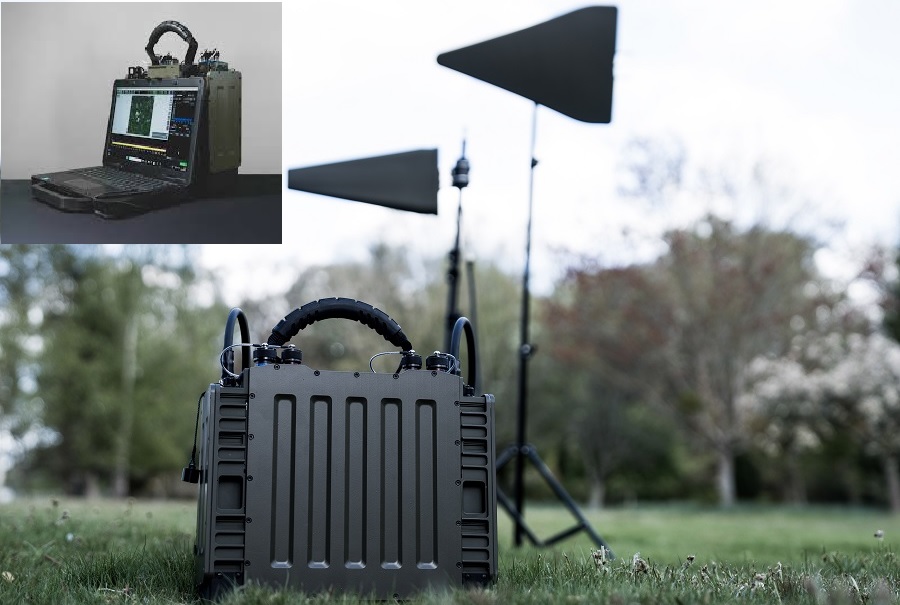
World
In a significant move for modern battlefield technology, UK-based defence technology company Roke has officially launched EM-Vis Deceive, a portable and highly adaptable electronic warfare (EW) system. Designed to provide electromagnetic attack (EA) capabilities directly to troops on the frontlines, this innovative system can be carried like a backpack and deployed by soldiers with minimal training. What is EM-Vis Deceive? EM-Vis Deceive is the first fully integrated person-borne electronic warfare system built to modern modular open standards. It gives soldiers the ability to detect, track, and disrupt enemy communications, drones, and other electronic signals in real time. Its portable nature ensures that frontline units no longer have to rely solely on large, vehicle-based or fixed EW systems. The system is developed in line with STICS (Systems, Technologies and Interoperable Communications Standards) — a suite of open standards designed to ensure flexibility, modularity, and interoperability among C5ISR (Command, Control, Communications, Computers, Combat Systems, Intelligence, Surveillance and Reconnaissance) and EW systems. This makes EM-Vis Deceive highly adaptable for various mission scenarios. Why is it Important? For decades, electronic warfare systems were often bulky, custom-built tools designed to counter very specific threats. These systems were costly, difficult to upgrade, and slow to integrate with new technologies. In today’s rapidly evolving combat environments — where threats like drones and advanced communication systems change faster than ever — this rigidity leaves troops at a serious disadvantage. EM-Vis Deceive addresses this issue by being modular, software-upgradable, and interoperable with other defence systems. Software updates and technique patches can be quickly installed to counter new threats without the need for developing entirely new hardware. Key Specifications and Features Portable, person-borne design: Carried like a backpack, making it ideal for mobile operations and quick deployments. Modular architecture: Supports multiple EW missions through swap-in/swap-out Software Defined Radios (SDRs). Software Defined Radios (SDRs): Enables rapid reconfiguration to jam or intercept a wide range of frequencies, from commercial drones to military communication systems. OpenCPI-generated applications and open APIs: Allows for the development of custom applications and easy integration with existing or new EW techniques. Interoperable with other CEMA and C5ISR systems: Can communicate seamlessly with other military assets on the battlefield. Scalable deployment: While designed for person-borne operations, it can also be mounted on vehicles or drones when required. Lightweight and rugged: Built for tough battlefield conditions while remaining light enough for single-operator use. Integrated support tools: Includes built-in spectrum monitoring, signal analysis, and electronic attack management software. Responding to Modern Threats An example of its importance is seen in modern conflicts like Ukraine, which faced over 18,000 drone attacks in a single year. Traditional EW systems would struggle to cope with such rapidly evolving threats. With EM-Vis Deceive, troops can quickly update their systems to handle new drone models or communication methods, greatly enhancing battlefield survivability and response speed. Roke’s Expertise Behind the System Roke has over 40 years of experience in Cyber and Electromagnetic Activity (CEMA), with a strong background in compact radio system development. EM-Vis Deceive benefits from this expertise, offering a small form factor EW system without compromising on capability. Its launch at AOC Europe 2025 in Rome marks a pivotal step for integrating advanced electronic warfare directly into frontline operations. EM-Vis Deceive represents a game-changing shift in electronic warfare, bringing high-end electromagnetic attack capabilities directly to the soldiers who need them most. Its flexible, modular, and scalable design ensures it can keep pace with modern threats, providing frontline forces with the tools they need to detect, disrupt, and defeat electronic attacks in real time.
Read More → Posted on 2025-05-15 16:07:18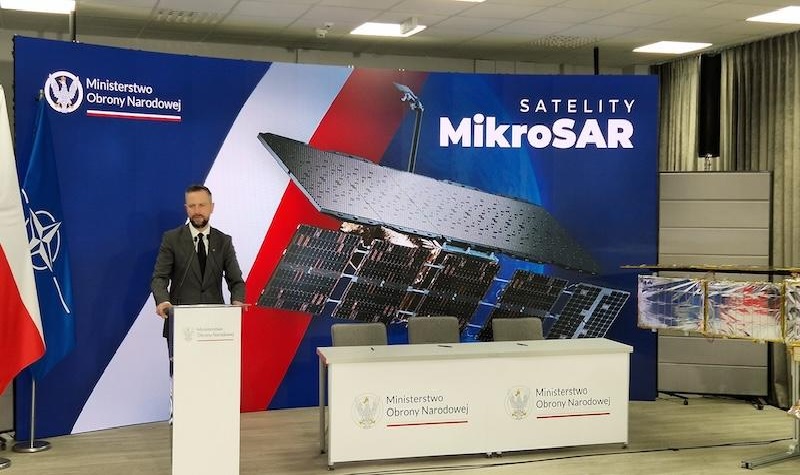
World
In a significant move to enhance its national security and surveillance capabilities, Poland has entered into an agreement with ICEYE, a leading provider of Synthetic Aperture Radar (SAR) satellite technology. This €200 million deal involves the delivery of three advanced SAR satellites to the Polish Armed Forces, with an option to procure three additional satellites and upgraded ground infrastructure within the next year under the MikroSAR program. Advancing Surveillance Capabilities The acquisition of ICEYE's SAR satellites marks a pivotal step for Poland in achieving autonomous radar reconnaissance. Unlike traditional optical satellites, SAR technology enables continuous Earth observation regardless of weather conditions or time of day. This capability ensures uninterrupted monitoring and rapid response to potential threats, bolstering Poland's defense readiness. Integration with Local Industry Beyond satellite procurement, the agreement emphasizes collaboration with Polish industries to develop a mobile Intelligence, Surveillance, and Reconnaissance (ISR) platform. This platform will facilitate near real-time satellite tasking, data acquisition, and analysis, enhancing the operational efficiency of the Polish Armed Forces. Strategic Significance Poland's Deputy Prime Minister and Minister of Defense, Władysław Kosiniak-Kamysz, highlighted the importance of this acquisition, stating that it grants Poland full independence in radar reconnaissance and imaging. He emphasized that sovereignty and innovation are crucial for defending freedom and independence, noting that the acquired technology holds both military and economic significance. ICEYE's Technological Edge ICEYE operates the world's largest SAR satellite constellation, offering high-resolution imaging capabilities with a resolution of 25 centimeters. This precision allows for accurate object detection and situational awareness, essential for modern military operations. The company's satellites provide persistent monitoring, enabling users to detect and respond to changes on Earth's surface swiftly and accurately. Future Prospects The immediate implementation of this agreement not only enhances Poland's defense capabilities but also opens avenues for future collaborations with European and allied nations. The potential for shared capacity and cross-tasking with other countries could strengthen collective space defense initiatives, promoting regional security and cooperation. This strategic partnership between Poland and ICEYE underscores a commitment to leveraging cutting-edge technology to ensure national security and resilience in an increasingly complex global landscape.
Read More → Posted on 2025-05-14 15:46:55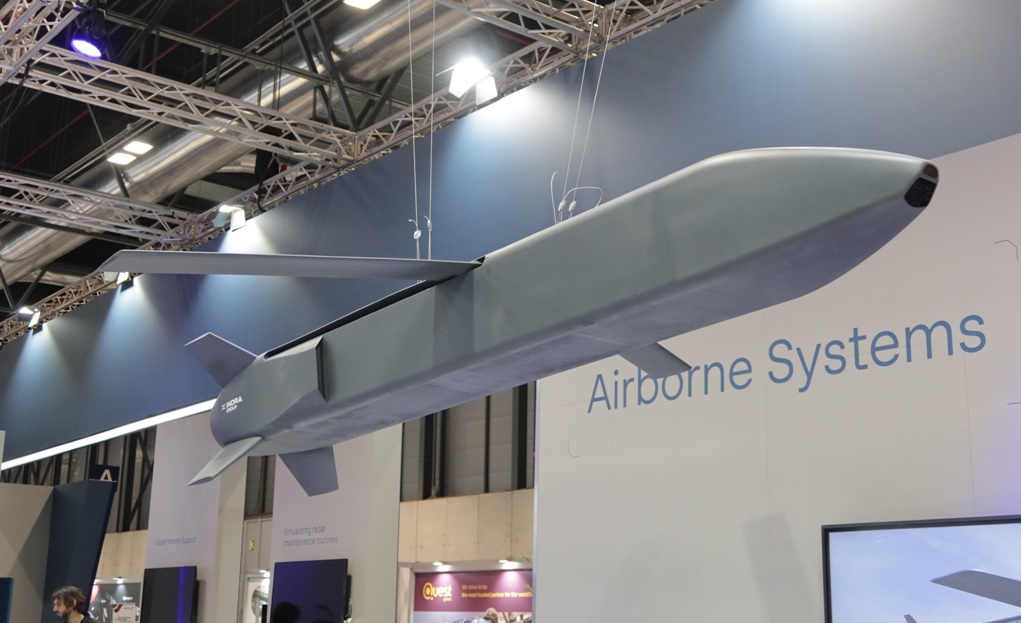
Spain’s INDRA Unveils 'VALERO' A New All-Spanish Light Remotely Operated Air Vehicle at FEINDEF 2025
World
At the prestigious FEINDEF 2025 defence exhibition in Madrid, Spanish technology company INDRA introduced an impressive new air system named VALERO, which stands for Vehículo Aéreo Ligero Español Remotamente Operado — meaning Light Spanish Remotely Operated Air Vehicle. This multipurpose unmanned air system is designed to support manned aircraft, reduce risks in combat zones, and enhance mission success rates. What makes VALERO special is that it’s a completely Spanish-developed system aimed at both current and future generations of fighter aircraft. What Is the VALERO System? The VALERO is not just a single drone but a full operational system made up of four key components: VAM (Vehículo Aéreo Multipropósito): The main air vehicle. LSC (Lanzador de Superficie Configurable): A flexible surface launcher system. EPC (Elemento de Planificación y Control): A planning and control system. Air Platform: Can be integrated with current Eurofighter Typhoons, F-18s, and in future, the European FCAS (Future Combat Air System). Design & Specifications of the VAM The VAM features a sleek, rectangular fuselage with foldable wings hinged towards the rear. Its compact design includes: Turbojet Engine: Mounted at the back with side air intakes. Foldable Wings: Designed to maintain a low sweep angle when extended. Payload Bay: Positioned at the front for electronic systems or warheads. Speed: Capable of reaching transonic speeds — at least Mach 0.8 at high altitudes and around 420 knots (778 km/h) at low level. Launch Compatibility: Sized to fit inside the internal weapon bays of both the F-35 and future FCAS aircraft. Payload Capacity: Around 250 kg, allowing for decoys, sensors, and combat payloads. The displayed model at FEINDEF wasn’t full-scale, but it accurately represented the shape and launch configuration. The Launcher and Control System The LSC (Surface Launcher) can carry up to four canisters, each loaded with a VAM. It’s adjustable, enabling launches from various terrains and angles. Initially, flight tests will be conducted from this surface launcher using a booster to quickly propel the VAM into flight, after which the turbojet will take over. The EPC (Planning and Control System) can be deployed either in a fixed building or a mobile shelter. It manages the drones through a secure data link with artificial intelligence assisting both onboard and at the control centre, ensuring fast decision-making in dynamic combat situations. Purpose and Future of VALERO Although the VALERO concept aligns well with the upcoming FCAS programme, INDRA clarified that it’s an independent Spanish initiative designed to meet the current needs of the Spanish Armed Forces while boosting Spain’s defence industry’s strategic autonomy. The first operational goal for VALERO is to act as an active dynamic decoy with a warhead, capable of simulating different aerial threats like enemy fighters, transport aircraft, or cruise missiles. This makes it useful for both defensive and offensive roles. A demo video shown at FEINDEF depicted swarms of VALERO drones operating alongside manned aircraft, performing complex coordinated tasks like electronic warfare, decoy missions, and simulated attacks — all managed via swarm AI and intra-drone communications. When Will It Be Ready? The first test flight for VALERO is planned for this summer (2025), launched from the surface-based LSC. INDRA has already finished the initial design reviews and aims to complete the Preliminary Design Review by the end of the year. The system is expected to become fully operational by 2029, well ahead of the future FCAS aircraft’s introduction. Why VALERO Matters VALERO represents a major step forward for Spain’s defence technology, being one of the first fully Spanish-developed unmanned air systems intended for both standalone operations and integration with manned fighters. Its versatility, speed, and modular design — along with swarm capabilities and artificial intelligence — put it on par with similar systems being developed in other European and NATO countries. This initiative not only strengthens Spain’s aerial warfare capabilities but also enhances its defence industry’s technological independence, opening the door for future collaborations and exports.
Read More → Posted on 2025-05-14 15:31:13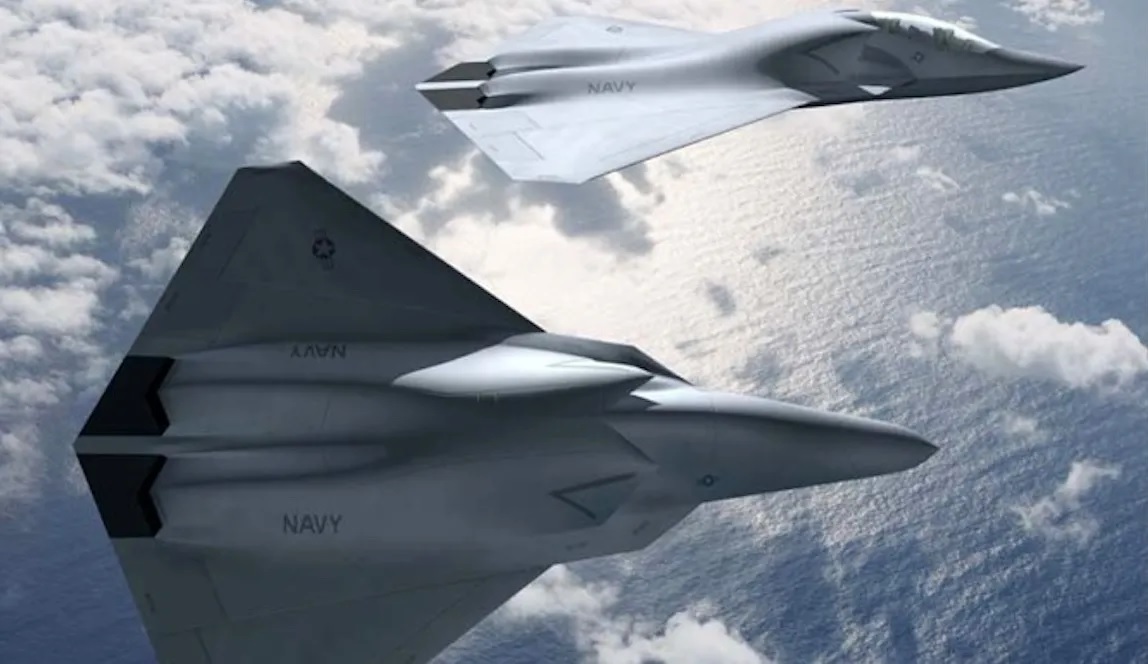
World
The U.S. Navy's ambitious plan to develop a next-generation stealth fighter jet, known as the F/A-XX, faces significant challenges due to funding disputes and shifting priorities within the Department of Defense. Background The F/A-XX program aims to replace the Navy's aging fleet of F/A-18 Super Hornets with a more advanced, carrier-based stealth fighter by the 2030s. This new aircraft is envisioned to enhance the Navy's capabilities in contested environments, particularly in the Indo-Pacific region. Current Challenges Despite the strategic importance of the F/A-XX, the program is encountering obstacles: Funding Reductions: The Navy's budget request for the F/A-XX has been significantly reduced. In the fiscal year 2025, the Navy requested approximately $454 million for the program, a substantial decrease from the nearly $1.53 billion requested in the previous year. Competing Priorities: The Department of Defense is facing tough decisions on resource allocation. For instance, funding a second Virginia-class submarine in the same fiscal year could divert resources away from the F/A-XX program, potentially delaying its development. Program Delays: There are concerns that delays in awarding contracts and progressing with the F/A-XX development could render the program unfeasible, as existing contracts and pricing agreements may expire, necessitating a new competition. Industry Competition The competition to develop the F/A-XX has narrowed, with Boeing and Northrop Grumman remaining as the primary contenders after Lockheed Martin was eliminated from the running earlier this year. Strategic Implications Delays or cancellations of the F/A-XX program could have significant implications for the U.S. Navy's operational capabilities, especially in light of advancements by potential adversaries. China, for example, is developing its own sixth-generation fighter jets, which could challenge U.S. air superiority in future conflicts. The future of the F/A-XX program remains uncertain amid funding disputes and shifting defense priorities. The outcome will have lasting effects on the Navy's ability to maintain air dominance and effectively project power in critical regions around the world.
Read More → Posted on 2025-05-14 15:26:48
World
In a bold and significant operation, the Indian Air Force (IAF) has reportedly destroyed a highly advanced Chinese-made YLC-8E anti-stealth radar stationed at Pakistan’s Chunian Air Base. This event took place during "Operation Sindoor" — a precise Indian military offensive launched on May 7, 2025, targeting key military and terrorist infrastructure inside Pakistan. The YLC-8E radar was considered one of China’s most advanced air defence systems, specially designed to detect stealth aircraft like the American F-22 Raptor, F-35 Lightning II, and India’s Rafale jets. Developed by China Electronics Technology Group Corporation (CETC), this system was transferred from China’s own inventory to Pakistan in 2023 to enhance its eastern air defence grid. What is the YLC-8E Radar? The YLC-8E is a UHF-band 3D long-range surveillance radar. Operating in the Ultra High Frequency (UHF) range, it is particularly effective in detecting stealth aircraft, which are usually built to evade higher-frequency radars. Here are some of its key specifications: Radar Type: UHF-band active electronically scanned array (AESA) Detection Range (Stealth Targets): Up to 500 km Detection Range (Missiles/Conventional Aircraft): Up to 700 km Antenna Size: Roughly equivalent to two badminton courts Capabilities: Anti-stealth detection, missile tracking, target identification, and data relay for integrated air defence networks Key Feature: Powerful signal processing and anti-jamming technology China had claimed this system was the world’s most advanced anti-stealth radar, capable of outperforming Western counterparts and forming a backbone of modern integrated air defence systems. Why Was It Deployed in Pakistan? The radar was positioned at Chunian Air Base, about 70 km south of Lahore in Punjab province — a forward-operating base crucial for both the Pakistan Air Force (PAF) and Pakistan Army Aviation units. Its placement was aimed at bolstering Pakistan’s Comprehensive Layered Integrated Air Defence (CLIAD) system against Indian assets like Rafale fighter jets, Su-30 MKIs, and long-range standoff weapons like the BrahMos and SCALP cruise missiles. The deployment was also meant to monitor Indian aerial activities deep within Indian territory due to the YLC-8E’s extended detection capabilities. The IAF Strike: Operation Sindoor According to Indian military briefings and satellite imagery analyses dated May 10, 2025, the YLC-8E radar was successfully destroyed in a precision strike. Reports suggest that air-launched cruise missiles (ALCMs), believed to be BrahMos variants, were used in the attack. Alongside the radar at Chunian, Indian forces reportedly struck multiple air defence sites, radar stations, and command centres at Pasrur, Arifwala, and other locations in Pakistan’s Punjab province, severely damaging Pakistan’s early warning and air defence infrastructure. A Blow to Pakistan and China’s Military Image The destruction of the YLC-8E radar system has not only weakened Pakistan’s ability to detect and intercept incoming threats in its eastern airspace but also damaged China’s reputation as a reliable supplier of cutting-edge military technology. Despite being hailed as a modern anti-stealth radar, the YLC-8E failed to prevent the Indian strike. This has raised serious questions about its operational effectiveness — especially when operated by foreign militaries like Pakistan. Some Chinese netizens have reportedly expressed frustration online, attributing the failure to poor training and integration by the Pakistan military rather than flaws in the radar itself. Similar criticisms have been made in the past regarding Pakistan’s handling of other Chinese systems like the HQ-9 missile system and PL-15E air-to-air missiles. India’s SEAD Strategy and Technological Edge Defence analysts believe this operation reflects India’s growing focus on Suppression of Enemy Air Defences (SEAD), a vital strategy in modern air warfare. By neutralising enemy radar systems and command centres early, the IAF creates safer operational corridors for its fighters, drones, and cruise missiles. India’s use of advanced electronic warfare systems, ELM-2090U Ultra UHF radars, and real-time satellite intelligence likely contributed to overcoming the YLC-8E’s anti-jamming and target tracking systems. The elimination of the YLC-8E anti-stealth radar at Chunian Air Base marks a decisive moment in the India-Pakistan military standoff. It highlights India’s improving offensive air capabilities and casts doubt on the real-world performance of China’s much-advertised military hardware. For Pakistan, it represents a significant gap in its air defence coverage over Punjab — one that may take considerable time and resources to recover. This incident also subtly underscores a broader message: that cutting-edge weapon systems alone cannot guarantee security without proper integration, training, and tactical coherence.
Read More → Posted on 2025-05-14 15:11:37
World
In early May 2025, tensions between India and Pakistan escalated dramatically following a devastating terrorist attack in Pahalgam, Jammu and Kashmir, which claimed the lives of 26 civilians. In response, India launched "Operation Sindoor," a targeted military campaign aimed at dismantling terrorist infrastructure and neutralizing threats emanating from across the border. A significant and alarming revelation emerged during this operation: two Turkish military operatives were reportedly killed while coordinating drone attacks alongside Pakistani forces. This incident has brought to light the extent of Turkey's direct military involvement in the region, marking a notable shift in the dynamics of South Asian geopolitics. Turkey's Military Support to Pakistan Turkey's military assistance to Pakistan during this period was multifaceted. Reports indicate that Turkey supplied over 350 drones, including the Asisguard Songar and Bayraktar TB2 models, to bolster Pakistan's aerial capabilities. The Songar drones, equipped with light arms, were utilized for precision strikes, while the Bayraktar TB2s provided advanced surveillance and target acquisition support. Moreover, Turkish military advisors were allegedly embedded within Pakistani units, playing a crucial role in planning and executing drone swarm attacks aimed at overwhelming Indian air defense systems. The presence of these advisors underscores a deepening military collaboration between Ankara and Islamabad. The Drone Offensive and India's Response Between May 8 and 9, Pakistan launched a significant drone offensive, deploying approximately 300 to 400 drones to target multiple locations across India, from Leh in the north to Sir Creek in the west. Forensic analyses of downed drones confirmed them to be Turkish-made Asisguard Songar models, highlighting Turkey's direct contribution to the offensive. In retaliation, India's Operation Sindoor targeted terrorist camps and key Pakistani military installations. The operation reportedly resulted in the elimination of over 100 terrorists and the destruction of significant terror infrastructure. Notably, during these counterstrikes, two Turkish military operatives were killed, further evidencing Turkey's active involvement in the conflict. Domestic Backlash and Economic Repercussions The revelation of Turkey's direct military support to Pakistan has sparked widespread outrage across India. Citizens have taken to social media platforms, with hashtags like #BoycottTurkey trending, reflecting the public's dismay and sense of betrayal, especially considering India's previous humanitarian aid to Turkey during the 2023 earthquake under "Operation Dost." This public sentiment has translated into tangible economic actions. Indian e-commerce platforms have suspended bookings to Turkey, and industries such as the Udaipur marble sector have halted imports of Turkish marble, which previously constituted a significant portion of India's marble supply. The involvement of Turkish military operatives in coordinating drone attacks against India marks a significant escalation in regional tensions and highlights the evolving nature of international alliances. Turkey's deepening military ties with Pakistan, as evidenced by the supply of drones and the deployment of military advisors, have not only strained its relations with India but have also led to substantial economic repercussions. As the geopolitical landscape continues to shift, the implications of such alliances will undoubtedly influence future diplomatic and military strategies in the region.
Read More → Posted on 2025-05-14 15:03:15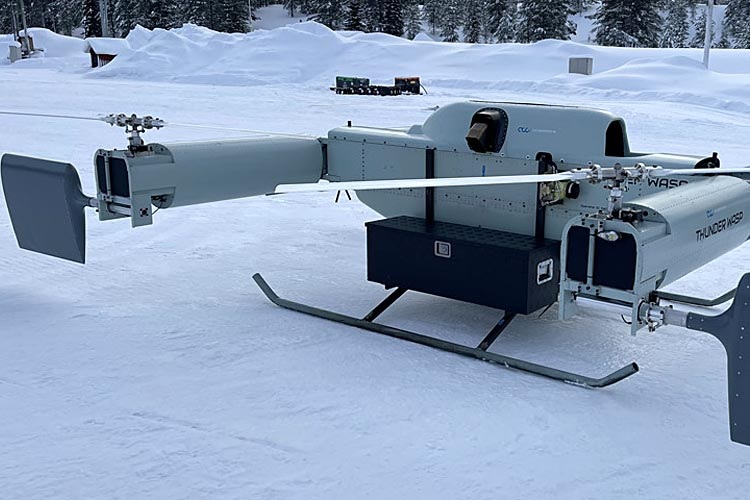
World
Finnish defence company Patria and Swedish technology firm ACC Innovation have announced a new partnership to develop advanced military drones for a NATO member country. This collaboration marks a major milestone in the use of heavy quadcopter drones for military purposes, as both companies aim to strengthen NATO’s aerial capabilities with cutting-edge technology. Thunder Wasp GT: A Heavy-Lift Military Drone in the Making At the heart of this collaboration is ACC Innovation's Thunder Wasp GT quadcopter, which will be converted into a military-grade drone. The Thunder Wasp GT is a large, high-performance quadcopter drone with a maximum take-off weight (MTOW) of around 800 kilograms — making it one of the heaviest drones in its category. Once militarized, this drone is expected to be capable of carrying heavy payloads, advanced surveillance equipment, and potentially even combat gear for specialized operations. The drone’s strong lifting capacity makes it ideal for transporting supplies, sensors, and other critical equipment to frontline units in difficult and dangerous environments. Advanced Features for Modern Battlefield Needs Patria will play a key role in enhancing the Thunder Wasp GT with intelligent systems specifically designed for military missions. This includes: Autonomous navigation in harsh and GPS-denied environments Encrypted communication systems for secure data transfer Advanced payload management for various mission needs Real-time surveillance and reconnaissance systems Operational resilience in arctic and extreme weather conditions These upgrades will ensure that the drone remains effective and reliable, even during complex military operations in the tough Nordic and European environments where NATO forces often train and operate. A Strong Partnership for NATO’s Future Both companies have expressed enthusiasm for this partnership. Mikko Leino, Executive Vice President of Operations at Patria, said that their rich experience in defence research and drone system integration will help create an aerial platform tailored to NATO’s needs. Meanwhile, Max Drougge, CTO of ACC Innovation AB, highlighted that this collaboration will allow both firms to push the boundaries of what heavy quadcopter drones can achieve in military scenarios. Why This Matters As military forces around the world increasingly rely on unmanned systems, heavy-lift drones like the upcoming militarized Thunder Wasp GT offer several advantages: Rapid transport of supplies to remote or dangerous areas High-altitude surveillance and intelligence gathering Support for special operations forces Versatile payload options for multiple mission types Patria’s expertise in developing systems for arctic warfare and unmanned operations adds another layer of reliability to the program, ensuring the drone can operate in extreme cold, poor visibility, and electronic warfare conditions often encountered in modern conflicts. Expected Specifications of the Militarized Thunder Wasp GT While final details are under development, the expected features include: Maximum Take-Off Weight (MTOW): 800 kg Payload capacity: Approx. 300–400 kg Flight endurance: 60–90 minutes Operational range: Up to 100 km Top speed: Around 120 km/h Autonomous and manual control modes Advanced AI-based navigation and obstacle avoidance Secure, encrypted communications with ground control stations This new military drone is set to strengthen NATO’s operational capabilities, offering a flexible, powerful, and intelligent aerial system for modern defence scenarios.
Read More → Posted on 2025-05-14 14:59:30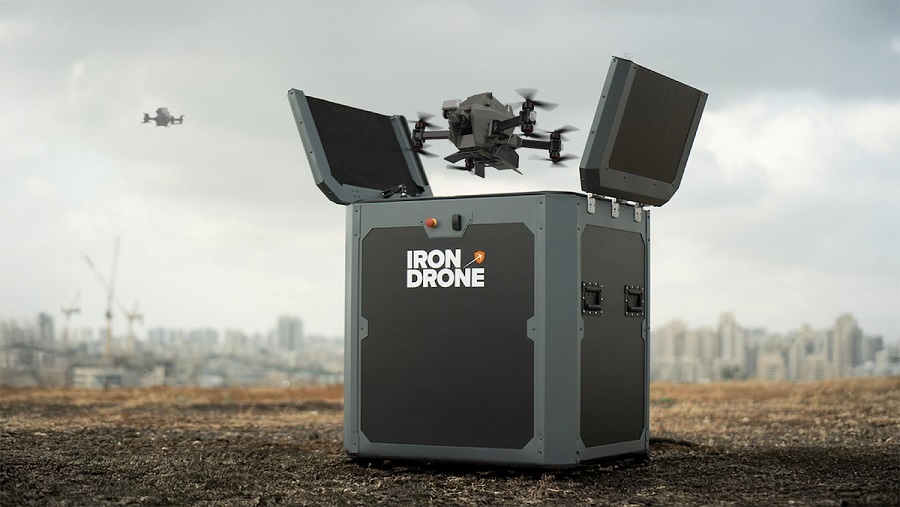
World
Ondas Holdings Inc., a leader in autonomous aerial defence solutions, has announced a significant breakthrough by securing a $3.4 million order for its Iron Drone Raider Counter-UAS system from a prominent European defence contractor. This order represents the first deployment of the Iron Drone Raider in Europe, underscoring Ondas’ growing influence in the counter-drone technology market. The decision to acquire the Iron Drone Raider came after the European contractor thoroughly assessed the system’s performance, safety, and seamless integration capabilities. The advanced system is set to become a vital part of the government client’s operational security network, contributing significantly to the evolving counter-drone defence architecture in the region. Eric Brock, Chairman and CEO of Ondas, highlighted the strategic importance of this order, particularly given the current geopolitical climate. He noted that the rapid spread of hostile drone technologies, coupled with ongoing geopolitical instability, has made the need for effective counter-UAS solutions more pressing than ever. NATO-aligned and partner nations are increasingly seeking autonomous aerial defence systems capable of quick deployment, scalability, and adaptability to modern threats. The Iron Drone Raider, he said, offers a unique and differentiated solution for both military and homeland security agencies tasked with protecting critical infrastructure and civilian areas from advanced aerial threats. The Iron Drone Raider stands out for its ability to autonomously detect, intercept, and neutralise hostile drones, even those that do not rely on GPS, RF signals, or remote control. This makes it particularly suitable for dense urban environments where traditional interception methods might fail. Employing a drone-on-drone, net-based capture approach, the system ensures low-collateral damage and reusability, thereby maintaining persistent airspace security. Equipped with AI-driven onboard processing, the Iron Drone Raider enables each interceptor drone to independently target and neutralise threats before promptly returning to base, ready for the next mission. This efficient and continuous protection mechanism is vital in scenarios where threats evolve rapidly and unpredictably. The order marks another key milestone for Ondas Autonomous Systems, following successful deployments of the Raider in the Middle East and the increasing adoption of the Optimus platform for intelligence, security, and reconnaissance (ISR) missions. With rising global demand for autonomous aerial defence, Ondas is ramping up production and field support to meet the needs of defence and homeland security operations worldwide. By securing this European order, Ondas not only expands its global footprint but also reaffirms the Iron Drone Raider’s role as a pivotal tool in modern aerial threat management.
Read More → Posted on 2025-05-14 14:50:41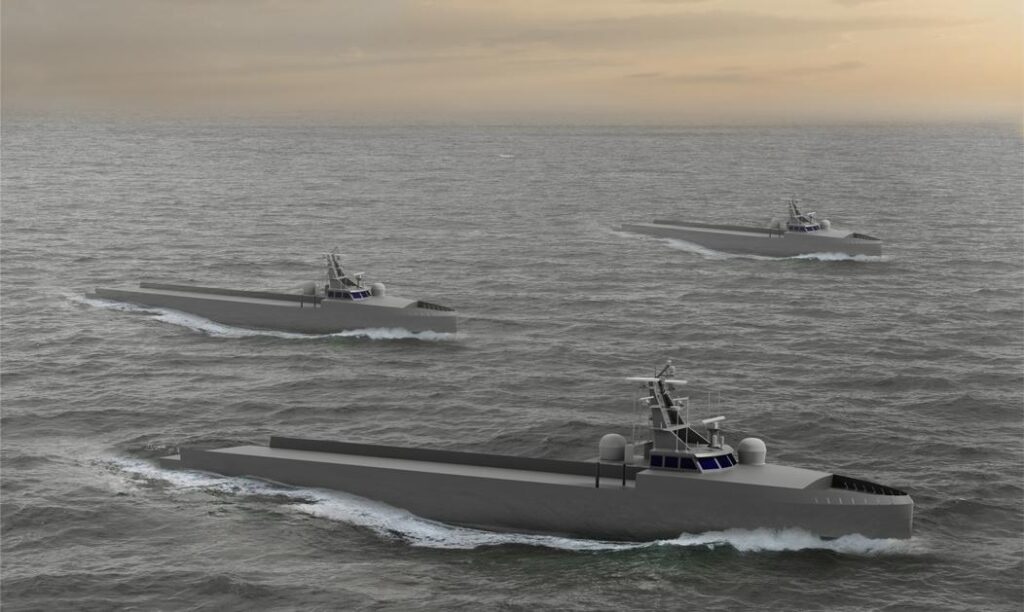
World
In a major step toward modernizing the U.S. military, the House Armed Services Committee (HASC) has earmarked a record-breaking $3.1 billion for the production of unmanned naval vessels as part of a historic $150 billion reconciliation bill. This bill, which passed with a 35-21 vote, is now headed to the House Budget Committee and contributes to the proposed $1.012 trillion defense budget for the 2026 financial year. This is the first time that the HASC’s reconciliation process has been used to directly channel funding into the U.S. Department of Defense. The move aligns with President Donald Trump’s recently unveiled FY2026 Discretionary Budget Request, prioritizing cutting-edge technologies and unmanned systems to strengthen America’s naval and maritime operations. Massive Investment in Unmanned Naval Systems Out of the $150 billion package, $1.8 billion has been set aside for the production of Medium Unmanned Surface Vessels (MUSVs) — a class of autonomous ships designed for extended operations without a crew. The U.S. Navy has shown increasing interest in these vessels as they look for commercially inspired, cost-effective, and mission-adaptable platforms capable of conducting surveillance, electronic warfare, mine countermeasures, and logistics support in contested waters. An example of this technology includes L3 Harris’s MUSV, which is expected to feature modular payloads for: Electronic warfare Sonar and radar systems Mine detection Cyber warfare equipment Secure communications Night vision and surveillance tools These unmanned surface ships will be critical for future maritime security operations, capable of reducing risks to human crews while enhancing surveillance and strike capabilities. Unmanned Undersea Vessels Get $1.55 Billion Boost In addition to surface vessels, the bill allocates $1.55 billion for Unmanned Undersea Vehicles (UUVs). This includes production for advanced systems like: Boeing’s Orca XLUUV (Extra-Large Unmanned Undersea Vehicle) — a long-range, autonomous submarine designed for intelligence gathering, mine laying, and anti-submarine warfare. Anduril’s Dive-XL and Copperhead UUVs — agile and modular undersea drones built for operations in shallow and deep-sea environments, carrying sensors, sonar, and electronic warfare modules. These next-generation undersea drones are set to bolster the U.S. Navy’s ability to conduct surveillance, reconnaissance, and combat missions in hostile waters without endangering human lives. Replicator Program Accelerates Unmanned Tech Development The Department of Defense has been rapidly expanding its unmanned systems programs through initiatives like Replicator 1, launched in 2023. This program aims to deliver thousands of autonomous systems, including drones and unmanned vessels, to the armed forces by August 2025. Its follow-up, Replicator 2, focuses on counter-unmanned aerial systems (C-UAS) to defend against enemy drones, highlighting the growing importance of autonomous technologies in future warfare. Shipbuilding Remains Top Priority While unmanned systems gained significant funding, traditional shipbuilding for the U.S. Navy and Marine Corps still received the largest portion of the reconciliation bill — nearly 25% of the total $150 billion. This funding will go toward building: Arleigh Burke-class destroyers Virginia-class submarines America-class amphibious assault ships San Antonio-class amphibious transport docks These vessels, paired with unmanned assets, will form a modern, technologically advanced fleet capable of deterring threats and securing American interests worldwide. A New Era in Naval Warfare HASC Chairman Roger Wicker hailed the bill as a “generational upgrade” for American defense, emphasizing its role in deterring future conflicts through strength and technological superiority. The combination of unmanned and manned naval systems marks a pivotal shift in military strategy, making the U.S. Navy more agile, resilient, and lethal in increasingly contested maritime environments. As the bill progresses to the House Budget Committee, it represents not just a funding decision — but the foundation for the future of American naval power.
Read More → Posted on 2025-05-14 14:48:12
World
Taiwan has marked a significant milestone in its air defense capabilities by successfully conducting the first live-fire test of its domestically developed Land Sword II surface-to-air missile system. The Ministry of National Defense announced the successful demonstration on Tuesday, highlighting the system’s ability to intercept aerial threats, including drones and cruise missiles. Precision and Readiness on Display Under the supervision of the Republic of China Army (ROC Army), the missile exercise took place at 9:34 a.m. Units from the 58th Artillery Command launched two TC-2 interceptors, followed by a third missile fired by the 43rd Artillery Command. All three missiles hit their drone targets with remarkable accuracy, showcasing the system’s precision and operational readiness. Colonel He Hsiang-i, deputy commander of the 43rd Artillery Command, emphasized the importance of the exercise in maintaining combat readiness. "Combat readiness is routine, and training is actual combat," he stated, reinforcing the military’s commitment to preparedness amid regional security challenges. Advanced Indigenous Defense System The Land Sword II, also known as the TC-2, is an indigenous development aimed at replacing the aging U.S.-supplied MIM-72 Chaparral system. Designed as part of Taiwan’s Sky Sword missile series, the system provides short-range air defense and demonstrates versatility in engaging various aerial threats. Its mobility and effectiveness make it particularly useful for defending coastal and forward areas. Each Land Sword II system comprises four mobile vehicles: a radar unit, launcher, command post, and ammunition transporter. Capable of operating under adverse weather conditions, the missile boasts an effective range of approximately 15 kilometers. It is designed to counter fast-moving aircraft, unmanned aerial systems, and cruise missiles, thereby enhancing Taiwan’s layered air defense network. Strategic Implications The successful deployment of the Land Sword II comes amid escalating tensions in the Taiwan Strait, underscoring Taipei’s ongoing efforts to bolster its air defense amid potential threats. As the island nation continues to upgrade its military capabilities, the Land Sword II represents a critical component in maintaining security and readiness. By showcasing this new system’s effectiveness, Taiwan signals to its adversaries that it remains vigilant and prepared to defend its airspace. As regional dynamics evolve, the Land Sword II's successful debut highlights the importance of maintaining advanced and mobile defense solutions.
Read More → Posted on 2025-05-13 16:52:25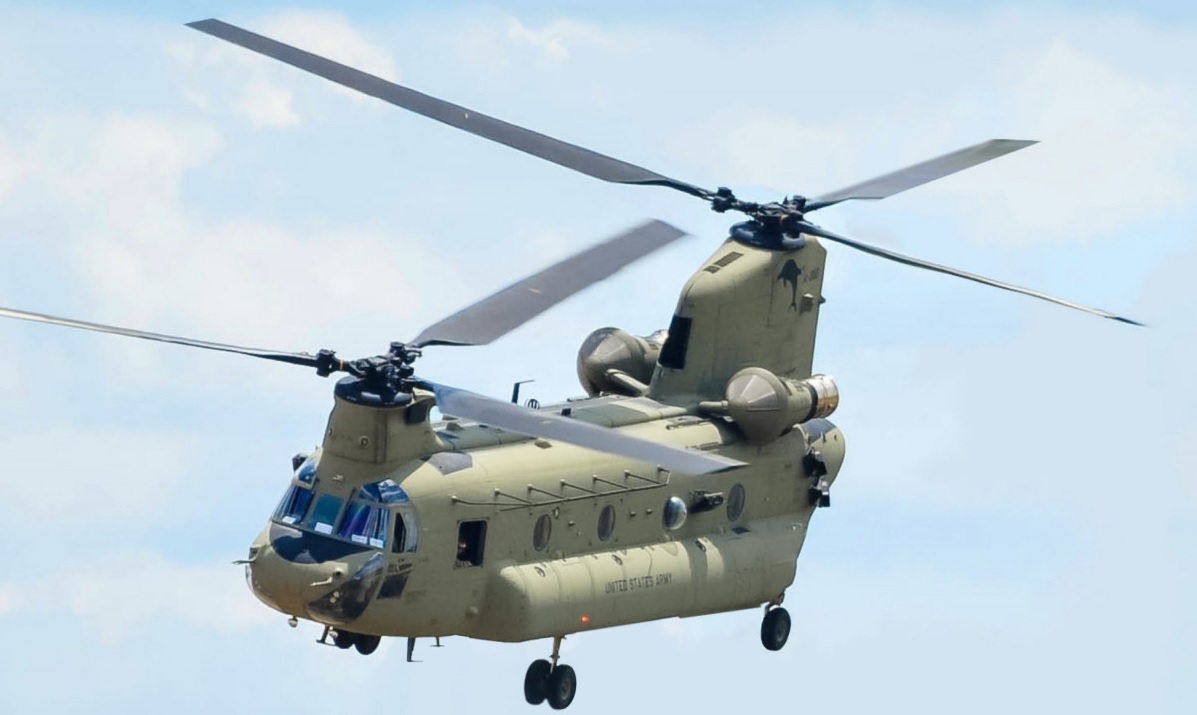
World
The United States has approved a potential sale of CH-47F Chinook helicopters to the United Arab Emirates (UAE), valued at approximately $1.3 billion. This decision aligns with U.S. foreign policy and national security objectives, aiming to enhance the capabilities of a key regional partner. Details of the Proposed Sale The UAE has requested the acquisition of six CH-47F Block II Chinook helicopters, known for their heavy-lift capabilities and versatility in various missions. These helicopters are equipped with advanced features, including air-to-air refueling probes and extended-range fuel tanks, allowing for longer operational reach. The package also includes: 16 T-55-GA-714A engines (12 installed, 4 spares) 14 Embedded GPS/Inertial Navigation Systems with M-Code (12 installed, 2 spares) 8 AN/AAR-57 Common Missile Warning Systems (6 installed, 2 spares) 20 AN/ARC-231A communication radios (18 installed, 2 spares) 20 M-240 machine guns (18 installed, 2 spares) Additionally, the sale encompasses aircraft survivability equipment, radar warning receivers, laser detecting sets, communication equipment, and various support services. Strategic Importance The U.S. Department of State emphasized that this proposed sale supports U.S. foreign policy and national security by bolstering the defense capabilities of an important regional partner. The UAE plans to utilize these helicopters for missions such as search and rescue, disaster relief, humanitarian assistance, and counterterrorism operations. The CH-47F Chinook is a tandem-rotor, heavy-lift helicopter developed by Boeing. It has been a vital asset in military operations since its introduction in the 1960s, capable of transporting troops, artillery, and supplies. The aircraft's versatility and reliability have made it a preferred choice for various armed forces worldwide. Implementation and Support To facilitate the implementation of this sale, two U.S. government and eight contractor representatives will be deployed to the UAE for up to 60 months. Their responsibilities will include equipment de-processing, fielding, system checkout, training, and technical logistics support. The primary contractors for this deal are Boeing Helicopter Aircraft Company, based in Ridley Park, Pennsylvania, and Honeywell Engine Company, located in Phoenix, Arizona. As of now, no offset agreements have been announced; any such arrangements will be determined through negotiations between the UAE and the contractors. This proposed sale underscores the ongoing defense cooperation between the United States and the United Arab Emirates, reflecting a shared commitment to regional stability and security.
Read More → Posted on 2025-05-13 16:49:05
World
South Korea has taken a significant step in strengthening its naval defenses by upgrading its shipborne anti-missile countermeasure system. The country’s Defense Acquisition Program Administration (DAPA) recently announced improvements to its Multi Ammunition Soft Kill System (MASS), designed to protect warships from advanced anti-ship guided missiles. First introduced to the South Korean Navy in 2014, the MASS system is an offboard countermeasure device built by Germany’s Rheinmetall. It works by launching decoys around a ship, creating a protective smokescreen and electronic interference to confuse incoming missiles. These decoys can mimic the ship’s infrared, electro-optical, laser, and radar signatures, tricking the missile into targeting a false object instead of the actual warship. However, with advancements in missile technology, modern anti-ship missiles have become more sophisticated. Many of them now use radio-reflection signals to detect the difference between a real ship and a decoy. To address this growing threat, South Korea’s DAPA has upgraded the MASS system by adding a new feature — the Offboard Corner Reflector (OCR). This new component, the OCR, is a type of deployable reflector that can imitate the unique way a ship reflects radar signals, especially around its corners where these signals are typically stronger and more irregular. By launching these corner reflectors into the air or water, the system can create more convincing false targets, making it harder for enemy missiles to identify and lock onto the actual ship. The upgraded MASS has also been integrated with the existing combat systems and software aboard South Korean Navy vessels. This allows for better coordination between the decoy system, target management, engagement operations, and weapons control systems. As a result, naval commanders can manage threats more effectively and respond faster in the event of a missile attack. The new upgrades have already been tested successfully in real sea conditions, demonstrating the system’s enhanced capability to counter modern missile threats. According to Park Jeong-eun, director of DAPA’s infrastructure power business support division, this improvement is expected to significantly boost the survivability of South Korean warships in combat situations. Park stated, “With this performance improvement, we expect that the anti-ship missile response capability will be strengthened and the survivability of ships will be increased, which will significantly enhance the Navy’s operational capabilities. We will continue to contribute to the enhancement of the military’s combat capabilities by improving the performance of weapon systems using the latest technology.” Specification Highlights of the Upgraded MASS System: Type: Multi Ammunition Soft Kill System (MASS) Function: Launches decoys to divert and deceive incoming anti-ship missiles Decoy Types: Mimics infrared, electro-optical, laser, and radar signatures New Feature: Offboard Corner Reflector (OCR) to simulate irregular radio-reflection signals Integration: Fully linked with ship’s combat management systems for seamless target management and engagement Deployment: First installed in 2014, with the latest upgrades tested in real sea trials This upgrade underlines South Korea’s commitment to staying ahead in maritime defense technology, ensuring its naval forces remain well-protected in increasingly hostile and advanced threat environments.
Read More → Posted on 2025-05-13 16:34:54Search
Top Trending in 24 Hours
-
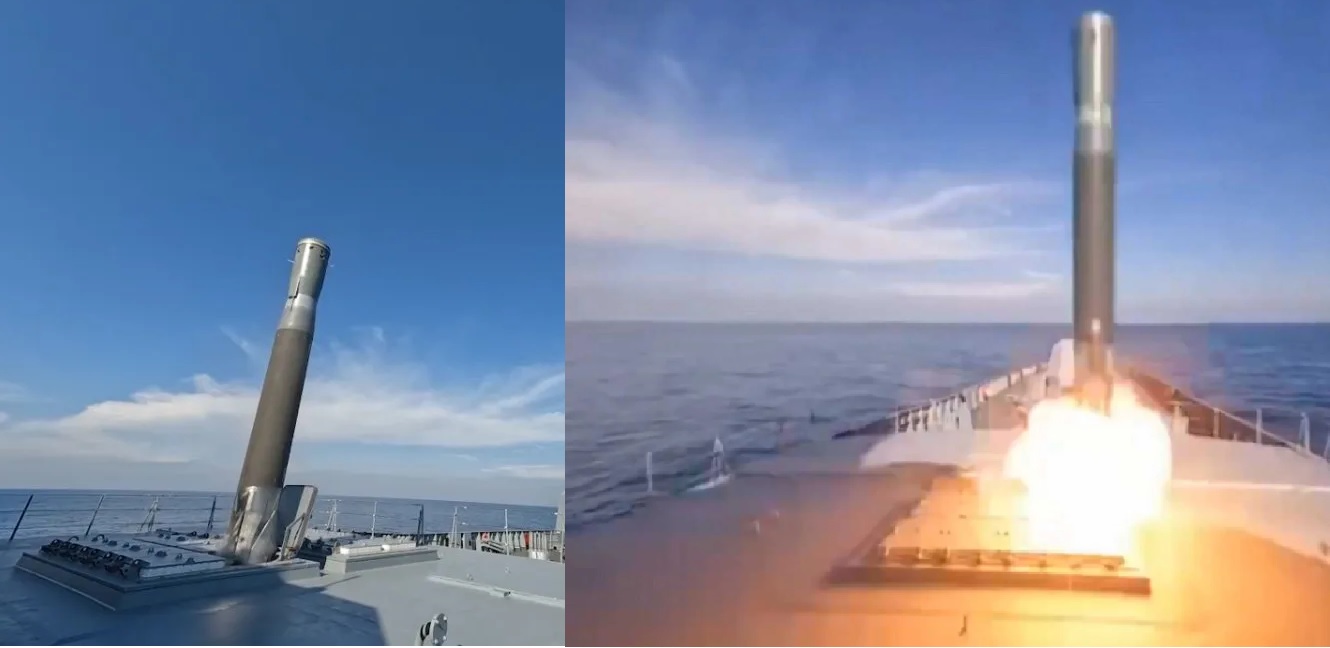 Open-Source Evidence Suggests Russia's Zircon Is a Quasi-Ballistic Missile, Not a True Hypersonic Cruise Weapon
-
 Pentagon Expands Alloy Surfaces Contract to $328.8 Million for Advanced Aircraft Decoy Flares Amid Evolving Drone Threats
-
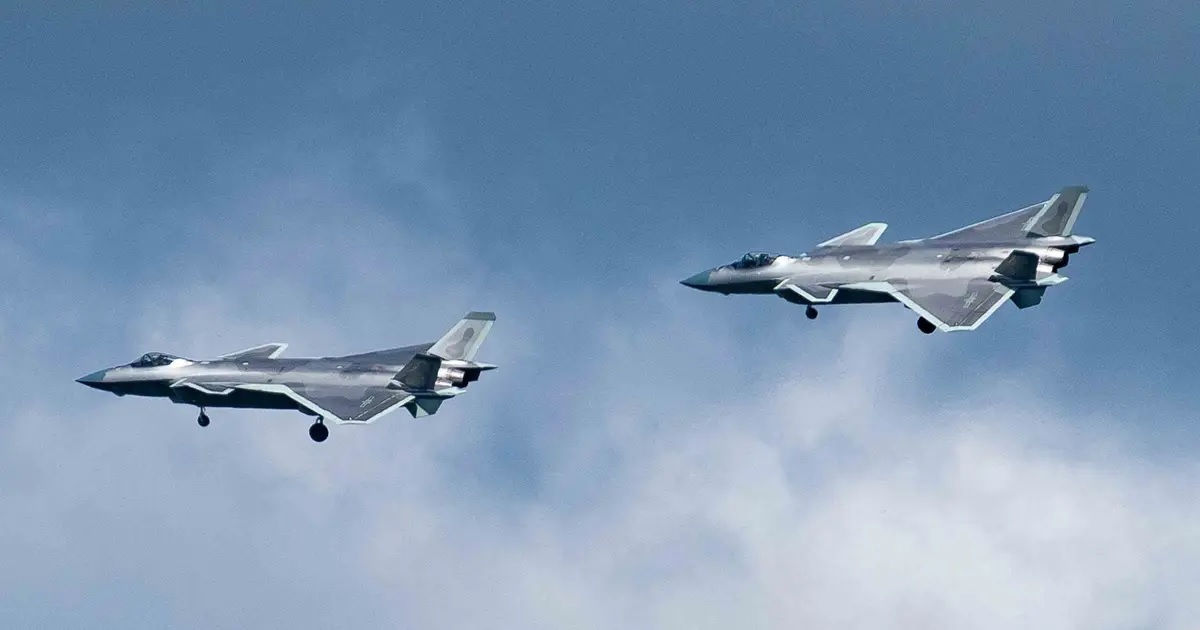 China Surpasses Russia as World’s Second-Most Powerful Air Force Amid Rapid J-20 and J-35 Expansion
-
 Naval Group Unveils Rampart Modular CIWS Multi-Purpose Weapon System for Naval and Ground Forces at Eurosatory 2026
-
 Why the U.S. Restored Pacific Command Name, Ending the Indo-Pacific Designation After Eight Years
-
 IDV Unveils CL2X Hybrid Uncrewed Light Tank at Eurosatory 2026
-
 U.S. Army Completes First Flight Test of Medium-Range Air-Launched Effects from Black Hawk Helicopter
-
 Indra and Rheinmetall Sign Deal to Integrate NEMUS AESA Radar into StrikeShield Active Protection System
Top Trending in 4 Days
-
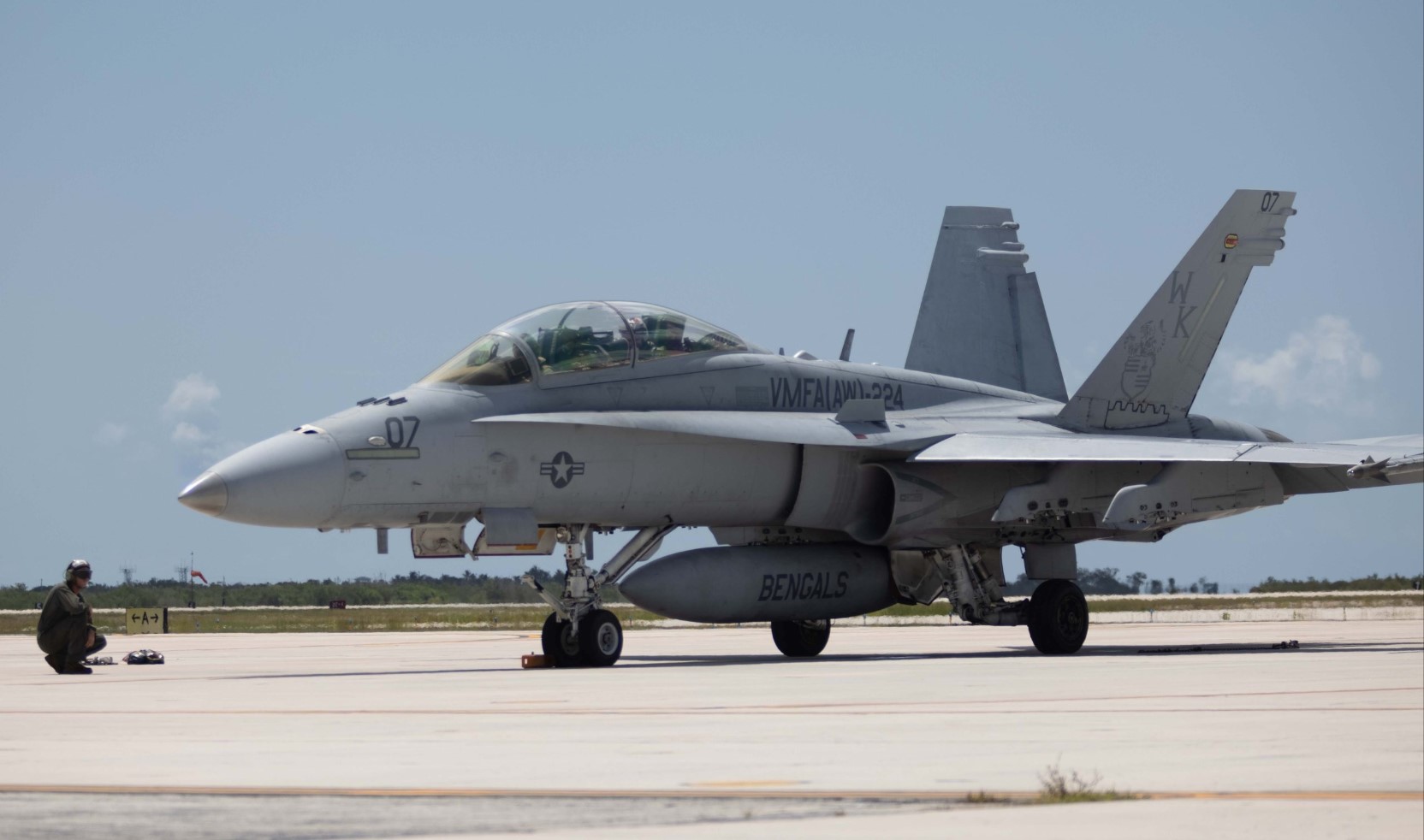 US Marine Corps F/A-18D Hornet Crashes During Training Flight in Washington Mountains; Pilot Ejects Safely
-
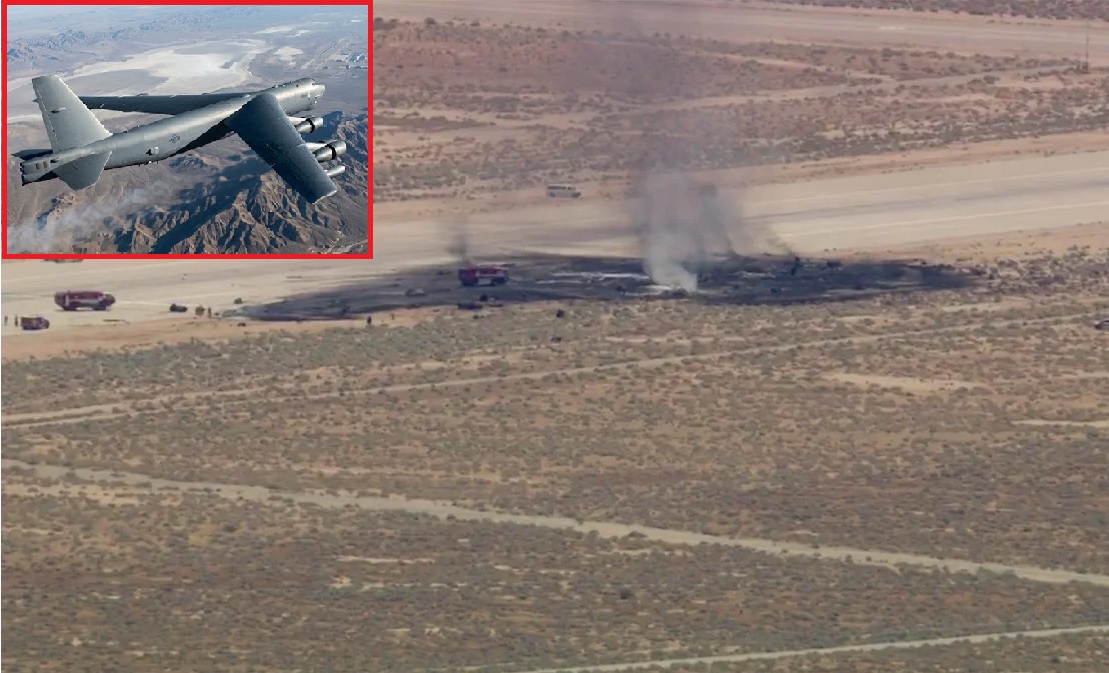 8 U.S. Air Force Crew Members Killed in B-52 Bomber Crash During Test Flight at Edwards Air Force Base
-
 Tulsi Gabbard Releases Declassified Files Detailing U.S.-Backed Network of 120 Biolaboratories Across 30+ Countries
-
 Ukraine Introduces Balloon-Launched DART Missile Designed to Defeat Electronic Warfare
-
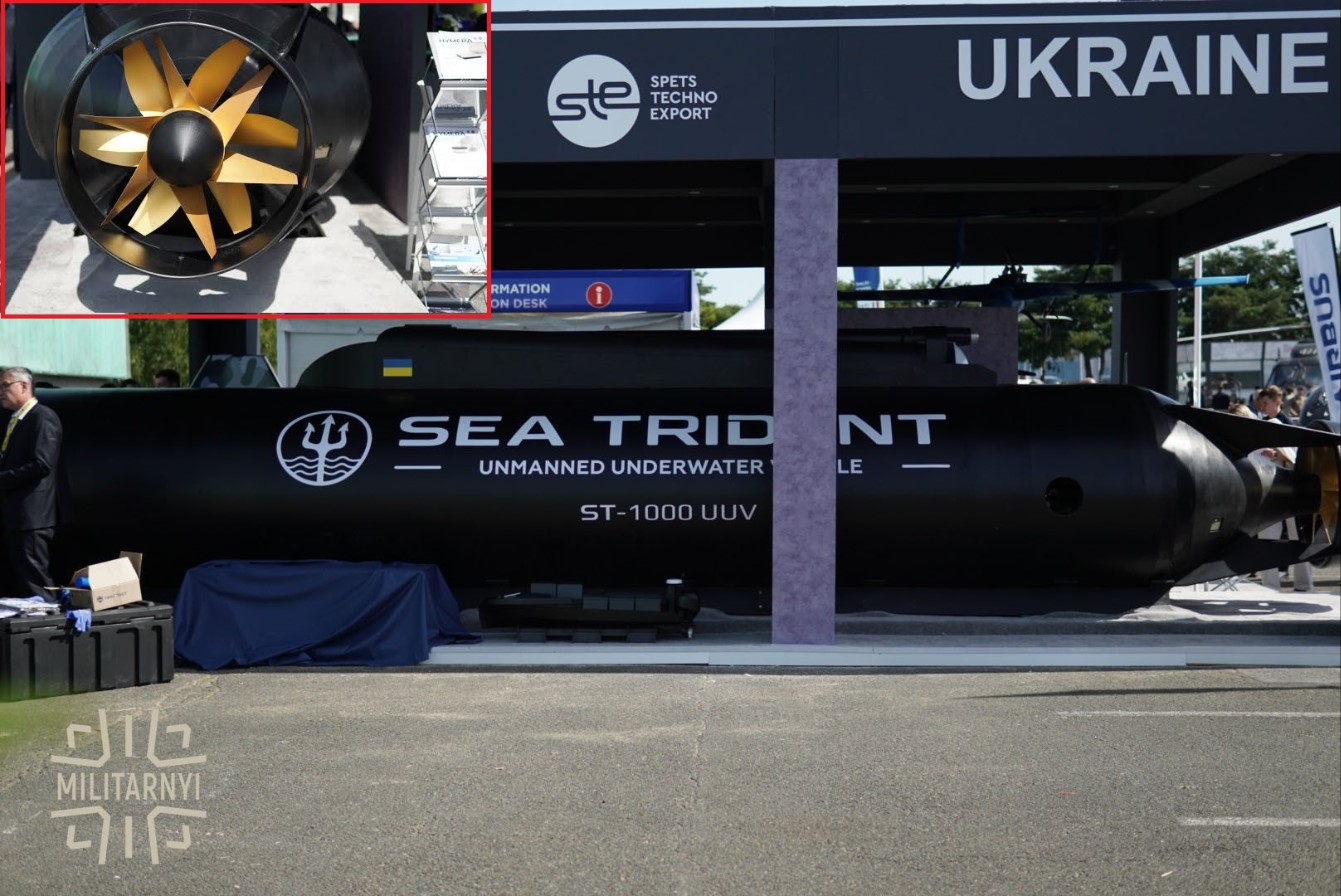 Ukraine Unveils 'Sea Trident' 10-Ton Autonomous Underwater Drone at Eurosatory 2026
-
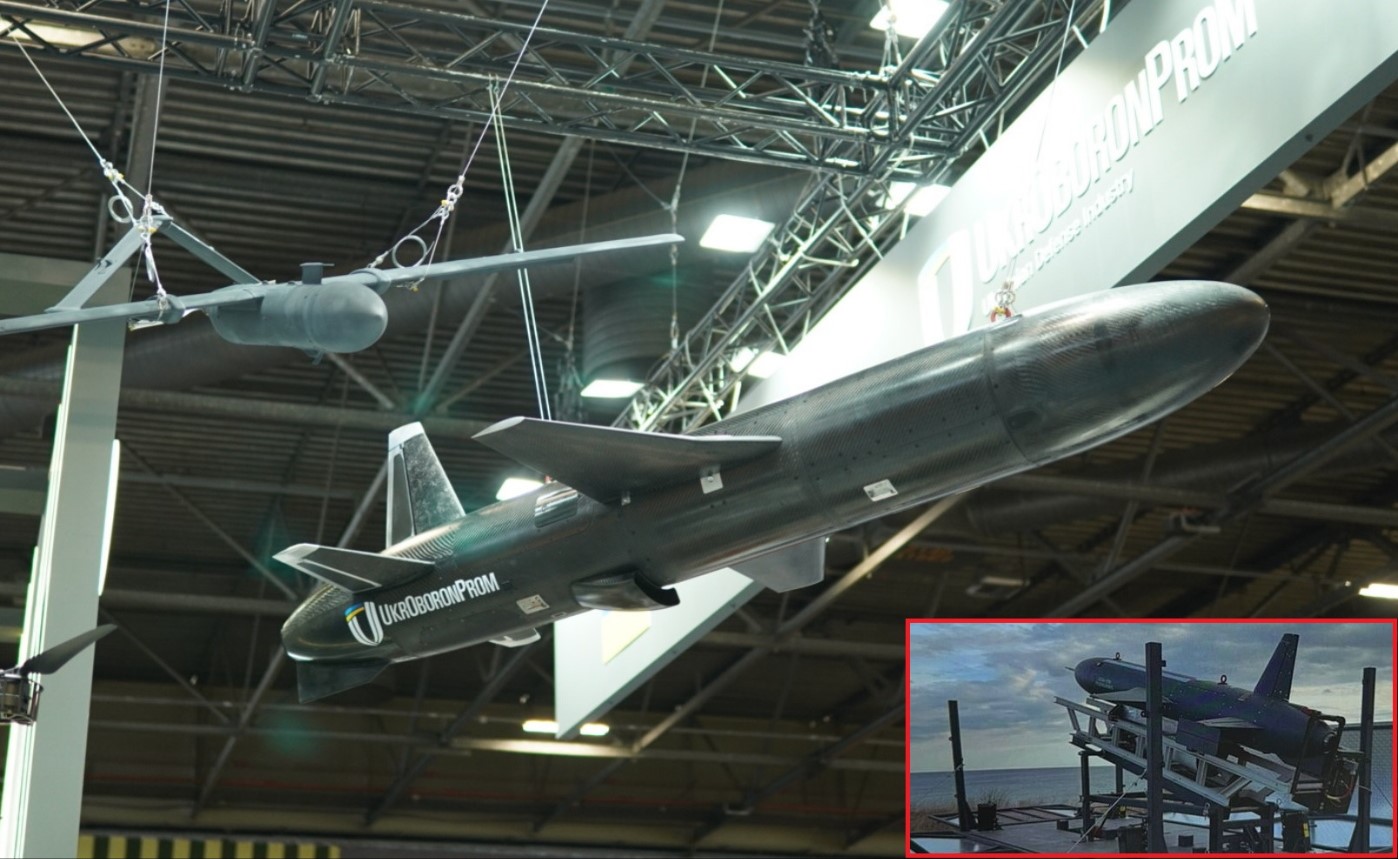 Ukraine Unveils UAV-290 Jet-Powered Strike Drone with 650 km Range at Eurosatory 2026
-
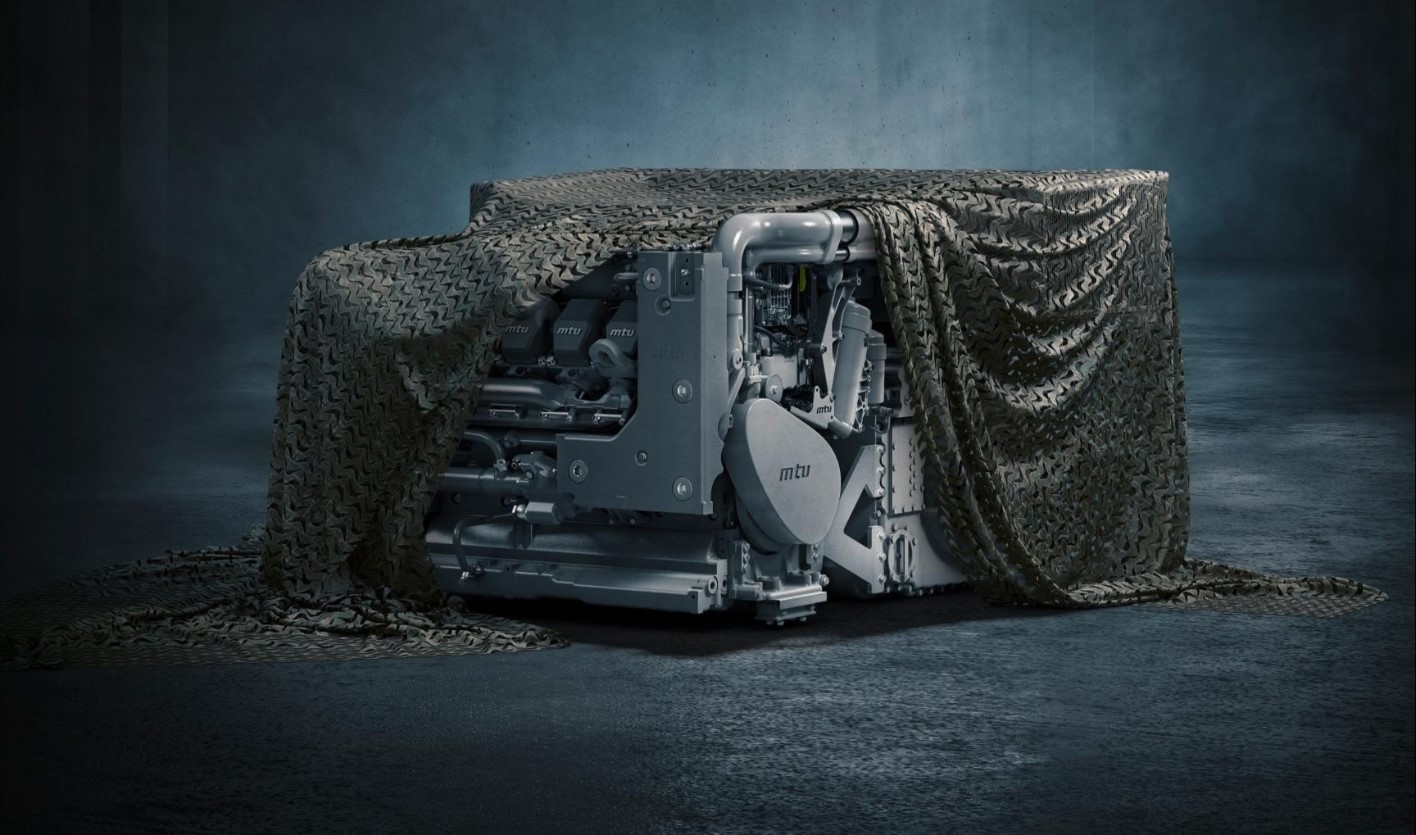 Rolls-Royce Unveils New Hybrid Powertrain for Heavy Military Vehicles at Eurosatory 2026
-
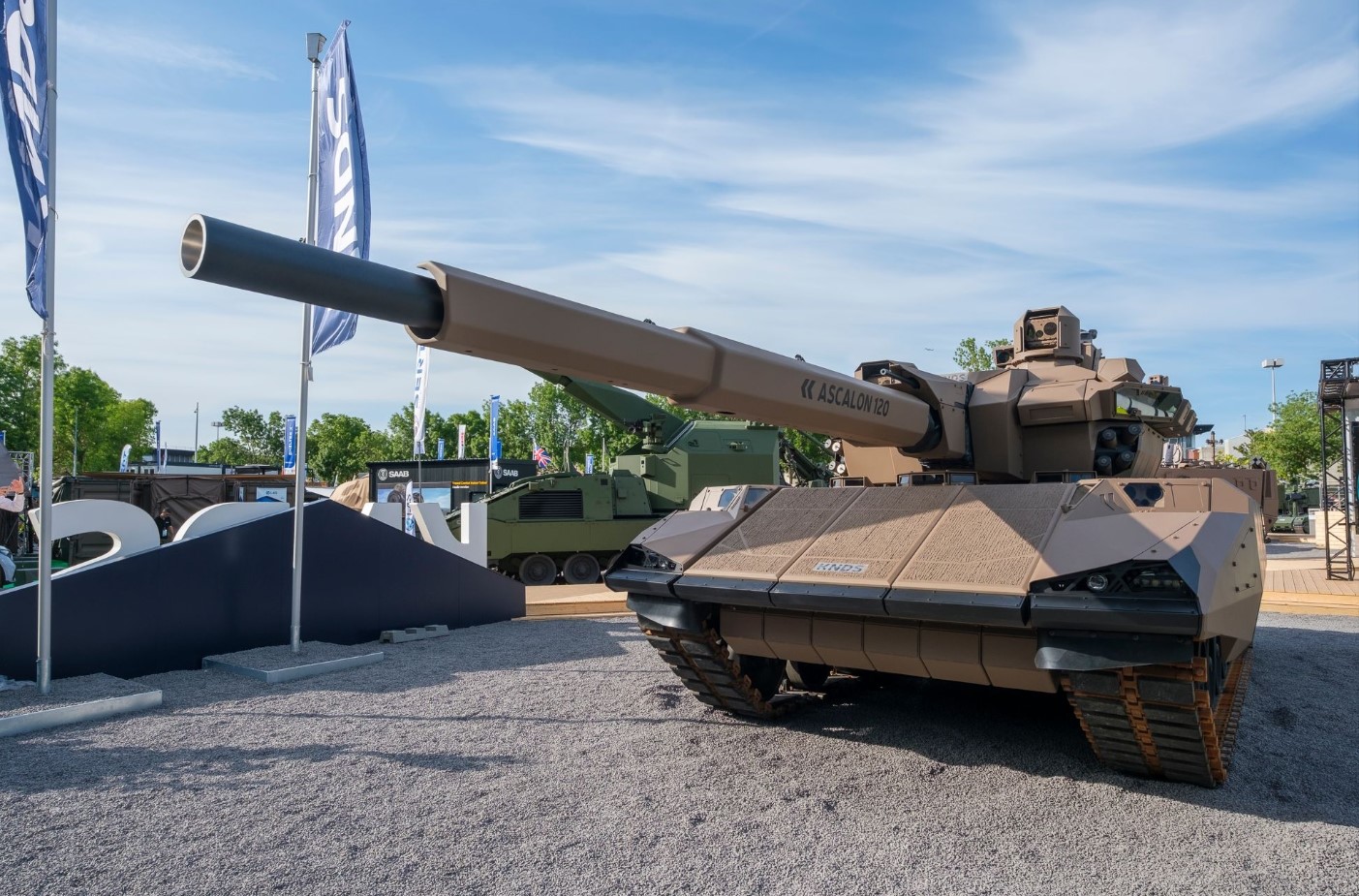 KNDS Unveils CAPINT Main Battle Tank at Eurosatory 2026 as Leclerc Stopgap