Former US National Security Advisor John Bolton has reignited international concerns about Pakistan’s ability to safeguard its nuclear weapons, calling it a persistent issue for global security. His statement closely follows recent comments by Indian Defence Minister Rajnath Singh, who openly questioned the safety of Pakistan’s nuclear arsenal.
Bolton reflected on his past interactions with Pakistani leadership, especially during a visit shortly after the 9/11 attacks, when the issue of nuclear safety was raised with then-President Pervez Musharraf. Even now, he believes that Pakistan’s nuclear capability remains a potential threat, especially given its troubled internal environment and history of conflict with India.
He expressed deep worry about the possibility of these weapons falling into the hands of terrorists or being misused by irresponsible elements within Pakistan’s military structure. According to Bolton, the world cannot afford to be complacent, as the danger of nuclear misuse or accidental escalation continues to linger in the region.
These fears are not unfounded. Rajnath Singh, in his recent statement, urged for international supervision of Pakistan’s nuclear weapons by the International Atomic Energy Agency (IAEA). He questioned whether a country that, in his words, behaves like an “irresponsible and rogue nation” can be trusted with such dangerous capabilities.
However, any form of international oversight remains a distant possibility. Pakistan has never signed the Nuclear Non-Proliferation Treaty (NPT), and it does not allow full IAEA access to its military nuclear sites. Without Pakistan’s agreement or a United Nations Security Council mandate — which is unlikely given the backing Islamabad receives from powerful allies like China — international inspection is nearly impossible.
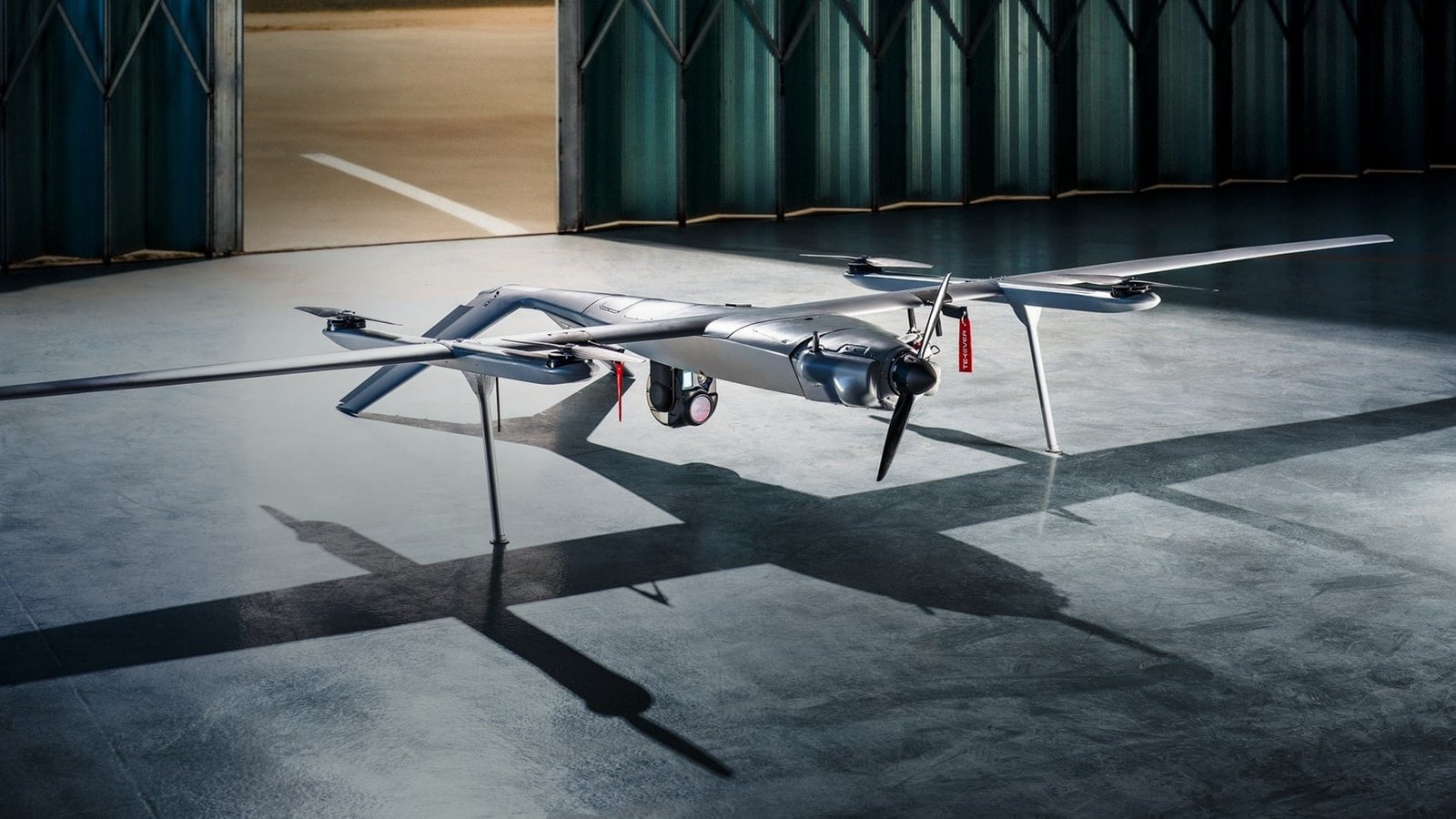
Adding to this complex scenario, Bolton highlighted Turkey’s increasing military cooperation with Pakistan, especially in the drone sector. He pointed out that while Turkish drones may not match Western standards in sophistication, the geopolitical motives of Turkish President Recep Tayyip Erdogan cannot be ignored. Bolton described Erdogan’s foreign policy as driven by “expansive ambitions” and a push for a more independent global role, making Turkey’s military aid to Pakistan a development that must be closely watched.
Pakistan has already used Turkish drones, such as the Asisguard Songar, in operations across its border with India. This technological collaboration adds another layer to the region’s fragile balance and raises more questions about stability.
John Bolton’s recent remarks bring renewed focus to the long-standing global worry over the safety of Pakistan’s nuclear weapons. They also underline the growing complexity of South Asian security, where historical rivalries, nuclear risks, and new military alliances all intertwine to shape a tense and unpredictable future.
——— End of Article ———