WASHINGTON — The United States is facing significant pressure on its missile inventories after months of combat operations against Iran, with a new analysis by the Center for Strategic and International Studies (CSIS) estimating that only about 36% of the country’s pre-conflict Patriot interceptor inventory remains.
CSIS estimates that the United States had about 2,300 Patriot interceptors before the conflict with Iran. The remaining inventory is estimated at between 759 and 827 missiles, or roughly one-third of the prewar stockpile.
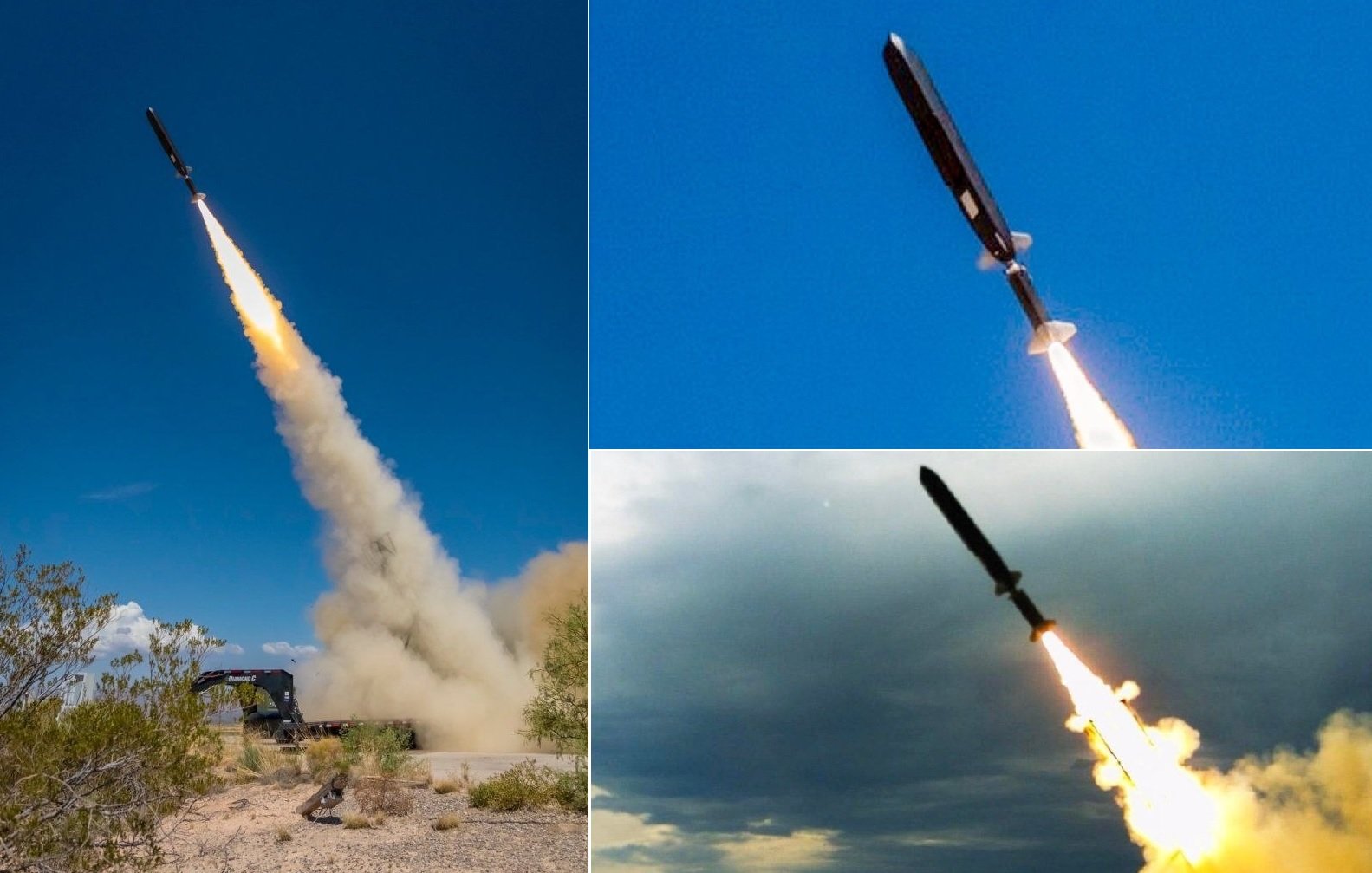
The Patriot inventory is not the only U.S. missile stockpile under pressure. CSIS estimates that 234 to 278 Terminal High Altitude Area Defense (THAAD) interceptors remain from a prewar inventory of about 452, representing approximately 52% to 62%. Precision Strike Missile (PrSM) stocks are estimated at only 10% to 22% of pre-conflict levels. Tomahawk cruise missile inventories are estimated at about two-thirds of their prewar level.
Patriot production under pressure
The depletion of Patriot interceptors has highlighted the limits of current production capacity. Annual Patriot interceptor production has been around 600 missiles, although the United States is working to increase production.
CSIS analysts Mark Cancian and Chris Park said rebuilding depleted inventories will take several years, even with expanded production. The analysts also warned that reduced inventories could force the United States and its partners to take greater risks when defending against ballistic missile attacks because there are limited alternatives to Patriot and THAAD for this mission.
War Department Under Secretary for Acquisition and Sustainment Michael Duffey said U.S. weapons production lines have reached their current limits and that the production expansion process began during the Ukraine war as the United States recognized that modern conflicts could require larger quantities of munitions.
Ukraine transfers also affected Patriot stocks
The depletion of U.S. inventories is not entirely the result of the Iran conflict. The Trump administration has also pointed to weapons transferred to Ukraine.
CSIS estimates that the United States had around 2,200 Patriot missiles before Russia's full-scale invasion of Ukraine in 2022. About 600 were subsequently provided to Ukraine, although some of those missiles may have come from U.S. allies. New production later increased the U.S. inventory to an estimated 2,300 Patriot interceptors before the Iran conflict.
CSIS has assessed that Ukraine transfers were a relatively minor factor in the overall decline of several U.S. munition inventories, with Patriot being an important exception.
Between 2021 and 2025, Ukraine was the largest recipient of major arms globally, with at least 36 countries supplying weapons. The United States accounted for 41% of Ukraine's arms imports during that period, according to the data cited in the report.
Allied weapons deliveries face delays
The reduction in U.S. inventories is also affecting deliveries to American allies and partners as Washington gives priority to replenishing its own stocks.
Japan's planned purchase of 400 Tomahawk cruise missiles has faced delays as the United States works to manage its inventory. Mark Cancian said Japan has been told that its Tomahawk order is being pushed back in the delivery queue. Japan is preparing to operate the missiles from a modified ship, while facing security concerns involving China.
Acting Navy Secretary Hung Cao has also confirmed a temporary pause on certain arms sales to Taiwan to ensure that sufficient munitions remain available for current operations.
Representative Michael McCaul, who reviews foreign military sales, said delays in promised weapons deliveries can affect U.S. alliances and the ability of partner countries to protect themselves.
The United States is the only country that manufactures the complete Patriot battery, while the United States and Japan have publicly shown that they produce Patriot missiles. Patriot is currently operated by 19 nations, according to manufacturer Raytheon.
THAAD and PrSM inventories also under pressure
THAAD has also been heavily used during the conflict. CSIS estimates that the United States has 52% to 62% of its prewar THAAD interceptor inventory remaining.
The United States, Saudi Arabia and the United Arab Emirates operate THAAD systems. Saudi Arabia also has outstanding THAAD deliveries that are expected to continue through April 2028. No official delay to those THAAD deliveries has been reported in the information provided.
The PrSM inventory has experienced a sharper reduction. CSIS estimates that only 10% to 22% of the pre-conflict stock remains following expenditures during the Iran campaign.
Heavy demand during the Iran conflict
The scale of weapons use has contributed to the depletion. CSIS has described Operation Epic Fury as one of the most munitions-intensive U.S. military campaigns in decades, involving large expenditures of both offensive and defensive missiles.
CSIS has also noted that the intensity of the later 14-day period of renewed fighting was lower than the initial 39-day air campaign. During the later period, U.S. forces were launching about 80 to 100 strikes per day, compared with roughly 350 strikes per day during the major air campaign. Israel was also conducting hundreds of strikes during the earlier period.
Jordan engagement highlights interceptor demand
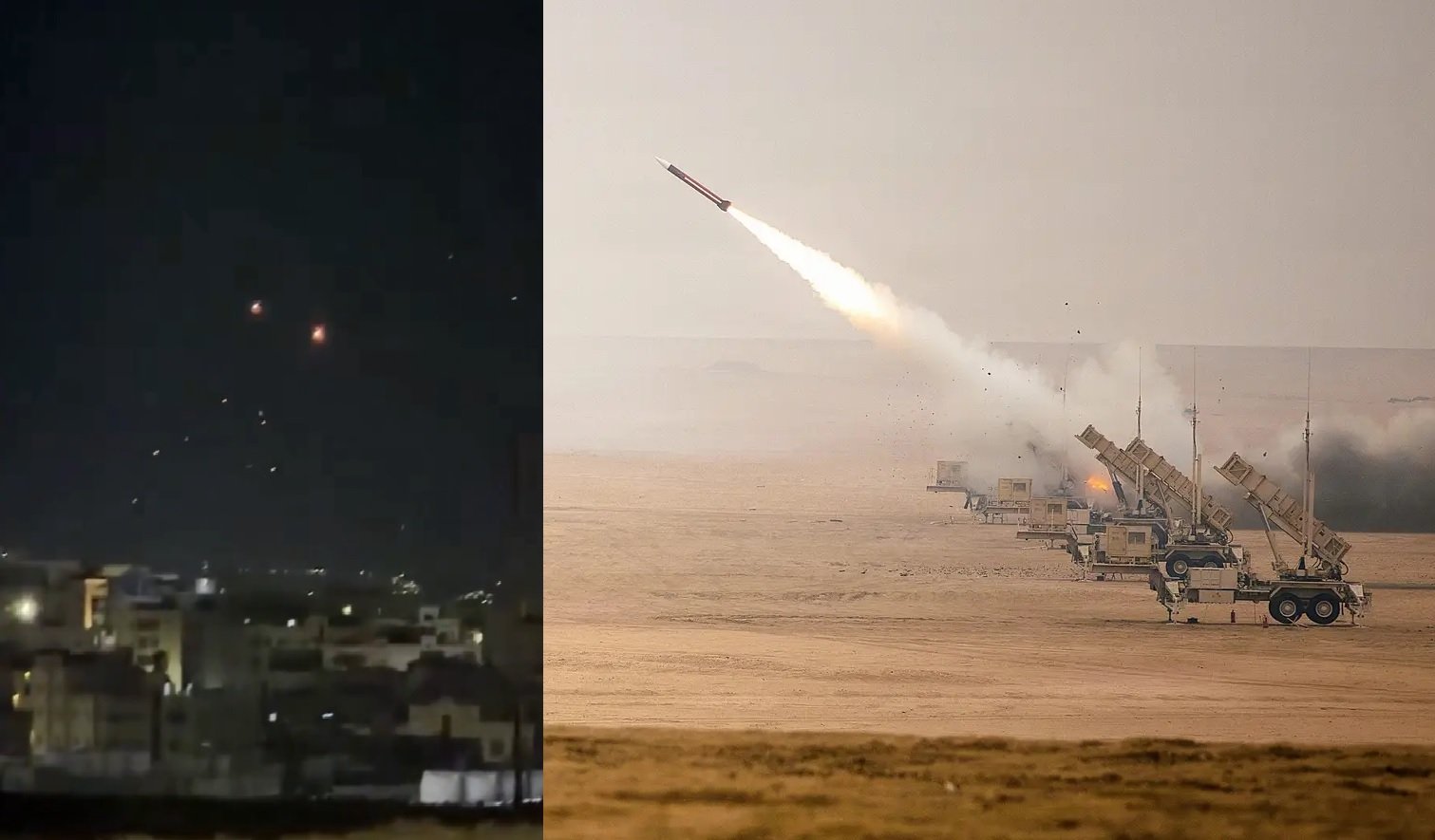
During the night of September 8-9, Jordan reported that its air defenses engaged 20 ballistic missiles launched from Iran toward Jordanian territory. Jordan said 18 were intercepted and destroyed, while two landed in unpopulated areas.
Iran's Islamic Revolutionary Guard Corps said it had conducted a missile strike against a U.S. military base in Jordan.
Open-source analyst Babak Taghvaee separately claimed on X that U.S. Patriot batteries in Jordan appeared to stop launching interceptors after the first wave of Iranian missiles. He suggested that the batteries may have exhausted available MIM-104D/F interceptors or that one or both batteries may have been targeted.
Those claims have not been officially confirmed by U.S. or Jordanian authorities and therefore do not establish that the Patriot batteries had actually run out of interceptors or had been struck.
Rebuilding the stockpile will take years
The U.S. military still has missiles available for ongoing operations, but rebuilding inventories has become a longer-term challenge. CSIS has warned that the depleted stocks create a period of reduced readiness for potential future conflicts, particularly in the Western Pacific.
The situation also illustrates the difficulty of simultaneously supporting U.S. operations, replenishing domestic inventories and fulfilling weapons orders for allies.
"We've maxed out the production lines now," Cancian said, describing the limits facing the current production system.
The United States is therefore increasing production capacity while prioritizing the replenishment of weapons consumed during the Iran conflict. CSIS estimates that restoring several major missile inventories to desired levels will take multiple years.
——— End of Article ———