WASHINGTON — U.S. Navy SEAL divers spent about four months carrying out a covert operation to locate and destroy suspected Iranian naval mines in the Strait of Hormuz, using small boats, unmanned vessels and underwater systems to clear key international shipping lanes, according to a Financial Times report.
The operation was conducted largely at night and began after Iran said it had placed mines in international and Omani waters following the start of U.S. and Israeli strikes in February. The mines contributed to a major disruption of commercial shipping through the Strait of Hormuz, one of the world's most important maritime energy routes.
SEAL Teams Used Small Boats and Unmanned Systems
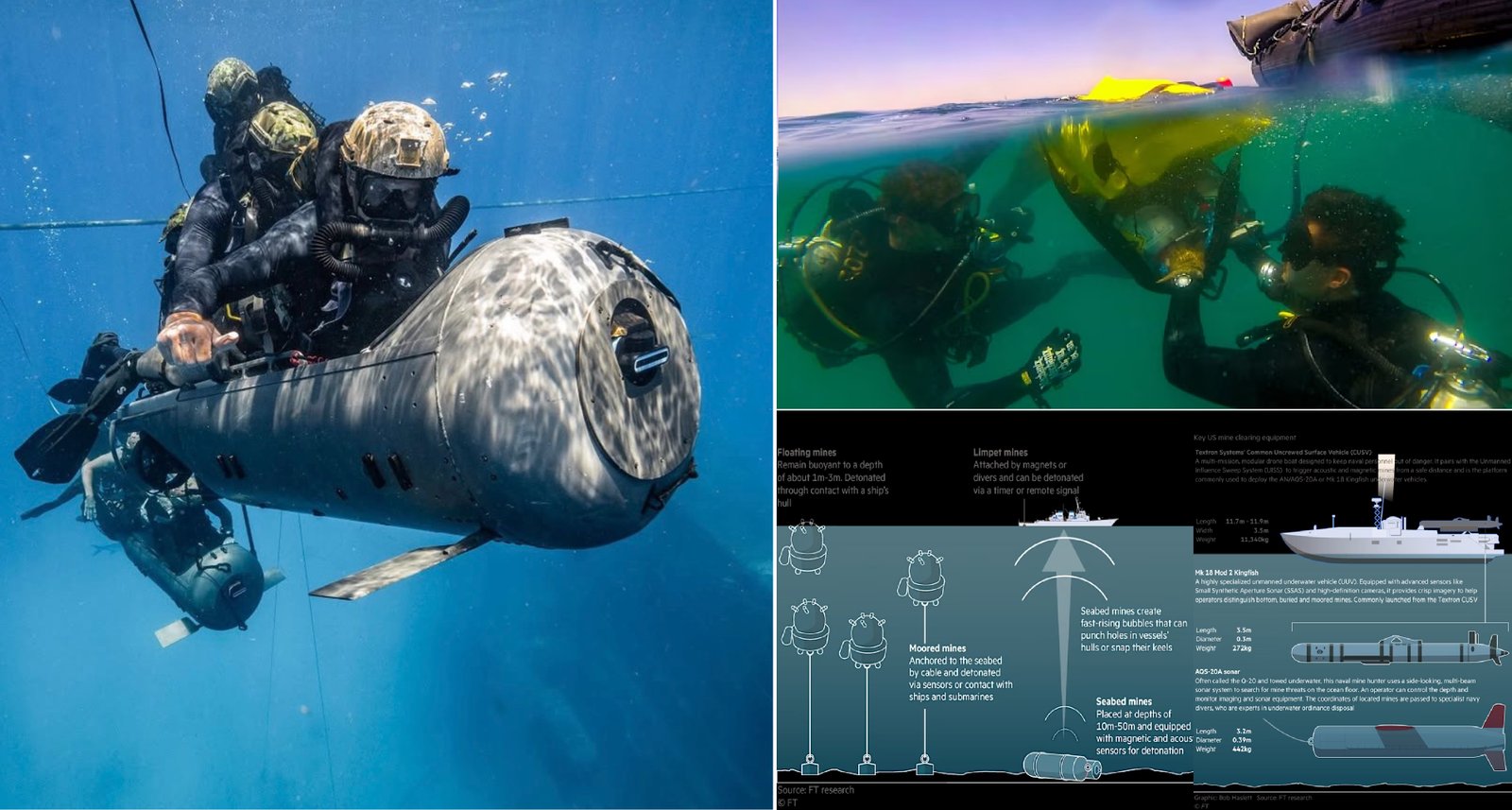
Rather than relying primarily on conventional minesweeping ships, U.S. Navy divers operated in small teams from inflatable-hulled boats.
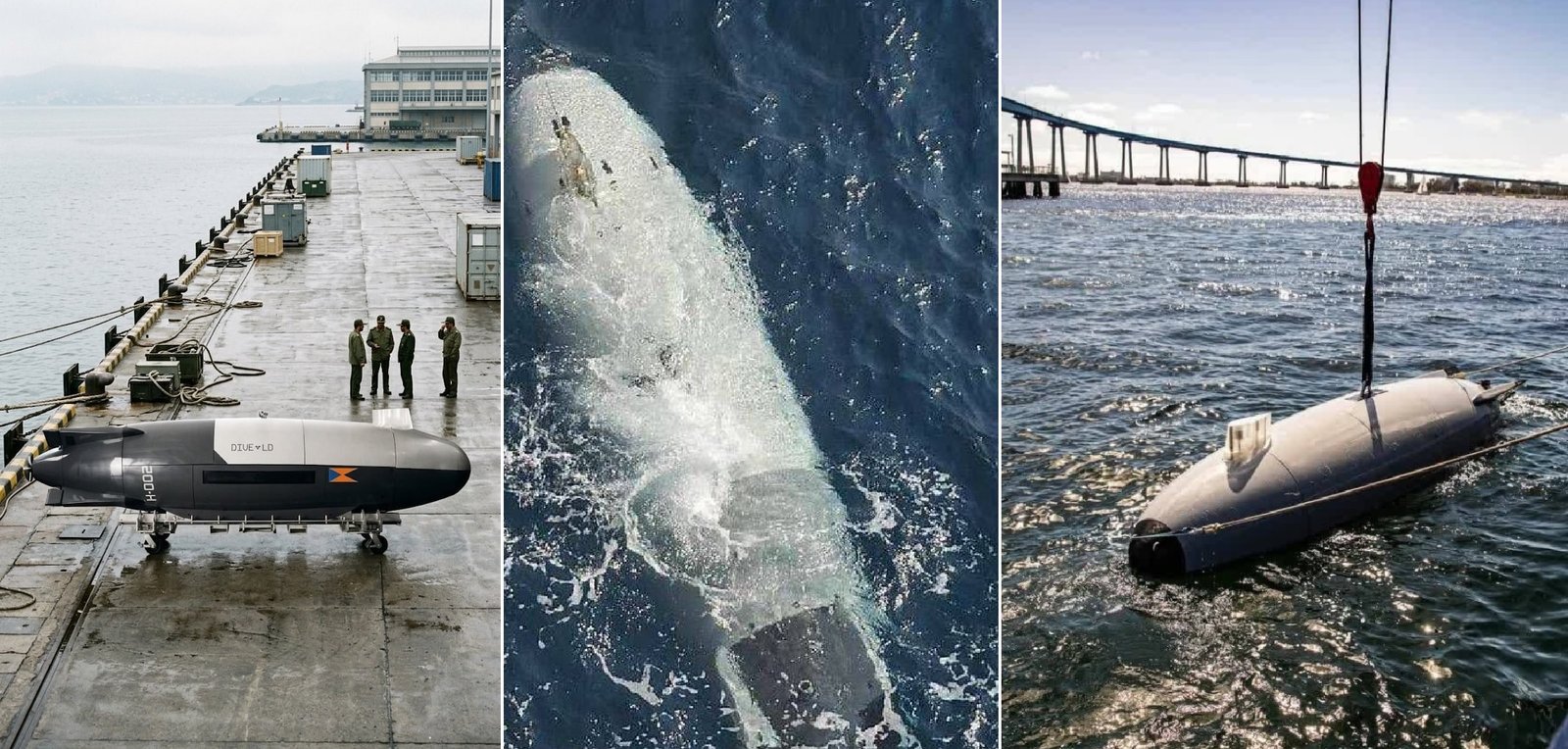
Robot boats and underwater vehicles equipped with high-resolution sonar were used to scan the seabed and identify objects suspected of being mines. Systems involved in the search included the U.S. Navy's Common Uncrewed Surface Vessel operating with towed sonar arrays.
Once a suspected mine was identified, divers could enter the water, approach the explosive and attach a charge to destroy it.
“That is usually followed up by a navy diver who’s got to get in the water and approach the mine, and then put a charge on it and destroy it,” retired U.S. Navy Captain Bill Hamblet, who previously operated in the Gulf, told the Financial Times.
Hamblet described the operation as involving a “very small, lightweight kind of force.” He said some of the operations may have been staged from the USS Miguel Keith, an expeditionary mobile base attached to U.S. naval forces operating in the Gulf.
Underwater robotic systems could also be used to carry explosives to mines, reducing the need to expose divers directly to some threats. Experts cited systems including Britain's SeaFox and the U.S. AN/ASQ-235 Archerfish as equipment capable of performing such missions.
“It is an extremely time-consuming process,” Nitya Labh, an associate fellow at Chatham House, told the Financial Times. “They are doing, essentially, active bomb detonation underwater.”
No U.S. casualties have been reported specifically in connection with the mine-clearing operation.
Mines Disrupted Strait of Hormuz Shipping
The operation followed reports that Iran had laid mines along important shipping routes in and around the Strait of Hormuz. Around 80 mines were estimated to have been deployed, according to the Financial Times report.
Commercial shipping through the strait fell sharply after the conflict began. Before the conflict, the waterway handled about 20 percent of global oil trade.
The International Maritime Organization has continued to describe conditions in the Strait of Hormuz as unstable and has been monitoring the effects on international shipping and seafarers. The IMO said in its September 2 update that around 20,000 seafarers, port workers and offshore crews were being affected by the situation in the region.
The strait's established Traffic Separation Scheme, adopted by the IMO, provides designated lanes for vessels passing through the waterway.
U.S. Says International Shipping Lanes Cleared
U.S. Central Command later confirmed that U.S. forces had cleared sea mines from the international shipping lanes in the Strait of Hormuz.
CENTCOM commander Adm. Brad Cooper said the operation involved Navy divers and Navy SEALs, supported by air power from the U.S. Army, Navy, Air Force and Marine Corps.
“The circumstances were challenging and dangerous, to say the least, but we got the job done,” Cooper said.
President Donald Trump announced in late August that mines in the strait's international waters had been removed or detonated.
Shipping executives and maritime security advisers cited by the Financial Times said they were confident that the southern part of the strait near Oman, where U.S. forces have been directing commercial vessels, had been cleared. However, questions remain over whether the entire Strait of Hormuz is free of mines.
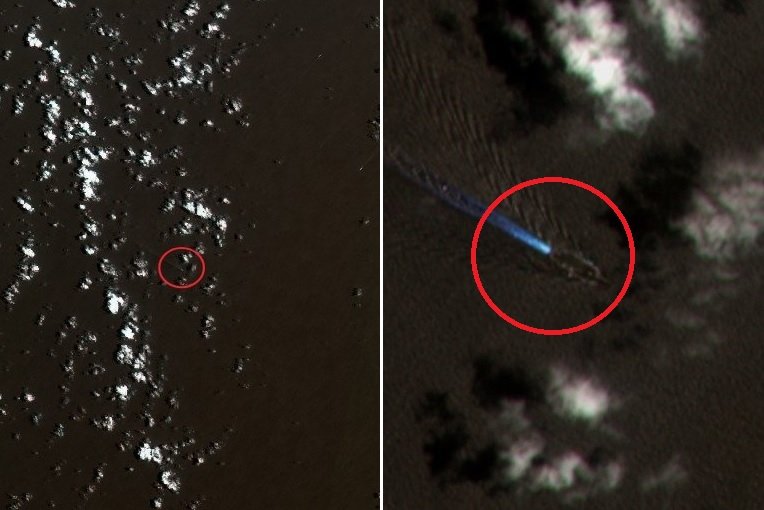
Satellite imagery has provided limited confirmation of Iran's earlier claims about the scale of the mining operation, while one suspected mine was reportedly observed by a Pakistani survey vessel in May.
The United States has also warned that it will strike vessels attempting to deploy additional mines. On August 30, U.S. forces struck Iranian rocket launchers that American officials said were being prepared to fire mines into the strait.
Despite the mine-clearing effort, commercial traffic through the Strait of Hormuz has not returned to its pre-conflict level. Continued concerns about possible new mines, as well as missile and drone attacks against shipping, remain factors affecting commercial operations through the waterway.
——— End of Article ———