U.S
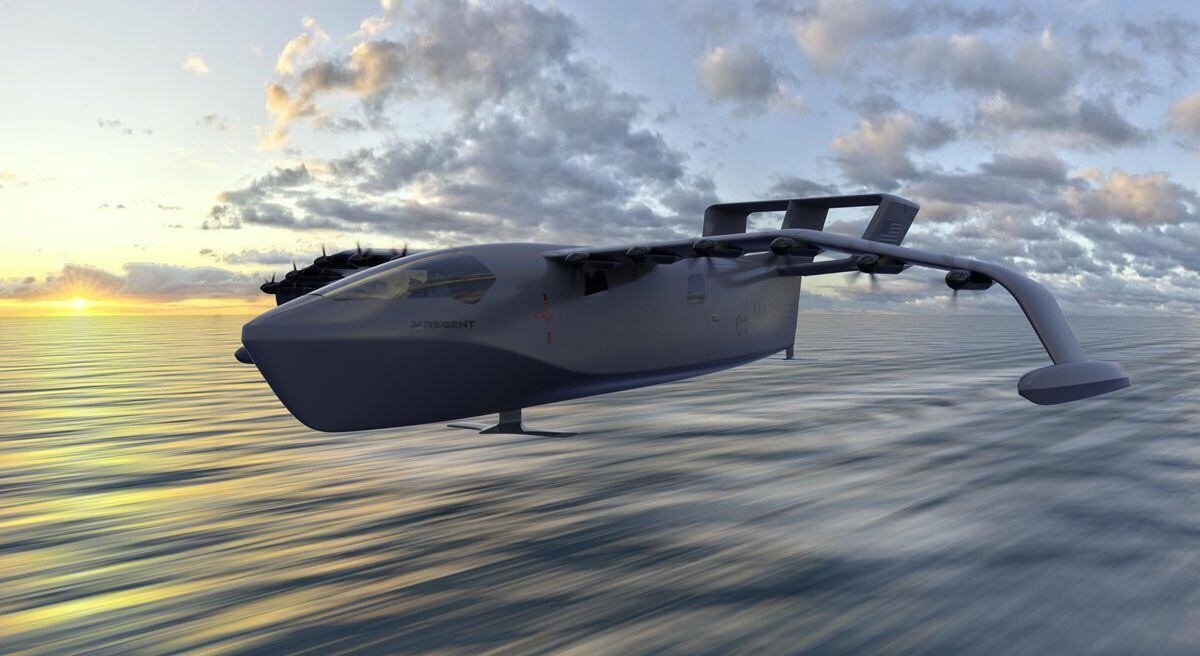
NORTH KINGSTOWN, R.I. — The U.S. Marine Corps Warfighting Lab (MCWL) has awarded an additional $5 million to Rhode Island-based REGENT Craft to expand testing of its electric Seaglider technology. The latest funding brings the total value of the military partnership to $19.25 million. Fourth phase to focus on operational testing The new funding supports the fourth phase of the partnership, which includes six deliverables. REGENT will test its full-scale Viceroy Seaglider in conditions designed to closely resemble real-world military operations. The phase will also examine command-and-control integration, including how the Seaglider would be tasked, tracked and coordinated with other military assets. REGENT has not announced when or where the demonstrations will take place. The partnership began with $4.75 million for the first two phases, which focused on technical feasibility. The third phase received $9.5 million and supported demonstrations of the full-scale prototype. REGENT said the third phase is now complete and included flight testing. “What started as a feasibility question has become a real operational program, and that trajectory says a lot about where this technology is headed,” said Billy Thalheimer, co-founder and CEO of REGENT. Viceroy completes crewed flight The Seaglider starts as a boat, rises onto a hydrofoil as it accelerates and then lifts off to fly within about one wingspan of the water. At this low altitude, it uses ground effect, which reduces drag. REGENT says the Viceroy is designed to carry up to 12 passengers, reach 180 mph (290 km/h) and travel up to 180 miles (290 km). It operates from water without requiring a runway and can be recharged from a ship or shore facility. On September 2, two captains conducted the Viceroy's first human-crewed flight over Narragansett Bay, Rhode Island. The flight lasted about 30 seconds, covered nearly 2,000 feet and reached 33 feet in altitude. REGENT says the flight provided engineering and performance data for the ongoing development program. Squire supports autonomous logistics REGENT is also testing the smaller Squire, a fully autonomous Seaglider designed for uncrewed logistics missions. The Squire is designed to carry a 50-pound payload and travel at 80 mph (70 knots) for more than 115 miles (100 nautical miles). Marine Corps focuses on expeditionary logistics For the Marine Corps, the Seaglider's main potential use is expeditionary logistics. The technology is intended to provide another option for moving troops and equipment between remote islands and naval vessels without relying on established ports or airfields. This is relevant to the Marine Corps' plans for dispersed operations in the Pacific. “This next phase of our MCWL partnership is about putting the technology in the hands of the warfighter so they can fully realize the advantages Seagliders bring to the forward-operating areas,” said Becky Russo, REGENT’s director of defense mission integration. REGENT also says the Seaglider's low flight path could keep it below some radar coverage and that its electric motors produce limited heat signatures. However, these specific defense claims have not been independently verified through public testing. Commercial development REGENT is also pursuing commercial applications for the Seaglider. The company says it has secured more than $340 million in funding commitments, including investment from Lockheed Martin and Japan Airlines, and has civilian orders across six continents. The additional $5 million from the Marine Corps now moves the partnership into its fourth phase, with testing focused on operational conditions and integration with military command-and-control systems.
Read More → Posted on 2026-09-30 14:53:11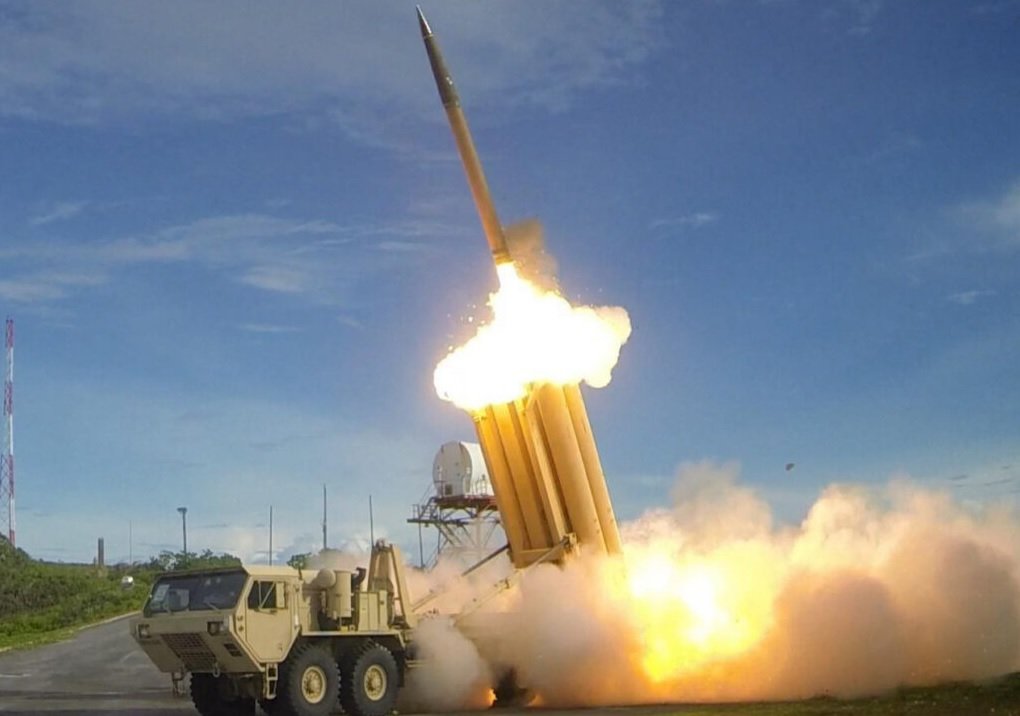
U.S
MELBOURNE, Fla. — L3Harris Technologies has received an undefinitized contract from Lockheed Martin worth more than $6 billion, excluding escalations, over seven years to expand propulsion production for the U.S. Terminal High Altitude Area Defense (THAAD) system. The award was announced on September 29, 2026, and follows a framework agreement signed earlier this year by L3Harris, the U.S. Department of War and Lockheed Martin to quadruple THAAD propulsion production. New THAAD production capacity Under the contract, L3Harris will build a new facility for increased production of THAAD Solid Rocket Boost Motors (SRBMs). It will also expand production of the Liquid Divert and Attitude Control Systems (LDACS). L3Harris currently manufactures THAAD solid rocket boost motors in Huntsville, Alabama, and Camden, Arkansas, while LDACS production is carried out at its Los Angeles facility. Ken Bedingfield, president of Missile Solutions at L3Harris, said the contract highlights the company's ability to provide defense technologies at the scale and speed required by the Department of War. He said facility expansions and continued investments in the propulsion portfolio will support missile-defense missions. THAAD system and interceptor production THAAD is a mobile, globally deployable ballistic-missile defense system designed to intercept short-, medium- and intermediate-range ballistic missiles during their terminal phase. The system uses hit-to-kill technology, destroying targets through kinetic impact rather than an explosive warhead. Its interceptors can engage targets both inside and outside Earth's atmosphere and reach approximately Mach 8.2. A standard THAAD battery includes an AN/TPY-2 X-band radar, tactical fire-control and communications equipment, and six mobile launchers carrying up to 48 interceptors. It is typically supported by about 90 to 95 personnel. THAAD operates as the middle tier of the U.S. ballistic-missile defense architecture, between systems such as Aegis Ballistic Missile Defense and Ground-based Midcourse Defense and lower-tier systems such as Patriot. L3Harris says THAAD has achieved a 100 percent intercept success rate in flight tests since production began. The company has also reported delivering its 1,000th solid rocket boost motor and 1,000th LDACS ahead of schedule. Lockheed Martin, the THAAD prime contractor, previously received a seven-year undefinitized contract action worth up to $35 billion from the Missile Defense Agency to increase annual THAAD interceptor production from 96 to 400 units. The expansion is intended to strengthen U.S. missile-defense industrial capacity and replenish interceptor inventories following operational deployments, including in the Middle East. PAC-3 MSE and Army oversight L3Harris recently received another $4.7 billion, seven-year undefinitized contract from Lockheed Martin for PAC-3 MSE propulsion systems. The work covers the interceptor's two-pulse solid rocket motor, attitude control motors and lethality enhancer. A related framework agreement was aimed at nearly tripling production of certain PAC-3 MSE propulsion components. Meanwhile, administrative oversight of operational THAAD batteries is being transferred from the Missile Defense Agency to the U.S. Army by fiscal year 2027. The Army already operates the systems, while the Missile Defense Agency has handled development and procurement. The latest THAAD contract remains undefinitized, with final pricing and delivery schedules expected to be completed in the coming months.
Read More → Posted on 2026-09-30 14:45:41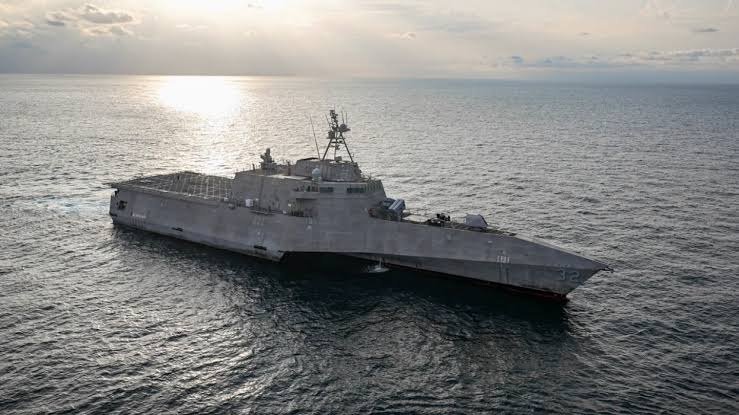
U.S
SINGAPORE — The U.S. Navy’s Independence-class littoral combat ship USS Santa Barbara (LCS-32) is undergoing urgent maintenance in Singapore after government contracting documents identified serious problems involving its engines and other ship systems. The 418-foot warship arrived in Singapore for a repair availability after all four of its diesel engines were found operating beyond their maximum recommended operating thresholds. The Navy said the maintenance was urgently required to prevent engine failure, maintain operational readiness and protect the crew. The affected equipment includes the ship’s two main propulsion diesel engines and two ship service diesel generators. Government documents said inspections and related overhaul work were scheduled from September 11 to October 11, 2026. Additional repair requirements included replacing two raw-water cooling pumps for the ship’s service diesel generators and a non-operational fire pump. The documents said the fire pump problem severely reduced the ship’s firefighting capability. A stern tube seal also required replacement, with the Navy warning that failure to replace it before further underway operations could create a serious flooding risk. The ship was already scheduled for planned maintenance at Sembawang Wharves in Singapore beginning September 4. The Navy awarded the routine maintenance contract to Epsilon Systems Solutions Inc. on August 6, with the additional engine work later treated as a follow-on requirement. The Navy also sought contractors for additional repairs but received no bids for one set of work. It subsequently relied on local Singapore facilities with existing arrangements with the U.S. Navy to address the urgent requirements. The U.S. 7th Fleet confirmed that USS Santa Barbara safely arrived in Singapore for the repair availability. The fleet said forward-deployed maintenance is a standard practice and that the ship will continue supporting fleet and combatant-command tasking after the required work is completed. USS Santa Barbara was commissioned in 2023 and has operated in both the U.S. 5th and 7th Fleet areas. In August, it participated in a seven-day joint exercise with the Royal Australian Navy and Philippine Navy in the Philippine Exclusive Economic Zone. The Navy has not publicly provided a final date for the ship’s return to full operations.
Read More → Posted on 2026-09-29 16:30:49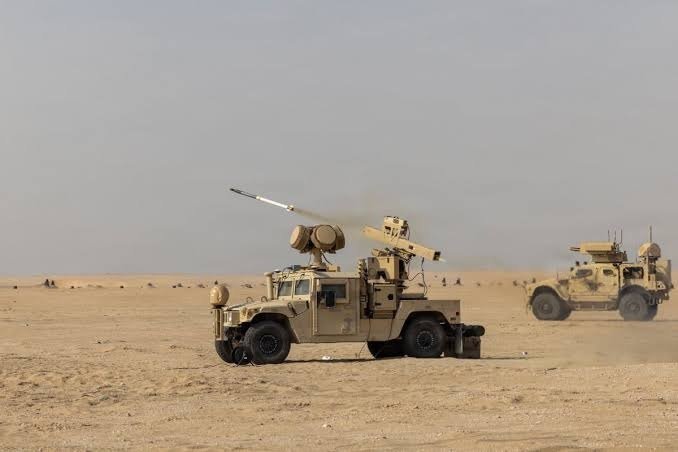
U.S
WASHINGTON — The U.S. Department of Defense has ordered another $52.3 million worth of L3Harris proximity fuzes that allow APKWS laser-guided rockets to be used against drones. The firm-fixed-price modification more than doubles the value of a contract awarded just four months earlier. The U.S. Department of War announced the modification to a $48.5 million contract awarded in late May by the Naval Surface Warfare Center Indian Head Division to L3Harris Fuzing and Ordnance Systems. Work will take place in Cincinnati, Ohio, and is scheduled for completion by November 2027. The number of fuzes being purchased was not disclosed. How the fuze works L3Harris' Mechanical Proximity Fuze, also known as the FALCO fuze under the Fixed Wing, Air Launched, Counter-Unmanned Aircraft Systems Ordnance program, is designed to detonate a rocket's warhead when it detects a nearby target. This allows the rocket to destroy a small, fast-moving drone without requiring a direct hit. The FALCO combines radio-frequency sensor electronics from Technology Service Corporation with an L3Harris safe-and-arm device. It is installed on BAE Systems' Advanced Precision Kill Weapon System (APKWS), which converts standard 70 mm (2.75-inch) Hydra rockets into laser-guided munitions. An F-16 fitted with six seven-tube launchers can carry up to 42 rockets. Combat use and production U.S. Air Force F-16s first used proximity-fuzed APKWS rockets against Houthi one-way attack drones over the Red Sea in 2024. During testing at Yuma Proving Ground, Arizona, APKWS rockets equipped with the L3Harris fuze destroyed Group 3 drones in every engagement. The same fuze is used on L3Harris' VAMPIRE truck-mounted counter-drone system, which Ukraine has used against Russian drones since 2023. L3Harris has said demand is driving a sevenfold increase in proximity fuze production. The company is investing in tooling, modernized inspection equipment and expanded suppliers, with a goal of increasing overall production capacity by 20 times. The original May contract had options that could raise its $48.5 million value to about $98 million, with deliveries through July 2027, or September 2028 if all options are exercised. Funding and future APKWS upgrade Of the new $52.3 million, $44.8 million comes from fiscal 2026 Defense-wide operations and maintenance funds, $3.8 million from fiscal 2025 funds expiring on September 30, and $3.7 million from fiscal 2026 U.S. Army ammunition procurement funds. The Pentagon did not identify which units will receive the fuzes. Separately, in February 2026, the U.S. Air Force awarded BAE Systems a contract worth up to $145 million for an upgraded air-to-air APKWS variant. It will combine a long-wave infrared seeker with a proximity-fuzed warhead, allowing the rocket to home on a drone's heat signature without continuous laser designation from the pilot. The upgraded version is planned for U.S. Air Force F-16s and U.S. Navy MH-60 helicopters.
Read More → Posted on 2026-09-29 16:06:27
U.S
WASHINGTON — The U.S. government has awarded RTX’s Raytheon a multi-year contract worth up to $20.7 billion to produce Advanced Medium-Range Air-to-Air Missiles (AMRAAM) for the United States and allied countries. The contract was awarded on September 25 and announced on September 28. It covers an initial five-year period with two option years and runs through June 30, 2033. The agreement is part of the U.S. effort to expand domestic munitions production and is expected to increase AMRAAM production to at least 1,900 missiles annually. The $20.7 billion figure represents the maximum potential value of the agreement over the base period and option years, rather than an immediate payment. The contract covers AMRAAM All Up Rounds, guidance sections, Direct Charge and Foreign Military Sales (FMS) offsets. At the time of the award, approximately $85,715 in fiscal 2026 U.S. Air Force weapons procurement funds and about $154.3 million in FMS funds had been obligated. Additional funding will be provided as the contract is finalized and future budgets are approved. Production expansion The agreement follows a framework deal announced in February 2026, under which Raytheon committed to producing at least 1,900 AMRAAM missiles per year. Raytheon said it nearly doubled AMRAAM production in 2025 compared with 2024 and has invested in its workforce, technology, facilities and supply chain. The company is working with hundreds of small and mid-sized U.S. suppliers and is also exploring international co-production. Production under the new contract will take place in Tucson, Arizona. 16 foreign customers The contract also supports Foreign Military Sales to Australia, Belgium, Canada, the Czech Republic, Denmark, Finland, Germany, Italy, Japan, Kuwait, the Netherlands, Norway, Poland, Sweden, Taiwan and the United Kingdom. AMRAAM is a radar-guided beyond-visual-range air-to-air missile used by fighter aircraft. It is integrated with platforms including the F-15, F-16, F/A-18, F-22 and F-35 and is also the primary interceptor used by the NASAMS air-defense system. Raytheon says the latest fifth-generation AMRAAM uses upgraded processors that support software updates to address evolving electronic threats. The missile operates on 14 platforms, is fielded by 44 countries, and has recorded more than 7,000 successful live firings in testing and combat. Under Secretary of War for Acquisition and Sustainment Michael P. Duffey said the award will strengthen the U.S. ability to equip its Joint Force and allies. Raytheon President Phil Jasper said the company will continue expanding production to meet demand from the U.S. Air Force, U.S. Navy and international customers. The Department of War has described the program as part of its “Arsenal of Freedom” effort to expand the U.S. munitions industrial base and increase production of critical weapons.
Read More → Posted on 2026-09-29 13:33:23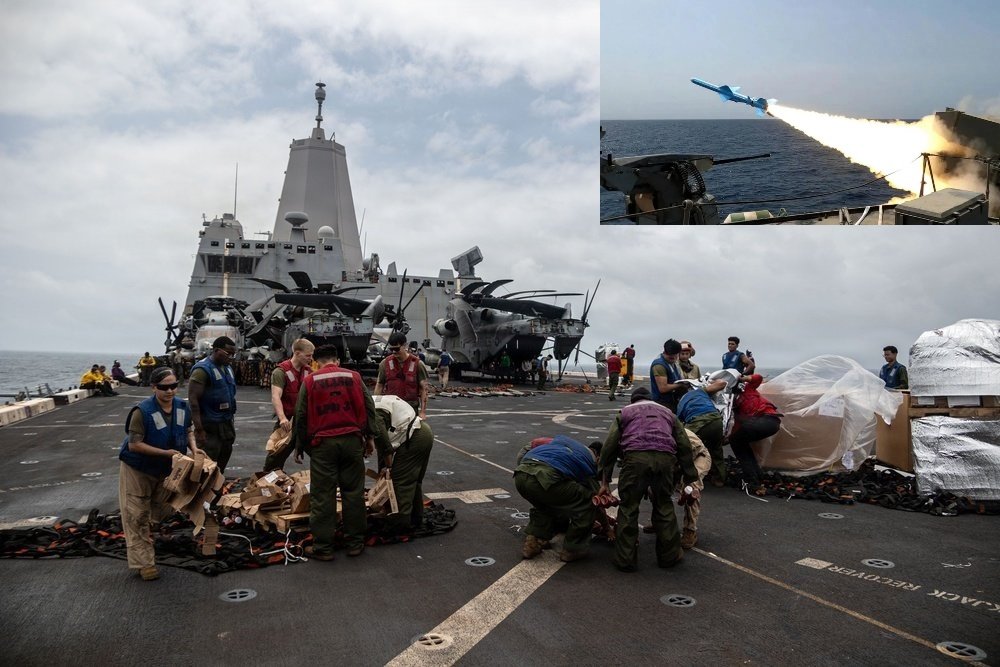
U.S
WASHINGTON — Eight U.S. Marines were injured on September 14 when an Iranian anti-ship cruise missile struck a maritime vessel they were operating on in the Strait of Hormuz, according to three U.S. officials cited by NBC News. The incident was not publicly disclosed by the Pentagon when it occurred. The Marines were part of a battalion landing team and included seven enlisted personnel and one officer. The officials said they were not aboard a U.S. Navy warship. They declined to identify the vessel, including its type, flag or exact mission, describing it only as a maritime vessel. Marines suffered smoke inhalation and concussion symptoms None of the eight Marines suffered serious injuries, according to the officials. They experienced smoke inhalation and symptoms consistent with concussions, including headaches, raising the possibility of traumatic brain injuries. All eight Marines returned to duty shortly after the September 14 attack. The incident was not publicly announced by the U.S. Defense Department at the time. U.S. Central Command declined to comment on the NBC News report, while the Defense Department referred questions to CENTCOM. Injuries added to Pentagon casualty database The injuries were entered into the Pentagon's Defense Casualty Analysis System (DCAS) nearly 10 days after the missile strike. According to the NBC News report, the Pentagon's database listed 861 U.S. service members as injured in the conflict as of Wednesday, including the eight Marines from the September 14 incident. A U.S. official said reporting can be delayed because some symptoms, particularly those associated with concussions, may not appear immediately and the database does not update in real time. Strait of Hormuz remains an area of military activity The September 14 strike occurred during the broader U.S.-Iran conflict, which has included attacks involving vessels in and around the Strait of Hormuz. U.S. forces have been supporting the movement of commercial shipping through the southern part of the strait. The waterway is a major route for international energy and trade traffic, making maritime security in the area an important issue for commercial shipping. The precise location of the vessel when it was struck and the full circumstances surrounding the attack have not been publicly released. Officials also have not identified the vessel or provided additional details about its mission. No U.S. military response specifically linked to the September 14 missile strike has been publicly reported. The disclosure of the incident provides additional information about the risks faced by U.S. personnel operating aboard maritime vessels in the Strait of Hormuz during the ongoing conflict.
Read More → Posted on 2026-09-28 14:16:37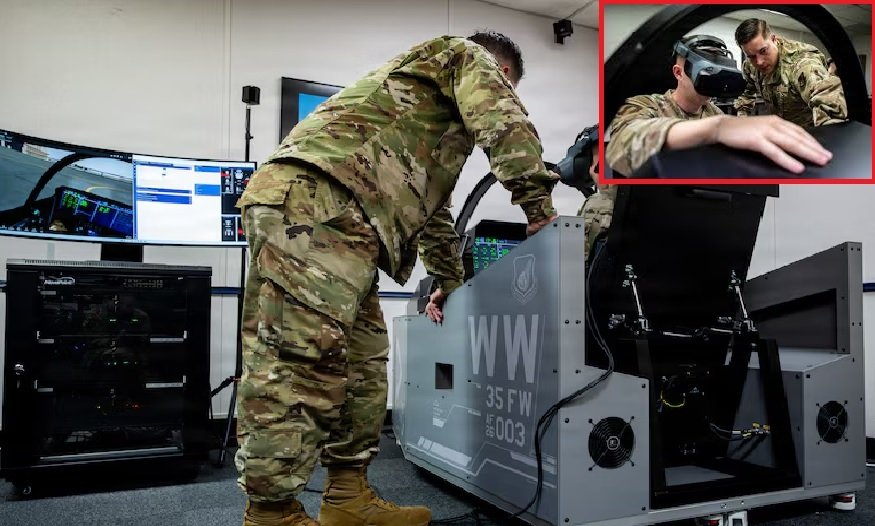
U.S
MISAWA AIR BASE, Japan — The U.S. Air Force’s 35th Fighter Wing has installed a new mixed-reality F-35A Lightning II engine run simulator at Misawa Air Base, giving maintenance personnel a way to train on aircraft systems and emergency procedures without using an operational F-35A. Hands-on F-35A maintenance training The simulator combines physical F-35A controls, switches and digital displays with virtual environments. Instructors can create training scenarios involving engine fires, hydraulic failures, auxiliary power unit errors and sensor malfunctions. The system allows students to interact directly with the aircraft controls and screens while instructors remain alongside them. Staff Sgt. Chaz Dages, a 35th Maintenance Group unit training manager, said the controlled environment allows Airmen to practice mistakes safely before performing procedures on an operational aircraft. Reducing fuel use and aircraft demand The 35th Fighter Wing expects the simulator to save about $12,000 in fuel per training class, or approximately $144,000 annually once official training begins in November 2026. Staff Sgt. Joshua Owens, an F-35A instructor with the 35th Maintenance Group, said the simulator allows Airmen to build repetition with less use of the actual aircraft and helps return aircraft to operational status more quickly. The system also gives maintainers more opportunities to repeat complex procedures while reducing the need for live engine runs during training. Supporting Misawa’s F-35A transition The simulator arrived after a two-year acquisition and integration effort as Misawa transitions from the F-16 Fighting Falcon to the F-35A Lightning II. The first U.S. Air Force F-35As assigned to the 13th Fighter Squadron arrived in March 2026. The 35th Fighter Wing is replacing its 36 F-16s with 48 F-35As. The F-35A brings advanced sensors, information-sharing systems and sensor-fusion capabilities to Misawa. The aircraft will also support the wing’s Wild Weasel mission, which involves suppressing enemy air defenses. Owens said the simulator can help the maintenance group accomplish more training with fewer Airmen, while Dages emphasized the importance of keeping personnel trained and aircraft mission-capable. Official maintainer training with the new simulator is scheduled to begin in November 2026.
Read More → Posted on 2026-09-28 13:35:24
U.S
WASHINGTON — U.S. President Donald Trump and Chinese President Xi Jinping reached an eight-point understanding during Xi’s three-day state visit to the United States from September 23 to 25, covering Iran, international waterways, trade, artificial intelligence, law enforcement and bilateral relations. The two leaders agreed that Iran should honor its commitment not to develop nuclear weapons and that no country or institution should impose tolls on international waterways. The official summit accounts do not specifically name the Strait of Hormuz in this language or record a direct agreement with Iran to reopen the waterway. Iran has denied seeking nuclear weapons and says its nuclear program is peaceful. On September 22, a senior Iranian official told Reuters that Tehran could reopen the Strait of Hormuz within seven days if the United States eased military pressure and lifted its blockade of Iranian ports. Eight areas of agreement Trump and Xi agreed to build a constructive China-U.S. relationship of strategic stability based on respect, fairness and reciprocity. The eight-point understanding also included: Support for APEC in November hosted by China and the G20 Summit in December hosted by the United States, with both leaders intending to attend each other's events. Recognition that China and the United States were World War II allies. Economic and trade measures including establishing and advancing a Board of Trade, a reciprocal tariff reduction arrangement covering $30 billion in goods, and implementation of earlier Kuala Lumpur talks. China also plans to purchase at least 10 million tonnes of U.S. coal in both 2027 and 2028. Continued counter-narcotics cooperation involving new psychoactive substances and precursor chemicals, with dozens of suspects arrested in cases involving both countries. Creation of a China-U.S. AI Dialogue to discuss the risks and benefits of artificial intelligence. The next meeting is scheduled for November 2026, alongside a bilateral channel for AI-related incidents. The arrival of two Chinese-leased giant pandas at Zoo Atlanta. The Chinese and U.S. militaries also agreed to work toward a memorandum of understanding on crisis communication and prevention and to continue joint searches for the remains of American personnel in China. U.S. concerns over Chinese support for Iran The Iran agreement came after U.S. allegations that Chinese companies had supported Iran during the conflict. U.S. officials and intelligence reports have cited the supply of satellite imagery and reconnaissance data, electronics, semiconductors, GPS devices, engines and chemical precursors such as sodium perchlorate. Reports have also alleged that Chinese-made air-defense systems were involved in the downing of a U.S. fighter aircraft. Other U.S. claims have linked Chinese-supplied satellite information to Iran's targeting capabilities, including in connection with a July 2026 strike in Jordan that killed three U.S. troops. China has remained the main buyer of Iranian crude, with previous reports estimating that it purchased around 90–95% of Iranian oil exports during some periods. Logistics links involving sanctioned carriers such as Mahan Air, as well as oil-for-goods arrangements, have also been reported. Trump reportedly told Xi that continued Chinese military or intelligence assistance to Iran was "totally unacceptable." Following the summit, U.S. Treasury Secretary Scott Bessent said China had "substantially reduced" its material and economic support for Iran. Bessent said about 15 million barrels of Iranian oil remained out for delivery under the U.S. port blockade and were expected to reach China within roughly two weeks. He also said oil flows through the Strait of Hormuz were averaging 15 million to 22 million barrels per day. The agreements represent a broad set of U.S.-China commitments covering trade, technology, law enforcement, military communication and international issues, while the shared position on Iran comes amid the continuing U.S.-Iran conflict.
Read More → Posted on 2026-09-28 13:28:48
U.S
PATUXENT RIVER, Md. — The U.S. Navy and Thales USA Inc. have cleared a maintenance backlog affecting Tactical Air Navigation (TACAN) systems and returned production lead times for high-power amplifiers to normal, according to the Naval Air Traffic Management Systems Program Office (PMA-213). The recovery addressed shortages of High-Power Amplifiers (HPAs) used in the AN/URN-32 and AN/URN-33 TACAN systems. These systems provide aircraft with direction and distance information from TACAN stations on ships and shore locations, supporting navigation during night operations, poor weather and other difficult conditions. PMA-213 said the amplifier shortage resulted from supply-chain disruptions and bottlenecks during the integration of key supplier production lines. To meet immediate requirements at sea, Navy engineers moved older Series 1 amplifiers from land-based installations to operational ships, while newer Series 2 configurations were directed to new-construction ships. Thales increased repair capacity by adding dedicated test benches and specialized personnel. Engineering teams also introduced software updates to align the user interfaces of the two hardware generations and reduce long-term data requirements. Performance-to-Plan Approach The recovery was coordinated through a Performance-to-Plan (P2P) framework involving PMA-213, Naval Supply Systems Command (NAVSUP), the U.S. Coast Guard, Naval Information Warfare Center Pacific, and Naval Air Warfare Center Aircraft Division Webster Outlying Field. “By moving away from traditional contracting to a rigorous P2P framework, we turned transparent data into decisive action,” said Capt. Walter B. Massenburg Jr., PMA-213 program manager. He said Thales worked directly with the government to address production and repair problems and accelerate deliveries. Sonu Goel, a Thales vice president, said the company addressed supply-chain challenges, invested in dedicated production capacity and aligned software and hardware to strengthen TACAN system support for the fleet and joint partners. Thales USA is the sole designer, developer and manufacturer of the AN/URN-32 and AN/URN-33 systems. Related production work is performed in Salt Lake City, Utah. In June 2024, Thales received a firm-fixed-price contract worth about $10.5 million covering 11 OE-4691 TACAN antenna systems, 196 high-power assemblies, 49 low-power assemblies and related components. A June 2025 modification exercised an option for additional equipment, including four AN/URN-33 beacon kits and 68 high-power assemblies. The overall production contract has a potential value of roughly $42 million and runs into 2028. The Navy said production lead times have now returned to normal and the maintenance backlog has been completely cleared. PMA-213 is using the effort as an example of how government and industry can address production and sustainment problems during changes in the defense industrial base.
Read More → Posted on 2026-09-27 15:02:08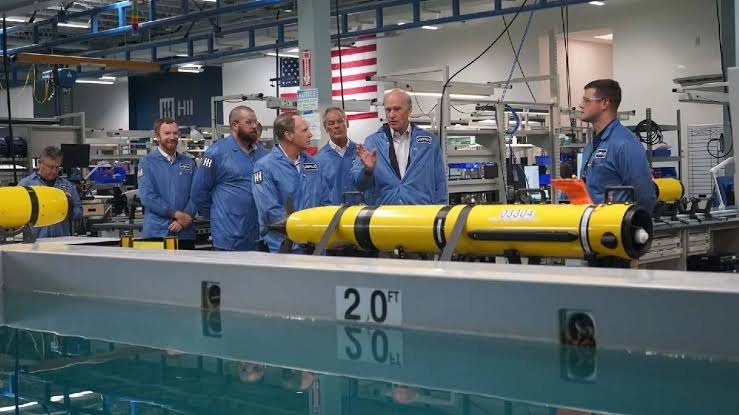
U.S
POCASSET, Massachusetts — Huntington Ingalls Industries (HII) has expanded its unmanned maritime systems facility in Pocasset by 10,000 square feet, increasing the site's manufacturing space from 40,000 to 50,000 square feet, a 25 percent increase. The expansion was marked by a ribbon-cutting ceremony on September 21, attended by U.S. Representative Bill Keating. More Space for Unmanned Maritime Systems The additional capacity will support production of HII's REMUS family of unmanned underwater vehicles, ROMULUS unmanned surface vessels and related autonomy systems. A major focus will be the production of the U.S. Navy's Lionfish small unmanned undersea vehicle (SUUV). Based on HII's commercial REMUS 300 platform, Lionfish is a modular, open-architecture underwater vehicle designed for mine countermeasures, anti-submarine warfare, and intelligence, surveillance and reconnaissance (ISR) missions. HII says Lionfish is currently the first and only cyber-compliant unmanned underwater vehicle in production for the U.S. Navy. HII completed its 42nd Lionfish vehicle by the end of 2025. In July 2026, the Navy awarded HII an option-year contract for continued Lionfish deliveries. The five-year program, which began with an initial award in 2023, has the potential to reach up to 200 vehicles with a total value exceeding $347 million. REMUS 620 and ROMULUS Production The expanded facility will also support production of the longer-range REMUS 620 underwater vehicle and the ROMULUS family of unmanned surface vessels. HII plans to use the additional space to integrate its Odyssey Autonomous Control Solutions software. This includes simulation and modeling tools for complex multi-vehicle missions and autonomy hardware for ROMULUS vessels. “By bringing together advanced unmanned platforms, autonomy, integration, simulation and modeling capabilities, we are expanding our ability to deliver the maritime systems our customers need while continuing to create high-quality jobs here in Massachusetts,” said Duane Fotheringham, president of unmanned systems in HII's Mission Technologies division. Workforce and Regional Impact HII currently employs about 300 people at the Pocasset facility and has added 50 employees so far in 2026. The company also has longstanding ties to the region's maritime technology sector, including a technology development partnership with the Woods Hole Oceanographic Institution. Representative Keating, who also spoke at the facility's original opening in 2014, attended the expansion ceremony. “HII’s continued growth on Cape Cod demonstrates how investments in advanced maritime technology can strengthen our national security while supporting good jobs and economic opportunity here in Massachusetts,” Keating said. 25 Years of REMUS The expansion coincides with the 25th anniversary of the REMUS family of underwater vehicles. HII says it has delivered more than 750 REMUS systems to customers in over 30 countries, including 14 NATO member nations. More than 90 percent of the REMUS platforms delivered during the past 25 years remain in active service, according to the company. The systems are used for defense missions, ocean exploration, research, environmental monitoring and commercial operations. The expanded Pocasset facility will therefore provide additional manufacturing and integration capacity for HII's unmanned underwater and surface vehicle programs, including Lionfish, REMUS 620, ROMULUS and associated autonomy technologies.
Read More → Posted on 2026-09-27 14:12:15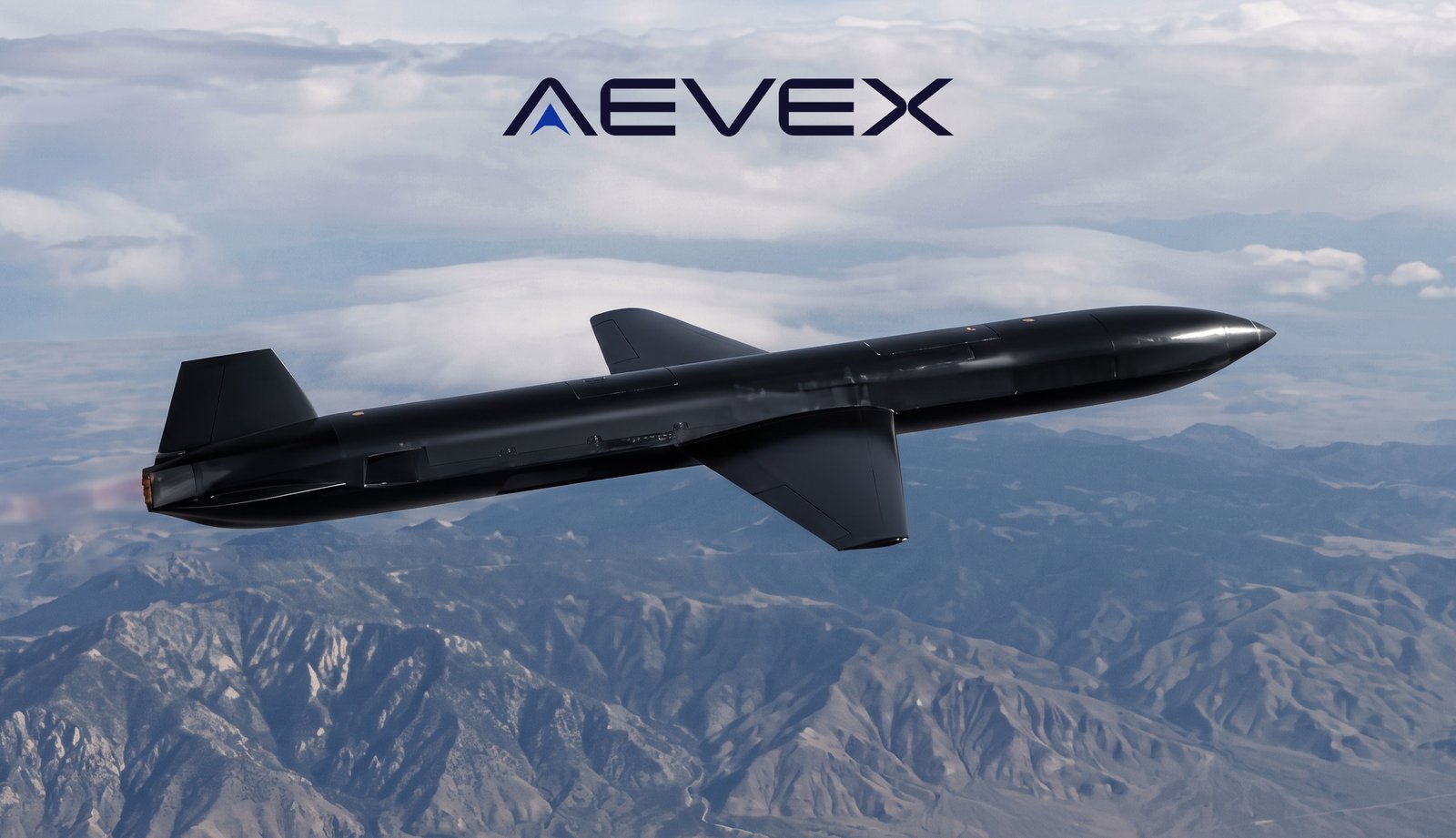
U.S
SOLANA BEACH, Calif. — September 23, 2026 — AEVEX Corp. has announced Specter, a new jet-powered autonomous platform being developed with Divergent Technologies. The system is intended to expand AEVEX’s unmanned aircraft portfolio and is designed around a modular airframe, software-defined capabilities and scalable manufacturing. Specter is described as a high-speed, turbojet-powered one-way attack platform for contested environments and extended mission profiles. Its turbojet propulsion architecture is planned to support both ground-launched and air-launched variants. A key feature is its modular, swappable nose section, which can accommodate kinetic and non-kinetic payloads, electronic warfare systems, intelligence, surveillance and reconnaissance equipment, and other future payloads. AEVEX says the architecture is intended to allow new technologies to be integrated without requiring a complete redesign of the platform. Specter’s development also builds on the strategic collaboration between AEVEX and Divergent announced on September 2, 2026. Divergent’s Divergent Adaptive Production System (DAPS) is being incorporated into the program from the early engineering stages to support digital design, manufacturing flexibility, rapid iteration and scalable production. AEVEX said the platform’s software-driven approach draws on experience from delivering thousands of autonomous systems and its CompassX autonomy architecture. “Specter reflects our lessons learned on capability from delivering thousands of autonomous systems in theater. We are not optimizing for a fixed requirement, we are building an architecture that adapts,” said Manan Patel, Chief Technology Officer at AEVEX. Specter remains under development. AEVEX has not released specific performance figures, a production timeline or customer details for the platform.
Read More → Posted on 2026-09-27 13:29:04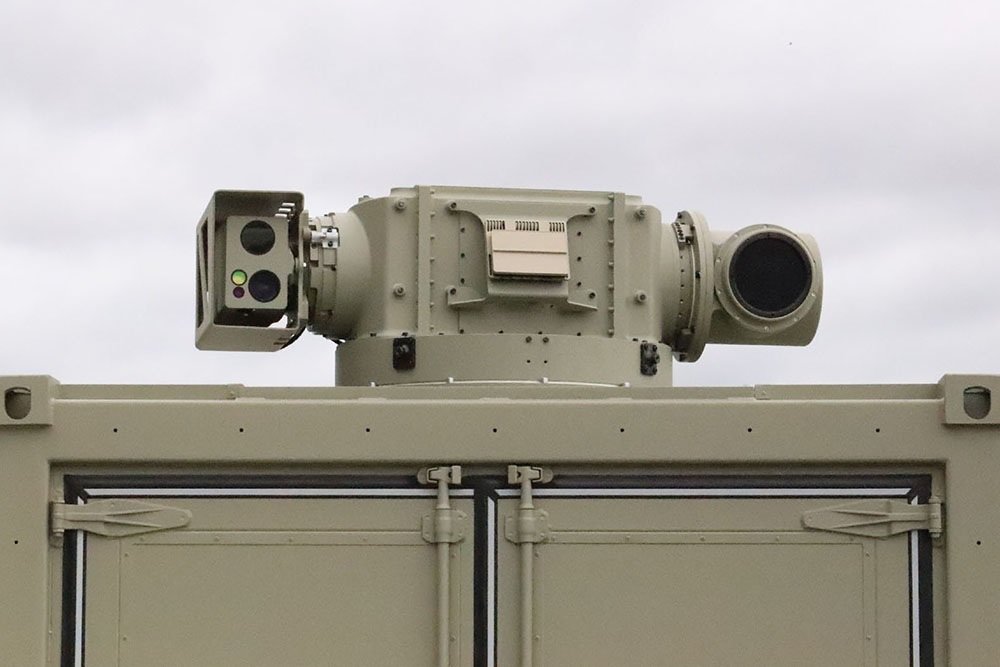
U.S
CAPE CANAVERAL, Fla. — The U.S. Space Force is adding directed-energy laser systems at Cape Canaveral Space Force Station to counter unauthorized drones and protect sensitive launch infrastructure. Space Launch Delta 45 confirmed the addition of the laser systems as part of a wider counter-drone security upgrade. Col. Brian Chatman, commander of Space Launch Delta 45 and director of the Eastern Range, said the systems can physically disable drones that enter restricted areas with hostile intent. The systems have been tested by the Air Force Research Laboratory and shown to safely bring down drones. The directed-energy systems are being introduced partly because traditional radio-frequency jamming can interfere with communications and other electronic systems used by rockets and spacecraft. “If you start blasting a bunch of RF energy you run into potential challenges. You don’t want that,” Chatman told Florida Today. Wider counter-drone system The laser systems are part of a broader security network. Officials are also adding the Lattice system, an AI-powered platform that combines data from military radars and sensors into a three-dimensional picture to help detect and track unauthorized drones. A multi-million-dollar radio-frequency jamming system began installation last winter to expand coverage across Cape Canaveral. Additional equipment is also expected from the Pentagon’s Joint Interagency Task Force 401. Cape Canaveral supports launches for SpaceX, United Launch Alliance, Blue Origin and national-security missions. The nearby NASA Kennedy Space Center also contains major launch infrastructure, including facilities supporting the Artemis lunar program. The Space Coast recorded 109 orbital launches in 2025, most of them from Cape Canaveral, with launch activity expected to increase in coming years. Unauthorized drone activity Drone activity has become a growing security concern in the region. Port Canaveral recorded more than 500 unauthorized drone flights in 2025. Unauthorized drone flights over the port are a third-degree felony under Florida law. The Space Force has also warned that drone flights and photography of military installations at Cape Canaveral are prohibited, including from public roads. The issue was highlighted by a recent federal case. On September 18, 2026, Chinese tourist Xiaodong He pleaded guilty in U.S. District Court in Orlando to a misdemeanor charge of violating national defense airspace. According to the provided case details, He flew a drone on July 25 from a parking area at Playalinda Beach Access No. 8 in Canaveral National Seashore. The flight lasted 12 minutes and 24 seconds, reached about 231 feet, and recorded video within 1.56 miles of Launch Complex 39B at Kennedy Space Center and 4.23 miles of related facilities. He and family members said they were capturing scenery and were unaware of the restrictions. He remains free pending sentencing, which can include up to one year in prison, supervised release and a fine. In another case in July 2025, Chinese-born Canadian citizen Xiao Guang Pan pleaded guilty after taking nearly 250 photographs and videos of military installations, fuel storage areas and security checkpoints at Cape Canaveral Space Force Station over three days. State awareness campaign Florida Gov. Ron DeSantis recently announced a $150,000 state grant for the Economic Development Commission of Florida’s Space Coast. The money will support a regional public-awareness campaign on responsible drone use and no-fly zones around Cape Canaveral and Patrick Space Force Base. Space Launch Delta 45 said the broader effort combines detection, tracking and defensive capabilities to protect personnel, launch complexes and national-security payloads. Officials have not provided a timeline for the laser systems becoming operational or identified the exact system model. The upgrades also reflect lessons from conflicts such as Ukraine, where small drones have demonstrated their potential threat to critical infrastructure.
Read More → Posted on 2026-09-27 13:18:50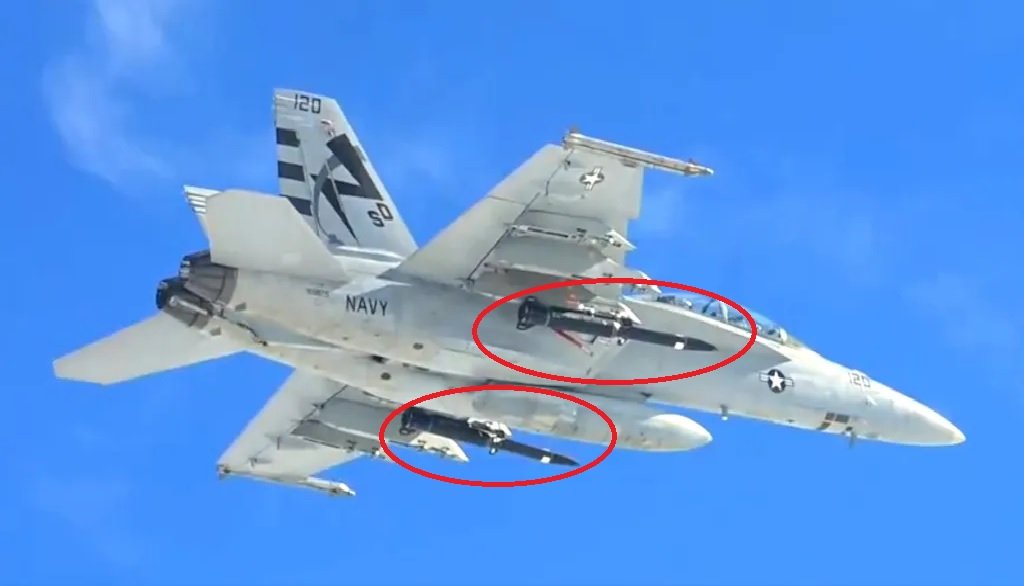
U.S
WASHINGTON — The U.S. Navy has released video showing its Blackbeard hypersonic missile mounted under the wings of an F/A-18E/F Super Hornet during flight testing, confirming that the program has moved beyond ground integration and test-loading. The footage was posted by Naval Air Systems Command (NAVAIR) on September 25, 2026, while the Navy’s Office of the Portfolio Acquisition Executive for Aviation (PAE-A) released a test montage with the message, “Coming soon to a theater near you…BLACKBEARD!” The post tagged U.S. Central Command and U.S. Pacific Command. The development follows confirmation at the Tailhook Association convention in August 2026 that Blackbeard had begun test-loading on Super Hornets. Coming soon to a theater near you...BLACKBEARD!@USPACOM @CENTCOM @PAEAviation pic.twitter.com/KgBtIqdf8I — NAVAIR (@NAVAIRNews) September 25, 2026 Affordable hypersonic weapon Blackbeard is being developed by Castelion, a Torrance, California-based defense startup founded in 2022 by former SpaceX engineers. The weapon is being acquired under the Navy's Multi-mission Affordable Capacity Effector (MACE) program, with the Super Hornet serving as the initial launch platform. The Navy is targeting at least limited early operational capability by 2028 and a full-rate production cost of less than $300,000 per missile. Castelion has previously indicated a range of just under 500 miles. On September 14, 2026, the Pentagon awarded Castelion a $43.65 million firm-fixed-price contract for manufacturing, assembly, testing and delivery of the first production lot of 444 All-Up Rounds (AURs). The fully functional tactical missiles are supplied in specialized storage and shipping containers, with completion expected by September 2028. Other 2026 awards include a $105 million contract in April for F/A-18 integration, a $49.9 million award in February to advance the weapon toward early operational capability, a $23.4 million June order for 50 pre-production prototypes, and an approximately $90 million August award supporting those weapons and transition to a formal program of record. PAE-A has also announced production delivery orders valued at up to $200 million. In May 2026, the Pentagon announced a framework agreement covering potential purchases of up to 12,000 Blackbeards over five years. Compact two-stage design Blackbeard uses a two-stage architecture. A solid-fuel booster accelerates the missile before the upper stage separates for hypersonic flight. The upper stage may operate as a hypersonic glide vehicle or incorporate its own propulsion. Available images show cruciform fins, a chine line and a slightly beak-like wedge-shaped nose. An aperture visible on the nose could be associated with a terminal guidance seeker, potentially an imaging infrared (IIR) sensor, although the Navy has not publicly confirmed its exact configuration. The missile is approximately 12 feet long, seven inches in diameter and weighs about 2,750 pounds. Earlier MACE requirements called for a weapon compact enough for the F-35C and F-35A to carry up to four missiles internally, although it is unclear whether that remains a firm requirement. The U.S. Army is also developing a ground-launched Blackbeard variant compatible with systems such as HIMARS. Intended for long-range strike Blackbeard is intended as a standoff weapon against maritime and land targets, with the program emphasizing affordable, scalable production and increased missile availability. The capability is being developed partly in response to increasingly advanced anti-access/area-denial (A2/AD) environments, particularly in the Indo-Pacific. The Navy's focus on lower-cost, higher-volume weapons also reflects concerns about missile stockpiles and replenishment rates highlighted by recent conflicts. Castelion is expanding production at its Project Ranger facility in New Mexico. The September 25 footage confirms that air-launched Blackbeard testing on the Super Hornet is underway. However, the Navy has not publicly released exact test locations, separation-test details or precise performance data. Blackbeard's progress comes alongside the Air Force's Hypersonic Attack Cruise Missile (HACM) program, which has targeted limited operational capability around the end of Fiscal Year 2027.
Read More → Posted on 2026-09-27 12:40:04
U.S
WASHINGTON — The U.S. Army Reserve is assessing the availability of medical, engineering, military police and logistics units for a possible deployment to U.S. Southern Command (SOUTHCOM) within the next 90 to 120 days, according to an internal Army message reviewed by CBS News. Multiple U.S. officials told CBS News that the assessment is connected to ongoing contingency planning focused on Cuba, although the Army document itself does not name Cuba. The message asks subordinate commands to report on the availability of six types of formations, with September 25 set as the deadline for responses to Army Reserve headquarters. The formations include a combat sustainment support battalion for transportation, maintenance, fuel and supplies; an engineer battalion; and an expeditionary sustainment command for theater-wide logistics. The request also includes a medical brigade, a forward resuscitative and surgical detachment for emergency surgery and trauma care, and a military police brigade responsible for capabilities such as security, detention and law-enforcement support. The document does not specify the number of troops required, possible deployment locations or the operation the units would support. There is also no indication that any of the formations have received deployment orders. The assessment therefore represents contingency planning rather than an announced deployment. SOUTHCOM declined to discuss specific operational movements or deployment timelines. The command said it continuously coordinates with the Joint Force to assess potential requirements across its area of responsibility. Earlier Military Planning The latest assessment follows earlier reports of U.S. military preparations involving Cuba. CBS News reported that U.S. forces conducted reconnaissance around Cuba’s seabed and maritime approaches. U.S. airpower components were also placed on heightened readiness and personnel were directed to pre-stage for a possible deployment, although those preparations were not carried out. In July, CBS News reported that U.S. military planners had examined several possible scenarios involving Cuba, including an Army-led air assault involving thousands of U.S. soldiers. Such planning does not itself confirm that an operation has been ordered. Rising U.S.-Cuba Tensions The military planning comes as the Trump administration has increased political and economic pressure on Havana. On September 17, the State Department announced sanctions against 11 Cuban individuals and entities, including four state-run enterprises linked to Cuba’s nickel industry, military organizations involved in research, weapons systems and naval capabilities, and three military officials. During his September 22 United Nations General Assembly speech, President Donald Trump described Cuba as an “absolutely failed state” and said his administration was seeking “fundamental change” and that “freedom will be coming to Cuba.” The Cuban delegation walked out during his remarks. Cuban Foreign Minister Bruno Rodríguez has said U.S. measures have severely affected fuel supplies and contributed to prolonged power outages. Havana has stated that there are currently no negotiations with Washington, while saying it remains willing to maintain contact. The Army Reserve assessment adds to the broader U.S. military planning in the region, but the available document does not establish a deployment, identify a specific operation or confirm that military action against Cuba has been ordered. Source : TOI
Read More → Posted on 2026-09-26 15:50:22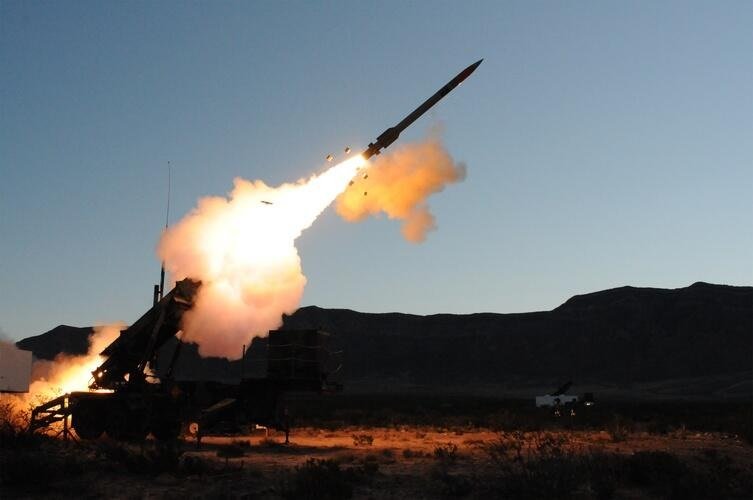
U.S
WASHINGTON — The U.S. Army has selected 30 finalists in its xTech|Apex Intercept competition to develop lower-cost interceptor technologies that could complement the Patriot air defense system. The competition is managed by the Army’s FUZE xTech program in partnership with the Capability Program Executive for Defensive Fires. It seeks technologies for countering aircraft and drones, cruise missiles, and close-range and short-range ballistic missiles. Each finalist will receive $25,000 and demonstrate its technology to Army and Department of War experts and end users between October 1 and November 30. The Army plans to select up to 18 winners by December 31. The competition has a prize pool of up to $8 million, including $7.25 million for the final round, making it the largest xTech competition to date. Related program documents have referenced a target of less than $1 million for a complete all-up interceptor, although the Army has not published a specific target price. Four Technology Categories Topic 1 – Complete Interceptors:Ten finalists are competing for prizes of up to $1 million each: RTX, Anduril Industries, AeroVironment, QinetiQ, UDD Tech, Wardstone, Greenjets, Furientis, AEON Industries, and AirX Robotics. AirX Robotics entered its Katana interceptor, while Greenjets proposed its Kestrel interceptor. RTX is the manufacturer of the Patriot system. Demonstrations are planned at White Sands Missile Range, New Mexico, in October. Topic 2 – Low-Cost Solid Rocket Motors:Seven companies are competing: Northrop Grumman, L3Harris, General Dynamics Ordnance and Tactical Systems, Ursa Major, X-Bow Systems, Australia’s DefendTex, and the United Kingdom’s Cambridge Aerospace. Topic 3 – Low-Cost Seekers:Six finalists are developing lower-cost interceptor seekers: Leonardo DRS (DRS Network & Imaging Systems), Toyon, Technology Service Corporation, Sensitic Technologies, Space ER, and Cherrill Consulting Group. Cherrill Consulting Group submitted a radio-frequency design carrying the Israel Aerospace Industries logo. Topic 4 – Fire Control and Flight Guidance:Seven finalists are competing in this category: Australia’s Advanced Navigation, Persistent Systems, Australia’s Rocket Fast Drones, Expression Networks, GuideTech, Hyperian Aerospace, and NYX Industries. Advanced Navigation proposed guidance designed to operate independently of GPS. Winners in the three component categories can receive up to $750,000 each. Demonstrations for those categories will take place in October and November at locations selected by participants. The competition was open to small, medium and large businesses from the United States and allied countries. Applicants submitted white papers of up to five pages between July 7 and July 24, along with an optional five-minute video. Beyond the prize money, the Army said finalists and winners may receive opportunities for follow-on prototype agreements, direct research-and-development contracts and other transaction authorities. The initiative is part of the Army’s broader effort to develop more affordable interceptor options that can be produced at scale and integrated with existing air and missile defense systems.
Read More → Posted on 2026-09-26 14:14:27Search
Top Trending in 24 Hours
-
 U.S. Intelligence Identifies Suspected Chinese Asset with Ties to Nvidia CEO, Report Says
-
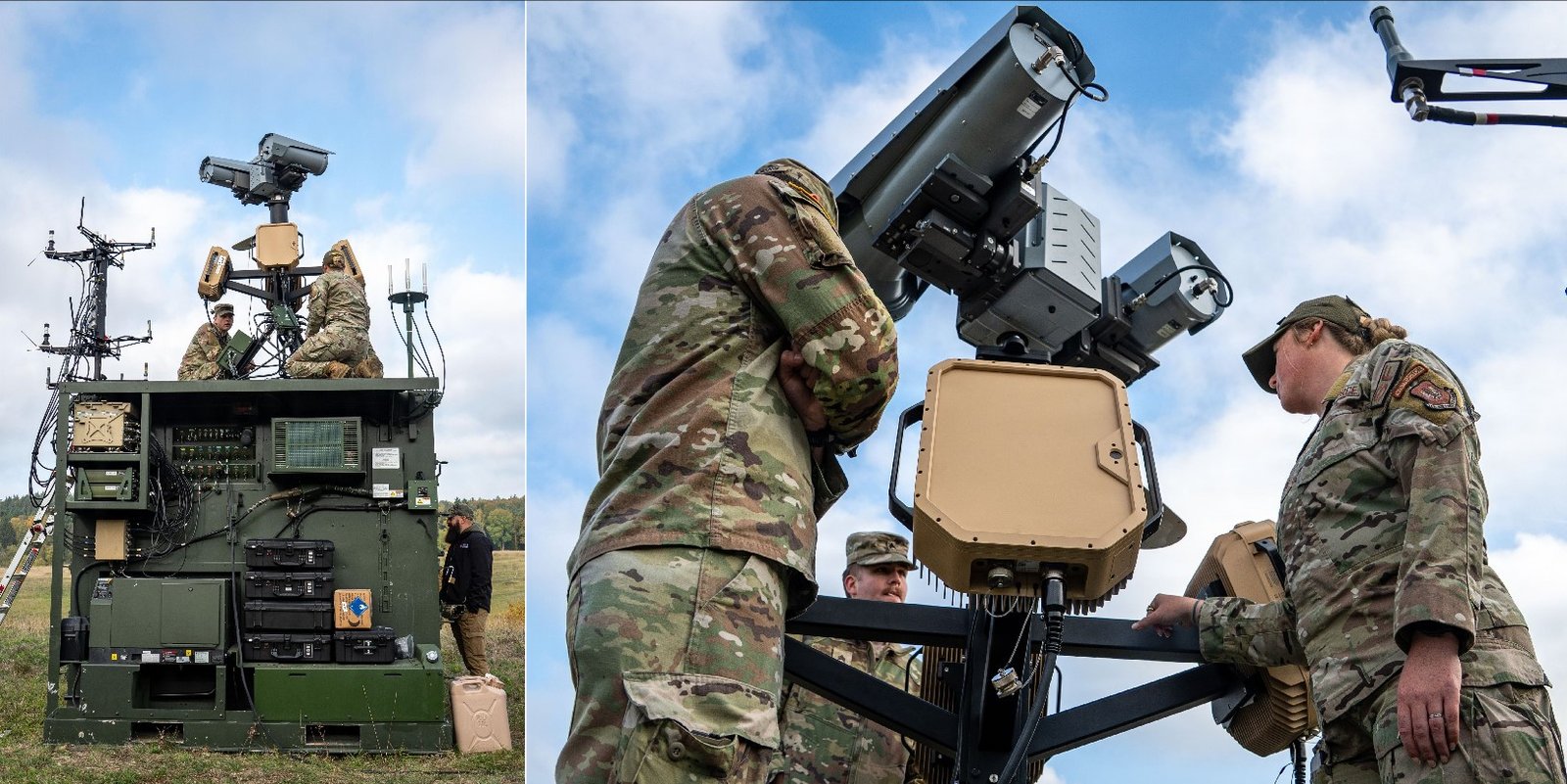 U.S. Army and Air Force Conduct Joint Counter-Drone Training in Germany with Rapidly Deployable SUADS
-
 Iran Uses Network of 5,000 Defense-Linked Agencies to Import Billions in Military Hardware
-
 Chinese Researchers Develop Catalyst to Convert Mars Carbon Dioxide into Methanol Fuel
-
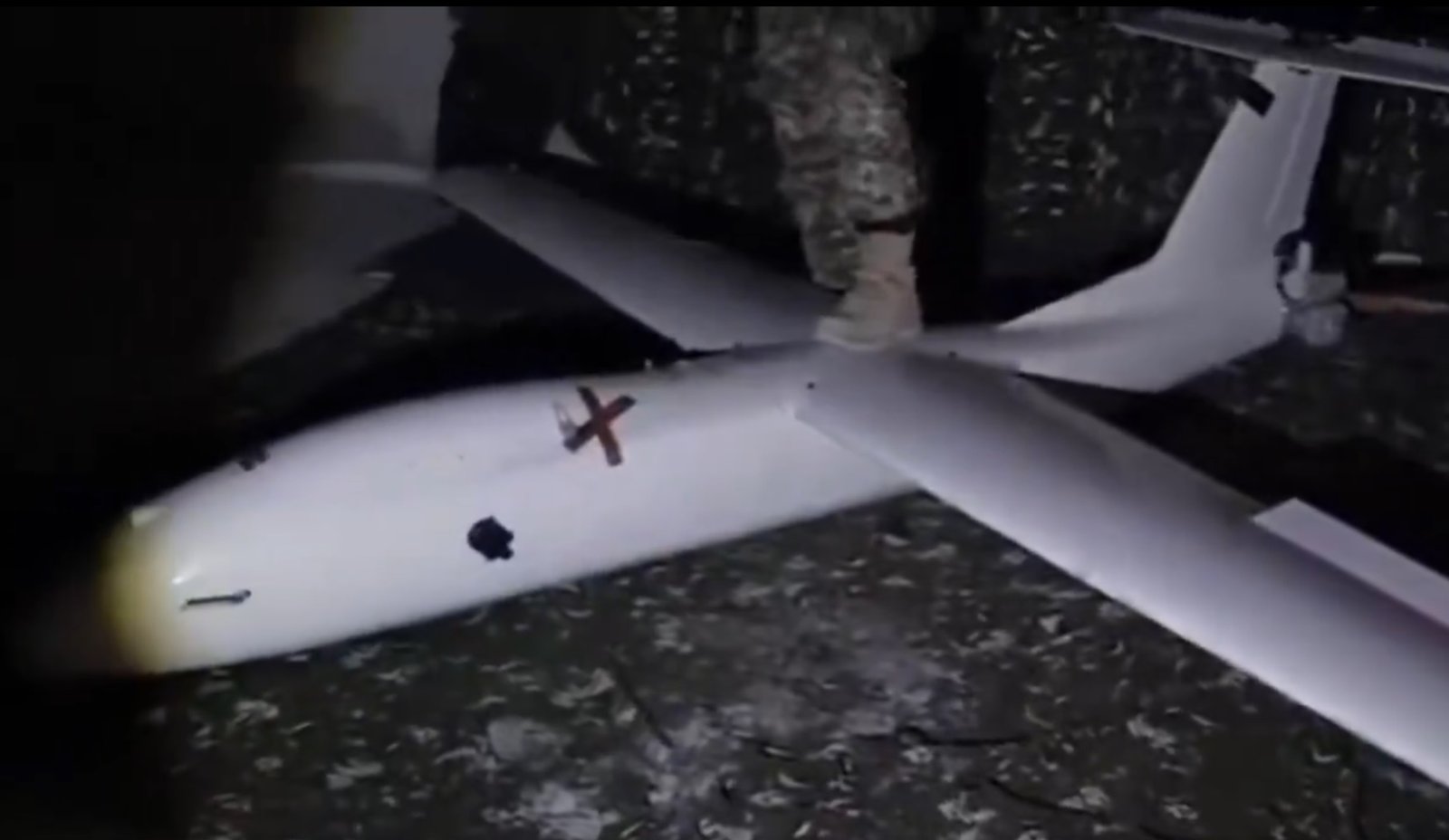 Iran Claims Capture of US MQM-170 Drone Over Strait of Hormuz; US Denies Report
-
 U.S. Forces Korea Commander Warns of Daily Electronic Jamming on Korean Peninsula, Communications Could Fail Within 48 Hours of Conflict
-
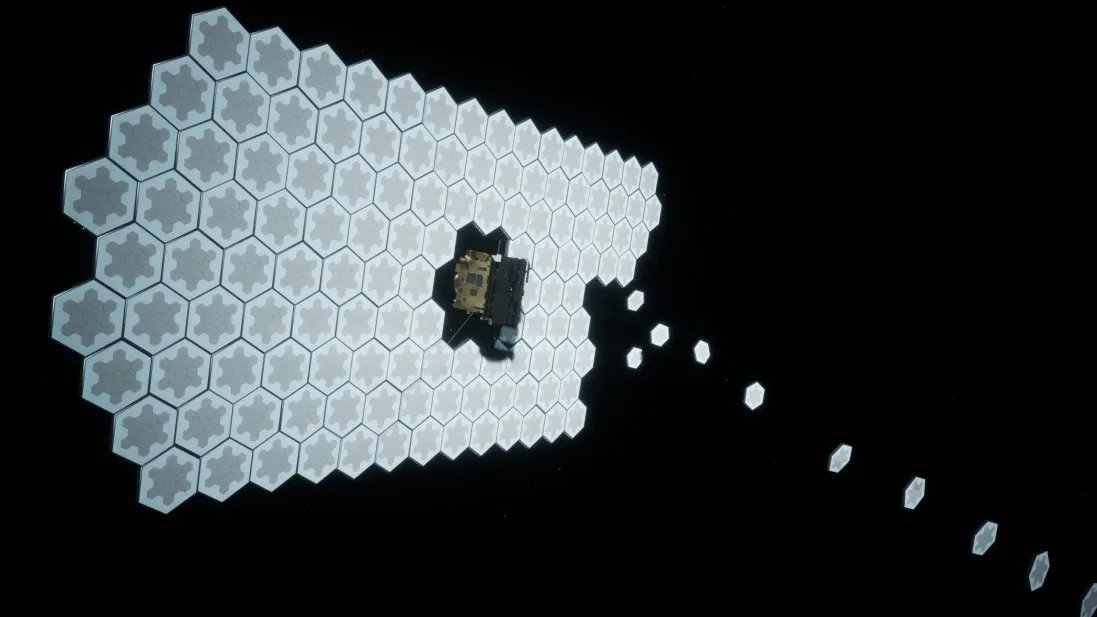 U.S. Startup Rendezvous Robotics Raises $20 Million to Develop Self-Assembling Spacecraft in Orbit
-
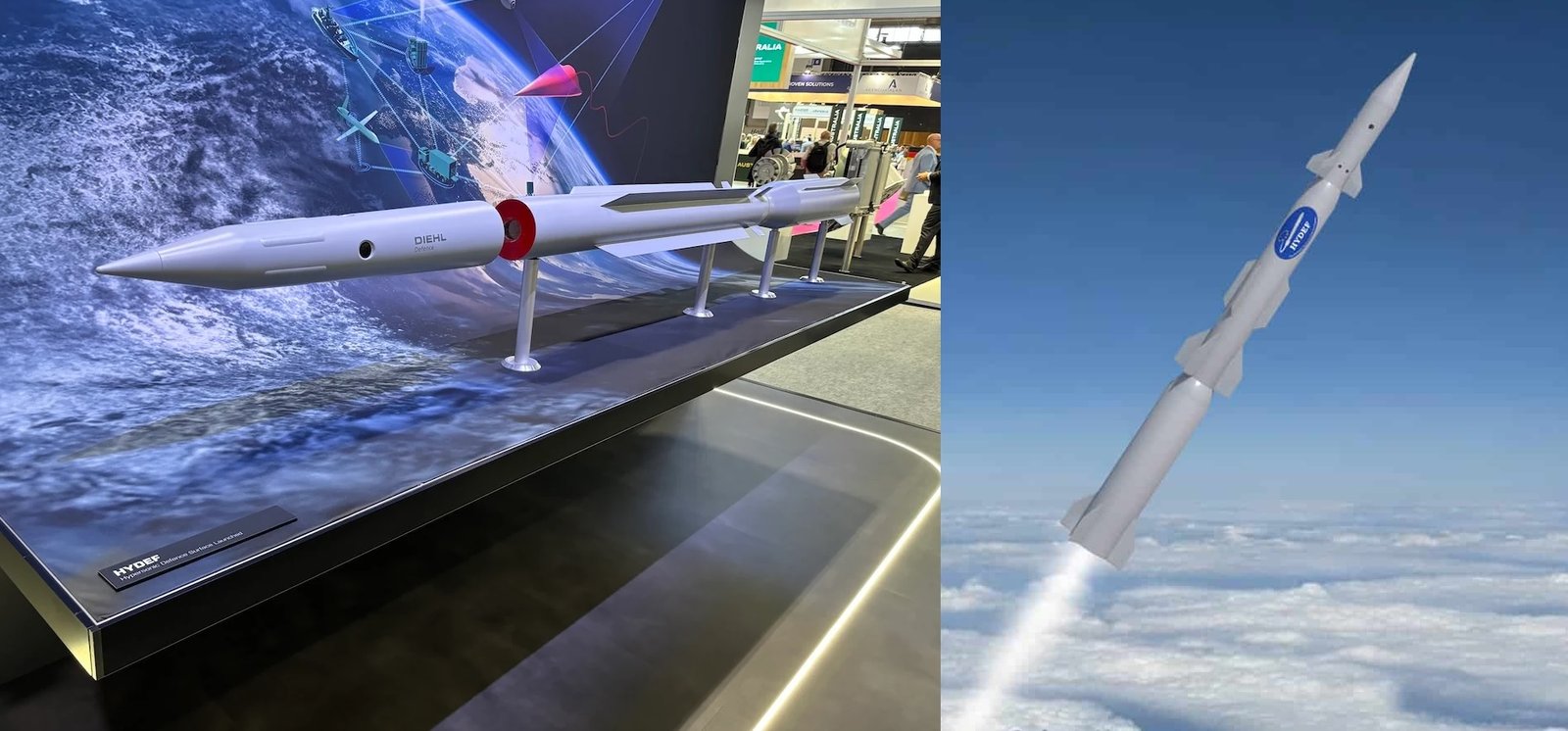 European HYDEF Consortium Completes First Phase of Hypersonic Interceptor Project, Expands Membership
Top Trending in 4 Days
-
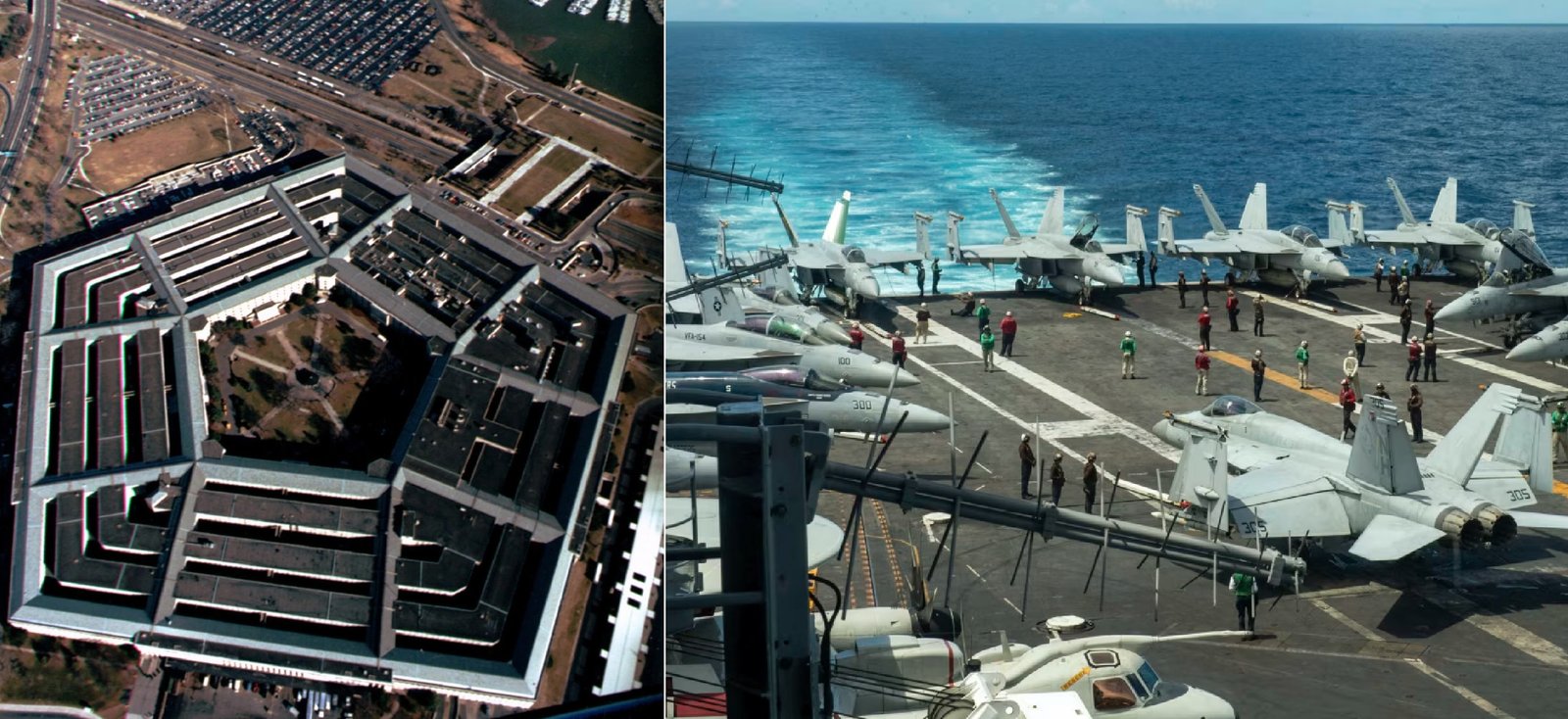 Pentagon Launches FORTRESS Initiative to Make Major U.S. Bases Self-Sufficient for 90 Days
-
 Saudi Arabia, Pakistan and Turkey Hold High-Level Security Talks with Iran in Tehran Amid Reports of Potential Iranian Integration
-
U.S. Intelligence Identifies Suspected Chinese Asset with Ties to Nvidia CEO, Report Says
-
 SpaceX Secures $40 Billion in Debt Financing for AI Chips as Musk Predicts Industry Consolidation
-
 Ethiopia Receives Early Delivery of First 12 Su-35 Fighter Jets from Russia, to Get Four S-400 Systems
-
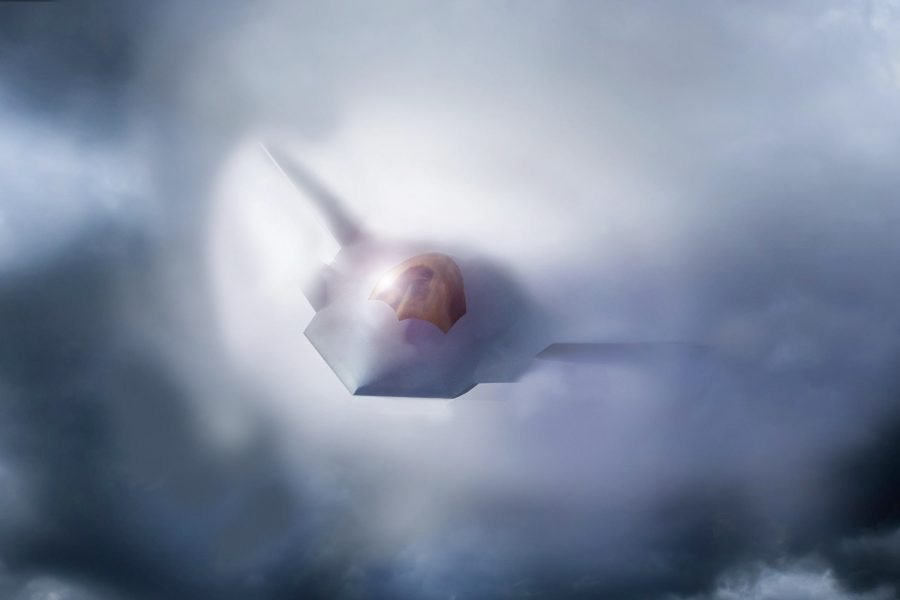 U.S. Air Force Plans $1.057 Billion Campus at Nellis to Test F-47 Fighter
-
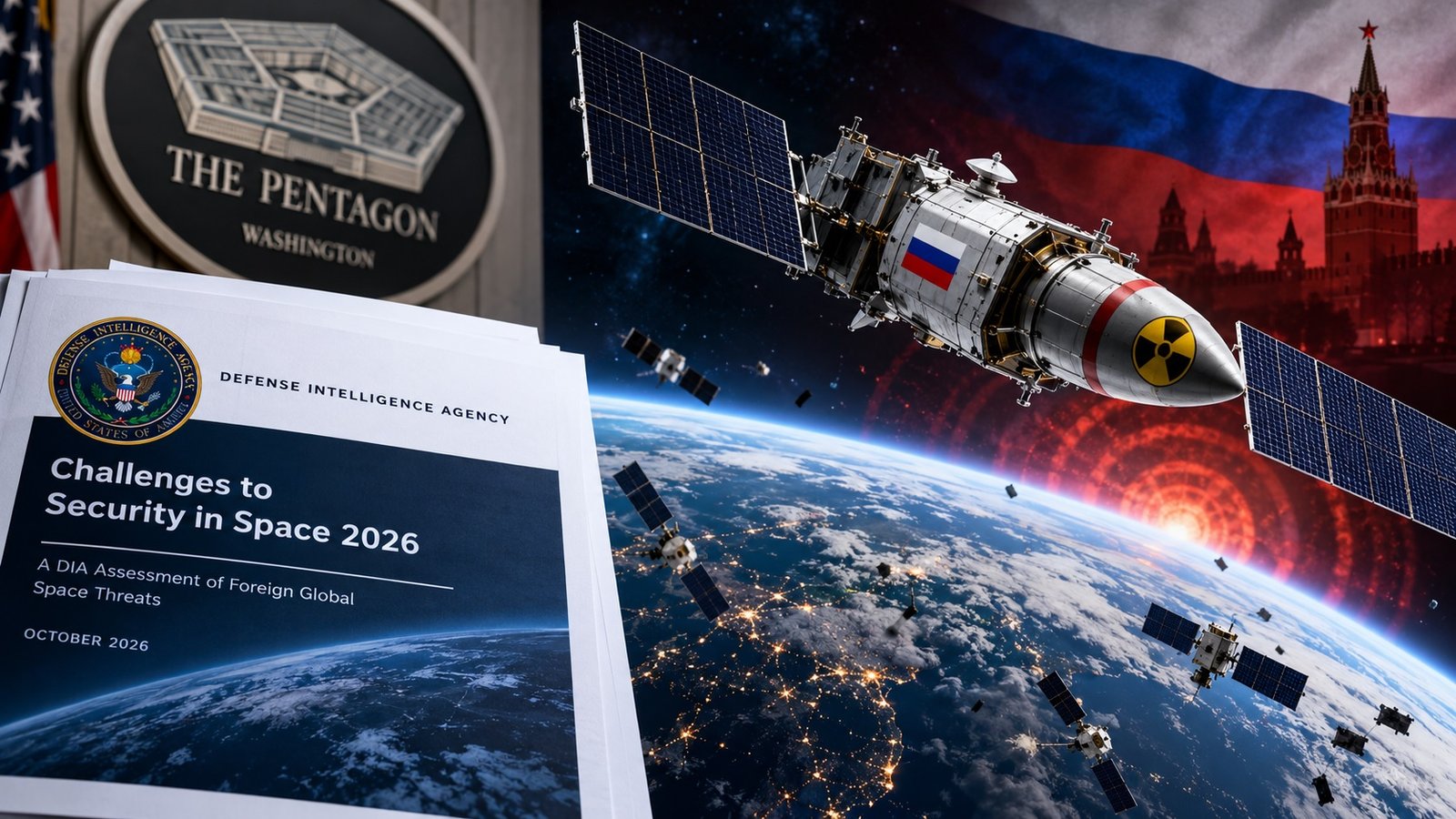 Pentagon Report Says Russia Developing Satellite to Carry Nuclear Weapon Into Orbit
-
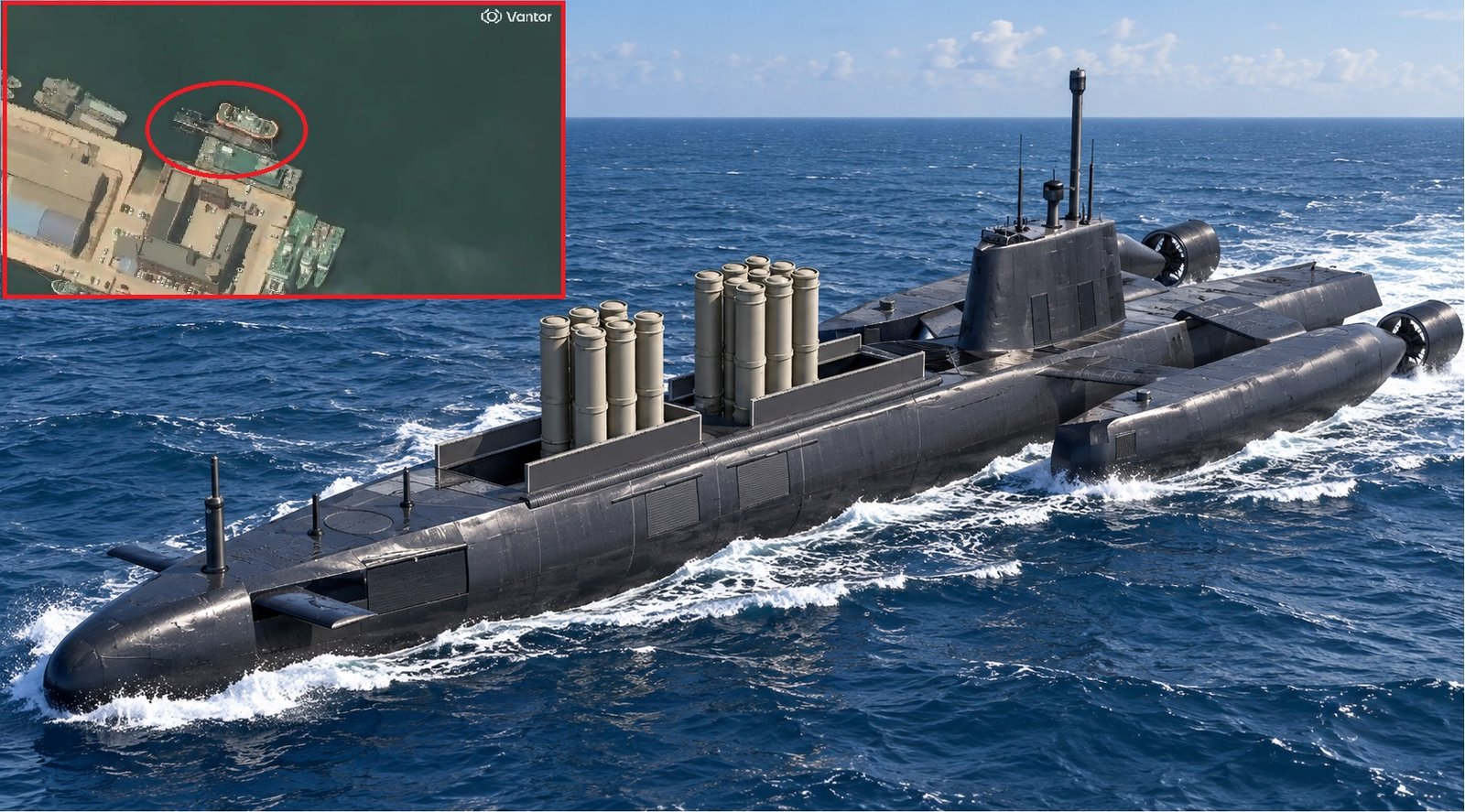 China Tests Unprecedented Uncrewed Semi-Submersible Arsenal Ship With Trimaran Design