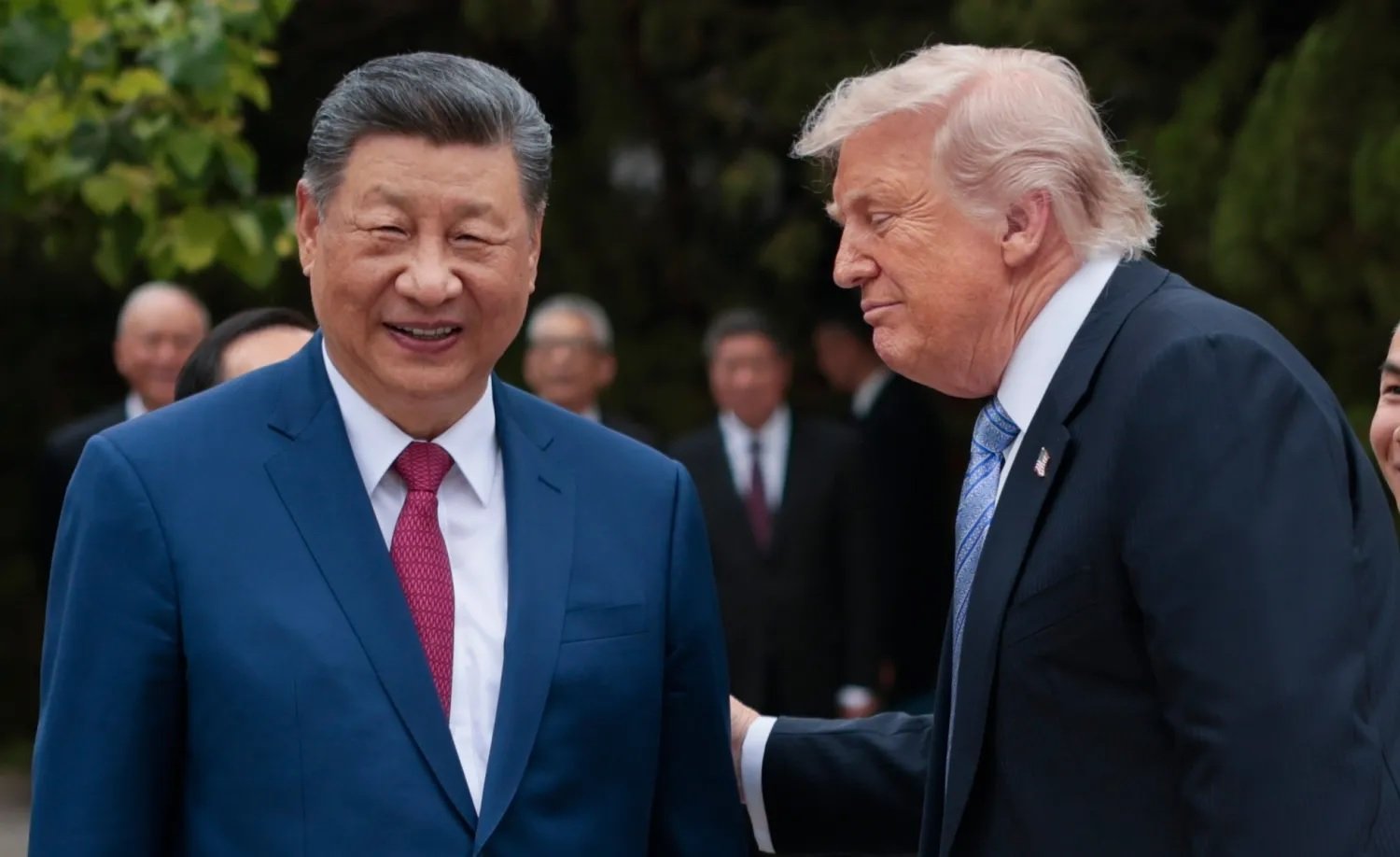
WASHINGTON — U.S. President Donald Trump and Chinese President Xi Jinping reached an eight-point understanding during Xi’s three-day state visit to the United States from September 23 to 25, covering Iran, international waterways, trade, artificial intelligence, law enforcement and bilateral relations.
The two leaders agreed that Iran should honor its commitment not to develop nuclear weapons and that no country or institution should impose tolls on international waterways. The official summit accounts do not specifically name the Strait of Hormuz in this language or record a direct agreement with Iran to reopen the waterway.
Iran has denied seeking nuclear weapons and says its nuclear program is peaceful. On September 22, a senior Iranian official told Reuters that Tehran could reopen the Strait of Hormuz within seven days if the United States eased military pressure and lifted its blockade of Iranian ports.
Eight areas of agreement
Trump and Xi agreed to build a constructive China-U.S. relationship of strategic stability based on respect, fairness and reciprocity. The eight-point understanding also included:
- Support for APEC in November hosted by China and the G20 Summit in December hosted by the United States, with both leaders intending to attend each other's events.
- Recognition that China and the United States were World War II allies.
- Economic and trade measures including establishing and advancing a Board of Trade, a reciprocal tariff reduction arrangement covering $30 billion in goods, and implementation of earlier Kuala Lumpur talks. China also plans to purchase at least 10 million tonnes of U.S. coal in both 2027 and 2028.
- Continued counter-narcotics cooperation involving new psychoactive substances and precursor chemicals, with dozens of suspects arrested in cases involving both countries.
- Creation of a China-U.S. AI Dialogue to discuss the risks and benefits of artificial intelligence. The next meeting is scheduled for November 2026, alongside a bilateral channel for AI-related incidents.
- The arrival of two Chinese-leased giant pandas at Zoo Atlanta.
The Chinese and U.S. militaries also agreed to work toward a memorandum of understanding on crisis communication and prevention and to continue joint searches for the remains of American personnel in China.
U.S. concerns over Chinese support for Iran
The Iran agreement came after U.S. allegations that Chinese companies had supported Iran during the conflict. U.S. officials and intelligence reports have cited the supply of satellite imagery and reconnaissance data, electronics, semiconductors, GPS devices, engines and chemical precursors such as sodium perchlorate.
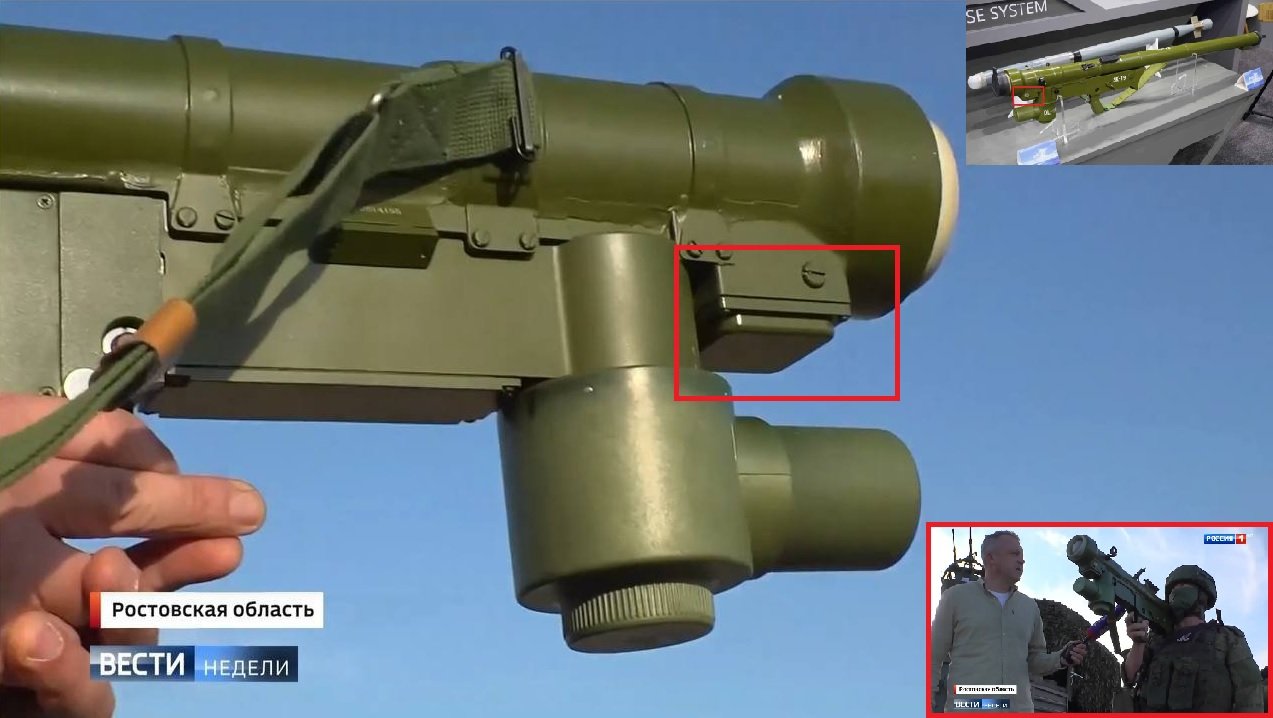
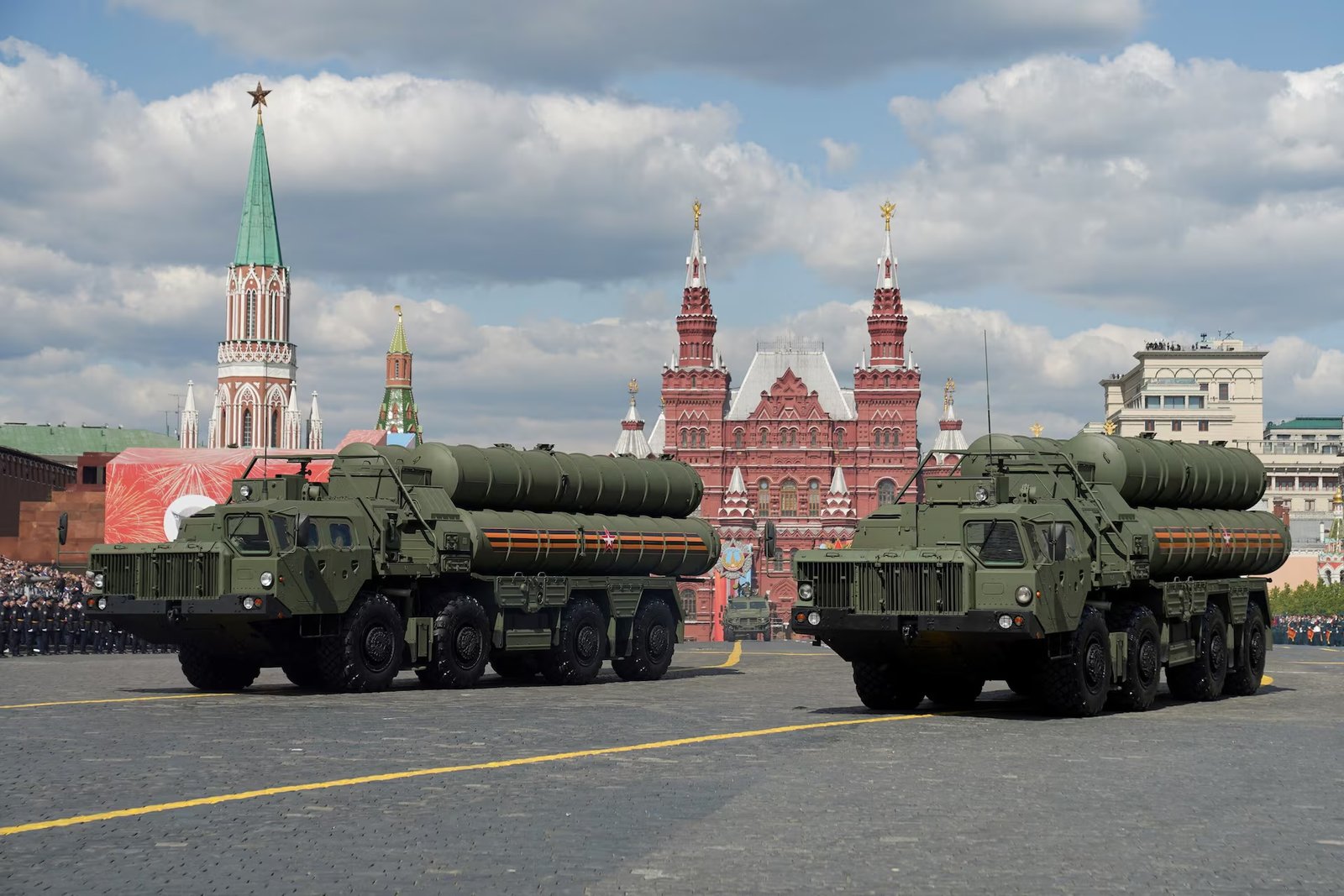
Reports have also alleged that Chinese-made air-defense systems were involved in the downing of a U.S. fighter aircraft. Other U.S. claims have linked Chinese-supplied satellite information to Iran's targeting capabilities, including in connection with a July 2026 strike in Jordan that killed three U.S. troops.
China has remained the main buyer of Iranian crude, with previous reports estimating that it purchased around 90–95% of Iranian oil exports during some periods. Logistics links involving sanctioned carriers such as Mahan Air, as well as oil-for-goods arrangements, have also been reported.
Trump reportedly told Xi that continued Chinese military or intelligence assistance to Iran was "totally unacceptable." Following the summit, U.S. Treasury Secretary Scott Bessent said China had "substantially reduced" its material and economic support for Iran.
Bessent said about 15 million barrels of Iranian oil remained out for delivery under the U.S. port blockade and were expected to reach China within roughly two weeks. He also said oil flows through the Strait of Hormuz were averaging 15 million to 22 million barrels per day.
The agreements represent a broad set of U.S.-China commitments covering trade, technology, law enforcement, military communication and international issues, while the shared position on Iran comes amid the continuing U.S.-Iran conflict.
——— End of Article ———