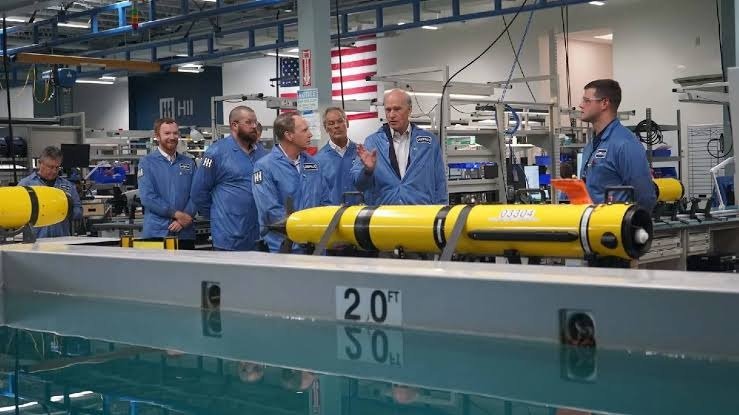
POCASSET, Massachusetts — Huntington Ingalls Industries (HII) has expanded its unmanned maritime systems facility in Pocasset by 10,000 square feet, increasing the site's manufacturing space from 40,000 to 50,000 square feet, a 25 percent increase.
The expansion was marked by a ribbon-cutting ceremony on September 21, attended by U.S. Representative Bill Keating.
More Space for Unmanned Maritime Systems
The additional capacity will support production of HII's REMUS family of unmanned underwater vehicles, ROMULUS unmanned surface vessels and related autonomy systems.
A major focus will be the production of the U.S. Navy's Lionfish small unmanned undersea vehicle (SUUV). Based on HII's commercial REMUS 300 platform, Lionfish is a modular, open-architecture underwater vehicle designed for mine countermeasures, anti-submarine warfare, and intelligence, surveillance and reconnaissance (ISR) missions.
HII says Lionfish is currently the first and only cyber-compliant unmanned underwater vehicle in production for the U.S. Navy.
HII completed its 42nd Lionfish vehicle by the end of 2025. In July 2026, the Navy awarded HII an option-year contract for continued Lionfish deliveries. The five-year program, which began with an initial award in 2023, has the potential to reach up to 200 vehicles with a total value exceeding $347 million.
REMUS 620 and ROMULUS Production
The expanded facility will also support production of the longer-range REMUS 620 underwater vehicle and the ROMULUS family of unmanned surface vessels.
HII plans to use the additional space to integrate its Odyssey Autonomous Control Solutions software. This includes simulation and modeling tools for complex multi-vehicle missions and autonomy hardware for ROMULUS vessels.
“By bringing together advanced unmanned platforms, autonomy, integration, simulation and modeling capabilities, we are expanding our ability to deliver the maritime systems our customers need while continuing to create high-quality jobs here in Massachusetts,” said Duane Fotheringham, president of unmanned systems in HII's Mission Technologies division.
Workforce and Regional Impact
HII currently employs about 300 people at the Pocasset facility and has added 50 employees so far in 2026. The company also has longstanding ties to the region's maritime technology sector, including a technology development partnership with the Woods Hole Oceanographic Institution.
Representative Keating, who also spoke at the facility's original opening in 2014, attended the expansion ceremony.
“HII’s continued growth on Cape Cod demonstrates how investments in advanced maritime technology can strengthen our national security while supporting good jobs and economic opportunity here in Massachusetts,” Keating said.
25 Years of REMUS
The expansion coincides with the 25th anniversary of the REMUS family of underwater vehicles.
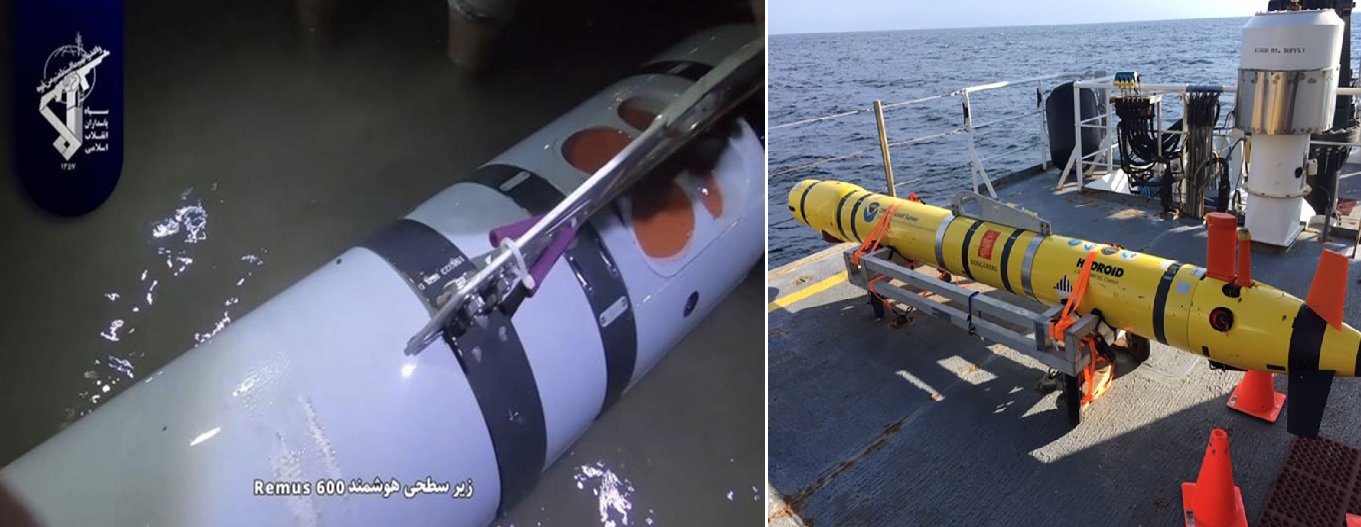
HII says it has delivered more than 750 REMUS systems to customers in over 30 countries, including 14 NATO member nations. More than 90 percent of the REMUS platforms delivered during the past 25 years remain in active service, according to the company.
The systems are used for defense missions, ocean exploration, research, environmental monitoring and commercial operations.
The expanded Pocasset facility will therefore provide additional manufacturing and integration capacity for HII's unmanned underwater and surface vehicle programs, including Lionfish, REMUS 620, ROMULUS and associated autonomy technologies.
——— End of Article ———