
Science
Latest Science News WorldConcerns were expressed by experts over the bird flu pandemic's possible quick spread, which might result in a remarkably large death toll and be "100 times worse than the Covid pandemic”, according to reports.Experts who expressed worries about the possibility of a fresh pandemic during a recent briefing on the H5N1 strain of bird flu were quoted in the paper. The virus is getting close to a tipping point where it might start a worldwide pandemic, according to scientists.Dr. Suresh Kuchipudi, a well-known bird flu expert in Pittsburgh, cautioned during a recent briefing that because H5N1 flu can infect a variety of mammals, including people, "we are getting dangerously close to this virus potentially causing a pandemic.""We are talking about a virus that is spreading, prevalent worldwide, and has already infected a variety of mammals. we are not really talking about a virus that hasn't made a leap yet. "It's about time we get ready," Dr. Kuchipudi stated at the briefing.When a man from Texas contracted the H5N1 form of avian influenza, also known as bird flu, from dairy cows thought to be infected with the virus, the situation became extremely concerning. Because humans are not immune to the virus, the EU's Food Safety Agency (EFSA) issued a warning on Wednesday about the possibility of a widespread bird flu pandemic should the virus spread between humans.According to data from the World Health Organization (WHO), since 2003, 52 out of every 100 persons infected with the H5N1 virus have died, representing a fatality rate of more than 50%. In the meantime, the percentage of deaths from COVID-19 has decreased to 0.1% from 20% at the beginning of the pandemic.What is H5N1 flu ?H5N1 flu is a strain of influenza that is also referred to as avian influenza or bird flu. a virus mostly affecting birds. H5N1 is primarily spread by poultry, but it can also infect humans and other mammals, which could be dangerous for the general public's health. Direct contact with infected birds or their droppings, as well as contaminated surfaces or settings, are the ways in which the virus is spread.Acute respiratory distress syndrome (ARDS), fever, cough, sore throat, pneumonia, and other symptoms are some of the severe respiratory illnesses that humans can contract from H5N1 flu.
Read More → Posted on 2024-04-08 16:36:38
Science
Science NewsChina China's pursuit of an "artificial sun" isn't about recreating a miniature star in the literal sense. Instead, it's an ambitious program focused on achieving nuclear fusion, the process that powers the sun and other stars. Nuclear fusion involves fusing atomic nuclei, releasing enormous amounts of energy – a clean and potentially limitless source of power.China's efforts in this field are nothing short of impressive. Here's a closer look at their progress and what it signifies:The Tokomak and EAST: Milestones AchievedChina's primary tool for achieving fusion is the tokamak, a donut-shaped device that uses powerful magnetic fields to confine and heat extremely hot plasma (ionized gas). Their most prominent tokamak is the Experimental Advanced Superconducting Tokamak (EAST). EAST has achieved significant milestones. In 2020, it became the world's first tokamak to maintain a plasma temperature of 150 million degrees Celsius, ten times hotter than the sun's core. More recently, in August 2023, EAST achieved a record-breaking steady-state high-confinement plasma operation for over 400 seconds, a crucial step towards replicating the sustained energy production needed for a power plant.HL-3 and Beyond: The Road to Commercial FusionChina's advancements extend beyond EAST. Their next-generation tokamak, the HL-3 (officially known as the Heavy Ion Experimental Tokamak), boasts even larger dimensions and aims to reach even higher plasma temperatures. It's a testament to China's commitment to pushing the boundaries of fusion research.The Fusion Race: Global Collaboration and CompetitionChina isn't alone in this endeavor. The International Thermonuclear Experimental Reactor (ITER) project in France is a global collaboration aimed at demonstrating the scientific and technological feasibility of fusion power. China is a major contributor to ITER, highlighting the international nature of this complex scientific pursuit.However, there's also a competitive aspect. Achieving commercial fusion power first would be a significant technological and economic coup. China has set ambitious goals, aiming for a first industrial prototype fusion reactor by 2035 and large-scale commercial production by 2050.Challenges and the Road AheadDespite the progress, significant challenges remain. Maintaining stable plasma confinement at high temperatures and for extended durations is a complex task. Additionally, developing materials that can withstand the harsh conditions within a fusion reactor is another hurdle.China's "artificial sun" program is a significant undertaking with the potential to revolutionize global energy production. While there's a long road ahead, China's continued investment and their recent breakthroughs position them as a major player in the race to achieve clean and sustainable fusion energy.
Read More → Posted on 2024-04-06 15:52:17
Science
Science News WorldResearchers have recently uncovered a significant breakthrough in understanding solar storms, particularly the historic Carrington Event of 1859. Through the analysis of radiocarbon concentrations in tree rings from Lapland, scientists have gained valuable insights into the effects of one of the largest recorded solar storms and its implications for future geomagnetic disturbances.The Carrington Event, renowned for its striking aurora and disruption to telegraph systems globally, has long fascinated scientists. However, the ability to study medium-sized storms like this using radiocarbon dating has been limited until now.A collaborative effort involving the University of Helsinki, Natural Resources Institute Finland, and the University of Oulu has led to the detection of an increase in radiocarbon concentrations in tree rings following the Carrington storm. This marks the first time such an observation has been made, providing a new avenue for investigating solar storm frequencies and their impacts on Earth.Solar storms arise from interactions between solar plasma flows and Earth's geomagnetic field, resulting in phenomena such as aurorae. High-energy particles from these storms can generate radiocarbon (14C) in the upper atmosphere, which is then absorbed by plants through photosynthesis, leaving a trace in annual tree rings.By analyzing these rings, researchers can trace back and study past solar events.Markku Oinonen, Director of the University of Helsinki’s Laboratory of Chronology, underscores the significance of radiocarbon as a cosmic marker capturing phenomena related to Earth, the solar system, and outer space.This discovery holds crucial implications for understanding solar behavior and its potential disruptions to modern technology, including electrical and mobile networks, satellites, and navigation systems.The study utilized a dynamic atmospheric carbon transport model developed by researchers at the University of Oulu to interpret the results, revealing geographical variations in radiocarbon distribution.The findings indicate that the excess radiocarbon from the Carrington Event was primarily transported to the lower atmosphere through northern regions, challenging previous assumptions about its movement.
Read More → Posted on 2024-04-05 05:51:47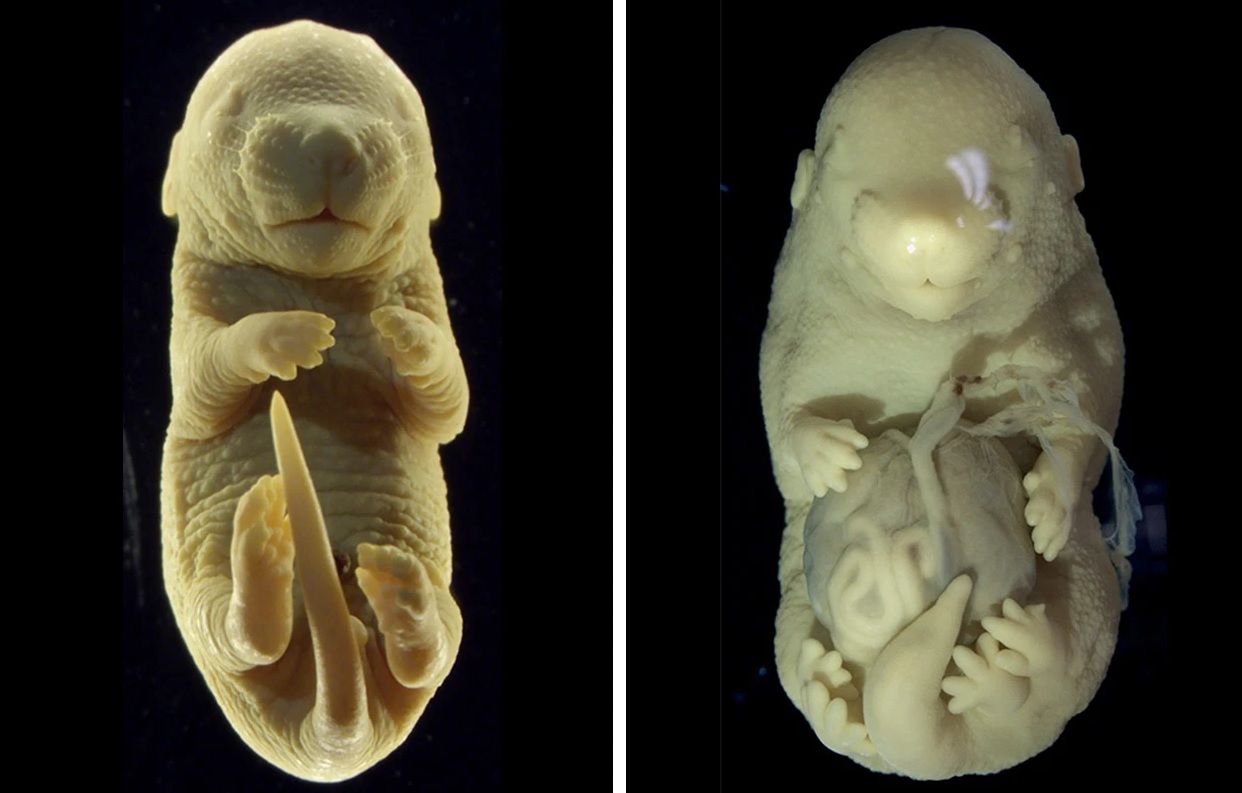
Science
Science News ,World :- In a groundbreaking study published in Nature Communications on March 20th, researchers unveiled a remarkable discovery: a mouse with six legs, challenging conventional understanding of embryonic development. Led by developmental biologist Moisés Mallo and his team at the Gulbenkian Science Institute in Portugal, this study sheds light on the intricate relationship between genetics and embryonic structure.The investigation centered around the Tgfbr1 gene, a crucial component in a signaling pathway pivotal for embryonic development. To explore its role, scientists deactivated the Tgfbr1 gene in mouse embryos midway through development. What they observed was unexpected and extraordinary.Anastasiia Lozovska, a graduate student working with Mallo, stumbled upon a startling revelation during the research process. She noticed that some of the bioengineered embryos exhibited genitalia resembling two additional hind limbs. This serendipitous finding redirected the trajectory of their study, captivating the scientific community with its implications.Traditionally, scientists have understood that in most quadrupeds, the development of both external genitalia and hind limbs originates from the same foundational structures. However, the six-legged mouse challenged this paradigm, offering new insights into the intricacies of embryonic development.Further investigation into this phenomenon revealed that Tgfbr1 plays a pivotal role in determining whether these primordial structures develop into genitalia or limbs. By altering the folding patterns of DNA within the cells, Tgfbr1 orchestrates the differentiation process. When the protein is deactivated, it disrupts the activity of other genes, leading to the formation of extra limbs at the expense of traditional external genitalia.The implications of this study extend far beyond the realm of developmental biology. Mallo and his team are now exploring whether Tgfbr1 and its counterparts exert similar effects on DNA structure in other biological systems. Specifically, they aim to unravel its potential role in conditions such as metastatic cancer and immune function.Moreover, the researchers are delving into whether this mechanism underlies the development of unique structures in other species, such as the reptilian hemipenis. In snakes, the hemipenis, a double organ, develops from primordial structures akin to limbs, providing intriguing parallels to the findings in the six-legged mouse.This groundbreaking research not only challenges existing paradigms in developmental biology but also opens new avenues for understanding the intricate interplay between genetics and embryonic development. By unraveling the mechanisms governing these processes, scientists are poised to make significant strides in fields ranging from cancer research to evolutionary biology. The six-legged mouse serves as a captivating example of how serendipitous discoveries can illuminate the mysteries of life's most fundamental processes.
Read More → Posted on 2024-03-29 05:55:28
Science
History News ,India :- Dr. George Gheverghese Joseph from The University of Manchester has uncovered groundbreaking revelations about the 'Kerala School' and their contributions to mathematics. He points out that the 'infinite series,' a fundamental concept in calculus, was actually identified by the Kerala School around 1350. Surprisingly, this discovery, which predates Sir Isaac Newton and Gottfried Leibnitz by centuries, has often been mistakenly attributed to them.Researchers from The Universities of Manchester and Exeter further reveal that the Kerala School also pioneered the Pi series and utilized it to calculate Pi with remarkable accuracy—up to 17 decimal places.Moreover, there's compelling evidence suggesting that Indian mathematicians shared their discoveries with Jesuit missionaries during the fifteenth century, potentially influencing the development of mathematical thought in Europe.Dr. Joseph emphasizes that while Newton's contributions to calculus remain significant, figures like Madhava and Nilakantha from the Kerala School deserve equal recognition for their discovery of infinite series, a vital component of calculus.However, the neglect of scientific achievements from non-European regions, influenced by historical biases stemming from colonialism, has obscured the Kerala School's contributions. Additionally, the lack of familiarity with the medieval form of Malayalam, the local language of Kerala, where much of the significant mathematical texts were written, has contributed to this oversight.Dr. Joseph also highlights disparities in the standards of evidence required to acknowledge knowledge transmission from East to West compared to the reverse. He suggests that the West's reliance on knowledge exchange from India and the Islamic world during the medieval period is well-documented, yet the contributions from these regions are often undervalued.He points out instances where European Jesuits, with expertise in mathematics and local languages, interacted with Kerala mathematicians, indicating potential knowledge transfer. For example, Pope Gregory XIII's committee, which included mathematician Clavius, sought information on calendar construction from diverse regions, with the Kerala School being a notable resource.Similarly, advancements in navigation during the Age of Exploration spurred the demand for accurate astronomical calculations, an area where Kerala mathematicians excelled.In light of these findings, it's essential to recognize the significant contributions of the Kerala School to the development of mathematics, bridging the gap in our understanding of its global history.Erratum: The University of Manchester acknowledges the significant work of Professor CK Raju in exploring the transmission of Kerala Mathematics to Europe, which should have been recognized in the original news release.
Read More → Posted on 2024-03-25 15:54:15
Science
Science News ,World :- In an exciting development, doctors have successfully transplanted a pig kidney into a person for the first time. This success has researchers hopeful about using animal organs for human transplants, a process called xenotransplantation.The patient who received the pig kidney is Richard Slayman, a 62-year-old man suffering from severe kidney failure. He underwent surgery on March 16 and is recovering well, according to his doctors.The kidney came from a special miniature pig that had undergone 69 genetic changes. These changes were made to prevent rejection of the organ by the recipient's body and to lower the risk of any viruses that the organ might carry.Experts say that, at least in the short term, these transplanted pig organs are safe and work just like human kidneys. Luhan Yang, the CEO of Qihan Biotech in China, and a founder of the company that created the genetically modified pigs, eGenesis in Massachusetts, believes this case shows promising results.The company is now talking with the US Food and Drug Administration (FDA) about planning larger clinical trials. These trials would involve transplanting pig kidneys, hearts for children, and livers that would be connected to the recipient's body externally. Wenning Qin, a molecular biologist at eGenesis, confirms this plan.Hope for Saving Lives: Push for Full-Scale Tests of Animal Organ TransplantsIn the United States, when someone's life is in danger and there's no other way to help them, doctors sometimes use animal organs for transplants. This is called "compassionate use." Now, there's hope that these transplants might become more common.One person who had an animal organ transplant, named Slayman, got approval from the FDA for this special treatment. But Dr. Yang believes that with new positive results, the FDA might allow larger tests with more people. He thinks these transplants could give patients and their families hope and save lives.Using animal organs for transplants could also help solve a big problem: not having enough human organs for everyone who needs them. In the United States alone, nearly 90,000 people are waiting for a kidney transplant. Sadly, over 3,000 people die each year while waiting. Dr. Wayne Hawthorne from the University of Sydney in Australia says that even though more people are donating organs, there's still a huge shortage.Dr. Muhammad Mohiuddin, a surgeon and researcher, is excited about the possibility of more tests. He led the first transplant of a pig's heart into a living person. Dr. Mohiuddin, who also heads the International Xenotransplantation Association, believes that these tests can give us important information about how safe and effective animal organ transplants are.Before, surgeons have already put gene-edited pig hearts into two living people. They've also transplanted modified pig kidneys into people who were declared dead because their brains stopped working. Just recently, surgeons in China put a modified pig liver into a person who was clinically dead and kept it there for ten days. This shows that animal organ transplants might offer hope for many people in need.Dozens of EditsThe surgery to give Slayman a pig kidney lasted four hours, according to Tatsuo Kawai, one of the doctors who did the surgery. Slayman already had a human kidney that someone donated to him in 2018, but it was starting to fail. Because of this, Slayman had to regularly go for dialysis treatment. But he faced more problems and had to visit the hospital often, so doctors thought he could try getting a pig kidney.The pig's kidney given to Slayman had been changed by scientists at a company called eGenesis using a method called CRISPR–Cas9 genome editing. They changed 69 genes in the pig. Monkeys who got pig organs from this company with these changes in their genes lived for months to years. Qin, one of the scientists, believes Slayman's new pig kidney could last just as long, maybe even longer. This is because the changes were made with humans in mind, not monkeys.The changes included taking out three genes that help pigs make three types of sugars on their cells' surface. Our immune system sees these sugars as a sign of an enemy and attacks them. Seven new genes were added to make proteins like those in humans that help stop the body from rejecting the organ.Preventing Viral SpreadScientists have made 59 changes to the genes of pigs to stop viruses from becoming active in the human body. They worry that these viruses might become a problem once inside humans. While there haven't been cases of this happening in living humans or non-human primates who received pig transplants, lab experiments have shown that these viruses can move from pig tissues to human cells and to mice with weak immune systems.The first pig heart that was successfully transplanted into a person had a hidden virus, which might have caused the organ to fail eventually. Before approving such operations, the FDA is concerned about the risk of pig diseases spreading to the recipient. eGenesis regularly tests its pigs for pathogens like porcine cytomegalovirus, which can hide in pigs without causing symptoms.Before the transplant, researchers froze blood samples from the patient, his family, and his surgeons. If the patient gets sick later on, scientists can check these samples to see if they were the source of the illness.The patient will be regularly tested for diseases, and if he shows any symptoms, his family and caregivers will also be checked.These precautions are crucial because a pig might seem healthy, but its germs could still cause problems for someone with a weak immune system. Even if tests show no viruses or bacteria in the pigs before the transplant, there's still a risk they could grow and spread in a person with a compromised immune system. So, there are still many unknowns that scientists are trying to understand.Keeping Kidneys HealthyKidneys do a big job in our bodies. They clean out bad stuff, make pee, and help keep our blood pressure in check. When surgeons fixed up the blood flow to a transplanted pig kidney, it quickly turned pink and started making pee. That's a good sign the transplant worked.Doctors also look at something called creatinine in the blood to check kidney health. High levels of creatinine mean the kidney isn't doing its job of cleaning waste well. Before the transplant, Slayman had high creatinine levels, but by the fourth day after the surgery, it dropped a lot. Doctors hope it'll keep going down to a normal level."It seems like this kidney is working how it should," says Mohiuddin.Slayman might leave the hospital as soon as tomorrow. He's taking medicines to stop his body from rejecting the new kidney, and things are looking good so far. Scientists hope to tweak pig genes so recipients won't need these medicines, which can weaken the body."Before, people said pig organ transplants were a dream. Now, we have someone with a pig kidney—it's amazing!" says Qin.
Read More → Posted on 2024-03-25 15:36:15
Science
Science , World :- In a groundbreaking revelation, researchers at Stanford University have uncovered a new and surprisingly uncomplicated form of life called 'obelisks.' Placed in the spectrum of complexity between viruses and viroids, these findings emerged from a thorough examination of genetic material extracted from bacteria residing in the human gut, using a cutting-edge method known as next-generation sequencing (NGS).NGS is a sophisticated technique that allows scientists to simultaneously sequence genomes from various organisms in fragments. It's like reading multiple books at the same time, but in small sections. Through this advanced approach, researchers identified a new category of life, the obelisks, standing alongside viruses and viroids in the intricate web of biological simplicity.Viruses and Viroids: The PioneersFor nearly seven decades, viruses were considered the sole inhabitants on the border between life and non-life. They consist of a core made of nucleic acid (either DNA or RNA), surrounded by a protein coat and sometimes a lipid layer. Viruses replicate by infecting host cells and utilizing their machinery to produce more viruses.The viroids, discovered in 1971 by Theodor Diener, added a twist to this narrative. These simple organisms responsible for potato spindle tuber disease consisted only of naked RNA without the usual lipid layer or protein coat found in viruses. Unlike viruses, viroids don't code for any proteins; they simply propagate themselves. This discovery expanded our understanding of plant pathology, challenging the exclusive status of viruses on the border of life.Unveiling Obelisks through NGSEnter obelisks – a new addition to the family of micro-scale life forms. By utilizing NGS, researchers developed a special software script to identify circular RNA genomes, a characteristic feature of viroid-like entities. Analyzing a staggering 5.4 million RNA sequences from human gut bacteria, they uncovered 29,959 distinct obelisks across 220,000 datasets.Surprisingly, obelisks were not confined to the gut alone. Further exploration revealed their presence in bacteria from the human mouth and across all seven continents, underlining their widespread distribution. In contrast to viroids, obelisks possess larger RNA genomes of around a thousand base pairs, seemingly coding for two unique proteins previously unseen in other life forms.Linking Obelisks to S. sanguiniThe challenge lies in linking specific obelisks to their bacterial hosts due to the collective analysis of RNA data from gut or oral bacteria. However, researchers overcame this hurdle by individually scrutinizing RNA from lab-grown bacteria. This led to the successful identification of a particular obelisk linked to Streptococcus sanguini, a common species in the human mouth.This discovery sparks numerous questions about obelisks, including their replication process, transmission methods, potential impact on bacteria, evolutionary history, and implications for human health and disease. Despite these uncertainties, the finding emphasizes the blurred lines between life and non-life, shedding light on the intricate complexity and diversity of microscopic life forms within the human body. The identification of obelisks stands as a significant milestone in our understanding of the hidden world of microorganisms. As scientists continue to unravel the mysteries surrounding these simple life forms, we find ourselves on the brink of a new frontier where the boundaries between life and non-life become increasingly blurred.
Read More → Posted on 2024-02-29 15:52:38
Science
Science , India :- In a groundbreaking development, researchers at the Indian Institute of Technology (IIT), Madras, have successfully patented the use of Indian spices in the treatment of cancer. According to officials, these innovative spice-derived nanomedicines are poised to enter the market by 2028, offering a potential breakthrough in cancer therapy. The nanomedicines have demonstrated significant anti-cancer activity against various types of cancer cells, including lung, breast, colon, cervical, oral, and thyroid, while maintaining safety in normal cells.The researchers are actively addressing safety and cost issues, which are crucial challenges in current cancer treatments. Recent successful animal studies have paved the way for upcoming clinical trials, with the goal of making these revolutionary medicines available to the public by 2027-28.Professor R Nagarajan from the Department of Chemical Engineering at IIT-Madras highlighted the historic use of Indian spice oils in medicine and emphasized that their bioavailability has limited their application. However, the researchers have overcome this limitation by formulating the spices into a nano-emulsion, ensuring stability in the laboratory. Nagarajan stated, "While mechanistic studies continue to identify active ingredients and their modes of interaction with cancer cells, we are concurrently working on translating positive results from animal studies into clinical trials, aiming for a two to three-year timeline for market availability."The development of these nanomedicines has been supported by successful animal studies on the patented anti-cancer nano-formulations. Animal validation, dosage adjustments, and efficacy studies have been carried out with funding support from IIT Madras Distinguished Alumnus Awardee and Infosys Co-Founder Gopalakrishnan through Pratiksha Trust.M Joyce Nirmala, Chief Scientific Officer at IIT Madras' Cancer Nanomedicine and Drug Design Laboratory, emphasized the effectiveness of the patented Indian spice-based nano-formulations in common types of cancers through in-vitro studies. "The drug dosage adjustment and efficacy are now under investigation through animal models, with clinical trials to follow. Our aim is to reduce the cost and pain associated with cancer treatment, along with overcoming toxic side effects seen in existing treatments," Nirmala stated.India, being the world's largest spice producer, stands to benefit from large-scale, cost-effective production of these cancer nanomedicines. Additionally, the formulations have been designed for oral administration to ease the treatment process, with the chosen spices being edible, ensuring good biocompatibility and reducing toxic side effects.Nirmala explained, "Plant and spice oils, in general, could influence multiple oncogenic signaling pathways, providing an added advantage in improving the quality of life for cancer patients."The IIT Madras officials highlighted that nano-oncology has shown promise as an emerging strategy in cancer therapy, diagnosis, and prevention over the last two decades. Cancer nanomedicine is considered superior to conventional treatment strategies due to reduced toxicity, improved drug accumulation, suitable nanometer size spectrum, and increased circulation time."Cancer nanomedicine development is crucial in light of the global surge in cancer cases and deaths across all age groups. Breast, lung, and colorectal cancers are the most common worldwide, and according to the World Health Organization, around 400,000 children develop cancer annually," Nirmala explained.Traditional cancer treatments, such as chemotherapy, radiotherapy, and surgery, have been in use since the 1930s. However, these options often come with pain, toxic side effects, lack of targeting efficiency, and high costs. Nirmala emphasized, "As the complete eradication of cancer remains elusive through existing therapies, the role of nanomedicine is assuming greater importance."The pioneering work at IIT Madras holds tremendous promise in transforming cancer treatment. The use of Indian spices in nano-formulations not only addresses the efficacy concerns but also offers a cost-effective and less painful alternative to existing cancer therapies. As the research progresses towards clinical trials, the potential impact on global cancer care could be revolutionary, providing hope for a future with safer, more accessible, and effective cancer treatments.
Read More → Posted on 2024-02-27 07:18:12
Science
Porphyria, sometimes referred to as the "vampire disease," is a group of eight inherited disorders affecting the production of heme, a molecule essential for transporting oxygen in red blood cells. While some symptoms of certain types of porphyria can be triggered by sunlight, it's crucial to understand that these conditions are not the basis for vampire myths.What is Porphyria?Porphyria arises due to genetic mutations that disrupt the production of heme. This disruption leads to a buildup of porphyrins, chemical precursors to heme, in the body. These accumulated porphyrins can cause damage to various organs, leading to a diverse range of symptoms. There are eight different types of porphyria, each classified by the specific enzyme deficiency and the resulting symptoms.Symptoms and Sun Sensitivity:The symptoms of porphyria vary depending on the type and severity of the condition. However, some common symptoms across different types include:Severe abdominal painNausea and vomitingNeurological problems, like seizures and muscle weaknessSkin sensitivity to sunlight It's important to note that not all types of porphyria cause sun sensitivity. The type often associated with sunlight sensitivity is Porphyria Cutanea Tarda (PCT). People with PCT experience increased fragility and blistering of the skin upon sun exposure.Types of Porphyria :Porphyria is divided into two main types: acute porphyria and cutaneous porphyria.Acute Porphyria:Acute porphyrias strike suddenly, primarily affecting the nervous system, with some impact on the skin. In all cases, there's a buildup of porphyrins in the liver. The specific types include: 1. Acute intermittent porphyria 2. ALAD (delta-aminolevulinic acid dehydratase deficiency) porphyria 3. Hereditary coproporphyria 4. Variegate porphyriaCutaneous Porphyria:Cutaneous porphyrias mainly involve the skin, where porphyrins typically accumulate in the liver or bone marrow. These types are: 1. Porphyria cutanea tarda 2. Congenital erythropoietic porphyria 3. Hepatoerythropoietic porphyria 4. Protoporphyria, including erythropoietic protoporphyria and X-linked protoporphyriaPorphyria Cutanea Tarda is the most common type, responsible for about 20% of cases, while *Acute Intermittent Porphyria* is the most common among acute porphyrias. Symptoms of Porphyria:One common symptom across porphyrias is the presence of red, brown, or purple urine. However, symptoms vary between acute and cutaneous porphyrias.Symptoms of Acute Porphyria:Symptoms appear rapidly and can be severe, lasting days to weeks with varying intensity. Main symptoms include:Red or brown urineAbdominal pain, chest pain, back pain, or pain in extremitiesNausea, vomitingConstipation, diarrheaAnxiety, confusion, hallucinations, paranoia, disorientationUrinary retention or incontinenceMuscle weakness, paralysisSeizuresBreathing problemsPalpitationsHigh blood pressure Symptoms of Cutaneous Porphyria:Cutaneous porphyria symptoms are chronic, lasting a long time and varying in intensity. Main symptoms occur with sunlight exposure and include:Red or brown urineSunlight sensitivity: pain, burning, stinging, redness, swelling, and itchingBlisters on exposed skin (except in erythropoietic protoporphyria and X-linked protoporphyria)Fragile skinInfected blistersScarringChanges in skin colorExcessive hair growth in affected areasDebunking the Myth:While the sun sensitivity in some types of porphyria may have contributed to certain vampire folklore, it's crucial to dispel the misconception that these conditions share all the characteristics of vampires. Vampires are fictional creatures with supernatural abilities, including an aversion to sunlight, an inability to consume human food, and extended lifespans. These do not translate to the realities of porphyria, which are real medical conditions with specific, manageable symptoms.Living with Porphyria:While there is no cure for porphyria, various treatments can manage the symptoms and improve the quality of life for individuals affected. These treatments can include:What Causes It?Porphyria is mostly caused by our genes acting up. When there are changes (mutations) in the genes that control the enzymes responsible for making heme, it messes up the whole heme production process. This process involves at least 8 enzymes, and if anything goes wrong at any step, it can lead to a buildup of porphyrins or their precursors, potentially causing porphyria. Each type of porphyria is linked to a different enzyme in this production process.Genes and InheritanceThese disorders are passed down through families. This means the gene mutations causing porphyria can be inherited from one or both parents, or even from the X chromosome. The way it's passed down can be autosomal dominant (from one parent), autosomal recessive (from both parents), or x-linked. Check out our infographic for a simple explanation of these inheritance modes.Famous Cases of Porphyria: One well-known case of porphyria involves King George III of Great Britain and Ireland, who ruled from 1760 to 1820. This diagnosis came about in 1966, long after his death, when medical records were examined by Macalpine and Hunter. They also discovered that porphyria ran in the royal family, tracing back to Mary Queen of Scots and her son, James VI of Scotland and I of England.King James, in particular, had documented instances of wine-colored urine. This diagnosis helped dispel the notion of madness in the royal bloodline, although not everyone agreed. Some suggested arsenic poisoning as an alternative cause. However, evidence supporting the presence of porphyria surfaced in a descendant of King George III, Princess Charlotte of Prussia (1860-1919). Additionally, a more recent member of the Windsor family, Prince William of Gloucester (1941-1972), a grandson of King George V, was also diagnosed with porphyria.Current Status:While there is no cure for porphyria, significant advancements have been made in treatment and management. These include:Avoiding triggers: Sun protection for those with sun sensitivity.Medication: To help reduce porphyrin production and alleviate symptoms.Gene therapy: An approach still under development for some types. Looking Forward:Research continues to improve diagnostic tools and treatment options for porphyria. By dispelling myths and fostering accurate information, the medical community can better support individuals and families living with these conditions.Remember, porphyria is not a mythical curse, but a group of treatable medical conditions with a complex history and a promising future in terms of management and potentially, future cures.Conclusion:Porphyria is a group of real and complex medical conditions. While it's important to raise awareness about these conditions, it's equally important to dispel myths and misinformation surrounding them. Understanding the true nature of porphyria allows for better support and care for individuals living with these conditions.
Read More → Posted on 2024-02-26 17:13:19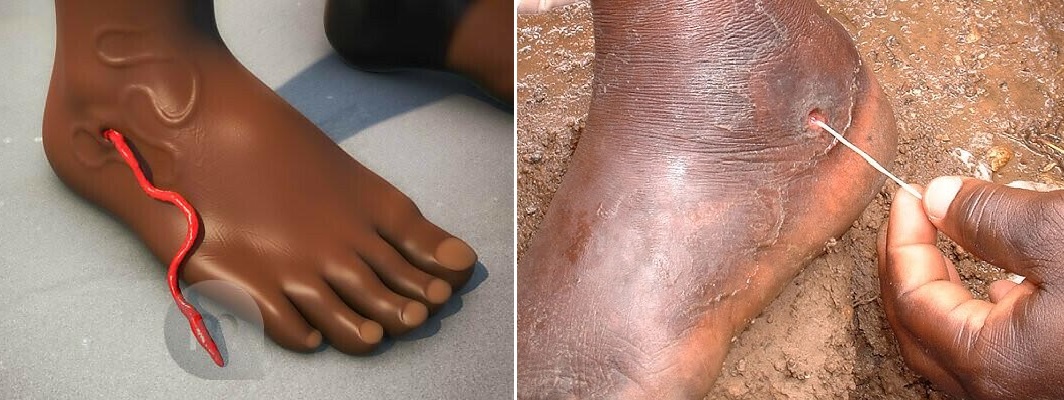
Science
Guinea worm disease, also known as dracunculiasis, is a sickness caused by a large parasite called the Dracunculus medinensis worm. This worm, which can grow up to a meter long, causes a lot of suffering but isn't directly deadly. Let's break down what this disease is all about in simple terms:Guinea WormWhat Causes It:You get infected by drinking water that has tiny creatures called water fleas with baby Guinea worms.Symptoms:After a year inside your body, the female worm comes out through the skin, usually on your legs or feet, creating a painful blister.Other signs include swelling, redness, and trouble walking.Effects:While not deadly on its own, the disease can lead to disability, other infections, and money problems.Getting Rid of It: A global program launched in 1986 focused on: Clean Drinking Water: Teaching people to keep their water clean and giving them access to safe water. Containment: Keeping infected people away from water to stop baby worms from going back into it. Surveillance: Keeping an eye on cases and acting fast when more show up.Success:The number of cases has dropped a lot, from 3.5 million in the 1980s to only 15 in 2021.The goal is to totally get rid of it by 2030, which would be a big win for public health.Other Important Points:We still have challenges, like making sure everyone continues to have clean water and stays alert for any signs of the disease coming back.Lessons learned from fighting Guinea worm disease can help with other similar illnesses. Everyone doing their part and supporting groups fighting these diseases makes the world healthier.History:People have known about Guinea worm disease for a really long time, going back to ancient times in places like Egypt, Greece, and Rome. The first recorded case was in 500 BC in Egypt. For a long time, it caused big problems in different parts of Africa, Asia, and the Middle East. In the 1900s, it was in 20 countries, with millions of cases every year.How the Cycle Works:The Guinea worm's life cycle involves humans and tiny creatures called copepods. People get sick by drinking water with copepods that have baby Guinea worms. These baby worms travel through the body for about a year. When the adult female worm is ready, it comes out through the skin, causing a painful blister. People often put the blister in water, releasing more baby worms and starting the cycle again.Life cycle of Guinea Worm DiseaseThe Battle for Eradication:Because Guinea worm disease was so bad, the World Health Organization (WHO) started a plan to get rid of it in 1986. They focused on stopping the worms from spreading by making sure people have clean water, teaching communities, and stopping outbreaks. The plan worked really well, and the number of cases dropped a lot, from millions to just 15 in 2021.Hoping for a Future Without Guinea Worms:With everyone staying watchful and working hard, the WHO aims to wipe out Guinea worm disease by 2030. If they do it, it'll be a big deal, erasing the second human disease after smallpox. The success in fighting Guinea worm disease gives us hope, showing that when the world works together, even tough diseases can be beaten.
Read More → Posted on 2024-02-25 15:54:16Search
Top Trending in 24 Hours
-
 Bengaluru-Developed Sheshnaag-150 Completes First Rocket-Assisted Take-Off Trial
-
 US Develops New Iran Strike Plans, Including Possible Use of MOAB Bomb
-
 South Korea’s Hanwha Systems Demonstrates 30 kW Laser Air Defense System by Destroying Three Target Drones
-
 Moog Unveils MR SLED Mobile Defense System With 37 Kestrel Interceptors and Up to 12 Zeus Missiles
-
 Yemen’s Houthis Attempt to Manufacture Advanced Ballistic Missiles Using Chinese Components
-
 Ukraine Regains Starshield Connectivity After Sudden Speed Limits Disrupt Drone Operations
-
 U.S. Air Force Targets 2028 Prototypes for Massed Modular Aircraft to Replace MQ-9 Reaper
-
 Skapion Unveils Counter-Swarm Air Defense System After Raising $36 Million
Top Trending in 4 Days
-
 IAI and SIG SAUER Complete Live-Fire Test of FIRE STORM 250 Armed Drone
-
 BAE Systems Unveils High Power Microwave Weapon for Drone Defense at AUSA 2026
-
 Saudi Arabia Explores $8 Billion Loan as Missile Interceptor Stocks Deplete and Western Support Lags
-
 SR Dynamics Unveils New Stealth Strike Drone With 1,000 km Range and 900 km/h Speed
-
 Israel’s IAI Unveils HawkGuard Kinetic Drone Interceptor with 1,000-Meter Range at AUSA 2026
-
 Russia Launches Centralized Platform for Military AI Drone Training
-
 Ukraine Reports No Early Warning Before Russian Missile Strike on Kyiv Amid U.S. Pressure Over Energy Ceasefire
-
 U.S. Army Receives First Hanwha Mobile Tactical Cannon Prototype to Replace M777