Science
Researchers have identified a key molecule, SEMA3A, that contributes to fatty liver disease by closing vital windows in liver cells. This discovery could lead to new treatments to reverse the disease.A team of researchers from Heinrich Heine University Dusseldorf (HHU) and the German Diabetes Centre (DDZ) has discovered a crucial factor in the development of metabolic dysfunction-associated steatotic liver disease (MASLD), commonly known as fatty liver disease. This finding, published in the journal Nature Cardiovascular Research, could pave the way for new treatments for this increasingly common condition.The Role of SEMA3A in Fatty Liver DiseaseThe study found that a saturated fatty acid called palmitic acid triggers the production of a signalling molecule named semaphorin-3A (SEMA3A) in the blood vessels of the liver. SEMA3A causes the closure of tiny windows (fenestrae) in the endothelial cells of blood vessels. These windows are essential for the liver to release excess fat into the bloodstream, which is then transported to adipose tissue for storage. When these windows are closed, fat accumulates in the liver, leading to MASLD.Implications for TreatmentThe researchers discovered that inhibiting SEMA3A can reopen these windows, allowing fat to be transported out of the liver. This reversal of fat accumulation improved liver function in their experiments. This breakthrough offers hope that targeting SEMA3A could become a therapeutic approach for treating MASLD in humans.Understanding MASLDMASLD affects about one-third of the global population, often due to high-energy diets and lack of exercise. Initially, MASLD does not cause symptoms, but it can progress to liver inflammation, cirrhosis, liver failure, or liver cancer. Currently, there is no long-term substitute for liver function, and severe cases may require a liver transplant.People with MASLD are also at higher risk of developing type 2 diabetes and cardiovascular diseases. Although obesity is a significant risk factor, MASLD can also affect people who are not obese.Next StepsWhile the findings are promising, more research is needed to understand the exact processes in humans. Dr. Eckhard Lammert, one of the study's lead authors, emphasizes the need for further investigation to develop potential treatments based on these discoveries.ConclusionThe identification of SEMA3A's role in closing the liver's endothelial cell windows provides a new understanding of how fatty liver disease develops. This discovery opens the door to potential new treatments that could significantly impact those affected by MASLD.
Read More → Posted on 2024-06-15 15:52:36
Science
Explore the sun's magnetic field reversal, its causes, effects on Earth, and its connection to the solar cycle.The sun is about to experience a significant event: a magnetic field reversal. This phenomenon, occurring roughly every 11 years, marks an important stage in the solar cycle. The shift in polarity indicates the halfway point of solar maximum, the height of solar activity, and the beginning of the shift toward solar minimum. The last time the sun's magnetic field flipped was toward the end of 2013. But what causes this switch in polarity, and is it dangerous? Let's take a deep look at the sun's magnetic field reversal and investigate the effects it could have on Earth.The Solar CycleTo understand the magnetic field's reversal, it's important to be familiar with the solar cycle. This approximately 11-year cycle of solar activity is driven by the sun's magnetic field and is indicated by the frequency and intensity of sunspots visible on the surface. The height of solar activity during a given solar cycle is known as solar maximum, and current estimates predict it will occur between late 2024 and early 2026.The Hale CycleThere is another important cycle that encapsulates two 11-year solar cycles, known as the Hale cycle. This magnetic cycle lasts approximately 22 years, during which the sun's magnetic field reverses and then reverts to its original state. During solar minimum, the sun's magnetic field is close to a dipole, with one north pole and one south pole, similar to Earth's magnetic field. As we shift toward solar maximum, the sun's magnetic field becomes more complex, without a clear north-south pole separation. By the time solar maximum passes and solar minimum arrives, the sun has returned to a dipole, albeit with a flipped polarity.What Causes the Switch in Polarity?The reversal is driven by sunspots, which are magnetically complex regions of the sun's surface that can spawn significant solar events, such as solar flares and coronal mass ejections (CMEs) — large blasts of plasma and magnetic field. As sunspots emerge close to the equator, they will have an orientation matching the old magnetic field, while sunspots forming closer to the poles will have a magnetic field matching the incoming magnetic orientation. This process, known as Hale's law, sees the magnetic field from active regions make its way toward the poles, eventually causing the reversal.However, the exact underlying cause of such a flip in polarity remains mysterious. Solar physicists have yet to develop a fully self-consistent mathematical description of what's happening. They continue to investigate where the magnetic field comes from and how sunspots contribute to or cancel the magnetic field at the poles.The Timing of the SwitchThe solar magnetic field flip is not instantaneous. It's a gradual transition from a dipole to a complex magnetic field, and then to a reversed dipole over the entire 11-year solar cycle. There is no specific "moment" when the sun's poles flip; instead, it generally takes a year or two for a complete reversal. For instance, the north polar field of Solar Cycle 24, which ended in December 2019, took nearly five years to reverse.Effects on EarthDespite how dramatic it might sound, the sun's magnetic field reversal is not a sign of an impending apocalypse. We will, however, experience some of its side effects. There is no doubt that the sun has been incredibly active recently, firing out numerous powerful solar flares and CMEs, which trigger strong geomagnetic storms on Earth and produce incredible auroral displays.The increased severity of space weather is not the direct cause of the flip in polarity. Rather, these phenomena tend to occur together. Space weather is typically the strongest during solar maximum, when the sun's magnetic field is also the most complex.Benefits of the Magnetic Field ShiftOne side effect of the magnetic field shift is slight but primarily beneficial: it can help shield Earth from galactic cosmic rays. These high-energy subatomic particles travel at near light speed and can damage spacecraft and harm orbiting astronauts outside Earth's protective atmosphere. As the sun's magnetic field shifts, the "current sheet" — a sprawling surface that radiates billions of miles outward from the sun's equator — becomes very wavy, providing a better barrier against cosmic rays.Predicting Future Solar Cycle StrengthsScientists will be closely monitoring the sun's magnetic field reversal and seeing how long it takes for it to bounce back into a dipole configuration. If this happens within the next couple of years, the next 11-year cycle will likely be relatively active. However, if the buildup is slow, the cycle will be relatively weak, similar to the previous Solar Cycle 24.SummaryThe sun's magnetic field reversal is a natural part of its approximately 11-year solar cycle, driven by the complex magnetic interactions associated with sunspots. While the exact cause of the flip remains a mystery, the process gradually transitions the sun's magnetic field from a dipole to a complex structure and back to a reversed dipole. Although the reversal itself is not dangerous, it does coincide with increased solar activity, including solar flares and CMEs, which can affect Earth. However, the shift also brings benefits, such as enhanced protection against galactic cosmic rays. By understanding and monitoring these cycles, scientists can better predict and prepare for the impacts of solar activity on our planet.
Read More → Posted on 2024-06-14 16:14:23
Science
IIT Madras researchers uncover vast CO2 storage potential in the Indian Ocean and Bay of Bengal, offering a promising solution for reducing greenhouse gas emissions and advancing India's climate goals.Researchers at the Indian Institute of Technology Madras (IIT Madras) have discovered that the Indian Ocean and Bay of Bengal hold significant potential for storing large amounts of carbon dioxide (CO2). This process, known as CO2 sequestration, could play a crucial role in reducing greenhouse gas emissions and helping India meet its climate goals.CO2 Sequestration ExplainedCO2 sequestration involves capturing CO2 emissions from industrial sources and storing them in a way that prevents them from entering the atmosphere. The IIT Madras researchers propose using the deep ocean as a storage site. Specifically, they suggest that CO2 can be stored beyond 500 meters of sea depth, where it can form solid hydrates.Benefits of Oceanic CO2 StorageStoring CO2 in the ocean has several benefits:1. Permanent Storage: Beyond 2,800 meters of sea depth, CO2 becomes denser than seawater, allowing it to remain stable as a liquid or solid hydrate, preventing reemission into the atmosphere.2. Large Capacity: One cubic meter of gas hydrate can store approximately 150-170 cubic meters of CO2.3. Eco-Friendly: The stored CO2 forms a substance called gas hydrates, which is stable and environmentally safe.Research FindingsThe key findings of the IIT Madras research include:Density of CO2: At depths greater than 2,800 meters, liquid CO2 is denser than seawater, enabling it to form stable pools or solid hydrates.Subsea Sediments: The clay sediments on the ocean floor enhance the mechanical and thermal stability of the gas hydrates, ensuring long-term storage potential.Impact on Industrial ClustersThis research could have significant implications for decarbonizing industrial clusters in India. By capturing and storing CO2 emissions from industries, the process can help reduce the carbon footprint of these sectors and support India's net-zero targets.Leading the ResearchThe research was led by Prof. Jitendra Sangwai from the Department of Chemical Engineering at IIT Madras, along with Yogendra Kumar Mishra, a Prime Minister's Research Fellow. Their work paves the way for developing large-scale CO2 sequestration methods using subsea sediments, offering a practical solution to global carbon emission challenges.Future ProspectsWith the potential to store CO2 safely and permanently, the oceans could become a key tool in the fight against climate change. The findings from IIT Madras provide a foundation for further research and development, aiming to implement these storage techniques on a larger scale.ConclusionThe discovery by IIT Madras researchers highlights the untapped potential of the Indian Ocean and Bay of Bengal for CO2 sequestration. This innovative approach could play a crucial role in reducing industrial emissions and supporting India's climate goals, demonstrating a promising pathway to a more sustainable future.
Read More → Posted on 2024-05-19 15:44:22
Science
World Rick Slayman, the first person to receive a genetically modified pig kidney, has passed away, marking a milestone in organ transplantation research. His courageous journey highlights the potential of xenotransplantation in addressing the critical shortage of human organs for transplant.In a milestone moment for medical science, Richard "Rick" Slayman, aged 62, has passed away nearly two months after becoming the first person to receive a kidney from a genetically modified pig. This groundbreaking procedure took place on March 16 at Massachusetts General Hospital, marking a significant advancement in the field of organ transplantation.Slayman's health journey began in 2018 when he received a kidney transplant from a human donor. However, his condition deteriorated in 2023, highlighting the pressing need for alternative solutions due to the shortage of available human organs. With over 90,000 individuals in the US alone awaiting kidney transplants, the demand far exceeds the supply, prompting researchers to explore innovative approaches.Facing complications from dialysis, a procedure vital for individuals with failing kidneys, Slayman's doctors proposed a pig kidney transplant as a potential solution. Despite previous attempts limited to posthumous recipients, Slayman courageously became the first living person to undergo this groundbreaking procedure.The operation, which involved a pig kidney genetically modified by eGenesis, a biotech company, showed initial promise as the kidney began functioning normally shortly after transplantation. However, subsequent signs of rejection emerged, prompting swift intervention with anti-rejection medications. While Slayman's post-discharge condition remains undisclosed, his case offers valuable insights into the challenges and potential of xenotransplantation.Xenotransplantation, the transplantation of organs across species, presents a promising avenue for addressing the organ shortage crisis. Despite the inherent challenges posed by the human immune system's rejection of animal tissue, advancements in genetic engineering offer hope for overcoming these barriers.In a separate case at NYU Langone Health, 54-year-old Lisa Pisano received a genetically engineered pig kidney, accompanied by the transplantation of the pig's thymus gland. These endeavors underscore the collaborative efforts across medical institutions to explore and refine xenotransplantation techniques.While the path to widespread adoption of pig organs in human transplantation requires further research and refinement, Slayman's legacy as a trailblazer in medical innovation is undeniable. His courage and optimism serve as a beacon of hope for patients, researchers, and healthcare professionals alike, reaffirming the collective commitment to advancing medical science and improving patient outcomes.In the wake of Slayman's passing, his family's poignant statement reflects a shared sentiment of gratitude and inspiration. As we reflect on his remarkable journey, we honor his legacy and rededicate ourselves to the pursuit of transformative breakthroughs in organ transplantation.In summary, Rick Slayman's pioneering spirit and the collaborative efforts of medical professionals herald a new era in organ transplantation, offering renewed hope for countless individuals awaiting life-saving procedures.
Read More → Posted on 2024-05-14 15:45:12
Science
Science Single-cell analysis techniques represent a ground-breaking frontier in biomedical research, allowing for the interrogation of individual cells with unprecedented resolution and sensitivity. By dissecting the heterogeneity within cellular populations, these techniques unveil insights into cellular function, disease mechanisms, and therapeutic responses that were previously obscured by bulk analyses. In this comprehensive report, we delve into the principles of single-cell analysis, explore cutting-edge methodologies, highlight applications across diverse fields, address ethical considerations, confront challenges, and chart future directions. Single-cell technologiesPrinciples of Single-Cell AnalysisSingle-cell analysis techniques are underpinned by several key principles:Cell Isolation and Capture: Single-cell analysis begins with the isolation and capture of individual cells from complex biological samples. Techniques such as fluorescence-activated cell sorting (FACS), microfluidics-based sorting, and laser capture micro dissection (LCM) enable the precise isolation of single cells while preserving their molecular integrity.Single-Cell Genomics: Single-cell genomics techniques, including single-cell RNA sequencing (scRNA-seq), single-cell DNA sequencing (scDNA-seq), and single-cell ATAC sequencing (scATAC-seq), provide a snapshot of the genomic landscape within individual cells. These approaches offer insights into gene expression profiles, genetic mutations, chromatin accessibility, and epigenetic modifications at the single-cell level.Single-Cell Proteomics and Metabolomics: Complementary to genomics, single-cell proteomics and metabolomics techniques enable the quantification of proteins and metabolites within individual cells. Mass cytometry (CyTOF), single-cell western blotting, and single-cell mass spectrometry (SCMS) allow for the characterization of protein expression patterns, post-translational modifications, and metabolic pathways at the single-cell resolution. Advanced Single-Cell Analysis MethodologiesA plethora of advanced methodologies has been developed to enable comprehensive single-cell analysis:Single-Cell Sequencing Technologies: Next-generation sequencing (NGS)-based approaches, such as droplet-based methods (e.g., Drop-seq, 10x Genomics) and plate-based methods (e.g., Smart-seq, CEL-Seq), enable high-throughput profiling of gene expression in individual cells. These techniques leverage microfluidics platforms and barcoding strategies to capture transcriptomes from thousands to millions of single cells simultaneously.Spatial Transcriptomics and Imaging: Spatially resolved transcriptomics techniques, including spatially resolved transcript amplicon readout mapping (STARmap), spatially resolved transcript amplicon sequencing (STARseq), and spatial transcriptomics (ST) technologies, provide spatial context to gene expression patterns within tissues and organs. These approaches integrate RNA sequencing with imaging modalities, allowing for the visualization of gene expression profiles at single-cell resolution within intact tissues.Multiplexed Protein Detection: Multiplexed protein detection techniques, such as multiplexed immunofluorescence (MxIF), multiplexed ion beam imaging (MIBI), and imaging mass cytometry (IMC), enable simultaneous detection of multiple proteins within individual cells or tissue sections. These methods leverage antibody-based labeling and mass spectrometry detection to quantify protein expression and spatial distribution with high multiplexing capacity and spatial resolution. Applications of Single-Cell AnalysisSingle-cell analysis techniques find applications across diverse fields, including:Cancer Biology: Single-cell analysis of tumors elucidates intra-tumoral heterogeneity, clonal evolution, and immune cell interactions within the tumor microenvironment. These insights inform cancer diagnosis, prognostication, and treatment strategies, including targeted therapies and immunotherapies tailored to individual patients based on their tumor's molecular profile.Neuroscience: Single-cell analysis techniques unravel the cellular diversity, connectivity, and functional states of neuronal populations in the brain. These approaches shed light on neurodevelopmental processes, neuronal circuits, and disease mechanisms underlying neurological disorders such as Alzheimer's disease, Parkinson's disease, and schizophrenia.Developmental Biology: Single-cell analysis of embryonic development elucidates the dynamics of cell fate determination, lineage specification, and morphogenetic processes during embryogenesis. These studies provide insights into the molecular mechanisms governing tissue patterning, organogenesis, and regeneration, with implications for regenerative medicine and developmental disorders.Immunology: Single-cell analysis of the immune system delineates immune cell heterogeneity, activation states, and immune responses to pathogens or vaccines. These insights inform the development of immunotherapies, vaccines, and precision medicine approaches for infectious diseases, autoimmune disorders, and cancer immunotherapy.Stem Cell Biology: Single-cell analysis of stem cells elucidates stem cell heterogeneity, differentiation trajectories, and lineage commitment in development and tissue regeneration. These studies facilitate the identification of stem cell markers, lineage-specific regulators, and niche factors governing stem cell fate decisions, with implications for regenerative medicine and cell-based therapies. Ethical ConsiderationsWhile single-cell analysis techniques offer unprecedented insights into cellular biology and disease mechanisms, they also raise ethical considerations:Informed Consent and Privacy: Obtaining informed consent for the use of human samples in single-cell research is paramount to ensuring respect for patient autonomy and privacy. Researchers must adhere to ethical guidelines and regulatory frameworks governing the use of human subjects' data and biological materials, safeguarding patient confidentiality and privacy rights.Data Sharing and Open Science: Promoting data sharing and open science practices facilitates transparency, reproducibility, and collaborative research in single-cell analysis. However, concerns regarding data privacy, intellectual property rights, and fair credit attribution must be addressed to balance the benefits of data sharing with the protection of researchers' interests and contributions.Dual-Use Research: Single-cell analysis techniques have the potential for dual-use applications, including biodefense, forensics, and surveillance. Ethical considerations surrounding the responsible conduct of research, biosafety, and biosecurity measures are essential to mitigate the risks of misuse or unintended consequences arising from single-cell research. Challenges and Future DirectionsDespite the transformative potential of single-cell analysis techniques, several challenges must be addressed to realize their full impact:Data Analysis and Interpretation: Analyzing and interpreting complex single-cell datasets pose challenges related to data integration, noise reduction, and statistical inference. Developing robust computational algorithms, bioinformatics pipelines, and data visualization tools tailored to single-cell data analysis is essential to extract meaningful insights from high-dimensional datasets.Experimental Validation and Reproducibility: Validating findings from single-cell studies requires rigorous experimental validation and reproducibility across different experimental conditions and biological contexts. Standardizing experimental protocols, benchmarking datasets, and sharing validated reagents and protocols facilitate cross-validation and reproducibility of single-cell findings.Technological Advancements: Continuous innovation in single-cell analysis technologies is needed to address limitations in throughput, sensitivity, and spatial resolution. Advancements in microfluidics, imaging modalities, and multiplexed detection methods enhance the scalability, resolution, and multiplexing capacity of single-cell analysis techniques, enabling comprehensive characterization of cellular heterogeneity and interactions.Clinical Translation and Biomarker Discovery: Translating single-cell research findings into clinical applications requires validation in clinical cohorts, biomarker discovery, and clinical validation studies. Collaborative efforts between academia, industry, and healthcare providers are essential to bridge the gap between basic research and clinical implementation, accelerating the translation of single-cell insights into diagnostic and therapeutic applications. Editor’s Thoughts: Single-cell analysis techniques have transformed our understanding of cellular biology, disease mechanisms, and therapeutic responses, offering unprecedented insights into the complexity and heterogeneity of biological systems. By dissecting cellular diversity at the single-cell resolution, these techniques have far-reaching applications across diverse fields, including cancer biology, neuroscience, developmental biology, immunology, and stem cell biology. Despite the prevailing challenges in data analysis, experimental validation, technological advancements, and clinical translation, the future of single-cell analysis is bright, with the potential to revolutionize biomedical research and advance personalized medicine.
Read More → Posted on 2024-05-01 16:25:52
Science
In the quest to unravel the mysteries of the universe, scientists have long sought elusive signals that could offer unprecedented insights into the fabric of spacetime itself. Among the most profound discoveries in modern astrophysics is the detection of gravitational waves, ripples in the curvature of spacetime, predicted by Albert Einstein's general theory of relativity a century ago. The direct observation of these cosmic phenomena not only confirms Einstein's theory but also opens a new window to explore the universe's most violent and enigmatic events. In this article, we embark on a journey through the exhilarating realm of gravitational wave detection, tracing its historical origins, ground-breaking discoveries, technological innovations, and the profound implications for our understanding of the cosmos. Historical OriginsThe concept of gravitational waves traces back to 1916 when Albert Einstein proposed his ground-breaking theory of general relativity. According to this theory, massive objects such as black holes and neutron stars distort the fabric of space time, generating gravitational waves as they accelerate through space. However, it wasn't until the late 20th century that scientists began seriously contemplating the possibility of detecting these elusive waves.In the 1960s and 1970s, pioneering researchers, including Joseph Weber and Ray Weiss, laid the groundwork for gravitational wave detection. Weber developed the first resonant bar detectors, massive aluminium cylinders designed to resonate in response to passing gravitational waves. Although Weber claimed to have detected gravitational wave signals, subsequent experiments failed to replicate his results.The quest for gravitational wave detection gained momentum in the 1980s with the proposal of laser interferometry techniques by Weiss and his colleagues. The Laser Interferometer Gravitational-Wave Observatory (LIGO) project, initiated in the 1990s, marked a significant milestone in this endeavour, culminating in the historic detection of gravitational waves in 2015. Technological InnovationsGravitational wave detection represents a triumph of technological innovation, requiring exquisite precision and sensitivity to detect minute disturbances in spacetime. Key technological advancements include:Laser Interferometry: At the heart of gravitational wave detectors lies laser interferometry, a technique that measures the minute changes in the distance between mirrors induced by passing gravitational waves. LIGO and its counterparts, including Virgo in Europe and KAGRA in Japan, employ laser interferometers with arms several kilometers in length to detect gravitational wave signals.High-Precision Optics: Gravitational wave detectors rely on high-precision optics to minimize noise and maximize sensitivity. Advanced mirror coatings, seismic isolation systems, and vibration damping mechanisms are employed to mitigate environmental disturbances and enhance the detectors' sensitivity to gravitational wave signals.Data Analysis Algorithms: Analyzing the vast amounts of data generated by gravitational wave detectors requires sophisticated data analysis algorithms. Signal processing techniques, machine learning algorithms, and Bayesian inference methods are employed to distinguish genuine gravitational wave signals from background noise and astrophysical artifacts.International Collaboration: Gravitational wave detection is a global endeavor, involving collaboration among scientists and institutions worldwide. International collaborations, such as the LIGO Scientific Collaboration (LSC) and the Virgo Collaboration, pool resources, expertise, and data to maximize the chances of detecting gravitational wave signals and interpreting their astrophysical origins.Binary Black HoleGroundbreaking DiscoveriesSince the first detection of gravitational waves in 2015, scientists have made several groundbreaking discoveries, unveiling the universe's most cataclysmic events:Binary Black Hole Mergers: The first gravitational wave detection, GW150914, confirmed the existence of binary black hole systems predicted by theory. Subsequent detections of binary black hole mergers, including GW151226 and GW170104, provided unprecedented insights into the dynamics and astrophysical properties of these cosmic phenomena.Binary Neutron Star Merger: In 2017, LIGO and Virgo made history by detecting gravitational waves from the merger of two neutron stars, known as GW170817. This event, accompanied by a gamma-ray burst and electromagnetic radiation across the electromagnetic spectrum, heralded a new era of multi-messenger astronomy, allowing scientists to probe the nature of neutron stars and the origin of heavy elements.Black Hole-Neutron Star Collisions: Gravitational wave detections of black hole-neutron star mergers, such as GW190425, have provided insights into the population statistics of compact binary systems and the formation channels of black holes and neutron stars.Cosmological Implications: Gravitational wave observations have profound implications for cosmology, offering new constraints on the expansion rate of the universe, the nature of dark energy, and the cosmic microwave background. Insides of neutron starsAstrophysical ImplicationsGravitational wave detections have revolutionized our understanding of astrophysical phenomena, shedding light on the universe's most violent and energetic events:Black Hole Astrophysics: Gravitational wave detections have provided unprecedented insights into the astrophysical properties of black holes, including their masses, spins, and merger rates. These observations have validated theoretical predictions and refined models of black hole formation and evolution.Neutron Star Physics: The detection of neutron star mergers has illuminated the physics of neutron-rich matter, offering clues to the equation of state of nuclear matter, the formation of neutron stars, and the production of heavy elements through r-process nucleosynthesis.Cosmic Evolution: Gravitational wave observations of binary systems at different cosmic epochs provide a unique probe of cosmic evolution, offering insights into the formation and evolution of galaxies, the growth of supermassive black holes, and the assembly history of cosmic structures.Cosmological Tests: Gravitational wave detections serve as cosmological probes, offering new tests of fundamental physics and cosmological models. Measurements of the Hubble constant, the expansion rate of the universe, and the nature of dark energy provide constraints on cosmological parameters and the cosmic distance ladder. Future ProspectsThe future of gravitational wave detection holds promise for further discoveries and insights into the cosmos:Third-Generation Detectors: The next generation of gravitational wave detectors, such as the Laser Interferometer Space Antenna (LISA) and the Einstein Telescope, will push the boundaries of sensitivity and frequency coverage, enabling observations of lower frequency gravitational wave sources, such as supermassive black hole binaries and cosmological signals.Multi-Messenger Astronomy: Gravitational wave observations will continue to complement traditional astronomical observations across the electromagnetic spectrum, ushering in a new era of multi-messenger astronomy. Coordinated observations of gravitational wave events with telescopes and observatories worldwide will provide comprehensive insights into the astrophysical processes underlying these cataclysmic events.Astrophysical Catalogs: Large-scale surveys and catalogs of gravitational wave events will enable statistical studies of the population properties of compact binary systems, black hole mergers, and neutron star binaries, shedding light on their formation mechanisms, evolutionary pathways, and cosmic demographics.Cosmological Probes: Gravitational wave observations will serve as powerful probes of cosmology, offering new tests of general relativity, alternative theories of gravity, and the nature of dark matter and dark energy. Measurements of cosmological parameters and the cosmic distance ladder will refine our understanding of the universe's origin, evolution, and fate. Editor’s Thoughts: The detection of gravitational waves heralds a new era in astrophysics, offering a novel window to explore the universe's most violent and enigmatic phenomena. Through a convergence of theoretical predictions, technological innovations, and international collaborations, scientists have unlocked the secrets of the cosmos hidden within the ripples of spacetime itself. From the cataclysmic collisions of black holes and neutron stars to the cosmic symphony of the expanding universe, gravitational wave detections have transformed our understanding of the cosmos and our place within it, paving the way for future discoveries and insights into the mysteries of the universe.
Read More → Posted on 2024-04-28 06:33:49
Science
The advent of gene therapy heralds a new era in medicine, where the manipulation of genetic material offers unprecedented opportunities to combat inherited disorders, refractory diseases, and unmet medical needs. By harnessing the power of genetic manipulation, gene therapy endeavors to correct aberrant genes, restore normal cellular function, and mitigate the underlying causes of genetic maladies. In this comprehensive report, we embark on a journey through the annals of gene therapy successes, unraveling remarkable breakthroughs, innovative approaches, challenges overcome, and the promising future of genetic medicine. Historical ContextThe journey of gene therapy commenced in the late 20th century, with pioneering experiments laying the groundwork for subsequent advancements. The seminal clinical trial conducted in 1990, where a patient with severe combined immunodeficiency (SCID) was treated with gene therapy, marked the dawn of this revolutionary approach. Despite initial setbacks and challenges, the field has witnessed remarkable progress over the decades, with numerous successes illuminating the path forward. Triumphs in Gene Therapy Treatment of Rare Genetic Disorders: Gene therapy has emerged as a beacon of hope for individuals afflicted with rare genetic disorders, offering potential cures where conventional treatments fall short. Notable successes include the treatment of inherited retinal disorders, such as Leber congenital amaurosis (LCA), where gene therapy interventions have restored vision in patients previously facing progressive blindness. Similarly, diseases like cystic fibrosis, Huntington's disease, and lysosomal storage disorders have witnessed significant advancements through gene therapy interventions, with promising results in preclinical and clinical trials.Hematological Disorders: Hematological disorders, including hemophilia and beta-thalassemia, have witnessed significant advances in gene therapy. The successful delivery of functional genes to hematopoietic stem cells has enabled sustained production of deficient blood proteins, alleviating symptoms and reducing the need for frequent transfusions in affected individuals. Notable breakthroughs include the use of lentiviral vectors for gene transfer in beta-thalassemia patients, leading to improved hemoglobin levels and reduced transfusion dependence.Neurological Disorders: Gene therapy holds promise in addressing neurological disorders characterized by genetic mutations, such as spinal muscular atrophy (SMA) and Duchenne muscular dystrophy (DMD). Intrathecal delivery of gene therapies targeting the underlying genetic defects has demonstrated encouraging results in preclinical and clinical trials, offering hope for patients grappling with these devastating conditions. In the case of SMA, the FDA-approved gene therapy drug, Zolgensma, has shown remarkable efficacy in extending survival and improving motor function in infants with the most severe form of the disease.Cancer Immunotherapy: Gene therapy has revolutionized cancer treatment paradigms through the development of chimeric antigen receptor (CAR) T-cell therapies. Engineered T-cells expressing synthetic receptors targeting tumor-specific antigens have exhibited remarkable efficacy in treating hematological malignancies, paving the way for personalized cancer immunotherapies. Notable successes include the FDA approval of CAR T-cell therapies for the treatment of relapsed or refractory B-cell acute lymphoblastic leukemia (ALL) and diffuse large B-cell lymphoma (DLBCL), demonstrating durable remissions and improved survival outcomes in patients.Infectious Diseases: Gene therapy holds potential in combating infectious diseases by conferring resistance to viral infections. Strategies involving the delivery of engineered genes encoding antiviral proteins or RNA-based therapeutics have demonstrated efficacy in preclinical models, offering a novel approach to bolstering host immunity against viral pathogens. Recent advancements in mRNA-based vaccines, exemplified by the mRNA COVID-19 vaccines developed against the SARS-CoV-2 virus, highlight the transformative potential of gene-based interventions in combating global health threats. Overcoming ChallengesThe journey of gene therapy has been fraught with challenges, ranging from safety concerns to technical limitations. However, concerted efforts by researchers, clinicians, and regulatory agencies have led to significant strides in overcoming these obstacles:Vector Development: Innovations in vector design and optimization have enhanced the safety and efficacy of gene delivery systems. Advances in viral vectors, such as adeno-associated viruses (AAVs) and lentiviral vectors, have facilitated efficient gene transfer with reduced immunogenicity and off-target effects. Furthermore, the development of non-viral vectors, including lipid nanoparticles and polymer-based delivery systems, offers alternative approaches for gene delivery with improved safety profiles and scalability.Immunogenicity and Safety: Strategies to mitigate immune responses to gene therapy vectors, including immune modulation and vector engineering, have improved the safety profile of gene therapy interventions. Enhanced vector tropism and tissue-specific targeting strategies have minimized off-target effects and adverse reactions, thereby enhancing the therapeutic index of gene therapies. Additionally, the use of immune-evasive or immunomodulatory gene editing tools, such as CRISPR-Cas9 variants, holds promise for reducing immune responses and improving the long-term safety of gene therapy interventions.Precision Genome Editing: The advent of precision genome editing technologies, exemplified by CRISPR-Cas9, has revolutionized gene therapy approaches. Precise manipulation of the genome enables targeted correction of disease-causing mutations, offering potential cures for a myriad of genetic disorders. Notable advancements include the correction of mutations associated with sickle cell disease and beta-thalassemia in preclinical models using CRISPR-Cas9-mediated genome editing, paving the way for clinical translation of these therapies.Regulatory Oversight: Rigorous regulatory oversight and clinical trial protocols ensure the safety and efficacy of gene therapy interventions. Regulatory agencies, such as the U.S. Food and Drug Administration (FDA) and the European Medicines Agency (EMA), play a crucial role in evaluating gene therapy products, fostering public confidence and facilitating their translation into clinical practice. The establishment of guidelines for the design and conduct of gene therapy trials, including criteria for patient selection, monitoring of adverse events, and long-term follow-up, ensures the ethical conduct of clinical research and the safety of patients participating in gene therapy trials.Patient Access and Affordability: Ensuring equitable access to gene therapy treatments remains a significant challenge, particularly concerning cost and reimbursement issues. The high upfront costs associated with gene therapy development and manufacturing, coupled with uncertainties regarding long-term efficacy and durability, pose challenges for healthcare systems and payers in providing access to these therapies for eligible patients. Efforts to address these challenges include the development of innovative pricing models, such as value-based pricing and outcomes-based agreements, to align reimbursement with treatment outcomes and facilitate patient access to gene therapy treatments. The Future of Gene TherapyFuture DirectionsThe future of gene therapy holds immense promise, with ongoing research endeavors poised to unlock new frontiers in genetic medicine:Expanded Therapeutic Targets: Advances in gene delivery technologies and genome editing tools are expanding the repertoire of therapeutic targets for gene therapy. Novel approaches targeting complex genetic disorders, autoimmune diseases, and infectious pathogens hold potential for addressing unmet medical needs and improving patient outcomes. Emerging areas of research include the development of gene therapies for neurodegenerative diseases, cardiovascular disorders, and inherited metabolic disorders, leveraging innovative delivery strategies and precision genome editing technologies to achieve therapeutic efficacy.Personalized Medicine: The advent of precision medicine approaches, informed by genomic profiling and patient-specific characteristics, promises tailored therapeutic interventions optimized for individual patients. Personalized gene therapy strategies, guided by genetic testing and predictive modeling, offer the prospect of optimized treatment outcomes and reduced adverse effects. The integration of multi-omics data, including genomics, transcriptomics, and proteomics, enables comprehensive molecular profiling of patients, facilitating the identification of targetable genetic alterations and the customization of gene therapy treatments based on individual molecular profiles.Gene Editing Innovations: Continued advancements in genome editing technologies, including base editing and prime editing, are poised to revolutionize gene therapy approaches. Precise correction of disease-causing mutations, allele-specific targeting, and epigenetic modifications hold promise for treating a wide spectrum of genetic disorders with unprecedented precision. The development of next-generation genome editing tools with improved specificity, efficiency, and safety profiles, coupled with advancements in delivery technologies and gene regulation strategies, will further expand the therapeutic potential of gene editing for a diverse range of applications.Combination Therapies: Synergistic combinations of gene therapy with conventional treatments, immunotherapies, and small molecule drugs offer enhanced therapeutic efficacy and combinatorial benefits. Integrated treatment regimens tailored to the molecular profiles of individual patients hold potential for overcoming treatment resistance and improving long-term outcomes. Combinatorial approaches encompassing gene therapy, immunotherapy, and targeted therapies are being explored for the treatment of cancer, autoimmune diseases, and infectious diseases, aiming to harness the synergistic effects of different therapeutic modalities to achieve durable responses and improve patient survival. Editor’s Thoughts: Gene therapy stands at the vanguard of genetic medicine, offering unprecedented opportunities to address inherited disorders, refractory diseases, and unmet medical needs. Through a convergence of scientific innovation, clinical translation, and regulatory diligence, gene therapy has transformed from a conceptual possibility to a tangible reality, offering hope to countless individuals grappling with genetic maladies. While challenges persist, the remarkable successes and promising future of gene therapy underscore its pivotal role in shaping the landscape of healthcare and ushering in a new era of personalized medicine.
Read More → Posted on 2024-04-28 06:23:55
Science
The field of advanced materials discovery represents a frontier in materials science, leveraging innovative techniques and computational methods to design, synthesize, and characterize novel materials with tailored properties and functionalities. From next-generation electronics to sustainable energy solutions, advanced materials hold the key to addressing global challenges and driving technological innovation. In this comprehensive report, we will explore the principles of materials discovery, state-of-the-art methodologies, cutting-edge applications, challenges, and future prospects. Principles of Materials DiscoveryMaterials discovery encompasses a multidisciplinary approach to identify, design, and optimize new materials with desired properties for specific applications. Key principles include:Computational Modeling: Computational techniques, such as density functional theory (DFT), molecular dynamics (MD), and machine learning (ML), are employed to predict the structure, properties, and performance of materials at the atomic and molecular level. These simulations provide valuable insights into the thermodynamics, kinetics, and stability of materials under different conditions, guiding experimental synthesis and characterization efforts.High-Throughput Screening: High-throughput experimental techniques enable the rapid synthesis and screening of large materials libraries to identify promising candidates with desired properties. Combinatorial methods, such as thin-film deposition, combinatorial chemistry, and robotic automation, accelerate the discovery process by simultaneously testing thousands of material compositions, compositions, and processing conditions.Data-Driven Approaches: Data-driven methods, including statistical analysis, data mining, and artificial intelligence (AI), are increasingly utilized to analyze and interpret materials data generated from experiments and simulations. Machine learning algorithms can uncover hidden patterns, correlations, and structure-property relationships in large datasets, facilitating materials optimization and design. Methodologies in Materials DiscoveryAdvanced materials discovery relies on a variety of experimental and computational methodologies, including:Synthesis Techniques: A wide range of synthesis techniques, including chemical vapor deposition (CVD), sol-gel synthesis, hydrothermal synthesis, and electrodeposition, are employed to fabricate materials with controlled composition, structure, and morphology. These methods enable the synthesis of nanomaterials, thin films, ceramics, and composites with tailored properties for specific applications.Characterization Techniques: Advanced characterization techniques, such as scanning electron microscopy (SEM), transmission electron microscopy (TEM), X-ray diffraction (XRD), and atomic force microscopy (AFM), are used to analyze the structure, morphology, and composition of materials at the nanoscale. Spectroscopic methods, including Fourier-transform infrared spectroscopy (FTIR) and Raman spectroscopy, provide insights into the chemical bonding and electronic properties of materials.Computational Modeling Tools: Computational tools and software packages, such as VASP, Quantum ESPRESSO, and Materials Project, enable researchers to perform ab initio calculations, molecular simulations, and property predictions for a wide range of materials systems. These tools provide valuable insights into material behavior under different environmental conditions, enabling researchers to optimize materials for specific applications. Applications of Advanced Materials DiscoveryAdvanced materials discovery has diverse applications across various industries and sectors, including:Electronics and Photonics: Novel materials, such as two-dimensional (2D) materials, organic semiconductors, and perovskite compounds, are revolutionizing electronics and photonics applications. Graphene, a single layer of carbon atoms, exhibits exceptional electrical, mechanical, and optical properties, making it ideal for flexible electronics, sensors, and transparent conductive films. Perovskite solar cells, composed of hybrid organic-inorganic materials, offer high efficiency and low-cost alternatives to traditional silicon-based photovoltaics.Energy Storage and Conversion: Advanced materials play a crucial role in energy storage and conversion technologies, including batteries, supercapacitors, and fuel cells. Nanostructured materials, such as metal oxides, carbon nanotubes, and graphene-based composites, enable high-performance electrodes with enhanced energy density, cycling stability, and rate capability. Solid-state electrolytes, polymers, and ceramic materials offer alternatives to liquid electrolytes in lithium-ion batteries, improving safety and reliability for portable electronics and electric vehicles.Catalysis and Chemical Processes: Tailored catalyst materials are essential for accelerating chemical reactions and industrial processes, including hydrogen production, CO2 conversion, and environmental remediation. Metal nanoparticles supported on oxide or carbon substrates exhibit high catalytic activity and selectivity for various reactions, such as hydrogenation, oxidation, and nitrogen fixation. Advanced catalyst design strategies, including alloying, doping, and nanostructuring, enable precise control over catalytic properties and reaction kinetics.Biomedical and Healthcare Applications: Biomaterials and nanomaterials are increasingly used in biomedical and healthcare applications, including drug delivery, tissue engineering, and medical imaging. Biodegradable polymers, such as poly(lactic-co-glycolic acid) (PLGA) and polycaprolactone (PCL), are utilized as drug carriers for controlled release and targeted delivery of therapeutics. Nanoparticle-based contrast agents, such as iron oxide nanoparticles and quantum dots, enable high-resolution imaging modalities, including magnetic resonance imaging (MRI) and fluorescence imaging, for disease diagnosis and treatment monitoring.Environmental and Sustainability Solutions: Sustainable materials and green technologies are critical for addressing environmental challenges, including pollution, resource depletion, and climate change. Bio-based polymers, such as cellulose, starch, and chitosan, offer renewable alternatives to petroleum-based plastics for packaging, textiles, and consumer goods. Photocatalytic materials, such as titanium dioxide (TiO2) and metal-organic frameworks (MOFs), facilitate the degradation of organic pollutants and the capture of greenhouse gases from industrial emissions. Challenges and Future DirectionsDespite the progress in materials discovery, several challenges must be addressed to realize its full potential:Materials Design and Optimization: Designing materials with specific properties for targeted applications remains a complex and time-consuming process. Integrated computational-experimental approaches, advanced synthesis techniques, and high-throughput screening methods are needed to accelerate materials discovery and optimization.Materials Characterization and Validation: Characterizing the structure-property relationships of novel materials requires advanced characterization techniques and validation methods. In situ and operando characterization techniques, combined with machine learning algorithms, enable real-time monitoring of materials behavior under relevant conditions, providing insights into structure-property correlations and performance metrics.Materials Sustainability and Lifecycle Analysis: Ensuring the sustainability and environmental impact of new materials is essential for responsible materials discovery and development. Life cycle assessment (LCA) methodologies, circular economy principles, and eco-design strategies are needed to evaluate the environmental footprint of materials throughout their lifecycle, from raw material extraction to end-of-life disposal.Materials Integration and Scalability: Integrating novel materials into existing technologies and scaling up production for commercialization pose significant challenges. Materials compatibility, reliability, and scalability must be carefully evaluated to ensure seamless integration into practical applications and manufacturing processes.Materials Education and Workforce Development: Building a skilled workforce and fostering interdisciplinary collaboration are essential for advancing materials discovery and innovation. Educational programs, training initiatives, and collaborative research networks can cultivate the next generation of materials scientists and engineers, equipped with the knowledge and skills to tackle complex materials challenges and drive technological progress. Editor’s Thoughts: Advanced materials discovery holds immense promise for addressing global challenges and driving technological innovation across various industries and sectors. By leveraging advanced computational tools, experimental techniques, and interdisciplinary collaborations, researchers can design, synthesize, and characterize novel materials with tailored properties and functionalities for specific applications. Despite the remaining challenges related to materials design, characterization, sustainability, integration, and education, the future of materials discovery is bright, with the potential to revolutionize technology and improve quality of life worldwide.
Read More → Posted on 2024-04-27 17:00:58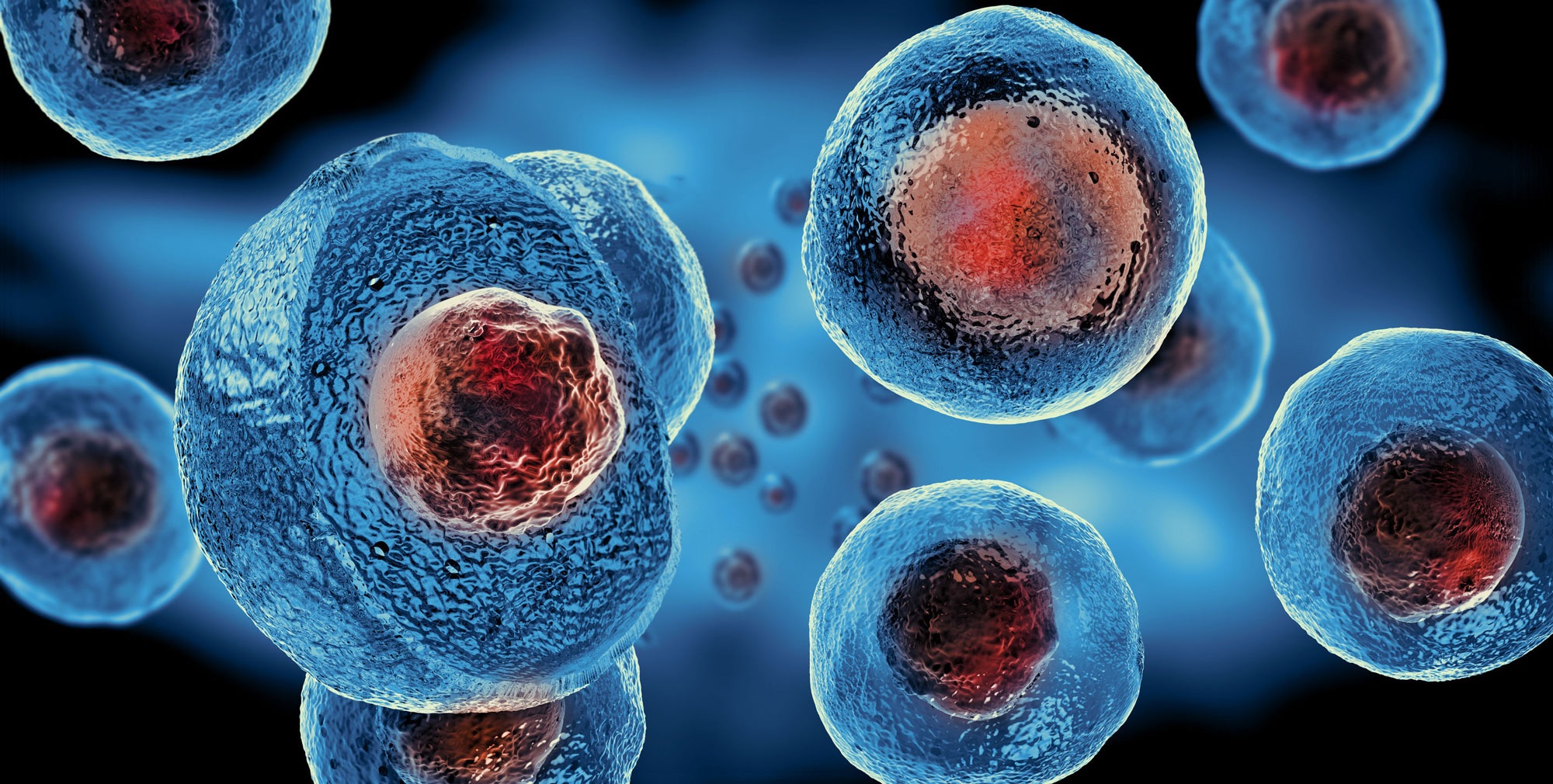
Science
Stem cell research stands at the forefront of scientific exploration, offering unprecedented insights into cellular biology, regenerative medicine, and disease therapeutics. With each breakthrough, researchers unlock new avenues for harnessing the regenerative potential of stem cells to combat diseases, repair damaged tissues, and revolutionize healthcare. In this comprehensive report, we delve into the latest advancements in stem cell research, spanning from fundamental discoveries to cutting-edge applications, ethical considerations, challenges, and future prospects. Steam CellFundamentals of Stem Cell ResearchStem cells possess unique properties, including self-renewal and pluripotency, making them invaluable tools for studying development, tissue regeneration, and disease modeling. Key principles include:Types of Stem Cells: Stem cells can be classified into embryonic stem cells (ESCs), adult stem cells, and induced pluripotent stem cells (iPSCs). ESCs are derived from the inner cell mass of blastocysts and have the potential to differentiate into any cell type in the body. Adult stem cells are found in specific tissues and contribute to tissue maintenance and repair. iPSCs are reprogrammed from somatic cells and exhibit pluripotent characteristics similar to ESCs.Pluripotency and Differentiation: Pluripotent stem cells have the capacity to differentiate into various cell lineages, including ectoderm, mesoderm, and endoderm, representing the three primary germ layers. Directed differentiation protocols guide stem cells toward specific cell fates, enabling the generation of specialized cell types for regenerative medicine applications.Regenerative Medicine and Tissue Engineering: Stem cells hold immense promise for regenerating damaged tissues and organs, offering potential treatments for a wide range of diseases and injuries. Tissue engineering approaches combine stem cells with biomaterial scaffolds and growth factors to promote tissue regeneration and functional recovery in vivo. Advances in stem cell research and therapeutic developmentAdvancements in Stem Cell ResearchRecent breakthroughs in stem cell research have propelled the field forward, enabling novel applications and therapeutic interventions:Organoid Technology: Organoids are three-dimensional structures derived from stem cells that mimic the architecture and function of organs in vitro. Organoid models enable researchers to study organ development, disease mechanisms, and drug responses in a controlled environment, offering insights into human biology and disease pathology.CRISPR-Cas9 Genome Editing: CRISPR-Cas9 technology has revolutionized genome editing, allowing precise modifications to the genetic code of stem cells. CRISPR-enabled genome editing enables the correction of disease-causing mutations, the generation of disease models, and the engineering of stem cells for therapeutic applications.Cellular Reprogramming and Disease Modeling: iPSC technology enables the generation of patient-specific stem cells from somatic cells, providing a platform for disease modeling and drug discovery. iPSC-derived cell models recapitulate disease phenotypes and enable the screening of potential therapeutics in vitro, paving the way for personalized medicine approaches.Stem Cell-Based Therapies: Stem cell-based therapies hold promise for treating a variety of diseases and conditions, including neurodegenerative disorders, cardiovascular diseases, and musculoskeletal injuries. Clinical trials utilizing stem cell transplantation for tissue repair and regeneration have shown encouraging results, demonstrating the therapeutic potential of stem cells in regenerative medicine. Ethical ConsiderationsStem cell research raises ethical considerations related to the source of stem cells, embryo destruction, and consent for research participation. Key ethical considerations include:Embryonic Stem Cell Research: The use of human embryonic stem cells (hESCs) raises ethical concerns regarding embryo destruction and the beginning of human life. Ethical frameworks and guidelines govern the use of hESCs in research and clinical applications, emphasizing informed consent, transparency, and adherence to ethical standards.Informed Consent and Donor Rights: Donor consent is essential for the procurement and use of biological materials, including stem cells, in research and medical treatments. Informed consent procedures should ensure that donors understand the purpose of the research, potential risks and benefits, and their rights regarding the use of their biological samples.Equitable Access and Distribution: Ensuring equitable access to stem cell-based therapies and research opportunities is essential to mitigate disparities in healthcare delivery and patient outcomes. Ethical frameworks advocate for fair distribution of resources, transparency in research funding, and collaboration among stakeholders to promote equitable access to stem cell technologies. Ethical and Safety Issues of Stem Cell-Based TherapyChallenges and Future DirectionsDespite the remarkable progress in stem cell research, several challenges remain to be addressed to realize the full potential of stem cells in regenerative medicine:Safety and Efficacy: Ensuring the safety and efficacy of stem cell-based therapies is paramount for their clinical translation. Addressing concerns related to tumorigenicity, immune rejection, and off-target effects is essential to advance stem cell therapies from preclinical studies to clinical trials and ultimately to widespread clinical use.Regulatory Oversight and Standardization: Regulatory oversight and standardization of stem cell-based therapies are essential to ensure their quality, safety, and effectiveness. Regulatory agencies play a crucial role in evaluating stem cell products, establishing guidelines for manufacturing and quality control, and monitoring post-market surveillance to assess long-term outcomes and safety profiles.Ethical and Societal Implications: Ethical and societal implications of stem cell research, including debates over embryo rights, genetic modification, and commodification of human tissues, require ongoing dialogue and engagement with stakeholders. Ethical frameworks should address issues of social justice, patient autonomy, and public trust to guide responsible conduct and governance of stem cell research and applications.Translation to Clinical Practice: Bridging the gap between benchtop research and clinical practice is essential for the successful translation of stem cell-based therapies. Collaborative efforts among researchers, clinicians, industry partners, and regulatory agencies are needed to overcome translational barriers, streamline regulatory pathways, and facilitate the integration of stem cell therapies into standard clinical care.Education and Public Awareness: Educating healthcare professionals, policymakers, and the public about the potential benefits and risks of stem cell research is essential for informed decision-making and public acceptance. Public awareness campaigns, educational outreach programs, and evidence-based communication strategies can foster understanding, trust, and support for stem cell research and its applications in regenerative medicine. Editor’s Thoughts: Advancements in stem cell research have unlocked new frontiers in regenerative medicine, offering hope for the treatment of previously incurable diseases and injuries. From fundamental discoveries in stem cell biology to cutting-edge applications in disease modeling and therapeutic interventions, stem cell research continues to push the boundaries of science and medicine. While challenges persist in ensuring safety, efficacy, and ethical conduct, the future of stem cell research holds immense promise for transforming healthcare and improving the lives of patients worldwide.
Read More → Posted on 2024-04-27 07:26:41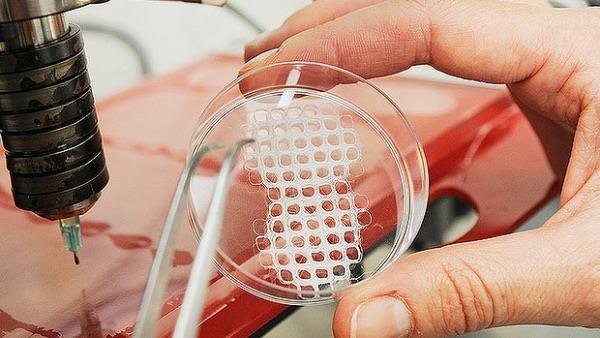
Science
Tissue engineering is a dynamic and interdisciplinary field that merges principles from engineering, biology, and medicine to develop biological substitutes that can restore, maintain, or improve tissue function. It represents a paradigm shift in healthcare, offering innovative solutions to address the challenges of tissue repair, regeneration, and replacement. In this comprehensive report, we will delve deeply into the foundational principles, diverse methodologies, cutting-edge applications, persistent challenges, and future prospects of tissue engineering. Basic principles of tissue engineeringPrinciples of Tissue EngineeringAt the heart of tissue engineering lies the concept of creating three-dimensional scaffolds that mimic the native extracellular matrix (ECM) of natural tissues. These scaffolds provide structural support and biochemical cues to guide cell attachment, proliferation, and differentiation. Biomaterials play a pivotal role in scaffold design, with a wide range of materials being utilized based on their biocompatibility, mechanical properties, and degradation kinetics. Natural polymers such as collagen, fibrin, and hyaluronic acid, as well as synthetic polymers like poly(lactic-co-glycolic acid) (PLGA) and polyethylene glycol (PEG), are commonly employed for scaffold fabrication.In addition to scaffolds, cells are a crucial component of tissue engineering constructs. Various cell sources, including stem cells derived from bone marrow, adipose tissue, or umbilical cord blood, as well as induced pluripotent stem cells (iPSCs), are utilized for tissue regeneration. These cells are seeded onto the scaffolds and cultured under controlled conditions, where they proliferate and differentiate into the desired cell types. Growth factors, cytokines, and other biochemical stimuli are often incorporated into the scaffold or delivered in the culture medium to modulate cellular behavior and promote tissue-specific differentiation. Methodologies in Tissue EngineeringTissue engineering encompasses a diverse array of methodologies tailored to specific tissue types and applications. Key methodologies include:Biomaterials Selection: The choice of biomaterials is critical in scaffold design, with considerations including biocompatibility, mechanical properties, and degradation kinetics. Biomaterials can be categorized as natural, synthetic, or hybrid, each offering unique advantages and limitations. Natural biomaterials, such as collagen and alginate, provide a bioactive environment conducive to cell attachment and proliferation. Synthetic biomaterials, such as PLGA and PEG, offer tunable mechanical properties and degradation rates, allowing for precise control over scaffold characteristics.Scaffold Fabrication: Various fabrication techniques are employed to create scaffolds with defined architecture and porosity. Common techniques include 3D printing, electrospinning, and freeze-drying, each offering unique advantages in terms of scalability, resolution, and material compatibility. 3D printing, or additive manufacturing, allows for the precise deposition of biomaterials layer by layer, enabling the fabrication of complex, patient-specific scaffolds. Electrospinning produces nanofibrous scaffolds with high surface area and porosity, mimicking the native ECM of tissues. Freeze-drying, or lyophilization, preserves the structural integrity of porous scaffolds while removing water content, facilitating cell infiltration and tissue integration.Cell Sourcing and Culture: Cells are sourced from various tissues or differentiated from stem cells to populate tissue engineering constructs. Mesenchymal stem cells (MSCs) are commonly used for their multi-lineage differentiation potential and immunomodulatory properties. Endothelial cells, smooth muscle cells, and fibroblasts are also utilized to engineer vascularized tissues, such as blood vessels and heart muscle. Induced pluripotent stem cells (iPSCs), derived from adult somatic cells, offer a potentially limitless cell source for tissue regeneration. These cells are cultured in vitro under conditions that mimic the native tissue microenvironment, providing the necessary cues for cell proliferation, differentiation, and ECM deposition.Biochemical Stimulation: Growth factors, cytokines, and other biochemical cues play a crucial role in regulating cellular behavior and tissue development. These bioactive molecules can be incorporated into the scaffold or delivered in the culture medium to mimic the native tissue microenvironment. For example, bone morphogenetic proteins (BMPs) are used to induce osteogenic differentiation in bone tissue engineering, while vascular endothelial growth factor (VEGF) promotes angiogenesis in vascular tissue engineering. Controlled release systems, such as microspheres or hydrogels, enable sustained delivery of growth factors, enhancing their bioactivity and efficacy in tissue regeneration.Biomechanical Stimulation: Mechanical forces exerted on cells and tissues play a critical role in tissue development and maturation. Bioreactors are utilized to provide controlled mechanical stimulation to cultured cells, mimicking physiological conditions in vivo. Various types of bioreactors, including perfusion systems, stretch chambers, and compression devices, can apply mechanical forces such as fluid shear stress, cyclic strain, and hydrostatic pressure to cultured cells. These biomechanical cues regulate cell morphology, alignment, and ECM remodeling, ultimately influencing tissue architecture and functionality. Applications of Tissue EngineeringTissue engineering has diverse applications across multiple domains of healthcare and biotechnology:Regenerative Medicine: Engineered tissues and organs hold immense promise for regenerative medicine applications, including the repair and replacement of damaged or diseased tissues. Tissue-engineered skin substitutes have been successfully used to treat burns and chronic wounds, providing a scaffold for dermal regeneration and promoting wound healing. Engineered cartilage constructs, fabricated from chondrocytes seeded onto biodegradable scaffolds, have shown promise for treating cartilage defects and osteoarthritis. Tissue-engineered bone grafts, composed of osteogenic cells and bioactive ceramics, offer alternatives to autologous bone grafts for bone regeneration and fracture repair. Tissue-engineered organs, such as the bladder, trachea, and blood vessels, have been implanted in clinical trials, demonstrating the feasibility of organ transplantation using bioengineered constructs.Disease Modeling: In vitro models of human tissues and organs are invaluable tools for studying disease mechanisms, screening drugs, and developing personalized therapies. Tissue-engineered models of cancer, cardiovascular diseases, neurodegenerative disorders, and other conditions provide physiologically relevant platforms for drug discovery and development. Organ-on-a-chip systems, comprising microfluidic devices seeded with tissue-specific cells, recapitulate key aspects of organ physiology and pathology, enabling high-throughput screening of drug candidates and personalized medicine approaches. These models offer insights into disease progression, drug response variability, and patient-specific treatment strategies, ultimately advancing precision medicine initiatives and improving clinical outcomes.Drug Testing and Development: Tissue-engineered constructs are used to evaluate the safety, efficacy, and pharmacokinetics of pharmaceutical drugs. These models offer a more accurate representation of human physiology compared to traditional cell culture or animal models, leading to more reliable preclinical data and reduced drug development costs. Liver-on-a-chip devices, populated with hepatocytes and other liver-specific cell types, simulate drug metabolism, toxicity, and drug-drug interactions in vitro, providing valuable insights into drug-induced liver injury and pharmacokinetic variability. Kidney-on-a-chip models, consisting of proximal tubule epithelial cells and endothelial cells, replicate renal filtration and reabsorption processes, enabling nephrotoxicity screening and drug efficacy testing. These tissue-engineered platforms complement traditional preclinical models, accelerating the drug development pipeline and enhancing patient safety.Cosmetic and Reconstructive Surgery: Tissue-engineered constructs are increasingly used in cosmetic and reconstructive procedures to enhance wound healing, tissue regeneration, and aesthetic outcomes. Engineered skin substitutes, composed of keratinocytes and fibroblasts seeded onto biocompatible scaffolds, promote re-epithelialization and collagen deposition, improving scar appearance and function. Tissue-engineered cartilage grafts, fabricated from chondrocytes and biomimetic scaffolds, offer alternatives to autologous cartilage grafts for nasal reconstruction and auricular augmentation. Breast implants composed of adipose-derived stem cells (ADSCs) encapsulated in hyaluronic acid hydrogels provide a minimally invasive option for breast augmentation and reconstruction. These tissue-engineered solutions address the limitations of traditional surgical techniques, offering patients natural-looking and long-lasting results.Bioprinting: Three-dimensional bioprinting technology enables the precise deposition of cells, biomaterials, and bioactive factors to create complex tissues and organs with anatomical fidelity. Bioprinted tissues have applications in regenerative medicine, drug screening, and personalized medicine, paving the way for the fabrication of patient-specific implants and organs-on-chips. Bioprinted skin substitutes, composed of keratinocytes and fibroblasts encapsulated in bioinks, offer personalized wound care solutions for patients with extensive burns or chronic wounds. Bioprinted vascular constructs, seeded with endothelial cells and smooth muscle cells, facilitate the fabrication of perfusable blood vessels for tissue regeneration and organ transplantation. Organ-on-a-chip systems, fabricated using bioprinting techniques, enable the integration of multiple tissue types into a single platform, allowing for more complex and physiologically relevant disease models and drug screening assays. These advances in bioprinting technology hold promise for revolutionizing healthcare delivery and personalized medicine. Challenges and Future DirectionsWhile tissue engineering has made significant strides, several challenges must be addressed to realize its full potential:Vascularization: The development of functional vascular networks within engineered tissues is essential to ensure adequate nutrient and oxygen supply and promote tissue integration and maturation. Strategies such as prevascularization, angiogenic growth factors, and biomimetic scaffolds are being explored to address this challenge. Vascularization remains a significant hurdle in tissue engineering, particularly for large and complex tissues, such as solid organs.Immunogenicity and Host Response: Minimizing immune rejection and inflammatory responses to implanted tissues remains a significant challenge in tissue engineering. Strategies to modulate the immune response, such as immune tolerance induction, surface modifications, and cell encapsulation, are under investigation to enhance the biocompatibility of engineered constructs. Immune rejection can compromise the long-term viability and functionality of tissue-engineered implants, highlighting the importance of immunomodulatory approaches in tissue engineering research and application.Scale-Up and Commercialization: Scaling up tissue engineering processes for clinical translation and commercialization requires addressing regulatory, logistical, and economic challenges. Standardization of manufacturing techniques, quality control measures, and cost-effective production methods are essential to enable widespread adoption of tissue-engineered products. The transition from bench to bedside involves navigating complex regulatory pathways, securing funding, and establishing partnerships with industry stakeholders, highlighting the need for interdisciplinary collaboration and strategic planning in tissue engineering endeavors.Integration with Host Tissues: Achieving seamless integration between engineered tissues and host tissues is critical for long-term functionality and patient outcomes. Strategies to promote host tissue ingrowth, remodeling, and vascularization are being pursued to enhance the integration and survival of implanted constructs. Tissue-engineered implants must exhibit biocompatibility, stability, and functionality in vivo to avoid complications such as fibrosis, implant rejection, and infection. Biomaterials with tunable properties and bioactive coatings are being developed to facilitate tissue integration and improve implant performance.Bioethical Considerations: Ethical considerations surrounding the use of stem cells, genetic engineering, and organ transplantation must be carefully addressed to ensure responsible innovation and equitable access to tissue engineering technologies. Ethical guidelines, informed consent procedures, and stakeholder engagement are essential for navigating the complex ethical landscape of tissue engineering research and application. The use of human embryonic stem cells (hESCs) and genome editing technologies, such as CRISPR-Cas9, raise ethical concerns related to patient safety, privacy, and social justice, underscoring the importance of ethical reflection and community engagement in tissue engineering endeavors. Editor’s Thoughts: Tissue engineering holds tremendous promise for revolutionizing healthcare delivery and personalized medicine. By leveraging advances in biomaterials, cell biology, and biomanufacturing technologies, tissue engineers are poised to address unmet medical needs and improve patient outcomes across a wide range of applications. Despite the remaining challenges, including vascularization, immunogenicity, scale-up, integration, and ethics, the future of tissue engineering is bright, with the potential to transform medicine and enhance the quality of life for millions of people worldwide.
Read More → Posted on 2024-04-27 07:10:27
Science
World The integration of bioinformatics and precision medicine stands as a monumental advancement in healthcare, ushering in an era where computational analysis of genomic data is revolutionizing diagnosis, treatment, and prevention strategies on an individualized level. By leveraging sophisticated computational tools and comprehensive genomic datasets, bioinformatics empowers healthcare professionals to tailor medical interventions to the unique genetic profiles and clinical characteristics of each patient, maximizing treatment efficacy and minimizing adverse effects. In this extensive report, we delve deeply into the principles of bioinformatics, its manifold applications in precision medicine, ethical considerations inherent in this field, prevailing challenges, and promising future directions. Principles of BioinformaticsAt the heart of bioinformatics lies the application of computational techniques and statistical methodologies to dissect and decipher biological data, ranging from genomic sequences to protein structures. The foundational principles include:Genomic Data Analysis: Bioinformatics tools are instrumental in the analysis and interpretation of genomic data, enabling researchers to elucidate the intricacies of DNA sequences, uncovering single nucleotide polymorphisms (SNPs), and discerning copy number variations (CNVs). Cutting-edge sequence alignment algorithms, exemplified by BLAST and Smith-Waterman, facilitate the comparison of DNA sequences, thus expediting genome assembly, annotation, and cross-species comparisons.Transcriptomic and Proteomic Analysis: Transcriptomic and proteomic analyses provide invaluable insights into gene expression patterns, protein-protein interactions, and signaling pathways. Techniques such as RNA sequencing (RNA-seq) and mass spectrometry allow for the quantification and characterization of mRNA transcripts and proteins, thereby offering profound insights into cellular processes under various physiological conditions and disease states.Variant Calling and Genomic Variation: Bioinformatics methodologies play a pivotal role in identifying genetic variants through variant calling algorithms. These algorithms discern single nucleotide variants (SNVs), insertions, deletions, and structural rearrangements from genomic sequencing data. Subsequently, these variants are annotated and interpreted to gauge their functional implications on gene expression, protein structure, and disease susceptibility. Applications of Bioinformatics in Precision MedicineThe fusion of bioinformatics and precision medicine has led to a multitude of applications across diverse domains:Genomic Medicine: The advent of genomic sequencing technologies, notably next-generation sequencing (NGS) and whole genome sequencing (WGS), has facilitated comprehensive analysis of an individual's genetic blueprint for personalized medical interventions. Genomic data serve as a linchpin in identifying disease-causing mutations, predicting drug responses, and stratifying patients based on their genetic predispositions.Pharmacogenomics: Pharmacogenomic analyses leverage genomic data to prognosticate individual responses to pharmacological agents, thus optimizing medication regimens for efficacy and safety. Genetic variations in drug metabolism enzymes, transporters, and drug targets engender inter-individual variability in drug response and adverse reactions, underscoring the criticality of pharmacogenomic insights in clinical decision-making.Cancer Genomics: Cancer genomics entails the comprehensive characterization of genomic alterations in tumor cells to inform cancer diagnosis, prognosis, and therapeutic strategies. Bioinformatics tools, ranging from mutation callers to pathway analysis algorithms, facilitate the identification of driver mutations, actionable therapeutic targets, and mechanisms of treatment resistance, thereby empowering clinicians in delivering personalized cancer care.Clinical Decision Support: Bioinformatics-driven clinical decision support systems amalgamate genomic and clinical data to assist healthcare providers in diagnosis, treatment selection, and patient management. Decision algorithms, risk prediction models, and treatment guidelines seamlessly integrate genomic information to prioritize interventions and tailor therapies to individual patient profiles, thereby augmenting clinical decision-making prowess. Ethical ConsiderationsWhile bioinformatics and precision medicine hold immense promise in revolutionizing patient care, they also give rise to pertinent ethical considerations:Data Privacy and Security: Genomic data, being inherently sensitive, necessitate stringent measures for safeguarding patient privacy and ensuring data security. Robust data encryption, access controls, and anonymization techniques are indispensable to shield genomic data from unauthorized access or misuse, thereby adhering to regulatory frameworks such as the Health Insurance Portability and Accountability Act (HIPAA).Informed Consent and Genetic Counseling: Patients undergoing genomic testing or participating in research endeavors must furnish informed consent, thereby comprehending the implications, risks, and benefits of genetic testing. Genetic counseling services play a pivotal role in assisting patients in interpreting their genetic results, comprehending their genetic predispositions, and making informed decisions regarding medical interventions and lifestyle modifications.Equity and Access: Ensuring equitable access to precision medicine technologies and genomic testing services is imperative to mitigate disparities in healthcare delivery and patient outcomes. Endeavors to surmount barriers to access, encompassing cost considerations, geographic disparities, and socio-cultural factors, are imperative to ensure equitable dissemination of the benefits engendered by advancements in bioinformatics and precision medicine. Challenges and Future DirectionsDespite the strides made in bioinformatics and precision medicine, several challenges necessitate concerted efforts for their resolution:Data Integration and Interoperability: The integration of disparate genomic, clinical, and environmental datasets poses challenges pertaining to data standardization, interoperability, and scalability. Bioinformatics platforms and data repositories must be endowed with robust data integration pipelines, data sharing agreements, and harmonized data formats to facilitate seamless collaboration and expedite clinical decision-making processes.Clinical Validation and Regulatory Approval: Validating bioinformatics algorithms and precision medicine interventions for clinical deployment mandates rigorous validation in real-world settings. Regulatory agencies such as the U.S. Food and Drug Administration (FDA) and the European Medicines Agency (EMA) play a pivotal role in evaluating the safety, efficacy, and quality of bioinformatics-driven medical devices and treatments.Education and Workforce Development: Nurturing a skilled workforce comprising bioinformaticians, clinicians, and healthcare providers is indispensable for propelling precision medicine and integrating genomic data into clinical workflows. Educational initiatives, training programs, and interdisciplinary collaborations are instrumental in bridging the chasm between bioinformatics research and clinical application, thereby fostering a culture of innovation and evidence-based medicine.Ethical and Legal Frameworks: The development of robust ethical and legal frameworks is imperative to govern the utilization of genomic data in precision medicine. Ethical guidelines, transparent data governance policies, and informed consent protocols are paramount to ensure responsible data stewardship and uphold ethical principles in genomic research and clinical practice.Global Collaboration and Data Sharing: Fostering international collaboration and data sharing initiatives is pivotal for advancing bioinformatics research and precision medicine on a global scale. International consortia, data commons, and collaborative research networks serve as conduits for the exchange of genomic data, best practices, and research findings, thereby catalyzing progress towards personalized healthcare solutions. Editor’s Thoughts: The amalgamation of bioinformatics and precision medicine heralds a new dawn in healthcare, wherein computational analysis of genomic data empowers clinicians to tailor medical interventions to the unique genetic profiles of individual patients. By harnessing the power of genomic data analysis, predictive modeling, and clinical decision support, bioinformatics-driven precision medicine holds the promise of revolutionizing healthcare delivery and enhancing patient outcomes worldwide. Despite the myriad challenges posed by data integration, validation, education, and ethics, the trajectory of bioinformatics and precision medicine portends a future marked by more effective, efficient, and equitable healthcare for all.
Read More → Posted on 2024-04-25 15:47:56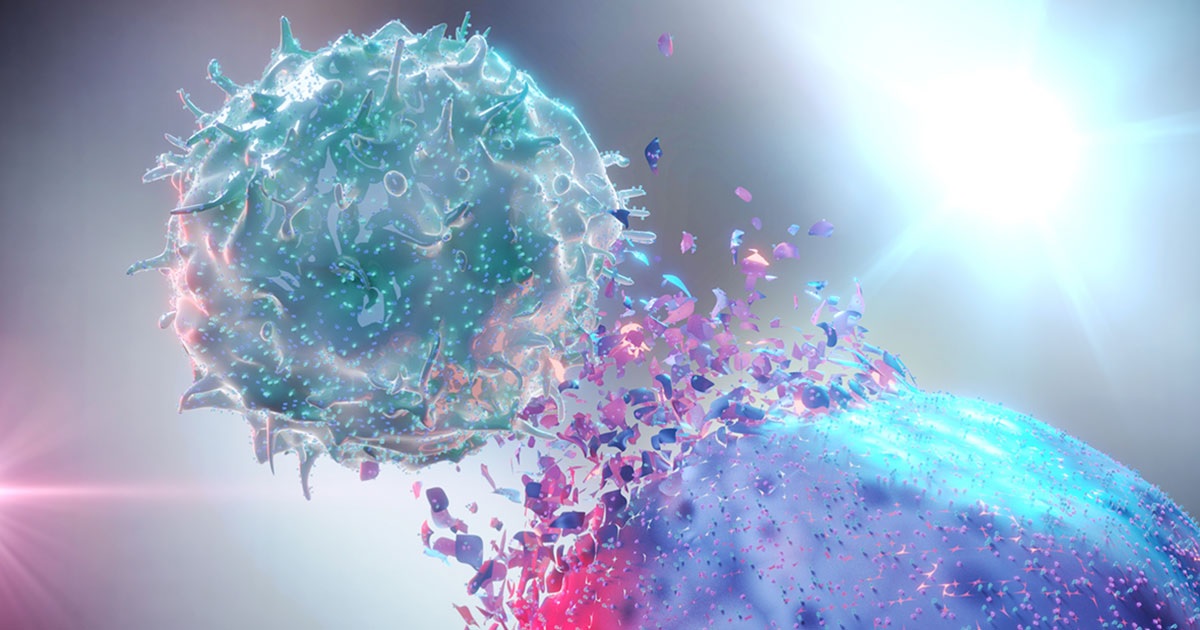
Science
Medical ScienceExplore the transformative impact of immunotherapy on cancer treatment, from monoclonal antibodies to innovative CAR-T cell therapy, and discover ongoing research efforts to overcome challenges and improve patient outcomes. Immunotherapy has revolutionized the landscape of cancer treatment, representing a paradigm shift from conventional approaches by harnessing the body's immune system to combat cancer. Over the past few decades, significant breakthroughs in immunotherapy have transformed the prognosis and outcomes for cancer patients, offering new hope where traditional therapies have fallen short. In this comprehensive report, we delve into the recent advances in immunotherapy, including innovative treatment modalities, key discoveries, clinical applications, challenges, and future directions. The Evolution of ImmunotherapyImmunotherapy has evolved significantly since its inception, with notable milestones including:Monoclonal Antibodies: Monoclonal antibodies, such as rituximab and trastuzumab, were among the first immunotherapies approved for cancer treatment. These antibodies target specific proteins expressed on cancer cells, triggering immune-mediated destruction while sparing healthy tissues.Checkpoint Inhibitors: Checkpoint inhibitors, including ipilimumab, pembrolizumab, and nivolumab, have revolutionized cancer treatment by releasing the brakes on the immune system. By blocking inhibitory pathways such as CTLA-4 and PD-1/PD-L1, checkpoint inhibitors unleash the immune system's ability to recognize and attack cancer cells.CAR-T Cell Therapy: Chimeric antigen receptor (CAR) T cell therapy involves genetically engineering patients' T cells to express a receptor that recognizes a specific antigen on cancer cells. CAR-T cell therapy has demonstrated remarkable efficacy in hematological malignancies, leading to durable remissions in patients with relapsed or refractory disease.Cancer Vaccines: Cancer vaccines aim to stimulate the immune system to recognize and target cancer cells by presenting specific antigens found on tumor cells. Sipuleucel-T, a therapeutic vaccine for prostate cancer, represents a pioneering example of cancer vaccine immunotherapy. Recent Advances in ImmunotherapyRecent breakthroughs in immunotherapy have expanded treatment options and improved outcomes for cancer patients. Notable advancements include:Combination Therapies: Combination immunotherapy regimens, comprising checkpoint inhibitors, targeted therapies, and conventional treatments such as chemotherapy or radiation therapy, have demonstrated synergistic effects and improved response rates in various cancers. For example, the combination of ipilimumab and nivolumab has shown superior efficacy compared to monotherapy in melanoma and other malignancies.Bispecific Antibodies: Bispecific antibodies are engineered to simultaneously bind to both cancer cells and immune cells, directing cytotoxic activity against tumor cells. Bispecific antibodies, such as blinatumomab and bispecific T cell engagers (BiTEs), have shown promise in hematological malignancies and are being investigated in solid tumors.Oncolytic Viruses: Oncolytic viruses are genetically engineered to selectively infect and replicate within cancer cells, leading to their destruction while sparing normal cells. Talimogene laherparepvec (T-VEC), a modified herpes simplex virus, has been approved for the treatment of advanced melanoma and is being studied in other malignancies.Neoantigen Vaccines: Neoantigen vaccines are personalized vaccines designed to stimulate an immune response against tumor-specific neoantigens, which arise from mutations in cancer cells. Neoantigen vaccines hold promise for targeting tumor cells while minimizing off-target effects and systemic toxicity. Clinical Applications of ImmunotherapyImmunotherapy has demonstrated efficacy across a wide range of cancer types, including melanoma, lung cancer, breast cancer, and hematological malignancies. Key clinical applications include:Melanoma: Checkpoint inhibitors, such as pembrolizumab and nivolumab, have revolutionized the treatment of metastatic melanoma, leading to durable responses and improved survival outcomes in a significant proportion of patients.Lung Cancer: Immunotherapy has emerged as a standard of care for non-small cell lung cancer (NSCLC), both in the first-line and second-line settings. Pembrolizumab, alone or in combination with chemotherapy, has demonstrated superior efficacy compared to chemotherapy alone in patients with advanced NSCLC.Hematological Malignancies: CAR-T cell therapy has transformed the treatment landscape for certain hematological malignancies, including acute lymphoblastic leukemia (ALL), diffuse large B-cell lymphoma (DLBCL), and multiple myeloma. CD19-targeted CAR-T cell therapies, such as tisagenlecleucel and axicabtagene ciloleucel, have shown remarkable efficacy in relapsed or refractory B-cell malignancies.Breast Cancer: Immunotherapy has shown promise in breast cancer, particularly in patients with triple-negative breast cancer (TNBC). Checkpoint inhibitors, such as atezolizumab, in combination with chemotherapy, have demonstrated improved progression-free survival in patients with metastatic TNBC. Challenges and Future DirectionsDespite the remarkable progress in immunotherapy, several challenges remain to be addressed:Resistance Mechanisms: Cancer cells can develop resistance to immunotherapy through various mechanisms, including upregulation of alternative immune checkpoints, loss of antigen expression, and immune evasion strategies. Understanding and overcoming resistance mechanisms are essential for improving long-term outcomes and expanding the applicability of immunotherapy to a broader range of cancers.Autoimmune Toxicities: Immune-related adverse events, such as colitis, pneumonitis, and hepatitis, can occur as a result of immunotherapy-induced immune activation. Managing autoimmune toxicities while preserving anti-tumor efficacy is a critical challenge in the clinical management of cancer patients receiving immunotherapy.Biomarker Identification: Biomarkers are needed to predict response to immunotherapy and guide treatment decisions. Identifying reliable biomarkers, such as tumor mutational burden, PD-L1 expression, and immune cell infiltration, is essential for patient stratification and personalized treatment approaches.Cost and Access: The high cost of immunotherapy drugs poses challenges for healthcare systems and patients. Ensuring equitable access to immunotherapy and addressing cost barriers are crucial for maximizing the impact of these therapies and improving patient outcomes.Combination Strategies: Optimizing combination strategies and identifying synergistic treatment regimens are areas of active research in immunotherapy. Preclinical and clinical studies are exploring novel combinations of immunotherapies, targeted therapies, and conventional treatments to enhance anti-tumor immune responses and overcome resistance. Editor’s thoughts: Immunotherapy has transformed the landscape of cancer treatment, offering new hope to patients with advanced and refractory malignancies. Recent advances in immunotherapy, including checkpoint inhibitors, CAR-T cell therapy, cancer vaccines, and combination strategies, have significantly improved outcomes and expanded treatment options for cancer patients. Despite the challenges ahead, the future of immunotherapy looks promising, with ongoing research efforts aimed at overcoming resistance mechanisms, identifying predictive biomarkers, and developing more effective and personalized treatment approaches.
Read More → Posted on 2024-04-25 05:14:53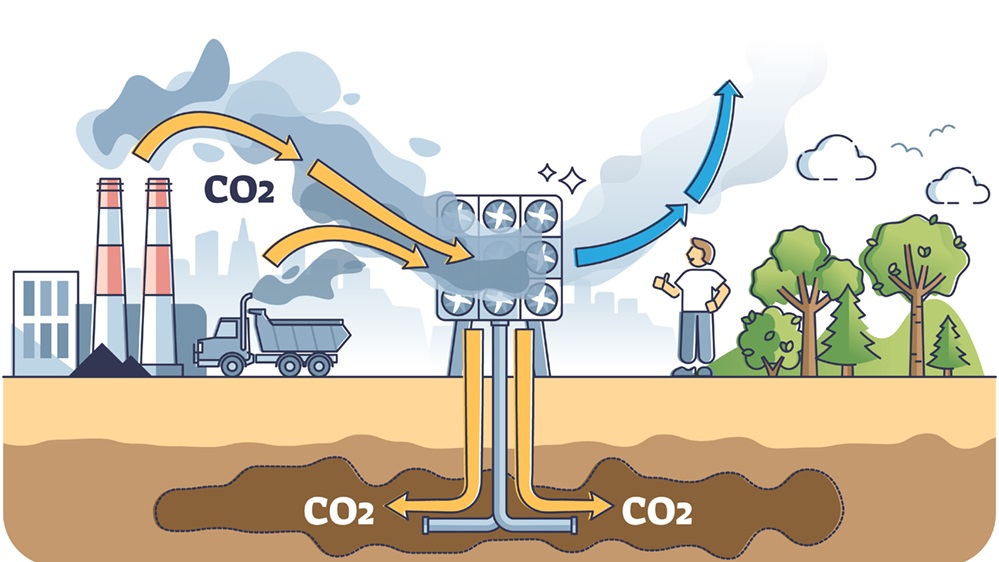
Science
Science News WorldCarbon capture and utilization (CCU) represent pivotal strategies in the fight against climate change, aiming to mitigate greenhouse gas emissions by capturing carbon dioxide (CO2) from industrial processes and utilizing it in various applications. By repurposing CO2 as a valuable resource rather than a waste product, CCU technologies offer a dual benefit of reducing emissions and creating economic opportunities. In this comprehensive report, we delve into the principles of carbon capture and utilization, innovative technologies, applications, challenges, and future prospects. Principles of Carbon Capture and UtilizationCarbon capture and utilization involve capturing CO2 emissions from industrial sources, such as power plants and manufacturing facilities, and converting them into useful products or materials. Key principles include:Capture Technologies: Carbon capture technologies encompass a range of methods for capturing CO2 emissions from flue gases, industrial processes, and ambient air. These technologies include post-combustion capture, pre-combustion capture, and oxy-fuel combustion, each tailored to specific industrial applications. Post-combustion capture involves capturing CO2 from exhaust gases using sorbents or solvents, while pre-combustion capture separates CO2 from fuel gases before combustion. Oxy-fuel combustion replaces air with oxygen in the combustion process, enabling the capture of pure CO2 from flue gases.Utilization Pathways: Once captured, CO2 can be utilized in various pathways, including chemical conversion, mineralization, and biological fixation. Chemical conversion involves transforming CO2 into value-added chemicals, fuels, or materials through catalytic processes, such as hydrogenation, methanation, or carbonation. Mineralization involves reacting CO2 with metal oxides or silicates to form stable carbonate minerals, which can be used in construction materials or stored underground. Biological fixation utilizes photosynthetic organisms, such as algae or bacteria, to convert CO2 into biomass or biofuels through photosynthesis or fermentation.Integration with Renewable Energy: Carbon capture and utilization can be integrated with renewable energy sources, such as solar and wind power, to create carbon-neutral or carbon-negative processes. Renewable energy can power CO2 capture technologies, reducing the carbon footprint of CCU processes and enabling the utilization of renewable energy in the production of synthetic fuels, chemicals, and materials. Carbon Capture and StorageInnovative Technologies in Carbon Capture and UtilizationA myriad of innovative technologies are emerging in the field of carbon capture and utilization, including:Direct Air Capture (DAC): Direct air capture technologies utilize sorbents or chemical reactions to capture CO2 directly from ambient air. These technologies offer the potential to remove CO2 from the atmosphere at scale, mitigating emissions from hard-to-decarbonize sectors such as aviation, shipping, and agriculture.Carbon Capture and Utilization in Cement Production: Cement production is a major source of CO2 emissions due to the calcination of limestone during the manufacturing process. Carbon capture technologies integrated with cement plants can capture CO2 emissions from flue gases and utilize them in the production of construction materials, such as aggregates or concrete blocks, thereby reducing the carbon footprint of the cement industry.Carbon-to-Chemicals: Carbon-to-chemicals technologies convert CO2 into valuable chemicals and fuels through electrochemical or catalytic processes. Electrochemical reduction of CO2 using renewable electricity can produce fuels such as methane, ethanol, or formic acid, while catalytic conversion routes enable the synthesis of methanol, olefins, or polymers from CO2 feedstocks.Biological Carbon Fixation: Biological carbon fixation utilizes microorganisms, plants, or algae to capture and convert CO2 into biomass or biofuels through photosynthesis or fermentation. Algae-based systems can sequester CO2 from industrial flue gases and convert it into biomass for biofuel production, offering a sustainable pathway for carbon utilization and renewable energy production. Applications of Carbon Capture and UtilizationCarbon capture and utilization have diverse applications across various sectors, including:Enhanced Oil Recovery (EOR): Captured CO2 can be utilized for enhanced oil recovery (EOR) in mature oil fields, where it is injected underground to increase oil production by displacing residual oil trapped in the reservoir. EOR not only maximizes oil recovery but also sequesters CO2 permanently underground, mitigating emissions and extending the lifespan of oil fields.Carbon-Neutral Fuels: CO2-based fuels, such as synthetic methane, methanol, or dimethyl ether (DME), can be produced through carbon capture and utilization pathways. These fuels can be used as drop-in replacements for conventional fossil fuels in transportation, heating, and power generation applications, offering a pathway to decarbonize the energy sector and reduce reliance on fossil fuels.Carbon-Negative Materials: Carbon capture and utilization enable the production of carbon-negative materials, such as carbon-negative concrete, aggregates, or building materials. Incorporating captured CO2 into construction materials not only reduces the carbon footprint of the construction industry but also sequesters CO2 permanently in durable structures, contributing to climate mitigation efforts.Chemical Feedstocks: CO2 can serve as a feedstock for the production of chemicals, polymers, and plastics through chemical conversion pathways. By utilizing CO2 as a raw material, the chemical industry can reduce its dependence on fossil fuels and mitigate emissions while producing value-added products for various industrial applications. Challenges and Future DirectionsDespite the potential of carbon capture and utilization, several challenges must be addressed to realize widespread deployment and commercialization:Cost and Scalability: The cost of carbon capture and utilization technologies remains a significant barrier to widespread adoption, particularly for direct air capture and utilization pathways. Research and development efforts are needed to reduce the capital and operating costs of CCU processes and scale up deployment to industrial levels.Policy and Regulatory Frameworks: Policy support, incentives, and regulatory frameworks are essential to incentivize investment in carbon capture and utilization technologies and create markets for CO2-derived products. Carbon pricing mechanisms, tax credits, and subsidies can stimulate private sector investment in CCU projects and accelerate commercialization efforts.Infrastructure and Supply Chain: The development of infrastructure and supply chains for carbon capture, transport, and utilization is crucial for enabling widespread deployment of CCU technologies. Infrastructure investments, such as CO2 pipelines, storage facilities, and distribution networks, are needed to support the integration of CCU processes with existing industrial infrastructure and supply chains.Public Acceptance and Stakeholder Engagement: Public acceptance and stakeholder engagement are essential for the successful deployment of carbon capture and utilization projects. Educating the public about the benefits of CCU technologies, addressing concerns about safety, environmental impact, and land use, and engaging with local communities and stakeholders are critical for building trust and gaining social license for CCU initiatives.Research and Innovation: Continued research and innovation are needed to advance carbon capture and utilization technologies, improve efficiency, develop novel catalysts and materials, and explore new utilization pathways. Collaborative research efforts, public-private partnerships, and interdisciplinary collaborations can drive innovation and accelerate the development and deployment of CCU solutions. Editor’s Thoughts: Carbon capture and utilization represent promising pathways for mitigating greenhouse gas emissions, reducing reliance on fossil fuels, and creating economic opportunities. By capturing CO2 emissions from industrial sources and converting them into valuable products and materials, CCU technologies offer a sustainable approach to addressing climate change and transitioning to a low-carbon economy. Despite the challenges posed by cost, policy, infrastructure, and public acceptance, the continued advancement of carbon capture and utilization holds the potential to play a significant role in achieving global climate goals and fostering a more sustainable future.
Read More → Posted on 2024-04-24 16:53:47
Science
Latest Science News India In a significant paleontological discovery, researchers from the Indian Institute of Technology (IIT) Roorkee have unearthed the fossilized remains of one of the largest snakes ever recorded. Named Vasuki Indicus after the mythological serpent associated with Indian folklore, this ancient species offers a glimpse into the rich biodiversity of India's past.The fossilized fragments were retrieved from the Panandhro lignite mine in Kutch, Gujarat, shedding light on the existence of Vasuki Indicus approximately 47 million years ago during the Middle Eocene period. Comprising 27 partial yet well-preserved vertebrae, the discovery underscores the immense size and power of this prehistoric reptile.Analyses of the vertebral fragments reveal dimensions ranging from 37.5 to 62.7 mm in length and 62.4 to 111.4 mm in width, indicative of a robust cylindrical body structure. Researchers suggest that Vasuki Indicus could have measured between 10.9 to 15.2 meters in length, surpassing the dimensions of contemporary anacondas and pythons by a significant margin.Belonging to the now-extinct Madatsoidae snake family, Vasuki Indicus represents a unique lineage native to India. Its formidable size and strength evoke comparisons to the famous Titanoboa, a colossal serpent that roamed the Earth during the same era.The discovery of Vasuki Indicus offers valuable insights into the paleogeography of the time, with India, Africa, and South America forming a contiguous landmass. This alignment suggests a broader distribution of species across regions and highlights the dynamic nature of Earth's ancient ecosystems.While Vasuki Indicus is no longer extant, its fossilized remnants serve as a testament to the diverse and awe-inspiring fauna that once inhabited the Indian subcontinent. Through meticulous analysis and interpretation, researchers continue to unravel the mysteries of India's prehistoric past, further enriching our understanding of Earth's evolutionary history.The significance of this discovery extends beyond scientific curiosity, providing a tangible link to India's geological heritage and reinforcing the importance of paleontological research in uncovering the secrets of our planet's ancient inhabitants.In summary, the discovery of Vasuki Indicus stands as a testament to India's prehistoric legacy, offering a window into a bygone era when giants roamed the Earth, leaving behind imprints of their existence for future generations to unravel and appreciate.
Read More → Posted on 2024-04-24 06:57:06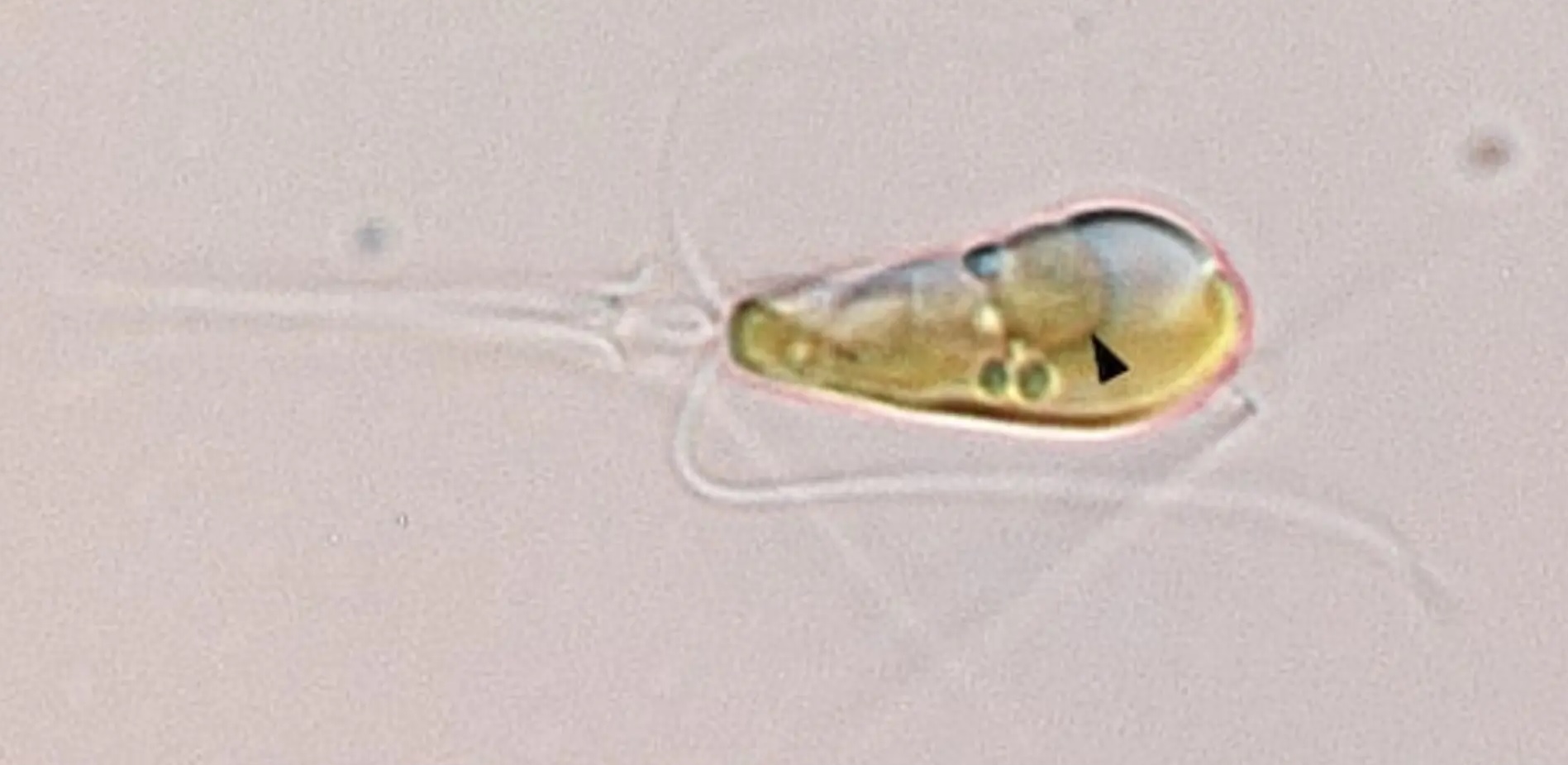
Science
Latest Science News World Researchers have discovered a type of organelle, a fundamental cellular structure, that can turn nitrogen gas into a form that is useful for cell growth. The discovery of the structure, called a nitroplast, in algae could bolster efforts to genetically engineer plants to convert, or ‘fix’, their own nitrogen, which could boost crop yields and reduce the need for fertilizers. The work was published in Science on 11 April The textbooks say nitrogen fixation only occurs in bacteria and archaea,” says ocean ecologist Jonathan Zehr at the University of California, Santa Cruz, a co-author of the study. This species of algae is the “first nitrogen-fixing eukaryote”, he adds, referring to the group of organisms that includes plants and animals. In 2012, Zehr and his colleagues reported that the marine algae Braarudosphaera bigelowii interacted closely with a bacterium called UCYN-A that seemed to live in, or on, the algal cells2. The researchers hypothesised that UCYN-A converts nitrogen gas into compounds that the algae use to grow, such as ammonia. In return, the bacteria were thought to gain a carbon-based energy source from the algae. But in the latest study, Zehr and his colleagues conclude that UCYN-A should be classed as organelles inside the algae, rather than as a separate organism. According to genetic analysis from a previous study, ancestors of the algae and bacteria entered a symbiotic relationship around 100 million years ago, says Zehr. Eventually, this gave rise to the nitroplast organelle, now seen in B. bigelowii. Defining organellesResearchers use two key criteria to decide whether a bacterial cell has become an organelle in a host cell. First, the cell structure in question must be passed down through generations of the host cell. Second, the structure must be reliant on proteins provided by the host cell. By imaging dozens of algae cells at various stages of cell division, the team found that the nitroplast splits in two just before the whole algae cell divides. In this way, one nitroplast is passed down from the parent cell to its offspring, as happens with other cell structures. Next, the researchers found that the nitroplast gets the proteins it needs to grow from the wider algae cell. The nitroplast itself — which makes up more than 8% of the volume of each host cell — lacks key proteins required for photosynthesis and making genetic material, says Zehr. “A lot of these proteins [from the algae] are just filling those gaps in metabolism,” he says. The discovery was made possible thanks to work by study author Kyoko Hagino at Kochi University in Japan, who spent around a decade fine-tuning a way to grow the algae in the lab — which allowed it to be studied in more detail, says Zehr. “It’s quite remarkable,” says Siv Andersson, who studies how organelles evolve at Uppsala University in Sweden. “They really see all these hallmarks that we think are characteristic of organelles.” Upgraded plantsUnderstanding how the nitroplast interacts with its host cell could support efforts to engineer crops that can fix their own nitrogen, says Zehr. This would reduce the need for nitrogen-based fertilizers and avoid some of the environmental damage they cause. “The tricks that are involved in making this system work could be used in engineering land plants,” he says. “Crop yields are majorly limited by availability of nitrogen,” says Eva Nowack, who studies symbiotic bacteria at the Heinrich Heine University Düsseldorf in Germany. “Having a nitrogen-fixing organelle in a crop plant would be, of course, fantastic.” But introducing this ability into plants will be no easy feat, she warns. Plant cells containing the genetic code for the nitroplast would need to be engineered in such a way that the genes were transferred stably from generation to generation, for example. “That would be the most difficult thing to do,” she says. “It’s both a pleasure and very impressive to see this work build up to what is certainly a major stepping stone in understanding,” says Jeffrey Elhai, a cell biologist at Virginia Commonwealth University in Richmond, Vriginia.
Read More → Posted on 2024-04-13 16:45:45Search
Top Trending in 24 Hours
-
 Bengaluru-Developed Sheshnaag-150 Completes First Rocket-Assisted Take-Off Trial
-
 US Develops New Iran Strike Plans, Including Possible Use of MOAB Bomb
-
 South Korea’s Hanwha Systems Demonstrates 30 kW Laser Air Defense System by Destroying Three Target Drones
-
 Moog Unveils MR SLED Mobile Defense System With 37 Kestrel Interceptors and Up to 12 Zeus Missiles
-
 Yemen’s Houthis Attempt to Manufacture Advanced Ballistic Missiles Using Chinese Components
-
 Ukraine Regains Starshield Connectivity After Sudden Speed Limits Disrupt Drone Operations
-
 U.S. Air Force Targets 2028 Prototypes for Massed Modular Aircraft to Replace MQ-9 Reaper
-
 Skapion Unveils Counter-Swarm Air Defense System After Raising $36 Million
Top Trending in 4 Days
-
 IAI and SIG SAUER Complete Live-Fire Test of FIRE STORM 250 Armed Drone
-
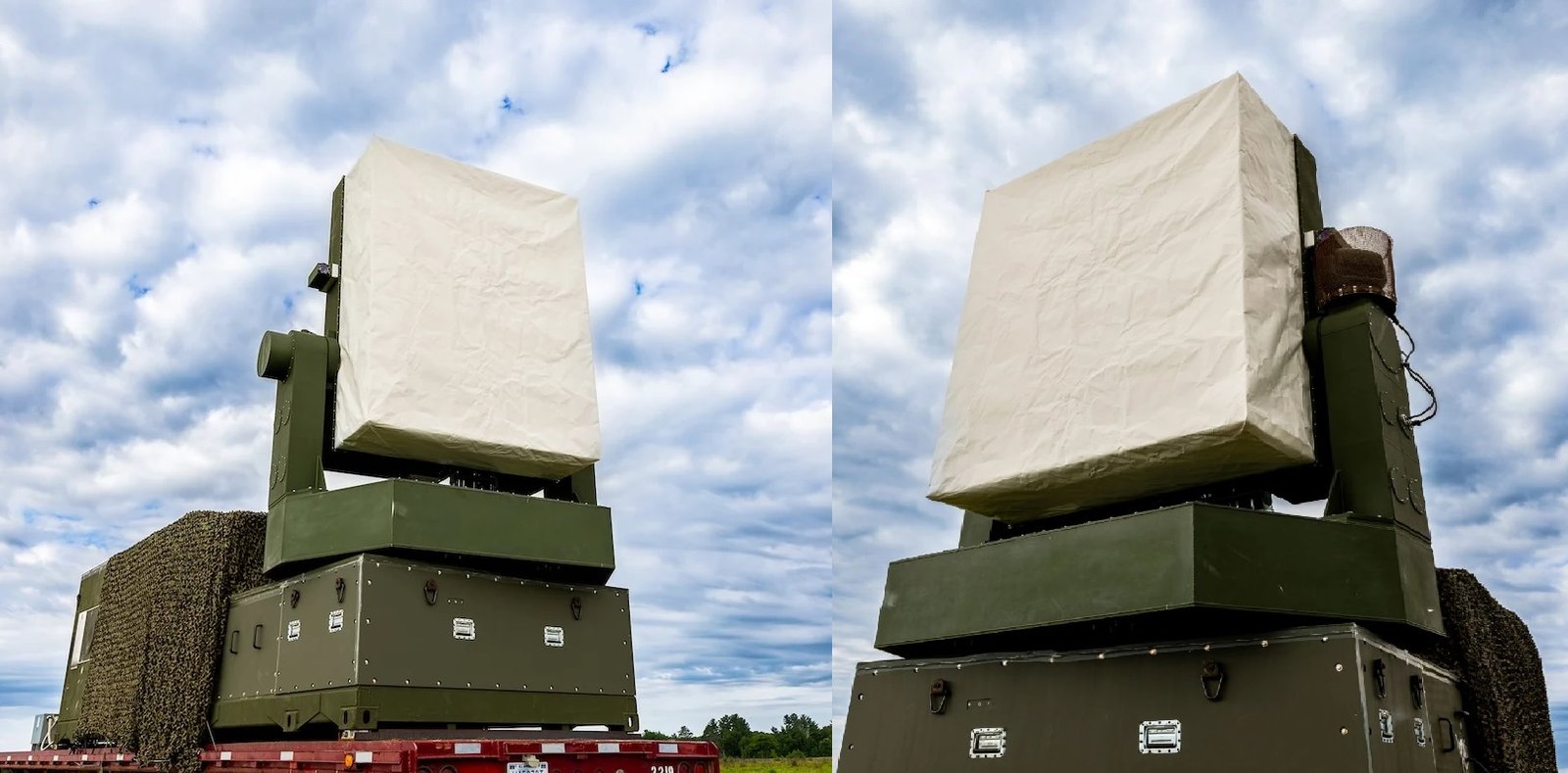 BAE Systems Unveils High Power Microwave Weapon for Drone Defense at AUSA 2026
-
 Saudi Arabia Explores $8 Billion Loan as Missile Interceptor Stocks Deplete and Western Support Lags
-
 SR Dynamics Unveils New Stealth Strike Drone With 1,000 km Range and 900 km/h Speed
-
 Israel’s IAI Unveils HawkGuard Kinetic Drone Interceptor with 1,000-Meter Range at AUSA 2026
-
 Russia Launches Centralized Platform for Military AI Drone Training
-
 Ukraine Reports No Early Warning Before Russian Missile Strike on Kyiv Amid U.S. Pressure Over Energy Ceasefire
-
 U.S. Army Receives First Hanwha Mobile Tactical Cannon Prototype to Replace M777