
Science
NANJING, CHINA — Researchers from Nanjing University, in collaboration with the National University of Singapore, have developed LightTok, an ultra-low-power vision sensor chip that converts light directly into AI-ready tokens inside the sensor. The findings were published this week in the journal Nature Sensors. Direct AI Tokenization at the Sensor Conventional vision systems capture light, convert analog signals into digital data, buffer and transfer the data, and then divide images into patches and embed them before producing tokens for Transformer models. These steps involve moving large amounts of often redundant data and consume significant energy, particularly in power-constrained edge devices. LightTok performs this process directly in the physical domain. Its photosensitive memory array uses single-layer molybdenum disulfide (MoS₂) floating-gate phototransistors along with peripheral addressing circuits. Each pixel can sense light, store information as non-volatile charge and perform analog computing. Peripheral circuits select regions of the array and divide the image into blocks. Voltage sequences then allow the stored optical information to perform multiply-add operations in the analog domain, with the resulting current becoming the output token. These tokens can be sent directly to a Transformer encoder for image recognition. Liang Shijun, a professor at Nanjing University, described the approach as eliminating data movement that contributes significantly to energy consumption, with light entering the sensor and tokens being produced directly. 14.3-Fold Energy Reduction In tests, LightTok achieved 87.3 percent accuracy on image-recognition tasks, close to conventional software baselines. The research reported that energy efficiency during tokenization improved by more than 10 times compared with traditional digital methods. In a standard Vision Transformer pipeline using the CIFAR-10 dataset, the physical tokenizer achieved a 14.3-fold reduction in energy use compared with a digital tokenizer. 32 × 32-Pixel Prototype The current prototype has a 32 × 32-pixel resolution, providing 1,024 photosensitive pixels. This is smaller than sensors used in smartphones and industrial cameras. Miao Feng, director of Nanjing University's Institute of Brain-Inspired Intelligence and a co-leader of the research, said the technology is compatible with standard CMOS manufacturing processes and can be scaled. The researchers said wafer-level growth of molybdenum disulfide could eventually allow LightTok to reach resolutions comparable to existing imaging devices. The design is inspired by the human retina, which performs early visual processing before sending information to the brain. Potential Applications The researchers identified potential uses in drones, autonomous satellites for remote sensing, and small embodied-AI systems that require continuous visual processing under tight power constraints. By generating AI-ready tokens directly at the sensing stage, LightTok is intended to reduce the energy required to acquire and tokenize visual information for edge AI and physical AI systems.
Read More → Posted on 2026-08-22 15:21:28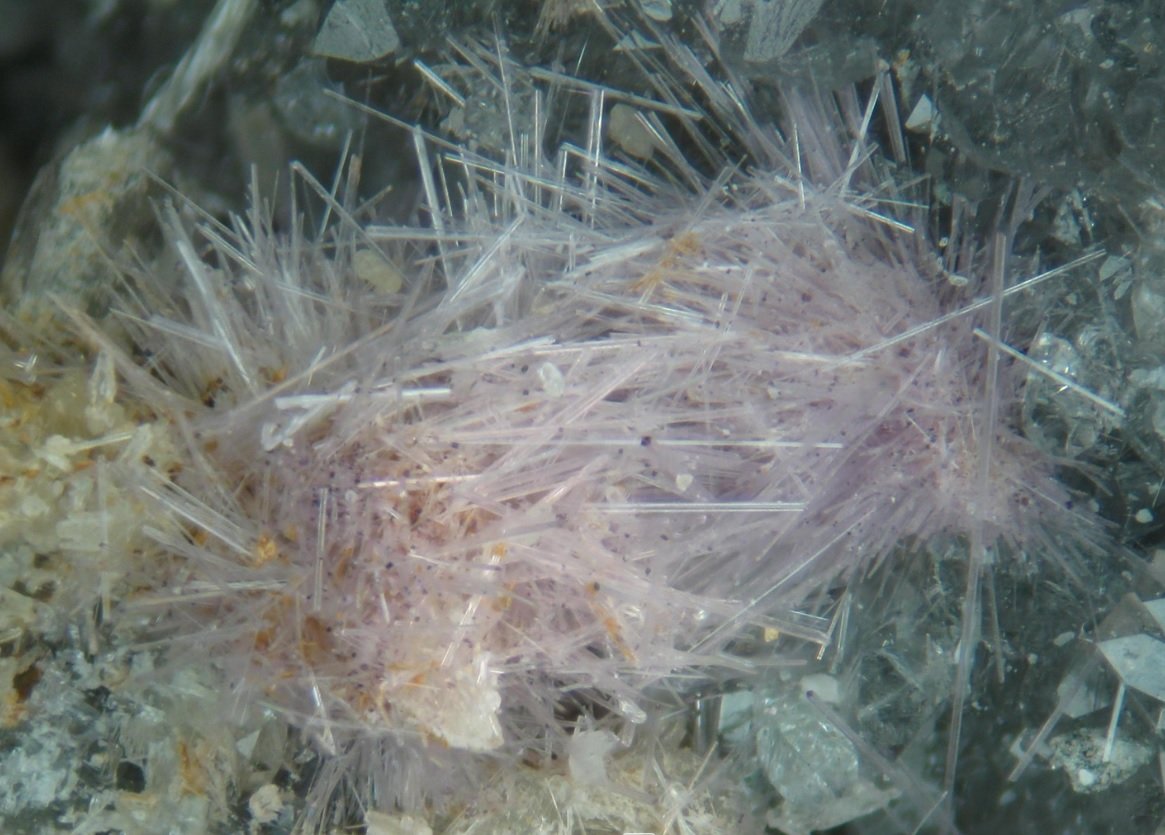
Science
MURMANSK, Russia — Russian scientists have identified a previously unknown rare-earth mineral, named Kola ashcroftine, at the Kirovsky mine in the Khibiny massif on the Kola Peninsula in the Murmansk region, according to the Russian Ministry of Science and Higher Education. The discovery was made by researchers from the Kola Science Center of the Russian Academy of Sciences, St. Petersburg State University, and the A.E. Fersman Mineralogical Museum. After comparing the specimen with existing mineral databases and finding no match, the research team confirmed that it represented a new mineral species. New Mineral Contains Rare-Earth Element Yttrium Kola ashcroftine contains the rare-earth element yttrium along with silicon, potassium, sodium, calcium, manganese, fluorine, and carbonate groups. According to the ministry, the presence of calcium, manganese, and fluorine distinguishes the mineral from related species, while its crystal structure ranks among the most complex known to science. The Khibiny massif, where the mineral was found, is one of Russia's best-known geological regions and is recognized for its rich deposits of rare minerals and rare-earth elements. Crystal Structure Among the Most Complex Known In appearance, Kola ashcroftine resembles ashcroftine-(Y), a rare pink, transparent and brittle silicate mineral previously reported from Greenland, Canada and Italy. However, the newly discovered mineral forms extremely thin, microscopic needle-like crystals. A scientific study published in the journal Minerals in May 2026 described the mineral under the designation KA (Kola ashcroftine). Researchers determined its idealized chemical formula as: K₆(Na₄Ca)(Y₈Ca₃Mn)Si₂₈O₆₈(OH)₂₈F₂·9H₂O Single-crystal X-ray diffraction analysis showed that the mineral has a tetragonal crystal structure built from silicate nanotubules measuring approximately 2 nanometers in diameter. Researchers said this unique internal architecture places Kola ashcroftine among a small group of very complex minerals. According to the Russian Ministry of Science and Higher Education, it ranks within the top 3.5% of the most structurally complex minerals currently known to science. Scientists also noted that the mineral is related to ashcroftine-(Y), although exact equivalence remains under discussion because historical structural data for the original ashcroftine material is limited. Estimated Value Exceeds Gold by Volume Due to its rarity and unique composition, Kola ashcroftine has been assigned a high estimated value. According to the Russian Ministry of Science and Higher Education, a thin coating of the mineral on host rock is valued at approximately $145 (about 12,470 rubles) per millimeter, making it more valuable than gold by volume. The estimate specifically refers to the mineral coating on rock rather than the bulk mineral itself. Further Research Planned Researchers said they will continue studying Kola ashcroftine to better understand its physical and chemical properties and to evaluate its potential practical and industrial applications. The discovery adds another mineral species to the Kola Peninsula's long history of mineralogical discoveries and further highlights the scientific importance of the Khibiny massif as a source of rare minerals and rare-earth elements. The announcement comes shortly after Rosgeology reported the discovery of Russia's largest ore gold deposit near the Fedorovskoye-Kedrovskoye area on the border of the Khakassia and Kuzbass regions.
Read More → Posted on 2026-08-01 13:56:19
Russia's Kalashnikov Develops New Hemostatic Bandage That Stops Arterial Bleeding in Under 3 Minutes
Science
MOSCOW — Russian defence manufacturer Kalashnikov Concern has developed a new kaolin-based hemostatic bandage designed to stop severe arterial bleeding within two to three minutes. According to the company, the product achieved a 91% success rate during medical testing, making it one of the highest-performing hemostatic products currently available on the Russian market. The new medical products include kaolin-based Z-fold hemostatic gauze and QuikMed field dressing kits. They were recently presented at the Second All-Russian Scientific Conference of the People's Experimental Design Bureau, held at the Skolkovo Technopark in Moscow, where they attracted interest from medical professionals working in trauma and emergency care. Designed for Rapid Bleeding Control The new bandage is intended for use in situations where rapid control of severe bleeding is critical, including battlefield injuries, emergency response, accidents, and trauma care. Uncontrolled bleeding remains one of the leading causes of preventable death after serious injuries, making fast hemostasis an important part of emergency treatment. The dressing uses kaolin, a naturally occurring white clay, as its active ingredient. When the kaolin-impregnated gauze comes into contact with blood, it activates clotting Factor XII, helping the body's natural clotting process begin quickly. The material also absorbs water from the blood, concentrating clotting factors directly at the wound site. This helps form a stable clot and control bleeding, including from major arteries, without affecting the body's overall blood-clotting system. Safety Features According to the developers, the kaolin-based composition is non-toxic and does not produce heat during use, unlike some earlier chemical hemostatic agents that could generate exothermic reactions and increase the risk of tissue burns. The dressing also maintains the wound's natural pH level. Medical testing highlighted several additional features of the product. Besides stopping bleeding within two to three minutes, the dressing was reported to reduce the likelihood of recurrent bleeding during the first 30 minutes after application. Researchers also observed lower levels of localized inflammation, which may help reduce complications once patients receive hospital treatment. The Z-fold gauze can remain safely inside a wound for more than 24 hours if necessary. It also contains a radiopaque thread, allowing surgeons to detect and remove any remaining gauze during treatment using X-ray imaging. Current Use Kalashnikov Concern is already supplying the QuikMed field dressing kits and kaolin-based hemostatic gauze to Russian uniformed agencies for inclusion in standard first-aid kits. In addition to field and emergency applications, the company said the products are seeing increasing use in hospitals. Clinical reports indicate that the dressing has also been effective in controlling bleeding during gynecological surgeries, expanding its use beyond military and emergency medicine. The development reflects ongoing efforts to improve trauma care by providing medical personnel with faster and more effective tools to manage life-threatening bleeding in both military and civilian healthcare settings. Source: kalashnikovgroup
Read More → Posted on 2026-07-06 13:44:28
Science
WASHINGTON — June 02, 2026 : Google’s life sciences division, Verily, has formally requested permission from the U.S. Environmental Protection Agency (EPA) to release up to 32 million specially treated male mosquitoes across California and Florida as part of a large-scale mosquito population control initiative aimed at reducing the spread of mosquito-borne diseases. The proposed project, known as the “Debug” program, seeks to reduce populations of disease-carrying mosquitoes without relying heavily on traditional chemical pesticides. The EPA is currently reviewing Verily’s application for an experimental use permit and accepting public comments on the proposed two-year program through June 5 before making a final decision. If approved, the initiative would become one of the largest mosquito population-control efforts conducted in the United States and may help assess whether biological and technology-driven mosquito suppression systems can be expanded on a larger scale. Wolbachia-Based Method Designed to Reduce Mosquito Populations At the center of the program is a naturally occurring bacterium called Wolbachia, which is already present in many insect species, including butterflies, beetles, and fruit flies. Scientists involved in the project state that the bacterium is harmless to humans, animals, and the environment. The program primarily targets Aedes aegypti mosquitoes, a species known for spreading diseases such as dengue fever, Zika virus, chikungunya, yellow fever, and, in some regions, West Nile virus. Under the proposed system, Verily scientists introduce Wolbachia into healthy male mosquitoes before releasing them into the wild. Once released, the males mate with wild female mosquitoes that do not carry the same Wolbachia strain. This biological incompatibility prevents fertilized eggs from hatching, reducing mosquito numbers over time through repeated release cycles. Importantly, only male mosquitoes are released under the program. Male mosquitoes do not bite humans or animals because they feed on flower nectar rather than blood and therefore do not transmit mosquito-borne diseases. Artificial Intelligence and Robotics Used for Large-Scale Operations Although insect-based pest control methods have been used in scientific programs for decades, managing mosquito releases at industrial scale presents logistical challenges. Verily’s Debug program addresses this issue using automation technologies, robotics, computer vision systems, and artificial intelligence (AI). The company has developed AI-powered mosquito sorting systems designed to distinguish male mosquitoes from females with high accuracy. Since female mosquitoes are responsible for biting humans and spreading disease, the sorting process is considered a key operational requirement. Following separation, automated systems and specially equipped vehicles are used to distribute the male mosquitoes across selected neighborhoods in target regions of California and Florida. Alternative to Chemical Mosquito Spraying Supporters of the program say the Wolbachia-based approach provides a more targeted method of mosquito control than conventional insecticide spraying. Traditional chemical pesticides can affect beneficial insect species, including bees and butterflies, while mosquito populations in several regions have also developed resistance to standard chemical treatments. Because the Wolbachia method targets one mosquito species through biological reproduction, researchers argue it may help avoid those limitations while reducing environmental impact. Public health experts note that lowering mosquito populations over time could help reduce the transmission risk of diseases linked to infected mosquitoes, particularly in regions vulnerable to seasonal outbreaks. Previous Trials Reported Significant Results Verily’s mosquito-control efforts have previously been tested in California. During field trials in Fresno, the company reported reductions of up to 95% in local biting female mosquito populations. Internationally, mosquito suppression programs using Wolbachia technology have also produced notable results. In Singapore, similar deployments reportedly reduced Aedes aegypti mosquito populations by between 80% and 90%, while treated areas recorded an estimated 70% decline in dengue fever cases. Researchers say such results suggest biological mosquito-control systems may become an increasingly important tool for managing disease risks in densely populated regions. EPA Review and Next Steps The EPA is evaluating the proposal under biological pest-control regulations because the project uses a biological mechanism to suppress pest populations rather than chemical insecticides. As part of the review process, the agency is collecting scientific analysis, expert feedback, and public comments before deciding whether to approve, reject, or impose conditions on the proposed two-year field deployment. If the project receives approval, Verily would begin gathering additional field data to evaluate whether AI-supported mosquito suppression programs can be scaled more broadly in the United States as part of long-term public health and pest-management efforts. The proposal also reflects increasing interest in biological pest-control technologies that rely on natural reproductive mechanisms instead of chemical treatments to manage disease-carrying insects while limiting environmental disruption.
Read More → Posted on 2026-06-02 17:29:38
Science
GENEVA — May 7, 2026 : International health authorities are investigating a cluster of hantavirus infections identified among passengers and crew aboard the Dutch-flagged expedition cruise vessel MV Hondius, after seven individuals developed severe respiratory illness during a voyage spanning South America, Antarctica, and the South Atlantic. According to information released by the World Health Organization (WHO), the vessel departed Ushuaia, Argentina, on 1 April 2026 and later transited through Antarctica, South Georgia, and several remote islands while en route to the Canary Islands. The ship is currently anchored off the coast of Cape Verde as investigations and medical response operations continue. Among the 147 passengers and crew members on board, seven people became ill between 6 and 28 April 2026. Of those affected, three individuals have died, one remains in critical condition, and three others are experiencing mild symptoms. Several patients have been medically evacuated for treatment at shore-based facilities. Health officials said the illnesses initially presented with fever and gastrointestinal symptoms before progressing rapidly in severe cases to pneumonia, acute respiratory distress syndrome (ARDS), shock, and respiratory failure. Laboratory testing has confirmed hantavirus infection in two patients, while five additional cases remain classified as suspected infections pending further diagnostic analysis. The WHO stated that it is working in coordination with health authorities from the countries involved, as well as with the ship’s operator, Oceanwide Expeditions, to provide medical guidance, epidemiological support, and information to passengers and crew. Based on currently available evidence and the known transmission characteristics of hantaviruses, the organization has assessed the overall risk to the global population as low. WHO officials said the assessment could be revised as additional laboratory findings, contact tracing data, and environmental investigations become available. Public health teams are continuing to monitor the situation closely while implementing infection prevention measures aboard the vessel. Investigators are examining several possible sources of exposure, including contact with rodents or contaminated environments during shore excursions in regions where hantaviruses are known to circulate naturally. Authorities are also reviewing passenger movement patterns, onboard interactions, and environmental conditions during the voyage. Hantaviruses belong to the family Hantaviridae and are primarily carried by rodents, which act as natural reservoir hosts without typically showing signs of illness. Human infection most commonly occurs through inhalation of aerosolized viral particles from rodent urine, droppings, or saliva. Transmission may also occur through rodent bites, scratches, or contact with contaminated surfaces followed by touching the eyes, nose, or mouth. The virus identified in the current cluster is reported to be the Andes virus, a hantavirus strain endemic to parts of South America. The Andes virus is the only hantavirus species for which limited person-to-person transmission has been documented. Health authorities noted, however, that such transmission is considered rare and generally requires prolonged close contact with an infected individual. Medical experts classify hantavirus disease into two primary clinical syndromes. Old World hantaviruses, found mainly in Europe and Asia, are associated with hemorrhagic fever with renal syndrome (HFRS), which primarily affects the kidneys and can involve internal bleeding complications. New World hantaviruses, found in the Americas, are linked to hantavirus pulmonary syndrome (HPS), also referred to as hantavirus cardiopulmonary syndrome (HCPS), a severe respiratory illness characterized by rapid pulmonary deterioration. Symptoms of hantavirus infection typically develop between one and eight weeks after exposure. Early manifestations often resemble influenza-like illness and include fever, fatigue, headaches, dizziness, chills, and muscle aches, particularly affecting the thighs, hips, and back. Gastrointestinal symptoms such as nausea, vomiting, diarrhea, and abdominal pain are also commonly reported. In cases progressing to HPS, patients may develop coughing and severe shortness of breath within four to ten days after the onset of initial symptoms. Fluid accumulation in the lungs can rapidly lead to respiratory failure, low blood pressure, cardiovascular collapse, and shock. WHO data indicate that the fatality rate for HPS outbreaks has reached up to 40 percent in some documented cases. There is currently no specific antiviral treatment or licensed vaccine for hantavirus infection. Clinical management primarily depends on early recognition of symptoms and intensive supportive care, including oxygen therapy, mechanical ventilation, hemodynamic monitoring, and fluid management in critical care settings. Public health authorities emphasized that most hantavirus infections worldwide are linked to environmental exposure rather than sustained human-to-human transmission. Preventive measures focus largely on reducing contact with rodents and safely handling potentially contaminated areas. Recommended precautions include sealing buildings to prevent rodent entry, storing food in rodent-proof containers, and avoiding dry sweeping or vacuuming of rodent droppings, which can aerosolize infectious particles. Health agencies advise using wet-cleaning methods with disinfectants or bleach solutions while wearing gloves and protective masks when cleaning areas suspected of rodent contamination. The name “hantavirus” originates from the Hantan River, where the virus first gained international attention during the Korean War between 1951 and 1953. More than 3,000 United Nations troops developed hemorrhagic fever during that period. In 1978, scientists isolated the Hantaan virus from the striped field mouse (Apodemus agrarius) near the Hantan River, establishing the rodent link associated with hantavirus disease. A separate milestone in hantavirus research occurred in 1993 during an outbreak in the Four Corners region of the southwestern United States, where an unexplained respiratory illness led researchers to identify hantavirus pulmonary syndrome caused by the Sin Nombre virus carried by deer mice. WHO stated that contact tracing and onboard infection control measures remain active aboard the MV Hondius while investigations continue into the origin and transmission pathway of the current cluster. Health authorities are expected to release further updates as laboratory sequencing and epidemiological analysis progress.
Read More → Posted on 2026-05-07 15:28:01
Science
Science : A wave of social-media posts and online headlines claiming that multiple cancers have been “cured” spread rapidly in early February, coinciding with the United States’ formal withdrawal from the World Health Organization (WHO) on January 22, 2026. The timing led to widespread speculation that the WHO had previously suppressed or delayed life-saving research. A closer review of the underlying data, however, shows that the surge was driven not by sudden discoveries, but by a convergence of scheduled scientific disclosures, ongoing clinical trials, and changes in how research is communicated to the public. The claims centered on six areas of cancer research reported between February 1 and February 8, spanning pancreatic cancer, colorectal and colon cancers, metastatic lung disease, HPV-related cancers, blood cancers, and a Russian mRNA-based cancer vaccine. In each case, the science represents meaningful progress, but none supports the idea of a newly available, universal cancer cure. Pancreatic Cancer Research From Spain Between February 1 and February 4, reports circulated about a “pancreatic cancer cure” emerging from Spain. The research originated at the Spanish National Cancer Research Centre (CNIO), where scientists demonstrated that a triple-combination therapy could fully eliminate pancreatic tumors in mouse models. One component of the therapy involves daraxonrasib, a KRAS-targeting drug developed by the U.S. biotechnology company Revolution Medicines and tested in collaboration with major American research hospitals, including the Huntsman Cancer Institute at the University of Utah. The findings represent a genuine scientific achievement, as pancreatic cancer has long resisted effective treatment. However, the results are limited to animal studies. No human clinical trials have yet been completed, and crowdfunding efforts are currently underway to initiate early-phase trials. At this stage, the research is best described as a promising preclinical breakthrough, rather than a proven therapy for patients. Colon, Colorectal, and Lung Metastatic Cancers From February 3 to February 7, new data presented at the American Society of Clinical Oncology Gastrointestinal Cancers Symposium (ASCO GI 2026) fueled claims of cures for colon cancer, colorectal cancer, and lung metastases. The studies showed that combining immunotherapy with targeted treatments significantly extends survival in patients whose tumors have specific genetic features, particularly mismatch repair deficiency (dMMR). These results mark an important advance in precision oncology, demonstrating improved outcomes for a defined subset of patients. They do not apply to all cases of colorectal or metastatic cancer, nor do they constitute a complete cure. The research emerged from large international academic networks, typically associated with ASCO and the European Society for Medical Oncology (ESMO), following timelines established years earlier. HPV-Related Cancers and Vaccination Between February 6 and February 7, new reports confirmed that a single dose of the HPV vaccine provides protection comparable to traditional multi-dose regimens. The data, released ahead of World Cancer Day on February 4, were widely shared as evidence of a “new HPV cancer cure.” In reality, the findings reinforce vaccination as a preventive tool, not a treatment. The confirmation of single-dose efficacy is significant for global public health, as it reduces costs and logistical barriers, enabling broader immunization coverage. It does not offer a therapeutic solution for individuals already diagnosed with HPV-related cancers. Blood Cancer and Leukemia Therapies From February 7 to February 8, attention turned to blood cancers after reports highlighted the success of BE-CAR7 therapy, an advanced gene-editing treatment using base-editing technology. Developed through research at Great Ormond Street Hospital and University College London, and funded by the UK government’s Medical Research Council, along with charities such as Blood Cancer UK, the therapy has achieved remission rates of approximately 82 percent in patients with previously untreatable leukemia. Unlike several other viral claims, this development reflects an active clinical success. The therapy is already being used in hospital settings and is saving lives, though it remains highly specialized, resource-intensive, and limited to specific patient groups. Russia’s Experimental mRNA Cancer Vaccine From February 4 to February 8, Russian officials announced progress on an experimental mRNA cancer vaccine known as Enteromix. The project is being developed by the Russian Federal Medical and Biological Agency and the Gamaleya Center, the same institution responsible for the Sputnik V COVID-19 vaccine. According to official statements, animal trials have shown success rates of 60 to 80 percent, and human trials are planned for 2026. The vaccine is not approved for public use, and its effectiveness in humans has not been established. While the WHO has never overseen or controlled these laboratories, the absence of independent international verification has contributed to uncertainty surrounding the claims. Why the WHO Was Not Blocking Research Contrary to viral narratives, the WHO does not run or control most biomedical research. Since a policy adopted in 1949, the organization has avoided establishing its own research institutions, instead coordinating with a global network of WHO Collaborating Centres. These include national bodies such as the U.S. Centers for Disease Control and Prevention (CDC) and institutions like the Pasteur Institute in France. The WHO does not own these centers or direct their experiments. When the United States withdrew, American agencies such as the National Institutes of Health (NIH) and the National Cancer Institute (NCI) continued their research activities unchanged, but stopped sharing data through WHO coordination channels. The underlying studies were not delayed or released because of the withdrawal. Why the Announcements Clustered in Early February Several factors explain why multiple cancer-related announcements appeared almost simultaneously. World Cancer Day (February 4) traditionally prompts major organizations, including the WHO and its cancer research arm IARC, to release annual data and updates. In 2026, this included confirmation that the combined five-year survival rate for all cancers reached 70 percent for the first time. At the same time, the ASCO GI 2026 conference, held from January 8 to February 5, served as the formal venue for presenting pancreatic and colorectal cancer trial results. The coincidence of these events with the U.S. exit from the WHO amplified their visibility. Shifts in Public Communication Another factor has been a change in messaging. While the United States participated in WHO-coordinated communication, preliminary findings were often framed cautiously, with attention to global equity and affordability. Following the withdrawal, U.S. agencies and private companies have increasingly released early-phase trial results directly to the public, sometimes using simplified language interpreted as proof of a cure. Russia’s announcement also reflects heightened competition for scientific attention in a less centralized global health environment. A Fragmented Information Landscape The viral spread of cancer “cure” claims in early 2026 illustrates how a fragmented public-health landscape can blur the line between experimental progress and established treatment. Significant advances are being made, but most remain incremental steps within long clinical pathways. Medical experts emphasize that the public should distinguish between prevention, early-phase research, and therapies that are proven safe and effective in large-scale human trials.
Read More → Posted on 2026-02-08 14:41:55
Science
Australia has issued an urgent safety alert over widely-used weight-loss injections such as Ozempic and Mounjaro, after regulators linked the medications to depression, unusual mood changes and suicidal thoughts. The warning comes amid claims on social media that more than 5 lakh Australians who used these jabs are now considered “at risk,” prompting public anxiety even though official case numbers are far smaller. At the same time, the very same drugs have become the highest-selling weight-loss medicines in India, generating nearly ₹100 crore in sales in October alone — underscoring the scale of global dependence on GLP-1-based injections. Australia Tightens Safety Rules After Suicidal-Risk Reports The alert was issued by Australia’s Therapeutic Goods Administration (TGA), which has added new mental-health warnings to Ozempic, Wegovy, Saxenda, Trulicity and Mounjaro — all part of a rapidly growing class of diabetes and obesity medicines. According to the TGA’s own monitoring system, Australia has recorded a small but concerning series of cases among GLP-1 drug users, including: Reports of suicidal thoughts A few suicide attempts A handful of completed suicides Although these numbers are limited when compared to the hundreds of thousands of Australians using the drugs, authorities say even rare signs of self-harm require immediate caution. Doctors in Australia have been instructed to watch patients closely for sudden mood changes, depression or suicidal ideation, especially when increasing doses or when prescribing the injections to people with existing mental-health conditions. India Becomes a Hotspot: How These Drugs Are Sold Here India has seen an unprecedented surge in demand for the same medicines now under scrutiny abroad. Market trackers report that: Mounjaro became India’s highest-selling drug by value in October, crossing ₹100 crore in a single month. India’s anti-obesity drug market is expanding rapidly and is expected to cross ₹2,000–3,000 crore within the next two years. In India, these drugs are available under the following names: Semaglutide Brands (Ozempic/Wegovy family) Ozempic – Injected weekly for diabetes Wegovy – For obesity and weight management Rybelsus – Oral semaglutide tablets Tirzepatide Brands (Mounjaro family) Mounjaro KwikPen – Weekly injection Yurpeak – Indian-market brand under Eli Lilly–Cipla partnership India’s approvals for these drugs come from the Central Drugs Standard Control Organisation (CDSCO), which has permitted their use for diabetes and medically supervised weight-loss. Major pharmaceutical companies involved include Novo Nordisk (makers of Ozempic, Wegovy, Rybelsus) and Eli Lilly (makers of Mounjaro and distributor of Yurpeak via Cipla). How These Drugs Can Harm Human Health Doctors caution that although GLP-1 and dual-hormone weight-loss drugs are medically effective, they also carry significant health risks, particularly when used without proper supervision. The most common problems begin in the digestive system, where patients frequently experience nausea, vomiting, diarrhoea, constipation, stomach pain and a sharp loss of appetite. These symptoms can lead to dehydration, which places additional stress on the kidneys. International regulators have also recorded more serious complications involving the pancreas and gallbladder. Cases of acute pancreatitis, gallbladder infections and gallstone formation have been reported in multiple countries, with some patients requiring hospital treatment. Alongside this, medical guidance highlights the potential for acute kidney injury, worsening diabetic retinopathy and a possible thyroid-tumour signal observed in laboratory animals. Because of this, people with a personal or family history of thyroid cancer are advised to avoid these medicines altogether. Another growing concern is the loss of muscle mass and essential nutrients. Since these drugs sharply reduce appetite, rapid weight loss can lead to physical weakness, fatigue and nutritional deficiencies unless users follow a monitored diet and exercise plan. The most sensitive issue now emerging involves mental health. Reports from Australia, the United States and Europe have prompted regulators to monitor for depression, sudden mood changes and suicidal thoughts. Although no health authority has confirmed that the drugs directly cause suicidal behaviour, the pattern of real-world cases has led to strict precautionary warnings. Experts suggest that mood disturbances may occur in people with underlying depression, anxiety disorders, body-image issues, eating-disorder histories, or individuals undergoing the hormonal and psychological stress of rapid weight loss. As of now, the position of Australia’s TGA, the U.S. FDA and Europe’s EMA remains consistent: there is no proven causal link between GLP-1 drugs and suicidal behaviour, but the need for close monitoring, early detection and immediate reporting of any mental-health changes is essential. Who Allowed These Drugs to Be Sold? In Australia, these weight-loss and diabetes drugs are approved and monitored by the Therapeutic Goods Administration (TGA), which has recently added updated warnings addressing potential mental-health risks and, in the case of Mounjaro, concerns about reduced contraceptive effectiveness due to delayed gastric emptying. In India, the medicines fall under the oversight of the Central Drugs Standard Control Organisation (CDSCO), which operates within the Union Health Ministry. The agency has authorised several brands for medical use, including Ozempic, Wegovy, Rybelsus, Saxenda, Trulicity, Mounjaro and Yurpeak, covering both semaglutide-based and tirzepatide-based treatments. These products are manufactured by major global pharmaceutical companies. Novo Nordisk produces the semaglutide family of drugs, while Eli Lilly is responsible for the tirzepatide range. In India, Cipla partners with Eli Lilly to distribute tirzepatide under the brand Yurpeak. Across all markets, these medications remain strictly prescription-only, requiring proper medical supervision and regular monitoring to ensure safe and appropriate use. A Growing Global Debate The explosive rise of weight-loss injections has created a global dilemma: Millions are turning to these drugs for rapid transformation. Regulators are scrambling to keep up with real-world safety data. Doctors warn against “cosmetic misuse” without proper monitoring. For now, health authorities worldwide — including India’s — urge users to immediately report any mood changes, depression or suicidal thoughts, and to seek emergency help if needed. These medicines, experts emphasise, are powerful metabolic drugs, not lifestyle products.
Read More → Posted on 2025-12-02 14:43:10
Science
Hanoi – In a significant development for its oncology sector, Vietnam has officially approved the sale and circulation of a Russian-made anti-cancer drug, opening a new treatment avenue for thousands of patients battling life-threatening diseases. Regulatory Approval and Product Details On October 31, 2025, the Ministry of Health issued a special authorization allowing the distribution of Pembroria, a Russian formulation containing Pembrolizumab, one of the world’s most effective immunotherapy agents.The drug, produced by Russia’s LLC PK-137 and imported through a UAE-based distributor, will be available in 100 mg/4 ml vials for intravenous infusion. With a 24-month shelf life and approval valid for three years, Pembroria is indicated for more than 14 types of cancers, including lung cancer, melanoma, colorectal cancer, renal cell carcinoma, breast cancer, and cervical cancer. Growing Cancer Burden in Vietnam Vietnam is confronting a steep rise in cancer rates. In 2022, the country recorded about 180,480 new cancer cases and 120,184 deaths, with liver, lung, colorectal, and breast cancers dominating the statistics.Although immunotherapy is increasingly recognized as a breakthrough treatment globally, high prices and limited insurance support have restricted access for many Vietnamese patients. Pricing and Patient Access The newly approved Russian drug is expected to retail at around VND 18 million (approximately USD 700–730) per vial.Most treatment cycles require at least two vials, meaning many patients will still face a considerable financial burden, as the drug is not yet covered by Vietnam’s national health insurance. Major hospitals, including K Hospital in Hanoi, are preparing to incorporate the drug into their clinical protocols. Regulators have also mandated quarterly reports from the manufacturer on safety, immunogenicity, and treatment efficacy, in addition to maintaining GMP compliance. Medical Significance and Expert View Experts view the approval as a pivotal step in expanding Vietnam’s access to advanced biologics.According to medical oncologists, while Pembrolizumab is already famous through global brands like Keytruda, a Russian alternative could potentially lower costs and increase availability. However, some specialists note that clinical transparency surrounding the Russian formulation still needs improvement. Vietnam’s regulators have stressed that post-market surveillance will be crucial to ensure safety and effectiveness. Strategic Partnership with Russia The approval also reflects deepening Vietnam–Russia healthcare cooperation. Earlier discussions between health ministers from both nations explored joint clinical trials, biotech development, and pharmaceutical collaboration, signaling broader mutual engagement in the medical field. This authorization comes as Vietnam simultaneously approved 13 additional vaccines and biologics, signaling a broader national push to strengthen its biopharmaceutical landscape and reduce dependency on limited foreign suppliers. Vietnam’s approval of the Russian anti-cancer drug Pembroria marks a major stride in expanding oncological treatment options.While challenges remain—particularly around pricing, insurance coverage, and long-term data—the move brings renewed hope for cancer patients and showcases Vietnam’s commitment to securing advanced, life-saving therapies for its population.
Read More → Posted on 2025-11-15 12:08:57
Science
In a remarkable new discovery, scientists have found that earthquakes and rock fractures deep beneath the Earth’s surface may be fueling hidden microbial life, offering a fresh explanation for how life survives – and possibly even originated – in the darkest corners of our planet. Led by Chinese scientists Zhu Jianxi and He Hongping from the Guangzhou Institute of Geochemistry, along with Canadian researcher Kurt Konhauser from the University of Alberta, the research was published in Science Advances on July 19. It sheds new light on what drives life in the deep biosphere, a vast underground ecosystem that contains about 95% of Earth’s prokaryotes – microscopic organisms like bacteria and archaea – and roughly one-fifth of all biomass on Earth. An Underground Battery The team discovered that the mechanical energy from earthquakes and tectonic movements creates chemical reactions when rocks grind or crack and come into contact with water. This interaction splits water molecules, generating hydrogen gas and reactive oxygen species like hydrogen peroxide. These substances together form what's called a “redox couple”, capable of producing up to 0.82 volts of electrical energy – more than enough to power microbial metabolism in the deep subsurface. According to Zhu, “In the silent darkness, chemical reactions between rock and water generate energy. This process functions like a battery, creating positive and negative poles that drive electron flow – the currency of life’s metabolism.” Fractures That Feed Life The researchers recreated two main types of rock fracture in the lab: Extension fractures, which suddenly expose new rock surfaces to water, Shear fractures, where rocks grind continuously under pressure. Both processes were found to split water and release energy-rich chemicals. Extension fractures, in particular, were highly effective at producing hydrogen peroxide. One key element in this natural energy system is iron. When hydrogen peroxide oxidises ferrous iron (Fe²⁺) into ferric iron (Fe³⁺), and reactive hydrogen atoms reduce it back again, a continuous electron flow is generated – a kind of “underground power grid” that sustains microbial life and drives carbon, nitrogen, and sulfur cycles. Could This Be the Origin of Life? This process, the researchers suggest, might help explain how life began on Earth, especially since the deep subsurface is protected from catastrophic surface events like asteroid impacts or intense radiation. According to Zhu, “This long-overlooked radical chemistry could simultaneously explain the origins of Earth’s initial oxygen and hydrogen. It might be the intrinsic mechanism driving the early co-evolution of minerals and life.” In fact, a moderate earthquake is capable of generating hydrogen at rates 100,000 times greater than other known geological processes such as radiolysis or serpentinisation. This energy flow could support vast colonies of chemosynthetic microbes, organisms that use chemical reactions instead of sunlight to live. Beyond Earth: Implications for Life on Mars The study also suggests that this mechanism isn’t limited to Earth. He Hongping believes similar processes could be happening on other planetary bodies like Mars or Saturn’s moon Enceladus. Detecting signs of redox reactions – like changes in hydrogen, methane, or iron oxidation states – in Martian rocks could point to possible subsurface life. So next time the ground shakes from an earthquake, remember: deep below, rocks are cracking, energy is flowing, and life may be thriving in ways we’re only just beginning to understand. This hidden world beneath our feet – and potentially beneath alien worlds – could be one of the most ancient and resilient habitats in the universe.
Read More → Posted on 2025-08-03 16:35:09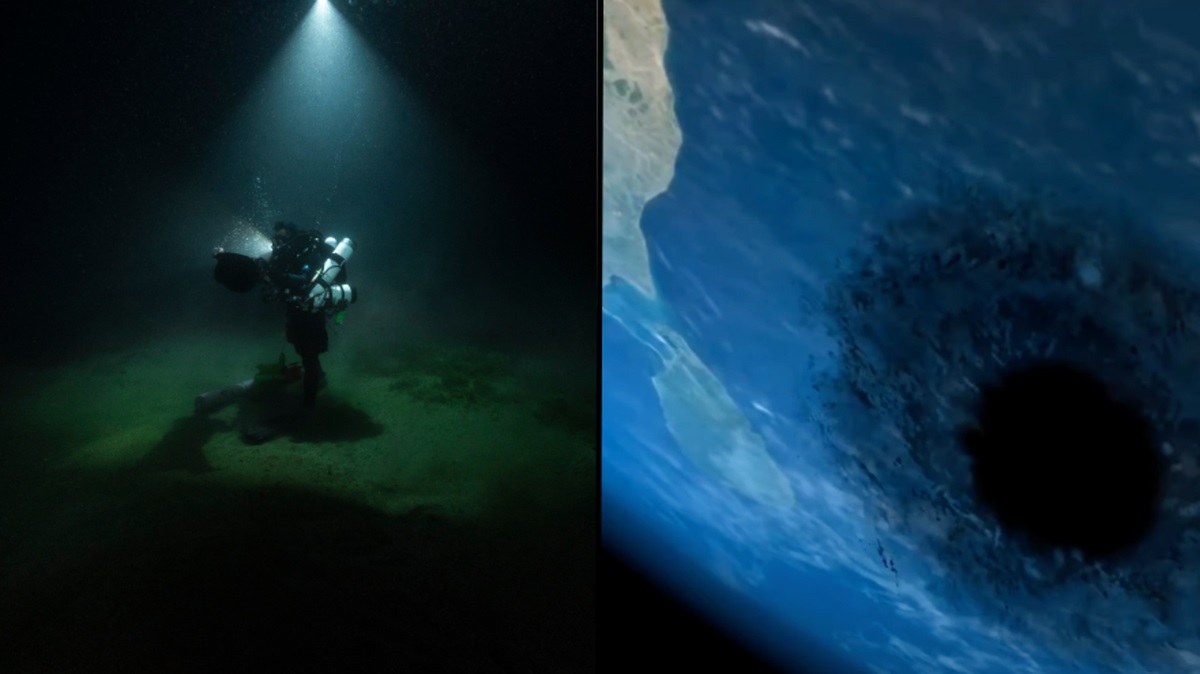
Science
Science continues to unravel the secrets of our planet, and one of the latest breakthroughs sheds light on a long-standing mystery—an enormous "gravity hole" in the Indian Ocean. This strange phenomenon, officially known as the Indian Ocean Geoid Low (IOGL), is a massive region where Earth's gravitational pull is weaker than normal, and the sea level is about 328 feet (100 meters) lower than the global average. But what is causing this anomaly? A Gravity Mystery Decades in the Making The existence of this gravity hole was first detected in 1948 by Dutch geophysicist Felix Andries Vening Meinesz during a ship-based gravity survey. However, for decades, scientists struggled to determine why this region had such low gravity. Unlike a typical ocean basin, where water levels and gravitational forces remain fairly uniform, this particular area exhibits a significant dip in sea level—almost as if something is pulling the ocean downward. A New Explanation: Magma Plumes and Ancient Oceans Recent research by scientists at the Indian Institute of Science (IISc), Bengaluru, has provided a groundbreaking explanation. Using supercomputer simulations to study Earth's evolution over the past 140 million years, researchers believe the anomaly is caused by rising plumes of magma deep within the Earth's mantle. These plumes originate from a massive underground feature known as the African superplume, a hot, buoyant upwelling of molten rock beneath the Earth's crust. As these magma plumes interact with different layers of the Earth, they create variations in mass distribution. This ultimately affects Earth's gravity, leading to the formation of the gravity hole in the Indian Ocean. Earth: Not a Perfect Sphere, but a 'Lumpy Potato' For a long time, many people imagined Earth as a perfect sphere, but in reality, it is far from smooth. Due to its rotation, Earth bulges at the equator and flattens at the poles. Additionally, variations in the density of rock and magma below the surface create gravitational irregularities, making some regions heavier or lighter than others. The gravity hole in the Indian Ocean is one of the most extreme examples of such irregularities. Ancient Tectonic Activity and a Lost Ocean Another key factor behind this anomaly is the ancient Tethys Ocean, which existed millions of years ago before being replaced by the modern Indian Ocean. The slow movement of Earth's tectonic plates caused parts of the old oceanic crust to sink into the mantle while new landmasses, including the Indian subcontinent, formed above it. The IISc study suggests that remnants of this lost ocean continue to influence Earth's gravitational field, playing a role in the formation of the gravity hole. What This Means for Science The discovery of the exact causes behind this gravitational anomaly is a major breakthrough in understanding Earth's dynamic processes. It not only helps scientists comprehend how gravity varies across the planet but also provides new insights into deep mantle activity and the long-term effects of plate tectonics. The Indian Ocean Geoid Low remains one of the most unusual gravitational features on Earth, but thanks to cutting-edge research, we are now closer than ever to understanding the forces that shape our planet. As scientists continue to explore Earth's hidden depths, more mysteries may soon be unraveled, reshaping our knowledge of the world beneath our feet.
Read More → Posted on 2025-03-18 14:44:39
Science
India’s ambitious goal of harnessing its vast thorium reserves for sustainable energy could receive a significant boost from an innovative US-based startup, Clean Core Thorium Energy (CCTE). The company is developing a breakthrough nuclear fuel technology that integrates thorium with enriched uranium, which promises to revolutionize the country's nuclear energy landscape. The Thorium Advantage Thorium, a naturally abundant radioactive element, is often seen as a cleaner, safer, and more efficient alternative to traditional uranium-based nuclear fuel. India holds one of the largest reserves of thorium globally, making it a prime candidate for adopting thorium-based nuclear power. However, technological and infrastructure challenges have historically slowed India’s transition to thorium-fueled reactors. CCTE's innovative solution, called Advanced Nuclear Energy for Enriched Life (ANEEL), addresses these challenges by combining enriched uranium with thorium. This hybrid fuel can be used in India's existing pressurized heavy water reactors (PHWRs) with minimal modifications, bypassing the need for expensive infrastructure overhauls. How ANEEL Fuel Works ANEEL fuel is designed to leverage the complementary properties of thorium and enriched uranium: Thorium’s Fertile Nature: Thorium-232 absorbs neutrons during the reactor’s operation and converts into uranium-233, a fissile material capable of sustaining a nuclear chain reaction. Enhanced Performance: Enriched uranium in the ANEEL mix jumpstarts the reaction process, allowing for greater energy output and operational stability. Safety Benefits: The unique properties of thorium reduce the risk of catastrophic meltdowns and generate less long-lived radioactive waste compared to traditional uranium fuel. Collaboration with Indian Partners CCTE is actively pursuing partnerships in India to deploy its ANEEL fuel technology. Discussions are underway with NTPC Limited, India’s largest energy conglomerate, and Larsen & Toubro, a major engineering firm. These partnerships aim to integrate ANEEL fuel into India’s nuclear power program, contingent on regulatory approvals from both US and Indian authorities. India currently operates 24 nuclear reactors with a combined capacity of 8.1 GW, contributing less than 2% to the nation’s energy mix. Scaling up nuclear power is critical for India’s transition away from coal, which still accounts for nearly 75% of its electricity generation. Advanced Testing and Promising Results The ANEEL fuel is undergoing rigorous testing at the Idaho National Laboratory in the United States. Early results demonstrate that the fuel achieves up to four times the irradiation levels of conventional uranium-based fuels used in India’s reactors. This means higher energy output, longer operational cycles, and lower reprocessing costs. CCTE's CEO, Mehul Shah, revealed that these findings have drawn the interest of India’s Department of Atomic Energy (DAE). While still in the exploratory phase, the DAE’s cautious optimism suggests that ANEEL technology could align with India’s long-term nuclear strategy. Implications for India’s Nuclear Program India’s nuclear energy development follows a three-stage program aimed at ultimately utilizing thorium as the primary fuel source. However, thorium's role is confined to the second stage, with significant reliance on reprocessing plutonium from the first stage. CCTE’s technology simplifies this process by introducing thorium at the first stage itself, reducing the dependency on complex reprocessing steps. If adopted, the technology could fast-track India’s ability to exploit its vast thorium reserves, saving both time and resources. Challenges Ahead Despite its promise, the deployment of ANEEL technology faces several hurdles: Regulatory Approvals: Both the US and Indian governments must greenlight the technology. Infrastructure Readiness: India’s existing reactors will require adaptations to accommodate the new fuel. Economic Viability: Scaling production of ANEEL fuel must remain cost-competitive with coal and other energy sources. The Future of Thorium Energy CCTE’s work could mark a turning point in global nuclear energy, particularly for countries like India, which seek cleaner, more sustainable power sources. If successful, ANEEL fuel could help India reduce its carbon footprint, enhance energy security, and establish itself as a leader in thorium-based nuclear power. By combining cutting-edge innovation with strategic collaboration, CCTE may help India unlock the full potential of its thorium reserves, advancing the global push for cleaner and safer energy solutions.
Read More → Posted on 2025-01-21 15:38:19
Science
Chinese scientists have taken another monumental step toward achieving nuclear fusion, a revolutionary energy source that could power the planet with minimal environmental impact. At the Experimental Advanced Superconducting Tokamak (EAST) facility, often referred to as China’s "artificial sun," researchers achieved a sustained plasma temperature exceeding 100 million degrees Celsius (180 million Fahrenheit) for a record-breaking 1,066 seconds. This milestone, reached in January 2025, shattered the previous record of 403 seconds set by the same facility in April 2023. Why Fusion is Critical for the Future Nuclear fusion is the process that powers the sun and other stars, combining light atomic nuclei into heavier ones and releasing vast amounts of energy. Unlike traditional nuclear fission, which splits heavy atoms, fusion produces no long-lived radioactive waste or greenhouse gases. The raw materials for fusion, such as deuterium and tritium, are abundant and widely available. This makes fusion one of the most promising solutions to global energy challenges. However, replicating the conditions of the sun on Earth is extraordinarily difficult. Plasma, the hot, electrically charged state of matter where fusion occurs, must be heated to over 100 million degrees Celsius—several times hotter than the sun's core—and sustained for long periods. The doughnut-shaped tokamaks, like EAST, use powerful magnetic fields to confine and control this plasma, preventing it from damaging the reactor walls. EAST’s Groundbreaking Achievement EAST's recent success goes beyond breaking records; it demonstrates humanity’s ability to mimic the operational environment of future fusion power plants. According to Song Yuntao, director of the Institute of Plasma Physics in Hefei, the experiment employed high-confinement mode, a high-efficiency operational technique critical for sustaining long-term fusion reactions. This mode allowed the plasma to remain stable for over 17 minutes, marking a significant leap in fusion technology. The record-breaking operation required significant advancements in heating systems, precision control, and diagnostic tools. EAST's team addressed challenges like sudden plasma collapses, which can damage a reactor’s internal components. These refinements have not only extended operational times but also provided valuable data for global projects like the International Thermonuclear Experimental Reactor (ITER), a multinational collaboration aiming to demonstrate large-scale fusion power. China’s Role in Global Fusion Research China is a key player in the ITER project, contributing to the design and manufacture of critical components such as superconducting conductors and magnetic systems. Simultaneously, the country is advancing its domestic fusion programs. The next-generation Fusion Engineering Test Reactor (CFETR), an ambitious project that builds on EAST’s successes, is expected to be operational by 2035. Once complete, CFETR will serve as a bridge between experimental reactors and commercial fusion power plants. In addition to government-led efforts, private companies in China are making strides in fusion research. Energy Singularity, a Shanghai-based start-up, has developed the Honghuang-70, the world’s first high-temperature superconducting tokamak built by a private entity. This device successfully generated and maintained plasma, showcasing the growing momentum of China's fusion industry. Challenges on the Path to Commercial Fusion While the progress at EAST and other facilities is remarkable, several challenges remain before fusion can become a practical energy source. Sustaining plasma for thousands of seconds with operational stability is crucial for achieving self-sustaining fusion reactions. Additionally, the construction and maintenance of fusion reactors are costly and complex, requiring continuous innovation in materials science, engineering, and energy management. Despite these hurdles, the advances made at EAST bring humanity closer to a future where fusion energy powers homes, industries, and cities. By demonstrating sustained plasma at extreme temperatures, China has set a new benchmark in fusion research, underscoring its commitment to addressing the world's energy needs through cutting-edge science. As global collaboration intensifies and technologies mature, the dream of harnessing the power of the stars may no longer be confined to science fiction but could become an integral part of our energy reality.
Read More → Posted on 2025-01-21 15:31:05
Science
Amid a growing surge in respiratory illnesses in China, India has reported its first cases of Human Metapneumovirus (HMPV) in Bengaluru. Two infants, an eight-month-old currently recovering in the hospital and a three-month-old who has been discharged, mark the first documented cases of HMPV in the country. While China battles a significant HMPV outbreak alongside other respiratory viruses such as influenza A, Mycoplasma pneumoniae, and COVID-19, hospitals there are reportedly overwhelmed with patients suffering from severe respiratory symptoms. Strengthened Surveillance and Guidelines Across Indian States In response to the HMPV detection and the alarming situation in China, several Indian states have initiated precautionary measures to prevent a potential outbreak. Delhi health authorities have released detailed guidelines focusing on enhanced surveillance, prevention, and isolation protocols. Hospitals have been instructed to report cases of Influenza-like Illness (ILI) and Severe Acute Respiratory Infection (SARI) via the Integrated Health Information Platform (IHIP). These measures are part of efforts to monitor and contain any rise in respiratory illnesses effectively. Delhi’s top health official, Dr. Vandana Bagga, recently held a meeting with chief district medical officers and the state programme officer from the Integrated Disease Surveillance Programme (IDSP) to assess preparedness for managing respiratory infections. Other states have also ramped up their efforts. Maharashtra has intensified the monitoring of SARI and ILI cases, though health authorities have assured the public there is no immediate cause for concern. Kerala's Health Minister, Veena George, has urged high-risk groups—including pregnant women, children, and the elderly—to adopt preventive measures, such as wearing masks. Similarly, Telangana has issued advisories emphasizing that no HMPV cases have been detected in the state. In Andhra Pradesh, Dr. Padmavathi, Director of Public Health and Family Welfare, has encouraged the public to remain calm and take basic precautions. "By following simple preventive measures, we can protect ourselves and our loved ones from HMPV," she said. These state-level initiatives follow reassurance from the Union Health Ministry, which emphasized there is no need for alarm regarding HMPV. The Ministry has reiterated the importance of basic hygiene and preventive practices to mitigate the risk of respiratory illnesses. Understanding HMPV: Symptoms, Transmission, and Prevention Human Metapneumovirus (HMPV), first identified in 2001, is a respiratory virus that can range from causing mild flu-like symptoms to severe respiratory complications, particularly in vulnerable populations. While unrelated to COVID-19, HMPV shares similarities in transmission methods—via respiratory droplets and contaminated surfaces—and symptoms. Common Symptoms: Cough Wheezing Runny nose Fever Sore throat In high-risk groups, such as young children, older adults, and immunocompromised individuals, HMPV can lead to severe respiratory complications requiring hospitalization. Symptoms typically appear 3–6 days after exposure. Transmission: HMPV spreads through direct contact with infected individuals, respiratory droplets from coughing or sneezing, and contact with contaminated surfaces. Practices like handshaking and touching the face can also facilitate the virus's spread. Treatment and Vaccination: Currently, there is no vaccine available for HMPV. Treatment focuses on managing symptoms, and individuals experiencing severe complications, such as difficulty breathing, are advised to seek immediate medical care. Preventive Measures: To reduce the risk of HMPV and other respiratory infections, health authorities recommend the following: Wash hands regularly with soap and water for at least 20 seconds or use an alcohol-based sanitizer. Cover your mouth and nose when coughing or sneezing. Wear masks in crowded places or around sick individuals. Avoid touching your face with unwashed hands. Isolate yourself if you feel unwell. Individuals with pre-existing lung conditions or weakened immune systems are advised to exercise extra caution and strictly follow preventive measures. A Call for Vigilance As India detects its first HMPV cases amidst rising concerns in China, public health officials stress the importance of vigilance and adherence to preventive guidelines. While there is no immediate threat, proactive measures and heightened awareness will play a crucial role in mitigating the spread of respiratory illnesses.
Read More → Posted on 2025-01-06 08:00:17
Science
India's coastline, traditionally recorded as 7,516 kilometers in 1970, has recently been recalculated to measure a staggering 11,098 kilometers in 2023-24. This revelation, based on advanced scientific methods, raises intriguing questions about the underlying causes and implications of this increase. Does it signal a physical expansion of the landmass, or is it a reflection of more precise measurement techniques and environmental factors? Let's explore the reasons behind this remarkable shift. The Evolution of Measurement Techniques Traditional Methods vs. Modern TechnologyIn the 1970s, coastline measurements were conducted using rudimentary cartographic techniques, aerial surveys, and ground-based observations. These methods, while reliable for their time, lacked the precision of today’s advanced tools. Modern measurements utilize: Satellite Imagery: High-resolution satellite data allows for detailed mapping of every nook and cranny of the coastline. Geospatial Technologies: GIS (Geographic Information System) tools offer a more nuanced understanding of intricate coastal features like bays, estuaries, and inlets. Digital Elevation Models (DEM): These provide a 3D representation of coastal terrains, enabling more accurate measurements. Fractal Nature of CoastlinesThe coastline paradox states that coastlines become longer when measured with greater precision. This phenomenon occurs because coastlines are not straight lines but jagged and irregular, filled with natural curves, creeks, and indentations. Modern methods capture these finer details, contributing to an increase in measured length. Natural Factors Influencing the Coastline Rising Sea Levels and Coastal DynamicsOver the past few decades, rising sea levels caused by climate change have inundated low-lying areas. Simultaneously, natural processes such as sediment deposition and coastal erosion have altered the shoreline. Delta Expansion: Rivers like the Ganges and Brahmaputra deposit millions of tons of sediment annually, creating new landforms and extending deltas into the ocean. Mangrove Growth: Mangrove forests along India’s eastern coast, such as the Sundarbans, have expanded in some regions due to conservation efforts, adding to the overall coastline length. Human Activities Reclamation Projects: Cities like Mumbai, Chennai, and Kochi have witnessed large-scale land reclamation for urban and industrial development, altering the coastline. Ports and Harbors: The construction of new ports and the expansion of existing ones has reshaped the coastline in strategic locations. Artificial Islands: Developments in Gujarat and other coastal states have contributed to changes in the shoreline. Environmental and Socioeconomic Implications Biodiversity and EcosystemsAn extended coastline offers diverse habitats for marine and coastal species. However, it also raises concerns about habitat loss due to human encroachment and climate change-induced events such as cyclones and rising sea levels. Maritime Boundaries and Economic ZonesThe recalculation of the coastline could impact India's Exclusive Economic Zone (EEZ), potentially expanding the area over which India has sovereign rights for exploring and utilizing marine resources. Urban Planning and Disaster ManagementAn extended coastline necessitates better planning for coastal cities. With increasing vulnerability to flooding, erosion, and storm surges, robust disaster management frameworks are essential. What Lies Ahead? India’s coastline expansion is not merely a story of numbers; it reflects a dynamic interplay of natural forces, technological advancements, and human activities. Moving forward, understanding these changes will be crucial for sustainable development, conservation efforts, and maritime strategy. This recalibration offers India a unique opportunity to rethink its relationship with its coastlines. While the longer coastline brings new opportunities in trade, tourism, and resource utilization, it also demands greater responsibility in protecting fragile coastal ecosystems. The key will be to balance growth with sustainability, ensuring that India’s coastal heritage is preserved for generations to come.
Read More → Posted on 2025-01-05 15:38:11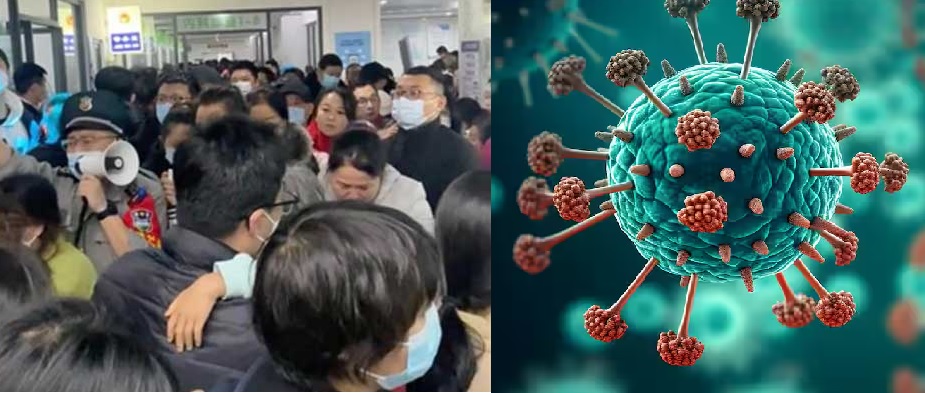
Science
Recent reports of a surge in respiratory illnesses in China have sparked global interest and online speculation, with claims of overcrowded hospitals, overwhelmed crematoriums, and a "new epidemic" taking root. While these concerns have captured attention, health experts caution against jumping to conclusions without a clear understanding of the facts. Here's what we know about the situation, particularly focusing on Human Metapneumovirus (hMPV) and its role in the current rise in illnesses. What is hMPV? Human Metapneumovirus (hMPV) is a respiratory virus first identified in 2001. It is not new, and its seasonal outbreaks are well-documented worldwide. The virus typically causes symptoms resembling those of the flu or a common cold, such as fever, cough, congestion, and fatigue. In severe cases, it can lead to bronchitis or pneumonia, especially in children, the elderly, and those with underlying health conditions. hMPV spreads via respiratory droplets when an infected person coughs or sneezes, and through direct contact with contaminated surfaces. Like other respiratory viruses, its prevalence tends to rise during colder months when people spend more time indoors, facilitating transmission. The Current Surge in China While China has seen a noticeable rise in respiratory illnesses, including those caused by hMPV, health authorities and the World Health Organization (WHO) have not declared it a public health emergency. This rise coincides with the winter season and the global return to normal activities after years of COVID-19 restrictions. Experts suggest that prolonged lockdowns during the COVID-19 pandemic reduced exposure to common pathogens. As people resumed social interactions, a "catch-up" effect led to increased cases, especially among vulnerable groups like children and the elderly. Symptoms and At-Risk Groups The symptoms of hMPV are similar to other respiratory infections, making it difficult to distinguish without testing. Common symptoms include: Fever Runny nose Cough Shortness of breath Those at higher risk of severe complications include: Infants and young children with immature immune systems. Elderly individuals, particularly those with chronic respiratory conditions like asthma or COPD. Immunocompromised individuals. Comparing hMPV to Influenza and COVID-19 Influenza A remains the primary cause of respiratory illnesses in many regions, including China. hMPV is contributing to the current surge but does not pose a unique or unprecedented threat. Unlike COVID-19, which caused a global pandemic, hMPV is a well-understood virus with predictable seasonal patterns. The Role of COVID-19 in the Current Climate The lingering effects of the COVID-19 pandemic are still felt globally. With over 7 million reported deaths and billions of infections, the virus reshaped the landscape of infectious disease management. Vaccinations have significantly reduced severe outcomes, but COVID-19 remains a concern, with new variants like XEC under close monitoring. The pandemic also highlighted the importance of robust healthcare systems and transparent reporting. While online rumors about hidden epidemics in China abound, they often lack credible evidence. Experts stress the need for reliable data to address public health concerns effectively. Mitigating the Spread of Respiratory Illnesses Preventative measures remain essential in reducing the impact of viruses like hMPV: Frequent handwashing with soap and water. Wearing masks in crowded or high-risk environments. Avoiding close contact with sick individuals. Staying home when symptomatic to prevent spreading infections. Vaccines for hMPV are in development, but none are currently available. Existing vaccines for influenza and COVID-19 remain critical in protecting high-risk populations from severe disease. A Balanced Perspective While the rise in respiratory illnesses in China deserves attention, there is no evidence to suggest a new epidemic or pandemic is emerging. Understanding the role of viruses like hMPV and maintaining public health vigilance can help address concerns without unnecessary panic. Global collaboration and transparency remain vital in managing both current and future health challenges.
Read More → Posted on 2025-01-03 16:46:47Search
Top Trending in 24 Hours
-
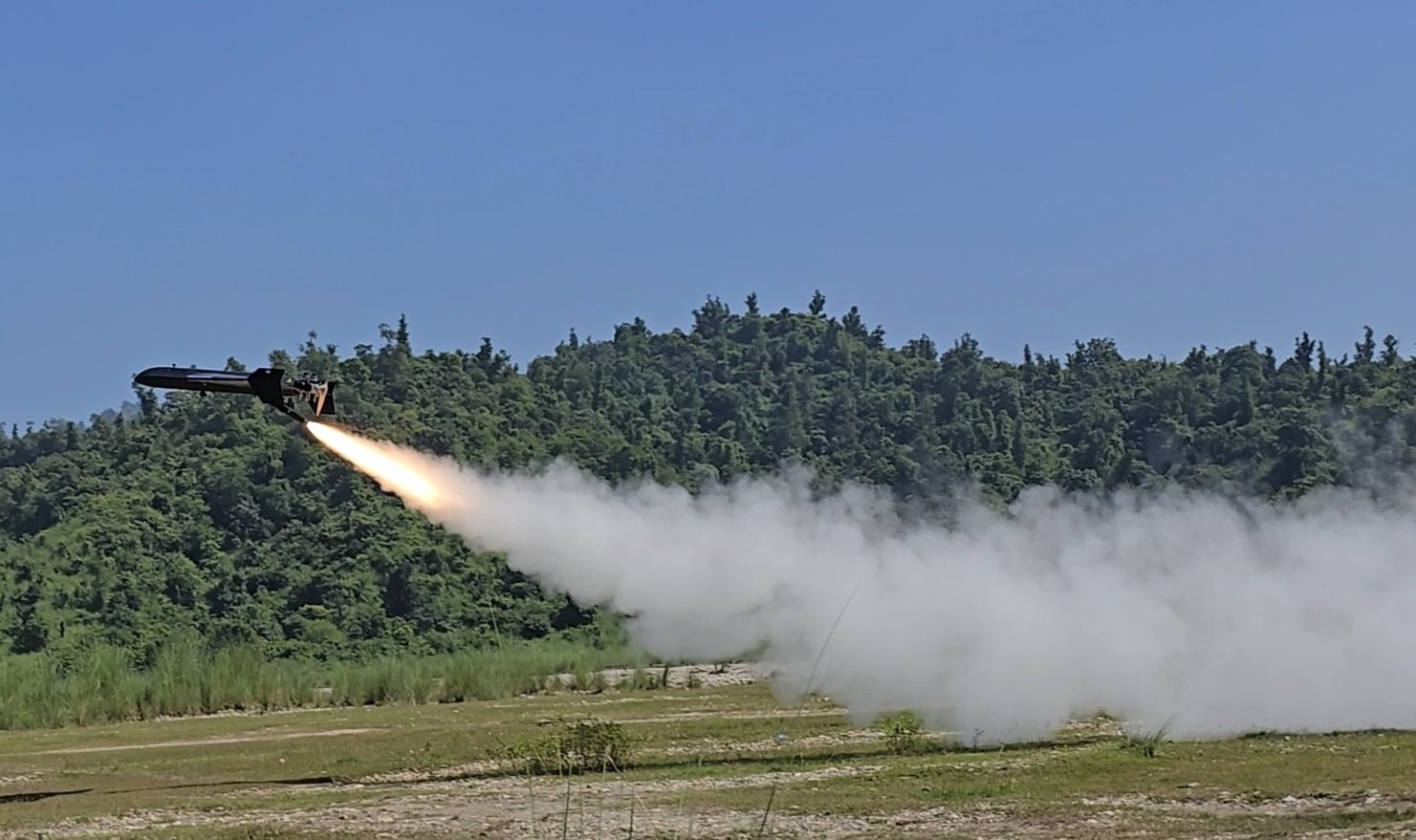 Bengaluru-Developed Sheshnaag-150 Completes First Rocket-Assisted Take-Off Trial
-
 US Develops New Iran Strike Plans, Including Possible Use of MOAB Bomb
-
 South Korea’s Hanwha Systems Demonstrates 30 kW Laser Air Defense System by Destroying Three Target Drones
-
 Moog Unveils MR SLED Mobile Defense System With 37 Kestrel Interceptors and Up to 12 Zeus Missiles
-
 Yemen’s Houthis Attempt to Manufacture Advanced Ballistic Missiles Using Chinese Components
-
 Ukraine Regains Starshield Connectivity After Sudden Speed Limits Disrupt Drone Operations
-
 U.S. Air Force Targets 2028 Prototypes for Massed Modular Aircraft to Replace MQ-9 Reaper
-
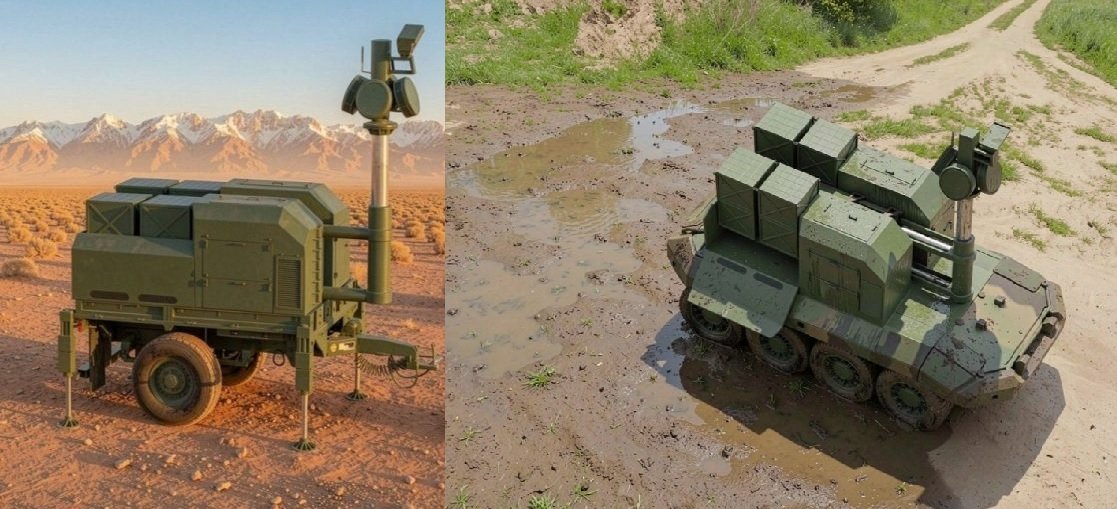 Skapion Unveils Counter-Swarm Air Defense System After Raising $36 Million
Top Trending in 4 Days
-
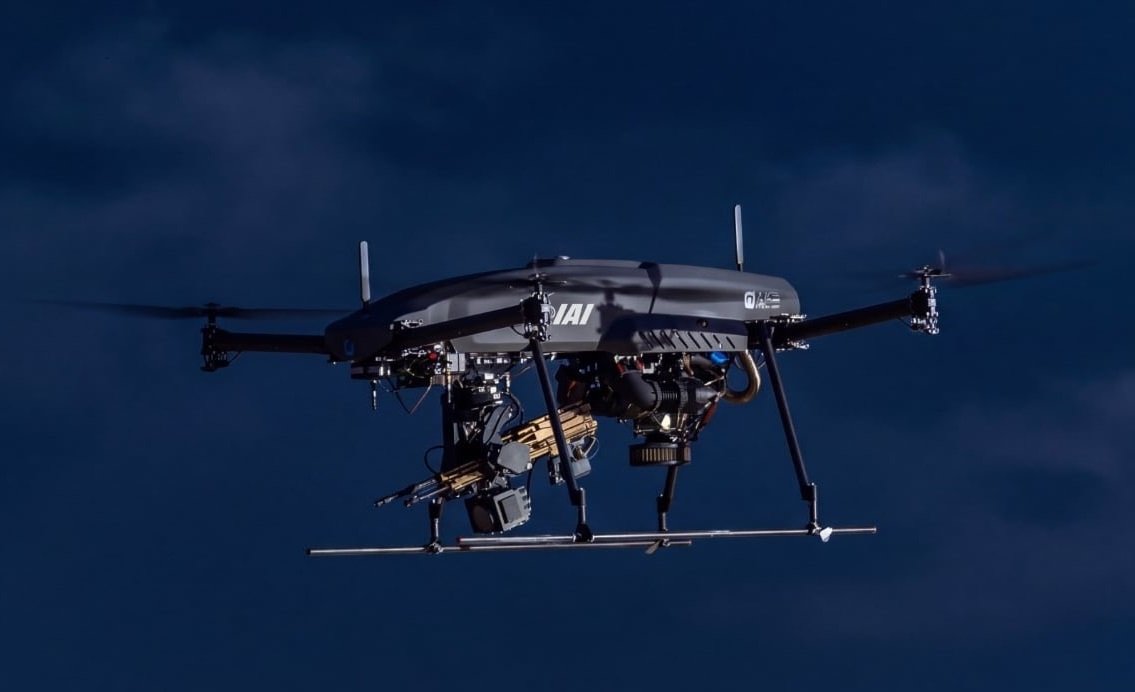 IAI and SIG SAUER Complete Live-Fire Test of FIRE STORM 250 Armed Drone
-
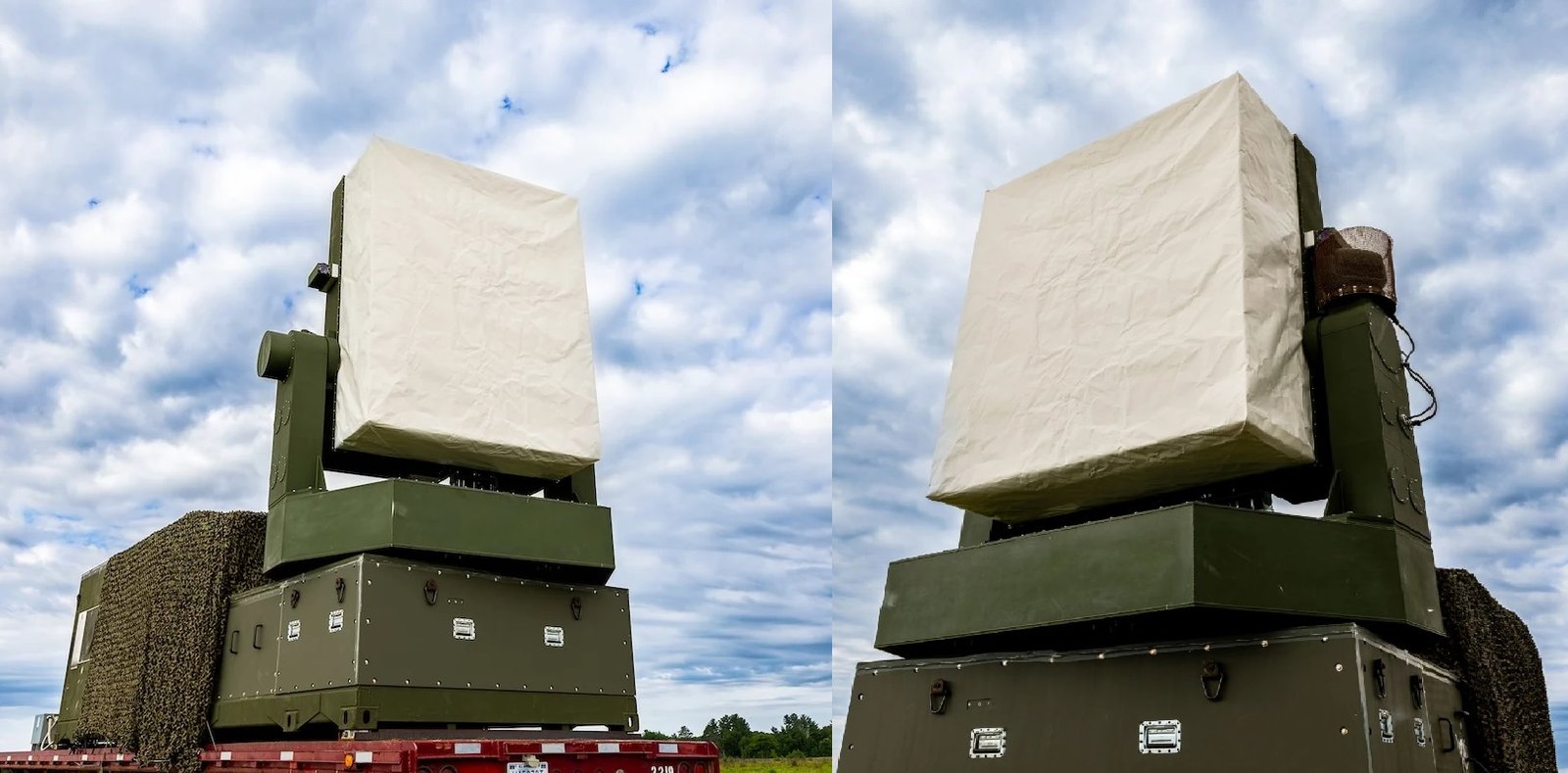 BAE Systems Unveils High Power Microwave Weapon for Drone Defense at AUSA 2026
-
 Saudi Arabia Explores $8 Billion Loan as Missile Interceptor Stocks Deplete and Western Support Lags
-
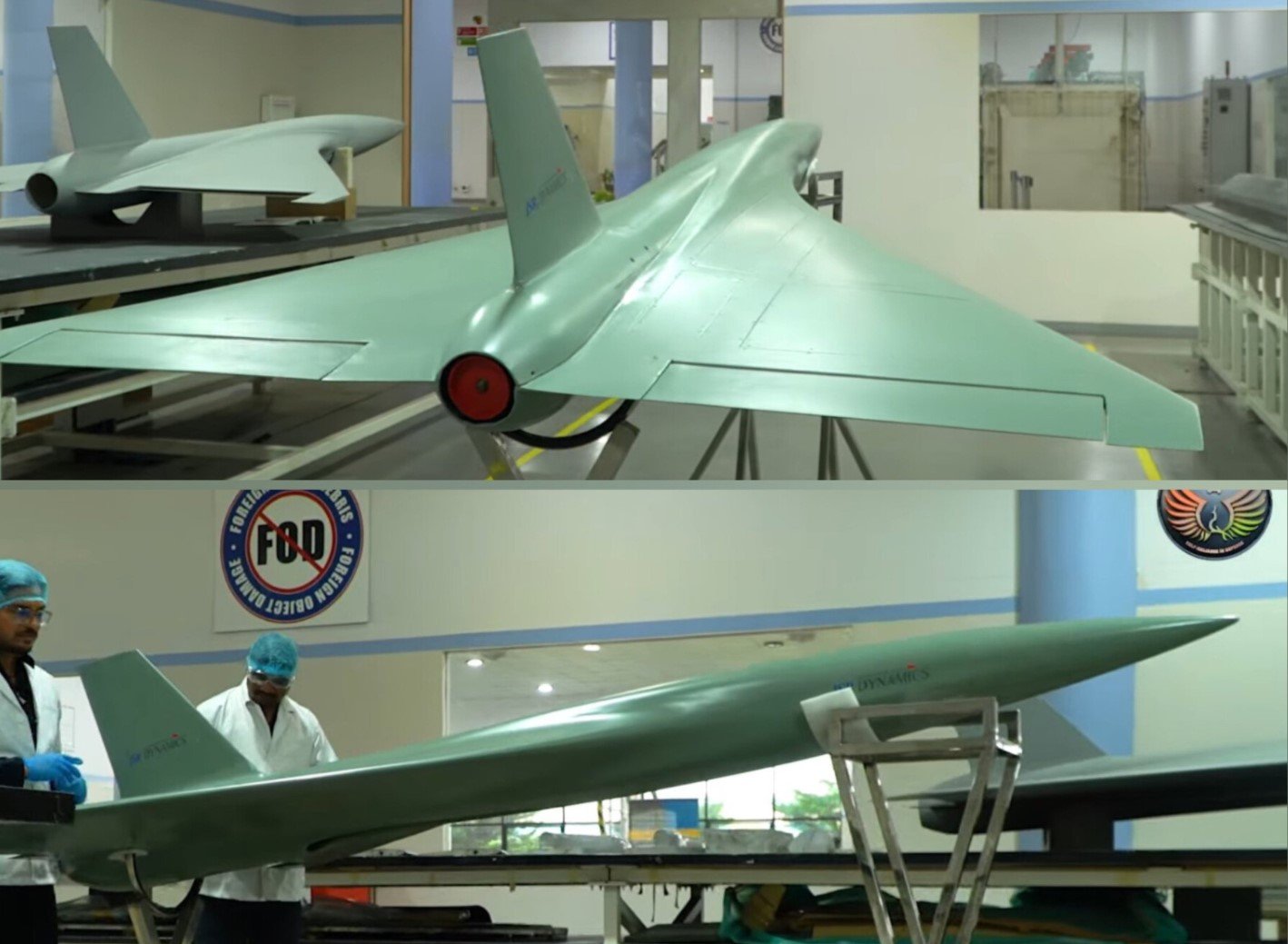 SR Dynamics Unveils New Stealth Strike Drone With 1,000 km Range and 900 km/h Speed
-
 Israel’s IAI Unveils HawkGuard Kinetic Drone Interceptor with 1,000-Meter Range at AUSA 2026
-
 Russia Launches Centralized Platform for Military AI Drone Training
-
 Ukraine Reports No Early Warning Before Russian Missile Strike on Kyiv Amid U.S. Pressure Over Energy Ceasefire
-
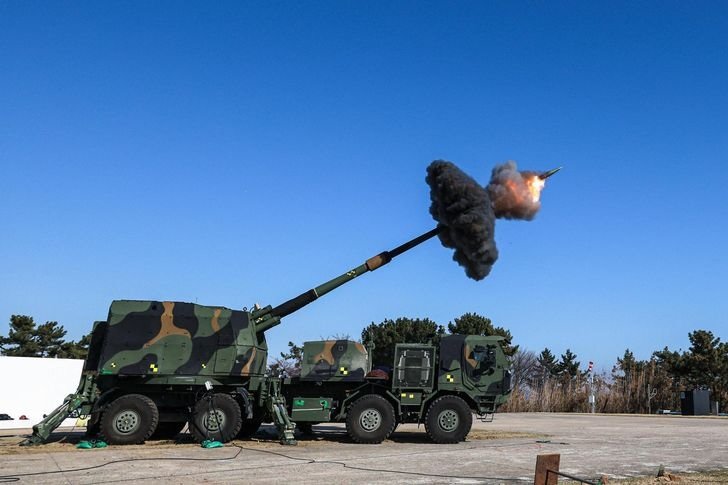 U.S. Army Receives First Hanwha Mobile Tactical Cannon Prototype to Replace M777