
Science
Gravity, one of the four fundamental forces of nature, governs the universe in profound ways. It is the force that keeps planets in orbit, dictates the motion of galaxies, and ensures that we remain anchored to Earth. At the heart of modern theoretical physics lies a tantalizing question: What if gravity is mediated by a particle known as the graviton? Let’s dive into the concept of gravitons, how gravity works, and the fascinating history behind humanity's efforts to understand this force. What Is Gravity? Gravity is the attractive force that exists between all objects with mass. Sir Isaac Newton was the first to quantify gravity in the 17th century with his law of universal gravitation, describing it as a force that acts instantaneously between two masses. Later, Albert Einstein revolutionized our understanding with his theory of General Relativity, presenting gravity not as a force but as the curvature of spacetime caused by massive objects. Einstein's groundbreaking work demonstrated that objects like the Earth warp the fabric of spacetime, creating what we perceive as gravity. Smaller objects, like the Moon, follow curved paths around larger masses due to this warping effect. The Hypothetical Graviton While Einstein's General Relativity describes gravity on a large scale, it does not reconcile with the principles of quantum mechanics, which governs the behavior of particles on a microscopic level. This is where the idea of the graviton emerges—a hypothetical quantum particle thought to mediate the gravitational force, similar to how photons mediate electromagnetic forces. Gravitons are theorized to be: Massless: Since gravity operates over infinite distances, the graviton, if it exists, must be massless. Spin-2 Particles: In quantum field theory, the graviton is postulated to have a spin of 2, aligning with the tensorial nature of gravity in General Relativity. Force-Carrying Bosons: Like photons, gluons, and W/Z bosons in other fundamental forces, gravitons would belong to the boson family. However, the graviton remains purely theoretical. Despite its elegant mathematical consistency, no experiment has ever directly detected gravitons due to the extraordinary weakness of gravitational interactions compared to other forces. How Does Gravity Work on a Fundamental Level? Gravity's workings differ when viewed through classical and quantum lenses: Classical View (Einstein’s General Relativity) Massive objects distort spacetime, and other objects move along these curves. This explains phenomena like the bending of light around stars (gravitational lensing) and the orbits of planets. Quantum Perspective (Hypothetical Gravitons) Gravitons would act as carriers of gravitational force in the quantum framework. If two masses interact gravitationally, the graviton would theoretically mediate this interaction by "exchanging" energy at the quantum level. The challenge is that gravity is vastly weaker than the other fundamental forces, making quantum effects incredibly subtle and hard to measure. Who First Proposed the Graviton? The concept of the graviton was first suggested in the 1930s by physicists attempting to unify quantum mechanics with General Relativity. While no single individual is credited with the discovery of the graviton, key contributions came from the field of quantum field theory. The term "graviton" was popularized as theoretical physicists like Richard Feynman explored quantum gravity. Einstein himself did not propose the graviton, as his work predated the development of quantum mechanics. However, his theories laid the foundation for later physicists to explore the quantum nature of gravity. Challenges in Detecting the Graviton Detecting a graviton directly is currently beyond our technological reach. Gravitational waves, ripples in spacetime caused by massive accelerating objects, have been observed (first detected by LIGO in 2015), but gravitons would be far subtler. Theoretical models suggest that gravitons interact so weakly with matter that even the most sensitive instruments would be unable to detect them under current technological constraints. The search for gravitons may require breakthroughs in quantum field theory, particle physics, or experimental techniques. Why Is Understanding Gravity Important? Understanding gravity at a quantum level is crucial for developing a unified theory of everything—a framework that seamlessly combines General Relativity and quantum mechanics. Such a theory could unlock answers to profound questions about the universe, from the nature of black holes to the origins of the cosmos itself. Conclusion The graviton represents one of physics' most intriguing mysteries—a potential bridge between the macroscopic world of General Relativity and the microscopic realm of quantum mechanics. While its existence remains hypothetical, the search for the graviton inspires profound questions about the nature of reality. As science advances, the dream of unraveling gravity’s secrets edges closer to becoming a reality, promising to reshape our understanding of the universe in ways we cannot yet imagine.
Read More → Posted on 2024-12-25 15:43:29
Science
In a discovery that could reshape our understanding of life, a team of researchers from Stanford University has identified mysterious organisms within the human body that defy the principles of biology as we know them. Led by Dr. Ivan Zheludev, the groundbreaking study published in 2024 unveils these entities, named “Obelisks,” as unique RNA-based life forms found in the human microbiome. What Are Obelisks? Obelisks are extraordinary organisms with circular genomes and rod-like structures, distinguishing them from any known life forms on Earth. Detected through advanced metatranscriptomic analysis of RNA sequences in human gut and oral samples, these organisms showcase over 1,000 previously unidentified base pairs. Unlike DNA-based organisms that dominate Earth, Obelisks are composed entirely of RNA, producing a novel protein termed "Oblins." While the precise function of Oblins is still unknown, their existence hints at untapped biological mechanisms and potential roles in human health. Where Are Obelisks Found? Obelisks have been detected in various regions of the human microbiome, primarily within the gut and oral environments. Surprisingly, they appear in 50% of oral samples, compared to only 7% of stool samples, suggesting that they may thrive in moist, oxygen-rich environments. Some Obelisks have even been discovered residing within Streptococcus sanguinis, a commonly occurring but typically benign bacterial species. Intriguingly, these organisms exhibit remarkable longevity, persisting in the body for over 300 days. Why Are They “Alien”? The term “alien” here doesn’t imply extraterrestrial origins but instead refers to how profoundly different Obelisks are from Earth’s conventional life forms. Unlike DNA-based organisms, they lack typical genetic structures and exhibit self-replicating behavior unique to RNA-based systems. This challenges existing theories about the boundaries of life, hinting at the possibility of a parallel evolutionary path that has gone unnoticed until now. Implications for Science and Humanity The discovery of Obelisks raises profound questions: Have these organisms been silently coexisting with humans for millennia, or are they a newly emerged phenomenon? Could they hold clues about the origins of life on Earth, or even the potential for RNA-based life forms elsewhere in the universe? Beyond these philosophical queries, researchers are exploring the practical implications. If Oblins—the proteins produced by Obelisks—play a role in human health, they could open new avenues in medicine and biotechnology. A New Frontier in Biology The identification of Obelisks marks the beginning of a new frontier in biology, challenging our understanding of what constitutes life. As researchers dive deeper into these enigmatic organisms, they may uncover secrets that redefine evolution, genetics, and our relationship with the microbial world. This discovery is not just a scientific milestone; it is a reminder of the vast unknowns within our own bodies, proving that even in the 21st century, Earth still holds mysteries as profound as the cosmos.
Read More → Posted on 2024-12-21 16:05:43
Science
China has reached a major milestone in its quest to decode one of the most elusive phenomena in particle physics. The Jiangmen Underground Neutrino Observatory (JUNO), located in Guangdong province, has entered its final phase as it begins filling its detector with ultrapure water. This cutting-edge facility is designed to study neutrinos, often referred to as “ghost particles” due to their near-undetectable nature. A Mega Facility with a Singular Mission The JUNO project, costing $376 million, is a collaborative effort involving 750 scientists from 74 institutions across 17 countries. The centerpiece of the observatory is a massive subterranean spherical detector, 35 meters in diameter, housed 700 meters underground. This detector is supported by a 41.1-meter stainless steel frame and will eventually contain 20,000 tonnes of a special liquid scintillator, suspended in 35,000 tonnes of ultrapure water. Ultrapure water, filtered through multiple stages, began filling the detector this week at a rate of 100 tonnes per hour. This process marks a crucial step toward preparing JUNO for its groundbreaking research. The filling process will occur in two stages over eight months. Initially, ultrapure water will occupy both the interior and exterior of the detector for two months. Following this, the water inside the detector will be replaced by the liquid scintillator over six months. The Quest to Measure Neutrinos Neutrinos are among the smallest and lightest of the 12 elementary particles that compose the universe. These particles, produced in abundance by stars and nuclear reactions, have no electrical charge and travel at nearly the speed of light. Despite their omnipresence, neutrinos are notoriously hard to detect as they interact very weakly with matter. The JUNO detector aims to measure the mass hierarchy of neutrinos by capturing interactions from those produced by two nearby nuclear power plants. When a neutrino interacts with the liquid scintillator, it will create two flashes of light, which are recorded by an array of 20,000 photomultiplier tubes surrounding the detector. This data will help scientists uncover the mass differences between the three known types of neutrinos—a critical puzzle in understanding the universe’s building blocks. JUNO’s Global Significance JUNO is one of the most advanced neutrino observatories in the world, positioned to lead a new generation of experiments in this field. It will begin data collection in August 2025, ahead of comparable international facilities like the Deep Underground Neutrino Experiment (DUNE) in the United States and Japan’s Hyper-Kamiokande, both set to commence in 2027-28. The project also highlights China's growing leadership in high-energy physics. Wang Yifang, director of the Institute of High Energy Physics (IHEP), noted that JUNO’s completion would consolidate China's global standing in neutrino research. A Collaborative Effort JUNO's success is a testament to international scientific cooperation. Nearly 300 researchers from European countries like Italy, Germany, and France are involved in the project, showcasing its global appeal and importance. This facility not only represents a leap forward in neutrino detection technology but also serves as a beacon for collaborative scientific endeavors. Its findings are expected to answer fundamental questions about the nature of the universe and the forces that govern it.
Read More → Posted on 2024-12-19 16:10:59
Science
Russia has taken a monumental step in the fight against cancer by developing a cutting-edge mRNA-based vaccine aimed at treating cancer patients. This breakthrough is not just a scientific marvel but also a promise of hope, as the Russian government has pledged to provide the vaccine free of charge to its citizens starting in 2025. This development could redefine cancer treatment and has already captured global attention. How Does the Vaccine Work? The new vaccine leverages the power of mRNA technology, which gained fame during the COVID-19 pandemic, but with a unique twist. Instead of preventing a disease, this vaccine is designed to treat cancer by harnessing a patient’s own immune system. Here’s how it works: Personalized Approach: Genetic material is extracted from a patient’s tumor to identify unique proteins, or antigens, present on the cancer cells. Immune System Training: These antigens are used to create a customized mRNA vaccine. When injected, the vaccine “trains” the immune system to recognize and attack cancer cells bearing these specific antigens. Effective Targeting: Once primed, the immune system produces antibodies and activates T-cells to destroy the cancer cells without harming healthy tissues. This personalized approach offers a powerful weapon against cancer, especially for patients with advanced or treatment-resistant forms of the disease. Cutting-Edge Production with AI One of the biggest challenges in personalized medicine is the time and complexity involved in creating customized treatments. However, Russia’s vaccine has an edge. According to Alexander Gintsburg, director of the Gamaleya National Research Centre for Epidemiology and Microbiology, artificial intelligence and neural networks are being employed to accelerate the production process. “Currently, building personalized vaccines involves complex calculations, but with AI, we aim to reduce the process to just 30 minutes to an hour,” Gintsburg explained. The Ivannikov Institute plays a pivotal role in this effort, using advanced neural network computing to streamline vaccine production. Economic and Social Impact Each dose of the vaccine costs the Russian government approximately 300,000 rubles (around $2,869). Despite the high cost, the decision to provide it for free reflects a bold public health commitment, especially in a country grappling with rising cancer rates. In 2022 alone, Russia reported over 635,000 new cancer cases, with colon, breast, and lung cancers among the most prevalent. By eliminating financial barriers, Russia aims to make this life-saving treatment accessible to all, potentially reducing cancer mortality rates and improving overall public health. A Global Trend in Personalized Medicine Russia’s breakthrough aligns with global efforts to revolutionize cancer treatment. Similar personalized cancer vaccines are being developed in the United States and Europe: In the U.S., researchers at the University of Florida have tested an mRNA vaccine for glioblastoma, a deadly brain cancer. The vaccine triggered a strong immune response just two days after injection. In the U.K., scientists are trialing a vaccine for melanoma, the deadliest form of skin cancer. Preliminary results indicate significantly improved survival rates. While these efforts are still in clinical stages, Russia’s announcement positions it as a leader in this transformative field. Why mRNA? mRNA vaccines are a game-changer for cancer treatment. Unlike traditional vaccines that use weakened or inactivated pathogens, mRNA vaccines are designed to teach cells to produce antigens that activate the immune system. Key benefits include: Precision: Targeted therapy tailored to individual patients. Speed: Faster development and production timelines. Safety: No risk of interaction with the patient’s DNA. The technology’s adaptability, proven during the COVID-19 pandemic, has now opened new doors for oncology, offering hope for previously untreatable cancers. What Lies Ahead? As the vaccine moves closer to its 2025 rollout, it could mark the beginning of a new era in cancer treatment—not just in Russia, but globally. The promise of a free, personalized, and effective cancer vaccine has the potential to save millions of lives, reduce the emotional and financial toll of the disease, and inspire further innovations in personalized medicine. Russia’s groundbreaking achievement is more than a medical milestone—it’s a beacon of hope for the future of oncology.
Read More → Posted on 2024-12-18 16:24:24
Science
The Large Hadron Collider (LHC), humanity's most ambitious scientific experiment, has once again pushed the boundaries of our understanding of the universe. Researchers working with the ALICE detector at the LHC have identified evidence of the heaviest antimatter particle ever observed: antihyperhelium-4. This breakthrough provides a window into the universe's infancy and offers tantalizing clues about the enduring mystery of matter-antimatter asymmetry. The antihyperhelium-4 particle is the antimatter counterpart of hyperhelium-4, a hypernucleus made of protons, neutrons, and hyperons—particles that include a strange quark. This exotic particle emerged from quark-gluon plasma, a state of matter that mimics the conditions of the cosmos moments after the Big Bang. Such plasma is generated when heavy ions, like lead nuclei, are smashed together at near-light speeds in the LHC. Recreating the Early Universe The LHC, a 17-mile-long particle accelerator beneath the Alps near Geneva, Switzerland, specializes in recreating extreme conditions reminiscent of the universe's birth. The high-energy collisions within its detectors produce fleeting and exotic particles, including hypernuclei, which are rarely found in nature. These hypernuclei are invaluable for understanding the primordial matter that once filled the cosmos. Antimatter particles like antihyperhelium-4 are particularly significant because of their rarity and the role they play in unraveling the puzzle of why the observable universe is dominated by matter. Scientists believe that matter and antimatter were created in equal amounts during the Big Bang. However, when they come into contact, they annihilate each other, converting their mass into energy. The lingering imbalance that allowed matter to persist remains one of physics' greatest unsolved mysteries. ALICE Detector and Machine Learning Breakthrough ALICE (A Large Ion Collider Experiment) is one of the LHC’s nine detectors, uniquely designed for studying quark-gluon plasma. The discovery of antihyperhelium-4 was achieved by analyzing data from lead-lead collisions conducted in 2018. Scientists detected the particle through its decay signature into other particles, using advanced machine-learning algorithms that outperformed traditional search methods. The team's analysis also provided precise measurements of antihyperhelium-4’s mass, confirming its consistency with theoretical predictions. Furthermore, the amounts of antihyperhelium-4 and other antimatter hypernuclei produced in the collisions were found to match their matter counterparts, reinforcing the concept that matter and antimatter are generated symmetrically in these conditions. Implications for Cosmic Mysteries This discovery builds on previous findings, including the detection of lighter antimatter particles like antihypertriton and antihyperhydrogen-4. While these results don’t yet explain the universe’s matter dominance, they refine our understanding of antimatter production and decay, offering critical insights into the early universe's behavior. Looking forward, physicists aim to use antihyperhelium-4 and other antimatter particles as tools to probe the forces and symmetries governing our cosmos. By studying their properties and interactions, scientists hope to inch closer to solving the enigma of matter-antimatter asymmetry—a breakthrough that could transform our grasp of the universe's origins. This remarkable discovery underscores the LHC’s unparalleled role in modern physics. By recreating the primordial conditions of the universe, it continues to shed light on some of the most profound questions in science, bringing us closer to understanding the very fabric of reality.
Read More → Posted on 2024-12-14 15:22:42
Science
A groundbreaking discovery in the Hualongdong cave of Anhui province, eastern China, has captured global attention, potentially rewriting chapters of human evolution. The unearthed fossils, belonging to a group of 20 individuals, date back approximately 300,000 years—a pivotal period bridging archaic Homo erectus and modern Homo sapiens. This find sheds light on the evolutionary transition in East Asia, presenting evidence that challenges the long-held "Out of Africa" theory of human origins. The Significance of the Hualongdong Discoveries The Hualongdong site was first identified in 1988, but systematic excavations commenced only in 2013. Over the years, researchers have unearthed numerous fossils, including a nearly complete skull, bone fragments, stone tools, and remains of over 80 vertebrate species. The latest findings, revealed at a scientific conference in Dongzhi county, include a remarkably preserved metatarsal bone, fragments of the skull, and a femur, alongside ancient animal remains like stegodons and extinct pandas. What makes these fossils particularly intriguing is their combination of traits—primitive features from Homo erectus and modern characteristics found in Homo sapiens. A skull of a teenage girl discovered in 2015 stands out, as it exhibits a flat face, high eye sockets, and a slender jawbone hinting at the development of a chin—a key feature of modern humans. Researchers believe these individuals represent a critical evolutionary stage in the East Asian journey toward modern humans. Implications for the "Out of Africa" Theory Traditionally, the "Out of Africa" model has dominated the narrative of human evolution, positing that modern humans emerged in Africa around 200,000 years ago and later spread across the globe. However, the Hualongdong fossils suggest that East Asia might have been home to parallel evolutionary developments. Liu Wu, a lead researcher, noted that these fossils indicate modern human traits appeared in the region as early as 300,000 years ago, predating earlier estimates by 100,000 years. Xu Xing, a renowned paleontologist, highlighted that the complex mix of traits in the Hualongdong individuals hints at a more intricate evolutionary web. The mandible of the teenage girl's skull could hold answers to pivotal questions about Homo sapiens' emergence, possibly supporting theories of multi-regional evolution rather than a singular African origin. Daily Lives of Hualongdong Humans Beyond their evolutionary significance, the Hualongdong fossils offer a glimpse into the daily lives of these ancient humans. Evidence points to the use of finely crafted stone tools, indicating a high level of intelligence and technical skill. The arrangement of the cave suggests designated areas for cooking and sleeping, reflecting an organized social structure. Researchers theorize that the family used the karst cave to shelter from predators, with future explorations aiming to uncover more about their living environment. Broader Context in Human Evolution The discoveries from Hualongdong are part of a growing body of evidence challenging traditional narratives about human evolution. Recent fossil finds across China, including the Xuchang skulls and discoveries in Dali, have similarly hinted at unique evolutionary developments in the region. These findings underscore the possibility that modern human traits emerged independently in various locations, reshaping our understanding of prehistoric migrations and interbreeding between different hominin groups. A New Frontier in Evolutionary Science While the findings from Hualongdong provide compelling evidence, researchers caution that more work is needed to draw definitive conclusions. Future excavations, particularly in the collapsed sections of the cave, may yield additional fossils that could further illuminate the transition from archaic to modern humans. As Liu Wu aptly stated, "The Hualongdong humans represent a critical turning point in human evolution, and their story is far from over." The discoveries from Hualongdong not only enrich our understanding of humanity’s distant past but also open new avenues for exploring how we came to be the species we are today. They serve as a reminder that the journey of human evolution is as complex and varied as the landscapes our ancestors once roamed.
Read More → Posted on 2024-12-13 17:08:14
Science
The potential of 6G wireless technology is capturing global attention, promising unparalleled speeds of up to 1 terabyte per second—a leap that could transform connectivity across industries and everyday life. However, the radiation that may accompany 6G technology is also sparking scientific inquiry and health concerns. Recent research conducted by Chinese military scientists suggests that terahertz waves, a type of electromagnetic radiation essential to 6G, may harm male reproductive health, even at radiation levels lower than the maximum safety limits allowed in the United States and other countries.The Terahertz FactorUnlike the 5G networks currently in widespread use, 6G will rely on higher-frequency terahertz waves (THz), which are electromagnetic waves oscillating in the range of trillions of cycles per second. These waves are set to revolutionize data transfer speeds, allowing information to travel up to 10-20 times faster than 5G networks. However, this frequency range, while capable of rapid data transmission, is also raising new questions regarding human health.A peer-reviewed study by scientists from China’s Army Medical University recently examined how terahertz radiation affects male reproductive organs, specifically in a lab environment where the testicular tissue of male mice was exposed to controlled doses of terahertz radiation. The results hinted that radiation levels between 115 and 318 microwatts per square centimeter could potentially harm testicular tissue—a range that exceeds the safety limit set by China for its base stations (40 microwatts per square centimeter) but remains below the thresholds in countries like Japan (600 microwatts per square centimeter) and the United States (450 microwatts per square centimeter).Observed Biological EffectsTo understand the potential risks to male fertility, Professor Chen Chunhai and his team at Army Medical University exposed mice to various intensities of terahertz radiation, observing both immediate and short-term biological responses. Following a five-minute exposure, the mice displayed an acute inflammatory reaction on their skin. Although there were no visible signs of damage to the testes, further analysis revealed that the testes showed increased levels of white matter associated with inflammation, indicating an immune response within the reproductive organs.The researchers suggested that terahertz radiation could be opening an unknown biological pathway, allowing inflammatory compounds to travel from blood vessels into the testicular tissue. This theory, if confirmed, could mean that even surface-level exposure to terahertz waves might impact underlying biological processes within sensitive organs like the testes.Impact on Sperm and Genetic MarkersWhile the experiment did not show an immediate drop in sperm activity, gene sequencing revealed several genetic changes in the sperm cells. Some of these changes suggested the possibility of altered motility—essentially reducing the sperm's ability to swim efficiently, which could compromise fertility. Notably, the study found that these effects were temporary. Within 24 hours after exposure, inflammatory markers and gene expression levels had returned to normal, indicating the body's ability to repair short-term, acute radiation damage.This resilience in the mice is promising but leaves open questions about the cumulative effects of repeated or prolonged exposure. Given that terahertz technology could be part of ubiquitous 6G networks, determining whether long-term exposure poses risks to fertility or other health areas is a priority for researchers.Terahertz Radiation in ContextWhile much of the research on terahertz radiation remains in the preliminary stages, there is existing evidence that terahertz waves could impact biological tissues. Prior studies have shown that terahertz radiation can affect cells in laboratory dishes, but few studies have explored its effects on live animals, due in part to technical challenges in generating and measuring consistent terahertz radiation. The experimental platform used by Chen's team, developed by the China Academy of Engineering Physics, is one of the few capable of producing the terahertz radiation required for such studies.Terahertz waves are expected to find their initial applications in military technologies, where high-speed communication between aircraft or advanced radar systems for submarine detection may benefit from this high-frequency range. The US Air Force, for example, has already begun exploring terahertz waves for high-altitude communications. However, as 6G technology gradually advances toward civilian applications, scientists are racing to understand the potential health implications and adapt safety standards accordingly.Evaluating the Broader ImplicationsExperts remain cautious about generalizing the findings from mouse studies to human health. According to one unnamed Beijing-based radiation researcher, animal models can be more sensitive to radiation than humans, and real-world exposure levels are generally lower than the upper legal limits. Nevertheless, this research is prompting discussions among scientists and health authorities about revisiting safety guidelines as we approach a 6G future.In the coming years, more studies on 6G-related terahertz radiation will be essential to establish comprehensive safety standards. Understanding the long-term impact of repeated low-level radiation exposure on fertility and broader health metrics will be critical as countries navigate the next generation of wireless communications technology. Until then, while the immediate risks remain theoretical, the potential implications of terahertz radiation exposure on human health warrant careful consideration as 6G technology continues to unfold.
Read More → Posted on 2024-11-11 16:37:57
Science
For the first time in recorded history, snow has fallen on Saudi Arabia's desert landscapes, marking an unprecedented weather event in one of the world’s hottest and driest regions. This unexpected phenomenon is not just a curious anomaly; it highlights deep concerns about the accelerating pace of climate change and its far-reaching impacts. The sudden shift in temperature and precipitation in the desert landscape has left scientists and environmental experts worried, prompting urgent discussions on the future of climate patterns, water security, and agriculture.What Caused Snow in Saudi Arabia?The snowfall in Saudi Arabia is largely due to a unique convergence of weather patterns driven by broader climate change trends. Normally, the desert regions of the Arabian Peninsula experience sweltering temperatures and very little rainfall. However, recent shifts in atmospheric currents have led to unusual weather patterns across the globe, including colder and more unpredictable weather in regions that typically remain hot year-round.The phenomenon known as the Arctic Oscillation—a fluctuation in atmospheric pressure between the Arctic and mid-latitudes—may be contributing to these unusual weather events. The weakening of the polar vortex, which normally keeps Arctic air contained within polar regions, has allowed cold air to slip down into lower latitudes, impacting countries like Saudi Arabia. Combined with unusual warming in the Arctic, which is disrupting established climate patterns, this has led to dramatic shifts in temperatures far from the poles.Climate Change and Global Weather ExtremesSnow in the desert underscores a broader and worrying trend: the destabilization of weather patterns worldwide. Climate change is intensifying extreme weather events, and what was once considered rare or impossible is becoming increasingly common. The impacts of these changes are already visible globally, from hurricanes and wildfires to floods and droughts. The ripple effects of these phenomena could lead to severe environmental, economic, and social challenges.The unpredictability of climate-driven events, such as snowfall in the desert, poses risks for agriculture, water security, and infrastructure. In Saudi Arabia, where water is already a scarce resource, an unusual snowstorm could temporarily disrupt water supplies and agricultural activities that depend on stable conditions. But the implications go beyond the Arabian Peninsula. For instance, shifts in rainfall patterns in one part of the world can influence agricultural yields in another, affecting global food prices and accessibility.Global Implications: A Warning for Other RegionsIf extreme weather events continue, regions around the world could face long-term consequences:Food Security Challenges: Many regions rely on predictable climates for farming. Sudden changes in weather patterns can devastate crops, disrupt food supply chains, and increase prices. As desert areas experience unexpected precipitation or snowfall, it disrupts local ecosystems and agriculture that are highly adapted to dry conditions.Economic Strain: Climate change’s economic impact is immense, and unpredictable weather exacerbates these pressures. For countries heavily dependent on climate-sensitive industries—like agriculture and tourism—unpredictable weather patterns may result in lost revenues and rising costs for disaster response and infrastructure repair.Water Scarcity and Management Issues: Countries that already experience water scarcity, like Saudi Arabia, may find it increasingly difficult to manage their water supplies as the climate continues to shift. An unexpected snowstorm or flood could disrupt the water systems in arid regions that rely heavily on careful management and desalination.Human Health and Migration: Extreme weather events can affect public health by worsening air quality, contributing to respiratory issues, and increasing the risk of heat- and cold-related illnesses. Moreover, if certain areas become too hot or arid to support human life, large-scale migrations could ensue, straining resources in regions that become popular destinations for displaced people.Future Projections: What Experts PredictScientists warn that if current climate trends continue, the world will see a marked increase in weather-related anomalies and extremes, including unusual cold snaps in traditionally hot areas, erratic rainfall, and severe storms. For instance, regions like the Middle East, which are expected to see increasing desertification and rising temperatures, may paradoxically experience short-lived, intense cold periods and even snowfall. These patterns are predicted to become more frequent and severe as global warming progresses, impacting ecosystems, agriculture, and infrastructure globally.By the end of this century, if global temperatures rise by 1.5 to 2 degrees Celsius above pre-industrial levels, we may experience irreversible changes to Earth’s climate. Deserts that once saw snow may become too hot to sustain any life, while traditionally cold regions could see substantial warming, drastically altering biodiversity and human settlements.The global interconnectedness of weather systems means that no country will be untouched by these changes. Experts believe that continents like Africa and Asia, already experiencing resource scarcity and extreme temperatures, may suffer the worst impacts. Predictions suggest that these changes could lead to massive shifts in human populations as regions become either too hot, too arid, or too cold to sustain current lifestyles.An Urgent Call for Climate ActionThe snowfall in Saudi Arabia’s desert is more than just a novelty—it is a stark reminder of the urgent need to address climate change. Scientists agree that immediate action to reduce greenhouse gas emissions, adapt to changing weather patterns, and develop resilient infrastructure is essential. Governments and industries must prioritize sustainable practices, invest in renewable energy, and enhance climate adaptation strategies to mitigate the worst impacts.In sum, Saudi Arabia’s snowfall is an omen of the challenges ahead. If global temperatures continue to rise unchecked, we will see increasingly severe and unpredictable climate events that could alter entire ecosystems, economies, and societies. Climate change, once thought of as a gradual process, is revealing itself in unexpected and alarming ways, challenging humanity to act decisively to protect the planet and future generations.
Read More → Posted on 2024-11-08 15:19:40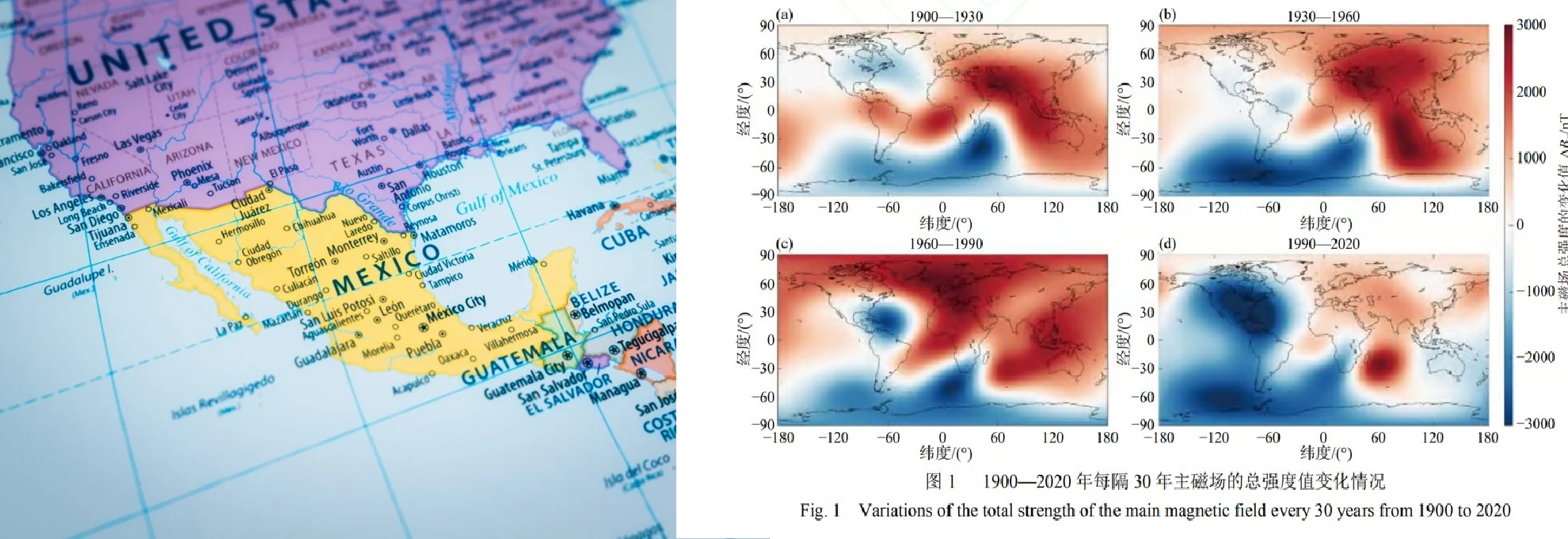
Science
Scientists have discovered an unusual and concerning trend in the Earth’s magnetic field, one that has significant implications not just for scientific understanding but also for environmental stability and possibly even global climate patterns. A recent study by Chinese military researchers has revealed that the magnetic field over North America is weakening at an exceptionally fast rate, while, in contrast, the magnetic field over the eastern hemisphere, including regions such as China, is strengthening. The changes have prompted researchers to closely examine the implications for global stability and potential impacts on human civilization.The Earth's magnetic field plays an essential role in shielding life from cosmic radiation. Acting like a massive protective barrier, this field deflects harmful cosmic rays that could otherwise reach the Earth’s surface and cause severe disruptions to both biological life and technological systems. The recent changes, however, signal a major shift in magnetic field strength across different regions, leading to questions about potential impacts.One of the primary reasons behind this shifting magnetic strength appears to be the movement of the Earth’s geomagnetic poles. Over the past century, the north magnetic pole has been slowly drifting eastward at around 10 kilometers per year. But this movement has seen a sudden acceleration in recent decades. Since 2000, the pole's speed has increased to over 50 kilometers per year, vastly outpacing the southern magnetic pole's rate. This drift is likely contributing to the differences in magnetic field strength between the hemispheres, though scientists are still analyzing precisely why these changes are occurring and what they might mean for the future.This weakening magnetic field in North America is particularly remarkable when compared to historical data. In their study, led by Professor Fang Hanxian at China’s National University of Defence Technology, researchers reconstructed global magnetic field changes since 1900. They observed that North America experienced a period of higher-than-average magnetic field strength between 1930 and 1990. But in the past 30 years, this trend has reversed sharply, with North American magnetic strength dropping to levels barely above the global average. The rapidity of this change is significant; it suggests that what might once have been a gradual process is now accelerating.Fang’s team employed state-of-the-art modeling techniques and detailed data analysis to track these magnetic anomalies, using color-coded mapping to illustrate strengthening (red) and weakening (blue) zones. Their findings highlight areas of pronounced weakening, especially across North America and portions of the South Atlantic, the latter of which has already been under intense scrutiny by NASA and other space agencies. Known as the South Atlantic Anomaly, this region is the weakest point of the Earth’s magnetic shield and poses risks for satellite and spacecraft operations due to heightened radiation exposure.Interestingly, shifts in magnetic field strength have been linked in the past to significant environmental and societal changes. For instance, a 2018 study by the National Autonomous University of Mexico linked the collapse of the Maya civilization to prolonged periods of weak geomagnetic field strength. Another study from the Paris Institute of Planetary Physics in 2006 suggested that sudden magnetic fluctuations may have contributed to the downfall of ancient civilizations in Iran and Syria roughly 4,000 years ago. Although these historical cases are not directly comparable, they underscore how important a stable magnetic field may be for long-term environmental stability and the resilience of civilizations.The weakening field in North America has potential military implications as well. For many defense systems, the Earth’s magnetic field serves as a critical navigational aid, enabling ultra-long-distance communication, radar detection, and even guidance systems for certain missiles. Military spacecraft and satellites rely on the field to protect against damage from solar storms, which could otherwise interfere with communication, navigation, and surveillance operations. A weakening magnetic shield could make North American assets more vulnerable to these disruptions.There are also environmental considerations. A reduced magnetic field may increase Earth’s exposure to cosmic rays, potentially impacting the atmospheric system in ways that could increase extreme weather events. Some researchers suggest that cosmic rays can influence cloud formation, potentially heightening the severity of droughts, hurricanes, or other extreme weather conditions.As of October 2024, Fang’s team published their findings in the *Review of Geophysics and Planetary Physics*, a prominent Chinese academic journal, emphasizing that global magnetic field anomalies are neither new nor isolated phenomena. They pointed out that regions across Eurasia, Africa, Australia, and the North Atlantic are experiencing growth in magnetic field strength, with Africa seeing the fastest rise.Researchers around the world are closely monitoring these shifts and their implications, but the precise future impacts remain uncertain. With magnetic anomalies and pole movements occurring at a quicker pace, it’s possible that we are witnessing the beginning of a larger-scale geomagnetic shift—a phenomenon that has occurred in the distant past but one that, if fully realized, would have unprecedented consequences for the modern world.
Read More → Posted on 2024-11-08 15:09:21
Science
War leaves an indelible mark not only on human societies but also on the planet itself. The Ukraine-Russia conflict and the Israel-Hamas war, two of the most pressing geopolitical crises, have sparked a wave of environmental consequences that extend far beyond the immediate battlefield. As governments and organizations focus on the human toll and strategic outcomes, there is growing concern about the environmental fallout—particularly in the context of climate change.The Ukraine-Russia War: Environmental Fallout and Climate DisruptionsThe conflict between Ukraine and Russia, which escalated significantly in February 2022, has unleashed widespread environmental damage. The war has caused the destruction of cities, industrial zones, and agricultural land, contributing to significant emissions of greenhouse gases and pollutants. This not only worsens local ecosystems but also feeds into the broader challenge of climate change.Fossil Fuels and Air QualityOne of the most glaring environmental consequences of the Ukraine-Russia war stems from the burning of fossil fuels. The conflict zone includes vital energy infrastructure—oil and gas pipelines, refineries, and storage facilities—that have been repeatedly targeted. Fires from these attacks, combined with explosions from military operations, have released vast amounts of carbon dioxide (CO2) and methane (CH4) into the atmosphere.Satellite data from the European Space Agency (ESA) and NASA has confirmed increased levels of air pollution over Eastern Europe. A surge in nitrogen dioxide (NO2) levels, a key air pollutant from burning fossil fuels, has been detected. Satellite images from NASA’s Ozone Monitoring Instrument show large NO2 plumes stretching from major conflict zones like Donetsk and Luhansk. The pollution exacerbates respiratory illnesses, particularly in urban areas, while also contributing to short-term warming.Soil and Water PollutionHeavy artillery, missile strikes, and bombardment have led to contamination of soil and water supplies in both rural and urban areas. Dangerous chemicals from munitions, fuel, and military equipment have seeped into the ground and water sources. A report from Ukraine's Ministry of Environmental Protection estimated that about 20% of Ukraine’s nature reserves have been damaged. Additionally, the agricultural land, which contributes significantly to the world’s grain supply, is now laced with unexploded ordnance and toxic residues.This widespread environmental degradation has long-term implications for the region’s biodiversity and agricultural viability. These effects are likely to extend beyond the duration of the conflict, with ecosystems taking decades to recover.Israel-Hamas Conflict: A Different Kind of Environmental DamageIn contrast, the Israel-Hamas war, particularly centered around Gaza, presents a different kind of environmental impact, focused more on urban destruction and water resources. As a densely populated region, Gaza has been subject to intense bombardment in recent escalations, resulting in severe air and water pollution. Urban Destruction and EmissionsGaza is a highly urbanized region, and the destruction of buildings, roads, and infrastructure leads to significant carbon emissions. When buildings collapse due to airstrikes, they release particulate matter (PM2.5 and PM10), which worsens air quality, causing respiratory illnesses among civilians. The situation in Gaza is exacerbated by the densely packed population, where open spaces are scarce, making the impact of air pollution more acute.A 2023 report from the United Nations Environment Programme (UNEP) raised concerns about the levels of hazardous debris generated by the destruction in Gaza. The conflict has damaged wastewater treatment facilities and electrical infrastructure, which are already fragile due to years of conflict. The release of untreated sewage into the Mediterranean Sea presents another environmental threat, contaminating not only local waters but also the coastlines of neighboring countries like Israel and Egypt.Water ScarcityOne of the gravest environmental concerns in Gaza is access to clean water. The conflict has further strained the region’s already scarce water resources. Destruction of water pipes and infrastructure has led to water contamination, forcing residents to rely on bottled water and untreated supplies. Prolonged damage to water resources could lead to further humanitarian and environmental crises in the region.Satellite Data: Tracking the Environmental ImpactThe role of satellite imagery and remote sensing in understanding the environmental effects of these wars is crucial. In the Ukraine-Russia conflict, satellite data has helped monitor fires, deforestation, and air quality changes. The ESA’s Sentinel-2 satellite and NASA’s MODIS (Moderate Resolution Imaging Spectroradiometer) have been instrumental in capturing real-time data on emissions and damage to ecosystems.For example, satellite images from early 2023 show the devastating impact on Ukraine’s forests and wetlands, particularly in regions near Kyiv and Kharkiv. These green spaces, critical for carbon sequestration and climate regulation, are now scarred with craters and remnants of military equipment.Similarly, in the Gaza region, satellite data has provided crucial information on the urban destruction and changes to coastal ecosystems. Images from NASA’s Terra satellite have shown significant changes in land cover due to urban bombardment and damage to agricultural lands in southern Israel.Climate Change and War: A Feedback Loop?While war is a localized event, its environmental consequences ripple out globally. The degradation of ecosystems, loss of biodiversity, and increased carbon emissions can exacerbate climate change. In turn, climate change can create more volatile geopolitical conditions. Droughts, food insecurity, and resource shortages can increase tensions between nations or within regions, potentially sparking future conflicts.For instance, the Arctic Circle—a region shared by Russia and Ukraine’s ally Belarus—has seen accelerated warming due to greenhouse gas emissions. As the Arctic melts, new shipping routes and untapped resources are becoming available, further intensifying geopolitical competition.Global Implications and the Way ForwardBoth the Ukraine-Russia war and the Israel-Hamas conflict illustrate that war has far-reaching consequences beyond human and political dimensions. Environmental degradation, fueled by the destruction of natural resources and emissions from warfare, is contributing to a worsening climate crisis.While satellites provide a crucial window into these changes, much more needs to be done to mitigate the damage. International organizations must integrate environmental recovery into post-conflict reconstruction efforts, with a focus on restoring ecosystems and reducing emissions. Moreover, as climate change increasingly becomes a trigger for conflict, it’s imperative that global leaders prioritize sustainability and climate resilience in their security strategies.In conclusion, the environment often becomes the silent victim in times of war, and the consequences of such damage will shape the global climate for decades to come. Through the lens of climate change, the importance of peace not only becomes a matter of human survival but planetary health as well.
Read More → Posted on 2024-10-06 15:46:41
Science
The race for global scientific leadership is heating up, and the United States might be falling behind. In a recent State of the Science address in Washington, Marcia McNutt, President of the National Academy of Sciences (NAS), painted a concerning picture. Although the US remains the largest investor in research and development (R&D), spending $806 billion in 2021 compared to China’s $668 billion, the momentum is shifting. China's investment rate is double that of the US, suggesting it won't be long before China overtakes the US in STEM leadership.McNutt's credentials lend weight to her warning. A geophysicist and the first female president of the NAS since its founding in 1863, she has also been the editor-in-chief of *Science* magazine and a foreign member of the Chinese Academy of Sciences since 2019. Her insights are particularly alarming considering the historical context: since World War II, the US has dominated global science and engineering, claiming nearly 60% of all Nobel Prizes ever awarded. But China's rapid advancements are hard to ignore. In 2021, China published a comparable number of high-quality research papers and filed twice as many patents as the US.China's rise in the scientific arena can be attributed to its aggressive investment in R&D and its strategic focus on STEM education. While the US has historically relied on international students to bolster its STEM workforce, McNutt noted a troubling trend: fewer Chinese students are choosing to study in the US. This decline is partly due to the increasing number of attractive alternatives around the world and perhaps a perception that the US is no longer the prime destination for aspiring scientists and engineers.McNutt emphasized the US's dependency on international students, particularly from China and India, for maintaining its STEM workforce. She highlighted that foreign students outnumber domestic students in graduate programs and that 65% of these students remain in the US for at least a decade after their studies, filling critical STEM positions. This reliance is a double-edged sword. While it has sustained the US's scientific workforce, it has also made the country vulnerable to shifts in global educational trends and immigration policies.To counter this potential decline, McNutt proposed several strategies. Strengthening K-12 STEM education within the US is crucial. By investing in the domestic scientific workforce from an early age, the US can reduce its dependence on international talent. Additionally, the process for obtaining student visas should be streamlined to attract and retain the brightest minds from around the globe. A coordinated national research strategy, integrating efforts from government agencies and the private sector, could also help optimize R&D spending and focus.However, these recommendations are not without challenges. As Fan-Gang Zeng, an auditory scientist from the University of California, Irvine, pointed out, implementing these ideas could be difficult due to conflicting goals and interests. Balancing federal and industrial support, managing domestic and international student needs, and navigating the complexities of national security versus international collaboration are intricate tasks that require careful planning and execution.Despite these challenges, McNutt's call to action is clear: the US must adapt to the emerging research environment and try new approaches to maintain its leadership in STEM. By addressing these issues head-on, the US can potentially counter the trend and secure its position as a global leader in scientific innovation.This situation underscores a broader narrative about the shifting balance of power in global science. As countries like China continue to invest heavily in R&D and education, the US must respond with strategic initiatives that foster innovation and attract top talent. The future of global scientific leadership is at stake, and the decisions made today will shape the landscape for decades to come.
Read More → Posted on 2024-07-10 15:17:50
Science
A rare disease caused by a "flesh-eating bacteria" that can kill people within 48 hours is spreading in Japan. For the second consecutive year, Japan has reported record-high numbers of the casualties and infections caused by this bacterial illness.The Streptococcal toxic shock syndrome (STSS) can kill a person in just 48 hours of being infected, giving the person no time to even understand what went wrong.Although the experts are yet to figure out the reason behind the sudden surge in the STSS cases in Japan, here's all what you need to know about the deadly rare bacterial illness.Rapid Surge In STSS Cases & Deaths In JapanAccording to Japan Times, the Japan Health Ministry reported 977 cases of STSS as of June 2nd. This figure is the highest ever recorded in a single year, which has already surpassed last year’s record of 941 infection cases.Until March, STSS has claimed the lives of seventy-seven individuals in Japan this year."Experts don't know how the bacteria got into the body for nearly half of people who get STSS," according to the US Centres for Disease Control and Prevention (CDC).Japan's National Institute of Infectious Diseases (NIID) said in March: "There are still many unknown factors regarding the mechanisms behind fulminant (severe and sudden) forms of streptococcus, and we are not at the stage where we can explain them."As per a report by Healthline, STSS has caused 77 deaths so far in Japan in 2024. In 2023, 97 mortalities due to STSS occurred — the second highest number in the past two years. This is behind the 101 deaths reported in 2019.STSS is a condition that results in death in more than 30 percent of the cases, the report said.Ken Kikuchi, a Professor of infectious diseases at Tokyo Women’s Medical University, said in an interview with The Japan Times that at the current rate of infections, "the number of cases in Japan could reach 2,500 this year, with a mortality rate of 30%."What is STSS?STSS or Streptococcal Toxic Syndrome, is a severe infection caused due to complication of Group A Streptococcus (GAS)Trusted Source, specifically the variant Streptococcus pyogenes.Though a rare disease, STSS is typically caused by infection with the bacteria Streptococcus pyogenes.Initially, it causes fever and throat infections, which can develop into a life-threatening emergency, organ failure and causing "toxic shock," within days of infection."Even with treatment, STSS can be deadly. Out of 10 people with STSS, as many as three people will die from the infection," the US Centers for Disease Control and Prevention (CDC) stated on their website.STSS arises from infections such as strep throat (Pharyngitis), skin infections such as (cellulitis or impetigo), presence of bacteria in body (bacteremia) or invasive infections( flesh-eating disease).How Does It Spread?Several people already carry Streptococcus pyogenes on their skin, without ever falling sick. The situation turns serious once the bacteria gets into the bloodstream or deep tissue.STSS is the same bacteria that causes strep throat. It is a deadly condition that has a mortality rate, exceeding 30 percent.STSS develops when the bacteria spread into deep tissues and the bloodstream, casuing a systemic inflammatory response and toxic shock.As the bacteria reaches the bloodstream it begins to produce exotoxins, toxic compounds that destroy cells and tissues in our bodies. This is how the term "flesh eating bacteria" has been derived. These toxins are the primary reason that trigger the inflammatory response in the body, further leading to STSS symptoms.Once the bacterial infection spreads in the body, it can lead to organ failure, turning fatal. The infection causes life-threatening symptoms such as organ failure, low blood pressure, and loss of consciousness, healthline reported.It is particularly deadly as the organ failure happens rapidly after the infection. Once the body gets infected, the initial symptoms like fever, aches, and nausea, only take about 24 to 48 hours to escalate into low blood pressure., which quickly turns into a much more serious situation.As the body heads towards collapsing, the heat rate and blood pressure change, with organs like liver and kidneys beginning to fail as well.However, GAS doesn't always result in such serious outcomes. The infection is usually spread among school-age children and can cause soreness, swelling, rash, or a strep throat. It is the Group A strep bacteria that are much more contagious and are likely to turn into STSS.It can spread through coughing, talking, sneezing, or through direct contact with someone who is already infected.Normally, STSS is treated in a hospital with antibiotics like ampicillin. But some strains of Streptococcus pyogenes showed antimicrobial resistance (AMR) to several antibiotic agents, HT reported.To prevent the deadly bacteria from spreading further, the infected tissues can also be removed via surgery.SymptomsThe initial symptoms inlcude:ChillsNausea and vomittingFeverMuscle achesHowever, as the infection progresses to STSS, the symptoms can become serious. These include:Absence of urineLow blood pressureRapid breathingRapid heart rate (tachycardia)Dificulty in thinkingEyes turning yellowBruising and bleeding Who's At Risk?The people who are at high risk of contracting STSS are older adults, who are aged above 65 years. Besides, people with health factors such as diabetes or alcohol are also at risk.People with open wounds are at an increased risk of developing STSS.Therefore, it is recommended that people who have undergone surgeries or have viral infections such as chickenpox or shingles, that cause open sores, must cover their wounds, in order to reduce the risk of being infected.CDC also recommends that people must avoid contact with others who are already infected by the Group A strep infections. TreatmentAn infected person is treated primarily with clindamycin, an antibiotic. However, additional care is needed to treat the shock as well.To treat shock, doctors administer a range of treatments including, blood pressure medication, intravenous hydration, and oxygen. For organ failures, doctors also put patients on a dialysis or mechanical ventilation in case of kidney and respiratory failure, respectively.In a few cases, the dead tissue is surgically removed from the infection.Cases In USAIn the US, the CDC has reported 395 cases so far this year, which is almost the same number of 390 cases, reported at this time in 2023.Although it is still unclear as to what is causing the surge of STSS cases in Japan, experts pointed out at two possible factors. One of them is an increase in several types of infection after the easing of quarantining during the pandemic, Healthline report noted.
Read More → Posted on 2024-06-23 15:54:44
Science
Chinese scientists have pioneered a groundbreaking method to bypass natural plant gene inheritance using a CRISPR-based gene editing system. This method dramatically boosts the transmission of preferred genes, even if these genes are typically detrimental to the plant. By utilizing a toxin-antidote mechanism in the male germline, researchers achieved gene transmission rates as high as 99% over two generations, as detailed in a recent study published in the journal Nature Plants.Overcoming Traditional Genetic LimitationsTraditionally, breeding plants for desired traits that may also be harmful has been restricted by Mendelian inheritance principles and natural selection. Mendelian inheritance dictates that each gene has a 50% chance of being passed to offspring, limiting the ability to promote beneficial but potentially harmful traits. The Chinese Academy of Sciences and Peking University team circumvented these limitations by developing a synthetic gene drive system, inspired by natural genetic elements that favor their own transmission.The CAIN Gene Drive SystemThe researchers constructed the CRISPR-Assisted Inheritance utilizing NPG1 (CAIN) system, employing a toxin-antidote strategy to override the standard Mendelian inheritance. The toxin, a guide RNA Cas9 cassette, disrupts the No Pollen Germination 1 (NPG1) gene, which is essential for pollen germination. The antidote, a CRISPR-resistant copy of NPG1, rescues pollen cells carrying the desired gene drive. This method resulted in transmission rates far exceeding the typical 50%, reaching between 88% and 99% within two generations.Applications and AdvantagesCAIN was tested on thale cress, a self-pollinating plant from the mustard family, to minimize the risk of accidental release into wild populations. The technique offers several advantages over existing gene drive systems, which often face resistance alleles limiting their effectiveness. CAIN specifically targets the male germline, avoiding the fertility issues seen in female-targeted drives.NPG1 is conserved across many plant species, suggesting that CAIN could be applied broadly. One potential use is to target herbicide-resistant genes in weeds, reducing the need for excessive herbicide use and benefiting both agricultural productivity and environmental health.Safety and Ethical ConsiderationsDespite the potential benefits, the researchers acknowledged the need for caution. Ensuring the biosafety of gene drive technologies and implementing self-containment strategies are crucial to prevent misuse. One proposed safeguard is creating suppressor lines that resist Cas9 cleavage, providing a straightforward and efficient method to counteract unintended consequences.Future ImplicationsAs this gene drive technology progresses, it holds the potential to reshape agricultural practices and ecological management. By offering a more controlled and efficient way to spread desirable traits through plant populations, CAIN represents a significant advancement in genetic engineering.Potential Uses Beyond AgricultureBeyond agriculture, gene drives like CAIN could play a crucial role in ecological conservation. For instance, they could be used to control invasive plant species or enhance the resilience of native plants to changing environmental conditions. This versatile approach opens new avenues for addressing global challenges related to food security, biodiversity, and environmental sustainability.
Read More → Posted on 2024-06-23 15:28:42
Science
China's Energy Singularity has achieved a significant milestone with the HH70, the world's first high-temperature superconducting tokamak, marking a leap forward in fusion energy technology.China has made a significant advancement in fusion energy technology with the completion and operation of the HH70, the world's first fully high-temperature superconducting tokamak device. This development, announced by Chinese news outlet CGTN, represents a major leap forward in the quest for clean and sustainable energy.The HH70, built by the commercial company Energy Singularity in Shanghai, stands out for its use of high-temperature superconducting materials in its magnetic system, a global first. Unlike traditional tokamak devices, which are typically large and expensive, the HH70 is smaller and cheaper to produce. This could pave the way for more commercially viable fusion reactors in the future.Guo Houyang, co-founder and CTO of Energy Singularity, highlighted the rapid development of the HH70, achieved in just two years. This swift progress sets a world record for the fastest development and construction of a superconducting tokamak device. The successful operation of the HH70 is a crucial step in verifying the engineering feasibility of high-temperature superconducting tokamaks, potentially leading to a clean and sustainable energy future.Fusion energy, often referred to as "artificial sun" technology, aims to replicate the nuclear reactions that power the sun. This technology offers a promising solution to the world's energy challenges. According to the World Energy Outlook, if fossil fuels like oil, natural gas, and coal are gradually phased out, humanity could face an energy shortage exceeding 10% by 2050. Controlled nuclear fusion could address this shortage, providing a clean and sustainable energy source that helps combat climate change and resource depletion.Recent advancements in high-temperature superconducting materials and other technologies have made it feasible to develop economically viable tokamaks. The HH70 serves as an experimental machine designed to harness the energy of fusion, demonstrating significant progress in this field.Energy Singularity has ambitious plans for the future. By 2027, the company aims to build a next-generation tokamak featuring a steady-state, high-magnetic-field, high-temperature superconducting model. This project will lay the groundwork for commercially viable fusion energy, with the ultimate goal of creating a demonstration power plant by 2030.In summary, the HH70's successful operation marks a milestone in fusion energy technology, potentially leading to a future where clean and sustainable energy is a reality. This achievement underscores China's growing role in global technological innovation and its commitment to addressing the world's energy challenges.
Read More → Posted on 2024-06-20 15:14:38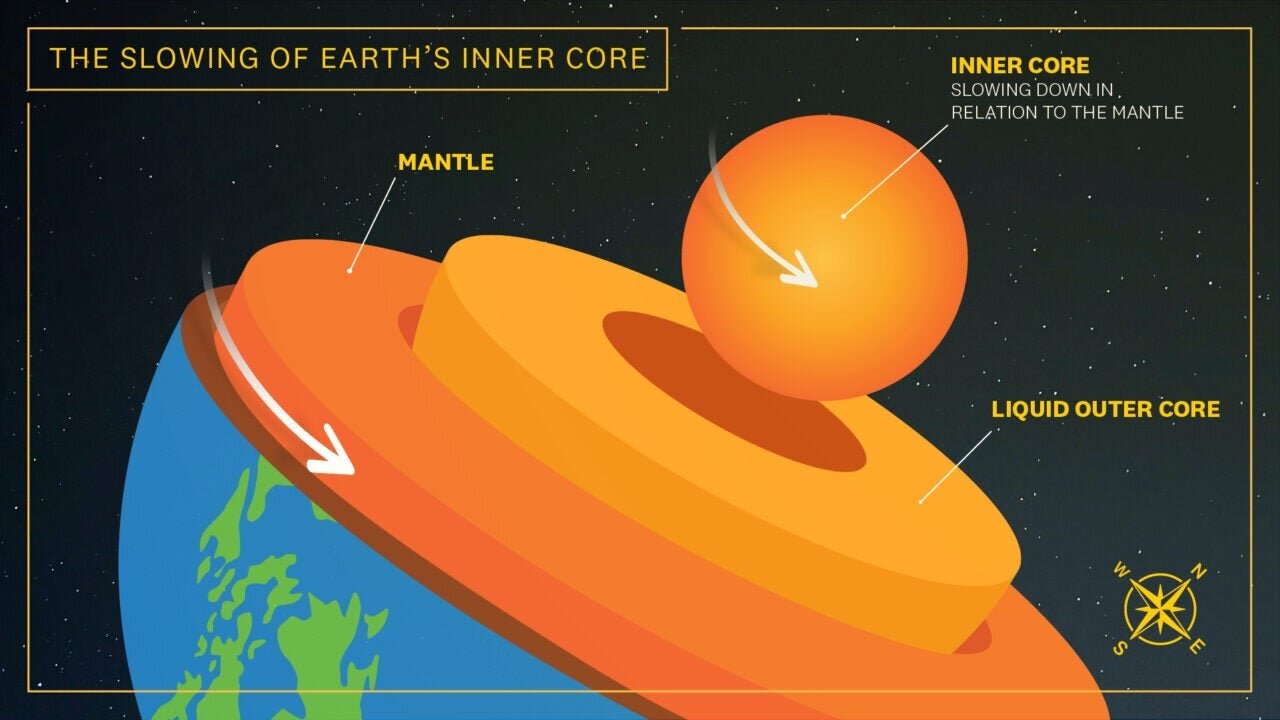
Science
Scientists have discovered that Earth's inner core is rotating more slowly than the planet's surface, a significant finding that could impact the Earth's magnetic field and the length of our days.Scientists from the University of Southern California (USC) have made a significant discovery: the Earth's inner core is rotating more slowly than the planet's surface. This groundbreaking research, published in Nature, raises important questions about planetary mechanics and could have a notable effect on the stability of Earth's magnetic field and the duration of our days.The Earth's inner core is a super-hot, super-dense sphere of iron and nickel, located over 4,800 kilometers beneath our feet. For decades, it has been known that the inner core rotates independently of the Earth's surface, but the new study indicates that this rotation has been slowing down since around 2010. This marks the first time in approximately 40 years that the inner core is moving slower than the Earth's mantle.John Vidale, Dean's Professor of Earth Sciences at the USC Dornsife College of Letters, Arts and Sciences, led the research team. They analyzed readings from 121 repeating earthquakes recorded between 1991 and 2023 around the South Sandwich Islands in the South Atlantic. They also used data from Soviet nuclear tests conducted between 1971 and 1974, as well as French and American nuclear tests from other studies on the inner core."When I first saw the seismograms that hinted at this change, I was stumped," said Mr. Vidale. "But when we found two dozen more observations signaling the same pattern, the result was inescapable. The inner core had slowed down for the first time in many decades. Other scientists have recently argued for similar and different models, but our latest study provides the most convincing resolution."The slowing of the inner core's rotation is attributed to the turbulent movement of the surrounding liquid outer core, which generates the Earth's magnetic field, and the gravitational pulls from dense regions in the overlying rocky mantle. This interaction could eventually alter the entire planet's rotation, prolonging our days by fractions of a second. Mr. Vidale explained that the change is minuscule, "on the order of a thousandth of a second, almost lost in the noise of the churning oceans and atmosphere."The research team is now focused on charting the trajectory of the inner core in even greater detail to uncover why it is shifting. "The dance of the inner core might be even more lively than we know so far," said Mr. Vidale.The findings have significant implications for our understanding of Earth's internal dynamics and could lead to new insights into the planet's history and future. As scientists continue to monitor the inner core's movement, we may learn more about how these deep-seated changes affect the surface environment and long-term climate patterns.
Read More → Posted on 2024-06-17 15:58:45Search
Top Trending in 24 Hours
-
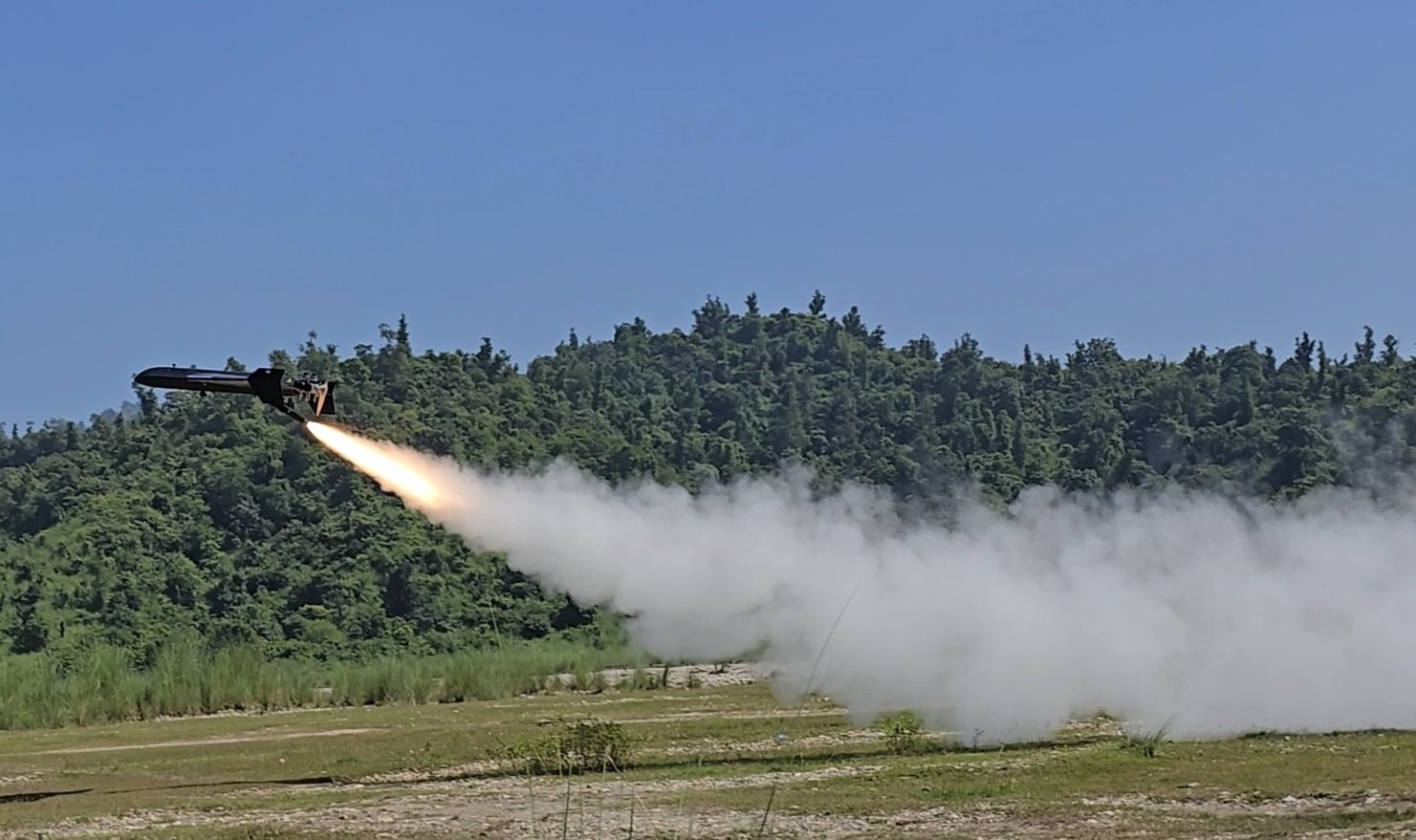 Bengaluru-Developed Sheshnaag-150 Completes First Rocket-Assisted Take-Off Trial
-
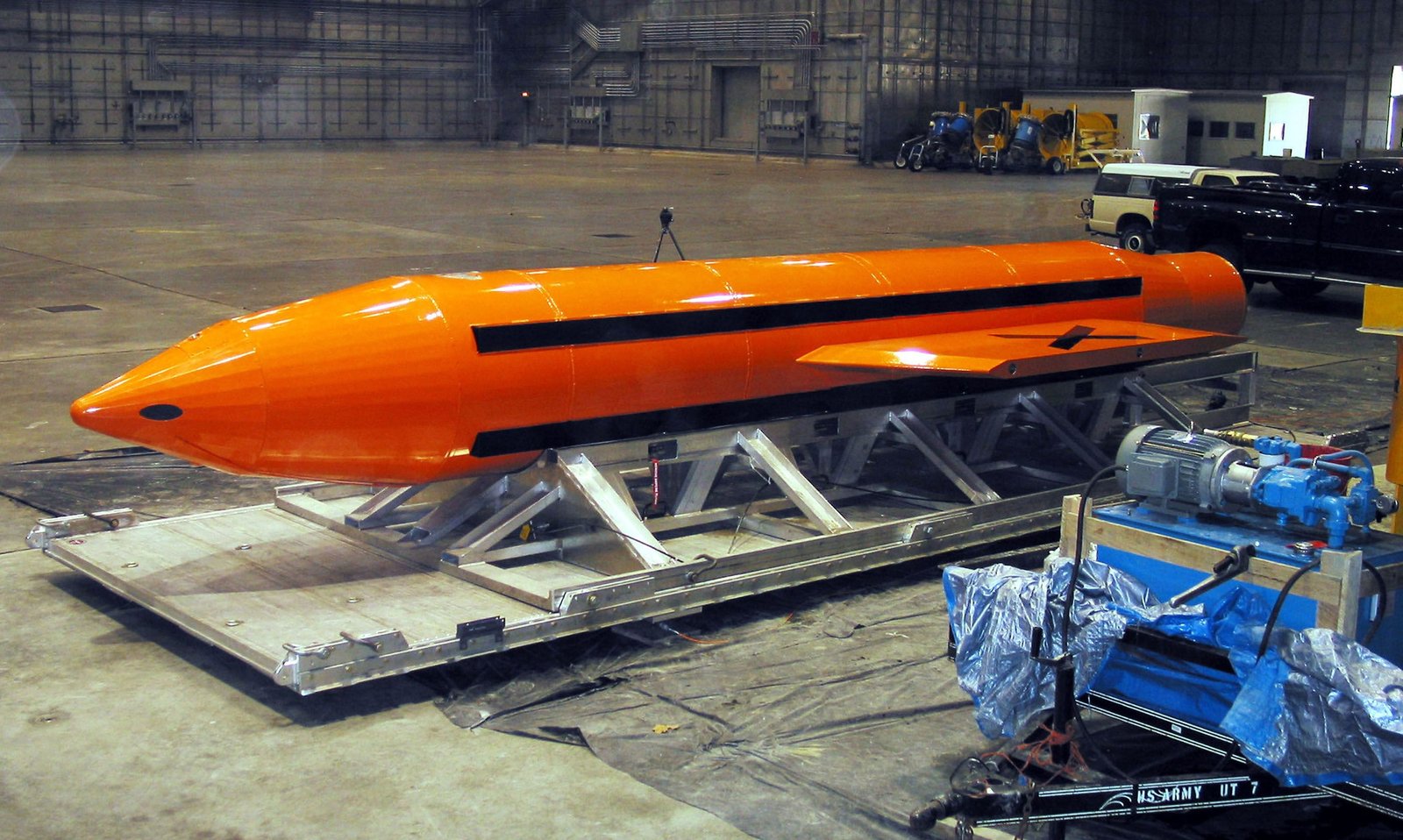 US Develops New Iran Strike Plans, Including Possible Use of MOAB Bomb
-
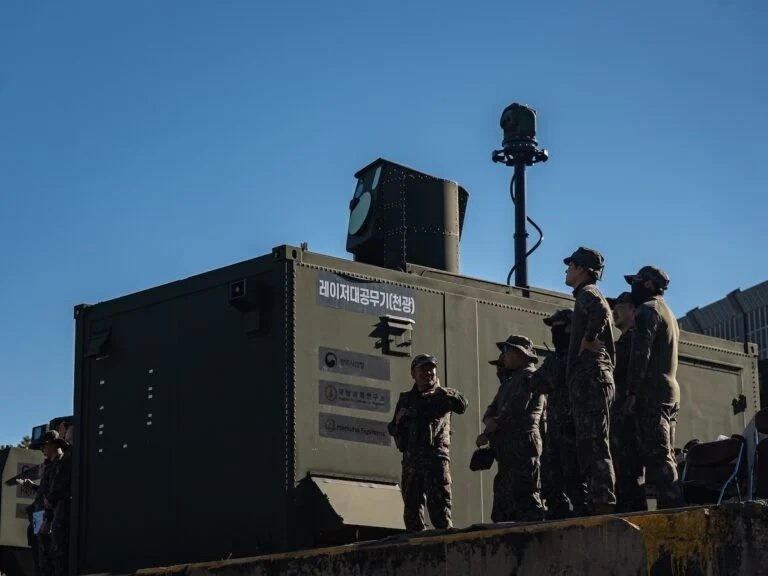 South Korea’s Hanwha Systems Demonstrates 30 kW Laser Air Defense System by Destroying Three Target Drones
-
 Moog Unveils MR SLED Mobile Defense System With 37 Kestrel Interceptors and Up to 12 Zeus Missiles
-
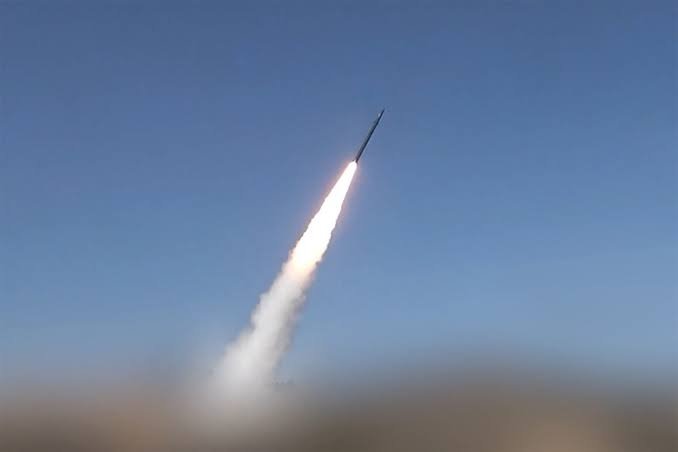 Yemen’s Houthis Attempt to Manufacture Advanced Ballistic Missiles Using Chinese Components
-
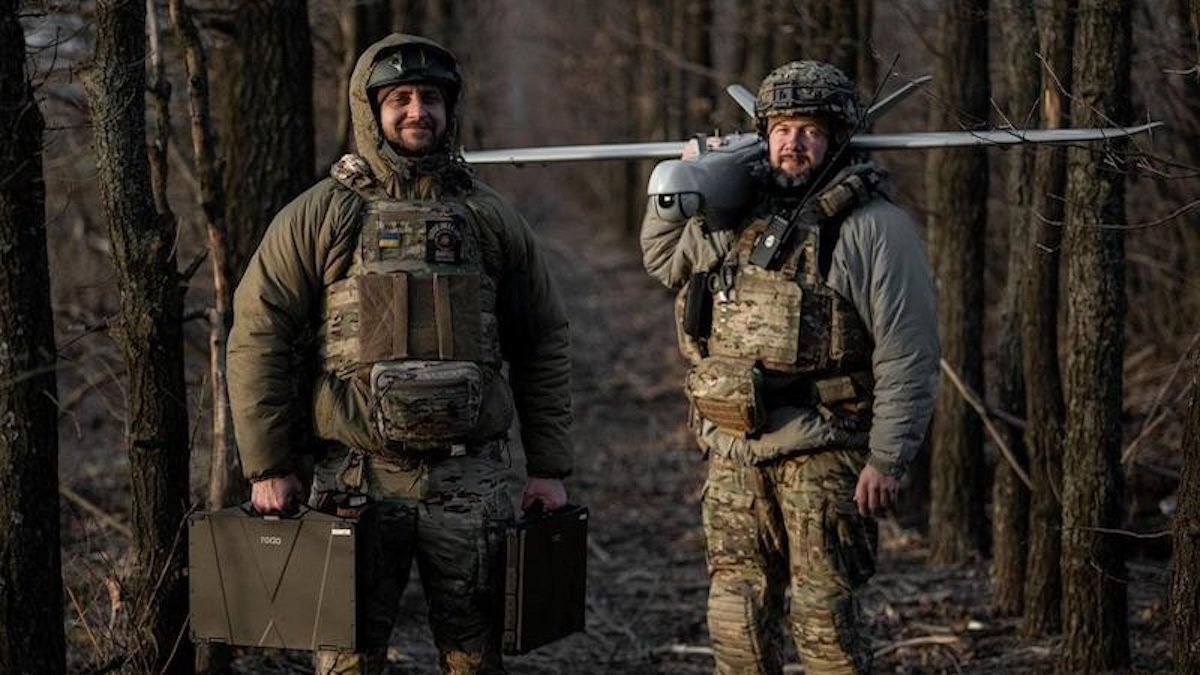 Ukraine Regains Starshield Connectivity After Sudden Speed Limits Disrupt Drone Operations
-
 U.S. Air Force Targets 2028 Prototypes for Massed Modular Aircraft to Replace MQ-9 Reaper
-
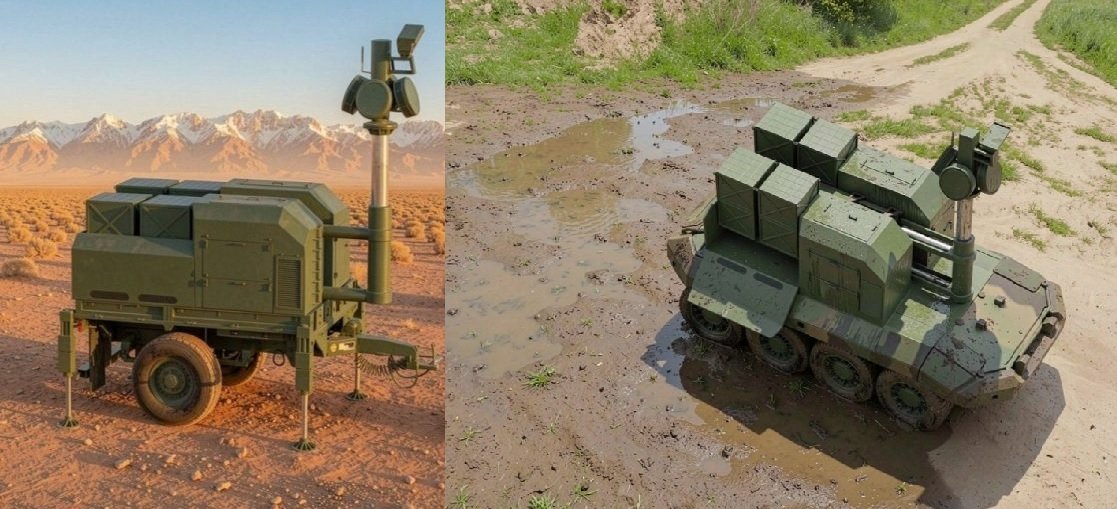 Skapion Unveils Counter-Swarm Air Defense System After Raising $36 Million
Top Trending in 4 Days
-
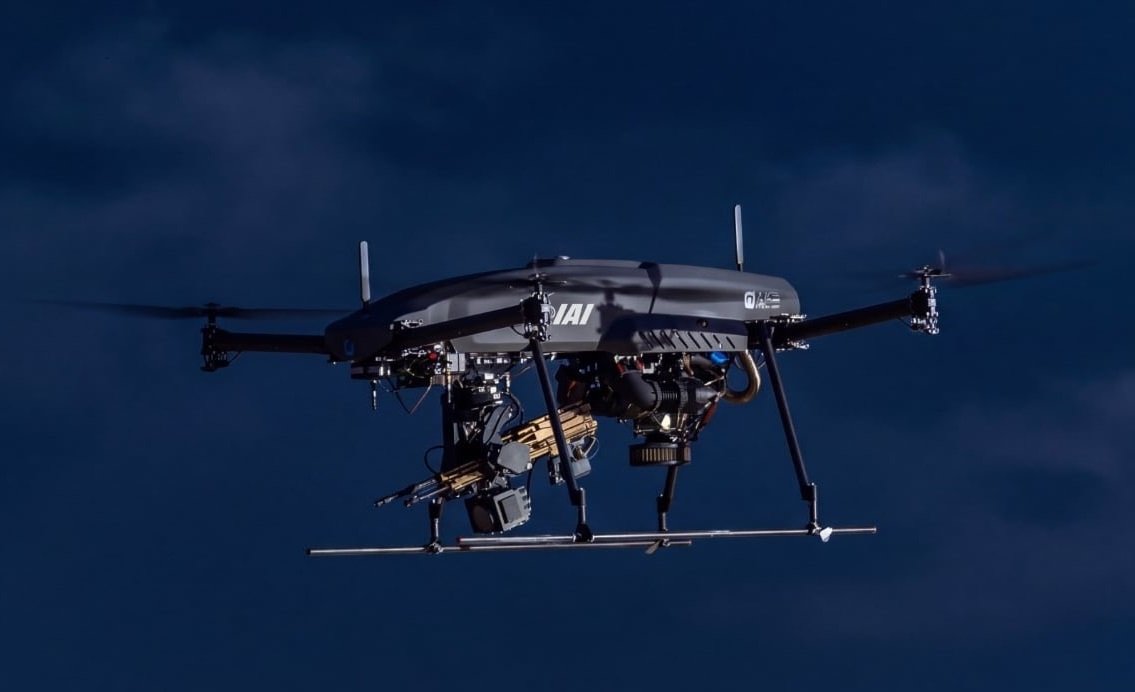 IAI and SIG SAUER Complete Live-Fire Test of FIRE STORM 250 Armed Drone
-
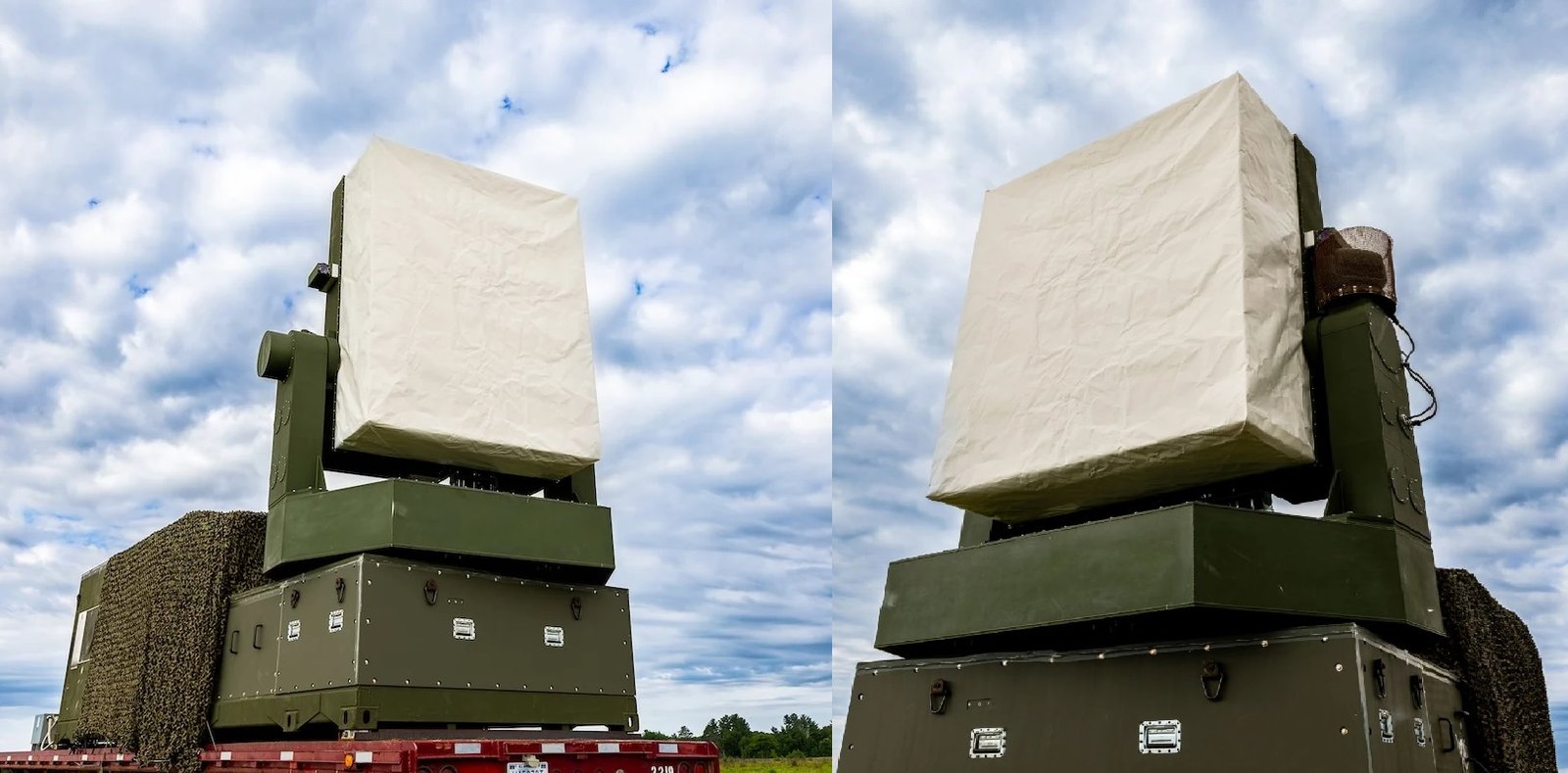 BAE Systems Unveils High Power Microwave Weapon for Drone Defense at AUSA 2026
-
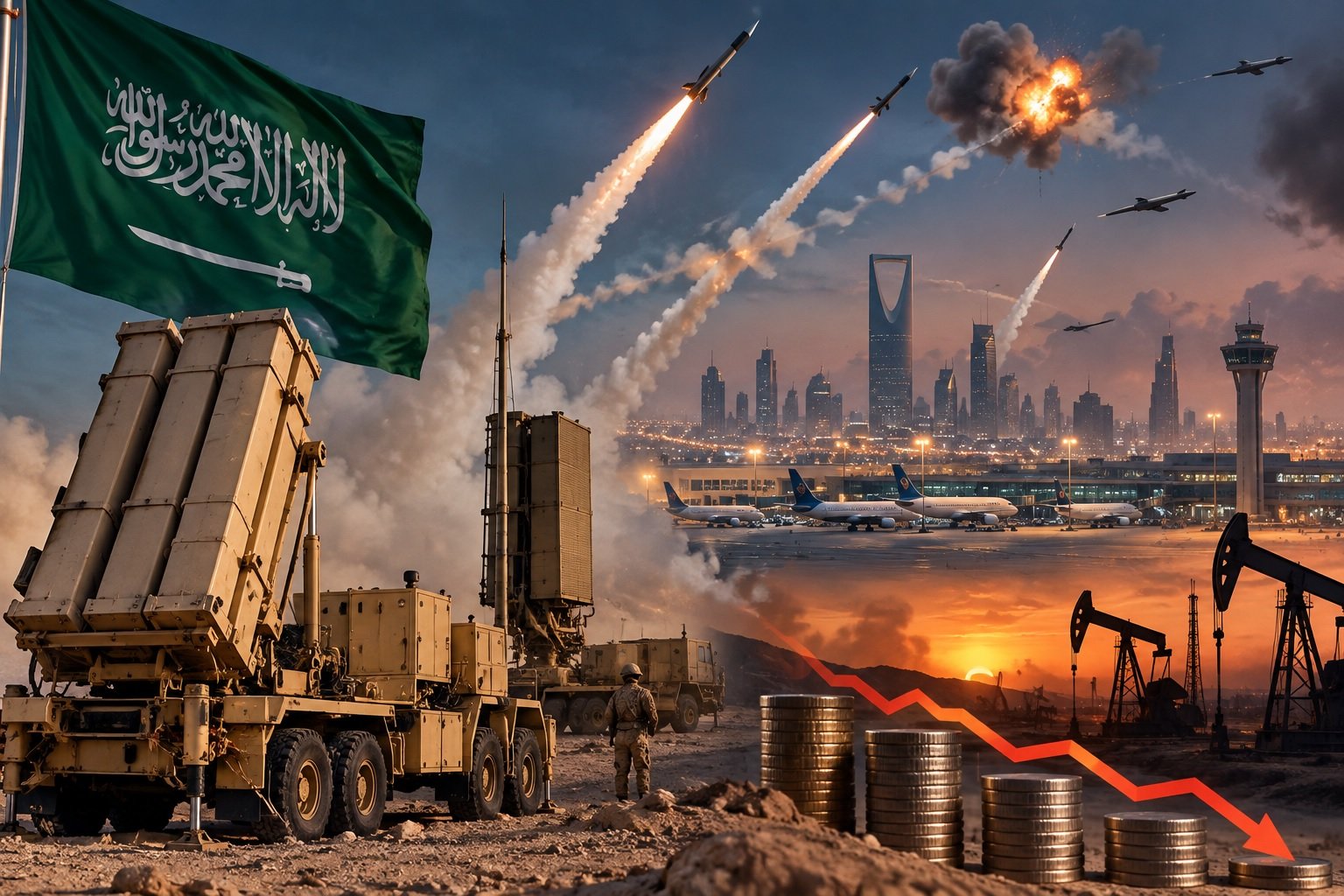 Saudi Arabia Explores $8 Billion Loan as Missile Interceptor Stocks Deplete and Western Support Lags
-
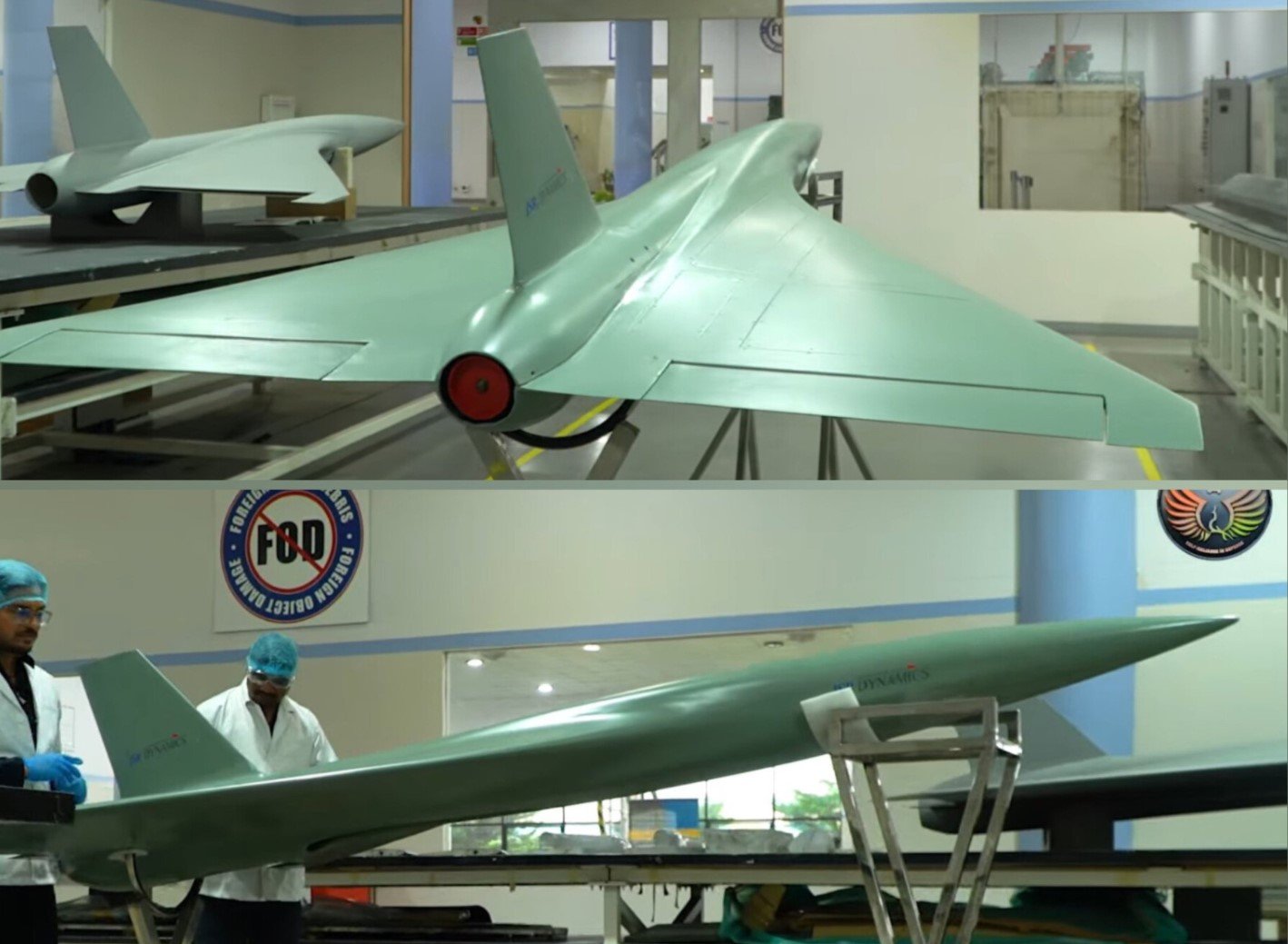 SR Dynamics Unveils New Stealth Strike Drone With 1,000 km Range and 900 km/h Speed
-
 Israel’s IAI Unveils HawkGuard Kinetic Drone Interceptor with 1,000-Meter Range at AUSA 2026
-
 Russia Launches Centralized Platform for Military AI Drone Training
-
 Ukraine Reports No Early Warning Before Russian Missile Strike on Kyiv Amid U.S. Pressure Over Energy Ceasefire
-
 U.S. Army Receives First Hanwha Mobile Tactical Cannon Prototype to Replace M777