India
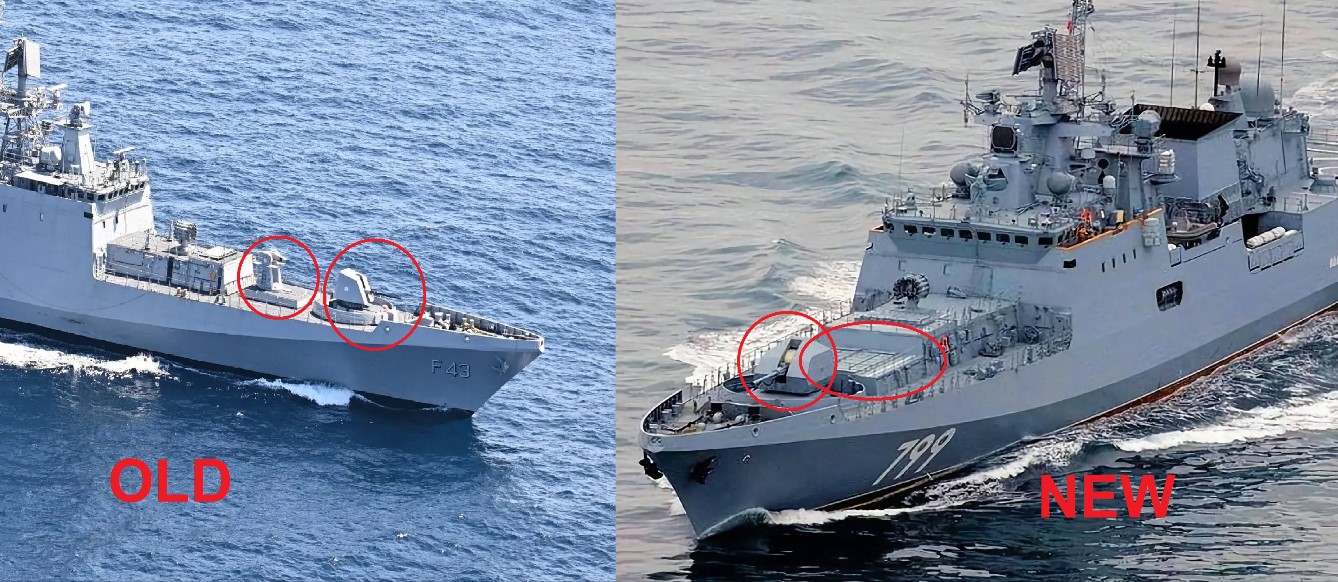
The Indian Navy is stepping up its game with a major upgrade to its Talwar-class frigates, ensuring these warships stay ahead in modern naval warfare. The enhancements include the addition of the A-192M Naval Gun and the adoption of a Vertical Launch System (VLS) for the Shtil-1 Air Defense (AD) system. These upgrades bring significant improvements in both firepower and defensive capabilities, bolstering the Navy's strategic edge. A-192M Naval Gun: A Precision Weapon for Modern Warfare The A-192M Naval Gun replaces the earlier A-190E model on the Talwar-class frigates. Known for its deployment on advanced Russian Admiral Gorshkov-class frigates, the A-192M is a next-generation weapon designed to engage both surface and aerial targets effectively. Key specifications of the A-192M Naval Gun: Caliber: 130 mm Maximum Range: Over 23 kilometers for surface targets, with high accuracy. Rate of Fire: Up to 30 rounds per minute. Stealth Design: The gun's housing reduces its radar cross-section, aligning with the stealth profile of the frigates. This upgrade enhances the frigate's offensive capabilities, allowing it to tackle enemy warships, aircraft, and even land-based targets with precision. Additionally, the stealth-friendly design of the A-192M ensures minimal radar detection, a crucial factor in modern naval engagements. Vertical Launch System: Revolutionizing Air Defense The shift from a twin-arm launcher to a Vertical Launch System (VLS) for the Shtil-1 Air Defense system represents a transformative step in the frigates' defensive strategy. The VLS configuration offers a range of benefits that enhance the ship’s ability to counter aerial threats effectively. Key Advantages of the VLS System: Increased Missile Capacity: The VLS allows the storage and launch of a larger number of missiles compared to traditional systems. Faster Reload Times: Quick reloading ensures the frigates remain battle-ready during prolonged engagements. Improved Stealth Features: By eliminating protruding structures, the VLS contributes to the frigate's reduced radar cross-section. Flexibility in Missile Integration: The system supports multiple missile types, such as Vertical Launch Short-Range Air-to-Air Missiles (VLSRAAM) and Medium-Range Surface-to-Air Missiles (MRSAM), enabling layered defense against a wide array of threats. The Shtil-1 system itself is a proven asset in naval defense, capable of neutralizing incoming missiles, aircraft, and other aerial threats at ranges exceeding 50 kilometers. The VLS enhances its effectiveness by allowing rapid, multi-directional deployment of missiles. The Future of Talwar-Class Frigates These upgrades align the Talwar-class frigates with the Navy's broader strategy to modernize its fleet. With enhanced firepower, improved stealth, and advanced air defense capabilities, these frigates are now better equipped to handle the challenges of 21st-century naval warfare. The Indian Navy’s focus on upgrading its existing fleet instead of solely relying on new acquisitions demonstrates a pragmatic approach to maintaining combat readiness. As these frigates integrate these advanced systems, they not only bolster the Navy’s operational capabilities but also send a strong signal of India’s growing maritime power. This modernization effort is part of a larger vision to safeguard India's maritime interests and enhance its presence in the Indo-Pacific region, where strategic challenges are constantly evolving.
Read More → Posted on 2025-01-05 15:54:24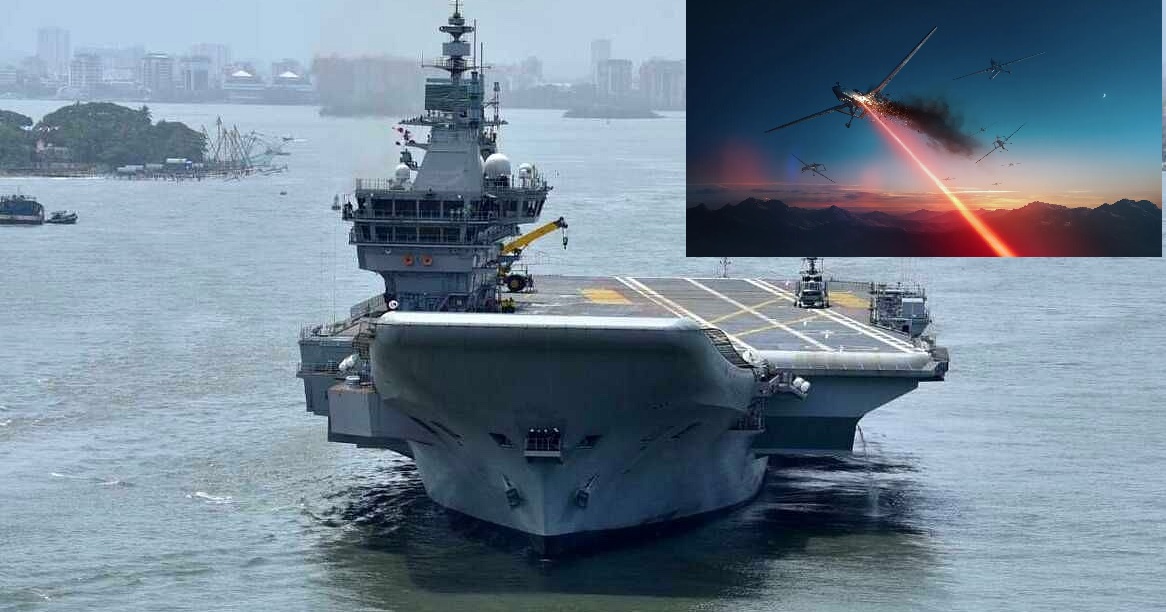
Indian Navy to Deploy Directed Energy Weapons on Aircraft Carriers to Tackle Emerging Aerial Threats
India
In a strategic push to modernize its defense systems, the Indian Navy is gearing up to integrate Directed Energy Weapons (DEWs) onto its aircraft carriers. This advanced technology is poised to counter the rapidly growing threats of loitering munitions and subsonic cruise missiles, which are reshaping the dynamics of naval warfare globally. Loitering munitions, often dubbed "suicide drones," and subsonic cruise missiles have become favored weapons due to their affordability, agility, and ability to saturate traditional defense systems. Their capability to hover over targets before striking makes them challenging to counter using conventional methods. With these threats on the rise, the Indian Navy's adoption of DEWs signals a shift toward cutting-edge, rapid-response technologies. The Power of Directed Energy Weapons Directed Energy Weapons, such as high-energy lasers and microwave systems, offer unprecedented advantages by neutralizing threats at the speed of light. These systems operate by emitting concentrated beams of energy that can disable or destroy incoming projectiles, drones, or missiles. Their rapid response time is especially critical in countering fast-moving threats like cruise missiles, ensuring they are intercepted before reaching their targets. The Indian Navy plans to equip each aircraft carrier with three to four DEWs to ensure full 360-degree protection against aerial threats. This comprehensive coverage will involve the strategic placement of the systems to defend against attacks from all angles and altitudes. Specifications of Indian Navy's DEWs The Defence Research and Development Organisation (DRDO) is at the forefront of developing two distinct DEW systems tailored to meet the Navy's requirements: 30 kW DEW System Designed to counter smaller threats such as drones and loitering munitions. Lower power output for rapid deployment and reduced energy consumption. Currently undergoing trials. 100 kW DEW System Developed to neutralize sophisticated threats like cruise missiles. Higher power output increases the likelihood of disrupting or destroying missile electronics. Offers a broader range of effective engagement. These systems are being designed for integration with the Navy's existing radar and sensor networks, ensuring precise target acquisition and tracking for coordinated defense. Global and Domestic Innovations India’s foray into DEWs aligns with global trends, as countries like the United States have been testing and deploying similar systems. For instance, the US Navy's Laser Weapon System (LaWS) and the Optical Dazzling Interdictor, Navy (ODIN) have demonstrated the potential of laser-based weapons to enhance naval defenses. Domestically, the Indian Navy’s plans are not limited to future carriers but also extend to retrofitting existing ones, such as the INS Vikramaditya, with DEWs. This approach underscores the urgency to modernize naval assets to address present and future threats. Overcoming Challenges A key challenge in deploying multiple high-energy DEWs on aircraft carriers lies in ensuring a reliable power supply. Aircraft carriers already operate under significant space and weight constraints, making energy storage and distribution a critical consideration. The Navy is exploring innovations such as compact nuclear power sources, including Small Modular Reactors (SMRs), to meet these energy demands. Future Prospects As the Indian Navy advances its DEW programs, these systems are expected to become a cornerstone of its defense strategy. The integration of DEWs represents a significant step toward achieving self-reliance in cutting-edge military technology while keeping pace with global defense trends. By adopting DEWs, the Indian Navy aims to establish a robust, future-ready defense mechanism capable of addressing the ever-evolving challenges posed by modern warfare, particularly in the maritime domain. This initiative signals a transformative leap in India’s naval capabilities, ensuring its aircraft carriers remain formidable and well-protected against emerging aerial threats.
Read More → Posted on 2025-01-05 15:22:23
India
The Combat Vehicles Research and Development Establishment (CVRDE), a key laboratory under India’s Defence Research and Development Organisation (DRDO), has introduced plans for a new 700HP engine specifically designed for the Zorawar Light Tank. This development signifies a crucial step toward bolstering India's defense capabilities through indigenous innovation, ensuring operational reliability, and reducing dependence on foreign imports. Why a New Engine for the Zorawar Light Tank? The Zorawar Light Tank, a high-mobility combat vehicle tailored for mountainous terrains like Ladakh, is currently powered by an imported Cummins 750HP engine. This engine will equip the first batch of 59 tanks, meeting initial requirements. However, with plans to manufacture an additional 240 tanks, reliance on foreign-made engines raises strategic concerns, including supply chain vulnerabilities and long-term costs. CVRDE's proposal for an indigenous 700HP engine addresses these challenges, providing an optimized solution that ensures sustained performance while fitting seamlessly into the existing engine bay of the Zorawar. This locally developed powerplant aims to enhance operational independence and align with India's broader vision of self-reliance in defense manufacturing. Specifications of the 700HP Engine The new 700HP engine from CVRDE offers cutting-edge engineering to meet the unique requirements of the Zorawar Light Tank. Key specifications include: Configuration: 8-cylinder V90 engine with a cross-plane crankshaft for better balance and reduced vibrations, reinforced with tungsten inserts for enhanced durability. Dimensions: Bore x Stroke of 114 mm x 112 mm, ensuring compactness without compromising power. Performance: Maximum speed: 3600 rpm. Advanced features: Overhead Valve (OHV) system, a waste-gated turbocharger, and a charge cooler for optimal power delivery and thermal efficiency. Fuel System: Common Rail Direct Injection (CRDI), which ensures precise fuel delivery for better efficiency and lower emissions. Lubrication: Dry-sump lubrication system to maintain consistent oil flow during steep inclines and rugged maneuvers. Operational Efficiency: Mean piston speed: Approximately 13.4 m/s. Brake Mean Effective Pressure (BMEP): 23 bar, delivering reliable power output even under challenging conditions. Strategic Benefits of the New Engine The indigenous engine is not only a technical upgrade but also a strategic necessity. Scaling up production with the Cummins 750HP engine could create logistical hurdles, including dependency on imports, potential delays, and higher costs. Additionally, CVRDE's engine provides a custom solution tailored to India’s unique requirements, including: Seamless Integration: The engine’s compact design ensures compatibility with the existing engine bay, eliminating the need for significant structural changes. High-Altitude Efficiency: Designed to perform optimally in thin air and extreme cold, it enhances mobility in mountainous regions like Ladakh, where traditional tanks face limitations. Reduced Downgrading Risks: Alternative options, such as downsizing a 1000HP engine to fit the Zorawar, would have required extensive modifications, potentially impacting other critical systems within the tank. The Road Ahead As India moves toward self-reliance in defense manufacturing, the development of the 700HP engine for the Zorawar Light Tank represents a significant milestone. While the imported Cummins engine has proven effective for initial production, the indigenous engine aligns with long-term goals of strategic autonomy, cost efficiency, and adaptability to India’s unique operational environments. The proposed engine is expected to undergo rigorous testing to meet the Indian Army's stringent requirements, ensuring its reliability and durability in the field. Once validated, this indigenous powerplant could set a benchmark for future armored vehicle projects, reinforcing India's position as a global leader in defense innovation. By combining advanced engineering with strategic foresight, CVRDE’s initiative underscores the importance of homegrown solutions in safeguarding national security and operational readiness.
Read More → Posted on 2025-01-04 15:36:32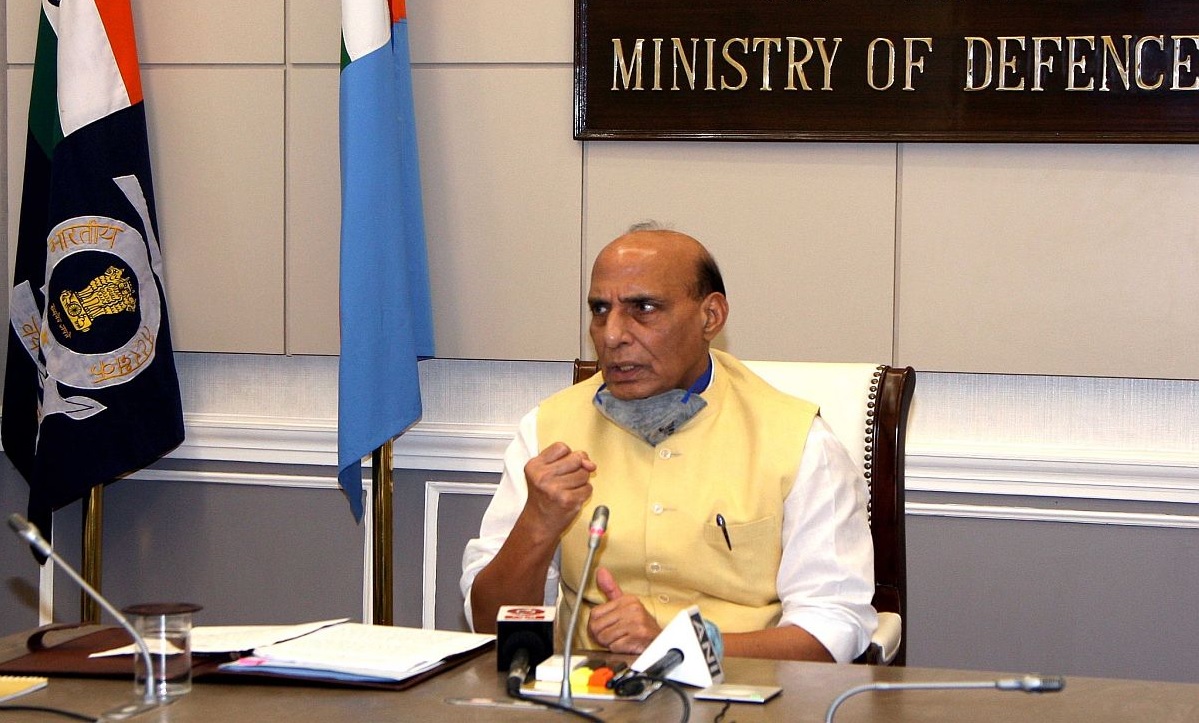
India
The Defence Research and Development Organisation (DRDO) has announced significant progress in its array of defence projects, with many systems nearing the final stages of user evaluation or development trials. During a ceremony at DRDO Bhawan, DRDO Chairman Dr. Samir V. Kamat highlighted the organization’s recent accomplishments and ongoing initiatives. The event also paid tribute to former President and "Missile Man of India," Dr. APJ Abdul Kalam. Key Systems in Advanced Development Among the high-profile systems approaching completion or under evaluation are: Air Defence Tactical Control Radar (ADTCR): A state-of-the-art radar system designed for battlefield surveillance and tactical air defence. It provides real-time situational awareness and threat assessment. Air Defence Fire Control Radar (ADFCR): Critical for guiding surface-to-air missiles and managing airspace in combat scenarios, ensuring precision and quick response. Medium Range Anti-Ship Missile (MRAshM): A versatile missile system capable of neutralizing maritime threats at medium range, enhancing the Indian Navy's offensive and defensive capabilities. Long Range Land Attack Cruise Missile System (LR-LACM): Designed for precision strikes over extended ranges, suitable for deep-penetration missions against enemy assets. 155mm Nubless Projectile (Bourrelet): An innovative projectile design for artillery, improving range and accuracy. Indigenous EW Suites for Su-30 MKI (Yodha and Anidra): Advanced electronic warfare (EW) systems that enhance situational awareness, self-protection, and mission effectiveness for the Indian Air Force's Su-30 MKI fleet. Other key systems include the Multi-Mission Maritime Aircraft (MMMA) for the Indian Coast Guard, Software Defined Radio (SDR-Tactical) for secure communication, and the CBRN Water Purification System Mk-II for chemical, biological, radiological, and nuclear contingencies. Infrastructure Boost Dr. Kamat outlined the strides made in enhancing DRDO’s infrastructure, such as: Missile Test Range at Nagayalanka, Andhra Pradesh: A new facility sanctioned by the Cabinet Committee on Security to test advanced missile systems. Land-Based Submarine Battery Test Facility: Located at NSTL, Visakhapatnam, this facility is critical for testing energy solutions for underwater platforms. Defence Technology & Test Centre (DTTC): Part of the Uttar Pradesh Defence Industrial Corridor (UP DIC) in Lucknow, aimed at fostering collaboration between DRDO and allied industries. Enabling Industry and Academia The DRDO has actively engaged with private industries, MSMEs, and academic institutions to accelerate innovation. Highlights include: 1,950 Technology Transfers (ToT): These were handed over to Indian industries, with 256 Licensing Agreements signed in 2024 alone. 18,000 Tests for Private Industries: DRDO opened its test facilities, conducting over 5,000 tests in 2024 to support defence production. 80 Ongoing Projects: Nine were awarded to industries and start-ups under the 'Mission Mode' framework, with an additional 29 projects awaiting approval. Recent Achievements Green Propulsion System: Successfully demonstrated in orbit through a payload launched by PSLV C-58, this eco-friendly technology highlights India’s focus on sustainable defence solutions. AI-Based Tool 'Divya Drishti': A breakthrough in integrating face recognition with physiological parameters like gait and skeleton, improving surveillance and security measures. Patents and Innovations: In 2024 alone, DRDO filed over 226 patents and was granted more than 201, showcasing its commitment to cutting-edge research. Looking Ahead Dr. Kamat expressed optimism about the Cabinet-approved Advanced Medium Combat Aircraft (AMCA) project and other initiatives like the Nagayalanka test range. He reiterated DRDO's role in enabling Indian industries and academia to contribute meaningfully to national security. With systems like the Medium Range Maritime Reconnaissance Aircraft (MRMR) and Joint Venture Protective Carbine (JVPC) close to readiness, DRDO is set to further enhance India's defence arsenal. These developments not only bolster the country's strategic capabilities but also position DRDO as a global leader in indigenous defence innovation.
Read More → Posted on 2025-01-04 15:24:03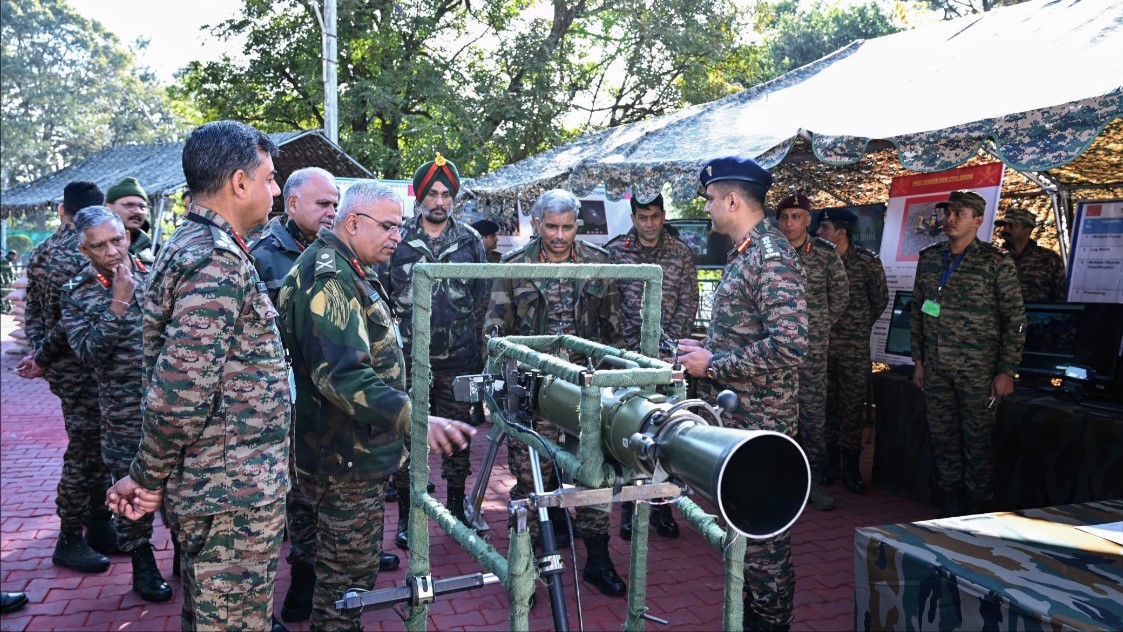
India
In a significant leap forward in military innovation, Indian Army engineers have developed a remote-firing capability for the Carl-Gustaf M4 recoilless rifle. This breakthrough, recently showcased during an operational review by Lieutenant General Manoj Kumar Katiyar, Commander of the Western Command, highlights the Indian Army's push toward leveraging advanced technologies to enhance battlefield safety and effectiveness. Revolutionizing Battlefield Tactics The Carl-Gustaf M4, renowned globally for its versatility in combat roles such as anti-armor and anti-personnel operations, has now been modified to allow remote firing. This advancement enables soldiers to engage targets from protected positions, drastically reducing the risk of exposure to enemy fire. During the demonstration, the rifle was mounted on a steel jig, showcasing its ability to be operated remotely. This setup hints at a future where infantry units could deploy weapons in hazardous scenarios without direct human involvement, marking a paradigm shift in operational tactics. The introduction of remote-firing capability is particularly promising for urban combat and operations against fortified enemy positions. In such scenarios, where the risks of direct engagement are significantly high, this innovation allows for precise strikes while keeping personnel out of harm's way. Specifications of the Carl-Gustaf M4 The Carl-Gustaf M4, developed by Swedish defense company Saab, is a lightweight and highly adaptable weapon system. Key specifications of the rifle include: Caliber: 84 mm Weight: Approximately 6.6 kg (a significant reduction from earlier versions) Length: 950 mm Effective Range: Up to 400 m for moving targets Up to 1,000 m for static targets with high-explosive rounds Ammunition Types: Capable of firing a variety of ammunition, including high-explosive, anti-tank, smoke, and illumination rounds. Fire Control System: Equipped with advanced fire control systems, including intelligent sighting solutions that enhance accuracy and operational efficiency. Durability: Designed for up to 1,000 rounds of firing, making it a robust option for extended engagements. Strategic Implications This remote-firing innovation aligns with the Indian Army's ongoing modernization efforts and its emphasis on minimizing risks to personnel. Such advancements could also pave the way for integration with autonomous systems, such as drones or unmanned ground vehicles, further expanding tactical possibilities. The Carl-Gustaf M4’s ability to adapt to diverse combat scenarios, now coupled with remote-firing capabilities, positions it as a critical asset in modern warfare. The system’s potential to deliver high-impact results with minimal risk to soldiers reflects the Indian Army's commitment to staying ahead in technological adoption. A Step Toward Future Warfare The successful demonstration of the remote-firing capable Carl-Gustaf M4 underscores the ingenuity of Indian Army engineers and their focus on innovative solutions to address modern combat challenges. This development not only enhances operational flexibility but also reaffirms India’s determination to harness cutting-edge technology to ensure the safety and effectiveness of its armed forces. As this technology evolves, it is expected to be integrated more extensively into combat operations, offering a glimpse into the future of warfare where human ingenuity and technological advancements come together to redefine battlefield dynamics.
Read More → Posted on 2025-01-04 15:13:05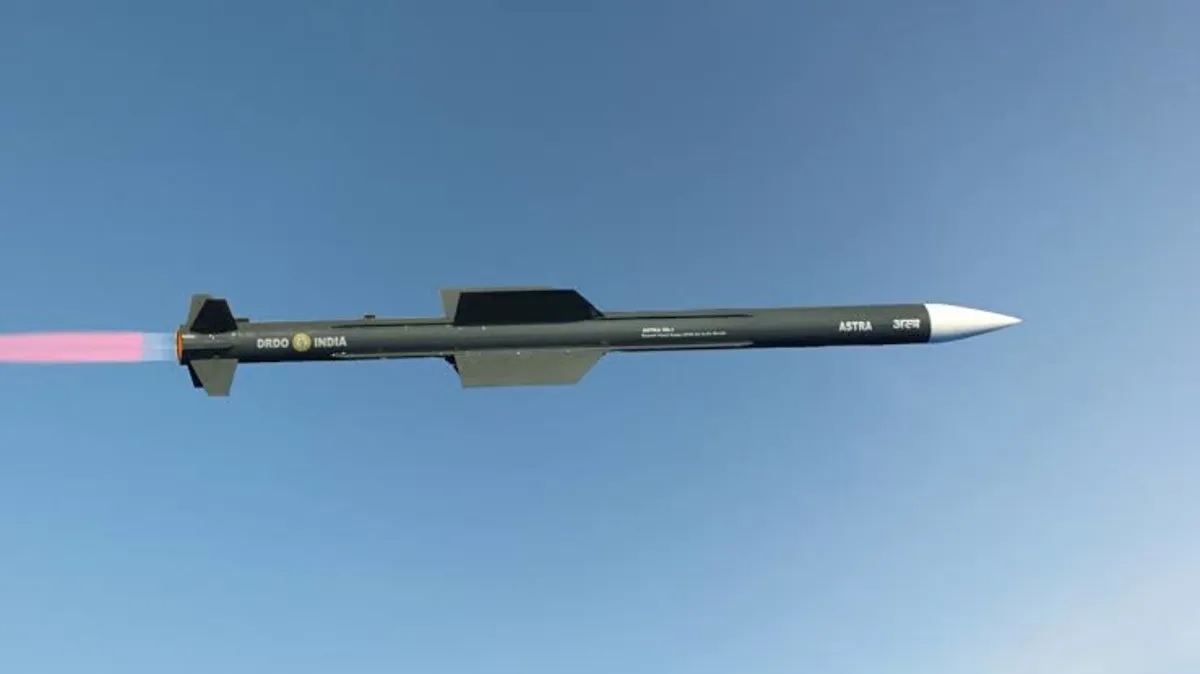
India
India's Defence Research and Development Organisation (DRDO) has unveiled a game-changer in the realm of air-to-air missile technology with the Astra Mk3. Recent performance data highlights its superiority over the widely acclaimed European Meteor missile, making it a formidable addition to India’s defense capabilities. Superior Ramjet Efficiency and Extended Burn Time The Astra Mk3 is equipped with an advanced ramjet propulsion system that delivers a 20% higher specific impulse and an 18% longer burn time than the Meteor. Specific impulse, a measure of how efficiently a missile utilizes its fuel, determines its ability to maintain high speeds over longer periods. The Astra Mk3’s longer burn time not only boosts its range but also expands its "no-escape zone"—the critical area where a target has little chance of evasion. Specifications and Performance Highlights The Astra Mk3 is built on cutting-edge Solid Fuel Ducted Ramjet (SFDR) technology, which was jointly developed by India and Russia. This technology enables the missile to sustain supersonic speeds over a prolonged duration without requiring an onboard oxidizer, a significant departure from traditional rocket propulsion systems. Key specifications of the Astra Mk3 include: Range: 270+ km (estimated maximum range when launched from a fighter aircraft), surpassing Meteor's 250 km. Speed: Classified, but anticipated to be higher due to improved ramjet efficiency. Warhead: High-explosive fragmentation. Guidance: Active radar homing with mid-course inertial navigation. Propulsion: Advanced solid fuel ducted ramjet engine. The missile’s range and speed enhancements ensure it has a decisive edge in modern beyond-visual-range (BVR) aerial combat, a crucial domain for maintaining air superiority. Comparisons with the European Meteor The European Meteor, developed by MBDA, has long been considered a gold standard in BVR missiles. Operational since 2016, it boasts integrations with top-tier fighter aircraft like the Eurofighter Typhoon, Dassault Rafale, and Saab Gripen. Despite its advanced capabilities, the Meteor's specifications, including an estimated range of over 100 km (often cited conservatively), are now being challenged by the Astra Mk3’s longer reach and superior propulsion system. The Astra Mk3’s improvements stem from its origin in the SFDR project. The SFDR prototype has already demonstrated a range exceeding 300 km during tests, providing a robust foundation for the Astra Mk3’s development. Implications for India’s Defense Strategy The Astra Mk3 represents more than just an upgrade; it’s a leap forward in indigenous missile development. By matching or surpassing the capabilities of internationally renowned systems like the Meteor, the Astra Mk3 bolsters India’s ability to counter aerial threats effectively and establishes its position as a leader in advanced missile technology. While the missile is still undergoing rigorous testing and refinement, its introduction will undoubtedly strengthen India’s air force arsenal. With superior speed, range, and precision, the Astra Mk3 has the potential to shift the dynamics of aerial warfare in India’s favor, offering a reliable deterrent against adversarial forces. The Road Ahead As India moves closer to operationalizing the Astra Mk3, the missile symbolizes a critical step in the country’s journey towards self-reliance in defense technology. When fully deployed, it will serve as a cornerstone of India’s air combat capabilities, enhancing its ability to respond to emerging challenges in an increasingly contested airspace.
Read More → Posted on 2025-01-04 14:55:18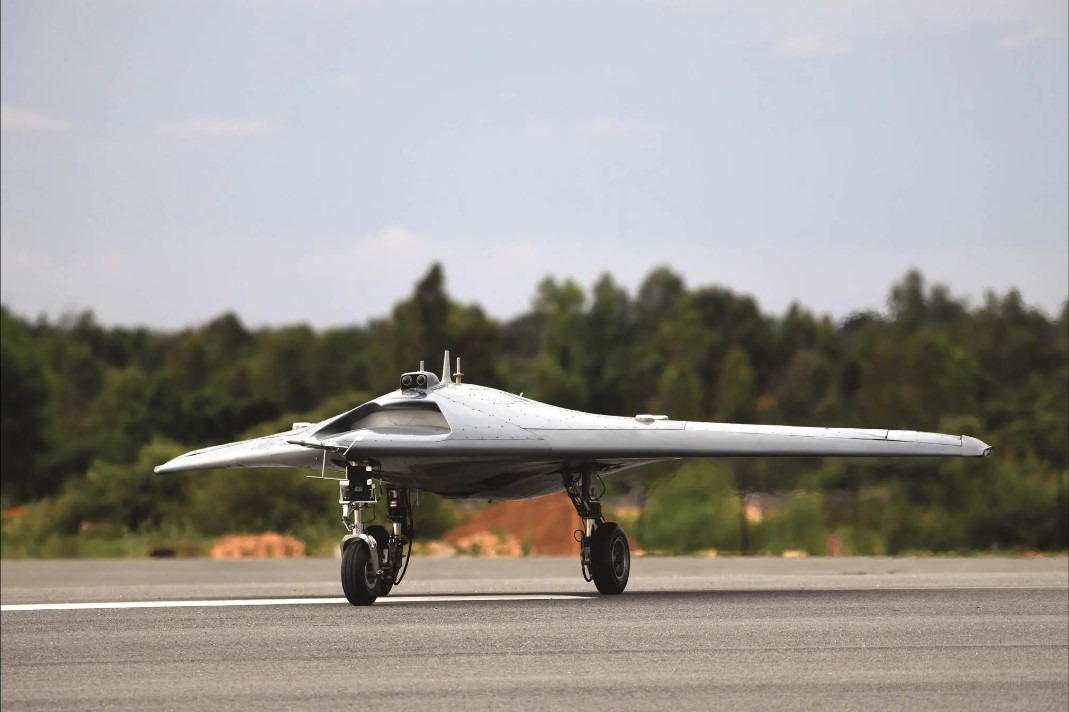
India
India is set to make significant strides in defense technology with the development of its 13-ton Unmanned Combat Aerial Vehicle (UCAV) stealth bomber, widely known as the Ghatak UCAV. This indigenous project is being spearheaded by the Defence Research and Development Organisation (DRDO), aimed at equipping the Indian Armed Forces with a next-generation stealth platform capable of strategic and tactical missions. A standout feature of this futuristic aircraft is its incorporation of a Digital Beamforming (DBF) system, a revolutionary technology that transforms radar and communication systems for enhanced precision and operational efficiency. What Is Digital Beamforming (DBF)? Digital Beamforming is an advanced signal processing technique that enables precise electronic control of radar and communication signals. Unlike traditional radars that rely on mechanically steered antenna arrays, DBF uses electronic steering to shape and direct beams. This innovation allows for rapid scanning, improved resolution, and the ability to track multiple targets simultaneously without mechanical movement. In a stealth aircraft like the Ghatak UCAV, DBF plays a crucial role in minimizing its radar cross-section, thereby enhancing its stealth capabilities. By digitally steering radar signals, the system ensures the UCAV remains undetected while conducting operations deep within enemy territory. Advanced Features of the 13-Ton Ghatak UCAV Stealth Design:The UCAV features a tailless, flying-wing design optimized for low observability. Its radar-absorbing materials and carefully engineered geometry help minimize detection by enemy radar systems. Integrated Digital Beamforming System: Enhanced Target Detection: DBF enables the UCAV to identify and track multiple targets simultaneously, even at long ranges. Synthetic Aperture Radar (SAR) Imaging: The system provides high-resolution ground imagery, crucial for intelligence, surveillance, and reconnaissance (ISR) missions. Low Observable Features: DBF reduces radar emissions, helping the UCAV maintain stealth during operations. Electronic Warfare Capability: The system allows for selective jamming of enemy radars and communication networks, ensuring battlefield superiority. Payload Capacity:With a 13-ton takeoff weight, the Ghatak UCAV is capable of carrying a variety of payloads, including precision-guided munitions, electronic warfare systems, and ISR equipment. High-Endurance Propulsion:Powered by a dry variant of the Kaveri engine, the UCAV promises extended range and endurance, suitable for both offensive and defensive missions. Multimode Radar:The UCAV is equipped with a versatile radar system that seamlessly transitions between ground mapping, air-to-air engagement, and maritime surveillance. Artificial Intelligence Integration:The aircraft will feature AI-driven autonomy for navigation, target acquisition, and mission execution, allowing it to operate with minimal human intervention. Strategic Implications The Ghatak UCAV is a testament to India’s growing expertise in indigenous defense technology. By incorporating advanced systems like DBF, the platform enhances India’s strategic deterrence and operational flexibility. Its ability to conduct precision strikes, intelligence gathering, and electronic warfare operations makes it a versatile asset in modern warfare. Furthermore, this development aligns with India’s vision of self-reliance in defense, reducing dependency on foreign suppliers and potentially positioning the Ghatak as a viable export product for friendly nations. With the integration of cutting-edge technologies and a focus on stealth, the Ghatak UCAV is poised to redefine India’s air power capabilities, marking a significant leap in the nation’s defense modernization efforts.
Read More → Posted on 2025-01-03 16:22:55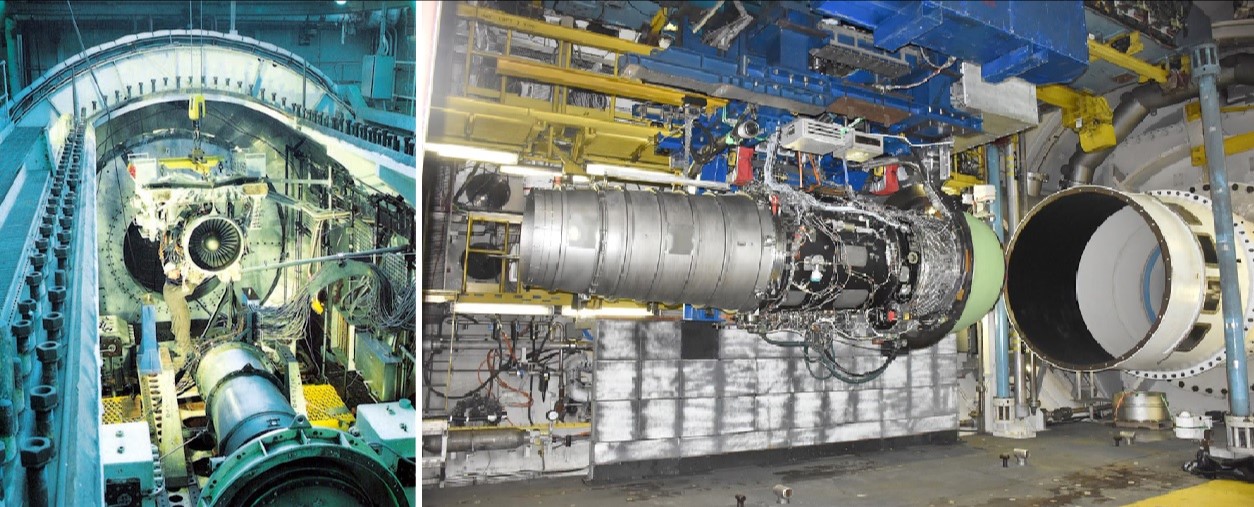
India
The Gas Turbine Research Establishment (GTRE), a premier laboratory under the Defence Research and Development Organisation (DRDO), has unveiled an ambitious proposal to establish a high-altitude engine test facility capable of simulating flight conditions at altitudes exceeding 40,000 feet. With an estimated cost of ₹1600 crores, this facility promises to be a game-changer for India’s aerospace sector by enabling critical jet engine testing within the country. Why the Facility Matters High-altitude engine testing is indispensable for assessing engine performance under extreme conditions, including low temperatures, reduced oxygen levels, and lower atmospheric pressure. These tests are pivotal for evaluating parameters like fuel efficiency, thrust generation, and operational stability, ensuring engines are reliable and effective before deployment in military aircraft. Currently, India relies on foreign facilities like the Central Institute of Aviation Motors (CIAM) in Russia for such tests. This dependence not only incurs significant costs but also limits India’s ability to maintain complete confidentiality over sensitive engine technologies. Key Specifications and Capabilities The proposed high-altitude test facility will be a state-of-the-art installation capable of: Altitude Simulation: Replicating conditions up to 40,000 feet and beyond. Variable Temperature Control: Allowing testing in extreme cold to evaluate thermal resilience. Comprehensive Data Collection: Utilizing advanced sensors and analytics to monitor engine performance. Scalability: Accommodating engines for various aircraft, including future stealth fighters like the Advanced Medium Combat Aircraft (AMCA). Such capabilities are crucial for the development of indigenous jet engines, particularly the Kaveri engine and its derivatives. These engines are envisioned as the backbone for several upcoming defence projects, including unmanned aerial vehicles (UAVs) and next-generation fighter jets. Strategic Implications Establishing this facility domestically would eliminate delays associated with outsourcing testing to foreign nations, thereby accelerating timelines for defence projects. Moreover, it would bolster India’s self-reliance in aerospace technology, a cornerstone of the government’s "Atmanirbhar Bharat" initiative. In addition to serving military needs, the facility could offer commercial testing services to global aerospace companies, making India a hub for advanced engine testing and generating economic benefits. Challenges and Delays Despite its clear advantages, the Ministry of Defence (MoD) has not yet approved the funding for the project. The delay has raised concerns within the defence and aerospace community, with critics pointing to bureaucratic inertia as a potential roadblock. On social media platforms, aerospace enthusiasts and experts have expressed their frustration, viewing the delay as a missed opportunity to advance India’s indigenous capabilities and reduce dependence on foreign nations. Many argue that such projects are critical for achieving strategic autonomy in defence technology. The Road Ahead If approved, the high-altitude engine test facility could revolutionize India’s aerospace landscape. By fostering innovation, attracting skilled professionals, and enhancing domestic testing capabilities, it would provide a strong foundation for future projects like the AMCA and UAVs. The onus now lies with the MoD to recognize the strategic importance of this project and expedite its approval. A swift decision would send a clear signal of India’s commitment to becoming a global leader in aerospace technology, while also ensuring that critical defence projects remain on track. This facility is not just an infrastructure upgrade; it represents a leap forward in India’s journey toward aerospace self-reliance and global competitiveness.
Read More → Posted on 2025-01-03 15:47:35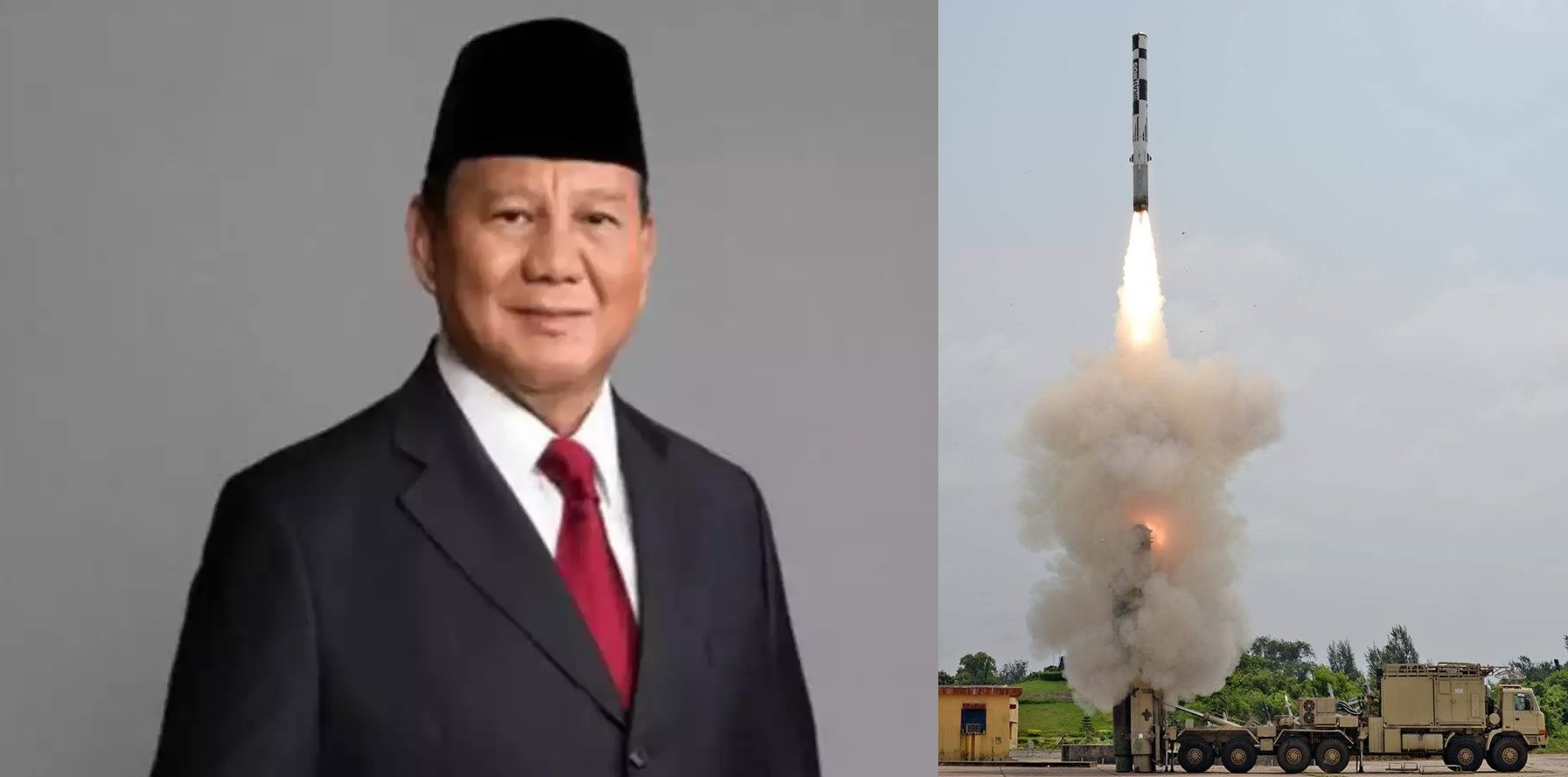
India
Indonesian President Prabowo Subianto has reaffirmed his interest in acquiring the BrahMos supersonic cruise missile, a product of an Indo-Russian joint venture. This move underscores Indonesia's intention to modernize its defense arsenal while fostering closer military cooperation with India. If the deal materializes, Indonesia could become the third Southeast Asian nation to adopt the BrahMos system, after the Philippines and Vietnam. BrahMos Missile Specifications The BrahMos missile is renowned for its speed, precision, and versatility. It operates at a top speed of Mach 3 (three times the speed of sound) and has a range of up to 450 kilometers in its latest configuration. The missile is equipped with advanced guidance systems and can be launched from various platforms, including land, air, sea, and submarines. With its ability to carry conventional warheads weighing up to 300 kilograms, BrahMos is a formidable tool for precision strikes against high-value targets. The missile's unique combination of speed and stealth makes it difficult to intercept, providing a significant strategic advantage. Its operational versatility and proven effectiveness have made it one of the most sought-after systems in global defense markets. Indonesia’s Strategic Interests Indonesia's renewed focus on BrahMos aligns with its broader military modernization strategy, which includes strengthening naval and air force capabilities to address evolving security challenges in the Indo-Pacific region. Regional tensions, particularly in the South China Sea, have prompted Indonesia to prioritize advanced defense technologies that enhance its deterrence capabilities. President Prabowo Subianto, who previously served as Indonesia's defense minister, has long been an advocate for modernizing the country's military. His earlier efforts to procure BrahMos in 2020 faced financial hurdles, but the renewed discussions signal a commitment to overcoming these challenges. Indonesia has significantly increased its defense budget in recent years, indicating a serious intent to advance its military capabilities despite economic constraints. Challenges and Opportunities While the potential acquisition of BrahMos reflects Indonesia's strategic ambitions, it also poses challenges. The missile's Russian components could trigger U.S. sanctions under the Countering America's Adversaries Through Sanctions Act (CAATSA). Similar concerns have arisen for other nations dealing with Russian defense technologies. However, Indonesia’s careful diplomatic maneuvering and its strong ties with the U.S. and India may help mitigate these risks. On the opportunities front, the BrahMos deal could pave the way for deeper India-Indonesia defense collaborations. Beyond missile procurement, Indonesia is exploring Indian expertise in maintaining and upgrading its fleet of Sukhoi fighter jets. Additionally, Prabowo has shown interest in replicating India’s successful social programs to address domestic challenges, signaling a multi-dimensional approach to bilateral relations. Prabowo’s Upcoming India Visit President Prabowo's planned visit to India for Republic Day 2025 is expected to further strengthen defense and diplomatic ties. Discussions during this visit could potentially finalize the BrahMos deal and expand cooperation in areas like technology transfer, joint exercises, and maritime security. As Indonesia seeks to balance its defense needs with economic realities and geopolitical sensitivities, the BrahMos missile could become a cornerstone of its military modernization efforts. For India, this deal represents another step toward becoming a leading exporter of advanced defense systems, reinforcing its role as a key player in regional security dynamics.
Read More → Posted on 2025-01-03 14:23:57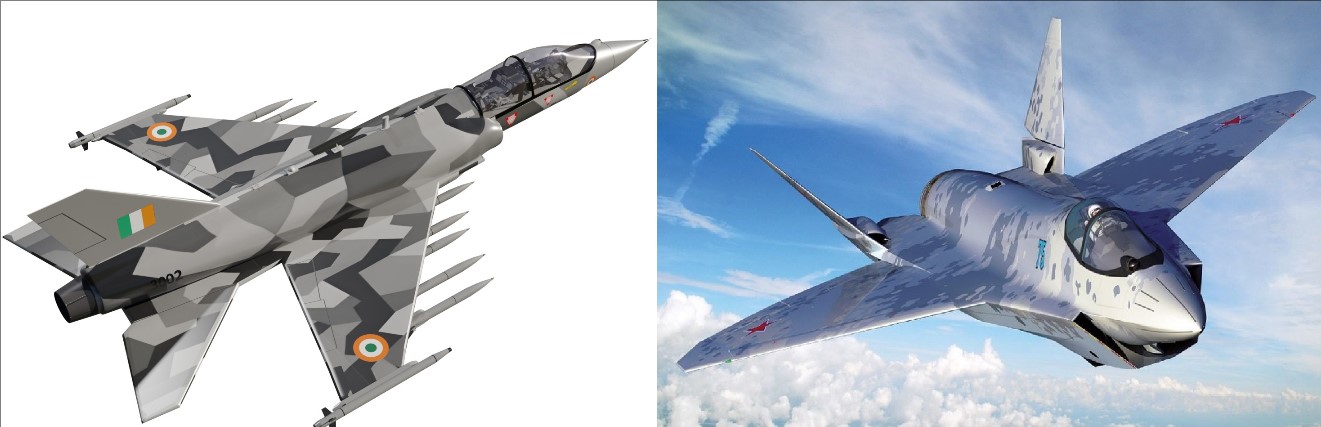
India
India’s Hindustan Aeronautics Limited (HAL) is making waves with its plans for the Hindustan Aeronautics Limited Fighter Trainer-42 (HLFT-42), a next-generation advanced jet trainer. While the current focus is on developing an AI-driven platform for pilot training, the HLFT-42 could serve as the foundation for a transformative leap in India's defense aviation. If HAL prioritizes a low radar cross-section (RCS) in the early stages of the HLFT-42’s design, the aircraft could evolve into a platform comparable to China's Chengdu J-10 and, eventually, even a low-cost 5th-generation stealth fighter. Low RCS Design: A Strategic Beginning A low RCS design for the HLFT-42 from the outset could be a game-changer. By emphasizing stealth elements, such as shaping, internal weapon bays, and composite materials, HAL could position the HLFT-42 as not just a trainer but also as a potential multi-role combat aircraft. Key elements of a low RCS-focused HLFT-42 might include: Stealth-Optimized Airframe: Smooth, angular surfaces to deflect radar waves, minimizing detection. Engine Infrared Suppression: Modifications to reduce heat signatures, crucial for stealth operations. Internal Weapon Carriage: Retrofitting bays for future upgrades to carry guided weapons without compromising stealth. Radar-Absorbent Materials (RAM): Integration of advanced coatings and composite materials to further reduce RCS. Such a configuration would not only enhance survivability in contested airspaces but also enable seamless transition to a combat-capable platform with minor modifications. A Transition to a J-10-Class Fighter The HLFT-42, equipped with the powerful AL-31FP turbofan engine, could evolve into an aircraft with performance metrics akin to the J-10, which serves as the backbone of China's air force. With an initial thrust output of approximately 123 kN, the AL-31 engine offers ample power for both high agility in training scenarios and combat versatility. HAL’s gradual upgrades to the HLFT-42 could include: Advanced Avionics: Integration of Active Electronically Scanned Array (AESA) radars, improved electronic warfare (EW) suites, and enhanced situational awareness systems. Expanded Payload Capacity: Compatibility with air-to-air and air-to-ground munitions, transforming the HLFT-42 into a light multi-role fighter. In-Flight Refueling: Increasing endurance for longer missions. This upgraded variant could serve as an affordable yet potent option for countries looking for a light fighter, filling a niche between trainers and full-fledged multirole jets. The Future: A Single-Engine 5th Generation Variant Building on the HLFT-42’s airframe and technology, HAL could develop a single-engine, 5th-generation stealth fighter, offering a low-cost alternative to platforms like Russia’s Sukhoi Su-75 Checkmate. Such an aircraft could complement India's Advanced Medium Combat Aircraft (AMCA) by filling the role of a cost-effective, high-volume fighter for frontline operations. Design Elements for a Future 5th-Gen Variant: Stealth Enhancements: Full stealth shaping with internal weapon bays and sensor integration. Improved Propulsion: An upgraded version of the AL-31 or indigenous Kaveri-derived engines for enhanced thrust and fuel efficiency. Network-Centric Capabilities: Seamless integration with existing platforms like AMCA, Su-30MKI, and UAVs for coordinated operations. AI-Driven Systems: Fully autonomous flight capabilities, sensor fusion, and predictive maintenance powered by artificial intelligence. Supersonic Cruise: Achieving supercruise capabilities to reduce reliance on afterburners, increasing operational range and survivability. By incorporating lessons learned from the HLFT-42 program and leveraging stealth expertise from the AMCA, this future fighter could provide India with an edge in low-cost 5th-generation air dominance. Strategic Advantages Affordability and Scalability: The HLFT-42 and its derivatives would serve as cost-effective alternatives to heavy fighters like the Su-30MKI, reducing the operational burden while increasing fleet numbers. Export Potential: A 5th-gen light fighter could be an attractive option for countries unable to afford high-end Western fighters. Force Multiplication: Working in tandem with AMCA and other platforms, the HLFT-42 derivatives could create a layered defense and offense strategy, ensuring air superiority. Indigenous Capability: Developing a light, 5th-generation fighter domestically would further India’s Atmanirbhar Bharat (self-reliance) goals in defense production. Complementing AMCA in Warfare While the AMCA is designed as a heavy stealth fighter optimized for advanced missions, a single-engine stealth variant of the HLFT-42 could handle: High-tempo missions requiring rapid deployment. Operations in secondary theaters, freeing up AMCA for critical engagements. Cost-effective patrols and quick-reaction alerts. Together, the two platforms would create a balanced air force capable of countering threats across the spectrum, from peer adversaries to asymmetric challenges. Conclusion The HLFT-42 offers India more than just a trainer—it is a potential springboard to an entire family of future-ready aircraft. By focusing on low RCS from the beginning, HAL can lay the groundwork for a multi-role fighter in the J-10 category and eventually evolve the platform into a low-cost, single-engine 5th-generation stealth aircraft. This strategic move could redefine India’s airpower and enable it to meet the challenges of modern aerial warfare while achieving cost efficiency and technological self-reliance. As India continues its journey toward becoming a global aviation leader, the HLFT-42 stands as a critical milestone, showcasing the nation's commitment to innovation, adaptability, and operational excellence.
Read More → Posted on 2025-01-02 16:51:20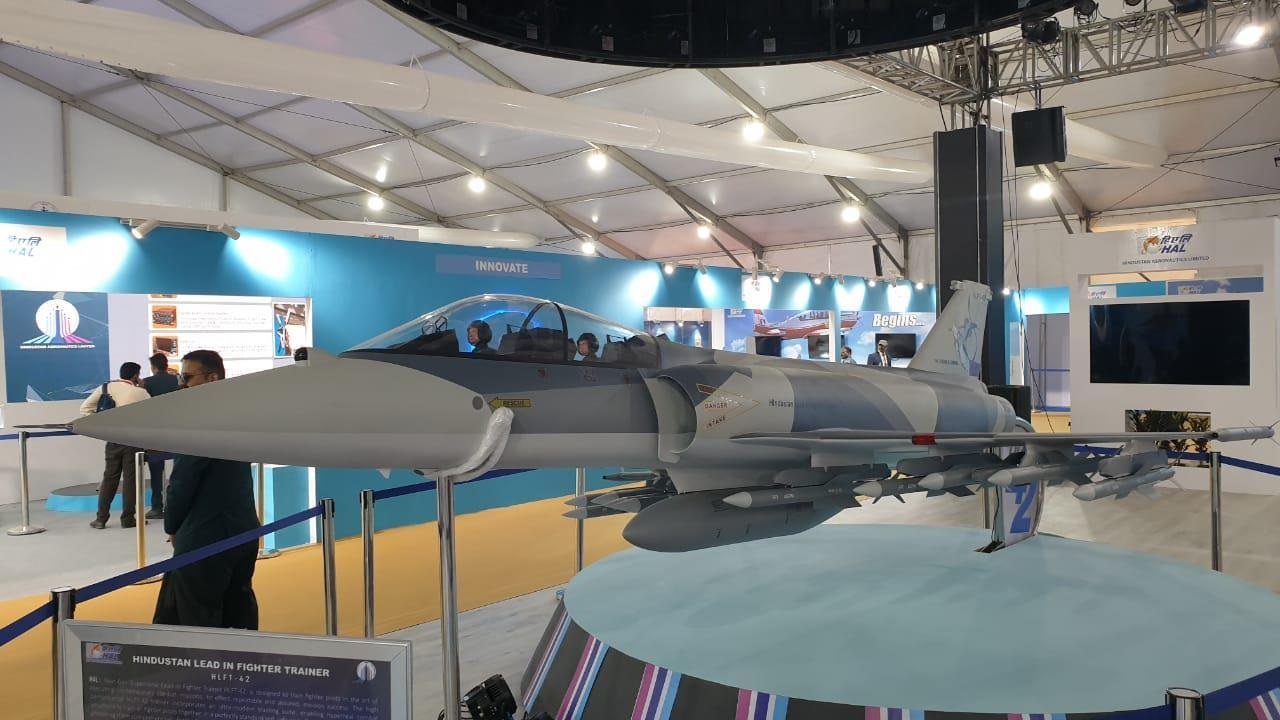
India
India's aerospace sector is witnessing a transformative shift with Hindustan Aeronautics Limited (HAL) unveiling plans for the next-generation Hindustan Aeronautics Limited Fighter Trainer-42 (HLFT-42). This advanced aircraft is set to incorporate cutting-edge artificial intelligence (AI) technologies, promising to redefine the training paradigm for future Indian Air Force (IAF) pilots. AI Integration: Transforming Training The HLFT-42 is designed to revolutionize pilot training through the inclusion of AI-powered features. These advanced capabilities aim to enhance learning outcomes and operational readiness by simulating combat scenarios in controlled environments. Virtual Tactical Training Systems: The HLFT-42 will likely feature immersive simulation environments, allowing cadets to practice a wide range of combat scenarios, from dogfights to multi-aircraft engagements. These systems will replicate realistic battlefield conditions to help pilots master split-second decision-making under high stress. Real-Time Performance Analysis: AI will monitor and analyze pilots' maneuvers during training sessions, comparing them to ideal performance benchmarks. The system can identify micro-errors in techniques and suggest corrective measures, delivering feedback with unparalleled precision. This capability augments human instructors by capturing minute details often missed during live evaluations. Key Specifications of HLFT-42 Engine: The HLFT-42 is expected to feature a single-engine configuration, likely based on HAL’s expertise with turbofan engines like the F404-IN20, offering reliability and sufficient thrust for training and combat readiness. AI-Assisted Cockpit: Equipped with next-generation avionics, the cockpit will feature AI-powered decision support systems, enhancing situational awareness and enabling instructors to inject live tactical challenges during training. Advanced Sensors: Integrated electro-optical targeting systems, radar simulation technologies, and sensor fusion capabilities will ensure that pilots are exposed to the operational complexities of modern air combat. Multi-Role Capabilities: Beyond its role as a trainer, the HLFT-42 is expected to have limited combat capabilities, including air-to-air and air-to-ground weapon systems for secondary roles. Data-Driven Insights: The aircraft will incorporate data link systems for real-time data sharing, allowing for synchronized training across multiple platforms. Why AI in Training Matters The addition of AI to the HLFT-42 is a forward-thinking move, especially as India progresses toward operationalizing advanced fighter jets like the Advanced Medium Combat Aircraft (AMCA). AI not only streamlines the training process but also introduces a level of standardization and efficiency previously unattainable. The hybrid training approach, combining AI systems with experienced human instructors, will shorten the learning curve and ensure pilots are mission-ready for the challenges posed by fifth-generation warfare. Broader Implications for Indian Defense The HLFT-42 aligns with India’s push for self-reliance in defense production and technological innovation under the Atmanirbhar Bharat initiative. Its development not only bolsters the IAF’s capabilities but also enhances India's global standing as a hub for advanced military aviation technologies. The HLFT-42’s AI-driven advancements may also have potential export opportunities, given the increasing global demand for sophisticated training platforms. The Future of Military Aviation Training As HAL continues to refine the HLFT-42’s design, the aircraft stands as a testament to India’s capability to integrate cutting-edge AI technologies into defense applications. By offering a mix of innovation, adaptability, and operational excellence, the HLFT-42 could set a global benchmark in fighter pilot training, equipping the IAF with the tools to dominate the skies in the decades to come.
Read More → Posted on 2025-01-02 16:26:52
India
As the United Nations Security Council (UNSC) kicks off its sessions this January, India is proactively preparing to address potential challenges posed by Pakistan, which has recently assumed a non-permanent seat for the 2025-26 term. Sources indicate that Islamabad may attempt to internationalize the Kashmir issue and leverage the platform to highlight differences with India, particularly concerning sanctions on international terrorists. India’s Counter-Strategy New Delhi is strategically working to neutralize Pakistan's moves by leaning on its strong diplomatic ties with key permanent members of the UNSC. India is banking on support from Russia, France, and the United States, countries that have historically backed India on critical global issues. Diplomatic channels have been actively engaged over the past few months, with Indian officials coordinating with these influential members to preemptively address topics that might surface during Council deliberations. In addition to leveraging its ties with permanent members, India is also looking to work closely with several non-permanent members of the Council. Countries like Algeria, an old African ally, as well as Greece, Denmark, and Slovenia, are expected to play pivotal roles in India’s broader diplomatic strategy. These nations, while not as powerful as the permanent members, can provide critical support in shaping discussions and countering narratives unfavorable to New Delhi. China's Role: A Key Variable China, a permanent member of the UNSC and a close ally of Pakistan, remains a crucial factor in India's plans. Traditionally, Beijing has supported Pakistan’s stance on Kashmir and other matters involving India. However, recent developments, including improved ties between India and China following the Kazan Summit, suggest that China might adopt a more balanced approach in upcoming UNSC debates. Diplomatic sources hint that India is cautiously optimistic about maintaining this positive momentum and ensuring that China refrains from fully backing Pakistan's agenda. Anticipating Pakistan’s Moves Pakistan’s track record in international forums indicates a likelihood of it raising the Kashmir issue prominently in UNSC meetings. It may also attempt to discuss matters related to sanctions on individuals and groups designated as international terrorists, areas where it has often clashed with India. By using its new position as a non-permanent member, Pakistan aims to amplify its voice on these issues, potentially rallying support from its traditional allies. India, aware of these intentions, is focusing on presenting a robust case grounded in international law and historical precedents. It plans to highlight Pakistan’s failure to address terrorism within its own borders and its role in fostering regional instability. Broader Implications India’s diplomatic efforts in the UNSC are not merely about countering Pakistan but also about reinforcing its position as a responsible global player. New Delhi is expected to showcase its contributions to peacekeeping operations, its commitment to sustainable development goals, and its leadership in addressing global challenges like climate change and counter-terrorism. In doing so, India aims to garner broader international support, not just from UNSC members but from the global community at large. The country is keenly aware that its actions and alliances in the Security Council could have long-term implications for its aspirations for a permanent seat in the body. The Road Ahead As Pakistan begins its two-year term on the Security Council, India’s approach reflects a blend of diplomacy, strategy, and resilience. By forging stronger ties with allies, addressing potential challenges head-on, and promoting its global contributions, India is positioning itself to effectively counter Pakistan’s efforts while enhancing its stature on the international stage. This unfolding diplomatic battle at the UNSC underscores the complexities of India-Pakistan relations and highlights the role of global alliances in shaping the narratives within one of the world’s most powerful international bodies.
Read More → Posted on 2025-01-02 16:17:35
India
India’s quest for indigenous drone technology is set to take a major leap forward with the imminent maiden flight of the Archer-NG (Next Generation), an advanced Medium Altitude Long Endurance (MALE) Unmanned Aerial Vehicle (UAV). Developed by the Aeronautical Development Establishment (ADE), a division of the Defence Research and Development Organisation (DRDO), Archer-NG represents a significant milestone in the country’s military modernization efforts. High-Speed Taxi Trials Completed Archer-NG recently cleared a critical development phase with the successful completion of high-speed taxi trials (HSTT), a key precursor to its first flight. Military sources indicate that every effort is being made to ensure the UAV takes flight before the much-awaited Bengaluru Air Show, set to commence on February 10, 2025. Should there be any delays, the UAV is expected to be airborne no later than March 2025. Specifications of Archer-NG Archer-NG boasts cutting-edge features that make it a formidable addition to India’s aerial arsenal. Configuration: Single Engine Twin Boom (SETB) All-Up Weight (AUW): 1,700 kg Payload Capacity: 300 kg Altitude Capability: Operates at heights up to 27,500 feet Endurance: 18 hours Range: 250 km for Line-of-Sight (LOS) and up to 1,000 km for Beyond Line-of-Sight (BLOS) operations Navigation: Integrated with the indigenous GAGAN satellite navigation system Technologies: Autonomous Take-Off and Landing (ATOL) capability Armament and Capabilities Designed to carry a variety of weapon systems, Archer-NG is capable of deploying: Smart Anti-Airfield Weapons (SAAWs) Anti-Tank Guided Missiles (ATGMs) The UAV also features state-of-the-art systems for real-time imagery and signal intelligence, enabling Intelligence, Surveillance, Target Acquisition, and Reconnaissance (ISTAR) missions. Its ability to deliver precision-guided munitions makes it a versatile platform for both defensive and offensive operations. Development and Compatibility Archer-NG shares significant technological commonalities with the now-downgraded TAPAS program (formerly Rustom-II), including avionics, software, Ground Control Station (GCS), and Ground Data Terminal (GDT). This shared development reduces costs and enhances operational compatibility. The UAV has also garnered interest from the Tri-Services Command (CINCAN) in the Andaman and Nicobar Islands, emphasizing its strategic utility for maritime surveillance and reconnaissance in sensitive regions. Industrial Collaboration and Future Production Bharat Electronics Limited (BEL) has been entrusted with manufacturing both versions of the Archer UAV, underscoring India’s commitment to the Make in India initiative. This move not only strengthens the domestic defense manufacturing sector but also positions Archer-NG as a potential export product for international markets. Strategic Implications The Archer-NG UAV aligns with India’s vision of enhancing indigenous technological capabilities while addressing critical gaps in military hardware. Its long-endurance and multi-role features are particularly suited for the evolving demands of modern warfare, including border surveillance, counter-insurgency operations, and precision strikes. As India prepares to showcase its capabilities at the Bengaluru Air Show, Archer-NG stands as a testament to the nation’s growing prowess in defense technology. Its maiden flight will mark not just an engineering achievement but a significant step toward self-reliance in defense production.
Read More → Posted on 2025-01-02 16:00:56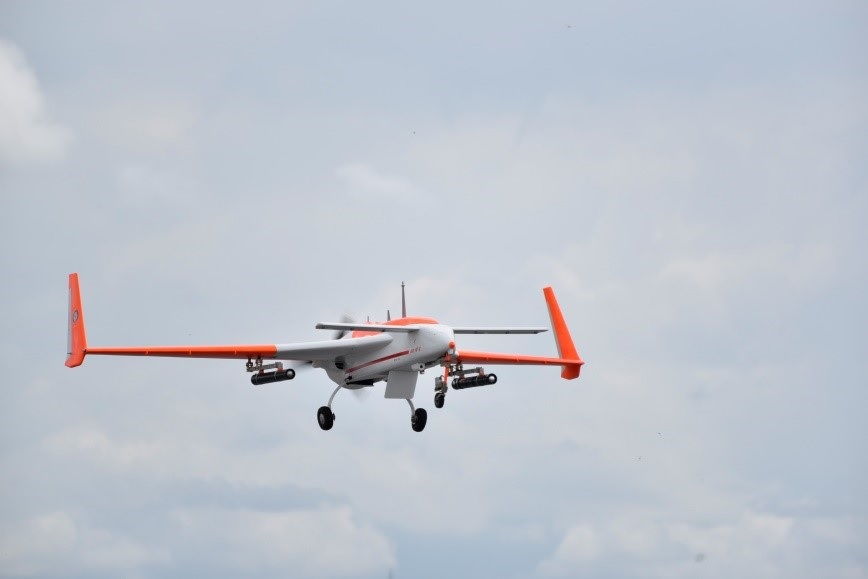
India
India's quest for self-reliance in defense technology has taken a significant leap forward with the development of the Archer Short-Range Unmanned Aerial Vehicle (SRUAV), an armed variant derived from the Rustom-1 program. The Archer SRUAV, being spearheaded by the Defence Research and Development Organization (DRDO) and its production partner Bharat Electronics Limited (BEL), is positioned as a cost-effective, indigenously designed alternative to renowned UAVs like Turkey's Bayraktar TB2. A New Configuration for Tactical Supremacy The Archer SRUAV, a spin-off of DRDO's Rustom-1, is not just an upgrade but a complete transformation. Featuring a lightweight airframe built by Godrej, the UAV has shed 80 kilograms, boosting its payload capacity and operational efficiency. This agility allows the Archer to carry up to 200 kg of payload, including precision-guided munitions such as anti-tank missiles, laser-guided rockets, and bombs. With a maximum takeoff weight of 600 kg and a fuel capacity of 150 kg, the Archer boasts an endurance of 12 hours, a service ceiling of 22,000 feet, and an operational range of 220 kilometers. Its advanced avionics, line-replaceable units (LRUs), and ground control systems are shared with other DRDO UAVs, like the TAPAS-BH-201. This modularity enhances operational flexibility, enabling seamless integration into India's defense infrastructure. Rivaling Global Competitors The Archer SRUAV is being developed to rival the Bayraktar TB2 in both performance and cost, while surpassing the now-retired Israeli Searcher MkII in capabilities. Designed for ISTAR (Intelligence, Surveillance, Target Acquisition, and Reconnaissance) missions, the Archer also excels in armed roles, making it a versatile platform for border surveillance, patrolling conflict zones, and engaging high-value targets. In a noteworthy development, DRDO is also working to integrate the Archer with air-to-air missiles and the indigenously developed HELINA anti-tank guided missile (ATGM), which can engage targets at distances of 7–8 kilometers. Additionally, its auto take-off and landing (ATOL) system and integration with India's GAGAN satellite navigation further amplify its operational efficiency. Production and Future Prospects BEL recently emerged as the leading bidder for manufacturing, assembly, and integration of the Archer SRUAV. The program envisions the production of four prototypes for testing and certification within a year of contract approval. Following successful evaluations, 20 Limited Series Production (LSP) units will be delivered to the Indian Army and Air Force. If operational performance meets expectations, the order could expand to 100 units, addressing critical UAV needs across India's armed forces. This aggressive production timeline reflects DRDO’s commitment under its new leadership to deliver timely and effective solutions. DRDO Chairman Dr. Samir V. Kamat and Aeronautics Director General Dr. K. Rajalakshmi Menon have instituted strict accountability measures to accelerate high-priority programs like the Archer. Complementing the TAPAS-BH-201 The Archer is part of DRDO's broader Rustom UAV program, which also includes the TAPAS-BH-201, a Medium Altitude Long Endurance (MALE) UAV designed for ISR and combat missions. While the TAPAS is optimized for higher endurance and altitude, the Archer’s focus on shorter-range tactical missions ensures a complementary role. TAPAS has already demonstrated a flight altitude of 27,500 feet and 18-hour endurance, with plans to induct 76 units across the Army, Navy, and Air Force. Filling Operational Gaps India’s focus on indigenous UAV development aligns with its broader Make in India initiative. By offering a cost-effective, homegrown alternative to imported systems, the Archer SRUAV not only strengthens India’s defense capabilities but also reduces dependency on foreign platforms. Its weaponized capabilities make it a critical tool for modern warfare, allowing India to respond to emerging threats with precision and efficiency. With its cutting-edge design, advanced payloads, and indigenous manufacturing, the Archer SRUAV is poised to redefine India's UAV capabilities, bridging operational gaps and bolstering national security. Its development underscores India’s growing prowess in unmanned systems, marking a significant milestone in the nation's journey toward defense self-reliance.
Read More → Posted on 2025-01-02 15:49:41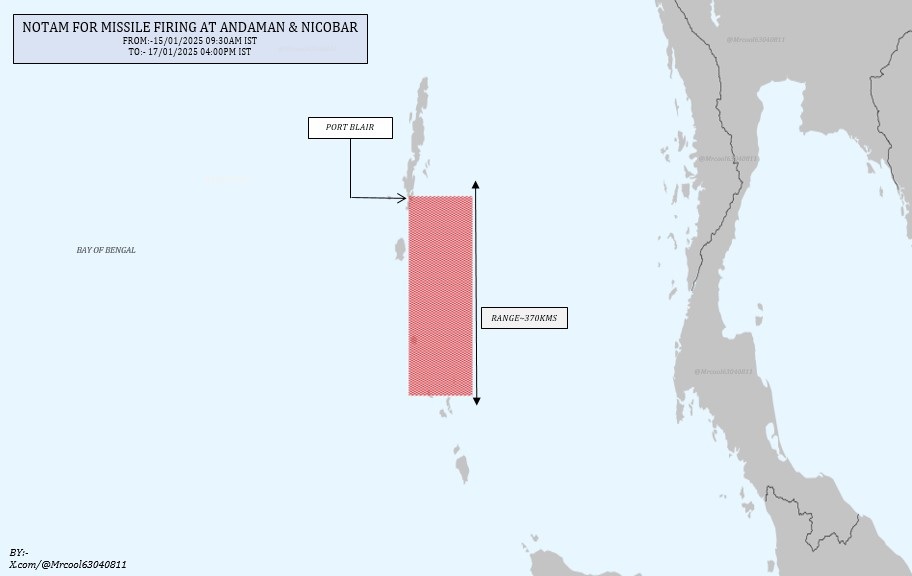
India
India has announced a new Notice to Airmen (NOTAM) for a missile firing exercise to be conducted from January 15 to January 17, 2025, over the Andaman and Nicobar Islands. The designated area for this exercise spans an impressive 370 kilometers, highlighting the significance of the test and raising speculation about the missile system involved. While official details of the missile remain under wraps, many experts believe the test could involve the BrahMos supersonic cruise missile. This missile, a joint venture between India and Russia, is renowned for its versatility and power. With a range of 290 kilometers in its standard version and up to 450 kilometers in newer variants, BrahMos can reach speeds of Mach 2.8 to Mach 3, making it one of the fastest cruise missiles in the world. It is capable of precision strikes against sea and land targets and can be launched from land-based platforms, warships, submarines, and aircraft. Given the strategic importance of the Andaman and Nicobar Islands, situated near vital maritime routes like the Malacca Strait, the location serves as a crucial testing and operational zone for India’s military advancements. The region’s geography allows India to assess the missile's performance in realistic maritime conditions while simultaneously asserting its strategic presence. If the test involves an air-launched BrahMos, it is likely to feature the Su-30MKI fighter jet as the launch platform. These jets, modified to carry the 2.5-ton BrahMos missile, provide extended operational range and strike capability, enhancing India’s ability to respond to potential threats in the Indo-Pacific region. On the other hand, a naval test could see the missile launched from one of India’s stealth warships, demonstrating its anti-ship and land-attack capabilities. The exercise also underscores India’s ongoing efforts to bolster its defense posture amidst regional security dynamics. The BrahMos, known for its pinpoint accuracy and high-speed trajectory, serves as a deterrent and a critical component of India’s military strategy. Such tests not only enhance operational readiness but also send a clear message about India's advanced technological capabilities. As the scheduled dates approach, defense analysts will closely monitor the outcomes of this exercise. Whether it involves BrahMos or another advanced missile system, the test reinforces India’s commitment to maintaining robust defense capabilities in strategically significant regions.
Read More → Posted on 2025-01-02 15:35:54Search
Top Trending in 24 Hours
-
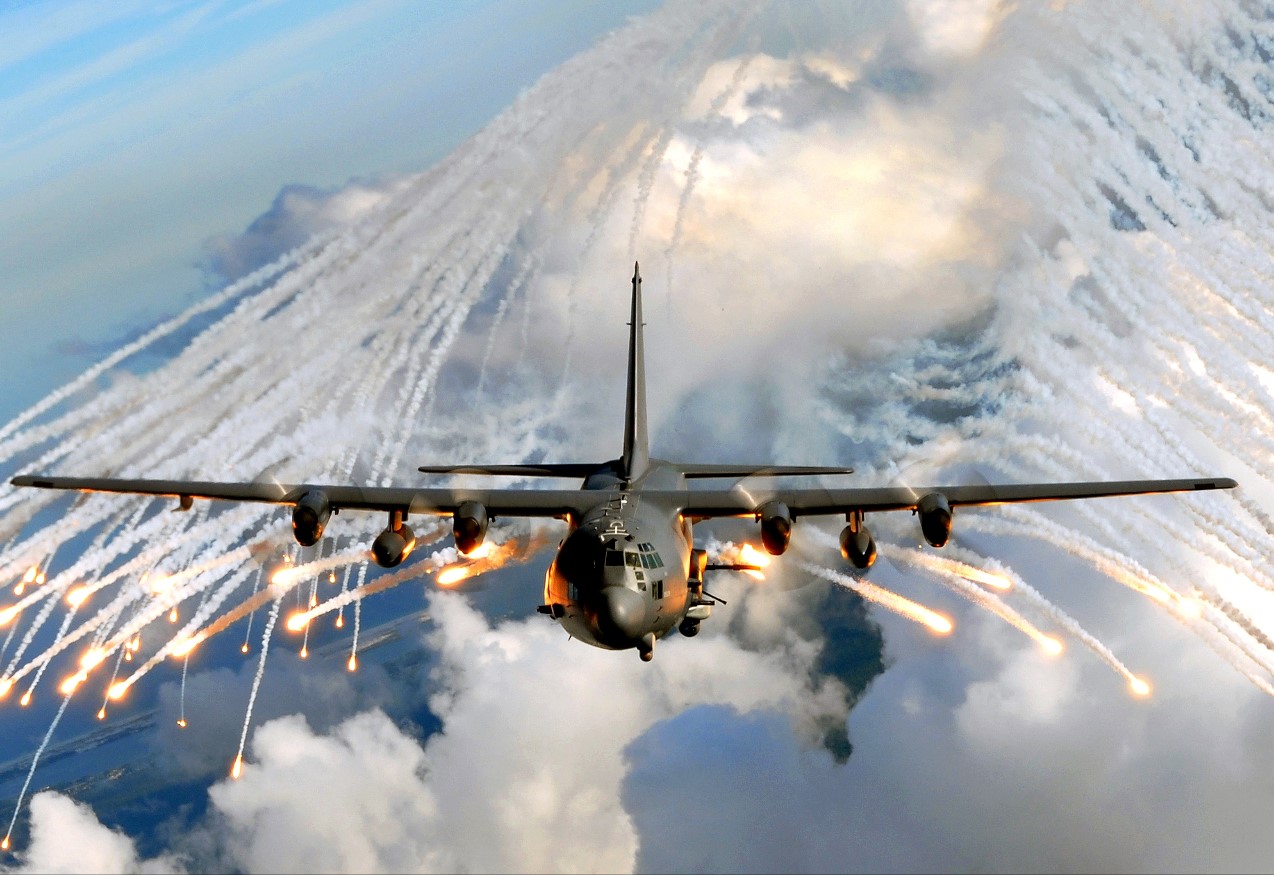 Pentagon Expands Alloy Surfaces Contract to $328.8 Million for Advanced Aircraft Decoy Flares Amid Evolving Drone Threats
-
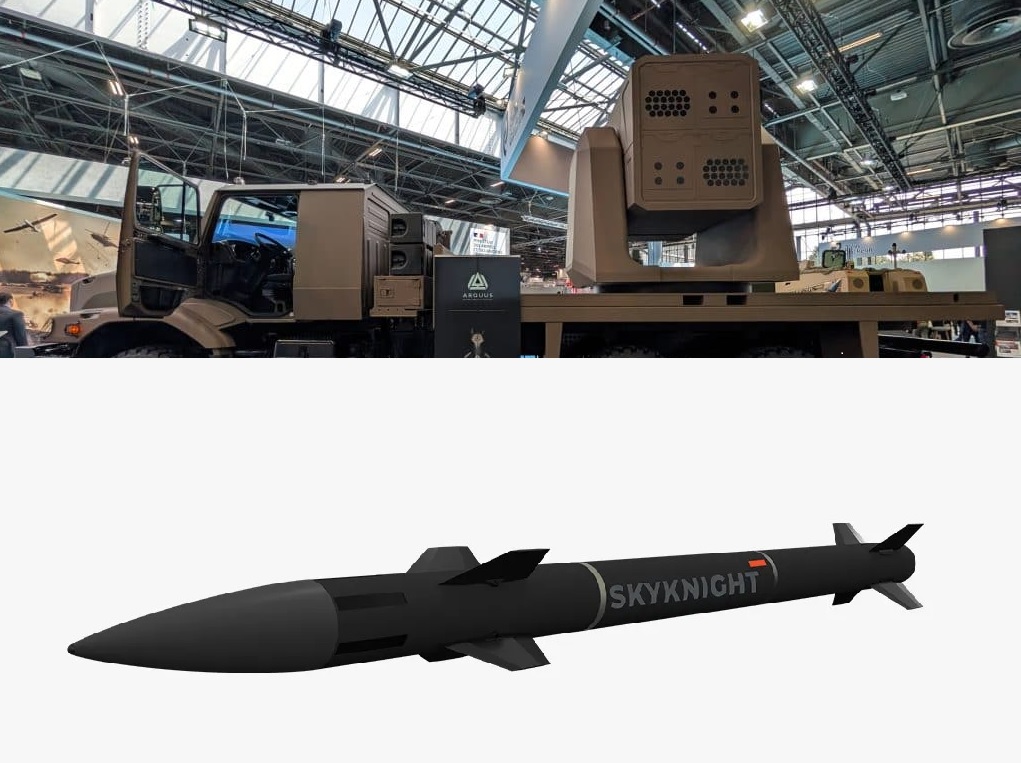 Naval Group Unveils Rampart Modular CIWS Multi-Purpose Weapon System for Naval and Ground Forces at Eurosatory 2026
-
 Why the U.S. Restored Pacific Command Name, Ending the Indo-Pacific Designation After Eight Years
-
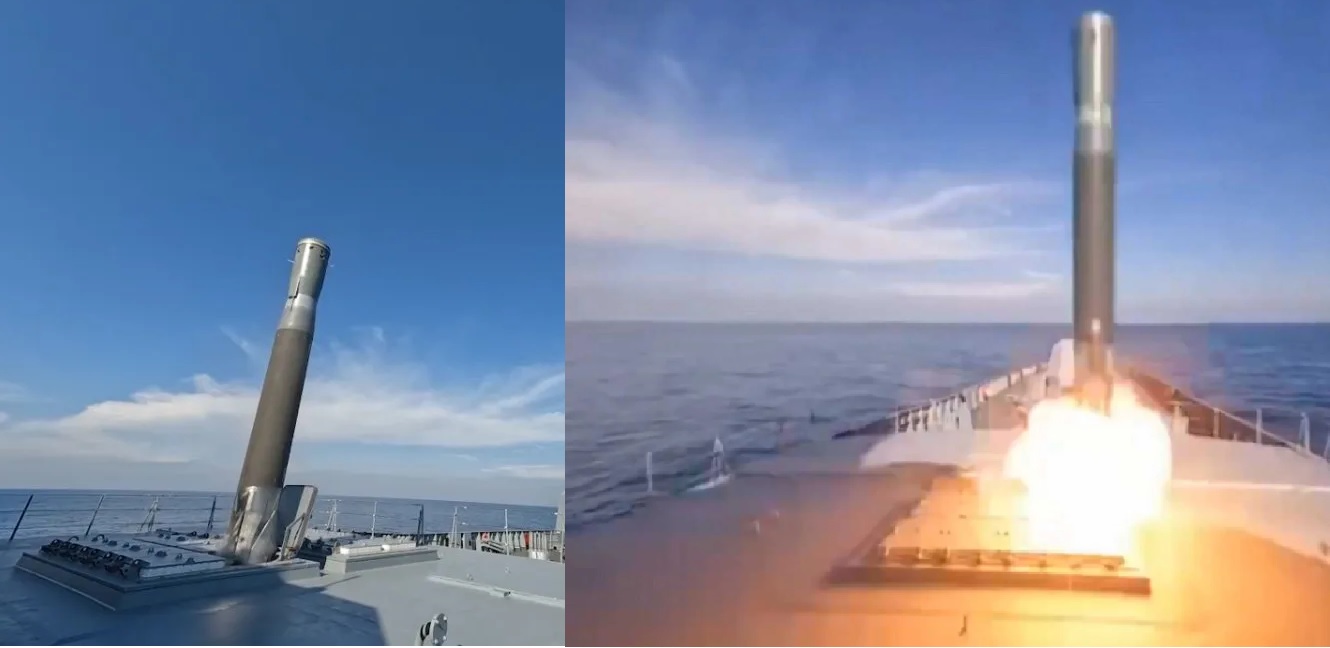 Open-Source Evidence Suggests Russia's Zircon Is a Quasi-Ballistic Missile, Not a True Hypersonic Cruise Weapon
-
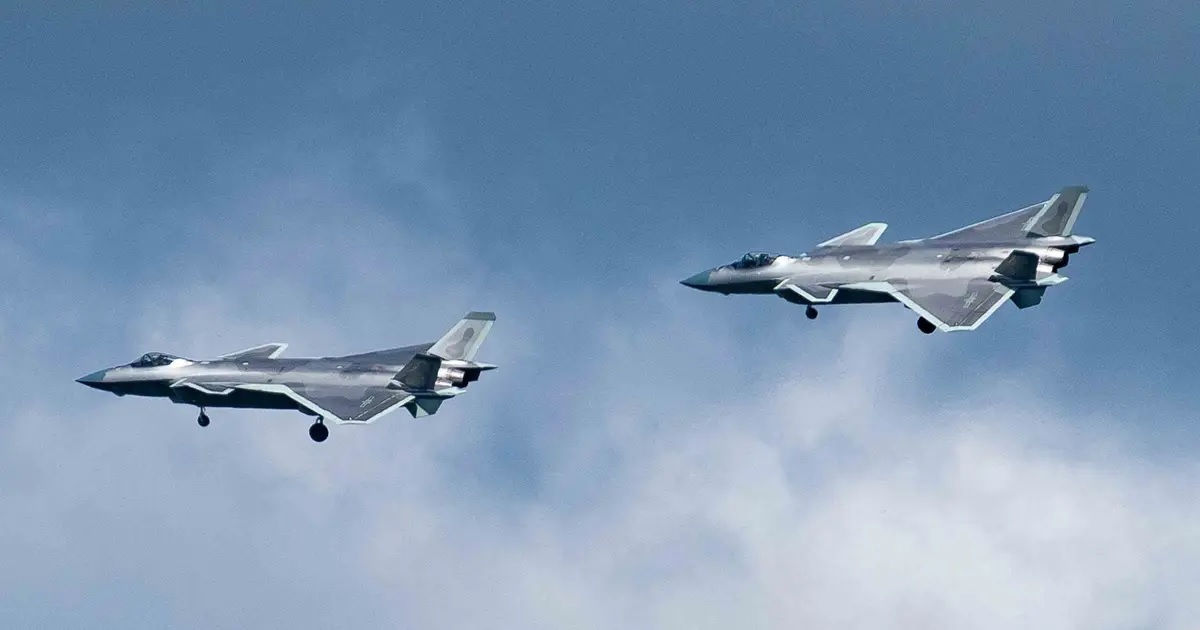 China Surpasses Russia as World’s Second-Most Powerful Air Force Amid Rapid J-20 and J-35 Expansion
-
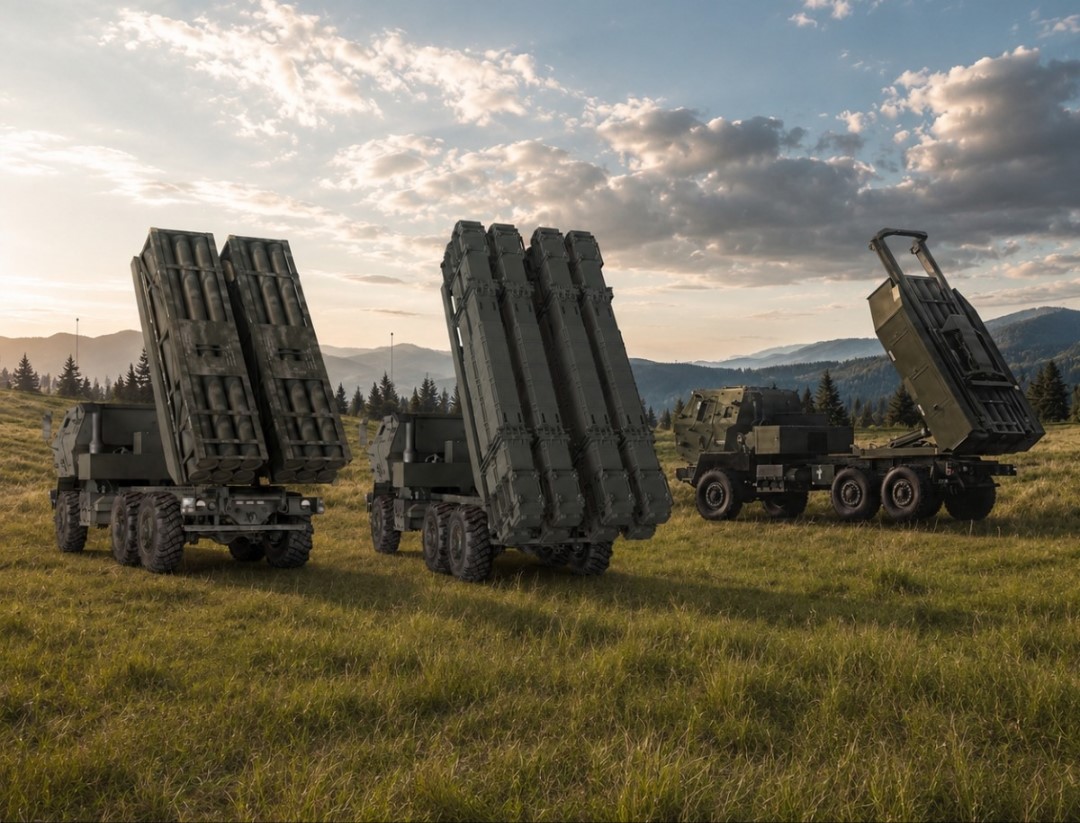 Lockheed Martin Unveils HIMARS FLEX with Dual-Pod Launcher and NATO-Compatible Air Defense Integration
-
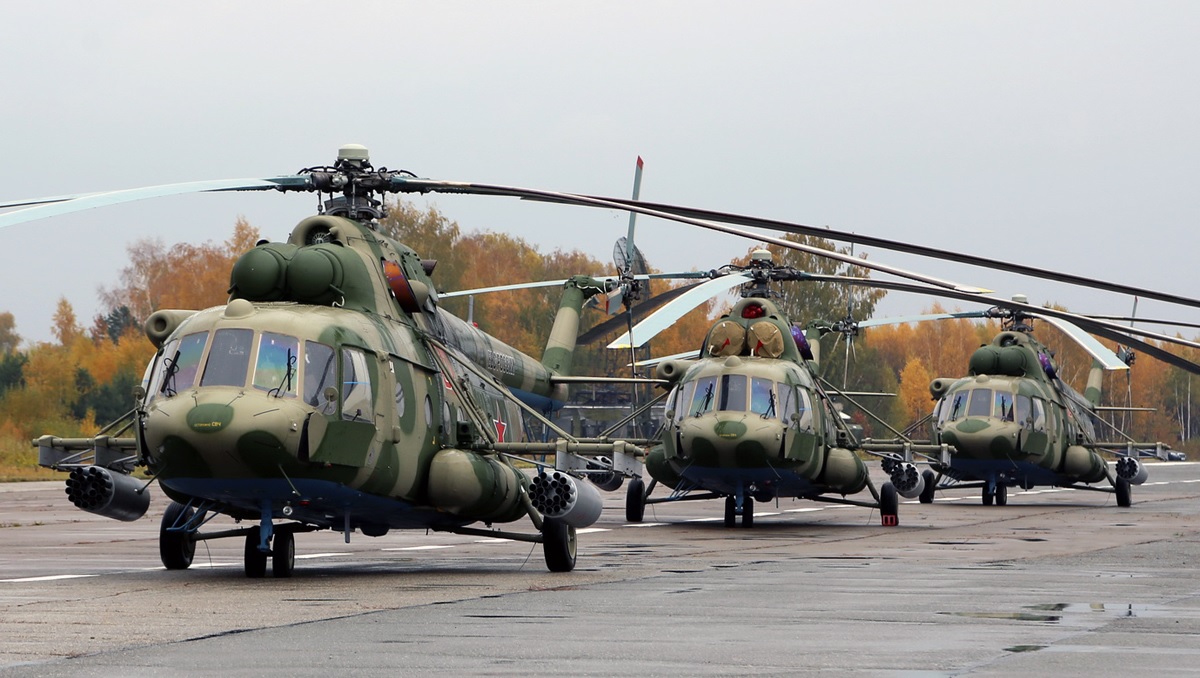 Iran Signs Deal with Russia for 20 Mi-8 and Mi-17 Helicopters to Boost Rescue and Medical Missions
-
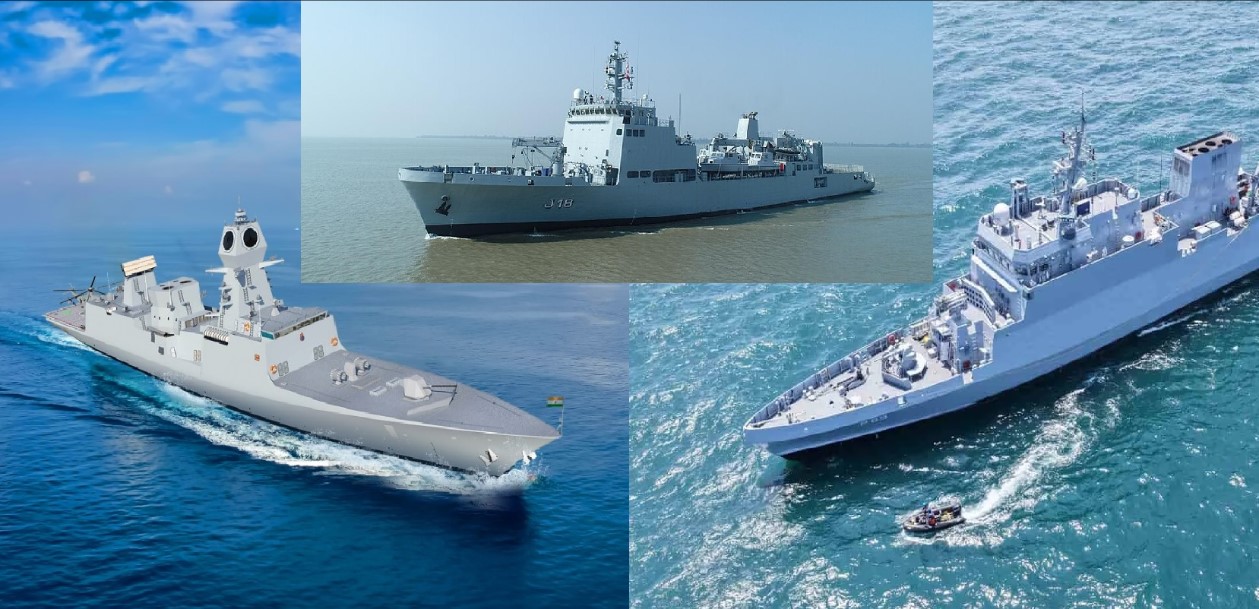 Indian Navy to Commission Stealth Frigate, ASW Craft and Survey Vessel in Rare Triple Induction at Kolkata
Top Trending in 4 Days
-
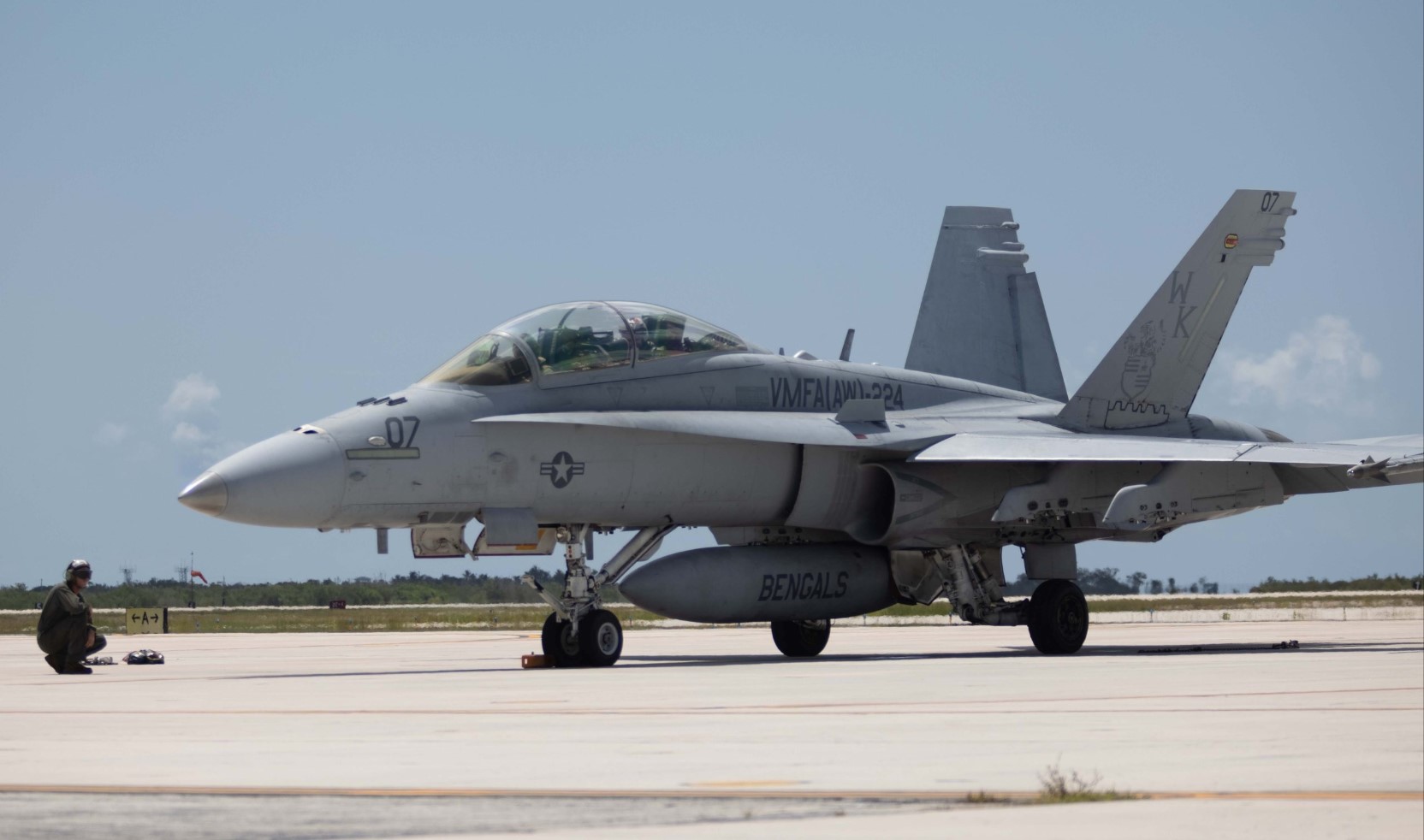 US Marine Corps F/A-18D Hornet Crashes During Training Flight in Washington Mountains; Pilot Ejects Safely
-
 Tulsi Gabbard Releases Declassified Files Detailing U.S.-Backed Network of 120 Biolaboratories Across 30+ Countries
-
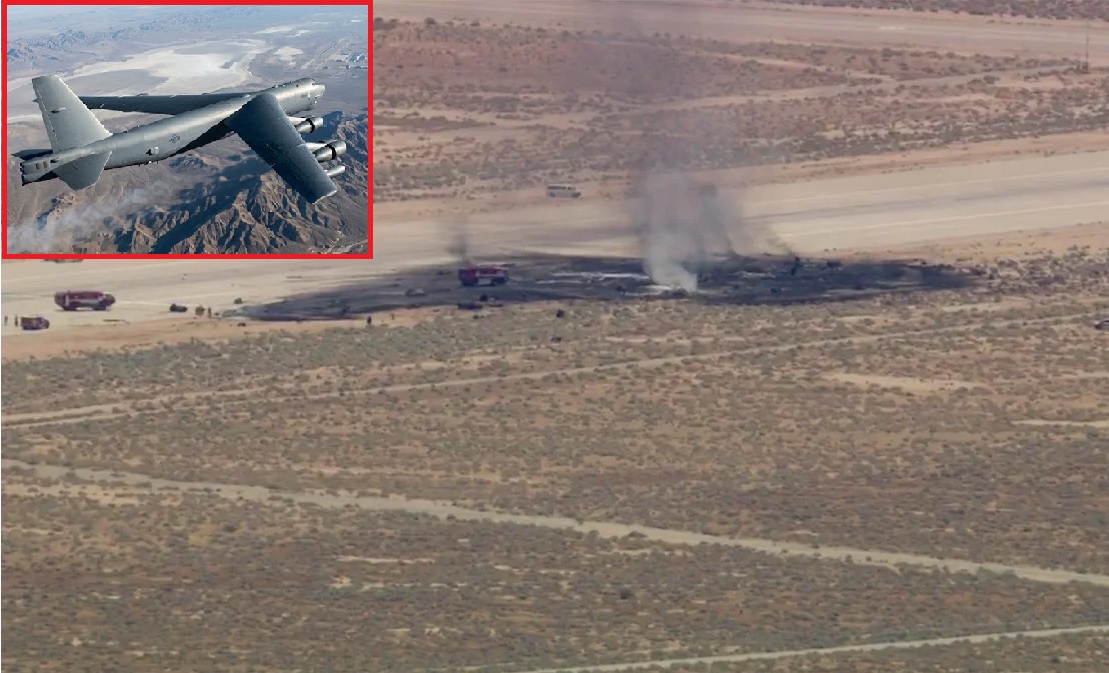 8 U.S. Air Force Crew Members Killed in B-52 Bomber Crash During Test Flight at Edwards Air Force Base
-
 Ukraine Introduces Balloon-Launched DART Missile Designed to Defeat Electronic Warfare
-
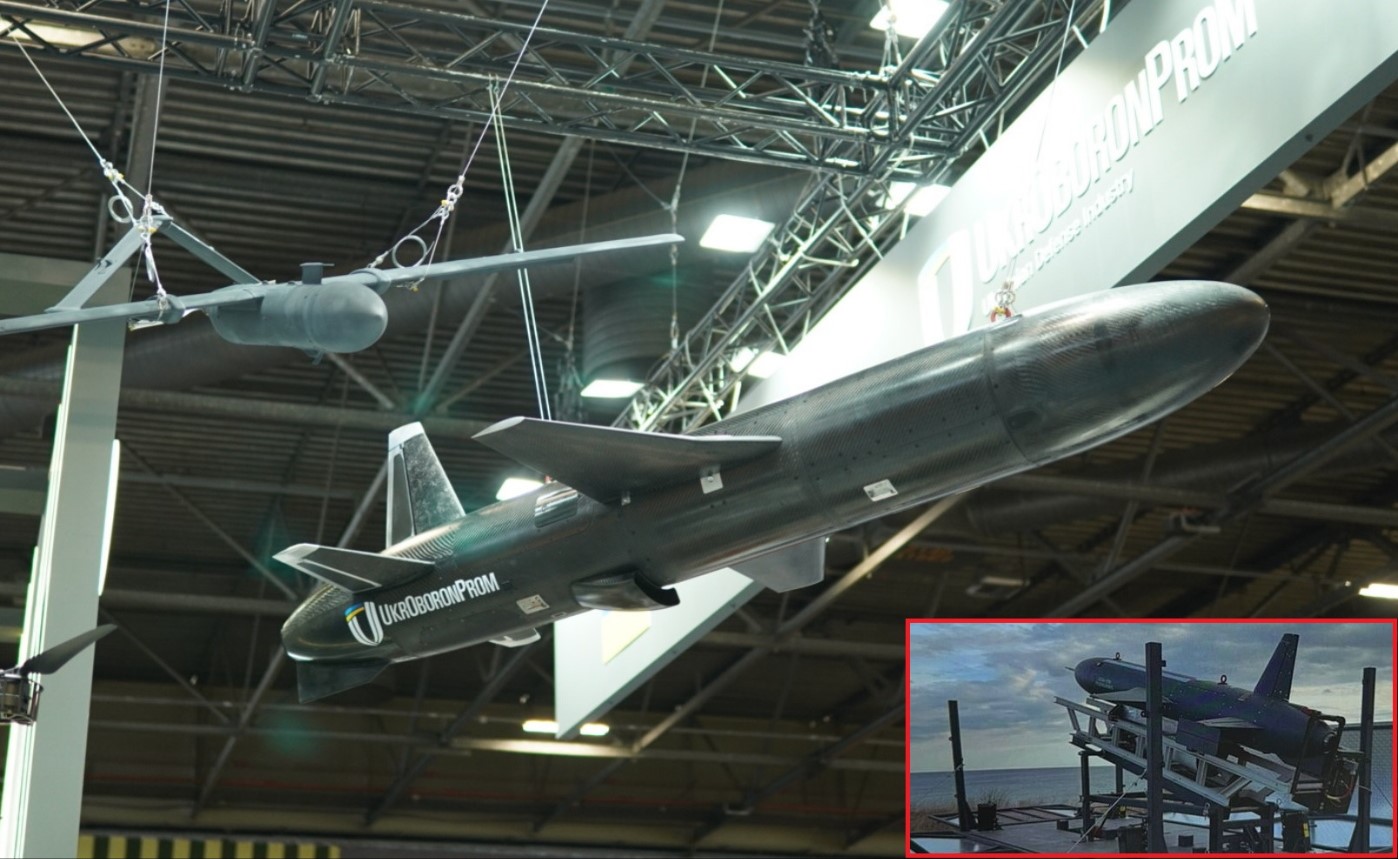 Ukraine Unveils UAV-290 Jet-Powered Strike Drone with 650 km Range at Eurosatory 2026
-
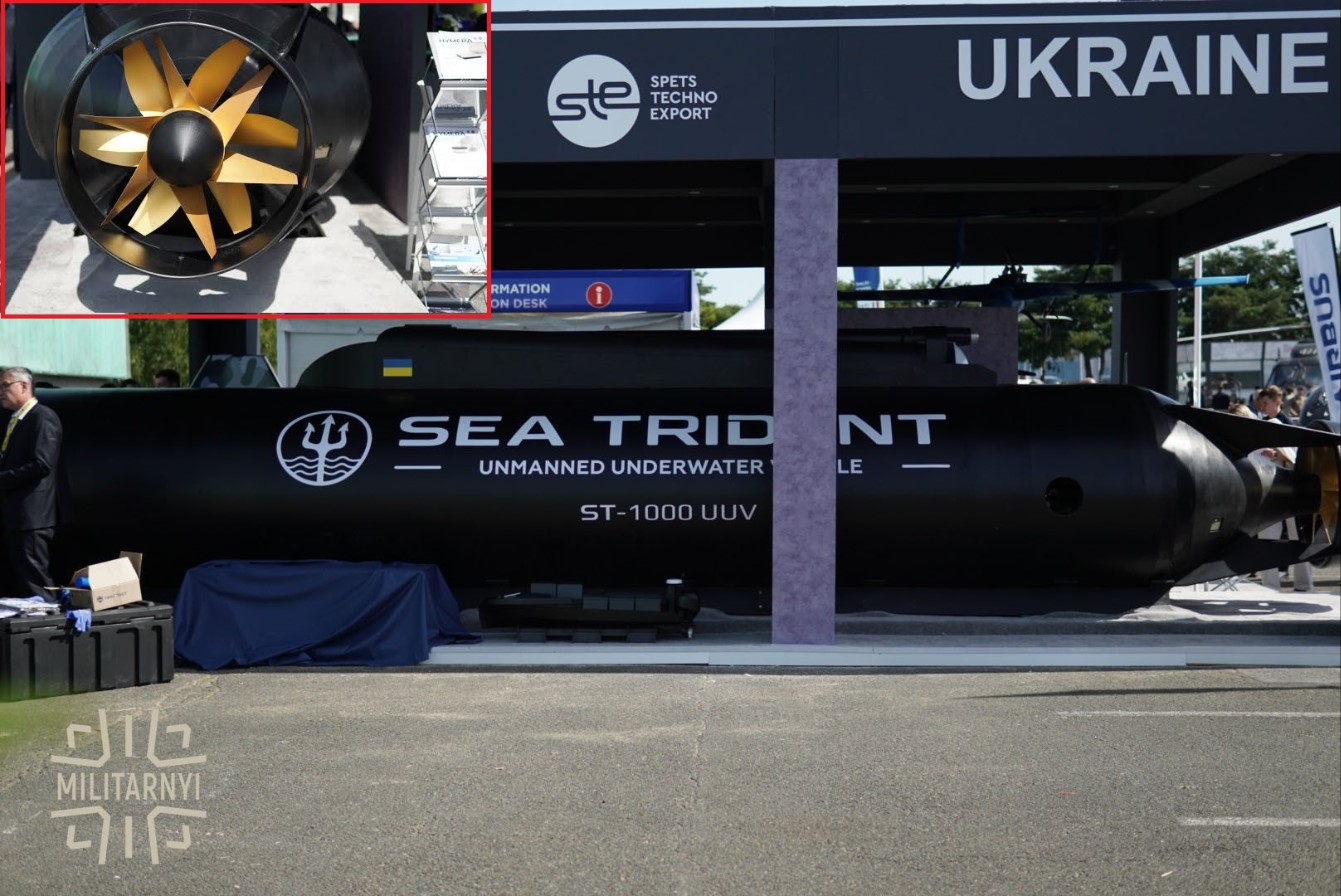 Ukraine Unveils 'Sea Trident' 10-Ton Autonomous Underwater Drone at Eurosatory 2026
-
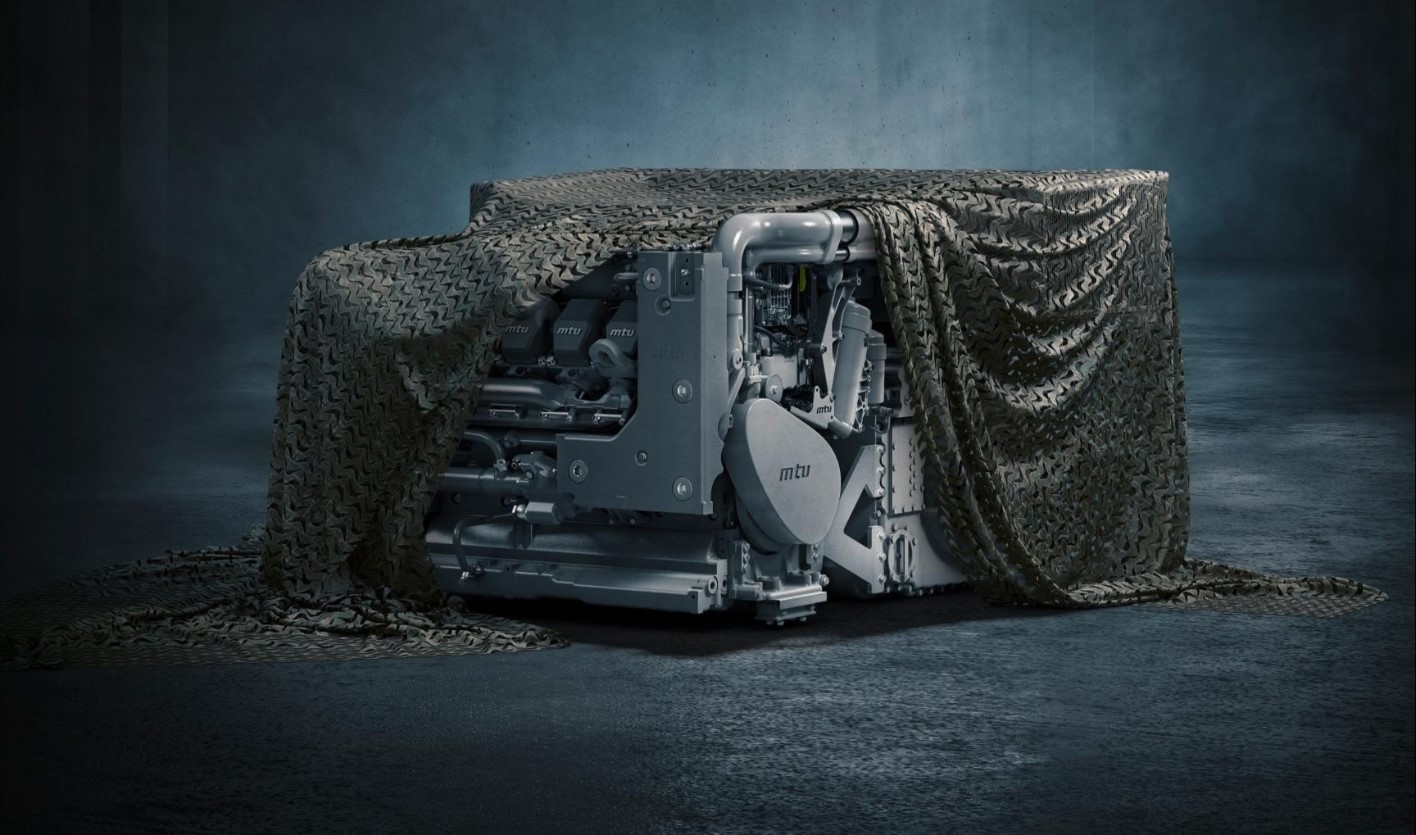 Rolls-Royce Unveils New Hybrid Powertrain for Heavy Military Vehicles at Eurosatory 2026
-
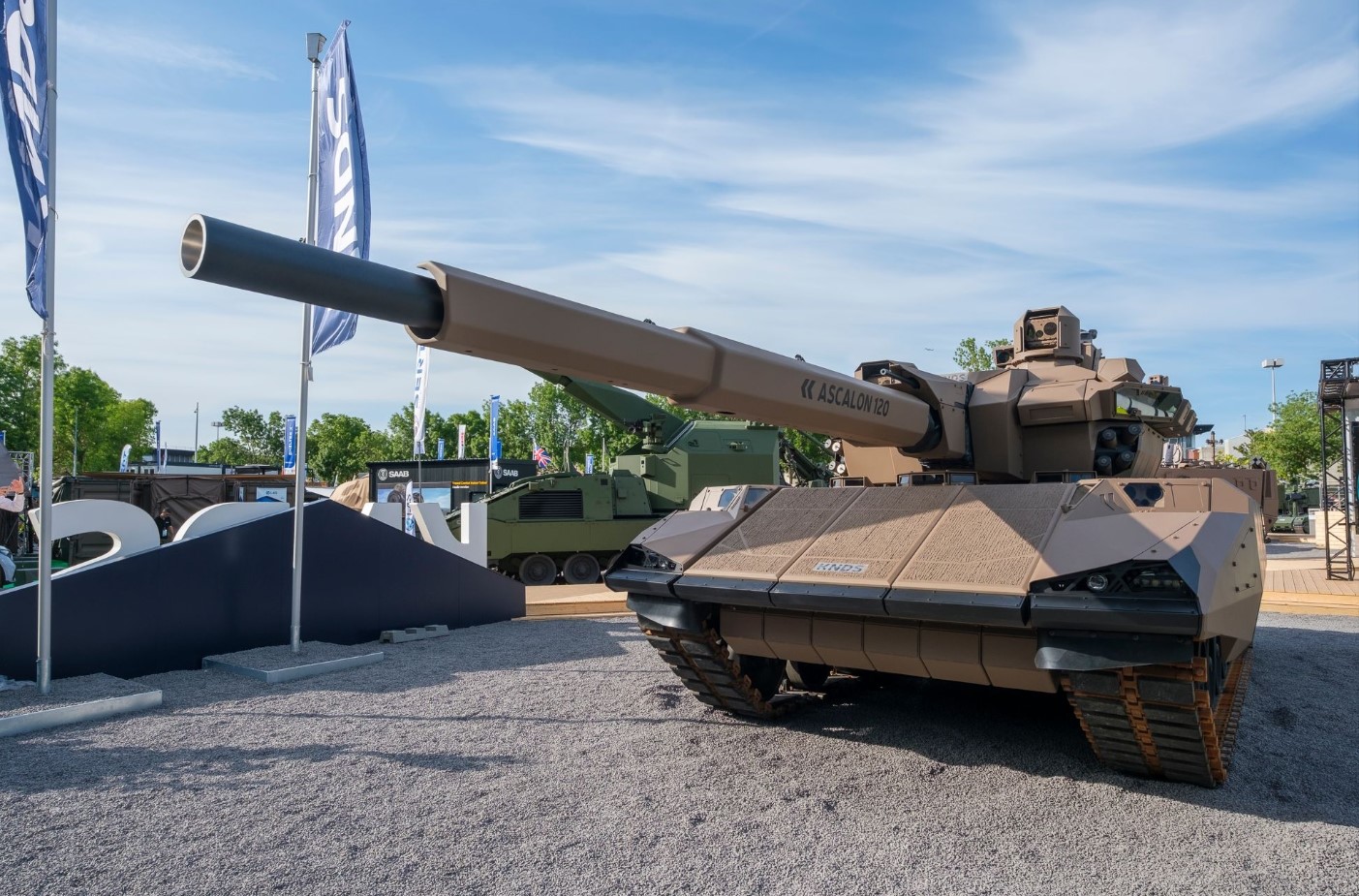 KNDS Unveils CAPINT Main Battle Tank at Eurosatory 2026 as Leclerc Stopgap