India
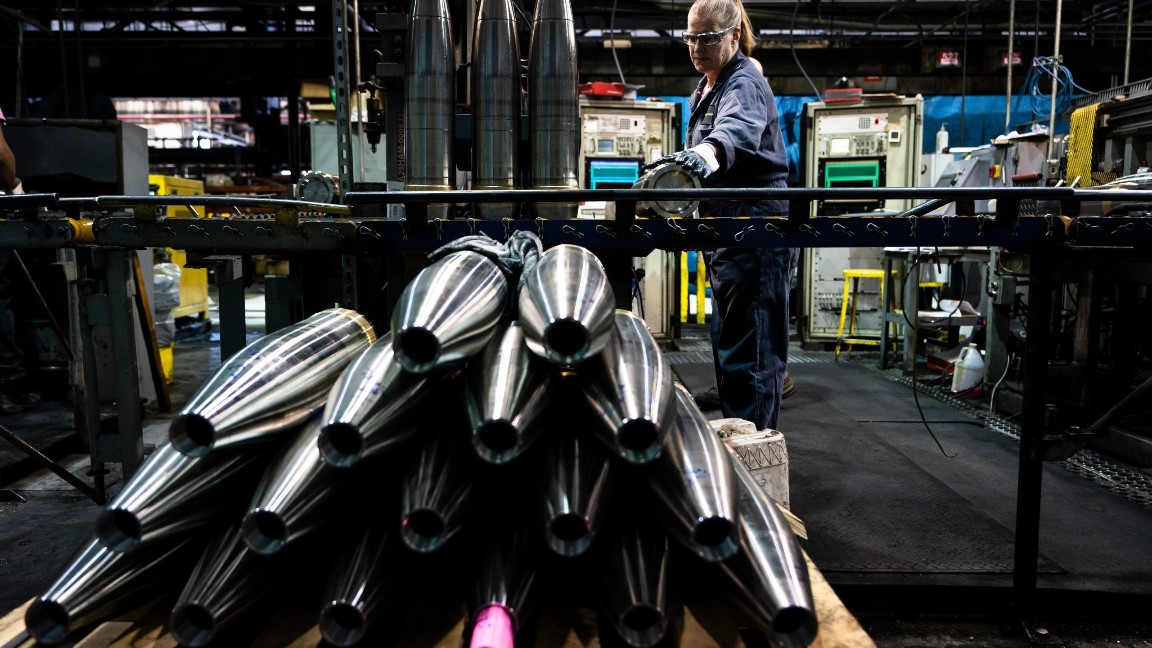
Sunita Tools, an Indian precision engineering company with a strong reputation in mould base production, has made a groundbreaking entry into the defense sector by securing a massive contract to supply 100,000 cases for 155-mm M107 artillery shells. The deal positions the company as a significant player in defense manufacturing, underscoring its growing capabilities in high-precision, large-scale production. Contract Details The contract, awarded by an undisclosed global defense company, outlines the delivery of 100,000 shell casings within one year of prototype approval. Sunita Tools has already received the green light from the Indian government to commence prototype production, a critical milestone in the execution of this ambitious project. Speaking on the agreement, Sanjay Pandey, the company’s Chairman and Permanent Technical Director, confirmed the timeline, stating, “We have an eight-month window to expand our production capacity and meet the demand for mass production.” Initial prototypes and small batches will be produced at the company’s existing facilities to ensure a seamless ramp-up to full-scale manufacturing. Specifications of the M107 Shell Casing The M107 artillery shell casing is a standard component used in 155-mm howitzer systems. These shells are renowned for their reliability and effectiveness in both combat and training scenarios. Key specifications include: Caliber: 155 mm Weight: Approximately 43.5 kg (shell weight) Length: Around 800 mm Material: High-strength steel alloy to withstand extreme pressures and temperatures. Compatibility: Designed for use with various NATO-standard artillery systems, including the M109 and M777 howitzers. These shell casings must meet stringent military standards for durability, precision, and performance, emphasizing Sunita Tools' advanced manufacturing capabilities. Financial and Strategic Implications The contract is estimated to be worth $23 million to $35 million, making it one of the largest defense deals for Sunita Tools to date. This order represents more than just financial gain; it signifies the company’s entry into a highly competitive global market, driven by rising geopolitical tensions and the need for modernized artillery systems. The surge in demand for artillery shells can be attributed to global conflicts, with countries stockpiling essential ammunition to bolster their military readiness. This backdrop has created an urgent need for reliable suppliers like Sunita Tools, capable of delivering high-quality products on tight schedules. Sunita Tools' Vision and Future Prospects This contract is a pivotal step for Sunita Tools, showcasing its ability to diversify into defense manufacturing while maintaining its core strengths in precision engineering. The company’s swift adaptation to the demanding requirements of military contracts reflects its technical expertise and operational agility. As Sunita Tools fulfills this order, the successful execution of such a large-scale project could open doors to further collaborations in the defense sector, including the potential development of other artillery components and systems. With global military procurement on the rise, Sunita Tools is poised to become a key player in the defense manufacturing supply chain, contributing to India’s growing reputation as a hub for advanced defense production. Conclusion The landmark contract for 155-mm M107 shell casings marks a transformative moment for Sunita Tools. As the company embarks on this ambitious venture, its success will not only boost its market position but also solidify India’s role in meeting the growing global demand for high-quality military supplies.
Read More → Posted on 2025-01-13 16:46:35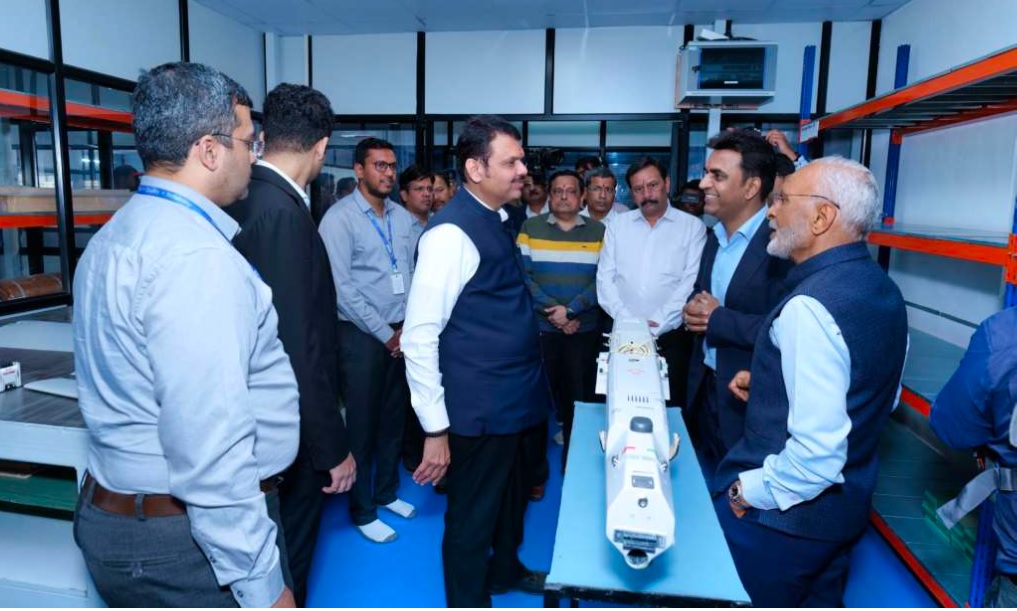
India
Solar Industries Ltd., a leading player in the explosives and ammunition sector, has made a bold move by inaugurating a state-of-the-art drone manufacturing facility in Nagpur, Maharashtra. This new facility is designed to elevate India’s standing in the global drone market, particularly in defence applications. With the growing significance of drones in modern warfare, Solar Industries’ new venture is strategically positioned to enhance India’s capabilities in this cutting-edge technology. The facility will focus on producing a variety of drones, including loitering munitions and unmanned aerial vehicles (UAVs). One of the major achievements of this initiative is the Nagastra-1, India’s first indigenous loitering munition. The Nagastra-1 is a reusable, precision-strike drone that has already been integrated into the Indian Army’s arsenal. This marks a significant leap in the country’s ability to produce advanced drone technology, which is increasingly becoming a key component of modern military operations. To support this ambitious initiative, Solar Industries plans to produce up to 1,000 loitering munitions annually. This not only reflects the company’s commitment to advancing India’s technological capabilities but also aligns with the country’s broader goal of reducing dependence on foreign imports for defence technologies. The move towards indigenous production is part of a national effort to foster innovation and boost self-reliance in the defence sector. The company has committed a significant ₹10,000 crore investment over the next decade to support this venture. This investment will go towards building the necessary infrastructure, including sophisticated testing facilities and a runway for UAV operations. These developments are essential for ensuring that the drones manufactured at the facility meet the highest standards and can undergo rigorous testing before being deployed in operational environments. The establishment of such advanced infrastructure is also expected to support the development of more advanced drone technologies, which will further strengthen India’s position in the global drone market. Drones have become indispensable in modern military operations. They provide enhanced situational awareness, enable precision strikes, and reduce the risk to human life in dangerous missions. Their use has proven to be effective in recent global conflicts, driving many countries to invest heavily in developing their own drone technologies. India’s integration of drones into its military strategy is a reflection of this global trend, with drones becoming force multipliers that improve operational efficiency and mission success. The creation of Solar Industries’ drone manufacturing facility also supports India’s goal of achieving Atmanirbhar Bharat (self-reliant India). By developing its own drone technologies, India aims to reduce its reliance on foreign imports for defence equipment and strengthen its own indigenous capabilities. This move is not only expected to foster technological innovation but also create job opportunities, stimulate economic growth, and boost local manufacturing in the country. In addition to military applications, the rise of drone technology in India is likely to have a broader impact on various industries. As more start-ups and medium-sized enterprises enter the drone sector, there will be an increase in innovation across civilian domains such as surveillance, logistics, agriculture, and more. This growing ecosystem will contribute to India’s technological leadership and create new avenues for economic development. In conclusion, Solar Industries’ new drone manufacturing facility marks a pivotal moment in India’s defence sector. With its focus on indigenous production and substantial investments, the facility is set to enhance India’s military capabilities and position the country as a global leader in drone technology. As India continues to make strides in self-reliance and innovation, this facility stands as a testament to the country’s growing technological prowess and its commitment to securing a strong and self-sufficient future.
Read More → Posted on 2025-01-13 16:39:59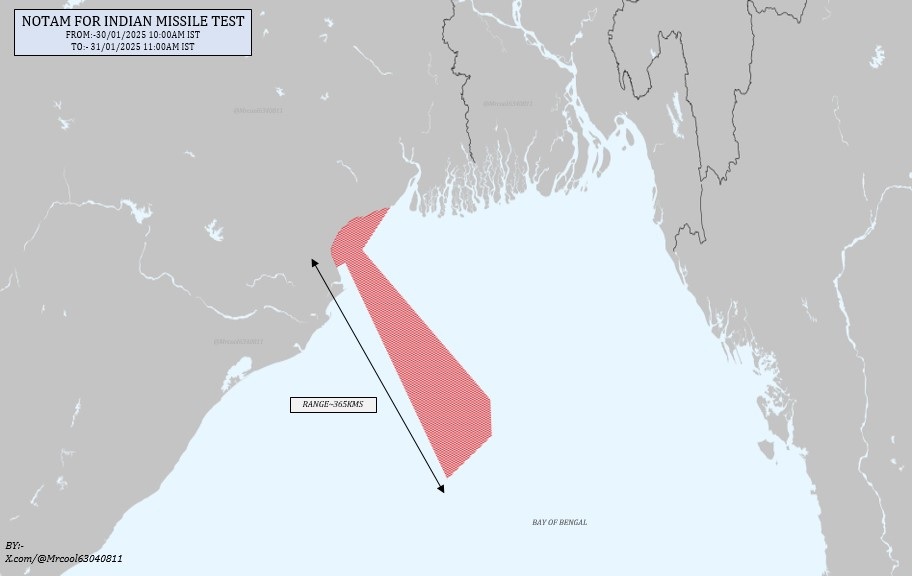
India
India has officially issued a Notice to Airmen (NOTAM) for a missile test scheduled between January 30 and January 31, 2025. The test will be conducted over a 365-kilometer designated area in the Bay of Bengal. While the specific missile type has not been disclosed, the test's scope and location underline India's ongoing commitment to advancing its missile technology. The issuance of a NOTAM is a routine yet critical step in ensuring airspace safety during such operations, as it warns civilian and military aviation to avoid the restricted zone during the test window. While no official confirmation about the missile system has been provided, the 365-kilometer test range suggests it is likely a short to medium-range missile designed for tactical or defensive roles. Strategic Importance of the Test The scheduled test reflects India’s consistent focus on enhancing its missile arsenal to meet evolving security challenges. These tests are vital for validating new technologies, improving system reliability, and reinforcing India’s defense posture. Missile tests like this also serve as a demonstration of self-reliance in defense manufacturing, a priority under India’s "Aatmanirbhar Bharat" initiative. By developing indigenous missile systems, India aims to reduce its dependence on foreign defense imports and strengthen its strategic autonomy.
Read More → Posted on 2025-01-13 15:49:17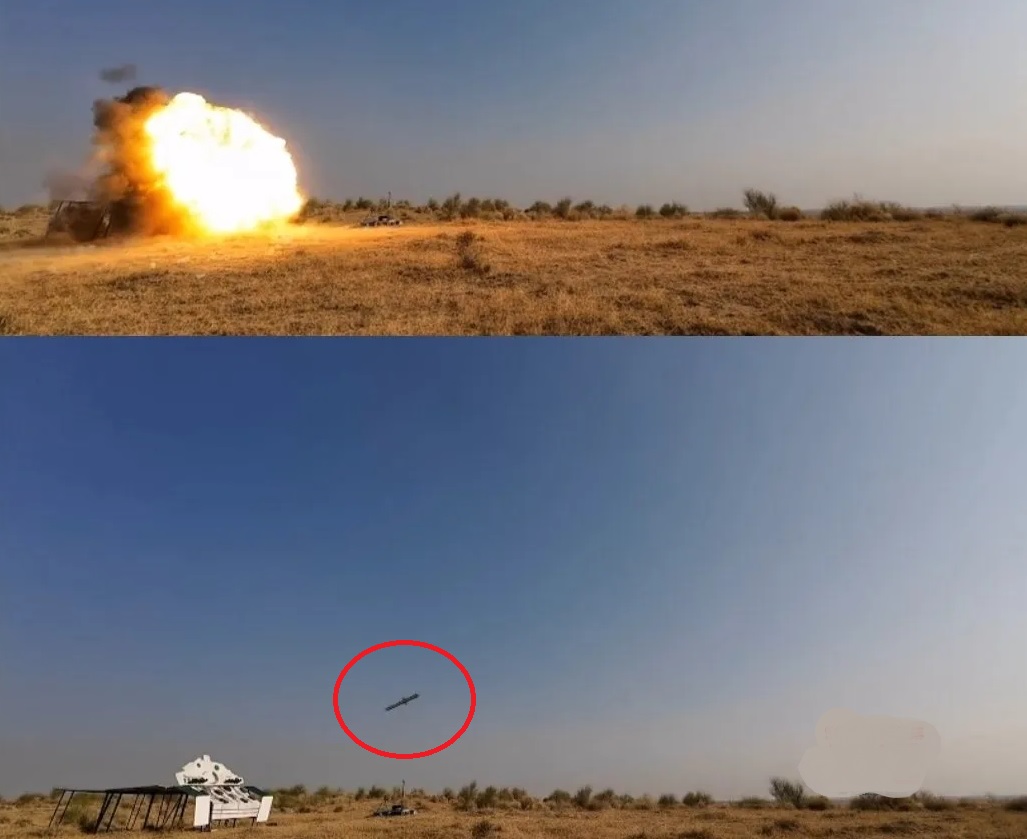
India
India has achieved a significant milestone in its defense capabilities with the successful field evaluation trials of the indigenously-developed third-generation anti-tank guided missile, Nag Mk 2. Conducted at the Pokhran Field Firing Range in Rajasthan, the trials demonstrated the missile's remarkable precision and operational readiness in the presence of senior Army officials. The Nag Mk 2 is now fully prepared for induction into the Indian Army, marking a step forward in bolstering the nation's anti-tank warfare capabilities. Successful Field Trials The field trials, held under stringent conditions, showcased the Nag Mk 2's ability to destroy all designated targets with pinpoint accuracy. During three separate trials, the missile successfully engaged and neutralized targets at both its maximum and minimum operational ranges, affirming its reliability across varying scenarios. In addition to the missile itself, the Nag Mk 2 missile carrier platform was also evaluated, further confirming the system's integrated performance. Defence Minister Rajnath Singh extended his congratulations to the Defence Research and Development Organisation (DRDO), the Indian Army, and the private industry partners involved in developing and perfecting the missile system. Similarly, DRDO Chairman Samir V Kamat praised the collaborative effort that has led to this significant achievement. Key Specifications of Nag Mk 2 The Nag Mk 2 is a third-generation, fire-and-forget anti-tank guided missile (ATGM) designed to meet the modern battlefield's evolving challenges. Below are its notable specifications: Type: Fire-and-forget anti-tank guided missile. Guidance System: Equipped with advanced imaging infrared (IIR) seekers, ensuring precise targeting even in adverse weather and low-visibility conditions. Warhead: Tandem High-Explosive Anti-Tank (HEAT) warhead capable of penetrating explosive reactive armor (ERA). Range: Capable of striking targets up to 5 km when launched from its carrier platform. Platform: Designed for launch from the NAMICA (Nag Missile Carrier) version-2, an armored vehicle tailored to support and enhance the missile's capabilities. Weight: Approximately 42 kg. Speed: Subsonic, achieving speeds sufficient to engage fast-moving armored targets. Operational Flexibility: Effective against a wide variety of armored targets, including tanks, infantry fighting vehicles, and fortifications. Strategic Importance The Nag Mk 2's induction is expected to significantly strengthen India's anti-armor capabilities, providing the Indian Army with a cutting-edge weapon system to counter modern tanks equipped with advanced protective measures such as reactive armor. Its fire-and-forget capability minimizes risk to the operator while ensuring high target accuracy, even in dynamic combat scenarios. The missile's development aligns with India's Atmanirbhar Bharat (self-reliant India) initiative, reducing dependence on foreign defense imports and enhancing indigenous technological capabilities. The successful testing of the Nag Mk 2 also underscores DRDO's prowess in developing world-class defense systems tailored to India's strategic needs. With the trials completed and the system ready for induction, the Indian Army is set to deploy the Nag Mk 2 across its formations, significantly improving its ability to respond to armored threats on the battlefield. The system's successful evaluation also serves as a morale booster for India's defense ecosystem, demonstrating the potential for further advancements in missile technology. The Nag Mk 2, now a symbol of India's growing self-reliance in defense technology, marks yet another chapter in the nation's journey toward a robust and technologically advanced military capability.
Read More → Posted on 2025-01-13 15:34:57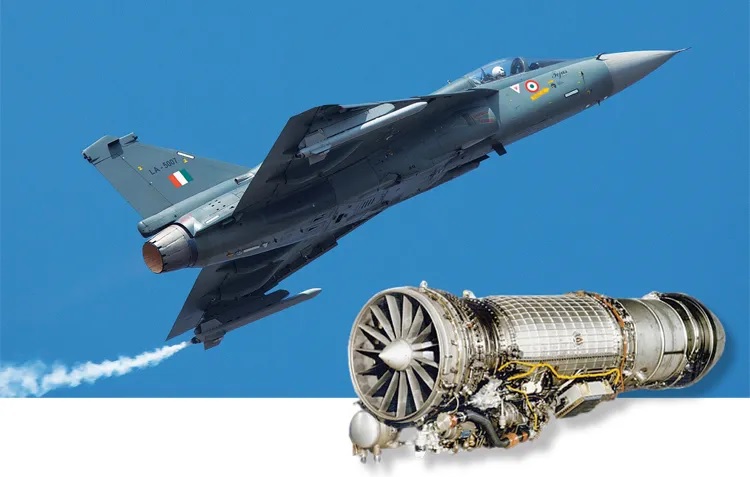
India
India's ambitious Light Combat Aircraft (LCA) Tejas program is grappling with a critical hurdle: a mounting backlog of F-404 engines, manufactured by General Electric (GE). Hindustan Aeronautics Limited (HAL), the principal manufacturer of Tejas, has confirmed that the backlog has already reached 26 engines and is expected to rise to 30 by mid-2025. The delay poses serious challenges to the production timelines of the Tejas Mk1A, a key component of the Indian Air Force's modernization drive. Current Challenges and Future Projections Supply chain disruptions, exacerbated by global shortages in raw materials and precision components, have been at the root of GE's production delays. According to HAL, while GE plans to deliver two engines by March 2025, its current manufacturing rate is far from sufficient to meet growing demand. Production Rate: GE aims to gradually increase output to 8 engines per year by 2025, scaling to 12 by 2026, and 20 by the end of 2026. However, this incremental approach will not address the immediate backlog. Demand Surge: The Indian Air Force (IAF) has expressed its intent to procure 97 additional Tejas Mk1A units, which would necessitate at least 110 engines, including reserves. To keep pace, HAL is pushing GE to achieve a production rate of 30 engines per year by 2027. Implications for the Tejas Program The engine backlog presents a multifaceted challenge: Production Delays: The Tejas Mk1A production timeline, already ambitious, is now under threat. Delays could disrupt the IAF's plans to induct the jets within the next few years. Operational Readiness: The lack of engines could limit the number of operational aircraft, undermining the IAF’s combat readiness. Strategic Concerns: With an increasing need for indigenization in defense manufacturing, the reliance on imported engines underscores vulnerabilities in India’s defense supply chain. HAL's Mitigation Efforts HAL is actively negotiating with GE to ramp up production. The company has also emphasized the importance of timely deliveries in recent discussions with the U.S. manufacturer. HAL is exploring the possibility of diversifying its engine procurement strategy while pushing for domestic production of critical engine components to reduce reliance on imports. The Road Ahead While GE's plans to expand production capacity offer a glimmer of hope, the timeline remains a pressing concern. The Tejas program, a symbol of India's self-reliance in defense, now finds itself at a crossroads, reliant on global supply chains to sustain momentum. Unless the production bottlenecks are resolved swiftly, the delays could have far-reaching consequences for both the IAF and India’s aerospace ambitions. Addressing this issue will require a concerted effort from both HAL and GE to ensure the timely delivery of engines and, by extension, the successful execution of the Tejas program.
Read More → Posted on 2025-01-13 15:26:40
India
Prime Minister Narendra Modi is slated to attend the Artificial Intelligence (AI) Action Summit in France on February 10-11, 2025. Hosted by French President Emmanuel Macron, this high-profile gathering will bring together global leaders, policymakers, industry CEOs, and academics to address the transformative impact of AI and its governance challenges. A Platform for Global AI Dialogue The summit aims to tackle critical themes, including: Public Interest in AI: Ensuring AI serves societal benefits while addressing potential risks like bias and misinformation. The Future of Work: Analyzing AI's role in job creation, workforce transformation, and reskilling initiatives. Innovation and Culture: Exploring how AI can foster creativity, cultural exchange, and technological breakthroughs. Trust in AI: Building frameworks for ethical AI use, data protection, and transparency. Global AI Governance: Shaping international policies to regulate AI and prevent its misuse. Countries such as the United States, China, and Gulf nations will also participate, underscoring the summit’s global significance. India’s Role and Expectations French President Macron referred to India as a "very important country" in the AI ecosystem, highlighting its potential to influence global discourse. India's strong technological base, coupled with its policy initiatives like the National AI Strategy, positions it as a key player in defining AI's future trajectory. Modi’s attendance is expected to enhance Indo-French ties, building on the momentum of strategic partnerships established in defense, climate action, and digital innovation. India's participation offers a platform to address pressing issues, such as combating AI-driven misinformation, while promoting the ethical use of AI for sustainable development. Moreover, the summit allows India to showcase its growing AI capabilities, such as AI-based healthcare solutions, agriculture advancements, and smart city initiatives. Strategic Implications This summit is significant for India's geopolitical and technological positioning. By collaborating with leading nations, India can advocate for a balanced approach to AI regulation—one that fosters innovation without compromising ethical principles. Additionally, the event bolsters India's ambition to emerge as a global AI hub, attracting investments and partnerships from top tech firms and research institutions. The AI Action Summit is not just a diplomatic opportunity but a chance to solidify India's leadership in shaping AI’s role in addressing global challenges. PM Modi’s presence will underscore India’s commitment to leveraging AI for societal progress and international cooperation.
Read More → Posted on 2025-01-13 15:20:15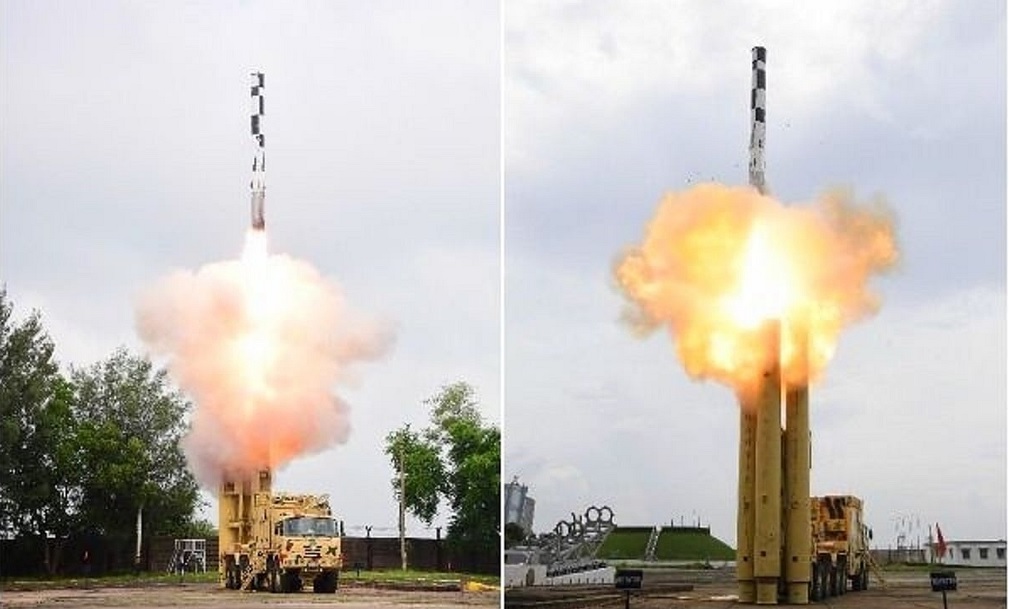
India
Indonesia has taken a significant step towards bolstering its defense capabilities by formally requesting a $450 million loan from the Public Bank of India to finance the purchase of the BrahMos supersonic cruise missile system. This development underscores the growing defense cooperation between India and Southeast Asian nations, as well as the strategic importance of the BrahMos system in modern warfare. Strategic Context The BrahMos missile, a product of a joint venture between India’s Defence Research and Development Organisation (DRDO) and Russia’s NPO Mashinostroyenia, is renowned for its speed, precision, and versatility. Capable of being launched from land, sea, air, and submarine platforms, the missile has a range of up to 400 kilometers ( Export Variant 290 Km ) and can carry conventional warheads. Its supersonic speed of Mach 2.8 to Mach 3 makes it highly effective against both stationary and mobile targets. Indonesia’s interest in acquiring the BrahMos system aligns with its broader efforts to modernize its armed forces amid evolving regional security dynamics. With its sprawling archipelago and extensive maritime borders, Indonesia faces challenges ranging from territorial disputes to safeguarding critical sea lanes. The BrahMos missile, with its ability to deter potential adversaries and protect key assets, is seen as an ideal fit for Indonesia’s strategic needs. Financing the Deal To facilitate the purchase, Indonesia has sought a Letter of Intent (LoI) for a $450 million loan from the Public Bank of India. This request highlights the financial complexities often associated with high-value defense acquisitions, especially for developing nations. By turning to India for financial assistance, Jakarta not only secures favorable terms but also deepens its strategic partnership with New Delhi. The loan arrangement, if approved, would likely cover a combination of system acquisition, integration, training, and potential co-production initiatives. Such financial frameworks are increasingly common in international defense transactions, where buyer countries seek flexible payment options and technology transfer opportunities. Strengthening Indo-Indonesian Ties Indonesia’s move reflects the growing defense and strategic partnership between the two nations. India has been proactive in offering its defense technologies to friendly nations, particularly in Southeast Asia, as part of its “Act East” policy. For Indonesia, acquiring BrahMos missiles is not just about enhancing its military capabilities but also about reinforcing ties with a key regional partner. In recent years, India and Indonesia have expanded their collaboration across various domains, including trade, maritime security, and counter-terrorism. The BrahMos deal would add a new dimension to this partnership, signaling a shared commitment to regional stability and security. Regional Implications The potential sale of BrahMos missiles to Indonesia is likely to be closely watched by other Southeast Asian nations, as well as by major powers with interests in the region. The Indo-Pacific is increasingly characterized by great-power competition, with countries like China asserting territorial claims and enhancing their military presence. By acquiring BrahMos, Indonesia not only boosts its deterrence capabilities but also sends a strong signal about its intent to safeguard its sovereignty and maritime interests. Challenges and Opportunities While the proposed deal offers numerous strategic advantages, it is not without challenges. Securing parliamentary approval for the loan, addressing any potential concerns over debt sustainability, and managing public opinion in both countries are critical factors. Additionally, integrating the BrahMos system into Indonesia’s existing defense infrastructure will require significant planning and investment. On the flip side, the deal presents opportunities for both nations. For India, exporting BrahMos missiles to Indonesia would mark a major milestone in its defense export ambitions, showcasing its ability to deliver world-class military systems to global clients. For Indonesia, the acquisition would enhance its military standing and potentially pave the way for further collaboration with India in defense production and technology sharing. Conclusion Indonesia’s request for a $450 million loan from the Public Bank of India to purchase BrahMos missiles is a significant development in the realm of defense cooperation. As the two nations move closer to finalizing the deal, the implications for regional security and bilateral relations are profound. For Indonesia, the acquisition of BrahMos represents a strategic leap in military modernization. For India, it reinforces its position as a credible defense exporter and a trusted partner in the Indo-Pacific region.
Read More → Posted on 2025-01-12 15:01:30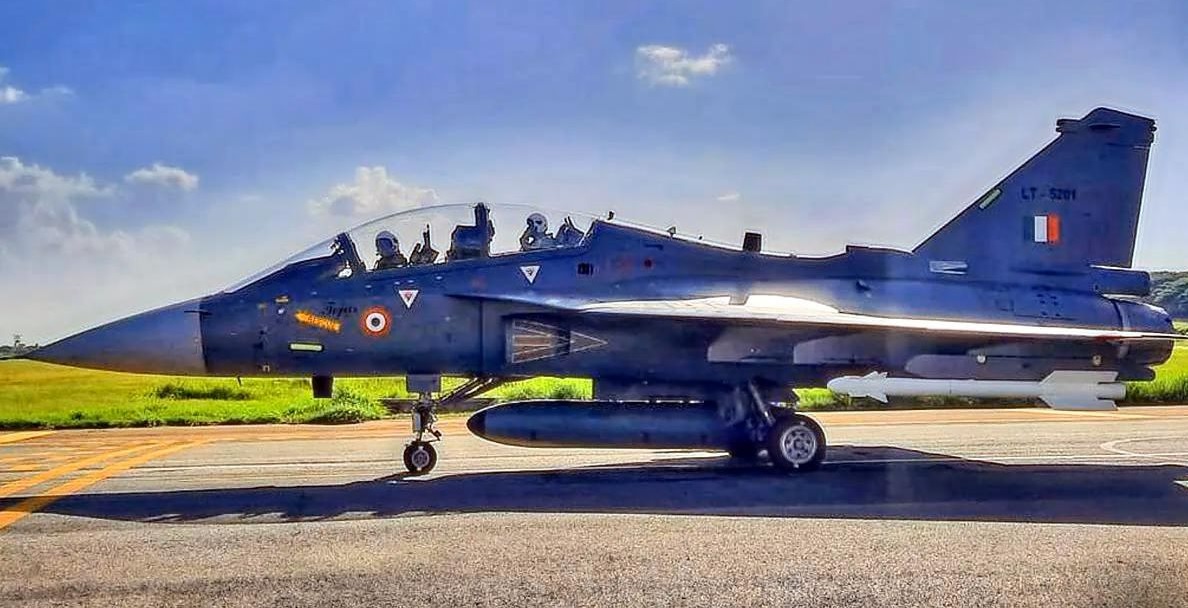
India
India's indigenous Light Combat Aircraft (LCA) program has marked another major milestone with the successful maiden flight of the eighth Tejas Trainer aircraft, designated LT-5208. The flight, powered by reserve F-404 engines, is a testament to the country's growing self-reliance in defense manufacturing and the steady progress of the Tejas program, led by Hindustan Aeronautics Limited (HAL). A Key Step in Modernizing Indian Air Force Training LT-5208 is the latest addition to an order of 18 Tejas Trainer aircraft placed by the Indian Air Force (IAF). These dual-seat trainers are vital for equipping IAF pilots with the skills required to handle the complexities of flying combat variants of the Tejas. The earlier series production trainer, LT-5201, completed its maiden flight on April 5, 2023, underscoring the program’s steady pace of delivery. Tejas Trainers are designed to bridge the gap between basic flight training and operational readiness for advanced fighters. The aircraft provides pilots with hands-on experience in maneuvering and mission simulations, ensuring a seamless transition to frontline combat roles. F-404 Reserve Engines: Reliable and Cost-Effective What sets LT-5208 apart is its reliance on Category B F-404 engines. These engines, while typically reserved for non-combat or training roles, deliver dependable performance at a lower operational cost. By utilizing these engines for the trainer variant, the program ensures that training operations remain economical without compromising reliability and safety. Advancing India's Aerospace Ambitions The Tejas LCA program is a cornerstone of India's efforts to reduce dependency on foreign military imports. Developed by HAL in collaboration with the Defence Research and Development Organisation (DRDO) and private industry partners, the program showcases the nation’s capability in designing, manufacturing, and operationalizing advanced fighter jets. The trainer variant, in particular, plays a critical role in operational readiness, ensuring that pilots are adept at exploiting the Tejas’ advanced systems and performance envelope. This capability is crucial as the IAF moves toward a more indigenous and modern fleet. A Bright Future for the Tejas Program The successful maiden flight of LT-5208 not only highlights the progress of the Tejas Trainer production line but also underscores the robustness of the LCA program. With more trainers and combat variants set to join the IAF, the Tejas is cementing its place as a cornerstone of India’s air power and defense self-reliance. As the program moves forward, the integration of indigenous systems, advanced weaponry, and export opportunities will ensure that the Tejas remains a key player in India's aerospace ambitions.
Read More → Posted on 2025-01-12 14:33:19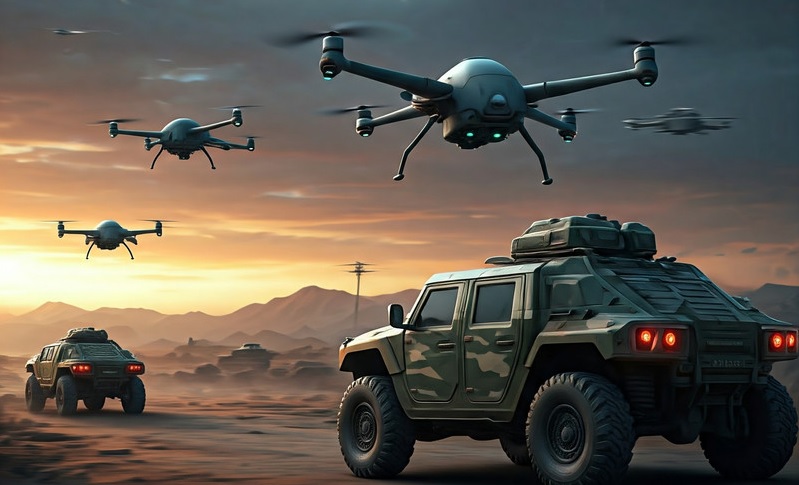
India
The Indian Army is taking significant strides in leveraging artificial intelligence (AI) to revolutionize its operations across surveillance, reconnaissance, logistics, and cybersecurity. The deployment of AI-powered drones, satellite systems, and advanced algorithms is enhancing the Army's ability to respond to complex challenges in real-time while optimizing its resources. AI-Powered Drones: A Game-Changer in Military Operations AI-powered drones are at the forefront of this transformation. These drones are equipped with advanced sensors, cameras, and machine-learning algorithms that enable them to gather real-time intelligence, detect potential threats, and assist in precision strikes. Specifications of AI-Powered Drones Used by the Indian Army: Autonomous Navigation: These drones can navigate without human intervention using GPS, visual sensors, and AI algorithms. High-Resolution Imaging: Equipped with electro-optical and infrared sensors, they provide clear imagery even in low-light or adverse weather conditions. Long-Endurance Capabilities: These drones can remain airborne for extended periods, covering vast areas for surveillance. Payload Capacity: AI drones can carry various payloads, including high-resolution cameras, communication relays, and even lightweight weapons for tactical operations. Real-Time Data Processing: Onboard AI systems process data in real time, identifying patterns, analyzing terrain, and relaying actionable intelligence to ground control stations. Optimized Logistics with AI In addition to surveillance and reconnaissance, AI is being applied to logistics and supply chain management. Algorithms analyze troop movements, supply requirements, and terrain conditions to ensure the timely delivery of essential resources to frontline units. This optimization minimizes delays and enhances operational efficiency during critical missions. Strengthened Cybersecurity The Army is also integrating AI into its cybersecurity frameworks. AI systems are capable of detecting anomalies, identifying cyber threats, and responding to attacks in real time. This enhances the resilience of military networks, ensuring secure communication and data exchange across the forces. AI in Training and Simulations AI-driven simulations are creating realistic virtual training environments for military personnel. These simulations replicate combat scenarios, enabling soldiers to practice decision-making, improve response times, and adapt to evolving threats. This approach not only enhances preparedness but also reduces training costs and risks. Broader Implications of AI Integration The adoption of AI across multiple domains has far-reaching benefits for the Indian Army: Enhanced Decision-Making: AI processes massive datasets and generates actionable insights, empowering commanders to make informed strategic decisions. Improved Combat Capabilities: Autonomous systems and AI-guided precision weaponry elevate the Army's operational effectiveness. Streamlined Operations: AI optimizes logistics, resource management, and battlefield coordination. Cybersecurity Advancements: AI strengthens both offensive and defensive capabilities in cyber warfare. Looking Ahead As AI technology continues to evolve, its applications within the Indian Armed Forces are expected to expand. The integration of AI-powered drones, autonomous systems, and intelligent algorithms underscores the Army's commitment to maintaining a technological edge in modern warfare. This initiative not only enhances the operational capabilities of the armed forces but also sets the stage for future advancements in defense technology. By embracing AI, the Indian Army is not only redefining the dynamics of military operations but also reinforcing its position as a technologically advanced force ready to tackle emerging challenges.
Read More → Posted on 2025-01-12 14:20:02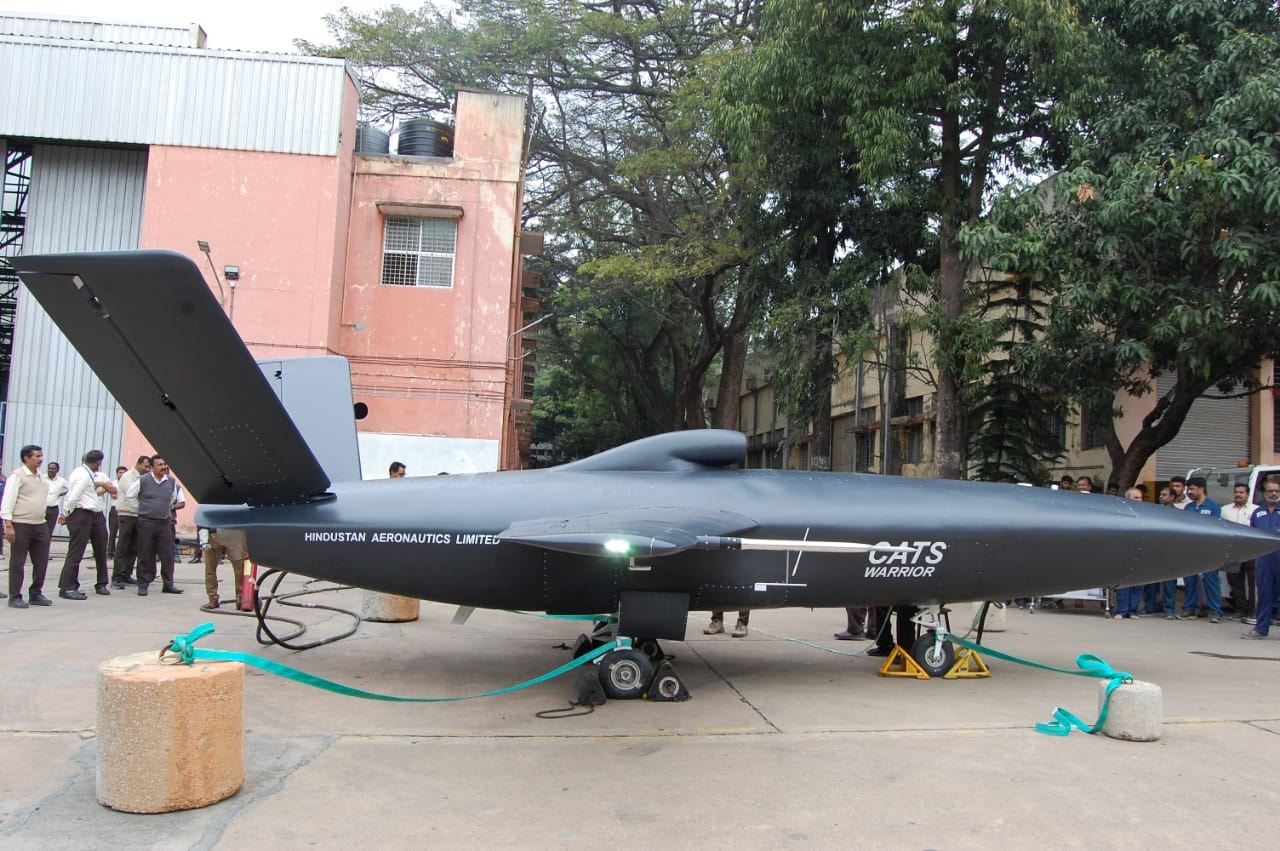
India
Hindustan Aeronautics Limited (HAL) marked a significant achievement today with the unveiling of the first full-scale prototype of the CATS Warrior, part of its flagship Combat Air Teaming System (CATS) program. The unveiling included a successful Engine Ground Run of the full-scale demonstrator, a critical step toward operational readiness for this cutting-edge unmanned combat aerial vehicle (UCAV). This marks a turning point in India's quest for advanced unmanned air combat technology, with HAL aiming to revolutionize modern warfare by introducing highly capable, indigenous drone systems. CATS Warrior Development Milestones The journey to bring the CATS Warrior to life has been methodical. Following today’s engine ground run, the program will advance through the following key stages: Low-Speed Taxi Trials: Testing the UCAV’s ability to taxi under controlled conditions, ensuring systems integration and stability. High-Speed Taxi Trials: Pushing the aircraft closer to operational speeds to evaluate its handling and ground performance. First Flight: Expected within 10 weeks, or potentially before Aero India 2025, depending on the results of preliminary trials. The current demonstrator is a full-sized, operational prototype, designed to provide real-world insights into performance, systems integration, and combat readiness. Specifications of CATS Warrior The CATS Warrior is an evolution of HAL’s earlier conceptual showcases, featuring significant practical changes to optimize its operational capability: Weight: Approximately 2.5 tonnes maximum takeoff weight (MTOW). Engines: Powered by two modified PTAE-7W engines, an enhanced version of the engine used in the Lakshya target drone. These engines are capable of powering up to 1.5 tonnes each, providing sufficient thrust for the Warrior's operational profile. Design Enhancements: Boundary Layer Adjustments: The engine intake has been repositioned slightly outward to optimize airflow and reduce turbulence. Stealth-Oriented Design: Includes design modifications to improve radar cross-section and infrared signature. Range and Payload: Expected operational range suitable for long-endurance missions. Equipped with advanced sensors and capable of carrying precision-guided munitions. Future Variants: CATS Max HAL has also announced work on a larger and more capable variant called CATS Max, which will further push the boundaries of unmanned aerial capabilities. Engine: Powered by the indigenous HTFE-25 engine, offering improved thrust and efficiency over the PTAE-7W. Weight and Capability: Larger airframe, expected MTOW significantly higher than Warrior. Greater range and payload capacity, enabling extended missions and more robust combat capabilities. Significance of CATS Warrior The CATS Warrior is a cornerstone of HAL’s vision for an unmanned air combat ecosystem, designed to operate alongside manned fighter jets in a loyal wingman configuration. Its development underscores India's commitment to indigenous defense innovation, reducing dependency on foreign systems while bolstering its strategic autonomy. The successful engine ground run and the forthcoming flight trials signal HAL’s readiness to position India among the global leaders in unmanned combat air technology. The CATS Warrior, with its advanced design and indigenous engines, represents a leap forward in modern warfare technology, promising to enhance India’s aerial combat capabilities. As the program progresses, all eyes will be on HAL to deliver a fully operational CATS Warrior, solidifying its position as a leader in next-generation aerial systems.
Read More → Posted on 2025-01-11 16:29:10
India
Hindustan Aeronautics Limited (HAL) is taking a significant step to expedite the production of the Tejas Light Combat Aircraft (LCA) by setting up a fourth assembly line at its Nashik facility. This development comes as a response to delays in the delivery of F-404 engines by General Electric (GE), which has affected the manufacturing timeline for the Tejas Mk-1 fleet. With GE expected to resume engine deliveries by March 2025, HAL is strategically positioning itself to make up for lost time and bolster the Indian Air Force's (IAF) fighter squadron strength. Addressing Production Delays with Expansion Currently, HAL operates two LCA assembly lines in Bengaluru, each with the capacity to produce eight aircraft annually. A third assembly line in Nashik, inaugurated recently, is expected to deliver its first Tejas LCA by March 2025. To further accelerate production, HAL plans to establish a fourth assembly line at the same facility, aiming for an additional output of eight aircraft annually. However, the completion of this new line will depend on the timely and consistent supply of F-404 engines from GE. HAL estimates it will require approximately 1.5 years to set up this new production facility. GE Engine Supply Challenges The F-404 engine, which powers the Tejas Mk-1, has been a critical bottleneck in the production process. GE is currently grappling with a backlog of 26 engines, causing significant delays. Indian officials, recognizing the importance of these engines for the IAF's operational readiness, have engaged in diplomatic discussions with their US counterparts to address the issue. GE has committed to delivering the first engine by March 2025, with plans to scale up production thereafter. The Strategic Importance of Tejas LCA The IAF is currently facing a squadron strength crisis, with only 31 operational squadrons against a sanctioned strength of 42. The impending retirement of the remaining MiG-21 squadrons is likely to exacerbate this shortfall. In response, the Indian government signed a Rs 45,696 crore deal with HAL in 2021 for 83 Tejas Mk-1A aircraft (73 fighters and 10 trainers). The timely production of these aircraft is critical for maintaining India's air superiority and meeting the operational requirements of the IAF. Recent Progress and Future Prospects Despite the delays, HAL has made progress by assembling the first Tejas Mk-1A using reserve engines. This aircraft is currently undergoing trials and is expected to be showcased at Aero India 2025. The second Mk-1A is already on the assembly line, demonstrating HAL's commitment to overcoming challenges and maintaining production momentum. The establishment of a fourth assembly line, coupled with the resumption of engine deliveries, is poised to significantly enhance HAL’s production capabilities. This expansion will not only support the IAF's modernization efforts but also strengthen India's indigenous defense manufacturing sector, aligning with the government's "Make in India" initiative. As HAL gears up to ramp up production, the Tejas LCA program stands as a testament to India's engineering and defense capabilities, ensuring a robust and agile response to evolving security challenges.
Read More → Posted on 2025-01-11 15:44:32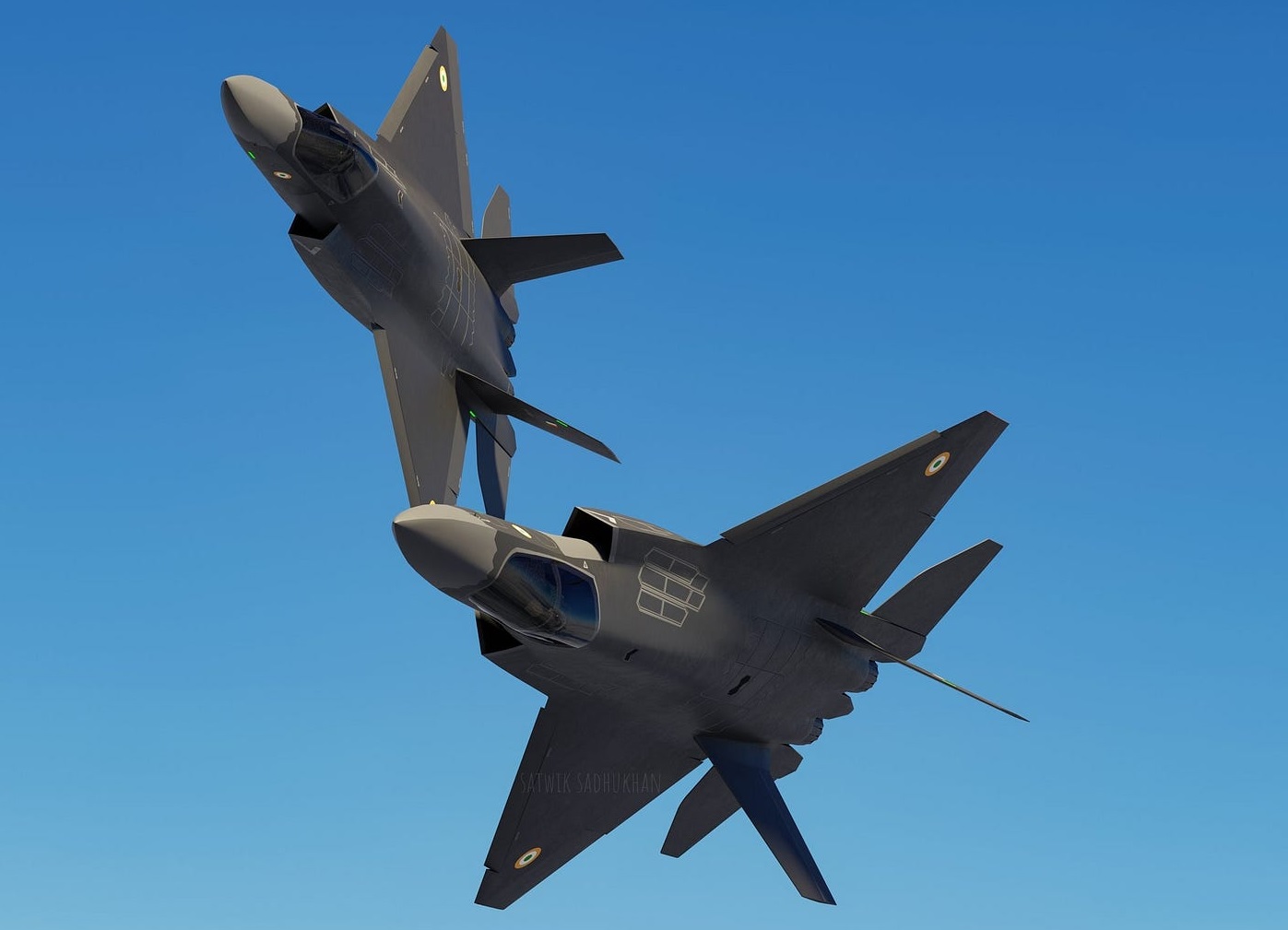
India
India's ambitious Advanced Medium Combat Aircraft (AMCA) program, designed to produce a fifth-generation-plus stealth fighter, continues to garner attention for its cutting-edge features and evolving capabilities. Among the latest developments, there is speculation about the introduction of a two-seat variant specifically tailored for controlling unmanned combat aerial vehicles (UCAVs) like the Ghatak drone. If pursued, this could mark a major leap in integrating manned and unmanned platforms in modern warfare. Why a Second Seat? Unlike traditional two-seater fighter jets designed for training or operational conversion, the second seat in the AMCA is being considered for a dedicated Weapons System Officer (WSO). The role of this officer would be to coordinate and control drone swarms in combat scenarios. Managing UCAVs in high-intensity missions while piloting a stealth fighter is a complex task, and the second crew member would provide enhanced decision-making and operational flexibility. The Aeronautical Development Agency (ADA), which is spearheading the AMCA project, has neither confirmed nor denied the possibility of a two-seat variant but has acknowledged the operational advantages such a configuration could provide. With the Indian Air Force (IAF) focusing on network-centric warfare and advanced capabilities, the concept of seamlessly integrating drones with manned platforms has become a priority. Stealth Challenges of a Two-Seater The inclusion of a second seat in the AMCA poses significant design and engineering challenges, primarily related to maintaining its stealth characteristics. Stealth aircraft rely heavily on their shape, internal systems, and specialized materials to achieve a low radar cross-section (RCS). Adding a second seat could disrupt the sleek geometry and necessitate extensive reengineering of the airframe. To overcome this, engineers would need to: Optimize the fuselage design: Incorporate the second seat while maintaining smooth contours to deflect radar waves. Use advanced radar-absorbing materials: Ensure that additional components introduced for the second seat do not compromise the stealth coating. Redesign internal systems: Modify avionics, cooling systems, and other subsystems to accommodate a larger crew compartment without increasing detectability. These adjustments would also add to the program's development costs and timelines, making it a critical decision for policymakers and the IAF. AMCA Specifications The AMCA, which is being developed in two phases—Mark 1 and Mark 2—is expected to rival the world's most advanced stealth fighters. Here are some of its anticipated specifications: Generation: 5.5-generation fighter with stealth features and advanced avionics. Engines: Powered by twin engines, with the Mark 1 utilizing GE-F414 engines and Mark 2 expected to feature an indigenous 110kN-class engine under development. Stealth Design: Incorporates an internal weapons bay, serpentine air intakes, and radar-absorbing materials. Maximum Speed: Estimated at Mach 1.8. Range: Over 3,000 kilometers with in-flight refueling capabilities. Weapons: Equipped with advanced air-to-air missiles, precision-guided munitions, and potential integration with directed-energy weapons in the future. Avionics: Features advanced sensors, electronic warfare systems, and artificial intelligence for enhanced situational awareness. Strategic Vision: Manned-Unmanned Teaming One of the AMCA program's long-term objectives is manned-unmanned teaming (MUM-T), where pilots operate alongside UCAVs in coordinated missions. This aligns with global trends, as countries like the United States are developing similar capabilities with their Loyal Wingman drone concept and two-seat stealth fighters like the F-15EX. AI is expected to play a significant role in drone management, potentially eliminating the need for a second seat. However, in complex and rapidly evolving combat scenarios, human judgment remains unparalleled, which strengthens the case for a dedicated WSO. A Game-Changing Capability If India proceeds with a two-seat AMCA, it would join an elite group of nations capable of fielding such an advanced aircraft. The capability to control combat drones from a stealth fighter could redefine the IAF's operational doctrine, providing a decisive edge in network-centric warfare. However, the decision hinges on careful analysis of cost, performance trade-offs, and strategic advantages. The AMCA program represents a critical step in India's journey toward self-reliance in defense technology. Whether the two-seat variant becomes a reality or not, the aircraft is poised to bolster India's air power and stand as a symbol of indigenous innovation on the global stage.
Read More → Posted on 2025-01-11 15:21:12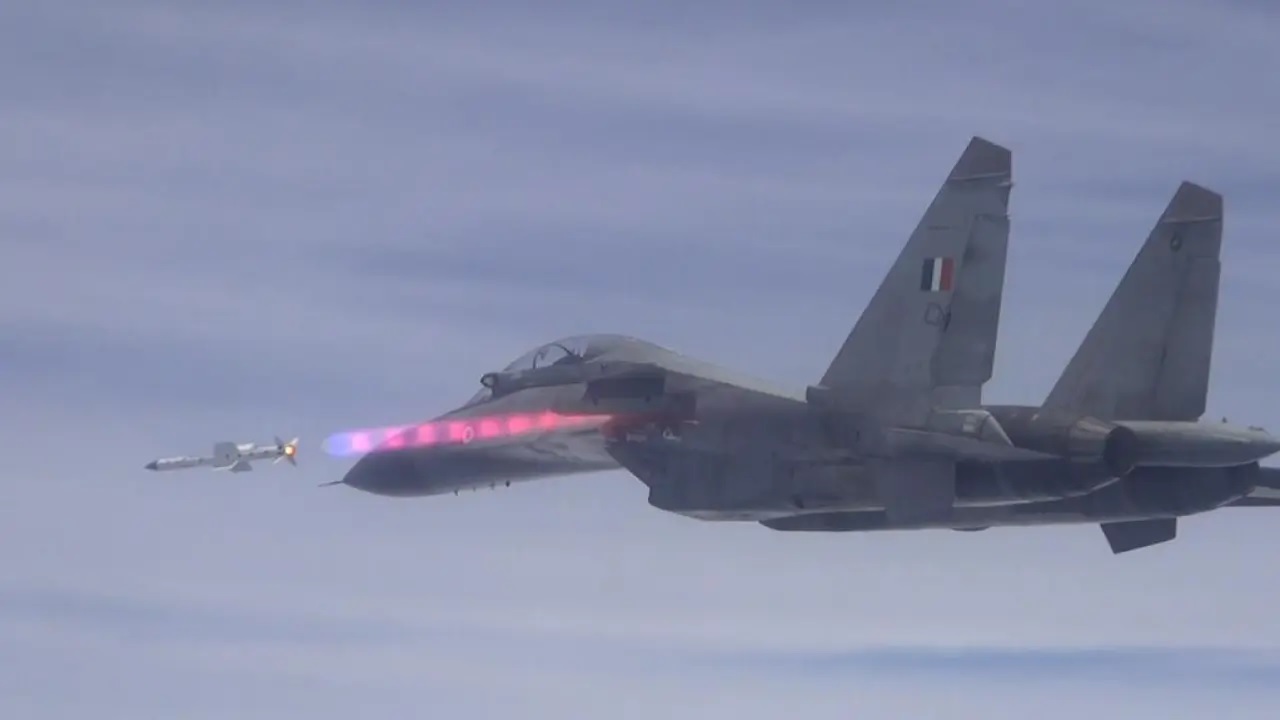
India
India’s Defence Research and Development Organisation (DRDO) is making remarkable progress in the development of the Astra MkIII, the latest addition to its Beyond Visual Range Air-to-Air Missile (BVRAAM) series. As a successor to the Astra MkI and MkII, this advanced missile is set to redefine India’s air combat capabilities by introducing longer ranges and superior technology. Propulsion: The Ramjet Engine The Astra MkIII will feature a state-of-the-art ramjet engine, a propulsion system known for delivering sustained thrust over extended distances. This innovation ensures that the missile maintains high speeds and exceptional manoeuvrability during mid-course flight. Unlike traditional rocket motors, ramjets enable the missile to operate more efficiently at supersonic speeds, making it a formidable weapon in modern aerial warfare. DRDO has already completed successful ground trials of the missile and is preparing for air trials, with the Su-30MKI serving as the test platform. Two Variants for Diverse Missions The Astra MkIII will be developed in two variants, each tailored to meet specific operational needs: Standard Ramjet Variant:This version will be equipped with an Active Electronically Scanned Array (AESA) seeker, which ensures precise target tracking and coordination with airborne early warning systems (AWACS). The missile will feature a two-way data link, enabling seamless communication with its launch platform. With a range exceeding 300 km, this variant is designed to neutralize high-value aerial threats, such as enemy aircraft, bombers, and surveillance drones. Booster-Enhanced Ramjet Variant:The second variant will incorporate an additional booster stage, significantly extending its range. This enhanced capability will allow the missile to engage force multiplier-sized targets, such as AWACS and aerial refueling aircraft, at greater distances. However, the added booster will increase the missile’s weight, limiting its deployment to aircraft with robust structural capacities, such as the Su-30MKI or future fighter jets under consideration by the Indian Air Force (IAF). Key Specifications Propulsion System: Ramjet engine (with optional booster in Variant 2) Guidance System: AESA seeker with two-way data link Range: Over 300 km (Standard Variant); extended range for Booster-Enhanced Variant Platform Compatibility: Su-30MKI, future high-performance aircraft Operational Role: High-value target neutralization, force multiplier engagement Operational Implications for the Indian Air Force To fully exploit the Astra MkIII’s advanced capabilities, the IAF’s fighter jets will require cutting-edge radar systems for long-range detection, tracking, and engagement. This development underscores the importance of equipping India’s fleet with sophisticated avionics. The choice of aircraft to carry the Astra MkIII will not only depend on their structural compatibility but also on how the missile fits into India’s broader air combat strategy. Additionally, the booster-enhanced variant’s ability to engage targets at unprecedented ranges could influence the IAF’s tactics, offering a significant edge in aerial dominance. These advancements are also likely to shape future acquisition plans and upgrade programs for India’s fighter jets. A Strategic Leap in Air Combat The Astra MkIII represents a quantum leap in India’s indigenous missile development, aligning with the country’s vision of self-reliance in defense technology. By leveraging ramjet propulsion and advanced guidance systems, DRDO aims to equip the IAF with a weapon that can compete with the best in the world. As DRDO moves closer to conducting air trials and finalizing the missile’s configurations, the Astra MkIII is poised to become a cornerstone of India’s aerial defense strategy, enhancing its capability to counter emerging threats in the region.
Read More → Posted on 2025-01-11 15:11:58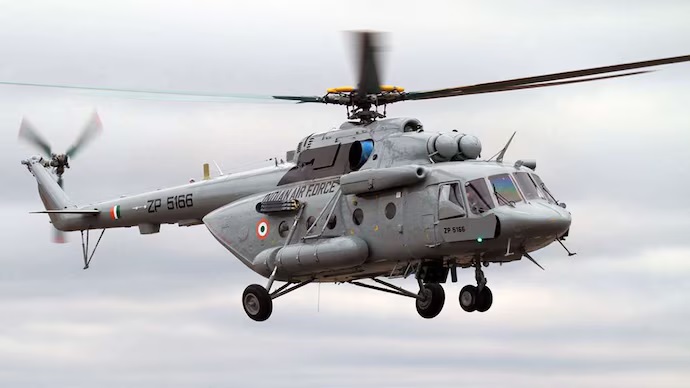
India
In a landmark move for India's aerospace and defence sectors, the Indian Air Force (IAF) has issued its first-ever tender inviting private Indian firms to completely overhaul the engines of its Mi-17 V5 helicopters. This initiative underscores the IAF's commitment to indigenizing critical maintenance operations and strengthening public-private partnerships in the defence ecosystem. A Bold Step Towards Domestic Capability The IAF's Request for Proposal (RFP) specifies the overhaul of 50 TV3-117VM engines, which power the Mi-17 V5 helicopters. The key requirement is that the entire overhaul process must be conducted within India, a mandate aimed at fostering indigenous aerospace expertise. This decision marks a significant departure from past practices, where such high-level maintenance was carried out in collaboration with the original Russian manufacturers or other foreign entities. The project will be overseen by the No. 3 Base Repair Depot (BRD) in Chandigarh, which has long been responsible for maintaining Russian-origin helicopters. Although No. 3 BRD has the capability to overhaul some Mi-series components, its capacity to handle complete engine overhauls is limited. By outsourcing the work to Indian private firms, the IAF seeks to bridge this gap while simultaneously bolstering domestic technical expertise. Why the Mi-17 V5 is Critical for the IAF The Mi-17 V5 helicopter, manufactured by Kazan Helicopters of Russia, is a modern and versatile platform that serves as the backbone of the IAF's medium-lift rotary-wing fleet. With over 220 Mi-17 variants in service, the helicopter plays an indispensable role in the IAF's tactical operations, including: Troop Transport: Swiftly deploying personnel to strategic locations. Logistics Support: Transporting essential supplies in remote and challenging terrains. Search and Rescue: Assisting during natural disasters or emergencies. Special Operations: Conducting assault and counter-terrorism missions. Disaster Relief: Providing aid during floods, earthquakes, and other calamities. The Mi-17 V5 is powered by two TV3-117VM turbo-shaft engines, each capable of generating 2,200 horsepower, enabling the helicopter to carry a maximum payload of 4,000 kg. It has a range of 580 km and a maximum speed of 250 km/h, making it ideal for high-altitude and rugged environments. Additionally, the V5 variant features advanced avionics, night vision capabilities, and an onboard weather radar, enhancing its operational flexibility. Strengthening Self-Reliance This tender is part of a broader push by the Indian government to achieve self-reliance in defence manufacturing under the "Make in India" initiative. The outsourcing of engine overhauls to domestic players reflects growing confidence in Indian firms' technical capabilities. Over the years, these firms have indigenized numerous aircraft components and spare parts, but this marks a significant shift in their involvement, extending to critical engine maintenance. Challenges and Opportunities The move is not without challenges. Overhauling complex engines like the TV3-117VM requires specialized knowledge, state-of-the-art facilities, and stringent adherence to quality standards. Indian firms will need to invest in these capabilities while ensuring timelines and performance benchmarks are met. However, the opportunities are immense. Success in this project could position Indian firms as global players in aerospace maintenance, repair, and overhaul (MRO) services. For the IAF, this initiative will reduce dependence on foreign vendors, cut maintenance costs, and ensure faster turnaround times for its fleet, enhancing operational readiness. For Indian industry, it opens new doors for collaboration, innovation, and growth in the high-tech aerospace sector. The Road Ahead As the IAF prepares to evaluate bids for this project, the domestic aerospace industry stands at the threshold of a transformative opportunity. If executed successfully, this initiative could serve as a model for future collaborations between India's armed forces and private industry, paving the way for a more self-reliant defence sector. The overhaul of the Mi-17 V5 helicopter engines is not just a technical milestone but a symbol of India's growing capabilities in defence and aerospace—a leap forward in its journey toward self-reliance and global competitiveness.
Read More → Posted on 2025-01-11 15:06:31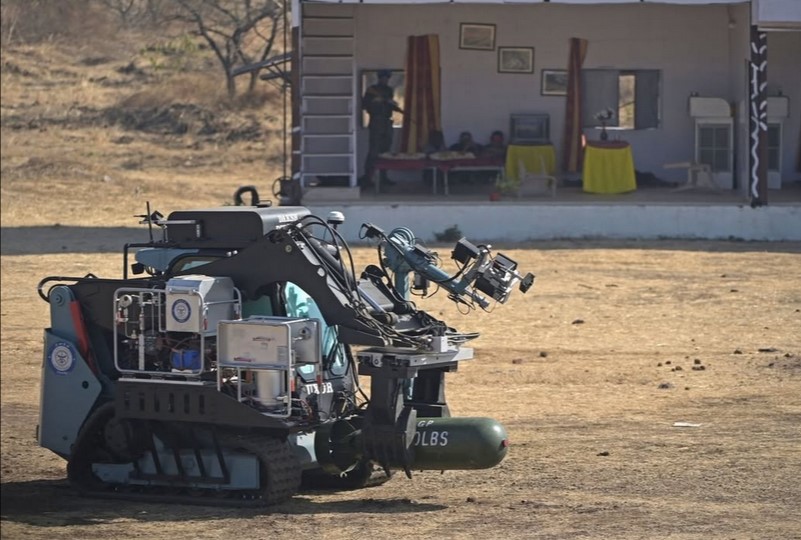
India
The Indian Air Force (IAF) has achieved a remarkable milestone in its journey towards modernization and operational safety with the induction of the Unexploded Ordnance Handling Robot (UXOR). This cutting-edge, indigenously developed robot is designed to tackle the hazardous task of handling and disposing of unexploded ordnance (UXO), some of which can weigh up to an astonishing 1000 kg. Developed by the Research & Development Establishment (Engineers) [R&DE(E)], a unit under the Defence Research and Development Organisation (DRDO), the UXOR represents a significant leap in India's defence technology. Following successful field trials and the transfer of technology to an Indian firm in August 2024, the robot officially entered service with the IAF, marking a new era of self-reliance and innovation. Key Features and Specifications of UXOR Payload Capacity: The UXOR is engineered to handle unexploded ordnance weighing up to 1 tonne (1000 kg), making it suitable for a wide range of explosive devices. Remote Operation Capability: The robot can be remotely operated, allowing explosive ordnance disposal (EOD) teams to neutralize threats from a safe distance. This feature significantly enhances personnel safety by minimizing direct exposure to potentially lethal hazards. Versatile Design: Equipped with interchangeable tools and attachments, the UXOR can adapt to various types of UXO and environmental conditions, ensuring operational flexibility. Enhanced Mobility: Designed for rugged terrains, the UXOR can navigate challenging landscapes, such as airfields, rocky surfaces, and debris-laden zones, ensuring accessibility to complex sites. High Precision: The robot's advanced sensors and manipulators allow for accurate handling, defusing, and disposal of ordnance, reducing collateral risks during operations. Durability and Reliability: Built with robust materials, the UXOR is resistant to harsh weather conditions and operational wear and tear, ensuring longevity and dependability. Significance of UXOR's Induction into IAF The inclusion of the UXOR in the IAF’s arsenal addresses a longstanding challenge in EOD operations. Traditionally, such tasks required personnel to approach and neutralize UXOs manually, exposing them to severe risks, including blasts and chemical leaks. With the UXOR, the IAF now possesses a safer, more efficient solution to manage these dangerous missions. Additionally, the UXOR symbolizes India’s growing capability in defence manufacturing. The transfer of technology to an Indian firm not only boosts the domestic defence industry but also aligns with the government's "Make in India" and "Atmanirbhar Bharat" initiatives. Rigorous Testing and Real-World Validation The UXOR underwent extensive field trials to prove its operational readiness. It was tested in diverse scenarios, ranging from standard UXO handling to complex ordnance disposal tasks under challenging conditions. The robot demonstrated exemplary performance, confirming its utility for real-world applications. Future Implications The successful development and induction of the UXOR open doors for further innovations in autonomous and semi-autonomous defence technologies. Its deployment within the IAF sets a benchmark for the development of similar systems for other branches of the Indian Armed Forces and civilian agencies tasked with bomb disposal. The UXOR's operational deployment is not just a technological milestone but a testament to India's growing confidence and capability in meeting critical defence challenges indigenously. As the IAF integrates this advanced tool into its operations, it will not only enhance mission effectiveness but also save countless lives by mitigating risks to EOD personnel.
Read More → Posted on 2025-01-10 16:06:57Search
Top Trending in 24 Hours
-
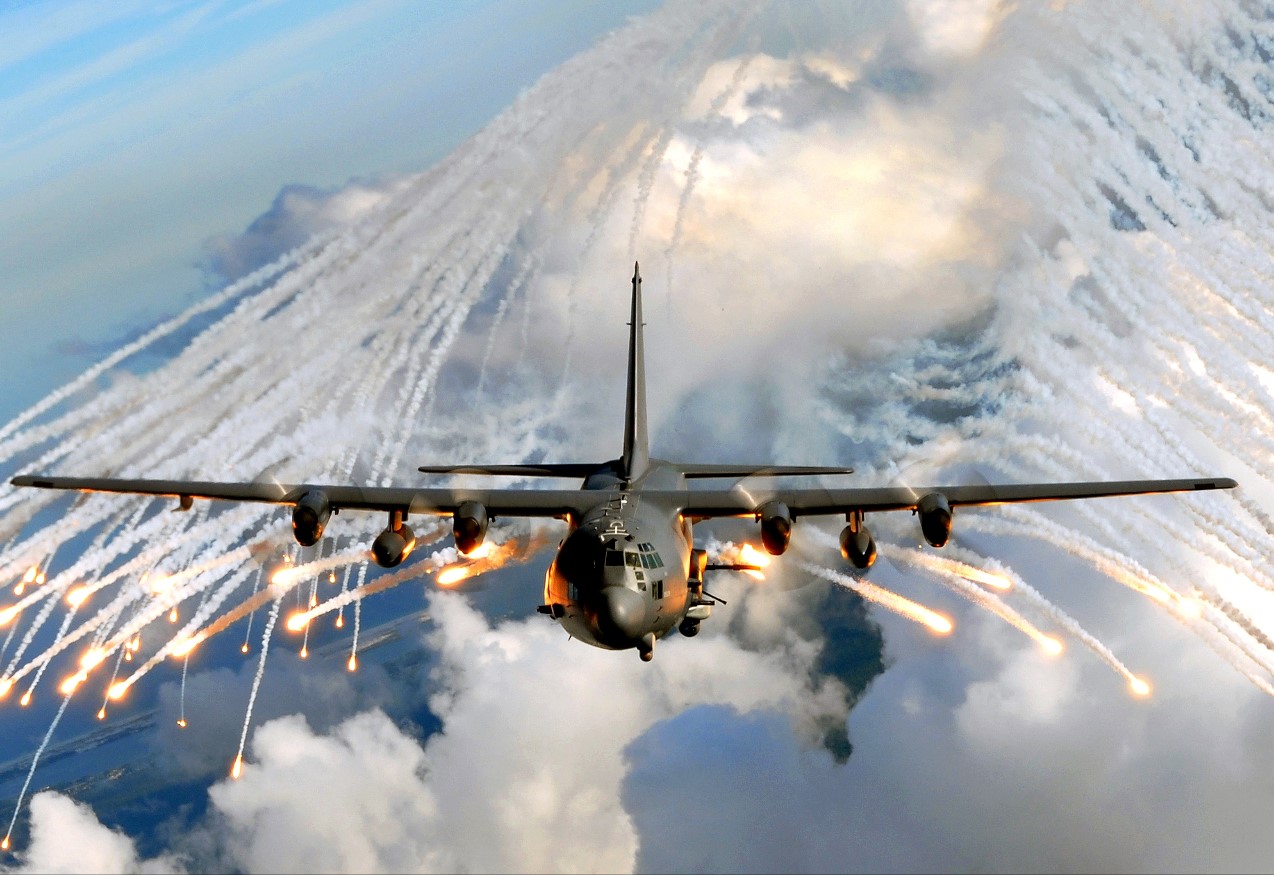 Pentagon Expands Alloy Surfaces Contract to $328.8 Million for Advanced Aircraft Decoy Flares Amid Evolving Drone Threats
-
 Why the U.S. Restored Pacific Command Name, Ending the Indo-Pacific Designation After Eight Years
-
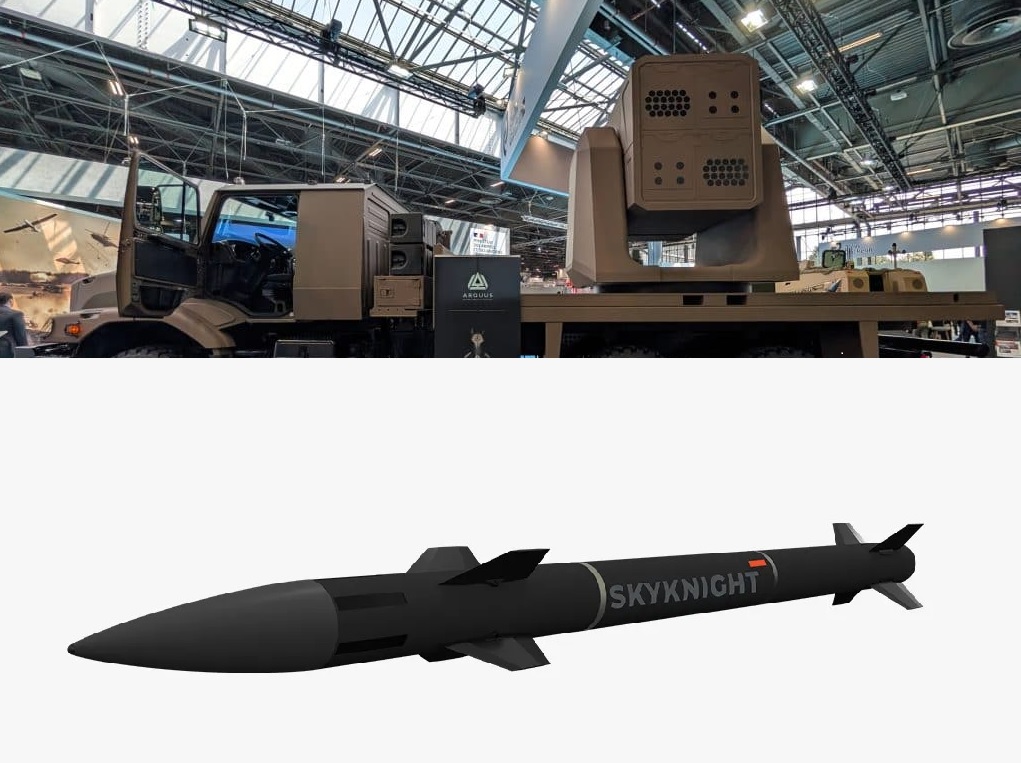 Naval Group Unveils Rampart Modular CIWS Multi-Purpose Weapon System for Naval and Ground Forces at Eurosatory 2026
-
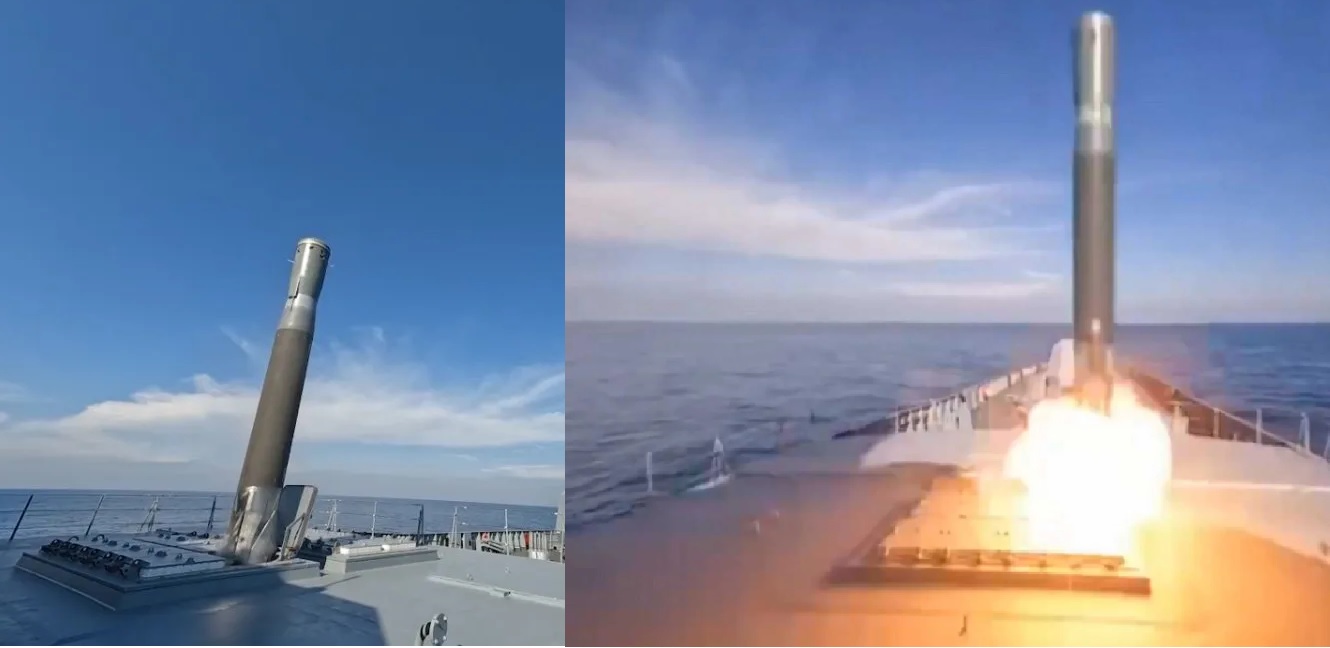 Open-Source Evidence Suggests Russia's Zircon Is a Quasi-Ballistic Missile, Not a True Hypersonic Cruise Weapon
-
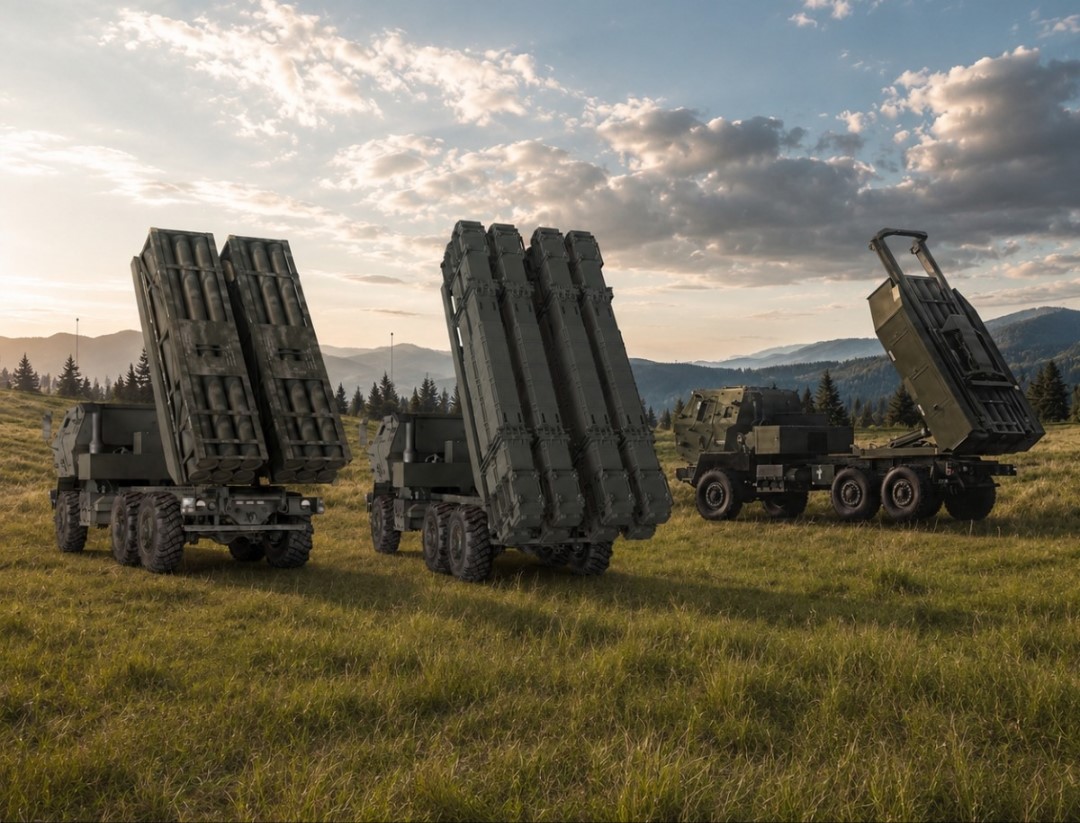 Lockheed Martin Unveils HIMARS FLEX with Dual-Pod Launcher and NATO-Compatible Air Defense Integration
-
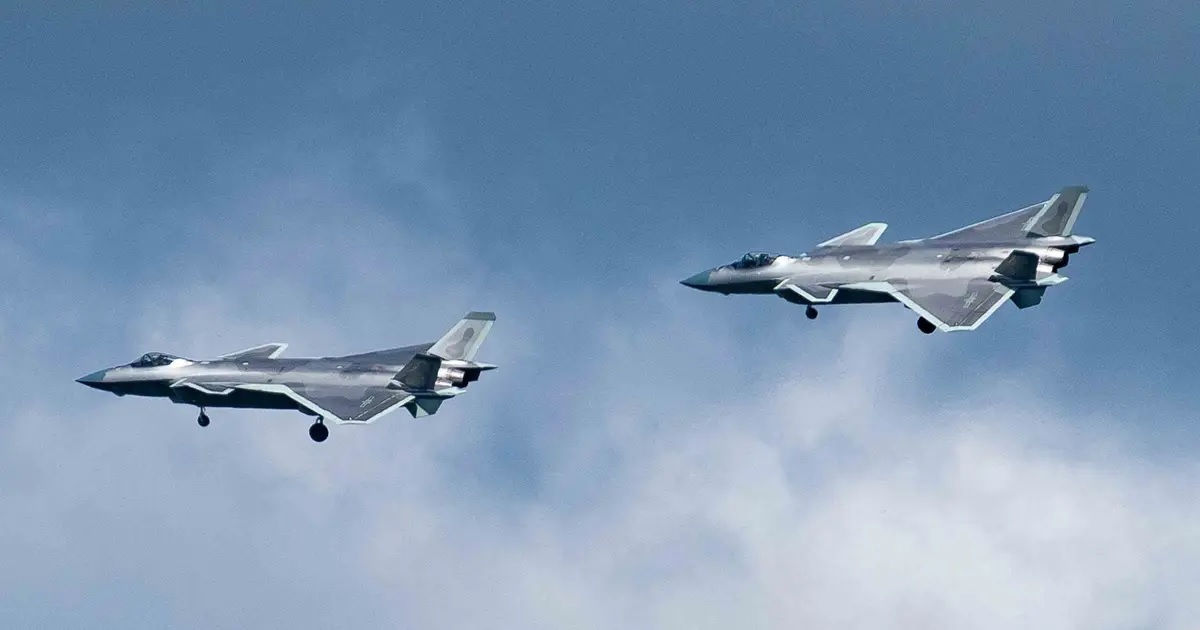 China Surpasses Russia as World’s Second-Most Powerful Air Force Amid Rapid J-20 and J-35 Expansion
-
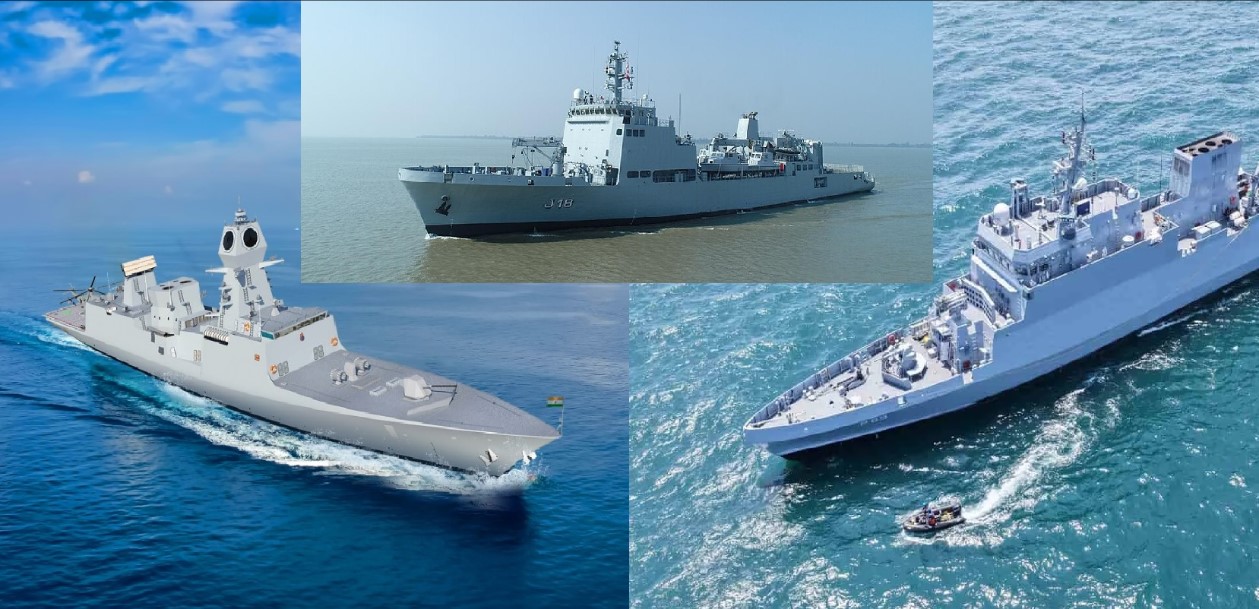 Indian Navy to Commission Stealth Frigate, ASW Craft and Survey Vessel in Rare Triple Induction at Kolkata
-
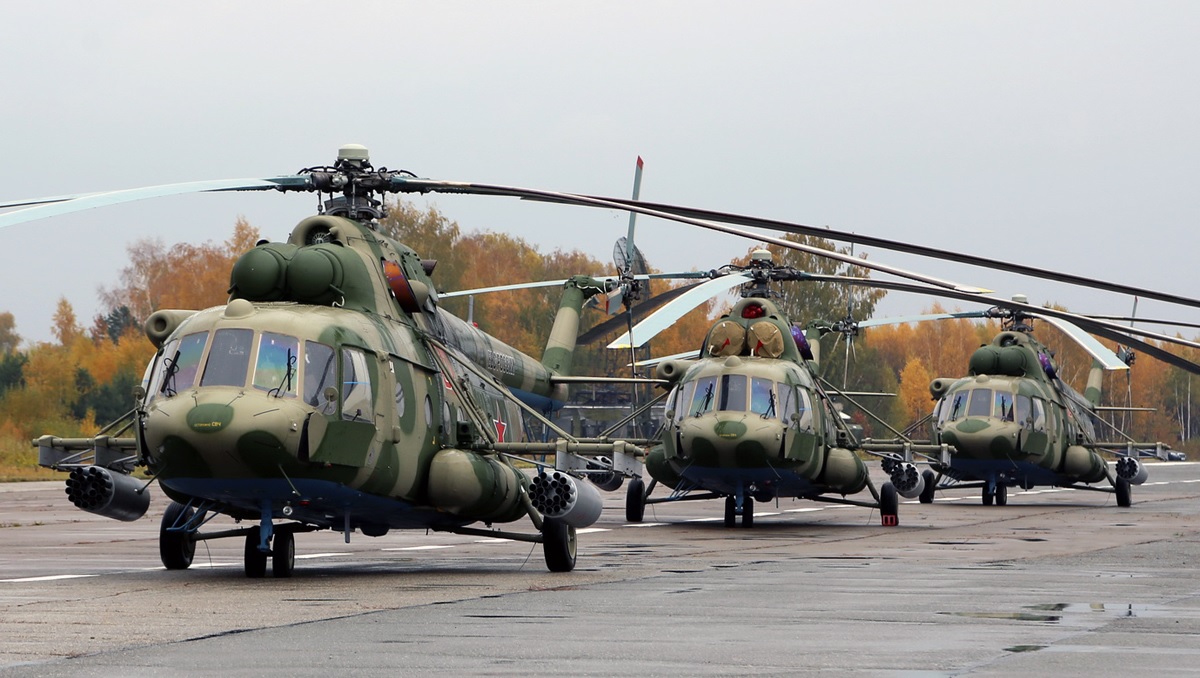 Iran Signs Deal with Russia for 20 Mi-8 and Mi-17 Helicopters to Boost Rescue and Medical Missions
Top Trending in 4 Days
-
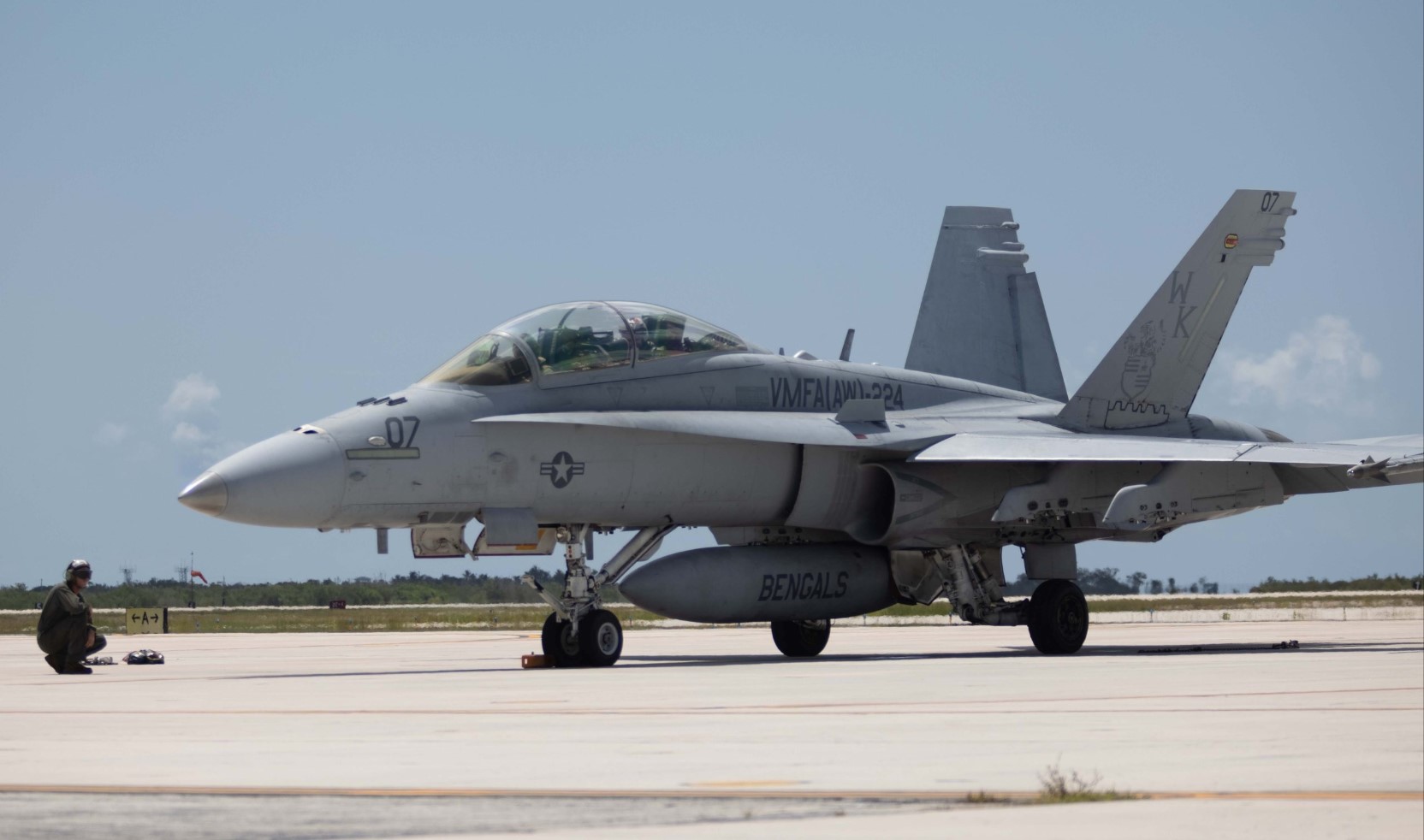 US Marine Corps F/A-18D Hornet Crashes During Training Flight in Washington Mountains; Pilot Ejects Safely
-
 Tulsi Gabbard Releases Declassified Files Detailing U.S.-Backed Network of 120 Biolaboratories Across 30+ Countries
-
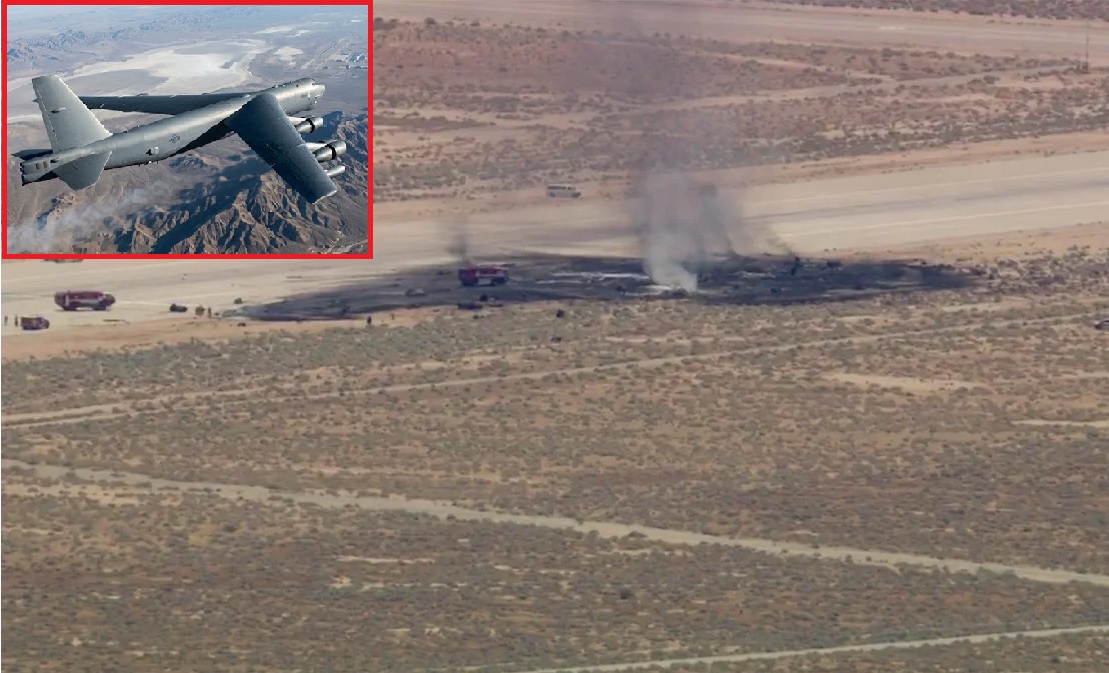 8 U.S. Air Force Crew Members Killed in B-52 Bomber Crash During Test Flight at Edwards Air Force Base
-
 Ukraine Introduces Balloon-Launched DART Missile Designed to Defeat Electronic Warfare
-
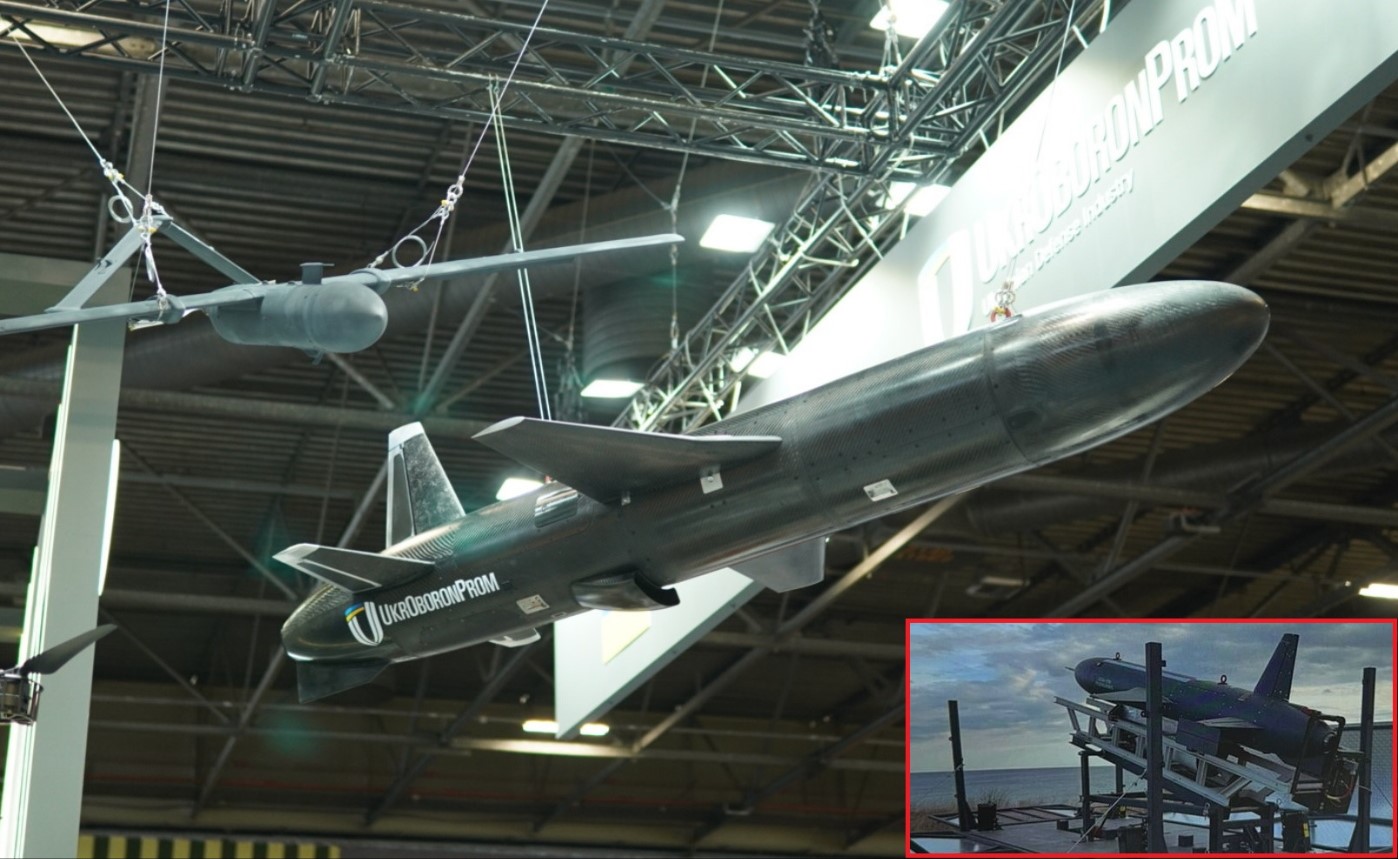 Ukraine Unveils UAV-290 Jet-Powered Strike Drone with 650 km Range at Eurosatory 2026
-
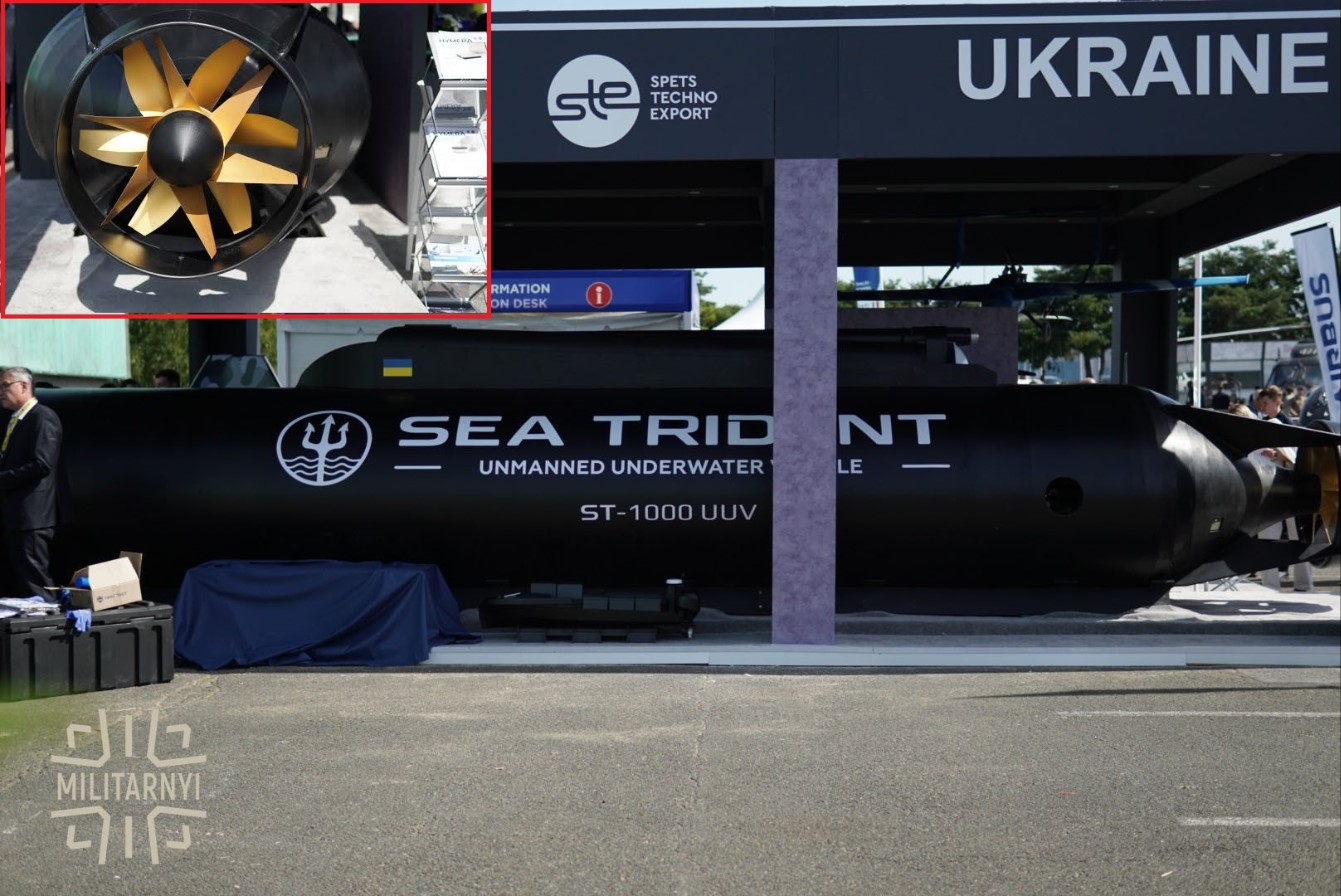 Ukraine Unveils 'Sea Trident' 10-Ton Autonomous Underwater Drone at Eurosatory 2026
-
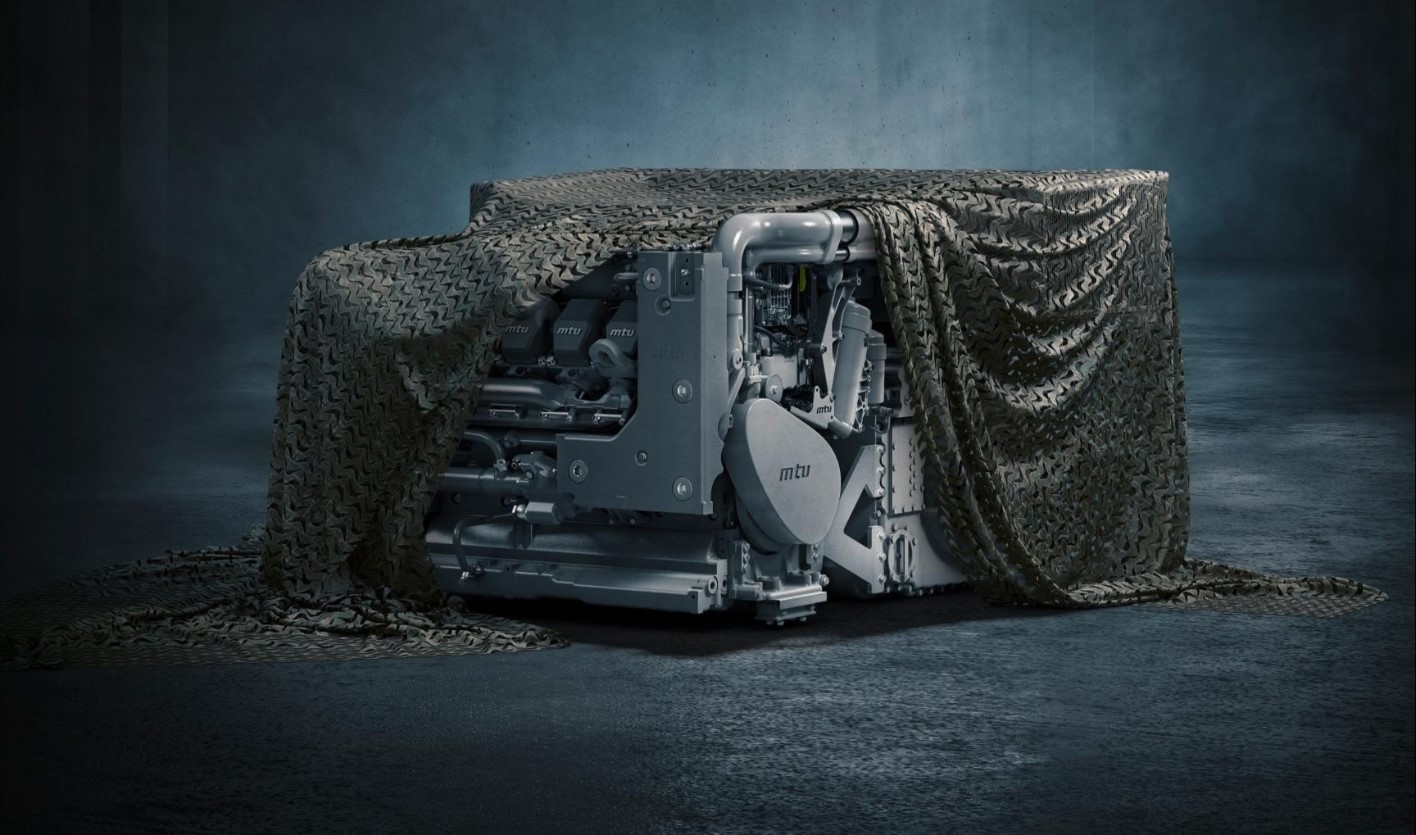 Rolls-Royce Unveils New Hybrid Powertrain for Heavy Military Vehicles at Eurosatory 2026
-
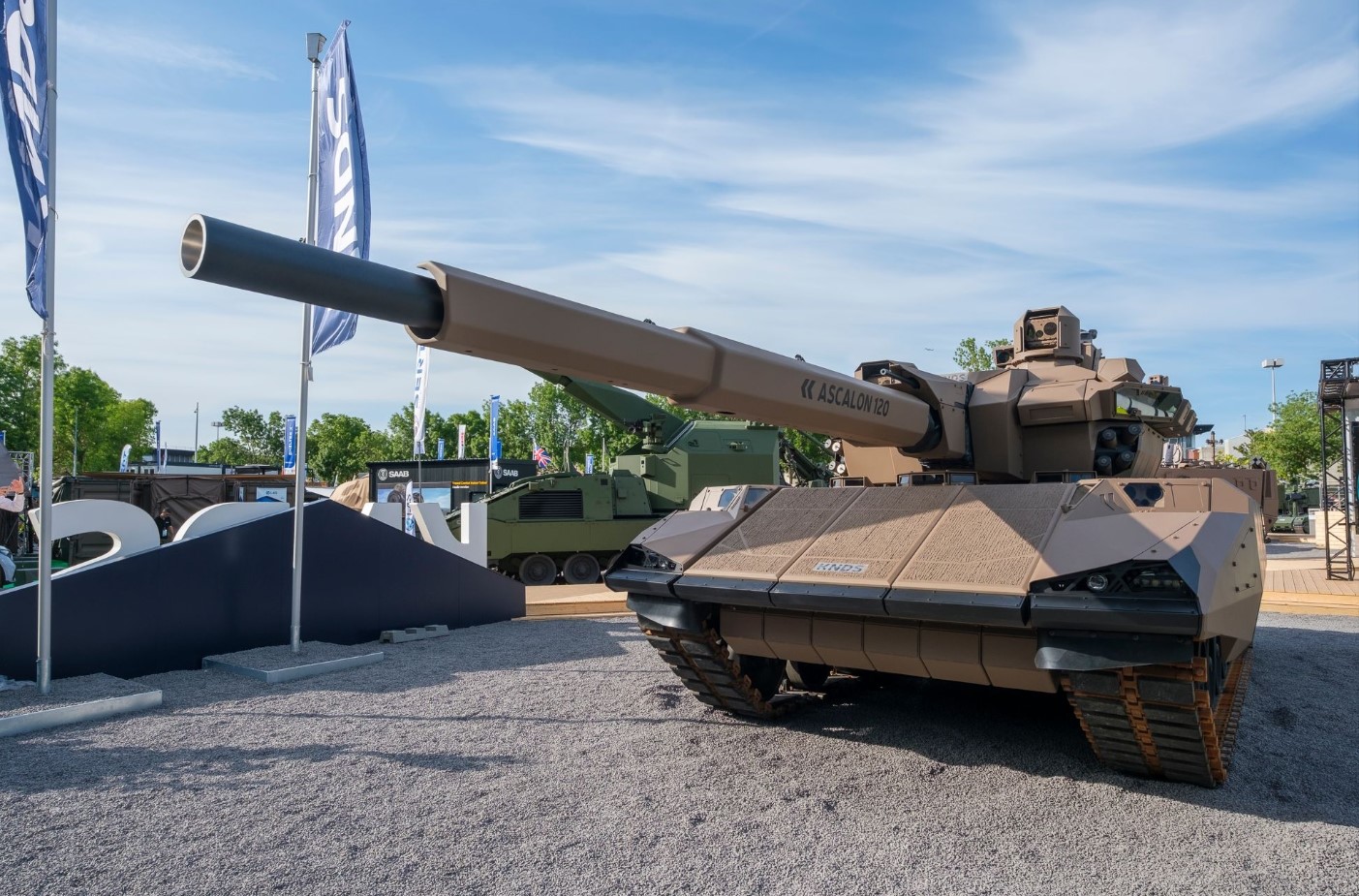 KNDS Unveils CAPINT Main Battle Tank at Eurosatory 2026 as Leclerc Stopgap