India
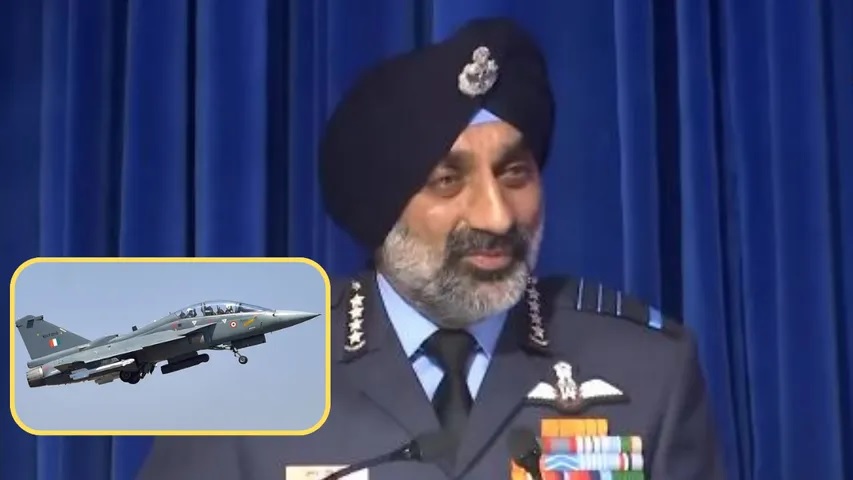
India’s security landscape is growing increasingly complex, with heightened challenges along its borders with China and Pakistan. At the 21st Subroto Mukherjee Seminar in New Delhi, Indian Air Force (IAF) Chief Air Chief Marshal A.P. Singh expressed serious concerns about the country’s preparedness in the face of rapid militarisation by its neighbours. He pointed to delays in critical indigenous defence projects, particularly the much-anticipated Tejas fighter jets, as a significant bottleneck. The Long Wait for Tejas Jets Over a decade has passed since the IAF placed an order for 40 Tejas Mark-1 fighter jets in 2010, yet these aircraft are still not fully delivered. The delay in delivering these jets, powered by the American GE-F404 turbofan engines, has raised concerns about the IAF’s ability to maintain operational readiness. The IAF chief described the pace of indigenous defence production as "too slow," warning that delayed technology is effectively denied technology. The IAF currently operates only 30 fighter squadrons, far below the sanctioned strength of 42.5 needed to counter dual-front threats from China and Pakistan. The situation underscores the pressing need for timely deliveries of both the 40 ordered Tejas jets and future variants such as the Mark-1A and Mark-2 models. A total of 180 Tejas Mark-1A and 108 Mark-2 jets are planned for induction before the IAF transitions to the Advanced Medium Combat Aircraft (AMCA). While the Tejas aircraft represents a leap in India’s indigenous capabilities, the slow production and delivery timelines diminish its immediate utility. The IAF has reiterated the urgent need for faster deliveries to address its squadron deficit. China’s Military Advancements Raise Alarms India’s delays in defence projects stand in stark contrast to China’s rapid military advancements. China recently revealed two sixth-generation stealth fighter jets during test flights, showcasing its leap ahead in defence technology. These tailless aircraft, featuring cutting-edge stealth capabilities, have stunned global military observers, including the United States, which is still finalising its sixth-generation fighter program. China’s existing fifth-generation Chengdu J-20 stealth fighters have already been deployed near the Indian border at Hotan and Shigatse airbases, adding further pressure on India to enhance its air combat capabilities. Indigenous Challenges and Self-Reliance Despite the government’s push for "Atmanirbhar Bharat" (self-reliant India), the pace of indigenisation in defence remains sluggish. The IAF has taken steps to foster local production, working with MSMEs to produce over 50,000 components for Base Repair Depots. Additionally, initiatives such as the Directorate of Aerospace Design and innovation schemes like iDEX (Innovations for Defence Excellence) aim to strengthen private sector participation. However, Air Chief Marshal Singh emphasised that self-reliance comes with a cost. Indigenous R&D projects may require higher upfront investments and involve risks and potential failures. He urged policymakers to accept these challenges, highlighting that strategic independence in defence is worth the financial and operational costs. Looking Ahead: AMCA and Strategic Focus While Tejas faces delays, India is already working on its next-generation fighter program, the Advanced Medium Combat Aircraft (AMCA). Approved in 2022 with a budget of ₹15,000 crore, the AMCA is expected to feature advanced stealth capabilities and a twin-engine design. The first prototype is slated for testing in four to five years, with production likely to begin after 2035. However, the IAF chief’s remarks highlight the importance of timely execution to ensure that AMCA avoids the delays that have plagued other indigenous programs. Conclusion Air Chief Marshal A.P. Singh’s candid observations highlight the urgent need for India to accelerate its indigenous defence projects to maintain a credible deterrence against its adversaries. As China and Pakistan modernise their militaries, India must address delays in critical programmes like Tejas and AMCA while fostering robust private sector partnerships. The path to self-reliance in defence may be challenging, but the strategic benefits far outweigh the costs.
Read More → Posted on 2025-01-08 15:24:53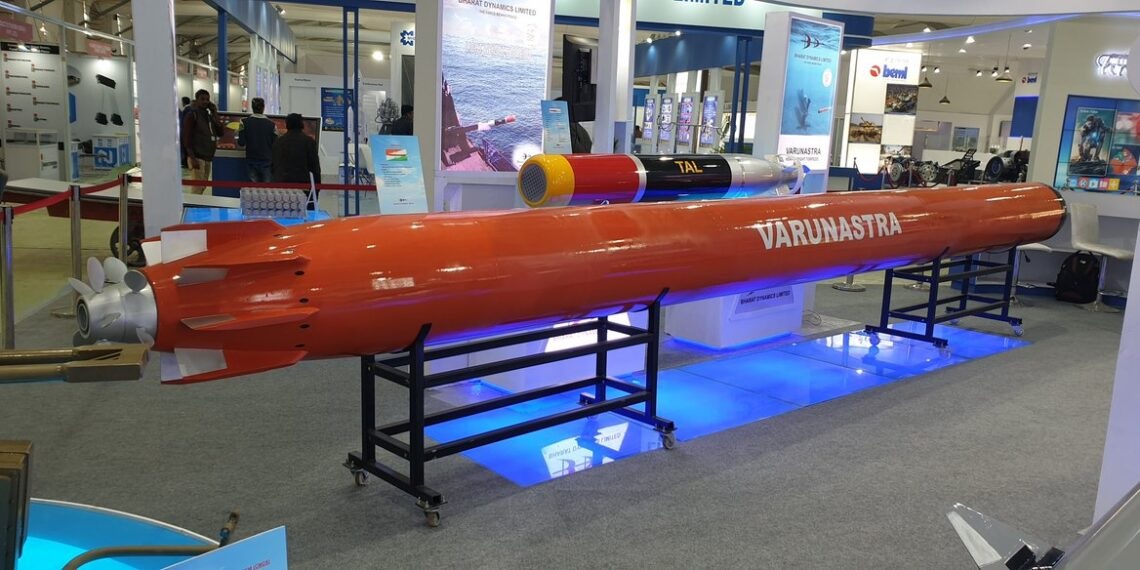
India
The Defence Research and Development Organisation (DRDO) has unveiled its latest innovation, the Electric Heavy Weight Torpedo (EHWT), a state-of-the-art submarine-launched weapon that significantly bolsters India's anti-submarine warfare (ASW) capabilities. This advanced torpedo represents a milestone in India's push for indigenization in defence technology under the ‘Aatmanirbhar Bharat’ initiative. Cutting-Edge Features of the EHWT The EHWT builds upon the success of DRDO’s Varunastra torpedo, offering enhanced precision, stealth, and performance. It is specifically designed for submarine deployment and is capable of engaging quiet enemy submarines in both shallow and deep waters. Unlike conventional torpedoes that use mechanical propulsion, the EHWT leverages an electric propulsion system, drastically reducing its acoustic signature. This low-noise operation enhances its stealth, making it harder for enemy sonar systems to detect. Key Specifications Range: 40 kilometers Speed: Up to 40 knots (approximately 74 km/h) Operating Depth: Up to 600 meters Guidance System: Autonomous guidance algorithms for precision targeting Warhead: High-impact payload for maximum destruction Propulsion: Electric motor, ensuring low acoustic emissions These specifications make the EHWT an ideal weapon for modern submarine warfare, where silence and precision are critical. Versatility in Submarine Integration The EHWT has been extensively tested with various submarine classes in the Indian Navy, including the Sindhughosh-class (Kilo-class) submarines. These trials validated its performance under diverse environmental conditions and confirmed its seamless integration with existing combat systems. The torpedo is also set to be incorporated into the Kalvari-class submarines, part of India’s Project-75 Scorpene program. This collaboration with France’s Naval Group ensures that the EHWT benefits from international expertise while retaining its indigenous roots. Such partnerships reflect a growing trend of combining global technological inputs with Indian innovation. Enhancing India’s Naval Power The development of the EHWT marks a significant leap in the Indian Navy’s underwater combat capabilities. Its ability to remain stealthy, travel long distances at high speeds, and operate across a wide range of depths ensures strategic superiority in the Indo-Pacific region. The torpedo’s advanced guidance algorithms allow it to track and engage targets even in challenging underwater conditions, such as strong currents or evasive maneuvers by enemy submarines. Strategic Significance The introduction of the EHWT strengthens India’s deterrence and offensive capabilities in a region marked by increasing naval competition. With its enhanced range and stealth features, the EHWT positions the Indian Navy as a formidable force, capable of countering submarine threats posed by adversaries. Its indigenous design underscores India's commitment to reducing dependence on foreign defence imports, paving the way for future self-reliant technological advancements. As tensions continue to rise in maritime hotspots, the EHWT serves as a powerful tool in safeguarding India’s maritime interests and asserting its naval dominance. With its cutting-edge features, it is poised to become a cornerstone of India’s undersea warfare strategy, reinforcing its status as a major player in global naval power dynamics.
Read More → Posted on 2025-01-08 15:18:06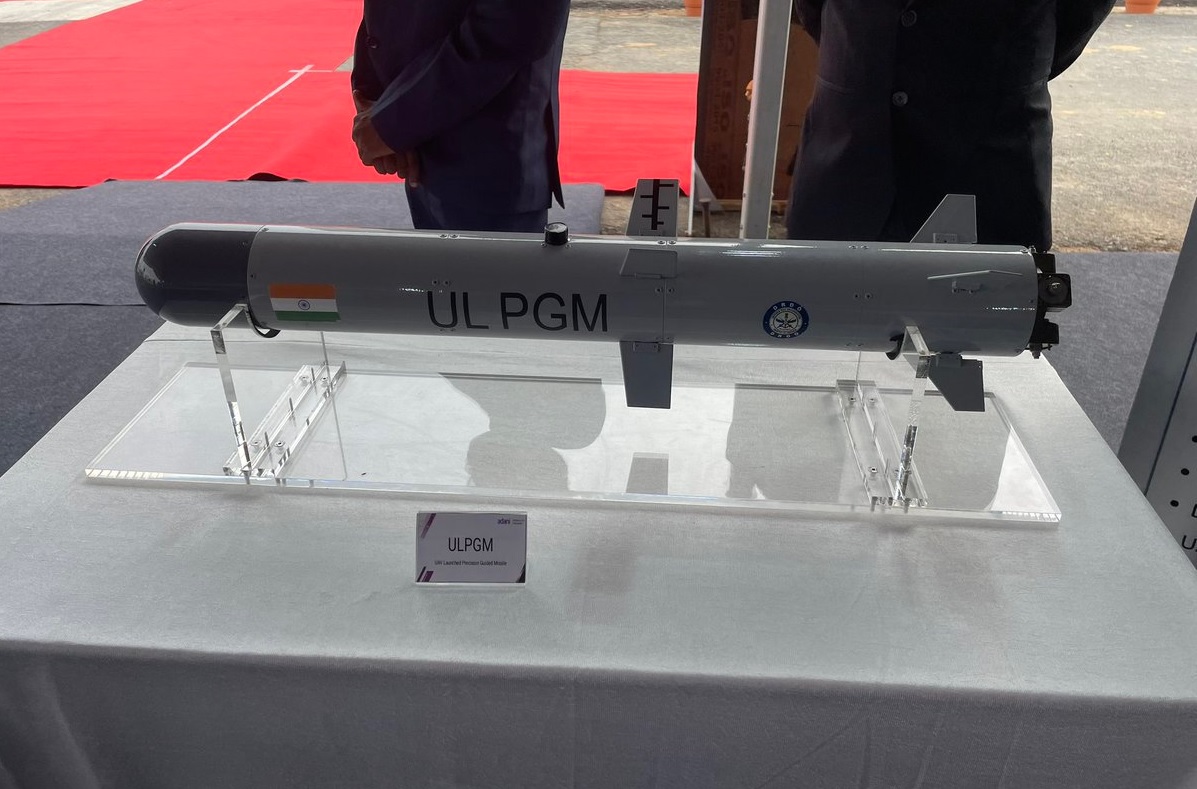
India
India's Defence Research and Development Organisation (DRDO) is gearing up to test the third iteration of its Unmanned Launched Precision Guided Missile (ULPGM V3). This advanced missile system, developed in collaboration with Adani Defence, signifies a leap in India's unmanned aerial warfare capabilities and underscores the nation's commitment to self-reliance in defence technology. What Makes the ULPGM V3 Stand Out? The ULPGM V3 has been designed with a sharp focus on precision, extended range, and adaptability, making it a versatile tool for modern military operations. Compared to its predecessors, this version boasts significant advancements that enhance its effectiveness in high-risk scenarios where conventional aircraft might be less viable. Key Specifications of the ULPGM V3: Type: Air-launched precision-guided missile. Platform: Designed for use with unmanned aerial vehicles (UAVs). Range: Extended strike capability, allowing it to engage targets deep within hostile territories. Payload: Advanced warhead capable of neutralizing high-value targets with minimal collateral damage. Guidance System: Incorporates advanced navigation and targeting systems for pinpoint accuracy. Deployment Platform: Tested with a hexacopter UAV, showcasing compatibility with various unmanned systems. The integration of the ULPGM V3 with UAVs reflects the system's adaptability, enabling the armed forces to conduct precision strikes even in remote or heavily fortified areas without risking manned aircraft. A Strategic Collaboration Under "Make in India" The ULPGM V3 is a product of the synergistic partnership between DRDO and Adani Defence. While DRDO spearheads the research and development of the missile, Adani Defence is responsible for its manufacturing. This collaboration is a shining example of India's "Make in India" initiative, which aims to bolster indigenous defence production and reduce dependency on imports. The role of private-sector giants like Adani Defence in defence manufacturing not only accelerates the development process but also ensures the deployment of cutting-edge technologies. Such partnerships pave the way for India to emerge as a global hub for advanced defence systems. The Upcoming Trials For the forthcoming testing phase, DRDO has integrated the ULPGM V3 with a hexacopter UAV. This test will validate the missile's performance, including its enhanced range and precision capabilities. The trials are expected to demonstrate the system's readiness for deployment, potentially revolutionizing India's precision-strike capabilities. Implications for India's Defence Capabilities The operationalization of the ULPGM V3 could significantly bolster the Indian armed forces' ability to conduct high-precision, low-risk strikes in sensitive operational environments. The missile's compatibility with unmanned platforms makes it a valuable asset in modern warfare, where unmanned systems are increasingly becoming the cornerstone of military strategy. This development also signals India's growing expertise in unmanned systems and missile technology, solidifying its position as a leader in the global defence landscape. The ULPGM V3 is poised to serve as a crucial component in India's arsenal, providing the military with a state-of-the-art tool to address evolving security challenges effectively. As the ULPGM V3 undergoes its trials, it represents not just a technological milestone but also a testament to India's unwavering commitment to indigenization and innovation in defence.
Read More → Posted on 2025-01-08 15:06:47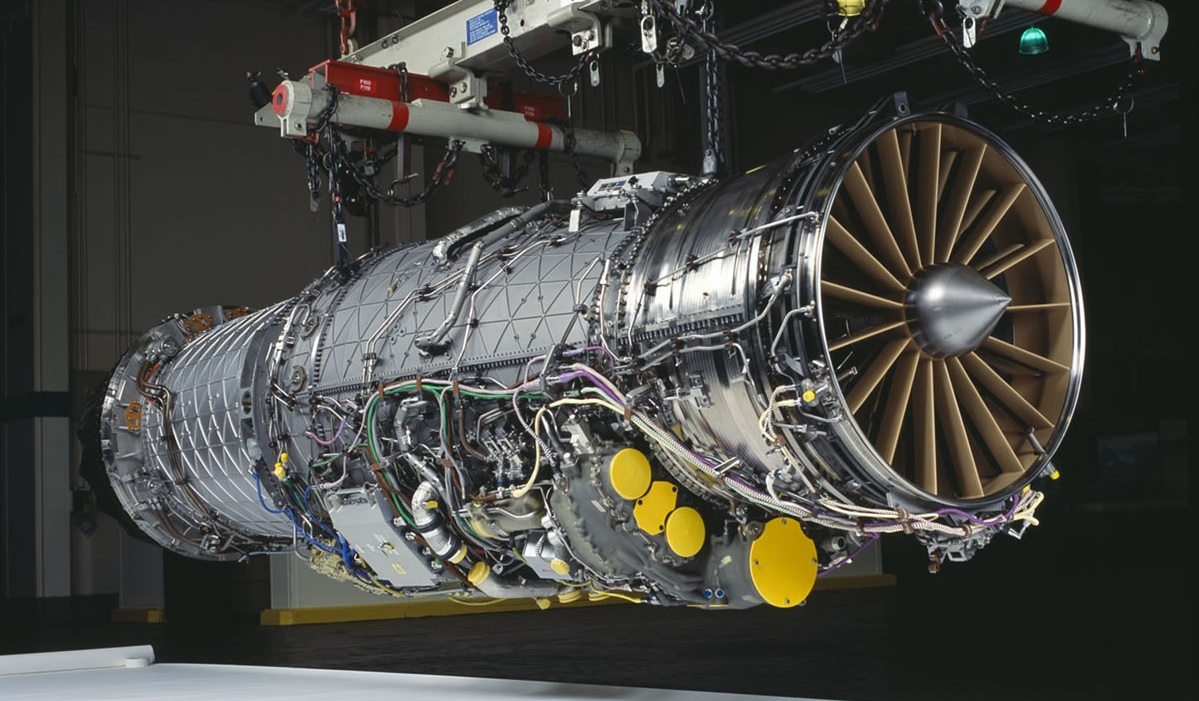
India
India’s Advanced Medium Combat Aircraft (AMCA) program is poised for a crucial milestone: the selection of its powerplant. This decision, expected by 2025, will shape the future of India’s first indigenous stealth fighter and its aerospace industry. The engine, requiring a thrust of approximately 110kN, is the linchpin of the 5th-generation fighter jet project, which aims to rival global counterparts like the F-35 and J-20. Two aerospace heavyweights—France's Safran and the UK’s Rolls-Royce—are vying to provide this critical component. The AMCA’s Strategic Importance The AMCA program is central to India's ambition of achieving self-reliance in defense manufacturing while bolstering its strategic deterrence. Designed to incorporate cutting-edge technologies like stealth, supercruise capability, and advanced avionics, the AMCA will serve as a multirole fighter with the potential to dominate future battlefields. The aircraft's engine is more than a component; it is a strategic asset. A reliable, high-thrust engine ensures not only optimal performance but also operational independence. Hence, the decision will weigh heavily on factors like technology transfer (ToT), indigenous manufacturing capability, and the potential for future upgrades. The Engine Contenders Safran’s Proposal The French aerospace leader Safran has proposed co-developing a new engine core with India. The engine is expected to deliver a thrust range of 110kN to 120kN, meeting the AMCA’s performance needs. What sets Safran apart is its offer of complete technology transfer. This includes sharing know-how related to design, manufacturing, and maintenance, enabling India to independently produce and enhance the engine over its lifecycle. Safran’s proposal aligns with India’s ‘Make in India’ initiative, emphasizing self-reliance and reduced dependence on foreign suppliers. Rolls-Royce’s Offer The British aerospace giant Rolls-Royce brings extensive experience, particularly with its EJ200 engine that powers the Eurofighter Typhoon. Rolls-Royce has proposed co-developing the AMCA engine in India, potentially leveraging its expertise in high-thrust, fuel-efficient designs. While Rolls-Royce is open to sharing production capabilities, it has been more cautious about offering full ToT. However, the company has suggested retaining joint intellectual property (IP) rights, which could allow India to participate in global aerospace innovation while maintaining some level of independence. Key Considerations for India Technology Transfer and Self-Reliance: Safran’s full ToT offer gives it a competitive edge, aligning closely with India’s vision of achieving defense autonomy. Proven Technology vs. New Development: Rolls-Royce’s proven expertise in engines like the EJ200 ensures a lower risk profile, while Safran’s proposal involves developing a completely new core, which could be more time-intensive. Partnership Dynamics: Both options involve long-term partnerships. Safran’s offer appears more favorable for indigenous capabilities, but Rolls-Royce’s global market presence could open doors for future collaboration. Cost and Timelines: Developing a new engine from scratch with Safran might take longer and cost more, but it promises greater long-term benefits. Rolls-Royce’s established expertise might lead to faster deployment, albeit with less control over the technology. The Bigger Picture The AMCA engine decision is not just a choice between two companies but a test of India’s resolve to transition from a buyer of defense technologies to a producer. Whichever partner is selected, the decision will influence India’s geopolitical alignments, its industrial ecosystem, and its ability to project power. The stakes are high, and the outcome will determine not just the fate of the AMCA program but also India’s aspirations to emerge as a global aerospace powerhouse.
Read More → Posted on 2025-01-07 15:41:54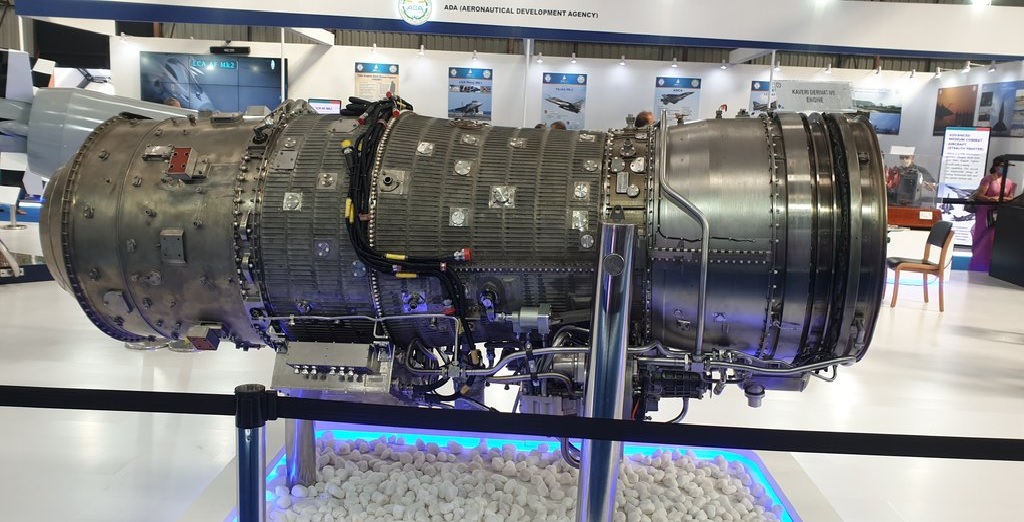
GTRE Focuses on Weight Reduction for Kaveri Dry Engine to Enhance Performance in Manned Fighter Jets
India
The Gas Turbine Research Establishment (GTRE), part of India’s Defence Research and Development Organisation (DRDO), is making strides in the development of the Kaveri Derivative Engine (KDE), a non-afterburning engine variant. Producing 46 kN of thrust in the International Reference Atmosphere at Sea Level Static (IRA SLS), the KDE is a promising technology, but its current weight of 1180 kg presents challenges for its use in manned fighter jets. The weight of the Kaveri Dry Engine, while considerable even without an afterburner, is comparable to or exceeds the weight of some engines that do feature an afterburner. This becomes particularly relevant for platforms like India’s Light Combat Aircraft (LCA) and other fighter jets, where the weight-to-thrust ratio plays a crucial role in performance. In such aircraft, any excess weight could negatively affect factors like agility, fuel efficiency, and payload capacity, limiting the overall capability of the fighter jet. GTRE's weight reduction efforts are centered around finding lighter alternatives to the current materials used in the engine, such as advanced composites or lighter alloys. These materials must still be capable of withstanding the extreme temperatures and stresses involved in jet engine operations. The process is being undertaken carefully and methodically, with GTRE testing each modification to ensure the changes don’t compromise the engine’s performance or reliability. This weight reduction focus is essential because, for manned aircraft, weight is a critical factor that impacts various performance aspects. However, when considering unmanned platforms like the 13-ton Remotely Piloted Strike Aircraft (RPSA), the weight issue becomes less of a concern. The focus here is on thrust and endurance rather than the reduction of weight for accommodating a pilot. The KDE is expected to be used in such unmanned aerial vehicles (UAVs), where the weight-to-thrust ratio is less critical. GTRE is aiming to clear the Kaveri Dry Engine for production once the weight reduction targets are successfully met. The goal is to ensure that the engine remains efficient, reliable, and up to operational standards, while also shedding the unnecessary weight that could hinder its application in manned fighter jets. The careful approach being adopted by GTRE ensures that every phase of the modification is validated, making the engine more viable for future aerospace applications.
Read More → Posted on 2025-01-07 15:23:46
India
A recent development in the aviation industry has triggered widespread concern, especially in India, where its unmanned aerial vehicle (UAV) programs rely heavily on imported engines. The 2017 acquisition of Austria's Austro Engine by China's Wanfeng Aviation Industry has put the spotlight on Rotax engines, widely used in UAVs globally. These engines, produced by BRP-Rotax GmbH & Co KG in Austria, have been a key component of India’s Tapas and Archer-NG Medium Altitude Long Endurance (MALE) UAVs. Why Rotax Engines Are Important Rotax engines are highly regarded for their compact design, fuel efficiency, and consistent performance in demanding aviation applications. In UAVs, these engines are valued for their ability to provide reliable propulsion, essential for long-endurance surveillance missions. The Rotax 912 and 914 series, often used in UAVs, deliver power outputs ranging from 80 to 115 horsepower, ensuring a blend of power and fuel efficiency. However, the acquisition of Austro Engine by China's Wanfeng Aviation Industry raises critical concerns. The ownership transfer creates potential vulnerabilities in the supply chain, especially for nations like India, which have sensitive defence projects relying on these engines. Fears of supply disruptions, embedded backdoors, or even Chinese oversight of engine-related technologies have made this acquisition a geopolitical concern. India’s Tapas and Archer-NG UAV Programs India’s Defence Research and Development Organisation (DRDO) has used Rotax engines primarily for the prototype development of its Tapas and Archer-NG UAVs. These platforms are central to India’s surveillance and reconnaissance efforts, designed to meet the needs of its armed forces. However, recent reports clarify that while Rotax engines are currently in use, the DRDO has a robust stockpile of these engines, ensuring no immediate disruption to ongoing projects. Importantly, once Tapas and Archer-NG move into large-scale production, the DRDO plans to transition to an indigenous engine developed by the Vehicle Research and Development Establishment (VRDE). The Shift to Indigenous Solutions The VRDE is currently working on an indigenous 220-horsepower engine designed specifically for UAVs. This new engine is expected to surpass the capabilities of Rotax engines, offering higher power output, improved efficiency, and greater adaptability to Indian defence requirements. By leveraging domestic expertise, India aims to eliminate vulnerabilities associated with imported components, especially those linked to nations like China. The indigenous engine aligns with India’s broader defence manufacturing push under the ‘Make in India’ initiative. It also reduces dependency on foreign suppliers, ensuring strategic autonomy in critical technologies. However, the development of such an engine comes with its own set of challenges. Precision engineering, testing, and integration into UAV platforms require significant expertise and time. Strategic Implications While the Rotax engines’ performance and reliability are well-proven, the strategic risks posed by their Chinese-linked ownership cannot be ignored. India’s move to develop indigenous alternatives highlights its proactive approach to safeguarding its defence programs. Beyond the Tapas and Archer-NG UAVs, this shift underscores a larger trend of reducing dependency on foreign technology for critical defence applications. Specifications of Rotax Engines and VRDE’s Indigenous Effort Rotax Engines (912/914 series): Power Output: 80-115 horsepower Fuel Type: Aviation gasoline or automotive gasoline Weight: Approximately 60-70 kg Applications: UAVs, light aircraft, gliders VRDE Indigenous Engine (in development): Power Output: 180 horsepower Design: Optimized for long-endurance UAV operations Features: Enhanced fuel efficiency, high reliability, and suitability for Indian climate conditions Conclusion The concerns surrounding Rotax engines and their Chinese ownership have underscored the importance of indigenous solutions for India’s defence ecosystem. While the DRDO’s Tapas and Archer-NG UAVs remain unaffected in the short term due to sufficient stockpiles, the development of a powerful, homegrown engine is a significant step forward. This move not only mitigates potential risks but also reinforces India’s commitment to becoming self-reliant in critical defence technologies.
Read More → Posted on 2025-01-07 14:49:46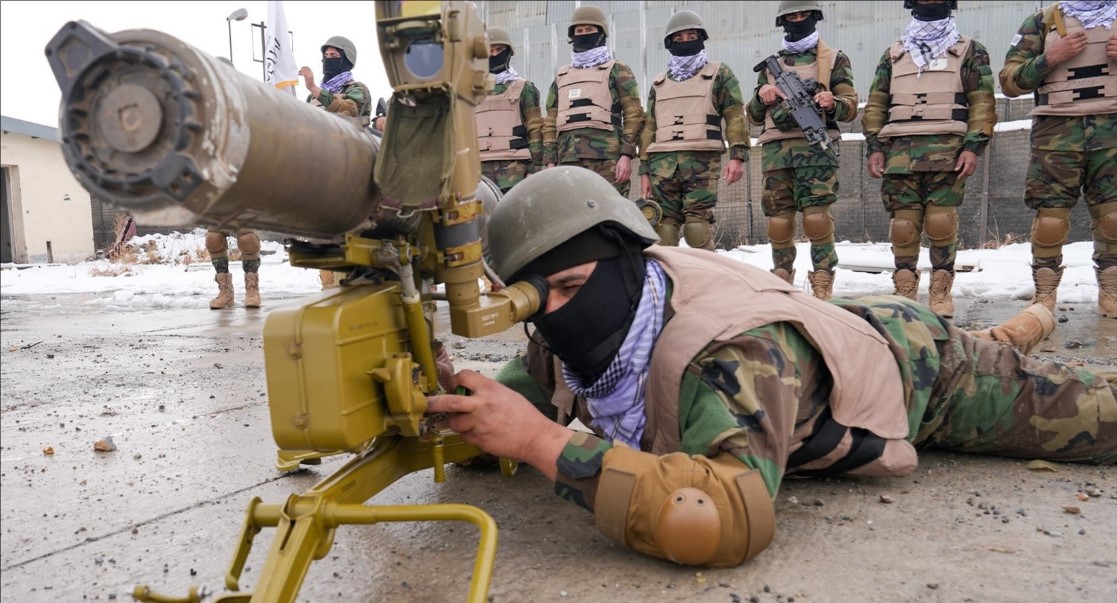
India
In a fresh twist to South Asia's already complex geopolitical landscape, allegations have surfaced accusing India's premier intelligence agency, the Research and Analysis Wing (R&AW), of supplying Anti-Tank Guided Missiles (ATGMs) to the Afghan Taliban. Social media accounts linked to Pakistan's Inter-Services Intelligence (ISI) claim that India has transferred 9M113 Konkurs ATGMs, a missile system of Russian origin but also indigenously produced in India. What is the 9M113 Konkurs Missile? The 9M113 Konkurs is a wire-guided anti-tank missile system designed for high precision against armored targets. Capable of being launched from a vehicle or portable launcher, the missile boasts the following specifications: Range: 75 meters to 4 kilometers Warhead Type: Tandem High-Explosive Anti-Tank (HEAT) Penetration Capability: Up to 750mm of rolled homogeneous armor (RHA) after explosive reactive armor (ERA) Speed: Up to 250 meters per second Operational Use: It can engage armored vehicles, fortifications, and low-flying aerial targets like helicopters. India, which has manufactured these missiles under license for years, has integrated the Konkurs into its armed forces, showcasing their effectiveness in numerous military operations. Allegations and Their Context The accusations, primarily propagated on the social media platform X (formerly Twitter), suggest that R&AW facilitated the transfer of Konkurs missiles to the Afghan Taliban. These claims gained traction after reports in October 2024 indicated that India had indeed transferred weaponry to Afghanistan. The alleged motive is to enable the Taliban to counter Pakistani border posts amid rising tensions between Kabul and Islamabad. Pakistan has long accused India of using Afghanistan as a staging ground to undermine its security, while India counters by highlighting Pakistan's continued support for cross-border terrorism. The purported missile transfer adds another layer to the strained relationship, with some analysts speculating it could be a calculated move to challenge Pakistan's influence in Afghanistan. The Taliban’s request for ATGMs, reportedly made last year, might also reflect its strategy to strengthen its border defenses against Pakistan, which has faced repeated clashes with Taliban fighters over border demarcation disputes. The Geopolitical Ripple Effect If the allegations hold any truth, the repercussions could be significant. India has historically positioned itself as a constructive player in Afghanistan, focusing on infrastructure development, humanitarian aid, and capacity-building projects. Supplying advanced weaponry like the Konkurs to the Taliban would mark a stark departure from this policy and could complicate India's diplomatic relations with Western allies who view the Taliban with skepticism. On the flip side, such a move could potentially serve India's strategic interests by limiting Pakistan's leverage in Afghanistan. Pakistan, which has historically supported the Taliban, may find itself in a precarious position if Kabul strengthens its border defenses and retaliates against Pakistani incursions. However, arming non-state actors comes with inherent risks. The Taliban’s unpredictable behavior and alliances could lead to unintended consequences, such as the weapons being used against Indian interests or falling into the hands of other militant groups. Disinformation or Reality? It is essential to approach these allegations with caution. Social media accounts linked to Pakistan's ISI are often accused of spreading disinformation to malign India’s international standing. The timing and nature of these claims raise questions about their authenticity, particularly given the strained relations between India and Pakistan. While no concrete evidence has surfaced to corroborate the allegations, they have ignited debates on India’s foreign policy and regional strategy. Critics argue that even the perception of such a transfer undermines India’s credibility as a stabilizing force in Afghanistan. Conclusion As the controversy unfolds, the truth behind the alleged ATGM transfer remains uncertain. What is clear, however, is that South Asia’s geopolitical chessboard is becoming increasingly volatile. If proven, these allegations could reshape perceptions of India’s role in Afghanistan and its broader regional strategy, making it a critical issue to monitor.
Read More → Posted on 2025-01-07 14:21:26
India
Coimbatore-based Shiva Texyarn Ltd has achieved a significant milestone by securing a ₹36 crore contract from the Indian Air Force (IAF) to supply 16,000 advanced Nuclear, Biological, and Chemical (NBC) protective suits. This development not only underscores the company's capabilities in manufacturing cutting-edge protective gear but also aligns with the Government of India's "Make in India" initiative, aimed at bolstering domestic production and reducing reliance on imports. Advanced NBC Protective Gear for High-Risk Operations The NBC suits being supplied by Shiva Texyarn are designed to provide comprehensive protection against nuclear, biological, and chemical threats, ensuring the safety and mobility of personnel during high-risk operations. These specialized garments incorporate advanced materials and technologies that safeguard wearers from hazardous agents while maintaining comfort and operational efficiency. The suits are a critical component of modern defense operations, particularly in scenarios involving chemical warfare or disaster management. Their deployment enhances the preparedness and resilience of the Indian Air Force, equipping personnel to operate in some of the most challenging environments. Supporting the ‘Make in India’ Initiative This contract is a testament to Shiva Texyarn's commitment to innovation and quality in the defense manufacturing sector. By producing NBC suits domestically, the company contributes to the "Make in India" initiative, which seeks to promote indigenous capabilities in defense production and reduce dependency on foreign suppliers. The initiative also fosters economic growth by creating job opportunities and supporting local industries. Boosting Confidence in Indian Defense Manufacturing The successful execution of this contract is expected to enhance confidence in India’s defense manufacturing sector. Shiva Texyarn’s ability to meet the stringent requirements of the Indian Air Force reflects the growing competence of Indian companies in producing world-class military equipment. The company’s spokesperson expressed pride in the achievement, stating, “This contract highlights our dedication to innovation and excellence in producing advanced protective gear. We are honored to contribute to the safety and effectiveness of India’s armed forces.” Broader Implications for National Security As geopolitical tensions and non-conventional threats continue to rise, equipping defense personnel with reliable protective gear has become increasingly critical. The NBC suits supplied by Shiva Texyarn will play a pivotal role in ensuring the safety and operational readiness of Indian Air Force personnel, reinforcing national security and disaster response capabilities. Conclusion Shiva Texyarn’s contract with the Indian Air Force marks a significant step forward in India’s defense self-reliance journey. By delivering 16,000 NBC protective suits, the company not only strengthens the nation’s defense preparedness but also sets a benchmark for indigenous manufacturing in the sector. As India continues to focus on building a robust domestic defense industry, collaborations like this highlight the potential of homegrown enterprises to meet global standards and contribute meaningfully to national security.
Read More → Posted on 2025-01-06 16:22:42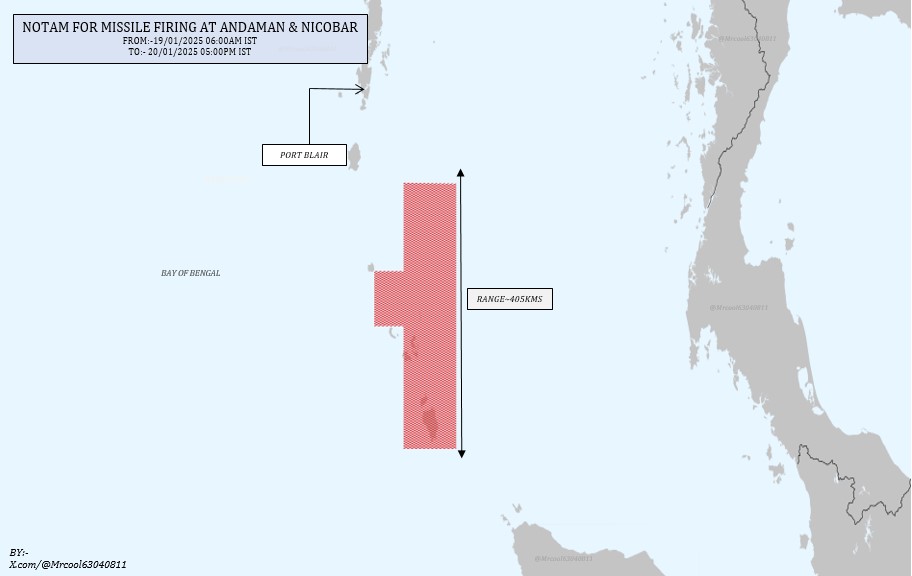
India
The Indian government has issued a Notice to Airmen (NOTAM) for missile firing operations scheduled to take place in the vicinity of the Andaman and Nicobar Islands. According to the notification, the exercise will occur between January 19, 2025, at 06:00 AM IST and January 20, 2025, at 05:00 PM IST. The designated range for this operation extends up to 405 kilometers into the Bay of Bengal, indicating a significant missile testing or training activity. Key Details of the NOTAM Dates and Times: The exercise will span two days, beginning in the early morning hours of January 19 and concluding by late afternoon on January 20, 2025. Location: The missile firing will occur in the vicinity of the strategically significant Andaman and Nicobar Islands, which serve as India’s easternmost military outpost. Range: The designated area for the exercise extends up to 405 kilometers into the Bay of Bengal. This range suggests that the activity involves a medium- to long-range missile system. Strategic Implications The Andaman and Nicobar Islands play a critical role in India’s maritime security architecture, offering strategic oversight of key shipping lanes in the Indian Ocean Region (IOR). Conducting missile tests in this area reinforces India's military readiness and signals its commitment to safeguarding national interests in the region. Possible Missile Systems While the specific missile system to be tested has not been disclosed, the range of 405 kilometers suggests it could involve one of the following: BrahMos Supersonic Cruise Missile: With its advanced strike capabilities and ranges of up to 450 kilometers in its latest versions, the BrahMos is a likely candidate for such tests. Pralay Short-Range Ballistic Missile: Designed for precision strikes within a 350–500 kilometer range, Pralay aligns well with the specified range of the NOTAM. Longer-Range Variants: The test could also involve experimental or upgraded systems, given India’s focus on enhancing missile technology to counter emerging threats. Safety Measures and International Protocols India adheres to strict safety measures and international norms during missile testing. The issuance of a NOTAM ensures that air and maritime traffic in the designated area are informed well in advance, allowing for route adjustments to avoid potential hazards. Additionally, Indian authorities coordinate with relevant agencies to secure the area and minimize risks to civilian and commercial operations. Broader Context This missile test is part of India's ongoing efforts to modernize its armed forces and assert its presence in the Indo-Pacific region. Recent developments, including heightened tensions in the region and increased maritime activity, underscore the strategic importance of such exercises. By leveraging its capabilities in the Andaman and Nicobar Islands, India can monitor and respond to activities in the Strait of Malacca and other critical chokepoints. Conclusion The upcoming missile firing exercise near the Andaman and Nicobar Islands highlights India’s focus on strengthening its defense capabilities and ensuring maritime security. As the geopolitical landscape evolves, such initiatives underscore the country’s readiness to address emerging challenges and maintain stability in the Indian Ocean Region.
Read More → Posted on 2025-01-06 16:14:13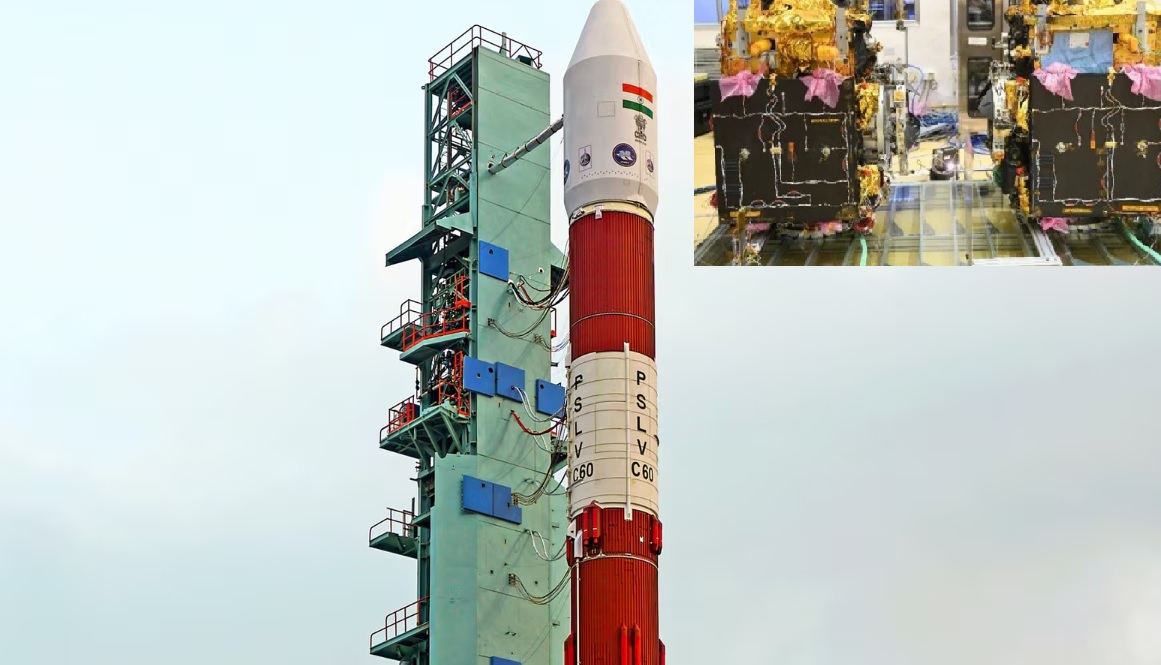
India
The Space Docking Experiment (SpaDeX), launched by the Indian Space Research Organisation (ISRO) on December 30, 2024, is set to make history. Scheduled for January 7, 2025, this ambitious mission will demonstrate India's capability to dock two spacecraft in orbit—a technological feat that only a handful of nations have achieved. The experiment involves two specially designed small satellites, SDX01 (the Chaser) and SDX02 (the Target), which will perform an intricate and precise maneuver to connect while orbiting Earth. This mission not only underscores ISRO’s growing prowess in space technology but also paves the way for groundbreaking applications, such as in-orbit satellite servicing, construction of space structures, and even human spaceflight missions in the future. Why January 7 Was Chosen The decision to schedule the docking experiment on January 7 is the result of months of meticulous planning. Here’s why this date was carefully selected: Orbital Dynamics and PositioningDocking two spacecraft requires exceptional precision in their relative positioning and movement. Orbital mechanics dictate that the satellites must align perfectly and approach each other at the correct speed and angle. January 7 offers the optimal orbital conditions for SDX01 and SDX02 to successfully rendezvous and dock. Ground Station ReadinessISRO’s ground control stations, particularly the Indian Space Telemetry, Tracking, and Command Network (ISTRAC) in Bengaluru, play a pivotal role in the mission. From monitoring the satellites to issuing commands and making real-time adjustments, the success of SpaDeX relies heavily on ground control. January 7 ensures the availability of these resources, with trained teams and systems fully prepared for the operation. Solar Power OptimizationThe satellites depend on sunlight to generate power through their solar panels, ensuring uninterrupted operation of critical systems like sensors, communication modules, and docking mechanisms. January 7 provides ideal solar orientation, ensuring that both satellites are sufficiently powered throughout the docking process. Extensive Testing and SimulationsThe selection of this date follows months of simulations and hardware testing. January 7 represents the culmination of ISRO’s exhaustive efforts to prepare for every possible scenario, giving the mission the highest likelihood of success. Specifications of SpaDeX Satellites The two satellites used in the SpaDeX mission, SDX01 and SDX02, are compact, lightweight systems designed specifically for docking experiments. SDX01 (Chaser):Equipped with advanced sensors, cameras, and propulsion systems, SDX01 is tasked with locating SDX02, navigating towards it, and executing the docking procedure. SDX02 (Target):Designed to act as the passive docking partner, SDX02 features docking ports, alignment aids, and communication systems to ensure a seamless connection with SDX01. Docking Mechanism:The docking system is fully automated, relying on real-time data from sensors and cameras to execute precision maneuvers. ISRO’s engineers have ensured that the system includes fail-safes to prevent collisions or misalignments. Size and Weight:Both satellites are compact, with a mass of approximately 150 kg each, making them cost-effective and efficient for experimental missions. Why SpaDeX Matters SpaDeX is not just a technological demonstration; it represents a major leap forward for India’s ambitions in space exploration. Successful docking capabilities will unlock numerous possibilities: In-Orbit Refueling and Maintenance:Future satellites could be refueled, repaired, or upgraded in space, extending their operational lifespans. Space Station Assembly:Docking technology is critical for assembling large structures in space, such as space stations or telescopes. Human Spaceflight Missions:For missions involving astronauts, docking will be essential for transferring crew or supplies between spacecraft. By undertaking SpaDeX, ISRO positions itself among the elite space agencies capable of advanced orbital maneuvers, solidifying India’s reputation as a rising space power. What’s Next? If successful, SpaDeX will serve as a foundation for more complex missions, including collaborations with international space agencies and advancements in reusable space systems. ISRO’s dedication to pushing technological boundaries ensures that this experiment is not just a milestone but a stepping stone toward a future of limitless possibilities in space exploration. By choosing January 7—a date meticulously calculated to offer ideal conditions—ISRO is ensuring that this mission sets a new benchmark in India’s space journey.
Read More → Posted on 2025-01-06 15:40:19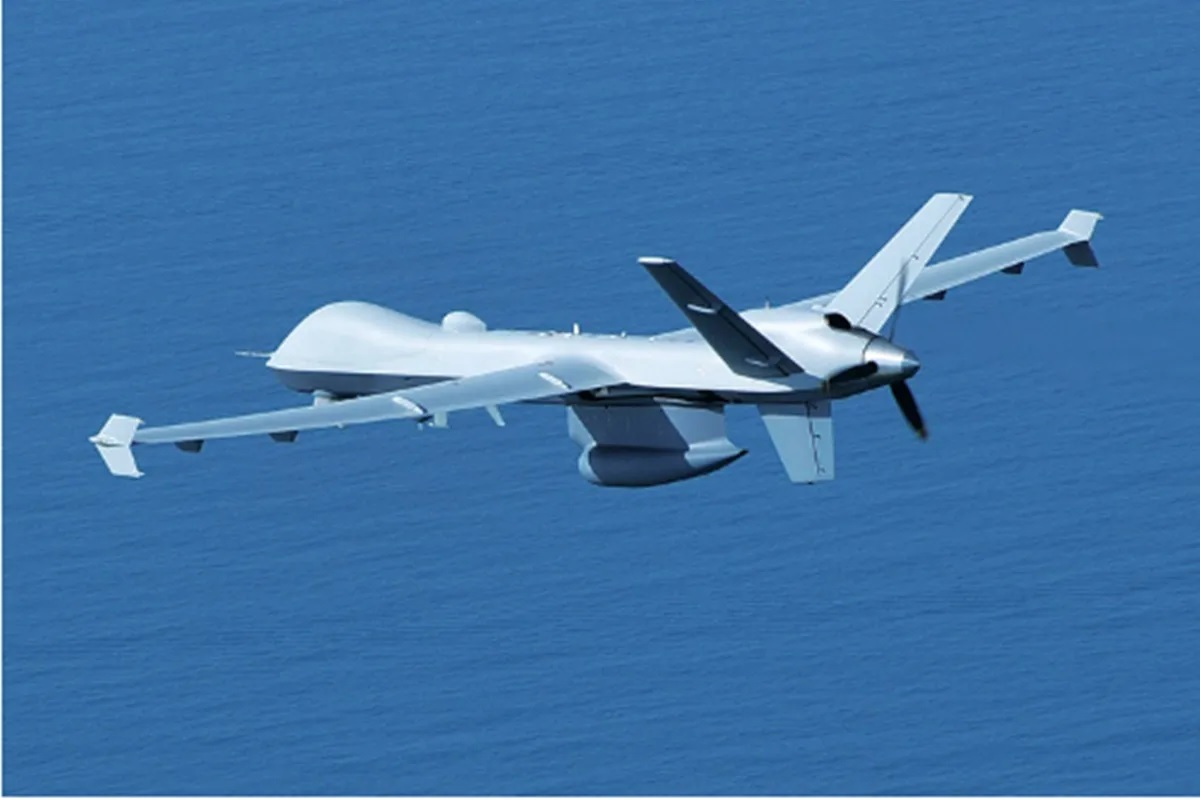
India
The Indian Navy is embarking on an ambitious plan to develop long-range, jet-powered unmanned aerial vehicles (UAVs) to enhance its surveillance and reconnaissance capabilities across the expansive Indian Ocean Region (IOR). This move is part of a larger strategy to reinforce maritime domain awareness and strengthen India’s readiness to address emerging security challenges in the region. Why Jet-Powered UAVs? While the Navy is already in the process of acquiring MQ-9 Reaper drones for intelligence, surveillance, and reconnaissance (ISR) missions, these UAVs are powered by turboprop engines. Despite their exceptional ability to provide persistent monitoring, turboprop UAVs lack the speed required to quickly reach distant areas of interest within the IOR, especially during emergencies or evolving situations. Jet-powered UAVs, on the other hand, offer a significant edge in terms of operational speed and range. Equipped with jet or turbofan engines, these platforms can be rapidly deployed over vast distances, addressing the Navy's need for quicker reaction times and enhanced operational flexibility. Key Specifications and Capabilities The Indian Navy's requirements for these advanced UAVs include: Extended RangeThe UAVs must be capable of covering the vast expanses of the IOR, ensuring comprehensive surveillance of maritime activities. Proposed operational ranges could span several thousand kilometers, enabling coverage of far-flung strategic areas. High SpeedJet-powered propulsion will allow these UAVs to achieve speeds upwards of 900 km/h, significantly reducing the time needed to respond to threats or incidents across the region. Advanced ISR SystemsThese UAVs will feature cutting-edge sensors such as electro-optical/infrared (EO/IR) systems, synthetic aperture radars (SAR), and maritime patrol radars. They will also include secure satellite communication (SATCOM) systems for real-time data transmission to naval command centers. Endurance and AltitudeWith a High-Altitude Long-Endurance (HALE) classification, these UAVs are expected to operate at altitudes exceeding 50,000 feet and remain airborne for up to 24 hours or more. Payload CapacityThe UAVs will be designed to carry multiple payloads, including electronic warfare (EW) systems and even small precision-strike munitions if required, making them versatile for a range of missions. Development Roadmap The Indian Navy plans to partner with both public and private sector defence companies within India to conceptualize and develop these advanced UAVs. Organizations like Hindustan Aeronautics Limited (HAL), Bharat Electronics Limited (BEL), and private firms such as Tata Advanced Systems and Adani Defence are expected to play a pivotal role. To fast-track development, the Navy is also exploring international collaborations to gain access to proven technologies and expertise. Partnerships with countries like the United States, Israel, or European nations could help integrate cutting-edge avionics, propulsion systems, and ISR technologies into the indigenous platforms. Strategic Significance The Indian Ocean Region has become a hotspot for geostrategic competition, with the increasing presence of foreign naval forces, including those from China. The ability to maintain real-time situational awareness across this vital region is critical for India’s maritime security and broader power projection objectives. The introduction of long-range, jet-powered UAVs will serve as a force multiplier for the Navy, enhancing its ability to monitor potential threats, secure vital sea lanes of communication, and safeguard its economic and strategic interests. Looking Ahead By pursuing this advanced UAV program, the Indian Navy is not only addressing immediate operational needs but also fostering domestic defence innovation. The initiative aligns with the government's push for self-reliance in defence production under the “Make in India” campaign. Once operational, these UAVs will significantly elevate India’s maritime surveillance capabilities, reinforcing its role as a net security provider in the region and a formidable force in the Indian Ocean.
Read More → Posted on 2025-01-06 15:04:18
India
India has taken a decisive step towards revolutionizing its nuclear energy future by partnering with Clean Core Thorium Energy (CCTE), a U.S.-based firm, to develop and deploy thorium-based nuclear fuel. NTPC Limited, India’s largest power utility, is spearheading this collaboration, which is focused on introducing ANEEL (Advanced Nuclear Energy for Enriched Life) fuel for Pressurized Heavy Water Reactors (PHWRs) across the country. This initiative is a strategic move that aligns with India’s broader goals of achieving energy security, reducing carbon emissions, and tapping into its vast thorium reserves, which account for nearly 25% of the world’s total. Specifications and Benefits of ANEEL Fuel ANEEL fuel is a groundbreaking innovation developed by CCTE. It combines thorium—a naturally abundant and less-reactive element—with small quantities of enriched uranium to create a high-performance nuclear fuel. The specifications and advantages of ANEEL include: Reduced Nuclear Waste: ANEEL fuel reduces nuclear waste by over 85% compared to conventional uranium-based fuels. This addresses one of the primary challenges of nuclear power: long-term waste management. Safety Enhancements: The fuel is inherently safer due to its proliferation resistance. Spent ANEEL fuel cannot be weaponized, adding an extra layer of security. Economic Efficiency: ANEEL offers higher energy output, resulting in cost savings for operational and maintenance expenses in nuclear reactors. Its efficiency could lower the overall cost of nuclear energy production. Compatibility with PHWRs: The fuel is designed specifically for India's PHWRs, making it easier to integrate into the country's existing nuclear infrastructure. Focus on HALEU: The partnership will also explore the production of High-Assay Low-Enriched Uranium (HALEU), further diversifying India's nuclear fuel options. Leveraging India’s Thorium Potential India’s thorium reserves are estimated at approximately 1.07 million tonnes, primarily found in states such as Kerala, Tamil Nadu, and Odisha. Unlike uranium, thorium is not fissile but fertile, meaning it can be converted into a fissile material—uranium-233—when irradiated in a reactor. This makes thorium an ideal resource for India's long-term nuclear strategy, which emphasizes self-reliance and the use of indigenous resources. By utilizing thorium, India can reduce its dependence on imported uranium, ensuring a steady and secure supply of nuclear fuel for decades to come. Additionally, thorium-based reactors generate less radioactive waste, which decays more quickly than traditional nuclear waste, addressing environmental concerns. Broader Implications of the NTPC-CCTE Collaboration The NTPC-CCTE partnership is poised to deliver transformative benefits for India’s nuclear sector: Boosting Energy Security: Utilizing domestically available thorium ensures energy independence and reduces vulnerabilities linked to global uranium supply chains. Accelerating SMR Adoption: ANEEL’s efficiency and safety could catalyze the development of Small Modular Reactors (SMRs), which are faster and more cost-effective to build than traditional large-scale reactors. SMRs also offer flexibility in powering remote and underdeveloped regions. Global Leadership in Thorium Technology: With this collaboration, India positions itself as a leader in thorium-based nuclear technologies, creating opportunities for international partnerships and exports. Strengthening Sustainability Goals: The move supports India’s pledge to achieve net-zero carbon emissions by 2070 by significantly expanding its clean energy portfolio. Public and Regulatory Support: The reduction in nuclear waste and enhanced safety features of ANEEL fuel could increase public trust and ease regulatory hurdles for expanding nuclear infrastructure. Shaping the Future of Indian Nuclear Energy This collaboration represents a crucial milestone in India's journey toward a sustainable and energy-secure future. By adopting advanced thorium-based technologies, India can diversify its energy mix, reduce environmental impact, and enhance the operational efficiency of its nuclear power plants. The NTPC-CCTE partnership is not merely a technological advancement; it is a strategic vision to harness the potential of thorium for the nation’s energy needs. With a focus on local production, global partnerships, and cutting-edge innovation, India is well on its way to becoming a global leader in clean and efficient nuclear energy.
Read More → Posted on 2025-01-06 15:01:14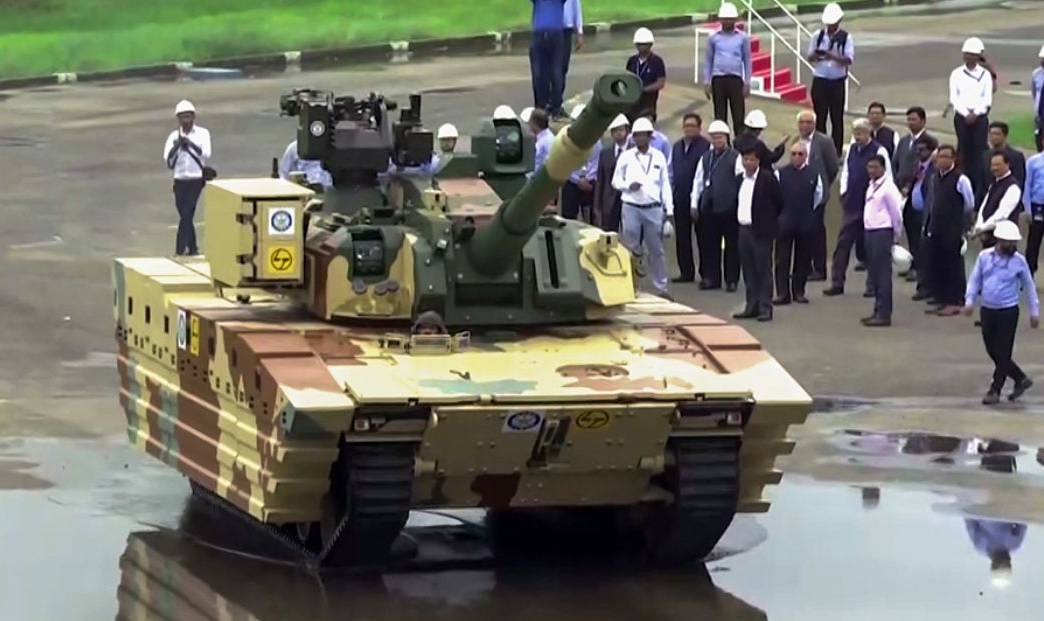
India
India’s ambitious indigenous light tank project, the Zorawar, named after the legendary General Zorawar Singh known for his exploits in the Himalayas, is set to enter user trials this year. This milestone marks a significant leap in India’s defense modernization efforts, particularly in enhancing its operational capabilities in mountainous and high-altitude terrains. As the development trials approach completion, the Zorawar light tank is generating considerable excitement among defense analysts and military planners alike. A Response to Geopolitical Challenges The development of the Zorawar light tank was initiated in response to the 2017 Doklam standoff and the ongoing border tensions with China in Ladakh. These situations underscored the necessity for a versatile, lightweight armored platform capable of operating effectively in the challenging terrains of the Himalayas, where conventional main battle tanks (MBTs) like the T-90 and T-72 face significant mobility challenges due to their weight and size. Zorawar has been designed to ensure mobility, firepower, and survivability in regions where roads are sparse, altitudes are extreme, and temperatures plummet below freezing. Its introduction signals India’s commitment to bolstering its defenses along its mountainous northern borders. Key Features and Specifications of the Zorawar Light Tank The Zorawar light tank stands apart due to its advanced design and cutting-edge features, tailored specifically for mountain warfare: Weight and Mobility With a combat weight of approximately 25 tons, the Zorawar is significantly lighter than traditional MBTs, enabling it to traverse narrow mountain passes, fragile bridges, and unpaved roads. Powered by a high-performance 1500 hp engine, the tank ensures superior mobility and agility in high-altitude areas where oxygen levels are low. Firepower The Zorawar is equipped with a 105mm gun capable of firing high-explosive, armor-piercing, and anti-tank guided munitions. It is also integrated with drone-launched precision munitions, providing a significant advantage in targeting enemy positions in rugged terrains. Advanced Protection Systems The tank features modular armor to protect against kinetic energy rounds and explosive threats. It is equipped with an Active Protection System (APS) that detects and neutralizes incoming projectiles, a critical feature for modern battlefields. Versatility Zorawar can operate in extreme environments, from the freezing heights of the Himalayas to the sandy deserts of Rajasthan. It is designed for air transportability, enabling rapid deployment via aircraft like the C-17 Globemaster III and the IL-76, making it a strategic asset for India’s armed forces. Indigenous Design Developed in partnership with private sector players under India’s Make in India initiative, the Zorawar light tank emphasizes self-reliance in defense manufacturing. Key systems, including the fire control system, armor, and electronics, have been developed domestically, reducing dependency on foreign suppliers. Testing and Trials The Zorawar has undergone rigorous developmental trials over the past year, testing its performance across diverse conditions: High-altitude regions like Ladakh and Arunachal Pradesh, where temperatures drop to -20°C and oxygen levels are significantly lower. Desert environments in Rajasthan, simulating the challenges of rapid mobility across sandy terrains. Ballistics and survivability tests, ensuring the tank’s resilience against enemy firepower and operational effectiveness in real-world scenarios. The user trials, scheduled for this year, will involve evaluations by the Indian Army in realistic operational scenarios. Feedback from these trials will be instrumental in fine-tuning the platform before induction into service. Why the Zorawar is a Game-Changer Mountain Warfare SuperiorityThe Zorawar light tank provides India with a decisive advantage in mountain warfare. Its ability to operate in high-altitude regions ensures that the Indian Army can maintain a strong presence along its northern borders, where the terrain is as much an adversary as any hostile force. Rapid DeploymentAir transportability ensures that Zorawar can be quickly deployed to hotspots, providing a rapid response capability during crises. Multi-Domain UtilityThe tank’s adaptability to diverse terrains makes it a versatile platform for conventional warfare, counter-insurgency operations, and peacekeeping missions. Indigenous Manufacturing PushAs an indigenously designed and manufactured platform, Zorawar strengthens India’s defense industrial base, aligns with the Atmanirbhar Bharat initiative, and reduces reliance on foreign suppliers. Strategic Implications The induction of the Zorawar light tank into the Indian Army will enhance its ability to counterbalance China’s deployment of lightweight armored platforms, such as the Type 15 light tank, along the Line of Actual Control (LAC). By investing in a capable and agile light tank, India ensures that it can effectively respond to any escalation, securing its strategic interests in the region. Moreover, the Zorawar’s versatility positions it as an attractive export option for countries with similar operational requirements, particularly those with mountainous terrains or limited infrastructure. Conclusion The Zorawar light tank represents a blend of innovation, strategy, and indigenous ingenuity. As it enters user trials, it symbolizes India’s determination to adapt to evolving battlefield dynamics and address emerging security challenges. Whether it’s defending the icy heights of Ladakh or asserting dominance in rugged terrains, the Zorawar is poised to become a cornerstone of India’s modern armored forces. The next few months will be critical in determining the tank’s readiness for induction, and its eventual deployment will undoubtedly shape the future of India’s military preparedness in challenging environments.
Read More → Posted on 2025-01-05 16:26:27
India
The Gas Turbine Research Establishment (GTRE), a crucial division of India’s Defence Research and Development Organisation (DRDO), has laid out an ambitious plan to create a new iteration of the Kaveri engine, capable of generating a formidable 90kN thrust. This next-generation engine aims to power the Tejas Mk1A and potentially the Tejas MkII fighter jets. However, realizing this vision demands an entirely new engine core, advanced materials, and substantial financial backing. Why a New Core is Essential The current Kaveri engine, which can produce a thrust of 46-49kN, falls short of the power needed for advanced fighter platforms. The upgraded engine must deliver approximately 60kN of dry thrust—thrust generated without afterburners—with the afterburners boosting it to the targeted 90kN. This leap requires designing a new core that can handle higher pressure and temperature ratios, ensuring improved reliability, efficiency, and performance under demanding conditions. Lessons from the Original Kaveri Program The Kaveri engine program, initiated in the 1980s, faced challenges ranging from technological hurdles to delays in achieving operational reliability. Despite this, it provided valuable insights into jet engine design and development. GTRE plans to build upon these lessons, integrating modern advancements in material sciences, aerodynamics, and thermodynamics to overcome the limitations of the earlier engine. Design Highlights and Applications One of the standout features of the proposed 90kN Kaveri engine is its "flat-bed" design. This innovative architecture minimizes thrust loss across varying flight conditions, ensuring consistent performance. Such adaptability is crucial for powering both the Tejas Mk1A and the larger, more advanced Tejas MkII, which demands higher thrust for optimal combat readiness. Technical Specifications of the Proposed Engine Thrust (Dry): ~60kN Thrust (With Afterburner): 90kN Core Design: High-pressure ratio with advanced materials for heat resistance. Flight Adaptability: Flat-bed design to reduce thrust loss. Target Applications: Tejas Mk1A and Tejas MkII fighter jets. The Road Ahead Developing a jet engine of this caliber is a complex, time-intensive endeavor. Experts estimate that the project will require several years of rigorous design, testing, and validation. However, with adequate funding and strategic international collaborations, the development timeline could be significantly reduced. GTRE’s efforts also align with India’s broader push for self-reliance in defense manufacturing. An indigenous engine with such capabilities would reduce dependence on foreign technologies, bolster the domestic aerospace ecosystem, and position India as a leader in jet engine innovation. While challenges abound, the commitment to overcoming them reflects India’s growing technological prowess and its determination to achieve self-sufficiency in critical defense technologies. If successful, the 90kN Kaveri engine could mark a new era for India’s indigenous fighter jet programs.
Read More → Posted on 2025-01-05 16:20:25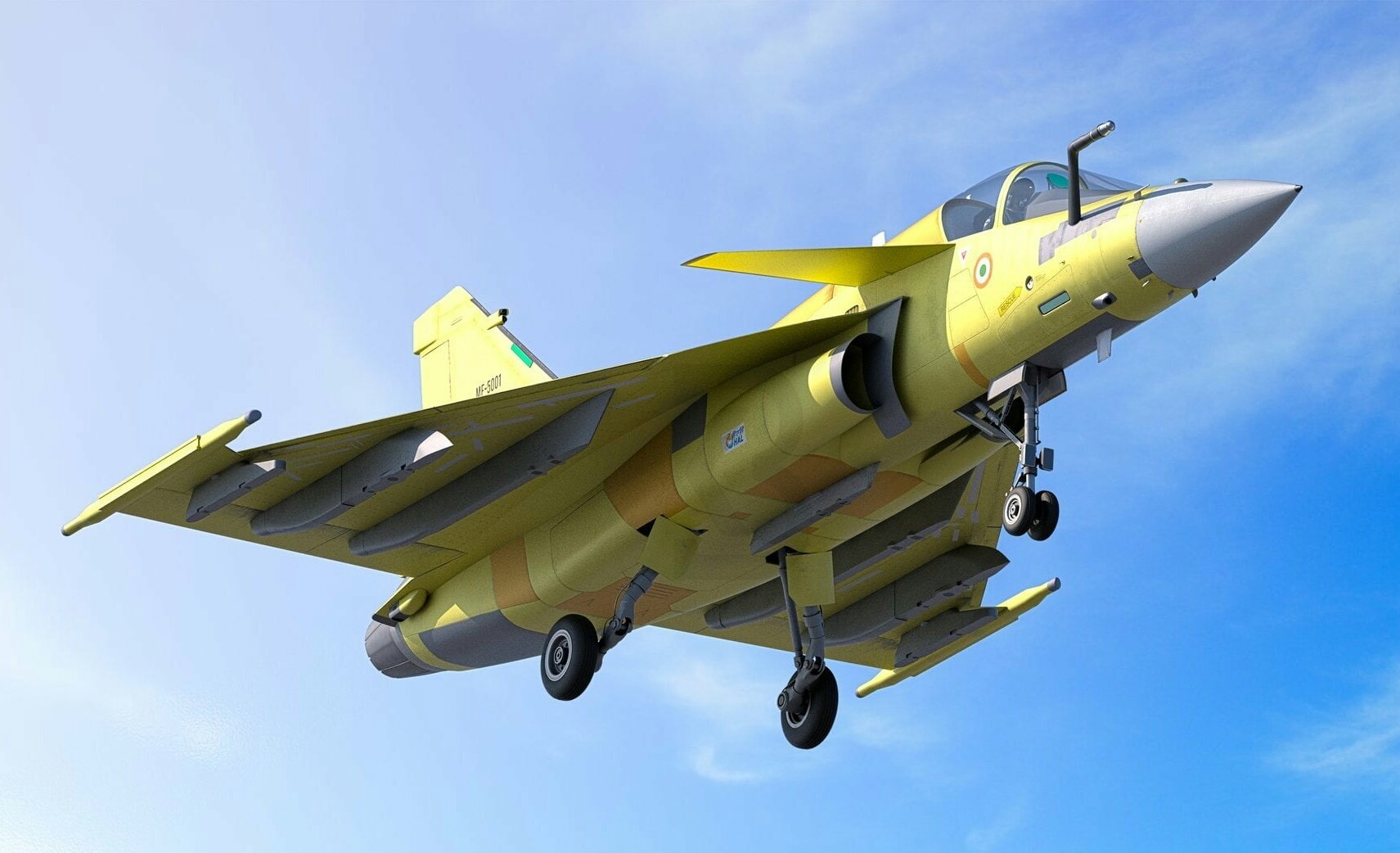
India
The Indian Air Force (IAF) has officially committed to acquiring 120 Tejas Mk2 fighter jets, solidifying the aircraft's role as a central pillar of India's indigenous defence strategy. This number could potentially increase to over 250 units in the coming years, positioning the Tejas Mk2 as a key player in modernizing India's aging combat fleet. A Major Step Towards Fleet Modernization The Tejas Mk2 is set to replace the IAF's aging Jaguar, Mirage-2000, and MiG-29 aircraft, which together constitute more than 250 jets in the current fleet. These older platforms, which have served the IAF for decades, are nearing the end of their operational life and will be phased out completely by 2040. The introduction of the Tejas Mk2 ensures that the IAF remains operationally robust and technologically advanced. In parallel, the IAF has also committed to 220 Tejas Mk1 and Mk1A fighters, with 32 already delivered. An additional 83 Tejas Mk1A jets are currently on order, and 97 more are in the pipeline. These acquisitions underscore the IAF's confidence in the indigenous Tejas program as a cornerstone of its future aerial capabilities. Tejas Mk2 Specifications and Capabilities The Tejas Mk2 is a multirole fighter jet designed to perform air superiority, ground strike, close air support, and reconnaissance missions. Below are some of its key specifications: Engine: Powered by the General Electric GE-F414 turbofan engine, capable of generating 98 kN of thrust. Speed and Range: The aircraft can reach a top speed of Mach 1.8 and has a combat range of 1,500 km with drop tanks. Payload Capacity: Equipped with 11 hardpoints, the Tejas Mk2 can carry a payload of up to 6,500 kg, accommodating a mix of air-to-air missiles, air-to-ground weapons, and precision-guided munitions. Avionics and Radar: Features an advanced active electronically scanned array (AESA) radar, infrared search and track (IRST) system, and advanced electronic warfare (EW) suites. Design Enhancements: A lengthened fuselage and canards for improved aerodynamic performance and maneuverability. Future Prospects and Engine Upgrades The Tejas Mk2 program is designed with future adaptability in mind. There is a potential for the aircraft to be equipped with a more powerful 110 kN-class engine, currently linked to the development of the Advanced Medium Combat Aircraft (AMCA), India’s fifth-generation fighter. This engine is expected to be ready post-2035, enabling the Tejas Mk2 to transition to even greater performance levels in subsequent production phases. The integration of a more powerful engine would not only extend the aircraft’s operational capabilities but also allow it to undertake heavier payloads and advanced mission profiles. This upgrade aligns with India’s strategy of creating scalable and versatile combat platforms. Indigenous Defence Push The Tejas Mk2 is more than just a fighter jet—it is a symbol of India's drive for self-reliance in defence manufacturing. The program has stimulated domestic industries by fostering partnerships and knowledge-sharing among public and private sectors. Hindustan Aeronautics Limited (HAL), the primary contractor, is working alongside several Indian companies to integrate cutting-edge technologies into the Tejas platform. Timeline and Production Goals The first prototype of the Tejas Mk2 is expected to take flight by 2025, with production starting by 2028. The IAF aims to induct the initial batch of Tejas Mk2 jets by 2030. Over the next two decades, this platform will form the backbone of India's air combat fleet, eventually replacing legacy aircraft entirely by 2040. A New Era for Indian Air Power The Tejas Mk2 marks a significant leap forward for the Indian Air Force. With advanced capabilities, scalable design, and indigenous roots, it is set to secure India's airspace while contributing to the nation's strategic autonomy. By 2040, the IAF's commitment to over 250 Tejas Mk2 jets will not only modernize its fleet but also serve as a testament to India's growing defence production capabilities.
Read More → Posted on 2025-01-05 16:00:41Search
Top Trending in 24 Hours
-
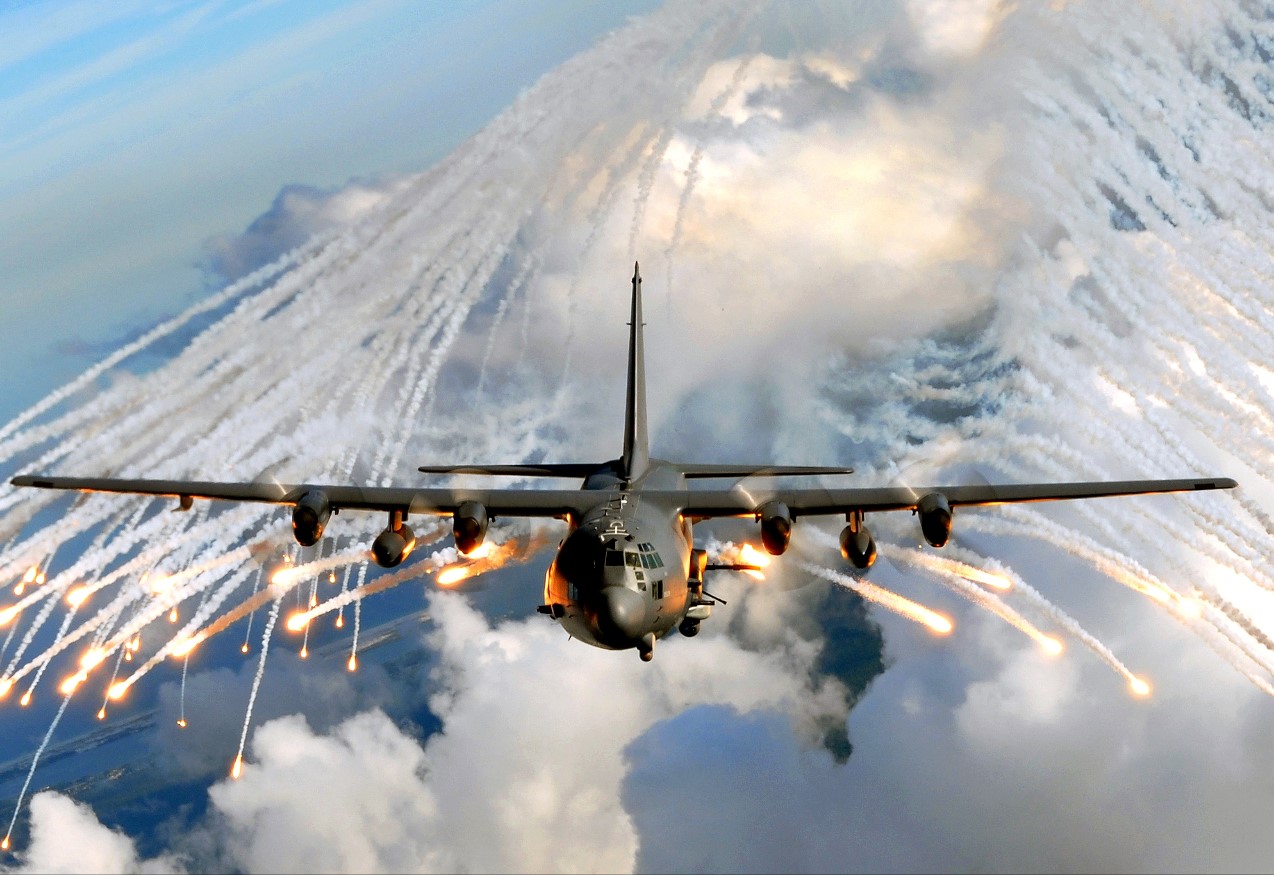 Pentagon Expands Alloy Surfaces Contract to $328.8 Million for Advanced Aircraft Decoy Flares Amid Evolving Drone Threats
-
 Why the U.S. Restored Pacific Command Name, Ending the Indo-Pacific Designation After Eight Years
-
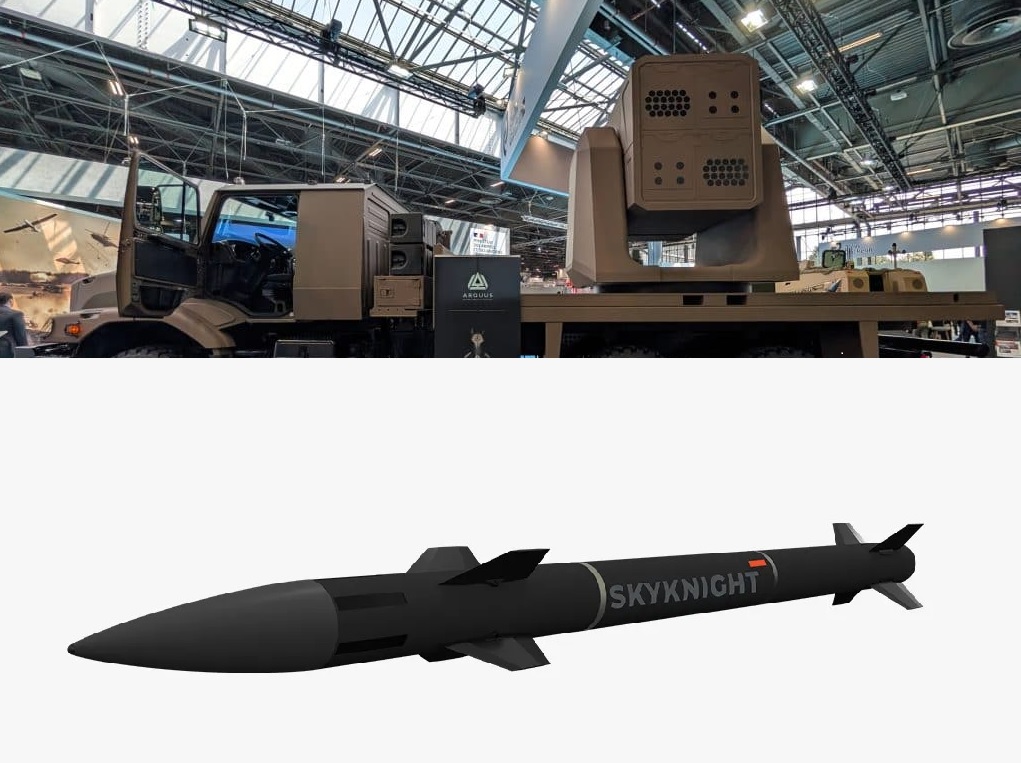 Naval Group Unveils Rampart Modular CIWS Multi-Purpose Weapon System for Naval and Ground Forces at Eurosatory 2026
-
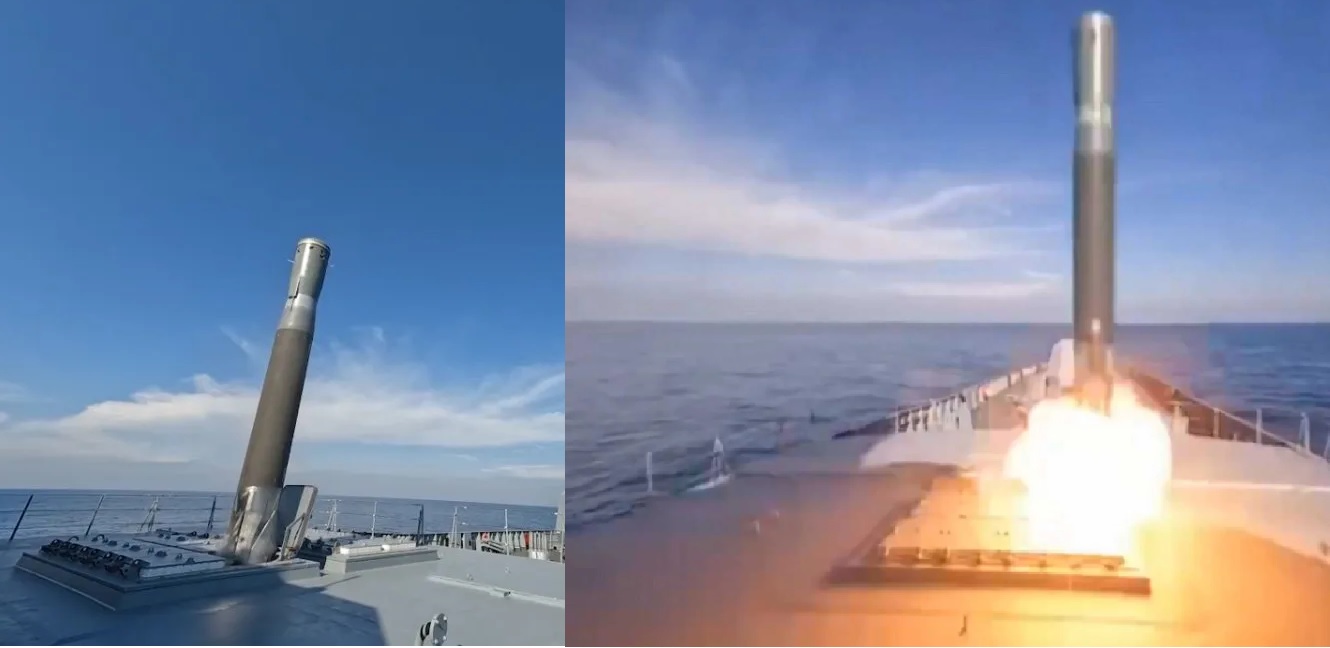 Open-Source Evidence Suggests Russia's Zircon Is a Quasi-Ballistic Missile, Not a True Hypersonic Cruise Weapon
-
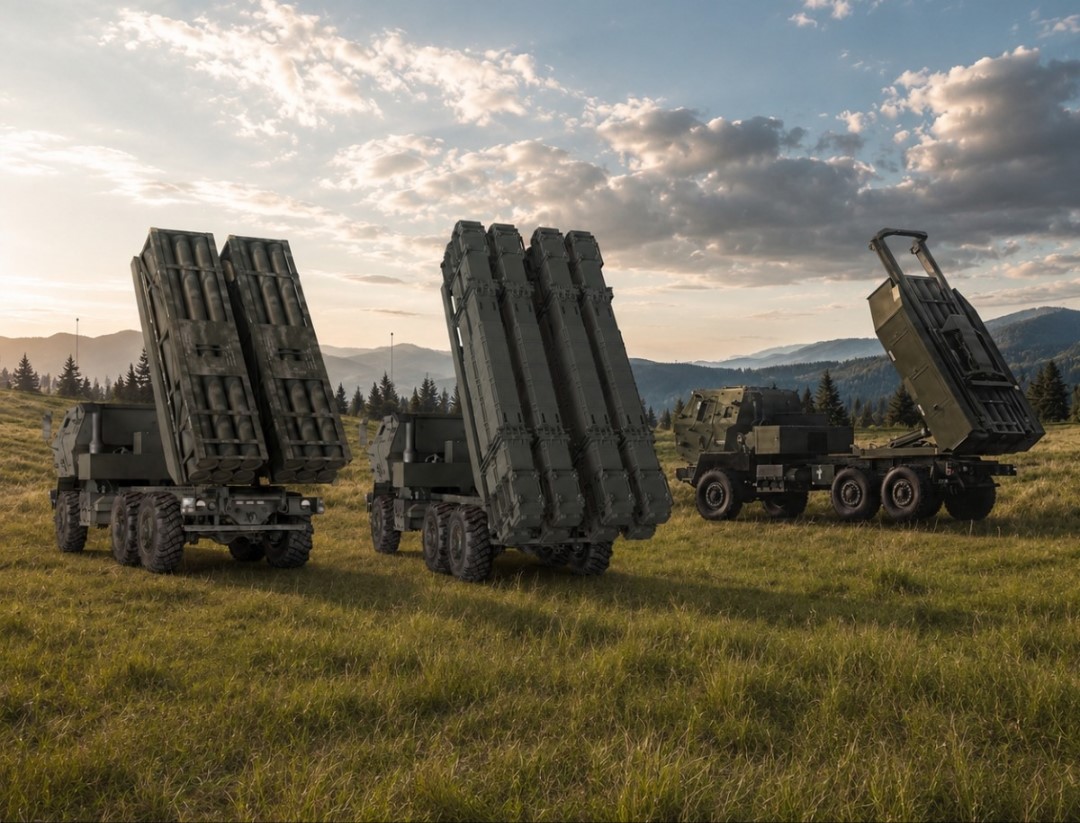 Lockheed Martin Unveils HIMARS FLEX with Dual-Pod Launcher and NATO-Compatible Air Defense Integration
-
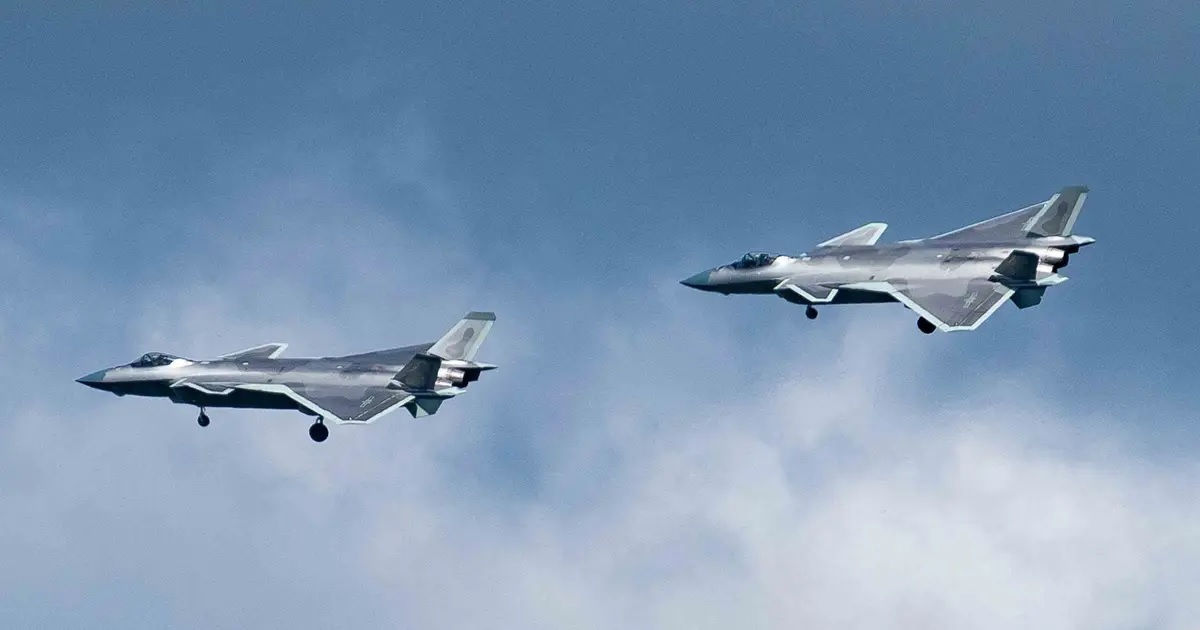 China Surpasses Russia as World’s Second-Most Powerful Air Force Amid Rapid J-20 and J-35 Expansion
-
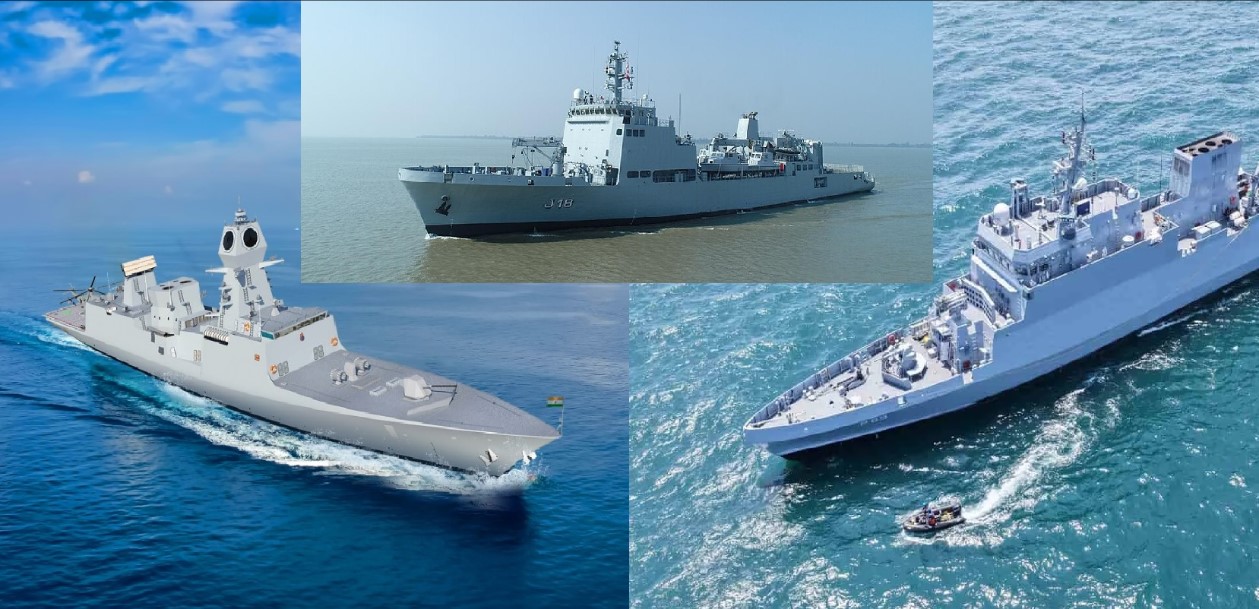 Indian Navy to Commission Stealth Frigate, ASW Craft and Survey Vessel in Rare Triple Induction at Kolkata
-
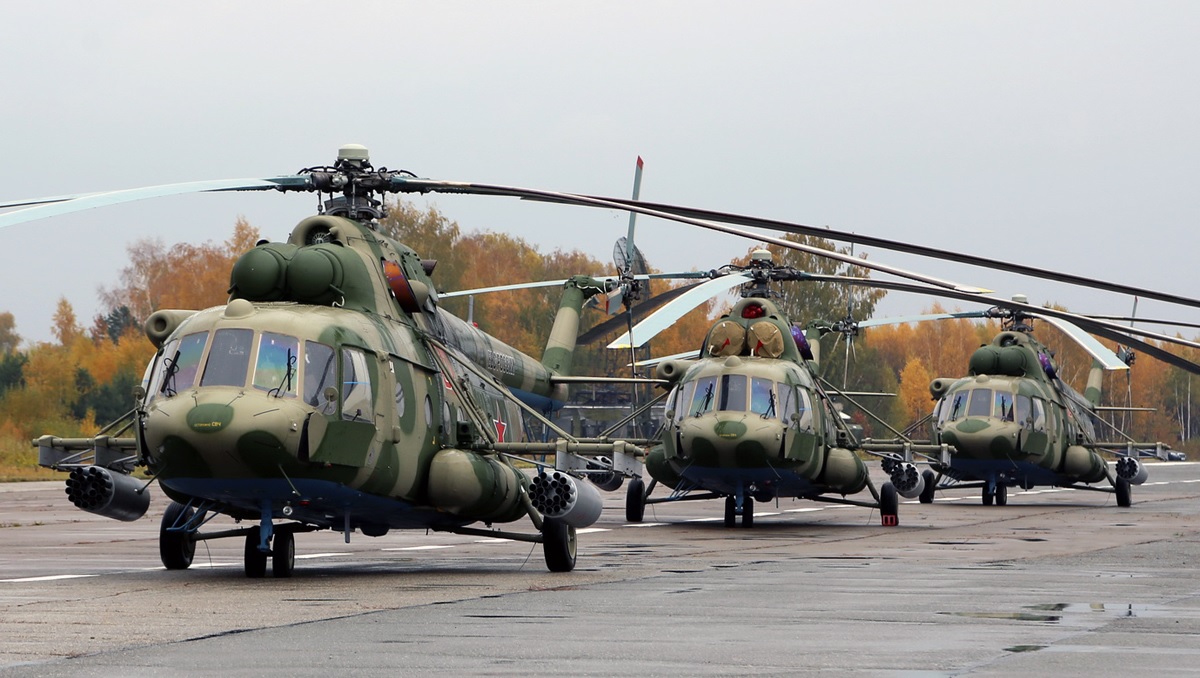 Iran Signs Deal with Russia for 20 Mi-8 and Mi-17 Helicopters to Boost Rescue and Medical Missions
Top Trending in 4 Days
-
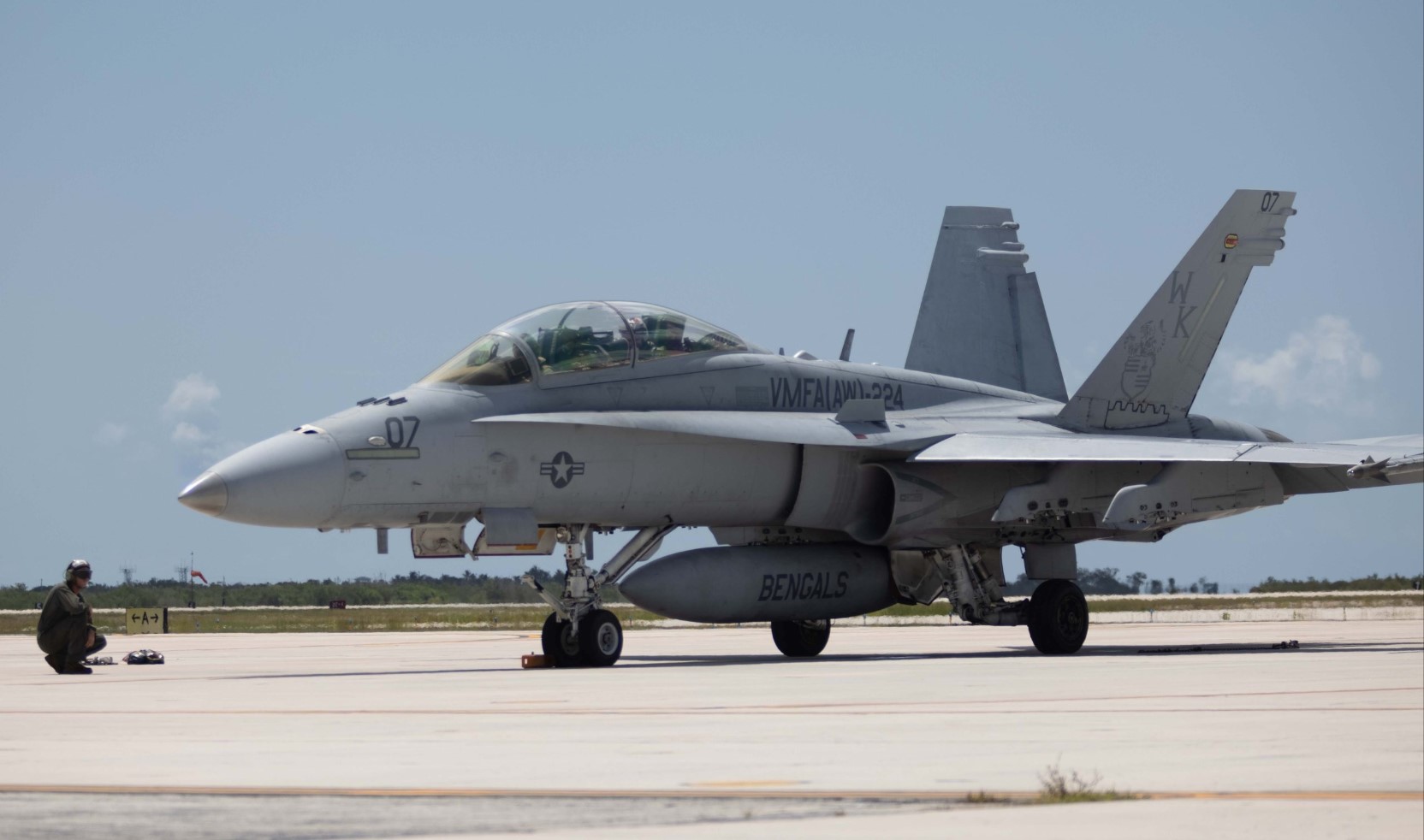 US Marine Corps F/A-18D Hornet Crashes During Training Flight in Washington Mountains; Pilot Ejects Safely
-
 Tulsi Gabbard Releases Declassified Files Detailing U.S.-Backed Network of 120 Biolaboratories Across 30+ Countries
-
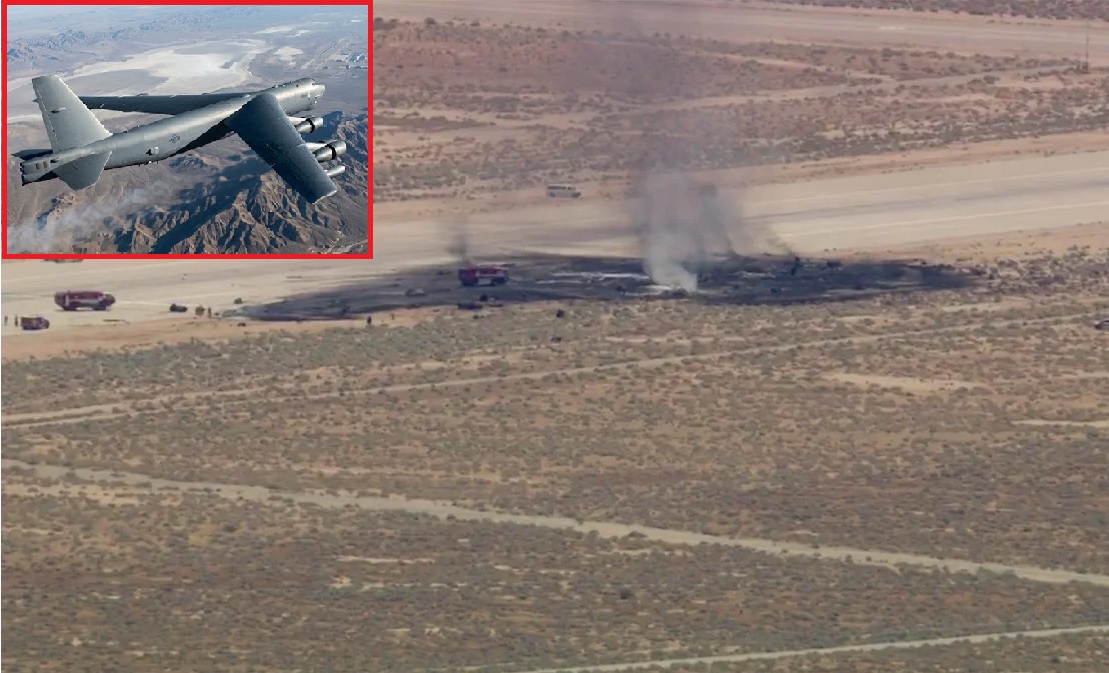 8 U.S. Air Force Crew Members Killed in B-52 Bomber Crash During Test Flight at Edwards Air Force Base
-
 Ukraine Introduces Balloon-Launched DART Missile Designed to Defeat Electronic Warfare
-
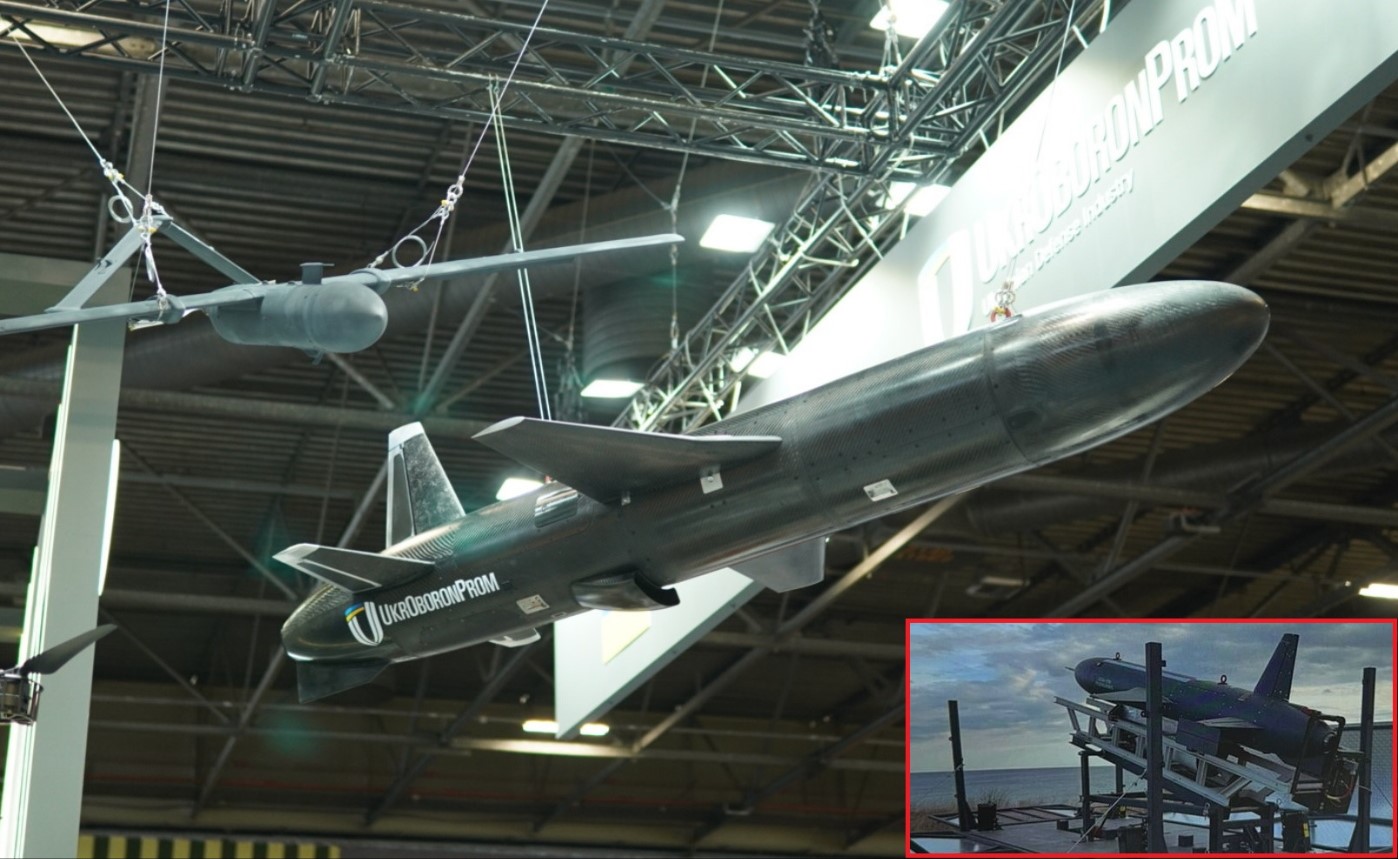 Ukraine Unveils UAV-290 Jet-Powered Strike Drone with 650 km Range at Eurosatory 2026
-
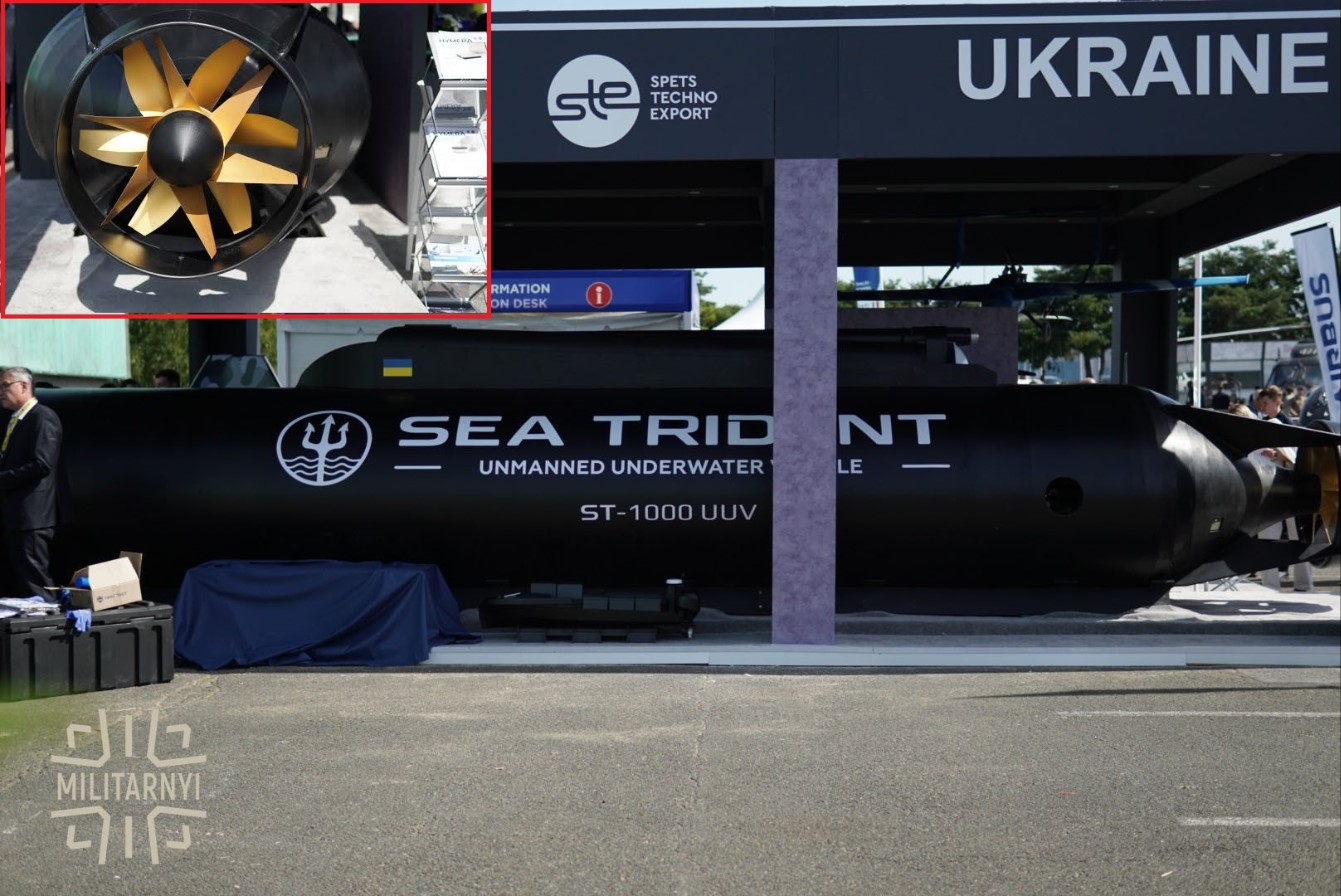 Ukraine Unveils 'Sea Trident' 10-Ton Autonomous Underwater Drone at Eurosatory 2026
-
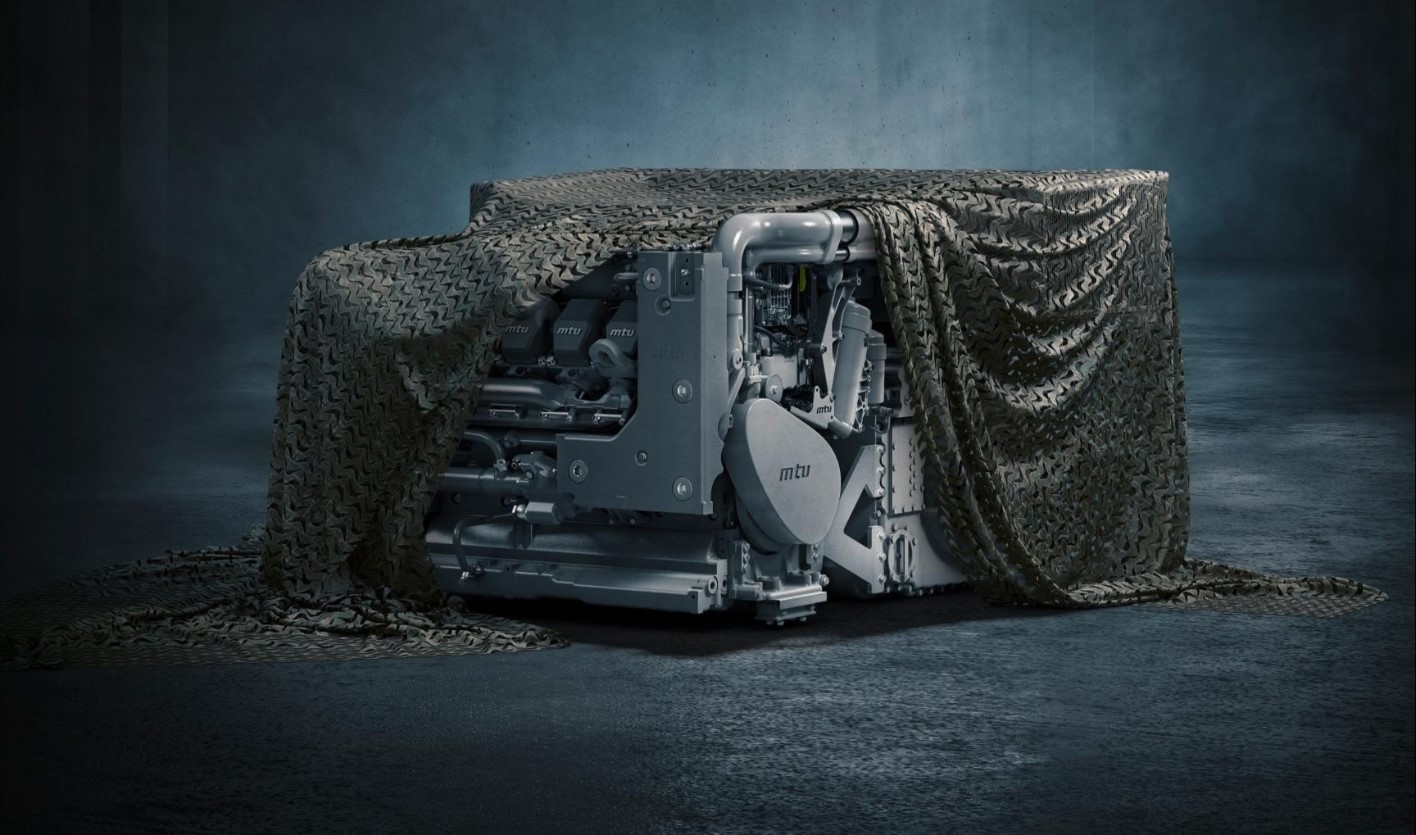 Rolls-Royce Unveils New Hybrid Powertrain for Heavy Military Vehicles at Eurosatory 2026
-
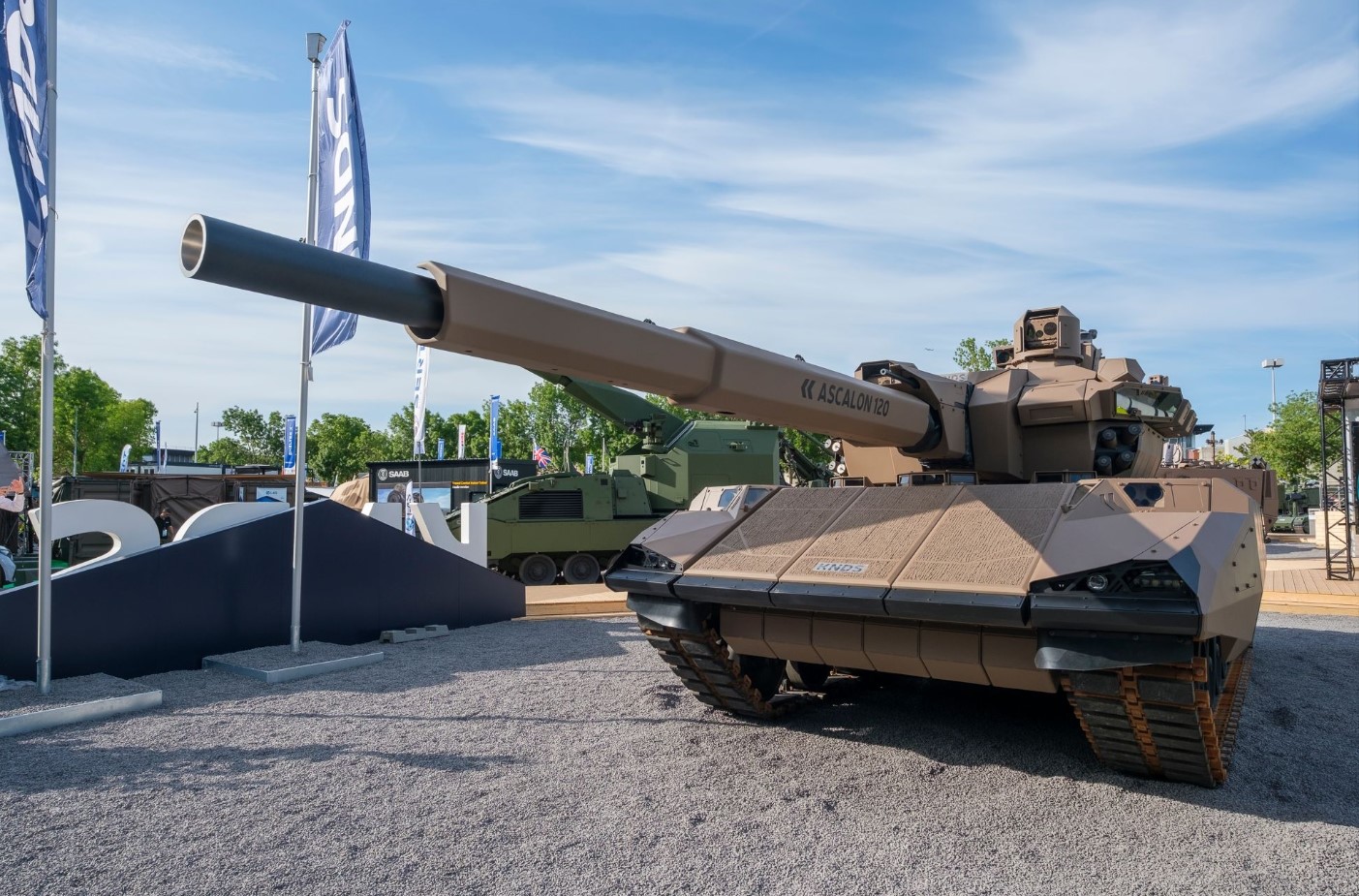 KNDS Unveils CAPINT Main Battle Tank at Eurosatory 2026 as Leclerc Stopgap