India
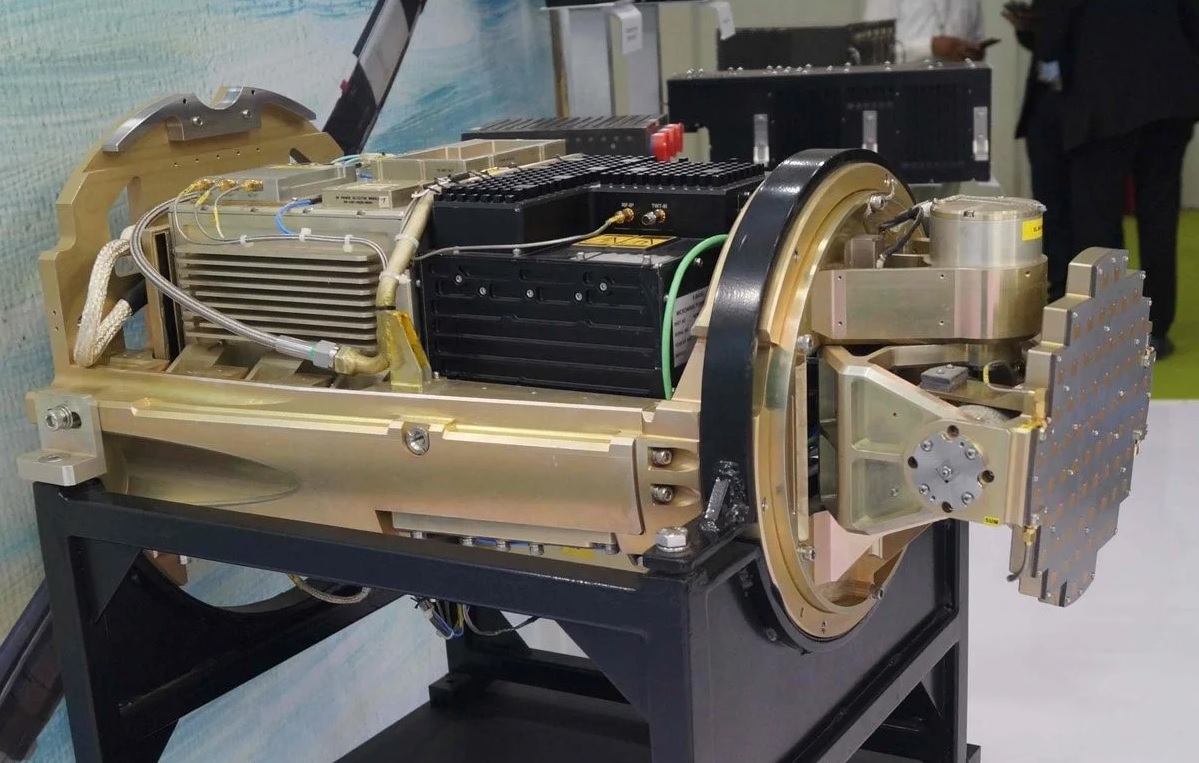
In a landmark development for India's defence capabilities, the Defence Research and Development Organisation (DRDO) has successfully integrated an indigenously developed Radio Frequency (RF) seeker into the Long-Range Anti-Ship Missile (LRAShM). This achievement underscores India's growing prowess in developing advanced missile technologies and its commitment to self-reliance under the "Aatmanirbhar Bharat" initiative. The RF seeker, designed and developed by the Electronics Corporation of India Ltd (ECIL), represents a cutting-edge solution tailored to the demands of modern naval warfare. Functioning in the X-band frequency, the seeker is equipped with advanced Radar Imaging Synthetic Aperture Radar (SAR) technology, which allows it to generate high-resolution images of targets. This capability is crucial for precision targeting, especially in adverse weather or during complex naval engagements. Advanced Features of the RF Seeker The RF seeker integrated into the LRAShM boasts several state-of-the-art features: X-band Radar Imaging SAR: This feature provides high-definition imaging, ensuring precise identification and engagement of targets even in challenging environments, such as fog, rain, or low visibility. Monopulse Homing Capability: The seeker uses monopulse tracking techniques to enhance accuracy, significantly reducing the effects of signal distortions and improving target lock-on reliability. Electronic Beam Steering: Unlike traditional systems that rely on mechanical movement, this seeker utilizes electronic scanning for faster and more accurate target acquisition, enhancing its agility in dynamic combat scenarios. 2-Axis Gimbal System: This robust mechanism ensures the seeker can maintain target lock during high-speed maneuvers, making it ideal for engaging highly agile naval targets. Shared Technological Heritage with BrahMos The RF seeker developed for the LRAShM shares technological lineage with the seeker used in the BrahMos supersonic cruise missile, which is also jointly developed by India and Russia. By leveraging existing expertise and technologies, India has been able to optimize development costs and timelines while maintaining high-quality standards. Strategic Implications The successful integration of this indigenous RF seeker into the LRAShM enhances India's long-range anti-ship capabilities, providing the nation with a critical edge in maritime warfare. The LRAShM, equipped with this seeker, is capable of delivering precision strikes against enemy warships and other naval assets at extended ranges. Moreover, this milestone signifies a step forward in India's efforts to reduce dependency on foreign technology for critical defence systems. The RF seeker’s development and integration further demonstrate the growing maturity of India's defence manufacturing ecosystem, which has been steadily advancing in radar, guidance, and missile technologies. Future Outlook With this achievement, India moves closer to achieving complete self-reliance in developing sophisticated missile systems. The success of the ECIL-developed RF seeker not only strengthens the LRAShM program but also sets a benchmark for future indigenous innovations. As India continues to bolster its defence capabilities, such milestones reflect the country's ability to rise as a global leader in advanced defence technology. This integration stands as a testament to India's determination to innovate and excel in the field of defence, securing its strategic and operational readiness for future challenges.
Read More → Posted on 2024-12-30 16:54:54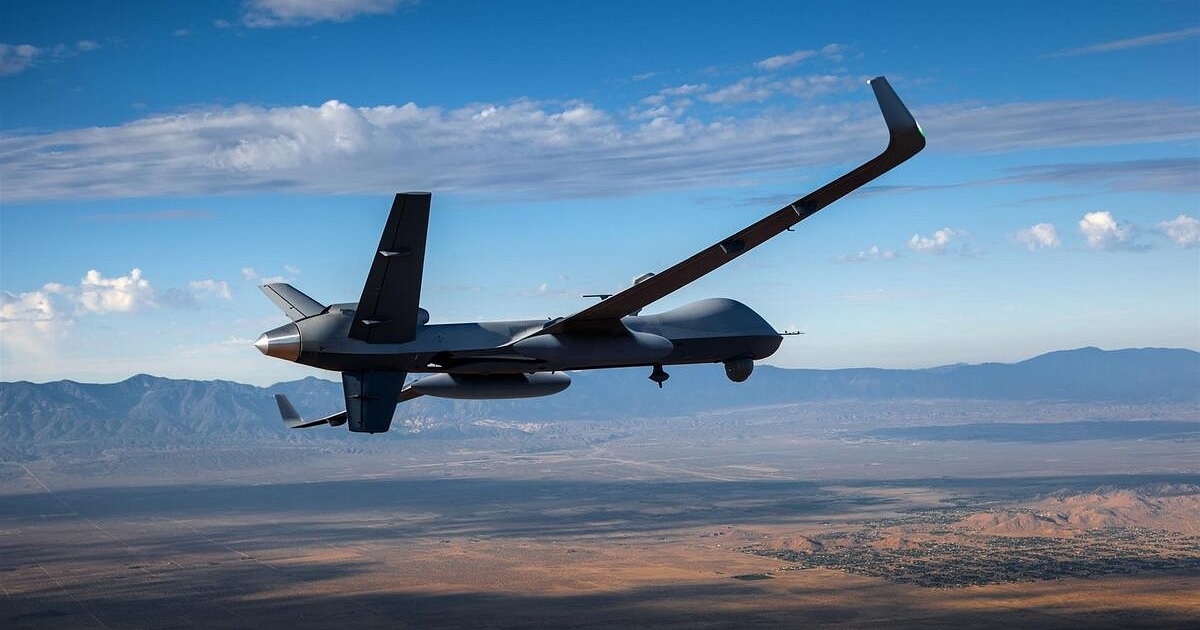
India
The Border Security Force (BSF) has made an urgent appeal to the Ministry of Home Affairs (MHA) for the procurement of advanced Medium Altitude Long Endurance (MALE) Unmanned Aerial Vehicles (UAVs). The initiative comes in response to escalating challenges posed by cross-border infiltration, smuggling, and other illicit activities along India's extensive and varied borders. Why MALE UAVs Are Critical India's borders, spanning thousands of kilometers across diverse terrains, present unique surveillance challenges. The BSF's current drone fleet, though effective for localized operations, lacks the endurance and payload capabilities required for comprehensive monitoring. MALE UAVs, on the other hand, offer game-changing advantages: Prolonged Endurance: These UAVs can remain airborne for over 24 hours, enabling continuous surveillance without interruptions caused by refueling or battery changes. Medium Altitude Capability: Operating at altitudes of 10,000–30,000 feet, they can cover vast areas while staying out of reach of most small arms fire. Advanced Payloads: Equipped with high-resolution electro-optical cameras, thermal imaging sensors, synthetic aperture radar, and even communication intercept systems, they can effectively detect and track suspicious activities in real-time. Weather Resilience: Their ability to function in diverse weather conditions ensures consistent monitoring, even during fog, rain, or low-light situations. The Current Security Landscape Recent incidents of smuggling via drones and increased cross-border infiltration from Pakistan and Bangladesh have highlighted the need for a technological leap in border surveillance. Smugglers and infiltrators often exploit the limitations of ground-based patrols, which can struggle to monitor vast and difficult-to-access areas effectively. The BSF has emphasized that MALE UAVs could provide critical situational awareness in these high-risk zones, particularly along the Indo-Pakistan border in Punjab and Jammu and the Indo-Bangladesh border in Assam and West Bengal. Specifications of Proposed UAVs The BSF has proposed the acquisition of platforms similar to Israel's Heron TP or the U.S.-manufactured MQ-9B SeaGuardian. Both these UAVs are highly regarded for their advanced capabilities: Heron TP: This Israeli UAV boasts an endurance of up to 30 hours and can carry payloads exceeding 450 kg. It is equipped with multi-sensor imaging systems and can operate in a satellite communication (SATCOM)-enabled environment. MQ-9B SeaGuardian: Known for its maritime surveillance capabilities, this UAV offers a range of over 6,000 nautical miles, advanced radar systems, and the ability to integrate seamlessly with existing surveillance networks. Challenges and Road Ahead The procurement of MALE UAVs involves significant financial investment, with each unit costing millions of dollars. In addition, integrating these UAVs into the BSF's operational framework will require trained personnel, infrastructure upgrades, and compatibility with existing surveillance systems. Despite these challenges, the Home Ministry recognizes the strategic importance of MALE UAVs in safeguarding national borders. Officials are currently evaluating the cost-benefit analysis, with a decision anticipated in the coming months. If approved, this move could mark a major milestone in modernizing India's border security apparatus and addressing evolving threats effectively. A Step Toward Enhanced National Security The BSF's request for MALE UAVs underscores the growing importance of leveraging cutting-edge technology to counter increasingly sophisticated threats. With their unmatched endurance and advanced capabilities, these drones could significantly enhance India's ability to monitor, detect, and respond to border-related challenges, ensuring greater national security in the years ahead.
Read More → Posted on 2024-12-30 15:47:09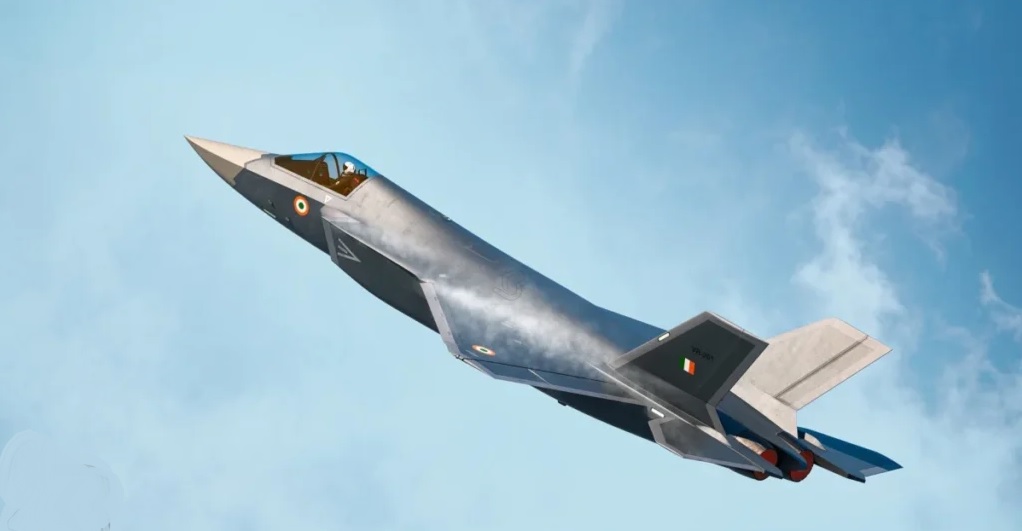
India
As China rapidly scales its fleet of 5th-generation fighters like the J-20 and develops advanced 6th-generation aircraft such as the J-36, India faces an escalating challenge in maintaining air superiority. With limited external procurement options for stealth fighters, India must prioritize indigenous solutions while simultaneously enhancing its radar and air defense capabilities to neutralize the stealth threat posed by China. Constraints on Acquiring 5th-Generation Fighters India’s reliance on foreign procurement to bridge its technological gaps is limited in this scenario due to several factors: American F-35 Restrictions: The U.S. is unlikely to offer the F-35 to India as long as New Delhi operates the Russian-origin S-400 air defense system, which raises concerns about technology leaks to Moscow. Russian Su-57 Challenges: While Russia's Su-57 is technically a 5th-generation fighter, its performance is hindered by incomplete stealth capabilities, primarily due to its AL-41F1 engines. Additionally, Russia’s production limitations mean it cannot supply India with large numbers of Su-57s in the short term, given that even its own fleet requirements remain unmet. European Options: Advanced European fighters such as the Tempest and FCAS are still under development and will not be operational for at least a decade, leaving no immediate solution for India. The AMCA Project: India’s Key to 5th-Generation Air Dominance India’s Advanced Medium Combat Aircraft (AMCA) program is the most viable long-term solution to counter the threat posed by China’s 5th- and 6th-generation fighters. The AMCA is being designed as a twin-engine, stealth fighter with advanced avionics, supercruise capability, and multi-role functionality. Fast-Tracking AMCA Development To accelerate the AMCA project and achieve operational readiness within the next 5–6 years, India could adopt a “war-mode” development strategy akin to the Arihant-class nuclear submarine program. Key steps include: Direct PMO Oversight: The Prime Minister’s Office (PMO) should take direct ownership of the AMCA project, ensuring streamlined decision-making, inter-agency coordination, and prioritized funding. Private Sector Integration: Indian private firms like Tata, Mahindra Aerospace, and L&T must be deeply integrated into the development process, leveraging their manufacturing and technological expertise. Phased Development and Deployment: India can adopt a phased approach, focusing on rapid development of AMCA Mk-1 with available technologies while working on Mk-2 to integrate more advanced stealth features and next-generation engines. AMCA Specifications and Features The AMCA will include: Stealth Design: A low radar cross-section (RCS) enabled by radar-absorbing materials and internal weapons bays. Supercruise Capability: The ability to fly at supersonic speeds without afterburners. Advanced Sensors: AESA radar and distributed aperture systems for superior situational awareness. AI Integration: Automated threat assessment and pilot assistance for improved decision-making in combat. Network-Centric Warfare: Seamless integration with India’s defense network, allowing the AMCA to act as a command-and-control hub for drones and other assets. Enhancing Radar Capabilities to Counter Stealth Threats Even with a robust stealth fleet, countering China’s massive numbers requires India to develop advanced anti-stealth radar systems to detect and neutralize enemy fighters. Gallium Nitride (GaN)-Based Radars India must prioritize equipping its existing fleet of Su-30MKIs, Tejas, and AMCA with GaN-based AESA radars. These radars offer: Higher Power Efficiency: GaN semiconductors enable higher output power, improving detection range and resolution. Improved Multi-Target Tracking: Enhanced capabilities to track multiple stealth targets simultaneously. UHF and VHF Band Radars To complement high-frequency AESA radars, India should ramp up the development of UHF and VHF band radars, which are more effective against stealth aircraft: Long-Wavelength Detection: UHF and VHF radars are less affected by stealth shaping techniques and can detect low-RCS aircraft at greater ranges. Networked Systems: Integrating these radars into a broader sensor network ensures overlapping coverage and reduces blind spots. Modernizing the Su-30MKI Fleet While awaiting the AMCA, India’s existing Su-30MKI fleet can serve as a critical counter to China’s stealth fighters if upgraded effectively: AESA Radar Integration: Replacing the Su-30MKI’s N011M Bars radar with GaN-based AESA radars for enhanced detection capabilities. Electronic Warfare Systems: Equipping the Su-30MKI with advanced EW pods to jam enemy radars and disrupt communication networks. Long-Range Weapons: Arming the Su-30MKI with long-range air-to-air missiles like the Astra Mk-2 and Meteor to engage stealth targets at a safe distance. Conclusion China’s numerical and technological edge in 5th- and 6th-generation fighters is a significant challenge for India, but it is not insurmountable. By fast-tracking the AMCA program, modernizing existing assets, and investing in cutting-edge radar and air defense technologies, India can effectively neutralize the threat posed by China’s stealth fleet. With decisive leadership, streamlined processes, and a focus on self-reliance, India can ensure its air force remains a formidable force in the region, capable of defending its interests against any adversary.
Read More → Posted on 2024-12-29 16:11:08
India
A Modern Crisis Rooted in Historical Complexities The recent political turmoil in Bangladesh, marked by a U.S.-backed coup installing Nobel laureate Mohammed Yunus as the leader, has opened old wounds between India and Bangladesh. With Prime Minister Sheikh Hasina Wajed fleeing to India and reports of widespread persecution against Awami League supporters and minorities like Hindus, Christians, and Buddhists, the situation has escalated. Adding fuel to the fire, anti-India rhetoric within Bangladesh has grown alarmingly bold, including threats to annex Indian territories such as Assam and West Bengal. India's response has ranged from formal protests to unofficial retaliatory measures like denying medical treatment to Bangladeshi patients in border states, a move criticized as counterproductive. The growing proximity between Bangladesh and China, with the latter supplying fighter jets, and the resumption of ties with Pakistan, including inviting its military for exercises, has further strained relations. This new geopolitical reality is a stark reminder of the deep historical and territorial disputes that have shaped this region. The 2001 Bangladesh-India Border Clashes The 2001 border clashes between India and Bangladesh were one of the most severe episodes in their recent history. These began on April 16, 2001, when approximately 1,000 Bangladeshi paramilitary soldiers attacked and temporarily captured Padua/Pyrdiwah, a disputed border village in Meghalaya. This village, primarily inhabited by Khasis, had been under Indian control since the 1971 Bangladesh Liberation War when it was used to train the Mukti Bahini. Bangladesh claimed the village as its territory, a lingering issue from the poorly demarcated borders created during the Partition of 1947. Following days of tense negotiations and military reinforcements by the Indian Border Security Force (BSF), Bangladesh withdrew its forces on April 19. However, India's retaliatory operation in Boraibari led to a disastrous ambush where 16 Indian soldiers were killed and their bodies returned in a mutilated state. The violence was halted on April 21 after both governments intervened. This conflict exposed the fragility of India-Bangladesh relations despite agreements like the 2015 Land Boundary Agreement, which resolved enclave issues and border demarcations. The incident also highlighted the dangers of unresolved territorial disputes, as Padua/Pyrdiwah and other enclaves remained flashpoints until formally exchanged in 2015. The 1947 Sylhet Referendum The Sylhet referendum of 1947 is another pivotal moment in the region's history. Sylhet, a Muslim-majority district in Assam, had long been a point of contention due to its cultural and economic ties to Bengal. During the Partition of India, a referendum was held to decide Sylhet's fate—whether it would remain in India or join Pakistan. The referendum, conducted under the supervision of British officials and Indian military forces, resulted in Sylhet joining Pakistan, except for the Karimganj subdivision, which remained part of Assam. This decision was not without controversy. Sylhet's integration into East Pakistan left a legacy of grievances among the local Hindu population and created new administrative challenges for Assam. Sylhet's history is deeply intertwined with the Partition's broader narrative of displacement and identity. The district's shifting loyalties and its eventual separation from Assam reflected the communal and political pressures of the time, leaving scars that continue to influence the region's dynamics. The 1971 Bangladesh Liberation War The Liberation War of 1971 remains the cornerstone of Bangladesh's identity and its relationship with India. Sparked by the denial of electoral rights to the Awami League, led by Sheikh Mujibur Rahman, and the brutal military crackdown by Pakistan, the war saw widespread atrocities, including the targeting of Hindus and political dissidents. India played a critical role in the conflict, providing refuge to over 10 million Bangladeshi refugees and supporting the Mukti Bahini militarily and diplomatically. The war culminated in the decisive Indian military intervention in December 1971, leading to Pakistan's surrender and the birth of Bangladesh as an independent nation. However, the war also sowed seeds of mistrust. The influx of refugees and the war's economic toll left many Indians resentful. In Bangladesh, the assassination of Mujibur Rahman in 1975 marked a shift towards political instability, with subsequent regimes oscillating between pro-India and anti-India policies. Present-Day Implications The historical backdrop of the 1947 Partition, the Sylhet referendum, the 1971 war, and the 2001 clashes continues to shape India-Bangladesh relations. While the two nations have made strides in resolving disputes, such as the 2015 Land Boundary Agreement, unresolved issues like cross-border migration, river water sharing, and cultural mistrust remain. The recent coup in Bangladesh and its geopolitical shifts towards China and Pakistan have exacerbated these tensions. For India, which shares a 4,000 km border with Bangladesh, the stakes are high. Bangladesh's internal turmoil and its external alignments could destabilize India's northeastern states, reignite old disputes, and alter the region's power dynamics. Conclusion The current tensions between India and Bangladesh are not just a product of recent events but the cumulative outcome of decades of historical grievances, territorial disputes, and shifting alliances. While both nations have shown resilience in addressing challenges, the road ahead requires a deeper understanding of their shared history and a commitment to peaceful coexistence. The lessons from 2001, 1947, and 1971 are a stark reminder of what is at stake if diplomacy and mutual respect are sidelined.
Read More → Posted on 2024-12-29 14:43:07
India
In a groundbreaking achievement, the Indian Institute of Technology Kharagpur (IIT-KGP), in partnership with the Defence Research and Development Organisation (DRDO) and the Council of Scientific and Industrial Research (CSIR), has developed an indigenously built motor-based Unmanned Ground Vehicle (UGV). This innovation marks a significant milestone in India's journey towards self-reliance in advanced defense technologies and autonomous systems. Pioneering Indigenous Design The UGV is designed to perform complex tasks in varied environments, showcasing India's capability to create cutting-edge autonomous vehicles. Equipped with advanced navigation systems, rugged wheels, and a high-efficiency motor, the vehicle is built to handle challenging terrains, making it ideal for defense, disaster response, and industrial applications. The development underscores the growing synergy between India’s academic institutions and national defense organizations, fostering innovation to meet the nation's strategic needs. Technical Specifications and Capabilities The UGV integrates state-of-the-art technologies, including: Autonomous Navigation: Leveraging AI and machine learning, the vehicle can plan routes, avoid obstacles, and adapt to dynamic environments without human intervention. High-Performance Motor: The motor, indigenously designed and manufactured, ensures energy efficiency while delivering robust performance for prolonged operations. Sensor Array: The UGV features a suite of sensors, including LiDAR, thermal imaging, and GPS, enabling real-time data analysis and situational awareness. Payload Capacity: Designed for versatile applications, the UGV can carry payloads ranging from reconnaissance equipment to emergency supplies. Applications in National Security and Beyond The UGV is expected to serve critical roles in defense, including: Surveillance and reconnaissance in border areas. Explosive ordnance disposal in conflict zones. Logistic support for troops in remote locations. Beyond military applications, the UGV’s adaptability makes it suitable for civilian use, such as disaster relief operations, industrial inspections, and agricultural automation. Its ability to function in extreme conditions adds to its versatility and relevance across sectors. Collaborative Innovation The collaboration between IIT-KGP, DRDO, and CSIR exemplifies a holistic approach to innovation. IIT-KGP provided expertise in robotics and AI, DRDO contributed to defense-grade systems integration, and CSIR ensured high standards in materials and motor design. The partnership also aligns with the Indian government’s "Atmanirbhar Bharat" initiative, emphasizing the importance of indigenous technology in strengthening national security and boosting the economy. Future Prospects This UGV is a stepping stone towards a more extensive portfolio of autonomous systems being developed in India. Efforts are underway to integrate more advanced features, such as swarm intelligence and enhanced endurance capabilities, ensuring that India remains at the forefront of autonomous vehicle technology. The successful development of this UGV demonstrates India's potential to innovate and produce world-class technologies domestically. With ongoing investments in research and development and continued collaboration between academia and government agencies, the nation is poised to make significant strides in the global autonomous systems market.
Read More → Posted on 2024-12-29 14:33:59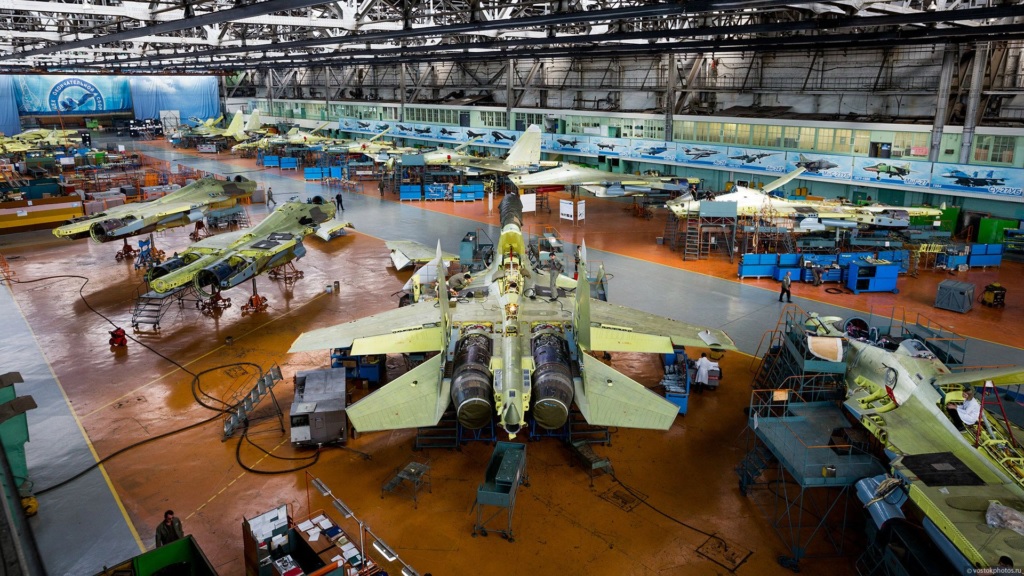
India
India’s ambitions to establish a cutting-edge fighter jet fleet capable of countering China’s fast-evolving air power are hitting a major roadblock: an over-reliance on Hindustan Aeronautics Limited (HAL). HAL, the country’s premier aerospace and defence manufacturer, has been at the forefront of India’s indigenous aircraft production, delivering flagship projects like the Tejas Light Combat Aircraft (LCA). Despite its critical role, defence analysts believe that HAL alone cannot meet the challenges of competing with China’s rapidly modernizing air fleet. Overburdened HAL and the Need for Expansion HAL is currently tasked with multiple high-stakes projects, including the Advanced Medium Combat Aircraft (AMCA), the Twin Engine Deck Based Fighter (TEDBF), and various helicopter programs. While its expertise is undisputed, HAL’s limited manpower and resources have led to delays and stretched development timelines. Modern fighter jet programs, with their steep technological and engineering demands, require much faster execution cycles to remain competitive in the global arms race. Defence experts argue that India needs at least two or three additional aerospace giants to share the burden. Creating a diversified ecosystem would not only distribute workload but also encourage competition and innovation in the defence sector. The Chinese Challenge China’s aviation industry, led by companies like Chengdu Aircraft Corporation and Shenyang Aircraft Corporation, has produced advanced fighter jets like the J-20 stealth fighter and is already working on sixth-generation aircraft. These developments underscore the urgent need for India to accelerate its own projects. India’s Tejas Mk1, though a significant achievement, has faced criticism for its delayed production and initial operational issues. With programs like the AMCA and TEDBF in the pipeline, the stakes are higher than ever. Analysts emphasize that depending solely on HAL to deliver these ambitious projects could leave India trailing far behind its strategic rival. Benefits of a Multi-Company Approach A diversified aerospace industry could allow specialized companies to focus on critical technologies. For instance: Stealth and Radar-Evasion Technology: One entity could concentrate on designing next-generation stealth capabilities for aircraft like the AMCA. Avionics and Sensor Systems: Another could develop advanced avionics, radar systems, and electronic warfare equipment. Propulsion Systems: A third could work exclusively on developing indigenous jet engines, a domain where India currently relies heavily on foreign suppliers like GE. This distributed approach would not only mitigate risks associated with delays in a single company but also enable faster innovation through competition. Collaboration among these entities on shared platforms would further streamline development processes. The Role of the Indian Air Force The Indian Air Force (IAF) plays a crucial role in the success of indigenous fighter jet programs. Analysts highlight the importance of firm commitments from the IAF for new aircraft. Hesitation in placing large orders, as witnessed during the early stages of the Tejas Mk1 program, hampers progress and undermines confidence in domestic manufacturing capabilities. A robust procurement strategy for AMCA and TEDBF would provide much-needed impetus to the aerospace industry. Challenges and Solutions Building new aerospace companies will require substantial government investment and policy support. Training a skilled workforce of engineers, technicians, and scientists is another critical challenge. Additionally, clear collaboration frameworks must be established to prevent resource duplication and inefficiency. Despite these hurdles, defence experts agree that the long-term benefits outweigh the risks. A diversified aerospace base would strengthen India’s self-reliance, enhance its strategic capabilities, and position the country as a formidable player in global military aviation. Conclusion India’s quest to build a modern and competitive fighter jet fleet demands more than the efforts of HAL alone. By fostering a network of specialized aerospace companies, India can address the challenges of over-reliance, accelerate innovation, and ensure its air force remains a dominant force in the region. Expanding the defence industrial base is not just a strategic necessity but also a pathway to achieving true self-reliance in military aviation.
Read More → Posted on 2024-12-29 14:27:17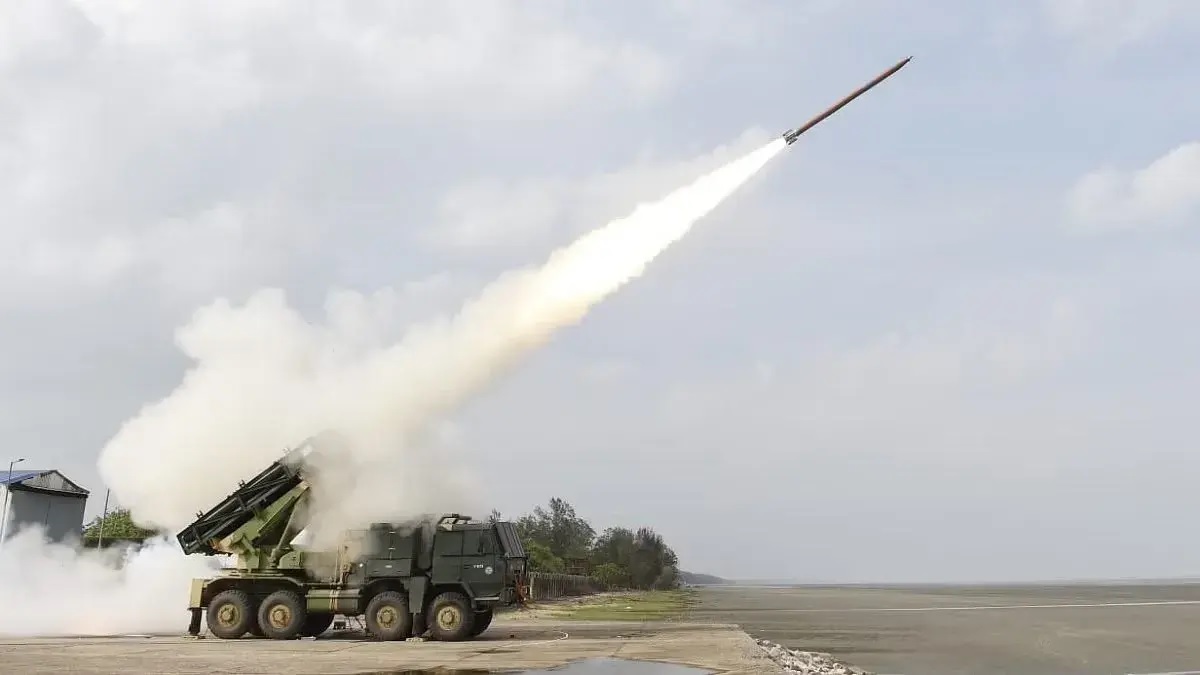
India
India’s defense sector has achieved another milestone as Solar Explosives, a leading name in the munitions industry, announces a groundbreaking improvement in the production efficiency of Pinaka MkII rockets. The company has successfully reduced the manufacturing cycle of these rockets from an extensive 50-55 days to an impressive 14-15 days, marking a significant leap in operational agility and efficiency. A Key Upgrade: From Pinaka MkI to MkII The Pinaka MkII, an enhanced version of the widely used Pinaka MkI, stands as a testament to India’s pursuit of cutting-edge military technology. Developed indigenously, the Pinaka MkII multi-barrel rocket launcher system is designed to deliver precision strikes over extended ranges of up to 75 kilometers—an upgrade from the MkI’s 40-kilometer range. The MkII rockets boast advanced guidance systems, improved warhead capabilities, and better accuracy, ensuring high-impact results in diverse combat scenarios. Solar Explosives’ Role in Streamlining Production Solar Explosives has introduced advanced manufacturing techniques and streamlined workflows to achieve the drastic reduction in production time. This improvement is particularly important given the Indian Army’s increasing demand for rapid deployment of artillery systems. Faster production not only accelerates the induction of these systems into active service but also translates into cost savings and better scalability. The Promise of the Guided Pinaka Further cementing India’s artillery modernization is the Guided Pinaka, a state-of-the-art variant developed by the Defence Research and Development Organisation (DRDO). Recently cleared for production, this variant integrates advanced inertial navigation and GPS-based guidance systems, providing pinpoint accuracy with a Circular Error Probable (CEP) of under 30 meters. The Guided Pinaka can neutralize strategic targets with minimal collateral damage, aligning with the evolving nature of modern warfare. Solar Explosives has expressed optimism about securing production contracts for the Guided Pinaka. This variant’s advanced capabilities, combined with the company’s newfound production efficiency, position India as a strong contender in the global defense manufacturing landscape. Enhancing India’s Defense Readiness The enhanced production of Pinaka MkII rockets supports India’s strategic goals of self-reliance in defense manufacturing under the "Aatmanirbhar Bharat" initiative. It also ensures that the armed forces have access to a robust supply of modern artillery systems capable of addressing evolving security challenges. With the reduction in production timelines, Solar Explosives is well-poised to meet the Indian Army's growing demand for the Pinaka MkII and its guided variants. This development underscores the synergy between industry innovation and military requirements, reflecting the broader vision of a technologically advanced and secure India.
Read More → Posted on 2024-12-28 15:20:27
India
Hafiz Abdul Rehman Makki, a top leader of the Lashkar-e-Taiba (LeT) terrorist organization and a key conspirator behind the 2008 Mumbai terror attacks, died on December 27, 2024, in Lahore, Pakistan. The 70-year-old suffered a fatal heart attack while undergoing treatment for diabetes-related complications at a private hospital. His death marks the end of a notorious chapter in the history of terrorism in South Asia. Makki’s Early Life and Rise in Terrorism Born on December 10, 1954, in Punjab, Pakistan, Makki was the brother-in-law of Hafiz Saeed, the founder of Lashkar-e-Taiba. Known for his intelligence and ability to organize, Makki rose to prominence within LeT as the head of its foreign relations department and a member of its supreme decision-making body, the Shura. Over the years, he became an influential ideologue and fundraiser, facilitating the group's operations across South Asia. Role in Notorious Attacks Makki played a critical role in planning and orchestrating several high-profile terror attacks, including the 2000 Red Fort assault in India and the infamous 26/11 Mumbai attacks in 2008. The Mumbai attacks, carried out by ten heavily armed LeT operatives, claimed the lives of 166 people, including foreign nationals, and left over 300 injured. These attacks targeted iconic locations such as the Taj Mahal Palace Hotel, the Oberoi Trident, and the CST railway station, causing global outrage. International Designation as a Terrorist In January 2023, the United Nations designated Makki as a global terrorist under UNSC Resolution 1267. This action resulted in the freezing of his assets, a travel ban, and an arms embargo, marking a major blow to his activities. The designation came after consistent lobbying by India and its allies, who highlighted his role in facilitating terrorism financing and recruitment for LeT. Conviction and Continued Influence Despite being convicted of terrorism financing in Pakistan in 2020, Makki retained considerable influence within LeT. His primary responsibilities included raising funds for operations, recruiting members, and maintaining the group’s propaganda efforts. He also acted as a mentor to younger militants, ensuring continuity within LeT’s ranks. Death and Implications Makki's death is a significant setback for LeT, which relied on his ideological leadership and extensive fundraising network. As a strategist and organizer, he was instrumental in coordinating LeT's operations, often evading international scrutiny by using covert channels. His passing may lead to internal power struggles within the group and could disrupt its operational capabilities temporarily. Legacy of Violence Makki’s legacy is one of violence, destruction, and ideological extremism. He was a symbol of the LeT’s ruthless campaigns against India and a key figure in the global fight against terrorism. However, his death does not mark the end of the challenges posed by LeT, which continues to be active under different guises and names. While his demise is a relief for many victims and families affected by his actions, it also serves as a reminder of the enduring threat posed by extremist organizations in the region. Authorities worldwide must remain vigilant to counter the legacy of terrorism Makki helped establish.
Read More → Posted on 2024-12-28 15:17:34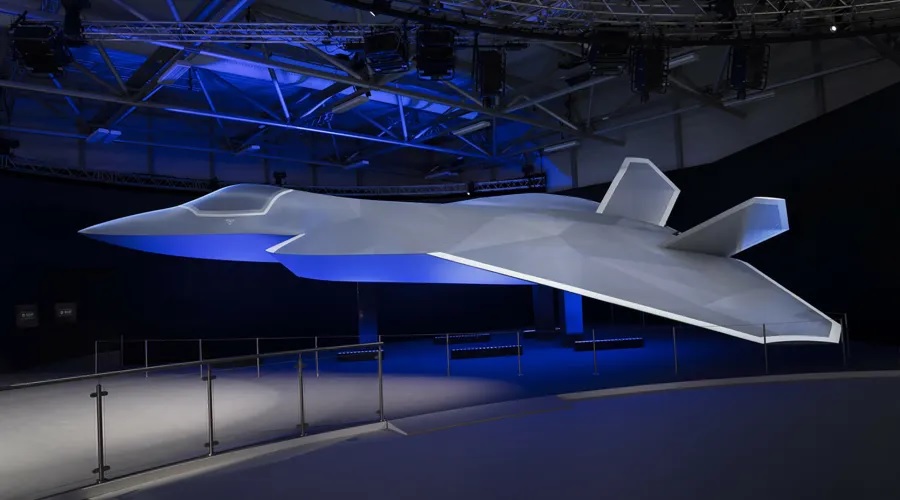
India
China's unveiling of two ambitious 6th generation fighter jet programs has intensified the global race for air superiority, compelling nations like India to reassess their military aviation strategies. This evolving landscape raises an important question: Should India join the Global Combat Air Programme (GCAP) as an observer to accelerate its own 6th generation fighter capabilities? The Strategic Value of GCAP Participation The GCAP, a collaborative initiative spearheaded by Italy, Japan, and the UK, aims to develop cutting-edge 6th generation fighter jets by 2035. These aircraft promise groundbreaking advancements, including enhanced stealth technologies, AI-driven systems, hypersonic capabilities, autonomous swarming drones, and directed energy weapons. For India, gaining first-hand exposure to these innovations could provide crucial insights for its Advanced Medium Combat Aircraft (AMCA) project, which is currently under development. By joining as an observer, India could leverage this opportunity to study the program’s design philosophies, manufacturing techniques, and systems integration. For instance, GCAP’s focus on network-centric warfare and sensor fusion aligns with AMCA’s ambitions to incorporate advanced avionics and a robust electronic warfare suite. The learnings could potentially shorten development timelines and bolster AMCA’s competitiveness against global counterparts. Advantages Beyond Technology Engaging with GCAP goes beyond technical gains. It could deepen India's defence partnerships with Western allies, fostering stronger ties with NATO countries and expanding avenues for co-development and technology transfer. Such collaborations could also strengthen India's position in the Indo-Pacific, countering China's growing assertiveness in the region. Financially, developing a 6th generation fighter jet independently is a monumental challenge, with estimated costs running into tens of billions of dollars. As an observer, India could share development risks in the long term while avoiding immediate financial burdens. Moreover, this strategic collaboration could open the door to dual-use technologies, benefiting both civilian and military sectors. Challenges and Limitations However, participation as an observer comes with potential drawbacks. Access to core intellectual property and decision-making authority could be limited, which may restrict India’s ability to adapt the technologies to its unique needs. Additionally, GCAP’s design priorities might not align perfectly with India's operational requirements, such as high-altitude performance critical for Himalayan deployments. Furthermore, India's own defence ecosystem must be ready to absorb and integrate these advanced technologies. A well-defined roadmap for transitioning from observer status to active participant or beneficiary will be essential to maximize returns. Why Now? China’s aggressive strides in 6th generation aviation technology, reportedly featuring advanced quantum radar systems and directed energy weapons, serve as a wake-up call. These developments pose a significant challenge to India’s regional security and technological parity. Joining GCAP could serve as a countermeasure, allowing India to keep pace with global advancements while simultaneously enhancing its indigenous capabilities. The timing is particularly critical as AMCA progresses toward its first flight by 2028. Exposure to GCAP could enable India to incorporate some 6th generation features into AMCA’s later variants, bridging the gap between 5th and 6th generation capabilities. A Balanced Approach India must carefully evaluate the strategic, technical, and financial implications of joining GCAP as an observer. While the potential benefits are immense, ensuring access to actionable knowledge and a pathway to deeper engagement will be key to making the partnership fruitful. In a rapidly evolving geopolitical landscape, India’s proactive involvement in global defence initiatives like GCAP could be the catalyst for maintaining its edge in military aviation. By positioning itself alongside leading innovators in defence technology, India can ensure its readiness for future conflicts while fortifying its strategic standing in an increasingly competitive Indo-Pacific theatre.
Read More → Posted on 2024-12-28 14:51:03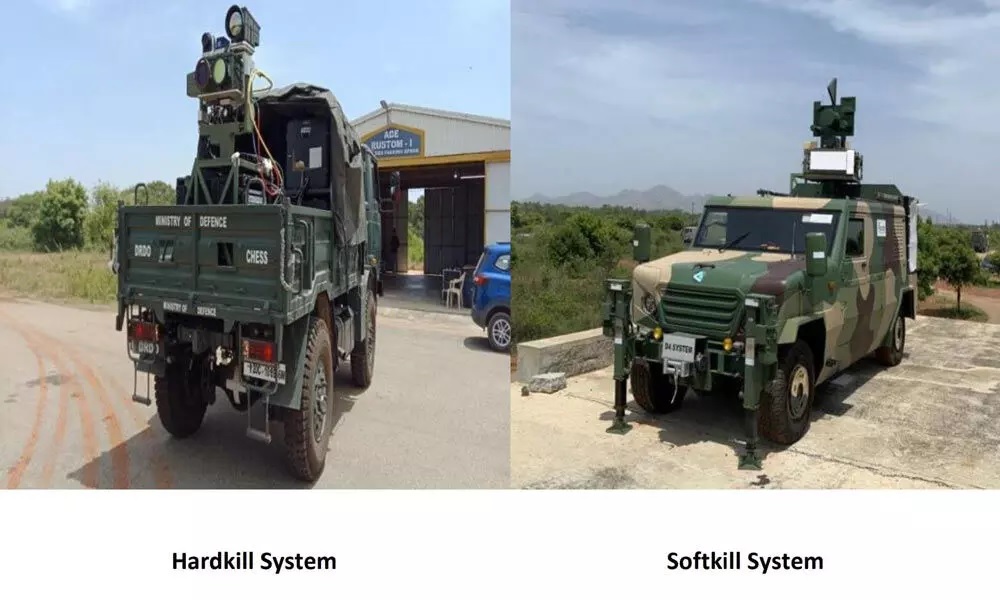
India
In a significant move to deepen defense ties with Vietnam, India has offered its cutting-edge counter-drone systems to the Vietnam People's Air Force (VPAF). This initiative addresses the growing challenge of swarm drone attacks on military facilities, a threat that is becoming increasingly prevalent worldwide. The systems India proposes combine both 'hard kill' and 'soft kill' technologies, providing an effective and comprehensive solution to neutralize hostile drones. Hard Kill Systems: Neutralizing Threats Physically Hard kill systems aim to destroy incoming drones physically. Among India's offerings, the D-4 counter-drone system, developed by the Defence Research and Development Organisation (DRDO), stands out. This system uses advanced laser technology to target and eliminate drones at various ranges. Its laser capability can effectively engage threats within distances ranging from 150 meters to over 1 kilometer, depending on the laser's power. In addition to lasers, missile-based interceptors form another layer of the hard kill approach. These interceptors are designed to swiftly engage drones before they breach critical airspace, ensuring maximum protection for airbase infrastructure. Soft Kill Systems: Disabling Drones Without Destruction Soft kill methods, on the other hand, focus on disrupting or disabling drones without causing physical damage. India's counter-drone solutions include sophisticated systems that employ RF jamming and GPS spoofing technologies. These systems can disable a drone's communication link or manipulate its navigation system, forcing it to land or return to its origin point. The D-4 system, for example, includes capabilities to jam micro-drones at distances up to 3 kilometers, effectively neutralizing threats without causing collateral damage. This makes it particularly suitable for scenarios where avoiding debris is critical. Integrated Multi-Layer Defense India’s counter-drone solutions provide a multi-layered defense strategy. The D-4 system integrates advanced radar, RF detectors, and electro-optical/infrared (EO/IR) sensors for comprehensive threat detection and neutralization. Its radar can detect drones within a 4-kilometer radius, while EO/IR sensors allow for precise visual identification up to 2 kilometers. Such integration ensures that even highly coordinated swarm attacks can be effectively countered. Operational Experience and Proven Effectiveness The reliability of India’s counter-drone systems has been demonstrated in several high-profile deployments, including securing critical national events like Republic Day and Independence Day celebrations. Their successful operational use highlights their effectiveness in real-world scenarios, making them a credible option for enhancing Vietnam’s airbase security. Strengthening Vietnam's Defense Capabilities By equipping the VPAF with these advanced systems, India aims to significantly bolster Vietnam's ability to protect its airbases. These systems are not only tailored to meet current challenges but are also designed to adapt to the evolving tactics of drone warfare. For Vietnam, adopting such cutting-edge technology would enhance its preparedness against modern threats while deepening its strategic defense partnership with India. As drone technology advances, investing in robust counter-drone systems like these becomes imperative for nations to safeguard their critical infrastructure and maintain airspace security.
Read More → Posted on 2024-12-28 14:49:14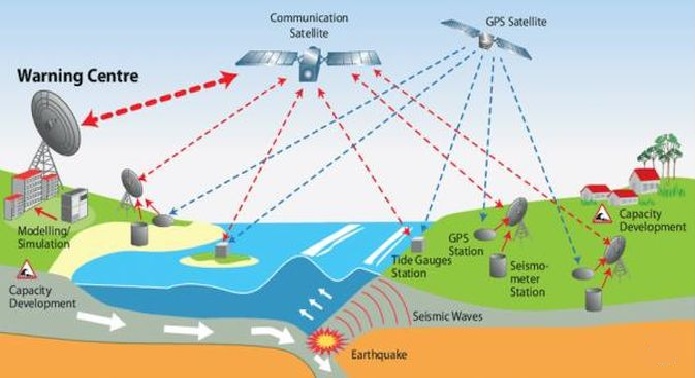
India
India has emerged as a global leader in disaster warning systems, showcasing remarkable advancements in technology and strategic preparedness. Central to this achievement is the Indian Tsunami Early Warning System (TEWS), developed in response to the devastating Indian Ocean tsunami of December 26, 2004. The disaster claimed over 230,000 lives across 14 countries, emphasizing the urgent need for a robust early warning mechanism. The Indian Tsunami Early Warning Centre (ITEWC) Operational since 2007, the Indian Tsunami Early Warning Centre (ITEWC) in Hyderabad serves as the backbone of India's disaster preparedness framework. Managed by the Indian National Centre for Ocean Information Services (INCOIS), the center has become a symbol of India's commitment to reducing disaster risks. ITEWC's operations rely on an advanced network of instruments and data systems, including: Seismic Sensors: These continuously monitor tectonic activity to detect undersea earthquakes. Deep-Ocean Pressure Recorders (DART Buoys): These instruments detect sudden changes in ocean pressure, indicating potential tsunami waves. Wave Rider Buoys and Tide Gauges: These measure sea surface movements and water levels. Satellite Communication Systems: Ensure real-time data transmission and rapid dissemination of alerts. The Four-Step Early Warning Approach India’s TEWS employs a systematic four-step methodology: Continuous Monitoring: Real-time data from seismic stations and ocean sensors is analyzed to detect earthquake activity. Simulation Models: Advanced computer models simulate tsunami propagation and estimate potential impacts. Data Collection: Instruments track tsunami trajectories and validate wave data in real time. Rapid Alert Dissemination: Alerts are communicated via SMS, email, TV, radio, and social media, ensuring timely warnings reach coastal communities. Regional and Global Impact India’s TEWS is recognized not only for its national significance but also for its regional contributions. As a Regional Tsunami Service Provider under UNESCO's Intergovernmental Oceanographic Commission, India provides advisory services to 25 countries in the Indian Ocean Rim. The system's effectiveness was demonstrated during multiple seismic events, where timely warnings facilitated evacuations and mitigated disaster impacts. Additionally, the recognition of 24 Indian communities under UNESCO's Tsunami Ready Initiative highlights India's emphasis on local-level disaster preparedness and resilience-building. Future Goals: A Multi-Hazard Warning System India is now working on integrating tsunami alerts with warnings for other ocean-related hazards, such as storm surges, high waves, and coastal erosion. This multi-hazard early warning system aligns with India's vision of achieving "Viksit Bharat" (Developed India) and advancing disaster resilience. The expansion of the TEWS capabilities is also a part of India’s broader push into ocean exploration, particularly under the Samudrayaan Mission, aimed at leveraging marine resources and understanding underwater geodynamics. Global Recognition and Benchmark India's disaster warning systems, characterized by technological innovation and community engagement, have set a global benchmark. The blend of real-time data analysis, cutting-edge technology, and community-focused preparedness offers a model that other nations can replicate. Conclusion India’s advancements in disaster warning systems showcase the nation’s resolve to mitigate the impacts of natural calamities. From protecting its own citizens to aiding neighboring countries, India has positioned itself as a pioneer in global disaster management, demonstrating how technology and strategic foresight can save lives and build resilience.
Read More → Posted on 2024-12-28 14:44:11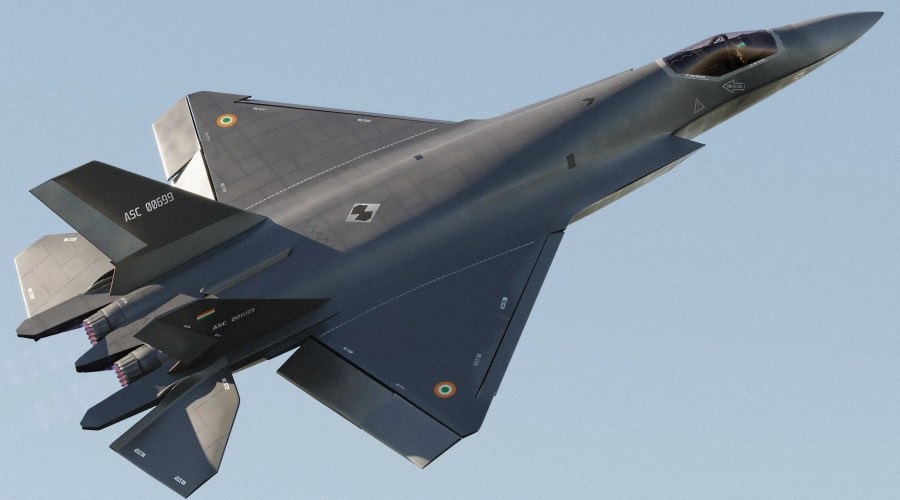
India
In light of China's recent unveiling of its 6th generation fighter jets, India's defence community has taken to social media to press the Government of India to prioritize funding for the Advanced Medium Combat Aircraft (AMCA) program. This debate has sparked widespread discussions about national security, technological advancement, and economic priorities. The AMCA Project: India's Answer to Next-Gen Air Superiority The AMCA is India's ambitious attempt to develop a stealth-capable 5th generation fighter jet equipped with cutting-edge technology. Designed to replace the aging fleet of SEPECAT Jaguars and Mirage 2000s, the AMCA promises advanced stealth features, supercruise capability, artificial intelligence integration, and next-generation avionics. It is expected to be powered by indigenous engines co-developed with foreign partners, targeting an initial operational clearance (IOC) by 2032. Despite its potential, the project has faced delays primarily due to insufficient funding. Critics argue that this lack of prioritization could leave India vulnerable as China's military modernization continues at breakneck speed. China's 6th generation fighter jets reportedly boast advanced stealth, directed energy weapons, enhanced situational awareness through AI, and swarm drone control, presenting a new level of aerial dominance. Online Outcry: Balancing Welfare and Security The defence community's frustration stems from the perception that essential defence projects are being overshadowed by what they term "freebies" — welfare schemes and subsidies funded by taxpayers. The prevailing sentiment is encapsulated in statements like, "Welfare schemes are important, but they cannot come at the cost of national security." Platforms such as defence.in and forums on social media have seen heated debates. Experts and enthusiasts alike are advocating for a more balanced approach to budget allocation, arguing that robust defence spending is a prerequisite for sustainable economic and social development. They highlight that an underfunded AMCA program risks leaving India technologically behind in an increasingly competitive global arms race. Strategic Importance of Prioritizing AMCA The AMCA is not merely about boosting India's air power; it is also a key driver of technological self-reliance. The program has the potential to: Strengthen National Security: Developing indigenous 5th and 6th generation fighter technologies ensures a credible deterrent against adversaries like China and Pakistan. Stimulate Economic Growth: Defence projects like AMCA can spur job creation and foster innovation in sectors like materials science, AI, and engine design. Boost Defence Exports: A successful AMCA program could position India as a significant player in the global arms market, enabling the country to recoup its investment through exports. Reduce Dependence on Imports: Indigenous production reduces reliance on foreign suppliers, enhancing strategic autonomy. The Case for 6th Generation Collaboration While the AMCA is critical, defence experts are also pushing for investments in 6th generation fighter technology to keep pace with global advancements. Collaborative efforts with allies or accelerated indigenous development of 6th generation engines, sensors, and directed energy weapons are seen as essential steps to future-proof India's aerial capabilities. A Call for Visionary Policy The debate highlights a broader issue: the need for a strategic vision that balances immediate welfare needs with long-term security imperatives. National security forms the foundation for economic stability and societal progress, and defence spending should reflect this reality. As China's military advancements redefine the regional balance of power, India's response must be swift and decisive. The AMCA program represents not just a fighter jet but a symbol of India’s technological aspirations and strategic autonomy. With the right funding and policy focus, it could serve as a cornerstone of India’s defence modernization in the coming decades.
Read More → Posted on 2024-12-28 14:41:48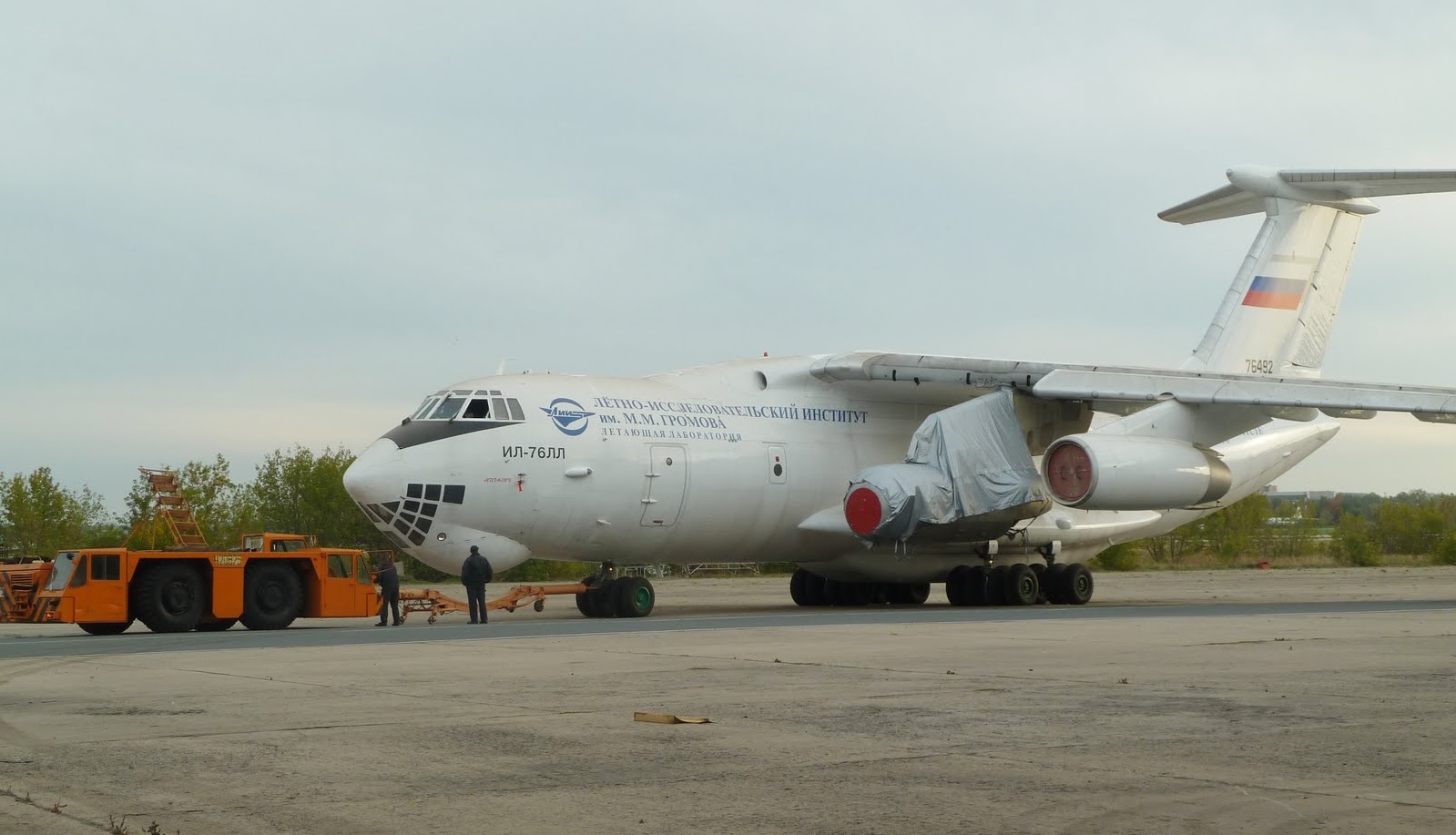
India
In a groundbreaking development for India’s aerospace ambitions, the Gas Turbine Research Establishment (GTRE) is gearing up to receive a newly developed variant of the Kaveri engine, known as the ‘Dry Kaveri,’ by February 2024. This engine, produced by Godrej Aerospace, is set to undergo rigorous flight trials aboard Russia’s IL-76 aircraft at the Gromov Flight Research Institute (GFRI) in Moscow by 2025, marking a pivotal step in its eventual deployment in the Ghataak Unmanned Combat Aerial Vehicle (UCAV) program. Engine Specifications and Evolution The Dry Kaveri engine is a derivative of the original Kaveri engine developed under India’s Light Combat Aircraft (LCA) program. Unlike its predecessor, which included an afterburner for high thrust, the Dry Kaveri is tailored to deliver 48 kN of thrust without an afterburner. This simplified configuration is ideal for unmanned platforms like the Ghataak UCAV, where reduced weight and complexity are crucial. Godrej Aerospace, a key player in India’s advanced manufacturing sector, was awarded the contract in September 2022 to produce eight modules of the Dry Kaveri engine. The company has since leveraged its expertise in precision aerospace engineering to bring this project to fruition, further underscoring India’s growing capabilities in indigenous defense technology. The Road to Certification Before heading to Russia, the Dry Kaveri engine will undergo extensive ground testing in India to validate its core performance parameters. Once cleared, it will be transported to Moscow for integration into the IL-76 aircraft. Known for its versatility and reliability, the IL-76 serves as an ideal flying testbed for evaluating high-altitude performance and other critical flight conditions. During these trials, one of the IL-76’s engines will be replaced with the Dry Kaveri, allowing for direct comparisons in operational performance. This approach will not only assess the engine’s reliability and endurance but also provide essential data on its compatibility with existing systems—a vital step toward its eventual deployment in the Ghataak program. Strategic Implications and Future Prospects If the Dry Kaveri clears its flight trials, it will represent a monumental achievement in India’s pursuit of self-reliance in aero-engine technology. The insights gained from these tests will help refine the engine, ensuring it meets the demanding requirements of modern combat scenarios. Moreover, a successful trial could open doors for larger-scale production and potential export opportunities, showcasing India’s capability to develop high-performance aerospace engines. With the Ghataak UCAV program relying heavily on this indigenous propulsion system, the Dry Kaveri’s success could redefine India’s position in the global defense market. As India continues to break new ground in defense technology, the Dry Kaveri project stands as a testament to the country’s determination to achieve self-sufficiency in critical aerospace systems. By 2025, the flight trials in Russia could mark the beginning of a new era for India’s indigenous aerospace industry.
Read More → Posted on 2024-12-27 15:35:01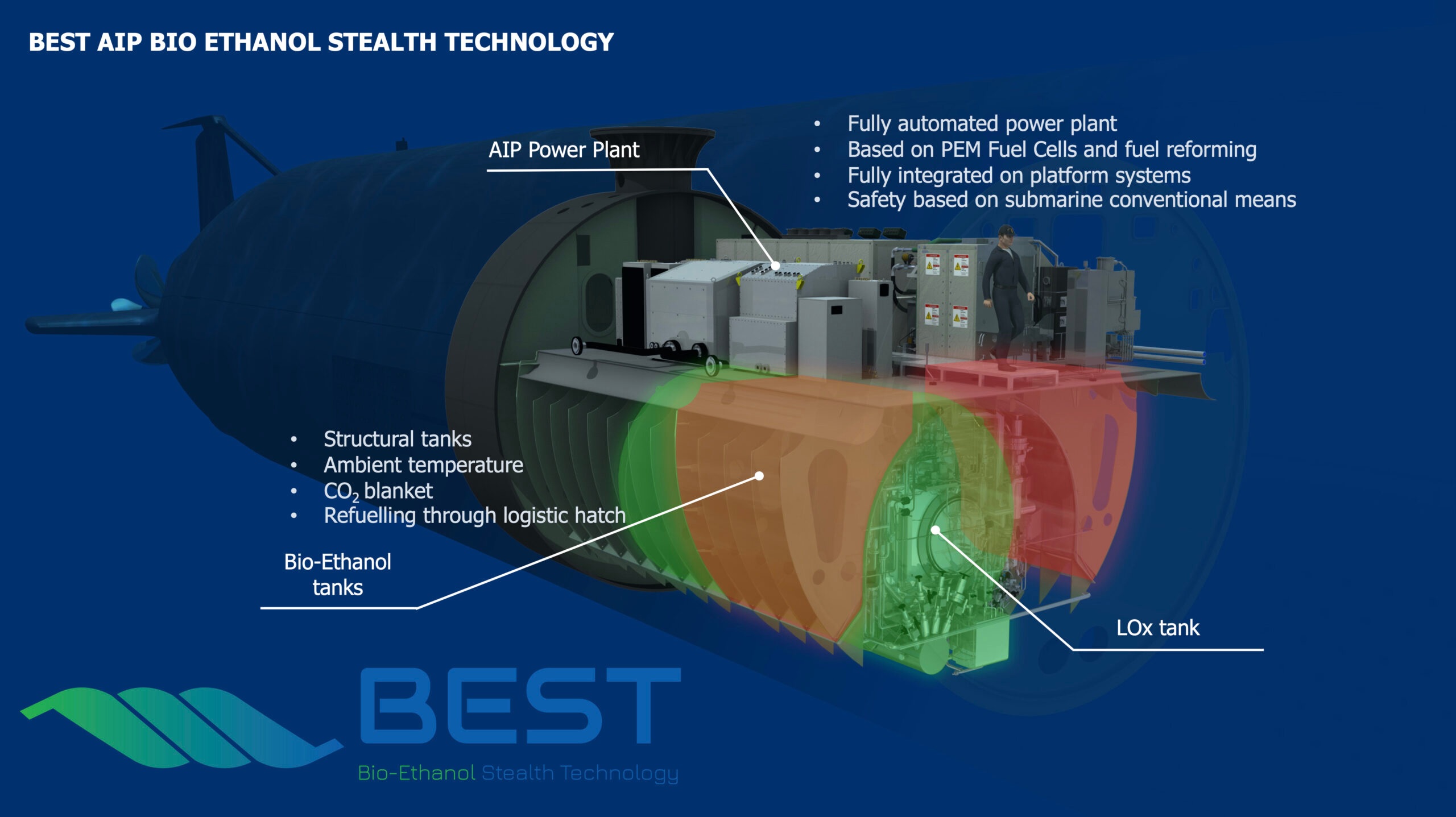
India
In a groundbreaking proposal, Spanish shipbuilding giant Navantia has offered India a full Transfer of Technology (ToT) for its advanced Air-Independent Propulsion (AIP) system, Bio-Ethanol Stealth Technology (BEST). This offer is poised to revolutionize India's submarine capabilities, making Navantia a formidable contender for Project-75 (I) and future initiatives such as Project-76. BEST AIP System: A Leap in Submarine Technology Navantia's BEST AIP technology stands out as a third-generation solution that leverages bioethanol reforming to generate hydrogen on demand. Unlike conventional AIP systems that rely on pre-stored hydrogen, the BEST system ensures safety and operational efficiency by producing hydrogen as needed. This eliminates the risks associated with storing large volumes of compressed hydrogen gas within a submarine. The hydrogen generated is combined with pure oxygen in a fuel cell, creating electrical power for the submarine's propulsion. This process enables the submarine to recharge its batteries while submerged, significantly extending its underwater endurance and reducing the need for snorkelling—a manoeuvre that risks detection by adversaries. The use of bioethanol, a renewable fuel derived from organic sources, further enhances the system's appeal. It is cost-effective, readily available, and environmentally friendly, offering a sustainable propulsion solution for the next generation of submarines. Superior Stealth, Endurance, and Safety Navantia claims its BEST technology surpasses India's Defence Research and Development Organisation (DRDO)-developed Fuel-Cell-based AIP system in several key areas. These include: Stealth: Enhanced operational secrecy due to reduced acoustic and thermal signatures. Endurance: Extended submerged operations without the need to surface. Safety: Hydrogen-on-demand minimizes risks, while advanced sensorization ensures optimal performance with minimal crew intervention. The system's advanced design also reduces the manpower required for operation, enhancing overall efficiency and safety while maintaining a high level of automation. Comprehensive Transfer of Technology Navantia's proposal includes complete ToT for the BEST AIP system, covering both Project-75 (I), which aims to produce six advanced conventional submarines, and the prospective Project-76, envisaged to develop 12 next-generation submarines. This ToT would empower Indian shipyards like Mazagon Dock Shipbuilders Limited (MDL) and Larsen & Toubro (L&T) to locally manufacture and further refine this cutting-edge technology. Additionally, it would strengthen India's push for self-reliance in defence manufacturing under the "Aatmanirbhar Bharat" initiative. Strategic Implications for India The adoption of Navantia's BEST AIP system could provide the Indian Navy with a decisive edge in underwater warfare. Enhanced stealth and extended endurance would increase the deterrence value of India's submarine fleet, making it a more formidable force in the Indo-Pacific region. Moreover, Navantia's experience in building the S-80 Plus class submarines, equipped with the same BEST technology, lends credibility to its proposal. The offer aligns with India's ambition to indigenize critical defence technologies and develop a world-class naval force capable of countering emerging threats. Conclusion Navantia's offer of complete ToT for its BEST AIP technology presents a compelling case for India's submarine programs. If accepted, it would significantly bolster India's underwater capabilities, ensuring that its naval fleet remains a step ahead in both technology and strategic advantage. The combination of safety, sustainability, and stealth makes Navantia's BEST system a transformative solution for the Indian Navy's future needs.
Read More → Posted on 2024-12-27 15:24:16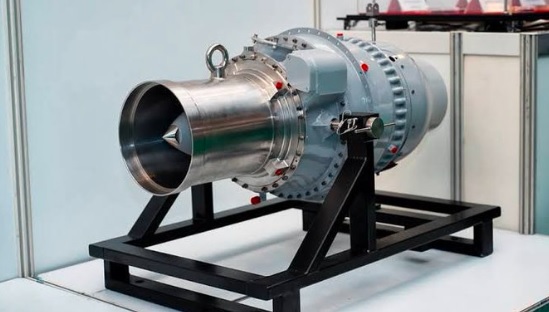
India
India’s defense innovation continues to make strides, with Azad Engineering spearheading the development of the Advanced Turbo Gas Generator (ATGG) under a contract from the Gas Turbine Research Establishment (GTRE), part of the Defence Research and Development Organisation (DRDO). This cutting-edge propulsion system is set to power the Medium-Range Anti-Ship Missile currently under development, reflecting India’s growing self-reliance in defense technologies. The ATGG: A Game-Changer in Propulsion Systems The ATGG is a highly advanced, single-spool turbojet engine with features that ensure efficiency, reliability, and adaptability. At its core is a four-stage axial flow compressor that compresses incoming air to support high-performance combustion. This design is paired with an annular combustor, which guarantees stable and efficient fuel combustion. A notable feature is the uncooled, single-stage axial flow turbine, which reduces complexity and weight while maintaining robust performance. The engine also includes a fixed exit area nozzle designed to optimize exhaust flow, improving thrust and propulsion efficiency. This compact and lightweight design makes the ATGG ideal for applications where size and weight are critical. Broad Applications Beyond Missiles While its primary role is to power the Medium-Range Anti-Ship Missile, the ATGG’s versatile design opens doors for other uses. It is suitable for unmanned aerial vehicles (UAVs), target drones, and potentially even more advanced aviation platforms. This adaptability highlights its importance not only for India’s missile programs but also for its broader aerospace and defense needs. Key Features of the ATGG Compact Design: The single-spool configuration ensures a lightweight and space-efficient engine, vital for various aerospace platforms. Efficiency: The four-stage axial flow compressor delivers a high thrust-to-weight ratio, enabling superior speed and range for missiles. Durability: The uncooled turbine design allows the engine to function reliably in extreme conditions, reducing maintenance needs. Versatility: Although designed for missile systems, its potential applications extend to UAVs, target drones, and other aerial vehicles. Strengthening India’s Defense Ecosystem The collaboration between GTRE and Azad Engineering underscores the increasing role of private sector innovation in bolstering India’s defense capabilities. The ATGG exemplifies the country’s drive to develop indigenous propulsion systems, reducing reliance on foreign technologies. With a budget-conscious and technologically advanced approach, India is poised to address the evolving demands of its armed forces effectively. A New Chapter in Indigenous Development The ATGG marks a significant milestone in India’s journey toward self-reliance in defense technology. By harnessing domestic expertise, India is not only boosting its strategic capabilities but also paving the way for future advancements in aerospace engineering. As the ATGG-powered Medium-Range Anti-Ship Missile moves closer to realization, this achievement signals a promising future for India’s defense and aerospace sectors.
Read More → Posted on 2024-12-27 15:21:53Search
Top Trending in 24 Hours
-
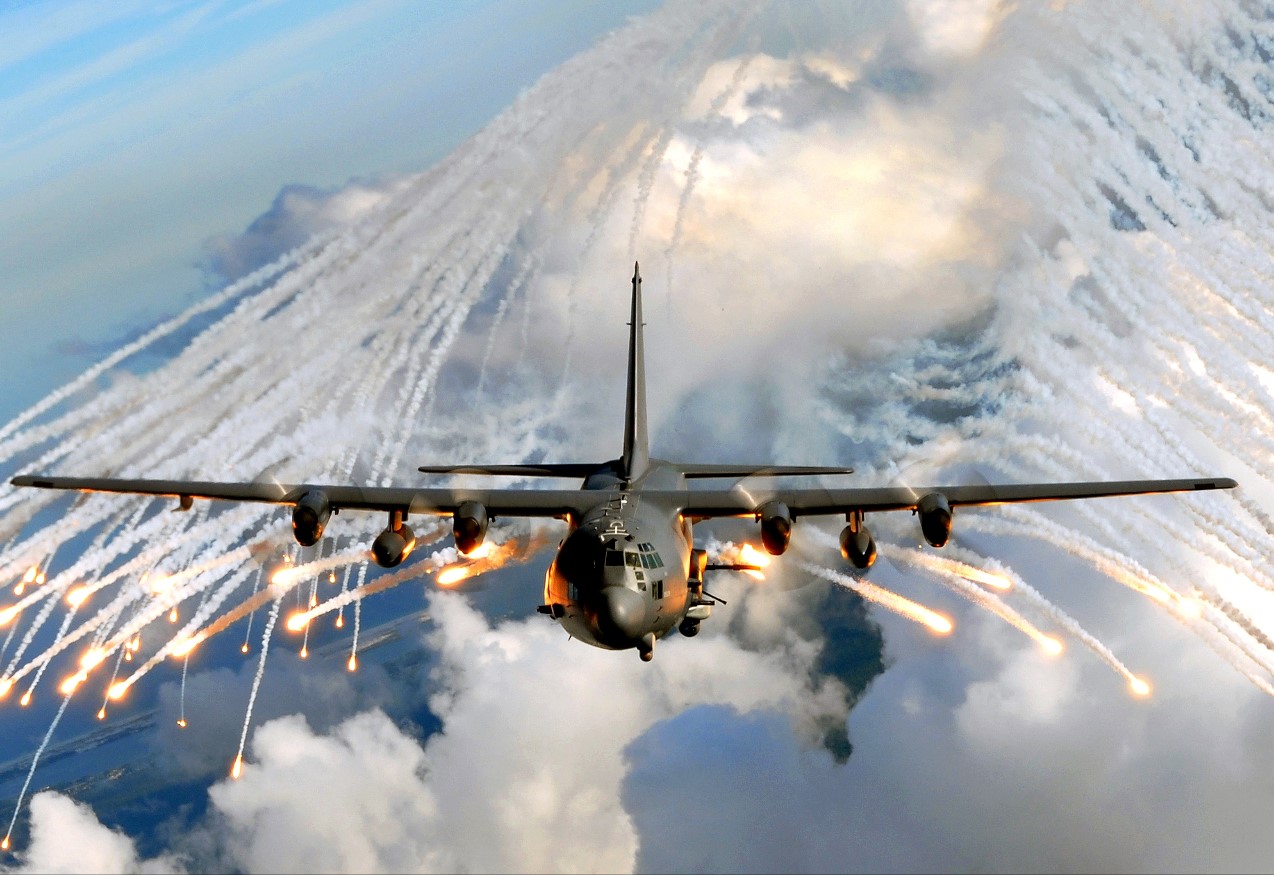 Pentagon Expands Alloy Surfaces Contract to $328.8 Million for Advanced Aircraft Decoy Flares Amid Evolving Drone Threats
-
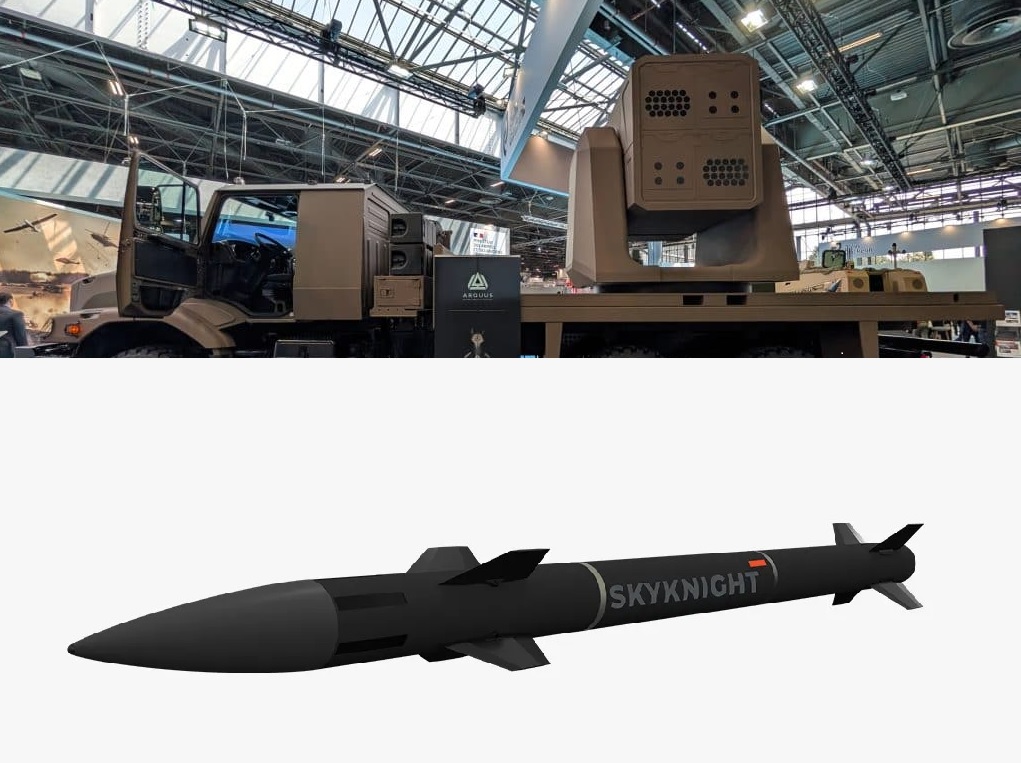 Naval Group Unveils Rampart Modular CIWS Multi-Purpose Weapon System for Naval and Ground Forces at Eurosatory 2026
-
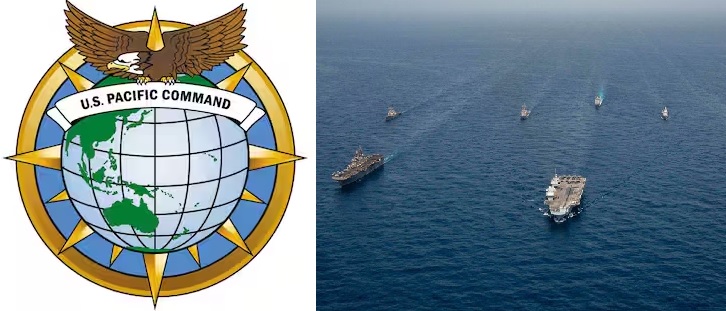 Why the U.S. Restored Pacific Command Name, Ending the Indo-Pacific Designation After Eight Years
-
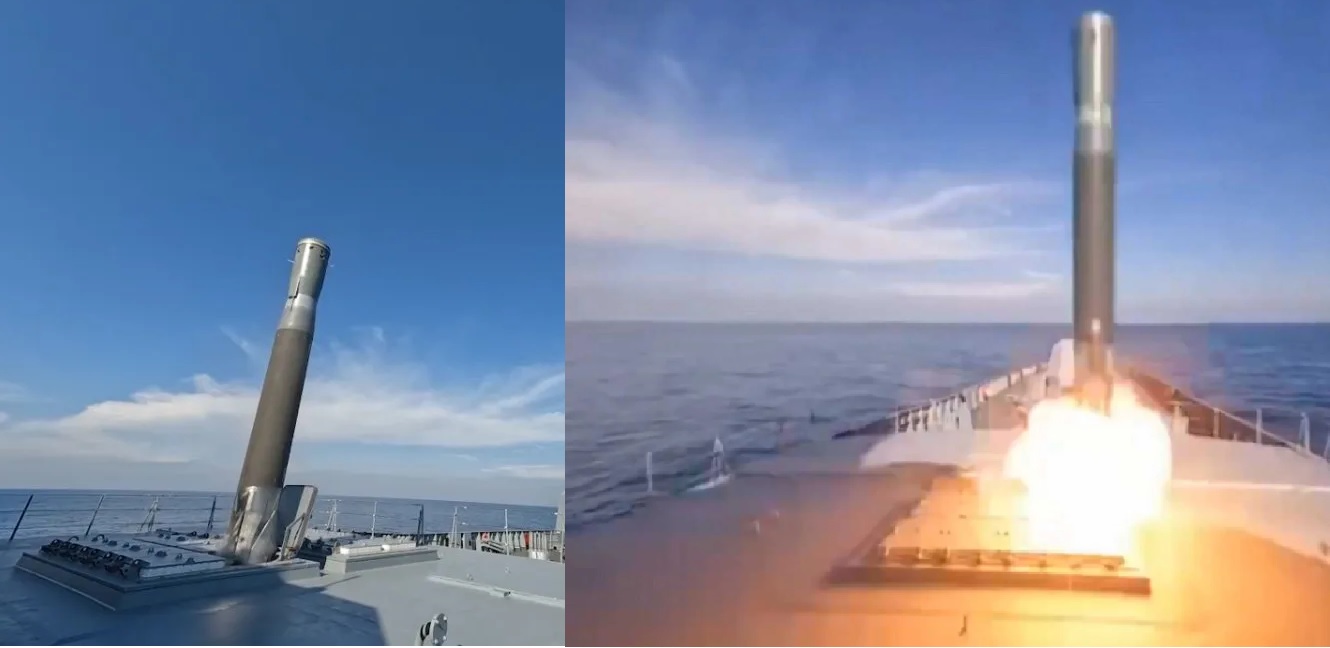 Open-Source Evidence Suggests Russia's Zircon Is a Quasi-Ballistic Missile, Not a True Hypersonic Cruise Weapon
-
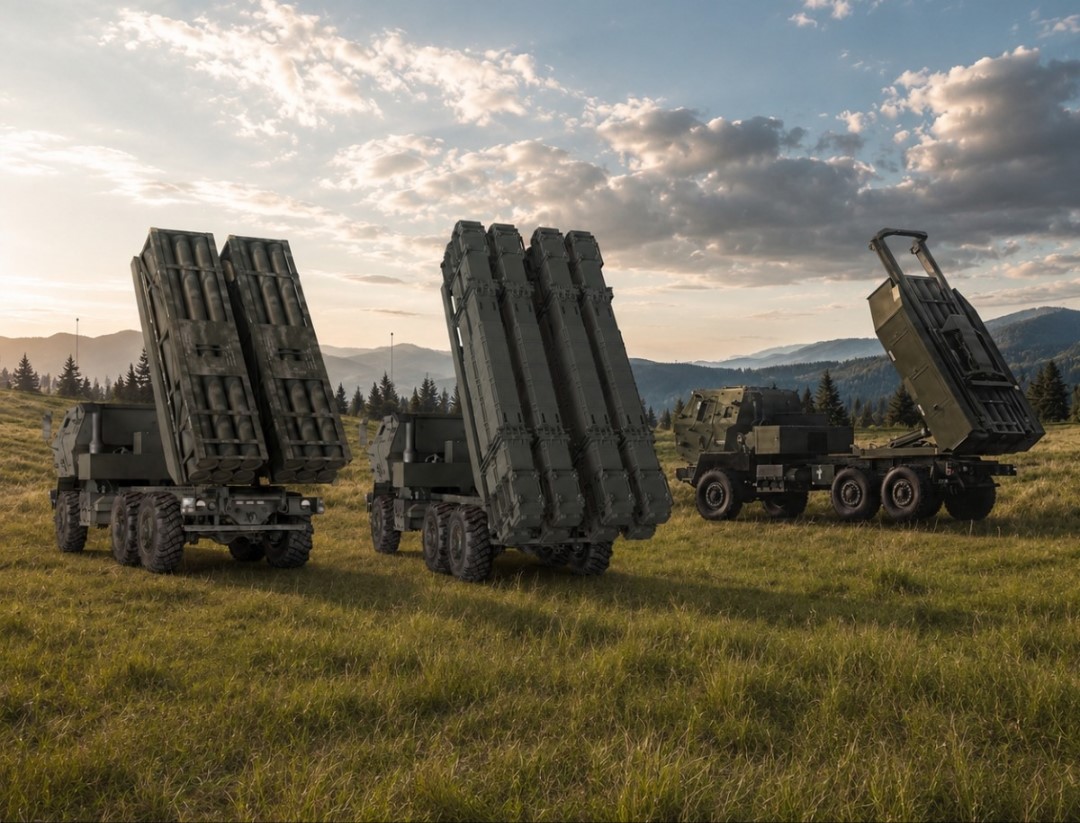 Lockheed Martin Unveils HIMARS FLEX with Dual-Pod Launcher and NATO-Compatible Air Defense Integration
-
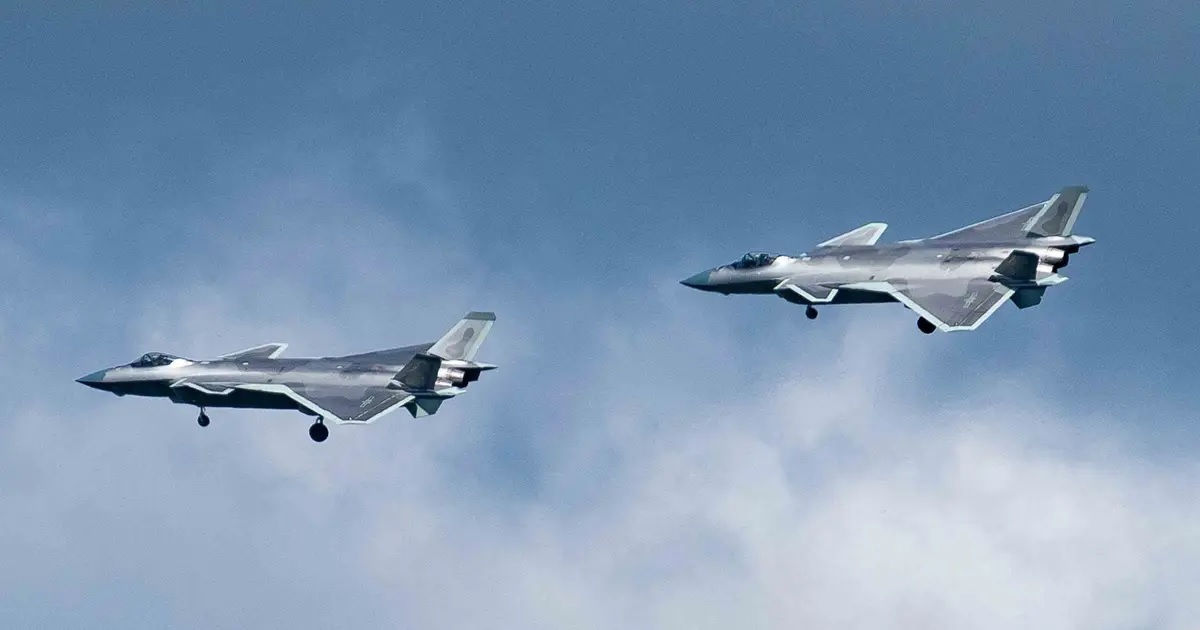 China Surpasses Russia as World’s Second-Most Powerful Air Force Amid Rapid J-20 and J-35 Expansion
-
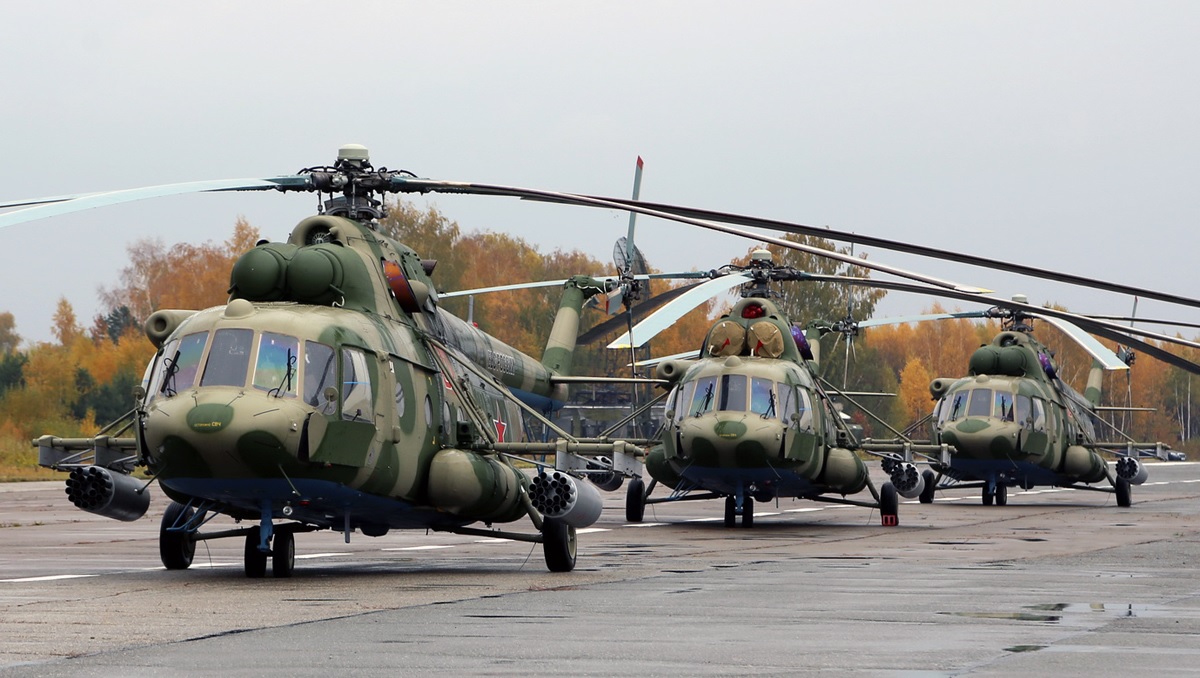 Iran Signs Deal with Russia for 20 Mi-8 and Mi-17 Helicopters to Boost Rescue and Medical Missions
-
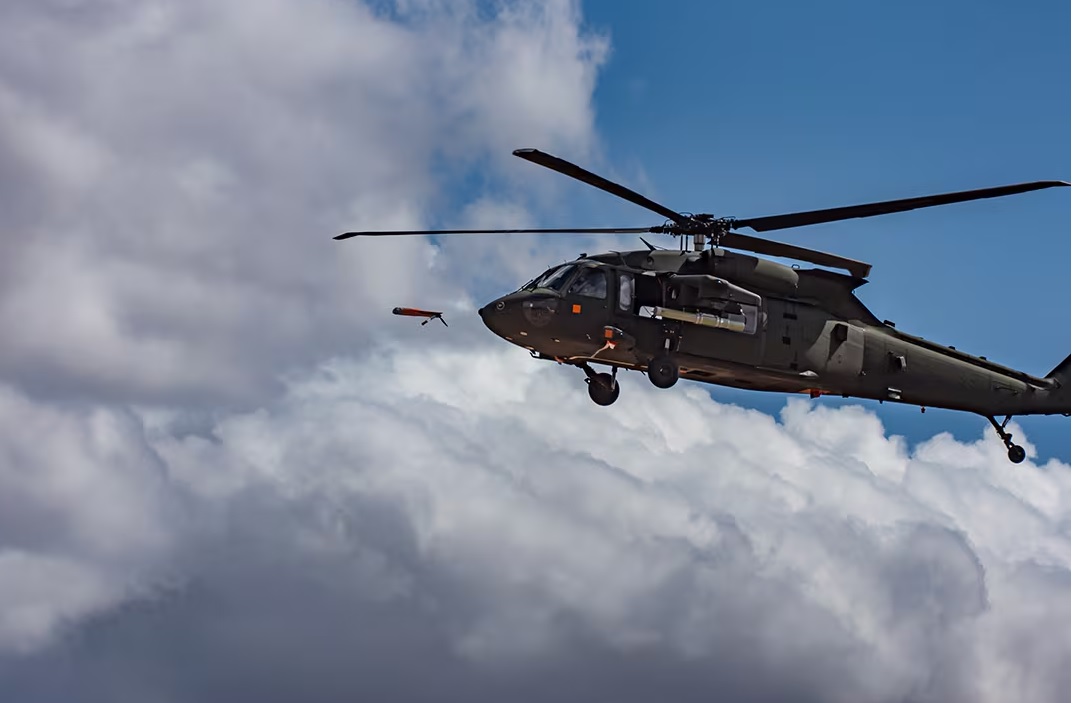 U.S. Army Completes First Flight Test of Medium-Range Air-Launched Effects from Black Hawk Helicopter
Top Trending in 4 Days
-
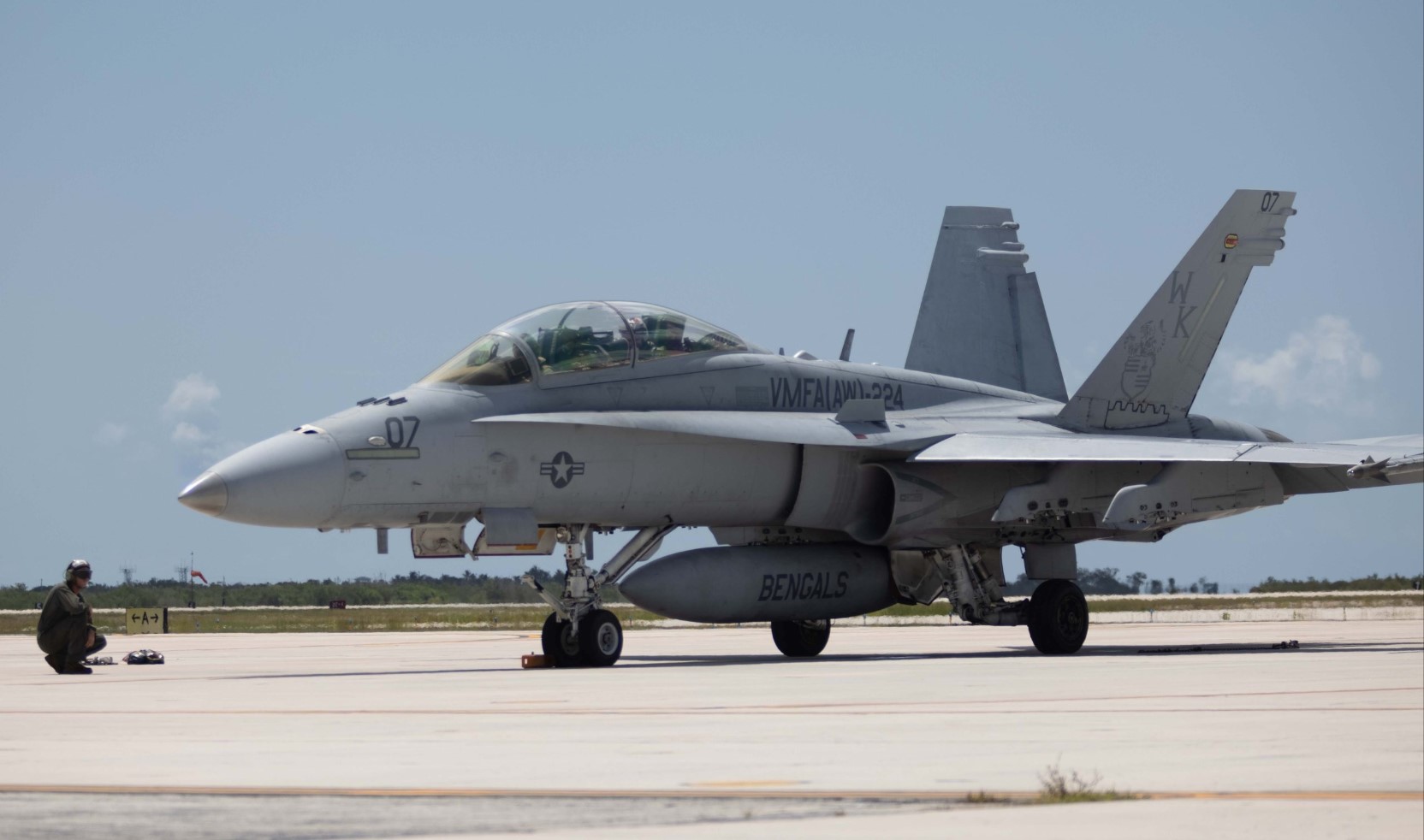 US Marine Corps F/A-18D Hornet Crashes During Training Flight in Washington Mountains; Pilot Ejects Safely
-
 Tulsi Gabbard Releases Declassified Files Detailing U.S.-Backed Network of 120 Biolaboratories Across 30+ Countries
-
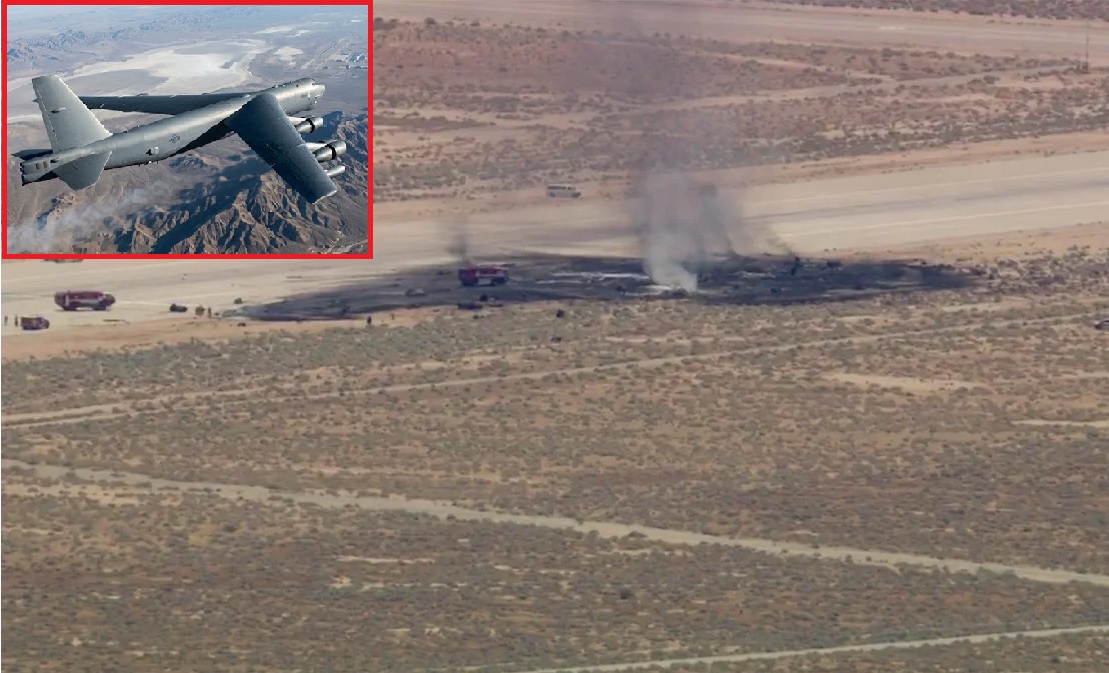 8 U.S. Air Force Crew Members Killed in B-52 Bomber Crash During Test Flight at Edwards Air Force Base
-
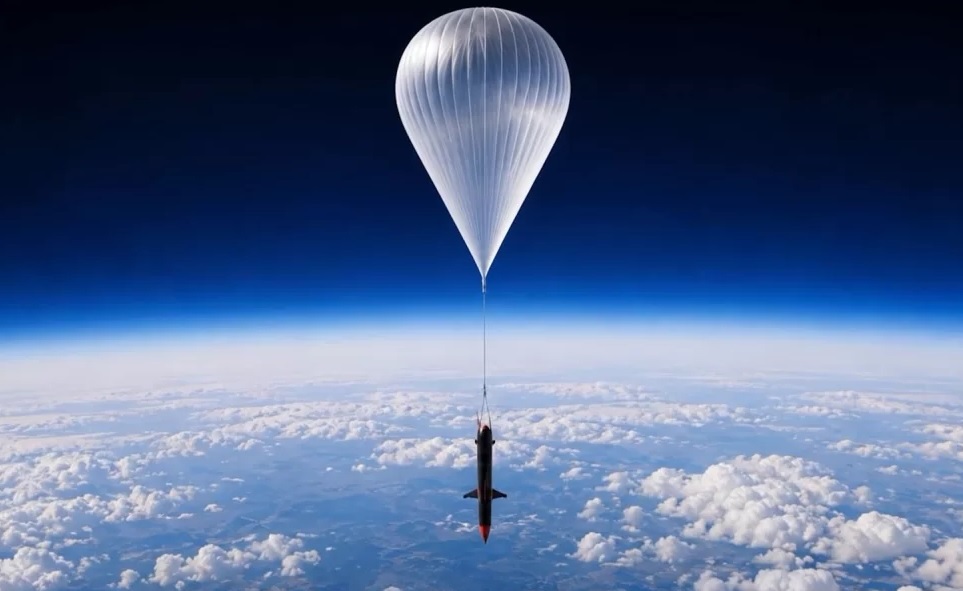 Ukraine Introduces Balloon-Launched DART Missile Designed to Defeat Electronic Warfare
-
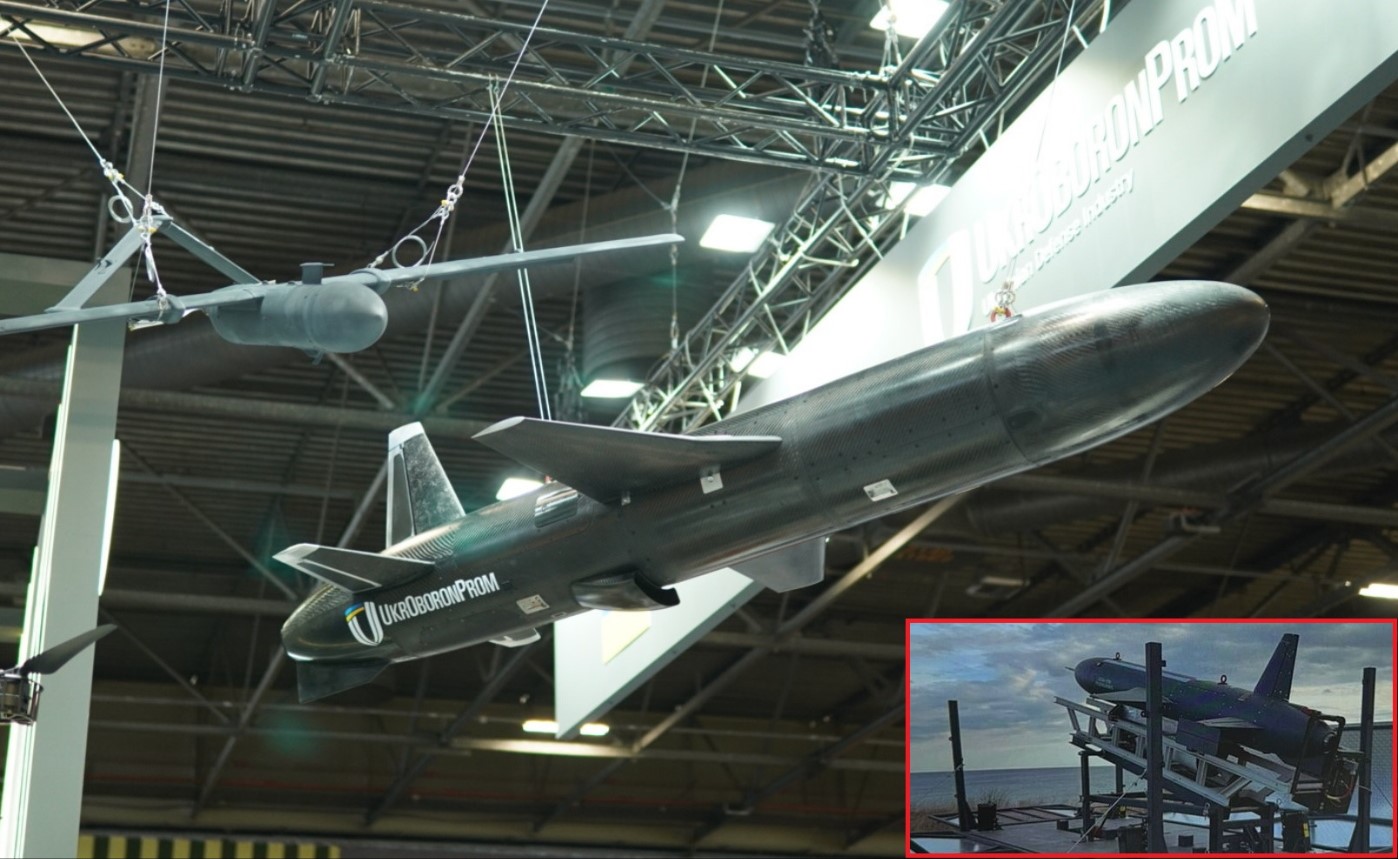 Ukraine Unveils UAV-290 Jet-Powered Strike Drone with 650 km Range at Eurosatory 2026
-
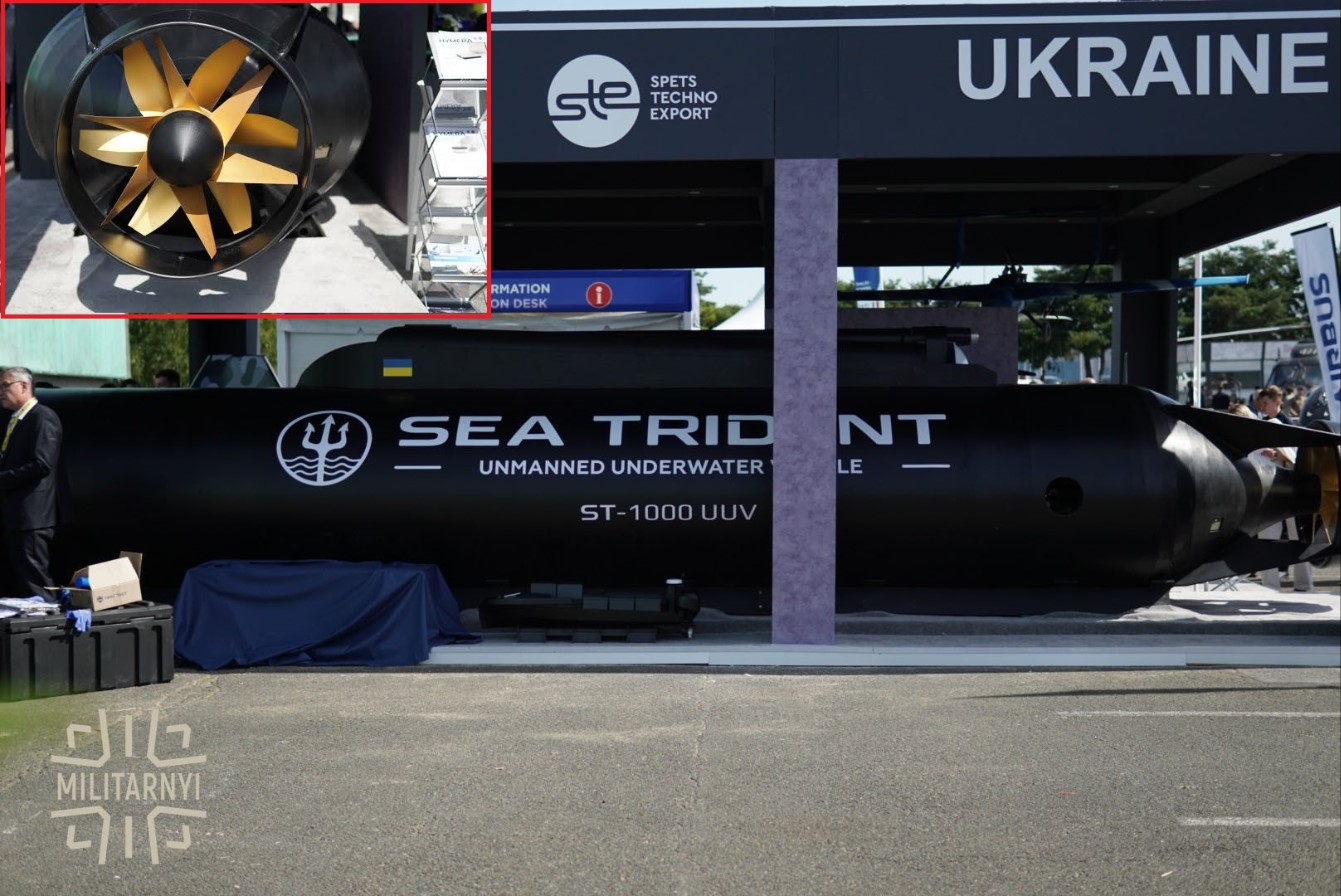 Ukraine Unveils 'Sea Trident' 10-Ton Autonomous Underwater Drone at Eurosatory 2026
-
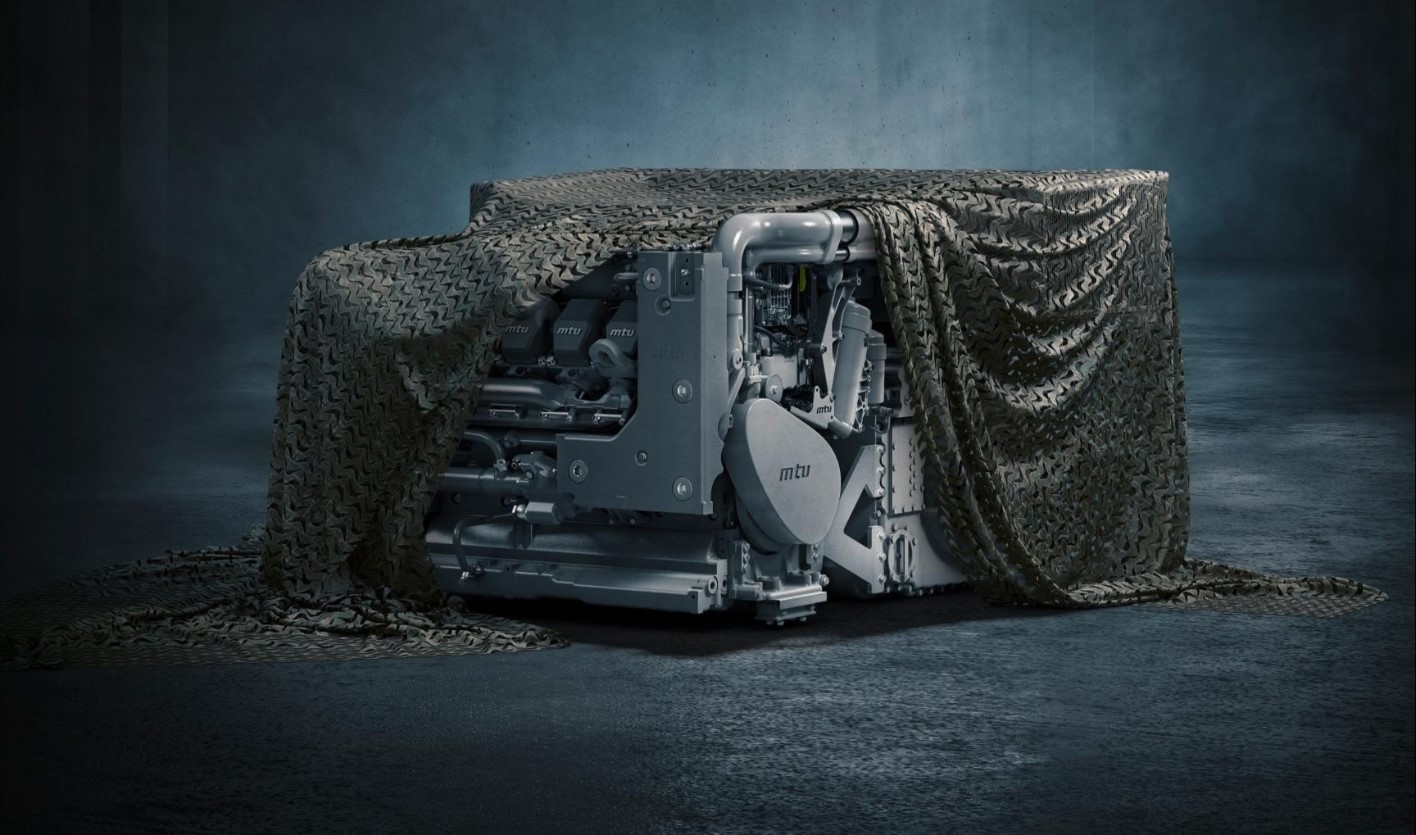 Rolls-Royce Unveils New Hybrid Powertrain for Heavy Military Vehicles at Eurosatory 2026
-
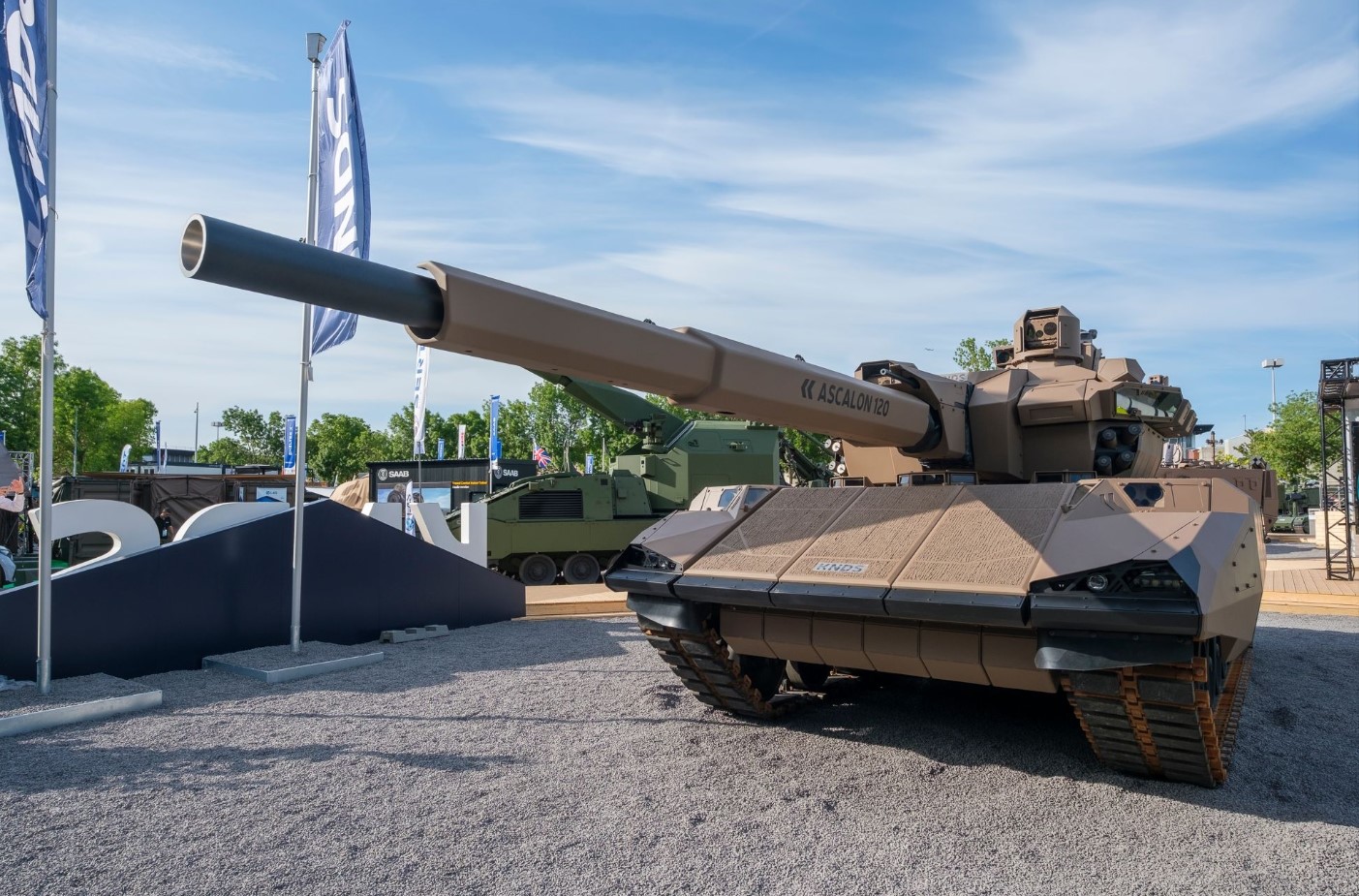 KNDS Unveils CAPINT Main Battle Tank at Eurosatory 2026 as Leclerc Stopgap