India
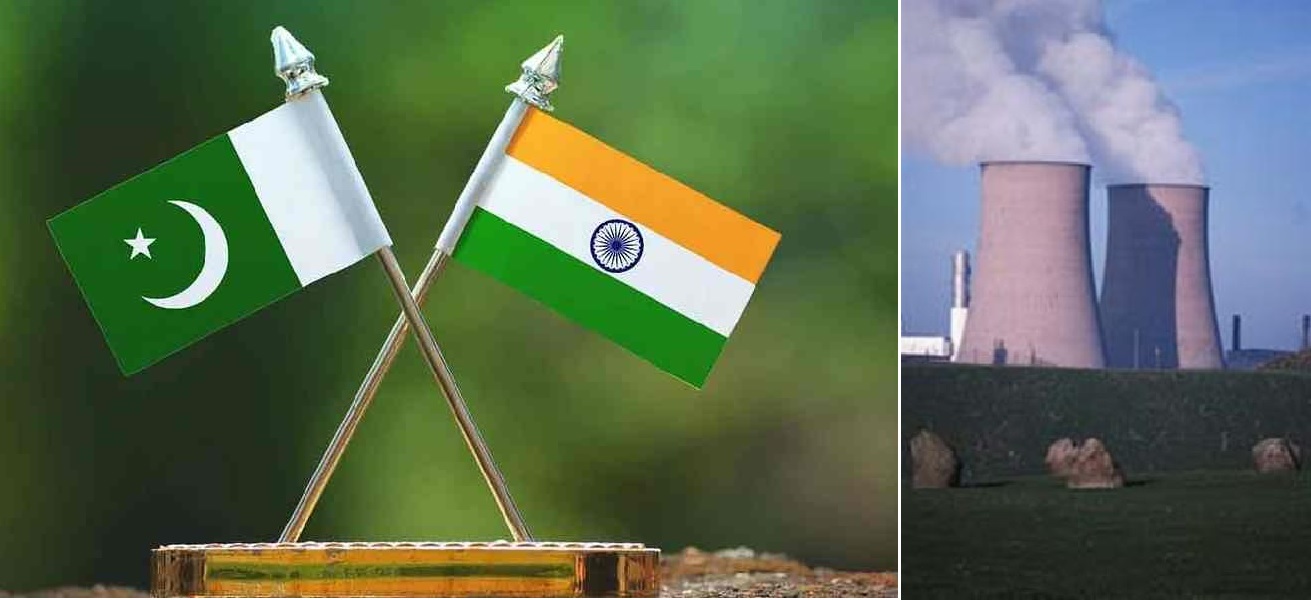
India and Pakistan's Bilateral Nuclear AgreementOn January 1, India and Pakistan upheld a long-standing tradition by exchanging lists of their nuclear installations under a bilateral agreement that explicitly prohibits attacks on each other's nuclear facilities. This annual exercise, carried out simultaneously through diplomatic channels in New Delhi and Islamabad, signifies a commitment to transparency and confidence-building amidst ongoing tensions between the two neighboring countries. The arrangement stems from the Agreement on the Prohibition of Attack Against Nuclear Installations and Facilities, signed on December 31, 1988, and implemented on January 27, 1991. As per the terms of this pact, both nations are required to share details of their nuclear installations covered under the agreement by January 1 each year. This year's exchange marks the 34th consecutive instance of compliance since the inaugural exchange on January 1, 1992. Key Features of the AgreementThe 1988 agreement was designed to mitigate risks of nuclear conflict between the two countries, ensuring that nuclear facilities remain off-limits during potential hostilities. It also includes provisions aimed at reducing misunderstandings regarding nuclear capabilities and intentions. Both nations must disclose a list of sites housing nuclear reactors, research facilities, and associated installations covered under the pact. Such agreements are rare and represent a unique confidence-building measure (CBM) globally, especially between nations with a history of prolonged hostility. Despite strained relations, the pact has endured through decades of political and military challenges, including heightened tensions over the Kashmir dispute and cross-border terrorism. Why This Exchange MattersThis ritual of exchanging nuclear lists is significant for several reasons: Strategic Stability: The agreement promotes mutual restraint, deterring the possibility of nuclear escalation. Transparency: Sharing these lists ensures clarity and reduces misinterpretations about each other’s nuclear programs. Continued Engagement: Even during periods of heightened conflict, the annual exchange acts as a communication channel between the two governments. Broader ContextWhile the exchange is a positive move toward maintaining a degree of stability, it takes place against a backdrop of ongoing friction. Tensions between India and Pakistan persist due to unresolved territorial disputes and accusations of state-sponsored terrorism. For instance, India has frequently criticized Pakistan for providing safe havens to terrorist groups, while Pakistan raises concerns about India's stance on Kashmir. Despite these challenges, both countries have continued this nuclear dialogue without interruption, highlighting the resilience of the agreement. Analysts often view this as a hopeful sign that certain elements of diplomacy can withstand even the most severe geopolitical strains. Additional Specifications of the Agreement Scope: The agreement covers nuclear power plants, research reactors, and any installations associated with nuclear fuel cycle activities. Exemptions: Military facilities explicitly associated with strategic weapons are typically excluded from the list. Verification: The agreement does not involve physical inspections but relies on mutual trust and the shared lists. Legal Binding: Non-compliance or deliberate attacks would constitute a violation of international norms and bilateral agreements. Looking AheadWhile the annual exchange is a reminder of the importance of nuclear safeguards, it also underscores the need for broader CBMs to improve bilateral ties. Steps like expanding nuclear dialogue to include safety and emergency protocols or establishing additional agreements to mitigate risks could further enhance regional stability. This continued adherence to the pact offers a rare glimmer of diplomatic maturity in an otherwise volatile relationship, demonstrating that even in the face of adversity, certain principles of mutual respect can endure.
Read More → Posted on 2025-01-01 15:56:52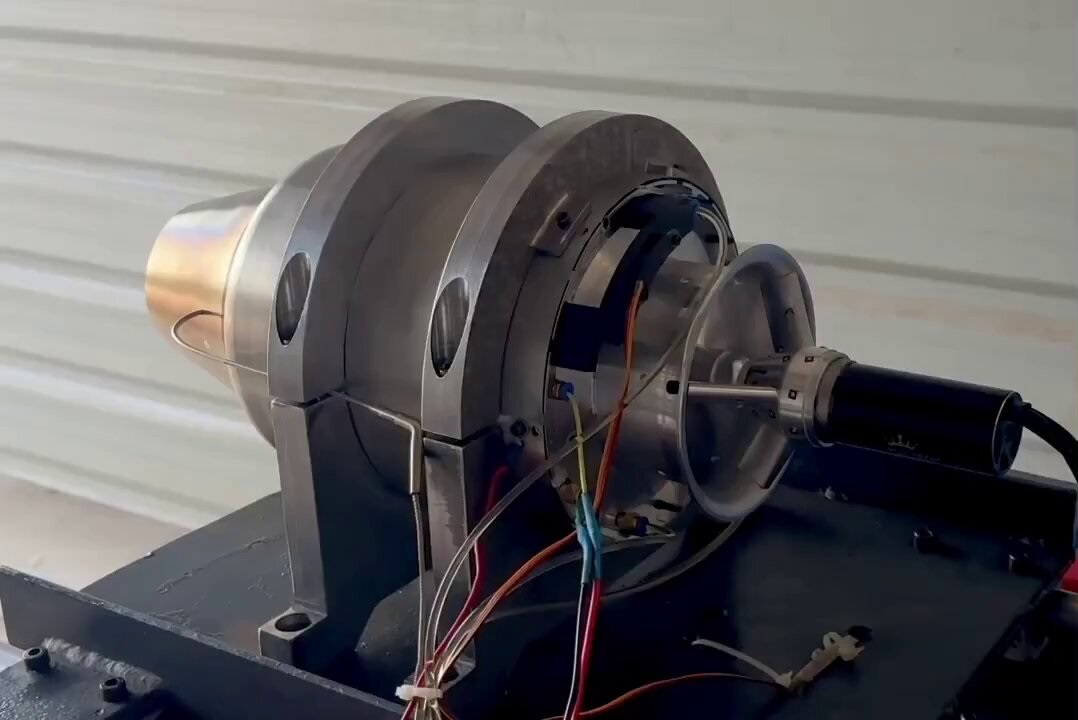
India
In a landmark achievement for India's aerospace industry, Delhi-based startup DG Propulsion has successfully completed the test-run of its indigenous 100kg (1 kN) turbojet engine. This breakthrough not only enhances India’s self-reliance in critical aerospace technology but also represents a giant leap forward in the unmanned aerial vehicle (UAV) sector. Technical Marvel with Strategic Impact The 100kg-class engine, delivering a thrust of 1 kilonewton (kN), is a compact and efficient turbojet design tailored for high-speed UAVs, drones, and defense systems. Its lightweight design, combined with advanced combustion and thermal management systems, ensures optimal performance under demanding operational conditions. This engine has been meticulously engineered to power UAVs capable of performing both reconnaissance and combat missions. It offers high fuel efficiency, reduced noise levels, and robust operational durability, making it an ideal choice for a range of applications, from military drones to high-altitude, long-endurance systems. Specifications at a Glance Thrust Output: 1 kN Weight: 100kg Fuel Efficiency: Advanced system ensuring prolonged operational range Materials: High-temperature-resistant alloys for durability Applications: UAVs, drones, and potentially cruise missiles Benefits to the UAV Sector The successful test of this engine is set to significantly boost India’s UAV capabilities. The indigenous design minimizes dependency on foreign manufacturers, ensuring cost-effectiveness and security of supply chains. It also enhances India’s defense preparedness by enabling rapid deployment of UAVs in critical scenarios. For the commercial drone sector, this engine opens avenues for developing high-speed delivery drones and UAVs designed for industrial inspections, disaster management, and agricultural applications. Its high thrust-to-weight ratio ensures versatility across a wide range of UAV designs. A Catalyst for Indigenous Innovation DG Propulsion’s achievement is emblematic of the potential that lies within India’s burgeoning aerospace ecosystem. With government programs like iDEX (Innovations for Defence Excellence) and Make in India offering financial and logistical support, startups like DG Propulsion are poised to drive innovation and create world-class technologies. This development also serves as an inspiration for other Indian firms to pursue indigenous solutions in high-tech domains, furthering the country’s ambitions to emerge as a global hub for defense and aerospace manufacturing. Paving the Path for Future Growth The successful test of the 100kg engine is just the beginning for DG Propulsion. The company is reportedly working on scaling up its technologies to develop more powerful engines for larger UAVs and other aerospace platforms. This could also open opportunities for exporting Indian-made engines to global markets, adding to the country’s economic and technological prowess. As India continues to invest in cutting-edge technology, milestones like this one underscore the nation’s ability to innovate and lead in the aerospace sector. DG Propulsion’s breakthrough is not just a win for the company but a significant step forward in India’s journey toward self-reliance in high-tech industries.
Read More → Posted on 2025-01-01 15:44:44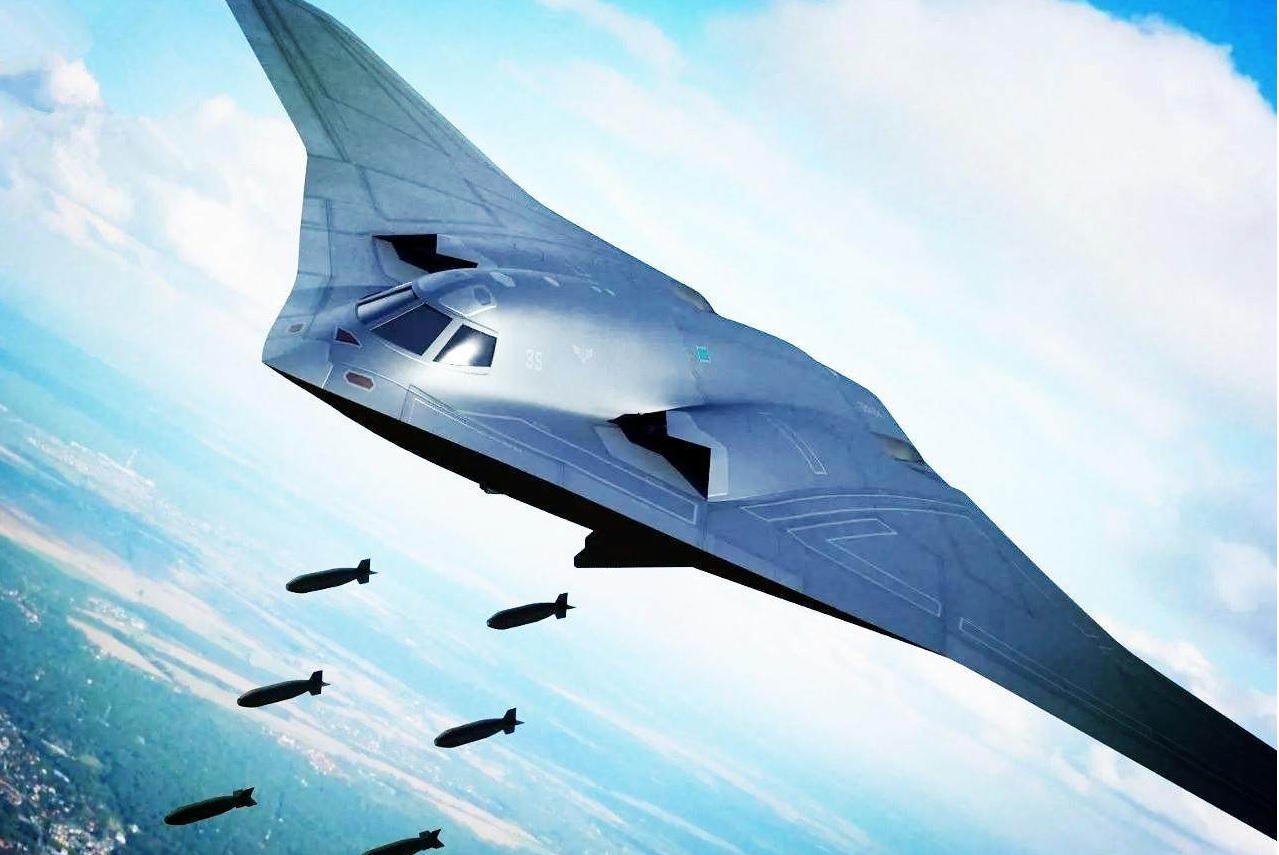
India
India's burgeoning aerospace ambitions have been on display in recent years with landmark achievements like the Tejas fighter, the AMCA stealth program, and the robust development of UAVs. Among these, the Ghatak Unmanned Combat Aerial Vehicle (UCAV) stands out as a promising stealth platform. While Ghatak is currently conceived as a tactical UCAV, there is a compelling case for scaling it up into a strategic stealth bomber weighing 50 tons or more, akin to leading global designs such as the American B-21 Raider, Russian PAK-DA, and Chinese H-20. Such a leap would not only address India's growing strategic requirements but could also position the nation directly within the realm of sixth-generation aerial warfare capabilities. The Case for a 50-Ton Stealth Bomber 1. Strategic Reach in a Challenging Geopolitical Environment India's security challenges span diverse theaters, from the Himalayas to the Indian Ocean. A 50-ton stealth bomber would provide the Indian Air Force (IAF) with the capability to conduct long-range, precision strikes deep into adversarial territories, while maintaining minimal radar visibility. This capability becomes essential given the advanced air defense networks being fielded by China and Pakistan, such as the S-400 system. A stealth bomber could penetrate these defenses to deliver precision-guided munitions, cruise missiles, or even nuclear payloads, bolstering India's deterrence posture. 2. Bridging the Capability Gap While India has developed formidable tactical aircraft, it currently lacks strategic bombers, a domain dominated by global powers like the U.S., China, and Russia. With advancements in stealth technology, radar-absorbing materials, and long-range weaponry, India has the opportunity to bridge this gap by directly adopting cutting-edge designs. Scaling up the Ghatak UCAV would provide a faster pathway to such capabilities, leveraging the existing expertise and infrastructure established during its development. Learning from Global Trends United States: B-21 Raider The U.S. Air Force's B-21 Raider embodies the principles of low observability, long-range capability, and flexible payload delivery. Its modular design allows for integration with future technologies, making it a benchmark for sixth-generation stealth bombers. China: H-20 Stealth Bomber China's H-20 aims to complement its existing ballistic missile capabilities with a stealthy, long-range strategic bomber, reflecting Beijing's commitment to becoming a peer competitor to the U.S. in airpower. Russia: PAK-DA Russia's PAK-DA bomber, still under development, emphasizes hypersonic weapon delivery and the ability to evade cutting-edge missile defenses, highlighting the evolving nature of strategic aerial warfare. India can draw valuable lessons from these programs, especially in materials science, sensor fusion, and autonomous operations. Opportunities for Sixth-Generation Features 1. Artificial Intelligence and Autonomous Operations Incorporating advanced AI systems would enable India's stealth bomber to operate in both manned and unmanned configurations. Autonomous capabilities would enhance mission flexibility, allowing the platform to penetrate hostile environments without risking pilot lives. 2. Sensor Fusion and Data Sharing A sixth-generation stealth bomber must act as a node in a broader combat network. Integrating advanced sensor fusion technologies would allow seamless communication with satellites, AWACS, and naval assets, enabling coordinated strikes and real-time battlefield awareness. 3. Hypersonic Compatibility The ability to carry hypersonic weapons, such as the BrahMos-II and Other Hypersonic Cruise Missile, would significantly amplify the bomber's strike potential. Hypersonic missiles can evade modern air defenses, ensuring that India stays ahead of adversaries in terms of strategic capability. Challenges and the Way Forward While scaling up Ghatak is an ambitious proposition, it comes with its share of challenges: R&D and Infrastructure: Developing a 50-ton bomber demands substantial investment in materials, propulsion systems, and stealth technology. Global Collaboration: To accelerate development, India could consider partnerships with allies like France, which has advanced aerospace capabilities. Budgetary Constraints: Strategic bombers are capital-intensive projects, necessitating a careful balance between funding this initiative and other defense priorities. India can leverage its growing domestic defense ecosystem, particularly private players like Tata Aerospace and HAL, to overcome these challenges. The DRDO's experience with Ghatak and AMCA also provides a strong foundation for developing the requisite technologies. Conclusion As India's geopolitical and security landscape evolves, the need for a strategic stealth bomber becomes increasingly apparent. Scaling up the Ghatak program to develop a 50-ton stealth platform would be a transformative step, enhancing India's long-range strike capabilities while propelling it into the league of sixth-generation airpower leaders. By making bold investments now, India can not only safeguard its strategic interests but also emerge as a global aerospace leader, showcasing indigenous prowess on the world stage.
Read More → Posted on 2025-01-01 15:27:28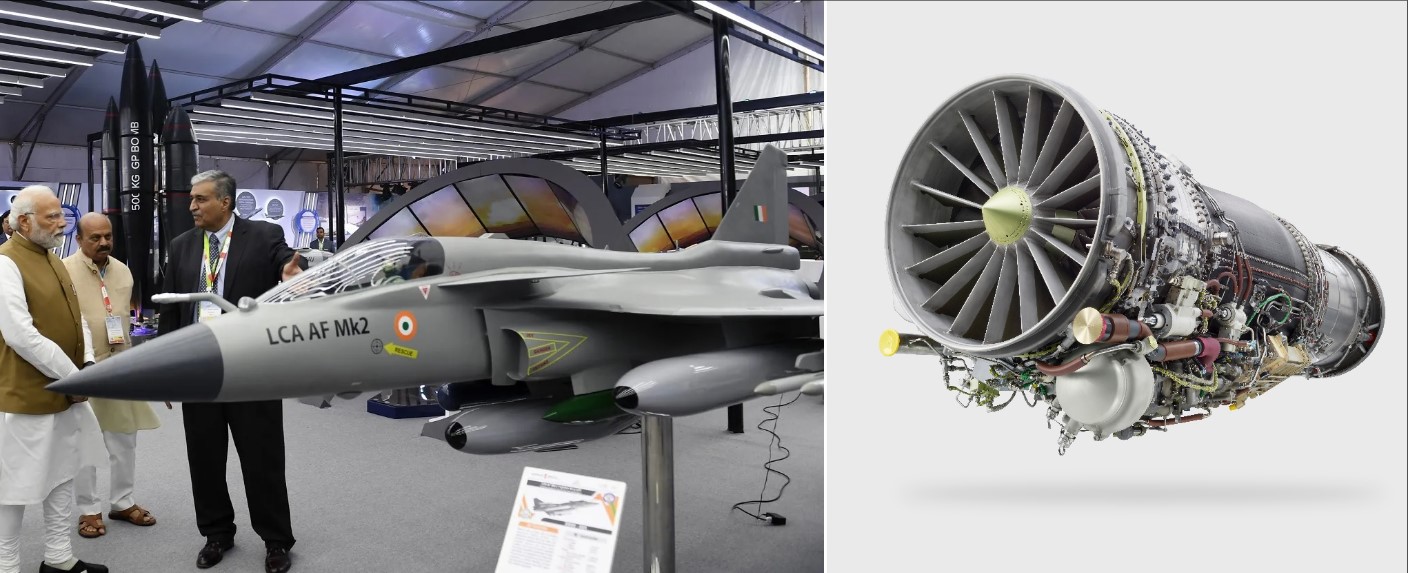
India
Hindustan Aeronautics Limited (HAL), India's aerospace giant, has taken a significant step forward in its ambitious plan to power the Light Combat Aircraft (LCA) Tejas Mk2 with advanced GE-F414-INS6 engines. Earlier this month, HAL formed a Contract Negotiation Committee (CNC) to expedite the finalization of a $1 billion agreement with General Electric (GE), aiming to conclude the deal by March 2025. This development follows a Memorandum of Understanding (MoU) signed on June 6, 2023, between HAL and GE, which outlined the framework for producing the engines in India. The engines are expected to feature 80% indigenized components under a robust Transfer of Technology (ToT) arrangement—a 22% increase in local production compared to the agreement signed in 2012. GE-F414-INS6 Engine: A Key Milestone in Indian Aerospace The GE-F414-INS6 is a high-performance, afterburning turbofan engine known for its reliability and power. It generates a maximum thrust of 98 kN with afterburner, enabling the LCA Tejas Mk2 to achieve superior agility and operational range. Designed with advanced materials and cutting-edge aerodynamics, the engine is tailored to meet the stringent performance needs of modern fighter jets. Key Specifications of GE-F414-INS6 Engine: Maximum Thrust: 98 kN with afterburner Length: 3.91 meters Diameter: 0.89 meters Weight: Approximately 1,100 kg Compressor: 3-stage fan, 7-stage high-pressure compressor Turbine: 1 high-pressure stage, 1 low-pressure stage Specific Fuel Consumption (SFC): Improved efficiency for extended mission ranges Deepening India-US Defense Collaboration The negotiations mark a critical juncture in India’s quest for self-reliance in defense manufacturing. HAL and GE are working on a Manufacturing License Agreement (MLA) and the DSP-83 certificate, essential for enabling technology transfer. Signed in September 2024, these agreements set the stage for collaborative production in India. The four-phase CNC discussions focus on: Transfer of Technology: Assessing the depth and scope of manufacturing and technical knowledge transferred, which covers 80% of the engine's value. Technical Documentation: Comprehensive manuals for manufacturing and maintenance. Training and Support: Equipping Indian engineers with advanced skills for engine production and maintenance. Delivery and Pricing: Establishing timelines, cost structures, warranties, and escalation formulas. Challenges and Strategic Implications While the process has gained momentum, HAL has requested additional technical documents from GE to thoroughly evaluate the depth of the technology transfer. Defense officials emphasized that no significant cost escalations have been observed so far, dispelling concerns of potential delays. The LCA Tejas Mk2 program, powered by the GE-F414-INS6 engines, is poised to boost India’s aerospace capabilities significantly. The aircraft, featuring enhanced payload capacity, extended range, and advanced avionics, will strengthen the Indian Air Force’s operational capabilities in an increasingly volatile regional security environment. By prioritizing indigenization and advanced technology transfer, India is not just meeting its immediate defense requirements but also laying a strong foundation for its aerospace industry. If finalized as planned, the GE-F414 contract could serve as a blueprint for future collaborations in India’s journey toward defense self-reliance.
Read More → Posted on 2025-01-01 14:48:14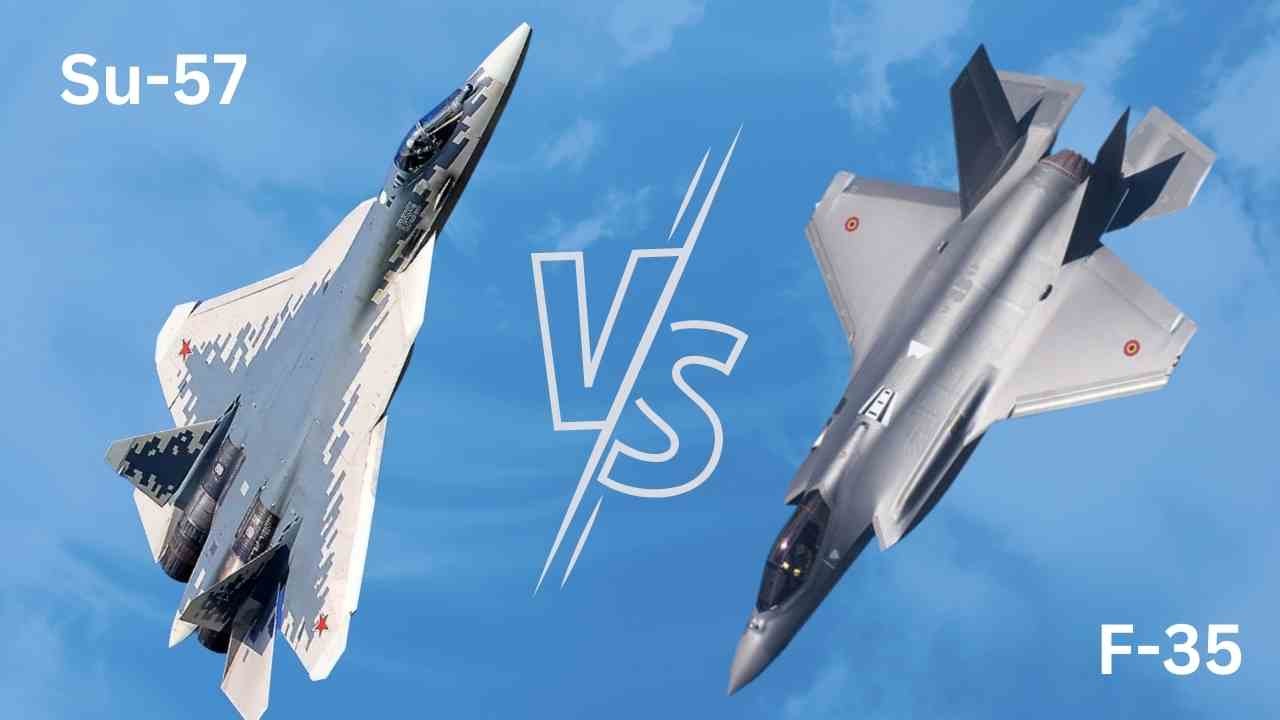
India
When evaluating which fifth-generation fighter jet would best suit India's strategic needs, the Sukhoi Su-57 and Lockheed Martin F-35 offer two compelling but vastly different options. This decision is not just about enhancing India's air combat capabilities but also about shaping its geopolitical alliances and technological future. Adding to the urgency is Pakistan's recent acquisition of the Chinese J-35 stealth fighter, which could tilt the regional power balance. While India’s existing Rafale and Su-30MKI fleet remains formidable, the induction of a true fifth-generation fighter could secure India's air superiority for decades to come. Sukhoi Su-57: Russian Stealth Powerhouse Key Specifications and Features Stealth Technology: The Su-57 integrates radar-absorbent materials and design features that reduce its radar cross-section. However, its stealth capability, while advanced, may not match that of Western rivals like the F-35. Supercruise Ability: Capable of sustaining supersonic speeds without afterburners, the Su-57 offers greater operational range and reduced fuel consumption. Avionics and Sensor Fusion: Equipped with advanced radar, electronic warfare systems, and infrared search and track (IRST) capabilities, the Su-57 can operate effectively in high-threat environments. Manoeuvrability: Its thrust-vectoring engines and agile design make it a strong contender in close-range dogfights, potentially surpassing most contemporary rivals. Payload: The Su-57 can carry up to 10 tons of weaponry, including air-to-air, air-to-ground, and anti-ship missiles. Challenges Operational Maturity: Though operational, the Su-57's development has been plagued by delays, and its operational readiness has faced scrutiny. Reliability in combat scenarios remains a concern. Geopolitical Risks: Closer defence ties with Russia could strain India's relationships with the U.S. and other Western allies, especially given the current global geopolitical climate. Limited Export Market: India would likely have less leverage in influencing design or technology customization, as the Su-57 is primarily tailored for Russian needs. Lockheed Martin F-35: The American Game-Changer Key Specifications and Features Stealth and Signature Management: The F-35 leads the world in stealth technology, with a radar cross-section comparable to a metal golf ball. This ensures minimal detectability, even in heavily contested airspace. Sensor Integration: Its sensor fusion capabilities allow real-time data sharing across a network, providing unmatched situational awareness to pilots and allied forces. Multirole Versatility: From precision strikes to electronic warfare, the F-35 can perform a variety of missions, ensuring flexibility in diverse combat scenarios. Proven Operational Record: The F-35 has been integrated into over 25 air forces worldwide and has demonstrated consistent reliability in live combat and joint military operations. Variants: The F-35 is available in three configurations—F-35A (conventional take-off), F-35B (short take-off and vertical landing), and F-35C (carrier-based operations), offering India flexibility based on operational needs. Challenges Acquisition Costs: With a per-unit cost of over $100 million and high lifecycle maintenance expenses, the F-35 represents a significant financial commitment. Technology Transfer Limitations: The U.S. may impose restrictions on sharing sensitive technology, which could limit India's efforts to indigenize production. Geopolitical Dependencies: Relying on the U.S. for critical defence systems could affect India's strategic autonomy, especially in scenarios where U.S. policies conflict with India's interests. Comparative Insights Feature Sukhoi Su-57 Lockheed Martin F-35 Stealth Advanced but second to F-35 World-leading stealth technology Manoeuvrability Superior in dogfights Agile but not as manoeuvrable Sensor Fusion Effective but less integrated Unmatched in sensor integration Operational History Recently operational, mixed reviews Proven across multiple air forces Cost Lower acquisition cost Higher upfront and operational costs Geopolitical Impact Enhances ties with Russia Strengthens Western alliances Strategic Considerations for India Su-57 Advantage: If India prioritizes immediate air combat capability and seeks to counter threats from Pakistan and China quickly, the Su-57 could be a viable option. Its affordability and potential for technology transfer align with India's defence self-reliance goals. F-35 Advantage: For long-term strategic integration with Western defence systems and a proven platform with superior stealth and situational awareness, the F-35 stands out. It would also solidify India's defence ties with the U.S. and NATO allies. India's decision must carefully balance its operational requirements, budget constraints, and geopolitical aspirations. While the Su-57 offers cost-effective capability enhancement, the F-35 provides a pathway to advanced network-centric warfare and interoperability with allied forces. Ultimately, India's fifth-generation fighter jet selection will not only redefine its Air Force but also signal its global strategic orientation in an increasingly multipolar world.
Read More → Posted on 2025-01-01 14:44:24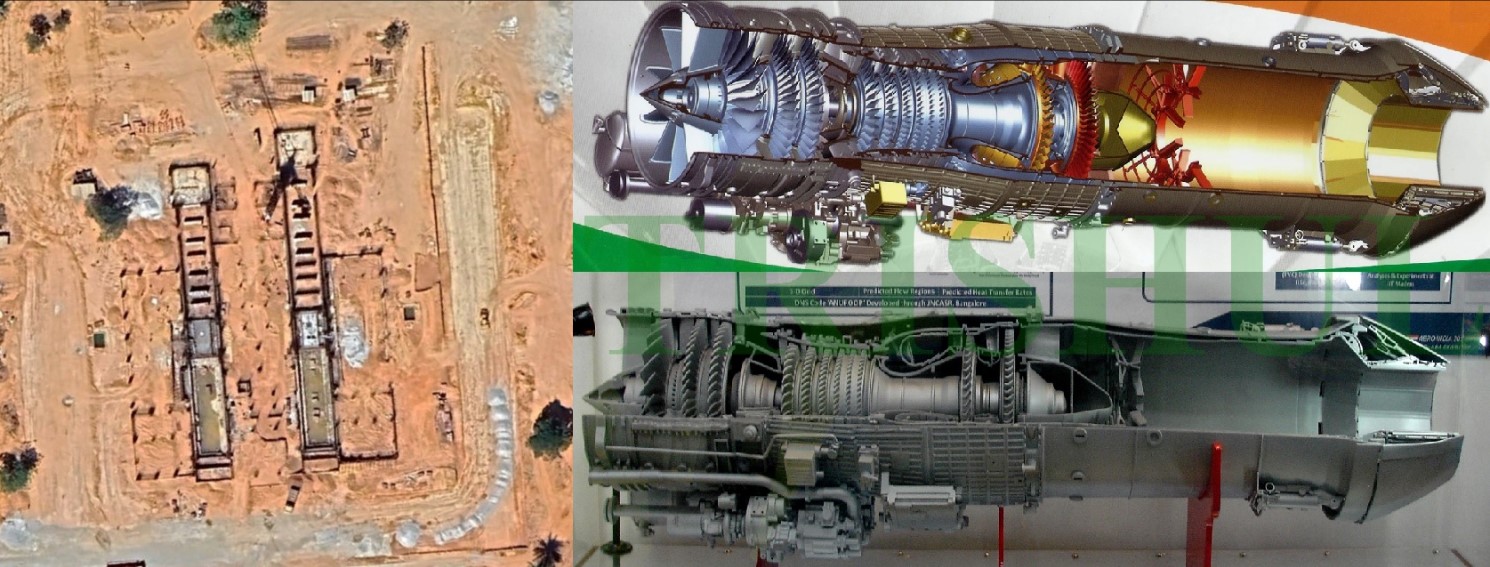
India
India’s Gas Turbine Research Establishment (GTRE) is rapidly advancing its capabilities in aerospace innovation, nearing the completion of its cutting-edge 130kN Twin Engine Test Bed Facility in Rajankunte, Bengaluru. This milestone facility promises to be a game-changer for the country’s indigenous jet engine development programs, including the Dry Kaveri engine and the Advanced Medium Combat Aircraft (AMCA) engine. A State-of-the-Art Test Bed for Advanced Engines The Rajankunte facility, designed to support engines with thrust levels up to 130kN, is a pivotal investment in India’s defence technology. Its primary objective is to provide a robust platform for rigorous testing and validation of high-performance jet engines. This includes endurance tests, performance evaluations, and iterative modifications, ensuring engines meet stringent operational and reliability standards. Construction of the facility commenced in September 2023, following consultancy planning in July of the same year. Set to be fully operational by October 2025, this test bed forms part of a broader Defence Research and Development Organisation (DRDO) initiative to solidify India’s technological self-reliance in aerospace engineering. Focus on the Dry Kaveri Engine The Dry Kaveri engine is a non-afterburning variant of the original Kaveri engine, aimed at delivering approximately 46kN of thrust. This engine is primarily designed for applications in unmanned combat aerial vehicles (UCAVs) and potentially other platforms requiring compact, efficient propulsion. Despite earlier hurdles in meeting performance benchmarks, the new test bed provides a platform for overcoming these challenges. With advanced capabilities for controlled, repeatable testing, GTRE can optimize the engine's thermodynamic efficiency, material durability, and reliability under various operational scenarios. Boosting AMCA Engine Development The Advanced Medium Combat Aircraft (AMCA), India’s ambitious fifth-generation fighter jet project, demands a robust engine capable of delivering around 110kN of thrust with afterburning. The Rajankunte facility will serve as the backbone for testing this advanced propulsion system, focusing on its high-altitude, supersonic, and combat endurance capabilities. Not only will this facility support the AMCA engine's development, but it will also expedite its path to production readiness. Iterative testing cycles facilitated by the test bed are expected to significantly reduce time-to-market and overall development costs. Strengthening Indigenous Aerospace Capabilities The 130kN test bed exemplifies India’s strategic vision for self-reliance in defence manufacturing. By creating a dedicated infrastructure for high-thrust jet engine testing, the country can reduce its dependency on foreign technologies while paving the way for future advancements. Moreover, the facility is likely to foster collaboration with private-sector players and international partners, potentially unlocking new avenues for innovation and production. It also positions India to cater to export opportunities in the global defence market. A Milestone for Long-Term Innovation The completion of the Rajankunte test facility is more than just a short-term achievement; it is a foundational step for long-term advancements in aerospace engineering. Beyond supporting the Dry Kaveri and AMCA engines, it offers a versatile platform for next-generation propulsion technologies, including hybrid and advanced turbine systems. As India strives to position itself as a global leader in defence manufacturing, investments like this test bed are crucial. With its operational timeline set for late 2025, the facility is poised to solidify India’s capabilities in jet engine innovation and set the stage for future technological breakthroughs.
Read More → Posted on 2025-01-01 14:37:43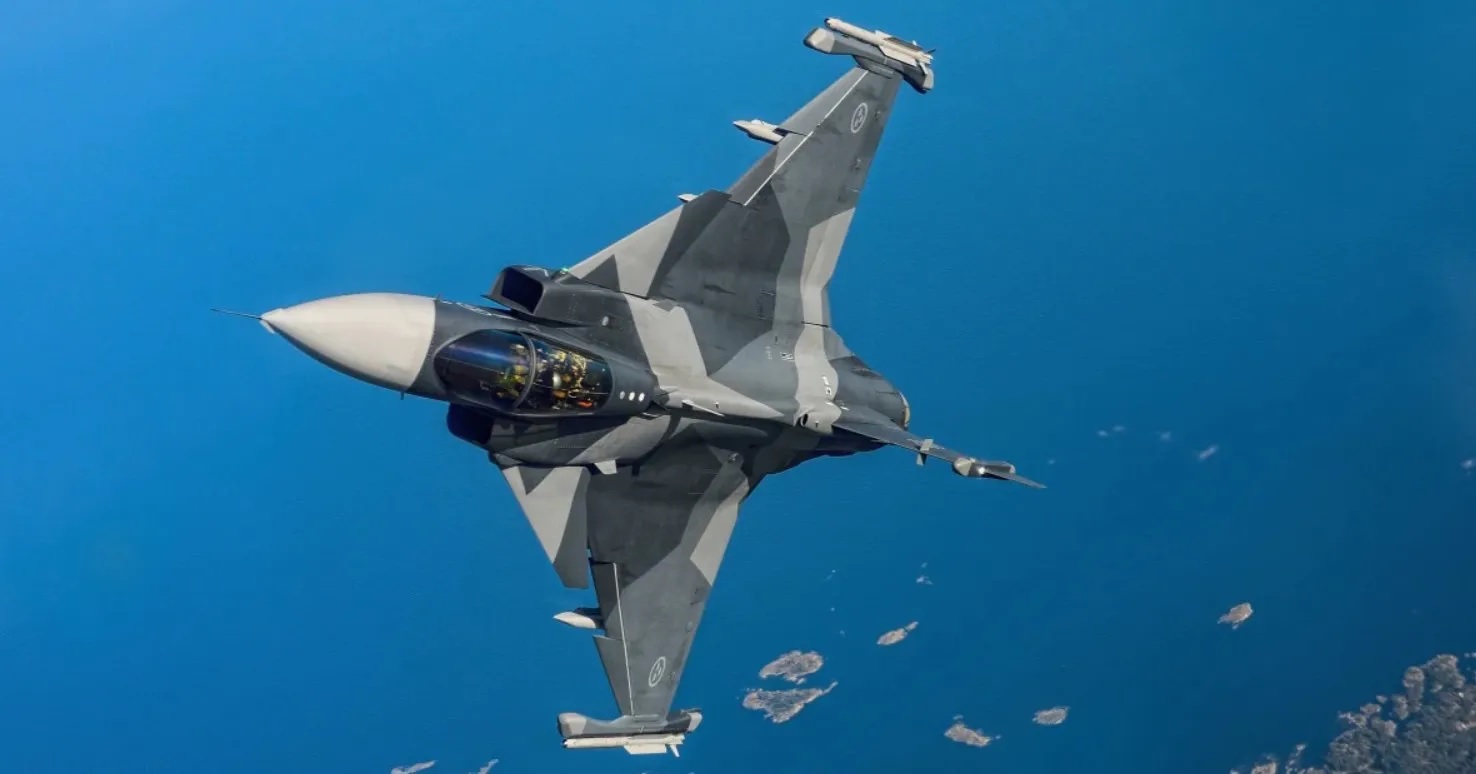
India
SAAB, the Swedish aerospace and defence giant, is facing a significant challenge in its efforts to establish a foothold in India for its Gripen fighter jet program. The company, which has been vying for the Indian Air Force's (IAF) Multi-Role Fighter Aircraft (MRFA) contract, finds itself without a local partner following the end of its collaboration with the Adani Group. This development could delay SAAB’s plans to localize production and enhance its competitiveness in the Indian market. A Partnership Cut Short The partnership between SAAB and the Adani Group was announced in 2017 as part of SAAB's broader strategy to manufacture the Gripen fighter jet in India under the "Make in India" initiative. However, their Memorandum of Understanding (MoU) was not renewed in 2019, leaving SAAB without a local manufacturing partner. This split presents a major roadblock for the company, which now has to identify and form new alliances to meet India's stringent requirements for indigenous defence production. Gripen's Technological Edge The Gripen fighter jet, one of the world's most advanced multirole combat aircraft, has several standout features: Advanced Avionics: Equipped with AESA radar, Infra-Red Search and Track (IRST), and advanced data link capabilities. Multi-role Flexibility: Capable of handling air-to-air, air-to-ground, and reconnaissance missions. Low Operational Cost: Among the lowest in its class, making it an attractive choice for air forces seeking cost-effective yet advanced technology. Weaponry: Compatible with a range of modern weapons, including Meteor Beyond Visual Range (BVR) missiles, and can integrate indigenous weapon systems if required. Short Turnaround: Designed for quick turnaround times in combat situations, allowing high mission availability. SAAB has expressed its willingness to fully transfer technology to India if it secures the MRFA contract. This includes the integration of Indian systems and weaponry onto the Gripen platform, further enhancing its appeal to the Indian defence ecosystem. The Urgent Need for a New Partner The Indian government's defence procurement policies under "Make in India" and "Atmanirbhar Bharat" stress the importance of local manufacturing and partnerships. SAAB’s Gripen program, which heavily relies on local production to meet these policy requirements, now faces a critical challenge. Without a domestic partner, the company risks falling behind in the competition for the MRFA contract, which is estimated to involve the procurement of 114 fighter jets. Potential partners could include Indian defence giants like Hindustan Aeronautics Limited (HAL), Bharat Forge, or Tata Advanced Systems. However, these firms are already engaged in partnerships with SAAB's competitors, including Lockheed Martin and Boeing. Stiff Competition in a Crowded Market SAAB’s competitors have made significant inroads into the Indian market. Lockheed Martin, for instance, has partnered with Tata Advanced Systems to produce the F-21 fighter, a customized version of its F-16 designed for India. Similarly, Boeing has collaborated with HAL and Mahindra Defence Systems for its F/A-18 Super Hornet and other platforms. These companies not only bring robust global supply chains but have also demonstrated a strong commitment to localizing production, giving them an edge over SAAB. If SAAB does not secure a new partner soon, it risks losing out in a highly competitive environment. A Path Forward Despite the setback, SAAB remains optimistic about its prospects in India. The company has reiterated its commitment to indigenizing the Gripen platform, with plans to set up full-scale production within three years of securing a contract. This would include not just the assembly of the airframe but also the development of critical systems and software in India. Additionally, SAAB’s emphasis on rapid technology transfer aligns well with India's strategic goals of self-reliance in defence manufacturing. This approach could still position the Gripen as a strong contender, provided SAAB finds the right local partner. Conclusion SAAB's Gripen fighter jet program in India is at a crossroads. While the company boasts cutting-edge technology and a clear strategy for indigenization, the absence of a local partner places it at a disadvantage in a competitive market. To stay in the race for India’s MRFA contract, SAAB must act swiftly to secure a new partnership. The stakes are high, and the success of the Gripen program in India will depend on how quickly and effectively SAAB can adapt to this evolving scenario.
Read More → Posted on 2025-01-01 14:24:09
India
India is poised to join the global elite in cutting-edge astrophysics with the announcement of the construction of its own Laser Interferometer Gravitational-Wave Observatory (LIGO). Slated to begin in the financial year 2025-26, this ambitious project is expected to elevate India’s contributions to gravitational wave science and provide groundbreaking insights into the universe. The Indian LIGO project, a collaboration with the United States-based LIGO Laboratory and the international scientific community, is part of a global network of observatories designed to detect and study gravitational waves—ripples in spacetime caused by massive cosmic events like black hole mergers or neutron star collisions. What is LIGO? LIGO (Laser Interferometer Gravitational-Wave Observatory) uses highly sensitive interferometers to detect gravitational waves. These waves, predicted by Einstein's General Theory of Relativity, carry information about cataclysmic cosmic phenomena, offering a new way to observe the universe. LIGO observatories, currently operational in the U.S. and Italy (Virgo), have already made groundbreaking discoveries, such as the first detection of gravitational waves in 2015. India's observatory will become a critical addition to this network, enhancing its ability to pinpoint the sources of these waves with greater precision. Key Features of the Indian LIGO Observatory Location and Infrastructure:The Indian LIGO facility will be constructed in Hingoli, Maharashtra, chosen for its relatively low seismic activity and minimal human-made noise. It will house a pair of 4-kilometer-long vacuum arms arranged in an L-shape, similar to other LIGO installations. Technological Sophistication:Equipped with advanced laser interferometers, the observatory will measure minute distortions in spacetime with unparalleled accuracy. These instruments are so sensitive that they can detect changes smaller than one-thousandth the diameter of a proton. Collaboration and Expertise:The project is a joint effort between Indian research institutions, including the Department of Atomic Energy (DAE) and the Department of Science and Technology (DST), and international collaborators like the California Institute of Technology (Caltech) and the Massachusetts Institute of Technology (MIT). Benefits of the Indian LIGO Observatory Advancing Fundamental Science:By enabling the study of gravitational waves, the observatory will provide a deeper understanding of the universe, shedding light on black holes, neutron stars, and other exotic phenomena. Global Collaboration:As part of a global network of observatories, India’s LIGO will enhance the triangulation capabilities of gravitational wave detection, allowing for more precise localization of wave sources. This will facilitate coordinated follow-up observations using telescopes and other instruments worldwide. Technological Spin-offs:The advanced technologies developed for LIGO, such as ultra-precise lasers, high-vacuum systems, and seismic isolation techniques, are likely to have applications beyond astrophysics, benefiting fields like quantum computing, telecommunications, and materials science. Inspiring Future Generations:LIGO India will serve as a hub for education and training, inspiring young scientists and engineers. It will also attract global talent, making India a significant player in gravitational wave astronomy. Boosting National Prestige:Establishing a facility of this magnitude will reinforce India’s position as a leader in space science and astrophysics, aligning with its broader goals of scientific and technological advancement. Challenges and Opportunities While the project promises immense scientific and societal benefits, it also comes with challenges. Building and maintaining such a sophisticated facility in a seismic-prone and noisy world demands exceptional engineering and operational precision. However, India’s strong track record in executing large-scale scientific projects, such as the Mars Orbiter Mission (Mangalyaan) and the Chandrayaan lunar missions, offers confidence in the nation’s ability to meet these challenges. The Future of Gravitational Wave Science in India Once operational, the Indian LIGO observatory will not only contribute to ongoing discoveries but also open new frontiers in multi-messenger astronomy—the combined study of gravitational waves, electromagnetic signals, and neutrinos from cosmic events. This holistic approach promises a richer understanding of the cosmos. India's entry into the field of gravitational wave science through LIGO marks a bold step toward unraveling the universe's deepest mysteries. The project is not just about understanding the cosmos; it is a testament to human ingenuity and a symbol of India's commitment to advancing global science.
Read More → Posted on 2024-12-31 15:24:56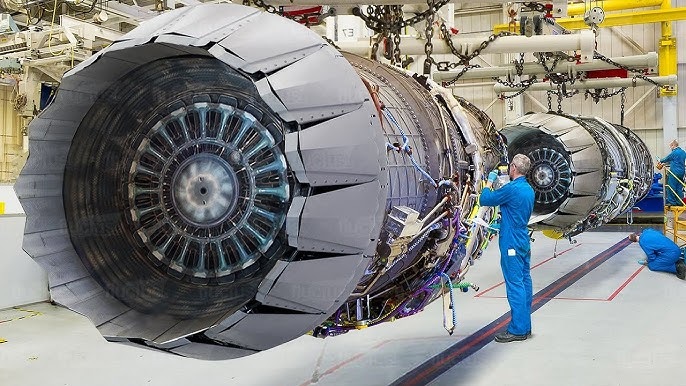
India
The much-anticipated agreement for transferring fighter jet engine technology from the United States to India has hit a significant roadblock due to an unexpected rise in costs. This development follows detailed technical discussions between the US-based General Electric (GE) Aviation and Hindustan Aeronautics Limited (HAL), the designated Indian partner for the project. While negotiations continue, insiders reveal that the initial estimate of $1 billion is likely to climb, requiring the Indian Ministry of Defence to reassess and approve the revised cost framework. Key Features of the Technology Transfer The deal focuses on the transfer of over 80% of the advanced technology behind the GE F414 INS6 engines. This includes crucial components and processes like: Hot-end coatings to improve thermal resistance and durability. Single-crystal turbine blades, known for their ability to withstand extreme temperatures. Laser drilling technology used for precise cooling mechanisms in turbine blades. The agreement also includes establishing a manufacturing line in India, with HAL tasked with producing an initial batch of 99 engines. These engines are set to power the Tejas Mk2 variant of the Light Combat Aircraft (LCA), a critical component of the Indian Air Force’s modernization plans. Implications for India’s Defense Manufacturing The engines produced under this agreement will initially meet the requirements for 120-130 Tejas Mk2 fighters, with potential orders expected to exceed the initial 99 units. Additionally, the GE F414 is slated to power the upcoming twin-engine deck-based fighter jets for the Indian Navy. It will also be used in the first two squadrons of India’s Advanced Medium Combat Aircraft (AMCA), a fifth-generation multirole fighter currently under development. To support this production, HAL has earmarked land in Bengaluru for a state-of-the-art facility. Plans are in place to operationalize the facility within two years of finalizing the agreement, ensuring timely delivery to the armed forces. Challenges in Defense Deals The rising costs associated with this project echo a recurring theme in India’s defense procurements. Similar issues have plagued previous high-profile deals: The Rafale fighter jet deal faced years of delays due to disagreements over domestic manufacturing costs with HAL. The Scorpene submarine project suffered both time and cost overruns. A proposed collaboration with France for developing fifth-generation fighter jet engines stalled due to pricing disputes, lingering unresolved for over eight years. Strategic Importance Despite these challenges, the deal with GE Aviation is a cornerstone of India’s efforts to bolster indigenous defense manufacturing under the "Make in India" initiative. Producing advanced jet engines domestically is not just a technological leap but also a strategic necessity, reducing dependence on foreign suppliers and ensuring self-reliance in critical defense technologies. The Path Ahead Negotiations are ongoing to resolve the pricing issues, and both sides are committed to finalizing the deal. Given the potential scale of orders from the Indian armed forces, the agreement promises a significant boost to India’s aerospace capabilities. For HAL, the partnership represents an opportunity to master cutting-edge technologies, positioning it as a global player in jet engine manufacturing. While hurdles remain, the successful conclusion of this agreement would mark a transformative step for India’s defense sector, enhancing its capabilities to develop, manufacture, and sustain advanced combat platforms for decades to come.
Read More → Posted on 2024-12-31 14:44:01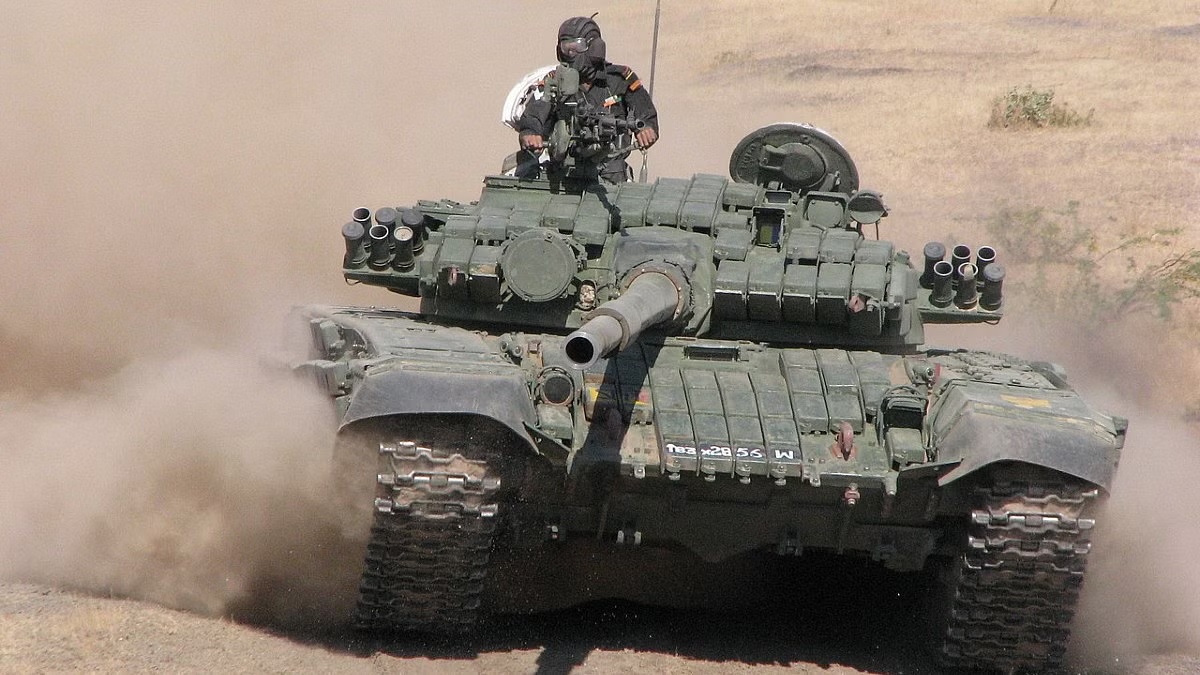
India
The Indian Army's ambitious Future Ready Combat Vehicle (FRCV) project, designed to overhaul its armored fleet with cutting-edge main battle tanks (MBTs), has encountered significant delays, pushing the service life of the aging T-72 tanks to an extended timeline of 2035. The FRCV, intended as a next-generation replacement for the Soviet-era T-72 tanks, remains stalled at the conceptual phase, leaving the Army dependent on outdated platforms amidst evolving combat scenarios. The FRCV program is a vital part of India's broader defense modernization strategy, aiming to equip the Army with advanced tanks capable of addressing modern battlefield dynamics. These new platforms are envisioned to feature superior mobility, robust survivability, and state-of-the-art firepower systems, ensuring operational readiness across various terrains. However, procedural bottlenecks have kept the project from advancing, with the provisional staff qualitative requirements (PSQR) becoming the primary stumbling block. The Critical Role of PSQR in FRCV The PSQR document is a comprehensive set of specifications that outlines the Army's expectations for the FRCV's capabilities. These include features such as advanced armor protection, multi-spectral stealth technologies, modular weapon systems, and an emphasis on automated and network-centric operations. The PSQR acts as the baseline for manufacturers to design and propose prototypes, but its prolonged finalization has stalled the project at the very outset. Aging T-72 Fleet: Stopgap Measures The T-72 tanks, inducted into the Indian Army in the late 1970s, have seen numerous upgrades over the decades, including enhanced thermal imaging systems, night-vision capabilities, advanced fire-control mechanisms, and improved mobility systems. Despite these updates, the T-72's design is fundamentally outdated when compared to modern MBTs such as the Russian T-90MS or Western counterparts like the M1A2 Abrams and Leopard 2A7. Recognizing this gap, the Army plans to implement further incremental upgrades for the T-72 fleet, such as: Improved Powerpacks: Upgrading the engines to provide better speed and fuel efficiency. Advanced Thermal Imaging: Enhancing target acquisition capabilities in adverse weather and low-visibility conditions. Next-Generation Fire Control Systems: Integrating more precise targeting mechanisms for enhanced combat effectiveness. Survivability Enhancements: Adding modular armor packages to improve protection against anti-tank guided missiles (ATGMs). However, these measures are only temporary stopgaps, as the T-72 remains fundamentally ill-suited for future combat scenarios involving high-intensity conflicts or networked warfare. The Path Ahead for the FRCV Once the PSQR is finalized, the FRCV program will progress to its next stage, inviting global and domestic manufacturers to participate in a competitive bidding process. The chosen companies will then develop prototypes, which will undergo rigorous field trials to assess their performance under diverse operational conditions. The FRCV is expected to include the following features: Hybrid Propulsion: A mix of conventional and electric propulsion for better efficiency. Modular Design: Allowing for easy replacement and upgrades of systems like weaponry, electronics, and armor. AI Integration: Autonomous navigation, target recognition, and decision-making capabilities. 360-Degree Situational Awareness: Leveraging advanced sensor suites and battlefield management systems. Challenges and Strategic Implications The delays in the FRCV program underscore India's challenges in balancing defense modernization with procedural accountability. While the Army's requirements demand cutting-edge solutions, the bureaucratic red tape has hindered progress. Moreover, the reliance on outdated platforms like the T-72 could expose critical vulnerabilities in future conflicts, particularly against adversaries deploying technologically superior MBTs. Streamlining the procurement process and expediting the FRCV's development are imperative to ensure the Indian Army maintains a credible deterrent and operational superiority in the years ahead.
Read More → Posted on 2024-12-31 14:41:11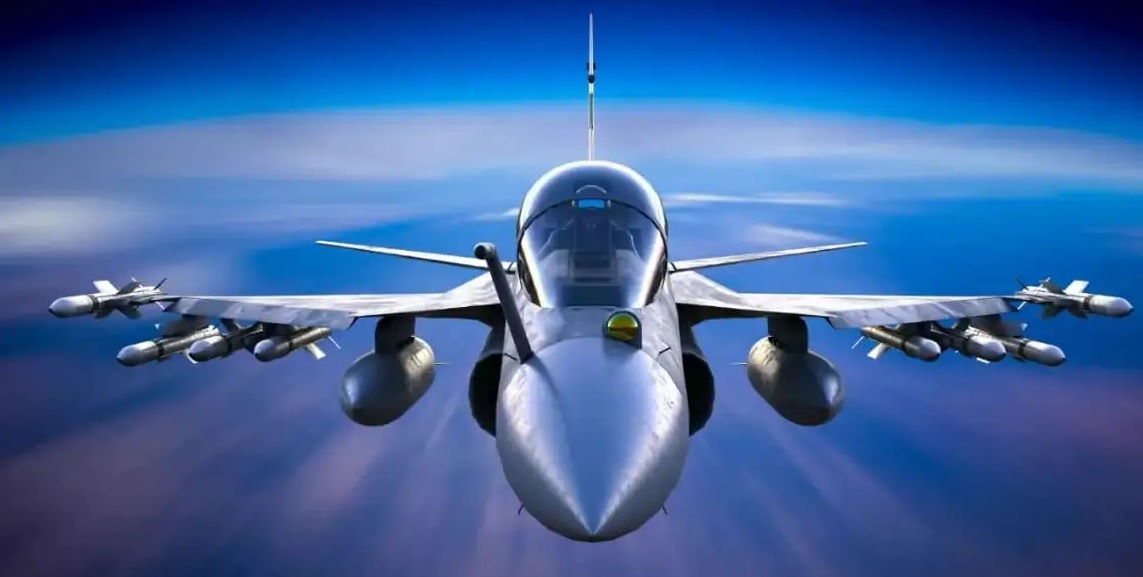
Should Tejas Mk2 Have Been a Single-Engine Stealth Fighter? Debate on 4.5 Gen Design Sparks Interest
India
The Indian Air Force (IAF) is on a relentless mission to modernize its fighter jet fleet, and the ongoing development of the Tejas Mk2 has become a focal point of debate. Officially classified as a 4.5 generation fighter, the Tejas Mk2 is designed to bridge the gap between the lightweight Tejas Mk1 and the ambitious fifth-generation Advanced Medium Combat Aircraft (AMCA). However, a growing chorus on X (formerly Twitter) questions whether the Tejas Mk2 should have taken a more forward-looking approach by adopting stealth-inspired, fifth-generation features akin to the AMCA. A Case for a Fifth-Generation Tejas Mk2 Supporters of a fifth-generation Tejas Mk2 envision a single-engine stealth jet that could capitalize on India's investments in the AMCA program. They point out that a stealth-oriented Tejas Mk2 would have several advantages: Cost Efficiency: A single-engine, stealth-focused Tejas Mk2 would be significantly cheaper to produce and operate than the twin-engine AMCA. This cost advantage could increase affordability for the IAF and enhance export potential for friendly nations looking for budget-friendly yet capable fighters. Shared Technology: Drawing heavily from the AMCA's stealth design, advanced avionics, and radar-absorbent materials, a fifth-generation Tejas Mk2 could save on research and development costs. This approach could foster a unified operational philosophy for India's future fighter jets. Strategic Flexibility: A stealth-capable Tejas Mk2 could serve dual purposes: meeting the IAF's Medium Multi-Role Combat Aircraft (MMRCA) requirements and acting as an interim fifth-generation fighter until the AMCA achieves operational readiness. Current Vision: Tejas Mk2 as a 4.5 Generation Fighter Despite the appeal of a stealth-focused design, the Tejas Mk2 remains committed to a 4.5 generation architecture. This decision reflects a pragmatic approach, balancing technological ambition with operational and budgetary realities. Key specifications and upgrades of the Tejas Mk2 include: Engine: Powered by the GE F414 INS6 engine, capable of generating 98 kN of thrust, providing enhanced speed and maneuverability. Payload Capacity: Designed to carry up to 6,500 kg of armament across 11 hardpoints, significantly increasing its strike capabilities compared to the Tejas Mk1. Avionics: Equipped with advanced sensors, including an AESA radar, infrared search and track (IRST) system, and upgraded electronic warfare (EW) systems for superior situational awareness. Combat Range: With a combat range of 1,500 km and an extended ferry range of over 3,000 km, the Tejas Mk2 ensures greater reach for missions across diverse terrains. Airframe Improvements: A lengthened fuselage and larger wingspan enhance aerodynamic performance, stability, and fuel capacity. Balancing Ambition and Pragmatism The debate surrounding the Tejas Mk2 encapsulates a broader conversation within India's defense ecosystem about balancing ambition with realism. Developing a single-engine, fifth-generation stealth fighter akin to the AMCA would undoubtedly offer cutting-edge capabilities. However, it also brings challenges, including technical complexities, cost overruns, and extended development timelines. The IAF's decision to retain a 4.5 generation design for the Tejas Mk2 reflects a calculated strategy. It allows the service to induct a more capable and affordable fighter in the near term while channeling resources and expertise into the AMCA, which remains India's flagship fifth-generation fighter program. The Road Ahead As the Tejas Mk2 moves toward its first flight, likely in 2025, it will play a pivotal role in augmenting the IAF's fleet with a modern, multi-role platform. Meanwhile, the AMCA continues its journey, with the first prototype expected by 2028 and induction planned in the early 2030s. While the idea of a stealth-inspired Tejas Mk2 remains a "what if," it highlights the growing aspirations of India's defense enthusiasts and underscores the importance of fostering innovation in indigenous aerospace technology. The ultimate goal is clear: to create a robust ecosystem that balances immediate needs with long-term strategic objectives, ensuring India's airpower remains cutting-edge for decades to come.
Read More → Posted on 2024-12-31 14:34:31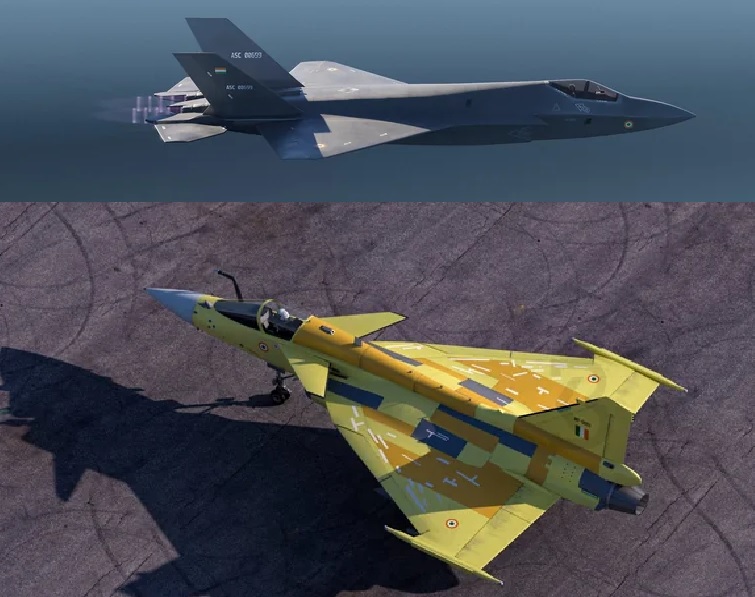
India
Modern warfare is an evolving theater of advanced technology, strategic precision, and multi-layered defense systems. With the rise of 5th-generation fighter jets, such as the upcoming AMCA (Advanced Medium Combat Aircraft), many question the relevance of 4.5-generation fighters like the Tejas Mk2. However, both classes of aircraft have distinct roles and attributes that make them complementary rather than mutually exclusive on the battlefield. The Role of 4.5-Generation Fighters 4.5-generation fighter jets are advanced derivatives of 4th-generation platforms, upgraded with modern avionics, weapons systems, and enhanced capabilities like partial stealth, better sensors, and networked operations. The Tejas Mk2, for example, represents a significant leap from its predecessor with a larger payload capacity, increased range, and sophisticated radar systems. These attributes make it an essential asset in various operational scenarios: Cost-Effective Multirole Operations: 4.5-generation jets are less expensive to develop, acquire, and operate compared to their 5th-generation counterparts. This cost-effectiveness allows nations to maintain a larger fleet, ensuring better coverage across multiple theaters of war. Versatility in Diverse Combat Roles: Aircraft like the Tejas Mk2 excel in multirole missions, including air superiority, ground attack, and reconnaissance. While 5th-generation jets focus heavily on stealth and cutting-edge technology, 4.5-generation jets offer adaptability and can operate effectively in high-intensity and low-intensity conflicts. Ease of Maintenance and Deployment: Compared to the intricate maintenance demands of stealthy 5th-generation jets, 4.5-generation fighters are easier to sustain in operational conditions, making them reliable workhorses during prolonged engagements. Complementary Role in Mixed Fleets: Mixed fleets combining 4.5 and 5th-generation jets create a layered approach to air superiority. While the 5th-gen AMCA can penetrate contested airspace using stealth to neutralize high-value targets, the Tejas Mk2 can perform broader missions, including secondary strikes, close air support, and defense of key assets. The Strengths of 5th-Generation Fighters 5th-generation aircraft like the AMCA bring a suite of groundbreaking technologies that make them indispensable in modern air combat. Features such as full stealth, advanced sensors, data fusion, and network-centric warfare capabilities enable them to operate in heavily contested environments and conduct missions that 4.5-generation jets cannot. Their ability to dominate in environments with advanced anti-air systems, achieve information superiority, and conduct precision strikes from safe distances gives them a clear advantage. However, the cost and complexity of 5th-generation fighters mean they are better suited for high-priority and specialized missions. Why Both Are Essential Balanced Force Structure: Relying solely on 5th-generation fighters is neither practical nor economical for most nations. 4.5-generation jets fill the gap by ensuring numerical strength and operational flexibility. Redundancy and Resilience: In large-scale conflicts, having a diverse fleet reduces the risk of capability gaps. While 5th-generation fighters can be deployed for high-stakes missions, 4.5-generation jets like the Tejas Mk2 provide a robust second line of defense. Adaptation to Mission Needs: Every mission does not demand stealth or cutting-edge technology. For roles like air policing, border patrol, and close air support, 4.5-generation fighters are more than adequate, allowing 5th-generation jets to be reserved for strategic operations. Gradual Transition to Advanced Technology: 4.5-generation jets act as a bridge to 5th-generation capabilities. Pilots trained on platforms like the Tejas Mk2 gain foundational experience, preparing them for the more advanced systems of jets like the AMCA. The Case for Tejas Mk2 and AMCA India’s defense strategy demonstrates the value of both 4.5 and 5th-generation aircraft. The Tejas Mk2, with its enhanced capabilities, will be a versatile and cost-effective platform for a wide range of missions. Its modern avionics, increased range, and payload capacity make it an ideal choice for day-to-day operations and support roles in complex scenarios. Meanwhile, the AMCA will serve as India’s cutting-edge solution for countering adversaries with advanced air defense systems. Its stealth and next-gen features will enable it to achieve air superiority in contested environments. Together, the Tejas Mk2 and AMCA will provide the Indian Air Force with a comprehensive, adaptable, and resilient force structure. Conclusion In modern warfare, diversity in capabilities is key. While 5th-generation fighters like the AMCA represent the future of air combat, 4.5-generation jets like the Tejas Mk2 ensure operational flexibility, cost-effectiveness, and numerical strength. The two generations complement each other, enabling nations to maintain air superiority across various scenarios. The Tejas Mk2’s relevance lies in its ability to balance affordability and capability, ensuring it remains a vital asset alongside the technological marvel of 5th-generation aircraft.
Read More → Posted on 2024-12-30 17:38:45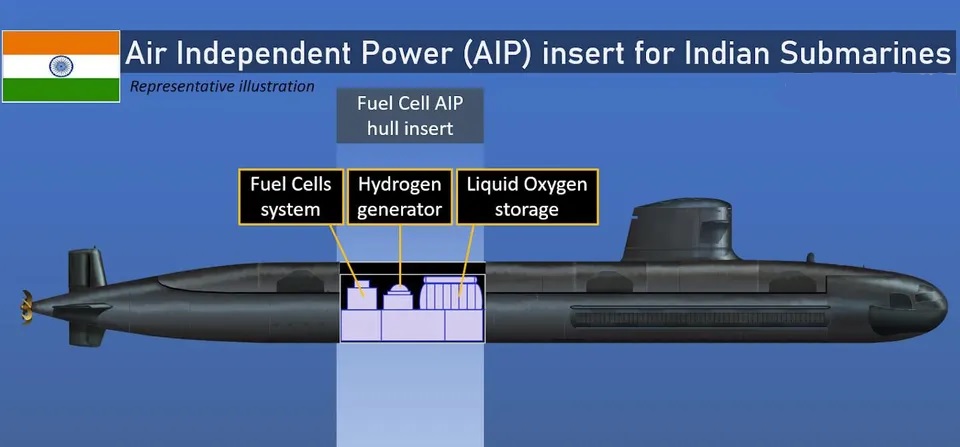
India
In a major boost to India's maritime defence capabilities, the Ministry of Defence (MoD) signed contracts worth ₹2,867 crore with Mazagon Dock Shipbuilders Limited (MDL) and Naval Group, France. These agreements, signed in New Delhi in the presence of Defence Secretary Rajesh Kumar Singh, are focused on upgrading the Indian Navy’s Kalvari-Class submarines with cutting-edge technologies such as Air Independent Propulsion (AIP) systems and Electronic Heavy Weight Torpedoes (EHWT). AIP Plug: Enhanced Endurance for Submarines The first contract, valued at ₹1,990 crore, was awarded to MDL for constructing and integrating an AIP plug into submarines. This plug will house the Defence Research and Development Organisation (DRDO)-developed AIP system, which allows conventional submarines to operate underwater for extended periods without surfacing. The AIP system works by generating power through the electrochemical reaction of stored hydrogen and oxygen, eliminating the need for atmospheric oxygen. This technology significantly enhances the stealth and operational endurance of submarines, making them harder to detect during missions. The construction of the AIP plug and its integration is expected to generate nearly three lakh man-days of employment, contributing to the domestic defence industry. The initiative is a significant step under the 'Aatmanirbhar Bharat' (Self-Reliant India) campaign, which seeks to reduce dependency on foreign defence imports by fostering indigenous development. EHWT: Boosting Kalvari-Class Firepower The second contract, worth ₹877 crore, was signed with Naval Group, France, for equipping Kalvari-Class submarines with advanced Electronic Heavy Weight Torpedoes. These torpedoes, also being developed by DRDO, promise a significant leap in the firepower and tactical versatility of the Indian Navy’s submarine fleet. The integration of the EHWT will involve collaboration among DRDO, the Indian Navy, and Naval Group. This process will ensure seamless compatibility and enhanced operational readiness for the Kalvari-Class submarines. These state-of-the-art torpedoes, equipped with precision targeting and superior tracking capabilities, are expected to transform the submarines into formidable platforms for offensive and defensive operations. Strategic and Economic Implications The contracts not only enhance the combat capabilities of India’s submarines but also underline the country’s push for self-reliance in defence technology. By involving domestic entities like MDL and DRDO, the projects are poised to boost the local defence ecosystem. The inclusion of foreign expertise through Naval Group ensures the integration of globally competitive technology while fostering international collaboration. The Kalvari-Class submarines, derived from the French-designed Scorpène platform, already play a pivotal role in India's naval strategy. These diesel-electric attack submarines are equipped with advanced navigation, stealth, and combat systems. The addition of AIP and EHWT systems will amplify their operational effectiveness, making them better suited for a variety of roles, including anti-ship, anti-submarine, and intelligence-gathering missions. As India faces increasing challenges in safeguarding its maritime borders and assets, the adoption of these advanced technologies marks a significant step in strengthening its naval deterrence. By investing in indigenous production and leveraging international expertise, India is not only modernizing its naval fleet but also paving the way for a robust defence industrial base.
Read More → Posted on 2024-12-30 17:12:33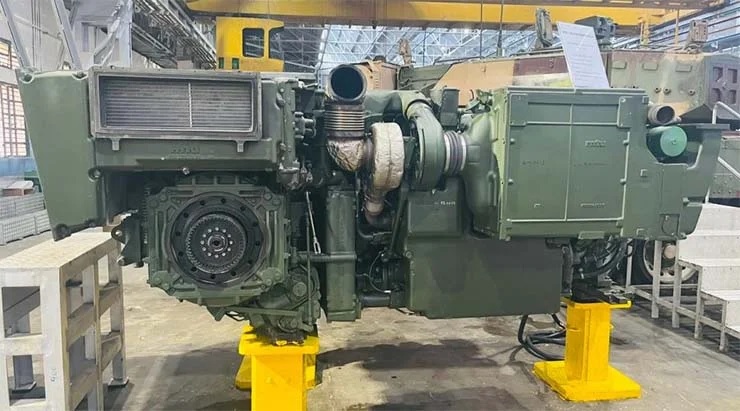
India
Bharat Earth Movers Limited (BEML), a pivotal force in India's defence and heavy engineering sectors, is making remarkable progress in its pursuit of indigenous high-performance engine technology. The company’s ambitious DATRAN 1500HP engine project is set to reach a critical milestone as its third prototype undergoes advanced calibration and endurance testing in the United Kingdom. The DATRAN 1500HP engine is a powerful, high-performance engine designed for demanding military applications, including armoured tanks, combat vehicles, and potentially naval systems. The third prototype will undergo an exhaustive series of tests in the UK to ensure its reliability and performance. The engine will be calibrated to deliver peak efficiency and meet stringent military requirements. This calibration phase takes advantage of the UK's advanced facilities and expertise, providing a robust platform to fine-tune the engine for precision performance. 1500-Hour Endurance Test: A Crucial Benchmark One of the most pivotal phases of this UK testing journey is the 1500-hour endurance test. This prolonged test will follow intermediate assessments at 400 hours and 600 hours, ensuring the engine's durability and operational reliability under extreme and continuous conditions. The 1500-hour test simulates prolonged military use, pushing the engine to its operational limits to uncover and resolve any potential design vulnerabilities. These endurance tests also validate the engine's performance across a wide range of conditions, including varying temperatures, altitudes, and operational loads. Such rigorous assessments are critical for ensuring the DATRAN 1500HP can perform in diverse and challenging environments, including combat zones. Technical Specifications and Features While the full technical specifications of the DATRAN 1500HP engine remain classified for security reasons, several key features highlight its cutting-edge capabilities: Power Output: A robust 1500 horsepower, enabling advanced armoured platforms to achieve superior mobility and speed. Fuel Efficiency: Designed for optimal fuel consumption, ensuring extended operational range without frequent refuelling. Compact Design: The engine's compact architecture allows it to fit seamlessly into various vehicle configurations, offering design flexibility. Advanced Cooling System: Integrated thermal management ensures consistent performance even in extreme heat conditions. Low Maintenance Requirements: Built for durability, the engine minimizes maintenance needs during extended deployments. Implications for Indian Defence Manufacturing The successful development and testing of the DATRAN 1500HP engine mark a significant leap forward in India's defence capabilities. Once the UK testing phase is complete, BEML plans to initiate large-scale manufacturing of the engine at its Indian facilities. This transition to indigenous production not only reduces dependence on foreign suppliers but also aligns with India’s vision of self-reliance under the "Make in India" initiative. The DATRAN 1500HP engine is poised to serve as a cornerstone of India’s modern defence fleet, powering next-generation combat vehicles and other military platforms. Furthermore, the development process boosts India's defence industrial base by fostering innovation, creating jobs, and positioning BEML as a leader in high-performance engine manufacturing. This project underscores India's commitment to developing indigenous solutions for its strategic needs, strengthening national security, and showcasing its growing prowess in cutting-edge defence technologies.
Read More → Posted on 2024-12-30 17:07:06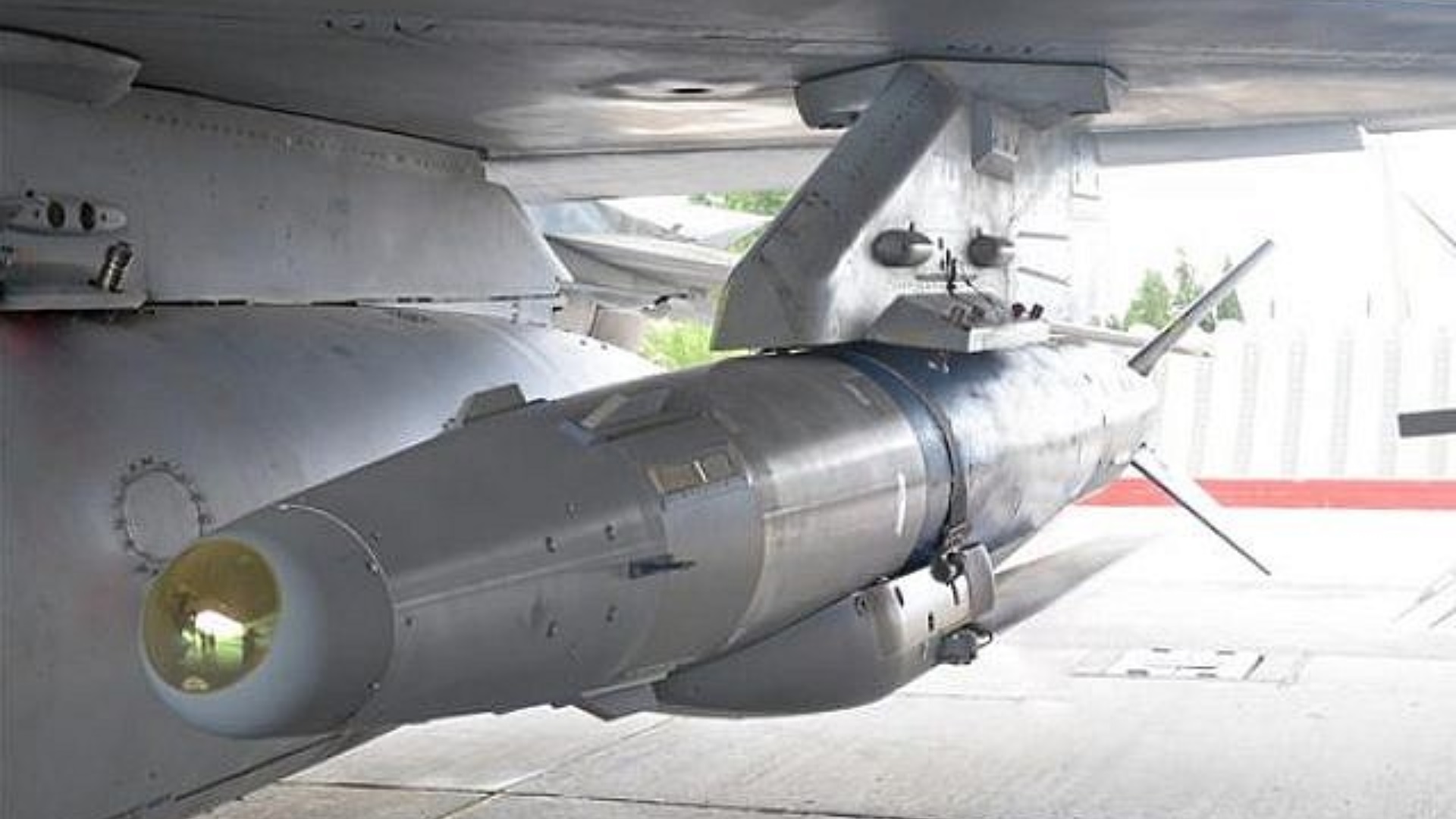
India
The Indian Air Force (IAF) is gearing up to integrate the locally produced Israeli "Crystal Maze 2" missile, known internationally as ROCKS, into its arsenal. This advanced air-to-surface missile is set to redefine India’s precision strike capabilities, particularly in scenarios where GPS-based navigation systems are compromised by enemy interference. Cutting-Edge Design and Specifications The Crystal Maze 2 is a medium-range ballistic missile developed to engage and neutralize critical enemy targets, including infrastructure, command centers, and fortified assets. Key specifications include: Range: Over 250 kilometers, enabling aircraft to strike from safe standoff distances. Warhead Options: Configurable for high-explosive or penetration warheads to target bunkers and reinforced structures. Guidance System: A unique combination of electro-optical and inertial navigation systems (INS), ensuring pinpoint accuracy even in GPS-denied environments. Platform Compatibility: Seamlessly integrated with IAF's Su-30MKI, MiG-29UPG, and Jaguar aircraft, offering operational flexibility across multiple platforms. Resistance to Jamming: Designed to counter electronic warfare threats, maintaining precision despite sophisticated enemy countermeasures. GPS-Denied Capability: A Strategic Edge Modern warfare often involves electronic jamming and anti-access/area denial (A2AD) strategies that disrupt GPS signals. The Crystal Maze 2 is uniquely equipped to navigate and strike with precision, leveraging its INS and electro-optical guidance systems to overcome such challenges. This ensures that the IAF can maintain operational effectiveness in hostile, electronically contested environments. Local Production: A Boost for Self-Reliance The missile's production in India, managed by Bharat Electronics Limited (BEL), is a significant milestone for the country’s defence manufacturing sector. By shifting to local production, India achieves several key objectives: Cost Efficiency: Reduced dependence on imports and lower per-unit costs. Supply Chain Security: Enhanced availability and quick turnaround for production and maintenance. Customization: The opportunity to adapt the missile's features to meet specific IAF requirements. The move aligns with India’s broader vision of self-reliance in defence technologies under the "Aatmanirbhar Bharat" initiative. It also ensures that sensitive technologies remain under stringent local control, further securing the country's defence interests. Enhanced Deterrence and Regional Strength The induction of the Crystal Maze 2 missile strengthens India’s deterrence posture against adversaries by enabling precision strikes in contested zones. The missile's versatility allows the IAF to conduct offensive operations effectively, with minimal exposure to enemy threats. This capability is particularly significant in volatile regions where rapid, accurate responses to emerging threats can decisively shift the balance of power. A Leap Towards Technological Autonomy The deployment of the locally produced Crystal Maze 2 represents more than an upgrade to the IAF's arsenal—it’s a strategic leap towards building technological autonomy. As India continues to modernize its defence capabilities, the Crystal Maze 2 will undoubtedly play a critical role in enhancing the nation’s operational readiness and asserting its strategic dominance in the region. This development underscores India’s commitment to equipping its armed forces with cutting-edge technologies while fostering an indigenous defence manufacturing ecosystem. With the Crystal Maze 2, the IAF is poised to tackle emerging challenges with precision, resilience, and strategic foresight.
Read More → Posted on 2024-12-30 17:02:35Search
Top Trending in 24 Hours
-
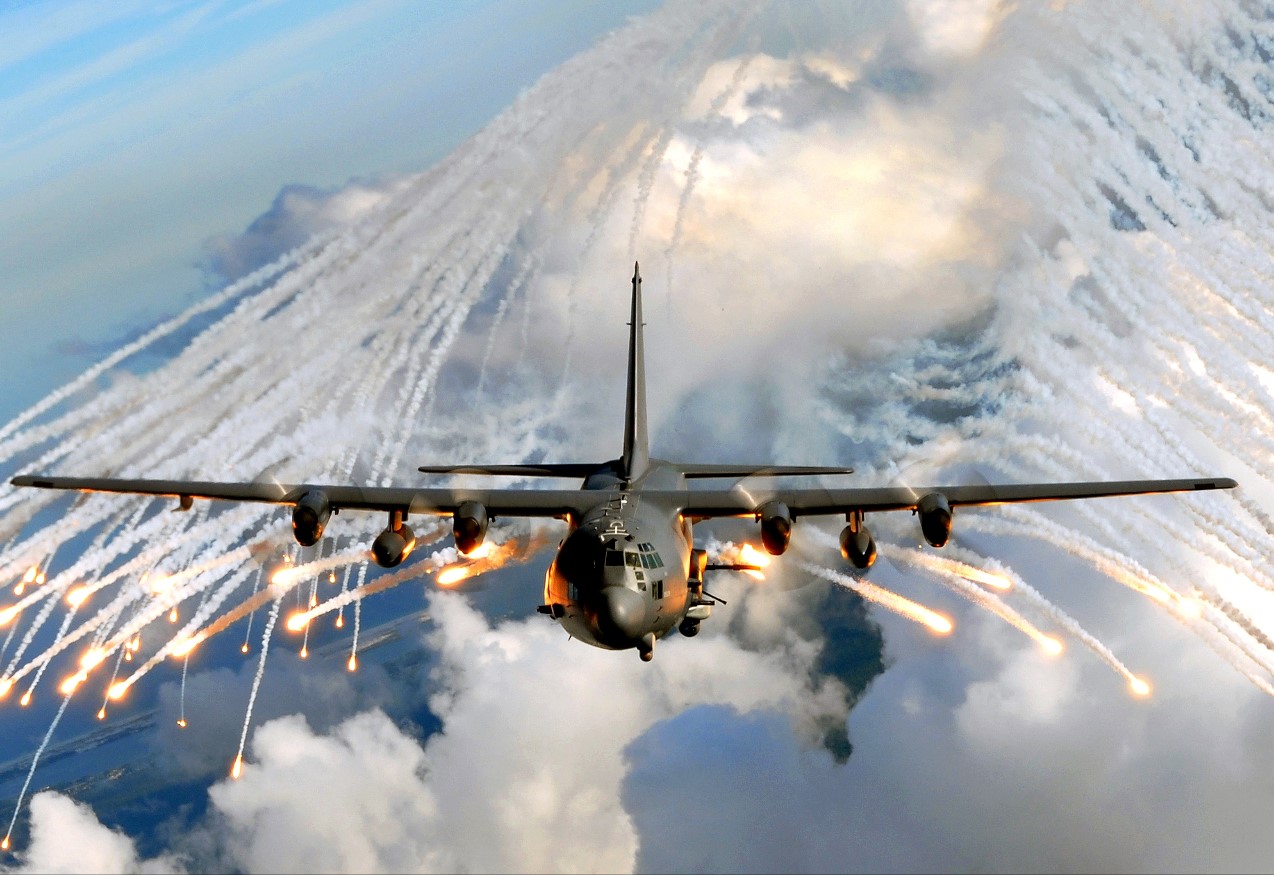 Pentagon Expands Alloy Surfaces Contract to $328.8 Million for Advanced Aircraft Decoy Flares Amid Evolving Drone Threats
-
 Naval Group Unveils Rampart Modular CIWS Multi-Purpose Weapon System for Naval and Ground Forces at Eurosatory 2026
-
 Why the U.S. Restored Pacific Command Name, Ending the Indo-Pacific Designation After Eight Years
-
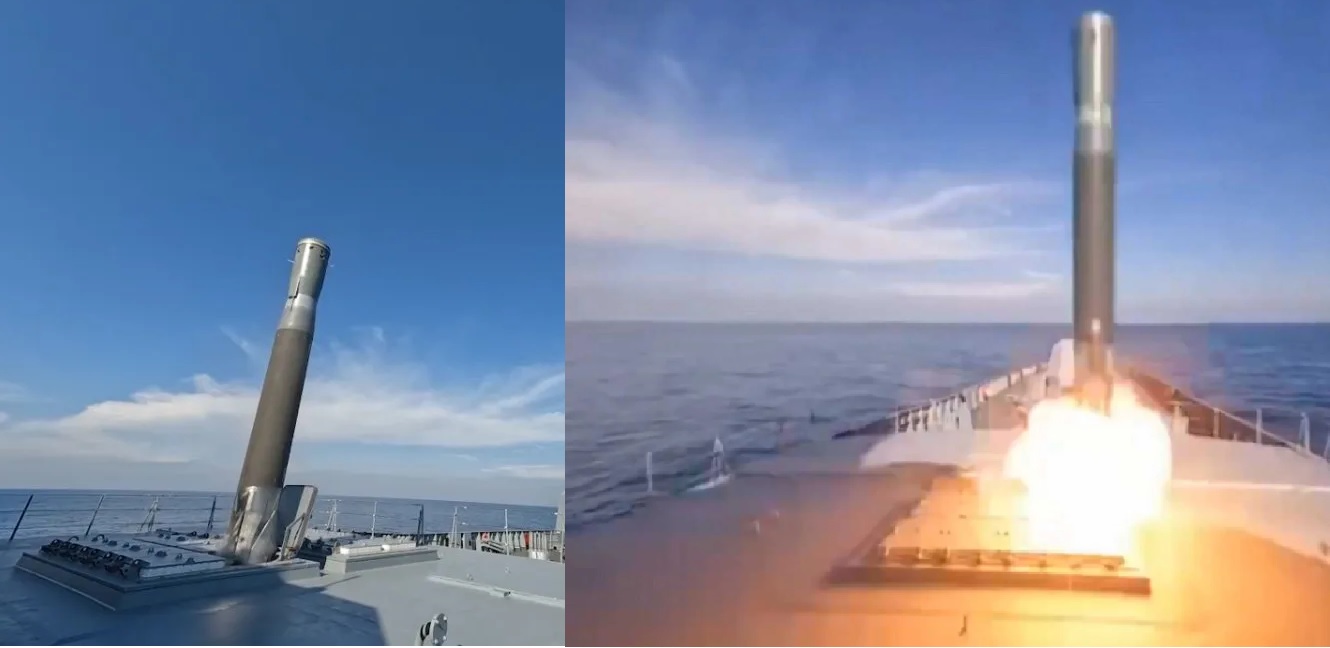 Open-Source Evidence Suggests Russia's Zircon Is a Quasi-Ballistic Missile, Not a True Hypersonic Cruise Weapon
-
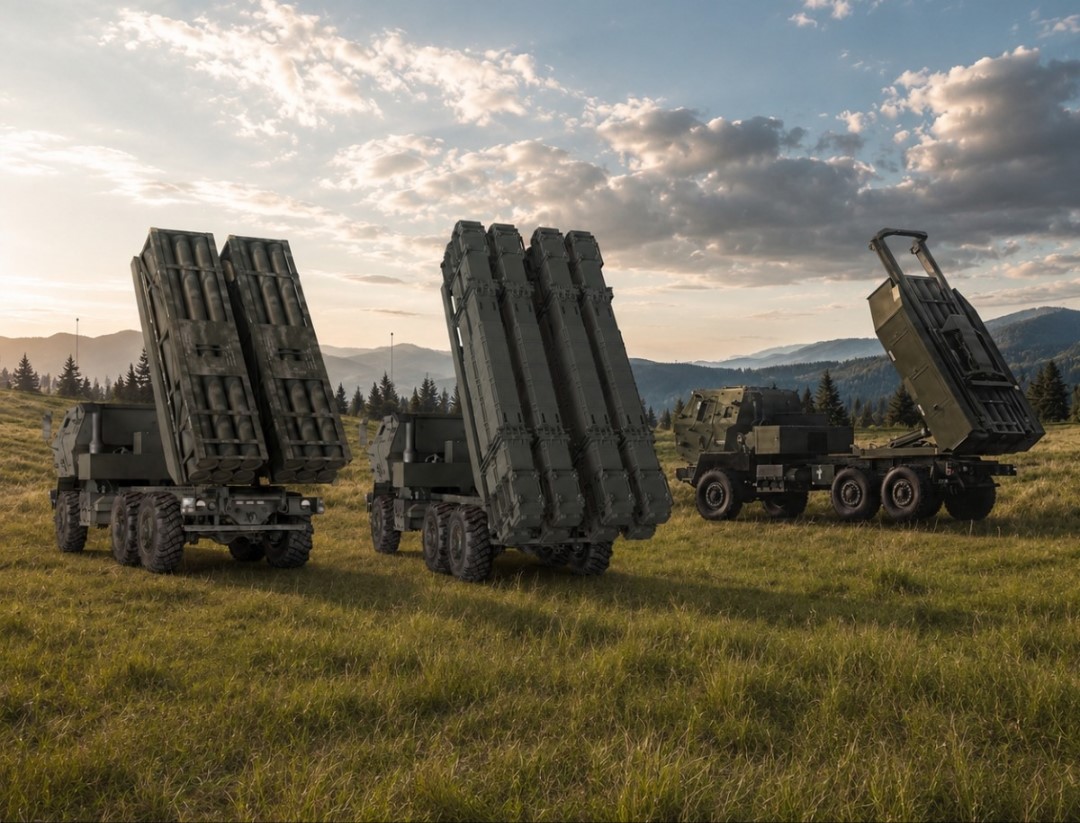 Lockheed Martin Unveils HIMARS FLEX with Dual-Pod Launcher and NATO-Compatible Air Defense Integration
-
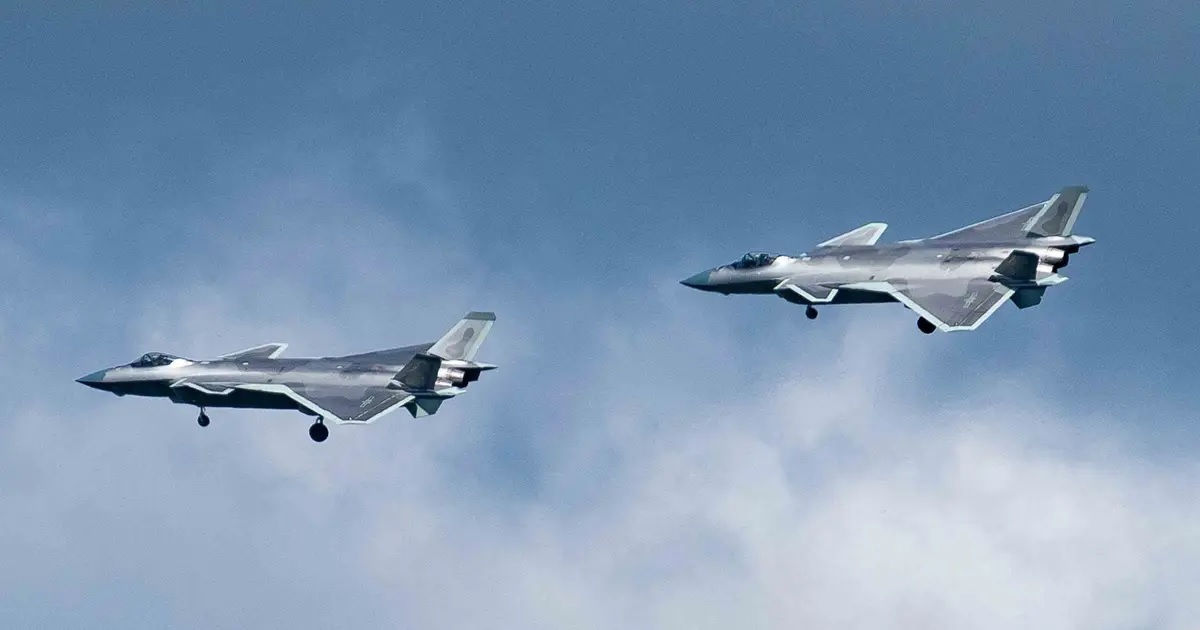 China Surpasses Russia as World’s Second-Most Powerful Air Force Amid Rapid J-20 and J-35 Expansion
-
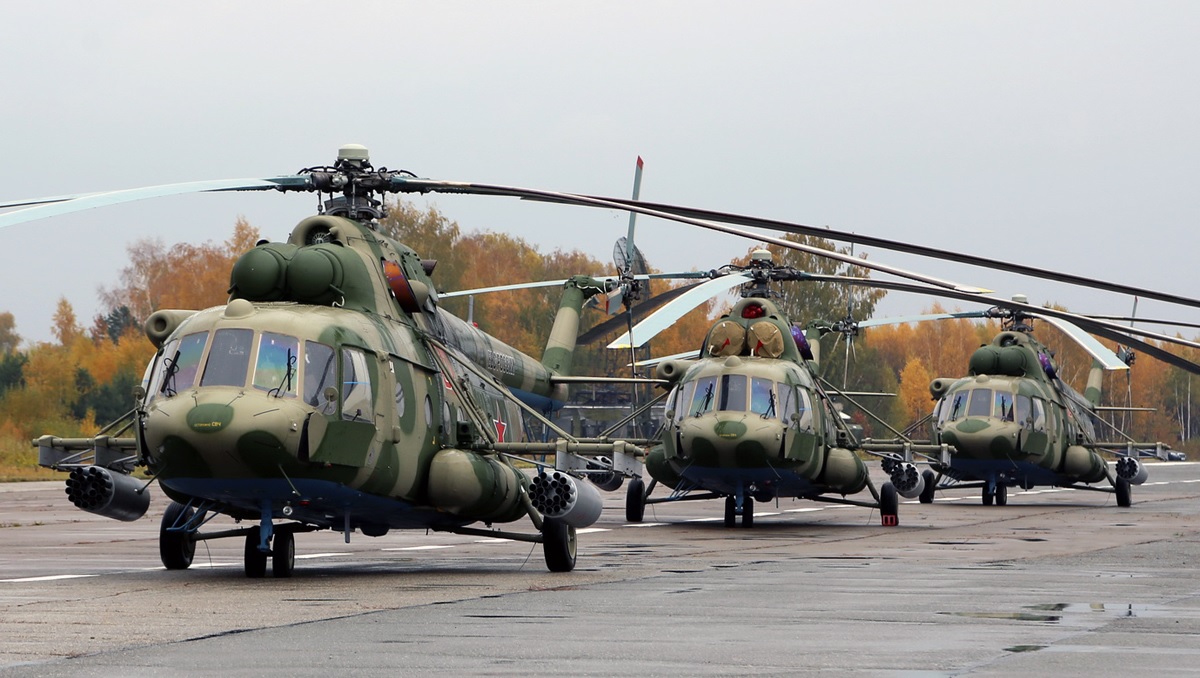 Iran Signs Deal with Russia for 20 Mi-8 and Mi-17 Helicopters to Boost Rescue and Medical Missions
-
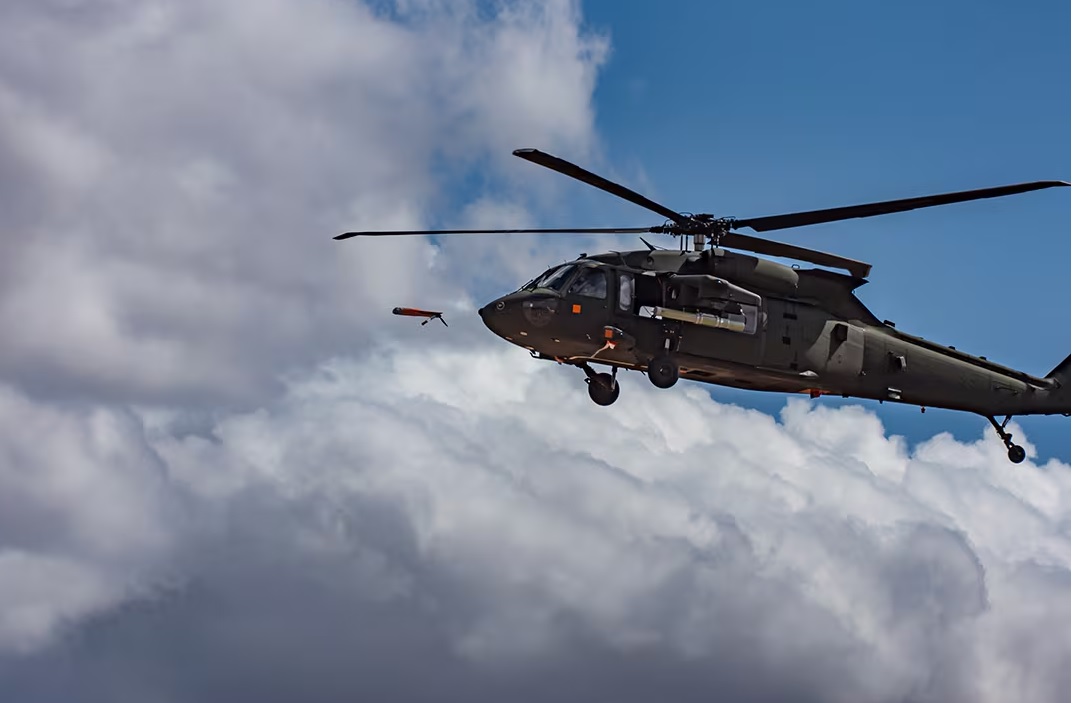 U.S. Army Completes First Flight Test of Medium-Range Air-Launched Effects from Black Hawk Helicopter
Top Trending in 4 Days
-
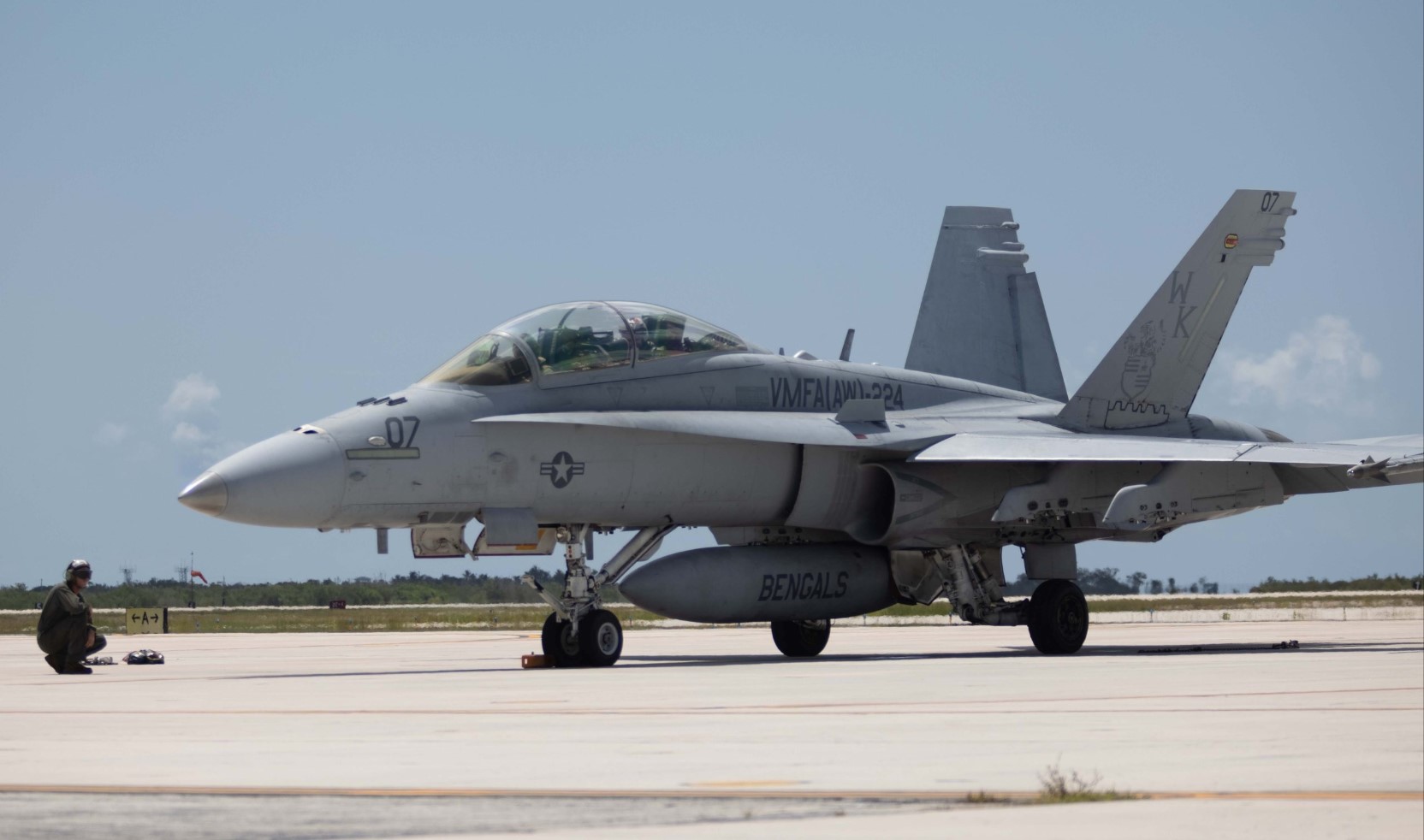 US Marine Corps F/A-18D Hornet Crashes During Training Flight in Washington Mountains; Pilot Ejects Safely
-
 Tulsi Gabbard Releases Declassified Files Detailing U.S.-Backed Network of 120 Biolaboratories Across 30+ Countries
-
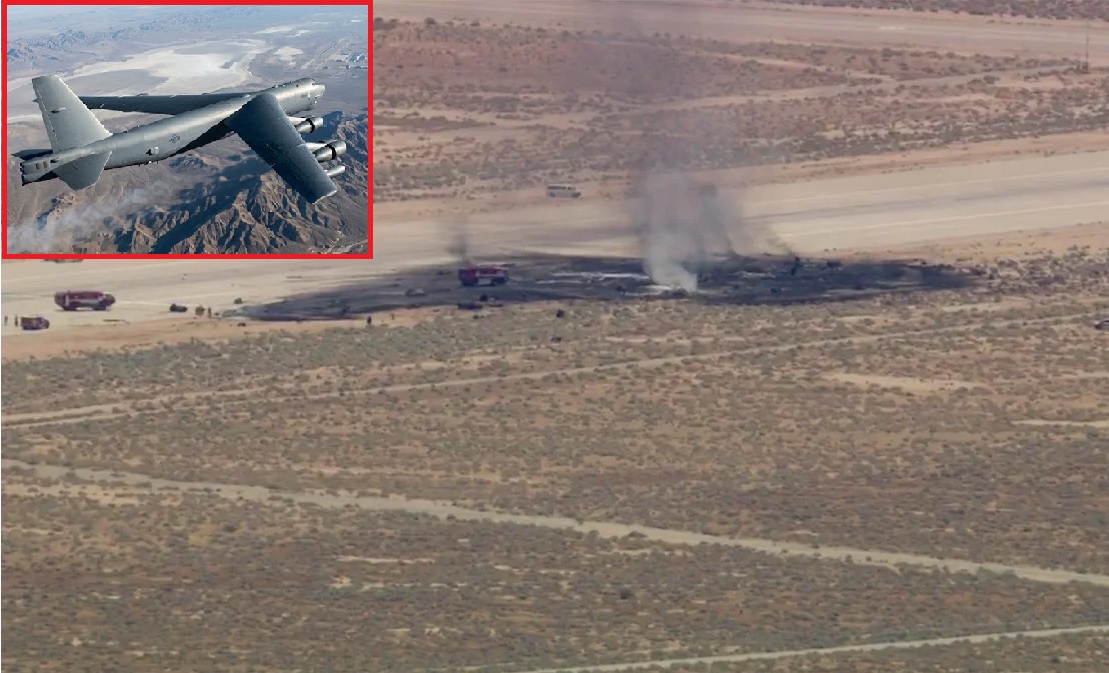 8 U.S. Air Force Crew Members Killed in B-52 Bomber Crash During Test Flight at Edwards Air Force Base
-
 Ukraine Introduces Balloon-Launched DART Missile Designed to Defeat Electronic Warfare
-
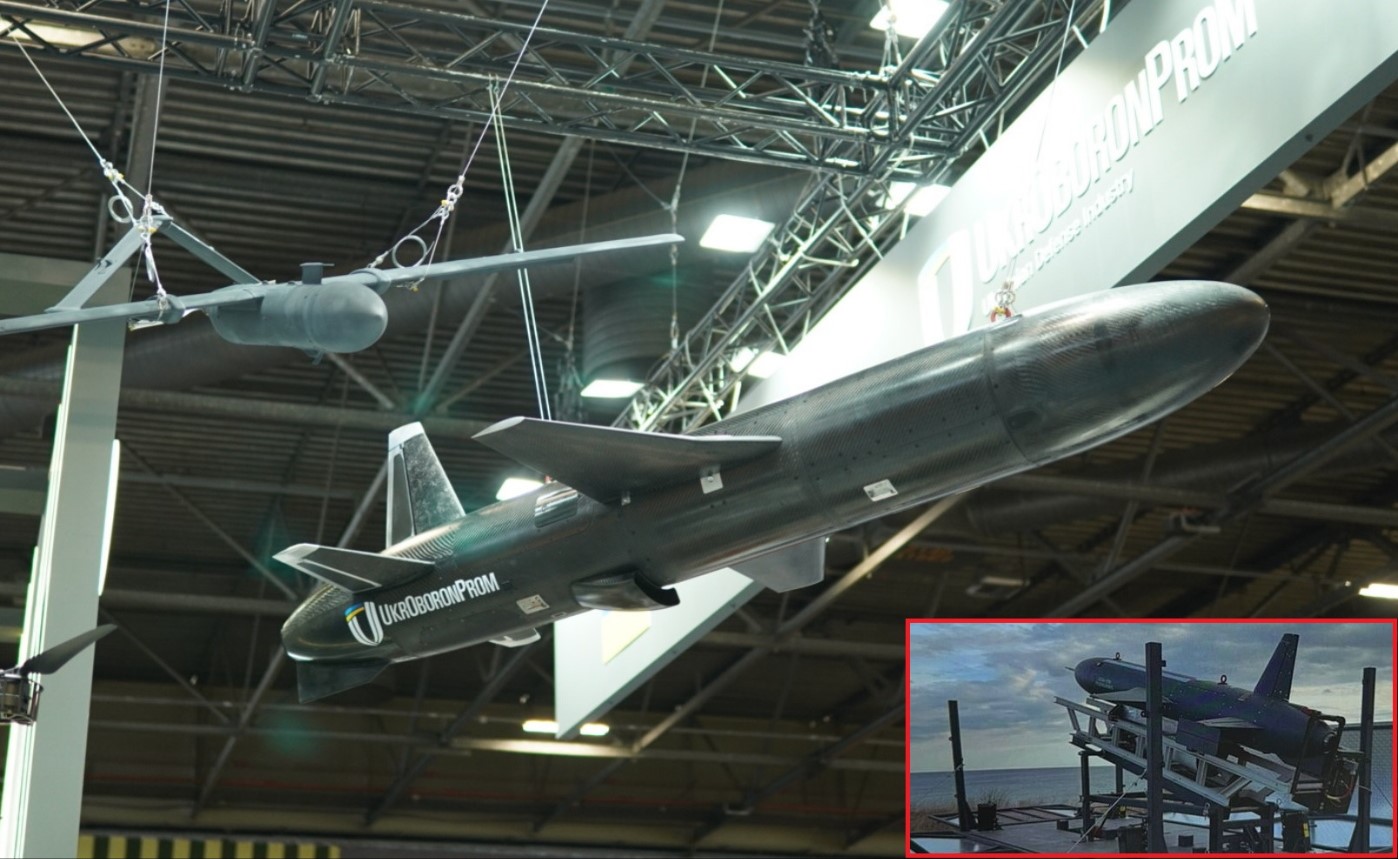 Ukraine Unveils UAV-290 Jet-Powered Strike Drone with 650 km Range at Eurosatory 2026
-
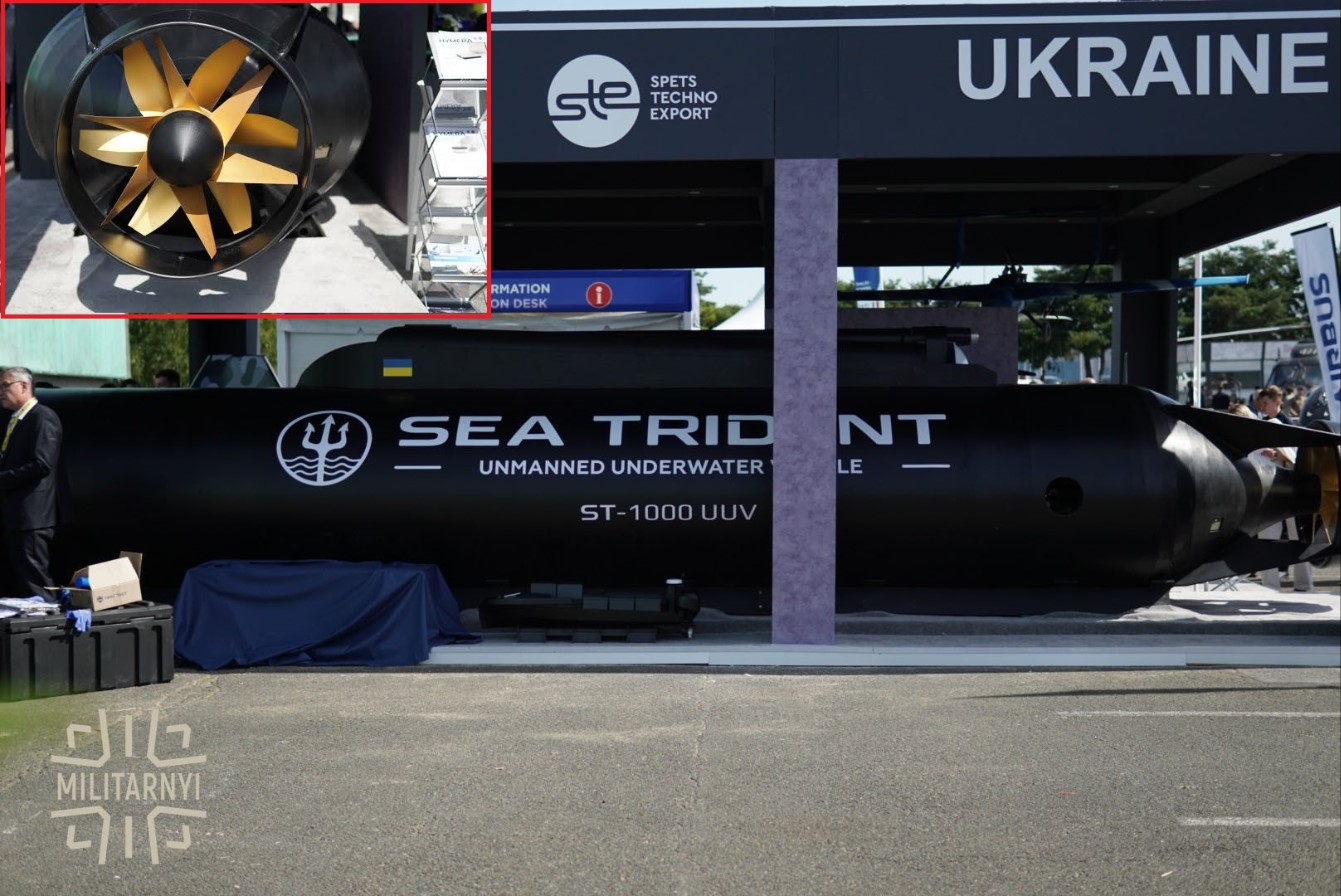 Ukraine Unveils 'Sea Trident' 10-Ton Autonomous Underwater Drone at Eurosatory 2026
-
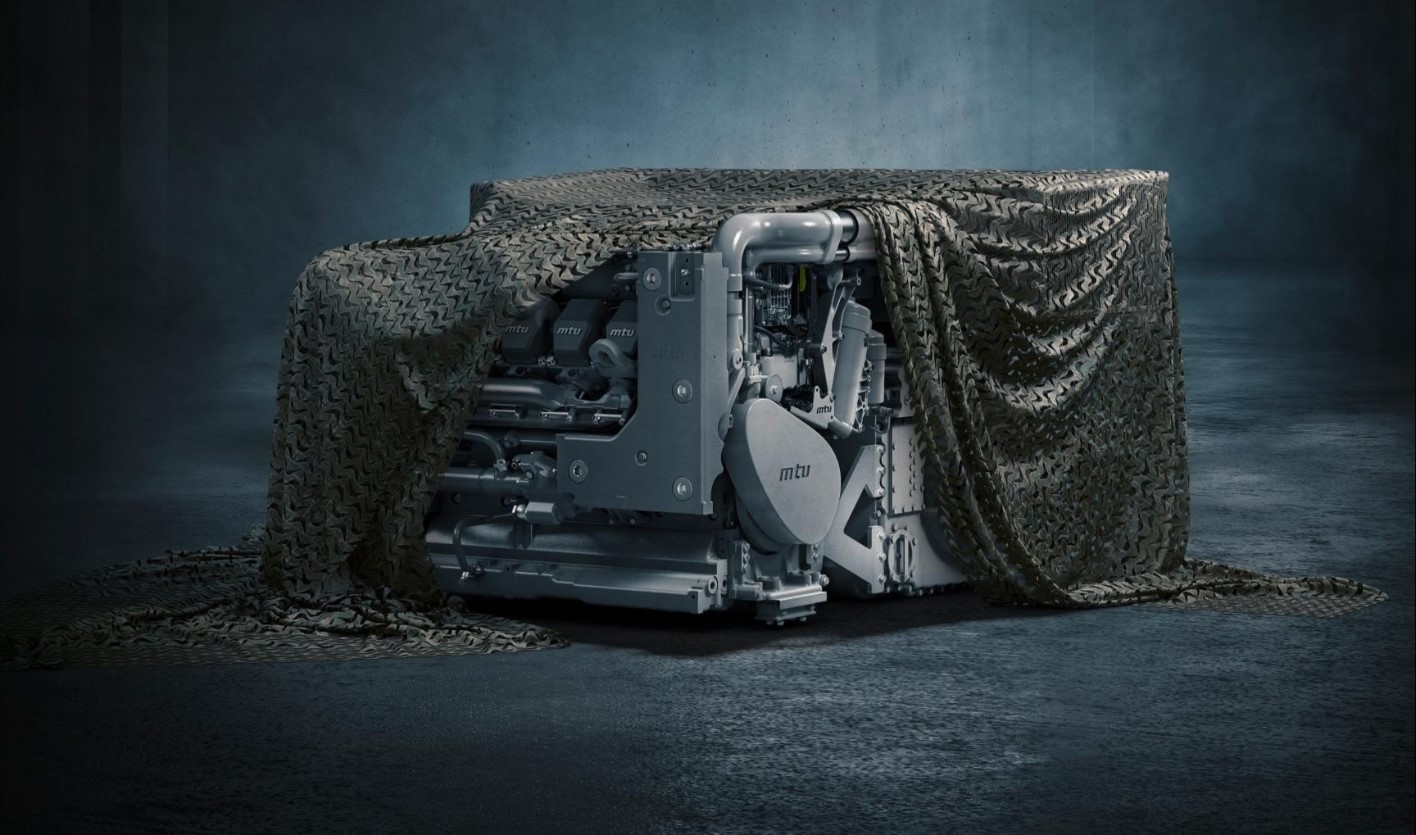 Rolls-Royce Unveils New Hybrid Powertrain for Heavy Military Vehicles at Eurosatory 2026
-
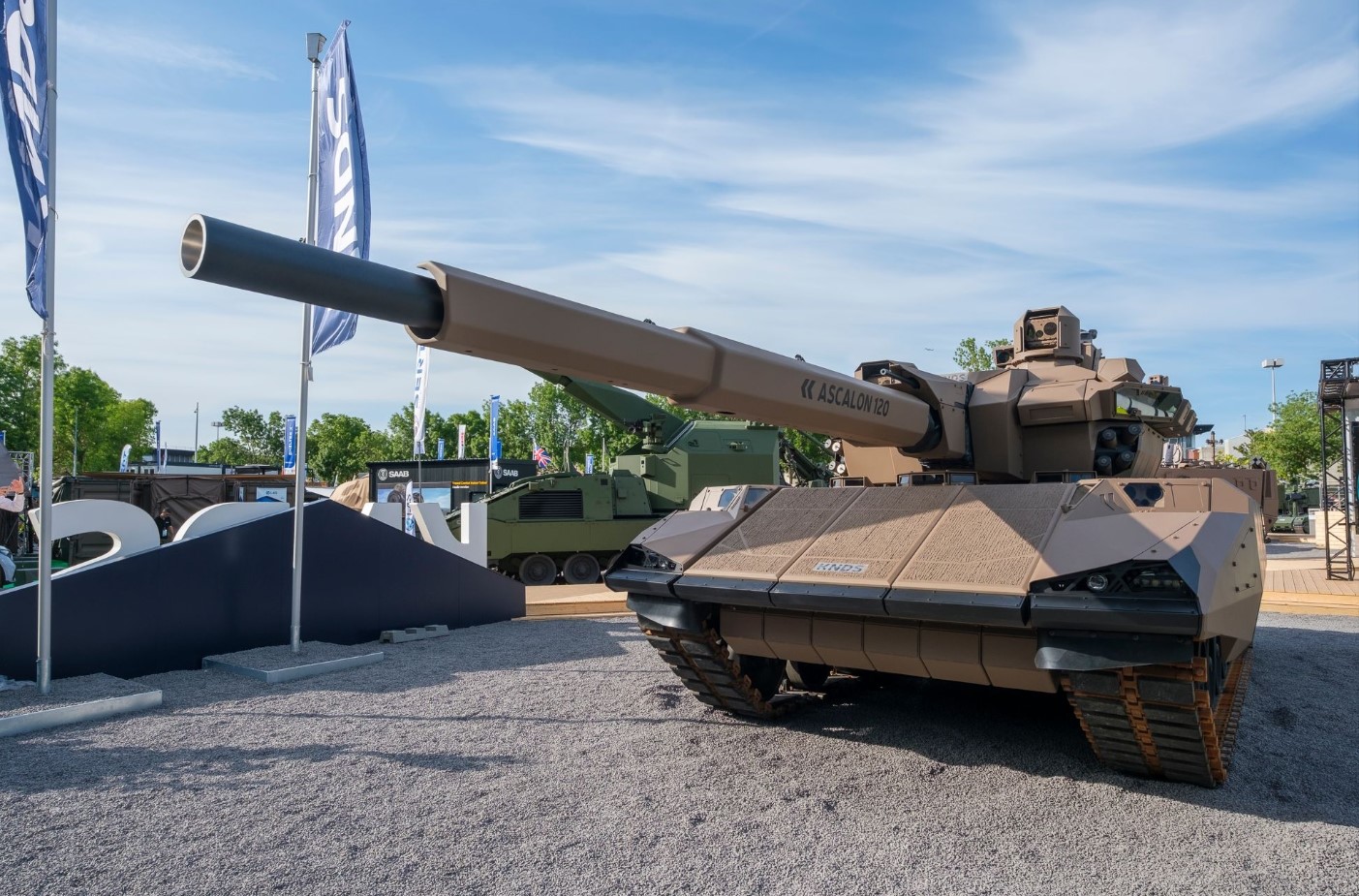 KNDS Unveils CAPINT Main Battle Tank at Eurosatory 2026 as Leclerc Stopgap