
India
Astra Microwave Products Ltd (AMPL), a leading Indian company specializing in radar and microwave components, has successfully developed an indigenous S-Band Active Antenna Array Unit (AAAU) radiating plate. This breakthrough has been achieved in collaboration with the Electronics and Radar Development Establishment (LRDE), a premier laboratory under the Defence Research and Development Organisation (DRDO). A Significant Advancement in Radar Technology The newly developed Radiating Plate Assembly (RPA) functions as an integral component of the AAAU, marking a major milestone in India’s radar technology capabilities. The AAAU, which forms the backbone of advanced radar systems, is crucial for applications in air surveillance, missile tracking, and defense systems. The indigenous realization of the AAAU highlights India’s growing self-reliance in critical defense technologies. It includes a 1x6 meter radiating plate, RF Line Replaceable Units (LRUs), and Baseband Signal Network (BSN) LRUs, including firmware and software—all developed in-house. Key Technical Achievements AMPL has successfully executed key developmental and testing phases to ensure the operational effectiveness of the AAAU. These include: Calibration and Collimation: The AAAU has been calibrated and collimated to meet the stringent performance standards required for advanced radar operations. Pattern Measurement: The company has conducted extensive pattern measurements to validate the AAAU’s radiation characteristics, ensuring it meets operational specifications. Full Functional Demonstration: A comprehensive functionality demonstration was conducted at AMPL’s state-of-the-art Radar R&D facility in Bengaluru, in the presence of DRDO officials. The AAAU met all performance parameters, reinforcing its reliability and operational efficiency. Strategic Importance The development of this indigenous S-Band AAAU is a significant step in reducing dependency on foreign radar technologies. With India increasingly focusing on self-reliance in defense manufacturing, the success of AMPL’s AAAU strengthens the country’s radar capabilities and supports the Atmanirbhar Bharat (Self-Reliant India) initiative. The deployment of this technology is expected to enhance the performance of indigenous radar systems used by the Indian Armed Forces, contributing to improved surveillance and defense preparedness. Moreover, AMPL’s collaboration with LRDE/DRDO reflects a strong synergy between industry and research institutions, fostering further advancements in high-frequency radar technology. Future Prospects With the successful realization of the S-Band AAAU radiating plate, AMPL is poised to play a crucial role in future radar developments. The company is likely to leverage this technology for next-generation radar systems, including those intended for air defense, naval applications, and missile guidance systems. The introduction of this indigenous technology marks a major step forward in India’s radar evolution, ensuring that the country remains at the forefront of advanced defense electronics. As AMPL continues to innovate, the company is expected to contribute further to India’s strategic defense capabilities in the coming years.
Read More → Posted on 2025-02-22 15:29:33
India
Indian industrial giant Mahindra Group and U.S.-based defense technology firm Anduril Industries have announced a landmark partnership to co-develop cutting-edge autonomous defense systems. This collaboration, unveiled on February 20, 2025, aims to strengthen military and homeland security with AI-enabled counter-drone technologies, advanced Autonomous Underwater Vehicles (AUVs), and a next-generation sensor fusion platform. Revolutionizing Underwater Security with Autonomous Systems One of the primary goals of the Mahindra-Anduril partnership is the development of sophisticated AUVs tailored for Sector Security, Surveillance, Survey, and Reconnaissance (SSSR) missions. These underwater drones will be designed for rapid deployment and equipped with modular payloads, allowing them to adapt to a range of operational scenarios. Mine Detection & Neutralization: The AUVs will be capable of identifying and disabling underwater mines, reducing the risk to naval vessels and critical infrastructure. Seabed Mapping & Intelligence Gathering: The vehicles will feature high-resolution sonar and optical sensors to conduct deep-sea reconnaissance, creating detailed maps of the ocean floor for defense and scientific applications. Persistent Underwater Surveillance: With long-endurance capabilities, these AUVs will provide real-time intelligence for naval operations, making them essential for tracking enemy movements and safeguarding strategic waterways. AI-Powered Counter-Drone Systems for Aerial Defense In response to the growing threat of Unmanned Aerial Systems (UAS), Mahindra and Anduril will jointly develop state-of-the-art Counter Unmanned Aerial Systems (CUAS). These AI-driven platforms will enhance military and civilian security by detecting, tracking, and neutralizing rogue drones before they pose a threat. Multi-Layered Defense Approach: The CUAS will integrate radar, electro-optical, and acoustic sensors to create a comprehensive airspace security network. Autonomous Targeting & Neutralization: AI-powered algorithms will identify hostile drones in real time and deploy electronic warfare or kinetic interception solutions. Seamless Integration with Defense Systems: The CUAS technology will be compatible with existing military air defense networks, providing enhanced protection for key installations, border areas, and urban environments. Advanced Sensor Fusion for Next-Generation Defense Systems Another key element of the partnership is the development of an AI-powered sensor fusion platform, which will integrate multiple data streams into a single operational view. This will enable real-time threat assessment and improved situational awareness for military and security forces. Multi-Sensor Data Processing: The platform will combine inputs from radar, infrared cameras, LiDAR, and acoustic sensors, offering a comprehensive security picture. Autonomous Decision-Making: AI-driven analytics will filter out false alarms and prioritize actionable intelligence, allowing operators to respond faster to emerging threats. Scalability for Future Defense Applications: Designed with an open architecture, the system will support the rapid integration of new technologies, keeping pace with evolving security challenges. A Strategic Partnership for Future Warfare Mahindra and Anduril’s collaboration represents a major step toward strengthening India’s indigenous defense capabilities while leveraging cutting-edge American technology. Vinod Sahay, a Group Executive Board Member at Mahindra Group, emphasized the significance of this alliance: "This collaboration with Anduril Industries is a major step in Mahindra Group's commitment to developing advanced security and autonomous technologies. By combining our engineering expertise with Anduril's innovative solutions, we will deliver state-of-the-art capabilities that improve security and address emerging threats. We are dedicated to contributing to a safer and more resilient future." Greg Kausner, Senior Vice President of Global Defence at Anduril Industries, echoed this sentiment: "Global security forces are facing rapidly evolving threats from both new and existing unmanned platforms, and autonomy is crucial for maintaining effective protection. Anduril is excited to partner with Mahindra Group, whose strong engineering background complements our goal of delivering scalable, AI-powered solutions. Together, we aim to equip allied forces with the necessary tools to counter adversaries." With drone warfare and autonomous security technologies shaping the future of defense, this Indo-U.S. collaboration is expected to set new benchmarks in AI-driven military innovation. The joint effort will not only enhance India’s defense ecosystem but also strengthen global security frameworks against emerging threats.
Read More → Posted on 2025-02-22 14:02:50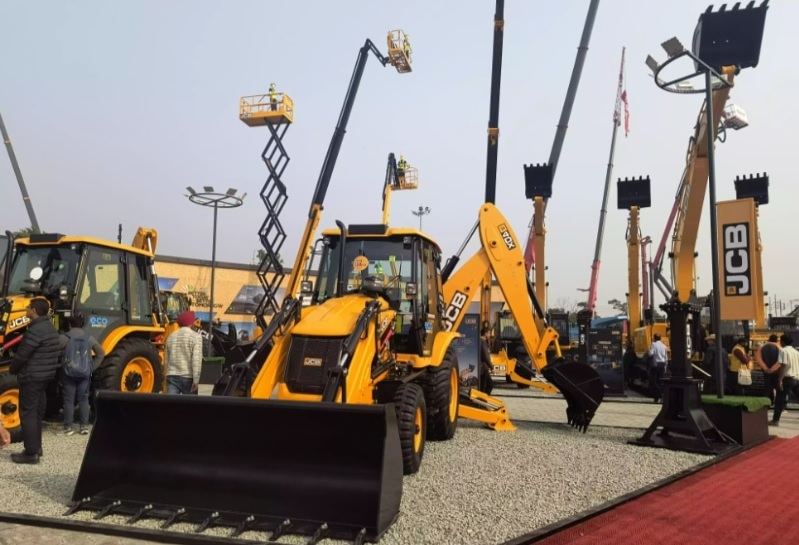
India
In a significant push toward modernising defence logistics, the Ministry of Defence (MoD) has signed contracts worth ₹697.35 crore with Action Construction Equipment (ACE) Limited and JCB India Limited for the procurement of 1,868 Rough Terrain Fork Lift Trucks (RTFLTs). These vehicles will be distributed among the Indian Army, Indian Air Force, and Indian Navy to enhance their operational efficiency in handling logistics and combat support tasks. Enhancing Defence Logistics with RTFLTs The Rough Terrain Fork Lift Trucks are designed to navigate challenging terrains and provide essential logistical support by reducing manual handling of heavy stores and equipment. These trucks will significantly improve the armed forces' ability to transport, store, and manage supplies efficiently in various operational environments, from forward bases to high-altitude areas. The contract was formalised in the presence of Defence Secretary RK Singh, reflecting the government's commitment to strengthening India’s defence capabilities through indigenous production. Given its classification as a "Buy (Indian)" initiative, the project directly supports the 'Aatmanirbhar Bharat' vision by boosting domestic defence manufacturing capabilities. Driving India's Defence Manufacturing Growth This procurement is expected to generate direct and indirect employment opportunities by encouraging local manufacturing and supporting the Micro, Small, and Medium Enterprises (MSME) sector. The involvement of ACE Limited and JCB India—a leading global manufacturer with a strong presence in the Indian market—demonstrates the increasing role of private sector companies in defence production. India has been aggressively pushing for self-reliance in defence manufacturing, introducing policy reforms and investment incentives to strengthen indigenous capabilities. The government has actively promoted collaborations between domestic and international defence firms, encouraging technology transfer and innovation in aerospace and military equipment production. India’s Rising Defence Production & Exports India’s commitment to becoming a global defence manufacturing hub has been reflected in its rapidly growing defence exports. In the financial year 2023-24, India's defence exports reached an all-time high of ₹21,083 crore (approximately $2.63 billion), marking a remarkable 32.5% growth compared to the previous year’s ₹15,920 crore. Over the past decade, defence exports have surged 31 times, showcasing India's growing footprint in the global arms industry. Additionally, the total value of defence production in India saw a 17% rise, reaching ₹1,26,887 crore in the last fiscal year. With an expanding industrial base, increasing defence budgets, and greater collaboration with global firms, India is steadily positioning itself as a major player in defence manufacturing and supply chains. Strengthening Self-Reliance in Defence The acquisition of RTFLTs is a crucial step in modernising logistics and combat support infrastructure, ensuring India’s armed forces are well-equipped for rapid deployment and efficient material handling. The government's continued focus on self-reliance, supported by initiatives like ‘Make in India’ and ‘Aatmanirbhar Bharat,’ is expected to further strengthen India’s position as both a leading defence manufacturer and exporter. With projects like this, India not only enhances its military logistics capabilities but also reinforces its long-term vision of achieving self-sufficiency in defence equipment production, paving the way for more advanced and indigenously developed solutions in the years ahead.
Read More → Posted on 2025-02-20 14:33:11
India
India and France are deepening their defence collaboration across multiple domains, focusing on fighter jets, radar systems, helicopter engines, and advanced weaponry. With the Indian Air Force (IAF) operating the Rafale fighter jet and the indigenous Advanced Medium Combat Aircraft (AMCA) in development, both nations are leveraging technology transfer and joint production to enhance India's defence capabilities. Upgrading Rafale with Advanced AESA Radar The RBE2-AA (Active Electronically Scanned Array) radar, developed by Thales, is a game-changer for the Rafale fighter jet, significantly enhancing its situational awareness and combat effectiveness. With an extended detection range of over 200 km, the radar enables the Rafale to track multiple targets and engage long-range threats using Meteor beyond-visual-range air-to-air missiles. The RBE2-AA offers: High-Resolution Synthetic Aperture Radar (SAR): Allows for detailed ground mapping, improving precision strike capabilities. Enhanced Electronic Warfare (EW) Resistance: Provides superior resistance to enemy jamming and radar countermeasures. Passive Sensor Integration: The Rafale's Front Sector Optronics (OSF) works alongside the radar to detect and identify threats stealthily. India's Bharat Electronics Limited (BEL) has played a crucial role in the radar’s production, supplying over 7,000 transmit/receive modules for the RBE2-AA under the "Make in India" initiative. This collaboration also extends to the Rafale’s SPECTRA Electronic Warfare suite, further strengthening the jet’s survivability in contested airspace. AMCA Fighter: India’s Future Stealth Jet with French Engine Expertise India’s AMCA program, a fifth-generation stealth fighter designed by the Aeronautical Development Agency (ADA), is set to benefit from Indo-French cooperation. Safran, a leading French aerospace firm, is co-developing a 110kN high-thrust engine for the AMCA Mk-2 in partnership with the Defence Research and Development Organisation (DRDO). Key highlights of this engine development include: Full Technology Transfer: The engine will be manufactured entirely in India, supporting India's goal of self-reliance in high-end aerospace technology. Stealth and Supersonic Capabilities: The AMCA will feature advanced stealth coatings, supercruise ability, and AI-driven avionics, making it a formidable addition to the IAF. Shared Intellectual Property (IP) Rights: Unlike previous deals where India relied on foreign suppliers, this agreement ensures India retains key design and manufacturing knowledge. The contract for the AMCA engine development is expected to be signed in 2024, keeping the project on track for production by 2035. This partnership also lays the groundwork for future indigenous fighter jet programs like the Twin Engine Deck-Based Fighter (TEDBF) for the Indian Navy. Aravalli Helicopter Engine: Powering India’s Future Rotorcraft India’s upcoming Indian Multi-Role Helicopter (IMRH) and Deck-Based Multi-Role Helicopter (DBMRH) will be powered by the newly developed Aravalli engine, a joint effort between Hindustan Aeronautics Limited (HAL) and Safran Helicopter Engines. Engine Power Output: Each Aravalli turboshaft engine will generate 2,000 kW (2,800 shp), providing enhanced performance for medium-lift helicopters. Indigenous Production: The engine will be developed under the SAFHAL joint venture, ensuring long-term manufacturing capability within India. Operational Versatility: Designed for troop transport, logistics, medical evacuation, and naval operations, the IMRH and DBMRH will replace aging Mi-17 and Sea King helicopters in the Indian armed forces. The first prototypes of the IMRH will initially use existing Safran engines, with the Aravalli expected to be integrated within the next five years. HAMMER Missile: Boosting India’s Strike Capabilities The HAMMER (Highly Agile Modular Munition Extended Range) missile, originally developed by Safran Electronics & Defense for the French Air Force, has been integrated into the Indian Air Force’s Rafale jets. Now, India is expanding its deployment across other platforms, including the indigenous LCA Tejas. Guidance Options: The HAMMER missile features a hybrid Inertial Navigation System (INS) with GPS, an infrared homing variant, and a laser-guided version for engaging moving targets. Extended Strike Range: With a range exceeding 70 km, the missile can destroy fortified enemy positions and mobile targets with pinpoint accuracy. Modular Warhead Configurations: The missile can be equipped with 125 kg, 250 kg, 500 kg, and 1,000 kg warheads, offering flexibility in mission planning. BEL and Safran are collaborating on local production, ensuring India gains expertise in precision-guided munitions while reducing dependence on foreign suppliers. Strategic Implications for Indo-French Defence Partnership These defence collaborations underscore the deepening ties between India and France, going beyond aircraft acquisitions to encompass technology co-development and manufacturing. By leveraging French expertise in radar, aircraft engines, and missile systems, India is strengthening its domestic defence industry while enhancing its military capabilities. The synergy between the two nations ensures that India remains at the forefront of defence innovation while achieving greater self-sufficiency in military technology.
Read More → Posted on 2025-02-20 14:23:17
India
India’s crude oil imports from the United States surged significantly in January, making the U.S. the fifth-largest supplier to the world’s third-biggest oil consumer. The latest trade data reveals that India imported 218,400 barrels per day (bpd) of American crude, a sharp rise from just 70,600 bpd in December. This jump aligns with New Delhi’s broader strategy to expand its energy trade with Washington, aiming to boost purchases from $15 billion last year to $25 billion. Meanwhile, Russia maintained its position as India’s top crude supplier, with imports rising 4.3% month-on-month to 1.58 million bpd. However, these volumes may face downward pressure in the coming months as Indian refiners reassess their strategies following fresh U.S. sanctions on Moscow. With Washington tightening restrictions on Russian crude transactions, Indian refiners will now be more cautious, limiting their purchases to shipments that avoid sanctioned companies and transport routes. The evolving geopolitical landscape has also influenced India’s crude sourcing. Imports from the Middle East climbed 6.5% in January, reaching 2.7 million bpd. Iraq continued as India’s second-largest oil supplier, followed by Saudi Arabia and the UAE. The share of Middle Eastern crude in India's total oil imports rose to a 27-month high of 53%, reflecting a shift away from Russian oil amid rising sanctions. This diversification in energy sourcing comes as Indian refiners adjust their procurement strategies. The Indian government had reportedly advised refiners to prepare for potential U.S. sanctions on Russian oil before they were formally announced, prompting a pivot to non-Russian sources. Overall, India’s crude oil imports averaged 4.8 million bpd in the first 10 months of the current fiscal year (April 2024–January 2025), reflecting a 4.5% increase compared to the previous year. With energy security and price competitiveness at the forefront, India continues to balance its crude basket by leveraging supplies from Russia, the Middle East, and now increasingly from the United States.
Read More → Posted on 2025-02-20 14:15:36
India
General Upendra Dwivedi, the Chief of the Indian Army, has expressed significant concerns regarding the presence of Pakistan Army and Inter-Services Intelligence (ISI) officials in Bangladesh's Rangpur Division, a region proximate to India's strategically vital 'Chicken's Neck' corridor. This narrow stretch of land, also known as the Siliguri Corridor, serves as a crucial link between India's northeastern states and the rest of the country. In a recent interview, General Dwivedi emphasized the imperative to prevent anti-India elements from exploiting Bangladeshi territory to facilitate terrorist activities against India. He stated, "We must ensure that those anti-India elements are not able to use that soil to send terrorists to India." The General's remarks follow reports of Pakistani military and intelligence delegations visiting sensitive areas in Bangladesh near the Indian border. These visits have raised alarms within Indian defense circles about potential security threats emanating from collaborative efforts between Pakistan and elements within Bangladesh. Despite these concerns, General Dwivedi highlighted the robust military relationship between India and Bangladesh, noting that both nations maintain strong defense ties and regularly exchange strategic insights. He remarked, "Our military relationship with Bangladesh is very strong, and we are able to exchange notes whenever we want." Addressing the broader context of Indo-Pak relations, General Dwivedi humorously referenced a scene from the classic film "Guide," where a character vows not to eat until it rains, to illustrate Pakistan's unwavering stance on Kashmir. He suggested that Pakistan remains entrenched in its position, using anti-India rhetoric as a unifying agenda. "As far as they are concerned, the idea of India is their major criticality. It's not limited to Kashmir only," he added. The General's comments underscore the complexities of regional geopolitics, where historical tensions and emerging alliances continue to shape the security dynamics of South Asia.
Read More → Posted on 2025-02-19 14:26:20
India
India’s quest for self-reliance in defence technology has received a major boost with the development of an indigenous 180hp diesel engine for unmanned aerial vehicles (UAVs). Designed by Coimbatore-based Jayem Automotive, this advanced powerplant is set to enhance the capabilities of the Tapas UAV, India’s medium-altitude, long-endurance (MALE) drone. A Game-Changer for India’s UAV Program Unveiled at Aero India 2025 in Bengaluru, the 180hp diesel engine has successfully completed ground trials and is now being integrated into the upgraded Tapas UAV. Officials have confirmed that taxi trials and in-flight tests will begin soon. This marks a major milestone in reducing India's dependence on imported UAV engines, making the country more self-reliant in critical defence technologies. The Tapas UAV, developed by India’s Defence Research and Development Organisation (DRDO), is designed for long-endurance surveillance and reconnaissance missions. With this indigenous diesel engine, the UAV is expected to achieve superior fuel efficiency, greater operational range, and better performance in high-altitude environments. Key Advantages of the 180hp Diesel Engine Compared to traditional gasoline engines or imported alternatives, this diesel powerplant offers several crucial advantages: Enhanced Endurance – Diesel engines are naturally more fuel-efficient than gasoline ones, allowing UAVs to fly for longer durations without refueling. This is critical for surveillance and reconnaissance missions where extended flight times are a necessity. High-Altitude Capability – The engine is designed to operate effectively in low-oxygen environments, making it ideal for missions over the Himalayas and other strategic high-altitude regions where India's border security depends on sustained aerial surveillance. Increased Payload Capacity – With better fuel economy, the UAV can accommodate additional payloads, such as advanced sensors, communication equipment, and surveillance systems, thereby enhancing mission efficiency. Indigenous Manufacturing – The development of this engine supports India’s Atmanirbhar Bharat (self-reliant India) initiative by reducing dependence on foreign defence suppliers and strengthening domestic aerospace capabilities. Towards a More Capable Tapas UAV With this engine, the Tapas UAV will gain extended operational range and improved performance in challenging conditions, making it an invaluable asset for India’s armed forces. The successful completion of upcoming trials will determine its readiness for full-scale deployment. If integrated successfully, this could pave the way for future UAV programs to incorporate homegrown propulsion systems, reducing India's reliance on imported drone engines and positioning the country as a leader in indigenous UAV technology. As India continues to strengthen its defence and aerospace sector, the 180hp diesel engine-powered Tapas UAV is set to become a game-changer in high-altitude surveillance and long-endurance missions.
Read More → Posted on 2025-02-19 09:35:22
India
The third edition of Exercise CYCLONE, a joint special forces drill between India and Egypt, is currently taking place at the Mahajan Field Firing Range in Rajasthan. This 14-day-long military exercise, which began earlier this month, will conclude on February 23. Designed to boost interoperability, joint planning, and combat skills, the exercise serves as a crucial platform for both nations to refine their special operations tactics in a challenging desert environment. Strengthening Tactical Coordination The exercise features 25 elite personnel from each country—India is represented by troops from two Special Forces Battalions, while Egypt’s Special Forces Group and Task Force form the Egyptian contingent. Over the course of two weeks, these highly trained units are undergoing intense combat conditioning, mission planning, and tactical drills to enhance their ability to operate jointly in counter-terrorism and high-risk operations. Exercise CYCLONE is an annual event, alternating between India and Egypt. The previous edition was held in Egypt in January 2024, reflecting the growing strategic cooperation between the two militaries. Key Focus Areas and Training Modules The drills include: Advanced special forces skills tailored for desert and semi-desert warfare. Tactical planning for joint operations, improving coordination between the two forces. Combat survival techniques and stress testing under extreme conditions. Counter-terrorism operations, with an emphasis on rapid response and urban warfare tactics. Interoperability exercises, allowing troops to learn from each other’s strengths and combat experiences. Final Validation and Indigenous Equipment Showcase The exercise will culminate in a 48-hour validation phase, simulating real-world counter-terrorism scenarios in challenging desert terrain. This final drill will test the effectiveness of joint operational planning and execution, ensuring that both sides can respond swiftly and decisively to any potential threats. Additionally, the Egyptian delegation will get an opportunity to witness India’s indigenous military equipment and gain insights into India’s growing defence manufacturing sector. This exchange of expertise could pave the way for future defence collaborations between the two nations. Enhancing Bilateral Military Ties By fostering a spirit of camaraderie, cooperation, and knowledge-sharing, Exercise CYCLONE-III is deepening the military relationship between India and Egypt. With growing defence ties and shared security concerns, this annual joint training enhances both countries' ability to tackle emerging security challenges. As the Indian and Egyptian special forces push their limits, the exercise stands as a testament to their commitment to operational excellence, reinforcing their readiness to execute joint missions in complex battle environments.
Read More → Posted on 2025-02-19 09:23:54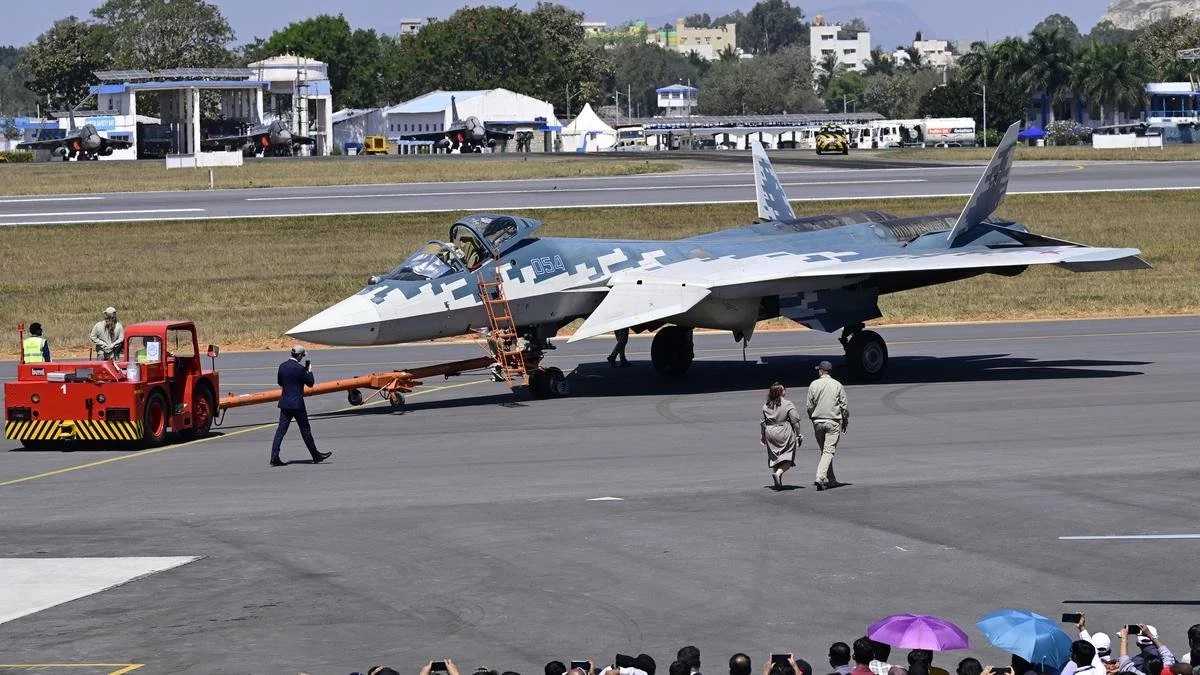
India
India is currently assessing a Russian proposal to manufacture the fifth-generation Sukhoi Su-57 stealth fighter jets within its own borders. This initiative, if realized, could significantly enhance India's indigenous fighter production capabilities and further solidify its defense partnership with Russia. The Su-57: Russia's Premier Stealth Fighter The Sukhoi Su-57, known by its NATO designation "Felon," represents Russia's most advanced combat aircraft. Designed to compete with Western fifth-generation fighters such as the U.S. F-35 Lightning II and F-22 Raptor, the Su-57 boasts a range of cutting-edge features: Design and Dimensions: The Su-57 features a sleek, twin-engine design optimized for stealth and superior aerodynamic performance. The aircraft measures 20.1 meters in length, with a wingspan of 14.1 meters and a height of 4.6 meters. Its wing area is 78.8 square meters. The empty weight is approximately 18,500 kilograms, with a normal takeoff weight of 26,700 kilograms and a maximum takeoff weight of 35,000 kilograms. Performance: The Su-57 is capable of reaching speeds up to Mach 2.0 and can supercruise at Mach 1.3, allowing it to sustain supersonic flight without afterburners. It has a supersonic range exceeding 1,500 kilometers, more than double that of its predecessor, the Su-27. Armament: The aircraft is equipped with multiple internal weapon bays, housing a variety of air-to-air and air-to-surface missiles, precision-guided bombs, and a 30mm autocannon. This configuration maintains its stealth profile while ensuring multirole versatility. Avionics and Stealth: The Su-57 incorporates advanced sensor systems, including active phased-array radar, and emphasizes supermaneuverability. Its design includes extensive use of composite materials and internal weapon storage to reduce radar cross-section, enhancing its stealth capabilities. India's Strategic Considerations India's interest in the Su-57 aligns with its broader defense modernization efforts. The country has previously collaborated with Russia on the Fifth Generation Fighter Aircraft (FGFA) program, which aimed to develop a variant of the Su-57 tailored to Indian requirements. Although the FGFA project was shelved, the current proposal indicates a renewed focus on acquiring advanced stealth capabilities. Several factors influence India's decision-making process: Geopolitical Dynamics: Deepening defense ties with Russia must be balanced against India's relationships with Western nations, particularly the United States and France. The recent U.S. offer to sell F-35 fighter jets to India adds complexity to the decision. Indigenous Development: India is concurrently advancing its own fifth-generation fighter project, the Advanced Medium Combat Aircraft (AMCA). The potential acquisition of the Su-57 raises questions about resource allocation and the integration of multiple stealth platforms. Operational Integration: Incorporating the Su-57 into the Indian Air Force's diverse fleet—which includes Russian Su-30MKIs, French Rafales, and indigenous Tejas fighters—requires careful logistical and operational planning. Potential Benefits of Domestic Production Manufacturing the Su-57 domestically offers several advantages: Technology Transfer: Russia's proposal includes a full transfer of technology, enabling India to develop and maintain the aircraft independently, reducing reliance on external sources. Economic Impact: Local production would stimulate India's defense industry, create jobs, and align with the "Make in India" initiative aimed at boosting domestic manufacturing. Strategic Autonomy: Developing indigenous capabilities enhances national security and reduces vulnerability to international sanctions or supply chain disruptions. As India evaluates the Russian proposal, it faces a multifaceted decision involving technological, geopolitical, and economic considerations. The outcome will significantly impact the future trajectory of India's air defense capabilities and its position within the global defense landscape.
Read More → Posted on 2025-02-18 15:10:07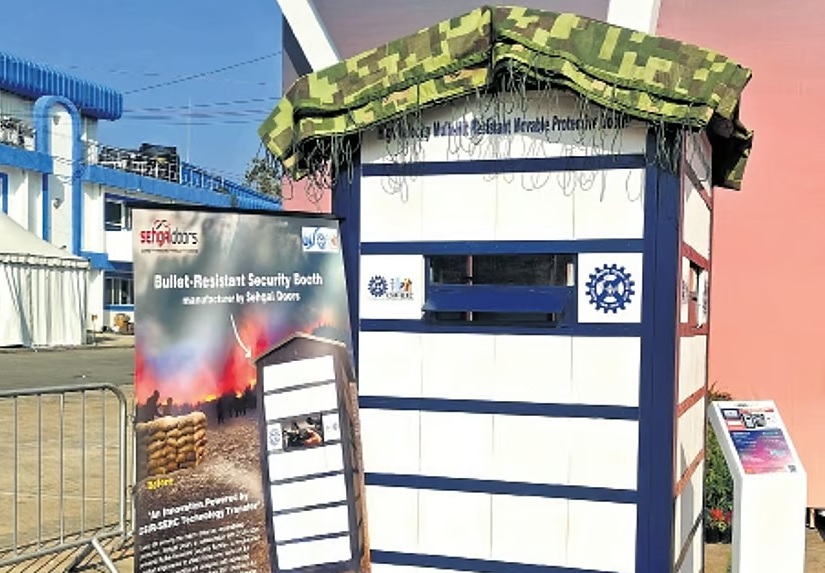
India
The Council of Scientific & Industrial Research (CSIR) has developed an indigenous 1,650 kg portable bulletproof booth to enhance the safety of India's armed and paramilitary forces. This innovation provides mobile protection against high-caliber firearm attacks, offering a reliable shield for soldiers operating in high-risk areas. Key Features of the Bulletproof Booth Portable Design: The booth is designed for easy transportation and deployment, allowing security forces to position it strategically in conflict zones, border areas, and high-security locations. High-Grade Protection: The structure is made from advanced bullet-resistant materials capable of withstanding shots from assault rifles and other high-caliber weapons. Multi-Functional Use: It serves as a secure observation post, guard station, or mobile command center, providing protection for personnel on duty. Enhanced Mobility: Despite its weight of 1,650 kg, the booth is engineered for mobility, making it feasible for quick relocation when necessary. Strategic Importance for India’s Security Forces This portable bulletproof booth will significantly bolster soldier safety in combat zones, counter-terrorism operations, and sensitive border regions. India's paramilitary forces, including the CRPF, BSF, ITBP, and the Indian Army, will benefit from this innovation, especially in areas prone to insurgency or cross-border threats. The development of this indigenous bulletproof structure aligns with India's Aatmanirbhar Bharat (Self-Reliant India) initiative, reducing dependence on foreign defense equipment while strengthening domestic manufacturing capabilities. CSIR’s expertise in material science and defense technology has played a crucial role in designing this cutting-edge security infrastructure. With increasing threats to national security, this CSIR-developed bulletproof booth is expected to be deployed soon, ensuring enhanced protection for India’s brave soldiers on the front lines.
Read More → Posted on 2025-02-18 14:52:49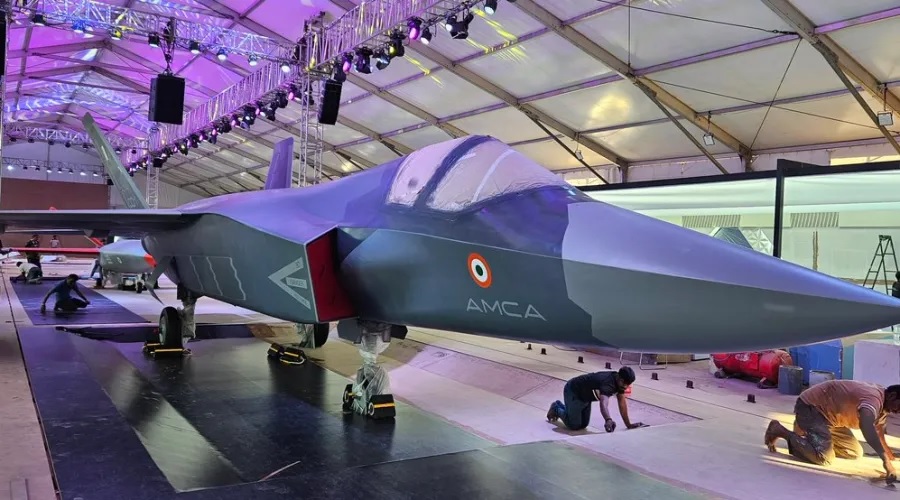
India
India is making significant strides in advancing its indigenous defense capabilities with the development of the Advanced Medium Combat Aircraft (AMCA), the nation's first fifth-generation stealth fighter jet. Designed by Hindustan Aeronautics Limited (HAL), the AMCA is poised to elevate the Indian Air Force's (IAF) operational prowess. Prototype Development and Costs At the recent Aero India 2025, a senior HAL official disclosed that each AMCA prototype is projected to cost approximately ₹1,000 crore (around $115 million). This substantial investment is primarily due to the integration of cutting-edge technologies and the rigorous testing required for such an advanced aircraft. HAL plans to develop five prototypes to undergo comprehensive flight trials and weapons testing. The rollout of the first prototype is anticipated by the end of 2027, with its maiden flight slated for 2028. Design and Technological Features The AMCA is envisioned as a twin-engine, stealth, supersonic multirole fighter jet. Its design includes shoulder-mounted diamond-shaped trapezoidal wings and a V-tail configuration, optimized for reduced radar cross-section and enhanced aerodynamic performance. The aircraft will feature "S-shaped" air intakes to conceal engine components from radar detection, an internal weapons bay to maintain stealth profiles, and extensive use of composite materials to reduce weight and increase durability. Advanced avionics, sensor fusion, and AI-driven combat capabilities are integral to the AMCA's design, ensuring it meets the evolving demands of modern aerial warfare. Future Production and Cost Efficiency While the initial prototypes come with a high price tag, economies of scale and refined manufacturing processes are expected to significantly reduce costs in serial production. Projections indicate that once the AMCA enters mass production, the per-unit cost could drop below $100 million. This reduction would position the AMCA as one of the most cost-effective fifth-generation fighter jets globally, making it a competitive asset in the international defense market. Strategic Significance The AMCA program is a cornerstone of India's push towards self-reliance in defense manufacturing. By developing indigenous technologies, India aims to reduce dependence on foreign suppliers and bolster its defense infrastructure. The AMCA is not merely a technological endeavor; it symbolizes India's commitment to securing its airspace with homegrown solutions and showcases the nation's growing expertise in aerospace engineering. In summary, the AMCA project represents a significant leap forward for India's defense capabilities. With substantial investments in prototype development and a clear roadmap for cost-effective mass production, the AMCA is set to become a pivotal asset for the IAF, embodying the nation's dedication to innovation and self-sufficiency in defense technology.
Read More → Posted on 2025-02-18 14:40:00
India
MKU Limited, a prominent defense company based in Kanpur, Uttar Pradesh, has made a significant contribution to the Indian Army by delivering its state-of-the-art Kavro Doma 360 ballistic helmets. This development, announced during the Aero India 2025 event, marks a substantial advancement in personal protective equipment for Indian soldiers. Key Features of the Kavro Doma 360 Lightweight Design: Engineered for prolonged use, the helmet ensures comfort without compromising protection. All-Weather and Chemical Resistance: Built to withstand diverse environmental conditions and chemical exposures, enhancing durability in various operational scenarios. Shock Absorption: Designed to effectively absorb shocks, the helmet enhances protection against impacts, reducing the risk of injury. Modular Accessory Connector System (MACS): This feature allows seamless integration with night-vision devices, communication systems, and other tactical gear, providing versatility in combat situations. Specifications Weight: The high-cut combat version weighs approximately 1.45 kg, while the advanced combat version is around 1.8 kg, ensuring a balance between protection and comfort. Protection Capability: The helmet offers uniform protection across five zones of the head without the need for additional armor, setting a new standard in ballistic protection technology. Comparison with Other Ballistic Helmets The Kavro Doma 360 stands out for its advanced protection features and lightweight design. Here's how it compares: Feature Kavro Doma 360 Other Ballistic Helmets Protection Level Uniform protection against rifles Varies; often not uniform Design Boltless, 40% more protection area Typically bolted, potential weak points Back Face Signature (BFS) Less than 20 mm Often greater than 20 mm Weight Starts at 1.45 kg Generally higher (1.5 kg - 2.5 kg) MKU's commitment to innovation is evident in the Kavro Doma 360, which not only meets but exceeds current standards in soldier safety. The company's efforts align with India's goal of self-reliance in defense manufacturing, contributing to enhanced protection for soldiers and setting new benchmarks in ballistic helmet technology.
Read More → Posted on 2025-02-18 14:26:12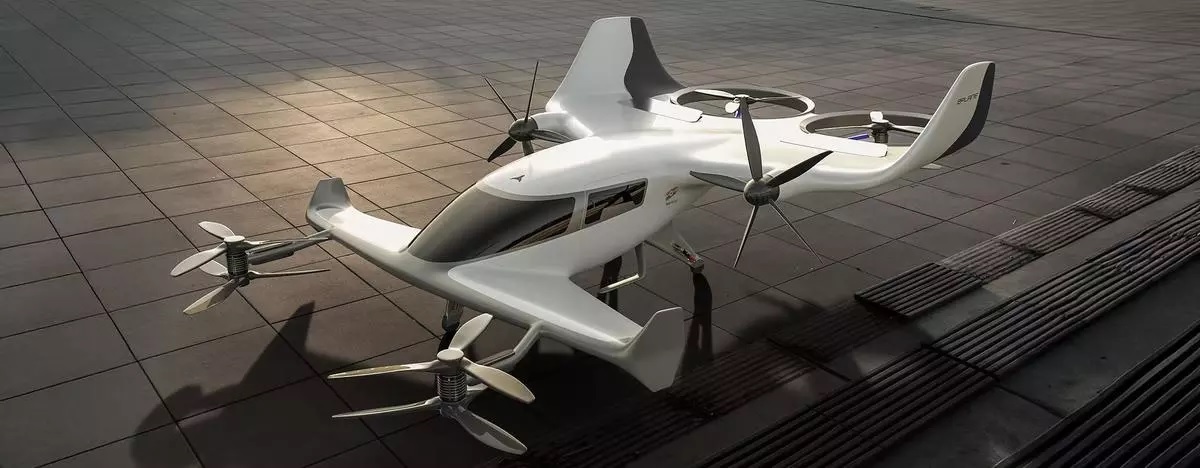
India
In a major breakthrough for India’s urban air mobility sector, The ePlane Company, an IIT-Madras incubated startup, has secured a $1 billion+ deal to supply 788 electric air ambulances to ICATT, an air ambulance service provider. This agreement marks a significant step toward transforming emergency medical response in India, where traffic congestion often delays critical care. Under this non-binding agreement, ePlane’s electric vertical takeoff and landing (eVTOL) aircraft will be deployed across all districts in India, ensuring faster and more efficient medical evacuations. Unlike traditional helicopters, these battery-powered aircraft require less space for takeoff and landing, making them ideal for urban rescue operations and rural connectivity. A Game-Changer in India’s eVTOL Market India's eVTOL industry is still in its early stages, with startups like Archer Aviation and Sarla Aviation also exploring the market. However, ePlane has taken a strategic first-mover advantage by focusing on air ambulances instead of air taxis. According to ePlane’s founder, Satya Chakravarthy, the company plans to launch commercial operations by 2026, starting with an initial production capacity of 100 units per year. The startup aims to ramp up manufacturing gradually, prioritizing medical transport before expanding into passenger mobility. "It’s easier to scale air ambulances first rather than rushing into the air taxi market," said Chakravarthy, highlighting the company’s long-term vision to revolutionize aerial mobility. Specifications and Capabilities of ePlane’s Air Ambulance Range: The initial version will have a range of 110 kilometers (68.4 miles), later expandable to 200 kilometers for long-distance operations. Capacity: Designed to carry a pilot, a paramedic, and a patient on a stretcher, ensuring onboard critical care during medical emergencies. Takeoff & Landing: Fully electric vertical takeoff and landing (eVTOL) capability, reducing dependency on conventional runways and making rescue operations quicker and more accessible. Noise Reduction: Unlike traditional helicopters, ePlane’s aircraft will offer quieter operations, making them more suitable for urban air mobility. Funding and Future Roadmap ePlane has raised $20 million from investors and is now seeking an additional $100 million to scale up production, build multiple prototypes, achieve type certification, and kick-start mass manufacturing. With this deal, India is poised to lead the global shift toward electric aviation, leveraging homegrown technology to improve healthcare accessibility, reduce response times, and develop sustainable air mobility solutions. If successful, this project could lay the foundation for a broader adoption of eVTOLs in passenger transport, cargo delivery, and disaster relief operations. As urban congestion worsens, ePlane’s electric air ambulances could become a lifesaving solution, bridging the gap between medical emergencies and timely care, and redefining the future of India’s healthcare and aviation industries.
Read More → Posted on 2025-02-18 14:12:22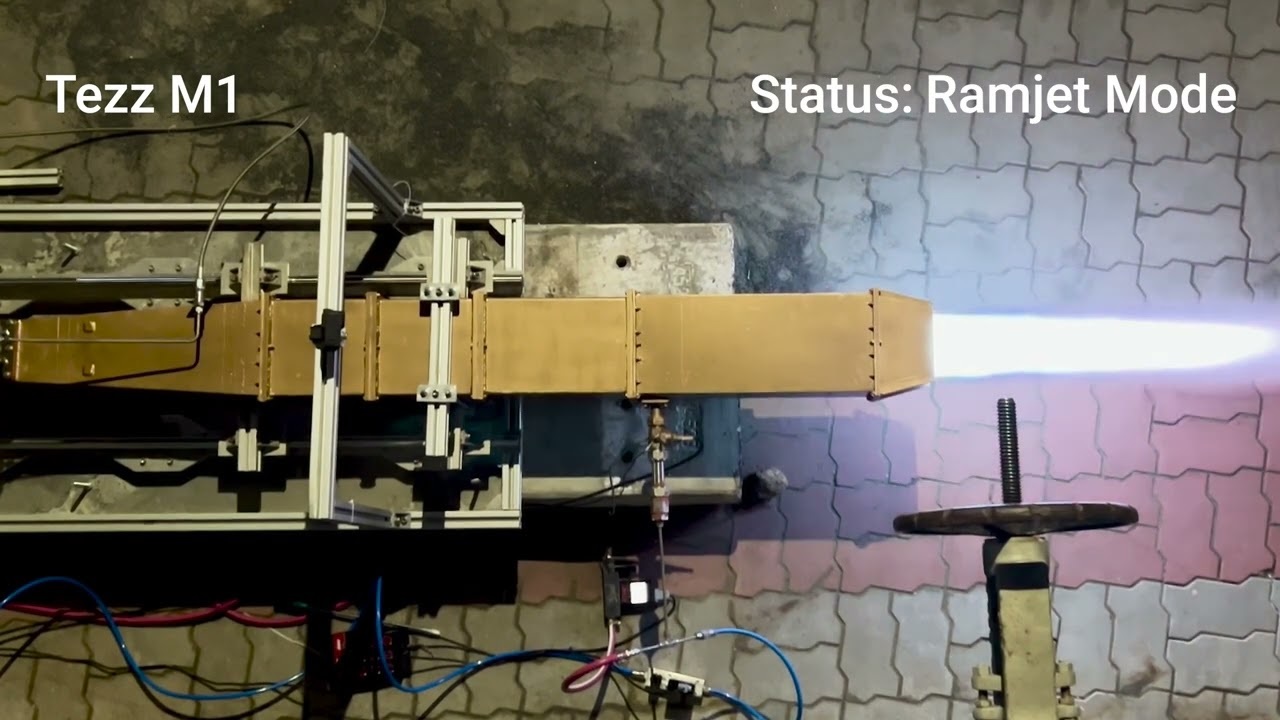
India
Bangalore-based defence and aerospace start-up Hyprix has made history by successfully testing Tezz, India’s first privately developed ramjet engine. This groundbreaking achievement, completed in just five months from design to testing, marks a major leap forward in high-speed propulsion technology and strengthens India’s push for self-reliance in defence manufacturing. Tezz: A New Era of High-Speed Propulsion Developed in collaboration with the National Centre for Combustion Research and Development (NCCRD) at IIT Madras, Tezz is a next-generation liquid-fuelled ramjet engine designed to operate at speeds between Mach 2 and Mach 4. Unlike conventional solid rocket motors, ramjets rely on air-breathing propulsion, making them significantly more fuel-efficient, cost-effective, and capable of sustaining high speeds over long distances. Key Features of Tezz: Speed Range: Capable of operating between Mach 2 and Mach 4, enabling faster and more efficient missile and aircraft propulsion. High Efficiency: Three to four times more efficient than traditional solid-fuel rockets, allowing for extended range and sustained speed. Indigenous Technology: Reduces India’s reliance on foreign propulsion systems, aligning with the ‘Aatmanirbhar Bharat’ initiative. Scalability: Can be integrated into missiles, cruise weapons, and future high-speed UAVs, boosting India’s strategic capabilities. Hyprix: A Start-Up with Big Aspirations Founded in June 2024 by Devmalya Biswas and Divyanshu Mandowara, Hyprix aims to bridge the technology gap in India’s defence sector by developing cutting-edge propulsion systems. The Indian defence industry has long depended on foreign suppliers for advanced ramjet engines, but Tezz’s success signals a shift towards homegrown innovation. The journey, however, was not without challenges. Skepticism from experts, financial hurdles, and technical complexities made the development process extremely demanding. Many doubted whether a private company could achieve what had traditionally been the domain of government-led defence organizations. Yet, with persistence, innovation, and strong technical expertise, the Hyprix team successfully tested Tezz in January 2025. Next Mission: Kira-M1 Ramjet Artillery Shell Following the success of Tezz, Hyprix is now working on Kira-M1, a 155mm ramjet-propelled extended-range artillery shell. This project aims to enhance the firepower and range of Indian artillery systems, addressing a critical shortfall in locally produced precision-guided munitions. Kira-M1 is designed to offer increased accuracy and range, significantly reducing India’s dependence on expensive imported artillery systems. Paving the Way for India’s Defence Future Hyprix’s achievements highlight the potential of private start-ups in revolutionizing India’s defence and aerospace sectors. By developing indigenous propulsion solutions, the company is not only strengthening India’s military capabilities but also fostering innovation and high-tech manufacturing within the country. With Tezz proving its capability and Kira-M1 on the horizon, Hyprix is poised to become a key player in India’s next-generation defence technology ecosystem.
Read More → Posted on 2025-02-18 14:08:59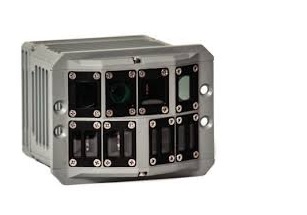
India
In a landmark step for India’s defence industry, Hindustan Aeronautics Limited (HAL) and Swedish defence giant Saab have partnered to produce the advanced LWS-310 Laser Warning System in India. This collaboration, announced at Aero India 2025, aims to boost India’s indigenous defence manufacturing capabilities while enhancing the protection of its combat platforms against modern threats. HAL-Saab Partnership: A Major Leap for India’s Defence Industry This agreement builds upon HAL and Saab’s long-standing collaboration, which began in 2005 with the Advanced Light Helicopter (ALH) programme. The latest Memorandum of Understanding (MoU) includes a Maintenance Transfer of Technology (ToT), enabling HAL to manufacture and maintain the LWS-310 system domestically. With Saab providing technical expertise, training, and infrastructure development, this initiative ensures long-term security of supply for the Indian Armed Forces. Saab’s Chairman & Managing Director in India, Mats Palmberg, emphasized the company’s dedication to localization and indigenization, reinforcing the ‘Aatmanirbhar Bharat’ and ‘Make in India’ initiatives. By bringing cutting-edge Electronic Warfare (EW) capabilities to India, this partnership ensures that India’s military remains technologically superior and self-sufficient. LWS-310: A Cutting-Edge Laser Warning System The LWS-310 is a highly advanced Electronic Warfare Laser Warning System, designed to detect, classify, and counter laser threats against combat vehicles, aircraft, and naval platforms. This system provides real-time threat alerts, enabling military operators to respond instantly and effectively. Key Features of LWS-310: Advanced Threat Detection: Instantly identifies and classifies laser-guided threats, including laser rangefinders, laser designators, and laser beam riders used in anti-tank guided missiles (ATGMs). Multi-Platform Integration: Compatible with: Integrated Defensive Aids Suite (IDAS) for aircraft Land Electronic Defence System (LEDS) for combat vehicles Naval Laser Warning System (NLWS) for warships and naval assets Enhanced Situational Awareness: Provides a 360-degree detection capability, ensuring complete coverage and rapid response against threats. Battlefield Survivability: Enables vehicles and aircraft to deploy countermeasures, such as smoke screens, jamming, or evasive maneuvers, to avoid enemy attacks. Boosting India’s Defence Production & Self-Reliance The HAL-Saab partnership is a significant step in reducing India’s dependency on foreign imports for critical Electronic Warfare (EW) technologies. With local manufacturing and maintenance capabilities, the Indian Army, Air Force, and Navy will have a secure, sustainable, and cost-effective supply of the LWS-310 system for years to come. Saab has already been a key player in India’s defence sector, actively participating in Aero India 2025 by showcasing a range of advanced solutions, including: Gripen Fighter Aircraft – A highly agile multi-role fighter designed for modern air combat. RBS 70 NG – A next-generation man-portable air defence missile system. Carl-Gustaf M4 – A versatile multi-role weapon system. AT4 Anti-Tank Weapon – A lightweight, shoulder-fired anti-armour weapon. Giraffe 1X Radar – A cutting-edge air defence radar system. Conclusion: A New Era for India’s Defence Capabilities The production of LWS-310 in India marks a new era in electronic warfare technology for the Indian Armed Forces. By combining HAL’s indigenous manufacturing expertise with Saab’s global leadership in defence technology, this collaboration strengthens India’s defence preparedness, enhances battlefield survivability, and reinforces India’s position as a global defence manufacturing hub. With the HAL-Saab partnership, India is taking a decisive step towards self-reliance in defence technology, ensuring that its military remains future-ready in an era of evolving threats.
Read More → Posted on 2025-02-18 14:02:33Search
Top Trending in 24 Hours
-
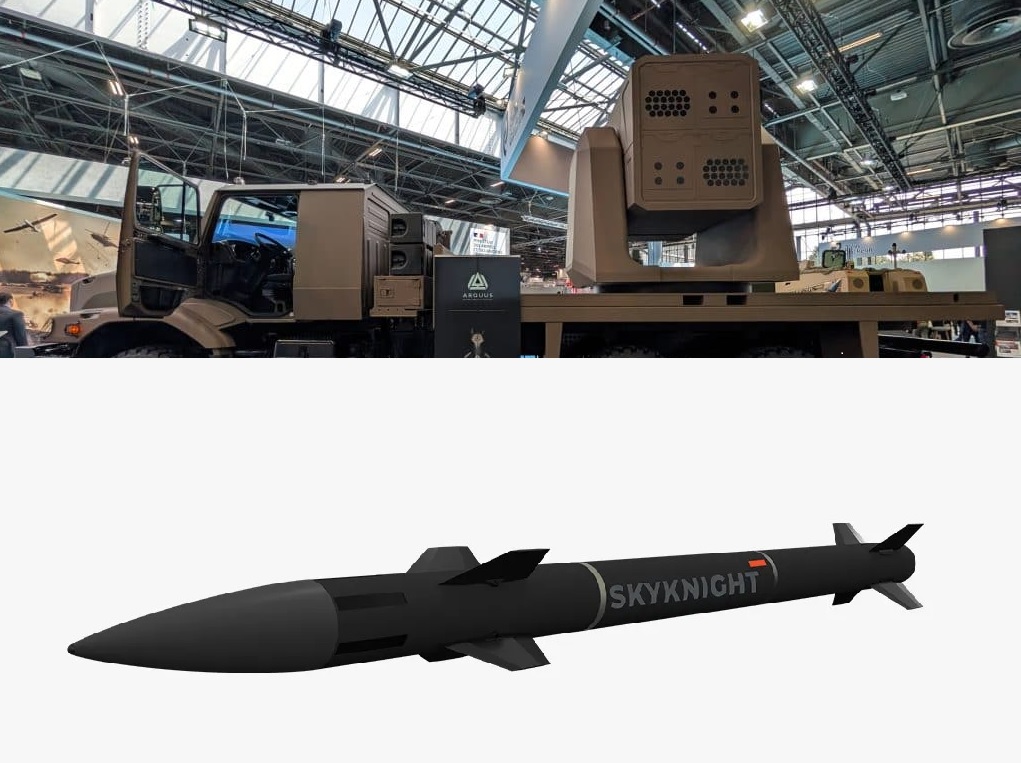 Naval Group Unveils Rampart Modular CIWS Multi-Purpose Weapon System for Naval and Ground Forces at Eurosatory 2026
-
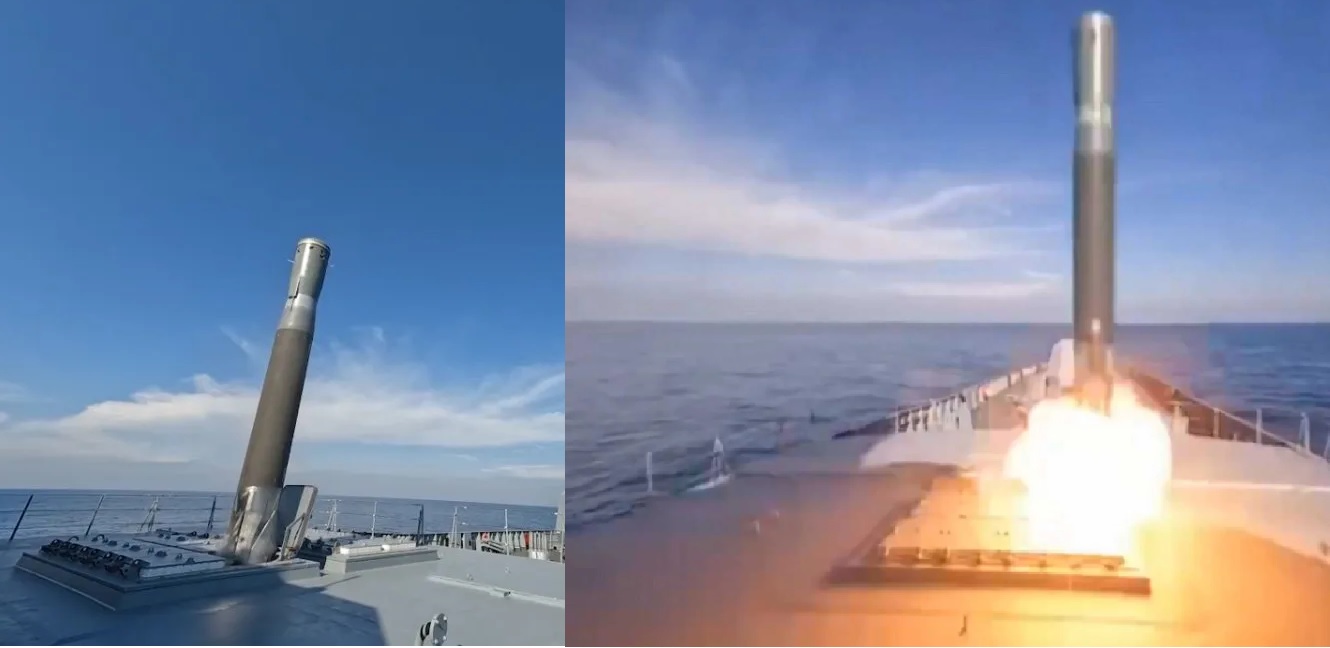 Open-Source Evidence Suggests Russia's Zircon Is a Quasi-Ballistic Missile, Not a True Hypersonic Cruise Weapon
-
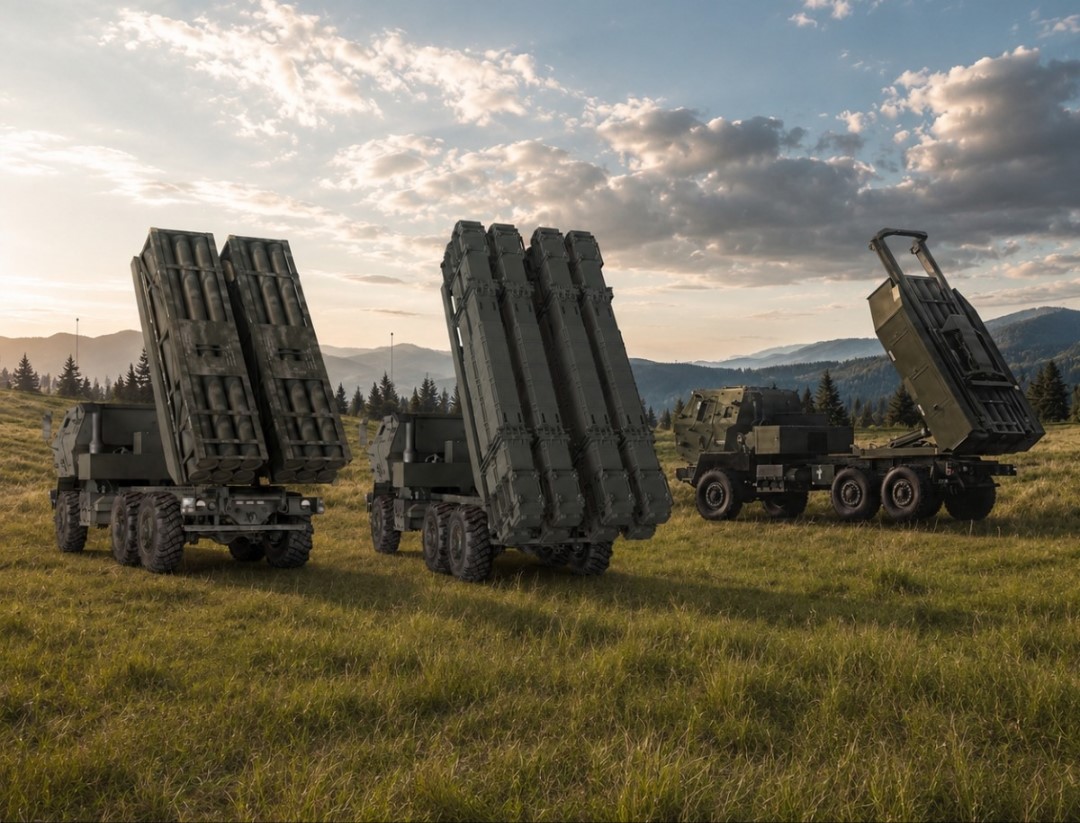 Lockheed Martin Unveils HIMARS FLEX with Dual-Pod Launcher and NATO-Compatible Air Defense Integration
-
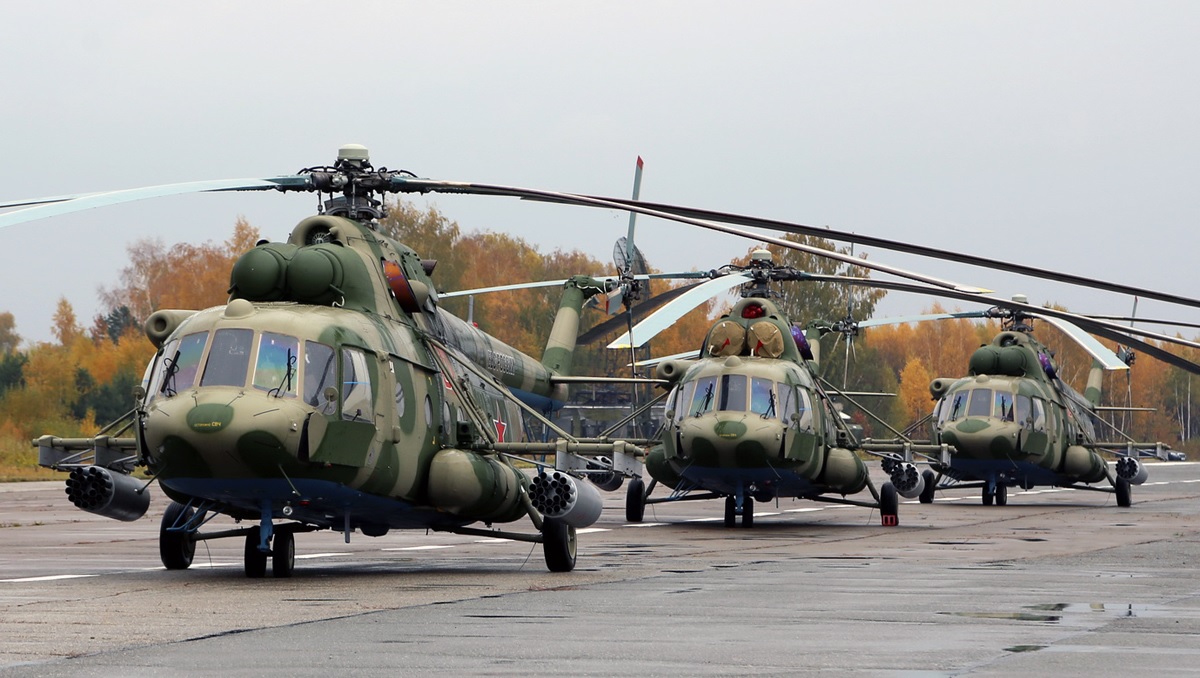 Iran Signs Deal with Russia for 20 Mi-8 and Mi-17 Helicopters to Boost Rescue and Medical Missions
-
 Why the U.S. Restored Pacific Command Name, Ending the Indo-Pacific Designation After Eight Years
-
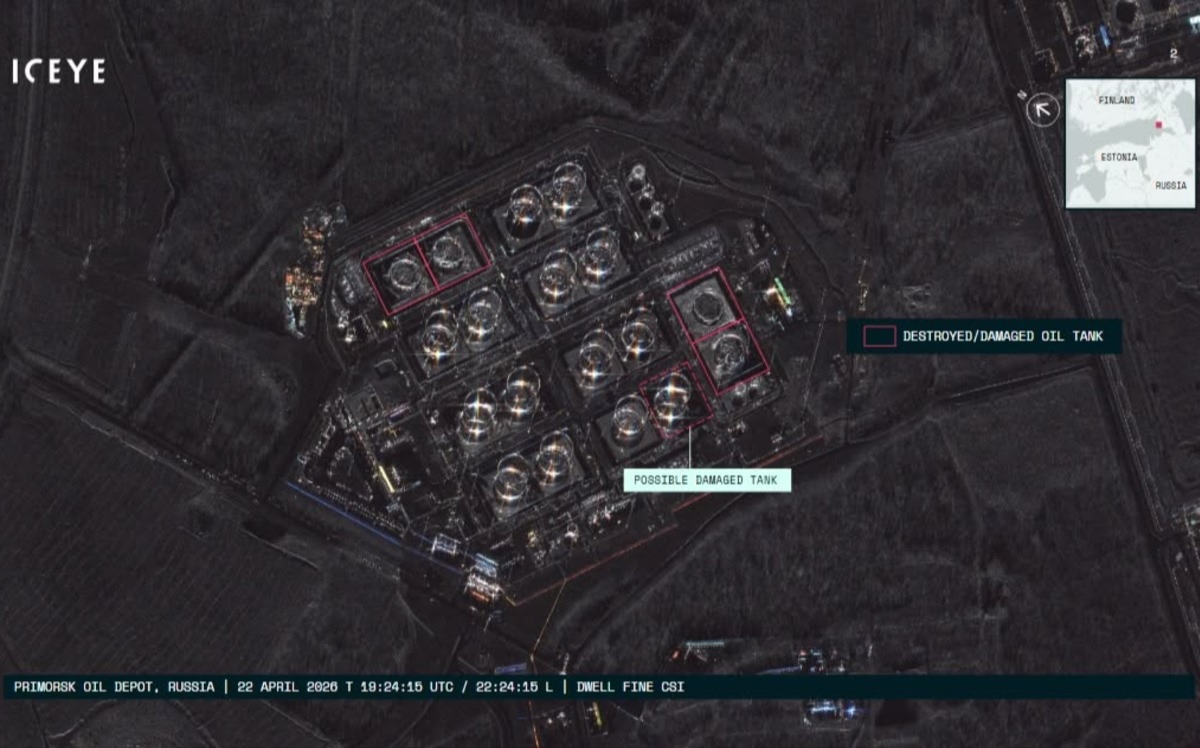 Portugal Doubles Sovereign SAR Satellite Fleet with Order for Two Additional ICEYE Satellites
-
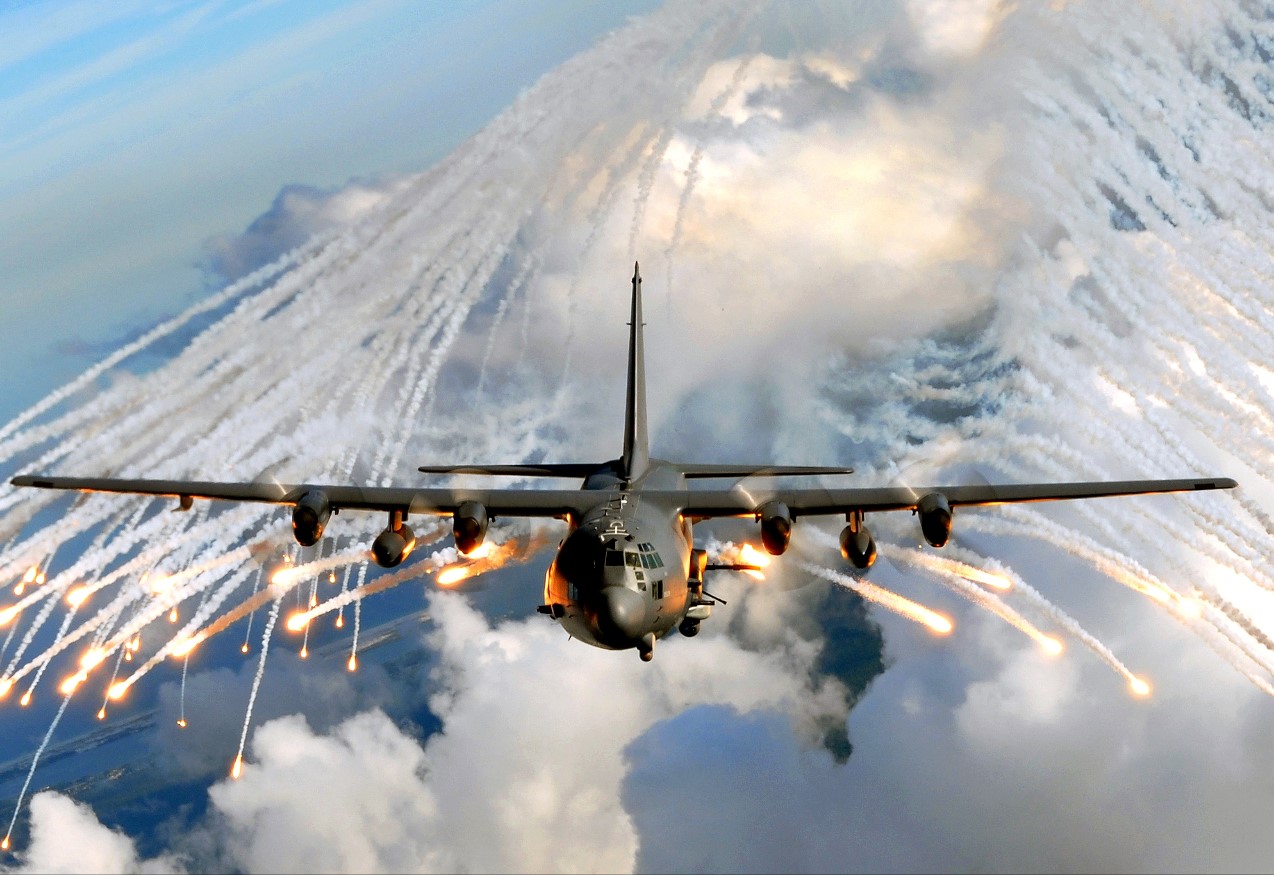 Pentagon Expands Alloy Surfaces Contract to $328.8 Million for Advanced Aircraft Decoy Flares Amid Evolving Drone Threats
-
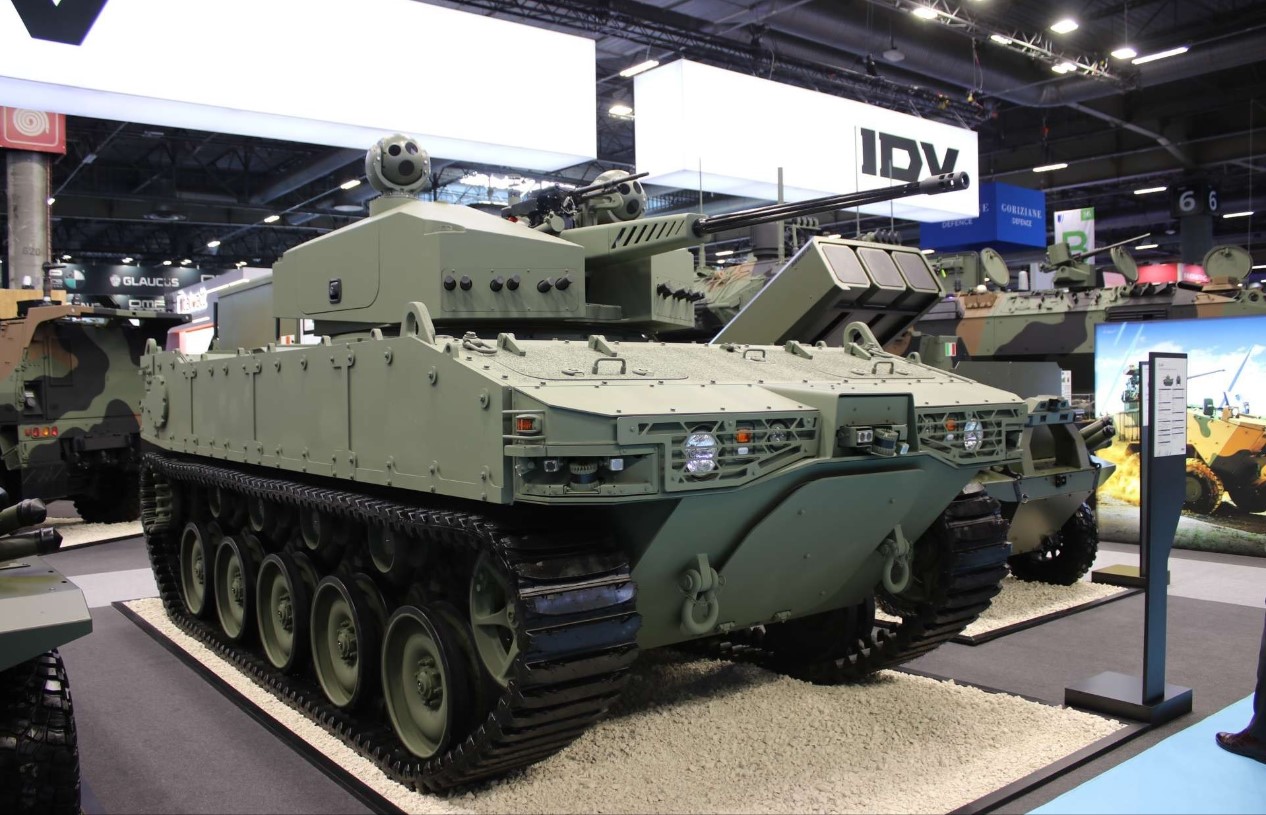 IDV Unveils CL2X Hybrid Uncrewed Light Tank at Eurosatory 2026
Top Trending in 4 Days
-
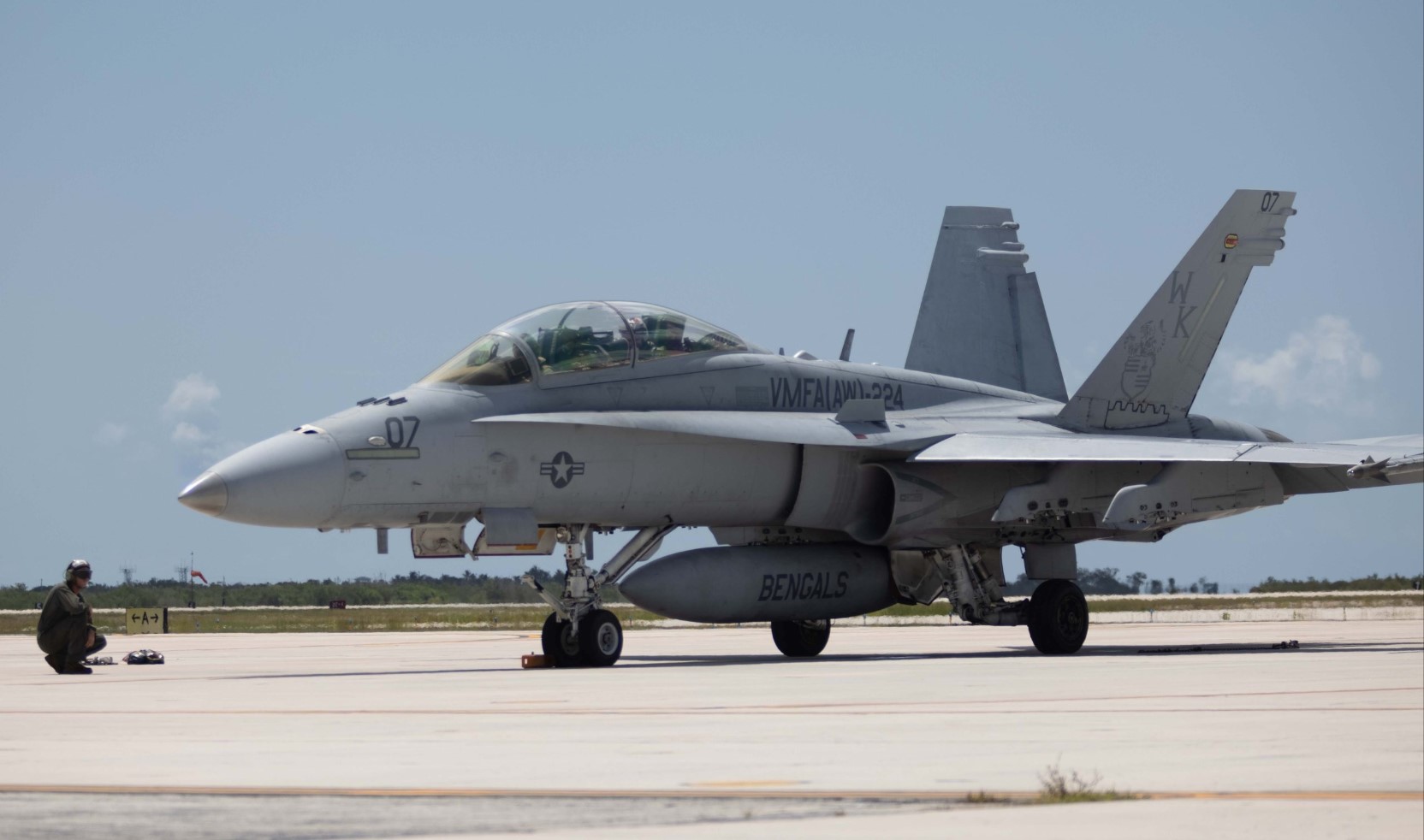 US Marine Corps F/A-18D Hornet Crashes During Training Flight in Washington Mountains; Pilot Ejects Safely
-
 Tulsi Gabbard Releases Declassified Files Detailing U.S.-Backed Network of 120 Biolaboratories Across 30+ Countries
-
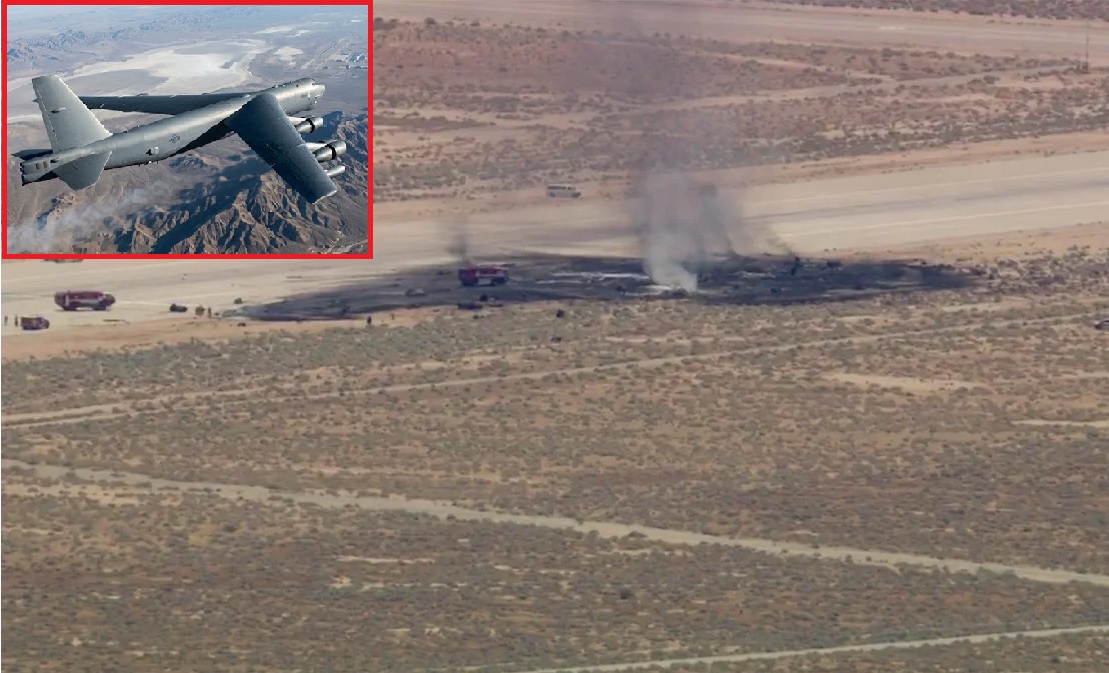 8 U.S. Air Force Crew Members Killed in B-52 Bomber Crash During Test Flight at Edwards Air Force Base
-
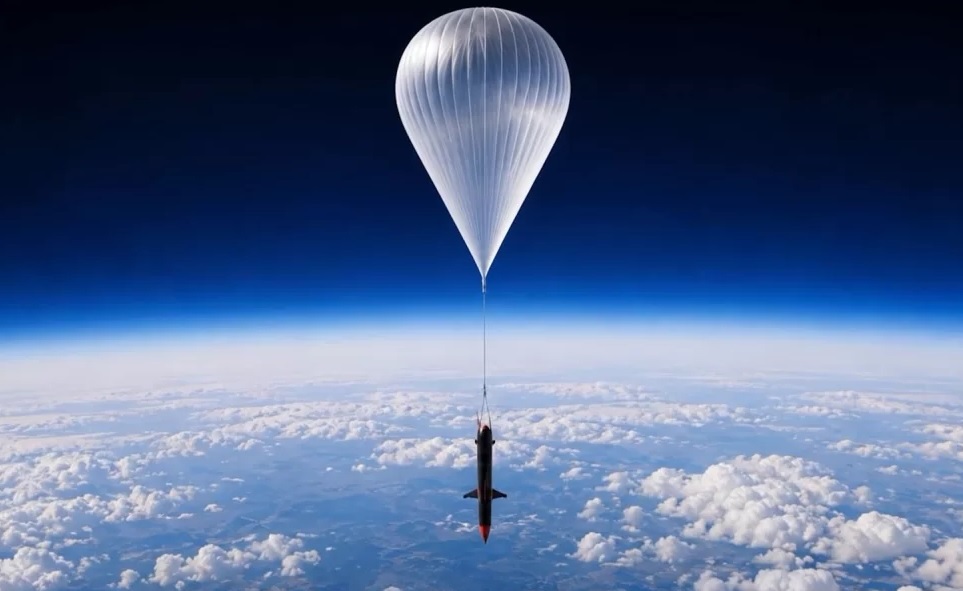 Ukraine Introduces Balloon-Launched DART Missile Designed to Defeat Electronic Warfare
-
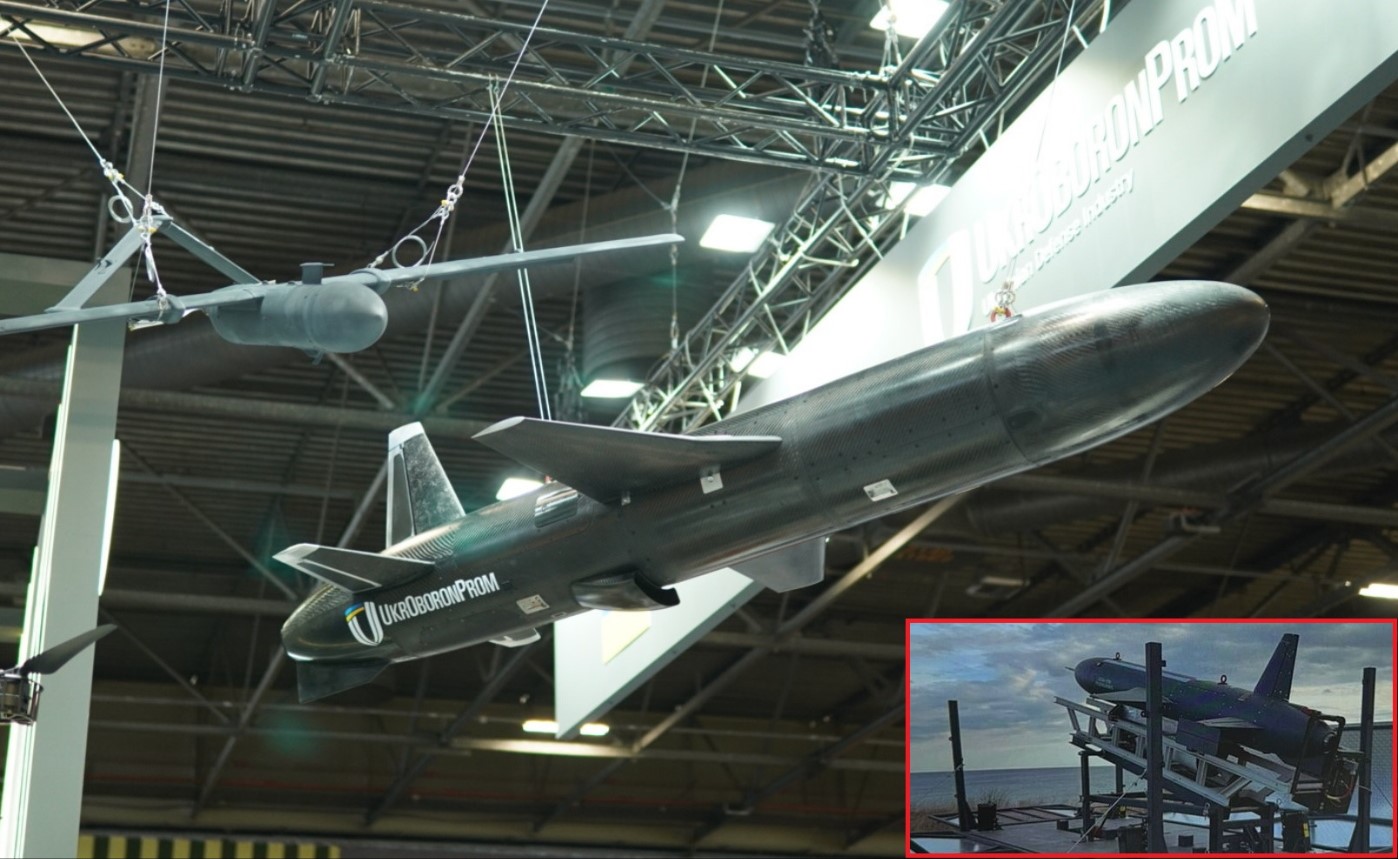 Ukraine Unveils UAV-290 Jet-Powered Strike Drone with 650 km Range at Eurosatory 2026
-
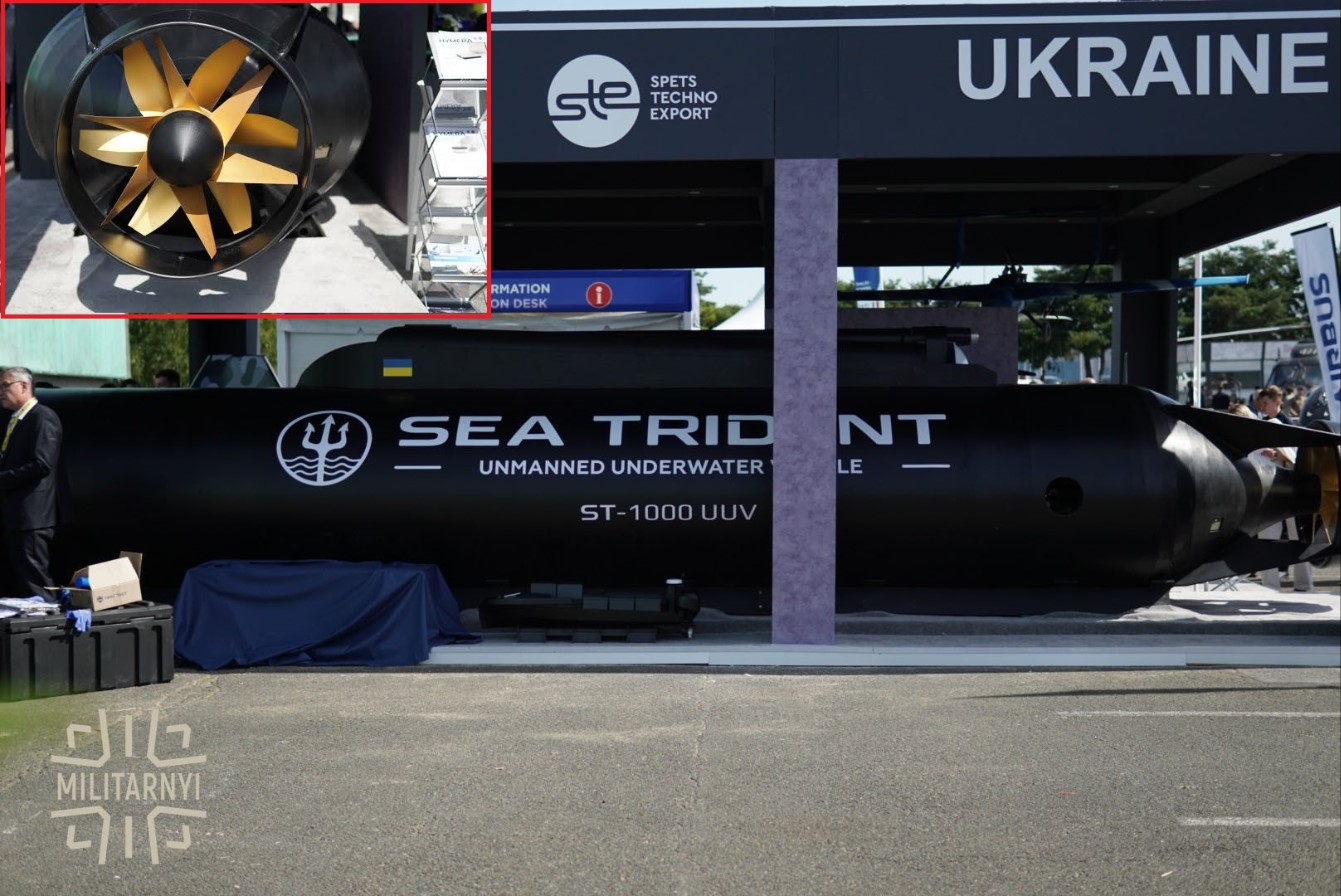 Ukraine Unveils 'Sea Trident' 10-Ton Autonomous Underwater Drone at Eurosatory 2026
-
 Rolls-Royce Unveils New Hybrid Powertrain for Heavy Military Vehicles at Eurosatory 2026
-
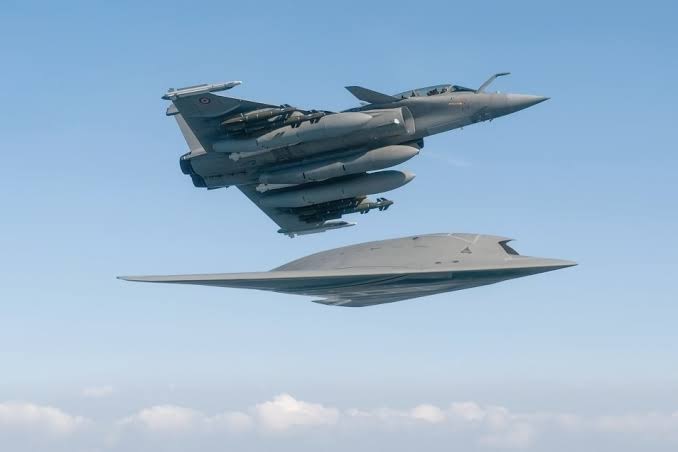 France Agrees to Equip Future Indian Rafales with AI, MUM-T and Secure Satellite Links Under F5 Standard