India
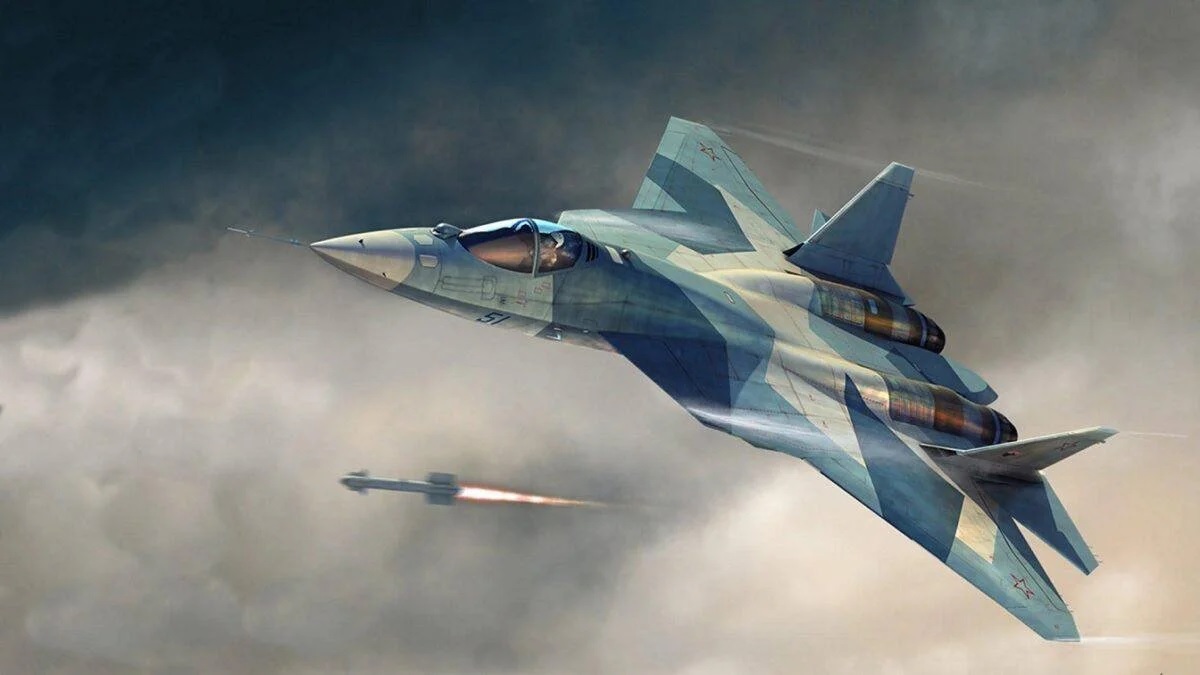
India's ambition to modernize its air force has received a significant boost with Russia's proposal to domestically produce the advanced Su-57 stealth fighter jets. Rosoboronexport, Russia's state arms exporter, has suggested that India's current production lines, which have successfully assembled over 220 Sukhoi Su-30MKI aircraft in collaboration with Hindustan Aeronautics Limited (HAL), can be swiftly adapted to manufacture the Su-57E, the export variant of Russia's fifth-generation fighter. This proposal aligns with India's goal to enhance its air defense capabilities, especially as the Indian Air Force (IAF) aims to increase its active fighter squadrons from 31 to 42 by 2035. The integration of fifth-generation jets like the Su-57E would mark a significant advancement, considering neighboring China's possession of similar capabilities. One of the notable advantages of this collaboration is the potential insulation from Western sanctions. By producing the Su-57E domestically, India could mitigate risks associated with geopolitical tensions, ensuring a steady and autonomous defense supply chain. The Su-57E boasts advanced features such as stealth technology, supercruise capability, and integrated avionics, positioning it as a formidable asset in modern aerial warfare. Its design emphasizes reduced radar visibility and enhanced maneuverability, addressing the evolving demands of contemporary combat scenarios. However, Russia is not the sole contender in this arena. During a recent visit by Indian Prime Minister Narendra Modi to Washington, U.S. President Donald Trump proposed the American-made F-35 as an alternative. The F-35, known for its advanced stealth and combat systems, is typically reserved for the United States' closest allies. This development underscores the strategic importance both nations place on strengthening defense ties with India. At the Aero India event held last month in Bengaluru, both the Su-57 and F-35 were prominently showcased, symbolizing the competitive landscape of fifth-generation fighter jets. Rosoboronexport reiterated its offer to partner with India in further developing the Su-57E and localizing its production, emphasizing the potential for technology transfer and joint development. India's decision in this regard will significantly influence its defense posture in the coming decades. The choice between the Su-57E and alternatives like the F-35 involves considerations of cost, technology transfer, geopolitical alliances, and operational requirements. Adapting existing Su-30MKI production lines for the Su-57E could offer a cost-effective and expedient pathway to bolstering the IAF's capabilities. In conclusion, leveraging existing infrastructure to produce the Su-57E domestically presents a strategic opportunity for India to enhance its air force capabilities rapidly. This approach aligns with the nation's broader objectives of self-reliance and modernization in defense, ensuring readiness to meet evolving security challenges.
Read More → Posted on 2025-03-08 16:35:23
India
India's Defence Research and Development Organisation (DRDO) has introduced the Jammer Anti-UAV (JAU) system, a cutting-edge counter-drone solution designed to neutralize enemy unmanned aerial vehicles (UAVs). Developed by the Defence Research and Development Laboratory (DRDL) in Hyderabad, this system effectively disrupts drones by jamming, spoofing, and neutralizing their communication and navigation capabilities. Advanced Electronic Warfare Against Drones Drones rely on two primary connections: the command and control (C2) link, which allows operators to pilot them remotely, and the navigation link, which uses satellite-based systems such as GPS or GLONASS to determine their position. The JAU system targets both these connections, rendering drones inoperative. Using advanced Electronic Support Measures (ESM), the system scans for drone signals across multiple frequency bands, including the commonly used 2.4 GHz and 5.8 GHz for drone control and the GPS L1 band (1575.42 MHz) for navigation. Once detected, the system deploys Electronic Countermeasures (ECM) to jam these signals, breaking the link between the drone and its operator and disrupting its navigation system. Spoofing: Turning Drones Against Themselves Beyond simple jamming, the JAU features a powerful spoofing capability. Instead of just blocking signals, it sends out fake satellite data that tricks drones into misinterpreting their location. This misinformation can cause drones to hover aimlessly, land unexpectedly, or activate their automatic "return-to-home" function, which may redirect them to unintended locations. This ability to mislead enemy drones offers a strategic advantage by not only disabling them but also potentially allowing Indian forces to recover and analyze them for intelligence purposes. Versatile Deployment for National Security Designed for flexibility, the JAU system can be deployed in various configurations, including handheld, vehicle-mounted, and stationary units, making it suitable for different operational environments. Its effectiveness spans a broad spectrum of drone threats, from small commercial drones to larger military UAVs. This makes the JAU a critical asset for India’s border security, particularly along the Line of Control (LoC), where hostile drones have been used for smuggling and surveillance. With the rising threat of drone-based incursions, DRDO's latest innovation significantly strengthens India's defense against airborne threats. As drones continue to evolve, counter-drone systems like the JAU will play a crucial role in safeguarding national security, ensuring that hostile UAVs can be effectively neutralized before they pose a threat.
Read More → Posted on 2025-03-07 13:51:09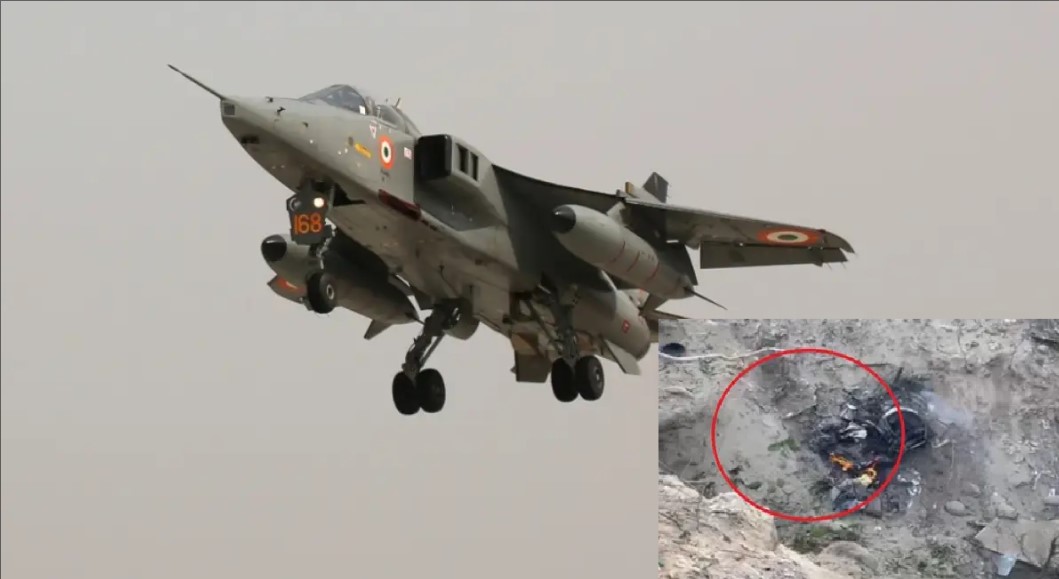
India
A routine training mission turned into an emergency on Friday when an Indian Air Force (IAF) Jaguar fighter aircraft crashed in Panchkula, Haryana. The aircraft had taken off from the Ambala airbase before encountering a system malfunction that led to the accident. According to official reports, the pilot managed to eject safely before the jet went down. Demonstrating quick thinking, the pilot steered the aircraft away from populated areas, ensuring no civilian casualties or damage on the ground. The IAF acknowledged the incident in a statement, confirming that a Court of Inquiry has been ordered to determine the exact cause of the crash. The preliminary assessment points to a technical failure, but further investigation will provide clarity on what led to the malfunction. Jaguar aircraft have been a key part of the IAF’s strike fleet for decades, known for their deep penetration capabilities. While the fleet is gradually being phased out and upgraded, incidents like this highlight the challenges of maintaining older aircraft. This crash serves as a reminder of the risks military pilots face during training missions, where every second counts. Fortunately, the pilot’s skill and the ejection system functioned as intended, preventing any loss of life.
Read More → Posted on 2025-03-07 13:19:04
India
In a significant development amidst Myanmar's ongoing civil conflict, two prominent rebel groups have united to bolster their resistance against the military junta. The merger took place in Mizoram, India, in the presence of Chief Minister Lalduhoma, underscoring the region's pivotal role in supporting Myanmar's pro-democracy movements. Background of the Conflict Myanmar has been embroiled in a civil war since February 2021, following a military coup that ousted the democratically elected government of Aung San Suu Kyi. The ensuing unrest has resulted in the loss of approximately 52,000 lives, as reported by the US Center for Excellence in Disaster Management and Humanitarian Assistance (CFE-DM). The Merger of Rebel Groups The Chinland Council (CC) and the Interim Chin National Consultative Council (ICNCC), both representing the Chin community, have historically operated separately. However, recognizing the challenges of fragmented resistance, leaders from both factions initiated discussions to unify their efforts. Jacob V. Zawma, a steering committee member of the CC and coordinator of the negotiating team, emphasized that having two separate bodies was "counterproductive," leading to the decision to merge. The unification ceremony, held on February 26 in Aizawl, Mizoram's capital, was attended by Chief Minister Lalduhoma. This merger signifies a strategic move to cease internal hostilities and present a united front against Myanmar's military regime. The newly formed entity is now known as the Chin National Council (CNC). Mizoram's Role and Concerns Mizoram shares a 510-kilometer border with Myanmar and has been deeply affected by the conflict. The state has provided refuge to over 30,000 Myanmar nationals, including pro-democracy activists and politicians, since the onset of the civil war. This influx has heightened security concerns, prompting local authorities to engage actively in fostering stability in the neighboring Chin state. Chief Minister Lalduhoma's involvement in facilitating the merger stems from these security considerations. His political adviser, Lalmuanpuia Punte, highlighted that an unstable Chin state poses potential threats to Mizoram. By uniting the Chin armed groups, the Mizoram government aims to mitigate risks and support the broader resistance movement against the military junta. Current Situation in Chin State The unified rebel forces have reportedly made significant advancements, seizing control of approximately 80% of Chinland from the military regime. Key towns, including Rihkhawdar (near the Indian border), Tedim, Falam, and Thantlang, are now under rebel control. This consolidation of territories underscores the effectiveness of the unified resistance and their commitment to restoring democracy in Myanmar. The merger of the Chinland Council and the Interim Chin National Consultative Council into the Chin National Council marks a pivotal moment in Myanmar's resistance against military rule. Facilitated by Mizoram's leadership, this unification not only strengthens the pro-democracy movement but also contributes to regional stability. As the conflict continues, the solidarity among ethnic groups and neighboring regions remains crucial in the pursuit of peace and democracy in Myanmar.
Read More → Posted on 2025-03-07 12:54:38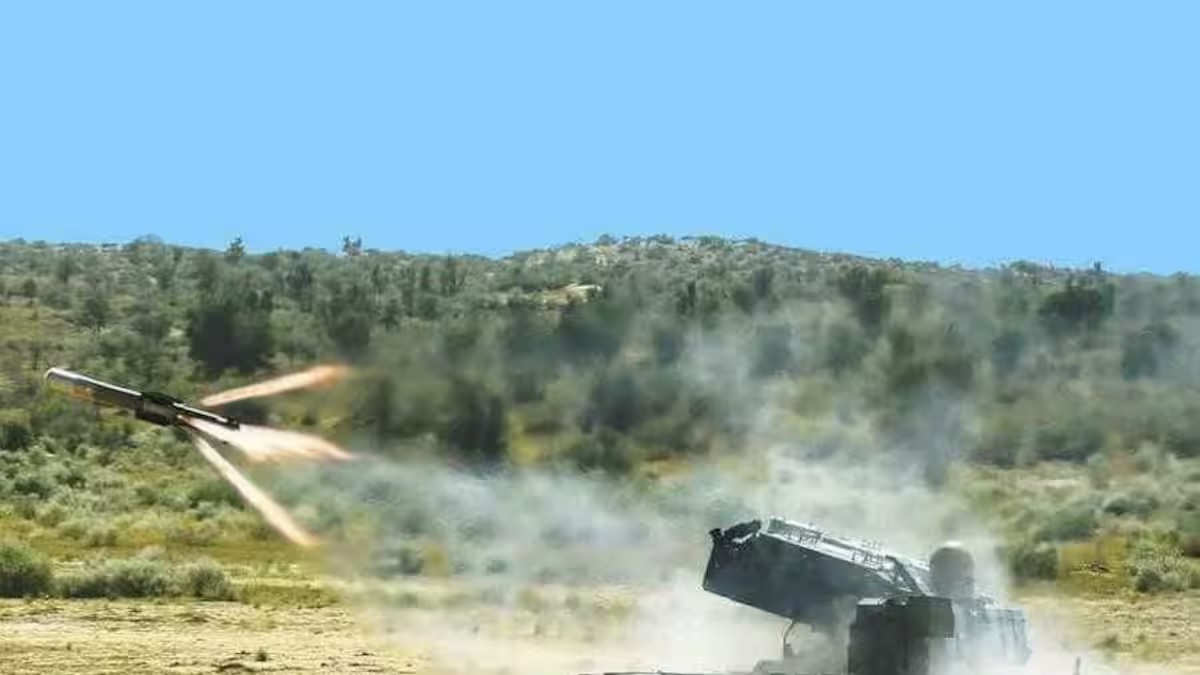
India
The Indian Army's choice of anti-tank guided missiles (ATGMs) has sparked debate, particularly regarding the preference for foreign systems like the Israeli Spike and the American Javelin, despite their underwhelming performance in field trials. Meanwhile, indigenous options such as the Man-Portable Anti-Tank Guided Missile (MPATGM) and the Nag ATGM, both of which have repeatedly proven their effectiveness, continue to await large-scale induction. The Trials and Their Troubling Results The Israeli Spike ATGM, procured in limited numbers since 2019, reportedly struggled in the harsh conditions of the Thar Desert. The missile's sensors faced difficulties in detecting targets amid extreme heat and dust, raising concerns about its reliability on India's western border. The American Javelin ATGM, a fire-and-forget missile, was tested in Ladakh in late 2024. Evaluated at altitudes ranging from 13,000 to 18,000 feet, it reportedly failed to meet expectations, potentially due to the older variant tested. These results have only deepened skepticism about whether foreign systems are truly suited for India's diverse battlefields. The Case for Indigenous ATGMs In contrast, India's own ATGM programs have demonstrated consistent success. The DRDO-developed MPATGM, a third-generation missile with fire-and-forget capability, has undergone rigorous trials, including a successful warhead penetration test in August 2024. With a range of 4 km and an advanced infrared seeker, it matches—if not surpasses—the capabilities of the Spike and Javelin. The Nag ATGM, designed for use on armored platforms, successfully completed summer trials in 2019 and is ready for deployment. Its helicopter-launched variant, Helina (Dhruvastra for the Air Force), has proven effective in high-altitude environments, striking targets at a range of 7 km. Why Are Foreign Missiles Still Preferred? Despite these successes, indigenous systems have faced extended testing and delays, often spanning a decade. Meanwhile, foreign systems—despite documented failures—have been procured on a fast-track basis. This inconsistency has puzzled defense analysts. One explanation is the military’s urgent need for ATGMs following the 2020 Galwan Valley clash, which led to the acceptance of Spike missiles as a "stop-gap" measure. Similarly, Javelin’s evaluation was linked to U.S.-India defense cooperation under the Defence Technology and Trade Initiative (DTTI), despite previous American reluctance to transfer key technologies for local manufacturing. A Shift Toward Self-Reliance? Recognizing the need to reduce dependence on foreign weaponry, India's Ministry of Defence (MoD) issued a Request for Information (RFI) in October 2024 for 1,500 ATGMs under the "Buy (Indian-IDDM)" category, prioritizing indigenous design, development, and manufacturing. This could mark a turning point in favor of homegrown solutions, ensuring that India's defense needs are met with systems tailored to its unique operational conditions. While foreign ATGMs continue to be explored, the question remains—why should India persist with systems that struggle in real-world conditions when domestic alternatives have already proven their worth?
Read More → Posted on 2025-03-07 12:44:09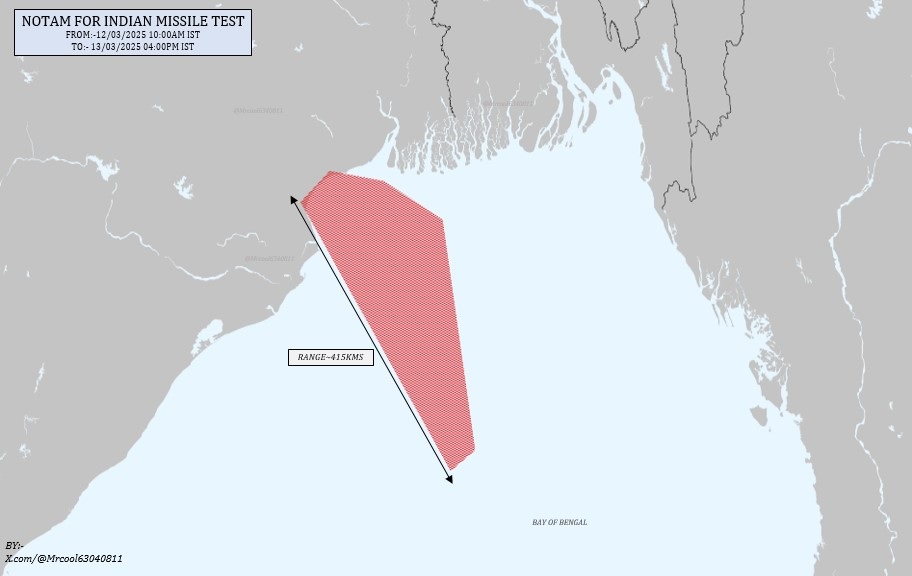
India
India has issued a Notice to Airmen (NOTAM) for a missile test in the Bay of Bengal, scheduled between March 12 and March 13, 2025. The designated test area spans 415 kilometers, sparking speculation about the missile being tested. Defense analysts suggest that it could either be a variant of the BrahMos supersonic cruise missile or the Astra MkIII Gandiva, India’s latest beyond-visual-range air-to-air missile (BVRAAM). The NOTAM is a routine alert issued to ensure airspace safety, but the specified test range offers important clues. The 415-kilometer corridor falls within the operational limits of both BrahMos and Astra MkIII, leaving room for speculation. While the Indian armed forces have not disclosed details, the announcement hints at another significant step in India’s missile development efforts. One strong possibility is the Astra MkIII Gandiva, an advanced BVRAAM developed by the Defence Research and Development Organisation (DRDO). Named after the legendary bow of Arjuna from the Mahabharata, the Gandiva missile represents precision and power in aerial combat. It is powered by a solid fuel ducted ramjet (SFDR) system, enabling sustained supersonic speeds of up to Mach 4.5 and a maximum range of 350 kilometers under ideal conditions. If this test involves the Astra MkIII, it could be launched from platforms like the Su-30MKI or the indigenous Tejas fighter, signaling further progress in its integration into the Indian Air Force. A successful test of Astra MkIII would place India among a select group of nations possessing long-range air-to-air missiles powered by advanced ramjet technology. This development strengthens India’s deterrence capabilities against aerial threats from adversaries like China and Pakistan. The missile builds upon the success of its predecessors—the Astra MkI (80-110 km) and MkII (140-160 km)—and aligns with India's push for self-reliance in defense technology under the Atmanirbhar Bharat initiative. With India continuously enhancing its missile arsenal, this upcoming test will be closely watched for what it reveals about the country’s evolving military capabilities.
Read More → Posted on 2025-03-07 12:39:05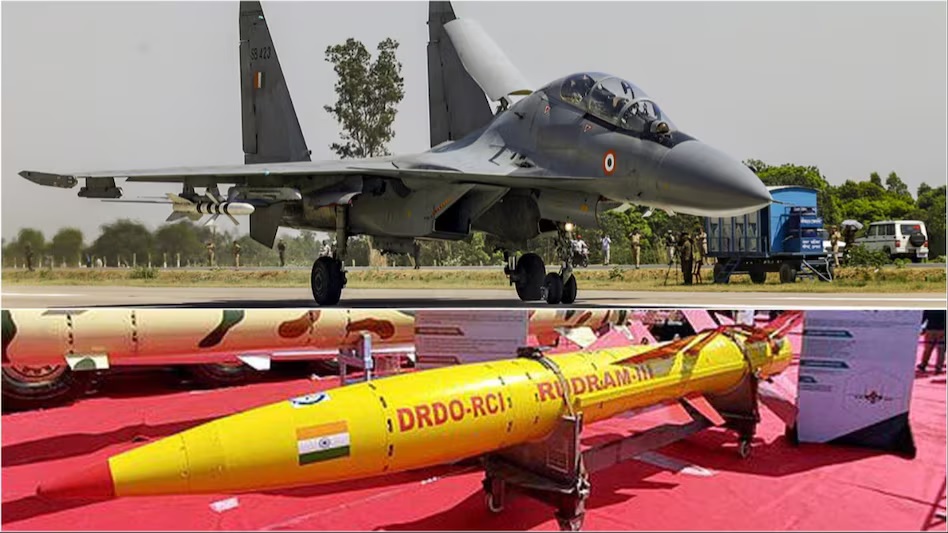
India
India's defense landscape is undergoing a significant transformation with the integration of the indigenous RudraM-III hypersonic missiles onto the Indian Air Force's (IAF) Sukhoi Su-30MKI fighter jets. This development aims to bolster the IAF's long-range strike capabilities, enabling precise engagement of strategic enemy targets. RudraM-III Missile Overview The RudraM-III is part of India's advanced missile development program, designed to engage a variety of targets, including radar installations, fortified bunkers, airfields, and aircraft hangars. Weighing approximately 1.6 tons and equipped with a 300-400 kg warhead, the missile boasts a range of up to 600 kilometers when launched from an altitude of 11 kilometers at a speed of Mach 0.9. This extended reach allows the IAF to conduct deep-penetration strikes while minimizing exposure to enemy defenses. Sukhoi Su-30MKI: A Versatile Platform The Su-30MKI, a twin-engine multirole air superiority fighter developed by Russia's Sukhoi and built under license by India's Hindustan Aeronautics Limited (HAL), serves as a formidable platform for the RudraM-III. Renowned for its agility, payload capacity, and advanced avionics, the Su-30MKI has been instrumental in enhancing the IAF's operational capabilities. Its ability to carry heavy and diverse weaponry makes it an ideal candidate for deploying long-range missiles like the RudraM-III. Integration and Testing Milestones The integration process of the RudraM-III onto the Su-30MKI has achieved significant milestones: Aircraft Modifications: HAL's Nashik Division modified specific Su-30MKI aircraft (notably SB-214) to facilitate the carriage and deployment of the RudraM-III. These modifications focused on stations No. 5 and 6 to accommodate the missile's dimensions and weight. Captive Trials: Initial trials involved mounting two RudraM-III missiles on the Su-30MKI to assess integration without actual missile launch. These captive trials provided valuable data on aerodynamics and structural integrity. Release Trials: Subsequent tests using dummy missiles were conducted to evaluate the missile's release mechanisms and overall compatibility with the aircraft's systems. The successful completion of these trials has paved the way for upcoming inflight testing phases, scheduled for later this year. These tests aim to validate the missile's performance under operational conditions, bringing the RudraM-III closer to full deployment. Strategic Implications Integrating the RudraM-III with the Su-30MKI represents a strategic enhancement of India's defense capabilities: Extended Strike Range: The missile's 600-kilometer range enables the IAF to target critical enemy infrastructure from standoff distances, reducing the risk to pilots and aircraft. Versatility in Target Engagement: The RudraM-III's design allows it to effectively neutralize a broad spectrum of targets, including heavily fortified structures and air defense systems, thereby disrupting enemy operations. Indigenous Development: The successful development and integration of the RudraM-III underscore India's growing self-reliance in defense technology, reducing dependence on foreign weapon systems. As the IAF continues to modernize its fleet and enhance its arsenal, the synergy between the Su-30MKI and the RudraM-III hypersonic missile stands as a testament to India's commitment to maintaining a robust and technologically advanced defense posture.
Read More → Posted on 2025-03-06 14:36:35
India
China has announced a 7.2% increase in its annual defence budget, raising its official military expenditure to over $245 billion. This figure underscores Beijing's continued efforts to bolster its military might amid rising geopolitical tensions. Despite maintaining the same percentage increase as last year, experts suggest that China's actual spending is significantly higher. Some analysts estimate that China's real defence budget is at least 40-50% more than what it declares, as funds are allocated under different categories to mask the total military expenditure. Even with the declared figures, China's defence budget remains over three times that of India's $79 billion and is second only to the United States, which has allocated more than $900 billion this year. Meanwhile, India's total budget for 2025-2026 is estimated at $580 billion (₹50.65 trillion), encompassing all expenditures. The total revenue is estimated to be $400 billion (₹34.96 trillion). However, India's defence spending remains at 1.9% of GDP, well below the 2.5% recommended by experts for credible deterrence against China and Pakistan. Modernising the PLA for Global Dominance China's massive defence expenditure is primarily directed towards modernising the 2-million-strong People's Liberation Army (PLA). The goal is clear: challenge US military dominance, prevent foreign intervention in Taiwan, and assert control in territorial disputes with neighbours, particularly in the South and East China Seas and along the 3,488-km Line of Actual Control (LAC) with India. Tensions along the LAC remain unresolved. While both countries disengaged from two remaining standoff sites in eastern Ladakh in October last year, PLA troops continue to be stationed in the region, with no signs of de-escalation. China is also rapidly advancing its capabilities in space and cyber warfare, nuclear deterrence, and high-tech weaponry. It has based its advanced J-20 fifth-generation stealth fighters at airbases near India and is already developing sixth-generation prototypes. Furthermore, China is expected to supply at least 40 J-35A fifth-generation jets to Pakistan, further complicating India's security concerns. India's Defence Budget Struggles to Keep Pace India, meanwhile, spends just 1.9% of its GDP on defence, far below the 2.5% experts recommend for credible deterrence. A senior military officer noted that India should increase its defence budget to at least 2.5% of its GDP to address operational voids in military capabilities that need urgent attention. The financial burden of maintaining a 1.4-million-strong military leaves India with limited resources for modernisation. Nearly 75% of the budget is consumed by salaries, pensions, and operational costs, leaving only a quarter for upgrading critical assets. As a result, India faces significant shortfalls in fighter jets, submarines, helicopters, advanced air defence systems, and anti-tank guided missiles. Indian Air Force in Dire Need of Upgrades The situation is particularly concerning for the Indian Air Force (IAF). It currently operates just 30 fighter squadrons—each comprising 16-18 jets—against the sanctioned strength of 42.5. India's reliance on ageing aircraft, coupled with delays in the production of indigenous Tejas fighters, has left a major gap in aerial combat capabilities. Meanwhile, China continues to expand its air superiority, not just in numbers but in technological advancements. With its stealth fighters already in operation and sixth-generation aircraft in the pipeline, the gap between India and China's air forces is widening rapidly. China Expands Naval Power and Nuclear Arsenal China now possesses the world's largest navy, with over 370 warships and submarines. Although not as technologically advanced as the US Navy, its rapid expansion is a cause for concern in the Indo-Pacific region. Beijing is also assisting Pakistan in strengthening its naval capabilities. The two nations conduct regular 'Sea Guardian' bilateral exercises, reinforcing their strategic partnership. As China continues to push its influence into the Indian Ocean, India's ability to counterbalance this maritime expansion remains a key challenge. China's nuclear ambitions are also accelerating. The country now has over 600 operational nuclear warheads, a number expected to surpass 1,000 by 2035. In comparison, India and Pakistan each maintain around 160-170 nuclear warheads. This widening nuclear disparity adds another layer of complexity to regional security dynamics. A Growing Security Challenge for India China's aggressive military build-up and deepening ties with Pakistan present an escalating challenge for India. While India has made strides in defence manufacturing and self-reliance, the pace of modernisation remains slow. Without a substantial increase in budget allocation, India risks falling further behind in an increasingly volatile security environment. With China strengthening its position on land, sea, and air, as well as expanding its nuclear and cyber warfare capabilities, India faces mounting pressure to accelerate its defence preparedness. The question remains—can India bridge this growing gap before it's too late?
Read More → Posted on 2025-03-06 14:33:07
India
The Defence Research and Development Organisation (DRDO) has officially revealed the latest and most advanced version of its Pinaka multi-barrel rocket launcher (MBRL) system. The new Pinaka III, which was showcased at a recent defence exhibition in Hyderabad, boasts a remarkable 120-kilometer range, significantly extending the Indian Army’s artillery strike capability. The Pinaka III features a 300mm caliber rocket, a major upgrade from the previous 214mm versions, such as the Pinaka Mk-I (40 km range), Mk-II (60-90 km), and Guided Pinaka (75-90 km). The increased diameter allows for greater propellant capacity and more advanced guidance systems, enabling precision strikes at longer distances. The current limitation of 214mm rockets, even with guidance, has been approximately 90 km, making the new 300mm version a game-changer in battlefield artillery. The Indian Army's demand for longer-range firepower comes in response to evolving regional security challenges. China has deployed 300mm PHL-03 launchers along the Line of Actual Control (LAC), with a range of 70-130 km, while Pakistan operates over 450 A-100 systems, capable of striking up to 120 km. With the Pinaka III, India not only matches but potentially outperforms these rival systems, securing a stronger strategic position. India has relied on Russian-made Smerch MBRLs (90 km range) for long-range artillery, but the indigenous Pinaka III surpasses this range, offering a cost-effective and self-reliant alternative. The Army approved new Pinaka variants in 2021, emphasizing the need for extended-range artillery systems. Beyond the Pinaka III, DRDO is reportedly working on an even longer-range variant with a potential range of 200-300 km, placing it in the league of short-range ballistic missiles like China’s PHL-16. If successful, this would transform the Pinaka system from a conventional MBRL into a powerful deep-strike weapon. The Pinaka III is expected to carry a larger warhead, estimated at 250 kg, compared to the 100 kg warhead of the Mk-I. This increase in payload, coupled with modern guidance and propulsion systems, makes it suitable for both wide-area saturation attacks and precision strikes on high-value targets. The Pinaka system has been in service since the late 1990s, with its rapid-fire capabilities providing crucial firepower on the battlefield. The latest iteration—Pinaka III—reinforces India’s commitment to developing advanced, indigenous defence technology and reducing dependence on foreign weapon systems.
Read More → Posted on 2025-03-06 14:18:02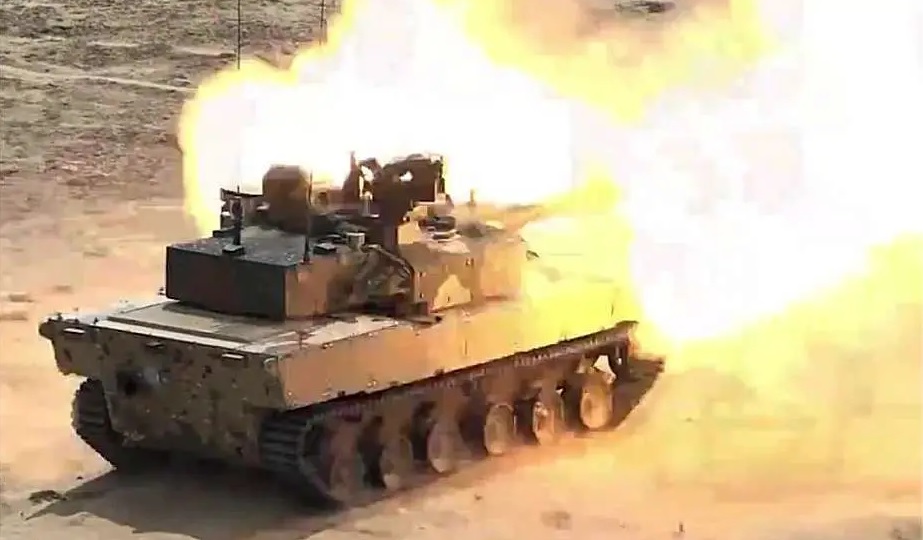
India
The Zorawar, an advanced light tank developed by India’s Defence Research and Development Organisation (DRDO) in collaboration with Larsen & Toubro (L&T), is now in the final stages of its trials. Designed specifically for high-altitude warfare, this state-of-the-art 25-ton tank is equipped with a 105mm gun capable of firing anti-tank guided missiles and features a remote-controlled weapon station from John Cockerill Defence of Belgium. A Game-Changer for Mountain Warfare The Zorawar is built for agility and firepower in challenging terrains like Ladakh, where India faces strategic challenges along its northern borders. With its Cummins engine, the tank boasts a high power-to-weight ratio, allowing it to move swiftly in mountainous and desert regions. It is also amphibious, enhancing its adaptability across different combat environments. The tank is outfitted with composite armour and an active protection system, significantly increasing its survivability against enemy fire. Additionally, AI-based surveillance, drone-launching capabilities, and loitering munitions integration make the Zorawar a modern battlefield asset. Trials in Final Stage – Ladakh Tests Underway The Zorawar’s automotive trials have already proved its efficiency in desert conditions, demonstrating its mobility and firing accuracy. Currently, the tank is undergoing high-altitude testing in Ladakh, where it is being assessed for performance at elevations over 4,200 meters. The trials have been largely successful, reinforcing confidence in the tank’s ability to operate in extreme environments. With the Indian Army aiming to deploy this tank in high-altitude regions, the Zorawar is expected to be inducted by 2027, marking a significant step toward India’s defence self-reliance. Zorawar’s World-Class Turret: A Breakthrough in Tank Technology One of the standout features of the Zorawar is its turret, which is considered among the best in the world due to its cutting-edge design and technology. Developed as a joint effort between India and Belgium, the turret is being manufactured by John Cockerill Defence (JCD) in collaboration with Electro Pneumatics and Hydraulics (EPH) in India. Key features of the turret include: 105mm gun with the ability to fire anti-tank guided missiles for maximum firepower. Seamless integration with AI, surveillance drones, and loitering munitions. Advanced optics and targeting systems for precision strikes in diverse environments. This India-Belgium partnership ensures that the turret is not only used by the Indian Army but also holds potential for global exports, showcasing India’s growing defence manufacturing capabilities. Zorawar: A Force Multiplier for India's Defence The Zorawar’s combination of firepower, mobility, and advanced technology positions it as a game-changer in modern warfare. Its ability to operate across mountainous, desert, and amphibious terrains makes it a versatile combat asset. As trials near completion, the Zorawar is set to strengthen India’s military capabilities, particularly in high-altitude regions where conventional tanks struggle. The tank’s induction into the Indian Army will mark a new era of indigenous armoured warfare, reinforcing India’s strategic defence posture along its borders.
Read More → Posted on 2025-03-06 14:09:34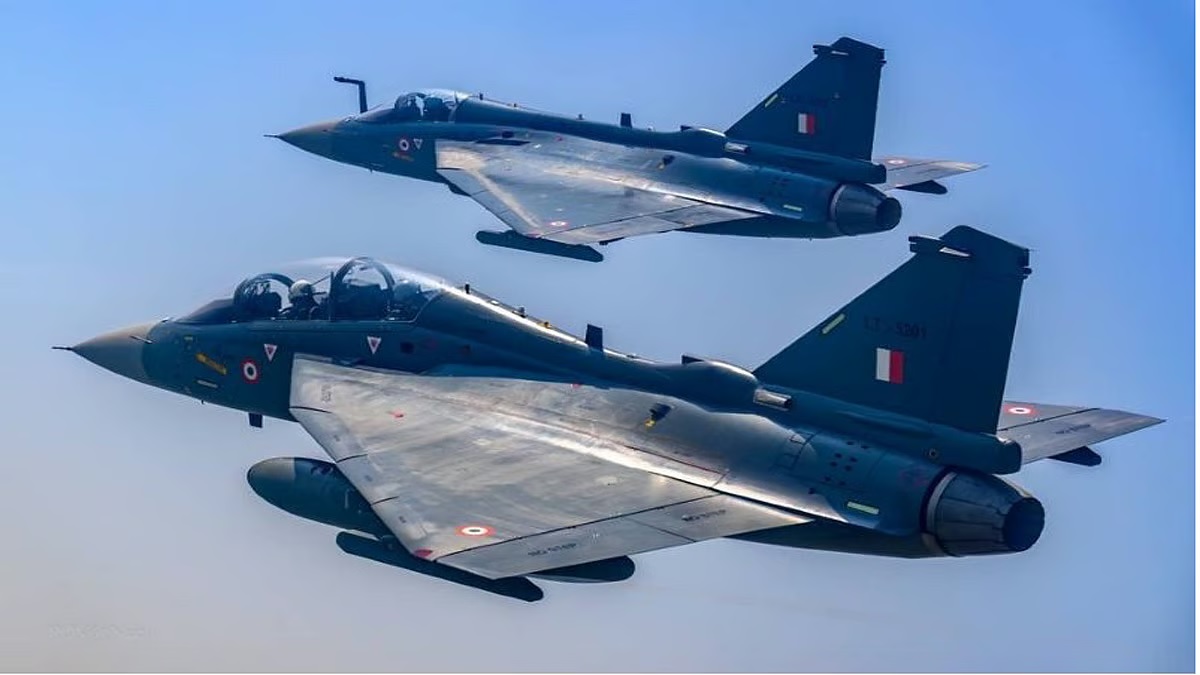
India
The Defence Research and Development Organisation (DRDO) has achieved a significant milestone by successfully conducting high-altitude trials of an indigenous life support system for pilots onboard the Tejas Light Combat Aircraft (LCA). This cutting-edge system is designed to generate and regulate breathable oxygen during flight, eliminating the need for traditional cylinder-based oxygen supplies. The trials were conducted on March 4, with the system undergoing rigorous testing aboard the LCA-prototype vehicle-3 aircraft developed by Hindustan Aeronautics Limited (HAL). It was assessed under various flight conditions, including altitudes of up to 50,000 feet above mean sea level and high-G maneuvers. Following clearance from the Centre for Military Airworthiness & Certification (CEMILAC), the system successfully met all performance parameters. Developed by DRDO’s Defence Bio-Engineering & Electro Medical Laboratory (DEBEL) in Bengaluru, the Integrated Life Support System (ILSS) is based on the Indigenous On-Board Oxygen Generating System (OBOGS). This advanced technology ensures continuous oxygen supply to pilots, enhancing safety and endurance during long-duration and high-altitude missions. With necessary modifications, the system can also be adapted for aircraft such as the MiG-29K, expanding its operational utility beyond the Tejas. Defence Minister Rajnath Singh congratulated DRDO, the Indian Air Force, public sector undertakings, and industry partners on this "remarkable achievement," stating that the innovation strengthens India's commitment to cutting-edge defence technology and aligns with the vision of 'Viksit Bharat 2047.' The system, developed with 90% indigenous content, highlights India's progress toward self-reliance in aerospace technology. Larsen & Toubro (L&T), a key defence industry partner, has played a crucial role in its manufacturing, demonstrating successful collaboration between DRDO and private industry. Samir V. Kamat, Chairman of DRDO, commended the entire team, the IAF, and industry partners for their contributions to the successful high-altitude trials, marking a significant step forward in India's aerospace capabilities.
Read More → Posted on 2025-03-05 14:15:07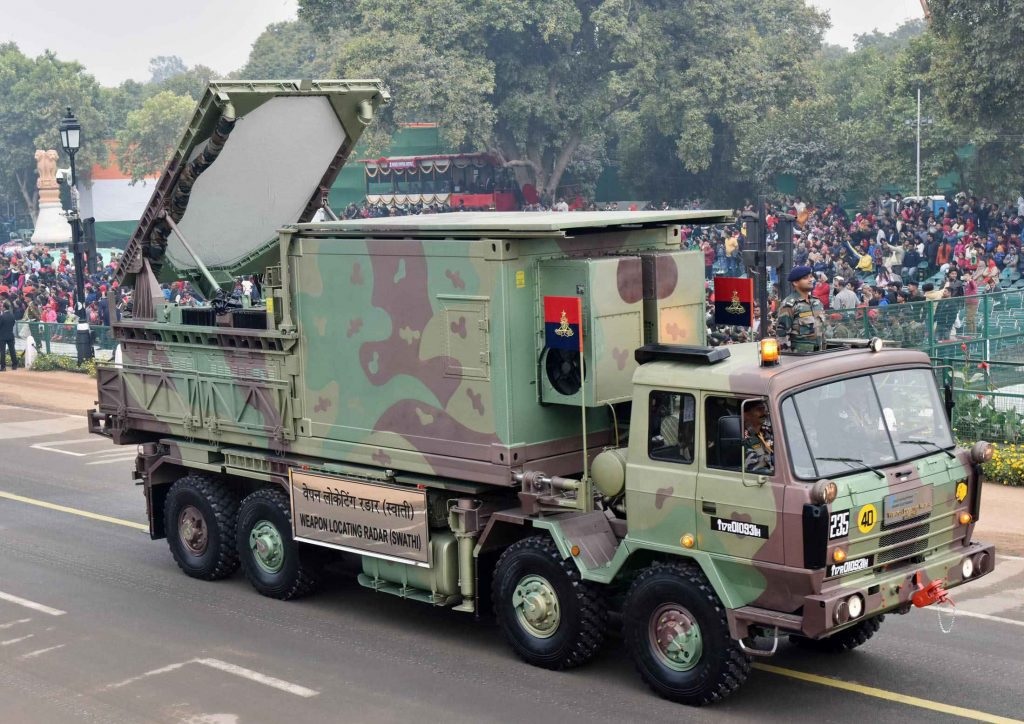
India
Bharat Electronics Limited (BEL), a Navratna Defence Public Sector Undertaking, has successfully delivered the 49th unit of the Weapon Locating Radar (WLR-Plains) – SWATHI to the Indian Army ahead of schedule. This achievement highlights India's growing self-reliance in defence technology and the efficiency of indigenous manufacturing. Developed in collaboration with the Defence Research and Development Organisation (DRDO) laboratory LRDE, the SWATHI WLR plays a critical role in enhancing the Indian Army’s operational capabilities. The handover ceremony took place at the Central Ordnance Depot (COD)-Agra, where Brigadier RR Yadav received the symbolic key from Hemalatha BJ, General Manager (Military Radar), BEL-Bangalore, in the presence of senior officials from the Indian Army, BEL, and DRDO. The SWATHI WLR is a game-changer in modern warfare, designed to detect and track enemy artillery weapons in real time with high accuracy. By providing precise target locations, it enables effective counter-strikes, significantly enhancing battlefield effectiveness. Since 2015, BEL has fulfilled multiple orders for the radar’s plains and mountain variants, continuously improving the Indian Army’s surveillance and strike capabilities. A testament to India’s 'Atmanirbhar Bharat' initiative, the SWATHI WLR boasts over 85% indigenous content. The production process integrates a robust supply chain, including contributions from Micro, Small, and Medium Enterprises (MSMEs), further boosting India's defence manufacturing ecosystem. The radar has consistently exceeded performance expectations, undergoing rigorous acceptance tests before deployment. BEL’s timely delivery of SWATHI ahead of schedule reinforces the country's commitment to achieving self-sufficiency in defence technology and ensuring the Indian Army remains equipped with cutting-edge surveillance and targeting systems.
Read More → Posted on 2025-03-05 13:59:19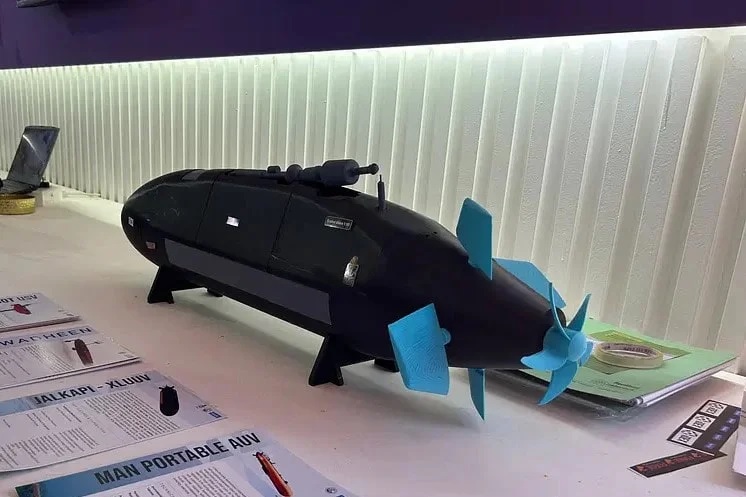
India
India's push for self-reliance in defence technology has reached a new milestone with the development of the Jalkapi, an Extra-Large Unmanned Underwater Vehicle (XLUUV). This ambitious project, currently under development, is poised to become the largest unmanned submarine in India's defence arsenal, significantly enhancing the Navy's underwater capabilities. The initial design of the Jalkapi XLUUV was revealed at Aero India 2025, a major defence exhibition held in Bengaluru in February. Developed by Hyderabad-based Rekise Marine Private Limited, the Jalkapi represents a significant step forward in India's indigenous defence innovation efforts. This 20-ton unmanned submarine is designed to significantly improve underwater surveillance and strategic operations, particularly within the crucial Indian Ocean Region (IOR). A scale model showcased at the Rekise Marine exhibit revealed the Jalkapi's sleek, cylindrical design, optimized for stealth and efficient movement through water. The XLUUV is 11 meters long and is built to operate at depths of up to 300 meters. It is important to note that the average depth of the Indian Ocean is 3,741 m, making this operational depth suitable for a range of missions. Further, the submarine has impressive staying power, capable of operating autonomously for 30 to 45 days, a duration comparable to leading international models like Boeing's Orca XLUUV. This extended endurance is achieved through a diesel generator that recharges the onboard lithium-ion batteries. The system allows the Jalkapi to surface, recharge, and resume its mission without requiring direct human intervention. The Jalkapi's design incorporates specifications from the Indian Navy's Directorate of Naval Design (Submarine Design Group). It features a comprehensive array of sensors and instruments, including cameras for visual and infrared observation, multi-beam echo sounders for mapping the seabed, passive sonar to avoid obstacles, and sensors to measure water conductivity, temperature, and depth. The Jalkapi's autonomous navigation is managed by a sophisticated system built on the ROS2/DDS framework, ensuring these various components work together seamlessly for fully autonomous, long-duration operations. Rekise Marine was awarded the Jalkapi contract through the Innovations for Defence Excellence (iDEX) Aditi 1.0 initiative, a program launched by the Ministry of Defence in 2024 to foster innovation in the defence sector. This selection underscores the increasing contribution of India's private sector and smaller enterprises (MSMEs) to defence research and development. Despite being a relatively small, robotics-focused company, Rekise Marine successfully competed against larger firms, showcasing its expertise in underwater automation and its close collaboration with the Indian Navy. The Jalkapi's substantial size and payload capacity distinguish it from smaller autonomous underwater vehicles currently used by India. Its 20-ton displacement allows for a wider range of potential applications, including supporting anti-submarine warfare efforts, conducting mine countermeasures, and performing electronic surveillance to detect enemy signals. With its advanced capabilities, the Jalkapi XLUUV marks a significant leap in India's underwater defence technology, paving the way for more sophisticated autonomous systems in the future.
Read More → Posted on 2025-03-05 13:56:07
PM Modi to Lay Foundation Stone for ₹20,000 Crore DRDO’s New Missile Testing Range in Andhra Pradesh
India
India is set to strengthen its defence infrastructure with the establishment of a new missile testing range in Andhra Pradesh. The Cabinet Committee on Security (CCS), led by Prime Minister Narendra Modi, approved the ₹20,000 crore project in October 2024, marking a significant step towards enhancing the country’s missile capabilities. The facility will be developed in the Nagayalanka area of Andhra Pradesh, offering the Defence Research and Development Organisation (DRDO) a dedicated site to test various missile systems. This includes tactical missile systems such as surface-to-air and anti-tank missiles, among other cutting-edge defence projects. This move is part of a larger effort to bolster India's defence preparedness. Alongside the missile range, the CCS has also cleared key defence procurements, including 31 Predator drones from the United States and the construction of two nuclear submarines under Project ATV. Additionally, strategic road development for military forces and advancements in space-based defence capabilities have been approved. The DRDO is currently at an advanced stage of developing a wide range of missile and defence systems. These include Very Short Range Air Defence Systems, Man-Portable Anti-Tank Guided Missiles, Quick Reaction Surface-to-Air Missiles, and Vertical Launched Short Range Air Defence Systems, among others. With the new missile testing range in place, the development and refinement of these systems will receive a significant boost. Furthermore, the DRDO is expected to play a crucial role in the construction of the newly sanctioned nuclear submarines, reinforcing India’s maritime strength. The establishment of this missile testing range reflects India's commitment to self-reliance in defence technology and its vision of becoming a global leader in advanced weapon systems.
Read More → Posted on 2025-03-04 14:24:41
India
In a significant security operation, Indian law enforcement agencies recently thwarted a plan to attack the Ram Temple in Ayodhya, a site of immense religious importance. The operation led to the arrest of Abdul Rehman, a 19-year-old from Faizabad, Uttar Pradesh, who was allegedly linked to Pakistan's Inter-Services Intelligence (ISI). Background of the Suspect Abdul Rehman had been residing in Faridabad, Haryana, under the guise of a meat shop owner and part-time auto-rickshaw driver. This facade allowed him to blend seamlessly into the local community, masking his alleged espionage activities. Investigations suggest that Rehman had been conducting reconnaissance of the Ram Temple for an extended period, gathering and transmitting sensitive information to the ISI. His affiliations reportedly extend to various Islamist organizations, further deepening concerns about his network and intentions. Unraveling the Conspiracy The plot came to light following a coordinated effort by the Special Task Force (STF) of Haryana Police and the Anti-Terrorism Squad (ATS) of Gujarat, acting on intelligence inputs from central agencies. Rehman had allegedly procured two hand grenades from a smuggler in Faridabad, intending to transport them to Ayodhya by train. However, before he could execute his plan, authorities apprehended him, recovering the grenades from an abandoned house in Pali village, approximately 12 kilometers from Faridabad. The explosives have since been defused, averting a potential disaster. Broader Security Implications This incident is not isolated. In recent years, there have been multiple attempts targeting religious sites in India. For instance, in August 2023, four individuals suspected of being ISI agents were arrested for collecting and transmitting sensitive information about religious places, including the Ram Temple in Ayodhya. Their activities underscored the persistent threats posed by espionage networks aiming to destabilize communal harmony. Moreover, in November 2024, security agencies heightened vigilance in Ayodhya following threats from Khalistani elements aiming to target the Ram Temple. Such incidents highlight the continuous efforts by anti-national entities to disrupt peace and target symbols of cultural and religious significance. Ongoing Investigations Following his arrest, Rehman has been remanded to a 10-day police custody for intensive interrogation. Authorities aim to uncover the extent of his connections and identify any collaborators involved in the conspiracy. The primary objective is to dismantle any larger network that poses a threat to national security and ensure the safety of religious sites across the country. The swift action by Indian security agencies in foiling the plot to attack the Ayodhya Ram Temple underscores their vigilance and commitment to safeguarding the nation's cultural and religious heritage. However, the recurring nature of such threats necessitates continuous intelligence gathering, community awareness, and proactive measures to counteract the evolving strategies of adversarial entities.
Read More → Posted on 2025-03-04 14:07:48Search
Top Trending in 24 Hours
-
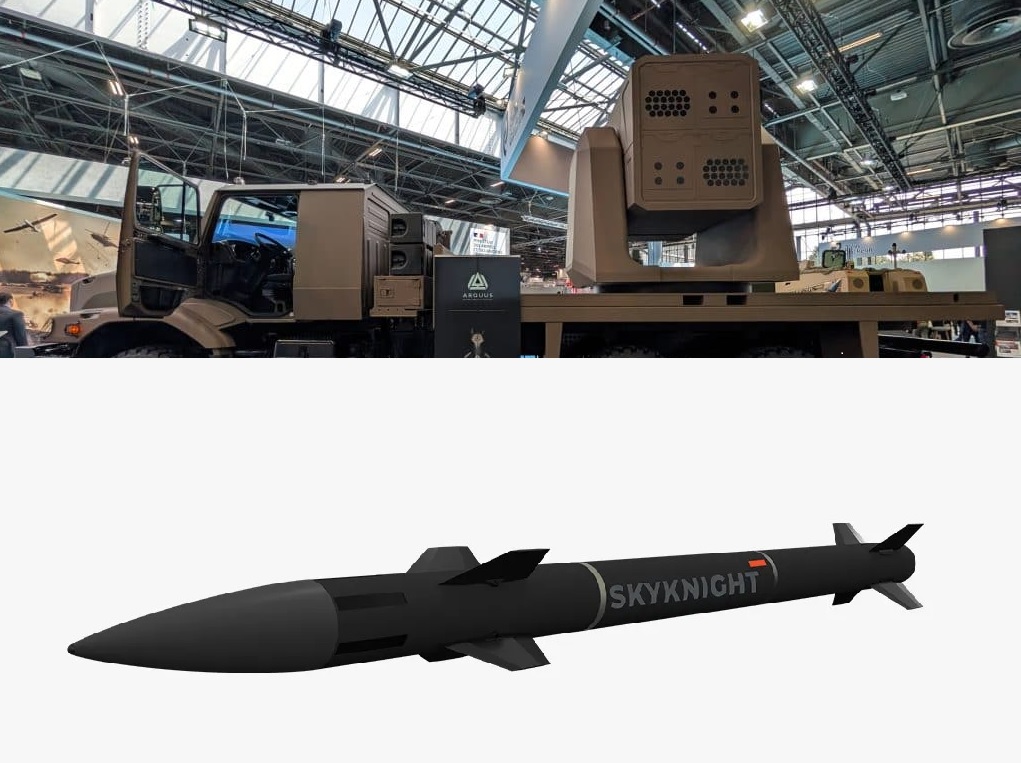 Naval Group Unveils Rampart Modular CIWS Multi-Purpose Weapon System for Naval and Ground Forces at Eurosatory 2026
-
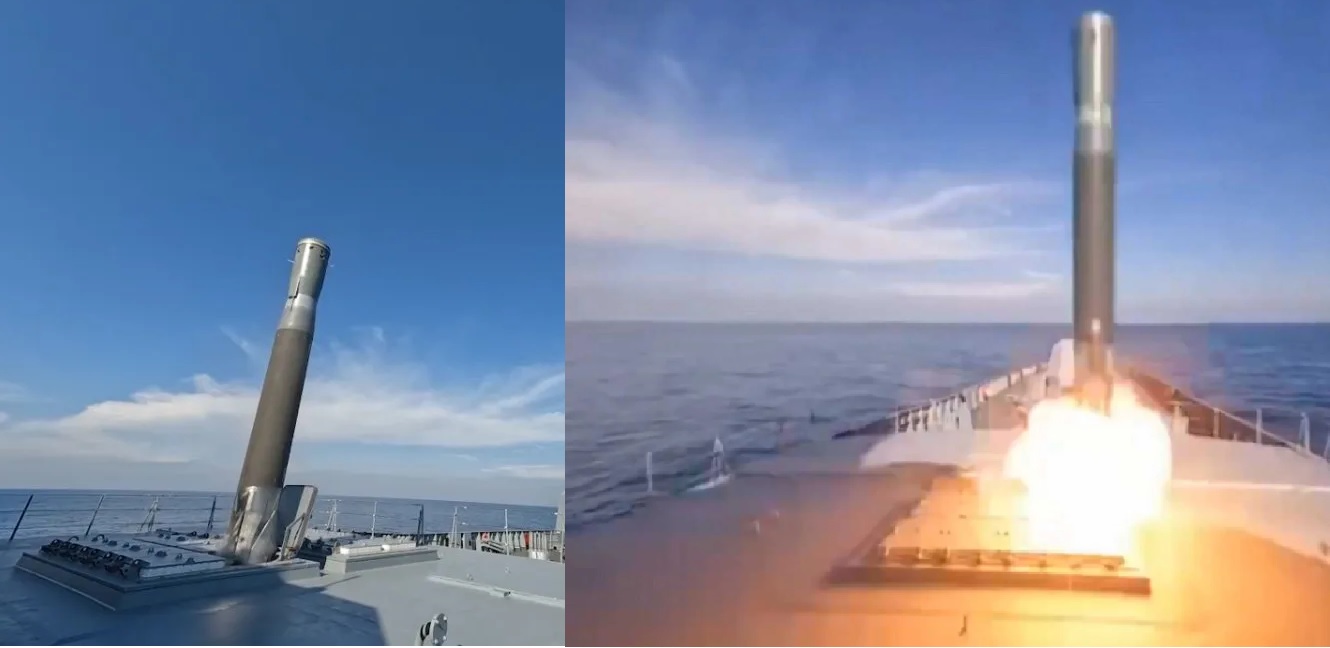 Open-Source Evidence Suggests Russia's Zircon Is a Quasi-Ballistic Missile, Not a True Hypersonic Cruise Weapon
-
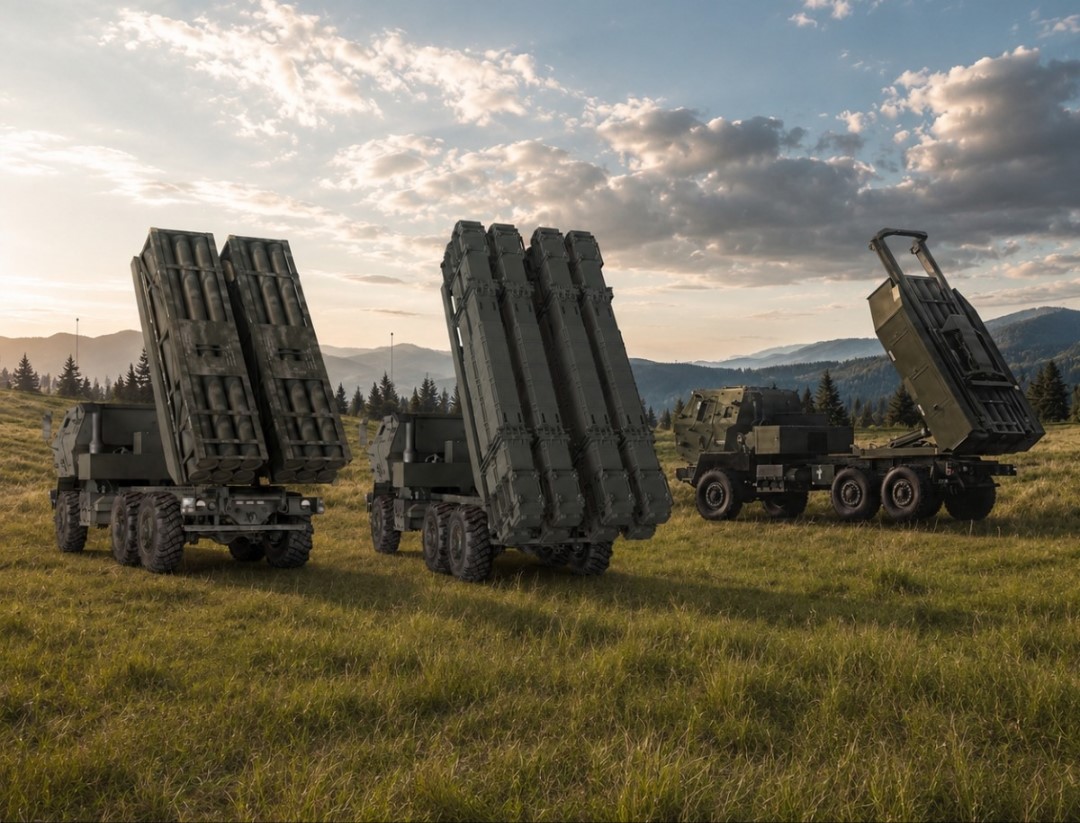 Lockheed Martin Unveils HIMARS FLEX with Dual-Pod Launcher and NATO-Compatible Air Defense Integration
-
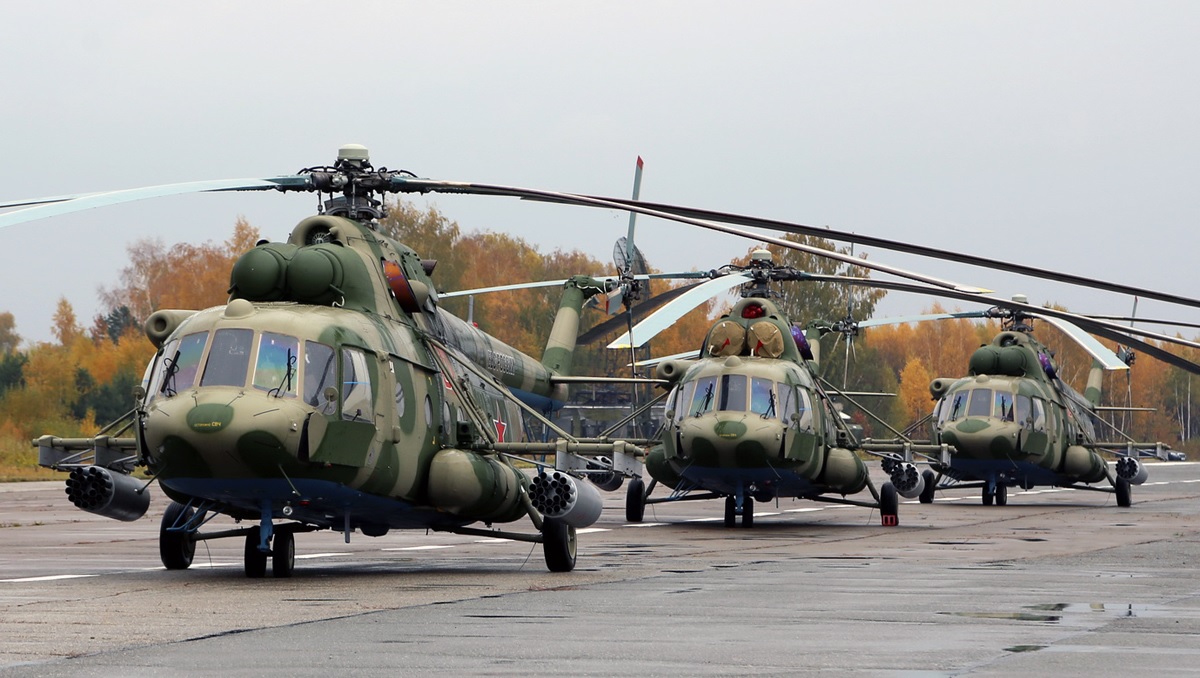 Iran Signs Deal with Russia for 20 Mi-8 and Mi-17 Helicopters to Boost Rescue and Medical Missions
-
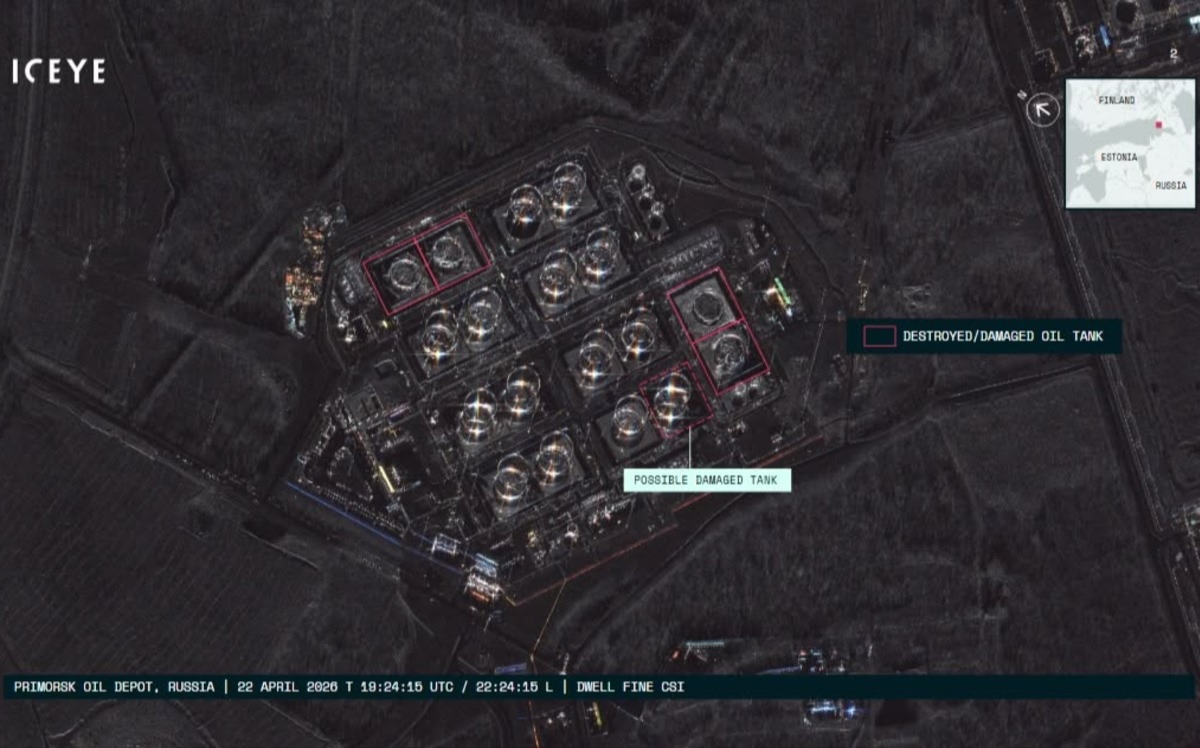 Portugal Doubles Sovereign SAR Satellite Fleet with Order for Two Additional ICEYE Satellites
-
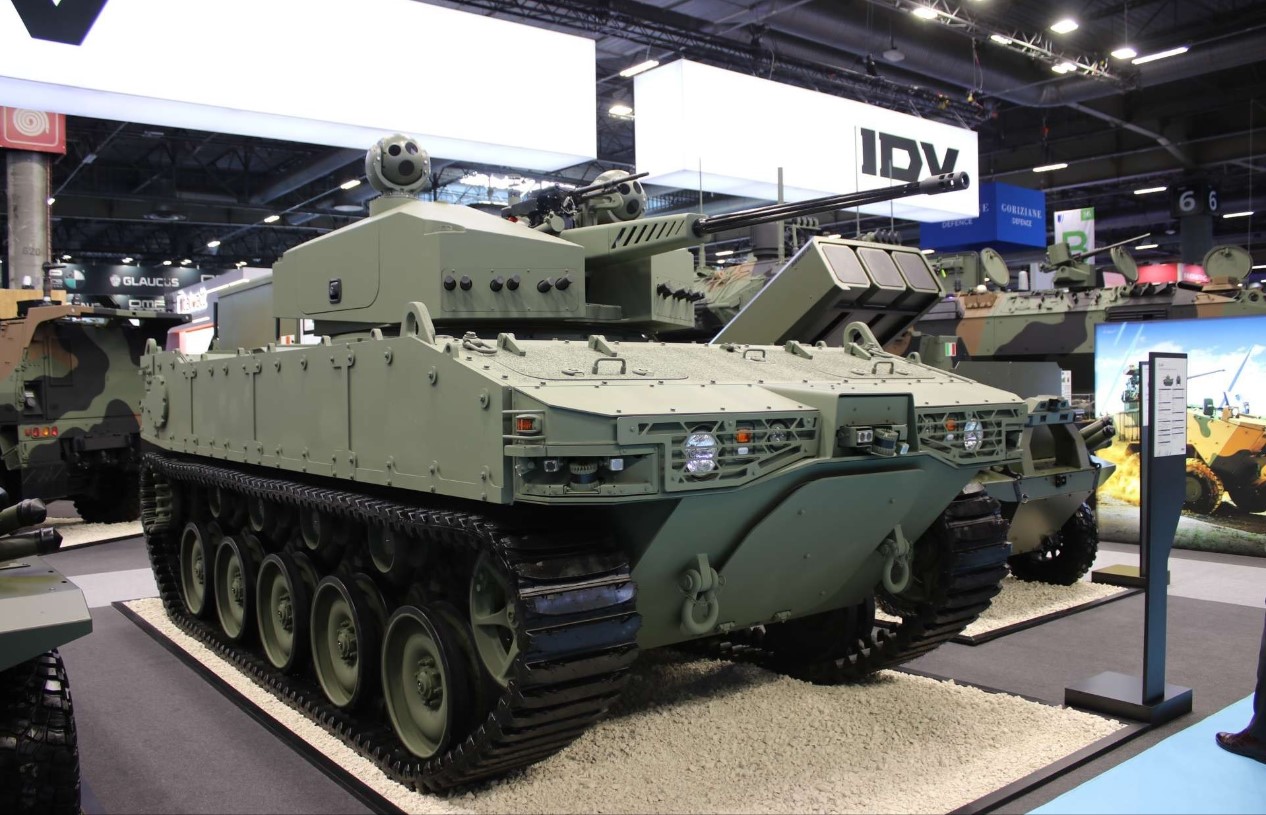 IDV Unveils CL2X Hybrid Uncrewed Light Tank at Eurosatory 2026
-
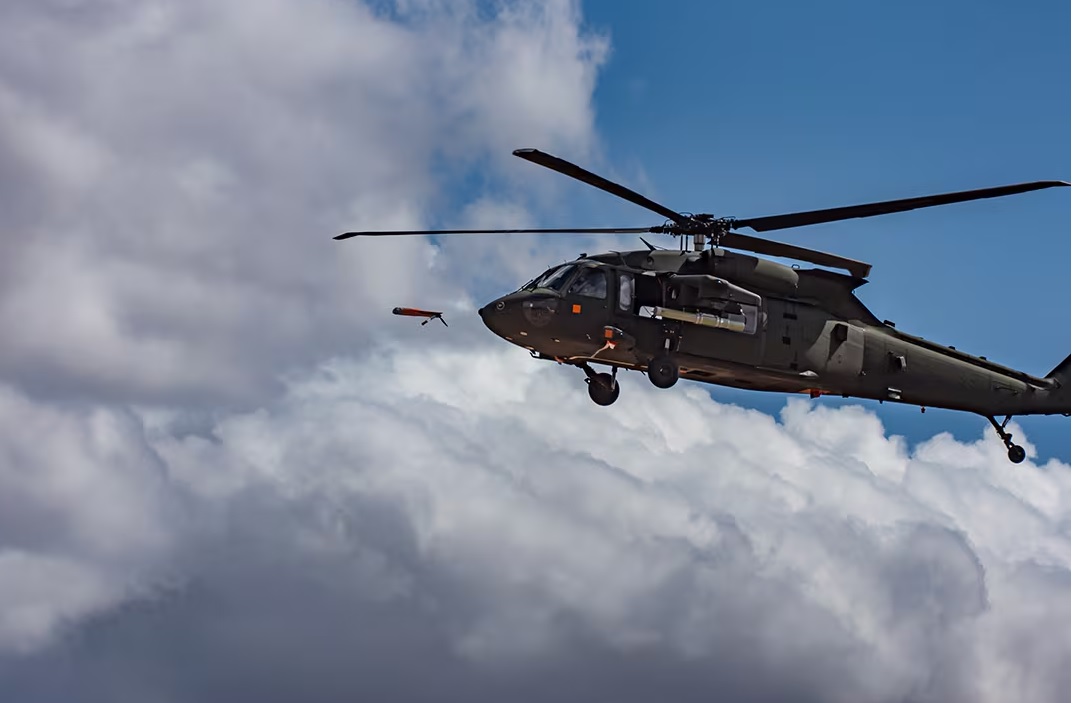 U.S. Army Completes First Flight Test of Medium-Range Air-Launched Effects from Black Hawk Helicopter
-
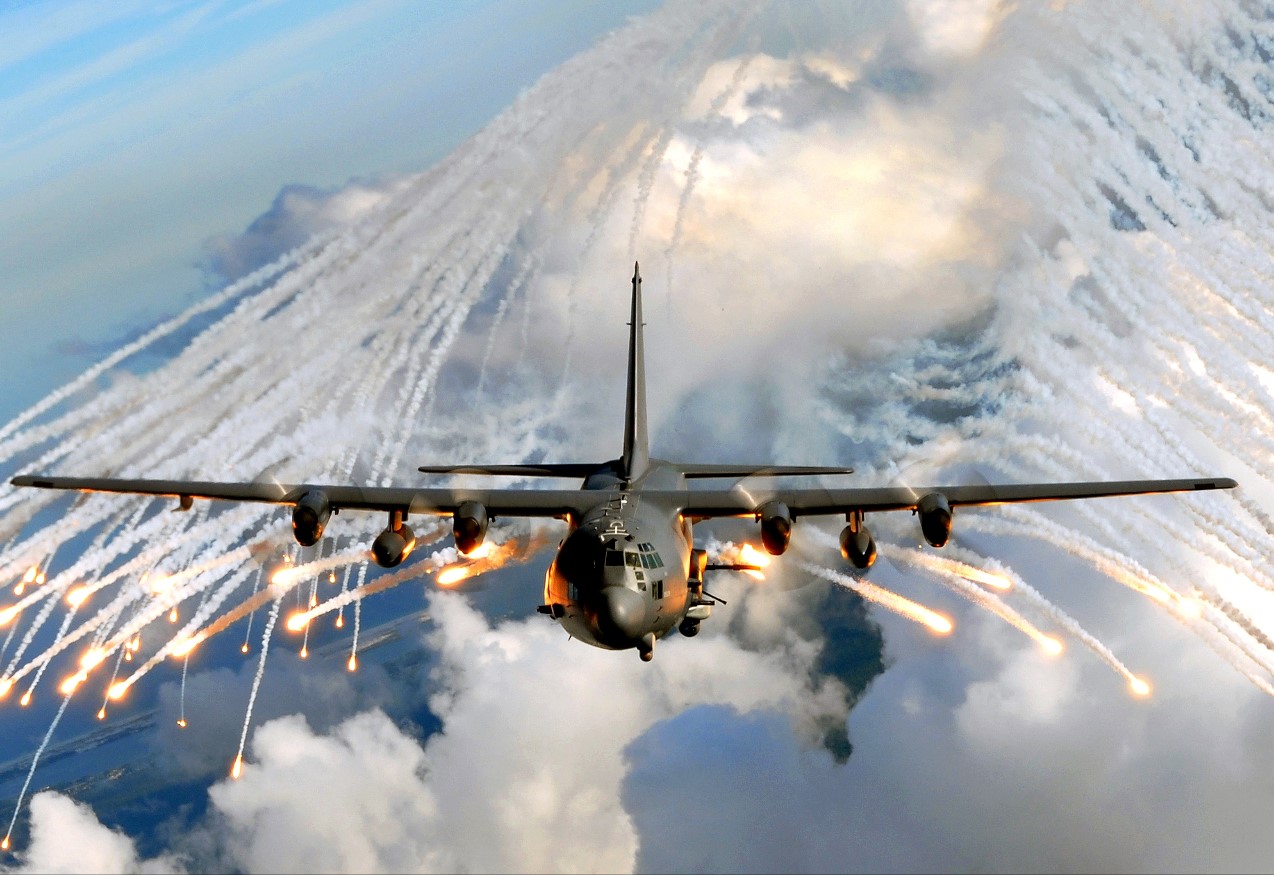 Pentagon Expands Alloy Surfaces Contract to $328.8 Million for Advanced Aircraft Decoy Flares Amid Evolving Drone Threats
Top Trending in 4 Days
-
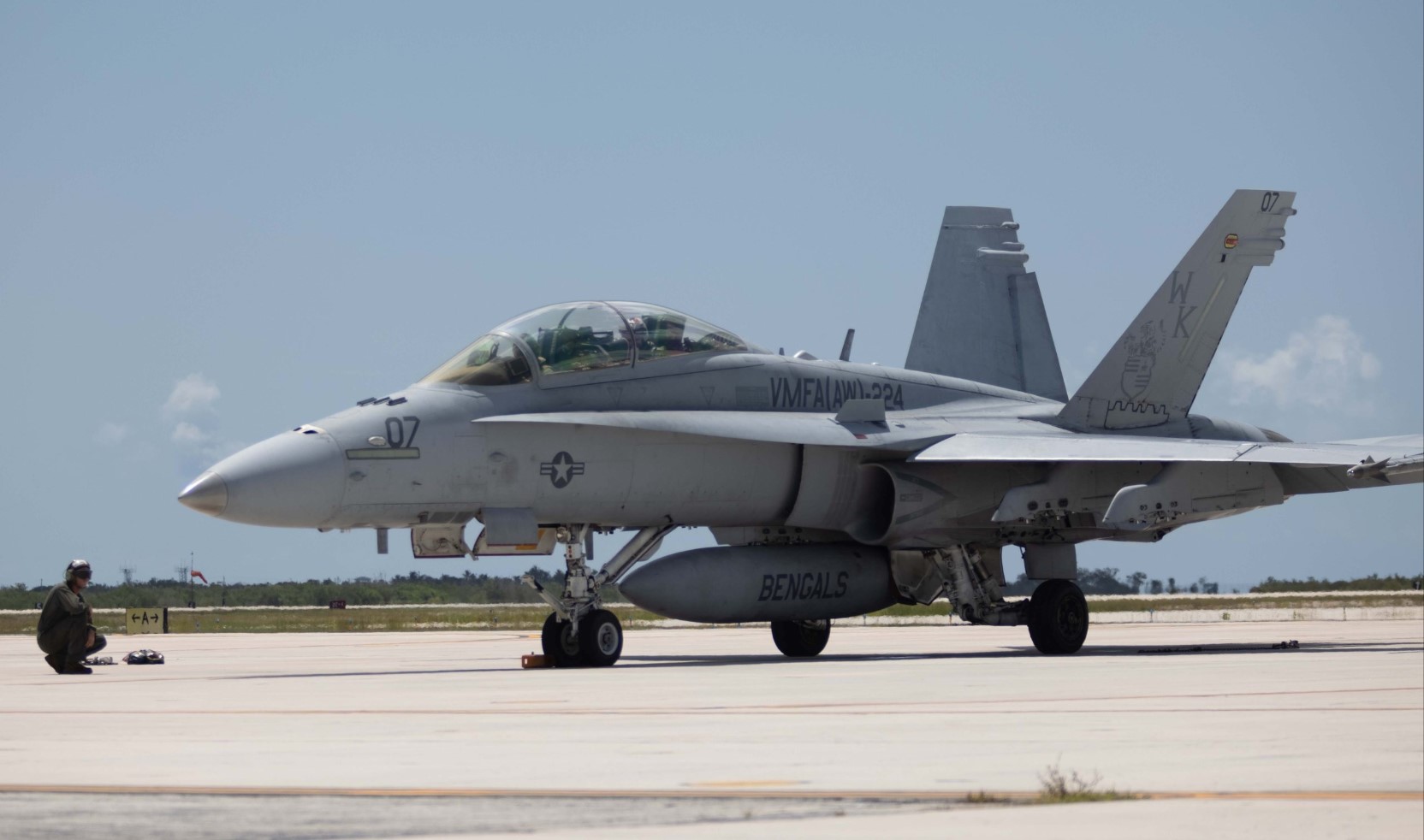 US Marine Corps F/A-18D Hornet Crashes During Training Flight in Washington Mountains; Pilot Ejects Safely
-
 Tulsi Gabbard Releases Declassified Files Detailing U.S.-Backed Network of 120 Biolaboratories Across 30+ Countries
-
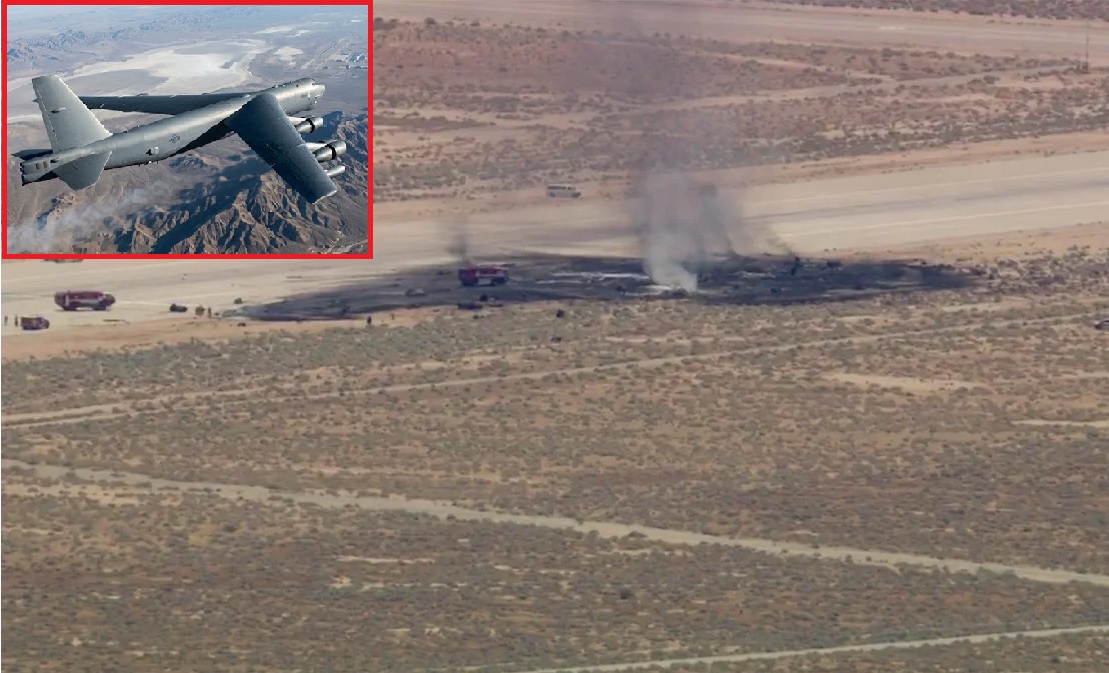 8 U.S. Air Force Crew Members Killed in B-52 Bomber Crash During Test Flight at Edwards Air Force Base
-
 Ukraine Introduces Balloon-Launched DART Missile Designed to Defeat Electronic Warfare
-
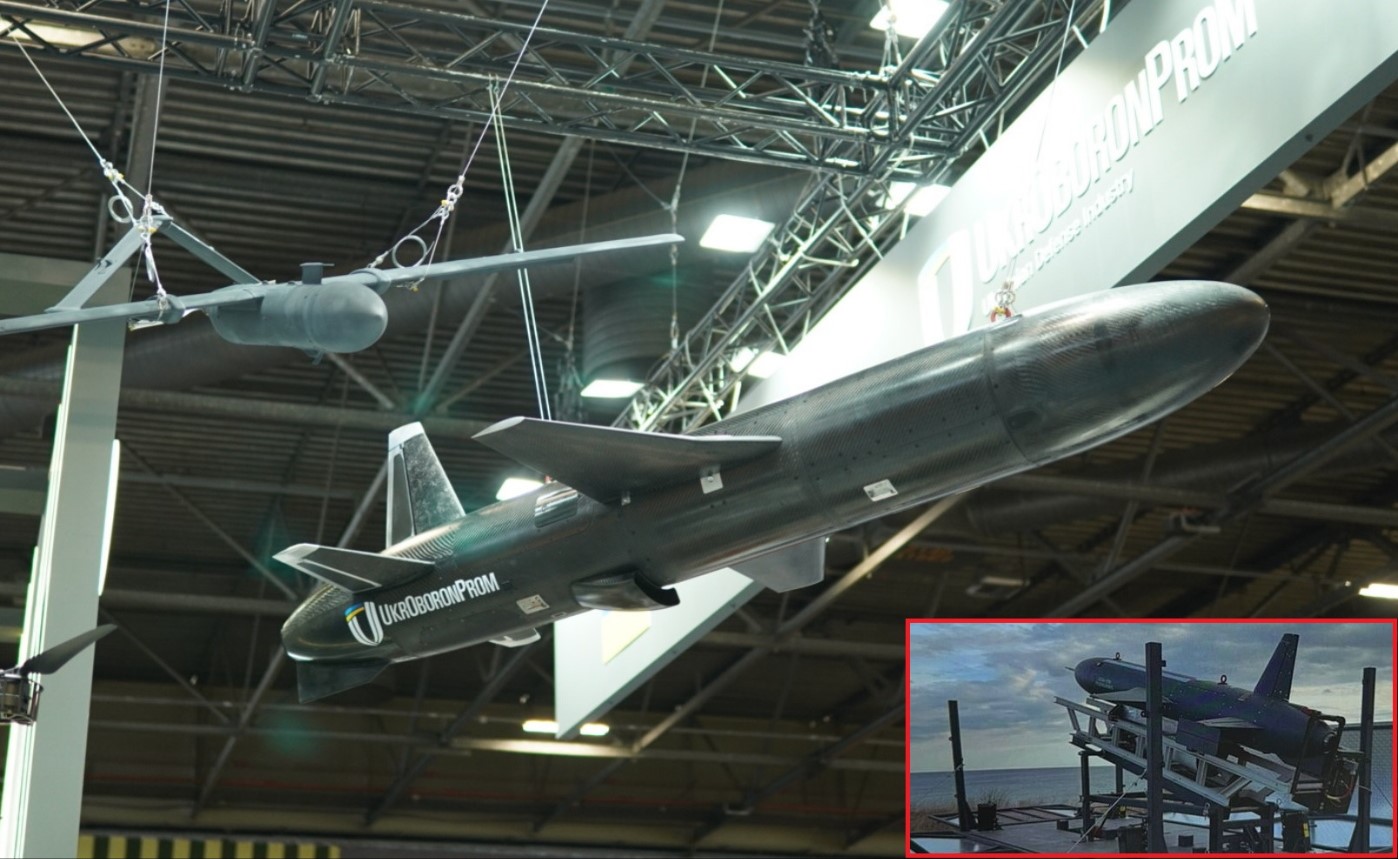 Ukraine Unveils UAV-290 Jet-Powered Strike Drone with 650 km Range at Eurosatory 2026
-
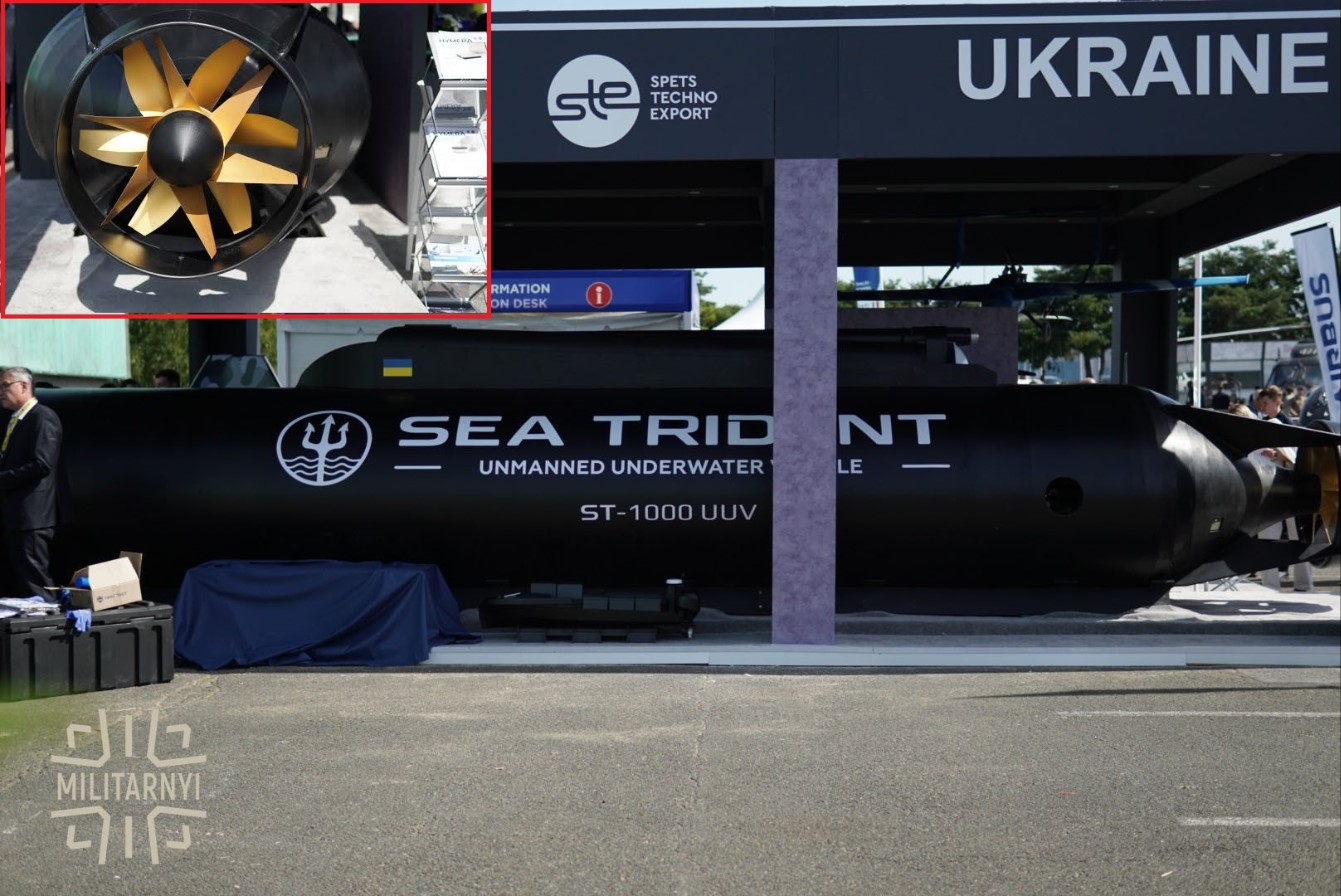 Ukraine Unveils 'Sea Trident' 10-Ton Autonomous Underwater Drone at Eurosatory 2026
-
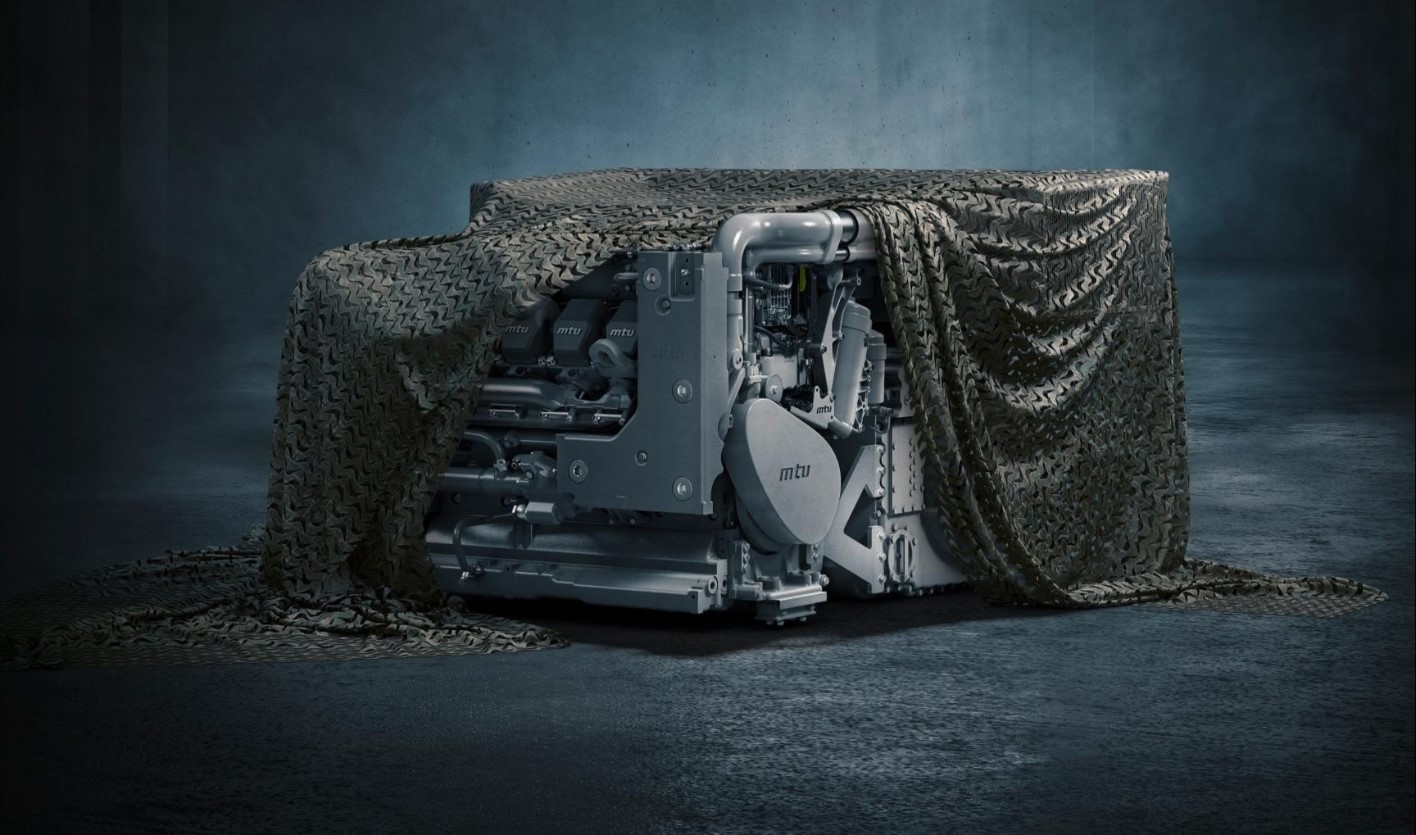 Rolls-Royce Unveils New Hybrid Powertrain for Heavy Military Vehicles at Eurosatory 2026
-
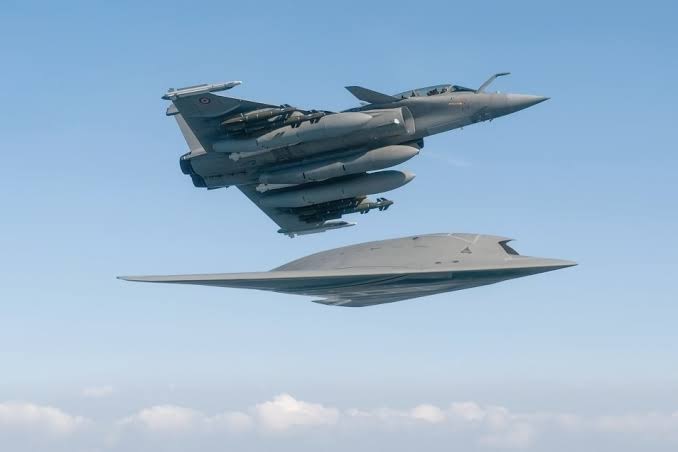 France Agrees to Equip Future Indian Rafales with AI, MUM-T and Secure Satellite Links Under F5 Standard