
India
India has announced the development of its latest long-range beyond-visual-range (BVR) air-to-air missile, named 'Gandiva'. This missile represents a significant advancement in the nation's indigenous defense technology, aiming to enhance the combat capabilities of the Indian Air Force (IAF). Key Specifications of Gandiva: Length: 3,833 mm Diameter: 178 mm Launch Weight: 220 kg Speed: Capable of intercepting targets traveling at speeds ranging from Mach 2.0 to Mach 3.6 Range: 190 km when launched from an altitude of 8 km 340 km when launched from an altitude of 20 km Angle of Attack: Up to 20 degrees Snap-Up Capability: ±10 km, allowing engagement of targets at varying altitudes Design and Development: The Gandiva missile is designed to engage highly maneuverable supersonic aircraft under all weather conditions, day or night. Its aerodynamic configuration and propulsion system enable it to achieve extended ranges, providing the IAF with a strategic advantage in aerial engagements. Guidance and Warhead: Equipped with a dual-mode guidance system, Gandiva utilizes mid-course inertial navigation with terminal active radar homing. This ensures high accuracy in target acquisition and engagement. The missile carries a high-explosive pre-fragmented warhead, designed to maximize lethality against enemy aircraft. Integration and Future Prospects: The Gandiva missile is expected to be integrated across various IAF platforms, including the Su-30MKI, Mirage 2000, MiG-29, and the indigenous Tejas fighters. This standardization will streamline logistics and training processes, enhancing overall operational efficiency. The development of Gandiva underscores India's commitment to achieving self-reliance in defense technology. By investing in indigenous missile systems, India aims to reduce dependency on foreign suppliers and bolster its defense capabilities. The unveiling of the Gandiva long-range BVR missile marks a pivotal moment in India's defense landscape. With its advanced features and extended reach, Gandiva is poised to significantly enhance the IAF's air combat prowess, ensuring preparedness against evolving aerial threats.
Read More → Posted on 2025-03-03 14:53:24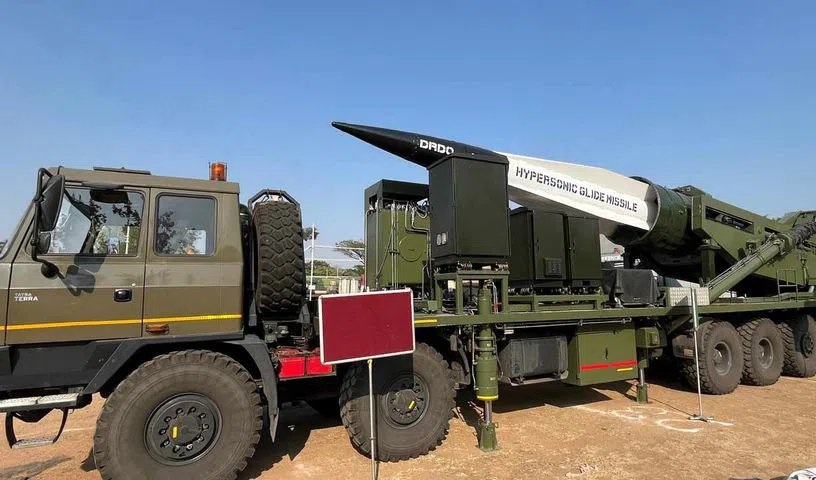
India
India's Defense Research and Development Organization (DRDO) is reportedly developing a next-generation Long-Range Anti-Ship Missile (LR-AShM) capable of reaching speeds of up to Mach 10. If confirmed, this would mark a significant leap in India's missile technology, positioning it among the handful of nations capable of deploying hypersonic strike capabilities at sea. A New Era for India’s Naval Strike Capabilities The LR-AShM project aims to provide the Indian Navy and Air Force with a cutting-edge weapon system designed to neutralize high-value maritime targets, including aircraft carriers and heavily defended warships. Unlike conventional supersonic anti-ship missiles such as the BrahMos, which travels at Mach 2.8 to 3, the LR-AShM reportedly leverages advanced scramjet propulsion to reach hypersonic speeds, significantly reducing enemy reaction time. Key Specifications and Features While official details remain classified, available reports suggest the following specifications for the hypersonic LR-AShM: Speed: Up to Mach 10 (over 12,000 km/h) Range: Estimated between 1,500 – 2,000 km Propulsion: Scramjet-powered hypersonic engine Guidance System: Multi-mode seeker (active radar, infrared, and possibly AI-assisted target recognition) Launch Platforms: Indian Air Force’s Su-30MKI and future AMCA (Advanced Medium Combat Aircraft) Indian Navy’s P-8I Poseidon maritime patrol aircraft Vertical launch from warships and possibly future submarines Warhead: Likely a high-explosive or penetration warhead, optimized for ship destruction Stealth Features: Reduced radar cross-section and plasma-based electronic countermeasures Terminal Maneuverability: Capable of unpredictable flight paths to evade interception How Does the LR-AShM Compare to Global Hypersonic Missiles? India's new LR-AShM would be one of the fastest maritime strike weapons in existence, rivaling or surpassing Russia's Zircon missile (Mach 9) and China’s DF-21D anti-ship ballistic missile. The missile's scramjet propulsion differentiates it from ballistic systems, allowing for sustained hypersonic speeds with greater maneuverability. Strategic Implications for India's Naval Power The introduction of the LR-AShM would significantly bolster India's naval deterrence, particularly in the Indian Ocean and Indo-Pacific region. It would provide a credible countermeasure against China’s growing carrier strike groups and enhance India's ability to neutralize enemy fleets before they enter contested waters. Additionally, the missile’s range and speed make it a formidable asset for deep-strike operations against land-based naval installations. Future Developments and Testing Reports suggest that DRDO has been conducting advanced trials of hypersonic propulsion technology, with previous tests of the Hypersonic Technology Demonstrator Vehicle (HSTDV) proving successful. The LR-AShM is expected to integrate lessons from these trials, with a full-scale prototype possibly being tested before the end of the decade. India’s new hypersonic LR-AShM represents a paradigm shift in naval warfare, combining extreme speed, extended range, and cutting-edge guidance technology. As development progresses, this missile could redefine India’s maritime strike capabilities, ensuring a credible and technologically advanced deterrent against future threats.
Read More → Posted on 2025-03-03 14:45:37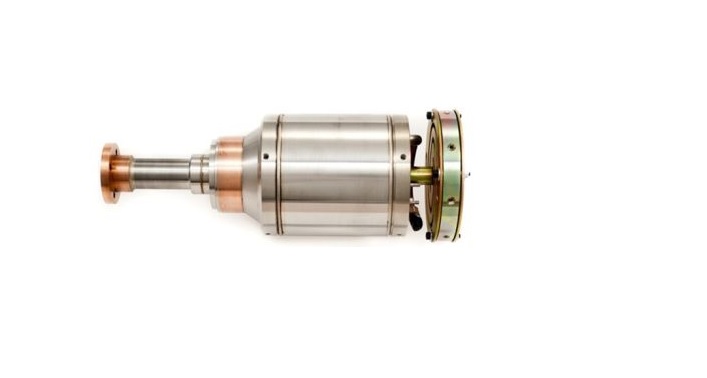
India
The Indian Army and the Defence Research and Development Organisation (DRDO) have taken a significant step towards self-reliance in defence technology by signing a landmark Memorandum of Understanding (MoU) for the indigenous production of 0.5 Watt Stirling Cryocoolers. This development aligns with India's "Make in India" initiative, aimed at reducing dependence on foreign technology and strengthening the country's defence capabilities. Stirling Cryocoolers play a crucial role in military applications, particularly in infrared sensors and night vision systems, where efficient cooling is essential for optimal performance. By manufacturing this technology domestically, India is ensuring a steady supply of critical components while enhancing its defence preparedness. This collaboration underscores the importance of indigenous manufacturing in bolstering national security. By fostering homegrown innovation, the partnership between the Indian Army and DRDO ensures that advanced surveillance and sensor systems remain operationally effective. The availability of such high-tech equipment within the country also reduces procurement challenges and enhances the overall efficiency of defence systems. The MoU is part of a broader strategy in India's defence sector, where government agencies, research institutions, and private enterprises are joining forces to accelerate the development of indigenous military technologies. This initiative is expected to pave the way for further advancements, reinforcing India's position as a key player in global defence innovation.
Read More → Posted on 2025-03-03 14:17:25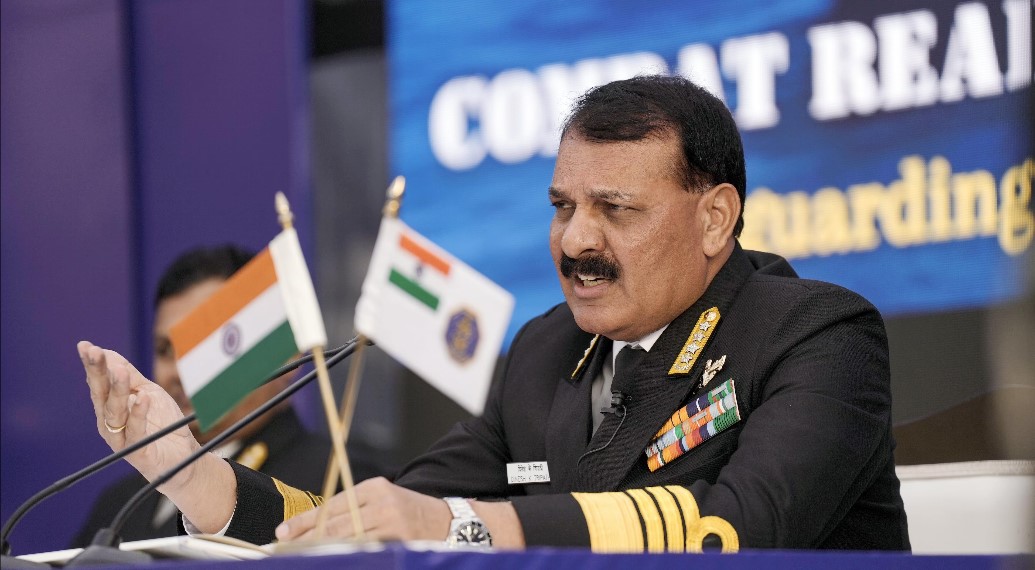
India
China's increasing footprint in the Indian Ocean Region (IOR) over the past few decades has been a subject of growing concern. With six to eight warships from the People’s Liberation Army Navy (PLAN) operating in the region at any given time, its presence is undeniable. However, according to Indian Navy Chief Admiral Dinesh K Tripathi, India is fully aware of every movement in its maritime domain, ensuring that Beijing does not gain access to areas where it is not welcome. Speaking at The Chanakya Dialogues conclave, Admiral Tripathi emphasized that China has not only expanded its reach in the oceans but also on land. The PLAN, now the largest navy in the world by numbers, maintains a strong presence in the IOR despite the decline of piracy in the region. Yet, India has an extensive maritime domain awareness system that enables it to track and monitor every vessel—both manned and unmanned—through advanced space-based surveillance and collaboration with international agencies. "Knowing who goes where is more than half the battle won," the Navy chief said, underscoring India’s ability to keep a check on China's movements. He pointed out that Beijing initially justified its presence in the IOR under the pretext of anti-piracy operations, but with piracy no longer a significant threat, Chinese vessels—including research and satellite tracking ships—continue to operate in the region for other undisclosed purposes. These vessels are often involved in deep-sea fishing and other activities that raise security concerns. While India cannot directly stop China's maritime activities outside its own areas of interest, Admiral Tripathi made it clear that New Delhi has taken effective measures to prevent unwanted Chinese intrusions. "We have not allowed them to come anywhere where we don’t want them to come," he asserted. The Navy chief also highlighted the growing defense cooperation between China and Pakistan, with Beijing supplying Islamabad with warships, submarines, and satellite tracking ships for over two decades. The recent deal for eight Chinese submarines further strengthens Pakistan’s naval capabilities, adding another layer of complexity to India's maritime security. India is fully prepared to counter any potential threats emerging from this collaboration, Admiral Tripathi assured. "We are devising means and measures to ensure that no harm comes to us due to this maritime collusion between China and Pakistan." Despite China's growing presence, India remains vigilant, well-prepared, and resolute in safeguarding its maritime interests in the Indian Ocean Region.
Read More → Posted on 2025-03-03 13:58:09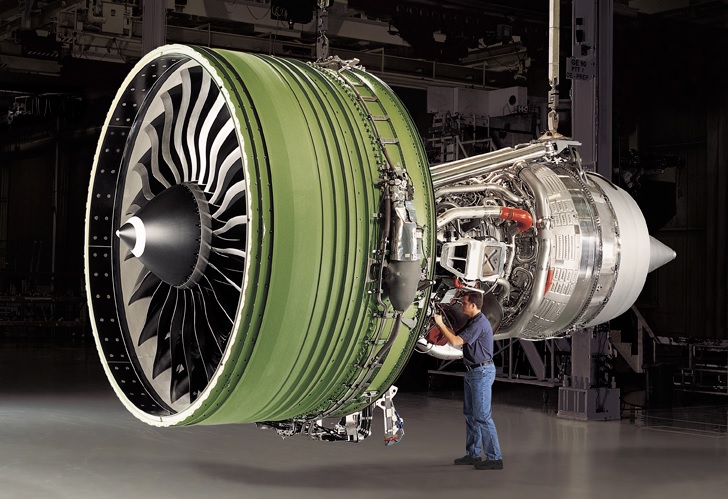
India
India's aerospace industry is experiencing a surge of innovation, driven by emerging companies like Delhi-based DG Propulsion Private Limited (DPPL). This startup is gaining attention for its domestically developed jet engine technology and has announced ambitious plans to create an indigenous turbofan engine, a move that could significantly alter the global aviation market. Prateek Dhawan, Director of DPPL, stated that the company aims to complete this project within the next two to three years, contingent on securing necessary funding. DPPL has already established a strong foundation with its DG J40, a micro-turbojet engine primarily used in unmanned aerial vehicles (UAVs) and various defence applications. The J40, with a thrust capacity of 40 kgf (kilogram-force), has undergone extensive testing, including a successful one-hour endurance test. This demonstrated capability has highlighted India's increasing expertise in aerospace engineering and attracted interest from investors and defence organizations. The company is now setting its sights on the development of turbofan engines. Turbofans are widely used in modern commercial and many military aircraft due to their superior fuel efficiency and reduced noise levels compared to turbojet engines. Turbofan engines achieve greater efficiency by using a large fan at the front to pull in a significant amount of air. Some of this air bypasses the core engine, creating additional thrust without burning extra fuel. This makes them a critical component of the aviation sector. DPPL's entry into this field signifies a considerable increase in both its ambition and the technological challenges it will face. "Our success with the DG J40 has demonstrated our capabilities," Dhawan explained. "We believe the turbofan segment is the next logical progression for us, but this is dependent on securing the required investments to develop a new engine over the next two to three years." Developing a turbofan engine requires considerable financial resources, state-of-the-art research infrastructure, and a highly skilled team capable of addressing complex design requirements. Dhawan acknowledged these challenges: "Significant investment is essential for this project. It will involve a multi-year commitment to design, test, and refine an engine that meets international standards." He remains hopeful, however, that the increasing attention on DPPL's achievements will attract funding from government sources, private investors, or potentially international collaborators. The successful development of an indigenous turbofan engine by DPPL could have far-reaching consequences. It would lessen India's dependence on foreign engine manufacturers, such as GE Aerospace, Pratt & Whitney, and Rolls-Royce, which currently control the majority of the market. Furthermore, it could establish DPPL as a significant player in the international aerospace supply chain, providing a more affordable option for countries looking for alternatives to engines from Western or Russian producers. For India, this accomplishment would represent a major step toward technological self-reliance, supporting the nation's objective of becoming a key exporter of defence technologies.
Read More → Posted on 2025-03-03 07:23:32
India
India's Defence Research and Development Organisation (DRDO) has launched an ambitious research and development initiative to create humanoid robot soldiers, marking a significant leap in military technology. The goal is to deploy AI-powered robotic units capable of carrying weapons and operating under human command in high-risk combat zones, thereby reducing the danger faced by human soldiers. The Indian Army has increasingly shown interest in incorporating robotics into its operations, seeking to alleviate both the physical and mental strain on troops. While the exact specifications of these humanoid units are still being outlined, discussions between DRDO, the Army, and leading academic institutions are already underway. Experts anticipate that full-scale development and deployment could take 15 to 20 years. This project represents a groundbreaking advancement in artificial intelligence (AI) and military robotics. The envisioned robots will serve as force multipliers, assisting human commanders by providing a tactical edge in perilous combat situations. Rather than replacing human soldiers, these humanoids will enhance operational effectiveness by integrating machine intelligence with human decision-making. The creation of such advanced robots presents multiple challenges. Key hurdles include developing AI systems capable of battlefield decision-making, addressing ethical concerns related to armed autonomous units, and designing robots that can navigate and react effectively in unpredictable combat environments. The project also necessitates breakthroughs in robotic movement, environmental awareness, and seamless integration with human troops. India has already made strides in military robotics, having developed and deployed various unmanned systems such as drones and ground vehicles for surveillance, reconnaissance, and limited combat roles. However, humanoid combat robots introduce an entirely new level of complexity. The DRDO’s long-term strategy involves collaboration with leading academic institutions and potentially international partners to pool expertise and resources. This joint effort underscores India’s broader ambition to push the boundaries of defense technology and ensure its military remains at the forefront of global advancements. As the project progresses, extensive simulations and testing phases will be crucial to ensure these robotic soldiers adhere to both Indian and international ethical standards. Their effectiveness will be rigorously evaluated across various battlefield scenarios before any real-world deployment. With this initiative, India is taking a bold step toward the future of warfare, where human ingenuity and AI-driven robotics will work together to redefine combat strategy.
Read More → Posted on 2025-03-03 07:13:04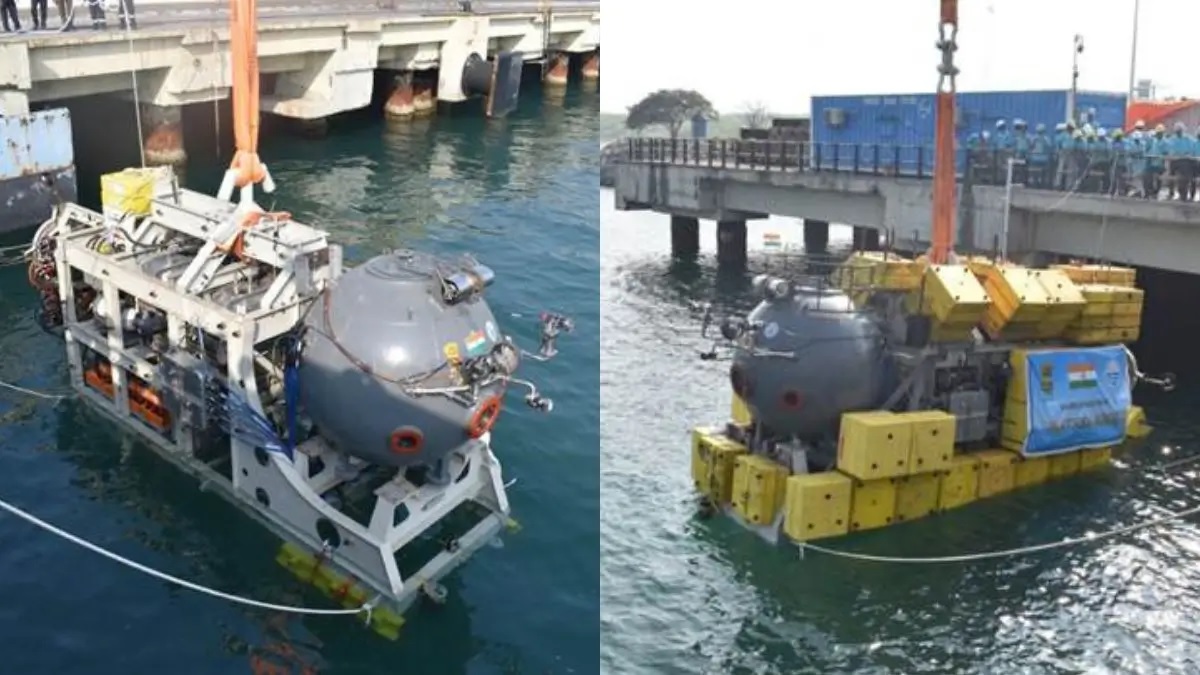
India
India’s deep-sea exploration ambitions have taken a giant leap forward with the successful wet testing of Matsya-6000, the country's first human-occupied deep-ocean submersible. Developed under the Samudrayaan Project, a part of the larger Deep Ocean Mission, this advanced submersible has been designed to reach depths of up to 6,000 meters, placing India among an elite group of nations with such capabilities. The wet testing, carried out at L&T Shipbuilding in Kattupalli Port between January 27 and February 12, 2025, was a critical step in evaluating Matsya-6000’s power, stability, and life-support systems. The tests included a mix of unmanned and manned dives, confirming the submersible’s ability to operate under real oceanic conditions. Despite some minor limitations due to the shallow harbour depth, the results demonstrated the submersible’s readiness for deeper test missions in open waters. At the heart of Matsya-6000’s design is a compact, 2.1-meter-diameter spherical hull made of an 80mm-thick titanium alloy, built to withstand immense underwater pressure. This robust structure houses a three-member crew and is equipped with an array of cutting-edge systems, including a main ballast system for controlled diving and surfacing, thrusters for multi-directional movement, a battery bank for power supply, and syntactic foam to aid buoyancy. Communication and navigation play a crucial role in deep-sea missions, and Matsya-6000 is outfitted with state-of-the-art technologies such as an acoustic modem for underwater data transfer, an underwater telephone for voice communication, and VHF and GPS systems for precise tracking. It also boasts advanced life-support systems, ensuring a safe and controlled atmosphere for its occupants, along with navigation joysticks, oceanographic sensors, underwater cameras, and high-resolution imaging tools for comprehensive deep-sea documentation. A key highlight of the Matsya-6000 is its endurance capabilities. Under normal conditions, it can operate for 12 hours, but in emergencies, its systems can support the crew for up to 96 additional hours, extending the total survival window to an impressive 108 hours. This level of safety and self-sufficiency makes it one of the most reliable submersibles in its category. When compared to other deep-sea submersibles, Matsya-6000 stands out for its indigenous development and cost-efficient design. Unlike the ill-fated Titan submersible, which used carbon fibre and suffered a tragic implosion, Matsya-6000’s titanium construction provides superior structural integrity. Additionally, it benefits from the use of commercially available “off-the-shelf” components, reducing costs while maintaining high reliability. With only a handful of countries—such as the US, China, Japan, France, and Russia—operating similar submersibles, India's entry into this field is a significant achievement. The next phase of Matsya-6000’s journey involves a series of deeper test dives, with the first demonstration up to 500 meters planned by the end of 2025. These trials will gradually lead up to full-scale operations at its maximum designed depth of 6,000 meters. This breakthrough not only enhances India's capabilities in deep-sea resource exploration but also reinforces the country's position as a leader in underwater research and technology. The Matsya-6000 project is a crucial component of India's broader Deep Ocean Mission, aimed at developing indigenous technologies for exploring and harnessing deep-sea resources. The successful completion of wet testing marks a significant milestone, bringing India closer to conducting human-crewed deep-sea missions and unlocking the vast potential of the ocean’s uncharted depths.
Read More → Posted on 2025-03-02 13:59:13
India
Garden Reach Shipbuilders & Engineers Limited (GRSE) has recently signed a landmark Memorandum of Understanding (MoU) with the Indian Army to supply modular steel bridges in Arunachal Pradesh. This initiative is set to enhance connectivity in the strategically important region, ensuring swift and reliable infrastructure deployment. GRSE, known for its expertise in designing and manufacturing modular steel bridges, has a strong track record of delivering durable and versatile solutions. These bridges are engineered to withstand varying load capacities and meet both Indian and international standards, including IRC and AASHTO. Their modular nature makes them ideal for quick assembly, enabling rapid deployment in remote and challenging terrains. To date, GRSE has supplied over 5,800 modular bridges across India, including 44 bridges to the Border Roads Organisation (BRO) for installation in crucial areas. The latest collaboration with the Indian Army highlights the growing emphasis on strengthening infrastructure in border regions, aligning with India's broader goal of self-reliance under the Atmanirbhar Bharat initiative. Beyond this MoU, GRSE has been actively working on advanced infrastructure solutions, including a partnership with BRO to develop cost-effective double-lane modular bridges. These bridges have already been successfully deployed in forward locations, proving their effectiveness in supporting military logistics and civilian accessibility. The deployment of these modular steel bridges in Arunachal Pradesh is expected to significantly improve transportation and mobility in the region, reinforcing India's strategic infrastructure and ensuring better support for both defense and local development needs.
Read More → Posted on 2025-03-01 14:17:19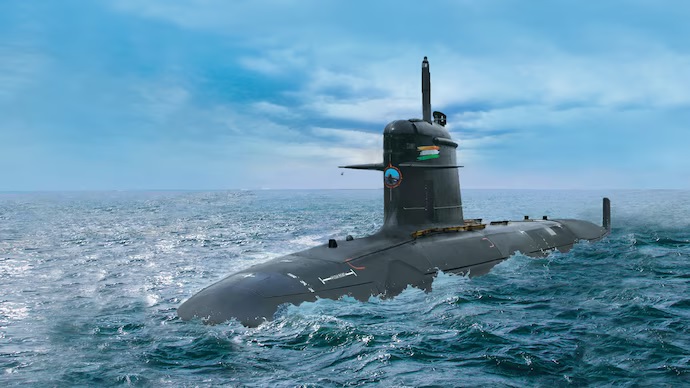
India
Mazagon Dock Shipbuilders Limited (MDL), India's premier naval shipyard, is preparing for one of its most ambitious undertakings—simultaneously constructing six German-designed U-214NG submarines and three enhanced Scorpene-class submarines for the Indian Navy. This significant development comes following the Indian Ministry of Defence's approval, marking a major milestone in strengthening India's underwater warfare capabilities. The six U-214NG submarines will be built in collaboration with Germany’s ThyssenKrupp Marine Systems (TKMS), with construction taking place in MDL’s existing drydocks. Despite the scale of the project, the shipyard has confirmed that it possesses sufficient infrastructure and will not require any additional expansion. MDL currently has the capacity to construct and refit up to 11 submarines at the same time, making it well-equipped for this dual submarine-building effort. The three new Scorpene-class submarines, an improved version of the Kalvari-class currently in service, will incorporate Air Independent Propulsion (AIP) systems, significantly enhancing their underwater endurance. This will allow the submarines to stay submerged for extended periods without surfacing to recharge their batteries, improving stealth and operational efficiency. These upgrades align with India's broader plan to modernize its submarine fleet and enhance its deterrence capabilities in the Indian Ocean region. MDL anticipates a high-intensity production phase beginning in 2025, when construction on all nine submarines is expected to commence. The expertise and infrastructure developed during the previous Scorpene-class projects will help accelerate the construction of the enhanced Scorpene submarines, while the U-214NG project—leveraging German technology—will take longer to ramp up. According to the agreement with TKMS, the U-214NG submarines must be completed and delivered within seven years, setting a target completion date of 2032. The first of the three enhanced Scorpene-class submarines is also expected to complete sea trials around the same timeframe, reflecting MDL’s efficient planning and execution capabilities. A significant portion of the U-214NG submarines’ components will be sourced from within India, reinforcing the country’s self-reliance in defense manufacturing and boosting the indigenous defense industry. The partnership with TKMS not only strengthens Indo-German naval cooperation but also fosters advanced technological exchange between the two nations. Looking beyond these projects, MDL has expressed its aspiration to be the leading shipyard for India’s future submarine program, Project-76. By leveraging its current expertise and well-established facilities, MDL aims to play a central role in shaping India’s next-generation submarine fleet. The concurrent construction of these nine submarines will not only modernize the Indian Navy’s fleet but also reaffirm MDL’s status as a world-class shipbuilding powerhouse. With a skilled workforce, cutting-edge infrastructure, and extensive experience in submarine construction, MDL is set to play a pivotal role in India’s maritime defense strategy for the coming decades.
Read More → Posted on 2025-03-01 14:11:51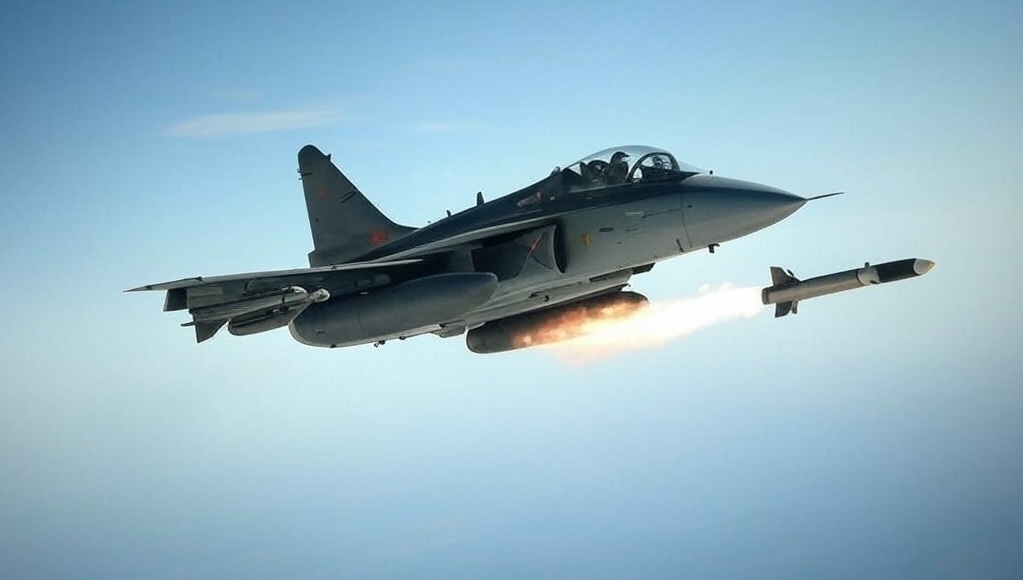
India
The Defence Research and Development Organisation (DRDO) is actively working on adapting the Pinaka multi-barrel rocket system for air-launched roles, a move that could revolutionize the Indian Air Force’s (IAF) air-to-ground (A2G) and potentially even air-to-air (A2A) combat capabilities. This ambitious plan aims to leverage the proven Pinaka platform, originally designed for the Indian Army, and integrate it with IAF fighter jets, offering a cost-effective, high-precision strike option. DRDO is currently collaborating with the IAF to tailor the Pinaka system for aerial deployment, focusing on the long-range Guided Pinaka variant. This version, which is under development for the Army, boasts an impressive potential range of 250-300 kilometers, making it a formidable alternative to imported air-to-ground weapons such as the Israeli Rampage missile. The IAF sees significant potential in an indigenous, air-launched version of Pinaka, especially in light of its affordability and ease of integration with platforms like the Su-30MKI, Mirage 2000, and Tejas. The Pinaka system has been a cornerstone of India's artillery since its induction after the Kargil War. Over the years, continuous upgrades have enhanced its range and accuracy. The latest Guided Pinaka model incorporates an advanced Guidance, Navigation, and Control (GNC) system, which allows for precise strikes up to 75 kilometers in its current form. However, DRDO’s roadmap includes extending the range in stages—first to 120 kilometers, then 150 kilometers, and eventually to 250-300 kilometers, making it one of the most versatile long-range artillery assets in India’s arsenal. For the IAF, an air-launched Pinaka would bring multiple advantages. It would enable precision strikes on high-value enemy targets such as command centers, air defense systems, and logistical hubs from safe stand-off distances. Additionally, the modularity of the Pinaka system is a key factor in its adaptation—ensuring compatibility across different launch platforms, including truck-based launchers for the Army and aircraft-mounted versions for the Air Force with minimal modifications. Beyond its air-to-ground role, DRDO is also exploring the feasibility of developing an air-to-air variant of the Pinaka. Such a system could be particularly useful for engaging slow-moving aerial threats like drones and other low-speed aircraft, addressing a growing need for cost-effective anti-UAV solutions. If successful, an air-launched Pinaka could provide the IAF with a unique indigenous weapon that bridges the gap between conventional munitions and high-end precision-guided missiles. With DRDO’s ongoing push for self-reliance in defense technology, the adaptation of Pinaka for aerial deployment represents a major step forward. It not only reinforces India’s commitment to reducing dependence on foreign military imports but also opens up new tactical possibilities for the IAF, ensuring a stronger and more versatile air combat capability in the years to come.
Read More → Posted on 2025-03-01 14:07:02
India
India’s Defence Research and Development Organisation (DRDO) has taken a bold step in advancing the country’s strategic deterrence with the unveiling of the BM-04, a new-generation ballistic missile system integrating a hypersonic glide vehicle (HGV). The missile was showcased at the Hyderabad Defence Exhibition 2025, drawing significant attention due to its advanced configuration and potential to revolutionize India's missile capabilities. BM-04: A Two-Staged Solid Rocket Ballistic Missile with an HGV BM-04 follows a unique two-stage solid-propellant booster design, serving as the launch platform for an advanced hypersonic glide vehicle (HGV). This setup is expected to provide an estimated range of 2,500 km, with the two ballistic missile stages propelling the HGV to approximately 2,000 km, after which the glide vehicle utilizes its own propulsion or aerodynamics to extend its range and maneuverability. Potential Capabilities and Strategic Importance Replacement for Agni-II IRBM: Given its estimated range and agility, BM-04 could serve as a next-generation replacement for India’s aging Agni-II intermediate-range ballistic missile (IRBM). Unlike traditional IRBMs, which follow a predictable ballistic trajectory, BM-04’s HGV introduces an unpredictable and maneuverable reentry path, making it significantly harder to intercept. Boost-Glide Technology: The HGV atop BM-04 likely follows a boost-glide reentry vehicle (BGRV) approach, where it is launched to high altitudes before gliding at hypersonic speeds towards its target, ensuring both speed and precision. Potential to Engage Moving Targets: If equipped with an advanced seeker and maneuvering capabilities, BM-04 could theoretically strike moving naval or land-based targets, making it a formidable anti-access/area-denial (A2/AD) weapon. Aerodynamic Design for Hypersonic Maneuverability BM-04’s hypersonic glide vehicle incorporates a cruciform wing configuration with: Four low-aspect-ratio wings generating high lift via vortex lift for sustained glide phases. Four inline actuated rear fins, providing: Directional stability at hypersonic speeds. High maneuverability to evade missile defenses. Energy depletion maneuvers for terminal-phase evasiveness. Wide-ranging glide trajectories, allowing variable-angle attacks. India’s Leap in Hypersonic Missile Technology BM-04 signals India’s push toward operational hypersonic weapons, following earlier tests of the Hypersonic Technology Demonstrator Vehicle (HSTDV). Developed by DRDO’s Advanced Systems Laboratory (ASL), BM-04 could place India alongside the U.S., China, and Russia in the hypersonic strike domain. As India moves toward full-scale testing and operational deployment, BM-04 could redefine India’s deterrence and strategic precision strike capabilities, offering unmatched survivability and effectiveness on the modern battlefield.
Read More → Posted on 2025-02-28 14:48:20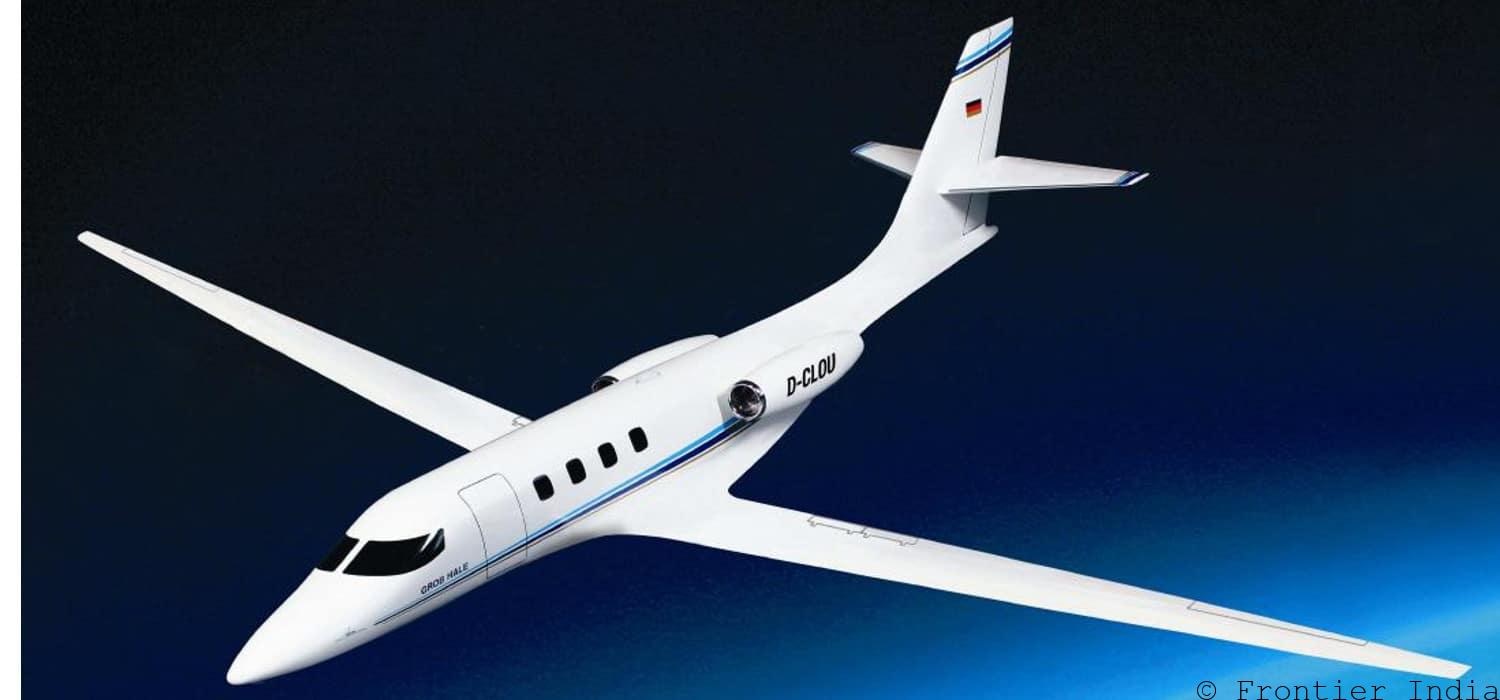
India
Tata Advanced Systems Limited (TASL) has approached the Ministry of Defence (MoD) for approval to develop a High-Altitude Long-Endurance (HALE) Unmanned Aerial Vehicle (UAV) for the Indian military. If granted, this would mark the first time an Indian private company ventures into a domain traditionally dominated by the Defence Research and Development Organisation (DRDO), particularly its Aeronautical Development Establishment (ADE). Unlike previous considerations of repurposing an existing manned platform like the Grob G 180, TASL now intends to develop an entirely new, purpose-built HALE UAV. To streamline the process, the company plans to integrate available technologies from both Indian and international suppliers, potentially expediting the system's development. The proposal aligns with the MoD’s recent push to involve the private sector in UAV development. Notably, Economic Explosives Limited, a subsidiary of the Solar Group, was recently authorized to develop Medium-Altitude Long-Endurance (MALE) UAVs for the Indian Armed Forces, signaling a shift towards diversifying India's UAV ecosystem. DRDO’s ADE has faced persistent challenges in developing indigenous MALE UAVs, prompting the MoD to explore alternative solutions. TASL's initiative aligns with India's broader goal of leveraging private-sector expertise to enhance indigenous defense capabilities. Given the strategic significance of HALE UAVs for long-endurance surveillance and reconnaissance, their successful development could provide the Indian military with a crucial technological edge. These UAVs, typically operating above 40,000 feet and capable of remaining airborne for over 24 hours, are critical for intelligence gathering and border surveillance. With TASL’s proposal, India may witness an inflection point in UAV development, introducing greater competition and fostering innovation within the defense sector. While the MoD has yet to approve the project, TASL remains committed to expanding its UAV portfolio. Should the request be granted, it could set a significant precedent for private-sector participation in high-end defense technology, accelerating India's self-reliance in unmanned systems and modernizing its aerial reconnaissance capabilities.
Read More → Posted on 2025-02-28 14:17:37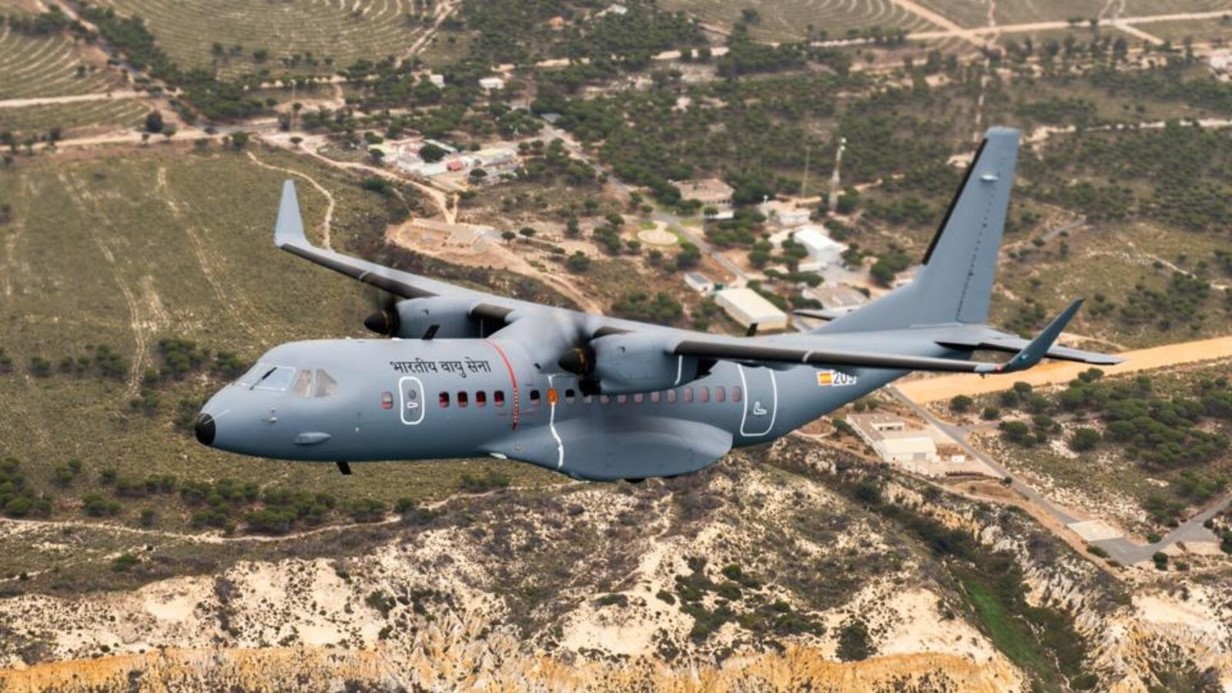
India
India is in discussions to acquire an additional 10 Airbus C-295 transport aircraft, further expanding its ambitious fleet modernization plan. This move comes after the government's 2021 deal for 56 C-295s for the Indian Air Force (IAF) and a subsequent initial approval last year for 15 more aircraft for the Indian Navy and Coast Guard. If finalized, this latest expansion would bring the total number of C-295s ordered in 2024 to 25, potentially amounting to a contract worth around $1.1 billion. According to sources familiar with the matter, the additional 10 aircraft are intended for the IAF, which has an urgent need to strengthen its transport capabilities. Defence expert Laxman Behera from Jawaharlal Nehru University in New Delhi pointed out that the IAF requires a large number of aircraft to meet its operational demands. The defence ministry, Airbus, and Tata Advanced Systems—Airbus' local partner for manufacturing—have declined to comment on the ongoing negotiations. India has been the world’s largest arms importer for decades but is aggressively pushing for self-reliance in defence manufacturing. The C-295 project is a significant part of this effort, as Airbus has confirmed that all structural components of the aircraft are being produced in India. This initiative aligns with New Delhi’s strategy of reducing reliance on foreign suppliers while addressing capability gaps in its military. The C-295 is a highly versatile transport aircraft capable of carrying up to 70 troops or eight tonnes of cargo. It can also be used for surveillance, reconnaissance, and airborne warning missions, making it a crucial asset for both military and strategic operations. With 16 of the 56 aircraft from the original deal being produced at Airbus’ Spanish facility, the remaining aircraft will be assembled at the Airbus-Tata facility in India, located in Gujarat. However, if India wants faster deliveries, some of the newly purchased C-295s might still be sourced from Spain. The C-295 is replacing India’s ageing fleet of Avro HS-748 aircraft, which have been in service since 1961. The IAF chief has recently expressed concerns over the slow pace of fighter jet deliveries from state-owned Hindustan Aeronautics Limited (HAL), pushing for increased production speeds and greater private sector participation in warplane manufacturing. This aligns with India’s broader defence strategy of modernizing its air fleet while reducing dependency on state-run manufacturers. Meanwhile, industry insiders suggest that New Delhi’s long-term plans may involve procuring up to 75 additional C-295s beyond the original 2021 order, signaling a significant shift toward a modernized and self-reliant air transport capability.
Read More → Posted on 2025-02-28 14:11:50
India
In a major leap for India's indigenous defense technology, Bengaluru-based NewSpace Research and Technologies has successfully conducted the maiden flight of its Sheshnaag 150 Unmanned Aerial Vehicle (UAV). This milestone underscores the country's growing expertise in advanced aerospace engineering and precision strike capabilities. Designed for high-accuracy strikes, the Sheshnaag 150 performed exceptionally during its test flight, particularly in the terminal phase. The UAV achieved a Circular Error Probable (CEP) of just 5 meters while targeting a designated ground objective. This level of precision indicates a highly reliable guidance system, as CEP measures the radius within which 50% of strikes are expected to land—the smaller the CEP, the greater the accuracy. NewSpace Research and Technologies has positioned itself as a key player in India’s private defense sector, and the Sheshnaag 150 represents a major step forward in unmanned aerial strike platforms. Though detailed specifications regarding its range, flight endurance, and payload capacity remain undisclosed, the UAV’s performance suggests it is designed for deep-penetration missions, offering military planners a potent tool for high-risk operations. The name Sheshnaag, derived from the mythological serpent king known for its strength and protection, reflects the UAV’s intended role—stealthy, precise, and formidable in execution. India’s rapid advancements in UAV technology align with its broader defense self-reliance initiative, Atmanirbhar Bharat. With an increasing focus on unmanned aerial systems, the successful test of the Sheshnaag 150 highlights India’s commitment to developing cutting-edge military capabilities. This UAV’s precision strike potential makes it a valuable asset in modern warfare, where minimizing collateral damage while neutralizing high-priority threats is crucial. Additionally, its deployment can significantly reduce the risks faced by human pilots in complex combat scenarios. As India continues to enhance its drone capabilities, the Sheshnaag 150’s success sets the stage for further innovations in autonomous aerial warfare, reinforcing the country’s position in the global defense landscape.
Read More → Posted on 2025-02-28 13:40:19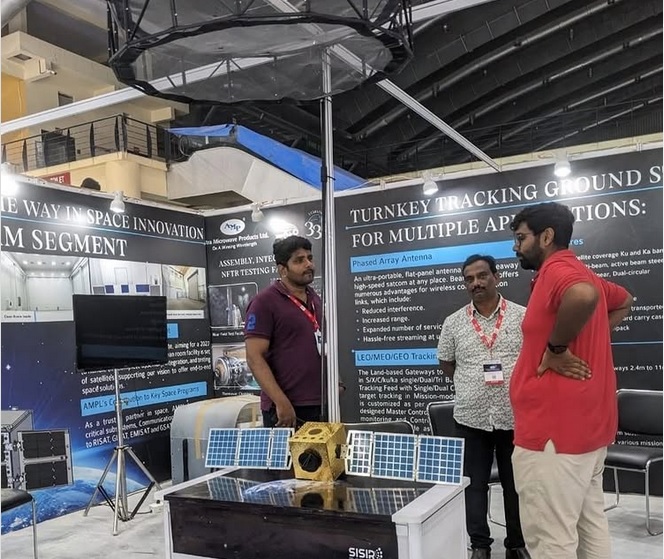
India
Sisir Radar, a pioneering space sector start-up, has achieved a groundbreaking milestone in Synthetic Aperture Radar (SAR) technology by developing the world’s first and highest-resolution L+P band SAR system. This innovation marks a major leap forward in remote sensing, with critical applications in strategic reconnaissance, disaster management, and environmental monitoring. The company has successfully tested its L-band SAR on a drone, achieving an unprecedented resolution of 0.2 meters—setting a new global standard in L-band SAR technology. Additionally, Sisir Radar is working on integrating both L and P bands to operate simultaneously from a satellite-borne SAR system. This breakthrough enhances penetration capabilities through clouds, heavy rainfall, dense vegetation, and even underground layers in dry terrains, making it an invaluable asset for defense, intelligence, and scientific research. Sisir Radar’s rapid progress has been fueled by its success in the iDEX DefSpace Challenge, which has propelled the development of L/P band Continuous Wave SAR payloads for Low Earth Orbit (LEO) small satellites. The company is also developing an unfurlable, electronically steering antenna tailored for the Indian Air Force (IAF), further solidifying its position as a leader in cutting-edge radar technology. The team behind Sisir Radar is led by Dr. Tapan Misra, a former ISRO scientist and a renowned expert in radar and space technology, alongside Soumya Misra, the Co-Founder and CEO. Their combined expertise has driven the company’s ambitious roadmap, which aims to revolutionize space-based surveillance and remote sensing solutions. The integration of L and P bands offers significant advantages over conventional SAR frequencies like X-band, especially in tropical regions where penetrating dense foliage and challenging terrains is crucial. The P-band, in particular, enhances underground and subsurface imaging, providing superior capabilities for geological surveys, archaeological studies, and defense applications. With its cutting-edge SAR technology, Sisir Radar is poised to disrupt the global SAR data market by delivering unparalleled resolution, coverage, and affordability. Its innovative approach is set to redefine how governments, defense agencies, and industries utilize remote sensing, ensuring a new era of advanced, high-precision radar solutions.
Read More → Posted on 2025-02-28 13:36:22Search
Top Trending in 24 Hours
-
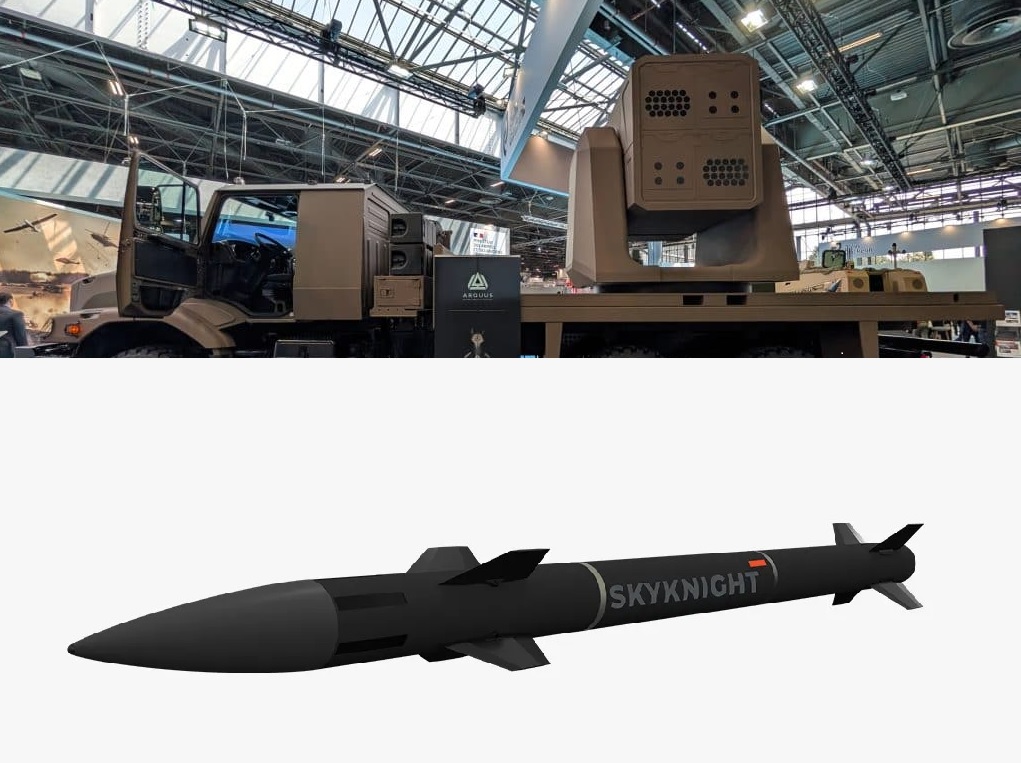 Naval Group Unveils Rampart Modular CIWS Multi-Purpose Weapon System for Naval and Ground Forces at Eurosatory 2026
-
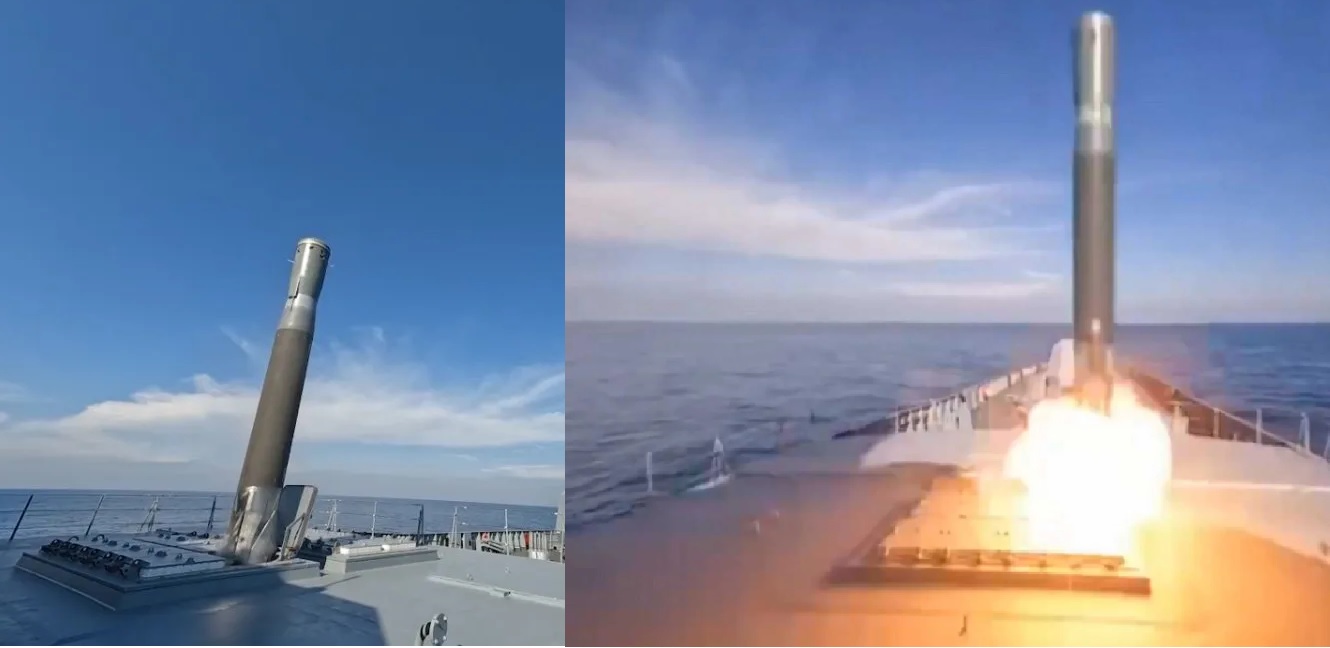 Open-Source Evidence Suggests Russia's Zircon Is a Quasi-Ballistic Missile, Not a True Hypersonic Cruise Weapon
-
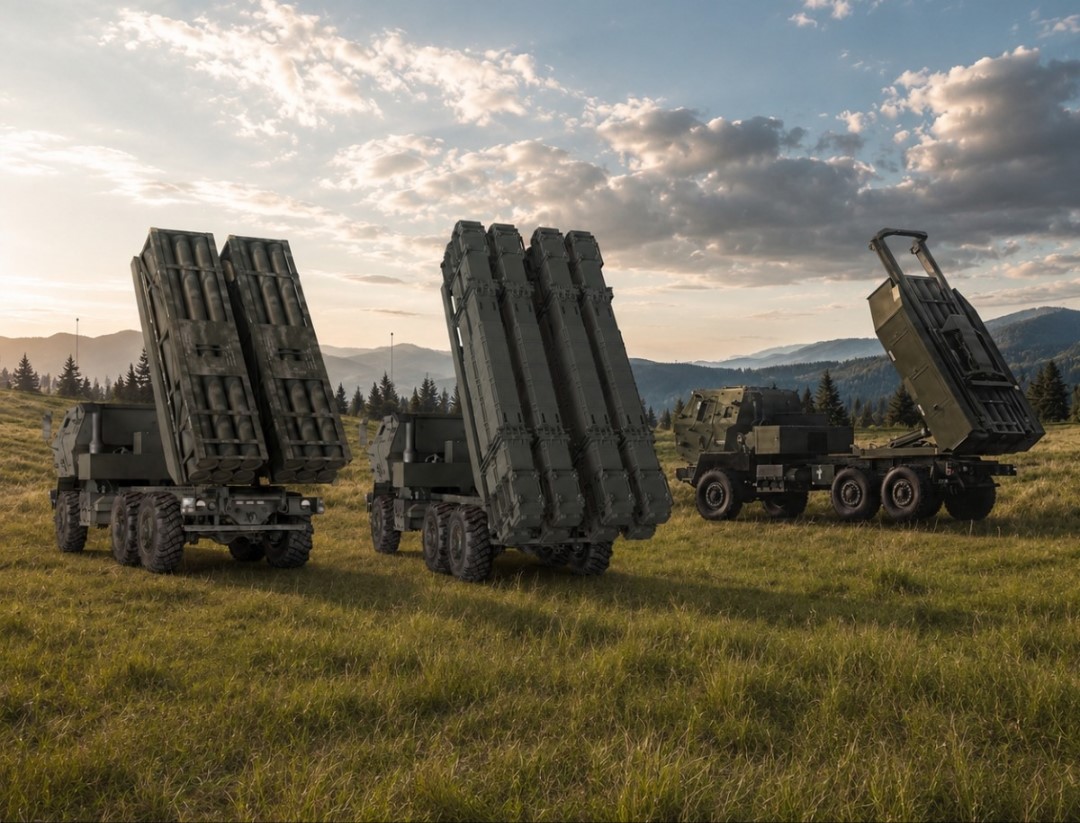 Lockheed Martin Unveils HIMARS FLEX with Dual-Pod Launcher and NATO-Compatible Air Defense Integration
-
 Iran Signs Deal with Russia for 20 Mi-8 and Mi-17 Helicopters to Boost Rescue and Medical Missions
-
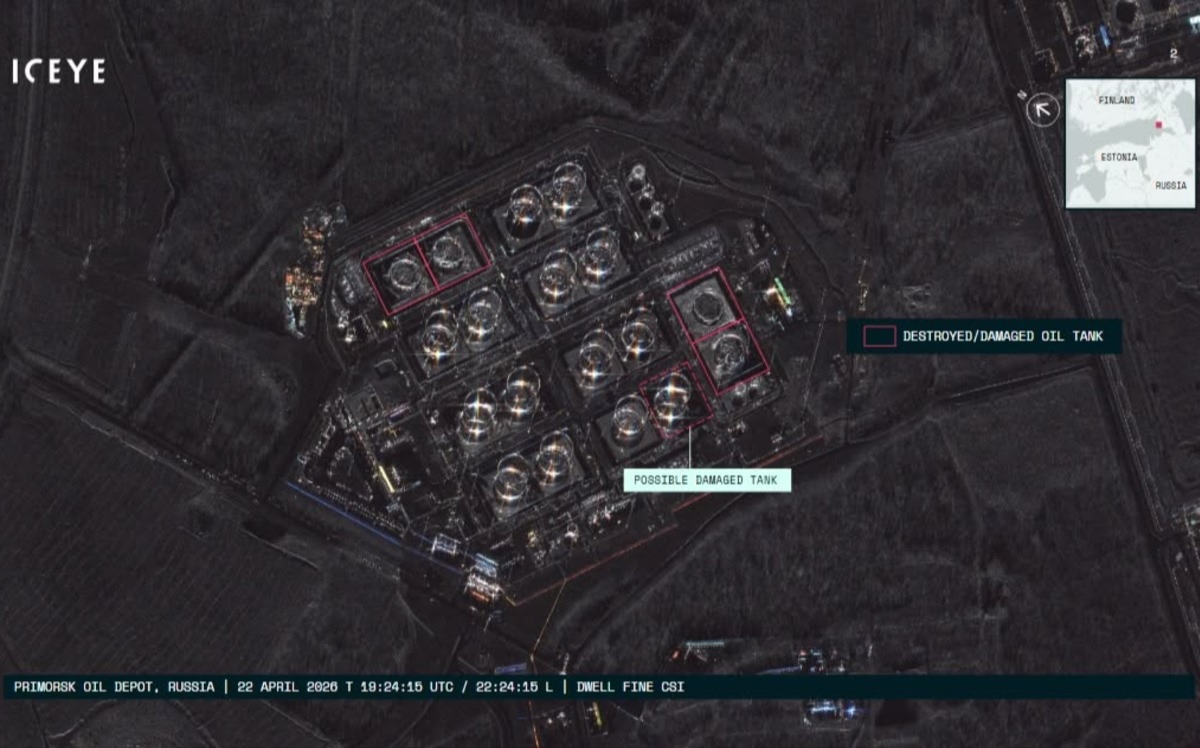 Portugal Doubles Sovereign SAR Satellite Fleet with Order for Two Additional ICEYE Satellites
-
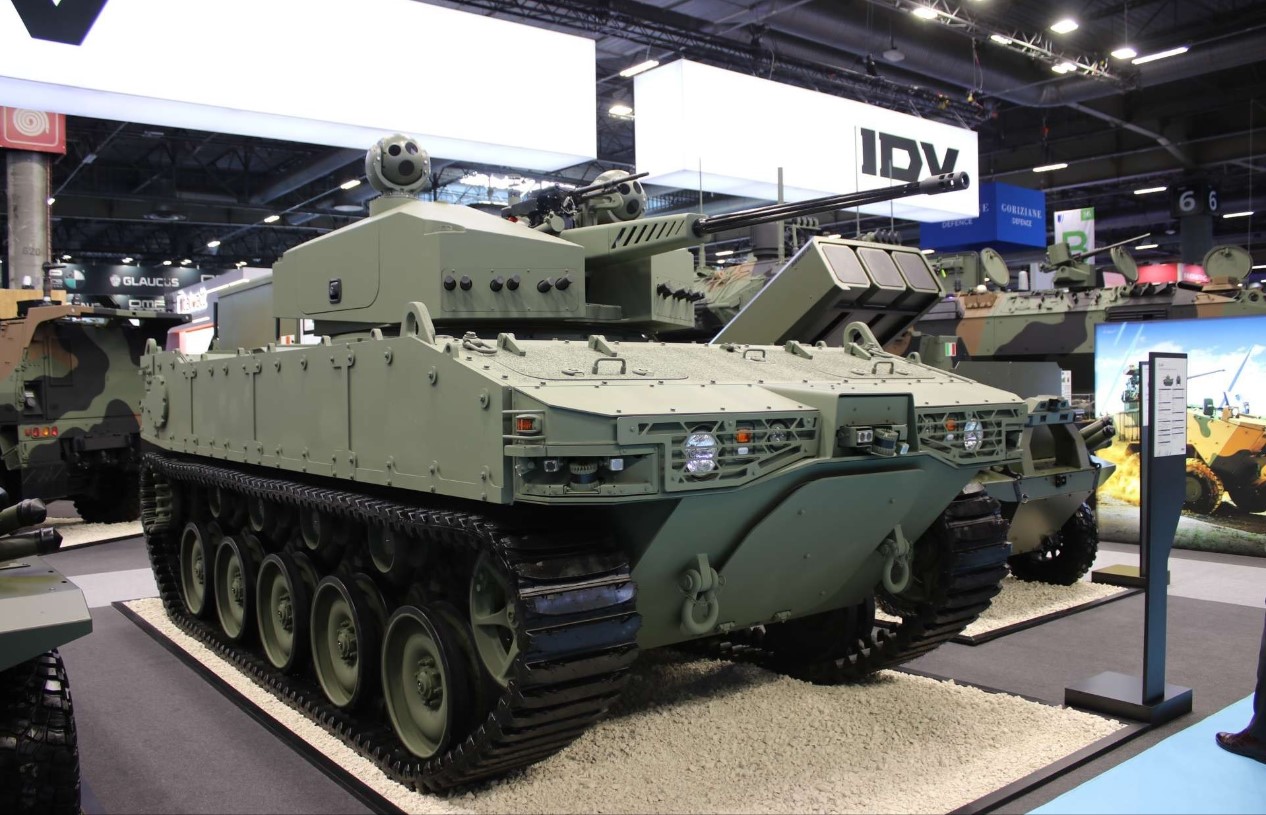 IDV Unveils CL2X Hybrid Uncrewed Light Tank at Eurosatory 2026
-
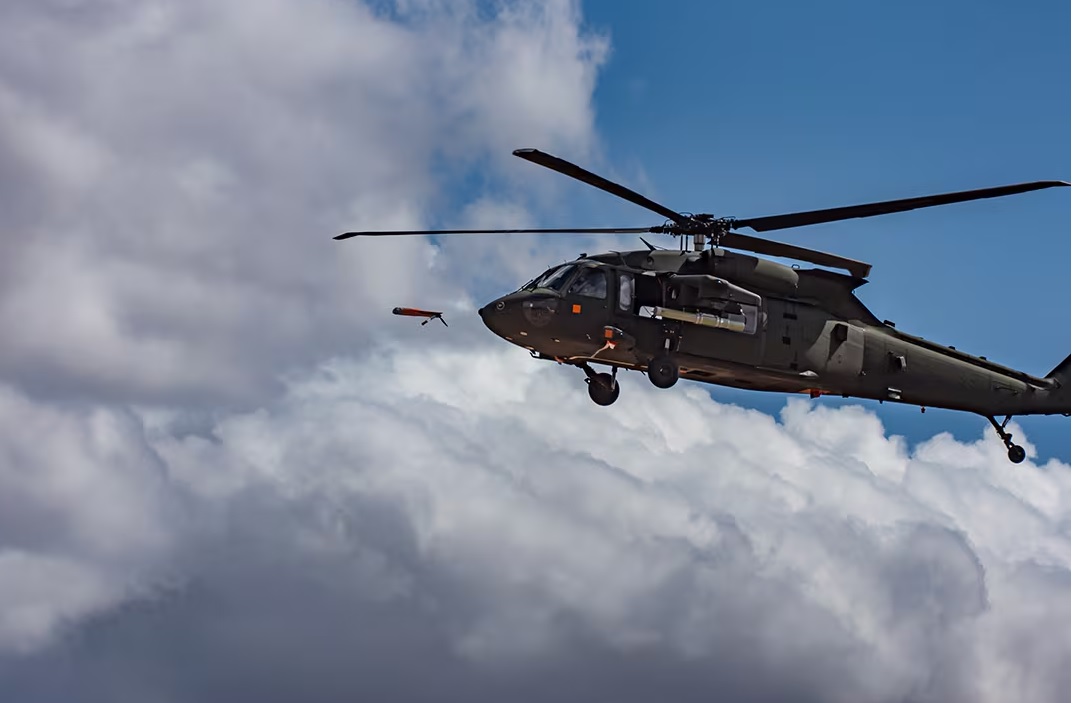 U.S. Army Completes First Flight Test of Medium-Range Air-Launched Effects from Black Hawk Helicopter
-
 Pentagon Expands Alloy Surfaces Contract to $328.8 Million for Advanced Aircraft Decoy Flares Amid Evolving Drone Threats
Top Trending in 4 Days
-
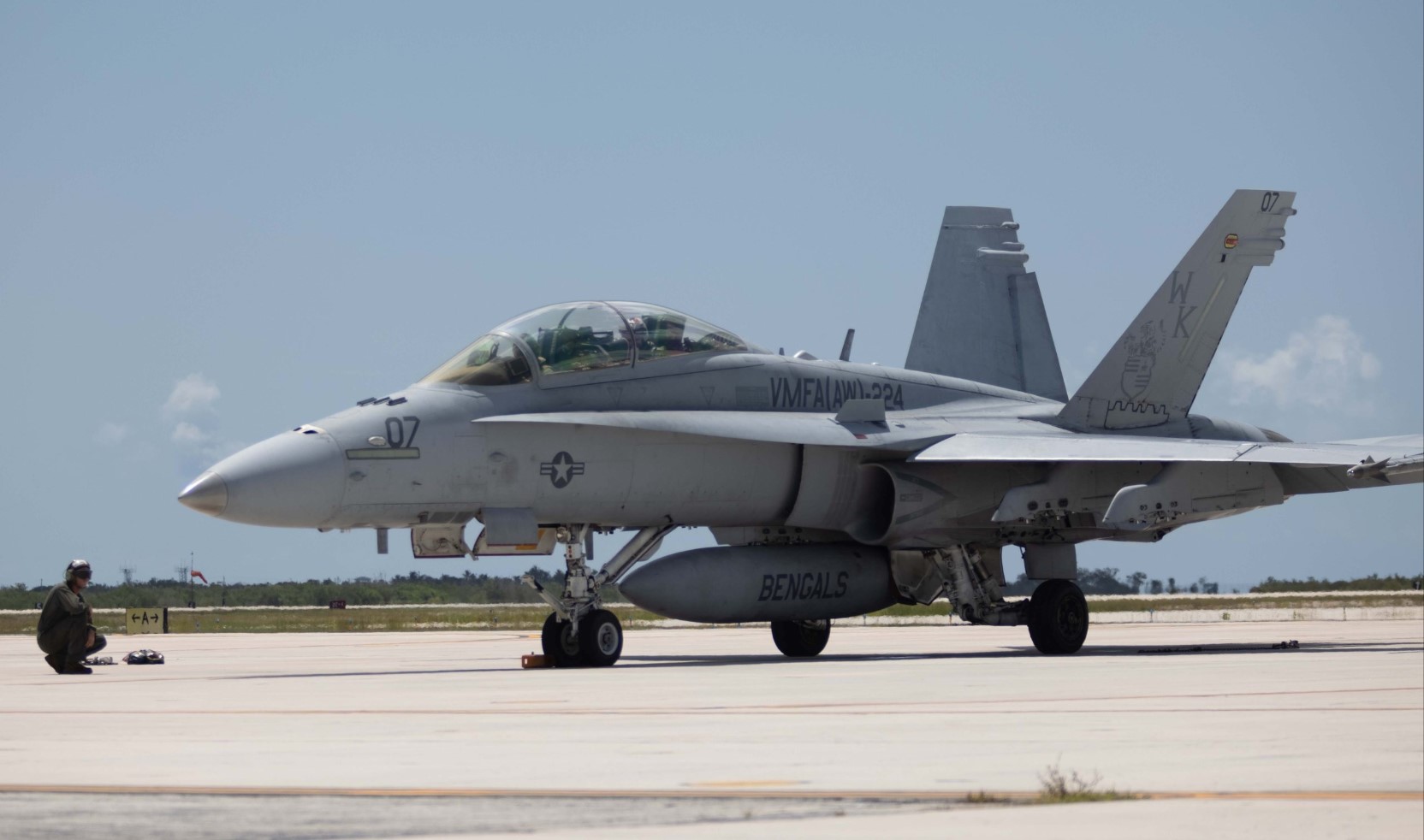 US Marine Corps F/A-18D Hornet Crashes During Training Flight in Washington Mountains; Pilot Ejects Safely
-
 Tulsi Gabbard Releases Declassified Files Detailing U.S.-Backed Network of 120 Biolaboratories Across 30+ Countries
-
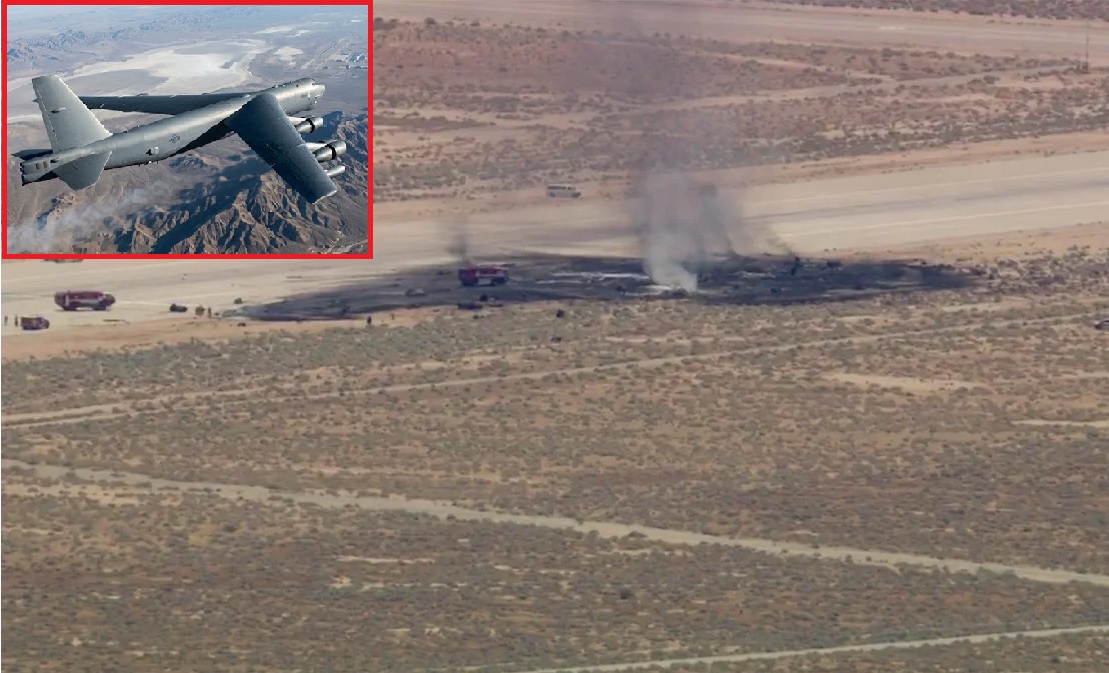 8 U.S. Air Force Crew Members Killed in B-52 Bomber Crash During Test Flight at Edwards Air Force Base
-
 Ukraine Introduces Balloon-Launched DART Missile Designed to Defeat Electronic Warfare
-
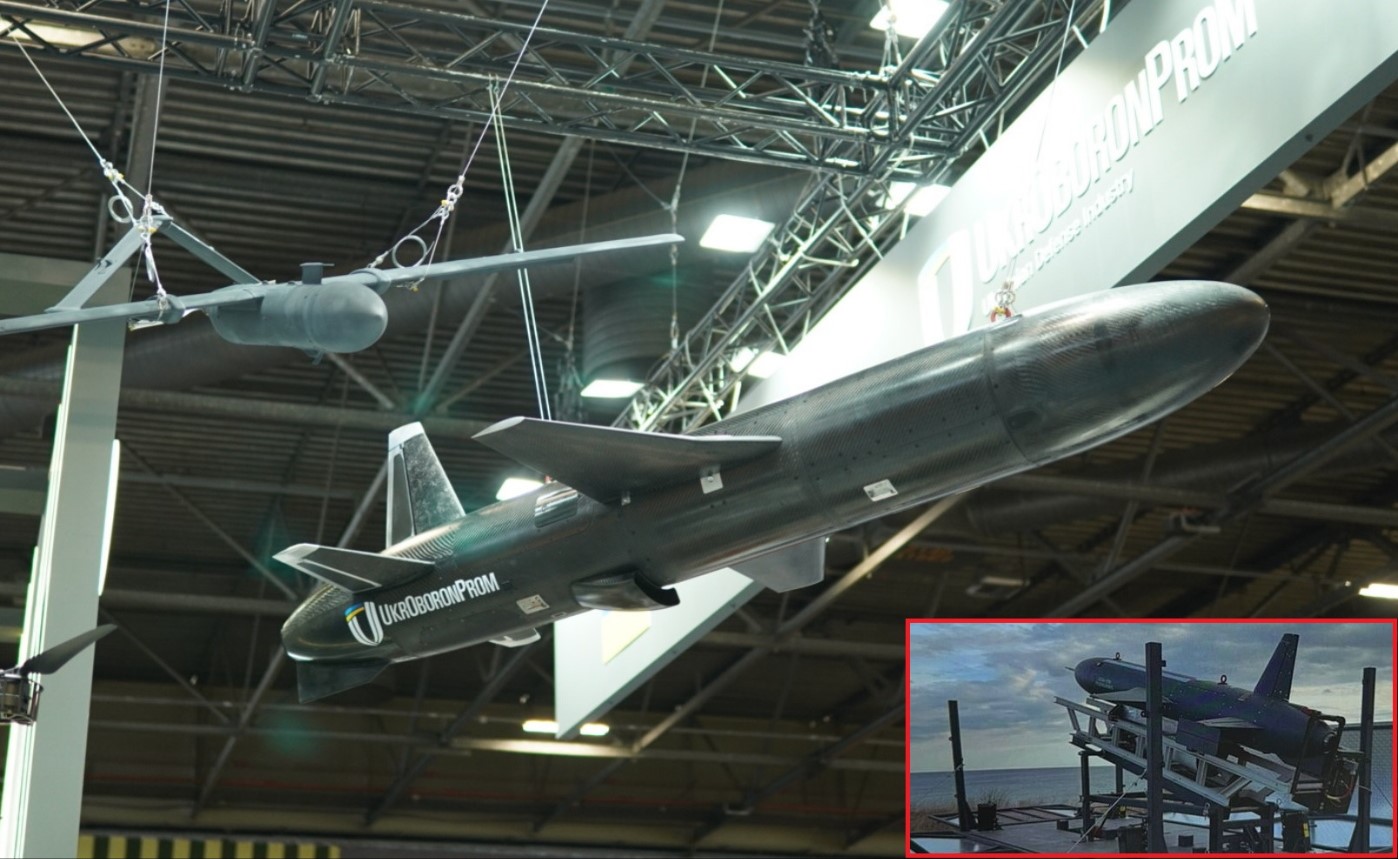 Ukraine Unveils UAV-290 Jet-Powered Strike Drone with 650 km Range at Eurosatory 2026
-
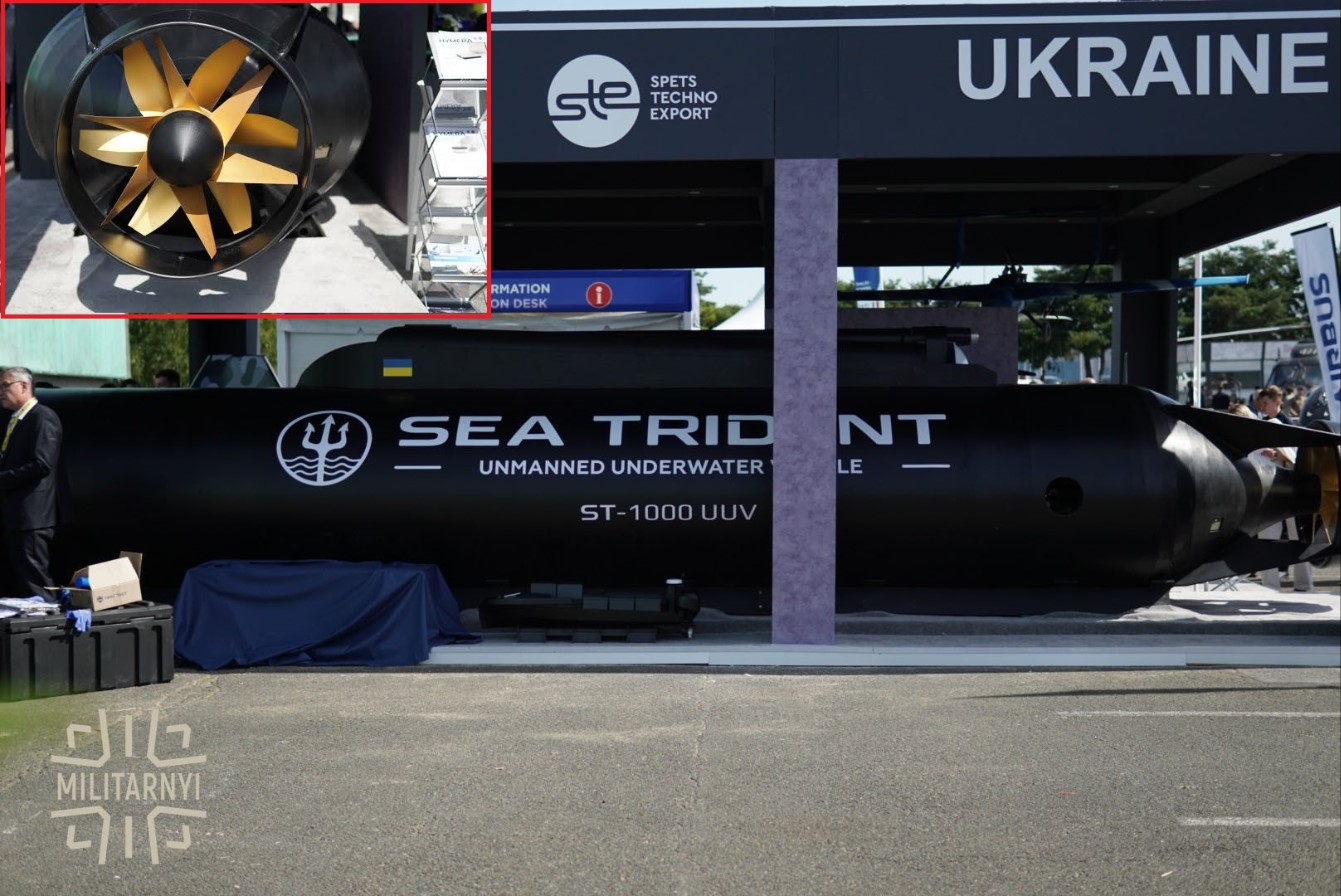 Ukraine Unveils 'Sea Trident' 10-Ton Autonomous Underwater Drone at Eurosatory 2026
-
 Rolls-Royce Unveils New Hybrid Powertrain for Heavy Military Vehicles at Eurosatory 2026
-
 France Agrees to Equip Future Indian Rafales with AI, MUM-T and Secure Satellite Links Under F5 Standard