
India
At the International Defence Exhibition & Conference (IDEX) 2025 in Abu Dhabi, the United Arab Emirates' defense conglomerate, EDGE Group, introduced its latest innovation in unmanned aerial warfare: the JENIAH Unmanned Combat Aerial Vehicle (UCAV). Developed by EDGE subsidiary ADASI, JENIAH is poised to redefine modern combat operations with its advanced capabilities and design. High-Speed Performance and Stealth Design JENIAH is engineered for high-speed missions, boasting a cruising speed of up to Mach 0.7 and a maximum speed exceeding 1,000 km/h. This performance positions it among the fastest UCAVs in its class. Its sleek, low-observable design enhances stealth, allowing it to operate effectively in contested environments and evade advanced air defense systems. Versatile Payload and Mission Flexibility With a maximum takeoff weight (MTOW) exceeding 4,000 kg, JENIAH can carry a diverse payload of up to 480 kg. This capacity enables it to undertake a wide range of missions, including intelligence, surveillance, reconnaissance, and precision strikes on high-value targets. The internal weapons bay ensures that munitions are housed within the aircraft's fuselage, maintaining its stealth profile during operations. Advanced Specifications JENIAH's design incorporates several cutting-edge features: Dimensions: The aircraft measures 10.5 meters in length with a wingspan of 6.5 meters, featuring trapezoidal wings and a V-shaped tail-plane that contribute to its aerodynamic efficiency and stealth characteristics. Autonomous Operations: Equipped with advanced artificial intelligence (AI) systems, JENIAH is capable of autonomous navigation and decision-making, enhancing mission efficiency and reducing the need for human intervention. Operational Altitude: Designed to operate at altitudes up to 25,000 feet, JENIAH can conduct missions from high elevations, providing a strategic advantage in various combat scenarios. Multi-Domain Operational Capability JENIAH is optimized for multi-domain operations, capable of executing missions in both land and maritime environments. Its flexible payload configurations allow for the integration of guided munitions, electronic warfare packages, and advanced reconnaissance equipment, making it a versatile asset in modern combat theaters. EDGE Group's Commitment to Innovation The unveiling of JENIAH at IDEX 2025 underscores EDGE Group's dedication to advancing defense technologies and enhancing the UAE's indigenous capabilities. By developing cutting-edge systems like JENIAH, EDGE Group aims to strengthen national security and position itself as a leader in the global defense industry. In summary, the JENIAH UCAV represents a significant leap forward in unmanned combat aviation, offering high-speed performance, stealth features, and versatile mission capabilities. As it progresses towards operational deployment, JENIAH is set to play a pivotal role in modernizing aerial combat operations for the UAE and its allies.
Read More → Posted on 2025-02-17 14:33:52
India
In a major boost to India's Advanced Medium Combat Aircraft (AMCA) program, France has offered to co-develop and transfer technology for a 110kN-class fifth-generation fighter engine. This offer, made by Safran, a leading French aerospace company, marks a significant milestone in Indo-French defence cooperation, reinforcing France’s position as a trusted strategic partner for India. Safran’s Bid: A Leap in Jet Engine Technology Safran, known for its M88 engines that power Rafale fighter jets, is offering an entirely new engine core specifically designed for the AMCA. Unlike previous collaborations, this time Safran has proposed full technology transfer, ensuring India gains ownership of the engine design and manufacturing expertise. This move aims to provide India with “strategic independence” in military jet engine development, reducing its reliance on foreign imports. The proposed 110kN-class engine will be developed in partnership with India’s Gas Turbine Research Establishment (GTRE). This collaboration will focus on: Advanced materials and metallurgy for high-performance engine components Next-gen turbine and compressor technologies to improve efficiency and durability Full authority digital engine control (FADEC) systems for enhanced performance and fuel efficiency Stealth-adapted engine design to support India’s AMCA's low observability features Competing Against Global Engine Giants France’s Safran is not the only player eyeing India’s fifth-generation fighter jet project. The U.S.-based General Electric (GE) and the UK’s Rolls-Royce are also in the race to power the AMCA. GE’s F-414 engine has already been selected for the Tejas Mk2 fighter, while Rolls-Royce has pitched its Eurojet EJ200-based engine for India’s future combat aircraft. However, Safran's offer stands out due to its promise of complete technology transfer, whereas GE’s offer has restrictions on certain critical components. This has led to intense discussions within India’s defence establishment regarding the best partner for achieving self-reliance in fighter jet engine technology. A Strategic Partnership with a Strong Track Record India and France share a long history of defence collaboration, from the Mirage 2000 fighter jets to the Rafale deal and Scorpene submarines. France has consistently positioned itself as a reliable ally, particularly during geopolitical tensions, contrasting with the more transactional approach of the U.S. However, there is some caution within India's defence community regarding Safran, given past experiences. In the late 2010s, India attempted to revive its indigenous Kaveri engine with Snecma (now Safran), but the project faced setbacks due to limited technology sharing. India is keen to avoid repeating history and ensure that any new collaboration provides genuine indigenous capability development. Beyond Fighter Jets: Expanding Indo-French Defence Ties Beyond the AMCA engine offer, Safran is also setting up a Defence Electronics manufacturing facility in India, which will produce: Sensors for fighter jets and military platforms Navigation and avionics systems Critical electronic components for defence applications Additionally, finalizing deals for Rafale-Marine fighters for the Indian Navy and additional Scorpene-class submarines could further deepen India-France strategic ties. Conclusion: A Defining Moment for India's Defence Future The French offer of fifth-generation fighter jet engine technology presents India with a unique opportunity to develop indigenous aerospace expertise. If successfully negotiated, this partnership could be a game-changer, enabling India to design, develop, and manufacture advanced jet engines independently. With the AMCA program set to take off in the mid-2030s, India must carefully assess the competing bids and ensure that any deal prioritizes long-term self-reliance over short-term procurement. A decision in favor of Safran could significantly accelerate India’s journey towards becoming a global aerospace powerhouse.
Read More → Posted on 2025-02-17 14:12:03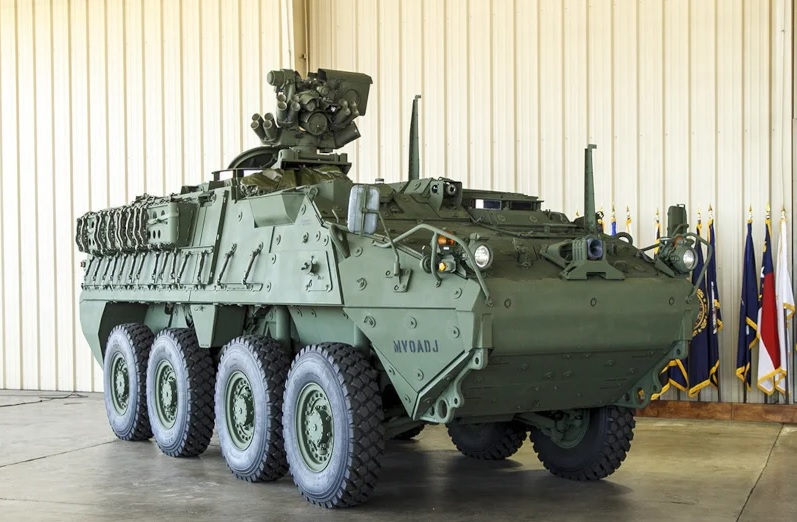
India
The US-made Stryker Infantry Combat Vehicle (ICV), developed by General Dynamics Land Systems, has encountered serious mobility challenges during high-altitude trials in Ladakh, India. These trials were conducted to assess the vehicle’s suitability for mountain warfare, but the Stryker’s 300-horsepower (hp) engine proved inadequate for the region’s thin air, steep inclines, and extreme temperatures. Acknowledging the setback, General Dynamics has pledged a significant powertrain upgrade, equipping the Stryker with a 600hp engine to enhance its mobility, power-to-weight ratio, and operational effectiveness in high-altitude environments. Why the Stryker Fell Short in Ladakh Ladakh’s rugged terrain and oxygen-deficient atmosphere present a major challenge for military vehicles. Unlike plains and urban environments, where the Stryker has demonstrated excellent mobility, high-altitude regions demand more powerful engines to maintain performance. During trials conducted in September-October 2024, the Stryker’s Caterpillar C7 engine struggled to generate enough power in Ladakh’s low-oxygen conditions. The vehicle faced difficulties in climbing steep inclines, maneuvering through rough terrain, and sustaining operational effectiveness, raising concerns about its viability for India’s mechanized forces in border areas along the Line of Actual Control (LAC) with China. General Dynamics' 600hp Engine Solution In response to the Indian Army’s concerns, General Dynamics has committed to upgrading the Stryker’s powertrain, replacing the 300hp engine with a more powerful 600hp variant. This doubling of power output is expected to significantly improve the vehicle’s climbing ability, off-road mobility, and high-altitude performance. Before returning to India for re-trials in Ladakh, General Dynamics will first test the upgraded Stryker in the US to ensure its enhanced performance under simulated high-altitude conditions. If successful, the modified Stryker could regain its position as a potential contender for India’s next-generation ICV procurement program. Indigenous WhAP Emerges as a Strong Competitor The Stryker’s struggles in Ladakh have intensified discussions about the viability of indigenous alternatives, particularly the Wheeled Armoured Platform (WhAP) developed by India’s DRDO and Tata Advanced Systems. The WhAP, which features a 600hp engine and amphibious capabilities, has been designed specifically for Indian conditions, making it a strong contender against foreign options. Proponents argue that choosing WhAP over Stryker would align with India’s Aatmanirbhar Bharat (self-reliance) goals and reduce dependency on foreign defence manufacturers. What’s Next? The upgraded Stryker’s performance in re-trials will determine whether it remains in the running for India’s plan to replace aging BMP-2 ICVs. Meanwhile, the WhAP’s continued development and testing could shift preference toward an indigenous solution, offering India a homegrown alternative tailored for high-altitude combat. With border tensions along the LAC persisting, India’s decision between Stryker and WhAP will not only impact its mechanized forces but also shape its long-term defence strategy.
Read More → Posted on 2025-02-17 13:56:08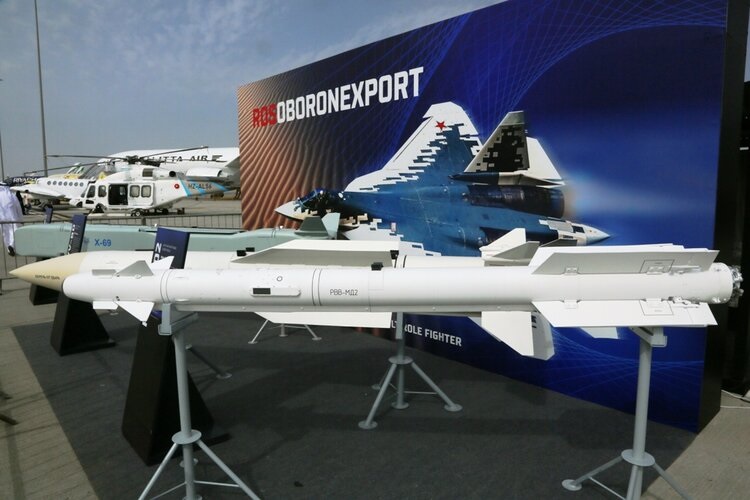
India
In a major step towards boosting India’s defence self-reliance, Adani Defence and Aerospace has announced plans to indigenously produce the R-73E short-range air-to-air missile (AAM) under the name ‘Raya’. This move, in collaboration with Russian defence firms, is expected to enhance the close-combat capabilities of India’s frontline fighter jets, including the Su-30 MKI, MiG-29, and Tejas. The R-73E: A Battlefield-Proven Weapon Originally developed by Russia’s Vympel NPO, the R-73E, also known by its NATO reporting name "AA-11 Archer", is one of the most effective within-visual-range (WVR) missiles in modern aerial warfare. The missile is widely recognized for its: Infrared Homing System – Uses heat-seeking technology to engage enemy aircraft. Off-Boresight Targeting – Capable of locking onto enemy aircraft at angles up to 45 degrees. High Maneuverability – Can outmaneuver countermeasures and engage fast-moving aerial threats. Combat-Proven Effectiveness – Notably used by the Indian Air Force (IAF) in the 2019 aerial skirmish against Pakistan, where it was reportedly employed by an IAF MiG-21 Bison to down a Pakistani F-16. With an operational range of up to 30 km, the R-73E provides an edge in close-range dogfights, making it a critical weapon for the IAF’s air superiority strategy. Adani’s ‘Raya’ – India’s Path to Missile Self-Sufficiency Under the ‘Make in India’ and ‘Aatmanirbhar Bharat’ initiatives, Adani Defence will establish state-of-the-art manufacturing facilities to produce ‘Raya’ in India. The project will be supported through technology transfer agreements with Russian partners, ensuring that India gains expertise in advanced missile manufacturing. By localizing production, this initiative will: Ensure a Steady Supply – Eliminating dependence on foreign imports. Reduce Costs – Making procurement more affordable for the Indian armed forces. Strengthen India’s Defence Industry – Boosting indigenous defence production and expertise. Open Export Opportunities – Expanding India’s footprint in global missile markets. A Major Leap for Indian Air Power Adani Defence’s ‘Raya’ missile production will solidify India’s air combat prowess, equipping the IAF’s Su-30 MKI, MiG-29, and other platforms with a battle-proven, next-generation short-range missile. With higher availability, cost-effectiveness, and enhanced performance, the move ushers in a new era of defence self-reliance for India.
Read More → Posted on 2025-02-17 13:45:14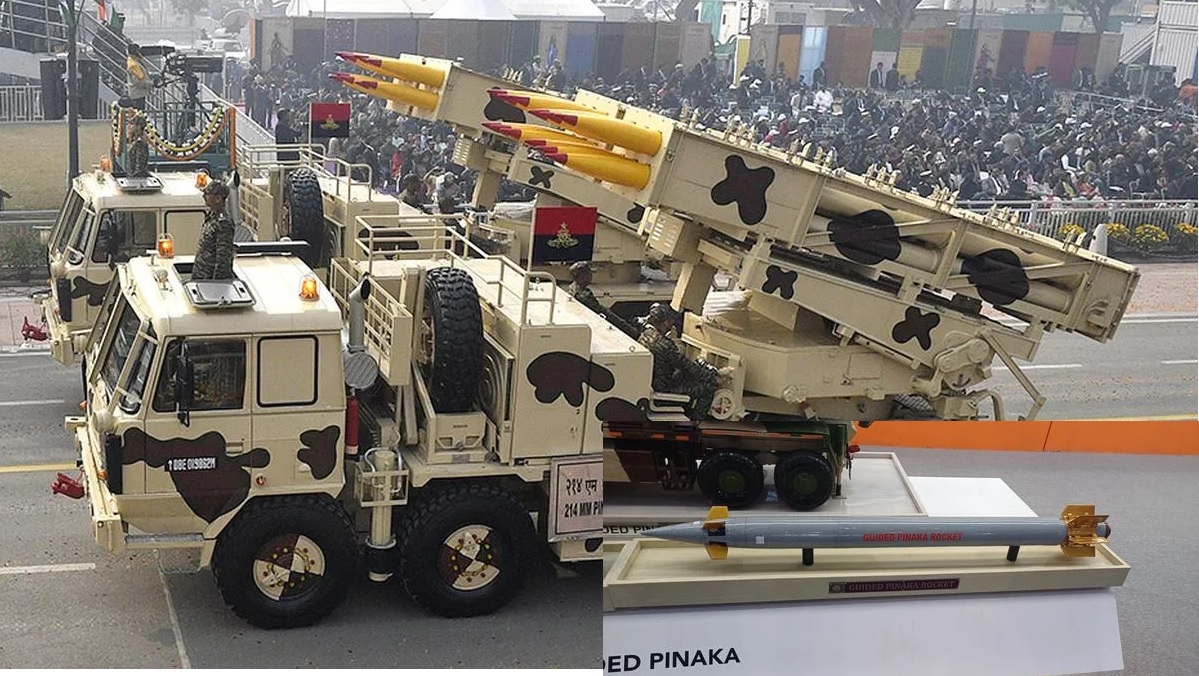
India
India’s Defence Research and Development Organisation (DRDO) is advancing its Pinaka Multi-Barrel Rocket Launcher (MBRL) system with the development of a new high-calibre rocket boasting a 120 km range. Unveiled at Aero India 2025, this enhanced version is designed to provide the Indian Armed Forces with extended-range firepower, further strengthening India's long-range artillery strike capabilities. A More Powerful Pinaka: Key Upgrades and Features The new Pinaka variant, expected to undergo its first test in October 2025, is a significant upgrade over existing models. While DRDO has not disclosed the exact calibre, it is believed to be comparable to the 300 mm Russian Smerch rockets, currently in service with the Indian Army. The upgraded 120 km Pinaka rocket will: Be fired from the existing Pinaka MBRL system with a modified pod to accommodate its larger size. Retain the fin-stabilized, solid-propellant, guided and unguided capabilities of the 214 mm Pinaka family. Provide longer-range firepower, improving India's strike efficiency and battlefield reach. Expanding the Pinaka Family: Future Variants in Development Alongside the 120 km variant, DRDO is also working on: A 200+ km range Pinaka to further enhance India's long-range precision strike capability. A naval version of the Pinaka rocket, optimized for submarine countermeasures and underwater warfare, with a 75 km range and trials scheduled this year. Air-launched Pinaka systems, being considered by the Indian Air Force (IAF) as a cost-effective alternative to the Pralay missile. If developed, these could be fitted on Su-30MKI aircraft, enabling surface-to-surface and air-to-surface operations. Strengthening India’s Artillery and Missile Systems With these new variants, Pinaka will evolve beyond traditional ground-based rocket artillery to become a multi-domain strike system, adaptable for land, sea, and air operations. The Indian Army has already approved the 120 km and 200+ km variants, ensuring that future regiments are equipped with state-of-the-art, long-range firepower. By expanding the Pinaka family, DRDO is reinforcing India’s self-reliance in advanced artillery systems, further reducing dependency on foreign imports while strengthening the country's defence capabilities against evolving threats.
Read More → Posted on 2025-02-17 13:40:21
India
In a move that has ignited political controversy, Elon Musk-led Department of Government Efficiency (DOGE) has cancelled a ₹22 million ($21 million) project intended to boost voter turnout in India. Announced on February 15, 2025, the decision is part of a broader effort to eliminate federal spending on international political projects, including a $29 million initiative in Bangladesh. DOGE, which was established under Musk’s leadership to reduce government waste, cited concerns over excessive federal spending as the reason for terminating these projects. However, the cancellation has raised eyebrows in India, with the ruling Bharatiya Janata Party (BJP) accusing it of potential foreign interference in domestic elections. Political Reactions in India BJP’s media head, Amit Malviya, reacted sharply, questioning the intent behind the funding. Taking to X (formerly Twitter), he wrote: "₹22M for voter turnout? This is definitely external interference in India’s electoral process. Who gains from this? Not the ruling party for sure!" The controversy deepened as DOGE disclosed additional details about global election-related funding, revealing that $486 million had been allocated to the ‘Consortium for Elections and Political Process Strengthening’, including $22 million for Moldova and $21 million for India. The revelation has fueled debates over U.S. involvement in foreign elections and whether such initiatives undermine national sovereignty. Musk’s Anti-Government Spending Stance Musk’s approach to federal spending has been a subject of intense scrutiny. He has been vocal about his disapproval of U.S. government agencies like USAID, previously calling it a “criminal organization” and advocating for its dismantling. Under his leadership, DOGE has aggressively cut international funding, terminated consulting contracts, and reduced government expenditures across various sectors. While some argue that these cuts reflect responsible governance and taxpayer savings, others warn that they could disrupt international relations and democratic processes in partner nations. Critics point out that funding election processes in developing democracies has long been a U.S. foreign policy tool, and abruptly pulling out could weaken democratic institutions in these countries. Impact on India’s Electoral Landscape The cancellation of this project raises key questions: Was this funding part of a legitimate democracy-support initiative, or an attempt at influencing Indian elections? Would the funds have impacted voter behavior, and if so, in whose favor? Does India's electoral system need external funding for voter turnout initiatives? India has a robust electoral process, managed by the Election Commission of India (ECI), which ensures free and fair elections. However, opposition parties have often raised concerns over foreign influence in Indian politics, making this cancellation a politically charged issue. As the 2025 Indian elections approach, the debate over foreign intervention, election integrity, and government accountability is expected to gain further traction, shaping political narratives in the months to come.
Read More → Posted on 2025-02-16 15:37:18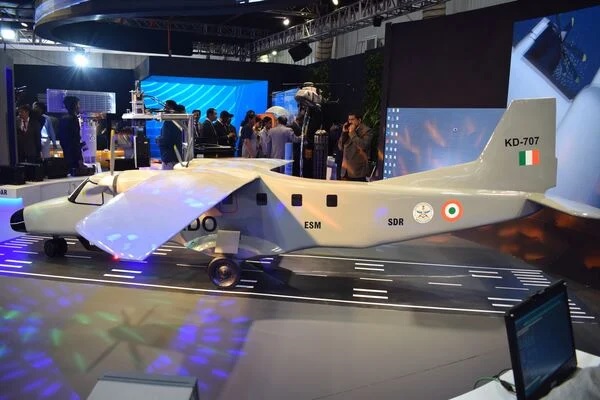
India
At Aero India 2025, the Defence Research and Development Organisation (DRDO) introduced the 'Shyen' sensor suite, a state-of-the-art upgrade designed for the Indian Navy's Dornier Do 228 maritime patrol aircraft. This advanced suite aims to significantly enhance the aircraft's surveillance and reconnaissance capabilities, ensuring superior maritime domain awareness. Comprehensive Sensor Integration The 'Shyen' sensor suite integrates multiple cutting-edge systems to provide a holistic surveillance solution: Maritime Surveillance Radar ('Kshitij'): A long-range, multirole active electronically scanned array (AESA) radar system. 'Kshitij' offers spot/strip synthetic aperture radar (SAR) modes and a ground moving target indicator (GMTI) mode for effective ground surveillance. It also includes weather and search-and-rescue functionalities. Electronic Support Measures (ESM) System: This component offers wideband coverage from very high frequency (VHF) to Ka-band frequencies, ensuring a high probability of intercept. It is crucial for electronic warfare and intelligence gathering by detecting enemy radar emissions. Electro-Optic/Infrared (EO/IR) System: Engineered to deliver high-definition imagery, this system significantly improves target identification and reconnaissance capabilities from the air. Software Defined Radio (SDR) Communication Suite: Ensures that all sensor data can be effectively relayed back to naval commanders, facilitating real-time decision-making and operational coordination. Advanced Technological Features The 'Kshitij' radar stands out with its integration of approximately 600 gallium nitride (GaN)-based transmit/receive (T/R) modules, arranged in a tiled configuration. This design enables sub-meter resolution in target detection, marking a significant advancement in India's radar technology. Furthermore, the radar system incorporates an automatic identification system (AIS), EO/IR imaging, and Automatic Dependent Surveillance–Broadcast (ADS-B). It employs artificial intelligence (AI) for enhanced target classification, ensuring precise and efficient identification of maritime threats. Enhancing the Dornier Do 228's Capabilities The integration of the 'Shyen' sensor suite transforms the Dornier Do 228 into a formidable asset for maritime patrol missions. The aircraft, known for its reliability and versatility, now boasts enhanced avionics, better fuel efficiency, advanced radar systems, improved maneuverability, integrated surveillance systems, and upgraded electronic warfare capabilities. These upgrades align with the Indian Navy's objective to bolster maritime security and surveillance, ensuring that the Dornier Do 228 remains a critical component in safeguarding India's maritime interests. The unveiling of the 'Shyen' sensor suite at Aero India 2025 underscores DRDO's commitment to advancing indigenous defense technologies, contributing to a more self-reliant and secure maritime defense infrastructure.
Read More → Posted on 2025-02-16 15:18:53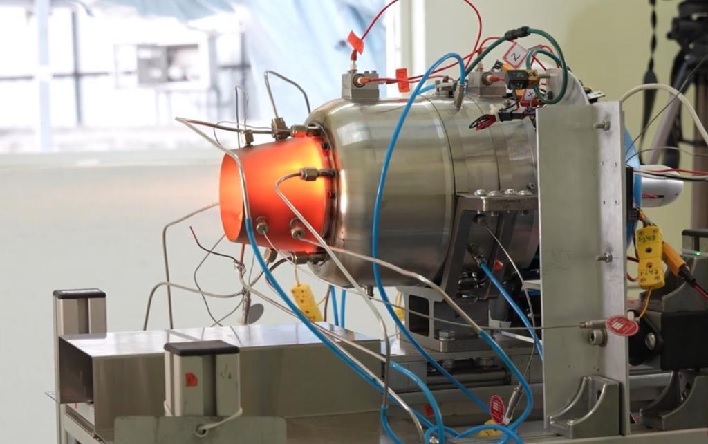
India
In a major step toward enhancing India's defence capabilities, Bharat Forge Ltd (BFL) and VEDA Aeronautics (P) Ltd have signed a Memorandum of Understanding (MoU) at Aero India 2025 to develop advanced Unmanned Aerial Vehicles (UAVs) and high-speed aerial weapon systems for military applications. This collaboration is a significant move under India’s ‘Atmanirbhar Bharat’ initiative, focusing on the indigenization of critical defence technologies and reducing reliance on foreign imports. Indigenous Microjet Engines for UAVs A key highlight of this partnership is the integration of BFL’s microjet engines into VEDA Aeronautics' unmanned systems. BFL is developing indigenous jet engines with thrust capabilities of up to 400 kgf, which will be instrumental in powering future UAVs, loitering munitions, and high-speed aerial weapons. Currently, BFL has 40 kgf and 45 kgf microjet engines in serial production, which will be utilized by VEDA Aeronautics in all its defence projects. These lightweight yet powerful engines will enable longer endurance, higher speed, and enhanced operational flexibility for UAV platforms. Advanced UAVs and Smart Aerial Weapons VEDA Aeronautics specializes in developing cutting-edge unmanned aerial and weapon systems integrated with: Narrow AI – Enabling autonomous decision-making and improved mission efficiency. Electro-optics – Enhancing surveillance, targeting, and real-time situational awareness. Robotics – Enabling precision strike capabilities and swarm-based UAV operations. This partnership will focus on developing next-generation UAVs, loitering munitions, and drone-based aerial attack systems, equipping the Indian Armed Forces with state-of-the-art technology to counter evolving battlefield threats. Strengthening India’s Defence Ecosystem The Bharat Forge-VEDA Aeronautics collaboration aims to leverage the strengths of both companies—BFL’s expertise in precision engineering and propulsion systems, and VEDA’s specialization in UAVs and aerial warfare solutions. This partnership is expected to accelerate the development of indigenous UAVs for reconnaissance, surveillance, and attack missions, strengthening India’s defence self-reliance and global competitiveness in unmanned systems. With global UAV warfare becoming increasingly sophisticated, this collaboration marks a pivotal step in India's journey toward building a world-class drone warfare ecosystem, making Indian defence forces more agile, self-sufficient, and technologically superior.
Read More → Posted on 2025-02-16 15:06:28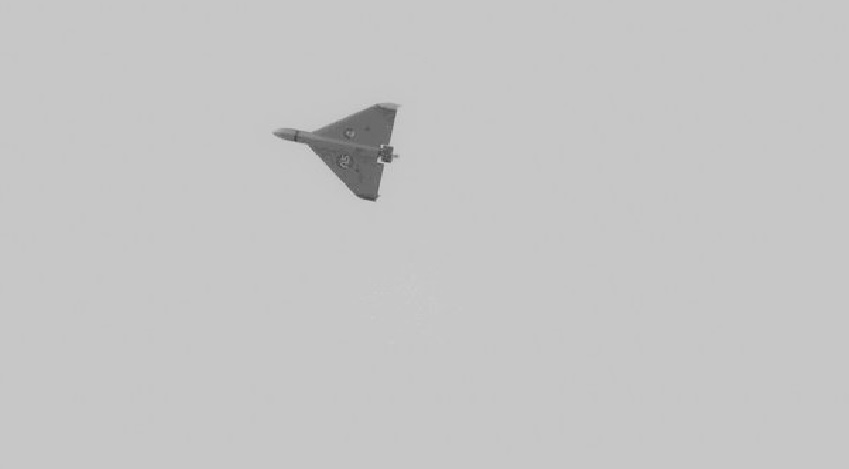
India
India has taken a major leap in autonomous drone warfare with the successful first flight of the Sheshnag 150, a long-range swarm drone developed by Newspace Research & Technologies (NRT). This marks a significant milestone in the integration of AI-powered unmanned systems into modern military operations. A Game-Changer in Attritable Warfare Designed for "attritable warfare", the Sheshnag 150 focuses on overwhelming enemy defences with mass drone swarms, making it a cost-effective yet highly lethal platform. By leveraging AI-driven swarm coordination, multiple drones can execute synchronized strikes, reconnaissance, and deep-penetration missions without direct human control. The drone is engineered to operate in autonomous or semi-autonomous modes, making it a potent force multiplier for both offensive and defensive military operations. It can function as a standalone attack drone or as part of a larger swarm, executing complex battlefield strategies with precision and efficiency. Key Capabilities and Advanced Features The Sheshnag 150 is designed for a wide range of military applications, from intelligence gathering to high-impact strikes on enemy infrastructure. Some of its key specifications include: Endurance: 5 hours Range: Over 1,000 km, allowing for deep-penetration missions Payload Capacity: 25-40 kg, enabling it to carry explosives, sensors, or electronic warfare payloads AI-Powered Swarming: Allows for coordinated multi-drone missions, adapting to real-time battlefield conditions Stealth and Survivability: Designed to be low-cost and expendable, ensuring mass deployment without high financial risks Transforming the Future of Warfare With its successful maiden flight, the Sheshnag 150 signals India’s emergence as a leader in advanced unmanned aerial systems (UAS). It joins the growing global trend of AI-driven, swarm-capable drones that are set to redefine air combat strategies. NRT’s continued research into next-generation autonomous drones will enhance India’s defence capabilities, ensuring that its armed forces remain at the forefront of modern warfare. The Sheshnag 150 is not just another UAV—it represents the future of AI-powered, autonomous combat, where drones will play a pivotal role in tactical and strategic operations.
Read More → Posted on 2025-02-16 14:53:58
India
In a significant leap towards enhancing soldier mobility and endurance, Tata Advanced Systems Limited (TASL), in collaboration with Defence Research and Development Organisation (DRDO), has introduced a Passive Exoskeleton designed to alleviate the physical strain faced by soldiers in combat. This breakthrough technology is set to redefine battlefield efficiency by reducing fatigue and increasing operational effectiveness. A Game-Changer for Soldiers in Challenging Terrains Soldiers often operate in extreme conditions, carrying heavy combat gear, weapons, and supplies, which can significantly impact their performance and endurance. The Passive Exoskeleton, developed by Tata and DRDO, provides mechanical support to key joints such as the knees, hips, and lower back, effectively redistributing the weight and reducing muscle fatigue and injury risks. One of the most remarkable features of this exoskeleton is its ability to transfer up to 75% of the carried load directly to the ground, drastically reducing the strain on the soldier's body. This innovation allows soldiers to move faster, travel longer distances, and operate in hostile environments with greater ease, significantly improving their agility and combat endurance. Key Features and Specifications of the Passive Exoskeleton Load-Bearing Support: The exoskeleton is engineered to absorb and distribute weight, allowing soldiers to carry heavy loads with minimal effort. Enhanced Joint Support: The system provides reinforcement to the knees, hips, and lower back, reducing the risk of musculoskeletal injuries. Lightweight and Ergonomic Design: Made from high-strength, lightweight materials, ensuring that the device does not hinder movement. No Power Dependency: Unlike active exoskeletons, this passive system functions without requiring a power source, making it more reliable and adaptable in long-duration missions. Versatile Combat Adaptability: Tested across varied terrains, including mountainous regions, forests, and urban warfare scenarios, proving its effectiveness in multiple combat situations. Successful Demonstration in Realistic Combat Scenarios During a recent demonstration, soldiers equipped with the exoskeleton underwent rigorous combat drills, including long marches, stair climbing, crawling, and rapid movement while carrying full combat gear. The results showed notable improvements in endurance, reduced exhaustion levels, and better agility, proving the system’s potential to enhance battlefield survivability. Paving the Way for Future Enhancements This indigenous innovation aligns with India’s ‘Aatmanirbhar Bharat’ initiative, reducing dependency on foreign military technologies. The successful unveiling of the passive exoskeleton is just the first step, as Tata and DRDO plan to further refine the technology by incorporating active elements, such as powered actuators and smart sensors, to provide even greater mobility assistance in future versions. A Major Boost for Indian Defence Forces The TASL-DRDO Passive Exoskeleton is set to become an essential part of India’s defence modernization. By reducing the physical burden on soldiers, this system will enhance their combat readiness, efficiency, and safety, ultimately giving India’s armed forces a strategic advantage in future conflicts. With continued research and development, this innovation could also be expanded for civilian applications, including disaster relief, emergency response, and industrial labor assistance. This groundbreaking development marks a new era in defence technology, reaffirming India’s position as a global leader in indigenous military innovations.
Read More → Posted on 2025-02-16 14:39:19
India
In a major step towards bolstering India’s military capabilities, Rafael Advanced Defense Systems Ltd and Larsen & Toubro (L&T) have signed a Memorandum of Understanding (MoU) at Aero India 2025 to indigenously produce the Trophy Active Protection System (APS). This partnership aligns with the Indian government's ‘Aatmanirbhar Bharat’ and ‘Make in India, Make for the World’ initiatives, ensuring that critical defence technologies are manufactured locally. Why Trophy APS is a Game-Changer Trophy APS is the world’s only combat-proven and operationally deployed active protection system, designed to protect tanks, armored vehicles, and military platforms from modern threats, including anti-tank guided missiles (ATGMs), rocket-propelled grenades (RPGs), and other battlefield projectiles. It has been extensively used in combat zones, including operations in Israel, the U.S., and NATO forces, demonstrating high survivability rates for armored platforms. This system also comes with Counter Unmanned Aerial Systems (C-UAS) capabilities, allowing it to neutralize aerial threats such as drones, which have become a major challenge in modern warfare. By incorporating advanced radar and interception mechanisms, Trophy APS detects and intercepts incoming threats within milliseconds, ensuring the safety of both the platform and personnel. The Rafael-L&T Collaboration: Bringing Cutting-Edge Technology to India The strategic partnership between Rafael and L&T aims to integrate Trophy APS into India's existing and future armored vehicle fleet, enhancing their survivability against evolving threats. This collaboration will customize the Trophy APS to meet Indian Army requirements and ensure that the system is manufactured and maintained within India, contributing to local defence production and long-term sustenance capabilities. Yoav Tourgeman, CEO of Rafael Advanced Defense Systems, highlighted the importance of this agreement: "This partnership with L&T is a significant step in strengthening India’s defence capabilities. It will enhance the Indian Armed Forces' operational readiness while reinforcing Rafael’s commitment to India's defence manufacturing ecosystem." Similarly, Arun Ramchandani, Senior Vice President & Head of L&T Precision Engineering & Systems, emphasized the advantages of locally producing Trophy APS: "The integration of Trophy APS into Indian combat platforms will significantly boost survivability on the battlefield. This system, tailored for Indian conditions, will be built and sustained locally, ensuring long-term operational effectiveness for the armed forces." Boosting India’s Defence Self-Reliance The Trophy APS deal is expected to have far-reaching implications for India’s defence landscape. By producing high-end active protection systems within the country, India will not only reduce its dependence on foreign imports but also strengthen its defence industrial base. Additionally, integrating Trophy APS with indigenous combat vehicles, such as the Arjun Main Battle Tank (MBT), Future Infantry Combat Vehicles (FICV), and other mechanized platforms, will significantly enhance their battlefield resilience. With this collaboration, India is set to become a global hub for advanced defence technologies, ensuring its military remains well-equipped to counter modern threats while reinforcing its position as a self-reliant defence powerhouse.
Read More → Posted on 2025-02-15 14:31:18
India
India’s Defence Research and Development Organisation (DRDO) has taken a major step forward in next-generation weaponry by showcasing a new compact and transportable electromagnetic railgun (EMRG) at Aero India 2025 in Bangalore. Developed by DRDO’s Armament Research & Development Establishment (ARDE), this cutting-edge system is now ready for field trials, marking a significant milestone in India’s pursuit of advanced electromagnetic weaponry. A Breakthrough in Electromagnetic Weaponry The electromagnetic railgun operates using electromagnetic energy instead of conventional gunpowder, allowing for higher velocity, greater range, and improved accuracy. This new compact system has been optimized for mobility and is designed to be deployed on a trailer, making it transportable for various battlefield scenarios. Key Features and Specifications High-Speed Projectile Launch: The railgun fires projectiles at speeds exceeding 2,000 meters per second (m/s) using stored electromagnetic energy. Modular Energy System: The setup includes 25 modular capacitor power banks, each with a storage capacity of 400 kJ, which collectively store up to 10 megajoules (MJ) of energy to power the railgun. Sustained Firepower: The railgun can fire 30 rounds at a rate of 3 rounds per minute when fully charged. Longer Rail Lifespan: The enhanced rail design allows for 50+ shots before requiring maintenance, significantly improving durability over previous designs. Portable Power Source: A 15 kW diesel generator can fully charge the system’s lithium battery bank in just 30 minutes, eliminating reliance on external grid power. Compact and Transportable Design: Unlike large-scale railgun systems, this version is trailer-mounted for easy mobility, allowing rapid deployment in various combat environments. Reviving India’s Railgun Program DRDO’s interest in railgun technology dates back to 1994, when it developed a prototype with a 240 kJ capacitor bank capable of launching 3–3.5 g projectiles at speeds above 2,000 m/s. However, the project was shelved due to funding constraints. In 2017, the initiative was revived with fresh funding, and today, the new compact EMRG is one of DRDO’s most advanced defense projects. Future Applications in Defense The electromagnetic railgun represents a potential revolution in modern warfare, particularly in naval and long-range artillery operations. Unlike traditional weapons that rely on gunpowder, the railgun’s ability to fire at hypersonic speeds with zero chemical propellants provides significant tactical advantages: Greater Accuracy: The projectile’s high velocity makes it harder to intercept. Extended Range: The use of electromagnetic propulsion allows for longer-range strikes with reduced projectile drag. Lower Operational Costs: Since no explosive propellant is needed, logistics and ammunition costs are significantly reduced. Enhanced Safety: Eliminating gunpowder reduces the risk of accidental detonations. DRDO’s Expanding Focus on Next-Gen Weapons Apart from the electromagnetic railgun, DRDO also showcased several futuristic defense technologies at Aero India 2025: Laser-Based Directed Energy Weapons (DEWs): Unveiled during the Republic Day Parade on January 26, 2025, these laser systems mark a shift towards energy-based warfare. Raksha Kavach Multi-Layered Defense System: A conceptual multi-domain protection system designed for future threats, also showcased at Aero India 2025. A Step Toward Atmanirbhar Bharat in Defense With this development, India joins a select group of nations actively pursuing electromagnetic railgun technology, reinforcing the country’s goal of achieving self-reliance in advanced military capabilities under the Atmanirbhar Bharat initiative. As the system moves toward live trials and operational deployment, it could redefine India’s defense strategy, particularly in naval warfare and high-speed long-range artillery. The successful development of this compact electromagnetic railgun demonstrates DRDO’s growing expertise in next-gen weaponry, positioning India among the global leaders in electromagnetic warfare technology.
Read More → Posted on 2025-02-15 14:16:03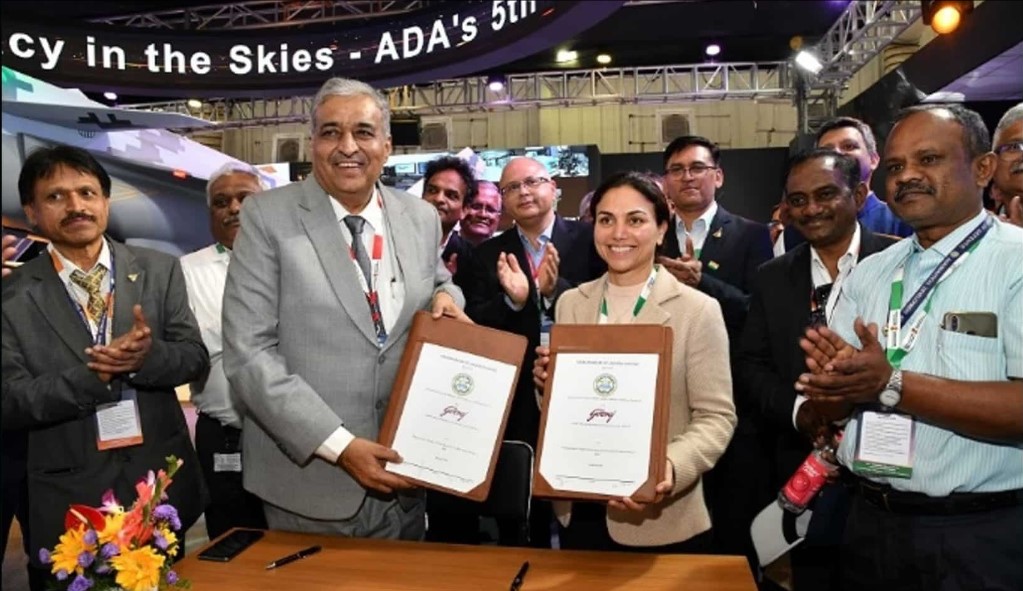
India
Godrej & Boyce, a key player in India’s aerospace sector, has taken a major step toward strengthening the country’s self-reliance in defense technology by signing a Memorandum of Understanding (MoU) with the Aeronautical Development Agency (ADA) at Aero India 2025. This partnership will focus on the indigenous development of flight control actuators for India’s next-generation Advanced Medium Combat Aircraft (AMCA), a critical component in ensuring superior maneuverability and combat effectiveness. Strengthening India’s Aerospace Capabilities With this collaboration, Godrej & Boyce is expanding its role in the AMCA program by transitioning from a “Built to Print” model to a more advanced “Built to Spec” capability. This shift signifies a move towards self-reliant aerospace manufacturing, where the company will design, develop, and test flight control actuators in-house. These actuators play a vital role in controlling the aircraft’s movement, making them a key component of the AMCA’s advanced flight control system. Under the MoU, Godrej & Boyce will be responsible for: Precision manufacturing of flight control actuators. Procurement of aerospace-grade raw materials to ensure high durability and performance. Assembly and testing of critical components to meet stringent aerospace standards. Development of test rigs for qualification tests, ensuring reliability in extreme conditions. Adopting Cutting-Edge Technology To enhance efficiency and precision, Godrej & Boyce is leveraging advanced manufacturing technologies, including 3D printing, to streamline production processes. This approach allows the creation of highly complex actuator components in a single print cycle, reducing dependency on traditional machining and assembly methods. This not only improves operational efficiency but also ensures higher performance and reliability of the components. The company is also accredited by India’s leading defense and aerospace organizations, including DGAQA, DRDO labs, ISRO centers, HAL, BDL, and BEL, alongside global aerospace giants such as Boeing, GE Aerospace, Honeywell, IAI, Parker Aerospace, Rafael, Rolls-Royce, and Safran. These partnerships highlight its expertise in manufacturing high-precision aerospace components. Showcasing Aerospace Excellence at Aero India 2025 At Aero India 2025, Godrej & Boyce is showcasing its wide range of aerospace manufacturing capabilities, underlining its expertise in producing advanced components for modern fighter jets. Key highlights of the exhibition include: Aero engine components such as fans, compressors, turbines, and shafts made from exotic materials. Precision-engineered structural components, including tubes, ducts, and brackets crafted from Titanium, Aluminum, and Stainless Steel. Indigenously developed Line Replaceable Units (LRUs) such as actuators, nose-wheel steering manifolds, lubrication pumps, and uplocks. A working model of an Ejector Release Unit (ERU) for aircraft pylons, crucial for weapon deployment. Carbon fiber composite parts designed for Unmanned Aerial Vehicles (UAVs). Paving the Way for ‘Atmanirbhar Bharat’ in Aerospace Maneck Behramkamdin, Senior Vice President and Business Head of Godrej & Boyce’s Aerospace division, emphasized the company’s commitment to India’s defense self-reliance. “This partnership with ADA reflects our dedication to Atmanirbhar Bharat in aerospace. We are proud to lead India’s aerospace revolution by delivering cutting-edge engineering solutions and world-class manufacturing capabilities. Our goal is to elevate India’s competitiveness in global defense manufacturing,” he stated. With this strategic collaboration, Godrej & Boyce is not only reinforcing India’s indigenous defense capabilities but also playing a crucial role in the success of the AMCA program. The development of critical flight control actuators will ensure that India’s futuristic stealth fighter remains at the forefront of next-generation aerial combat technology.
Read More → Posted on 2025-02-15 14:12:30
India
In a recent press conference held in Washington, U.S. President Donald Trump, alongside Indian Prime Minister Narendra Modi, addressed various bilateral issues, including trade and the strengthening of India-U.S. relations. When questioned about the ongoing crisis in Bangladesh, President Trump tersely responded, "I'll leave Bangladesh to PM Modi." This statement coincides with a significant policy shift by the U.S. government. The Trump administration has announced a 90-day suspension of all foreign aid, directly impacting Bangladesh. The United States Agency for International Development (USAID) has been directed to halt all projects in the country, affecting contracts, grants, and cooperative agreements. This decision is particularly consequential for the interim government in Bangladesh, led by Nobel laureate Muhammad Yunus, which is already grappling with financial challenges. The suspension of aid has raised concerns among various stakeholders, including non-governmental organizations operating in Bangladesh. The U.S. has been a major contributor to humanitarian efforts in the region, especially in response to the Rohingya refugee crisis, having provided approximately $2.4 billion in assistance since 2017. The abrupt cessation of aid threatens to destabilize ongoing projects and could exacerbate the humanitarian situation on the ground. Prime Minister Modi's role becomes pivotal in this context. India shares a long and complex border with Bangladesh and has vested interests in the region's stability. Modi's government may now face increased pressure to engage more deeply in Bangladesh's affairs, both to maintain regional stability and to counterbalance the vacuum left by the sudden withdrawal of U.S. support. The international community is closely monitoring the situation, as the interplay between U.S. foreign policy decisions and regional dynamics in South Asia could have far-reaching implications. The suspension of aid not only affects Bangladesh's immediate humanitarian needs but also shifts the geopolitical landscape, potentially altering alliances and power structures in the region. In summary, President Trump's decision to delegate the Bangladesh crisis to Prime Minister Modi, coupled with the suspension of U.S. aid, marks a significant turning point in South Asian geopolitics. The coming weeks will be critical in determining how these developments unfold and what strategies regional players will adopt in response.
Read More → Posted on 2025-02-15 04:12:57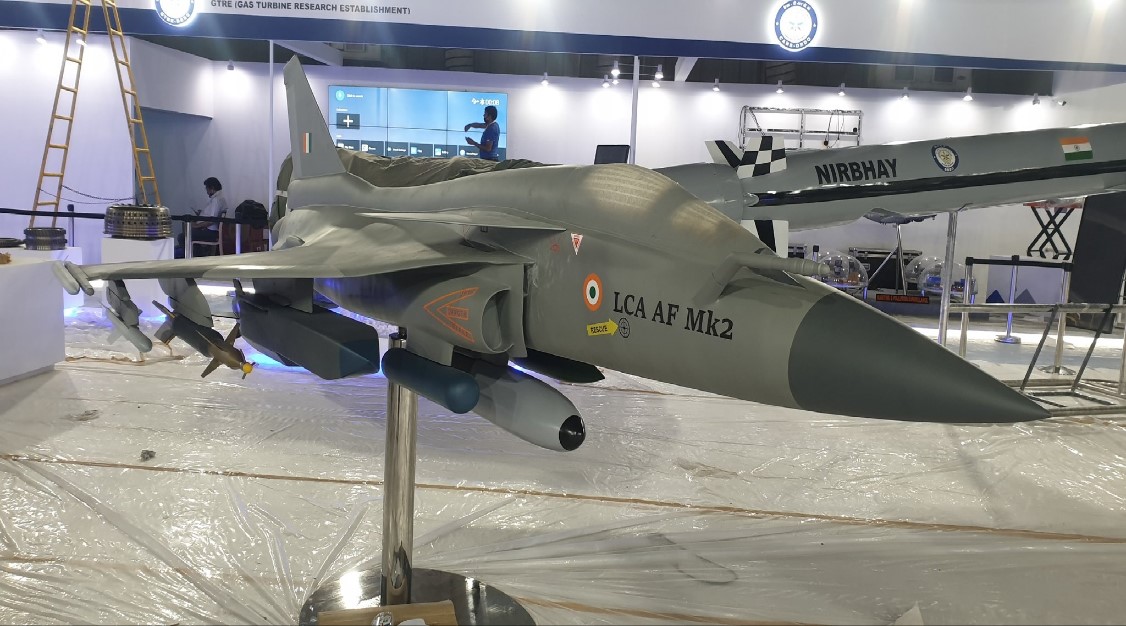
India
The TEJAS MK-2, an advanced version of India's Light Combat Aircraft (LCA), is being developed by the Aeronautical Development Agency (ADA) in collaboration with Hindustan Aeronautics Limited (HAL). This initiative aims to enhance India's indigenous defense capabilities and modernize the Indian Air Force (IAF) fleet. Development Timeline The prototype of the TEJAS MK-2 is scheduled for rollout by late 2025. Manufacturing of the prototype commenced in late 2024, with significant progress made in integrating key components. The maiden flight is anticipated in early 2026, with officials targeting April or May for this milestone. Following successful flight tests, HAL plans to produce four pre-production prototypes between 2025 and 2027. Mass production is expected to begin by 2029, with the aircraft's induction into the IAF projected around 2028-2029. Design and Performance Enhancements The TEJAS MK-2 features several notable improvements over its predecessor: Airframe and Aerodynamics: The aircraft boasts a larger airframe equipped with close-coupled canards, enhancing stability and maneuverability. This design allows for a payload capacity of up to 6,500 kg, significantly increasing its operational versatility compared to the MK-1. Avionics and Systems: It will be equipped with an advanced version of the indigenous 'Uttam' active electronically scanned array (AESA) radar, sophisticated electronic warfare systems, and a new digital flight control computer. These upgrades aim to bolster its combat effectiveness in modern aerial warfare scenarios. Armament Capabilities: The TEJAS MK-2 features multiple hardpoints, enabling it to carry a diverse array of advanced air-to-air and air-to-ground weapons developed by India's Defence Research & Development Organisation (DRDO). Strategic Significance The development of the TEJAS MK-2 marks a significant step toward India's self-reliance in defense aviation. It is designed to replace older aircraft models in the IAF's inventory, ensuring the force remains equipped with modern, advanced, and indigenously developed fighter jets. With growing interest from international partners and potential buyers, the TEJAS MK-2 program underscores India's commitment to advancing its aerospace capabilities and achieving self-sufficiency in defense manufacturing. The TEJAS MK-2 program is progressing toward significant milestones in prototype development and testing. As India continues to invest in indigenous defense projects, the TEJAS MK-2 stands as a testament to the nation's dedication to enhancing its military capabilities and achieving greater self-reliance in defense technology.
Read More → Posted on 2025-02-14 15:11:41Search
Top Trending in 24 Hours
-
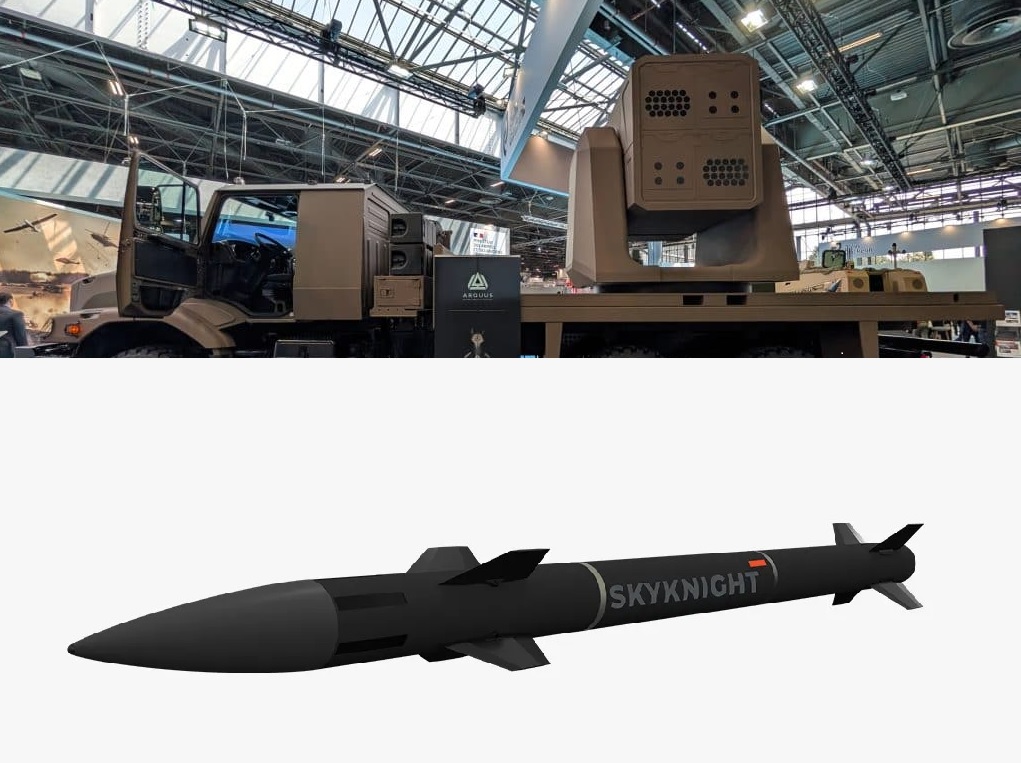 Naval Group Unveils Rampart Modular CIWS Multi-Purpose Weapon System for Naval and Ground Forces at Eurosatory 2026
-
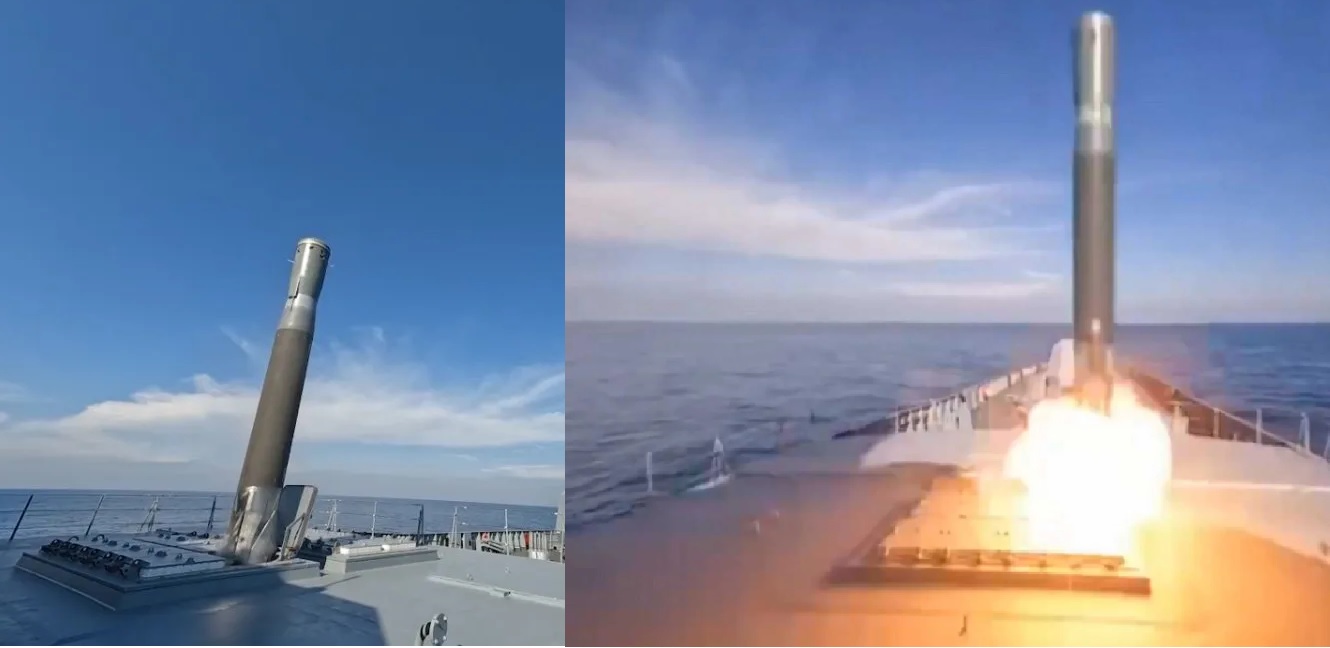 Open-Source Evidence Suggests Russia's Zircon Is a Quasi-Ballistic Missile, Not a True Hypersonic Cruise Weapon
-
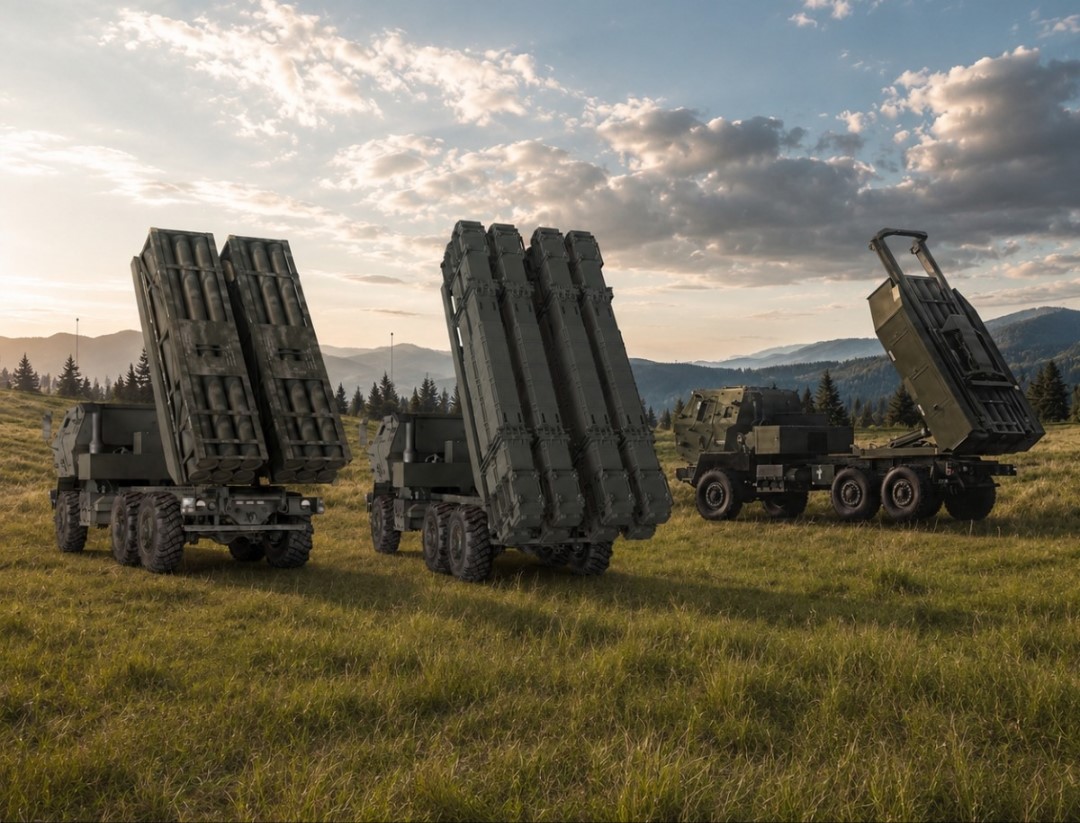 Lockheed Martin Unveils HIMARS FLEX with Dual-Pod Launcher and NATO-Compatible Air Defense Integration
-
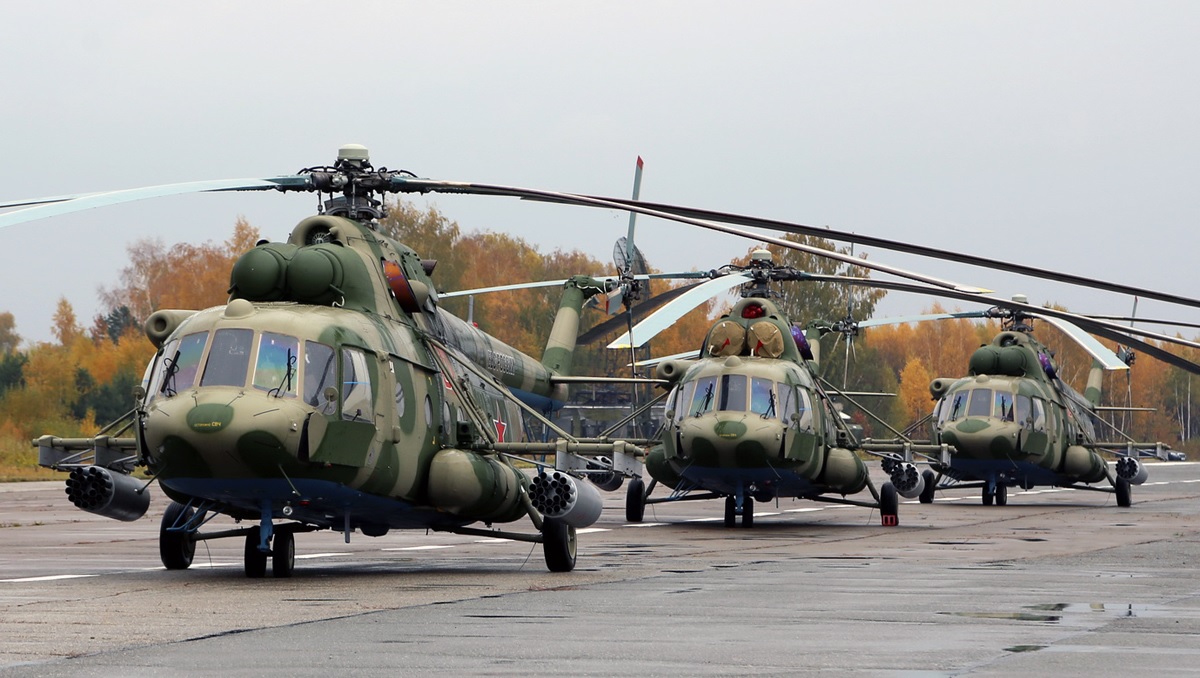 Iran Signs Deal with Russia for 20 Mi-8 and Mi-17 Helicopters to Boost Rescue and Medical Missions
-
 Why the U.S. Restored Pacific Command Name, Ending the Indo-Pacific Designation After Eight Years
-
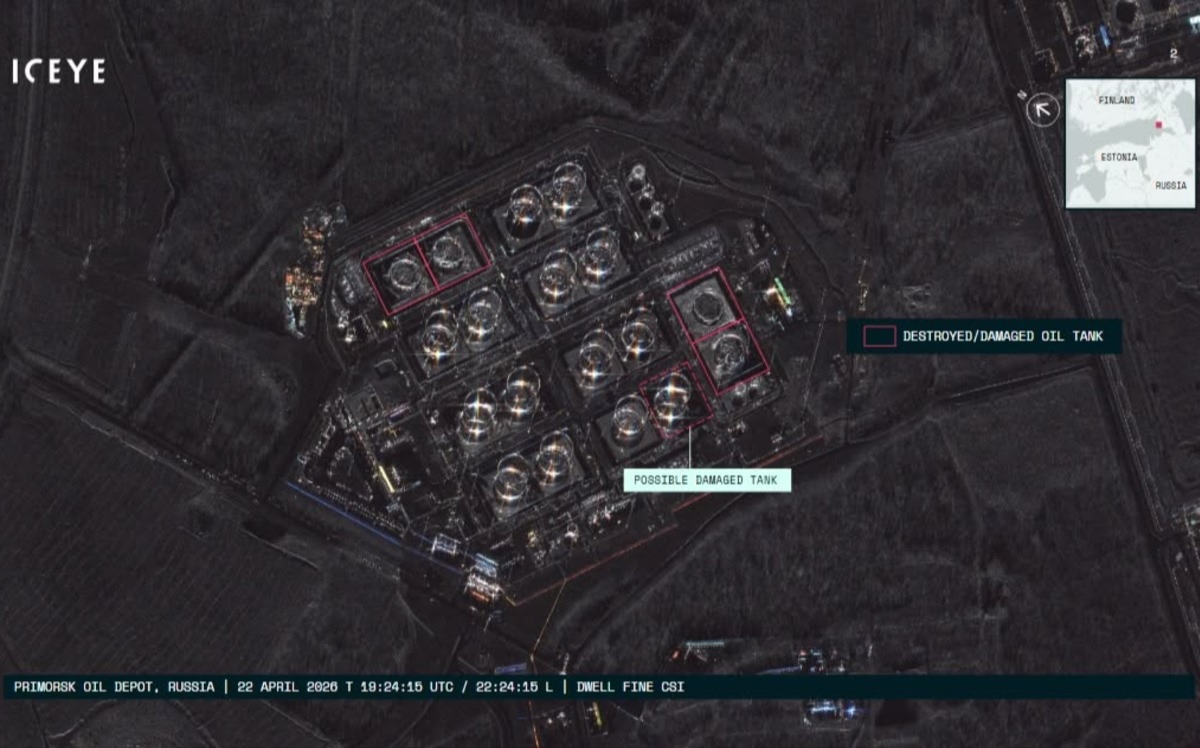 Portugal Doubles Sovereign SAR Satellite Fleet with Order for Two Additional ICEYE Satellites
-
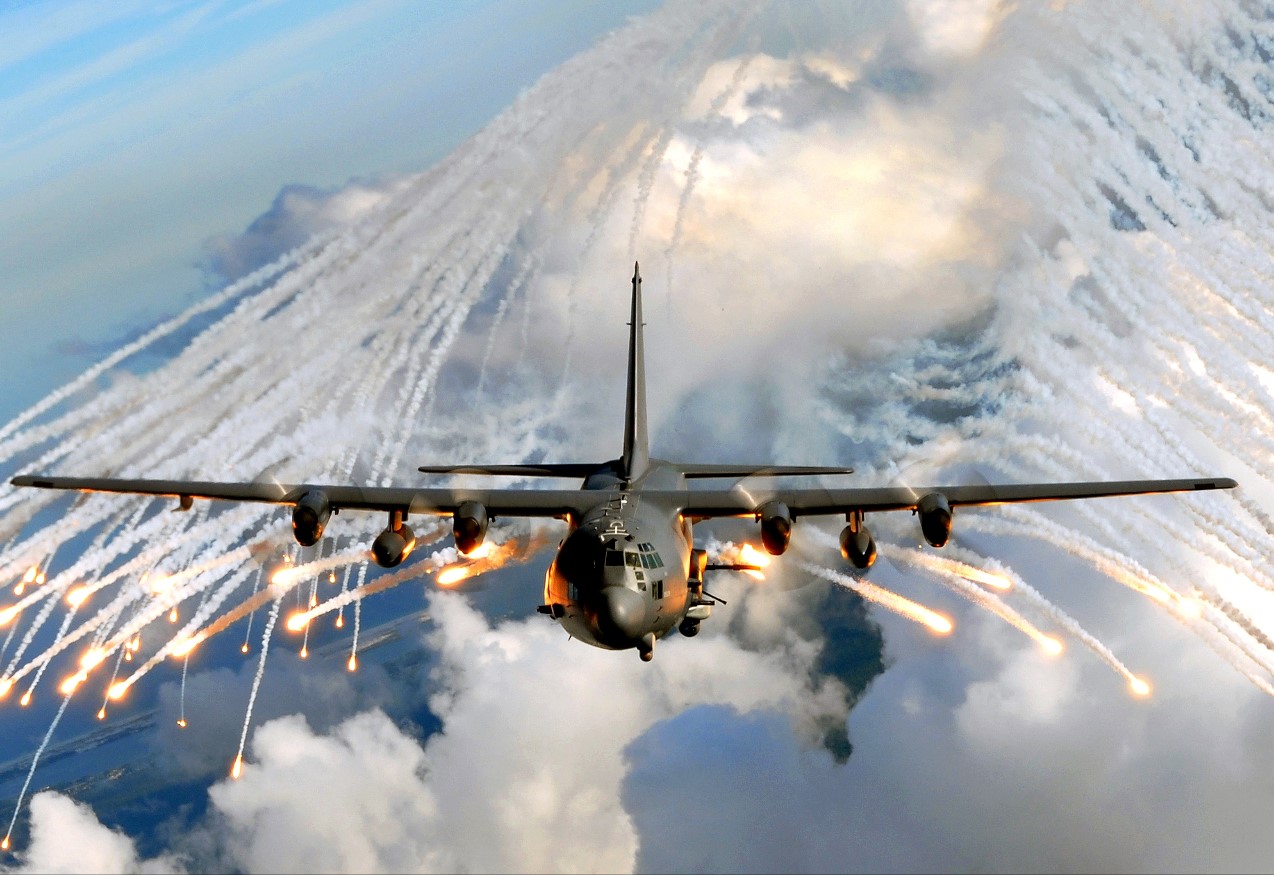 Pentagon Expands Alloy Surfaces Contract to $328.8 Million for Advanced Aircraft Decoy Flares Amid Evolving Drone Threats
-
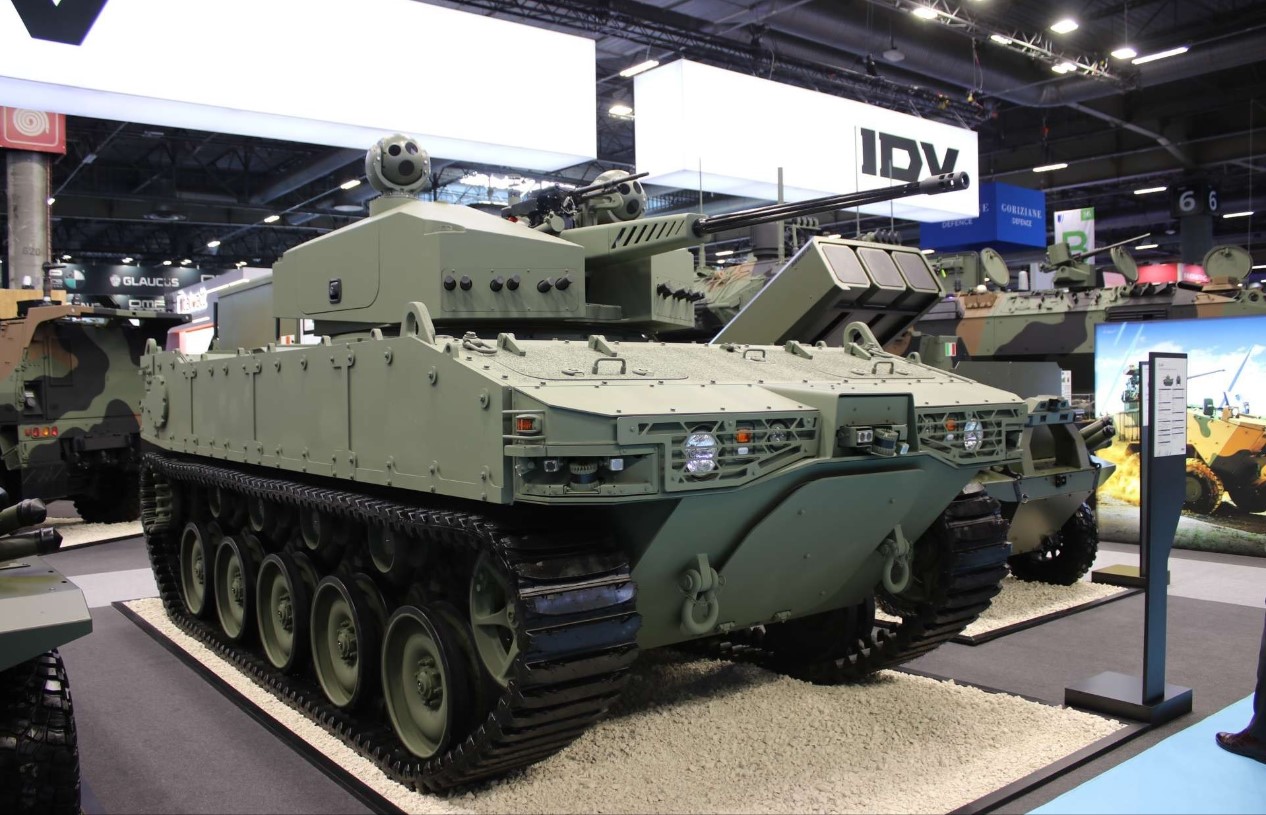 IDV Unveils CL2X Hybrid Uncrewed Light Tank at Eurosatory 2026
Top Trending in 4 Days
-
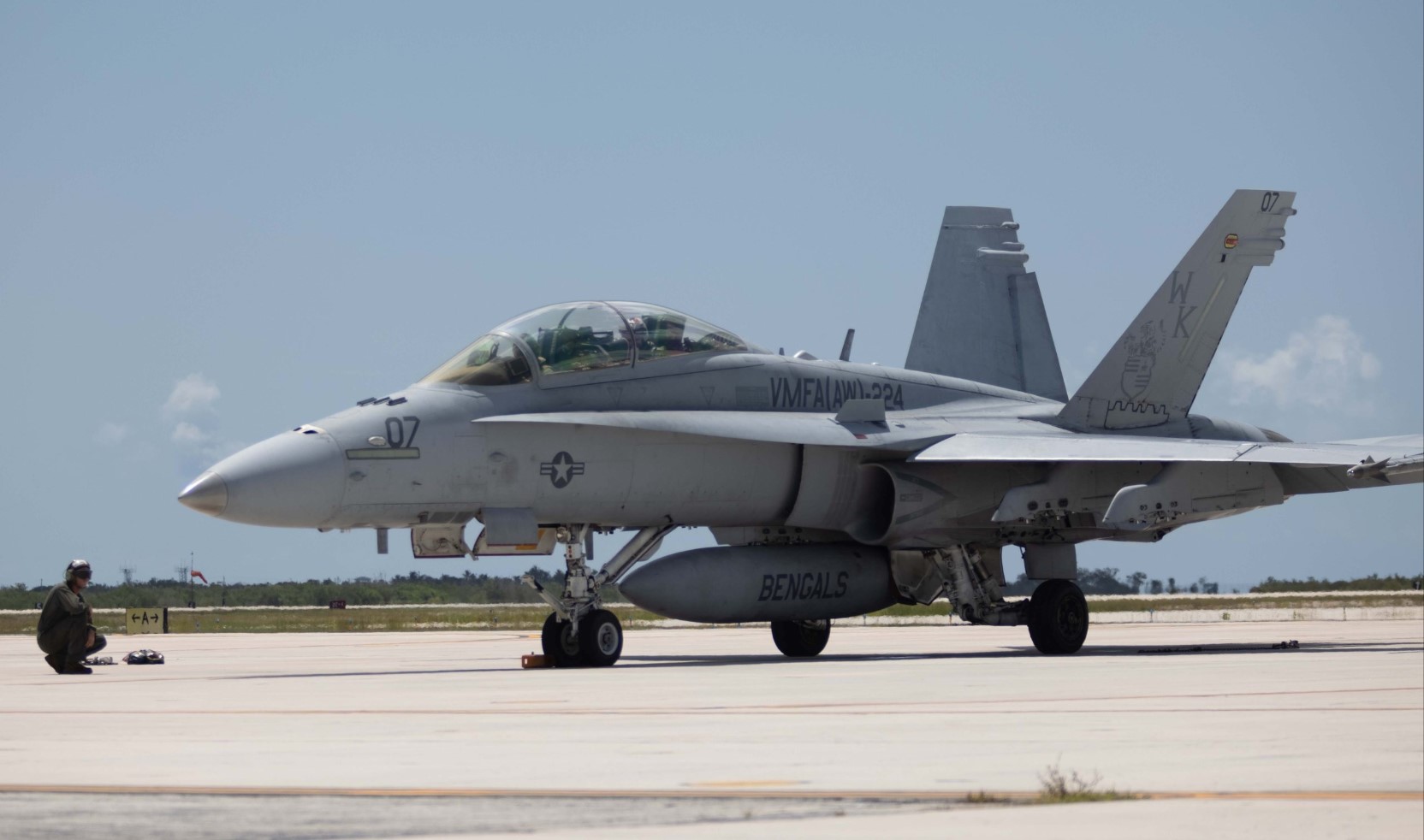 US Marine Corps F/A-18D Hornet Crashes During Training Flight in Washington Mountains; Pilot Ejects Safely
-
 Tulsi Gabbard Releases Declassified Files Detailing U.S.-Backed Network of 120 Biolaboratories Across 30+ Countries
-
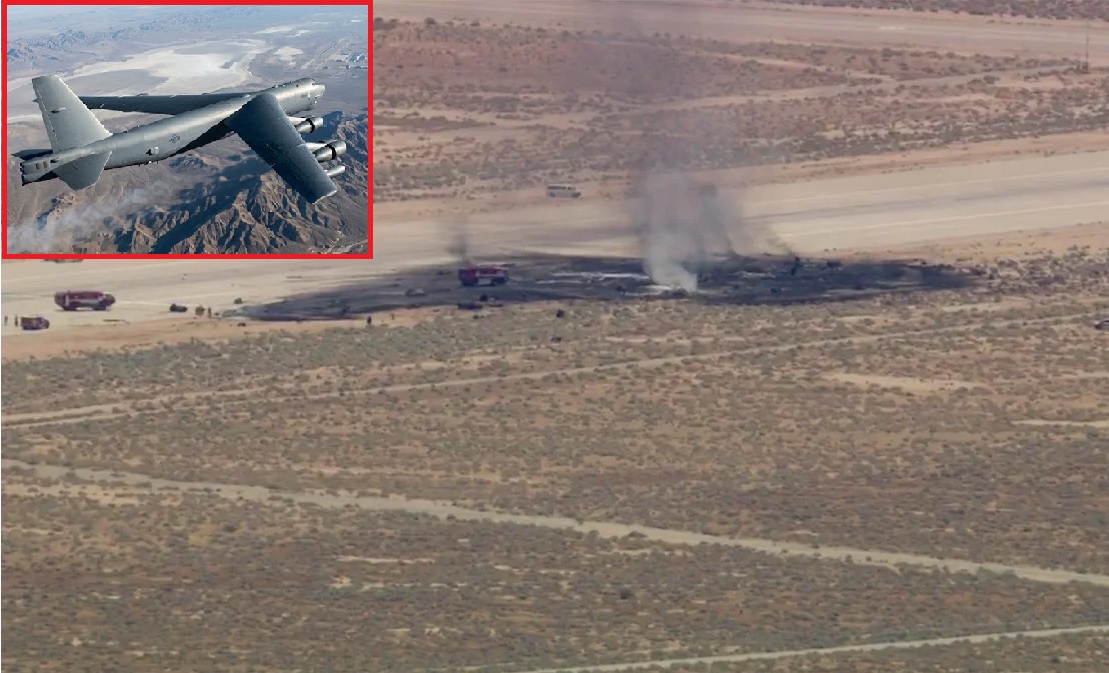 8 U.S. Air Force Crew Members Killed in B-52 Bomber Crash During Test Flight at Edwards Air Force Base
-
 Ukraine Introduces Balloon-Launched DART Missile Designed to Defeat Electronic Warfare
-
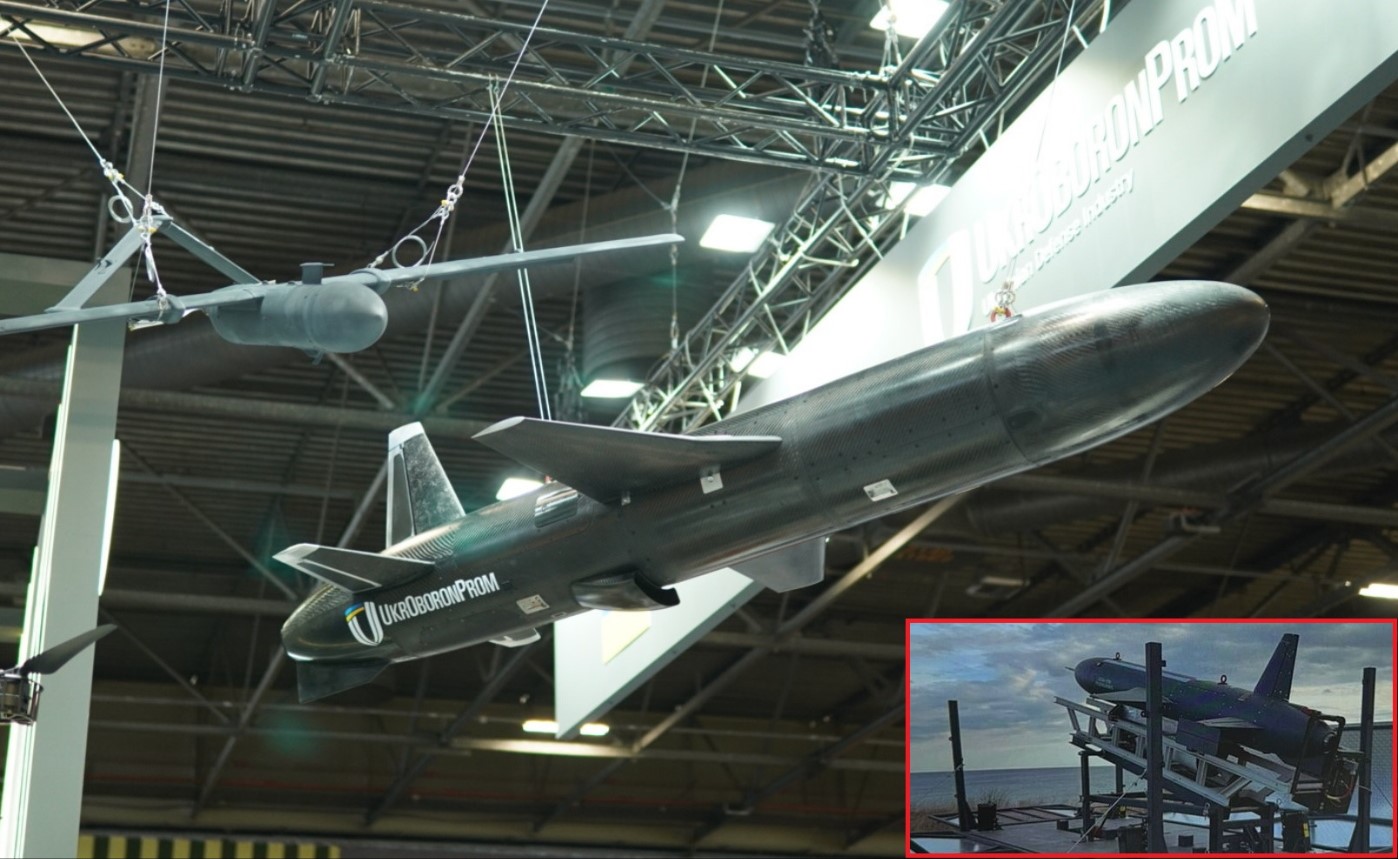 Ukraine Unveils UAV-290 Jet-Powered Strike Drone with 650 km Range at Eurosatory 2026
-
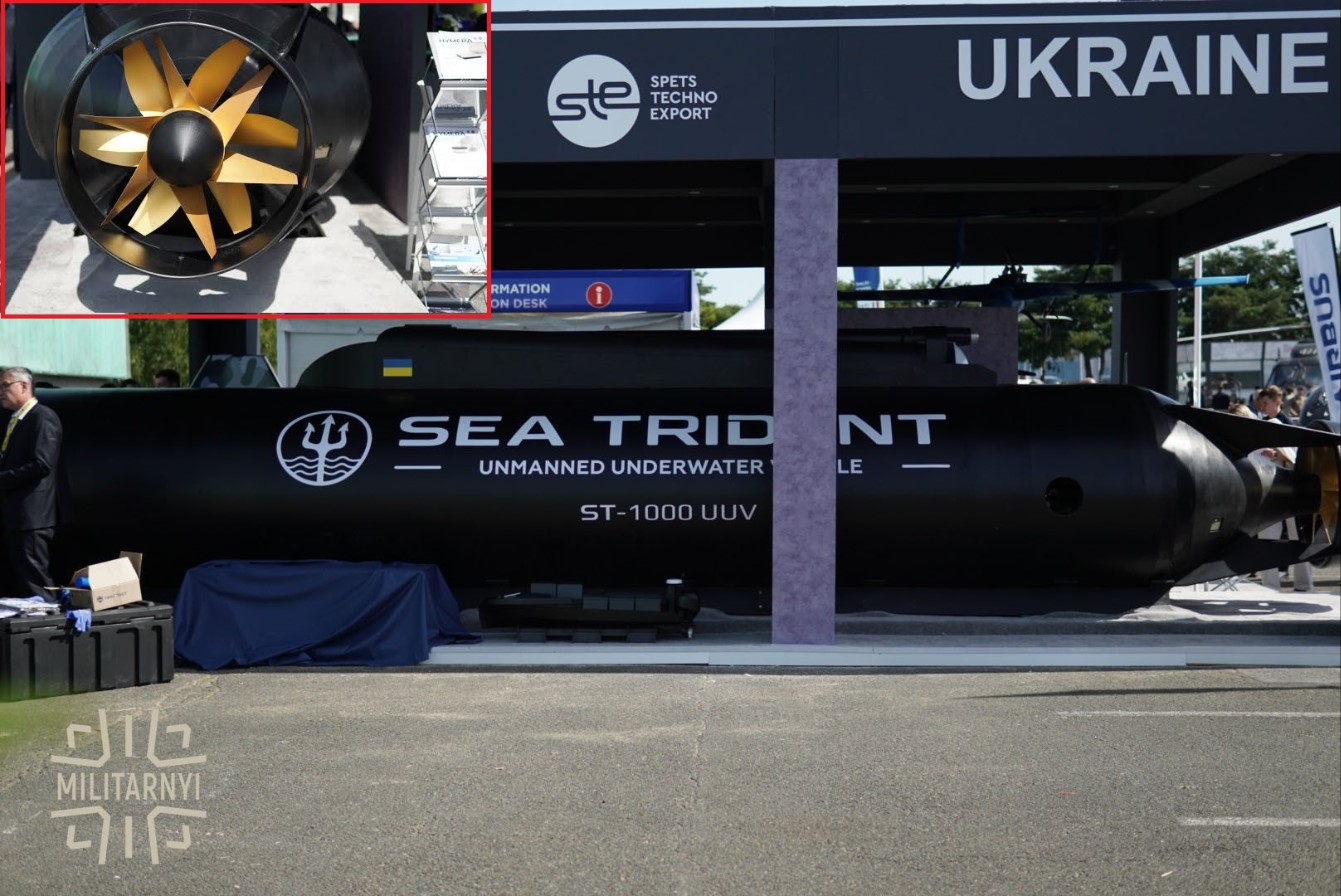 Ukraine Unveils 'Sea Trident' 10-Ton Autonomous Underwater Drone at Eurosatory 2026
-
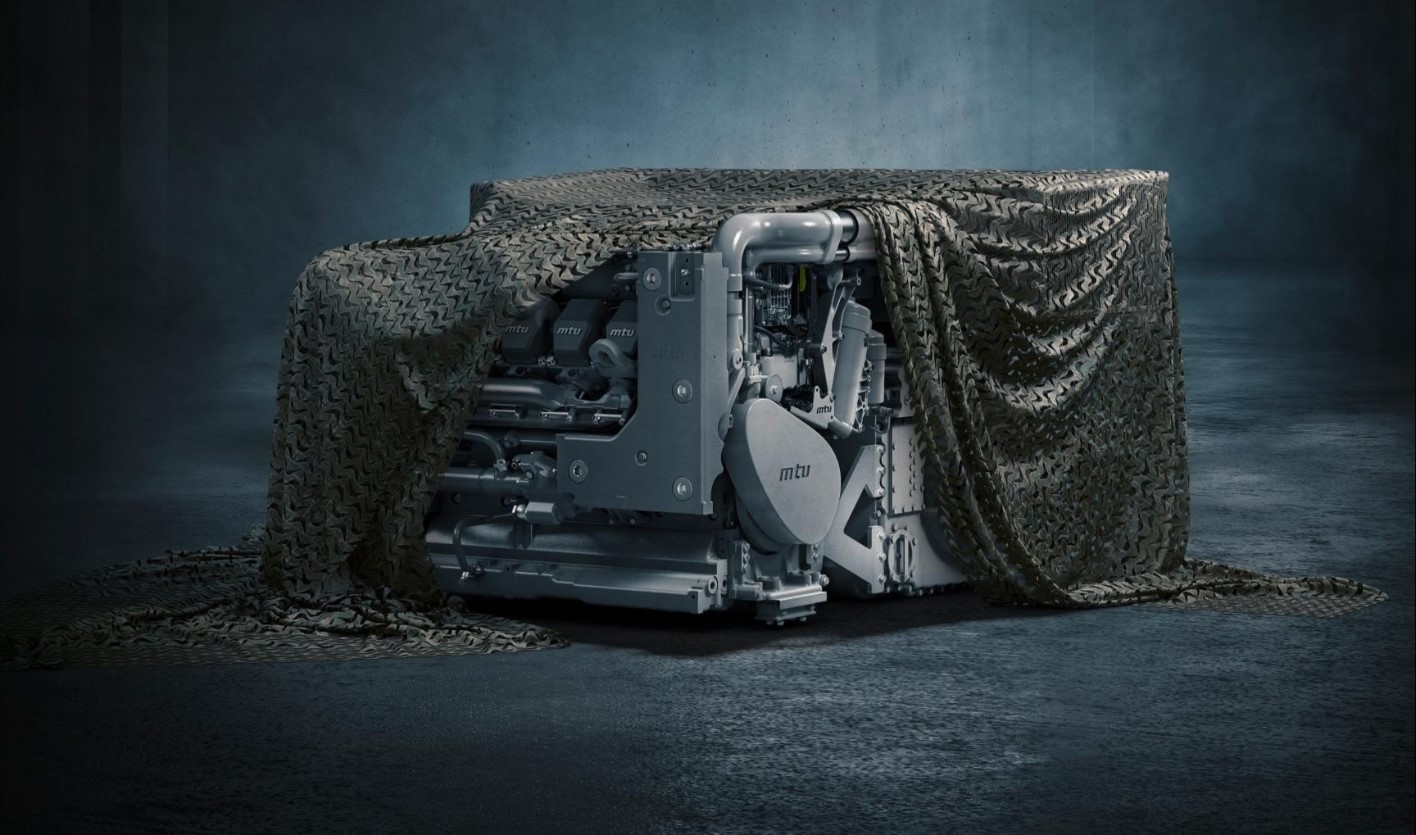 Rolls-Royce Unveils New Hybrid Powertrain for Heavy Military Vehicles at Eurosatory 2026
-
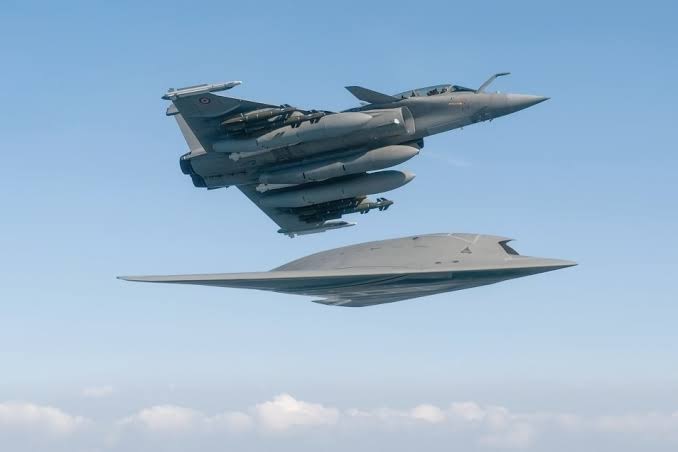 France Agrees to Equip Future Indian Rafales with AI, MUM-T and Secure Satellite Links Under F5 Standard