
India
In a significant move to bolster India's air defense capabilities, Thales, a global defense and aerospace company, has partnered with Bharat Dynamics Limited (BDL), a Government of India enterprise, to supply the STARStreak High Velocity Missile (HVM) systems to the Indian Armed Forces. This collaboration aligns with the Indian government's 'Make in India' and 'Aatmanirbhar Bharat' initiatives, aiming to strengthen indigenous defense manufacturing. About the STARStreak Missile System The STARStreak missile is a short-range surface-to-air missile designed to counter a variety of aerial threats. Key features of the system include: High Velocity: The missile accelerates to speeds exceeding Mach 3, making it one of the fastest short-range surface-to-air missiles in existence. Laser Beam Riding Guidance: Unlike traditional infrared-guided missiles, STARStreak uses laser beam riding technology, which makes it highly resistant to countermeasures and ensures precision targeting. Triple Dart Warhead: Upon approaching the target, the missile releases three tungsten alloy darts, each equipped with a delayed-action, impact-activated fuse. This design increases the likelihood of a successful hit and maximizes damage to the target. Versatile Launch Platforms: The system can be deployed in various configurations, including: Man-Portable Air Defense System (MANPADS): Lightweight and shoulder-fired, suitable for rapid deployment by individual soldiers. Lightweight Multiple Launcher (LML): Mounted on light vehicles, allowing for mobility and quick reaction. Self-Propelled HVM: Integrated into armored vehicles like the Stormer, providing enhanced protection and mobility. Specifications of the STARStreak Missile: Weight: Approximately 14 kilograms. Length: 1.397 meters. Diameter: 13 centimeters. Effective Range: Capable of engaging targets at distances up to 7 kilometers. Flight Ceiling: Effective up to altitudes of 7 kilometers. Partnership Details The agreement between Thales and BDL was formalized in 2021, with support from both the Indian and UK governments. Under this partnership: Local Manufacturing: Up to 60% of the missile components will be sourced from India, promoting local industry participation and expertise. Technology Transfer: Thales will transfer critical technologies to BDL, enabling indigenous production and future upgrades of the missile system. Global Supply Chain Integration: BDL will become part of the STARStreak global supply chain, providing opportunities to export Indian-manufactured components to existing and future STARStreak users worldwide. Strategic Implications The induction of the STARStreak missile system is set to significantly enhance India's short-range air defense capabilities. Its high speed and precision make it effective against a range of aerial threats, including: Fixed-Wing Aircraft: Such as fighter jets and ground-attack planes. Attack Helicopters: Especially those employing late unmasking tactics. Unmanned Aerial Vehicles (UAVs): Including drones that pose emerging threats on the modern battlefield. Commodore A Madhavarao (Retd.), Chairman and Managing Director of BDL, emphasized the importance of this collaboration, stating, "This initiative aligns perfectly with our Government’s 'Make in India,' 'ease of doing business,' and 'Aatmanirbhar Bharat' programmes, giving a major boost to the local industry through partnerships with global organisations like Thales." The Thales-BDL partnership represents a significant step forward in strengthening India's defense capabilities through international collaboration and indigenous manufacturing. The delivery of the STARStreak missile systems is anticipated to provide the Indian Armed Forces with a cutting-edge solution to counter diverse aerial threats effectively.
Read More → Posted on 2025-02-14 15:01:01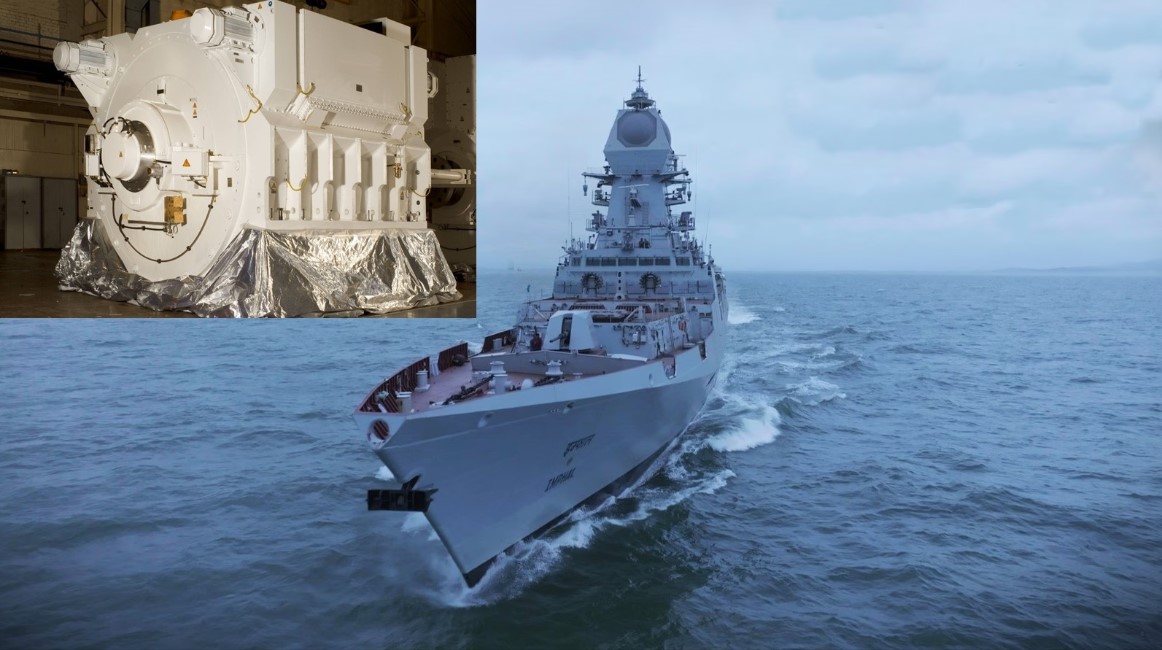
India
In a significant move to enhance naval capabilities, the United Kingdom and India have signed a Statement of Intent to jointly design and develop Integrated Full Electric Propulsion (IFEP) systems for India's forthcoming Landing Platform Dock (LPD) fleet. This collaboration underscores the deepening defense ties between the two nations and aims to bolster India's maritime strength. India's Ambitious LPD Program The Indian Ministry of Defence has outlined plans to acquire a fleet of four advanced LPDs. These vessels are envisioned to play a pivotal role in amphibious warfare, disaster relief, and humanitarian assistance. According to the Request for Information (RFI) issued in August 2021, the first LPD is expected to be delivered within 60 months of contract signing, with each subsequent vessel following at 12-month intervals. Key specifications for these LPDs include: Dimensions: Approximately 200 meters in length. Crew Capacity: Accommodation for 540 sailors. Troop Transport: Capability to carry about 900 troops. Range: A sailing range of 10,000 nautical miles at an economical speed. Speed: Cruising speed between 14 to 16 knots. Armament: Equipped with 32 Vertical Launch – Short Range Surface to Air Missiles and 16 anti-ship missiles. Aviation Facilities: A through-deck design to support at least two heavy-lift helicopters, 12 special operations helicopters, and two naval ship-borne drones. The design also allows for simultaneous operations of at least four special operations helicopters. These vessels are designed to transport and land combined arms forces ashore, sustain their operations on land, and serve as command centers for various task forces. Additionally, they will act as mother ships for unmanned surface vessels and provide medical facilities for treating battle casualties. Advancements in Electric Propulsion Electric propulsion systems offer numerous advantages over traditional diesel propulsion. They produce lower emissions, reduce noise and vibration levels, and provide improved reliability with longer intervals between maintenance. This results in greater operational availability and utility. A quieter warship is particularly advantageous in naval operations, enhancing stealth capabilities. The UK's experience with electric propulsion spans several classes of vessels, from the Type 23 frigates to the Queen Elizabeth-class aircraft carriers. This extensive background will be invaluable in the collaborative development of IFEP systems tailored for India's LPDs. Collaborative Efforts and Future Prospects A joint working group comprising experts from both nations is spearheading the IFEP project. This team will draw lessons from the UK's progression in naval propulsion systems to inform the design and development process. The collaboration also involves industry partners such as GE Vernova and Bharat Heavy Electricals Limited (BHEL), who are working together to establish India's first maritime Land-Based Testing Facility. This facility aims to have the LPDs operational by 2030. The integration of advanced electric propulsion systems into India's next-generation amphibious warships represents a significant leap in maritime technology. This partnership not only strengthens the defense relationship between the UK and India but also positions India at the forefront of modern naval warfare capabilities.
Read More → Posted on 2025-02-14 14:56:49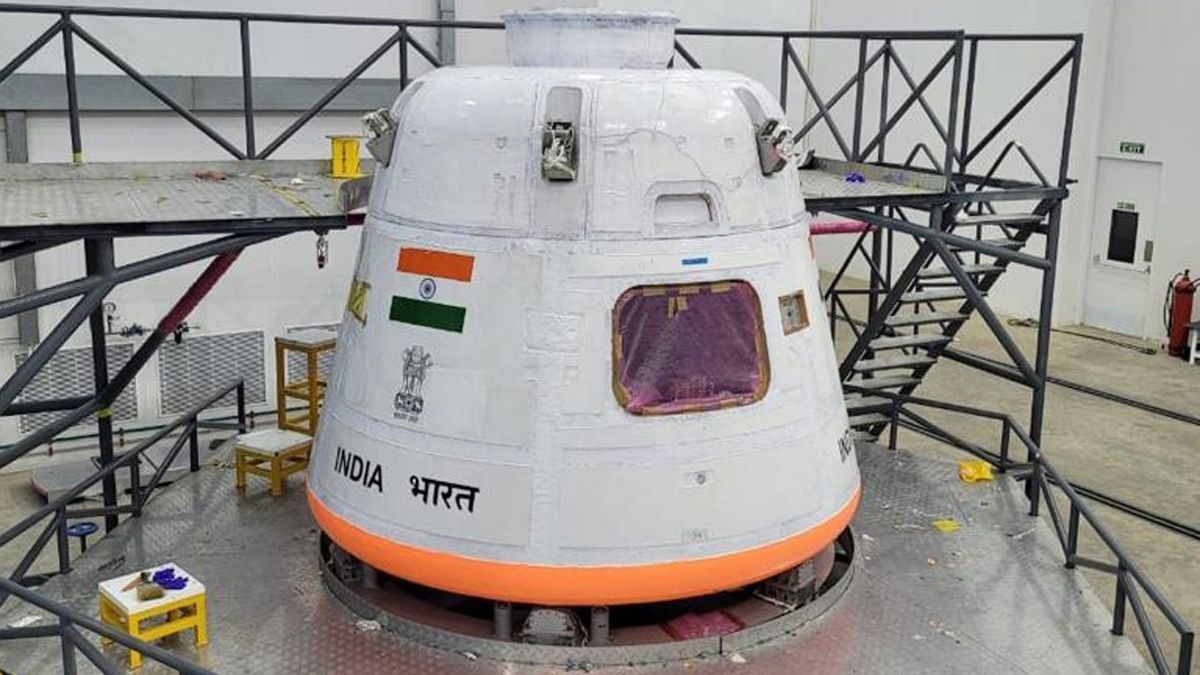
India
India's space exploration endeavors have taken a significant stride forward with the expansion of the Gaganyaan mission. The government has increased the mission's budget to approximately $2.32 billion, reflecting a commitment to advancing human spaceflight capabilities and establishing a national space station. Gaganyaan Mission Overview Initiated in 2018, the Gaganyaan program aims to demonstrate India's ability to send astronauts into space and ensure their safe return. The mission involves launching a habitable space capsule into a low Earth orbit of about 400 kilometers and achieving a safe splashdown in the Indian Ocean. This endeavor positions India alongside the United States, Russia, and China in achieving human spaceflight capabilities. Expanded Objectives and Budget Allocation Originally, the Gaganyaan mission planned for one crewed and two uncrewed flights. However, the scope has now broadened to include two crewed and six uncrewed missions by 2028. This expansion aligns with India's vision to develop and operate the Bharatiya Antariksh Station (BAS), an indigenous space station projected to be operational by 2035. The increased budget will support these additional missions and the development of critical technologies necessary for long-duration human space missions. Challenges and Delays The Gaganyaan mission has encountered delays due to several factors: COVID-19 Pandemic: The global pandemic disrupted supply chains and delayed essential testing and development activities. Supply Chain Disruptions: A global shortage of space-grade electronic components and equipment has hindered progress. Safety Enhancements: Additional safety measures, including extra test missions and rigorous astronaut safety checks, have extended timelines. Design Modifications: Adjustments to the spacecraft's design were necessary to ensure it remains within the payload capacity of the launch vehicle. Life Support System Development: Creating an indigenous life support system, crucial for astronaut survival in space, has proven time-consuming due to its complexity and the inability to source certain technologies internationally. Future Aspirations Beyond the immediate goals of the Gaganyaan mission, India has set its sights on ambitious future projects: Bharatiya Antariksh Station (BAS): Plans are underway to establish an operational space station by 2035, serving as a platform for scientific research and technological advancements. Crewed Lunar Mission: India aims to send astronauts to the Moon by 2040, further cementing its position in the realm of space exploration. International Collaboration In a notable development, Group Captain Shubhanshu Shukla, one of the selected astronauts for the Gaganyaan mission, is set to participate in Houston-based Axiom's planned Crew Dragon mission to the International Space Station. This collaboration underscores India's growing integration into the global space community. India's expanded Gaganyaan mission signifies a monumental step in the nation's space exploration journey. With increased funding, a clear roadmap, and ambitious objectives, India is poised to make significant contributions to human spaceflight and establish itself as a key player in the global space arena.
Read More → Posted on 2025-02-14 14:47:51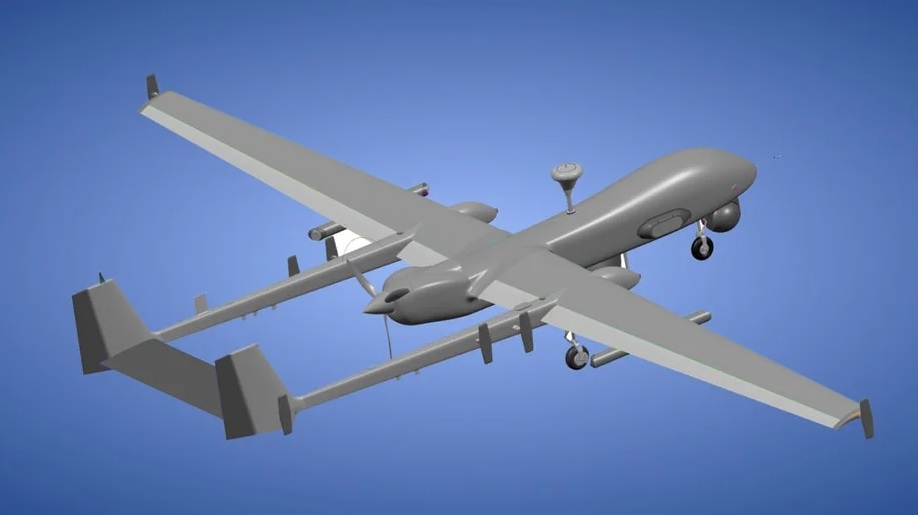
India
The Archer NG (Next Generation) unmanned aerial vehicle (UAV) is poised for its inaugural flight, anticipated between late March and early April 2025. This milestone follows the successful completion of both low-speed and high-speed taxi trials, signaling a significant advancement in India's indigenous UAV development program. Design and Configuration The Archer NG features a Single Engine Twin Boom (SETB) configuration, optimizing performance and fuel efficiency. This design aligns with the Armed Forces' requirements for a Medium-Altitude Long-Endurance (MALE) UAV capable of operating at altitudes up to 30,000 feet. The UAV has an all-up weight of approximately 1,700 kilograms and a wingspan of 18.6 meters, contributing to its stability and control during flight operations. Performance Specifications Equipped with a single turboprop engine, the Archer NG achieves a maximum speed of 225 kilometers per hour, enabling rapid surveillance over extensive areas. It boasts an endurance of up to 18 hours, allowing for prolonged missions without the need for immediate refueling. The UAV operates effectively within a range of 250 kilometers for Line-of-Sight (LOS) communications and extends up to 1,000 kilometers for Beyond Line-of-Sight (BLOS) operations, facilitated by satellite communication links. Payload and Capabilities Designed to handle complex reconnaissance and combat roles, the Archer NG supports a payload capacity of up to 300 kilograms. It is equipped with advanced sensors, including electro-optical/infrared (EO/IR) cameras, radar systems, and electronic intelligence (ELINT) apparatus, enhancing its intelligence, surveillance, target acquisition, and reconnaissance (ISTAR) capabilities. The UAV also features autonomous take-off and landing (ATOL) capabilities, reducing the need for manual intervention and increasing operational efficiency. Armament Potential While the initial focus of the Archer NG is on ISR functions, plans are underway to integrate weapon systems into the platform. The UAV is designed to carry a variety of armaments, including Smart Anti-Airfield Weapons (SAAWs) and Anti-Tank Guided Missiles (ATGMs). These capabilities will be tested and integrated following the completion of core developmental trials, with weaponization efforts expected to commence approximately three years after the first flight. Advancements Over Predecessors The Archer NG aims to fulfill and surpass the objectives of earlier UAV programs, such as the TAPAS-BH-201, which faced challenges in meeting certain performance benchmarks. With its advanced design and successful testing phases, the Archer NG is on a promising trajectory to enhance India's UAV capabilities, offering improved reliability, payload capacity, and overall performance. Significance for India's Defense The development of the Archer NG represents a significant leap in modernizing India's defense capabilities. By providing the Indian Armed Forces with a versatile and advanced UAV platform, the Archer NG is set to play a crucial role in enhancing aerial surveillance, reconnaissance, and precision strike capabilities, thereby strengthening national security and operational effectiveness.
Read More → Posted on 2025-02-14 14:38:05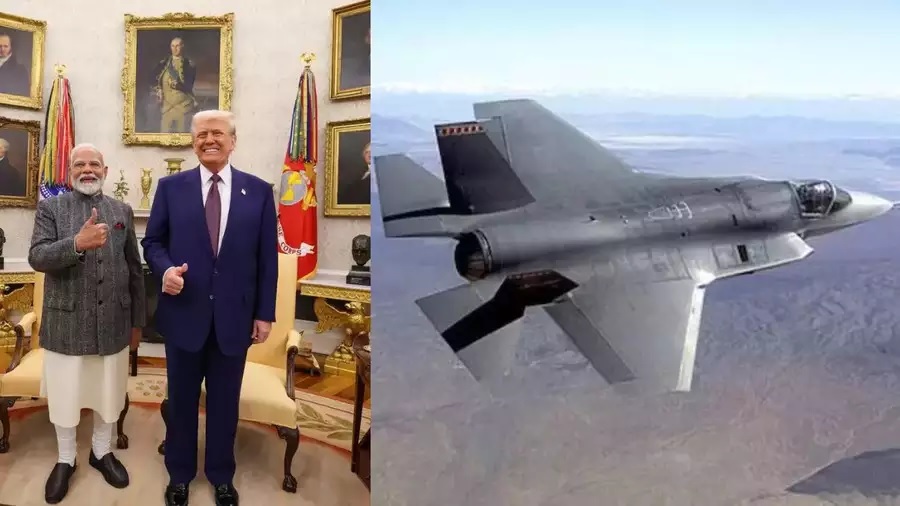
India
In a significant move to bolster defense ties, U.S. President Donald Trump announced plans to increase military sales to India by billions of dollars, including the potential provision of F-35 Lightning II stealth fighter jets. This announcement was made during a joint press conference with Indian Prime Minister Narendra Modi, highlighting the deepening strategic partnership between the two nations. The F-35 Lightning II: An Overview The F-35 Lightning II, developed by Lockheed Martin, is a fifth-generation multirole stealth fighter jet renowned for its advanced capabilities. It is designed to perform a wide range of missions, including air superiority, ground attack, and intelligence, surveillance, and reconnaissance (ISR). Variants of the F-35 The F-35 comes in three distinct variants, each tailored to specific operational needs: F-35A: This is the conventional takeoff and landing (CTOL) variant used primarily by the U.S. Air Force. It is designed for traditional runways and is the lightest and most agile version. F-35B: Designed for short takeoff and vertical landing (STOVL), this variant is utilized by the U.S. Marine Corps. It can operate from shorter runways and even amphibious assault ships, providing flexibility in deployment. F-35C: This carrier-based variant is built for the U.S. Navy. It features larger wings and more robust landing gear to withstand the rigors of catapult launches and arrested landings on aircraft carriers. Key Specifications While specific performance metrics are often classified, general specifications for the F-35A variant include: Length: Approximately 51.4 feet Wingspan: About 35 feet Height: Roughly 14.4 feet Maximum Takeoff Weight: Around 70,000 pounds Maximum Speed: Capable of reaching speeds up to Mach 1.6 Combat Radius: Over 600 nautical miles on internal fuel Advanced Features The F-35 is equipped with cutting-edge technology that enhances its combat effectiveness: Stealth Capabilities: Its design minimizes radar cross-section, making it less detectable to enemy radar systems. Sensor Fusion: Integrates data from various onboard sensors to provide pilots with a comprehensive situational awareness. Network-Enabled Operations: Allows seamless communication and data sharing with other assets in the battlespace. Advanced Avionics: Features a sophisticated suite of sensors and systems that enhance navigation, targeting, and electronic warfare capabilities. Implications for India's Defense Capabilities Acquiring the F-35 would represent a significant leap in modernizing India's air force. It would provide the Indian Air Force (IAF) with a platform that offers unparalleled stealth, advanced avionics, and multirole capabilities. This move could serve as a strategic deterrent in the region, especially considering neighboring countries' advancements in aerial warfare technology. Air Marshal Anil Chopra (Retd) has emphasized that integrating around 40 F-35s into the IAF could substantially enhance operational capabilities and serve as a formidable deterrent. This acquisition would address the current "stealth gap" in India's aerial arsenal, positioning the IAF on par with other advanced air forces globally. Strategic Considerations The potential deal underscores the strengthening defense partnership between the U.S. and India. It reflects a mutual interest in enhancing security cooperation amidst evolving geopolitical dynamics. For India, this move signifies a shift towards diversifying its defense procurements, traditionally dominated by Russian equipment, and embracing Western technology to bolster its military capabilities. In conclusion, the U.S. administration's initiative to provide India with F-35 stealth fighters marks a pivotal moment in defense collaboration between the two nations. The integration of such advanced aircraft into India's fleet is poised to elevate its defense posture and contribute to regional stability.
Read More → Posted on 2025-02-14 14:25:10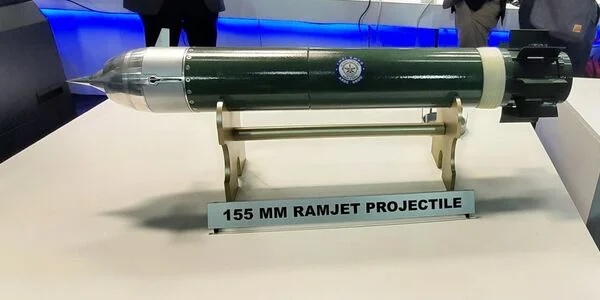
India
At the Aero India 2025 exhibition in Bangalore, the Defence Research and Development Organisation (DRDO) introduced a groundbreaking 155 mm ramjet projectile tailored for the Advanced Towed Artillery Gun System (ATAGS). This innovative munition aims to significantly enhance the artillery's range and performance. Enhanced Range and Capabilities The newly developed ramjet projectile is designed to extend the ATAGS's firing range to approximately 80 kilometers, a substantial increase from its current 45-kilometer range. This advancement is achieved through ramjet propulsion technology, which maintains the projectile's velocity over longer distances, ensuring greater accuracy and impact. Advanced Towed Artillery Gun System (ATAGS) Overview The ATAGS is a 155 mm/52 caliber howitzer developed collaboratively by DRDO and Indian industry partners, including Bharat Forge Limited (BFL), Kalyani Strategic Systems Limited (KSSL), and Tata Advanced Systems Limited (TASL). Weighing approximately 12 tonnes, the ATAGS boasts several notable features: High Rate of Fire: Capable of firing six rounds in 30 seconds and five successive rounds in a short duration. Advanced Mobility: Equipped with an all-electric drive for reliable and maintenance-free operation over extended periods. Precision Targeting: Designed to fire future Long Range Guided Munitions (LRGM) for precision strikes. Indian Army's Procurement Plans The Indian Army has announced plans to procure 307 ATAGS units, with the contract expected to be finalized by March 2025. This acquisition aligns with the Army's broader strategy to modernize its artillery capabilities, emphasizing indigenous development and self-reliance. Significance of the Ramjet Projectile The introduction of the 155 mm ramjet projectile represents a significant leap in artillery technology for India. By leveraging ramjet propulsion, the projectile maintains higher speeds over longer distances, resulting in improved range and accuracy. This development not only enhances the operational capabilities of the ATAGS but also underscores India's commitment to advancing its defense technology through indigenous innovation. In summary, DRDO's unveiling of the 155 mm ramjet projectile at Aero India 2025 marks a pivotal advancement in India's artillery capabilities, promising extended range, enhanced precision, and a strengthened defense posture.
Read More → Posted on 2025-02-13 15:14:10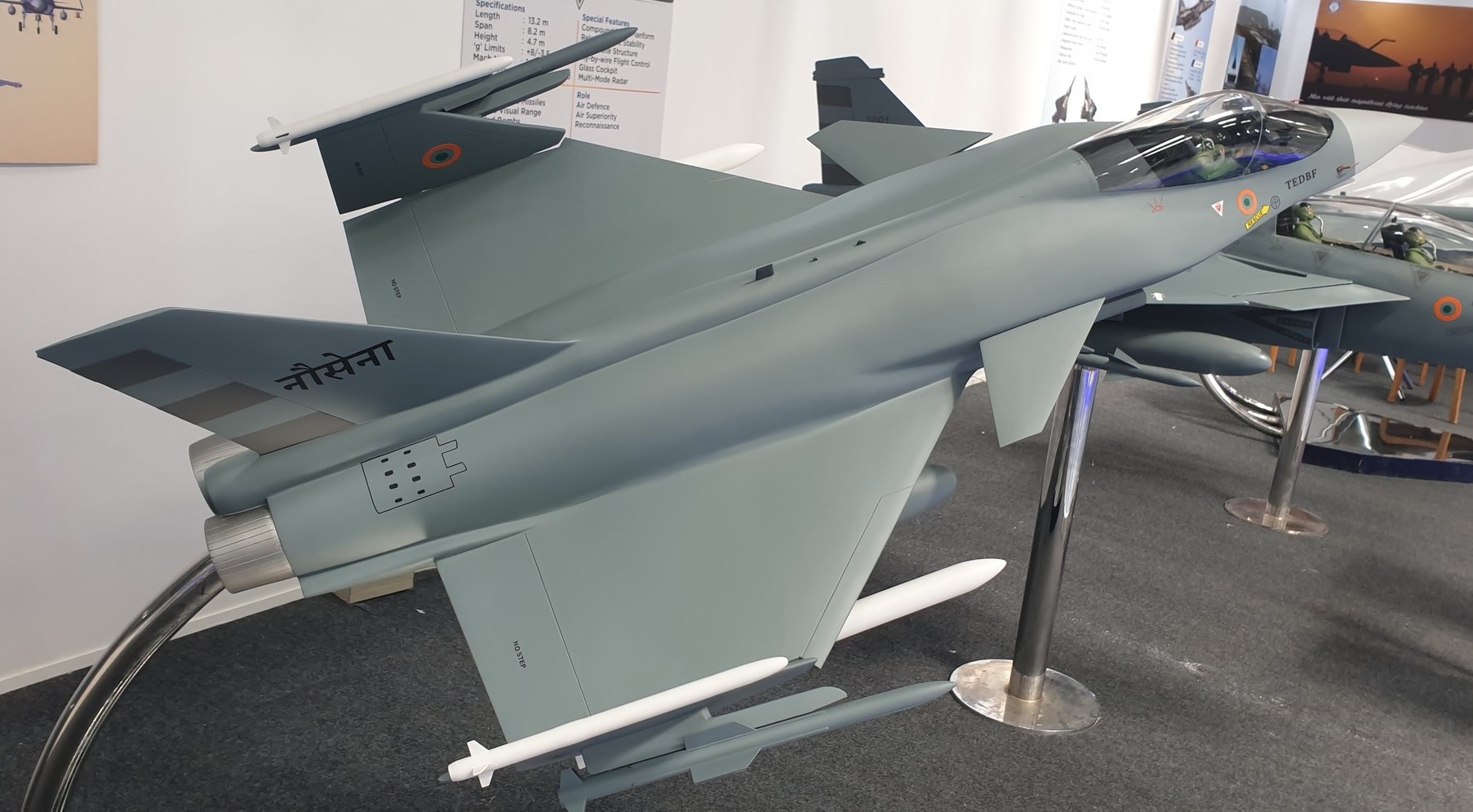
India
The Aeronautical Development Agency (ADA) has provided an updated schedule for the Twin Engine Deck Based Fighter (TEDBF) program, now projecting the aircraft's induction into the Indian Navy by 2038. This adjustment reflects a comprehensive reassessment of development milestones and processes. Program Overview Initiated to replace the aging MiG-29K fleet, the TEDBF is a pivotal component of India's future naval aviation strategy. Designed for aircraft carrier operations, it aims to offer superior performance, enhanced survivability, and increased operational flexibility. Development Milestones Cabinet Committee on Security (CCS) Approval: ADA anticipates securing CCS clearance by 2026, a critical step for obtaining necessary funding and governmental endorsement. First Flight: Initially slated for 2026, the maiden flight is now expected between 2029 and 2030. This delay accounts for design refinements, advanced system integrations, and rigorous testing protocols essential for naval operations. Service Induction: Following extensive testing and integration with naval assets, the TEDBF is projected to enter service in 2038, marking a significant shift from earlier estimates. Design and Specifications The TEDBF is envisioned as a twin-engine, multirole aircraft capable of executing various missions, including air superiority, precision strikes, anti-ship warfare, and electronic warfare. Key design features include: Dimensions: The aircraft measures approximately 16.3 meters in length, with an unfolded wingspan of 11.2 meters and a folded wingspan of 7.6 meters, facilitating efficient carrier storage. Engines: Powered by two General Electric F414 engines, each providing 98 kN of thrust, ensuring robust performance for carrier-based operations. Avionics and Systems: Equipped with advanced avionics, next-generation stealth capabilities, and superior maneuverability, the TEDBF is designed to dominate maritime airspace. Armament: The aircraft will support a diverse array of indigenous weapons systems, enhancing its combat versatility. Strategic Implications The TEDBF aligns with India's Aatmanirbhar Bharat (self-reliant India) initiative, reducing reliance on foreign imports and fostering domestic technological expertise. The Indian Navy plans to procure the TEDBF in two batches, with the first 45 units expected by the mid-2030s. The revised timeline underscores ADA's commitment to delivering a state-of-the-art fighter aircraft that meets the stringent demands of naval warfare. Through meticulous design and testing, the TEDBF is poised to significantly enhance the Indian Navy's operational capabilities in the coming decades.
Read More → Posted on 2025-02-13 15:03:57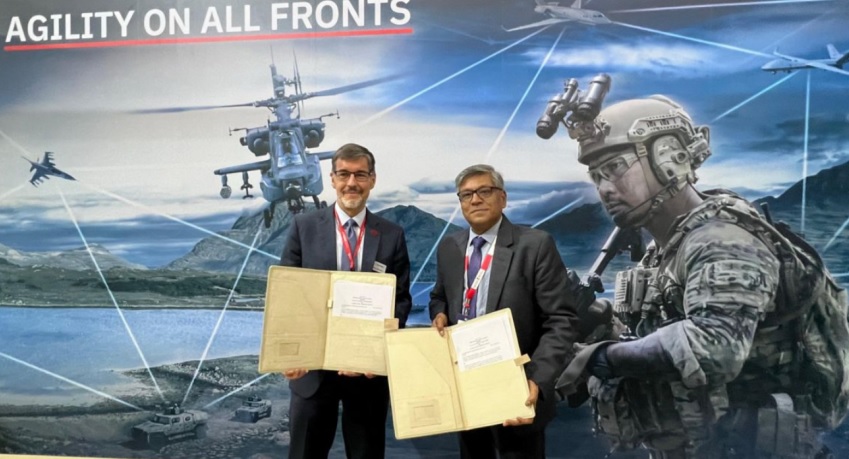
India
In a significant move to bolster India's defense capabilities, Kalyani Strategic Systems Limited (KSSL), a subsidiary of Bharat Forge Limited, has entered into a Memorandum of Understanding (MoU) with L3Harris Technologies. This two-year agreement aims to advance Command, Control, Communications, Intelligence, Surveillance, and Reconnaissance (C4ISR) technologies for the Indian Armed Forces. Strategic Objectives of the Collaboration The partnership between KSSL and L3Harris is designed to: Enhance Tactical Communications: By leveraging L3Harris's extensive experience in tactical communication systems, the collaboration seeks to develop robust communication networks tailored to the needs of the Indian military. Advance Surveillance Capabilities: The integration of sophisticated surveillance technologies will provide the Indian Armed Forces with improved situational awareness and intelligence gathering. Promote Indigenous Production: Aligning with the 'Make in India' initiative, the MoU emphasizes local manufacturing and support, ensuring that advanced defense technologies are developed and maintained within the country. L3Harris's Expertise in C4ISR Systems L3Harris is renowned for its development and deployment of customized integrated C4ISR systems. These systems gather, synthesize, and share a diverse range of battlefield reconnaissance data, leading to quicker response times in the field. Their C4ISR Network Gateways are self-contained, portable or fixed-site communication systems that can be rapidly deployed in areas lacking existing high-capacity network infrastructure. Advanced Tactical Communication Solutions The collaboration is expected to introduce advanced tactical communication solutions, such as: Falcon III® RF-7800V-HH Handheld VHF Tactical Radio: This compact radio offers simultaneous voice and high-speed data transmission, equipped with a narrowband TDMA Networking Waveform that allows up to 64 users on a mobile ad-hoc network to share real-time situational awareness. AN/PRC-160(V) Wideband HF/VHF Tactical Radio System: As the smallest and lightest high-assurance certified HF manpack available, this radio features industry-leading encryption and breakthrough data performance, ensuring secure and reliable communication over long distances. Commitment to National Security Dave Johnson, Vice President of International at L3Harris, emphasized the significance of the MoU, stating that it "sets the stage for future partnerships and opportunities in India, where the combined strengths of L3Harris and KSSL can contribute to bolstering national security for the country." He expressed enthusiasm about accelerating the delivery of advanced tactical radios and equipment to the Indian Armed Forces. Neelesh Tungar, President & CEO of KSSL, highlighted that the collaboration "unlocks new strategic capabilities and will lead to harnessing new opportunities for quick delivery of sophisticated defense products to the Indian Armed Forces." He noted that this partnership is aligned with evolving doctrines and emerging warfare paradigms, aiming to serve future strategic requirements, including joint and integrated ISR capabilities. Building Resilient Supply Chains While focusing on the Indian market, the collaboration also seeks to establish robust and resilient supply chains outside India to meet global obligations. L3Harris has been operating in India for over two decades, with facilities in New Delhi and Bengaluru. In addition to providing the Indian Armed Forces with sophisticated tactical radios and manned airborne electro-optic/infrared systems, the company partners with the Airport Authority of India to provide futuristic telecommunications infrastructure for all Indian airports. The MoU between KSSL and L3Harris represents a strategic effort to modernize India's defense communication and surveillance capabilities. By combining KSSL's local expertise with L3Harris's advanced technologies, the partnership aims to deliver state-of-the-art solutions that enhance national security and support the Indian Armed Forces in addressing contemporary and future challenges.
Read More → Posted on 2025-02-13 14:53:40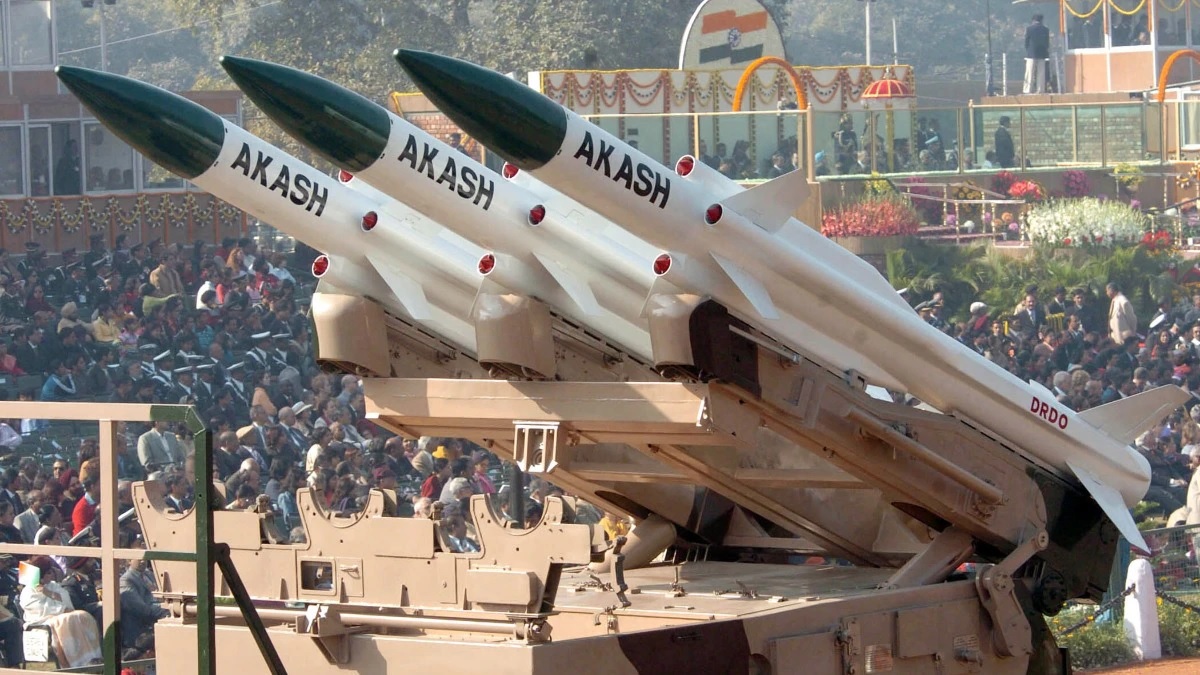
India
India is poised to finalize a significant defense agreement with the Philippines, aiming to supply short-range Akash missile systems in a deal exceeding $200 million. This prospective contract marks the second major defense collaboration between the two nations, following India's $375 million sale of BrahMos supersonic cruise missiles to the Philippines in 2022. The Akash Missile System: An Overview Developed by India's Defence Research and Development Organisation (DRDO), the Akash missile system is a medium-range surface-to-air missile designed to neutralize aerial threats. Key specifications include: Range: Capable of engaging targets up to 30 kilometers away. Speed: Achieves supersonic speeds, reaching approximately Mach 2.5. Altitude: Effective up to an altitude of 18 kilometers. Warhead: Equipped with a 55 kg pre-fragmented warhead. Guidance System: Utilizes an onboard guidance system coupled with a digital proximity fuse. Mobility: Fully mobile, deployable from both tracked and wheeled platforms. The system's Rajendra fire-control radar, a multi-target and multi-function phased array radar, boasts a tracking range of about 80 kilometers and an engagement range of 60 kilometers. This radar guides the missile throughout its flight, enhancing its resistance to jamming. India's Defense Export Trajectory Traditionally known as one of the world's largest arms importers, India has been making concerted efforts to bolster its domestic defense production and increase exports. Recent data indicates a substantial rise in defense exports, with figures reaching approximately $2.4 billion in the fiscal year ending March 2024. This growth underscores India's commitment to establishing itself as a key player in the global defense market. Strategic Implications The anticipated missile deal comes at a time when the Philippines is actively enhancing its military capabilities amid escalating tensions in the South China Sea. For India, this agreement not only strengthens bilateral ties with the Philippines but also signifies a strategic move to counterbalance China's growing influence in the region. The prospective $200 million Akash missile deal between India and the Philippines highlights the deepening defense cooperation between the two nations. It reflects India's evolving role from a major arms importer to an emerging defense exporter, contributing to regional stability and showcasing its advanced indigenous defense manufacturing capabilities.
Read More → Posted on 2025-02-13 14:51:05
India
On Wednesday, Pakistani troops initiated unprovoked firing on Indian positions along the Line of Control (LoC) in Jammu and Kashmir's Poonch district, specifically targeting the Krishna Ghati sector. The Indian Army responded decisively, leading to significant casualties on the Pakistani side. While exact figures remain unconfirmed, reports suggest that Pakistani forces suffered "heavy casualties" during the exchange. This incident follows a tragic event the previous day, where two Indian Army personnel, including a captain, lost their lives due to an improvised explosive device (IED) explosion near the LoC in the Akhnoor sector of Jammu district. Such ceasefire violations have been rare since India and Pakistan reaffirmed their commitment to the ceasefire agreement on February 25, 2021. However, recent activities indicate a concerning escalation. In the Krishna Ghati sector, Pakistani troops engaged in unprovoked firing on a forward post in the Tarkundi area along the LoC. The Indian Army's strong retaliation reportedly resulted in substantial casualties among Pakistani forces. An undated video circulating on social media shows a Pakistani army officer paying last respects to fallen soldiers, further indicating the severity of the losses. Additionally, a junior commissioned officer (JCO) of the Indian Army sustained minor injuries after accidentally stepping on a landmine in the same sector. The JCO, a resident of Mendhar, was part of a patrol tasked with monitoring the LoC to prevent terrorist infiltration. He was promptly evacuated to a military hospital for treatment. The LoC has witnessed heightened tensions recently, with multiple hostile activities reported over the past week. This latest ceasefire violation marks the first of the year and the fourth cross-border incident in five days. On Monday, a soldier was struck by a bullet from across the border while stationed at a forward post in the Kalal area of the Nowshera sector in Rajouri district. Earlier, on February 8, an Army patrol came under terrorist fire from a forested area across the LoC in Rajouri's Keri sector, where terrorists appeared to be waiting for an opportunity to infiltrate into the Indian side. During the night of February 4 and 5, a landmine explosion reportedly caused casualties among terrorists attempting to infiltrate into India from across the LoC in the Krishna Ghati sector of Poonch district. In response to these developments, on February 10, Lieutenant General Navin Sachdeva, General Officer Commanding of the Jammu-based White Knight Corps, reviewed the "hostile activities" along the LoC in Rajouri district. He, along with other senior officers, visited forward areas in the Rajouri sector to assess the prevailing security situation. The corps commander commended all ranks for their vigilance and unwavering operational focus, urging them to remain prepared for all contingencies. These incidents underscore the fragile nature of the ceasefire agreement and highlight the ongoing challenges in maintaining peace along the LoC. The Indian Army's prompt and decisive responses aim to deter further violations and ensure the security of its personnel and territory.
Read More → Posted on 2025-02-13 14:32:37
India
In a significant move to bolster national security and surveillance capabilities, India has approved the third phase of its Space-Based Surveillance (SBS-3) program, aiming to launch 52 advanced satellites by 2027-28. This initiative underscores India's commitment to enhancing its space-based monitoring infrastructure, ensuring continuous observation of areas of strategic interest. A Comprehensive Satellite Network The SBS-3 program envisions a robust constellation of satellites positioned in both Low Earth Orbit (LEO) and Geostationary Orbit (GEO). This dual-orbit strategy ensures comprehensive coverage, allowing for detailed monitoring of terrestrial and maritime domains. The satellites are designed to operate seamlessly, providing uninterrupted surveillance capabilities regardless of weather conditions or time of day. Integration of Artificial Intelligence A standout feature of these new satellites is the integration of artificial intelligence (AI). This advanced technology enables satellites to communicate with each other, optimizing data collection and analysis. For instance, a satellite in GEO can instruct a LEO counterpart to focus on a specific area, ensuring more detailed and timely intelligence gathering. Public-Private Collaboration In a pioneering approach, the SBS-3 program marks a significant collaboration between the Indian Space Research Organisation (ISRO) and private industry. Of the 52 satellites, 31 will be developed and manufactured by private firms, while the remaining 21 will be produced by ISRO. This partnership not only accelerates the development process but also fosters innovation within India's burgeoning space sector. Dedicated Military Satellites Complementing the SBS-3 initiative, India is advancing its military communication infrastructure with dedicated satellites for its armed forces. The Indian Navy is set to receive the GSAT-7R satellite, intended to replace the existing GSAT-7, enhancing maritime communication and surveillance. Similarly, the Indian Army is developing the GSAT-7B, aimed at improving surveillance in border areas and providing secure communication channels. Strategic Significance The deployment of these satellites is poised to significantly enhance India's surveillance capabilities. The advanced technology will enable the tracking of moving assets, such as naval warships and mobile missile launchers, providing real-time intelligence crucial for national security. Furthermore, the continuous monitoring capabilities will offer strategic advantages in both defense and disaster management operations. Investment in National Security The SBS-3 program represents a substantial investment in India's defense infrastructure, with a budget allocation of approximately ₹27,000 crore. This financial commitment reflects the nation's dedication to strengthening its surveillance and reconnaissance capabilities in response to evolving security challenges. Global Context India's advancements in space-based surveillance align with global trends, as nations increasingly recognize the strategic importance of space assets. For instance, Russia plans to launch its first satellite dedicated to monitoring space debris in 2027, highlighting the growing emphasis on space situational awareness worldwide. In conclusion, India's SBS-3 program signifies a monumental step in enhancing the country's space-based surveillance capabilities. Through strategic investments, technological innovation, and public-private collaboration, India is poised to establish a formidable presence in space, ensuring national security and contributing to global space initiatives.
Read More → Posted on 2025-02-13 14:24:42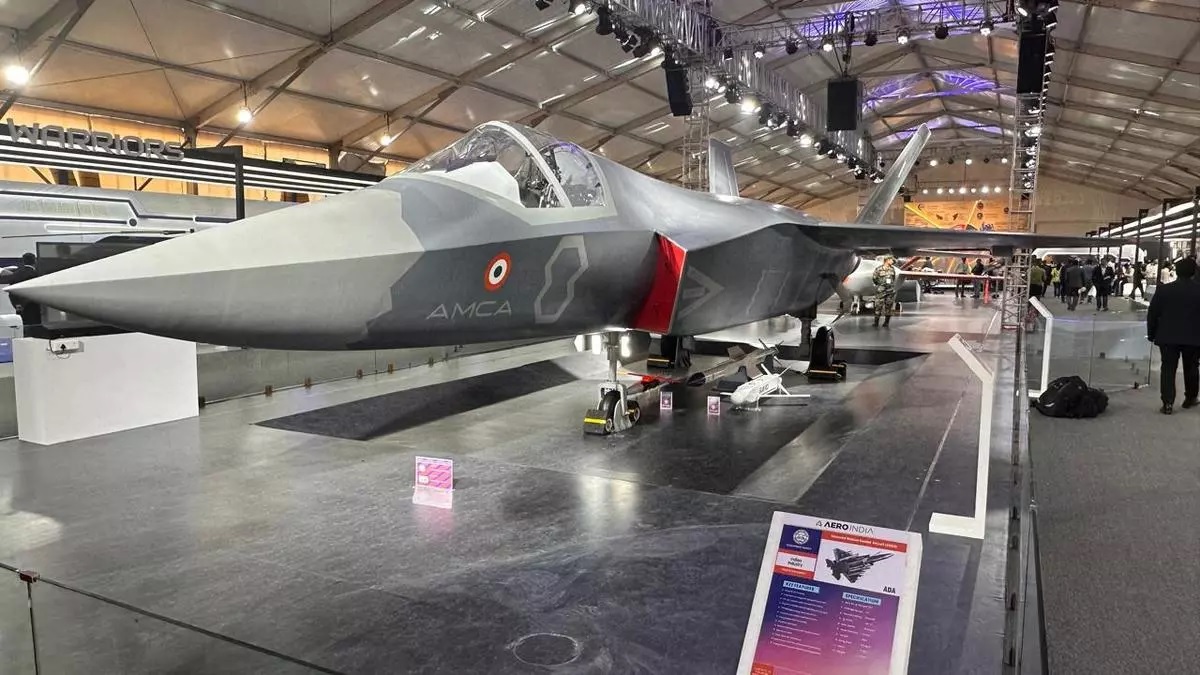
India
The Advanced Medium Combat Aircraft (AMCA) is India's ambitious endeavor to develop a fifth-generation multirole fighter jet, poised to significantly enhance the capabilities of the Indian Air Force (IAF). Designed by the Aeronautical Development Agency (ADA) in collaboration with Hindustan Aeronautics Limited (HAL), the AMCA integrates state-of-the-art technologies to ensure superior performance in modern aerial warfare. Design and Stealth Features The AMCA boasts a twin-engine, single-seat configuration with diamond-shaped trapezoidal wings and a stabilator V-tail, optimizing aerodynamic efficiency and maneuverability. Its design emphasizes stealth, incorporating S-shaped air intakes to conceal engine fan blades and an internal weapons bay to reduce radar cross-section. The extensive use of composite materials further diminishes detectability, allowing the aircraft to operate effectively in high-threat environments. Advanced Avionics and Sensor Suite Equipped with a sophisticated avionics suite, the AMCA features a wide panoramic touchscreen display, a multi-function display in portrait orientation, and a wide-angle holographic head-up display, all designed to enhance pilot interaction and situational awareness. The aircraft employs distributed passive sensors with artificial intelligence-assisted multi-sensor data fusion, providing a comprehensive understanding of the operational environment. An advanced electronic warfare suite augments its defensive capabilities, ensuring resilience against various threats. Propulsion and Performance In its initial Mark-1 variant, the AMCA will be powered by two General Electric F414 afterburning turbofan engines, each producing approximately 90 kilonewtons (kN) of thrust. Future iterations, such as the Mark-2, aim to incorporate more powerful engines with a thrust of around 110 kN, developed through international collaborations. This propulsion system enables the AMCA to achieve supersonic speeds and execute agile maneuvers, essential for modern combat scenarios. Man-Unmanned Teaming (MuMT) and Network-Centric Warfare A notable feature of the AMCA is its Man-Unmanned Teaming (MuMT) capability, allowing seamless operation alongside unmanned aerial vehicles (UAVs). This synergy enhances mission flexibility, enabling coordinated intelligence gathering, surveillance, and precision strikes. The aircraft's network-centric warfare systems facilitate real-time communication and data sharing with other platforms, bolstering situational awareness and collaborative mission execution. Artificial Intelligence Integration The integration of artificial intelligence (AI) serves as a force multiplier for the AMCA. An AI-powered electronic pilot assists in critical decision-making by analyzing sensor data and providing real-time tactical recommendations. This system supports automatic target identification and adaptive flight control, reducing pilot workload and enhancing combat effectiveness. Armament and Payload Capacity The AMCA is designed with an internal weapons bay capable of housing a variety of missiles and precision-guided munitions, maintaining its stealth profile during combat operations. For missions where stealth is less critical, the aircraft also features external hardpoints, allowing for an increased payload. This flexibility ensures the AMCA can be configured to meet diverse mission requirements, from air superiority to ground attack roles. Development Timeline and Future Prospects The AMCA program is structured in phases, with the Mark-1 variant expected to achieve production readiness by 2033-34 and induction into the IAF anticipated around 2035. Subsequent developments aim to incorporate advanced technologies, including directed energy weapons and enhanced propulsion systems, ensuring the aircraft remains at the forefront of aerial combat capabilities. In summary, the AMCA represents a significant leap in India's indigenous defense manufacturing, embodying advanced stealth, avionics, and AI integration. Its development underscores India's commitment to self-reliance in defense technology and its strategic vision for future air combat operations.
Read More → Posted on 2025-02-13 14:22:03
India
Tata Advanced Systems Limited (TASL), a prominent player in India's defense sector, has secured a significant contract to supply its state-of-the-art Rajak Thermal Weapon Sight Cooled (TWC) systems to the Indian Army. These advanced thermal sights are set to be deployed across various geographical commands, significantly bolstering the Army's targeting and surveillance capabilities. Rajak Thermal Weapon Sight Cooled (TWC): A Game Changer The Rajak TWC is a cutting-edge thermal imaging system designed to provide superior target detection and identification, even in the most challenging environmental conditions. Equipped with high-resolution thermal sensors, the Rajak TWC enables soldiers to detect targets at extended ranges, ensuring enhanced operational effectiveness during both day and night operations. Key Features of Rajak TWC: High-Resolution Imaging: Delivers clear thermal images, facilitating accurate target identification. Extended Detection Range: Allows for the detection of human targets up to 1,800 meters away, ensuring a tactical advantage in various combat scenarios. Robust Design: Built to withstand extreme environmental conditions, including harsh temperatures, dust, and moisture, ensuring reliable performance across diverse terrains. Lightweight Construction: Designed for ease of use, minimizing additional burden on soldiers during operations. Rajak-XLR: Pushing the Boundaries of Surveillance In addition to the TWC, TASL has developed the Rajak-XLR (Extra-Long Range) surveillance system, an advanced variant of the earlier Rajak-ULR (Ultra-Long Range). The Rajak-XLR is equipped with a long-range continuous zoom thermal camera, a day camera with similar capabilities, and a laser rangefinder. Notable Capabilities of Rajak-XLR: Vehicle Detection: Capable of detecting vehicles at distances up to 50 kilometers, providing strategic surveillance over vast areas. Human Detection: Enables the identification of human targets up to 40 kilometers away, crucial for monitoring and security operations. TASL's Commitment to India's Defense Sector Beyond thermal imaging systems, TASL has been instrumental in delivering a range of advanced defense solutions to India's armed forces: Tactical Access Switch (TAS): Delivered an initial batch of 40 systems to the Indian Army, enhancing secure communication networks. Advanced Loitering System-50 (ALS-50): Supplied the Indian Air Force with this 'suicide drone' loitering munition, offering precision strike capabilities. Unmanned Aerial Vehicles (UAVs): Actively developing advanced UAVs to meet modern reconnaissance and combat requirements. AH-64 Apache Fuselage Production: In partnership with Boeing, delivered the first fuselage for the Indian Army's AH-64 Apache combat helicopters from its Hyderabad facility. C-295 Transport Aircraft: Collaborating with Airbus to manufacture and assemble medium-lift tactical C-295 transport aircraft for the Indian Air Force, bolstering tactical airlift capabilities. Missile and Rocket Launchers: Engaged in the design, development, and production of missile and rocket launchers, including systems like Akash, MRSAM, TCT Agni, ULAD, and Pinaka, reinforcing India's indigenous defense manufacturing. TASL's unwavering commitment to innovation and excellence continues to play a pivotal role in strengthening India's defense infrastructure, ensuring that the nation's armed forces are equipped with the latest technology to safeguard national security.
Read More → Posted on 2025-02-12 15:21:30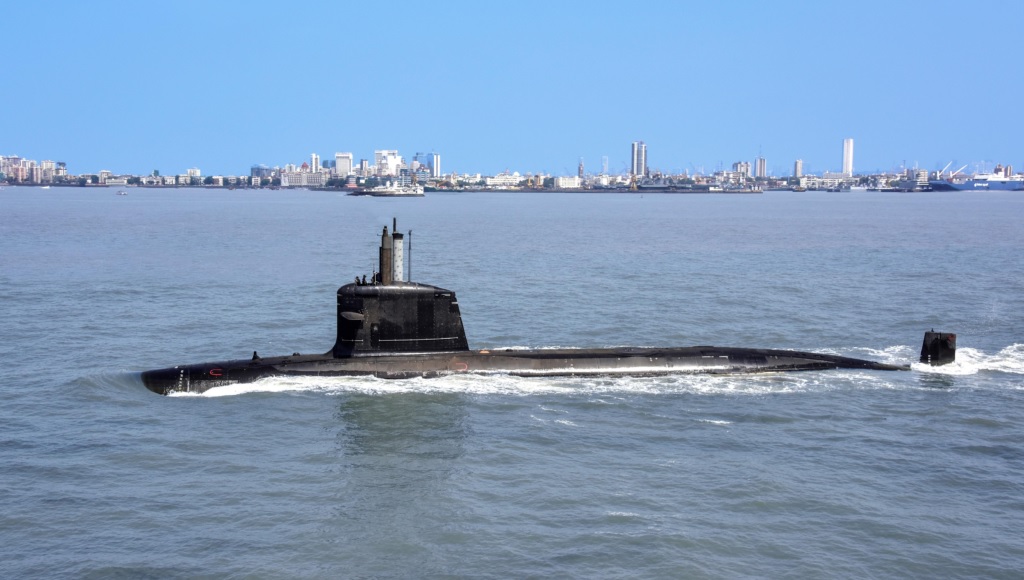
India
In a significant stride to enhance its maritime strength, the Indian Navy is finalizing a deal to procure three additional Scorpene-class submarines from Mazagon Dock Shipbuilders Limited (MDL). Valued at over ₹36,000 crore, the contract is anticipated to be signed by March 31st, marking a pivotal development in India's naval modernization efforts. Escalating Costs: A Closer Look The proposed cost for each new submarine is approximately ₹12,000 crore, a notable increase from the ₹3,500 crore per unit of the earlier batch under Project-75. This substantial rise in expenditure is attributed to several key factors: Enhanced Indigenous Content: The new submarines will feature 60% indigenous components, a significant leap from the previous 30%. This aligns with the 'Make in India' initiative, aiming to bolster domestic defense manufacturing capabilities. Design and Size Modifications: Incorporating design elements from the Scorpene variants supplied to the Brazilian Navy, these submarines will be slightly larger, accommodating advanced systems and increased operational capabilities. Technological Advancements and Specifications The Scorpene-class submarines are renowned for their stealth, agility, and advanced warfare capabilities. Key specifications include: Dimensions: A length of approximately 66.4 meters, with a submerged displacement of around 1,700 tonnes. Speed and Endurance: Capable of achieving speeds over 20 knots underwater, with an endurance of up to 50 days, allowing for extended missions without resurfacing. Armament: Equipped with torpedoes and anti-ship missiles, enhancing their offensive capabilities in various combat scenarios. Air-Independent Propulsion (AIP): While the current deal excludes the DRDO-developed AIP system, future integration is planned to extend submerged endurance and reduce detectability. Strategic Imperatives Behind the Acquisition The decision to expedite the procurement of these submarines stems from delays in the Project-75(I) initiative, which aims to induct six advanced AIP-equipped submarines. As the Indian Navy anticipates the arrival of its first indigenously designed nuclear attack submarine (SSN) by 2036-37, these new Scorpene submarines will serve as a critical interim enhancement to its underwater fleet. Balancing Modernization with Fiscal Prudence This procurement underscores India's commitment to strengthening its naval forces amidst evolving regional security dynamics. However, the significant cost escalation prompts a broader discussion on balancing defense modernization with fiscal responsibility. While the push for indigenization is commendable, ensuring cost-effectiveness remains a crucial consideration in the procurement process. In conclusion, the acquisition of these advanced Scorpene-class submarines represents a strategic move to bolster India's maritime capabilities, reflecting a nuanced approach to defense preparedness in a complex geopolitical environment.
Read More → Posted on 2025-02-12 15:02:22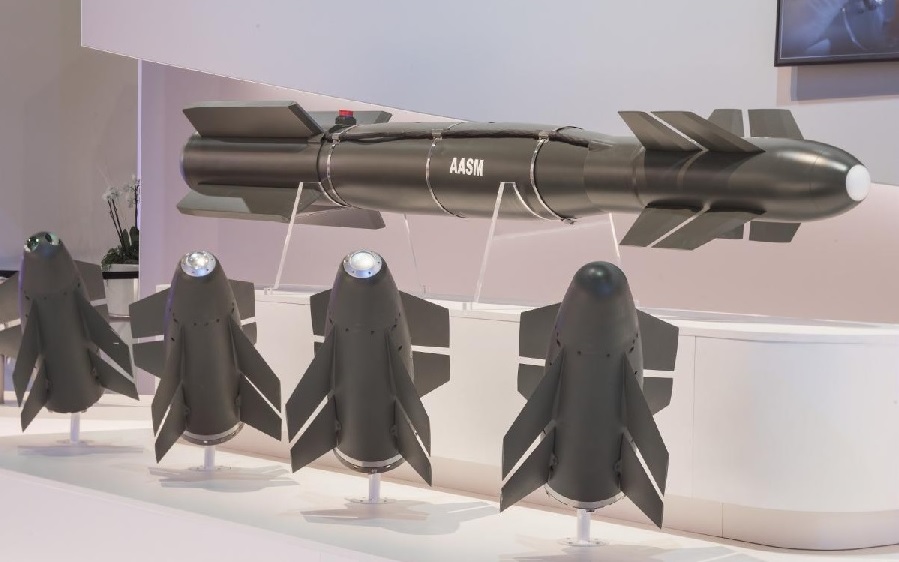
India
In a significant move to bolster India's defense manufacturing capabilities, French defense company Safran Electronics & Defense has partnered with Indian state-owned Bharat Electronics Limited (BEL) to produce the Highly Agile Modular Munition Extended Range (HAMMER) precision-guided air-to-ground weapon system domestically. This collaboration aligns with India's "Atmanirbhar Bharat" (Self-Reliant India) initiative, aiming to reduce dependence on foreign imports and enhance local production. Details of the Partnership The Memorandum of Understanding (MoU) was signed by Mr. K V Suresh Kumar, Director (Marketing) at BEL, and Mr. Alexandre Ziegler, Executive Vice President of Safran Electronics & Defense. The ceremony was attended by senior representatives from both companies, including BEL’s Chairman and Managing Director, Mr. Manoj Jain, and Safran Electronics & Defense’s CEO, Mr. Franck Saudo. As part of this partnership, BEL and Safran Electronics & Defense plan to establish a Centre of Excellence focusing on joint industrial activities such as manufacturing, engineering, and maintenance services. This center will provide operational support, repairs, and overhauls of optronics and navigation equipment for the Indian armed forces. Safran will facilitate knowledge transfer, while BEL will lead in final assembly, testing, and quality assurance. About the HAMMER Weapon System The HAMMER, also known as Armement Air-Sol Modulaire (AASM), is a French air-to-surface missile developed by Safran Electronics & Defense. It is designed for both close air support and deep strike missions, offering high precision and modularity. The system consists of a guidance kit and a range extension kit, which can be attached to standard bomb bodies of various weights, including 125 kg, 250 kg, 500 kg, and 1,000 kg. Key Specifications: Length: Approximately 3.1 meters Weight: Varies depending on the bomb body; the 250 kg version weighs around 340 kg Guidance Systems: Hybrid Inertial Navigation System (INS) and Global Positioning System (GPS) for all-weather capability Optional Infrared (IR) or Laser guidance for enhanced accuracy and the ability to engage moving targets Range: Capable of striking targets over 70 km away Compatibility: Can be integrated with various aircraft platforms, including the Dassault Rafale, Mirage 2000D, and India's LCA Tejas Operational History The HAMMER entered service with the French Air and Space Force and Naval Aviation in 2007. It has been used in various conflicts, including operations in Afghanistan and Libya, demonstrating a high degree of effectiveness. The weapon system has also been selected by several international operators, including Egypt, Morocco, Qatar, and India. Implications for India's Defense Sector This joint venture is expected to significantly enhance India's defense capabilities by enabling the indigenous production of advanced weapon systems. It will also create opportunities for Indian industries, including small and medium enterprises (SMEs), to participate in the defense manufacturing ecosystem. The partnership underscores India's commitment to self-reliance in defense and strengthens the strategic ties between India and France. By manufacturing the HAMMER weapon system locally, India aims to ensure timely availability and maintenance of this critical capability for its armed forces, thereby enhancing operational readiness and national security.
Read More → Posted on 2025-02-12 14:53:50Search
Top Trending in 24 Hours
-
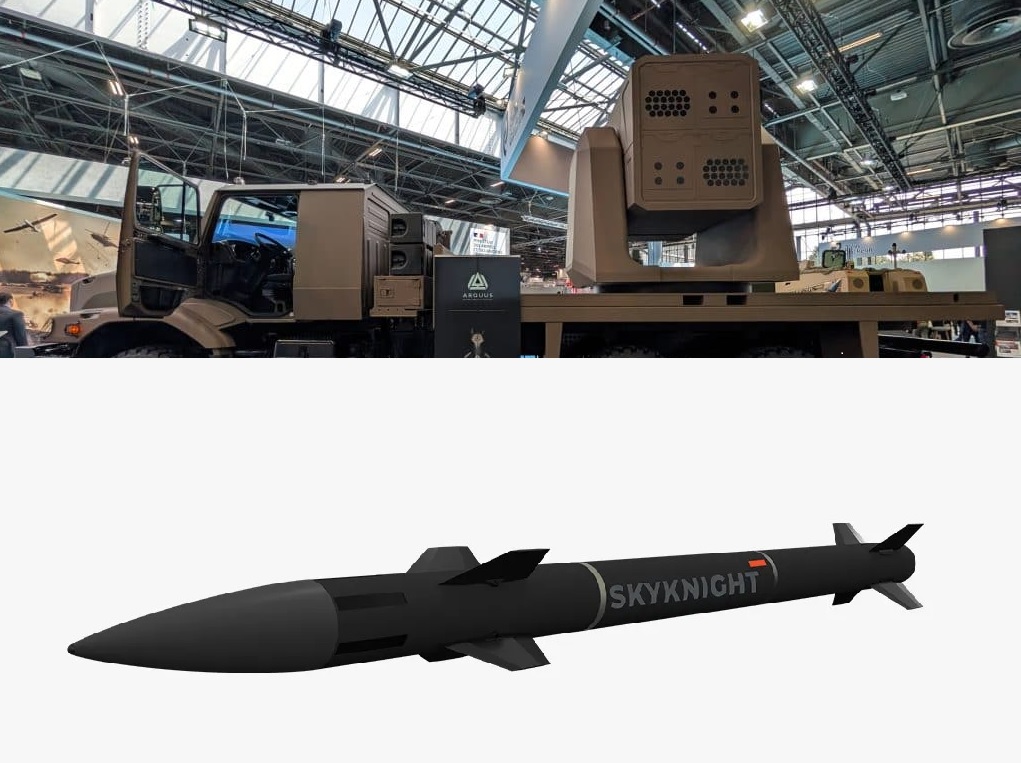 Naval Group Unveils Rampart Modular CIWS Multi-Purpose Weapon System for Naval and Ground Forces at Eurosatory 2026
-
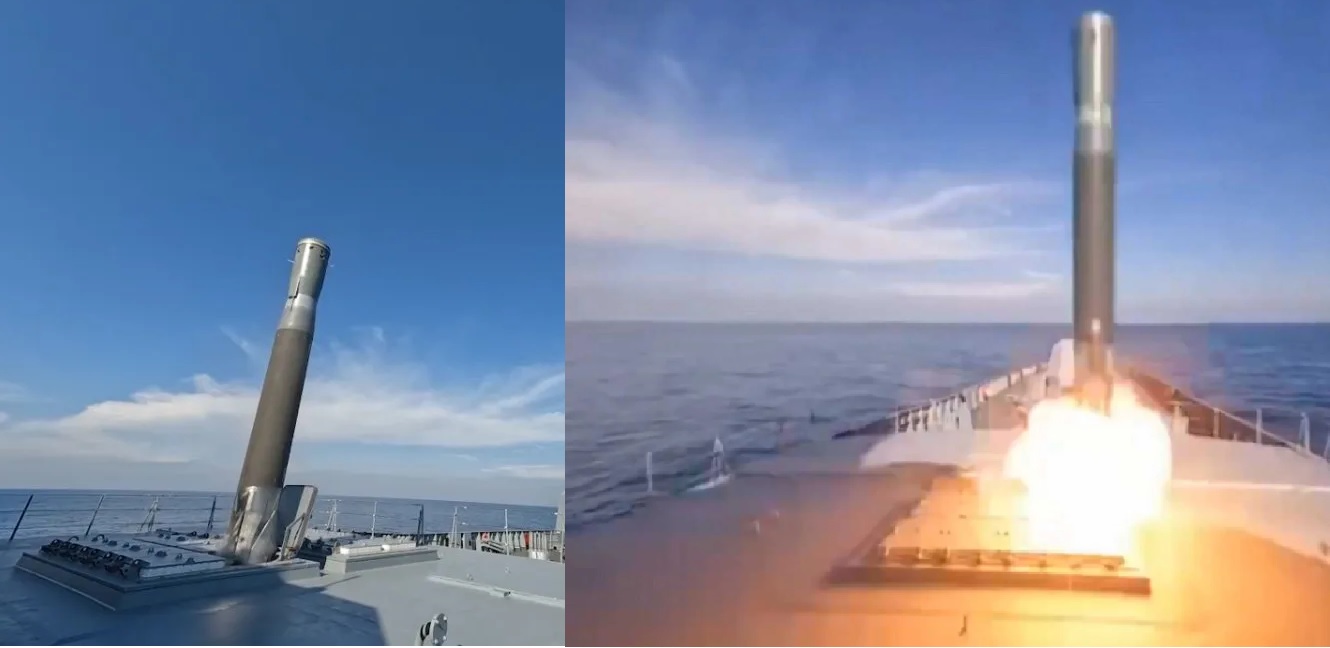 Open-Source Evidence Suggests Russia's Zircon Is a Quasi-Ballistic Missile, Not a True Hypersonic Cruise Weapon
-
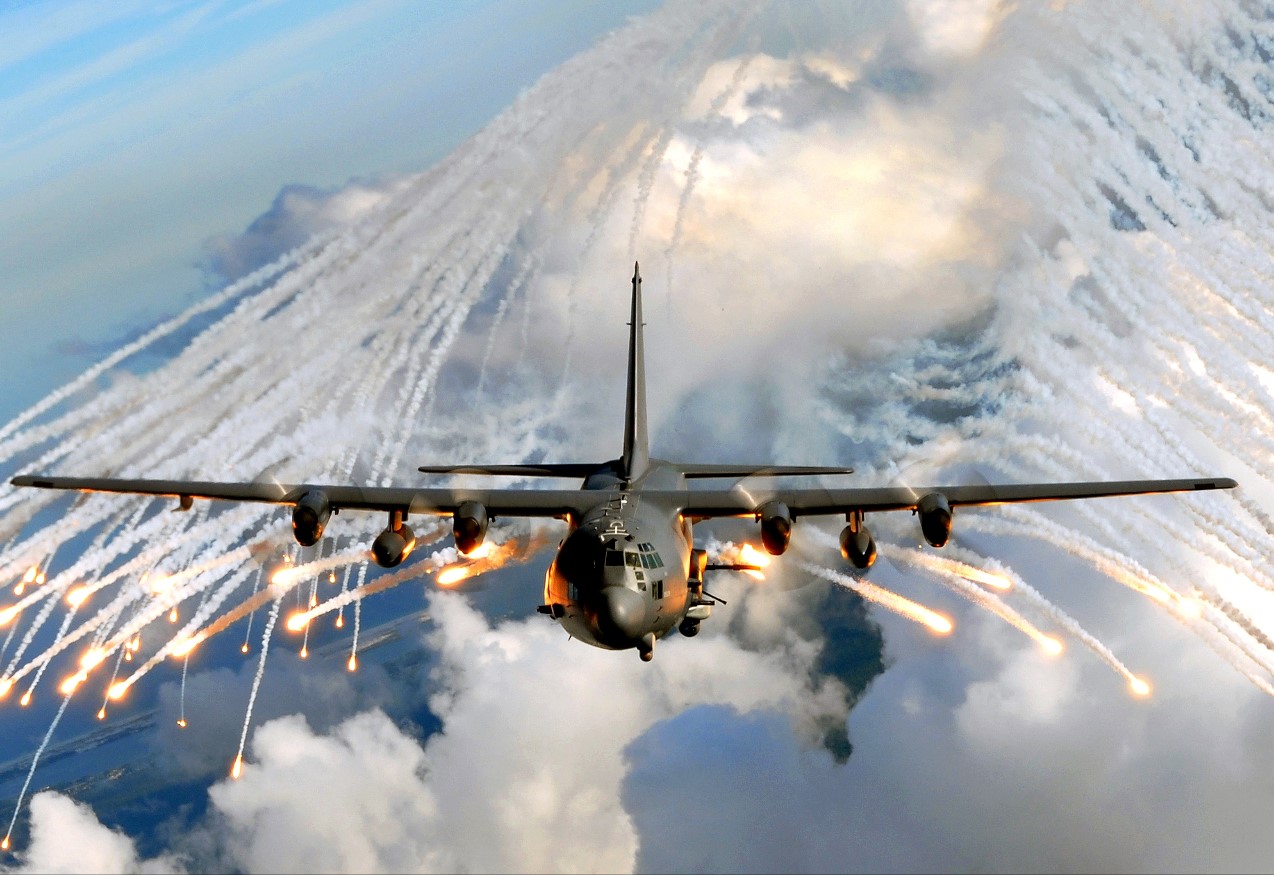 Pentagon Expands Alloy Surfaces Contract to $328.8 Million for Advanced Aircraft Decoy Flares Amid Evolving Drone Threats
-
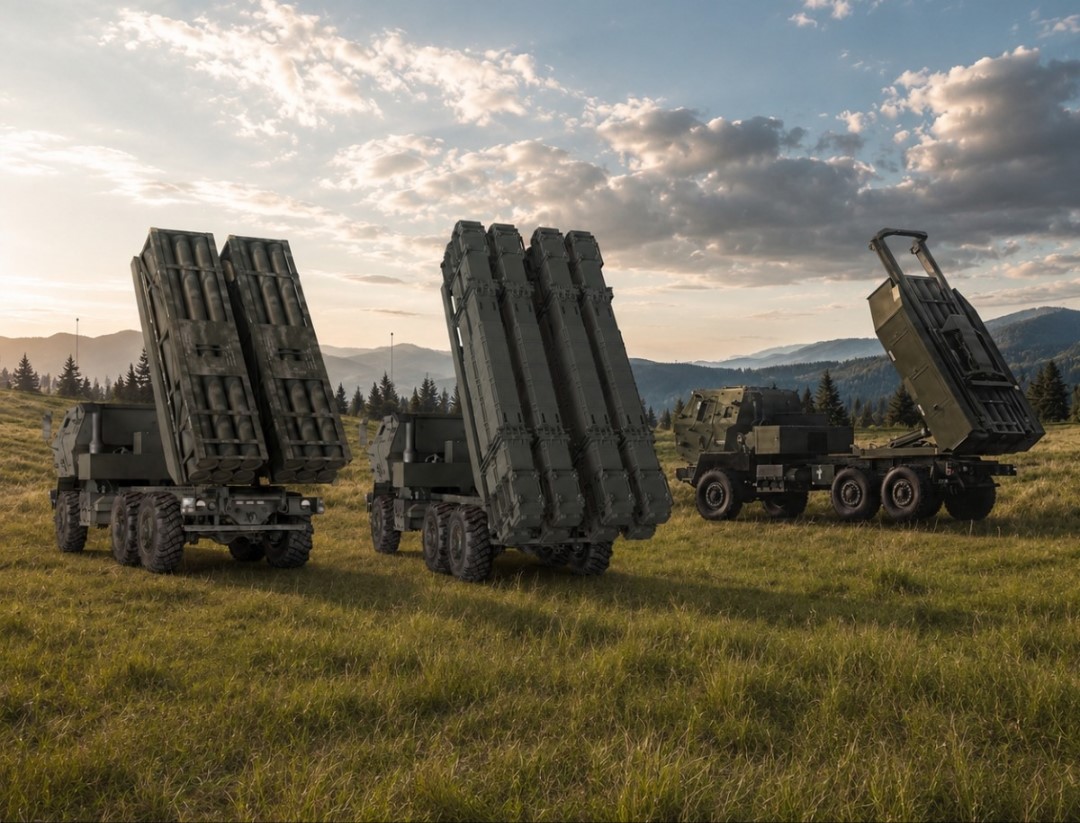 Lockheed Martin Unveils HIMARS FLEX with Dual-Pod Launcher and NATO-Compatible Air Defense Integration
-
 Why the U.S. Restored Pacific Command Name, Ending the Indo-Pacific Designation After Eight Years
-
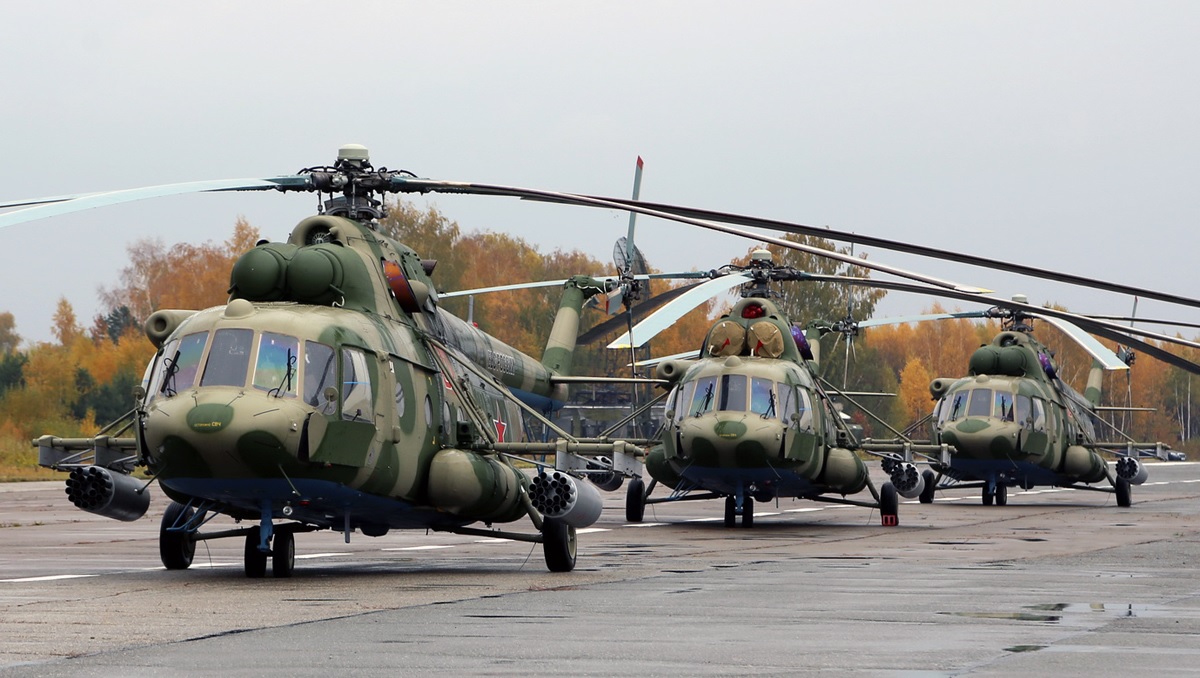 Iran Signs Deal with Russia for 20 Mi-8 and Mi-17 Helicopters to Boost Rescue and Medical Missions
-
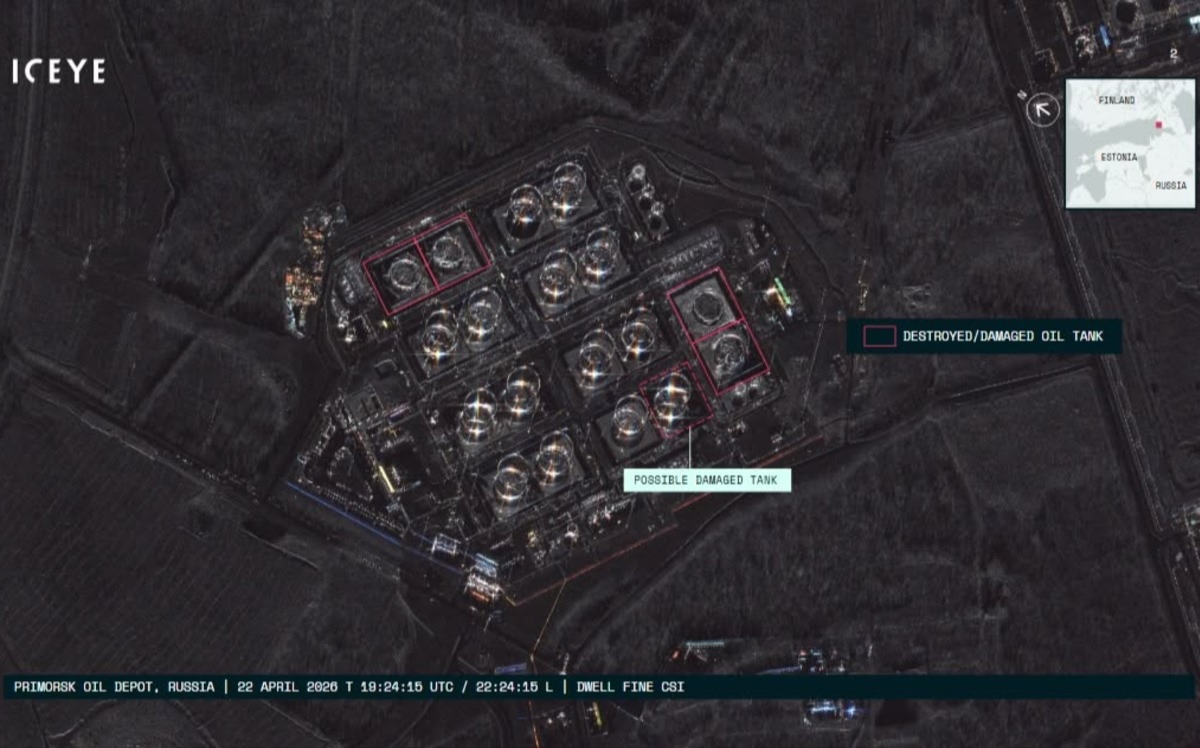 Portugal Doubles Sovereign SAR Satellite Fleet with Order for Two Additional ICEYE Satellites
-
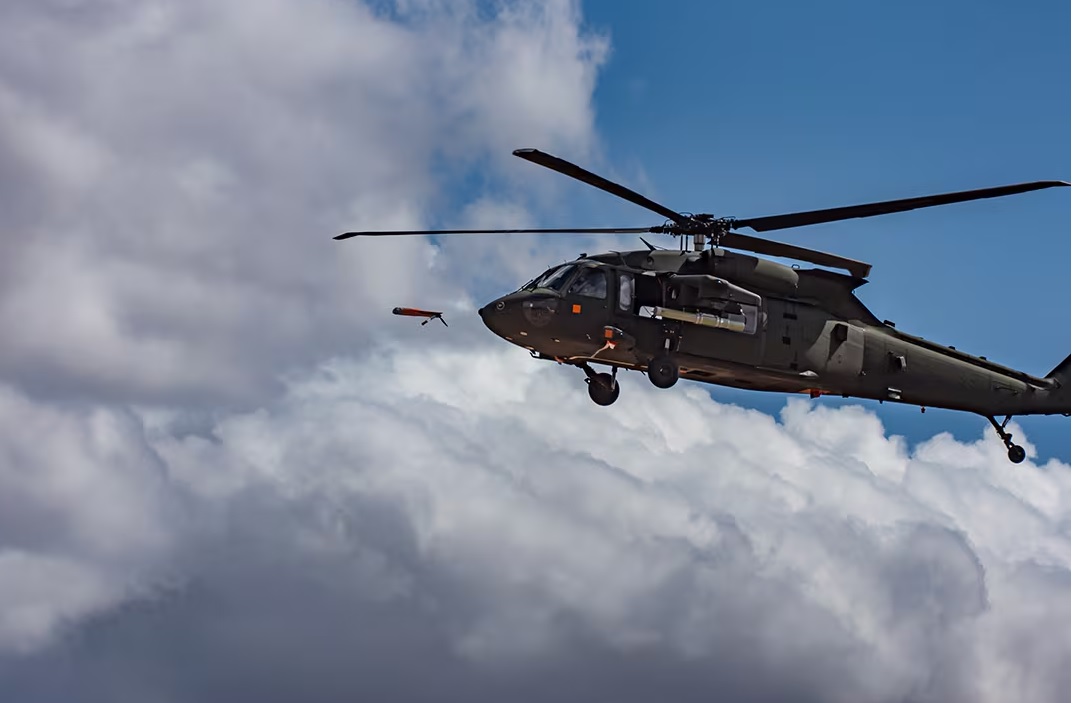 U.S. Army Completes First Flight Test of Medium-Range Air-Launched Effects from Black Hawk Helicopter
Top Trending in 4 Days
-
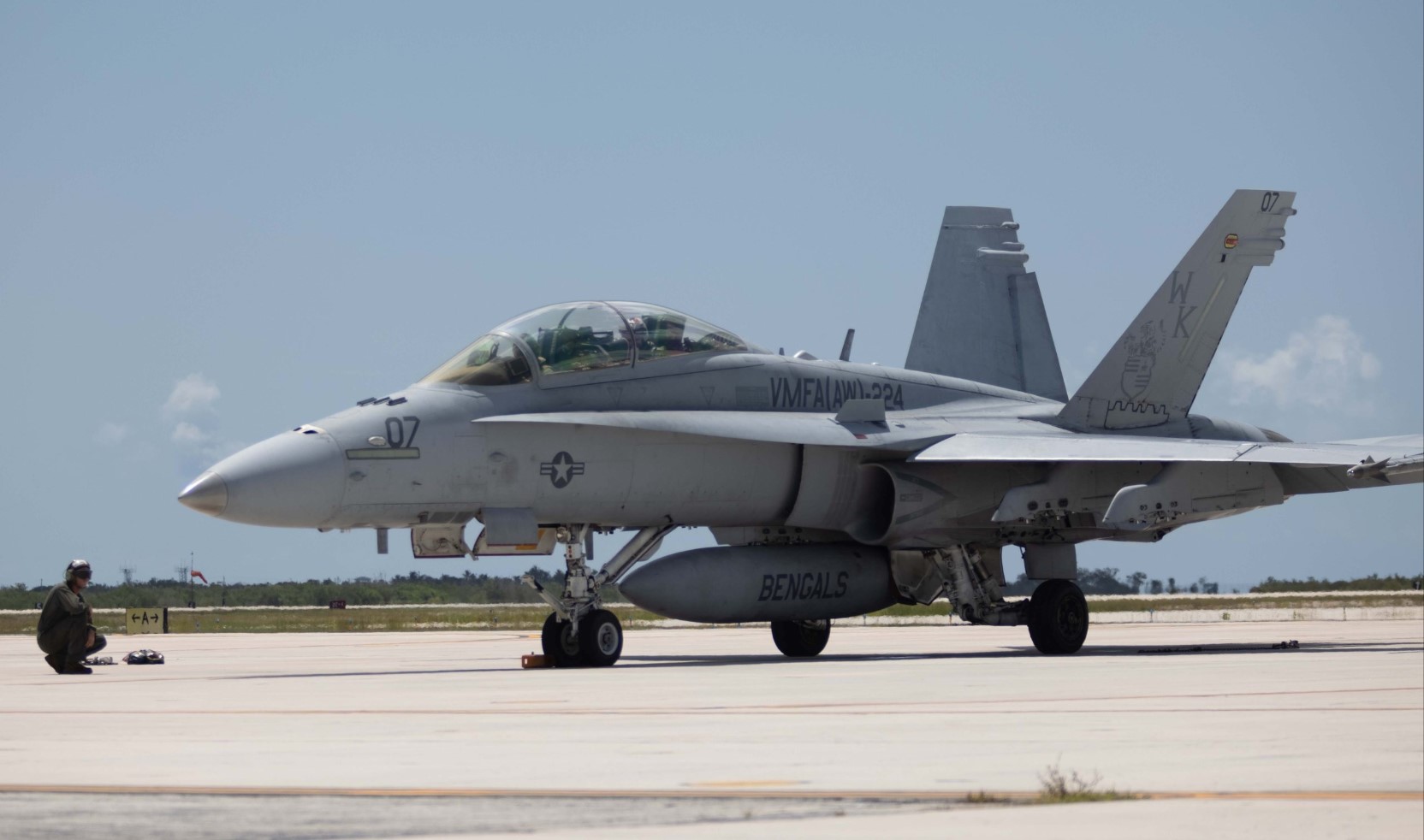 US Marine Corps F/A-18D Hornet Crashes During Training Flight in Washington Mountains; Pilot Ejects Safely
-
 Tulsi Gabbard Releases Declassified Files Detailing U.S.-Backed Network of 120 Biolaboratories Across 30+ Countries
-
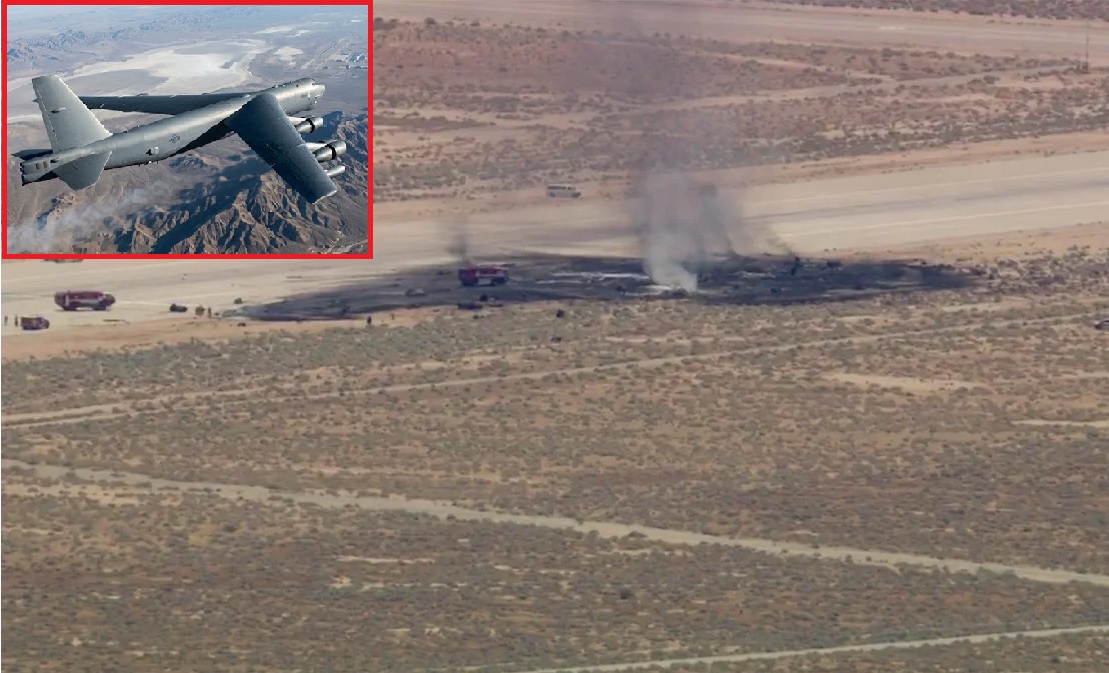 8 U.S. Air Force Crew Members Killed in B-52 Bomber Crash During Test Flight at Edwards Air Force Base
-
 Ukraine Introduces Balloon-Launched DART Missile Designed to Defeat Electronic Warfare
-
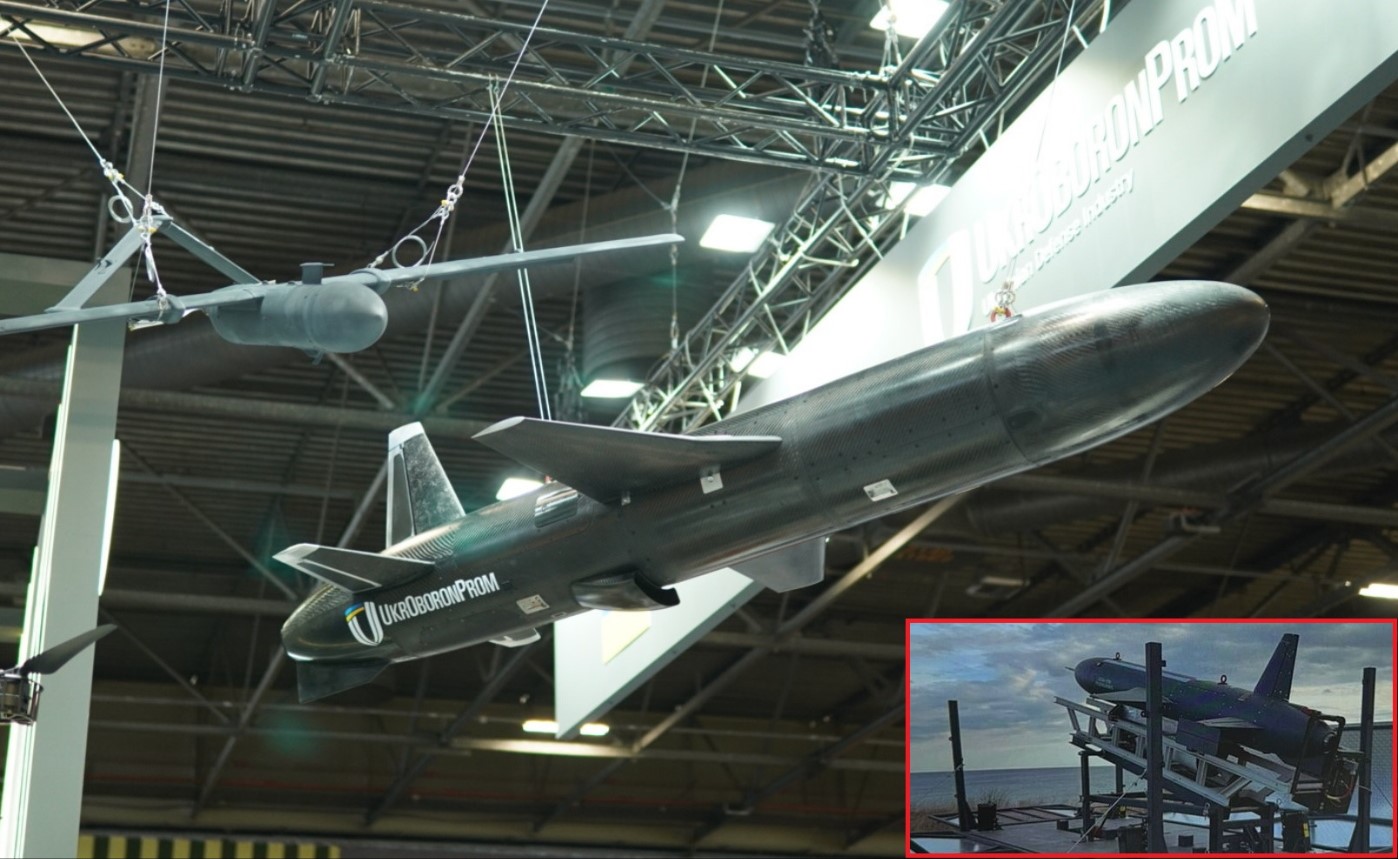 Ukraine Unveils UAV-290 Jet-Powered Strike Drone with 650 km Range at Eurosatory 2026
-
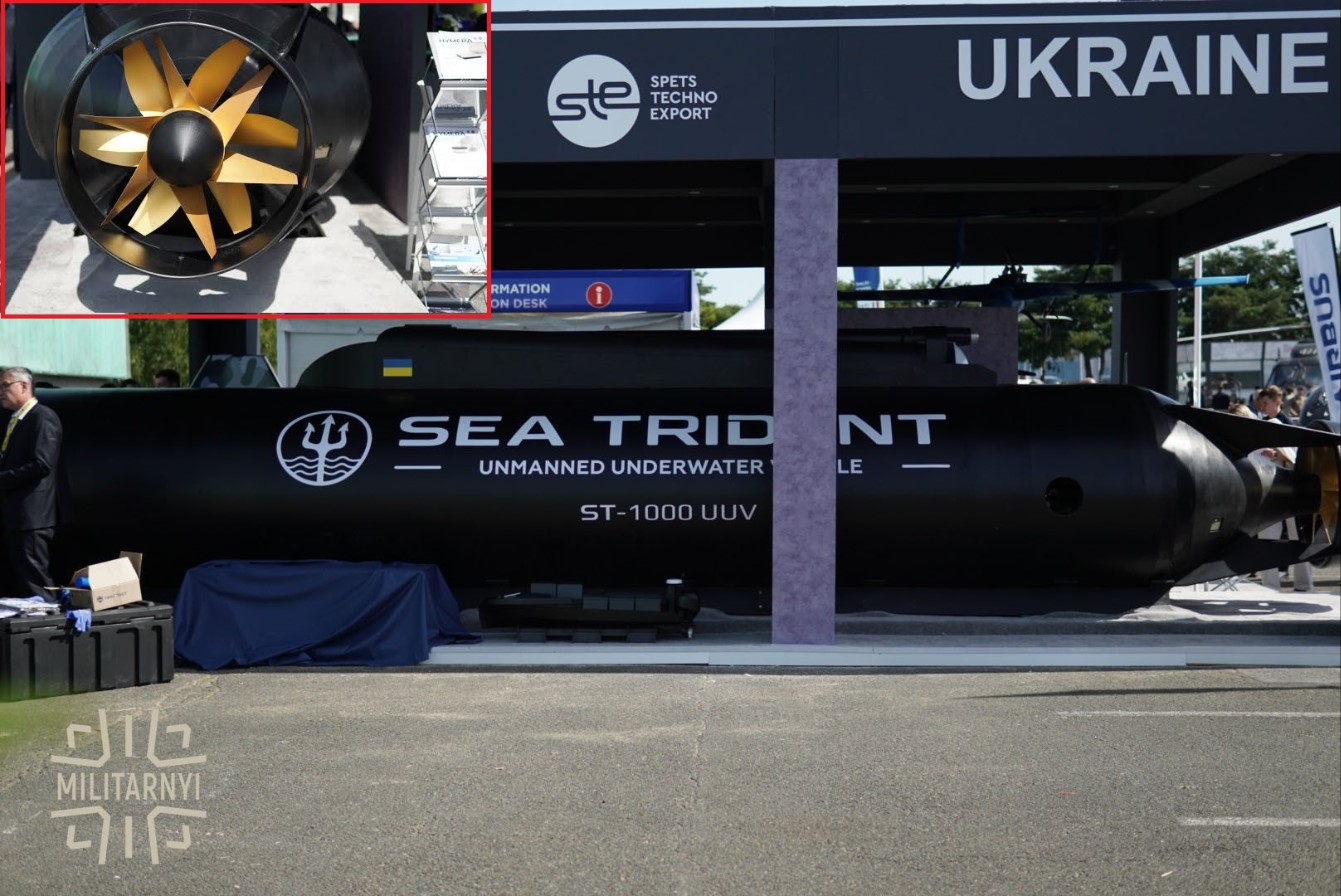 Ukraine Unveils 'Sea Trident' 10-Ton Autonomous Underwater Drone at Eurosatory 2026
-
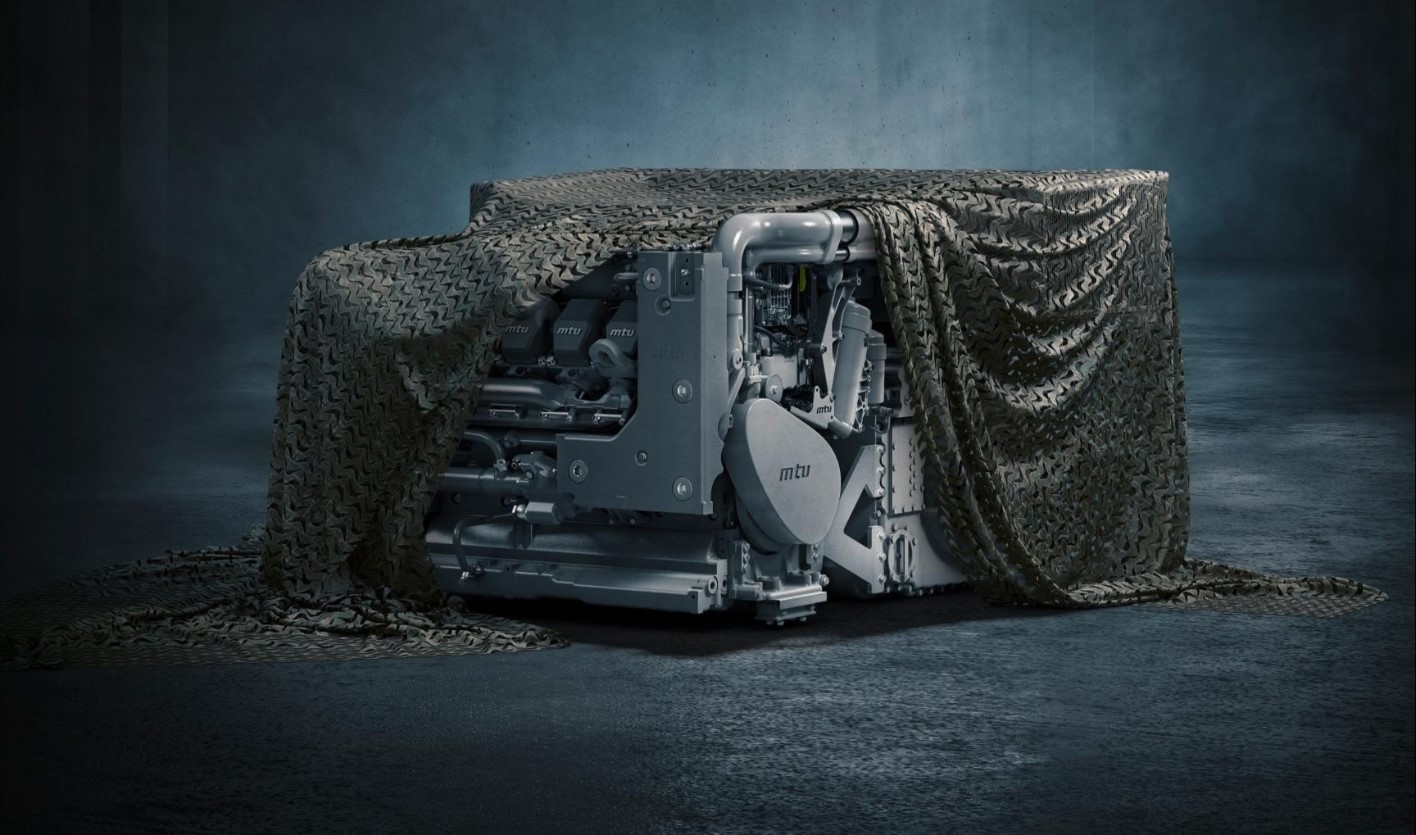 Rolls-Royce Unveils New Hybrid Powertrain for Heavy Military Vehicles at Eurosatory 2026
-
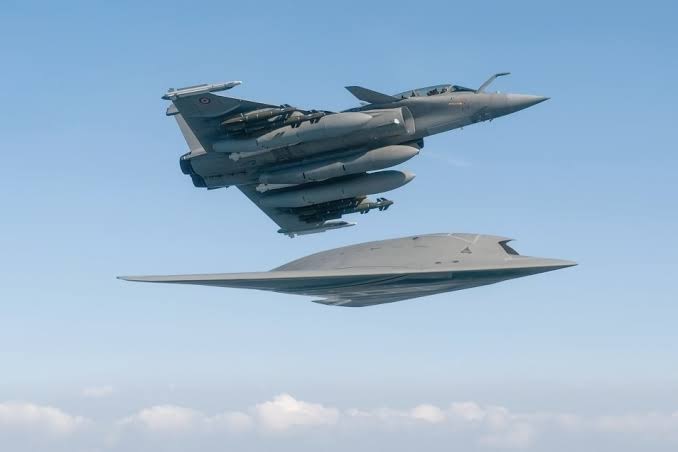 France Agrees to Equip Future Indian Rafales with AI, MUM-T and Secure Satellite Links Under F5 Standard