India
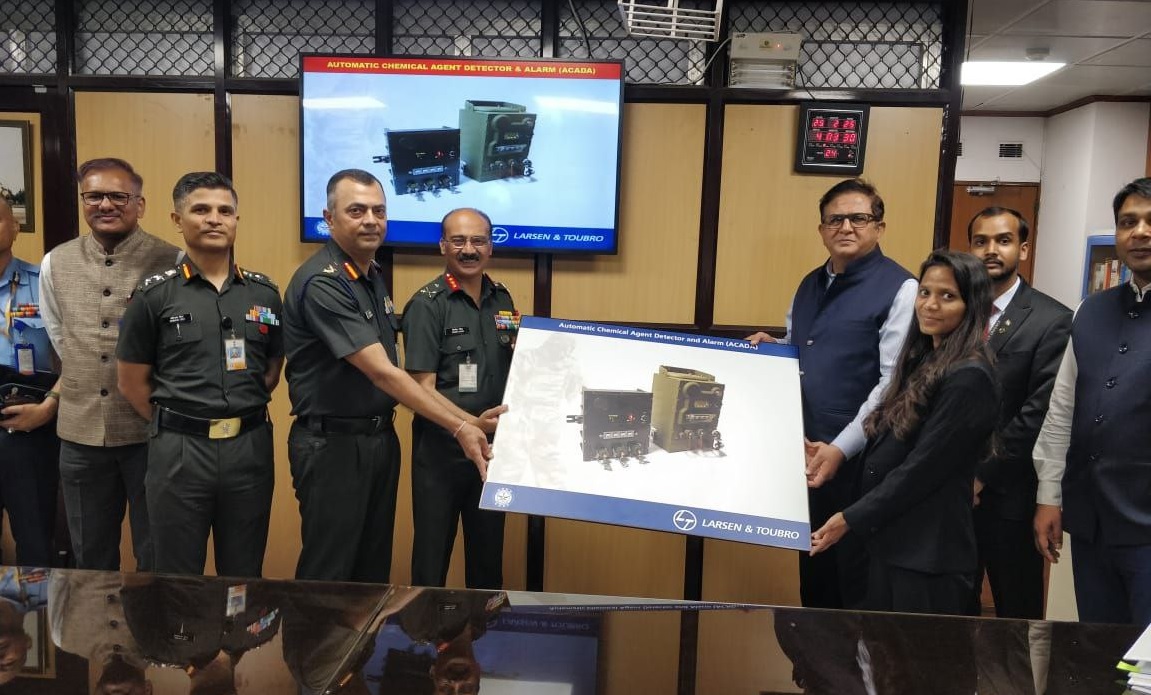
As part of its ongoing modernization drive, the Indian Army has officially signed a contract for the procurement of 223 Automatic Chemical Agent Detection & Alarm (ACADA) Systems from Larsen & Toubro (L&T) Limited. Developed indigenously by the Defence Research and Development Organisation (DRDO), these advanced systems will significantly enhance the Army’s ability to detect and respond to chemical threats in both battlefield and disaster relief scenarios. CBRN (Chemical, Biological, Radiological, and Nuclear) defense is a critical aspect of modern military preparedness, especially in an era where asymmetric threats and unconventional warfare tactics continue to evolve. The ACADA system is designed to provide real-time detection of hazardous chemical agents, automatically triggering alarms to ensure rapid response and troop safety. Enhancing Operational Readiness The induction of ACADA systems will serve as a force multiplier for the Indian Army’s CBRN defense units, enabling them to quickly identify and mitigate chemical threats. Given India’s regional security environment and the increasing importance of preparedness against potential chemical attacks or industrial hazards, this procurement marks a significant step toward strengthening national security. The ACADA system's capability to function in diverse operational conditions makes it an invaluable asset not only in combat scenarios but also in disaster response operations involving chemical spills or hazardous material exposure. By integrating indigenous technology into its defense infrastructure, the Indian Army is reinforcing its commitment to Atmanirbhar Bharat (self-reliant India), reducing dependence on foreign defense imports while fostering domestic innovation. Indigenous Development and Strategic Collaboration The development of the ACADA system by DRDO underscores India's growing expertise in defense technology. DRDO, in collaboration with L&T, has ensured that these systems meet global standards, providing the Army with state-of-the-art chemical detection capabilities. The partnership between DRDO and L&T further demonstrates India’s ability to translate cutting-edge research into deployable, field-ready solutions. The contract signing reflects the government’s broader push for indigenous defense production under the 'Make in India' initiative. By equipping its forces with homegrown technologies, India is not only enhancing its military preparedness but also strengthening its domestic defense manufacturing ecosystem. A Step Forward in Modern Warfare Preparedness The procurement of ACADA systems is part of a broader modernization plan that aims to equip the Indian Army with the latest technologies to counter emerging threats. With an increased focus on CBRN defense, the Army is ensuring that its personnel are equipped with the necessary tools to operate effectively in high-risk environments. As global security challenges continue to evolve, investments in CBRN defense capabilities like ACADA will play a crucial role in safeguarding both military and civilian populations. This latest acquisition marks a significant step in the Indian Army’s journey toward becoming a technologically advanced and self-reliant force, ready to counter any chemical threats that may arise in the future.
Read More → Posted on 2025-02-27 14:07:37
India
The Indian Navy and the Defence Research & Development Organisation (DRDO) achieved a significant milestone on February 25, 2025, by successfully conducting flight trials of the Naval Anti-Ship Missile – Short Range (NASM-SR) from the Integrated Test Range (ITR), Chandipur. This cutting-edge missile was launched from an Indian Naval Sea King helicopter, showcasing its advanced capabilities against ship targets. What makes the NASM-SR stand out is its Man-in-Loop feature, allowing pilots to retarget in mid-flight. During the trial, the missile locked onto a large ship-sized target but was later redirected to strike a smaller, concealed target with pinpoint precision. This real-time decision-making ability is made possible through a high-bandwidth two-way data link, transmitting live seeker images back to the pilot. The missile employs an Indigenous Imaging Infra-Red Seeker for terminal guidance, ensuring high accuracy in engagements. It also incorporates a Fiber Optic Gyroscope-based Inertial Navigation System (INS), a radio altimeter for mid-course guidance, electro-mechanical actuators for aerodynamic and jet vane control, and an integrated avionics module. Additionally, it features solid propulsion with an in-line ejectable booster and a long-burn sustainer, providing optimal speed and range. Developed by multiple DRDO laboratories, including the Research Centre Imarat, Defence Research and Development Laboratory, High Energy Materials Research Laboratory, and Terminal Ballistics Research Laboratory, the NASM-SR represents a major leap in India’s indigenous missile technology. The production of these missiles is being carried out by Development cum Production Partners (DcPP) with contributions from MSMEs, start-ups, and other industrial partners. The successful test has drawn praise from Defence Minister Rajnath Singh, who highlighted the game-changing in-flight retargeting capability that significantly enhances operational flexibility. DRDO Chairman Dr. Samir V. Kamat also congratulated the DRDO team, the Indian Navy, and industry partners for their contributions to the successful demonstration. This achievement reinforces India’s commitment to developing next-generation indigenous defence technologies, strengthening the Navy’s firepower and operational readiness in maritime warfare.
Read More → Posted on 2025-02-27 13:27:13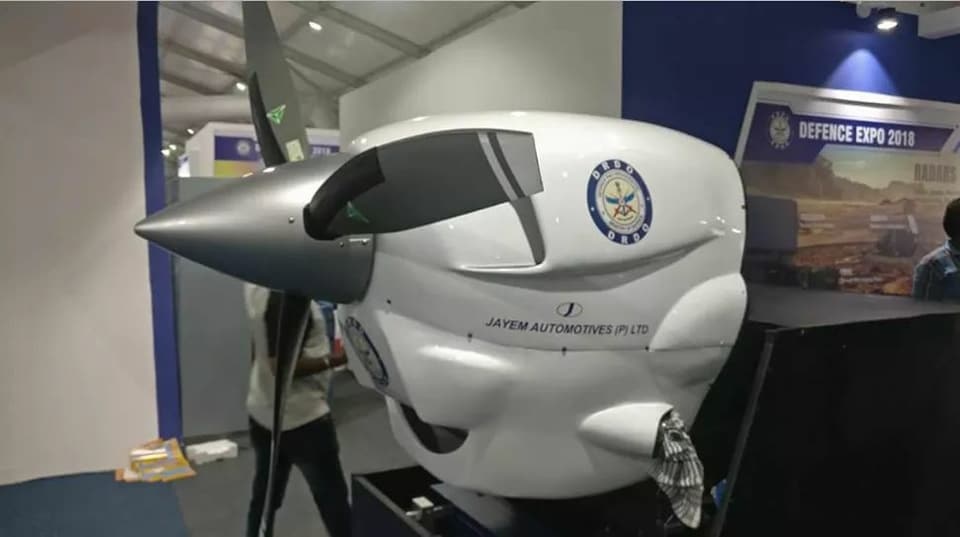
India
India's TAPAS UAV is set to achieve a major milestone with the integration of an indigenously developed diesel engine, marking a crucial step towards self-reliance in UAV propulsion technology. In a significant move, two units of a newly developed 2.2L, 4-cylinder inline turbocharged CRDi engine have been installed in select TAPAS prototypes, replacing imported powerplants. Developed by the Vehicle Research and Development Establishment (VRDE) in collaboration with JAYEM Automotives Ltd, this engine boasts a maximum power output of 180 HP at an altitude of 11,000 feet and is designed to operate effectively up to 32,000 feet. The incorporation of a Full Authority Digital Engine Control (FADEC) system enables fully automatic engine management, eliminating the need for pilot intervention while ensuring optimized performance. Furthermore, its dual-redundancy system enhances operational reliability, a critical factor in unmanned aerial applications. Ground testing of these engines has been successfully completed following extensive standalone evaluations. The program now moves into the flight-testing phase, with trials expected to conclude by mid-2025. If successful, these indigenous engines will officially replace the foreign-manufactured power units currently used in TAPAS UAVs, strengthening India’s strategic autonomy in defense technology. This upgrade is part of India's broader efforts to refine the TAPAS UAV, which has faced hurdles in meeting operational endurance and altitude requirements outlined by the Indian Armed Forces. By equipping the platform with a domestically developed engine, the program aims to improve both performance and logistical efficiency. Key Features and Specifications Engine Type: 2.2L, 4-cylinder inline turbocharged CRDi engine Maximum Power: 180 HP at 11,000 feet Operating Altitude: Capable of functioning up to 32,000 feet Control System: FADEC for fully automated engine management Redundancy: Dual-redundancy system for enhanced reliability Aerospace Application Unlike conventional automotive engines, this CRDi diesel engine is tailored for high-altitude UAV operations, incorporating advanced control systems like FADEC and redundancy features to ensure reliability. These capabilities make it well-suited for platforms such as TAPAS UAV, further aligning with India’s push for indigenous aerospace technology. As India continues to advance its UAV programs, the successful integration of this engine will mark a significant achievement, potentially paving the way for further developments in domestic propulsion systems for unmanned aerial platforms.
Read More → Posted on 2025-02-27 13:22:09
India
India has set a bold target of reaching ₹50,000 Crores in defence exports by 2029, marking a significant step in its journey toward self-reliance in the defence sector. Defence Minister Rajnath Singh recently announced this ambitious goal, highlighting the country’s remarkable progress in defence manufacturing and exports. Over the past decade, India's defence exports have surged from a modest ₹2,000 Crores to over ₹21,000 Crores, with the financial year 2023-24 alone witnessing a record-breaking ₹23,000 Crores in exports. This growth reflects India’s increasing prominence in the global defence market and its ability to produce high-quality, indigenous military equipment. A major contributor to this success is India’s strong push for self-sufficiency in defence production. The country has already achieved 88% self-reliance in ammunition manufacturing and is supplying Made-in-India defence equipment to nations such as the Philippines, Vietnam, and Armenia. This expansion into global markets aligns with India's broader strategy to establish itself as a key player in international defence trade. To further drive exports, India is investing heavily in cutting-edge technologies like Artificial Intelligence (AI), machine learning, and cyber warfare capabilities. Defence Minister Rajnath Singh stressed the need for mastering these frontier technologies, which are shaping modern warfare beyond traditional battlefields. As warfare increasingly involves cyber threats and AI-driven strategies, India is positioning itself to be at the forefront of this evolving landscape. The government has also taken several policy initiatives to support defence manufacturing and exports. The establishment of Defence Industrial Corridors and the introduction of Positive Indigenisation Lists are designed to enhance indigenous production and reduce dependency on foreign imports. These efforts, coupled with public-private sector collaboration, are expected to drive India's defence exports to new heights. Rajnath Singh also emphasized the crucial role of research institutions like the Indian Institutes of Technology (IITs) in fostering innovation in defence technology. By integrating academia, industry, and government efforts, India aims to create a robust ecosystem that not only meets its own security needs but also contributes significantly to global defence markets. With this ambitious export target, India is not only strengthening its defence industry but also reinforcing its strategic position on the world stage. If the current trajectory continues, India is well on its way to becoming one of the top defence exporters globally by the end of the decade.
Read More → Posted on 2025-02-26 14:03:36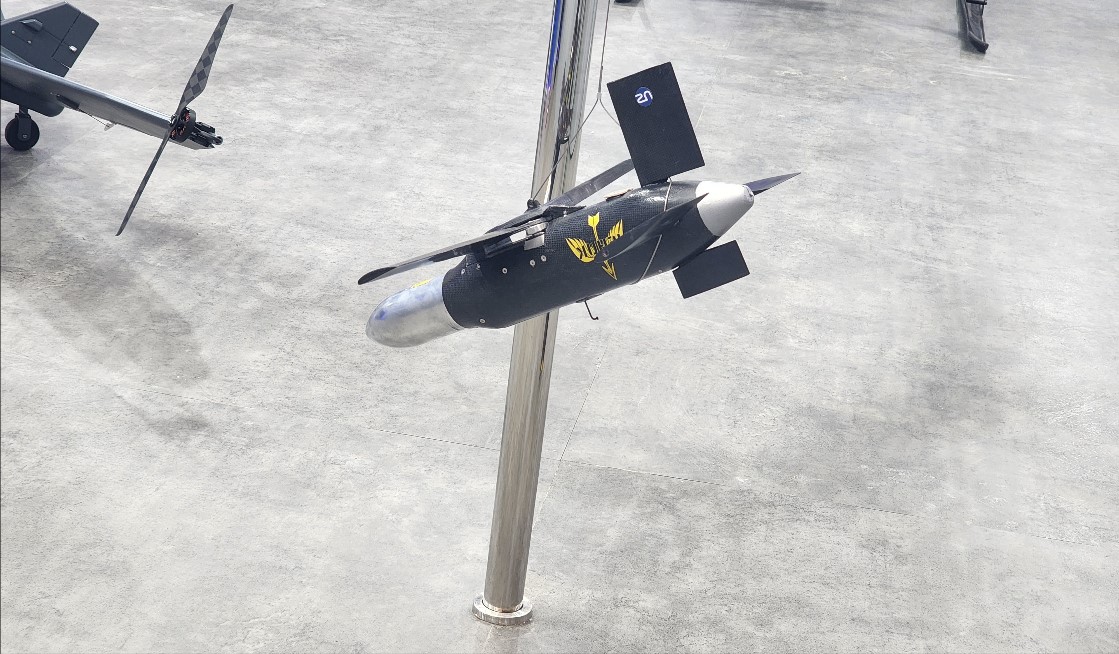
India
India’s NewSpace Research & Technologies (NRT), a key player in unmanned aerial systems and precision-guided munitions, has unveiled its latest development—the ISHUK Miniaturized Glide Bomb. This new weapon system reinforces NRT’s growing expertise in compact, high-impact munitions, designed specifically for UAV-based strike missions. ISHUK: A Step Forward in Miniature Precision Weapons The ISHUK builds upon NRT’s previous experience in precision-guided air-dropped weapons, notably following the Ultra Small Guided Bomb (USGB), which was designed for tactical UAV strikes. The company has also introduced the Micro Munition, a compact weapon featuring a 3-kilometer range and a high-explosive (HE) warhead, aimed at providing UAVs with a lightweight yet effective strike capability. The ISHUK appears to refine these concepts further, potentially offering improved range, accuracy, and warhead effectiveness. While exact specifications are yet to be disclosed in full, early reports suggest that the ISHUK will be a glide bomb, likely featuring a precision-guidance system, which could include GPS-aided inertial navigation or semi-active laser guidance. Given the trends in modern UAV warfare, the munition is expected to be optimized for low radar cross-section, enhanced aerodynamics for extended glide range, and modular warhead options tailored for different mission profiles. A Game-Changer for UAV-Based Strike Capabilities The ISHUK is expected to significantly enhance the offensive capabilities of Indian UAVs, offering a cost-effective, high-precision strike option for a variety of targets, including enemy personnel, light armored vehicles, and strategic infrastructure. Given India’s increasing focus on indigenous drone warfare capabilities, this development aligns well with efforts to equip UAVs with stand-off strike capabilities that reduce risks for operators while maintaining battlefield effectiveness. Industry analysts see ISHUK as a natural evolution of NRT’s precision-strike portfolio. Some defense observers speculate that this miniaturized glide bomb could pave the way for advanced munition families with extended range, networked swarm capabilities, or enhanced penetration warheads for hardened targets. Social Media Buzz & Future Prospects The announcement of ISHUK has already gained traction on X (formerly Twitter), with defense enthusiasts praising NRT’s focus on highly compact but powerful munitions. Discussions suggest that ISHUK could be part of a larger family of indigenous smart munitions for UAVs, adding a new layer of tactical flexibility to India’s armed forces. As NewSpace Research & Technologies continues its work in autonomous systems and guided weaponry, the ISHUK miniaturized glide bomb may mark the beginning of a new class of smart UAV munitions that emphasize precision, cost-effectiveness, and adaptability for modern warfare.
Read More → Posted on 2025-02-25 15:06:40
India
The Indian Army has introduced a cutting-edge AI-powered weapon system, the Ten AI Weapon System (TAIWS), designed to detect, track, and neutralize threats with lightning speed. Specifically developed for deployment at the Line of Control (LoC), TAIWS aims to counter terrorist infiltration, particularly in Jammu and Kashmir, where dense vegetation and rugged terrain often aid infiltrators. This advanced system features a combination of primary and secondary cameras, a medium machine gun (MMG) for engagement, and an AI-driven targeting mechanism that can react in just 10 milliseconds. However, the final decision to fire remains with a human operator, ensuring accountability and preventing unintended engagements. Unparalleled Surveillance and Precision Showcased at Aero India 2025, TAIWS boasts a modular design, allowing for various attachments and real-time sensor fusion. It includes: Primary day camera with 40x optical zoom for high-resolution imaging. Thermal imaging camera enabling night-time surveillance up to 2 km. Network of secondary cameras, deployed at intervals of 500 meters to 2 km, depending on terrain requirements. Medium machine-gun (MMG) with a 1.8 km range, creating a 50m × 50m "kill box" for effective neutralization of targets. This setup ensures that even if a target is obscured from one angle, secondary cameras can detect movement from another perspective, making it nearly impossible for terrorists to evade detection. 100% First-Round Hit Probability Colonel Ashish Dogra, a key developer of TAIWS, emphasized that the system has been designed to overcome a fundamental challenge: detecting threats in heavily forested areas where line-of-sight is often obstructed. "What happens when something is not visible from the primary camera? That is a problem nobody in the world thought about. So, we developed a network of secondary cameras placed strategically at different distances. If one camera doesn't have a line of sight, another will," he explained. TAIWS demonstrated a 100% first-round hit probability during trials, proving its effectiveness in counter-terrorism operations. The AI software predicts the future position of a moving target, ensuring accuracy even if an infiltrator attempts to escape. AI-Powered Tactical Superiority Unlike similar AI-powered weapons used by countries like Israel, the Indian Army's TAIWS goes beyond simple automated tracking. Its networked approach creates a seamless surveillance grid, eliminating blind spots and significantly reducing the chances of infiltration. Colonel Dogra further highlighted how TAIWS’ predictive firing mechanism enhances its lethality: "If a terrorist is moving, we calculate the bullet’s travel time and adjust the aim accordingly. We fire at the future position, ensuring a high probability of a hit." Strategic Deployment for LoC Security TAIWS has been specifically built for operations along the LoC, where terrorists frequently use dense forests and natural cover to evade detection. The AI weapon system is expected to be deployed in the coming months, significantly boosting India's border security capabilities. With AI-driven real-time tracking, automated target locking, and a fail-proof surveillance network, the Indian Army has taken a significant leap in modern warfare technology—ensuring that infiltration attempts across the LoC are detected and neutralized with unprecedented speed and accuracy.
Read More → Posted on 2025-02-25 14:57:55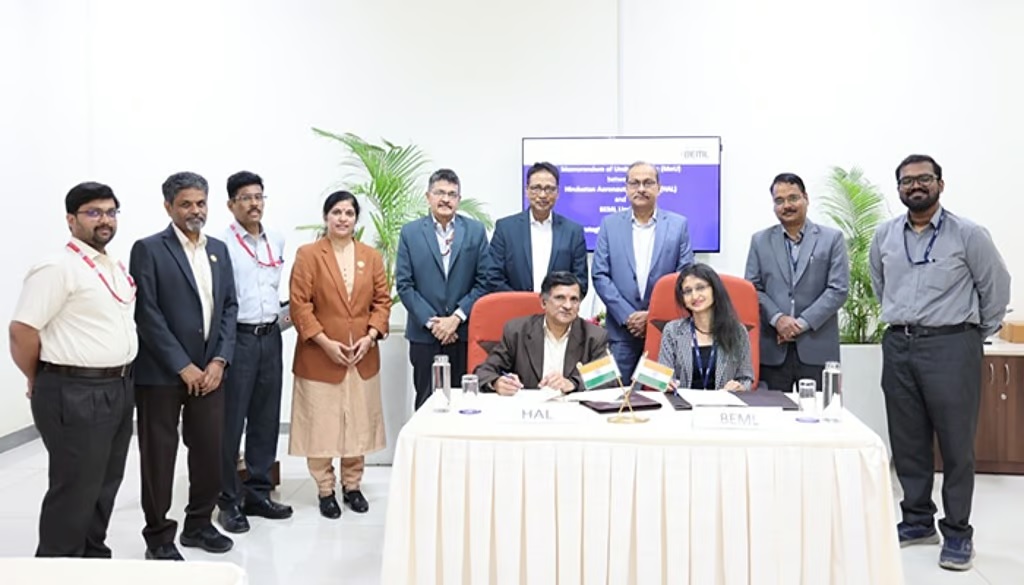
India
Hindustan Aeronautics Limited (HAL) has entered into a strategic collaboration with BEML Ltd to enhance skill development and professional excellence through specialized training programs. The two companies have signed a Memorandum of Understanding (MoU) to strengthen leadership and technical training for professionals, aiming to elevate India’s defence manufacturing capabilities. A New Era of Learning and Development Under this partnership, the HAL Management Academy will take the lead in designing and delivering induction training, middle and senior management programs, and specialized workshops. The training will focus on critical areas such as Six Sigma, quality management, reliability, data analytics, and Industry 4.0, ensuring that professionals stay updated with the latest advancements in technology and industry practices. Beyond structured training, the collaboration will facilitate industrial visits, knowledge-sharing sessions, joint conferences, internships, and project-based learning. These initiatives aim to bridge the gap between academia and industry, providing hands-on experience to BEML professionals and fostering innovation in the defence sector. Strengthening India’s Defence Ecosystem This MoU marks a significant step in strengthening India’s defence and aerospace ecosystem. By focusing on skill enhancement and knowledge-sharing, HAL and BEML are not only investing in their workforce but also contributing to India’s self-reliance in defence manufacturing. With this initiative, both companies reaffirm their commitment to developing a highly skilled workforce, ready to meet the challenges of a rapidly evolving industrial landscape. The partnership is expected to set a benchmark for industry-driven learning and professional growth in India’s aerospace and defence sectors.
Read More → Posted on 2025-02-25 14:46:44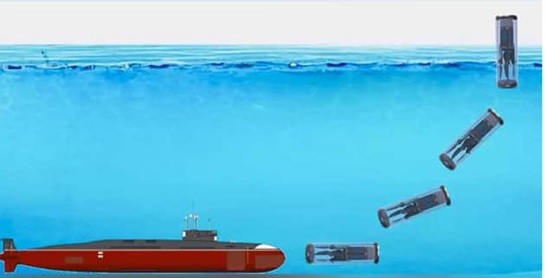
India
India is set to achieve a major technological breakthrough in underwater warfare as the Defence Research and Development Organisation (DRDO) partners with Pune-based start-up Sagar Defence Engineering to develop the country’s first underwater-launched unmanned aerial vehicle (ULUAV). This ambitious project, awarded under DRDO’s Technology Development Fund (TDF), aims to enhance India’s naval capabilities by equipping submarines with advanced surveillance tools. The ULUAVs will be designed to launch autonomously from submerged submarines, providing long-range and high-endurance reconnaissance without compromising the vessel's stealth. These drones will allow submarines to monitor enemy activity, track naval movements, and gather intelligence while remaining undetected. India’s ULUAV technology is being developed to outperform similar systems currently in use. While the U.S. Navy’s ULUAVs have a range of 7 km and an endurance of 30 minutes, DRDO’s planned version is expected to exceed 20 km in range with over an hour of flight endurance. This significant advancement will give the Indian Navy an edge in underwater domain awareness and maritime surveillance. The UAVs will primarily serve intelligence and reconnaissance missions, but future upgrades could include weaponization, making them a potential game-changer in submarine warfare. The project aligns with India's push for self-reliance in defence technology and innovation, reinforcing the country’s commitment to indigenous military advancements. Sagar Defence was selected after a competitive bidding process involving 17 firms, highlighting the growing role of Indian start-ups in cutting-edge defence research. This partnership marks a crucial step in strengthening India’s naval deterrence and underscores DRDO’s confidence in homegrown technological expertise.
Read More → Posted on 2025-02-25 14:38:42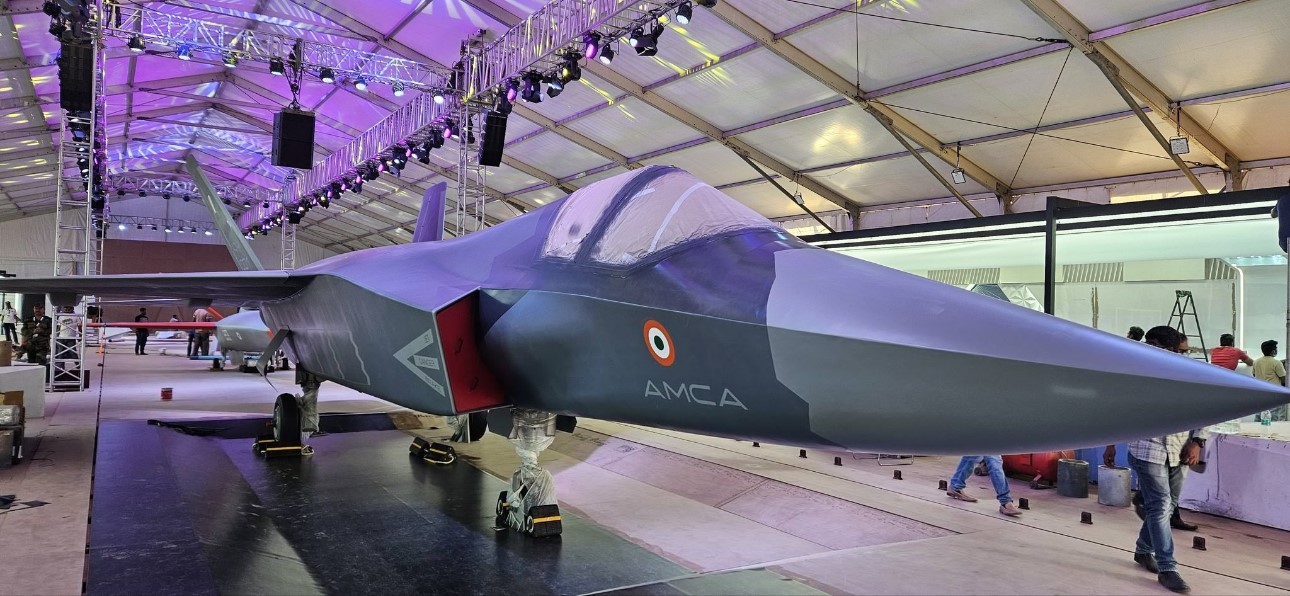
India
As the United States intensifies its push to sell the F-35 fighter jet to India, New Delhi is focusing on strengthening its indigenous defence capabilities by enhancing private sector involvement in the Advanced Medium Combat Aircraft (AMCA) project. The Defence Ministry has established a high-level committee, led by Defence Secretary Rajesh Kumar Singh, to explore ways of integrating private firms into the fifth-generation fighter jet program to ensure its timely execution. This committee includes representatives from the Indian Air Force (IAF) and Hindustan Aeronautics Limited (HAL), India's premier aerospace public sector unit. The government is currently evaluating multiple models of public-private collaboration. One option under consideration is a joint venture between HAL and a private firm, while another approach involves private sector participation in design and development while leveraging HAL’s manufacturing expertise. Among private entities, the Tata Group has emerged as a strong contender due to its existing aircraft integration experience. Tata is currently working with Airbus to assemble the C-295 transport aircraft in India, making it the only Indian company with hands-on experience in this domain. Additionally, HAL has already been outsourcing significant production work to private firms such as L&T, Godrej, and Azad Engineering, laying the groundwork for increased private sector participation in AMCA. The AMCA, India’s answer to fifth-generation stealth fighters, was showcased at the Aero India 2025 exhibition held at Yelahanka Air Force Station in Bengaluru from February 10 to 14. Designed by the Aeronautical Development Agency (ADA) for the IAF, the AMCA is envisioned as a 25-ton fighter jet equipped with cutting-edge manned and unmanned teaming capabilities. One of AMCA’s standout features is its AI-powered electronic pilot, designed to enhance combat efficiency through multi-sensor data fusion, automatic target identification, a pilot decision support system, and a combined vision system for navigation in low-visibility conditions. According to the ADA, integrating AI into the AMCA program will significantly advance its development, ensuring that it ranks among the world’s most sophisticated fifth-generation fighter jets. With India determined to accelerate its self-reliance in defence manufacturing, the AMCA project’s success will largely depend on how effectively the government integrates private sector expertise. Tata’s potential role in this landmark initiative signals a major shift in India’s defence industrial strategy, ensuring that the country remains at the forefront of next-generation military aviation.
Read More → Posted on 2025-02-25 14:36:20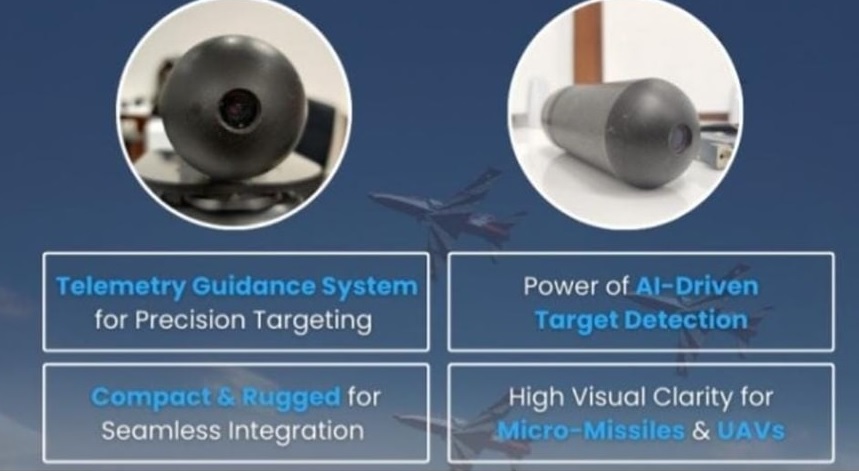
India
Bangalore-based defence tech firm Optimised Electrotech has introduced the Harpy Sight, marking India’s first Generation 5 AI-driven imaging seeker. This breakthrough technology is designed to enhance real-time target detection, precision guidance, and seamless integration with micro-missiles and UAVs, significantly bolstering India’s defence capabilities. Cutting-Edge AI-Powered Targeting Harpy Sight is equipped with advanced AI algorithms that enable real-time identification and tracking of targets with unparalleled speed and accuracy. The AI-driven seeker ensures precise engagements, reducing collateral damage while improving operational effectiveness. Advanced Guidance & Seamless Integration The system’s next-generation guidance technology enhances targeting precision, allowing for highly effective strikes on enemy assets. It is also compatible with micro-missiles and UAV platforms, making it a versatile tool for modern military operations. Next-Gen Telemetry & Situational Awareness Harpy Sight is built with advanced telemetry features, improving data transmission and situational awareness for operators. This enhanced connectivity allows for faster decision-making in dynamic combat environments. Revolutionizing Military Operations This innovation is set to transform surveillance and strike missions with key advantages, including: High-precision strikes against enemy air defence systems and strategic targets. Robust surveillance capabilities that function effectively in diverse weather and battlefield conditions. Reduced operator workload with AI-enhanced automation and data analysis. By introducing Harpy Sight, Optimised Electrotech strengthens India's position in the global defence technology landscape, reinforcing national security and advancing indigenous military innovation.
Read More → Posted on 2025-02-24 14:41:01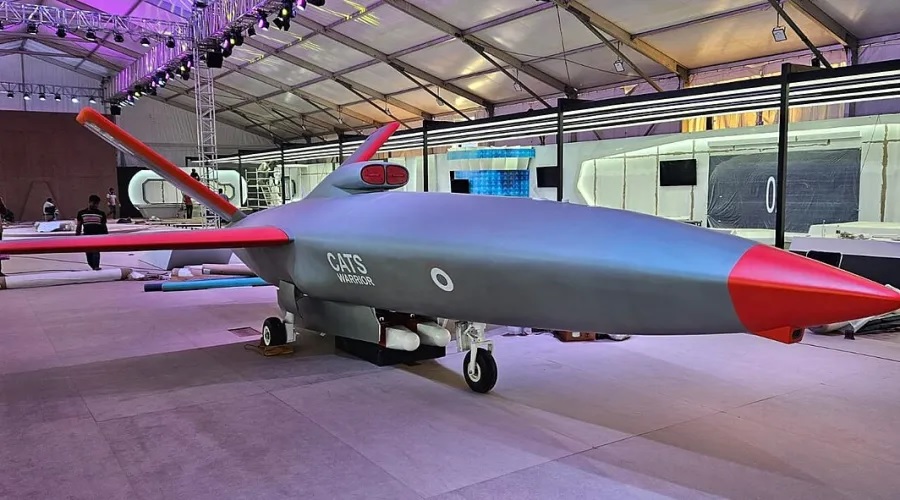
India
Hindustan Aeronautics Limited (HAL) is considering a next-generation unmanned combat aerial vehicle (UCAV), tentatively called "CATS Warrior 2," which would feature enhanced payload capacity and heavy weaponry. However, the ambitious program hinges on the successful operational performance of its predecessor, the CATS Warrior. At the recent Aero India 2025 exhibition in Bengaluru, HAL presented the CATS Warrior, a nearly 2-ton "loyal wingman" designed to operate alongside fighter jets like the Tejas and Su-30MKI. The first flight of this advanced drone is expected later this year, marking a critical step toward bolstering the Indian Air Force’s (IAF) combat capabilities. While this initial version is still undergoing testing, HAL officials revealed that preliminary designs for a larger, more powerful UCAV—CATS Warrior 2—are already being explored. The proposed CATS Warrior 2 is envisioned to be a much larger and more lethal platform. Early design concepts indicate an estimated length of 13 meters and an All-Up Weight (AUW) of approximately 5 tons. It is expected to be powered by twin HTFE-25 turbofan engines, each delivering 25 kN of thrust. These engines, developed in-house by HAL, signify India’s commitment to indigenous propulsion systems for next-generation air combat platforms. One of the defining features of CATS Warrior 2 would be its significantly enhanced payload capacity, exceeding 1,000 kg. This would allow the UCAV to carry a diverse range of heavy weaponry, far surpassing the armament limitations of the current CATS Warrior. The existing model is primarily designed to carry two Smart Anti-Airfield Weapons (SAAW), which are precision-guided, long-range munitions aimed at disabling enemy airfields and ground installations. In contrast, the larger successor is expected to integrate heavier strike weapons, electronic warfare systems, and potentially even air-launched munitions for long-range missions. Despite the promising vision for CATS Warrior 2, HAL officials have emphasized that the program is still in its nascent stages. A full-fledged development cycle could take at least four to five years before tangible progress is seen. The immediate focus remains on validating the operational efficiency of the smaller CATS Warrior through rigorous flight testing and simulated combat scenarios. Only after its success will HAL commit resources to the development of the larger and more sophisticated UCAV. The ambitious nature of the project underscores the technological challenges in building a 5-ton class unmanned strike aircraft. Beyond the design and propulsion system, integrating such a drone with the IAF’s existing infrastructure, ensuring effective manned-unmanned teaming, and refining artificial intelligence-driven autonomous operations will be crucial hurdles to overcome. Given its estimated specifications, the CATS Warrior 2 could be compared in scale to international UCAVs like the American XQ-58 Valkyrie or the Russian S-70 Okhotnik-B. However, HAL’s approach prioritizes indigenous design and cost-effectiveness, making it a uniquely tailored solution for India’s defense requirements rather than a direct imitation of foreign platforms. As India rapidly advances its drone warfare capabilities, the success of the CATS Warrior and its potential successor, CATS Warrior 2, could mark a significant leap in the country’s indigenous UCAV development. If executed successfully, the program would place India among the select nations capable of deploying advanced, high-payload strike drones, enhancing both offensive and defensive capabilities in modern aerial warfare.
Read More → Posted on 2025-02-24 13:50:30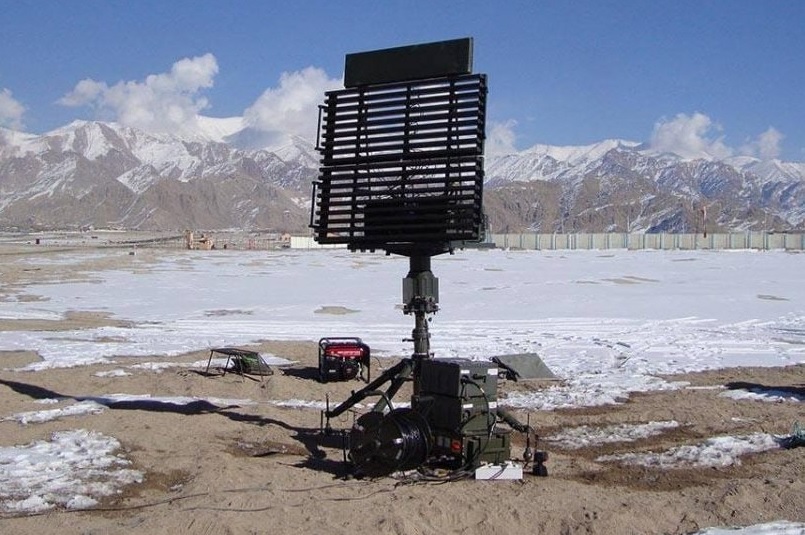
India
In response to the escalating threat posed by small drones, especially in challenging terrains, the Indian Army has initiated the emergency procurement of Low-Level Light Weight Radars (LLLR). These advanced systems are designed to detect and track low-altitude aerial targets, including unmanned aerial vehicles (UAVs), in hilly and valley regions. Key Specifications of LLLR: Frequency Band: Operates in the S-Band, providing reliable 3D surveillance capabilities. Detection Range: Effective detection of small drones, such as the DJI Mavic series, at distances up to 6–7 kilometers. Target Handling: Capable of detecting and tracking aerial targets with a radar cross-section (RCS) of less than 1 square meter at ranges up to 20 kilometers. Mobility: Lightweight and portable, allowing for rapid deployment in diverse terrains, including mountain tops, deserts, and urban areas. Power Source: Battery-powered design ensures operational flexibility in remote locations. Operational Altitude: Provides surveillance for low and medium-altitude targets, making it ideal for detecting UAVs, helicopters, and low-flying aircraft. Deployment: Can be transported by vehicles, animals, or as helislung loads, and can be dismantled into packages for quick relocation and installation in mountainous terrain. The induction of LLLRs is a strategic move to enhance the Army's surveillance network, providing real-time tracking and early warning to effectively counter emerging aerial threats. By increasing the density of these radars, especially in mountainous and valley terrains, the Army aims to construct a comprehensive surveillance network capable of rapid threat response. This procurement aligns with the Army's broader initiative to modernize its air defense systems, incorporating indigenous innovations to bolster national security. The deployment of LLLRs not only enhances operational readiness but also signifies a significant step toward achieving technological self-reliance in defense applications.
Read More → Posted on 2025-02-23 14:41:49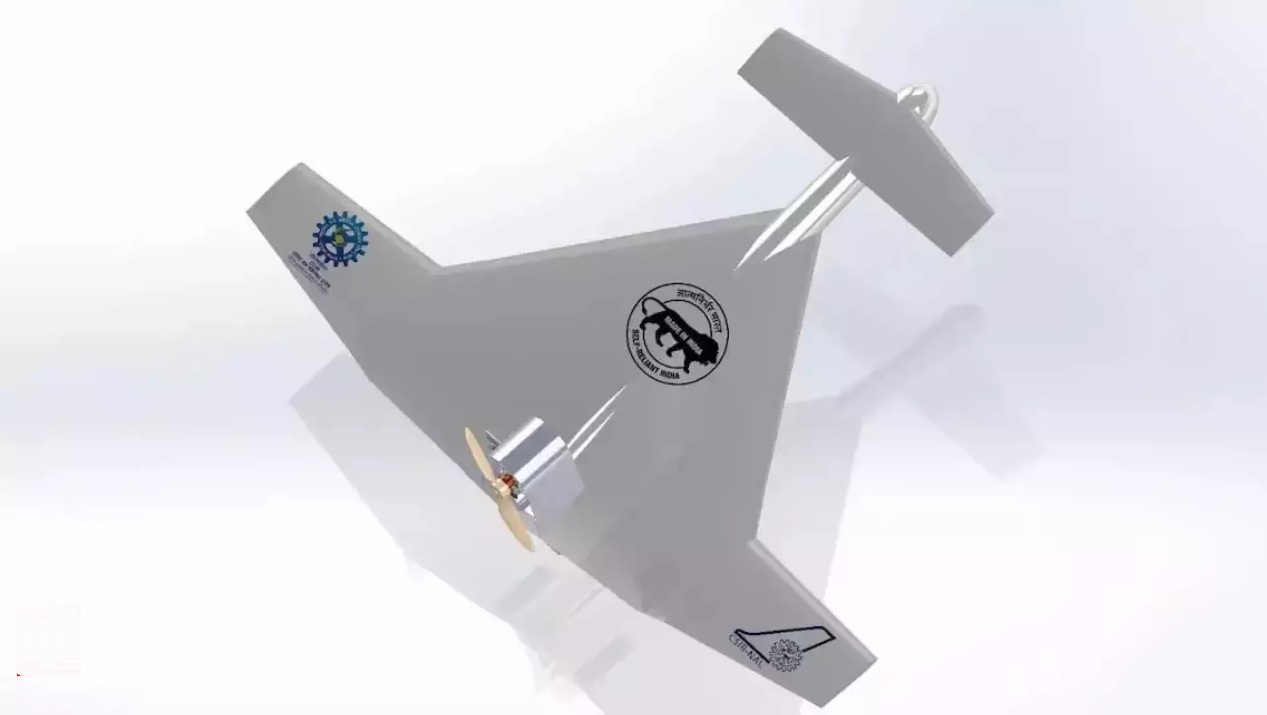
India
The Council of Scientific and Industrial Research – National Aerospace Laboratories (CSIR-NAL) is advancing India's defense technology with the development of an indigenous 30 horsepower (HP) Wankel rotary engine. This engine is specifically designed to power a 150 kg class loitering munition unmanned aerial vehicle (UAV), aiming to enhance the country's strategic capabilities. Engine Specifications The 30 HP Wankel engine developed by CSIR-NAL boasts a displacement of 216 cubic centimeters (cc) and delivers a maximum thrust exceeding 40 kilograms-force (kgf) at sea level. Designed for high-altitude performance, the engine operates efficiently at altitudes between 2 to 3 kilometers, with a ceiling altitude surpassing 5 kilometers above mean sea level. Notably, this engine has undergone rigorous ground testing and has received certification from the Center for Military Airworthiness and Certification (CEMILAC) for flight trials. Loitering Munition UAV Specifications The loitering munition UAV powered by this engine is engineered to meet contemporary operational requirements with the following key features: Maximum Range: 900 kilometers Endurance: 6 to 9 hours Operational Altitude: Up to 5 kilometers Payload Capacity: Capable of carrying a 15 kg warhead along with 10 kg of sensing payloads Wingspan: Less than 4 meters Launch Mechanism: Assisted launch system Navigation: GPS-denied navigation capabilities Stealth Features: Incorporation of design elements to achieve a comparatively low radar cross-section (RCS) Autonomy: Enhanced autonomous operational features Indigenous Components: Utilization of domestically developed hardware and software systems These specifications are outlined in CSIR-NAL's Request for Proposal (RFP) for joint collaboration in the research, development, manufacturing, and commercialization of the 150 kg category loitering munition UAV. Collaborative Development Effort To expedite the development and deployment of this advanced UAV system, CSIR-NAL is seeking industrial partners willing to engage as technology collaborators, investment stakeholders, and risk-sharing participants. The selected partners will actively contribute to the joint design, analysis, development, testing, and subsequent production of various subsystems of the loitering munition UAV. This collaborative approach aims to replace foreign imports with indigenous solutions, thereby bolstering India's self-reliance in defense technology. The integration of the 30 HP Wankel engine into the loitering munition UAV underscores CSIR-NAL's commitment to advancing aerospace technologies and supporting national defense initiatives. This development not only enhances the operational capabilities of the armed forces but also signifies a substantial step toward achieving technological self-sufficiency in critical defense applications.
Read More → Posted on 2025-02-23 14:12:32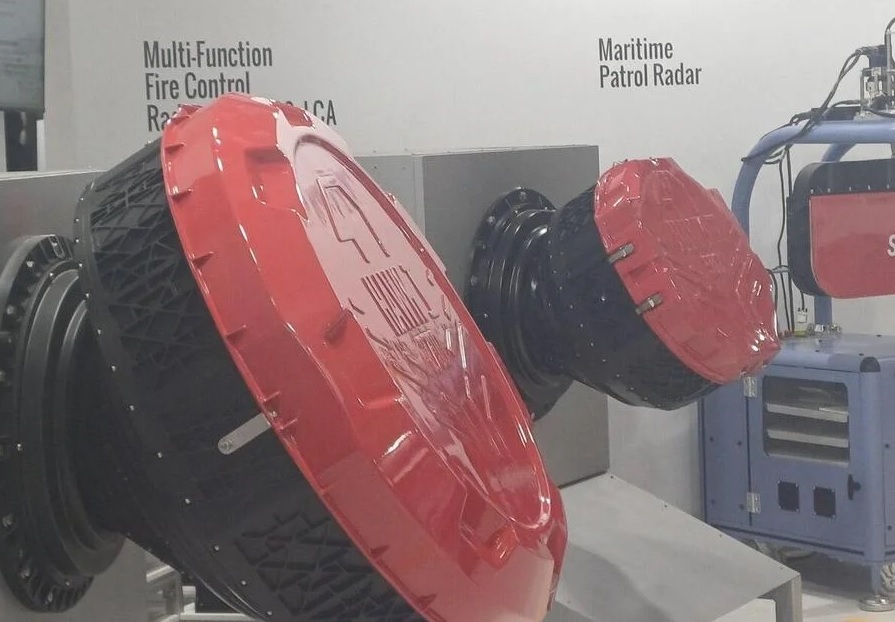
India
India’s quest for a next-generation radar system for the Su-30MKI fighter jets has taken an interesting turn with the unveiling of the Hawk I 2700—an indigenously developed GaN-based Active Electronically Scanned Array (AESA) radar by DATA Patterns. Showcased at Aero India 2025, this radar is being positioned as a direct competitor to the Virupaksha AESA radar, rather than an extension of it. One of the key differentiators of the Hawk I 2700 is its sheer number of Transmit/Receive Modules (TRMs)—a staggering 2700, surpassing the 2400 TRMs of the Virupaksha radar. This increase in TRMs directly translates to enhanced range, resolution, and overall radar performance, making it a formidable option for the Indian Air Force (IAF). Powerful Detection Capabilities The Hawk I 2700 is designed to detect a wide range of targets at impressive distances: 5m² RCS target: Up to 350 km 2m² RCS target: Up to 250 km 1m² RCS target: Up to 200 km This advanced detection capability would give the Su-30MKI fleet a much-needed edge in beyond visual range (BVR) engagements, surveillance, and situational awareness. GaN-Based TRMs: A Game Changer A major technological leap in the Hawk I 2700 is its use of Gallium Nitride (GaN) technology in its TRMs. GaN-based radars are known for: Higher power efficiency Better heat resistance Enhanced durability These attributes make the Hawk I 2700 significantly more reliable and powerful than traditional Gallium Arsenide (GaAs)-based radars. Swash Controller Unit: Expanding Radar Coverage Another standout feature is the inclusion of a Swash Controller Unit, which enables the radar antenna to mechanically tilt on both sides. This capability extends the radar’s field of view, allowing for better situational awareness and multi-target tracking—a crucial aspect in modern air combat. A Competitive Battle for the Su-30MKI Upgrade With the Su-30MKI upgrade program in full swing, the IAF now has two powerful indigenous AESA radar options—Hawk I 2700 and Virupaksha. While both radars promise significant improvements over the older Russian N011M Bars PESA radar currently used in the Su-30MKI, the choice will come down to specific operational preferences and cost-to-performance considerations. Interestingly, DATA Patterns is also eyeing international markets, particularly countries that operate Su-30 variants with older PESA radars. The AESA upgrade would provide these air forces with enhanced tracking, counter-countermeasures, and multi-tasking capabilities—a major advantage over legacy systems. With its superior TRM count, GaN technology, and enhanced scanning flexibility, the Hawk I 2700 has positioned itself as a serious contender in India's push to modernize its frontline fighter fleet. The final decision by the IAF could mark a significant milestone in India’s journey toward self-reliance in advanced radar technology.
Read More → Posted on 2025-02-23 13:46:53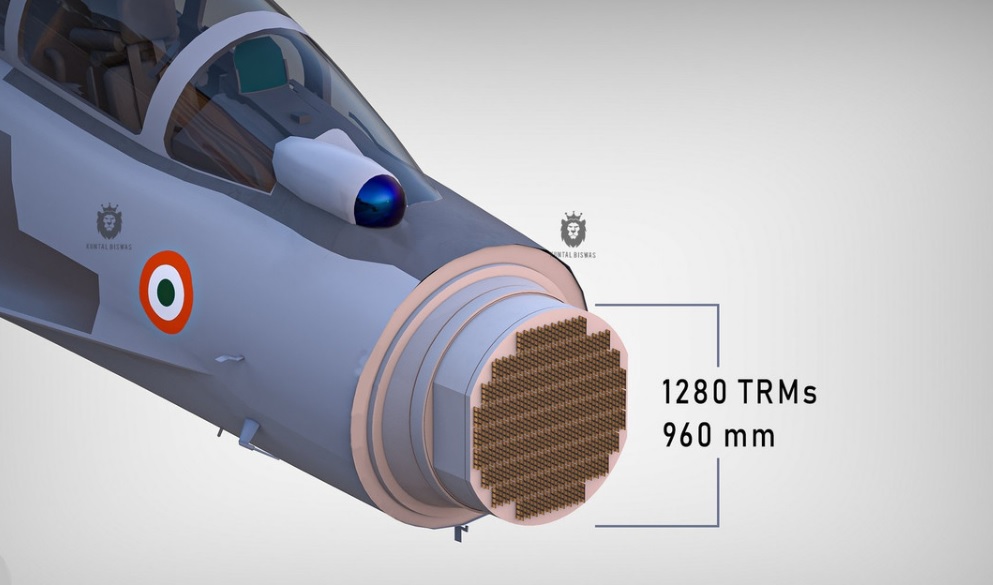
India
India’s indigenous UTTAM Active Electronically Scanned Array (AESA) radar has showcased its impressive detection capabilities by successfully tracking a Tejas Mk-1 Light Combat Aircraft (LCA) at a range of 140 kilometers. This milestone, achieved during tests at Aero India 2025, highlights a significant leap in India’s radar technology, strengthening the Indian Air Force’s (IAF) ability to detect and engage airborne threats. Developed by the Defence Research and Development Organisation (DRDO), the UTTAM radar is a state-of-the-art AESA system designed to enhance the combat effectiveness of India’s fighter fleet. Its successful tracking of the Tejas Mk-1, an aircraft with a relatively small Radar Cross Section (RCS) of just over 1 square meter, underscores its ability to detect even difficult-to-track targets. Enhanced Detection Capabilities Against Pakistani Fighter Jets The radar’s performance against the Tejas Mk-1 suggests even greater capabilities when tracking larger enemy aircraft, such as the Pakistani F-16 and JF-17. The F-16, a widely used fourth-generation fighter in the Pakistan Air Force, has an estimated RCS of 1.0 to 1.5 square meters. Given that the UTTAM radar could track the Tejas Mk-1 at 140 km, experts estimate that it could detect an F-16 at a distance of 180 to 200 km. Similarly, the JF-17, jointly developed by Pakistan and China, has a comparable RCS and modest stealth features. Based on current performance data, it is projected that the UTTAM radar could detect the JF-17 at ranges between 160 and 180 km, providing the IAF with an early warning capability against adversary aircraft. Technical Superiority and Future Integration The UTTAM radar is equipped with approximately 900 Transmitter-Receiver (TR) modules, providing enhanced tracking accuracy and resilience against jamming. Its integration into platforms like the Tejas Mk-1A is expected to significantly boost the aircraft’s situational awareness and targeting precision, making Indian fighter jets far more effective in contested airspace. With its cutting-edge capabilities, the UTTAM AESA radar represents a major advancement in India’s indigenous defense technology, ensuring the IAF maintains a decisive edge in air combat scenarios.
Read More → Posted on 2025-02-23 13:41:29Search
Top Trending in 24 Hours
-
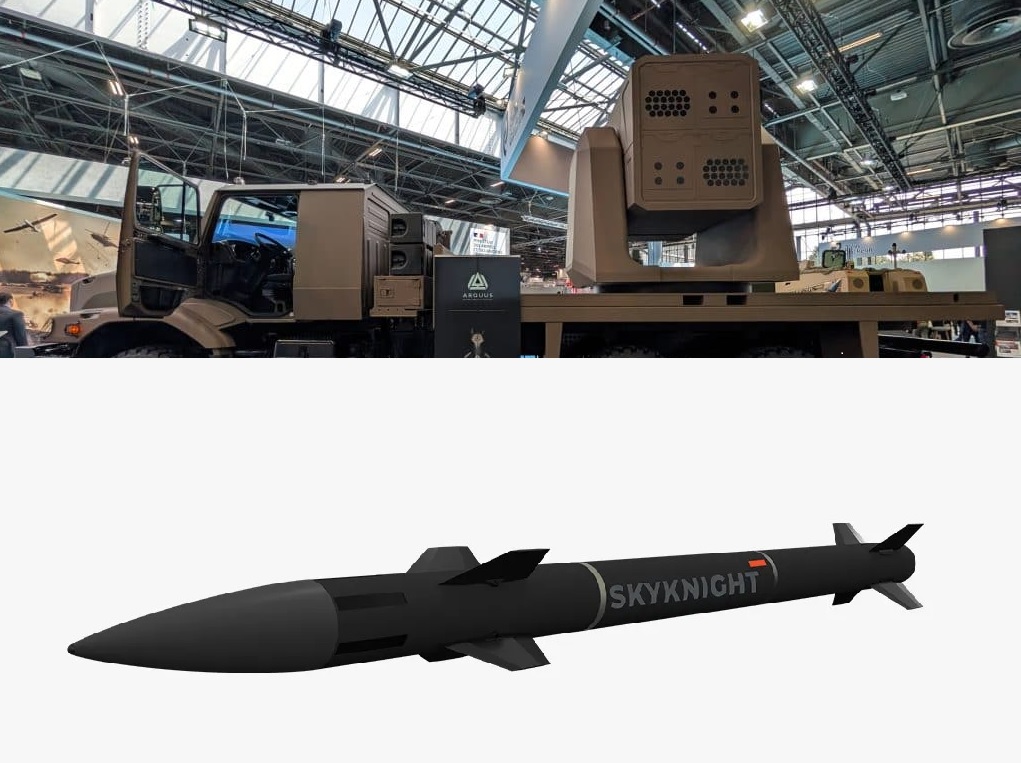 Naval Group Unveils Rampart Modular CIWS Multi-Purpose Weapon System for Naval and Ground Forces at Eurosatory 2026
-
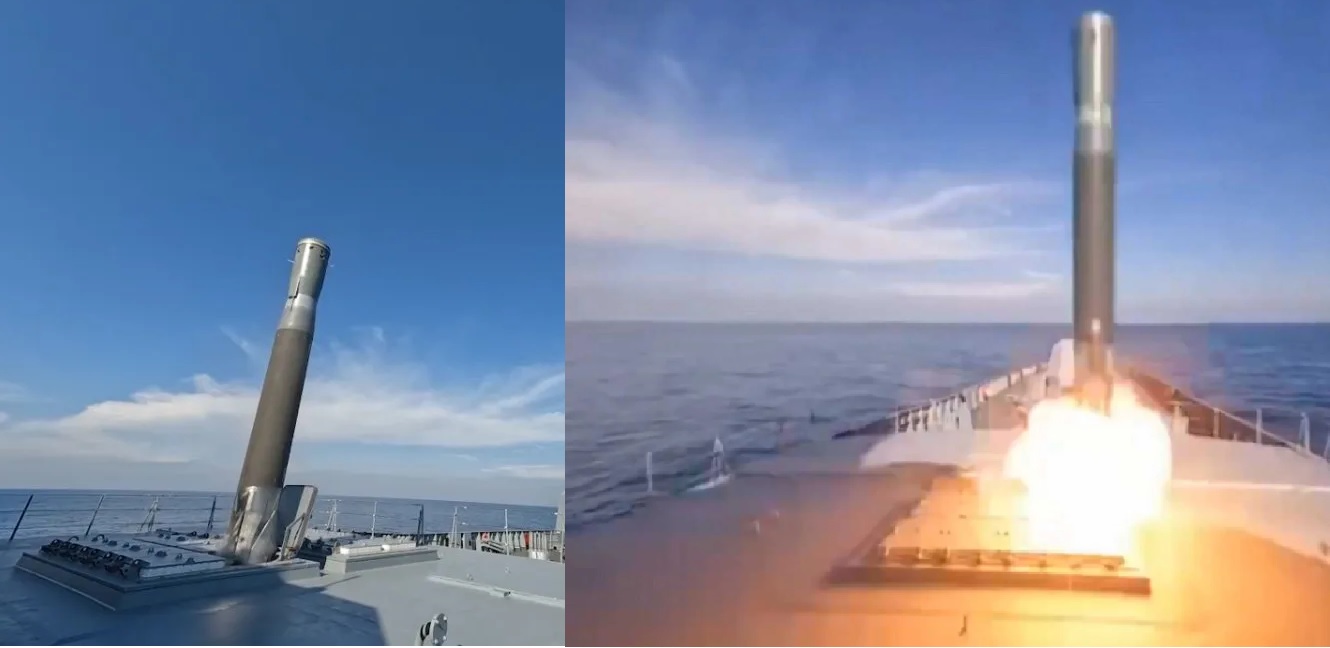 Open-Source Evidence Suggests Russia's Zircon Is a Quasi-Ballistic Missile, Not a True Hypersonic Cruise Weapon
-
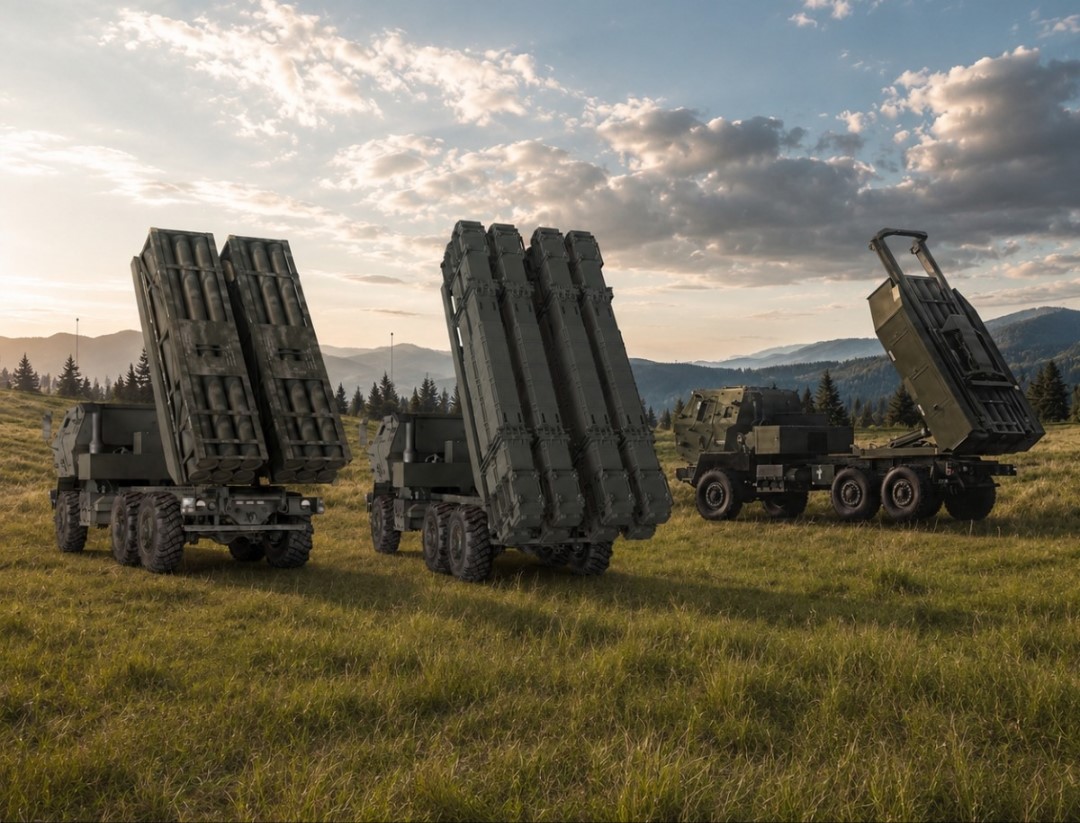 Lockheed Martin Unveils HIMARS FLEX with Dual-Pod Launcher and NATO-Compatible Air Defense Integration
-
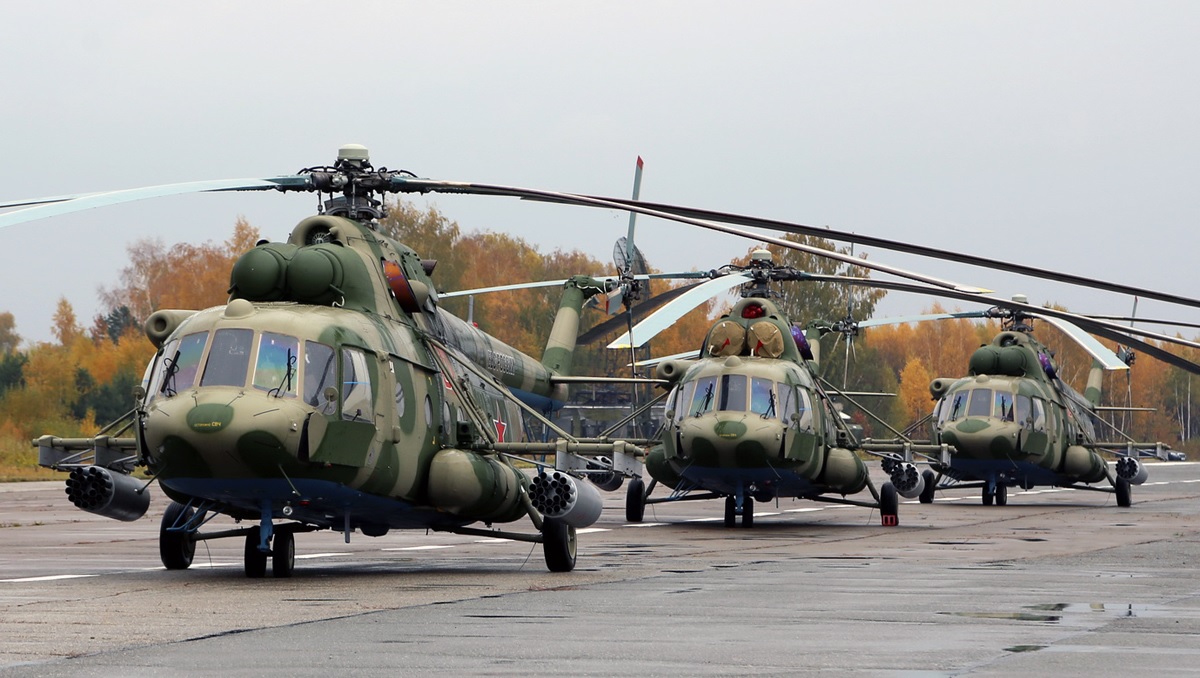 Iran Signs Deal with Russia for 20 Mi-8 and Mi-17 Helicopters to Boost Rescue and Medical Missions
-
 Why the U.S. Restored Pacific Command Name, Ending the Indo-Pacific Designation After Eight Years
-
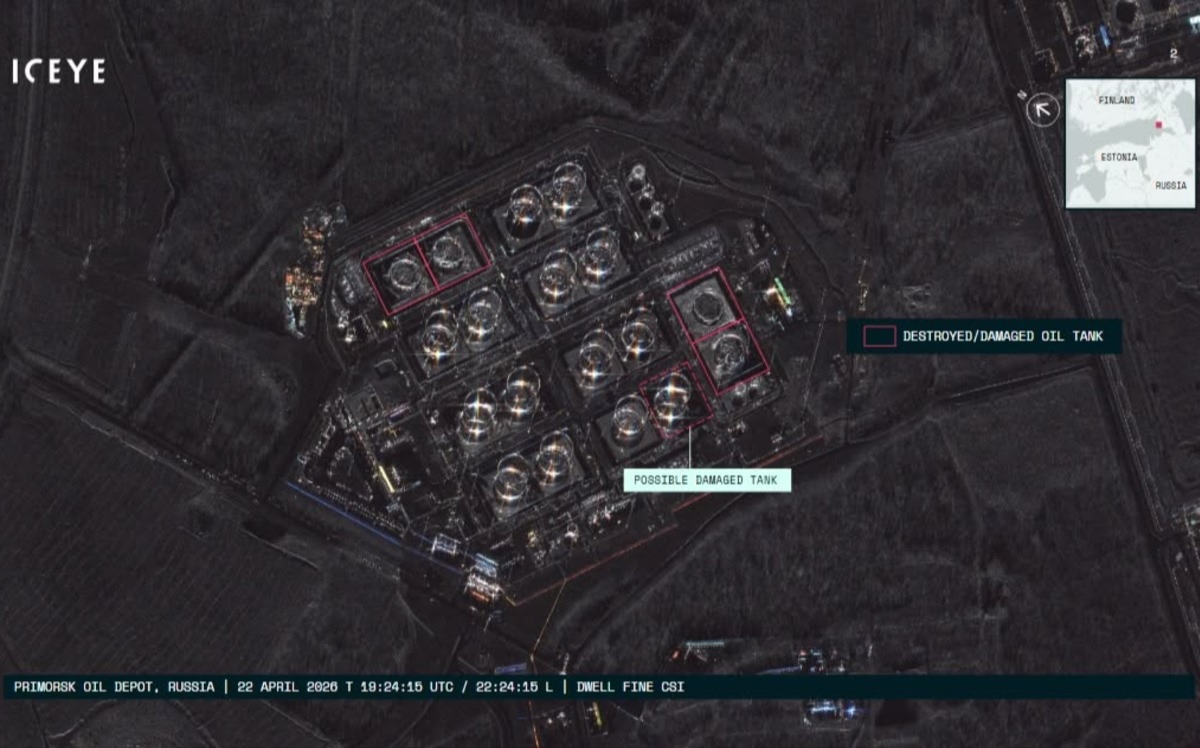 Portugal Doubles Sovereign SAR Satellite Fleet with Order for Two Additional ICEYE Satellites
-
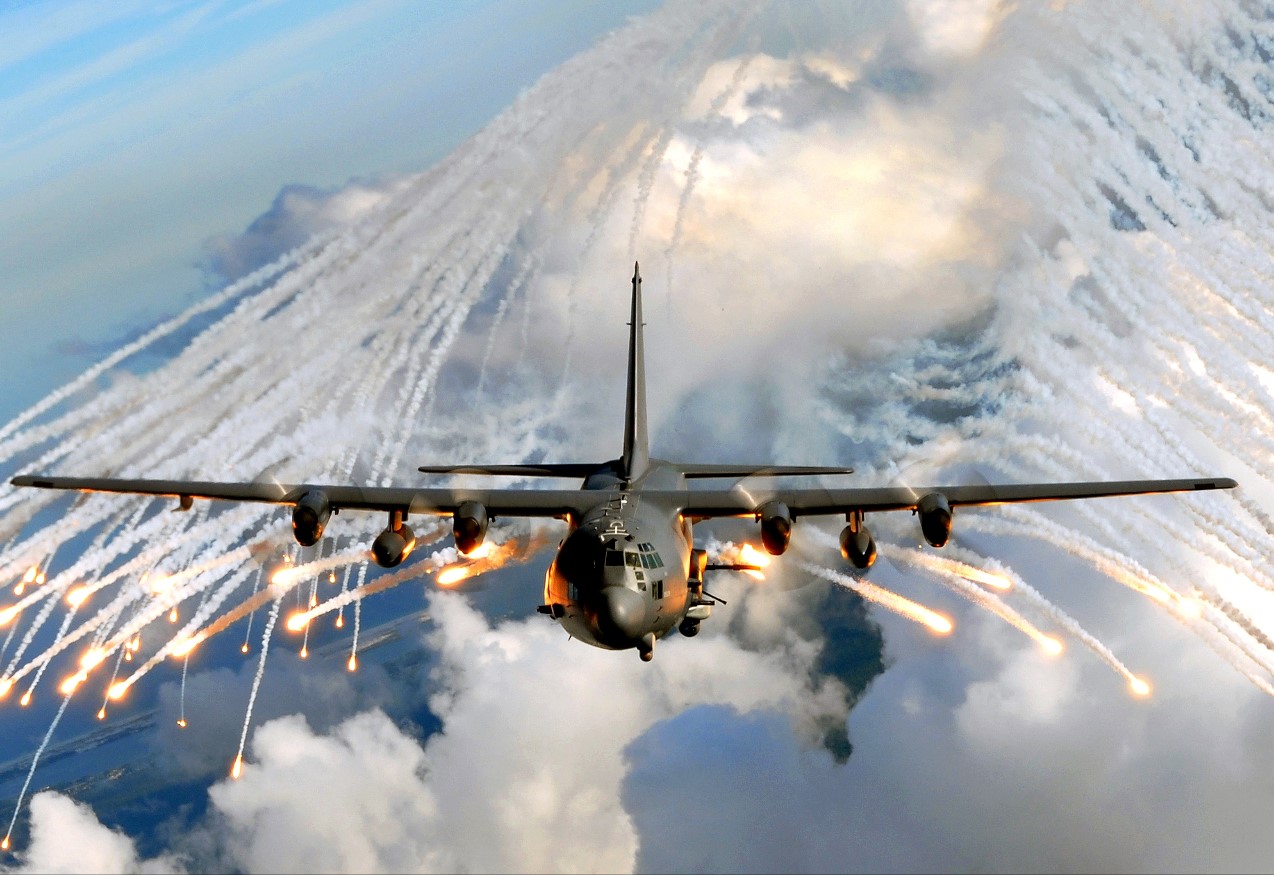 Pentagon Expands Alloy Surfaces Contract to $328.8 Million for Advanced Aircraft Decoy Flares Amid Evolving Drone Threats
-
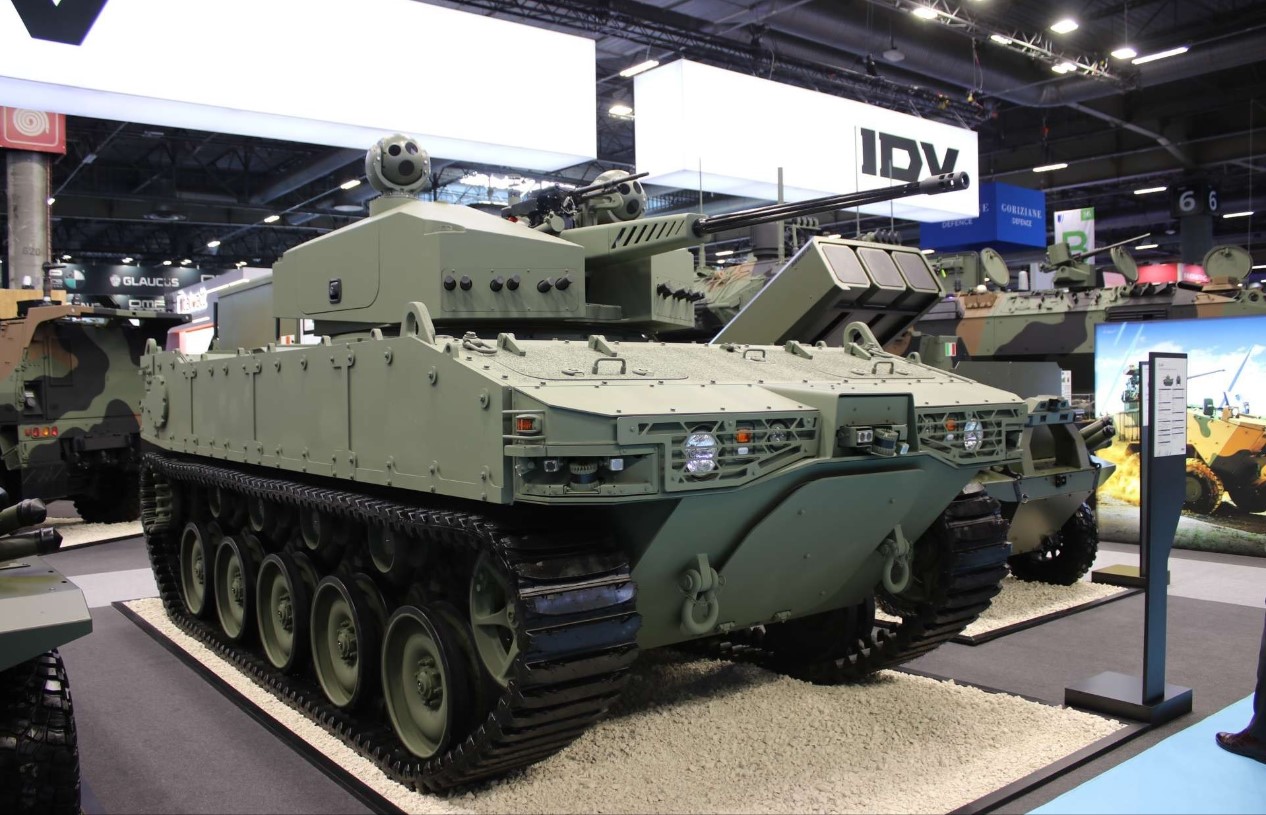 IDV Unveils CL2X Hybrid Uncrewed Light Tank at Eurosatory 2026
Top Trending in 4 Days
-
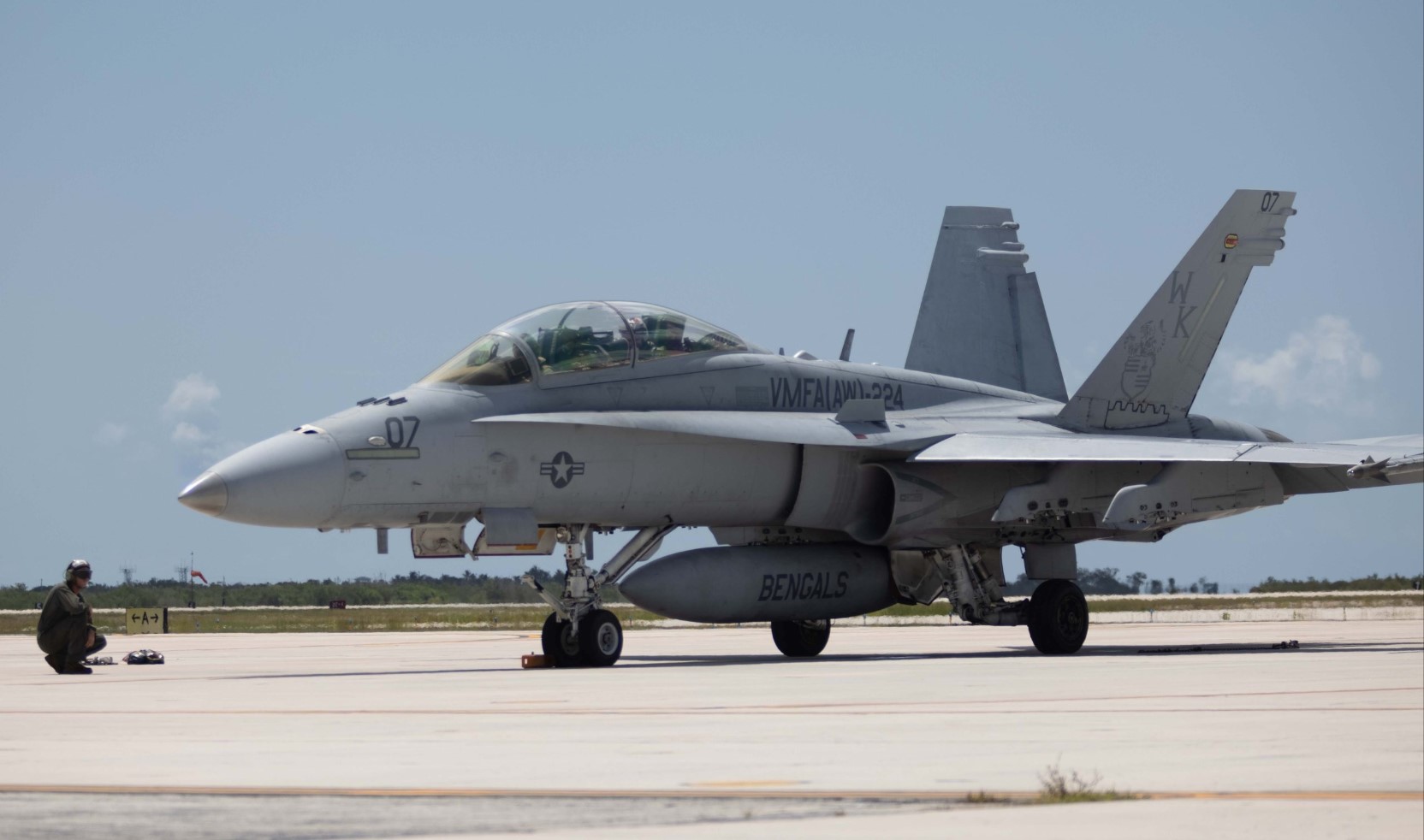 US Marine Corps F/A-18D Hornet Crashes During Training Flight in Washington Mountains; Pilot Ejects Safely
-
 Tulsi Gabbard Releases Declassified Files Detailing U.S.-Backed Network of 120 Biolaboratories Across 30+ Countries
-
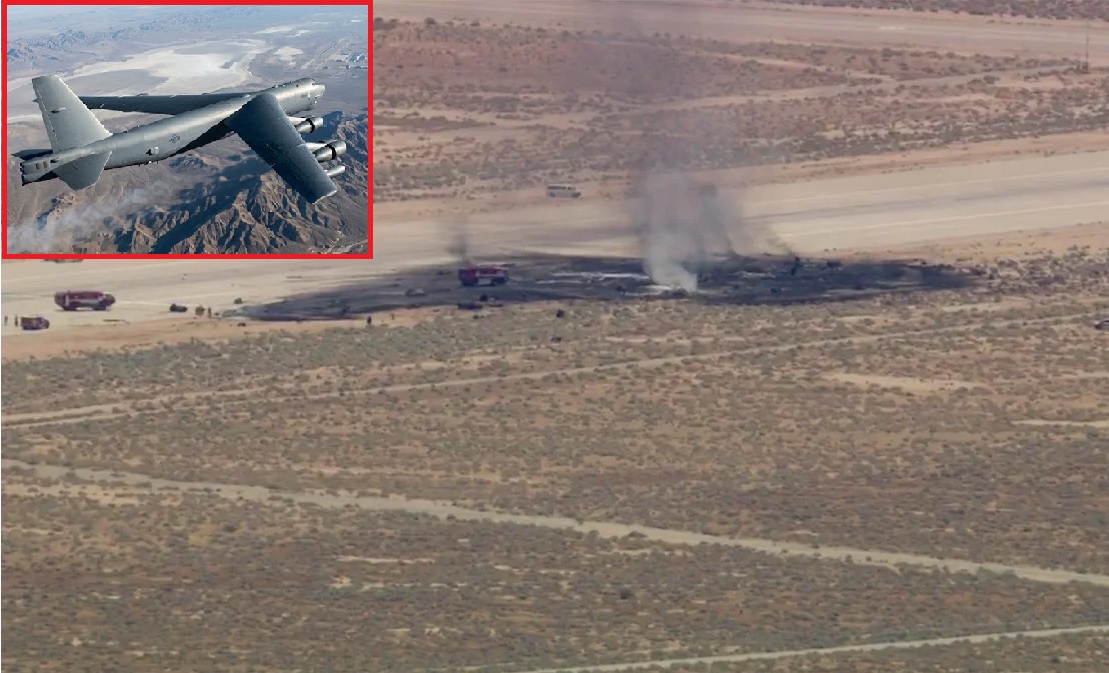 8 U.S. Air Force Crew Members Killed in B-52 Bomber Crash During Test Flight at Edwards Air Force Base
-
 Ukraine Introduces Balloon-Launched DART Missile Designed to Defeat Electronic Warfare
-
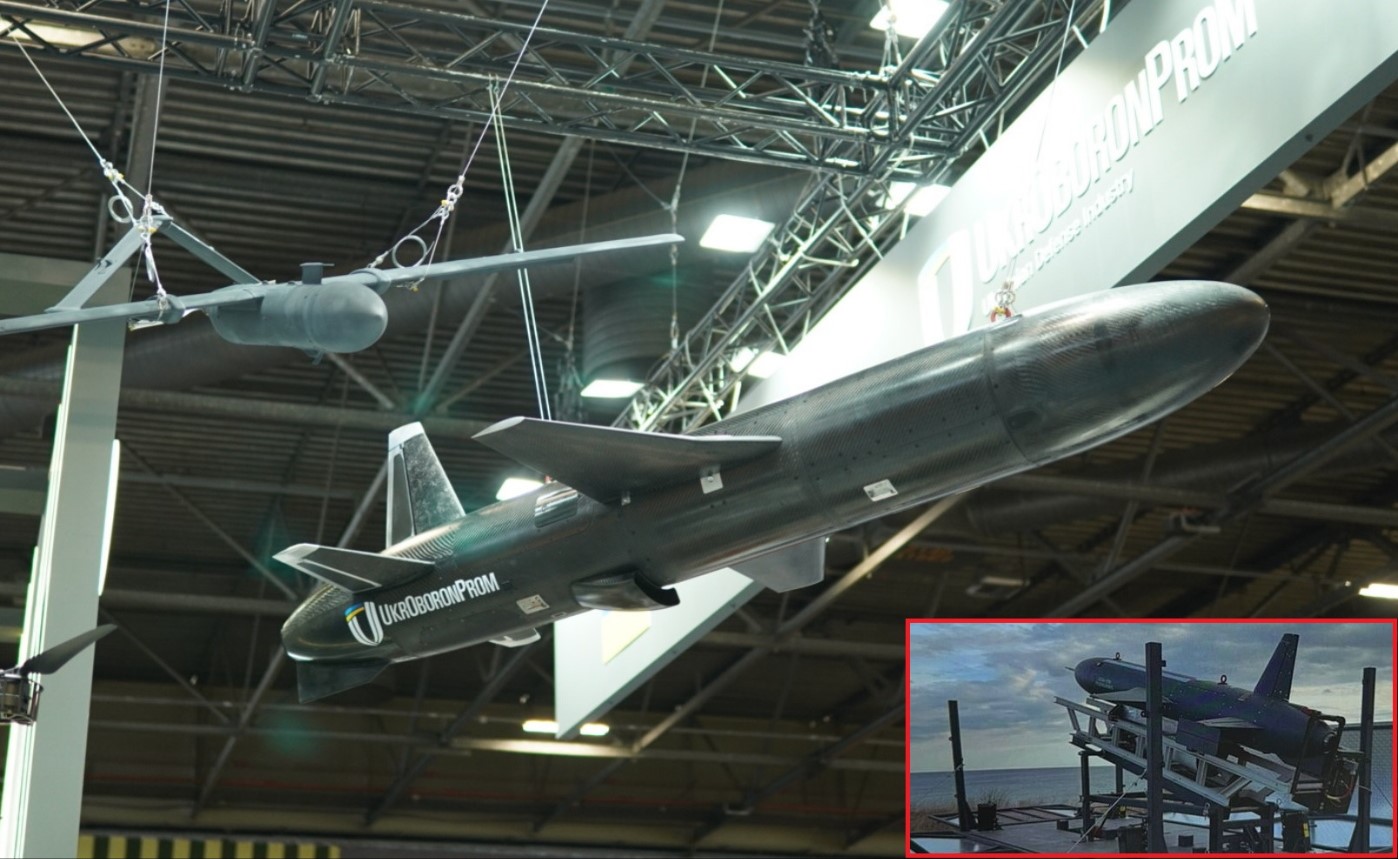 Ukraine Unveils UAV-290 Jet-Powered Strike Drone with 650 km Range at Eurosatory 2026
-
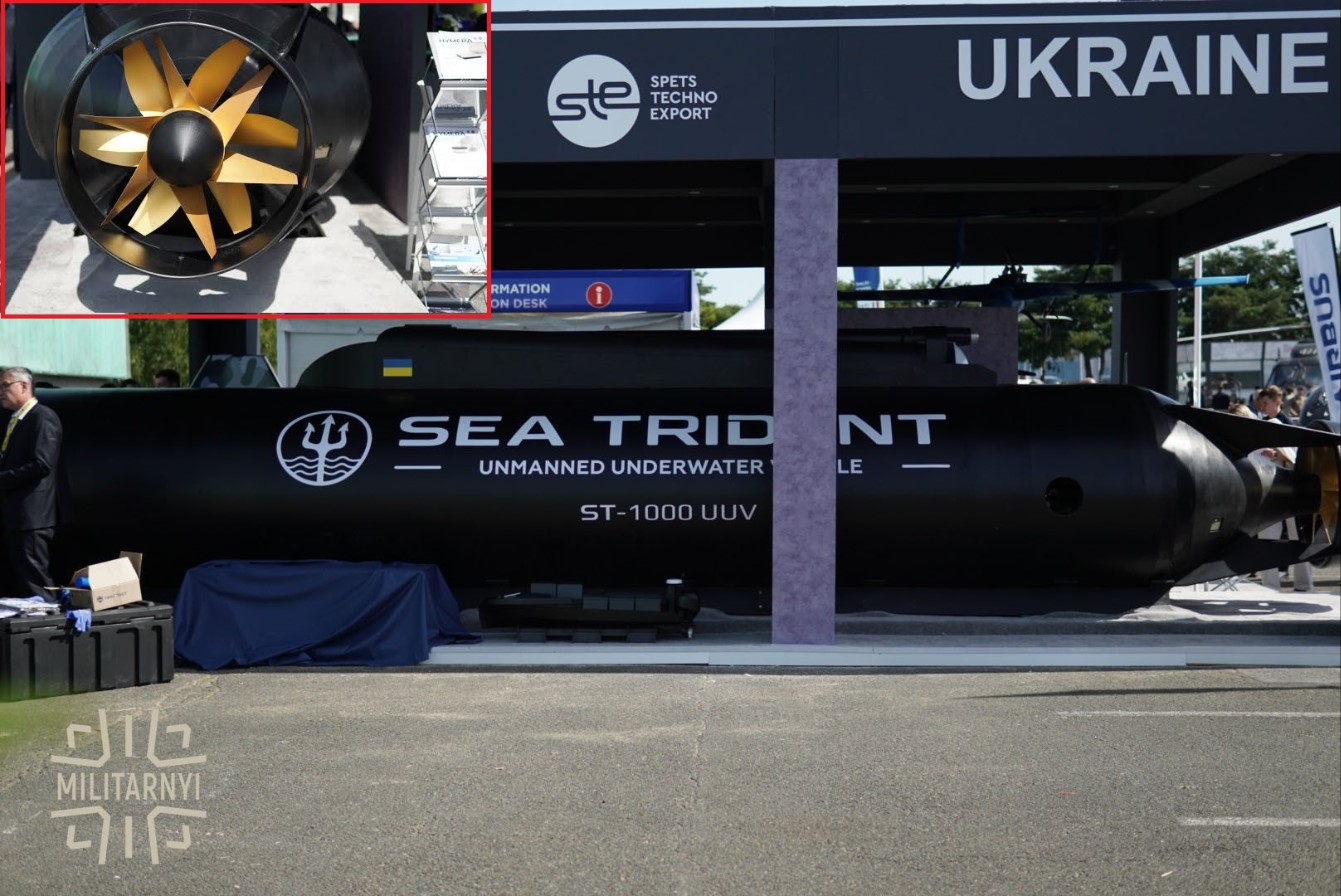 Ukraine Unveils 'Sea Trident' 10-Ton Autonomous Underwater Drone at Eurosatory 2026
-
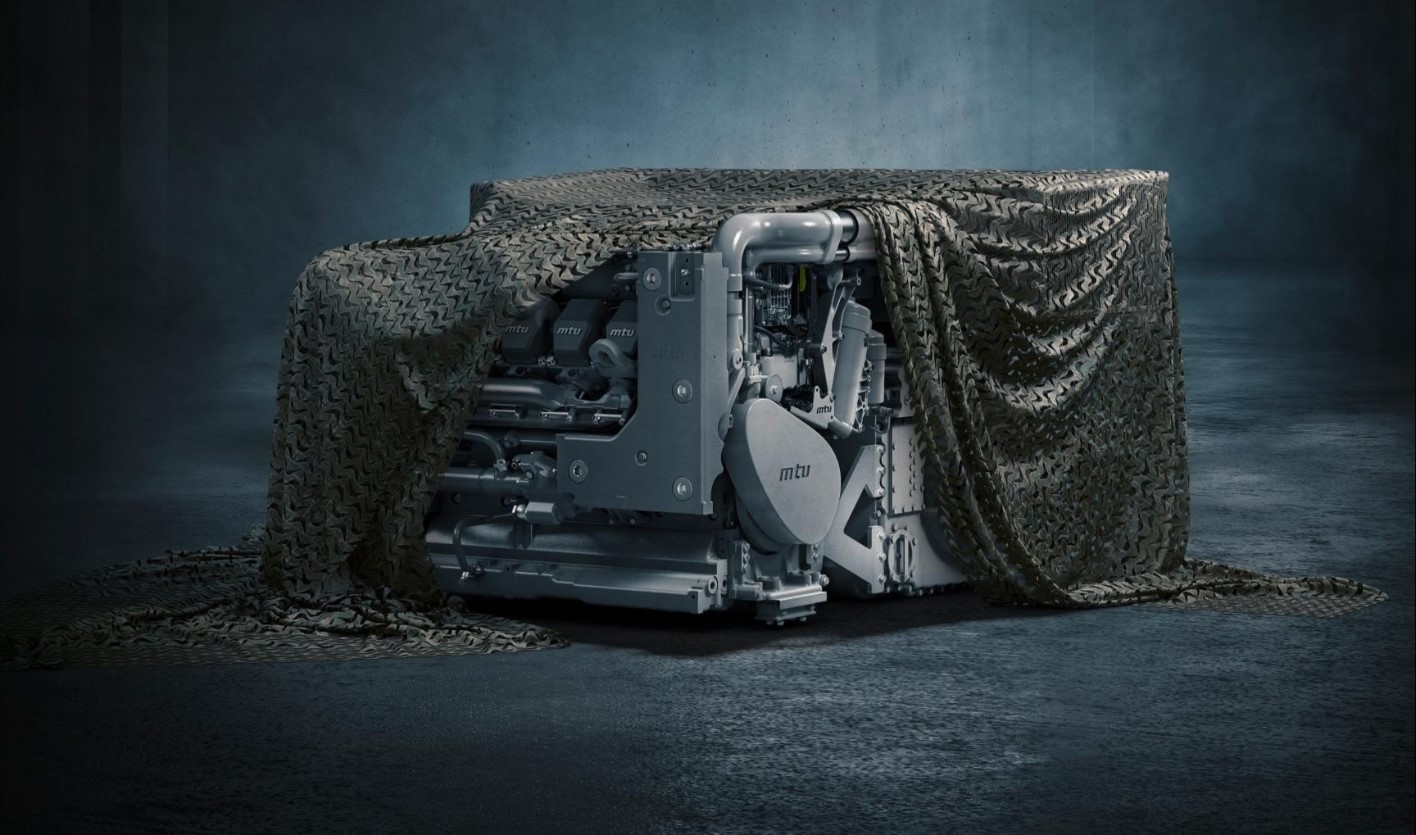 Rolls-Royce Unveils New Hybrid Powertrain for Heavy Military Vehicles at Eurosatory 2026
-
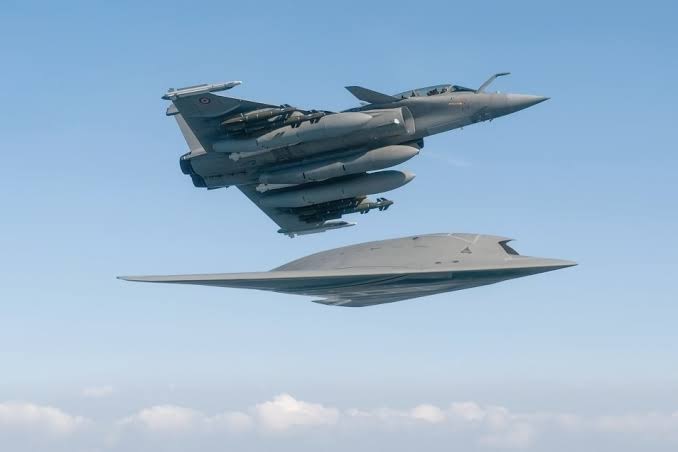 France Agrees to Equip Future Indian Rafales with AI, MUM-T and Secure Satellite Links Under F5 Standard