
India
The Indian Army is poised to significantly enhance its infantry capabilities with the acquisition of 70,000 AK-203 assault rifles in 2025. This procurement is part of a comprehensive ₹5,000 crore Indo-Russian defense agreement, aiming to modernize the army's arsenal by replacing the outdated INSAS rifles. An additional 100,000 AK-203 rifles are anticipated to be delivered in 2026, further strengthening the army's operational readiness. Manufacturing Partnership and Indigenous Production The AK-203 rifles are being produced through a collaborative effort between India and Russia at the Indo-Russian Rifles Private Limited (IRRPL) facility in Amethi, Uttar Pradesh. This joint venture underscores the 'Make in India' initiative, focusing on bolstering domestic defense manufacturing and reducing dependence on foreign imports. The initial batch of 35,000 rifles has already been delivered to the Indian Army, with another 35,000 expected by May 2025. The indigenous content of these rifles has progressively increased, starting from 5% in the first batch, with plans to reach up to 70% in subsequent productions. Technical Specifications and Advantages The AK-203 is a modern, gas-operated, magazine-fed, select-fire assault rifle chambered for the 7.62×39mm cartridge. Weighing approximately 3.8 kg, it features a length of 705 mm with the stock folded and 940 mm when extended. The rifle boasts a rate of fire of around 700 rounds per minute and an effective range of up to 800 meters. Its design includes Picatinny rails for mounting various optics and accessories, a folding telescopic buttstock, and a slotted flash suppressor. These features enhance the rifle's versatility, accuracy, and adaptability across diverse combat scenarios. Strategic Impact and Future Outlook The induction of the AK-203 rifles represents a significant leap in the Indian Army's modernization efforts, providing soldiers with a reliable and effective weapon system suited for contemporary warfare. The emphasis on increasing indigenous content aligns with India's strategic objective of achieving self-reliance in defense production. As the production scales up, the AK-203 is expected to become a mainstay in the Indian Army's infantry units, ensuring enhanced operational effectiveness and readiness to address emerging security challenges.
Read More → Posted on 2025-02-12 14:20:58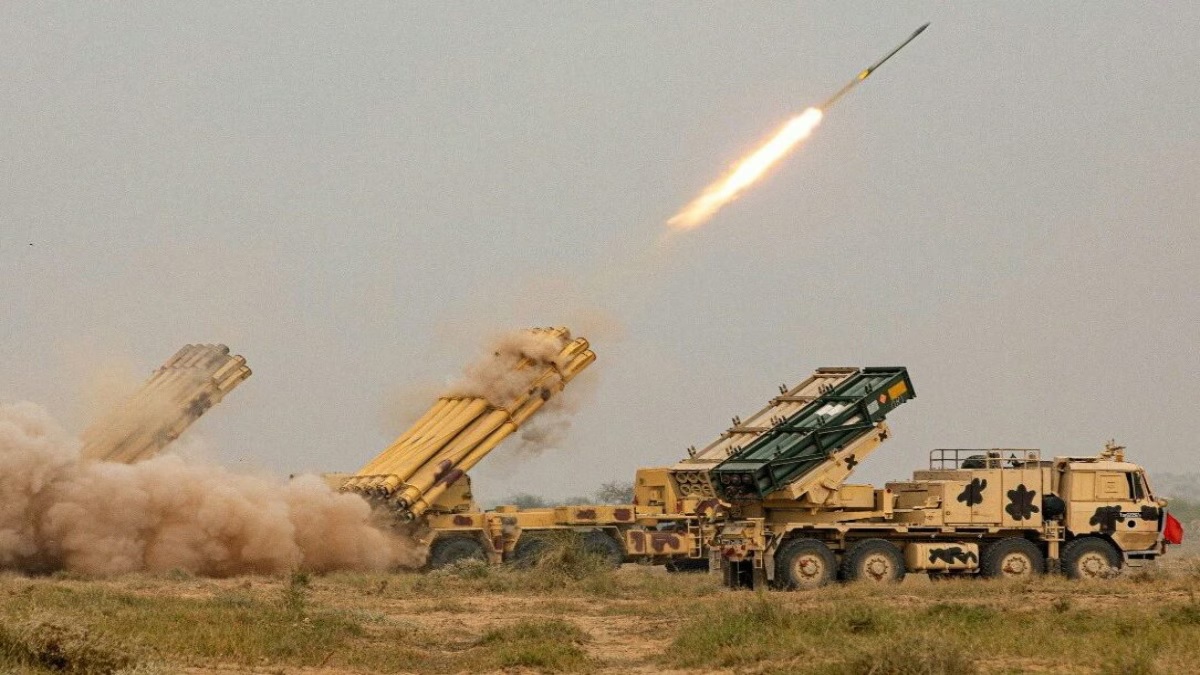
India
In a significant development underscoring the deepening defense ties between India and France, discussions have advanced regarding France's potential procurement of India's indigenous Pinaka multi-barrel rocket launcher system. This move not only highlights India's growing capabilities in defense manufacturing but also marks a pivotal shift in traditional defense trade dynamics. The Pinaka System: An Overview Developed by India's Defence Research and Development Organisation (DRDO), the Pinaka system was conceived as a replacement for the Soviet-era BM-21 Grad launchers. Since its induction into the Indian Army in the early 2000s, Pinaka has undergone several enhancements, resulting in multiple variants tailored to diverse operational requirements. Key Specifications and Variants Pinaka Mk-I: Range: Approximately 40 kilometers. Salvo Capability: Capable of launching 12 high-explosive rockets in 44 seconds. Deployment: Mounted on an 8×8 vehicle for enhanced mobility. Pinaka Mk-I Enhanced: Range: Extended to around 60 kilometers. Improvements: Incorporates advanced propulsion systems for increased range and accuracy. Pinaka Mk-II: Range: Further extended to 75 kilometers. Features: Enhanced with improved guidance systems and payload options. Guided Pinaka: Range: Up to 90 kilometers. Guidance: Equipped with an advanced navigation system for precision targeting. Each Pinaka battery comprises six launcher vehicles, each equipped with two pods housing a total of 12 rockets. A full battery can neutralize an area of approximately 1,000 × 800 meters, delivering a massive volume of firepower in a short duration. Operational History and Effectiveness The Pinaka system demonstrated its combat effectiveness during the Kargil conflict in 1999, where it was instrumental in neutralizing enemy positions in challenging mountainous terrains. Its rapid salvo delivery and mobility have since made it a cornerstone of India's artillery capabilities. India-France Defense Collaboration France's interest in the Pinaka system signifies a notable development in the defense relationship between the two nations. Traditionally, India has been a major importer of defense equipment, with France being its second-largest supplier between 2019 and 2023. The potential acquisition of Pinaka by France would mark a reversal of roles, showcasing India's emergence as a defense exporter. Beyond the Pinaka system, India and France have been collaborating on various defense projects, including the co-development of fighter jet engines and the potential procurement of additional Scorpene-class submarines by India. The establishment of a DRDO office in the Indian Embassy in Paris in 2023 further underscores the commitment to deepening technological cooperation. Strategic Implications France's evaluation of the Pinaka system aligns with its broader strategy to diversify and modernize its military capabilities. For India, a successful export of the Pinaka system would not only bolster its defense manufacturing sector but also enhance its credibility as a global defense exporter. In conclusion, the ongoing discussions between India and France regarding the Pinaka multi-barrel rocket launcher system epitomize the evolving nature of international defense partnerships. As both nations continue to explore avenues for collaboration, such initiatives are poised to strengthen their strategic alliance and contribute to global defense innovation.
Read More → Posted on 2025-02-12 03:33:06
India
Hindustan Aeronautics Limited (HAL) is gearing up to significantly enhance India's air combat capabilities by streamlining the production of the TEJAS MK-1A Light Combat Aircraft (LCA). Deliveries from HAL's Nasik plant are slated to commence in March 2025, with an ambitious plan to ramp up production to 16-24 aircraft annually by 2026. Production Milestones and Engine Collaboration Secretary of Defence Production, Sanjeev Kumar, has confirmed that the production line, including the supply of General Electric (GE) engines, has been stabilized. The Ministry of Defence is actively collaborating with U.S. counterparts to expedite engine deliveries, ensuring the TEJAS MK-1A program proceeds without hitches. This collaboration aims to streamline engine supply by 2025-26, bolstering the program's momentum. Indian Air Force's Commitment and Aircraft Enhancements The Indian Air Force (IAF) has demonstrated its commitment to indigenous fighter jet production by placing an order for 83 MK-1A aircraft. These jets are on track to receive Military Type Certification (MTC), formally integrating them into service. The TEJAS MK-1A, also known as the Alpha, is an upgraded variant featuring over 40 improvements from its predecessor. Key enhancements include: Advanced Avionics: Integration of an Active Electronically Scanned Array (AESA) radar, upgraded mission computer, digital flight control systems, and smart multi-function displays enhance pilot situational awareness and mission effectiveness. Enhanced Weaponry: The aircraft is equipped with Astra Beyond Visual Range (BVR) missiles and precision-guided munitions, significantly boosting its strike capabilities. Net-Centric Warfare Capabilities: Advanced communication systems enable seamless integration into modern battlefield networks, allowing for coordinated operations and real-time data sharing. Unified Electronic Warfare Suite (UEWS): Developed by the Defence Avionics Research Establishment (DARE), this suite includes electronic countermeasures and digital radio frequency memory-based jamming capabilities, enhancing survivability in hostile environments. Production Expansion and Future Outlook HAL is not resting on its laurels; the company is establishing a fourth assembly line for the TEJAS MK-1A at its Nashik facility, expected to be operational by mid-2026. This expansion aims to increase the annual production rate to 30 units, ensuring timely fulfillment of the IAF's orders. The current order of 83 TEJAS MK-1As is expected to be delivered by 2031-32, with plans to finalize a new contract for an additional 97 units by the end of 2025. Addressing Challenges and Ensuring Timely Deliveries Despite earlier delays due to engine supply setbacks, GE has assured that the production schedule is back on track, with 12 F404 engines scheduled for delivery starting March 2025. HAL aims to manufacture 11 TEJAS MK-1As by the end of this year, reflecting its enhanced production capabilities. However, Air Chief Marshal A.P. Singh has expressed concerns regarding the pace of production and delays in deliveries. A government report also highlighted challenges such as design and development issues, aero engine availability, and HAL's ability to maintain the required production pace. Technological Advancements and Indigenous Development The TEJAS MK-1A represents a significant leap in indigenous defense technology. The aircraft features a night vision goggles-compatible glass cockpit, domestically developed head-up display (HUD), and an integrated health-monitoring system. The avionics suite includes an indigenously developed Onboard Oxygen Generation System (OBOGS) for extended missions. Additionally, HAL is in discussions with GE for a technology transfer agreement for F414 engines, intended for the TEJAS MK-2 and the Advanced Medium Combat Aircraft (AMCA), aiming for 80% technology transfer, including detailed designs and critical manufacturing knowledge. In summary, HAL's concerted efforts to streamline and ramp up the production of the TEJAS MK-1A are poised to significantly enhance India's air combat capabilities, reflecting a strong commitment to self-reliance and technological advancement in defense manufacturing.
Read More → Posted on 2025-02-12 03:28:36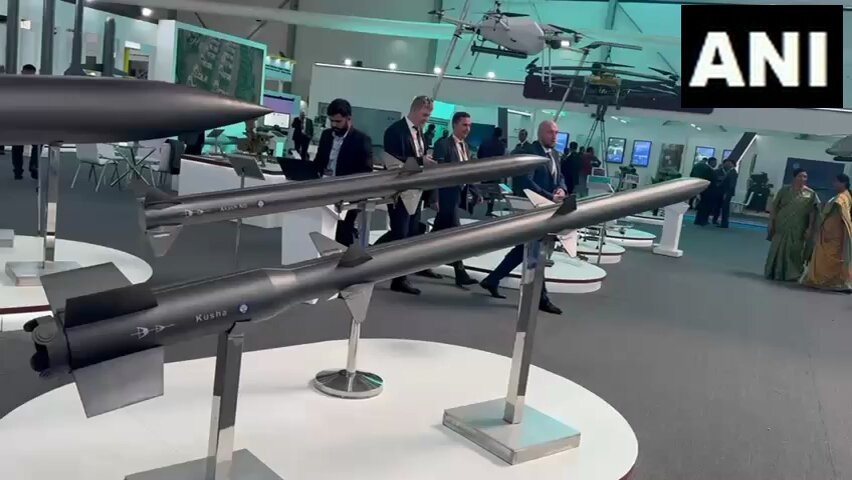
India
At the Aero India 2025 exhibition, the Defence Research and Development Organisation (DRDO) showcased scale models of the Project Kusha Air Defence System, highlighting its advanced capabilities and strategic importance for India's defence infrastructure. Overview of Project Kusha Project Kusha, also known as the Extended Range Air Defence System (ERADS), is an ambitious initiative by DRDO to develop a long-range, surface-to-air missile system tailored for the Indian Air Force (IAF) and the Indian Navy. The system is designed to detect and neutralize a variety of aerial threats, including stealth fighters, drones, cruise missiles, and precision-guided munitions, at ranges extending up to 350 kilometers. Its deployment is anticipated between 2028 and 2029. Key Specifications and Features Interceptor Missiles: The system comprises three distinct interceptor missiles, each designed for specific range capabilities: M1 (MR-SAM): Medium-range interceptor with a range of 150 km. M2 (ER-SAM): Extended-range interceptor capable of engaging targets up to 250 km. M3 (XR-SAM): Long-range interceptor with a reach of 350 km. Speed and Guidance: The missiles are engineered to achieve speeds up to Mach 5.5 and are equipped with dual-mode seekers combining infrared (IR) and radio frequency (RF) technologies, ensuring high accuracy in target acquisition and engagement. Kill Vehicle: Each missile incorporates a specialized kill vehicle designed to effectively neutralize incoming threats through direct impact or proximity detonation. Radar Systems: The system integrates advanced long-range surveillance and fire control radars, enhancing its ability to detect, track, and engage multiple targets simultaneously. Integration with IAF Systems: Project Kusha is designed to seamlessly integrate with the IAF's Integrated Air Command and Control System (IACCS), a fully automated network that combines various military and civilian radars to provide a comprehensive airspace picture, thereby enhancing the efficiency and reliability of air defence operations. Development Milestones The Cabinet Committee on Security (CCS) approved the development of Project Kusha in May 2022. Subsequently, in September 2023, the Ministry of Defence granted Acceptance of Necessity (AoN) for the procurement of five squadrons for the IAF, with an estimated budget of ₹21,700 crore (approximately US$2.5 billion). As of August 2024, DRDO has initiated the fabrication of the M1 missiles and has placed orders for essential components, including airframes, rocket motors, kill vehicles, and transceivers. Testing of these missiles is slated to commence in early 2025. Strategic Significance Project Kusha is poised to significantly enhance India's air defence capabilities by filling the operational gap between existing systems such as the MR-SAM (with a range of 70-80 km) and the Russian S-400 (with a range of up to 400 km). By providing a layered defence mechanism, it will offer comprehensive protection against a wide spectrum of aerial threats, thereby strengthening national security. The unveiling of Project Kusha at Aero India 2025 underscores India's commitment to advancing its indigenous defence technologies and achieving self-reliance in critical military capabilities.
Read More → Posted on 2025-02-11 15:17:44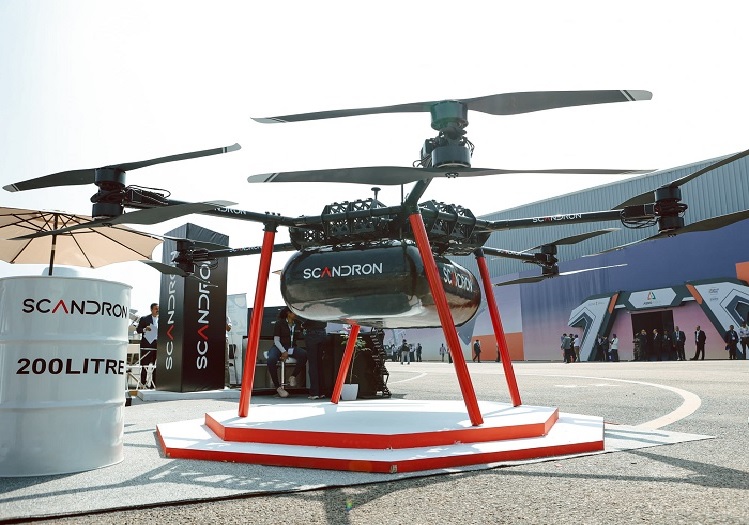
India
Bengaluru-based startup Scandron has made waves at AeroIndia 2025 with the launch of the CargoMax 20KHC, India’s most powerful cargo drone. Designed to meet the demanding needs of the Indian Armed Forces and various other sectors, the CargoMax 20KHC boasts a remarkable payload capacity of 200 kg, positioning it as a game-changer in the field of aerial logistics. A New Era in Autonomous Aerial Logistics The CargoMax 20KHC is engineered to provide a stable, robust, and reliable aerial logistics platform, particularly for last-mile deliveries in challenging environments. With a fully autonomous flight system, this drone eliminates the need for pilot intervention, thereby enhancing efficiency and reducing operational risks. Key specifications of the CargoMax 20KHC include: Payload Capacity: 200 kg Operational Range: 15 km Operational Ceiling: 6,000 meters AMSL (Above Mean Sea Level) Autonomous Operations: Fully pilotless capability Versatility Across Diverse Environments One of the standout aspects of the CargoMax 20KHC is its adaptability to various terrains and mission profiles. Scandron has developed multiple variants of the CargoMax series, ensuring superior logistics capability across different operational environments: High Altitude Operations: Designed for Indian Army applications, the drone can effectively conduct last-mile deliveries at altitudes exceeding 5,500 meters AMSL, making it invaluable in remote mountainous regions. Desert Operations: Optimized for extreme temperature conditions and long-range logistics support. Naval and Island Operations: Capable of pinpoint landings on moving naval platforms, the CargoMax drones are ideally suited for maritime supply chain logistics. Expanding the Capabilities of India's Drone Ecosystem Scandron’s CargoMax series of logistics drones strengthens India’s drone ecosystem by reducing dependency on imported UAV technology while advancing the country’s capabilities in autonomous aerial transport. The drones are designed to seamlessly integrate into both urban and remote logistics networks, making them valuable assets for defense, disaster relief, and supply chain management. Some key applications include: Military Logistics: Supporting defense forces with high-altitude cargo transport, rapid response, and autonomous resupply missions. Supply Chain Optimization: Enhancing mid-mile logistics and warehouse-to-warehouse operations. Disaster Relief Operations: Assisting the National Disaster Response Force (NDRF) and State Disaster Response Force (SDRF) in heavy-lift emergency relief operations. Showcasing Cutting-Edge Drone Innovations at AeroIndia 2025 At AeroIndia 2025, Scandron not only unveiled the CargoMax 20KHC but also showcased the SkyKrane 40 Aerial Crane and the ScanD suite of surveillance drone platforms. These advanced systems further solidify Scandron’s position as a leader in India’s drone technology sector. A Vision for the Future Commenting on the launch, Arjun Naik, CEO and Founder of Scandron, stated: “Scandron is a customer-focused company, and we continuously innovate to design and develop disruptive drone solutions to help solve real-world problems. Our goal is to integrate drones into mainstream operations, enhancing efficiency and reducing costs without compromising safety and reliability.” The CargoMax 20KHC exemplifies this vision by offering a scalable, future-proof platform that can be customized for various industry requirements. As India pushes forward with advancements in drone technology, Scandron’s innovations are set to play a crucial role in shaping the future of autonomous logistics.
Read More → Posted on 2025-02-11 15:12:19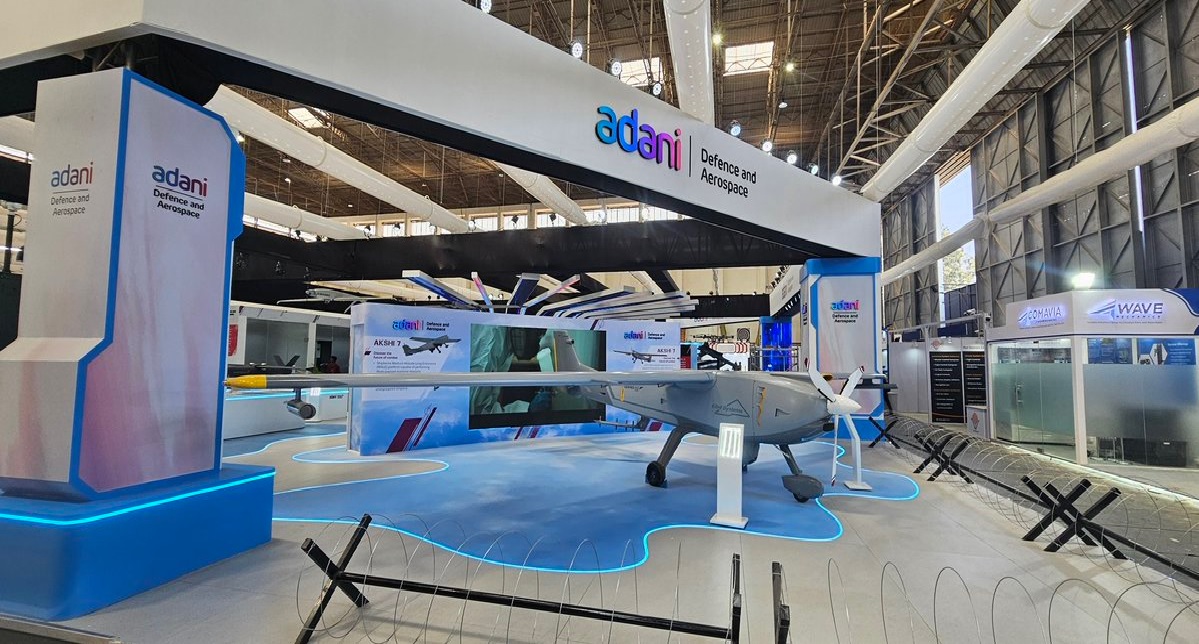
India
At Aero India 2025, Adani Defence has taken a major leap in the unmanned aerial systems (UAS) domain with the introduction of the Akshi 7, a cutting-edge tactical drone designed for modern warfare and intelligence operations. This UAS is a rebranded version of the Hermes 650 Spark, an advanced multi-role platform originally developed for high-end military missions. The Akshi 7 represents a step towards strengthening India’s defense self-reliance while bringing battlefield-proven technologies under indigenous branding. A Leap in Tactical Unmanned Systems The Akshi 7 is built for long-endurance surveillance, precision intelligence gathering, and tactical mission support. Equipped with a powerful satellite communication (SATCOM) link, it can operate beyond the line of sight (BLOS), making it suitable for long-range reconnaissance and strike support missions. With an endurance of up to 24 hours and a flight range of over 300 km in line-of-sight (LOS) mode, the UAS is ideal for border patrol, counter-terrorism operations, and strategic intelligence gathering. One of the defining features of the Akshi 7 is its modular multi-mission capability. The drone supports a wide array of interchangeable payloads, allowing military forces to customize it for specific missions. Whether conducting electronic warfare (EW), signals intelligence (SIGINT), or surveillance, the Akshi 7 can be adapted in real-time to meet operational needs. Next-Gen AI-Driven Intelligence At the core of the Akshi 7 is an AI-powered onboard computing system, which functions as a “server in the sky.” The AI engine enables real-time data processing, target recognition, and predictive maintenance, reducing downtime and improving operational efficiency. This system allows ground commanders to receive instant intelligence updates, ensuring faster decision-making in dynamic combat scenarios. The drone also integrates machine learning algorithms to enhance autonomous navigation, threat detection, and battlefield coordination. This makes it not only an advanced reconnaissance tool but also a strategic asset in modern network-centric warfare. Stealth, Agility, and Adaptability Designed with a low radar signature, the Akshi 7 enhances survivability in contested airspace. It also features automatic takeoff and landing (ATOL) capability, allowing it to operate from short or semi-prepared runways, increasing its versatility in both peacetime and combat missions. Its multi-sensor payload bay can accommodate electro-optical (EO), infrared (IR), short-wave infrared (SWIR), radar, electronic intelligence (ELINT), and communications intelligence (COMINT) systems. Additionally, the integration of the SkEye Wide Area Persistent Surveillance (WAPS) system makes it an invaluable asset for persistent aerial monitoring of large regions. Optimized for Cost-Efficiency and Scalability While advanced in technology, the Akshi 7 has been designed with an emphasis on low operational costs. The UAS requires minimal ground crew and logistical support, reducing overall maintenance demands. Automated pre-flight inspections and self-diagnostic systems further streamline its deployment, ensuring rapid mission readiness with minimal downtime. With a maximum payload capacity of 260kg, the Akshi 7 is highly adaptable to carrying multiple mission-critical sensors simultaneously. The payloads are distributed across 8 modular storage stations, including 2 payload bays and 6 external hardpoints, enabling seamless mission customization. A Strategic Asset for India’s Defense Forces With India focusing on strengthening its indigenous defense manufacturing under initiatives like Atmanirbhar Bharat, the Akshi 7 marks a significant milestone in developing next-generation military UAVs. By adopting the battle-proven Hermes 650 Spark platform under a new Indian identity, Adani Defence is ensuring that the country gains access to world-class UAS technology while maintaining local control over its deployment and integration. As global conflicts become more tech-driven and intelligence-centric, drones like the Akshi 7 will play a pivotal role in shaping future battlefields. Whether for border surveillance, counter-insurgency, maritime security, or electronic warfare, this advanced UAS promises to be a force multiplier for India’s armed forces. With its debut at Aero India 2025, the Akshi 7 represents not just another military drone but a vision for the future of Indian air defense technology—autonomous, intelligent, and mission-ready.
Read More → Posted on 2025-02-11 14:51:17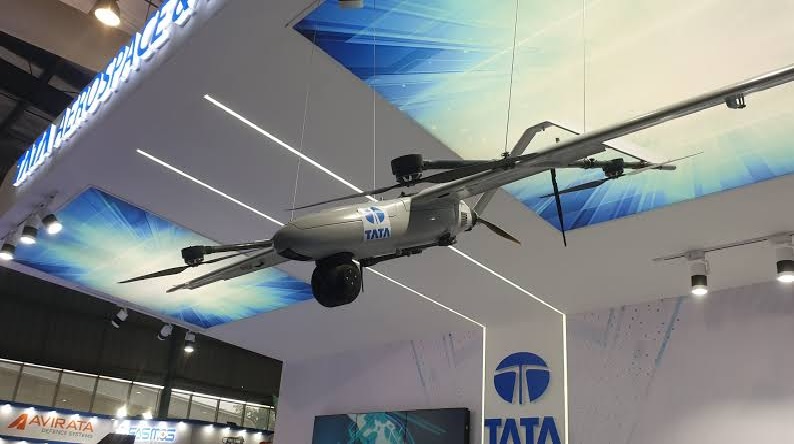
India
Tata Advanced Systems Limited (TASL) has recently introduced the ALS-50, an indigenously developed loitering munition, commonly referred to as a "suicide drone." This advanced system is designed to enhance India's defense capabilities, particularly along the Line of Actual Control (LAC). Key Features and Specifications Design and Dimensions: The ALS-50 boasts a length of 2.4 meters and a wingspan of 3.8 meters, with a maximum take-off weight of 50 kilograms. Its compact design facilitates deployment in diverse terrains. Vertical Take-Off and Landing (VTOL): One of the standout features of the ALS-50 is its VTOL capability. It can launch vertically like a quadcopter and seamlessly transition into fixed-wing flight mode, allowing it to cover extended distances efficiently. Operational Range and Endurance: The drone has an operational range exceeding 50 kilometers and can remain airborne for over an hour, providing ample time for target acquisition and engagement. Payload Capacity: Equipped to carry anti-personnel and anti-armor warheads weighing up to 6 kilograms, the ALS-50 is versatile in neutralizing various threats. Precision Targeting: The system features a chin-mounted electro-optic/infrared (EO/IR) turret, enabling real-time intelligence, surveillance, and reconnaissance. During tests, it demonstrated a targeting precision within two meters, ensuring high accuracy in strike missions. Adaptability to Challenging Terrains The ALS-50 is engineered to operate in diverse environments, including high-altitude and mountainous regions. Its VTOL capability allows it to be deployed from confined spaces such as narrow valleys, fortified mountain positions, small jungle clearings, and even the decks of naval vessels. Operational Flexibility This loitering munition offers multiple operational modes: Fully Autonomous: The drone can independently conduct missions without human intervention. Semi-Autonomous: Operators can oversee and control specific aspects of the mission as needed. Loitering: The ALS-50 can hover over a designated area, monitoring and waiting for the optimal moment to strike. Attack: Upon identifying a target, it can execute a precision strike. Return Home: If a mission is aborted or upon completion, the drone can safely return to its launch point. Rigorous Testing and Deployment The ALS-50 has undergone extensive testing in extreme conditions, including high-altitude areas in Ladakh and the hot climates of Rajasthan. Notably, during trials at the Pokhran firing ranges, it successfully demonstrated its strike capabilities by accurately hitting designated targets with its explosive warhead. Strategic Significance The induction of the ALS-50 into the Indian Air Force (IAF) marks a significant milestone in India's defense modernization efforts. By reducing reliance on foreign military imports, it aligns with the 'Make in India' initiative, promoting self-reliance in defense technology. The ALS-50's advanced features and adaptability make it a formidable asset for precision strikes, especially in challenging terrains along the LAC. Its development underscores India's commitment to enhancing its indigenous defense capabilities.
Read More → Posted on 2025-02-11 14:34:25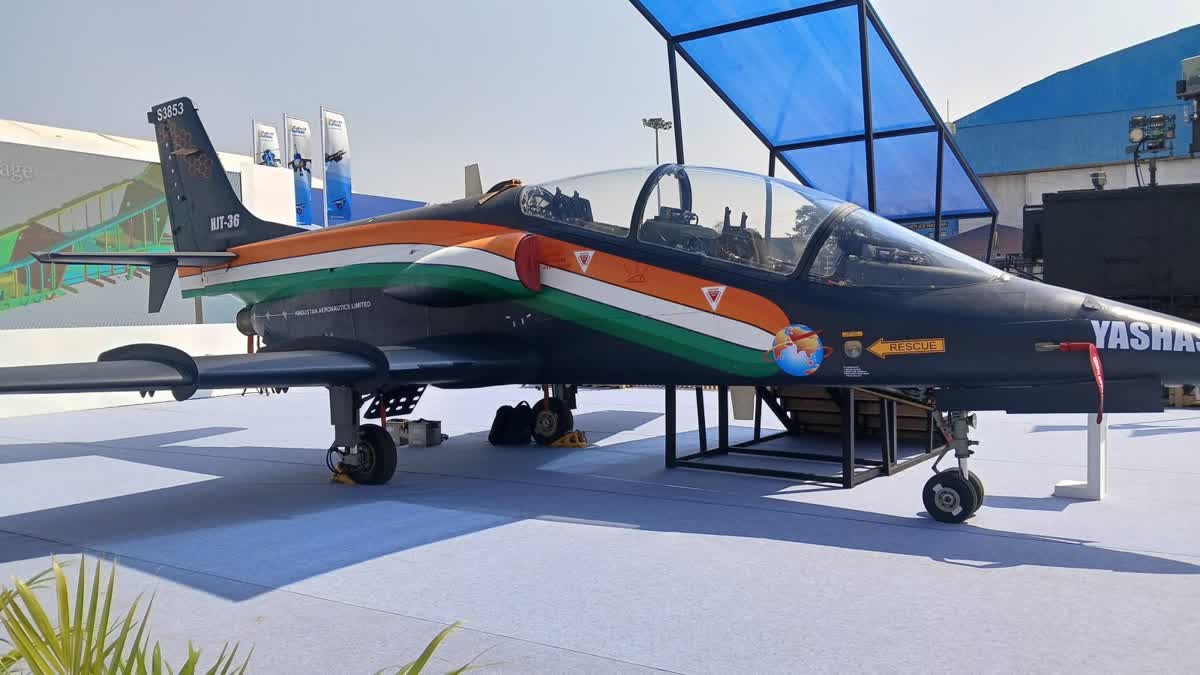
India
At Aero India 2025, Hindustan Aeronautics Limited (HAL) unveiled the 'Yashas', an extensively upgraded version of its Hindustan Jet Trainer-36 (HJT-36). This significant development marks a pivotal moment in India's aviation sector, promising to enhance the training of military pilots with state-of-the-art technology and design improvements. Evolution of the HJT-36 to 'Yashas' The HJT-36, initially known as 'Sitara', has been a cornerstone in India's intermediate jet training program. However, over the years, it faced challenges, particularly concerning spin characteristics and departure issues. In response, HAL embarked on a comprehensive redesign to address these concerns. The culmination of these efforts is the 'Yashas', a name symbolizing success and excellence, reflecting the aircraft's renewed capabilities and HAL's commitment to advancing military aviation training. Advanced Features and Specifications The 'Yashas' boasts several notable enhancements: Powerplant: Equipped with a Full Authority Digital Engine Control (FADEC)-controlled AL-55I jet engine, the 'Yashas' offers an impressive thrust-to-weight ratio, ensuring optimized thrust management and reliability. Cockpit Design: The aircraft features a stepped-up rear cockpit paired with a drooped nose design, providing pilots with exceptional all-around visibility. This design enhances situational awareness, a critical factor in pilot training. Avionics: The 'Yashas' is fitted with a state-of-the-art glass cockpit, including multifunction displays (MFDs) and a head-up display (HUD). These modern avionics systems improve training effectiveness by offering pilots real-time data and intuitive controls. Training Capabilities: Designed for Stage II pilot training, the 'Yashas' is adept at aerobatics, armament training, and counter-insurgency operations. It can carry armaments up to 1,000 kg, making it versatile for various training scenarios. Performance: The aircraft has been rigorously tested to ensure stall and spin recovery capabilities, crucial for pilot safety during training missions. Overcoming Challenges The journey to the 'Yashas' was not without obstacles. The HJT-36 program faced delays due to technical challenges, especially related to spin tests. However, HAL's persistent efforts led to successful modifications, culminating in the aircraft's readiness for operational use. The reintroduction of the 'Yashas' at Aero India 2025 signifies HAL's confidence in the aircraft's enhanced design and performance. Future Prospects The Indian Air Force (IAF) has expressed interest in the 'Yashas' as a replacement for its aging fleet of HJT-16 Kiran trainers. With plans to induct approximately 85 units, the 'Yashas' is poised to become a mainstay in India's pilot training programs. Its advanced features align with the IAF's objective to prepare pilots for the complexities of modern aerial warfare. In conclusion, the unveiling of the 'Yashas' marks a significant milestone in India's aviation history. With its advanced design and capabilities, it promises to elevate the standards of military pilot training, ensuring that India's defense forces remain adept and ready for future challenges.
Read More → Posted on 2025-02-10 15:31:33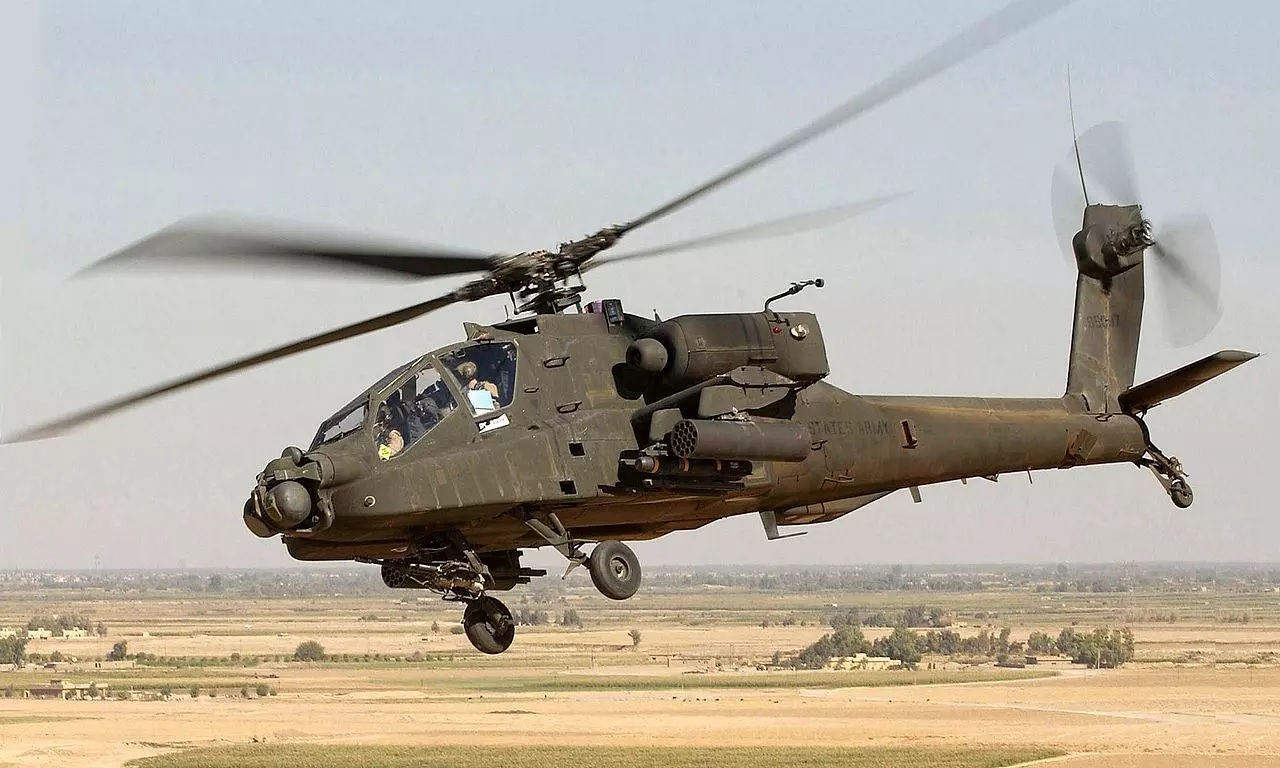
India
Tata Boeing Aerospace Limited (TBAL), a joint venture between Boeing and Tata Advanced Systems Limited (TASL), has reached a significant milestone by delivering the 300th fuselage for the AH-64 Apache attack helicopter from its state-of-the-art facility in Hyderabad, India. This accomplishment underscores TBAL's commitment to enhancing India's defense capabilities and advancing indigenous manufacturing. Global Reach and Indigenous Production The fuselages produced at TBAL's 14,000-square-meter facility are supplied to customers worldwide, including the U.S. Army and the Indian Army, which has six Apaches on order. Notably, over 90% of the parts used in the Apache aerostructure assemblies are manufactured in India, sourced from more than 100 Micro, Small, and Medium Enterprises (MSME) suppliers. Advanced Manufacturing Capabilities Employing over 900 engineers and technicians, TBAL utilizes cutting-edge robotics, automation, and advanced aerospace concepts in its manufacturing processes. The facility is the sole global producer of fuselages for the AH-64 Apache helicopter, delivered by Boeing to its global customers, including the U.S. Army. AH-64 Apache: A Technical Overview The AH-64 Apache is a twin-turboshaft attack helicopter with a tailwheel-type landing gear and a tandem cockpit for a crew of two. It features nose-mounted sensors for target acquisition and night vision systems. The helicopter is armed with a 30 mm M230 chain gun under its forward fuselage and has four hardpoints on stub-wing pylons for armament, typically carrying AGM-114 Hellfire missiles and Hydra 70 rocket pods. Key Specifications: Length: 48.16 ft (14.68 m) Height: 15.49 ft (4.72 m) Rotor Diameter: 48 ft (14.63 m) Maximum Operating Weight: 23,000 lb (10,432 kg) Maximum Level Flight Speed: 150+ knots (279+ kph) Service Ceiling: 20,000 ft (6,096 m) Armament Capacity: 16 Hellfire missiles, 76 2.75-inch rockets, and 1,200 rounds for the 30 mm chain gun India's Apache Fleet The Indian Air Force operates a fleet of 22 AH-64E Apache attack helicopters, enhancing its combat capabilities. The Indian Army has also placed orders for six Apaches, with fuselages manufactured by TBAL. Commitment to 'Make in India' TBAL's achievements align with the 'Make in India' initiative, reflecting a dedication to strengthening India's aerospace and defense manufacturing sectors. The collaboration between Boeing and Tata has not only bolstered defense capabilities but also contributed to the growth of indigenous industries through partnerships with local suppliers. This milestone signifies a step forward in India's journey toward self-reliance in defense manufacturing, showcasing the successful integration of advanced technology and local expertise.
Read More → Posted on 2025-02-10 14:51:39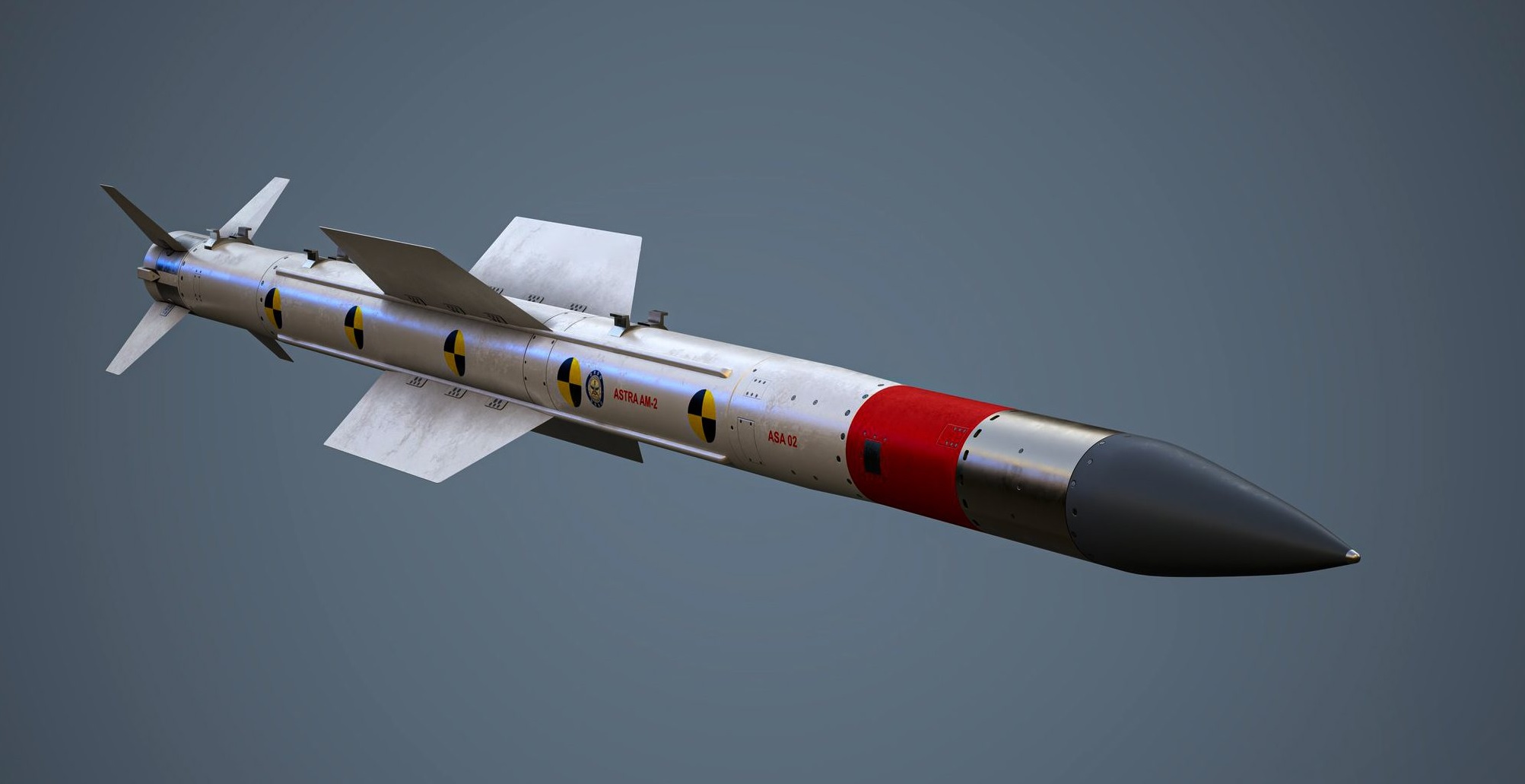
India
The Defence Research and Development Organisation (DRDO) is advancing India's air combat capabilities with the conceptualization of the Astra MkIV, a Beyond Visual Range Air-to-Air Missile (BVRAAM). Building upon the Astra series, the MkIV aims to counter future aerial threats, including advanced stealth aircraft anticipated in the coming decades. Evolution of the Astra Series The Astra program signifies India's commitment to self-reliance in missile technology. The Astra MkI, already operational with the Indian Air Force (IAF), offers a range of up to 100 kilometers and is designed to engage highly maneuverable, supersonic targets. The subsequent Astra MkII is nearing completion, promising enhanced range and accuracy, with a strike range of over 160 kilometers. These developments set the stage for the more advanced Astra MkIV. Innovative Triple Pulse Propulsion A standout feature of the Astra MkIV is its proposed Triple Pulse Solid Motor propulsion system. This system divides the rocket motor into three distinct segments or pulses, which ignite sequentially during flight. Such a configuration allows for controlled bursts of propulsion, optimizing fuel consumption and providing thrust when most needed, thereby extending the missile's range and enhancing maneuverability. This method offers a cost-effective alternative to the more complex Solid Fuel Ducted Ramjet (SFDR) technology. Advanced Guidance and Seeker Technologies To effectively engage fifth-generation stealth aircraft, the Astra MkIV is expected to incorporate a multi-mode seeker system. This system would combine radar and infrared (IR) capabilities, enabling the missile to detect and track low-observable targets across various operational conditions. Such a seeker would enhance the missile's effectiveness against stealthy adversaries employing advanced electronic countermeasures. Projected Development Timeline Currently in the preliminary study phase, the Astra MkIV's development involves defining the necessary technologies and aligning them with the IAF's anticipated requirements. Prototype testing is projected to commence by the mid-2030s, with potential induction into service by the late 2030s. This timeline aligns with the development of India's Advanced Medium Combat Aircraft (AMCA), a 5.5-generation stealth fighter expected to benefit from the Astra MkIV's advanced capabilities. Strategic Implications The Astra MkIV represents a significant leap in India's air-to-air missile technology, aiming to provide the IAF with a formidable tool to maintain air superiority against evolving aerial threats. Its development underscores DRDO's commitment to advancing indigenous defense technologies and enhancing India's strategic capabilities in aerial warfare.
Read More → Posted on 2025-02-10 14:47:31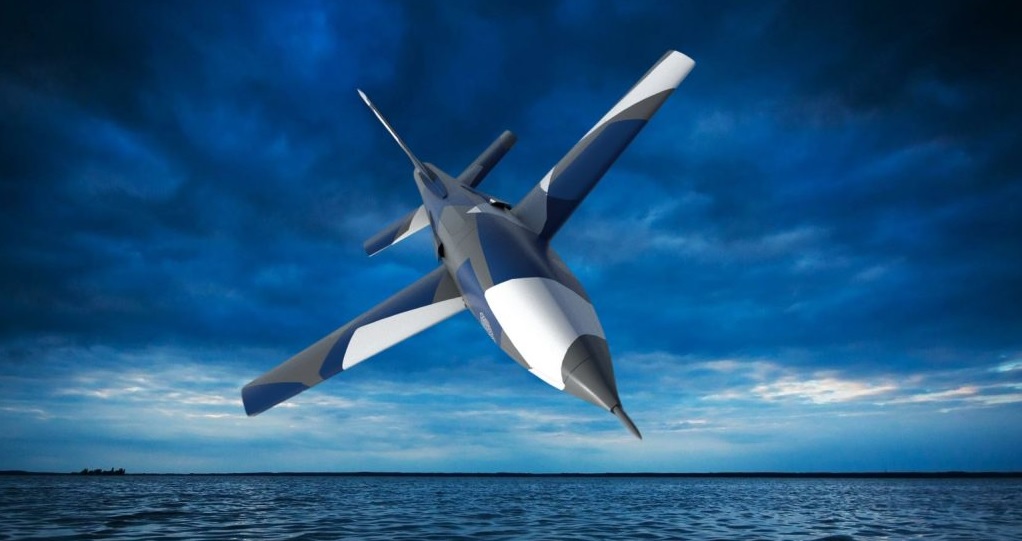
Indian Navy Partners with Bangalore's NewSpace Research & Technologies for Advanced Unmanned Wingman
India
In a significant move to bolster its aerial combat capabilities, the Indian Navy has selected Bangalore-based start-up NewSpace Research & Technologies (NRT) to develop the Naval Collaborative Combat Air Vehicle (N-CCAV). This unmanned aircraft, named 'Abhimanyu', is designed to operate in tandem with the Navy's existing MiG-29K and the anticipated Rafale-M fighter jets, enhancing mission effectiveness through advanced manned-unmanned teaming (MUMT) operations. Abhimanyu: A Force Multiplier The Abhimanyu N-CCAV is engineered to act as a loyal wingman, supporting manned aircraft in high-risk missions. Its design emphasizes a low radar cross-section (RCS) and a modular architecture, allowing adaptability across multiple roles such as surveillance, electronic warfare, and strike missions. This versatility ensures that the Abhimanyu can serve as a force multiplier, enhancing the operational capabilities of the Indian Navy's air fleet. Key Specifications and Capabilities Design Philosophy: The Abhimanyu follows the Tactical Interdiction and Attack Air Vehicle (TIA-AV) design philosophy, focusing on being low-cost, intelligent, and expendable. This approach allows for deployment in large numbers without significant financial constraints. Size and Weight: While specific dimensions are not publicly disclosed, the Abhimanyu is noted to be smaller than its counterpart, the CATS Warrior developed by Hindustan Aeronautics Limited (HAL). The HAL Warrior has a maximum takeoff weight (MTOW) of 1,300 kg, a top speed of 850 km/h, a maximum range of 800 km, and an endurance of 80 minutes. The Abhimanyu's smaller size positions it as a complementary system, capable of filling roles where larger drones might not be cost-effective. Operational Roles: Intelligence, Surveillance, and Reconnaissance (ISR): Equipped with advanced sensors, the Abhimanyu can gather and relay critical battlefield information, providing real-time situational awareness to manned aircraft. Electronic Warfare (EW): The drone can jam enemy sensors and disrupt ship radars, reducing the effectiveness of adversary defense systems during joint strike missions. Strike Missions: Capable of carrying out coordinated attacks against enemy warships or ground targets, the Abhimanyu can be armed with precision-guided munitions to neutralize threats effectively. Missile Carrier: Serving as a "missile truck," it can carry additional air-to-air missiles for the MiG-29Ks, allowing manned fighters to engage more targets without returning to base for rearmament. Decoy Operations: The drone can mimic the signatures of manned aircraft, deceiving enemy defense systems and drawing fire away from human pilots. Integration with Manned Aircraft The Abhimanyu is designed to seamlessly integrate with the Indian Navy's MiG-29K and future Rafale-M fighter aircraft through MUMT operations. In this setup, the unmanned vehicle operates in conjunction with manned jets, extending their sensor reach and offensive capabilities. For instance, flying ahead of manned aircraft, the Abhimanyu can use its advanced radars and EW suites to detect hostile aircraft before they come within engagement range, providing early warning and targeting information. Strategic Autonomy and Future Prospects The development of the Abhimanyu N-CCAV underscores India's commitment to modernizing its air operations with cutting-edge, homegrown technology. By investing in indigenous platforms like the Abhimanyu and the HAL CATS Warrior, India aims to achieve strategic autonomy while balancing affordability and operational effectiveness. These advancements position the Indian Navy to effectively counter emerging threats in the maritime domain, ensuring national security in the years to come. In conclusion, the collaboration between the Indian Navy and NewSpace Research & Technologies marks a significant step forward in the integration of unmanned systems into naval aviation. The Abhimanyu N-CCAV, with its advanced capabilities and strategic design, is poised to become a cornerstone of India's future naval air operations.
Read More → Posted on 2025-02-09 16:49:24
India
At Aero India 2025, the Russian aviation industry left spectators in awe as the Su-57, Russia's premier fifth-generation stealth multirole fighter jet, executed a breathtaking takeoff in just 10 seconds, utilizing a mere 0.8 km of runway. This remarkable performance underscores the exceptional capabilities of the AL-41F1 engine that powers the Su-57. The AL-41F1 Engine: A Marvel of Russian Engineering The AL-41F1, also known as "Izdeliye 117," is an advanced afterburning turbofan engine developed by NPO Saturn. It represents a significant evolution from its predecessor, the AL-31F, which powered the Su-27 family of aircraft. The AL-41F1 boasts several enhancements that contribute to the Su-57's stellar performance: Thrust and Performance: The engine delivers a dry thrust of approximately 8,800 kgf, which increases to around 14,500 kgf when engaged in afterburner mode. This substantial thrust enables the Su-57 to achieve rapid acceleration and impressive speeds. Thrust Vector Control (TVC): Equipped with thrust vectoring nozzles, the AL-41F1 allows for directional control of the exhaust flow. This feature grants the Su-57 exceptional maneuverability, enabling it to perform advanced aerial maneuvers that are challenging for conventional fighter jets. Supercruise Capability: The engine is designed to facilitate sustained supersonic flight without the need for afterburners, a feature known as supercruise. This capability allows the Su-57 to maintain high-speed flight efficiently, conserving fuel and reducing thermal signatures. Su-57: A Synthesis of Stealth and Power The Su-57, developed by the Sukhoi Design Bureau, is Russia's answer to modern aerial combat demands. It integrates stealth technology, supermaneuverability, advanced avionics, and substantial payload capacity. The aircraft's design emphasizes reduced radar cross-section, making it less detectable to enemy radar systems. The combination of the AL-41F1 engine and the Su-57's aerodynamic design allows for short takeoff and landing (STOL) capabilities. This is particularly advantageous for operations in regions with limited infrastructure, where long runways are unavailable. The ability to perform rapid takeoffs from short runways enhances the tactical flexibility of air forces, allowing for deployment in diverse environments. Implications for Modern Warfare The demonstration at Aero India 2025 not only highlighted the raw power of the AL-41F1 engine but also showcased the strategic advantages of the Su-57's design. The aircraft's ability to achieve rapid takeoffs from short runways without the need for extensive infrastructure investment is a game-changer in modern military aviation. In contemporary combat scenarios, the flexibility to operate from austere or improvised airfields can provide a significant tactical edge. The Su-57's STOL capabilities, combined with its stealth and advanced avionics, position it as a formidable asset in any air force's arsenal. The Su-57's stunning 10-second takeoff at Aero India 2025 serves as a testament to the advanced engineering embodied in the AL-41F1 engine and the aircraft's overall design. This feat underscores Russia's commitment to developing cutting-edge military aviation technology that meets the evolving demands of modern warfare.
Read More → Posted on 2025-02-09 16:35:49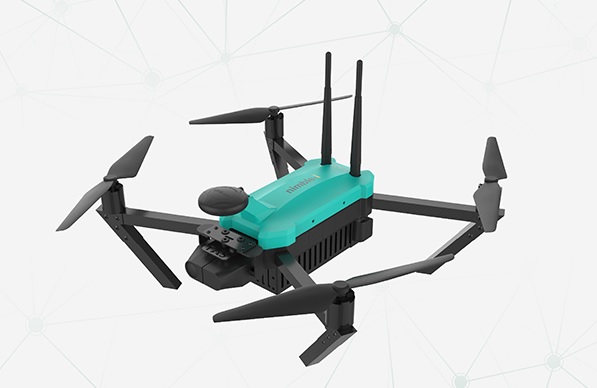
India
Throttle Aerospace Systems, a Bengaluru-based innovator in unmanned aerial technology, is set to make a significant impact at Aero India 2025 with the introduction of their latest unmanned aerial system (UAS), the TALV-TACT. This state-of-the-art small UAS is engineered to transform surveillance operations through its remarkable endurance, versatile payload capabilities, and advanced security features. Adaptable Payload System A standout feature of the TALV-TACT is its adaptable payload system. It comes equipped with a field-swappable, 3-axis gyro-stabilized Electro-Optical/Infrared (EO/IR) payload. This system is capable of capturing 4K High Dynamic Range (HDR) video during daytime operations and seamlessly switches to thermal imaging for nighttime or low-visibility conditions. This dual capability ensures the UAS delivers clear and precise imagery across various operational environments. The quick-swap feature enhances the system's versatility, making it a multi-functional asset suitable for a wide range of missions. Robust Data Security In today's surveillance operations, securing sensitive data is crucial. The TALV-TACT addresses this concern by offering full digital transmission of video and data, safeguarded by robust AES 256-bit encryption over distances up to 10 kilometers. This advanced encryption technology ensures that critical information remains protected from potential interception, maintaining the integrity and confidentiality of the data collected during missions. User-Friendly Deployment Designed with operational efficiency in mind, the TALV-TACT can be deployed by a single operator using a portable, tablet-based controller. This design facilitates rapid and efficient deployment without the need for a large crew, making it ideal for time-sensitive missions. The user-friendly interface of the controller ensures that operators can manage the UAS effectively, even in challenging environments. Technical Specifications The TALV-TACT boasts an impressive array of technical specifications that enhance its effectiveness as a surveillance tool: Altitude: Capable of flying up to 120 meters above ground level (AGL) beyond visual line of sight (BVLOS), allowing for extensive area coverage. Weight: Weighing approximately 4.7 kilograms, the TALV-TACT is lightweight and easily transportable, facilitating rapid deployment. Flight Time: With an endurance of up to 55 minutes, the UAS can conduct prolonged surveillance missions, minimizing downtime. Wind Tolerance: Engineered to withstand challenging weather conditions, it can operate in winds up to 14 meters per second. Power Source: Powered by an environmentally friendly Li-ion battery, emphasizing energy efficiency. Support Platform: Seamless integration with the Android TAS Ground Control System (GCS) provides user-friendly control and data management. Certifications: The TALV-TACT is compliant with relevant Indian aviation regulations, holding approvals from the Directorate General of Civil Aviation (DGCA), No Permission No Takeoff (NPNT), and Wireless Planning and Coordination (WPC). Communication: Employs Frequency Hopping Spread Spectrum (FHSS) in the 2.4 – 2.482 GHz range for secure and reliable communication. Speed: With a cruising speed of 9-10 meters per second and a maximum speed of 24 meters per second, it enables swift response and area coverage. Image Sensors: Equipped with EO sensors offering 10x optical zoom and IR sensors for thermal imaging, providing comprehensive surveillance capabilities. Applications The versatility of the TALV-TACT makes it suitable for a wide range of applications, including: Disaster Management: Providing real-time aerial assessments to aid in emergency response and resource allocation. Security & Surveillance: Monitoring sensitive areas to detect and respond to potential threats promptly. Crowd Monitoring: Overseeing large gatherings to ensure public safety and manage crowd dynamics. Forest & Wildfire Monitoring: Assessing forested areas to detect wildfires early and monitor their progression. Throttle Aerospace Systems' TALV-TACT represents a significant advancement in unmanned aerial surveillance technology. Its combination of advanced features, extended flight time, and robust security measures positions it as a valuable asset for modern security and reconnaissance operations. Attendees at Aero India 2025 will have the opportunity to witness firsthand the capabilities of this innovative UAS.
Read More → Posted on 2025-02-09 16:31:31
India
In a significant advancement for India's defense capabilities, Bharat Electronics Limited (BEL), in collaboration with the Defence Research and Development Organisation (DRDO), has developed an advanced Very High Frequency (VHF) radar designed to detect stealth aircraft. This state-of-the-art radar system was officially launched on January 29, 2025, at BEL's facility in Ghaziabad. Understanding VHF Radar Technology VHF radars operate within the frequency range of 30 to 300 MHz. Unlike conventional radars that operate at higher frequencies, VHF radars utilize longer wavelengths, which interact differently with aircraft surfaces. Stealth aircraft are engineered to evade detection by higher frequency radars through design features and materials that minimize their radar cross-section (RCS). However, these stealth features are less effective against the longer wavelengths of VHF radars, making such aircraft more detectable. Key Features of the New VHF Radar Staring Capability: The radar is equipped with a "staring capability," allowing it to continuously monitor a specific area. This enhances its ability to detect and track stealth targets at extended ranges. Extended Detection Range: The system can track aerial targets beyond 100 nautical miles, providing early warnings of potential threats. Mobility: Mounted on two TATRA vehicles, the radar is designed for rapid deployment and can be easily relocated to adapt to changing security needs. Strategic Advantages The integration of this VHF radar into India's air defense network exemplifies a layered defense approach, combining different radar technologies to achieve comprehensive coverage and effectively counter stealth threats. Stealth aircraft are less likely to be equipped with countermeasures effective against VHF frequencies, enhancing the radar's effectiveness. Upcoming Showcase at Aero India 2025 The radar will be featured at Aero India 2025, offering defense experts and industry leaders a first-hand look at its capabilities. This event will provide an opportunity to demonstrate the system's advanced features and its role in strengthening India's air defense infrastructure. The development of this advanced VHF radar marks a pivotal step in India's indigenous defense technology, significantly enhancing the nation's ability to detect and respond to modern aerial threats.
Read More → Posted on 2025-02-09 16:26:16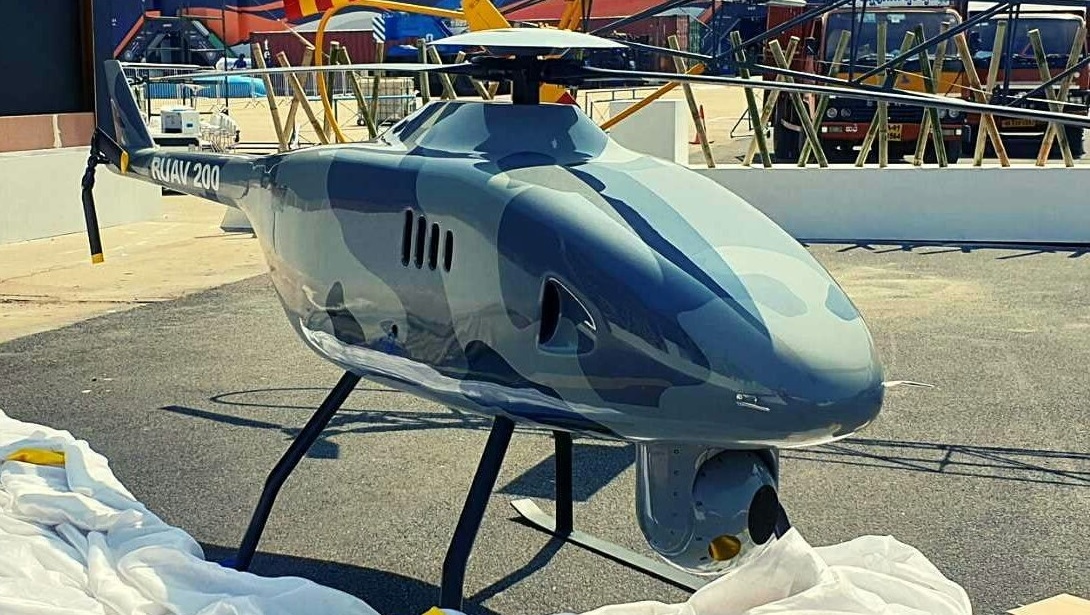
India
Hindustan Aeronautics Limited (HAL) is set to unveil its latest innovation, the RUAV-200, at Aero India 2025. This Rotary Unmanned Aerial Vehicle (RUAV) is designed to enhance India's capabilities in border security, surveillance, and logistics, especially in challenging high-altitude terrains. Design and Propulsion The RUAV-200 features a coaxial, rotary-wing design powered by a fuel engine. This configuration provides exceptional stability and maneuverability, crucial for operations in mountainous regions where thin air and strong winds prevail. The drone is equipped with a two-blade main rotor and a petrol engine, incorporating Full Authority Digital Engine Control (FADEC) and a secure SLR-DC datalink. It operates autonomously for take-off, flight, and landing, reducing the need for human intervention. Performance Specifications Maximum Take-Off Weight: 200 kg Endurance: Up to 3 hours Operating Temperature Range: -35°C to +55°C Payload Capacity: 40 kg Service Ceiling: 6,000 meters Maximum Range: 400 km These specifications enable the RUAV-200 to perform effectively in extreme weather conditions and rugged terrains, making it an invaluable asset for the Indian armed forces. Operational Capabilities The RUAV-200 is designed to meet the Indian Army's requirements for high-altitude logistics drones. It can launch from altitudes above 4,000 meters, aligning with the army's need for reliable supply routes in mountainous regions. The drone's 40 kg payload capacity allows it to transport essential supplies such as medical kits, equipment spares, military gear, and ammunition to remote outposts, ensuring that troops have timely access to necessary resources. In addition to logistics, the RUAV-200 is equipped with an electro-optical day/night camera, enhancing its surveillance and reconnaissance capabilities. This advanced camera system provides high-quality imagery in various lighting conditions, offering real-time intelligence and situational awareness to military personnel. Development and Collaboration The RUAV-200 is the result of a collaborative effort between HAL, the Defence Research and Development Organisation (DRDO), and the Indian Institute of Technology Kanpur (IIT Kanpur). This partnership leverages the strengths of each institution to develop a drone tailored to the specific needs of India's defense forces. Future Prospects HAL is exploring the development of an armed variant of the RUAV-200, which could be equipped with machine guns, anti-tank missiles, and air-to-surface missiles. This potential upgrade would expand the drone's role from logistics and surveillance to active combat support, aligning with modern warfare's evolving demands. The unveiling of the RUAV-200 at Aero India 2025 marks a significant milestone in India's defense technology landscape. Its advanced features and capabilities are expected to attract attention from both domestic and international observers, highlighting India's growing expertise in unmanned aerial systems.
Read More → Posted on 2025-02-09 14:25:47Search
Top Trending in 24 Hours
-
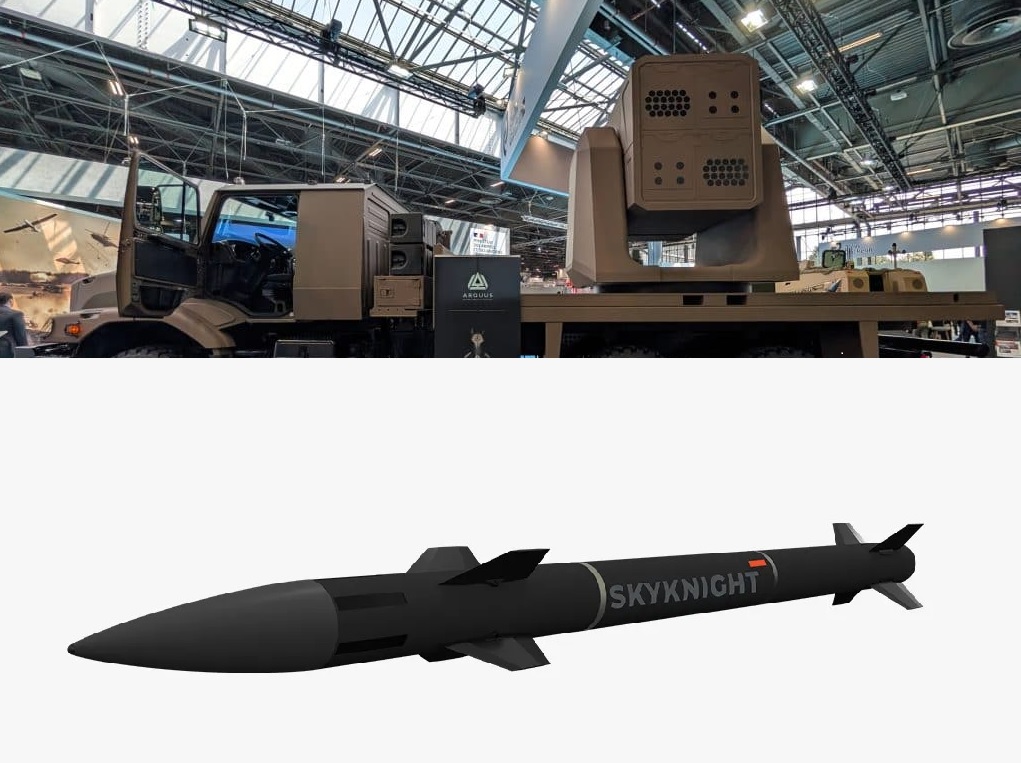 Naval Group Unveils Rampart Modular CIWS Multi-Purpose Weapon System for Naval and Ground Forces at Eurosatory 2026
-
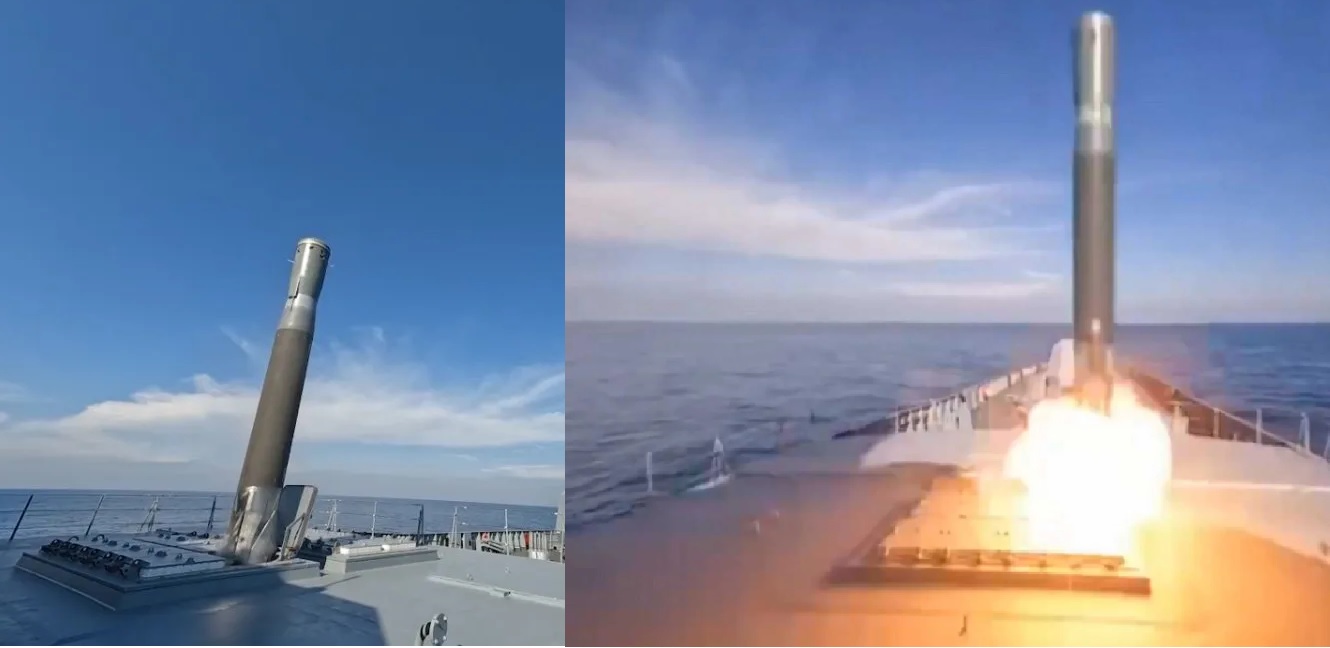 Open-Source Evidence Suggests Russia's Zircon Is a Quasi-Ballistic Missile, Not a True Hypersonic Cruise Weapon
-
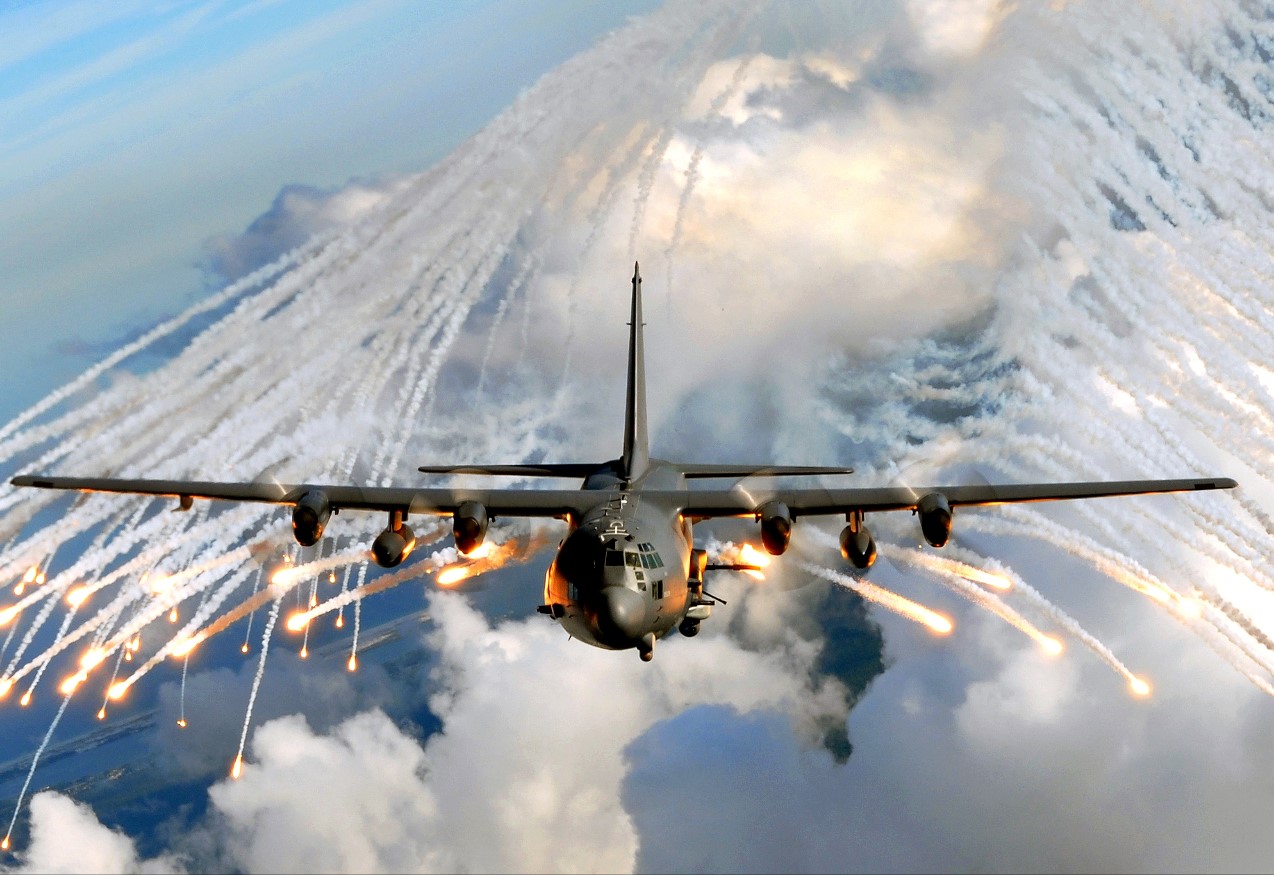 Pentagon Expands Alloy Surfaces Contract to $328.8 Million for Advanced Aircraft Decoy Flares Amid Evolving Drone Threats
-
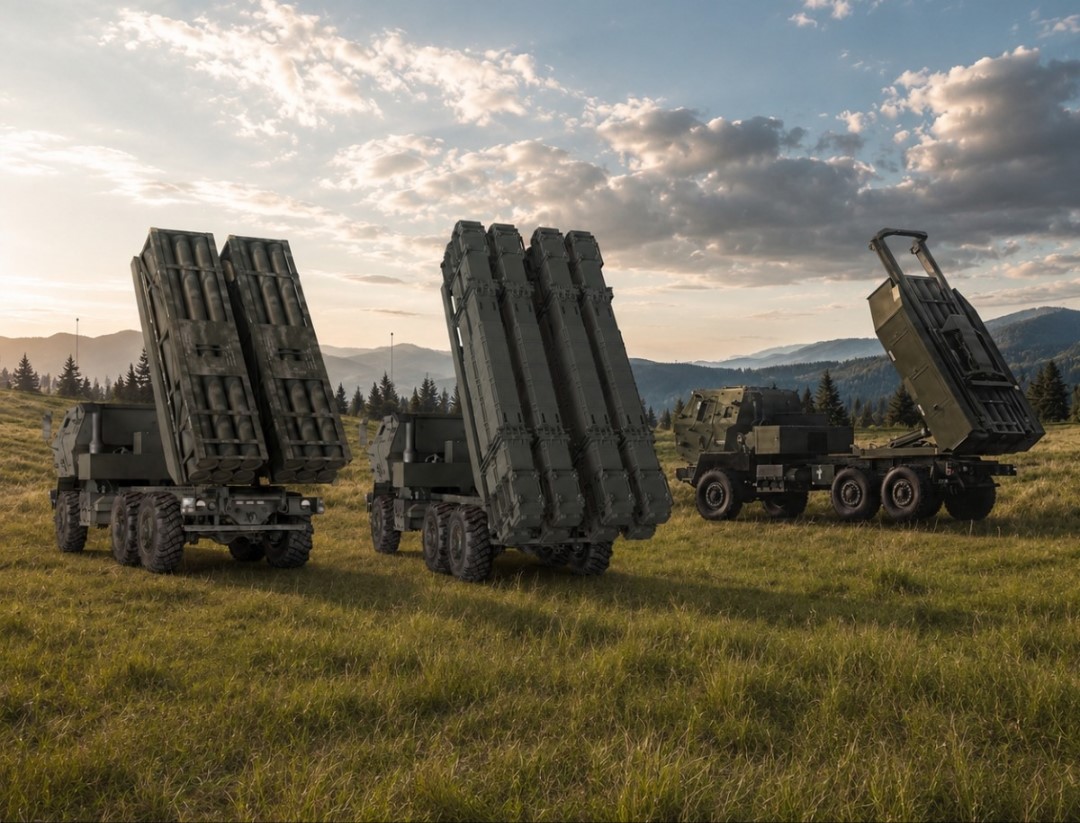 Lockheed Martin Unveils HIMARS FLEX with Dual-Pod Launcher and NATO-Compatible Air Defense Integration
-
 Why the U.S. Restored Pacific Command Name, Ending the Indo-Pacific Designation After Eight Years
-
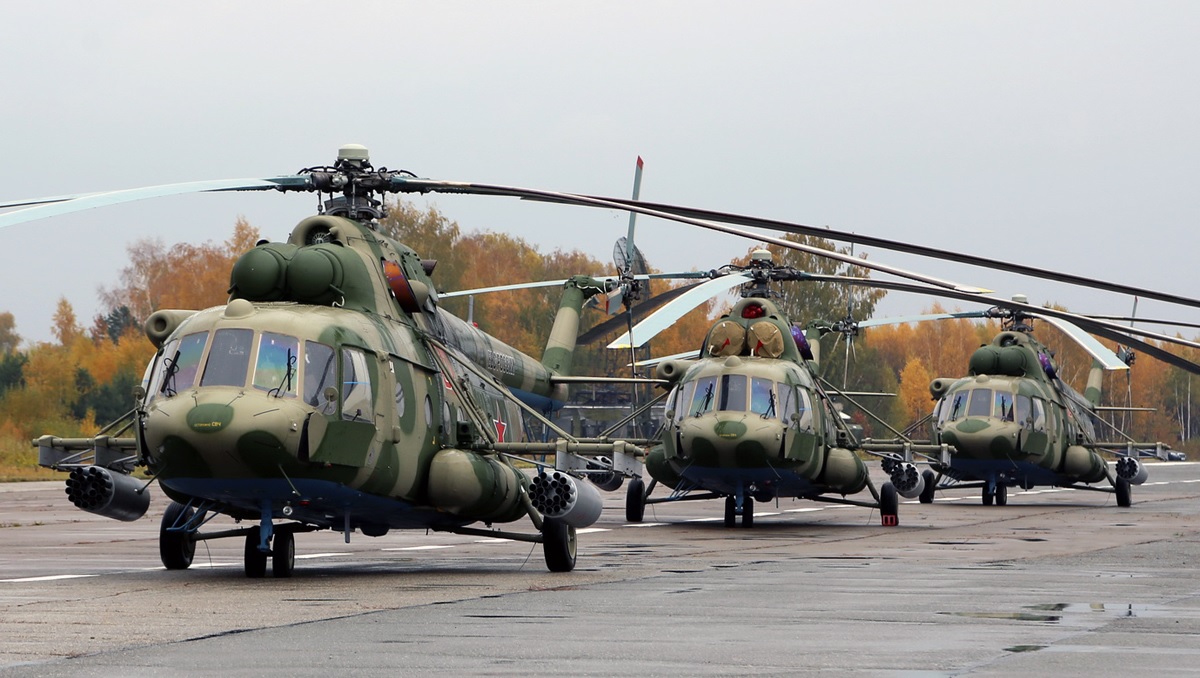 Iran Signs Deal with Russia for 20 Mi-8 and Mi-17 Helicopters to Boost Rescue and Medical Missions
-
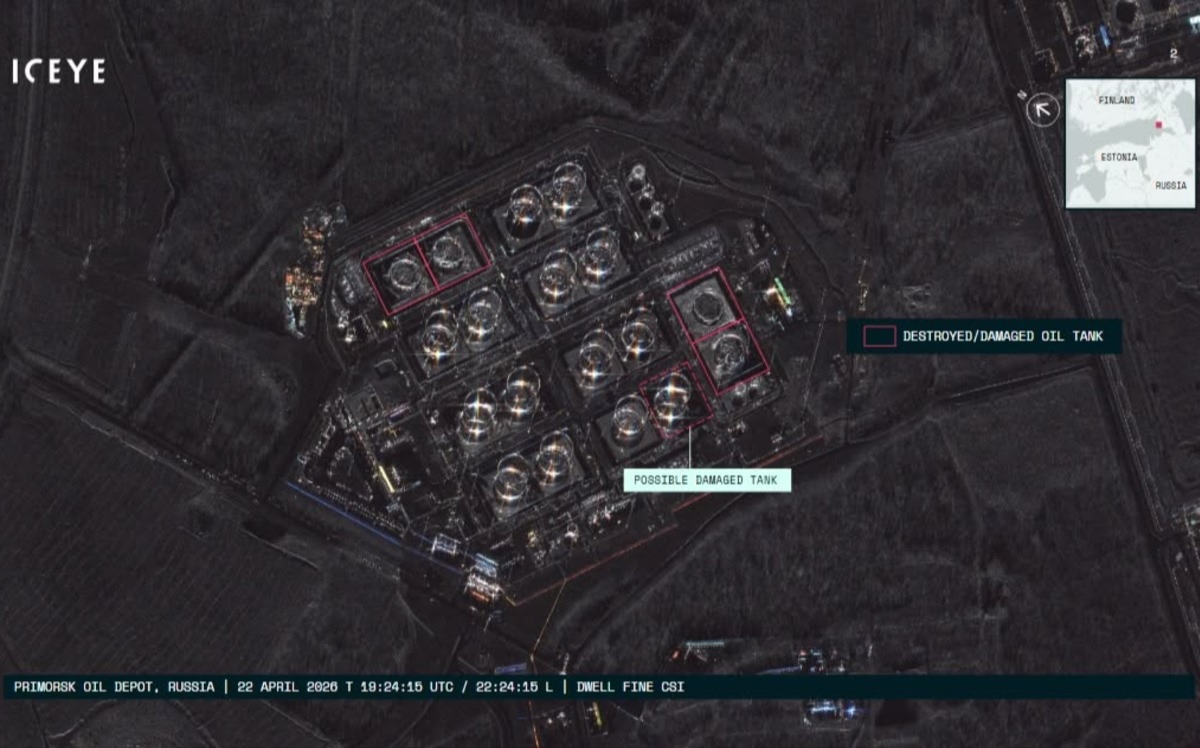 Portugal Doubles Sovereign SAR Satellite Fleet with Order for Two Additional ICEYE Satellites
-
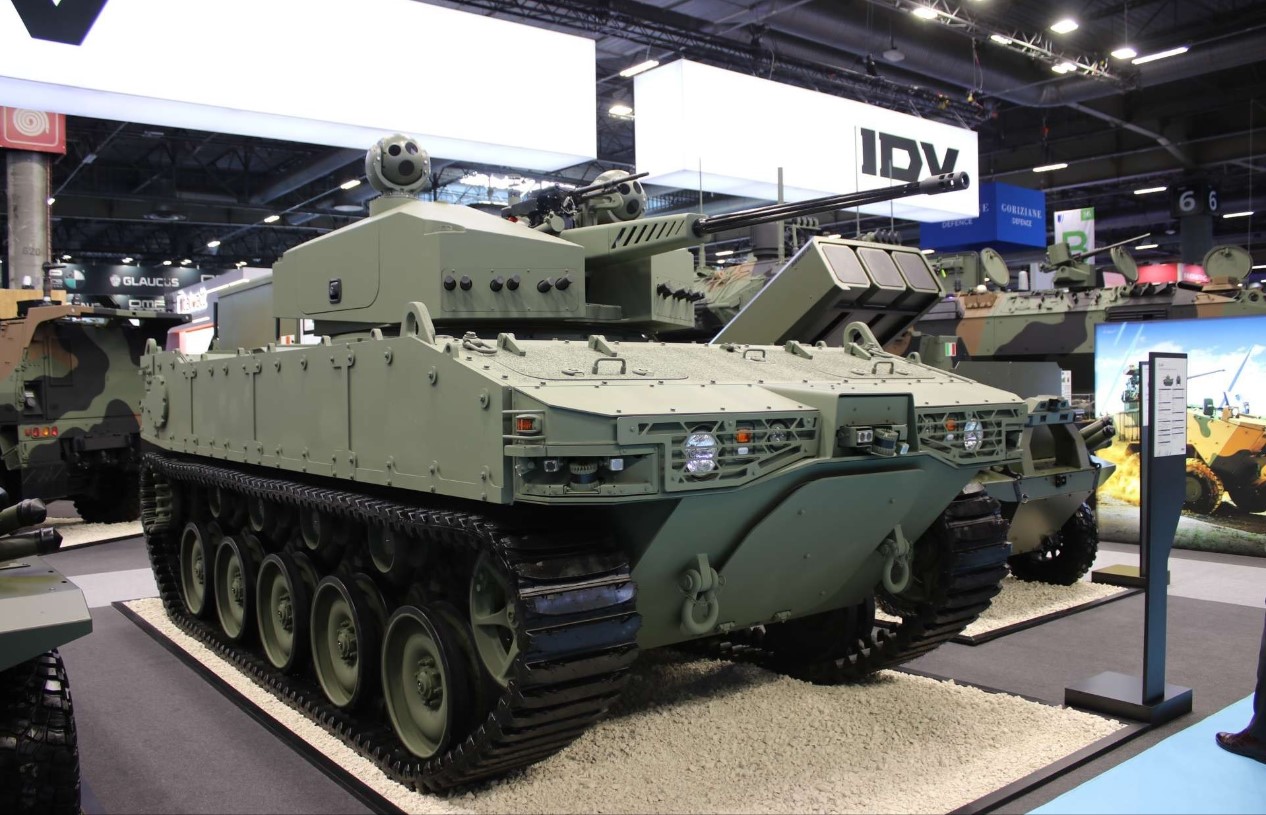 IDV Unveils CL2X Hybrid Uncrewed Light Tank at Eurosatory 2026
Top Trending in 4 Days
-
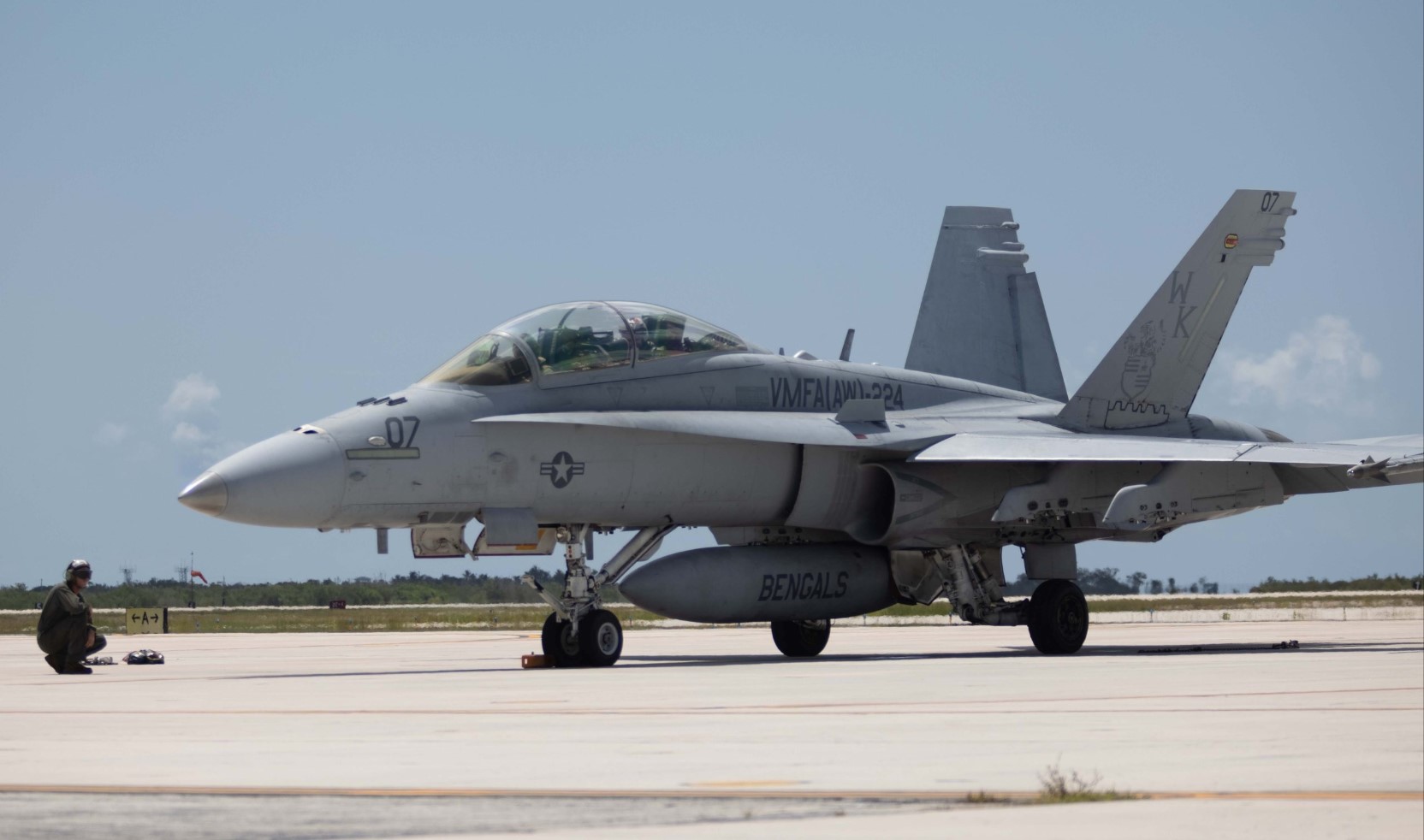 US Marine Corps F/A-18D Hornet Crashes During Training Flight in Washington Mountains; Pilot Ejects Safely
-
 Tulsi Gabbard Releases Declassified Files Detailing U.S.-Backed Network of 120 Biolaboratories Across 30+ Countries
-
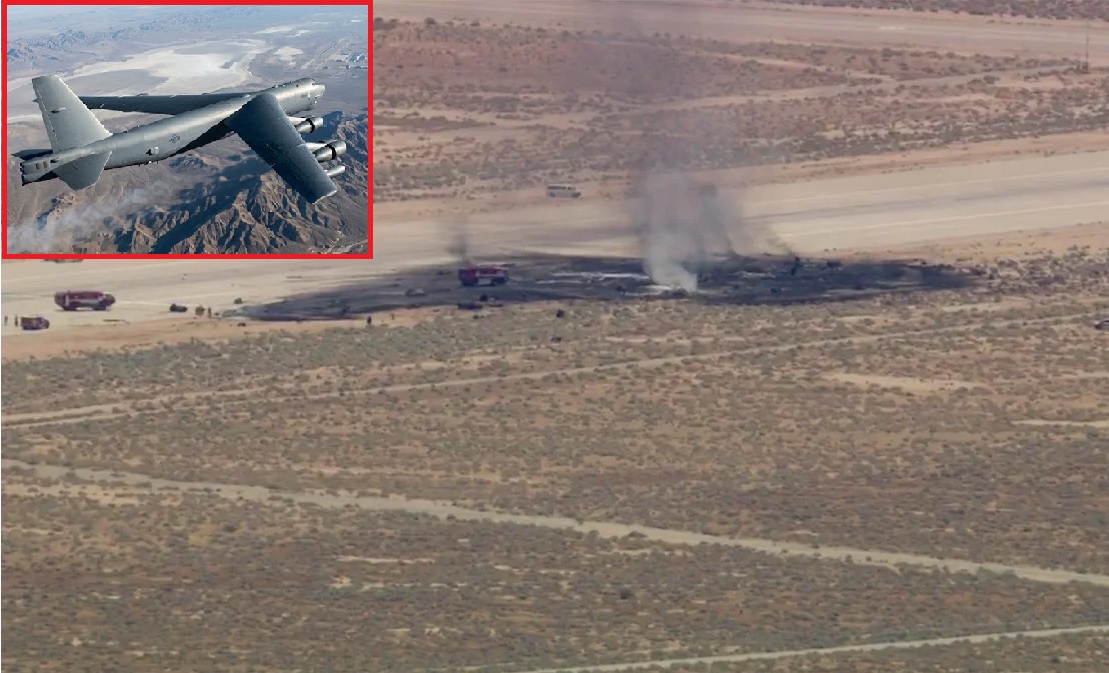 8 U.S. Air Force Crew Members Killed in B-52 Bomber Crash During Test Flight at Edwards Air Force Base
-
 Ukraine Introduces Balloon-Launched DART Missile Designed to Defeat Electronic Warfare
-
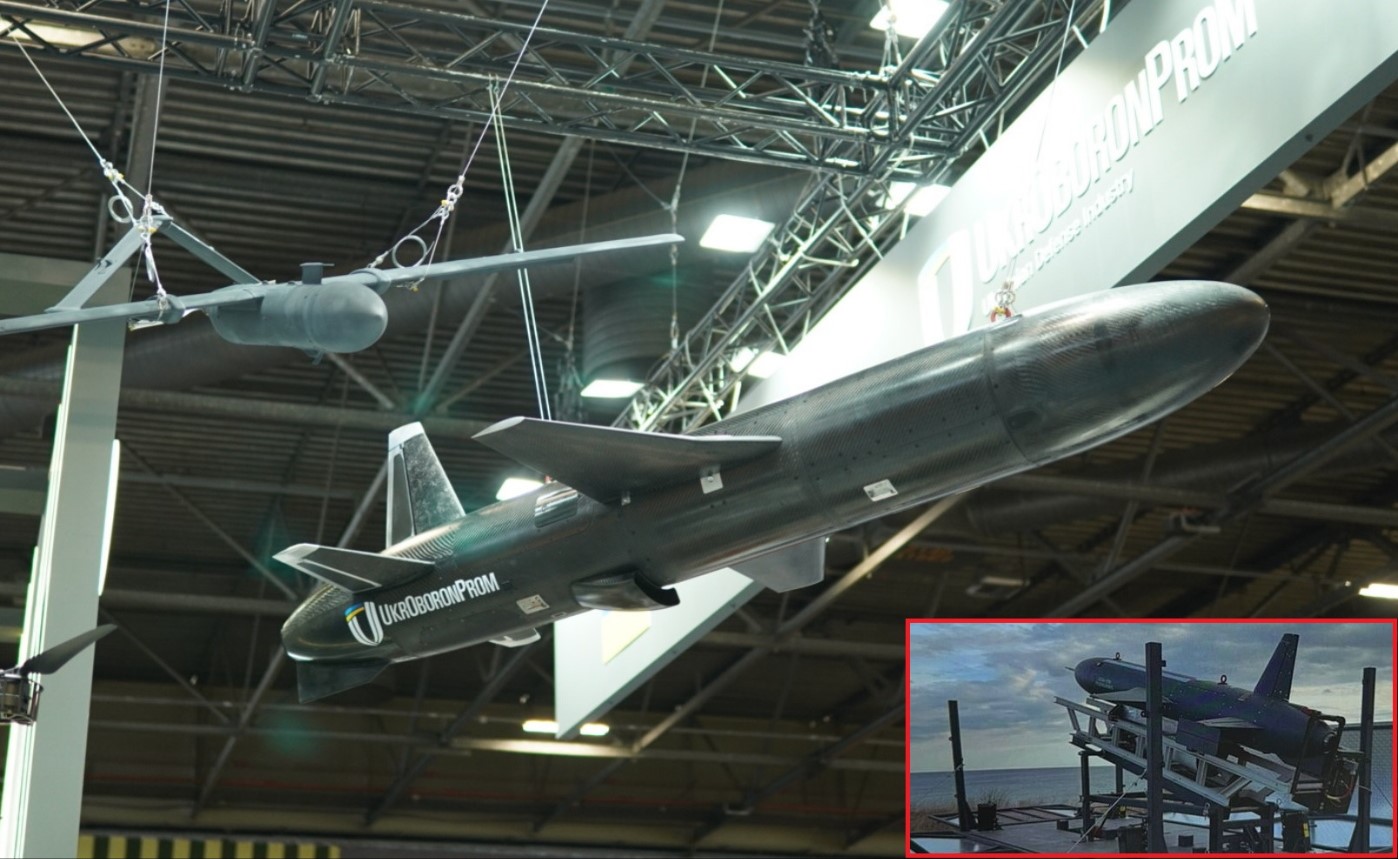 Ukraine Unveils UAV-290 Jet-Powered Strike Drone with 650 km Range at Eurosatory 2026
-
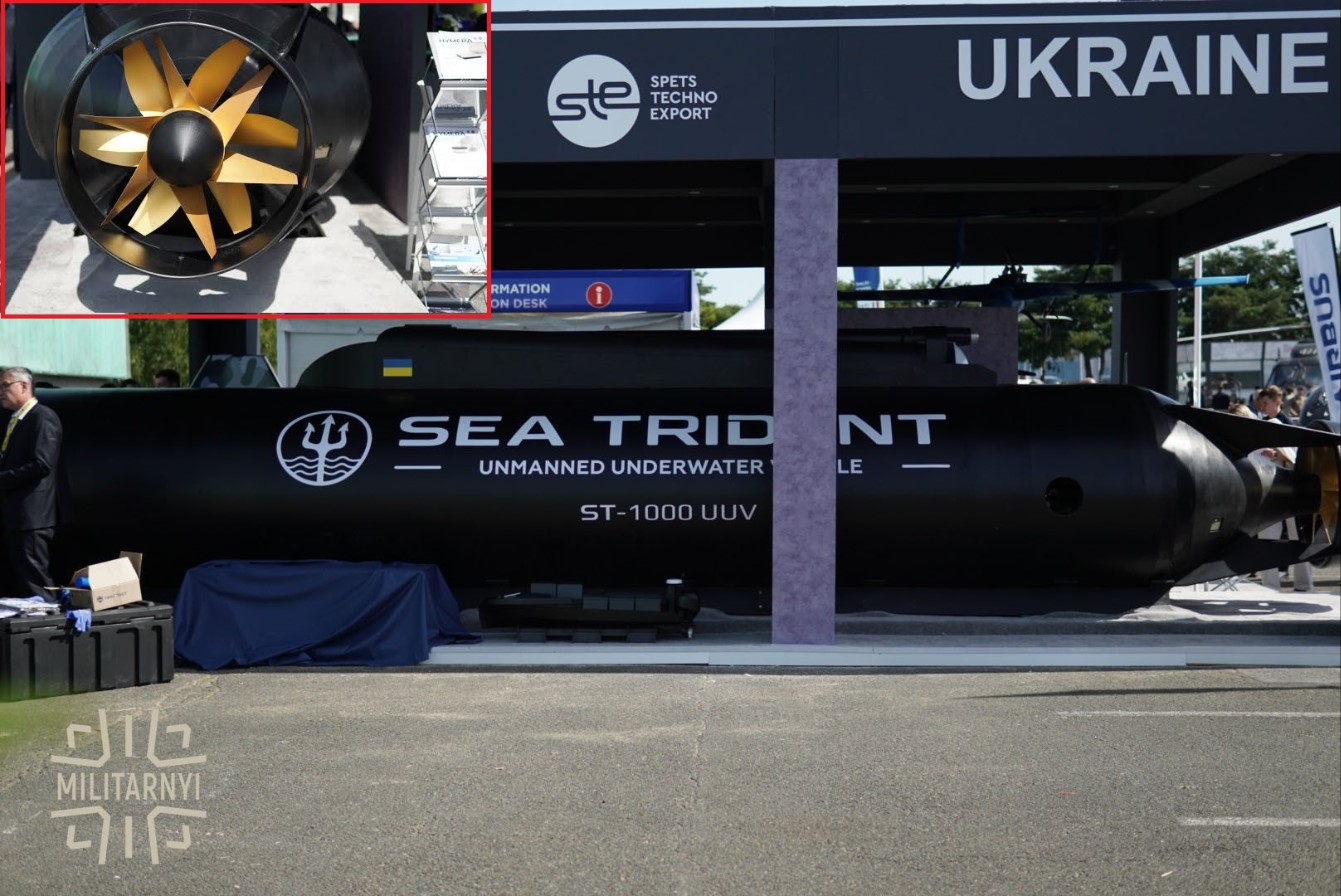 Ukraine Unveils 'Sea Trident' 10-Ton Autonomous Underwater Drone at Eurosatory 2026
-
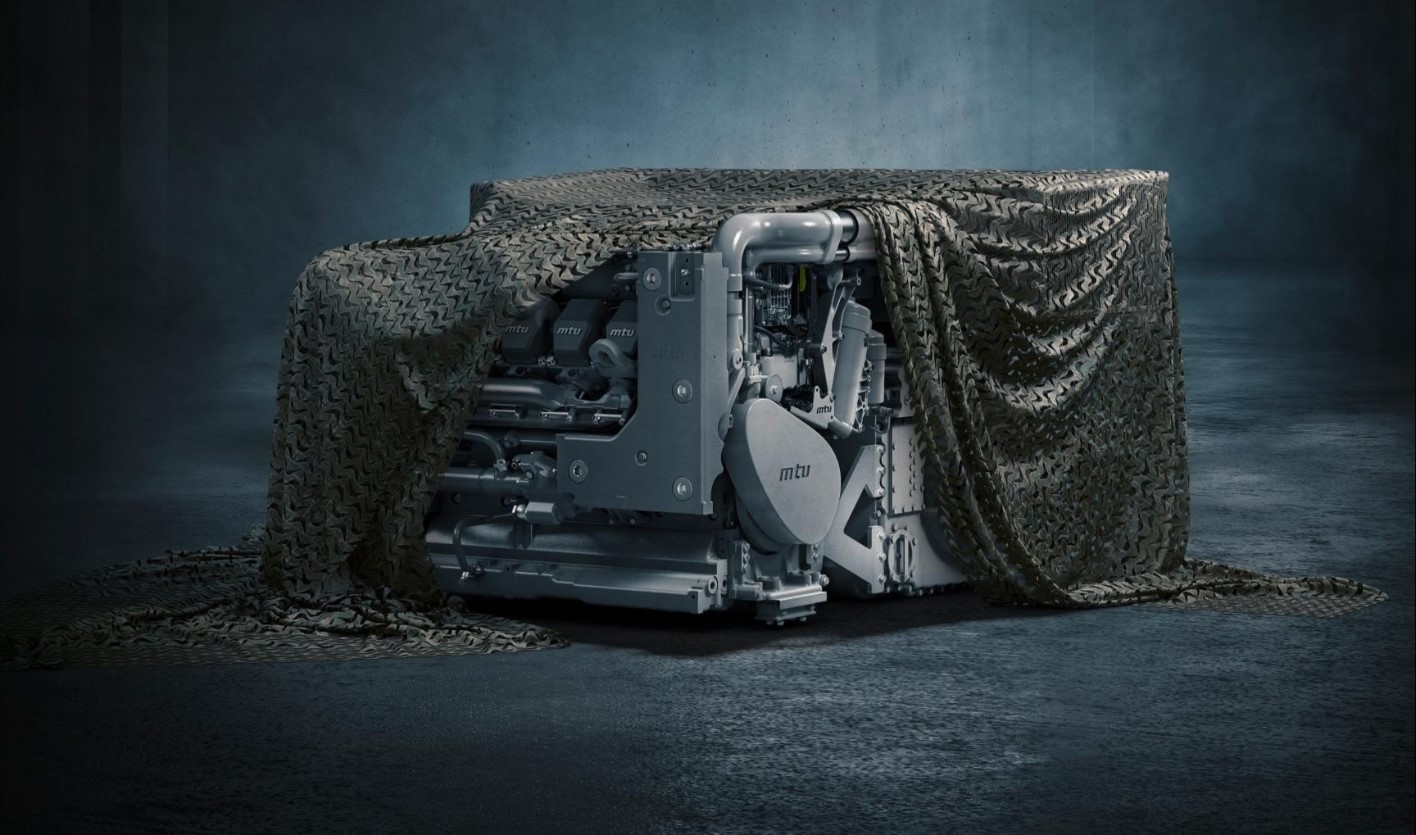 Rolls-Royce Unveils New Hybrid Powertrain for Heavy Military Vehicles at Eurosatory 2026
-
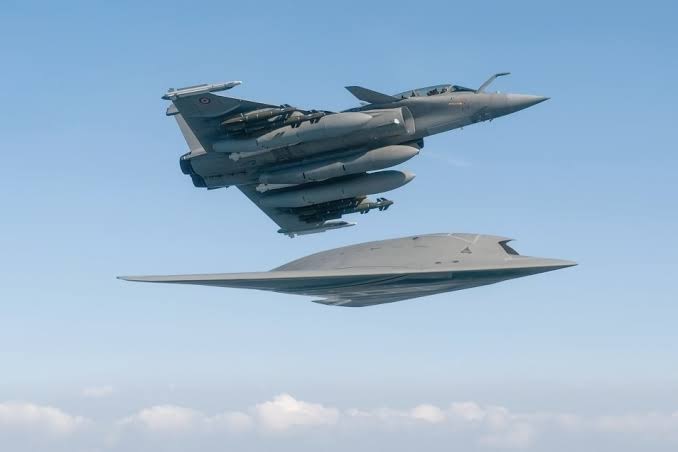 France Agrees to Equip Future Indian Rafales with AI, MUM-T and Secure Satellite Links Under F5 Standard