
India
India's defence capabilities are set to receive a substantial upgrade through a new partnership between Belgium's John Cockerill Defence (JCD) and India's Electro Pneumatics and Hydraulics (EPH). The collaboration will focus on producing advanced turret systems within India for the Indian Army's "Zorawar" light tank program, a project designed to enhance India's military presence along its borders. The joint venture, with JCD holding a 60% majority stake and EPH 40%, aligns with India's "Make in India" initiative, which promotes domestic manufacturing and self-reliance in key defence sectors. As part of this agreement, the Cockerill 3105 turret—equipped with the NATO-standard Cockerill® 105mm High Pressure (HP) Gun—will be produced at a facility in Pune, marking the first time JCD will manufacture turrets outside of Europe. The Zorawar light tank project is India's strategic response to the increasing deployment of Chinese ZTQ-15 tanks along the Line of Actual Control (LAC). Initially, the Indian Army plans to acquire 350 Zorawar tanks to bolster its operational readiness in high-altitude environments. However, recent discussions suggest that the total order could reach 700 units, highlighting India's long-term commitment to strengthening its border defences. The Cockerill 3105 turret provides the Zorawar with formidable firepower, capable of firing various ammunition types, including high-explosive anti-tank (HEAT) rounds and anti-tank guided missiles (ATGMs). It features an autoloader, advanced fire control systems, and a high elevation range of +42 degrees—essential for operations in mountainous regions like the LAC. The adoption of a NATO-standard 105mm gun also enhances interoperability with other nations using similar weaponry, adding strategic value to the project. The initial phase involves the production of 59 turrets for Zorawar prototypes, which are currently undergoing trials. With the anticipated requirement reaching 700 tanks, the project underscores India's focus on countering threats from China's ZTQ-15, a 33-35 tonne tank also equipped with a 105mm gun. The manufacturing facility in Chakan, Pune, is expected to deliver its first India-made turret by 2027. Beyond supplying the Indian Army, the JCD-EPH partnership aims to explore export markets, positioning India as a key player in global defence manufacturing. This collaboration not only strengthens India’s domestic defence industry but also deepens strategic ties between India and Belgium, reflecting JCD's confidence in India's industrial capabilities.
Read More → Posted on 2025-03-13 15:25:01
India
In a significant move to bolster India's indigenous defense capabilities, the Ministry of Defence has signed a ₹2,906 crore contract with Bharat Electronics Limited (BEL), Ghaziabad, for the procurement of Low-Level Transportable Radars (LLTR) named 'Ashwini'. The contract was formalized in New Delhi on March 12, 2025, in the presence of Defence Secretary Rajesh Kumar Singh. The Ashwini radar is an active electronically scanned array radar, developed by the Electronics and Radar Development Establishment (LRDE), a laboratory under the Defence Research and Development Organisation (DRDO). This state-of-the-art radar operates on solid-state technology and is capable of tracking a wide range of aerial targets—from high-speed fighter jets to slow-moving objects like unmanned aerial vehicles (UAVs) and helicopters. Its integration into the Indian Air Force (IAF) is expected to significantly enhance operational preparedness. This procurement aligns with the government's vision of achieving self-reliance in defense manufacturing, reducing dependence on foreign equipment, and fostering the growth of the domestic defense industrial ecosystem. In related developments, Admiral Dinesh K Tripathi, Chief of the Naval Staff, recently visited various BEL facilities. During his visit, he was briefed on advanced defense and weapon systems developed by the company, including the Medium Range Surface to Air Missile (MRSAM) and Long Range Surface to Air Missile (LRSAM) projects for the Indian Navy. Admiral Tripathi lauded BEL's adherence to advanced standards such as Process Capability Model, Automation Quality 4.0, and Industry 4.0, acknowledging the company's pivotal role in India's defense sector and its commitment to developing cutting-edge technology.
Read More → Posted on 2025-03-13 15:10:46
India
In a major step forward for India’s air combat capabilities, the Tejas MK-1A fighter jet successfully test-fired the Astra Beyond Visual Range Air-to-Air Missile (BVRAAM). The test was conducted off the coast of Chandipur, Odisha, showcasing the missile's precision strike capabilities against airborne targets. Developed by the Defence Research and Development Organisation (DRDO), the Astra missile is designed to engage targets beyond 100 km with advanced guidance and navigation systems. This indigenous weapon is already part of the Indian Air Force’s arsenal and is a key component of India’s push for self-reliance in defence technology. The successful test marked a direct hit on a flying target, demonstrating the missile’s accuracy and reliability. It also reaffirmed the Tejas MK-1A’s capability to operate with high-performance air-to-air weapons, bringing it a step closer to full operational induction. This milestone was achieved through the collaborative efforts of the Aeronautical Development Agency (ADA), Hindustan Aeronautics Limited (HAL), DRDO, and various other defence organizations. Following the test, Defence Minister Rajnath Singh congratulated the teams involved, while DRDO Chairman Dr. Samir V Kamat praised the dedication of scientists and engineers. With further trials planned, this achievement strengthens India’s indigenous defence manufacturing and reinforces the Indian Air Force’s combat readiness.
Read More → Posted on 2025-03-13 15:05:38
India
The BrahMos-NG (Next Generation) supersonic cruise missile, a joint development between India and Russia, is gearing up for its maiden flight test in 2026, with full-scale production expected to commence by 2027-28. This advanced missile, developed by BrahMos Aerospace, promises enhanced versatility and combat capability while maintaining the formidable speed and precision of its predecessor. Compact, Faster, and More Lethal BrahMos-NG has been meticulously designed to be sleeker and lighter while retaining its high-speed, precision-strike capability. The missile measures 6 meters in length and weighs 1.6 tons, a significant reduction from the older BrahMos, which weighed 3 tons and stretched 9 meters in length. Despite its smaller size, it maintains a striking range of 290 km and an upgraded top speed of Mach 3.5, making it one of the fastest cruise missiles in the world. A key enhancement in BrahMos-NG is its advanced stealth technology, which reduces its radar cross-section, making it harder to detect by enemy air defense systems. Additionally, the missile features an indigenous seeker with AESA (Active Electronically Scanned Array) radar, ensuring superior targeting accuracy even in electronic warfare environments. Versatile Deployment Across Platforms One of the defining advantages of BrahMos-NG is its adaptability to a wide range of platforms. Thanks to its reduced weight and size, the missile is set to be integrated into multiple fighter aircraft, including the Sukhoi Su-30MKI, HAL TEJAS, MiG-29K, and Rafale. Notably, the Su-30MKI will be able to carry up to three BrahMos-NG missiles, significantly boosting its strike capabilities, while lighter aircraft like TEJAS can carry one or two missiles. Beyond aerial platforms, the missile will also be compatible with submarine-based torpedo tubes, allowing for underwater launch capability—a key asset for future P75I-class submarines. Additionally, the missile will be deployed from warships using vertical launch systems (VLS) and land-based launchers, ensuring a multi-domain strike capability across air, land, and sea. Strengthening India’s Defence Exports India has already made notable strides in exporting the BrahMos missile system, with its first international deal involving the Philippines. Under a $375 million contract signed in 2022, India delivered three BrahMos missile batteries to the Philippine Marines for coastal defense operations. This deal marked a breakthrough in India's defense exports and highlighted the missile’s strategic relevance in the Indo-Pacific region. Indonesia is set to become the next ASEAN country to acquire the BrahMos missile system. Reports suggest that during Indonesian President Prabowo Subianto’s visit to India, both nations reached an understanding on pricing for a potential $450 million deal. If finalized, this agreement will further cement India's defense partnerships in Southeast Asia. Beyond the ASEAN region, countries in the Middle East and Africa are also expressing interest in acquiring BrahMos-NG, particularly for its air-launched variant, which can be deployed from fighter aircraft. BrahMos Aerospace is currently in talks with up to eight nations for potential exports, reflecting India's growing influence in the global defense market. Future Prospects and Production Plans To support the large-scale production of BrahMos-NG, a dedicated manufacturing facility is expected to be operational by late 2025 or early 2026. This will ensure a steady supply of missiles for both the Indian armed forces and potential export customers. The development of BrahMos-NG represents a crucial step in India’s push for defense self-reliance while strengthening its position as a major arms exporter. With its combination of speed, stealth, and versatility, BrahMos-NG is poised to become a game-changer in modern warfare, enhancing India’s defense capabilities and expanding its footprint in the global arms market.
Read More → Posted on 2025-03-12 15:43:31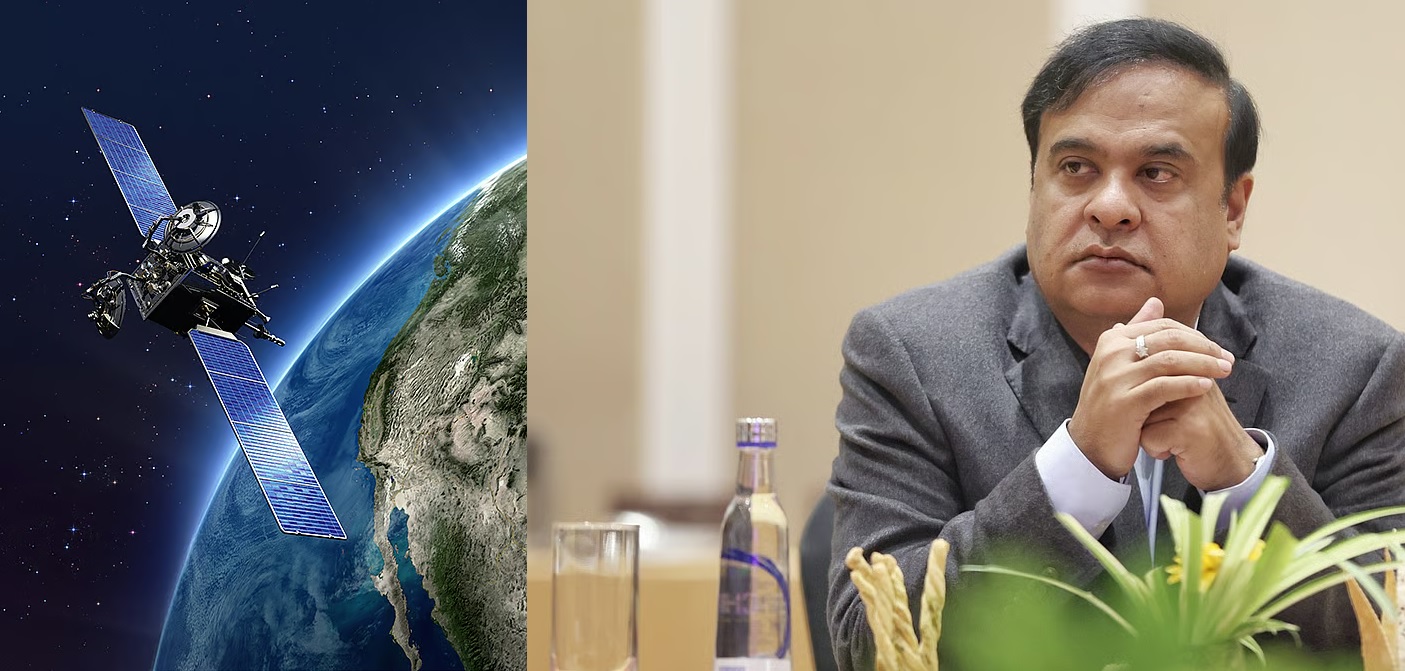
India
The Assam government has embarked on an ambitious project to launch its own satellite, ASSAMSAT, in collaboration with the Indian Space Research Organisation (ISRO). This initiative aims to bolster the state's capabilities in disaster management, agriculture, environmental monitoring, and border security by leveraging advanced satellite technology. Key Objectives of ASSAMSAT: Disaster Management: Enhance early warning systems and response strategies for natural calamities like floods and landslides. Agriculture: Provide precise data to improve crop management, soil health monitoring, and yield predictions. Environmental Monitoring: Track deforestation, soil erosion, and other ecological changes to promote sustainable practices. Border Security: Strengthen surveillance and monitoring of the state's borders to ensure safety and compliance. Technical Collaboration: The project is being developed in collaboration with the Indian National Space Promotion and Authorization Centre (IN-SPACe), reflecting India's push to integrate private investments into its space sector. A high-level team of ISRO experts is expected to collaborate with Assam to conduct feasibility studies and outline the technical and operational framework for this ambitious project. Launch Vehicle Considerations: While specific details about the launch vehicle for ASSAMSAT have yet to be finalized, ISRO's portfolio includes several options suitable for such missions: Polar Satellite Launch Vehicle (PSLV): Renowned for its versatility and reliability, PSLV has successfully launched satellites into various orbits. It features multiple stages with solid and liquid propulsion systems, capable of carrying payloads up to 1,750 kg to Sun-Synchronous Polar Orbits (SSO). Small Satellite Launch Vehicle (SSLV): Designed to meet the growing demand for small satellite launches, SSLV can carry payloads up to 500 kg to Low Earth Orbit (LEO). Its simplified design and shorter turnaround time make it a cost-effective option for smaller missions. Significance of the Initiative: Assam's move to develop and launch its own satellite underscores the increasing importance of space technology in regional governance and development. By harnessing satellite data, the state aims to make informed decisions that promote sustainable development and improve the quality of life for its residents. This initiative also sets a precedent for other Indian states to explore space technology solutions tailored to their unique challenges and opportunities. In conclusion, ASSAMSAT represents a strategic effort by Assam to integrate advanced space technology into its developmental agenda, reflecting a forward-thinking approach to governance and regional progress.
Read More → Posted on 2025-03-11 15:50:42
India
The Aeronautical Development Agency (ADA) has initiated the development of two new external fuel tanks—commonly known as drop tanks—for the Light Combat Aircraft (LCA) Tejas Mk2. These advanced fuel tanks are set to enhance the operational range of the aircraft, offering increased endurance and greater mission versatility. Drop tanks serve as external fuel reservoirs that significantly expand an aircraft’s fuel capacity, allowing it to fly longer distances without the need for frequent refueling. A key advantage of these tanks is their jettison capability, enabling pilots to discard them mid-flight to reduce weight and improve maneuverability, particularly in combat scenarios or emergency situations. The LCA Tejas Mk2 will feature two distinct types of drop tanks: DT1700 (1700-litre drop tank): Mounted on the inner sections of the wings, this tank is elliptically shaped and weighs around 140 kilograms when empty. DT1300 (1300-litre drop tank): Positioned beneath the fuselage, this tank has a conical nose and rear design, with an empty weight of approximately 120 kilograms. In its standard configuration, the Tejas Mk2 will carry three drop tanks—two 1700-litre tanks on the wings and one 1300-litre tank under the fuselage—resulting in an additional fuel capacity of 4700 litres. This extension allows the aircraft to conduct long-range missions and remain airborne for extended durations, a crucial factor for both offensive and defensive operations. The Tejas Mk2 itself is a next-generation iteration of India’s indigenous fighter jet, featuring a more powerful engine, an increased weapons payload, and modernized avionics. With the integration of these new drop tanks, the aircraft gains improved strategic reach, making it a more formidable asset in India's aerial defense arsenal.
Read More → Posted on 2025-03-11 15:39:39
India
The Defence Research and Development Organisation (DRDO) is advancing plans to equip the Indian Army with a state-of-the-art Self-Propelled Air Defence Gun Missile System (ADGM-SP), designed to provide superior protection for mechanized units. Built on the proven Zorawar light tank chassis, this indigenous system will integrate a dual 30mm gun system with DRDO’s Very Short-Range Air Defence System (VSHORADS) missiles, enhancing the Army’s capability to counter modern aerial threats, including drones, helicopters, and low-flying aircraft. A Strategic Air Defence Upgrade The Indian Army has long sought a mobile air defence solution to protect its armored formations, particularly in high-altitude regions and along the borders with China and Pakistan. The ADGM-SP emerges as a response to this requirement, leveraging the mobility and adaptability of the Zorawar light tank, a 25-ton platform co-developed by DRDO and Larsen & Toubro (L&T). Zorawar, tested successfully in Ladakh in 2024, has demonstrated high-altitude performance, making it a natural choice for DRDO’s new air defence platform. By using a familiar and battle-tested chassis, DRDO aims to expedite development while ensuring cost efficiency. The system aligns with India's "Atmanirbhar Bharat" vision, reducing dependency on foreign-made air defence systems like Russia’s Pantsir-S1 or South Korea’s K30 Biho Hybrid, which India has previously evaluated. Cutting-Edge Features of ADGM-SP The ADGM-SP is envisioned to deliver a lethal mix of firepower, precision tracking, and rapid response capabilities. Key features include: Twin 30mm Automatic Guns – Capable of rapid-fire engagement against low-altitude aerial threats, these guns form the first line of defence. VSHORADS Missile Integration – DRDO’s laser-guided VSHORADS system, tested successfully in 2022, enhances engagement range and effectiveness against high-speed targets like drones and attack helicopters. 3D Acquisition & Fire Control Radar – Featuring an AESA-based radar with digital beam-forming and Track While Scan (TWS) capability, this system ensures effective detection and tracking of aerial threats even in electronically contested environments. Electro-Optical Fire Control System (EOFCS) – Equipped with a thermal imaging sight and optical sight, the EOFCS enables target tracking in all weather conditions, day and night. Fire Control Computer (FCC) – Integrates radar and optical data, seamlessly switching between gun and missile engagement modes for optimized response. Dual-Mode Engagement – The system can operate using either Fire Control Radar or EOFCS, offering flexibility in diverse combat scenarios. This integration of guns, missiles, and advanced sensors ensures that the ADGM-SP can counter threats ranging from drone swarms to precision-guided munitions, offering robust protection to mechanized formations. Development Roadmap and Deployment Timeline If approved by the Indian Army, DRDO aims to deliver a prototype within 18 months, targeting mid-2026. The accelerated timeline is feasible due to the reliance on proven components such as the Zorawar platform, VSHORADS missiles, and radar/EOFCS technologies from existing programs like Akash. However, full production clearance is expected to take longer, with rigorous field trials required to validate the system’s effectiveness across different terrains—mountains, deserts, and plains. Given the complexity of integrating multiple subsystems, the ADGM-SP’s induction into service could extend beyond 2029. The system’s development marks a major step in India’s self-reliance in air defence technology, offering a tailored, cost-effective solution to protect the Army’s armored assets while reinforcing India's high-altitude defence capabilities. If successful, the ADGM-SP could set a new benchmark for self-propelled air defence systems in the region.
Read More → Posted on 2025-03-11 15:23:26
India
India's pursuit of a robust and multi-layered air defence network is vital for safeguarding its airspace against diverse aerial threats. Incorporating advanced systems like Russia's Viking (Buk-M3) and Tor-M2U can significantly enhance India's defensive capabilities. Buk-M3 Viking: Medium-Range Air Defence The Buk-M3 Viking is an advanced medium-range surface-to-air missile system designed to counter various aerial threats, including aircraft, cruise missiles, and tactical ballistic missiles. Key specifications include: Target Engagement: Capable of tracking and engaging up to 36 targets simultaneously. Missile Capacity: Each launcher can carry up to six missiles, an improvement over previous versions. Range and Altitude: Effective against targets at distances up to 70 km and altitudes ranging from 15 meters to 35 km. Target Speed: Can engage targets moving at speeds up to 3,000 meters per second. The Buk-M3's enhanced capabilities make it particularly effective against specialized electronic attack and anti-radiation missiles, which are designed to neutralize long-range systems like the S-400. Integrating the Buk-M3 with the S-400 would create a robust defence perimeter, enhancing India's ability to counter a wide range of aerial threats. Tor-M2U: Short-Range Air Defence The Tor-M2U is a short-range air defence missile system designed to engage targets at low altitudes, including aircraft, helicopters, and precision-guided munitions. Its notable features are: Simultaneous Engagement: Can engage up to four targets simultaneously at altitudes up to 10 km. Missile Capacity: Each system carries 16 missiles, doubling the capacity of earlier models. Mobility: Highly mobile and capable of operating on the move, with a reaction time of 3 minutes from standby to full alert. Operational Flexibility: Designed to function effectively in various environments, including Arctic conditions, and can be mounted on different platforms. The Tor-M2U's ability to operate in challenging environments with minimal operator intervention makes it an attractive option for bolstering India's air defence capabilities at the tactical level. Strategic Integration and Indigenous Development Integrating the Buk-M3 and Tor-M2U systems with India's existing S-400 units would establish a comprehensive, layered air defence network capable of addressing threats at varying ranges and altitudes. This integration aligns with India's goal of enhancing its air defence infrastructure while fostering local manufacturing capabilities through initiatives like 'Make in India'. Furthermore, India's indigenous efforts, such as Project Kusha, aim to develop long-range surface-to-air missile systems with ranges of 150 km, 250 km, and 350 km, supplementing existing defences and reducing reliance on foreign technology. The project is expected to be operational by 2028–2029 and will enhance India's ability to counter diverse aerial threats. Russia's willingness to engage in joint production and technology transfer further supports India's strategic ambitions, offering a cost-effective and technologically advanced solution to its defence needs.
Read More → Posted on 2025-03-11 15:15:49
India
India's upcoming fleet of S5-class ballistic missile submarines (SSBNs) could feature a more powerful nuclear reactor than initially planned. The Bhabha Atomic Research Centre (BARC) had been developing a 190-megawatt (MW) pressurized light-water reactor (PWR) fueled by enriched uranium for these submarines, but new developments suggest that the power output may be increased beyond 200MW to meet future operational demands. The S5-class submarines, expected to have a submerged displacement exceeding 13,000 tons, are designed to serve as the backbone of India’s underwater nuclear deterrent. The 190MW reactor, nearing completion, was considered adequate for the first batch of S5 boats, aligning with their stealth-oriented operational profile. However, with evolving threats and the need for advanced onboard systems, the Indian Navy and BARC are now exploring a more potent power plant. A higher-output nuclear reactor would provide increased electrical power for advanced weapon systems, sensors, and propulsion improvements. This potential upgrade aligns with broader trends in submarine reactor technology, which emphasize enhanced fuel efficiency, advanced core designs, and superior safety features. The Navy plans to build the S5-class submarines in multiple pairs, allowing gradual technological upgrades over time. While the first group is likely to use the 190MW reactor, later iterations—potentially post-2040—could incorporate the enhanced power plant. The extent of this upgrade is still under discussion, with preliminary indications suggesting it could surpass 200MW. However, such a transition depends on structural modifications within the submarines to accommodate the increased reactor size and power output. Additionally, a modified version of the 190MW reactor is also planned for India’s upcoming nuclear-powered attack submarines (SSNs), which will have a submerged displacement of around 8,000 tons. These SSNs require a reactor optimized for agility and speed, showcasing the adaptability of BARC's reactor technology across different submarine classes. If successfully developed, the upgraded nuclear reactor could significantly boost India's naval capabilities, ensuring the S5-class submarines remain at the cutting edge of underwater warfare well into the future.
Read More → Posted on 2025-03-10 15:43:00
India
China has taken a significant leap in military surveillance with the deployment of a powerful Large Phased Array Radar (LPAR) in Yunnan province, near the China-Myanmar border. This advanced system, with an estimated range exceeding 5,000 km, gives Beijing the ability to track and monitor every Indian missile launch in real-time, including those conducted from Dr. APJ Abdul Kalam Island off the Odisha coast—India’s primary testing site for strategic missiles like the Agni-V and K-4 submarine-launched missile. A Technological Game-Changer Unlike traditional radars that rely on mechanical rotation, LPAR systems use electronically controlled antennas to scan vast areas instantly. This allows them to track multiple objects simultaneously with high precision, making them an integral part of modern air defence systems. The Indian missile testing range, located around 2,000–2,200 km southwest of the Yunnan radar station, falls well within its detection range, allowing China to observe every test India conducts. China has already deployed similar radars in Korla and Xinjiang, monitoring India’s northern region. The addition of the Yunnan-based LPAR extends this surveillance network towards the Indian Ocean and Bay of Bengal, significantly enhancing Beijing’s intelligence-gathering capabilities. The Strategic Importance of Yunnan’s Radar This high-tech radar is reportedly under the command of ‘Base 37,’ a specialised unit of the People’s Liberation Army Aerospace Force (PLAAF) responsible for early missile warnings and space surveillance. The unit processes enormous amounts of orbital and missile trajectory data, ensuring China maintains a strategic advantage in missile detection and response. China’s defence analysts highlight the importance of early warning systems in modern warfare. Military expert Song Zhongping has stated that tracking missile launches in real time gives China the ability to mobilise countermeasures swiftly. Given the rising global focus on hypersonic missiles—ultra-fast weapons that are difficult to track—China is integrating these advanced radar systems into its broader missile defence strategy. China’s Expanding Surveillance Capabilities Chinese state media has recently showcased long-range radar systems as part of the country’s military advancements. Footage aired during President Xi Jinping’s Lunar New Year address featured a ground-based phased-array radar station with PLA troops from various branches standing in formation before it. One such facility is the Jiamusi Monitoring and Early Warning Station in Heilongjiang Province, initially built before 2011 and upgraded in 2021. A 2024 report from the China Aerospace Studies Institute (CASI) noted that Jiamusi’s LPAR system now falls under Base 37’s command. However, internal tensions exist within the Chinese military over control of these critical assets, with both the PLAAF and the PLA Aerospace Force competing for dominance. If China ends up developing two separate LPAR networks, the lack of central coordination could create inefficiencies in tracking foreign missile activity. India’s Growing Security Concerns Beyond missile tracking, LPAR systems also possess electronic warfare capabilities, which means they can potentially disrupt communications, GPS signals, aviation navigation, and military transmissions. This raises concerns about the impact of China’s expanding surveillance reach on India’s strategic security. China has also strengthened its focus on the Bay of Bengal and the Malacca Strait, two crucial regions for India’s trade and naval operations. By integrating the Yunnan radar with those in Korla and Xinjiang, Beijing has created a broader surveillance network covering India’s eastern and northern borders. In response, Indian defence experts have urged the government to enhance its early warning and tracking capabilities. While India has developed radar systems like the Swordfish Long-Range Tracking Radar, analysts stress that more investment is needed to counter China’s growing technological edge. Military Readiness and Rising Tensions Alongside its advancements in radar technology, China has been increasing military preparedness. In January 2025, top PLA generals Zhang Youxia and He Weidong visited frontline troops, emphasising the need for heightened readiness due to tensions on multiple fronts, including the Indian border and the Taiwan Strait. China’s expanding radar network, combined with its assertive military posture, poses new challenges for regional security. For India, the primary task now is not only to counter Beijing’s surveillance but also to strengthen its own missile defence and strategic deterrence capabilities.
Read More → Posted on 2025-03-10 15:05:30
India
India's defence manufacturing sector achieved a major breakthrough as Alpha Tocol Engineering Services, a private Indian firm, delivered the first rear fuselage for the Light Combat Aircraft (LCA) TEJAS MK-1A to Hindustan Aeronautics Limited (HAL) in Bangalore. This marks a significant step in the nation's ‘Make in India’ and ‘Atmanirbhar Bharat’ initiatives, reinforcing self-reliance in defence production. Defence Minister Rajnath Singh, who presided over the handover ceremony, hailed the development as a testament to India's growing public-private collaboration in the aerospace sector. He emphasized that the partnership between HAL and private enterprises is not only boosting indigenous manufacturing but also enhancing research and development (R&D) capabilities. This integrated model aims to increase efficiency, reduce production timelines, and expand the country's technological expertise. HAL has placed orders with several private Indian companies, including Larsen & Toubro (L&T), TATA Advanced Systems Ltd (TASL), VEM Technologies, Lakshmi Machine Works (LMW), and Alpha Tocol Engineering Services, to supply key structural components for the TEJAS MK-1A program. The rear fuselage, a critical structural section that supports the aircraft's tail and enhances its aerodynamic performance, is now being manufactured outside HAL’s in-house facilities for the first time. HAL has already produced 12 rear fuselages, and with private sector participation, the production rate is expected to increase, ensuring timely deliveries to the Indian Air Force (IAF) starting in 2025-26. The TEJAS MK-1A is an upgraded variant of the LCA, featuring advanced avionics, AESA radar, improved electronic warfare capabilities, and enhanced maintainability. The aircraft is designed to be lightweight and highly maneuverable, making it a formidable asset for the IAF. With India’s growing emphasis on self-sufficiency in defence, the successful integration of private players in aircraft manufacturing is expected to accelerate the pace of defence production and reduce dependency on imports. Air Chief Marshal A.P. Singh, along with senior officials from HAL and private sector partners, attended the event, underscoring the strategic importance of this collaboration. Rajnath Singh acknowledged the bravery of India’s air warriors and the role of indigenous defence production in strengthening the armed forces. He expressed confidence that the HAL-private sector synergy will continue to overcome challenges and drive India’s defence industry to new heights. This milestone not only reflects India's expanding defence manufacturing ecosystem but also positions the country as a potential hub for aerospace production in the future.
Read More → Posted on 2025-03-10 14:52:24
India
In a significant advancement in defense technology, researchers at the Indian Institute of Technology Madras (IIT-Madras) have developed a pioneering framework aimed at bolstering the protection of critical infrastructure against ballistic missile threats. Understanding the Vulnerability of Reinforced Concrete Structures Reinforced concrete (RC) structures, commonly used in defense bunkers, nuclear power plants, bridges, and airstrips, are susceptible to localized damage when struck by high-velocity projectiles. Such impacts can lead to penetration, perforation, scabbing, spalling, and crushing, potentially resulting in catastrophic structural failures. Innovative Framework for Enhanced Ballistic Resistance To address these vulnerabilities, the IIT-Madras research team employed computational simulations to analyze missile impacts on RC panels. This analysis led to the creation of a performance-based design framework focusing on two key parameters: Depth of Penetration (DOP): Measures how deeply a projectile can penetrate into the concrete structure. Crater Damage Area: Assesses the surface area affected by the impact, indicating the extent of damage. Additionally, the researchers proposed a probabilistic formula to estimate crater diameters in RC panels. This approach enhances the accuracy of ballistic design by accounting for uncertainties often overlooked in traditional deterministic models. Implications for Future Military Installations The implementation of this framework is poised to significantly influence the construction and resilience of future military installations: Enhanced Structural Resilience: By designing RC panels with improved ballistic resistance, critical infrastructures can better withstand missile impacts, reducing the risk of structural failure during attacks. Cost-Effective Solutions: Utilizing computational simulations allows for optimized RC panel designs, potentially lowering material costs while maintaining or enhancing protective capabilities. Integration with Emerging Technologies: Incorporating advanced materials and technologies, such as 3D-printed lightweight composites, can further augment the ballistic resistance of RC panels, offering additional protection layers. Adaptability and Flexibility: The performance-based design approach provides flexibility to adapt to various threats and environmental conditions, crucial for military installations in diverse locations. Influence on Strategic Planning: With improved structural resilience, military planners may consider more strategic placement of critical infrastructure in high-risk areas, knowing they are better protected against ballistic threats. Synergy with Other Military Technologies: Integrating this framework with emerging military technologies, such as advanced sensors and AI-driven systems, can enhance overall military operations' effectiveness. For instance, real-time data from sensors could inform the design and deployment of more resilient infrastructure. Comparison with Existing Protection Frameworks The IIT-Madras framework offers a specialized solution for physical infrastructure protection against ballistic threats. While frameworks like the NIST Cybersecurity Framework (CSF) 2.0 and the Infrastructure Resilience Planning Framework (IRPF) provide broader approaches to managing risks across different domains, the IIT-Madras framework specifically addresses the physical resilience of RC structures against missile impacts. Each framework serves distinct needs but can complement each other in comprehensive infrastructure protection strategies. In summary, the innovative framework developed by IIT-Madras represents a significant step forward in safeguarding critical infrastructure from ballistic missile threats, enhancing national security and resilience.
Read More → Posted on 2025-03-09 15:26:06
India
In a major counter-terrorism breakthrough, Hizbul Mujahideen terrorist Ulfat Hussain was arrested from Poonch district, Jammu and Kashmir, in a joint operation by the Uttar Pradesh Anti-Terrorism Squad (ATS) Saharanpur and Kathgarh Police. His arrest comes after 17 years of evading law enforcement, despite multiple warrants and a reward on his head. A Fugitive's Long Escape Ends Hussain had a long history of involvement in terrorist activities. In 2002, he was arrested along with four others when police recovered a huge cache of detonators, explosives, and pistols from him. However, he was released on remand in 2008 but failed to appear in court despite repeated summons and warrants. As a result, authorities issued a permanent warrant valid for 50 years, and a reward of ₹25,000 was placed on him. The Arrest and Legal Proceedings After years of surveillance and intelligence gathering, the ATS and police successfully tracked down Hussain in Poonch. Superintendent of Police (SP) Ranvijay Singh confirmed the arrest, stating that the fugitive had been presented in court immediately after being taken into custody. Further investigations are now underway to uncover his recent activities and possible connections with active terror networks. Wider Crackdown on Hizbul Mujahideen The arrest of Ulfat Hussain comes at a time when Indian security agencies have intensified their crackdown on Hizbul Mujahideen. Earlier in 2024, the National Investigation Agency (NIA) had attached the property of the banned group in connection with the targeted killing of Adoora-Kulgam Sarpanch. In this case, Nasir Rashid Bhat—a known member of the group—was involved in the assassination of a village Sarpanch on March 11, 2022, to spread fear in the region. Under Section 33(1) of the Unlawful Activities (Prevention) Act, 1947, the NIA confiscated Bhat's residential house in Tengpora village, Shopian, Jammu and Kashmir. This move marked another significant step in the effort to dismantle the terror group's infrastructure and financial backing. Ongoing Investigation and Security Measures With Hussain now in custody, authorities are expected to question him about his role in past and present terror activities. His arrest underscores India's relentless efforts in curbing terrorism and ensuring that fugitives involved in anti-national activities face justice, no matter how long they evade the law.
Read More → Posted on 2025-03-09 15:17:00
India
The Indian Ministry of Defence has finalized a $248 million agreement with Russia’s state-owned arms exporter, Rosoboronexport, to procure advanced engines for its fleet of T-72 tanks. This deal aims to enhance the operational capability of the Indian Army by replacing the existing 780-horsepower engines with more powerful 1,000-horsepower engines. The contract includes the supply of engines in various forms—fully assembled, semi-knocked down (SKD), and completely knocked down (CKD). This approach ensures immediate operational deployment while also facilitating local assembly and future domestic production. A key aspect of the deal is the transfer of technology (ToT) to Armoured Vehicles Nigam Limited (AVNL) in Avadi, Chennai. This will allow AVNL to manufacture and integrate these engines under license, supporting India's "Make in India" initiative and reducing long-term reliance on foreign suppliers. Upgrading the T-72 fleet with more powerful engines is expected to improve the tanks' mobility, acceleration, and battlefield endurance. The T-72, a crucial part of India's armored force since the 1980s, has already undergone multiple modernizations, including the addition of Explosive Reactive Armour (ERA) for better protection, improved fire control systems, and GPS-based navigation. The ongoing conflict in Ukraine has caused global supply chain disruptions, prompting India to secure critical defence procurements while simultaneously expanding its indigenous defence manufacturing capabilities. Alongside this upgrade, India continues to develop its Arjun MK-1A tank program to diversify its armored vehicle fleet. This latest agreement underscores India's commitment to modernizing its military while maintaining strong strategic ties with Russia, a long-standing defence partner.
Read More → Posted on 2025-03-08 16:55:12
India
Weeks after former US President Donald Trump pitched the sale of F-35 stealth fighter jets to India, Air Chief Marshal AP Singh made it clear that the Indian Air Force (IAF) has not received any formal offer. Speaking at the India Today Conclave 2025, Singh dismissed speculation about the advanced fighter jet’s induction, emphasizing that military procurements aren’t as simple as buying household appliances. “We need to analyze it carefully—what the requirements are and what comes along with it. The cost is also a part of it. It’s not like a washing machine or refrigerator for home that we can buy just by the looks of it. We have not given it a thought. No offer has been made till now,” Singh stated. At an estimated $80 million per unit, the F-35 remains one of the most expensive fighter jets in the world. Adding to the skepticism, a recent US report highlighted concerns over its operational performance, igniting debate over whether India should even consider it. Trump’s proposal is widely seen as part of Washington’s strategic push to shift India away from its traditional reliance on Russian defense systems. But is the F-35 truly a game-changer for India, or would it become an unnecessary financial and logistical burden? The F-35: Technological Marvel or Logistical Nightmare? On paper, the F-35 is a technological masterpiece. As a fifth-generation stealth fighter, it boasts cutting-edge sensors, artificial intelligence-driven combat capabilities, and seamless data-sharing features. It is widely regarded as one of the most advanced jets in the world. However, integrating it into the IAF would be a logistical and strategic challenge of unprecedented scale. According to defense expert Ashley J. Tellis of the Carnegie Endowment for International Peace, Trump’s offer may be more symbolic than practical. “It is unlikely that the F-35 will be offered for co-production to India—any acquisition will likely be a straightforward sale. This is unlikely to sit well with Modi’s emphasis on ‘Make in India,’ and the significant end-user monitoring in the event of an F-35 sale will likely not be welcomed by India either,” Tellis explained. There are also operational concerns. Security analyst Stephen Bryen noted that the F-35 has an availability rate of just 51% in the US Air Force, meaning nearly half of the fleet remains grounded at any given time due to maintenance and software issues. “The question is whether India is willing to invest billions of rupees in the F-35, knowing it could do better buying a Russian jet or investing in its indigenous fighter program,” Bryen observed. India’s Fighter Jet Dilemma: Ageing Fleet, Shrinking Squadrons India’s fighter fleet is rapidly ageing, and replacements are not arriving fast enough. Over the past decade, China has added 435 new fighter and ground-attack aircraft, while India’s fleet has shrunk by 151. Political scientist Christopher Clary noted that the IAF’s fleet depletion is a major concern, given the rising regional security threats. India has plans to acquire over 500 jets in the coming years, with an emphasis on indigenous production. The Tejas Mark 1A, an agile homegrown multirole fighter, is already on order, with 83 confirmed units and 97 more expected. The more advanced Tejas Mark 2 is under development, while the Advanced Medium Combat Aircraft (AMCA)—India’s indigenous fifth-generation fighter—is at least a decade away from service. Meanwhile, the $20 billion Multi-Role Fighter Aircraft (MRFA) program, aimed at acquiring foreign-built jets under a transfer-of-technology deal, has been stalled since 2019 due to funding shortfalls, bureaucratic delays, and dependence on foreign manufacturers. Pakistan’s F-16 Lifeline: A Geopolitical Balancing Act? In a move that has raised eyebrows in New Delhi, the US recently approved $397 million in funding for the maintenance of Pakistan’s F-16 fighter fleet. This reverses Trump’s own 2018 decision to cut all security aid to Pakistan over concerns about terrorism. While Washington has imposed restrictions to ensure these jets are used only for counterterrorism operations, the move does little to reassure India. The memory of the 2019 aerial skirmish—when a Pakistani F-16 was allegedly used against an Indian MiG-21 after the Balakot airstrike—remains fresh. India had raised concerns over Pakistan’s use of US-supplied jets in offensive operations, and Washington had reprimanded Islamabad at the time. The latest funding decision is being seen as a sign of America hedging its bets in South Asia. IAF’s Modernization Woes: Bureaucratic Delays vs. Urgent Needs The IAF’s modernization strategy faces a fundamental dilemma: the government’s long-term vision for indigenous fighter development does not align with the Air Force’s urgent operational needs. Rahul Bhatia, an analyst at Eurasia Group, pointed out that India’s indigenous fighter programs have been slow to materialize. “The Tejas Mark 1 faced early skepticism, and the decades-long development cycles frustrate the armed forces. Their requirements keep evolving with new technologies, which in turn contributes to further delays,” Bhatia said. Even Air Chief Marshal AP Singh has voiced his concerns. “I can take a vow that I will not buy anything from outside or I will wait for whatever is developed in India, but it may not be possible if it does not come at that pace,” he remarked. The slow delivery of Tejas Mark 1A jets, initially scheduled for February 2024, has compounded these challenges. Singh acknowledged that the IAF is facing a serious shortfall in fighter squadrons, stating, “At the moment, we all know that we are very badly off when it comes to numbers [of fighters]. And the numbers which were promised are also coming a little slow. So, there will be a requirement to go and look for something which can quickly fill up these voids.” India’s Fifth-Generation Fighter Race: A Crucial Decade Ahead As China accelerates its testing of sixth-generation combat aircraft and the US reaffirms its support for Pakistan’s F-16 fleet, India is racing against time to develop its own fifth-generation jet, the AMCA. However, the program is unlikely to deliver an operational fighter before 2035. “We may have to go in for off-the-shelf purchases with indigenous content until AMCA gets developed. Or develop AMCA at a faster pace,” Singh admitted. Currently, India operates just 30 fighter squadrons—well below the sanctioned strength of 42. With the slow pace of indigenous fighter production and increasing security threats, the IAF is faced with a difficult decision: stick to its long-term vision or make urgent stopgap purchases. The Verdict: Will India Buy the F-35? India has already invested over $1 billion into its indigenous stealth fighter program, making it unlikely to opt for either the F-35 or the Russian Su-57. Most defense analysts believe that India will instead focus on short-term emergency acquisitions while maintaining its long-term commitment to homegrown fighter production. “For India, the future of airpower isn’t just about buying jets—it’s about building them,” Bhatia remarked. If India can overcome bureaucratic delays and accelerate its indigenous fighter projects, it may never need the F-35. But if regional threats escalate faster than expected, the government may be forced to consider off-the-shelf purchases. For now, Trump’s offer remains just that—an offer. And India, known for its cautious approach to defense acquisitions, is unlikely to rush into a decision that could shape its airpower capabilities for decades.
Read More → Posted on 2025-03-08 16:48:34Search
Top Trending in 24 Hours
-
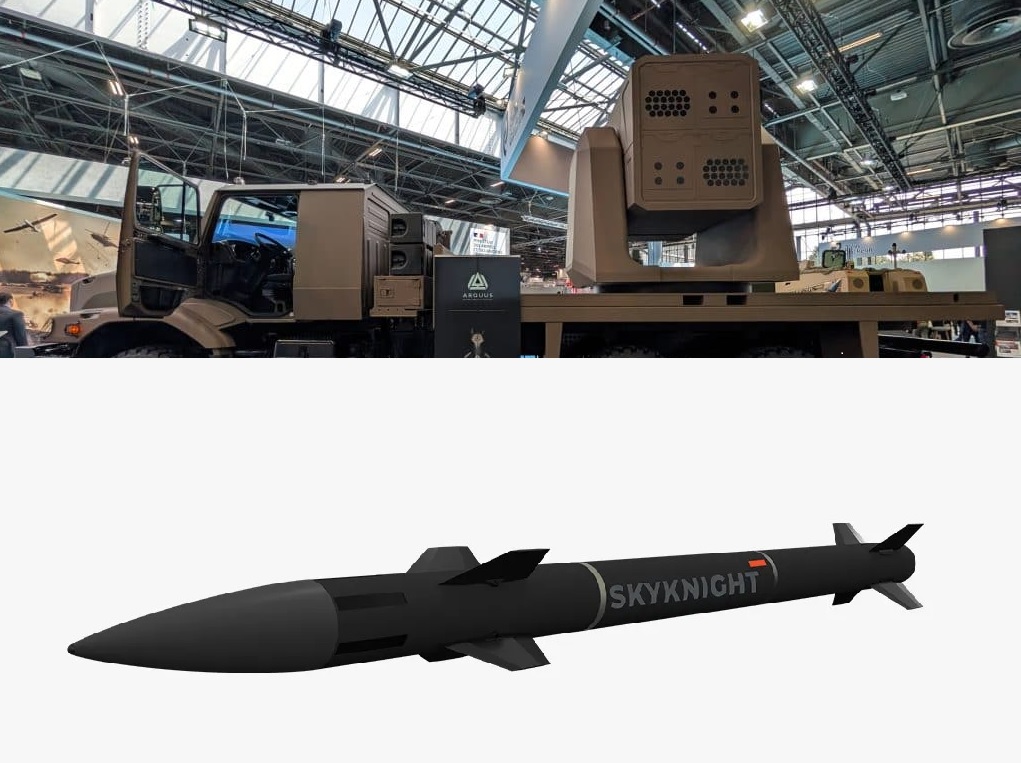 Naval Group Unveils Rampart Modular CIWS Multi-Purpose Weapon System for Naval and Ground Forces at Eurosatory 2026
-
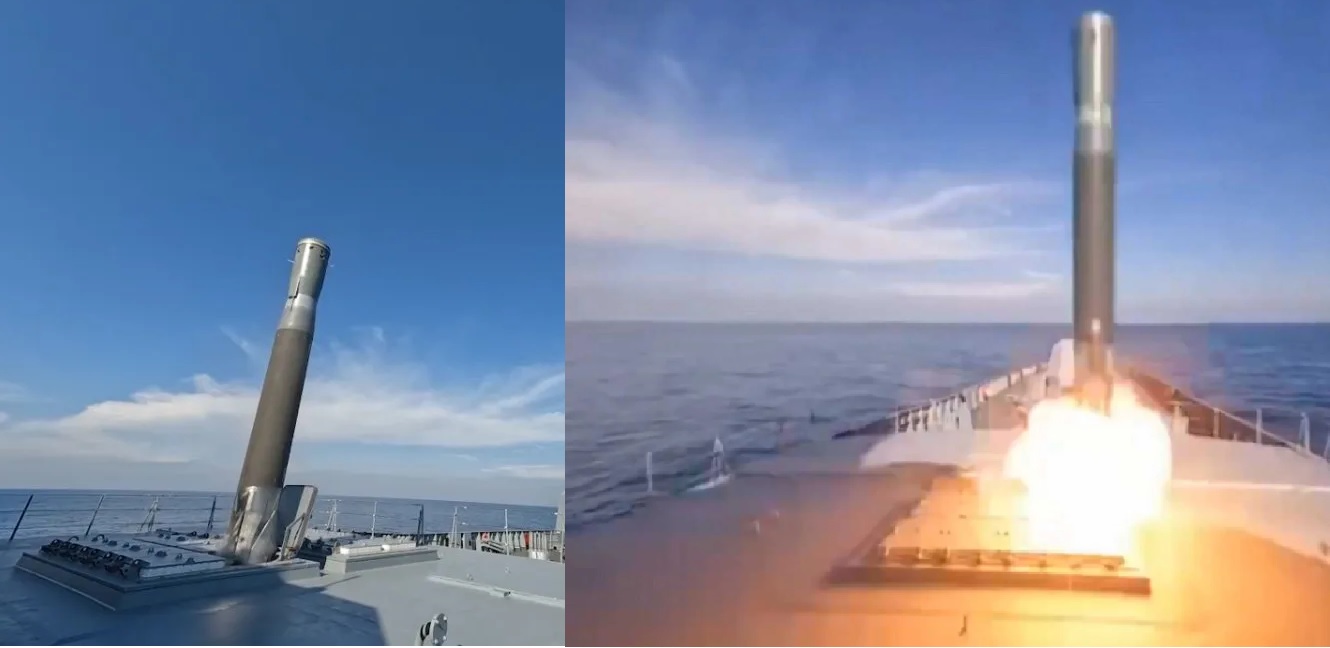 Open-Source Evidence Suggests Russia's Zircon Is a Quasi-Ballistic Missile, Not a True Hypersonic Cruise Weapon
-
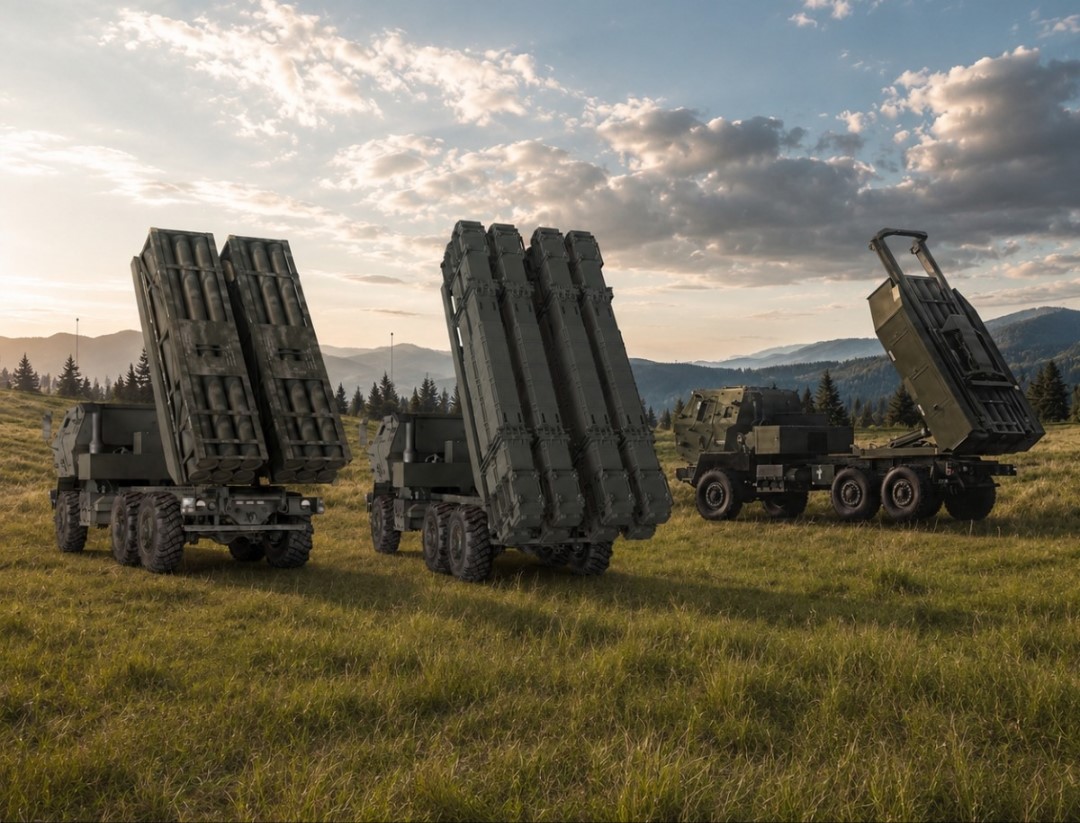 Lockheed Martin Unveils HIMARS FLEX with Dual-Pod Launcher and NATO-Compatible Air Defense Integration
-
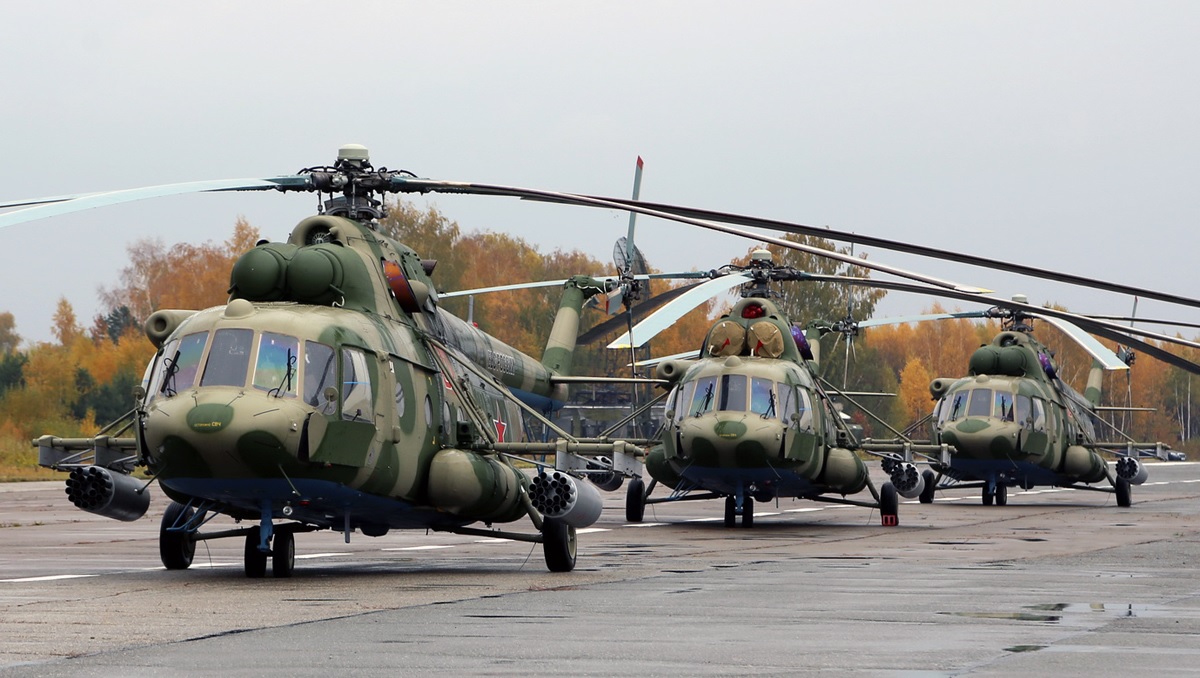 Iran Signs Deal with Russia for 20 Mi-8 and Mi-17 Helicopters to Boost Rescue and Medical Missions
-
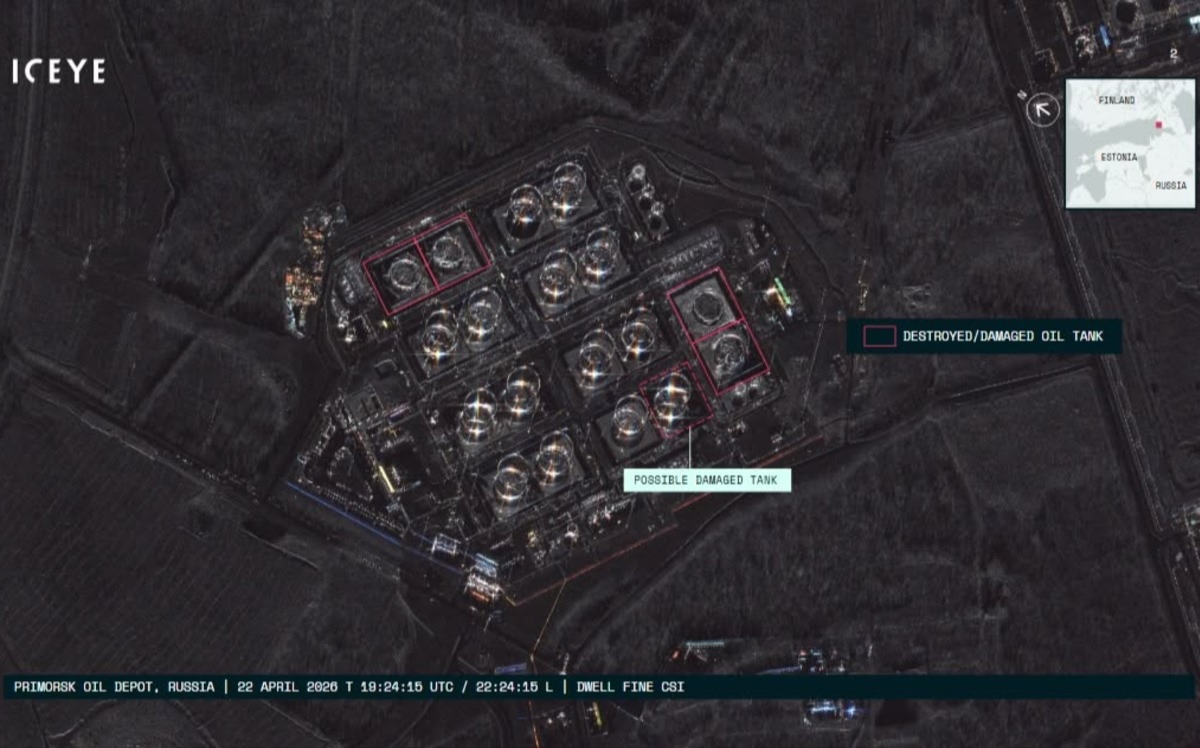 Portugal Doubles Sovereign SAR Satellite Fleet with Order for Two Additional ICEYE Satellites
-
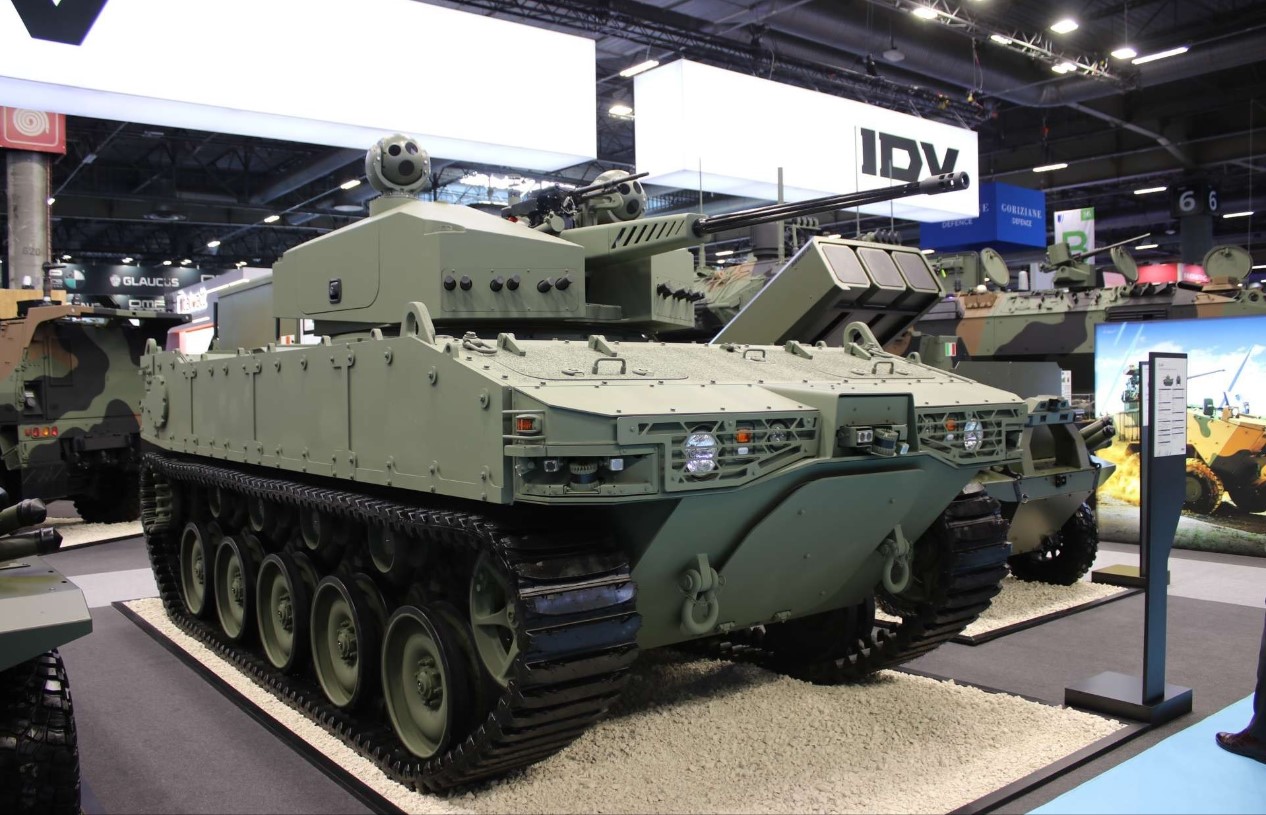 IDV Unveils CL2X Hybrid Uncrewed Light Tank at Eurosatory 2026
-
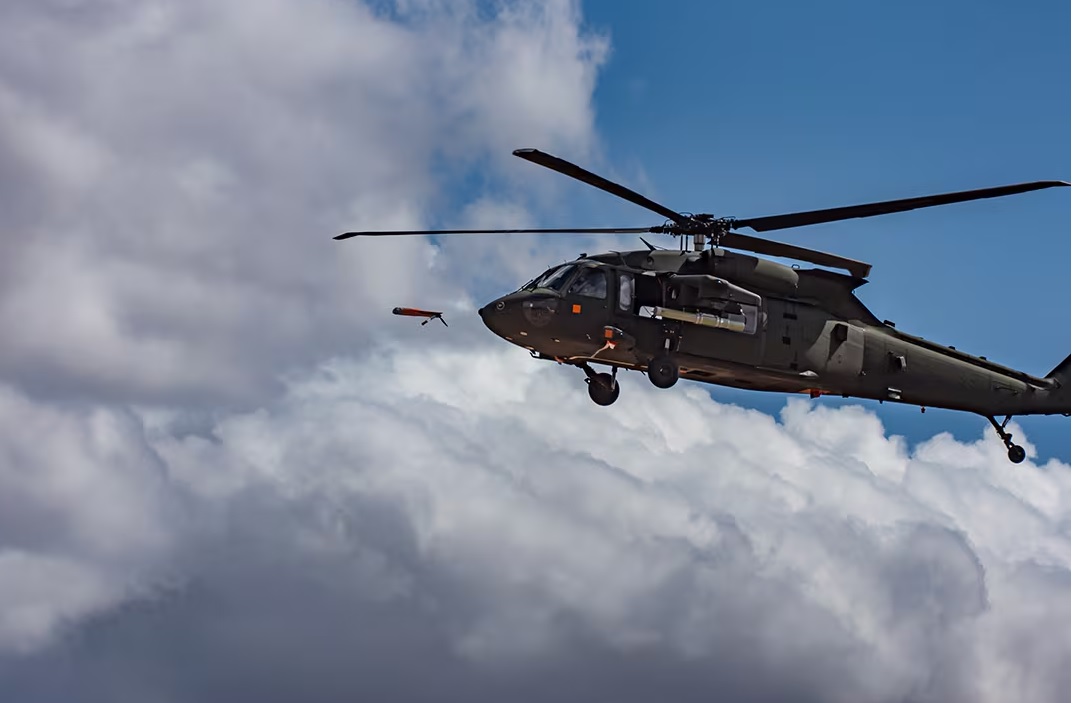 U.S. Army Completes First Flight Test of Medium-Range Air-Launched Effects from Black Hawk Helicopter
-
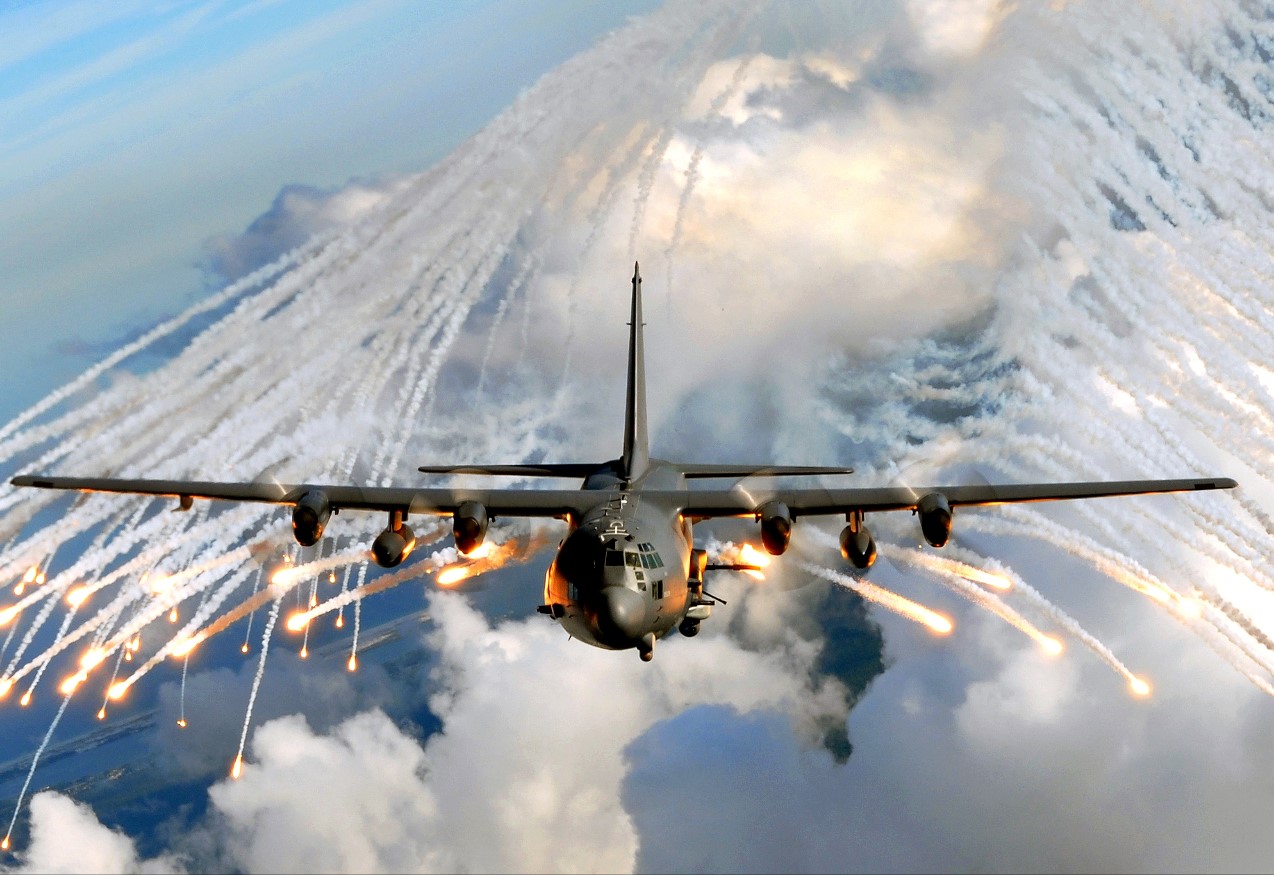 Pentagon Expands Alloy Surfaces Contract to $328.8 Million for Advanced Aircraft Decoy Flares Amid Evolving Drone Threats
Top Trending in 4 Days
-
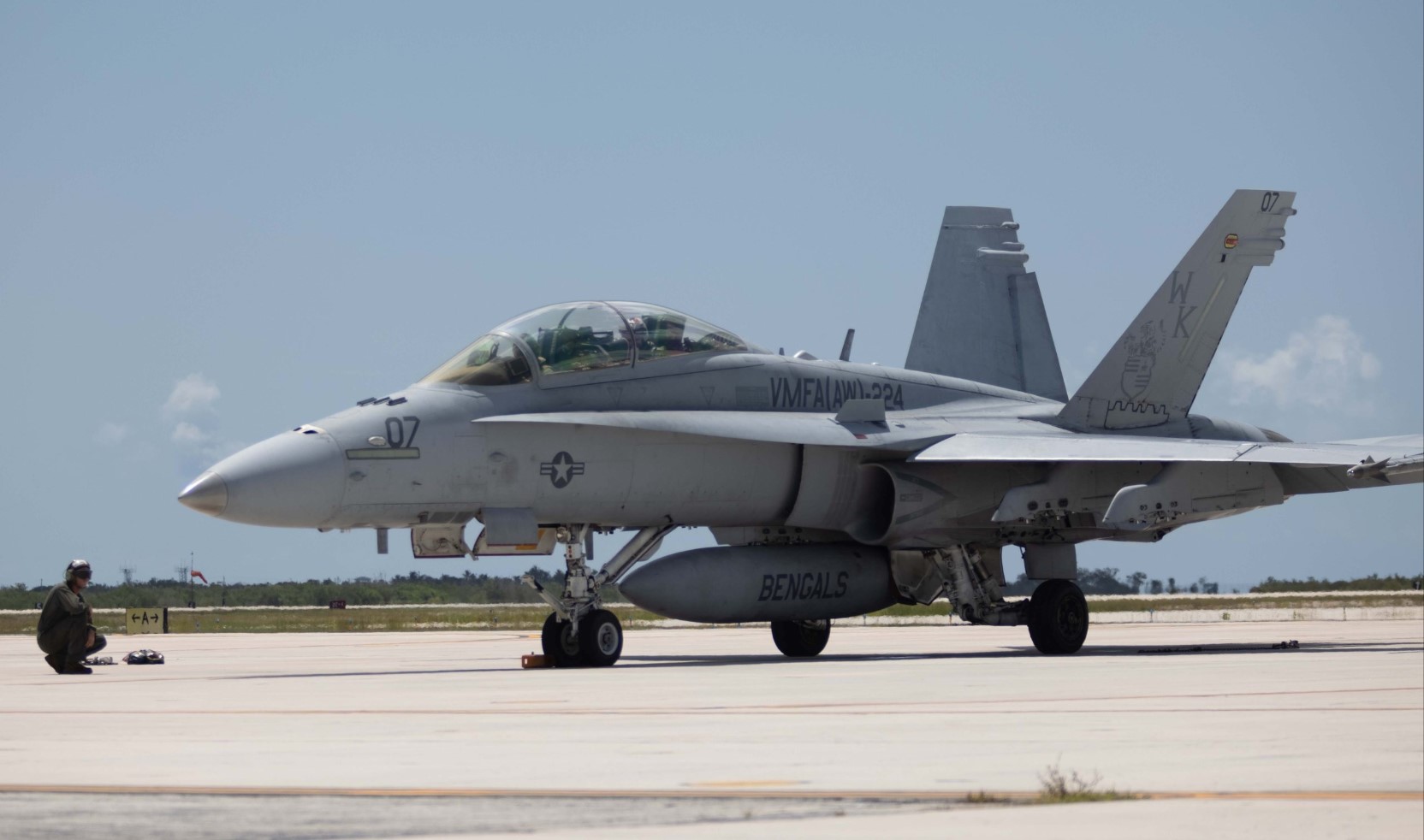 US Marine Corps F/A-18D Hornet Crashes During Training Flight in Washington Mountains; Pilot Ejects Safely
-
 Tulsi Gabbard Releases Declassified Files Detailing U.S.-Backed Network of 120 Biolaboratories Across 30+ Countries
-
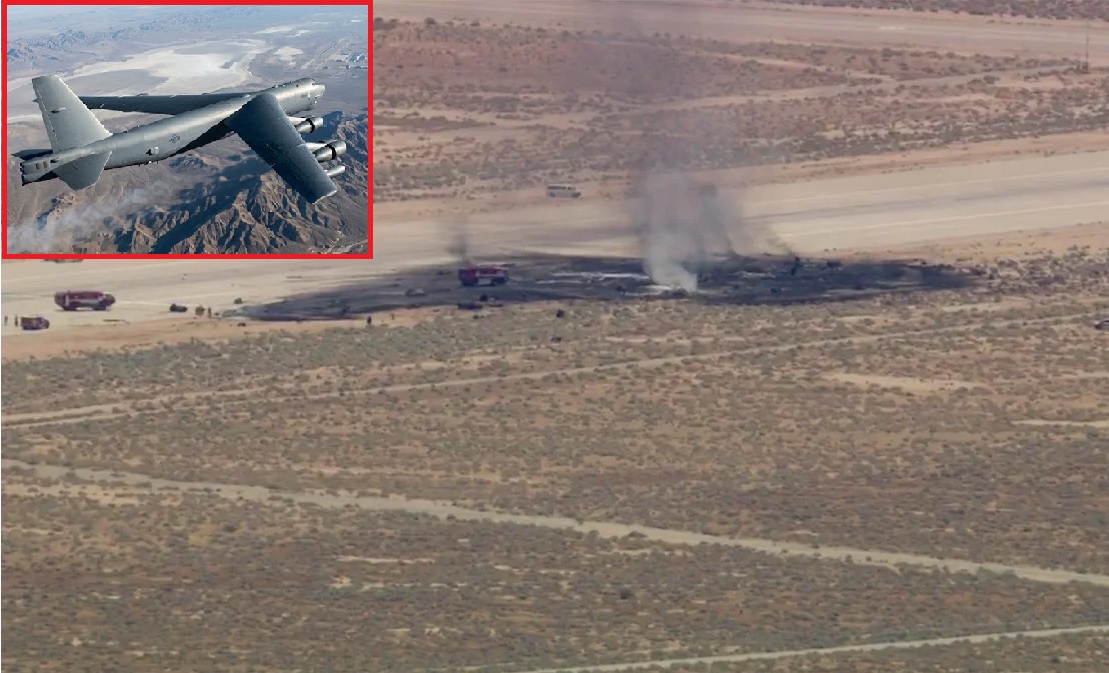 8 U.S. Air Force Crew Members Killed in B-52 Bomber Crash During Test Flight at Edwards Air Force Base
-
 Ukraine Introduces Balloon-Launched DART Missile Designed to Defeat Electronic Warfare
-
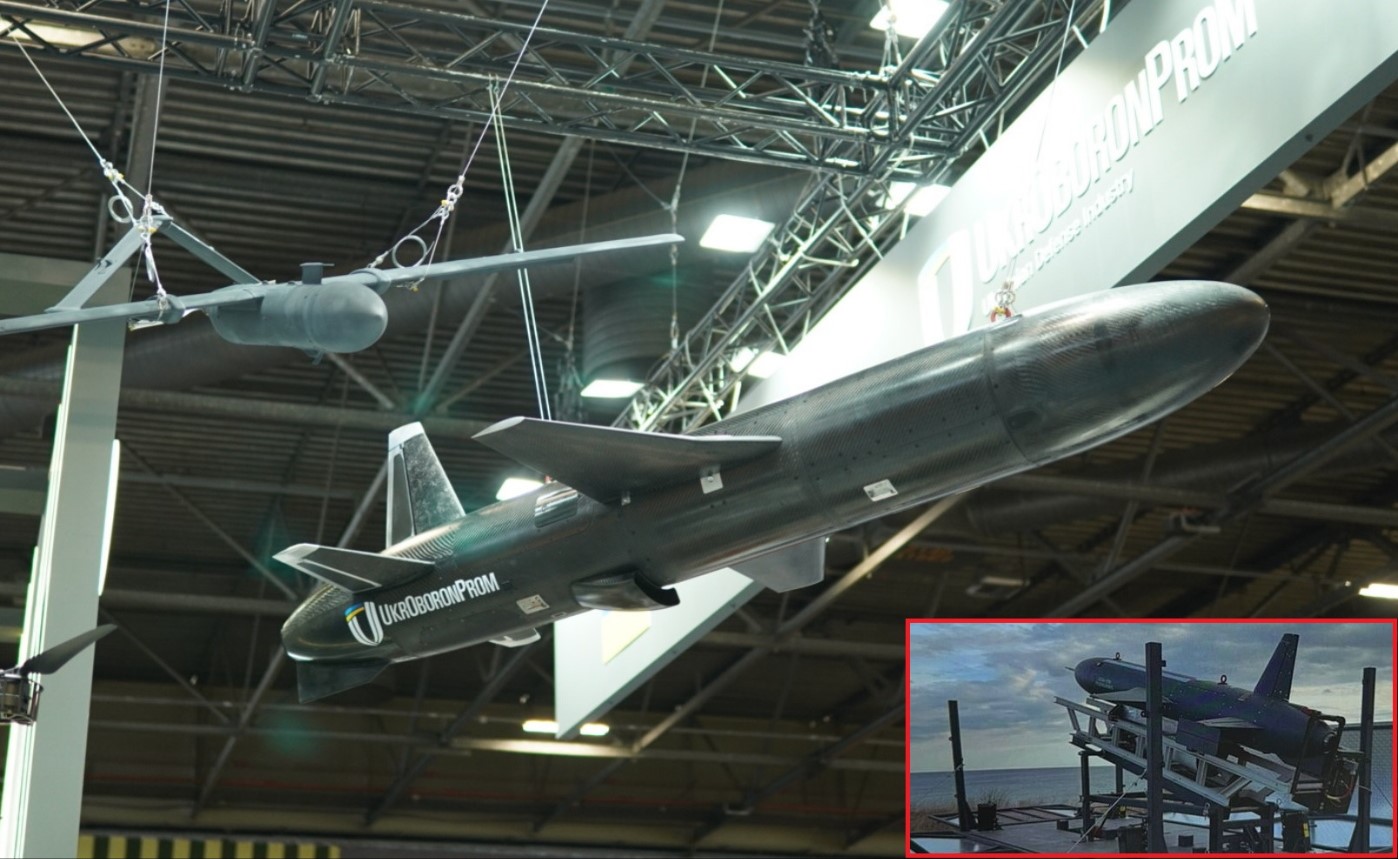 Ukraine Unveils UAV-290 Jet-Powered Strike Drone with 650 km Range at Eurosatory 2026
-
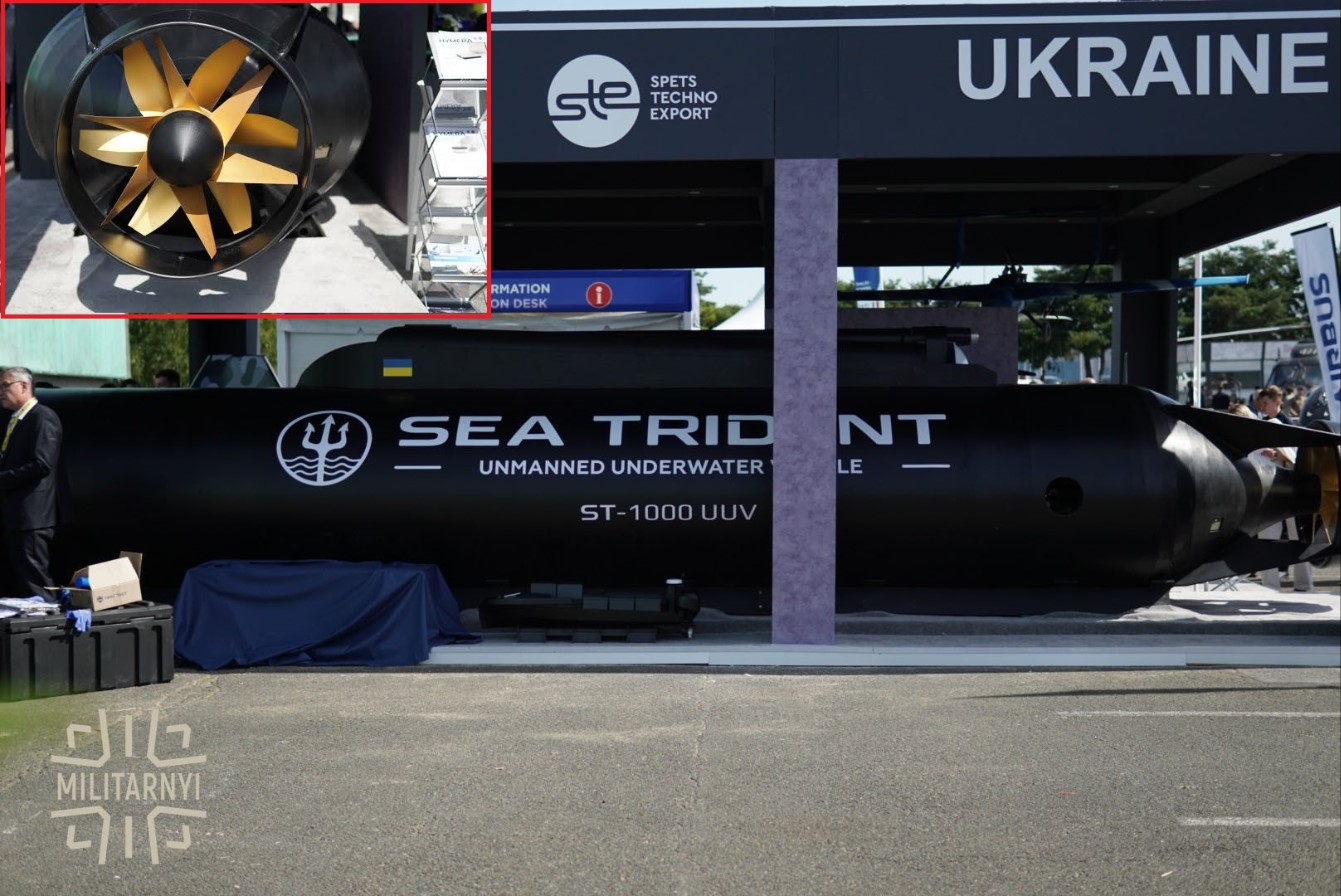 Ukraine Unveils 'Sea Trident' 10-Ton Autonomous Underwater Drone at Eurosatory 2026
-
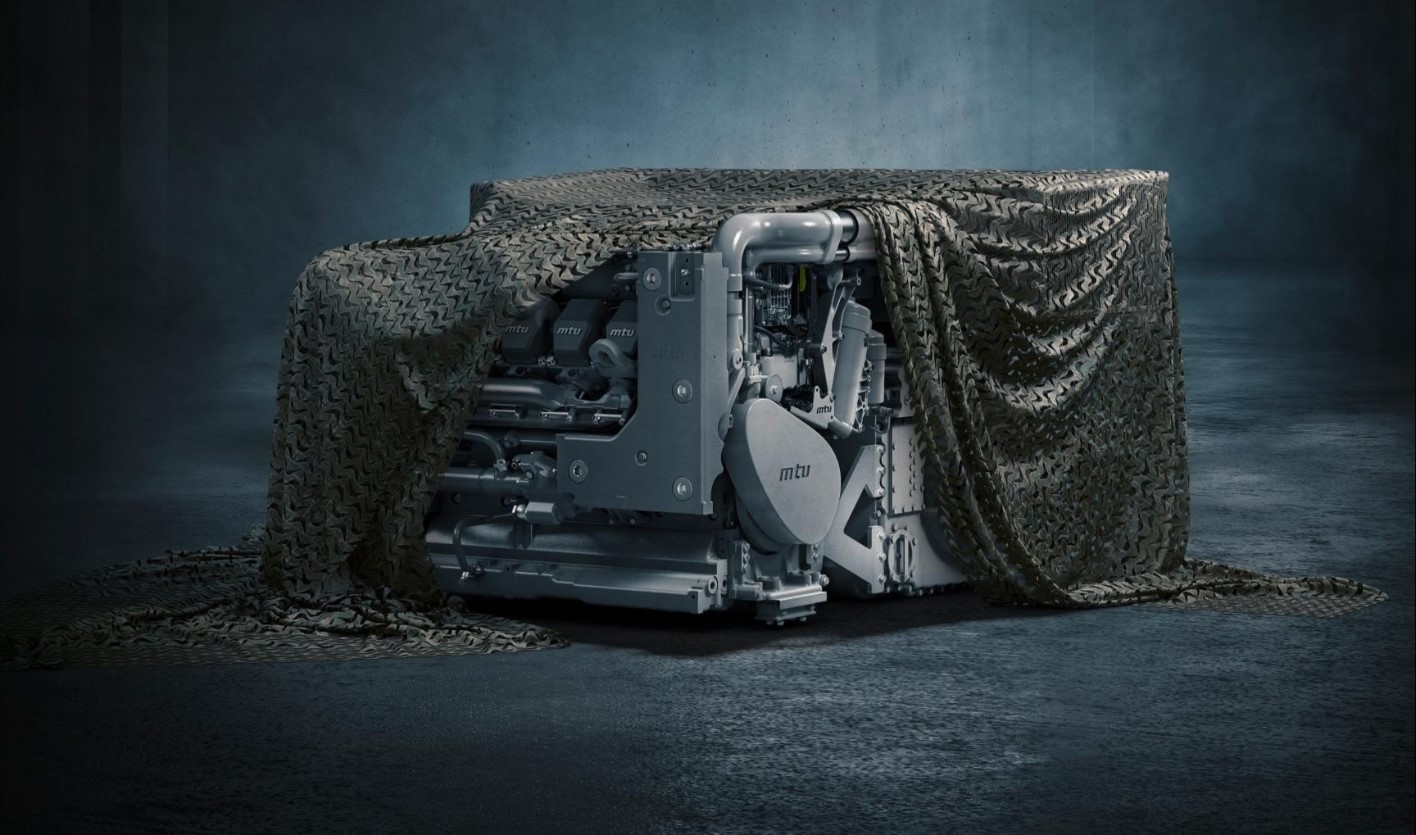 Rolls-Royce Unveils New Hybrid Powertrain for Heavy Military Vehicles at Eurosatory 2026
-
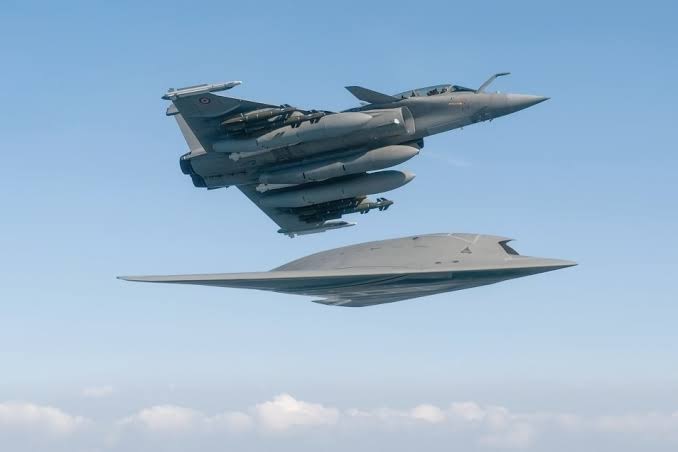 France Agrees to Equip Future Indian Rafales with AI, MUM-T and Secure Satellite Links Under F5 Standard