
India
The Centre for Development of Advanced Computing (C-DAC), a leading R&D organization under the Ministry of Electronics and Information Technology (MeitY), has been called upon to enhance collaboration with the private sector to boost India’s innovation ecosystem. This appeal came from S. Krishnan, Secretary of MeitY, during his keynote address on the occasion of C-DAC's 38th Foundation Day. Krishnan acknowledged C-DAC’s remarkable contributions, particularly in the field of supercomputing, where it played a pioneering role by developing India’s first indigenous supercomputer, Param. He also praised its ongoing projects, including the development of indigenous servers and processors, such as those under the VEGA program — a national initiative for open-source chip design that aims to reduce dependency on foreign chip technologies. However, Krishnan emphasized that to keep pace with rapid global technological advancements, C-DAC must now expand its collaborations beyond government agencies and academic institutions to include private players. According to him, true innovation flourishes when research organizations and industries work together in synergy, combining advanced R&D with practical application, scalability, and commercial viability. He noted that the government is fully prepared to share developed technologies with private sector partners, with a view to fostering a vibrant ecosystem of innovation. These partnerships, he said, will not only enable mass production and servicing of technologies but also ensure continuous upgrades through joint efforts. Highlighting the need for a structured mechanism for technology transfer, Krishnan urged the creation of platforms that allow private firms to adopt, scale, and enhance the technologies developed by C-DAC. This will ensure that the benefits of public R&D investments reach the broader economy and support the government’s vision of “Atmanirbhar Bharat” (Self-Reliant India). Adding to this vision, ISRO Chairman V. Narayanan, who also addressed the event, shed light on how India has historically turned challenges into opportunities. He pointed out how global technology restrictions and denials in the past pushed India to develop indigenous capabilities. He cited CDAC’s early success in building a supercomputer during such a time and ISRO’s own work in developing advanced rocket propulsion systems without foreign assistance as strong examples of resilience and innovation. Together, their message was clear: for India to maintain momentum in its digital and technological progress, a collaborative approach involving government research institutions, academia, and the private sector is not just desirable—it is essential. With its strong foundation and achievements, C-DAC is in a prime position to lead this movement toward deeper integration with the industry, paving the way for the next generation of Indian technological breakthroughs.
Read More → Posted on 2025-04-07 15:14:26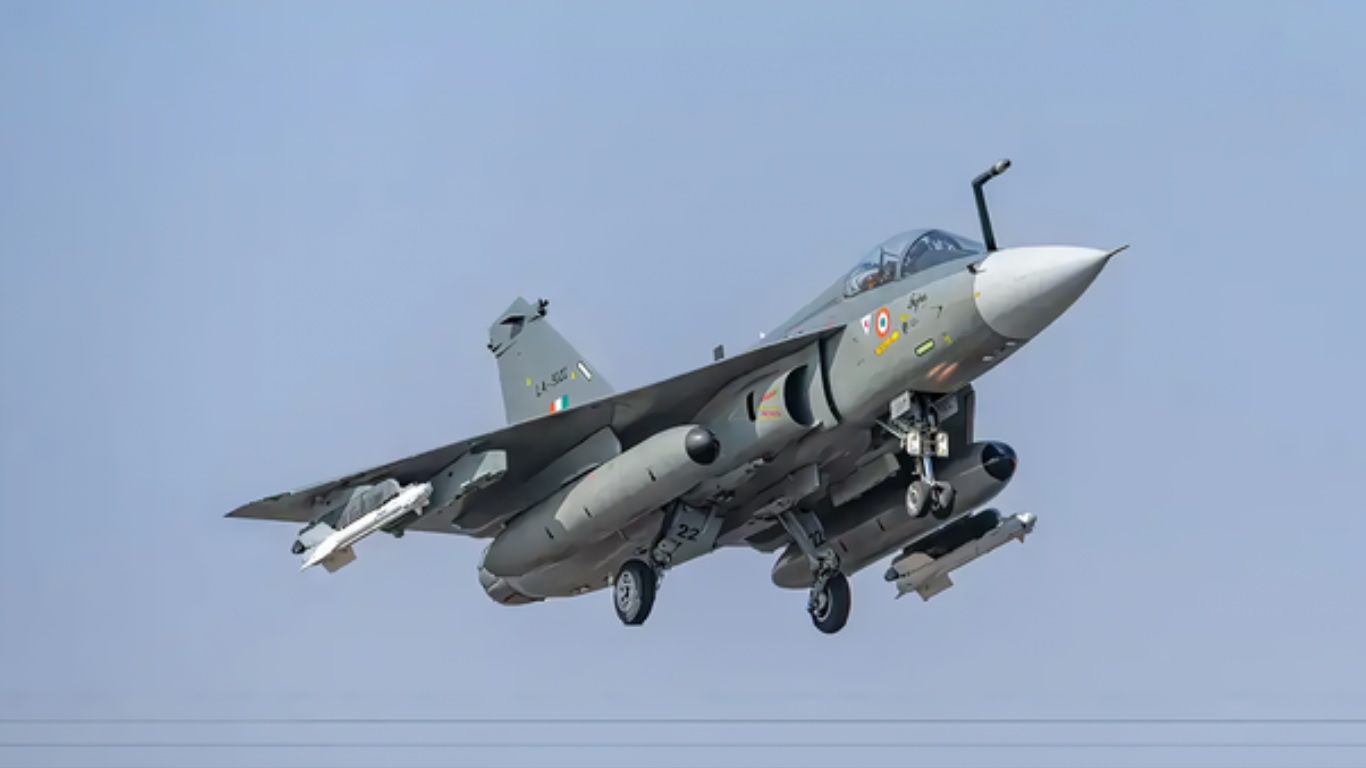
India
Air Force Station Naliya, nestled in the coastal region of Gujarat, is undergoing a significant transformation as it prepares to welcome the Indian Air Force's cutting-edge Tejas Mk1A fighter jets. This shift marks the end of an era dominated by the ageing MiG-21Bis and the beginning of a new chapter centred around indigenous technology, faster response capabilities, and enhanced air power near the sensitive Pakistan border. Located less than 100 kilometres from the strategically vital Sir Creek area, Naliya has long played a critical role in guarding India’s western frontier. For decades, it served as a forward operating base for MiG-21Bis squadrons—a Cold War-era fighter that, while once formidable, has become increasingly outdated and challenging to maintain. With the IAF set to retire the entire MiG-21 fleet by the end of 2025, Naliya is now at the forefront of India's aerial modernisation drive. The introduction of the Tejas Mk1A is not just a routine fleet update—it represents a leap in capability. Designed and manufactured in India by Hindustan Aeronautics Limited (HAL), the Tejas Mk1A comes equipped with advanced avionics, radar systems, electronic warfare capabilities, and mid-air refuelling. Its performance far exceeds that of the MiG-21, with better manoeuvrability, safety features, and multirole combat capabilities that make it ideal for both air defence and offensive roles. In preparation for this major induction, the IAF has already begun laying the groundwork. The earlier version of the Tejas, known as the Mk1 with Final Operational Clearance (FOC), was deployed to Naliya, bringing along No. 18 Squadron, the “Flying Bullets.” This initial phase allowed the base to adapt its operational ecosystem—from maintenance hangars and radar installations to pilot training and logistics. It served as a testbed to streamline the infrastructure required for the more advanced Mk1A variant. Over the last year, Naliya has seen a flurry of upgrades. Aircraft shelters have been reinforced to withstand potential blasts. Radar systems have been modernised to support long-range tracking and target acquisition. Dedicated facilities for Tejas-specific maintenance and diagnostics have been added, ensuring quicker turnaround times and operational readiness. The proximity of the base to Pakistan—just 40 to 50 kilometres from the international border—adds a layer of urgency to these upgrades. In a region where minutes can determine the outcome of an air engagement, the speed and agility of the Tejas Mk1A offers a crucial edge. It can scramble quickly, respond more effectively to aerial threats, and operate in high-tempo conflict scenarios. Beyond the immediate tactical benefits, the deployment of Tejas Mk1A at Naliya is a symbolic milestone for India's "Atmanirbhar Bharat" (self-reliant India) defence initiative. Replacing imported Soviet-era platforms with home-grown fighter jets reflects a broader strategic goal: reducing dependency on foreign arms and building a robust domestic defence industrial base. From a broader military perspective, the IAF’s decision to station its first Tejas Mk1A squadron at Naliya also signals a recalibration of India’s western defence posture. It reinforces the deterrent factor along the Pakistan front and improves India’s ability to respond swiftly to any incursion or provocation. In summary, the transformation of Naliya from a MiG-21 base to a Tejas Mk1A stronghold is more than a technological upgrade—it's a shift in philosophy. It encapsulates India’s ambitions to modernise its armed forces, rely more on indigenous innovations, and prepare its military infrastructure for the challenges of modern aerial warfare. As the IAF moves towards phasing out its legacy platforms, Naliya stands as a symbol of that forward-looking future.
Read More → Posted on 2025-04-07 15:02:36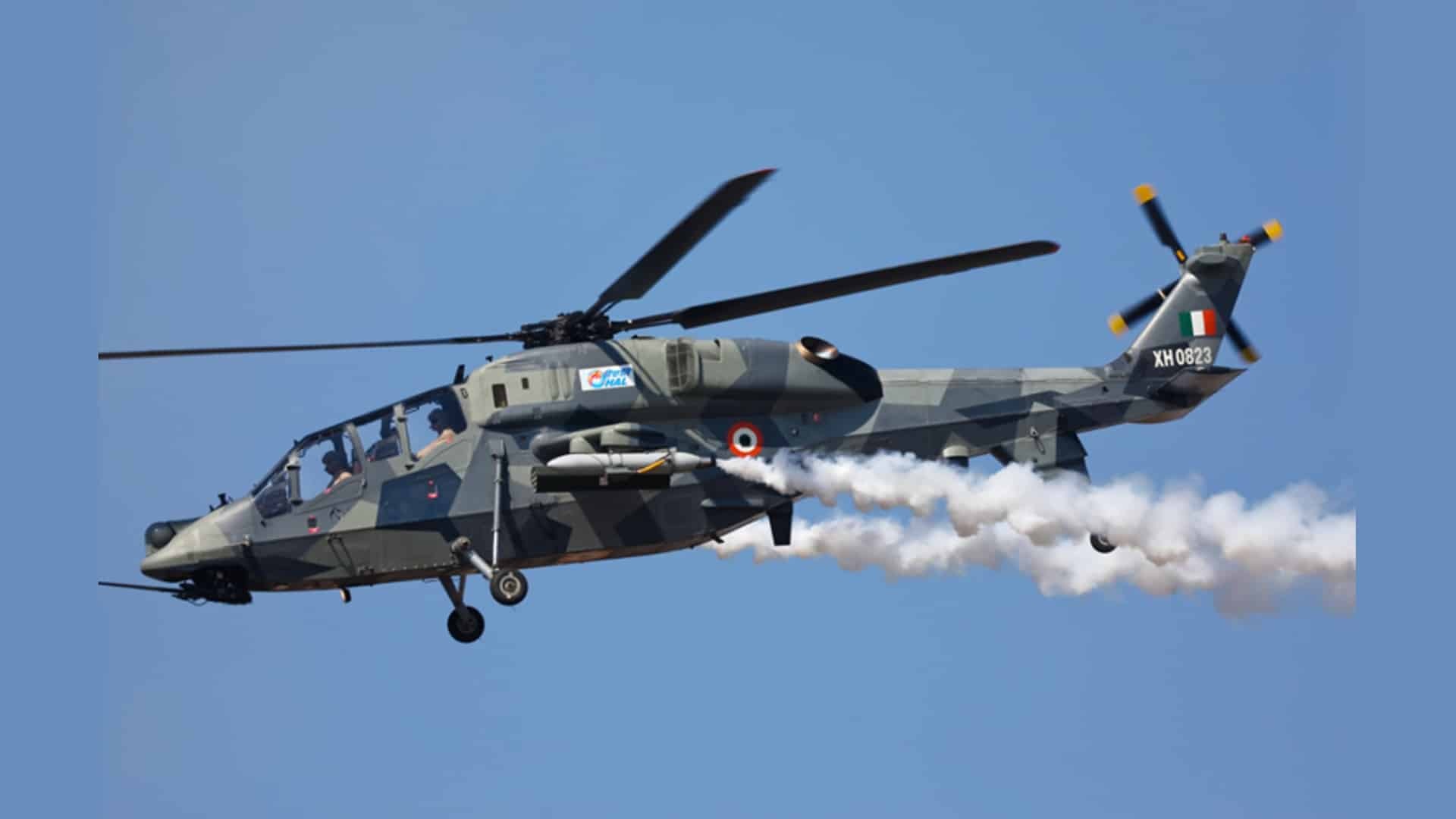
India
India’s defence sector is poised for a major leap in self-reliance as Hindustan Aeronautics Limited (HAL) prepares to roll out 156 indigenously developed Light Combat Helicopters (LCH) for the Indian Army and Air Force. This landmark ₹62,500 crore deal, recently cleared by the Cabinet Committee on Security and signed on the same day, is not only significant for the armed forces but also a game changer for private industry involvement in defence production. In a major policy shift, HAL is planning to outsource a massive 40% of the project—worth nearly ₹25,000 crore—to Indian private companies. This is similar to the approach taken in the Light Combat Aircraft (LCA) Tejas programme, where HAL partnered with companies like Larsen & Toubro and Vem Technologies to build key aircraft components such as the fuselage and wings. For the LCH programme, HAL is expected to issue tenders soon, inviting the private sector to take part in manufacturing key components and systems of the helicopters. This move is not just about speeding up production, but also about strengthening the defence ecosystem by giving domestic companies a larger role in national security projects. The helicopters will be assembled at HAL’s facilities in Bengaluru and Tumkur, both in Karnataka. These modern plants are equipped with advanced infrastructure and are part of HAL’s long-term expansion plans aimed at handling high-volume, indigenous defence orders. The Light Combat Helicopter, designed and developed by HAL, is a state-of-the-art multi-role platform capable of performing in high-altitude warfare, anti-armour operations, and counter-insurgency missions. It is already proven in operations and has shown excellent performance in tough terrain, including deployments in the Ladakh region. Defence Minister Rajnath Singh recently witnessed the delivery of the first rear fuselage for the LCA Mk1A, manufactured by a private firm—Alpha Tocol Engineering Services. This milestone reflects the growing trust and capability of India’s private industry to deliver world-class aerospace components. HAL, the backbone of India’s aerospace and defence manufacturing, is now actively pursuing deeper collaboration with private companies to promote self-reliance under the 'Atmanirbhar Bharat' vision. With an order book exceeding ₹2 lakh crore and future orders worth ₹70,000 crore in the pipeline, HAL’s expansion is expected to create thousands of jobs, fuel innovation, and reduce the country’s reliance on foreign defence imports. Currently, HAL is also working on other significant contracts, including 12 Su-30MKI fighter jets and 83 LCA Mk1A aircraft—10 of which are trainer versions. This surge in indigenous defence production, combined with private sector integration, marks a turning point in India’s journey to becoming a global defence manufacturing hub. The LCH deal is not just about helicopters—it’s about building a stronger, self-reliant, and technology-driven defence ecosystem that supports national security and economic growth simultaneously.
Read More → Posted on 2025-04-07 14:53:50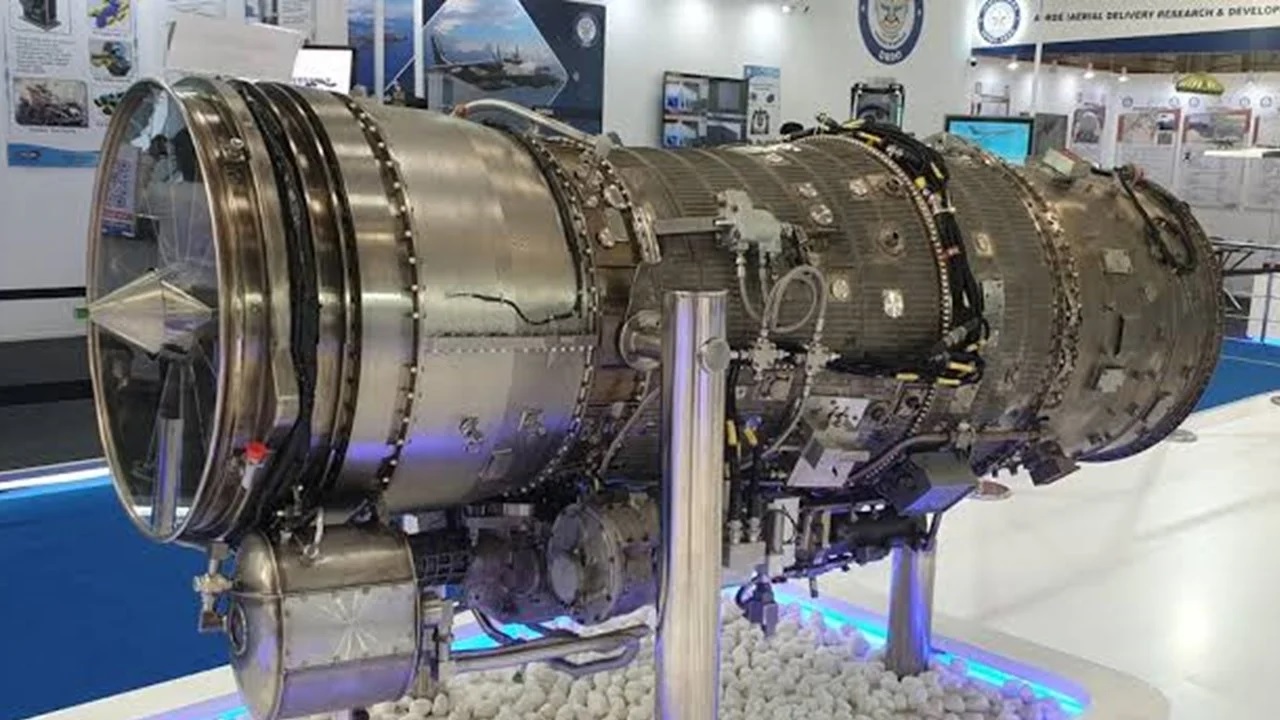
India
In a significant stride toward India’s goal of defence self-reliance, Godrej Aerospace has successfully delivered two modules of the Kaveri Derivative Engine, also known as the Dry Kaveri, to the Gas Turbine Research Establishment (GTRE). This delivery marks a pivotal moment in India’s indigenous jet engine development journey and underlines the growing role of private industry in the nation’s aerospace sector. The Dry Kaveri engine is a modified, non-afterburning version of the original Kaveri engine that was originally developed for the Light Combat Aircraft (LCA) Tejas. While the original Kaveri program faced multiple delays and challenges, the Dry Kaveri variant has found renewed purpose in powering future unmanned aerial vehicles and potential light combat aircraft. With a thrust class of around 48 kN, the Dry Kaveri is tailored for platforms that do not require afterburning capability, making it ideal for UAVs and stealth applications. Godrej Aerospace’s achievement stems from a September 2022 contract awarded by DRDO, which tasked the company with manufacturing eight engine modules. The first two modules have now been completed and handed over to GTRE within the stipulated two-year timeframe. This success reflects Godrej's growing expertise in aero-engine manufacturing, a field traditionally dominated by government entities. As per the contract, six more modules are under development and expected to be delivered by late 2025. These modules will complete the set required to assemble a full Dry Kaveri engine for further performance testing and evaluation. Once the full engine is ready, it will undergo a rigorous series of ground and flight tests, which are crucial to validate its design, durability, and performance under real-world conditions. The Dry Kaveri engine has already undergone high-altitude testing in Russia, where its initial results were marked as satisfactory. However, continued testing and iterations will be necessary before it can enter operational deployment. Importantly, GTRE is also working on an afterburner module for the Dry Kaveri, which is expected to enhance its thrust to 73-75 kN. If successful, this could open the door for its use in manned platforms such as HAL’s HLFT-42, a new-generation trainer and light combat aircraft being designed for both domestic and export markets. The broader impact of this project goes beyond just the engine itself. According to executives from Godrej Aerospace, the project has enabled the company to develop crucial metallurgical and manufacturing expertise, particularly in handling challenging materials like titanium. Titanium is essential in aerospace applications due to its strength, lightweight, and corrosion resistance but requires precision engineering due to its difficult nature. Developing the ability to work with such materials is a strategic gain for India’s entire aerospace manufacturing ecosystem. This initiative also aligns with India’s long-term vision to develop its own 5th generation fighter jet engines, particularly for the Advanced Medium Combat Aircraft (AMCA) project. While that goal is still on the horizon, the Dry Kaveri project serves as a vital stepping stone, helping Indian engineers and private firms gain the knowledge and experience needed to build more complex engines in the future. In conclusion, Godrej Aerospace’s delivery of the first two Dry Kaveri engine modules is not just a contract milestone—it’s a symbol of India’s evolving aerospace capabilities. As more modules are completed and tested, the project will bring India closer to a future where indigenous engines power its next generation of combat aircraft and unmanned systems. This also represents a shift in India’s defence ecosystem, where public-private partnerships are becoming the cornerstone of innovation and self-reliance.
Read More → Posted on 2025-04-06 14:43:10
India
India is preparing for a major leap in its airborne surveillance capabilities as the Indian Air Force (IAF) is set to induct six new Netra Mk1A Airborne Early Warning and Control (AEW&C) aircraft. These systems will be based on pre-owned Embraer EMB-145 regional jets and will significantly enhance the IAF’s real-time battlefield awareness, airspace monitoring, and threat detection capabilities. This expansion, once formally cleared by the Defence Acquisition Council (DAC), will nearly triple the IAF’s current AEW&C capacity, a critical improvement that military planners have long advocated—especially after lessons drawn from aerial skirmishes in 2019 with neighboring Pakistan. Building on a Proven Platform The current Netra AEW&C systems, built by DRDO’s Centre for Airborne Systems (CABS), use the same EMB-145 platform and have been in service since the 2010s. They offer 240-degree radar coverage over a range of roughly 450 kilometers and are integrated with Indian-made AESA radar, Identification Friend or Foe (IFF) systems, secure data links, and electronic countermeasure technologies. The upcoming Mk1A version will build upon this proven design but bring notable improvements in radar range, signal intelligence gathering, threat tracking, and electronic warfare support. These enhancements are designed to address India’s growing airspace security challenges across its western and northern frontiers. Strategic Partnership: Adani and Embraer Since the EMB-145 is no longer in production, the plan involves acquiring pre-owned jets from the global market. Brazil’s Embraer, the original manufacturer, will partner with India’s Adani Defence and Aerospace to source suitable airframes. This is a pragmatic approach, leveraging Embraer’s global reach and Adani’s expanding defence industry presence in India. Adani won’t just help locate the jets—it will also play a central role in converting the commercial EMB-145s into sophisticated military AEW&C platforms. This includes structural modification, installation of radar domes, integrating indigenous mission systems, and carrying out extensive avionics upgrades. Adani’s growing Maintenance, Repair and Overhaul (MRO) capabilities will also help keep the aircraft service-ready throughout their operational life. This partnership fits neatly into India’s push for defence self-reliance, as it ensures that high-end systems like Netra are not only designed but also assembled and upgraded within the country. Why the EMB-145 Still Matters Despite being out of production, the Embraer EMB-145 remains a reliable and efficient platform. With a range of over 2,800 km and a cruise speed of Mach 0.78, it is well-suited for extended surveillance missions. Its previous successful integration with Indian systems means less development risk and faster deployment timelines for the Mk1A variant. Careful selection of used airframes will be key. These jets must be structurally sound and capable of handling the additional electronic and structural weight imposed by the AEW&C systems. Once selected, they will undergo significant modification, likely with technical assistance from Embraer engineers, to meet the military standards of the IAF. Strategic Impact and Forward Path The addition of these six Netra Mk1A aircraft is only one part of a larger strategy to strengthen India’s airborne surveillance network. In parallel, India is also developing six larger AEW&C systems based on the Airbus A321 platform. These will offer longer endurance and larger radar coverage but will take more time to enter service due to their complexity and scale. In contrast, the EMB-145 based Netra Mk1A aircraft are expected to be operational sooner, thanks to the maturity of the technology and existing expertise. The IAF’s current use of the EMB-145 for VIP transport also adds logistical familiarity to the equation, further smoothing integration. With this project, India is not just adding numbers to its fleet—it’s making a qualitative upgrade to its ability to maintain situational awareness in contested skies, coordinate air operations, and respond to threats in real time. In an era of rising regional tensions and the increasing use of drones, cruise missiles, and low-flying aircraft, having more “eyes in the sky” is no longer optional—it’s essential. The Netra Mk1A initiative, combining indigenous tech, private sector capability, and international collaboration, marks a promising step in India’s defence modernisation journey.
Read More → Posted on 2025-04-06 14:38:00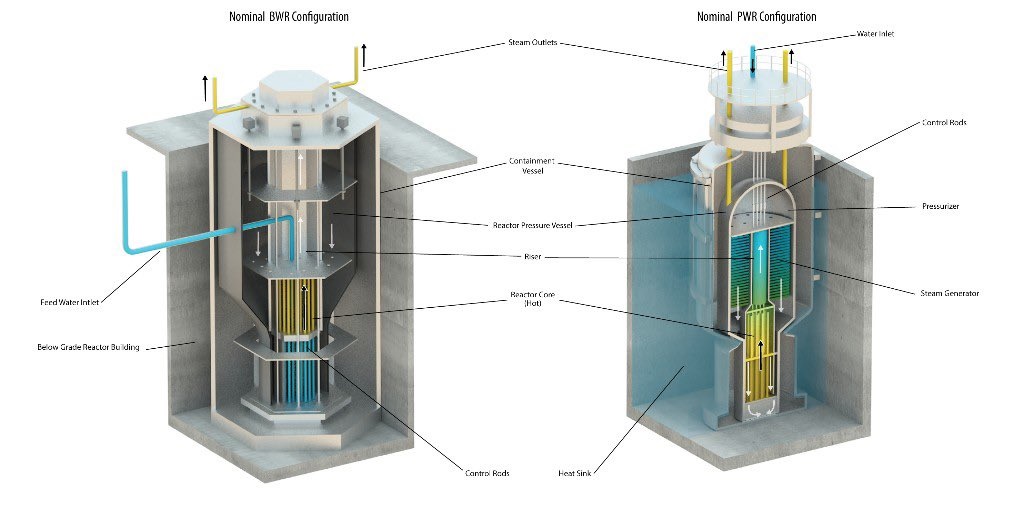
India
India has reached a major milestone in its pursuit of clean and sustainable energy by completing the concept design of the Bharat Small Modular Reactor (BSMR-200) — a 200 MWe pressurised water reactor. This landmark project, developed jointly by the Bhabha Atomic Research Centre (BARC) and the Nuclear Power Corporation of India Limited (NPCIL), is tailored to meet the evolving needs of India’s power sector, especially in areas where traditional large nuclear reactors may not be feasible. What Makes the BSMR-200 Special? Unlike conventional nuclear plants, the BSMR-200 is a compact, scalable, and safer alternative. It’s equipped with advanced passive safety systems, meaning it can shut down and cool itself during emergencies without the need for operator intervention or external power. This drastically reduces the risk of accidents, even under off-normal conditions. The reactor will run on slightly enriched uranium, maintaining India’s tradition of using indigenous fuel sources, while also enhancing energy efficiency. Once financial approval is secured, the first demonstration unit is expected to be constructed within six years, and commissioned by the seventh year, with a projected cost of around ₹5,700 crore. Strategic Vision and Industrial Applications The government envisions these small modular reactors as a key component of its plan to achieve 100 GW of nuclear power capacity by 2047, in line with India’s clean energy transition goals. The BSMRs are designed for multiple real-world applications, including: Captive power supply to energy-intensive industries like steel, cement, and aluminium. Electricity generation for remote and off-grid regions, improving access and reliability. Repurposing aging thermal power plants, allowing their existing infrastructure to support modern nuclear energy systems. This approach not only aids in decarbonising India’s energy mix, but also revitalises old industrial assets, making the transition to clean energy more cost-effective. Involving the Private Sector: A Historic Shift One of the most revolutionary aspects of the BSMR initiative is the opening up of India’s nuclear sector to private companies. For decades, nuclear energy generation in India was the exclusive domain of the government, strictly regulated by the Atomic Energy Act of 1962. Now, through structured collaboration, the Department of Atomic Energy (DAE) plans to work with private vendors for key components like reactor pressure vessels and coolant pumps. Construction and commissioning will be carried out by pre-qualified Engineering, Procurement and Construction (EPC) firms, selected through competitive bidding. This strategy not only attracts fresh investment, but also accelerates deployment by tapping into the technical expertise and efficiency of India’s private sector. Technological Roots in Proven Systems The Bharat Small Modular Reactors draw their core design principles from India’s successful 220 MWe Pressurised Heavy Water Reactor (PHWR) technology. Sixteen of these reactors are already operational in the country, making them a reliable base for further innovation. The BSMR, however, adapts this experience into a pressurised water reactor (PWR) design — more suited for modular, factory-based manufacturing and faster construction cycles. A Game-Changer for the Future With the global focus shifting towards decentralised, clean, and secure energy systems, India’s BSMR programme places it at the forefront of next-generation nuclear technology. It not only reflects the country's commitment to sustainability, but also showcases its capability to lead in innovative nuclear solutions that are safer, smaller, and smarter. As the world grapples with the twin challenges of climate change and energy security, the Bharat Small Modular Reactor stands out as a timely and strategic answer, combining indigenous expertise, industrial collaboration, and forward-thinking policy reforms.
Read More → Posted on 2025-04-06 14:31:56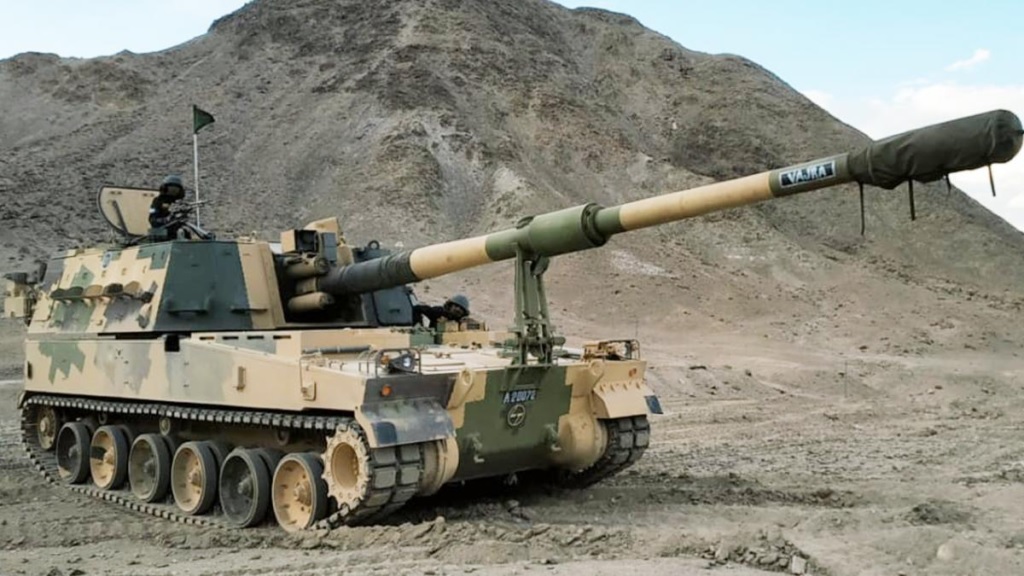
India
India has taken a major step in strengthening its artillery capabilities with the signing of a new $253 million contract with South Korea’s Hanwha Aerospace for the supply of an additional 100 K9 Vajra-T self-propelled howitzers. This marks a significant leap forward in both India's defence modernisation and its commitment to building a self-reliant military industrial base under the "Aatmanirbhar Bharat" vision. The contract, formalised at the South Korean embassy in New Delhi on April 3, 2025, is a follow-up to the earlier deal signed in 2017. That initial order, which was completed ahead of schedule by 2021, had already delivered 100 K9 Vajra-T units to the Indian Army. The performance of those units and the strategic value they have brought to India’s artillery corps laid the groundwork for this new procurement. At the heart of this project lies not just an acquisition, but a larger push for defence indigenisation. The second batch of K9 Vajra-Ts will see an increased share of locally sourced components—targeted at over 60%, up from around 50% in the previous batch. This shift will allow Indian industries to deepen their integration into the high-end defence manufacturing ecosystem, boosting both technical skills and job creation. Production will once again take place at Larsen & Toubro’s Armoured Systems Complex in Hazira, Gujarat, a facility that has already proved its mettle by assembling the first 100 guns successfully. More than 13,000 components go into each howitzer, and a network of nearly 1,000 Indian suppliers—many of them MSMEs—will be contributing to this effort. The involvement of 150 Gujarat-based companies alone underlines the regional economic impact of such defence manufacturing projects. From a technical standpoint, the K9 Vajra-T is among the most capable self-propelled artillery platforms in the world. Based on South Korea’s K9 Thunder, it has been customised for Indian conditions. Whether it’s the arid deserts of Rajasthan, the northern plains, or high-altitude locations near the Himalayas, the K9 Vajra-T is engineered for flexibility and resilience. It boasts a 155mm/52-calibre gun, capable of striking targets over 25 km away with pinpoint accuracy, and is powered by a 1,000 hp German MTU engine coupled with a U.S.-made Allison automatic transmission, ensuring powerful mobility across diverse terrains. India selected this platform over Russian and other Western competitors after extensive trials in 2013 and 2014. Its selection over the Russian 2S19 MSTA underlined its battlefield superiority and compatibility with Indian operational needs. But beyond the artillery itself, this deal deepens the strategic defence partnership between India and South Korea. Since their relationship was elevated to a "Special Strategic Partnership" in 2015, both countries have steadily enhanced collaboration across multiple sectors, including land systems, aerospace, and naval technology. Hanwha, in particular, is keen on expanding its footprint in India, with possible future collaborations in air defence systems such as the Hybrid BiHo. For India, the contract reflects a careful balancing act—modernising its military while ensuring that foreign partnerships translate into local industrial growth. The increasing localisation requirement is a calculated move to foster advanced manufacturing capabilities domestically. According to L&T, this batch alone is expected to generate nearly one million man-days of employment over four years, highlighting the dual military and economic value of such acquisitions. Looking ahead, this partnership could become a template for future defence procurement—one that merges global expertise with Indian production. It not only secures strategic assets for the Indian Army but also builds long-term industrial capacity within the country. In sum, the second order of K9 Vajra-Ts is more than a firepower upgrade. It is a strategic, economic, and industrial win for India, affirming its role as a serious player in the global defence landscape. With stronger artillery, deeper bilateral defence ties, and a robust domestic manufacturing push, India is well on track to achieve its long-term military modernisation and self-reliance goals.
Read More → Posted on 2025-04-05 15:09:07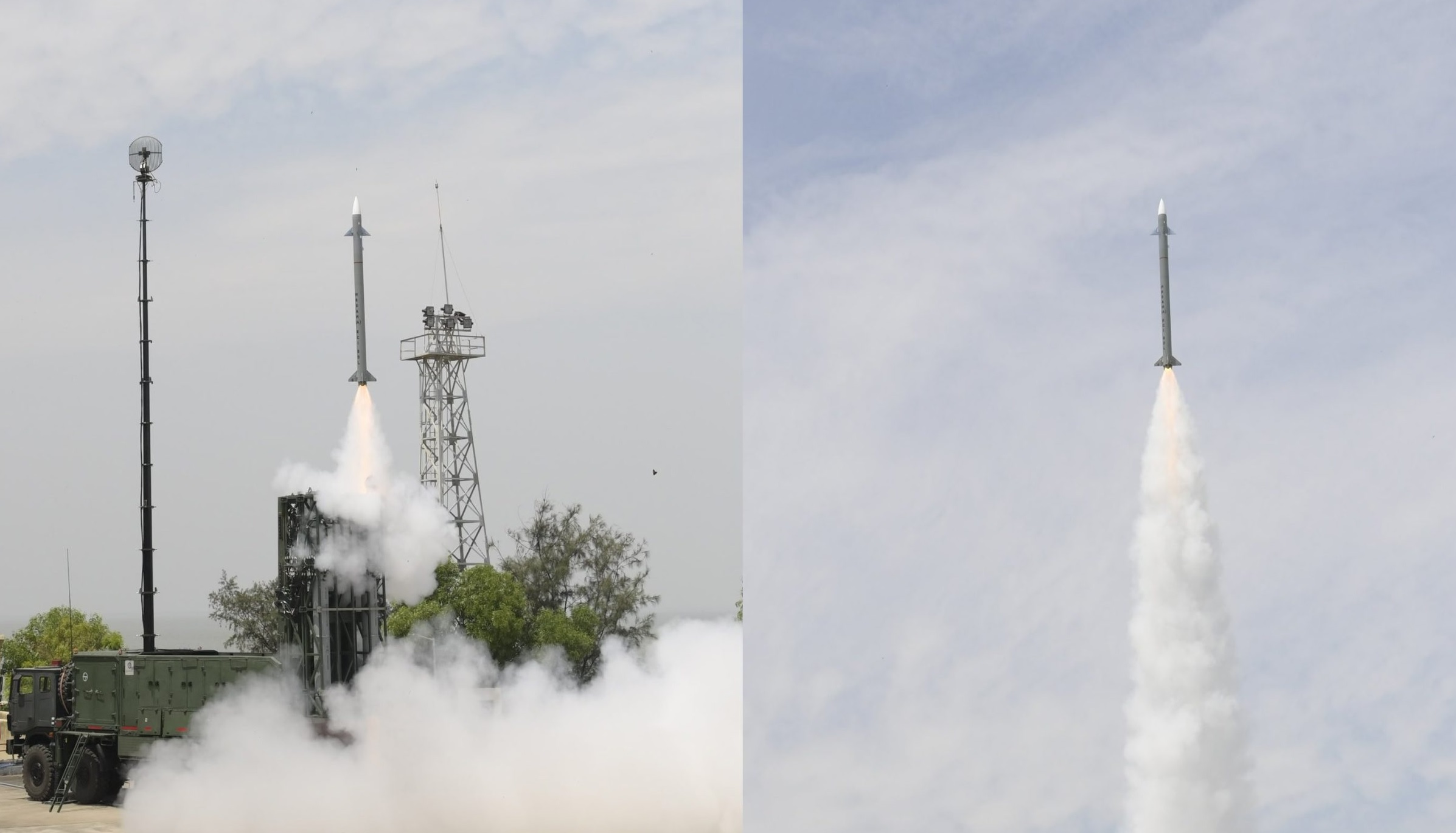
India
In a significant stride towards strengthening India’s air defence capabilities, the Defence Research and Development Organisation (DRDO) and the Indian Army conducted four highly successful flight-tests of the Army version of the Medium-Range Surface-to-Air Missile (MRSAM) system. The tests were held on April 3 and 4, 2025, at Dr APJ Abdul Kalam Island off the coast of Odisha. The trials were conducted under realistic operational scenarios, targeting high-speed aerial threats at different altitudes and ranges. All four missiles successfully intercepted and destroyed their targets with precision, registering direct hits — a strong validation of the MRSAM’s accuracy and readiness. These tests weren’t just ordinary evaluations. They were conducted with the complete weapon system in fully operational configuration, mimicking actual battlefield conditions. Targets were engaged at long-range, short-range, high altitude, and low altitude, covering the full spectrum of possible aerial threats. Performance data was collected through a network of radars and electro-optical tracking systems stationed at the Integrated Test Range in Chandipur. The Indian Army, under the guidance of DRDO, executed these tests through its Eastern and Southern Commands. This also marked a significant achievement for the Army’s operational preparedness, as these successful trials cleared the path for deploying the MRSAM weapon system in two regiments. The MRSAM system is a joint development by DRDO and Israel Aerospace Industries (IAI), tailored specifically for the Indian Army. It consists of a mobile launcher, multi-function radar, command and control systems, and a network of support vehicles — enabling it to detect, track, and neutralize multiple aerial targets in a matter of seconds. These flight-tests reaffirm the effectiveness of India’s indigenous defence technology. Raksha Mantri Rajnath Singh congratulated DRDO, the Indian Army, and Indian industry partners for the successful demonstrations. He emphasized that the four back-to-back successes demonstrate the robustness of India’s defence ecosystem and its growing self-reliance. DRDO Chairman and Secretary of the Department of Defence R&D, Dr. Samir V. Kamat, also praised the teams involved, calling the trials a major milestone in building India’s integrated air defence network. He underlined that these tests reflect the growing synergy between science, technology, and defence operations. A Quick Look at What Makes MRSAM Special: Range: Capable of intercepting aerial targets at a range of up to 70 km. Multi-target Handling: Can track and engage multiple threats simultaneously. All-weather Capability: Operates efficiently under all environmental conditions. Quick Reaction Time: Rapid response against incoming threats. Mobile and Flexible: Easily deployable in different terrains and locations. The successful testing of the MRSAM Army variant is more than just a technical achievement. It is a signal of India's maturing defence capabilities, the confidence of its armed forces in indigenous systems, and a step closer to becoming self-reliant in critical defence technologies. With these successful trials, the MRSAM system is now closer to being fully operationalised and integrated into India's defence forces.
Read More → Posted on 2025-04-05 14:36:01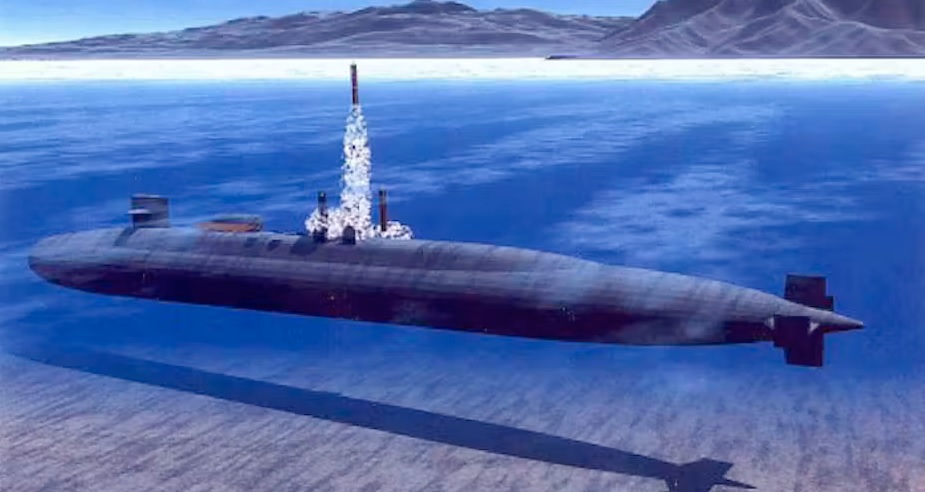
India
India’s Defence Research and Development Organisation (DRDO) is steadily advancing a groundbreaking project—a new submarine-launched Long Range Land Attack Cruise Missile (LACM) with a formidable range of 1500 kilometers. This next-generation weapon aims to empower the Indian Navy with a highly capable and universally compatible underwater strike option, enhancing India's maritime dominance in the Indo-Pacific. This long-range LACM draws its roots from the Indigenous Technology Cruise Missile (ITCM) programme and is being engineered to fire from standard 533 mm torpedo tubes. This makes it suitable for deployment from India’s existing Kilo-class (Sindhughosh) and Kalvari-class (Scorpène) submarines, as well as the upcoming Project-75I, Project-76, and nuclear-powered attack submarines (SSNs) planned post-2030. Unlike vertically launched cruise missiles which require specialized launch systems, this missile can be fired through torpedo tubes, offering wide operational flexibility without major vessel upgrades. This universal launch capability ensures strategic readiness across multiple platforms, including legacy and future submarines. Key Features and Capabilities: Range: 1500 kmThis allows submarines to engage distant targets while staying in safe, undisclosed locations deep underwater. Launch Mode: Torpedo Tube-LaunchedDesigned to be launched from 533 mm standard torpedo tubes—making it compatible with most Indian submarines. Platform Compatibility: Existing Kilo-class submarines Kalvari-class (Scorpène) submarines Future Project-75I submarines (likely German U-214NG) Indigenous Project-76 submarines Upcoming SSNs approved in 2024 Engine: Small Turbo Fan Engine (STFE)Developed by GTRE, this engine enables long-range subsonic cruise at speeds around Mach 0.7. Length and Diameter: Approximately 5.6 to 6 meters in length, 505–520 mm in diameter, ensuring a snug fit into torpedo tubes. Navigation and Guidance:Utilizes a mix of: Inertial Navigation System (INS) GPS (Global Positioning System) Radio Frequency (RF) seeker DSMAC (Digital Scene Matching Area Correlation)This hybrid navigation system ensures precise targeting, even in GPS-denied environments. Warhead: 300 kg conventional warheadOffers significant strike capability with potential for future payload variants depending on mission needs. Strategic Importance: This missile system is more than just an offensive tool—it’s a strategic game-changer. By giving the Indian Navy the ability to strike deep inland from hidden underwater positions, the LACM enhances both survivability and lethality. Submarine-launched cruise missiles are considered vital for second-strike capabilities and power projection. With increasing maritime activity and tension in the Indo-Pacific, especially around contested waters, such a system significantly boosts India's deterrence posture. The missile also complements the Navy's Vertical Launch variant of the Long Range Land Attack Cruise Missile (LRLACM), which is meant for surface warships. Together, they provide a multi-platform, multi-launch strategy for high-precision land attack missions. Project Timeline: DRDO aims to complete development and testing of this submarine-launched LACM by 2028, with underwater firing trials expected in the coming years. Once inducted, this missile will give India a significant edge in underwater warfare by seamlessly integrating across the Navy's evolving submarine fleet.
Read More → Posted on 2025-04-04 14:51:22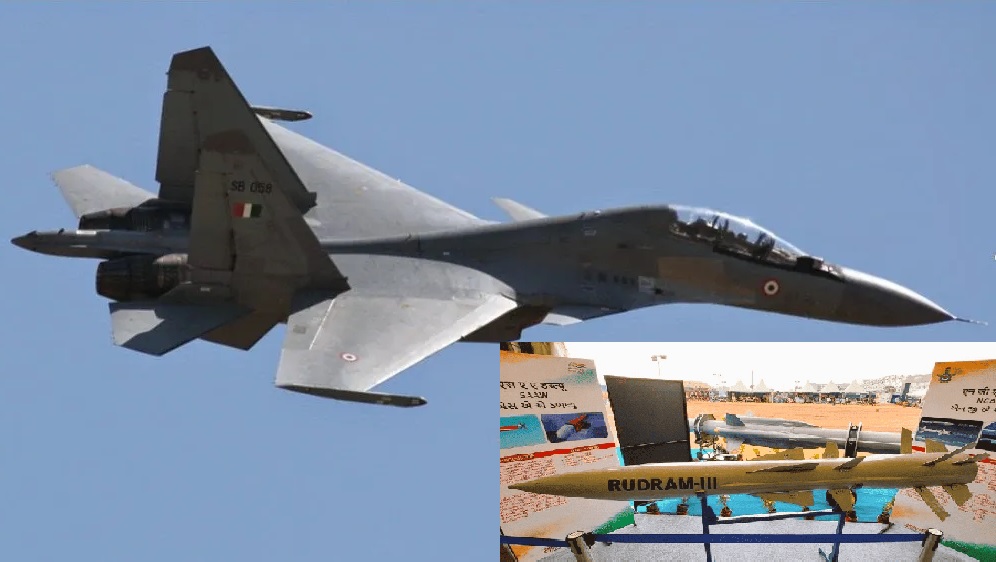
India
India's Defence Research and Development Organisation (DRDO) is working on a game-changing enhancement for the Indian Air Force’s (IAF) Su-30MKI fighter jets. A recently showcased concept envisions the aircraft configured in a 'Heavy Strike Mode', armed with four RudraM-III air-launched hypersonic missiles. This loadout significantly amplifies the Su-30MKI’s ability to conduct deep penetration strikes and Suppression of Enemy Air Defences (SEAD) missions. RudraM-III: A Hypersonic Game-Changer The RudraM-III, developed by DRDO's Defence Research and Development Laboratory (DRDL), is an air-to-surface missile designed to take down heavily fortified enemy installations. These include radar sites, command bunkers, aircraft shelters, and other critical infrastructure deep inside hostile territory. Belonging to the indigenous Rudram missile family, the RudraM-III builds upon the foundation laid by its predecessors. The RudraM-I, designed for anti-radiation missions, has a range of 200 km, while the upcoming RudraM-II is expected to extend that reach to 300 km. In contrast, the RudraM-III is projected to cover a striking 550-600 km range, carrying a 200 kg warhead for maximum impact. Advanced Capabilities for Precision and Penetration To ensure precision targeting, the RudraM-III is likely to be equipped with a combination of an Inertial Navigation System (INS), GPS updates, and possibly an Imaging Infrared (IIR) seeker for terminal guidance. The missile features 16 control fins, providing superior maneuverability, making it harder for enemy defences to intercept. Its propulsion system—a dual-pulsed solid rocket motor—enables hypersonic speeds exceeding Mach 5. It follows a semi-ballistic trajectory, which reduces its vulnerability to interception by conventional surface-to-air missiles. The RudraM-III will come in two key variants: Anti-Radiation Variant: Designed to home in on enemy radar emissions and disable air defence networks. Penetration-Cum-Blast (PCB) Variant: Equipped to penetrate hardened structures before detonating, maximizing damage to underground bunkers and strategic targets. Su-30MKI as a Deep Strike Powerhouse Equipping the Su-30MKI with four RudraM-III missiles transforms it into a formidable long-range strike platform. The aircraft itself boasts a combat radius exceeding 1,500 km, which can be extended further with aerial refueling. Coupled with the RudraM-III’s range of up to 600 km, this allows IAF pilots to launch attacks from well outside the engagement envelope of most modern enemy air defence systems. This loadout also opens the door for saturation strikes—launching multiple missiles simultaneously at different enemy assets—making it much harder for adversaries to defend against. By employing this approach, the IAF could neutralize critical enemy infrastructure while minimizing risks to its own assets. Strategic Implications A Su-30MKI configured for 'Heavy Strike Mode' with RudraM-III missiles signals India’s growing emphasis on deep penetration strike capabilities and electronic warfare superiority. With China and Pakistan continuously upgrading their air defence networks, the ability to conduct pre-emptive SEAD operations ensures that the IAF can maintain air superiority in any future conflict. Furthermore, the RudraM-III’s long-range and high-speed profile complement India’s evolving stand-off strike doctrine, allowing for decisive first-strike capability without exposing pilots to high-risk zones. If this concept is fully realized, the Su-30MKI will not just be an air superiority fighter—it will evolve into a next-generation deep strike asset, capable of crippling enemy infrastructure in the opening stages of any conflict.
Read More → Posted on 2025-04-04 14:40:56
India
State-owned aerospace giant Hindustan Aeronautics Limited (HAL) is making rapid strides in the development of its Combat Air Teaming System (CATS) Warrior, an advanced unmanned aerial vehicle (UAV) designed to operate alongside manned fighter jets. With an ambitious production target of up to 100 units annually, HAL is actively expanding its partnerships with private sector firms to accelerate manufacturing and meet the Indian Air Force’s (IAF) growing demand for force-multiplying technologies. The CATS Warrior: A Game-Changer for the IAF First unveiled as a full-scale model at Aero India 2025, the CATS Warrior represents a significant step forward in India’s indigenous drone warfare capabilities. Designed to work in tandem with manned aircraft such as the Tejas, Su-30 MKI, and Rafale, the drone is expected to execute high-risk missions, including deep-strike operations, electronic warfare, and target reconnaissance. By accompanying crewed fighters into contested airspace, the CATS Warrior can reduce risk to human pilots while enhancing the overall effectiveness of air combat missions. The concept of 'manned-unmanned teaming' (MUM-T) forms the backbone of this initiative. Under this model, a single fighter jet pilot could control a small swarm of Warriors, each performing a specific role—such as jamming enemy radars, engaging ground targets, or acting as a decoy to confuse adversaries. This strategy mirrors global developments, with the U.S. Air Force’s Skyborg project and Australia’s MQ-28 Ghost Bat program also pursuing similar capabilities. Cost-Effective and Scalable Production A key factor driving the IAF’s interest in the CATS Warrior is its affordability. With an estimated unit cost ranging between $5 million and $10 million, the drone presents a cost-effective alternative to traditional fighter jets, which can cost upwards of $50 million each. This allows for larger fleet deployments, increasing combat flexibility without excessively straining India’s defense budget. HAL’s plan to ramp up production to 100 units per year is supported by a growing network of private sector suppliers. Companies specializing in advanced composites, avionics, and propulsion systems are being integrated into the supply chain to ensure efficient manufacturing. A major milestone was reached in early 2025 when Tata Advanced Systems delivered a prototype airframe structure for the CATS Warrior, signaling the maturation of HAL’s industrial ecosystem for unmanned systems. Trials and Future Prospects Despite the promising outlook, the CATS Warrior program must clear critical hurdles before full-scale induction into the IAF. Flight trials are expected to begin in late 2025 or early 2026, during which the aircraft will undergo rigorous evaluation. The IAF will assess key performance parameters, such as its Autonomous Take-Off and Landing (ATOL) capability, secure data link reliability, and mission payload effectiveness. Successful trials could pave the way for large-scale orders, with experts speculating that the IAF might procure hundreds of units to bridge its fighter squadron shortfall. Currently operating with 31 active fighter squadrons against a sanctioned strength of 42, the IAF views the CATS Warrior as a crucial enabler in maintaining aerial superiority. Beyond domestic use, HAL’s mass production capability also opens doors for potential exports, aligning with India’s broader defense export ambitions. Given the increasing global interest in loyal wingman UAVs, the CATS Warrior could find international buyers, further boosting India’s standing in the global defense industry. With HAL’s determined push towards serial production and the IAF’s increasing reliance on unmanned systems, the CATS Warrior is poised to become a pivotal asset in India’s future air combat strategy. The coming years will determine whether this ambitious program can fulfill its potential, transforming India’s aerial warfare capabilities while reducing dependence on expensive foreign fighter jets.
Read More → Posted on 2025-04-03 15:17:58
India
The Indian Ministry of External Affairs (MEA) has strongly refuted allegations made by The New York Times (NYT) regarding Hindustan Aeronautics Limited (HAL) allegedly rerouting sensitive British equipment to Russia’s Rosoboronexport. The report, which suggested that HAL was involved in circumventing Western sanctions by supplying restricted dual-use components, was dismissed by the Indian government as "factually incorrect and misleading." The NYT article claimed that HAL procured restricted technology worth nearly $2 million from Techtest, a subsidiary of the UK aerospace firm H.R. Smith Group, between 2023 and 2024. It further alleged that during the same period, HAL made at least 13 shipments of similar equipment to Rosoboronexport, with transactions amounting to over $14 million. The insinuation was clear—HAL was supposedly acting as a conduit to bypass Western restrictions on Russia’s defense sector. However, the MEA swiftly denounced these accusations, asserting that India has a robust legal and regulatory framework governing strategic trade. The ministry emphasized that all commercial dealings by Indian companies adhere strictly to international obligations and end-user commitments. "We expect reputed media outlets to undertake basic due diligence while publishing such reports, which obviously was overlooked in the instant case," the MEA stated, criticizing NYT for distorting facts to fit a particular political narrative. India's response underscores the broader issue of Western media's biased reporting on global geopolitics. The NYT’s report relied on circumstantial details and speculation without providing conclusive evidence. It acknowledged that no direct proof confirmed that HAL’s supplies reached Russia. Yet, the report framed its narrative in a manner that implied wrongdoing, reinforcing a pattern where Western publications frequently attempt to cast doubt on India’s independent defense and trade policies. This incident also reflects the ongoing geopolitical struggle, where India’s growing defense capabilities and partnerships are often scrutinized through a lens of suspicion rather than objective analysis. HAL, a premier state-run defense manufacturer, has been at the forefront of India’s military modernization. Recently, it secured a contract worth ₹62,700 crore to produce 156 Light Combat Helicopters (LCH) Prachand for the Indian Army and Air Force. This significant achievement highlights HAL’s strategic importance in strengthening India’s self-reliance in defense production. The NYT’s misreporting not only undermines journalistic integrity but also raises concerns about media-driven narratives influencing diplomatic relations. India, as a sovereign nation with a neutral foreign policy, has consistently adhered to global trade regulations. The attempt to portray HAL as a participant in sanction-busting activities appears to be yet another effort to pressure India into aligning with Western geopolitical interests at the cost of its strategic autonomy. As India continues to navigate an increasingly complex global order, it remains crucial to challenge such misleading narratives. The MEA’s strong rebuttal sends a clear message: India will not tolerate baseless allegations aimed at undermining its global standing. The credibility of international media hinges on responsible reporting, and incidents like these only reinforce the necessity for factual accuracy over politically motivated speculation.
Read More → Posted on 2025-04-03 15:09:46
India
In a strategic move to enhance its aerial defense capabilities, Armenia has expressed interest in India's Tejas Mk2 fighter jets. This development comes in response to Azerbaijan's procurement of JF-17 Thunder aircraft, aiming to maintain a balance of power in the region. Armenia's Current Air Fleet and Regional Dynamics Armenia's air force currently operates a limited number of combat aircraft, including a few advanced Su-30SM multi-role fighters and several Su-25 ground attack planes. In contrast, Azerbaijan's recent acquisition of JF-17 Thunder jets, co-produced by China and Pakistan, signifies a substantial enhancement of its aerial capabilities. This shift has prompted Armenia to seek advanced aircraft to ensure regional stability and deter potential threats. Tejas Mk2: Advanced Features and Capabilities The Tejas Mk2, developed by Hindustan Aeronautics Limited (HAL), represents a significant upgrade over its predecessor, the Tejas Mk1A. Key enhancements include: Powerful Engine: The Mk2 is equipped with the General Electric F414-INS6 engine, delivering a maximum thrust of 98 kN. This engine, also utilized in aircraft like the F/A-18 Super Hornet, provides superior performance and reliability. Enhanced Aerodynamics: The incorporation of close-coupled canards improves maneuverability and stability, especially at high angles of attack. This design also contributes to reduced drag and increased lift. Increased Payload and Range: With an elongated fuselage and increased maximum takeoff weight of 17,500 kg, the Mk2 can carry a payload of up to 6,500 kg. Its internal fuel capacity of 3,300 kg, complemented by external drop tanks, extends its operational range. Advanced Avionics and Sensors: The aircraft features an indigenous Uttam AESA radar with approximately 992 Transmit Receive Modules (TRMs), capable of detecting targets with minimal radar cross-sections. Additional systems include an Infrared Search and Track (IRST) system, Unified Electronic Warfare Suite (UEWS), and a modern cockpit with a Large Area Display. Strategic Implications for Armenia Acquiring the Tejas Mk2 would significantly enhance Armenia's air defense capabilities, providing a versatile and modern multi-role fighter to counterbalance Azerbaijan's JF-17s. The Mk2's advanced features align with Armenia's operational requirements, offering a robust platform for both air-to-air and air-to-ground missions. Furthermore, this potential acquisition underscores India's growing role as a defense exporter and its strategic partnerships with nations seeking to modernize their military assets. For Armenia, integrating the Tejas Mk2 into its air force could serve as a deterrent, ensuring a balance of power and contributing to regional stability. In conclusion, Armenia's interest in the Tejas Mk2 highlights the aircraft's advanced capabilities and its potential to address specific defense needs in complex geopolitical landscapes. As regional dynamics evolve, such strategic acquisitions become pivotal in maintaining security and deterrence.
Read More → Posted on 2025-04-03 15:05:24
India
India's Unified Payments Interface (UPI) has once again shattered records, processing transactions worth an unprecedented Rs 24.77 lakh crore in March 2025. This milestone underscores the growing reliance on digital payments in the country, with UPI continuing to dominate as the preferred mode of financial transactions. Unprecedented Growth in Digital Transactions According to data from the National Payments Corporation of India (NPCI), UPI recorded 14.03 billion transactions in March 2025, marking a significant increase from the 13.44 billion transactions in February 2025. The total transaction value surged from Rs 22.27 lakh crore in February to Rs 24.77 lakh crore in March, representing an impressive month-on-month growth. On average, UPI facilitated daily transactions worth Rs 79,903 crore in March, highlighting the deep penetration of the digital payment system across urban and rural India. The rapid adoption of UPI has been fueled by increased smartphone penetration, government initiatives, and growing merchant acceptance. UPI's Continued Dominance The sustained rise in UPI transactions is a testament to India's evolving digital economy. Over the past few years, UPI has transformed from a peer-to-peer (P2P) transfer mechanism to a comprehensive payment system encompassing merchant transactions, government services, and even cross-border payments. The March 2025 data further strengthens India's position as one of the fastest-growing digital payment markets globally. The rise of innovative solutions such as UPI Lite for small-value transactions, credit on UPI, and offline payment capabilities has contributed to this exponential growth. Factors Driving UPI’s Record Surge Several key factors have contributed to UPI's record-breaking numbers: Government Push for Digital Economy – The Indian government has actively promoted cashless transactions through incentives, policies, and tax benefits for digital payments. Merchant and Small Business Adoption – With QR code payments becoming the norm, even small vendors and street merchants have embraced UPI, expanding its user base. Rise of Digital Banking and Fintech – The growth of fintech startups, neobanks, and digital wallets integrated with UPI has further accelerated adoption. Festive and Year-End Transactions – March, being the financial year-end, often witnesses a surge in payments, including tax-related transactions, business settlements, and salary disbursements. UPI's International Expansion – With NPCI's efforts to take UPI global, cross-border transactions are also witnessing an uptick, contributing to overall volume. Increased Integration with Financial Services – UPI's integration with micro-loans, insurance, and credit services has further driven its usage among individuals and businesses. Recurring Payments and Auto-Debit Features – The rise in subscription-based services and automated payments has significantly increased transaction volumes. Comparison with Previous Years UPI has seen exponential growth over the past few years. In March 2024, UPI transactions stood at around Rs 14 lakh crore, making the 2025 figures a nearly 77% jump in transaction value. The number of transactions has also grown at a similar pace, indicating the widespread adoption of the platform. Looking Ahead: The Future of UPI With UPI consistently breaking new records, its future looks promising. NPCI has been working on enhancing transaction security, expanding UPI’s international reach, and integrating Artificial Intelligence (AI) for fraud detection. The introduction of new features like credit lines via UPI and interoperability with global payment systems could further boost transaction volumes. The Reserve Bank of India (RBI) and NPCI are also working on initiatives to integrate UPI with India's Central Bank Digital Currency (CBDC), which could revolutionize digital transactions even further. Additionally, efforts to expand UPI usage in rural areas and enhance financial literacy will continue to drive its growth. As India continues its journey towards a cashless economy, UPI is set to play a crucial role in shaping the financial landscape, making digital payments more accessible and seamless for millions. With March 2025 marking yet another milestone, all eyes will be on how UPI continues to evolve and set new benchmarks in the months to come.
Read More → Posted on 2025-04-02 16:15:18
Indian Navy Partners with Kirloskar Oil Engines for Indigenous 6 MW Marine Diesel Engine Development
India
In a significant step towards self-reliance in defense manufacturing, the Indian Navy has signed a contract with Kirloskar Oil Engines Limited (KOEL) for the indigenous design and development of a 6 MW medium-speed marine diesel engine. The deal, valued at ₹270 crore, marks a crucial milestone in India’s quest to reduce dependence on foreign propulsion technology for naval and coast guard vessels. Strengthening India’s Maritime Self-Reliance The contract falls under the ‘Make-I’ category of the Defence Acquisition Procedure (DAP), which focuses on indigenous research and development by Indian defense firms. The project aims to design, develop, and manufacture a state-of-the-art marine engine that will eventually power future Indian Navy and Indian Coast Guard ships. This initiative aligns with the broader ‘Aatmanirbhar Bharat’ (Self-Reliant India) vision, reinforcing India’s capability in critical defense technologies. Kirloskar Oil Engines: A Trusted Partner in Engineering Excellence Kirloskar Oil Engines Limited is a well-established name in India’s power generation and industrial engine sector. With decades of experience in manufacturing high-performance diesel engines, KOEL is expected to leverage its engineering expertise to develop an advanced, reliable, and fuel-efficient marine propulsion system tailored to the Indian Navy’s stringent requirements. The 6 MW medium-speed marine diesel engine is set to be a cornerstone for future naval platforms, replacing the existing dependence on imported engines. The project will involve cutting-edge advancements in fuel efficiency, endurance, and operational reliability to meet the demands of India’s evolving maritime security environment. Enhancing Indigenous Capability in Naval Propulsion India has long relied on foreign suppliers for marine propulsion systems, particularly for high-power naval engines. The development of a domestically designed 6 MW engine is a critical step in bridging this technological gap. This project is expected to contribute to the broader ecosystem of indigenous defense manufacturing by fostering local expertise in high-power engine development and creating opportunities for Indian suppliers in precision engineering, metallurgy, and component manufacturing. Strategic and Economic Benefits The successful execution of this contract will have far-reaching implications. Firstly, it will reduce India’s import dependency, saving foreign exchange and bolstering national security by ensuring self-sufficiency in key defense technologies. Secondly, the project is likely to create new employment opportunities, drive technological innovation, and strengthen India’s defense industrial base. Additionally, the indigenous marine diesel engine will provide operational flexibility to the Indian Navy, ensuring long-term support, maintenance, and upgrades without reliance on foreign Original Equipment Manufacturers (OEMs). This will enhance fleet readiness and sustainment capabilities in the years to come. The development of the 6 MW medium-speed marine diesel engine represents a transformative leap in India’s naval propulsion capabilities. As the project progresses, it will serve as a stepping stone for further advancements in indigenous ship propulsion technology, potentially leading to higher-powered engines for larger warships in the future. With this contract, the Indian Navy, in collaboration with Kirloskar Oil Engines Limited, has taken a decisive step toward realizing its vision of a self-reliant and technologically advanced maritime force, reinforcing India’s stature as a formidable naval power in the Indo-Pacific region.
Read More → Posted on 2025-04-02 16:09:01Search
Top Trending in 24 Hours
-
 Ukraine Introduces Balloon-Launched DART Missile Designed to Defeat Electronic Warfare
-
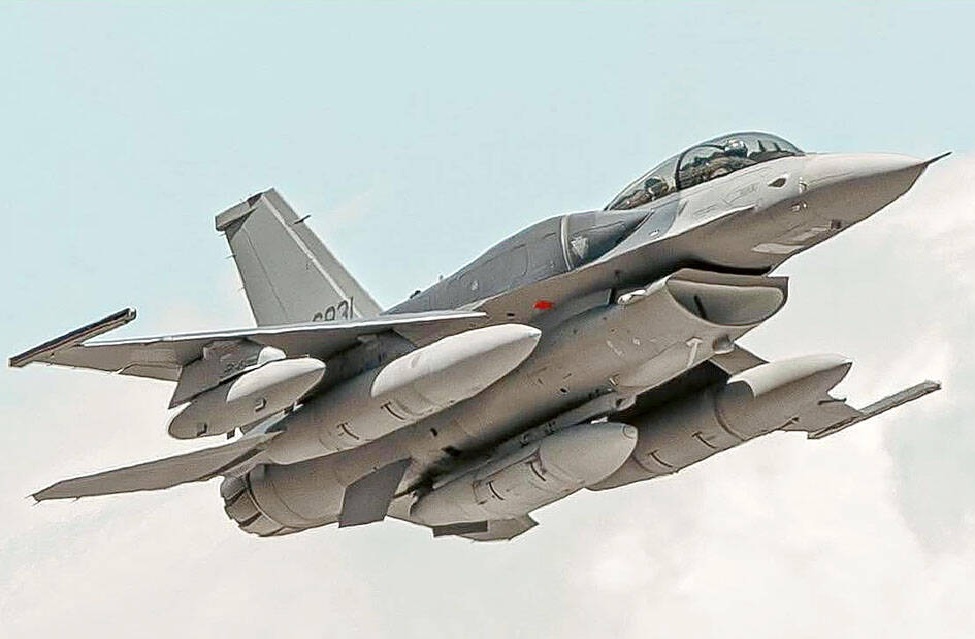 First Taiwanese F-16 Block 70 Flies with Five-Tank Fuel Configuration During Texas Tests
-
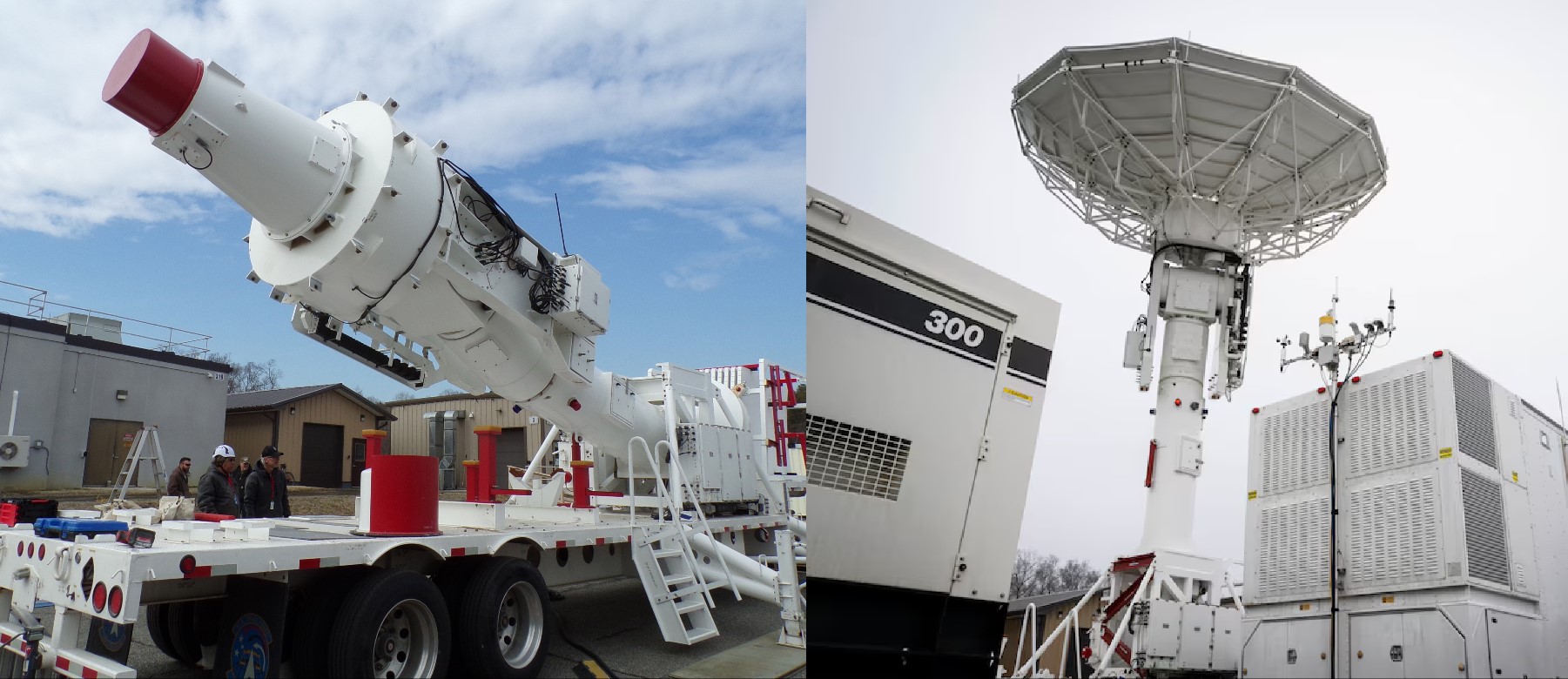 Space Force Transfers Transportable Satellite Tracking Antenna to Naval Research Laboratory
-
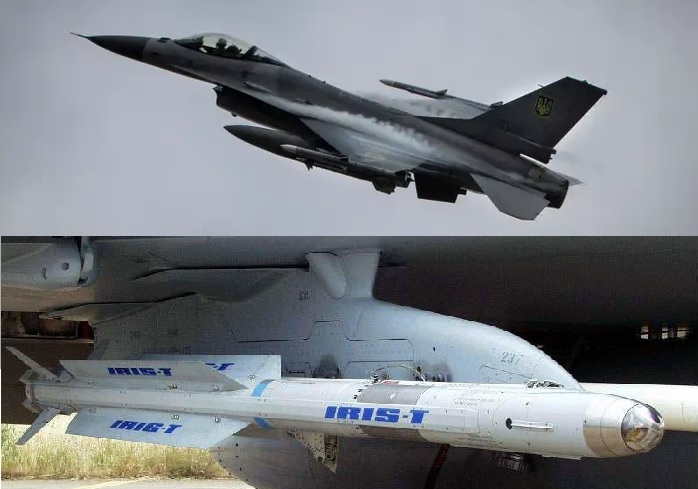 Ukraine’s F-16 Fighters Set to Receive German IRIS-T Air-to-Air Missiles
-
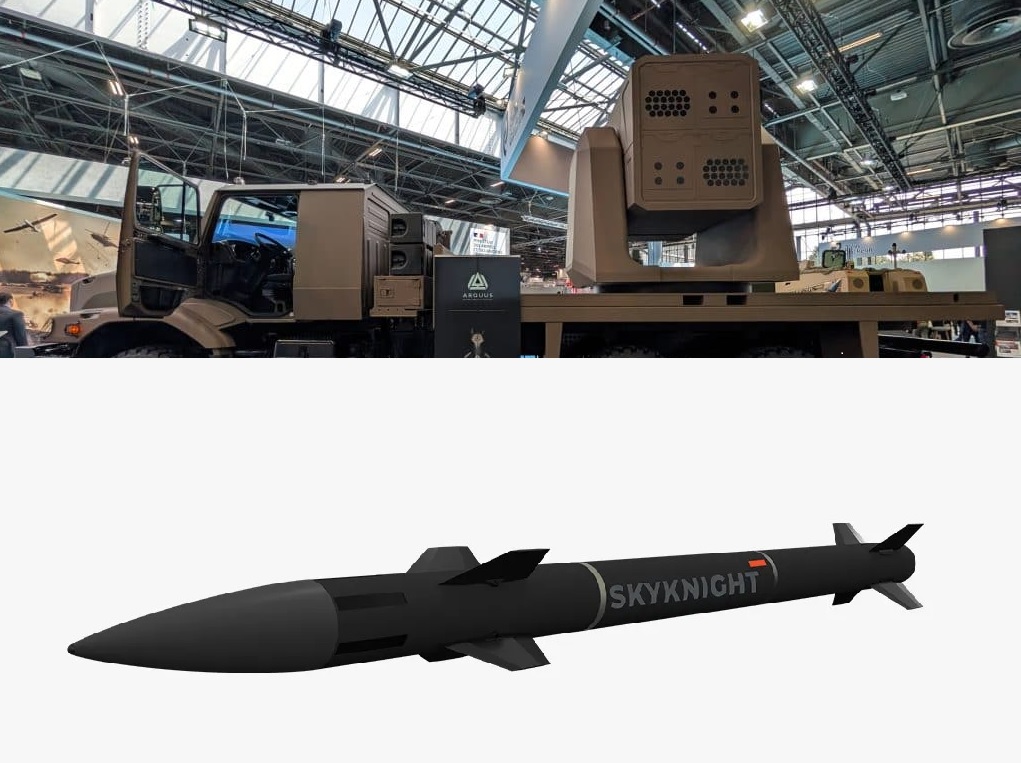 Naval Group Unveils Rampart Modular CIWS Multi-Purpose Weapon System for Naval and Ground Forces at Eurosatory 2026
-
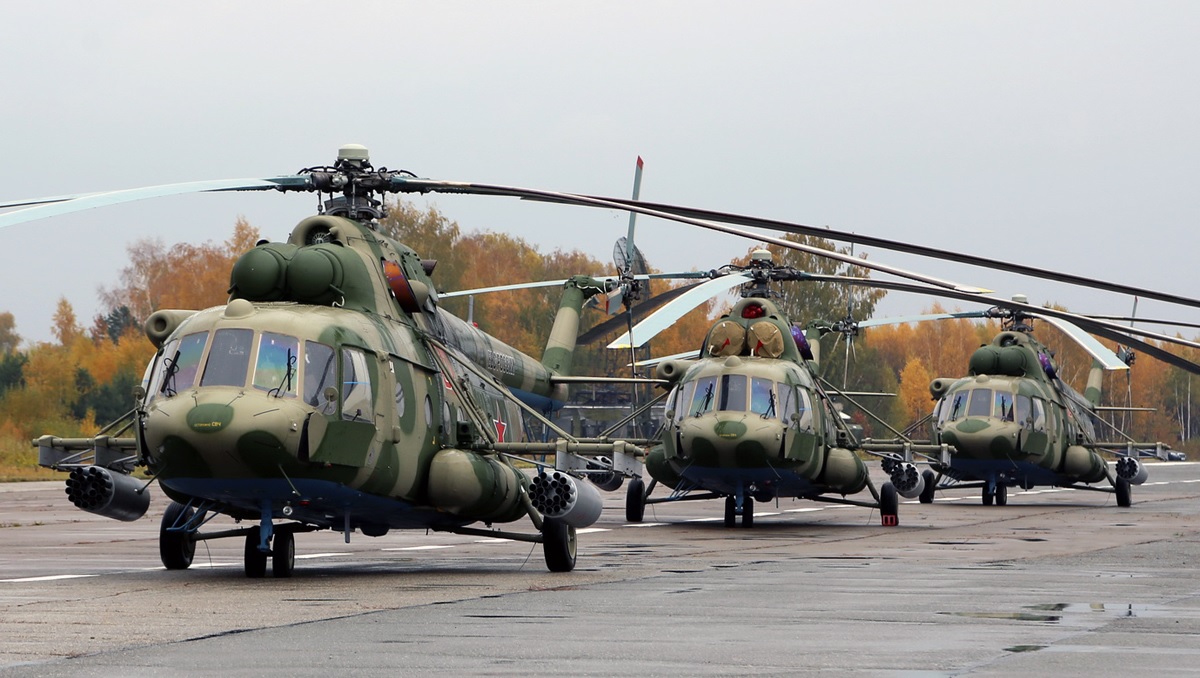 Iran Signs Deal with Russia for 20 Mi-8 and Mi-17 Helicopters to Boost Rescue and Medical Missions
-
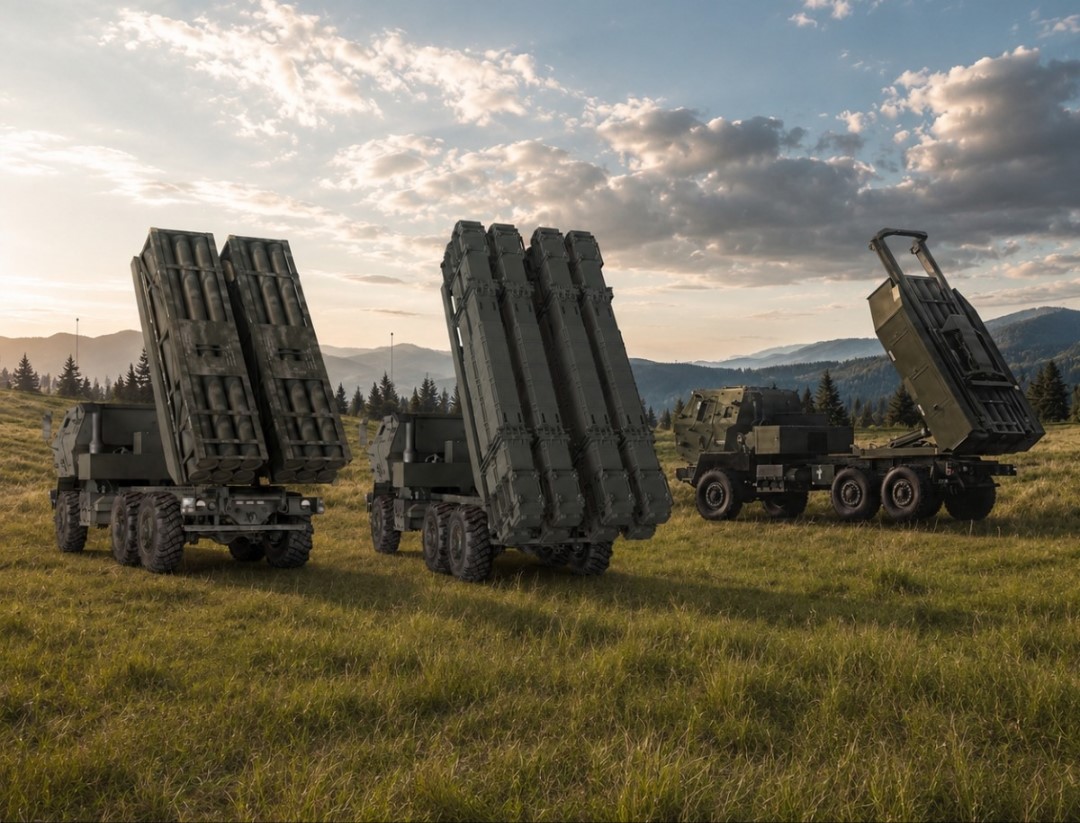 Lockheed Martin Unveils HIMARS FLEX with Dual-Pod Launcher and NATO-Compatible Air Defense Integration
-
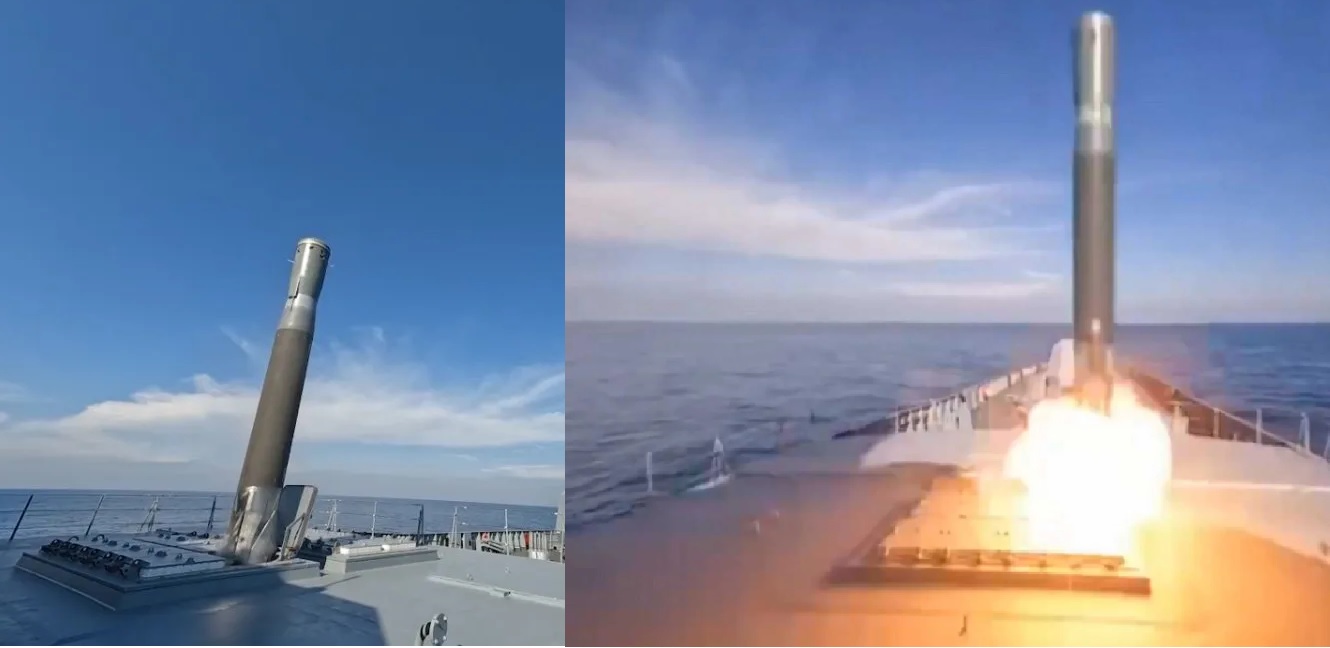 Open-Source Evidence Suggests Russia's Zircon Is a Quasi-Ballistic Missile, Not a True Hypersonic Cruise Weapon
Top Trending in 4 Days
-
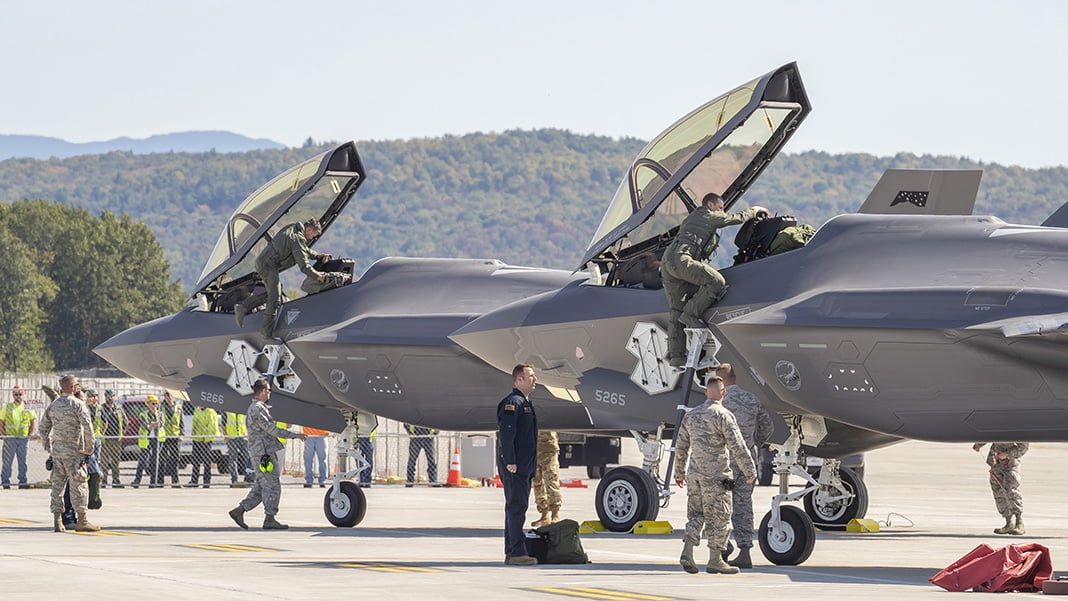 F-35 Fleet Readiness Falls to 25% Amid Parts Shortages and Software Delays: GAO Report
-
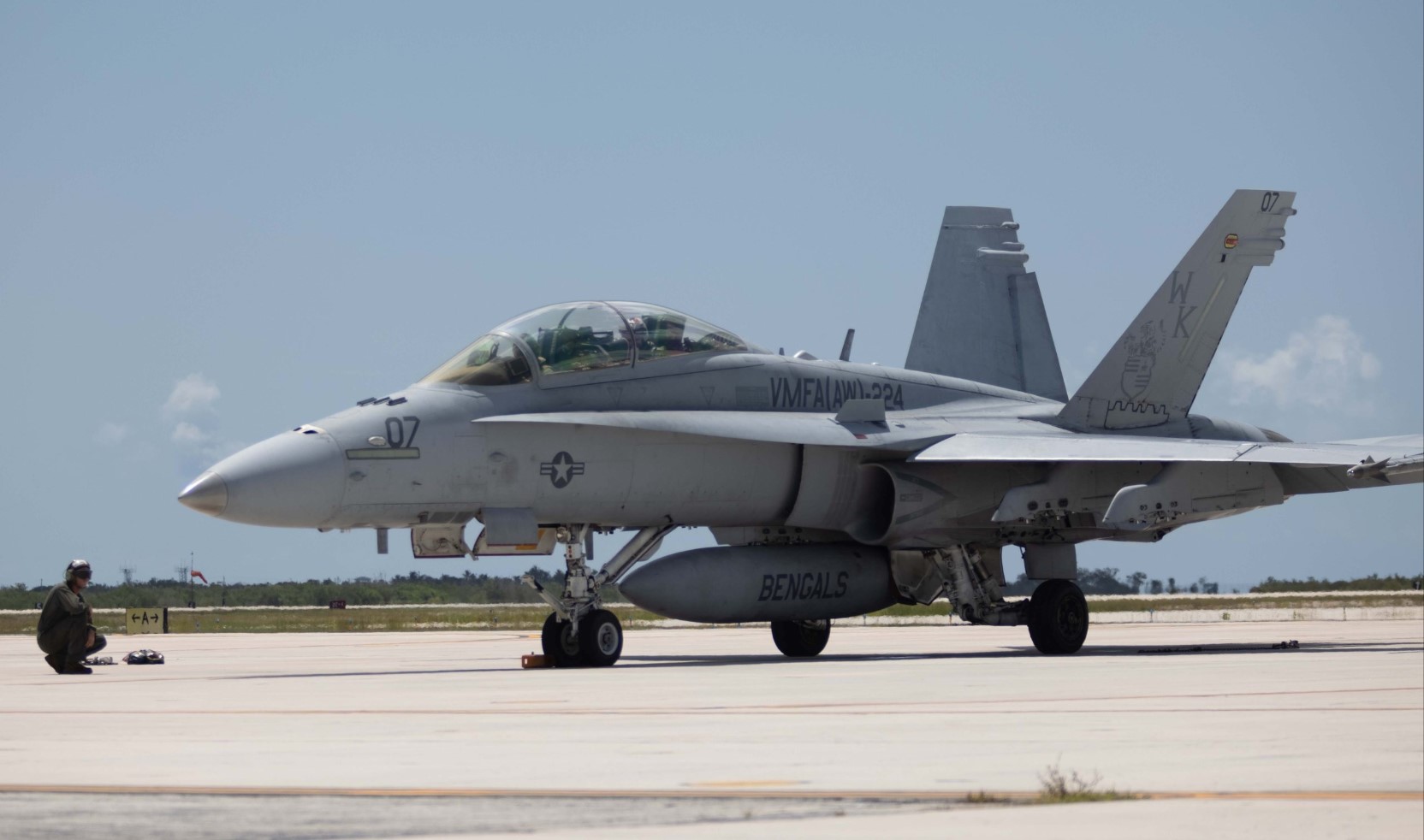 US Marine Corps F/A-18D Hornet Crashes During Training Flight in Washington Mountains; Pilot Ejects Safely
-
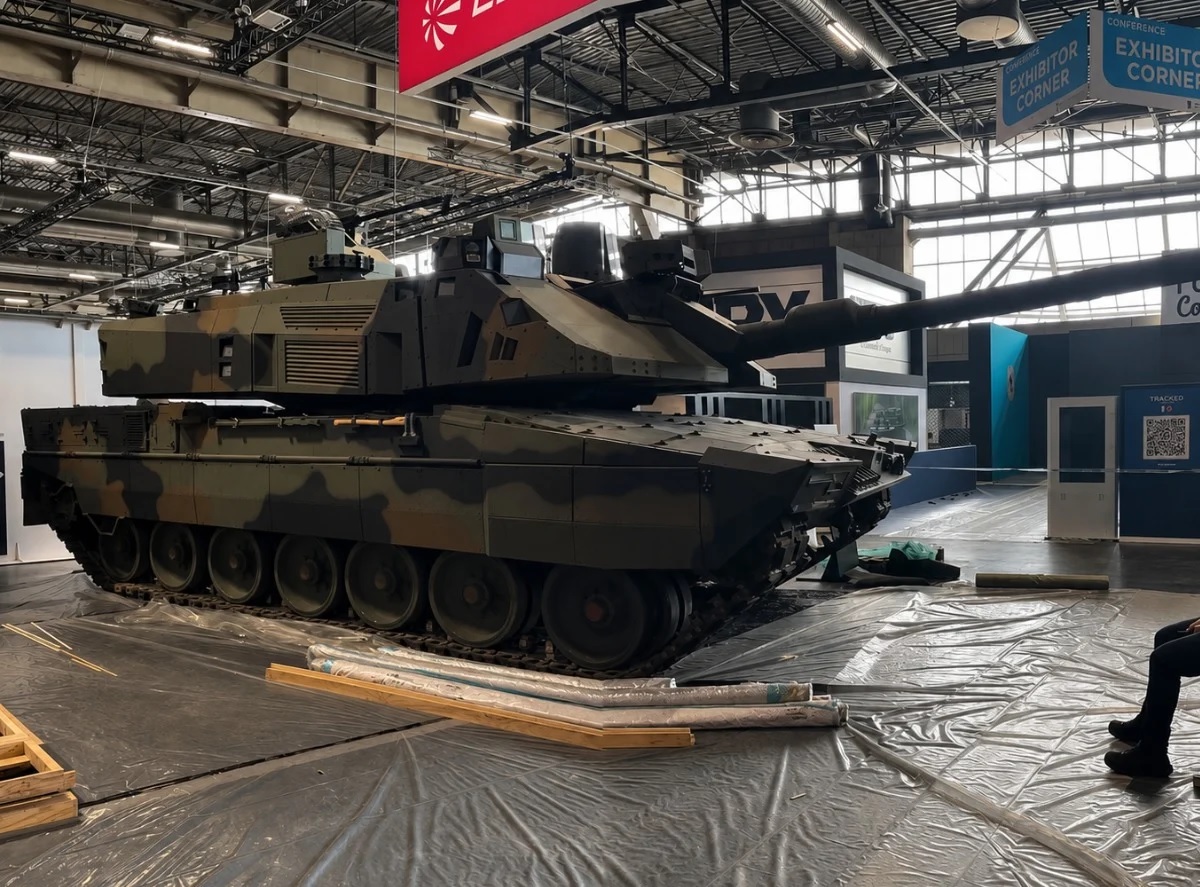 Leonardo Rheinmetall to Unveil Italy’s New IMBT Main Battle Tank at Eurosatory 2026
-
 Tulsi Gabbard Releases Declassified Files Detailing U.S.-Backed Network of 120 Biolaboratories Across 30+ Countries
-
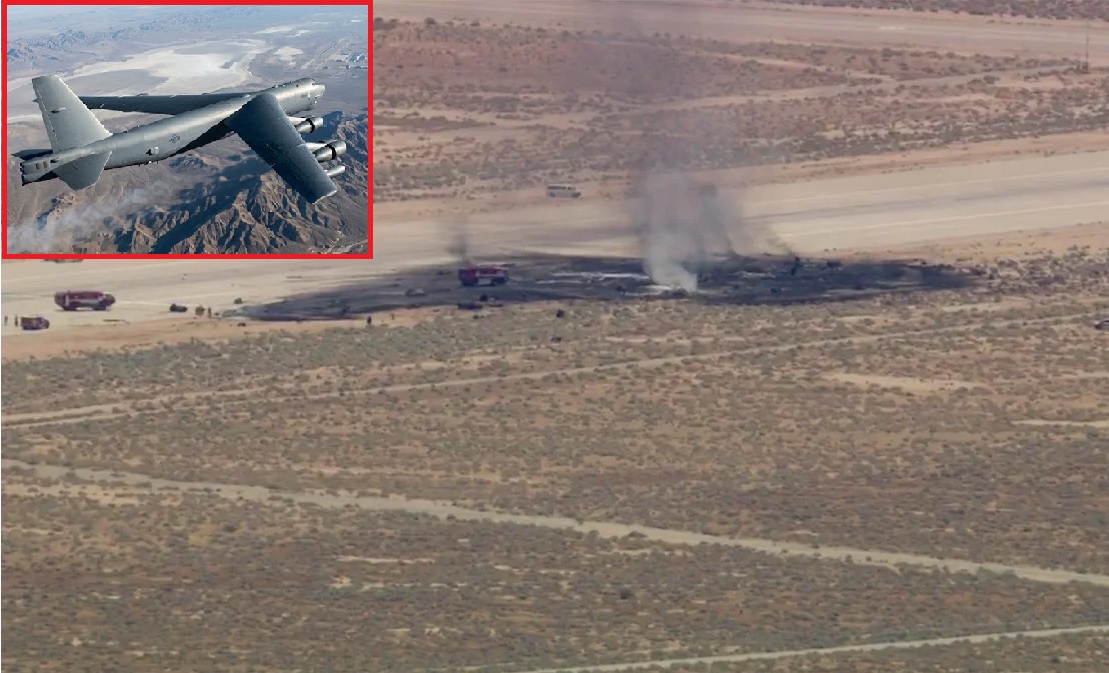 8 U.S. Air Force Crew Members Killed in B-52 Bomber Crash During Test Flight at Edwards Air Force Base
-
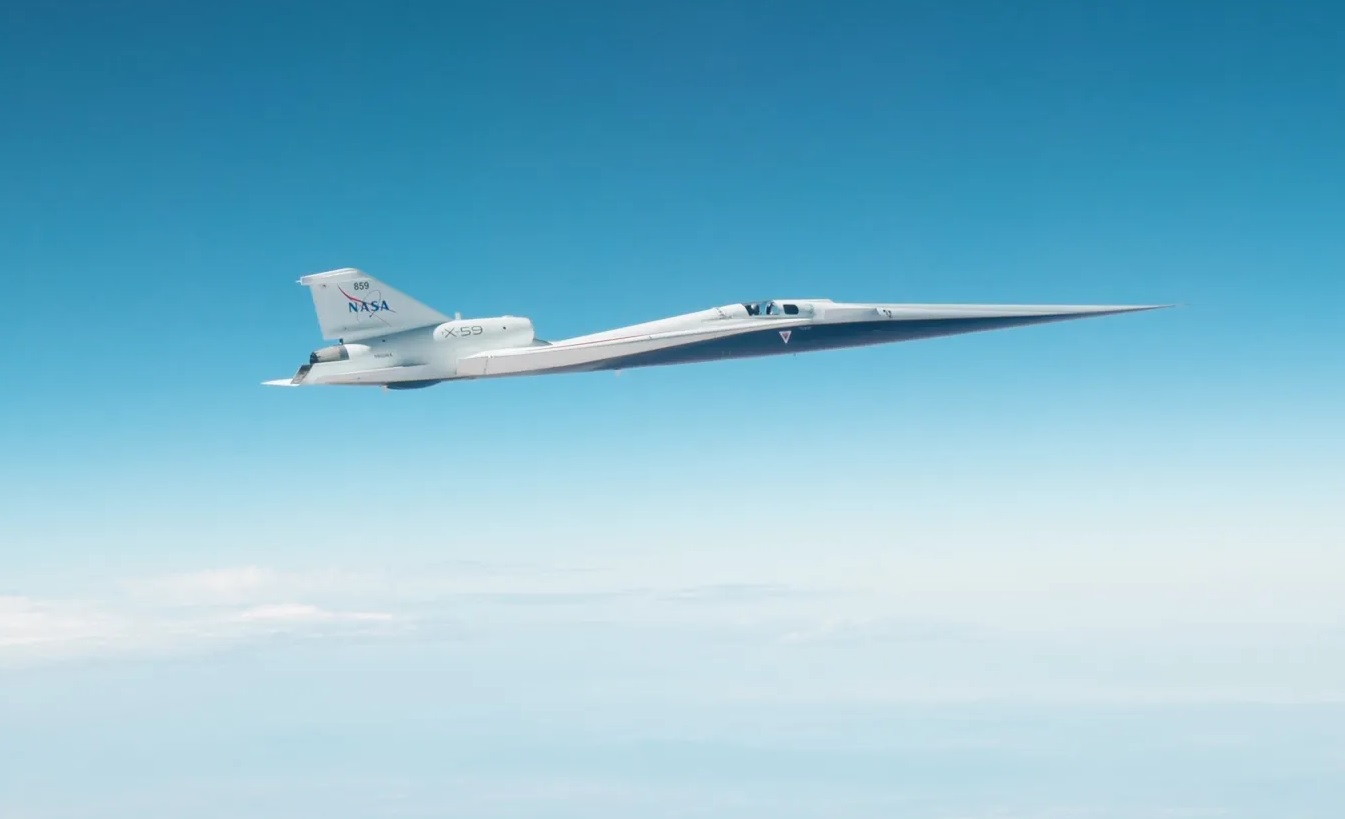 NASA X-59 Achieves Planned Mission Conditions with Mach 1.4 Flight at 55,000 Feet
-
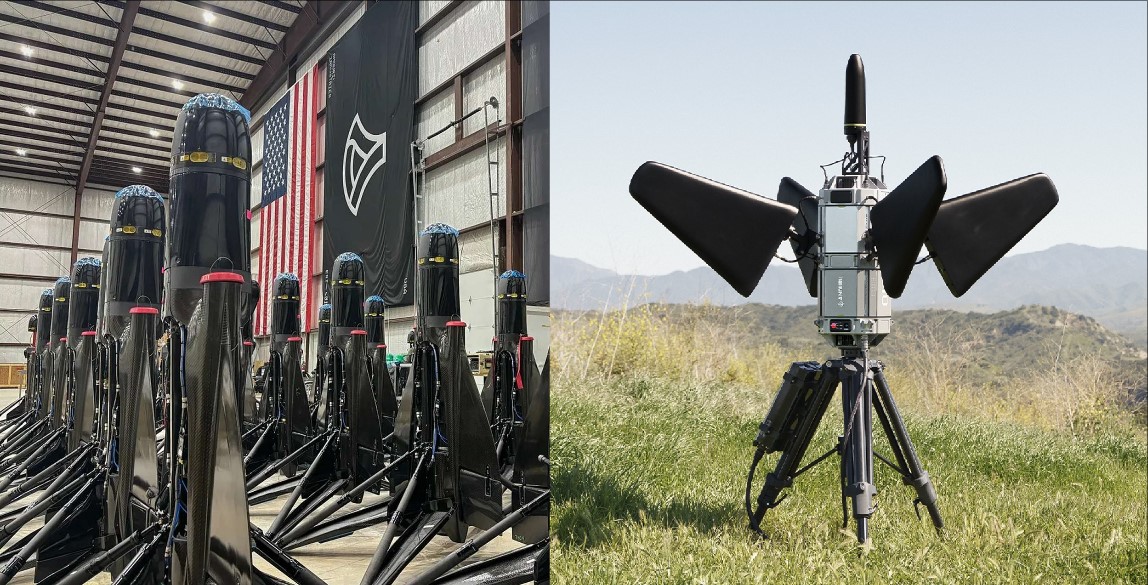 U.S. Approves $1.98 Billion Sale of Anduril AI-Powered Counter-Drone Systems to Kuwait
-
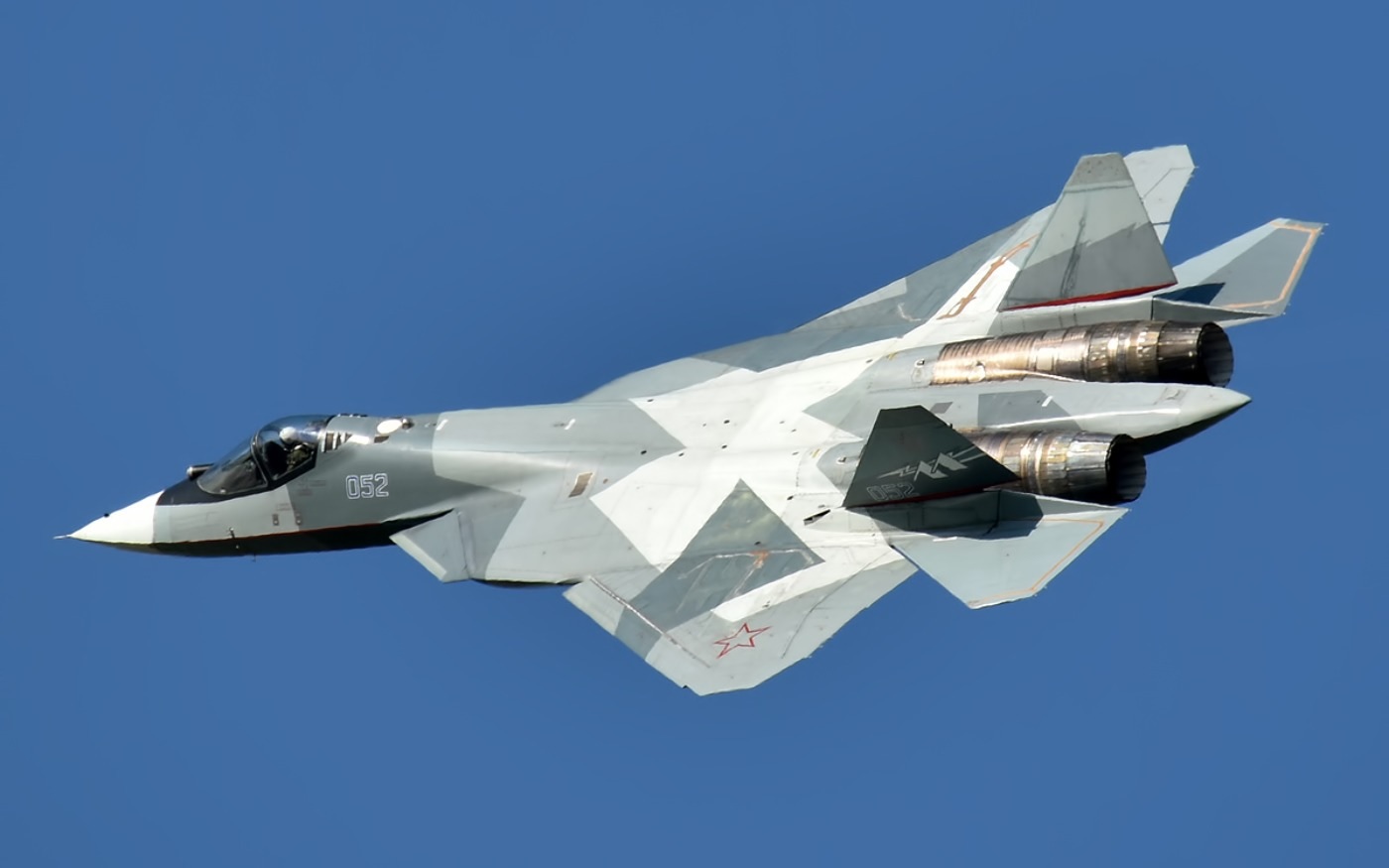 Russian Analysts Debate Su-57 Capabilities After Putin Calls Fighter Superior to F-35