
India
India is on the verge of a major leap in its precision strike capability as the Defence Research and Development Organisation (DRDO) prepares to test a new and advanced variant of the Smart Anti-Airfield Weapon (SAAW). Unlike its earlier version, this upgraded weapon will feature a state-of-the-art Electro-Optical (EO) seeker that allows it to track and strike moving targets with pinpoint accuracy — a major breakthrough in indigenous strike weaponry. The SAAW, originally designed to destroy stationary high-value enemy infrastructure such as runways, radar stations, and bunkers, is a lightweight, precision-guided glide bomb developed primarily by DRDO's Research Centre Imarat (RCI), Hyderabad. It weighs around 125 kilograms and can be launched from fighter jets like the Jaguar, Su-30 MKI, Hawk, and potentially the Rafale. Earlier versions of the SAAW relied on GPS and Inertial Navigation Systems (INS) to reach their targets with a range of up to 100 kilometres. These guidance systems enabled accurate strikes against fixed targets but had limitations when engaging mobile threats. Recognizing the need for more flexible and dynamic attack options, DRDO has now incorporated an EO seeker in the latest variant of SAAW. Electro-Optical Seeker: A Major Technological Leap The Electro-Optical seeker uses advanced imaging systems—likely a combination of infrared and high-resolution video cameras—to lock onto targets visually. This means the weapon doesn’t need to rely solely on pre-fed coordinates or GPS signals. It can adjust its path in the terminal phase of flight by tracking the real-time movement of its target, even if it's on the move or attempting to evade detection. This visual targeting capability gives the SAAW a "fire-and-forget" advantage. Once released by the pilot, the weapon autonomously navigates to the designated area and identifies the target on its own, ensuring greater hit accuracy even under heavy jamming or electronic warfare conditions. Key Features and Specifications of the EO-Enhanced SAAW: Weight: ~125 kg Range: 100 kilometres Warhead: Designed to penetrate reinforced structures or disable runways Guidance System: Combined GPS-INS in standard version; EO seeker in advanced version Deployment Platforms: Su-30 MKI, Jaguar, Hawk, and possibly Rafale Target Capability: Fixed infrastructure and now mobile military units (such as missile launchers, command vehicles, convoys) Fire Mode: Fire-and-forget with autonomous target acquisition in EO variant Wings: Foldable design for aerodynamic efficiency and long-range gliding Strategic Importance With this upgrade, the SAAW is no longer limited to strategic strikes on enemy infrastructure. It can now be deployed in fluid battlefield environments to target moving platforms, such as mobile surface-to-air missile systems, artillery units, or moving command posts. This adaptability is particularly useful in mountainous or remote terrains like those found along India's borders, where mobile enemy systems are frequently deployed and repositioned. Furthermore, the long standoff range of 100 kilometres ensures that the launching aircraft can stay out of reach of enemy air defences while executing the strike. This feature is essential in modern aerial warfare, where survivability and stand-off capability are as crucial as accuracy. Towards Operational Deployment DRDO is now preparing for a fresh series of flight tests scheduled around mid-2025, potentially at test ranges in Chandipur (Odisha) or Pokhran (Rajasthan). These trials will involve launches from key Indian Air Force aircraft, with a particular focus on validating the EO seeker’s ability to function in day and night conditions, challenging weather, and against simulated mobile targets. Before these airborne trials, the EO seeker's imaging and tracking systems have already undergone rigorous ground testing. Engineers have also reworked the internal systems of the weapon to accommodate the EO seeker without compromising range or flight stability. The fact that the new seeker adds such a dramatic capability without increasing the overall weight or reducing performance shows how refined DRDO’s design approach has become. A Step Closer to Self-Reliance This development aligns with India’s broader goal of strengthening its self-reliance in defence manufacturing. The EO-equipped SAAW not only meets evolving operational requirements but also demonstrates that Indian defence technology is progressing to match global standards in smart munitions. Once testing is complete and operational clearance is granted, the new SAAW could become a core component of India's tactical airstrike doctrine — enhancing its ability to neutralize enemy capabilities quickly and accurately without entering high-risk combat zones. With this move, India is set to boost its precision strike arsenal, readying a next-generation glide bomb that combines stealth, flexibility, and lethality in a single platform.
Read More → Posted on 2025-04-18 14:30:30
India
India has firmly rejected recent media reports suggesting its interest in joining the UK-Japan-Italy-led Global Combat Air Programme (GCAP), a multinational initiative to develop a sixth-generation stealth fighter. Officials from the Indian Air Force (IAF) clarified that no formal talks or requests have taken place with any of the GCAP partners. Launched in 2022, GCAP aims to build a next-generation fighter jet by 2035 with cutting-edge features such as advanced stealth, directed-energy weapons, and integration with unmanned aerial systems. The project is being spearheaded by major defence players—Britain’s BAE Systems, Japan’s Mitsubishi Heavy Industries, and Italy’s Leonardo—with an estimated development cost of $32.5 billion. The consortium has been actively looking for new partners to share costs and contribute technologically, and countries like India were seen as potential candidates. However, Indian defence officials have put such speculation to rest. “There have been no talks with Japan, nor have we requested to join the program,” an IAF official confirmed. While the UK and Italy have expressed interest in India joining the project, and Japan appeared open to it, India has clearly opted to stay committed to its indigenous fighter development efforts. This decision is a reaffirmation of India’s strategic ‘Atmanirbhar Bharat’ (self-reliant India) policy, especially in the defence sector. At the heart of this policy is the Advanced Medium Combat Aircraft (AMCA)—India's own fifth-plus generation stealth fighter jet currently under development by the Defence Research and Development Organisation (DRDO) and Aeronautical Development Agency (ADA). Though there was an informal briefing by the UK Ministry of Defence in 2022—when GCAP was still evolving from the Tempest project—no formal engagement followed. During that briefing, the possibility of shared development, including engine technologies potentially involving Rolls-Royce, was discussed. Rolls-Royce, Safran (France), and General Electric (USA) have all shown interest in co-developing a 110-130 kN thrust-class engine for AMCA, promising India full control over intellectual property rights—an essential aspect of strategic independence. AMCA: The Crown Jewel of Indian Aerospace Ambitions The AMCA is being developed as a 5.5-generation multirole stealth fighter—technologically superior to current 4.5-gen aircraft like Rafale and nearly on par with 5th-gen jets like the F-35. It is intended to bridge the gap between current fifth-generation fighters and future sixth-generation concepts. Key features of the AMCA include: Stealth Design: Internal weapons bay, radar-absorbent materials, and minimal radar cross-section Supercruise Capability: Ability to fly at supersonic speeds without using afterburners AI-Integrated Avionics: For automated threat detection and decision-making Sensor Fusion: Advanced infrared and radar systems providing a 360-degree battlefield view Modular Open Architecture: Enabling seamless integration of future tech upgrades The prototype rollout is expected by 2028, with the first squadron ready for induction by 2035. The IAF plans to acquire 126 AMCA jets by 2040, starting with the Mk1 variant powered by the GE F414 engine. The later Mk2 version will be equipped with the more powerful, co-developed engine currently under negotiation. A Vision Beyond AMCA India’s decision to focus on AMCA rather than joining GCAP or even the European Future Combat Air System (FCAS) also indicates a longer-term vision. The country aims to develop its own sixth-generation fighter aircraft by the 2040s, targeting induction around 2050. Technologies being tested and integrated in AMCA will serve as the technological base for this future platform. The IAF believes that success with AMCA will equip India with the necessary skills in stealth design, advanced materials, propulsion, avionics, and weapons systems—all essential for a credible sixth-generation aircraft development program. Conclusion: India’s refusal to join the GCAP sixth-generation fighter initiative is not a rejection of global collaboration, but a strong message about national capability and strategic autonomy. By doubling down on the AMCA program, India is not only investing in an advanced airpower platform but also laying the foundation for its future aerospace dominance—on its own terms.
Read More → Posted on 2025-04-17 16:13:40
India
India is rapidly emerging as a serious contender in the global arms market, thanks to its aggressive push to export low-cost, high-demand artillery ammunition. As Western nations struggle with production bottlenecks and rising costs, New Delhi has stepped in with a game-changing offer: 155mm artillery shells priced as low as $300 to $400—nearly one-tenth the cost of Western equivalents. This strategic move comes amid growing international demand, especially due to the ongoing war in Ukraine, which has exposed critical shortages in ammunition stockpiles across Europe and NATO countries. While the West ramps up efforts to revive dormant production lines, India never stopped making large-caliber shells. Decades of military preparedness, fueled by ongoing tensions with China and Pakistan, ensured that Indian factories remained operational and efficient. Now, the world is taking notice. Under Prime Minister Narendra Modi’s leadership, India has made arms exports a national priority, aiming to double them to $6 billion by 2029. Although it fell short of its $3.5 billion export target last fiscal year by about 30%, it still marked a monumental rise from just $230 million a decade ago. The shift reflects not only growing industrial capability but also a change in India’s strategic ambitions. Private and public defense firms across the country are responding swiftly. Companies like SMPP, Munitions India, and Adani Defence and Aerospace are either ramping up or establishing new production lines to manufacture the sought-after 155mm rounds. Some of them have already secured international orders, while Indian-made howitzers—offered at around $3 million per unit—are being marketed at nearly half the cost of their European counterparts. Ashish Kansal, CEO of SMPP, summed up the moment clearly: “With this changing scenario, definitely we see a huge, massive demand for artillery ammunition.” India's edge doesn’t just lie in cost. It also benefits from a robust domestic supply chain and a pool of trained engineers and technicians, many of whom have experience working on indigenous platforms like the Dhanush howitzer and the ATAGS (Advanced Towed Artillery Gun System), both of which are now ready for export. Retired naval commander Gautam Nanda, now a defense consultant, explained that India’s strategic environment kept its defense manufacturing in full gear while Western countries cut back after the Cold War. “There were no cuts on our production capacity,” he said, pointing to India's need to remain battle-ready. This sustained focus on readiness has positioned India to fill a crucial void in the international defense ecosystem. Countries that are not aligned with major Western powers or cannot afford NATO-standard arms are now looking toward India for reliable and cost-effective options. From African nations to Southeast Asia and parts of Eastern Europe, interest in Indian defense exports is steadily growing. The current global backdrop—rising geopolitical tensions, disrupted supply chains, and inflation in defense procurement—makes India’s offer both timely and attractive. With a mix of affordability, operational readiness, and manufacturing experience, India is not just competing—it’s shaking up the global defense market.
Read More → Posted on 2025-04-17 16:04:07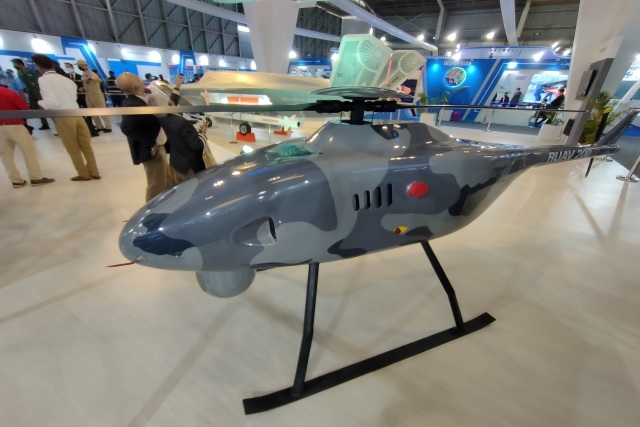
India
A Simple Understanding Article on HAL's RUAV-200 Drone Program Failure Hindustan Aeronautics Limited (HAL), a leading Indian aerospace and defence company, is under scrutiny after a national audit revealed serious flaws in one of its major drone development projects. According to the Comptroller and Auditor General (CAG) of India, the Rotary Unmanned Aerial Vehicle (RUAV-200) project launched by HAL in 2015 suffered from poor planning and execution, ultimately leading to its failure both financially and operationally. What Was the RUAV-200 Project? The RUAV-200 was meant to be a small helicopter-type drone, developed as a technology demonstrator. HAL planned this project to enter the growing market of unmanned aerial vehicles (UAVs), especially to support India’s military with surveillance and intelligence capabilities. The project had a budget of ₹23.18 crore and was seen as a stepping stone towards India’s goal of defence self-reliance under the Atmanirbhar Bharat mission. Where Did HAL Go Wrong? According to the CAG’s audit, HAL made several major mistakes: No Market Research or User Feedback: HAL began developing the drone without first checking what the Indian Armed Forces actually needed. No consultation was done with potential users like the Army, Navy, or Air Force before starting the project. Underwhelming Specifications: When the drone was finally developed, it failed to impress. The RUAV-200 could only carry a payload of 2.5 kg, fly for just 1 hour, and had a limited range of 8–10 km. These specifications are far below what is expected in modern military UAVs, which typically require at least 4–12 hours of endurance, higher payload capacities, and a range of 50–100 km or more. No Lessons Learned Report: After the project failed to attract any interest, HAL didn’t even compile a formal review or report to learn from the experience. This means there was no internal effort to analyse what went wrong or how to do better next time. Financial Impact Since the drone was not suitable for any military application and didn’t meet the needs of the forces, HAL didn’t receive a single order. As a result, the project led to a write-off of ₹9.54 crore — a clear financial loss of public money. How Does This Affect HAL and India’s Defence Goals? This failure reflects poorly on HAL’s ability to execute high-tech defence projects and raises concerns about the efficiency of public-sector defence undertakings. At a time when India is trying to reduce its dependence on imported defence technology, such mistakes make it harder to trust local capabilities. India already operates successful drones like the DRDO’s Rustom series and imports Israeli drones for surveillance and reconnaissance. Compared to these, the RUAV-200 was not competitive in performance or reliability. CAG’s Recommendations for the Future To avoid repeating these costly mistakes, the CAG has made some strong suggestions for HAL: Create a Market Research and Demand Forecasting Unit: This team would analyse the real demand and consult with military users before any project begins. Align Projects with Military Plans: Future drone projects should match the Indian Armed Forces’ existing plans like the LTIPP (Long-Term Integrated Perspective Plan) or TPCR (Technology Perspective and Capability Roadmap). Get Letters of Intent Before Investment: HAL should get early confirmation of interest from potential buyers (like the Army or Air Force) before spending crores on development. Mandatory Post-Project Reviews: Every project must end with a detailed report explaining what worked, what didn’t, and how future efforts can be improved. Final Words The failure of the RUAV-200 is a reminder that even big companies like HAL need to plan smarter and work more closely with their users. With strong reforms and better project management, HAL still has the potential to lead India’s UAV development. But to do that, it must learn from past mistakes and ensure future projects are based on real needs, not assumptions.
Read More → Posted on 2025-04-17 15:27:13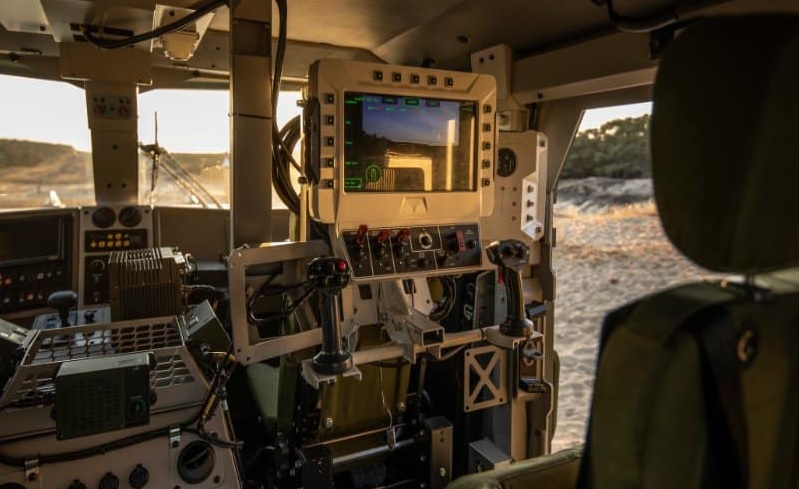
India
In a major boost to India’s defence manufacturing ambitions, JCBL Group’s defence subsidiary, Airbornics Defence & Space Pvt Ltd (ADSL), has signed the first-ever Defence Memorandum of Understanding (MoU) between India and Slovakia. This historic agreement was formalised during the state visit of President Droupadi Murmu to Slovakia, accompanied by a high-powered Indian business delegation. The signing of this MoU signals the beginning of a new chapter in bilateral defence cooperation between the two nations. More importantly, it is a bold stride toward India’s larger vision of becoming self-reliant in defence technologies under the Atmanirbhar Bharat and Make-in-India programmes. At the heart of this agreement is the co-development and indigenous manufacturing of next-generation defence systems, with a primary focus on light tanks, Future Ready Combat Vehicles (FRCVs), and Future Infantry Combat Vehicles (FICVs). All manufacturing activities will be undertaken in India, integrating cutting-edge Slovak technology with India’s strong industrial capabilities. Under this landmark partnership, ADSL will take the lead in building advanced subsystems for combat platforms. These include: Next-generation turret systems Remote-Controlled Weapon Stations (RCWS) Active Protection Systems (APS) Human-Machine Interface (HMI) modules These technologies are specifically tailored for use in challenging terrains and high-altitude operational zones, such as India’s northern and northeastern borders, where modernisation is critical for maintaining combat superiority. What makes this agreement even more significant is the inclusion of technology transfer from Slovakia to India. Slovakia, known for its technological advancement in defence, will share core know-how with Indian engineers and manufacturers. This move will not only raise India’s domestic defence production standards but also pave the way for future exports of Indian-made defence systems. Rishi Aggarwal, Managing Director of JCBL Group, underlined that the collaboration goes far beyond commercial interests. It is a reflection of shared strategic goals between India and Slovakia and a step forward in positioning India as a global hub for defence innovation and production. The deal is a win-win: Slovakia gets a reliable strategic partner in the Indo-Pacific region, and India enhances its capabilities through international collaboration while strengthening its position in the global arms market. As the first formal defence partnership between India and Slovakia, this MoU could serve as a blueprint for similar collaborations with other European nations. It symbolizes a forward-looking defence strategy where domestic innovation, global partnerships, and strategic self-reliance converge to build a stronger, more secure India. This agreement not only marks a historic diplomatic milestone but also strengthens India’s position in the world of advanced defence manufacturing, signaling that the country is ready to lead, innovate, and export in the defence domain like never before.
Read More → Posted on 2025-04-16 15:43:58
India
In a significant leap for India's self-reliance in strategic electronics, researchers at the Indian Institute of Science (IISc), Bengaluru, have successfully developed a high-power microwave transistor based on Gallium Nitride (GaN) grown on a silicon platform. This achievement marks the first time such a device has been entirely designed, fabricated, and tested in India—paving the way for critical applications in defence and advanced communication technologies. GaN-based microwave transistors are known for their ability to handle high voltages and amplify radio signals at very high frequencies. These features make them indispensable for radars, electronic warfare systems, jammers, and next-generation telecom infrastructure. However, due to their strategic significance, most GaN transistors are import-restricted and manufactured abroad, especially on silicon carbide (SiC) substrates, which are costly and less scalable. What makes this development exceptional is that the IISc researchers have built the transistor using GaN-on-silicon technology—an alternative approach that significantly reduces cost and supports large-scale production. This method, however, is technically complex due to the challenges in growing high-quality GaN layers on silicon substrates, which have different physical properties and can cause stress, cracks, or defects in the material. The team at IISc’s Centre for Nano Science and Engineering (CeNSE) tackled these challenges by carefully engineering the atomic structure of the material stack. They used precise layer-by-layer deposition techniques to build the transistor and achieved a power output of 8 watts at a frequency of 10 GHz—a performance level considered strategically valuable for many defence and communication applications. A unique aspect of their approach was the manipulation of a fundamental property of GaN called polarisation. By tuning this property, they managed to eliminate the need for adding elements like carbon or iron—impurities that are usually introduced to stabilize the device but often degrade performance. This is the first time in India that microwave power transistors have been demonstrated using GaN-on-silicon without these intentional impurities. The success of this fully indigenous project not only showcases India's growing capability in advanced semiconductor research but also lays the foundation for future home-grown technologies in the defence, aerospace, and telecom sectors. By removing the dependency on expensive imports, it opens up possibilities for affordable, large-scale production of high-frequency components that are vital for national security and digital infrastructure. This milestone aligns with the broader goal of developing a robust and self-reliant semiconductor ecosystem in India—an effort that has gained momentum with recent government initiatives and international collaborations. As GaN-on-silicon becomes more refined and scalable, it is poised to play a transformative role in India’s high-tech future.
Read More → Posted on 2025-04-16 14:28:25
Bangladeshi Radicals Linked to Murshidabad Violence with Alleged Local Leaders Support: Intel Report
India
A recent intelligence report has raised serious concerns over the involvement of Bangladeshi radicals in the deadly violence that shook West Bengal’s Murshidabad district. According to sources familiar with the report, members of two notorious extremist groups from Bangladesh — Jamaat-ul-Mujahideen Bangladesh (JMB) and Ansarullah Bangla Team (ABT) — played a direct role in inciting the riots, allegedly with the help of local political leaders. The violence erupted last week during protests against the amended Waqf Act, a law that has sparked anger in several parts of West Bengal. What began as demonstrations quickly escalated into violent clashes, especially in areas like Suti, Dhulian, Jangipur, and Shamsherganj, resulting in the death of at least three individuals and injuries to several others. Sources said the intelligence report highlights how Bangladeshi operatives had crossed the border and participated in organizing the mobs, with backing from local leaders of a particular political party. This development has caused alarm in security circles and has drawn strong attention from the Union Ministry of Home Affairs, which is now actively monitoring the region. To prevent further escalation and infiltration, the Border Security Force (BSF) has been directed to maintain heightened vigilance along the India-Bangladesh border. Central paramilitary forces such as the CRPF and Rapid Action Force (RAF) have also been deployed across sensitive locations in the district. Following the outbreak of violence, Union Home Secretary Govind Mohan held a virtual meeting with top officials of the West Bengal government, including the chief secretary and the state’s director general of police. In the meeting, the Centre urged the state to step up surveillance in Murshidabad and in other potentially volatile districts. Security forces on the ground report that calm is slowly being restored. No new incidents of violence have been reported in the past 48 hours. Shops have begun reopening, and many families who had fled during the clashes are returning home. However, officials are continuing to assess the situation carefully, especially in areas considered vulnerable to further unrest. The involvement of foreign radical elements in internal unrest has added a new layer of complexity to the already sensitive law and order situation in West Bengal. As investigations continue, authorities are also exploring whether this incident is part of a broader pattern of cross-border radical influence in border regions. The intelligence inputs have sparked concerns not just about local law and order, but also national security. Analysts warn that the alleged cooperation between foreign extremists and local actors could pose a long-term threat if not addressed swiftly and firmly. As the situation unfolds, both the state and central governments are working in coordination to ensure peace returns to the region, and that such incidents do not recur.
Read More → Posted on 2025-04-16 14:18:50
India
India is stepping into a new era of strategic defence with the development of the K-5 Submarine-Launched Ballistic Missile (SLBM), a powerful addition to its nuclear arsenal designed to ensure a credible second-strike capability from beneath the oceans. With a range of over 5,000 kilometres—and the potential to extend beyond 8,000 km with a lighter payload—the K-5 significantly enhances India’s reach, marking a milestone in its journey toward full-spectrum nuclear deterrence. The K-5 is being developed by the Defence Research and Development Organisation (DRDO) as the successor to the K-4 SLBM, which has a range of approximately 3,500 km and is already in service on the Arihant-class nuclear submarines. While the K-4 ensures deterrence against regional threats, the K-5 pushes India’s strategic capabilities well beyond, enabling it to target adversaries situated deep inland or across vast oceans. Strategic Reach and Range With a standard payload, the K-5 is expected to hit targets over 5,000 km away. This covers critical regions such as the entire Middle East, Central Asia, East Asia (including China’s eastern coast, Japan, and South Korea), and parts of Europe. When equipped with a lighter warhead—potentially around 500 kg—the missile’s range could extend up to 8,000 km. This extended reach would allow it to cover northern Australia, Moscow, and even the NATO-Russia frontier, vastly expanding India's deterrence zone. Most operational concepts suggest the missile would be launched from Indian Ocean waters south of the Andaman and Nicobar Islands—an ideal stealth zone for India’s Arihant-class nuclear-powered submarines. From this strategic location, the missile could cover a significant portion of the globe, sending a strong message to potential adversaries that any attack on India would invite assured retaliation from an undetectable underwater platform. Specifications and Technological Advancements The K-5 SLBM is believed to be a three-stage, solid-fuel missile featuring: Range: 5,000 km with standard warhead; up to 8,000 km with reduced payload Warhead Type: Likely nuclear, with potential for Multiple Independently targetable Reentry Vehicles (MIRVs) Payload Capacity: Estimated between 1,000–2,000 kg Launch Platform: Arihant-class (currently) and future S5-class nuclear submarines Guidance: Likely advanced inertial navigation with potential satellite-based corrections Propulsion: Solid-fuel rocket motors enabling cold-launch capability from underwater If the K-5 incorporates MIRV technology, a single missile could simultaneously strike multiple targets, further boosting its deterrent value. Sea-Based Second-Strike Capability The importance of sea-based deterrence lies in survivability. Submarines, especially nuclear-powered and stealthy ones, are the hardest platforms to detect and destroy. This makes them ideal for India’s "no first use" nuclear doctrine, ensuring that even if India were struck by a nuclear first strike, a devastating counterstrike could still be launched from underwater. This development completes India’s nuclear triad—the capability to launch nuclear weapons from land, air, and sea—bringing it in line with major nuclear powers like the United States, Russia, and China. Only a handful of nations possess the technological ability to develop and deploy SLBMs with ranges exceeding 5,000 km, making the K-5 a symbol of India’s rising strategic stature. Context of Regional Security China’s growing military presence in the Indian Ocean Region (IOR) and the expansion of its long-range nuclear missile fleet have been key factors in India accelerating SLBM development. China’s JL-3 SLBM, reportedly with a 10,000 km range, and its DF-41 land-based ICBM, have reshaped the strategic balance in Asia. India’s answer is the K-5—a deterrent not just aimed at parity, but strategic resilience. Beyond China, the K-5 also serves as a stabilising factor in India’s broader regional and global strategic posture. Its range potentially extends to Europe and Southeast Asia, reinforcing India's status as a responsible power that can independently secure its interests without reliance on external alliances. Future Plans and Submarine Platform Evolution The full impact of the K-5 will only be realised with adequate submarine platforms capable of carrying and launching multiple missiles. Current Arihant-class submarines are believed to carry four vertical launch tubes for SLBMs. However, the upcoming S5-class submarines, expected to enter service in the early 2030s, are projected to be larger and capable of carrying up to 12 K-series missiles, giving India a more formidable sea-based deterrent. These submarines will allow India to maintain continuous deterrence patrols, ensuring that at least one submarine is always on station, armed, and ready. However, maintaining this posture will demand careful balancing of crew rotation, submarine maintenance, and stealth operations in the deep sea. Challenges and Technological Mastery Developing an SLBM of this calibre is no small feat. It demands: Miniaturisation of nuclear warheads Complex three-stage solid-fuel propulsion systems Extremely reliable and accurate guidance systems Advanced materials to handle re-entry speeds and high temperatures Moreover, integrating the missile into submarines while maintaining stealth and safety standards adds another layer of complexity. If MIRVs are indeed integrated, it would represent a significant leap in both missile and warhead technology. Conclusion The K-5 SLBM is not just another missile—it is a message. A message that India is prepared, capable, and determined to maintain a credible and survivable nuclear deterrent. As India steps into this new strategic realm, it joins a select group of nations capable of global nuclear reach from the deep sea. In doing so, India reinforces its security, asserts its strategic autonomy, and contributes to maintaining peace through credible deterrence in an increasingly uncertain world.
Read More → Posted on 2025-04-16 14:12:41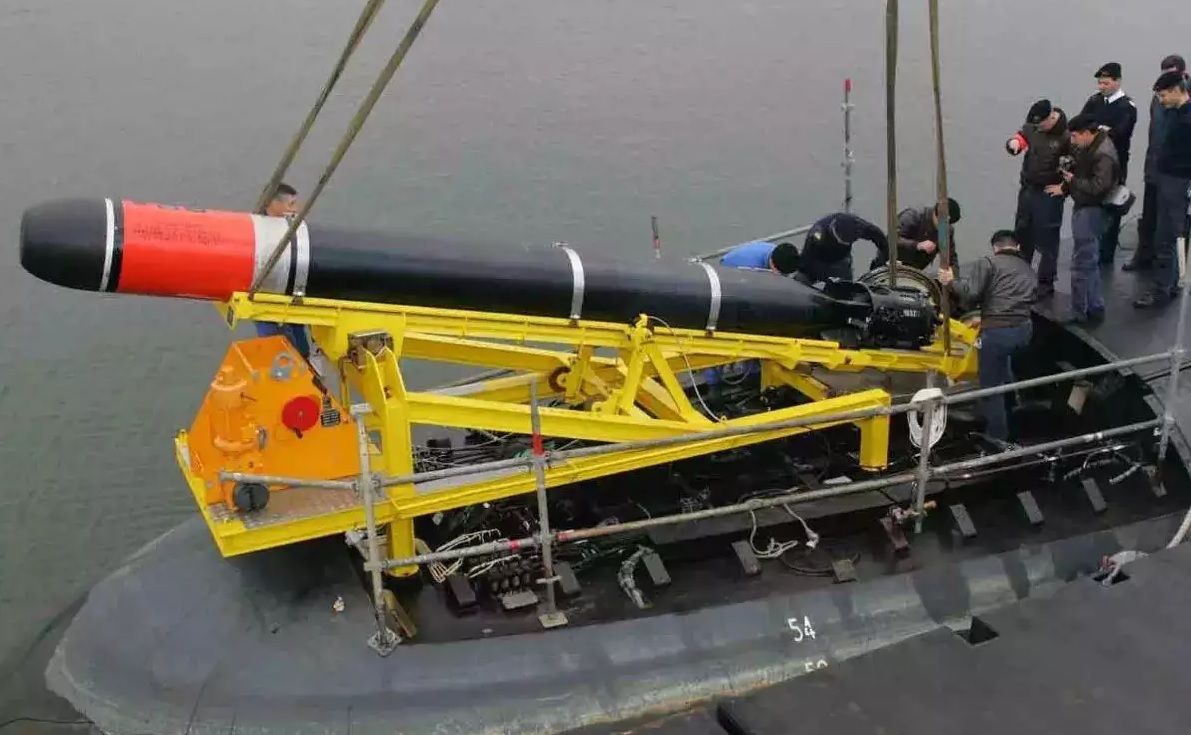
India
The Italian-made Black Shark heavyweight torpedo has once again taken center stage as a top contender for the Indian Navy’s critical submarine warfare requirements. After a prolonged period of uncertainty and past controversy, the torpedo is now gaining renewed traction, especially following the exit of key competitors from the bidding process. A Technological Powerhouse in Underwater Warfare Developed by Leonardo (previously known as WASS), the Black Shark torpedo represents one of the most advanced submarine-launched weapon systems in the world. It is an evolved version of the earlier A184 model, equipped with state-of-the-art enhancements that significantly boost its performance against both underwater and surface threats. At the core of its superiority lies a fibre-optic guided system coupled with advanced electronic counter-countermeasures (ECCM) and multi-frequency sonar capabilities. These features allow for precise target identification and tracking, even in environments saturated with countermeasures and decoys. Key Specifications of the Black Shark Maximum Speed: 50 knots (approximately 93 km/h) Effective Range: 50 kilometers Propulsion System: Aluminium-silver oxide (Al-AgO) battery paired with a contra-rotating brushless motor Warhead: 350 kg high-explosive charge Standards Compliance: Built according to NATO’s STANAG 4439 and MURAT-2 safety and performance standards The use of a non-gas-emitting propulsion system ensures silent and emission-free operation, giving submarines better stealth and endurance at deep sea levels. A Comeback After Controversy The Black Shark's journey to the Indian Navy has not been without setbacks. During the 2008–2013 procurement process, the torpedo was part of a high-profile deal that was eventually cancelled due to allegations of procedural irregularities. This led to an investigation by India's Central Bureau of Investigation (CBI), and the torpedo was shelved for several years. Now, however, the tides are turning in its favor. With Germany’s ThyssenKrupp Marine Systems (TKMS) recently pulling out of the competition to supply torpedoes for the Indian Navy’s Kalvari-class submarines, only France’s Naval Group remains as a competitor. According to internal assessments, the Italian Black Shark is more cost-effective, giving it a clear advantage. Strategic Edge for the Indian Navy India is looking to procure 48 heavyweight torpedoes to strengthen its submarine fleet, and the Black Shark’s modern capabilities and long operational lifespan—estimated to remain relevant for at least 30 more years—make it an ideal choice. Its combination of high speed, extended range, deep-sea capability, and robust electronic systems makes it not just a weapon, but a force multiplier for any modern navy. For the Indian Navy, which is aiming to modernize and expand its underwater combat strength, the Black Shark could provide a much-needed edge in the Indian Ocean region and beyond. As the procurement decision nears, the Black Shark stands poised not just to re-enter the Indian defence arena, but to dominate it.
Read More → Posted on 2025-04-16 14:08:13
India
The Indian Army is undergoing a profound transformation, embracing next-generation technologies to strengthen its combat effectiveness in the modern digital battlespace. At the heart of this shift lies a focused effort to modernise electronic warfare (EW) capabilities through the integration of indigenous systems like SAMBHAV, Samyukta, and Himshakti, alongside cutting-edge artificial intelligence platforms. These advancements are not only enhancing traditional battlefield capabilities but also enabling the Army to gain superiority in the electromagnetic and information domains—an increasingly decisive factor in contemporary warfare. SAMBHAV: A Secure Communication Game-Changer SAMBHAV (Secure Army Mobile Bharat Version) is a major leap forward in secure communication for the Indian Army. Built with advanced encryption and designed for 5G-ready networks, this mobile ecosystem enables soldiers to maintain secure connectivity even during movement, significantly improving real-time coordination and reducing the vulnerabilities of traditional mobile systems. With more than 35,000 SAMBHAV units slated for deployment in two phases, the Army aims to ensure end-to-end encrypted communication in operational zones. This secure mobile system has been developed in collaboration with Indian academia and industry experts, reflecting the country’s growing emphasis on indigenous defence solutions. SAMBHAV also supports the Indian government’s vision of “civil-military fusion,” leveraging public mobile infrastructure while layering military-grade security over it. Cyber Units: Expanding the Army's Digital Footprint Complementing this rollout is the establishment of Command Cyber Operations Support Wings (CCOSWs), specialised cyber units designed to fortify the Army's cyber defence posture. These wings, stationed across operational commands, are tasked with defending digital infrastructure, conducting cyber surveillance, and ensuring that advanced communication systems like SAMBHAV remain secure from electronic espionage or disruption. Each CCOSW is trained in state-of-the-art cyber warfare tactics and is integrated into broader operational planning, reflecting the growing role of cyber warfare as a tactical and strategic tool. This approach ensures layered protection of critical infrastructure and enables rapid cyber counteraction during both peacetime and conflict. Samyukta and Himshakti: Indigenous EW Powerhouses India's focus on self-reliance is also evident in the successful development of Samyukta and Himshakti—homegrown electronic warfare platforms tailored to India’s operational needs. Samyukta is designed to detect, intercept, and jam enemy electronic communications in the tactical battlefield environment, making it a key asset for battlefield dominance. Himshakti, on the other hand, is optimized for high-altitude operations, particularly suited for mountainous terrains like the Northern borders. These systems enable the Army to map, exploit, and dominate the electromagnetic spectrum, disrupting enemy communications while protecting its own. Such indigenous systems are a testament to India’s growing capability to design and manufacture complex defence technologies in-house, reducing dependence on imports and building long-term strategic autonomy. AI: The Brain Behind the Digital Frontier Artificial Intelligence (AI) has emerged as a cornerstone of India’s military modernisation drive. From surveillance to decision-making, AI-powered systems are rapidly redefining the way threats are identified and addressed. Motion Detection & Target Identification Systems powered by AI are now deployed along sensitive borders, capable of real-time alerts using data from thermal cameras, night vision sensors, and long-range optics. Another groundbreaking advancement is the AI-driven "Continuously Observing Ubiquitously Available Surveillance System," which operates without requiring constant human oversight. It addresses limitations like line-of-sight issues and energy dependency, while providing uninterrupted, smart surveillance in volatile regions. Furthermore, AI algorithms are being embedded into EW systems to improve jamming efficiency, electromagnetic spectrum analysis, and rapid countermeasure deployment. These AI tools enhance decision-making speed, precision targeting, and situational awareness, all crucial in today’s high-velocity conflicts. Strategic Vision: Multi-Domain Operations and 2025 Reforms All these initiatives are part of a broader roadmap set by the Ministry of Defence, which has declared 2025 as the "Year of Reforms." This declaration signifies an institutional push toward technology-driven transformation, integrated theatre commands, and multi-domain operations (MDO). MDO aims to synchronise military efforts across land, sea, air, space, and cyberspace, establishing a unified combat approach. India’s electronic warfare doctrine is also evolving based on global conflict lessons. The Indian Army is studying models like Israel’s operations against Hezbollah, where precision electronic warfare combined with psychological tactics created massive disruption without full-scale military engagement. These insights are shaping India's approach to integrated non-kinetic warfare. Joint military exercises now routinely simulate cyber-electronic warfare scenarios, highlighting the growing emphasis on readiness in contested electromagnetic environments. Conclusion The Indian Army’s modernisation push—spearheaded by systems like SAMBHAV, Samyukta, Himshakti, and AI-based platforms—is transforming how India prepares for and fights wars. With an increased focus on indigenous development, real-time surveillance, AI-enabled decision-making, and digital dominance, the Army is not only bridging the gap between conventional and modern warfare but also preparing to lead in the future battlefield. These initiatives form the backbone of India's move toward a combat-ready, technologically empowered force capable of securing its interests across all domains. While challenges persist in integrating these technologies seamlessly and training personnel to their full potential, the ongoing commitment and strategic clarity ensure that the Indian Army is on a strong path to achieving information and electronic superiority in the 21st century.
Read More → Posted on 2025-04-15 15:19:46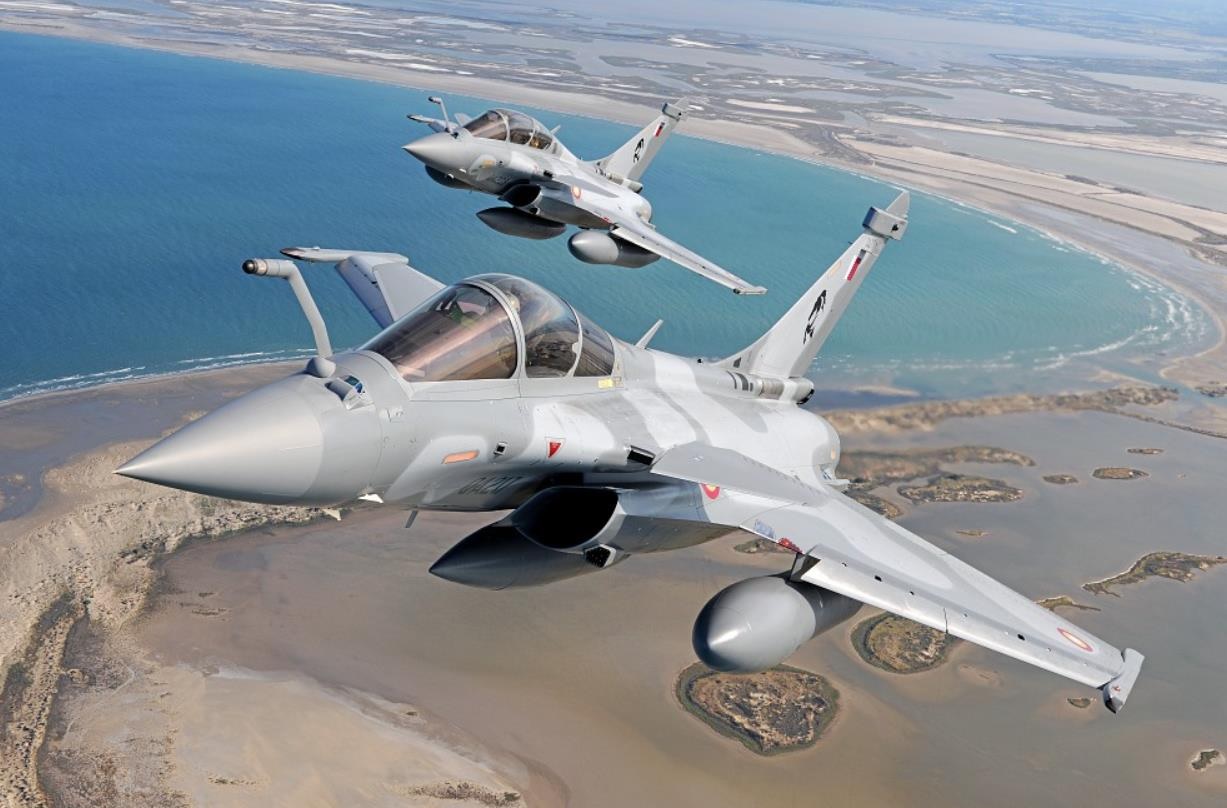
India
India is gearing up for one of its most significant defence purchases yet — a direct government-to-government (G2G) deal with France for 110 additional Rafale fighter jets. The move, expected to be initiated later this year, comes at a time when the Indian Air Force (IAF) urgently needs to replenish its shrinking squadron strength due to delays in earlier procurement efforts. Instead of waiting on the long-stuck Multi-Role Fighter Aircraft (MRFA) tender — which has been in limbo since 2018 — India is now leaning toward a faster, more streamlined route. The MRFA process, meant to bring in 114 fighter jets, has been bogged down by complications like technology transfer demands and stiff competition between global defence giants. As a result, little progress has been made even after years of deliberation. By opting for a G2G deal with France, the Indian government hopes to skip the bureaucratic red tape and take advantage of the well-established ecosystem already created around the Rafale jets. India currently operates 36 Rafales in the IAF and has just cleared a ₹63,000 crore deal for 26 Rafale Marine jets for the Indian Navy, intended for the INS Vikrant aircraft carrier. With existing training systems, maintenance setups, and supply chains already in place, adding more Rafales through the same route becomes a logical and cost-effective step. A crucial development tied to this potential deal is French aircraft manufacturer Dassault Aviation’s growing interest in taking full ownership of Dassault Reliance Aerospace Limited (DRAL), a joint venture located in Nagpur. Set up in 2016 with Reliance Aerostructure, the DRAL facility has been manufacturing Rafale components like wings and fuselage sections. Now, Dassault is reportedly pushing for complete control over DRAL to streamline production and ensure quality — something that became a sticking point during earlier Rafale negotiations with Hindustan Aeronautics Limited (HAL). Dassault believes direct ownership would enable it to maintain high production standards and potentially position the facility to cater to export orders in the future. The French company claims that if it gains full control, the Nagpur unit could produce up to two jets per month, theoretically delivering all 110 jets within five years. However, some defence analysts are cautious, pointing out that Dassault only managed to build 13 Rafales in France in 2023, falling short of its own target. Still, in line with India’s “Make in India” initiative, Dassault has reportedly committed to sourcing a large portion of aircraft parts from Indian suppliers. The earlier Rafale deal already established a robust supply chain involving major Indian defence players like L&T, Mahindra, Godrej & Boyce, and the Kalyani Group. The company is expected to deepen these partnerships in the new deal, with DRAL potentially acting as the central hub for final assembly and integration. However, there are concerns within India’s Ministry of Defence about the actual level of indigenous production. Some officials fear that DRAL could end up being more of an assembly line for kits shipped from France rather than a true manufacturing hub, raising questions about meaningful technology transfer. Achieving a 70–75% local content target is seen as a steep challenge, especially given the Rafale’s complexity, involving over 40,000 unique parts. There’s also unease about the possibility of full foreign ownership of DRAL. Critics argue that this could sideline public-sector entities like HAL and consolidate control over advanced defence technologies in the hands of a few private players. If the deal goes through, India’s total Rafale fleet would rise to 172 — 36 jets already in service with the IAF, 26 for the Navy, and 110 new additions. This would make India the second-largest operator of Rafale jets after France itself, significantly boosting India’s air power at a time when regional security dynamics are evolving rapidly. With China deploying stealthy J-20 fighters and Pakistan reportedly eyeing advanced jets like the J-35, India’s decision to strengthen its air combat fleet with Rafales could be a game-changer in maintaining strategic balance in the region. While negotiations are still in early stages, the intent is clear: India is moving swiftly to address its air defence needs, and bypassing tender delays in favour of a direct Rafale deal may be the fastest route to readiness.
Read More → Posted on 2025-04-15 15:05:41
India
India’s ambitious push for indigenous aviation is steadily taking shape with the upcoming test flight of the SARAS MK-2 aircraft, now scheduled for December 2027. This 19-seater twin-engine turboprop, developed by the Council of Scientific and Industrial Research–National Aerospace Laboratories (CSIR-NAL), is designed to provide a versatile, low-cost solution for regional air travel and various utility roles. According to CSIR-NAL Director Abhay Pashilkar, the SARAS MK-2 is in the final stages of design refinement and is expected to be ready for its maiden flight by the end of 2027. The aircraft is an upgraded version of the earlier SARAS prototype, which made headlines as India's first indigenously developed civilian aircraft but was stalled after a tragic crash in 2009. The program was revived in 2016 with fresh funding and renewed interest from both government and defence sectors. The SARAS MK-2 is engineered to operate effectively from short, semi-prepared airstrips, which makes it ideal for India's remote and underdeveloped regions. With a cruising speed of 500 km/h and a maximum range of 2,450 km (when carrying seven passengers), the aircraft can play a key role in connecting small towns and cities, especially under the UDAN scheme aimed at enhancing regional air connectivity. A key backer of the program is the Indian Air Force, which has already shown intent to procure 15 units for logistical and administrative duties. The aircraft’s modular layout and ease of maintenance also make it a strong candidate for use in air ambulance services, charter operations, disaster relief missions, and even border surveillance. Technologically, SARAS MK-2 includes significant improvements over its predecessor. It comes equipped with a high-wing configuration for better stability and field performance, twin turboprop engines, and cutting-edge avionics systems supplied by Indian companies like Genesis and Paras Defence. Several critical systems, including the brake management and environmental control systems, have been developed in-house by NAL engineers. To meet certification and production timelines, CSIR-NAL plans to develop two prototypes, which will undergo rigorous testing. Hindustan Aeronautics Limited (HAL) will contribute to manufacturing specific components, while other metallic parts will be sourced from private vendors, supporting India’s growing aerospace supply chain ecosystem. One of the challenges that delayed the aircraft’s timeline—originally aimed for 2024–25—was the difficulty in sourcing certified test pilots and obtaining necessary regulatory approvals. Material procurement delays and ongoing design optimisations also played a role in pushing the schedule further. Once certified, SARAS MK-2 is expected to make a significant impact on India's civil and strategic aviation landscape. It represents a step forward not just in self-reliance but in providing cost-effective and adaptable aircraft suited for India's unique geographical and infrastructural needs. If successfully inducted and produced at scale, SARAS MK-2 could help reduce India's reliance on imported aircraft in the regional sector and offer export potential to friendly countries with similar aviation requirements.
Read More → Posted on 2025-04-14 15:23:42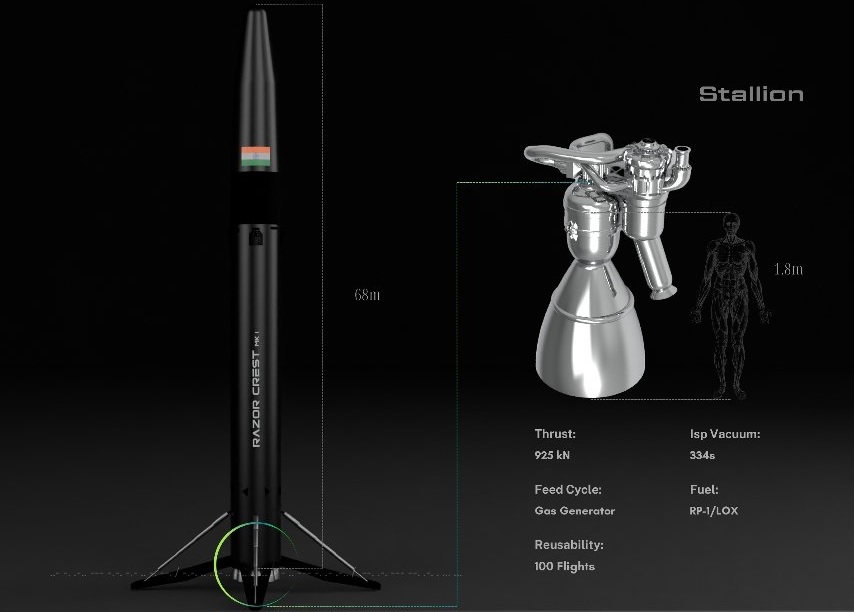
Bangalore’s EtherealX Unveils Razor Crest MK-1 — The World’s First Fully Reusable Medium-Lift Rocket
India
In a groundbreaking leap for India’s space ambitions, Bangalore-based start-up EtherealX has introduced the Razor Crest MK-1, the world’s first fully reusable medium-lift launch vehicle. This next-generation rocket is poised to set a new benchmark in space transportation, combining raw power with unmatched efficiency and reusability. At the heart of the Razor Crest MK-1 lies a powerhouse—nine Stallion engines, each generating 925 kilonewtons (kN) of thrust. Altogether, these engines deliver a total thrust that rivals some of the most advanced rockets in existence today. Designed using RP-1 and liquid oxygen (LOX) in a closed gas generator cycle, the Stallion engines are built for high-performance across both atmospheric and vacuum conditions. This design not only enhances mission flexibility but also makes reusability more feasible and cost-effective. In terms of payload capacity, the Razor Crest MK-1 is nothing short of impressive. It can launch up to 24.8 tons to Low Earth Orbit (LEO) in an expendable configuration, 22.8 tons in a partially reusable mode, and 8 tons in its fully reusable form. Beyond that, it can deliver 10.8 tons to Geostationary Transfer Orbit (GTO) and 6.8 tons to Lunar Orbit—figures that place it firmly among elite global launch vehicles. But what truly sets Razor Crest MK-1 apart is its full reusability. While many rockets can be partially recovered, EtherealX has engineered the MK-1 to return and relaunch its core stages, much like SpaceX’s Falcon 9 but tailored to meet the unique demands of both Indian and global markets. This innovation is expected to cut launch costs by up to 45%, opening up affordable access to space for commercial satellite operators, academic institutions, and governments alike. EtherealX was founded in 2022 by a dynamic trio—Manu J Nair (CEO), Shubhayu Sardar (COO), and Prashant Sharma (CTO). With strong technical backgrounds and a shared vision of transforming India into a global space leader, they’ve quickly drawn the attention of investors and space enthusiasts worldwide. The company has already secured $5 million in seed funding to accelerate development and testing of its core technologies. Their focus now lies on completing full-scale testing facilities, qualifying their engines for operational use, and preparing the MK-1 for its debut flights. The rocket is also being eyed for future human spaceflight missions, satellite deployments, and in-space services, making it a versatile platform with long-term utility. The Razor Crest MK-1 not only showcases India’s growing technological prowess but also signals a shift toward more sustainable, cost-efficient space travel. As countries and companies race to dominate the new space economy, EtherealX’s innovation could play a pivotal role in democratizing space access for all. With its bold vision, strong leadership, and revolutionary technology, EtherealX is no longer just a start-up to watch—it’s a trailblazer rewriting the future of space exploration.
Read More → Posted on 2025-04-14 15:12:03
India
India’s defence modernization drive has received a fresh boost with the unveiling of a brand-new 6.8mm assault rifle prototype developed by the Defence Research and Development Organisation (DRDO). Showcased in early 2025, this indigenously designed weapon could potentially challenge existing imports like the SIG716 and even threaten to replace the much-delayed AK-203 joint venture project with Russia. Developed by the Armament Research and Development Establishment (ARDE), the DRDO's Pune-based lab, the rifle is chambered for a unique 6.8x43mm intermediate cartridge—positioning it as a middle-ground alternative to the Indian Army's current assortment of small arms. The round itself promises a balance between the raw stopping power of the 7.62x39mm (used in AK-type rifles) and the lightweight handling of the 5.56x45mm, offering an efficient blend of lethality and manageability. Visually, the prototype presents a modern, combat-ready appearance. It features a lightweight yet durable 30-round polymer magazine reinforced with metal for enhanced strength, and an adjustable telescopic stock that allows soldiers to customize the fit according to operational scenarios. These features make the rifle suitable for everything from urban warfare to high-altitude combat along the nation’s northern borders. What makes this rifle even more compelling is its intent. Unlike DRDO’s previously launched 7.62x51mm 'Ugram' rifle that leaned towards heavier firepower, the 6.8mm prototype seeks to provide optimized performance—manageable recoil, lighter carry weight, and enhanced terminal effects—especially vital for infantry soldiers in prolonged engagements. Globally, this concept is not entirely new. The U.S. Army, for instance, recently moved to a 6.8mm round in its Next Generation Squad Weapon (NGSW) program to counter modern ballistic protection systems. India’s 6.8x43mm rifle seems to be following that same philosophy—striking the “sweet spot” between firepower and functionality. The timing of this development is also notable. The Indian Army has long been seeking a replacement for its aging INSAS rifles, which have been in service since the 1990s. Though 72,000 SIG716 rifles were acquired in 2020 as an interim measure and the AK-203 was slated for local production, neither solution has fully met the Army’s long-term needs—either due to logistical constraints or geopolitical delays. The DRDO's 6.8mm rifle could fill this gap. If fielded widely, it would not only reduce reliance on foreign arms but also align with the government’s ‘Aatmanirbhar Bharat’ initiative by bringing small arms production fully under Indian control. Furthermore, the indigenous nature of the weapon allows for easier upgrades, customizations, and localized maintenance. Still, many hurdles remain. The rifle must undergo rigorous internal testing by ARDE followed by extensive trials by the Indian Army across extreme weather zones—from the icy heights of Ladakh to the deserts of Rajasthan. Only after proving its reliability, accuracy, and endurance under these varied conditions can it be considered for mass induction. Another significant consideration is ammunition. Introducing a new 6.8x43mm caliber would require India to establish a parallel ammunition production and distribution infrastructure, which adds to the project’s logistical complexity. Training soldiers to adapt to the new weapon and recalibrating support systems like sights, cleaning kits, and magazines will also take time and resources. Despite these challenges, the introduction of this indigenous assault rifle prototype is a promising step. It not only reflects India’s maturing defence R&D capabilities but also signals a future where the country could standardize a versatile, locally made firearm for its armed forces. With global trends moving toward intermediate calibers that outperform traditional rounds, the DRDO’s 6.8mm weapon may just offer the balance the Indian Army has long sought—between firepower, portability, and battlefield adaptability. If successful in trials and adopted for large-scale induction, this rifle might not only replace aging INSAS systems but also mark the beginning of India’s next-generation small arms era.
Read More → Posted on 2025-04-14 15:00:59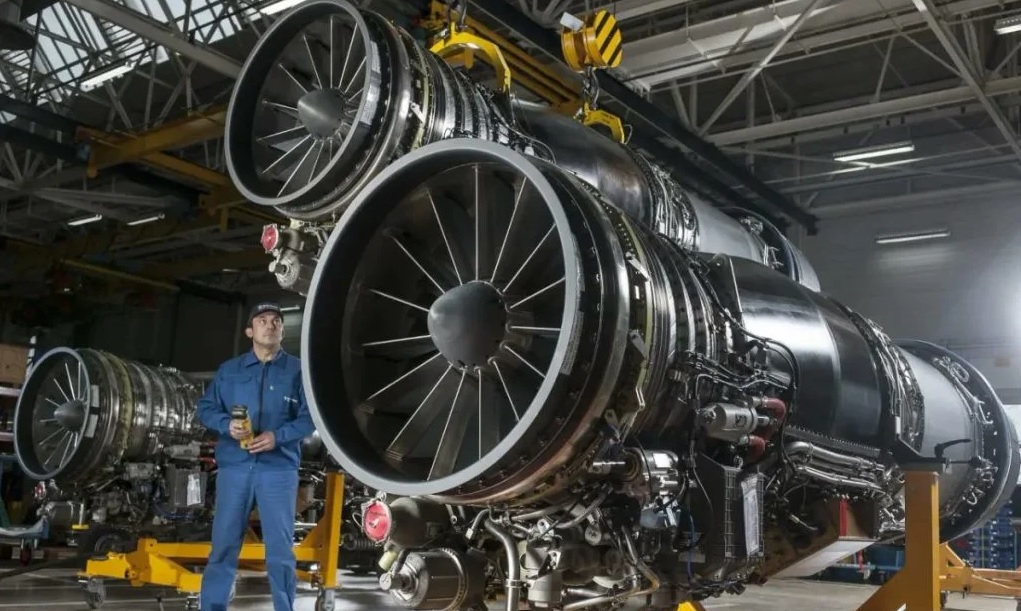
India
India’s defence aerospace journey has taken a major leap forward with a significant announcement from the Gas Turbine Research Establishment (GTRE), a key laboratory under the Defence Research and Development Organisation (DRDO). GTRE has confirmed that the 110kN thrust-class engine, being developed for India’s next-generation Advanced Medium Combat Aircraft (AMCA), will feature a core architecture designed for future upgradability. This not only meets the immediate needs of the AMCA program but also opens the door for the development of more powerful engines in the 125kN to 145kN thrust range—potentially powering India’s future sixth-generation fighter aircraft. The 110kN engine is critical to the AMCA program, which aims to produce India’s first indigenously developed fifth-generation stealth fighter. While initial prototypes will use the 98kN General Electric F414 engine, India’s long-term ambition is self-reliance, and the transition to an indigenous engine is a pivotal part of that vision. The GTRE’s goal is to have the 110kN engine ready by the early 2030s, just in time for AMCA’s production phase. What makes this engine particularly forward-looking is its modular and scalable core. GTRE officials have emphasized that the architecture is being developed with “core upgradeability,” meaning the same engine foundation can be scaled up to produce significantly higher thrust—up to 145kN—if required. This design feature is a deliberate choice aimed at reducing development timelines and costs for future high-performance engines. Such thrust levels would be necessary for a sixth-generation fighter jet, a project that India is expected to pursue as a long-term successor to its fleet of Su-30MKI aircraft. The Su-30MKI, which currently forms the backbone of the Indian Air Force’s combat fleet with over 260 in service, is expected to begin retiring around 2045–2050. While the "Super Sukhoi" upgrade program will extend their relevance well into the 2030s, a modern, stealthy, and more advanced replacement is essential to maintain future air superiority. The sixth-generation aircraft envisioned by India would likely include advanced stealth features, artificial intelligence-enabled decision support, optional manning (pilotless capabilities), directed energy weapons, and advanced network-centric warfare capabilities. These features would demand a high-thrust, fuel-efficient, and thermally resilient engine—precisely the kind of propulsion system that GTRE is laying the groundwork for. The development of a 145kN-class engine from the same family as the AMCA engine also offers logistical, technological, and industrial advantages. Leveraging a common engine core across multiple fighter platforms ensures easier maintenance, streamlined logistics, and reduced costs. It also boosts India’s defence industrial base, making the country less dependent on foreign suppliers for critical technologies. This approach reflects a larger vision: building an ecosystem that not only serves the AMCA but forms the foundation for a generation of Indian-built fighter jets. With GTRE’s announcement, India is not just designing an engine—it’s investing in a scalable propulsion platform that could power the IAF’s combat aircraft fleet for decades to come. In summary, the 110kN engine with its core upgradability is more than just a powerplant for the AMCA. It is a strategic move toward ensuring future preparedness, technological independence, and sustained capability development—signaling that India’s sixth-generation fighter ambitions are not just conceptual but already taking shape at the drawing board.
Read More → Posted on 2025-04-13 15:41:23Search
Top Trending in 24 Hours
-
 Ukraine Introduces Balloon-Launched DART Missile Designed to Defeat Electronic Warfare
-
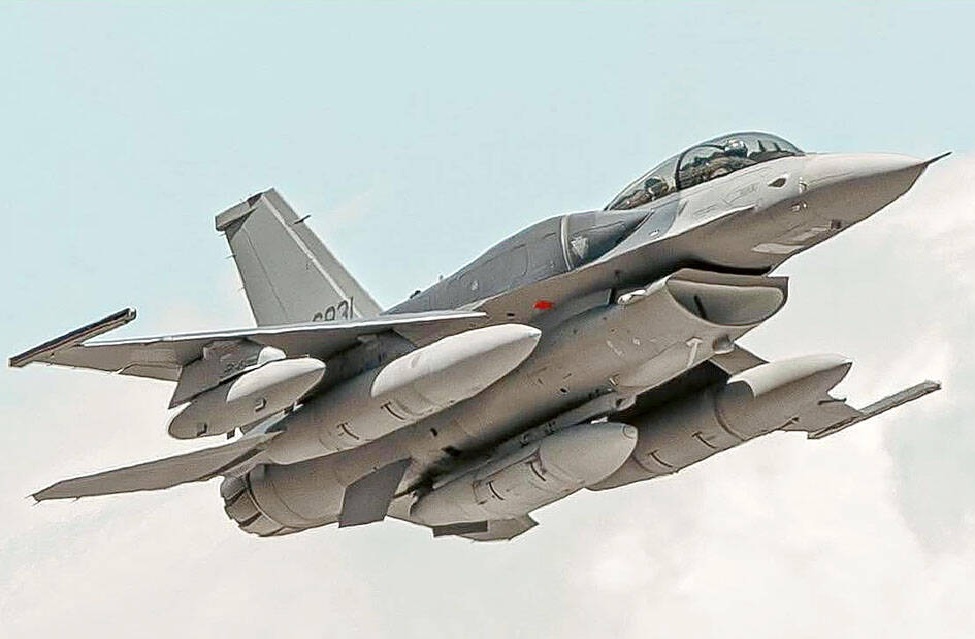 First Taiwanese F-16 Block 70 Flies with Five-Tank Fuel Configuration During Texas Tests
-
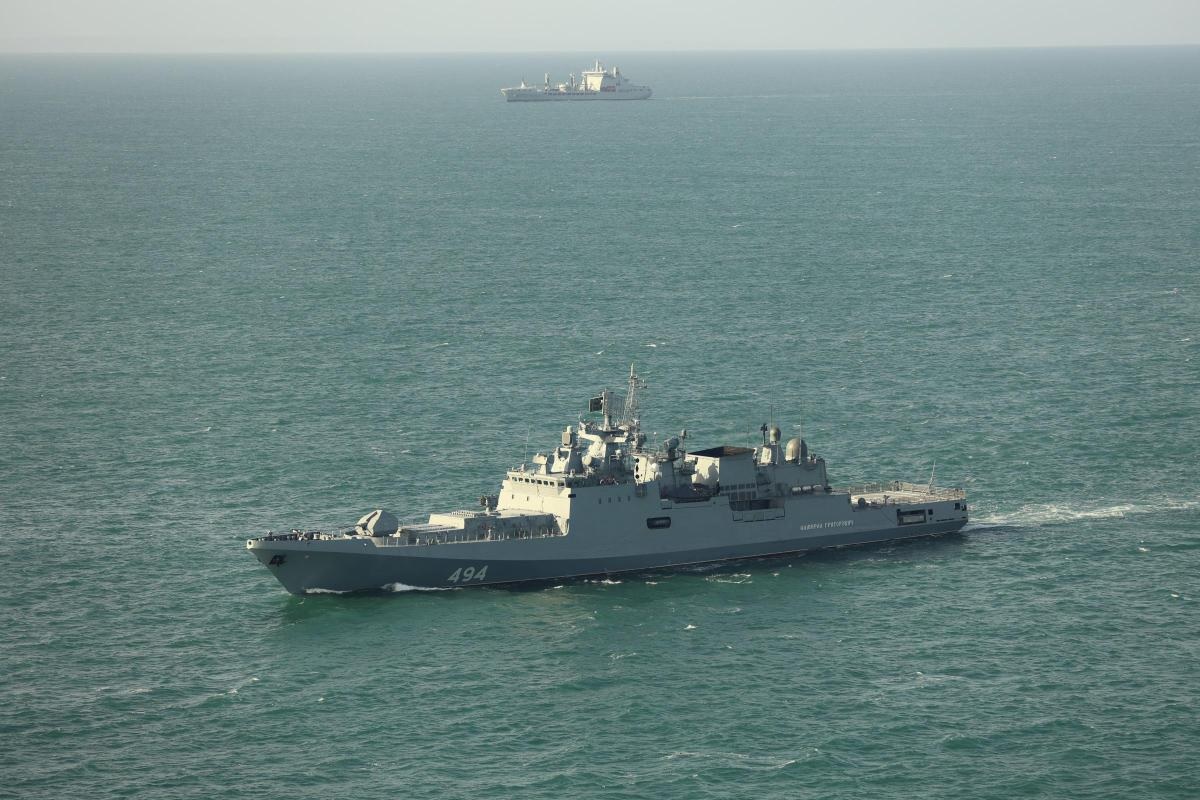 Russian Frigate Admiral Grigorovich Challenges UK Yacht in English Channel With Warning Shots
-
 UK Announces £210 Million Deal to Supply Enriched Uranium to Ukraine for Two Years
-
 Lockheed Martin Wins $514 Million U.S. Space Force Contract for Two New GPS IIIF Satellites
-
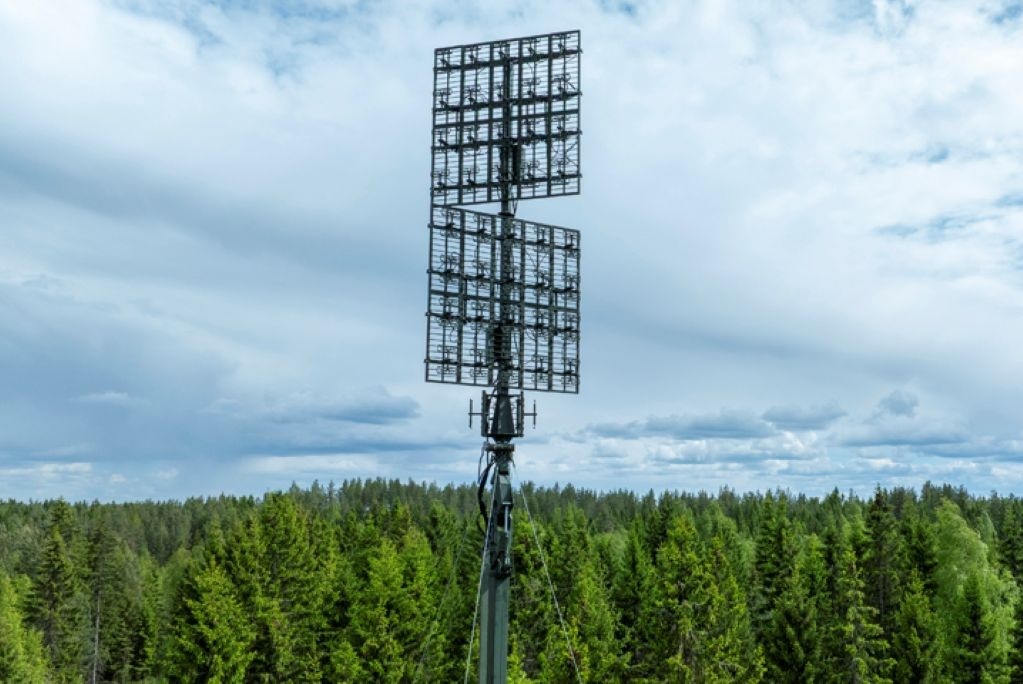 Patria Launches WISPR Passive Counter-Battery Radar with Silent Detection Capability at Eurosatory 2026
-
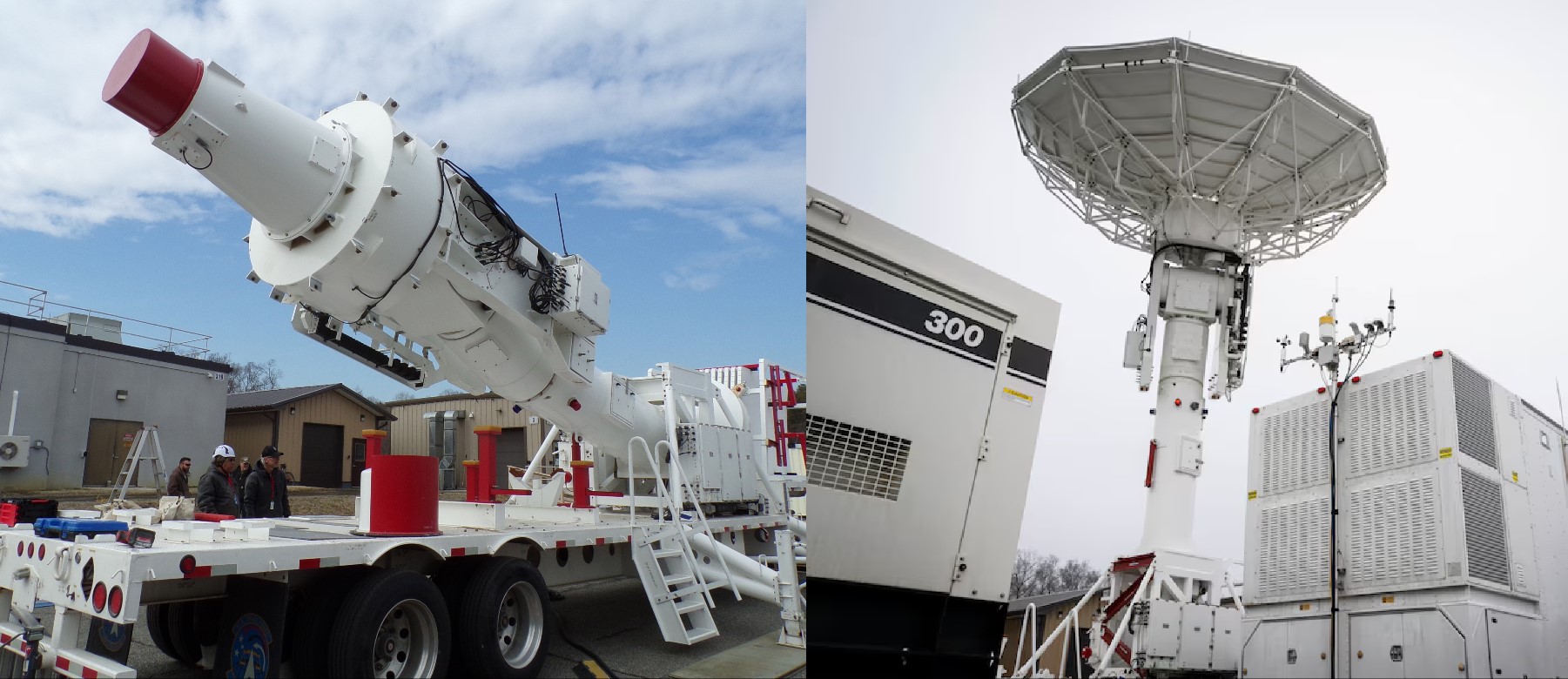 Space Force Transfers Transportable Satellite Tracking Antenna to Naval Research Laboratory
-
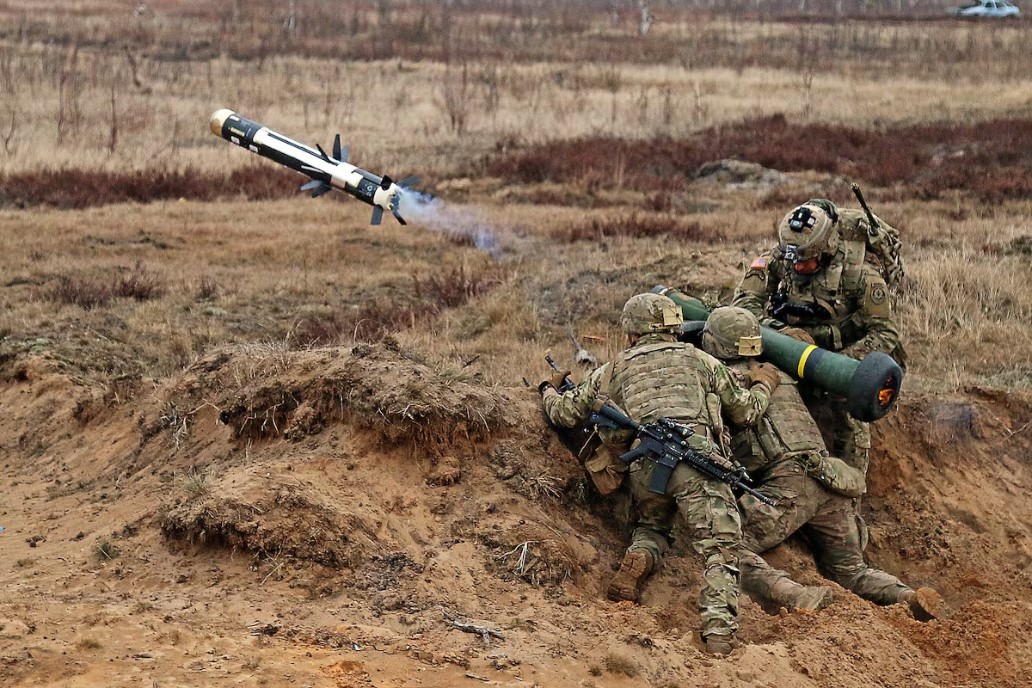 U.S. Army Launches 10-Year Plan to Sustain Javelin Missile Production Through 2036
Top Trending in 4 Days
-
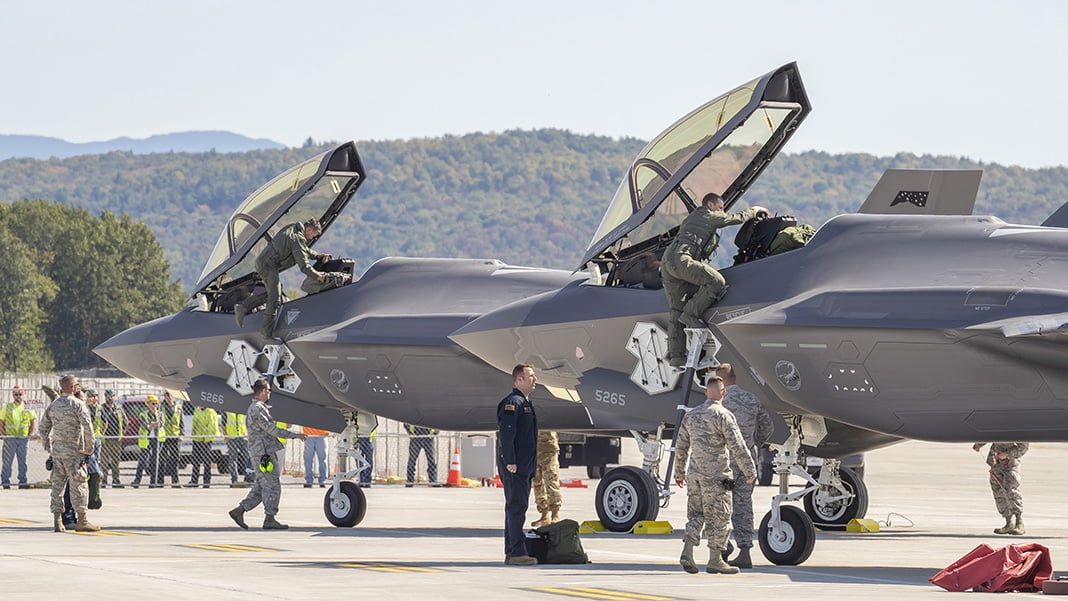 F-35 Fleet Readiness Falls to 25% Amid Parts Shortages and Software Delays: GAO Report
-
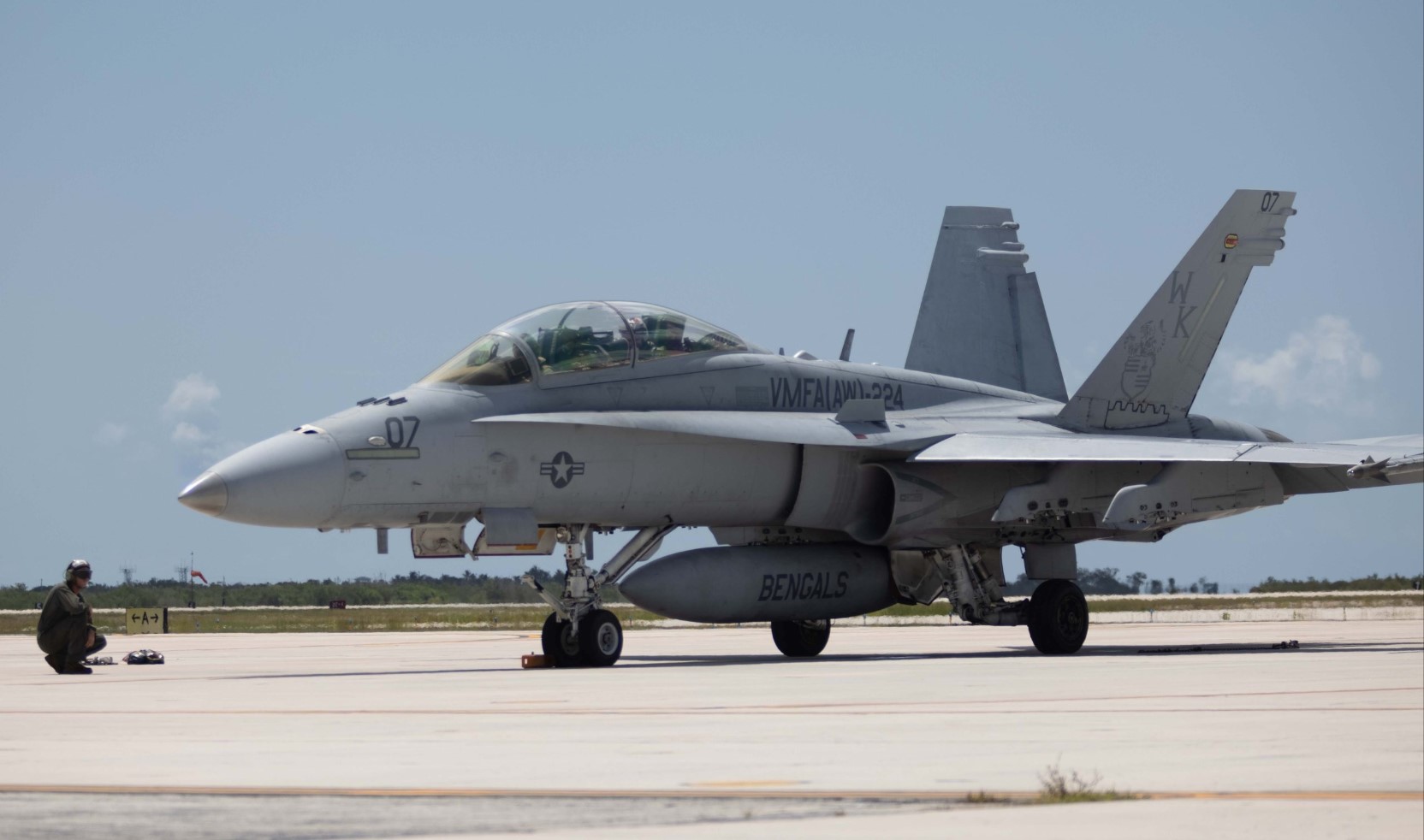 US Marine Corps F/A-18D Hornet Crashes During Training Flight in Washington Mountains; Pilot Ejects Safely
-
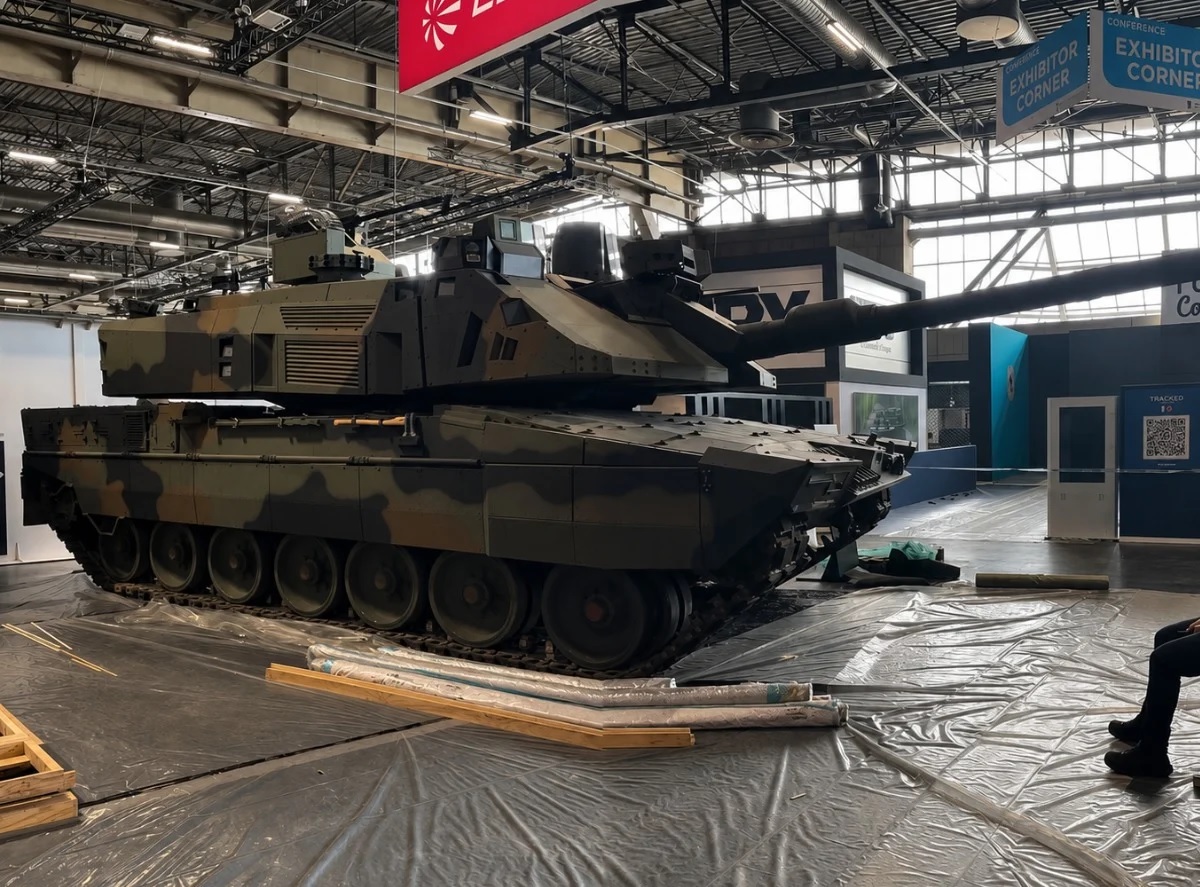 Leonardo Rheinmetall to Unveil Italy’s New IMBT Main Battle Tank at Eurosatory 2026
-
 Tulsi Gabbard Releases Declassified Files Detailing U.S.-Backed Network of 120 Biolaboratories Across 30+ Countries
-
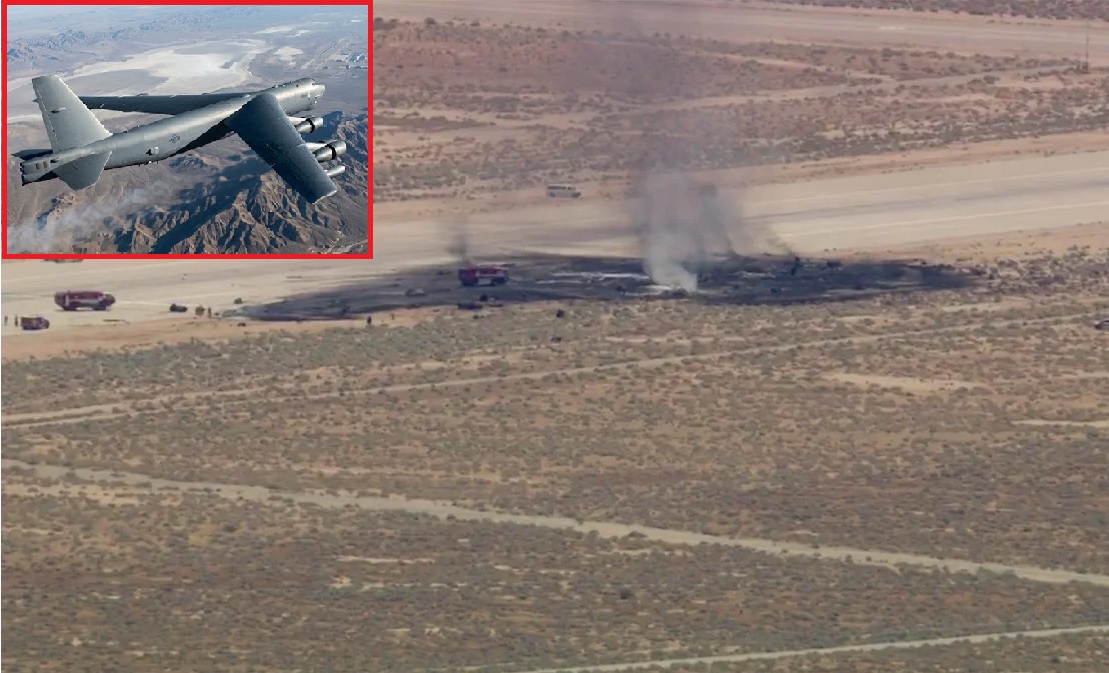 8 U.S. Air Force Crew Members Killed in B-52 Bomber Crash During Test Flight at Edwards Air Force Base
-
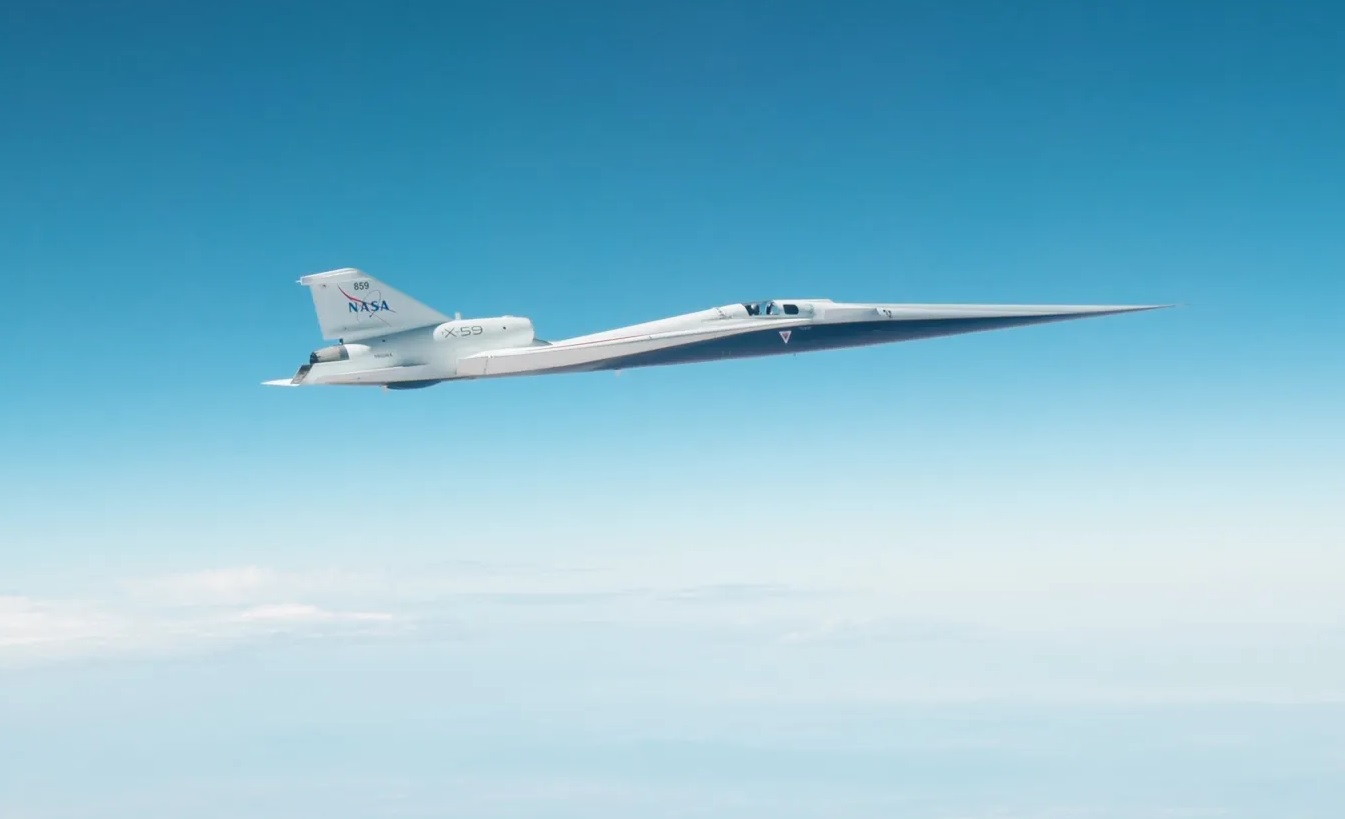 NASA X-59 Achieves Planned Mission Conditions with Mach 1.4 Flight at 55,000 Feet
-
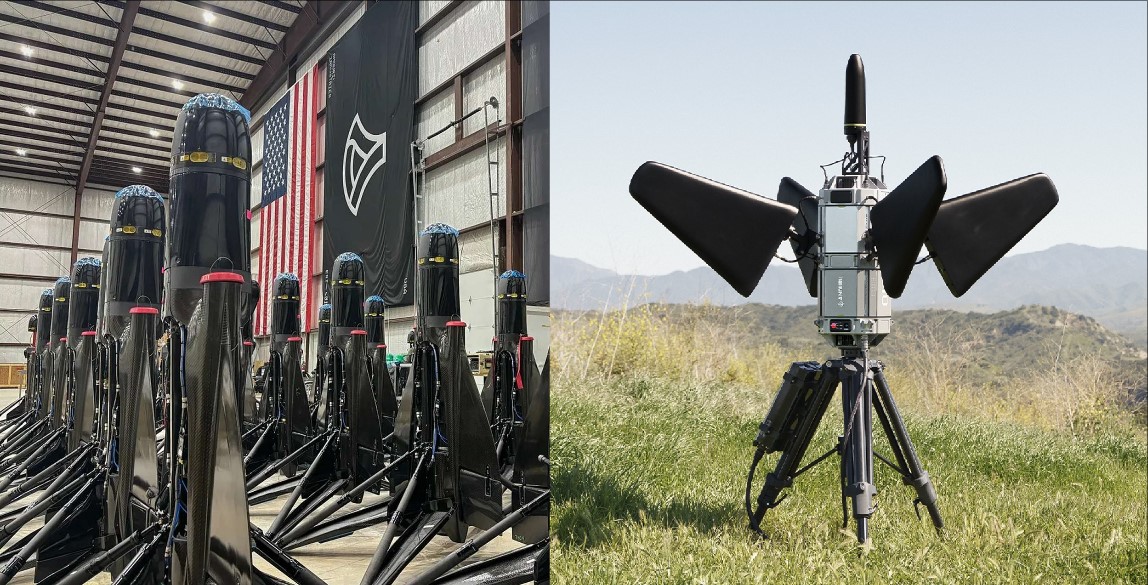 U.S. Approves $1.98 Billion Sale of Anduril AI-Powered Counter-Drone Systems to Kuwait
-
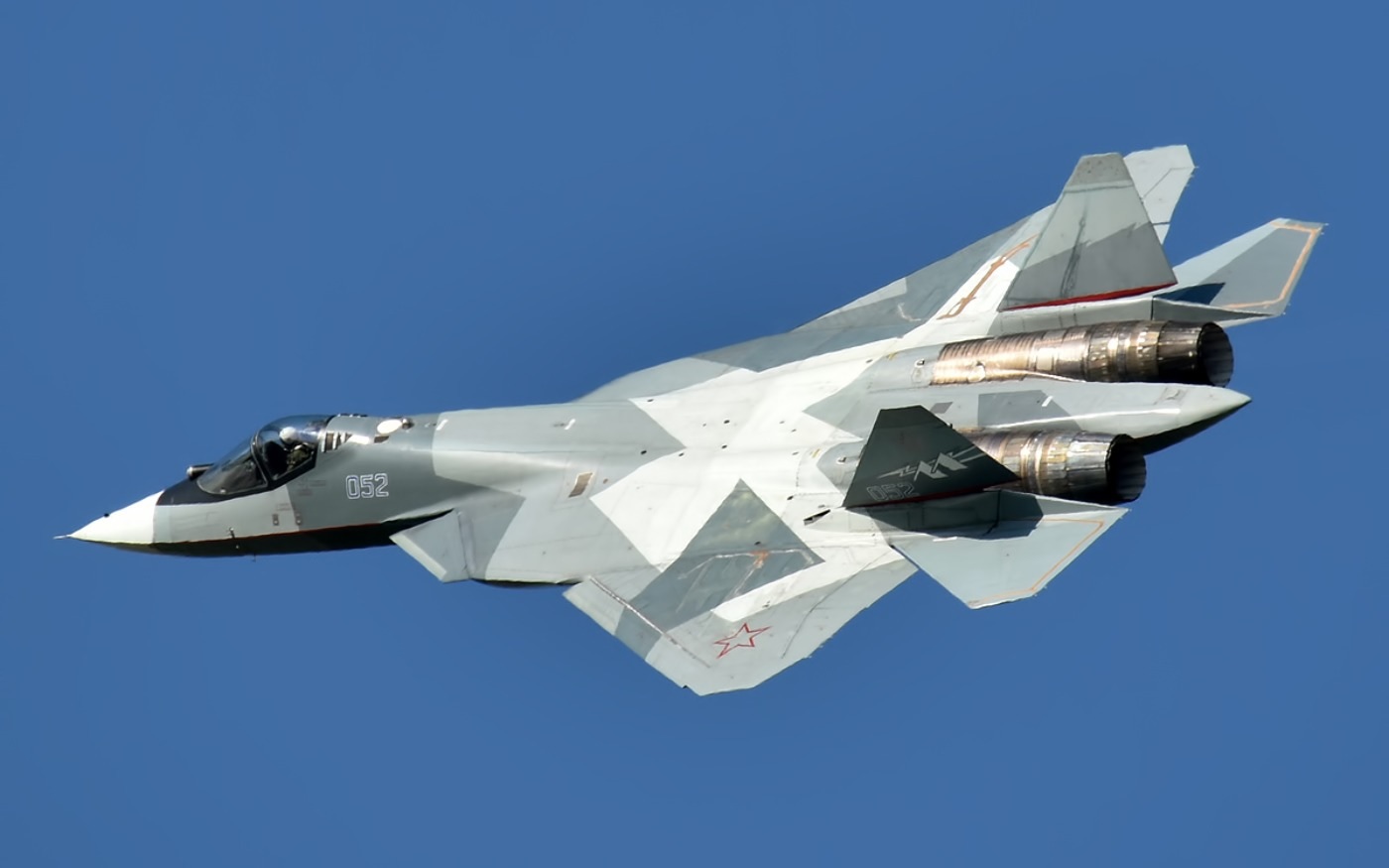 Russian Analysts Debate Su-57 Capabilities After Putin Calls Fighter Superior to F-35