India
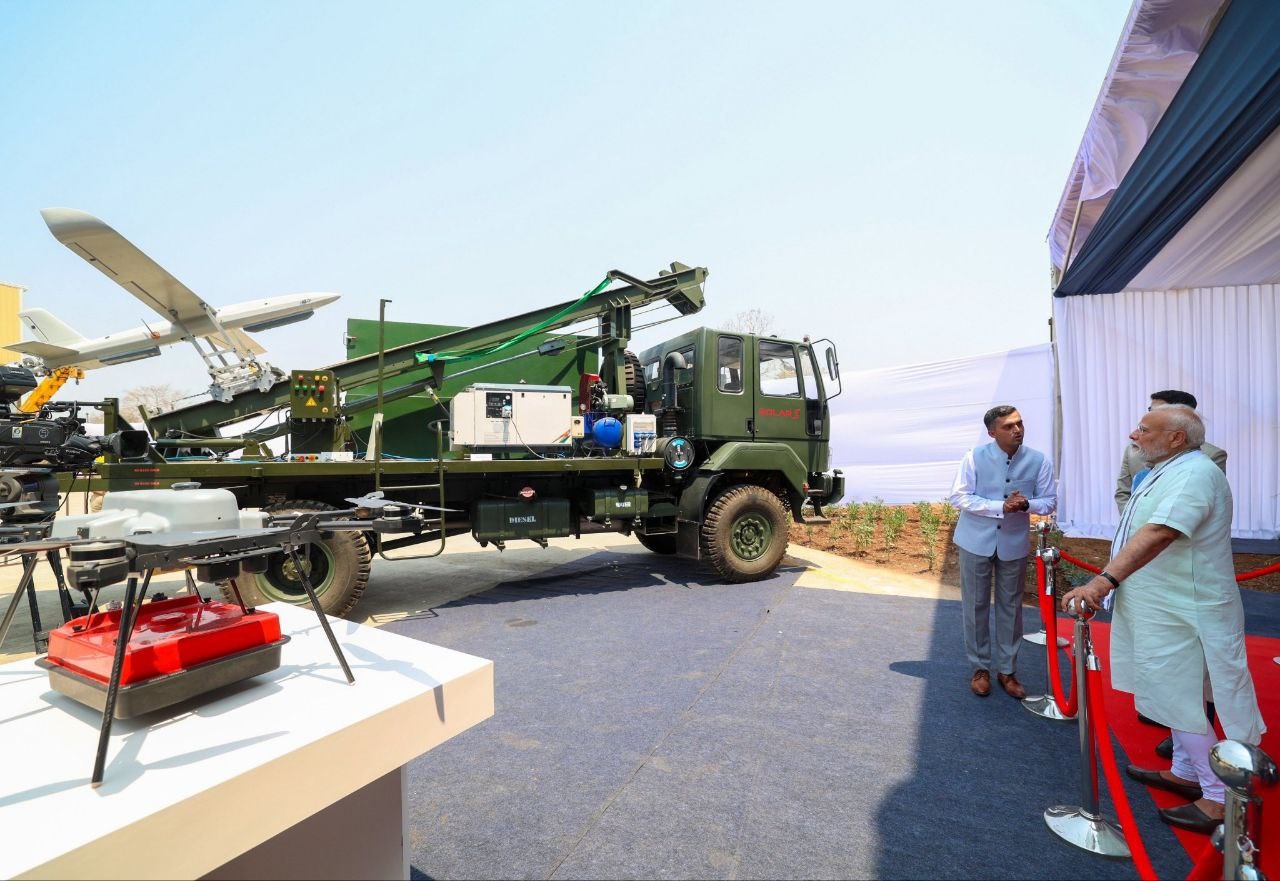
India’s defense landscape is undergoing rapid transformation, and at the heart of this modernization is the push for indigenous loitering munitions. Prime Minister Narendra Modi recently witnessed the unveiling of the Nagastra-3, an advanced loitering munition system being developed under the Medium Range Precision Kill System (MRPKS). This system is designed to provide the Indian Armed Forces with a versatile, high-endurance, precision-strike capability over a range exceeding 100 kilometers. Technical Specifications and Capabilities The Nagastra-3 is a next-generation loitering munition built to offer long-range reconnaissance and strike capabilities against high-value targets. The system's defining features include: Range: Over 100 km, allowing deep-strike operations beyond enemy lines. Endurance: More than 5 hours, enabling prolonged surveillance and target acquisition before committing to a strike. Guidance System: GPS and Inertial Navigation System (INS) for precise targeting, coupled with Artificial Intelligence (AI)-driven target identification. Warhead: Designed for precision strikes, the Nagastra-3 can carry a high-explosive (HE) warhead, anti-tank shaped charge, or fragmentation warhead based on mission requirements. Launch Platform: It is a canister-launched system, deployable from mobile platforms, providing rapid launch capability. Operational Altitude: Capable of flying at medium altitudes to evade enemy radar detection. Stealth and Survivability: Built with a low radar cross-section (RCS) and capable of performing evasive maneuvers to avoid interception. Data Link: Secure, encrypted communication with ground control stations for real-time video feed and manual target confirmation. Role in Modern Warfare The introduction of the Nagastra-3 into India’s arsenal strengthens its ability to conduct asymmetric warfare. Loitering munitions like the Nagastra-3 bridge the gap between traditional cruise missiles and UAV-based airstrikes. The capability to hover over a battlefield, select targets in real time, and execute precision strikes makes it an invaluable asset for: Neutralizing Enemy Air Defenses: The ability to engage high-value air defense systems and radar installations before a full-scale aerial attack. Tactical Battlefield Support: Providing real-time reconnaissance and engaging enemy troop concentrations, armored formations, or command centers. Urban Warfare and Counter-Terror Operations: Reducing collateral damage by allowing precise engagement of targets in densely populated areas. Strategic Implications The Nagastra-3's development aligns with India's push for self-reliance under the Atmanirbhar Bharat initiative. The loitering munition not only reduces India's dependence on imported weaponry but also positions the country as a key player in unmanned aerial warfare. With regional threats evolving, the ability to conduct precise, time-sensitive strikes without risking pilot lives enhances India’s strategic deterrence capabilities. Future Prospects Given its promising features, the Nagastra-3 is likely to undergo further refinements, including AI-assisted autonomous targeting, swarming capabilities, and enhanced electronic warfare countermeasures. The successful integration of this system into India's military framework will mark a significant leap in the nation’s offensive and defensive combat strategies. As the world moves towards network-centric warfare, loitering munitions like the Nagastra-3 will play a pivotal role in shaping future battlefields, giving India a critical edge in modern warfare scenarios.
Read More → Posted on 2025-03-30 15:15:04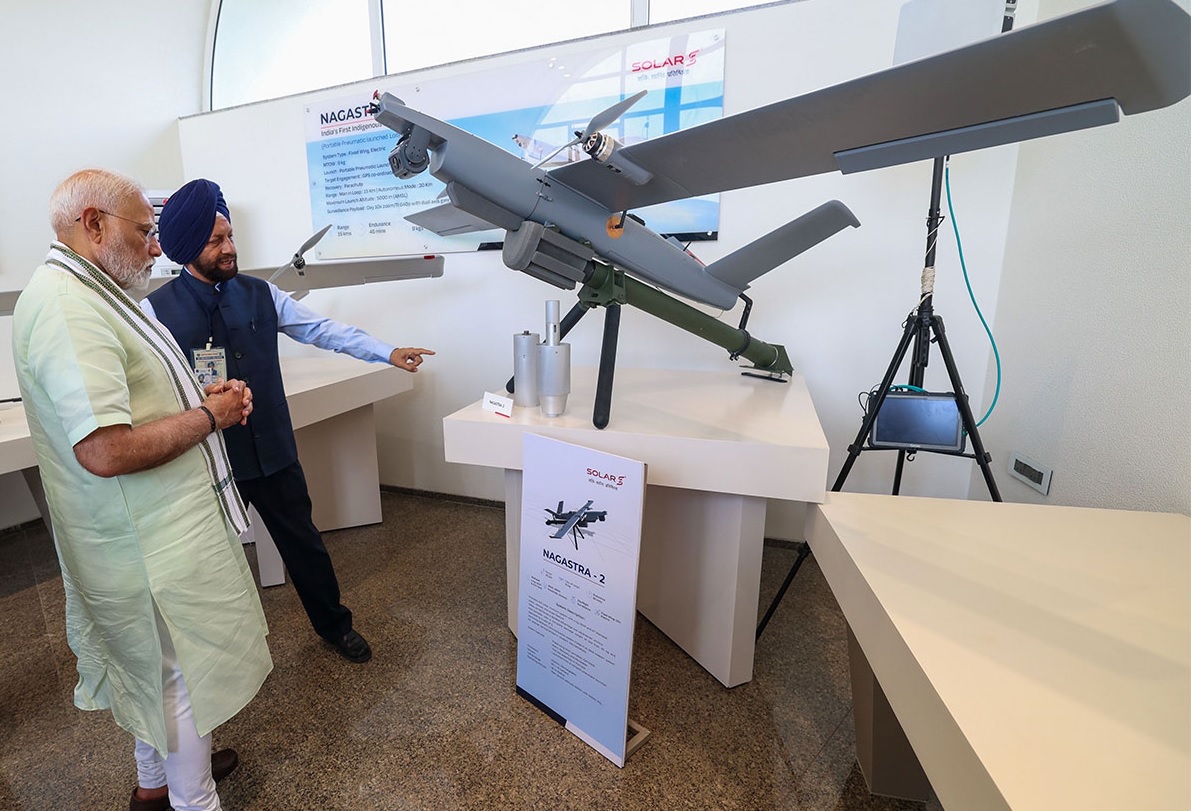
India
Prime Minister Narendra Modi today inaugurated Solar Defence's expansive 1,080-acre facility in Nagpur, marking a significant advancement in India's defense capabilities. This state-of-the-art complex encompasses a Loitering Munition Test Range and a dedicated runway for testing Medium Altitude Long Endurance (MALE) and High Altitude Long Endurance (HALE) Unmanned Aerial Vehicles (UAVs). Loitering Munition Test Range The Loitering Munition Test Range is designed to rigorously evaluate systems like the indigenous Nagastra series. The Nagastra-1, developed by Solar Industries in collaboration with Z-Motion Autonomous Systems Pvt Ltd, is a man-portable, fixed-wing electric UAV weighing approximately 9 kg. It offers a range of 15 km in manual mode and up to 30 km autonomously, with an endurance of 30 minutes. Equipped with day and night surveillance cameras and a 1 kg high-explosive fragmenting warhead, the Nagastra-1 boasts a GPS-enabled precision strike capability with an accuracy of up to 2 meters. A notable feature is its parachute recovery mechanism, allowing for mission abortion and reuse—a significant advantage over many existing systems. MALE/HALE UAV Test Runway The facility also includes a specialized runway for testing MALE and HALE UAVs. Solar Industries is developing MALE UAVs equipped with both surveillance and attack capabilities, aligning with the global recognition of drones as critical force multipliers in modern warfare. The development of these UAVs is part of the Ministry of Defence’s Indigenously Designed, Developed, and Manufactured (IDDM) category, emphasizing India's commitment to self-reliance in defense technology. The inauguration of this facility underscores India's strategic push towards enhancing its defense manufacturing capabilities and reducing reliance on foreign technology. By investing in indigenous development and testing infrastructure, India aims to position itself as a global leader in autonomous weaponized systems
Read More → Posted on 2025-03-30 15:10:40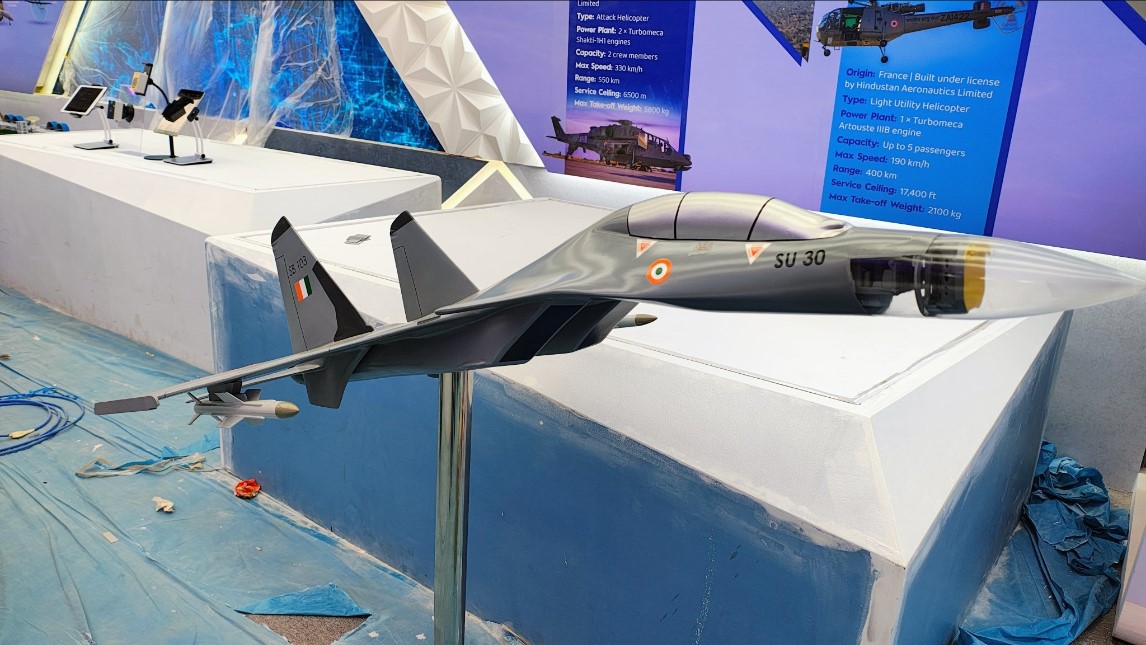
India
The Indian Air Force (IAF) has embarked on a significant modernization program for its frontline Su-30MKI fleet, integrating advanced indigenous and foreign technologies to counter emerging aerial threats. Among the key upgrades are the Virupaksha Active Electronically Scanned Array (AESA) radar, Astra MkIII beyond-visual-range air-to-air missile (BVRAAM), and enhanced networking capabilities through airborne warning and control system (AWACS) support. These enhancements, according to IAF officials, could give the upgraded Su-30MKI a decisive edge over China's new-generation J-35A stealth fighter. Understanding the Upgrades: The Virupaksha AESA Radar The heart of the Su-30MKI's modernization is the integration of the Virupaksha AESA radar, developed by India’s Defence Research and Development Organisation (DRDO). This radar marks a generational leap over the older Russian-origin N011M Bars radar, offering: Greater Detection Range: Estimated to exceed 300 km for large aircraft and over 200 km for smaller targets like fighter jets. High-Resolution Tracking: Capable of simultaneously tracking multiple targets in air-to-air and air-to-ground modes, enhancing situational awareness. Electronic Warfare (EW) Capability: Equipped with advanced jamming resistance and passive detection features to counter stealth aircraft. Multi-Mode Operations: Supports synthetic aperture radar (SAR) imaging, moving target tracking, and terrain mapping, allowing strike missions to be more precise. This AESA radar significantly enhances the Su-30MKI’s ability to detect and engage enemy aircraft before they can close in for a dogfight, countering the advantages of stealth designs like the J-35A. Astra MkIII BVRAAM: India's Long-Range Punch The Astra MkIII is the next-generation air-to-air missile under development, designed to extend engagement ranges and enhance the lethality of IAF’s Su-30MKIs. It features: Ramjet Propulsion: Ensures a sustained high-speed trajectory, unlike traditional rocket-powered missiles. Range of Over 300 km: This allows Indian pilots to engage adversaries beyond the effective range of China’s PL-15 missile, which is estimated to have a range of 200-250 km. Advanced Guidance System: Equipped with dual-mode seekers and high anti-jamming resistance, ensuring effectiveness even in contested environments. No-Escape Zone: Expanded due to its superior energy retention at terminal engagement phases, increasing kill probability. When paired with the Virupaksha AESA radar, the Astra MkIII provides an enormous advantage, allowing Su-30MKIs to engage J-35A aircraft before they are detected, negating their stealth advantage. AWACS Network: Force Multiplier in Air Combat India’s airborne early warning and control (AEW&C) platforms, such as the DRDO-developed Netra and upcoming AEW&C Block-2, play a crucial role in countering stealth threats. These aircraft provide: Early Detection of Low-Observable Aircraft: Operating at high altitudes, they can spot stealth fighters using low-frequency radar bands and data fusion techniques. Beyond-Line-of-Sight Targeting: AWACS can provide targeting information to Su-30MKIs, allowing them to fire Astra MkIII missiles without switching on their own radar, reducing their electromagnetic signature. Network-Centric Warfare Capabilities: Enhancing coordinated responses, real-time data sharing, and increasing the survivability of combat aircraft. With AWACS support, the Su-30MKI gains the ability to engage adversaries while remaining hidden, a critical tactic against stealth aircraft like the J-35A. Comparing the Upgraded Su-30MKI and the J-35A Feature Upgraded Su-30MKI J-35A Radar Virupaksha AESA (300+ km detection range) Unknown AESA (est. 200-250 km) Missiles Astra MkIII (300+ km) PL-15 (~200-250 km) Stealth Moderate RCS Reduction Measures Advanced Stealth Features Maneuverability Thrust Vectoring (TVN) No TVN Sensor Fusion Integrated with AWACS & EW suite Advanced but lacks confirmed network capabilities The J-35A benefits from stealth characteristics, making it difficult to detect using conventional radars. However, the upgraded Su-30MKI, with its high-power AESA radar and AWACS support, can detect and engage it beyond visual range. Moreover, the Astra MkIII missile, with a superior engagement range compared to China’s PL-15, gives the Su-30MKI an advantage in a long-range missile duel. Tactical Advantages in a Combat Scenario Long-Range Detection and Engagement: The Su-30MKI can leverage AWACS data to detect the J-35A early and launch Astra MkIII before the Chinese fighter gets within its own missile range. Electronic Warfare Superiority: With onboard EW capabilities and jamming-resistant radars, the Su-30MKI can disrupt the J-35A’s fire-control radar, reducing the effectiveness of its PL-15 missiles. Supermaneuverability in Close Combat: If combat shifts to within-visual-range (WVR), the Su-30MKI's thrust vectoring and superior agility give it an edge over the J-35A. Saturation Strikes with AWACS Coordination: Multiple Su-30MKIs can engage J-35As simultaneously using networked targeting, overwhelming China’s fighter in a contested airspace. An Effective Counter to the J-35A The Su-30MKI’s modernization with the Virupaksha AESA radar, Astra MkIII missile, and AWACS support significantly enhances its ability to counter stealth threats. While the J-35A’s low-observability and modern avionics make it a formidable adversary, the combination of long-range detection, superior missile technology, and network-centric operations gives the IAF a crucial advantage. As India continues to refine its air combat doctrine and invest in indigenous technologies, the upgraded Su-30MKI will remain a potent force capable of challenging even next-generation adversaries like the J-35A. This development ensures that the IAF maintains air superiority in contested environments, safeguarding India's airspace against emerging threats.
Read More → Posted on 2025-03-29 15:33:02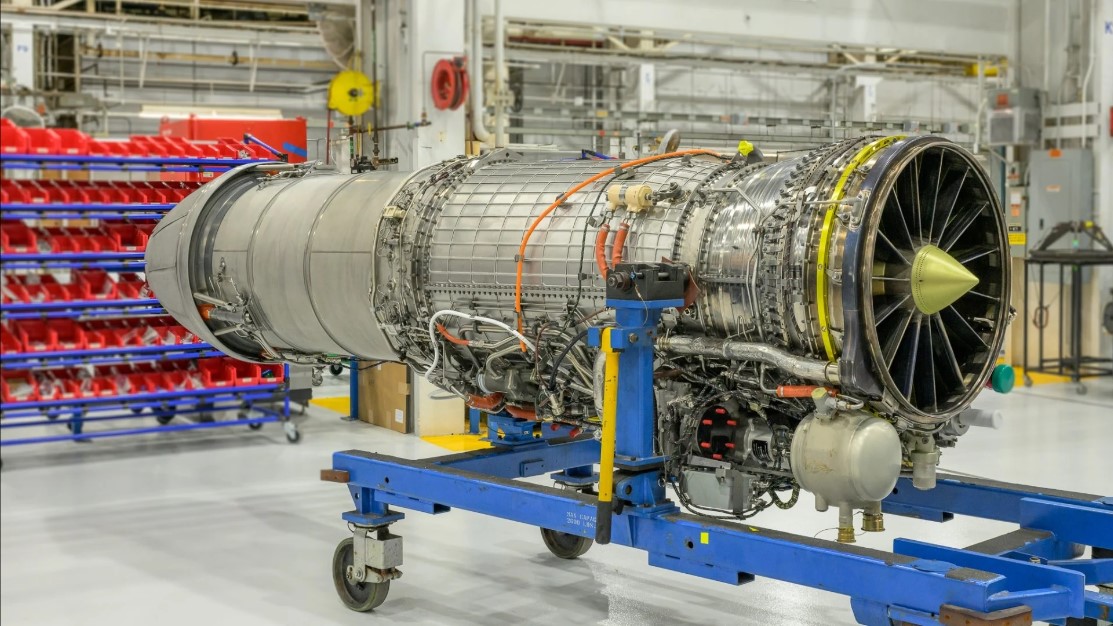
India
GE Aerospace has reinforced its commitment to India's indigenous Tejas Light Combat Aircraft (LCA) program by commencing the delivery of F404-IN20 engines, ensuring a steady production cycle for the Indian Air Force (IAF). The first of these engines was formally handed over to Hindustan Aeronautics Limited (HAL) on March 25, 2025, with 11 more slated for delivery by the end of the year. This move is a critical step in stabilizing the production of the Tejas Mk1A, addressing past delays caused by supply chain disruptions and engine shortages. The F404-IN20, an advanced variant of GE's widely deployed F404 engine family, features a high-flow fan and single-crystal turbine blades to optimize performance for the single-engine Tejas fighter. With GE now ensuring a delivery rate of 20 engines per year starting from 2026, HAL can maintain its production target of 16 to 24 Tejas Mk1A jets annually. This sustained supply is crucial for the IAF as it phases out aging aircraft like the MiG-21 and strengthens its squadron numbers. The first engine shipment, dispatched from GE’s Lynn, Massachusetts facility, is expected to arrive in India by mid-April. HAL, which is contractually bound to deliver 83 LCA Mk1A aircraft under a ₹48,000-crore agreement signed in 2021, has already completed airframes for three jets and has 11 more in various stages of production. The arrival of the new engines will allow HAL to replace temporary test engines with full-fledged production powerplants, expediting aircraft induction into the IAF. This structured delivery plan not only secures the current LCA Mk1A program but also sets the stage for potential future orders. The IAF is evaluating a follow-on purchase of 97 additional Tejas Mk1A jets, which would require further engine contracts with GE, strengthening India’s long-term fighter jet production capabilities. With a four-decade partnership between GE and HAL, this latest development marks a significant step in ensuring India’s self-reliance in military aviation while reinforcing GE’s role as a key defense partner.
Read More → Posted on 2025-03-29 13:38:25
India
In a landmark move to bolster India's defense capabilities and promote indigenous manufacturing, the Cabinet Committee on Security (CCS) has approved the procurement of 156 Light Combat Helicopters (LCH), named 'Prachand,' from Hindustan Aeronautics Limited (HAL). This monumental deal, valued at over ₹62,000 crore, stands as the largest defense contract in India's history. Allocation and Manufacturing The distribution of these helicopters will see 90 units allocated to the Indian Army and 66 to the Indian Air Force (IAF). Manufacturing will take place at HAL's facility in Tumakuru, Karnataka, emphasizing the government's commitment to the 'Make in India' initiative and enhancing self-reliance in defense production. Strategic Capabilities of the LCH 'Prachand' The LCH 'Prachand' is uniquely designed for high-altitude operations, capable of landing and taking off at altitudes up to 5,000 meters (16,400 feet). This capability makes it particularly suited for deployment in challenging terrains such as the Siachen Glacier and Eastern Ladakh. Equipped to fire both air-to-ground and air-to-air missiles, the helicopter also features advanced data links, enabling seamless integration into network-centric operations and enhancing operational coordination and effectiveness. Development and Induction Timeline The development of the LCH began in the early 2000s, with its maiden flight in March 2010. The IAF formally inducted the first batch of these helicopters in October 2022, marking a significant milestone in India's defense aviation sector. This recent approval for mass procurement underscores the government's confidence in the LCH's capabilities and its commitment to strengthening the nation's aerial combat prowess. Economic and Strategic Implications This procurement is expected to have far-reaching economic and strategic benefits: Job Creation and Industrial Growth: The production of 156 helicopters will stimulate job creation and expand the aerospace ecosystem within the country, providing a significant boost to the domestic defense industry. Enhanced Border Security: With the induction of these helicopters, the Indian armed forces will have a formidable asset for operations along the borders with China and Pakistan, enhancing surveillance and combat capabilities in these sensitive regions. Technological Advancement: The integration of advanced technologies in the LCH 'Prachand' will contribute to the overall technological advancement of India's defense manufacturing sector, fostering innovation and expertise. Conclusion The approval of this historic deal marks a significant step forward in India's journey toward self-reliance in defense production. The induction of the LCH 'Prachand' will not only strengthen the operational capabilities of the Indian Army and Air Force but also serve as a testament to India's growing prowess in indigenous defense technology development.
Read More → Posted on 2025-03-28 15:52:16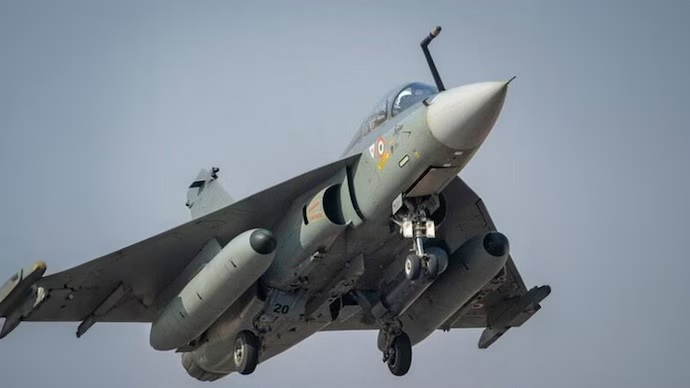
India
Hindustan Aeronautics Limited (HAL) has revised its contract with the Indian Air Force (IAF) for the production of the TEJAS MK-1 Final Operational Clearance (FOC) fighter jets, increasing the deal’s value from ₹5,989.39 crore to ₹6,542.20 crore. This adjustment, confirmed in a regulatory filing, comes as HAL grapples with production delays and supply chain challenges. The TEJAS program, a critical component of India’s indigenous fighter jet initiative, has faced multiple roadblocks over the years. The original contract, signed in December 2010, aimed to establish the TEJAS as a frontline aircraft in the IAF’s fleet. However, due to delays in development, testing, and production, the program has struggled to keep pace with its intended timeline. The MK-1A Upgrade and Manufacturing Challenges The TEJAS MK-1A is a significant upgrade over its predecessor, featuring an Active Electronically Scanned Array (AESA) radar, Beyond Visual Range (BVR) missile capability, an advanced Electronic Warfare (EW) suite, and Air-to-Air Refueling (AAR) capability. These improvements make it a far more capable fighter, aligning with modern combat requirements. As part of India’s "Buy (Indian-Indigenously Designed, Developed, and Manufactured)" policy, the TEJAS program focuses on domestic manufacturing, with 50% of its components currently sourced locally. The target is to increase this figure to 60%, enhancing self-reliance in defence production. Of the 344 systems integrated into the TEJAS MK-1A, 250 are supplied by Indian manufacturers—a significant boost to the domestic defence industry. Despite these efforts, HAL has faced persistent challenges in production and deliveries. The Defence Ministry had signed a ₹48,000 crore deal in 2021 for 83 TEJAS MK-1A jets, with initial deliveries set for March 2024. However, as of now, HAL has yet to deliver any aircraft, mainly due to production hurdles, supply chain issues, and certification delays. Engine Supply: A Crucial Factor in Overcoming Delays One of the key challenges in accelerating TEJAS production has been the supply of F404-IN20 engines, developed by GE Aerospace. The American defence giant recently delivered the first of 99 engines ordered for the program. These high-thrust engines, specifically designed for India's single-engine fighter, are expected to boost production timelines significantly. GE Aerospace had to restart production after a five-year hiatus, facing additional delays due to disruptions caused by the COVID-19 pandemic. The company worked closely with HAL engineers to ensure compatibility with TEJAS' unique design specifications. With the engine supply now in motion, HAL has an opportunity to fast-track the assembly process and address its backlog. HAL’s Financial Strength and Strategic Importance Despite the delays, HAL’s financial performance remains strong. On March 27, its stock closed at ₹4,170 per share on the National Stock Exchange (NSE), with a market capitalisation of ₹2.78 lakh crore. The company reported a net profit of ₹1,432.60 crore for the quarter ending December 2024, marking a 14.28% increase from the previous year. Revenue from operations also saw a 15% rise, reaching ₹6,956.93 crore. As one of India’s leading defence public sector undertakings (PSUs), HAL plays a crucial role in strengthening the country’s defence capabilities. The TEJAS program, despite facing multiple hurdles, remains a symbol of India's push for self-reliance in military aviation. The coming months will be critical in determining whether HAL can meet its revised production targets and establish TEJAS as the backbone of the IAF’s fighter fleet. With contract amendments finalised and supply chain issues being addressed, HAL is under pressure to deliver on its commitments. If it succeeds, the TEJAS MK-1A will not only enhance the IAF’s operational strength but also boost India's defence exports in the long run.
Read More → Posted on 2025-03-28 15:42:34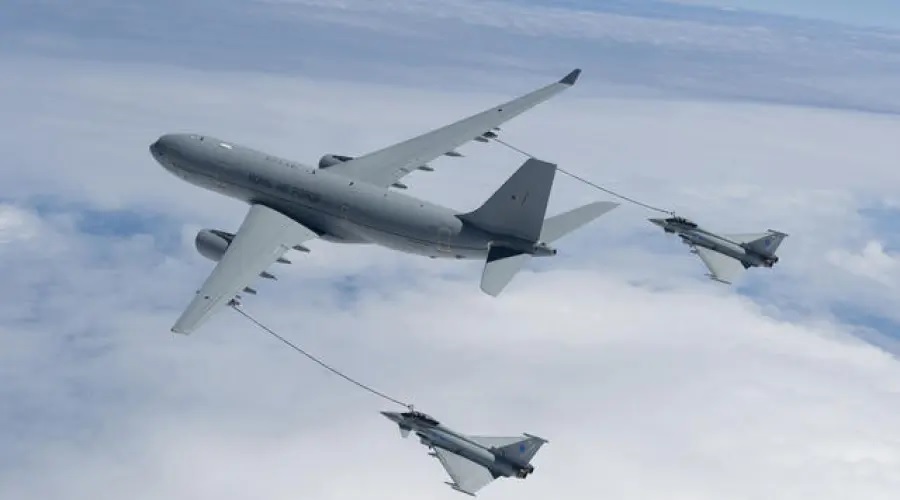
India
The Indian Air Force (IAF) has received the green light from the Ministry of Defence (MoD) to lease a single Airbus A330 Multi-Role Tanker Transport (MRTT) aircraft from the French Air and Space Force. This three-year lease is a crucial stopgap measure aimed at strengthening India's aerial refuelling capabilities amid a growing crisis in the serviceability of its ageing fleet of Ilyushin Il-78 tankers. For years, the IAF has struggled with the low availability of its Il-78s, which were inducted between 2003 and 2004. Persistent maintenance challenges have frequently pushed their serviceability rates below 50%, well below the optimal 70% threshold required for sustained operational readiness. Given India’s vast geographical responsibilities, ranging from securing the Line of Actual Control (LAC) to ensuring strategic air dominance over the Indian Ocean Region (IOR), an efficient and reliable aerial refuelling capability is no longer optional—it’s a necessity. Why the A330 MRTT? The Airbus A330 MRTT represents a significant leap forward in capability compared to the older Il-78s. Based on the Airbus A330-200 passenger aircraft, it boasts a massive fuel carrying capacity of 111 tonnes and an unrefuelled range of 14,800 kilometres. This allows it to support extended-range missions for aircraft such as the Su-30 MKI, Rafale, and Jaguar, ensuring longer airborne endurance and enhanced operational reach. Additionally, its dual-refuelling system—comprising under-wing pods and an advanced boom—enables it to refuel multiple aircraft simultaneously. Another advantage lies in its efficiency. Unlike the four-engine Il-78, the A330 MRTT operates on just two engines, significantly reducing fuel consumption and maintenance overhead. These cost-effectiveness factors had previously led the IAF to favour the A330 MRTT over the Russian Il-78 in two separate procurement attempts in 2009 and 2013. However, despite its clear advantages, budget constraints led to both proposals being scrapped, preventing the IAF from acquiring six of these tankers at the time. A Strategic Leasing Move The decision to lease this aircraft is rooted in the Defence Acquisition Procedure (DAP) 2020, which introduced leasing as a viable option for acquiring critical defence assets without the burden of hefty upfront costs. Under this "wet lease" arrangement, the French Air and Space Force will not only provide the aircraft but also supply flight crews and maintenance support. This ensures seamless operational deployment while allowing IAF personnel to gain valuable hands-on experience with the platform before committing to a full-scale acquisition. Importantly, the leased A330 MRTT is expected to arrive within the 2025-26 financial year, providing immediate relief while the IAF works toward its long-term objective of permanently inducting six such aircraft. The leasing arrangement is also seen as a precursor to this acquisition, offering a real-world assessment of the MRTT’s performance under Indian conditions. Future Implications and Long-Term Goals While the lease provides an immediate solution, it does not replace the need for a full-fledged, dedicated aerial refuelling fleet. The IAF has maintained its commitment to acquiring six A330 MRTTs, with an official Request for Information (RFI) issued back in 2018. The experience gained through this lease will strengthen the case for finalizing this long-overdue purchase. Notably, the IAF is already familiar with the A330 MRTT, having interacted with it during joint exercises like Desert Knight 21 and Tarang Shakti-2024. These engagements have highlighted the aircraft’s operational flexibility and its compatibility with India’s frontline fighter jets, particularly the Rafale. Given its superior high-altitude performance, the A330 MRTT is expected to play a crucial role in refuelling operations over Ladakh, where maintaining air superiority is critical. While this lease is a welcome step, the larger challenge remains—ensuring the IAF’s long-term tanker fleet modernization plan is not derailed again by financial constraints. A fully operational, modern refuelling fleet is vital for India's air power projection, particularly in an era where long-range operations and sustained deterrence play a decisive role in national security.
Read More → Posted on 2025-03-28 15:19:20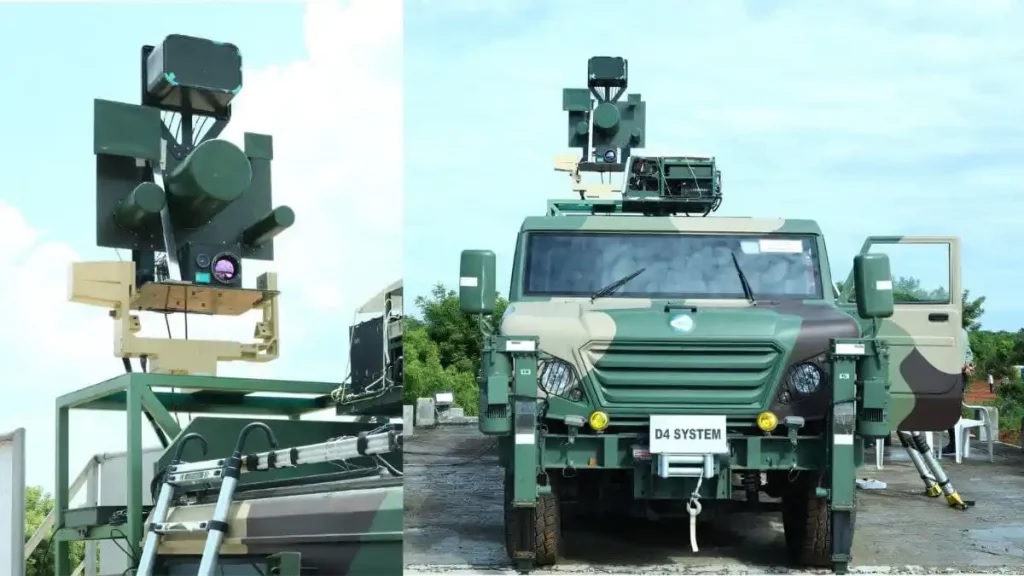
India
In response to the rising threat of rogue drones, the Defence Research and Development Organisation (DRDO) is set to deploy its indigenous D4 (Drone Detect, Deter, Destroy) system across major urban centers and critical installations. This cutting-edge counter-drone system is designed to safeguard cities, military bases, and strategic locations from potential drone-based attacks, which have become an increasing concern in modern warfare and security operations. How the D4 System Works The D4 system leverages a sophisticated multi-sensor approach to detect and neutralize aerial threats. It combines radar, radio-frequency (RF) detectors, and electro-optical/infrared (EO/IR) sensors to identify drones from up to 4 km away. What sets it apart is its AI-powered threat classification, which can distinguish between friendly and hostile drones with remarkable accuracy. For neutralization, the system employs RF and GNSS jamming techniques to disrupt the communication signals of micro-drones, rendering them ineffective. Additionally, a laser-based destruction mechanism ensures that enemy drones can be eliminated within a range of 150 meters to 3 km, making it a versatile solution for both close-range and extended-range threats. Advanced Features and Upgrades The D4 system has already demonstrated its effectiveness in operational deployments and continues to evolve with newer technologies. DRDO scientists are working on an enhanced version (D4 MK-1A) with improved capabilities to tackle larger drones and swarm attacks. Some of the planned advancements include: Non-Rotating Array Radars: Enabling better coverage with faster target acquisition. AI/ML-Based Target Identification: Enhancing precision in recognizing drone types and threats. Wider Spectrum Jamming: Covering an extended frequency range to counter sophisticated drone operations. Protocol Analyzer-Based Drone Locator: Identifying drone origins by analyzing their communication protocols. This upgraded version will be compact, modular, and scalable, making it adaptable to different terrains, from urban settings to remote military outposts. Deployment and Future Prospects The D4 system has already been ordered by all three branches of the Indian Armed Forces, with 25 units currently in various stages of deployment. The Indian Navy and Air Force have already received their systems, while deliveries for the Indian Army are underway. Additionally, agencies under the Ministry of Home Affairs (MHA) have completed evaluations, and DRDO is expecting further orders soon. This project is unique in that it has been spearheaded by a select team of 15 DRDO scientists and 15 technical experts from multiple DRDO labs in Bangalore, Hyderabad, and Dehradun. More than 50 Indian industries, MSMEs, and PSUs have contributed to its development, with Bharat Electronics Limited (BEL) playing a key role in manufacturing and delivering the systems to the armed forces. Strengthening National Security Already deployed at critical locations such as ammunition depots, airbases, communication hubs, and border posts, the D4 system is a crucial addition to India’s security infrastructure. Along the Line of Actual Control (LAC) with China, similar counter-drone systems have been deployed with extended detection ranges of up to 8 km, reinforcing India’s defensive posture against aerial threats. Future deployments in urban environments will integrate 5G jamming capabilities and advanced AI-driven analytics, making the system even more effective in detecting unauthorized drone activity in densely populated areas. The D4 anti-drone system is a testament to India's growing self-reliance in defence technology under the “Atmanirbhar Bharat” initiative. With its ability to rapidly detect, classify, and neutralize aerial threats, the system strengthens national security against modern drone warfare and asymmetric threats posed by terrorist groups and hostile forces. As India continues to refine and enhance this technology, the D4 system is set to become a global benchmark in counter-drone warfare.
Read More → Posted on 2025-03-28 15:14:40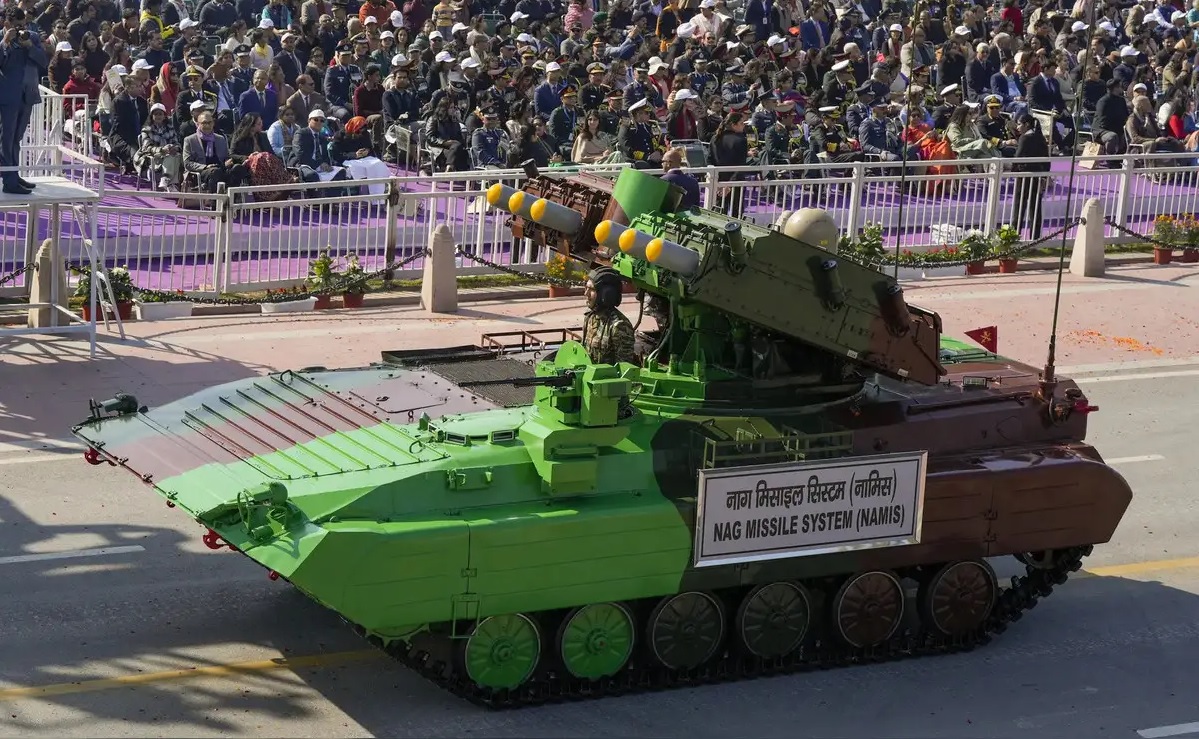
India
In a significant move to enhance India's defence capabilities, the Ministry of Defence (MoD) has signed contracts worth ₹2,500 crore to procure cutting-edge anti-tank systems and military vehicles. The agreements, formalised in New Delhi on 27 March 2025, mark a crucial step towards bolstering the combat readiness of the Indian Army. Under the deal, Armoured Vehicle Nigam Limited (AVNL) will supply the NAMIS (Tr) anti-tank guided missile (ATGM) system, while Force Motors Ltd and Mahindra & Mahindra Ltd will deliver 5,000 Light Vehicles for military operations. These procurements fall under the ‘Buy (Indian-Indigenously Designed, Developed, and Manufactured)’ category, reinforcing India's commitment to self-reliance in defence production. Advancing Anti-Tank Warfare with NAMIS (Tr) A significant chunk of the contract—₹1,801.34 crore—has been allocated to the NAMIS (Tr) anti-tank weapon system, developed by the Defence Research & Development Laboratory (DRDO). This next-generation system will significantly upgrade the Indian Army's anti-tank capabilities, giving mechanised infantry an edge in modern warfare. Equipped with a fire-and-forget guidance system and advanced targeting optics, NAMIS (Tr) offers superior accuracy and lethality against armoured threats. The system is designed to function in diverse battlefield conditions, providing India with an indigenous and highly effective solution for neutralising enemy tanks and fortifications. 5,000 Light Military Vehicles to Improve Mobility Alongside the advanced missile system, the MoD has finalised contracts with Force Motors Ltd and Mahindra & Mahindra Ltd to supply 5,000 Light Vehicles for the armed forces. These vehicles, engineered for high mobility and durability, are capable of carrying payloads of up to 800 kg and can operate efficiently across rugged terrains. With enhanced engine performance and modern safety features, these military vehicles will improve logistical support and troop movement, ensuring better operational flexibility in combat and peacekeeping missions. Their all-terrain adaptability makes them ideal for deployment in challenging environments, from high-altitude regions to desert warfare zones. Boosting India's Defence Industry & Self-Reliance These procurements align with the Aatmanirbhar Bharat initiative, which aims to reduce dependence on foreign defence imports and strengthen India's domestic manufacturing sector. By awarding contracts to Indian companies, the government is fostering indigenous technological innovation while supporting MSMEs involved in component production. Beyond military advantages, these contracts are expected to create thousands of direct and indirect jobs, contributing to India’s industrial growth. The move also reflects India’s broader strategy of building a resilient defence infrastructure that ensures long-term security and economic benefits. With the induction of NAMIS (Tr) and new Light Vehicles, the Indian Army is set to gain a significant tactical edge, reinforcing its preparedness for modern warfare and border security challenges. This latest investment underscores India’s commitment to strengthening its defence forces while promoting self-reliance and technological advancement in military systems.
Read More → Posted on 2025-03-27 14:57:37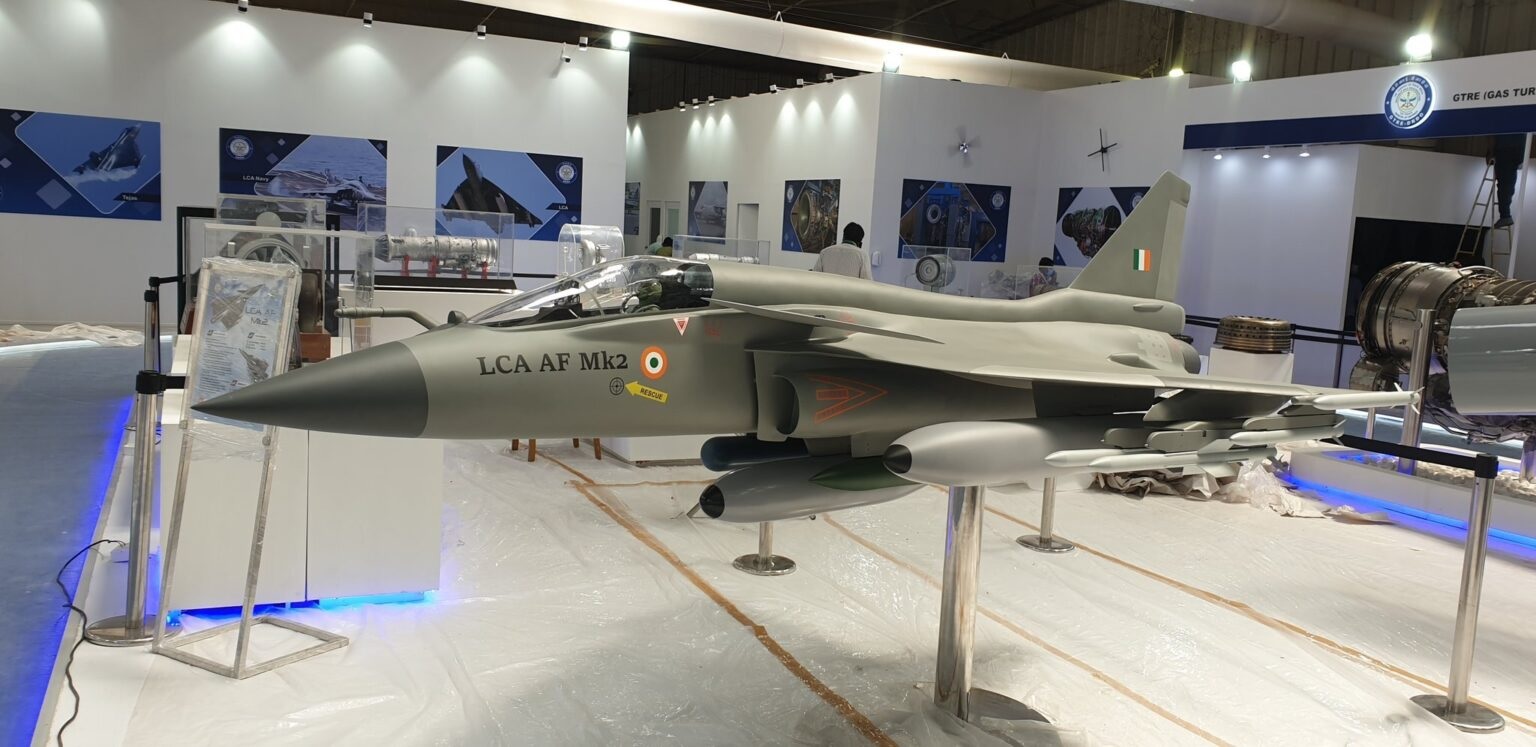
India
India’s ambitious Tejas Mk2 fighter jet program is making steady strides, with the assembly of the first prototype now surpassing 60% completion. Hindustan Aeronautics Limited (HAL), the aerospace giant spearheading its production, has intensified efforts to integrate critical systems, aiming for an official rollout by October 2025. This marks a pivotal moment in India’s pursuit of an advanced 4.5-generation indigenous combat aircraft for the Indian Air Force (IAF). Final Assembly and System Integration in Full Swing As the Tejas Mk2 progresses toward completion, HAL’s primary focus has shifted to integrating its complex subsystems. Key elements currently being installed include avionics, electronic warfare (EW) suites, and advanced cockpit systems, all of which will play a vital role in enhancing the aircraft’s combat effectiveness. One of the most crucial components is the Uttam AESA radar, an indigenous system that will provide superior target detection, tracking, and engagement capabilities. Additionally, the aircraft will feature an upgraded electronic warfare package, allowing it to counter modern aerial threats more effectively. Another major improvement over its predecessor, the Tejas Mk1, is the Tejas Mk2’s larger airframe and enhanced aerodynamics, incorporating canards for superior maneuverability. The aircraft is also being designed to support a wider range of weapon systems, making it more versatile for various combat roles. HAL and ADA Opt for a Practical Rollout Approach Unlike previous major defense milestones, the Aeronautical Development Agency (ADA) has opted for a low-profile rollout for the Tejas Mk2 prototype. Unlike traditional grand unveilings attended by government officials and media, HAL and ADA are focusing on keeping the program on schedule, ensuring technical and operational readiness before drawing public attention. This decision underscores India’s shift towards a more result-oriented approach in its military aviation projects, prioritizing efficiency over ceremonial milestones. From Ground Trials to First Flight: The Road Ahead Once the final assembly is complete by late October 2025, the Tejas Mk2 prototype will enter a rigorous ground-testing phase. This includes: System Checks: Verifying the performance of the General Electric F414 engine, electrical and hydraulic systems, and avionics. Taxi Trials: Conducting low- and high-speed taxi runs to assess handling and readiness for flight. First Flight Milestone: If all goes as planned, the maiden flight of Tejas Mk2 is targeted for March 2026, a crucial step in its development timeline. Tejas Mk2: A Future Mainstay of the IAF The Tejas Mk2 is expected to play a key role in India’s fleet modernization strategy, replacing aging fighter jets such as the MiG-29, Mirage 2000, and Jaguar. With its improved range, payload capacity, and mission adaptability, the aircraft is poised to enhance the IAF’s combat capabilities significantly. Its advanced sensor suite, which likely includes an Infrared Search and Track (IRST) system, will provide passive tracking of enemy aircraft, making it a formidable asset in beyond-visual-range (BVR) engagements. The aircraft’s enhanced thrust and fuel capacity further extend its operational endurance, making it a capable platform for deep-strike missions. As HAL nears the Tejas Mk2’s rollout, the project signals a defining moment for India's defense aviation sector. This fighter jet represents a significant step toward self-reliance in combat aircraft development, demonstrating the country’s ability to produce cutting-edge military technology. If it meets its flight test targets, the Tejas Mk2 will not only bolster India’s airpower but also open avenues for potential exports in the future. With HAL pushing forward aggressively, the Tejas Mk2 is well on its way to becoming a cornerstone of the IAF’s next-generation fighter fleet.
Read More → Posted on 2025-03-27 14:50:01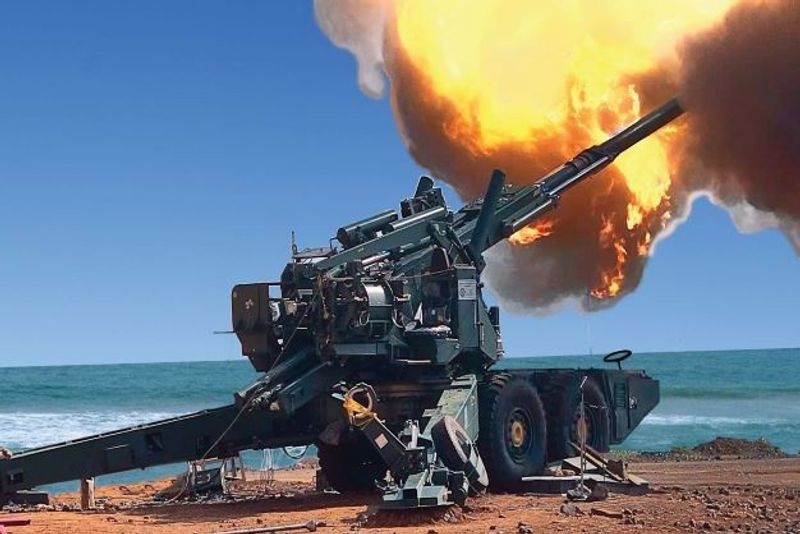
India
On March 26, 2025, India's Ministry of Defence (MoD) finalized a landmark agreement worth ₹6,900 crore with Bharat Forge Limited and TATA Advanced Systems Limited to procure 307 Advanced Towed Artillery Gun Systems (ATAGS) along with 327 high-mobility 6×6 gun towing vehicles. This contract marks a major step in strengthening the Indian Army's artillery capabilities with homegrown solutions. A Leap in India’s Artillery Strength The deal is a game-changer for India's defence industry, as it represents the first large-scale induction of towed artillery systems from private Indian firms. Bharat Forge secured an order for 184 ATAGS units, while TATA Advanced Systems will supply 123. This marks a departure from traditional reliance on foreign-made artillery, reinforcing the government’s push towards self-reliance under the Aatmanirbhar Bharat initiative. Developed by the Defence Research and Development Organisation (DRDO) in partnership with both firms, ATAGS is a 155mm/52 calibre gun system designed to replace the Army’s ageing artillery. With an impressive strike range exceeding 48 kilometers, it incorporates cutting-edge technologies, including advanced fire control systems, automated loading mechanisms, and improved recoil management. Indigenous Push & Economic Impact Over 65% of ATAGS components are domestically sourced, reducing dependence on imports. Key indigenous subsystems include the barrel, muzzle brake, breech mechanism, recoil system, and ammunition handling mechanism. This focus on local production is expected to rise even further as India strengthens its defence ecosystem. The contract is not just about bolstering military firepower but also about economic growth. It is estimated that the production of these systems will generate around 20 lakh man-days of employment, benefiting both small and large industries across the country. Strategic Significance The Indian Army has been actively modernizing its artillery to counter threats along the China and Pakistan borders. ATAGS, with its superior firepower and extended range, is expected to significantly enhance India’s deterrence capability in high-altitude and desert warfare scenarios. Additionally, the system’s advanced digital targeting and automation make it highly efficient in battlefield conditions. This procurement deal is part of the MoD’s larger capital acquisitions for the year, which have now crossed ₹1.40 lakh crore. Defence Secretary Rajesh Kumar Singh highlighted the critical role of DRDO’s Armament Research and Development Establishment (ARDE) in Pune, emphasizing the collaborative efforts that led to this breakthrough. By choosing Bharat Forge and TATA Advanced Systems for this contract, India has reaffirmed its confidence in private defence manufacturers. The ATAGS project is not only a step toward military self-sufficiency but also a boost for India's growing reputation as a global defence manufacturer. As the country continues its journey toward reducing defence imports, this deal stands as a testament to its technological and industrial progress in the sector.
Read More → Posted on 2025-03-27 14:45:17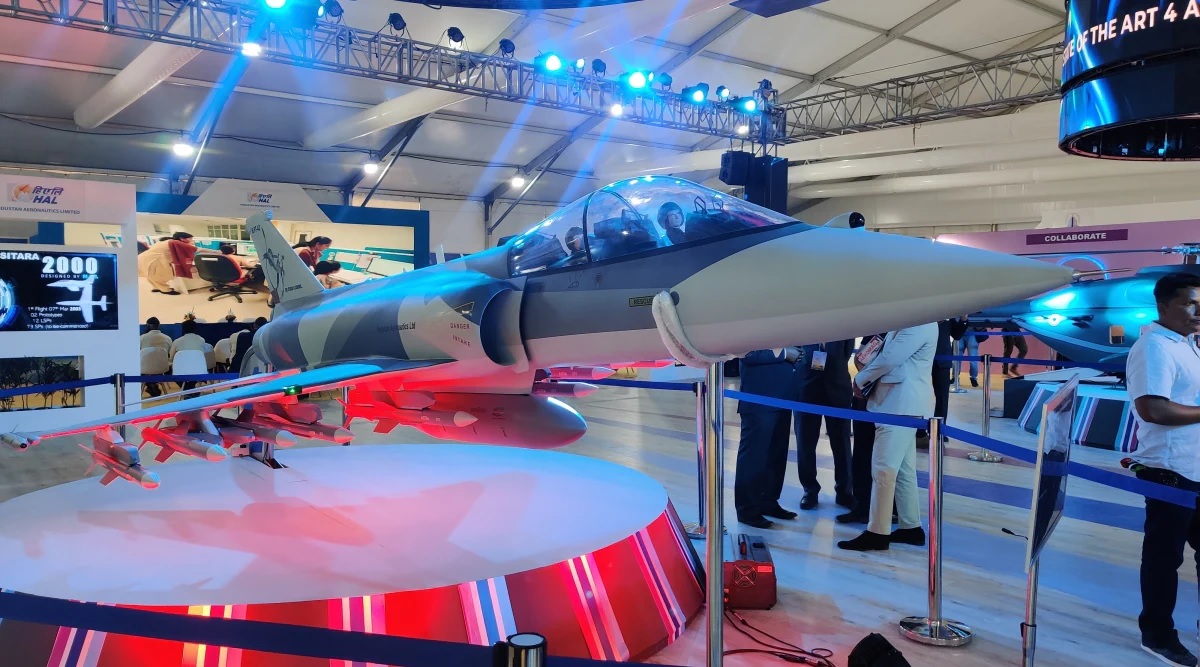
India
State-owned aerospace and defence giant Hindustan Aeronautics Limited (HAL) has officially launched a search for a suitable engine to power its ambitious supersonic trainer, the Hindustan Lead-in Fighter Trainer (HLFT-42). This next-generation aircraft is designed to bridge the gap between subsonic trainers and frontline combat jets, offering future Indian Air Force (IAF) pilots a training platform that better replicates the high-speed, high-G conditions of modern air combat. HAL’s newly issued Request for Information (RFI), dated March 17, 2025, outlines critical specifications for the HLFT-42's engine. The powerplant must generate between 95-100 kilonewtons (kN) of thrust and boast a technical lifespan of at least 6,000 hours. This combination of power and durability is essential to ensuring the trainer meets its intended role in preparing pilots for advanced aircraft like the Tejas Mk2 and the future Advanced Medium Combat Aircraft (AMCA). The HLFT-42 first made waves at Aero India 2023, where HAL displayed a scale model of the aircraft, offering a glimpse into its design philosophy. Featuring a single-engine, swept-wing configuration, the aircraft is expected to incorporate state-of-the-art avionics, including an Active Electronically Scanned Array (AESA) radar, an Infrared Search and Track (IRST) system, and a sophisticated Fly-by-Wire (FBW) control system for enhanced maneuverability. Performance-wise, HAL envisions the HLFT-42 achieving speeds up to Mach 1.8 and an operational ceiling of 18 kilometers (approximately 60,000 feet). These capabilities place it far ahead of India's current advanced jet trainer, the BAE Systems Hawk 132, which has a maximum speed of Mach 1.2. The transition to a supersonic trainer aligns with global trends, where countries like South Korea (with the KAI T-50 Golden Eagle) have already adopted high-speed training platforms to simulate real-world combat conditions more effectively. The engine's required thrust range of 95-100 kN ensures the HLFT-42 can perform high-speed flight profiles while maintaining stability at lower speeds, which is crucial for pilot training exercises. In addition to its training role, the aircraft is being designed with a secondary combat capability, featuring 11 hardpoints for carrying a range of weapons, including indigenous Astra beyond-visual-range missiles and ASRAAM close-combat missiles. With a maximum take-off weight (MTOW) of 16.5 tonnes, the HLFT-42 could also serve as a light combat aircraft if needed. HAL’s RFI is expected to attract responses from leading global jet engine manufacturers. Companies like GE Aviation, whose F404 and F414 engines already power India’s Tejas variants, could be key contenders. Other international firms with engines in the 95-100 kN thrust category may also participate, given India's growing focus on self-reliance and potential opportunities for joint development or technology transfer. The data collected from this RFI will play a crucial role in shaping HAL’s final procurement strategy. Whether HAL opts for an off-the-shelf solution, an upgraded variant of an existing engine, or a co-development model with foreign partners, the selection of the right engine will be a decisive step in realizing India's vision of a cutting-edge, domestically developed supersonic trainer for future fighter pilots.
Read More → Posted on 2025-03-27 14:42:22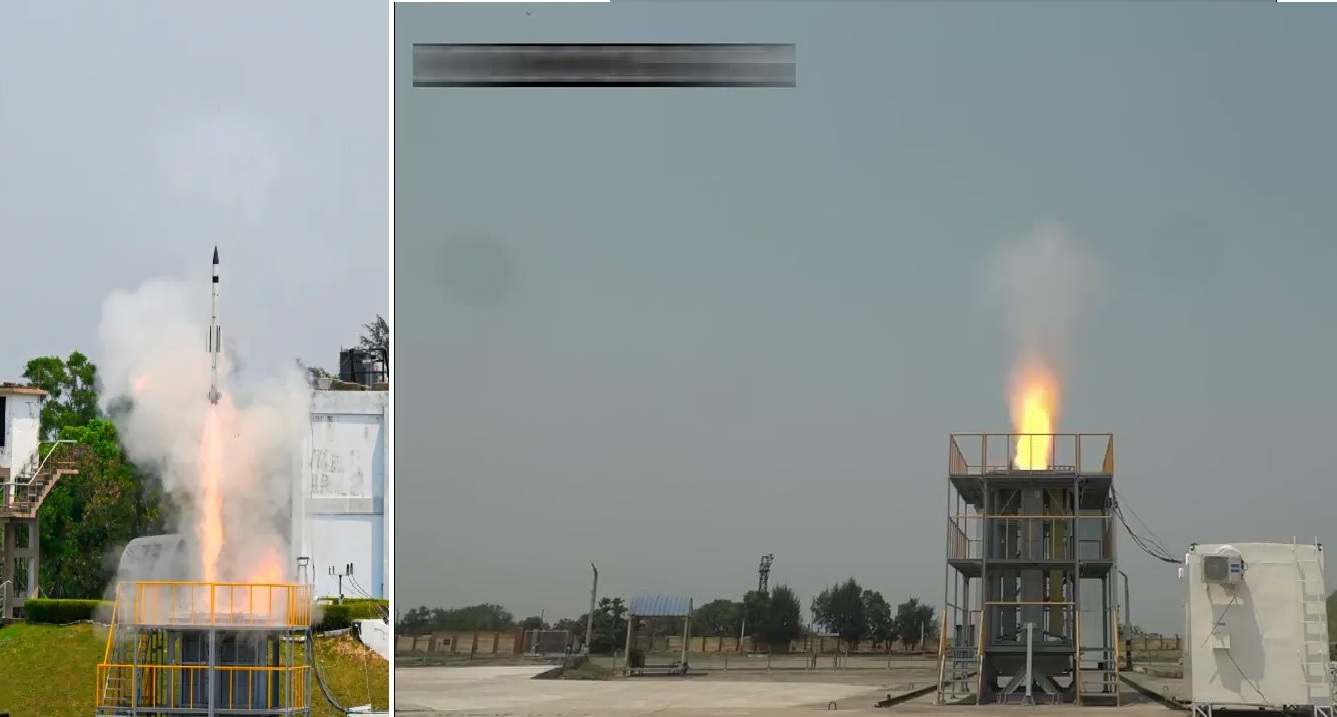
India
India’s defence capabilities took a significant leap forward as the Defence Research and Development Organisation (DRDO) and the Indian Navy successfully conducted the flight test of the Vertically-Launched Short-Range Surface-to-Air Missile (VLSRSAM). The test, carried out at approximately 1200 hours on March 26, 2025, from the Integrated Test Range (ITR) in Chandipur, Odisha, demonstrated the missile's cutting-edge capabilities in neutralizing high-speed aerial threats at extremely close ranges and low altitudes. A Major Milestone in Indigenous Defence Technology This latest flight test showcased the missile’s Near-Boundary-Low Altitude interception capability—a critical feature for naval operations where threats can emerge suddenly and at unpredictable altitudes. The VLSRSAM is designed to enhance the Indian Navy’s ability to counter airborne threats, including hostile aircraft, drones, and anti-ship missiles. The system underwent a rigorous test scenario, where it successfully intercepted and destroyed its target while executing a high turn rate, proving its agility, precision, and reliability. The test was conducted with the full combat configuration, including key elements such as: An indigenous Radio Frequency (RF) seeker for high-accuracy target tracking A Multi-Function Radar (MFR) to detect and engage threats in real-time A Weapon Control System to coordinate seamless engagement Strategic Importance for the Indian Navy The VLSRSAM system is poised to become a crucial force multiplier for the Indian Navy, strengthening its ability to defend warships against aerial threats. Designed to be deployed on Indian Navy warships, this missile will serve as the naval equivalent of the land-based Akash missile system, providing an added layer of air defence. With evolving security challenges in the Indo-Pacific region, particularly with China’s expanding naval footprint, the introduction of an advanced, homegrown missile system significantly boosts India’s maritime defence posture. A Step Towards Self-Reliance in Defence Following the successful test, Defence Minister Rajnath Singh lauded the achievement, calling it a testament to India’s growing defence R&D capabilities. He emphasized that such indigenous advancements align with India’s Atmanirbhar Bharat (self-reliant India) vision, reducing dependence on foreign missile systems. Dr Samir V Kamat, Chairman of DRDO, echoed this sentiment, highlighting that the VLSRSAM’s cutting-edge technologies will provide a technological boost to the armed forces. He further noted that the successful test reflects DRDO’s continuous efforts in developing state-of-the-art missile defence solutions for India’s military. The Road to Deployment With this test, the VLSRSAM moves closer to operational deployment. Once inducted, it will significantly enhance the Indian Navy’s ability to protect its assets in hostile environments. The missile’s compact design and vertical launch capability make it an ideal choice for modern warships, ensuring quick response times against incoming threats. This success reinforces India’s defence innovation and self-sufficiency in missile technology. As geopolitical tensions continue to shape regional security, the VLSRSAM stands as a symbol of India’s growing military strength and preparedness for modern warfare.
Read More → Posted on 2025-03-27 14:38:08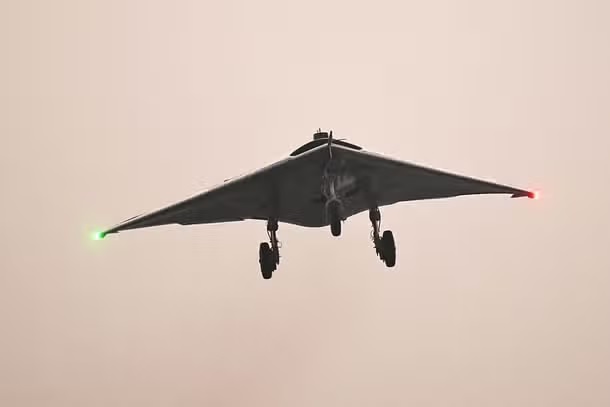
India
India's quest to develop an indigenous Unmanned Combat Aerial Vehicle (UCAV) has entered a crucial stage as the Defence Research and Development Organisation (DRDO) has initiated work on the full-scale prototype of the Ghatak stealth drone. This 13-tonne flying-wing platform is envisioned to significantly boost the Indian Air Force's (IAF) autonomous strike capabilities. However, the program’s success now hinges on securing formal financial approval from the Indian government. The Aeronautical Development Establishment (ADE), a leading DRDO laboratory, has begun acquiring key components for the Ghatak prototype. This marks a natural progression from the successful flight trials of the smaller Stealth Wing Flying Testbed (SWiFT), which demonstrated core stealth and flight technologies in July 2022. SWiFT was instrumental in validating concepts such as low Radar Cross Section (RCS) shaping, internal weapons bays, and advanced flight control algorithms—features that will now be scaled up for the full-size Ghatak UCAV. A Technological Leap in India's Drone Warfare The Ghatak drone is designed for deep-penetration strike missions in highly contested airspace. Its flying-wing design minimizes radar visibility, making it ideal for high-risk operations. It will feature an internal weapons bay capable of carrying up to 1.5 tonnes of munitions, such as precision-guided bombs. One of the key highlights of the program is the indigenous Dry Kaveri engine, a non-afterburning turbofan generating 49 kN of thrust. This engine variant has been optimized for stealth by reducing infrared emissions, ensuring lower heat signatures, and improving fuel efficiency for extended flight endurance. While the Kaveri engine project has faced delays, its adaptation for Ghatak represents a renewed push for indigenous propulsion technology. Building on the SWiFT demonstrator’s data, ADE is also working on advanced avionics, sensor fusion systems, and next-generation flight control algorithms tailored for a high-speed, high-maneuverability stealth drone. Specialized radar-absorbing materials (RAM) and electronic warfare capabilities are expected to be integral to Ghatak’s survivability in enemy airspace. Government Funding: The Critical Hurdle Despite the promising technological groundwork, the transition to a full-scale operational UCAV depends on securing adequate funding. A senior ADE official highlighted that while initial procurement activities have begun, large-scale development and flight testing require a substantial financial commitment. Currently, the financial proposal for Ghatak is under review by a Ministry of Finance committee. Estimates within defense circles suggest a required budget of approximately ₹5,000 crores ($600 million), covering the prototype’s full development and testing phase. The proposal is expected to be submitted to India’s Cabinet Committee on Security (CCS) for final approval, potentially by mid-2025. Strategic Synergies with AMCA The Ghatak project is closely aligned with India’s Advanced Medium Combat Aircraft (AMCA) program, which aims to develop a fifth-generation stealth fighter. Several technologies, including stealth coatings, composite materials, and avionics, will be shared between the two platforms, offering cost savings and accelerating development timelines. However, Ghatak’s autonomous capabilities and Manned-Unmanned Teaming (MUM-T) operations require distinct research efforts, necessitating dedicated funding. As India positions itself among global leaders in autonomous combat aviation, the Ghatak program represents a significant step forward in indigenous drone warfare capabilities. While technological advancements from the SWiFT demonstrator provide a strong foundation, timely government funding will be crucial in transitioning the UCAV from prototype to operational deployment. If financial approvals proceed as anticipated, India’s first full-scale stealth UCAV could see its maiden flight within the next few years, marking a new era in the nation’s defense capabilities.
Read More → Posted on 2025-03-26 16:20:01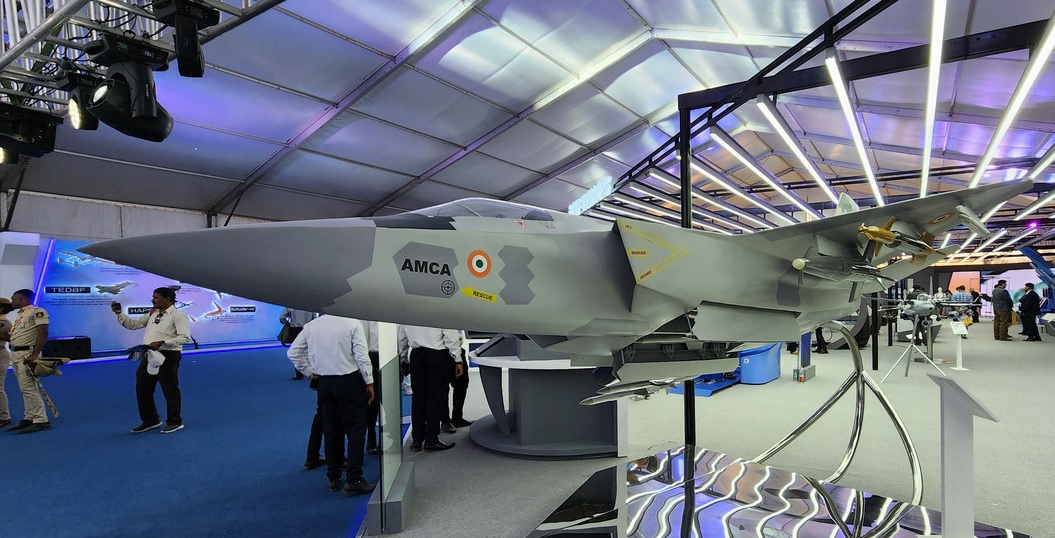
India
In a landmark move to strengthen India's indigenous defence manufacturing, Hindustan Aeronautics Limited (HAL) has issued an Expression of Interest (EOI) to select four private Indian companies as partners for the joint production of the Advanced Medium Combat Aircraft (AMCA). Each selected firm will receive a 12.5% stake in the Joint Venture (JV), with HAL retaining a 50% majority, ensuring its leadership in the ambitious fifth-generation fighter jet program. This strategic initiative reflects India's growing emphasis on self-reliance in aerospace technology, aligning with the 'Atmanirbhar Bharat' vision. By involving private players, the aim is to accelerate production, optimise costs, and tap into the advanced manufacturing capabilities of India's private sector, which has increasingly demonstrated its prowess in defence production. A New Model for Fighter Jet Manufacturing The AMCA, developed by the Aeronautical Development Agency (ADA) in collaboration with the Defence Research and Development Organisation (DRDO), represents India's leap into the realm of advanced stealth fighter jets. With features such as stealth technology, supercruise capability, and cutting-edge avionics, the aircraft demands a sophisticated manufacturing approach. HAL's proposed model involves breaking down the aircraft's assembly into four major sections, each assigned to a private partner for manufacturing and delivery as a ‘turnkey’ solution. The proposed work distribution is as follows: Front Fuselage: Incorporating the fully equipped structure and landing gear. Center Fuselage: Housing the core airframe section, air intakes, and aileron assembly. Rear Fuselage: Comprising the rear structure, horizontal tail, flaperon, and flap assembly. Wings & Tail: Encompassing the wings and vertical tail assembly. Under this approach, selected partners will be responsible for material procurement, tooling, manufacturing, and final assembly of their respective sections. HAL will oversee the overall integration of these modules, ensuring adherence to quality and design specifications. This distributed manufacturing model is expected to enhance efficiency, promote innovation, and reduce production timelines. Production Timeline and the IAF’s Expectations According to the EOI, the production roadmap aims to deliver 126 AMCA units, with manufacturing commencing in FY 2035-36. Initially, nine aircraft will be produced per year, with production ramping up to ten annually from 2039-40 through 2046-47. However, the final production rate will depend on orders from the Indian Air Force (IAF), government funding, and technology readiness. The IAF is expected to require around five to seven squadrons of AMCA fighters, translating to 90-126 aircraft. This aircraft will play a key role in filling the capability gap in the IAF's fleet, ensuring it remains competitive against regional threats. The AMCA program is progressing steadily, with the first flight of the prototype targeted for 2028-2029 and full-scale induction expected around 2035. The smooth execution of this JV model will be crucial in transitioning the program from development to production without delays. Selecting the Right Private Partners The selection process, open until May 7, 2025, will prioritise Indian companies with proven expertise in aerospace manufacturing, tooling, and assembly integration. Firms will be evaluated based on financial stability, technological capability, and their ability to handle the complexities of fifth-generation aircraft manufacturing. Some potential contenders include: Tata Advanced Systems – A key player in India's aerospace sector, involved in multiple defence collaborations. Larsen & Toubro (L&T) – Known for its advanced engineering and manufacturing capabilities. Bharat Forge – A leader in precision engineering with experience in defence projects. VEM Technologies – Already engaged in multiple aviation and defence contracts. The selected companies will be tasked with maintaining strict manufacturing standards, particularly in handling stealth materials, aerodynamics, and next-generation avionics. Given the complexity of a fifth-generation fighter, HAL's ability to effectively manage this multi-entity production framework will be crucial. A Bold Step for India's Defence Industry HAL's decision to bring private companies into the AMCA program signals a fundamental shift in India's defence manufacturing landscape. By adopting a JV model, HAL is not just offloading manufacturing responsibilities but also fostering a robust domestic ecosystem for high-end aerospace technology. This initiative, if successful, could serve as a blueprint for future defence collaborations, where private industry plays a greater role in boosting India's military capabilities. With the AMCA set to become India's premier stealth fighter, this strategic partnership could define the next chapter in the country's aerospace ambitions.
Read More → Posted on 2025-03-26 16:07:27Search
Top Trending in 24 Hours
-
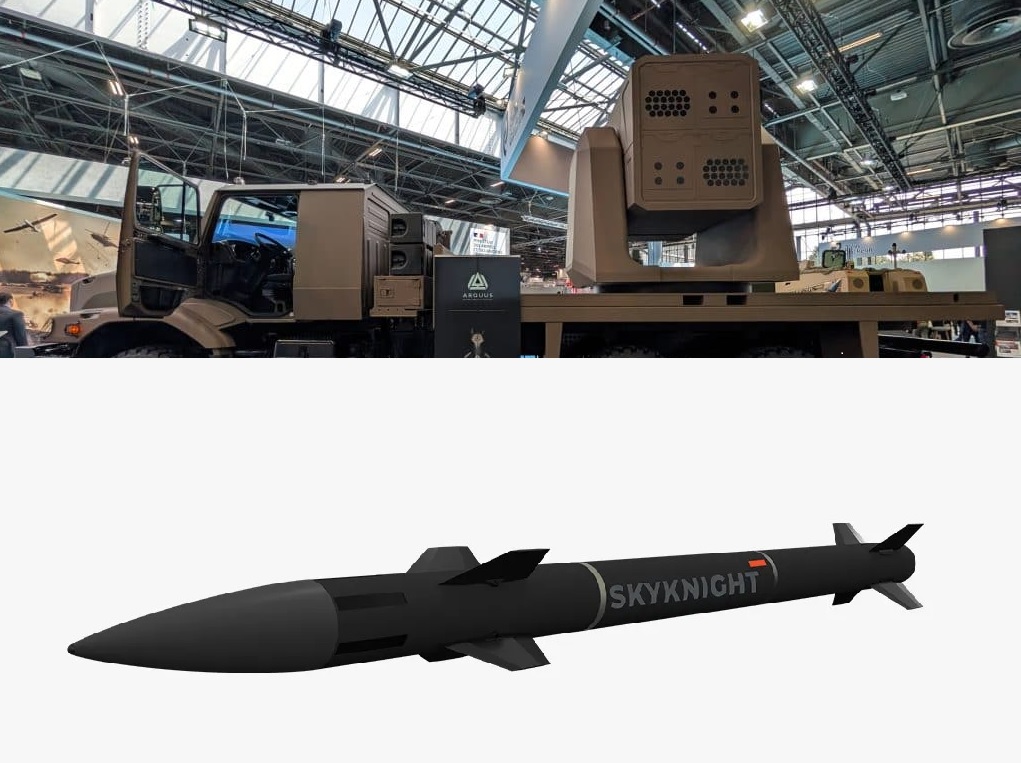 Naval Group Unveils Rampart Modular CIWS Multi-Purpose Weapon System for Naval and Ground Forces at Eurosatory 2026
-
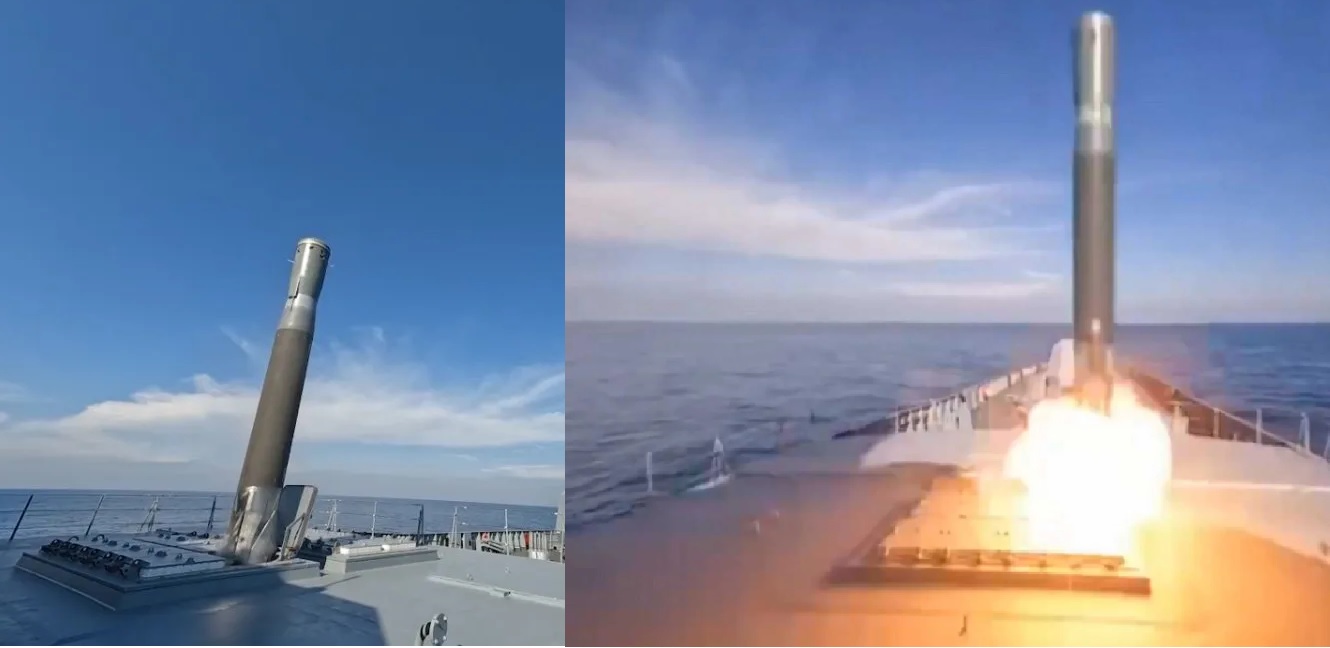 Open-Source Evidence Suggests Russia's Zircon Is a Quasi-Ballistic Missile, Not a True Hypersonic Cruise Weapon
-
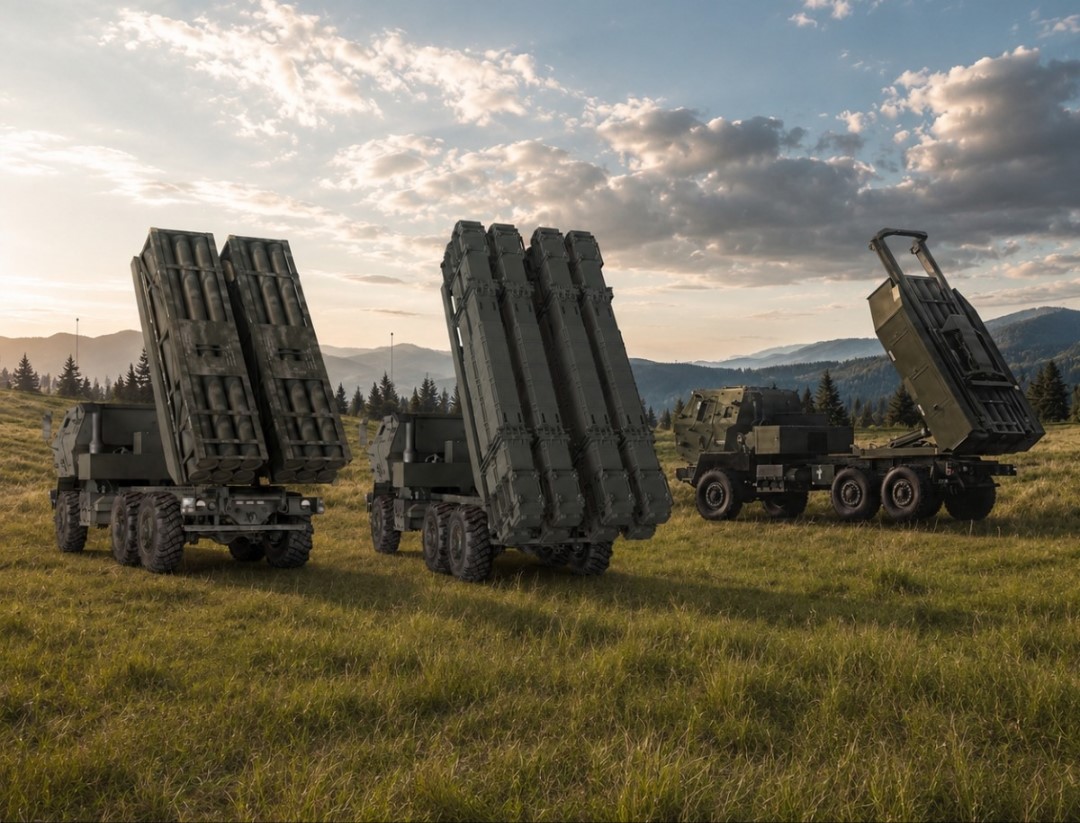 Lockheed Martin Unveils HIMARS FLEX with Dual-Pod Launcher and NATO-Compatible Air Defense Integration
-
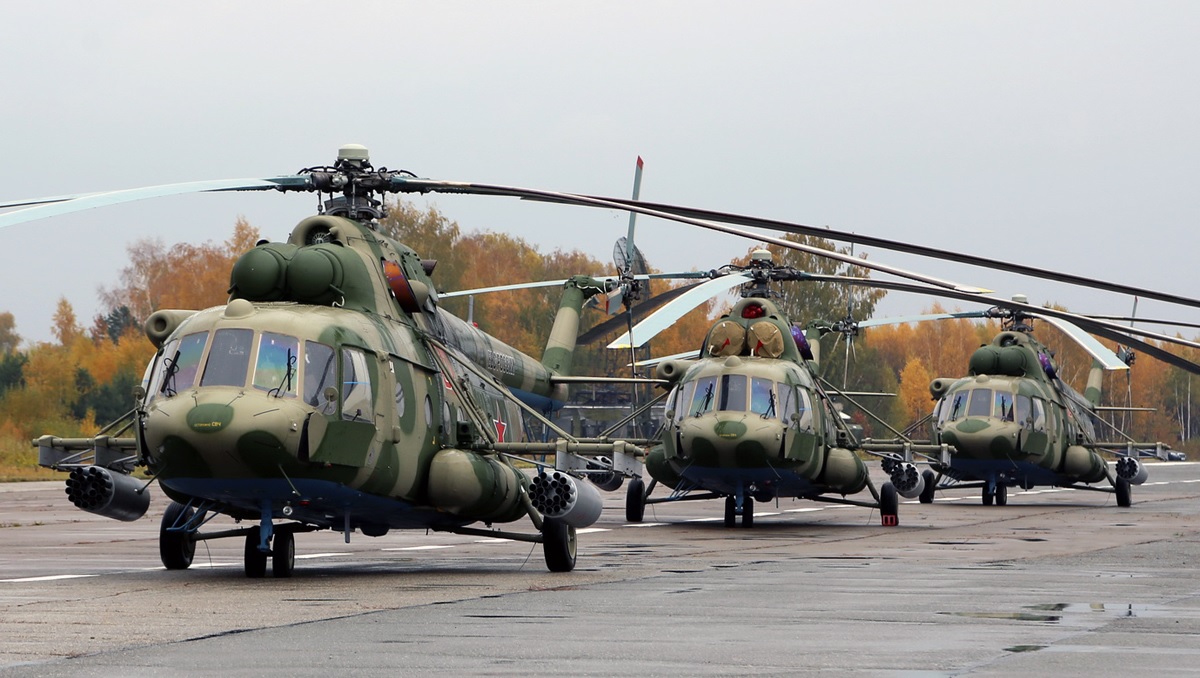 Iran Signs Deal with Russia for 20 Mi-8 and Mi-17 Helicopters to Boost Rescue and Medical Missions
-
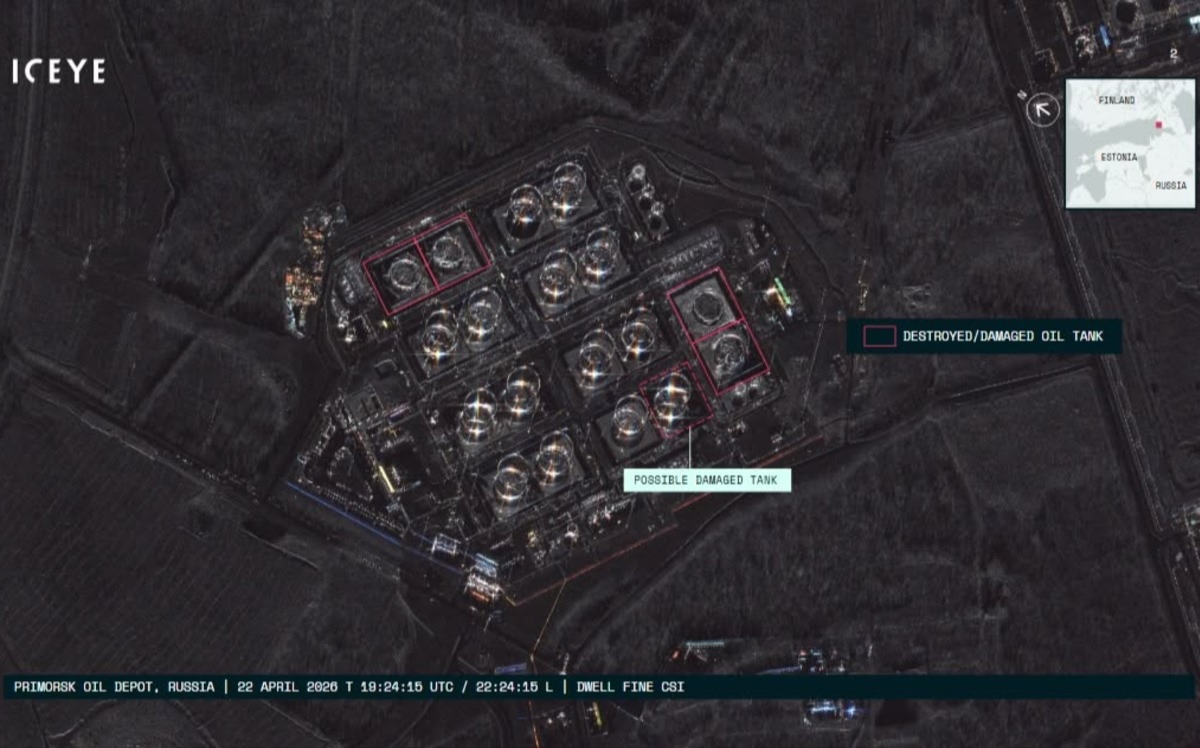 Portugal Doubles Sovereign SAR Satellite Fleet with Order for Two Additional ICEYE Satellites
-
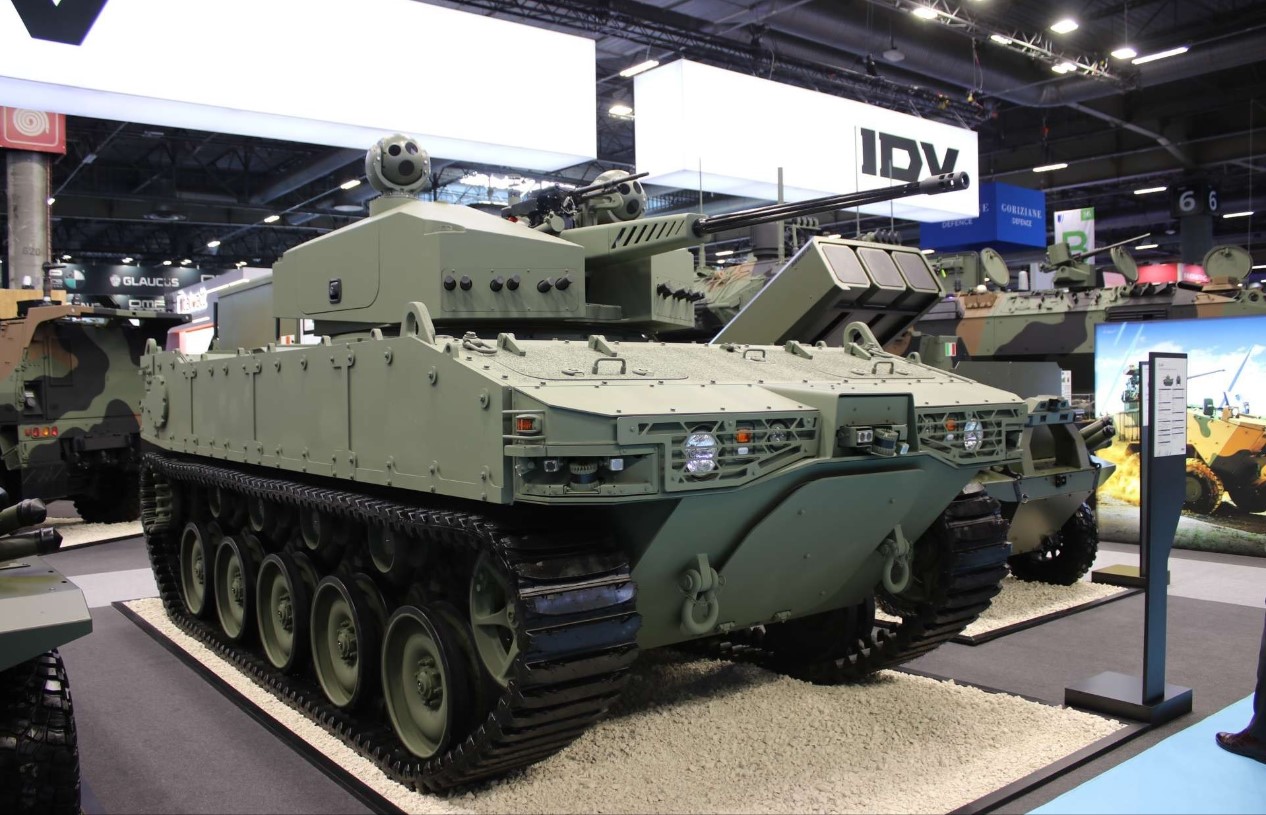 IDV Unveils CL2X Hybrid Uncrewed Light Tank at Eurosatory 2026
-
 Why the U.S. Restored Pacific Command Name, Ending the Indo-Pacific Designation After Eight Years
-
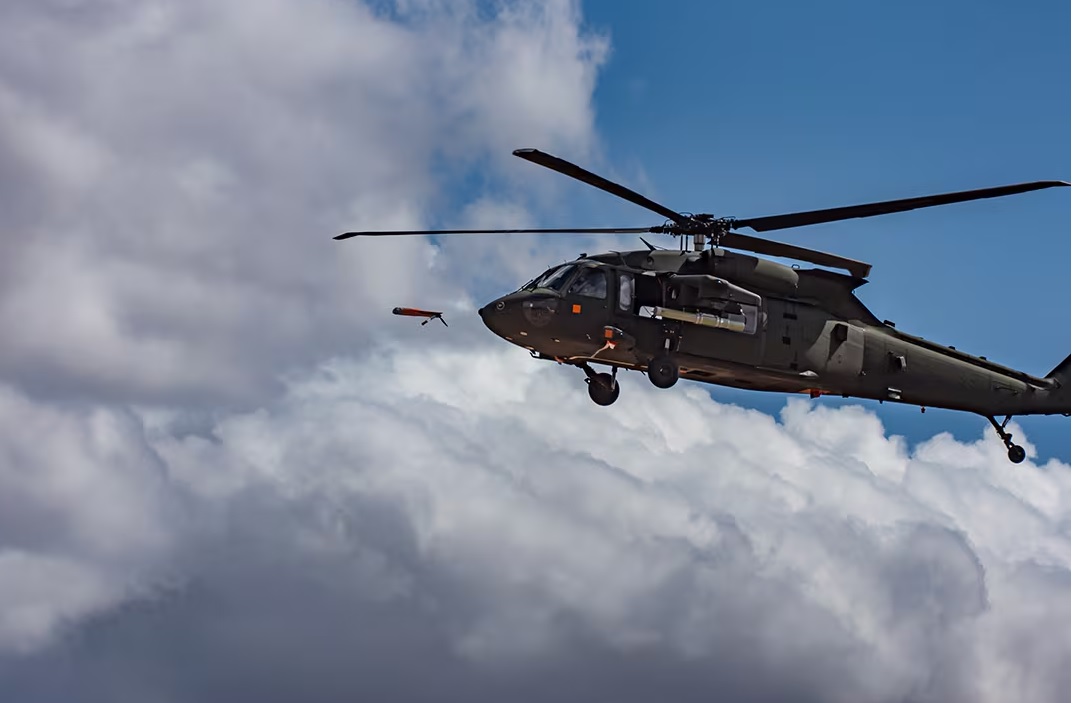 U.S. Army Completes First Flight Test of Medium-Range Air-Launched Effects from Black Hawk Helicopter
Top Trending in 4 Days
-
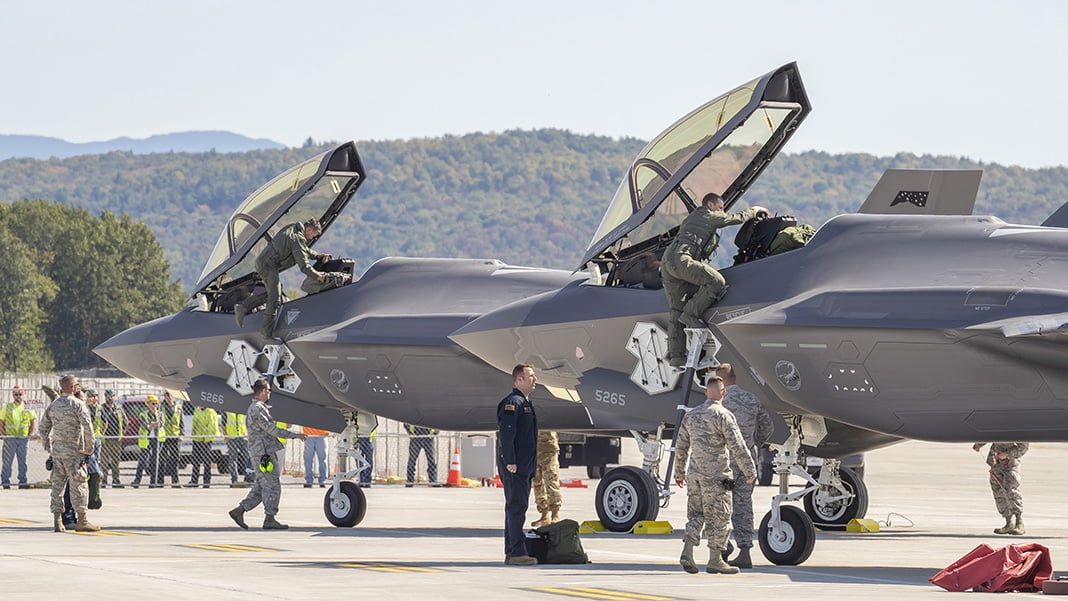 F-35 Fleet Readiness Falls to 25% Amid Parts Shortages and Software Delays: GAO Report
-
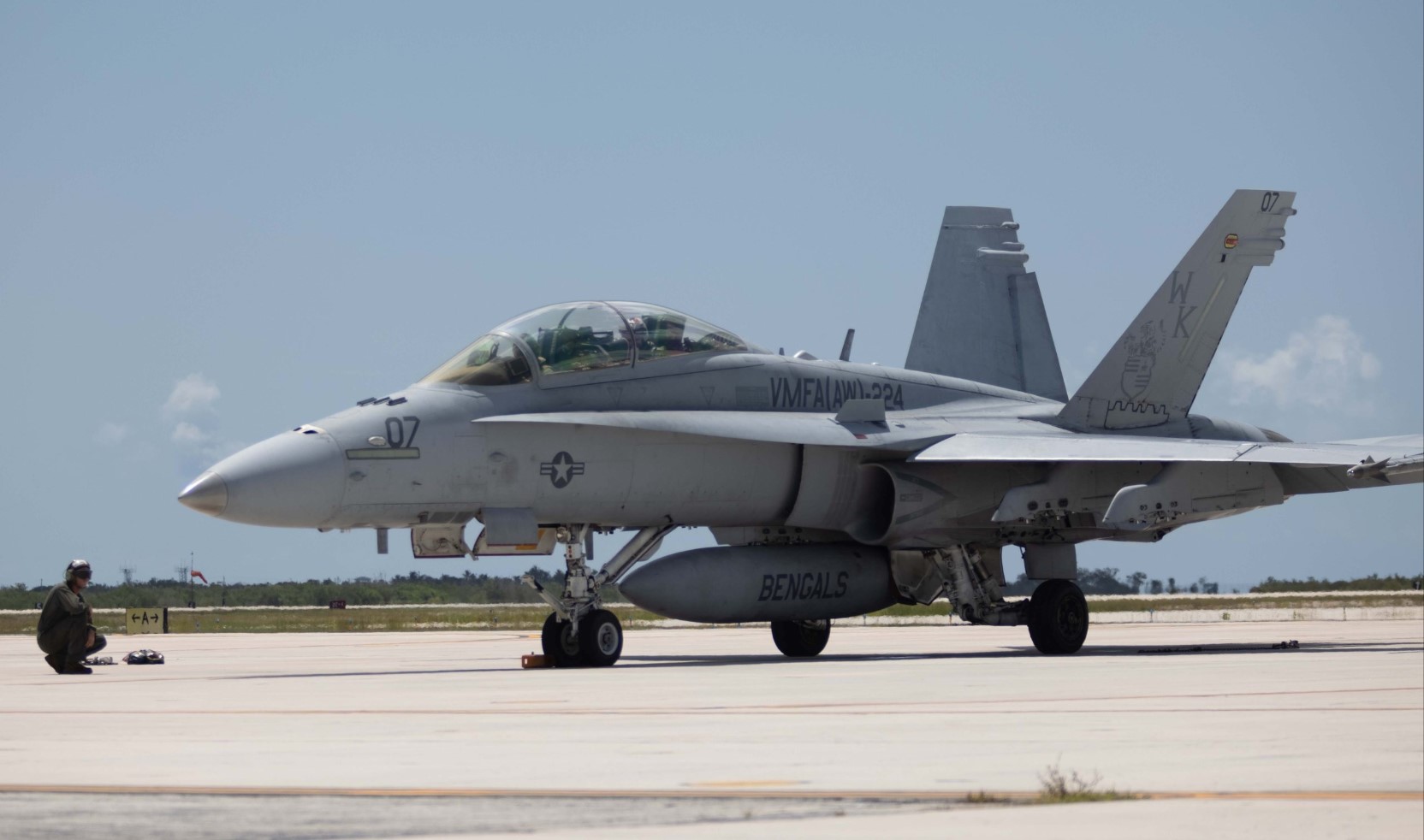 US Marine Corps F/A-18D Hornet Crashes During Training Flight in Washington Mountains; Pilot Ejects Safely
-
 Tulsi Gabbard Releases Declassified Files Detailing U.S.-Backed Network of 120 Biolaboratories Across 30+ Countries
-
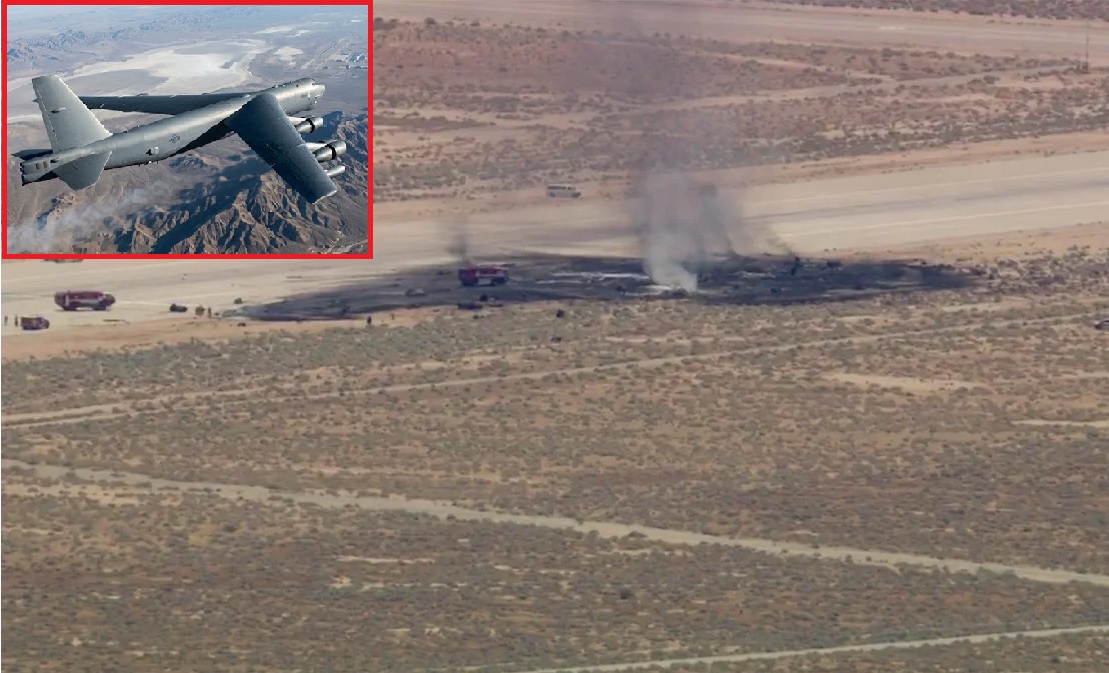 8 U.S. Air Force Crew Members Killed in B-52 Bomber Crash During Test Flight at Edwards Air Force Base
-
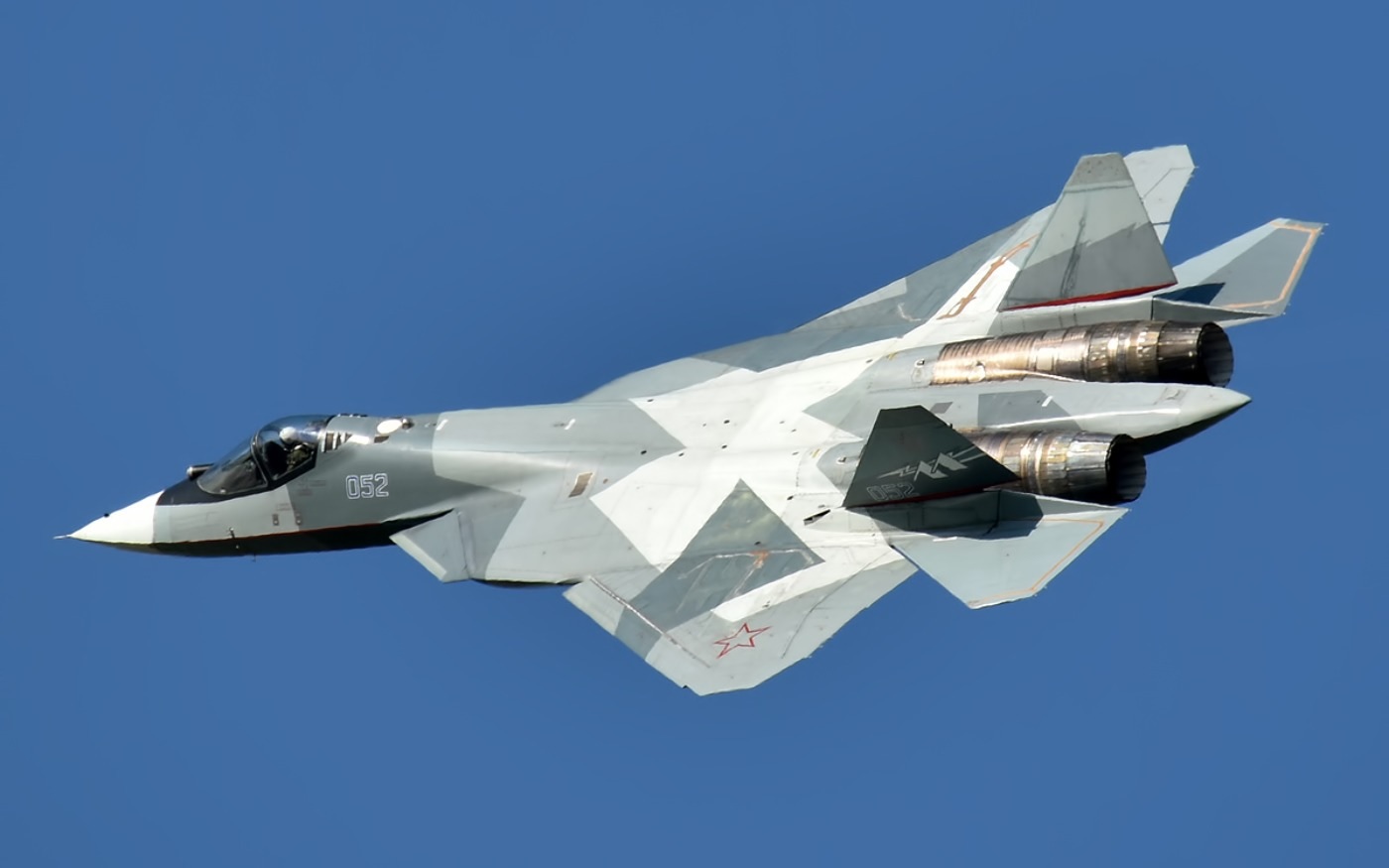 Russian Analysts Debate Su-57 Capabilities After Putin Calls Fighter Superior to F-35
-
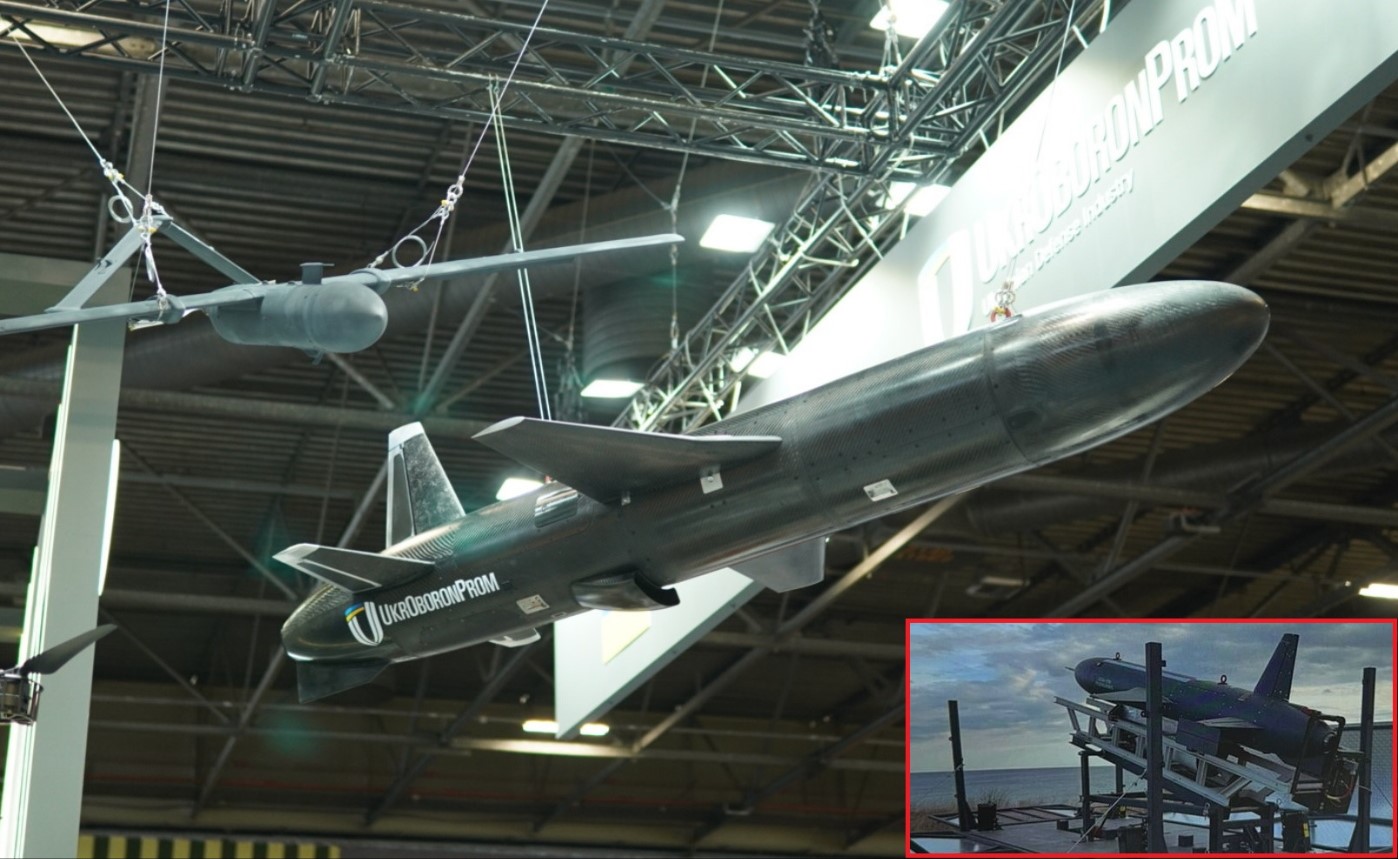 Ukraine Unveils UAV-290 Jet-Powered Strike Drone with 650 km Range at Eurosatory 2026
-
 Ukraine Introduces Balloon-Launched DART Missile Designed to Defeat Electronic Warfare
-
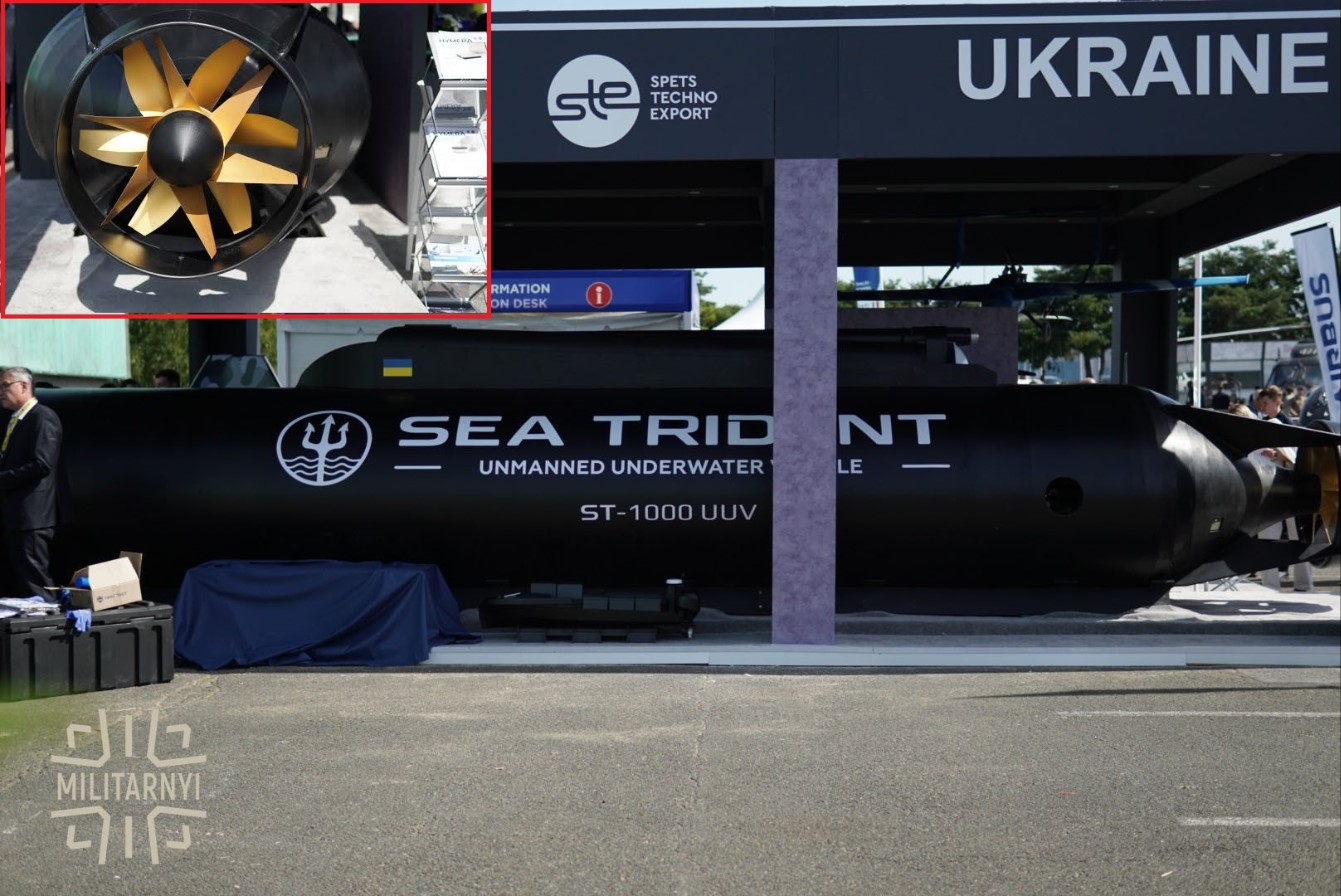 Ukraine Unveils 'Sea Trident' 10-Ton Autonomous Underwater Drone at Eurosatory 2026