India
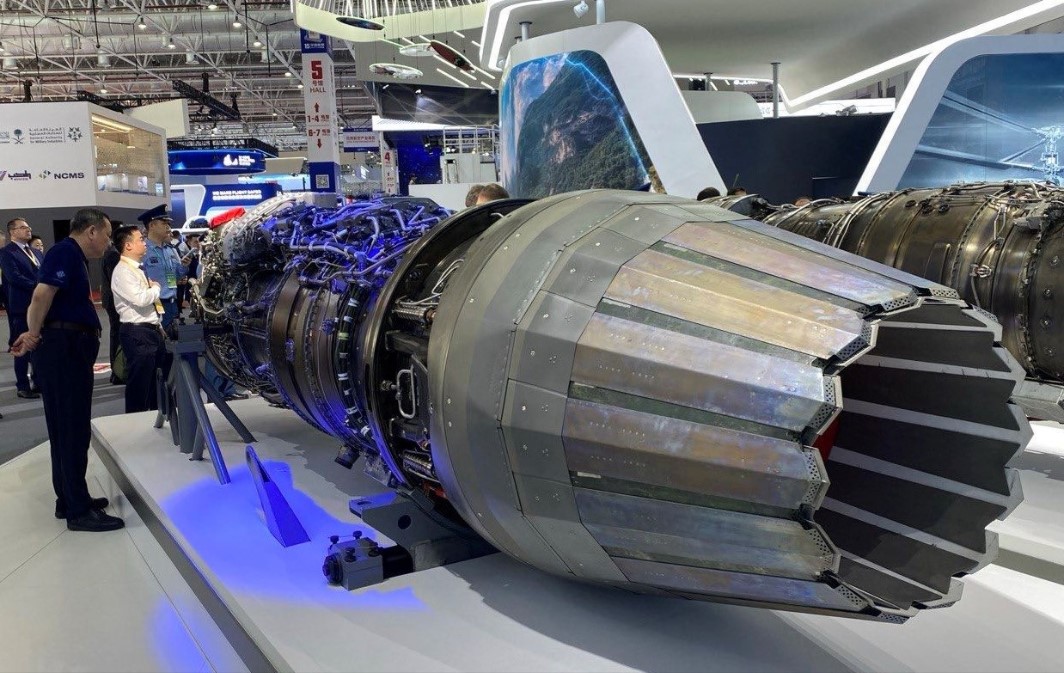
India's pursuit of an indigenous fighter jet engine for its Advanced Medium Combat Aircraft (AMCA) has gained momentum, with Godrej Aerospace formally expressing its intent to collaborate with the DRDO’s Gas Turbine Research Establishment (GTRE). The company, already an integral part of India’s defence manufacturing ecosystem, aims to leverage its experience from the Kaveri Derivative Engine (KDE) program to contribute to the development of a cutting-edge propulsion system for India's fifth-generation stealth fighter. At an industry event in February 2025, Maneck Behramkamdin of Godrej Aerospace emphasized that the company’s expertise in high-precision aerospace manufacturing aligns well with the requirements of the advanced AMCA engine. While the new engine demands significantly higher thrust—targeting the 110-130 kilonewton (kN) range compared to the KDE’s 46-52 kN—he noted that core manufacturing techniques such as advanced alloys, specialized welding, and high-temperature resistance treatments remain fundamentally similar. Strategic Importance of Godrej’s Participation Godrej Aerospace has played a key role in India’s evolving aerospace capabilities. The company has successfully manufactured critical components such as turbine blades, compressor discs, and combustor modules for the Kaveri Derivative Engine. These require advanced nickel-based superalloys and specialized fabrication processes, including electron beam welding and coatings designed to withstand temperatures exceeding 1,500°C. The AMCA engine, however, represents a far more complex challenge. Unlike the KDE, which was originally envisioned for smaller applications like the Ghatak Unmanned Combat Aerial Vehicle (UCAV) and potential naval uses, the new engine must support supercruise—the ability to sustain supersonic flight without afterburners—while also integrating stealth-enhancing technologies to reduce heat and radar signatures. Additionally, it needs an extended operational life of over 4,000 hours, making durability and efficiency paramount. Despite these challenges, Godrej’s confidence in its capabilities stems from its longstanding contributions to other strategic national projects. The company has been a trusted supplier for the Indian Space Research Organisation (ISRO), manufacturing thrust chambers for the Vikas engine used in satellite launch vehicles. It has also produced vital components for the BrahMos supersonic cruise missile. Such experience positions Godrej as a strong contender in India’s long-term push for self-reliance in aerospace technology. India’s Engine Development Challenges and the AMCA Roadmap India’s history with indigenous fighter jet engine development has been marked by hurdles. The original Kaveri engine, despite years of development, failed to meet the performance benchmarks required for fighter aircraft, leading to its relegation to other uses. This dependence on foreign engine suppliers, particularly GE Aerospace's F414 engine for the first-generation AMCA MkI, underscores the urgency of an indigenous solution for AMCA MkII, which is expected to feature a more powerful and fully Indian-built engine by the mid-2030s. To address this gap, India has sanctioned a substantial budget—reportedly around ₹15,000 crore—to accelerate jet engine development. While discussions with international firms like Safran (France) and Rolls-Royce (UK) continue, the participation of private Indian firms like Godrej Aerospace signals a broader industrial capability shift. A key aspect of successful indigenous development will be mastering single-crystal turbine blade technology, crucial for high-performance jet engines. If Godrej can integrate such advancements, it would mark a major breakthrough in India’s aerospace self-sufficiency, potentially reducing reliance on foreign engine manufacturers and strengthening India's Atmanirbhar Bharat (self-reliant India) initiative. A Step Toward Aerospace Independence Godrej Aerospace’s bid to join the AMCA engine program reflects a growing confidence in India's private sector to contribute to high-end defence technology. With expertise developed through the Kaveri Derivative Engine and other strategic projects, the company is well-positioned to support GTRE in tackling the formidable challenges of fifth-generation engine development. If successful, this collaboration could mark a significant leap in India’s aerospace and defence manufacturing capabilities, reducing foreign dependence and solidifying India’s status as a major player in the global fighter jet engine sector.
Read More → Posted on 2025-03-26 15:53:03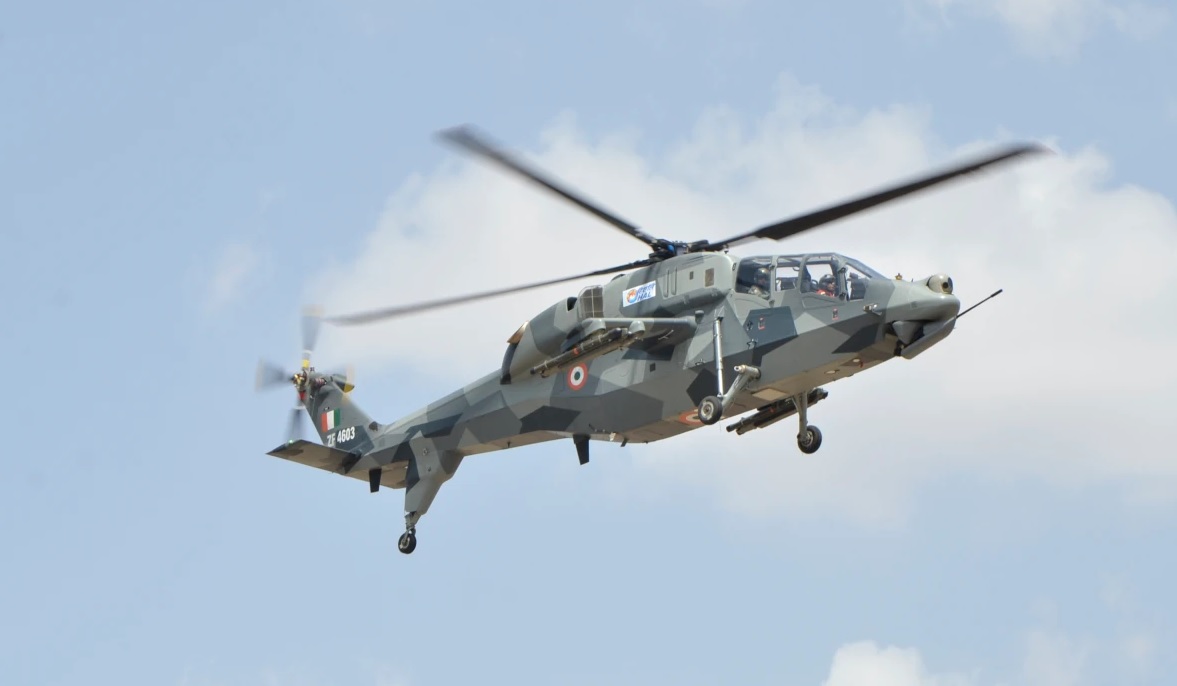
India
The Indian government is poised to approve a significant defense acquisition, involving the procurement of 156 Light Combat Helicopters (LCH), known as 'Prachand', from Hindustan Aeronautics Limited (HAL). This deal, valued at approximately ₹45,000 crore, aims to bolster the operational capabilities of both the Indian Army and the Indian Air Force (IAF). According to the proposal, the Indian Army will receive 90 helicopters, while the IAF will be allocated 66 units. The IAF is designated as the lead agency for this joint procurement. Prachand: A Technological Marvel The Prachand LCH is a multi-role combat helicopter designed to operate effectively in diverse environments, including high-altitude regions such as the Siachen Glacier and Eastern Ladakh. It is the world's only attack helicopter capable of landing and taking off at altitudes up to 5,000 meters (16,400 feet). This capability is crucial for operations in mountainous terrains along India's borders. Key features of the Prachand include: Stealth and Survivability: The helicopter incorporates stealth features, armor protection, and a low radar cross-section, enhancing its survivability in combat scenarios. Advanced Avionics: Equipped with a glass cockpit and an Integrated Avionics and Display System (IADS), the Prachand offers pilots real-time data for effective mission management. Armament Versatility: The LCH can carry a variety of weaponry, including air-to-air and air-to-ground missiles, 70mm rockets, and a 20mm turret gun, making it adaptable for multiple combat roles. Strategic Implications The acquisition of the Prachand helicopters aligns with India's strategic objective of enhancing self-reliance in defense manufacturing under the 'Atmanirbhar Bharat' initiative. By investing in indigenous platforms like the LCH, India not only strengthens its defense capabilities but also promotes domestic defense industries, leading to job creation and technological advancements. Furthermore, the deployment of these helicopters is expected to significantly enhance India's operational readiness along its borders with China and Pakistan. The Prachand's high-altitude performance and versatile armament make it a formidable asset in countering potential threats in these sensitive regions. Economic and Industrial Impact This substantial order is anticipated to have a positive impact on India's aerospace sector. It will likely stimulate growth in the domestic defense industry, encourage collaborations, and attract investments in research and development. Additionally, the project is expected to generate employment opportunities, contributing to the overall economic development of the country. Conclusion The impending approval of the ₹45,000 crore deal for 156 Prachand Light Combat Helicopters marks a pivotal step in India's journey towards self-reliance in defense production. It underscores the government's commitment to strengthening national security through indigenous capabilities and highlights the growing prowess of India's defense manufacturing sector.
Read More → Posted on 2025-03-26 15:49:35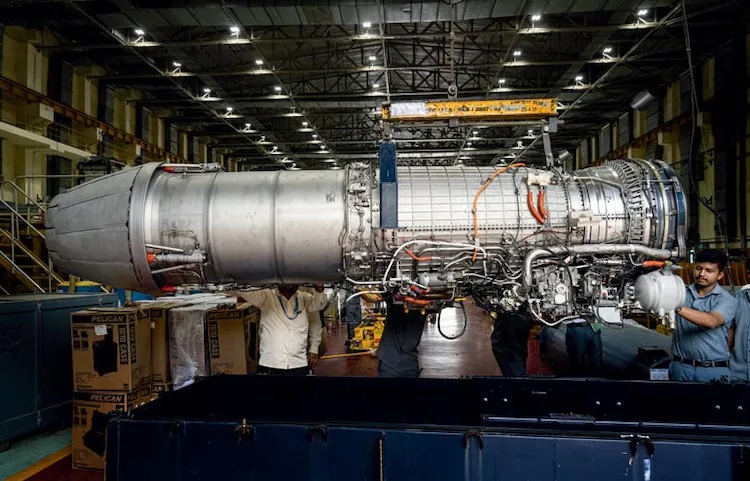
India
On March 25, 2025, GE Aerospace achieved a significant milestone by delivering the first F404-IN20 engine to Hindustan Aeronautics Limited (HAL). This delivery marks the commencement of fulfilling an order for 99 engines intended to power India's indigenous Tejas Light Combat Aircraft (LCA) Mk1A, a crucial step in enhancing the nation's defense capabilities. Shawn Warren, General Manager of Combat & Trainer Engines at GE Aerospace, highlighted this event as a testament to the enduring 40-year partnership between GE and HAL. He emphasized GE's commitment to supporting India's defense ambitions and strengthening its manufacturing base. F404-IN20 Engine: Enhancing Tejas Mk1A Performance The F404-IN20 engine is a customized variant of GE's renowned F404 family, designed to deliver superior performance and reliability. It provides enhanced thrust and operational capabilities, aligning with the advanced requirements of the Tejas Mk1A aircraft. This engine's integration is pivotal for meeting the Indian Air Force's (IAF) operational needs and ensuring the timely induction of the Tejas Mk1A into service. Tejas Mk1A: Advancements and Strategic Importance The Tejas Mk1A represents a significant advancement over its predecessors, incorporating several key upgrades: Active Electronically Scanned Array (AESA) Radar: The Mk1A is equipped with advanced AESA radar systems, including options like the Israeli EL/M-2052 and the indigenous Uttam AESA Radar. These radars enhance target detection and tracking capabilities, allowing the aircraft to simultaneously track multiple targets at extended ranges. Notably, from the 41st aircraft onwards, the AESA radar will be indigenously produced, increasing the aircraft's local content. Electronic Warfare (EW) Suite: The aircraft features a Unified Electronic Warfare Suite (UEWS) and an externally mounted Advanced Self Protection Jammer pod. These systems provide comprehensive electronic warfare capabilities, including the ability to jam enemy radars and communications, thereby enhancing survivability in contested environments. Enhanced Maintainability and Operational Flexibility: Upgrades in avionics and flight control systems improve the aircraft's maintainability and operational readiness, ensuring that the Tejas Mk1A remains a versatile asset for the IAF. The Tejas Mk1A program is central to India's strategy of modernizing its air force with domestically produced technology, aligning with the national objective of achieving self-reliance ('Atmanirbhar Bharat') in defense manufacturing. The IAF's order for 83 Tejas Mk1A aircraft underscores the importance of this program in enhancing India's air defense capabilities. Overcoming Challenges and Future Prospects The delivery of the first F404-IN20 engine comes after delays attributed to supply chain disruptions, particularly those caused by the COVID-19 pandemic. These challenges impacted the timely delivery of engines, subsequently affecting the production schedule of the Tejas Mk1A. However, with production lines at both HAL and GE stabilizing, a steady supply of engines and aircraft is anticipated in the upcoming fiscal years. Furthermore, the integration of indigenous systems, such as the Uttam AESA radar and the Angad electronic warfare suite, into the Tejas Mk1A is expected to enhance the aircraft's capabilities while reducing reliance on foreign components. This initiative not only bolsters India's defense industry but also contributes to significant savings in foreign exchange and the creation of employment opportunities within the country. In conclusion, the delivery of the first F404-IN20 engine to HAL signifies a pivotal moment in India's indigenous fighter aircraft program. It reflects the successful collaboration between GE Aerospace and HAL, the technological advancements embodied in the Tejas Mk1A, and India's unwavering commitment to achieving self-reliance in defense manufacturing.
Read More → Posted on 2025-03-26 15:40:51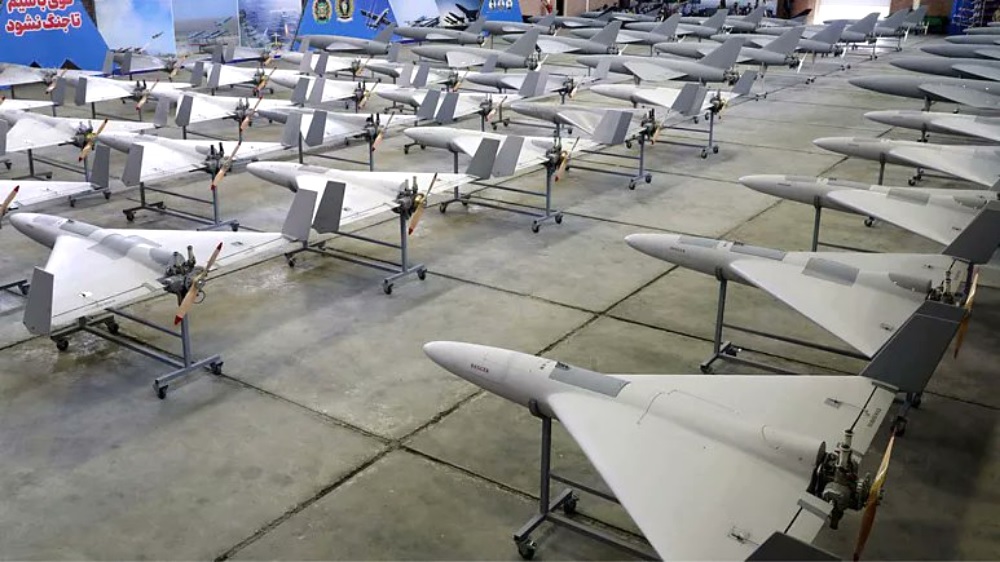
India
In contemporary warfare, the emergence of cost-effective loitering munitions, commonly known as "kamikaze drones," is revolutionizing military strategies worldwide. These drones, capable of hovering over targets before executing precision strikes, merge the reconnaissance capabilities of unmanned aerial vehicles (UAVs) with the destructive power of guided missiles. Unlike traditional missiles that follow predetermined paths, loitering munitions can surveil, track, and engage targets at the optimal moment, providing both intelligence and offensive capabilities in a single platform. Kamikaze Drones vs. Traditional Armor: A Paradigm Shift The efficacy of these affordable drones against expensive military assets has been starkly demonstrated in recent conflicts. In Ukraine, Russian forces have deployed $500 quadcopters, such as the "Ghoul" drone, to successfully neutralize advanced U.S.-made Abrams tanks valued at over $10 million. This results in an astonishing cost ratio of 20,000:1, highlighting a significant shift in the economics of warfare. Similarly, the Indian Army has recognized the transformative potential of loitering munitions. Lt Gen Dhiraj Seth, Southern Army Commander, emphasized the critical role of these low-cost drones in modern conflicts, citing the remarkable cost-effectiveness where a single $500 drone can destroy a $10 million tank. He underscored the urgent need for robust counter-drone systems, including electronic warfare tools and directed-energy weapons, to mitigate such asymmetric threats. India's Strategic Embrace of Drone Warfare In response to these evolving dynamics, India is actively expanding its indigenous drone capabilities: SkyStriker Drone: Already operational, this drone boasts a range of 500 km and is optimized for Suppression of Enemy Air Defenses (SEAD) missions. Nagastra-1: Inducted in 2024, this tactical drone features a 15 km range and a 1 kg warhead, specifically designed for high-altitude warfare scenarios, particularly along the India-China border. Private Sector Innovations: Companies like ZMotion Autonomous Systems have successfully tested loitering munitions in challenging terrains such as Ladakh, achieving cost reductions of 40% compared to imported alternatives. Additionally, Tata Advanced Systems' ALS-50, a vertical takeoff and landing (VTOL) drone that transitions to fixed-wing mode, has completed successful trials, showcasing the private sector's pivotal role in advancing drone technology. The Future: Swarm Warfare and AI Integration India's defense strategy is increasingly focusing on swarm warfare and artificial intelligence (AI): Swarm Capabilities: In 2021, the Indian Army demonstrated a 75-drone swarm executing coordinated attacks over a 50 km range. By 2023, advancements led to a 100-drone swarm designed for complex battlefield deployments, indicating rapid progress in swarm technology. AI-Driven Drones: Research initiatives are underway to develop drones equipped with AI and acoustic sensors capable of autonomously detecting and engaging enemy assets. The National Aerospace Laboratories is also developing a stealthy, long-range loitering munition weighing 150 kg, designed to strike targets up to 900 km away with an endurance of 6–9 hours, reflecting a commitment to integrating advanced technologies into military operations. Economic Implications and Self-Reliance Despite these advancements, challenges remain in achieving cost parity with ultra-low-cost drone production observed in countries like Russia and Iran. India's defense industry is striving to innovate and reduce costs to enhance competitiveness. Notably, the Ministry of Defence reported that 65% of India's defense equipment is now domestically manufactured, a significant shift from previous import dependencies. Defense production reached a record ₹1.27 lakh crore in 2023-24, marking a 174% increase over the past decade, underscoring the nation's commitment to self-reliance in defense manufacturing. The integration of cost-effective kamikaze drones into India's military arsenal represents a strategic evolution in modern warfare. These drones not only offer a formidable counter to expensive traditional military assets but also exemplify the shift towards indigenous technological advancements. As India continues to invest in drone technology, AI integration, and swarm capabilities, it positions itself at the forefront of modern military innovation, ready to meet the challenges of contemporary and future combat scenarios.
Read More → Posted on 2025-03-25 15:54:06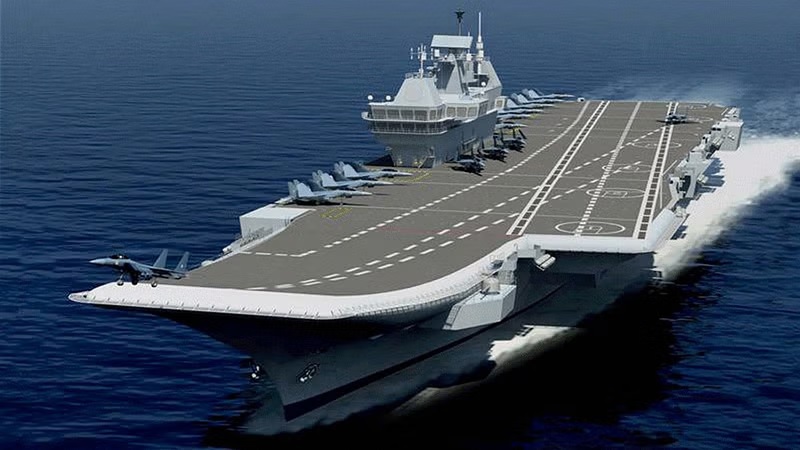
India
The Indian Navy remains steadfast in its commitment to building a second Indigenous Aircraft Carrier (IAC-II), even as the country accelerates its nuclear-powered attack submarine (SSN) program. While recent media reports speculated that the ₹40,000 crore ($4.8 billion) SSN project approved in January 2025 might divert resources from IAC-II, Navy officials have refuted such claims, emphasizing that both initiatives are essential to India’s maritime strategy. The proposed IAC-II, a 45,000-tonne conventionally powered carrier, is envisioned as a follow-up to INS Vikrant (IAC-I), India's first domestically built aircraft carrier. This move aligns with the Navy’s long-term goal of maintaining a three-carrier fleet, ensuring that at least two are operational at all times while the third undergoes maintenance. With INS Vikramaditya, the Russian-origin carrier, expected to retire by the mid-2030s, the urgency for IAC-II has increased. Strategic Imperatives: Carrier vs. Submarine Debate The need for IAC-II is driven by the evolving security landscape in the Indian Ocean Region (IOR). China’s growing naval presence, coupled with Pakistan’s ambitions, necessitates a strong power projection capability. Aircraft carriers serve as mobile airbases, enabling India to maintain sea control, conduct long-range strike missions, and support joint operations. While SSNs are crucial for undersea warfare—tracking adversary submarines, enforcing blockades, and securing sea lanes—carriers provide an unmatched ability to dominate surface and aerial domains. The Indian Navy has argued that submarines and carriers serve distinct roles and are not interchangeable. A senior naval official explained, “Submarines provide stealth and denial capability, while aircraft carriers ensure sustained presence, deterrence, and rapid response.” The Navy’s vision for a future force structure includes three aircraft carriers and 18 SSNs by 2047, ensuring a balanced maritime force. Advancing Carrier Capabilities with IAC-II Designed to improve upon Vikrant, IAC-II will incorporate advancements in aviation technology, including the integration of Unmanned Aerial Vehicles (UAVs) for reconnaissance and strike missions. While retaining the Short Take-Off But Arrested Recovery (STOBAR) system and ski-jump, modifications will enhance its ability to operate modern aircraft. The Navy’s ongoing Twin-Engine Deck-Based Fighter (TEDBF) program, intended to replace the MiG-29K fleet, could see its first operational deployment on IAC-II. The estimated cost of IAC-II stands at ₹50,000 crore ($6 billion), and the Navy is pushing for Ministry of Defence (MoD) approval to initiate construction by 2027. Unlike Vikrant, which took 13 years due to funding and technical delays, IAC-II is expected to be completed within a decade. Cochin Shipyard Limited (CSL), having gained expertise from Vikrant’s construction, is likely to lead the project. Budgetary Constraints and Future Outlook Despite the operational necessity of IAC-II, financial limitations pose a challenge. The Navy’s capital budget of ₹2.5 lakh crore ($30 billion) over the next decade must cover multiple priorities, including 62 warships, the SSN program, and next-generation naval aircraft. To mitigate this, a phased approach has been proposed—advancing IAC-II in the near term while spreading SSN development over two decades. This strategy ensures that India does not compromise on either capability while managing budgetary constraints. Conclusion: A Balanced Naval Expansion The Indian Navy’s unwavering pursuit of IAC-II, alongside the SSN program, underscores its commitment to becoming a formidable blue-water force. As geopolitical tensions in the IOR rise, India’s ability to maintain strategic dominance will hinge on a balanced mix of surface and subsurface assets. With both projects deemed indispensable, the Navy’s vision of a three-carrier fleet and a robust submarine force remains firmly on track.
Read More → Posted on 2025-03-25 15:27:41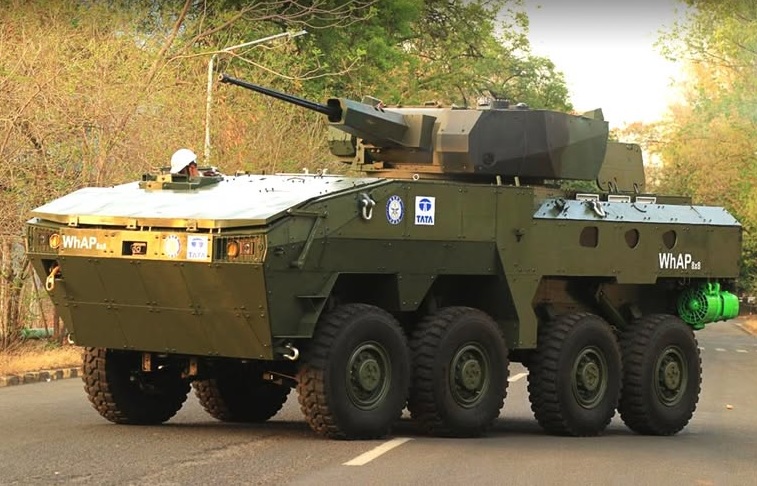
India
Morocco and India’s Tata Advanced Systems Limited (TASL) are strengthening their defense ties with an ambitious plan to develop new battlefield variants of the Wheeled Armoured Platform (WhAP), an 8x8 armored vehicle known for its adaptability. This collaboration will introduce high-caliber gun-equipped models and a dedicated medical variant, enhancing the vehicle’s capabilities to meet Morocco’s evolving military needs. The move follows a major agreement in late 2024, under which TASL secured a contract to supply the Royal Moroccan Army with 150 WhAP units. A key aspect of the deal is the establishment of a local production hub in Casablanca, operated by Tata Advanced Systems Maroc (TASM), which aims to increase Moroccan manufacturing content from 35% to 50% over time. The facility is also positioned to serve as an export center for other African nations, marking a significant step in India's expanding defense footprint in the region. A Battlefield Workhorse with Enhanced Firepower The WhAP, originally developed in collaboration with India’s Defence Research and Development Organisation (DRDO), is a highly versatile armored vehicle designed for various battlefield roles. Depending on its configuration, it weighs between 20 and 27 tons and features a modular design that allows for easy adaptation to different mission requirements. The baseline model, which Morocco has already ordered, comes with a 30mm cannon and is fully amphibious, giving it an operational edge in diverse terrains. Moroccan trials in 2022 demonstrated the WhAP’s superior performance over China’s Type-08 armored vehicle, solidifying its selection. Powered by a 600hp Cummins diesel engine, it offers excellent mobility and protection against small arms fire and improvised explosive devices (IEDs). Advanced active protection systems can be added to enhance its survivability further. Building on this foundation, Morocco plans to introduce a variant equipped with a 105mm cannon for enhanced direct combat capability. Additionally, a more powerful 120mm cannon version is under consideration, potentially giving the WhAP the ability to engage heavier armored targets—an important capability for modern battlefield scenarios. The specific source of these cannons has not been officially disclosed, but Morocco’s current armored fleet includes aging Soviet-era T-72B/BK tanks and VT-1A Al Khalid tanks, both equipped with 125mm guns. Given this disparity in calibers and the obsolescence of some of these platforms, Morocco is likely to turn to external suppliers for the WhAP’s new weaponry. Potential candidates include European defense firms like John Cockerill and Indian companies such as DRDO and Bharat Forge, both of which have experience in designing compatible gun systems. A Battlefield Medical Hub Alongside firepower upgrades, Morocco is also prioritizing battlefield medical support with a WhAP-based armored ambulance variant. This version will retain the 8x8 chassis for mobility but replace armament with a dedicated medical compartment designed for casualty evacuation and emergency treatment. Equipped with life-saving equipment, this model will provide critical support for frontline operations, further diversifying Morocco’s armored capabilities. The addition of this medical variant aligns with Morocco’s broader military modernization strategy, which seeks to replace aging French-supplied armored vehicles with more versatile and unified platforms. The Royal Moroccan Army is keen on improving battlefield logistics and personnel survivability, and the introduction of a dedicated medical evacuation platform is a logical step toward that goal. A Gateway to African Defense Markets For TASL, the Moroccan WhAP contract marks a strategic entry into the African defense market, with significant long-term potential. The deal, first announced at the Marrakech Air Show 2024, has already drawn interest from other nations in the region. By establishing a local production facility, India not only strengthens its defense industry’s global presence but also enables Morocco to develop its manufacturing base and create new job opportunities. The success of the WhAP program in Morocco could pave the way for future Indo-Moroccan defense cooperation, including joint development projects and further localized production. With the African continent emerging as a growing market for military equipment, TASL’s Moroccan expansion could serve as a launchpad for wider regional exports. As Morocco diversifies its defense partnerships and enhances its military capabilities, the WhAP program represents a forward-looking investment in battlefield adaptability, firepower, and operational readiness.
Read More → Posted on 2025-03-25 15:06:10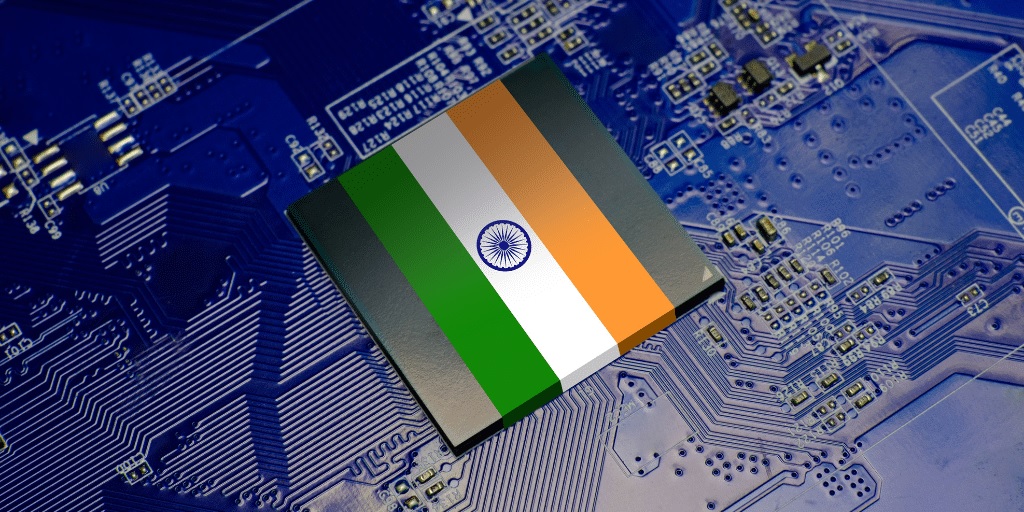
India
India's semiconductor industry is on a promising growth trajectory, but a recent Jefferies report highlights significant hurdles that must be addressed to realize its full potential. The country is making strides in semiconductor design and policy support, yet challenges such as an underdeveloped supply chain, a shortage of specialized manufacturing talent, and fierce global competition threaten to slow progress. Supply Chain Bottlenecks and Material Shortages One of the major roadblocks in India's semiconductor manufacturing ambitions is the limited availability of critical raw materials. High-purity silicon wafers, specialty chemicals, ultra-pure water, and semiconductor-grade gases are essential components in chip production, yet India remains dependent on imports for most of these resources. While the country has a strong base in chemical and gas manufacturing, particularly in Gujarat’s Dahej region, it lacks the infrastructure and expertise to produce semiconductor-grade materials at scale. To bridge this gap, the government has launched initiatives aimed at localizing the supply chain. However, building a self-reliant semiconductor ecosystem will take time, as it requires significant investments in refining processes and establishing partnerships with global suppliers. Talent Shortages in Semiconductor Fabrication India has a well-established presence in semiconductor design, contributing nearly 20% of the global chip design workforce. Companies such as Tata Electronics and Wipro are actively involved in chip design, but the country falls short when it comes to semiconductor fabrication (chip manufacturing) and testing expertise. Unlike established players like Taiwan, South Korea, and the U.S., India lacks a trained workforce that can handle complex fabrication processes, which require precision engineering and specialized skills. To address this issue, the government is working with educational institutions to develop relevant courses and training programs. Several semiconductor firms are also investing in workforce development to ensure a steady pipeline of skilled professionals. However, it will take years of structured training to develop an industry-ready workforce that can compete globally. Global Competition and Policy Incentives India's semiconductor industry faces stiff competition from established global hubs such as China, Taiwan, Singapore, Malaysia, and South Korea. These nations have spent decades perfecting their semiconductor ecosystems and offer lucrative incentives to attract top manufacturers. Recognizing this, India has rolled out an ambitious incentive program, including financial support for semiconductor fabrication plants (fabs) and tax benefits for manufacturers. However, setting up advanced fabrication units in India presents inherent risks. Semiconductor manufacturing requires high precision and involves initial production hurdles, such as maintaining yield quality and addressing defects in early production runs. The long-term success of India's semiconductor strategy will depend on securing consistent demand for locally manufactured chips and establishing strong export channels. The Road Ahead: Innovation and Investment The rapid evolution of semiconductor technology means that India must not only catch up but also invest heavily in R&D to stay competitive. Global leaders in the industry are pushing the limits of chip miniaturization and efficiency, and any delay in technological advancements could hinder India’s ambitions. Despite these challenges, India's semiconductor industry has enormous potential, thanks to government backing, industry collaboration, and foreign investments. If the country can develop a robust supply chain, bridge its talent gap, and establish itself as a reliable manufacturing hub, it has the opportunity to become a key player in the global semiconductor market. The next few years will be crucial in determining whether India can turn its semiconductor aspirations into a sustainable, world-class industry.
Read More → Posted on 2025-03-25 14:59:32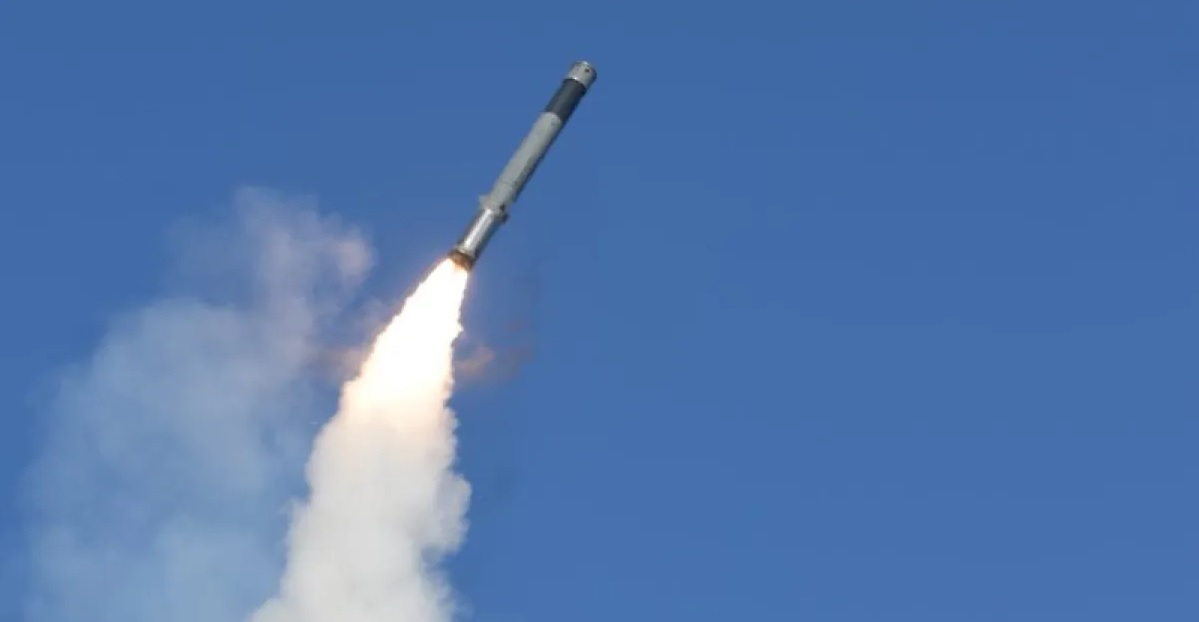
India
In a significant enhancement of India's defense capabilities, the Indian Army and Air Force are set to acquire approximately 250 BrahMos supersonic cruise missiles, each capable of striking targets beyond 800 kilometers. This development follows the Defence Acquisition Council's approval and awaits final clearance from the Cabinet Committee on Security. Enhanced Range and Capabilities The BrahMos missile, originally designed with a range of about 300 kilometers, has undergone substantial upgrades. The extended-range variant now boasts the ability to engage targets over 800 kilometers away, providing the Indian armed forces with a significant strategic advantage. This enhancement allows for deep-strike capabilities, enabling precise targeting of high-value assets from considerable distances. Deployment and Strategic Implications The newly acquired missiles will be integrated into units operating in diverse terrains, including both desert regions and high-altitude areas. This deployment strategy ensures operational flexibility and readiness across various potential conflict zones. The extended range of the BrahMos missiles enhances India's deterrence posture, allowing for rapid and precise responses to emerging threats. Indigenization and Export Potential BrahMos Aerospace, the Indo-Russian joint venture responsible for developing the missile, has achieved notable success in indigenizing major components of the weapon system. Collaborations with the private sector have further bolstered this effort, reducing reliance on foreign technology and fostering self-reliance in defense manufacturing. The missile's export success, exemplified by the deal with the Philippines, underscores its growing international demand and India's emergence as a key player in the global defense market. Future Developments Looking ahead, BrahMos Aerospace is focusing on the development of the BrahMos Next Generation (NG) missiles. These advanced variants promise enhanced performance and versatility, with production slated to commence in Lucknow, Uttar Pradesh. The BrahMos NG aims to further solidify India's position in cutting-edge missile technology and expand its footprint in the international defense arena. The acquisition of the extended-range BrahMos missiles marks a pivotal step in augmenting India's defense capabilities, ensuring preparedness to address evolving security challenges effectively.
Read More → Posted on 2025-03-25 14:55:03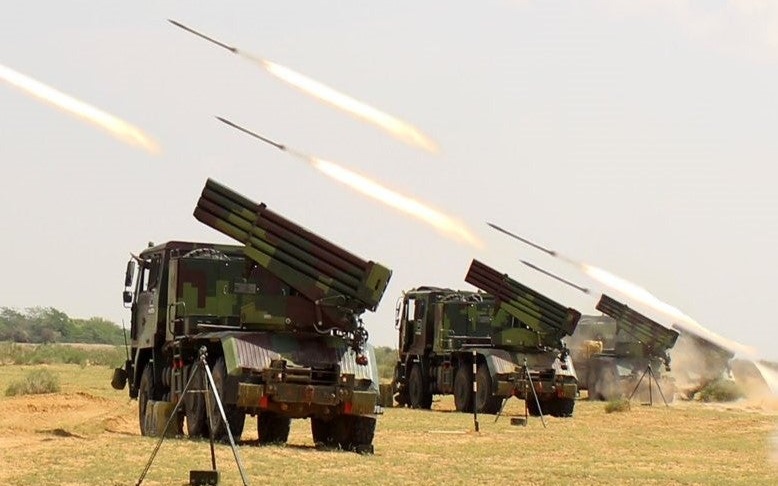
India
The Indian Army has issued a Request for Information (RfI) to identify potential vendors capable of manufacturing rocket ammunition for its 122mm GRAD BM-21 Multi-Barrel Rocket Launcher (MBRL) system. This initiative aims to ensure a steady supply of compatible ammunition for the system, which plays a crucial role in the Army's artillery operations. About the 122mm GRAD BM-21 MBRL System The BM-21 "Grad" (Russian for "hailstorm") is a self-propelled 122mm multiple rocket launcher developed in the early 1960s. Renowned for its simplicity and effectiveness, the system can deliver a high volume of rockets over a wide area in a short time. It has been widely adopted and remains a staple in various military arsenals worldwide. Operational Requirements for the Ammunition The Indian Army has outlined specific operational requirements for the ammunition to be procured: Caliber: 122mm. Deployment Environments: The ammunition should be suitable for use in diverse terrains, including plains, high altitudes, semi-deserts, and desert regions, aligning with the varied geographical landscapes where the Indian Army operates. Range Compatibility: The rockets must have defined maximum and minimum ranges and be compatible with the existing 122mm GRAD BM-21 Rocket System. Each launch tube is approximately 2.8 meters in length. Fire Control System Integration: The ammunition should seamlessly integrate with the current Fire Control System to ensure accuracy and efficiency during operations. Transportation: The rockets should be transportable using existing ammunition-carrying vehicles without necessitating special arrangements, facilitating logistical convenience. Service Life: A minimum service life of 10 years is required. Additionally, the design should allow for extensions through in-house inspections, replacements, and repairs of sub-components as needed. Storage and Maintenance: The ammunition must be capable of being stored and maintained under field conditions, ensuring readiness and reliability during deployments. Standards Compliance: All components and sub-assemblies should conform to relevant military standards (MIL STD), ensuring quality and interoperability. Strategic Implications By seeking domestic manufacturers for this ammunition, the Indian Army aims to bolster its self-reliance in defense production, reduce dependence on foreign suppliers, and ensure a consistent and reliable supply chain for critical artillery resources. This move aligns with the broader national objective of promoting indigenous defense capabilities and fostering collaboration with local industries. The issuance of this RfI represents a significant step towards enhancing the operational readiness and effectiveness of the Indian Army's artillery units equipped with the 122mm GRAD BM-21 MBRL system.
Read More → Posted on 2025-03-24 15:50:01
India
A high-level committee is actively exploring ways to accelerate the induction of India’s indigenous Advanced Medium Combat Aircraft (AMCA) into the Indian Air Force (IAF), with the first batch of 40 AMCA Mk1 fighters potentially arriving as early as 2033—two years ahead of the initial 2035 target. Chaired by Defence Secretary Rajesh Kumar Singh, the committee includes key figures such as IAF Vice Chief Air Marshal S.P. Dharkar, Secretary (Defence Production) Sanjeev Kumar, and senior officials from the Defence Research and Development Organisation (DRDO) and the Aeronautical Development Agency (ADA). Their upcoming report is expected to outline a roadmap for expediting AMCA’s development and deployment, reinforcing India’s strategic airpower. The AMCA program follows a phased approach, with two variants in development: the Mk1 and the more advanced Mk2. The AMCA Mk1 will be powered by the General Electric F414 engine—the same engine designated for the Tejas Mk2—allowing for faster production and operational readiness. The AMCA Mk2, slated for later induction, will incorporate a more powerful 110kN thrust-class engine currently under development, potentially in collaboration with international players like Safran and Rolls-Royce. The committee is considering an initial order of 40 AMCA Mk1 aircraft, contingent on successful trials of five prototypes. These prototypes are undergoing various stages of design and development, with extensive testing scheduled to conclude by late 2031 or early 2032. The trials will rigorously assess stealth capabilities, avionics, radar systems, and weapon integration to ensure the aircraft meets the IAF’s operational requirements. If the proposed timeline holds, the IAF could start receiving its first AMCA Mk1 fighters by 2033. This early induction would not only enhance combat readiness but also offer valuable operational experience ahead of the transition to the AMCA Mk2. Despite relying on the F414 engine, the AMCA Mk1 will feature critical fifth-generation technologies, including stealth characteristics, an internal weapons bay for reduced radar signature, an advanced Active Electronically Scanned Array (AESA) radar, and cutting-edge situational awareness systems. These upgrades will provide the IAF with a significant edge over its current fleet, including the Sukhoi Su-30MKI and Dassault Rafale. However, challenges remain. Developing a fifth-generation fighter demands seamless integration of advanced technologies, rigorous prototype testing, and a robust supply chain for critical components. The indigenous 110kN engine for the AMCA Mk2 is also a crucial factor, with potential international collaborations still under discussion. Delays in testing or technology transfer agreements could impact the ambitious timeline. If successfully implemented, the early induction of the AMCA Mk1 would mark a significant milestone for India’s defence industry, showcasing self-reliance in military aviation—a key objective of the "Atmanirbhar Bharat" initiative. The AMCA’s stealth capabilities and advanced systems would greatly enhance the IAF’s ability to operate in contested airspace, execute precision strikes, and maintain air superiority in an evolving threat environment.
Read More → Posted on 2025-03-24 15:11:38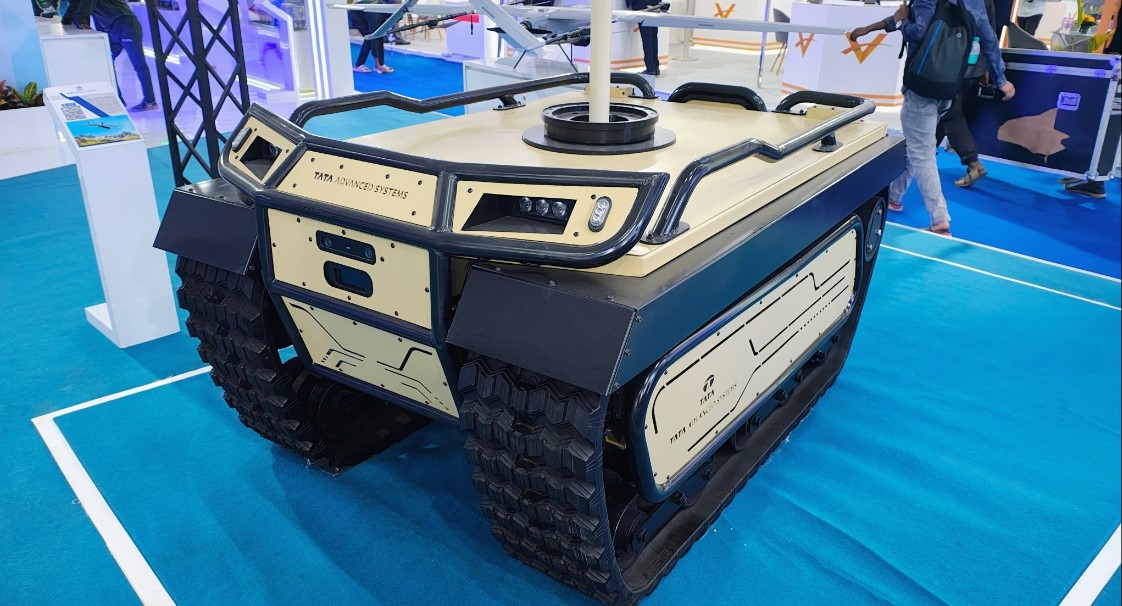
India
Tata Advanced Systems Limited (TASL) has introduced its latest innovation in autonomous defence technology—the UGV Tracked, a powerful unmanned ground vehicle designed to enhance military and security operations. Built with indigenous technology, this cutting-edge system not only strengthens India’s self-reliance in defence manufacturing but also marks a major step forward in the country’s "Make in India" initiative. A Game-Changer in Military Logistics and Combat Support The UGV Tracked is engineered for versatility, making it suitable for a range of missions, from supply transportation to combat support. With a payload capacity of up to 1000kg, it can efficiently carry ammunition, medical supplies, and surveillance equipment, reducing the need for human personnel in high-risk environments. One of its standout features is its hybrid-electric power system, offering two operational modes. The Battery Electric drive ensures silent, zero-emission movement, ideal for stealth operations, while the Hybrid Electric mode provides extended range with a built-in range extender. This combination makes the vehicle highly adaptable for various mission profiles. Key Features of the UGV Tracked High Payload Capacity: Can transport up to 1000kg, supporting logistics in difficult terrains. Extended Endurance: Offers a range of up to 80km, enabling longer missions without frequent recharging. Optimal Speed: Capable of reaching 20 km/h, striking a balance between mobility and stability. Advanced Navigation System: Developed in India, this system ensures precise movement and obstacle avoidance, increasing mission efficiency. Fully Indigenous Design: Strengthens India’s self-reliance in defence technology under the Atmanirbhar Bharat initiative. Future Possibilities: A Wheeled Variant in Development? While the focus is currently on the tracked version, TASL has hinted at the development of a wheeled UGV variant. This could offer greater speed and efficiency on urban and less rugged terrains, making it suitable for operations in cities and rural areas where high maneuverability is crucial. Compared to tracked vehicles, wheeled UGVs typically provide better fuel economy and faster movement on paved roads but may sacrifice some off-road capabilities. Strengthening India's Defence Capabilities The unveiling of the UGV Tracked represents a significant leap in India’s autonomous defence solutions. By integrating advanced mobility, hybrid power, and indigenous navigation, TASL has positioned itself at the forefront of unmanned ground vehicle technology. This innovation not only enhances the operational capabilities of India’s defence forces but also reduces dependency on foreign military equipment, reinforcing the nation's vision of self-reliance in defence manufacturing. With continuous advancements in autonomous warfare technology, the UGV Tracked is set to play a crucial role in modern military operations, ensuring safer and more efficient missions for India’s armed forces.
Read More → Posted on 2025-03-24 14:56:40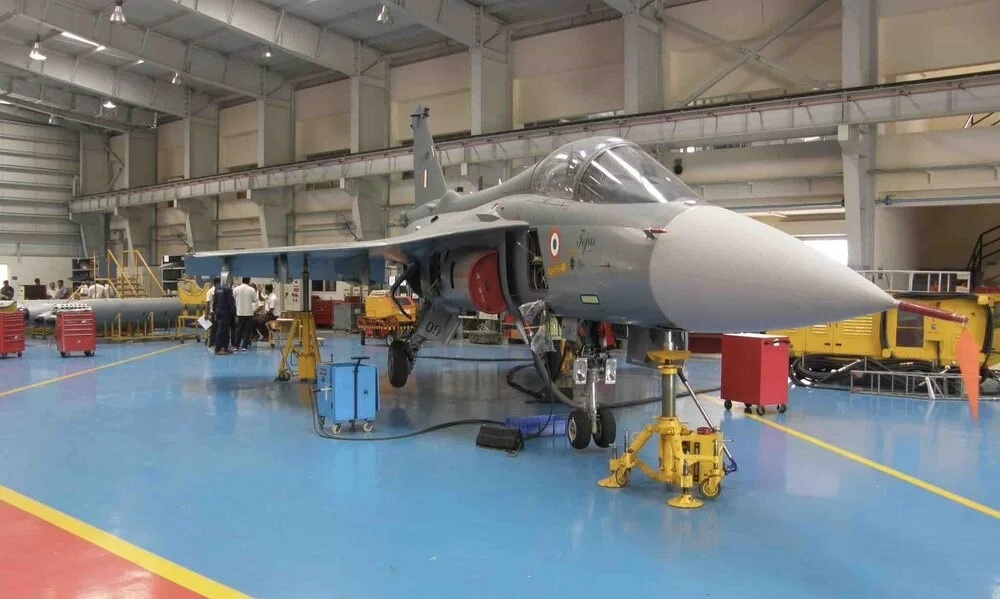
India
India’s push for self-reliance in defence manufacturing has taken a significant leap forward with Larsen & Toubro’s (L&T) introduction of a robotic drilling machine for the Light Combat Aircraft (LCA) Tejas. This cutting-edge automation has transformed the production of Tejas fighter jet wings, reducing the drilling time per hole from 25-35 minutes to just one minute—an improvement of over 95%. Hindustan Aeronautics Limited (HAL), the manufacturer of the Tejas, has been striving to accelerate production to meet the Indian Air Force’s (IAF) growing demand, particularly for the advanced LCA-Tejas Mk1A variant. One of the major bottlenecks in the process was the manual drilling of around 8,000 holes required for each wing set, a task that previously consumed thousands of hours. Recognizing the need for efficiency, L&T, a key supplier of Tejas wings, introduced an advanced robotic drilling system to automate the process. The new system can drill approximately 66% of the required holes—about 5,280 out of 8,000—significantly reducing production time. What makes this system revolutionary is its ability to maintain precision and consistency. Equipped with sophisticated sensors and automated control mechanisms, the robotic machine dynamically adjusts for variations in material thickness and type, ensuring high accuracy while minimizing errors, rework, and material wastage. The impact of this automation is staggering. Under the manual process, drilling 5,280 holes would take an estimated 2,640 hours. The robotic system now completes the same task in just 88 hours, saving over 2,500 hours per set of wings. This drastic reduction in production time allows HAL to scale up Tejas deliveries, bringing India closer to its goal of delivering 16 to 18 aircraft annually. By integrating such cutting-edge automation, India is not only advancing its indigenous fighter jet program but also laying the foundation for more efficient aerospace manufacturing in the future. This breakthrough is a testament to the country’s growing technological capabilities and its commitment to self-sufficiency in defence production.
Read More → Posted on 2025-03-23 15:53:26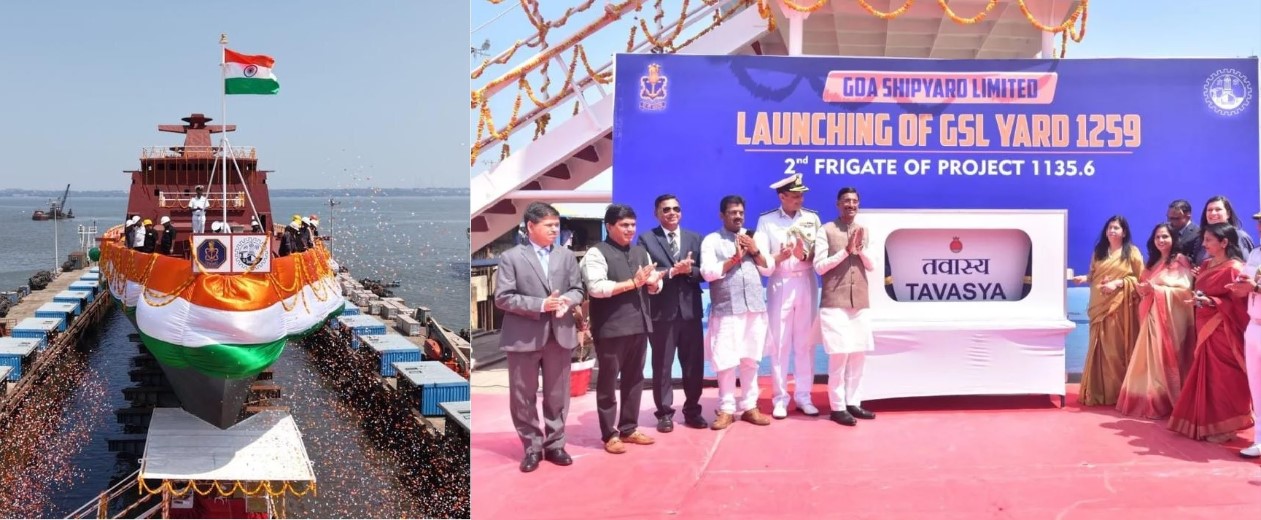
India
Goa Shipyard Limited (GSL) has achieved another significant milestone in India’s warship construction with the launch of ‘Tavasya,’ the second frigate under Project 1135.6. The event, held on March 22, 2025, underscores India's growing self-reliance in defence manufacturing and its commitment to strengthening the Indian Navy’s capabilities. The launch ceremony was graced by Raksha Rajya Mantri Shri Sanjay Seth, with the ship being ceremonially launched by Smt. Neeta Seth. In his address, the minister lauded GSL’s ability to deliver two advanced frigates within just eight months despite global supply chain challenges. He emphasized that the successful integration of indigenous systems, including the BrahMos missile system, sonar, torpedo launchers, and auxiliary control systems, highlights India's technological prowess and self-sufficiency in naval defence. With a displacement of over 3,800 tons, ‘Tavasya’ is built to handle diverse naval operations, ensuring strategic dominance in the Indian Ocean Region. Designed with advanced stealth features, next-generation combat systems, and high endurance, the frigate marks a substantial boost to the Indian Navy’s operational strength. The government’s vision for defence exports was also reinforced, with a goal of achieving ₹50,000 crore in defence exports by 2029, positioning India as a major global warship supplier. Shri Brajesh Kumar Upadhyay, Chairman and Managing Director of GSL, highlighted the shipyard’s transformation into a strategic defence asset. He noted that the successful launch of ‘Tavasya’ reflects GSL’s ability to deliver complex naval platforms with efficiency and precision. From being a mid-sized shipbuilder, GSL has emerged as a leader in indigenous warship construction, strengthening India’s maritime security. The event saw the presence of senior officials, including Vice Admiral SJ Singh (FOC-in-C, Western Naval Command), Vice Admiral Rajaram Swaminathan (CWP&A), members of Parliament, and senior personnel from the Ministry of Defence and Indian Navy. The launch of ‘Tavasya’ represents a major step forward for India’s shipbuilding industry. Previously, these frigates were imported as fully built units, but GSL has successfully constructed them domestically, achieving over 56% indigenous content—far exceeding the 25% seen in earlier imports. This achievement reinforces India's defence manufacturing capabilities and strengthens its position in the global naval industry. With GSL launching seven ships within a year, the shipyard continues to push the boundaries of indigenous warship building, proving itself as a key player in India’s defence sector. ‘Tavasya’ is not just a new addition to the Indian Navy—it is a symbol of India’s strategic and technological evolution in maritime defence.
Read More → Posted on 2025-03-23 15:39:02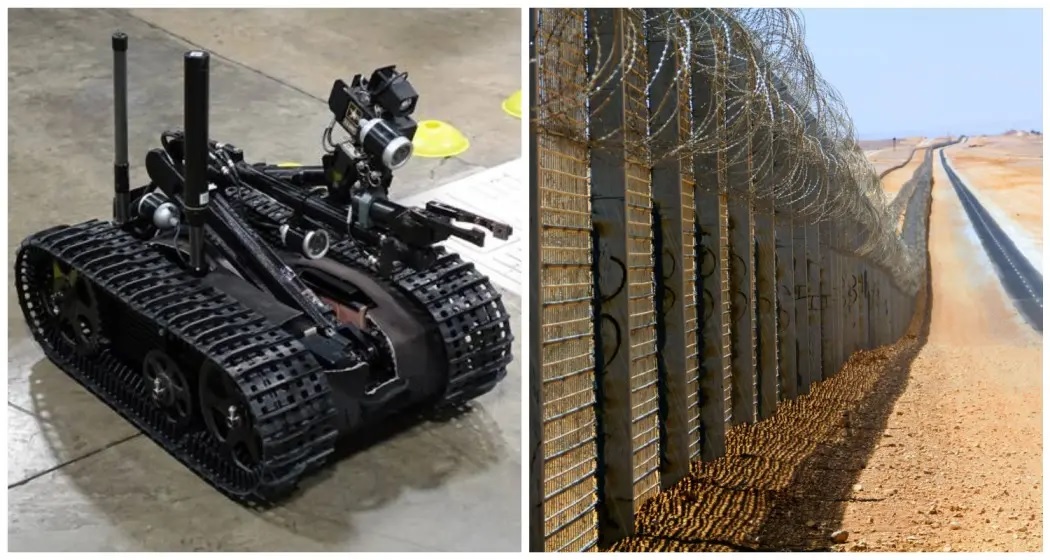
India
Researchers at the Indian Institute of Technology (IIT) Guwahati have made a significant breakthrough in border security technology by developing AI-driven autonomous robots designed for real-time surveillance. This innovation comes from Da Spatio Rhobotique Laboratory Pvt. Ltd (DSRL), a deep-tech start-up incubated at IIT-Guwahati, with a focus on enhancing security along India’s borders. These advanced robots have already gained recognition from the Defence Research and Development Organisation (DRDO) and are currently undergoing field trials with the Indian Army. How These AI Robots Enhance Border Security Unlike traditional security systems that rely on stationary cameras and drones, these AI-powered robots offer continuous surveillance with superior adaptability. They can efficiently navigate rough terrains, autonomously avoid obstacles, and even traverse poles, making them ideal for complex border environments. Arnab Kumar Barman, CEO of DSRL, emphasized that these robots represent a leap forward in defence surveillance. Their AI-driven reconnaissance capabilities enable them to detect, analyze, and respond to potential threats, providing an edge over conventional security measures. A Major Step Towards Indigenous Defence Technology Keyur Sorathia, Head of the Technology Incubation Centre at IIT-Guwahati, stated that this development is a strategic step toward national security self-reliance. With India facing modern threats such as rogue drones and infiltration attempts, these homegrown AI-powered robots offer a crucial advantage in securing the nation’s frontiers. This innovation not only strengthens India’s defence infrastructure but also highlights the growing role of deep-tech start-ups in shaping the future of autonomous security solutions. As India pushes for technological advancements in defence, AI-driven robotics is emerging as a game-changer in modern warfare and surveillance.
Read More → Posted on 2025-03-23 15:34:13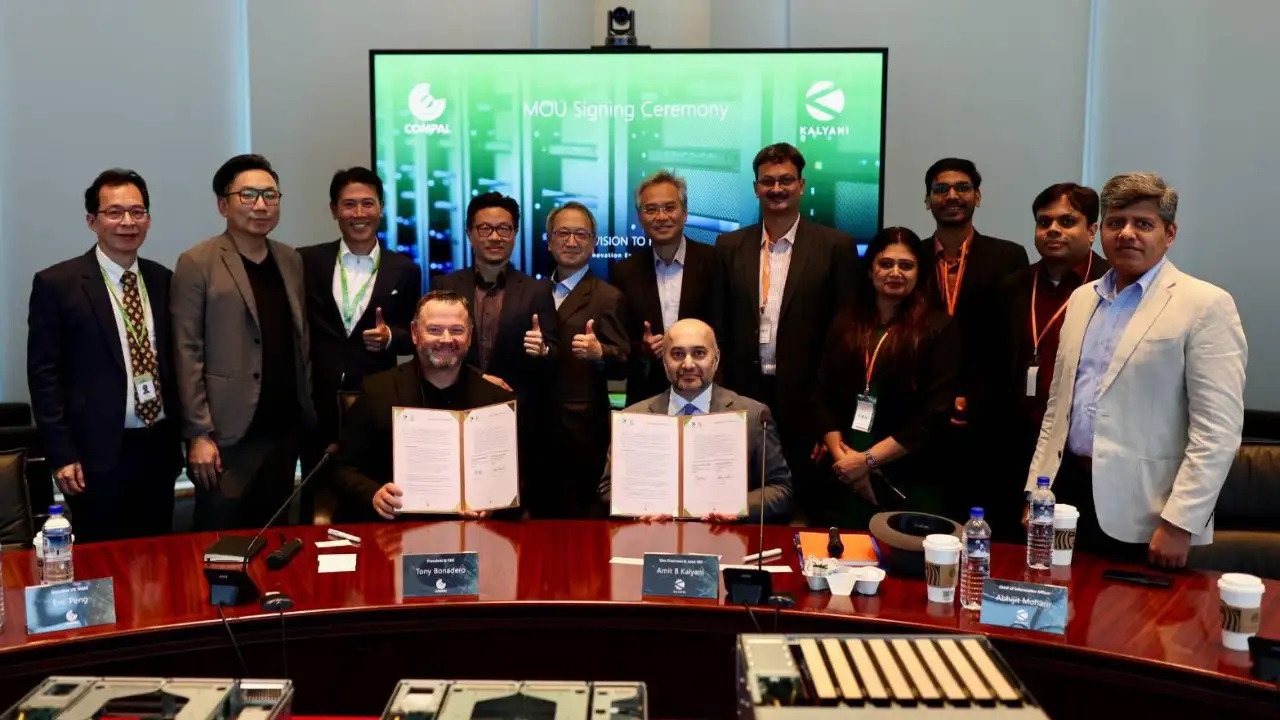
India
Kalyani Powertrain, a subsidiary of Bharat Forge, has partnered with Advanced Micro Devices (AMD) to revolutionize India’s server infrastructure. This collaboration aims to boost local manufacturing and integrate cutting-edge technology into the country’s growing data ecosystem. High-Performance Servers Powered by AMD EPYC At the core of this partnership is AMD’s EPYC processor, known for its high performance, energy efficiency, and advanced security features. These servers will be locally manufactured, reducing India’s reliance on imported technology while optimizing the Total Cost of Ownership (TCO) for data centers. AI and High-Performance Computing (HPC) Integration Beyond traditional server applications, the partnership also focuses on the future of artificial intelligence (AI) and high-performance computing (HPC). Plans are underway to incorporate AMD Instinct accelerators, enhancing AI-driven workloads and supporting large-scale data processing in sectors such as cloud computing, telecommunications, and automotive. Aligning with ‘Make in India’ for Digital Transformation This initiative is a significant step towards India's 'Make in India' vision, reinforcing local manufacturing capabilities while fostering self-reliance in critical technology sectors. By providing advanced, cost-effective server solutions for enterprises, cloud providers, and government organizations, this collaboration is set to play a key role in India’s digital transformation. With Kalyani Powertrain and AMD joining forces, India is well on its way to becoming a major player in global AI and cloud computing infrastructure, paving the way for a more technologically self-sufficient future.
Read More → Posted on 2025-03-22 14:35:45Search
Top Trending in 24 Hours
-
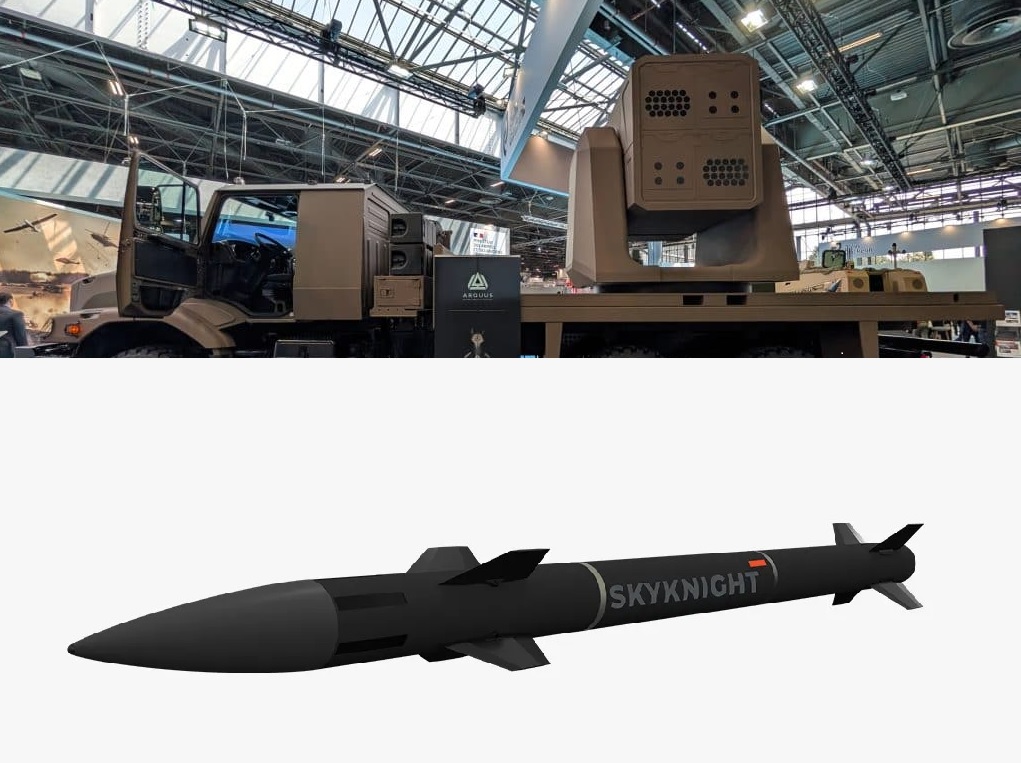 Naval Group Unveils Rampart Modular CIWS Multi-Purpose Weapon System for Naval and Ground Forces at Eurosatory 2026
-
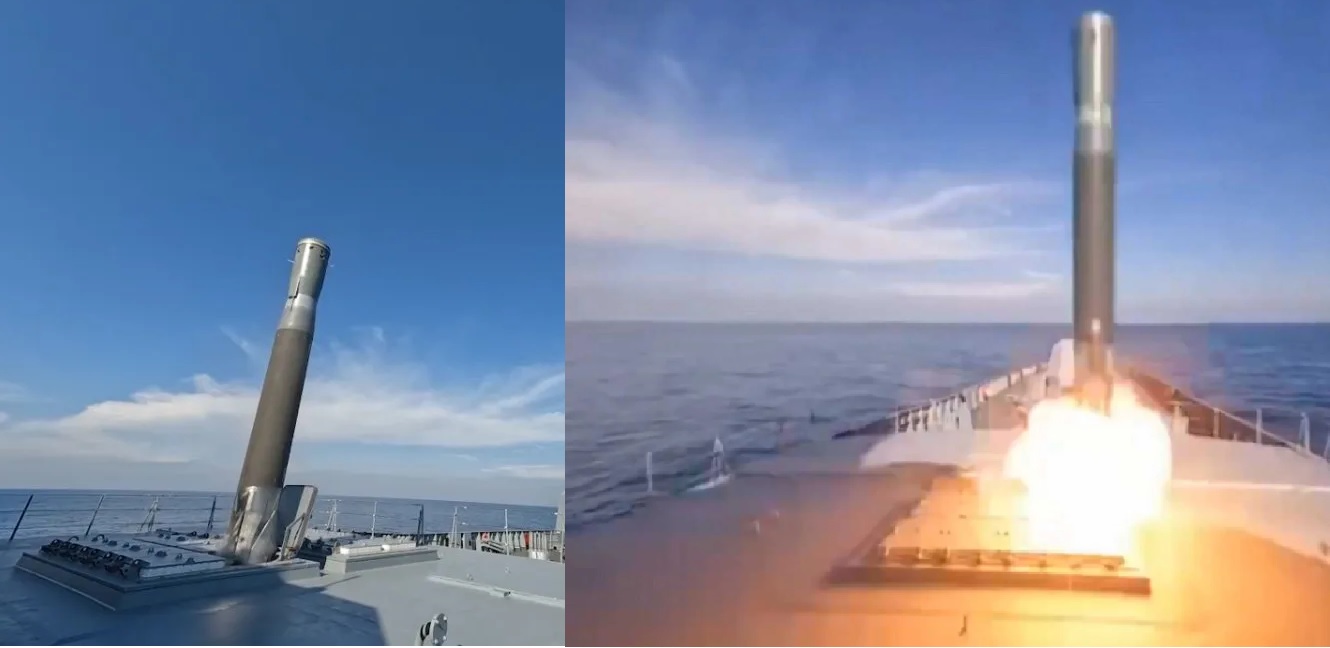 Open-Source Evidence Suggests Russia's Zircon Is a Quasi-Ballistic Missile, Not a True Hypersonic Cruise Weapon
-
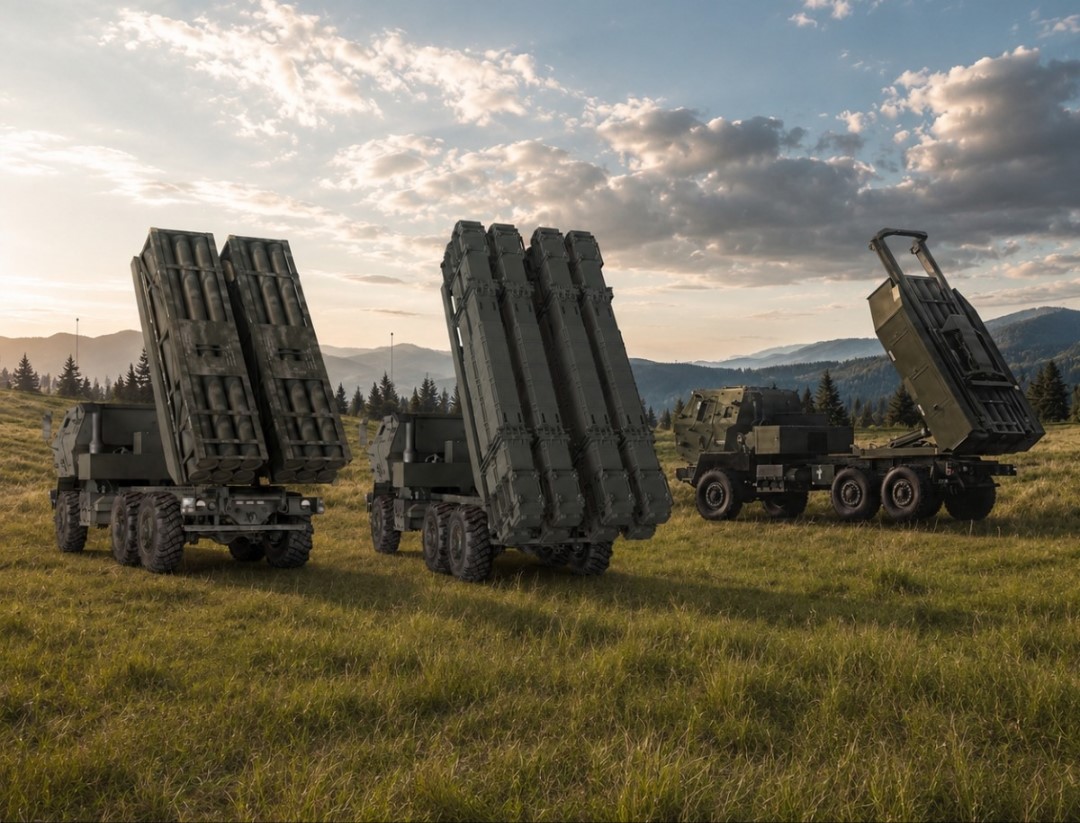 Lockheed Martin Unveils HIMARS FLEX with Dual-Pod Launcher and NATO-Compatible Air Defense Integration
-
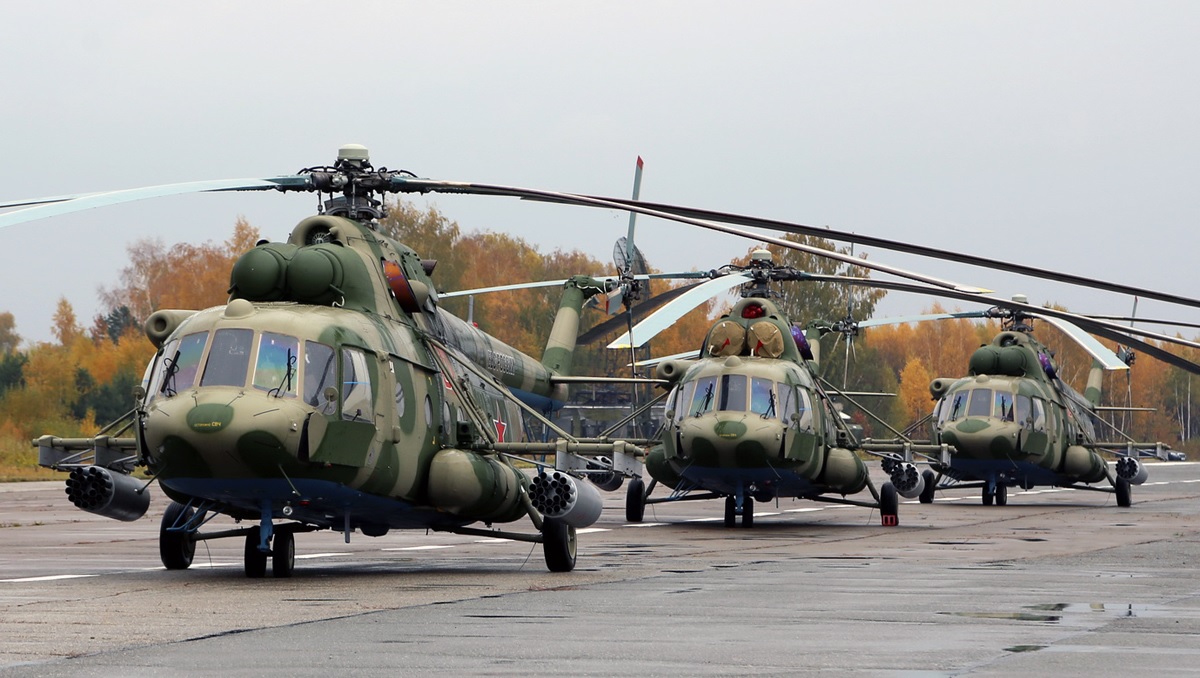 Iran Signs Deal with Russia for 20 Mi-8 and Mi-17 Helicopters to Boost Rescue and Medical Missions
-
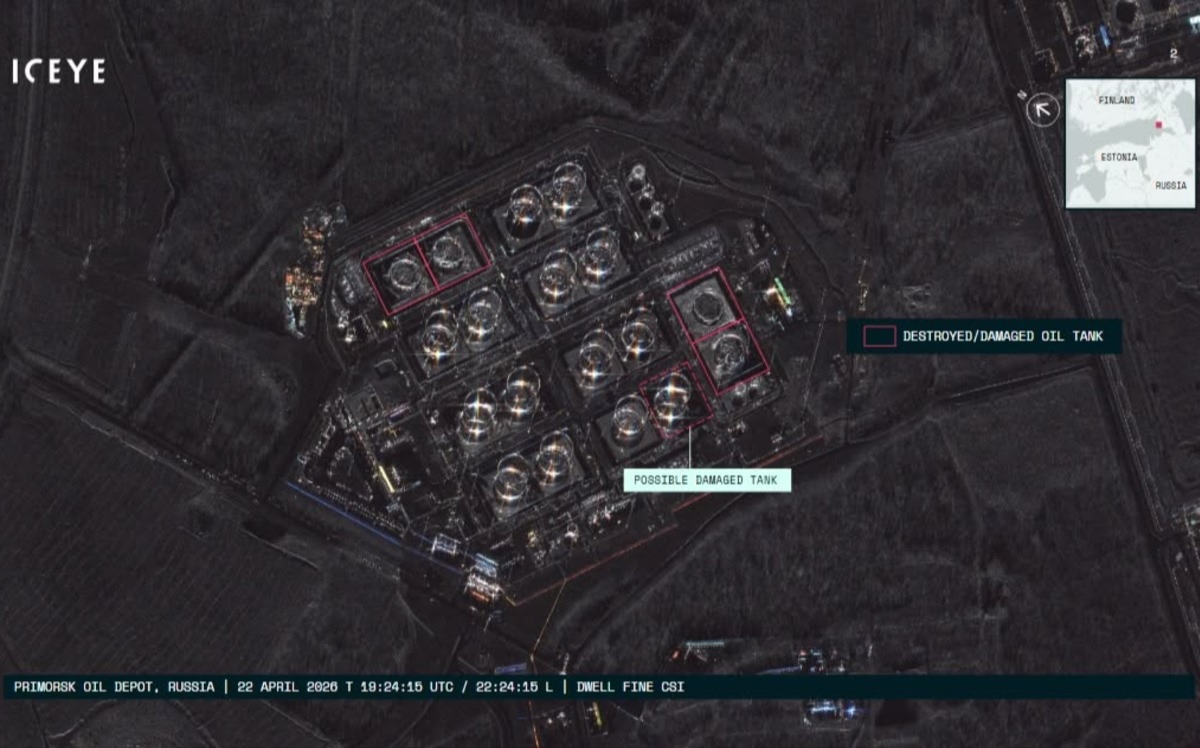 Portugal Doubles Sovereign SAR Satellite Fleet with Order for Two Additional ICEYE Satellites
-
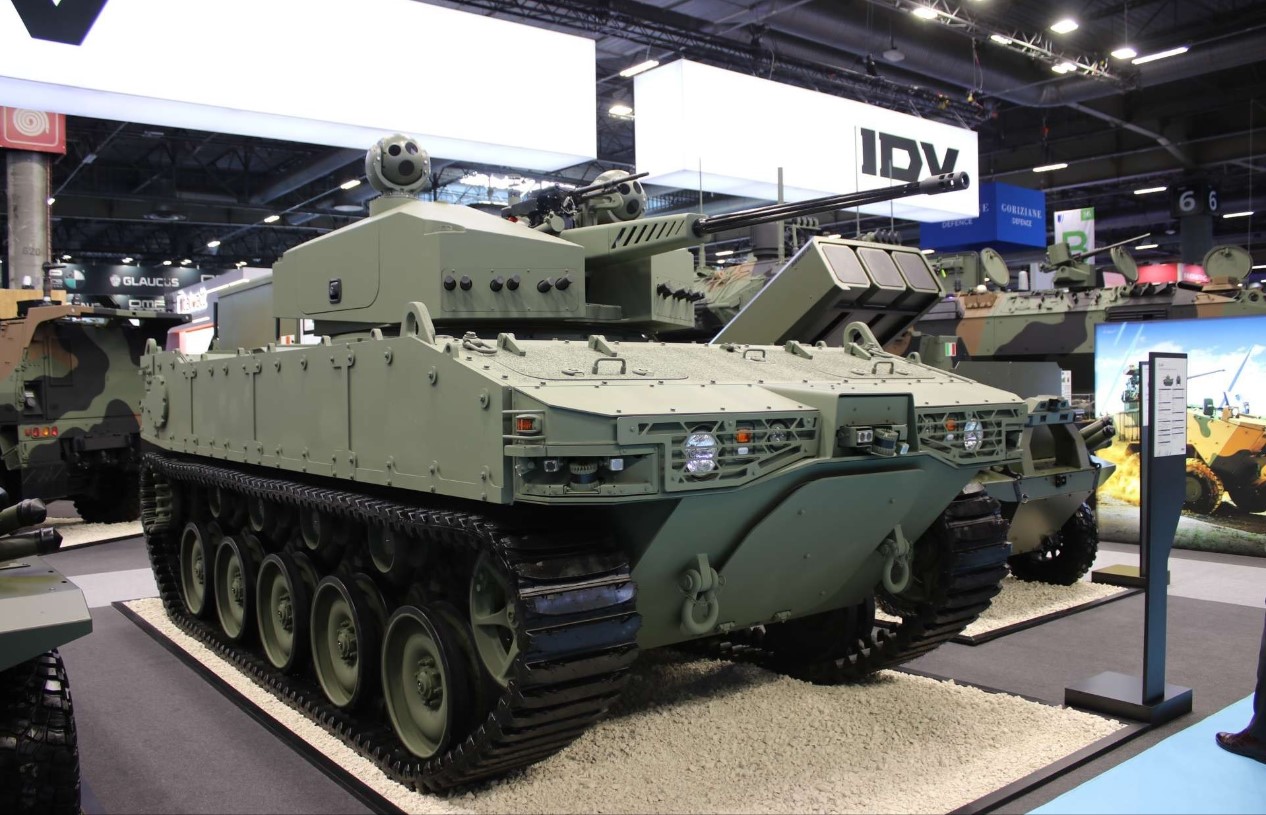 IDV Unveils CL2X Hybrid Uncrewed Light Tank at Eurosatory 2026
-
 Why the U.S. Restored Pacific Command Name, Ending the Indo-Pacific Designation After Eight Years
-
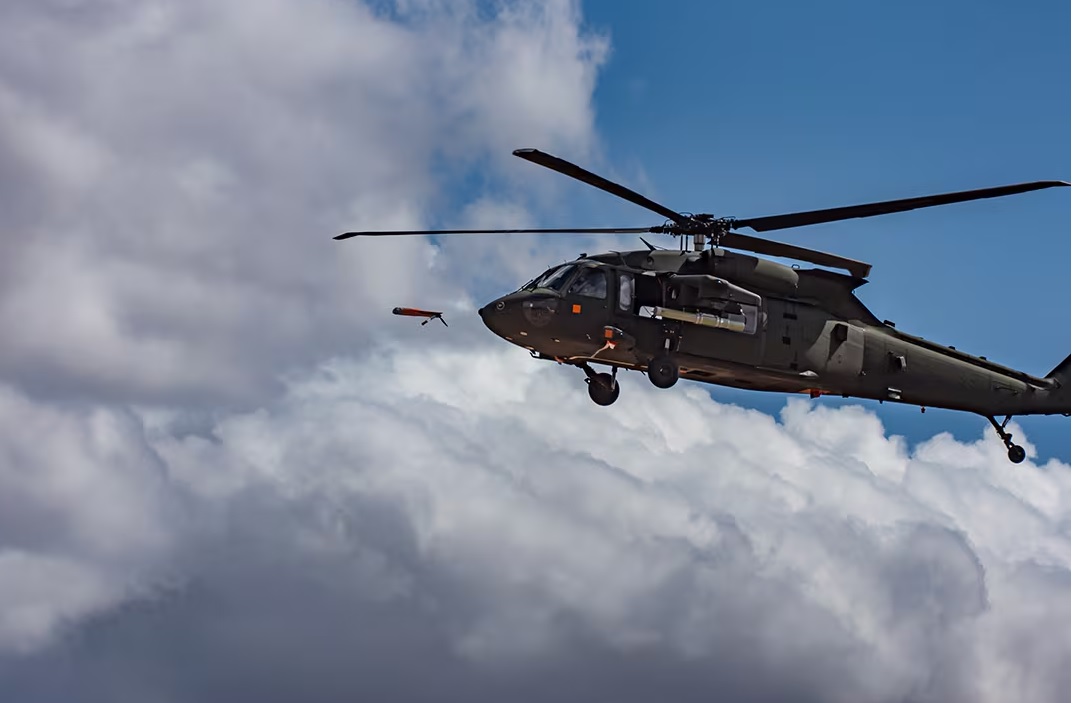 U.S. Army Completes First Flight Test of Medium-Range Air-Launched Effects from Black Hawk Helicopter
Top Trending in 4 Days
-
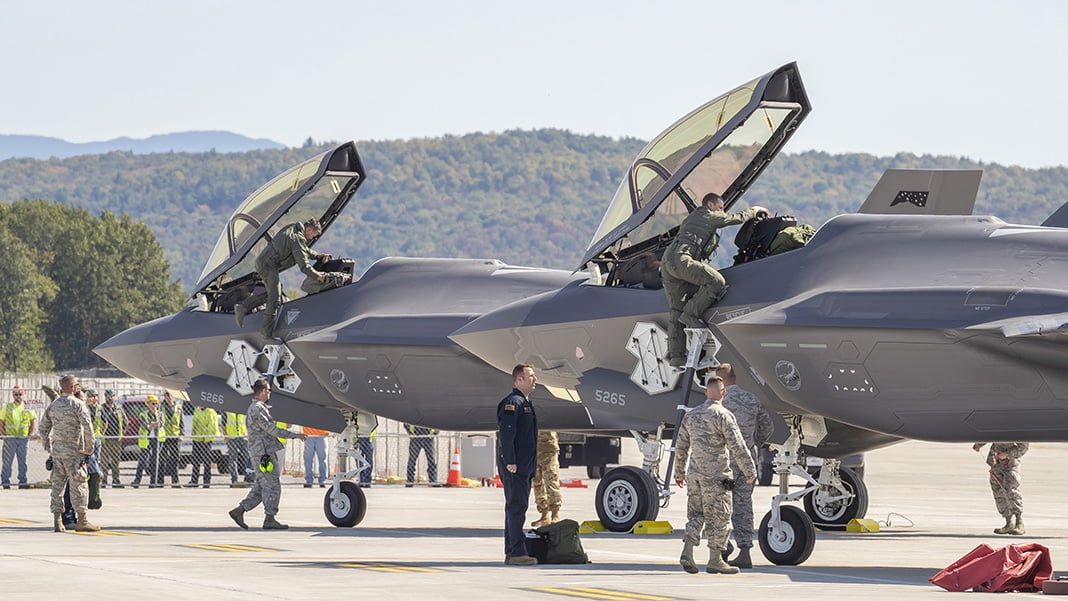 F-35 Fleet Readiness Falls to 25% Amid Parts Shortages and Software Delays: GAO Report
-
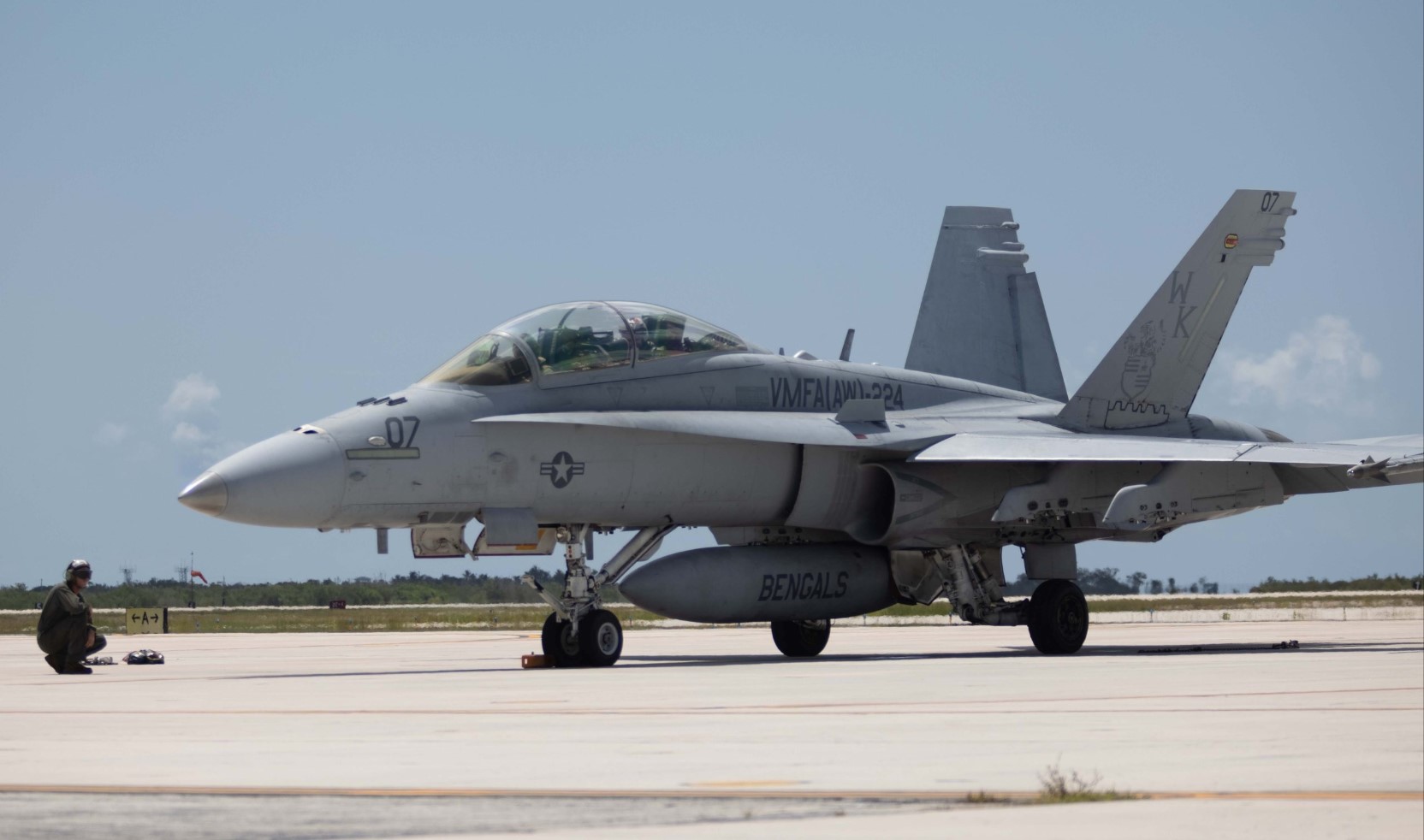 US Marine Corps F/A-18D Hornet Crashes During Training Flight in Washington Mountains; Pilot Ejects Safely
-
 Tulsi Gabbard Releases Declassified Files Detailing U.S.-Backed Network of 120 Biolaboratories Across 30+ Countries
-
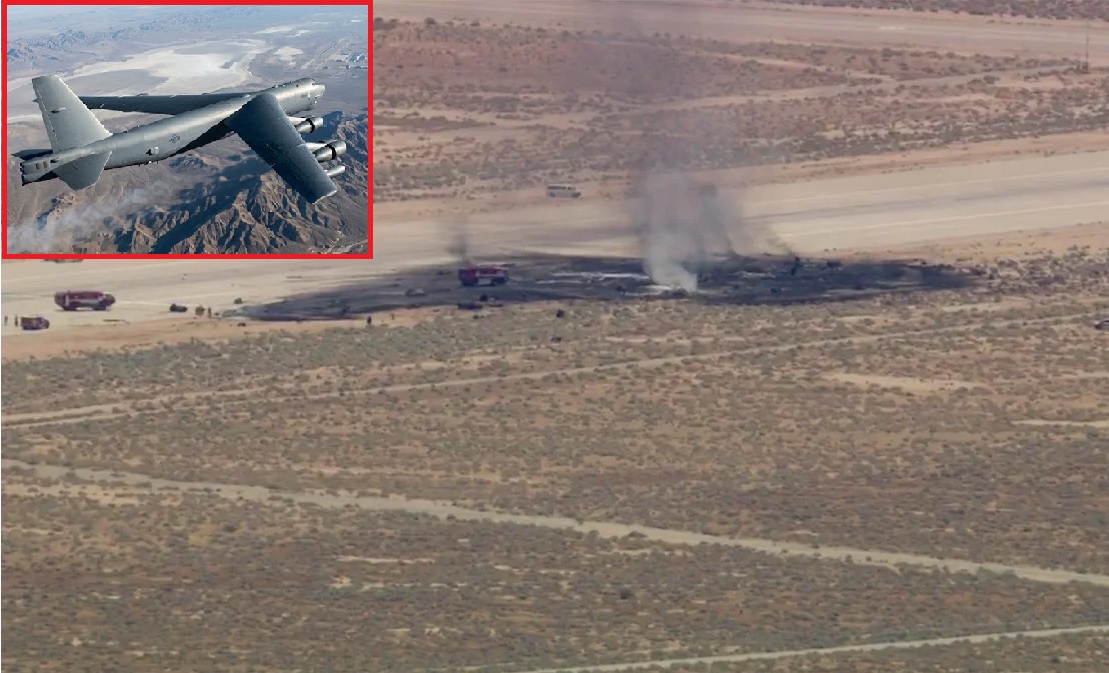 8 U.S. Air Force Crew Members Killed in B-52 Bomber Crash During Test Flight at Edwards Air Force Base
-
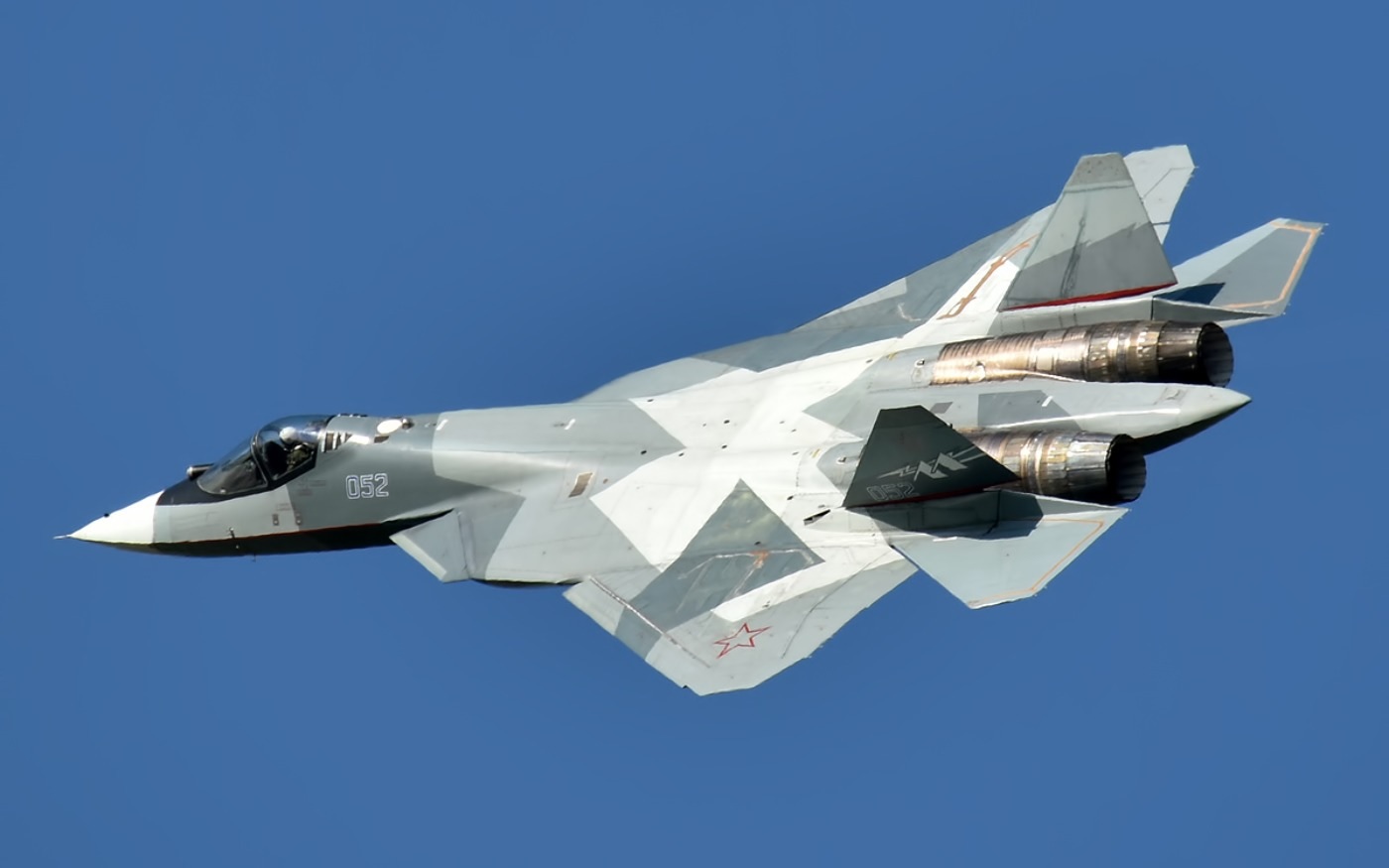 Russian Analysts Debate Su-57 Capabilities After Putin Calls Fighter Superior to F-35
-
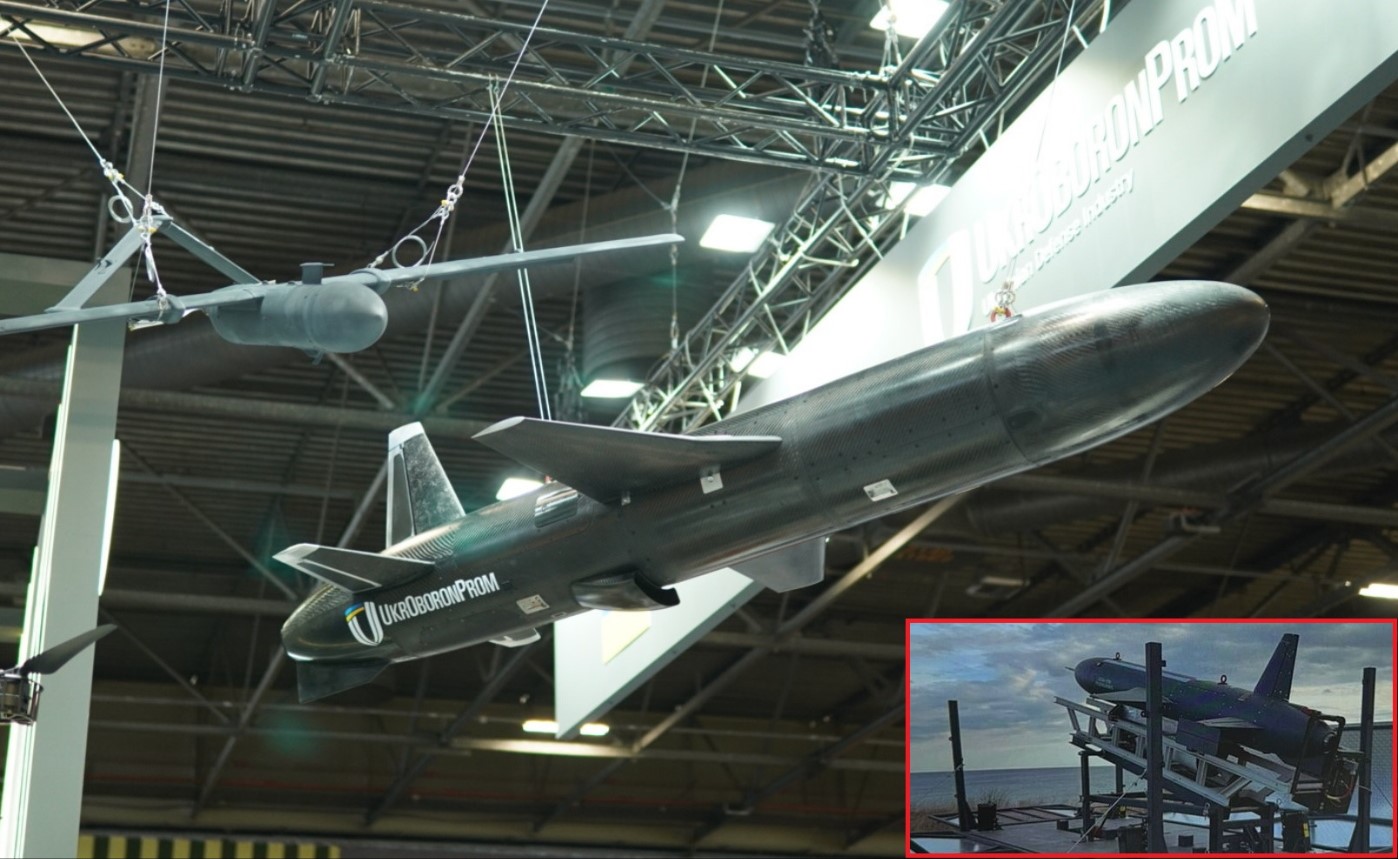 Ukraine Unveils UAV-290 Jet-Powered Strike Drone with 650 km Range at Eurosatory 2026
-
 Ukraine Introduces Balloon-Launched DART Missile Designed to Defeat Electronic Warfare
-
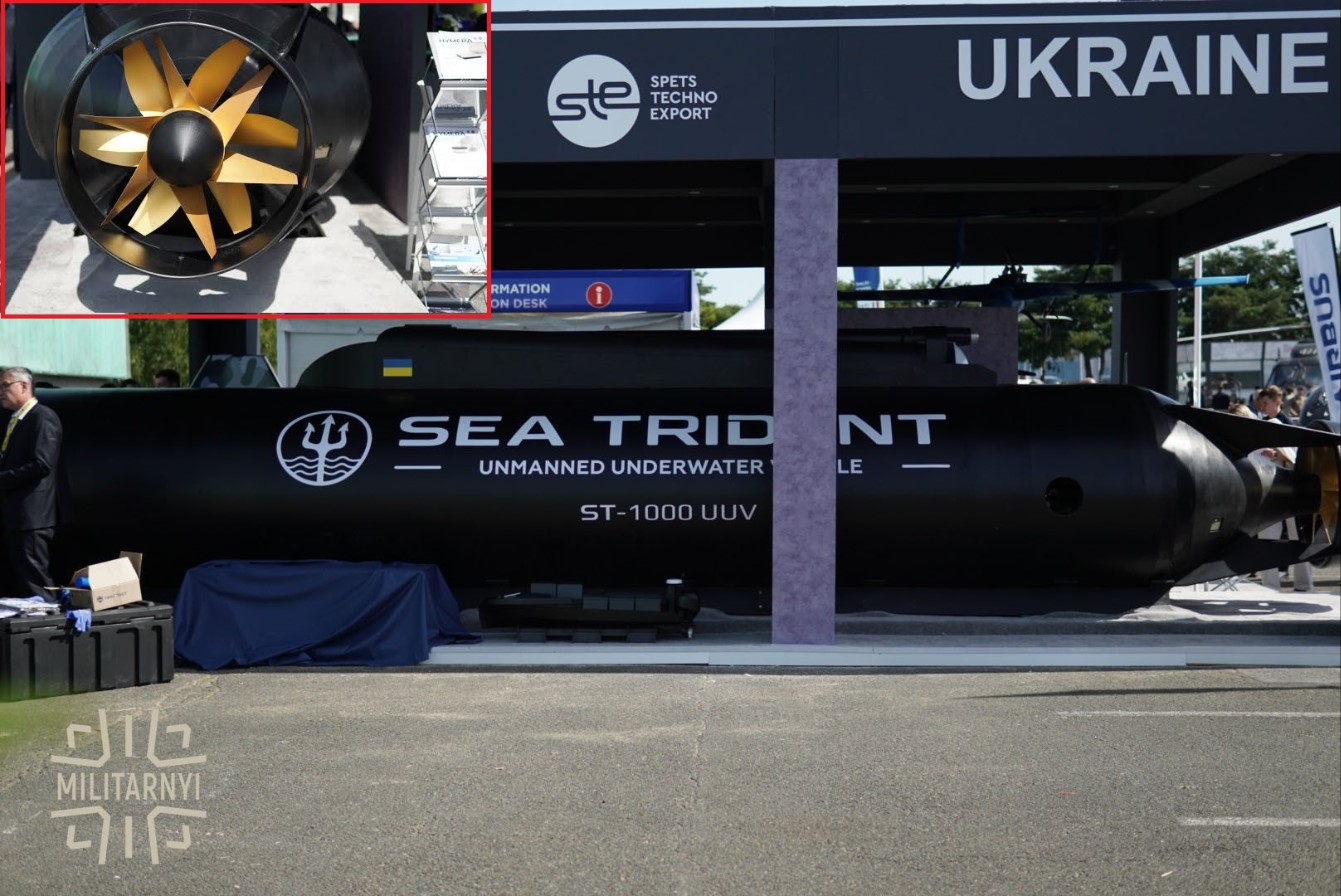 Ukraine Unveils 'Sea Trident' 10-Ton Autonomous Underwater Drone at Eurosatory 2026