
India
On April 12, 2025, a Russian drone strike reportedly destroyed the warehouse of Kusum, a major Indian pharmaceutical company operating in Kyiv, Ukraine. The incident has sparked diplomatic tensions and drawn sharp criticism from Ukrainian officials, who accused Moscow of hypocrisy in its claims of "special friendship" with India. Kusum, owned by Indian entrepreneur Rajiv Gupta, plays a vital role in Ukraine’s healthcare system by supplying essential medicines, particularly for children and the elderly. The warehouse targeted in the strike stored crucial medical supplies, and its destruction has created an urgent humanitarian gap in a country already burdened by over two years of war. While Russia has not issued a formal statement about the attack, the Ukrainian embassy in India did not hold back. In a strongly worded statement, it questioned how Moscow could call India a friend while allegedly attacking Indian businesses that are actively helping Ukrainian civilians survive the conflict. The incident was further highlighted by the British ambassador to Ukraine, Martin Harris, who stated that Russian drones were responsible for the warehouse's destruction. Sharing photos of smoke and rubble, Harris described the attack as part of Russia’s ongoing “terror campaign” targeting civilian infrastructure. This incident shines a light on the dangers international companies face when operating in war zones. For Indian firms like Kusum, the stakes are particularly high. Despite India’s efforts to remain diplomatically neutral, the physical presence of Indian businesses in conflict areas makes them vulnerable. It’s a grim reminder that neutrality on paper doesn't guarantee immunity on the ground. India has largely maintained a balanced diplomatic position since the Russia-Ukraine war began in 2022. New Delhi has called for dialogue, peace, and cessation of hostilities, avoiding any direct condemnation of Moscow. However, this neutrality has come under scrutiny due to India's deepening economic ties with Russia—especially its rising oil imports. In February 2025 alone, India imported 1.48 million barrels of oil per day from Russia, making Moscow its top energy supplier amid Western sanctions. Ukraine’s public criticism suggests growing frustration with India’s neutral approach, especially when Ukrainian civilian lives—and now Indian business interests—are under threat. Kyiv's messaging seems calculated to prompt a reevaluation of New Delhi's strategic positioning, or at the very least, to raise awareness about the risks of straddling both sides. The broader backdrop of this incident is a worsening conflict, with both Ukraine and Russia accusing each other of breaching agreements aimed at protecting critical infrastructure. Drone and missile attacks on energy facilities and logistics centers have intensified, leaving civilians and companies alike exposed. In this turbulent setting, the targeting of an Indian pharma warehouse not only deepens the humanitarian crisis but also complicates the already delicate diplomatic dynamics between India, Ukraine, and Russia. Whether this incident alters India’s stance remains to be seen, but it certainly underscores the far-reaching and unpredictable consequences of modern warfare—even for those trying to stay out of it.
Read More → Posted on 2025-04-13 15:37:54
India
In a strong show of technological advancement and military readiness, the Indian Army successfully neutralised a Chinese-origin drone near the Line of Control (LoC) in Jammu using a cutting-edge laser-based anti-drone system developed by the Defence Research and Development Organisation (DRDO). This marked a significant step forward in India’s ongoing efforts to secure its borders from the rising threat of enemy drones. The incident took place in the 16 Corps area, located south of the Pir Panjal range — a strategically sensitive zone where drone activity has seen a noticeable uptick in recent years. Defence sources reported that the drone, believed to be operated by Pakistan Army units using Chinese technology, was detected approaching Indian airspace. Acting swiftly, Army Air Defence teams deployed an advanced system known as the Integrated Drone Detection and Interdiction System (IDD&IS) to intercept and destroy the hostile drone. This system, a fully indigenous innovation by DRDO, combines multiple layers of drone defence technology. It can detect, track, jam, and ultimately neutralise aerial threats. In this instance, the drone was shot down using the system’s powerful 2-kilowatt laser weapon, capable of destroying aerial targets from a distance of up to 1,000 meters. The quick and precise operation left no room for the hostile drone to gather intelligence or pose any threat. What makes this development particularly important is the shift towards indigenous solutions for modern battlefield challenges. The DRDO's laser system doesn't just rely on one method — it can spoof GPS signals to mislead drones, jam their communication links, and if required, physically destroy them using directed-energy weapons like the laser. This multi-layered capability makes it extremely effective in countering a wide variety of drones, from surveillance models to weaponised variants. India’s borders — particularly along the LoC with Pakistan and the LAC with China — have seen a steady increase in drone-based surveillance and smuggling attempts. These unmanned aerial vehicles are often used to drop arms, narcotics, or spy on military activities. As a result, the deployment of systems like the IDD&IS is crucial not only for tactical superiority but also for strategic deterrence. From a broader defence perspective, this event showcases India’s growing self-reliance in military technology. The DRDO’s laser system is not just a response to today’s drone threats — it also represents the future of warfare, where lasers, artificial intelligence, and electronic warfare will play defining roles. By successfully integrating such advanced technology into frontline defence operations, the Indian Army has demonstrated both preparedness and adaptability. As drone threats evolve in speed, size, and intelligence, India’s investment in homegrown solutions such as this laser-based anti-drone weapon signals a proactive defence posture. The successful interception near the LoC is not just a tactical win — it is a strategic message to adversaries that India’s borders are guarded not just by brave soldiers but also by world-class indigenous technology.
Read More → Posted on 2025-04-13 15:05:38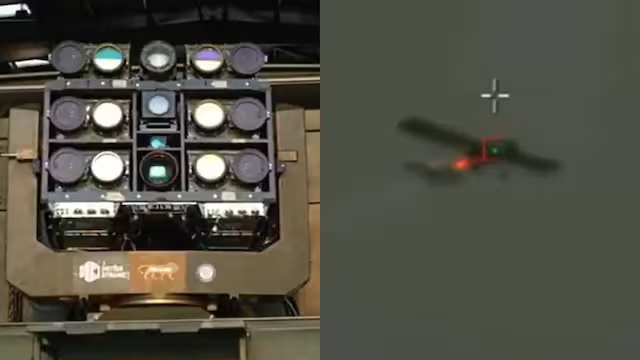
India
India Achieves Breakthrough with Indigenous Laser Weapon System In a groundbreaking move in defence technology, India has successfully tested its first-ever 30-kilowatt laser-based directed-energy weapon (DEW) capable of shooting down enemy aircraft, missiles, and drones. Developed indigenously by the Defence Research and Development Organisation (DRDO), this feat marks India’s entry into an elite club of nations—alongside the United States, Russia, China, and Israel—with proven high-energy laser weapon systems. This achievement not only showcases India’s ability to develop sophisticated futuristic weapons but also signals a shift towards non-kinetic warfare, where battles may be won with beams of light instead of bullets and explosives. Capabilities and Features of the 30-kW Laser Weapon The 30-kilowatt laser weapon system is designed to counter multiple types of aerial threats: Effective Range: Up to 5 kilometres Target Types: Fixed-wing aircraft, low-flying helicopters, incoming missiles, and drone swarms Mobility: Deployable on ground platforms or naval ships, and can be transported by air, rail, or road Precision Targeting: Equipped with Electro-Optical/Infrared (EO/IR) sensors with 360-degree coverage Electronic Warfare Integration: Includes features like communication and satellite signal jamming Its laser beam travels at the speed of light, allowing it to strike targets with incredible precision, instantly, and without the need for traditional ammunition. India’s Growing Laser Arsenal and Strategic Vision India’s foray into laser-based weapons started with systems like the Vehicle-Mounted Laser Dazzler (VMLD). Though non-lethal, the VMLD laid the foundation for more advanced systems. It was designed to dazzle or temporarily blind human targets during riot control and security operations. Another notable development is DRDO’s Laser Beam Riding (LBR) guidance system, which guides missiles using encoded laser beams for enhanced accuracy. Unlike conventional systems, the LBR is less affected by dust, fog, and rain, making it highly reliable in diverse environments. Next-Generation DEWs: DURGA II and Surya The 30-kilowatt system is just the beginning. DRDO has launched ambitious projects to build even more powerful laser weapons: DURGA II (Directionally Unrestricted Ray-Gun Array) Power: 100 kilowatts Purpose: Lightweight and high-energy laser system Status: Under testing Target Types: Advanced drones, cruise missiles, and aircraft Surya Power: 300 kilowatts Operational Range: Up to 20 kilometres Target Capabilities: High-speed UAVs, ballistic missiles, and swarm threats Planned for: Long-range engagements from both land and naval platforms Revealed: March 2025 These next-gen DEWs promise not only greater firepower but also extended engagement ranges, redefining how India will tackle high-tech threats in the future. Strategic Benefits and Future Potential Laser weapons offer several critical advantages over traditional weapons: Speed: Lasers hit at the speed of light, giving almost zero reaction time to the enemy Cost-effectiveness: After initial investment, per-shot cost is negligible Unlimited Ammo: As long as power is available, the laser can keep firing Minimal Collateral Damage: Precise strikes make it ideal for dense urban or sensitive areas Counter-Swarm Capabilities: Perfect for taking down multiple drones or missiles simultaneously As warfare evolves with growing use of drones, loitering munitions, and precision-guided missiles, directed-energy weapons offer a scalable and sustainable solution. India's investment in this field enhances its ability to counter modern aerial threats, while also strengthening Atmanirbhar Bharat (self-reliant India) in defence technology. Conclusion With the successful demonstration of the 30-kilowatt laser weapon system, India has made a giant leap in military preparedness. The weapon's deployment potential across land and sea platforms gives it strategic versatility and operational flexibility. The system’s ability to neutralize modern threats like drones and incoming missiles with precision and speed places India at the forefront of next-generation warfare. The future development of more powerful systems like DURGA II and Surya underscores India's long-term commitment to directed-energy weapon technology. This technological evolution not only bolsters India’s national security but also reflects its rising stature as a global defence innovator. As laser weapons continue to transition from science fiction to battlefield reality, India is now firmly positioned to shape the future of warfare—with light as its newest weapon.
Read More → Posted on 2025-04-13 14:52:35
India
India’s Defence Research and Development Organisation (DRDO) has officially set its sights on building one of the most powerful homegrown laser weapons to date — a 300-kilowatt (kW) directed-energy weapon named ‘Surya’, expected to be tested and ready by the year 2027. This step puts India among an elite group of nations like the United States, China, and Russia that are advancing high-energy laser weapons for the future of warfare. What is Surya? Surya is designed as a Directed Energy Weapon (DEW) — a system that uses highly focused energy, in this case, a powerful laser beam, to disable or destroy enemy aerial targets like drones, UAVs, and potentially even missiles. Unlike conventional weapons, laser weapons travel at the speed of light, hit with pinpoint accuracy, and can engage multiple targets without running out of ammunition. With a planned 20-kilometre range, the Surya system will be capable of detecting, tracking, and destroying fast-moving threats in the sky, making it ideal for modern battlefield and border security scenarios. Key Specifications of the Surya Laser Weapon: Type: Ground-based Directed Energy Weapon (DEW) Laser Power Output: 300 kilowatts (kW), continuous wave Range: Up to 20 kilometres (effective against drones and aerial threats) Beam Director Aperture: 60 cm (helps focus laser over long distances) Beam Quality: Rated < 2 MQ (ensures high-precision targeting) Mobility: Mounted on two 8x8 military trucks, with a third for command and control operations Modular Design: Future-ready; can scale up to higher power levels (possibly megawatt-class) by combining multiple laser modules Technology Behind Surya To achieve such a powerful and accurate system, DRDO is combining several next-gen technologies developed indigenously: High-Energy Laser Generation: Uses Centrifugal Bubble Singlet Oxygen Generator (SOG) technology to create a stable and high-quality laser beam. Power Efficiency Systems: Incorporates sealed exhausts and supersonic nozzles to optimize performance and reduce energy waste. Precision Tracking and Lock-On: Advanced electro-optical sensors and radar systems enable fast target detection and precise engagement over long distances. Atmospheric Distortion Compensation: Adaptive optics and beam shaping technologies help adjust the laser beam in real-time to maintain accuracy, even in turbulent air. Centralized Beam Control: A highly integrated system controls targeting, power delivery, and beam steering — all in sync to neutralize moving targets in seconds. Why It Matters The Surya laser system will offer India significant strategic advantages. Unlike missiles or guns, it does not rely on explosive ammunition, has near-zero per-shot cost once powered, and can respond instantly to threats. In the future, it could also be adapted for naval or airborne platforms, greatly expanding its role. This initiative not only strengthens India’s defensive capabilities but also aligns with the goal of Aatmanirbhar Bharat (self-reliant India) in high-tech military innovations. With the successful development of Surya by 2027, India is expected to leap ahead in the field of advanced energy weapons — building a futuristic defence shield that can protect against next-generation aerial threats, quickly and effectively.
Read More → Posted on 2025-04-13 14:40:23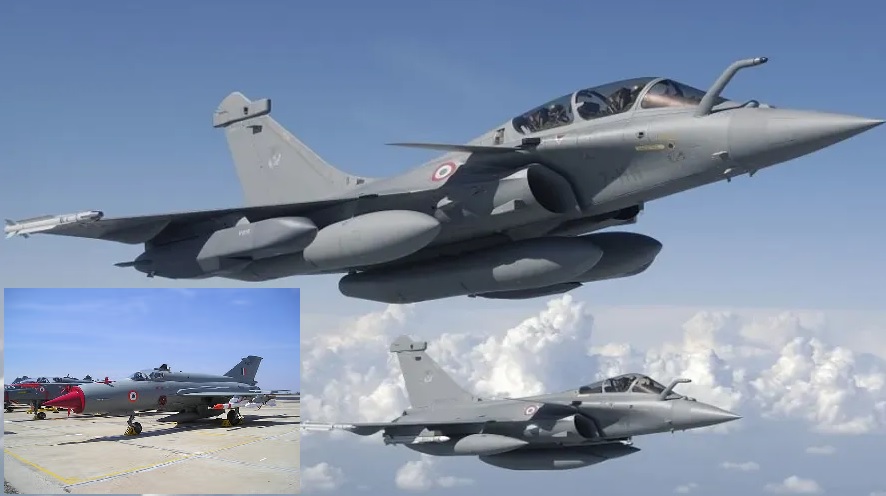
India
The Indian Air Force (IAF) is embarking on a transformative journey, aiming to untangle decades of logistical complexity created by its diverse fighter aircraft inventory. For years, India has operated an eclectic mix of jets from various countries—MiG-21s and Su-30MKIs from Russia, Mirage 2000s and Rafales from France, Jaguars from the UK, and the homegrown Tejas fighters. While each aircraft brought its own strengths to the table, the patchwork nature of the fleet has become increasingly unsustainable. Today, the IAF operates seven distinct types of fighter jets, a result of legacy procurement choices made under differing geopolitical and operational needs. However, this diversity is now weighing heavily on the force. With only 31 active squadrons against an authorized strength of 42, the IAF is under pressure to not only modernize but also optimize how it maintains, supports, and deploys its combat assets. Each aircraft type requires a unique set of tools, training, spare parts, and maintenance crews. With every additional vendor, the complexity multiplies. The older platforms, such as the MiG-21s (in service for over five decades) and Jaguars (around 45 years old), have become increasingly difficult to sustain. Spare parts are harder to procure, and safety concerns have grown, prompting scrutiny with each new incident involving these aging aircraft. At the same time, India’s frontline capability currently relies heavily on the Su-30MKI, a powerful but maintenance-intensive platform. The Rafales, though highly capable, are fewer in number and expensive to operate. Meanwhile, the Tejas Mk1A, India’s indigenous light combat aircraft, is slowly becoming more prominent, with the more advanced Tejas Mk2 and the fifth-generation Advanced Medium Combat Aircraft (AMCA) in the pipeline. This operational mosaic is not only resource-draining but also hinders the IAF’s ability to maintain consistent readiness across its squadrons. Experts note that a nation like China, with more uniform aircraft fleets, benefits from simpler logistics and higher mission availability—a comparison that adds urgency to India’s restructuring plan. To fix this, the IAF is now seriously considering a radical fleet rationalization. The goal is to bring down the fighter jet inventory to three or four core aircraft types. This would not only streamline training, spares, and maintenance but also bring much-needed clarity and efficiency to air operations. The focus is clearly shifting toward indigenous solutions, bolstered by growing capabilities within India’s aerospace industry. The proposed future structure would see: Tejas Mk1A replacing legacy light fighters like the MiG-21, Tejas Mk2 taking over from the Mirage 2000 and MiG-29 as a medium-weight multirole fighter, AMCA, the future stealth fighter, stepping into the role of a high-end air dominance platform, and Rafale, retained in limited numbers for strategic and nuclear delivery missions. An essential part of this streamlining is engine commonality. The GE F404 engine already powers the Tejas Mk1A, and the more advanced F414 engine has been selected for the Tejas Mk2 and the initial AMCA variants. Having multiple aircraft run on the same engine family reduces logistical stress dramatically. It simplifies everything from spare part inventory to maintenance crew specialization. Further ahead, a powerful indigenous engine is under development for future AMCA variants, aiming to boost self-reliance. This strategic simplification of the IAF’s inventory is not just about reducing costs—it’s about increasing availability. Aircraft that are easier to maintain spend less time grounded. With fewer types, the force can invest deeper in training, infrastructure, and innovation. The savings in logistics, combined with higher operational readiness, could give the IAF a significant edge in future conflicts. If this vision materializes, the IAF could realistically aim to reach its 42-squadron goal by the early 2040s. And unlike today, that force would be largely indigenous, modern, and logistically lean. In the long run, this pivot from a cluttered, multi-vendor fleet to a streamlined, self-reliant structure could redefine India’s aerial warfare doctrine—boosting efficiency, resilience, and strategic independence for decades to come.
Read More → Posted on 2025-04-12 15:28:01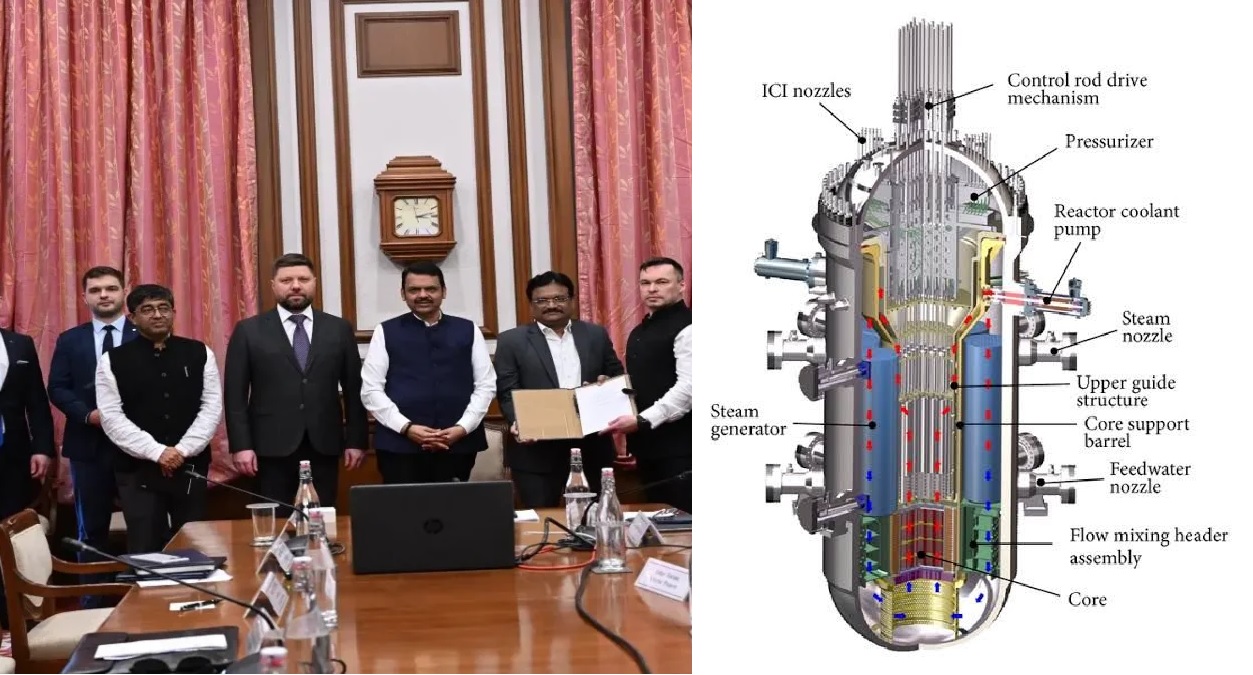
India
In a landmark move that could shape the future of nuclear energy in India, the state of Maharashtra has signed a Memorandum of Understanding (MoU) with Russia’s state-owned ROSATOM to jointly explore the development of a thorium-based Small Modular Reactor (SMR). This agreement marks the first time a state government in India is formally entering the nuclear energy space, which until now has been solely under the jurisdiction of the central government's Department of Atomic Energy (DAE). The MoU was signed in the presence of Maharashtra Chief Minister Devendra Fadnavis, between Maharashtra State Power Generation Company Ltd (MAHAGENCO) and ROSATOM. This collaboration is seen as a major step towards harnessing India’s vast thorium reserves and developing a safer, more sustainable form of nuclear energy. The project, which will be strategically supported by the Maharashtra Institution for Transformation (MITRA), aims to develop a thorium-fueled SMR, ensure its safety as per Atomic Energy Regulatory Board (AERB) standards, and ultimately commercialize its production under the “Make in Maharashtra” initiative. A joint working group consisting of members from MAHAGENCO, Rosatom Energy Projects, MITRA, and Global Technology Alliance will steer the project forward. While the agreement does not yet authorize the construction of the reactor, a senior official clarified that all future steps will only proceed with the approval of the central government and in compliance with all nuclear safety laws. The state’s role, for now, focuses on research, feasibility studies, and technological exploration. Former Atomic Energy Commission chairman Anil Kakodkar welcomed the initiative, noting there’s no harm in conducting preliminary studies at the state level, even if the actual deployment will remain a central subject. India has long envisioned a three-stage nuclear program where thorium plays a central role in the final phase. India is rich in thorium deposits, but thorium itself isn’t fissile, meaning it can't directly produce energy. It must first be converted into fissile uranium-233 through a process called nuclear transmutation. Currently, India is in the second stage of its nuclear roadmap, using Fast Breeder Reactors (FBRs). These reactors breed more fuel than they consume and can potentially be modified to use thorium. The Prototype Fast Breeder Reactor (PFBR), being developed by Bharatiya Nabhikiya Vidyut Nigam Ltd (BHAVINI), uses uranium-plutonium mixed oxide (MOX) fuel. It has a surrounding blanket of uranium-238 that transforms into more fissile material, and eventually thorium blankets are also expected to be introduced, further pushing the country towards the third stage of the thorium-based cycle. SMRs, especially those based on thorium, are increasingly being recognized for their potential to offer decentralized power generation with enhanced safety. Unlike traditional large reactors, SMRs have a smaller footprint, are easier to construct and maintain, and have passive safety systems that allow for automatic shutdowns in case of emergencies. These features make them particularly suitable for a country like India, where distributed energy solutions are essential for reaching remote areas. If Maharashtra’s collaboration with ROSATOM bears fruit, it could significantly accelerate India’s long-term nuclear ambitions and create a new model for state-level innovation in nuclear energy, all while aligning with the national goal of sustainable, low-carbon growth. The project may also position India as a global leader in thorium reactor technology, an area where few countries have ventured due to the technical complexities involved. While the road ahead remains long and technically challenging, the MoU represents a bold first step toward realizing the immense, yet untapped, potential of thorium energy in India’s future.
Read More → Posted on 2025-04-12 15:13:18
India
In a major boost to India’s defence capabilities, the indigenously developed long-range glide bomb ‘Gaurav’ has successfully completed release trials from a Sukhoi-30 MKI fighter jet. Conducted by the Defence Research and Development Organisation (DRDO) in collaboration with the Indian Air Force (IAF), these trials took place over three days—from April 8 to April 10, 2025—demonstrating the bomb’s powerful performance and precision strike capability. What Makes 'Gaurav' Special? The Gaurav glide bomb belongs to the 1,000-kg class and is designed for precision targeting of strategic ground-based assets. During the trials, it was launched from various stations on the Su-30MKI in different warhead configurations, targeting a land-based island with exceptional accuracy. The bomb successfully struck targets from a range of nearly 100 kilometers, showcasing its advanced guidance system and aerodynamic efficiency. This weapon is equipped with a hybrid navigation system, which blends GPS satellite data with onboard sensors for high-precision mid-course correction and terminal guidance. This allows the bomb to glide over long distances after release and home in on the target with remarkable accuracy. Fully Made in India What truly sets Gaurav apart is that it is completely developed in India. The bomb has been designed by DRDO’s Research Centre Imarat (RCI), Hyderabad, and Armament Research and Development Establishment (ARDE). Manufacturing support has come from Indian private defence players like Adani Defence Systems and Technologies, Bharat Forge, and several MSMEs, ensuring a strong public-private collaboration. Additionally, the bomb’s airworthiness and quality have been certified by the Centre for Military Airworthiness and Certification (CEMILAC) and the Directorate General of Aeronautical Quality Assurance (DGAQA). Ready for Induction into the IAF Senior DRDO and IAF officials monitored the successful test, which marks a significant step toward the formal induction of Gaurav into the Indian Air Force’s operational fleet. This will equip the IAF with a powerful, indigenous standoff weapon capable of striking targets from a safe distance without putting the aircraft in harm’s way. The Defence Ministry highlighted that the trials “are paving the way towards induction of the weapon into the IAF,” signaling that frontline fighter jets like the Su-30MKI may soon be armed with this precision-guided bomb. Defence Minister’s Appreciation Defence Minister Rajnath Singh praised the collaborative efforts of all agencies and stakeholders involved. In a public message, he said that Gaurav would “greatly enhance the operational capabilities of our armed forces,” reinforcing India’s commitment to achieving self-reliance in defence technologies. Specifications of Gaurav Glide Bomb Weight Class: 1,000 kg Range: Close to 100 km Launch Platform: Sukhoi-30 MKI (multi-station integration) Guidance System: Hybrid navigation (GPS + onboard sensors) Strike Accuracy: Pinpoint (within a few meters of the target) Development Agencies: DRDO (RCI Hyderabad & ARDE Pune) Industry Partners: Adani Defence, Bharat Forge, MSMEs Certifying Agencies: CEMILAC and DGAQA First Tested: August 2023 Latest Trials: April 8–10, 2025 A Leap Towards Strategic Autonomy The success of Gaurav underscores India’s growing expertise in developing next-generation precision weapons. With long-range capability and indigenous design, it adds a vital layer to the country’s aerial strike arsenal. Once inducted, this advanced bomb will give the Indian Air Force the ability to destroy critical enemy infrastructure—such as bunkers, bridges, or command centers—from a standoff distance, with no need for foreign-made munitions. In the age of modern warfare, where precision, range, and self-reliance are key, Gaurav is a shining symbol of India’s rising strength in the defence domain.
Read More → Posted on 2025-04-11 15:43:44
India
In a significant development that could pave the way for satellite-based emergency services on iPhones in India, Globalstar, the satellite communications partner for Apple Inc., has officially submitted an application to the Indian National Space Promotion and Authorization Center (IN-SPACe). The move marks a critical step towards enabling Emergency SOS via Satellite functionality for Apple devices within the Indian subcontinent — a capability currently operational in select markets such as the US, Canada, UK, and parts of Europe. What is Apple’s Satellite Emergency Messaging? Apple’s Emergency SOS via Satellite feature allows iPhone users to send distress messages and share their location even when there is no cellular or Wi-Fi coverage. This service, introduced with the iPhone 14 series and extended to newer models like the iPhone 15, is designed to assist users in life-threatening situations, such as being stranded in remote areas without traditional connectivity. The service utilizes Low Earth Orbit (LEO) satellites to transmit short-burst data (SBD) packets that include the user’s GPS coordinates, emergency information, and battery level, among other critical metadata. Globalstar’s Role and Technical Infrastructure Apple partners with Globalstar Inc., a US-based satellite communications company, to power its Emergency SOS feature. Globalstar owns and operates a constellation of 25 LEO satellites in operational orbit (as of 2024), supported by ground stations and gateways worldwide. Key technical details include: Satellite Type: LEO (Low Earth Orbit) Orbital Altitude: ~1,414 km (880 miles) Frequency Bands Used: S-band for user links (2483.5 – 2500 MHz) and L-band for gateway links Bandwidth: Narrowband channels, optimized for low data rates suitable for emergency text messaging Data Rate: Typically under 9.6 kbps, sufficient for emergency communication packets Coverage: Nearly global, excluding polar regions, subject to regulatory approval Globalstar's satellites communicate directly with compatible iPhones, allowing users to point their devices toward passing satellites and send pre-defined emergency messages. Regulatory Pathway: Application to IN-SPACe India’s space sector was opened to private participation in 2020, and IN-SPACe (under the Department of Space) was established to act as a single-window authority for all commercial space activities. For any foreign or domestic entity to operate satellite services in India, it must obtain clearance from IN-SPACe, in addition to spectrum authorization from the Department of Telecommunications (DoT). Globalstar has now officially applied to IN-SPACe for permission to operate satellite-based messaging services in India. The application is reported to request clearance for: Use of satellite spectrum in the S-band for consumer terminals (iPhones) Ground station installation or collaboration with Indian partners for routing messages to emergency services Service integration with India’s public safety and disaster response infrastructure India’s Growing Focus on Satellite Communication The move aligns with India's growing emphasis on satellite communications for both consumer and national resilience applications. Domestic players like Bharti-backed OneWeb, JioSpaceFiber, and Starlink have also been actively pursuing spectrum and regulatory approvals to offer broadband or specialized services via satellites. Unlike broadband services, Apple’s Emergency SOS does not require persistent high-throughput connectivity. It relies on short-burst, store-and-forward messaging, making it more feasible in spectrum-constrained or regulatory-heavy environments. Potential Challenges and Opportunities While the application by Globalstar signals progress, the service rollout in India may still face several hurdles: Spectrum Licensing: India's DoT has traditionally auctioned satellite spectrum, which could delay or complicate approvals for narrowband services. Security Clearances: As messages might be routed via foreign satellites and ground stations, security agencies may seek end-to-end control and oversight mechanisms. Localization Needs: Apple may need to integrate with India's 112 Emergency Response System and provide multilingual support. However, the potential upside is immense. India’s vast rural and remote geography — including Himalayan regions, deserts, and coastal belts — makes it an ideal market for satellite-based emergency communications. What This Means for Apple Users in India If the IN-SPACe application is approved and subsequent regulatory steps are completed, iPhone users in India could gain access to Emergency SOS via Satellite, enhancing personal safety during natural disasters, treks in remote locations, or vehicular accidents where conventional networks are unavailable. The feature is free for two years upon iPhone activation in supported regions, and future pricing models may be regionally adapted depending on Apple's and Globalstar’s agreements with Indian regulators.
Read More → Posted on 2025-04-11 15:38:16
India
India is stepping up efforts to acquire a new generation of airborne surveillance platforms dedicated to signals intelligence (SIGINT) and communications jamming (COMJAM), marking a crucial step in modernising its electronic warfare capabilities. This initiative, jointly spearheaded by the Defence Research and Development Organisation (DRDO) and the Indian Air Force (IAF), is part of a broader strategy to counter growing threats along its borders—particularly from an increasingly assertive China. As of March 2025, the competition to supply these critical platforms is heating up, with three major contenders: the US defence giant L3Harris Technologies, France’s Thales Group, and India’s own Bharat Electronics Limited (BEL). Each of these players offers a distinct approach—balancing proven foreign technology with local manufacturing ambitions. The Mission: Three Advanced Spy Planes for Electronic Dominance India plans to convert three Airbus A319 aircraft into cutting-edge SIGINT/COMJAM platforms capable of deep electronic reconnaissance. These aircraft will have the ability to detect and intercept enemy radar, communication signals, and electronic emissions, while also jamming and disrupting enemy communications and control systems during times of conflict. This requirement stems from the need to keep pace with China, whose People’s Liberation Army Air Force (PLAAF) regularly operates advanced ISR platforms like the KJ-500 and Y-9. With PLA bases like Hotan and Ngari Gunsa located dangerously close to India’s northern frontiers, New Delhi is keen to enhance its own airborne electronic surveillance assets. L3Harris: Backed by Combat-Proven Tech L3Harris enters the competition with a strong portfolio of US-tested systems. Known for providing the US Army with ARTEMIS and ARES platforms—based on Bombardier business jets—the company brings proven expertise in SIGINT, electronic warfare (EW), and rapid data processing technologies. Their proposal for India would likely include high-end electronic intelligence sensors, onboard data analysis tools, and robust jamming suites capable of intercepting enemy transmissions and degrading hostile radar capabilities in real time. From a purely technical perspective, L3Harris offers a mature, combat-tested solution—attractive to those seeking immediate capability with minimal development risk. However, reliance on American systems could come with strategic constraints, such as export controls, limited customization, and less room for domestic industry involvement—areas where India's policymakers are increasingly cautious. Thales: Riding the ‘Make in India’ Wave In contrast, France’s Thales is highlighting its long-standing collaboration with India’s defence sector. The company already plays a role in India's Rafale fighter jet program and has partnered with BEL to form BEL-Thales Systems. Thales also has experience developing France’s CUGE (Capacité Universelle de Guerre Électronique) aircraft—an electronic warfare platform similar in scope to India’s current requirements. For New Delhi, Thales’s bid holds particular appeal because of its emphasis on local industrial participation, aligning with the government’s 'Make in India' push. This approach not only promises greater technology transfer and domestic job creation but also helps in reducing long-term dependency on foreign suppliers. Thales is expected to offer modular ISR systems tailored to India’s strategic environment, with the potential to co-develop or locally manufacture key components—a diplomatic and industrial win-win. BEL: Indigenous Ambitions Face Capability Test Meanwhile, Bharat Electronics Limited, the homegrown contender, brings with it nationalistic appeal and cost advantages. BEL has already contributed to India’s AEW&C programs, particularly the DRDO-developed Netra system that operates onboard Brazilian Embraer jets. However, SIGINT and COMJAM capabilities represent a more sophisticated technological frontier. While BEL is trusted for radars and basic EW systems, questions remain about whether it can independently deliver a comprehensive solution matching the precision, miniaturisation, and real-time responsiveness offered by its foreign rivals. Still, if selected, BEL's involvement would significantly boost indigenous defence manufacturing, encourage further R&D, and offer India full ownership of the technology—crucial from a strategic autonomy perspective. A Strategic Tug of War At its core, the contest represents a classic trade-off between performance and sovereignty. L3Harris’s proposal may offer unmatched capabilities, but Thales and BEL appeal to India’s strategic and industrial independence goals. The choice India makes will reflect how it balances urgent defence readiness with long-term self-reliance. Given the escalating regional tensions, especially with China’s electronic and cyber warfare assets increasingly encroaching on India’s neighbourhood, time is of the essence. The new SIGINT/COMJAM aircraft will play a pivotal role in decoding enemy intentions, disrupting wartime communications, and protecting India’s airspace with an invisible shield of electronic dominance. The decision will not just define the future of India’s airborne intelligence fleet—it may also shape the path of India’s broader defence procurement philosophy in the years to come.
Read More → Posted on 2025-04-11 15:23:16
India
In a major breakthrough for affordable and accessible artificial intelligence, Indian startup Ziroh Labs has joined hands with the Indian Institute of Technology Madras (IIT Madras) to launch Kompact AI — a new AI framework that can run powerful AI models using standard CPUs, without the need for expensive and scarce GPUs. Artificial intelligence systems typically rely on high-end graphics processing units (GPUs) like those produced by Nvidia to function at scale. These GPUs are not only extremely costly but are also in limited supply, making it hard for smaller companies, researchers, and developing nations to keep pace with the AI revolution. Kompact AI aims to break that barrier. What makes this development significant is that Kompact AI allows large AI models to operate on central processing units (CPUs) — the kind of chips found in everyday laptops and desktops. This not only drastically reduces the hardware cost for running AI but also makes AI deployment possible in places where access to GPUs is limited or non-existent. The system mainly focuses on AI inference — the stage where trained AI models are used for tasks such as answering questions, generating text, or identifying images. In a live demonstration, Ziroh Labs showed Kompact AI running Meta’s Llama 2 and Alibaba’s Qwen2.5 models on a regular laptop powered by an off-the-shelf Intel Xeon processor. The results were not only efficient but also of high quality. This move is in line with a growing trend among AI developers globally who are trying to reduce their reliance on expensive GPU clusters. After China’s DeepSeek showed it could train and run advanced AI models at a fraction of the cost, efficiency-focused AI solutions are gaining momentum. Ziroh Labs is now at the forefront of this wave in India. Kompact AI has already attracted attention from global chip giants like Intel and AMD, who have tested the framework themselves. The startup believes this innovation could have a major impact in the coming years, making AI development more democratic and accessible. According to V. Kamakoti, Director of IIT Madras, the current AI landscape favors only those with deep pockets and top-tier hardware. “We’re demonstrating that you don’t need a revolver to kill a mosquito,” he said, emphasizing how even regular CPUs can now handle AI tasks efficiently. Industry veteran William Raduchel, former Chief Strategy Officer at Sun Microsystems and now a tech adviser to Ziroh Labs, also called this innovation a potential game-changer. He noted that such CPU-friendly AI platforms could shift the balance in global AI development. In a country like India, where access to high-end GPUs is often limited due to cost and availability, Kompact AI could bridge the “AI divide” by opening doors for students, startups, and institutions to work with advanced AI without heavy investments. From healthcare to education and local industry, the possibilities for real-world application are immense. With this development, Ziroh Labs and IIT Madras are not just solving a technical problem — they’re pushing the AI movement towards a more inclusive and cost-effective future.
Read More → Posted on 2025-04-11 15:16:37
India
In a bold move reflecting growing strategic caution, the Indian government has decided to revoke the transshipment facility that allowed Bangladesh to route its exports to the Middle East, Europe, and other regions via Indian ports and airports. Assam Chief Minister Himanta Biswa Sarma hailed the move as a clear signal that the security and interests of the Northeast region are now front and center in New Delhi’s policymaking. This decision comes shortly after a controversial remark made by Muhammad Yunus, the head of Bangladesh’s interim government, during his visit to China. Yunus had referred to India’s northeastern states as “landlocked” and claimed that Bangladesh served as their only gateway to the Indian Ocean. The comment, seen by many in India as an overstep, triggered strong reactions from Indian leadership, especially in the Northeast. Himanta Biswa Sarma didn’t hold back. He called Yunus’s statement “offensive and strongly condemnable” and emphasized the urgent need to explore alternative routes for the Northeast that would bypass the narrow Siliguri Corridor, also known as the ‘Chicken’s Neck’. This slender strip of land in northern West Bengal is India’s only direct land link to its northeastern states and is considered strategically vulnerable. It's just about 20 kilometers wide and surrounded closely by Nepal, Bangladesh, Bhutan, and China — making it one of the most geopolitically sensitive areas in South Asia. The removal of the transshipment privilege to Bangladesh isn’t just about reacting to one statement. It sends a broader signal. India is re-evaluating the extent to which its neighbors can influence the country’s critical logistical and security frameworks, particularly in sensitive border regions. It also reflects Prime Minister Narendra Modi’s push to rebalance foreign policy with firm national security goals, especially concerning the Northeast. According to CM Sarma, the Centre’s decision marks a strong commitment to protecting India’s “strategic and economic priorities.” He underscored that the Northeast can no longer remain dependent on foreign territories for vital trade and transit routes. Instead, the government is expected to focus on building resilient and self-reliant connectivity solutions that strengthen internal links and reduce regional vulnerabilities. The move may also lead to a renewed push for projects like multimodal corridors, riverine transport, and enhanced rail and road networks that connect the Northeast directly with the rest of India through Indian territory. In short, India’s withdrawal of the transshipment facility is more than a diplomatic signal — it’s a strategic reset. By limiting Bangladesh’s logistical leverage, New Delhi is quietly reshaping the regional dynamics to ensure that the security and development of the Northeast are never left to chance.
Read More → Posted on 2025-04-10 16:08:23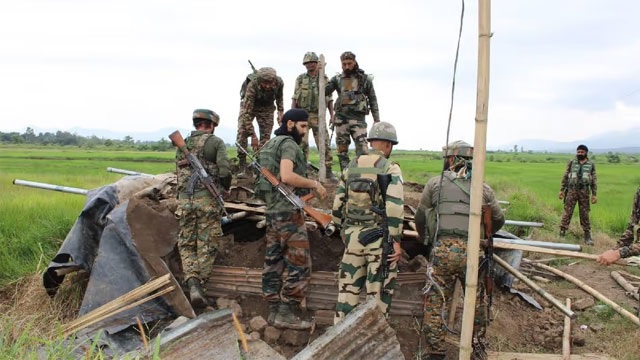
India
In a determined effort to restore peace and order in violence-hit Manipur, security forces have dismantled a total of 167 bunkers used by armed miscreants across multiple districts in the state. This significant step follows a call by Governor Ajay Bhalla in late February, urging for a peaceful resolution to the prolonged ethnic unrest. The bunkers were located and destroyed in several sensitive regions, including Churachandpur, Imphal West, Imphal East, Jiribam, Senapati, Kangpokpi, and Tamenglong. The operations intensified after Union Home Minister Amit Shah issued a March 8 deadline to reopen roads that had remained blocked—either partially or completely—since the outbreak of ethnic violence nearly two years ago. These bunkers, often hidden in forested or hilly terrains, were not just defensive structures but active nodes used for ambushes, illegal arms storage, and territorial control. Their destruction is being seen as a critical milestone in breaking the stronghold of armed groups, some of whom operated along routes connecting to Mizoram and Myanmar—borders known for porous and unregulated crossings. Crackdown on Arms and Explosives Alongside bunker demolition, security forces have also launched an aggressive arms recovery drive. According to the Central Reserve Police Force (CRPF), a total of 1,240 looted firearms have been recovered since the Governor’s appeal for surrendering illegal weapons. The numbers also include: 12,677 rounds of ammunition 405 grenades 316 crude bombs 19 improvised explosive devices (IEDs) This large cache indicates the scale of militarization in civilian areas during the conflict and raises concerns over how deeply entrenched these parallel armed networks had become. Ethnic Tensions and the Need for Mobility A key component of the current effort has been the reopening of roads and restoring free movement between communities. For example, Churachandpur, one of the worst-hit districts, had become almost cut off from Imphal due to Meitei-Kuki hostilities. Many from the Kuki community had resorted to traveling to Mizoram or through Myanmar instead of risking passage through Imphal-controlled areas. An official noted that there are several kachha (unpaved) roads connecting Churachandpur with both Mizoram and Myanmar—routes that were being exploited for tactical movement and possibly even arms smuggling during the peak of the clashes. Analysis: An Ongoing but Vital Effort The dismantling of bunkers and recovery of weapons mark a clear message from the central government: armed militias and self-styled protection groups will no longer be tolerated. While these actions are commendable, the real challenge lies ahead—healing the deep ethnic fault lines between the Meitei and Kuki communities, and ensuring displaced people feel secure enough to return home. Without a long-term reconciliation plan, security operations alone may only provide temporary relief. Nevertheless, the current crackdown shows that the state is finally pushing back, asserting control, and trying to reclaim spaces that had effectively turned into lawless zones. For Manipur, this could be the beginning of a long road back to peace.
Read More → Posted on 2025-04-09 15:49:38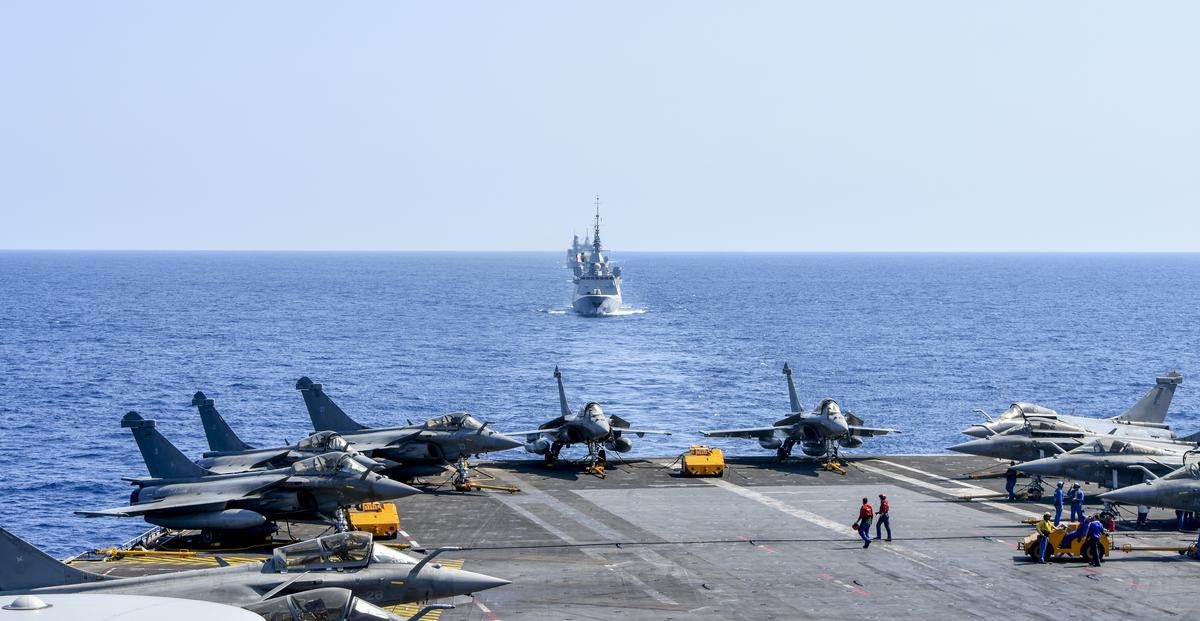
India
In a landmark move to boost its naval strength, India has officially approved the acquisition of 26 Rafale-Marine fighter jets from France in a historic government-to-government deal worth around ₹63,000 crore. This is one of the biggest military aviation purchases for the Indian Navy and marks a key step in modernising its aircraft carrier-based air power. The Rafale-Marine jets are naval variants of the Rafale fighter, specially designed for take-offs and landings on aircraft carriers. These jets come with reinforced landing gear, stronger airframes, arrestor hooks, and other features that allow them to operate in harsh maritime environments—something land-based jets can’t handle. Under the deal, India will receive 22 single-seat fighters and 4 twin-seat trainer jets. These will eventually operate from India’s two aircraft carriers—INS Vikramaditya and the indigenous INS Vikrant, dramatically enhancing the Navy’s ability to project power in the Indian Ocean. The deal also covers critical elements like performance-based logistics, spare parts, maintenance systems, and support infrastructure for five years. What makes this agreement particularly noteworthy is that it’s not just about adding more fighter jets. It’s also a smartly bundled package. The Rafale-Marine jets will be equipped with India’s own weapons like the Astra air-to-air missile and the Rudram anti-radiation missile, making them even more powerful and integrated with India’s defence ecosystem. This contract also benefits the Indian Air Force (IAF). It includes upgrades for up to 10 existing Rafale jets in the IAF fleet to allow them to refuel other aircraft mid-air—a huge boost to their operational reach. The deal brings in additional software upgrades, drop tanks, and equipment that support both air and naval variants of Rafale, allowing greater flexibility and interoperability between the services. Negotiations between India and France weren’t easy. France initially quoted a price above ₹50,000 crore, but after multiple rounds of talks and hard bargaining from the Indian side, the final agreement settled at ₹63,000 crore. France also agreed to include India-specific enhancements and substantial logistical and technical support. Deliveries of the jets are expected between 37 to 65 months after the contract is signed, with the full fleet likely to be in service by 2030–31. During this period, the Indian Navy plans to base the jets at INS Dega in Visakhapatnam, where they will be stationed and maintained when not on aircraft carriers. Currently, India’s aircraft carriers use Russian-origin MiG-29K fighters. While the MiGs will continue to operate from INS Vikramaditya, the Rafales will join INS Vikrant and take on a frontline role. The new jets are expected to significantly improve combat capabilities, especially in the vast maritime expanse of the Indian Ocean Region, where geopolitical tensions continue to rise. Interestingly, this move is not just about short-term needs. India is also developing its own Twin Engine Deck-Based Fighter (TEDBF), a naval version of the upcoming Advanced Medium Combat Aircraft (AMCA). Until these indigenous jets are ready—expected post-2035—the Rafale-Marine jets will serve as the Indian Navy’s backbone for carrier-based air operations. Earlier test flights in 2023 by India’s indigenous LCA Navy jet from the INS Vikrant marked the beginning of India’s capability to operate aircraft from its own carriers. These tests are a precursor to future Indian-made naval fighters. But for now, the Rafale-M deal serves as a reliable and advanced solution to fill the gap. This acquisition also reflects India’s growing defence ties with France. It’s not just a buyer-seller relationship anymore—it’s evolving into a long-term strategic partnership. Both countries have deepened cooperation in areas like joint development, technology transfer, and maritime security in the Indo-Pacific. In essence, the Rafale-Marine jet deal is more than just a purchase—it’s a strategic investment in national security. It upgrades India's maritime strike power, builds synergy between the Navy and Air Force, and balances immediate operational needs with future self-reliance in defence production. As India continues to position itself as a key power in the Indo-Pacific, these 26 jets will play a pivotal role in protecting the nation’s interests and deterring any threat from sea or air.
Read More → Posted on 2025-04-09 15:20:03
India
In a major step toward modernising its battlefield capabilities, the Indian Army has issued a Request for Information (RFI) to procure approximately 75 advanced platform-based Counter-Unmanned Aircraft Systems (C-UAS) for its T-72 and T-90 tanks. This decision, announced on April 6, 2025, reflects India's growing urgency to shield its high-value armoured platforms from the rapidly escalating threat of drones. The nature of modern warfare is shifting, with drones becoming a low-cost but highly effective tool in the hands of both state and non-state actors. The new systems India is looking to acquire must offer a blend of "soft kill" and "hard kill" options—allowing tanks to both electronically jam and physically destroy hostile drones. These capabilities will offer tanks a critical edge on the battlefield, especially in contested zones where drone swarms, kamikaze UAVs, and surveillance drones are now a constant presence. The Indian Army's decision is part of a broader evolution in military strategy. Since the 2021 drone attack on the Jammu Air Force Station, India has recognised the urgent need to strengthen its air defences, especially against small and stealthy UAVs. In the aftermath, several contracts worth over ₹300 crore were signed with indigenous firms to develop and deliver homegrown counter-drone technologies. One key milestone was the Indian Air Force's ₹155 crore deal with Zen Technologies for anti-drone platforms, signalling a shift toward domestic defence innovation. The current initiative focuses on tanks—a domain where the threat from drones has become particularly acute. As per the RFI, the systems must offer 360-degree autonomous detection and tracking capabilities, identifying drone threats in real-time and responding accordingly. The "soft kill" aspect will likely include electronic warfare tools like GPS spoofing and radio frequency jamming, while "hard kill" elements might involve mini-missiles or laser-based weapons capable of neutralising the drone physically. These systems must also integrate seamlessly with existing tank structures without affecting mobility, weapon performance, or crew safety. What makes this even more strategic is the context in which these tanks operate. India’s armoured units frequently deploy in diverse environments—ranging from deserts in Rajasthan to high-altitude conflict zones along the Line of Actual Control (LAC) with China and the Line of Control (LoC) with Pakistan. Both adversaries are rapidly adopting drone technology. China's experiments with drone swarms, loitering munitions, and AI-enabled surveillance drones, particularly in high-altitude terrain, present a growing threat. Meanwhile, Pakistan's use of UAVs for cross-border surveillance and payload delivery further highlights the need for robust countermeasures. This anti-drone procurement comes alongside other major tank upgrades. India is already modernising its armoured fleet with more powerful engines for the T-72 tanks and is inducting newer T-90MS tanks equipped with enhanced sensors, thermal sights, and better survivability. In February 2025, another RFI was issued for Active Protection Systems for the T-90S/SK series—again calling for soft-kill, hard-kill, and counter-UAS capabilities—illustrating a holistic push toward making tanks "digitally armoured" for future combat. A key element in this drive is the emphasis on indigenisation. The Army has stipulated a minimum of 60% indigenous content in the new counter-drone systems—slightly relaxable to 50% if the systems are indigenously designed. This not only boosts India's "Aatmanirbhar Bharat" (self-reliant India) campaign but also positions the country as a future exporter of counter-drone technologies in the global defence market. In conclusion, the Indian Army’s move to install anti-drone systems on its main battle tanks is a visionary response to a new era of threats. By investing in both soft and hard kill solutions and insisting on domestic manufacturing, India is preparing its military not just for today's conflicts—but for the technological battlefield of tomorrow. These upgrades ensure that its armoured forces remain protected, effective, and future-ready in an age where threats no longer just come from the ground, but also from the sky.
Read More → Posted on 2025-04-08 17:24:21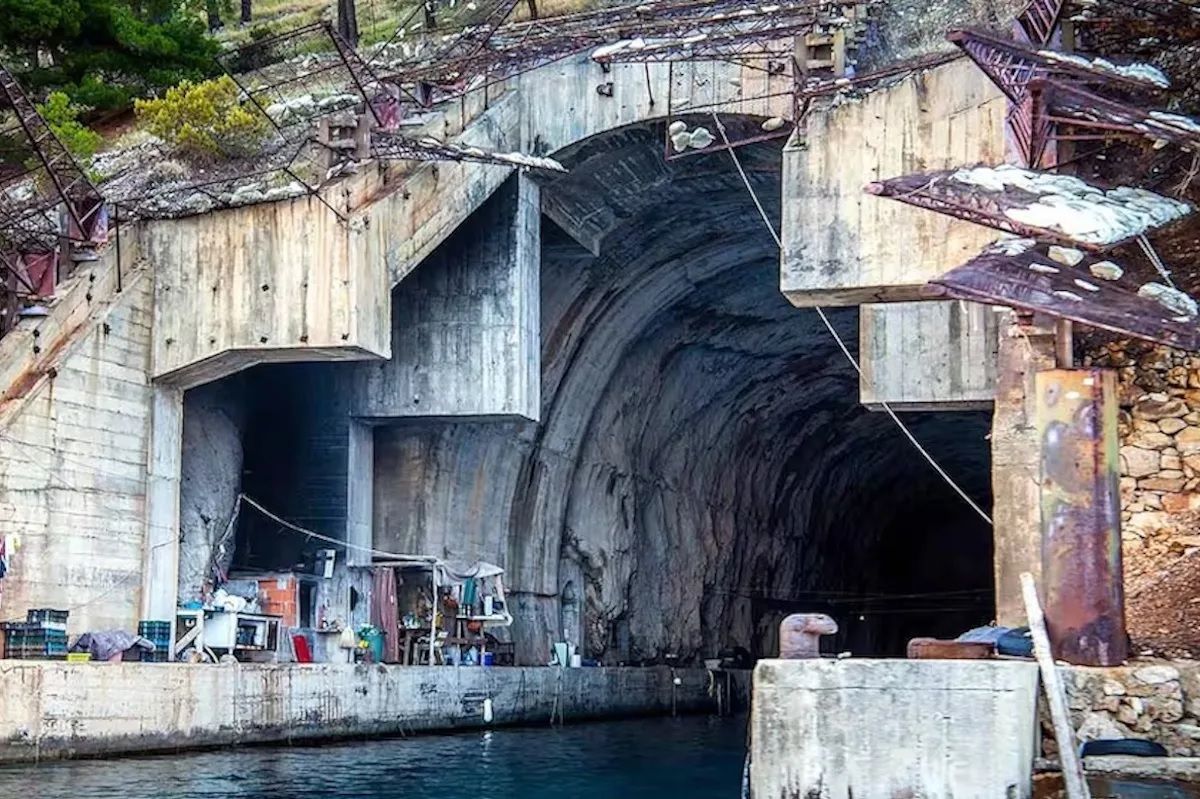
India
India is quietly constructing one of its most ambitious military installations—a hidden nuclear submarine base—deep within the rugged coastline of Andhra Pradesh, at Rambilli. This isn’t just another naval facility. It’s a game-changing move in India’s silent but strategic maritime competition with China. As New Delhi strengthens its deterrence posture beneath the sea, Beijing may be gaining access to an air base alarmingly close to India's vulnerable northeastern corridor. The Indo-Pacific rivalry is evolving, and India is preparing to meet it head-on—silently and systematically. Just 50 kilometers south of Visakhapatnam, Rambilli is set to host the heart of India's nuclear naval force. Known under the highly classified Project Varsha, this base is engineered with underground tunnels and hidden submarine pens, specifically designed to shield India’s nuclear-powered ballistic missile submarines (SSBNs) from prying satellites—particularly Chinese ones. When fully operational by 2026, Rambilli will offer India’s sea-based nuclear force unmatched stealth. Unlike conventional bases, this one allows submarines to slip undetected into the Bay of Bengal, then silently head for patrol routes stretching to the Malacca Strait and beyond. The silence, depth, and natural geography of the area make it nearly impossible for adversaries to track these strategic assets—enhancing India’s second-strike nuclear capability, which is the backbone of any credible nuclear deterrence. INS Aridhaman, the third nuclear-powered ballistic missile submarine in the fleet, is expected to join active duty in 2025. Larger than its predecessors, it can carry more powerful K-4 missiles, each with a 3,500 km range. Meanwhile, a fourth SSBN is already under construction, and New Delhi has bigger ambitions: building next-generation 13,500-tonne SSBNs with advanced nuclear reactors. In parallel, India is also developing six nuclear-powered attack submarines (SSNs) for conventional combat roles. These underwater behemoths will soon operate not just from Rambilli, but also from the upgraded western naval base at Karwar, Karnataka. Under Project Seabird, Karwar is undergoing a massive transformation to become one of Asia’s largest naval facilities. Once Phase-II is complete, it will accommodate 50 warships, submarines, and numerous support vessels. A dual-use naval air station, modern dockyards, and extensive repair and logistics infrastructure are already underway. This dual-coast submarine strategy—east at Rambilli and west at Karwar—will give India unmatched operational flexibility. While Rambilli secures India’s maritime interests in the Bay of Bengal and beyond, Karwar strengthens its hold over the Arabian Sea and adds depth in case of any conflict in the western theatre, especially with Pakistan. However, these maritime preparations come against the backdrop of rising tension near India’s eastern land frontier. Reports suggest China may gain access to an air base in Lalmonirhat, Bangladesh, dangerously close to the Siliguri Corridor, also known as the Chicken’s Neck—a narrow, vulnerable strip that connects mainland India to its northeastern states. Though no Chinese aircraft have yet been deployed in Bangladesh, even the suggestion of a Beijing-Dhaka military arrangement raises serious red flags in New Delhi. Lalmonirhat is located within strategic striking distance of Sikkim, Assam, and West Bengal—making it a sensitive geopolitical flashpoint. The security calculus becomes even more complex as Pakistan rekindles diplomatic ties with Bangladesh, with high-level visits planned in April. While such outreach may appear economic or diplomatic on the surface, India sees deeper strategic undercurrents, especially if they align with China’s regional ambitions. Together, these developments are reshaping South Asia’s strategic map. India’s nuclear submarine base at Rambilli is more than an infrastructure project—it’s a shield, a signal, and a silent assertion of strength. In an era where war is often won by what is unseen, the ability to hide and strike from the deep becomes a defining advantage. As India builds for the future, it does so with a clear message: while the world watches the skies, its real power may lie beneath the waves.
Read More → Posted on 2025-04-07 15:35:30Search
Top Trending in 24 Hours
-
 Ukraine Introduces Balloon-Launched DART Missile Designed to Defeat Electronic Warfare
-
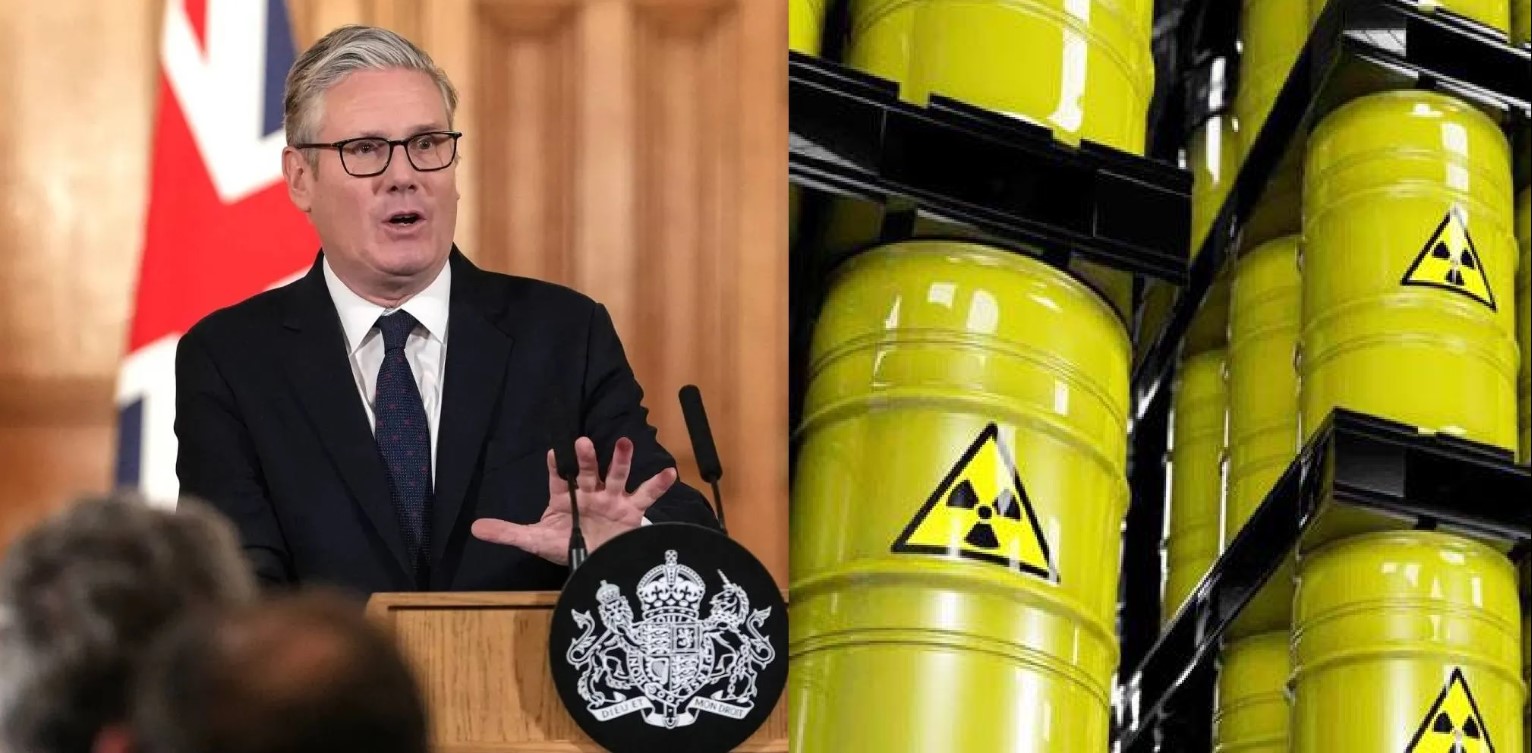 UK Announces £210 Million Deal to Supply Enriched Uranium to Ukraine for Two Years
-
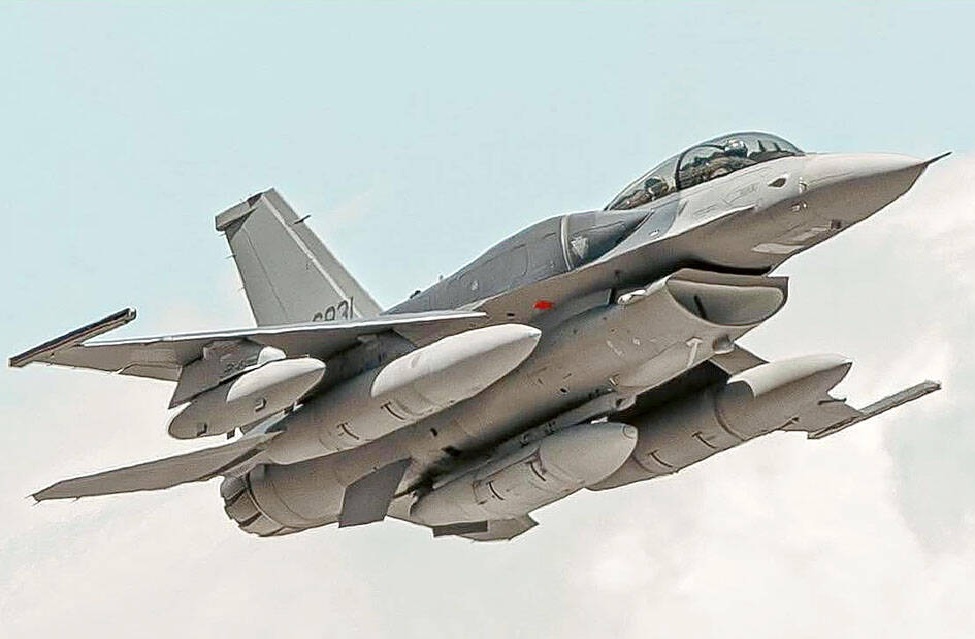 First Taiwanese F-16 Block 70 Flies with Five-Tank Fuel Configuration During Texas Tests
-
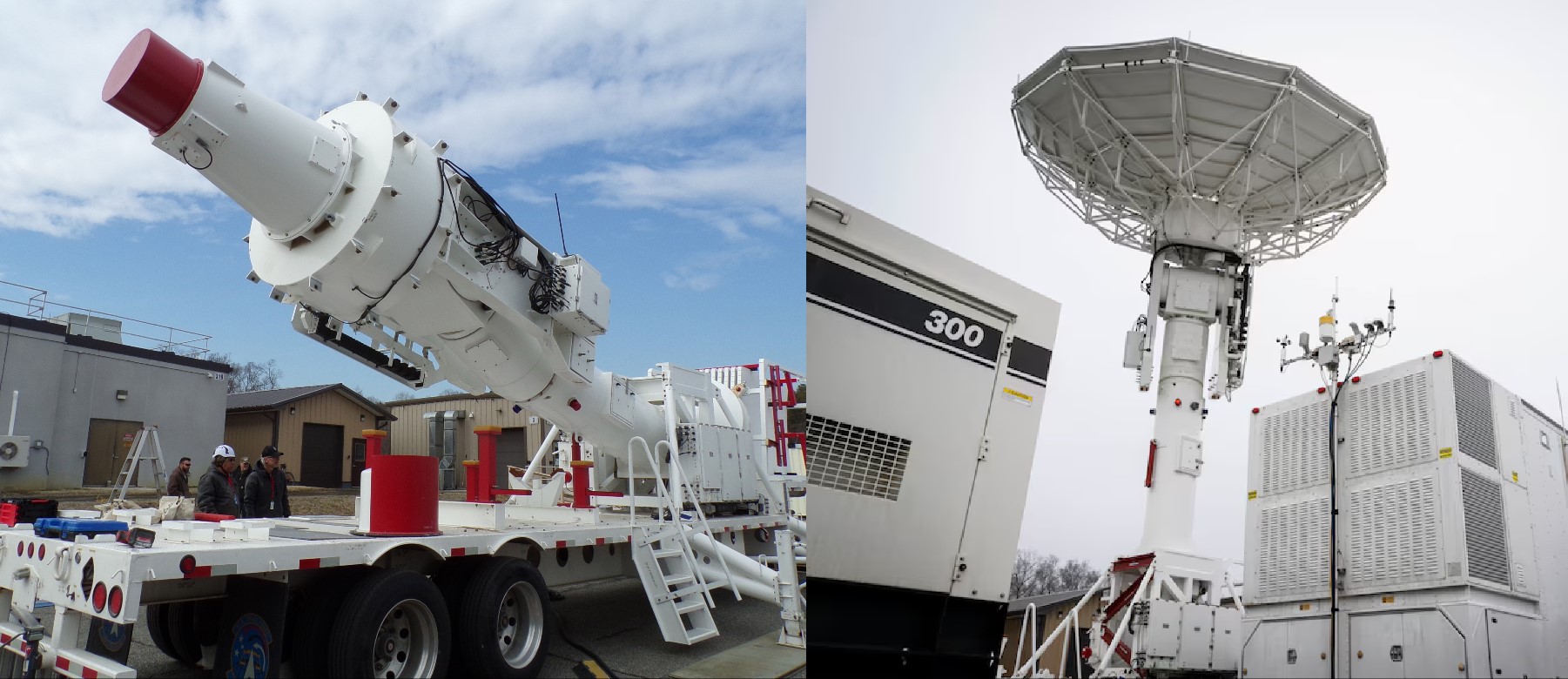 Space Force Transfers Transportable Satellite Tracking Antenna to Naval Research Laboratory
-
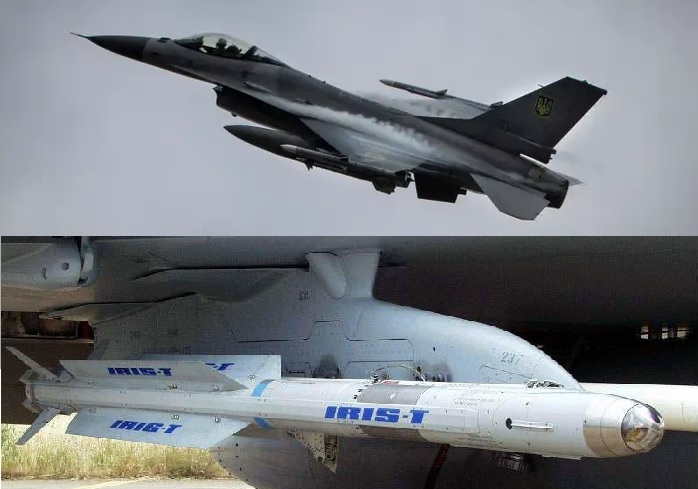 Ukraine’s F-16 Fighters Set to Receive German IRIS-T Air-to-Air Missiles
-
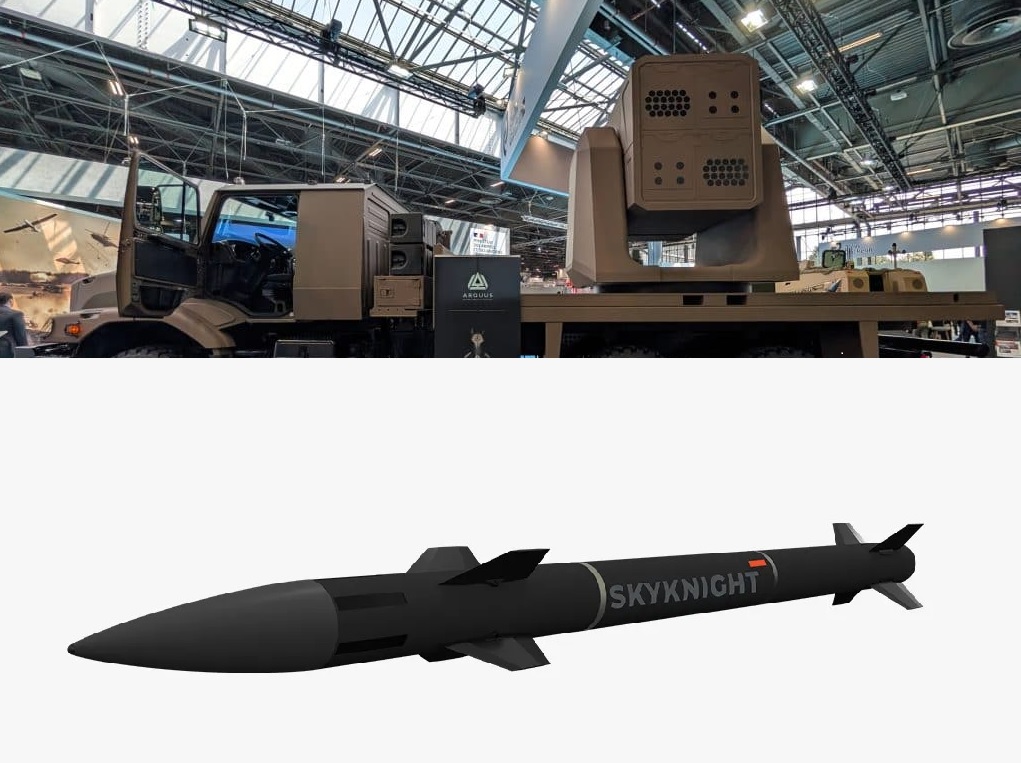 Naval Group Unveils Rampart Modular CIWS Multi-Purpose Weapon System for Naval and Ground Forces at Eurosatory 2026
-
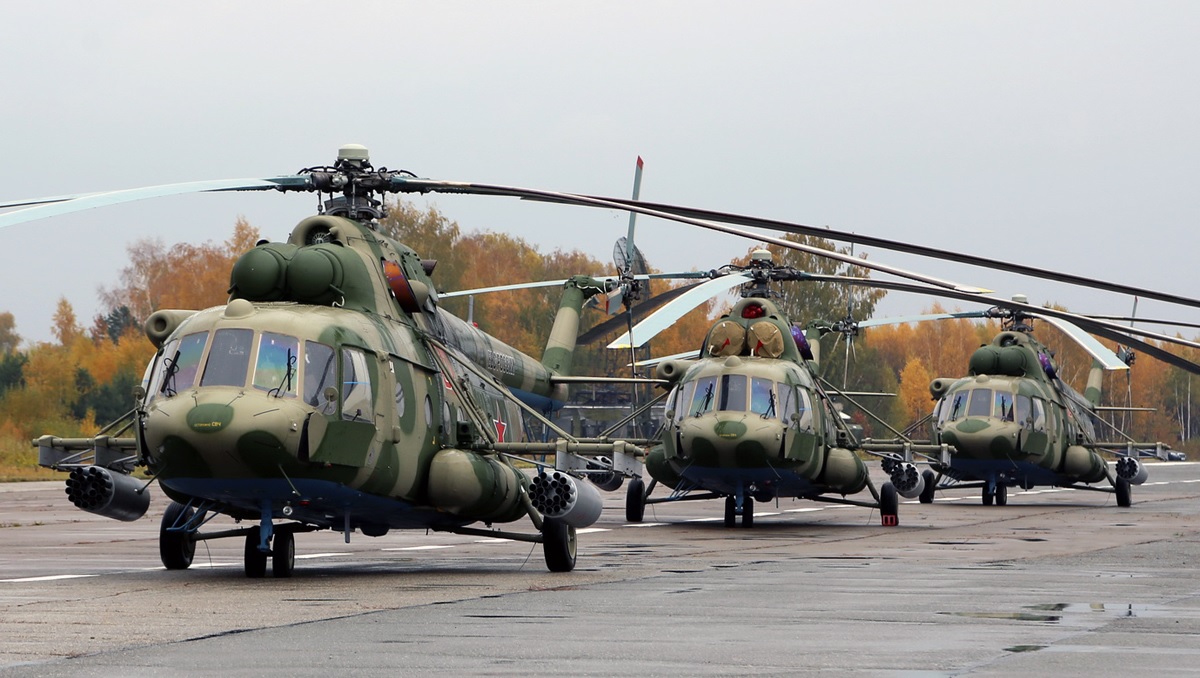 Iran Signs Deal with Russia for 20 Mi-8 and Mi-17 Helicopters to Boost Rescue and Medical Missions
-
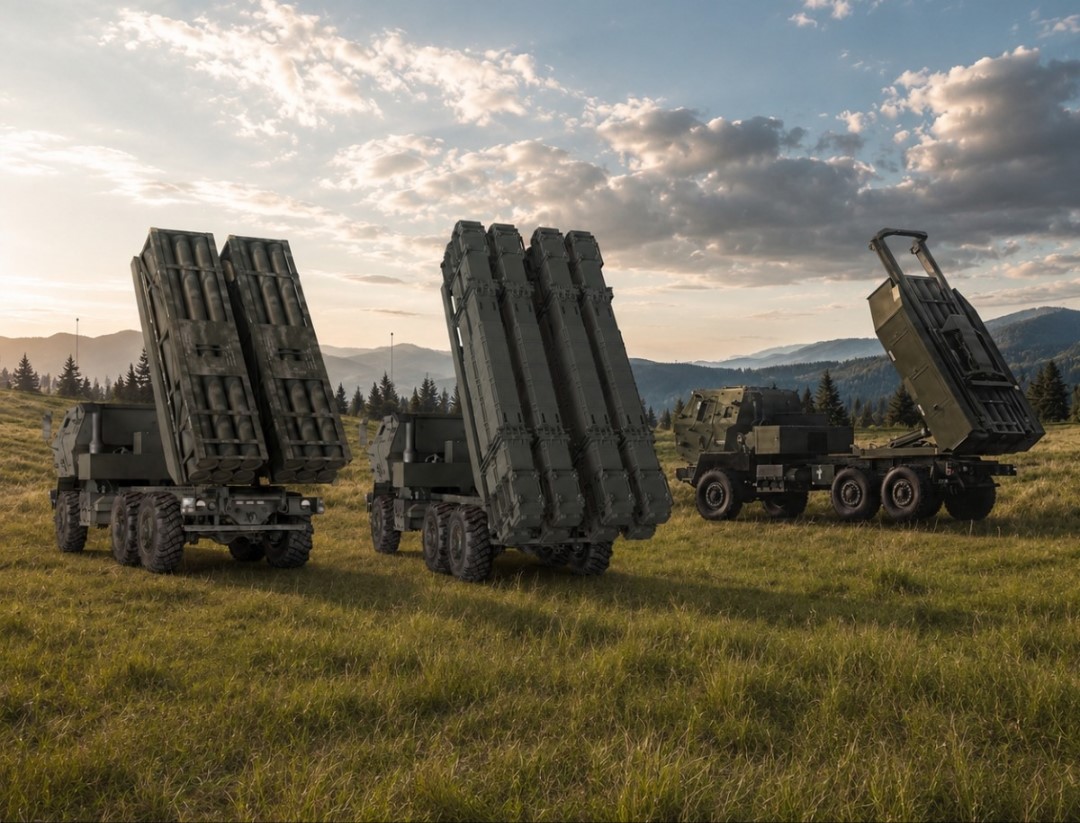 Lockheed Martin Unveils HIMARS FLEX with Dual-Pod Launcher and NATO-Compatible Air Defense Integration
Top Trending in 4 Days
-
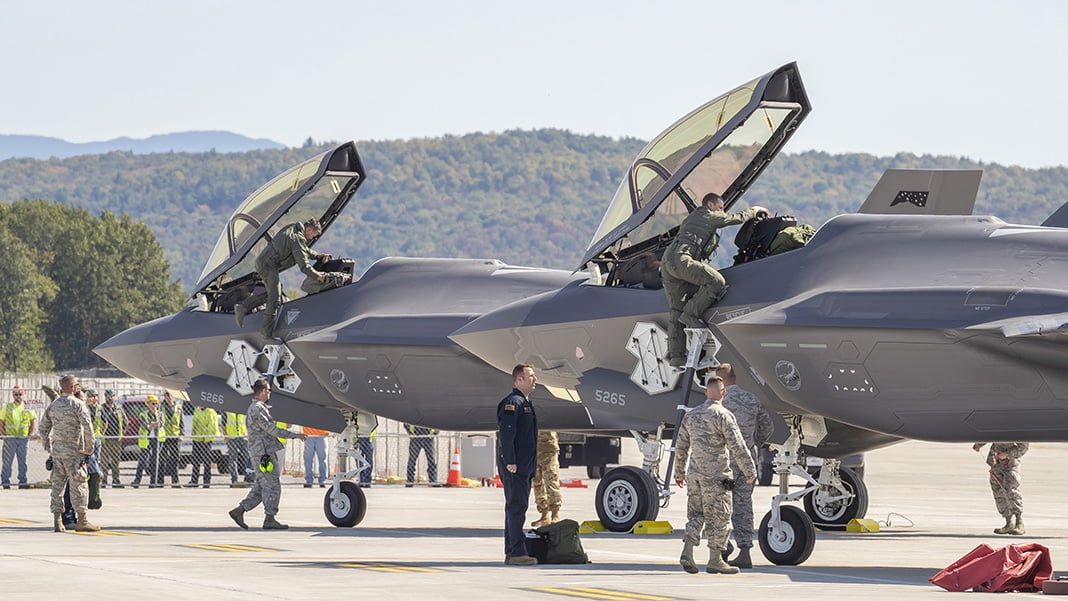 F-35 Fleet Readiness Falls to 25% Amid Parts Shortages and Software Delays: GAO Report
-
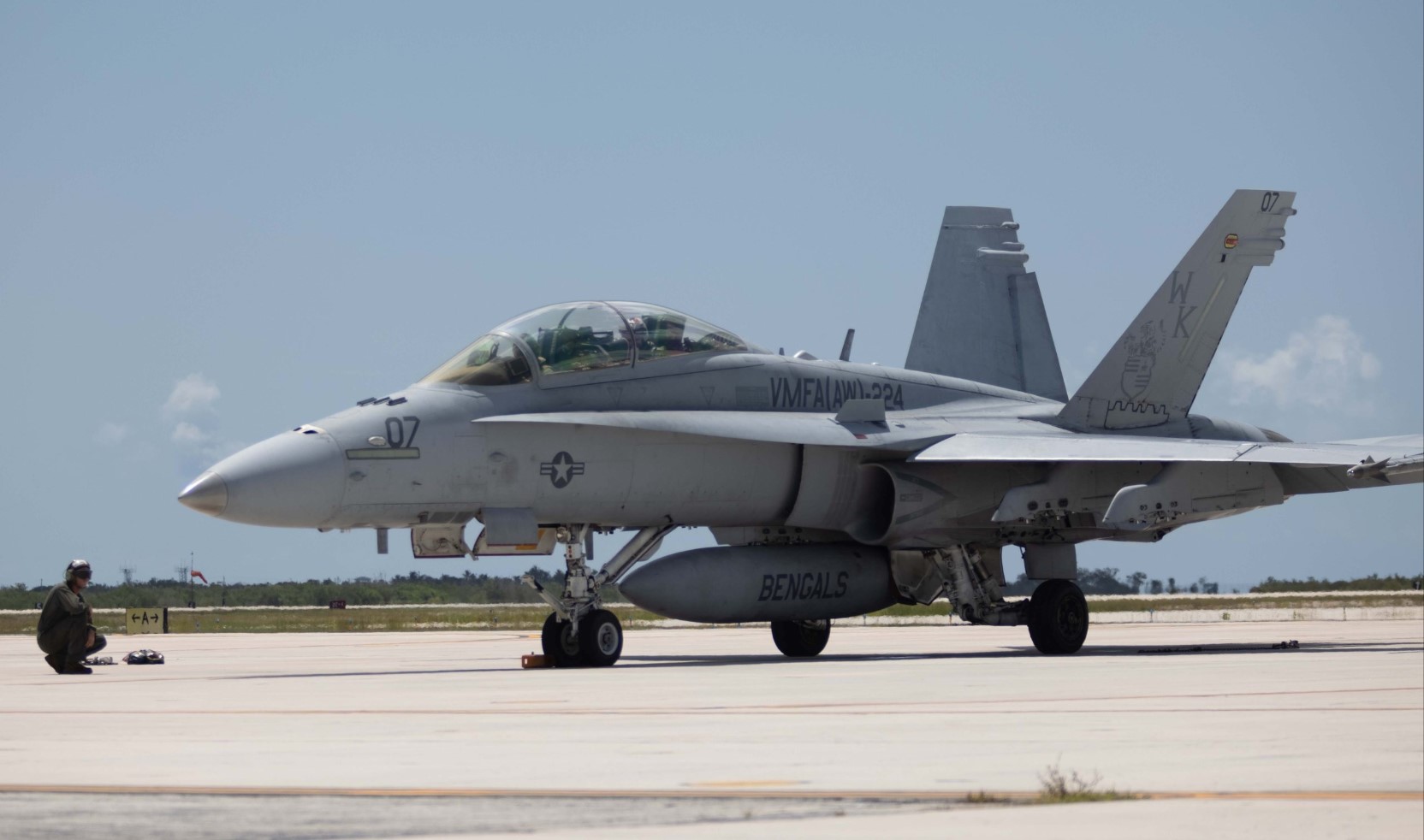 US Marine Corps F/A-18D Hornet Crashes During Training Flight in Washington Mountains; Pilot Ejects Safely
-
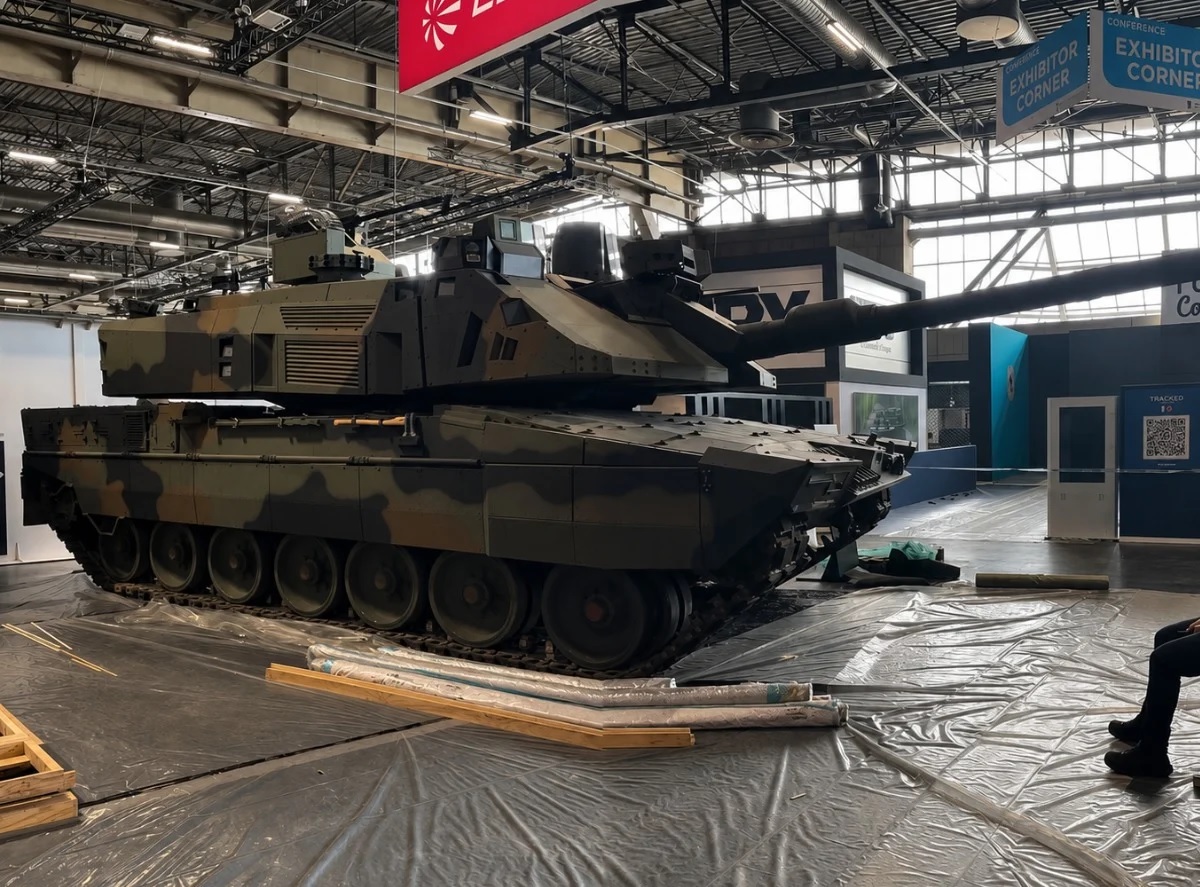 Leonardo Rheinmetall to Unveil Italy’s New IMBT Main Battle Tank at Eurosatory 2026
-
 Tulsi Gabbard Releases Declassified Files Detailing U.S.-Backed Network of 120 Biolaboratories Across 30+ Countries
-
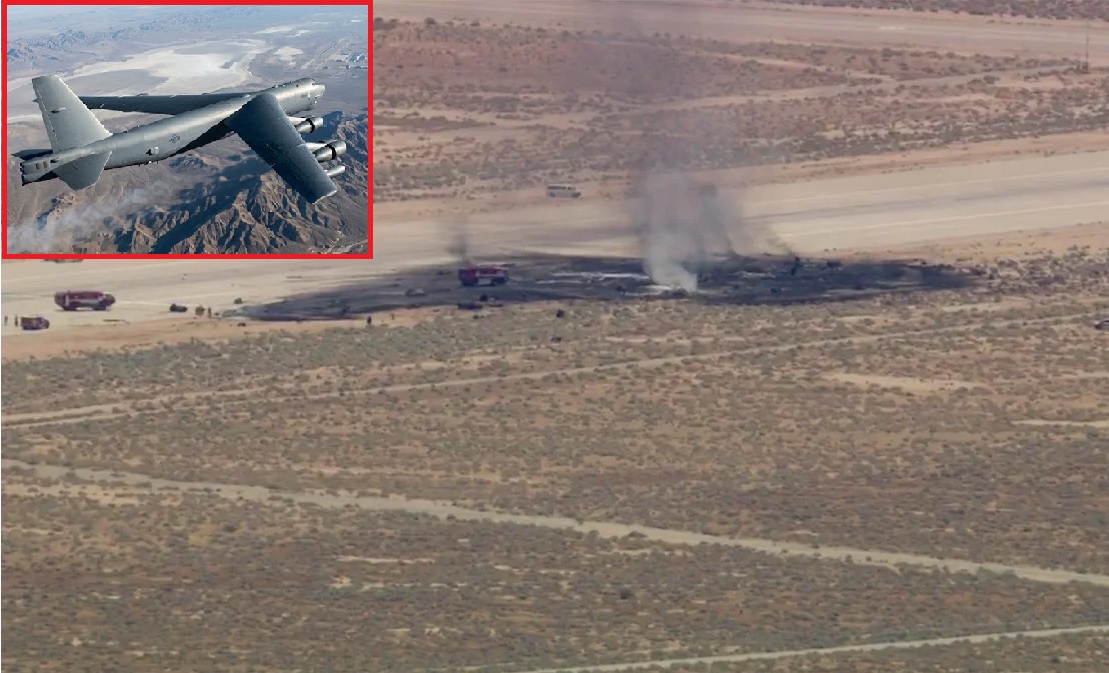 8 U.S. Air Force Crew Members Killed in B-52 Bomber Crash During Test Flight at Edwards Air Force Base
-
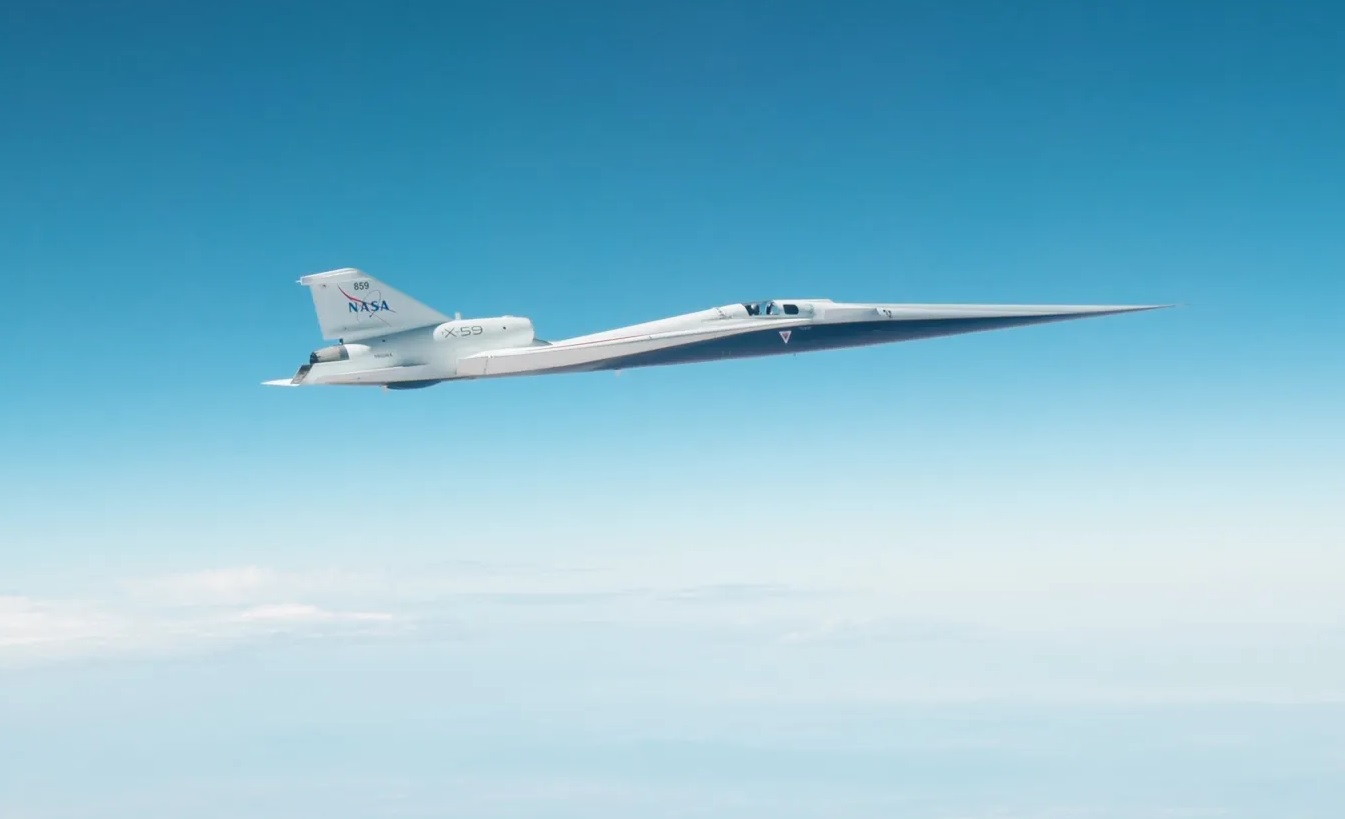 NASA X-59 Achieves Planned Mission Conditions with Mach 1.4 Flight at 55,000 Feet
-
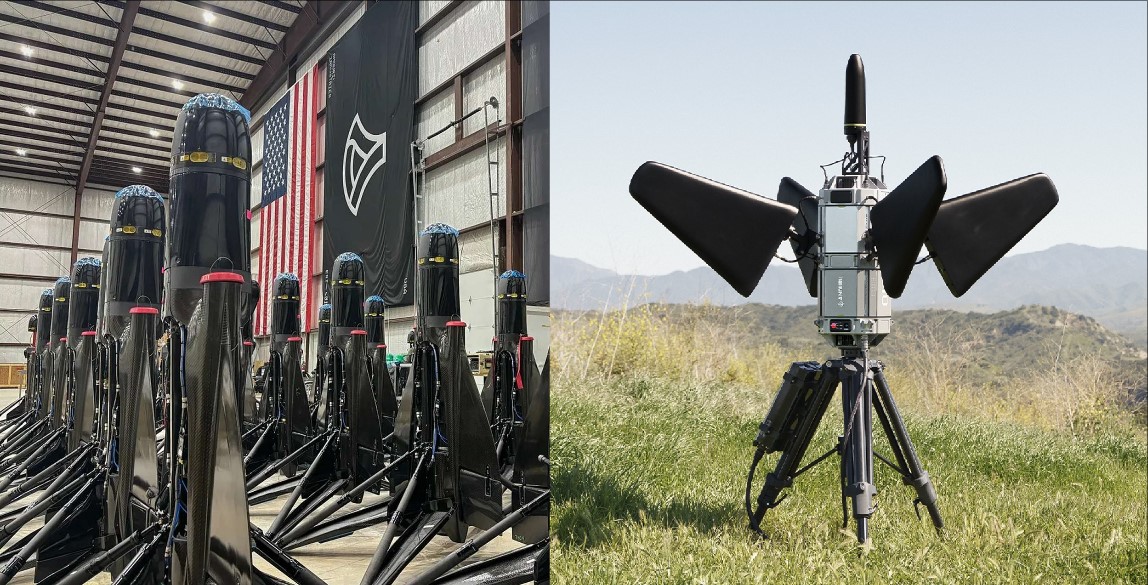 U.S. Approves $1.98 Billion Sale of Anduril AI-Powered Counter-Drone Systems to Kuwait
-
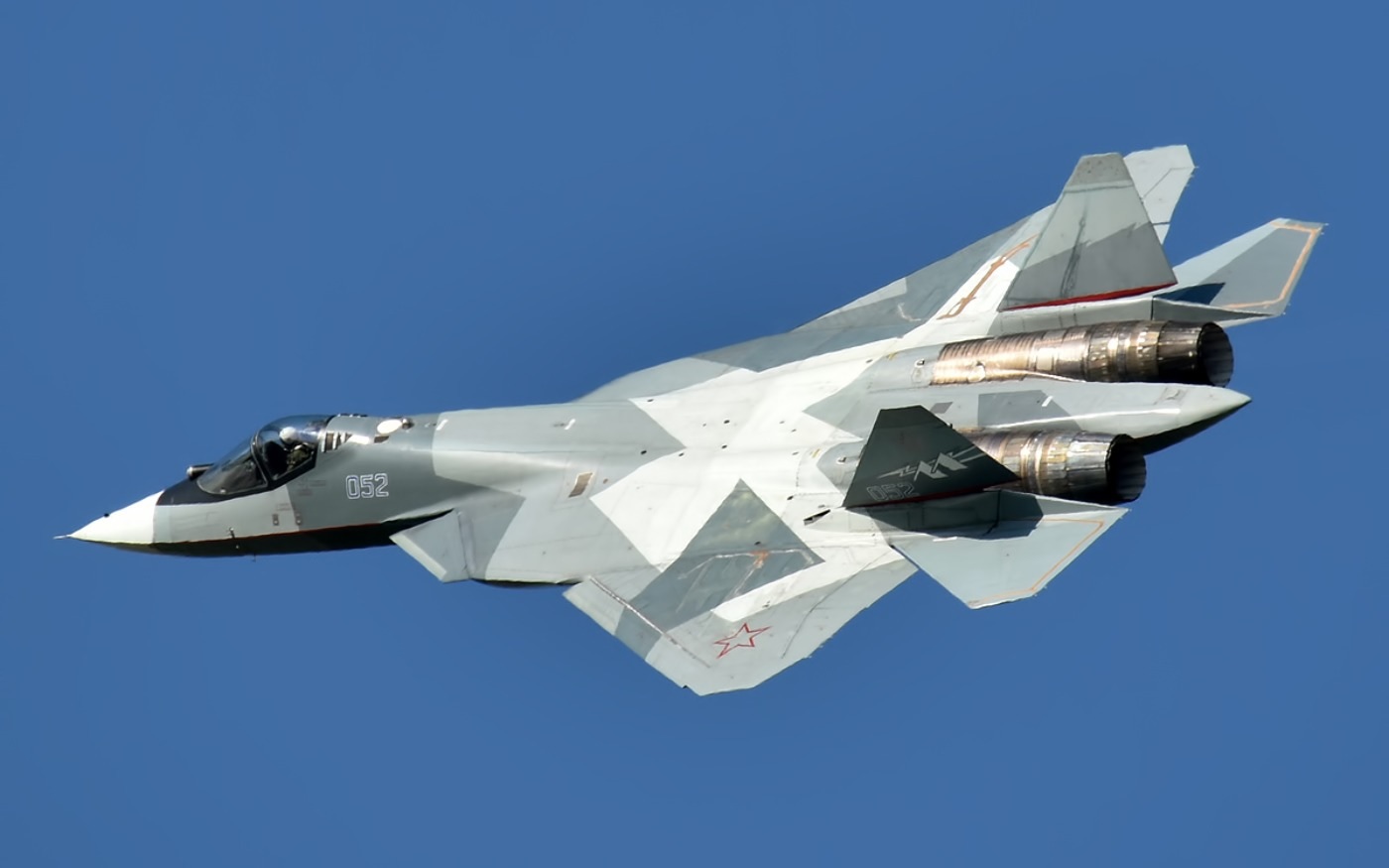 Russian Analysts Debate Su-57 Capabilities After Putin Calls Fighter Superior to F-35