
India
In a major boost to India’s self-reliant defence ambitions, Israel Aerospace Industries (IAI) and India’s DCX Systems Limited have announced the formation of a new joint venture called ELTX. This strategic partnership is aimed at building advanced defence systems in India, combining Israeli technology with Indian manufacturing strength. The launch of ELTX directly supports India’s ‘Atmanirbhar Bharat’ and ‘Make in India’ initiatives. The goal is not just to bring cutting-edge technology into the country, but to produce it locally and build long-term capabilities within India’s defence sector. The joint venture will develop high-tech systems like airborne radars and ground-based defence technologies, helping India’s Armed Forces to become more self-reliant and better equipped. Boaz Levy, President and CEO of IAI, called this partnership a "milestone in defence cooperation" between Israel and India. He emphasized how combining Israeli innovation with India’s industrial strength will lead to the development of next-generation defence technologies that are tailor-made for India’s evolving security needs. This move is part of IAI’s wider commitment to India. Over the years, the Israeli company has invested significantly in India’s defence ecosystem, including the establishment of local radar maintenance facilities, collaborations with Indian universities, and now, the launch of ELTX. These efforts are designed to not only boost defence production but also create skilled jobs and foster long-term industrial growth. Dror Bar, Executive VP of IAI and CEO of ELTA, noted that IAI’s radar and intelligence systems have been serving India’s military for decades. He said the establishment of ELTX is a clear demonstration of IAI’s dedication to indigenize its technologies and create joint defence solutions specifically suited for Indian needs. DCX Systems, based in Bangalore, brings its specialized expertise in RF and electronic systems to the venture. With a strong track record in defence and aerospace manufacturing, DCX will handle local production and contribute in-depth knowledge of India’s operational environment. Dr. H.S. Raghavendra Rao, Chairman and Managing Director of DCX, said the partnership with IAI is a matter of pride. He stressed that ELTX will combine IAI’s world-class radar systems with DCX’s manufacturing base to deliver cutting-edge, locally made technologies for India’s military. With ELTX, India and Israel are not just deepening a defence relationship—they are building a foundation for co-creation, technology sharing, and a more self-reliant India in defence production.
Read More → Posted on 2025-04-22 14:52:56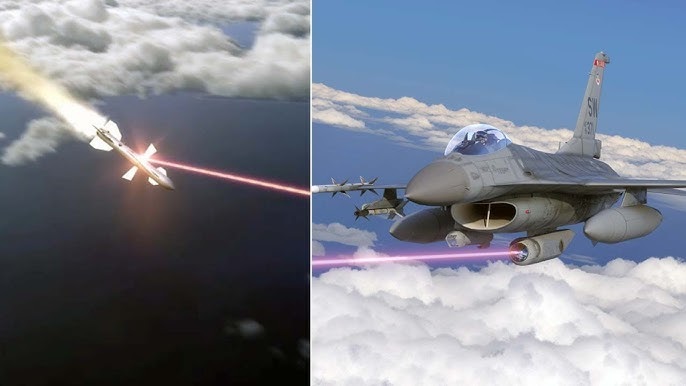
India
India is taking a bold step into the future of warfare. The Defence Research and Development Organisation (DRDO) is now gearing up to develop a high-powered airborne laser weapon capable of neutralising tactical ballistic missiles and other advanced aerial threats. This ambitious project will see the creation of a megawatt-class Directed Energy Weapon (DEW) – a major leap from existing systems and a potential game-changer in India’s strategic defence architecture. What is the Airborne Megawatt Laser Weapon? At its core, the project envisions a laser weapon system mounted on an aircraft, using concentrated beams of energy to destroy or disable enemy missiles, aircraft, or drones at the speed of light. Unlike traditional missile-based interceptors, these weapons offer instantaneous response time, minimal operational cost per shot, and the ability to engage multiple targets without reloading. Journey So Far: DRDO’s Directed Energy Progress DRDO’s journey in laser weapons hasn’t started from scratch. Over the years, it has successfully developed: 2kW and 5kW DEWs: Primarily for use against small drones and low-speed aerial targets. 25kW to 50kW class systems: Currently in advanced development stages, ideal for neutralising rockets, mortars, and artillery shells. 100kW and 300kW DEWs: Designed for naval and land-based operations, capable of countering cruise missiles, enemy aircraft, and potentially low-orbit satellites. These lower-powered DEWs have allowed DRDO to master critical technologies such as beam control, power storage and delivery, and thermal management, which will directly support the megawatt-class laser’s development. Megawatt-Class Laser: A Technological Marvel The airborne laser weapon currently being planned is a megawatt (MW)-level system, over a thousand times more powerful than the initial 1kW prototypes. Once operational, this weapon could: Engage high-speed targets like tactical ballistic missiles (TBMs) during their boost or mid-course flight phase. Reach potential targets over 500 km away, especially when operated from high altitudes. Operate at near-zero cost per engagement, making it ideal for repeated use against saturation attacks. Specifications and Capabilities (Expected) Feature Estimated Capability Power Output 1 Megawatt (MW) Platform Airborne (likely Il-76, C-130J, or indigenous) Range Estimated 500+ km (based on line-of-sight) Target Types TBMs, cruise missiles, UAVs, aircraft Engagement Time Near-instant (speed of light) Shot Cost Extremely low (energy-based) Cooling System Advanced high-capacity cooling required Power Source Compact, high-density onboard generation Why Airborne? Mounting the laser on an aircraft adds flexibility. Airborne platforms can: Rapidly shift deployment zones based on threat perception. Operate at high altitudes, increasing target visibility and engagement range. Complement India’s ground-based Ballistic Missile Defence (BMD) system, which uses interceptor missiles, by adding an upper layer capable of early-phase missile interception. Aircraft Integration: The Next Challenge Developing such a powerful system isn’t without engineering hurdles. DRDO will have to solve several key issues: Power Generation: Supplying enough energy to sustain a megawatt-class laser during flight. Thermal Management: Managing and dissipating immense heat generated during firing. Precision Optics: Ensuring beam stability and accuracy over long distances. Platform Integration: Modifying aircraft to accommodate the laser system without compromising flight safety or manoeuvrability. The Road Ahead DRDO plans to begin development of this airborne megawatt laser only after the 300kW DEW project is completed. This phased approach ensures that the lessons learned from each stage feed into the next, gradually building up the technological sophistication needed. In the coming years, the successful deployment of this system could give India a strategic edge in missile defence, particularly in a region where neighbouring countries possess significant TBM capabilities. It also marks a significant step toward self-reliance in futuristic defence technologies, aligning with India’s broader goals of technological sovereignty and military modernization. As the DRDO continues to push boundaries, the dream of India having airborne lasers capable of knocking missiles out of the sky at lightning speed is steadily becoming a reality.
Read More → Posted on 2025-04-22 14:39:30
India
In a major step forward for India’s defence export ambitions, the country has dispatched the second batch of BrahMos supersonic cruise missiles to the Philippines. This delivery strengthens not only the strategic partnership between the two nations but also bolsters regional security in the increasingly tense Indo-Pacific region. The shipment, which follows the first delivery made in April 2024, is part of a $375 million deal signed between India and the Philippines in January 2022. The Philippines will eventually receive three complete BrahMos missile batteries, which are expected to significantly improve its coastal defence capability. This move comes amid rising tensions in the South China Sea, where territorial disputes and growing military assertiveness have alarmed several Southeast Asian nations. The BrahMos missile is widely recognized as one of the world’s most advanced cruise missiles. Capable of reaching speeds up to Mach 2.8 (about 3,400 km/h) and with a range of 290 kilometers, it can be launched from land, air, sea, or even submarines. For the Philippines, acquiring this missile system is a strong step toward deterring potential threats and enhancing its national security framework. India has also taken the initiative to train Philippine military personnel to operate and maintain the BrahMos system. Back in February 2023, 21 officers from the Philippine Navy were trained in India, giving them hands-on experience and the expertise required to effectively use and manage the system. The latest delivery, unlike the first which was transported via Indian Air Force aircraft, was sent by sea—showcasing India's improved defence logistics and maritime transport capabilities. This shift also underlines India’s growing self-reliance in handling complex and heavy defence equipment across international borders. This defence deal is not just about technology transfer—it is also a reflection of India’s larger vision to become a leading player in the global arms market. Under the 'Make in India' initiative, the government has been pushing for increased domestic defence production. According to Defence Minister Rajnath Singh, India aims to cross Rs 1.60 lakh crore in defence production this year and has set an ambitious target of Rs 3 lakh crore by 2029. The value of defence production has already grown significantly—from Rs 40,000 crore in 2014 to over Rs 1.27 lakh crore now. One of the standout features of the BrahMos missile is that it is gradually being indigenised. Developed in collaboration with Russia, the missile system now consists of 83% Indian-made components. This not only boosts India’s self-sufficiency but also makes it an attractive option for countries looking to reduce their reliance on traditional arms suppliers. India’s outreach isn’t stopping with the Philippines. Talks are in advanced stages with both Indonesia and Vietnam for similar BrahMos deals. In fact, Indonesia has shown strong interest in acquiring the missile system in a deal estimated to be worth around $450 million. A senior Indonesian Navy delegation recently visited BrahMos Aerospace in Delhi to better understand the system. Vietnam, too, is considering a purchase worth nearly $700 million to enhance its coastal defence in response to China’s growing maritime presence. Even nations in West Asia like the UAE and Saudi Arabia have shown interest in the BrahMos missile, reflecting the global demand for high-speed, precision-strike capabilities that the system offers. With the BrahMos missile gaining popularity worldwide, India is clearly emerging as a significant player in the global defence landscape. Its expanding export portfolio, backed by strong domestic production and strategic diplomacy, is shaping a new chapter in the Indo-Pacific’s security dynamics. As more countries look to upgrade their defence postures, India is positioning itself as a reliable partner with proven technology and growing expertise.
Read More → Posted on 2025-04-21 14:47:28
India
In a groundbreaking development for India’s secure communication future, the Centre for Development of Telematics (C-DOT), in collaboration with Sterlite Technologies Limited (STL), has successfully conducted the country’s first Quantum Key Distribution (QKD) transmission over a four-core Multi-Core Fibre (MCF). This marks a major step forward in creating a robust, quantum-secured digital infrastructure. Quantum Key Distribution (QKD) is an advanced technology that allows for unbreakable encryption by using the principles of quantum physics. Traditionally, QKD requires a separate dedicated fibre—often called "dark fibre"—to carry delicate quantum signals, keeping them isolated from regular internet or telecom data. However, this can be costly and inefficient, especially at scale. That’s where Multi-Core Fibre (MCF) comes in. MCF is a type of optical fibre that houses multiple data channels—or cores—within a single cable. This allows different signals to travel independently without interfering with each other. In this test, quantum signals were transmitted through one core, while high-speed user data traveled through the remaining three cores simultaneously. Remarkably, the QKD link remained stable over a distance of more than 100 km, even with heavy classical data traffic running alongside it. This proves that quantum communication can co-exist with traditional data transfer, all within the same fibre. C-DOT, which operates under the Department of Telecommunications (DoT), has played a central role in building India’s quantum communication capabilities. The organisation has developed and deployed fully functional QKD systems, which have already received approval from the Telecommunication Engineering Centre (TEC). This gives India a solid foundation for building secure communication networks resistant to cyber threats. Sterlite Technologies Limited (STL), known for its global leadership in optical networks and fibre manufacturing, has been instrumental in developing Multi-Core Fibre technology. STL’s MCF uses Space Division Multiplexing to significantly increase how much data a single fibre can carry. Their innovation supports the move toward future-ready, scalable fibre networks. Dr. Rajkumar Upadhyay, CEO of C-DOT, highlighted that this collaboration marks a significant achievement for India’s telecom sector, making integrated quantum-classical communication a reality at a fraction of traditional costs. Rahul Puri, CEO of STL’s Optical Networking Business, echoed this sentiment, noting that this partnership reflects India's growing leadership in building advanced digital infrastructure through public-private cooperation. This achievement is more than just a technical milestone—it lays the foundation for a cost-effective, secure, and resilient national quantum communication network. With continuous innovation and strategic partnerships, India is firmly positioning itself at the forefront of the global quantum revolution.
Read More → Posted on 2025-04-21 14:42:05
India
Nagpur-based defence firm JSR Dynamics Pvt. Ltd. has revealed an impressive new addition to India’s growing arsenal of smart weaponry — a missile drone system called the Miniature Ground Launched Drone-Weaponized (MGLD-W). Compact yet powerful, this new drone is built for high-speed, long-range precision attacks, giving India a fresh edge in modern battlefield scenarios. Weighing around 400 kilograms and launched directly from the ground, the MGLD-W is designed to travel up to 297 kilometers at a top speed of Mach 0.85, which is roughly 1,050 kilometers per hour near sea level. It’s powered by a 150 kgf turbojet engine, allowing it to quickly cover large distances and strike time-sensitive or high-value targets with minimal delay. The drone’s navigation system combines inertial guidance with multi-constellation satellite support, including GPS, GLONASS, and NavIC — India’s own satellite navigation system. This mix ensures that even if enemies attempt to jam or interfere with satellite signals, the MGLD-W can still navigate effectively and reach its destination. What makes this system particularly effective is its use of terminal guidance seekers during the final stage of the mission. While specific details remain undisclosed, these seekers are likely based on imaging infrared or radar technology, allowing the drone to lock onto moving or well-defended targets. This means it doesn’t just fly towards a general area—it zeroes in on exactly what it’s supposed to destroy. For firepower, the MGLD-W carries the MK-81 warhead, a general-purpose bomb weighing about 250 pounds (113 kg). Normally used by aircraft, this bomb has now been repurposed for ground-launched missions, making it a more affordable and flexible option for frontline forces. The warhead can be configured either to create a wide area of destruction through fragmentation or to break through hardened bunkers and enemy shelters. One of the most important aspects of the MGLD-W is its ground-launch capability. It doesn’t need a runway or an aircraft to operate. This makes it highly mobile and easy to deploy across different terrains — especially useful along India’s varied borders where air support might not always be immediately available. With its nearly 300-kilometre range, this missile drone can hit critical enemy locations like radar stations, command centres, ammunition dumps, or communication hubs, all while keeping the launch team far from danger. That standoff capability is crucial in reducing risk to personnel during offensive operations. The addition of precise terminal seekers means it could be as accurate as India’s advanced Rudram anti-radiation missiles, which have demonstrated the ability to strike within 10 metres of their target. If the MGLD-W reaches similar standards, it could become a reliable and cost-effective strike option for India’s armed forces, particularly in situations where speed, accuracy, and flexibility are essential. With the introduction of the MGLD-W, India takes a strong step forward in developing indigenous smart weapons that meet the needs of modern combat. As tensions in the region continue to highlight the importance of advanced defence systems, this homegrown missile drone may become a key player in maintaining strategic balance and readiness.
Read More → Posted on 2025-04-21 14:31:27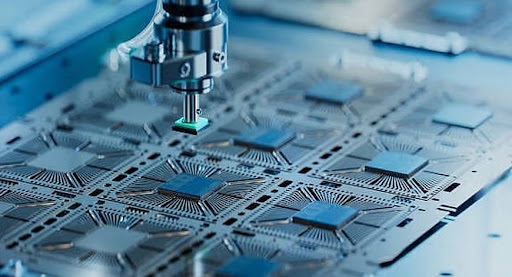
India
In a groundbreaking move that could catapult India into the top ranks of global semiconductor innovation, a team of 30 scientists from the Indian Institute of Science (IISc), Bengaluru, has proposed a futuristic initiative: the development of angstrom-scale semiconductor chips. These chips, if successfully developed, would be nearly ten times smaller than the most advanced 3-nanometre chips available today—setting a new global benchmark in miniaturization and technology. At the heart of this bold proposal lies a mission to move beyond conventional silicon-based technologies and embrace novel two-dimensional (2D) materials, like graphene and transition metal dichalcogenides (TMDs). These atom-thin materials exhibit exceptional electrical and thermal properties and are poised to become the building blocks of the next generation of computing devices. Currently, global tech giants such as Samsung and TSMC manufacture chips at the 3-nanometre scale. However, the IISc team envisions developing chips at the angstrom scale, where one angstrom equals just 0.1 nanometres. This ultra-miniaturization would not only revolutionize performance but also drastically reduce energy consumption and heat generation—two of the most critical challenges in modern electronics. To bring this vision to life, the IISc scientists have requested ₹500 crore in funding spread over five years. Compared to India’s ongoing ₹91,000 crore semiconductor projects, this is a relatively small investment with potentially massive returns. Importantly, the plan includes a roadmap to make the initiative self-sustainable after the initial government support period. This proposal was first submitted to the office of the Principal Scientific Adviser in April 2022 and later revised in October 2024. It has garnered interest from key government entities, including the Ministry of Electronics and IT (MeitY), NITI Aayog, DRDO, and the Department of Space. Discussions are ongoing at high levels to explore its implementation and possible applications. What makes this initiative revolutionary is its emphasis on 2D materials, which could bypass the physical limitations that are now slowing down the progress of silicon-based chips. Materials like graphene—a single layer of carbon atoms—and TMDs offer direct bandgaps, high electron mobility, and superior thermal conductivity. They are ideally suited for creating ultra-small, energy-efficient, and high-speed chips. Globally, the race to harness the power of 2D semiconductors is heating up. Europe has invested over $1 billion in this domain, South Korea more than $300 million, and China and Japan are making rapid strides. Leading universities and research institutions around the world are exploring this frontier technology. Yet, India’s efforts in this space remain limited, and this project offers a rare window to take the lead before the opportunity closes. Beyond reducing dependence on foreign semiconductor imports, the successful execution of this project could usher in a new era of technological independence for India. It could also spark innovation across sectors like healthcare, space technology, wearable electronics, and artificial intelligence. Angstrom-scale chips would not just make devices smaller—they could redefine what’s possible in electronics. The proposal also brings with it an opportunity to create high-value jobs, attract international collaboration, and build a new ecosystem focused on advanced material science and chip fabrication. However, experts warn that time is critical. The global momentum toward 2D semiconductors is accelerating, and India needs to act swiftly to seize its moment. Despite receiving encouraging responses, the project still awaits formal approval and funding. To succeed, it will require a coordinated effort among policymakers, scientists, and industry players. Infrastructure, skills, and partnerships must be developed to translate lab-scale innovations into commercial products. In conclusion, India stands at the cusp of a historic opportunity. The IISc’s angstrom-scale chip proposal is not just about developing smaller chips—it’s about reshaping the future of technology. If implemented decisively, it could mark India's arrival as a leader in post-silicon semiconductor innovation, opening the door to a new era of electronics powered by 2D materials. The time to act is now.
Read More → Posted on 2025-04-21 14:25:39
India
India is taking a bold step toward expanding its space communication capabilities. NewSpace India Limited (NSIL), the commercial arm of ISRO, has announced an ambitious initiative to involve private players in building a state-of-the-art ground station network across the country. This marks a strategic move to enhance satellite communication, tracking, and data relay services for the growing number of Indian and international low Earth orbit (LEO) satellites. A Network of 25 Advanced Antennas The proposed network will feature around 25 high-performance ground stations, equipped with dual-band and tri-band antennas. These will operate in S, X, and Ka frequency bands, ensuring robust support for telemetry, tracking, and command (TTC) operations, as well as satellite data downloads. These antennas will be designed with shaped reflector Cassegrain geometry and full motion systems, enabling precise and efficient satellite communication. Each station will be capable of supporting multiple satellite passes per day, allowing uninterrupted support for real-time satellite operations such as remote sensing, earth observation, and weather monitoring. Phased Implementation Plan NSIL plans to implement the project in a phased manner. The first two antenna systems are expected to be ready within 12 months of awarding the contract. The entire network is expected to be operational in about 20 months, providing a rapid boost to India’s satellite ground infrastructure. Strict Eligibility for Private Participation To ensure only capable firms take part, NSIL has set strict eligibility criteria for bidders. Companies must have: ISO-9001:2015 certification A proven track record in handling similar high-value space or telecom infrastructure projects This ensures high-quality execution and long-term reliability of the critical infrastructure. Supporting India’s Global Space Market Ambition This initiative is closely aligned with India’s national goal of increasing its share in the global commercial space market from the current 2% to 8% by 2033. By engaging the private sector, NSIL aims to accelerate innovation, reduce costs, and improve efficiency in space ground operations. Moreover, this project complements the government's broader push to commercialize space activities through bodies like IN-SPACe (Indian National Space Promotion and Authorization Center). IN-SPACe is also actively promoting Ground Stations as a Service (GSaaS) — a model where satellite operators can rent ground station infrastructure on a pay-per-use basis for satellite control, data reception, and tracking services. Addressing Industry Challenges Private sector entry into ground station services comes with its own set of hurdles. These include: Unclear regulatory frameworks High capital costs Spectrum licensing challenges Expensive components and infrastructure To overcome these, IN-SPACe is working to simplify regulatory procedures, provide technology transfer from ISRO, and offer access to testing and integration facilities. It is also helping startups connect with domestic and international markets to ensure commercial viability. Enabling Indigenous Capability Through Technology Transfer NSIL is already playing a major role in technology commercialization. It has transferred key technologies like the Indian Mini Satellite-1 (IMS-1) bus to private startups such as Dhruva Space and Alpha Design Technologies. These firms are now building satellite platforms and developing ground station systems, boosting India’s domestic capacity in both upstream and downstream space segments. A Strategic Leap Forward By bringing private players into the fold to build this advanced ground station network, NSIL is laying the foundation for a robust and self-reliant space ecosystem in India. This move not only strengthens the country's satellite communication backbone but also signals a new era of public-private partnership in space technology. It is a visionary step that will help India maintain a strong presence in the global space race while empowering its private sector to play a larger role in the future of space exploration and commercialization.
Read More → Posted on 2025-04-20 16:03:13
India
In a significant boost to India’s defence self-reliance, the Indian Air Force (IAF) is preparing to equip its frontline Rafale fighter jets with the home-grown Astra Mk1 and Mk2 beyond-visual-range air-to-air missiles (BVRAAMs), phasing out the imported French-made MICA missiles. This move represents more than just a weapons upgrade — it reflects a strategic decision to reduce dependence on foreign suppliers while embracing indigenous capabilities that promise better performance and long-term cost savings. The Rafales, acquired from France in a 2016 deal with Dassault Aviation, currently carry the European MICA missiles as their main long-range weapon. These MICA missiles, made by MBDA, are available in both infrared and radar-guided versions, with an operational range of around 80 kilometres. While they served the IAF well initially, today’s changing battlefield demands more. In modern air combat, where threats emerge from distances beyond 100 kilometres, MICA's limited range is proving to be a drawback. Adversaries like China are already fielding next-generation missiles such as the PL-15, reportedly capable of hitting targets over 200 km away. This has raised concerns within the IAF, prompting the need for a missile system that not only matches but potentially exceeds such capabilities. Enter the Astra family of missiles, developed by India’s Defence Research and Development Organisation (DRDO) and manufactured by Bharat Dynamics Limited (BDL). The Astra Mk1, which is already operational on aircraft like the Su-30MKI and Tejas, offers a range of about 90 to 110 kilometres — already an upgrade over the MICA. It uses an active radar seeker for pinpoint targeting, and its smokeless propulsion gives it a stealthier footprint in combat. To make the Astra Mk1 compatible with Rafale jets, Dassault Aviation is overseeing the necessary software and hardware tweaks. Once this integration is complete, the Rafales will have a missile system that’s not only more capable but also developed entirely within India. Looking further ahead, the Astra Mk2 is in development and set to push the envelope even more. Expected to enter service by 2026–27, the Mk2 variant is designed for ranges between 130 and 160 kilometres. It will feature a dual-pulse rocket motor, improving acceleration and manoeuvrability in the final moments of engagement. With these enhancements, the Astra Mk2 will stand shoulder to shoulder with some of the world’s best, including the American AIM-120D and the Chinese PL-15E. Meanwhile, MBDA has proposed its latest version of the MICA, called MICA-NG (Next Generation), offering improved range — between 120 and 150 kilometres — and upgraded guidance. However, despite its improved specs, the IAF appears to favour the Astra Mk2. The key reasons: cost and self-reliance. The Astra Mk2 is expected to provide similar capabilities at a fraction of the cost of the MICA-NG, making it far more suitable for equipping a large number of fighter jets. The decision to replace imported missiles with Indian ones signals more than just an upgrade in firepower. It’s a clear message that India is ready to trust and invest in its own defence technology. With this step, the IAF not only boosts its operational edge but also contributes to the broader national goal of Atmanirbhar Bharat — a self-reliant India. By choosing Astra over MICA, the IAF is setting a precedent for future defence planning, where cost-effective, homegrown technology takes centre stage in protecting India’s skies.
Read More → Posted on 2025-04-20 15:54:21
India
India is on the verge of a major breakthrough in its journey toward developing a next-generation fighter aircraft. According to the Chairman of the Defence Research and Development Organisation (DRDO), Dr. Samir V. Kamat, the country is expected to finalize a high-profile international partnership within the next two to three months to jointly develop a powerful sixth-generation jet engine. This engine will power future variants of the Advanced Medium Combat Aircraft (AMCA), particularly the Mk2 version, which is currently in the planning stage. Dr. Kamat made this announcement during a defence event in Kurnool, Andhra Pradesh, on April 13, 2025. He stated that discussions with four leading international aerospace companies are in the final stages. These companies are believed to include Safran from France, General Electric (GE) from the United States, Rolls-Royce from the United Kingdom, and possibly NPO Saturn from Russia—all global giants in advanced engine development. The engine being developed through this collaboration is expected to deliver between 110 to 130 kilonewtons (kN) of thrust. One of its standout features will be Variable Cycle Engine (VCE) technology. Unlike conventional engines, VCEs can adapt their airflow depending on the flight condition, allowing for better fuel efficiency during cruising and more thrust during combat situations. This innovation can lead to up to 30% improvement in range and 20% better acceleration, giving India’s future jets a distinct edge. Such high-end features are crucial for staying competitive against the likes of the United States’ Next Generation Air Dominance (NGAD) program and China’s J-XX series. With global air combat capabilities rapidly evolving, India is aiming to ensure that its future aircraft can not only keep pace but also stand out in terms of speed, stealth, and advanced warfare technologies. The indigenous AMCA program, approved by the Indian government in 2024 with an initial funding of ₹15,000 crore, is a two-phase project. The AMCA Mk1 variant will use the already selected GE F414 engines (98 kN thrust), with its first flight expected around 2030 and squadron-level service likely by 2035. The more advanced AMCA Mk2, anticipated to debut around 2040, will require this new, more powerful engine to meet its high-performance goals—such as supercruise capability (flying at supersonic speeds without afterburners) and integration of futuristic systems like AI-guided drone swarms and laser-based weapons. India's Gas Turbine Research Establishment (GTRE), located in Bengaluru, will lead the Indian side of the engine project. GTRE brings valuable experience from the earlier Kaveri engine program, which achieved thrust levels of up to 81 kN. However, a sixth-generation engine is an entirely different challenge—one that will demand an estimated investment of $4–5 billion and extensive technical expertise. This is why, as Dr. Kamat emphasized, international collaboration is not just preferable but essential. A joint venture will help India overcome the complex challenges of designing such an engine while cutting down on development time and minimizing technical risks. While Safran has long been seen as a front-runner—especially following high-level diplomatic talks during Prime Minister Narendra Modi’s 2023 visit to Paris—the field remains open. General Electric already has a strong relationship with India through the F414 deal, and Rolls-Royce has shown clear interest in co-developing a 110 kN engine. NPO Saturn, with its history of working on advanced propulsion for Russian fighter jets, is also considered a formidable contender. The decision expected in the coming months will mark a defining moment for India's aerospace ambitions. A successful partnership will not only power the next generation of Indian fighter aircraft but also strengthen India's position as a leader in cutting-edge aviation technology on the global stage.
Read More → Posted on 2025-04-20 15:49:46
India
India is on the verge of a major milestone in its nuclear energy journey with the expected commissioning of its first Prototype Fast Breeder Reactor (PFBR) in Kalpakkam, Tamil Nadu, by September 2026. This reactor marks a significant advancement in the country’s ambitious three-stage nuclear programme, which aims to utilize its vast thorium reserves and minimize nuclear waste. What is a Fast Breeder Reactor? A Fast Breeder Reactor (FBR) is a type of nuclear reactor that produces more fissile material than it consumes. Unlike conventional reactors that mainly use uranium, FBRs are designed to “breed” fuel, making them highly efficient. The PFBR at Kalpakkam is a 500 megawatt (MW) reactor that uses a unique plutonium-based mixed oxide (MOX) fuel and liquid sodium as a coolant, instead of water. This technology not only recycles used nuclear fuel but also generates more fuel, making it an essential component for sustainable and long-term nuclear energy production. Key Features and Specifications Type: Prototype Fast Breeder Reactor (PFBR) Location: Kalpakkam, Tamil Nadu Capacity: 500 MW Fuel: Mixed oxide (MOX) fuel composed of plutonium and uranium Coolant: Liquid sodium Operator: Bharatiya Nabhikiya Vidyut Nigam Limited (BHAVINI) First Criticality Expected: By 2025-26 Full Commissioning: Targeted by September 2026 Why is the PFBR Important? The commissioning of the PFBR marks the beginning of the second stage in India’s nuclear programme. In this stage, the spent fuel from the existing Pressurised Heavy Water Reactors (PHWRs) is reprocessed and used in the PFBR. This not only reduces radioactive waste but also leads to energy self-sufficiency by creating more fuel than is consumed. In the third stage, India plans to use thorium-based reactors, powered by the plutonium bred in fast reactors like the PFBR. India has abundant thorium reserves, and this closed fuel cycle strategy is crucial for the country’s long-term energy needs. Recent Developments In March 2023, Prime Minister Narendra Modi observed the core loading of the PFBR, a key step before initiating nuclear reactions. The Atomic Energy Regulatory Board (AERB) has already granted permission for fuel loading, low-power experiments, and first criticality. According to the Department of Atomic Energy, the reactor is currently in the advanced stage of integrated commissioning. India's Expanding Nuclear Ambitions India’s total installed nuclear power capacity currently stands at 8.18 GW. To meet its growing energy demands, India is pursuing a Nuclear Energy Mission aiming to generate 100 GW of electricity through nuclear power. Here’s how India plans to reach that target: 7.30 GW worth of nuclear projects are under construction or commissioning 7.00 GW are sanctioned and undergoing preparatory work This will raise the total capacity to 22.48 GW by 2031-32 Beyond this: 15.40 GW will be added using indigenous PHWRs 17.60 GW from Light Water Reactors (LWRs) with foreign collaboration 3.80 GW from Fast Breeder Reactors like the PFBR Additional capacity will come from Small Modular Reactors (SMRs) and Bharat Small Reactors, in collaboration with the private sector A Vision for Energy Security The successful commissioning of the PFBR will be a historic moment for India’s nuclear energy program. It represents not just a technological breakthrough but a significant step toward energy independence, reduced carbon emissions, and efficient fuel use. By embracing advanced reactor technologies and closing the nuclear fuel cycle, India is laying the foundation for a cleaner and more sustainable energy future.
Read More → Posted on 2025-04-19 15:06:46
India
In a major strategic move, the Indian Navy is developing a vast underwater sensor network across key regions of the Indian Ocean to monitor and track Chinese submarine activity. This ambitious project, being carried out in partnership with the Defence Research and Development Organisation (DRDO) and private sector partners, is aimed at safeguarding India’s maritime interests amid rising underwater threats. This initiative comes at a time when Chinese submarines and research vessels are increasingly active in the Indian Ocean Region (IOR), raising security concerns. In response, India is focusing on deploying underwater sensors in critical maritime zones like the Ninety East Ridge, Bay of Bengal, and the waters around the Andaman and Nicobar Islands. These areas lie close to major global shipping routes and important sea passages like the Malacca and Sunda Straits, making them strategically vital. One area drawing particular attention is the Ninety East Ridge, a long underwater mountain range that offers ideal conditions for submarine movement. This region recently saw a month-long survey by a Chinese research vessel, triggering concerns about possible underwater mapping activities meant to aid submarine operations. The sensor network being developed will include advanced technologies such as passive and active sonar systems, magnetic anomaly detectors (MAD), and superconducting quantum interference devices (SQUIDs). Passive sonar systems will quietly listen for the sounds submarines emit, while active sonar can actively locate and track them when needed. MAD and SQUID technologies will help detect even the smallest magnetic field changes caused by submerged metal objects like submarines, providing another layer of surveillance. India’s plan mirrors the “Fish Hook Undersea Defence Line” set up by the United States and Japan in the Pacific Ocean, which uses seabed-based sensors to detect submarine activity. India hopes to build a similar early-warning system near the Andaman and Nicobar Islands, which would allow for rapid detection of any hostile submarines entering the Indian Ocean. The need for such a system has become urgent. China’s navy now operates more than 60 submarines, many of them nuclear-powered. On top of that, Pakistan is acquiring eight advanced Yuan-class submarines from China, equipped with air-independent propulsion systems that allow them to remain underwater longer than conventional submarines. These developments pose a dual threat to India from both its eastern and western flanks. India’s own submarine fleet is relatively limited, with 13 conventional diesel-electric submarines and delays in future projects like the Project 75I program, which aims to build more modern, longer-lasting submarines. Given these limitations, the new underwater sensor network is seen as an essential step to boost India's ability to detect and respond to underwater threats. Key DRDO facilities such as the Naval Physical and Oceanographic Laboratory (NPOL) in Kochi are playing a crucial role in the development of this system. NPOL has a proven track record with sonar systems like the Abhay and HUMSA-UG, and will work alongside the DRDO’s SPACE (Submersible Platform for Acoustic Characterisation & Evaluation) and Ocean Data Centre to test and fine-tune the new technology. There are also signs that India is considering deeper cooperation with international partners such as Japan and the United States. Talks are underway to explore the possibility of linking India’s sensor network with the US-Japan “Fish Hook” Sound Surveillance System (SOSUS), creating a more comprehensive and collaborative submarine detection capability across the Indo-Pacific. In essence, India’s underwater sensor network is not just about watching the seas—it’s about sending a clear signal. It reflects a broader shift in India’s maritime strategy, where cutting-edge technology, regional partnerships, and strategic foresight come together to maintain security and dominance in one of the most vital and contested regions of the world.
Read More → Posted on 2025-04-19 14:04:10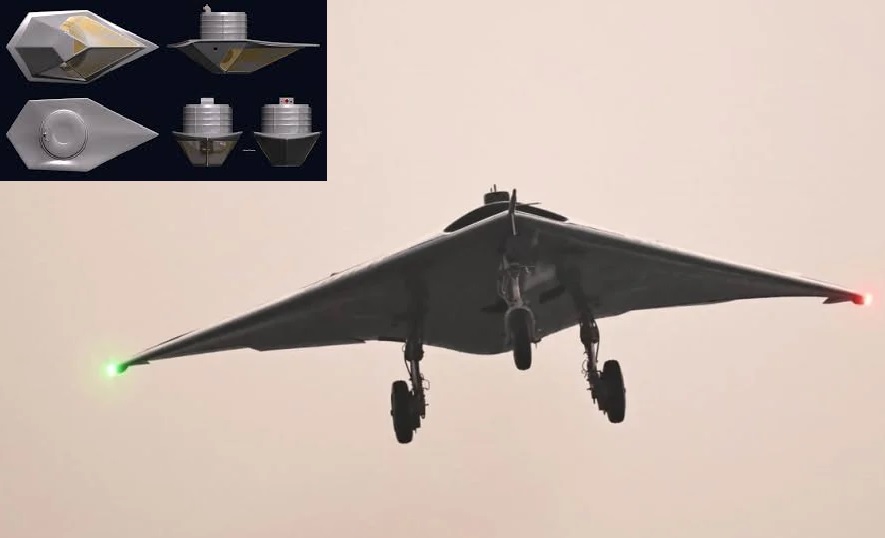
India
India’s foray into stealth unmanned combat aerial vehicles (UCAVs) marks a major leap in indigenous defense technology. Central to the combat effectiveness of these futuristic drones is the Electro-Optical Targeting System (EOTS) — a critical sensor suite that gives stealth aircraft unmatched battlefield awareness and precision strike capability. As India develops its stealth UCAV, widely believed to be the Ghatak or its more advanced variant SWiFT, the integration of EOTS is poised to be a game-changer. What is an EOTS and Why It Matters? The Electro-Optical Targeting System is a multi-sensor, turreted pod or internal module that combines infrared search and track (IRST), high-resolution imagery, laser designation, and range-finding capabilities. Unlike radar, which emits detectable signals, EOTS works passively — allowing the UCAV to remain stealthy while scanning targets. In manned aircraft like the F-35, EOTS is integrated into the fuselage to reduce radar cross-section. India is expected to follow a similar route, embedding the EOTS seamlessly into the UCAV’s underbelly or nose cone for minimal signature and maximum aerodynamic efficiency. Technical Features of an EOTS in a Stealth UCAV Though the final configuration of India's EOTS remains classified, it's expected to feature: Mid-Wave Infrared (MWIR) Sensor: Operates in the 3–5 micron range, ideal for detecting engine heat signatures from long distances. High-Resolution CCD Camera: Captures real-time visible spectrum imagery for target identification. Laser Designator and Rangefinder: Accurately marks targets for precision-guided munitions and provides exact distance measurements. Automatic Target Tracking (ATT): Locks onto moving targets, even in complex battlefields. Geolocation Capability: Determines the exact coordinates of targets without relying on external systems like GPS, enhancing autonomy and resilience to jamming. Low-Observable Aperture: The system’s housing is built with radar-absorbent materials and angled faceting to preserve stealth. Strategic Advantages in Battle 1. First Look, First Kill In the world of air combat, whoever detects first usually wins. EOTS allows the stealth UCAV to passively detect enemy aircraft, vehicles, or missile systems from long ranges without giving away its own location. 2. Stealth Synergy Traditional radar sensors, while powerful, emit signals that can be picked up. EOTS, being passive, aligns perfectly with stealth doctrine — observe without being observed. 3. Precision Strike Capability Combined with AI-assisted targeting, EOTS enables the UCAV to autonomously track and engage multiple ground and air targets using laser-guided bombs or air-to-surface missiles, even in GPS-denied environments. 4. Survivability and Autonomous Engagement In a contested environment with anti-access/area denial (A2/AD) threats, EOTS boosts survivability by allowing the UCAV to make decisions with minimal human intervention — see the threat, pick the weapon, engage, and leave. 5. All-Weather, Day-Night Operations Infrared and laser components allow India’s stealth UCAV to operate effectively in darkness, fog, or even through light obstructions like smoke — critical for missions ranging from deep strike to tactical ISR (Intelligence, Surveillance, Reconnaissance). India’s Development Ecosystem: Who’s Building It? The EOTS system for India's stealth UCAV is expected to be developed by DRDO’s Instruments Research & Development Establishment (IRDE) and Bharat Electronics Limited (BEL), possibly in collaboration with private players under the "Make in India" initiative. These systems may share lineage with those developed for the LCA Tejas Mk2 and AMCA programs. DRDO has already demonstrated compact IRST sensors and laser targeting pods like Litening, though these were externally mounted. For a stealth UCAV, a flush-mounted, multi-mode EOTS will be developed from scratch or significantly miniaturized. Comparison with Global Peers Feature India’s EOTS (Projected) F-35 EOTS China’s EOTS on GJ-11 UCAV Passive Targeting ✔ ✔ ✔ Laser Guidance ✔ ✔ Unknown Internal Mounting ✔ ✔ ✔ Infrared Imaging Mid-Wave IR Mid-Wave IR Likely Mid-Wave IR AI-Assisted Targeting ✔ ✔ Likely Conclusion: The EOTS Edge in Future Warfare As India's stealth UCAV program matures, the EOTS will be more than just a sensor — it will be the digital eye and brain of the drone, allowing it to dominate in high-threat environments where humans dare not fly. The fusion of stealth, autonomy, and EOTS will turn India's drones into invisible hunters, capable of striking deep into enemy territory with pinpoint accuracy and zero warning. By developing its own EOTS systems, India is not only enhancing combat capability but also achieving a vital leap in self-reliant defense technology. The battlefield of tomorrow will belong to those who can see without being seen — and with EOTS, India’s UCAVs are well on their way..
Read More → Posted on 2025-04-18 16:19:19
India
In a groundbreaking achievement that blends innovation with defence strategy, India has set a new global record by constructing the world’s highest on-site 3D printed military bunker at an altitude of 11,000 feet in Ladakh. This futuristic step in military infrastructure marks a major leap forward in how India prepares for strategic defence in extreme environments. A First-of-its-Kind Technological Feat This pioneering project was accomplished under Project PRABAL, a collaborative effort between Simpliforge Creations, the Indian Army, and IIT Hyderabad. The bunker was completed in just five days, with the actual 3D printing taking only 14 hours—thanks to a highly efficient robotic printing system that was set up within 24 hours on-site. Leading this mission was Arun Krishnan, a PhD scholar from IIT Hyderabad and a defence professional, under the guidance of Professor KVL Subramaniam. Their innovation has broken new ground—not just in military construction, but also in extreme climate engineering. Built for the Extreme Constructing a bunker at such high altitude posed serious challenges: thin air with low oxygen levels, freezing temperatures, and intense ultraviolet radiation. Standard construction materials and techniques could not survive in such conditions. To overcome these hurdles, the team developed a special concrete mix designed to resist Ladakh's harsh environment. This mixture is capable of withstanding: Sub-zero temperatures Low humidity Rapid thermal changes Strong UV radiation The concrete was not only durable but also printable, allowing the team to use additive manufacturing directly at the site. Even better, they used locally available materials, ensuring easy scalability and cost-effectiveness. Strong, Smart, and Battle-Ready The design of the bunker goes far beyond basic shelter. Its walls are built with advanced geometric contours that help absorb shockwaves, providing ballistic protection and blast resistance. The structure has already undergone field testing—including resistance to direct tank fire—and passed with flying colors. Specifications at a Glance: Altitude: 11,000 feet (3,353 meters) Construction time: 5 days (14 hours of printing) Material: Custom high-altitude, UV- and cold-resistant concrete Design: Blast and ballistic resistant with advanced structural geometry Deployment: Fully printed on-site using robotic arms and local materials Looking to the Future Project PRABAL is not just about one bunker—it’s the beginning of a larger vision. The Indian Army is planning to expand the use of this technology to build hundreds more bunkers and shelters across Ladakh and other remote locations. The success of this model opens doors for: Rapid military construction in inaccessible areas Use in disaster-prone or emergency zones Potential future applications in lunar or Martian habitats This milestone reflects the seamless collaboration between defence forces, academia, and private industry, showcasing India’s emerging leadership in high-tech, self-reliant defence solutions. With this achievement, India not only boosts its border infrastructure but also signals to the world that it’s ready to innovate at any altitude, under any condition.
Read More → Posted on 2025-04-18 16:07:52
India
The Indian Army is preparing to bid farewell to one of its most iconic artillery assets — the Swedish-origin Bofors FH77 howitzer — starting around 2030. This move marks a major shift in India's artillery doctrine, setting the stage for a new era dominated by homegrown firepower in the form of the Dhanush and the Advanced Towed Artillery Gun System (ATAGS). Introduced in the early 1980s, the Bofors 155mm/39 calibre guns became legendary during the 1999 Kargil conflict, where their performance in high-altitude warfare earned them widespread acclaim. However, after over four decades of service, these howitzers are gradually showing their age. Of the more than 400 units originally acquired, only around 200 remain operational today due to wear-and-tear, outdated technology, and the growing difficulty of procuring spare parts. To keep pace with evolving battlefield requirements and global artillery trends, the Indian Army is turning to two new indigenous systems — the Dhanush and the ATAGS — that promise enhanced range, accuracy, and reliability. The Dhanush howitzer, developed by the former Ordnance Factory Board (now Advanced Weapons and Equipment India Ltd), is a 155mm/45 calibre gun that builds upon the Bofors blueprint. With a range of up to 38 kilometres and modern fire control systems, Dhanush offers a significant improvement over its predecessor. The gun has already been inducted in limited numbers, and the Army is expanding its deployment across various artillery regiments. Meanwhile, the spotlight is also on the Advanced Towed Artillery Gun System (ATAGS) — a joint development by the Defence Research and Development Organisation (DRDO) along with private industry players such as Tata Advanced Systems and Bharat Forge. This 155mm/52 calibre towed gun is a next-generation system with fully automatic ammunition handling, digital fire control, and a range exceeding 48 kilometres — placing it among the most powerful in its category globally. The Indian Army has ambitious plans to procure around 1,500 units of ATAGS, aiming to significantly strengthen its long-range artillery capabilities. This project is not only a strategic military upgrade but also a vital component of India’s ‘Atmanirbhar Bharat’ mission to reduce dependence on foreign defence imports and promote indigenous manufacturing. The retirement of the Bofors FH77 will be carried out in a phased and calculated manner. While the plan officially begins around 2030, some guns may continue in service until the mid-2030s, depending on their operational condition. This staggered timeline ensures that India’s artillery regiments maintain full combat readiness even as older systems are gradually phased out. By replacing the ageing Bofors with state-of-the-art indigenous systems, the Indian Army is not just modernizing its arsenal — it is redefining its strategic posture. The integration of Dhanush and ATAGS marks a critical evolution in India’s firepower capabilities, combining battlefield effectiveness with national self-reliance.
Read More → Posted on 2025-04-18 14:46:12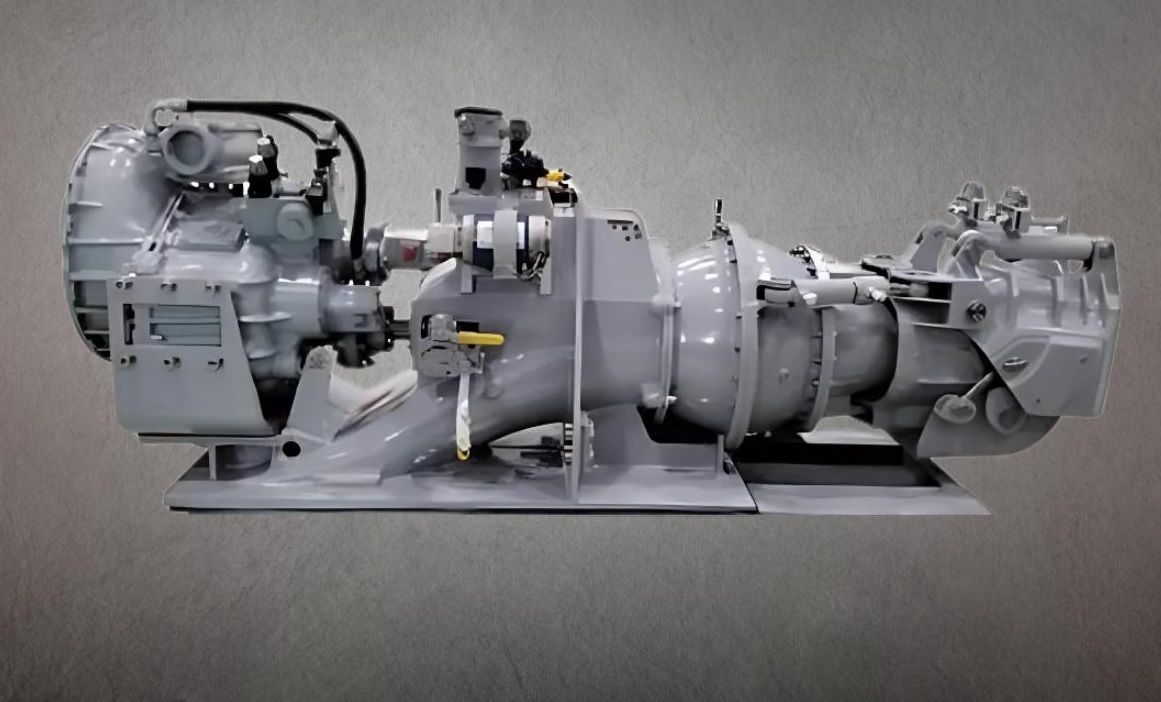
India
India has achieved another milestone in its journey toward defence self-reliance with the successful preliminary sea trials of a powerful, indigenously developed 651 kW Water-Jet Propulsion System. This advanced marine technology has been developed jointly by the Defence Research and Development Organisation (DRDO) and private-sector giant Larsen & Toubro (L&T) under the DRDO’s Technology Development Fund (TDF) scheme. The successful testing took place aboard one of the Indian Navy’s Fast Interceptor Crafts. This new propulsion system is not just a technological upgrade—it represents a major leap in India’s ability to design and produce cutting-edge naval equipment. What makes it even more significant is that the system is designed entirely in India, with more than 70% of its components being indigenously sourced. It’s a true reflection of the government’s ‘Aatmanirbhar Bharat’ (self-reliant India) vision, particularly in the strategically important defence sector. Unlike conventional systems that use external propellers, this water-jet propulsion mechanism uses a high-powered pump to draw water in and expel it at high speed to create thrust—based on Newton’s third law of motion. This design provides superior control, rapid acceleration, and enhanced manoeuvrability. Such features are especially critical during high-speed operations in shallow coastal waters or in tight maritime zones, where precision and quick response are key. One of the standout advantages of this system is its low acoustic signature. Because there are no exposed propellers and the water flow is managed internally, the system generates less noise and vibration. This stealth capability is essential during covert naval missions, surveillance patrols, or anti-smuggling operations where avoiding detection is crucial. Additionally, the internalized mechanics result in less wear and tear, making the system more reliable and easier to maintain over time. The successful preliminary sea trials confirm that the system performs efficiently in real operational environments. According to defence insiders, further trials and refinements will likely follow, but the success so far opens the door for widespread deployment of the system in India’s growing naval fleet. It is expected to power a range of Fast Interceptor Crafts and small patrol vessels used by the Navy and Coast Guard for coastal defence, high-speed interdiction, and maritime surveillance missions. This achievement also highlights the increasing importance of private-sector players like L&T in India's defence landscape. With access to advanced manufacturing facilities and engineering talent, such collaborations are accelerating the pace of innovation and reducing dependency on foreign technology. In the broader context of national security and maritime dominance, this development positions India to better secure its coastline, monitor its waters, and respond rapidly to emerging threats—entirely with homegrown technology.
Read More → Posted on 2025-04-18 14:43:57Search
Top Trending in 24 Hours
-
 Ukraine Introduces Balloon-Launched DART Missile Designed to Defeat Electronic Warfare
-
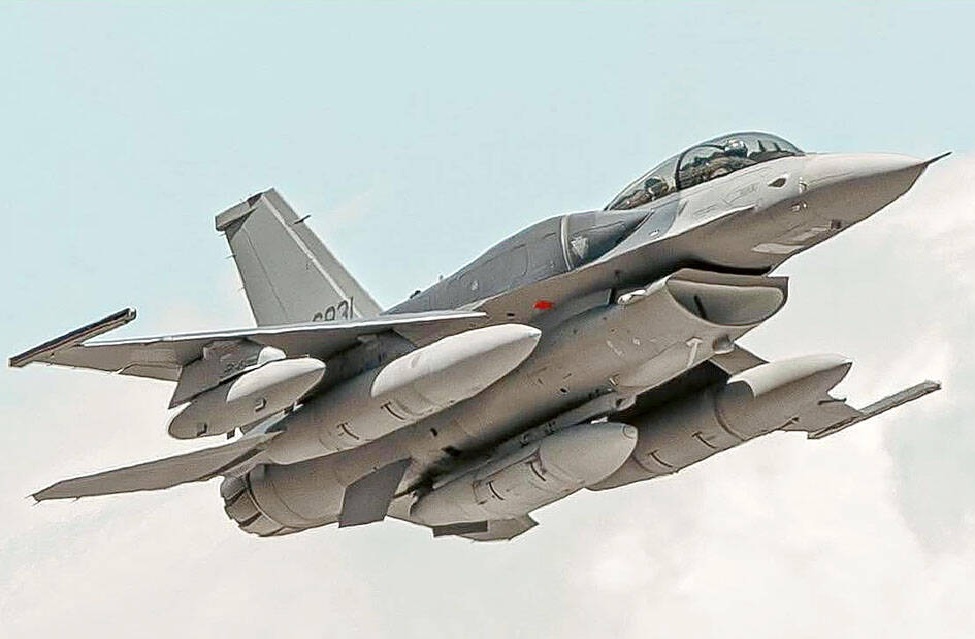 First Taiwanese F-16 Block 70 Flies with Five-Tank Fuel Configuration During Texas Tests
-
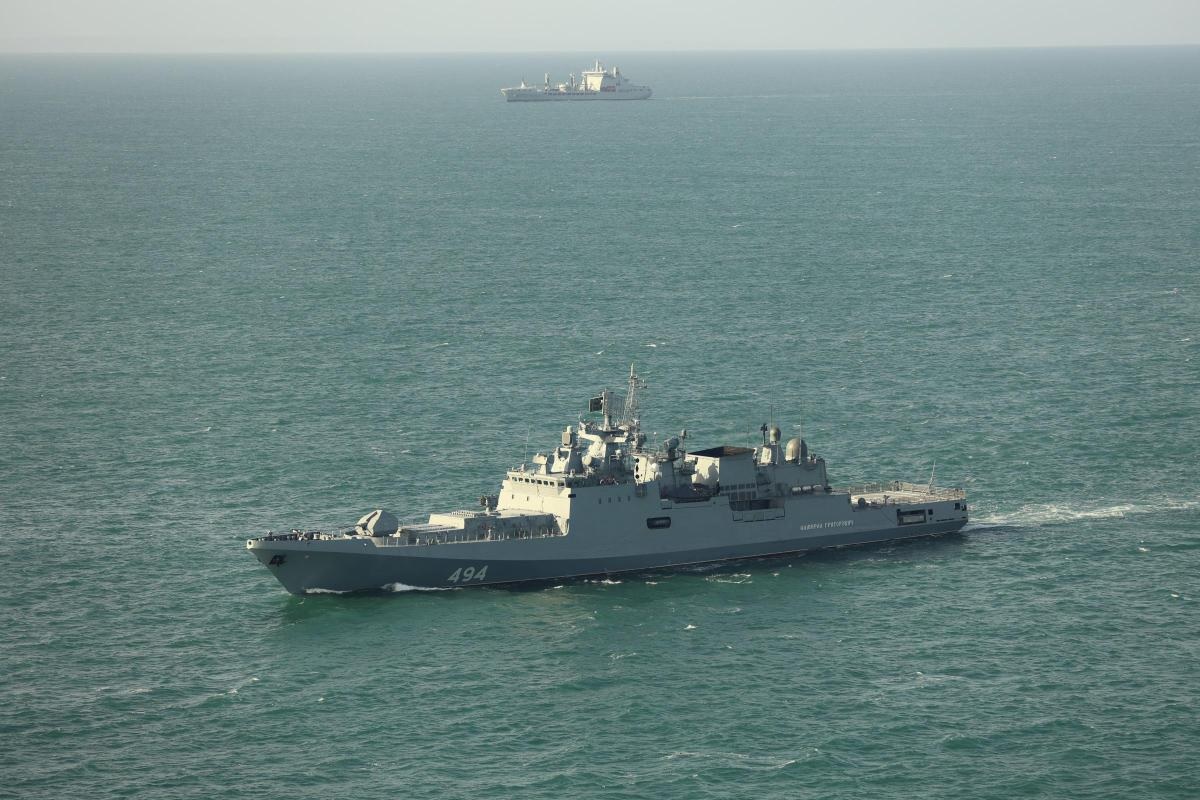 Russian Frigate Admiral Grigorovich Challenges UK Yacht in English Channel With Warning Shots
-
 UK Announces £210 Million Deal to Supply Enriched Uranium to Ukraine for Two Years
-
 Lockheed Martin Wins $514 Million U.S. Space Force Contract for Two New GPS IIIF Satellites
-
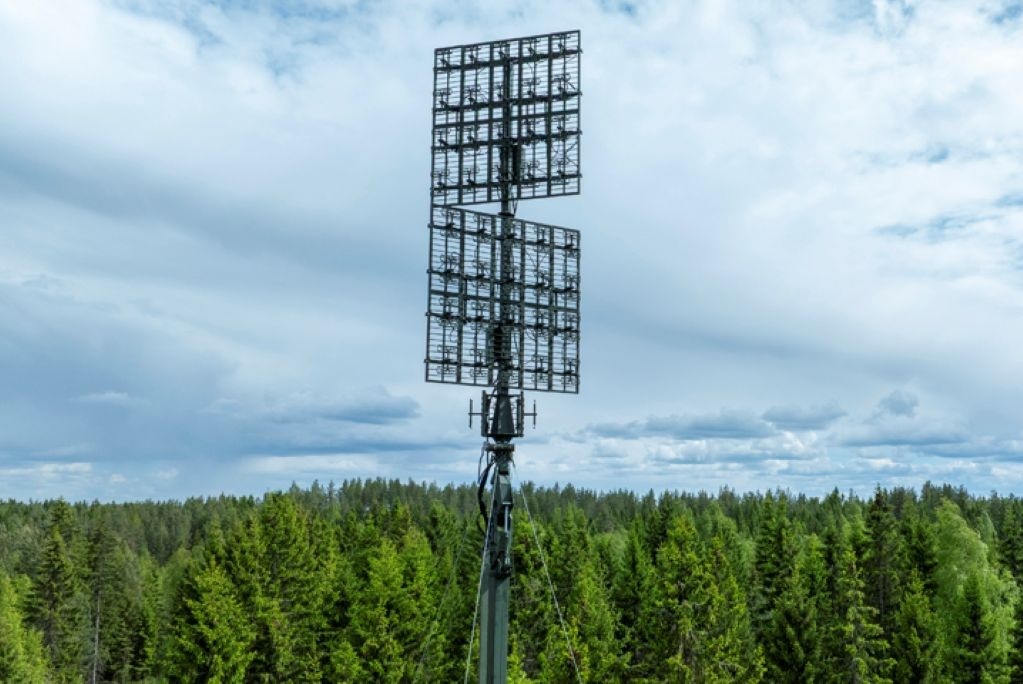 Patria Launches WISPR Passive Counter-Battery Radar with Silent Detection Capability at Eurosatory 2026
-
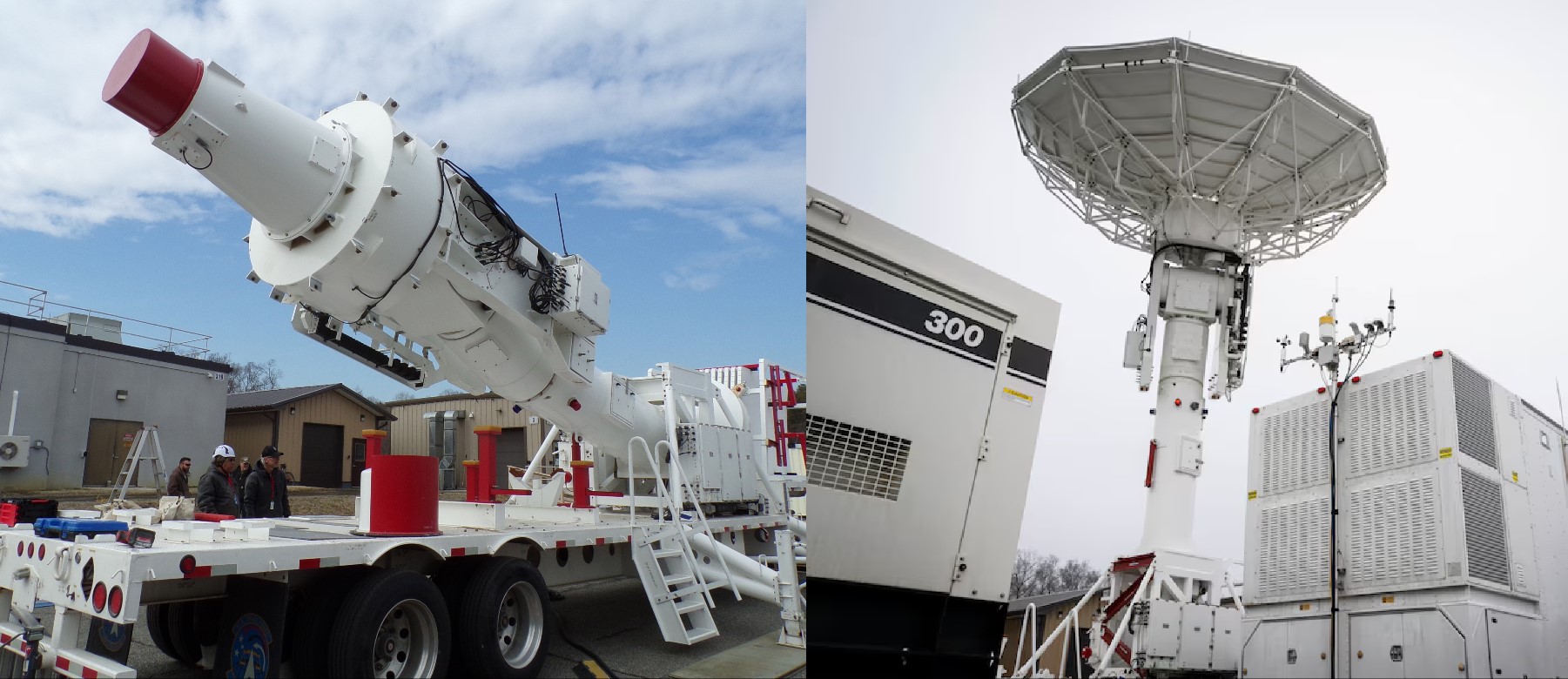 Space Force Transfers Transportable Satellite Tracking Antenna to Naval Research Laboratory
-
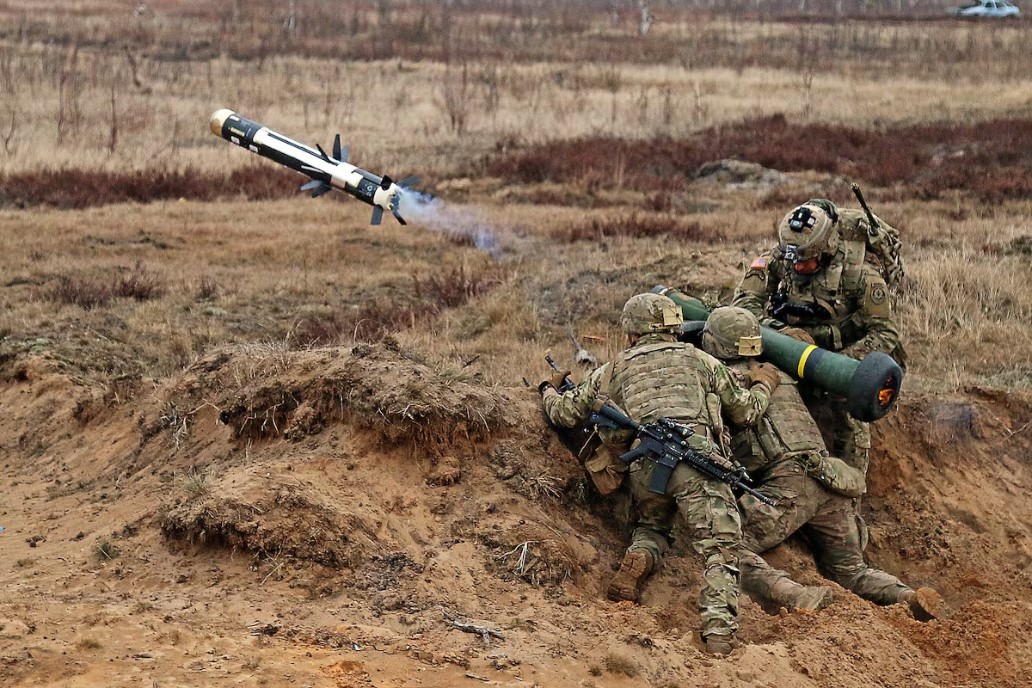 U.S. Army Launches 10-Year Plan to Sustain Javelin Missile Production Through 2036
Top Trending in 4 Days
-
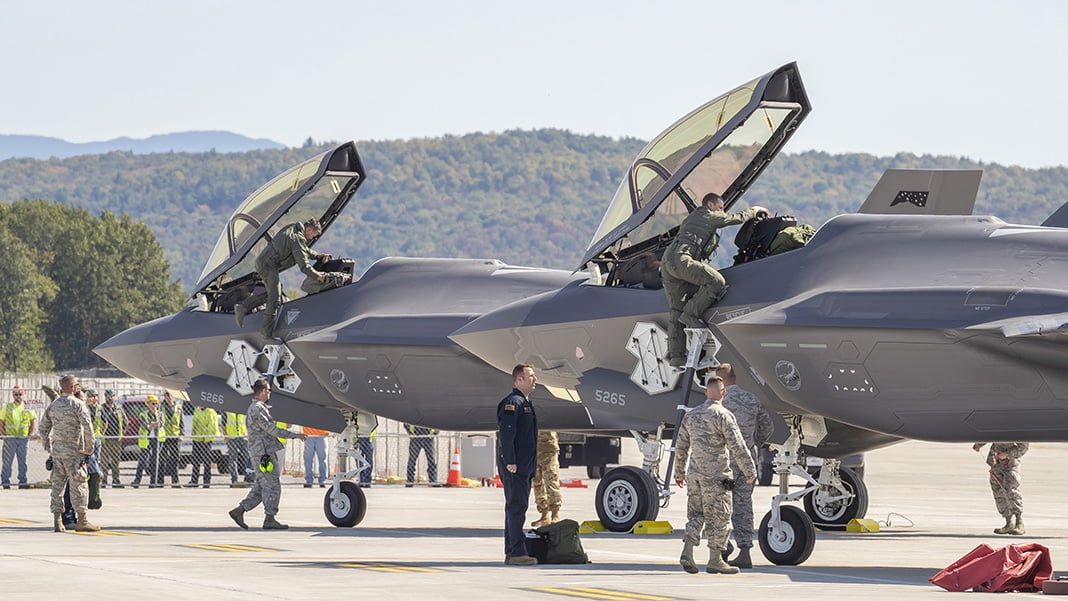 F-35 Fleet Readiness Falls to 25% Amid Parts Shortages and Software Delays: GAO Report
-
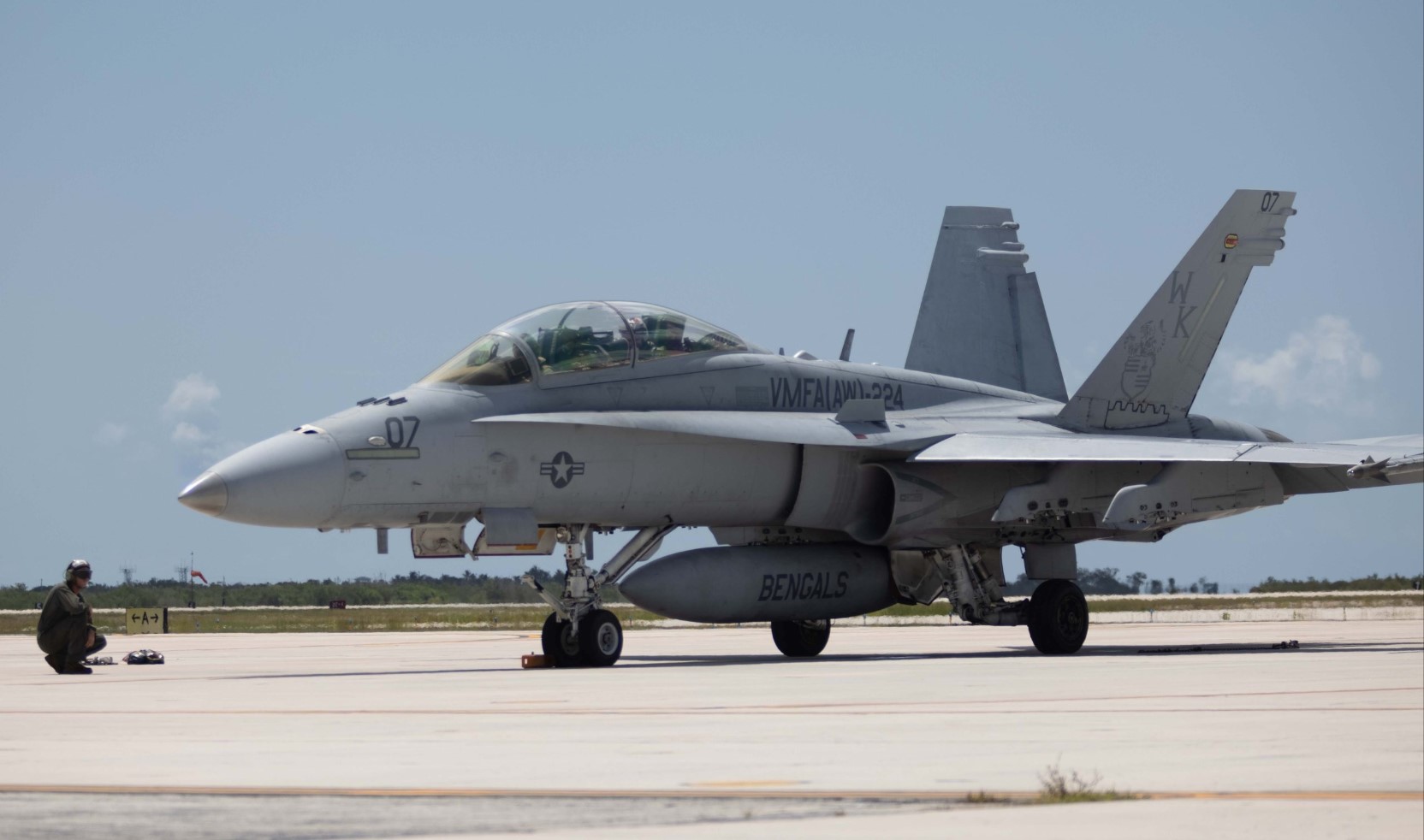 US Marine Corps F/A-18D Hornet Crashes During Training Flight in Washington Mountains; Pilot Ejects Safely
-
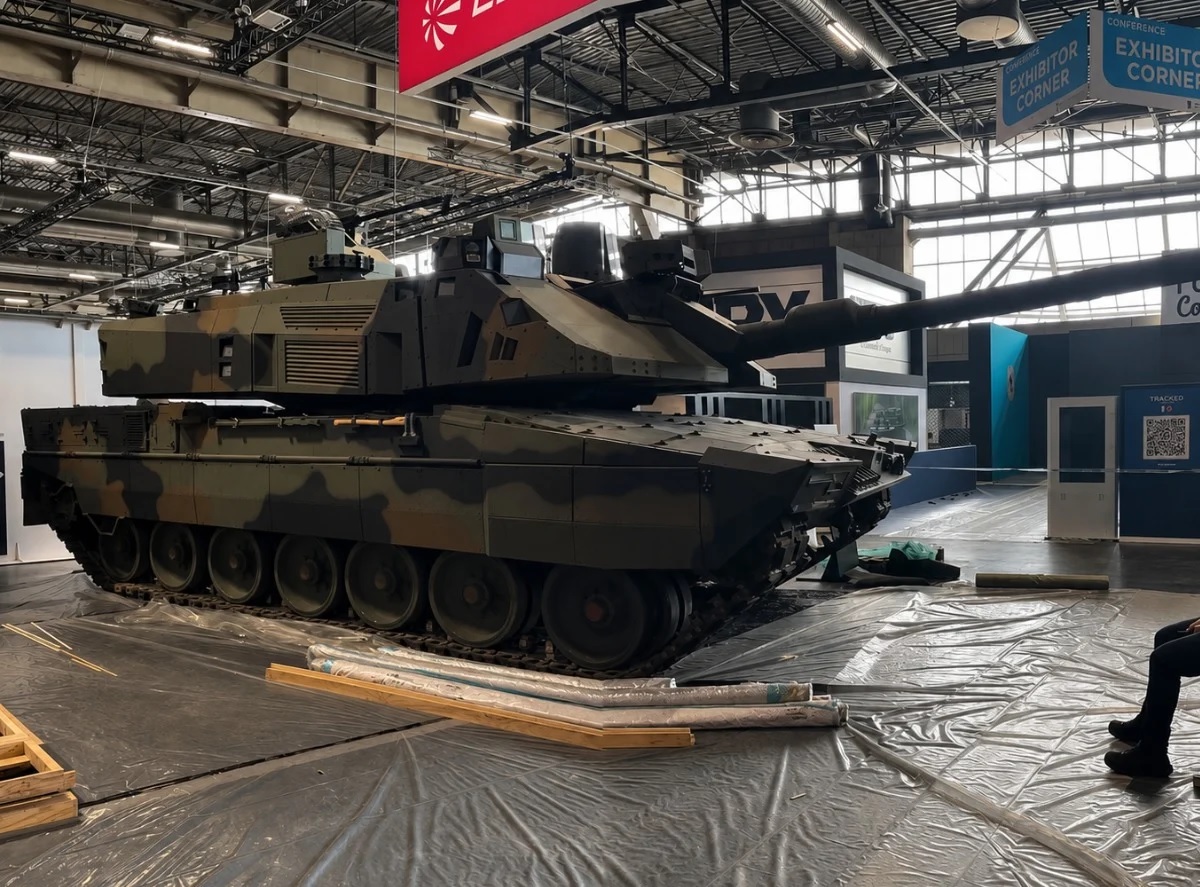 Leonardo Rheinmetall to Unveil Italy’s New IMBT Main Battle Tank at Eurosatory 2026
-
 Tulsi Gabbard Releases Declassified Files Detailing U.S.-Backed Network of 120 Biolaboratories Across 30+ Countries
-
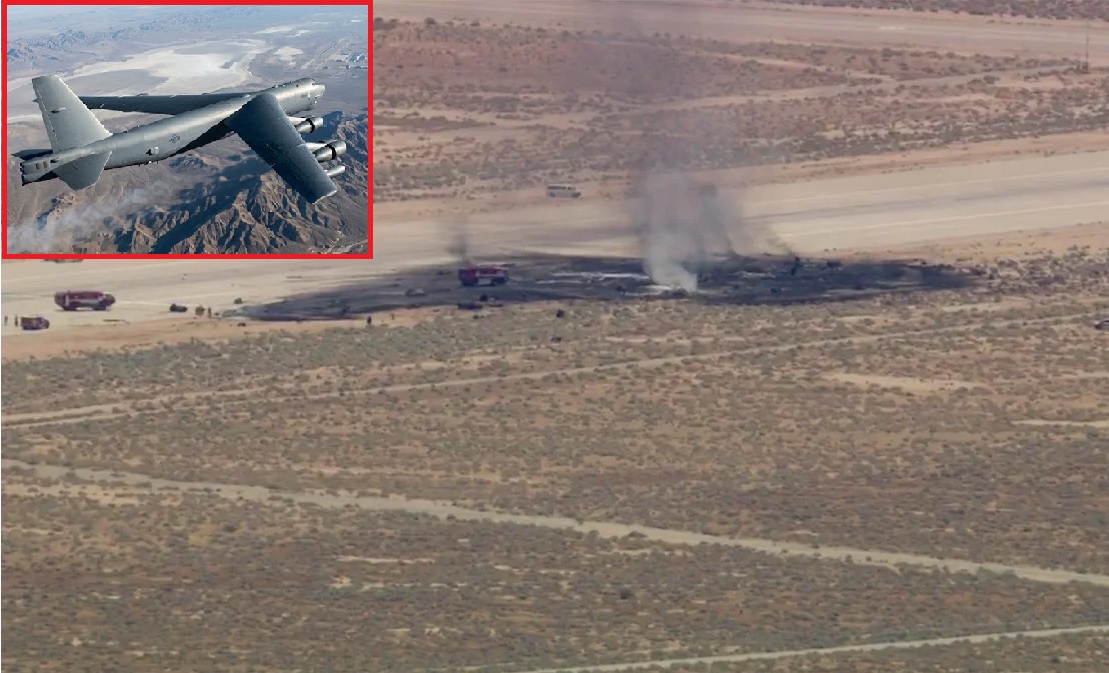 8 U.S. Air Force Crew Members Killed in B-52 Bomber Crash During Test Flight at Edwards Air Force Base
-
 NASA X-59 Achieves Planned Mission Conditions with Mach 1.4 Flight at 55,000 Feet
-
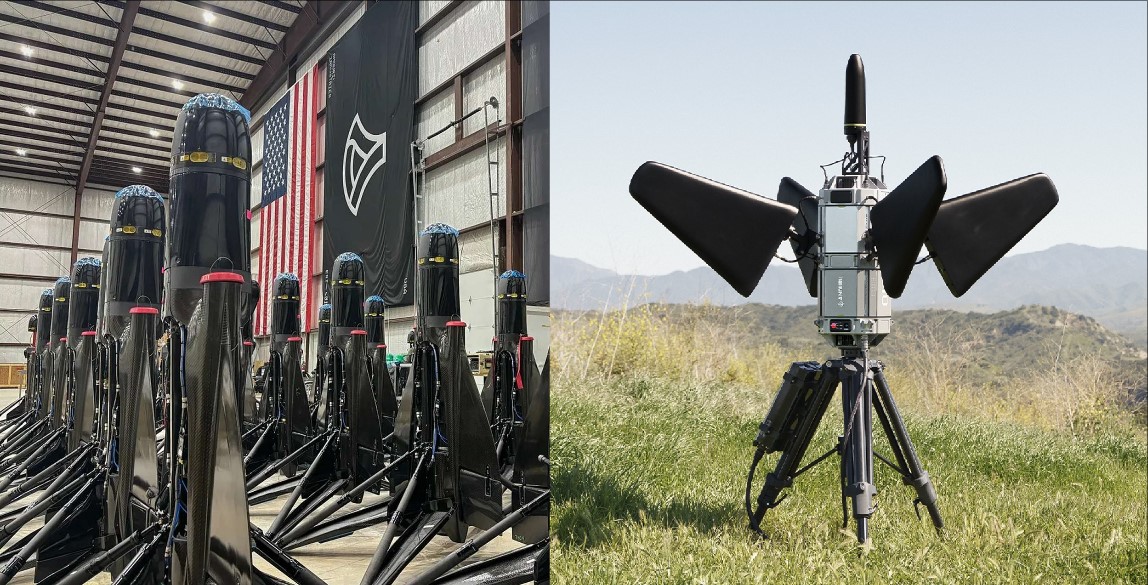 U.S. Approves $1.98 Billion Sale of Anduril AI-Powered Counter-Drone Systems to Kuwait
-
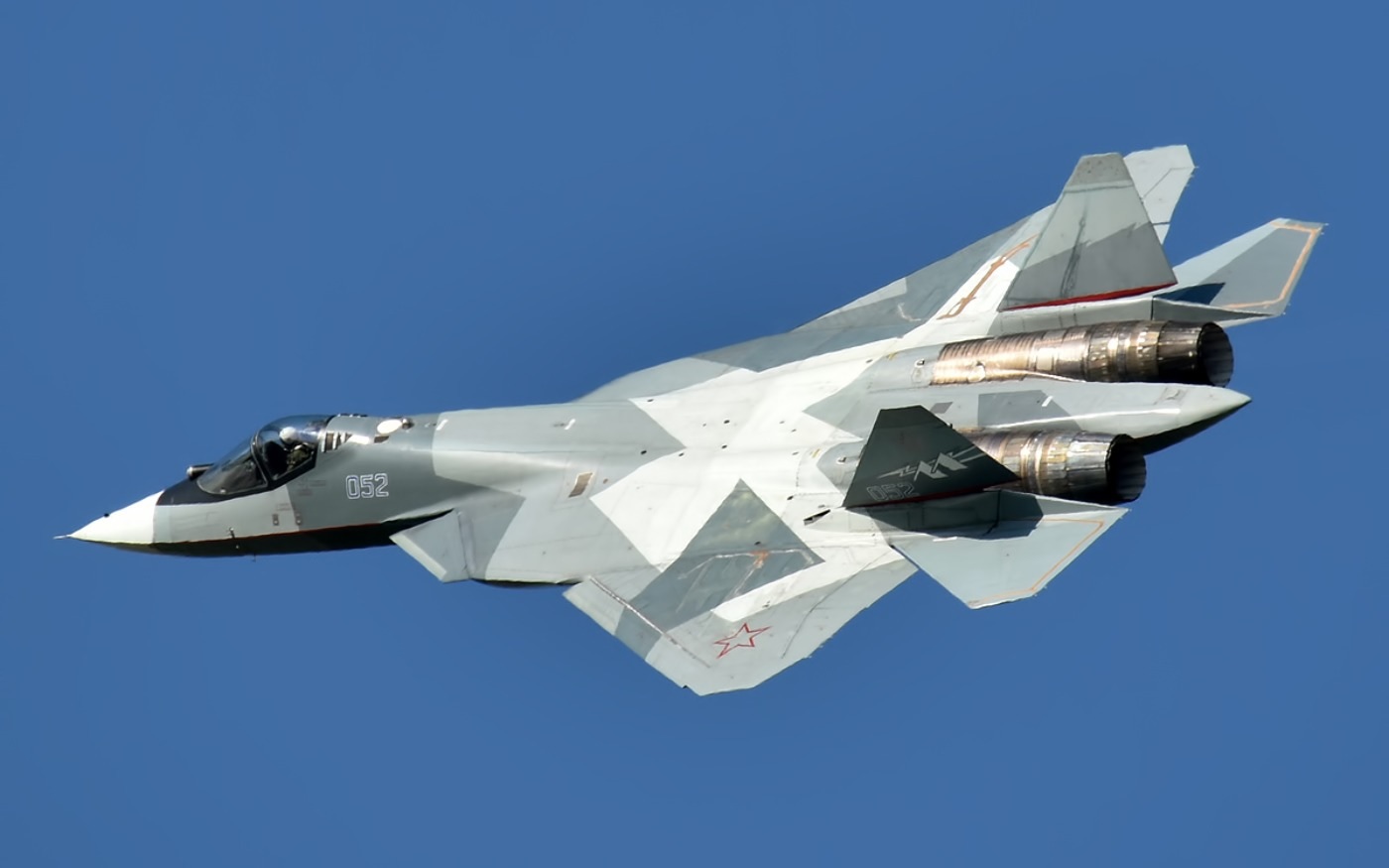 Russian Analysts Debate Su-57 Capabilities After Putin Calls Fighter Superior to F-35