
India
India recently showcased its formidable air defence and precision strike capabilities by successfully neutralising a large-scale missile and drone attack launched by Pakistan. In a bold and calculated military operation, India deployed its advanced Russian-made S-400 ‘Sudarshan Chakra’ missile defence systems alongside Israeli HARPY loitering drones, effectively protecting multiple military installations across northern and western India. The Escalation: Pakistan’s Midnight Strike Late Wednesday night, Pakistan attempted a surprise missile and drone assault on 15 key Indian military locations including Srinagar, Jammu, Pathankot, Amritsar, Chandigarh, and Bhuj. The attack was a retaliation to India’s ‘Operation Sindoor’, where the Indian Armed Forces had earlier struck nine terrorist bases in Pakistan and Pakistan-occupied Kashmir (PoK) in response to a terror attack in Pahalgam that killed 26 civilians. The Pakistani assault, launched under the cover of darkness, aimed to overwhelm India’s air defence network. However, what followed was a swift, coordinated and highly effective defensive and counter-offensive action by India. S-400 ‘Sudarshan Chakra’: India’s Air Defence Crown Jewel India’s most advanced air defence shield, the S-400 Triumf, locally nicknamed ‘Sudarshan Chakra’, proved its worth during the confrontation. Just like the mythical spinning weapon of Lord Vishnu known for cutting down evil, the S-400 intercepted all 15 incoming missiles from Pakistan before they could reach Indian soil. Specifications of the S-400 ‘Sudarshan Chakra’: Detection Range: 600 km Target Engagement Range: Up to 400 km Simultaneous Target Tracking: 80 targets Missiles Deployed: 40N6E, 48N6DM, 9M96E2 Speed: Up to Mach 14 (for interceptor missiles) Coverage: Deployed across Punjab, Jammu & Kashmir, Rajasthan, Gujarat India had signed a ₹35,000 crore deal for five squadrons with Russia. As of now, three squadrons are fully operational, with two more scheduled for deployment by 2026. The S-400’s precision, long-range interception, and multi-layered defence made it possible to neutralise Pakistan’s barrage without a single missile hitting its intended target. HARPY Drones: Silent Hunters of Enemy Radars Following the missile interception, India immediately launched a series of HARPY loitering drones developed by Israel. These special drones are designed to suppress enemy air defences by autonomously detecting radar emissions and destroying them. Key Features of the IAI HARPY Drone: Endurance: Up to 9 hours Warhead: High-explosive Operation: Day & night, all weather Seeker Type: Anti-radiation, radar frequency seeker Primary Role: Destroy enemy radar stations and air defence networks In this operation, the HARPY drones reportedly destroyed radar stations in Lahore and several other sites, blinding Pakistan’s air defence grid and ensuring safe skies for further Indian military operations. Why India’s Air Defence Outshines China’s HQ-16 Pakistan, a close military ally of China, has deployed the Chinese HQ-16 air defence system in many of its defence setups. However, the HQ-16 is simply no match for India’s advanced S-400 system. Why HQ-16 Falls Behind: Engagement Range: Only up to 70 km (compared to 400 km of S-400) Simultaneous Target Tracking: 32 targets (half of what S-400 can handle) Missile Speed: Much slower than the hypersonic interceptors of the S-400 Limited Operational Ceiling: Inadequate against high-speed, long-range missiles and stealth drones Additionally, the HQ-16 lacks the multi-layered missile options available to the S-400, making it vulnerable to saturation attacks and modern electronic warfare. This technological gap was clearly visible as India’s HARPY drones easily penetrated Pakistani defences during the recent conflict. China’s HQ-16 is essentially a licensed derivative of an older Russian system, and while it provides basic defence, it cannot match the sophistication, range, or integration capabilities of India’s S-400 network. A Measured Yet Firm Indian Response The Indian government made it clear that its response was “in the same domain with the same intensity” — targeting only military infrastructure, not civilian areas. Defence Minister Rajnath Singh reaffirmed that while India seeks peace, it will decisively respond to any provocation. Debris of downed Pakistani drones and missiles is being collected and documented, strengthening India’s diplomatic stance against Pakistan’s role in sponsoring cross-border terrorism. Strategic Message to the Region This conflict underscores India’s growing air defence supremacy and operational readiness. The combination of S-400 interceptors, HARPY drones, and a robust Integrated Counter-UAS Grid has set a new benchmark in regional defence strategy. While tensions along the border remain high, India’s restraint in avoiding civilian targets and its focus on neutralising terrorist infrastructure reflect a commitment to responsible military conduct. India’s decisive action in countering Pakistan’s missile and drone attack, coupled with its advanced air defence technology and strategic military planning, sent a clear message across the region: India is not only capable of defending its skies but also of blinding its adversaries' defences in minutes. In stark contrast, Pakistan’s reliance on Chinese-made HQ-16 systems and older technology proved ineffective and outdated. The recent events have not only showcased India’s superior military preparedness but also highlighted the weaknesses in Pakistan’s and, by extension, China’s regional military offerings. Suggested Title: "Sudarshan Chakra in the Skies: How India’s S-400 and HARPY Drones Crushed Pakistan’s Missile Strike" Would you like me to draft a closing paragraph or a summary box for this article too?
Read More → Posted on 2025-05-08 15:04:50
India
In a major setback to Pakistan’s air defence network, recent unverified reports claim that an Indian Air Force IAI Harop loitering munition successfully targeted a Chinese-made HQ-16 (LY-80) surface-to-air missile (SAM) system in Walton, Lahore. The incident allegedly left four Pakistani soldiers injured and reportedly damaged key components of the missile battery, including a command vehicle and possibly a radar system. The attack is believed to have occurred in a sensitive military zone close to the Indian border, an area critical for Pakistan’s airspace security in the Punjab region. Images circulating on social media appear to show a destroyed military truck, suspected to be the mobile command post of the HQ-16 system, suggesting a serious operational blow to Pakistan’s already fragile air defence setup. What is the HQ-16 (LY-80)? The HQ-16, exported as LY-80, is a Chinese-manufactured medium-range surface-to-air missile system, designed to counter airborne threats such as fighter aircraft, drones, and cruise missiles within a range of 40 to 70 kilometers and at altitudes up to 18 kilometers. Pakistan’s 4th Air Defence Regiment operates this system as a critical shield for its northern territories and key cities like Lahore. The battery includes a combination of radar vehicles, missile launchers, and command units mounted on mobile trucks. Exposing the Limitations of Chinese Air Defence Systems While China markets the HQ-16 as a modern and reliable SAM platform, this incident highlights significant vulnerabilities in the system’s operational effectiveness. The inability to detect and intercept a loitering munition like the IAI Harop, which is designed specifically for hunting and destroying enemy radar and air defence assets, raises serious doubts about the true combat capability of the HQ-16. Unlike advanced Western and Israeli air defence systems, the HQ-16 reportedly struggles with low-signature, precision-guided weapons and drones — a critical disadvantage on the modern battlefield, where unmanned aerial systems are now the centerpiece of aerial warfare. Moreover, the HQ-16’s limited radar detection range, slower reaction time, and susceptibility to electronic warfare have been repeatedly questioned by defence analysts. Incidents like this further tarnish the reputation of Chinese air defence exports, which are often touted as affordable but technologically inferior alternatives to Western and Israeli systems. A Boost for Indian Precision Strike Capability The alleged success of the Indian IAI Harop loitering munition in this operation demonstrates the growing precision-strike capabilities of the Indian Air Force. The Harop, capable of silently loitering over a target area for extended periods before striking with high accuracy, is especially effective against static and mobile air defence systems — as this incident appears to prove. For India, this incident serves as a reminder of its technological edge in unmanned aerial warfare in the region. It also sends a clear message to adversaries relying on imported, untested air defence systems that are ill-equipped for modern drone warfare. Pakistan’s Silence Speaks Volumes As expected, there has been no official statement from the Pakistani military or government, consistent with their long-standing policy of denying sensitive military setbacks. However, unofficial sources from Pakistan, including social media accounts, have hinted that "some batteries" of the HQ-16 system were indeed damaged in the strike. If confirmed, this would be a significant blow to Pakistan’s air defence posture, temporarily weakening its shield in a strategically vital sector close to the Indian border. While official confirmation is still awaited, this reported incident underscores the growing gap between India’s cutting-edge precision-strike capabilities and Pakistan’s reliance on imported, often overrated Chinese weaponry. The HQ-16’s inability to safeguard even its own position against a loitering drone raises serious questions about its battlefield reliability and exposes vulnerabilities in Pakistan’s air defence network — vulnerabilities that India seems increasingly capable of exploiting.
Read More → Posted on 2025-05-08 14:56:30
India
Air Marshal Narmdeshwar Tiwari has officially taken over as the new Vice Chief of the Air Staff of the Indian Air Force. He stepped into the role on Friday, following the retirement of Air Marshal S P Dharkar, who superannuated on April 30. Before this prestigious appointment, Air Marshal Tiwari was serving as the Air Officer Commanding-in-Chief (AOC-in-C) of the South Western Air Command, based in Gandhinagar. He had assumed that role in May 2023 and brought with him a wealth of operational and leadership experience. To mark his new position, he was presented with a ceremonial guard of honour at the Air Headquarters, Vayu Bhawan. Air Marshal Tiwari was commissioned into the fighter stream of the Indian Air Force in June 1986. He is an alumnus of the National Defence Academy (NDA) and graduated as the President’s Gold Medallist — an honour awarded to the best all-round cadet in the passing-out batch. Over the years, he has flown several types of aircraft and holds qualifications as both a flying instructor and an experimental test pilot. His career has been rich with field experience, including the operational testing of weapons and systems, especially on the Mirage-2000 fighter jet. He also played a key role in the Kargil conflict, taking part in several critical missions that demonstrated his courage and tactical expertise. With his extensive operational background and leadership in key commands, Air Marshal Tiwari’s appointment as the Vice Chief is expected to further strengthen the Indian Air Force’s strategic capabilities. His experience and dedication will play an important role in guiding the Air Force through its future challenges.
Read More → Posted on 2025-05-02 15:40:09
India
Pakistan has significantly ramped up its military preparedness along the Indian border in the wake of the deadly April 22 terror attack in Pahalgam, which claimed 26 lives and sharply escalated tensions between the two countries. In a notable military move, Pakistan has deployed Chinese-made SH-15 155mm self-propelled howitzers near the Line of Control (LoC) and the Longewala sector in Rajasthan. These advanced artillery units, capable of launching precision-guided shells up to 53 kilometers, reflect Pakistan’s ongoing artillery modernisation program. In 2019, Pakistan had procured 236 of these systems from China, highlighting the strategic defense cooperation between the two nations. Alongside this deployment, the Pakistan Army and Air Force have initiated large-scale military exercises. The air force is currently running three major drills—Fiza-e-Badr, Lalkar-e-Momin, and Zarb-e-Haidari—featuring combat jets like the F-16, J-10, and JF-17. These operations are supported by Saab airborne early warning aircraft to improve surveillance and response capabilities. Meanwhile, the Pakistan Army’s Strike Corps is conducting tactical field exercises, and the Airport Security Force has been placed on heightened alert to safeguard key airbases. Radar systems and electronic warfare units have reportedly been moved to forward areas. In the Sialkot sector, radar coverage has been enhanced, while near the Ferozepur border, electronic warfare assets have been positioned to monitor and potentially counter Indian air operations. This military posturing follows India’s strong response to the Pahalgam attack. The Indian government has granted its armed forces operational freedom to retaliate, suspended the Indus Water Treaty with Pakistan, and tightened visa policies for Pakistani nationals. In parallel, Indian forces have increased vigilance along the border, conducting live-fire artillery drills and naval exercises off the coast of Gujarat, including anti-ship missile tests in proximity to Pakistani maritime activity. Cross-border hostilities have seen a noticeable uptick. Pakistani forces have fired small arms and machine guns at Indian positions along the LoC, drawing firm counter-attacks from the Indian side. Both militaries are now operating on high alert, with Pakistan reportedly keeping its navy on standby, anticipating the possibility of a broader Indian response. Pakistan’s reliance on Chinese weaponry and intensified air defence deployments reveal its strategic efforts to counterbalance India’s larger and more advanced military capabilities, especially in naval and artillery domains. While both nations continue to flex military muscle, Indian officials maintain confidence in their defensive posture and reiterate their determination to respond decisively to any acts of cross-border terrorism. The current situation serves as yet another reminder of the fragile nature of India-Pakistan relations, where military escalation and diplomatic brinkmanship coexist in a delicate balance to avoid all-out conflict.
Read More → Posted on 2025-05-02 15:27:58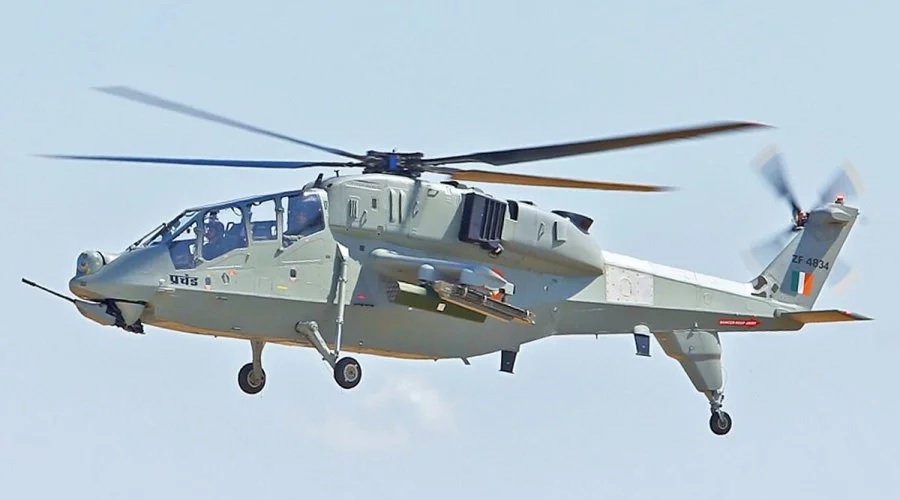
India
India’s homegrown Light Combat Helicopter (LCH), HAL Prachand, is about to receive a significant boost in its firepower. A newly developed indigenous 80mm unguided rocket system is set to be integrated into the helicopter’s arsenal, marking a major step forward in strengthening India’s defence self-reliance and battlefield capabilities. This new weapon system has been jointly developed by TridenTech Engineering, IIT Madras, Bharat Electronics Limited (BEL), Reliance Aerospace Limited (RAL), and BILVA Technologies. It’s designed to replace the currently imported 70mm FZ275 Laser Guided Rockets (LGR), which are supplied by the global aerospace firm Thales. Why This Upgrade Matters The switch to an indigenous 80mm rocket system offers several important advantages: Extended Range:While the imported 70mm FZ275 LGR has an effective range of around 7 kilometres, the new Indian-made 80mm rockets can strike targets between 10 to 12 kilometres away. This increased range allows the Prachand to engage enemies from a safer distance, reducing the risk of counterattacks and improving crew survivability. Versatile Warhead Options:The new 80mm rockets can be fitted with different types of warheads based on mission requirements: HEAT-Frag (High-Explosive Anti-Tank Fragmentation): Effective against armoured vehicles. Thermobaric Warheads: Ideal for clearing bunkers, buildings, and fortified positions with intense blast effects. Anti-Runway Munitions: Designed to disable enemy airfields and airstrips. Illumination Rounds: To light up the battlefield during night operations. This flexibility means the Prachand can adapt to various combat situations — whether it’s anti-armour, suppression of enemy positions, or nighttime missions. Future Developments While the first version of the new 80mm rocket system is unguided, there’s already work underway on a laser-guided variant. Once completed, it will offer precision strike capability with an entirely indigenous system. This not only reduces dependency on foreign suppliers but also strengthens India’s operational control and logistics. The move aligns with India’s broader ‘Make in India’ initiative in the defence sector, aimed at enhancing local production of critical military technologies and cutting down on imports of high-value weapon systems. HAL Prachand LCH: Quick Specifications Crew: 2 (Pilot + Gunner) Maximum Speed: Around 268 km/h Operational Ceiling: 6,500 metres Armament: 20mm nose-mounted turret gun 70mm FZ275 LGR (to be replaced by indigenous 80mm rocket system) Anti-tank guided missiles (ATGMs) Air-to-Air missiles Features: Crash-worthy structure and landing gear Armour protection Advanced electronic warfare systems Capable of operating in high-altitude areas, including the Himalayas The integration of this new 80mm multi-warhead rocket system is a significant leap for the Prachand LCH. It not only increases its battlefield flexibility and operational reach but also marks a proud milestone for India’s growing domestic defence industry. With future plans for a laser-guided variant, the Prachand is set to become an even more lethal and self-reliant combat platform for the Indian armed forces.
Read More → Posted on 2025-05-02 15:20:33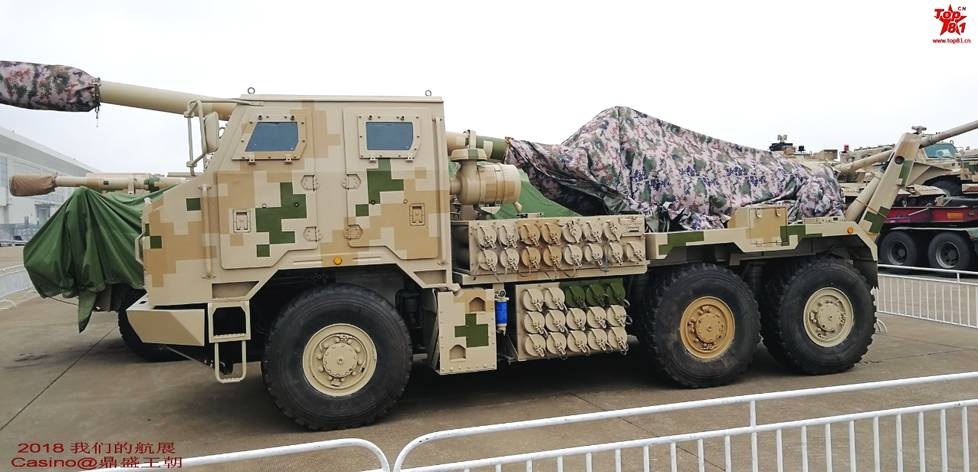
India
In a concerning development for regional security, the Pakistan Army has deployed several dozen Chinese-made SH-15 155mm self-propelled howitzers near the Indian border. These advanced artillery systems have been stationed roughly 80 kilometres from the Line of Control (LoC), significantly increasing the military threat level in an already tense environment. This deployment follows a tragic terrorist attack in Pahalgam, Jammu and Kashmir, which claimed the lives of 26 tourists. The incident led to a sharp rise in hostilities between India and Pakistan, with both sides taking tough diplomatic and military stances. What is the SH-15 Howitzer? The SH-15, known as the PCL-181 in Chinese military service, is one of the most modern artillery systems currently available to Pakistan. It was first unveiled in China in 2017 and later delivered to Pakistan under a 2019 deal for 236 units. Mounted on a 6x6 Shaanxi military truck chassis with a protective armoured cabin for the crew, the SH-15 combines firepower, speed, and mobility. It is designed for rapid deployment and repositioning, giving it a tactical edge in mountain and border areas like those near the LoC. Key Specifications and Capabilities The SH-15 is armed with a powerful 155mm/52-calibre gun capable of firing various types of ammunition. Its capabilities include: Maximum Firing Range: 20-30 kilometres with standard shells Up to 53 kilometres using rocket-assisted projectiles Ammunition Compatibility:The system can fire both Chinese and NATO-standard ammunition, as well as precision-guided shells. Fire Control and Targeting:It uses an advanced computerized fire control system with GPS navigation, allowing for quick targeting adjustments and high firing accuracy. Firing Rate:Capable of firing 4 to 6 rounds per minute. Mobility:Thanks to its "shoot and scoot" ability, the SH-15 can quickly relocate after firing, reducing the risk of enemy counter-attacks. This combination of long-range firepower, fast repositioning, and precision-guided capability significantly improves Pakistan’s artillery strength along the border. Why This Deployment Matters The arrival of SH-15 howitzers so close to the LoC is a serious military signal. From these positions, major Indian cities like Amritsar and sensitive military installations could theoretically be within artillery range. Such a move not only boosts Pakistan’s deterrence posture but also raises the possibility of rapid escalation if cross-border tensions worsen. There are also reports suggesting that some of these howitzers have been placed in or near populated urban areas, a controversial tactic seen in other conflicts like the war in Ukraine. While officially unconfirmed, such actions could complicate retaliation options for India, due to the risk of civilian casualties. A Strained Regional Situation This military deployment comes during a period of deep mistrust between the two nuclear-armed neighbours. After the Pahalgam attack, India accused Pakistan of backing cross-border terrorism, suspended the Indus Waters Treaty, and stepped up military activity along the border. Pakistan, in response, denied involvement, suspended the Simla Agreement, closed airspace to Indian flights, and warned of a possible Indian military strike. Sporadic clashes and artillery exchanges have since taken place along the LoC. Pakistan’s deployment of SH-15 self-propelled howitzers near the India border marks a significant escalation in military preparedness. It highlights the growing risk of conflict in the region, especially given the ongoing disputes over Kashmir and the breakdown of diplomatic ties. The presence of these modern artillery systems adds a new dimension to the already fragile peace along the India-Pakistan border. In the absence of effective dialogue and confidence-building measures, the danger of a serious military confrontation remains worryingly high.
Read More → Posted on 2025-04-29 15:38:24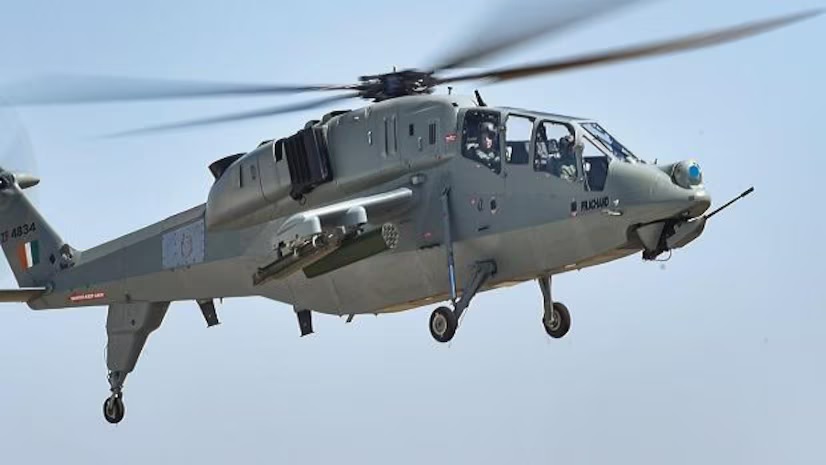
India
In a major step toward self-reliance in defence, the Indian Air Force (IAF) has decided to retire its ageing fleet of Soviet-origin Mi-35 Hind attack helicopters by the 2030s and replace them with the homegrown Light Combat Helicopter (LCH) Prachand. This move not only signals a shift in operational priorities but also strengthens India's commitment to indigenous defence production. The Mi-35, a veteran helicopter in the IAF’s arsenal, has served since the 1980s. Known for its heavy armor, troop-carrying capability, and powerful weapon systems, the Mi-35 has been a reliable platform for close air support and anti-tank missions. However, with time and changing warfare needs, its relevance has begun to fade. To keep the Mi-35s flying until their retirement, the IAF is currently undertaking a major refurbishment programme in collaboration with Russia. This will help extend the life of the fleet through the rest of this decade. But the future clearly lies with the newer and lighter LCH Prachand. Developed by Hindustan Aeronautics Limited (HAL), the LCH Prachand represents a modern, agile, and high-altitude capable attack helicopter specifically designed to operate in India’s demanding terrain. Though smaller than the Mi-35 — with a maximum take-off weight of 5.8 tons compared to the Mi-35’s 11.5 tons — the Prachand offers exceptional maneuverability, especially in mountainous regions like Ladakh. One of the most significant aspects of this transition is the IAF’s decision to halt further imports of the American AH-64E Apache helicopters beyond the 22 units already in service. These were inducted between 2019 and 2021. By choosing the Prachand over additional Apaches, the IAF is clearly prioritising indigenous capability over foreign procurement. An IAF official explained that the LCH Prachand is set to become the largest attack helicopter type in the IAF’s inventory, underlining the level of confidence in its performance and future potential. This marks a clear endorsement of India’s efforts to develop world-class defence technology within the country. The LCH is not just lighter but smarter. It is equipped with advanced sensors, a 20mm nose-mounted cannon, rockets, and both air-to-air and air-to-ground missiles, including the Mistral 2 and India’s own Dhruvastra. It also features stealth design elements, modern avionics, and high survivability, making it highly suitable for present-day combat environments. The government has already begun inducting 15 Limited Series Production units of the LCH — 10 for the Air Force and 5 for the Army. But the real boost will come with the expected clearance of a large-scale procurement of 156 LCH units: 114 for the Army and 42 for the Air Force. Once approved, this order will place the LCH Prachand at the heart of India’s future combat helicopter fleet. The gradual replacement of the Mi-35 with the LCH Prachand is not just about retiring old equipment — it's about adopting a new strategy. The IAF is looking to future warfare, where speed, precision, adaptability, and self-sufficiency are more critical than brute force alone. And the Prachand fits this vision perfectly. By choosing an indigenous solution over additional foreign imports, the IAF is not only modernising its fleet but also sending a strong message: India’s skies will increasingly be guarded by machines built in India, for India.
Read More → Posted on 2025-04-29 15:21:41
India
The Indian American community has been left heartbroken after the horrific terror attack in Pahalgam, Jammu and Kashmir, on April 22, 2025. The tragedy claimed the lives of 26 people, most of them Hindu tourists, including one person from Nepal. More than 20 others were seriously injured, making it the deadliest attack in Kashmir since the 2019 Pulwama bombing. According to survivors and early investigations, the attackers deliberately targeted victims based on their religion. Tourists were reportedly asked to recite Islamic prayers and, in some cases, were subjected to humiliating checks to identify their faith before being shot at close range. One survivor shared that a woman was purposely spared by the attackers so she could later tell the Indian Prime Minister what had happened. Other survivors described the chilling scene where attackers even took selfies with the bodies of the victims. The Resistance Front (TRF), a group believed to be linked to the Pakistan-based Lashkar-e-Taiba, claimed responsibility for the attack. Reports suggest the attack was meant as a warning against demographic changes in Kashmir. The shock of this violence has deeply affected Indian Americans across the United States, especially in areas like Washington, DC, Houston, Seattle, and Atlanta. Candlelight vigils, prayer meetings, and peaceful marches were organized to honor the victims and call for justice. Many mourners were Kashmiri Hindus or had family ties to the valley, and their grief was deeply personal. They shared painful memories of past displacements and tragedies that echoed the latest attack. At these events, emotional speeches called for stronger global action against targeted violence. Placards with messages like "Stop Killing Innocents," "Justice for Kashmir Victims," and "Hindu Lives Matter" were seen everywhere. Hymns were sung, candles were lit, and moments of silence were observed to remember the lives lost. Along with sadness, there was also anger and frustration over what many see as the world's continued silence about the suffering of Kashmiri Hindus. In response to the attack, the Indian government quickly launched a large-scale crackdown in Kashmir, arresting hundreds of people linked to terrorist networks and dismantling suspected militant hideouts. The tragedy has sparked renewed conversations about the safety of minorities in Kashmir and the future of tourism in the region, which had been working hard to recover its reputation as a safe and beautiful travel destination. As the vigils ended, the message from the Indian American community was loud and clear: a heartfelt call for peace, justice, and recognition of the pain endured by Kashmiri Hindus and other victims of terrorism. The sorrow from April 22 will not be easily forgotten, standing as a powerful reminder of how violence can cast long shadows across generations and continents.
Read More → Posted on 2025-04-28 15:26:10
India
India’s ambitious fifth-generation fighter program, the Advanced Medium Combat Aircraft (AMCA), has taken a significant step forward as a senior Indian defence delegation recently visited the Rolls-Royce facility in Bristol, United Kingdom. This high-profile visit signals growing strategic defence cooperation between India and the UK and has further strengthened Rolls-Royce’s position as a frontrunner to partner in developing the engine for the AMCA Mk2 fighter. Strengthening Defence Ties The Indian delegation was led by Defence Secretary Shri Rajesh Kumar Singh and included the High Commissioner of India to the UK, His Excellency Vikram Doraiswami, along with several top Ministry of Defence officials and industry representatives. During their visit, they closely examined Rolls-Royce’s latest advancements in aero engines, naval propulsion systems, and cutting-edge defence technologies. This engagement is part of the broader India-UK defence relationship built upon the Comprehensive Strategic Partnership and the 2030 Roadmap agreements, both of which promote collaboration in defence technology development and industrial partnerships. The AMCA Program and Its Engine Challenge The AMCA is a next-generation stealth fighter being developed by India’s Defence Research and Development Organisation (DRDO) and its Aeronautical Development Agency (ADA). The AMCA is designed to feature advanced stealth technology, supercruise capability (the ability to fly at supersonic speeds without afterburners), and cutting-edge avionics, aiming to significantly upgrade the Indian Air Force’s combat fleet by the early 2030s. One of the most critical aspects of the AMCA program is developing a high-performance engine. While initial prototypes of the AMCA Mk1 are expected to fly using the American GE F414 engine — which produces about 98 kN of thrust — the future AMCA Mk2 will require a more powerful, indigenous or jointly-developed engine in the 110-130 kN thrust class to fully meet the aircraft’s fifth-generation performance standards. Why Rolls-Royce is Emerging as the Top Choice Rolls-Royce, a globally respected name in aerospace propulsion, is being seen as a strong contender for this partnership. The company’s track record includes engines like the EJ200 that powers the Eurofighter Typhoon and its ongoing work in the UK’s Tempest sixth-generation fighter program. During the delegation’s tour, Rolls-Royce showcased several advanced technologies relevant to India’s future defence needs: Aero Engines: Latest developments in high-thrust, fuel-efficient turbofan engines suitable for stealth fighters, including adaptive cycle engine technology capable of changing performance modes in flight. Naval Propulsion Systems: Gas turbines and integrated electric propulsion systems, which could support future Indian Navy projects such as indigenous aircraft carriers and the Next Generation Destroyers (NGD). Niche Defence Technologies: Innovations in additive manufacturing (3D printing), AI-based predictive maintenance for engines, and research into sustainable aviation fuels and hydrogen propulsion concepts. Focus on Co-Development and Industrial Collaboration Discussions during the visit centred on co-developing advanced engine technologies and integrating Indian defence companies into Rolls-Royce’s global supply chain. Both countries reaffirmed their commitment to combining India’s growing defence manufacturing capabilities with Rolls-Royce’s technical expertise to develop cutting-edge systems and create economic opportunities. This partnership approach aligns with India’s long-term goal of achieving self-reliance in defence production while incorporating world-class technology through meaningful international collaborations. India has long sought a reliable partner for developing the AMCA’s high-thrust engine, previously engaging in talks with both Rolls-Royce and French engine maker Safran. With this recent visit, Rolls-Royce has strengthened its position as the leading candidate for this crucial project. If a formal agreement is reached, it would mark a significant milestone for the AMCA program and India’s defence industry, potentially positioning India among a select group of nations capable of designing and producing advanced fifth-generation combat aircraft with homegrown or co-developed propulsion systems. As India moves closer to finalising its engine partner, all eyes remain on the evolving India-UK defence partnership and the critical role Rolls-Royce may play in powering the Indian Air Force’s future air superiority platform.
Read More → Posted on 2025-04-28 15:22:11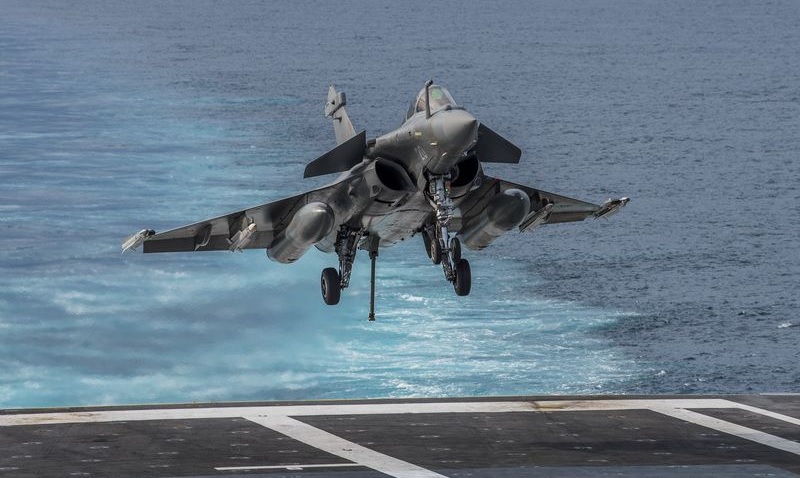
India
In a major move to strengthen its naval power, India has signed a $7.4 billion (₹63,000 crore) agreement with France to buy 26 Rafale Marine fighter jets. The contract was officially signed after an Inter-Governmental Agreement between the two countries and was witnessed by the Chairman and CEO of Dassault Aviation, Éric Trappier. This historic deal includes 22 single-seater and four twin-seater Rafale Marine jets, manufactured by Dassault Aviation. For the first time ever, the Rafale Marine will be operated by a navy outside of France, marking a major milestone for both India and Dassault Aviation. According to the Indian defence ministry, all the aircraft will be delivered by 2030. Indian Navy crews will receive training in both France and India to prepare for operating the new jets. This purchase is also expected to create thousands of new jobs and boost business across India’s defence sector. The deal had earlier received approval from India's security cabinet, chaired by Prime Minister Narendra Modi. Currently, the Indian Air Force already operates 36 Rafale fighter jets, while the Navy primarily uses older Russian-made MiG-29 aircraft. The arrival of the Rafale Marine will modernise the Navy’s capabilities significantly. The selection of the Rafale Marine, announced in July 2023 after thorough evaluation, reflects India’s trust in the fighter’s advanced technology. Dassault Aviation highlighted that this deal strengthens the deep strategic ties between India and France and proves the Rafale’s importance in securing a nation’s sovereignty. The Indian Navy will now benefit from the vast operational experience of the French Navy, which already flies the Rafale Marine from its aircraft carrier. With this addition, along with the 36 Rafale jets already flying with the Air Force, India will further boost its ability to protect its interests and maintain a strong global presence. This agreement continues a long history between India and Dassault Aviation that goes back 70 years to the induction of the Toofany fighter aircraft. Dassault Aviation also emphasized its commitment to supporting India's 'Make in India' and 'Skill India' initiatives by further investing in the country’s defence ecosystem. Éric Trappier, Chairman and CEO of Dassault Aviation, expressed his gratitude to the Indian government for their continued trust and said the company is determined to support India’s strategic ambitions for the future. The Indian Navy’s decision to strengthen its fleet comes at a time of rising concerns over China’s growing influence in the Indian Ocean. China’s military base in Djibouti and the presence of Chinese vessels in the region have been closely watched by Indian defence planners. With the new Rafale Marine jets, India aims to modernise its forces, reduce dependence on Russian equipment, and support its goal of building a strong, self-reliant defence industry.
Read More → Posted on 2025-04-28 15:15:05
India
An intense wave of panic has spread across Pakistan after India made a bold move to suspend the Indus Waters Treaty (IWT), an agreement that has peacefully governed the sharing of river waters between the two nations for more than 60 years. This unprecedented decision came shortly after a deadly militant attack in Pahalgam, Kashmir, where 26 people—mostly Indian tourists—lost their lives. India has blamed Pakistan-based militants for the attack, although Pakistan has strongly denied any involvement. In response to the tragedy, India’s government took a series of tough steps. The biggest shock was the announcement to suspend the IWT, a treaty brokered by the World Bank in 1960, which ensures water-sharing rights between the two nuclear-armed neighbors. Along with suspending the treaty, India also stopped issuing visas to Pakistani citizens, reduced its diplomatic staff in Islamabad, and closed the only land border crossing between the two countries. Pakistan hit back by closing its airspace to Indian flights and halting all trade with India. The Indus River and its tributaries are the lifeline of Pakistan, watering around 80% of the country’s farmland. Millions of farmers depend on this water for their crops and livelihoods. With the river already running low and rainfall becoming more unpredictable due to climate change, the sudden suspension of the treaty has left farmers, experts, and officials deeply worried about the future. Farmers in Sindh and Punjab fear that without the regular flow of water, their lands could dry up, devastating Pakistan’s agriculture and food supply. India’s top security body, the Cabinet Committee on Security led by the Prime Minister, defended the decision by stating that it would remain in place until Pakistan "credibly and irrevocably" ends its alleged support for terrorism. While it is not technically possible for India to instantly cut off the water supply due to existing structures and treaty obligations, Indian officials suggest that within a few months, India could start diverting more water for its own use. They are also planning to speed up new dam and hydroelectric projects. Another immediate impact is India's decision to stop sharing vital water data, including flood warnings, which could leave Pakistan dangerously unprepared for natural disasters. The suspension of the Indus Waters Treaty marks one of the most serious escalations between the two countries in recent years. The treaty had famously survived wars and major conflicts between India and Pakistan, and its suspension now adds a heavy layer of uncertainty to an already tense relationship. Pakistani leaders and experts have warned that if India blocks or diverts water, it could be seen as an “act of war,” making the situation even more dangerous. Beyond the current crisis, bigger issues loom. Both India and Pakistan are struggling with rising populations, greater demand for water and electricity, and the growing impacts of climate change. India has long argued for a revision of the treaty, saying circumstances have changed since 1960. On the other hand, Pakistan sees water access as a question of survival. With emotions running high on both sides and millions depending on the Indus River, the future of the treaty—and peace in the region—now hangs by a fragile thread.
Read More → Posted on 2025-04-27 15:41:17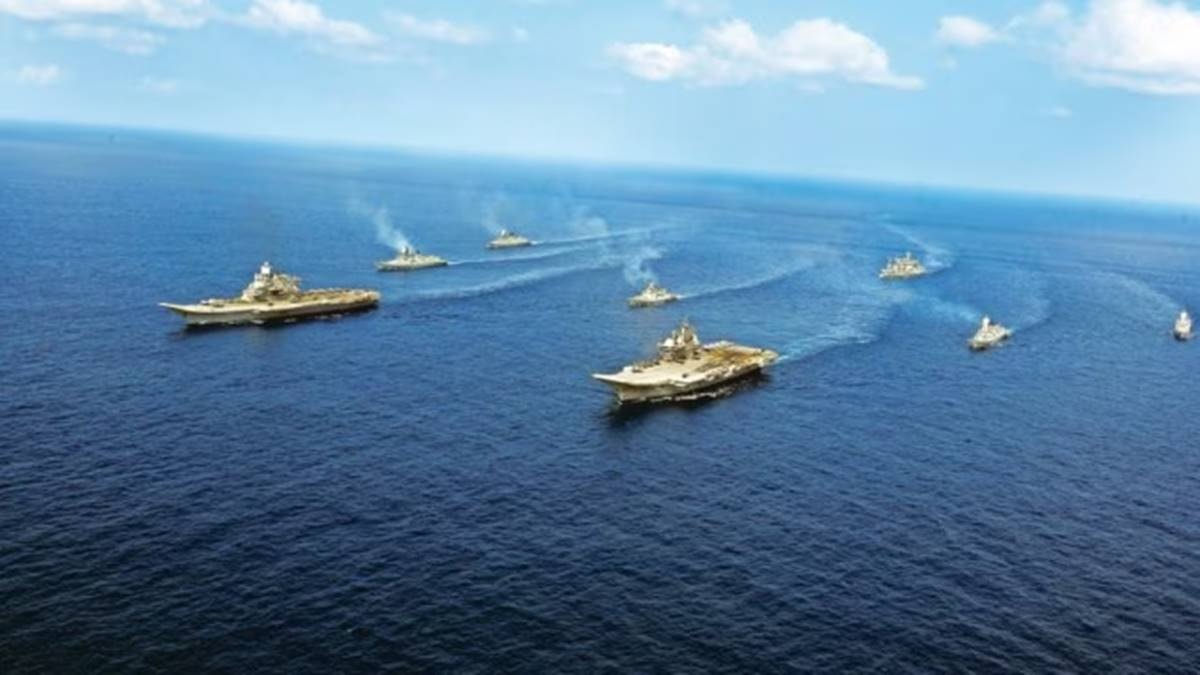
India
Amid the ongoing tensions with Pakistan, the Indian government is stepping up efforts on multiple fronts to safeguard national interests. One major move involves a new plan by the Centre to maximise the use of Indus river waters. This decision comes as the long-standing Indus Waters Treaty faces uncertainty, with India considering steps to suspend parts of it. The government aims to study ways to better utilise the water resources allocated to India under the treaty, which has remained unchanged for decades. Officials believe that by optimising water use from rivers like the Ravi, Beas, and Sutlej, India can meet its growing agricultural and energy needs more effectively. At the same time, India’s military preparedness has been on full display. In a strong message of readiness, Indian naval warships recently conducted successful anti-ship firing drills. These exercises were meant to revalidate the Navy’s ability to carry out long-range precision strikes against potential threats. An Indian Navy official emphasised that the fleet remains combat-ready, credible, and fully prepared to safeguard the country’s maritime interests under any circumstances. Adding to this show of strength, the Navy’s indigenous guided missile destroyer, INS Surat, achieved a significant milestone by intercepting a fast, low-flying missile target skimming across the sea. This successful interception highlights India’s growing capabilities in modern naval warfare and comes at a time when security tensions are high following the terrorist attack in Pahalgam, Jammu and Kashmir, which resulted in 26 casualties. Pakistan, meanwhile, has issued a maritime advisory about its planned surface-to-surface missile tests from its Karachi coastline within its Exclusive Economic Zone between April 24 and 25. Indian defence sources confirmed they are closely monitoring these developments to ensure national security remains uncompromised. On the internal security front, Indian authorities have intensified their crackdown on terrorism. In Jammu and Kashmir, the homes of three active terrorists were demolished in the districts of Bandipora, Pulwama, and Shopian. This decisive action is part of a broader effort to dismantle the terror infrastructure operating in the region following the Pahalgam attack. Together, these developments reflect India’s proactive stance — whether it’s managing critical water resources, demonstrating military strength, or ensuring internal security — at a time when regional tensions are running high.
Read More → Posted on 2025-04-27 15:28:10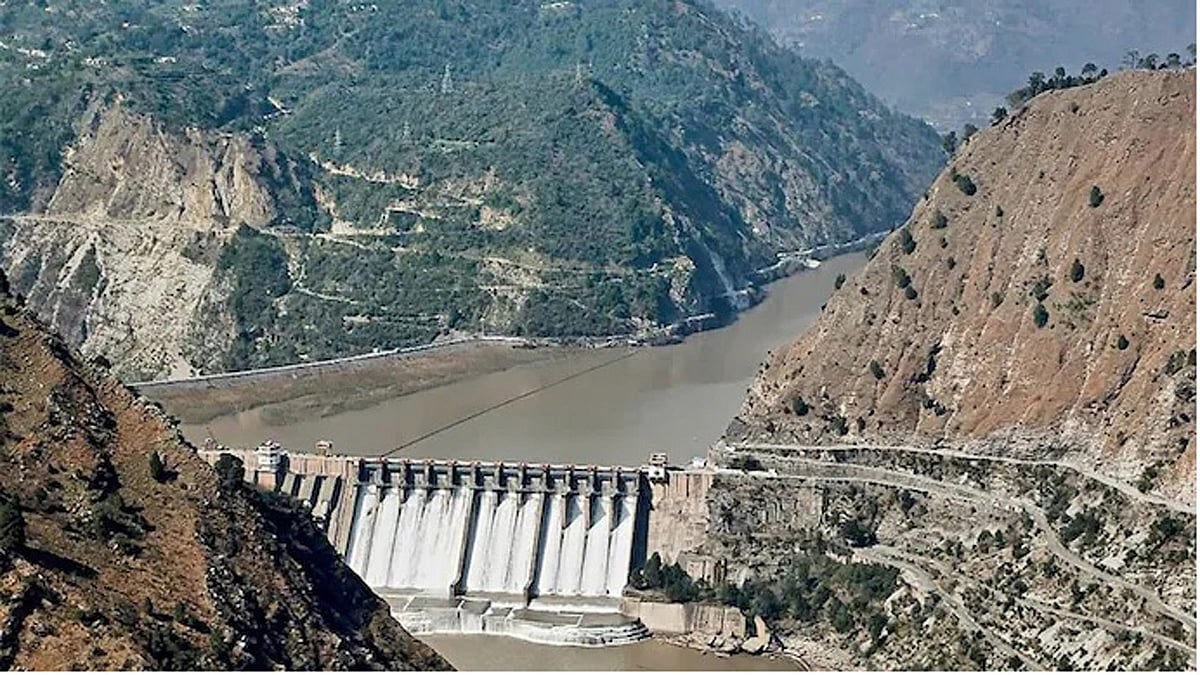
India
The Indian government is planning a major study to figure out how to make the most use of water from three key rivers — the Indus, Jhelum, and Chenab — after the suspension of the Indus Waters Treaty with Pakistan. This decision follows the tragic terror attack in Pahalgam that killed 26 people, which led India to put the decades-old treaty on hold. At a high-level meeting chaired by Home Minister Amit Shah, the future of the Indus Waters Treaty, signed in 1960 with the help of the World Bank, was discussed. Under this treaty, India had exclusive rights over the waters of the eastern rivers — Sutlej, Beas, and Ravi — while Pakistan was allocated the waters of the western rivers — Indus, Jhelum, and Chenab. But now, with the treaty suspended, India is moving towards using the water from the western rivers too. After the meeting, Jal Shakti Minister C.R. Paatil made it clear that the government is determined to ensure that not a single drop of water flows into Pakistan. He shared that Prime Minister Narendra Modi had given specific instructions on this issue and that the government is working seriously to implement them. The Ministry of Jal Shakti has been asked to carry out a detailed study to find the best ways to use the waters of the Indus, Jhelum, and Chenab for India's benefit. This marks a significant shift from the past, where much of the western rivers' water naturally flowed into Pakistan due to the treaty's terms. However, experts have pointed out that stopping the flow of water to Pakistan won’t be an overnight process. Himanshu Thakkar from the South Asia Network on Dams, Rivers and People explained that India currently lacks the necessary infrastructure to completely control the water flow. He mentioned that several major projects, particularly in the Chenab basin, are already underway, but it could take five to seven years for them to be completed. Only after these projects are finished will India be able to manage the river waters more effectively. Environmental activist Shripad Dharmadhikary also warned against expecting immediate changes, highlighting that building the infrastructure needed to fully control the water will take time. Meanwhile, Pakistan has reacted strongly to India's move. The Pakistan Senate passed a resolution stating that the suspension of the treaty was equivalent to an "act of war." For India, the suspension of the Indus Waters Treaty marks a major policy shift. While the road ahead is challenging, especially in building the necessary dams and canals, the government appears determined to move quickly and carefully to ensure the country makes full use of the water that was earlier flowing into Pakistan.
Read More → Posted on 2025-04-27 14:41:50
India
In a strong response to the deadly terror attack in Pahalgam that killed 26 people, mostly tourists, the Indian government has decided to put the Indus Waters Treaty (IWT) with Pakistan "on hold." A high-level meeting in New Delhi, chaired by Union Home Minister Amit Shah, brought together senior ministers like External Affairs Minister Dr. S. Jaishankar and Jal Shakti Minister C.R. Patil, along with top officials, to decide the future course of action. After the meeting, the government firmly stated that it would ensure not even a single drop of water from the Indus River flows into Pakistan. India has officially informed Pakistan about the suspension of the treaty, accusing it of violating the terms of the agreement and continuing to sponsor cross-border terrorism. The government made it clear that the decision is in the nation's interest. The Indus Waters Treaty, signed in 1960, divides the waters of the Indus River system between India and Pakistan. Normally, the treaty does not allow either side to unilaterally end or suspend it. However, India invoked a special clause, Article XII(3), which permits changes if both countries agree. India has argued that the situation has changed drastically since the treaty was signed, especially due to persistent acts of terrorism. Meanwhile, the World Bank, which had originally helped set up the treaty, said it had not been informed about India's move to suspend it. On the ground, the situation remains tense. Indian Army Chief General Upendra Dwivedi visited Kashmir to assess the security scenario after the Pahalgam attack. He was briefed by senior military leaders about the current counter-terrorism operations. In the days following the attack, there were also reports of exchanges of gunfire across the Line of Control (LoC), though no casualties were reported. The attack, claimed by The Resistance Front, a group linked to Pakistan-based Lashkar-e-Taiba, has once again highlighted the serious threat of terrorism from across the border. Reacting to the tragedy, Congress leader Rahul Gandhi visited Kashmir, met with the injured victims, and called for national unity against terrorism. Internationally, the United Nations stepped in, with Secretary-General Antonio Guterres urging both India and Pakistan to exercise "maximum restraint" and resolve issues peacefully. The UN condemned the terror attack and emphasized avoiding any actions that could worsen the already tense situation. Pakistan, however, has denied involvement. Its Senate passed a resolution rejecting India’s move to link Islamabad to the Pahalgam attack and criticized the suspension of the Indus Waters Treaty. The suspension of the treaty marks a major turning point in India-Pakistan relations. It signals that India is willing to take stronger measures if cross-border terrorism continues, while the world watches closely, hoping that both countries will avoid further escalation.
Read More → Posted on 2025-04-26 15:31:36
India
State-owned aerospace giant Hindustan Aeronautics Limited (HAL) is getting ready for a major milestone in its ambitious Indian Multi-Role Helicopter (IMRH) program. HAL is hopeful that by the end of 2025, the Cabinet Committee on Security (CCS) will approve the project, unlocking crucial funds to move from design to full-scale development. The IMRH project is a key effort to replace the ageing fleet of Mi-17 helicopters currently used by the Indian Army, Air Force, and Navy. About 240 Mi-17 helicopters, many of which are nearing the end of their service lives, are expected to be phased out starting in the early 2030s. HAL aims to begin handing over the new IMRH helicopters around 2032. Designed as a modern, twin-engine, 13-tonne class helicopter, the IMRH will serve multiple roles. It will be capable of transporting troops, carrying cargo, evacuating casualties, and conducting combat search and rescue missions. The helicopter’s versatility will make it a vital asset, especially for operations in high-altitude regions like Ladakh and Arunachal Pradesh. The development cost for the IMRH is expected to be between ₹10,000 crore and ₹12,000 crore over the next seven to eight years. HAL is planning to build the helicopter to meet the different needs of all three military branches, with the Army and Air Force being the biggest buyers. The Army might need about 150 helicopters, while the Air Force could order between 100 and 120 units. On the technical side, the IMRH will feature a modern design, with advanced avionics and a fully digital 'glass cockpit'. It will have the capacity to carry 24 to 30 soldiers or lift 3 to 4 tonnes of cargo externally. Importantly, the helicopter will be able to operate effectively above 6,000 meters, a must for missions in the Himalayas. The IMRH will be powered by a new engine being jointly developed by HAL and French company SAFRAN Helicopter Engines. Based on the proven Shakti engine used in HAL’s Dhruv helicopters, this new engine will deliver over 1,800 shaft horsepower (shp) and be specifically adapted for India’s tough operational conditions. Meanwhile, the Indian Navy will get a specialized version of the IMRH designed for maritime operations. This naval variant will come with features like foldable rotors for easy shipboard storage, a corrosion-resistant body for operating in sea air, and equipment for anti-submarine warfare and ocean rescue missions. The naval IMRH will require even more powerful engines, possibly producing over 2,000 shp, to deal with the demands of hovering and flying in humid marine environments. HAL expects the Navy might order 40 to 50 of these helicopters. HAL has ambitious plans to have the first prototype ready by 2028, followed by flight testing between 2029 and 2031. Full-scale production is targeted to start by 2032. Though HAL has built helicopters like the Dhruv Advanced Light Helicopter (ALH) and Light Utility Helicopter (LUH) before, the IMRH is a much larger and more complex project. It will require new technologies like fly-by-wire controls, advanced crash safety features, and high levels of automation. The initial CCS approval, expected by the end of 2025, would likely unlock around ₹2,000 crore to ₹3,000 crore to cover early design, prototype manufacturing, and ground testing phases. HAL is also working closely with India's Defence Research and Development Organisation (DRDO) and private firms such as Tata Advanced Systems to build key subsystems for the IMRH. This project fits into the larger 'Atmanirbhar Bharat' (Self-Reliant India) vision, aiming for 65-70% indigenous content. However, critical parts like the engine and transmission system will still involve international partnerships for now. If all goes as planned, the IMRH could become a game-changer for India’s military aviation, boosting both operational capabilities and domestic aerospace manufacturing.
Read More → Posted on 2025-04-26 15:27:57Search
Top Trending in 24 Hours
-
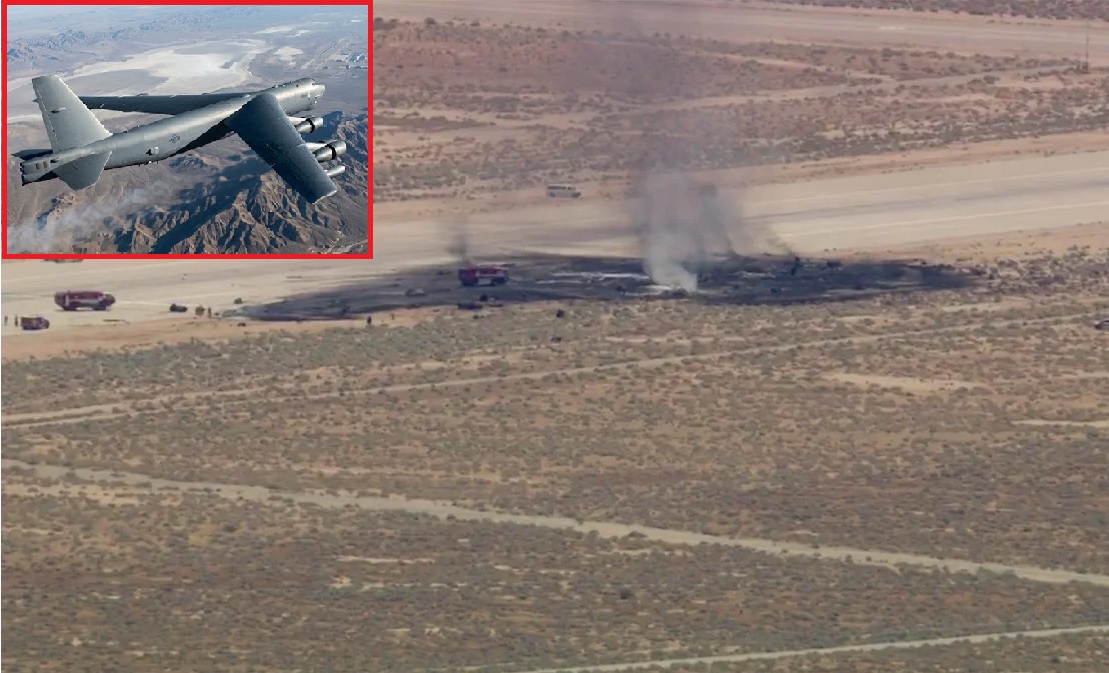 8 U.S. Air Force Crew Members Killed in B-52 Bomber Crash During Test Flight at Edwards Air Force Base
-
 Ukraine Introduces Balloon-Launched DART Missile Designed to Defeat Electronic Warfare
-
 Lockheed Martin Wins $514 Million U.S. Space Force Contract for Two New GPS IIIF Satellites
-
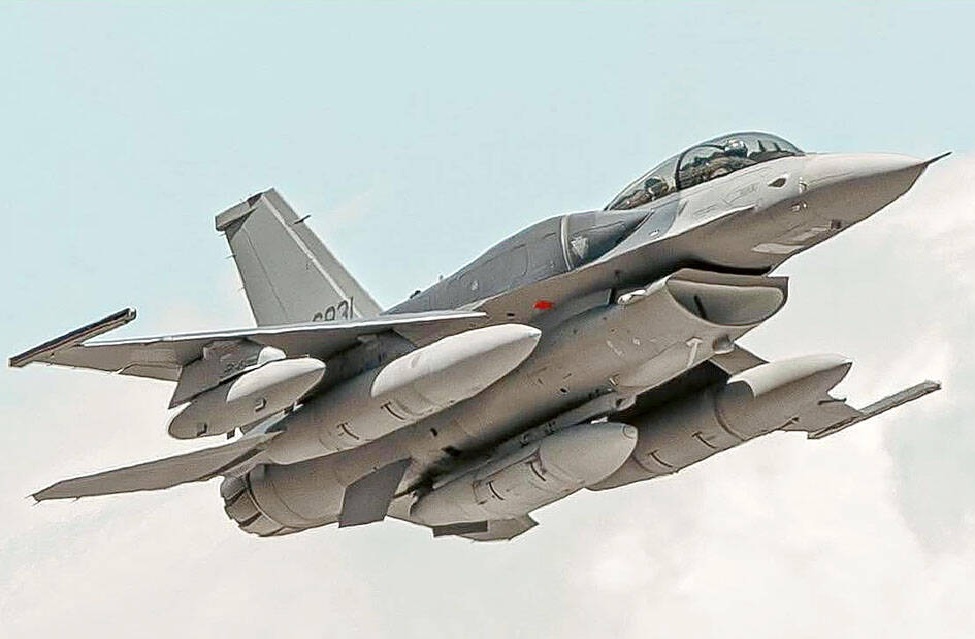 First Taiwanese F-16 Block 70 Flies with Five-Tank Fuel Configuration During Texas Tests
-
 UK Announces £210 Million Deal to Supply Enriched Uranium to Ukraine for Two Years
-
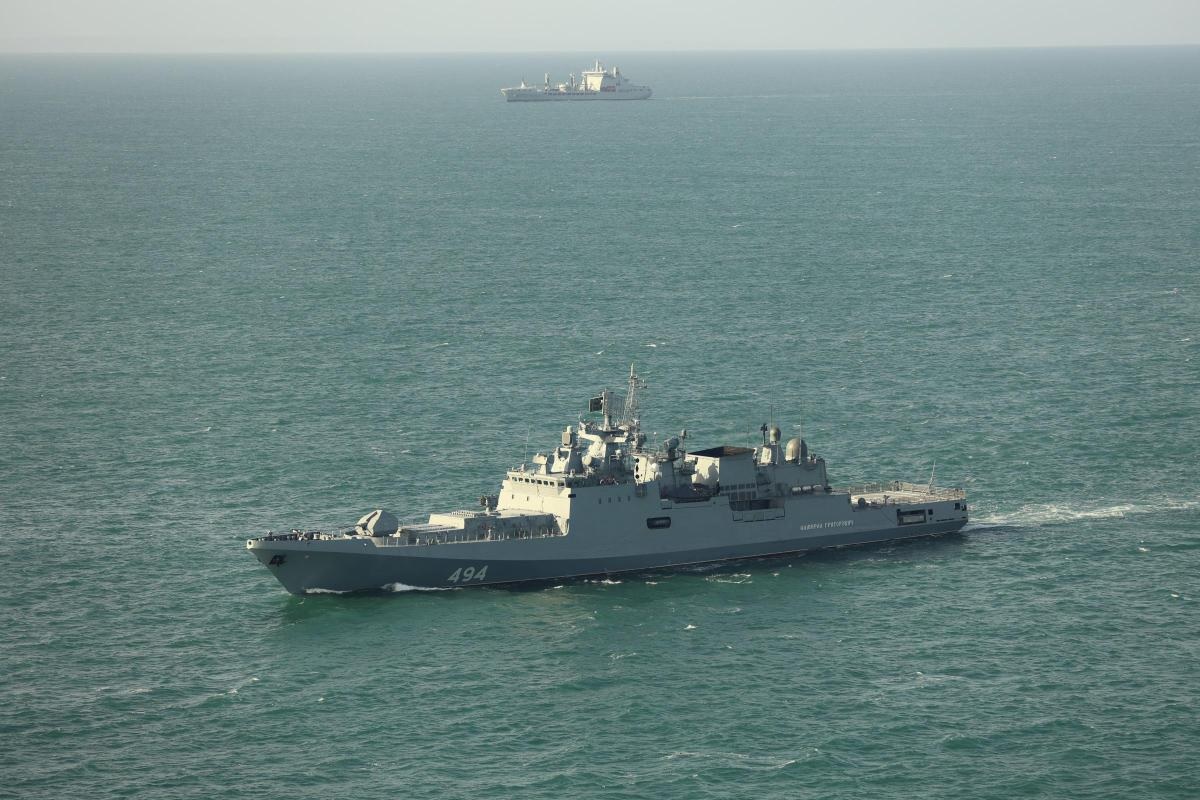 Russian Frigate Admiral Grigorovich Challenges UK Yacht in English Channel With Warning Shots
-
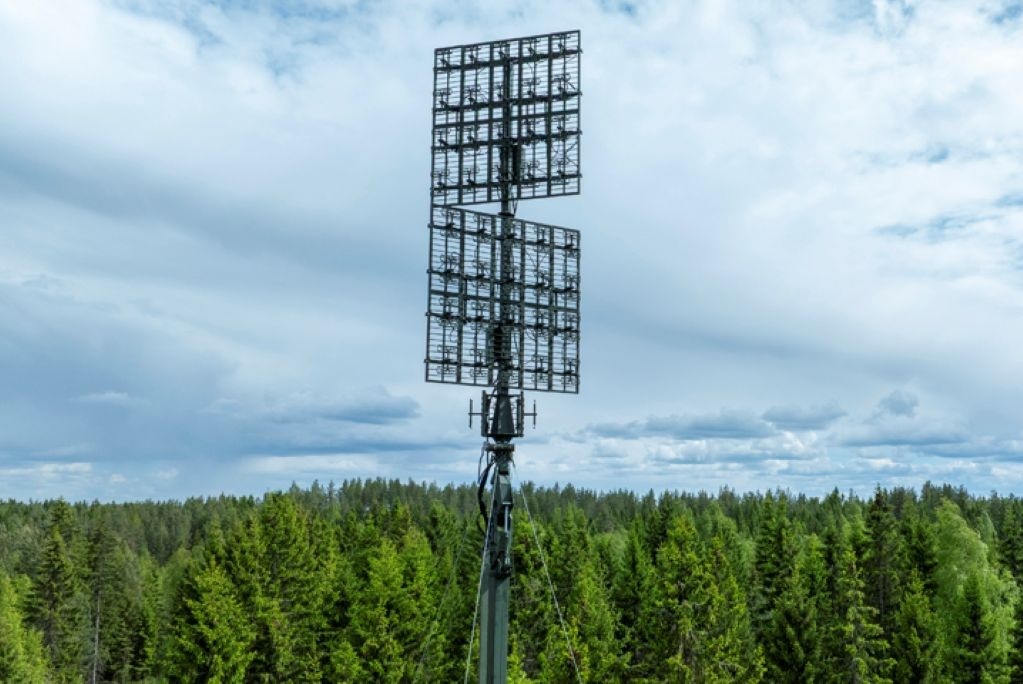 Patria Launches WISPR Passive Counter-Battery Radar with Silent Detection Capability at Eurosatory 2026
-
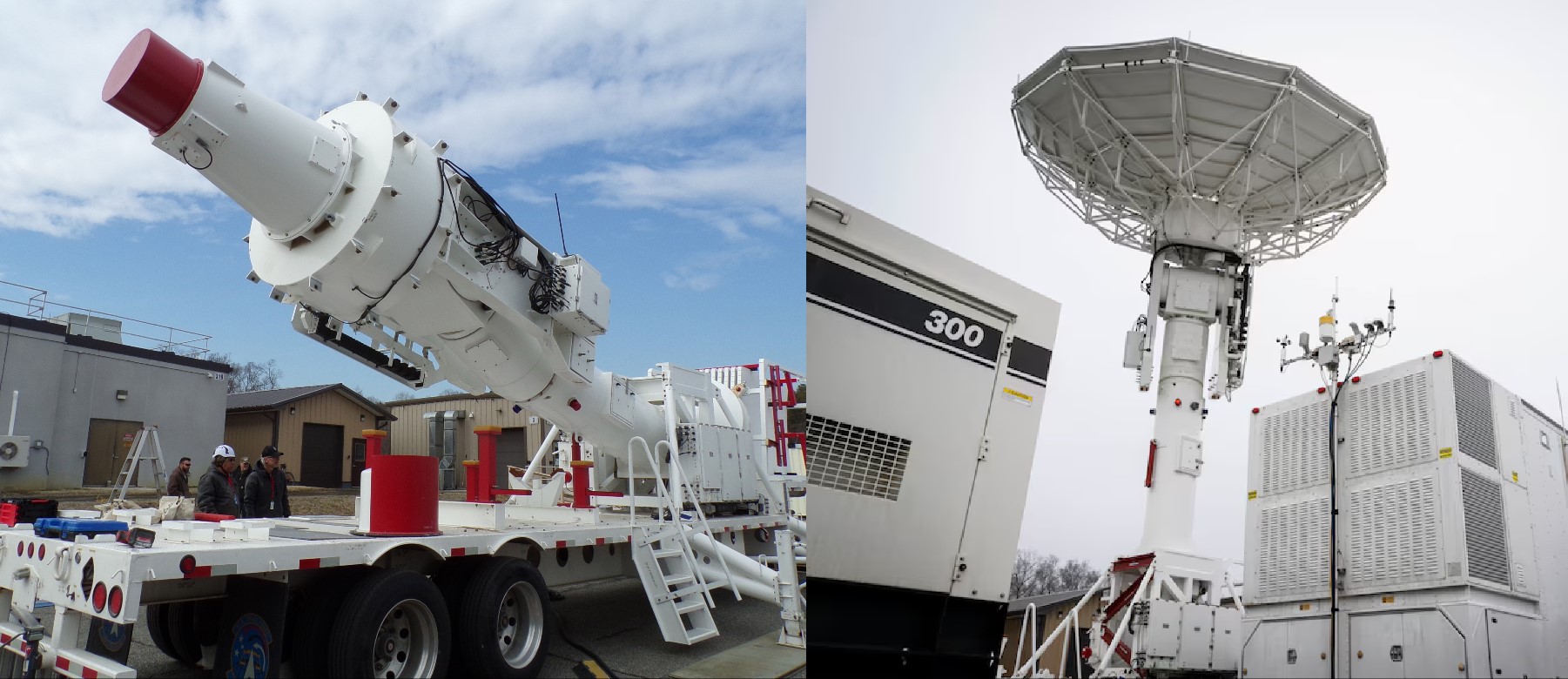 Space Force Transfers Transportable Satellite Tracking Antenna to Naval Research Laboratory
Top Trending in 4 Days
-
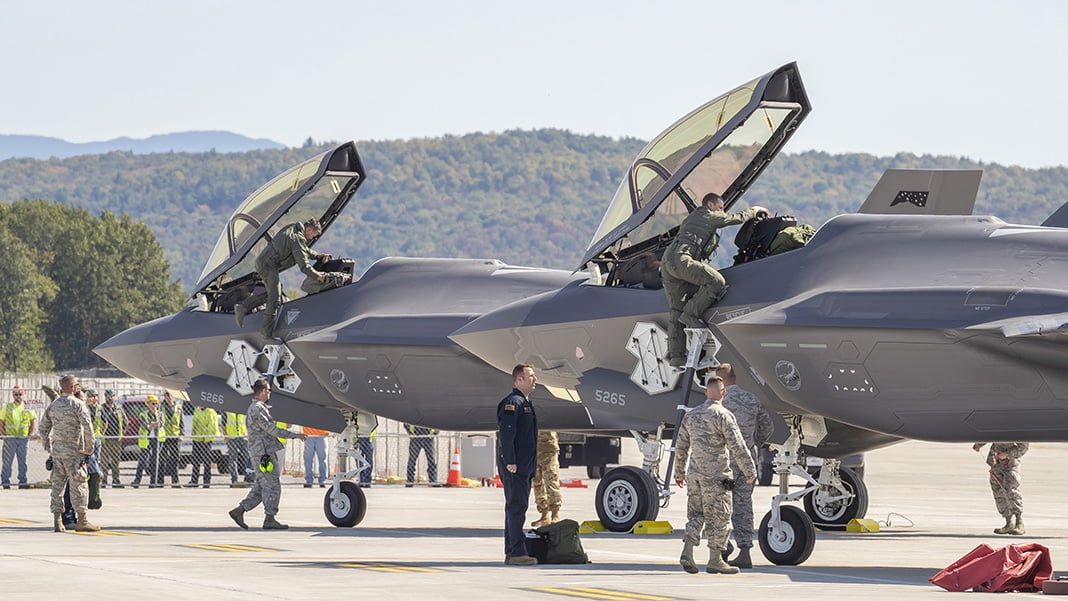 F-35 Fleet Readiness Falls to 25% Amid Parts Shortages and Software Delays: GAO Report
-
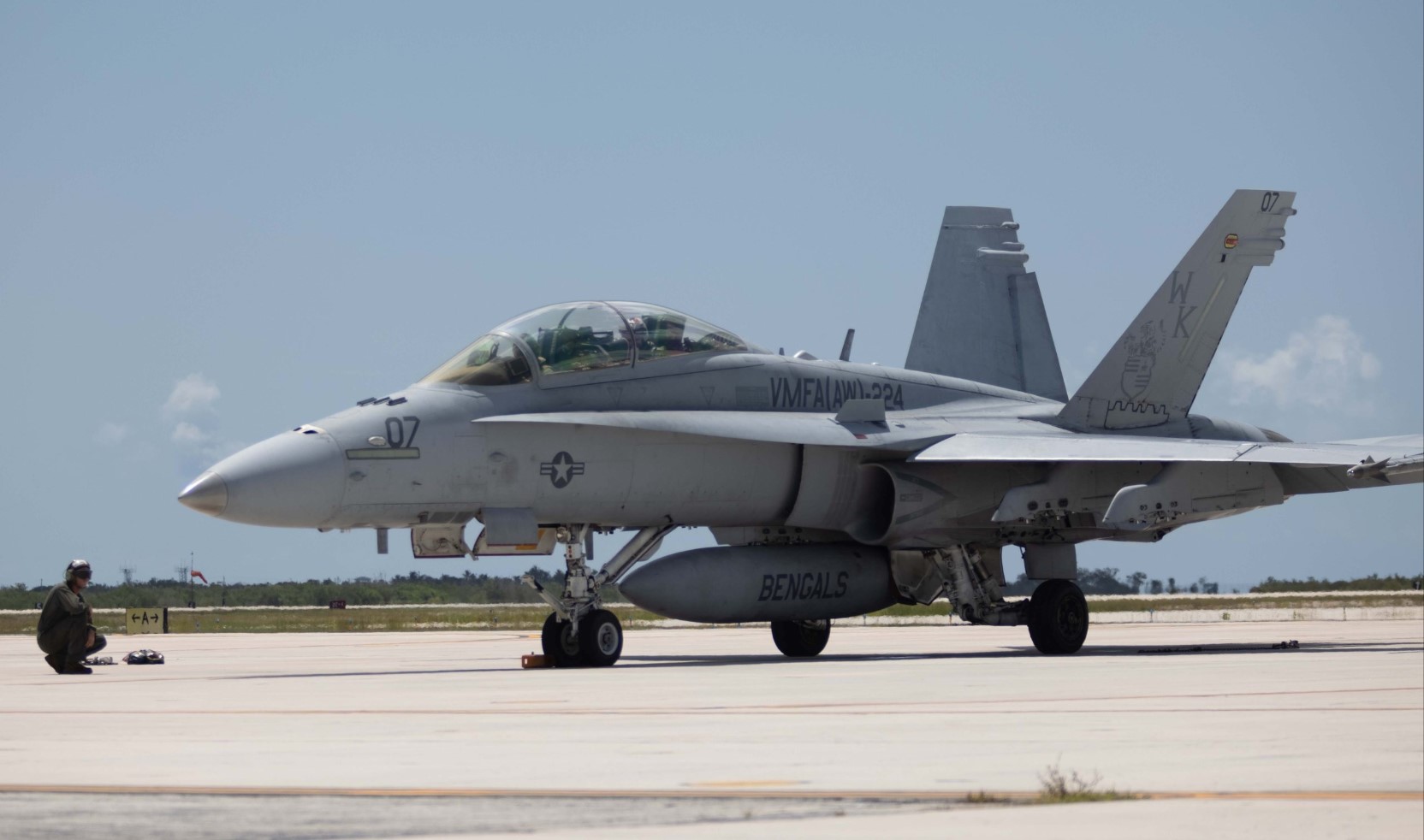 US Marine Corps F/A-18D Hornet Crashes During Training Flight in Washington Mountains; Pilot Ejects Safely
-
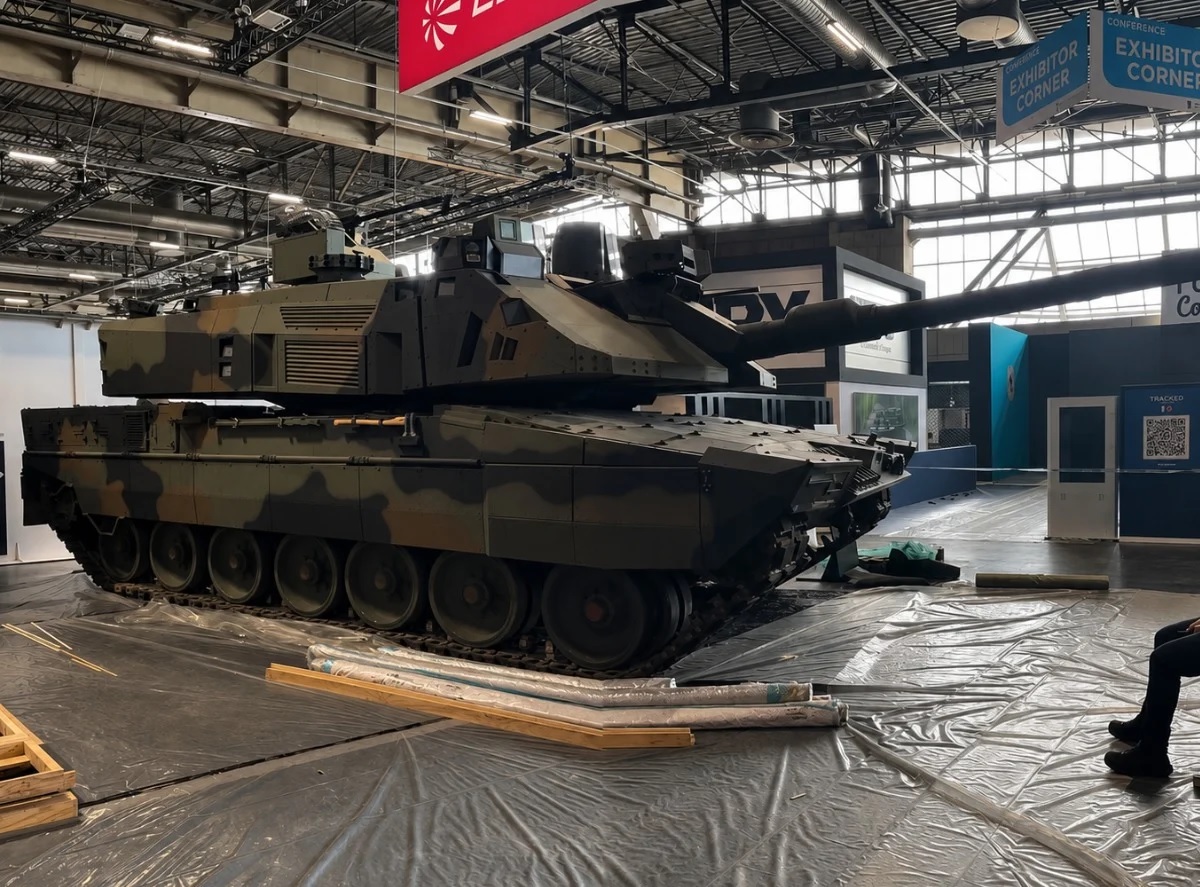 Leonardo Rheinmetall to Unveil Italy’s New IMBT Main Battle Tank at Eurosatory 2026
-
 Tulsi Gabbard Releases Declassified Files Detailing U.S.-Backed Network of 120 Biolaboratories Across 30+ Countries
-
8 U.S. Air Force Crew Members Killed in B-52 Bomber Crash During Test Flight at Edwards Air Force Base
-
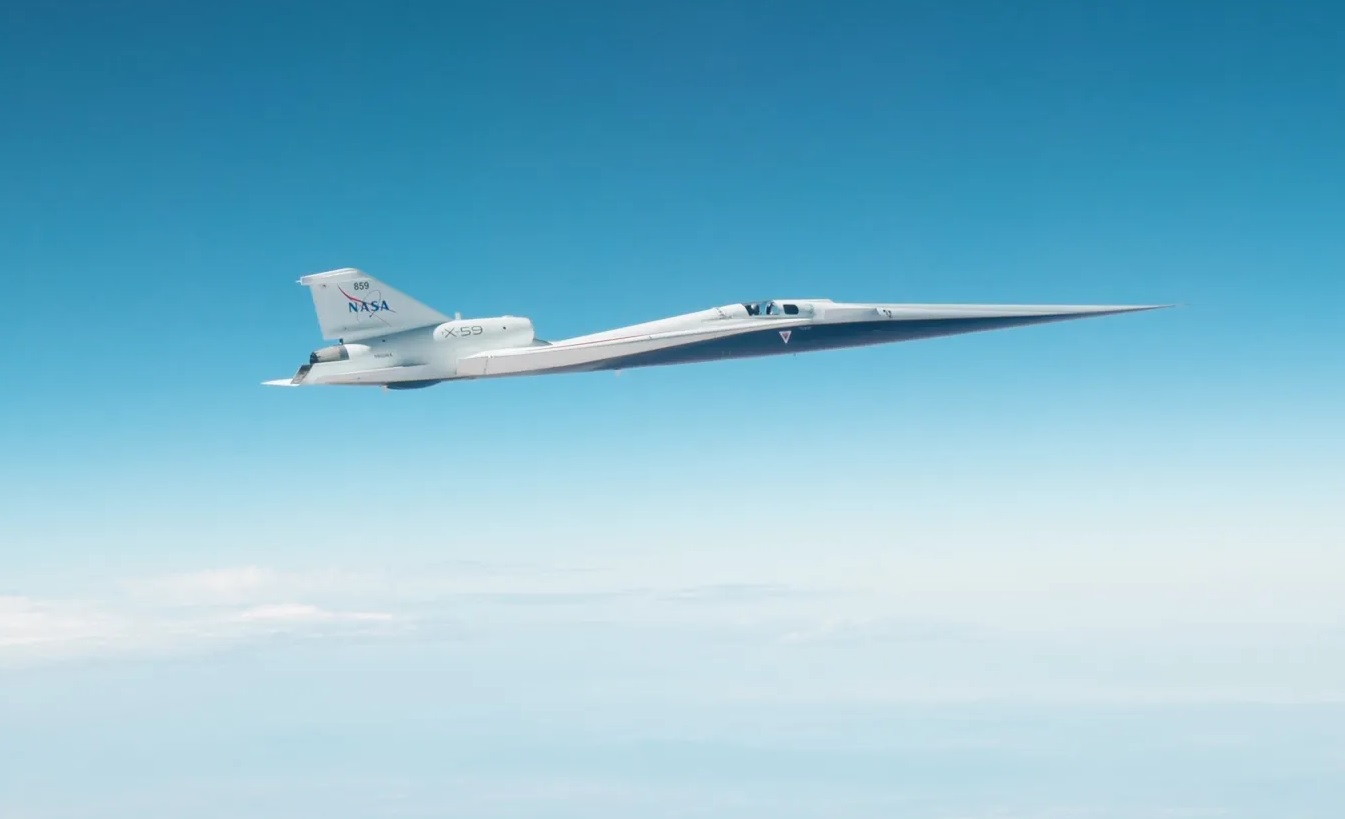 NASA X-59 Achieves Planned Mission Conditions with Mach 1.4 Flight at 55,000 Feet
-
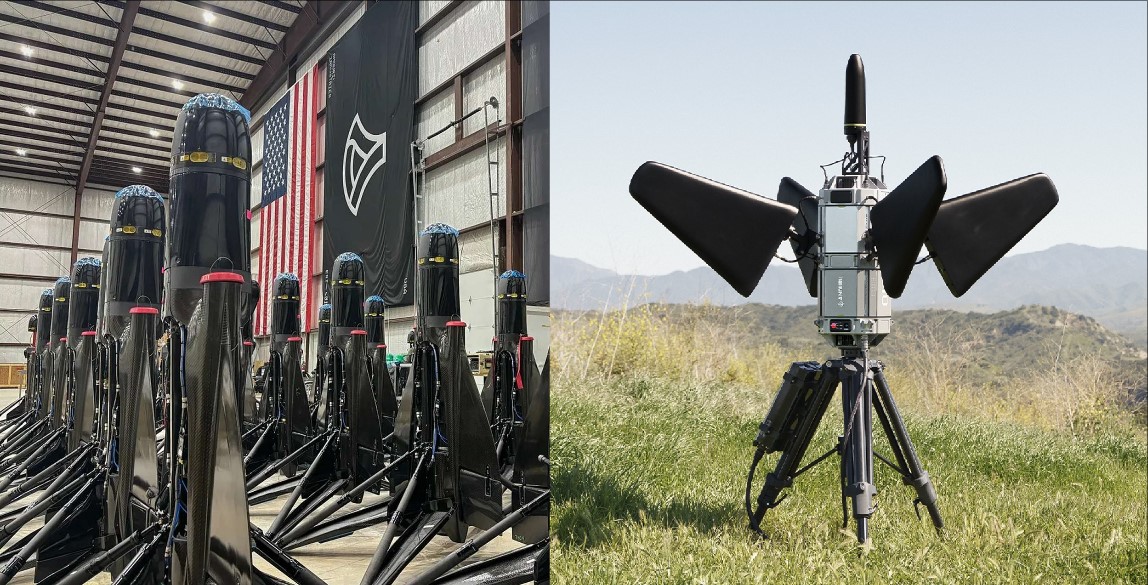 U.S. Approves $1.98 Billion Sale of Anduril AI-Powered Counter-Drone Systems to Kuwait
-
 Russia Launches 1,400 Jet-Powered Drones in 2026 as Strike Tactics Evolve to Challenge Ukraine's Air Defenses